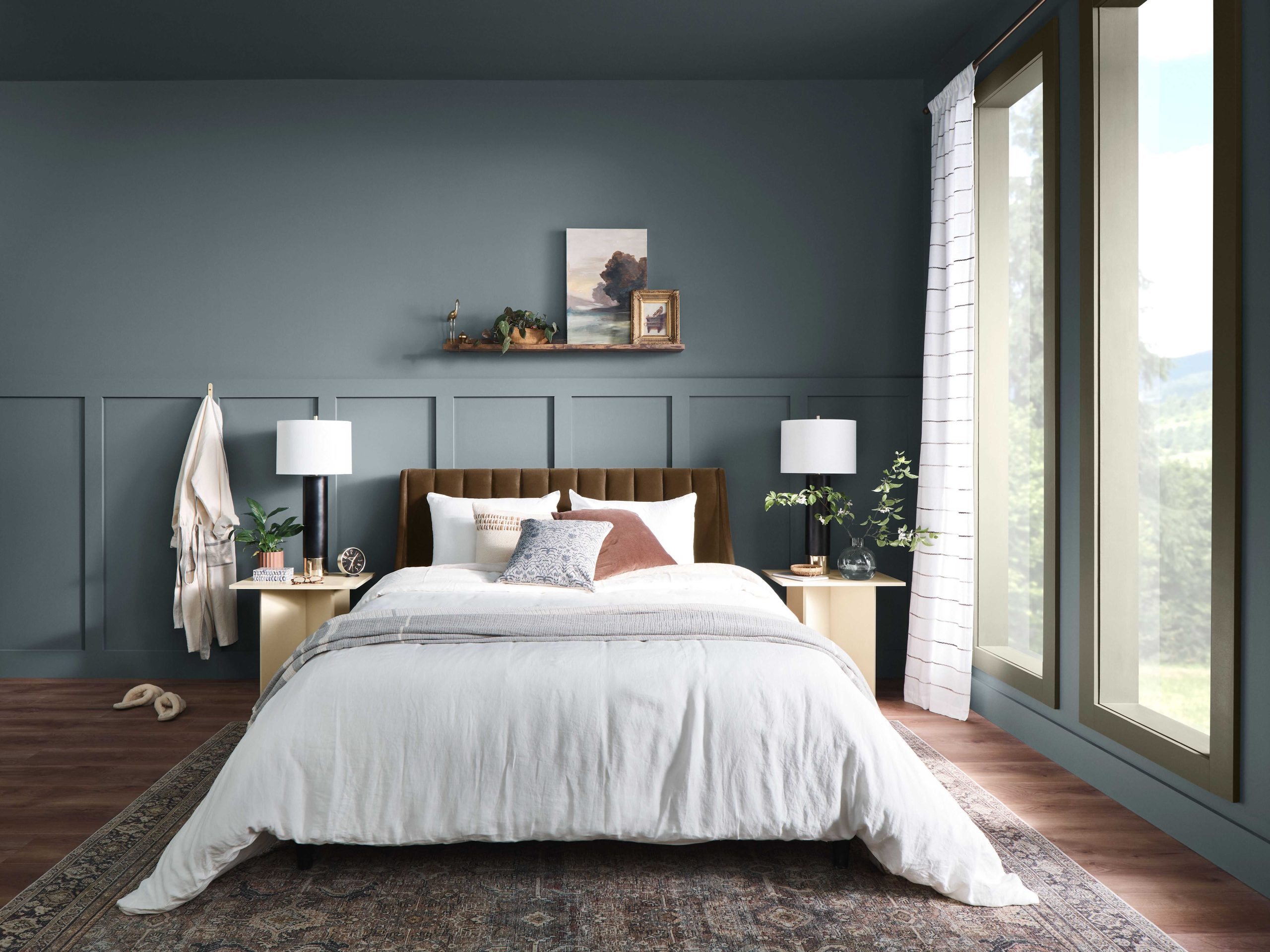
When it comes to creating a relaxing bedroom environment, the right color combinations can make all the difference. Soft, muted tones like gentle blues, calming greens, and warm neutrals are perfect for promoting tranquility. Pairing these shades with crisp whites or soft grays can create a serene backdrop that encourages relaxation. Think about incorporating pastel hues or earth tones for a more grounded feel. To achieve a balanced and harmonious space, consider using complementary colors that resonate with your personal style. Remember, the goal is to foster a sense of calm and comfort, allowing you to unwind and recharge after a long day. Let’s explore some of the best color combinations that can transform your bedroom into a peaceful sanctuary.

What Are the Best Color Combinations for a Relaxing Bedroom?
Creating a relaxing bedroom is essential for restful sleep and rejuvenation. One of the key elements to achieve this tranquil atmosphere is color. Choosing the right colors can significantly impact your mood and create a serene environment. Let’s explore the best color combinations that can help you design a calming bedroom space.
The Psychology of Color in Bedroom Design
Colors can evoke emotions and set the tone for a room. Understanding color psychology is vital when designing a relaxing bedroom.
– **Blue**: Known for its calming effects, blue reduces stress and promotes tranquility.
– **Green**: Associated with nature, green creates a refreshing ambiance, fostering relaxation.
– **Soft Neutrals**: Beige, cream, and soft grays provide a warm and inviting backdrop without overwhelming the senses.
These colors help create a peaceful environment that is conducive to rest and relaxation.
Warm vs. Cool Colors
When selecting colors, consider the temperature of the colors chosen. Cool colors usually provide a calming effect, while warm colors can energize a space.
– **Cool Colors**:
– Blues
– Greens
– Purples
– **Warm Colors**:
– Yellows
– Oranges
– Reds
For a relaxing bedroom, it’s best to stick to cooler shades. However, incorporating warm colors as accents can add warmth and personality.
Popular Color Combinations for a Relaxing Bedroom
Several color combinations work exceptionally well in creating a serene atmosphere. Here are some top picks:
1. Soft Blue and White
This classic combination creates a refreshing and airy feel. The softness of blue paired with crisp white enhances the sense of cleanliness and tranquility.
– Blue walls can make the room feel more spacious.
– White accents—such as bedding and trim—keep the space bright and open.
2. Green and Beige
Combining green’s natural vibe with beige’s warmth promotes balance and comfort. This duo mimics nature, making the space feel grounded.
– Use green for feature walls or decor.
– Light beige for larger areas helps maintain a cohesive look.
3. Lavender and Cream
Lavender is a soothing color that encourages relaxation. Partnering it with cream softens the vibe while adding warmth.
– Lavender on the walls can create a sense of calm.
– Cream bedding and furniture enhance the overall cozy aesthetic.
4. Soft Gray and Aqua
Gray acts as a perfect neutral backdrop, while aqua introduces a pop of color that remains soothing.
– Soft gray walls create a serene environment.
– Aqua accessories like pillows and throws add a refreshing touch.
5. Dusty Rose and Charcoal
This modern combination brings subtle elegance to a bedroom. Dusty rose feels inviting, while charcoal adds depth.
– Dusty rose wall paint can feel nurturing.
– Charcoal bedding or decor offers contrast without being harsh.
Choosing Colors by Room Size and Light
The dimensions of your bedroom and the natural light it receives should influence your color choices.
– **Small Rooms**: Light colors like soft whites or pastels can make the space feel larger.
– **Large Rooms**: Darker tones such as navy blue or deep green can add coziness.
Natural light also plays a crucial role. South-facing rooms benefit from warmer tones due to ample sunlight, while north-facing rooms may require warmer shades to counteract cooler light.
Accent Colors: Adding Pops of Personality
While the main colors set the mood, accent colors can add character without overwhelming the calm ambiance. Here are some ideas:
– **Throw Pillows**: Use vibrant hues in small doses.
– **Artwork**: Choose pieces that highlight your selected color palette.
– **Plants**: Greenery can uplift the environment while promoting relaxation.
Using these accents allows for personal expression while keeping the bedroom tranquil.
Textiles and Furnishings: Complementing Your Color Scheme
Colors extend beyond just paint; they include textiles and furnishings. Here are some elements to consider:
– **Bedding**: Opt for soft fabrics in your chosen colors to enhance comfort.
– **Curtains**: Light, airy curtains in calming hues let in natural light while maintaining privacy.
– **Rugs**: Soft area rugs can add texture and warmth, grounding the room.
Carefully selecting textiles that fit your color scheme will help achieve a cohesive design.
Creating a Focal Point in the Bedroom
A focal point can tie the whole room together. Consider these options:
– **Feature Wall**: Choose one wall to paint a bold color or install wallpaper.
– **Headboard**: A uniquely colored or patterned headboard can serve as an attractive centerpiece.
– **Artwork**: A large piece of artwork can draw attention and complement the room’s color palette.
Your focal point should harmonize with the overall color scheme while enhancing the calming atmosphere.
Lighting: Enhancing Your Color Choices
The type of lighting in your bedroom can significantly affect how colors appear.
– **Natural Light**: Maximizing natural light will enhance soft colors and make them appear brighter.
– **Warm Lighting**: Consider soft, warm light bulbs for a cozy feel.
– **Layered Lighting**: Use multiple light sources, such as bedside lamps and overhead lights, to create depth.
Proper lighting will ensure your color choices remain inviting and relaxing.
Final Touches: Adding Personal Elements
Personalizing your bedroom can further enhance its relaxing vibe. Incorporate meaningful elements that reflect your personality while adhering to the color scheme.
– **Family Photos**: Use frames in complementary colors to display cherished memories.
– **Decorative Items**: Choose items that resonate with you but still align with the overall design concept.
These touches help make your bedroom uniquely yours while maintaining a calm atmosphere.
Maintaining a Harmonious Color Palette
Once the colors are chosen, maintaining a harmonious palette is essential for cohesion.
– **Consistency**: Ensure all elements, from wall paint to accessories, align with your selected colors.
– **Balance**: Introduce colors in equal parts to prevent any one color from overpowering the others.
Achieving a balanced color palette will foster a relaxing ambiance.
The journey to creating a relaxing bedroom involves careful consideration of colors and their impacts. By focusing on soft, calming combinations, you can turn your space into a sanctuary that promotes peace and restful sleep.
10 Best Bedroom Paint Color Ideas | Relaxing Colors in 2024
Frequently Asked Questions
“`html
What colors promote relaxation in a bedroom?
Soft, muted colors such as pale blue, gentle green, and warm beige promote relaxation in a bedroom. These hues create a calm and soothing atmosphere, encouraging restful sleep and tranquility.
How do accent colors enhance a calming bedroom environment?
Accent colors can enhance a calming bedroom by providing visual interest without overwhelming the senses. Soft pastels or muted shades of colors like lavender or coral can serve as accents, complementing the main color palette while still maintaining a peaceful ambiance.
Should I consider the size of my bedroom when choosing colors?
Yes, the size of your bedroom plays a significant role in color selection. Lighter colors often make a small space feel larger and airier, while deeper shades can create a cozy, intimate feeling in larger rooms. Choosing the right colors based on room size helps maintain the desired atmosphere.
Can natural light influence my color choices for a relaxing bedroom?
Absolutely, natural light impacts how colors appear in a space. A room with ample sunlight can benefit from warmer tones that enhance brightness, while darker rooms may benefit from lighter, cooler hues that reflect light and create a more open feel. Always test colors in different lighting conditions.
What role do textures play in complementing color schemes?
Textures add depth and interest to color schemes in a bedroom. Soft fabrics like cotton, linen, or plush materials can soften the look of colors and enhance the overall sense of relaxation. Layering textures with your chosen color palette can create a more inviting and soothing environment.
“`
Final Thoughts
Choosing the right colors significantly impacts the tranquility of your bedroom. Soft hues like pale blues and greens create a calming environment, while neutrals such as beige and soft grays provide a cozy backdrop. Combining these shades can enhance relaxation and promote restful sleep.
What Are the Best Color Combinations for a Relaxing Bedroom? A harmonious blend of pastels and earthy tones works wonders for stress relief. Focusing on these combinations fosters a serene atmosphere, ensuring your bedroom becomes a peaceful retreat. Prioritize comfort in your choices to create the ideal calming space.