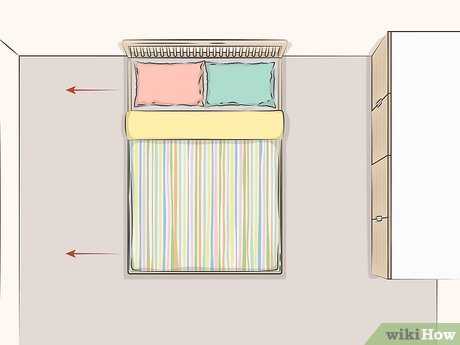
Arranging furniture in a small bedroom can be a fun challenge that leads to a cozy and functional space. To maximize your room’s potential, start by choosing a layout that promotes easy movement and utilizes every inch wisely. Consider multifunctional furniture, like a bed with storage drawers or a nightstand that doubles as a small desk. Placing the bed against the longest wall can open up floor space, and using mirrors can create an illusion of depth. Don’t forget to keep pathways clear and avoid overcrowding, as this can make the room feel cramped. With a little creativity, you can achieve a stylish and practical bedroom that makes the most out of your limited space.

“`html
How to Arrange Furniture in a Small Bedroom?
Arranging furniture in a small bedroom can often feel like a puzzle. However, with the right strategies and creative solutions, you can make the most of your space. This section will explore various techniques and tips to help you design a functional and stylish small bedroom.
Understanding Your Space
Before making any decisions, take time to analyze the layout of your bedroom. Measure the dimensions of your room and any architectural features, such as windows, doors, and built-in closets. This will help you understand where each piece of furniture can fit and how best to arrange them.
– **Create a floor plan**: Sketch a simple layout of your room. You can use graph paper or even a digital tool. Mark the locations of doors and windows.
– **Note traffic flow**: Identify how you move around the room. Ensure that pathways are clear for easy access.
Choosing the Right Furniture
Selecting the right furniture is crucial for a small bedroom. Opt for pieces that are both functional and proportionate to your space.
– **Multi-functional furniture**: Look for beds with storage drawers underneath or ottomans that double as seating and storage.
– **Avoid bulky items**: Choose slim, lightweight furniture that doesn’t overcrowd the room. For example, a narrow desk can work better than a large one.
Optimal Bed Placement
The bed is often the largest piece of furniture in a bedroom. Its placement can significantly impact the overall feel of the space.
– **Center the bed**: If you can, placing the bed in the center of the wall opposite the door gives a balanced look.
– **Corner placement**: For really tight spaces, consider placing the bed in a corner. This can free up floor space for other furniture.
Headboard Considerations
If you choose a bed with a headboard, ensure it doesn’t dominate the room.
– **Low-profile headboards**: These can create an illusion of height without overwhelming the space.
– **Wall-mounted options**: Consider a wall-mounted headboard to save floor space.
Smart Nightstand Solutions
Nightstands are essential for holding lamps and storing small items. In a small bedroom, it’s important to choose wisely.
– **Floating shelves**: Instead of traditional nightstands, use floating shelves to keep necessary items within reach.
– **Slim nightstands**: If you prefer a nightstand, choose one that’s narrow but tall, giving you storage without taking up too much space.
Utilizing Vertical Space
When floor space is limited, look up! Making use of vertical space can create a more open and organized feel.
– **Wall shelves**: Install wall-mounted shelves above furniture to store books and decorative items.
– **Tall dressers**: Opt for dressers that are taller rather than wider to maximize storage without occupying too much floor space.
Furniture Arrangement Techniques
Once you’ve chosen your furniture, it’s time to think about arrangement. Here are some techniques to optimize your layout.
The Focal Point Approach
Identify a focal point in your bedroom. This could be the bed, artwork, or a window.
– **Arrange furniture around it**: Position your other furniture to highlight the focal point. This creates visual interest and makes the room feel inviting.
Symmetrical vs. Asymmetrical Layouts
Evaluate whether a symmetrical or asymmetrical layout fits your style.
– **Symmetrical arrangement**: This involves placing matching nightstands and lamps on either side of the bed. It creates balance.
– **Asymmetrical arrangement**: This allows for a more dynamic layout, so experiment with different placements to see what fits best.
Zone Creation
Incorporate zones by grouping similar functions together.
– **Sleeping zone**: Focus on the bed and bedside tables.
– **Work zone**: Include a desk and chair for a small work area.
Lighting Considerations
Lighting plays an important role in a bedroom’s ambiance.
– **Layered lighting**: Use a combination of overhead lights, bedside lamps, and accent lighting.
– **Natural light**: Maximize natural light by using sheer curtains that allow sunlight to filter through.
Storage Solutions
Storage is key in a small bedroom. Utilizing creative storage solutions can help keep clutter at bay.
– **Under-bed storage**: Use bins or drawers that slide under the bed to store seasonal clothing or shoes.
– **Hooks and organizers**: Consider wall hooks for accessories and hats, keeping them accessible and decorative.
Personal Touches
Finally, don’t forget to add personal touches that reflect your style.
– **Decorate with art**: Hang artwork that brings you joy. This adds color and life to the space.
– **Textiles**: Choose bedding and throw pillows that complement your color scheme and add texture.
Maintaining an Organized Space
Once you’ve arranged your furniture, maintaining order is important.
– **Daily tidying**: Spend a few minutes each day putting items back in their places.
– **Regular decluttering**: Regularly assess what you need and donate anything you no longer use to keep your space fresh.
Final Thoughts on Small Bedroom Arrangements
Arranging furniture in a small bedroom can be a fun challenge. By understanding your space, choosing the right furniture, and being creative with your layout, you can create a functional and stylish room. Remember to keep your design personal and inviting.
This approach not only enhances the look of your bedroom but also makes the most of every inch. Embrace the cozy feel of a small bedroom and enjoy the creative process of arranging your space!
“`
Maximize Small Bedroom Space: Clever Tips for Bed Placement and Storage Solutions!
Frequently Asked Questions
“`html
What are some tips for maximizing space in a small bedroom?
To maximize space in a small bedroom, consider using multi-functional furniture like a bed with storage drawers underneath or a desk that can fold away when not in use. Position furniture to create clear pathways and avoid overcrowding the room. Use mirrors to create an illusion of more space and choose lighter colors for walls and bedding to enhance brightness.
How can I create a focal point in a small bedroom?
Establishing a focal point in a small bedroom can be achieved by using bold decor or furniture pieces. Consider painting one wall a vibrant color or hanging a large piece of artwork above the bed. A beautifully designed headboard can also serve as a focal point while keeping the overall arrangement simple and uncluttered.
Should I use a rug in a small bedroom?
Yes, using a rug can add warmth and texture to a small bedroom. Choose a rug that fits the size of the space without overwhelming it. A larger rug can help unify the room, while a smaller one can define specific areas, such as under the bed or seating area, enhancing the overall design.
How can lighting affect the arrangement of furniture in a small bedroom?
Lighting plays a crucial role in a small bedroom arrangement. Utilize a mix of ambient, task, and accent lighting to create a well-lit environment. Position furniture to take advantage of natural light, and opt for lighter shades on lampshades to reflect more light. This combination helps to make the space feel larger and more inviting.
What is the best way to arrange a bed in a small bedroom?
Place the bed against the longest wall to maximize floor space. If possible, center it between two nightstands for balance. Avoid pushing the bed into a corner unless necessary, as this can limit accessibility. Ensure there’s enough space to walk around the bed comfortably, contributing to an open and airy feel.
“`
Final Thoughts
Arranging furniture in a small bedroom requires thoughtful planning to maximize space. Start with the bed as the focal point, positioning it against the longest wall to create more floor area.
Utilize multifunctional furniture, such as storage ottomans or nightstands with drawers, to keep the room organized.
Incorporate vertical storage options like shelves to draw the eye upward, enhancing the room’s perceived size. Keep pathways clear and avoid overcrowding to maintain a comfortable flow.
In conclusion, these strategies can help you effectively tackle the challenge of “How to arrange furniture in a small bedroom?”