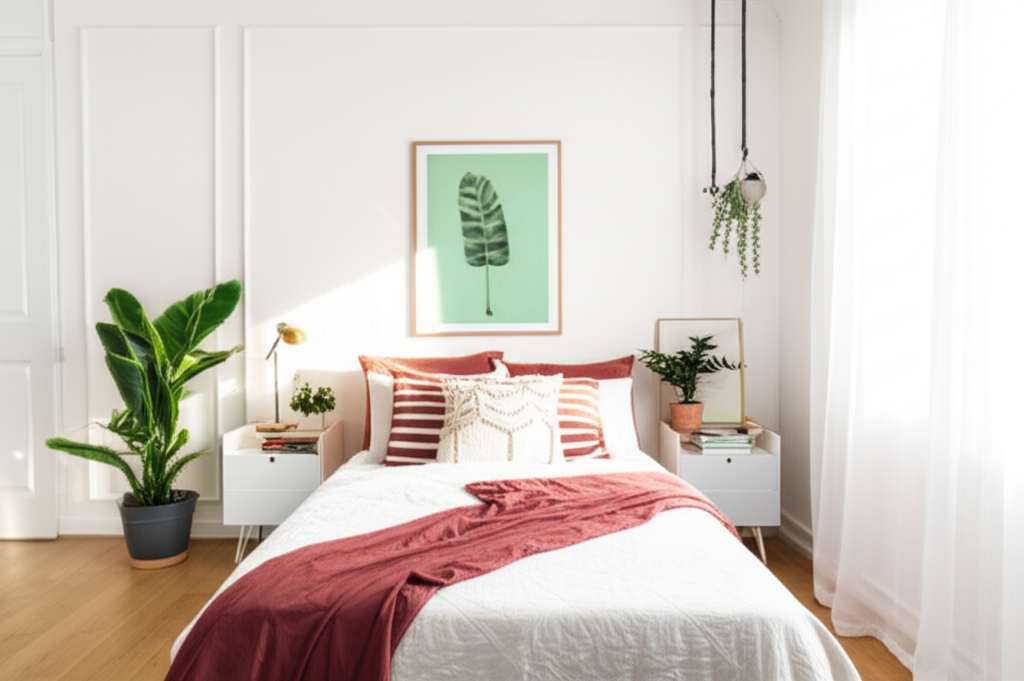
Transform your small bedroom into a stylish, trendy haven with these practical and affordable design ideas. This guide offers easy-to-follow steps and creative inspiration to maximize your space and create a personal sanctuary you’ll love.
Is your bedroom feeling a little cramped? Do you dream of a stylish space but aren’t sure where to start, especially with limited square footage? You’re not alone! Many of us struggle with making small bedrooms feel both functional and fabulous.
But don’t worry, creating a trendy and comfortable small bedroom is totally achievable. We’ll break down simple strategies and fun ideas to help you unlock your room’s full potential.
Get ready to discover how to make your small bedroom a place of style and peace, no matter your budget or design experience!

Small Trendy Bedroom Design Ideas: Your Ultimate Makeover Guide
Feeling inspired to give your small bedroom a refresh? It’s exciting to think about a fresh new look! Small spaces can sometimes feel limiting, but with the right approach, they can become incredibly cozy, stylish, and functional. Think of it as a fun puzzle where every piece you add makes the picture even better.
We’re going to explore some fantastic, easy-to-implement ideas that will make your small bedroom feel bigger, brighter, and totally on-trend. Whether you’re a student, a renter, or a homeowner looking to spruce things up, these tips are designed to be simple, budget-friendly, and inspiring.
Let’s dive into how you can transform your personal sanctuary!
1. Maximize Vertical Space: Go Up, Not Out!
In a small room, the walls are your best friends. Think about how you can use the height of your room to your advantage. This frees up floor space, making the room feel much larger and less cluttered.

Vertical storage is key. Instead of sprawling dressers, opt for tall, slim bookshelves or wall-mounted shelves. This draws the eye upward, creating an illusion of more space.
- Tall, Narrow Bookshelves: These provide ample storage without taking up much floor space. Anchor them securely to the wall for safety.
- Floating Shelves: Perfect for displaying decor, books, or even small plants. They create a clean, minimalist look.
- Wall-Mounted Organizers: Consider hanging organizers for items like jewelry, scarves, or even small electronics.
- High Headboard: A headboard that extends higher on the wall can create a dramatic focal point and make the bed appear more substantial.
2. Clever Furniture Choices: Smart Solutions for Small Footprints
The furniture you choose makes a huge difference in a small bedroom. Opt for pieces that are multi-functional or have a smaller, sleeker profile. Avoid bulky items that can overwhelm the space.
Think about furniture that can do double duty. This saves you space and money, and keeps the room feeling open and airy. It’s all about making smart choices that work harder for you.
- Bed Frame with Storage: Many bed frames come with built-in drawers or lift-up storage. This is perfect for stashing away extra bedding, clothes, or seasonal items.
- Floating Nightstand: A nightstand that attaches directly to the wall looks less bulky than a traditional one with legs.
- Ottoman or Bench with Storage: Place this at the foot of your bed for extra seating and a hidden storage solution.
- Fold-Down Desk: If you need a workspace, a desk that folds up against the wall when not in use is a game-changer.
Multifunctional Furniture Spotlight
When space is tight, furniture that serves more than one purpose is invaluable. Here are some popular multifunctional items that are perfect for small bedrooms:
| Furniture Item | Primary Use | Secondary Use(s) | Benefit for Small Rooms |
|---|---|---|---|
| Storage Bed Frame | Sleeping | Storing clothes, linens, shoes | Combines bed and dresser space, maximizing utility. |
| Ottoman with Lid | Seating, Footrest | Storage for blankets, books, toys | Provides seating and hidden storage without visual clutter. |
| Wall-Mounted Desk | Workspace | Display shelf when folded | Saves floor space; disappears when not needed. |
| Sofa Bed (if applicable for guest room/studio) | Seating | Sleeping for guests | Dual-purpose for living and sleeping areas. |
3. Light & Bright: The Magic of Color and Light
Color and light are powerful tools in interior design, especially for small spaces. Lighter colors make a room feel more open and airy, while strategic lighting can banish dark corners and create a welcoming ambiance.
Think about how natural light enters your room. Maximizing it and choosing the right paint colors can make a world of difference. It’s one of the most impactful and budget-friendly ways to change a room’s feel.
- Light Paint Colors: Whites, creams, pastels, and light grays reflect light and make walls recede, creating a sense of spaciousness.
- Mirrors: Place mirrors strategically to reflect light and create the illusion of depth. A large mirror opposite a window is particularly effective.
- Layered Lighting: Don’t rely on a single overhead light. Use a combination of ambient (general), task (reading), and accent lighting to create warmth and dimension.
- Sheer Curtains: Opt for light, sheer curtains that allow natural light to filter through while still providing privacy.
4. Mirror, Mirror on the Wall: Creating Depth and Light
Mirrors are not just for checking your outfit; they are essential design tools for small spaces. They have a magical ability to bounce light around the room and create the illusion that the space is much larger than it actually is.
Think beyond just one small mirror. Consider a large statement mirror or a gallery wall of smaller mirrors. The effect can be dramatic and instantly open up your room.
Where to place mirrors for maximum impact:
- Opposite a window: This will reflect the natural light and the view, making the room feel brighter and more expansive.
- On a large wall: A floor-to-ceiling mirror or a large statement mirror can create a focal point and make the wall seem to disappear.
- In a corner: Angled mirrors can bounce light into darker corners and add visual interest.
- As part of a furniture piece: Mirrored furniture, like a mirrored dresser or nightstand, can also contribute to the illusion of space.
5. Declutter Ruthlessly: The Foundation of a Stylish Space
Before you even think about paint colors or decor, the most crucial step for any small bedroom makeover is decluttering. A cluttered room will always feel smaller and more chaotic, no matter how stylish the elements are.
Be honest with yourself about what you truly need and use. Every item in your room should have a purpose or bring you joy. Less is definitely more when it comes to small spaces.
- The “One In, One Out” Rule: For every new item you bring into your room, get rid of an old one.
- Regular Purges: Schedule a decluttering session every few months to keep things in check.
- Organize What You Keep: Use drawer dividers, storage boxes, and shelf organizers to keep everything tidy and accessible.
- Digitize Where Possible: Scan important documents or photos to reduce physical paper clutter.
For more tips on effective decluttering, the U.S. Environmental Protection Agency offers great resources on waste reduction and mindful consumption, which can be applied to your personal space.
6. Smart Lighting: Setting the Mood
Lighting is an unsung hero in small bedroom design. It’s not just about seeing; it’s about creating an atmosphere. A well-lit room feels larger, more inviting, and more sophisticated.
Think about layers of light. This means combining different types of lighting to suit various needs and times of day. Avoid relying solely on a harsh overhead light, which can make a room feel flat.
- Ambient Lighting: This is your general room illumination. Think ceiling fixtures or floor lamps. Dimmers are great for controlling the mood.
- Task Lighting: Essential for activities like reading or working. Bedside lamps or a desk lamp fall into this category.
- Accent Lighting: Used to highlight specific features, like artwork or a plant. Sconces or small picture lights work well.
- Warm Bulbs: Opt for bulbs with a warm color temperature (around 2700K) for a cozy, inviting feel.
7. Vertical Storage Solutions: Beyond Basic Shelves
When floor space is limited, looking up is essential. Vertical storage isn’t just about putting things on shelves; it’s about creating functional, attractive storage that draws the eye upward and makes the room feel taller.
Think creatively about how you can utilize the wall space from floor to ceiling. This can involve anything from simple shelves to more integrated storage systems.
- Wall-Mounted Headboard with Shelving: Some headboards come with integrated shelves, providing bedside storage without needing separate nightstands.
- Pegboards: A versatile and trendy option! You can customize pegboards with shelves, hooks, and containers to store anything from accessories to art supplies.
- Ladder Shelves: These lean against the wall and offer a stylish, open way to display books, plants, and decor.
- Over-the-Door Organizers: Great for shoes, toiletries, or cleaning supplies, these utilize often-forgotten space.
Wall Storage vs. Floor Storage Comparison
Here’s a quick look at why prioritizing wall storage is beneficial in a small bedroom:
| Feature | Vertical/Wall Storage | Horizontal/Floor Storage |
|---|---|---|
| Space Efficiency | High – utilizes unused wall space. | Low – takes up valuable floor area. |
| Perception of Space | Increases – draws eye upward, making room feel taller. | Decreases – can make room feel crowded and smaller. |
| Aesthetics | Can be highly decorative and minimalist. | Can appear bulky and utilitarian if not chosen carefully. |
| Accessibility | Varies; higher shelves may require a stool. | Generally good, but can be blocked by other items. |
8. Trendy Color Palettes: Choosing Your Vibe
The colors you choose for your bedroom can significantly impact its feel. For small, trendy bedrooms, it’s often best to stick with lighter, neutral bases and add pops of color through accessories. This keeps the room feeling open and versatile.
Consider current trends but also what makes you feel calm and happy. A trendy color can be adapted to your personal style. Think about creating a cohesive look that feels both current and personal.
- Soft Neutrals: Think off-white, light gray, beige, or even a very pale blush or blue. These create a serene backdrop.
- Monochromatic Schemes: Using different shades and tints of a single color can create a sophisticated and cohesive look that feels expansive.
- Nature-Inspired Greens and Blues: These calming colors bring a sense of tranquility and can be used as accent colors.
- Earthy Tones: Terracotta, muted browns, and sandy beiges offer warmth and a grounded feel, often paired with natural textures.
For inspiration on current color trends, you can explore resources like Pantone’s Color of the Year, which often influences broader design palettes.
9. Textiles and Textures: Adding Warmth and Personality
Even in a small room, textures can add depth, warmth, and a touch of luxury. Think about how different fabrics can make your bedroom feel more inviting and stylish. Layering textures is a fantastic way to elevate a simple design.
Don’t be afraid to mix and match! Different textures can add visual interest without adding clutter. They make the space feel more lived-in and comfortable.
- Soft Bedding: Invest in comfortable sheets, a cozy duvet, and plenty of pillows.
- Rugs: A soft rug underfoot can define the space, add warmth, and introduce color or pattern.
- Throw Blankets: Drape a chunky knit or a faux fur throw over your bed or a chair for instant coziness.
- Curtains: Choose fabrics that complement your color scheme and add a touch of softness.
- Wall Tapestries or Fabric Wall Art: These can add texture and color without taking up floor space.
10. Smart Decor: Less is More
Decorating a small bedroom is about being intentional. Every item should serve a purpose or bring you significant joy. Avoid overcrowding surfaces with too many knick-knacks.
Focus on a few key pieces that make a statement. This keeps the room feeling clean and curated, rather than cluttered. Think quality over quantity.
- Meaningful Artwork: Choose one or two pieces of art that you love and hang them strategically.
- Plants: Small plants can add life and color to a room. Consider hanging plants or small succulents for low maintenance.
- Decorative Pillows and Throws: These are easy ways to add color, pattern, and texture without committing to permanent changes.
- Stylish Storage Baskets: Use attractive baskets to hide everyday items like remotes, magazines, or toiletries.
11. Layout Strategies: Making the Most of Your Space
The way you arrange your furniture can dramatically affect how your small bedroom feels. The goal is to create a functional flow and maximize the sense of openness. Even a few inches can make a difference.
Consider the main traffic paths in your room. You want to be able to move around easily without bumping into things. Sometimes, a slight shift in furniture placement can unlock a whole new feel.
- Bed Placement: Often, placing the bed against the longest wall can create the most open space. However, sometimes angling it or placing it in a corner can work best depending on the room’s shape.
- Clear Pathways: Ensure there’s a clear path from the door to the bed and any closets or windows.
- Zone Your Space: Even in a small room, you can create subtle zones for sleeping, dressing, and relaxing. Use rugs or furniture arrangement to define these areas.
- Consider a Wall-Mounted TV: If you have a TV, mounting it on the wall saves space and can look sleeker than a TV on a stand.
12. DIY Touches: Personalize on a Budget
Adding a personal touch through DIY projects can make your small bedroom feel truly unique and stylish, all while saving money. There are countless ways to get creative and add your own flair.
DIY doesn’t have to be complicated. Simple projects can have a big impact. It’s a rewarding way to make your space your own. For excellent guidance on DIY home projects, websites like This Old House offer a wealth of practical advice and tutorials.
- Painted Accent Wall: A bold color or a geometric pattern on one wall can add personality without overwhelming the room.
- Customized Headboard: Create a unique headboard using fabric, wood pallets, or even upholstered panels.
- Upcycled Furniture: Give an old dresser or nightstand a new life with a fresh coat of paint and new hardware.
- DIY Wall Art: Create your own abstract art, macrame wall hanging, or framed print.
Small Trendy Bedroom Design Ideas: Quick Checklist
To help you keep track of all these fantastic ideas, here’s a handy checklist:
- Declutter: Purge unnecessary items ruthlessly.
- Vertical Storage: Utilize walls for shelves, cabinets, and organizers.
- Smart Furniture: Choose pieces that are scaled appropriately and multifunctional.
- Light Colors: Opt for pale shades on walls and large surfaces.
- Mirrors: Strategically place mirrors to enhance light and space.
- Layered Lighting: Use ambient, task, and accent lighting.
- Textiles: Incorporate soft rugs, bedding, and throws.
- Minimal Decor: Focus on a few impactful decorative pieces.
- Layout Flow: Ensure easy movement and clear pathways.
- DIY Touches: Add personal flair with creative projects.
Frequently Asked Questions About Small Bedroom Design
Got more questions? We’ve got answers!
Q1: How can I make a small bedroom feel bigger without major renovations?
A1: Focus on light colors, mirrors, smart furniture placement, and decluttering. Maximizing natural light and using vertical storage also significantly opens up a space.
Q2: What is the best color to paint a small bedroom?
A2: Light, cool colors like whites, soft grays, pale blues, and pastels are generally best as they reflect light and make walls appear to recede, creating a sense of spaciousness.
Q3: Should I use a lot of furniture in a small bedroom?
A3: No, it’s best to be selective. Opt for essential pieces that are appropriately scaled and consider multifunctional furniture like beds with storage or ottomans.
Q4: How important is lighting in a small bedroom?
A4: Lighting is crucial! Layered lighting (ambient, task, accent) can make a small room feel more dynamic, cozy, and larger than a single overhead light.
Q5: Can I use bold patterns or colors in a small bedroom?
A5: Yes, but use them strategically. A bold accent wall, patterned throw pillows, or a colorful rug can add personality without overwhelming the space. Keep the main elements neutral.
Q6: What kind of rug is best for a small bedroom?
A6: A rug can define the space. Consider a lighter-colored rug to keep it feeling open, or a rug with a subtle pattern. Ensure it’s appropriately sized – it shouldn’t make the room feel smaller.
Q7: How can I add personality to a small trendy bedroom?
A7: Personalize through carefully chosen decor like artwork, plants, and textured textiles. DIY projects and meaningful accessories are great ways to inject your unique style.
Conclusion: Your Dream Small Bedroom Awaits!
Transforming a small bedroom doesn’t have to be a daunting task. By implementing these small trendy bedroom design ideas, you can create a space that is not only stylish and functional but also a true reflection of your personality. Remember, it’s about making smart choices, utilizing every inch wisely, and focusing on what makes you feel happy and relaxed.
From maximizing vertical space and choosing clever furniture to playing with light and color, each step brings you closer to your ideal sanctuary. Don’t be afraid to experiment, have fun with it, and let your creativity shine. Your amazing bedroom makeover is within reach!