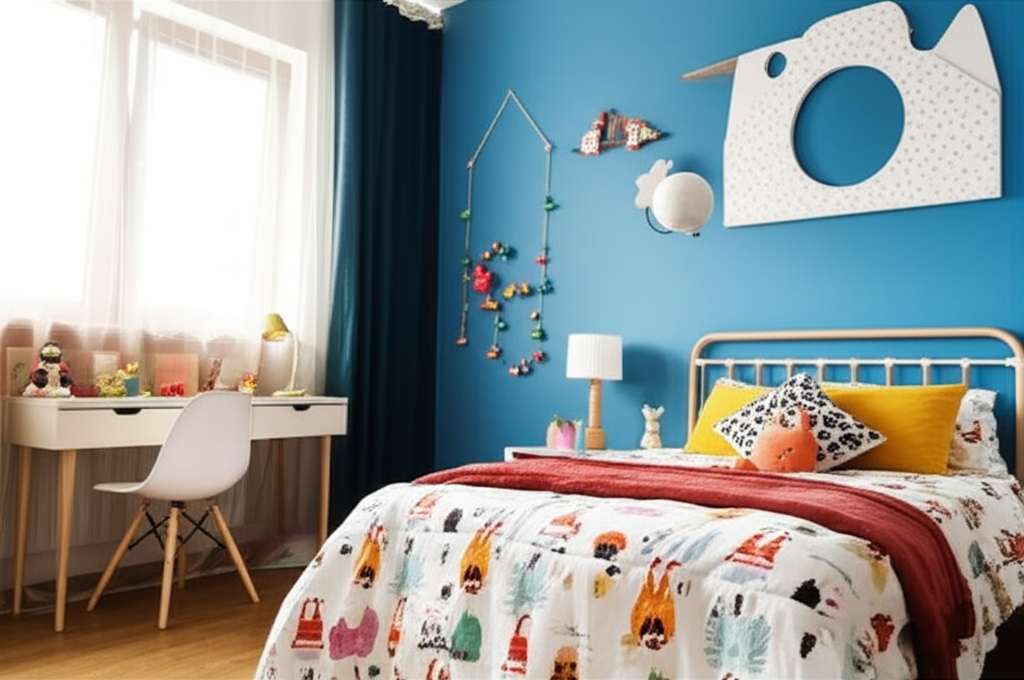
Kids Bedroom Ideas On A Budget: Awesome Savings! Create a dream room for your child without breaking the bank. Discover smart shopping, DIY projects, and creative styling tips to transform their space affordably and stylishly.
Dreaming of a magical bedroom for your child but worried about the cost? You’re not alone! Many parents want to give their kids a special space that sparks joy and imagination, but the price tags on trendy furniture and decor can be a real shocker.
It often feels like creating a beautiful, functional kids’ room requires a huge investment. But what if I told you it doesn’t have to? With a little creativity and some clever planning, you can achieve amazing results without overspending.
This guide is packed with easy-to-follow tips and budget-friendly ideas to help you design a fantastic kids’ room that everyone will love. Get ready to transform their space into a haven of fun and style!
We’ll dive into smart shopping strategies, fun DIY projects, and creative ways to use what you already have. Let’s make that dream room a reality!
Transforming Kids’ Rooms on a Shoestring Budget
Creating a wonderful bedroom for your child doesn’t require a bottomless wallet. It’s all about smart choices, a bit of creativity, and knowing where to find those hidden gems. We’ll explore how to maximize your budget while still delivering a room that’s both stylish and functional for your little one.
The key is to focus on impact. What elements will make the biggest difference for the least amount of money? Think about paint, clever storage, and personalized touches that truly reflect your child’s personality.
Let’s break down the process into manageable steps, ensuring you can tackle this project with confidence and a clear plan. You’ll be amazed at what you can achieve!
Step 1: Plan Your Budget & Style
Before you buy a single thing, it’s crucial to set a clear budget. Knowing exactly how much you can spend will guide all your decisions and prevent impulse buys that drain your funds.
Think about your child’s favorite colors, hobbies, and characters. Do they love space, animals, superheroes, or perhaps a particular book or movie? This will help you choose a theme or color scheme that truly resonates with them, making the room feel personal and special.
Consider the room’s function. Is it just for sleeping, or will it also be a play area, study space, or reading nook? Planning for these different uses will help you prioritize furniture and storage needs.
Setting Your Budget
Be realistic about what you can afford. It’s better to set a slightly lower budget and exceed it slightly than to set an unreachable goal that leads to frustration. Think about:
- Paint and supplies
- Bedding and textiles
- Storage solutions
- Decorations and personal touches
- Any necessary furniture upgrades or additions
Choosing a Style or Theme
Involving your child in this process can make it extra fun! Even younger children can express preferences for colors or themes. For older kids, you can collaborate on mood boards or Pinterest collections to get inspiration.
A theme doesn’t have to be elaborate. It can be as simple as a color palette (e.g., blues and greens for a calming ocean feel) or a general interest (e.g., a “traveler” theme with maps and globes).
Step 2: Smart Shopping Strategies
The “where” and “how” you shop can make a massive difference to your budget. Being a savvy shopper is your secret weapon for finding great deals.
Think outside the big box stores. Sometimes the best finds are in unexpected places. Patience and a willingness to search can lead to significant savings.
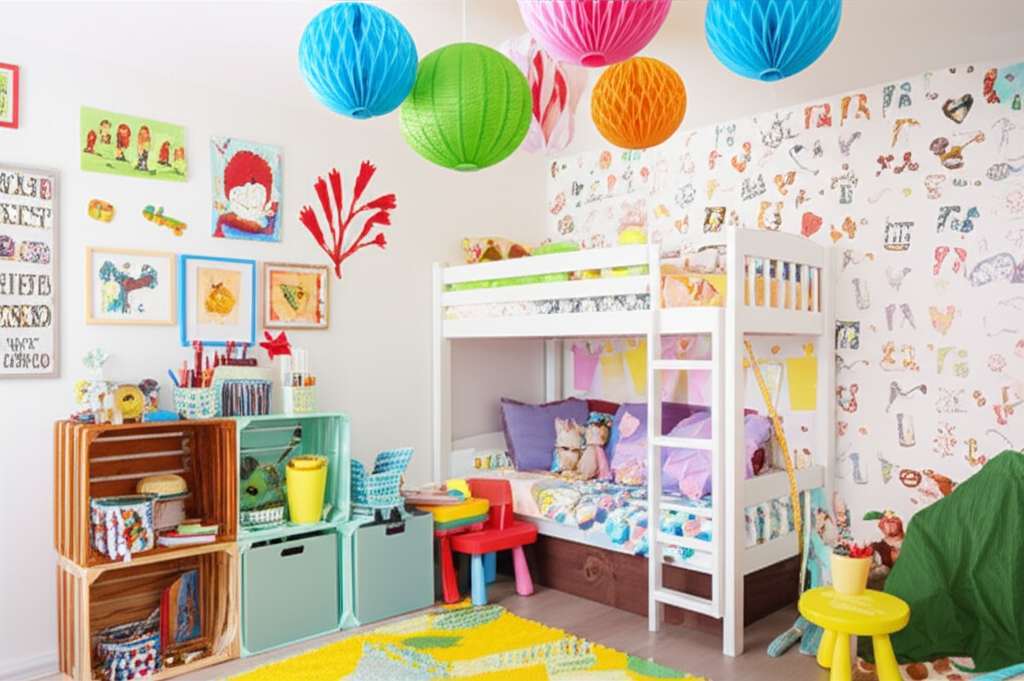
Where to Find Budget-Friendly Items
- Thrift Stores & Flea Markets: You can find unique furniture pieces, decorative items, and even art supplies for a fraction of the original price. A fresh coat of paint can transform a tired dresser or bookshelf.
- Online Marketplaces: Websites like Facebook Marketplace, Craigslist, and eBay are goldmines for used furniture, toys, and decor. Many sellers are willing to negotiate prices, especially for items they want to get rid of quickly.
- Discount Retailers: Stores like IKEA, Target’s dollar section, Dollar Tree, and HomeGoods often have affordable options for storage bins, wall art, bedding, and small decorative accents.
- Garage Sales: Especially at the end of the day, you can often find incredible deals as people try to clear out their items.
- Sales & Clearance Sections: Always check the sale and clearance aisles in your favorite stores. You can often find great deals on bedding, curtains, and decor items that are out of season or being replaced.
Buy Used, Not New
For larger furniture items like dressers, bookshelves, or even bed frames, buying secondhand is a fantastic way to save money. Many items are barely used and can be easily updated with a bit of paint or new hardware.
When buying used furniture, always inspect it carefully for structural integrity, pests (like bedbugs or termites), and excessive wear and tear. A little bit of cosmetic damage is usually an easy fix!
Repurpose & Upcycle
Look around your home for items you can repurpose. An old ladder can become a unique bookshelf or blanket holder. Jars can be painted and used for storing art supplies. Wooden crates can be stacked for storage or turned into shelves.
Upcycling involves transforming old items into something new and improved. For example, you could turn an old suitcase into a decorative storage box or a unique pet bed. Resources like The U.S. Environmental Protection Agency (EPA) offer great insights into reducing waste through creative reuse.
Step 3: DIY Decor & Personal Touches
DIY projects are a fantastic way to save money and add a personal, handmade touch to your child’s room. They also offer a great opportunity to bond with your child through creative activities.
The best DIY projects are often the simplest. Don’t feel pressured to create something elaborate. Often, a few well-chosen touches can make a big impact.
Paint Power
A fresh coat of paint is one of the most effective and affordable ways to transform a room. You can go bold with a vibrant accent wall, create a calming atmosphere with soft pastels, or even use stencils to add patterns.
Stencil Ideas:
- Geometric shapes (triangles, circles)
- Stars or constellations
- Animal footprints
- Polka dots
- Simple stripes
Look for low-VOC (Volatile Organic Compound) paints, which are better for indoor air quality. Check out resources like EPA’s guidance on low-VOC paints for more information.
Personalized Artwork
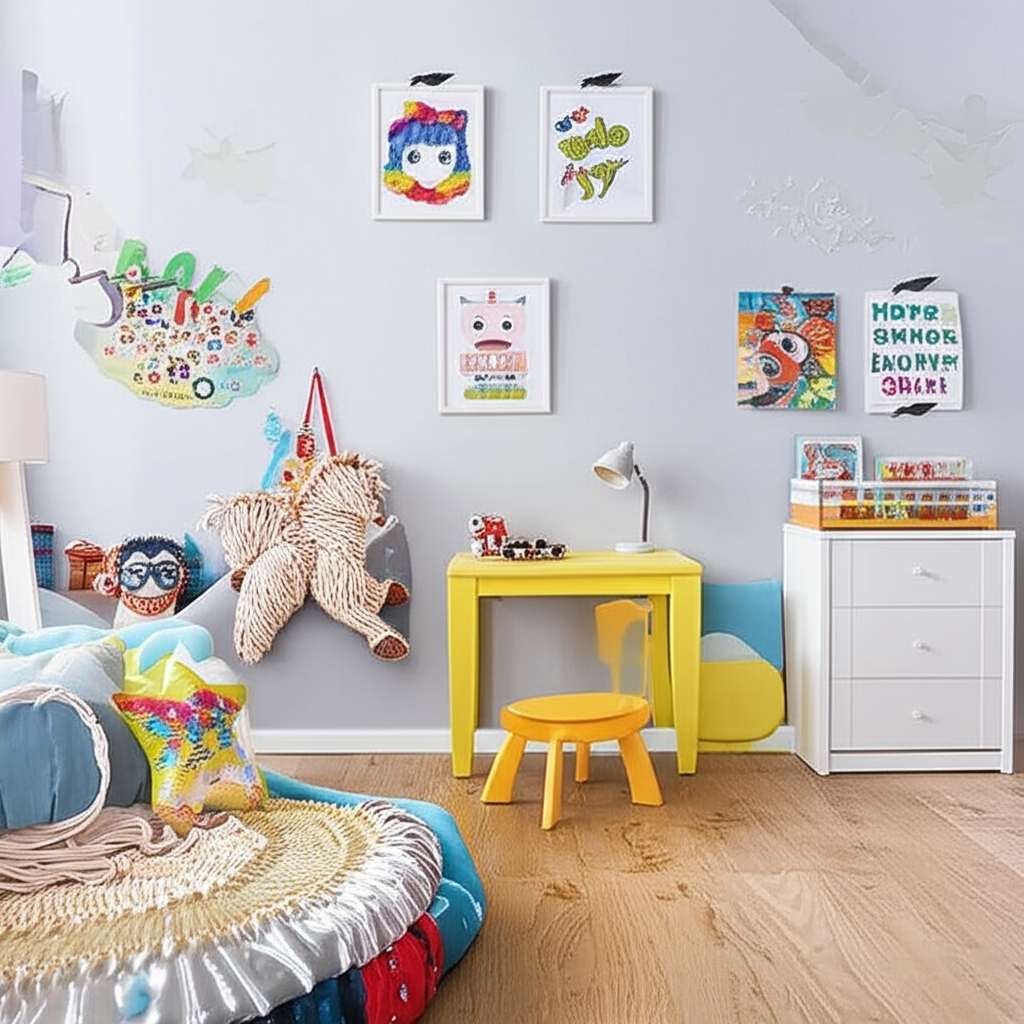
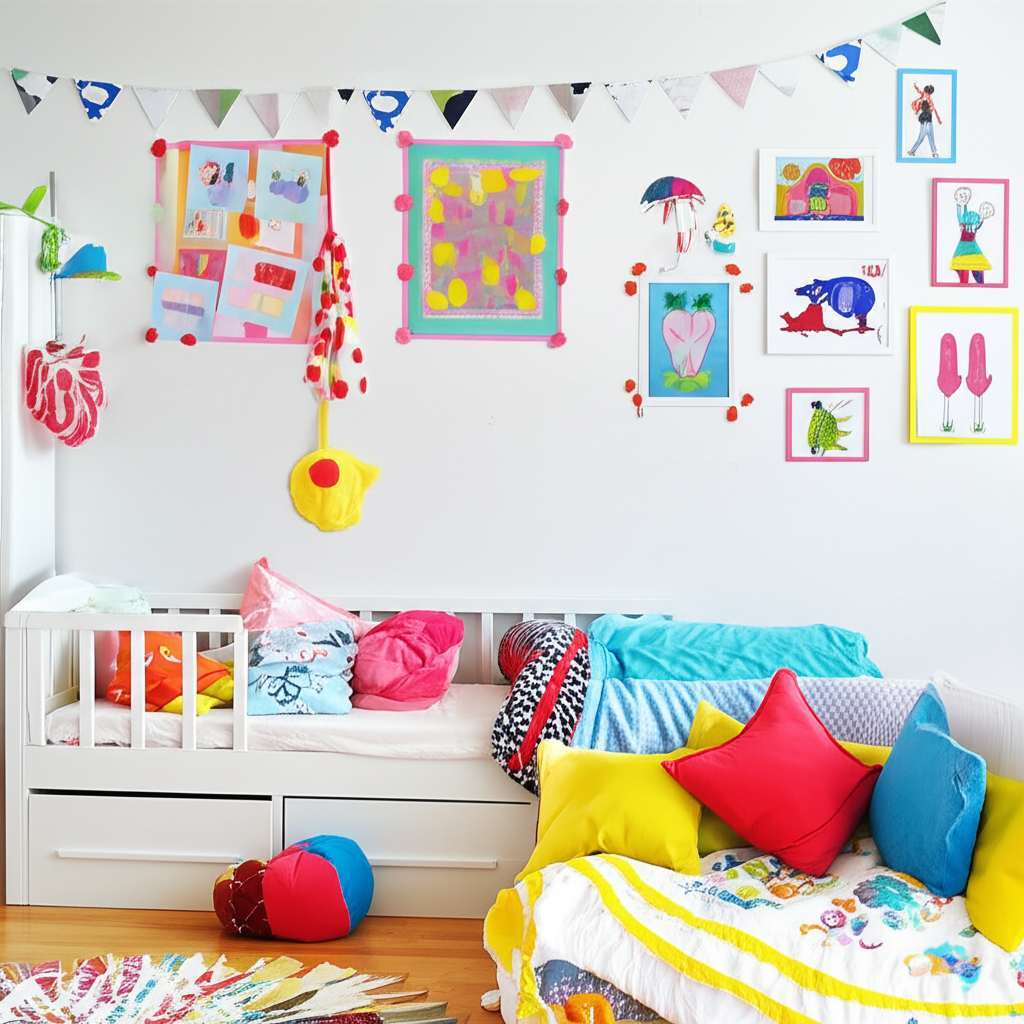
Your child’s own artwork can be the most meaningful decor. Frame their drawings, paintings, or collages. Create a gallery wall by hanging a collection of their masterpieces using string and clothespins, or by mounting them on colorful cardstock.
You can also buy inexpensive frames from thrift stores or discount shops and give them a coat of paint to match the room’s color scheme.
DIY Wall Art
Beyond your child’s art, consider these DIY options:
- Fabric Wall Art: Stretch a piece of fun, patterned fabric over a canvas or an old picture frame for an instant, colorful wall hanging.
- Paper Crafts: Create paper chains, origami shapes, or cut-out silhouettes to add a whimsical touch.
- String Art: Use nails or pins on a piece of wood or corkboard to create shapes with colorful string.
Customizing Furniture
Give a plain or secondhand piece of furniture a makeover. Sand down a wooden dresser and paint it a bright color. Replace old knobs with fun, new ones (you can find these affordably at hardware stores or online). Add decorative contact paper to the inside of shelves or drawers for a pop of pattern.
Step 4: Clever Storage Solutions
Kids’ rooms can get messy quickly! Smart storage is essential for keeping the space tidy and functional, and it doesn’t have to cost a fortune.
Think vertically and creatively. Utilize wall space and under-bed areas to maximize storage without cluttering the floor.
Vertical Storage
Shelving: Install floating shelves or simple bracket shelves to display books and toys. Inexpensive wire shelving units can also be a great option.
Wall-Mounted Organizers: Fabric pocket organizers that hang on the back of doors are perfect for small toys, books, or art supplies.
Pegboards: A pegboard can be customized with hooks, baskets, and shelves to store a variety of items, from art supplies to small toys. It’s a versatile and affordable solution.
Under-Bed Storage
This is prime real estate for storing items you don’t need everyday access to, like seasonal clothing, extra bedding, or toys that are rotated out.
- Storage Bins: Use inexpensive plastic bins, fabric bins, or even old suitcases.
- DIY Under-Bed Drawers: You can create simple rolling drawers from wooden crates or cardboard boxes reinforced with tape and attached casters.
Multi-Functional Furniture
Look for furniture that serves more than one purpose. A storage ottoman can be a footrest, extra seating, and a place to stash toys. A bed with built-in drawers or a trundle bed offers extra sleeping space and storage.
Labeling & Organization
Once you have storage, make sure it’s easy for kids to use and maintain. Label bins and shelves clearly, perhaps with pictures for younger children. This encourages them to put things away in the right place.
Step 5: Budget-Friendly Textiles & Decor
Bedding, curtains, rugs, and small decorative items can quickly add up. Here’s how to get that stylish finish without the high price tag.
Focus on a few key pieces that pack a punch. Sometimes, one really cool duvet cover or a vibrant rug can set the tone for the whole room.
Affordable Bedding
- Sales & Clearance: Keep an eye out for sales at major retailers, especially after holidays.
- Mix and Match: You don’t need a full matching set. Pair a more expensive, patterned duvet cover with solid-colored sheets and pillowcases in coordinating colors.
- DIY Pillowcases: If you’re handy with a sewing machine, you can make your own pillowcases or accent pillows from fun fabric remnants.
Window Treatments
Curtains can be pricey. Consider these alternatives:
- DIY Curtains: Use inexpensive fabric or even a flat sheet from a thrift store. Hemming is often the only sewing required.
- Blinds: Simple roller blinds or mini blinds can be very affordable and offer good light control.
- Fabric Wall Hanging: A beautiful piece of fabric can serve as a decorative curtain or tapestry.
Rugs
Rugs add warmth and color. Look for deals at discount stores or online marketplaces. Sometimes a smaller, well-placed rug can be more impactful (and affordable) than a large one.
Wall Decor
Beyond paint and kids’ art:
- Printables: Many artists sell affordable digital prints online that you can download and print yourself.
- Fabric Wall Hangings: As mentioned, fabric can be a versatile decor item.
- Washi Tape: Create patterns, borders, or temporary art directly on the walls with colorful washi tape. It’s easily removable.
- Photos: Print out favorite family photos and display them in inexpensive frames or create a photo collage.
Step 6: Lighting & Ambiance
Good lighting can make a huge difference in how a room feels. You don’t need expensive fixtures to create a cozy and functional atmosphere.
Think about layers of light: ambient (overall), task (for reading or homework), and accent (for mood). Combining these will create a well-rounded and inviting space.
Affordable Lighting Solutions
- String Lights (Fairy Lights): These are inexpensive and add a magical, cozy glow. Drape them around the bed, a mirror, or a window.
- Lamp Makeovers: Find plain lamps at thrift stores or use a basic lamp base and update the lampshade with fabric, paint, or ribbon.
- Task Lighting: A simple, adjustable desk lamp is perfect for homework or reading. Look for clip-on versions to save space.
- Night Lights: Many fun and affordable night lights are available, providing comfort and safety.
Creating Ambiance
Consider the overall mood you want to create. Soft, warm lighting is generally more inviting than harsh, bright light. Dimmer switches can be a worthwhile investment if your budget allows, offering flexibility.
Budget Breakdown Table Example
Here’s an example of how you might break down a hypothetical budget for a kids’ room makeover. Remember, these are just estimates, and your actual costs will vary based on your location, choices, and what you already own.
| Category | Estimated Cost Range | Budget-Saving Tips |
|---|---|---|
| Paint & Supplies | $50 – $150 | Buy during sales, use fewer colors, DIY painting. |
| Bedding (Duvet, Sheets, Pillowcases) | $75 – $200 | Shop clearance, mix-and-match, DIY pillows. |
| Storage Solutions (Bins, Shelves) | $50 – $150 | Thrift stores, DIY crates, repurpose items. |
| Window Treatments (Curtains/Blinds) | $40 – $120 | DIY curtains from fabric/sheets, simple blinds. |
| Wall Decor (Art, Frames, Tape) | $30 – $100 | Printables, kids’ art, thrifted frames, washi tape. |
| Lighting (String Lights, Lamp) | $30 – $80 | Thrift store lamps, DIY lampshades, affordable string lights. |
| Rug | $50 – $150 | Discount stores, smaller rugs, look for sales. |
| Miscellaneous (Knobs, Accessories) | $20 – $75 | DIY hardware updates, thrifted accessories. |
| Total Estimated Budget | $345 – $1025 | Focus on high-impact, low-cost items. |
Make it Personal: Involve Your Child!
The most important element of any child’s room is that it feels like theirs. Involving your child in the process not only makes it more fun but also helps them feel a sense of ownership and pride in their space.
Even very young children can pick out colors or choose which toys go on a specific shelf. For older kids, let them take the lead on certain aspects, like choosing the theme, designing a piece of wall art, or picking out new bedding.
This collaboration is a wonderful way to build memories and teach them about decision-making and personal style. Their input will ensure the room truly reflects their personality and interests, making it a place they’ll love spending time in.
Frequently Asked Questions (FAQ)
Q1: What is the cheapest way to decorate a kid’s room?
The cheapest way is to focus on DIY projects, repurposing existing items, painting, and shopping secondhand. Prioritize items that offer the biggest visual impact for the lowest cost, like a fresh coat of paint or a gallery wall of your child’s art.
Q2: How can I make a small kids’ room feel bigger on a budget?
Use light paint colors, maximize vertical storage (shelves, wall organizers), choose furniture with a small footprint (like loft beds), and keep clutter to a minimum. Mirrors can also create the illusion of more space and are often available affordably.
Q3: What are some good themes for kids’ rooms that are budget-friendly?
Simple themes work best for budgets. Consider a color-based theme (e.g., rainbow, ocean blues), a nature theme (e.g., woodland animals, stars), or a hobby-based theme (e.g., sports, art). You can achieve these with paint, affordable prints, and strategically chosen decor items.
Q4: Where can I find affordable kids’ furniture?
Thrift stores, flea markets, online marketplaces (Facebook Marketplace, Craigslist), and IKEA are excellent sources for budget-friendly kids’ furniture. Always inspect items for quality and safety before purchasing.
Q5: Is it worth buying new bedding or can I find deals on used bedding?
New bedding is generally recommended for hygiene reasons. However, you can find excellent deals on new bedding during sales events, clearance sections, or at discount retailers. If considering used, ensure it’s been thoroughly cleaned and is in excellent condition.
Q6: How can I update a kid’s room without buying new furniture?
You can dramatically update a room by repainting the walls, changing out drawer knobs and hardware on existing furniture, adding new textiles (bedding, curtains, rugs), creating DIY wall art, and decluttering to make the space feel fresh and organized.
Conclusion
Creating a wonderful, inspiring bedroom for your child doesn’t have to be an expensive undertaking. By embracing a budget-conscious mindset, getting creative with DIY projects, and shopping smart, you can achieve stunning results that your child will adore.
Remember to plan your budget, involve your child in the design process, and focus on high-impact, low-cost solutions like paint, clever storage, and personalized decor. The most memorable and loved rooms are often those filled with personal touches and made with love, not necessarily the most expensive ones.
So, dive in, have fun with it, and enjoy transforming your child’s space into a dream come true – all while keeping your wallet happy!