
Simple kids bedroom design ideas can transform a plain room into an amazing and fun space with creative, budget-friendly touches. Focus on your child’s interests and involve them in the process to create a personalized haven that sparks joy and imagination.
Is your child’s bedroom feeling a little… blah? Do you stare at the walls and wish for a splash of color or a touch of magic? You’re not alone! Designing a kids’ room can feel like a big task, especially when you want it to be both functional and fantastically fun.
But don’t worry, making a kids’ bedroom amazing and fun doesn’t require a professional designer or a huge budget. With a few simple ideas and a sprinkle of creativity, you can craft a space that your child will absolutely love.
We’ll walk through easy steps and share inspiring ideas to help you create a room that’s a true reflection of your child’s personality. Get ready to make some magic happen!
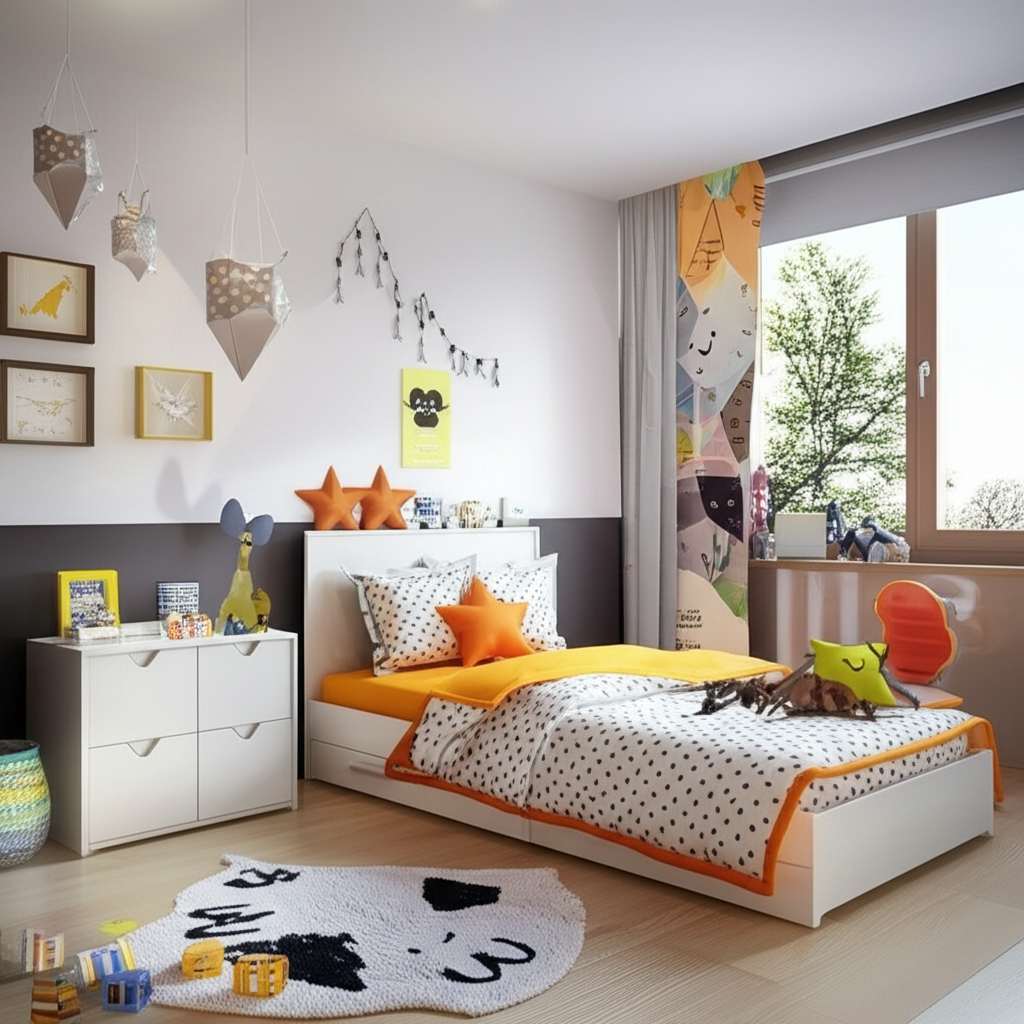
Creating an Amazing & Fun Kids Bedroom: Your Simple Guide
Designing a kid’s room is all about bringing their world to life. It’s more than just a place to sleep; it’s a sanctuary for play, learning, and dreaming. The best kids’ rooms are those that reflect the unique personality and interests of the child who lives there.
We’re going to break down how to achieve this with simple, achievable steps. You don’t need to be an interior design whiz to make a big impact. Let’s dive into how to make your child’s bedroom an amazing and fun haven!
1. Involve Your Child: The Secret Ingredient!
The most important part of designing a fun kids’ room is involving your child. Their input is gold! Asking them about their favorite colors, characters, hobbies, or dreams will give you a fantastic starting point.
This not only ensures the room truly reflects them but also gives them a sense of ownership and pride in their space. It’s a wonderful bonding experience, too!
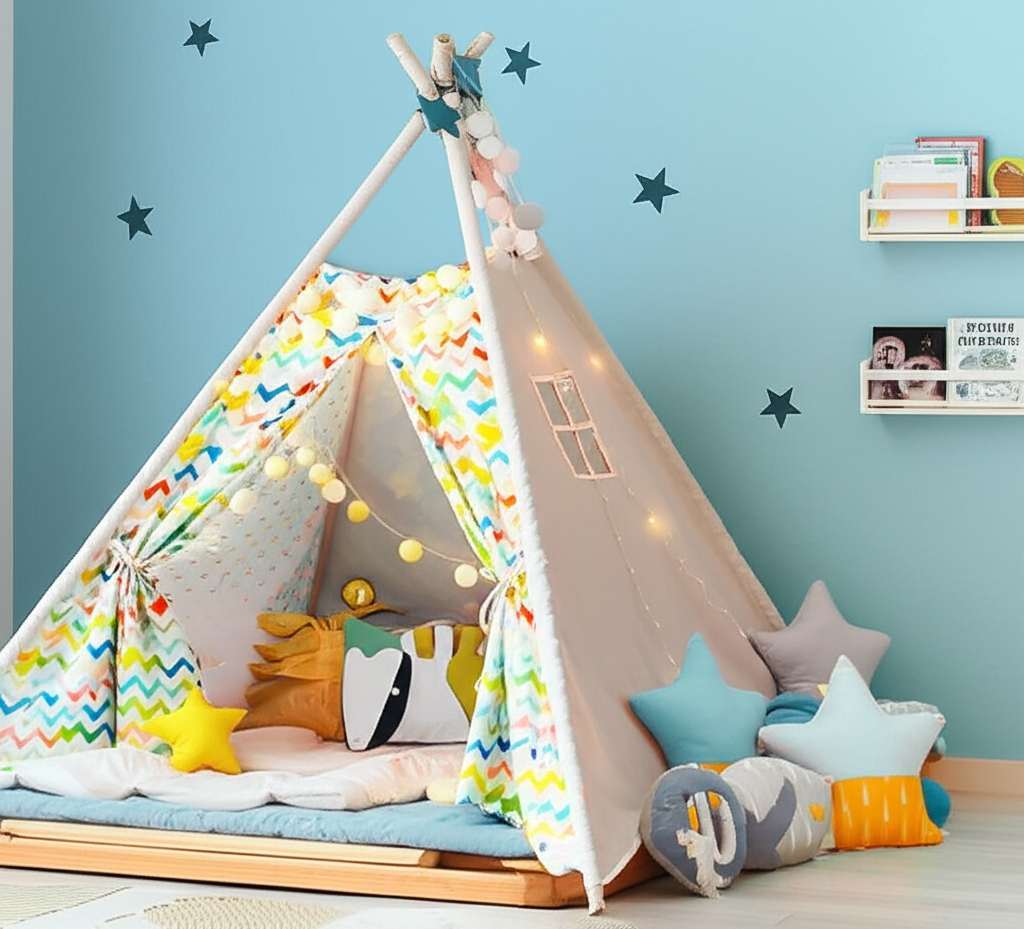
Ask the Right Questions:
- What are your favorite colors?
- Who are your favorite characters or superheroes?
- What do you love to do in your room (read, play, draw)?
- If your room could be anything, what would it be? (A castle, a spaceship, an art studio?)
2. Theme It Up (But Keep It Flexible!)
A theme can be a great way to tie everything together and make the room feel cohesive and exciting. However, it’s wise to avoid themes that your child might outgrow quickly.
Instead of a specific character plastered everywhere, think broader. For example, instead of a “Paw Patrol” room, go for a “Superhero Headquarters” theme. This allows for more longevity and easier updates as their interests evolve.
Theme Inspiration:
- Adventure/Explorer: Maps, globes, compasses, animal prints, natural wood tones.
- Space/Astronaut: Stars, planets, glow-in-the-dark decals, metallic accents.
- Under the Sea: Blues, greens, fish motifs, wave patterns, perhaps a “porthole” mirror.
- Artist’s Studio: Plenty of wall space for displaying art, colorful accents, a dedicated creative corner.
- Magical Forest: Woodland creatures, leafy patterns, fairy lights, earthy colors.
3. Color Power: Painting with Personality
Color is one of the most impactful and budget-friendly ways to transform a room. Kids’ rooms are the perfect place to be bold and playful with color.
You can go for a favorite bright color on one accent wall, or use softer, calming shades for a more serene atmosphere. Consider how colors can affect mood; blues and greens are calming, while yellows and oranges can be energizing.
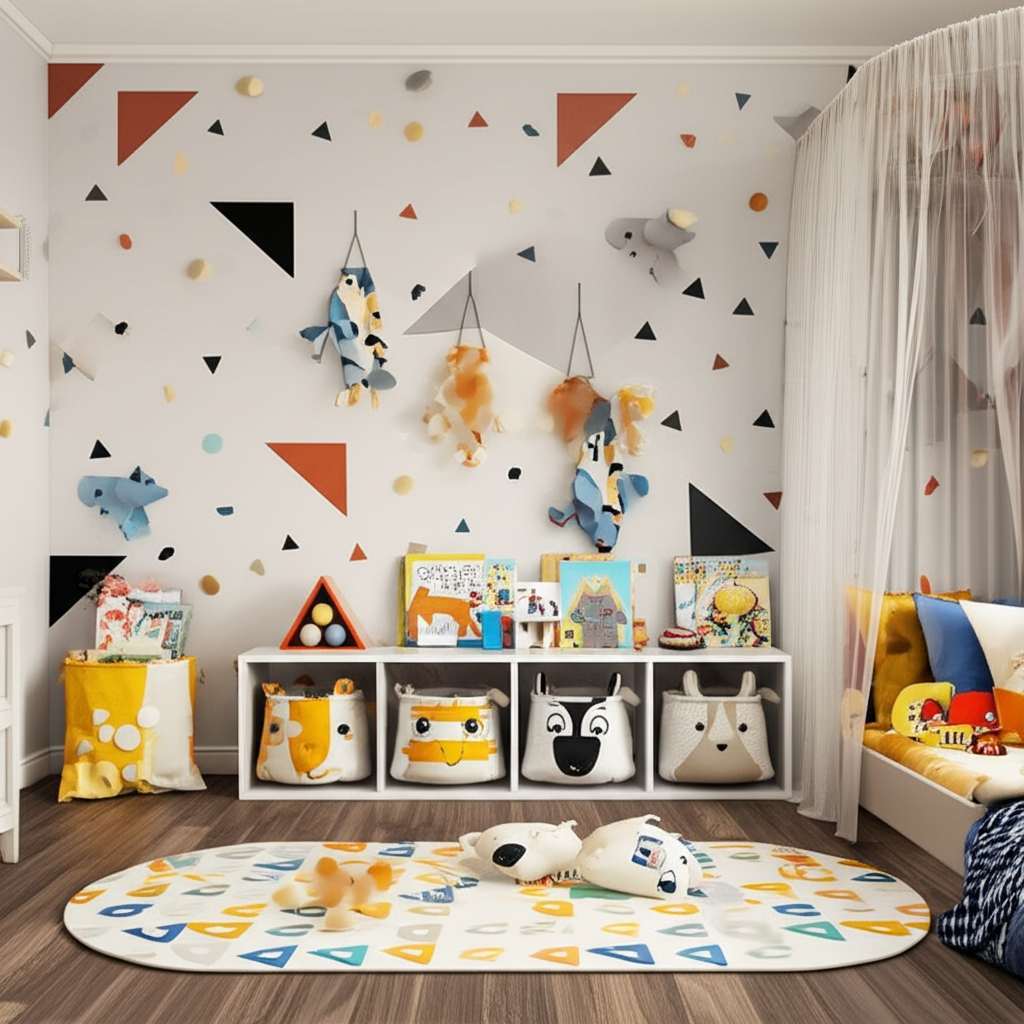
Color Palette Tips:
- Accent Wall: Pick one wall for a vibrant color or a fun wallpaper. The other walls can be neutral to balance it out.
- Color Blocking: Use different colors in geometric shapes on a wall for a modern, artistic feel.
- Color Psychology: Research how different colors might affect your child’s mood and sleep. For instance, muted tones are often recommended for bedrooms.
- Paint Samples: Always test paint colors on your walls before committing. Lighting can drastically change how a color looks.
For a deeper dive into understanding color, the National Gallery of Art’s Art Zone has a great section on color theory that can spark ideas, even for home decor!
4. Smart Storage Solutions: Taming the Toy Tornado
Kids’ rooms are notorious for clutter. Effective storage is key to a functional and visually appealing space. Think smart, accessible, and fun storage solutions.
Built-in shelves, under-bed storage, and colorful bins can make a world of difference. Making storage easy for kids to use will encourage them to tidy up more often.
Storage Ideas:
- Wall Shelves: Great for displaying books, toys, and artwork. Keep them at a height accessible for your child.
- Under-Bed Bins: Perfect for stashing extra bedding, out-of-season clothes, or less frequently used toys.
- Toy Chests/Baskets: Colorful bins and baskets make it easy to toss toys in at the end of the day. Look for ones with lids to hide the mess!
- Pegboards: Versatile for hanging bags, hats, small toys, or even art supplies.
- Vertical Space: Utilize wall space with tall bookcases or modular shelving units.
5. Furniture Fun: Cozy & Functional Picks
Choosing the right furniture is crucial for both comfort and play. Kids’ furniture doesn’t have to be boring!
Consider pieces that are multi-functional, scaled appropriately for your child, and perhaps have a playful design element. Safety is also paramount, so opt for rounded edges where possible.
Furniture Considerations:
- Bed: From a simple toddler bed to a loft bed that creates play space underneath, choose a bed that fits the room and your child’s age. A trundle bed is great for sleepovers!
- Desk/Table: A dedicated space for homework, drawing, or crafts is essential. Ensure it’s the right height.
- Seating: A small, comfy chair, floor cushions, or a beanbag can create a cozy reading nook.
- Wardrobe/Dresser: Ensure there’s enough storage for clothes. Consider child-height drawers.
6. Lighting the Way: Creating Ambiance
Lighting can completely change the mood of a room. For a kids’ bedroom, you’ll want a mix of practical and whimsical lighting.
A good overhead light is essential for general illumination, but don’t forget softer options for bedtime reading or creating a magical atmosphere.
Lighting Tips:
- Overhead Light: A main light fixture for everyday use.
- Task Lighting: A desk lamp for homework or a bedside lamp for reading.
- Accent/Mood Lighting: Fairy lights, star projectors, or a night light can add a touch of magic and comfort.
- Dimmers: Installing a dimmer switch on the main light can help transition from playtime to bedtime.
Check out resources like the U.S. Department of Energy’s Lighting Facts to learn more about energy-efficient lighting options that can save you money.
7. Walls That Wow: Beyond Basic Paint
The walls are a blank canvas for creativity! Beyond a fresh coat of paint, there are many ways to make them amazing and fun.
Think beyond just hanging pictures. Wall decals, murals, or even a chalkboard wall can add personality and interactive fun.
Wall Decor Ideas:
- Wall Decals: Removable and reusable decals are a fantastic, low-commitment way to add themed elements like stars, animals, or quotes.
- Removable Wallpaper: Many companies offer stylish, easy-to-apply, and remove wallpaper designs perfect for kids’ rooms.
- Chalkboard/Whiteboard Paint: Create a dedicated art space where kids can draw and erase to their heart’s content.
- Gallery Wall: Display your child’s artwork alongside favorite photos or prints.
- Fairy Lights: Stringing fairy lights across a wall or around a headboard can create a dreamy atmosphere.
8. Textiles & Soft Furnishings: Cozy Comforts
Soft furnishings are where you can really inject comfort and personality. Think about bedding, rugs, curtains, and throw pillows.
These elements are often easy to swap out, making them great for updating a room as your child grows or their interests change. They also add warmth and texture.
Textile Touches:
- Bedding: Choose fun patterns or colors that align with the room’s theme.
- Rugs: A soft rug can define a play area and add warmth underfoot. Consider durable, washable options.
- Curtains: Blackout curtains can help with sleep, while sheer curtains can add a softer light. Choose fun patterns or colors.
- Throw Pillows & Blankets: Add personality and comfort with decorative pillows and cozy blankets.
9. Playful Accessories & Personal Touches
Accessories are the final flourish that make a room truly special. These are the little things that bring joy and reflect your child’s unique spirit.
Don’t underestimate the power of a few well-chosen items to elevate the entire space.
Accessory Ideas:
- Display Shelves: For showcasing favorite toys, collectibles, or artwork.
- Growth Chart: A fun way to track their height and a decorative element.
- Personalized Items: A name sign, custom bedding, or a favorite stuffed animal.
- Themed Decor: A toy telescope for a space room, a mini easel for an art room, or a treasure chest for an explorer room.
- Plants (Kid-Safe!): A touch of green can liven up a room. Ensure any plants are non-toxic and out of reach if necessary.
10. Creating Zones for Functionality
Even in a small room, you can create distinct zones for different activities. This helps the room serve multiple purposes and feel more organized.
Think about a sleep zone, a play zone, and a study/creative zone. This makes the room more functional for your child’s daily life.
Zone Breakdown:
- Sleep Zone: Centered around the bed, making it a cozy and inviting space for rest. Soft lighting and comfortable bedding are key here.
- Play Zone: An open area, perhaps defined by a rug, where toys and games can be spread out. Easy-access toy storage is vital for this zone.
- Study/Creative Zone: A dedicated desk or table with good lighting and storage for art supplies, books, or homework.
Budget-Friendly Transformations: Smart Savings
You don’t need to break the bank to create an amazing kids’ room. Many of the best ideas are budget-friendly and focus on creativity over cost.
Here are some tips to keep your spending in check while still achieving a fantastic result.
Budget Decorating Tips:
- DIY Decor: Get crafty! Create your own wall art, custom storage bins, or painted furniture.
- Thrift Stores & Flea Markets: You can find unique furniture, frames, and decorative items for a fraction of the retail price.
- Repurpose Items: An old dresser can be painted and updated, or crates can be turned into stylish shelves.
- Focus on Impactful Changes: A new rug, fresh bedding, or an accent wall can make a big difference without costing a fortune.
- Sales & Discounts: Keep an eye out for seasonal sales at your favorite home decor stores.
Example Room Design Breakdown: The “Little Explorer” Room
Let’s put some of these ideas into practice with a concrete example. Imagine designing a room for a child who loves adventure and nature.
Room Concept: The “Little Explorer”
Colors: Earthy greens, warm browns, sky blues, pops of sunny yellow.
Theme Elements: Maps, animals, plants, nature.
Key Furniture: A sturdy wooden bed, a small desk with drawers, a bookshelf.
Storage: Woven baskets for toys, wall shelves for books and treasures, a pegboard for hats and coats.
Design Elements:
- Walls: One accent wall painted a deep forest green. The other walls in a soft, creamy white.
- Decor: A large world map mural or decal on the accent wall. Smaller animal decals (e.g., birds, deer) scattered on other walls. Framed prints of nature scenes or animals. A DIY mobile with felt leaves or animals.
- Bedding: A duvet cover with a subtle leaf pattern or a patchwork quilt in earthy tones. Add throw pillows shaped like woodland creatures.
- Rug: A natural fiber rug (like jute) or a rug with a subtle tribal or animal print.
- Lighting: A rustic-style desk lamp. String fairy lights around the map or headboard for a magical touch. A natural wood pendant light overhead.
- Accessories: A wooden toy chest. A small globe on the desk. A growth chart shaped like a tree. A collection of smooth stones or interesting leaves displayed on shelves.
This “Little Explorer” room is inspiring, educational, and full of personality, all achieved with simple, cohesive design choices.
Maintaining the Fun: Longevity & Adaptability
Kids grow and change so fast! The key to a truly successful kids’ room design is to build in adaptability. You want the room to remain amazing and fun for years to come, with minimal fuss.
Focus on elements that are easy to update or change. This will save you time and money in the long run.
Making it Last:
- Neutral Base: Use neutral colors for the main walls and larger furniture pieces. This provides a timeless backdrop.
- Themed Accents: Keep more specific themed elements (like bedding, small decor items, or removable decals) to a minimum or choose those that are easily swapped out.
- Flexible Furniture: Opt for furniture that can grow with your child, like an adjustable desk or a bed frame that can be converted.
- DIY Updates: A new coat of paint on shelves, a different rug, or new artwork can completely refresh the room without a major overhaul.
Frequently Asked Questions (FAQ)
Q1: How do I choose a theme for my child’s room if they like too many things?
It’s common for kids to have diverse interests! Instead of a super specific theme, aim for a broader concept that can encompass multiple interests. For example, a “Creative Corner” theme can accommodate art, music, and writing. Or, a “Nature Explorer” theme can include animals, plants, and adventure. You can also incorporate smaller, interchangeable decor items that represent specific interests without dominating the room.
Q2: What are the best colors for a kids’ bedroom to promote sleep?
Calming colors are generally best for promoting sleep. Soft blues, greens, and muted purples are excellent choices. Avoid overly bright or stimulating colors like vibrant reds or oranges in the main sleeping area. You can always use brighter colors in play areas or as accents.
Q3: Is it okay to use stickers or decals in a rental property?
Yes, many wall decals are designed to be removable and won’t damage paint when applied and removed correctly. Always test a small, inconspicuous area first. Look for high-quality, “removable” or “repositionable” decals. Always follow the manufacturer’s instructions for application and removal to avoid any issues with your landlord.
Q4: My child’s room is very small. How can I make it feel bigger and more functional?
Maximize vertical space with tall, narrow bookshelves and wall-mounted storage. Use under-bed storage bins for toys and linens. Opt for multi-functional furniture, like a loft bed with a desk or play area underneath. Light colors on walls and strategic use of mirrors can also make a small room feel more spacious.
Q5: How can I involve my child in the design process without letting them choose everything?
Start by presenting them with a few curated options. For example, show them 2-3 color palettes you’ve selected, or offer a choice between two different rug designs. Ask them about their favorite activities in the room and focus on incorporating elements that support those. This gives them a sense of control while you guide the overall design.
Q6: What are some affordable ways to add personality to a kids’ room?
DIY projects are your best friend! Painting furniture, creating custom wall art, or making your own throw pillows are great options. Thrift stores are treasure troves for unique decor items. Even simply framing your child’s own artwork and displaying it can add immense personality and is very budget-friendly.
Conclusion
Designing an amazing and fun kids’ bedroom is an exciting journey, not a daunting chore. By focusing on your child’s unique personality, embracing simple yet impactful design choices, and keeping budget and adaptability in mind, you can create a space that they will cherish.
Remember, the most important elements are comfort, safety, and a touch of magic that sparks their imagination. Whether you’re painting a vibrant accent wall, setting up clever storage, or adding playful accessories, each step brings you closer to transforming a plain room into a beloved haven.
So, gather your ideas, involve your little one, and get ready to create a bedroom that’s not just a room, but a place for dreams to take flight. Happy decorating!