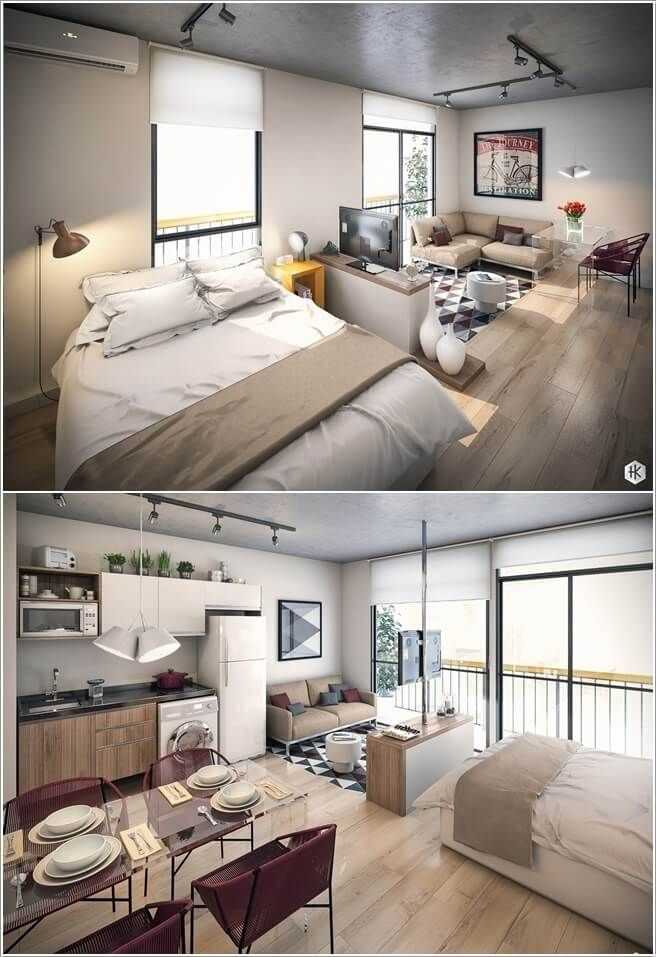
Decorating a living room and bedroom combination can seem challenging, but with a few thoughtful strategies, you can create a cohesive and inviting space. Start by selecting a unified color palette that reflects your style, using calming hues for a serene atmosphere. Incorporate multifunctional furniture, like a stylish sofa bed or ottoman with storage, to maximize your space without sacrificing aesthetics. Layer your lighting to add warmth, using a mix of ambient, task, and accent lighting. Personal touches, such as artwork and decorative pillows, will infuse your personality. With these simple tips, you can transform your combined living and sleeping area into a stylish, comfortable haven that meets all your needs.

How to Decorate a Living Room Bedroom Combination
Decorating a living room and bedroom combination can be a fun and creative challenge. Whether you’re living in a small apartment or trying to make the most of a unique space, it is essential to ensure both areas are stylish and functional. This guide will provide you with tips, ideas, and inspiration to create a harmonious living room and bedroom that reflects your personality while making the most of the available space.
Understanding Your Space
When you begin decorating, assess your available space thoroughly. Measure the dimensions of your area to understand what furniture will fit and where it can be placed. Having a clear layout will help you visualize how to create separate zones for your living and sleeping areas.
Here are important things to consider:
- Floor plan: Sketch out a simple floor plan for better visualization.
- Lighting: Identify existing natural light and plan for additional lighting sources.
- Traffic flow: Ensure pathways are clear for easy movement between zones.
Choosing a Color Palette
Selecting a cohesive color palette is vital for combining both areas seamlessly. Light and neutral colors can make the space feel larger and more open. On the other hand, bolder colors can create a striking focal point.
Consider these color combinations:
- Soft pastels for a calming atmosphere.
- Monochromatic schemes for a sleek, modern look.
- Contrasting colors in accessories to add interest.
Defining Zones
Defining separate zones within your living room bedroom combination is crucial for functionality. Use furniture placement or decorative elements to create distinct areas. Here are some effective ways to delineate spaces:
Furniture Arrangement
The arrangement of your furniture can set the tone for each area. For example, position a sofa to face the living area while placing your bed in a slightly separate corner. This will help create a visual divide.
Rugs as Dividers
Rugs can serve as effective dividers between the living room and bedroom spaces. Choose different styles or colors for each area. A plush area rug under your coffee table can enhance the living space, while a softer, cozy rug under the bed can define the sleeping area.
Selecting Multi-Functional Furniture
In a living room bedroom combination, multi-functional furniture is your best friend. Look for pieces that can serve dual purposes.
Consider the following options:
- Sofa beds: Perfect for providing extra sleeping space when guests visit.
- Coffee tables with storage: Keep clutter hidden and maintain a tidy look.
- Ottomans: These can serve as both additional seating and a place to store items.
Decorating the Living Area
In the living area, focus on creating a cozy yet inviting atmosphere. Start with comfortable seating options and layer in textiles to add warmth.
Some tips for decoration:
- Add throw pillows and blankets for comfort.
- Include a coffee table centerpiece like a plant or stack of books.
- Incorporate art or wall decor that reflects your style.
Lighting Choices
Good lighting can dramatically affect the mood in your living area. Opt for a combination of ambient, task, and accent lighting. Use floor lamps to provide additional light and create a cozy reading nook.
Personalizing Your Bedroom Space
Your bedroom should feel like a sanctuary. Focus on a calm and serene atmosphere. Choose calming colors and soft textures to promote relaxation.
Consider these ideas:
- Choose comfortable bedding that complements your color palette.
- Add wall art or personal photos to make the space feel more intimate.
- Incorporate plants for a touch of nature, which can boost your mood.
Creating Storage Solutions
Effective storage is essential in a small space. Use under-bed storage, or consider tall dressers or shelves to keep the area organized without feeling cluttered. Stylish baskets can also add to your decor while providing extra storage.
Incorporating Accessories
Accessories play a crucial role in tying your spaces together. Look for decorative elements that add character. A well-placed piece of art or decor can serve as a conversation starter.
Some accessory ideas include:
- Cushion covers that reflect your style.
- Framed photos that add a personal touch.
- Unique decorations like sculptures or vases for added interest.
Mirrors for Depth
Mirrors can create the illusion of space and reflect light. Consider placing a large mirror on one wall to visually enlarge the area, or use smaller mirrors as decorative accents.
Making the Most of Wall Space
Don’t overlook your walls when decorating. Utilize shelving to display books or decor, and consider wall-mounted lighting to save on floor space.
Additional wall decoration ideas:
- Gallery walls featuring art or family photos.
- Wall decals for a fun touch, especially in a playful, youthful space.
- Floating shelves that can hold decor without taking up too much room.
Maintaining Cohesion
It’s important that your living room and bedroom feel cohesive. Choose complementary themes or styles that create harmony throughout the space.
Here’s how to ensure cohesion:
- Use similar materials across both areas, like wood or metal.
- Stick to a consistent color palette to connect the two spaces.
- Choose patterns that complement rather than clash.
Creating an Inviting Atmosphere
An inviting atmosphere is key in any living space. Make sure the space feels welcoming to both you and your guests. Use textiles like soft throws and pillows to achieve that cozy feel.
Adding Scent and Sound
Incense, candles, or essential oil diffusers can create a pleasant aroma, while soft background music can enhance the mood. These elements can make your living room bedroom combination feel more like home.
Staying Organized
With limited square footage, staying organized is vital. Regularly declutter and find creative storage solutions to maintain order.
Some organization tips include:
- Designate specific areas for keys, bags, and other items.
- Use bins or baskets to group similar items together.
- Regularly donate items you no longer need.
Working with a living room bedroom combination might seem challenging at first, but with thoughtful planning and creativity, you can achieve a beautiful and functional space. Prioritize comfort, style, and organization to ensure that both areas serve their purposes while looking great. Remember, personal touches matter, so make sure to incorporate elements that reflect your individuality. Whether you lean toward a minimalist environment or prefer a bohemian vibe, there are limitless possibilities to make your living room bedroom combination a true reflection of you.
Small bedroom living room combo ideas 2022 ! Apartment living room bedroom combo
Frequently Asked Questions
“`html
What are some color schemes that work well for a living room and bedroom combination?
Choosing a cohesive color scheme is crucial for a harmonious space. Soft neutrals like beige, gray, and white can create an airy feel, while muted pastels like blush, mint, and lavender introduce a hint of color without overwhelming the senses. You can also consider monochromatic palettes using various shades of a single color to add depth and interest.
How can I use furniture arrangement to define separate areas in a living room bedroom combination?
To create distinct areas, arrange furniture to guide movement and define spaces. For example, place a sofa to separate the living area from the bedroom. Use area rugs to delineate each space visually. Additionally, tall bookshelves or open shelving can act as dividers, providing storage while maintaining an open feel.
What types of decor items should I use to reflect both living room and bedroom styles?
Select decor items that blend both functions, such as decorative pillows or throws that coordinate with both areas. Wall art can feature themes or colors consistent in both rooms, promoting unity. Opt for functional decor, like stylish storage baskets, that fits neatly into both spaces while enhancing the aesthetic.
How do I incorporate lighting effectively in a living room and bedroom combination?
Use a mix of lighting options to enhance both areas. Invest in a central ceiling fixture that provides overall illumination. Then, add layered lighting with floor lamps or table lamps in the living area and bedside lamps in the bedroom. Adjustable dimmers can help set the mood for different times of day and activities.
What storage solutions can I implement in a combined living room and bedroom space?
Utilize multifunctional furniture, such as ottomans or coffee tables with hidden storage. Consider vertical space; wall-mounted shelves can store books and decorative items without taking up floor space. Incorporate under-bed storage for seasonal clothing or extra linens to keep the area organized and clutter-free.
“`
Final Thoughts
When you decorate a living room bedroom combination, prioritize functionality and comfort. Use furniture that serves multiple purposes, like a sofa bed or storage ottomans, to maximize space. Choose a cohesive color palette that ties both areas together, creating a seamless flow.
Incorporate personal touches through artwork and decorative items that reflect your style. Layer your lighting with ambient, task, and accent options to enhance the atmosphere. Overall, focus on balancing aesthetics and practicality to achieve a harmonious living room bedroom combination.