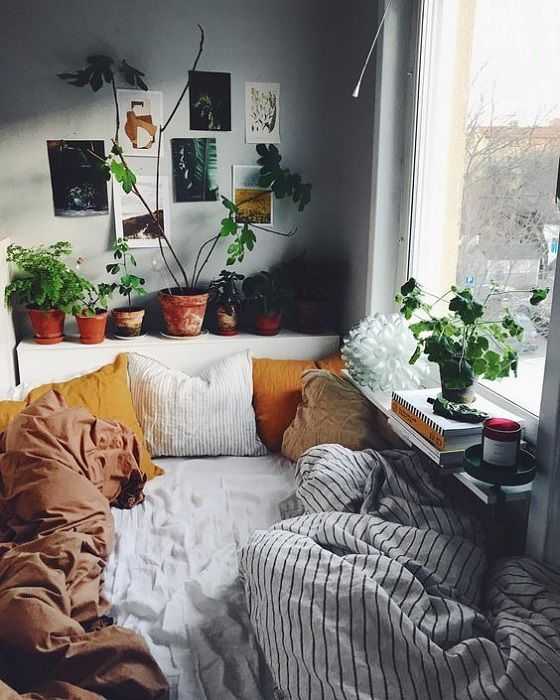
To transform your small bedroom into a lush, inviting space, start by choosing the right plants and strategic placement. Use vertical space and plant shelves to maximize greenery without cluttering the limited floor area. Opt for compact, low-maintenance plants that add vibrancy and freshness to your sanctuary.
Decorating a small bedroom with plants is all about balancing greenery with space. Start by selecting a few versatile plants such as pothos, succulents, or snake plants that thrive indoors and don’t take up much room. Place them on wall-mounted shelves, windowsills, or hanging planters to free up surface areas. Incorporate tall, slender plants in corners to create height and visual interest without overwhelming. Remember to consider the lighting in your room when choosing plants, and keep them healthy with consistent care. With a thoughtful arrangement, your small bedroom can feel more lively, relaxing, and full of natural beauty.

How to decorate a small bedroom with plants
Decorating a small bedroom with plants is a smart way to bring life and freshness into your space without making it feel crowded. Plants can help improve air quality, add vibrant colors, and create a relaxing atmosphere. With the right choices, even a tiny room can feel cozy and inviting while featuring beautiful greenery.
Selecting the Right Plants for Small Bedrooms
Choose plants that won’t take up too much space but still offer visual appeal. Compact varieties are perfect for small bedrooms. Look for plants like pothos, snake plants, or succulents which require minimal room and care.
Opt for plants that thrive in indoor environments with limited sunlight. Many plants can survive in low-light conditions, making them ideal for bedrooms with minimal natural light. Consider the following options:
- Pothos – Hardy and trailing, perfect for shelves or hanging baskets.
- Snake Plant – Tall, upright, and requires little maintenance.
- Peace Lily – Small, flowering, and good for low-light spots.
- Succulents – Compact, colorful, and need little water.
Utilizing Vertical Space with Plants
In small bedrooms, vertical space is gold. Use wall-mounted planters or hanging baskets to add greenery without sacrificing surface area. These options make the room feel lush while keeping the floor clear.
Install floating shelves at different heights to display potted plants. Hanging planters from the ceiling can add a dynamic element and make plants accessible without taking up precious surface space.
Creating a Hanging Garden
Use macramé hangers or modern ceiling hooks for hanging plants. Group multiple hanging planters to create a stunning visual feature. This setup keeps your plants within reach and maximizes your wall space efficiently.
Incorporating Plants into Furniture and Decor
Plants don’t just sit on shelves. Integrate greenery into your furniture for a seamless look. Use plant stands or multi-tiered plant tables to add height and structure to your room.
Place small potted plants on bedside tables or window sills to keep greenery close and accessible. Consider using decorative pots that match your room’s style for a cohesive appearance.
Using Plant Stands and Shelves
Select multi-level plant stands to display several plants at varying heights. These stands help create a layered effect, making your small bedroom appear more spacious and lively.
Color and Style Choices for Your Plant Decor
Choose pots and planters that complement your bedroom’s color scheme. Light-colored or transparent pots make the space feel larger and brighter, while bold colors add personality.
Mix different plant heights and textures for visual interest. For example, combine a tall snake plant with trailing pothos or low-growing succulents to create contrast.
Matching Pots to Interior Design
Opt for minimalist pots in neutral shades for a modern look. If your room has a boho vibe, go for woven or ceramic pots with vibrant patterns. The key is to create harmony between your plants and the room’s overall style.
Creating a Green Corner or Focal Point
If space allows, dedicate one corner of your room to a lush plant display. Use a large plant or a group of smaller plants to form a focal point that draws the eye and adds depth to your room.
Arrange taller plants at the back and smaller ones in front for a layered effect. This setup makes your small bedroom appear bigger and more inviting.
Using a Plant Ladder or Green Wall
A plant ladder can hold multiple pots vertically, saving space while creating a striking feature. Alternatively, consider installing a green wall or vertical plant frame to maximize planting area with minimal footprint.
Maintaining Healthy Plants in a Small Bedroom
Proper care is essential to keep your plants thriving and beautiful. Ensure they receive appropriate light, water, and humidity based on their needs. Regularly rotate plants to ensure even growth and prevent legginess.
Use small watering cans for precision, avoiding overwatering which can damage your space and plants. Fertilize periodically to keep them healthy and lush.
Optimizing Lighting Conditions
Position plants near windows but avoid direct harsh sunlight unless the plant specifically needs it. Use sheer curtains to diffuse sunlight and prevent leaf scorch.
If your room lacks natural light, consider installing grow lights to supplement and keep plants healthy.
Design Tips for Small Bedroom Plant Decor
Limit the number of plants to avoid clutter, but select varieties with different shapes and sizes for diversity. Group plants together to create a mini indoor jungle or botanical corner.
Use uniform planters for a streamlined look or mix and match for a more eclectic feel. Remember, balance and harmony are key when decorating with plants in a small space.
Balancing Plants with Other Decor Elements
Integrate plants with your bedding, rugs, and artwork. Use plants to complement your room’s color palette and style. This creates a cohesive, inviting environment that feels fresh and lively.
Additional Tips for Decorating a Small Bedroom with Plants
- Regularly prune and clean your plants to keep them healthy and attractive.
- Choose lightweight planters for easy rearrangement and cleaning.
- Consider using scented plants like jasmine or gardenias to add natural fragrances.
Innovative Ideas to Maximize Plant Impact
Create a hanging garden with multiple planters at different heights for drama. Use transparent containers to showcase roots and water levels, adding a modern touch.
Incorporate seasonal plants or flowers for variety and color throughout the year. Change your plant arrangements periodically to refresh the look.
Decorating a small bedroom with plants involves thoughtful selection, placement, and maintenance. By focusing on vertical space, choosing suitable plants, and integrating them seamlessly into your decor, you create a lively, healthy, and beautiful room that feels larger and more welcoming.
Frequently Asked Questions
What types of plants are best suited for small bedrooms?
For small bedrooms, choose plants that grow well in limited space and low light conditions. Consider options like pothos, snake plants, succulents, or peace lilies. These plants require minimal maintenance and add greenery without cluttering your room. Select plants with compact growth habits to maximize space while adding a natural touch.
How can I arrange plants to maximize space and aesthetic appeal?
Arrange plants at varying heights to create visual interest without overwhelming the space. Use wall-mounted planters, hanging baskets, or multi-tiered plant stands to utilize vertical space effectively. Place taller plants in corners and smaller ones on shelves or window sills. This approach keeps the floor area open and maintains a balanced look throughout the room.
What are some tips for choosing containers that complement small bedroom decor?
Select containers that match your room’s color scheme and style to create a cohesive look. Use sleek, minimalistic pots for a modern vibe or decorative ceramic containers for a cozy feel. Opt for lightweight materials to easily move plants if needed. Incorporate plant stands, wall-mounted planters, or hanging designs to save surface space and enhance the overall decor.
How can I care for plants effectively in a small bedroom environment?
Place plants where they receive adequate light, such as near windows, and water them according to their needs. Use well-draining soil to prevent overwatering and avoid clutter around plants to improve air circulation. Regularly dust and clean the leaves to keep plants healthy and looking their best. Establish a routine that fits your schedule to ensure consistent care without taking up too much time.
Should I incorporate artificial plants, or do real plants work better in small bedrooms?
Real plants offer natural beauty and improve air quality, making them a popular choice for bedrooms. However, if you have limited natural light or a busy schedule, high-quality artificial plants can provide a similar aesthetic with minimal maintenance. Consider your lifestyle and room conditions when choosing between real and artificial plants to achieve the desired look and atmosphere.
Final Thoughts
Pour décorer une petite chambre avec des plantes, choisissez des variétés compactes qui s’adaptent à l’espace. Placez-les sur des étagères ou suspendues pour maximiser la surface. Utilisez des pots de différentes tailles pour créer une dynamique visuelle intéressante.
Ajoutez des plantes à différents niveaux pour donner de la profondeur à la pièce. Optez pour des couleurs et des textures variées pour apporter du contraste sans encombrer l’espace.
En résumé, comment décorer une petite chambre avec des plantes réside dans le choix intelligent d’espèces et la disposition stratégique. Ce procédé permet de rendre l’espace plus accueillant tout en restant fonctionnel.