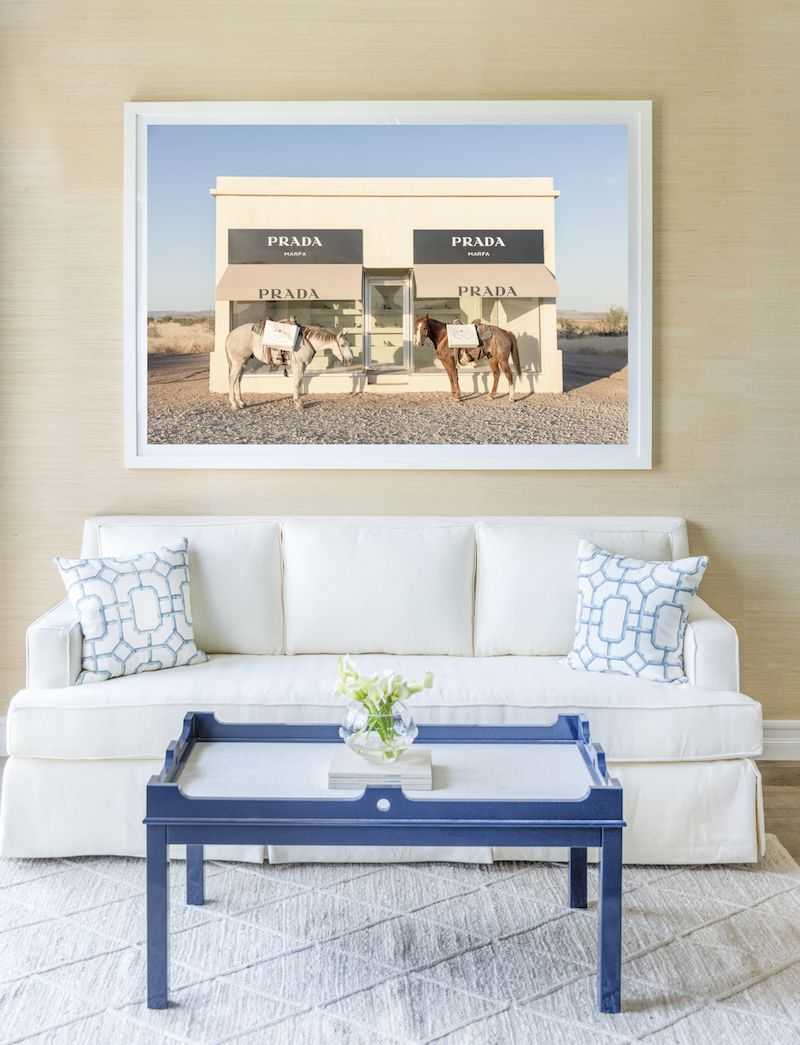
To create a stylish and functional minimalist bedroom in a small space, focus on decluttering, choosing multifunctional furniture, and sticking to a neutral color palette. Maximize storage cleverly and keep decorations simple to make your room feel open and calming. With thoughtful planning, even a compact bedroom can achieve that sleek minimalist look you desire.
In just a few strategic steps—such as prioritizing essential furniture, utilizing vertical space, and maintaining a clean, clutter-free environment—you can transform your limited space into a serene, minimalist retreat. The key is to balance practicality with aesthetics, ensuring your room feels spacious and relaxing despite its size.
When space is at a premium, minimalist design is your best friend. It helps reduce visual chaos, making even the smallest bedroom feel larger and more inviting. By thoughtfully selecting furniture and keeping decor minimal, you can craft a cozy yet uncluttered sanctuary that promotes tranquility and simplicity. The goal is to create an environment that’s both functional and visually calming, allowing you to unwind without feeling overwhelmed by clutter.

How to Achieve a Minimalist Bedroom Look with Limited Space
Understanding Minimalism and Its Benefits
Creating a minimalist bedroom isn’t just about making the room look simple. It’s about reducing clutter and focusing on what truly matters. With less stuff, you can enjoy a calmer, more relaxing space. This approach can also make small rooms feel larger and more open.
A minimalist room is characterized by clean lines, neutral colors, and a clutter-free environment. It promotes peace and helps you feel more organized. Reducing unnecessary furniture and decorations can create a more functional and inviting space.
Planning Your Space
Before buying furniture or decorating, plan how you want your bedroom to look. Measure your room carefully, noting the dimensions of windows, doors, and available space. Visualize how different furniture pieces will fit without overcrowding.
Creating a floor plan on paper or using room design apps helps you see what will fit best. Focus on essentials like a bed, a small wardrobe, and maybe a nightstand. Keep pathways clear to avoid a cramped feeling.
Choosing Multi-Functional Furniture
In small spaces, every piece of furniture should serve more than one purpose. Look for beds with built-in drawers or storage underneath. A bench at the end of the bed can double as seating and storage.
Opt for foldable or extendable furniture like wall desks or beds that fold away during the day. These pieces save space and keep the room looking neat. Multi-functional furniture allows you to maximize the available room without sacrificing comfort.
Color Palette and Decorations
Neutral colors like white, beige, gray, and soft pastels work well in minimalist bedrooms. Light shades make small rooms feel bigger and brighter. Keep the color scheme simple and consistent for a cohesive look.
Limit decorations to a few meaningful pieces. Choose a single piece of art or a small plant to add personality. Avoid cluttering your space with many accessories, which can make the room seem busy and cramped.
Decluttering and Organizing
Regularly go through your belongings and remove items you don’t need. Use storage solutions like baskets, boxes, or under-bed drawers to keep things out of sight. Clutter-free surfaces help create that tidy minimalist look.
Organize your closet with dividers or hanging organizers. Keep everyday essentials within reach and store seasonal or infrequently used items elsewhere. Achieving a minimalist bedroom requires ongoing effort to keep your space clean and simple.
Maximizing Storage in Small Spaces
Utilize vertical space by installing shelves or wall-mounted storage units. High-mounted shelves can hold books or decorative items without taking up floor space. Use hooks on walls or behind doors for bags, hats, or towels.
Choose furniture with built-in storage options, such as beds with drawers or headboards with shelves. Use under-bed storage containers for seasonal clothing or extra bedding. Smart storage solutions help keep your room clutter-free and functional.
Creating a Sense of Space
Keep furniture and accessories minimal and proportionate to the room size. Avoid bulky pieces that overpower the space. Use mirrors to reflect light and create the illusion of a larger room.
Good lighting enhances the open feel of your bedroom. Use a combination of natural light, ceiling fixtures, and bedside lamps. Light colors, simple decor, and thoughtful layout make a small room seem more spacious.
Implementing a Simple and Cohesive Style
Choose a design style that emphasizes clean lines and simplicity. Scandinavian, modern, and Japanese minimalist styles work well in small bedrooms. Keep patterns and textures subtle to avoid visual clutter.
Use consistent materials and colors to create harmony. For example, match your bedding, curtains, and furniture in neutral tones. A unified style makes your space feel calm and organized.
Adding Personal Touches Without Cluttering
Incorporate a few meaningful accessories like a favorite photo or a small piece of artwork. Keep decorative items minimal and purposeful. Use decorative storage boxes or baskets to hide clutter and add texture.
Plants can add life and color without overwhelming the space. Select small, easy-to-maintain varieties like succulents or air plants. These elements personalize your room while preserving a minimalist aesthetic.
Routine Maintenance and Review
Maintain your minimalist look by habitually tidying up and reassessing your belongings. Regularly donate or discard items that no longer serve you. Staying organized keeps your space feeling fresh and uncluttered.
Monitor how your furniture and accessories influence the room’s open feel. Adjust as needed to retain a sense of calm and order. Small, consistent efforts ensure your bedroom remains a peaceful retreat.
Related Topics to Explore
- Using lighting to enhance small minimalist spaces
- Incorporating natural elements into minimalist design
- Budget-friendly ways to decorate a tiny bedroom
- Tips for choosing the right bedding and textiles in minimalism
- How to maintain a clutter-free mindset for a more organized bedroom
Achieving a minimalist bedroom in a limited space involves thoughtful planning, strategic furniture choices, and ongoing organization. By focusing on simplicity, functionality, and personal touches, you can create a peaceful, stylish retreat that feels larger than it is. Keep your space clean and clutter-free, and enjoy the calming atmosphere a minimalist bedroom provides.
Maximize Small Bedroom Space: Clever Tips for Bed Placement and Storage Solutions!
Frequently Asked Questions
How can I choose furniture that maximizes space in a small bedroom?
Select furniture with multi-purpose functions, such as beds with built-in storage or foldable desks. Opt for pieces with sleek, minimal designs and avoid bulky items that clutter the room. Use vertical storage solutions like wall-mounted shelves to free up floor space and keep the area organized.
What color schemes work best to make a small bedroom appear more spacious?
Stick to light, neutral colors such as whites, soft grays, or pastel shades. These hues reflect more light, creating an airy feel. Avoid dark or bold colors that can make the room seem smaller. Incorporate subtle accents or textures to add depth without overwhelming the space.
How can I organize items to maintain a clutter-free minimalist bedroom?
Implement smart storage solutions like under-bed containers and wall-mounted organizers. Keep only essential items visible, and regularly declutter to eliminate unnecessary belongings. Using baskets and boxes helps categorize belongings, ensuring surfaces stay clear and the room retains a clean look.
What lighting options can enhance the sense of space in a limited room?
Use a combination of natural light and well-placed artificial lighting, such as wall sconces or compact lamps. Avoid heavy, bulky light fixtures that take up space. Clear, unobtrusive lighting increases brightness, making the room feel larger and more inviting.
How can mirrors contribute to the perception of a larger bedroom?
Position mirrors strategically to reflect natural light and create an illusion of depth. Large or full-length mirrors mounted on walls can visually expand the room. Ensure they are unobstructed and complement the room’s minimal aesthetic for maximum effect.
Final Thoughts
Achieving a minimalist bedroom look with limited space requires strategic choices. Use multi-functional furniture to maximize every inch and keep clutter out of sight. Choose a neutral color palette to create a calm, open atmosphere. Keep decor simple and focus on quality over quantity. These steps help create a serene, functional space that feels larger and more inviting.