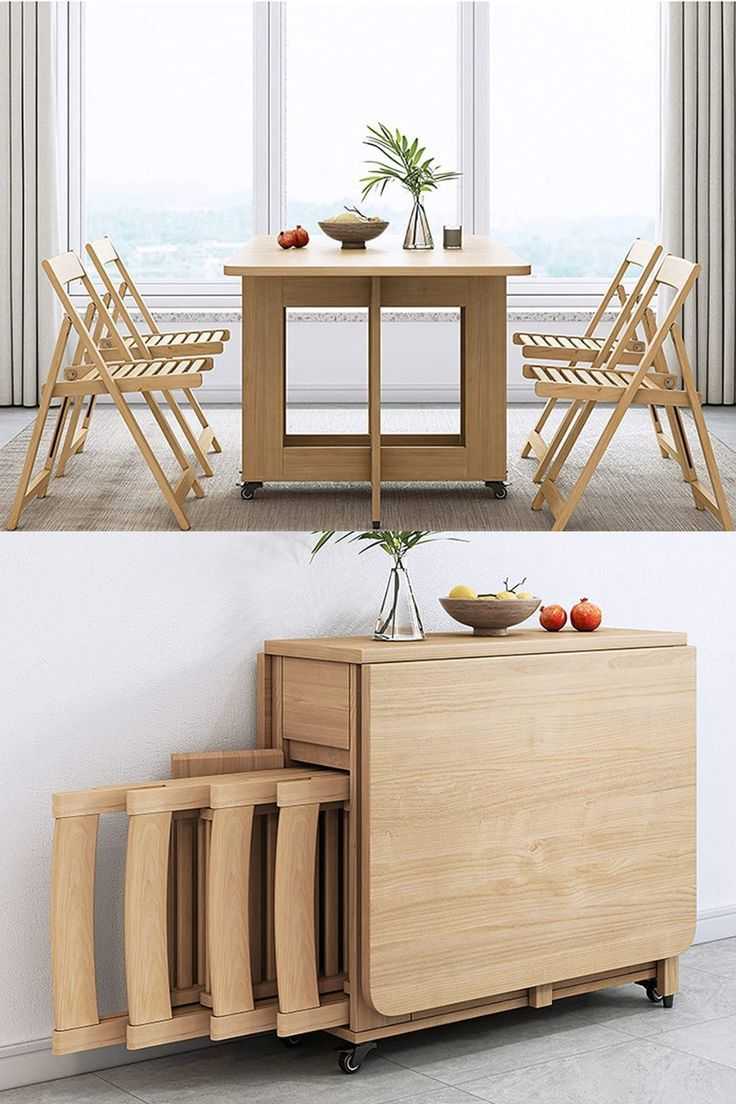
Opting for foldable furniture in tiny rooms is like unlocking a secret weapon for smarter living. It maximizes your space without sacrificing style or function. To choose the best pieces, focus on lightweight, multi-purpose designs that can be easily stored away when not in use.
In just a few words, pick furniture that is compact, versatile, and easy to fold. Look for quality materials that withstand frequent use and match your interior decor. Keeping these tips in mind will help you transform your small space into a functional, clutter-free oasis.
Living in a small space doesn’t mean sacrificing comfort or style. When selecting foldable furniture, consider your daily needs and the layout of your room. Prioritize pieces that can serve multiple functions, like fold-out beds or extendable tables, and ensure they are easy to collapse and store. By choosing thoughtfully, you can make your tiny room feel larger, more organized, and inviting.

How to choose foldable furniture for tiny rooms
Choosing foldable furniture for small spaces can seem tricky, but with the right information, it becomes easier. The goal is to maximize space while still making your room functional and stylish. Let’s explore key factors to consider when picking foldable furniture for tiny rooms.
Understanding Your Space and Needs
Before selecting foldable furniture, measure your room carefully. Knowing the exact dimensions helps you choose pieces that fit perfectly without crowding the space. List the essential functions your furniture needs to serve, such as sleeping, sitting, or storage. This will guide you to find versatile pieces that meet multiple needs.
Prioritize Multifunctionality
In tiny rooms, furniture that can do more than one job is a lifesaver. Look for foldable items that combine functions, like a bed that becomes a sofa or a table that folds away when not in use. This approach saves space and keeps your room uncluttered.
Choosing the Right Materials
Select durable yet lightweight materials for your foldable furniture. Materials such as bamboo, lightweight steel, or high-quality plastics are easy to move and last a long time. Consider the room’s humidity and temperature to pick materials that won’t warp or rust quickly.
Design and Style Considerations
Opt for foldable furniture with a sleek, simple design that blends with your decor. Neutral colors like white, beige, or gray can make the room feel larger and more open. Additionally, consider furniture with clean lines and minimal ornamentation for a modern look.
Space-Saving Folding Mechanisms
Check how the furniture folds to ensure it’s easy and quick to operate. Popular mechanisms include drop-leaf table designs, fold-down beds, and wall-mounted pieces. Test the folding process if possible, making sure it’s smooth without requiring excessive effort.
Types of Foldable Furniture for Tiny Rooms
- Folding Beds: Wall beds or Murphy beds fold vertically into the wall, freeing up space during the day.
- Wall-Mounted Desks: Fold down when needed, then fold back up to keep the room open.
- Convertible Sofas: Sofas that fold out into beds are perfect for combined living and sleeping areas.
- Folding Chairs and Tables: Easy to store away when not in use, ideal for dining or workspaces.
Storage Solutions in Foldable Furniture
Look for pieces that incorporate hidden storage, such as beds with drawers underneath or wall-mounted units with pockets. These storage options help keep clutter out of sight, making the room feel larger and more organized.
Ease of Use and Stability
Choose furniture that is easy to fold and unfold, especially if multiple people will use it. Stability is key—make sure foldable pieces have locking mechanisms or sturdy hinges to prevent accidents. Read reviews to find reliable options that operate smoothly over time.
Budget and Cost-Effectiveness
Set a clear budget based on your needs and preferences. While quality often costs more, investing in well-made foldable furniture can save money in the long run by lasting longer and maintaining functionality. Look for furniture sales or discounts to maximize your budget.
Shopping Tips and Resources
Research reputable brands and read customer reviews to gauge quality and durability. Visit stores in person if possible, to test ease of folding and comfort. Online stores offer a wide variety, but always check return policies in case the furniture doesn’t meet your expectations.
Green and Eco-Friendly Options
If sustainability matters to you, seek furniture made from eco-friendly materials or from brands committed to environmentally responsible practices. Bamboo, recycled plastics, and sustainably sourced wood are good options that help reduce your ecological footprint.
Final Tips for Choosing Foldable Furniture in Tiny Rooms
- Measure twice, buy once: Ensure every piece fits comfortably and leaves enough walking space.
- Focus on essentials: Don’t overcrowd the room with unnecessary furniture. Pick multifunctional pieces that serve multiple purposes.
- Prioritize mobility and ease of use: Light weight and simple mechanisms make daily use effortless.
- Stay consistent with style: Select designs that complement your decor for a cohesive look.
- Plan for future needs: Opt for adaptable furniture that can evolve as your needs change.
Choosing foldable furniture for tiny rooms takes some planning, but it can turn your small space into a cozy, functional haven. With careful consideration of size, design, materials, and mechanism, you can find pieces that make your room feel bigger while maintaining comfort and style.
Space-Saving Folding Murphy Bed: The Ultimate Solution for Small Spaces | I-Zay Home
Frequently Asked Questions
What factors should I consider when selecting foldable furniture for small spaces?
When choosing foldable furniture for tiny rooms, consider the furniture’s size when folded, its weight for easy handling, and how well it fits your space. Focus on designs that maximize functionality without overwhelming the room. Also, look for pieces with durable materials to ensure longevity and ease of maintenance.
How can I ensure that foldable furniture provides enough comfort and support?
Prioritize furniture that offers ergonomic support and adequate cushioning, especially for seating options. Test the furniture if possible to verify comfort, and read reviews to gauge user satisfaction. Select designs with adjustable features or additional padding to enhance comfort during use.
What design styles and colors work best for foldable furniture in small rooms?
Choose minimalist designs with clean lines to prevent visual clutter. Light colors like white, beige, or pastels can make the space feel larger and more open. If you prefer bold colors or patterns, use them sparingly as accent pieces to add personality without overwhelming the room.
How do I maintain the durability of foldable furniture in a compact living area?
Regularly clean and inspect the furniture for signs of wear or damage. Avoid overloading or forcing mechanisms that could weaken joints. Use furniture within its intended capacity and store it properly when not in use to prolong its lifespan.
Are there specific storage considerations I should keep in mind for foldable furniture?
Ensure that you have designated storage spaces for folded furniture, preferably in accessible locations. Look for pieces that fold compactly and come with storage options like built-in compartments or covers. Organize your space so that folding and unfolding become quick and easy tasks.
Final Thoughts
Choosing foldable furniture for tiny rooms requires careful consideration of size and functionality. Opt for pieces that easily fold away to maximize space when not in use. Prioritize designs that blend style with practicality, ensuring they fit seamlessly into your room’s decor.
Measure your available space accurately before purchasing to avoid clutter. Look for versatile furniture that serves multiple purposes, such as beds with built-in storage or desks that fold into walls.
In summary, how to choose foldable furniture for tiny rooms involves selecting compact, multi-purpose pieces that maximize your limited space without sacrificing style or comfort.