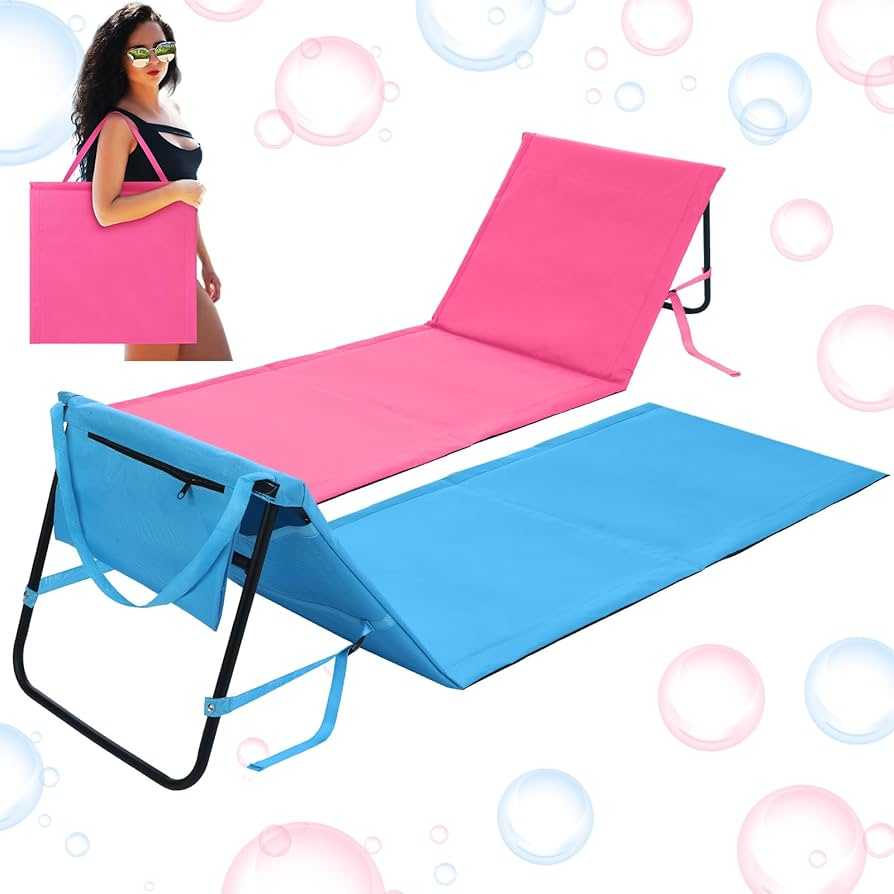
To keep your foldable furniture looking pristine and functioning smoothly, regular cleaning with gentle products and careful handling are key. Lubricate moving parts periodically to prevent squeaks and ensure easy folding and unfolding. Protect your furniture from harsh weather and avoid overloading to prolong its lifespan.
Quick answer: Use a soft cloth and mild cleaner to wipe down surfaces regularly, lubricate hinges with appropriate oil, and store the furniture in a dry, sheltered place when not in use. Avoid abrasive materials to prevent scratches. With a bit of routine care, your foldable furniture will stay durable, functional, and attractive for years to come.
Maintaining foldable furniture doesn’t have to be complicated, but it does require a bit of attentiveness to keep it in top shape. These versatile pieces are perfect for space-saving living, outdoor gatherings, or temporary setups, but they can take a beating if neglected. Proper cleaning and maintenance not only preserve their appearance but also ensure smooth operation every time. By incorporating simple habits like wiping down after use, checking hinges, and storing the furniture properly, you can extend its life and enjoy its convenience without worry. Whether you’re dealing with a foldable table, chair, or bed, a little effort now will save you time and money in the future.

How to clean and maintain foldable furniture
Understanding Your Foldable Furniture Materials
Before you start cleaning, it’s important to know what your furniture is made of. Different materials need different care methods. For example, wooden foldable tables may require gentle dusting and occasional polishing, while metal frames need rust prevention. Fabric-covered foldable chairs may need vacuuming and spot cleaning. Identifying your furniture’s material helps you choose the right cleaning products and techniques, ensuring longevity and good appearance.
General Cleaning Tips for All Types of Foldable Furniture
Regular cleaning keeps your foldable furniture looking new and prevents dirt buildup. Use a soft cloth or microfiber cloth to wipe surfaces regularly. For stubborn spots, slightly dampen the cloth with water or a mild cleaning solution. Avoid harsh chemicals that can damage finishes or fabrics. Always test cleaning products on a small, hidden area first. Remember to lock and secure all moving parts before cleaning to avoid accidental folding or damage.
Cleaning Wooden Foldable Furniture
Wooden foldable furniture should be cleaned gently to preserve its finish. Use a soft, dry cloth to remove dust weekly. For deeper cleaning, mix a few drops of mild dish soap with water. Dampen a cloth with this solution and wipe the surface carefully. Follow up with a dry cloth to prevent moisture damage. Periodically, apply a furniture polish or wax to maintain shine and provide a protective layer. Avoid excessive water, which can cause warping or swelling.
Removing Scratches and Scuffs from Wood
Minor scratches can be fixed with a touch-up marker that matches the wood color. For deeper scratches, use a wood filler or crayon to fill the gap, then sand lightly and polish. Keep your furniture away from direct sunlight to prevent fading and damage.
Cleaning Metal Foldable Furniture
Metal parts are usually durable but can rust if exposed to moisture. Regularly wipe metal surfaces with a damp cloth to remove dust and dirt. For stubborn stains or rust spots, use a mixture of baking soda and water or a commercial rust remover. After cleaning, dry thoroughly to prevent corrosion. Apply a thin layer of car wax or metal protectant to keep the surface shiny and resistant to rust.
Preventing Rust and Corrosion
Store your foldable furniture indoors or in a dry area when not in use. Use covers if you leave it outside for extended periods. Check regularly for signs of rust or corrosion and address immediately to prevent spreading.
Cleaning Fabric and Upholstered Foldable Furniture
Fabric surfaces can trap dust, dirt, and spills. Vacuum regularly using a brush attachment. For stains, use a fabric-safe upholstery cleaner or a solution of mild soap and water. Test the cleaner on a hidden area first to avoid discoloration. Blot stains gently — do not rub, as this can embed dirt further into fibers. Allow the fabric to air dry completely before folding or using.
Dealing with Odors and Mildew
Keep fabric furniture dry and well-ventilated. If you notice odors, sprinkle baking soda on the fabric, let it sit for a few hours, then vacuum. For mildew, mix equal parts of water and white vinegar, lightly spray onto affected areas, and wipe clean. Ensure proper drying afterward.
Maintaining Hinges and Moving Parts
Hinges and joints are crucial for the furniture’s folding functionality. Regularly check for looseness or squeaking. Apply a few drops of lubricant, such as WD-40 or silicone spray, to keep hinges moving smoothly. Wipe away excess lubricant to avoid dirt accumulation. Tighten any loose screws or bolts with the appropriate tools.
Lubricating Foldable Furniture Effectively
Proper lubrication prevents rust and keeps moving parts functioning properly. Use lightweight oils or sprays designed for mechanical parts. Avoid over-lubricating, which can attract dust and dirt. Regularly inspect for signs of wear or damage and address promptly.
Storage and Handling Tips
Proper storage extends the life of foldable furniture. When not in use, fold and store in a dry, clean area. Avoid stacking heavy objects on top. Ensure the furniture is clean and dry before storing. Cover it with a breathable fabric cover to prevent dust accumulation while allowing air circulation.
Transporting Foldable Furniture Safely
Use protective covers or padding during transportation. Always fold furniture carefully, avoiding forced movements. Secure items in place to prevent shifting or damage. Moving furniture with care minimizes scratches, dents, or misalignments.
Regular Maintenance Routine
Establishing a regular cleaning and maintenance schedule keeps your furniture in top condition. Dust weekly, clean surfaces monthly, and inspect for signs of wear every few months. Immediate attention to small issues prevents costly repairs later. Keep tools and cleaning supplies handy to streamline the process.
Additional Tips for Long-Term Care
Avoid placing your furniture in direct sunlight, as UV rays can fade finishes and fabrics. Maintain humidity levels to prevent warping or rust. Use protective pads on surfaces to prevent scratches. Follow manufacturer instructions for specific cleaning products or treatments.
Related Topics for Better Furniture Care
- Choosing the Right Cleaning Products for Furniture
- How to Protect Furniture from Sun Damage
- Best Storage Solutions for Foldable Furniture
- DIY Repairs for Common Foldable Furniture Problems
Maintaining foldable furniture requires consistent effort and gentle care. Proper cleaning preserves its appearance and extends its lifespan. By understanding your furniture’s materials and following these tips, you ensure your foldable pieces stay functional and attractive for many years.
How I keep my cream dining chairs clean. Check out my Amazon shop to get these products.
Frequently Asked Questions
What cleaning products are best suited for foldable furniture?
Use mild soap mixed with water for regular cleaning. Avoid harsh chemicals or abrasive cleaners that can damage the surface or finish. For wooden foldable furniture, opt for a cleaner designed for wood surfaces, and for metal parts, use a gentle cleaner that prevents corrosion. Always test any product on a small, hidden area first to ensure it does not cause discoloration or damage.
How can I prevent hinges and joints from becoming stiff or squeaky?
Regularly apply a light lubricant, such as silicone spray or mineral oil, to the hinges and joints to keep them moving smoothly. Wipe away excess lubricant to avoid attracting dust and debris. Moving the furniture gently after applying the lubricant helps it penetrate properly and keeps the mechanisms functioning smoothly over time.
What steps should I take to protect foldable furniture during extreme weather?
If you plan to store foldable furniture outdoors or in a garage during harsh weather, clean it thoroughly and ensure it dries completely. Cover the furniture with a waterproof cover or tarp to prevent moisture buildup and exposure to direct sunlight, which can weaken materials. Store it in a dry, well-ventilated area whenever possible to prolong its lifespan.
How often should I perform maintenance on foldable furniture?
Perform a basic cleaning and inspection at least once a month, especially if you use the furniture frequently. Deep cleaning and lubrication should happen every three to six months, depending on usage and exposure to elements. Regular checks help identify issues early, preventing larger repairs later on.
What are some tips for safely folding and unfolding furniture to avoid damage?
Always follow the manufacturer’s instructions for folding and unfolding to prevent strain on joints and hinges. Move slowly and avoid forcing mechanisms that feel stiff. Ensure nothing is blocking the folding path, such as cushions or other objects. Proper handling reduces wear and tear, ensuring your furniture remains functional for a longer time.
Final Thoughts
To clean and maintain foldable furniture, start by wiping surfaces with a damp cloth regularly to remove dust and dirt. Use mild soap and water for deeper cleaning, ensuring you dry the furniture thoroughly afterward. Inspect hinges and joints for any signs of wear and lubricate them if needed. Proper care prolongs the life of your furniture and keeps it looking new. By following these simple steps, you ensure your foldable furniture remains functional and attractive over time.