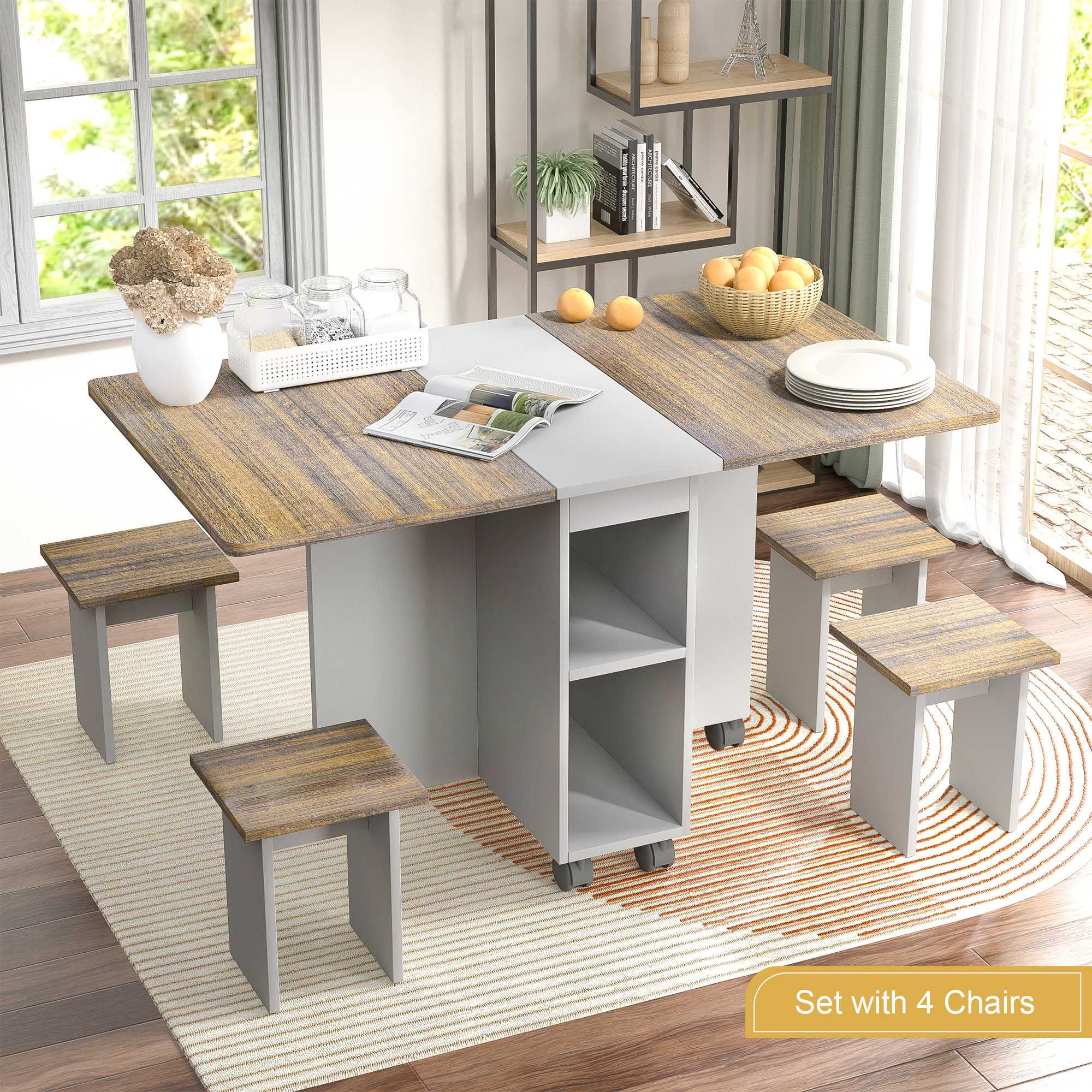
Looking to maximize your small space without sacrificing style? The key lies in choosing multifunctional furniture that cleverly serves multiple purposes, making every inch count. A well-selected piece can transform a cramped room into a versatile, comfortable area that meets all your needs.
For a quick solution, opt for furniture that combines storage with seating or sleeping, like sofa beds or storage ottomans. Prioritize pieces that can fold, hide, or extend to adapt to different uses, and choose versatile styles that blend seamlessly with your decor.
When selecting multifunctional furniture for tight spaces, focus on pieces that are compact yet adaptable. Consider your specific needs—do you need an extra bed, more storage, or a workspace? Look for durable, space-saving designs that incorporate hidden compartments or flexible features. Choosing the right furniture involves balancing functionality with aesthetics, ensuring your space remains open and inviting while still being highly functional.

How to Choose Multifunctional Furniture for Tight Spaces
Choosing the right multifaceted furniture can make a big difference in small rooms. It helps you maximize space while keeping your home organized and stylish. Let’s explore how to select the best pieces that fit your needs without cluttering your space.
Understanding Your Space and Needs
Before shopping, measure your room carefully. Note the dimensions where you plan to place new furniture. Knowing your available space ensures you pick pieces that fit comfortably without making the room feel crowded.
Think about what functions you need. Do you want a bed that doubles as a sofa? Or a table that can be stored away? Listing your priorities helps narrow down your options and find furniture that truly suits your lifestyle.
Prioritize Multi-Functional Features
Storage Options
Look for furniture with built-in storage to keep clutter out of sight. For example, beds with drawers underneath or ottomans with hidden compartments are excellent choices. These features allow you to store bedding, books, or other essentials efficiently.
Foldable and Expandable Pieces
Furniture that folds or extends is perfect for tight spaces. Consider foldable beds, wall-mounted desks, or extendable dining tables. They can be hidden when not in use, freeing up space for other activities.
Convertible Furniture
Choose pieces that can serve multiple purposes. For instance, a sofa bed functions as both seating and a sleeping area. A wall bed or Murphy bed can fold up into the wall when not needed, saving precious space.
Material and Style Considerations
Select furniture made from lightweight materials like wood or composite for easier movement. Durable and easy-to-clean surfaces will last longer and require less maintenance in small spaces.
Balance style and practicality. Modern designs often feature clean lines that visually open up a room. Neutral colors can make your space look larger and more inviting.
Maximizing Storage in Small Spaces
Vertical Storage Solutions
Use wall-mounted shelves or tall cabinets to utilize vertical space. This keeps the floor area open and makes the room feel less cramped.
Hidden Storage Ideas
- Under-bed drawers or boxes
- Furniture with built-in compartments like coffee tables or benches
- Dual-purpose items such as beds with storage headboards
Decluttering Tips
Regularly go through your belongings and remove items you no longer need. Efficient storage allows your space to stay open and functional without feeling overwhelmed.
Design Tips for Small Spaces
Use Light Colors
Lighter shades on walls and furniture reflect more light, making small rooms look larger. Add pops of color with accessories instead of large furniture pieces.
Keep it Simple
A clutter-free environment feels more spacious. Stick to essential multifunctional furniture and avoid overloading your space with too many items.
Strategic Furniture Placement
Place larger pieces against walls to open up the center of the room. Leave pathways clear for easy movement and to create an airy atmosphere.
Safety and Comfort Considerations
Select furniture with stable bases to prevent accidents. Soft edges are safer, especially in homes with children. Remember to choose comfortable pieces that support good posture and relaxation.
Budget-Friendly Options
You don’t need to spend a fortune to get quality multifunctional furniture. Look for sales, second-hand options, or DIY projects to create your custom pieces. Always compare prices and quality before purchasing.
Where to Find Suitable Multifunctional Furniture
Visit furniture stores that specialize in space-saving designs. Online retailers often have a wide selection with detailed descriptions and customer reviews. Consider local thrift shops or marketplace sites for unique, affordable finds.
Final Tips and Tricks
- Measure your space carefully before buying
- Prioritize essential functions for your lifestyle
- Opt for lightweight and versatile materials
- Utilize vertical space for added storage
- Keep the design simple and clutter-free
Choosing multifunctional furniture for tight spaces involves careful planning and smart selections. Focus on pieces that combine storage, flexibility, and style to make your home more livable and comfortable. With these strategies, even the smallest rooms can function beautifully and look inviting.
Space-Saving Folding Murphy Bed: The Ultimate Solution for Small Spaces | I-Zay Home
Frequently Asked Questions
What features should I look for in multifunctional furniture for small spaces?
When selecting multifunctional furniture for tight areas, prioritize pieces that combine storage with seating or sleeping options. Look for designs that maximize vertical space, such as beds with built-in drawers or shelves. Consider furniture with adjustable components or fold-away features to save space when not in use. Durability and ease of maintenance also matter to ensure the furniture remains functional and attractive over time.
How can I choose furniture that adapts to different needs in limited spaces?
Choose versatile furniture that serves multiple purposes, such as a sofa bed or a table that can be extended or folded. Opt for modular pieces that can be reconfigured depending on your activities—whether working, relaxing, or hosting guests. Keep in mind your daily routines and select items that can easily accommodate changing needs without cluttering the room.
What materials are best suited for durable and space-saving multifunctional furniture?
Select materials that balance strength and weight, such as engineered woods, metal frames, or high-quality plastics. These materials provide durability without adding excessive bulk. Additionally, consider finishes that resist scratches and stains, which helps maintain a clean appearance in a small space. Lightweight materials also make furniture easier to move and reconfigure as needed.
How can I incorporate multifunctional furniture without overcrowding my room?
Prioritize furniture that combines multiple functions in a compact form. Use pieces that can serve dual purposes, such as a storage ottoman or a bed with drawers underneath. Keep the layout open by selecting furniture with slim profiles and minimal embellishments. Planning the placement carefully ensures each piece contributes to functionality without sacrificing the overall spacious feel.
Are there specific design styles that work better for multifunctional furniture in small rooms?
Minimalist and contemporary styles typically work best because they emphasize clean lines and simple forms, which prevent the space from feeling cluttered. Neutral color palettes and streamlined designs help furniture blend seamlessly into the room. Avoid overly ornate or bulky pieces that can overwhelm limited space, and instead choose streamlined options that provide practicality without sacrificing aesthetics.
Final Thoughts
Choosing multifunctional furniture for tight spaces involves prioritizing compact designs that maximize utility. Opt for pieces with hidden storage or foldable features to save space. Consider versatility to serve multiple purposes and adapt to changing needs.
Focus on pieces that match your aesthetic while providing practicality, making your space feel organized and welcoming. Evaluate your specific needs and select furniture that offers flexibility without sacrificing style.
How to choose multifunctional furniture for tight spaces requires careful thought about size, function, and design. Make deliberate choices, balancing practicality and aesthetics to create an efficient living area.