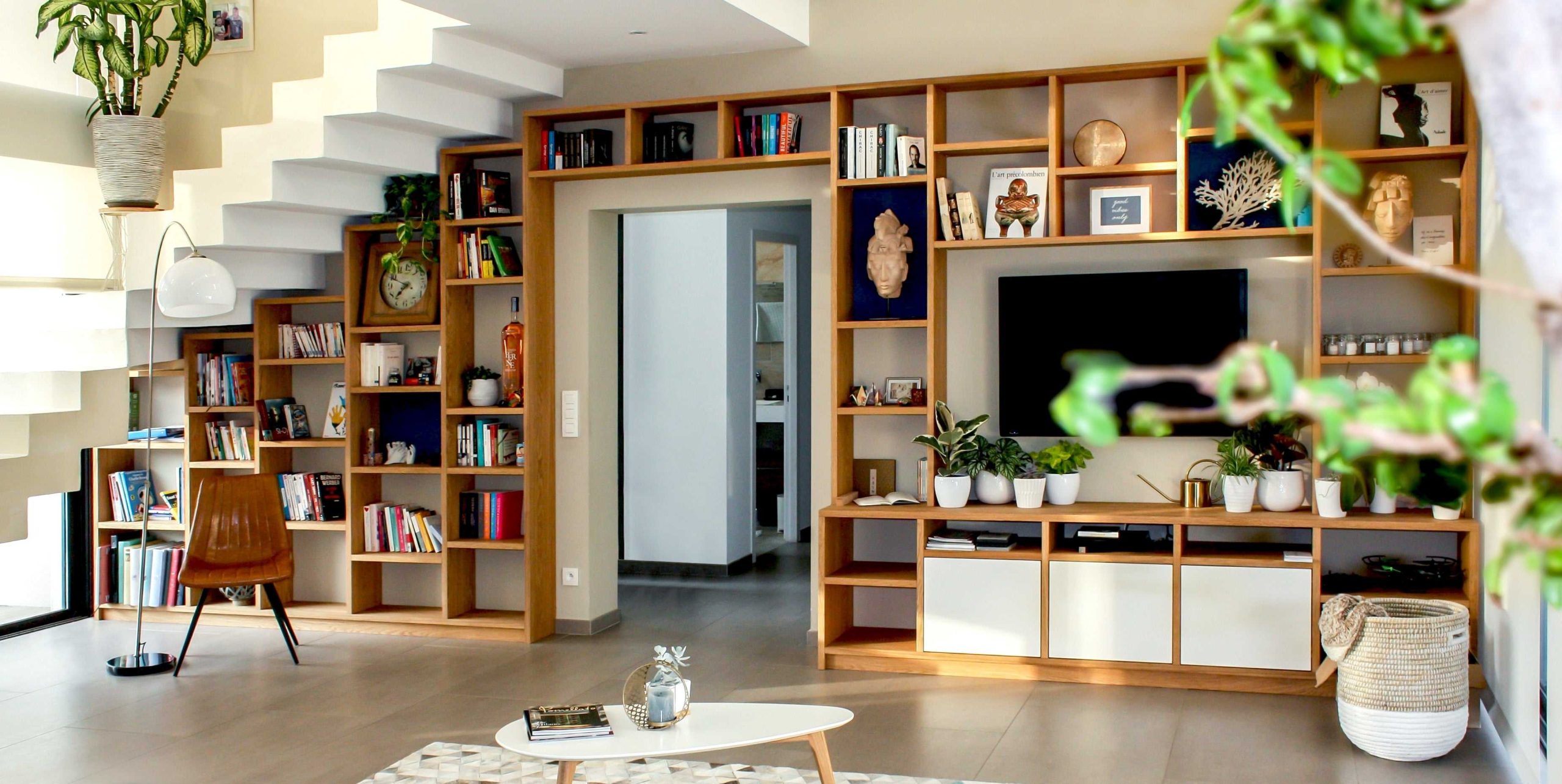
To create a multifunctional space in a small bedroom, cleverly use foldable furniture, vertical storage, and designated zones to maximize your area. Incorporate smart solutions like Murphy beds or wall-mounted desks that can be tucked away when not in use, and keep clutter to a minimum with efficient storage options. By thoughtfully planning your layout and choosing versatile pieces, you can transform a tiny bedroom into a practical, cozy haven that suits all your needs.
In small bedrooms, space is at a premium, but with some smart planning, you can make room for a sleeping area, workspace, and storage all in one. The key is to select adaptable furniture and organize your space efficiently, creating a seamless environment that doesn’t feel cramped. This approach not only maximizes functionality but also keeps your room looking stylish and inviting.
Every small bedroom can be more functional with the right strategies. Imagine a space where your bed folds away during the day to reveal a work desk, or where vertical shelves hold all your essentials without sacrificing precious floor space. With some creative ideas and a bit of planning, you can craft a room that adapts to your lifestyle, making it feel larger, more organized, and uniquely yours.

How to Create a Multifunctional Space in a Small Bedroom
Creating a multifunctional space in a small bedroom requires careful planning and smart design choices. You want your room to serve multiple purposes without feeling cramped or cluttered. Here are some practical tips and ideas to help you make the most of your small bedroom space.
Assess Your Needs and Set Clear Goals
Before you start designing, identify what functions your bedroom needs to serve. Do you need a workspace, a place for hobbies, or extra storage? Writing down your main priorities helps focus your efforts. Think about elements like sleeping, working, relaxing, and storage as essential functions.
Having a clear list ensures you don’t overfill the room with unnecessary furniture. It also helps you plan the layout effectively. Remember, a small space that is well-organized feels more spacious and welcoming.
Choose Space-Saving Furniture
Selecting the right furniture is key to creating a multifunctional small bedroom. Opt for pieces that serve dual purposes or can be easily moved. Here are some options:
- Murphy beds or fold-down beds: These beds fold into the wall or can be hidden, freeing up space during the day.
- Storage beds: Beds with built-in drawers or under-bed storage help reduce clutter.
- Convertible desks: Desks that fold away or extend when needed save space and provide work areas without taking up room constantly.
- Multi-use seating: Ottomans or benches with storage inside can serve as seating and storage solutions.
Choosing furniture with clean lines and compact designs makes your room look more open. Always measure your space before buying to ensure a perfect fit.
Optimize Storage Solutions
Smart storage solutions prevent your small room from becoming cluttered. Use vertical space by installing shelves or wall-mounted cabinets. This keeps floors clear and makes the room feel larger.
Consider under-furniture storage options like baskets or drawers. Using multi-compartment organizers inside drawers maximizes space. Also, hanging hooks on doors or walls can hold accessories, bags, or clothes.
Another idea is to use furniture that doubles as storage. For example, a bed with drawers underneath or a desk with built-in shelves offers extra space without additional furniture pieces.
Implement Zones for Different Functions
Creating designated zones within your small bedroom helps keep things organized. Use rugs, furniture placement, or different wall color accents to visually separate areas. For example:
- Sleeping zone: Place your bed in a corner or against a wall to save space.
- Work zone: Position a compact desk near a window for natural light.
- Relaxation zone: Use a comfortable chair or a small reading nook with shelves for books.
Clear boundaries help your brain switch between activities and keep your room tidy. It also makes each function feel more spacious.
Use Light Colors and Mirrors to Make the Room Feel Larger
Light colors reflect more light, making the room appear bigger and brighter. Choose shades like soft whites, pastels, or light grays for walls and furniture.
Mirrors not only reflect light but also create the illusion of more space. Hang a large mirror opposite a window to maximize natural light and depth. Consider mirrored closet doors or wall-mounted decorative mirrors for stylish and practical enhancements.
Incorporate Multi-Functional Decor Items
Decoratives that also serve a purpose help save space and add character. Some ideas include:
- Storage ottomans: These provide seating, hidden storage, and a decorative element.
- Foldable or stackable tables: Great for small dining or work areas that can be tucked away when not in use.
- Wall-mounted lighting: Sconces or adjustable lamps free up space on bedside tables or desks.
Choose decor that complements your style but also offers practicality for a small room.
Maximize Natural Light and Ventilation
Natural light and fresh air make small rooms feel more open and airy. Keep window treatments minimal with light curtains or blinds that can be easily opened.
Arrange furniture to avoid blocking windows. Use transparent or light-colored furniture to enhance the sense of space and openness. Good ventilation also helps keep the room fresh and comfortable, especially if your room doubles as a workspace.
Keep the Room Organized and Clutter-Free
Regularly declutter and organize to maintain a spacious feel. Use storage bins, shelves, and hooks to keep items out of sight but easily accessible.
Implement a daily cleaning routine to prevent pile-ups of clothes, papers, or accessories. A tidy space appears larger and more inviting, making multifunctional living much easier.
Utilize Flexible and Modular Design
Choosing modular furniture allows you to adapt your space over time. You can add or remove units based on changing needs.
Flexible furniture, like foldaway beds or extendable desks, provides versatility. This approach helps your small bedroom evolve from a sleeping area to a workspace or hobby zone effortlessly.
Additional Tips for Efficient Small Bedroom Design
– Use door-mounted organizers for shoes, accessories, or toiletries.
– Place plant pots with upright growth to add freshness without taking up space.
– Hang curtains high above the window frame to give an illusion of taller ceilings.
– Use labeled storage bins for easy retrieval and maintenance.
Any small change you make can significantly improve your bedroom’s functionality. Regularly reassess your setup to see what works well and what needs adjustment. Creating a multifunctional space in a small bedroom is all about clever choices, organization, and maximizing every inch.
With these ideas, your tiny bedroom can become a cozy, practical haven that caters to all your needs while feeling spacious and inviting.
Transform Your Small Bedroom with This Trendy Space-Saving Layout!
Frequently Asked Questions
What are effective ways to maximize storage in a small bedroom designed as a multifunctional space?
Use furniture with built-in storage, such as beds with drawers or storage ottomans. Install wall-mounted shelves and hooks to keep items off the floor. Opt for multi-purpose furniture pieces that serve more than one function, like a bed that doubles as a workspace or seating area. Keep clutter organized with storage bins and under-bed organizers to make the most of limited space.
How can I create designated zones within a small bedroom for different activities?
Divide the room visually by using rugs, room dividers, or furniture arrangements that designate separate areas. Position your bed away from the work or study corner to define space boundaries. Use lighting and color changes to differentiate zones, and strategically place furniture to foster a sense of distinct areas for sleeping, working, and relaxing.
What furniture choices help save space while maintaining functionality in a small bedroom?
Select compact, multi-functional furniture such as fold-away desks, wall beds, or beds with storage drawers. Use nesting tables or stackable chairs that can be tucked away when not in use. Choose vertical furniture to utilize wall space effectively, and consider furniture with sleek designs that don’t overwhelm the room’s size, keeping the space open and practical.
How can lighting enhance a multifunctional small bedroom?
Incorporate layered lighting by combining ambient, task, and accent lights. Use wall-mounted lamps or pendant lights to save surface space. Ensure there is adequate task lighting near work or reading areas, and add warm accent lights to create a cozy atmosphere. Proper lighting helps define different zones and makes the room feel larger and more inviting.
What color schemes work best to make a small bedroom appear larger and more functional?
Opt for light, neutral colors such as whites, creams, or pastels to reflect natural light and give an airy feel. Incorporate subtle contrasts with darker accents to add depth without overwhelming the space. Using a consistent color palette throughout the room creates a cohesive look, helping the space appear more organized and visually spacious.
Final Thoughts
Creating a multifunctional space in a small bedroom requires clever planning and thoughtful use of furniture. Use multi-purpose furniture like beds with storage or foldable desks to maximize space. Incorporate vertical storage solutions to free up floor area. Keep the color palette light and neutral to make the room appear larger.
Efficient zoning can divide your space into designated areas for sleeping, working, and relaxing without clutter. Use rugs, lighting, and furniture placement to define each zone clearly. Regularly declutter to maintain a tidy, functional environment.
In conclusion, how to create a multifunctional space in small bedroom involves strategic furniture choices, organized zoning, and decluttering habits. These steps ensure your small bedroom remains practical and comfortable.