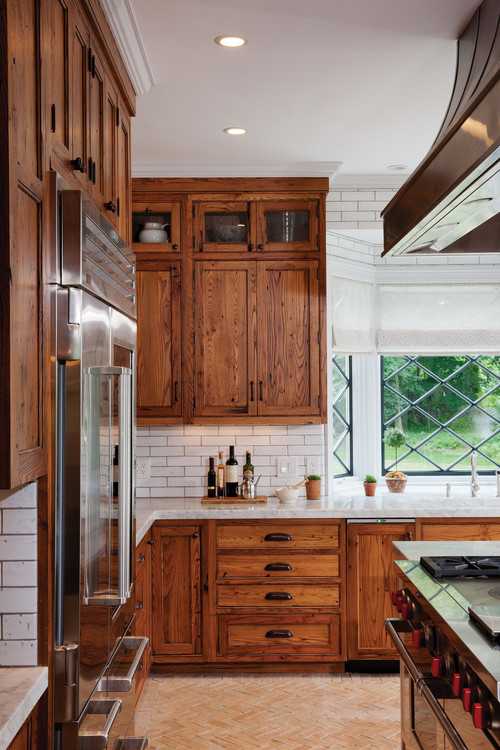
Looking to create a cozy, inviting kitchen that feels like a breath of fresh air? Rustic kitchen color schemes with natural tones are the perfect way to bring warmth and charm into your space. These palettes, inspired by nature, blend earthy hues like warm browns, soft beiges, and calming greens to evoke a sense of serenity and comfort. Whether you’re renovating or just updating your decor, choosing the right natural tones can transform your kitchen into a welcoming retreat. The key is balancing different shades and textures to achieve that rustic aesthetic while keeping the space functional and stylish. With the right color scheme, your kitchen can become a stunning centerpiece that reflects the beauty of the outdoors while feeling homey and timeless.
For a rustic kitchen with natural tones, opt for earthy shades such as taupe, moss green, soft browns, and creamy whites. These colors enhance the organic feel, creating a warm, inviting atmosphere that complements rustic wooden accents and vintage touches.
Choosing a rustic kitchen color scheme with natural tones can beautifully highlight the raw, organic beauty of your space. By focusing on earthy, muted colors, you add depth and warmth, making your kitchen a tranquil oasis that marries simplicity with charm. Incorporate textures like wood, stone, and wrought iron to enhance the rustic vibe, creating a harmonious and cozy environment for family and friends to gather.

Rustic kitchen color schemes with natural tones
Understanding the charm of natural tones in rustic kitchens
Rustic kitchens are known for their warm and inviting atmosphere. Using natural tones enhances this cozy feel and creates a space that feels both comforting and authentic. Colors inspired by nature—such as earthy browns, soft greens, and gentle beiges—are perfect choices for achieving this look. These tones help to evoke a sense of calm and connection to the outdoors.
The role of earthy colors in rustic kitchen design
Earthy colors form the foundation of rustic kitchen color schemes. Think about shades like terracotta, clay, warm taupe, and moss green. These hues work well together and reflect natural materials like wood, stone, and clay. Incorporating these colors can make a kitchen feel more grounded and harmonious with its environment.
Popular color palettes for rustic kitchens
Choosing the right palette is key to creating a cohesive rustic kitchen. Here are some popular options:
- Warm neutrals: Beiges, creams, and light browns create a bright and airy space.
- Rich browns and chocolates: Deep wood tones add depth and richness.
- Soft greens and blues: Hues inspired by leaves and sky give a soothing vibe.
- Muted reds and oranges: Terracotta and rust shades provide warmth and vibrancy.
Color combinations that work well together
Pair natural tones thoughtfully to enhance the rustic aesthetic. For example, combine a soft beige wall with dark wood cabinets and green accents. Mixing light and dark hues adds visual interest without overwhelming the space. Consider adding metallic touches like matte black fixtures for contrast.
Incorporating accent colors in a natural palette
While natural tones set the base, adding subtle accent colors can bring character to the kitchen. Think about using:
- Deep burgundy or wine for small accessories
- Muted mustard or ochre for textiles and décor
- Stone grey for countertops or backsplashes
These accents provide depth without breaking the natural-inspired theme.
Impact of lighting on color perception in rustic kitchens
Lighting plays a crucial role in how colors appear in a space. Warm lighting enhances earthy hues, making the space feel cozy and inviting. Natural light amplifies the brightness of neutral tones, creating a fresh atmosphere. Use a combination of ambient, task, and accent lighting to highlight different areas and colors.
Material choices that complement natural tones
Select materials that reflect the natural theme. Reclaimed wood, stone countertops, and ceramic tiles fit perfectly into rustic kitchen designs. These materials showcase the beauty of imperfections and textures, aligning with the natural color palette. Incorporate iron or matte black hardware for added contrast and rustic charm.
Creating contrast with natural tones
Adding contrast brings life and dimension to rustic kitchens. For example, pairing light-colored walls with dark wood cabinets creates a balanced look. Use white or cream backsplashes to brighten darker elements. Contrast can also be achieved through textured surfaces like rough stone or woven textiles.
Tips for maintaining a natural-toned rustic kitchen
To keep the space looking fresh, regularly clean and care for surfaces. Use gentle cleaners suitable for wood and stone. Incorporate natural elements like fresh herbs or potted plants to add vibrancy. Keep décor simple and uncluttered to let the natural tones shine.
Examples of rustic kitchen color schemes with natural tones
Here are a few ideas to inspire your design:
| Color Scheme | Description | Decor Ideas |
|---|---|---|
| Beige and Warm Brown | Creates a soft, inviting environment with subtle contrast. | Wooden cabinets, linen curtains, terracotta accents |
| Olive Green and Cream | Emphasizes a connection to outdoor greenery. | Green painted walls, distressed wood furniture, natural stone countertops |
| Rust and Slate Grey | Offers a cozy yet sophisticated feel. | Rust-colored accents, grey tiled backsplash, wrought iron fixtures |
The importance of texture in rustic kitchens with natural tones
Texture adds depth and interest to the space. Rough-hewn wood, exposed beams, and textured stone surfaces evoke a rustic feel. Combining smooth finishes with tactile surfaces enhances the natural look. Don’t forget to include soft textiles like linen or burlap to balance hard textures.
Blending rustic charm with modern elements
While natural tones highlight rustic charm, integrating modern features can give a contemporary touch. Sleek appliances, minimalist fixtures, and simple hardware contrast beautifully with warm wood and stone. This blend creates a balanced space that feels timeless and functional.
Summary of key points for choosing rustic kitchen colors with natural tones
When selecting colors, focus on earthy hues that reflect nature. Use a balanced palette of neutrals, warm browns, and muted greens. Enhance the natural look with appropriate materials, textures, and lighting. Small accents in complementary colors can add personality without overshadowing the rustic theme.
Overall, embracing natural tones in rustic kitchen design results in a warm, welcoming space. Combining these colors with natural materials and textures creates a cozy and authentic environment. Keep the color palette simple yet layered with contrasting textures and finishes for stunning results.
Best paint color combinations for two-tone kitchen cabinets
Frequently Asked Questions
What are some effective ways to incorporate natural tones into a rustic kitchen design?
Use earthy colors like warm browns, soft beiges, and muted greens on walls, cabinets, and accessories. Opt for wooden finishes and natural materials such as stone or brick to add texture. Incorporate textiles like linen or burlap in neutral shades to enhance the organic feel of your space.
How can I balance bold accents with a neutral color palette in a rustic kitchen?
Add pops of color through accessories like pottery, textiles, or decorative items in shades like deep reds, ochres, or forest greens. Keep larger surfaces in subdued tones to maintain a calm, inviting atmosphere, while using these bolder accents to create visual interest and personality.
What lighting choices complement natural tones in a rustic kitchen?
Choose warm, ambient lighting to highlight the earthy color scheme. Use fixtures made of natural materials such as wood or iron. Incorporate pendant lights, vintage-style bulbs, or lanterns to enhance the cozy, rustic ambiance and highlight the warmth of natural tones.
Which flooring options work best with rustic kitchen color schemes featuring natural hues?
Opt for wood or stone flooring to complement the natural tones and add authenticity to your rustic design. Reclaimed wood or distressed finishes work well, providing texture and character that align with the organic aesthetic of the space.
How can I add modern touches to a rustic kitchen while maintaining natural tones?
Introduce sleek appliances with matte or brushed finishes that blend seamlessly with wooden or stone elements. Incorporate minimalistic hardware and fixtures in metal or black matte finishes. Keep the color palette consistent with earthy shades to preserve the rustic charm while achieving a contemporary feel.
Final Thoughts
Rustic kitchen color schemes with natural tones create warm, inviting spaces that emphasize simplicity and comfort. Soft beiges, warm browns, and earthy greens blend seamlessly for a cozy atmosphere. Incorporating natural materials like wood and stone enhances the authentic rustic feel. These color schemes promote a sense of calm and connection to nature, making your kitchen a peaceful retreat.