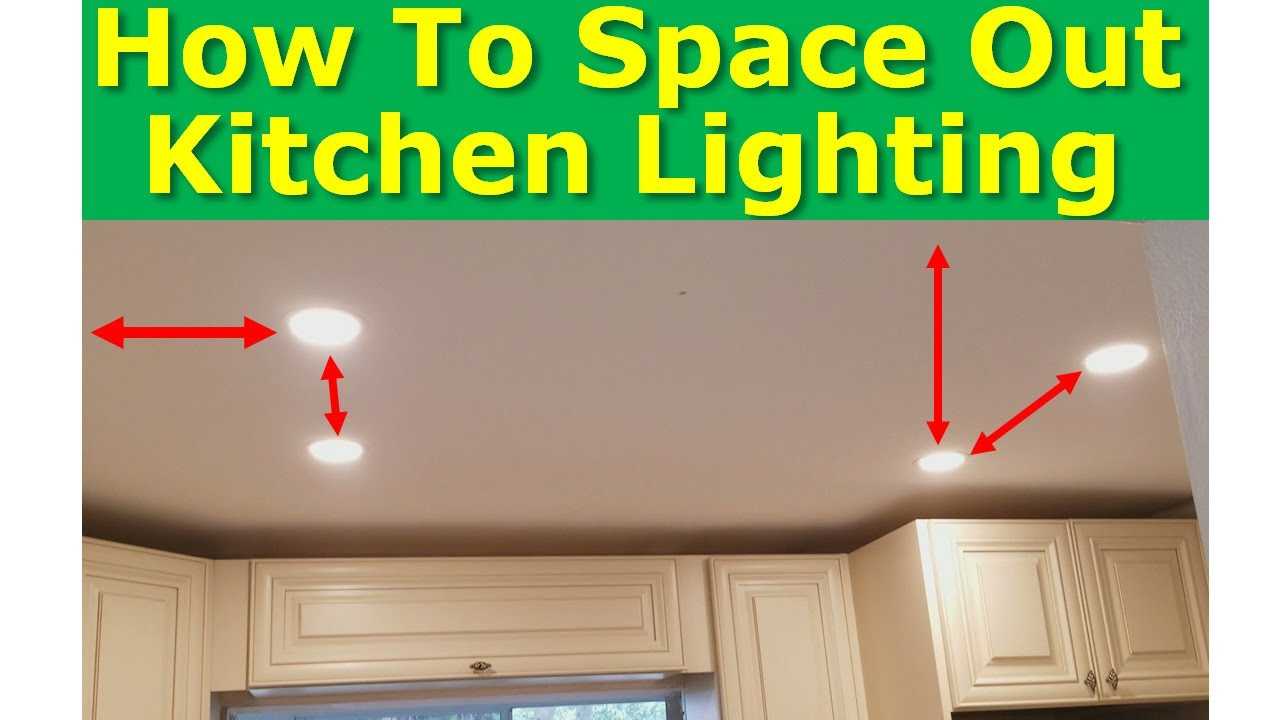
The perfect spacing for recessed lighting in kitchens can dramatically enhance both the functionality and ambiance of your space. For optimal illumination, lights should be spaced roughly 4 to 6 feet apart, depending on ceiling height and the size of the fixtures. Properly distributed lighting eliminates shadows and ensures even brightness across your countertops and cooking areas.
In short, the ideal spacing for recessed lights in kitchens generally ranges from 4 to 6 feet, tailored to your specific ceiling height and lighting needs. This spacing guarantees uniform light distribution, making your kitchen safer and more welcoming.
Getting the lighting right in a kitchen isn’t just about aesthetics; it’s about creating a space that feels warm, welcoming, and highly practical. The right spacing of recessed lights is key to achieving this balance. When thoughtfully planned, recessed lighting can highlight your best kitchen features while providing enough brightness for cooking, cleaning, and socializing. Typically, spacing lights about 4-6 feet apart works well, but factors like ceiling height and the size of fixtures can influence the optimal distance. Proper placement prevents dark spots and deep shadows, making your kitchen a more comfortable and functional environment to work and gather in.

Ideal Spacing for Recessed Lighting in Kitchens
Recessed lighting is a popular choice for kitchens because it offers even illumination without cluttering the space. Proper spacing of these lights is essential to achieve a balanced look and optimal lighting. If the lights are too close together or too far apart, the room can look uneven, and some areas may be poorly lit. Therefore, understanding the ideal spacing for recessed lighting helps create a welcoming and functional kitchen environment.
Understanding the Purpose of Recessed Lighting in Kitchens
Recessed lights serve multiple functions in a kitchen, including providing ambient light, task lighting, and accent lighting. Ambient lighting ensures the entire space is well-lit, task lighting highlights countertops, and accent lighting adds visual interest. The placement and spacing of lights greatly influence how well these functions are achieved.
The Role of Ambient Lighting
Ambient lighting in the kitchen should fill the room with a soft, uniform glow. To do this, lights need to be spaced carefully so as not to leave dark spots or overly bright areas. Proper spacing ensures every corner of the kitchen receives enough light without creating harsh shadows.
The Importance of Task Lighting
Task lighting focuses on areas where activities like chopping, cooking, and cleaning happen. These lights are usually placed over countertops, islands, and sinks. Spacing for task lighting is critical to avoid shadows that can hinder work and cause eye strain.
Factors That Influence Recessed Light Spacing
Several factors determine the ideal distance between recessed lights, including ceiling height, light trim size, room size, and ceiling shape. Considering these factors ensures the lighting is both effective and visually appealing.
Ceiling Height
In standard 8-foot ceilings, recessed lights are typically spaced 24 to 30 inches apart. Taller ceilings may require a greater distance to evenly distribute light, while lower ceilings might need closer spacing to avoid dark corners.
Size of the Light Trim
Larger light trims, such as 6-inch fixtures, distribute light over a wider area and can be spaced farther apart. Smaller trims, like 4-inch fixtures, cast focused light and should be placed closer together for even coverage.
Room Size and Layout
Larger kitchens need more lights to illuminate the space effectively. Break down the room into zones and plan spacing accordingly. For example, the main cooking area may require denser lighting than a pantry or seating area.
Ceiling Shape and Features
Sloped or tray ceilings may need different positioning strategies to ensure even illumination. Architectural features like beams or cabinets can also influence light placement and spacing.
Standard Spacing Guidelines for Kitchen Recessed Lights
Following established guidelines ensures consistent and effective lighting. These standards are based on typical room dimensions and lighting needs.
Basic Spacing Recommendations
- In 8-foot ceilings, space recessed lights 24 to 30 inches apart.
- Maintain about 18 inches between each light and the edge of the ceiling or walls.
- Place lights approximately 2 to 3 feet apart over a countertop or island.
Calculating the Number of Lights Needed
To determine how many lights to install, measure the room’s length and width. Divide each measurement by the recommended spacing (24 or 30 inches) to find the number of fixtures needed in each direction. Adjust based on specific room features.
Designing an Effective Recessed Lighting Layout
A well-planned layout ensures uniform lighting and avoids shadowy spots. Labeling zones and considering lighting layers can streamline the process.
Creating a Lighting Plan
Start by sketching the room layout, noting the locations of cabinets, islands, appliances, and windows. Mark where task, ambient, and accent lighting will be needed. Visualize the spacing to ensure coverage.
Using Lighting Layers
Combine different lighting layers: ambient, task, and accent. Proper spacing considers the overlap between layers to create a balanced atmosphere.
Tools and Tips for Accurate Spacing
Use specific tools and techniques to achieve precise placement for recessed lights.
Tools to Consider
- Measuring tape for accurate distances
- Chalk line or painter’s tape for marking positions
- Laser level for precise alignment
- Template or cutout guides for fixture placement
Practical Tips
– Always measure twice before drilling or cutting.
– Mark the layout on the ceiling before installing fixtures.
– Adjust spacing if the room has unusual features or obstacles.
– Consider the location of joists and wiring during installation.
Additional Considerations for Optimal Lighting
Beyond spacing, other aspects affect the success of your recessed lighting.
Light Brightness and Bulb Choice
Select bulbs with appropriate lumens — generally 600 to 900 lumens per light for kitchens. LED bulbs are energy-efficient and long-lasting, making them ideal choices.
Avoiding Overlighting and Underlighting
Too many lights can produce glare and waste energy. Too few can leave dark spots. Balance the number of fixtures with the room size and activity zones.
Incorporating Dimmers and Controls
Adding dimmers allows you to adjust lighting levels based on activity and mood. It can also help save energy and prolong bulb life.
Common Mistakes to Avoid in Recessed Light Spacing
Awareness of typical errors can help you plan better and avoid costly corrections.
Ignoring Room Dimensions
Failing to account for the size and layout leads to uneven lighting. Always measure and plan accordingly.
Overcrowding or Underestimating the Number of Lights
Too many fixtures can cause glare and increase energy use. Too few leave areas dim or shadowed.
Misplacing Lights Near Architectural Features
Incorrect placement near beams, cabinets, or vents can produce shadows or uneven lighting. Consider how fixtures interact with room features.
Getting the spacing right for recessed lighting in kitchens requires understanding the room’s dimensions, ceiling height, fixture size, and intended use. Follow established guidelines for spacing and layout, use proper tools, and consider the room’s design features. This approach ensures your kitchen is both beautifully illuminated and highly functional, making cooking and entertaining more enjoyable.
How many recessed lights do you need in a room?
Frequently Asked Questions
How can I determine the proper distance between recessed lights in a kitchen?
To determine the right spacing, consider the size of your recessed fixtures and the overall layout of your kitchen. Generally, spacing lights about 4 to 6 feet apart ensures even illumination without creating dark spots. Measure the kitchen’s length and width, then divide these dimensions by the desired number of lighting points to establish consistent spacing. Adjust spacing slightly if you have areas that need more focused lighting, such as countertops or islands.
What is the recommended height to install recessed lighting in a kitchen ceiling?
Most recessed lights are installed at a height of 8 to 10 feet, which balances effective illumination and aesthetic appeal. Installing fixtures too close to the ceiling may reduce the brightness and coverage, while placing them too low could cause glare or uneven light distribution. If your ceiling is higher than 10 feet, consider using more fixtures or larger bulbs to maintain proper lighting levels.
Should I vary the spacing of recessed lights in different zones of my kitchen?
Yes, adjusting the spacing depending on the area helps optimize lighting. For example, over work areas like countertops, keep lights closer with about 3 to 4 feet between fixtures to provide ample task lighting. In open spaces such as the dining area or walkways, space the lights farther apart, around 4 to 6 feet, to create a balanced and comfortable ambiance. Adapting the spacing ensures each zone receives appropriate illumination tailored to its needs.
Final Thoughts
Ideal spacing for recessed lighting in kitchens ensures even illumination and avoids shadows. Typically, spacing fixtures about 18 to 24 inches apart works well. This setup provides a balanced spread of light across workspaces and countertops. Proper spacing enhances the kitchen’s functionality and aesthetic appeal, making daily tasks more comfortable.