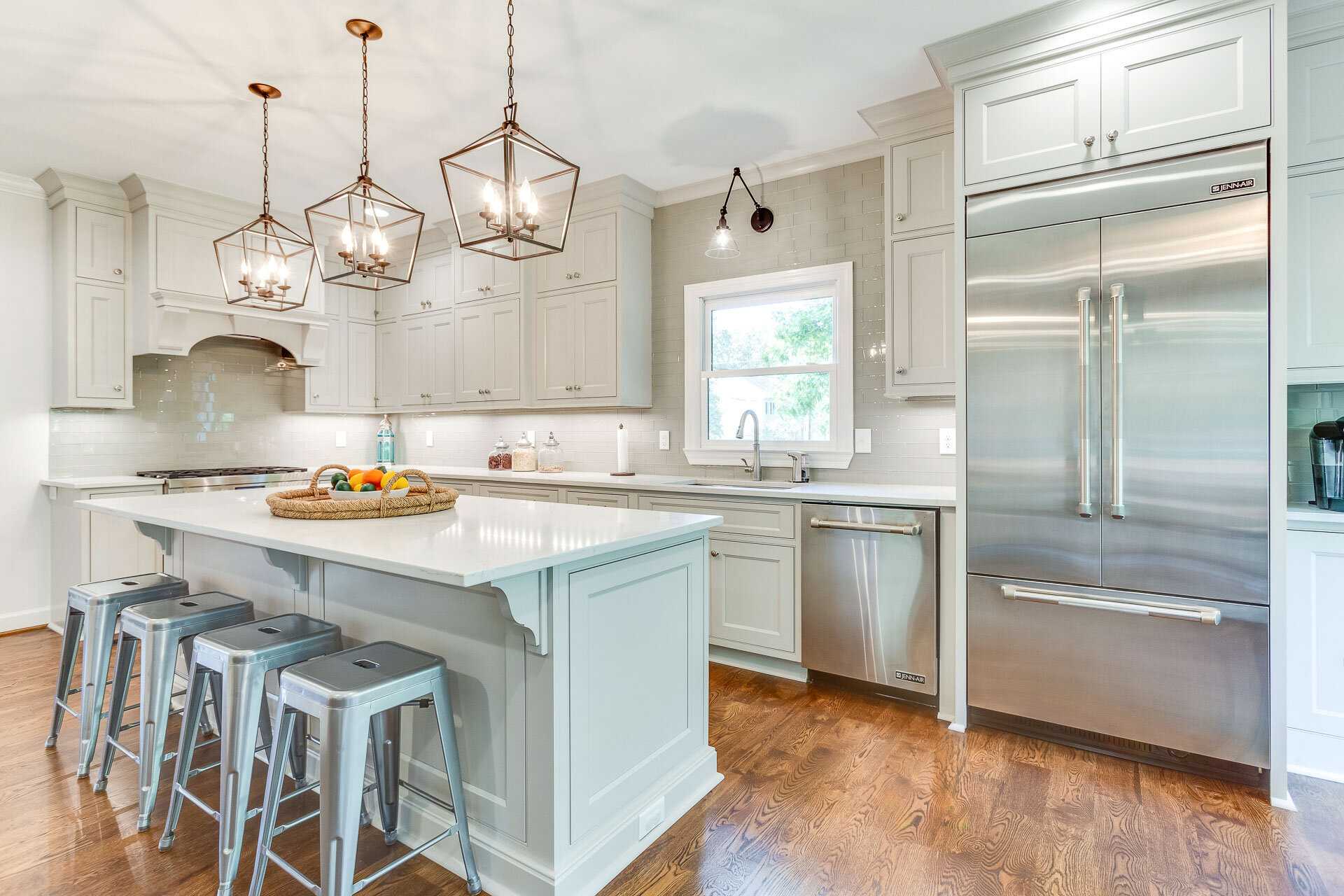
To effectively layer lighting above kitchen counters, combine ambient, task, and accent lighting to create a bright, functional, and inviting space. Use a mix of ceiling-mounted fixtures, under-cabinet lights, and decorative elements to achieve the perfect balance.
In just a few simple steps, you can transform your kitchen into a well-lit hub that’s both practical and stylish. First, install under-cabinet lighting to illuminate work surfaces clearly. Then, add ceiling or pendant lights for overall brightness and ambiance. Finally, consider accent lighting, like LED strips or decorative fixtures, to highlight architectural features or open shelving, making your kitchen look layered and lively.
Good lighting above your kitchen counters isn’t just about brightness; it’s about creating a versatile environment where cooking feels easier and more enjoyable. Whether you want bright task lighting or subtle ambiance, layering different types of lights ensures your kitchen is both beautiful and highly functional. Keep in mind the size and layout of your space to choose fixtures that complement your style and meet your needs perfectly.

How to layer lighting above kitchen counters
Understanding the importance of layered lighting
Layered lighting creates a well-lit kitchen that is both functional and attractive. It combines different types of lights to eliminate shadows and provide clear task lighting. Proper layering enhances the overall ambiance and makes kitchen tasks easier.
Types of lighting for kitchen counters
To properly layer lighting above kitchen counters, you should incorporate three main types: ambient, task, and accent lighting. Each serves a specific purpose and complements the others. Combining these provides a balanced and effective lighting scheme.
Ambient lighting
Ambient lighting provides general illumination for the entire kitchen. It sets the mood and ensures basic visibility. Common sources include ceiling-mounted fixtures, recessed lights, or pendant lights that evenly distribute light across the space.
Task lighting
Task lighting directly illuminates specific work areas like countertops where cooking or food prep occurs. It reduces shadows and brightens the workspace. Under-cabinet lights are the most popular choice for task lighting above counters.
Accent lighting
Accent lighting adds decorative appeal and highlights features like open shelving, artwork, or backsplashes. It creates depth and visual interest in the kitchen. Small fixtures like puck lights or LED strips are ideal for this purpose.
Choosing the right fixtures for layered lighting
Selecting suitable fixtures is essential for effective layering. Consider size, style, light output, and ease of installation. Durable, energy-efficient options like LED fixtures are often recommended for kitchens.
Under-cabinet lighting options
Under-cabinet lights are essential for task lighting. You can choose between puck lights, LED strips, or linear fixtures. Puck lights are great for focused light, while LED strips offer continuous, uniform illumination.
Pendant and ceiling fixtures
Pendant lights and flush-mount ceiling fixtures serve as ambient lighting sources. They should complement the kitchen’s decor and provide enough light for the entire area.
Accent lights
Use small adjustable fixtures, such as puck lights or mini spotlights, to highlight specific kitchen features. These add depth and visual interest without overpowering the space.
Planning your lighting layout
Before installing fixtures, plan the layout carefully. Measure the length of your countertops and decide where each type of light will go. Proper placement ensures even coverage and effective task lighting.
Spacing under-cabinet lights
Under-cabinet lights should be spaced 12 to 24 inches apart, depending on their brightness. Uniform spacing prevents dark spots and provides consistent illumination along the counters.
Positioning pendant and ceiling lights
Pendant lights should hang 24 to 30 inches above the countertop surface. Ceiling fixtures should be centered and positioned to evenly distribute light across the entire workspace.
Layering with accent lights
Place accent fixtures strategically to highlight mosaics, open shelving, or unique design features. Position them slightly above the object for best visual effect.
Factors to consider when layering lighting
Several elements influence the effectiveness of your layered lighting setup. These include brightness levels, color temperature, switch placement, and dimming options.
Brightness and lumens
Ensure each fixture provides appropriate brightness. For task lighting, aim for at least 300 lumens per foot of counter. Ambient and accent lights can be dimmer but should still contribute to overall visibility.
Color temperature
Choose a color temperature between 3000K and 4000K for a natural, welcoming glow. Cooler temperatures (around 5000K) can be too harsh for kitchens, while warmer temps (around 2700K) create a cozy atmosphere.
Switching and controls
Implement separate switches for each lighting layer. This allows you to adjust brightness levels and create different moods as needed. Consider dimmer switches for added flexibility.
Energy efficiency and fixtures
Opt for LED fixtures to cut energy costs and reduce heat output. They last longer and require less maintenance, making them ideal for kitchen environments.
Installation tips for layered kitchen lighting
Proper installation is critical for safety and effectiveness. Follow manufacturer instructions carefully and consider hiring a professional electrician for complex setups.
Wiring considerations
Plan wiring in advance, ensuring circuits can handle the total wattage. Use proper gauge wiring and secure connections to prevent failures or hazards.
Fixture placement
Mount fixtures at appropriate heights and distances for optimal coverage. Under-cabinet lights should be flush with the bottom of the cabinets, and pendant lights should hang at height that doesn’t obstruct sightlines.
Safety and compliance
Ensure all electrical work complies with local codes. Use UL-listed fixtures and weather-resistant options for areas prone to moisture.
Maintenance and adjustments
Maintaining your layered lighting system ensures longevity and consistent performance. Regularly clean fixtures and replace bulbs or LEDs as needed.
Cleaning fixtures
Use soft, damp cloths to dust and wipe fixtures. Keep vents and lens covers clear to maintain brightness and efficiency.
Adjusting lighting levels
Experiment with dimmers and switches to find the perfect balance for different times of day or activities. Use layered lighting to create versatile and inviting spaces.
Additional tips for effective layering
To maximize the benefits of layered lighting, incorporate smart technology and decorative elements into your design.
Incorporate dimmable LEDs
Dimmable LEDs give you control over brightness, helping you adapt lighting for tasks, dining, or relaxing. They also save energy and prolong the lifespan of fixtures.
Add decorative fixtures
Choose fixtures that match your kitchen’s style, whether modern, farmhouse, or traditional. Well-chosen fixtures enhance the aesthetic while providing necessary illumination.
Use zoning controls
Zoning allows you to control different areas separately. This flexibility helps you customize lighting for different tasks and moods within the space.
Integrate smart lighting technology
Smart systems enable remote control and automation. Adjust brightness or color temperature with an app or voice command for added convenience.
Layering lighting above kitchen counters combines style and functionality, making your space more inviting and easier to work in. Thoughtful selection, placement, and control of fixtures ensure balanced illumination. Proper planning and installation make a significant difference in creating a safe, efficient, and beautiful kitchen environment.
Kitchen Lighting Ideas to Illuminate Your Space #kitchen #kitchenlighting
Frequently Asked Questions
What types of lighting fixtures work well for layered lighting above kitchen counters?
Recessed lights provide focused illumination without cluttering the space. Pendant lights add style and direct light, while under-cabinet lights ensure task areas are well-lit. Combining these fixtures allows for versatile lighting configurations that suit different needs and aesthetics.
How can I create a balanced lighting scheme above my kitchen counters?
Place ambient lighting, such as recessed lights, evenly across the ceiling to avoid shadows. Use task lighting, like strip lights or spotlights under cabinets, to brighten specific work areas. Incorporate accent lighting to highlight decor or architectural features, creating visual harmony and functionality.
What considerations should I keep in mind when installing layered lighting above counters?
Ensure all fixtures provide adequate illumination without causing glare or shadows. Choose fixtures that complement your kitchen’s style and consider the height and placement to optimize light distribution. Use dimmers and adjustable fixtures to control brightness and adapt to different tasks and moods.
How can I enhance the aesthetic appeal while layering lighting in my kitchen?
Select fixtures that complement your kitchen’s design, such as sleek pendants or decorative under-cabinet lights. Use warm-toned bulbs for cozy ambiance or cooler hues for a modern look. Thoughtful placement and fixture choice add personality and depth to your space.
Final Thoughts
Layering lighting above kitchen counters requires a mix of ambient, task, and accent lights. Use ceiling-mounted fixtures for general illumination and under-cabinet lights for focused tasks. Incorporate decorative fixtures to add style and depth to the space.
Balancing these layers creates a functional and inviting environment. Proper placement ensures shadows are minimized while highlights enhance key areas.
How to layer lighting above kitchen counters enhances both practicality and design. By combining different lighting types thoughtfully, you craft a well-lit, versatile kitchen space that serves your needs beautifully.