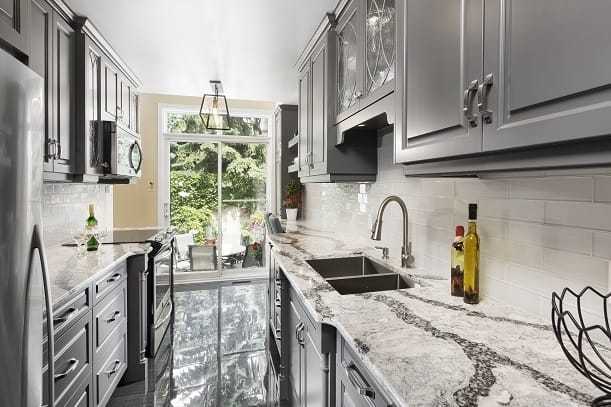
Looking to brighten up your galley kitchen and make cooking more enjoyable? The secret lies in strategic lighting placement that enhances both functionality and ambiance. Properly positioned lights can eliminate shadows, highlight countertops, and create a cozy yet efficient workspace.
In a nutshell, the key to galley kitchen lighting is layering different types of lights—task, ambient, and accent—to ensure every corner is well-lit without glare. Focus on installing task lights directly over work areas, incorporate ambient lighting to set the mood, and use accent lights to feature design details. Thoughtful placement not only improves practicality but also boosts the overall style of your space.
A galley kitchen’s narrow, elongated layout often presents unique lighting challenges, making proper placement crucial. With limited space on either side, lighting must be carefully planned to avoid dark spots and shadows that hinder daily tasks. The goal is to create a balanced, inviting environment that maximizes every inch of your kitchen. Whether it’s under-cabinet lights that brighten countertops or ceiling fixtures that evenly distribute light, strategic positioning transforms your galley kitchen into a bright, functional hub that feels warm and welcoming.

Galley Kitchen Lighting Placement Tips
Understanding the Layout of a Galley Kitchen
A galley kitchen features two parallel countertops with a walkway in between. This design makes lighting placement especially important to ensure all areas are well-lit. Since space is compact, properly positioned lighting can make the kitchen feel more open and functional.
Importance of Layered Lighting
Layered lighting combines different types of fixtures to create a balanced and versatile environment. It typically includes ambient, task, and accent lighting. Proper layering helps reduce shadows and ensures every corner of the kitchen is illuminated.
Choosing the Right Overhead Lighting
Flush mount or semi-flush mount ceiling lights work well in galley kitchens because they provide broad, even light. Place these fixtures in the center of the ceiling or directly above the walkway to distribute light evenly. Avoid placing overhead lights too close to walls to prevent shadows from forming along the countertops.
Incorporating Under-Cabinet Lighting
Under-cabinet lights are essential for task lighting in a galley kitchen. They illuminate countertops where food prep and cooking happen most. Install these fixtures approximately 4 to 6 inches from the edge of the cabinets for optimal coverage.
Types of Under-Cabinet Lights
- LED strips: energy-efficient and easy to install in continuous runs
- Puck lights: provide focused light over specific areas
- Bar lights: offer broader illumination and can be dimmable
Make sure to choose fixtures that can be controlled by switches or dimmers for flexibility.
Task Lighting Placement Strategies
Task lighting should be positioned directly above work areas like the sink, stove, and prep counters. Use adjustable fixtures or focused lights to ensure maximum brightness where needed. Position lights about 24 inches above the countertop for the best visibility.
Lighting Over the Sink and Cooking Area
Install dedicated fixtures directly above these zones to minimize shadows. Use waterproof or moisture-resistant fixtures near the sink to prevent damage from splashes. Adjustable or directional lights are ideal in this space to direct light precisely where you need it.
Accent Lighting for Aesthetic Appeal
Accent lighting adds visual interest and highlights specific features. Use small spotlights or LED strips to emphasize decorative elements or open shelves. Place these lights at strategic points to create a warm and inviting atmosphere.
Using Recessed Lighting for Seamless Illumination
Recessed lights are a popular choice for galley kitchens because they are unobtrusive and provide even lighting. Space these fixtures about 24 inches apart along the ceiling for uniform coverage. Consider adjustable or gimbal-mounted recessed lights to target specific areas or features.
Optimizing Light Placement for Safety and Functionality
Ensure all pathways are well-lit to prevent accidents. Avoid placing lights directly above walkways to reduce glare. Position switches for easy access and consider installing multiple controls for different zones.
Lighting Placement and Energy Efficiency
Select energy-efficient LEDs for all fixtures to reduce power consumption. Use dimmers to adjust light levels as needed, especially in the evenings. Proper placement of lights not only improves visibility but also minimizes unnecessary energy use.
Additional Tips for Better Lighting
- Install fixtures at different heights to create layered lighting effects
- Use reflective surfaces such as glossy tiles or countertops to bounce light around the space
- Coordinate lighting with natural light sources for a balanced look
- Test different bulb temperatures (warm vs. cool) to find the most comfortable ambiance
Related Topics to Consider
- Choosing the best bulbs for galley kitchen lighting
- DIY vs. professional installation of kitchen fixtures
- Comparing different styles of lighting fixtures
- Innovative solutions for small galley kitchens
Achieving effective galley kitchen lighting placement involves understanding the layout, layering different types of lighting, and carefully positioning fixtures for visibility, safety, and aesthetic appeal. With thoughtful planning, your galley kitchen can be both highly functional and visually appealing.
Frequently Asked Questions
How can I position lighting to reduce shadows on work surfaces in a galley kitchen?
Arrange lights directly above or slightly in front of work areas to minimize shadows. Using layered lighting, such as pendant lights over countertops and under-cabinet lights, ensures consistent illumination. Position fixtures so they don’t cast shadows onto your workspace, making cooking and prep work safer and easier.
What lighting placement helps in enhancing the overall sense of space in a narrow galley kitchen?
Place lights along the length of the ceiling to evenly distribute light across the entire kitchen. Recessed or track lighting works well to highlight walls and open up the space visually. Avoid overly bright or crowded fixtures that can make the room feel cluttered or confined.
Where should I install task lighting for maximum efficiency in my galley kitchen?
Install task lighting directly under cabinets or shelves where you perform most prep work. Task lights should be positioned close to the work surface without causing glare, making it easier to see details and work comfortably. Adjustable fixtures can adapt to different tasks or angles as needed.
What are some tips for placing ambient lighting in a galley kitchen?
Use ceiling-mounted fixtures or strip lights to provide even, general illumination throughout the space. Position these lights centrally or along the length of the kitchen to ensure consistent brightness. Adding dimmer switches allows you to adjust the mood or brightness based on your needs.
How should I consider lighting placement to avoid glare and reflections on shiny surfaces?
Place lights at angles that direct illumination away from reflective surfaces like glass or glossy countertops. Use matte fixtures or diffusers to soften light and reduce glare. Position task lighting closer to work areas and ambient lighting at a height or angle that minimizes reflections.
Final Thoughts
Galley kitchen lighting placement tips are essential for creating a well-lit, efficient space. Proper placement of ceiling fixtures ensures even illumination, reducing shadows on work surfaces. Under-cabinet lighting adds focused light where you need it most, enhancing visibility during meal prep. Use layered lighting to balance ambient and task lighting, making the kitchen more functional and inviting. Implementing these tips guarantees a brighter, more practical galley kitchen, improving both safety and style.