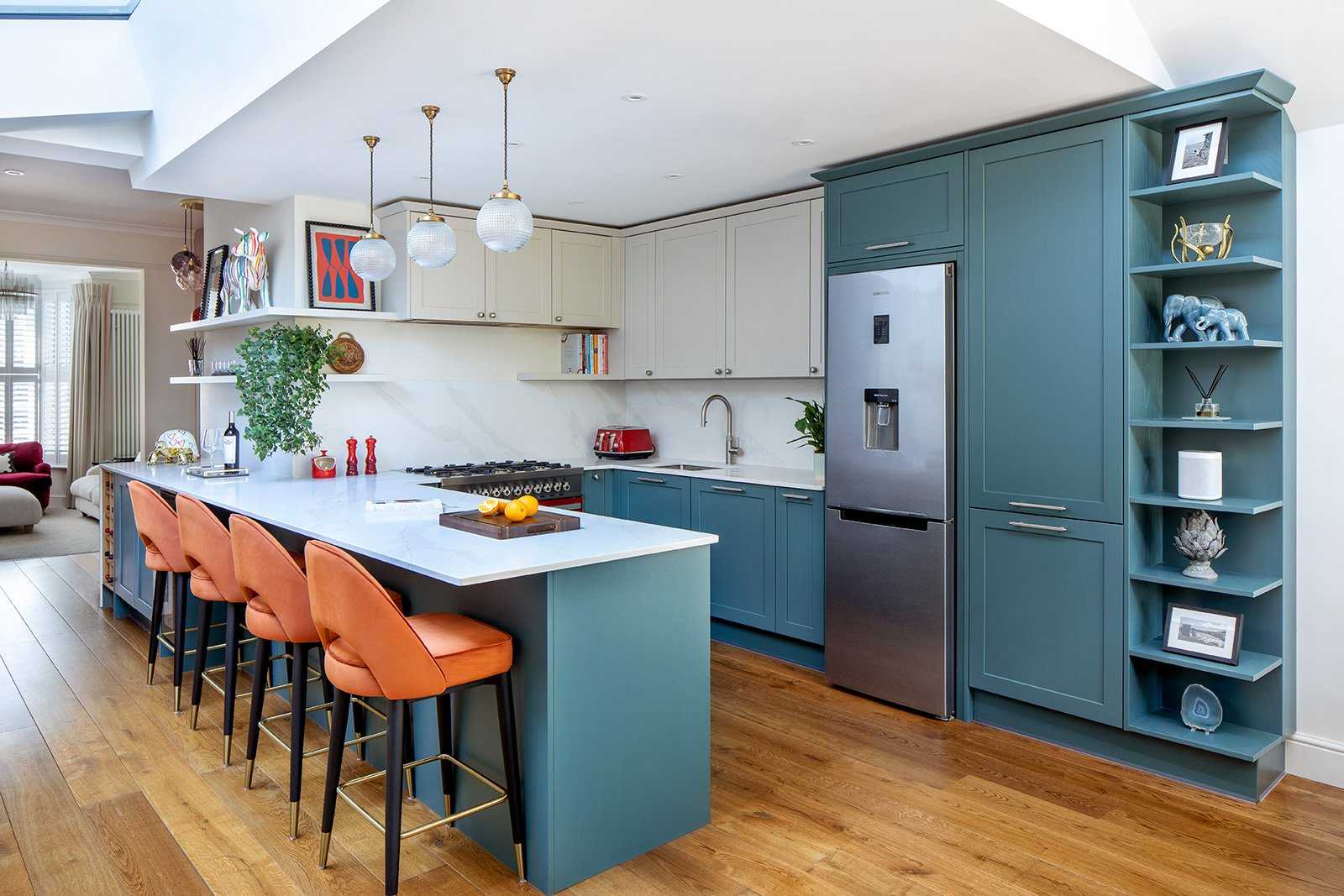
Looking to make your kitchen work smarter, not harder? A split kitchen layout can revolutionize your cooking experience by creating dedicated zones for prep, cooking, and cleaning, reducing clutter and streamlining your workflow. This design not only enhances efficiency but also adds a modern touch to your space. The key is to separate functional areas while keeping them easily accessible, making multitasking a breeze. Whether you prefer a galley, L-shape, or open-plan split, tailoring the layout to your needs can transform Chaos into calm. With clever zoning, you’ll enjoy cooking more and cleaning less. The right split layout maximizes your space’s potential, keeps everything within reach, and creates a smooth flow from start to finish—making your kitchen a true hub of productivity and comfort.
A split kitchen layout divides the space into distinct zones, optimizing each for specific tasks. This design improves workflow and minimizes disruptions, making cooking more efficient. By thoughtfully arranging these zones, you can create a practical, clutter-free environment that adapts to your lifestyle. The concept works well in various kitchen sizes and styles, offering flexibility and functionality for a more enjoyable cooking experience.

Split Kitchen Layout Ideas for Efficient Cooking Zones
Creating a well-organized kitchen is essential for smooth cooking and easy movement. A split kitchen layout helps define different zones, making cooking more efficient and enjoyable. This design separates areas like prep, cooking, cleaning, and storage, so each task has its dedicated space. Let’s explore some smart split kitchen layout ideas to improve functionality and flow.
Understanding the Benefits of a Split Kitchen Layout
A split kitchen layout divides the kitchen into multiple zones. This setup reduces clutter and confusion by assigning specific areas for different tasks. It allows multiple people to work comfortably without interfering with each other. Plus, it enhances safety by keeping hot appliances and sharp tools separate from prep and storage zones.
Another benefit is better organization. You can allocate storage based on zone needs, making everything easier to find. This layout also simplifies cleaning, since each zone has its designated space. Overall, a split kitchen layout promotes efficiency and comfort.
Key Elements of an Effective Split Kitchen Design
To make a split kitchen layout work effectively, consider these key elements:
- Clear Zone Definition: Designate specific areas for prep, cooking, cleaning, and storage.
- Flow Optimization: Arrange zones so that movement between them is natural and smooth.
- Accessibility: Ensure frequently used items are within reach in each zone.
- Lighting: Separate lighting for each zone improves visibility and ambiance.
- Flexibility: Incorporate adaptable features like movable islands or modular storage.
Popular Split Kitchen Layout Ideas
There are different ways to split your kitchen based on space, style, and needs. Here are some popular ideas:
1. The Zonal Arrangement
This layout divides the kitchen into distinct zones arranged in a Z pattern. Typically, the prep area is near the sink and refrigerator, while the cooking zone has the stove and oven. A separate cleaning zone can be close to the sink, with storage areas positioned conveniently nearby.
Advantages include clear separation of tasks and easy movement from one zone to another. It works well in rectangular kitchens with enough space to dedicate different areas.
2. The L-Shaped Split
The L-shaped layout uses two adjacent walls to create separate zones. One arm can serve as the prep and storage area, while the other is dedicated to cooking and cleaning. This setup maximizes corner space, which is often underutilized.
It offers an open feel and good traffic flow, especially in smaller kitchens. You can also add an island or a breakfast bar in the center to further define zones.
3. The U-Shaped with Partition
A U-shaped kitchen naturally divides zones along three walls, making it ideal for larger spaces. You can use partial walls, islands, or open shelving to create a visual and functional separation of tasks.
This layout allows for multiple work stations and plenty of storage, making it perfect for busy kitchens.
4. The Open Plan Split
In open plan kitchens, you can create a split layout by using furniture, lighting, or flooring differences to separate zones. For example, a breakfast nook can serve as the dining zone, while the cooking area remains open but visually distinct.
This design encourages social interaction and makes the kitchen feel spacious while maintaining functional zones.
Design Tips for Creating Split Kitchen Zones
Effective zone separation is key to a successful split layout. Use these tips to enhance your design:
- Use Different Flooring or Colors: Distinct flooring materials or color schemes visually separate zones without physical barriers.
- Install Partial Walls or Screens: Low walls, glass panels, or open shelving can define zones while maintaining an open feel.
- Lighting Differentiation: Pendant lights over prep areas or task lighting in cooking zones create visual cues for each space.
- Furniture Placement: Position islands, carts, or tables strategically to delineate zones and encourage flow.
Utilizing Storage in a Split Kitchen
Effective storage supports a split layout by keeping each zone clutter-free. Use custom cabinetry and organizers tailored to specific needs. For example, spice racks near the cooktop or pull-out trash drawers in the cleaning zone improve efficiency.
Consider vertical storage solutions like open shelves or hanging racks to maximize space while maintaining easy access. Labeling containers and zones also helps keep everything organized and visible.
Tips for Optimizing Workflow in Split Kitchen Zones
Proper workflow enhances efficiency and minimizes unnecessary movement. Place related zones close together, such as the fridge near prep stations or the sink adjacent to cleaning supplies.
Think about the typical cooking process and arrange zones accordingly. For instance, keep frequently used utensils and ingredients within arm’s reach of the stove and prep areas.
Addressing Small Kitchen Challenges with Split Layouts
Limited space can be a challenge, but a split layout can help make small kitchens more functional. Use compact storage solutions and clever partitioning to define zones without crowding the space.
Wall-mounted racks, foldable tables, and sliding doors are great options to save space while maintaining zone separation.
Incorporating Technology in Split Kitchen Zones
Smart kitchen devices can enhance each zone’s functionality. Use motion-sensor lighting in prep areas or smart appliances that can be controlled remotely. These additions make cooking more convenient and efficient.
Wi-Fi-enabled refrigerators and ovens allow for seamless operation and monitoring across zones, especially in larger or busy kitchens.
Final Thoughts on Split Kitchen Layout Ideas
Designing a split kitchen layout requires careful planning but offers great rewards in terms of organization and efficiency. Think about your space, your cooking habits, and your lifestyle to choose the best zones for your needs. Remember, a well-divided kitchen makes everyday tasks easier and transforms your cooking experience into a more enjoyable activity.
Looking For Commercial kitchen layouts? Here the types and design you must watch.
Frequently Asked Questions
How can a split kitchen layout improve movement between cooking and preparation areas?
A split kitchen layout separates different functions into designated zones, reducing congestion and making it easier to move seamlessly between prep, cooking, and cleaning areas. This design minimizes crossing paths and helps maintain a smoother workflow, especially during busy meal preparations.
What are some effective ways to define distinct zones within a split kitchen?
You can define zones by using visually different materials, such as contrasting countertops or flooring, or by creating physical barriers like partial walls or islands. Adding specific lighting and storage solutions tailored to each zone also helps clearly delineate areas for cooking, prepping, and cleaning.
How does a split layout contribute to better organization in the kitchen?
A split layout allows you to allocate specific spaces for tasks such as chopping, cooking, and dishwashing. This targeted organization helps keep tools, utensils, and ingredients in their designated spots, reducing clutter and saving time when preparing meals.
What considerations should I keep in mind when designing a split kitchen for multiple users?
Design the layout to ensure enough space for multiple people to work simultaneously without crowding. Incorporate separate prep stations or work zones and ensure easy access to shared appliances and storage. Clear pathways and ergonomic placement of frequently used items enhance collaboration and efficiency.
Can split kitchen layouts adapt to smaller spaces without sacrificing functionality?
Yes, even in limited spaces, you can create a functional split layout by using compact units and smart storage solutions. Vertical organization and multi-purpose furniture maximize the available space, allowing distinct zones to coexist comfortably without compromising efficiency.
Final Thoughts
Split kitchen layout ideas for efficient cooking zones optimize space and enhance workflow. By separating prep, cooking, and cleaning areas, you minimize movement and boost productivity. Strategic placement encourages smoother transitions during meal preparation. Ultimately, a well-designed split layout creates a functional and enjoyable cooking environment.