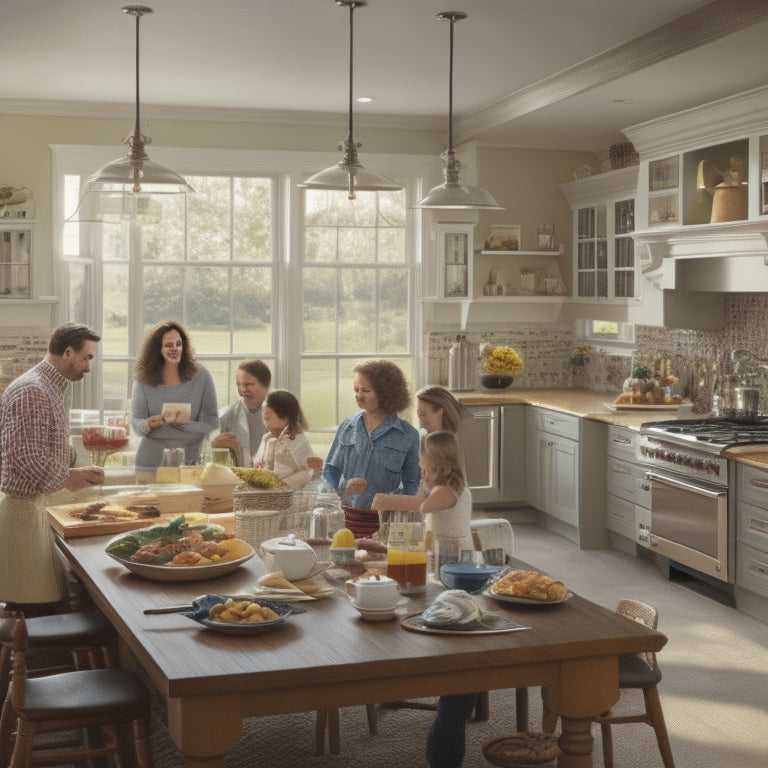
The best kitchen layout for family cooking seamlessly combines functionality, space, and flow to keep everyone connected and efficient. An open-plan design with a central island often works best, allowing multiple people to cook, chat, and prepare meals simultaneously. It promotes ease of movement and encourages family bonding while making the most of your space. Overall, choosing a layout that balances practicality with comfort ensures enjoyable cooking experiences for everyone.
For a family kitchen, an open layout with a central island and strategically placed workstations is ideal. This setup maximizes space, encourages interaction, and streamlines meal preparation. It’s perfect for fostering togetherness while maintaining practical functionality.
A well-designed family kitchen should cater to the diverse needs of its users, blending multiple work zones, ample storage, and comfortable seating. Choosing the right layout depends on your space and lifestyle but prioritizing open, accessible spaces ensures everyone can contribute and enjoy cooking together. In today’s busy households, having a functional, inviting kitchen layout is essential for creating memorable moments around the stove.

Best kitchen layout for family cooking
Introduction to the Ideal Kitchen Layout for Families
Choosing the right kitchen layout is essential for making family cooking easier and more enjoyable. A well-designed kitchen helps keep everyone safe, organized, and involved in meal prep. It also saves time and minimizes chaos during busy mornings or dinner preparations.
Understanding the Importance of Floor Plans
A good kitchen layout optimizes space and flow. It should accommodate family size, lifestyle, and cooking habits. The right plan will make moving around the kitchen simple and reduce unnecessary steps.
Popular Kitchen Layouts for Families
Several layout options work well for families. Each has unique benefits suited to different needs and homes.
Galley Kitchen Layout
This layout features two parallel countertops with a walkway in between. It maximizes space in smaller homes but can feel crowded if too many people are cooking.
U-Shaped Kitchen Layout
The U-shape offers ample counter space and storage. It encourages teamwork but may be less suitable for open-plan homes.
L-Shaped Kitchen Layout
This design uses two adjoining walls, creating an open feel. It is great for coordinating multiple tasks and fitting into various room sizes.
Kitchen Island Layout
Adding an island provides extra workspace and a gathering spot. This layout promotes interaction among family members and is perfect for social cooking.
Key Elements of a Family-Friendly Kitchen
Certain features make a kitchen more practical for family use.
Open Floor Plan
An open design connects the kitchen with dining and living areas. It allows parents to supervise children while cooking.
Ample Storage Space
Accessible cabinets and drawers keep the kitchen organized. Include deep drawers for pots and pans and pull-out shelves for snacks.
Multiple Work Zones
Designate areas for prep, cooking, cleaning, and quick snacks. This helps prevent congestion and improves workflow.
Durable Materials
Choose tough surfaces like quartz countertops and stainless steel appliances. They withstand busy family life and are easy to clean.
Optimizing Workflow in the Kitchen
A smooth workflow minimizes walking and prevents cross-contamination.
The Kitchen Work Triangle
Place the refrigerator, stove, and sink in a triangular pattern. This arrangement reduces movement and boosts efficiency.
Designing for Multiple Users
Ensure there is enough space for several family members to cook or help at once. Consider adding multiple prep stations or dual sinks.
Incorporating Safety Features
Install slip-resistant flooring, rounded countertop edges, and childproof cabinet locks. Proper lighting and visible outlets also improve safety.
Maximizing Storage for Family Needs
Smart storage solutions keep the kitchen tidy and functional.
Use of Vertical Space
Install tall cabinets and open shelving to utilize wall space. Use hooks and racks for pots, pans, and utensils.
Drawer Organizers and Baskets
Keep small items sorted and easy to find. Use baskets for fruits, snacks, or cleaning supplies.
Pull-Out Cabinets and Lazy Susans
Increase accessibility for items stored in deep corners. These features make it easier to grab things quickly.
Design Tips for a Family Kitchen
Implement practical ideas that improve daily routines.
Choose a Neutral Color Palette
Neutral tones make the kitchen look spacious and calm. Add pops of color through accessories for a lively feel.
Include Seating Areas
Add a breakfast bar or casual dining nook. It creates a space for kids to do homework or chat while cooking.
Incorporate Technology
Smart appliances and charging stations help families stay connected. Set timers and alerts to coordinate meal times.
Lighting Considerations
Use layered lighting with task, ambient, and accent lights. Proper illumination makes tasks easier and the kitchen inviting.
Additional Tips for a Family-Friendly Kitchen
Consider these extra ideas for making your kitchen more adaptable.
Flexible Layouts
Use movable islands or fold-away counters for conversions based on needs.
Personalized Storage Solutions
Allow family members to have designated spots for their items. This encourages cleanliness and responsibility.
Eco-Friendly Materials
Select sustainable options like bamboo flooring or recycled countertops. They are healthier for the environment and your family.
Plan for Future Needs
Design with flexibility in mind for growing families or changing lifestyles. Consider including extra electrical outlets or larger appliances.
Choosing the Right Furniture and Fixtures
Furniture and fixtures should match your family’s style and needs.
Comfort and Accessibility
Opt for ergonomic countertops and easy-to-reach cabinets, especially for children or elders.
Durable and Easy-to-Clean Fixtures
Select fixtures that stand up to wear and tear, making maintenance simple.
Custom Features
Think about adding special features like built-in spice racks or under-cabinet lighting for convenience.
Maintaining Your Family Kitchen
A well-maintained kitchen stays functional and attractive.
Regular Cleaning Schedule
Set routines for cleaning appliances, counters, and cabinets.
Organizational Checks
Periodically declutter and reorganize storage spaces.
Updating Decor and Fixtures
Refresh your kitchen with new accessories or hardware to keep it lively and functional.
Throughout your planning process, keep in mind your family’s specific needs, space constraints, and lifestyle. The best kitchen layout supports active family life, fosters teamwork, and makes cooking a joyful shared experience.
Our 5 favourite essential design features in our kitchen!
Frequently Asked Questions
What are the key features of an efficient kitchen layout for families?
An efficient kitchen layout for families includes a spacious design that facilitates easy movement between different zones such as cooking, prepping, and cleaning. Incorporate ample storage options to keep utensils and ingredients accessible, and ensure there is enough countertop space for multiple people to work simultaneously. Good lighting and comfortable seating areas also enhance functionality and comfort during family meals and gatherings.
How can I design a kitchen that accommodates multiple family members cooking at once?
To allow several family members to cook together comfortably, opt for a layout with multiple work zones. An open-concept design, such as a U-shape or L-shape with an island, provides enough space for everyone to move freely and work independently or collaboratively. Position appliances like the oven, refrigerator, and sink within close proximity to minimize movement, and include versatile surfaces for meal prep and serving.
Which layout types are most suitable for small family kitchens?
In smaller kitchens, layouts such as the galley or compact L-shape work well to maximize space efficiency. Galley kitchens utilize two parallel countertops, providing good workflow within a narrow space, while L-shaped designs utilize corner areas effectively. Adding vertical storage and using multi-functional furniture helps to keep the space organized without feeling cramped, making it easier for families to prepare meals together.
What considerations should I keep in mind for a family-friendly kitchen workspace?
Prioritize safety by choosing slip-resistant flooring and rounded countertop edges to prevent injuries. Use lower cabinets for items children can access easily and install safety locks on drawers and cabinets with dangerous tools or chemicals. Incorporate durable, easy-to-clean surfaces and ensure there is enough space for children to help out or sit comfortably during meal prep and activities.
How can I incorporate seating areas into a functional family kitchen layout?
Integrate a breakfast bar or an island with seating to create a social hub within the kitchen. Position the seating area adjacent to the prep zones to make it easy for family members to chat or supervise while cooking. Select comfortable, easy-to-clean chairs or stools and consider adding a dedicated dining nook if space permits, so the kitchen also doubles as a family gathering spot.
Final Thoughts
The best kitchen layout for family cooking combines functionality with comfort. An open-plan design promotes interaction and ease of movement, making it ideal for busy households. Adequate counter space and strategic placement of appliances simplify meal preparation.
Creating zones for cooking, cleaning, and socializing makes the space efficient and inviting. Proper lighting and ergonomic features enhance safety and comfort for everyone.
In summary, choosing the best kitchen layout for family cooking enhances daily life by balancing practicality and warmth, making family moments more enjoyable.