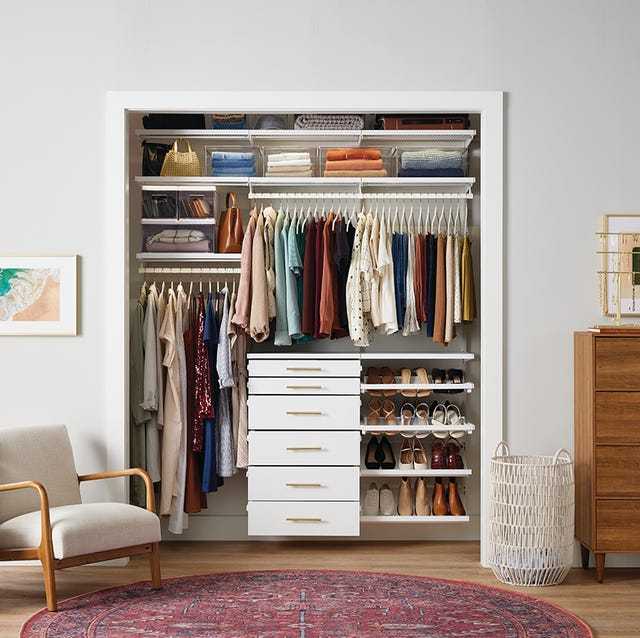
To create a closet organization system, start by decluttering to remove items you no longer need, then categorize your belongings and invest in storage solutions that fit your space. Label everything clearly and maintain the system regularly to keep your closet neat and accessible.
A well-organized closet can transform your daily routine and make dressing up more enjoyable. Creating an effective system doesn’t have to be complicated; it’s all about planning, sorting, and choosing the right storage options. Imagine opening your closet and seeing everything in its place—no more digging through piles or wasting time searching for that favorite shirt. Whether you have a small closet or a spacious one, designing an organized system can streamline your life and make your mornings smoother. Let’s explore simple steps to get your closet into tip-top shape!

How to create a closet organization system
Creating an effective closet organization system might seem like a big task, but breaking it down into simple steps can make it much easier. A well-organized closet saves time, reduces stress, and helps you find your clothes quickly. Let’s explore how you can set up a closet that is both functional and inviting.
Assess Your Closet Space and Needs
The first step in creating an organized closet is understanding what you have and what you need. Take everything out of your closet to see all your clothes, shoes, and accessories clearly. Group similar items together to get a sense of what you own most of.
Next, measure your closet’s dimensions. Knowing the height, width, and depth helps you select the right storage solutions. Think about your daily routines and what items you access most often. This will guide you in designing a system that fits your lifestyle.
Identify Your Storage Priorities
Decide what is most important for your organization system. For example, do you want easy access to everyday wear? Do you need space for seasonal clothing? Identifying these priorities helps you allocate space efficiently.
Make a list of your must-have features, such as hanging space for dresses, shelves for sweaters, or drawers for small accessories. This step ensures your system is tailored to your habits and storage needs.
Choose the Right Storage Solutions
The key to a successful closet system is selecting storage options that fit your space and needs. From hanging rods to shelves to drawers, each element plays a role in keeping your closet tidy.
Types of Storage Solutions
- Hanging rods: Ideal for shirts, dresses, and pants. Use double rods for more hanging space if you have high ceilings.
- Shelves: Perfect for folded clothes, shoes, and accessories. Adjustable shelves give flexibility as your wardrobe changes.
- Drawers: Great for small items like socks, underwear, and jewelry. Consider drawer dividers to keep everything organized.
- Bins and baskets: Useful for seasonal items and less-used accessories. Labeling helps keep everything in order.
Choosing Storage Based on Clothing Type
Some clothes need special storage. For example, delicate fabrics may require padded hangers. Shoes are best stored on sturdy racks or shelves, while belts and scarves can go in small bins or hooks.
Matching storage types to your clothing helps prevent damage and makes items easier to find. Always consider accessibility and ease of use in your choices.
Implement Organization Strategies
With the right storage options in hand, it’s time to organize. Keep similar items grouped together, like all T-shirts or all pairs of jeans. Sort by color or season to make finding items even easier.
Use a Color-Coding System
Organizing clothes by color creates a visually appealing and easy-to-navigate closet. For example, arrange shirts from light to dark. This simple method helps you pick outfits quickly.
Arrange by Category and Frequency of Use
Place your most worn items at eye level or in easily accessible areas. Seasonal or rarely used clothes can go higher up or toward the back of shelves. Grouping by category reduces clutter and makes the space more practical.
Optimize Space with Creative Solutions
Maximize your closet space with some clever ideas. Use vertical space by installing additional shelves or hanging organizers. Do not forget to utilize door space with hooks or over-the-door racks.
Use Slim Hangers
Slim, non-slip hangers save space and keep clothes from slipping off. Avoid bulky hangers which take up more room and can cause clothes to sag.
Add Adjustable Storage Elements
Consider adjustable drawers and shelves that grow with your wardrobe. This flexibility makes it easier to adapt your closet as your clothing needs change.
Maintain Your Organized Closet
Once you’ve set up your system, maintaining it is simple. Regularly review your clothes and purge items you no longer wear. Put away clothes immediately after laundry to prevent clutter.
Create a habit of tidying your closet weekly. This discipline keeps your space neat and ensures your system remains effective over time.
Tips for Easy Upkeep
- Schedule monthly decluttering: Remove clothes you no longer need.
- Return items to their designated spot after use.
- Adjust storage as needed: Change shelves or racks as your wardrobe evolves.
Building a closet organization system doesn’t happen overnight, but taking deliberate steps makes it achievable. Regular maintenance, thoughtful storage choices, and clear categorization form the foundation of a well-organized space. Remember, a tidy closet not only looks good but also makes your daily routine more efficient and enjoyable.
DIY Closet Organizer | The Home Depot
Frequently Asked Questions
What are the initial steps to plan a closet organization system?
Begin by emptying your closet to assess what you have. Group similar items together and evaluate which pieces you frequently use. Measure the available space carefully to understand what storage solutions will fit. Create a list of your storage needs, such as shelves, drawers, or hanging space, and decide on a design that maximizes your closet’s potential.
How can I select appropriate storage solutions for my closet?
Choose storage options that suit the size and type of your belongings. Use adjustable shelves for flexibility, hanging rods for garments, and drawers or bins for smaller items. Consider using clear containers for easy visibility and investing in space-saving hangers. Tailor your choices to your wardrobe’s specific needs and the amount of available space.
What strategies help keep a closet organized over time?
Implement regular maintenance by periodically reassessing your belongings and removing items you no longer wear. Practice the “one in, one out” rule to prevent clutter from accumulating. Maintain designated areas for different categories, such as shoes, accessories, and clothing, to make finding items easier. Consistent tidiness and mindful storage habits help keep your closet organized long-term.
How can I make the most of small closet space?
Optimize limited space by installing vertical storage solutions like stacking bins or adding additional shelves. Use double hanging rods to increase hanging capacity and consider door-mounted organizers for accessories or shoes. Choosing multifunctional storage units and keeping items minimal also helps maximize your available space.
Final Thoughts
Creating a closet organization system starts with sorting your clothing and accessories. Decide which items to keep, donate, or discard to reduce clutter. Use various storage solutions like bins, shelves, and hanging organizers to maximize space. Label everything to maintain order and easily find what you need. Following these steps, you will efficiently create a closet organization system that keeps your space tidy and functional.