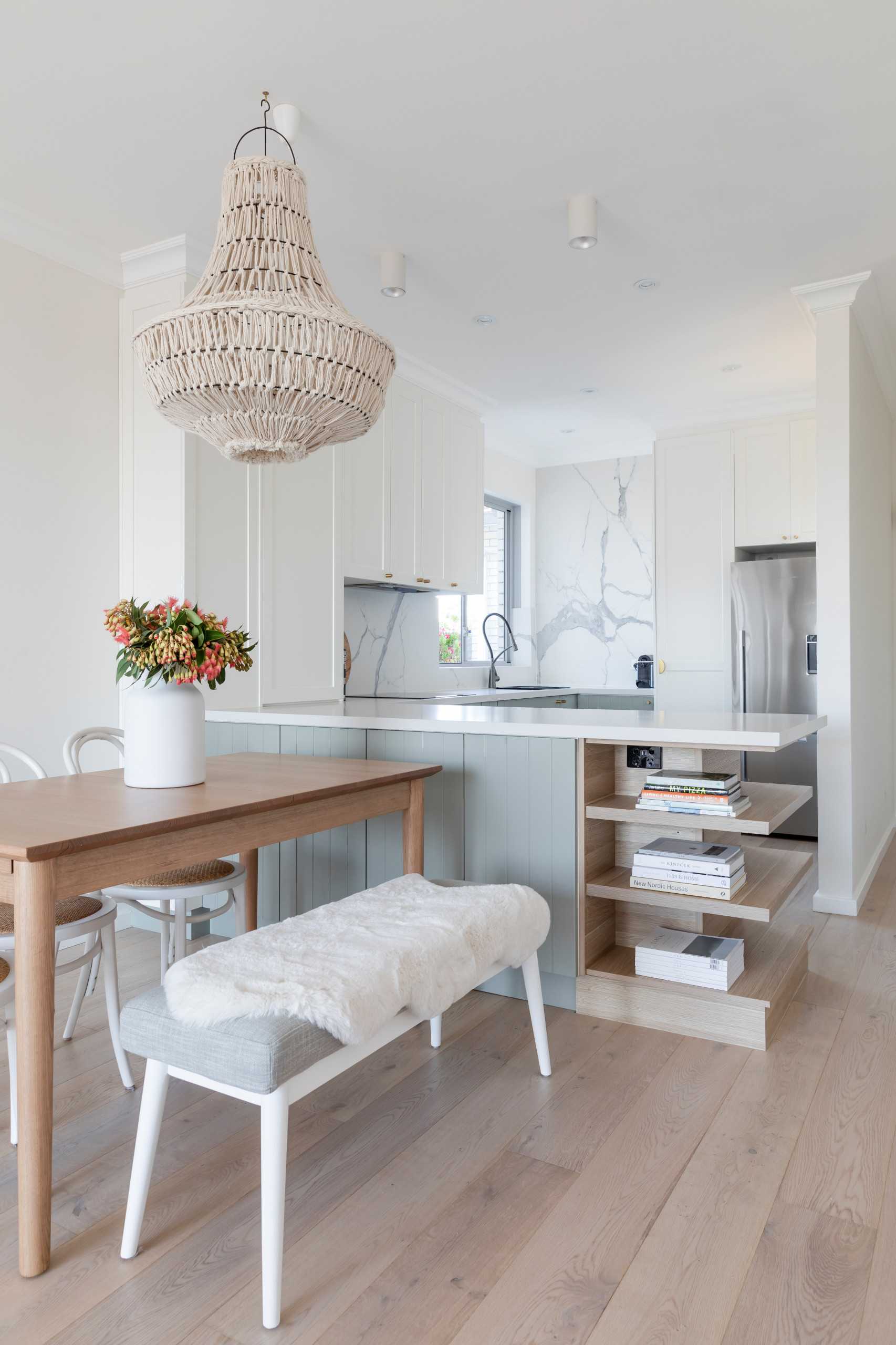
Using the right color schemes can truly transform your kitchen into a stylish and inviting space. By choosing complementary or contrasting colors thoughtfully, you can highlight the room’s features and create a balanced ambiance. Incorporating color schemes effectively not only boosts aesthetic appeal but also influences mood and functionality.
A well-selected color palette can make your kitchen look bigger, warmer, or more modern, depending on your preference. To do this successfully, consider the overall style, lighting, and size of your kitchen, then pick colors that harmonize with your cabinetry, countertops, and flooring. The trick is to use color as a tool to bring harmony and personality to your design, making your kitchen both beautiful and practical.

How to use color schemes to enhance kitchen design
Understanding Color Schemes in Kitchen Design
Color schemes are essential tools to create a cohesive and inviting kitchen. They influence mood, make spaces feel larger or cozier, and reflect personal style. Choosing the right combination can make even a small kitchen seem more spacious and lively.
The Basics of Color Theory
Color theory helps us understand how colors interact and influence each other. Primary colors are red, blue, and yellow. Secondary colors include green, orange, and purple. Tertiary colors are blends of primary and secondary shades. Understanding these helps in selecting harmonious schemes.
Complementary Colors
Complementary colors sit opposite each other on the color wheel, like blue and orange. Using these in your kitchen creates a vibrant and dynamic look. For example, a soft blue wall paired with orange accents adds visual interest.
Analogous Colors
These colors are next to each other on the wheel, such as yellow, yellow-green, and green. They produce a serene and cohesive atmosphere perfect for a relaxing kitchen vibe. Use these for a harmonious, easy-on-the-eyes palette.
Triadic Colors
Triadic schemes involve three evenly spaced colors, like red, yellow, and blue. They offer a balanced, lively look suitable for kitchens wanting color variety without chaos. Use these with moderation for accents or accessories.
Choosing the Right Color Scheme for Your Kitchen
Deciding on a scheme depends on your kitchen size, lighting, and personal preferences. Light colors can make small kitchens feel more open, while dark shades add depth in larger spaces. Consider the atmosphere you want to create.
Factors to Consider
- Lighting: Natural or artificial light affects how colors appear.
- Size: Light tones open up small spaces, dark tones add coziness.
- Style: Modern, traditional, rustic, or contemporary styles each have favored palettes.
- Functionality: Durable, easy-to-clean colors are ideal for high-use areas.
Color Combinations for Different Kitchen Styles
Different kitchen styles call for distinct color schemes. Knowing which colors complement your style enhances the overall look.
Modern Kitchens
Modern kitchens often feature clean lines and neutral palettes with bold accent colors. Shades like white, black, or gray serve as a perfect backdrop. Add pops of color with accessories in red, yellow, or teal.
Traditional Kitchens
Warm, inviting colors such as cream, soft yellow, and muted greens work well. These hues create a cozy environment while pairing beautifully with wooden cabinetry and vintage accessories.
Rustic Kitchens
Natural, earthy tones like terracotta, olive green, and warm browns evoke a rustic feel. These colors enhance wood textures and give a grounded, welcoming space.
Applying Color Schemes to Different Kitchen Elements
Color schemes aren’t just about wall paint. They influence cabinets, countertops, backsplashes, and accessories.
Walls
Choose wall colors that set the mood and complement other elements. Lighter shades expand the space, while darker shades can create intimacy.
Cabinetry
Cabinet color impacts the overall style. White or pastel cabinets suit a light, airy look, while dark hues add elegance and richness.
Countertops and Backsplashes
Counter materials like granite or quartz come in various colors, adding depth to your scheme. Backsplashes offer opportunities for accent colors and patterns.
Accessories and Decor
Accessories such as curtains, rugs, and utensils can incorporate accent colors. They add personality and can be swapped out easily for a different look.
Creating Balance with Color
Achieving visual harmony is key to successful kitchen design. Balance neutral and bold colors to avoid overwhelming the space.
Use Neutral Base Colors
Light neutrals like white, beige, or gray provide a versatile foundation that pairs well with brighter accents.
Add Color with Accessories
Use colorful accessories in small amounts to enliven the space without cluttering it visually.
Incorporate Statement Pieces
A brightly colored island or a bold-colored backsplash can serve as focal points, anchoring your color scheme.
Tips for Using Color Effectively
Implementing color schemes thoughtfully turns your kitchen into a functional, beautiful space.
Test Colors Before Committing
Paint samples on walls or cabinetry to see how lighting affects the hues throughout the day.
Limit the Number of Main Colors
Stick to two or three dominant shades to maintain harmony and prevent chaos.
Use Color Psychology
Colors evoke emotions; choose warm tones like reds and oranges for energy, cool tones like blues and greens for calmness.
Highlight Architectural Features
Color can emphasize architectural details such as moldings or furniture, adding depth.
Incorporating Trends and Personal Style
Stay current by integrating trending colors while maintaining your unique style.
Popular Color Trends
Colors like navy blue, matte black, soft pastels, and earthy tones are trending in kitchen design.
Personal Touches
Choose colors that hold personal meaning or reflect your personality to ensure lasting satisfaction.
Maintaining and Updating Color Schemes
Keep your kitchen looking fresh with small updates and regular maintenance.
Change Accessories Seasonally
Switch out curtains, rugs, and utensils to update the look without a full renovation.
Repaint or Refinish Cabinets
Refreshing cabinet colors can completely transform your kitchen’s style over time.
Consider Long-Term Durability
Choose high-quality paints and finishes that withstand kitchen use, ensuring your color scheme stays vibrant.
By understanding the nuances of color schemes, considering your space’s style and size, and applying colors thoughtfully across different elements, you can create a kitchen that is both beautiful and functional. Combining these principles helps produce a space that feels welcoming and tailored to your lifestyle.
Best paint color combinations for two-tone kitchen cabinets
Frequently Asked Questions
What are the best ways to choose a color palette that complements kitchen fixtures?
To select a color palette that enhances your kitchen fixtures, start by identifying the main materials and finishes used, such as stainless steel appliances or wooden cabinets. Pick colors that create harmony with these elements, like neutral tones for a modern look or warm shades for a cozy atmosphere. Incorporate accent colors through accessories or a backsplash to add visual interest without overwhelming the space.
How can incorporating different color tones impact the overall ambiance of a kitchen?
Using various shades and tones within your color scheme can significantly influence the mood of your kitchen. Lighter hues tend to make the space feel brighter and more spacious, perfect for small kitchens. Darker tones add depth and warmth, creating a more intimate environment. Balancing contrasting tones allows you to craft a dynamic yet welcoming atmosphere tailored to your style.
What techniques can I use to introduce color schemes in a small kitchen without cluttering the space?
In small kitchens, apply color schemes strategically by focusing on key elements like a colorful backsplash or vibrant cabinet accents. Use light, reflective colors on walls and cabinetry to open up the space, and incorporate bold colors through small accessories or decorative items. This approach adds personality without making the area feel crowded or overwhelming.
Final Thoughts
Using color schemes effectively can greatly enhance your kitchen design by creating harmony and visual interest. Select a color palette that complements your overall style and emphasizes key features. Balance bold hues with neutral shades to maintain a cozy yet vibrant atmosphere.
Integrate color through cabinetry, backsplashes, and accessories to add depth and personality. Consider how different colors influence mood and functionality in your space.
How to use color schemes to enhance kitchen design ultimately depends on your preferences and the ambiance you wish to cultivate. Choose wisely, and your kitchen will become both beautiful and inviting.