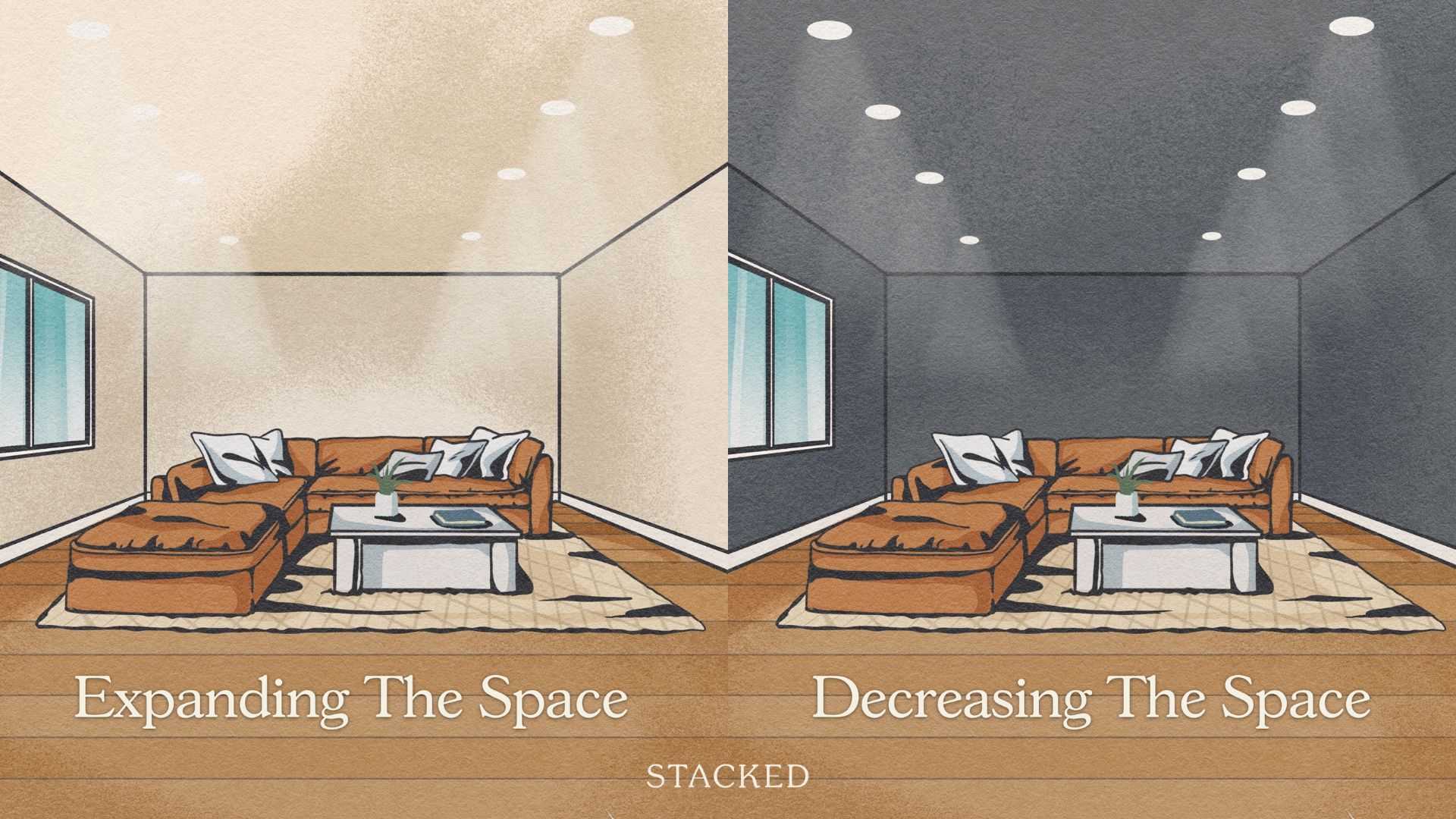
If you’re feeling cramped in your home, there are some simple hacks to create the illusion of more space. Start by decluttering your rooms; a tidy space always feels larger. Use mirrors strategically to reflect light and create depth. Opt for multi-functional furniture that doesn’t dominate the space. Light colors on your walls and furniture can also help to open up the area. Think vertical by using tall shelves and hanging art higher up, drawing the eye upward. Lastly, good lighting—natural or otherwise—can make a world of difference in how spacious a room feels. With just a few adjustments, you can transform your living environment into a more open and inviting space.
Creating the feeling of spaciousness in your home doesn’t have to involve major renovations or moving to a bigger place. By following some simple design tricks and being mindful of the layout, you can maximize every square inch and enjoy a more airy and welcoming atmosphere. So let’s dive into these easy yet effective hacks that can help you achieve that open-space vibe!

Simple Hacks to Create the Illusion of More Space
Creating the illusion of more space is an essential skill for homeowners and renters alike, especially in smaller living areas. By using thoughtful design choices and simple tricks, you can make even the coziest of spaces feel more open and inviting. This guide explores various hacks and tips to help you maximize your space without needing extensive renovations.
Color Choices Matter
One of the easiest ways to create a sense of space is through color selection. Light colors reflect more light, making a room feel airy. Here are some suggestions to consider:
- Use whites, soft grays, and pastel shades to brighten your space.
- Consider painting one wall a darker color for depth while keeping other walls light.
- Use monochromatic color schemes to create a seamless look.
Painting your ceiling a lighter shade than your walls can also add height to the room. This technique tricks the eye into believing the space is taller than it is.
Opt for Multi-Functional Furniture
Investing in multi-functional furniture is a smart way to maximize space. These items serve more than one purpose, reducing clutter. Here are some ideas:
- A sofa bed can be a seating area by day and a bed at night.
- Ottomans that open for storage can help you hide away items.
- Expandable dining tables can accommodate guests without taking up too much space.
By choosing pieces that do more, you can keep your space organized while still enjoying style.
Declutter Regularly
Clutter can make any space feel smaller. Regularly decluttering helps maintain a fresh environment. Here are some tips for effective decluttering:
- Set a schedule for decluttering tasks, like once a month.
- Use baskets and bins to contain small items.
- Donate or sell items you no longer need.
Embracing a minimalist mindset can significantly alter the way your space feels.
Use Mirrors Wisely
Mirrors are an effective tool for creating the illusion of depth. Here’s how to use them:
- Place a large mirror across from a window to reflect light and scenery.
- Consider mirrored furniture to give a sleek, open look.
- Cluster smaller mirrors in creative arrangements to add interest.
The reflective qualities of mirrors can visually double the space in your room.
Strategic Lighting
Proper lighting can enhance the space and overall ambiance. Here are lighting ideas:
- Use multiple light sources in a room, such as overhead lights, floor lamps, and table lamps.
- Install dimmers to control the brightness and create a cozy atmosphere.
- Opt for light fixtures that draw the eye upward, enhancing the height perception.
Natural light is equally impactful; keep windows clear of heavy drapes to let the sunshine in.
Furniture Arrangement Tips
The way you arrange your furniture can greatly influence how spacious a room feels. Consider these strategies:
- Avoid placing furniture against all walls; this can create a boxed-in feeling.
- Float furniture, such as sofas, away from walls to create pathways.
- Use area rugs to define spaces, especially in open floor plans.
Experiment with different layouts until you find one that feels open yet functional.
Utilize Vertical Space
When floor space is limited, look up! Utilizing vertical space can help you gain more room:
- Install shelves high up on walls for books and decor.
- Use tall storage units to draw the eye upward.
- Hang plants from the ceiling to add greenery without taking up floor space.
Vertical elements can add character and interest to your home without cluttering.
Choose the Right Curtains
Curtains can play a significant role in how space is perceived. Here’s how to choose wisely:
- Select sheer fabrics to allow light while maintaining privacy.
- Hang curtain rods close to the ceiling; this creates an illusion of taller windows.
- Consider using blinds that can be fully opened, maximizing the light flow.
The right window treatments can open up your space dramatically.
Incorporate Light Flooring
The type of flooring you choose can influence how open a space feels. Here are flooring recommendations:
- Light-colored hardwood or laminate floors can make a room feel more vast.
- Use large tiles rather than smaller ones in your flooring choices.
- Consider using the same flooring throughout your home to create a cohesive look.
A consistent and light flooring option can unify spaces and promote flow.
Keep it Simple with Décor
When it comes to decoration, less is often more. Here are tips for a stylish yet uncluttered approach:
- Choose statement pieces instead of cluttering with numerous smaller items.
- Limit wall art and keep it evenly spaced for an organized appearance.
- Opt for functional décor, such as decorative boxes and functional art.
Simple décor keeps the eye moving around the room rather than weighing it down.
Zone Your Space
Dividing a space into functional zones can create order and flow. Here’s how to do it:
- Use rugs to define areas for different activities, like lounging and dining.
- Position furniture to encourage movement between zones.
- Employ room dividers for added privacy in larger shared spaces.
Zoning helps clarify the purpose of each area while keeping it open and inviting.
Embrace Technology
Today’s technology can also aid in maximizing space. Consider these options:
- Smart home devices can help manage light and temperature, enhancing comfort.
- Wall-mounted televisions save floor space compared to bulky entertainment units.
- Use space-saving appliances in kitchens and laundry areas.
Embracing innovative solutions keeps your space functional and modern.
By implementing these simple hacks, you can create the illusion of more space in your home. Whether through color choices, furniture selections, or decorative strategies, every little change contributes to a more open and welcoming environment. Remember, the goal is to create a space where you feel comfortable and at ease, regardless of size. Enjoy the process of discovering what works best for your home!
Tips on Creating the Illusion of Space
Frequently Asked Questions
How can I use color to make a room feel larger?
Choosing lighter colors for walls, furniture, and décor creates an airy atmosphere that visually enlarges a space. Soft pastels or whites reflect more light, making the room feel open and spacious. You can use darker colors for accents, but keep the majority of the space light to enhance the feeling of area.
What types of furniture can help maximize space?
Opt for multi-functional furniture, such as ottomans that open for storage or coffee tables that can expand. Choose furniture with legs that allow you to see the floor underneath, which makes the area feel less cluttered and creates a sense of openness. Avoid bulky items that overwhelm a room.
Can mirrors really make a difference in how spacious a room feels?
Yes, mirrors can significantly alter the perception of space. Placing a large mirror on one wall can reflect light and create the illusion of depth. Additionally, strategically positioning smaller mirrors around the room can enhance this effect, making the area feel larger than it is.
How does lighting impact the perception of space?
Good lighting can dramatically change how spacious a room feels. Use natural light by keeping windows uncluttered with heavy curtains. Incorporate layered lighting with floor lamps, table lamps, and wall sconces to eliminate dark corners, creating a more inviting and expansive atmosphere.
What role does decluttering play in creating a spacious environment?
Decluttering is essential to making a space feel larger. Remove unnecessary items and keep surfaces clear. Use storage solutions to hide belongings and maintain a tidy appearance. A clean, organized space promotes a feeling of openness and allows for easier movement throughout the room.
Final Thoughts
Utilizing simple hacks to create the illusion of more space can significantly enhance your living environment. Mirrors can reflect light and create an airy feel, while lighter color palettes open up the room visually.
Strategically placing furniture allows for better flow and maximizes usability. Additionally, decluttering and organizing minimize distractions, making any space feel larger.
Incorporating these simple hacks to create the illusion of more space can lead to a more comfortable and inviting atmosphere in your home.