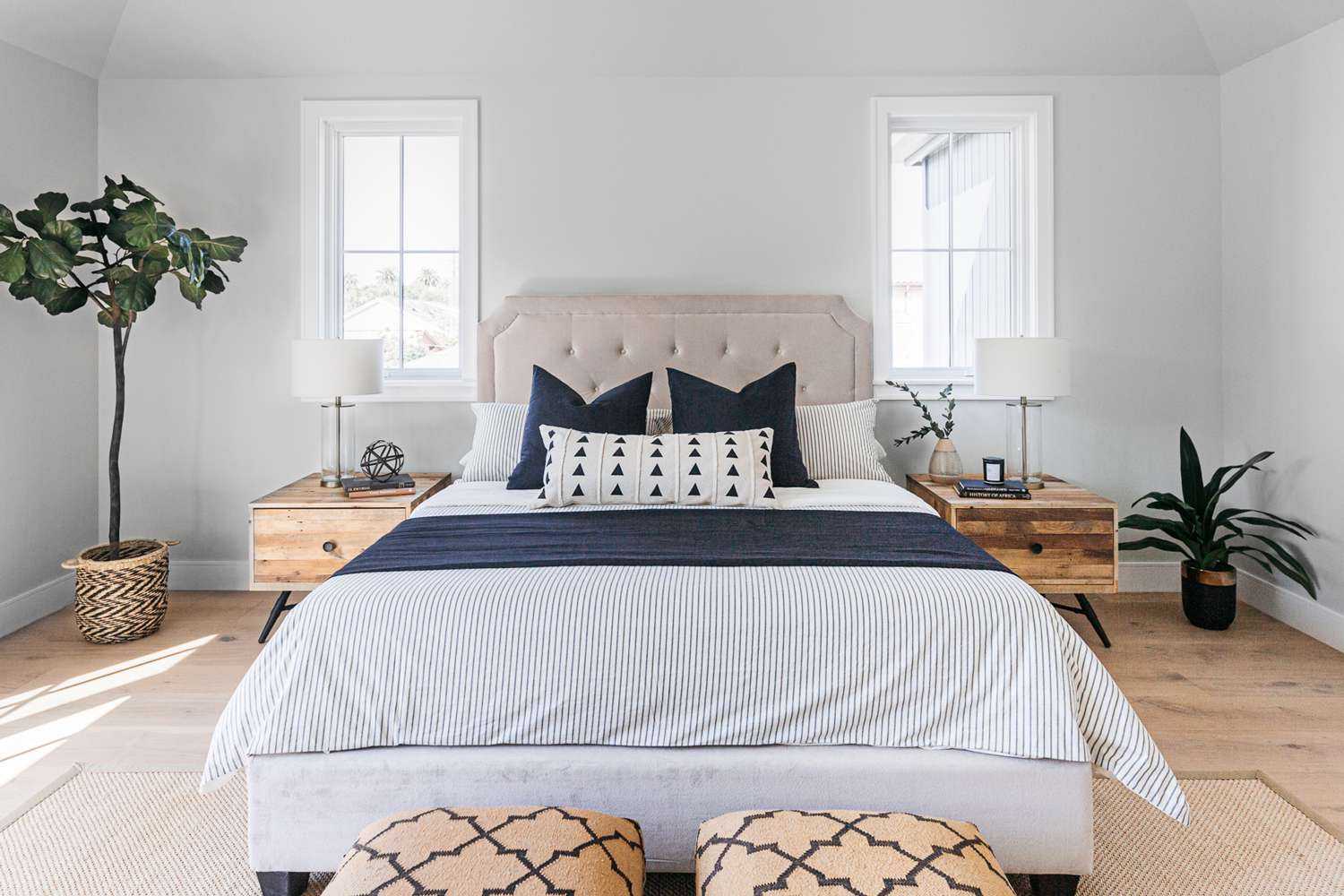
If you’re looking to transform your small bedroom into a space that feels airy and open, color is your secret weapon! By choosing the right hues and techniques, you can create an illusion of spaciousness that makes your room feel larger and more inviting. Light colors like soft whites, pale blues, and gentle pastels reflect more light, giving the impression of a bigger area. Additionally, strategic use of accent colors can add depth without overwhelming the space. Mirrors also play a key role in enhancing that airy feel. With just a few adjustments in your color choices and decor, you’ll be amazed at how your small bedroom can breathe with freshness and openness. Let’s dive into some color hacks that’ll elevate your cozy retreat!

Color Hacks to Make a Small Bedroom Look Airy and Open
Creating an airy and open feel in a small bedroom can seem tricky, but the right use of color can work wonders. By choosing the right palette and understanding how colors interact with light, you can craft a relaxing haven that feels spacious and bright. Let’s explore some effective color hacks to help you achieve this goal.
Understanding the Impact of Color
Colors can influence our emotions and perceptions. Light colors, for instance, tend to make a space feel larger and more open. Dark colors, on the other hand, can make a room feel cozy but are often more constrictive.
Here are some key points to consider:
- Light colors reflect more natural light.
- Bright colors can uplift mood and energy.
- Neutral tones create a calm atmosphere.
By understanding these impacts, you can choose colors wisely to enhance the sense of space in your small bedroom.
Choosing the Right Base Color
Your base color is important because it sets the tone for the entire room. Light shades like soft whites, light grays, and pastels are excellent choices.
Consider the following:
- Soft White: Offers a clean and bright backdrop.
- Light Gray: Provides a modern touch without being stark.
- Pastel Blue or Green: Invokes a sense of calm and tranquility.
These colors can make a small bedroom feel airy and inviting, promoting a peaceful environment.
Utilizing Accent Colors
Accent colors can add personality to your bedroom while keeping the overall look light and open.
Think about these options:
- Soft Coral: A gentle pop of color that adds warmth.
- Powder Blue: Evokes a serene atmosphere.
- Mint Green: Freshens the space without overwhelming.
Positioning these colors in pillows, throws, or artwork can enliven the room without crowding it visually.
Strategic Color Placement
Where you place colors in your bedroom matters. Keep the walls and larger furniture pieces in lighter shades to maximize openness.
Here are some tips:
- Choose light colors for walls to reflect light.
- Use darker colors sparingly on smaller decor items.
- Balance light and dark elements to maintain harmony.
This balance prevents the room from feeling flat, keeping it vibrant and airy.
Incorporating Color through Textiles
Textiles provide a dynamic way to integrate color. Lightweight fabrics in bright shades can enhance the airy feel of the room.
Consider these elements:
- Curtains: Opt for sheer materials that allow light while adding color.
- Bedding: Use light-colored sheets paired with colorful throws.
- Accent pillows: Add pops of color without overwhelming the space.
Using textiles this way can create a lively yet open atmosphere.
Mirrors and Reflective Surfaces
Utilizing mirrors and glossy surfaces can boost the brightness and openness of a small bedroom.
Here’s how:
- Hang a large mirror opposite a window for enhanced light flow.
- Use furniture with glass or glossy finishes to reflect color.
- Incorporate metallic accents for extra shine.
Reflective surfaces create depth, making the space feel larger and more expansive.
Color Coordination with Furniture
The color of your furniture can influence how spacious your room appears. Opt for lighter furniture pieces to maintain an airy feel.
Consider these tips:
- Choose light-wood furniture for a natural look.
- Use upholstered pieces in soft colors to soften the overall feel.
- Avoid bulky furniture that can dominate the space.
This choice ensures that your furniture complements rather than constricts the space.
Creating a Focal Point
A focal point can draw attention and add interest to your small bedroom without overcrowding it.
Here’s how to create an effective focal point:
- Use a bold accent wall in a light hue to create depth.
- Incorporate a unique piece of artwork that stands out.
- Highlight a decorative headboard that grabs attention.
These elements help maintain an open feel while adding character to the room.
Color Flow Between Spaces
Maintaining a cohesive color scheme throughout your home can enhance the perception of space.
Here’s some advice:
- Match bedroom colors to adjacent areas to create continuity.
- Use similar shades in different rooms for a spacious flow.
- Avoid abrupt color changes to maintain visual harmony.
This approach makes the small bedroom feel like part of a larger, airy environment.
Experimenting with Paint Techniques
Creative paint techniques can elevate your bedroom’s aesthetic and boost its airy feel.
Consider trying:
- Ombre walls that transition from light to slightly darker shades.
- Stripes to add height and visual interest without clutter.
- Geometric patterns in similar color tones for a modern touch.
These techniques can add dimension while keeping the overall look light and spacious.
Accessorizing with Color
The right accessories can help tie together the room’s color scheme and enhance its open feel.
Think about incorporating:
- Colorful rugs that add texture without overwhelming.
- Light-colored decorative items that reflect light.
- Plants to introduce natural elements and fresh colors.
These accessories can bring life to the space while keeping it visually appealing.
Natural Light Maximization
Emphasizing natural light can greatly improve the ambiance of your bedroom.
Here’s how:
- Keep window treatments light and airy to let in maximum light.
- Position mirrors strategically to reflect light throughout the room.
- Choose light colors that enhance the effects of natural light.
By maximizing natural light, you create a more spacious feel and an uplifting atmosphere.
Utilizing these color hacks can significantly enhance the look of your small bedroom. By carefully selecting your color palette, you can make the space feel open and inviting. Consider the impact of both light and accent colors, and remember to incorporate textiles, reflective surfaces, and strategic placements of colors. Each element you choose plays a crucial role in creating a delightful environment to relax in.
Your small bedroom doesn’t have to feel cramped. With the right color choices and thoughtful design, you can create an airy retreat that feels just right.
20 Smart Ideas How to Make Small Bedroom Look Bigger
Frequently Asked Questions
What colors can I use to create a more spacious feel in my bedroom?
Light colors such as soft whites, pastels, and light grays can significantly enhance the feeling of space in a small bedroom. These shades reflect more light, making the room appear larger and more open. Additionally, consider using monochromatic schemes to create a cohesive look that minimizes visual clutter.
How can I use accent colors effectively in a small bedroom?
Accent colors can add depth and interest without overwhelming the space. Choose one or two bold colors for accessories like throw pillows, artwork, or a small piece of furniture. This approach adds character while maintaining an airy feel. Ensure the base color remains light to keep the room open and inviting.
Is it a good idea to paint the ceiling a different color?
Painting the ceiling a lighter shade than the walls can create an illusion of height, making the room feel more spacious. You can also consider painting the ceiling the same color as the walls to achieve a seamless look that integrates all elements of the room. Avoid dark colors on the ceiling, as they can make the space feel closed in.
What role do patterns play in color choice for small bedrooms?
Choose patterns wisely; larger patterns can dominate a small space, making it feel cramped. Instead, opt for subtle patterns or textures that add dimension without overwhelming the eye. Stripes can visually elongate walls, while light, delicate motifs can enhance the room’s airy vibe.
Can I use dark colors in a small bedroom?
While dark colors can create a cozy atmosphere, they may make a small bedroom feel even smaller if used excessively. If you love darker shades, consider using them in moderation, such as on one feature wall, while keeping the remaining walls in lighter tones to balance the overall feel of the room.
How does lighting influence the color scheme in a small bedroom?
Lighting significantly affects how colors appear in a room. Utilize natural light as much as possible; it enhances lighter colors and makes the space feel more open. In the absence of ample sunlight, opt for warm white lights to prevent grayness and ensure the colors in your small bedroom appear vibrant and inviting.
Final Thoughts
Using light colors on the walls can instantly make your small bedroom feel more spacious and airy. Opt for soft whites, light pastels, or pale neutrals to reflect light and create an illusion of openness.
Incorporating a few accent pieces in bolder colors can add character without overwhelming the space. Mirrors also enhance brightness and expand the visual boundaries of the room.
Implementing these color hacks to make a small bedroom look airy and open will refresh your space and enhance its overall ambiance. Embrace these tips to create a serene and inviting atmosphere in your bedroom.