
To create an amazing aesthetic room, focus on a cohesive color palette, thoughtful furniture choices, layered lighting, personal decor touches, and functional organization. Start with a clear vision, choose a style that speaks to you, and build your room around key elements that reflect your personality and desired vibe.
Dreaming of a room that feels like a Pinterest board come to life? You’re not alone! Many of us look at beautifully styled spaces and wonder, “What’s the secret? What do I actually need to make my room aesthetic?” It can feel a little overwhelming with so many trends and ideas out there.
But here’s the good news: achieving an amazing aesthetic room isn’t about expensive makeovers or having a degree in design. It’s about making smart, intentional choices that reflect your personal style and create a space you love. We’ll break down exactly what you need, step-by-step, so you can transform your room into your own personal sanctuary.
Ready to dive in? Let’s discover the essential elements that will make your room truly amazing!
Your Aesthetic Room Blueprint: What You Need
Creating an aesthetic room is all about building a vibe. Think of it as painting a picture, but with furniture, colors, and textures! The key is to have a clear idea of the mood and style you want to achieve before you start buying things. This will help you make choices that work together harmoniously.
We’ll cover everything from the foundational elements like color and furniture to the finishing touches that truly make a space shine. Get ready to gather your inspiration and learn what you need to make your room aesthetic goals a reality.
1. A Clear Vision & Style Inspiration
Before you buy a single pillow, you need to know what you’re aiming for! What feeling do you want your room to evoke? Cozy and hygge? Minimalist and calm? Vibrant and energetic? Jotting down some keywords or creating a mood board can be super helpful.
Gathering inspiration is your first and most important step. Think about colors you love, textures that appeal to you, and overall styles that catch your eye. Websites like Pinterest and Instagram are fantastic resources for this.
Popular Aesthetic Styles to Consider:
- Bohemian (Boho): Think natural textures, plants, layered textiles, and a relaxed, eclectic feel.
- Minimalist: Clean lines, neutral colors, uncluttered spaces, and a focus on functionality.
- Scandinavian (Scandi): Light woods, white and gray palettes, cozy textiles, and simple, functional design.
- Modern Farmhouse: A blend of rustic charm and contemporary elements, often featuring wood, metal, and neutral tones.
- Cottagecore: Romantic, whimsical, and inspired by nature, with floral patterns, vintage touches, and soft colors.
- Dark Academia: Rich, moody colors, vintage books, classic furniture, and a scholarly atmosphere.
2. A Cohesive Color Palette
Color is the backbone of any aesthetic. Choosing a palette of 2-4 main colors will instantly make your room feel more put-together and intentional. Don’t be afraid to mix neutrals with a pop of color, or go for a monochromatic look.
Think about how different colors make you feel. Blues and greens can be calming, while yellows and oranges can be energizing. Neutrals like beige, gray, and white provide a versatile base.
Choosing Your Palette:
- Base Color: Usually a neutral like white, cream, beige, or light gray for walls and larger furniture.
- Secondary Color: A slightly bolder color that complements the base, used for accent furniture or larger decor pieces.
- Accent Color: A pop of bright or contrasting color used sparingly in small decor items like throw pillows, artwork, or vases.
- Optional Fourth Color: A metallic (gold, silver, black) or a deeper shade of one of your main colors for added depth.
3. Thoughtful Furniture Choices
Your furniture sets the tone for the entire room. When choosing pieces, consider their style, color, and how they fit within your chosen aesthetic and space.
For small spaces, opt for multi-functional furniture like storage ottomans or beds with built-in drawers. In larger rooms, you have more freedom, but still aim for pieces that align with your overall vision.
Key Furniture Pieces to Consider:
- Bed: The focal point of a bedroom. Choose a frame that matches your style (e.g., a minimalist platform bed, a cozy upholstered headboard).
- Desk/Workspace: If you work or study in your room, a functional and stylish desk is a must.
- Seating: A comfortable chair, accent stool, or floor cushions can add extra seating and style.
- Storage Solutions: Bookshelves, dressers, nightstands – choose pieces that offer storage and complement your aesthetic.
4. Layered Lighting: The Mood Setter
Lighting is often overlooked, but it’s crucial for creating ambiance. A single overhead light can feel harsh, but layered lighting adds warmth, depth, and functionality.
Think about different light sources you can use. Ambient lighting provides overall illumination, task lighting is for specific activities (like reading), and accent lighting highlights decor. Consider the color temperature of your bulbs too – warmer tones (around 2700K) are generally cozier.
Lighting Elements for an Aesthetic Room:
- Overhead Light Fixture: Your main light source. Consider a stylish pendant, a flush mount with a unique design, or even a chandelier for a dramatic touch.
- Table Lamps: Perfect for nightstands, desks, or console tables. Choose lamps with shades that diffuse light softly.
- Floor Lamps: Great for adding light to corners or reading nooks. Arc lamps or tripod lamps can add a modern touch.
- String Lights/Fairy Lights: These add a magical, whimsical glow. Drape them around your bed, a mirror, or along a wall.
- Accent Lighting: Small, discreet lights to highlight artwork or plants.
A helpful tip for choosing bulbs is to check the Kelvin (K) rating. Lower K values (like 2700K) are warmer and more yellow, creating a cozy feel. Higher K values (like 5000K) are cooler and bluer, appearing more like daylight. For an aesthetic room, warmer tones are usually preferred for relaxation.
5. Textures and Soft Furnishings
Texture is what makes a room feel cozy, inviting, and visually interesting. Mixing different textures adds depth and prevents a space from feeling flat or sterile.
Think about materials like soft knits, plush velvets, natural linens, woven baskets, and faux fur. These elements add tactile appeal and visual richness.
Key Textural Elements:
- Rugs: A soft rug underfoot can instantly warm up a room and define a space.
- Throw Pillows: Mix and match textures and patterns on your bed or seating.
- Blankets/Throws: Drape them over your bed, sofa, or accent chair for added coziness.
- Curtains: Choose fabrics that complement your color palette and desired light levels.
- Wall Hangings: Macrame, tapestries, or framed fabric art can add texture to walls.
6. Personal Decor & Art
This is where your room truly becomes yours. Personal touches make a space feel lived-in and reflect your personality. Art, photos, and meaningful objects tell your story.
Don’t be afraid to display things you love. This could be anything from framed photos of loved ones to your favorite books or souvenirs from travels. Art doesn’t have to be expensive; prints, posters, or even your own creations can add character.
Ideas for Personal Touches:
- Gallery Wall: Mix photos, prints, and small objects for a dynamic display.
- Mirrors: Not only decorative but also make a space feel larger and brighter.
- Plants: Bring life and color into your room. Faux plants are a great low-maintenance option.
- Books: Display them creatively on shelves or stacks.
- Candles & Diffusers: Add a sensory element with pleasing scents.
When selecting art, consider the size of your walls. A large statement piece can be a focal point, while a collection of smaller pieces can create a more intimate feel. For inspiration on creating a balanced gallery wall, resources like Better Homes & Gardens offer excellent tips.
7. Smart Organization & Storage
An aesthetic room is a tidy room! Clutter can quickly detract from your carefully curated style. Smart storage solutions are essential for keeping things organized and out of sight.
Think about where clutter tends to build up and find stylish solutions. Baskets, decorative boxes, drawer dividers, and shelving units can all help maintain order.
Organization Essentials:
- Baskets & Bins: Perfect for storing blankets, magazines, remotes, or other odds and ends.
- Drawer Organizers: Keep your desk drawers, dresser drawers, and nightstand tidy.
- Shelving: Floating shelves or bookcases can display decor while offering storage.
- Pegboards: Great for hanging jewelry, small accessories, or even plants.
- Bedside Caddy: Keep essentials like books, glasses, and your phone within reach without taking up table space.
A well-organized space not only looks better but also makes it easier to find what you need, reducing stress and enhancing your enjoyment of the room.
Putting It All Together: Your Aesthetic Room Checklist
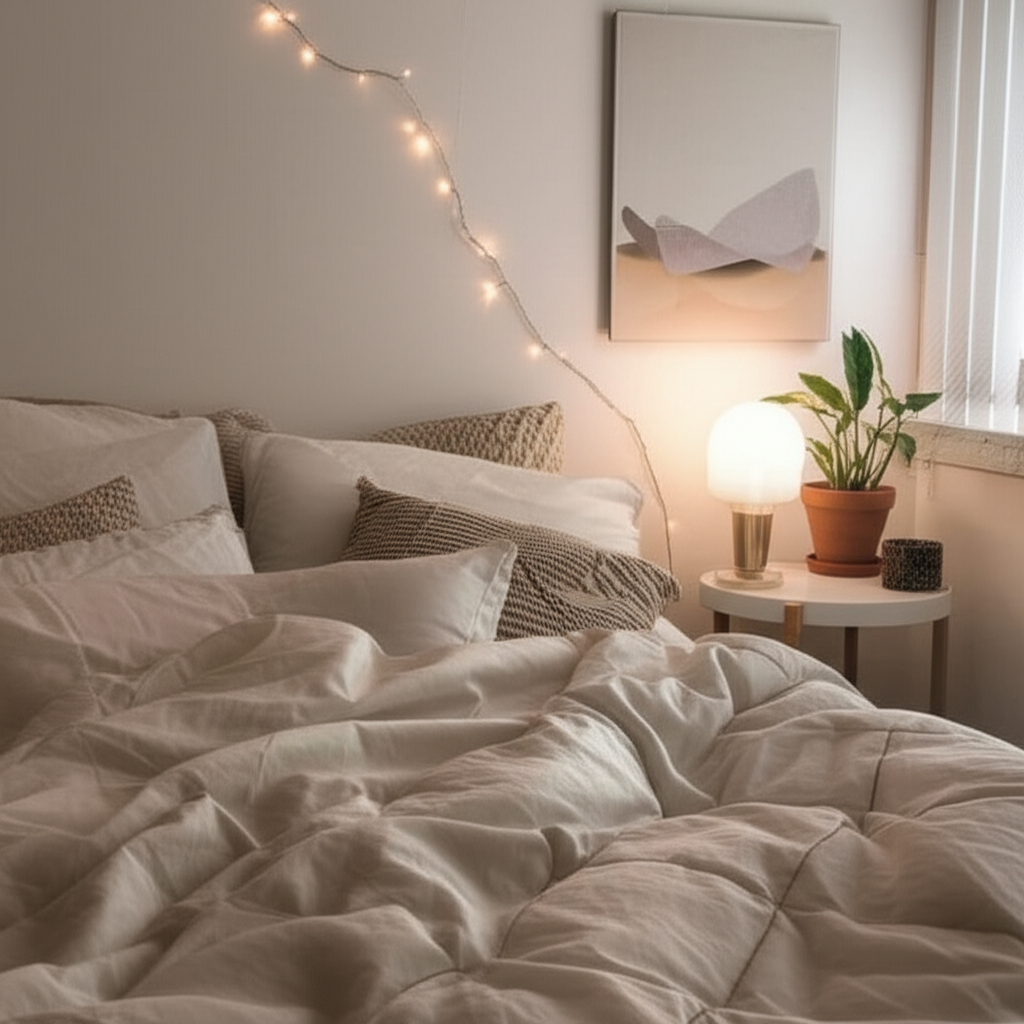
Now that we’ve covered the essentials, let’s create a practical checklist to guide you. Remember, this is a flexible guide – adapt it to your unique space and preferences!
Step-by-Step Transformation
- Define Your Aesthetic: Choose your style inspiration and create a mood board.
- Select Your Color Palette: Pick 2-4 colors that create the mood you want.
- Assess Your Furniture: Identify what you have and what you need. Prioritize pieces that fit your style and function.
- Plan Your Lighting: Decide on ambient, task, and accent lighting needs.
- Gather Textures: Think about rugs, pillows, throws, and curtains that add warmth.
- Curate Personal Decor: Select art, photos, and objects that tell your story.
- Implement Storage Solutions: Find stylish ways to keep your space clutter-free.
- Shop Smartly: Look for items that fit your budget and aesthetic. Consider secondhand finds!
- Arrange and Accessorize: Place your furniture, hang your art, and arrange your decor.
- Live In It!: Enjoy your beautifully transformed space!
Budget-Friendly Aesthetic Hacks
Achieving an aesthetic room doesn’t have to break the bank. Here are some budget-friendly ideas:
- DIY Projects: Repaint old furniture, create your own art, or upcycle items.
- Thrift Stores & Flea Markets: Discover unique, affordable pieces with character.
- Sales & Discount Stores: Keep an eye out for deals on decor items.
- Focus on Key Pieces: Invest in a few statement items and fill in with more affordable accents.
- Rearrange What You Have: Sometimes, simply moving furniture or decor can give your room a fresh new feel.
Example Room Breakdown: Cozy Minimalist Aesthetic
Let’s imagine we’re creating a “Cozy Minimalist” aesthetic. Here’s what you might need:
| Element | What You Need | Why It Works |
|---|---|---|
| Color Palette | Soft whites, warm grays, natural wood tones, a touch of muted green. | Calming, neutral, and inviting, creating a serene atmosphere. |
| Furniture | Simple platform bed, clean-lined nightstand, comfortable armchair in a neutral fabric, minimalist desk. | Functional, uncluttered, and focuses on comfort and clean design. |
| Lighting | Warm-toned table lamp with a ceramic base, a floor lamp with a linen shade, subtle fairy lights around a mirror. | Soft, diffused light creates a cozy and relaxing ambiance. |
| Textures | Chunky knit throw blanket, linen curtains, a soft, low-pile rug, woven storage baskets. | Adds warmth and tactile comfort to the minimalist design. |
| Decor & Art | A few framed abstract prints in muted tones, a couple of potted plants (real or faux), a simple ceramic vase. | Adds subtle visual interest without creating clutter. Focus on quality over quantity. |
| Organization | Drawer dividers for the nightstand, a lidded basket for extra blankets, a simple tray for desk essentials. | Keeps the space tidy and maintains the clean aesthetic. |
For more on minimalist design principles, you might find resources from the Designing Your Life blog helpful in understanding the philosophy.
Frequently Asked Questions About Aesthetic Rooms
What is the most important thing for an aesthetic room?
The most important thing is a clear vision and cohesive style. Knowing what “aesthetic” means to you and sticking to a consistent color palette and theme will tie everything together and make your room feel intentional and amazing.
How do I make my room look aesthetic on a small budget?
Focus on a few key elements: a fresh coat of paint in a trending color, strategic use of lighting (fairy lights are inexpensive!), thrifted decor items, and DIY art. Rearranging your existing furniture can also make a big difference without spending money.
What are some easy ways to add texture to a room?
Easy ways include adding a soft throw blanket to your bed or chair, layering decorative pillows with different textures (like knit, velvet, or faux fur), and placing a plush rug on the floor. Even a woven basket can add a nice textural element.
How many colors should I use in an aesthetic room?
For a cohesive look, it’s best to stick to a palette of 2-4 colors. This usually includes a main neutral color, a secondary color, and one or two accent colors. This helps prevent the room from looking too busy or chaotic.
Can renters make their rooms aesthetic?
Absolutely! Renters can use many temporary or non-damaging solutions. Think removable wallpaper, command hooks for art, floor lamps instead of overhead lighting, and plenty of decorative items like plants, pillows, and throws. Focus on decor that reflects your style.
What are some common mistakes people make when trying to make their room aesthetic?
Common mistakes include trying too many trends at once, not having a clear color palette, over-cluttering the space with too many decor items, and neglecting lighting. It’s also easy to forget about functionality when focusing solely on looks.
Conclusion: Your Aesthetic Room Awaits!
Creating an amazing aesthetic room is a journey, not a race. It’s about infusing your personality into a space, making it a reflection of you, and creating an environment where you feel comfortable, inspired, and happy. By focusing on a clear vision, a thoughtful color palette, intentional furniture, layered lighting, inviting textures, personal decor, and smart organization, you have all the tools you need.
Don’t feel pressured to do everything at once. Start with the elements that excite you most. Perhaps it’s a new color scheme, a cozy throw, or a gallery wall of your favorite photos. Each small step you take will bring you closer to the room of your dreams.
Remember, the most “aesthetic” room is one that feels authentic to you. Embrace the process, have fun with it, and enjoy the transformation. Your amazing, personalized space is within reach!