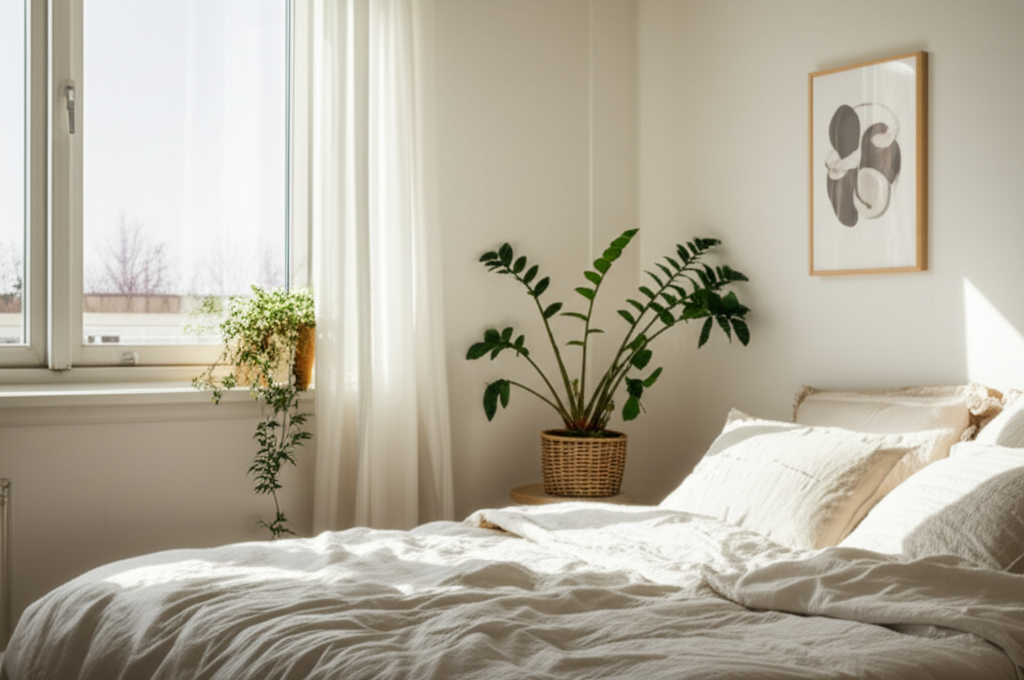
Make your room more aesthetic with these easy tips: focus on decluttering, adding cozy textiles, strategic lighting, personal touches, and a cohesive color palette. Small changes can create a big impact, transforming your space into a stylish and inviting haven you’ll love.
Have you ever walked into a room and just felt… good? That’s the power of an aesthetic space! It’s a place that feels just right, reflecting your personality and making you feel comfortable and inspired.
But achieving that “aesthetic” vibe can sometimes feel like a secret club with complicated rules. Maybe your room feels a bit blah, or you’re not sure where to start with decorating.
Don’t worry, it’s totally achievable! We’ll break down simple, budget-friendly ways to make your room feel more stylish and you.
Get ready to transform your space into a personal sanctuary. Let’s dive into how you can make your room more aesthetic, step by step!
Why Does Room Aesthetics Matter?
An aesthetic room isn’t just about looking pretty; it’s about how it makes you feel. A well-designed space can boost your mood, increase your productivity, and provide a much-needed escape from the outside world. It’s your personal bubble, a place to recharge and express yourself.
Think about it: waking up in a room that feels calm and organized versus one that feels cluttered and chaotic. The difference is huge! An aesthetic room can reduce stress and create a sense of peace.
This guide will show you how to create that feeling, no matter your budget or space size. We’ll cover everything from color choices to personal decor, making it easy and fun.
Step 1: Declutter and Organize – The Foundation of Aesthetics
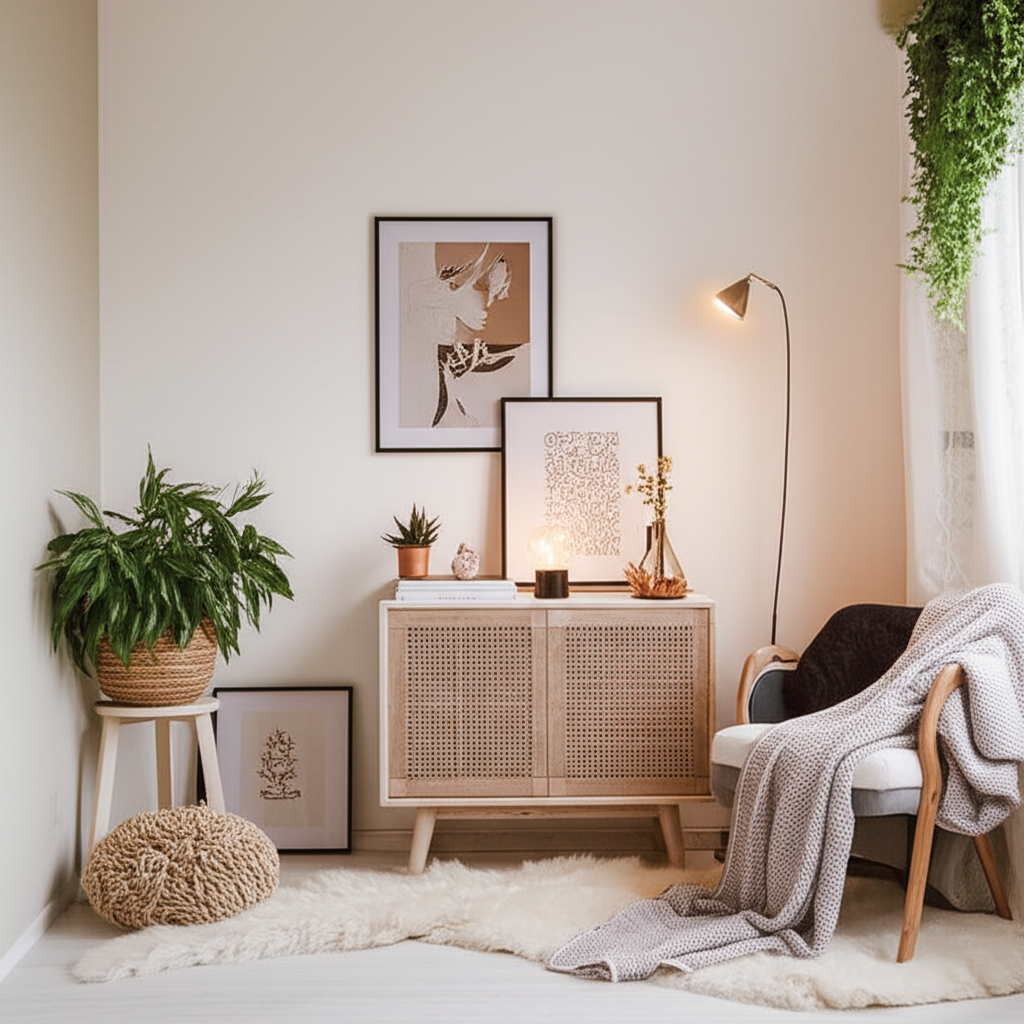
Before we add anything beautiful, we need a clean slate. Clutter is the enemy of an aesthetic room! It makes spaces feel smaller, chaotic, and less inviting.
Taking the time to declutter and organize is the most impactful first step. You don’t need to be a minimalist, but a little tidying goes a long way.
The Decluttering Process
Start small. Tackle one area at a time, like your desk, a shelf, or a drawer.
Sort: Go through your items and divide them into three piles: Keep, Donate/Sell, and Trash. Be honest with yourself about what you truly need or love.
Clean: Once you’ve decluttered, give the space a good clean. Dust surfaces, vacuum, and wipe down any smudges.
Organize: Find homes for the items you’re keeping. Use storage solutions like baskets, boxes, or drawer dividers to keep things tidy and out of sight.
Smart Storage Solutions
Good storage makes maintaining an aesthetic room much easier. Look for solutions that are both functional and stylish.
Baskets and Bins: Perfect for corralling items like blankets, books, or toiletries. Woven baskets add a natural, cozy texture.
Shelving: Floating shelves can add visual interest and display your favorite items without taking up floor space.
Drawer Organizers: Keep smaller items like stationery, makeup, or accessories neat and easy to find.
Multi-functional Furniture: Ottomans with storage, beds with drawers, or desks with built-in shelving are great for small spaces.
Step 2: Choose a Color Palette – Setting the Mood
Colors have a powerful impact on the atmosphere of a room. A cohesive color palette ties everything together and makes your space feel intentional and stylish.
For a beginner-friendly approach, start with a simple palette of 2-3 main colors.
Understanding Color Psychology
Different colors evoke different feelings.
Neutrals (White, Beige, Grey): Create a sense of calm, spaciousness, and sophistication. They are versatile and act as a great base.
Blues and Greens: Often associated with tranquility, nature, and relaxation. Great for bedrooms or spaces where you want to unwind.
Pinks and Purples: Can evoke warmth, creativity, or playfulness depending on the shade.
Yellows and Oranges: Bring warmth, energy, and cheerfulness. Use them as accent colors to avoid overwhelming the space.
Creating Your Palette
A simple way to build a palette is using the 60-30-10 rule:
60% Dominant Color: This is your main wall color or large furniture piece.
30% Secondary Color: This color is used for smaller furniture, curtains, or accent walls.
10% Accent Color: Used for small decorative items like pillows, artwork, or small accessories.
For example, a bedroom might have soft grey walls (60%), a navy blue duvet and curtains (30%), and pops of mustard yellow in throw pillows and a vase (10%).
For more on color theory and how to choose colors, check out resources from The Painting Contractors Association, which offers foundational insights into how colors work together.
Step 3: Lighting is Key – Creating Ambiance

Good lighting can transform any room from dull to dazzling. It’s not just about brightness; it’s about creating layers and ambiance. Harsh overhead lights can feel sterile, while softer, layered lighting makes a room feel cozy and inviting.
Layer Your Lighting
Think about different types of lighting to create warmth and depth.
Ambient Lighting: This is your main light source, like a ceiling fixture or a floor lamp. Choose something with a softer glow rather than a stark, bright light. Dimmers are your best friend here!
Task Lighting: This is for specific activities, such as a desk lamp for studying or a bedside lamp for reading.
Accent Lighting: This highlights features, like a picture light above artwork or a string of fairy lights to add a magical touch.
Warm vs. Cool Bulbs
The color temperature of your light bulbs matters!
Warm White (2700K-3000K): This is similar to natural sunlight at dawn or dusk. It creates a cozy, inviting, and relaxing atmosphere. Perfect for living rooms and bedrooms.
Cool White/Daylight (4000K-6500K): This is brighter and more energizing, mimicking midday sun. It’s good for task lighting in kitchens or workspaces where you need to focus.
For an aesthetic feel, opt for warm white bulbs in most areas.
| Lighting Type | Purpose | Aesthetic Tip |
|---|---|---|
| Ambient | Overall illumination | Use a dimmer or a soft-glow fixture. |
| Task | Focused light for activities | Desk lamp, reading light by bed. |
| Accent | Highlighting decor or features | Fairy lights, picture lights, small lamps. |
Step 4: Textiles and Textures – Adding Coziness
This is where your room starts to feel truly comfortable and inviting. Textiles – like rugs, curtains, throw pillows, and blankets – add softness, warmth, and visual interest. They break up hard surfaces and create a cozy atmosphere.
Rugs: Grounding Your Space
A rug can define an area, add color, and make a room feel much warmer underfoot.
Size Matters: Make sure your rug is appropriately sized. In a living area, at least the front legs of your sofa and chairs should sit on the rug. In a bedroom, a rug that extends beyond the sides of your bed is ideal.
Texture: Consider plush, shag rugs for ultimate coziness, or flat-weave rugs for a more minimalist, modern feel.
Pillows and Throws: The Easy Update
Throw pillows and blankets are the easiest way to inject color, pattern, and texture into your space.
Mix and Match: Don’t be afraid to combine different textures and subtle patterns. Think velvet, knit, faux fur, and linen.
Color Harmony: Use your chosen color palette as a guide. Mix solids with patterns that incorporate your palette colors.
Curtains: Framing Your Windows
Curtains add softness, control light, and can make a big impact on the overall look.
Material: Light, airy fabrics like linen or cotton blends can make a room feel brighter. Heavier fabrics can add warmth and a sense of luxury.
Length: Hang curtains high and wide, extending them a few inches above the window frame and past the sides. This makes your windows appear larger and the ceiling higher.
Step 5: Personal Touches – Making it Yours

An aesthetic room feels personal. It tells a story about who you are and what you love. This is where you inject your personality!
Display What You Love
Showcase things that bring you joy. This could be:
Photos: Frame your favorite memories. Mix frame sizes and styles for an eclectic look or keep them uniform for a cleaner aesthetic.
Artwork: Hang prints, paintings, or posters that resonate with you. It doesn’t have to be expensive gallery art!
Books: Arrange your favorite books on shelves. You can even style them by color for a striking visual effect.
Collections: If you collect something, like vintage cameras or ceramic mugs, find stylish ways to display them.
Plants and Greenery
Plants add life, color, and a sense of calm to any room. They improve air quality too!
Easy Care: If you’re new to plants, start with low-maintenance options like snake plants, ZZ plants, or Pothos.
Stylish Pots: The pot your plant is in is part of the decor! Choose pots that complement your color palette and style.
Looking to bring greenery into other areas of your home? Check out our guide on kitchen plant decor ideas for inspiration.
Mirrors: Expanding Space and Light
Mirrors are fantastic for making small rooms feel larger and brighter by reflecting light.
Placement: Hang a mirror opposite a window to maximize natural light, or place it above a console table or fireplace.
Style: Mirrors come in all shapes and frame styles, from minimalist to ornate. Choose one that fits your aesthetic.
Step 6: Incorporate Art and Decor – The Finishing Flourishes
Once the foundation is set, it’s time to add those decorative elements that truly elevate the aesthetic. These are the details that make a room feel curated and stylish.
Wall Art and Gallery Walls
Statement Piece: A single, large piece of art can be a focal point.
Gallery Wall: Arrange a collection of smaller pieces – photos, prints, even mirrors – in a pleasing arrangement. Use painter’s tape to plan your layout on the wall before you commit. Resources like The Art Institute of Chicago offer great inspiration for arranging art.
For even more creative inspiration, explore our collection of kitchen wall art ideas that prove great design isn’t limited to just one room.
Decorative Objects
Vases and Sculptures: Add visual interest with decorative vases, bowls, or small sculptures.
Candles: Scented or unscented, candles add warmth and ambiance. Choose holders that match your decor.
Books and Magazines: Stack aesthetically pleasing books or design magazines on coffee tables or shelves.
Personalized Touches
Memorabilia: Display souvenirs from trips or meaningful objects in a thoughtful way.
Handmade Items: If you knit, paint, or craft, incorporate your own creations.
Step 7: Arrange Furniture for Flow and Function
How you arrange your furniture significantly impacts how a room feels and functions. Good flow makes a space feel more open and inviting.
Consider Traffic Flow
Ensure there are clear pathways to move around the room without bumping into furniture. Imagine walking through the room – are there any awkward obstacles?
Create Conversation Areas
Arrange seating so people can comfortably talk to each other. For example, in a living room, place sofas and chairs facing each other or in an L-shape.
Anchor with a Focal Point
Every room benefits from a focal point – something that draws the eye. This could be a fireplace, a large window with a view, a piece of art, or even a statement furniture item. Arrange your furniture around this focal point.
Scale and Proportion
Make sure your furniture is proportionate to the size of your room. A massive sectional might overwhelm a small apartment living room, while tiny furniture can look lost in a large space.
Budget-Friendly Aesthetic Hacks
Making your room aesthetic doesn’t require a big budget! Here are some money-saving tips:
DIY Decor: Paint old furniture, create your own art, or update existing decor items.
Thrift Stores and Flea Markets: These are treasure troves for unique decor items, frames, vases, and even furniture.
Rearrange Existing Items: Sometimes, simply moving furniture around or repurposing items you already own can make a huge difference.
Focus on Impactful Updates: A fresh coat of paint on one wall, new throw pillows, or a stylish rug can have a big impact for a smaller investment.
Patience is Key: Don’t feel like you have to do it all at once. Decorate over time as you find pieces you love.
Want to extend your aesthetic upgrades to the kitchen? Discover minimal decor ideas for kitchens that align perfectly with a clean, calming bedroom style.
Frequently Asked Questions (FAQ)
Q1: What is an “aesthetic” room?
An aesthetic room is one that feels visually pleasing, cohesive, and reflects your personal style. It’s a space that creates a specific mood or vibe, making you feel comfortable and inspired.
Q2: How can I make my small room look more aesthetic?
In a small room, focus on decluttering, using a light and cohesive color palette, maximizing light (natural and artificial), and choosing multi-functional furniture. Vertical storage and mirrors can also make the space feel larger and more stylish.
Q3: What are the easiest ways to update a room’s look?
The easiest updates include changing throw pillows and blankets, adding a new rug, updating lighting fixtures, decluttering, and adding plants or artwork. These small changes can have a big visual impact.
Q4: How do I choose colors for my room?
Start by thinking about the mood you want to create. Neutrals are safe and calming, while blues and greens are relaxing. You can use the 60-30-10 rule: 60% dominant color, 30% secondary, and 10% accent. Look for inspiration online or in magazines.
Q5: Is it expensive to make a room aesthetic?
Not necessarily! You can achieve an aesthetic look on a budget by thrifting, DIY projects, rearranging what you have, and focusing on high-impact, low-cost items like textiles and lighting. Patience is also a great money-saver.
Q6: How much art should I put on my walls?
It depends on your style! Some prefer a minimalist approach with one or two pieces, while others love a gallery wall. The key is to ensure the art fits your chosen color palette and overall vibe, and that it’s arranged thoughtfully.
Conclusion
Making your room more aesthetic is a journey, not a race. It’s about creating a space that you love and that serves you well. By focusing on decluttering, thoughtful color choices, layered lighting, cozy textiles, and personal touches, you can transform any room into a stylish and inviting sanctuary.
Remember, there’s no single “right” way to make a room aesthetic. The most important thing is that it feels like you*. Start with small, manageable steps, and don’t be afraid to experiment. Your comfortable, beautiful space is within reach!
Enjoy the process of making your room a reflection of your unique style and a place where you truly feel at home. Happy decorating!