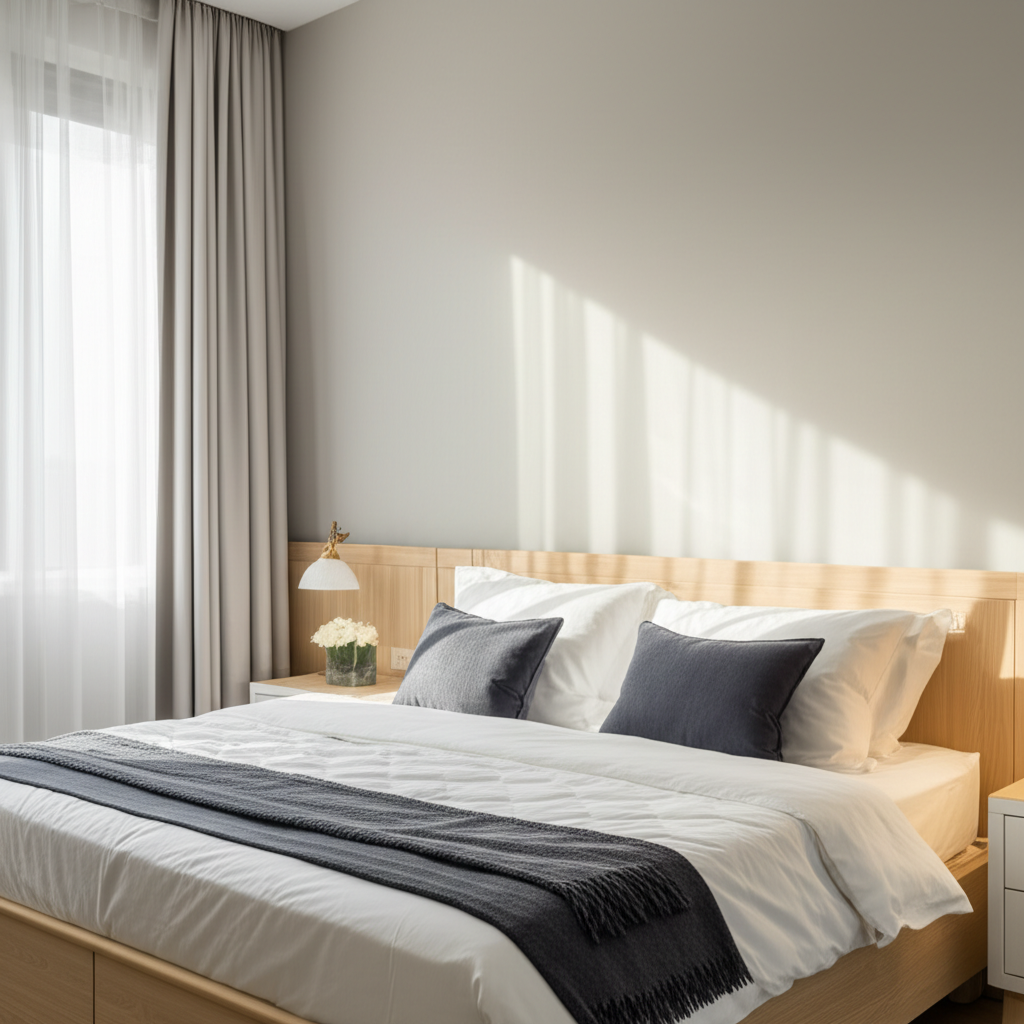
Quick Summary: The best bedroom interior design for couples creates a harmonious, personal sanctuary that blends individual styles. Focus on a calming color palette, comfortable furniture, smart storage, and shared elements like art or lighting to foster connection and relaxation.
Creating a bedroom sanctuary that both you and your partner love can feel like a puzzle, especially when you have different tastes. It’s easy to get overwhelmed by endless design choices!
But don’t worry! Designing a space that feels like yours as a couple is totally achievable. We’ll walk through simple, stylish, and budget-friendly ways to make your bedroom a dreamy escape.
Ready to transform your bedroom into a haven of comfort and connection? Let’s dive into the essentials!
Your Dream Couple’s Bedroom: Designing a Shared Sanctuary
The bedroom is more than just a place to sleep; it’s your personal retreat, a space for connection, and a reflection of your shared life. When designing for a couple, the goal is to create an environment that feels like a harmonious blend of both your personalities and needs. It’s about finding that sweet spot where comfort, style, and individual preferences come together.
Think of it as creating a cozy nest that encourages relaxation and intimacy. This guide will break down the key elements of a stunning couple’s bedroom, making the design process simple and fun, even if you’re new to interior design.
1. The Foundation: Choosing a Calming Color Palette
Colors have a powerful impact on our mood, and in the bedroom, we want to foster peace and tranquility. For couples, finding a color palette that appeals to both of you is key. Neutrals are often a fantastic starting point because they’re versatile and create a serene backdrop.
Consider soft blues, gentle grays, warm beiges, or muted greens. These colors are known for their calming properties and can help reduce stress, making it easier to unwind after a long day. You can then add pops of your favorite colors through accessories.
Popular Color Schemes for Couples
- Soft Neutrals: Think creamy whites, light grays, and warm taupes. These create a sophisticated and peaceful atmosphere.
- Cool Blues & Greens: Shades like sky blue, seafoam green, or a muted teal evoke a sense of calm and serenity, reminiscent of nature.
- Earthy Tones: Warm browns, terracotta, and muted ochre can create a cozy, grounded, and inviting feel.
- Subtle Pastels: If you love a touch of color, consider dusty rose, pale lavender, or soft mint for a gentle and romantic vibe.
Adding Personality with Accent Colors
Once you have your base neutrals, it’s time to inject some personality! This is where you can incorporate colors that both of you love. A few well-placed accent pieces can make a big difference without overwhelming the space.
Think about your favorite colors and how they can be subtly introduced. Maybe one of you loves deep navy and the other a soft coral. You could use navy in a throw pillow and coral in a piece of art or a decorative vase. This ensures both individual preferences are acknowledged.
2. Comfort is King (and Queen!): The Bed and Bedding
The bed is the undisputed centerpiece of any bedroom. For a couple, it needs to be comfortable, inviting, and large enough for both of you to sleep soundly. Investing in a quality mattress is one of the best decisions you can make for your well-being.
Beyond the mattress, the frame and headboard play a crucial role in the room’s aesthetic. A simple, upholstered headboard can add softness and a touch of luxury, while a wooden frame might offer a more grounded, natural feel.
Choosing the Right Bedding
Bedding is where you can really play with texture and color. Aim for fabrics that feel good against your skin – think soft cotton, breathable linen, or cozy flannel for colder months. Having a few sets of bedding allows you to change the look and feel of your room with ease.
Consider a neutral duvet cover as your base, and then add layers of personality with throw pillows and blankets in coordinating or contrasting colors and textures. This is a fantastic way to incorporate those accent colors we discussed earlier.
3. Smart Storage Solutions: Keeping Clutter at Bay
A tidy bedroom promotes a peaceful mind. For couples, this often means finding clever ways to store belongings without making the room feel cluttered or cramped. This is especially important in smaller spaces.
Think about multi-functional furniture that offers storage. For instance, a bed with built-in drawers can be a lifesaver for stashing extra linens or seasonal clothing. Opting for furniture with clean lines also helps create a sense of spaciousness.
Essential Storage Ideas for Couples
- Under-Bed Storage: Utilize rolling bins or drawers to maximize the space beneath your bed. This is perfect for items you don’t need daily.
- Nightstands with Drawers/Shelves: Choose nightstands that offer closed storage to hide away books, chargers, and other small items.
- Ottomans or Benches with Storage: A storage ottoman at the foot of the bed or a bench with a lift-top can hold blankets, pillows, or even shoes.
- Vertical Space: Install floating shelves or a tall, narrow bookshelf to utilize wall space for books, decor, or smaller storage boxes.
- Closet Organizers: Invest in closet systems, shelf dividers, and hanging organizers to make the most of your wardrobe space.
4. Lighting: Setting the Mood for Romance and Relaxation
Lighting is a powerful tool for creating ambiance. In a couple’s bedroom, you’ll want a layered lighting approach that allows for different moods and activities. Harsh overhead lighting is rarely ideal for a relaxing sanctuary.
Consider incorporating several light sources. Soft bedside lamps provide focused light for reading, while dimmable overhead lights can create a gentle glow for winding down. String lights or a statement pendant light can also add a touch of magic and personality.
Layered Lighting Strategies
A good lighting plan includes ambient, task, and accent lighting. Ambient lighting provides general illumination (like a dimmable ceiling fixture). Task lighting is for specific activities (bedside lamps for reading). Accent lighting draws attention to decorative elements (a small spotlight on artwork).
For couples, consider smart bulbs that allow you to change color and brightness via an app. This offers incredible flexibility for creating different moods – bright and energizing in the morning, soft and romantic in the evening. You can even set schedules for lights to turn on or off automatically.
5. Personal Touches: Reflecting Your Shared Story
The most beautiful bedrooms are those that tell a story. For a couple, this means incorporating elements that reflect your shared experiences, interests, and dreams. This is what makes your space uniquely yours.
Think about art that you both love, photographs from your travels together, or even a piece of furniture that holds a special memory. These personal touches transform a generic room into a deeply personal sanctuary.
Ideas for Personalizing Your Space
- Shared Artwork: Choose a piece of art that resonates with both of you, or create a gallery wall featuring photos of your adventures, family, and significant moments.
- Meaningful Decor: Display souvenirs from trips, gifts from each other, or items related to shared hobbies.
- Comforting Scents: Use diffusers with essential oils like lavender or chamomile for relaxation, or a subtle, shared favorite scent for a romantic touch.
- Shared Bookshelf: Dedicate a shelf to books you both enjoy, or books that represent your shared interests.
- A Cozy Reading Nook: If space allows, create a small corner with comfortable seating for two, perfect for quiet moments together.
6. Furniture Arrangement: Maximizing Space and Flow
How you arrange your furniture significantly impacts the feel and functionality of your bedroom. The goal is to create a balanced layout that allows for easy movement and makes the room feel spacious and inviting.
Start with the bed. It’s usually best placed against the longest wall, opposite the door, to create a natural focal point. Ensure there’s enough space on either side for nightstands and comfortable access.
Bedroom Layout Tips for Couples
When arranging furniture, consider the “flow” of the room – how you walk through it. Avoid placing large pieces in a way that obstructs pathways. In smaller rooms, consider furniture with legs to create a sense of openness and make the room appear larger.
For a symmetrical feel, place identical nightstands and lamps on either side of the bed. If your room is larger, you might consider a seating area or a dressing table. Always measure your space and your furniture before you start moving things around!
7. Defining Zones: Creating Functional Areas
Even in a small bedroom, you can define different zones for different activities. This helps make the space more functional and organized. For example, you can create a sleeping zone, a dressing zone, and perhaps a small relaxation or reading zone.
Area rugs are excellent for visually separating zones. A rug under the bed can anchor the sleeping area, while a smaller rug in a corner might designate a reading nook. Strategic placement of furniture can also help delineate these areas.
Examples of Zoned Bedrooms
Imagine a bedroom where the bed is the clear focal point. On one side, a small dresser and mirror create a dressing zone. On the other, a comfortable armchair and a floor lamp form a cozy reading nook. This makes the room feel more organized and less like a single, undifferentiated space.
For more ambitious designs, consider a room divider or a bookshelf placed strategically to create a subtle separation between a sleeping area and a small workspace, if necessary. This allows each partner to have their own functional space within the shared room.
8. Window Treatments: Balancing Light and Privacy
Window treatments are crucial for controlling light, ensuring privacy, and adding to the overall decor of your bedroom. For couples, this means choosing options that suit both your needs and preferences.
Consider layering. Sheer curtains can diffuse natural light beautifully during the day, while heavier blackout curtains or blinds can ensure a dark, restful environment for sleep, which is essential for a good night’s rest. Blackout curtains are especially beneficial for couples with different sleep schedules.
Choosing the Right Window Treatments
When selecting window treatments, think about the materials, colors, and functionality. For a soft, romantic look, consider flowing linen or cotton drapes. For a more modern aesthetic, sleek blinds or Roman shades might be ideal.
A practical tip is to install dual curtain rods. This allows you to hang both sheer curtains for daytime and blackout curtains for nighttime, offering the best of both worlds. Remember to consider ease of use; you want to be able to open and close them easily each day.
9. Incorporating Shared Hobbies and Interests
Your bedroom should be a reflection of your life together. Integrating shared hobbies and interests can make the space feel more personal and intimate.
Do you both love to read? A well-stocked bookshelf or a comfortable reading chair for two can be a wonderful addition. Are you avid travelers? Display maps, photos, or souvenirs from your adventures. Even small touches, like a shared music playlist or a framed quote you both love, can make a big difference.
Ideas to Blend Hobbies into Decor
- For the Music Lovers: Display vintage records, a small acoustic guitar, or artwork inspired by your favorite bands.
- For the Bookworms: A stylish bookshelf, comfortable reading lamps, and a cozy seating area.
- For the Travelers: A world map for marking visited places, framed travel photos, or decorative globes.
- For the Art Enthusiasts: A gallery wall featuring art you’ve collected together or prints that represent shared tastes.
- For the Gamers: Subtle nods to your favorite games through themed artwork or decorative items.
10. The Power of Textiles: Texture and Comfort
Textiles are the unsung heroes of cozy interiors. They add warmth, texture, and visual interest to your bedroom, making it feel more inviting and comfortable.
Think beyond just your bedding. Consider a plush area rug that feels soft underfoot, decorative throw pillows with varied textures (velvet, knit, faux fur), and a cozy throw blanket draped over the bed or a chair. These elements invite relaxation and create a sense of luxurious comfort.
Textile Layering for a Luxurious Feel
Layering different textiles is an easy way to elevate your bedroom design. Start with your duvet and sheets, then add accent pillows in complementary colors and textures. Drape a chunky knit throw over the foot of the bed. A soft rug can tie the whole space together.
Don’t forget wall hangings! A tapestry or a piece of fabric art can add softness and sound absorption to the room. The key is to choose fabrics that feel good and complement your chosen color palette, creating a cohesive and inviting atmosphere.
11. Creating a Relaxing Atmosphere: The Final Touches
Once the main elements are in place, it’s time for the finishing touches that truly make your bedroom a sanctuary. These are the small details that contribute to a sense of calm and well-being.
Consider adding plants to bring a touch of nature indoors, which is proven to reduce stress and improve air quality. Scented candles or a diffuser with calming essential oils can also enhance the relaxing ambiance. Keep surfaces relatively clear of clutter to maintain a serene environment.
Elements of a Serene Bedroom
- Greenery: A few well-placed houseplants can add life and improve air quality.
- Calming Scents: Essential oils like lavender, chamomile, or sandalwood can promote relaxation.
- Soft Textures: Ensure you have plenty of soft materials like plush rugs, comfortable throws, and inviting pillows.
- Minimal Clutter: Keep surfaces tidy. Use decorative boxes or trays to corral small items.
- Personal Artwork: Display pieces that evoke positive emotions and memories for both of you.
Frequently Asked Questions (FAQ)
Q1: How do we choose a bedroom style that both of us will like?
A: Start by discussing your favorite colors, textures, and general vibes. Look at inspiration photos together and identify common themes you both gravitate towards. Compromise is key; you don’t need to love every single element, but the overall feeling should be agreeable to both.
Q2: What’s the best way to handle different sleep schedules or preferences (e.g., one likes it dark, the other needs light)?
A: Layered lighting is your best friend! Use blackout curtains for darkness and individual bedside lamps for reading. Smart bulbs that allow for adjustable brightness and color temperature can also help cater to individual needs.
Q3: How can we make a small couple’s bedroom feel spacious and functional?
A: Opt for multi-functional furniture (like beds with storage), utilize vertical space with shelves, choose furniture with legs to create an illusion of more floor space, and maintain a minimalist approach to decor. Keep clutter to a minimum with smart storage solutions.
Q4: Is it okay to have separate nightstands or different decor on each side of the bed?
A: Absolutely! While symmetry can be pleasing, it’s perfectly fine to have personalized nightstands that reflect each person’s needs and style. The key is to ensure they complement each other and the overall room design.
Q5: What are some affordable ways to update our couple’s bedroom?
A: Focus on high-impact, low-cost changes like new bedding, updated throw pillows and blankets, a fresh coat of paint in a calming color, new bedside lamps, and decluttering. Rearranging furniture can also give your room a fresh feel without spending money.
Q6: How much should we budget for a couple’s bedroom makeover?
A: Budgets vary greatly, but you can achieve a stunning transformation for a few hundred dollars by focusing on key pieces and DIY. Prioritize a comfortable mattress and bedding. For larger budgets, you might invest in a new bed frame, dresser, or professional closet system. Resources like HUD’s housing counseling resources can offer tips on managing home improvement budgets.
Q7: What colors are generally considered good for a couple’s bedroom to promote relaxation?
A: Soft, muted tones are ideal. Think about calming blues, gentle greens, warm beiges, soft grays, and creamy whites. These colors help create a serene atmosphere conducive to rest and intimacy. Avoid overly bright or jarring colors for the main palette.
Conclusion: Your Haven Awaits
Designing the best bedroom interior for a couple is all about creating a shared space that fosters connection, relaxation, and a sense of personal sanctuary. By focusing on a calming color palette, investing in comfortable essentials like your bed and bedding, implementing smart storage, and layering your lighting, you’re well on your way.
Remember to weave in personal touches that reflect your unique bond and shared journey. Textiles, thoughtful furniture arrangement, and mindful details like plants and scents all contribute to the overall ambiance. It’s not about perfection, but about creating a space that feels good to both of you – a true haven where you can unwind, reconnect, and recharge together.
So, take these tips, have fun with the process, and enjoy building your dream bedroom. Your cozy, stylish, and personal retreat awaits!