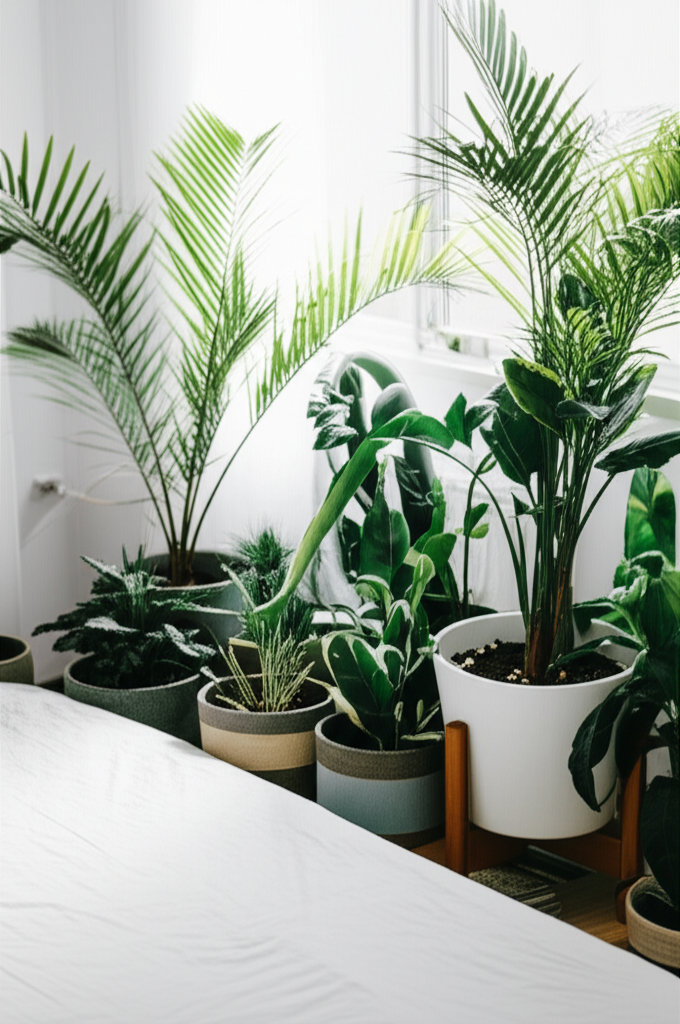
Yes, adding plants to your bedroom decor is essential and stunning! Plants purify air, boost mood, and add natural beauty, transforming your bedroom into a serene sanctuary. It’s an affordable, easy way to elevate your space, even for beginners.
Feeling like your bedroom is missing something? That spark of life and freshness? You’re not alone! Many of us struggle to make our personal space feel truly relaxing and beautiful.
Decorating can feel overwhelming, especially when you’re just starting out. But what if I told you a simple, natural solution could transform your room from drab to fab?
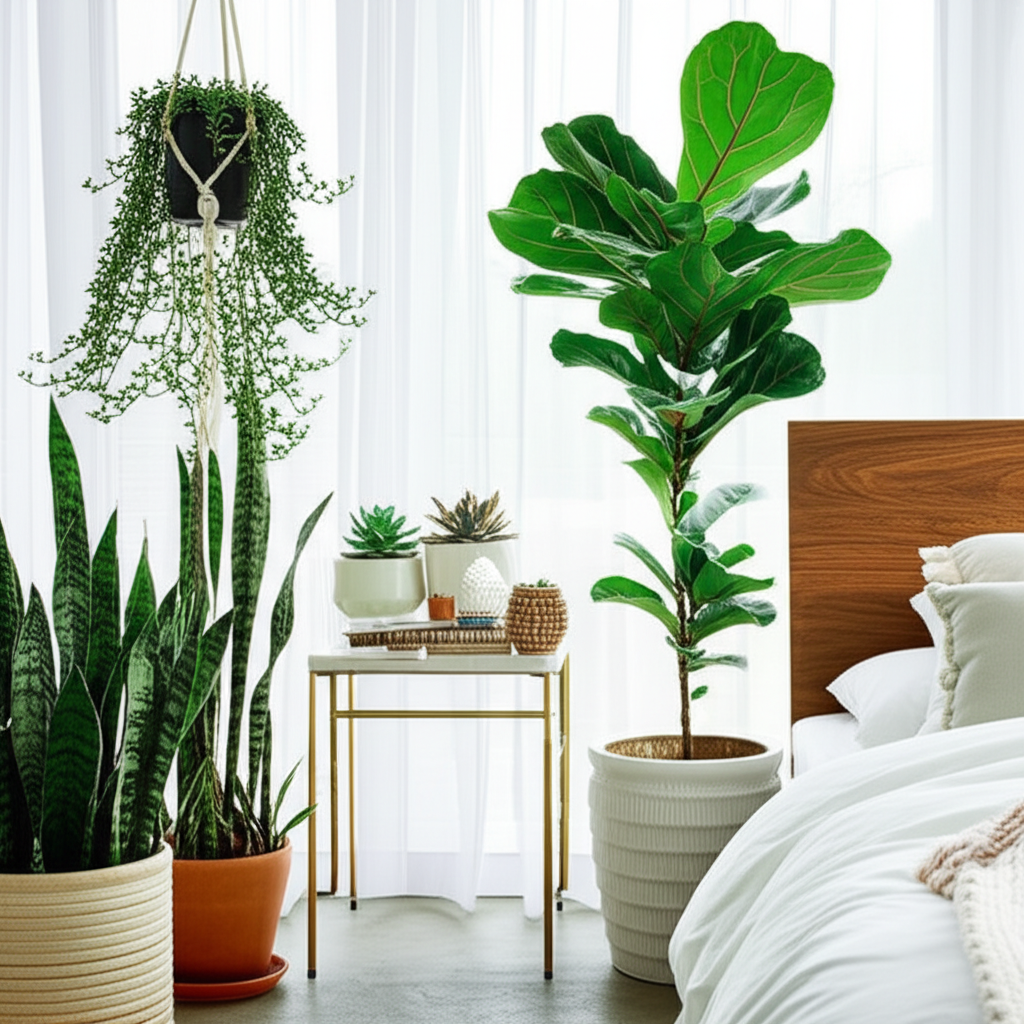
Plants are the answer! They bring life, color, and calm, making your bedroom a haven. Let’s dive into how you can effortlessly bring the beauty of nature indoors and create a stunning, plant-filled sanctuary.
Why Plants Are a Bedroom’s Best Friend
Think of plants as the ultimate mood boosters and air purifiers. They do more than just look pretty; they actively contribute to a healthier and happier living space. Especially in your bedroom, where you spend a significant amount of time resting and recharging, the benefits are amplified.
Adding greenery can make a huge difference in how your room feels. It’s like a breath of fresh air, literally and figuratively! Get ready to discover how easy it is to make your bedroom a lush, vibrant retreat. For more inspiration on incorporating nature into your home, check out our guide to 8 Kitchen Plant Decor Ideas.
Air Purification Powerhouses
Did you know that many common houseplants can help filter out toxins from the air? This is especially beneficial in enclosed spaces like bedrooms. Plants absorb carbon dioxide and release oxygen, but some go a step further by removing pollutants like formaldehyde and benzene.
The NASA Clean Air Study highlighted several plants that are excellent at removing volatile organic compounds (VOCs) from indoor air. Bringing these natural air filters into your bedroom can lead to better sleep and a generally healthier environment.
Mood-Boosting Magic
There’s a well-documented link between nature and our mental well-being. Studies suggest that being around plants can reduce stress, anxiety, and fatigue, while increasing feelings of calm and happiness. Imagine waking up to a room that instantly makes you feel more peaceful and energized!
The visual appeal of green foliage can be incredibly soothing. It’s a simple yet effective way to create a tranquil atmosphere, perfect for unwinding after a long day or starting your morning with a sense of serenity.
Aesthetic Appeal
Let’s be honest, plants are gorgeous! They add texture, color, and life to any room. Whether you have a minimalist aesthetic or a more bohemian vibe, there’s a plant that can complement your style. They can fill empty corners, add height to shelves, or become a stunning focal point.
From trailing vines to lush, leafy giants, plants offer endless possibilities for interior design. They’re a natural way to soften hard lines and add a touch of organic beauty that artificial decor simply can’t replicate.
Choosing the Right Plants for Your Bedroom
Not all plants are created equal when it comes to bedroom suitability. Some thrive in bright, direct sunlight, while others prefer low-light conditions. Your bedroom’s light levels and your personal plant-care skills are key factors. Don’t worry, there are fantastic options for every situation!
We’ll guide you through selecting plants that will not only survive but flourish in your bedroom, making your decor dreams a reality without the stress.
Low-Light Lovers
Many bedrooms don’t get a lot of direct sunlight. The good news is that several beautiful plants are perfectly happy in lower light conditions. These are often forgiving and great for beginners!
- Snake Plant (Sansevieria): Incredibly hardy and known for its air-purifying qualities. It tolerates low light and infrequent watering, making it a top choice.
- ZZ Plant (Zamioculcas zamiifolia): Another tough plant that can handle very low light and drought. Its glossy, dark green leaves add a sleek touch.
- Pothos (Epipremnum aureum): These trailing vines are super easy to care for and come in various patterns. They look stunning on shelves or in hanging baskets.
- Cast Iron Plant (Aspidistra elatior): Lives up to its name! It’s tough and can survive in deep shade and neglect, perfect for the busiest plant parent.
- Peace Lily (Spathiphyllum): Known for its elegant white blooms and ability to thrive in shade. It also signals when it needs water by drooping slightly.
Plants for Brighter Bedrooms
If your bedroom gets ample natural light, you have even more options! Plants that love sunshine can add vibrant color and lushness to your space.
- Spider Plant (Chlorophytum comosum): Easy to care for and produces “spiderettes” that can be propagated. Prefers bright, indirect light.
- Areca Palm (Dypsis lutescens): Brings a tropical feel with its feathery fronds. Needs bright, indirect light and consistent moisture.
- Fiddle Leaf Fig (Ficus lyrata): A very popular statement plant. It needs bright, indirect light and consistent care but rewards with impressive foliage.
- Bird of Paradise (Strelitzia): For a dramatic, tropical look. Requires plenty of bright light and space to grow.
- Rubber Plant (Ficus elastica): Offers bold, glossy leaves in shades of green, burgundy, or variegated patterns. Prefers bright, indirect light.
Considerations for Plant Placement
Think about where you’ll place your plants. Do you have a sunny windowsill? A dark corner? A high shelf for a trailing plant? Matching the plant’s needs to the available light and space is crucial for success.
Also, consider the size of the plant and how it will fit into your existing decor. A tiny succulent might be perfect for a nightstand, while a larger floor plant can fill an empty corner. For more styling inspiration, explore our collection of 10 Best Kitchen Decor Themes to see how greenery enhances different design styles.
Bedroom Plant Decor Ideas: Styling Your Green Oasis
Now for the fun part – styling! Incorporating plants into your bedroom decor is about more than just placing them around. It’s about creating a cohesive, beautiful look that enhances your personal sanctuary. Let’s explore some stylish ideas.
1. The Statement Floor Plant
A large, dramatic plant can be the focal point of your bedroom. Think of a Fiddle Leaf Fig, a tall Bird of Paradise, or a lush Areca Palm.
Place it in a corner that gets good light, perhaps near a window. Use a stylish planter that complements your room’s color scheme. This instantly adds a sophisticated, natural element and can make your room feel more grounded and established.
2. Shelf Styling with Greens
Shelves are perfect for smaller to medium-sized plants. Mix and match different types of plants with books, photos, and decorative objects.
Consider trailing plants like Pothos or String of Pearls cascading down from the shelves. This adds depth and visual interest. Grouping plants of varying heights on a shelf creates a dynamic display.
3. Hanging Plants for Vertical Appeal
Utilize vertical space with hanging plants! This is especially great for smaller bedrooms or if you want to add greenery without taking up floor or surface space.
Hang a Pothos, Spider Plant, or a delicate Maidenhair Fern from ceiling hooks or wall-mounted planters. They add a whimsical, airy feel and draw the eye upwards, making the room feel larger.
4. Nightstand Companions
Your nightstand is prime real estate for a small, cheerful plant. A tiny succulent, a compact ZZ plant, or a small Snake Plant can add a touch of life without cluttering your space.
Choose a planter that fits your aesthetic – maybe a minimalist ceramic pot or a quirky, decorative one. It’s a lovely way to greet yourself in the morning and wind down at night.
5. Bathroom-Adjacent Bliss
If your bedroom has an en-suite bathroom, consider placing plants that love humidity near the entrance or on a shelf within the bedroom. Many bathroom-friendly plants can tolerate the occasional moisture from your shower.
Think ferns, orchids, or even a small collection of air plants. They can bridge the gap between your bedroom and bathroom spaces, creating a spa-like feel.
6. The Terrarium Touch
A small terrarium can be a beautiful and low-maintenance decorative piece. It’s a self-contained ecosystem that adds a touch of magic to a dresser or bedside table.
Choose plants that thrive in humid environments and don’t require frequent watering, like small ferns or mosses. They are like miniature living sculptures.
7. Layering with Pots and Planters
The pots and planters you choose are just as important as the plants themselves! They are an extension of your decor style.
Consider a mix of materials like ceramic, terracotta, woven baskets, or sleek metal. Varying planter styles and colors can add personality. Grouping plants in pots of similar colors but different textures can create a cohesive look. For more on stylish storage and decor, see our post on 10 Stylish Kitchen Storage Accessories.
Beginner-Friendly Plant Care Tips for Your Bedroom
Worried about keeping your plants alive? Don’t be! With a few simple tips, you can ensure your green companions thrive. The key is understanding their basic needs and not overcomplicating things.
We’ll break down the essentials so you can enjoy your beautiful, plant-filled bedroom with confidence.
Understanding Light Needs
This is the most crucial factor. Observe your bedroom throughout the day. Does a window get direct sun for hours? Is it mostly shady? Match your plant to its ideal light condition.
Tip: If you’re unsure, err on the side of less light. It’s easier to move a plant to a brighter spot than to revive a sunburnt one.
Watering Wisdom
Overwatering is a common killer of houseplants. It’s better to underwater slightly than to drown your plant.
- Check the soil: Stick your finger about an inch into the soil. If it feels dry, it’s time to water. If it’s moist, wait a few more days.
- Water thoroughly: When you do water, soak the soil until water drains from the bottom of the pot. Discard any excess water in the saucer to prevent root rot.
- Seasonal adjustments: Plants generally need less water in the fall and winter when growth slows down.
Humidity Matters
Some plants, especially tropical varieties, love humidity. Bedrooms can sometimes be dry, especially with heating or air conditioning. You can increase humidity by:
- Misting your plants occasionally (though this is a temporary fix).
- Placing plants on a pebble tray filled with water (ensure the pot isn’t sitting directly in the water).
- Grouping plants together, as they release moisture through transpiration, creating a microclimate.
- Using a small humidifier in your room.
Fertilizing Facts
Most houseplants don’t need frequent fertilizing. During the growing season (spring and summer), feeding them once a month with a balanced liquid fertilizer diluted to half strength is usually sufficient.
Avoid fertilizing in fall and winter when plant growth naturally slows. Too much fertilizer can harm your plants.
Pest Patrol
Keep an eye out for common houseplant pests like spider mites, mealybugs, or aphids. Catching them early makes them easier to manage.
If you spot pests, you can often wipe them off with a damp cloth or spray the plant with a mixture of water and mild soap. For persistent issues, consider using neem oil, a natural pesticide.
Repotting Needs
Plants will eventually outgrow their pots. Signs include roots growing out of the drainage holes or the plant drying out very quickly. Repot into a pot that’s only 1-2 inches larger in diameter.
The best time to repot is usually in the spring.
Troubleshooting Common Bedroom Plant Problems
Even with the best intentions, sometimes plants encounter issues. Here’s a quick guide to common problems and their solutions, keeping it simple for beginners.
Yellowing Leaves
This is often a sign of overwatering. Check the soil moisture. If it’s constantly wet, reduce watering frequency. It can also be a sign of underwatering if the soil is bone dry, or sometimes a lack of nutrients.
Brown, Crispy Edges
This usually indicates low humidity or inconsistent watering. Try increasing humidity or ensuring you’re watering thoroughly when the soil is dry. It can also be caused by direct sunlight scorching the leaves.
Drooping or Wilting
This can mean your plant is thirsty and needs water. However, if you’ve watered recently and the soil is soggy, it could be a sign of root rot caused by overwatering. Ensure proper drainage and adjust your watering schedule.
Leggy Growth (Long Stems with Few Leaves)
This typically means your plant isn’t getting enough light. Move it to a brighter location, but introduce it gradually to avoid shocking the plant.
Table: Easy-Care Bedroom Plants & Their Needs
Here’s a quick reference table to help you choose the perfect plant for your bedroom environment:
| Plant Name | Light Preference | Watering Needs | Humidity Needs | Beginner Friendly? |
|---|---|---|---|---|
| Snake Plant | Low to Bright Indirect | Infrequent (allow soil to dry out completely) | Average | Yes |
| ZZ Plant | Low to Bright Indirect | Very Infrequent (drought tolerant) | Average | Yes |
| Pothos | Low to Bright Indirect | When top inch of soil is dry | Average | Yes |
| Peace Lily | Low to Medium Indirect | When top inch of soil is dry (will droop) | Moderate to High | Yes |
| Spider Plant | Bright Indirect | When top inch of soil is dry | Average | Yes |
| Areca Palm | Bright Indirect | Keep soil consistently moist, but not soggy | High | Moderate |
FAQ: Your Bedroom Plant Questions Answered
Here are some common questions beginner plant parents have about bringing greenery into their bedrooms:
Q1: Can plants really affect my sleep quality?
Yes, they can! Plants improve air quality by absorbing CO2 and releasing oxygen, which can create a more comfortable breathing environment. Additionally, the calming presence of plants can reduce stress and promote relaxation, both of which contribute to better sleep.
Q2: Are there any plants I should AVOID in my bedroom?
While most plants are beneficial, some people prefer to avoid plants that require very frequent watering or are prone to pests, as this can add stress. Also, be mindful of highly fragrant flowers if you are sensitive, as they might be disruptive. Always check if a plant is toxic if you have pets or small children who might interact with it.
Q3: How much light does a bedroom plant truly need?
It varies greatly by plant! “Low light” means it can survive in a corner away from windows, while “bright indirect light” means it needs to be near a window that gets plenty of light but is filtered by curtains or is not directly hit by the sun’s rays for extended periods. Observe your room’s natural light to choose the right plant.
Q4: My bedroom is quite small. Can I still have plants?
Absolutely! Small spaces are perfect for hanging plants, small succulents or air plants on shelves or nightstands, or even vertical planters. Prioritizing plants that don’t grow too large or that trail can maximize your green space without overwhelming your room.
Q5: How often should I fertilize my bedroom plants?
Most indoor plants only need fertilizing during their active growing season, typically spring and summer. Once a month with a diluted liquid fertilizer is usually sufficient. Avoid fertilizing in fall and winter when plant growth slows down.
Q6: What if I forget to water my plant sometimes?
Don’t worry! Many beginner-friendly plants, like Snake Plants and ZZ Plants, are quite forgiving of occasional neglect and can tolerate periods of dryness. Just be sure to water them thoroughly when you remember, allowing excess water to drain away.
Conclusion: Your Serene, Green Bedroom Awaits!
Adding plants to your bedroom decor is a wonderfully simple yet impactful way to enhance your space. From improving air quality and boosting your mood to simply making your room look more beautiful, the benefits are undeniable.
You don’t need a green thumb or a big budget to create a stunning, plant-filled sanctuary. Start with easy-care plants, understand their basic needs, and don’t be afraid to experiment with styling. Your bedroom is your personal retreat, and with a touch of nature, it can become even more peaceful, rejuvenating, and uniquely yours.
So go ahead, pick out a plant or two, find the perfect spot, and watch your bedroom transform. Happy decorating!