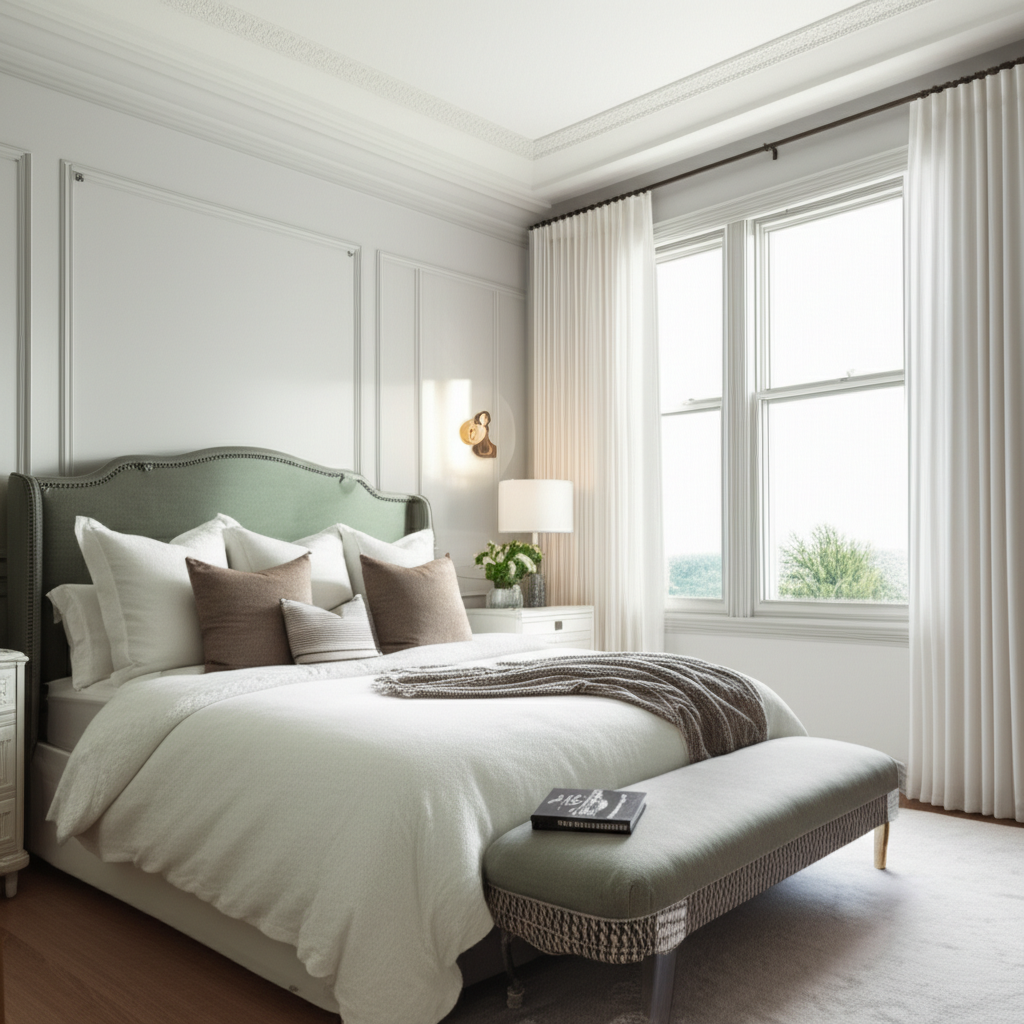
Mix and Match: Consider layering window treatments. For example, use blackout roller blinds for sleep and then layer sheer curtains over them for a softer, decorative look during the day. For more on window treatments, the U.S. Department of Energy offers insights into their energy efficiency benefits.
7. Personal Touches: Make It Yours
This is the most important step! Your bedroom should be a sanctuary that reflects your personality and brings you joy. Don’t be afraid to showcase what you love.
Photos: Frame your favorite memories – family, friends, or travel. A curated collection of photos adds a personal and warm touch.
Hobbies and Interests: If you love to read, display your favorite books. If you collect something, find a stylish way to showcase it. If you’re an artist, hang your own creations!
Plants: Greenery brings life and freshness into any room. Choose low-maintenance plants like snake plants or ZZ plants if you don’t have a green thumb.
Sentimental Items: Display items that have meaning to you. This could be a souvenir from a trip, a piece of inherited furniture, or a handmade gift.
Scent: Don’t forget about smell! A subtle room spray, essential oil diffuser, or a nice candle can enhance the ambiance and make your bedroom feel even more inviting.
Bedroom Decor Design Ideas for Small Spaces
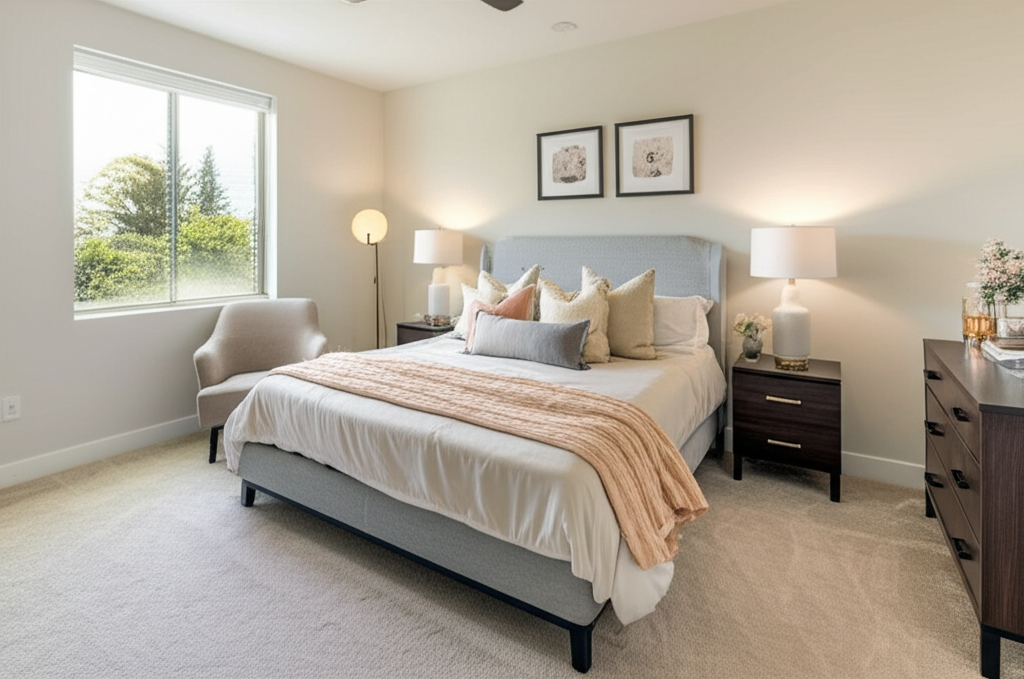
Decorating a small bedroom presents unique challenges, but with smart strategies, you can make it feel spacious and functional. The key is to maximize every inch and create the illusion of more space.
Go Vertical: Utilize wall space for storage. Tall, narrow bookshelves or floating shelves draw the eye upward and provide storage without taking up floor space. Consider a wall-mounted headboard or nightstands.
Light and Bright Colors: Lighter paint colors (whites, creams, soft grays, pastels) reflect light, making the room feel bigger and airier. Avoid dark, heavy colors that can make a small space feel closed in.
Mirrors: Strategically placed mirrors can work wonders. A large mirror opposite a window will reflect natural light and the view, instantly making the room feel more expansive. A mirrored closet door is also a great space-saving option.
Multi-functional Furniture: Invest in pieces that serve more than one purpose. A bed with built-in drawers or a storage ottoman can provide much-needed space for linens or clothing. A desk that doubles as a vanity is also a smart choice.
Keep it Clutter-Free: In a small space, clutter is amplified. Be ruthless with organization. Everything should have a designated home. Regular decluttering is essential.
Furniture Scale: Choose furniture that is appropriately scaled for the room. Oversized pieces will overwhelm the space. Opt for slimmer profiles and furniture with legs to create a sense of openness.
Lighting is Key: Layered lighting is crucial. Use a combination of overhead lighting, task lighting (like a bedside lamp), and accent lighting. This prevents dark corners and makes the room feel more inviting and larger.
Bedroom Decor Design Ideas on a Budget
You don’t need a huge budget to create a beautiful bedroom! With creativity and smart shopping, you can achieve a stylish and comfortable space.
DIY Projects: Get crafty! You can repaint old furniture, create your own artwork, or sew your own cushion covers. Pinterest is a treasure trove of DIY decor ideas.
Thrift Stores and Flea Markets: These are goldmines for unique and affordable decor. You can find vintage furniture, decorative items, lamps, and more. A fresh coat of paint or new hardware can transform a thrifted find.
Focus on Textiles: New bedding, throw pillows, and curtains can dramatically change the look and feel of your room without a massive investment. Look for sales at home goods stores or online retailers.
Rearrange Furniture: Sometimes, a simple rearrangement of your existing furniture can make your room feel completely new. Experiment with different layouts.
Paint is Your Friend: A fresh coat of paint is one of the most cost-effective ways to transform a room. Consider an accent wall with a bolder color or even a geometric design.
Shop Sales and Discount Stores: Keep an eye out for sales at your favorite home decor stores. Discount retailers like Target, HomeGoods, or IKEA can also offer stylish options at lower prices.
Borrow or Swap: If you have friends or family who are redecorating, see if they have any items they’re looking to get rid of. You might be able to borrow or swap pieces to refresh your space.
FAQ: Your Bedroom Decor Design Questions Answered
Q1: What is the first step in bedroom decor design?
A1: The very first step is to define your personal style and the overall mood or feeling you want to create in your bedroom. This will guide all your subsequent choices, from color to furniture.
Q2: How can I make a small bedroom look bigger?
A2: Use light and bright colors, incorporate mirrors to reflect light, choose furniture that is scaled appropriately and has legs to create a sense of openness, and utilize vertical space for storage.
Q3: What are the best colors for a bedroom?
A3: Calming colors like blues, greens, soft grays, and neutral tones are generally best for promoting relaxation and sleep. You can add pops of color with accents.
Q4: How much space should I leave between furniture in a bedroom?
A4: Aim for at least 2-3 feet of clearance around the bed and in main walkways to ensure easy movement. This also helps the room feel less cramped.
Q5: I’m on a tight budget. What are the most impactful ways to redecorate?
A5: Focus on paint, new textiles (bedding, pillows, curtains), DIY projects, and smart shopping at thrift stores or discount retailers. Rearranging furniture can also make a big difference for free.
Q6: Should I use a rug in my bedroom? If so, what size?
A6: Yes, a rug can anchor your bed and add warmth. Ideally, it should extend 18-24 inches beyond the sides and foot of the bed. For smaller rooms or beds, a smaller rug placed beside the bed can also work.
Q7: How can I add personality to my bedroom without making it cluttered?
A7: Incorporate personal touches through framed photos, artwork, or a few well-chosen decorative items that are meaningful to you. Keep surfaces relatively clear and use decorative storage solutions.
Conclusion: Your Dream Bedroom Awaits!
Designing your bedroom doesn’t have to be complicated or expensive. By focusing on your personal style, choosing a calming color palette, selecting functional furniture, and layering your lighting and textiles, you can create a space that is both beautiful and inviting.
Remember, your bedroom is your personal retreat. It’s a place to rest, recharge, and escape. Take these tips, adapt them to your unique space and taste, and have fun with the process!
Start small, perhaps with a new set of throw pillows or a fresh coat of paint on an accent wall. You’ll be amazed at how much a few thoughtful changes can impact the overall feel of your room. Your dream bedroom is within reach, and it’s all about making intentional, joyful choices.
- Blinds: Offer clean lines and excellent light control. Options include roller blinds, Roman blinds, and Venetian blinds.
- Shades: Similar to blinds but often made of fabric and operate with a pull cord or motor.
- Curtains: Offer the most flexibility in terms of style, fabric, and color. They can be sheer for light filtering, blackout for sleep, or anywhere in between.
Mix and Match: Consider layering window treatments. For example, use blackout roller blinds for sleep and then layer sheer curtains over them for a softer, decorative look during the day. For more on window treatments, the U.S. Department of Energy offers insights into their energy efficiency benefits.
7. Personal Touches: Make It Yours
This is the most important step! Your bedroom should be a sanctuary that reflects your personality and brings you joy. Don’t be afraid to showcase what you love.
Photos: Frame your favorite memories – family, friends, or travel. A curated collection of photos adds a personal and warm touch.
Hobbies and Interests: If you love to read, display your favorite books. If you collect something, find a stylish way to showcase it. If you’re an artist, hang your own creations!
Plants: Greenery brings life and freshness into any room. Choose low-maintenance plants like snake plants or ZZ plants if you don’t have a green thumb.
Sentimental Items: Display items that have meaning to you. This could be a souvenir from a trip, a piece of inherited furniture, or a handmade gift.
Scent: Don’t forget about smell! A subtle room spray, essential oil diffuser, or a nice candle can enhance the ambiance and make your bedroom feel even more inviting.
Bedroom Decor Design Ideas for Small Spaces
Decorating a small bedroom presents unique challenges, but with smart strategies, you can make it feel spacious and functional. The key is to maximize every inch and create the illusion of more space.
Go Vertical: Utilize wall space for storage. Tall, narrow bookshelves or floating shelves draw the eye upward and provide storage without taking up floor space. Consider a wall-mounted headboard or nightstands.
Light and Bright Colors: Lighter paint colors (whites, creams, soft grays, pastels) reflect light, making the room feel bigger and airier. Avoid dark, heavy colors that can make a small space feel closed in.
Mirrors: Strategically placed mirrors can work wonders. A large mirror opposite a window will reflect natural light and the view, instantly making the room feel more expansive. A mirrored closet door is also a great space-saving option.
Multi-functional Furniture: Invest in pieces that serve more than one purpose. A bed with built-in drawers or a storage ottoman can provide much-needed space for linens or clothing. A desk that doubles as a vanity is also a smart choice.
Keep it Clutter-Free: In a small space, clutter is amplified. Be ruthless with organization. Everything should have a designated home. Regular decluttering is essential.
Furniture Scale: Choose furniture that is appropriately scaled for the room. Oversized pieces will overwhelm the space. Opt for slimmer profiles and furniture with legs to create a sense of openness.
Lighting is Key: Layered lighting is crucial. Use a combination of overhead lighting, task lighting (like a bedside lamp), and accent lighting. This prevents dark corners and makes the room feel more inviting and larger.
Bedroom Decor Design Ideas on a Budget
You don’t need a huge budget to create a beautiful bedroom! With creativity and smart shopping, you can achieve a stylish and comfortable space.
DIY Projects: Get crafty! You can repaint old furniture, create your own artwork, or sew your own cushion covers. Pinterest is a treasure trove of DIY decor ideas.
Thrift Stores and Flea Markets: These are goldmines for unique and affordable decor. You can find vintage furniture, decorative items, lamps, and more. A fresh coat of paint or new hardware can transform a thrifted find.
Focus on Textiles: New bedding, throw pillows, and curtains can dramatically change the look and feel of your room without a massive investment. Look for sales at home goods stores or online retailers.
Rearrange Furniture: Sometimes, a simple rearrangement of your existing furniture can make your room feel completely new. Experiment with different layouts.
Paint is Your Friend: A fresh coat of paint is one of the most cost-effective ways to transform a room. Consider an accent wall with a bolder color or even a geometric design.
Shop Sales and Discount Stores: Keep an eye out for sales at your favorite home decor stores. Discount retailers like Target, HomeGoods, or IKEA can also offer stylish options at lower prices.
Borrow or Swap: If you have friends or family who are redecorating, see if they have any items they’re looking to get rid of. You might be able to borrow or swap pieces to refresh your space.
FAQ: Your Bedroom Decor Design Questions Answered
Q1: What is the first step in bedroom decor design?
A1: The very first step is to define your personal style and the overall mood or feeling you want to create in your bedroom. This will guide all your subsequent choices, from color to furniture.
Q2: How can I make a small bedroom look bigger?
A2: Use light and bright colors, incorporate mirrors to reflect light, choose furniture that is scaled appropriately and has legs to create a sense of openness, and utilize vertical space for storage.
Q3: What are the best colors for a bedroom?
A3: Calming colors like blues, greens, soft grays, and neutral tones are generally best for promoting relaxation and sleep. You can add pops of color with accents.
Q4: How much space should I leave between furniture in a bedroom?
A4: Aim for at least 2-3 feet of clearance around the bed and in main walkways to ensure easy movement. This also helps the room feel less cramped.
Q5: I’m on a tight budget. What are the most impactful ways to redecorate?
A5: Focus on paint, new textiles (bedding, pillows, curtains), DIY projects, and smart shopping at thrift stores or discount retailers. Rearranging furniture can also make a big difference for free.
Q6: Should I use a rug in my bedroom? If so, what size?
A6: Yes, a rug can anchor your bed and add warmth. Ideally, it should extend 18-24 inches beyond the sides and foot of the bed. For smaller rooms or beds, a smaller rug placed beside the bed can also work.
Q7: How can I add personality to my bedroom without making it cluttered?
A7: Incorporate personal touches through framed photos, artwork, or a few well-chosen decorative items that are meaningful to you. Keep surfaces relatively clear and use decorative storage solutions.
Conclusion: Your Dream Bedroom Awaits!
Designing your bedroom doesn’t have to be complicated or expensive. By focusing on your personal style, choosing a calming color palette, selecting functional furniture, and layering your lighting and textiles, you can create a space that is both beautiful and inviting.
Remember, your bedroom is your personal retreat. It’s a place to rest, recharge, and escape. Take these tips, adapt them to your unique space and taste, and have fun with the process!
Start small, perhaps with a new set of throw pillows or a fresh coat of paint on an accent wall. You’ll be amazed at how much a few thoughtful changes can impact the overall feel of your room. Your dream bedroom is within reach, and it’s all about making intentional, joyful choices.
Scale is Everything: When buying furniture, measure your room and the furniture piece. Leave enough space to walk around comfortably. A good rule of thumb is to have at least 2-3 feet of clearance around the bed and in walkways. For a small room, think about furniture with legs to create a sense of openness.
4. Lighting Magic: Creating Ambiance
Lighting is one of the most overlooked aspects of bedroom design, yet it has the power to completely transform the mood. You want layers of light for different needs and times of day.
Ambient Lighting: This is the general light for the room. A ceiling fixture is common, but consider a dimmer switch to control the brightness. For a softer feel, opt for a fixture that diffuses light, like a drum shade or a pendant light with a frosted glass cover.
Task Lighting: This is for specific activities. Bedside lamps are perfect for reading before sleep. Consider wall-mounted sconces to save space on your nightstand, or adjustable reading lights.
Accent Lighting: This adds warmth and personality. Think about string lights draped over a headboard, a small lamp on a dresser, or even LED strip lights behind a headboard or under a bed frame for a modern glow. These create a cozy and inviting atmosphere.
Natural Light: Maximize natural light during the day. Keep window treatments light and airy, or use sheer curtains that allow light to filter through. If privacy is a concern, consider layering sheer curtains with blackout blinds.
Bulb Choice: Opt for warm white bulbs (around 2700K to 3000K) for a cozy, inviting glow. Avoid harsh, cool white bulbs in the bedroom.
5. Textiles and Textures: Cozy Comfort
This is where you can really inject personality and create that feeling of comfort and warmth. Think soft, inviting, and layered.
Bedding: This is your biggest textile opportunity! Choose sheets, a duvet cover, and pillows that feel good to the touch and match your color scheme. Don’t be afraid to mix and match textures – think a crisp linen duvet with fluffy faux fur pillows.
Rugs: A rug can anchor your bed, add warmth underfoot, and introduce color or pattern. For most bedrooms, a rug that extends at least 18-24 inches beyond the sides and foot of the bed is ideal. If your budget is tight, a smaller rug placed beside the bed can also work.
Curtains: Beyond controlling light, curtains add softness and style. Heavier fabrics like velvet or linen can add a luxurious feel, while lighter fabrics can enhance an airy vibe. Choose curtains that complement your wall color and overall style.
Throw Blankets and Pillows: These are your secret weapons for adding coziness and personality. Layer a chunky knit throw over your duvet, add a few decorative pillows in different sizes and textures. This is an easy and affordable way to update your room seasonally!
Material Matters: Consider natural materials like cotton, linen, wool, and wood for a cozy and inviting feel. Blending textures – like smooth satin, rough linen, and soft knit – creates visual interest.
6. Walls and Window Treatments: The Backdrop
Your walls and windows are the canvas for your bedroom design. How you treat them sets the tone for everything else.
Paint or Wallpaper: As discussed in color, paint is a powerful tool. If you’re feeling adventurous, wallpaper can add incredible pattern and depth. Many removable wallpapers are available, making them perfect for renters.
Artwork and Decor: Don’t leave your walls bare! A large piece of art above the bed can be a focal point. Alternatively, a gallery wall of smaller prints or personal photos can add a unique touch. Mirrors can also make a room feel larger and brighter.
Window Treatments: These are crucial for both aesthetics and function. They control light, provide privacy, and add a finishing touch to your decor.
- Blinds: Offer clean lines and excellent light control. Options include roller blinds, Roman blinds, and Venetian blinds.
- Shades: Similar to blinds but often made of fabric and operate with a pull cord or motor.
- Curtains: Offer the most flexibility in terms of style, fabric, and color. They can be sheer for light filtering, blackout for sleep, or anywhere in between.
Mix and Match: Consider layering window treatments. For example, use blackout roller blinds for sleep and then layer sheer curtains over them for a softer, decorative look during the day. For more on window treatments, the U.S. Department of Energy offers insights into their energy efficiency benefits.
7. Personal Touches: Make It Yours
This is the most important step! Your bedroom should be a sanctuary that reflects your personality and brings you joy. Don’t be afraid to showcase what you love.
Photos: Frame your favorite memories – family, friends, or travel. A curated collection of photos adds a personal and warm touch.
Hobbies and Interests: If you love to read, display your favorite books. If you collect something, find a stylish way to showcase it. If you’re an artist, hang your own creations!
Plants: Greenery brings life and freshness into any room. Choose low-maintenance plants like snake plants or ZZ plants if you don’t have a green thumb.
Sentimental Items: Display items that have meaning to you. This could be a souvenir from a trip, a piece of inherited furniture, or a handmade gift.
Scent: Don’t forget about smell! A subtle room spray, essential oil diffuser, or a nice candle can enhance the ambiance and make your bedroom feel even more inviting.
Bedroom Decor Design Ideas for Small Spaces
Decorating a small bedroom presents unique challenges, but with smart strategies, you can make it feel spacious and functional. The key is to maximize every inch and create the illusion of more space.
Go Vertical: Utilize wall space for storage. Tall, narrow bookshelves or floating shelves draw the eye upward and provide storage without taking up floor space. Consider a wall-mounted headboard or nightstands.
Light and Bright Colors: Lighter paint colors (whites, creams, soft grays, pastels) reflect light, making the room feel bigger and airier. Avoid dark, heavy colors that can make a small space feel closed in.
Mirrors: Strategically placed mirrors can work wonders. A large mirror opposite a window will reflect natural light and the view, instantly making the room feel more expansive. A mirrored closet door is also a great space-saving option.
Multi-functional Furniture: Invest in pieces that serve more than one purpose. A bed with built-in drawers or a storage ottoman can provide much-needed space for linens or clothing. A desk that doubles as a vanity is also a smart choice.
Keep it Clutter-Free: In a small space, clutter is amplified. Be ruthless with organization. Everything should have a designated home. Regular decluttering is essential.
Furniture Scale: Choose furniture that is appropriately scaled for the room. Oversized pieces will overwhelm the space. Opt for slimmer profiles and furniture with legs to create a sense of openness.
Lighting is Key: Layered lighting is crucial. Use a combination of overhead lighting, task lighting (like a bedside lamp), and accent lighting. This prevents dark corners and makes the room feel more inviting and larger.
Bedroom Decor Design Ideas on a Budget
You don’t need a huge budget to create a beautiful bedroom! With creativity and smart shopping, you can achieve a stylish and comfortable space.
DIY Projects: Get crafty! You can repaint old furniture, create your own artwork, or sew your own cushion covers. Pinterest is a treasure trove of DIY decor ideas.
Thrift Stores and Flea Markets: These are goldmines for unique and affordable decor. You can find vintage furniture, decorative items, lamps, and more. A fresh coat of paint or new hardware can transform a thrifted find.
Focus on Textiles: New bedding, throw pillows, and curtains can dramatically change the look and feel of your room without a massive investment. Look for sales at home goods stores or online retailers.
Rearrange Furniture: Sometimes, a simple rearrangement of your existing furniture can make your room feel completely new. Experiment with different layouts.
Paint is Your Friend: A fresh coat of paint is one of the most cost-effective ways to transform a room. Consider an accent wall with a bolder color or even a geometric design.
Shop Sales and Discount Stores: Keep an eye out for sales at your favorite home decor stores. Discount retailers like Target, HomeGoods, or IKEA can also offer stylish options at lower prices.
Borrow or Swap: If you have friends or family who are redecorating, see if they have any items they’re looking to get rid of. You might be able to borrow or swap pieces to refresh your space.
FAQ: Your Bedroom Decor Design Questions Answered
Q1: What is the first step in bedroom decor design?
A1: The very first step is to define your personal style and the overall mood or feeling you want to create in your bedroom. This will guide all your subsequent choices, from color to furniture.
Q2: How can I make a small bedroom look bigger?
A2: Use light and bright colors, incorporate mirrors to reflect light, choose furniture that is scaled appropriately and has legs to create a sense of openness, and utilize vertical space for storage.
Q3: What are the best colors for a bedroom?
A3: Calming colors like blues, greens, soft grays, and neutral tones are generally best for promoting relaxation and sleep. You can add pops of color with accents.
Q4: How much space should I leave between furniture in a bedroom?
A4: Aim for at least 2-3 feet of clearance around the bed and in main walkways to ensure easy movement. This also helps the room feel less cramped.
Q5: I’m on a tight budget. What are the most impactful ways to redecorate?
A5: Focus on paint, new textiles (bedding, pillows, curtains), DIY projects, and smart shopping at thrift stores or discount retailers. Rearranging furniture can also make a big difference for free.
Q6: Should I use a rug in my bedroom? If so, what size?
A6: Yes, a rug can anchor your bed and add warmth. Ideally, it should extend 18-24 inches beyond the sides and foot of the bed. For smaller rooms or beds, a smaller rug placed beside the bed can also work.
Q7: How can I add personality to my bedroom without making it cluttered?
A7: Incorporate personal touches through framed photos, artwork, or a few well-chosen decorative items that are meaningful to you. Keep surfaces relatively clear and use decorative storage solutions.
Conclusion: Your Dream Bedroom Awaits!
Designing your bedroom doesn’t have to be complicated or expensive. By focusing on your personal style, choosing a calming color palette, selecting functional furniture, and layering your lighting and textiles, you can create a space that is both beautiful and inviting.
Remember, your bedroom is your personal retreat. It’s a place to rest, recharge, and escape. Take these tips, adapt them to your unique space and taste, and have fun with the process!
Start small, perhaps with a new set of throw pillows or a fresh coat of paint on an accent wall. You’ll be amazed at how much a few thoughtful changes can impact the overall feel of your room. Your dream bedroom is within reach, and it’s all about making intentional, joyful choices.
Scale is Everything: When buying furniture, measure your room and the furniture piece. Leave enough space to walk around comfortably. A good rule of thumb is to have at least 2-3 feet of clearance around the bed and in walkways. For a small room, think about furniture with legs to create a sense of openness.
4. Lighting Magic: Creating Ambiance
Lighting is one of the most overlooked aspects of bedroom design, yet it has the power to completely transform the mood. You want layers of light for different needs and times of day.
Ambient Lighting: This is the general light for the room. A ceiling fixture is common, but consider a dimmer switch to control the brightness. For a softer feel, opt for a fixture that diffuses light, like a drum shade or a pendant light with a frosted glass cover.
Task Lighting: This is for specific activities. Bedside lamps are perfect for reading before sleep. Consider wall-mounted sconces to save space on your nightstand, or adjustable reading lights.
Accent Lighting: This adds warmth and personality. Think about string lights draped over a headboard, a small lamp on a dresser, or even LED strip lights behind a headboard or under a bed frame for a modern glow. These create a cozy and inviting atmosphere.
Natural Light: Maximize natural light during the day. Keep window treatments light and airy, or use sheer curtains that allow light to filter through. If privacy is a concern, consider layering sheer curtains with blackout blinds.
Bulb Choice: Opt for warm white bulbs (around 2700K to 3000K) for a cozy, inviting glow. Avoid harsh, cool white bulbs in the bedroom.
5. Textiles and Textures: Cozy Comfort
This is where you can really inject personality and create that feeling of comfort and warmth. Think soft, inviting, and layered.
Bedding: This is your biggest textile opportunity! Choose sheets, a duvet cover, and pillows that feel good to the touch and match your color scheme. Don’t be afraid to mix and match textures – think a crisp linen duvet with fluffy faux fur pillows.
Rugs: A rug can anchor your bed, add warmth underfoot, and introduce color or pattern. For most bedrooms, a rug that extends at least 18-24 inches beyond the sides and foot of the bed is ideal. If your budget is tight, a smaller rug placed beside the bed can also work.
Curtains: Beyond controlling light, curtains add softness and style. Heavier fabrics like velvet or linen can add a luxurious feel, while lighter fabrics can enhance an airy vibe. Choose curtains that complement your wall color and overall style.
Throw Blankets and Pillows: These are your secret weapons for adding coziness and personality. Layer a chunky knit throw over your duvet, add a few decorative pillows in different sizes and textures. This is an easy and affordable way to update your room seasonally!
Material Matters: Consider natural materials like cotton, linen, wool, and wood for a cozy and inviting feel. Blending textures – like smooth satin, rough linen, and soft knit – creates visual interest.
6. Walls and Window Treatments: The Backdrop
Your walls and windows are the canvas for your bedroom design. How you treat them sets the tone for everything else.
Paint or Wallpaper: As discussed in color, paint is a powerful tool. If you’re feeling adventurous, wallpaper can add incredible pattern and depth. Many removable wallpapers are available, making them perfect for renters.
Artwork and Decor: Don’t leave your walls bare! A large piece of art above the bed can be a focal point. Alternatively, a gallery wall of smaller prints or personal photos can add a unique touch. Mirrors can also make a room feel larger and brighter.
Window Treatments: These are crucial for both aesthetics and function. They control light, provide privacy, and add a finishing touch to your decor.
- Blinds: Offer clean lines and excellent light control. Options include roller blinds, Roman blinds, and Venetian blinds.
- Shades: Similar to blinds but often made of fabric and operate with a pull cord or motor.
- Curtains: Offer the most flexibility in terms of style, fabric, and color. They can be sheer for light filtering, blackout for sleep, or anywhere in between.
Mix and Match: Consider layering window treatments. For example, use blackout roller blinds for sleep and then layer sheer curtains over them for a softer, decorative look during the day. For more on window treatments, the U.S. Department of Energy offers insights into their energy efficiency benefits.
7. Personal Touches: Make It Yours
This is the most important step! Your bedroom should be a sanctuary that reflects your personality and brings you joy. Don’t be afraid to showcase what you love.
Photos: Frame your favorite memories – family, friends, or travel. A curated collection of photos adds a personal and warm touch.
Hobbies and Interests: If you love to read, display your favorite books. If you collect something, find a stylish way to showcase it. If you’re an artist, hang your own creations!
Plants: Greenery brings life and freshness into any room. Choose low-maintenance plants like snake plants or ZZ plants if you don’t have a green thumb.
Sentimental Items: Display items that have meaning to you. This could be a souvenir from a trip, a piece of inherited furniture, or a handmade gift.
Scent: Don’t forget about smell! A subtle room spray, essential oil diffuser, or a nice candle can enhance the ambiance and make your bedroom feel even more inviting.
Bedroom Decor Design Ideas for Small Spaces
Decorating a small bedroom presents unique challenges, but with smart strategies, you can make it feel spacious and functional. The key is to maximize every inch and create the illusion of more space.
Go Vertical: Utilize wall space for storage. Tall, narrow bookshelves or floating shelves draw the eye upward and provide storage without taking up floor space. Consider a wall-mounted headboard or nightstands.
Light and Bright Colors: Lighter paint colors (whites, creams, soft grays, pastels) reflect light, making the room feel bigger and airier. Avoid dark, heavy colors that can make a small space feel closed in.
Mirrors: Strategically placed mirrors can work wonders. A large mirror opposite a window will reflect natural light and the view, instantly making the room feel more expansive. A mirrored closet door is also a great space-saving option.
Multi-functional Furniture: Invest in pieces that serve more than one purpose. A bed with built-in drawers or a storage ottoman can provide much-needed space for linens or clothing. A desk that doubles as a vanity is also a smart choice.
Keep it Clutter-Free: In a small space, clutter is amplified. Be ruthless with organization. Everything should have a designated home. Regular decluttering is essential.
Furniture Scale: Choose furniture that is appropriately scaled for the room. Oversized pieces will overwhelm the space. Opt for slimmer profiles and furniture with legs to create a sense of openness.
Lighting is Key: Layered lighting is crucial. Use a combination of overhead lighting, task lighting (like a bedside lamp), and accent lighting. This prevents dark corners and makes the room feel more inviting and larger.
Bedroom Decor Design Ideas on a Budget
You don’t need a huge budget to create a beautiful bedroom! With creativity and smart shopping, you can achieve a stylish and comfortable space.
DIY Projects: Get crafty! You can repaint old furniture, create your own artwork, or sew your own cushion covers. Pinterest is a treasure trove of DIY decor ideas.
Thrift Stores and Flea Markets: These are goldmines for unique and affordable decor. You can find vintage furniture, decorative items, lamps, and more. A fresh coat of paint or new hardware can transform a thrifted find.
Focus on Textiles: New bedding, throw pillows, and curtains can dramatically change the look and feel of your room without a massive investment. Look for sales at home goods stores or online retailers.
Rearrange Furniture: Sometimes, a simple rearrangement of your existing furniture can make your room feel completely new. Experiment with different layouts.
Paint is Your Friend: A fresh coat of paint is one of the most cost-effective ways to transform a room. Consider an accent wall with a bolder color or even a geometric design.
Shop Sales and Discount Stores: Keep an eye out for sales at your favorite home decor stores. Discount retailers like Target, HomeGoods, or IKEA can also offer stylish options at lower prices.
Borrow or Swap: If you have friends or family who are redecorating, see if they have any items they’re looking to get rid of. You might be able to borrow or swap pieces to refresh your space.
FAQ: Your Bedroom Decor Design Questions Answered
Q1: What is the first step in bedroom decor design?
A1: The very first step is to define your personal style and the overall mood or feeling you want to create in your bedroom. This will guide all your subsequent choices, from color to furniture.
Q2: How can I make a small bedroom look bigger?
A2: Use light and bright colors, incorporate mirrors to reflect light, choose furniture that is scaled appropriately and has legs to create a sense of openness, and utilize vertical space for storage.
Q3: What are the best colors for a bedroom?
A3: Calming colors like blues, greens, soft grays, and neutral tones are generally best for promoting relaxation and sleep. You can add pops of color with accents.
Q4: How much space should I leave between furniture in a bedroom?
A4: Aim for at least 2-3 feet of clearance around the bed and in main walkways to ensure easy movement. This also helps the room feel less cramped.
Q5: I’m on a tight budget. What are the most impactful ways to redecorate?
A5: Focus on paint, new textiles (bedding, pillows, curtains), DIY projects, and smart shopping at thrift stores or discount retailers. Rearranging furniture can also make a big difference for free.
Q6: Should I use a rug in my bedroom? If so, what size?
A6: Yes, a rug can anchor your bed and add warmth. Ideally, it should extend 18-24 inches beyond the sides and foot of the bed. For smaller rooms or beds, a smaller rug placed beside the bed can also work.
Q7: How can I add personality to my bedroom without making it cluttered?
A7: Incorporate personal touches through framed photos, artwork, or a few well-chosen decorative items that are meaningful to you. Keep surfaces relatively clear and use decorative storage solutions.
Conclusion: Your Dream Bedroom Awaits!
Designing your bedroom doesn’t have to be complicated or expensive. By focusing on your personal style, choosing a calming color palette, selecting functional furniture, and layering your lighting and textiles, you can create a space that is both beautiful and inviting.
Remember, your bedroom is your personal retreat. It’s a place to rest, recharge, and escape. Take these tips, adapt them to your unique space and taste, and have fun with the process!
Start small, perhaps with a new set of throw pillows or a fresh coat of paint on an accent wall. You’ll be amazed at how much a few thoughtful changes can impact the overall feel of your room. Your dream bedroom is within reach, and it’s all about making intentional, joyful choices.
- Dresser: Choose one that fits your clothing needs and the room’s dimensions.
- Wardrobe/Closet: If you don’t have a built-in closet, a freestanding wardrobe can be a stylish solution.
- Under-Bed Storage: Use bins or drawers to store seasonal clothing, extra bedding, or other items.
- Wall Shelves: Great for books, decor, or even as a minimalist bedside table.
Scale is Everything: When buying furniture, measure your room and the furniture piece. Leave enough space to walk around comfortably. A good rule of thumb is to have at least 2-3 feet of clearance around the bed and in walkways. For a small room, think about furniture with legs to create a sense of openness.
4. Lighting Magic: Creating Ambiance
Lighting is one of the most overlooked aspects of bedroom design, yet it has the power to completely transform the mood. You want layers of light for different needs and times of day.
Ambient Lighting: This is the general light for the room. A ceiling fixture is common, but consider a dimmer switch to control the brightness. For a softer feel, opt for a fixture that diffuses light, like a drum shade or a pendant light with a frosted glass cover.
Task Lighting: This is for specific activities. Bedside lamps are perfect for reading before sleep. Consider wall-mounted sconces to save space on your nightstand, or adjustable reading lights.
Accent Lighting: This adds warmth and personality. Think about string lights draped over a headboard, a small lamp on a dresser, or even LED strip lights behind a headboard or under a bed frame for a modern glow. These create a cozy and inviting atmosphere.
Natural Light: Maximize natural light during the day. Keep window treatments light and airy, or use sheer curtains that allow light to filter through. If privacy is a concern, consider layering sheer curtains with blackout blinds.
Bulb Choice: Opt for warm white bulbs (around 2700K to 3000K) for a cozy, inviting glow. Avoid harsh, cool white bulbs in the bedroom.
5. Textiles and Textures: Cozy Comfort
This is where you can really inject personality and create that feeling of comfort and warmth. Think soft, inviting, and layered.
Bedding: This is your biggest textile opportunity! Choose sheets, a duvet cover, and pillows that feel good to the touch and match your color scheme. Don’t be afraid to mix and match textures – think a crisp linen duvet with fluffy faux fur pillows.
Rugs: A rug can anchor your bed, add warmth underfoot, and introduce color or pattern. For most bedrooms, a rug that extends at least 18-24 inches beyond the sides and foot of the bed is ideal. If your budget is tight, a smaller rug placed beside the bed can also work.
Curtains: Beyond controlling light, curtains add softness and style. Heavier fabrics like velvet or linen can add a luxurious feel, while lighter fabrics can enhance an airy vibe. Choose curtains that complement your wall color and overall style.
Throw Blankets and Pillows: These are your secret weapons for adding coziness and personality. Layer a chunky knit throw over your duvet, add a few decorative pillows in different sizes and textures. This is an easy and affordable way to update your room seasonally!
Material Matters: Consider natural materials like cotton, linen, wool, and wood for a cozy and inviting feel. Blending textures – like smooth satin, rough linen, and soft knit – creates visual interest.
6. Walls and Window Treatments: The Backdrop
Your walls and windows are the canvas for your bedroom design. How you treat them sets the tone for everything else.
Paint or Wallpaper: As discussed in color, paint is a powerful tool. If you’re feeling adventurous, wallpaper can add incredible pattern and depth. Many removable wallpapers are available, making them perfect for renters.
Artwork and Decor: Don’t leave your walls bare! A large piece of art above the bed can be a focal point. Alternatively, a gallery wall of smaller prints or personal photos can add a unique touch. Mirrors can also make a room feel larger and brighter.
Window Treatments: These are crucial for both aesthetics and function. They control light, provide privacy, and add a finishing touch to your decor.
- Blinds: Offer clean lines and excellent light control. Options include roller blinds, Roman blinds, and Venetian blinds.
- Shades: Similar to blinds but often made of fabric and operate with a pull cord or motor.
- Curtains: Offer the most flexibility in terms of style, fabric, and color. They can be sheer for light filtering, blackout for sleep, or anywhere in between.
Mix and Match: Consider layering window treatments. For example, use blackout roller blinds for sleep and then layer sheer curtains over them for a softer, decorative look during the day. For more on window treatments, the U.S. Department of Energy offers insights into their energy efficiency benefits.
7. Personal Touches: Make It Yours
This is the most important step! Your bedroom should be a sanctuary that reflects your personality and brings you joy. Don’t be afraid to showcase what you love.
Photos: Frame your favorite memories – family, friends, or travel. A curated collection of photos adds a personal and warm touch.
Hobbies and Interests: If you love to read, display your favorite books. If you collect something, find a stylish way to showcase it. If you’re an artist, hang your own creations!
Plants: Greenery brings life and freshness into any room. Choose low-maintenance plants like snake plants or ZZ plants if you don’t have a green thumb.
Sentimental Items: Display items that have meaning to you. This could be a souvenir from a trip, a piece of inherited furniture, or a handmade gift.
Scent: Don’t forget about smell! A subtle room spray, essential oil diffuser, or a nice candle can enhance the ambiance and make your bedroom feel even more inviting.
Bedroom Decor Design Ideas for Small Spaces
Decorating a small bedroom presents unique challenges, but with smart strategies, you can make it feel spacious and functional. The key is to maximize every inch and create the illusion of more space.
Go Vertical: Utilize wall space for storage. Tall, narrow bookshelves or floating shelves draw the eye upward and provide storage without taking up floor space. Consider a wall-mounted headboard or nightstands.
Light and Bright Colors: Lighter paint colors (whites, creams, soft grays, pastels) reflect light, making the room feel bigger and airier. Avoid dark, heavy colors that can make a small space feel closed in.
Mirrors: Strategically placed mirrors can work wonders. A large mirror opposite a window will reflect natural light and the view, instantly making the room feel more expansive. A mirrored closet door is also a great space-saving option.
Multi-functional Furniture: Invest in pieces that serve more than one purpose. A bed with built-in drawers or a storage ottoman can provide much-needed space for linens or clothing. A desk that doubles as a vanity is also a smart choice.
Keep it Clutter-Free: In a small space, clutter is amplified. Be ruthless with organization. Everything should have a designated home. Regular decluttering is essential.
Furniture Scale: Choose furniture that is appropriately scaled for the room. Oversized pieces will overwhelm the space. Opt for slimmer profiles and furniture with legs to create a sense of openness.
Lighting is Key: Layered lighting is crucial. Use a combination of overhead lighting, task lighting (like a bedside lamp), and accent lighting. This prevents dark corners and makes the room feel more inviting and larger.
Bedroom Decor Design Ideas on a Budget
You don’t need a huge budget to create a beautiful bedroom! With creativity and smart shopping, you can achieve a stylish and comfortable space.
DIY Projects: Get crafty! You can repaint old furniture, create your own artwork, or sew your own cushion covers. Pinterest is a treasure trove of DIY decor ideas.
Thrift Stores and Flea Markets: These are goldmines for unique and affordable decor. You can find vintage furniture, decorative items, lamps, and more. A fresh coat of paint or new hardware can transform a thrifted find.
Focus on Textiles: New bedding, throw pillows, and curtains can dramatically change the look and feel of your room without a massive investment. Look for sales at home goods stores or online retailers.
Rearrange Furniture: Sometimes, a simple rearrangement of your existing furniture can make your room feel completely new. Experiment with different layouts.
Paint is Your Friend: A fresh coat of paint is one of the most cost-effective ways to transform a room. Consider an accent wall with a bolder color or even a geometric design.
Shop Sales and Discount Stores: Keep an eye out for sales at your favorite home decor stores. Discount retailers like Target, HomeGoods, or IKEA can also offer stylish options at lower prices.
Borrow or Swap: If you have friends or family who are redecorating, see if they have any items they’re looking to get rid of. You might be able to borrow or swap pieces to refresh your space.
FAQ: Your Bedroom Decor Design Questions Answered
Q1: What is the first step in bedroom decor design?
A1: The very first step is to define your personal style and the overall mood or feeling you want to create in your bedroom. This will guide all your subsequent choices, from color to furniture.
Q2: How can I make a small bedroom look bigger?
A2: Use light and bright colors, incorporate mirrors to reflect light, choose furniture that is scaled appropriately and has legs to create a sense of openness, and utilize vertical space for storage.
Q3: What are the best colors for a bedroom?
A3: Calming colors like blues, greens, soft grays, and neutral tones are generally best for promoting relaxation and sleep. You can add pops of color with accents.
Q4: How much space should I leave between furniture in a bedroom?
A4: Aim for at least 2-3 feet of clearance around the bed and in main walkways to ensure easy movement. This also helps the room feel less cramped.
Q5: I’m on a tight budget. What are the most impactful ways to redecorate?
A5: Focus on paint, new textiles (bedding, pillows, curtains), DIY projects, and smart shopping at thrift stores or discount retailers. Rearranging furniture can also make a big difference for free.
Q6: Should I use a rug in my bedroom? If so, what size?
A6: Yes, a rug can anchor your bed and add warmth. Ideally, it should extend 18-24 inches beyond the sides and foot of the bed. For smaller rooms or beds, a smaller rug placed beside the bed can also work.
Q7: How can I add personality to my bedroom without making it cluttered?
A7: Incorporate personal touches through framed photos, artwork, or a few well-chosen decorative items that are meaningful to you. Keep surfaces relatively clear and use decorative storage solutions.
Conclusion: Your Dream Bedroom Awaits!
Designing your bedroom doesn’t have to be complicated or expensive. By focusing on your personal style, choosing a calming color palette, selecting functional furniture, and layering your lighting and textiles, you can create a space that is both beautiful and inviting.
Remember, your bedroom is your personal retreat. It’s a place to rest, recharge, and escape. Take these tips, adapt them to your unique space and taste, and have fun with the process!
Start small, perhaps with a new set of throw pillows or a fresh coat of paint on an accent wall. You’ll be amazed at how much a few thoughtful changes can impact the overall feel of your room. Your dream bedroom is within reach, and it’s all about making intentional, joyful choices.
- Dresser: Choose one that fits your clothing needs and the room’s dimensions.
- Wardrobe/Closet: If you don’t have a built-in closet, a freestanding wardrobe can be a stylish solution.
- Under-Bed Storage: Use bins or drawers to store seasonal clothing, extra bedding, or other items.
- Wall Shelves: Great for books, decor, or even as a minimalist bedside table.
Scale is Everything: When buying furniture, measure your room and the furniture piece. Leave enough space to walk around comfortably. A good rule of thumb is to have at least 2-3 feet of clearance around the bed and in walkways. For a small room, think about furniture with legs to create a sense of openness.
4. Lighting Magic: Creating Ambiance
Lighting is one of the most overlooked aspects of bedroom design, yet it has the power to completely transform the mood. You want layers of light for different needs and times of day.
Ambient Lighting: This is the general light for the room. A ceiling fixture is common, but consider a dimmer switch to control the brightness. For a softer feel, opt for a fixture that diffuses light, like a drum shade or a pendant light with a frosted glass cover.
Task Lighting: This is for specific activities. Bedside lamps are perfect for reading before sleep. Consider wall-mounted sconces to save space on your nightstand, or adjustable reading lights.
Accent Lighting: This adds warmth and personality. Think about string lights draped over a headboard, a small lamp on a dresser, or even LED strip lights behind a headboard or under a bed frame for a modern glow. These create a cozy and inviting atmosphere.
Natural Light: Maximize natural light during the day. Keep window treatments light and airy, or use sheer curtains that allow light to filter through. If privacy is a concern, consider layering sheer curtains with blackout blinds.
Bulb Choice: Opt for warm white bulbs (around 2700K to 3000K) for a cozy, inviting glow. Avoid harsh, cool white bulbs in the bedroom.
5. Textiles and Textures: Cozy Comfort
This is where you can really inject personality and create that feeling of comfort and warmth. Think soft, inviting, and layered.
Bedding: This is your biggest textile opportunity! Choose sheets, a duvet cover, and pillows that feel good to the touch and match your color scheme. Don’t be afraid to mix and match textures – think a crisp linen duvet with fluffy faux fur pillows.
Rugs: A rug can anchor your bed, add warmth underfoot, and introduce color or pattern. For most bedrooms, a rug that extends at least 18-24 inches beyond the sides and foot of the bed is ideal. If your budget is tight, a smaller rug placed beside the bed can also work.
Curtains: Beyond controlling light, curtains add softness and style. Heavier fabrics like velvet or linen can add a luxurious feel, while lighter fabrics can enhance an airy vibe. Choose curtains that complement your wall color and overall style.
Throw Blankets and Pillows: These are your secret weapons for adding coziness and personality. Layer a chunky knit throw over your duvet, add a few decorative pillows in different sizes and textures. This is an easy and affordable way to update your room seasonally!
Material Matters: Consider natural materials like cotton, linen, wool, and wood for a cozy and inviting feel. Blending textures – like smooth satin, rough linen, and soft knit – creates visual interest.
6. Walls and Window Treatments: The Backdrop
Your walls and windows are the canvas for your bedroom design. How you treat them sets the tone for everything else.
Paint or Wallpaper: As discussed in color, paint is a powerful tool. If you’re feeling adventurous, wallpaper can add incredible pattern and depth. Many removable wallpapers are available, making them perfect for renters.
Artwork and Decor: Don’t leave your walls bare! A large piece of art above the bed can be a focal point. Alternatively, a gallery wall of smaller prints or personal photos can add a unique touch. Mirrors can also make a room feel larger and brighter.
Window Treatments: These are crucial for both aesthetics and function. They control light, provide privacy, and add a finishing touch to your decor.
- Blinds: Offer clean lines and excellent light control. Options include roller blinds, Roman blinds, and Venetian blinds.
- Shades: Similar to blinds but often made of fabric and operate with a pull cord or motor.
- Curtains: Offer the most flexibility in terms of style, fabric, and color. They can be sheer for light filtering, blackout for sleep, or anywhere in between.
Mix and Match: Consider layering window treatments. For example, use blackout roller blinds for sleep and then layer sheer curtains over them for a softer, decorative look during the day. For more on window treatments, the U.S. Department of Energy offers insights into their energy efficiency benefits.
7. Personal Touches: Make It Yours
This is the most important step! Your bedroom should be a sanctuary that reflects your personality and brings you joy. Don’t be afraid to showcase what you love.
Photos: Frame your favorite memories – family, friends, or travel. A curated collection of photos adds a personal and warm touch.
Hobbies and Interests: If you love to read, display your favorite books. If you collect something, find a stylish way to showcase it. If you’re an artist, hang your own creations!
Plants: Greenery brings life and freshness into any room. Choose low-maintenance plants like snake plants or ZZ plants if you don’t have a green thumb.
Sentimental Items: Display items that have meaning to you. This could be a souvenir from a trip, a piece of inherited furniture, or a handmade gift.
Scent: Don’t forget about smell! A subtle room spray, essential oil diffuser, or a nice candle can enhance the ambiance and make your bedroom feel even more inviting.
Bedroom Decor Design Ideas for Small Spaces
Decorating a small bedroom presents unique challenges, but with smart strategies, you can make it feel spacious and functional. The key is to maximize every inch and create the illusion of more space.
Go Vertical: Utilize wall space for storage. Tall, narrow bookshelves or floating shelves draw the eye upward and provide storage without taking up floor space. Consider a wall-mounted headboard or nightstands.
Light and Bright Colors: Lighter paint colors (whites, creams, soft grays, pastels) reflect light, making the room feel bigger and airier. Avoid dark, heavy colors that can make a small space feel closed in.
Mirrors: Strategically placed mirrors can work wonders. A large mirror opposite a window will reflect natural light and the view, instantly making the room feel more expansive. A mirrored closet door is also a great space-saving option.
Multi-functional Furniture: Invest in pieces that serve more than one purpose. A bed with built-in drawers or a storage ottoman can provide much-needed space for linens or clothing. A desk that doubles as a vanity is also a smart choice.
Keep it Clutter-Free: In a small space, clutter is amplified. Be ruthless with organization. Everything should have a designated home. Regular decluttering is essential.
Furniture Scale: Choose furniture that is appropriately scaled for the room. Oversized pieces will overwhelm the space. Opt for slimmer profiles and furniture with legs to create a sense of openness.
Lighting is Key: Layered lighting is crucial. Use a combination of overhead lighting, task lighting (like a bedside lamp), and accent lighting. This prevents dark corners and makes the room feel more inviting and larger.
Bedroom Decor Design Ideas on a Budget
You don’t need a huge budget to create a beautiful bedroom! With creativity and smart shopping, you can achieve a stylish and comfortable space.
DIY Projects: Get crafty! You can repaint old furniture, create your own artwork, or sew your own cushion covers. Pinterest is a treasure trove of DIY decor ideas.
Thrift Stores and Flea Markets: These are goldmines for unique and affordable decor. You can find vintage furniture, decorative items, lamps, and more. A fresh coat of paint or new hardware can transform a thrifted find.
Focus on Textiles: New bedding, throw pillows, and curtains can dramatically change the look and feel of your room without a massive investment. Look for sales at home goods stores or online retailers.
Rearrange Furniture: Sometimes, a simple rearrangement of your existing furniture can make your room feel completely new. Experiment with different layouts.
Paint is Your Friend: A fresh coat of paint is one of the most cost-effective ways to transform a room. Consider an accent wall with a bolder color or even a geometric design.
Shop Sales and Discount Stores: Keep an eye out for sales at your favorite home decor stores. Discount retailers like Target, HomeGoods, or IKEA can also offer stylish options at lower prices.
Borrow or Swap: If you have friends or family who are redecorating, see if they have any items they’re looking to get rid of. You might be able to borrow or swap pieces to refresh your space.
FAQ: Your Bedroom Decor Design Questions Answered
Q1: What is the first step in bedroom decor design?
A1: The very first step is to define your personal style and the overall mood or feeling you want to create in your bedroom. This will guide all your subsequent choices, from color to furniture.
Q2: How can I make a small bedroom look bigger?
A2: Use light and bright colors, incorporate mirrors to reflect light, choose furniture that is scaled appropriately and has legs to create a sense of openness, and utilize vertical space for storage.
Q3: What are the best colors for a bedroom?
A3: Calming colors like blues, greens, soft grays, and neutral tones are generally best for promoting relaxation and sleep. You can add pops of color with accents.
Q4: How much space should I leave between furniture in a bedroom?
A4: Aim for at least 2-3 feet of clearance around the bed and in main walkways to ensure easy movement. This also helps the room feel less cramped.
Q5: I’m on a tight budget. What are the most impactful ways to redecorate?
A5: Focus on paint, new textiles (bedding, pillows, curtains), DIY projects, and smart shopping at thrift stores or discount retailers. Rearranging furniture can also make a big difference for free.
Q6: Should I use a rug in my bedroom? If so, what size?
A6: Yes, a rug can anchor your bed and add warmth. Ideally, it should extend 18-24 inches beyond the sides and foot of the bed. For smaller rooms or beds, a smaller rug placed beside the bed can also work.
Q7: How can I add personality to my bedroom without making it cluttered?
A7: Incorporate personal touches through framed photos, artwork, or a few well-chosen decorative items that are meaningful to you. Keep surfaces relatively clear and use decorative storage solutions.
Conclusion: Your Dream Bedroom Awaits!
Designing your bedroom doesn’t have to be complicated or expensive. By focusing on your personal style, choosing a calming color palette, selecting functional furniture, and layering your lighting and textiles, you can create a space that is both beautiful and inviting.
Remember, your bedroom is your personal retreat. It’s a place to rest, recharge, and escape. Take these tips, adapt them to your unique space and taste, and have fun with the process!
Start small, perhaps with a new set of throw pillows or a fresh coat of paint on an accent wall. You’ll be amazed at how much a few thoughtful changes can impact the overall feel of your room. Your dream bedroom is within reach, and it’s all about making intentional, joyful choices.
Pro Tip: Browse Pinterest, Instagram, or home decor magazines. Save images of bedrooms you love. Look for common themes in the pictures you’ve saved – are they mostly bright and airy? Dark and moody? Full of plants? This will reveal your natural preferences.
2. Color Palette Power: Setting the Mood
Colors have a huge impact on how a room feels. For bedrooms, it’s often best to stick with colors that promote relaxation and peace. But that doesn’t mean boring!
Consider a primary color (like a soft blue, sage green, or warm beige) and then choose two to three complementary colors to use as accents. This creates a cohesive and pleasing look.
Here’s a quick guide to color psychology in bedrooms:
| Color | Feeling/Effect | Good for |
|---|---|---|
| Blues | Calming, serene, peaceful | Promoting sleep and relaxation |
| Greens | Restful, natural, balanced | Creating a tranquil, organic feel |
| Neutrals (Beige, Gray, White) | Soothing, versatile, clean | Providing a calm backdrop for other decor |
| Pinks (Soft) | Soothing, comforting, gentle | Adding a touch of warmth and softness |
| Purples (Muted) | Luxurious, creative, peaceful | Creating a sophisticated and calming ambiance |
Accent Colors: Don’t be afraid to use bolder or brighter colors for accents! Think about adding a pop of color through throw pillows, artwork, or a decorative vase. This adds personality without overwhelming the space.
Where to start with paint? Check out resources like Sherwin-Williams’ bedroom color collections for curated palettes.
3. Furniture Fundamentals: Less is More
Your bed is the star of the show, but the other furniture pieces need to play their part without making the room feel cramped. For smaller bedrooms, prioritize multi-functional items and avoid bulky pieces.
The Bed: Choose a bed frame that fits the scale of your room and your style. A platform bed can offer a sleek, modern look and often provides built-in storage. For a cozier feel, a bed with a headboard can add comfort and style.
Nightstands: These are essential for convenience. They don’t have to be traditional nightstands; a small stool, a floating shelf, or even a stack of stylish boxes can work, especially in tight spaces.
Storage: This is key to a tidy bedroom. Consider:
- Dresser: Choose one that fits your clothing needs and the room’s dimensions.
- Wardrobe/Closet: If you don’t have a built-in closet, a freestanding wardrobe can be a stylish solution.
- Under-Bed Storage: Use bins or drawers to store seasonal clothing, extra bedding, or other items.
- Wall Shelves: Great for books, decor, or even as a minimalist bedside table.
Scale is Everything: When buying furniture, measure your room and the furniture piece. Leave enough space to walk around comfortably. A good rule of thumb is to have at least 2-3 feet of clearance around the bed and in walkways. For a small room, think about furniture with legs to create a sense of openness.
4. Lighting Magic: Creating Ambiance
Lighting is one of the most overlooked aspects of bedroom design, yet it has the power to completely transform the mood. You want layers of light for different needs and times of day.
Ambient Lighting: This is the general light for the room. A ceiling fixture is common, but consider a dimmer switch to control the brightness. For a softer feel, opt for a fixture that diffuses light, like a drum shade or a pendant light with a frosted glass cover.
Task Lighting: This is for specific activities. Bedside lamps are perfect for reading before sleep. Consider wall-mounted sconces to save space on your nightstand, or adjustable reading lights.
Accent Lighting: This adds warmth and personality. Think about string lights draped over a headboard, a small lamp on a dresser, or even LED strip lights behind a headboard or under a bed frame for a modern glow. These create a cozy and inviting atmosphere.
Natural Light: Maximize natural light during the day. Keep window treatments light and airy, or use sheer curtains that allow light to filter through. If privacy is a concern, consider layering sheer curtains with blackout blinds.
Bulb Choice: Opt for warm white bulbs (around 2700K to 3000K) for a cozy, inviting glow. Avoid harsh, cool white bulbs in the bedroom.
5. Textiles and Textures: Cozy Comfort
This is where you can really inject personality and create that feeling of comfort and warmth. Think soft, inviting, and layered.
Bedding: This is your biggest textile opportunity! Choose sheets, a duvet cover, and pillows that feel good to the touch and match your color scheme. Don’t be afraid to mix and match textures – think a crisp linen duvet with fluffy faux fur pillows.
Rugs: A rug can anchor your bed, add warmth underfoot, and introduce color or pattern. For most bedrooms, a rug that extends at least 18-24 inches beyond the sides and foot of the bed is ideal. If your budget is tight, a smaller rug placed beside the bed can also work.
Curtains: Beyond controlling light, curtains add softness and style. Heavier fabrics like velvet or linen can add a luxurious feel, while lighter fabrics can enhance an airy vibe. Choose curtains that complement your wall color and overall style.
Throw Blankets and Pillows: These are your secret weapons for adding coziness and personality. Layer a chunky knit throw over your duvet, add a few decorative pillows in different sizes and textures. This is an easy and affordable way to update your room seasonally!
Material Matters: Consider natural materials like cotton, linen, wool, and wood for a cozy and inviting feel. Blending textures – like smooth satin, rough linen, and soft knit – creates visual interest.
6. Walls and Window Treatments: The Backdrop
Your walls and windows are the canvas for your bedroom design. How you treat them sets the tone for everything else.
Paint or Wallpaper: As discussed in color, paint is a powerful tool. If you’re feeling adventurous, wallpaper can add incredible pattern and depth. Many removable wallpapers are available, making them perfect for renters.
Artwork and Decor: Don’t leave your walls bare! A large piece of art above the bed can be a focal point. Alternatively, a gallery wall of smaller prints or personal photos can add a unique touch. Mirrors can also make a room feel larger and brighter.
Window Treatments: These are crucial for both aesthetics and function. They control light, provide privacy, and add a finishing touch to your decor.
- Blinds: Offer clean lines and excellent light control. Options include roller blinds, Roman blinds, and Venetian blinds.
- Shades: Similar to blinds but often made of fabric and operate with a pull cord or motor.
- Curtains: Offer the most flexibility in terms of style, fabric, and color. They can be sheer for light filtering, blackout for sleep, or anywhere in between.
Mix and Match: Consider layering window treatments. For example, use blackout roller blinds for sleep and then layer sheer curtains over them for a softer, decorative look during the day. For more on window treatments, the U.S. Department of Energy offers insights into their energy efficiency benefits.
7. Personal Touches: Make It Yours
This is the most important step! Your bedroom should be a sanctuary that reflects your personality and brings you joy. Don’t be afraid to showcase what you love.
Photos: Frame your favorite memories – family, friends, or travel. A curated collection of photos adds a personal and warm touch.
Hobbies and Interests: If you love to read, display your favorite books. If you collect something, find a stylish way to showcase it. If you’re an artist, hang your own creations!
Plants: Greenery brings life and freshness into any room. Choose low-maintenance plants like snake plants or ZZ plants if you don’t have a green thumb.
Sentimental Items: Display items that have meaning to you. This could be a souvenir from a trip, a piece of inherited furniture, or a handmade gift.
Scent: Don’t forget about smell! A subtle room spray, essential oil diffuser, or a nice candle can enhance the ambiance and make your bedroom feel even more inviting.
Bedroom Decor Design Ideas for Small Spaces
Decorating a small bedroom presents unique challenges, but with smart strategies, you can make it feel spacious and functional. The key is to maximize every inch and create the illusion of more space.
Go Vertical: Utilize wall space for storage. Tall, narrow bookshelves or floating shelves draw the eye upward and provide storage without taking up floor space. Consider a wall-mounted headboard or nightstands.
Light and Bright Colors: Lighter paint colors (whites, creams, soft grays, pastels) reflect light, making the room feel bigger and airier. Avoid dark, heavy colors that can make a small space feel closed in.
Mirrors: Strategically placed mirrors can work wonders. A large mirror opposite a window will reflect natural light and the view, instantly making the room feel more expansive. A mirrored closet door is also a great space-saving option.
Multi-functional Furniture: Invest in pieces that serve more than one purpose. A bed with built-in drawers or a storage ottoman can provide much-needed space for linens or clothing. A desk that doubles as a vanity is also a smart choice.
Keep it Clutter-Free: In a small space, clutter is amplified. Be ruthless with organization. Everything should have a designated home. Regular decluttering is essential.
Furniture Scale: Choose furniture that is appropriately scaled for the room. Oversized pieces will overwhelm the space. Opt for slimmer profiles and furniture with legs to create a sense of openness.
Lighting is Key: Layered lighting is crucial. Use a combination of overhead lighting, task lighting (like a bedside lamp), and accent lighting. This prevents dark corners and makes the room feel more inviting and larger.
Bedroom Decor Design Ideas on a Budget
You don’t need a huge budget to create a beautiful bedroom! With creativity and smart shopping, you can achieve a stylish and comfortable space.
DIY Projects: Get crafty! You can repaint old furniture, create your own artwork, or sew your own cushion covers. Pinterest is a treasure trove of DIY decor ideas.
Thrift Stores and Flea Markets: These are goldmines for unique and affordable decor. You can find vintage furniture, decorative items, lamps, and more. A fresh coat of paint or new hardware can transform a thrifted find.
Focus on Textiles: New bedding, throw pillows, and curtains can dramatically change the look and feel of your room without a massive investment. Look for sales at home goods stores or online retailers.
Rearrange Furniture: Sometimes, a simple rearrangement of your existing furniture can make your room feel completely new. Experiment with different layouts.
Paint is Your Friend: A fresh coat of paint is one of the most cost-effective ways to transform a room. Consider an accent wall with a bolder color or even a geometric design.
Shop Sales and Discount Stores: Keep an eye out for sales at your favorite home decor stores. Discount retailers like Target, HomeGoods, or IKEA can also offer stylish options at lower prices.
Borrow or Swap: If you have friends or family who are redecorating, see if they have any items they’re looking to get rid of. You might be able to borrow or swap pieces to refresh your space.
FAQ: Your Bedroom Decor Design Questions Answered
Q1: What is the first step in bedroom decor design?
A1: The very first step is to define your personal style and the overall mood or feeling you want to create in your bedroom. This will guide all your subsequent choices, from color to furniture.
Q2: How can I make a small bedroom look bigger?
A2: Use light and bright colors, incorporate mirrors to reflect light, choose furniture that is scaled appropriately and has legs to create a sense of openness, and utilize vertical space for storage.
Q3: What are the best colors for a bedroom?
A3: Calming colors like blues, greens, soft grays, and neutral tones are generally best for promoting relaxation and sleep. You can add pops of color with accents.
Q4: How much space should I leave between furniture in a bedroom?
A4: Aim for at least 2-3 feet of clearance around the bed and in main walkways to ensure easy movement. This also helps the room feel less cramped.
Q5: I’m on a tight budget. What are the most impactful ways to redecorate?
A5: Focus on paint, new textiles (bedding, pillows, curtains), DIY projects, and smart shopping at thrift stores or discount retailers. Rearranging furniture can also make a big difference for free.
Q6: Should I use a rug in my bedroom? If so, what size?
A6: Yes, a rug can anchor your bed and add warmth. Ideally, it should extend 18-24 inches beyond the sides and foot of the bed. For smaller rooms or beds, a smaller rug placed beside the bed can also work.
Q7: How can I add personality to my bedroom without making it cluttered?
A7: Incorporate personal touches through framed photos, artwork, or a few well-chosen decorative items that are meaningful to you. Keep surfaces relatively clear and use decorative storage solutions.
Conclusion: Your Dream Bedroom Awaits!
Designing your bedroom doesn’t have to be complicated or expensive. By focusing on your personal style, choosing a calming color palette, selecting functional furniture, and layering your lighting and textiles, you can create a space that is both beautiful and inviting.
Remember, your bedroom is your personal retreat. It’s a place to rest, recharge, and escape. Take these tips, adapt them to your unique space and taste, and have fun with the process!
Start small, perhaps with a new set of throw pillows or a fresh coat of paint on an accent wall. You’ll be amazed at how much a few thoughtful changes can impact the overall feel of your room. Your dream bedroom is within reach, and it’s all about making intentional, joyful choices.
Pro Tip: Browse Pinterest, Instagram, or home decor magazines. Save images of bedrooms you love. Look for common themes in the pictures you’ve saved – are they mostly bright and airy? Dark and moody? Full of plants? This will reveal your natural preferences.
2. Color Palette Power: Setting the Mood
Colors have a huge impact on how a room feels. For bedrooms, it’s often best to stick with colors that promote relaxation and peace. But that doesn’t mean boring!
Consider a primary color (like a soft blue, sage green, or warm beige) and then choose two to three complementary colors to use as accents. This creates a cohesive and pleasing look.
Here’s a quick guide to color psychology in bedrooms:
| Color | Feeling/Effect | Good for |
|---|---|---|
| Blues | Calming, serene, peaceful | Promoting sleep and relaxation |
| Greens | Restful, natural, balanced | Creating a tranquil, organic feel |
| Neutrals (Beige, Gray, White) | Soothing, versatile, clean | Providing a calm backdrop for other decor |
| Pinks (Soft) | Soothing, comforting, gentle | Adding a touch of warmth and softness |
| Purples (Muted) | Luxurious, creative, peaceful | Creating a sophisticated and calming ambiance |
Accent Colors: Don’t be afraid to use bolder or brighter colors for accents! Think about adding a pop of color through throw pillows, artwork, or a decorative vase. This adds personality without overwhelming the space.
Where to start with paint? Check out resources like Sherwin-Williams’ bedroom color collections for curated palettes.
3. Furniture Fundamentals: Less is More
Your bed is the star of the show, but the other furniture pieces need to play their part without making the room feel cramped. For smaller bedrooms, prioritize multi-functional items and avoid bulky pieces.
The Bed: Choose a bed frame that fits the scale of your room and your style. A platform bed can offer a sleek, modern look and often provides built-in storage. For a cozier feel, a bed with a headboard can add comfort and style.
Nightstands: These are essential for convenience. They don’t have to be traditional nightstands; a small stool, a floating shelf, or even a stack of stylish boxes can work, especially in tight spaces.
Storage: This is key to a tidy bedroom. Consider:
- Dresser: Choose one that fits your clothing needs and the room’s dimensions.
- Wardrobe/Closet: If you don’t have a built-in closet, a freestanding wardrobe can be a stylish solution.
- Under-Bed Storage: Use bins or drawers to store seasonal clothing, extra bedding, or other items.
- Wall Shelves: Great for books, decor, or even as a minimalist bedside table.
Scale is Everything: When buying furniture, measure your room and the furniture piece. Leave enough space to walk around comfortably. A good rule of thumb is to have at least 2-3 feet of clearance around the bed and in walkways. For a small room, think about furniture with legs to create a sense of openness.
4. Lighting Magic: Creating Ambiance
Lighting is one of the most overlooked aspects of bedroom design, yet it has the power to completely transform the mood. You want layers of light for different needs and times of day.
Ambient Lighting: This is the general light for the room. A ceiling fixture is common, but consider a dimmer switch to control the brightness. For a softer feel, opt for a fixture that diffuses light, like a drum shade or a pendant light with a frosted glass cover.
Task Lighting: This is for specific activities. Bedside lamps are perfect for reading before sleep. Consider wall-mounted sconces to save space on your nightstand, or adjustable reading lights.
Accent Lighting: This adds warmth and personality. Think about string lights draped over a headboard, a small lamp on a dresser, or even LED strip lights behind a headboard or under a bed frame for a modern glow. These create a cozy and inviting atmosphere.
Natural Light: Maximize natural light during the day. Keep window treatments light and airy, or use sheer curtains that allow light to filter through. If privacy is a concern, consider layering sheer curtains with blackout blinds.
Bulb Choice: Opt for warm white bulbs (around 2700K to 3000K) for a cozy, inviting glow. Avoid harsh, cool white bulbs in the bedroom.
5. Textiles and Textures: Cozy Comfort
This is where you can really inject personality and create that feeling of comfort and warmth. Think soft, inviting, and layered.
Bedding: This is your biggest textile opportunity! Choose sheets, a duvet cover, and pillows that feel good to the touch and match your color scheme. Don’t be afraid to mix and match textures – think a crisp linen duvet with fluffy faux fur pillows.
Rugs: A rug can anchor your bed, add warmth underfoot, and introduce color or pattern. For most bedrooms, a rug that extends at least 18-24 inches beyond the sides and foot of the bed is ideal. If your budget is tight, a smaller rug placed beside the bed can also work.
Curtains: Beyond controlling light, curtains add softness and style. Heavier fabrics like velvet or linen can add a luxurious feel, while lighter fabrics can enhance an airy vibe. Choose curtains that complement your wall color and overall style.
Throw Blankets and Pillows: These are your secret weapons for adding coziness and personality. Layer a chunky knit throw over your duvet, add a few decorative pillows in different sizes and textures. This is an easy and affordable way to update your room seasonally!
Material Matters: Consider natural materials like cotton, linen, wool, and wood for a cozy and inviting feel. Blending textures – like smooth satin, rough linen, and soft knit – creates visual interest.
6. Walls and Window Treatments: The Backdrop
Your walls and windows are the canvas for your bedroom design. How you treat them sets the tone for everything else.
Paint or Wallpaper: As discussed in color, paint is a powerful tool. If you’re feeling adventurous, wallpaper can add incredible pattern and depth. Many removable wallpapers are available, making them perfect for renters.
Artwork and Decor: Don’t leave your walls bare! A large piece of art above the bed can be a focal point. Alternatively, a gallery wall of smaller prints or personal photos can add a unique touch. Mirrors can also make a room feel larger and brighter.
Window Treatments: These are crucial for both aesthetics and function. They control light, provide privacy, and add a finishing touch to your decor.
- Blinds: Offer clean lines and excellent light control. Options include roller blinds, Roman blinds, and Venetian blinds.
- Shades: Similar to blinds but often made of fabric and operate with a pull cord or motor.
- Curtains: Offer the most flexibility in terms of style, fabric, and color. They can be sheer for light filtering, blackout for sleep, or anywhere in between.
Mix and Match: Consider layering window treatments. For example, use blackout roller blinds for sleep and then layer sheer curtains over them for a softer, decorative look during the day. For more on window treatments, the U.S. Department of Energy offers insights into their energy efficiency benefits.
7. Personal Touches: Make It Yours
This is the most important step! Your bedroom should be a sanctuary that reflects your personality and brings you joy. Don’t be afraid to showcase what you love.
Photos: Frame your favorite memories – family, friends, or travel. A curated collection of photos adds a personal and warm touch.
Hobbies and Interests: If you love to read, display your favorite books. If you collect something, find a stylish way to showcase it. If you’re an artist, hang your own creations!
Plants: Greenery brings life and freshness into any room. Choose low-maintenance plants like snake plants or ZZ plants if you don’t have a green thumb.
Sentimental Items: Display items that have meaning to you. This could be a souvenir from a trip, a piece of inherited furniture, or a handmade gift.
Scent: Don’t forget about smell! A subtle room spray, essential oil diffuser, or a nice candle can enhance the ambiance and make your bedroom feel even more inviting.
Bedroom Decor Design Ideas for Small Spaces
Decorating a small bedroom presents unique challenges, but with smart strategies, you can make it feel spacious and functional. The key is to maximize every inch and create the illusion of more space.
Go Vertical: Utilize wall space for storage. Tall, narrow bookshelves or floating shelves draw the eye upward and provide storage without taking up floor space. Consider a wall-mounted headboard or nightstands.
Light and Bright Colors: Lighter paint colors (whites, creams, soft grays, pastels) reflect light, making the room feel bigger and airier. Avoid dark, heavy colors that can make a small space feel closed in.
Mirrors: Strategically placed mirrors can work wonders. A large mirror opposite a window will reflect natural light and the view, instantly making the room feel more expansive. A mirrored closet door is also a great space-saving option.
Multi-functional Furniture: Invest in pieces that serve more than one purpose. A bed with built-in drawers or a storage ottoman can provide much-needed space for linens or clothing. A desk that doubles as a vanity is also a smart choice.
Keep it Clutter-Free: In a small space, clutter is amplified. Be ruthless with organization. Everything should have a designated home. Regular decluttering is essential.
Furniture Scale: Choose furniture that is appropriately scaled for the room. Oversized pieces will overwhelm the space. Opt for slimmer profiles and furniture with legs to create a sense of openness.
Lighting is Key: Layered lighting is crucial. Use a combination of overhead lighting, task lighting (like a bedside lamp), and accent lighting. This prevents dark corners and makes the room feel more inviting and larger.
Bedroom Decor Design Ideas on a Budget
You don’t need a huge budget to create a beautiful bedroom! With creativity and smart shopping, you can achieve a stylish and comfortable space.
DIY Projects: Get crafty! You can repaint old furniture, create your own artwork, or sew your own cushion covers. Pinterest is a treasure trove of DIY decor ideas.
Thrift Stores and Flea Markets: These are goldmines for unique and affordable decor. You can find vintage furniture, decorative items, lamps, and more. A fresh coat of paint or new hardware can transform a thrifted find.
Focus on Textiles: New bedding, throw pillows, and curtains can dramatically change the look and feel of your room without a massive investment. Look for sales at home goods stores or online retailers.
Rearrange Furniture: Sometimes, a simple rearrangement of your existing furniture can make your room feel completely new. Experiment with different layouts.
Paint is Your Friend: A fresh coat of paint is one of the most cost-effective ways to transform a room. Consider an accent wall with a bolder color or even a geometric design.
Shop Sales and Discount Stores: Keep an eye out for sales at your favorite home decor stores. Discount retailers like Target, HomeGoods, or IKEA can also offer stylish options at lower prices.
Borrow or Swap: If you have friends or family who are redecorating, see if they have any items they’re looking to get rid of. You might be able to borrow or swap pieces to refresh your space.
FAQ: Your Bedroom Decor Design Questions Answered
Q1: What is the first step in bedroom decor design?
A1: The very first step is to define your personal style and the overall mood or feeling you want to create in your bedroom. This will guide all your subsequent choices, from color to furniture.
Q2: How can I make a small bedroom look bigger?
A2: Use light and bright colors, incorporate mirrors to reflect light, choose furniture that is scaled appropriately and has legs to create a sense of openness, and utilize vertical space for storage.
Q3: What are the best colors for a bedroom?
A3: Calming colors like blues, greens, soft grays, and neutral tones are generally best for promoting relaxation and sleep. You can add pops of color with accents.
Q4: How much space should I leave between furniture in a bedroom?
A4: Aim for at least 2-3 feet of clearance around the bed and in main walkways to ensure easy movement. This also helps the room feel less cramped.
Q5: I’m on a tight budget. What are the most impactful ways to redecorate?
A5: Focus on paint, new textiles (bedding, pillows, curtains), DIY projects, and smart shopping at thrift stores or discount retailers. Rearranging furniture can also make a big difference for free.
Q6: Should I use a rug in my bedroom? If so, what size?
A6: Yes, a rug can anchor your bed and add warmth. Ideally, it should extend 18-24 inches beyond the sides and foot of the bed. For smaller rooms or beds, a smaller rug placed beside the bed can also work.
Q7: How can I add personality to my bedroom without making it cluttered?
A7: Incorporate personal touches through framed photos, artwork, or a few well-chosen decorative items that are meaningful to you. Keep surfaces relatively clear and use decorative storage solutions.
Conclusion: Your Dream Bedroom Awaits!
Designing your bedroom doesn’t have to be complicated or expensive. By focusing on your personal style, choosing a calming color palette, selecting functional furniture, and layering your lighting and textiles, you can create a space that is both beautiful and inviting.
Remember, your bedroom is your personal retreat. It’s a place to rest, recharge, and escape. Take these tips, adapt them to your unique space and taste, and have fun with the process!
Start small, perhaps with a new set of throw pillows or a fresh coat of paint on an accent wall. You’ll be amazed at how much a few thoughtful changes can impact the overall feel of your room. Your dream bedroom is within reach, and it’s all about making intentional, joyful choices.
Pro Tip: Browse Pinterest, Instagram, or home decor magazines. Save images of bedrooms you love. Look for common themes in the pictures you’ve saved – are they mostly bright and airy? Dark and moody? Full of plants? This will reveal your natural preferences.
2. Color Palette Power: Setting the Mood
Colors have a huge impact on how a room feels. For bedrooms, it’s often best to stick with colors that promote relaxation and peace. But that doesn’t mean boring!
Consider a primary color (like a soft blue, sage green, or warm beige) and then choose two to three complementary colors to use as accents. This creates a cohesive and pleasing look.
Here’s a quick guide to color psychology in bedrooms:
| Color | Feeling/Effect | Good for |
|---|---|---|
| Blues | Calming, serene, peaceful | Promoting sleep and relaxation |
| Greens | Restful, natural, balanced | Creating a tranquil, organic feel |
| Neutrals (Beige, Gray, White) | Soothing, versatile, clean | Providing a calm backdrop for other decor |
| Pinks (Soft) | Soothing, comforting, gentle | Adding a touch of warmth and softness |
| Purples (Muted) | Luxurious, creative, peaceful | Creating a sophisticated and calming ambiance |
Accent Colors: Don’t be afraid to use bolder or brighter colors for accents! Think about adding a pop of color through throw pillows, artwork, or a decorative vase. This adds personality without overwhelming the space.
Where to start with paint? Check out resources like Sherwin-Williams’ bedroom color collections for curated palettes.
3. Furniture Fundamentals: Less is More
Your bed is the star of the show, but the other furniture pieces need to play their part without making the room feel cramped. For smaller bedrooms, prioritize multi-functional items and avoid bulky pieces.
The Bed: Choose a bed frame that fits the scale of your room and your style. A platform bed can offer a sleek, modern look and often provides built-in storage. For a cozier feel, a bed with a headboard can add comfort and style.
Nightstands: These are essential for convenience. They don’t have to be traditional nightstands; a small stool, a floating shelf, or even a stack of stylish boxes can work, especially in tight spaces.
Storage: This is key to a tidy bedroom. Consider:
- Dresser: Choose one that fits your clothing needs and the room’s dimensions.
- Wardrobe/Closet: If you don’t have a built-in closet, a freestanding wardrobe can be a stylish solution.
- Under-Bed Storage: Use bins or drawers to store seasonal clothing, extra bedding, or other items.
- Wall Shelves: Great for books, decor, or even as a minimalist bedside table.
Scale is Everything: When buying furniture, measure your room and the furniture piece. Leave enough space to walk around comfortably. A good rule of thumb is to have at least 2-3 feet of clearance around the bed and in walkways. For a small room, think about furniture with legs to create a sense of openness.
4. Lighting Magic: Creating Ambiance
Lighting is one of the most overlooked aspects of bedroom design, yet it has the power to completely transform the mood. You want layers of light for different needs and times of day.
Ambient Lighting: This is the general light for the room. A ceiling fixture is common, but consider a dimmer switch to control the brightness. For a softer feel, opt for a fixture that diffuses light, like a drum shade or a pendant light with a frosted glass cover.
Task Lighting: This is for specific activities. Bedside lamps are perfect for reading before sleep. Consider wall-mounted sconces to save space on your nightstand, or adjustable reading lights.
Accent Lighting: This adds warmth and personality. Think about string lights draped over a headboard, a small lamp on a dresser, or even LED strip lights behind a headboard or under a bed frame for a modern glow. These create a cozy and inviting atmosphere.
Natural Light: Maximize natural light during the day. Keep window treatments light and airy, or use sheer curtains that allow light to filter through. If privacy is a concern, consider layering sheer curtains with blackout blinds.
Bulb Choice: Opt for warm white bulbs (around 2700K to 3000K) for a cozy, inviting glow. Avoid harsh, cool white bulbs in the bedroom.
5. Textiles and Textures: Cozy Comfort
This is where you can really inject personality and create that feeling of comfort and warmth. Think soft, inviting, and layered.
Bedding: This is your biggest textile opportunity! Choose sheets, a duvet cover, and pillows that feel good to the touch and match your color scheme. Don’t be afraid to mix and match textures – think a crisp linen duvet with fluffy faux fur pillows.
Rugs: A rug can anchor your bed, add warmth underfoot, and introduce color or pattern. For most bedrooms, a rug that extends at least 18-24 inches beyond the sides and foot of the bed is ideal. If your budget is tight, a smaller rug placed beside the bed can also work.
Curtains: Beyond controlling light, curtains add softness and style. Heavier fabrics like velvet or linen can add a luxurious feel, while lighter fabrics can enhance an airy vibe. Choose curtains that complement your wall color and overall style.
Throw Blankets and Pillows: These are your secret weapons for adding coziness and personality. Layer a chunky knit throw over your duvet, add a few decorative pillows in different sizes and textures. This is an easy and affordable way to update your room seasonally!
Material Matters: Consider natural materials like cotton, linen, wool, and wood for a cozy and inviting feel. Blending textures – like smooth satin, rough linen, and soft knit – creates visual interest.
6. Walls and Window Treatments: The Backdrop
Your walls and windows are the canvas for your bedroom design. How you treat them sets the tone for everything else.
Paint or Wallpaper: As discussed in color, paint is a powerful tool. If you’re feeling adventurous, wallpaper can add incredible pattern and depth. Many removable wallpapers are available, making them perfect for renters.
Artwork and Decor: Don’t leave your walls bare! A large piece of art above the bed can be a focal point. Alternatively, a gallery wall of smaller prints or personal photos can add a unique touch. Mirrors can also make a room feel larger and brighter.
Window Treatments: These are crucial for both aesthetics and function. They control light, provide privacy, and add a finishing touch to your decor.
- Blinds: Offer clean lines and excellent light control. Options include roller blinds, Roman blinds, and Venetian blinds.
- Shades: Similar to blinds but often made of fabric and operate with a pull cord or motor.
- Curtains: Offer the most flexibility in terms of style, fabric, and color. They can be sheer for light filtering, blackout for sleep, or anywhere in between.
Mix and Match: Consider layering window treatments. For example, use blackout roller blinds for sleep and then layer sheer curtains over them for a softer, decorative look during the day. For more on window treatments, the U.S. Department of Energy offers insights into their energy efficiency benefits.
7. Personal Touches: Make It Yours
This is the most important step! Your bedroom should be a sanctuary that reflects your personality and brings you joy. Don’t be afraid to showcase what you love.
Photos: Frame your favorite memories – family, friends, or travel. A curated collection of photos adds a personal and warm touch.
Hobbies and Interests: If you love to read, display your favorite books. If you collect something, find a stylish way to showcase it. If you’re an artist, hang your own creations!
Plants: Greenery brings life and freshness into any room. Choose low-maintenance plants like snake plants or ZZ plants if you don’t have a green thumb.
Sentimental Items: Display items that have meaning to you. This could be a souvenir from a trip, a piece of inherited furniture, or a handmade gift.
Scent: Don’t forget about smell! A subtle room spray, essential oil diffuser, or a nice candle can enhance the ambiance and make your bedroom feel even more inviting.
Bedroom Decor Design Ideas for Small Spaces
Decorating a small bedroom presents unique challenges, but with smart strategies, you can make it feel spacious and functional. The key is to maximize every inch and create the illusion of more space.
Go Vertical: Utilize wall space for storage. Tall, narrow bookshelves or floating shelves draw the eye upward and provide storage without taking up floor space. Consider a wall-mounted headboard or nightstands.
Light and Bright Colors: Lighter paint colors (whites, creams, soft grays, pastels) reflect light, making the room feel bigger and airier. Avoid dark, heavy colors that can make a small space feel closed in.
Mirrors: Strategically placed mirrors can work wonders. A large mirror opposite a window will reflect natural light and the view, instantly making the room feel more expansive. A mirrored closet door is also a great space-saving option.
Multi-functional Furniture: Invest in pieces that serve more than one purpose. A bed with built-in drawers or a storage ottoman can provide much-needed space for linens or clothing. A desk that doubles as a vanity is also a smart choice.
Keep it Clutter-Free: In a small space, clutter is amplified. Be ruthless with organization. Everything should have a designated home. Regular decluttering is essential.
Furniture Scale: Choose furniture that is appropriately scaled for the room. Oversized pieces will overwhelm the space. Opt for slimmer profiles and furniture with legs to create a sense of openness.
Lighting is Key: Layered lighting is crucial. Use a combination of overhead lighting, task lighting (like a bedside lamp), and accent lighting. This prevents dark corners and makes the room feel more inviting and larger.
Bedroom Decor Design Ideas on a Budget
You don’t need a huge budget to create a beautiful bedroom! With creativity and smart shopping, you can achieve a stylish and comfortable space.
DIY Projects: Get crafty! You can repaint old furniture, create your own artwork, or sew your own cushion covers. Pinterest is a treasure trove of DIY decor ideas.
Thrift Stores and Flea Markets: These are goldmines for unique and affordable decor. You can find vintage furniture, decorative items, lamps, and more. A fresh coat of paint or new hardware can transform a thrifted find.
Focus on Textiles: New bedding, throw pillows, and curtains can dramatically change the look and feel of your room without a massive investment. Look for sales at home goods stores or online retailers.
Rearrange Furniture: Sometimes, a simple rearrangement of your existing furniture can make your room feel completely new. Experiment with different layouts.
Paint is Your Friend: A fresh coat of paint is one of the most cost-effective ways to transform a room. Consider an accent wall with a bolder color or even a geometric design.
Shop Sales and Discount Stores: Keep an eye out for sales at your favorite home decor stores. Discount retailers like Target, HomeGoods, or IKEA can also offer stylish options at lower prices.
Borrow or Swap: If you have friends or family who are redecorating, see if they have any items they’re looking to get rid of. You might be able to borrow or swap pieces to refresh your space.
FAQ: Your Bedroom Decor Design Questions Answered
Q1: What is the first step in bedroom decor design?
A1: The very first step is to define your personal style and the overall mood or feeling you want to create in your bedroom. This will guide all your subsequent choices, from color to furniture.
Q2: How can I make a small bedroom look bigger?
A2: Use light and bright colors, incorporate mirrors to reflect light, choose furniture that is scaled appropriately and has legs to create a sense of openness, and utilize vertical space for storage.
Q3: What are the best colors for a bedroom?
A3: Calming colors like blues, greens, soft grays, and neutral tones are generally best for promoting relaxation and sleep. You can add pops of color with accents.
Q4: How much space should I leave between furniture in a bedroom?
A4: Aim for at least 2-3 feet of clearance around the bed and in main walkways to ensure easy movement. This also helps the room feel less cramped.
Q5: I’m on a tight budget. What are the most impactful ways to redecorate?
A5: Focus on paint, new textiles (bedding, pillows, curtains), DIY projects, and smart shopping at thrift stores or discount retailers. Rearranging furniture can also make a big difference for free.
Q6: Should I use a rug in my bedroom? If so, what size?
A6: Yes, a rug can anchor your bed and add warmth. Ideally, it should extend 18-24 inches beyond the sides and foot of the bed. For smaller rooms or beds, a smaller rug placed beside the bed can also work.
Q7: How can I add personality to my bedroom without making it cluttered?
A7: Incorporate personal touches through framed photos, artwork, or a few well-chosen decorative items that are meaningful to you. Keep surfaces relatively clear and use decorative storage solutions.
Conclusion: Your Dream Bedroom Awaits!
Designing your bedroom doesn’t have to be complicated or expensive. By focusing on your personal style, choosing a calming color palette, selecting functional furniture, and layering your lighting and textiles, you can create a space that is both beautiful and inviting.
Remember, your bedroom is your personal retreat. It’s a place to rest, recharge, and escape. Take these tips, adapt them to your unique space and taste, and have fun with the process!
Start small, perhaps with a new set of throw pillows or a fresh coat of paint on an accent wall. You’ll be amazed at how much a few thoughtful changes can impact the overall feel of your room. Your dream bedroom is within reach, and it’s all about making intentional, joyful choices.
- Minimalist: Clean lines, neutral colors, and uncluttered spaces. Focus on essential items and quality over quantity. Think calm and serene.
- Bohemian (Boho): Eclectic, free-spirited, and full of personality. Mix patterns, textures, and colors. Often features plants, natural materials, and vintage finds.
- Modern Farmhouse: A blend of rustic charm and contemporary clean lines. Features natural wood, metal accents, and a neutral color palette with pops of cozy textures.
- Scandinavian: Light, airy, and functional. Emphasizes simplicity, natural light, and light wood tones. Think cozy blankets, clean furniture, and a touch of greenery.
- Traditional: Classic and elegant. Features rich colors, ornate details, and comfortable furnishings. Timeless and sophisticated.
Pro Tip: Browse Pinterest, Instagram, or home decor magazines. Save images of bedrooms you love. Look for common themes in the pictures you’ve saved – are they mostly bright and airy? Dark and moody? Full of plants? This will reveal your natural preferences.
2. Color Palette Power: Setting the Mood
Colors have a huge impact on how a room feels. For bedrooms, it’s often best to stick with colors that promote relaxation and peace. But that doesn’t mean boring!
Consider a primary color (like a soft blue, sage green, or warm beige) and then choose two to three complementary colors to use as accents. This creates a cohesive and pleasing look.
Here’s a quick guide to color psychology in bedrooms:
| Color | Feeling/Effect | Good for |
|---|---|---|
| Blues | Calming, serene, peaceful | Promoting sleep and relaxation |
| Greens | Restful, natural, balanced | Creating a tranquil, organic feel |
| Neutrals (Beige, Gray, White) | Soothing, versatile, clean | Providing a calm backdrop for other decor |
| Pinks (Soft) | Soothing, comforting, gentle | Adding a touch of warmth and softness |
| Purples (Muted) | Luxurious, creative, peaceful | Creating a sophisticated and calming ambiance |
Accent Colors: Don’t be afraid to use bolder or brighter colors for accents! Think about adding a pop of color through throw pillows, artwork, or a decorative vase. This adds personality without overwhelming the space.
Where to start with paint? Check out resources like Sherwin-Williams’ bedroom color collections for curated palettes.
3. Furniture Fundamentals: Less is More
Your bed is the star of the show, but the other furniture pieces need to play their part without making the room feel cramped. For smaller bedrooms, prioritize multi-functional items and avoid bulky pieces.
The Bed: Choose a bed frame that fits the scale of your room and your style. A platform bed can offer a sleek, modern look and often provides built-in storage. For a cozier feel, a bed with a headboard can add comfort and style.
Nightstands: These are essential for convenience. They don’t have to be traditional nightstands; a small stool, a floating shelf, or even a stack of stylish boxes can work, especially in tight spaces.
Storage: This is key to a tidy bedroom. Consider:
- Dresser: Choose one that fits your clothing needs and the room’s dimensions.
- Wardrobe/Closet: If you don’t have a built-in closet, a freestanding wardrobe can be a stylish solution.
- Under-Bed Storage: Use bins or drawers to store seasonal clothing, extra bedding, or other items.
- Wall Shelves: Great for books, decor, or even as a minimalist bedside table.
Scale is Everything: When buying furniture, measure your room and the furniture piece. Leave enough space to walk around comfortably. A good rule of thumb is to have at least 2-3 feet of clearance around the bed and in walkways. For a small room, think about furniture with legs to create a sense of openness.
4. Lighting Magic: Creating Ambiance
Lighting is one of the most overlooked aspects of bedroom design, yet it has the power to completely transform the mood. You want layers of light for different needs and times of day.
Ambient Lighting: This is the general light for the room. A ceiling fixture is common, but consider a dimmer switch to control the brightness. For a softer feel, opt for a fixture that diffuses light, like a drum shade or a pendant light with a frosted glass cover.
Task Lighting: This is for specific activities. Bedside lamps are perfect for reading before sleep. Consider wall-mounted sconces to save space on your nightstand, or adjustable reading lights.
Accent Lighting: This adds warmth and personality. Think about string lights draped over a headboard, a small lamp on a dresser, or even LED strip lights behind a headboard or under a bed frame for a modern glow. These create a cozy and inviting atmosphere.
Natural Light: Maximize natural light during the day. Keep window treatments light and airy, or use sheer curtains that allow light to filter through. If privacy is a concern, consider layering sheer curtains with blackout blinds.
Bulb Choice: Opt for warm white bulbs (around 2700K to 3000K) for a cozy, inviting glow. Avoid harsh, cool white bulbs in the bedroom.
5. Textiles and Textures: Cozy Comfort
This is where you can really inject personality and create that feeling of comfort and warmth. Think soft, inviting, and layered.
Bedding: This is your biggest textile opportunity! Choose sheets, a duvet cover, and pillows that feel good to the touch and match your color scheme. Don’t be afraid to mix and match textures – think a crisp linen duvet with fluffy faux fur pillows.
Rugs: A rug can anchor your bed, add warmth underfoot, and introduce color or pattern. For most bedrooms, a rug that extends at least 18-24 inches beyond the sides and foot of the bed is ideal. If your budget is tight, a smaller rug placed beside the bed can also work.
Curtains: Beyond controlling light, curtains add softness and style. Heavier fabrics like velvet or linen can add a luxurious feel, while lighter fabrics can enhance an airy vibe. Choose curtains that complement your wall color and overall style.
Throw Blankets and Pillows: These are your secret weapons for adding coziness and personality. Layer a chunky knit throw over your duvet, add a few decorative pillows in different sizes and textures. This is an easy and affordable way to update your room seasonally!
Material Matters: Consider natural materials like cotton, linen, wool, and wood for a cozy and inviting feel. Blending textures – like smooth satin, rough linen, and soft knit – creates visual interest.
6. Walls and Window Treatments: The Backdrop
Your walls and windows are the canvas for your bedroom design. How you treat them sets the tone for everything else.
Paint or Wallpaper: As discussed in color, paint is a powerful tool. If you’re feeling adventurous, wallpaper can add incredible pattern and depth. Many removable wallpapers are available, making them perfect for renters.
Artwork and Decor: Don’t leave your walls bare! A large piece of art above the bed can be a focal point. Alternatively, a gallery wall of smaller prints or personal photos can add a unique touch. Mirrors can also make a room feel larger and brighter.
Window Treatments: These are crucial for both aesthetics and function. They control light, provide privacy, and add a finishing touch to your decor.
- Blinds: Offer clean lines and excellent light control. Options include roller blinds, Roman blinds, and Venetian blinds.
- Shades: Similar to blinds but often made of fabric and operate with a pull cord or motor.
- Curtains: Offer the most flexibility in terms of style, fabric, and color. They can be sheer for light filtering, blackout for sleep, or anywhere in between.
Mix and Match: Consider layering window treatments. For example, use blackout roller blinds for sleep and then layer sheer curtains over them for a softer, decorative look during the day. For more on window treatments, the U.S. Department of Energy offers insights into their energy efficiency benefits.
7. Personal Touches: Make It Yours
This is the most important step! Your bedroom should be a sanctuary that reflects your personality and brings you joy. Don’t be afraid to showcase what you love.
Photos: Frame your favorite memories – family, friends, or travel. A curated collection of photos adds a personal and warm touch.
Hobbies and Interests: If you love to read, display your favorite books. If you collect something, find a stylish way to showcase it. If you’re an artist, hang your own creations!
Plants: Greenery brings life and freshness into any room. Choose low-maintenance plants like snake plants or ZZ plants if you don’t have a green thumb.
Sentimental Items: Display items that have meaning to you. This could be a souvenir from a trip, a piece of inherited furniture, or a handmade gift.
Scent: Don’t forget about smell! A subtle room spray, essential oil diffuser, or a nice candle can enhance the ambiance and make your bedroom feel even more inviting.
Bedroom Decor Design Ideas for Small Spaces
Decorating a small bedroom presents unique challenges, but with smart strategies, you can make it feel spacious and functional. The key is to maximize every inch and create the illusion of more space.
Go Vertical: Utilize wall space for storage. Tall, narrow bookshelves or floating shelves draw the eye upward and provide storage without taking up floor space. Consider a wall-mounted headboard or nightstands.
Light and Bright Colors: Lighter paint colors (whites, creams, soft grays, pastels) reflect light, making the room feel bigger and airier. Avoid dark, heavy colors that can make a small space feel closed in.
Mirrors: Strategically placed mirrors can work wonders. A large mirror opposite a window will reflect natural light and the view, instantly making the room feel more expansive. A mirrored closet door is also a great space-saving option.
Multi-functional Furniture: Invest in pieces that serve more than one purpose. A bed with built-in drawers or a storage ottoman can provide much-needed space for linens or clothing. A desk that doubles as a vanity is also a smart choice.
Keep it Clutter-Free: In a small space, clutter is amplified. Be ruthless with organization. Everything should have a designated home. Regular decluttering is essential.
Furniture Scale: Choose furniture that is appropriately scaled for the room. Oversized pieces will overwhelm the space. Opt for slimmer profiles and furniture with legs to create a sense of openness.
Lighting is Key: Layered lighting is crucial. Use a combination of overhead lighting, task lighting (like a bedside lamp), and accent lighting. This prevents dark corners and makes the room feel more inviting and larger.
Bedroom Decor Design Ideas on a Budget
You don’t need a huge budget to create a beautiful bedroom! With creativity and smart shopping, you can achieve a stylish and comfortable space.
DIY Projects: Get crafty! You can repaint old furniture, create your own artwork, or sew your own cushion covers. Pinterest is a treasure trove of DIY decor ideas.
Thrift Stores and Flea Markets: These are goldmines for unique and affordable decor. You can find vintage furniture, decorative items, lamps, and more. A fresh coat of paint or new hardware can transform a thrifted find.
Focus on Textiles: New bedding, throw pillows, and curtains can dramatically change the look and feel of your room without a massive investment. Look for sales at home goods stores or online retailers.
Rearrange Furniture: Sometimes, a simple rearrangement of your existing furniture can make your room feel completely new. Experiment with different layouts.
Paint is Your Friend: A fresh coat of paint is one of the most cost-effective ways to transform a room. Consider an accent wall with a bolder color or even a geometric design.
Shop Sales and Discount Stores: Keep an eye out for sales at your favorite home decor stores. Discount retailers like Target, HomeGoods, or IKEA can also offer stylish options at lower prices.
Borrow or Swap: If you have friends or family who are redecorating, see if they have any items they’re looking to get rid of. You might be able to borrow or swap pieces to refresh your space.
FAQ: Your Bedroom Decor Design Questions Answered
Q1: What is the first step in bedroom decor design?
A1: The very first step is to define your personal style and the overall mood or feeling you want to create in your bedroom. This will guide all your subsequent choices, from color to furniture.
Q2: How can I make a small bedroom look bigger?
A2: Use light and bright colors, incorporate mirrors to reflect light, choose furniture that is scaled appropriately and has legs to create a sense of openness, and utilize vertical space for storage.
Q3: What are the best colors for a bedroom?
A3: Calming colors like blues, greens, soft grays, and neutral tones are generally best for promoting relaxation and sleep. You can add pops of color with accents.
Q4: How much space should I leave between furniture in a bedroom?
A4: Aim for at least 2-3 feet of clearance around the bed and in main walkways to ensure easy movement. This also helps the room feel less cramped.
Q5: I’m on a tight budget. What are the most impactful ways to redecorate?
A5: Focus on paint, new textiles (bedding, pillows, curtains), DIY projects, and smart shopping at thrift stores or discount retailers. Rearranging furniture can also make a big difference for free.
Q6: Should I use a rug in my bedroom? If so, what size?
A6: Yes, a rug can anchor your bed and add warmth. Ideally, it should extend 18-24 inches beyond the sides and foot of the bed. For smaller rooms or beds, a smaller rug placed beside the bed can also work.
Q7: How can I add personality to my bedroom without making it cluttered?
A7: Incorporate personal touches through framed photos, artwork, or a few well-chosen decorative items that are meaningful to you. Keep surfaces relatively clear and use decorative storage solutions.
Conclusion: Your Dream Bedroom Awaits!
Designing your bedroom doesn’t have to be complicated or expensive. By focusing on your personal style, choosing a calming color palette, selecting functional furniture, and layering your lighting and textiles, you can create a space that is both beautiful and inviting.
Remember, your bedroom is your personal retreat. It’s a place to rest, recharge, and escape. Take these tips, adapt them to your unique space and taste, and have fun with the process!
Start small, perhaps with a new set of throw pillows or a fresh coat of paint on an accent wall. You’ll be amazed at how much a few thoughtful changes can impact the overall feel of your room. Your dream bedroom is within reach, and it’s all about making intentional, joyful choices.
- Minimalist: Clean lines, neutral colors, and uncluttered spaces. Focus on essential items and quality over quantity. Think calm and serene.
- Bohemian (Boho): Eclectic, free-spirited, and full of personality. Mix patterns, textures, and colors. Often features plants, natural materials, and vintage finds.
- Modern Farmhouse: A blend of rustic charm and contemporary clean lines. Features natural wood, metal accents, and a neutral color palette with pops of cozy textures.
- Scandinavian: Light, airy, and functional. Emphasizes simplicity, natural light, and light wood tones. Think cozy blankets, clean furniture, and a touch of greenery.
- Traditional: Classic and elegant. Features rich colors, ornate details, and comfortable furnishings. Timeless and sophisticated.
Pro Tip: Browse Pinterest, Instagram, or home decor magazines. Save images of bedrooms you love. Look for common themes in the pictures you’ve saved – are they mostly bright and airy? Dark and moody? Full of plants? This will reveal your natural preferences.
2. Color Palette Power: Setting the Mood
Colors have a huge impact on how a room feels. For bedrooms, it’s often best to stick with colors that promote relaxation and peace. But that doesn’t mean boring!
Consider a primary color (like a soft blue, sage green, or warm beige) and then choose two to three complementary colors to use as accents. This creates a cohesive and pleasing look.
Here’s a quick guide to color psychology in bedrooms:
| Color | Feeling/Effect | Good for |
|---|---|---|
| Blues | Calming, serene, peaceful | Promoting sleep and relaxation |
| Greens | Restful, natural, balanced | Creating a tranquil, organic feel |
| Neutrals (Beige, Gray, White) | Soothing, versatile, clean | Providing a calm backdrop for other decor |
| Pinks (Soft) | Soothing, comforting, gentle | Adding a touch of warmth and softness |
| Purples (Muted) | Luxurious, creative, peaceful | Creating a sophisticated and calming ambiance |
Accent Colors: Don’t be afraid to use bolder or brighter colors for accents! Think about adding a pop of color through throw pillows, artwork, or a decorative vase. This adds personality without overwhelming the space.
Where to start with paint? Check out resources like Sherwin-Williams’ bedroom color collections for curated palettes.
3. Furniture Fundamentals: Less is More
Your bed is the star of the show, but the other furniture pieces need to play their part without making the room feel cramped. For smaller bedrooms, prioritize multi-functional items and avoid bulky pieces.
The Bed: Choose a bed frame that fits the scale of your room and your style. A platform bed can offer a sleek, modern look and often provides built-in storage. For a cozier feel, a bed with a headboard can add comfort and style.
Nightstands: These are essential for convenience. They don’t have to be traditional nightstands; a small stool, a floating shelf, or even a stack of stylish boxes can work, especially in tight spaces.
Storage: This is key to a tidy bedroom. Consider:
- Dresser: Choose one that fits your clothing needs and the room’s dimensions.
- Wardrobe/Closet: If you don’t have a built-in closet, a freestanding wardrobe can be a stylish solution.
- Under-Bed Storage: Use bins or drawers to store seasonal clothing, extra bedding, or other items.
- Wall Shelves: Great for books, decor, or even as a minimalist bedside table.
Scale is Everything: When buying furniture, measure your room and the furniture piece. Leave enough space to walk around comfortably. A good rule of thumb is to have at least 2-3 feet of clearance around the bed and in walkways. For a small room, think about furniture with legs to create a sense of openness.
4. Lighting Magic: Creating Ambiance
Lighting is one of the most overlooked aspects of bedroom design, yet it has the power to completely transform the mood. You want layers of light for different needs and times of day.
Ambient Lighting: This is the general light for the room. A ceiling fixture is common, but consider a dimmer switch to control the brightness. For a softer feel, opt for a fixture that diffuses light, like a drum shade or a pendant light with a frosted glass cover.
Task Lighting: This is for specific activities. Bedside lamps are perfect for reading before sleep. Consider wall-mounted sconces to save space on your nightstand, or adjustable reading lights.
Accent Lighting: This adds warmth and personality. Think about string lights draped over a headboard, a small lamp on a dresser, or even LED strip lights behind a headboard or under a bed frame for a modern glow. These create a cozy and inviting atmosphere.
Natural Light: Maximize natural light during the day. Keep window treatments light and airy, or use sheer curtains that allow light to filter through. If privacy is a concern, consider layering sheer curtains with blackout blinds.
Bulb Choice: Opt for warm white bulbs (around 2700K to 3000K) for a cozy, inviting glow. Avoid harsh, cool white bulbs in the bedroom.
5. Textiles and Textures: Cozy Comfort
This is where you can really inject personality and create that feeling of comfort and warmth. Think soft, inviting, and layered.
Bedding: This is your biggest textile opportunity! Choose sheets, a duvet cover, and pillows that feel good to the touch and match your color scheme. Don’t be afraid to mix and match textures – think a crisp linen duvet with fluffy faux fur pillows.
Rugs: A rug can anchor your bed, add warmth underfoot, and introduce color or pattern. For most bedrooms, a rug that extends at least 18-24 inches beyond the sides and foot of the bed is ideal. If your budget is tight, a smaller rug placed beside the bed can also work.
Curtains: Beyond controlling light, curtains add softness and style. Heavier fabrics like velvet or linen can add a luxurious feel, while lighter fabrics can enhance an airy vibe. Choose curtains that complement your wall color and overall style.
Throw Blankets and Pillows: These are your secret weapons for adding coziness and personality. Layer a chunky knit throw over your duvet, add a few decorative pillows in different sizes and textures. This is an easy and affordable way to update your room seasonally!
Material Matters: Consider natural materials like cotton, linen, wool, and wood for a cozy and inviting feel. Blending textures – like smooth satin, rough linen, and soft knit – creates visual interest.
6. Walls and Window Treatments: The Backdrop
Your walls and windows are the canvas for your bedroom design. How you treat them sets the tone for everything else.
Paint or Wallpaper: As discussed in color, paint is a powerful tool. If you’re feeling adventurous, wallpaper can add incredible pattern and depth. Many removable wallpapers are available, making them perfect for renters.
Artwork and Decor: Don’t leave your walls bare! A large piece of art above the bed can be a focal point. Alternatively, a gallery wall of smaller prints or personal photos can add a unique touch. Mirrors can also make a room feel larger and brighter.
Window Treatments: These are crucial for both aesthetics and function. They control light, provide privacy, and add a finishing touch to your decor.
- Blinds: Offer clean lines and excellent light control. Options include roller blinds, Roman blinds, and Venetian blinds.
- Shades: Similar to blinds but often made of fabric and operate with a pull cord or motor.
- Curtains: Offer the most flexibility in terms of style, fabric, and color. They can be sheer for light filtering, blackout for sleep, or anywhere in between.
Mix and Match: Consider layering window treatments. For example, use blackout roller blinds for sleep and then layer sheer curtains over them for a softer, decorative look during the day. For more on window treatments, the U.S. Department of Energy offers insights into their energy efficiency benefits.
7. Personal Touches: Make It Yours
This is the most important step! Your bedroom should be a sanctuary that reflects your personality and brings you joy. Don’t be afraid to showcase what you love.
Photos: Frame your favorite memories – family, friends, or travel. A curated collection of photos adds a personal and warm touch.
Hobbies and Interests: If you love to read, display your favorite books. If you collect something, find a stylish way to showcase it. If you’re an artist, hang your own creations!
Plants: Greenery brings life and freshness into any room. Choose low-maintenance plants like snake plants or ZZ plants if you don’t have a green thumb.
Sentimental Items: Display items that have meaning to you. This could be a souvenir from a trip, a piece of inherited furniture, or a handmade gift.
Scent: Don’t forget about smell! A subtle room spray, essential oil diffuser, or a nice candle can enhance the ambiance and make your bedroom feel even more inviting.
Bedroom Decor Design Ideas for Small Spaces
Decorating a small bedroom presents unique challenges, but with smart strategies, you can make it feel spacious and functional. The key is to maximize every inch and create the illusion of more space.
Go Vertical: Utilize wall space for storage. Tall, narrow bookshelves or floating shelves draw the eye upward and provide storage without taking up floor space. Consider a wall-mounted headboard or nightstands.
Light and Bright Colors: Lighter paint colors (whites, creams, soft grays, pastels) reflect light, making the room feel bigger and airier. Avoid dark, heavy colors that can make a small space feel closed in.
Mirrors: Strategically placed mirrors can work wonders. A large mirror opposite a window will reflect natural light and the view, instantly making the room feel more expansive. A mirrored closet door is also a great space-saving option.
Multi-functional Furniture: Invest in pieces that serve more than one purpose. A bed with built-in drawers or a storage ottoman can provide much-needed space for linens or clothing. A desk that doubles as a vanity is also a smart choice.
Keep it Clutter-Free: In a small space, clutter is amplified. Be ruthless with organization. Everything should have a designated home. Regular decluttering is essential.
Furniture Scale: Choose furniture that is appropriately scaled for the room. Oversized pieces will overwhelm the space. Opt for slimmer profiles and furniture with legs to create a sense of openness.
Lighting is Key: Layered lighting is crucial. Use a combination of overhead lighting, task lighting (like a bedside lamp), and accent lighting. This prevents dark corners and makes the room feel more inviting and larger.
Bedroom Decor Design Ideas on a Budget
You don’t need a huge budget to create a beautiful bedroom! With creativity and smart shopping, you can achieve a stylish and comfortable space.
DIY Projects: Get crafty! You can repaint old furniture, create your own artwork, or sew your own cushion covers. Pinterest is a treasure trove of DIY decor ideas.
Thrift Stores and Flea Markets: These are goldmines for unique and affordable decor. You can find vintage furniture, decorative items, lamps, and more. A fresh coat of paint or new hardware can transform a thrifted find.
Focus on Textiles: New bedding, throw pillows, and curtains can dramatically change the look and feel of your room without a massive investment. Look for sales at home goods stores or online retailers.
Rearrange Furniture: Sometimes, a simple rearrangement of your existing furniture can make your room feel completely new. Experiment with different layouts.
Paint is Your Friend: A fresh coat of paint is one of the most cost-effective ways to transform a room. Consider an accent wall with a bolder color or even a geometric design.
Shop Sales and Discount Stores: Keep an eye out for sales at your favorite home decor stores. Discount retailers like Target, HomeGoods, or IKEA can also offer stylish options at lower prices.
Borrow or Swap: If you have friends or family who are redecorating, see if they have any items they’re looking to get rid of. You might be able to borrow or swap pieces to refresh your space.
FAQ: Your Bedroom Decor Design Questions Answered
Q1: What is the first step in bedroom decor design?
A1: The very first step is to define your personal style and the overall mood or feeling you want to create in your bedroom. This will guide all your subsequent choices, from color to furniture.
Q2: How can I make a small bedroom look bigger?
A2: Use light and bright colors, incorporate mirrors to reflect light, choose furniture that is scaled appropriately and has legs to create a sense of openness, and utilize vertical space for storage.
Q3: What are the best colors for a bedroom?
A3: Calming colors like blues, greens, soft grays, and neutral tones are generally best for promoting relaxation and sleep. You can add pops of color with accents.
Q4: How much space should I leave between furniture in a bedroom?
A4: Aim for at least 2-3 feet of clearance around the bed and in main walkways to ensure easy movement. This also helps the room feel less cramped.
Q5: I’m on a tight budget. What are the most impactful ways to redecorate?
A5: Focus on paint, new textiles (bedding, pillows, curtains), DIY projects, and smart shopping at thrift stores or discount retailers. Rearranging furniture can also make a big difference for free.
Q6: Should I use a rug in my bedroom? If so, what size?
A6: Yes, a rug can anchor your bed and add warmth. Ideally, it should extend 18-24 inches beyond the sides and foot of the bed. For smaller rooms or beds, a smaller rug placed beside the bed can also work.
Q7: How can I add personality to my bedroom without making it cluttered?
A7: Incorporate personal touches through framed photos, artwork, or a few well-chosen decorative items that are meaningful to you. Keep surfaces relatively clear and use decorative storage solutions.
Conclusion: Your Dream Bedroom Awaits!
Designing your bedroom doesn’t have to be complicated or expensive. By focusing on your personal style, choosing a calming color palette, selecting functional furniture, and layering your lighting and textiles, you can create a space that is both beautiful and inviting.
Remember, your bedroom is your personal retreat. It’s a place to rest, recharge, and escape. Take these tips, adapt them to your unique space and taste, and have fun with the process!
Start small, perhaps with a new set of throw pillows or a fresh coat of paint on an accent wall. You’ll be amazed at how much a few thoughtful changes can impact the overall feel of your room. Your dream bedroom is within reach, and it’s all about making intentional, joyful choices.
Bedroom Decor Design Ideas: Essential Tips
Transform your bedroom into a stylish, comfortable sanctuary with these essential decor design ideas! We’ll guide you through creating a space you’ll love, focusing on practical, budget-friendly, and easy-to-implement strategies. Get ready to refresh your room and make it your favorite place to unwind.
Decorating your bedroom can feel overwhelming, especially if you’re new to design. So many choices, styles, and trends can leave anyone feeling a bit lost. Where do you even begin to create a space that feels uniquely yours and also looks good?
Don’t worry, I’m here to help! We’ll break down bedroom decor design into simple, manageable steps. Think of this as your friendly guide to making your bedroom a true reflection of you, without the stress or the hefty price tag.
Ready to dive into creating your dream bedroom? Let’s get started!
Your Bedroom Design Journey: Starting from Scratch
Creating a beautiful bedroom is all about understanding a few key principles and then letting your personality shine through. It’s not about expensive furniture; it’s about smart choices and thoughtful touches. Whether you have a tiny dorm room or a spacious master suite, these tips will help you craft a space that feels both functional and fabulous.
First, let’s think about the purpose of your bedroom. Is it solely for sleeping and relaxing? Or does it also serve as a workspace, a reading nook, or a place for getting ready? Defining its primary function will guide all your design decisions.
Once you know what you need your bedroom to do, we can start thinking about the overall feeling you want to create. Do you dream of a calm, spa-like retreat? A vibrant, energetic space? Or perhaps a cozy, hygge-inspired haven?
1. Define Your Style: What’s Your Bedroom Vibe?
Before you buy a single pillow, take a moment to explore different decor styles. This is your chance to dream big and figure out what truly speaks to you. Think about the colors, textures, and moods that make you feel happy and relaxed.
Here are some popular bedroom styles to get your inspiration flowing:
- Minimalist: Clean lines, neutral colors, and uncluttered spaces. Focus on essential items and quality over quantity. Think calm and serene.
- Bohemian (Boho): Eclectic, free-spirited, and full of personality. Mix patterns, textures, and colors. Often features plants, natural materials, and vintage finds.
- Modern Farmhouse: A blend of rustic charm and contemporary clean lines. Features natural wood, metal accents, and a neutral color palette with pops of cozy textures.
- Scandinavian: Light, airy, and functional. Emphasizes simplicity, natural light, and light wood tones. Think cozy blankets, clean furniture, and a touch of greenery.
- Traditional: Classic and elegant. Features rich colors, ornate details, and comfortable furnishings. Timeless and sophisticated.
Pro Tip: Browse Pinterest, Instagram, or home decor magazines. Save images of bedrooms you love. Look for common themes in the pictures you’ve saved – are they mostly bright and airy? Dark and moody? Full of plants? This will reveal your natural preferences.
2. Color Palette Power: Setting the Mood
Colors have a huge impact on how a room feels. For bedrooms, it’s often best to stick with colors that promote relaxation and peace. But that doesn’t mean boring!
Consider a primary color (like a soft blue, sage green, or warm beige) and then choose two to three complementary colors to use as accents. This creates a cohesive and pleasing look.
Here’s a quick guide to color psychology in bedrooms:
| Color | Feeling/Effect | Good for |
|---|---|---|
| Blues | Calming, serene, peaceful | Promoting sleep and relaxation |
| Greens | Restful, natural, balanced | Creating a tranquil, organic feel |
| Neutrals (Beige, Gray, White) | Soothing, versatile, clean | Providing a calm backdrop for other decor |
| Pinks (Soft) | Soothing, comforting, gentle | Adding a touch of warmth and softness |
| Purples (Muted) | Luxurious, creative, peaceful | Creating a sophisticated and calming ambiance |
Accent Colors: Don’t be afraid to use bolder or brighter colors for accents! Think about adding a pop of color through throw pillows, artwork, or a decorative vase. This adds personality without overwhelming the space.
Where to start with paint? Check out resources like Sherwin-Williams’ bedroom color collections for curated palettes.
3. Furniture Fundamentals: Less is More
Your bed is the star of the show, but the other furniture pieces need to play their part without making the room feel cramped. For smaller bedrooms, prioritize multi-functional items and avoid bulky pieces.
The Bed: Choose a bed frame that fits the scale of your room and your style. A platform bed can offer a sleek, modern look and often provides built-in storage. For a cozier feel, a bed with a headboard can add comfort and style.
Nightstands: These are essential for convenience. They don’t have to be traditional nightstands; a small stool, a floating shelf, or even a stack of stylish boxes can work, especially in tight spaces.
Storage: This is key to a tidy bedroom. Consider:
- Dresser: Choose one that fits your clothing needs and the room’s dimensions.
- Wardrobe/Closet: If you don’t have a built-in closet, a freestanding wardrobe can be a stylish solution.
- Under-Bed Storage: Use bins or drawers to store seasonal clothing, extra bedding, or other items.
- Wall Shelves: Great for books, decor, or even as a minimalist bedside table.
Scale is Everything: When buying furniture, measure your room and the furniture piece. Leave enough space to walk around comfortably. A good rule of thumb is to have at least 2-3 feet of clearance around the bed and in walkways. For a small room, think about furniture with legs to create a sense of openness.
4. Lighting Magic: Creating Ambiance
Lighting is one of the most overlooked aspects of bedroom design, yet it has the power to completely transform the mood. You want layers of light for different needs and times of day.
Ambient Lighting: This is the general light for the room. A ceiling fixture is common, but consider a dimmer switch to control the brightness. For a softer feel, opt for a fixture that diffuses light, like a drum shade or a pendant light with a frosted glass cover.
Task Lighting: This is for specific activities. Bedside lamps are perfect for reading before sleep. Consider wall-mounted sconces to save space on your nightstand, or adjustable reading lights.
Accent Lighting: This adds warmth and personality. Think about string lights draped over a headboard, a small lamp on a dresser, or even LED strip lights behind a headboard or under a bed frame for a modern glow. These create a cozy and inviting atmosphere.
Natural Light: Maximize natural light during the day. Keep window treatments light and airy, or use sheer curtains that allow light to filter through. If privacy is a concern, consider layering sheer curtains with blackout blinds.
Bulb Choice: Opt for warm white bulbs (around 2700K to 3000K) for a cozy, inviting glow. Avoid harsh, cool white bulbs in the bedroom.
5. Textiles and Textures: Cozy Comfort
This is where you can really inject personality and create that feeling of comfort and warmth. Think soft, inviting, and layered.
Bedding: This is your biggest textile opportunity! Choose sheets, a duvet cover, and pillows that feel good to the touch and match your color scheme. Don’t be afraid to mix and match textures – think a crisp linen duvet with fluffy faux fur pillows.
Rugs: A rug can anchor your bed, add warmth underfoot, and introduce color or pattern. For most bedrooms, a rug that extends at least 18-24 inches beyond the sides and foot of the bed is ideal. If your budget is tight, a smaller rug placed beside the bed can also work.
Curtains: Beyond controlling light, curtains add softness and style. Heavier fabrics like velvet or linen can add a luxurious feel, while lighter fabrics can enhance an airy vibe. Choose curtains that complement your wall color and overall style.
Throw Blankets and Pillows: These are your secret weapons for adding coziness and personality. Layer a chunky knit throw over your duvet, add a few decorative pillows in different sizes and textures. This is an easy and affordable way to update your room seasonally!
Material Matters: Consider natural materials like cotton, linen, wool, and wood for a cozy and inviting feel. Blending textures – like smooth satin, rough linen, and soft knit – creates visual interest.
6. Walls and Window Treatments: The Backdrop
Your walls and windows are the canvas for your bedroom design. How you treat them sets the tone for everything else.
Paint or Wallpaper: As discussed in color, paint is a powerful tool. If you’re feeling adventurous, wallpaper can add incredible pattern and depth. Many removable wallpapers are available, making them perfect for renters.
Artwork and Decor: Don’t leave your walls bare! A large piece of art above the bed can be a focal point. Alternatively, a gallery wall of smaller prints or personal photos can add a unique touch. Mirrors can also make a room feel larger and brighter.
Window Treatments: These are crucial for both aesthetics and function. They control light, provide privacy, and add a finishing touch to your decor.
- Blinds: Offer clean lines and excellent light control. Options include roller blinds, Roman blinds, and Venetian blinds.
- Shades: Similar to blinds but often made of fabric and operate with a pull cord or motor.
- Curtains: Offer the most flexibility in terms of style, fabric, and color. They can be sheer for light filtering, blackout for sleep, or anywhere in between.
Mix and Match: Consider layering window treatments. For example, use blackout roller blinds for sleep and then layer sheer curtains over them for a softer, decorative look during the day. For more on window treatments, the U.S. Department of Energy offers insights into their energy efficiency benefits.
7. Personal Touches: Make It Yours
This is the most important step! Your bedroom should be a sanctuary that reflects your personality and brings you joy. Don’t be afraid to showcase what you love.
Photos: Frame your favorite memories – family, friends, or travel. A curated collection of photos adds a personal and warm touch.
Hobbies and Interests: If you love to read, display your favorite books. If you collect something, find a stylish way to showcase it. If you’re an artist, hang your own creations!
Plants: Greenery brings life and freshness into any room. Choose low-maintenance plants like snake plants or ZZ plants if you don’t have a green thumb.
Sentimental Items: Display items that have meaning to you. This could be a souvenir from a trip, a piece of inherited furniture, or a handmade gift.
Scent: Don’t forget about smell! A subtle room spray, essential oil diffuser, or a nice candle can enhance the ambiance and make your bedroom feel even more inviting.
Bedroom Decor Design Ideas for Small Spaces
Decorating a small bedroom presents unique challenges, but with smart strategies, you can make it feel spacious and functional. The key is to maximize every inch and create the illusion of more space.
Go Vertical: Utilize wall space for storage. Tall, narrow bookshelves or floating shelves draw the eye upward and provide storage without taking up floor space. Consider a wall-mounted headboard or nightstands.
Light and Bright Colors: Lighter paint colors (whites, creams, soft grays, pastels) reflect light, making the room feel bigger and airier. Avoid dark, heavy colors that can make a small space feel closed in.
Mirrors: Strategically placed mirrors can work wonders. A large mirror opposite a window will reflect natural light and the view, instantly making the room feel more expansive. A mirrored closet door is also a great space-saving option.
Multi-functional Furniture: Invest in pieces that serve more than one purpose. A bed with built-in drawers or a storage ottoman can provide much-needed space for linens or clothing. A desk that doubles as a vanity is also a smart choice.
Keep it Clutter-Free: In a small space, clutter is amplified. Be ruthless with organization. Everything should have a designated home. Regular decluttering is essential.
Furniture Scale: Choose furniture that is appropriately scaled for the room. Oversized pieces will overwhelm the space. Opt for slimmer profiles and furniture with legs to create a sense of openness.
Lighting is Key: Layered lighting is crucial. Use a combination of overhead lighting, task lighting (like a bedside lamp), and accent lighting. This prevents dark corners and makes the room feel more inviting and larger.
Bedroom Decor Design Ideas on a Budget
You don’t need a huge budget to create a beautiful bedroom! With creativity and smart shopping, you can achieve a stylish and comfortable space.
DIY Projects: Get crafty! You can repaint old furniture, create your own artwork, or sew your own cushion covers. Pinterest is a treasure trove of DIY decor ideas.
Thrift Stores and Flea Markets: These are goldmines for unique and affordable decor. You can find vintage furniture, decorative items, lamps, and more. A fresh coat of paint or new hardware can transform a thrifted find.
Focus on Textiles: New bedding, throw pillows, and curtains can dramatically change the look and feel of your room without a massive investment. Look for sales at home goods stores or online retailers.
Rearrange Furniture: Sometimes, a simple rearrangement of your existing furniture can make your room feel completely new. Experiment with different layouts.
Paint is Your Friend: A fresh coat of paint is one of the most cost-effective ways to transform a room. Consider an accent wall with a bolder color or even a geometric design.
Shop Sales and Discount Stores: Keep an eye out for sales at your favorite home decor stores. Discount retailers like Target, HomeGoods, or IKEA can also offer stylish options at lower prices.
Borrow or Swap: If you have friends or family who are redecorating, see if they have any items they’re looking to get rid of. You might be able to borrow or swap pieces to refresh your space.
FAQ: Your Bedroom Decor Design Questions Answered
Q1: What is the first step in bedroom decor design?
A1: The very first step is to define your personal style and the overall mood or feeling you want to create in your bedroom. This will guide all your subsequent choices, from color to furniture.
Q2: How can I make a small bedroom look bigger?
A2: Use light and bright colors, incorporate mirrors to reflect light, choose furniture that is scaled appropriately and has legs to create a sense of openness, and utilize vertical space for storage.
Q3: What are the best colors for a bedroom?
A3: Calming colors like blues, greens, soft grays, and neutral tones are generally best for promoting relaxation and sleep. You can add pops of color with accents.
Q4: How much space should I leave between furniture in a bedroom?
A4: Aim for at least 2-3 feet of clearance around the bed and in main walkways to ensure easy movement. This also helps the room feel less cramped.
Q5: I’m on a tight budget. What are the most impactful ways to redecorate?
A5: Focus on paint, new textiles (bedding, pillows, curtains), DIY projects, and smart shopping at thrift stores or discount retailers. Rearranging furniture can also make a big difference for free.
Q6: Should I use a rug in my bedroom? If so, what size?
A6: Yes, a rug can anchor your bed and add warmth. Ideally, it should extend 18-24 inches beyond the sides and foot of the bed. For smaller rooms or beds, a smaller rug placed beside the bed can also work.
Q7: How can I add personality to my bedroom without making it cluttered?
A7: Incorporate personal touches through framed photos, artwork, or a few well-chosen decorative items that are meaningful to you. Keep surfaces relatively clear and use decorative storage solutions.
Conclusion: Your Dream Bedroom Awaits!
Designing your bedroom doesn’t have to be complicated or expensive. By focusing on your personal style, choosing a calming color palette, selecting functional furniture, and layering your lighting and textiles, you can create a space that is both beautiful and inviting.
Remember, your bedroom is your personal retreat. It’s a place to rest, recharge, and escape. Take these tips, adapt them to your unique space and taste, and have fun with the process!
Start small, perhaps with a new set of throw pillows or a fresh coat of paint on an accent wall. You’ll be amazed at how much a few thoughtful changes can impact the overall feel of your room. Your dream bedroom is within reach, and it’s all about making intentional, joyful choices.
- Blinds: Offer clean lines and excellent light control. Options include roller blinds, Roman blinds, and Venetian blinds.
- Shades: Similar to blinds but often made of fabric and operate with a pull cord or motor.
- Curtains: Offer the most flexibility in terms of style, fabric, and color. They can be sheer for light filtering, blackout for sleep, or anywhere in between.
Mix and Match: Consider layering window treatments. For example, use blackout roller blinds for sleep and then layer sheer curtains over them for a softer, decorative look during the day. For more on window treatments, the U.S. Department of Energy offers insights into their energy efficiency benefits.
7. Personal Touches: Make It Yours
This is the most important step! Your bedroom should be a sanctuary that reflects your personality and brings you joy. Don’t be afraid to showcase what you love.
Photos: Frame your favorite memories – family, friends, or travel. A curated collection of photos adds a personal and warm touch.
Hobbies and Interests: If you love to read, display your favorite books. If you collect something, find a stylish way to showcase it. If you’re an artist, hang your own creations!
Plants: Greenery brings life and freshness into any room. Choose low-maintenance plants like snake plants or ZZ plants if you don’t have a green thumb.
Sentimental Items: Display items that have meaning to you. This could be a souvenir from a trip, a piece of inherited furniture, or a handmade gift.
Scent: Don’t forget about smell! A subtle room spray, essential oil diffuser, or a nice candle can enhance the ambiance and make your bedroom feel even more inviting.
Bedroom Decor Design Ideas for Small Spaces
Decorating a small bedroom presents unique challenges, but with smart strategies, you can make it feel spacious and functional. The key is to maximize every inch and create the illusion of more space.
Go Vertical: Utilize wall space for storage. Tall, narrow bookshelves or floating shelves draw the eye upward and provide storage without taking up floor space. Consider a wall-mounted headboard or nightstands.
Light and Bright Colors: Lighter paint colors (whites, creams, soft grays, pastels) reflect light, making the room feel bigger and airier. Avoid dark, heavy colors that can make a small space feel closed in.
Mirrors: Strategically placed mirrors can work wonders. A large mirror opposite a window will reflect natural light and the view, instantly making the room feel more expansive. A mirrored closet door is also a great space-saving option.
Multi-functional Furniture: Invest in pieces that serve more than one purpose. A bed with built-in drawers or a storage ottoman can provide much-needed space for linens or clothing. A desk that doubles as a vanity is also a smart choice.
Keep it Clutter-Free: In a small space, clutter is amplified. Be ruthless with organization. Everything should have a designated home. Regular decluttering is essential.
Furniture Scale: Choose furniture that is appropriately scaled for the room. Oversized pieces will overwhelm the space. Opt for slimmer profiles and furniture with legs to create a sense of openness.
Lighting is Key: Layered lighting is crucial. Use a combination of overhead lighting, task lighting (like a bedside lamp), and accent lighting. This prevents dark corners and makes the room feel more inviting and larger.
Bedroom Decor Design Ideas on a Budget
You don’t need a huge budget to create a beautiful bedroom! With creativity and smart shopping, you can achieve a stylish and comfortable space.
DIY Projects: Get crafty! You can repaint old furniture, create your own artwork, or sew your own cushion covers. Pinterest is a treasure trove of DIY decor ideas.
Thrift Stores and Flea Markets: These are goldmines for unique and affordable decor. You can find vintage furniture, decorative items, lamps, and more. A fresh coat of paint or new hardware can transform a thrifted find.
Focus on Textiles: New bedding, throw pillows, and curtains can dramatically change the look and feel of your room without a massive investment. Look for sales at home goods stores or online retailers.
Rearrange Furniture: Sometimes, a simple rearrangement of your existing furniture can make your room feel completely new. Experiment with different layouts.
Paint is Your Friend: A fresh coat of paint is one of the most cost-effective ways to transform a room. Consider an accent wall with a bolder color or even a geometric design.
Shop Sales and Discount Stores: Keep an eye out for sales at your favorite home decor stores. Discount retailers like Target, HomeGoods, or IKEA can also offer stylish options at lower prices.
Borrow or Swap: If you have friends or family who are redecorating, see if they have any items they’re looking to get rid of. You might be able to borrow or swap pieces to refresh your space.
FAQ: Your Bedroom Decor Design Questions Answered
Q1: What is the first step in bedroom decor design?
A1: The very first step is to define your personal style and the overall mood or feeling you want to create in your bedroom. This will guide all your subsequent choices, from color to furniture.
Q2: How can I make a small bedroom look bigger?
A2: Use light and bright colors, incorporate mirrors to reflect light, choose furniture that is scaled appropriately and has legs to create a sense of openness, and utilize vertical space for storage.
Q3: What are the best colors for a bedroom?
A3: Calming colors like blues, greens, soft grays, and neutral tones are generally best for promoting relaxation and sleep. You can add pops of color with accents.
Q4: How much space should I leave between furniture in a bedroom?
A4: Aim for at least 2-3 feet of clearance around the bed and in main walkways to ensure easy movement. This also helps the room feel less cramped.
Q5: I’m on a tight budget. What are the most impactful ways to redecorate?
A5: Focus on paint, new textiles (bedding, pillows, curtains), DIY projects, and smart shopping at thrift stores or discount retailers. Rearranging furniture can also make a big difference for free.
Q6: Should I use a rug in my bedroom? If so, what size?
A6: Yes, a rug can anchor your bed and add warmth. Ideally, it should extend 18-24 inches beyond the sides and foot of the bed. For smaller rooms or beds, a smaller rug placed beside the bed can also work.
Q7: How can I add personality to my bedroom without making it cluttered?
A7: Incorporate personal touches through framed photos, artwork, or a few well-chosen decorative items that are meaningful to you. Keep surfaces relatively clear and use decorative storage solutions.
Conclusion: Your Dream Bedroom Awaits!
Designing your bedroom doesn’t have to be complicated or expensive. By focusing on your personal style, choosing a calming color palette, selecting functional furniture, and layering your lighting and textiles, you can create a space that is both beautiful and inviting.
Remember, your bedroom is your personal retreat. It’s a place to rest, recharge, and escape. Take these tips, adapt them to your unique space and taste, and have fun with the process!
Start small, perhaps with a new set of throw pillows or a fresh coat of paint on an accent wall. You’ll be amazed at how much a few thoughtful changes can impact the overall feel of your room. Your dream bedroom is within reach, and it’s all about making intentional, joyful choices.
Bedroom Decor Design Ideas: Essential Tips
Transform your bedroom into a stylish, comfortable sanctuary with these essential decor design ideas! We’ll guide you through creating a space you’ll love, focusing on practical, budget-friendly, and easy-to-implement strategies. Get ready to refresh your room and make it your favorite place to unwind.
Decorating your bedroom can feel overwhelming, especially if you’re new to design. So many choices, styles, and trends can leave anyone feeling a bit lost. Where do you even begin to create a space that feels uniquely yours and also looks good?
Don’t worry, I’m here to help! We’ll break down bedroom decor design into simple, manageable steps. Think of this as your friendly guide to making your bedroom a true reflection of you, without the stress or the hefty price tag.
Ready to dive into creating your dream bedroom? Let’s get started!
Your Bedroom Design Journey: Starting from Scratch
Creating a beautiful bedroom is all about understanding a few key principles and then letting your personality shine through. It’s not about expensive furniture; it’s about smart choices and thoughtful touches. Whether you have a tiny dorm room or a spacious master suite, these tips will help you craft a space that feels both functional and fabulous.
First, let’s think about the purpose of your bedroom. Is it solely for sleeping and relaxing? Or does it also serve as a workspace, a reading nook, or a place for getting ready? Defining its primary function will guide all your design decisions.
Once you know what you need your bedroom to do, we can start thinking about the overall feeling you want to create. Do you dream of a calm, spa-like retreat? A vibrant, energetic space? Or perhaps a cozy, hygge-inspired haven?
1. Define Your Style: What’s Your Bedroom Vibe?
Before you buy a single pillow, take a moment to explore different decor styles. This is your chance to dream big and figure out what truly speaks to you. Think about the colors, textures, and moods that make you feel happy and relaxed.
Here are some popular bedroom styles to get your inspiration flowing:
- Minimalist: Clean lines, neutral colors, and uncluttered spaces. Focus on essential items and quality over quantity. Think calm and serene.
- Bohemian (Boho): Eclectic, free-spirited, and full of personality. Mix patterns, textures, and colors. Often features plants, natural materials, and vintage finds.
- Modern Farmhouse: A blend of rustic charm and contemporary clean lines. Features natural wood, metal accents, and a neutral color palette with pops of cozy textures.
- Scandinavian: Light, airy, and functional. Emphasizes simplicity, natural light, and light wood tones. Think cozy blankets, clean furniture, and a touch of greenery.
- Traditional: Classic and elegant. Features rich colors, ornate details, and comfortable furnishings. Timeless and sophisticated.
Pro Tip: Browse Pinterest, Instagram, or home decor magazines. Save images of bedrooms you love. Look for common themes in the pictures you’ve saved – are they mostly bright and airy? Dark and moody? Full of plants? This will reveal your natural preferences.
2. Color Palette Power: Setting the Mood
Colors have a huge impact on how a room feels. For bedrooms, it’s often best to stick with colors that promote relaxation and peace. But that doesn’t mean boring!
Consider a primary color (like a soft blue, sage green, or warm beige) and then choose two to three complementary colors to use as accents. This creates a cohesive and pleasing look.
Here’s a quick guide to color psychology in bedrooms:
| Color | Feeling/Effect | Good for |
|---|---|---|
| Blues | Calming, serene, peaceful | Promoting sleep and relaxation |
| Greens | Restful, natural, balanced | Creating a tranquil, organic feel |
| Neutrals (Beige, Gray, White) | Soothing, versatile, clean | Providing a calm backdrop for other decor |
| Pinks (Soft) | Soothing, comforting, gentle | Adding a touch of warmth and softness |
| Purples (Muted) | Luxurious, creative, peaceful | Creating a sophisticated and calming ambiance |
Accent Colors: Don’t be afraid to use bolder or brighter colors for accents! Think about adding a pop of color through throw pillows, artwork, or a decorative vase. This adds personality without overwhelming the space.
Where to start with paint? Check out resources like Sherwin-Williams’ bedroom color collections for curated palettes.
3. Furniture Fundamentals: Less is More
Your bed is the star of the show, but the other furniture pieces need to play their part without making the room feel cramped. For smaller bedrooms, prioritize multi-functional items and avoid bulky pieces.
The Bed: Choose a bed frame that fits the scale of your room and your style. A platform bed can offer a sleek, modern look and often provides built-in storage. For a cozier feel, a bed with a headboard can add comfort and style.
Nightstands: These are essential for convenience. They don’t have to be traditional nightstands; a small stool, a floating shelf, or even a stack of stylish boxes can work, especially in tight spaces.
Storage: This is key to a tidy bedroom. Consider:
- Dresser: Choose one that fits your clothing needs and the room’s dimensions.
- Wardrobe/Closet: If you don’t have a built-in closet, a freestanding wardrobe can be a stylish solution.
- Under-Bed Storage: Use bins or drawers to store seasonal clothing, extra bedding, or other items.
- Wall Shelves: Great for books, decor, or even as a minimalist bedside table.
Scale is Everything: When buying furniture, measure your room and the furniture piece. Leave enough space to walk around comfortably. A good rule of thumb is to have at least 2-3 feet of clearance around the bed and in walkways. For a small room, think about furniture with legs to create a sense of openness.
4. Lighting Magic: Creating Ambiance
Lighting is one of the most overlooked aspects of bedroom design, yet it has the power to completely transform the mood. You want layers of light for different needs and times of day.
Ambient Lighting: This is the general light for the room. A ceiling fixture is common, but consider a dimmer switch to control the brightness. For a softer feel, opt for a fixture that diffuses light, like a drum shade or a pendant light with a frosted glass cover.
Task Lighting: This is for specific activities. Bedside lamps are perfect for reading before sleep. Consider wall-mounted sconces to save space on your nightstand, or adjustable reading lights.
Accent Lighting: This adds warmth and personality. Think about string lights draped over a headboard, a small lamp on a dresser, or even LED strip lights behind a headboard or under a bed frame for a modern glow. These create a cozy and inviting atmosphere.
Natural Light: Maximize natural light during the day. Keep window treatments light and airy, or use sheer curtains that allow light to filter through. If privacy is a concern, consider layering sheer curtains with blackout blinds.
Bulb Choice: Opt for warm white bulbs (around 2700K to 3000K) for a cozy, inviting glow. Avoid harsh, cool white bulbs in the bedroom.
5. Textiles and Textures: Cozy Comfort
This is where you can really inject personality and create that feeling of comfort and warmth. Think soft, inviting, and layered.
Bedding: This is your biggest textile opportunity! Choose sheets, a duvet cover, and pillows that feel good to the touch and match your color scheme. Don’t be afraid to mix and match textures – think a crisp linen duvet with fluffy faux fur pillows.
Rugs: A rug can anchor your bed, add warmth underfoot, and introduce color or pattern. For most bedrooms, a rug that extends at least 18-24 inches beyond the sides and foot of the bed is ideal. If your budget is tight, a smaller rug placed beside the bed can also work.
Curtains: Beyond controlling light, curtains add softness and style. Heavier fabrics like velvet or linen can add a luxurious feel, while lighter fabrics can enhance an airy vibe. Choose curtains that complement your wall color and overall style.
Throw Blankets and Pillows: These are your secret weapons for adding coziness and personality. Layer a chunky knit throw over your duvet, add a few decorative pillows in different sizes and textures. This is an easy and affordable way to update your room seasonally!
Material Matters: Consider natural materials like cotton, linen, wool, and wood for a cozy and inviting feel. Blending textures – like smooth satin, rough linen, and soft knit – creates visual interest.
6. Walls and Window Treatments: The Backdrop
Your walls and windows are the canvas for your bedroom design. How you treat them sets the tone for everything else.
Paint or Wallpaper: As discussed in color, paint is a powerful tool. If you’re feeling adventurous, wallpaper can add incredible pattern and depth. Many removable wallpapers are available, making them perfect for renters.
Artwork and Decor: Don’t leave your walls bare! A large piece of art above the bed can be a focal point. Alternatively, a gallery wall of smaller prints or personal photos can add a unique touch. Mirrors can also make a room feel larger and brighter.
Window Treatments: These are crucial for both aesthetics and function. They control light, provide privacy, and add a finishing touch to your decor.
- Blinds: Offer clean lines and excellent light control. Options include roller blinds, Roman blinds, and Venetian blinds.
- Shades: Similar to blinds but often made of fabric and operate with a pull cord or motor.
- Curtains: Offer the most flexibility in terms of style, fabric, and color. They can be sheer for light filtering, blackout for sleep, or anywhere in between.
Mix and Match: Consider layering window treatments. For example, use blackout roller blinds for sleep and then layer sheer curtains over them for a softer, decorative look during the day. For more on window treatments, the U.S. Department of Energy offers insights into their energy efficiency benefits.
7. Personal Touches: Make It Yours
This is the most important step! Your bedroom should be a sanctuary that reflects your personality and brings you joy. Don’t be afraid to showcase what you love.
Photos: Frame your favorite memories – family, friends, or travel. A curated collection of photos adds a personal and warm touch.
Hobbies and Interests: If you love to read, display your favorite books. If you collect something, find a stylish way to showcase it. If you’re an artist, hang your own creations!
Plants: Greenery brings life and freshness into any room. Choose low-maintenance plants like snake plants or ZZ plants if you don’t have a green thumb.
Sentimental Items: Display items that have meaning to you. This could be a souvenir from a trip, a piece of inherited furniture, or a handmade gift.
Scent: Don’t forget about smell! A subtle room spray, essential oil diffuser, or a nice candle can enhance the ambiance and make your bedroom feel even more inviting.
Bedroom Decor Design Ideas for Small Spaces
Decorating a small bedroom presents unique challenges, but with smart strategies, you can make it feel spacious and functional. The key is to maximize every inch and create the illusion of more space.
Go Vertical: Utilize wall space for storage. Tall, narrow bookshelves or floating shelves draw the eye upward and provide storage without taking up floor space. Consider a wall-mounted headboard or nightstands.
Light and Bright Colors: Lighter paint colors (whites, creams, soft grays, pastels) reflect light, making the room feel bigger and airier. Avoid dark, heavy colors that can make a small space feel closed in.
Mirrors: Strategically placed mirrors can work wonders. A large mirror opposite a window will reflect natural light and the view, instantly making the room feel more expansive. A mirrored closet door is also a great space-saving option.
Multi-functional Furniture: Invest in pieces that serve more than one purpose. A bed with built-in drawers or a storage ottoman can provide much-needed space for linens or clothing. A desk that doubles as a vanity is also a smart choice.
Keep it Clutter-Free: In a small space, clutter is amplified. Be ruthless with organization. Everything should have a designated home. Regular decluttering is essential.
Furniture Scale: Choose furniture that is appropriately scaled for the room. Oversized pieces will overwhelm the space. Opt for slimmer profiles and furniture with legs to create a sense of openness.
Lighting is Key: Layered lighting is crucial. Use a combination of overhead lighting, task lighting (like a bedside lamp), and accent lighting. This prevents dark corners and makes the room feel more inviting and larger.
Bedroom Decor Design Ideas on a Budget
You don’t need a huge budget to create a beautiful bedroom! With creativity and smart shopping, you can achieve a stylish and comfortable space.
DIY Projects: Get crafty! You can repaint old furniture, create your own artwork, or sew your own cushion covers. Pinterest is a treasure trove of DIY decor ideas.
Thrift Stores and Flea Markets: These are goldmines for unique and affordable decor. You can find vintage furniture, decorative items, lamps, and more. A fresh coat of paint or new hardware can transform a thrifted find.
Focus on Textiles: New bedding, throw pillows, and curtains can dramatically change the look and feel of your room without a massive investment. Look for sales at home goods stores or online retailers.
Rearrange Furniture: Sometimes, a simple rearrangement of your existing furniture can make your room feel completely new. Experiment with different layouts.
Paint is Your Friend: A fresh coat of paint is one of the most cost-effective ways to transform a room. Consider an accent wall with a bolder color or even a geometric design.
Shop Sales and Discount Stores: Keep an eye out for sales at your favorite home decor stores. Discount retailers like Target, HomeGoods, or IKEA can also offer stylish options at lower prices.
Borrow or Swap: If you have friends or family who are redecorating, see if they have any items they’re looking to get rid of. You might be able to borrow or swap pieces to refresh your space.
FAQ: Your Bedroom Decor Design Questions Answered
Q1: What is the first step in bedroom decor design?
A1: The very first step is to define your personal style and the overall mood or feeling you want to create in your bedroom. This will guide all your subsequent choices, from color to furniture.
Q2: How can I make a small bedroom look bigger?
A2: Use light and bright colors, incorporate mirrors to reflect light, choose furniture that is scaled appropriately and has legs to create a sense of openness, and utilize vertical space for storage.
Q3: What are the best colors for a bedroom?
A3: Calming colors like blues, greens, soft grays, and neutral tones are generally best for promoting relaxation and sleep. You can add pops of color with accents.
Q4: How much space should I leave between furniture in a bedroom?
A4: Aim for at least 2-3 feet of clearance around the bed and in main walkways to ensure easy movement. This also helps the room feel less cramped.
Q5: I’m on a tight budget. What are the most impactful ways to redecorate?
A5: Focus on paint, new textiles (bedding, pillows, curtains), DIY projects, and smart shopping at thrift stores or discount retailers. Rearranging furniture can also make a big difference for free.
Q6: Should I use a rug in my bedroom? If so, what size?
A6: Yes, a rug can anchor your bed and add warmth. Ideally, it should extend 18-24 inches beyond the sides and foot of the bed. For smaller rooms or beds, a smaller rug placed beside the bed can also work.
Q7: How can I add personality to my bedroom without making it cluttered?
A7: Incorporate personal touches through framed photos, artwork, or a few well-chosen decorative items that are meaningful to you. Keep surfaces relatively clear and use decorative storage solutions.
Conclusion: Your Dream Bedroom Awaits!
Designing your bedroom doesn’t have to be complicated or expensive. By focusing on your personal style, choosing a calming color palette, selecting functional furniture, and layering your lighting and textiles, you can create a space that is both beautiful and inviting.
Remember, your bedroom is your personal retreat. It’s a place to rest, recharge, and escape. Take these tips, adapt them to your unique space and taste, and have fun with the process!
Start small, perhaps with a new set of throw pillows or a fresh coat of paint on an accent wall. You’ll be amazed at how much a few thoughtful changes can impact the overall feel of your room. Your dream bedroom is within reach, and it’s all about making intentional, joyful choices.
Scale is Everything: When buying furniture, measure your room and the furniture piece. Leave enough space to walk around comfortably. A good rule of thumb is to have at least 2-3 feet of clearance around the bed and in walkways. For a small room, think about furniture with legs to create a sense of openness.
4. Lighting Magic: Creating Ambiance
Lighting is one of the most overlooked aspects of bedroom design, yet it has the power to completely transform the mood. You want layers of light for different needs and times of day.
Ambient Lighting: This is the general light for the room. A ceiling fixture is common, but consider a dimmer switch to control the brightness. For a softer feel, opt for a fixture that diffuses light, like a drum shade or a pendant light with a frosted glass cover.
Task Lighting: This is for specific activities. Bedside lamps are perfect for reading before sleep. Consider wall-mounted sconces to save space on your nightstand, or adjustable reading lights.
Accent Lighting: This adds warmth and personality. Think about string lights draped over a headboard, a small lamp on a dresser, or even LED strip lights behind a headboard or under a bed frame for a modern glow. These create a cozy and inviting atmosphere.
Natural Light: Maximize natural light during the day. Keep window treatments light and airy, or use sheer curtains that allow light to filter through. If privacy is a concern, consider layering sheer curtains with blackout blinds.
Bulb Choice: Opt for warm white bulbs (around 2700K to 3000K) for a cozy, inviting glow. Avoid harsh, cool white bulbs in the bedroom.
5. Textiles and Textures: Cozy Comfort
This is where you can really inject personality and create that feeling of comfort and warmth. Think soft, inviting, and layered.
Bedding: This is your biggest textile opportunity! Choose sheets, a duvet cover, and pillows that feel good to the touch and match your color scheme. Don’t be afraid to mix and match textures – think a crisp linen duvet with fluffy faux fur pillows.
Rugs: A rug can anchor your bed, add warmth underfoot, and introduce color or pattern. For most bedrooms, a rug that extends at least 18-24 inches beyond the sides and foot of the bed is ideal. If your budget is tight, a smaller rug placed beside the bed can also work.
Curtains: Beyond controlling light, curtains add softness and style. Heavier fabrics like velvet or linen can add a luxurious feel, while lighter fabrics can enhance an airy vibe. Choose curtains that complement your wall color and overall style.
Throw Blankets and Pillows: These are your secret weapons for adding coziness and personality. Layer a chunky knit throw over your duvet, add a few decorative pillows in different sizes and textures. This is an easy and affordable way to update your room seasonally!
Material Matters: Consider natural materials like cotton, linen, wool, and wood for a cozy and inviting feel. Blending textures – like smooth satin, rough linen, and soft knit – creates visual interest.
6. Walls and Window Treatments: The Backdrop
Your walls and windows are the canvas for your bedroom design. How you treat them sets the tone for everything else.
Paint or Wallpaper: As discussed in color, paint is a powerful tool. If you’re feeling adventurous, wallpaper can add incredible pattern and depth. Many removable wallpapers are available, making them perfect for renters.
Artwork and Decor: Don’t leave your walls bare! A large piece of art above the bed can be a focal point. Alternatively, a gallery wall of smaller prints or personal photos can add a unique touch. Mirrors can also make a room feel larger and brighter.
Window Treatments: These are crucial for both aesthetics and function. They control light, provide privacy, and add a finishing touch to your decor.
- Blinds: Offer clean lines and excellent light control. Options include roller blinds, Roman blinds, and Venetian blinds.
- Shades: Similar to blinds but often made of fabric and operate with a pull cord or motor.
- Curtains: Offer the most flexibility in terms of style, fabric, and color. They can be sheer for light filtering, blackout for sleep, or anywhere in between.
Mix and Match: Consider layering window treatments. For example, use blackout roller blinds for sleep and then layer sheer curtains over them for a softer, decorative look during the day. For more on window treatments, the U.S. Department of Energy offers insights into their energy efficiency benefits.
7. Personal Touches: Make It Yours
This is the most important step! Your bedroom should be a sanctuary that reflects your personality and brings you joy. Don’t be afraid to showcase what you love.
Photos: Frame your favorite memories – family, friends, or travel. A curated collection of photos adds a personal and warm touch.
Hobbies and Interests: If you love to read, display your favorite books. If you collect something, find a stylish way to showcase it. If you’re an artist, hang your own creations!
Plants: Greenery brings life and freshness into any room. Choose low-maintenance plants like snake plants or ZZ plants if you don’t have a green thumb.
Sentimental Items: Display items that have meaning to you. This could be a souvenir from a trip, a piece of inherited furniture, or a handmade gift.
Scent: Don’t forget about smell! A subtle room spray, essential oil diffuser, or a nice candle can enhance the ambiance and make your bedroom feel even more inviting.
Bedroom Decor Design Ideas for Small Spaces
Decorating a small bedroom presents unique challenges, but with smart strategies, you can make it feel spacious and functional. The key is to maximize every inch and create the illusion of more space.
Go Vertical: Utilize wall space for storage. Tall, narrow bookshelves or floating shelves draw the eye upward and provide storage without taking up floor space. Consider a wall-mounted headboard or nightstands.
Light and Bright Colors: Lighter paint colors (whites, creams, soft grays, pastels) reflect light, making the room feel bigger and airier. Avoid dark, heavy colors that can make a small space feel closed in.
Mirrors: Strategically placed mirrors can work wonders. A large mirror opposite a window will reflect natural light and the view, instantly making the room feel more expansive. A mirrored closet door is also a great space-saving option.
Multi-functional Furniture: Invest in pieces that serve more than one purpose. A bed with built-in drawers or a storage ottoman can provide much-needed space for linens or clothing. A desk that doubles as a vanity is also a smart choice.
Keep it Clutter-Free: In a small space, clutter is amplified. Be ruthless with organization. Everything should have a designated home. Regular decluttering is essential.
Furniture Scale: Choose furniture that is appropriately scaled for the room. Oversized pieces will overwhelm the space. Opt for slimmer profiles and furniture with legs to create a sense of openness.
Lighting is Key: Layered lighting is crucial. Use a combination of overhead lighting, task lighting (like a bedside lamp), and accent lighting. This prevents dark corners and makes the room feel more inviting and larger.
Bedroom Decor Design Ideas on a Budget
You don’t need a huge budget to create a beautiful bedroom! With creativity and smart shopping, you can achieve a stylish and comfortable space.
DIY Projects: Get crafty! You can repaint old furniture, create your own artwork, or sew your own cushion covers. Pinterest is a treasure trove of DIY decor ideas.
Thrift Stores and Flea Markets: These are goldmines for unique and affordable decor. You can find vintage furniture, decorative items, lamps, and more. A fresh coat of paint or new hardware can transform a thrifted find.
Focus on Textiles: New bedding, throw pillows, and curtains can dramatically change the look and feel of your room without a massive investment. Look for sales at home goods stores or online retailers.
Rearrange Furniture: Sometimes, a simple rearrangement of your existing furniture can make your room feel completely new. Experiment with different layouts.
Paint is Your Friend: A fresh coat of paint is one of the most cost-effective ways to transform a room. Consider an accent wall with a bolder color or even a geometric design.
Shop Sales and Discount Stores: Keep an eye out for sales at your favorite home decor stores. Discount retailers like Target, HomeGoods, or IKEA can also offer stylish options at lower prices.
Borrow or Swap: If you have friends or family who are redecorating, see if they have any items they’re looking to get rid of. You might be able to borrow or swap pieces to refresh your space.
FAQ: Your Bedroom Decor Design Questions Answered
Q1: What is the first step in bedroom decor design?
A1: The very first step is to define your personal style and the overall mood or feeling you want to create in your bedroom. This will guide all your subsequent choices, from color to furniture.
Q2: How can I make a small bedroom look bigger?
A2: Use light and bright colors, incorporate mirrors to reflect light, choose furniture that is scaled appropriately and has legs to create a sense of openness, and utilize vertical space for storage.
Q3: What are the best colors for a bedroom?
A3: Calming colors like blues, greens, soft grays, and neutral tones are generally best for promoting relaxation and sleep. You can add pops of color with accents.
Q4: How much space should I leave between furniture in a bedroom?
A4: Aim for at least 2-3 feet of clearance around the bed and in main walkways to ensure easy movement. This also helps the room feel less cramped.
Q5: I’m on a tight budget. What are the most impactful ways to redecorate?
A5: Focus on paint, new textiles (bedding, pillows, curtains), DIY projects, and smart shopping at thrift stores or discount retailers. Rearranging furniture can also make a big difference for free.
Q6: Should I use a rug in my bedroom? If so, what size?
A6: Yes, a rug can anchor your bed and add warmth. Ideally, it should extend 18-24 inches beyond the sides and foot of the bed. For smaller rooms or beds, a smaller rug placed beside the bed can also work.
Q7: How can I add personality to my bedroom without making it cluttered?
A7: Incorporate personal touches through framed photos, artwork, or a few well-chosen decorative items that are meaningful to you. Keep surfaces relatively clear and use decorative storage solutions.
Conclusion: Your Dream Bedroom Awaits!
Designing your bedroom doesn’t have to be complicated or expensive. By focusing on your personal style, choosing a calming color palette, selecting functional furniture, and layering your lighting and textiles, you can create a space that is both beautiful and inviting.
Remember, your bedroom is your personal retreat. It’s a place to rest, recharge, and escape. Take these tips, adapt them to your unique space and taste, and have fun with the process!
Start small, perhaps with a new set of throw pillows or a fresh coat of paint on an accent wall. You’ll be amazed at how much a few thoughtful changes can impact the overall feel of your room. Your dream bedroom is within reach, and it’s all about making intentional, joyful choices.
Bedroom Decor Design Ideas: Essential Tips
Transform your bedroom into a stylish, comfortable sanctuary with these essential decor design ideas! We’ll guide you through creating a space you’ll love, focusing on practical, budget-friendly, and easy-to-implement strategies. Get ready to refresh your room and make it your favorite place to unwind.
Decorating your bedroom can feel overwhelming, especially if you’re new to design. So many choices, styles, and trends can leave anyone feeling a bit lost. Where do you even begin to create a space that feels uniquely yours and also looks good?
Don’t worry, I’m here to help! We’ll break down bedroom decor design into simple, manageable steps. Think of this as your friendly guide to making your bedroom a true reflection of you, without the stress or the hefty price tag.
Ready to dive into creating your dream bedroom? Let’s get started!
Your Bedroom Design Journey: Starting from Scratch
Creating a beautiful bedroom is all about understanding a few key principles and then letting your personality shine through. It’s not about expensive furniture; it’s about smart choices and thoughtful touches. Whether you have a tiny dorm room or a spacious master suite, these tips will help you craft a space that feels both functional and fabulous.
First, let’s think about the purpose of your bedroom. Is it solely for sleeping and relaxing? Or does it also serve as a workspace, a reading nook, or a place for getting ready? Defining its primary function will guide all your design decisions.
Once you know what you need your bedroom to do, we can start thinking about the overall feeling you want to create. Do you dream of a calm, spa-like retreat? A vibrant, energetic space? Or perhaps a cozy, hygge-inspired haven?
1. Define Your Style: What’s Your Bedroom Vibe?
Before you buy a single pillow, take a moment to explore different decor styles. This is your chance to dream big and figure out what truly speaks to you. Think about the colors, textures, and moods that make you feel happy and relaxed.
Here are some popular bedroom styles to get your inspiration flowing:
- Minimalist: Clean lines, neutral colors, and uncluttered spaces. Focus on essential items and quality over quantity. Think calm and serene.
- Bohemian (Boho): Eclectic, free-spirited, and full of personality. Mix patterns, textures, and colors. Often features plants, natural materials, and vintage finds.
- Modern Farmhouse: A blend of rustic charm and contemporary clean lines. Features natural wood, metal accents, and a neutral color palette with pops of cozy textures.
- Scandinavian: Light, airy, and functional. Emphasizes simplicity, natural light, and light wood tones. Think cozy blankets, clean furniture, and a touch of greenery.
- Traditional: Classic and elegant. Features rich colors, ornate details, and comfortable furnishings. Timeless and sophisticated.
Pro Tip: Browse Pinterest, Instagram, or home decor magazines. Save images of bedrooms you love. Look for common themes in the pictures you’ve saved – are they mostly bright and airy? Dark and moody? Full of plants? This will reveal your natural preferences.
2. Color Palette Power: Setting the Mood
Colors have a huge impact on how a room feels. For bedrooms, it’s often best to stick with colors that promote relaxation and peace. But that doesn’t mean boring!
Consider a primary color (like a soft blue, sage green, or warm beige) and then choose two to three complementary colors to use as accents. This creates a cohesive and pleasing look.
Here’s a quick guide to color psychology in bedrooms:
| Color | Feeling/Effect | Good for |
|---|---|---|
| Blues | Calming, serene, peaceful | Promoting sleep and relaxation |
| Greens | Restful, natural, balanced | Creating a tranquil, organic feel |
| Neutrals (Beige, Gray, White) | Soothing, versatile, clean | Providing a calm backdrop for other decor |
| Pinks (Soft) | Soothing, comforting, gentle | Adding a touch of warmth and softness |
| Purples (Muted) | Luxurious, creative, peaceful | Creating a sophisticated and calming ambiance |
Accent Colors: Don’t be afraid to use bolder or brighter colors for accents! Think about adding a pop of color through throw pillows, artwork, or a decorative vase. This adds personality without overwhelming the space.
Where to start with paint? Check out resources like Sherwin-Williams’ bedroom color collections for curated palettes.
3. Furniture Fundamentals: Less is More
Your bed is the star of the show, but the other furniture pieces need to play their part without making the room feel cramped. For smaller bedrooms, prioritize multi-functional items and avoid bulky pieces.
The Bed: Choose a bed frame that fits the scale of your room and your style. A platform bed can offer a sleek, modern look and often provides built-in storage. For a cozier feel, a bed with a headboard can add comfort and style.
Nightstands: These are essential for convenience. They don’t have to be traditional nightstands; a small stool, a floating shelf, or even a stack of stylish boxes can work, especially in tight spaces.
Storage: This is key to a tidy bedroom. Consider:
- Dresser: Choose one that fits your clothing needs and the room’s dimensions.
- Wardrobe/Closet: If you don’t have a built-in closet, a freestanding wardrobe can be a stylish solution.
- Under-Bed Storage: Use bins or drawers to store seasonal clothing, extra bedding, or other items.
- Wall Shelves: Great for books, decor, or even as a minimalist bedside table.
Scale is Everything: When buying furniture, measure your room and the furniture piece. Leave enough space to walk around comfortably. A good rule of thumb is to have at least 2-3 feet of clearance around the bed and in walkways. For a small room, think about furniture with legs to create a sense of openness.
4. Lighting Magic: Creating Ambiance
Lighting is one of the most overlooked aspects of bedroom design, yet it has the power to completely transform the mood. You want layers of light for different needs and times of day.
Ambient Lighting: This is the general light for the room. A ceiling fixture is common, but consider a dimmer switch to control the brightness. For a softer feel, opt for a fixture that diffuses light, like a drum shade or a pendant light with a frosted glass cover.
Task Lighting: This is for specific activities. Bedside lamps are perfect for reading before sleep. Consider wall-mounted sconces to save space on your nightstand, or adjustable reading lights.
Accent Lighting: This adds warmth and personality. Think about string lights draped over a headboard, a small lamp on a dresser, or even LED strip lights behind a headboard or under a bed frame for a modern glow. These create a cozy and inviting atmosphere.
Natural Light: Maximize natural light during the day. Keep window treatments light and airy, or use sheer curtains that allow light to filter through. If privacy is a concern, consider layering sheer curtains with blackout blinds.
Bulb Choice: Opt for warm white bulbs (around 2700K to 3000K) for a cozy, inviting glow. Avoid harsh, cool white bulbs in the bedroom.
5. Textiles and Textures: Cozy Comfort
This is where you can really inject personality and create that feeling of comfort and warmth. Think soft, inviting, and layered.
Bedding: This is your biggest textile opportunity! Choose sheets, a duvet cover, and pillows that feel good to the touch and match your color scheme. Don’t be afraid to mix and match textures – think a crisp linen duvet with fluffy faux fur pillows.
Rugs: A rug can anchor your bed, add warmth underfoot, and introduce color or pattern. For most bedrooms, a rug that extends at least 18-24 inches beyond the sides and foot of the bed is ideal. If your budget is tight, a smaller rug placed beside the bed can also work.
Curtains: Beyond controlling light, curtains add softness and style. Heavier fabrics like velvet or linen can add a luxurious feel, while lighter fabrics can enhance an airy vibe. Choose curtains that complement your wall color and overall style.
Throw Blankets and Pillows: These are your secret weapons for adding coziness and personality. Layer a chunky knit throw over your duvet, add a few decorative pillows in different sizes and textures. This is an easy and affordable way to update your room seasonally!
Material Matters: Consider natural materials like cotton, linen, wool, and wood for a cozy and inviting feel. Blending textures – like smooth satin, rough linen, and soft knit – creates visual interest.
6. Walls and Window Treatments: The Backdrop
Your walls and windows are the canvas for your bedroom design. How you treat them sets the tone for everything else.
Paint or Wallpaper: As discussed in color, paint is a powerful tool. If you’re feeling adventurous, wallpaper can add incredible pattern and depth. Many removable wallpapers are available, making them perfect for renters.
Artwork and Decor: Don’t leave your walls bare! A large piece of art above the bed can be a focal point. Alternatively, a gallery wall of smaller prints or personal photos can add a unique touch. Mirrors can also make a room feel larger and brighter.
Window Treatments: These are crucial for both aesthetics and function. They control light, provide privacy, and add a finishing touch to your decor.
- Blinds: Offer clean lines and excellent light control. Options include roller blinds, Roman blinds, and Venetian blinds.
- Shades: Similar to blinds but often made of fabric and operate with a pull cord or motor.
- Curtains: Offer the most flexibility in terms of style, fabric, and color. They can be sheer for light filtering, blackout for sleep, or anywhere in between.
Mix and Match: Consider layering window treatments. For example, use blackout roller blinds for sleep and then layer sheer curtains over them for a softer, decorative look during the day. For more on window treatments, the U.S. Department of Energy offers insights into their energy efficiency benefits.
7. Personal Touches: Make It Yours
This is the most important step! Your bedroom should be a sanctuary that reflects your personality and brings you joy. Don’t be afraid to showcase what you love.
Photos: Frame your favorite memories – family, friends, or travel. A curated collection of photos adds a personal and warm touch.
Hobbies and Interests: If you love to read, display your favorite books. If you collect something, find a stylish way to showcase it. If you’re an artist, hang your own creations!
Plants: Greenery brings life and freshness into any room. Choose low-maintenance plants like snake plants or ZZ plants if you don’t have a green thumb.
Sentimental Items: Display items that have meaning to you. This could be a souvenir from a trip, a piece of inherited furniture, or a handmade gift.
Scent: Don’t forget about smell! A subtle room spray, essential oil diffuser, or a nice candle can enhance the ambiance and make your bedroom feel even more inviting.
Bedroom Decor Design Ideas for Small Spaces
Decorating a small bedroom presents unique challenges, but with smart strategies, you can make it feel spacious and functional. The key is to maximize every inch and create the illusion of more space.
Go Vertical: Utilize wall space for storage. Tall, narrow bookshelves or floating shelves draw the eye upward and provide storage without taking up floor space. Consider a wall-mounted headboard or nightstands.
Light and Bright Colors: Lighter paint colors (whites, creams, soft grays, pastels) reflect light, making the room feel bigger and airier. Avoid dark, heavy colors that can make a small space feel closed in.
Mirrors: Strategically placed mirrors can work wonders. A large mirror opposite a window will reflect natural light and the view, instantly making the room feel more expansive. A mirrored closet door is also a great space-saving option.
Multi-functional Furniture: Invest in pieces that serve more than one purpose. A bed with built-in drawers or a storage ottoman can provide much-needed space for linens or clothing. A desk that doubles as a vanity is also a smart choice.
Keep it Clutter-Free: In a small space, clutter is amplified. Be ruthless with organization. Everything should have a designated home. Regular decluttering is essential.
Furniture Scale: Choose furniture that is appropriately scaled for the room. Oversized pieces will overwhelm the space. Opt for slimmer profiles and furniture with legs to create a sense of openness.
Lighting is Key: Layered lighting is crucial. Use a combination of overhead lighting, task lighting (like a bedside lamp), and accent lighting. This prevents dark corners and makes the room feel more inviting and larger.
Bedroom Decor Design Ideas on a Budget
You don’t need a huge budget to create a beautiful bedroom! With creativity and smart shopping, you can achieve a stylish and comfortable space.
DIY Projects: Get crafty! You can repaint old furniture, create your own artwork, or sew your own cushion covers. Pinterest is a treasure trove of DIY decor ideas.
Thrift Stores and Flea Markets: These are goldmines for unique and affordable decor. You can find vintage furniture, decorative items, lamps, and more. A fresh coat of paint or new hardware can transform a thrifted find.
Focus on Textiles: New bedding, throw pillows, and curtains can dramatically change the look and feel of your room without a massive investment. Look for sales at home goods stores or online retailers.
Rearrange Furniture: Sometimes, a simple rearrangement of your existing furniture can make your room feel completely new. Experiment with different layouts.
Paint is Your Friend: A fresh coat of paint is one of the most cost-effective ways to transform a room. Consider an accent wall with a bolder color or even a geometric design.
Shop Sales and Discount Stores: Keep an eye out for sales at your favorite home decor stores. Discount retailers like Target, HomeGoods, or IKEA can also offer stylish options at lower prices.
Borrow or Swap: If you have friends or family who are redecorating, see if they have any items they’re looking to get rid of. You might be able to borrow or swap pieces to refresh your space.
FAQ: Your Bedroom Decor Design Questions Answered
Q1: What is the first step in bedroom decor design?
A1: The very first step is to define your personal style and the overall mood or feeling you want to create in your bedroom. This will guide all your subsequent choices, from color to furniture.
Q2: How can I make a small bedroom look bigger?
A2: Use light and bright colors, incorporate mirrors to reflect light, choose furniture that is scaled appropriately and has legs to create a sense of openness, and utilize vertical space for storage.
Q3: What are the best colors for a bedroom?
A3: Calming colors like blues, greens, soft grays, and neutral tones are generally best for promoting relaxation and sleep. You can add pops of color with accents.
Q4: How much space should I leave between furniture in a bedroom?
A4: Aim for at least 2-3 feet of clearance around the bed and in main walkways to ensure easy movement. This also helps the room feel less cramped.
Q5: I’m on a tight budget. What are the most impactful ways to redecorate?
A5: Focus on paint, new textiles (bedding, pillows, curtains), DIY projects, and smart shopping at thrift stores or discount retailers. Rearranging furniture can also make a big difference for free.
Q6: Should I use a rug in my bedroom? If so, what size?
A6: Yes, a rug can anchor your bed and add warmth. Ideally, it should extend 18-24 inches beyond the sides and foot of the bed. For smaller rooms or beds, a smaller rug placed beside the bed can also work.
Q7: How can I add personality to my bedroom without making it cluttered?
A7: Incorporate personal touches through framed photos, artwork, or a few well-chosen decorative items that are meaningful to you. Keep surfaces relatively clear and use decorative storage solutions.
Conclusion: Your Dream Bedroom Awaits!
Designing your bedroom doesn’t have to be complicated or expensive. By focusing on your personal style, choosing a calming color palette, selecting functional furniture, and layering your lighting and textiles, you can create a space that is both beautiful and inviting.
Remember, your bedroom is your personal retreat. It’s a place to rest, recharge, and escape. Take these tips, adapt them to your unique space and taste, and have fun with the process!
Start small, perhaps with a new set of throw pillows or a fresh coat of paint on an accent wall. You’ll be amazed at how much a few thoughtful changes can impact the overall feel of your room. Your dream bedroom is within reach, and it’s all about making intentional, joyful choices.
Scale is Everything: When buying furniture, measure your room and the furniture piece. Leave enough space to walk around comfortably. A good rule of thumb is to have at least 2-3 feet of clearance around the bed and in walkways. For a small room, think about furniture with legs to create a sense of openness.
4. Lighting Magic: Creating Ambiance
Lighting is one of the most overlooked aspects of bedroom design, yet it has the power to completely transform the mood. You want layers of light for different needs and times of day.
Ambient Lighting: This is the general light for the room. A ceiling fixture is common, but consider a dimmer switch to control the brightness. For a softer feel, opt for a fixture that diffuses light, like a drum shade or a pendant light with a frosted glass cover.
Task Lighting: This is for specific activities. Bedside lamps are perfect for reading before sleep. Consider wall-mounted sconces to save space on your nightstand, or adjustable reading lights.
Accent Lighting: This adds warmth and personality. Think about string lights draped over a headboard, a small lamp on a dresser, or even LED strip lights behind a headboard or under a bed frame for a modern glow. These create a cozy and inviting atmosphere.
Natural Light: Maximize natural light during the day. Keep window treatments light and airy, or use sheer curtains that allow light to filter through. If privacy is a concern, consider layering sheer curtains with blackout blinds.
Bulb Choice: Opt for warm white bulbs (around 2700K to 3000K) for a cozy, inviting glow. Avoid harsh, cool white bulbs in the bedroom.
5. Textiles and Textures: Cozy Comfort
This is where you can really inject personality and create that feeling of comfort and warmth. Think soft, inviting, and layered.
Bedding: This is your biggest textile opportunity! Choose sheets, a duvet cover, and pillows that feel good to the touch and match your color scheme. Don’t be afraid to mix and match textures – think a crisp linen duvet with fluffy faux fur pillows.
Rugs: A rug can anchor your bed, add warmth underfoot, and introduce color or pattern. For most bedrooms, a rug that extends at least 18-24 inches beyond the sides and foot of the bed is ideal. If your budget is tight, a smaller rug placed beside the bed can also work.
Curtains: Beyond controlling light, curtains add softness and style. Heavier fabrics like velvet or linen can add a luxurious feel, while lighter fabrics can enhance an airy vibe. Choose curtains that complement your wall color and overall style.
Throw Blankets and Pillows: These are your secret weapons for adding coziness and personality. Layer a chunky knit throw over your duvet, add a few decorative pillows in different sizes and textures. This is an easy and affordable way to update your room seasonally!
Material Matters: Consider natural materials like cotton, linen, wool, and wood for a cozy and inviting feel. Blending textures – like smooth satin, rough linen, and soft knit – creates visual interest.
6. Walls and Window Treatments: The Backdrop
Your walls and windows are the canvas for your bedroom design. How you treat them sets the tone for everything else.
Paint or Wallpaper: As discussed in color, paint is a powerful tool. If you’re feeling adventurous, wallpaper can add incredible pattern and depth. Many removable wallpapers are available, making them perfect for renters.
Artwork and Decor: Don’t leave your walls bare! A large piece of art above the bed can be a focal point. Alternatively, a gallery wall of smaller prints or personal photos can add a unique touch. Mirrors can also make a room feel larger and brighter.
Window Treatments: These are crucial for both aesthetics and function. They control light, provide privacy, and add a finishing touch to your decor.
- Blinds: Offer clean lines and excellent light control. Options include roller blinds, Roman blinds, and Venetian blinds.
- Shades: Similar to blinds but often made of fabric and operate with a pull cord or motor.
- Curtains: Offer the most flexibility in terms of style, fabric, and color. They can be sheer for light filtering, blackout for sleep, or anywhere in between.
Mix and Match: Consider layering window treatments. For example, use blackout roller blinds for sleep and then layer sheer curtains over them for a softer, decorative look during the day. For more on window treatments, the U.S. Department of Energy offers insights into their energy efficiency benefits.
7. Personal Touches: Make It Yours
This is the most important step! Your bedroom should be a sanctuary that reflects your personality and brings you joy. Don’t be afraid to showcase what you love.
Photos: Frame your favorite memories – family, friends, or travel. A curated collection of photos adds a personal and warm touch.
Hobbies and Interests: If you love to read, display your favorite books. If you collect something, find a stylish way to showcase it. If you’re an artist, hang your own creations!
Plants: Greenery brings life and freshness into any room. Choose low-maintenance plants like snake plants or ZZ plants if you don’t have a green thumb.
Sentimental Items: Display items that have meaning to you. This could be a souvenir from a trip, a piece of inherited furniture, or a handmade gift.
Scent: Don’t forget about smell! A subtle room spray, essential oil diffuser, or a nice candle can enhance the ambiance and make your bedroom feel even more inviting.
Bedroom Decor Design Ideas for Small Spaces
Decorating a small bedroom presents unique challenges, but with smart strategies, you can make it feel spacious and functional. The key is to maximize every inch and create the illusion of more space.
Go Vertical: Utilize wall space for storage. Tall, narrow bookshelves or floating shelves draw the eye upward and provide storage without taking up floor space. Consider a wall-mounted headboard or nightstands.
Light and Bright Colors: Lighter paint colors (whites, creams, soft grays, pastels) reflect light, making the room feel bigger and airier. Avoid dark, heavy colors that can make a small space feel closed in.
Mirrors: Strategically placed mirrors can work wonders. A large mirror opposite a window will reflect natural light and the view, instantly making the room feel more expansive. A mirrored closet door is also a great space-saving option.
Multi-functional Furniture: Invest in pieces that serve more than one purpose. A bed with built-in drawers or a storage ottoman can provide much-needed space for linens or clothing. A desk that doubles as a vanity is also a smart choice.
Keep it Clutter-Free: In a small space, clutter is amplified. Be ruthless with organization. Everything should have a designated home. Regular decluttering is essential.
Furniture Scale: Choose furniture that is appropriately scaled for the room. Oversized pieces will overwhelm the space. Opt for slimmer profiles and furniture with legs to create a sense of openness.
Lighting is Key: Layered lighting is crucial. Use a combination of overhead lighting, task lighting (like a bedside lamp), and accent lighting. This prevents dark corners and makes the room feel more inviting and larger.
Bedroom Decor Design Ideas on a Budget
You don’t need a huge budget to create a beautiful bedroom! With creativity and smart shopping, you can achieve a stylish and comfortable space.
DIY Projects: Get crafty! You can repaint old furniture, create your own artwork, or sew your own cushion covers. Pinterest is a treasure trove of DIY decor ideas.
Thrift Stores and Flea Markets: These are goldmines for unique and affordable decor. You can find vintage furniture, decorative items, lamps, and more. A fresh coat of paint or new hardware can transform a thrifted find.
Focus on Textiles: New bedding, throw pillows, and curtains can dramatically change the look and feel of your room without a massive investment. Look for sales at home goods stores or online retailers.
Rearrange Furniture: Sometimes, a simple rearrangement of your existing furniture can make your room feel completely new. Experiment with different layouts.
Paint is Your Friend: A fresh coat of paint is one of the most cost-effective ways to transform a room. Consider an accent wall with a bolder color or even a geometric design.
Shop Sales and Discount Stores: Keep an eye out for sales at your favorite home decor stores. Discount retailers like Target, HomeGoods, or IKEA can also offer stylish options at lower prices.
Borrow or Swap: If you have friends or family who are redecorating, see if they have any items they’re looking to get rid of. You might be able to borrow or swap pieces to refresh your space.
FAQ: Your Bedroom Decor Design Questions Answered
Q1: What is the first step in bedroom decor design?
A1: The very first step is to define your personal style and the overall mood or feeling you want to create in your bedroom. This will guide all your subsequent choices, from color to furniture.
Q2: How can I make a small bedroom look bigger?
A2: Use light and bright colors, incorporate mirrors to reflect light, choose furniture that is scaled appropriately and has legs to create a sense of openness, and utilize vertical space for storage.
Q3: What are the best colors for a bedroom?
A3: Calming colors like blues, greens, soft grays, and neutral tones are generally best for promoting relaxation and sleep. You can add pops of color with accents.
Q4: How much space should I leave between furniture in a bedroom?
A4: Aim for at least 2-3 feet of clearance around the bed and in main walkways to ensure easy movement. This also helps the room feel less cramped.
Q5: I’m on a tight budget. What are the most impactful ways to redecorate?
A5: Focus on paint, new textiles (bedding, pillows, curtains), DIY projects, and smart shopping at thrift stores or discount retailers. Rearranging furniture can also make a big difference for free.
Q6: Should I use a rug in my bedroom? If so, what size?
A6: Yes, a rug can anchor your bed and add warmth. Ideally, it should extend 18-24 inches beyond the sides and foot of the bed. For smaller rooms or beds, a smaller rug placed beside the bed can also work.
Q7: How can I add personality to my bedroom without making it cluttered?
A7: Incorporate personal touches through framed photos, artwork, or a few well-chosen decorative items that are meaningful to you. Keep surfaces relatively clear and use decorative storage solutions.
Conclusion: Your Dream Bedroom Awaits!
Designing your bedroom doesn’t have to be complicated or expensive. By focusing on your personal style, choosing a calming color palette, selecting functional furniture, and layering your lighting and textiles, you can create a space that is both beautiful and inviting.
Remember, your bedroom is your personal retreat. It’s a place to rest, recharge, and escape. Take these tips, adapt them to your unique space and taste, and have fun with the process!
Start small, perhaps with a new set of throw pillows or a fresh coat of paint on an accent wall. You’ll be amazed at how much a few thoughtful changes can impact the overall feel of your room. Your dream bedroom is within reach, and it’s all about making intentional, joyful choices.
Bedroom Decor Design Ideas: Essential Tips
Transform your bedroom into a stylish, comfortable sanctuary with these essential decor design ideas! We’ll guide you through creating a space you’ll love, focusing on practical, budget-friendly, and easy-to-implement strategies. Get ready to refresh your room and make it your favorite place to unwind.
Decorating your bedroom can feel overwhelming, especially if you’re new to design. So many choices, styles, and trends can leave anyone feeling a bit lost. Where do you even begin to create a space that feels uniquely yours and also looks good?
Don’t worry, I’m here to help! We’ll break down bedroom decor design into simple, manageable steps. Think of this as your friendly guide to making your bedroom a true reflection of you, without the stress or the hefty price tag.
Ready to dive into creating your dream bedroom? Let’s get started!
Your Bedroom Design Journey: Starting from Scratch
Creating a beautiful bedroom is all about understanding a few key principles and then letting your personality shine through. It’s not about expensive furniture; it’s about smart choices and thoughtful touches. Whether you have a tiny dorm room or a spacious master suite, these tips will help you craft a space that feels both functional and fabulous.
First, let’s think about the purpose of your bedroom. Is it solely for sleeping and relaxing? Or does it also serve as a workspace, a reading nook, or a place for getting ready? Defining its primary function will guide all your design decisions.
Once you know what you need your bedroom to do, we can start thinking about the overall feeling you want to create. Do you dream of a calm, spa-like retreat? A vibrant, energetic space? Or perhaps a cozy, hygge-inspired haven?
1. Define Your Style: What’s Your Bedroom Vibe?
Before you buy a single pillow, take a moment to explore different decor styles. This is your chance to dream big and figure out what truly speaks to you. Think about the colors, textures, and moods that make you feel happy and relaxed.
Here are some popular bedroom styles to get your inspiration flowing:
- Minimalist: Clean lines, neutral colors, and uncluttered spaces. Focus on essential items and quality over quantity. Think calm and serene.
- Bohemian (Boho): Eclectic, free-spirited, and full of personality. Mix patterns, textures, and colors. Often features plants, natural materials, and vintage finds.
- Modern Farmhouse: A blend of rustic charm and contemporary clean lines. Features natural wood, metal accents, and a neutral color palette with pops of cozy textures.
- Scandinavian: Light, airy, and functional. Emphasizes simplicity, natural light, and light wood tones. Think cozy blankets, clean furniture, and a touch of greenery.
- Traditional: Classic and elegant. Features rich colors, ornate details, and comfortable furnishings. Timeless and sophisticated.
Pro Tip: Browse Pinterest, Instagram, or home decor magazines. Save images of bedrooms you love. Look for common themes in the pictures you’ve saved – are they mostly bright and airy? Dark and moody? Full of plants? This will reveal your natural preferences.
2. Color Palette Power: Setting the Mood
Colors have a huge impact on how a room feels. For bedrooms, it’s often best to stick with colors that promote relaxation and peace. But that doesn’t mean boring!
Consider a primary color (like a soft blue, sage green, or warm beige) and then choose two to three complementary colors to use as accents. This creates a cohesive and pleasing look.
Here’s a quick guide to color psychology in bedrooms:
| Color | Feeling/Effect | Good for |
|---|---|---|
| Blues | Calming, serene, peaceful | Promoting sleep and relaxation |
| Greens | Restful, natural, balanced | Creating a tranquil, organic feel |
| Neutrals (Beige, Gray, White) | Soothing, versatile, clean | Providing a calm backdrop for other decor |
| Pinks (Soft) | Soothing, comforting, gentle | Adding a touch of warmth and softness |
| Purples (Muted) | Luxurious, creative, peaceful | Creating a sophisticated and calming ambiance |
Accent Colors: Don’t be afraid to use bolder or brighter colors for accents! Think about adding a pop of color through throw pillows, artwork, or a decorative vase. This adds personality without overwhelming the space.
Where to start with paint? Check out resources like Sherwin-Williams’ bedroom color collections for curated palettes.
3. Furniture Fundamentals: Less is More
Your bed is the star of the show, but the other furniture pieces need to play their part without making the room feel cramped. For smaller bedrooms, prioritize multi-functional items and avoid bulky pieces.
The Bed: Choose a bed frame that fits the scale of your room and your style. A platform bed can offer a sleek, modern look and often provides built-in storage. For a cozier feel, a bed with a headboard can add comfort and style.
Nightstands: These are essential for convenience. They don’t have to be traditional nightstands; a small stool, a floating shelf, or even a stack of stylish boxes can work, especially in tight spaces.
Storage: This is key to a tidy bedroom. Consider:
- Dresser: Choose one that fits your clothing needs and the room’s dimensions.
- Wardrobe/Closet: If you don’t have a built-in closet, a freestanding wardrobe can be a stylish solution.
- Under-Bed Storage: Use bins or drawers to store seasonal clothing, extra bedding, or other items.
- Wall Shelves: Great for books, decor, or even as a minimalist bedside table.
Scale is Everything: When buying furniture, measure your room and the furniture piece. Leave enough space to walk around comfortably. A good rule of thumb is to have at least 2-3 feet of clearance around the bed and in walkways. For a small room, think about furniture with legs to create a sense of openness.
4. Lighting Magic: Creating Ambiance
Lighting is one of the most overlooked aspects of bedroom design, yet it has the power to completely transform the mood. You want layers of light for different needs and times of day.
Ambient Lighting: This is the general light for the room. A ceiling fixture is common, but consider a dimmer switch to control the brightness. For a softer feel, opt for a fixture that diffuses light, like a drum shade or a pendant light with a frosted glass cover.
Task Lighting: This is for specific activities. Bedside lamps are perfect for reading before sleep. Consider wall-mounted sconces to save space on your nightstand, or adjustable reading lights.
Accent Lighting: This adds warmth and personality. Think about string lights draped over a headboard, a small lamp on a dresser, or even LED strip lights behind a headboard or under a bed frame for a modern glow. These create a cozy and inviting atmosphere.
Natural Light: Maximize natural light during the day. Keep window treatments light and airy, or use sheer curtains that allow light to filter through. If privacy is a concern, consider layering sheer curtains with blackout blinds.
Bulb Choice: Opt for warm white bulbs (around 2700K to 3000K) for a cozy, inviting glow. Avoid harsh, cool white bulbs in the bedroom.
5. Textiles and Textures: Cozy Comfort
This is where you can really inject personality and create that feeling of comfort and warmth. Think soft, inviting, and layered.
Bedding: This is your biggest textile opportunity! Choose sheets, a duvet cover, and pillows that feel good to the touch and match your color scheme. Don’t be afraid to mix and match textures – think a crisp linen duvet with fluffy faux fur pillows.
Rugs: A rug can anchor your bed, add warmth underfoot, and introduce color or pattern. For most bedrooms, a rug that extends at least 18-24 inches beyond the sides and foot of the bed is ideal. If your budget is tight, a smaller rug placed beside the bed can also work.
Curtains: Beyond controlling light, curtains add softness and style. Heavier fabrics like velvet or linen can add a luxurious feel, while lighter fabrics can enhance an airy vibe. Choose curtains that complement your wall color and overall style.
Throw Blankets and Pillows: These are your secret weapons for adding coziness and personality. Layer a chunky knit throw over your duvet, add a few decorative pillows in different sizes and textures. This is an easy and affordable way to update your room seasonally!
Material Matters: Consider natural materials like cotton, linen, wool, and wood for a cozy and inviting feel. Blending textures – like smooth satin, rough linen, and soft knit – creates visual interest.
6. Walls and Window Treatments: The Backdrop
Your walls and windows are the canvas for your bedroom design. How you treat them sets the tone for everything else.
Paint or Wallpaper: As discussed in color, paint is a powerful tool. If you’re feeling adventurous, wallpaper can add incredible pattern and depth. Many removable wallpapers are available, making them perfect for renters.
Artwork and Decor: Don’t leave your walls bare! A large piece of art above the bed can be a focal point. Alternatively, a gallery wall of smaller prints or personal photos can add a unique touch. Mirrors can also make a room feel larger and brighter.
Window Treatments: These are crucial for both aesthetics and function. They control light, provide privacy, and add a finishing touch to your decor.
- Blinds: Offer clean lines and excellent light control. Options include roller blinds, Roman blinds, and Venetian blinds.
- Shades: Similar to blinds but often made of fabric and operate with a pull cord or motor.
- Curtains: Offer the most flexibility in terms of style, fabric, and color. They can be sheer for light filtering, blackout for sleep, or anywhere in between.
Mix and Match: Consider layering window treatments. For example, use blackout roller blinds for sleep and then layer sheer curtains over them for a softer, decorative look during the day. For more on window treatments, the U.S. Department of Energy offers insights into their energy efficiency benefits.
7. Personal Touches: Make It Yours
This is the most important step! Your bedroom should be a sanctuary that reflects your personality and brings you joy. Don’t be afraid to showcase what you love.
Photos: Frame your favorite memories – family, friends, or travel. A curated collection of photos adds a personal and warm touch.
Hobbies and Interests: If you love to read, display your favorite books. If you collect something, find a stylish way to showcase it. If you’re an artist, hang your own creations!
Plants: Greenery brings life and freshness into any room. Choose low-maintenance plants like snake plants or ZZ plants if you don’t have a green thumb.
Sentimental Items: Display items that have meaning to you. This could be a souvenir from a trip, a piece of inherited furniture, or a handmade gift.
Scent: Don’t forget about smell! A subtle room spray, essential oil diffuser, or a nice candle can enhance the ambiance and make your bedroom feel even more inviting.
Bedroom Decor Design Ideas for Small Spaces
Decorating a small bedroom presents unique challenges, but with smart strategies, you can make it feel spacious and functional. The key is to maximize every inch and create the illusion of more space.
Go Vertical: Utilize wall space for storage. Tall, narrow bookshelves or floating shelves draw the eye upward and provide storage without taking up floor space. Consider a wall-mounted headboard or nightstands.
Light and Bright Colors: Lighter paint colors (whites, creams, soft grays, pastels) reflect light, making the room feel bigger and airier. Avoid dark, heavy colors that can make a small space feel closed in.
Mirrors: Strategically placed mirrors can work wonders. A large mirror opposite a window will reflect natural light and the view, instantly making the room feel more expansive. A mirrored closet door is also a great space-saving option.
Multi-functional Furniture: Invest in pieces that serve more than one purpose. A bed with built-in drawers or a storage ottoman can provide much-needed space for linens or clothing. A desk that doubles as a vanity is also a smart choice.
Keep it Clutter-Free: In a small space, clutter is amplified. Be ruthless with organization. Everything should have a designated home. Regular decluttering is essential.
Furniture Scale: Choose furniture that is appropriately scaled for the room. Oversized pieces will overwhelm the space. Opt for slimmer profiles and furniture with legs to create a sense of openness.
Lighting is Key: Layered lighting is crucial. Use a combination of overhead lighting, task lighting (like a bedside lamp), and accent lighting. This prevents dark corners and makes the room feel more inviting and larger.
Bedroom Decor Design Ideas on a Budget
You don’t need a huge budget to create a beautiful bedroom! With creativity and smart shopping, you can achieve a stylish and comfortable space.
DIY Projects: Get crafty! You can repaint old furniture, create your own artwork, or sew your own cushion covers. Pinterest is a treasure trove of DIY decor ideas.
Thrift Stores and Flea Markets: These are goldmines for unique and affordable decor. You can find vintage furniture, decorative items, lamps, and more. A fresh coat of paint or new hardware can transform a thrifted find.
Focus on Textiles: New bedding, throw pillows, and curtains can dramatically change the look and feel of your room without a massive investment. Look for sales at home goods stores or online retailers.
Rearrange Furniture: Sometimes, a simple rearrangement of your existing furniture can make your room feel completely new. Experiment with different layouts.
Paint is Your Friend: A fresh coat of paint is one of the most cost-effective ways to transform a room. Consider an accent wall with a bolder color or even a geometric design.
Shop Sales and Discount Stores: Keep an eye out for sales at your favorite home decor stores. Discount retailers like Target, HomeGoods, or IKEA can also offer stylish options at lower prices.
Borrow or Swap: If you have friends or family who are redecorating, see if they have any items they’re looking to get rid of. You might be able to borrow or swap pieces to refresh your space.
FAQ: Your Bedroom Decor Design Questions Answered
Q1: What is the first step in bedroom decor design?
A1: The very first step is to define your personal style and the overall mood or feeling you want to create in your bedroom. This will guide all your subsequent choices, from color to furniture.
Q2: How can I make a small bedroom look bigger?
A2: Use light and bright colors, incorporate mirrors to reflect light, choose furniture that is scaled appropriately and has legs to create a sense of openness, and utilize vertical space for storage.
Q3: What are the best colors for a bedroom?
A3: Calming colors like blues, greens, soft grays, and neutral tones are generally best for promoting relaxation and sleep. You can add pops of color with accents.
Q4: How much space should I leave between furniture in a bedroom?
A4: Aim for at least 2-3 feet of clearance around the bed and in main walkways to ensure easy movement. This also helps the room feel less cramped.
Q5: I’m on a tight budget. What are the most impactful ways to redecorate?
A5: Focus on paint, new textiles (bedding, pillows, curtains), DIY projects, and smart shopping at thrift stores or discount retailers. Rearranging furniture can also make a big difference for free.
Q6: Should I use a rug in my bedroom? If so, what size?
A6: Yes, a rug can anchor your bed and add warmth. Ideally, it should extend 18-24 inches beyond the sides and foot of the bed. For smaller rooms or beds, a smaller rug placed beside the bed can also work.
Q7: How can I add personality to my bedroom without making it cluttered?
A7: Incorporate personal touches through framed photos, artwork, or a few well-chosen decorative items that are meaningful to you. Keep surfaces relatively clear and use decorative storage solutions.
Conclusion: Your Dream Bedroom Awaits!
Designing your bedroom doesn’t have to be complicated or expensive. By focusing on your personal style, choosing a calming color palette, selecting functional furniture, and layering your lighting and textiles, you can create a space that is both beautiful and inviting.
Remember, your bedroom is your personal retreat. It’s a place to rest, recharge, and escape. Take these tips, adapt them to your unique space and taste, and have fun with the process!
Start small, perhaps with a new set of throw pillows or a fresh coat of paint on an accent wall. You’ll be amazed at how much a few thoughtful changes can impact the overall feel of your room. Your dream bedroom is within reach, and it’s all about making intentional, joyful choices.
- Dresser: Choose one that fits your clothing needs and the room’s dimensions.
- Wardrobe/Closet: If you don’t have a built-in closet, a freestanding wardrobe can be a stylish solution.
- Under-Bed Storage: Use bins or drawers to store seasonal clothing, extra bedding, or other items.
- Wall Shelves: Great for books, decor, or even as a minimalist bedside table.
Scale is Everything: When buying furniture, measure your room and the furniture piece. Leave enough space to walk around comfortably. A good rule of thumb is to have at least 2-3 feet of clearance around the bed and in walkways. For a small room, think about furniture with legs to create a sense of openness.
4. Lighting Magic: Creating Ambiance
Lighting is one of the most overlooked aspects of bedroom design, yet it has the power to completely transform the mood. You want layers of light for different needs and times of day.
Ambient Lighting: This is the general light for the room. A ceiling fixture is common, but consider a dimmer switch to control the brightness. For a softer feel, opt for a fixture that diffuses light, like a drum shade or a pendant light with a frosted glass cover.
Task Lighting: This is for specific activities. Bedside lamps are perfect for reading before sleep. Consider wall-mounted sconces to save space on your nightstand, or adjustable reading lights.
Accent Lighting: This adds warmth and personality. Think about string lights draped over a headboard, a small lamp on a dresser, or even LED strip lights behind a headboard or under a bed frame for a modern glow. These create a cozy and inviting atmosphere.
Natural Light: Maximize natural light during the day. Keep window treatments light and airy, or use sheer curtains that allow light to filter through. If privacy is a concern, consider layering sheer curtains with blackout blinds.
Bulb Choice: Opt for warm white bulbs (around 2700K to 3000K) for a cozy, inviting glow. Avoid harsh, cool white bulbs in the bedroom.
5. Textiles and Textures: Cozy Comfort
This is where you can really inject personality and create that feeling of comfort and warmth. Think soft, inviting, and layered.
Bedding: This is your biggest textile opportunity! Choose sheets, a duvet cover, and pillows that feel good to the touch and match your color scheme. Don’t be afraid to mix and match textures – think a crisp linen duvet with fluffy faux fur pillows.
Rugs: A rug can anchor your bed, add warmth underfoot, and introduce color or pattern. For most bedrooms, a rug that extends at least 18-24 inches beyond the sides and foot of the bed is ideal. If your budget is tight, a smaller rug placed beside the bed can also work.
Curtains: Beyond controlling light, curtains add softness and style. Heavier fabrics like velvet or linen can add a luxurious feel, while lighter fabrics can enhance an airy vibe. Choose curtains that complement your wall color and overall style.
Throw Blankets and Pillows: These are your secret weapons for adding coziness and personality. Layer a chunky knit throw over your duvet, add a few decorative pillows in different sizes and textures. This is an easy and affordable way to update your room seasonally!
Material Matters: Consider natural materials like cotton, linen, wool, and wood for a cozy and inviting feel. Blending textures – like smooth satin, rough linen, and soft knit – creates visual interest.
6. Walls and Window Treatments: The Backdrop
Your walls and windows are the canvas for your bedroom design. How you treat them sets the tone for everything else.
Paint or Wallpaper: As discussed in color, paint is a powerful tool. If you’re feeling adventurous, wallpaper can add incredible pattern and depth. Many removable wallpapers are available, making them perfect for renters.
Artwork and Decor: Don’t leave your walls bare! A large piece of art above the bed can be a focal point. Alternatively, a gallery wall of smaller prints or personal photos can add a unique touch. Mirrors can also make a room feel larger and brighter.
Window Treatments: These are crucial for both aesthetics and function. They control light, provide privacy, and add a finishing touch to your decor.
- Blinds: Offer clean lines and excellent light control. Options include roller blinds, Roman blinds, and Venetian blinds.
- Shades: Similar to blinds but often made of fabric and operate with a pull cord or motor.
- Curtains: Offer the most flexibility in terms of style, fabric, and color. They can be sheer for light filtering, blackout for sleep, or anywhere in between.
Mix and Match: Consider layering window treatments. For example, use blackout roller blinds for sleep and then layer sheer curtains over them for a softer, decorative look during the day. For more on window treatments, the U.S. Department of Energy offers insights into their energy efficiency benefits.
7. Personal Touches: Make It Yours
This is the most important step! Your bedroom should be a sanctuary that reflects your personality and brings you joy. Don’t be afraid to showcase what you love.
Photos: Frame your favorite memories – family, friends, or travel. A curated collection of photos adds a personal and warm touch.
Hobbies and Interests: If you love to read, display your favorite books. If you collect something, find a stylish way to showcase it. If you’re an artist, hang your own creations!
Plants: Greenery brings life and freshness into any room. Choose low-maintenance plants like snake plants or ZZ plants if you don’t have a green thumb.
Sentimental Items: Display items that have meaning to you. This could be a souvenir from a trip, a piece of inherited furniture, or a handmade gift.
Scent: Don’t forget about smell! A subtle room spray, essential oil diffuser, or a nice candle can enhance the ambiance and make your bedroom feel even more inviting.
Bedroom Decor Design Ideas for Small Spaces
Decorating a small bedroom presents unique challenges, but with smart strategies, you can make it feel spacious and functional. The key is to maximize every inch and create the illusion of more space.
Go Vertical: Utilize wall space for storage. Tall, narrow bookshelves or floating shelves draw the eye upward and provide storage without taking up floor space. Consider a wall-mounted headboard or nightstands.
Light and Bright Colors: Lighter paint colors (whites, creams, soft grays, pastels) reflect light, making the room feel bigger and airier. Avoid dark, heavy colors that can make a small space feel closed in.
Mirrors: Strategically placed mirrors can work wonders. A large mirror opposite a window will reflect natural light and the view, instantly making the room feel more expansive. A mirrored closet door is also a great space-saving option.
Multi-functional Furniture: Invest in pieces that serve more than one purpose. A bed with built-in drawers or a storage ottoman can provide much-needed space for linens or clothing. A desk that doubles as a vanity is also a smart choice.
Keep it Clutter-Free: In a small space, clutter is amplified. Be ruthless with organization. Everything should have a designated home. Regular decluttering is essential.
Furniture Scale: Choose furniture that is appropriately scaled for the room. Oversized pieces will overwhelm the space. Opt for slimmer profiles and furniture with legs to create a sense of openness.
Lighting is Key: Layered lighting is crucial. Use a combination of overhead lighting, task lighting (like a bedside lamp), and accent lighting. This prevents dark corners and makes the room feel more inviting and larger.
Bedroom Decor Design Ideas on a Budget
You don’t need a huge budget to create a beautiful bedroom! With creativity and smart shopping, you can achieve a stylish and comfortable space.
DIY Projects: Get crafty! You can repaint old furniture, create your own artwork, or sew your own cushion covers. Pinterest is a treasure trove of DIY decor ideas.
Thrift Stores and Flea Markets: These are goldmines for unique and affordable decor. You can find vintage furniture, decorative items, lamps, and more. A fresh coat of paint or new hardware can transform a thrifted find.
Focus on Textiles: New bedding, throw pillows, and curtains can dramatically change the look and feel of your room without a massive investment. Look for sales at home goods stores or online retailers.
Rearrange Furniture: Sometimes, a simple rearrangement of your existing furniture can make your room feel completely new. Experiment with different layouts.
Paint is Your Friend: A fresh coat of paint is one of the most cost-effective ways to transform a room. Consider an accent wall with a bolder color or even a geometric design.
Shop Sales and Discount Stores: Keep an eye out for sales at your favorite home decor stores. Discount retailers like Target, HomeGoods, or IKEA can also offer stylish options at lower prices.
Borrow or Swap: If you have friends or family who are redecorating, see if they have any items they’re looking to get rid of. You might be able to borrow or swap pieces to refresh your space.
FAQ: Your Bedroom Decor Design Questions Answered
Q1: What is the first step in bedroom decor design?
A1: The very first step is to define your personal style and the overall mood or feeling you want to create in your bedroom. This will guide all your subsequent choices, from color to furniture.
Q2: How can I make a small bedroom look bigger?
A2: Use light and bright colors, incorporate mirrors to reflect light, choose furniture that is scaled appropriately and has legs to create a sense of openness, and utilize vertical space for storage.
Q3: What are the best colors for a bedroom?
A3: Calming colors like blues, greens, soft grays, and neutral tones are generally best for promoting relaxation and sleep. You can add pops of color with accents.
Q4: How much space should I leave between furniture in a bedroom?
A4: Aim for at least 2-3 feet of clearance around the bed and in main walkways to ensure easy movement. This also helps the room feel less cramped.
Q5: I’m on a tight budget. What are the most impactful ways to redecorate?
A5: Focus on paint, new textiles (bedding, pillows, curtains), DIY projects, and smart shopping at thrift stores or discount retailers. Rearranging furniture can also make a big difference for free.
Q6: Should I use a rug in my bedroom? If so, what size?
A6: Yes, a rug can anchor your bed and add warmth. Ideally, it should extend 18-24 inches beyond the sides and foot of the bed. For smaller rooms or beds, a smaller rug placed beside the bed can also work.
Q7: How can I add personality to my bedroom without making it cluttered?
A7: Incorporate personal touches through framed photos, artwork, or a few well-chosen decorative items that are meaningful to you. Keep surfaces relatively clear and use decorative storage solutions.
Conclusion: Your Dream Bedroom Awaits!
Designing your bedroom doesn’t have to be complicated or expensive. By focusing on your personal style, choosing a calming color palette, selecting functional furniture, and layering your lighting and textiles, you can create a space that is both beautiful and inviting.
Remember, your bedroom is your personal retreat. It’s a place to rest, recharge, and escape. Take these tips, adapt them to your unique space and taste, and have fun with the process!
Start small, perhaps with a new set of throw pillows or a fresh coat of paint on an accent wall. You’ll be amazed at how much a few thoughtful changes can impact the overall feel of your room. Your dream bedroom is within reach, and it’s all about making intentional, joyful choices.
Bedroom Decor Design Ideas: Essential Tips
Transform your bedroom into a stylish, comfortable sanctuary with these essential decor design ideas! We’ll guide you through creating a space you’ll love, focusing on practical, budget-friendly, and easy-to-implement strategies. Get ready to refresh your room and make it your favorite place to unwind.
Decorating your bedroom can feel overwhelming, especially if you’re new to design. So many choices, styles, and trends can leave anyone feeling a bit lost. Where do you even begin to create a space that feels uniquely yours and also looks good?
Don’t worry, I’m here to help! We’ll break down bedroom decor design into simple, manageable steps. Think of this as your friendly guide to making your bedroom a true reflection of you, without the stress or the hefty price tag.
Ready to dive into creating your dream bedroom? Let’s get started!
Your Bedroom Design Journey: Starting from Scratch
Creating a beautiful bedroom is all about understanding a few key principles and then letting your personality shine through. It’s not about expensive furniture; it’s about smart choices and thoughtful touches. Whether you have a tiny dorm room or a spacious master suite, these tips will help you craft a space that feels both functional and fabulous.
First, let’s think about the purpose of your bedroom. Is it solely for sleeping and relaxing? Or does it also serve as a workspace, a reading nook, or a place for getting ready? Defining its primary function will guide all your design decisions.
Once you know what you need your bedroom to do, we can start thinking about the overall feeling you want to create. Do you dream of a calm, spa-like retreat? A vibrant, energetic space? Or perhaps a cozy, hygge-inspired haven?
1. Define Your Style: What’s Your Bedroom Vibe?
Before you buy a single pillow, take a moment to explore different decor styles. This is your chance to dream big and figure out what truly speaks to you. Think about the colors, textures, and moods that make you feel happy and relaxed.
Here are some popular bedroom styles to get your inspiration flowing:
- Minimalist: Clean lines, neutral colors, and uncluttered spaces. Focus on essential items and quality over quantity. Think calm and serene.
- Bohemian (Boho): Eclectic, free-spirited, and full of personality. Mix patterns, textures, and colors. Often features plants, natural materials, and vintage finds.
- Modern Farmhouse: A blend of rustic charm and contemporary clean lines. Features natural wood, metal accents, and a neutral color palette with pops of cozy textures.
- Scandinavian: Light, airy, and functional. Emphasizes simplicity, natural light, and light wood tones. Think cozy blankets, clean furniture, and a touch of greenery.
- Traditional: Classic and elegant. Features rich colors, ornate details, and comfortable furnishings. Timeless and sophisticated.
Pro Tip: Browse Pinterest, Instagram, or home decor magazines. Save images of bedrooms you love. Look for common themes in the pictures you’ve saved – are they mostly bright and airy? Dark and moody? Full of plants? This will reveal your natural preferences.
2. Color Palette Power: Setting the Mood
Colors have a huge impact on how a room feels. For bedrooms, it’s often best to stick with colors that promote relaxation and peace. But that doesn’t mean boring!
Consider a primary color (like a soft blue, sage green, or warm beige) and then choose two to three complementary colors to use as accents. This creates a cohesive and pleasing look.
Here’s a quick guide to color psychology in bedrooms:
| Color | Feeling/Effect | Good for |
|---|---|---|
| Blues | Calming, serene, peaceful | Promoting sleep and relaxation |
| Greens | Restful, natural, balanced | Creating a tranquil, organic feel |
| Neutrals (Beige, Gray, White) | Soothing, versatile, clean | Providing a calm backdrop for other decor |
| Pinks (Soft) | Soothing, comforting, gentle | Adding a touch of warmth and softness |
| Purples (Muted) | Luxurious, creative, peaceful | Creating a sophisticated and calming ambiance |
Accent Colors: Don’t be afraid to use bolder or brighter colors for accents! Think about adding a pop of color through throw pillows, artwork, or a decorative vase. This adds personality without overwhelming the space.
Where to start with paint? Check out resources like Sherwin-Williams’ bedroom color collections for curated palettes.
3. Furniture Fundamentals: Less is More
Your bed is the star of the show, but the other furniture pieces need to play their part without making the room feel cramped. For smaller bedrooms, prioritize multi-functional items and avoid bulky pieces.
The Bed: Choose a bed frame that fits the scale of your room and your style. A platform bed can offer a sleek, modern look and often provides built-in storage. For a cozier feel, a bed with a headboard can add comfort and style.
Nightstands: These are essential for convenience. They don’t have to be traditional nightstands; a small stool, a floating shelf, or even a stack of stylish boxes can work, especially in tight spaces.
Storage: This is key to a tidy bedroom. Consider:
- Dresser: Choose one that fits your clothing needs and the room’s dimensions.
- Wardrobe/Closet: If you don’t have a built-in closet, a freestanding wardrobe can be a stylish solution.
- Under-Bed Storage: Use bins or drawers to store seasonal clothing, extra bedding, or other items.
- Wall Shelves: Great for books, decor, or even as a minimalist bedside table.
Scale is Everything: When buying furniture, measure your room and the furniture piece. Leave enough space to walk around comfortably. A good rule of thumb is to have at least 2-3 feet of clearance around the bed and in walkways. For a small room, think about furniture with legs to create a sense of openness.
4. Lighting Magic: Creating Ambiance
Lighting is one of the most overlooked aspects of bedroom design, yet it has the power to completely transform the mood. You want layers of light for different needs and times of day.
Ambient Lighting: This is the general light for the room. A ceiling fixture is common, but consider a dimmer switch to control the brightness. For a softer feel, opt for a fixture that diffuses light, like a drum shade or a pendant light with a frosted glass cover.
Task Lighting: This is for specific activities. Bedside lamps are perfect for reading before sleep. Consider wall-mounted sconces to save space on your nightstand, or adjustable reading lights.
Accent Lighting: This adds warmth and personality. Think about string lights draped over a headboard, a small lamp on a dresser, or even LED strip lights behind a headboard or under a bed frame for a modern glow. These create a cozy and inviting atmosphere.
Natural Light: Maximize natural light during the day. Keep window treatments light and airy, or use sheer curtains that allow light to filter through. If privacy is a concern, consider layering sheer curtains with blackout blinds.
Bulb Choice: Opt for warm white bulbs (around 2700K to 3000K) for a cozy, inviting glow. Avoid harsh, cool white bulbs in the bedroom.
5. Textiles and Textures: Cozy Comfort
This is where you can really inject personality and create that feeling of comfort and warmth. Think soft, inviting, and layered.
Bedding: This is your biggest textile opportunity! Choose sheets, a duvet cover, and pillows that feel good to the touch and match your color scheme. Don’t be afraid to mix and match textures – think a crisp linen duvet with fluffy faux fur pillows.
Rugs: A rug can anchor your bed, add warmth underfoot, and introduce color or pattern. For most bedrooms, a rug that extends at least 18-24 inches beyond the sides and foot of the bed is ideal. If your budget is tight, a smaller rug placed beside the bed can also work.
Curtains: Beyond controlling light, curtains add softness and style. Heavier fabrics like velvet or linen can add a luxurious feel, while lighter fabrics can enhance an airy vibe. Choose curtains that complement your wall color and overall style.
Throw Blankets and Pillows: These are your secret weapons for adding coziness and personality. Layer a chunky knit throw over your duvet, add a few decorative pillows in different sizes and textures. This is an easy and affordable way to update your room seasonally!
Material Matters: Consider natural materials like cotton, linen, wool, and wood for a cozy and inviting feel. Blending textures – like smooth satin, rough linen, and soft knit – creates visual interest.
6. Walls and Window Treatments: The Backdrop
Your walls and windows are the canvas for your bedroom design. How you treat them sets the tone for everything else.
Paint or Wallpaper: As discussed in color, paint is a powerful tool. If you’re feeling adventurous, wallpaper can add incredible pattern and depth. Many removable wallpapers are available, making them perfect for renters.
Artwork and Decor: Don’t leave your walls bare! A large piece of art above the bed can be a focal point. Alternatively, a gallery wall of smaller prints or personal photos can add a unique touch. Mirrors can also make a room feel larger and brighter.
Window Treatments: These are crucial for both aesthetics and function. They control light, provide privacy, and add a finishing touch to your decor.
- Blinds: Offer clean lines and excellent light control. Options include roller blinds, Roman blinds, and Venetian blinds.
- Shades: Similar to blinds but often made of fabric and operate with a pull cord or motor.
- Curtains: Offer the most flexibility in terms of style, fabric, and color. They can be sheer for light filtering, blackout for sleep, or anywhere in between.
Mix and Match: Consider layering window treatments. For example, use blackout roller blinds for sleep and then layer sheer curtains over them for a softer, decorative look during the day. For more on window treatments, the U.S. Department of Energy offers insights into their energy efficiency benefits.
7. Personal Touches: Make It Yours
This is the most important step! Your bedroom should be a sanctuary that reflects your personality and brings you joy. Don’t be afraid to showcase what you love.
Photos: Frame your favorite memories – family, friends, or travel. A curated collection of photos adds a personal and warm touch.
Hobbies and Interests: If you love to read, display your favorite books. If you collect something, find a stylish way to showcase it. If you’re an artist, hang your own creations!
Plants: Greenery brings life and freshness into any room. Choose low-maintenance plants like snake plants or ZZ plants if you don’t have a green thumb.
Sentimental Items: Display items that have meaning to you. This could be a souvenir from a trip, a piece of inherited furniture, or a handmade gift.
Scent: Don’t forget about smell! A subtle room spray, essential oil diffuser, or a nice candle can enhance the ambiance and make your bedroom feel even more inviting.
Bedroom Decor Design Ideas for Small Spaces
Decorating a small bedroom presents unique challenges, but with smart strategies, you can make it feel spacious and functional. The key is to maximize every inch and create the illusion of more space.
Go Vertical: Utilize wall space for storage. Tall, narrow bookshelves or floating shelves draw the eye upward and provide storage without taking up floor space. Consider a wall-mounted headboard or nightstands.
Light and Bright Colors: Lighter paint colors (whites, creams, soft grays, pastels) reflect light, making the room feel bigger and airier. Avoid dark, heavy colors that can make a small space feel closed in.
Mirrors: Strategically placed mirrors can work wonders. A large mirror opposite a window will reflect natural light and the view, instantly making the room feel more expansive. A mirrored closet door is also a great space-saving option.
Multi-functional Furniture: Invest in pieces that serve more than one purpose. A bed with built-in drawers or a storage ottoman can provide much-needed space for linens or clothing. A desk that doubles as a vanity is also a smart choice.
Keep it Clutter-Free: In a small space, clutter is amplified. Be ruthless with organization. Everything should have a designated home. Regular decluttering is essential.
Furniture Scale: Choose furniture that is appropriately scaled for the room. Oversized pieces will overwhelm the space. Opt for slimmer profiles and furniture with legs to create a sense of openness.
Lighting is Key: Layered lighting is crucial. Use a combination of overhead lighting, task lighting (like a bedside lamp), and accent lighting. This prevents dark corners and makes the room feel more inviting and larger.
Bedroom Decor Design Ideas on a Budget
You don’t need a huge budget to create a beautiful bedroom! With creativity and smart shopping, you can achieve a stylish and comfortable space.
DIY Projects: Get crafty! You can repaint old furniture, create your own artwork, or sew your own cushion covers. Pinterest is a treasure trove of DIY decor ideas.
Thrift Stores and Flea Markets: These are goldmines for unique and affordable decor. You can find vintage furniture, decorative items, lamps, and more. A fresh coat of paint or new hardware can transform a thrifted find.
Focus on Textiles: New bedding, throw pillows, and curtains can dramatically change the look and feel of your room without a massive investment. Look for sales at home goods stores or online retailers.
Rearrange Furniture: Sometimes, a simple rearrangement of your existing furniture can make your room feel completely new. Experiment with different layouts.
Paint is Your Friend: A fresh coat of paint is one of the most cost-effective ways to transform a room. Consider an accent wall with a bolder color or even a geometric design.
Shop Sales and Discount Stores: Keep an eye out for sales at your favorite home decor stores. Discount retailers like Target, HomeGoods, or IKEA can also offer stylish options at lower prices.
Borrow or Swap: If you have friends or family who are redecorating, see if they have any items they’re looking to get rid of. You might be able to borrow or swap pieces to refresh your space.
FAQ: Your Bedroom Decor Design Questions Answered
Q1: What is the first step in bedroom decor design?
A1: The very first step is to define your personal style and the overall mood or feeling you want to create in your bedroom. This will guide all your subsequent choices, from color to furniture.
Q2: How can I make a small bedroom look bigger?
A2: Use light and bright colors, incorporate mirrors to reflect light, choose furniture that is scaled appropriately and has legs to create a sense of openness, and utilize vertical space for storage.
Q3: What are the best colors for a bedroom?
A3: Calming colors like blues, greens, soft grays, and neutral tones are generally best for promoting relaxation and sleep. You can add pops of color with accents.
Q4: How much space should I leave between furniture in a bedroom?
A4: Aim for at least 2-3 feet of clearance around the bed and in main walkways to ensure easy movement. This also helps the room feel less cramped.
Q5: I’m on a tight budget. What are the most impactful ways to redecorate?
A5: Focus on paint, new textiles (bedding, pillows, curtains), DIY projects, and smart shopping at thrift stores or discount retailers. Rearranging furniture can also make a big difference for free.
Q6: Should I use a rug in my bedroom? If so, what size?
A6: Yes, a rug can anchor your bed and add warmth. Ideally, it should extend 18-24 inches beyond the sides and foot of the bed. For smaller rooms or beds, a smaller rug placed beside the bed can also work.
Q7: How can I add personality to my bedroom without making it cluttered?
A7: Incorporate personal touches through framed photos, artwork, or a few well-chosen decorative items that are meaningful to you. Keep surfaces relatively clear and use decorative storage solutions.
Conclusion: Your Dream Bedroom Awaits!
Designing your bedroom doesn’t have to be complicated or expensive. By focusing on your personal style, choosing a calming color palette, selecting functional furniture, and layering your lighting and textiles, you can create a space that is both beautiful and inviting.
Remember, your bedroom is your personal retreat. It’s a place to rest, recharge, and escape. Take these tips, adapt them to your unique space and taste, and have fun with the process!
Start small, perhaps with a new set of throw pillows or a fresh coat of paint on an accent wall. You’ll be amazed at how much a few thoughtful changes can impact the overall feel of your room. Your dream bedroom is within reach, and it’s all about making intentional, joyful choices.
- Dresser: Choose one that fits your clothing needs and the room’s dimensions.
- Wardrobe/Closet: If you don’t have a built-in closet, a freestanding wardrobe can be a stylish solution.
- Under-Bed Storage: Use bins or drawers to store seasonal clothing, extra bedding, or other items.
- Wall Shelves: Great for books, decor, or even as a minimalist bedside table.
Scale is Everything: When buying furniture, measure your room and the furniture piece. Leave enough space to walk around comfortably. A good rule of thumb is to have at least 2-3 feet of clearance around the bed and in walkways. For a small room, think about furniture with legs to create a sense of openness.
4. Lighting Magic: Creating Ambiance
Lighting is one of the most overlooked aspects of bedroom design, yet it has the power to completely transform the mood. You want layers of light for different needs and times of day.
Ambient Lighting: This is the general light for the room. A ceiling fixture is common, but consider a dimmer switch to control the brightness. For a softer feel, opt for a fixture that diffuses light, like a drum shade or a pendant light with a frosted glass cover.
Task Lighting: This is for specific activities. Bedside lamps are perfect for reading before sleep. Consider wall-mounted sconces to save space on your nightstand, or adjustable reading lights.
Accent Lighting: This adds warmth and personality. Think about string lights draped over a headboard, a small lamp on a dresser, or even LED strip lights behind a headboard or under a bed frame for a modern glow. These create a cozy and inviting atmosphere.
Natural Light: Maximize natural light during the day. Keep window treatments light and airy, or use sheer curtains that allow light to filter through. If privacy is a concern, consider layering sheer curtains with blackout blinds.
Bulb Choice: Opt for warm white bulbs (around 2700K to 3000K) for a cozy, inviting glow. Avoid harsh, cool white bulbs in the bedroom.
5. Textiles and Textures: Cozy Comfort
This is where you can really inject personality and create that feeling of comfort and warmth. Think soft, inviting, and layered.
Bedding: This is your biggest textile opportunity! Choose sheets, a duvet cover, and pillows that feel good to the touch and match your color scheme. Don’t be afraid to mix and match textures – think a crisp linen duvet with fluffy faux fur pillows.
Rugs: A rug can anchor your bed, add warmth underfoot, and introduce color or pattern. For most bedrooms, a rug that extends at least 18-24 inches beyond the sides and foot of the bed is ideal. If your budget is tight, a smaller rug placed beside the bed can also work.
Curtains: Beyond controlling light, curtains add softness and style. Heavier fabrics like velvet or linen can add a luxurious feel, while lighter fabrics can enhance an airy vibe. Choose curtains that complement your wall color and overall style.
Throw Blankets and Pillows: These are your secret weapons for adding coziness and personality. Layer a chunky knit throw over your duvet, add a few decorative pillows in different sizes and textures. This is an easy and affordable way to update your room seasonally!
Material Matters: Consider natural materials like cotton, linen, wool, and wood for a cozy and inviting feel. Blending textures – like smooth satin, rough linen, and soft knit – creates visual interest.
6. Walls and Window Treatments: The Backdrop
Your walls and windows are the canvas for your bedroom design. How you treat them sets the tone for everything else.
Paint or Wallpaper: As discussed in color, paint is a powerful tool. If you’re feeling adventurous, wallpaper can add incredible pattern and depth. Many removable wallpapers are available, making them perfect for renters.
Artwork and Decor: Don’t leave your walls bare! A large piece of art above the bed can be a focal point. Alternatively, a gallery wall of smaller prints or personal photos can add a unique touch. Mirrors can also make a room feel larger and brighter.
Window Treatments: These are crucial for both aesthetics and function. They control light, provide privacy, and add a finishing touch to your decor.
- Blinds: Offer clean lines and excellent light control. Options include roller blinds, Roman blinds, and Venetian blinds.
- Shades: Similar to blinds but often made of fabric and operate with a pull cord or motor.
- Curtains: Offer the most flexibility in terms of style, fabric, and color. They can be sheer for light filtering, blackout for sleep, or anywhere in between.
Mix and Match: Consider layering window treatments. For example, use blackout roller blinds for sleep and then layer sheer curtains over them for a softer, decorative look during the day. For more on window treatments, the U.S. Department of Energy offers insights into their energy efficiency benefits.
7. Personal Touches: Make It Yours
This is the most important step! Your bedroom should be a sanctuary that reflects your personality and brings you joy. Don’t be afraid to showcase what you love.
Photos: Frame your favorite memories – family, friends, or travel. A curated collection of photos adds a personal and warm touch.
Hobbies and Interests: If you love to read, display your favorite books. If you collect something, find a stylish way to showcase it. If you’re an artist, hang your own creations!
Plants: Greenery brings life and freshness into any room. Choose low-maintenance plants like snake plants or ZZ plants if you don’t have a green thumb.
Sentimental Items: Display items that have meaning to you. This could be a souvenir from a trip, a piece of inherited furniture, or a handmade gift.
Scent: Don’t forget about smell! A subtle room spray, essential oil diffuser, or a nice candle can enhance the ambiance and make your bedroom feel even more inviting.
Bedroom Decor Design Ideas for Small Spaces
Decorating a small bedroom presents unique challenges, but with smart strategies, you can make it feel spacious and functional. The key is to maximize every inch and create the illusion of more space.
Go Vertical: Utilize wall space for storage. Tall, narrow bookshelves or floating shelves draw the eye upward and provide storage without taking up floor space. Consider a wall-mounted headboard or nightstands.
Light and Bright Colors: Lighter paint colors (whites, creams, soft grays, pastels) reflect light, making the room feel bigger and airier. Avoid dark, heavy colors that can make a small space feel closed in.
Mirrors: Strategically placed mirrors can work wonders. A large mirror opposite a window will reflect natural light and the view, instantly making the room feel more expansive. A mirrored closet door is also a great space-saving option.
Multi-functional Furniture: Invest in pieces that serve more than one purpose. A bed with built-in drawers or a storage ottoman can provide much-needed space for linens or clothing. A desk that doubles as a vanity is also a smart choice.
Keep it Clutter-Free: In a small space, clutter is amplified. Be ruthless with organization. Everything should have a designated home. Regular decluttering is essential.
Furniture Scale: Choose furniture that is appropriately scaled for the room. Oversized pieces will overwhelm the space. Opt for slimmer profiles and furniture with legs to create a sense of openness.
Lighting is Key: Layered lighting is crucial. Use a combination of overhead lighting, task lighting (like a bedside lamp), and accent lighting. This prevents dark corners and makes the room feel more inviting and larger.
Bedroom Decor Design Ideas on a Budget
You don’t need a huge budget to create a beautiful bedroom! With creativity and smart shopping, you can achieve a stylish and comfortable space.
DIY Projects: Get crafty! You can repaint old furniture, create your own artwork, or sew your own cushion covers. Pinterest is a treasure trove of DIY decor ideas.
Thrift Stores and Flea Markets: These are goldmines for unique and affordable decor. You can find vintage furniture, decorative items, lamps, and more. A fresh coat of paint or new hardware can transform a thrifted find.
Focus on Textiles: New bedding, throw pillows, and curtains can dramatically change the look and feel of your room without a massive investment. Look for sales at home goods stores or online retailers.
Rearrange Furniture: Sometimes, a simple rearrangement of your existing furniture can make your room feel completely new. Experiment with different layouts.
Paint is Your Friend: A fresh coat of paint is one of the most cost-effective ways to transform a room. Consider an accent wall with a bolder color or even a geometric design.
Shop Sales and Discount Stores: Keep an eye out for sales at your favorite home decor stores. Discount retailers like Target, HomeGoods, or IKEA can also offer stylish options at lower prices.
Borrow or Swap: If you have friends or family who are redecorating, see if they have any items they’re looking to get rid of. You might be able to borrow or swap pieces to refresh your space.
FAQ: Your Bedroom Decor Design Questions Answered
Q1: What is the first step in bedroom decor design?
A1: The very first step is to define your personal style and the overall mood or feeling you want to create in your bedroom. This will guide all your subsequent choices, from color to furniture.
Q2: How can I make a small bedroom look bigger?
A2: Use light and bright colors, incorporate mirrors to reflect light, choose furniture that is scaled appropriately and has legs to create a sense of openness, and utilize vertical space for storage.
Q3: What are the best colors for a bedroom?
A3: Calming colors like blues, greens, soft grays, and neutral tones are generally best for promoting relaxation and sleep. You can add pops of color with accents.
Q4: How much space should I leave between furniture in a bedroom?
A4: Aim for at least 2-3 feet of clearance around the bed and in main walkways to ensure easy movement. This also helps the room feel less cramped.
Q5: I’m on a tight budget. What are the most impactful ways to redecorate?
A5: Focus on paint, new textiles (bedding, pillows, curtains), DIY projects, and smart shopping at thrift stores or discount retailers. Rearranging furniture can also make a big difference for free.
Q6: Should I use a rug in my bedroom? If so, what size?
A6: Yes, a rug can anchor your bed and add warmth. Ideally, it should extend 18-24 inches beyond the sides and foot of the bed. For smaller rooms or beds, a smaller rug placed beside the bed can also work.
Q7: How can I add personality to my bedroom without making it cluttered?
A7: Incorporate personal touches through framed photos, artwork, or a few well-chosen decorative items that are meaningful to you. Keep surfaces relatively clear and use decorative storage solutions.
Conclusion: Your Dream Bedroom Awaits!
Designing your bedroom doesn’t have to be complicated or expensive. By focusing on your personal style, choosing a calming color palette, selecting functional furniture, and layering your lighting and textiles, you can create a space that is both beautiful and inviting.
Remember, your bedroom is your personal retreat. It’s a place to rest, recharge, and escape. Take these tips, adapt them to your unique space and taste, and have fun with the process!
Start small, perhaps with a new set of throw pillows or a fresh coat of paint on an accent wall. You’ll be amazed at how much a few thoughtful changes can impact the overall feel of your room. Your dream bedroom is within reach, and it’s all about making intentional, joyful choices.
Bedroom Decor Design Ideas: Essential Tips
Transform your bedroom into a stylish, comfortable sanctuary with these essential decor design ideas! We’ll guide you through creating a space you’ll love, focusing on practical, budget-friendly, and easy-to-implement strategies. Get ready to refresh your room and make it your favorite place to unwind.
Decorating your bedroom can feel overwhelming, especially if you’re new to design. So many choices, styles, and trends can leave anyone feeling a bit lost. Where do you even begin to create a space that feels uniquely yours and also looks good?
Don’t worry, I’m here to help! We’ll break down bedroom decor design into simple, manageable steps. Think of this as your friendly guide to making your bedroom a true reflection of you, without the stress or the hefty price tag.
Ready to dive into creating your dream bedroom? Let’s get started!
Your Bedroom Design Journey: Starting from Scratch
Creating a beautiful bedroom is all about understanding a few key principles and then letting your personality shine through. It’s not about expensive furniture; it’s about smart choices and thoughtful touches. Whether you have a tiny dorm room or a spacious master suite, these tips will help you craft a space that feels both functional and fabulous.
First, let’s think about the purpose of your bedroom. Is it solely for sleeping and relaxing? Or does it also serve as a workspace, a reading nook, or a place for getting ready? Defining its primary function will guide all your design decisions.
Once you know what you need your bedroom to do, we can start thinking about the overall feeling you want to create. Do you dream of a calm, spa-like retreat? A vibrant, energetic space? Or perhaps a cozy, hygge-inspired haven?
1. Define Your Style: What’s Your Bedroom Vibe?
Before you buy a single pillow, take a moment to explore different decor styles. This is your chance to dream big and figure out what truly speaks to you. Think about the colors, textures, and moods that make you feel happy and relaxed.
Here are some popular bedroom styles to get your inspiration flowing:
- Minimalist: Clean lines, neutral colors, and uncluttered spaces. Focus on essential items and quality over quantity. Think calm and serene.
- Bohemian (Boho): Eclectic, free-spirited, and full of personality. Mix patterns, textures, and colors. Often features plants, natural materials, and vintage finds.
- Modern Farmhouse: A blend of rustic charm and contemporary clean lines. Features natural wood, metal accents, and a neutral color palette with pops of cozy textures.
- Scandinavian: Light, airy, and functional. Emphasizes simplicity, natural light, and light wood tones. Think cozy blankets, clean furniture, and a touch of greenery.
- Traditional: Classic and elegant. Features rich colors, ornate details, and comfortable furnishings. Timeless and sophisticated.
Pro Tip: Browse Pinterest, Instagram, or home decor magazines. Save images of bedrooms you love. Look for common themes in the pictures you’ve saved – are they mostly bright and airy? Dark and moody? Full of plants? This will reveal your natural preferences.
2. Color Palette Power: Setting the Mood
Colors have a huge impact on how a room feels. For bedrooms, it’s often best to stick with colors that promote relaxation and peace. But that doesn’t mean boring!
Consider a primary color (like a soft blue, sage green, or warm beige) and then choose two to three complementary colors to use as accents. This creates a cohesive and pleasing look.
Here’s a quick guide to color psychology in bedrooms:
| Color | Feeling/Effect | Good for |
|---|---|---|
| Blues | Calming, serene, peaceful | Promoting sleep and relaxation |
| Greens | Restful, natural, balanced | Creating a tranquil, organic feel |
| Neutrals (Beige, Gray, White) | Soothing, versatile, clean | Providing a calm backdrop for other decor |
| Pinks (Soft) | Soothing, comforting, gentle | Adding a touch of warmth and softness |
| Purples (Muted) | Luxurious, creative, peaceful | Creating a sophisticated and calming ambiance |
Accent Colors: Don’t be afraid to use bolder or brighter colors for accents! Think about adding a pop of color through throw pillows, artwork, or a decorative vase. This adds personality without overwhelming the space.
Where to start with paint? Check out resources like Sherwin-Williams’ bedroom color collections for curated palettes.
3. Furniture Fundamentals: Less is More
Your bed is the star of the show, but the other furniture pieces need to play their part without making the room feel cramped. For smaller bedrooms, prioritize multi-functional items and avoid bulky pieces.
The Bed: Choose a bed frame that fits the scale of your room and your style. A platform bed can offer a sleek, modern look and often provides built-in storage. For a cozier feel, a bed with a headboard can add comfort and style.
Nightstands: These are essential for convenience. They don’t have to be traditional nightstands; a small stool, a floating shelf, or even a stack of stylish boxes can work, especially in tight spaces.
Storage: This is key to a tidy bedroom. Consider:
- Dresser: Choose one that fits your clothing needs and the room’s dimensions.
- Wardrobe/Closet: If you don’t have a built-in closet, a freestanding wardrobe can be a stylish solution.
- Under-Bed Storage: Use bins or drawers to store seasonal clothing, extra bedding, or other items.
- Wall Shelves: Great for books, decor, or even as a minimalist bedside table.
Scale is Everything: When buying furniture, measure your room and the furniture piece. Leave enough space to walk around comfortably. A good rule of thumb is to have at least 2-3 feet of clearance around the bed and in walkways. For a small room, think about furniture with legs to create a sense of openness.
4. Lighting Magic: Creating Ambiance
Lighting is one of the most overlooked aspects of bedroom design, yet it has the power to completely transform the mood. You want layers of light for different needs and times of day.
Ambient Lighting: This is the general light for the room. A ceiling fixture is common, but consider a dimmer switch to control the brightness. For a softer feel, opt for a fixture that diffuses light, like a drum shade or a pendant light with a frosted glass cover.
Task Lighting: This is for specific activities. Bedside lamps are perfect for reading before sleep. Consider wall-mounted sconces to save space on your nightstand, or adjustable reading lights.
Accent Lighting: This adds warmth and personality. Think about string lights draped over a headboard, a small lamp on a dresser, or even LED strip lights behind a headboard or under a bed frame for a modern glow. These create a cozy and inviting atmosphere.
Natural Light: Maximize natural light during the day. Keep window treatments light and airy, or use sheer curtains that allow light to filter through. If privacy is a concern, consider layering sheer curtains with blackout blinds.
Bulb Choice: Opt for warm white bulbs (around 2700K to 3000K) for a cozy, inviting glow. Avoid harsh, cool white bulbs in the bedroom.
5. Textiles and Textures: Cozy Comfort
This is where you can really inject personality and create that feeling of comfort and warmth. Think soft, inviting, and layered.
Bedding: This is your biggest textile opportunity! Choose sheets, a duvet cover, and pillows that feel good to the touch and match your color scheme. Don’t be afraid to mix and match textures – think a crisp linen duvet with fluffy faux fur pillows.
Rugs: A rug can anchor your bed, add warmth underfoot, and introduce color or pattern. For most bedrooms, a rug that extends at least 18-24 inches beyond the sides and foot of the bed is ideal. If your budget is tight, a smaller rug placed beside the bed can also work.
Curtains: Beyond controlling light, curtains add softness and style. Heavier fabrics like velvet or linen can add a luxurious feel, while lighter fabrics can enhance an airy vibe. Choose curtains that complement your wall color and overall style.
Throw Blankets and Pillows: These are your secret weapons for adding coziness and personality. Layer a chunky knit throw over your duvet, add a few decorative pillows in different sizes and textures. This is an easy and affordable way to update your room seasonally!
Material Matters: Consider natural materials like cotton, linen, wool, and wood for a cozy and inviting feel. Blending textures – like smooth satin, rough linen, and soft knit – creates visual interest.
6. Walls and Window Treatments: The Backdrop
Your walls and windows are the canvas for your bedroom design. How you treat them sets the tone for everything else.
Paint or Wallpaper: As discussed in color, paint is a powerful tool. If you’re feeling adventurous, wallpaper can add incredible pattern and depth. Many removable wallpapers are available, making them perfect for renters.
Artwork and Decor: Don’t leave your walls bare! A large piece of art above the bed can be a focal point. Alternatively, a gallery wall of smaller prints or personal photos can add a unique touch. Mirrors can also make a room feel larger and brighter.
Window Treatments: These are crucial for both aesthetics and function. They control light, provide privacy, and add a finishing touch to your decor.
- Blinds: Offer clean lines and excellent light control. Options include roller blinds, Roman blinds, and Venetian blinds.
- Shades: Similar to blinds but often made of fabric and operate with a pull cord or motor.
- Curtains: Offer the most flexibility in terms of style, fabric, and color. They can be sheer for light filtering, blackout for sleep, or anywhere in between.
Mix and Match: Consider layering window treatments. For example, use blackout roller blinds for sleep and then layer sheer curtains over them for a softer, decorative look during the day. For more on window treatments, the U.S. Department of Energy offers insights into their energy efficiency benefits.
7. Personal Touches: Make It Yours
This is the most important step! Your bedroom should be a sanctuary that reflects your personality and brings you joy. Don’t be afraid to showcase what you love.
Photos: Frame your favorite memories – family, friends, or travel. A curated collection of photos adds a personal and warm touch.
Hobbies and Interests: If you love to read, display your favorite books. If you collect something, find a stylish way to showcase it. If you’re an artist, hang your own creations!
Plants: Greenery brings life and freshness into any room. Choose low-maintenance plants like snake plants or ZZ plants if you don’t have a green thumb.
Sentimental Items: Display items that have meaning to you. This could be a souvenir from a trip, a piece of inherited furniture, or a handmade gift.
Scent: Don’t forget about smell! A subtle room spray, essential oil diffuser, or a nice candle can enhance the ambiance and make your bedroom feel even more inviting.
Bedroom Decor Design Ideas for Small Spaces
Decorating a small bedroom presents unique challenges, but with smart strategies, you can make it feel spacious and functional. The key is to maximize every inch and create the illusion of more space.
Go Vertical: Utilize wall space for storage. Tall, narrow bookshelves or floating shelves draw the eye upward and provide storage without taking up floor space. Consider a wall-mounted headboard or nightstands.
Light and Bright Colors: Lighter paint colors (whites, creams, soft grays, pastels) reflect light, making the room feel bigger and airier. Avoid dark, heavy colors that can make a small space feel closed in.
Mirrors: Strategically placed mirrors can work wonders. A large mirror opposite a window will reflect natural light and the view, instantly making the room feel more expansive. A mirrored closet door is also a great space-saving option.
Multi-functional Furniture: Invest in pieces that serve more than one purpose. A bed with built-in drawers or a storage ottoman can provide much-needed space for linens or clothing. A desk that doubles as a vanity is also a smart choice.
Keep it Clutter-Free: In a small space, clutter is amplified. Be ruthless with organization. Everything should have a designated home. Regular decluttering is essential.
Furniture Scale: Choose furniture that is appropriately scaled for the room. Oversized pieces will overwhelm the space. Opt for slimmer profiles and furniture with legs to create a sense of openness.
Lighting is Key: Layered lighting is crucial. Use a combination of overhead lighting, task lighting (like a bedside lamp), and accent lighting. This prevents dark corners and makes the room feel more inviting and larger.
Bedroom Decor Design Ideas on a Budget
You don’t need a huge budget to create a beautiful bedroom! With creativity and smart shopping, you can achieve a stylish and comfortable space.
DIY Projects: Get crafty! You can repaint old furniture, create your own artwork, or sew your own cushion covers. Pinterest is a treasure trove of DIY decor ideas.
Thrift Stores and Flea Markets: These are goldmines for unique and affordable decor. You can find vintage furniture, decorative items, lamps, and more. A fresh coat of paint or new hardware can transform a thrifted find.
Focus on Textiles: New bedding, throw pillows, and curtains can dramatically change the look and feel of your room without a massive investment. Look for sales at home goods stores or online retailers.
Rearrange Furniture: Sometimes, a simple rearrangement of your existing furniture can make your room feel completely new. Experiment with different layouts.
Paint is Your Friend: A fresh coat of paint is one of the most cost-effective ways to transform a room. Consider an accent wall with a bolder color or even a geometric design.
Shop Sales and Discount Stores: Keep an eye out for sales at your favorite home decor stores. Discount retailers like Target, HomeGoods, or IKEA can also offer stylish options at lower prices.
Borrow or Swap: If you have friends or family who are redecorating, see if they have any items they’re looking to get rid of. You might be able to borrow or swap pieces to refresh your space.
FAQ: Your Bedroom Decor Design Questions Answered
Q1: What is the first step in bedroom decor design?
A1: The very first step is to define your personal style and the overall mood or feeling you want to create in your bedroom. This will guide all your subsequent choices, from color to furniture.
Q2: How can I make a small bedroom look bigger?
A2: Use light and bright colors, incorporate mirrors to reflect light, choose furniture that is scaled appropriately and has legs to create a sense of openness, and utilize vertical space for storage.
Q3: What are the best colors for a bedroom?
A3: Calming colors like blues, greens, soft grays, and neutral tones are generally best for promoting relaxation and sleep. You can add pops of color with accents.
Q4: How much space should I leave between furniture in a bedroom?
A4: Aim for at least 2-3 feet of clearance around the bed and in main walkways to ensure easy movement. This also helps the room feel less cramped.
Q5: I’m on a tight budget. What are the most impactful ways to redecorate?
A5: Focus on paint, new textiles (bedding, pillows, curtains), DIY projects, and smart shopping at thrift stores or discount retailers. Rearranging furniture can also make a big difference for free.
Q6: Should I use a rug in my bedroom? If so, what size?
A6: Yes, a rug can anchor your bed and add warmth. Ideally, it should extend 18-24 inches beyond the sides and foot of the bed. For smaller rooms or beds, a smaller rug placed beside the bed can also work.
Q7: How can I add personality to my bedroom without making it cluttered?
A7: Incorporate personal touches through framed photos, artwork, or a few well-chosen decorative items that are meaningful to you. Keep surfaces relatively clear and use decorative storage solutions.
Conclusion: Your Dream Bedroom Awaits!
Designing your bedroom doesn’t have to be complicated or expensive. By focusing on your personal style, choosing a calming color palette, selecting functional furniture, and layering your lighting and textiles, you can create a space that is both beautiful and inviting.
Remember, your bedroom is your personal retreat. It’s a place to rest, recharge, and escape. Take these tips, adapt them to your unique space and taste, and have fun with the process!
Start small, perhaps with a new set of throw pillows or a fresh coat of paint on an accent wall. You’ll be amazed at how much a few thoughtful changes can impact the overall feel of your room. Your dream bedroom is within reach, and it’s all about making intentional, joyful choices.
Pro Tip: Browse Pinterest, Instagram, or home decor magazines. Save images of bedrooms you love. Look for common themes in the pictures you’ve saved – are they mostly bright and airy? Dark and moody? Full of plants? This will reveal your natural preferences.
2. Color Palette Power: Setting the Mood
Colors have a huge impact on how a room feels. For bedrooms, it’s often best to stick with colors that promote relaxation and peace. But that doesn’t mean boring!
Consider a primary color (like a soft blue, sage green, or warm beige) and then choose two to three complementary colors to use as accents. This creates a cohesive and pleasing look.
Here’s a quick guide to color psychology in bedrooms:
| Color | Feeling/Effect | Good for |
|---|---|---|
| Blues | Calming, serene, peaceful | Promoting sleep and relaxation |
| Greens | Restful, natural, balanced | Creating a tranquil, organic feel |
| Neutrals (Beige, Gray, White) | Soothing, versatile, clean | Providing a calm backdrop for other decor |
| Pinks (Soft) | Soothing, comforting, gentle | Adding a touch of warmth and softness |
| Purples (Muted) | Luxurious, creative, peaceful | Creating a sophisticated and calming ambiance |
Accent Colors: Don’t be afraid to use bolder or brighter colors for accents! Think about adding a pop of color through throw pillows, artwork, or a decorative vase. This adds personality without overwhelming the space.
Where to start with paint? Check out resources like Sherwin-Williams’ bedroom color collections for curated palettes.
3. Furniture Fundamentals: Less is More
Your bed is the star of the show, but the other furniture pieces need to play their part without making the room feel cramped. For smaller bedrooms, prioritize multi-functional items and avoid bulky pieces.
The Bed: Choose a bed frame that fits the scale of your room and your style. A platform bed can offer a sleek, modern look and often provides built-in storage. For a cozier feel, a bed with a headboard can add comfort and style.
Nightstands: These are essential for convenience. They don’t have to be traditional nightstands; a small stool, a floating shelf, or even a stack of stylish boxes can work, especially in tight spaces.
Storage: This is key to a tidy bedroom. Consider:
- Dresser: Choose one that fits your clothing needs and the room’s dimensions.
- Wardrobe/Closet: If you don’t have a built-in closet, a freestanding wardrobe can be a stylish solution.
- Under-Bed Storage: Use bins or drawers to store seasonal clothing, extra bedding, or other items.
- Wall Shelves: Great for books, decor, or even as a minimalist bedside table.
Scale is Everything: When buying furniture, measure your room and the furniture piece. Leave enough space to walk around comfortably. A good rule of thumb is to have at least 2-3 feet of clearance around the bed and in walkways. For a small room, think about furniture with legs to create a sense of openness.
4. Lighting Magic: Creating Ambiance
Lighting is one of the most overlooked aspects of bedroom design, yet it has the power to completely transform the mood. You want layers of light for different needs and times of day.
Ambient Lighting: This is the general light for the room. A ceiling fixture is common, but consider a dimmer switch to control the brightness. For a softer feel, opt for a fixture that diffuses light, like a drum shade or a pendant light with a frosted glass cover.
Task Lighting: This is for specific activities. Bedside lamps are perfect for reading before sleep. Consider wall-mounted sconces to save space on your nightstand, or adjustable reading lights.
Accent Lighting: This adds warmth and personality. Think about string lights draped over a headboard, a small lamp on a dresser, or even LED strip lights behind a headboard or under a bed frame for a modern glow. These create a cozy and inviting atmosphere.
Natural Light: Maximize natural light during the day. Keep window treatments light and airy, or use sheer curtains that allow light to filter through. If privacy is a concern, consider layering sheer curtains with blackout blinds.
Bulb Choice: Opt for warm white bulbs (around 2700K to 3000K) for a cozy, inviting glow. Avoid harsh, cool white bulbs in the bedroom.
5. Textiles and Textures: Cozy Comfort
This is where you can really inject personality and create that feeling of comfort and warmth. Think soft, inviting, and layered.
Bedding: This is your biggest textile opportunity! Choose sheets, a duvet cover, and pillows that feel good to the touch and match your color scheme. Don’t be afraid to mix and match textures – think a crisp linen duvet with fluffy faux fur pillows.
Rugs: A rug can anchor your bed, add warmth underfoot, and introduce color or pattern. For most bedrooms, a rug that extends at least 18-24 inches beyond the sides and foot of the bed is ideal. If your budget is tight, a smaller rug placed beside the bed can also work.
Curtains: Beyond controlling light, curtains add softness and style. Heavier fabrics like velvet or linen can add a luxurious feel, while lighter fabrics can enhance an airy vibe. Choose curtains that complement your wall color and overall style.
Throw Blankets and Pillows: These are your secret weapons for adding coziness and personality. Layer a chunky knit throw over your duvet, add a few decorative pillows in different sizes and textures. This is an easy and affordable way to update your room seasonally!
Material Matters: Consider natural materials like cotton, linen, wool, and wood for a cozy and inviting feel. Blending textures – like smooth satin, rough linen, and soft knit – creates visual interest.
6. Walls and Window Treatments: The Backdrop
Your walls and windows are the canvas for your bedroom design. How you treat them sets the tone for everything else.
Paint or Wallpaper: As discussed in color, paint is a powerful tool. If you’re feeling adventurous, wallpaper can add incredible pattern and depth. Many removable wallpapers are available, making them perfect for renters.
Artwork and Decor: Don’t leave your walls bare! A large piece of art above the bed can be a focal point. Alternatively, a gallery wall of smaller prints or personal photos can add a unique touch. Mirrors can also make a room feel larger and brighter.
Window Treatments: These are crucial for both aesthetics and function. They control light, provide privacy, and add a finishing touch to your decor.
- Blinds: Offer clean lines and excellent light control. Options include roller blinds, Roman blinds, and Venetian blinds.
- Shades: Similar to blinds but often made of fabric and operate with a pull cord or motor.
- Curtains: Offer the most flexibility in terms of style, fabric, and color. They can be sheer for light filtering, blackout for sleep, or anywhere in between.
Mix and Match: Consider layering window treatments. For example, use blackout roller blinds for sleep and then layer sheer curtains over them for a softer, decorative look during the day. For more on window treatments, the U.S. Department of Energy offers insights into their energy efficiency benefits.
7. Personal Touches: Make It Yours
This is the most important step! Your bedroom should be a sanctuary that reflects your personality and brings you joy. Don’t be afraid to showcase what you love.
Photos: Frame your favorite memories – family, friends, or travel. A curated collection of photos adds a personal and warm touch.
Hobbies and Interests: If you love to read, display your favorite books. If you collect something, find a stylish way to showcase it. If you’re an artist, hang your own creations!
Plants: Greenery brings life and freshness into any room. Choose low-maintenance plants like snake plants or ZZ plants if you don’t have a green thumb.
Sentimental Items: Display items that have meaning to you. This could be a souvenir from a trip, a piece of inherited furniture, or a handmade gift.
Scent: Don’t forget about smell! A subtle room spray, essential oil diffuser, or a nice candle can enhance the ambiance and make your bedroom feel even more inviting.
Bedroom Decor Design Ideas for Small Spaces
Decorating a small bedroom presents unique challenges, but with smart strategies, you can make it feel spacious and functional. The key is to maximize every inch and create the illusion of more space.
Go Vertical: Utilize wall space for storage. Tall, narrow bookshelves or floating shelves draw the eye upward and provide storage without taking up floor space. Consider a wall-mounted headboard or nightstands.
Light and Bright Colors: Lighter paint colors (whites, creams, soft grays, pastels) reflect light, making the room feel bigger and airier. Avoid dark, heavy colors that can make a small space feel closed in.
Mirrors: Strategically placed mirrors can work wonders. A large mirror opposite a window will reflect natural light and the view, instantly making the room feel more expansive. A mirrored closet door is also a great space-saving option.
Multi-functional Furniture: Invest in pieces that serve more than one purpose. A bed with built-in drawers or a storage ottoman can provide much-needed space for linens or clothing. A desk that doubles as a vanity is also a smart choice.
Keep it Clutter-Free: In a small space, clutter is amplified. Be ruthless with organization. Everything should have a designated home. Regular decluttering is essential.
Furniture Scale: Choose furniture that is appropriately scaled for the room. Oversized pieces will overwhelm the space. Opt for slimmer profiles and furniture with legs to create a sense of openness.
Lighting is Key: Layered lighting is crucial. Use a combination of overhead lighting, task lighting (like a bedside lamp), and accent lighting. This prevents dark corners and makes the room feel more inviting and larger.
Bedroom Decor Design Ideas on a Budget
You don’t need a huge budget to create a beautiful bedroom! With creativity and smart shopping, you can achieve a stylish and comfortable space.
DIY Projects: Get crafty! You can repaint old furniture, create your own artwork, or sew your own cushion covers. Pinterest is a treasure trove of DIY decor ideas.
Thrift Stores and Flea Markets: These are goldmines for unique and affordable decor. You can find vintage furniture, decorative items, lamps, and more. A fresh coat of paint or new hardware can transform a thrifted find.
Focus on Textiles: New bedding, throw pillows, and curtains can dramatically change the look and feel of your room without a massive investment. Look for sales at home goods stores or online retailers.
Rearrange Furniture: Sometimes, a simple rearrangement of your existing furniture can make your room feel completely new. Experiment with different layouts.
Paint is Your Friend: A fresh coat of paint is one of the most cost-effective ways to transform a room. Consider an accent wall with a bolder color or even a geometric design.
Shop Sales and Discount Stores: Keep an eye out for sales at your favorite home decor stores. Discount retailers like Target, HomeGoods, or IKEA can also offer stylish options at lower prices.
Borrow or Swap: If you have friends or family who are redecorating, see if they have any items they’re looking to get rid of. You might be able to borrow or swap pieces to refresh your space.
FAQ: Your Bedroom Decor Design Questions Answered
Q1: What is the first step in bedroom decor design?
A1: The very first step is to define your personal style and the overall mood or feeling you want to create in your bedroom. This will guide all your subsequent choices, from color to furniture.
Q2: How can I make a small bedroom look bigger?
A2: Use light and bright colors, incorporate mirrors to reflect light, choose furniture that is scaled appropriately and has legs to create a sense of openness, and utilize vertical space for storage.
Q3: What are the best colors for a bedroom?
A3: Calming colors like blues, greens, soft grays, and neutral tones are generally best for promoting relaxation and sleep. You can add pops of color with accents.
Q4: How much space should I leave between furniture in a bedroom?
A4: Aim for at least 2-3 feet of clearance around the bed and in main walkways to ensure easy movement. This also helps the room feel less cramped.
Q5: I’m on a tight budget. What are the most impactful ways to redecorate?
A5: Focus on paint, new textiles (bedding, pillows, curtains), DIY projects, and smart shopping at thrift stores or discount retailers. Rearranging furniture can also make a big difference for free.
Q6: Should I use a rug in my bedroom? If so, what size?
A6: Yes, a rug can anchor your bed and add warmth. Ideally, it should extend 18-24 inches beyond the sides and foot of the bed. For smaller rooms or beds, a smaller rug placed beside the bed can also work.
Q7: How can I add personality to my bedroom without making it cluttered?
A7: Incorporate personal touches through framed photos, artwork, or a few well-chosen decorative items that are meaningful to you. Keep surfaces relatively clear and use decorative storage solutions.
Conclusion: Your Dream Bedroom Awaits!
Designing your bedroom doesn’t have to be complicated or expensive. By focusing on your personal style, choosing a calming color palette, selecting functional furniture, and layering your lighting and textiles, you can create a space that is both beautiful and inviting.
Remember, your bedroom is your personal retreat. It’s a place to rest, recharge, and escape. Take these tips, adapt them to your unique space and taste, and have fun with the process!
Start small, perhaps with a new set of throw pillows or a fresh coat of paint on an accent wall. You’ll be amazed at how much a few thoughtful changes can impact the overall feel of your room. Your dream bedroom is within reach, and it’s all about making intentional, joyful choices.
Bedroom Decor Design Ideas: Essential Tips
Transform your bedroom into a stylish, comfortable sanctuary with these essential decor design ideas! We’ll guide you through creating a space you’ll love, focusing on practical, budget-friendly, and easy-to-implement strategies. Get ready to refresh your room and make it your favorite place to unwind.
Decorating your bedroom can feel overwhelming, especially if you’re new to design. So many choices, styles, and trends can leave anyone feeling a bit lost. Where do you even begin to create a space that feels uniquely yours and also looks good?
Don’t worry, I’m here to help! We’ll break down bedroom decor design into simple, manageable steps. Think of this as your friendly guide to making your bedroom a true reflection of you, without the stress or the hefty price tag.
Ready to dive into creating your dream bedroom? Let’s get started!
Your Bedroom Design Journey: Starting from Scratch
Creating a beautiful bedroom is all about understanding a few key principles and then letting your personality shine through. It’s not about expensive furniture; it’s about smart choices and thoughtful touches. Whether you have a tiny dorm room or a spacious master suite, these tips will help you craft a space that feels both functional and fabulous.
First, let’s think about the purpose of your bedroom. Is it solely for sleeping and relaxing? Or does it also serve as a workspace, a reading nook, or a place for getting ready? Defining its primary function will guide all your design decisions.
Once you know what you need your bedroom to do, we can start thinking about the overall feeling you want to create. Do you dream of a calm, spa-like retreat? A vibrant, energetic space? Or perhaps a cozy, hygge-inspired haven?
1. Define Your Style: What’s Your Bedroom Vibe?
Before you buy a single pillow, take a moment to explore different decor styles. This is your chance to dream big and figure out what truly speaks to you. Think about the colors, textures, and moods that make you feel happy and relaxed.
Here are some popular bedroom styles to get your inspiration flowing:
- Minimalist: Clean lines, neutral colors, and uncluttered spaces. Focus on essential items and quality over quantity. Think calm and serene.
- Bohemian (Boho): Eclectic, free-spirited, and full of personality. Mix patterns, textures, and colors. Often features plants, natural materials, and vintage finds.
- Modern Farmhouse: A blend of rustic charm and contemporary clean lines. Features natural wood, metal accents, and a neutral color palette with pops of cozy textures.
- Scandinavian: Light, airy, and functional. Emphasizes simplicity, natural light, and light wood tones. Think cozy blankets, clean furniture, and a touch of greenery.
- Traditional: Classic and elegant. Features rich colors, ornate details, and comfortable furnishings. Timeless and sophisticated.
Pro Tip: Browse Pinterest, Instagram, or home decor magazines. Save images of bedrooms you love. Look for common themes in the pictures you’ve saved – are they mostly bright and airy? Dark and moody? Full of plants? This will reveal your natural preferences.
2. Color Palette Power: Setting the Mood
Colors have a huge impact on how a room feels. For bedrooms, it’s often best to stick with colors that promote relaxation and peace. But that doesn’t mean boring!
Consider a primary color (like a soft blue, sage green, or warm beige) and then choose two to three complementary colors to use as accents. This creates a cohesive and pleasing look.
Here’s a quick guide to color psychology in bedrooms:
| Color | Feeling/Effect | Good for |
|---|---|---|
| Blues | Calming, serene, peaceful | Promoting sleep and relaxation |
| Greens | Restful, natural, balanced | Creating a tranquil, organic feel |
| Neutrals (Beige, Gray, White) | Soothing, versatile, clean | Providing a calm backdrop for other decor |
| Pinks (Soft) | Soothing, comforting, gentle | Adding a touch of warmth and softness |
| Purples (Muted) | Luxurious, creative, peaceful | Creating a sophisticated and calming ambiance |
Accent Colors: Don’t be afraid to use bolder or brighter colors for accents! Think about adding a pop of color through throw pillows, artwork, or a decorative vase. This adds personality without overwhelming the space.
Where to start with paint? Check out resources like Sherwin-Williams’ bedroom color collections for curated palettes.
3. Furniture Fundamentals: Less is More
Your bed is the star of the show, but the other furniture pieces need to play their part without making the room feel cramped. For smaller bedrooms, prioritize multi-functional items and avoid bulky pieces.
The Bed: Choose a bed frame that fits the scale of your room and your style. A platform bed can offer a sleek, modern look and often provides built-in storage. For a cozier feel, a bed with a headboard can add comfort and style.
Nightstands: These are essential for convenience. They don’t have to be traditional nightstands; a small stool, a floating shelf, or even a stack of stylish boxes can work, especially in tight spaces.
Storage: This is key to a tidy bedroom. Consider:
- Dresser: Choose one that fits your clothing needs and the room’s dimensions.
- Wardrobe/Closet: If you don’t have a built-in closet, a freestanding wardrobe can be a stylish solution.
- Under-Bed Storage: Use bins or drawers to store seasonal clothing, extra bedding, or other items.
- Wall Shelves: Great for books, decor, or even as a minimalist bedside table.
Scale is Everything: When buying furniture, measure your room and the furniture piece. Leave enough space to walk around comfortably. A good rule of thumb is to have at least 2-3 feet of clearance around the bed and in walkways. For a small room, think about furniture with legs to create a sense of openness.
4. Lighting Magic: Creating Ambiance
Lighting is one of the most overlooked aspects of bedroom design, yet it has the power to completely transform the mood. You want layers of light for different needs and times of day.
Ambient Lighting: This is the general light for the room. A ceiling fixture is common, but consider a dimmer switch to control the brightness. For a softer feel, opt for a fixture that diffuses light, like a drum shade or a pendant light with a frosted glass cover.
Task Lighting: This is for specific activities. Bedside lamps are perfect for reading before sleep. Consider wall-mounted sconces to save space on your nightstand, or adjustable reading lights.
Accent Lighting: This adds warmth and personality. Think about string lights draped over a headboard, a small lamp on a dresser, or even LED strip lights behind a headboard or under a bed frame for a modern glow. These create a cozy and inviting atmosphere.
Natural Light: Maximize natural light during the day. Keep window treatments light and airy, or use sheer curtains that allow light to filter through. If privacy is a concern, consider layering sheer curtains with blackout blinds.
Bulb Choice: Opt for warm white bulbs (around 2700K to 3000K) for a cozy, inviting glow. Avoid harsh, cool white bulbs in the bedroom.
5. Textiles and Textures: Cozy Comfort
This is where you can really inject personality and create that feeling of comfort and warmth. Think soft, inviting, and layered.
Bedding: This is your biggest textile opportunity! Choose sheets, a duvet cover, and pillows that feel good to the touch and match your color scheme. Don’t be afraid to mix and match textures – think a crisp linen duvet with fluffy faux fur pillows.
Rugs: A rug can anchor your bed, add warmth underfoot, and introduce color or pattern. For most bedrooms, a rug that extends at least 18-24 inches beyond the sides and foot of the bed is ideal. If your budget is tight, a smaller rug placed beside the bed can also work.
Curtains: Beyond controlling light, curtains add softness and style. Heavier fabrics like velvet or linen can add a luxurious feel, while lighter fabrics can enhance an airy vibe. Choose curtains that complement your wall color and overall style.
Throw Blankets and Pillows: These are your secret weapons for adding coziness and personality. Layer a chunky knit throw over your duvet, add a few decorative pillows in different sizes and textures. This is an easy and affordable way to update your room seasonally!
Material Matters: Consider natural materials like cotton, linen, wool, and wood for a cozy and inviting feel. Blending textures – like smooth satin, rough linen, and soft knit – creates visual interest.
6. Walls and Window Treatments: The Backdrop
Your walls and windows are the canvas for your bedroom design. How you treat them sets the tone for everything else.
Paint or Wallpaper: As discussed in color, paint is a powerful tool. If you’re feeling adventurous, wallpaper can add incredible pattern and depth. Many removable wallpapers are available, making them perfect for renters.
Artwork and Decor: Don’t leave your walls bare! A large piece of art above the bed can be a focal point. Alternatively, a gallery wall of smaller prints or personal photos can add a unique touch. Mirrors can also make a room feel larger and brighter.
Window Treatments: These are crucial for both aesthetics and function. They control light, provide privacy, and add a finishing touch to your decor.
- Blinds: Offer clean lines and excellent light control. Options include roller blinds, Roman blinds, and Venetian blinds.
- Shades: Similar to blinds but often made of fabric and operate with a pull cord or motor.
- Curtains: Offer the most flexibility in terms of style, fabric, and color. They can be sheer for light filtering, blackout for sleep, or anywhere in between.
Mix and Match: Consider layering window treatments. For example, use blackout roller blinds for sleep and then layer sheer curtains over them for a softer, decorative look during the day. For more on window treatments, the U.S. Department of Energy offers insights into their energy efficiency benefits.
7. Personal Touches: Make It Yours
This is the most important step! Your bedroom should be a sanctuary that reflects your personality and brings you joy. Don’t be afraid to showcase what you love.
Photos: Frame your favorite memories – family, friends, or travel. A curated collection of photos adds a personal and warm touch.
Hobbies and Interests: If you love to read, display your favorite books. If you collect something, find a stylish way to showcase it. If you’re an artist, hang your own creations!
Plants: Greenery brings life and freshness into any room. Choose low-maintenance plants like snake plants or ZZ plants if you don’t have a green thumb.
Sentimental Items: Display items that have meaning to you. This could be a souvenir from a trip, a piece of inherited furniture, or a handmade gift.
Scent: Don’t forget about smell! A subtle room spray, essential oil diffuser, or a nice candle can enhance the ambiance and make your bedroom feel even more inviting.
Bedroom Decor Design Ideas for Small Spaces
Decorating a small bedroom presents unique challenges, but with smart strategies, you can make it feel spacious and functional. The key is to maximize every inch and create the illusion of more space.
Go Vertical: Utilize wall space for storage. Tall, narrow bookshelves or floating shelves draw the eye upward and provide storage without taking up floor space. Consider a wall-mounted headboard or nightstands.
Light and Bright Colors: Lighter paint colors (whites, creams, soft grays, pastels) reflect light, making the room feel bigger and airier. Avoid dark, heavy colors that can make a small space feel closed in.
Mirrors: Strategically placed mirrors can work wonders. A large mirror opposite a window will reflect natural light and the view, instantly making the room feel more expansive. A mirrored closet door is also a great space-saving option.
Multi-functional Furniture: Invest in pieces that serve more than one purpose. A bed with built-in drawers or a storage ottoman can provide much-needed space for linens or clothing. A desk that doubles as a vanity is also a smart choice.
Keep it Clutter-Free: In a small space, clutter is amplified. Be ruthless with organization. Everything should have a designated home. Regular decluttering is essential.
Furniture Scale: Choose furniture that is appropriately scaled for the room. Oversized pieces will overwhelm the space. Opt for slimmer profiles and furniture with legs to create a sense of openness.
Lighting is Key: Layered lighting is crucial. Use a combination of overhead lighting, task lighting (like a bedside lamp), and accent lighting. This prevents dark corners and makes the room feel more inviting and larger.
Bedroom Decor Design Ideas on a Budget
You don’t need a huge budget to create a beautiful bedroom! With creativity and smart shopping, you can achieve a stylish and comfortable space.
DIY Projects: Get crafty! You can repaint old furniture, create your own artwork, or sew your own cushion covers. Pinterest is a treasure trove of DIY decor ideas.
Thrift Stores and Flea Markets: These are goldmines for unique and affordable decor. You can find vintage furniture, decorative items, lamps, and more. A fresh coat of paint or new hardware can transform a thrifted find.
Focus on Textiles: New bedding, throw pillows, and curtains can dramatically change the look and feel of your room without a massive investment. Look for sales at home goods stores or online retailers.
Rearrange Furniture: Sometimes, a simple rearrangement of your existing furniture can make your room feel completely new. Experiment with different layouts.
Paint is Your Friend: A fresh coat of paint is one of the most cost-effective ways to transform a room. Consider an accent wall with a bolder color or even a geometric design.
Shop Sales and Discount Stores: Keep an eye out for sales at your favorite home decor stores. Discount retailers like Target, HomeGoods, or IKEA can also offer stylish options at lower prices.
Borrow or Swap: If you have friends or family who are redecorating, see if they have any items they’re looking to get rid of. You might be able to borrow or swap pieces to refresh your space.
FAQ: Your Bedroom Decor Design Questions Answered
Q1: What is the first step in bedroom decor design?
A1: The very first step is to define your personal style and the overall mood or feeling you want to create in your bedroom. This will guide all your subsequent choices, from color to furniture.
Q2: How can I make a small bedroom look bigger?
A2: Use light and bright colors, incorporate mirrors to reflect light, choose furniture that is scaled appropriately and has legs to create a sense of openness, and utilize vertical space for storage.
Q3: What are the best colors for a bedroom?
A3: Calming colors like blues, greens, soft grays, and neutral tones are generally best for promoting relaxation and sleep. You can add pops of color with accents.
Q4: How much space should I leave between furniture in a bedroom?
A4: Aim for at least 2-3 feet of clearance around the bed and in main walkways to ensure easy movement. This also helps the room feel less cramped.
Q5: I’m on a tight budget. What are the most impactful ways to redecorate?
A5: Focus on paint, new textiles (bedding, pillows, curtains), DIY projects, and smart shopping at thrift stores or discount retailers. Rearranging furniture can also make a big difference for free.
Q6: Should I use a rug in my bedroom? If so, what size?
A6: Yes, a rug can anchor your bed and add warmth. Ideally, it should extend 18-24 inches beyond the sides and foot of the bed. For smaller rooms or beds, a smaller rug placed beside the bed can also work.
Q7: How can I add personality to my bedroom without making it cluttered?
A7: Incorporate personal touches through framed photos, artwork, or a few well-chosen decorative items that are meaningful to you. Keep surfaces relatively clear and use decorative storage solutions.
Conclusion: Your Dream Bedroom Awaits!
Designing your bedroom doesn’t have to be complicated or expensive. By focusing on your personal style, choosing a calming color palette, selecting functional furniture, and layering your lighting and textiles, you can create a space that is both beautiful and inviting.
Remember, your bedroom is your personal retreat. It’s a place to rest, recharge, and escape. Take these tips, adapt them to your unique space and taste, and have fun with the process!
Start small, perhaps with a new set of throw pillows or a fresh coat of paint on an accent wall. You’ll be amazed at how much a few thoughtful changes can impact the overall feel of your room. Your dream bedroom is within reach, and it’s all about making intentional, joyful choices.
Pro Tip: Browse Pinterest, Instagram, or home decor magazines. Save images of bedrooms you love. Look for common themes in the pictures you’ve saved – are they mostly bright and airy? Dark and moody? Full of plants? This will reveal your natural preferences.
2. Color Palette Power: Setting the Mood
Colors have a huge impact on how a room feels. For bedrooms, it’s often best to stick with colors that promote relaxation and peace. But that doesn’t mean boring!
Consider a primary color (like a soft blue, sage green, or warm beige) and then choose two to three complementary colors to use as accents. This creates a cohesive and pleasing look.
Here’s a quick guide to color psychology in bedrooms:
| Color | Feeling/Effect | Good for |
|---|---|---|
| Blues | Calming, serene, peaceful | Promoting sleep and relaxation |
| Greens | Restful, natural, balanced | Creating a tranquil, organic feel |
| Neutrals (Beige, Gray, White) | Soothing, versatile, clean | Providing a calm backdrop for other decor |
| Pinks (Soft) | Soothing, comforting, gentle | Adding a touch of warmth and softness |
| Purples (Muted) | Luxurious, creative, peaceful | Creating a sophisticated and calming ambiance |
Accent Colors: Don’t be afraid to use bolder or brighter colors for accents! Think about adding a pop of color through throw pillows, artwork, or a decorative vase. This adds personality without overwhelming the space.
Where to start with paint? Check out resources like Sherwin-Williams’ bedroom color collections for curated palettes.
3. Furniture Fundamentals: Less is More
Your bed is the star of the show, but the other furniture pieces need to play their part without making the room feel cramped. For smaller bedrooms, prioritize multi-functional items and avoid bulky pieces.
The Bed: Choose a bed frame that fits the scale of your room and your style. A platform bed can offer a sleek, modern look and often provides built-in storage. For a cozier feel, a bed with a headboard can add comfort and style.
Nightstands: These are essential for convenience. They don’t have to be traditional nightstands; a small stool, a floating shelf, or even a stack of stylish boxes can work, especially in tight spaces.
Storage: This is key to a tidy bedroom. Consider:
- Dresser: Choose one that fits your clothing needs and the room’s dimensions.
- Wardrobe/Closet: If you don’t have a built-in closet, a freestanding wardrobe can be a stylish solution.
- Under-Bed Storage: Use bins or drawers to store seasonal clothing, extra bedding, or other items.
- Wall Shelves: Great for books, decor, or even as a minimalist bedside table.
Scale is Everything: When buying furniture, measure your room and the furniture piece. Leave enough space to walk around comfortably. A good rule of thumb is to have at least 2-3 feet of clearance around the bed and in walkways. For a small room, think about furniture with legs to create a sense of openness.
4. Lighting Magic: Creating Ambiance
Lighting is one of the most overlooked aspects of bedroom design, yet it has the power to completely transform the mood. You want layers of light for different needs and times of day.
Ambient Lighting: This is the general light for the room. A ceiling fixture is common, but consider a dimmer switch to control the brightness. For a softer feel, opt for a fixture that diffuses light, like a drum shade or a pendant light with a frosted glass cover.
Task Lighting: This is for specific activities. Bedside lamps are perfect for reading before sleep. Consider wall-mounted sconces to save space on your nightstand, or adjustable reading lights.
Accent Lighting: This adds warmth and personality. Think about string lights draped over a headboard, a small lamp on a dresser, or even LED strip lights behind a headboard or under a bed frame for a modern glow. These create a cozy and inviting atmosphere.
Natural Light: Maximize natural light during the day. Keep window treatments light and airy, or use sheer curtains that allow light to filter through. If privacy is a concern, consider layering sheer curtains with blackout blinds.
Bulb Choice: Opt for warm white bulbs (around 2700K to 3000K) for a cozy, inviting glow. Avoid harsh, cool white bulbs in the bedroom.
5. Textiles and Textures: Cozy Comfort
This is where you can really inject personality and create that feeling of comfort and warmth. Think soft, inviting, and layered.
Bedding: This is your biggest textile opportunity! Choose sheets, a duvet cover, and pillows that feel good to the touch and match your color scheme. Don’t be afraid to mix and match textures – think a crisp linen duvet with fluffy faux fur pillows.
Rugs: A rug can anchor your bed, add warmth underfoot, and introduce color or pattern. For most bedrooms, a rug that extends at least 18-24 inches beyond the sides and foot of the bed is ideal. If your budget is tight, a smaller rug placed beside the bed can also work.
Curtains: Beyond controlling light, curtains add softness and style. Heavier fabrics like velvet or linen can add a luxurious feel, while lighter fabrics can enhance an airy vibe. Choose curtains that complement your wall color and overall style.
Throw Blankets and Pillows: These are your secret weapons for adding coziness and personality. Layer a chunky knit throw over your duvet, add a few decorative pillows in different sizes and textures. This is an easy and affordable way to update your room seasonally!
Material Matters: Consider natural materials like cotton, linen, wool, and wood for a cozy and inviting feel. Blending textures – like smooth satin, rough linen, and soft knit – creates visual interest.
6. Walls and Window Treatments: The Backdrop
Your walls and windows are the canvas for your bedroom design. How you treat them sets the tone for everything else.
Paint or Wallpaper: As discussed in color, paint is a powerful tool. If you’re feeling adventurous, wallpaper can add incredible pattern and depth. Many removable wallpapers are available, making them perfect for renters.
Artwork and Decor: Don’t leave your walls bare! A large piece of art above the bed can be a focal point. Alternatively, a gallery wall of smaller prints or personal photos can add a unique touch. Mirrors can also make a room feel larger and brighter.
Window Treatments: These are crucial for both aesthetics and function. They control light, provide privacy, and add a finishing touch to your decor.
- Blinds: Offer clean lines and excellent light control. Options include roller blinds, Roman blinds, and Venetian blinds.
- Shades: Similar to blinds but often made of fabric and operate with a pull cord or motor.
- Curtains: Offer the most flexibility in terms of style, fabric, and color. They can be sheer for light filtering, blackout for sleep, or anywhere in between.
Mix and Match: Consider layering window treatments. For example, use blackout roller blinds for sleep and then layer sheer curtains over them for a softer, decorative look during the day. For more on window treatments, the U.S. Department of Energy offers insights into their energy efficiency benefits.
7. Personal Touches: Make It Yours
This is the most important step! Your bedroom should be a sanctuary that reflects your personality and brings you joy. Don’t be afraid to showcase what you love.
Photos: Frame your favorite memories – family, friends, or travel. A curated collection of photos adds a personal and warm touch.
Hobbies and Interests: If you love to read, display your favorite books. If you collect something, find a stylish way to showcase it. If you’re an artist, hang your own creations!
Plants: Greenery brings life and freshness into any room. Choose low-maintenance plants like snake plants or ZZ plants if you don’t have a green thumb.
Sentimental Items: Display items that have meaning to you. This could be a souvenir from a trip, a piece of inherited furniture, or a handmade gift.
Scent: Don’t forget about smell! A subtle room spray, essential oil diffuser, or a nice candle can enhance the ambiance and make your bedroom feel even more inviting.
Bedroom Decor Design Ideas for Small Spaces
Decorating a small bedroom presents unique challenges, but with smart strategies, you can make it feel spacious and functional. The key is to maximize every inch and create the illusion of more space.
Go Vertical: Utilize wall space for storage. Tall, narrow bookshelves or floating shelves draw the eye upward and provide storage without taking up floor space. Consider a wall-mounted headboard or nightstands.
Light and Bright Colors: Lighter paint colors (whites, creams, soft grays, pastels) reflect light, making the room feel bigger and airier. Avoid dark, heavy colors that can make a small space feel closed in.
Mirrors: Strategically placed mirrors can work wonders. A large mirror opposite a window will reflect natural light and the view, instantly making the room feel more expansive. A mirrored closet door is also a great space-saving option.
Multi-functional Furniture: Invest in pieces that serve more than one purpose. A bed with built-in drawers or a storage ottoman can provide much-needed space for linens or clothing. A desk that doubles as a vanity is also a smart choice.
Keep it Clutter-Free: In a small space, clutter is amplified. Be ruthless with organization. Everything should have a designated home. Regular decluttering is essential.
Furniture Scale: Choose furniture that is appropriately scaled for the room. Oversized pieces will overwhelm the space. Opt for slimmer profiles and furniture with legs to create a sense of openness.
Lighting is Key: Layered lighting is crucial. Use a combination of overhead lighting, task lighting (like a bedside lamp), and accent lighting. This prevents dark corners and makes the room feel more inviting and larger.
Bedroom Decor Design Ideas on a Budget
You don’t need a huge budget to create a beautiful bedroom! With creativity and smart shopping, you can achieve a stylish and comfortable space.
DIY Projects: Get crafty! You can repaint old furniture, create your own artwork, or sew your own cushion covers. Pinterest is a treasure trove of DIY decor ideas.
Thrift Stores and Flea Markets: These are goldmines for unique and affordable decor. You can find vintage furniture, decorative items, lamps, and more. A fresh coat of paint or new hardware can transform a thrifted find.
Focus on Textiles: New bedding, throw pillows, and curtains can dramatically change the look and feel of your room without a massive investment. Look for sales at home goods stores or online retailers.
Rearrange Furniture: Sometimes, a simple rearrangement of your existing furniture can make your room feel completely new. Experiment with different layouts.
Paint is Your Friend: A fresh coat of paint is one of the most cost-effective ways to transform a room. Consider an accent wall with a bolder color or even a geometric design.
Shop Sales and Discount Stores: Keep an eye out for sales at your favorite home decor stores. Discount retailers like Target, HomeGoods, or IKEA can also offer stylish options at lower prices.
Borrow or Swap: If you have friends or family who are redecorating, see if they have any items they’re looking to get rid of. You might be able to borrow or swap pieces to refresh your space.
FAQ: Your Bedroom Decor Design Questions Answered
Q1: What is the first step in bedroom decor design?
A1: The very first step is to define your personal style and the overall mood or feeling you want to create in your bedroom. This will guide all your subsequent choices, from color to furniture.
Q2: How can I make a small bedroom look bigger?
A2: Use light and bright colors, incorporate mirrors to reflect light, choose furniture that is scaled appropriately and has legs to create a sense of openness, and utilize vertical space for storage.
Q3: What are the best colors for a bedroom?
A3: Calming colors like blues, greens, soft grays, and neutral tones are generally best for promoting relaxation and sleep. You can add pops of color with accents.
Q4: How much space should I leave between furniture in a bedroom?
A4: Aim for at least 2-3 feet of clearance around the bed and in main walkways to ensure easy movement. This also helps the room feel less cramped.
Q5: I’m on a tight budget. What are the most impactful ways to redecorate?
A5: Focus on paint, new textiles (bedding, pillows, curtains), DIY projects, and smart shopping at thrift stores or discount retailers. Rearranging furniture can also make a big difference for free.
Q6: Should I use a rug in my bedroom? If so, what size?
A6: Yes, a rug can anchor your bed and add warmth. Ideally, it should extend 18-24 inches beyond the sides and foot of the bed. For smaller rooms or beds, a smaller rug placed beside the bed can also work.
Q7: How can I add personality to my bedroom without making it cluttered?
A7: Incorporate personal touches through framed photos, artwork, or a few well-chosen decorative items that are meaningful to you. Keep surfaces relatively clear and use decorative storage solutions.
Conclusion: Your Dream Bedroom Awaits!
Designing your bedroom doesn’t have to be complicated or expensive. By focusing on your personal style, choosing a calming color palette, selecting functional furniture, and layering your lighting and textiles, you can create a space that is both beautiful and inviting.
Remember, your bedroom is your personal retreat. It’s a place to rest, recharge, and escape. Take these tips, adapt them to your unique space and taste, and have fun with the process!
Start small, perhaps with a new set of throw pillows or a fresh coat of paint on an accent wall. You’ll be amazed at how much a few thoughtful changes can impact the overall feel of your room. Your dream bedroom is within reach, and it’s all about making intentional, joyful choices.
Bedroom Decor Design Ideas: Essential Tips
Transform your bedroom into a stylish, comfortable sanctuary with these essential decor design ideas! We’ll guide you through creating a space you’ll love, focusing on practical, budget-friendly, and easy-to-implement strategies. Get ready to refresh your room and make it your favorite place to unwind.
Decorating your bedroom can feel overwhelming, especially if you’re new to design. So many choices, styles, and trends can leave anyone feeling a bit lost. Where do you even begin to create a space that feels uniquely yours and also looks good?
Don’t worry, I’m here to help! We’ll break down bedroom decor design into simple, manageable steps. Think of this as your friendly guide to making your bedroom a true reflection of you, without the stress or the hefty price tag.
Ready to dive into creating your dream bedroom? Let’s get started!
Your Bedroom Design Journey: Starting from Scratch
Creating a beautiful bedroom is all about understanding a few key principles and then letting your personality shine through. It’s not about expensive furniture; it’s about smart choices and thoughtful touches. Whether you have a tiny dorm room or a spacious master suite, these tips will help you craft a space that feels both functional and fabulous.
First, let’s think about the purpose of your bedroom. Is it solely for sleeping and relaxing? Or does it also serve as a workspace, a reading nook, or a place for getting ready? Defining its primary function will guide all your design decisions.
Once you know what you need your bedroom to do, we can start thinking about the overall feeling you want to create. Do you dream of a calm, spa-like retreat? A vibrant, energetic space? Or perhaps a cozy, hygge-inspired haven?
1. Define Your Style: What’s Your Bedroom Vibe?
Before you buy a single pillow, take a moment to explore different decor styles. This is your chance to dream big and figure out what truly speaks to you. Think about the colors, textures, and moods that make you feel happy and relaxed.
Here are some popular bedroom styles to get your inspiration flowing:
- Minimalist: Clean lines, neutral colors, and uncluttered spaces. Focus on essential items and quality over quantity. Think calm and serene.
- Bohemian (Boho): Eclectic, free-spirited, and full of personality. Mix patterns, textures, and colors. Often features plants, natural materials, and vintage finds.
- Modern Farmhouse: A blend of rustic charm and contemporary clean lines. Features natural wood, metal accents, and a neutral color palette with pops of cozy textures.
- Scandinavian: Light, airy, and functional. Emphasizes simplicity, natural light, and light wood tones. Think cozy blankets, clean furniture, and a touch of greenery.
- Traditional: Classic and elegant. Features rich colors, ornate details, and comfortable furnishings. Timeless and sophisticated.
Pro Tip: Browse Pinterest, Instagram, or home decor magazines. Save images of bedrooms you love. Look for common themes in the pictures you’ve saved – are they mostly bright and airy? Dark and moody? Full of plants? This will reveal your natural preferences.
2. Color Palette Power: Setting the Mood
Colors have a huge impact on how a room feels. For bedrooms, it’s often best to stick with colors that promote relaxation and peace. But that doesn’t mean boring!
Consider a primary color (like a soft blue, sage green, or warm beige) and then choose two to three complementary colors to use as accents. This creates a cohesive and pleasing look.
Here’s a quick guide to color psychology in bedrooms:
| Color | Feeling/Effect | Good for |
|---|---|---|
| Blues | Calming, serene, peaceful | Promoting sleep and relaxation |
| Greens | Restful, natural, balanced | Creating a tranquil, organic feel |
| Neutrals (Beige, Gray, White) | Soothing, versatile, clean | Providing a calm backdrop for other decor |
| Pinks (Soft) | Soothing, comforting, gentle | Adding a touch of warmth and softness |
| Purples (Muted) | Luxurious, creative, peaceful | Creating a sophisticated and calming ambiance |
Accent Colors: Don’t be afraid to use bolder or brighter colors for accents! Think about adding a pop of color through throw pillows, artwork, or a decorative vase. This adds personality without overwhelming the space.
Where to start with paint? Check out resources like Sherwin-Williams’ bedroom color collections for curated palettes.
3. Furniture Fundamentals: Less is More
Your bed is the star of the show, but the other furniture pieces need to play their part without making the room feel cramped. For smaller bedrooms, prioritize multi-functional items and avoid bulky pieces.
The Bed: Choose a bed frame that fits the scale of your room and your style. A platform bed can offer a sleek, modern look and often provides built-in storage. For a cozier feel, a bed with a headboard can add comfort and style.
Nightstands: These are essential for convenience. They don’t have to be traditional nightstands; a small stool, a floating shelf, or even a stack of stylish boxes can work, especially in tight spaces.
Storage: This is key to a tidy bedroom. Consider:
- Dresser: Choose one that fits your clothing needs and the room’s dimensions.
- Wardrobe/Closet: If you don’t have a built-in closet, a freestanding wardrobe can be a stylish solution.
- Under-Bed Storage: Use bins or drawers to store seasonal clothing, extra bedding, or other items.
- Wall Shelves: Great for books, decor, or even as a minimalist bedside table.
Scale is Everything: When buying furniture, measure your room and the furniture piece. Leave enough space to walk around comfortably. A good rule of thumb is to have at least 2-3 feet of clearance around the bed and in walkways. For a small room, think about furniture with legs to create a sense of openness.
4. Lighting Magic: Creating Ambiance
Lighting is one of the most overlooked aspects of bedroom design, yet it has the power to completely transform the mood. You want layers of light for different needs and times of day.
Ambient Lighting: This is the general light for the room. A ceiling fixture is common, but consider a dimmer switch to control the brightness. For a softer feel, opt for a fixture that diffuses light, like a drum shade or a pendant light with a frosted glass cover.
Task Lighting: This is for specific activities. Bedside lamps are perfect for reading before sleep. Consider wall-mounted sconces to save space on your nightstand, or adjustable reading lights.
Accent Lighting: This adds warmth and personality. Think about string lights draped over a headboard, a small lamp on a dresser, or even LED strip lights behind a headboard or under a bed frame for a modern glow. These create a cozy and inviting atmosphere.
Natural Light: Maximize natural light during the day. Keep window treatments light and airy, or use sheer curtains that allow light to filter through. If privacy is a concern, consider layering sheer curtains with blackout blinds.
Bulb Choice: Opt for warm white bulbs (around 2700K to 3000K) for a cozy, inviting glow. Avoid harsh, cool white bulbs in the bedroom.
5. Textiles and Textures: Cozy Comfort
This is where you can really inject personality and create that feeling of comfort and warmth. Think soft, inviting, and layered.
Bedding: This is your biggest textile opportunity! Choose sheets, a duvet cover, and pillows that feel good to the touch and match your color scheme. Don’t be afraid to mix and match textures – think a crisp linen duvet with fluffy faux fur pillows.
Rugs: A rug can anchor your bed, add warmth underfoot, and introduce color or pattern. For most bedrooms, a rug that extends at least 18-24 inches beyond the sides and foot of the bed is ideal. If your budget is tight, a smaller rug placed beside the bed can also work.
Curtains: Beyond controlling light, curtains add softness and style. Heavier fabrics like velvet or linen can add a luxurious feel, while lighter fabrics can enhance an airy vibe. Choose curtains that complement your wall color and overall style.
Throw Blankets and Pillows: These are your secret weapons for adding coziness and personality. Layer a chunky knit throw over your duvet, add a few decorative pillows in different sizes and textures. This is an easy and affordable way to update your room seasonally!
Material Matters: Consider natural materials like cotton, linen, wool, and wood for a cozy and inviting feel. Blending textures – like smooth satin, rough linen, and soft knit – creates visual interest.
6. Walls and Window Treatments: The Backdrop
Your walls and windows are the canvas for your bedroom design. How you treat them sets the tone for everything else.
Paint or Wallpaper: As discussed in color, paint is a powerful tool. If you’re feeling adventurous, wallpaper can add incredible pattern and depth. Many removable wallpapers are available, making them perfect for renters.
Artwork and Decor: Don’t leave your walls bare! A large piece of art above the bed can be a focal point. Alternatively, a gallery wall of smaller prints or personal photos can add a unique touch. Mirrors can also make a room feel larger and brighter.
Window Treatments: These are crucial for both aesthetics and function. They control light, provide privacy, and add a finishing touch to your decor.
- Blinds: Offer clean lines and excellent light control. Options include roller blinds, Roman blinds, and Venetian blinds.
- Shades: Similar to blinds but often made of fabric and operate with a pull cord or motor.
- Curtains: Offer the most flexibility in terms of style, fabric, and color. They can be sheer for light filtering, blackout for sleep, or anywhere in between.
Mix and Match: Consider layering window treatments. For example, use blackout roller blinds for sleep and then layer sheer curtains over them for a softer, decorative look during the day. For more on window treatments, the U.S. Department of Energy offers insights into their energy efficiency benefits.
7. Personal Touches: Make It Yours
This is the most important step! Your bedroom should be a sanctuary that reflects your personality and brings you joy. Don’t be afraid to showcase what you love.
Photos: Frame your favorite memories – family, friends, or travel. A curated collection of photos adds a personal and warm touch.
Hobbies and Interests: If you love to read, display your favorite books. If you collect something, find a stylish way to showcase it. If you’re an artist, hang your own creations!
Plants: Greenery brings life and freshness into any room. Choose low-maintenance plants like snake plants or ZZ plants if you don’t have a green thumb.
Sentimental Items: Display items that have meaning to you. This could be a souvenir from a trip, a piece of inherited furniture, or a handmade gift.
Scent: Don’t forget about smell! A subtle room spray, essential oil diffuser, or a nice candle can enhance the ambiance and make your bedroom feel even more inviting.
Bedroom Decor Design Ideas for Small Spaces
Decorating a small bedroom presents unique challenges, but with smart strategies, you can make it feel spacious and functional. The key is to maximize every inch and create the illusion of more space.
Go Vertical: Utilize wall space for storage. Tall, narrow bookshelves or floating shelves draw the eye upward and provide storage without taking up floor space. Consider a wall-mounted headboard or nightstands.
Light and Bright Colors: Lighter paint colors (whites, creams, soft grays, pastels) reflect light, making the room feel bigger and airier. Avoid dark, heavy colors that can make a small space feel closed in.
Mirrors: Strategically placed mirrors can work wonders. A large mirror opposite a window will reflect natural light and the view, instantly making the room feel more expansive. A mirrored closet door is also a great space-saving option.
Multi-functional Furniture: Invest in pieces that serve more than one purpose. A bed with built-in drawers or a storage ottoman can provide much-needed space for linens or clothing. A desk that doubles as a vanity is also a smart choice.
Keep it Clutter-Free: In a small space, clutter is amplified. Be ruthless with organization. Everything should have a designated home. Regular decluttering is essential.
Furniture Scale: Choose furniture that is appropriately scaled for the room. Oversized pieces will overwhelm the space. Opt for slimmer profiles and furniture with legs to create a sense of openness.
Lighting is Key: Layered lighting is crucial. Use a combination of overhead lighting, task lighting (like a bedside lamp), and accent lighting. This prevents dark corners and makes the room feel more inviting and larger.
Bedroom Decor Design Ideas on a Budget
You don’t need a huge budget to create a beautiful bedroom! With creativity and smart shopping, you can achieve a stylish and comfortable space.
DIY Projects: Get crafty! You can repaint old furniture, create your own artwork, or sew your own cushion covers. Pinterest is a treasure trove of DIY decor ideas.
Thrift Stores and Flea Markets: These are goldmines for unique and affordable decor. You can find vintage furniture, decorative items, lamps, and more. A fresh coat of paint or new hardware can transform a thrifted find.
Focus on Textiles: New bedding, throw pillows, and curtains can dramatically change the look and feel of your room without a massive investment. Look for sales at home goods stores or online retailers.
Rearrange Furniture: Sometimes, a simple rearrangement of your existing furniture can make your room feel completely new. Experiment with different layouts.
Paint is Your Friend: A fresh coat of paint is one of the most cost-effective ways to transform a room. Consider an accent wall with a bolder color or even a geometric design.
Shop Sales and Discount Stores: Keep an eye out for sales at your favorite home decor stores. Discount retailers like Target, HomeGoods, or IKEA can also offer stylish options at lower prices.
Borrow or Swap: If you have friends or family who are redecorating, see if they have any items they’re looking to get rid of. You might be able to borrow or swap pieces to refresh your space.
FAQ: Your Bedroom Decor Design Questions Answered
Q1: What is the first step in bedroom decor design?
A1: The very first step is to define your personal style and the overall mood or feeling you want to create in your bedroom. This will guide all your subsequent choices, from color to furniture.
Q2: How can I make a small bedroom look bigger?
A2: Use light and bright colors, incorporate mirrors to reflect light, choose furniture that is scaled appropriately and has legs to create a sense of openness, and utilize vertical space for storage.
Q3: What are the best colors for a bedroom?
A3: Calming colors like blues, greens, soft grays, and neutral tones are generally best for promoting relaxation and sleep. You can add pops of color with accents.
Q4: How much space should I leave between furniture in a bedroom?
A4: Aim for at least 2-3 feet of clearance around the bed and in main walkways to ensure easy movement. This also helps the room feel less cramped.
Q5: I’m on a tight budget. What are the most impactful ways to redecorate?
A5: Focus on paint, new textiles (bedding, pillows, curtains), DIY projects, and smart shopping at thrift stores or discount retailers. Rearranging furniture can also make a big difference for free.
Q6: Should I use a rug in my bedroom? If so, what size?
A6: Yes, a rug can anchor your bed and add warmth. Ideally, it should extend 18-24 inches beyond the sides and foot of the bed. For smaller rooms or beds, a smaller rug placed beside the bed can also work.
Q7: How can I add personality to my bedroom without making it cluttered?
A7: Incorporate personal touches through framed photos, artwork, or a few well-chosen decorative items that are meaningful to you. Keep surfaces relatively clear and use decorative storage solutions.
Conclusion: Your Dream Bedroom Awaits!
Designing your bedroom doesn’t have to be complicated or expensive. By focusing on your personal style, choosing a calming color palette, selecting functional furniture, and layering your lighting and textiles, you can create a space that is both beautiful and inviting.
Remember, your bedroom is your personal retreat. It’s a place to rest, recharge, and escape. Take these tips, adapt them to your unique space and taste, and have fun with the process!
Start small, perhaps with a new set of throw pillows or a fresh coat of paint on an accent wall. You’ll be amazed at how much a few thoughtful changes can impact the overall feel of your room. Your dream bedroom is within reach, and it’s all about making intentional, joyful choices.
Pro Tip: Browse Pinterest, Instagram, or home decor magazines. Save images of bedrooms you love. Look for common themes in the pictures you’ve saved – are they mostly bright and airy? Dark and moody? Full of plants? This will reveal your natural preferences.
2. Color Palette Power: Setting the Mood
Colors have a huge impact on how a room feels. For bedrooms, it’s often best to stick with colors that promote relaxation and peace. But that doesn’t mean boring!
Consider a primary color (like a soft blue, sage green, or warm beige) and then choose two to three complementary colors to use as accents. This creates a cohesive and pleasing look.
Here’s a quick guide to color psychology in bedrooms:
| Color | Feeling/Effect | Good for |
|---|---|---|
| Blues | Calming, serene, peaceful | Promoting sleep and relaxation |
| Greens | Restful, natural, balanced | Creating a tranquil, organic feel |
| Neutrals (Beige, Gray, White) | Soothing, versatile, clean | Providing a calm backdrop for other decor |
| Pinks (Soft) | Soothing, comforting, gentle | Adding a touch of warmth and softness |
| Purples (Muted) | Luxurious, creative, peaceful | Creating a sophisticated and calming ambiance |
Accent Colors: Don’t be afraid to use bolder or brighter colors for accents! Think about adding a pop of color through throw pillows, artwork, or a decorative vase. This adds personality without overwhelming the space.
Where to start with paint? Check out resources like Sherwin-Williams’ bedroom color collections for curated palettes.
3. Furniture Fundamentals: Less is More
Your bed is the star of the show, but the other furniture pieces need to play their part without making the room feel cramped. For smaller bedrooms, prioritize multi-functional items and avoid bulky pieces.
The Bed: Choose a bed frame that fits the scale of your room and your style. A platform bed can offer a sleek, modern look and often provides built-in storage. For a cozier feel, a bed with a headboard can add comfort and style.
Nightstands: These are essential for convenience. They don’t have to be traditional nightstands; a small stool, a floating shelf, or even a stack of stylish boxes can work, especially in tight spaces.
Storage: This is key to a tidy bedroom. Consider:
- Dresser: Choose one that fits your clothing needs and the room’s dimensions.
- Wardrobe/Closet: If you don’t have a built-in closet, a freestanding wardrobe can be a stylish solution.
- Under-Bed Storage: Use bins or drawers to store seasonal clothing, extra bedding, or other items.
- Wall Shelves: Great for books, decor, or even as a minimalist bedside table.
Scale is Everything: When buying furniture, measure your room and the furniture piece. Leave enough space to walk around comfortably. A good rule of thumb is to have at least 2-3 feet of clearance around the bed and in walkways. For a small room, think about furniture with legs to create a sense of openness.
4. Lighting Magic: Creating Ambiance
Lighting is one of the most overlooked aspects of bedroom design, yet it has the power to completely transform the mood. You want layers of light for different needs and times of day.
Ambient Lighting: This is the general light for the room. A ceiling fixture is common, but consider a dimmer switch to control the brightness. For a softer feel, opt for a fixture that diffuses light, like a drum shade or a pendant light with a frosted glass cover.
Task Lighting: This is for specific activities. Bedside lamps are perfect for reading before sleep. Consider wall-mounted sconces to save space on your nightstand, or adjustable reading lights.
Accent Lighting: This adds warmth and personality. Think about string lights draped over a headboard, a small lamp on a dresser, or even LED strip lights behind a headboard or under a bed frame for a modern glow. These create a cozy and inviting atmosphere.
Natural Light: Maximize natural light during the day. Keep window treatments light and airy, or use sheer curtains that allow light to filter through. If privacy is a concern, consider layering sheer curtains with blackout blinds.
Bulb Choice: Opt for warm white bulbs (around 2700K to 3000K) for a cozy, inviting glow. Avoid harsh, cool white bulbs in the bedroom.
5. Textiles and Textures: Cozy Comfort
This is where you can really inject personality and create that feeling of comfort and warmth. Think soft, inviting, and layered.
Bedding: This is your biggest textile opportunity! Choose sheets, a duvet cover, and pillows that feel good to the touch and match your color scheme. Don’t be afraid to mix and match textures – think a crisp linen duvet with fluffy faux fur pillows.
Rugs: A rug can anchor your bed, add warmth underfoot, and introduce color or pattern. For most bedrooms, a rug that extends at least 18-24 inches beyond the sides and foot of the bed is ideal. If your budget is tight, a smaller rug placed beside the bed can also work.
Curtains: Beyond controlling light, curtains add softness and style. Heavier fabrics like velvet or linen can add a luxurious feel, while lighter fabrics can enhance an airy vibe. Choose curtains that complement your wall color and overall style.
Throw Blankets and Pillows: These are your secret weapons for adding coziness and personality. Layer a chunky knit throw over your duvet, add a few decorative pillows in different sizes and textures. This is an easy and affordable way to update your room seasonally!
Material Matters: Consider natural materials like cotton, linen, wool, and wood for a cozy and inviting feel. Blending textures – like smooth satin, rough linen, and soft knit – creates visual interest.
6. Walls and Window Treatments: The Backdrop
Your walls and windows are the canvas for your bedroom design. How you treat them sets the tone for everything else.
Paint or Wallpaper: As discussed in color, paint is a powerful tool. If you’re feeling adventurous, wallpaper can add incredible pattern and depth. Many removable wallpapers are available, making them perfect for renters.
Artwork and Decor: Don’t leave your walls bare! A large piece of art above the bed can be a focal point. Alternatively, a gallery wall of smaller prints or personal photos can add a unique touch. Mirrors can also make a room feel larger and brighter.
Window Treatments: These are crucial for both aesthetics and function. They control light, provide privacy, and add a finishing touch to your decor.
- Blinds: Offer clean lines and excellent light control. Options include roller blinds, Roman blinds, and Venetian blinds.
- Shades: Similar to blinds but often made of fabric and operate with a pull cord or motor.
- Curtains: Offer the most flexibility in terms of style, fabric, and color. They can be sheer for light filtering, blackout for sleep, or anywhere in between.
Mix and Match: Consider layering window treatments. For example, use blackout roller blinds for sleep and then layer sheer curtains over them for a softer, decorative look during the day. For more on window treatments, the U.S. Department of Energy offers insights into their energy efficiency benefits.
7. Personal Touches: Make It Yours
This is the most important step! Your bedroom should be a sanctuary that reflects your personality and brings you joy. Don’t be afraid to showcase what you love.
Photos: Frame your favorite memories – family, friends, or travel. A curated collection of photos adds a personal and warm touch.
Hobbies and Interests: If you love to read, display your favorite books. If you collect something, find a stylish way to showcase it. If you’re an artist, hang your own creations!
Plants: Greenery brings life and freshness into any room. Choose low-maintenance plants like snake plants or ZZ plants if you don’t have a green thumb.
Sentimental Items: Display items that have meaning to you. This could be a souvenir from a trip, a piece of inherited furniture, or a handmade gift.
Scent: Don’t forget about smell! A subtle room spray, essential oil diffuser, or a nice candle can enhance the ambiance and make your bedroom feel even more inviting.
Bedroom Decor Design Ideas for Small Spaces
Decorating a small bedroom presents unique challenges, but with smart strategies, you can make it feel spacious and functional. The key is to maximize every inch and create the illusion of more space.
Go Vertical: Utilize wall space for storage. Tall, narrow bookshelves or floating shelves draw the eye upward and provide storage without taking up floor space. Consider a wall-mounted headboard or nightstands.
Light and Bright Colors: Lighter paint colors (whites, creams, soft grays, pastels) reflect light, making the room feel bigger and airier. Avoid dark, heavy colors that can make a small space feel closed in.
Mirrors: Strategically placed mirrors can work wonders. A large mirror opposite a window will reflect natural light and the view, instantly making the room feel more expansive. A mirrored closet door is also a great space-saving option.
Multi-functional Furniture: Invest in pieces that serve more than one purpose. A bed with built-in drawers or a storage ottoman can provide much-needed space for linens or clothing. A desk that doubles as a vanity is also a smart choice.
Keep it Clutter-Free: In a small space, clutter is amplified. Be ruthless with organization. Everything should have a designated home. Regular decluttering is essential.
Furniture Scale: Choose furniture that is appropriately scaled for the room. Oversized pieces will overwhelm the space. Opt for slimmer profiles and furniture with legs to create a sense of openness.
Lighting is Key: Layered lighting is crucial. Use a combination of overhead lighting, task lighting (like a bedside lamp), and accent lighting. This prevents dark corners and makes the room feel more inviting and larger.
Bedroom Decor Design Ideas on a Budget
You don’t need a huge budget to create a beautiful bedroom! With creativity and smart shopping, you can achieve a stylish and comfortable space.
DIY Projects: Get crafty! You can repaint old furniture, create your own artwork, or sew your own cushion covers. Pinterest is a treasure trove of DIY decor ideas.
Thrift Stores and Flea Markets: These are goldmines for unique and affordable decor. You can find vintage furniture, decorative items, lamps, and more. A fresh coat of paint or new hardware can transform a thrifted find.
Focus on Textiles: New bedding, throw pillows, and curtains can dramatically change the look and feel of your room without a massive investment. Look for sales at home goods stores or online retailers.
Rearrange Furniture: Sometimes, a simple rearrangement of your existing furniture can make your room feel completely new. Experiment with different layouts.
Paint is Your Friend: A fresh coat of paint is one of the most cost-effective ways to transform a room. Consider an accent wall with a bolder color or even a geometric design.
Shop Sales and Discount Stores: Keep an eye out for sales at your favorite home decor stores. Discount retailers like Target, HomeGoods, or IKEA can also offer stylish options at lower prices.
Borrow or Swap: If you have friends or family who are redecorating, see if they have any items they’re looking to get rid of. You might be able to borrow or swap pieces to refresh your space.
FAQ: Your Bedroom Decor Design Questions Answered
Q1: What is the first step in bedroom decor design?
A1: The very first step is to define your personal style and the overall mood or feeling you want to create in your bedroom. This will guide all your subsequent choices, from color to furniture.
Q2: How can I make a small bedroom look bigger?
A2: Use light and bright colors, incorporate mirrors to reflect light, choose furniture that is scaled appropriately and has legs to create a sense of openness, and utilize vertical space for storage.
Q3: What are the best colors for a bedroom?
A3: Calming colors like blues, greens, soft grays, and neutral tones are generally best for promoting relaxation and sleep. You can add pops of color with accents.
Q4: How much space should I leave between furniture in a bedroom?
A4: Aim for at least 2-3 feet of clearance around the bed and in main walkways to ensure easy movement. This also helps the room feel less cramped.
Q5: I’m on a tight budget. What are the most impactful ways to redecorate?
A5: Focus on paint, new textiles (bedding, pillows, curtains), DIY projects, and smart shopping at thrift stores or discount retailers. Rearranging furniture can also make a big difference for free.
Q6: Should I use a rug in my bedroom? If so, what size?
A6: Yes, a rug can anchor your bed and add warmth. Ideally, it should extend 18-24 inches beyond the sides and foot of the bed. For smaller rooms or beds, a smaller rug placed beside the bed can also work.
Q7: How can I add personality to my bedroom without making it cluttered?
A7: Incorporate personal touches through framed photos, artwork, or a few well-chosen decorative items that are meaningful to you. Keep surfaces relatively clear and use decorative storage solutions.
Conclusion: Your Dream Bedroom Awaits!
Designing your bedroom doesn’t have to be complicated or expensive. By focusing on your personal style, choosing a calming color palette, selecting functional furniture, and layering your lighting and textiles, you can create a space that is both beautiful and inviting.
Remember, your bedroom is your personal retreat. It’s a place to rest, recharge, and escape. Take these tips, adapt them to your unique space and taste, and have fun with the process!
Start small, perhaps with a new set of throw pillows or a fresh coat of paint on an accent wall. You’ll be amazed at how much a few thoughtful changes can impact the overall feel of your room. Your dream bedroom is within reach, and it’s all about making intentional, joyful choices.
Bedroom Decor Design Ideas: Essential Tips
Transform your bedroom into a stylish, comfortable sanctuary with these essential decor design ideas! We’ll guide you through creating a space you’ll love, focusing on practical, budget-friendly, and easy-to-implement strategies. Get ready to refresh your room and make it your favorite place to unwind.
Decorating your bedroom can feel overwhelming, especially if you’re new to design. So many choices, styles, and trends can leave anyone feeling a bit lost. Where do you even begin to create a space that feels uniquely yours and also looks good?
Don’t worry, I’m here to help! We’ll break down bedroom decor design into simple, manageable steps. Think of this as your friendly guide to making your bedroom a true reflection of you, without the stress or the hefty price tag.
Ready to dive into creating your dream bedroom? Let’s get started!
Your Bedroom Design Journey: Starting from Scratch
Creating a beautiful bedroom is all about understanding a few key principles and then letting your personality shine through. It’s not about expensive furniture; it’s about smart choices and thoughtful touches. Whether you have a tiny dorm room or a spacious master suite, these tips will help you craft a space that feels both functional and fabulous.
First, let’s think about the purpose of your bedroom. Is it solely for sleeping and relaxing? Or does it also serve as a workspace, a reading nook, or a place for getting ready? Defining its primary function will guide all your design decisions.
Once you know what you need your bedroom to do, we can start thinking about the overall feeling you want to create. Do you dream of a calm, spa-like retreat? A vibrant, energetic space? Or perhaps a cozy, hygge-inspired haven?
1. Define Your Style: What’s Your Bedroom Vibe?
Before you buy a single pillow, take a moment to explore different decor styles. This is your chance to dream big and figure out what truly speaks to you. Think about the colors, textures, and moods that make you feel happy and relaxed.
Here are some popular bedroom styles to get your inspiration flowing:
- Minimalist: Clean lines, neutral colors, and uncluttered spaces. Focus on essential items and quality over quantity. Think calm and serene.
- Bohemian (Boho): Eclectic, free-spirited, and full of personality. Mix patterns, textures, and colors. Often features plants, natural materials, and vintage finds.
- Modern Farmhouse: A blend of rustic charm and contemporary clean lines. Features natural wood, metal accents, and a neutral color palette with pops of cozy textures.
- Scandinavian: Light, airy, and functional. Emphasizes simplicity, natural light, and light wood tones. Think cozy blankets, clean furniture, and a touch of greenery.
- Traditional: Classic and elegant. Features rich colors, ornate details, and comfortable furnishings. Timeless and sophisticated.
Pro Tip: Browse Pinterest, Instagram, or home decor magazines. Save images of bedrooms you love. Look for common themes in the pictures you’ve saved – are they mostly bright and airy? Dark and moody? Full of plants? This will reveal your natural preferences.
2. Color Palette Power: Setting the Mood
Colors have a huge impact on how a room feels. For bedrooms, it’s often best to stick with colors that promote relaxation and peace. But that doesn’t mean boring!
Consider a primary color (like a soft blue, sage green, or warm beige) and then choose two to three complementary colors to use as accents. This creates a cohesive and pleasing look.
Here’s a quick guide to color psychology in bedrooms:
| Color | Feeling/Effect | Good for |
|---|---|---|
| Blues | Calming, serene, peaceful | Promoting sleep and relaxation |
| Greens | Restful, natural, balanced | Creating a tranquil, organic feel |
| Neutrals (Beige, Gray, White) | Soothing, versatile, clean | Providing a calm backdrop for other decor |
| Pinks (Soft) | Soothing, comforting, gentle | Adding a touch of warmth and softness |
| Purples (Muted) | Luxurious, creative, peaceful | Creating a sophisticated and calming ambiance |
Accent Colors: Don’t be afraid to use bolder or brighter colors for accents! Think about adding a pop of color through throw pillows, artwork, or a decorative vase. This adds personality without overwhelming the space.
Where to start with paint? Check out resources like Sherwin-Williams’ bedroom color collections for curated palettes.
3. Furniture Fundamentals: Less is More
Your bed is the star of the show, but the other furniture pieces need to play their part without making the room feel cramped. For smaller bedrooms, prioritize multi-functional items and avoid bulky pieces.
The Bed: Choose a bed frame that fits the scale of your room and your style. A platform bed can offer a sleek, modern look and often provides built-in storage. For a cozier feel, a bed with a headboard can add comfort and style.
Nightstands: These are essential for convenience. They don’t have to be traditional nightstands; a small stool, a floating shelf, or even a stack of stylish boxes can work, especially in tight spaces.
Storage: This is key to a tidy bedroom. Consider:
- Dresser: Choose one that fits your clothing needs and the room’s dimensions.
- Wardrobe/Closet: If you don’t have a built-in closet, a freestanding wardrobe can be a stylish solution.
- Under-Bed Storage: Use bins or drawers to store seasonal clothing, extra bedding, or other items.
- Wall Shelves: Great for books, decor, or even as a minimalist bedside table.
Scale is Everything: When buying furniture, measure your room and the furniture piece. Leave enough space to walk around comfortably. A good rule of thumb is to have at least 2-3 feet of clearance around the bed and in walkways. For a small room, think about furniture with legs to create a sense of openness.
4. Lighting Magic: Creating Ambiance
Lighting is one of the most overlooked aspects of bedroom design, yet it has the power to completely transform the mood. You want layers of light for different needs and times of day.
Ambient Lighting: This is the general light for the room. A ceiling fixture is common, but consider a dimmer switch to control the brightness. For a softer feel, opt for a fixture that diffuses light, like a drum shade or a pendant light with a frosted glass cover.
Task Lighting: This is for specific activities. Bedside lamps are perfect for reading before sleep. Consider wall-mounted sconces to save space on your nightstand, or adjustable reading lights.
Accent Lighting: This adds warmth and personality. Think about string lights draped over a headboard, a small lamp on a dresser, or even LED strip lights behind a headboard or under a bed frame for a modern glow. These create a cozy and inviting atmosphere.
Natural Light: Maximize natural light during the day. Keep window treatments light and airy, or use sheer curtains that allow light to filter through. If privacy is a concern, consider layering sheer curtains with blackout blinds.
Bulb Choice: Opt for warm white bulbs (around 2700K to 3000K) for a cozy, inviting glow. Avoid harsh, cool white bulbs in the bedroom.
5. Textiles and Textures: Cozy Comfort
This is where you can really inject personality and create that feeling of comfort and warmth. Think soft, inviting, and layered.
Bedding: This is your biggest textile opportunity! Choose sheets, a duvet cover, and pillows that feel good to the touch and match your color scheme. Don’t be afraid to mix and match textures – think a crisp linen duvet with fluffy faux fur pillows.
Rugs: A rug can anchor your bed, add warmth underfoot, and introduce color or pattern. For most bedrooms, a rug that extends at least 18-24 inches beyond the sides and foot of the bed is ideal. If your budget is tight, a smaller rug placed beside the bed can also work.
Curtains: Beyond controlling light, curtains add softness and style. Heavier fabrics like velvet or linen can add a luxurious feel, while lighter fabrics can enhance an airy vibe. Choose curtains that complement your wall color and overall style.
Throw Blankets and Pillows: These are your secret weapons for adding coziness and personality. Layer a chunky knit throw over your duvet, add a few decorative pillows in different sizes and textures. This is an easy and affordable way to update your room seasonally!
Material Matters: Consider natural materials like cotton, linen, wool, and wood for a cozy and inviting feel. Blending textures – like smooth satin, rough linen, and soft knit – creates visual interest.
6. Walls and Window Treatments: The Backdrop
Your walls and windows are the canvas for your bedroom design. How you treat them sets the tone for everything else.
Paint or Wallpaper: As discussed in color, paint is a powerful tool. If you’re feeling adventurous, wallpaper can add incredible pattern and depth. Many removable wallpapers are available, making them perfect for renters.
Artwork and Decor: Don’t leave your walls bare! A large piece of art above the bed can be a focal point. Alternatively, a gallery wall of smaller prints or personal photos can add a unique touch. Mirrors can also make a room feel larger and brighter.
Window Treatments: These are crucial for both aesthetics and function. They control light, provide privacy, and add a finishing touch to your decor.
- Blinds: Offer clean lines and excellent light control. Options include roller blinds, Roman blinds, and Venetian blinds.
- Shades: Similar to blinds but often made of fabric and operate with a pull cord or motor.
- Curtains: Offer the most flexibility in terms of style, fabric, and color. They can be sheer for light filtering, blackout for sleep, or anywhere in between.
Mix and Match: Consider layering window treatments. For example, use blackout roller blinds for sleep and then layer sheer curtains over them for a softer, decorative look during the day. For more on window treatments, the U.S. Department of Energy offers insights into their energy efficiency benefits.
7. Personal Touches: Make It Yours
This is the most important step! Your bedroom should be a sanctuary that reflects your personality and brings you joy. Don’t be afraid to showcase what you love.
Photos: Frame your favorite memories – family, friends, or travel. A curated collection of photos adds a personal and warm touch.
Hobbies and Interests: If you love to read, display your favorite books. If you collect something, find a stylish way to showcase it. If you’re an artist, hang your own creations!
Plants: Greenery brings life and freshness into any room. Choose low-maintenance plants like snake plants or ZZ plants if you don’t have a green thumb.
Sentimental Items: Display items that have meaning to you. This could be a souvenir from a trip, a piece of inherited furniture, or a handmade gift.
Scent: Don’t forget about smell! A subtle room spray, essential oil diffuser, or a nice candle can enhance the ambiance and make your bedroom feel even more inviting.
Bedroom Decor Design Ideas for Small Spaces
Decorating a small bedroom presents unique challenges, but with smart strategies, you can make it feel spacious and functional. The key is to maximize every inch and create the illusion of more space.
Go Vertical: Utilize wall space for storage. Tall, narrow bookshelves or floating shelves draw the eye upward and provide storage without taking up floor space. Consider a wall-mounted headboard or nightstands.
Light and Bright Colors: Lighter paint colors (whites, creams, soft grays, pastels) reflect light, making the room feel bigger and airier. Avoid dark, heavy colors that can make a small space feel closed in.
Mirrors: Strategically placed mirrors can work wonders. A large mirror opposite a window will reflect natural light and the view, instantly making the room feel more expansive. A mirrored closet door is also a great space-saving option.
Multi-functional Furniture: Invest in pieces that serve more than one purpose. A bed with built-in drawers or a storage ottoman can provide much-needed space for linens or clothing. A desk that doubles as a vanity is also a smart choice.
Keep it Clutter-Free: In a small space, clutter is amplified. Be ruthless with organization. Everything should have a designated home. Regular decluttering is essential.
Furniture Scale: Choose furniture that is appropriately scaled for the room. Oversized pieces will overwhelm the space. Opt for slimmer profiles and furniture with legs to create a sense of openness.
Lighting is Key: Layered lighting is crucial. Use a combination of overhead lighting, task lighting (like a bedside lamp), and accent lighting. This prevents dark corners and makes the room feel more inviting and larger.
Bedroom Decor Design Ideas on a Budget
You don’t need a huge budget to create a beautiful bedroom! With creativity and smart shopping, you can achieve a stylish and comfortable space.
DIY Projects: Get crafty! You can repaint old furniture, create your own artwork, or sew your own cushion covers. Pinterest is a treasure trove of DIY decor ideas.
Thrift Stores and Flea Markets: These are goldmines for unique and affordable decor. You can find vintage furniture, decorative items, lamps, and more. A fresh coat of paint or new hardware can transform a thrifted find.
Focus on Textiles: New bedding, throw pillows, and curtains can dramatically change the look and feel of your room without a massive investment. Look for sales at home goods stores or online retailers.
Rearrange Furniture: Sometimes, a simple rearrangement of your existing furniture can make your room feel completely new. Experiment with different layouts.
Paint is Your Friend: A fresh coat of paint is one of the most cost-effective ways to transform a room. Consider an accent wall with a bolder color or even a geometric design.
Shop Sales and Discount Stores: Keep an eye out for sales at your favorite home decor stores. Discount retailers like Target, HomeGoods, or IKEA can also offer stylish options at lower prices.
Borrow or Swap: If you have friends or family who are redecorating, see if they have any items they’re looking to get rid of. You might be able to borrow or swap pieces to refresh your space.
FAQ: Your Bedroom Decor Design Questions Answered
Q1: What is the first step in bedroom decor design?
A1: The very first step is to define your personal style and the overall mood or feeling you want to create in your bedroom. This will guide all your subsequent choices, from color to furniture.
Q2: How can I make a small bedroom look bigger?
A2: Use light and bright colors, incorporate mirrors to reflect light, choose furniture that is scaled appropriately and has legs to create a sense of openness, and utilize vertical space for storage.
Q3: What are the best colors for a bedroom?
A3: Calming colors like blues, greens, soft grays, and neutral tones are generally best for promoting relaxation and sleep. You can add pops of color with accents.
Q4: How much space should I leave between furniture in a bedroom?
A4: Aim for at least 2-3 feet of clearance around the bed and in main walkways to ensure easy movement. This also helps the room feel less cramped.
Q5: I’m on a tight budget. What are the most impactful ways to redecorate?
A5: Focus on paint, new textiles (bedding, pillows, curtains), DIY projects, and smart shopping at thrift stores or discount retailers. Rearranging furniture can also make a big difference for free.
Q6: Should I use a rug in my bedroom? If so, what size?
A6: Yes, a rug can anchor your bed and add warmth. Ideally, it should extend 18-24 inches beyond the sides and foot of the bed. For smaller rooms or beds, a smaller rug placed beside the bed can also work.
Q7: How can I add personality to my bedroom without making it cluttered?
A7: Incorporate personal touches through framed photos, artwork, or a few well-chosen decorative items that are meaningful to you. Keep surfaces relatively clear and use decorative storage solutions.
Conclusion: Your Dream Bedroom Awaits!
Designing your bedroom doesn’t have to be complicated or expensive. By focusing on your personal style, choosing a calming color palette, selecting functional furniture, and layering your lighting and textiles, you can create a space that is both beautiful and inviting.
Remember, your bedroom is your personal retreat. It’s a place to rest, recharge, and escape. Take these tips, adapt them to your unique space and taste, and have fun with the process!
Start small, perhaps with a new set of throw pillows or a fresh coat of paint on an accent wall. You’ll be amazed at how much a few thoughtful changes can impact the overall feel of your room. Your dream bedroom is within reach, and it’s all about making intentional, joyful choices.
- Minimalist: Clean lines, neutral colors, and uncluttered spaces. Focus on essential items and quality over quantity. Think calm and serene.
- Bohemian (Boho): Eclectic, free-spirited, and full of personality. Mix patterns, textures, and colors. Often features plants, natural materials, and vintage finds.
- Modern Farmhouse: A blend of rustic charm and contemporary clean lines. Features natural wood, metal accents, and a neutral color palette with pops of cozy textures.
- Scandinavian: Light, airy, and functional. Emphasizes simplicity, natural light, and light wood tones. Think cozy blankets, clean furniture, and a touch of greenery.
- Traditional: Classic and elegant. Features rich colors, ornate details, and comfortable furnishings. Timeless and sophisticated.
Pro Tip: Browse Pinterest, Instagram, or home decor magazines. Save images of bedrooms you love. Look for common themes in the pictures you’ve saved – are they mostly bright and airy? Dark and moody? Full of plants? This will reveal your natural preferences.
2. Color Palette Power: Setting the Mood
Colors have a huge impact on how a room feels. For bedrooms, it’s often best to stick with colors that promote relaxation and peace. But that doesn’t mean boring!
Consider a primary color (like a soft blue, sage green, or warm beige) and then choose two to three complementary colors to use as accents. This creates a cohesive and pleasing look.
Here’s a quick guide to color psychology in bedrooms:
| Color | Feeling/Effect | Good for |
|---|---|---|
| Blues | Calming, serene, peaceful | Promoting sleep and relaxation |
| Greens | Restful, natural, balanced | Creating a tranquil, organic feel |
| Neutrals (Beige, Gray, White) | Soothing, versatile, clean | Providing a calm backdrop for other decor |
| Pinks (Soft) | Soothing, comforting, gentle | Adding a touch of warmth and softness |
| Purples (Muted) | Luxurious, creative, peaceful | Creating a sophisticated and calming ambiance |
Accent Colors: Don’t be afraid to use bolder or brighter colors for accents! Think about adding a pop of color through throw pillows, artwork, or a decorative vase. This adds personality without overwhelming the space.
Where to start with paint? Check out resources like Sherwin-Williams’ bedroom color collections for curated palettes.
3. Furniture Fundamentals: Less is More
Your bed is the star of the show, but the other furniture pieces need to play their part without making the room feel cramped. For smaller bedrooms, prioritize multi-functional items and avoid bulky pieces.
The Bed: Choose a bed frame that fits the scale of your room and your style. A platform bed can offer a sleek, modern look and often provides built-in storage. For a cozier feel, a bed with a headboard can add comfort and style.
Nightstands: These are essential for convenience. They don’t have to be traditional nightstands; a small stool, a floating shelf, or even a stack of stylish boxes can work, especially in tight spaces.
Storage: This is key to a tidy bedroom. Consider:
- Dresser: Choose one that fits your clothing needs and the room’s dimensions.
- Wardrobe/Closet: If you don’t have a built-in closet, a freestanding wardrobe can be a stylish solution.
- Under-Bed Storage: Use bins or drawers to store seasonal clothing, extra bedding, or other items.
- Wall Shelves: Great for books, decor, or even as a minimalist bedside table.
Scale is Everything: When buying furniture, measure your room and the furniture piece. Leave enough space to walk around comfortably. A good rule of thumb is to have at least 2-3 feet of clearance around the bed and in walkways. For a small room, think about furniture with legs to create a sense of openness.
4. Lighting Magic: Creating Ambiance
Lighting is one of the most overlooked aspects of bedroom design, yet it has the power to completely transform the mood. You want layers of light for different needs and times of day.
Ambient Lighting: This is the general light for the room. A ceiling fixture is common, but consider a dimmer switch to control the brightness. For a softer feel, opt for a fixture that diffuses light, like a drum shade or a pendant light with a frosted glass cover.
Task Lighting: This is for specific activities. Bedside lamps are perfect for reading before sleep. Consider wall-mounted sconces to save space on your nightstand, or adjustable reading lights.
Accent Lighting: This adds warmth and personality. Think about string lights draped over a headboard, a small lamp on a dresser, or even LED strip lights behind a headboard or under a bed frame for a modern glow. These create a cozy and inviting atmosphere.
Natural Light: Maximize natural light during the day. Keep window treatments light and airy, or use sheer curtains that allow light to filter through. If privacy is a concern, consider layering sheer curtains with blackout blinds.
Bulb Choice: Opt for warm white bulbs (around 2700K to 3000K) for a cozy, inviting glow. Avoid harsh, cool white bulbs in the bedroom.
5. Textiles and Textures: Cozy Comfort
This is where you can really inject personality and create that feeling of comfort and warmth. Think soft, inviting, and layered.
Bedding: This is your biggest textile opportunity! Choose sheets, a duvet cover, and pillows that feel good to the touch and match your color scheme. Don’t be afraid to mix and match textures – think a crisp linen duvet with fluffy faux fur pillows.
Rugs: A rug can anchor your bed, add warmth underfoot, and introduce color or pattern. For most bedrooms, a rug that extends at least 18-24 inches beyond the sides and foot of the bed is ideal. If your budget is tight, a smaller rug placed beside the bed can also work.
Curtains: Beyond controlling light, curtains add softness and style. Heavier fabrics like velvet or linen can add a luxurious feel, while lighter fabrics can enhance an airy vibe. Choose curtains that complement your wall color and overall style.
Throw Blankets and Pillows: These are your secret weapons for adding coziness and personality. Layer a chunky knit throw over your duvet, add a few decorative pillows in different sizes and textures. This is an easy and affordable way to update your room seasonally!
Material Matters: Consider natural materials like cotton, linen, wool, and wood for a cozy and inviting feel. Blending textures – like smooth satin, rough linen, and soft knit – creates visual interest.
6. Walls and Window Treatments: The Backdrop
Your walls and windows are the canvas for your bedroom design. How you treat them sets the tone for everything else.
Paint or Wallpaper: As discussed in color, paint is a powerful tool. If you’re feeling adventurous, wallpaper can add incredible pattern and depth. Many removable wallpapers are available, making them perfect for renters.
Artwork and Decor: Don’t leave your walls bare! A large piece of art above the bed can be a focal point. Alternatively, a gallery wall of smaller prints or personal photos can add a unique touch. Mirrors can also make a room feel larger and brighter.
Window Treatments: These are crucial for both aesthetics and function. They control light, provide privacy, and add a finishing touch to your decor.
- Blinds: Offer clean lines and excellent light control. Options include roller blinds, Roman blinds, and Venetian blinds.
- Shades: Similar to blinds but often made of fabric and operate with a pull cord or motor.
- Curtains: Offer the most flexibility in terms of style, fabric, and color. They can be sheer for light filtering, blackout for sleep, or anywhere in between.
Mix and Match: Consider layering window treatments. For example, use blackout roller blinds for sleep and then layer sheer curtains over them for a softer, decorative look during the day. For more on window treatments, the U.S. Department of Energy offers insights into their energy efficiency benefits.
7. Personal Touches: Make It Yours
This is the most important step! Your bedroom should be a sanctuary that reflects your personality and brings you joy. Don’t be afraid to showcase what you love.
Photos: Frame your favorite memories – family, friends, or travel. A curated collection of photos adds a personal and warm touch.
Hobbies and Interests: If you love to read, display your favorite books. If you collect something, find a stylish way to showcase it. If you’re an artist, hang your own creations!
Plants: Greenery brings life and freshness into any room. Choose low-maintenance plants like snake plants or ZZ plants if you don’t have a green thumb.
Sentimental Items: Display items that have meaning to you. This could be a souvenir from a trip, a piece of inherited furniture, or a handmade gift.
Scent: Don’t forget about smell! A subtle room spray, essential oil diffuser, or a nice candle can enhance the ambiance and make your bedroom feel even more inviting.
Bedroom Decor Design Ideas for Small Spaces
Decorating a small bedroom presents unique challenges, but with smart strategies, you can make it feel spacious and functional. The key is to maximize every inch and create the illusion of more space.
Go Vertical: Utilize wall space for storage. Tall, narrow bookshelves or floating shelves draw the eye upward and provide storage without taking up floor space. Consider a wall-mounted headboard or nightstands.
Light and Bright Colors: Lighter paint colors (whites, creams, soft grays, pastels) reflect light, making the room feel bigger and airier. Avoid dark, heavy colors that can make a small space feel closed in.
Mirrors: Strategically placed mirrors can work wonders. A large mirror opposite a window will reflect natural light and the view, instantly making the room feel more expansive. A mirrored closet door is also a great space-saving option.
Multi-functional Furniture: Invest in pieces that serve more than one purpose. A bed with built-in drawers or a storage ottoman can provide much-needed space for linens or clothing. A desk that doubles as a vanity is also a smart choice.
Keep it Clutter-Free: In a small space, clutter is amplified. Be ruthless with organization. Everything should have a designated home. Regular decluttering is essential.
Furniture Scale: Choose furniture that is appropriately scaled for the room. Oversized pieces will overwhelm the space. Opt for slimmer profiles and furniture with legs to create a sense of openness.
Lighting is Key: Layered lighting is crucial. Use a combination of overhead lighting, task lighting (like a bedside lamp), and accent lighting. This prevents dark corners and makes the room feel more inviting and larger.
Bedroom Decor Design Ideas on a Budget
You don’t need a huge budget to create a beautiful bedroom! With creativity and smart shopping, you can achieve a stylish and comfortable space.
DIY Projects: Get crafty! You can repaint old furniture, create your own artwork, or sew your own cushion covers. Pinterest is a treasure trove of DIY decor ideas.
Thrift Stores and Flea Markets: These are goldmines for unique and affordable decor. You can find vintage furniture, decorative items, lamps, and more. A fresh coat of paint or new hardware can transform a thrifted find.
Focus on Textiles: New bedding, throw pillows, and curtains can dramatically change the look and feel of your room without a massive investment. Look for sales at home goods stores or online retailers.
Rearrange Furniture: Sometimes, a simple rearrangement of your existing furniture can make your room feel completely new. Experiment with different layouts.
Paint is Your Friend: A fresh coat of paint is one of the most cost-effective ways to transform a room. Consider an accent wall with a bolder color or even a geometric design.
Shop Sales and Discount Stores: Keep an eye out for sales at your favorite home decor stores. Discount retailers like Target, HomeGoods, or IKEA can also offer stylish options at lower prices.
Borrow or Swap: If you have friends or family who are redecorating, see if they have any items they’re looking to get rid of. You might be able to borrow or swap pieces to refresh your space.
FAQ: Your Bedroom Decor Design Questions Answered
Q1: What is the first step in bedroom decor design?
A1: The very first step is to define your personal style and the overall mood or feeling you want to create in your bedroom. This will guide all your subsequent choices, from color to furniture.
Q2: How can I make a small bedroom look bigger?
A2: Use light and bright colors, incorporate mirrors to reflect light, choose furniture that is scaled appropriately and has legs to create a sense of openness, and utilize vertical space for storage.
Q3: What are the best colors for a bedroom?
A3: Calming colors like blues, greens, soft grays, and neutral tones are generally best for promoting relaxation and sleep. You can add pops of color with accents.
Q4: How much space should I leave between furniture in a bedroom?
A4: Aim for at least 2-3 feet of clearance around the bed and in main walkways to ensure easy movement. This also helps the room feel less cramped.
Q5: I’m on a tight budget. What are the most impactful ways to redecorate?
A5: Focus on paint, new textiles (bedding, pillows, curtains), DIY projects, and smart shopping at thrift stores or discount retailers. Rearranging furniture can also make a big difference for free.
Q6: Should I use a rug in my bedroom? If so, what size?
A6: Yes, a rug can anchor your bed and add warmth. Ideally, it should extend 18-24 inches beyond the sides and foot of the bed. For smaller rooms or beds, a smaller rug placed beside the bed can also work.
Q7: How can I add personality to my bedroom without making it cluttered?
A7: Incorporate personal touches through framed photos, artwork, or a few well-chosen decorative items that are meaningful to you. Keep surfaces relatively clear and use decorative storage solutions.
Conclusion: Your Dream Bedroom Awaits!
Designing your bedroom doesn’t have to be complicated or expensive. By focusing on your personal style, choosing a calming color palette, selecting functional furniture, and layering your lighting and textiles, you can create a space that is both beautiful and inviting.
Remember, your bedroom is your personal retreat. It’s a place to rest, recharge, and escape. Take these tips, adapt them to your unique space and taste, and have fun with the process!
Start small, perhaps with a new set of throw pillows or a fresh coat of paint on an accent wall. You’ll be amazed at how much a few thoughtful changes can impact the overall feel of your room. Your dream bedroom is within reach, and it’s all about making intentional, joyful choices.
Bedroom Decor Design Ideas: Essential Tips
Transform your bedroom into a stylish, comfortable sanctuary with these essential decor design ideas! We’ll guide you through creating a space you’ll love, focusing on practical, budget-friendly, and easy-to-implement strategies. Get ready to refresh your room and make it your favorite place to unwind.
Decorating your bedroom can feel overwhelming, especially if you’re new to design. So many choices, styles, and trends can leave anyone feeling a bit lost. Where do you even begin to create a space that feels uniquely yours and also looks good?
Don’t worry, I’m here to help! We’ll break down bedroom decor design into simple, manageable steps. Think of this as your friendly guide to making your bedroom a true reflection of you, without the stress or the hefty price tag.
Ready to dive into creating your dream bedroom? Let’s get started!
Your Bedroom Design Journey: Starting from Scratch
Creating a beautiful bedroom is all about understanding a few key principles and then letting your personality shine through. It’s not about expensive furniture; it’s about smart choices and thoughtful touches. Whether you have a tiny dorm room or a spacious master suite, these tips will help you craft a space that feels both functional and fabulous.
First, let’s think about the purpose of your bedroom. Is it solely for sleeping and relaxing? Or does it also serve as a workspace, a reading nook, or a place for getting ready? Defining its primary function will guide all your design decisions.
Once you know what you need your bedroom to do, we can start thinking about the overall feeling you want to create. Do you dream of a calm, spa-like retreat? A vibrant, energetic space? Or perhaps a cozy, hygge-inspired haven?
1. Define Your Style: What’s Your Bedroom Vibe?
Before you buy a single pillow, take a moment to explore different decor styles. This is your chance to dream big and figure out what truly speaks to you. Think about the colors, textures, and moods that make you feel happy and relaxed.
Here are some popular bedroom styles to get your inspiration flowing:
- Minimalist: Clean lines, neutral colors, and uncluttered spaces. Focus on essential items and quality over quantity. Think calm and serene.
- Bohemian (Boho): Eclectic, free-spirited, and full of personality. Mix patterns, textures, and colors. Often features plants, natural materials, and vintage finds.
- Modern Farmhouse: A blend of rustic charm and contemporary clean lines. Features natural wood, metal accents, and a neutral color palette with pops of cozy textures.
- Scandinavian: Light, airy, and functional. Emphasizes simplicity, natural light, and light wood tones. Think cozy blankets, clean furniture, and a touch of greenery.
- Traditional: Classic and elegant. Features rich colors, ornate details, and comfortable furnishings. Timeless and sophisticated.
Pro Tip: Browse Pinterest, Instagram, or home decor magazines. Save images of bedrooms you love. Look for common themes in the pictures you’ve saved – are they mostly bright and airy? Dark and moody? Full of plants? This will reveal your natural preferences.
2. Color Palette Power: Setting the Mood
Colors have a huge impact on how a room feels. For bedrooms, it’s often best to stick with colors that promote relaxation and peace. But that doesn’t mean boring!
Consider a primary color (like a soft blue, sage green, or warm beige) and then choose two to three complementary colors to use as accents. This creates a cohesive and pleasing look.
Here’s a quick guide to color psychology in bedrooms:
| Color | Feeling/Effect | Good for |
|---|---|---|
| Blues | Calming, serene, peaceful | Promoting sleep and relaxation |
| Greens | Restful, natural, balanced | Creating a tranquil, organic feel |
| Neutrals (Beige, Gray, White) | Soothing, versatile, clean | Providing a calm backdrop for other decor |
| Pinks (Soft) | Soothing, comforting, gentle | Adding a touch of warmth and softness |
| Purples (Muted) | Luxurious, creative, peaceful | Creating a sophisticated and calming ambiance |
Accent Colors: Don’t be afraid to use bolder or brighter colors for accents! Think about adding a pop of color through throw pillows, artwork, or a decorative vase. This adds personality without overwhelming the space.
Where to start with paint? Check out resources like Sherwin-Williams’ bedroom color collections for curated palettes.
3. Furniture Fundamentals: Less is More
Your bed is the star of the show, but the other furniture pieces need to play their part without making the room feel cramped. For smaller bedrooms, prioritize multi-functional items and avoid bulky pieces.
The Bed: Choose a bed frame that fits the scale of your room and your style. A platform bed can offer a sleek, modern look and often provides built-in storage. For a cozier feel, a bed with a headboard can add comfort and style.
Nightstands: These are essential for convenience. They don’t have to be traditional nightstands; a small stool, a floating shelf, or even a stack of stylish boxes can work, especially in tight spaces.
Storage: This is key to a tidy bedroom. Consider:
- Dresser: Choose one that fits your clothing needs and the room’s dimensions.
- Wardrobe/Closet: If you don’t have a built-in closet, a freestanding wardrobe can be a stylish solution.
- Under-Bed Storage: Use bins or drawers to store seasonal clothing, extra bedding, or other items.
- Wall Shelves: Great for books, decor, or even as a minimalist bedside table.
Scale is Everything: When buying furniture, measure your room and the furniture piece. Leave enough space to walk around comfortably. A good rule of thumb is to have at least 2-3 feet of clearance around the bed and in walkways. For a small room, think about furniture with legs to create a sense of openness.
4. Lighting Magic: Creating Ambiance
Lighting is one of the most overlooked aspects of bedroom design, yet it has the power to completely transform the mood. You want layers of light for different needs and times of day.
Ambient Lighting: This is the general light for the room. A ceiling fixture is common, but consider a dimmer switch to control the brightness. For a softer feel, opt for a fixture that diffuses light, like a drum shade or a pendant light with a frosted glass cover.
Task Lighting: This is for specific activities. Bedside lamps are perfect for reading before sleep. Consider wall-mounted sconces to save space on your nightstand, or adjustable reading lights.
Accent Lighting: This adds warmth and personality. Think about string lights draped over a headboard, a small lamp on a dresser, or even LED strip lights behind a headboard or under a bed frame for a modern glow. These create a cozy and inviting atmosphere.
Natural Light: Maximize natural light during the day. Keep window treatments light and airy, or use sheer curtains that allow light to filter through. If privacy is a concern, consider layering sheer curtains with blackout blinds.
Bulb Choice: Opt for warm white bulbs (around 2700K to 3000K) for a cozy, inviting glow. Avoid harsh, cool white bulbs in the bedroom.
5. Textiles and Textures: Cozy Comfort
This is where you can really inject personality and create that feeling of comfort and warmth. Think soft, inviting, and layered.
Bedding: This is your biggest textile opportunity! Choose sheets, a duvet cover, and pillows that feel good to the touch and match your color scheme. Don’t be afraid to mix and match textures – think a crisp linen duvet with fluffy faux fur pillows.
Rugs: A rug can anchor your bed, add warmth underfoot, and introduce color or pattern. For most bedrooms, a rug that extends at least 18-24 inches beyond the sides and foot of the bed is ideal. If your budget is tight, a smaller rug placed beside the bed can also work.
Curtains: Beyond controlling light, curtains add softness and style. Heavier fabrics like velvet or linen can add a luxurious feel, while lighter fabrics can enhance an airy vibe. Choose curtains that complement your wall color and overall style.
Throw Blankets and Pillows: These are your secret weapons for adding coziness and personality. Layer a chunky knit throw over your duvet, add a few decorative pillows in different sizes and textures. This is an easy and affordable way to update your room seasonally!
Material Matters: Consider natural materials like cotton, linen, wool, and wood for a cozy and inviting feel. Blending textures – like smooth satin, rough linen, and soft knit – creates visual interest.
6. Walls and Window Treatments: The Backdrop
Your walls and windows are the canvas for your bedroom design. How you treat them sets the tone for everything else.
Paint or Wallpaper: As discussed in color, paint is a powerful tool. If you’re feeling adventurous, wallpaper can add incredible pattern and depth. Many removable wallpapers are available, making them perfect for renters.
Artwork and Decor: Don’t leave your walls bare! A large piece of art above the bed can be a focal point. Alternatively, a gallery wall of smaller prints or personal photos can add a unique touch. Mirrors can also make a room feel larger and brighter.
Window Treatments: These are crucial for both aesthetics and function. They control light, provide privacy, and add a finishing touch to your decor.
- Blinds: Offer clean lines and excellent light control. Options include roller blinds, Roman blinds, and Venetian blinds.
- Shades: Similar to blinds but often made of fabric and operate with a pull cord or motor.
- Curtains: Offer the most flexibility in terms of style, fabric, and color. They can be sheer for light filtering, blackout for sleep, or anywhere in between.
Mix and Match: Consider layering window treatments. For example, use blackout roller blinds for sleep and then layer sheer curtains over them for a softer, decorative look during the day. For more on window treatments, the U.S. Department of Energy offers insights into their energy efficiency benefits.
7. Personal Touches: Make It Yours
This is the most important step! Your bedroom should be a sanctuary that reflects your personality and brings you joy. Don’t be afraid to showcase what you love.
Photos: Frame your favorite memories – family, friends, or travel. A curated collection of photos adds a personal and warm touch.
Hobbies and Interests: If you love to read, display your favorite books. If you collect something, find a stylish way to showcase it. If you’re an artist, hang your own creations!
Plants: Greenery brings life and freshness into any room. Choose low-maintenance plants like snake plants or ZZ plants if you don’t have a green thumb.
Sentimental Items: Display items that have meaning to you. This could be a souvenir from a trip, a piece of inherited furniture, or a handmade gift.
Scent: Don’t forget about smell! A subtle room spray, essential oil diffuser, or a nice candle can enhance the ambiance and make your bedroom feel even more inviting.
Bedroom Decor Design Ideas for Small Spaces
Decorating a small bedroom presents unique challenges, but with smart strategies, you can make it feel spacious and functional. The key is to maximize every inch and create the illusion of more space.
Go Vertical: Utilize wall space for storage. Tall, narrow bookshelves or floating shelves draw the eye upward and provide storage without taking up floor space. Consider a wall-mounted headboard or nightstands.
Light and Bright Colors: Lighter paint colors (whites, creams, soft grays, pastels) reflect light, making the room feel bigger and airier. Avoid dark, heavy colors that can make a small space feel closed in.
Mirrors: Strategically placed mirrors can work wonders. A large mirror opposite a window will reflect natural light and the view, instantly making the room feel more expansive. A mirrored closet door is also a great space-saving option.
Multi-functional Furniture: Invest in pieces that serve more than one purpose. A bed with built-in drawers or a storage ottoman can provide much-needed space for linens or clothing. A desk that doubles as a vanity is also a smart choice.
Keep it Clutter-Free: In a small space, clutter is amplified. Be ruthless with organization. Everything should have a designated home. Regular decluttering is essential.
Furniture Scale: Choose furniture that is appropriately scaled for the room. Oversized pieces will overwhelm the space. Opt for slimmer profiles and furniture with legs to create a sense of openness.
Lighting is Key: Layered lighting is crucial. Use a combination of overhead lighting, task lighting (like a bedside lamp), and accent lighting. This prevents dark corners and makes the room feel more inviting and larger.
Bedroom Decor Design Ideas on a Budget
You don’t need a huge budget to create a beautiful bedroom! With creativity and smart shopping, you can achieve a stylish and comfortable space.
DIY Projects: Get crafty! You can repaint old furniture, create your own artwork, or sew your own cushion covers. Pinterest is a treasure trove of DIY decor ideas.
Thrift Stores and Flea Markets: These are goldmines for unique and affordable decor. You can find vintage furniture, decorative items, lamps, and more. A fresh coat of paint or new hardware can transform a thrifted find.
Focus on Textiles: New bedding, throw pillows, and curtains can dramatically change the look and feel of your room without a massive investment. Look for sales at home goods stores or online retailers.
Rearrange Furniture: Sometimes, a simple rearrangement of your existing furniture can make your room feel completely new. Experiment with different layouts.
Paint is Your Friend: A fresh coat of paint is one of the most cost-effective ways to transform a room. Consider an accent wall with a bolder color or even a geometric design.
Shop Sales and Discount Stores: Keep an eye out for sales at your favorite home decor stores. Discount retailers like Target, HomeGoods, or IKEA can also offer stylish options at lower prices.
Borrow or Swap: If you have friends or family who are redecorating, see if they have any items they’re looking to get rid of. You might be able to borrow or swap pieces to refresh your space.
FAQ: Your Bedroom Decor Design Questions Answered
Q1: What is the first step in bedroom decor design?
A1: The very first step is to define your personal style and the overall mood or feeling you want to create in your bedroom. This will guide all your subsequent choices, from color to furniture.
Q2: How can I make a small bedroom look bigger?
A2: Use light and bright colors, incorporate mirrors to reflect light, choose furniture that is scaled appropriately and has legs to create a sense of openness, and utilize vertical space for storage.
Q3: What are the best colors for a bedroom?
A3: Calming colors like blues, greens, soft grays, and neutral tones are generally best for promoting relaxation and sleep. You can add pops of color with accents.
Q4: How much space should I leave between furniture in a bedroom?
A4: Aim for at least 2-3 feet of clearance around the bed and in main walkways to ensure easy movement. This also helps the room feel less cramped.
Q5: I’m on a tight budget. What are the most impactful ways to redecorate?
A5: Focus on paint, new textiles (bedding, pillows, curtains), DIY projects, and smart shopping at thrift stores or discount retailers. Rearranging furniture can also make a big difference for free.
Q6: Should I use a rug in my bedroom? If so, what size?
A6: Yes, a rug can anchor your bed and add warmth. Ideally, it should extend 18-24 inches beyond the sides and foot of the bed. For smaller rooms or beds, a smaller rug placed beside the bed can also work.
Q7: How can I add personality to my bedroom without making it cluttered?
A7: Incorporate personal touches through framed photos, artwork, or a few well-chosen decorative items that are meaningful to you. Keep surfaces relatively clear and use decorative storage solutions.
Conclusion: Your Dream Bedroom Awaits!
Designing your bedroom doesn’t have to be complicated or expensive. By focusing on your personal style, choosing a calming color palette, selecting functional furniture, and layering your lighting and textiles, you can create a space that is both beautiful and inviting.
Remember, your bedroom is your personal retreat. It’s a place to rest, recharge, and escape. Take these tips, adapt them to your unique space and taste, and have fun with the process!
Start small, perhaps with a new set of throw pillows or a fresh coat of paint on an accent wall. You’ll be amazed at how much a few thoughtful changes can impact the overall feel of your room. Your dream bedroom is within reach, and it’s all about making intentional, joyful choices.
- Minimalist: Clean lines, neutral colors, and uncluttered spaces. Focus on essential items and quality over quantity. Think calm and serene.
- Bohemian (Boho): Eclectic, free-spirited, and full of personality. Mix patterns, textures, and colors. Often features plants, natural materials, and vintage finds.
- Modern Farmhouse: A blend of rustic charm and contemporary clean lines. Features natural wood, metal accents, and a neutral color palette with pops of cozy textures.
- Scandinavian: Light, airy, and functional. Emphasizes simplicity, natural light, and light wood tones. Think cozy blankets, clean furniture, and a touch of greenery.
- Traditional: Classic and elegant. Features rich colors, ornate details, and comfortable furnishings. Timeless and sophisticated.
Pro Tip: Browse Pinterest, Instagram, or home decor magazines. Save images of bedrooms you love. Look for common themes in the pictures you’ve saved – are they mostly bright and airy? Dark and moody? Full of plants? This will reveal your natural preferences.
2. Color Palette Power: Setting the Mood
Colors have a huge impact on how a room feels. For bedrooms, it’s often best to stick with colors that promote relaxation and peace. But that doesn’t mean boring!
Consider a primary color (like a soft blue, sage green, or warm beige) and then choose two to three complementary colors to use as accents. This creates a cohesive and pleasing look.
Here’s a quick guide to color psychology in bedrooms:
| Color | Feeling/Effect | Good for |
|---|---|---|
| Blues | Calming, serene, peaceful | Promoting sleep and relaxation |
| Greens | Restful, natural, balanced | Creating a tranquil, organic feel |
| Neutrals (Beige, Gray, White) | Soothing, versatile, clean | Providing a calm backdrop for other decor |
| Pinks (Soft) | Soothing, comforting, gentle | Adding a touch of warmth and softness |
| Purples (Muted) | Luxurious, creative, peaceful | Creating a sophisticated and calming ambiance |
Accent Colors: Don’t be afraid to use bolder or brighter colors for accents! Think about adding a pop of color through throw pillows, artwork, or a decorative vase. This adds personality without overwhelming the space.
Where to start with paint? Check out resources like Sherwin-Williams’ bedroom color collections for curated palettes.
3. Furniture Fundamentals: Less is More
Your bed is the star of the show, but the other furniture pieces need to play their part without making the room feel cramped. For smaller bedrooms, prioritize multi-functional items and avoid bulky pieces.
The Bed: Choose a bed frame that fits the scale of your room and your style. A platform bed can offer a sleek, modern look and often provides built-in storage. For a cozier feel, a bed with a headboard can add comfort and style.
Nightstands: These are essential for convenience. They don’t have to be traditional nightstands; a small stool, a floating shelf, or even a stack of stylish boxes can work, especially in tight spaces.
Storage: This is key to a tidy bedroom. Consider:
- Dresser: Choose one that fits your clothing needs and the room’s dimensions.
- Wardrobe/Closet: If you don’t have a built-in closet, a freestanding wardrobe can be a stylish solution.
- Under-Bed Storage: Use bins or drawers to store seasonal clothing, extra bedding, or other items.
- Wall Shelves: Great for books, decor, or even as a minimalist bedside table.
Scale is Everything: When buying furniture, measure your room and the furniture piece. Leave enough space to walk around comfortably. A good rule of thumb is to have at least 2-3 feet of clearance around the bed and in walkways. For a small room, think about furniture with legs to create a sense of openness.
4. Lighting Magic: Creating Ambiance
Lighting is one of the most overlooked aspects of bedroom design, yet it has the power to completely transform the mood. You want layers of light for different needs and times of day.
Ambient Lighting: This is the general light for the room. A ceiling fixture is common, but consider a dimmer switch to control the brightness. For a softer feel, opt for a fixture that diffuses light, like a drum shade or a pendant light with a frosted glass cover.
Task Lighting: This is for specific activities. Bedside lamps are perfect for reading before sleep. Consider wall-mounted sconces to save space on your nightstand, or adjustable reading lights.
Accent Lighting: This adds warmth and personality. Think about string lights draped over a headboard, a small lamp on a dresser, or even LED strip lights behind a headboard or under a bed frame for a modern glow. These create a cozy and inviting atmosphere.
Natural Light: Maximize natural light during the day. Keep window treatments light and airy, or use sheer curtains that allow light to filter through. If privacy is a concern, consider layering sheer curtains with blackout blinds.
Bulb Choice: Opt for warm white bulbs (around 2700K to 3000K) for a cozy, inviting glow. Avoid harsh, cool white bulbs in the bedroom.
5. Textiles and Textures: Cozy Comfort
This is where you can really inject personality and create that feeling of comfort and warmth. Think soft, inviting, and layered.
Bedding: This is your biggest textile opportunity! Choose sheets, a duvet cover, and pillows that feel good to the touch and match your color scheme. Don’t be afraid to mix and match textures – think a crisp linen duvet with fluffy faux fur pillows.
Rugs: A rug can anchor your bed, add warmth underfoot, and introduce color or pattern. For most bedrooms, a rug that extends at least 18-24 inches beyond the sides and foot of the bed is ideal. If your budget is tight, a smaller rug placed beside the bed can also work.
Curtains: Beyond controlling light, curtains add softness and style. Heavier fabrics like velvet or linen can add a luxurious feel, while lighter fabrics can enhance an airy vibe. Choose curtains that complement your wall color and overall style.
Throw Blankets and Pillows: These are your secret weapons for adding coziness and personality. Layer a chunky knit throw over your duvet, add a few decorative pillows in different sizes and textures. This is an easy and affordable way to update your room seasonally!
Material Matters: Consider natural materials like cotton, linen, wool, and wood for a cozy and inviting feel. Blending textures – like smooth satin, rough linen, and soft knit – creates visual interest.
6. Walls and Window Treatments: The Backdrop
Your walls and windows are the canvas for your bedroom design. How you treat them sets the tone for everything else.
Paint or Wallpaper: As discussed in color, paint is a powerful tool. If you’re feeling adventurous, wallpaper can add incredible pattern and depth. Many removable wallpapers are available, making them perfect for renters.
Artwork and Decor: Don’t leave your walls bare! A large piece of art above the bed can be a focal point. Alternatively, a gallery wall of smaller prints or personal photos can add a unique touch. Mirrors can also make a room feel larger and brighter.
Window Treatments: These are crucial for both aesthetics and function. They control light, provide privacy, and add a finishing touch to your decor.
- Blinds: Offer clean lines and excellent light control. Options include roller blinds, Roman blinds, and Venetian blinds.
- Shades: Similar to blinds but often made of fabric and operate with a pull cord or motor.
- Curtains: Offer the most flexibility in terms of style, fabric, and color. They can be sheer for light filtering, blackout for sleep, or anywhere in between.
Mix and Match: Consider layering window treatments. For example, use blackout roller blinds for sleep and then layer sheer curtains over them for a softer, decorative look during the day. For more on window treatments, the U.S. Department of Energy offers insights into their energy efficiency benefits.
7. Personal Touches: Make It Yours
This is the most important step! Your bedroom should be a sanctuary that reflects your personality and brings you joy. Don’t be afraid to showcase what you love.
Photos: Frame your favorite memories – family, friends, or travel. A curated collection of photos adds a personal and warm touch.
Hobbies and Interests: If you love to read, display your favorite books. If you collect something, find a stylish way to showcase it. If you’re an artist, hang your own creations!
Plants: Greenery brings life and freshness into any room. Choose low-maintenance plants like snake plants or ZZ plants if you don’t have a green thumb.
Sentimental Items: Display items that have meaning to you. This could be a souvenir from a trip, a piece of inherited furniture, or a handmade gift.
Scent: Don’t forget about smell! A subtle room spray, essential oil diffuser, or a nice candle can enhance the ambiance and make your bedroom feel even more inviting.
Bedroom Decor Design Ideas for Small Spaces
Decorating a small bedroom presents unique challenges, but with smart strategies, you can make it feel spacious and functional. The key is to maximize every inch and create the illusion of more space.
Go Vertical: Utilize wall space for storage. Tall, narrow bookshelves or floating shelves draw the eye upward and provide storage without taking up floor space. Consider a wall-mounted headboard or nightstands.
Light and Bright Colors: Lighter paint colors (whites, creams, soft grays, pastels) reflect light, making the room feel bigger and airier. Avoid dark, heavy colors that can make a small space feel closed in.
Mirrors: Strategically placed mirrors can work wonders. A large mirror opposite a window will reflect natural light and the view, instantly making the room feel more expansive. A mirrored closet door is also a great space-saving option.
Multi-functional Furniture: Invest in pieces that serve more than one purpose. A bed with built-in drawers or a storage ottoman can provide much-needed space for linens or clothing. A desk that doubles as a vanity is also a smart choice.
Keep it Clutter-Free: In a small space, clutter is amplified. Be ruthless with organization. Everything should have a designated home. Regular decluttering is essential.
Furniture Scale: Choose furniture that is appropriately scaled for the room. Oversized pieces will overwhelm the space. Opt for slimmer profiles and furniture with legs to create a sense of openness.
Lighting is Key: Layered lighting is crucial. Use a combination of overhead lighting, task lighting (like a bedside lamp), and accent lighting. This prevents dark corners and makes the room feel more inviting and larger.
Bedroom Decor Design Ideas on a Budget
You don’t need a huge budget to create a beautiful bedroom! With creativity and smart shopping, you can achieve a stylish and comfortable space.
DIY Projects: Get crafty! You can repaint old furniture, create your own artwork, or sew your own cushion covers. Pinterest is a treasure trove of DIY decor ideas.
Thrift Stores and Flea Markets: These are goldmines for unique and affordable decor. You can find vintage furniture, decorative items, lamps, and more. A fresh coat of paint or new hardware can transform a thrifted find.
Focus on Textiles: New bedding, throw pillows, and curtains can dramatically change the look and feel of your room without a massive investment. Look for sales at home goods stores or online retailers.
Rearrange Furniture: Sometimes, a simple rearrangement of your existing furniture can make your room feel completely new. Experiment with different layouts.
Paint is Your Friend: A fresh coat of paint is one of the most cost-effective ways to transform a room. Consider an accent wall with a bolder color or even a geometric design.
Shop Sales and Discount Stores: Keep an eye out for sales at your favorite home decor stores. Discount retailers like Target, HomeGoods, or IKEA can also offer stylish options at lower prices.
Borrow or Swap: If you have friends or family who are redecorating, see if they have any items they’re looking to get rid of. You might be able to borrow or swap pieces to refresh your space.
FAQ: Your Bedroom Decor Design Questions Answered
Q1: What is the first step in bedroom decor design?
A1: The very first step is to define your personal style and the overall mood or feeling you want to create in your bedroom. This will guide all your subsequent choices, from color to furniture.
Q2: How can I make a small bedroom look bigger?
A2: Use light and bright colors, incorporate mirrors to reflect light, choose furniture that is scaled appropriately and has legs to create a sense of openness, and utilize vertical space for storage.
Q3: What are the best colors for a bedroom?
A3: Calming colors like blues, greens, soft grays, and neutral tones are generally best for promoting relaxation and sleep. You can add pops of color with accents.
Q4: How much space should I leave between furniture in a bedroom?
A4: Aim for at least 2-3 feet of clearance around the bed and in main walkways to ensure easy movement. This also helps the room feel less cramped.
Q5: I’m on a tight budget. What are the most impactful ways to redecorate?
A5: Focus on paint, new textiles (bedding, pillows, curtains), DIY projects, and smart shopping at thrift stores or discount retailers. Rearranging furniture can also make a big difference for free.
Q6: Should I use a rug in my bedroom? If so, what size?
A6: Yes, a rug can anchor your bed and add warmth. Ideally, it should extend 18-24 inches beyond the sides and foot of the bed. For smaller rooms or beds, a smaller rug placed beside the bed can also work.
Q7: How can I add personality to my bedroom without making it cluttered?
A7: Incorporate personal touches through framed photos, artwork, or a few well-chosen decorative items that are meaningful to you. Keep surfaces relatively clear and use decorative storage solutions.
Conclusion: Your Dream Bedroom Awaits!
Designing your bedroom doesn’t have to be complicated or expensive. By focusing on your personal style, choosing a calming color palette, selecting functional furniture, and layering your lighting and textiles, you can create a space that is both beautiful and inviting.
Remember, your bedroom is your personal retreat. It’s a place to rest, recharge, and escape. Take these tips, adapt them to your unique space and taste, and have fun with the process!
Start small, perhaps with a new set of throw pillows or a fresh coat of paint on an accent wall. You’ll be amazed at how much a few thoughtful changes can impact the overall feel of your room. Your dream bedroom is within reach, and it’s all about making intentional, joyful choices.
Bedroom Decor Design Ideas: Essential Tips
Transform your bedroom into a stylish, comfortable sanctuary with these essential decor design ideas! We’ll guide you through creating a space you’ll love, focusing on practical, budget-friendly, and easy-to-implement strategies. Get ready to refresh your room and make it your favorite place to unwind.
Decorating your bedroom can feel overwhelming, especially if you’re new to design. So many choices, styles, and trends can leave anyone feeling a bit lost. Where do you even begin to create a space that feels uniquely yours and also looks good?
Don’t worry, I’m here to help! We’ll break down bedroom decor design into simple, manageable steps. Think of this as your friendly guide to making your bedroom a true reflection of you, without the stress or the hefty price tag.
Ready to dive into creating your dream bedroom? Let’s get started!
Your Bedroom Design Journey: Starting from Scratch
Creating a beautiful bedroom is all about understanding a few key principles and then letting your personality shine through. It’s not about expensive furniture; it’s about smart choices and thoughtful touches. Whether you have a tiny dorm room or a spacious master suite, these tips will help you craft a space that feels both functional and fabulous.
First, let’s think about the purpose of your bedroom. Is it solely for sleeping and relaxing? Or does it also serve as a workspace, a reading nook, or a place for getting ready? Defining its primary function will guide all your design decisions.
Once you know what you need your bedroom to do, we can start thinking about the overall feeling you want to create. Do you dream of a calm, spa-like retreat? A vibrant, energetic space? Or perhaps a cozy, hygge-inspired haven?
1. Define Your Style: What’s Your Bedroom Vibe?
Before you buy a single pillow, take a moment to explore different decor styles. This is your chance to dream big and figure out what truly speaks to you. Think about the colors, textures, and moods that make you feel happy and relaxed.
Here are some popular bedroom styles to get your inspiration flowing:
- Minimalist: Clean lines, neutral colors, and uncluttered spaces. Focus on essential items and quality over quantity. Think calm and serene.
- Bohemian (Boho): Eclectic, free-spirited, and full of personality. Mix patterns, textures, and colors. Often features plants, natural materials, and vintage finds.
- Modern Farmhouse: A blend of rustic charm and contemporary clean lines. Features natural wood, metal accents, and a neutral color palette with pops of cozy textures.
- Scandinavian: Light, airy, and functional. Emphasizes simplicity, natural light, and light wood tones. Think cozy blankets, clean furniture, and a touch of greenery.
- Traditional: Classic and elegant. Features rich colors, ornate details, and comfortable furnishings. Timeless and sophisticated.
Pro Tip: Browse Pinterest, Instagram, or home decor magazines. Save images of bedrooms you love. Look for common themes in the pictures you’ve saved – are they mostly bright and airy? Dark and moody? Full of plants? This will reveal your natural preferences.
2. Color Palette Power: Setting the Mood
Colors have a huge impact on how a room feels. For bedrooms, it’s often best to stick with colors that promote relaxation and peace. But that doesn’t mean boring!
Consider a primary color (like a soft blue, sage green, or warm beige) and then choose two to three complementary colors to use as accents. This creates a cohesive and pleasing look.
Here’s a quick guide to color psychology in bedrooms:
| Color | Feeling/Effect | Good for |
|---|---|---|
| Blues | Calming, serene, peaceful | Promoting sleep and relaxation |
| Greens | Restful, natural, balanced | Creating a tranquil, organic feel |
| Neutrals (Beige, Gray, White) | Soothing, versatile, clean | Providing a calm backdrop for other decor |
| Pinks (Soft) | Soothing, comforting, gentle | Adding a touch of warmth and softness |
| Purples (Muted) | Luxurious, creative, peaceful | Creating a sophisticated and calming ambiance |
Accent Colors: Don’t be afraid to use bolder or brighter colors for accents! Think about adding a pop of color through throw pillows, artwork, or a decorative vase. This adds personality without overwhelming the space.
Where to start with paint? Check out resources like Sherwin-Williams’ bedroom color collections for curated palettes.
3. Furniture Fundamentals: Less is More
Your bed is the star of the show, but the other furniture pieces need to play their part without making the room feel cramped. For smaller bedrooms, prioritize multi-functional items and avoid bulky pieces.
The Bed: Choose a bed frame that fits the scale of your room and your style. A platform bed can offer a sleek, modern look and often provides built-in storage. For a cozier feel, a bed with a headboard can add comfort and style.
Nightstands: These are essential for convenience. They don’t have to be traditional nightstands; a small stool, a floating shelf, or even a stack of stylish boxes can work, especially in tight spaces.
Storage: This is key to a tidy bedroom. Consider:
- Dresser: Choose one that fits your clothing needs and the room’s dimensions.
- Wardrobe/Closet: If you don’t have a built-in closet, a freestanding wardrobe can be a stylish solution.
- Under-Bed Storage: Use bins or drawers to store seasonal clothing, extra bedding, or other items.
- Wall Shelves: Great for books, decor, or even as a minimalist bedside table.
Scale is Everything: When buying furniture, measure your room and the furniture piece. Leave enough space to walk around comfortably. A good rule of thumb is to have at least 2-3 feet of clearance around the bed and in walkways. For a small room, think about furniture with legs to create a sense of openness.
4. Lighting Magic: Creating Ambiance
Lighting is one of the most overlooked aspects of bedroom design, yet it has the power to completely transform the mood. You want layers of light for different needs and times of day.
Ambient Lighting: This is the general light for the room. A ceiling fixture is common, but consider a dimmer switch to control the brightness. For a softer feel, opt for a fixture that diffuses light, like a drum shade or a pendant light with a frosted glass cover.
Task Lighting: This is for specific activities. Bedside lamps are perfect for reading before sleep. Consider wall-mounted sconces to save space on your nightstand, or adjustable reading lights.
Accent Lighting: This adds warmth and personality. Think about string lights draped over a headboard, a small lamp on a dresser, or even LED strip lights behind a headboard or under a bed frame for a modern glow. These create a cozy and inviting atmosphere.
Natural Light: Maximize natural light during the day. Keep window treatments light and airy, or use sheer curtains that allow light to filter through. If privacy is a concern, consider layering sheer curtains with blackout blinds.
Bulb Choice: Opt for warm white bulbs (around 2700K to 3000K) for a cozy, inviting glow. Avoid harsh, cool white bulbs in the bedroom.
5. Textiles and Textures: Cozy Comfort
This is where you can really inject personality and create that feeling of comfort and warmth. Think soft, inviting, and layered.
Bedding: This is your biggest textile opportunity! Choose sheets, a duvet cover, and pillows that feel good to the touch and match your color scheme. Don’t be afraid to mix and match textures – think a crisp linen duvet with fluffy faux fur pillows.
Rugs: A rug can anchor your bed, add warmth underfoot, and introduce color or pattern. For most bedrooms, a rug that extends at least 18-24 inches beyond the sides and foot of the bed is ideal. If your budget is tight, a smaller rug placed beside the bed can also work.
Curtains: Beyond controlling light, curtains add softness and style. Heavier fabrics like velvet or linen can add a luxurious feel, while lighter fabrics can enhance an airy vibe. Choose curtains that complement your wall color and overall style.
Throw Blankets and Pillows: These are your secret weapons for adding coziness and personality. Layer a chunky knit throw over your duvet, add a few decorative pillows in different sizes and textures. This is an easy and affordable way to update your room seasonally!
Material Matters: Consider natural materials like cotton, linen, wool, and wood for a cozy and inviting feel. Blending textures – like smooth satin, rough linen, and soft knit – creates visual interest.
6. Walls and Window Treatments: The Backdrop
Your walls and windows are the canvas for your bedroom design. How you treat them sets the tone for everything else.
Paint or Wallpaper: As discussed in color, paint is a powerful tool. If you’re feeling adventurous, wallpaper can add incredible pattern and depth. Many removable wallpapers are available, making them perfect for renters.
Artwork and Decor: Don’t leave your walls bare! A large piece of art above the bed can be a focal point. Alternatively, a gallery wall of smaller prints or personal photos can add a unique touch. Mirrors can also make a room feel larger and brighter.
Window Treatments: These are crucial for both aesthetics and function. They control light, provide privacy, and add a finishing touch to your decor.
- Blinds: Offer clean lines and excellent light control. Options include roller blinds, Roman blinds, and Venetian blinds.
- Shades: Similar to blinds but often made of fabric and operate with a pull cord or motor.
- Curtains: Offer the most flexibility in terms of style, fabric, and color. They can be sheer for light filtering, blackout for sleep, or anywhere in between.
Mix and Match: Consider layering window treatments. For example, use blackout roller blinds for sleep and then layer sheer curtains over them for a softer, decorative look during the day. For more on window treatments, the U.S. Department of Energy offers insights into their energy efficiency benefits.
7. Personal Touches: Make It Yours
This is the most important step! Your bedroom should be a sanctuary that reflects your personality and brings you joy. Don’t be afraid to showcase what you love.
Photos: Frame your favorite memories – family, friends, or travel. A curated collection of photos adds a personal and warm touch.
Hobbies and Interests: If you love to read, display your favorite books. If you collect something, find a stylish way to showcase it. If you’re an artist, hang your own creations!
Plants: Greenery brings life and freshness into any room. Choose low-maintenance plants like snake plants or ZZ plants if you don’t have a green thumb.
Sentimental Items: Display items that have meaning to you. This could be a souvenir from a trip, a piece of inherited furniture, or a handmade gift.
Scent: Don’t forget about smell! A subtle room spray, essential oil diffuser, or a nice candle can enhance the ambiance and make your bedroom feel even more inviting.
Bedroom Decor Design Ideas for Small Spaces
Decorating a small bedroom presents unique challenges, but with smart strategies, you can make it feel spacious and functional. The key is to maximize every inch and create the illusion of more space.
Go Vertical: Utilize wall space for storage. Tall, narrow bookshelves or floating shelves draw the eye upward and provide storage without taking up floor space. Consider a wall-mounted headboard or nightstands.
Light and Bright Colors: Lighter paint colors (whites, creams, soft grays, pastels) reflect light, making the room feel bigger and airier. Avoid dark, heavy colors that can make a small space feel closed in.
Mirrors: Strategically placed mirrors can work wonders. A large mirror opposite a window will reflect natural light and the view, instantly making the room feel more expansive. A mirrored closet door is also a great space-saving option.
Multi-functional Furniture: Invest in pieces that serve more than one purpose. A bed with built-in drawers or a storage ottoman can provide much-needed space for linens or clothing. A desk that doubles as a vanity is also a smart choice.
Keep it Clutter-Free: In a small space, clutter is amplified. Be ruthless with organization. Everything should have a designated home. Regular decluttering is essential.
Furniture Scale: Choose furniture that is appropriately scaled for the room. Oversized pieces will overwhelm the space. Opt for slimmer profiles and furniture with legs to create a sense of openness.
Lighting is Key: Layered lighting is crucial. Use a combination of overhead lighting, task lighting (like a bedside lamp), and accent lighting. This prevents dark corners and makes the room feel more inviting and larger.
Bedroom Decor Design Ideas on a Budget
You don’t need a huge budget to create a beautiful bedroom! With creativity and smart shopping, you can achieve a stylish and comfortable space.
DIY Projects: Get crafty! You can repaint old furniture, create your own artwork, or sew your own cushion covers. Pinterest is a treasure trove of DIY decor ideas.
Thrift Stores and Flea Markets: These are goldmines for unique and affordable decor. You can find vintage furniture, decorative items, lamps, and more. A fresh coat of paint or new hardware can transform a thrifted find.
Focus on Textiles: New bedding, throw pillows, and curtains can dramatically change the look and feel of your room without a massive investment. Look for sales at home goods stores or online retailers.
Rearrange Furniture: Sometimes, a simple rearrangement of your existing furniture can make your room feel completely new. Experiment with different layouts.
Paint is Your Friend: A fresh coat of paint is one of the most cost-effective ways to transform a room. Consider an accent wall with a bolder color or even a geometric design.
Shop Sales and Discount Stores: Keep an eye out for sales at your favorite home decor stores. Discount retailers like Target, HomeGoods, or IKEA can also offer stylish options at lower prices.
Borrow or Swap: If you have friends or family who are redecorating, see if they have any items they’re looking to get rid of. You might be able to borrow or swap pieces to refresh your space.
FAQ: Your Bedroom Decor Design Questions Answered
Q1: What is the first step in bedroom decor design?
A1: The very first step is to define your personal style and the overall mood or feeling you want to create in your bedroom. This will guide all your subsequent choices, from color to furniture.
Q2: How can I make a small bedroom look bigger?
A2: Use light and bright colors, incorporate mirrors to reflect light, choose furniture that is scaled appropriately and has legs to create a sense of openness, and utilize vertical space for storage.
Q3: What are the best colors for a bedroom?
A3: Calming colors like blues, greens, soft grays, and neutral tones are generally best for promoting relaxation and sleep. You can add pops of color with accents.
Q4: How much space should I leave between furniture in a bedroom?
A4: Aim for at least 2-3 feet of clearance around the bed and in main walkways to ensure easy movement. This also helps the room feel less cramped.
Q5: I’m on a tight budget. What are the most impactful ways to redecorate?
A5: Focus on paint, new textiles (bedding, pillows, curtains), DIY projects, and smart shopping at thrift stores or discount retailers. Rearranging furniture can also make a big difference for free.
Q6: Should I use a rug in my bedroom? If so, what size?
A6: Yes, a rug can anchor your bed and add warmth. Ideally, it should extend 18-24 inches beyond the sides and foot of the bed. For smaller rooms or beds, a smaller rug placed beside the bed can also work.
Q7: How can I add personality to my bedroom without making it cluttered?
A7: Incorporate personal touches through framed photos, artwork, or a few well-chosen decorative items that are meaningful to you. Keep surfaces relatively clear and use decorative storage solutions.
Conclusion: Your Dream Bedroom Awaits!
Designing your bedroom doesn’t have to be complicated or expensive. By focusing on your personal style, choosing a calming color palette, selecting functional furniture, and layering your lighting and textiles, you can create a space that is both beautiful and inviting.
Remember, your bedroom is your personal retreat. It’s a place to rest, recharge, and escape. Take these tips, adapt them to your unique space and taste, and have fun with the process!
Start small, perhaps with a new set of throw pillows or a fresh coat of paint on an accent wall. You’ll be amazed at how much a few thoughtful changes can impact the overall feel of your room. Your dream bedroom is within reach, and it’s all about making intentional, joyful choices.
- Blinds: Offer clean lines and excellent light control. Options include roller blinds, Roman blinds, and Venetian blinds.
- Shades: Similar to blinds but often made of fabric and operate with a pull cord or motor.
- Curtains: Offer the most flexibility in terms of style, fabric, and color. They can be sheer for light filtering, blackout for sleep, or anywhere in between.
Mix and Match: Consider layering window treatments. For example, use blackout roller blinds for sleep and then layer sheer curtains over them for a softer, decorative look during the day. For more on window treatments, the U.S. Department of Energy offers insights into their energy efficiency benefits.
7. Personal Touches: Make It Yours
This is the most important step! Your bedroom should be a sanctuary that reflects your personality and brings you joy. Don’t be afraid to showcase what you love.
Photos: Frame your favorite memories – family, friends, or travel. A curated collection of photos adds a personal and warm touch.
Hobbies and Interests: If you love to read, display your favorite books. If you collect something, find a stylish way to showcase it. If you’re an artist, hang your own creations!
Plants: Greenery brings life and freshness into any room. Choose low-maintenance plants like snake plants or ZZ plants if you don’t have a green thumb.
Sentimental Items: Display items that have meaning to you. This could be a souvenir from a trip, a piece of inherited furniture, or a handmade gift.
Scent: Don’t forget about smell! A subtle room spray, essential oil diffuser, or a nice candle can enhance the ambiance and make your bedroom feel even more inviting.
Bedroom Decor Design Ideas for Small Spaces
Decorating a small bedroom presents unique challenges, but with smart strategies, you can make it feel spacious and functional. The key is to maximize every inch and create the illusion of more space.
Go Vertical: Utilize wall space for storage. Tall, narrow bookshelves or floating shelves draw the eye upward and provide storage without taking up floor space. Consider a wall-mounted headboard or nightstands.
Light and Bright Colors: Lighter paint colors (whites, creams, soft grays, pastels) reflect light, making the room feel bigger and airier. Avoid dark, heavy colors that can make a small space feel closed in.
Mirrors: Strategically placed mirrors can work wonders. A large mirror opposite a window will reflect natural light and the view, instantly making the room feel more expansive. A mirrored closet door is also a great space-saving option.
Multi-functional Furniture: Invest in pieces that serve more than one purpose. A bed with built-in drawers or a storage ottoman can provide much-needed space for linens or clothing. A desk that doubles as a vanity is also a smart choice.
Keep it Clutter-Free: In a small space, clutter is amplified. Be ruthless with organization. Everything should have a designated home. Regular decluttering is essential.
Furniture Scale: Choose furniture that is appropriately scaled for the room. Oversized pieces will overwhelm the space. Opt for slimmer profiles and furniture with legs to create a sense of openness.
Lighting is Key: Layered lighting is crucial. Use a combination of overhead lighting, task lighting (like a bedside lamp), and accent lighting. This prevents dark corners and makes the room feel more inviting and larger.
Bedroom Decor Design Ideas on a Budget
You don’t need a huge budget to create a beautiful bedroom! With creativity and smart shopping, you can achieve a stylish and comfortable space.
DIY Projects: Get crafty! You can repaint old furniture, create your own artwork, or sew your own cushion covers. Pinterest is a treasure trove of DIY decor ideas.
Thrift Stores and Flea Markets: These are goldmines for unique and affordable decor. You can find vintage furniture, decorative items, lamps, and more. A fresh coat of paint or new hardware can transform a thrifted find.
Focus on Textiles: New bedding, throw pillows, and curtains can dramatically change the look and feel of your room without a massive investment. Look for sales at home goods stores or online retailers.
Rearrange Furniture: Sometimes, a simple rearrangement of your existing furniture can make your room feel completely new. Experiment with different layouts.
Paint is Your Friend: A fresh coat of paint is one of the most cost-effective ways to transform a room. Consider an accent wall with a bolder color or even a geometric design.
Shop Sales and Discount Stores: Keep an eye out for sales at your favorite home decor stores. Discount retailers like Target, HomeGoods, or IKEA can also offer stylish options at lower prices.
Borrow or Swap: If you have friends or family who are redecorating, see if they have any items they’re looking to get rid of. You might be able to borrow or swap pieces to refresh your space.
FAQ: Your Bedroom Decor Design Questions Answered
Q1: What is the first step in bedroom decor design?
A1: The very first step is to define your personal style and the overall mood or feeling you want to create in your bedroom. This will guide all your subsequent choices, from color to furniture.
Q2: How can I make a small bedroom look bigger?
A2: Use light and bright colors, incorporate mirrors to reflect light, choose furniture that is scaled appropriately and has legs to create a sense of openness, and utilize vertical space for storage.
Q3: What are the best colors for a bedroom?
A3: Calming colors like blues, greens, soft grays, and neutral tones are generally best for promoting relaxation and sleep. You can add pops of color with accents.
Q4: How much space should I leave between furniture in a bedroom?
A4: Aim for at least 2-3 feet of clearance around the bed and in main walkways to ensure easy movement. This also helps the room feel less cramped.
Q5: I’m on a tight budget. What are the most impactful ways to redecorate?
A5: Focus on paint, new textiles (bedding, pillows, curtains), DIY projects, and smart shopping at thrift stores or discount retailers. Rearranging furniture can also make a big difference for free.
Q6: Should I use a rug in my bedroom? If so, what size?
A6: Yes, a rug can anchor your bed and add warmth. Ideally, it should extend 18-24 inches beyond the sides and foot of the bed. For smaller rooms or beds, a smaller rug placed beside the bed can also work.
Q7: How can I add personality to my bedroom without making it cluttered?
A7: Incorporate personal touches through framed photos, artwork, or a few well-chosen decorative items that are meaningful to you. Keep surfaces relatively clear and use decorative storage solutions.
Conclusion: Your Dream Bedroom Awaits!
Designing your bedroom doesn’t have to be complicated or expensive. By focusing on your personal style, choosing a calming color palette, selecting functional furniture, and layering your lighting and textiles, you can create a space that is both beautiful and inviting.
Remember, your bedroom is your personal retreat. It’s a place to rest, recharge, and escape. Take these tips, adapt them to your unique space and taste, and have fun with the process!
Start small, perhaps with a new set of throw pillows or a fresh coat of paint on an accent wall. You’ll be amazed at how much a few thoughtful changes can impact the overall feel of your room. Your dream bedroom is within reach, and it’s all about making intentional, joyful choices.
- Minimalist: Clean lines, neutral colors, and uncluttered spaces. Focus on essential items and quality over quantity. Think calm and serene.
- Bohemian (Boho): Eclectic, free-spirited, and full of personality. Mix patterns, textures, and colors. Often features plants, natural materials, and vintage finds.
- Modern Farmhouse: A blend of rustic charm and contemporary clean lines. Features natural wood, metal accents, and a neutral color palette with pops of cozy textures.
- Scandinavian: Light, airy, and functional. Emphasizes simplicity, natural light, and light wood tones. Think cozy blankets, clean furniture, and a touch of greenery.
- Traditional: Classic and elegant. Features rich colors, ornate details, and comfortable furnishings. Timeless and sophisticated.
Pro Tip: Browse Pinterest, Instagram, or home decor magazines. Save images of bedrooms you love. Look for common themes in the pictures you’ve saved – are they mostly bright and airy? Dark and moody? Full of plants? This will reveal your natural preferences.
2. Color Palette Power: Setting the Mood
Colors have a huge impact on how a room feels. For bedrooms, it’s often best to stick with colors that promote relaxation and peace. But that doesn’t mean boring!
Consider a primary color (like a soft blue, sage green, or warm beige) and then choose two to three complementary colors to use as accents. This creates a cohesive and pleasing look.
Here’s a quick guide to color psychology in bedrooms:
| Color | Feeling/Effect | Good for |
|---|---|---|
| Blues | Calming, serene, peaceful | Promoting sleep and relaxation |
| Greens | Restful, natural, balanced | Creating a tranquil, organic feel |
| Neutrals (Beige, Gray, White) | Soothing, versatile, clean | Providing a calm backdrop for other decor |
| Pinks (Soft) | Soothing, comforting, gentle | Adding a touch of warmth and softness |
| Purples (Muted) | Luxurious, creative, peaceful | Creating a sophisticated and calming ambiance |
Accent Colors: Don’t be afraid to use bolder or brighter colors for accents! Think about adding a pop of color through throw pillows, artwork, or a decorative vase. This adds personality without overwhelming the space.
Where to start with paint? Check out resources like Sherwin-Williams’ bedroom color collections for curated palettes.
3. Furniture Fundamentals: Less is More
Your bed is the star of the show, but the other furniture pieces need to play their part without making the room feel cramped. For smaller bedrooms, prioritize multi-functional items and avoid bulky pieces.
The Bed: Choose a bed frame that fits the scale of your room and your style. A platform bed can offer a sleek, modern look and often provides built-in storage. For a cozier feel, a bed with a headboard can add comfort and style.
Nightstands: These are essential for convenience. They don’t have to be traditional nightstands; a small stool, a floating shelf, or even a stack of stylish boxes can work, especially in tight spaces.
Storage: This is key to a tidy bedroom. Consider:
- Dresser: Choose one that fits your clothing needs and the room’s dimensions.
- Wardrobe/Closet: If you don’t have a built-in closet, a freestanding wardrobe can be a stylish solution.
- Under-Bed Storage: Use bins or drawers to store seasonal clothing, extra bedding, or other items.
- Wall Shelves: Great for books, decor, or even as a minimalist bedside table.
Scale is Everything: When buying furniture, measure your room and the furniture piece. Leave enough space to walk around comfortably. A good rule of thumb is to have at least 2-3 feet of clearance around the bed and in walkways. For a small room, think about furniture with legs to create a sense of openness.
4. Lighting Magic: Creating Ambiance
Lighting is one of the most overlooked aspects of bedroom design, yet it has the power to completely transform the mood. You want layers of light for different needs and times of day.
Ambient Lighting: This is the general light for the room. A ceiling fixture is common, but consider a dimmer switch to control the brightness. For a softer feel, opt for a fixture that diffuses light, like a drum shade or a pendant light with a frosted glass cover.
Task Lighting: This is for specific activities. Bedside lamps are perfect for reading before sleep. Consider wall-mounted sconces to save space on your nightstand, or adjustable reading lights.
Accent Lighting: This adds warmth and personality. Think about string lights draped over a headboard, a small lamp on a dresser, or even LED strip lights behind a headboard or under a bed frame for a modern glow. These create a cozy and inviting atmosphere.
Natural Light: Maximize natural light during the day. Keep window treatments light and airy, or use sheer curtains that allow light to filter through. If privacy is a concern, consider layering sheer curtains with blackout blinds.
Bulb Choice: Opt for warm white bulbs (around 2700K to 3000K) for a cozy, inviting glow. Avoid harsh, cool white bulbs in the bedroom.
5. Textiles and Textures: Cozy Comfort
This is where you can really inject personality and create that feeling of comfort and warmth. Think soft, inviting, and layered.
Bedding: This is your biggest textile opportunity! Choose sheets, a duvet cover, and pillows that feel good to the touch and match your color scheme. Don’t be afraid to mix and match textures – think a crisp linen duvet with fluffy faux fur pillows.
Rugs: A rug can anchor your bed, add warmth underfoot, and introduce color or pattern. For most bedrooms, a rug that extends at least 18-24 inches beyond the sides and foot of the bed is ideal. If your budget is tight, a smaller rug placed beside the bed can also work.
Curtains: Beyond controlling light, curtains add softness and style. Heavier fabrics like velvet or linen can add a luxurious feel, while lighter fabrics can enhance an airy vibe. Choose curtains that complement your wall color and overall style.
Throw Blankets and Pillows: These are your secret weapons for adding coziness and personality. Layer a chunky knit throw over your duvet, add a few decorative pillows in different sizes and textures. This is an easy and affordable way to update your room seasonally!
Material Matters: Consider natural materials like cotton, linen, wool, and wood for a cozy and inviting feel. Blending textures – like smooth satin, rough linen, and soft knit – creates visual interest.
6. Walls and Window Treatments: The Backdrop
Your walls and windows are the canvas for your bedroom design. How you treat them sets the tone for everything else.
Paint or Wallpaper: As discussed in color, paint is a powerful tool. If you’re feeling adventurous, wallpaper can add incredible pattern and depth. Many removable wallpapers are available, making them perfect for renters.
Artwork and Decor: Don’t leave your walls bare! A large piece of art above the bed can be a focal point. Alternatively, a gallery wall of smaller prints or personal photos can add a unique touch. Mirrors can also make a room feel larger and brighter.
Window Treatments: These are crucial for both aesthetics and function. They control light, provide privacy, and add a finishing touch to your decor.
- Blinds: Offer clean lines and excellent light control. Options include roller blinds, Roman blinds, and Venetian blinds.
- Shades: Similar to blinds but often made of fabric and operate with a pull cord or motor.
- Curtains: Offer the most flexibility in terms of style, fabric, and color. They can be sheer for light filtering, blackout for sleep, or anywhere in between.
Mix and Match: Consider layering window treatments. For example, use blackout roller blinds for sleep and then layer sheer curtains over them for a softer, decorative look during the day. For more on window treatments, the U.S. Department of Energy offers insights into their energy efficiency benefits.
7. Personal Touches: Make It Yours
This is the most important step! Your bedroom should be a sanctuary that reflects your personality and brings you joy. Don’t be afraid to showcase what you love.
Photos: Frame your favorite memories – family, friends, or travel. A curated collection of photos adds a personal and warm touch.
Hobbies and Interests: If you love to read, display your favorite books. If you collect something, find a stylish way to showcase it. If you’re an artist, hang your own creations!
Plants: Greenery brings life and freshness into any room. Choose low-maintenance plants like snake plants or ZZ plants if you don’t have a green thumb.
Sentimental Items: Display items that have meaning to you. This could be a souvenir from a trip, a piece of inherited furniture, or a handmade gift.
Scent: Don’t forget about smell! A subtle room spray, essential oil diffuser, or a nice candle can enhance the ambiance and make your bedroom feel even more inviting.
Bedroom Decor Design Ideas for Small Spaces
Decorating a small bedroom presents unique challenges, but with smart strategies, you can make it feel spacious and functional. The key is to maximize every inch and create the illusion of more space.
Go Vertical: Utilize wall space for storage. Tall, narrow bookshelves or floating shelves draw the eye upward and provide storage without taking up floor space. Consider a wall-mounted headboard or nightstands.
Light and Bright Colors: Lighter paint colors (whites, creams, soft grays, pastels) reflect light, making the room feel bigger and airier. Avoid dark, heavy colors that can make a small space feel closed in.
Mirrors: Strategically placed mirrors can work wonders. A large mirror opposite a window will reflect natural light and the view, instantly making the room feel more expansive. A mirrored closet door is also a great space-saving option.
Multi-functional Furniture: Invest in pieces that serve more than one purpose. A bed with built-in drawers or a storage ottoman can provide much-needed space for linens or clothing. A desk that doubles as a vanity is also a smart choice.
Keep it Clutter-Free: In a small space, clutter is amplified. Be ruthless with organization. Everything should have a designated home. Regular decluttering is essential.
Furniture Scale: Choose furniture that is appropriately scaled for the room. Oversized pieces will overwhelm the space. Opt for slimmer profiles and furniture with legs to create a sense of openness.
Lighting is Key: Layered lighting is crucial. Use a combination of overhead lighting, task lighting (like a bedside lamp), and accent lighting. This prevents dark corners and makes the room feel more inviting and larger.
Bedroom Decor Design Ideas on a Budget
You don’t need a huge budget to create a beautiful bedroom! With creativity and smart shopping, you can achieve a stylish and comfortable space.
DIY Projects: Get crafty! You can repaint old furniture, create your own artwork, or sew your own cushion covers. Pinterest is a treasure trove of DIY decor ideas.
Thrift Stores and Flea Markets: These are goldmines for unique and affordable decor. You can find vintage furniture, decorative items, lamps, and more. A fresh coat of paint or new hardware can transform a thrifted find.
Focus on Textiles: New bedding, throw pillows, and curtains can dramatically change the look and feel of your room without a massive investment. Look for sales at home goods stores or online retailers.
Rearrange Furniture: Sometimes, a simple rearrangement of your existing furniture can make your room feel completely new. Experiment with different layouts.
Paint is Your Friend: A fresh coat of paint is one of the most cost-effective ways to transform a room. Consider an accent wall with a bolder color or even a geometric design.
Shop Sales and Discount Stores: Keep an eye out for sales at your favorite home decor stores. Discount retailers like Target, HomeGoods, or IKEA can also offer stylish options at lower prices.
Borrow or Swap: If you have friends or family who are redecorating, see if they have any items they’re looking to get rid of. You might be able to borrow or swap pieces to refresh your space.
FAQ: Your Bedroom Decor Design Questions Answered
Q1: What is the first step in bedroom decor design?
A1: The very first step is to define your personal style and the overall mood or feeling you want to create in your bedroom. This will guide all your subsequent choices, from color to furniture.
Q2: How can I make a small bedroom look bigger?
A2: Use light and bright colors, incorporate mirrors to reflect light, choose furniture that is scaled appropriately and has legs to create a sense of openness, and utilize vertical space for storage.
Q3: What are the best colors for a bedroom?
A3: Calming colors like blues, greens, soft grays, and neutral tones are generally best for promoting relaxation and sleep. You can add pops of color with accents.
Q4: How much space should I leave between furniture in a bedroom?
A4: Aim for at least 2-3 feet of clearance around the bed and in main walkways to ensure easy movement. This also helps the room feel less cramped.
Q5: I’m on a tight budget. What are the most impactful ways to redecorate?
A5: Focus on paint, new textiles (bedding, pillows, curtains), DIY projects, and smart shopping at thrift stores or discount retailers. Rearranging furniture can also make a big difference for free.
Q6: Should I use a rug in my bedroom? If so, what size?
A6: Yes, a rug can anchor your bed and add warmth. Ideally, it should extend 18-24 inches beyond the sides and foot of the bed. For smaller rooms or beds, a smaller rug placed beside the bed can also work.
Q7: How can I add personality to my bedroom without making it cluttered?
A7: Incorporate personal touches through framed photos, artwork, or a few well-chosen decorative items that are meaningful to you. Keep surfaces relatively clear and use decorative storage solutions.
Conclusion: Your Dream Bedroom Awaits!
Designing your bedroom doesn’t have to be complicated or expensive. By focusing on your personal style, choosing a calming color palette, selecting functional furniture, and layering your lighting and textiles, you can create a space that is both beautiful and inviting.
Remember, your bedroom is your personal retreat. It’s a place to rest, recharge, and escape. Take these tips, adapt them to your unique space and taste, and have fun with the process!
Start small, perhaps with a new set of throw pillows or a fresh coat of paint on an accent wall. You’ll be amazed at how much a few thoughtful changes can impact the overall feel of your room. Your dream bedroom is within reach, and it’s all about making intentional, joyful choices.
Bedroom Decor Design Ideas: Essential Tips
Transform your bedroom into a stylish, comfortable sanctuary with these essential decor design ideas! We’ll guide you through creating a space you’ll love, focusing on practical, budget-friendly, and easy-to-implement strategies. Get ready to refresh your room and make it your favorite place to unwind.
Decorating your bedroom can feel overwhelming, especially if you’re new to design. So many choices, styles, and trends can leave anyone feeling a bit lost. Where do you even begin to create a space that feels uniquely yours and also looks good?
Don’t worry, I’m here to help! We’ll break down bedroom decor design into simple, manageable steps. Think of this as your friendly guide to making your bedroom a true reflection of you, without the stress or the hefty price tag.
Ready to dive into creating your dream bedroom? Let’s get started!
Your Bedroom Design Journey: Starting from Scratch
Creating a beautiful bedroom is all about understanding a few key principles and then letting your personality shine through. It’s not about expensive furniture; it’s about smart choices and thoughtful touches. Whether you have a tiny dorm room or a spacious master suite, these tips will help you craft a space that feels both functional and fabulous.
First, let’s think about the purpose of your bedroom. Is it solely for sleeping and relaxing? Or does it also serve as a workspace, a reading nook, or a place for getting ready? Defining its primary function will guide all your design decisions.
Once you know what you need your bedroom to do, we can start thinking about the overall feeling you want to create. Do you dream of a calm, spa-like retreat? A vibrant, energetic space? Or perhaps a cozy, hygge-inspired haven?
1. Define Your Style: What’s Your Bedroom Vibe?
Before you buy a single pillow, take a moment to explore different decor styles. This is your chance to dream big and figure out what truly speaks to you. Think about the colors, textures, and moods that make you feel happy and relaxed.
Here are some popular bedroom styles to get your inspiration flowing:
- Minimalist: Clean lines, neutral colors, and uncluttered spaces. Focus on essential items and quality over quantity. Think calm and serene.
- Bohemian (Boho): Eclectic, free-spirited, and full of personality. Mix patterns, textures, and colors. Often features plants, natural materials, and vintage finds.
- Modern Farmhouse: A blend of rustic charm and contemporary clean lines. Features natural wood, metal accents, and a neutral color palette with pops of cozy textures.
- Scandinavian: Light, airy, and functional. Emphasizes simplicity, natural light, and light wood tones. Think cozy blankets, clean furniture, and a touch of greenery.
- Traditional: Classic and elegant. Features rich colors, ornate details, and comfortable furnishings. Timeless and sophisticated.
Pro Tip: Browse Pinterest, Instagram, or home decor magazines. Save images of bedrooms you love. Look for common themes in the pictures you’ve saved – are they mostly bright and airy? Dark and moody? Full of plants? This will reveal your natural preferences.
2. Color Palette Power: Setting the Mood
Colors have a huge impact on how a room feels. For bedrooms, it’s often best to stick with colors that promote relaxation and peace. But that doesn’t mean boring!
Consider a primary color (like a soft blue, sage green, or warm beige) and then choose two to three complementary colors to use as accents. This creates a cohesive and pleasing look.
Here’s a quick guide to color psychology in bedrooms:
| Color | Feeling/Effect | Good for |
|---|---|---|
| Blues | Calming, serene, peaceful | Promoting sleep and relaxation |
| Greens | Restful, natural, balanced | Creating a tranquil, organic feel |
| Neutrals (Beige, Gray, White) | Soothing, versatile, clean | Providing a calm backdrop for other decor |
| Pinks (Soft) | Soothing, comforting, gentle | Adding a touch of warmth and softness |
| Purples (Muted) | Luxurious, creative, peaceful | Creating a sophisticated and calming ambiance |
Accent Colors: Don’t be afraid to use bolder or brighter colors for accents! Think about adding a pop of color through throw pillows, artwork, or a decorative vase. This adds personality without overwhelming the space.
Where to start with paint? Check out resources like Sherwin-Williams’ bedroom color collections for curated palettes.
3. Furniture Fundamentals: Less is More
Your bed is the star of the show, but the other furniture pieces need to play their part without making the room feel cramped. For smaller bedrooms, prioritize multi-functional items and avoid bulky pieces.
The Bed: Choose a bed frame that fits the scale of your room and your style. A platform bed can offer a sleek, modern look and often provides built-in storage. For a cozier feel, a bed with a headboard can add comfort and style.
Nightstands: These are essential for convenience. They don’t have to be traditional nightstands; a small stool, a floating shelf, or even a stack of stylish boxes can work, especially in tight spaces.
Storage: This is key to a tidy bedroom. Consider:
- Dresser: Choose one that fits your clothing needs and the room’s dimensions.
- Wardrobe/Closet: If you don’t have a built-in closet, a freestanding wardrobe can be a stylish solution.
- Under-Bed Storage: Use bins or drawers to store seasonal clothing, extra bedding, or other items.
- Wall Shelves: Great for books, decor, or even as a minimalist bedside table.
Scale is Everything: When buying furniture, measure your room and the furniture piece. Leave enough space to walk around comfortably. A good rule of thumb is to have at least 2-3 feet of clearance around the bed and in walkways. For a small room, think about furniture with legs to create a sense of openness.
4. Lighting Magic: Creating Ambiance
Lighting is one of the most overlooked aspects of bedroom design, yet it has the power to completely transform the mood. You want layers of light for different needs and times of day.
Ambient Lighting: This is the general light for the room. A ceiling fixture is common, but consider a dimmer switch to control the brightness. For a softer feel, opt for a fixture that diffuses light, like a drum shade or a pendant light with a frosted glass cover.
Task Lighting: This is for specific activities. Bedside lamps are perfect for reading before sleep. Consider wall-mounted sconces to save space on your nightstand, or adjustable reading lights.
Accent Lighting: This adds warmth and personality. Think about string lights draped over a headboard, a small lamp on a dresser, or even LED strip lights behind a headboard or under a bed frame for a modern glow. These create a cozy and inviting atmosphere.
Natural Light: Maximize natural light during the day. Keep window treatments light and airy, or use sheer curtains that allow light to filter through. If privacy is a concern, consider layering sheer curtains with blackout blinds.
Bulb Choice: Opt for warm white bulbs (around 2700K to 3000K) for a cozy, inviting glow. Avoid harsh, cool white bulbs in the bedroom.
5. Textiles and Textures: Cozy Comfort
This is where you can really inject personality and create that feeling of comfort and warmth. Think soft, inviting, and layered.
Bedding: This is your biggest textile opportunity! Choose sheets, a duvet cover, and pillows that feel good to the touch and match your color scheme. Don’t be afraid to mix and match textures – think a crisp linen duvet with fluffy faux fur pillows.
Rugs: A rug can anchor your bed, add warmth underfoot, and introduce color or pattern. For most bedrooms, a rug that extends at least 18-24 inches beyond the sides and foot of the bed is ideal. If your budget is tight, a smaller rug placed beside the bed can also work.
Curtains: Beyond controlling light, curtains add softness and style. Heavier fabrics like velvet or linen can add a luxurious feel, while lighter fabrics can enhance an airy vibe. Choose curtains that complement your wall color and overall style.
Throw Blankets and Pillows: These are your secret weapons for adding coziness and personality. Layer a chunky knit throw over your duvet, add a few decorative pillows in different sizes and textures. This is an easy and affordable way to update your room seasonally!
Material Matters: Consider natural materials like cotton, linen, wool, and wood for a cozy and inviting feel. Blending textures – like smooth satin, rough linen, and soft knit – creates visual interest.
6. Walls and Window Treatments: The Backdrop
Your walls and windows are the canvas for your bedroom design. How you treat them sets the tone for everything else.
Paint or Wallpaper: As discussed in color, paint is a powerful tool. If you’re feeling adventurous, wallpaper can add incredible pattern and depth. Many removable wallpapers are available, making them perfect for renters.
Artwork and Decor: Don’t leave your walls bare! A large piece of art above the bed can be a focal point. Alternatively, a gallery wall of smaller prints or personal photos can add a unique touch. Mirrors can also make a room feel larger and brighter.
Window Treatments: These are crucial for both aesthetics and function. They control light, provide privacy, and add a finishing touch to your decor.
- Blinds: Offer clean lines and excellent light control. Options include roller blinds, Roman blinds, and Venetian blinds.
- Shades: Similar to blinds but often made of fabric and operate with a pull cord or motor.
- Curtains: Offer the most flexibility in terms of style, fabric, and color. They can be sheer for light filtering, blackout for sleep, or anywhere in between.
Mix and Match: Consider layering window treatments. For example, use blackout roller blinds for sleep and then layer sheer curtains over them for a softer, decorative look during the day. For more on window treatments, the U.S. Department of Energy offers insights into their energy efficiency benefits.
7. Personal Touches: Make It Yours
This is the most important step! Your bedroom should be a sanctuary that reflects your personality and brings you joy. Don’t be afraid to showcase what you love.
Photos: Frame your favorite memories – family, friends, or travel. A curated collection of photos adds a personal and warm touch.
Hobbies and Interests: If you love to read, display your favorite books. If you collect something, find a stylish way to showcase it. If you’re an artist, hang your own creations!
Plants: Greenery brings life and freshness into any room. Choose low-maintenance plants like snake plants or ZZ plants if you don’t have a green thumb.
Sentimental Items: Display items that have meaning to you. This could be a souvenir from a trip, a piece of inherited furniture, or a handmade gift.
Scent: Don’t forget about smell! A subtle room spray, essential oil diffuser, or a nice candle can enhance the ambiance and make your bedroom feel even more inviting.
Bedroom Decor Design Ideas for Small Spaces
Decorating a small bedroom presents unique challenges, but with smart strategies, you can make it feel spacious and functional. The key is to maximize every inch and create the illusion of more space.
Go Vertical: Utilize wall space for storage. Tall, narrow bookshelves or floating shelves draw the eye upward and provide storage without taking up floor space. Consider a wall-mounted headboard or nightstands.
Light and Bright Colors: Lighter paint colors (whites, creams, soft grays, pastels) reflect light, making the room feel bigger and airier. Avoid dark, heavy colors that can make a small space feel closed in.
Mirrors: Strategically placed mirrors can work wonders. A large mirror opposite a window will reflect natural light and the view, instantly making the room feel more expansive. A mirrored closet door is also a great space-saving option.
Multi-functional Furniture: Invest in pieces that serve more than one purpose. A bed with built-in drawers or a storage ottoman can provide much-needed space for linens or clothing. A desk that doubles as a vanity is also a smart choice.
Keep it Clutter-Free: In a small space, clutter is amplified. Be ruthless with organization. Everything should have a designated home. Regular decluttering is essential.
Furniture Scale: Choose furniture that is appropriately scaled for the room. Oversized pieces will overwhelm the space. Opt for slimmer profiles and furniture with legs to create a sense of openness.
Lighting is Key: Layered lighting is crucial. Use a combination of overhead lighting, task lighting (like a bedside lamp), and accent lighting. This prevents dark corners and makes the room feel more inviting and larger.
Bedroom Decor Design Ideas on a Budget
You don’t need a huge budget to create a beautiful bedroom! With creativity and smart shopping, you can achieve a stylish and comfortable space.
DIY Projects: Get crafty! You can repaint old furniture, create your own artwork, or sew your own cushion covers. Pinterest is a treasure trove of DIY decor ideas.
Thrift Stores and Flea Markets: These are goldmines for unique and affordable decor. You can find vintage furniture, decorative items, lamps, and more. A fresh coat of paint or new hardware can transform a thrifted find.
Focus on Textiles: New bedding, throw pillows, and curtains can dramatically change the look and feel of your room without a massive investment. Look for sales at home goods stores or online retailers.
Rearrange Furniture: Sometimes, a simple rearrangement of your existing furniture can make your room feel completely new. Experiment with different layouts.
Paint is Your Friend: A fresh coat of paint is one of the most cost-effective ways to transform a room. Consider an accent wall with a bolder color or even a geometric design.
Shop Sales and Discount Stores: Keep an eye out for sales at your favorite home decor stores. Discount retailers like Target, HomeGoods, or IKEA can also offer stylish options at lower prices.
Borrow or Swap: If you have friends or family who are redecorating, see if they have any items they’re looking to get rid of. You might be able to borrow or swap pieces to refresh your space.
FAQ: Your Bedroom Decor Design Questions Answered
Q1: What is the first step in bedroom decor design?
A1: The very first step is to define your personal style and the overall mood or feeling you want to create in your bedroom. This will guide all your subsequent choices, from color to furniture.
Q2: How can I make a small bedroom look bigger?
A2: Use light and bright colors, incorporate mirrors to reflect light, choose furniture that is scaled appropriately and has legs to create a sense of openness, and utilize vertical space for storage.
Q3: What are the best colors for a bedroom?
A3: Calming colors like blues, greens, soft grays, and neutral tones are generally best for promoting relaxation and sleep. You can add pops of color with accents.
Q4: How much space should I leave between furniture in a bedroom?
A4: Aim for at least 2-3 feet of clearance around the bed and in main walkways to ensure easy movement. This also helps the room feel less cramped.
Q5: I’m on a tight budget. What are the most impactful ways to redecorate?
A5: Focus on paint, new textiles (bedding, pillows, curtains), DIY projects, and smart shopping at thrift stores or discount retailers. Rearranging furniture can also make a big difference for free.
Q6: Should I use a rug in my bedroom? If so, what size?
A6: Yes, a rug can anchor your bed and add warmth. Ideally, it should extend 18-24 inches beyond the sides and foot of the bed. For smaller rooms or beds, a smaller rug placed beside the bed can also work.
Q7: How can I add personality to my bedroom without making it cluttered?
A7: Incorporate personal touches through framed photos, artwork, or a few well-chosen decorative items that are meaningful to you. Keep surfaces relatively clear and use decorative storage solutions.
Conclusion: Your Dream Bedroom Awaits!
Designing your bedroom doesn’t have to be complicated or expensive. By focusing on your personal style, choosing a calming color palette, selecting functional furniture, and layering your lighting and textiles, you can create a space that is both beautiful and inviting.
Remember, your bedroom is your personal retreat. It’s a place to rest, recharge, and escape. Take these tips, adapt them to your unique space and taste, and have fun with the process!
Start small, perhaps with a new set of throw pillows or a fresh coat of paint on an accent wall. You’ll be amazed at how much a few thoughtful changes can impact the overall feel of your room. Your dream bedroom is within reach, and it’s all about making intentional, joyful choices.
Scale is Everything: When buying furniture, measure your room and the furniture piece. Leave enough space to walk around comfortably. A good rule of thumb is to have at least 2-3 feet of clearance around the bed and in walkways. For a small room, think about furniture with legs to create a sense of openness.
4. Lighting Magic: Creating Ambiance
Lighting is one of the most overlooked aspects of bedroom design, yet it has the power to completely transform the mood. You want layers of light for different needs and times of day.
Ambient Lighting: This is the general light for the room. A ceiling fixture is common, but consider a dimmer switch to control the brightness. For a softer feel, opt for a fixture that diffuses light, like a drum shade or a pendant light with a frosted glass cover.
Task Lighting: This is for specific activities. Bedside lamps are perfect for reading before sleep. Consider wall-mounted sconces to save space on your nightstand, or adjustable reading lights.
Accent Lighting: This adds warmth and personality. Think about string lights draped over a headboard, a small lamp on a dresser, or even LED strip lights behind a headboard or under a bed frame for a modern glow. These create a cozy and inviting atmosphere.
Natural Light: Maximize natural light during the day. Keep window treatments light and airy, or use sheer curtains that allow light to filter through. If privacy is a concern, consider layering sheer curtains with blackout blinds.
Bulb Choice: Opt for warm white bulbs (around 2700K to 3000K) for a cozy, inviting glow. Avoid harsh, cool white bulbs in the bedroom.
5. Textiles and Textures: Cozy Comfort
This is where you can really inject personality and create that feeling of comfort and warmth. Think soft, inviting, and layered.
Bedding: This is your biggest textile opportunity! Choose sheets, a duvet cover, and pillows that feel good to the touch and match your color scheme. Don’t be afraid to mix and match textures – think a crisp linen duvet with fluffy faux fur pillows.
Rugs: A rug can anchor your bed, add warmth underfoot, and introduce color or pattern. For most bedrooms, a rug that extends at least 18-24 inches beyond the sides and foot of the bed is ideal. If your budget is tight, a smaller rug placed beside the bed can also work.
Curtains: Beyond controlling light, curtains add softness and style. Heavier fabrics like velvet or linen can add a luxurious feel, while lighter fabrics can enhance an airy vibe. Choose curtains that complement your wall color and overall style.
Throw Blankets and Pillows: These are your secret weapons for adding coziness and personality. Layer a chunky knit throw over your duvet, add a few decorative pillows in different sizes and textures. This is an easy and affordable way to update your room seasonally!
Material Matters: Consider natural materials like cotton, linen, wool, and wood for a cozy and inviting feel. Blending textures – like smooth satin, rough linen, and soft knit – creates visual interest.
6. Walls and Window Treatments: The Backdrop
Your walls and windows are the canvas for your bedroom design. How you treat them sets the tone for everything else.
Paint or Wallpaper: As discussed in color, paint is a powerful tool. If you’re feeling adventurous, wallpaper can add incredible pattern and depth. Many removable wallpapers are available, making them perfect for renters.
Artwork and Decor: Don’t leave your walls bare! A large piece of art above the bed can be a focal point. Alternatively, a gallery wall of smaller prints or personal photos can add a unique touch. Mirrors can also make a room feel larger and brighter.
Window Treatments: These are crucial for both aesthetics and function. They control light, provide privacy, and add a finishing touch to your decor.
- Blinds: Offer clean lines and excellent light control. Options include roller blinds, Roman blinds, and Venetian blinds.
- Shades: Similar to blinds but often made of fabric and operate with a pull cord or motor.
- Curtains: Offer the most flexibility in terms of style, fabric, and color. They can be sheer for light filtering, blackout for sleep, or anywhere in between.
Mix and Match: Consider layering window treatments. For example, use blackout roller blinds for sleep and then layer sheer curtains over them for a softer, decorative look during the day. For more on window treatments, the U.S. Department of Energy offers insights into their energy efficiency benefits.
7. Personal Touches: Make It Yours
This is the most important step! Your bedroom should be a sanctuary that reflects your personality and brings you joy. Don’t be afraid to showcase what you love.
Photos: Frame your favorite memories – family, friends, or travel. A curated collection of photos adds a personal and warm touch.
Hobbies and Interests: If you love to read, display your favorite books. If you collect something, find a stylish way to showcase it. If you’re an artist, hang your own creations!
Plants: Greenery brings life and freshness into any room. Choose low-maintenance plants like snake plants or ZZ plants if you don’t have a green thumb.
Sentimental Items: Display items that have meaning to you. This could be a souvenir from a trip, a piece of inherited furniture, or a handmade gift.
Scent: Don’t forget about smell! A subtle room spray, essential oil diffuser, or a nice candle can enhance the ambiance and make your bedroom feel even more inviting.
Bedroom Decor Design Ideas for Small Spaces
Decorating a small bedroom presents unique challenges, but with smart strategies, you can make it feel spacious and functional. The key is to maximize every inch and create the illusion of more space.
Go Vertical: Utilize wall space for storage. Tall, narrow bookshelves or floating shelves draw the eye upward and provide storage without taking up floor space. Consider a wall-mounted headboard or nightstands.
Light and Bright Colors: Lighter paint colors (whites, creams, soft grays, pastels) reflect light, making the room feel bigger and airier. Avoid dark, heavy colors that can make a small space feel closed in.
Mirrors: Strategically placed mirrors can work wonders. A large mirror opposite a window will reflect natural light and the view, instantly making the room feel more expansive. A mirrored closet door is also a great space-saving option.
Multi-functional Furniture: Invest in pieces that serve more than one purpose. A bed with built-in drawers or a storage ottoman can provide much-needed space for linens or clothing. A desk that doubles as a vanity is also a smart choice.
Keep it Clutter-Free: In a small space, clutter is amplified. Be ruthless with organization. Everything should have a designated home. Regular decluttering is essential.
Furniture Scale: Choose furniture that is appropriately scaled for the room. Oversized pieces will overwhelm the space. Opt for slimmer profiles and furniture with legs to create a sense of openness.
Lighting is Key: Layered lighting is crucial. Use a combination of overhead lighting, task lighting (like a bedside lamp), and accent lighting. This prevents dark corners and makes the room feel more inviting and larger.
Bedroom Decor Design Ideas on a Budget
You don’t need a huge budget to create a beautiful bedroom! With creativity and smart shopping, you can achieve a stylish and comfortable space.
DIY Projects: Get crafty! You can repaint old furniture, create your own artwork, or sew your own cushion covers. Pinterest is a treasure trove of DIY decor ideas.
Thrift Stores and Flea Markets: These are goldmines for unique and affordable decor. You can find vintage furniture, decorative items, lamps, and more. A fresh coat of paint or new hardware can transform a thrifted find.
Focus on Textiles: New bedding, throw pillows, and curtains can dramatically change the look and feel of your room without a massive investment. Look for sales at home goods stores or online retailers.
Rearrange Furniture: Sometimes, a simple rearrangement of your existing furniture can make your room feel completely new. Experiment with different layouts.
Paint is Your Friend: A fresh coat of paint is one of the most cost-effective ways to transform a room. Consider an accent wall with a bolder color or even a geometric design.
Shop Sales and Discount Stores: Keep an eye out for sales at your favorite home decor stores. Discount retailers like Target, HomeGoods, or IKEA can also offer stylish options at lower prices.
Borrow or Swap: If you have friends or family who are redecorating, see if they have any items they’re looking to get rid of. You might be able to borrow or swap pieces to refresh your space.
FAQ: Your Bedroom Decor Design Questions Answered
Q1: What is the first step in bedroom decor design?
A1: The very first step is to define your personal style and the overall mood or feeling you want to create in your bedroom. This will guide all your subsequent choices, from color to furniture.
Q2: How can I make a small bedroom look bigger?
A2: Use light and bright colors, incorporate mirrors to reflect light, choose furniture that is scaled appropriately and has legs to create a sense of openness, and utilize vertical space for storage.
Q3: What are the best colors for a bedroom?
A3: Calming colors like blues, greens, soft grays, and neutral tones are generally best for promoting relaxation and sleep. You can add pops of color with accents.
Q4: How much space should I leave between furniture in a bedroom?
A4: Aim for at least 2-3 feet of clearance around the bed and in main walkways to ensure easy movement. This also helps the room feel less cramped.
Q5: I’m on a tight budget. What are the most impactful ways to redecorate?
A5: Focus on paint, new textiles (bedding, pillows, curtains), DIY projects, and smart shopping at thrift stores or discount retailers. Rearranging furniture can also make a big difference for free.
Q6: Should I use a rug in my bedroom? If so, what size?
A6: Yes, a rug can anchor your bed and add warmth. Ideally, it should extend 18-24 inches beyond the sides and foot of the bed. For smaller rooms or beds, a smaller rug placed beside the bed can also work.
Q7: How can I add personality to my bedroom without making it cluttered?
A7: Incorporate personal touches through framed photos, artwork, or a few well-chosen decorative items that are meaningful to you. Keep surfaces relatively clear and use decorative storage solutions.
Conclusion: Your Dream Bedroom Awaits!
Designing your bedroom doesn’t have to be complicated or expensive. By focusing on your personal style, choosing a calming color palette, selecting functional furniture, and layering your lighting and textiles, you can create a space that is both beautiful and inviting.
Remember, your bedroom is your personal retreat. It’s a place to rest, recharge, and escape. Take these tips, adapt them to your unique space and taste, and have fun with the process!
Start small, perhaps with a new set of throw pillows or a fresh coat of paint on an accent wall. You’ll be amazed at how much a few thoughtful changes can impact the overall feel of your room. Your dream bedroom is within reach, and it’s all about making intentional, joyful choices.
- Minimalist: Clean lines, neutral colors, and uncluttered spaces. Focus on essential items and quality over quantity. Think calm and serene.
- Bohemian (Boho): Eclectic, free-spirited, and full of personality. Mix patterns, textures, and colors. Often features plants, natural materials, and vintage finds.
- Modern Farmhouse: A blend of rustic charm and contemporary clean lines. Features natural wood, metal accents, and a neutral color palette with pops of cozy textures.
- Scandinavian: Light, airy, and functional. Emphasizes simplicity, natural light, and light wood tones. Think cozy blankets, clean furniture, and a touch of greenery.
- Traditional: Classic and elegant. Features rich colors, ornate details, and comfortable furnishings. Timeless and sophisticated.
Pro Tip: Browse Pinterest, Instagram, or home decor magazines. Save images of bedrooms you love. Look for common themes in the pictures you’ve saved – are they mostly bright and airy? Dark and moody? Full of plants? This will reveal your natural preferences.
2. Color Palette Power: Setting the Mood
Colors have a huge impact on how a room feels. For bedrooms, it’s often best to stick with colors that promote relaxation and peace. But that doesn’t mean boring!
Consider a primary color (like a soft blue, sage green, or warm beige) and then choose two to three complementary colors to use as accents. This creates a cohesive and pleasing look.
Here’s a quick guide to color psychology in bedrooms:
| Color | Feeling/Effect | Good for |
|---|---|---|
| Blues | Calming, serene, peaceful | Promoting sleep and relaxation |
| Greens | Restful, natural, balanced | Creating a tranquil, organic feel |
| Neutrals (Beige, Gray, White) | Soothing, versatile, clean | Providing a calm backdrop for other decor |
| Pinks (Soft) | Soothing, comforting, gentle | Adding a touch of warmth and softness |
| Purples (Muted) | Luxurious, creative, peaceful | Creating a sophisticated and calming ambiance |
Accent Colors: Don’t be afraid to use bolder or brighter colors for accents! Think about adding a pop of color through throw pillows, artwork, or a decorative vase. This adds personality without overwhelming the space.
Where to start with paint? Check out resources like Sherwin-Williams’ bedroom color collections for curated palettes.
3. Furniture Fundamentals: Less is More
Your bed is the star of the show, but the other furniture pieces need to play their part without making the room feel cramped. For smaller bedrooms, prioritize multi-functional items and avoid bulky pieces.
The Bed: Choose a bed frame that fits the scale of your room and your style. A platform bed can offer a sleek, modern look and often provides built-in storage. For a cozier feel, a bed with a headboard can add comfort and style.
Nightstands: These are essential for convenience. They don’t have to be traditional nightstands; a small stool, a floating shelf, or even a stack of stylish boxes can work, especially in tight spaces.
Storage: This is key to a tidy bedroom. Consider:
- Dresser: Choose one that fits your clothing needs and the room’s dimensions.
- Wardrobe/Closet: If you don’t have a built-in closet, a freestanding wardrobe can be a stylish solution.
- Under-Bed Storage: Use bins or drawers to store seasonal clothing, extra bedding, or other items.
- Wall Shelves: Great for books, decor, or even as a minimalist bedside table.
Scale is Everything: When buying furniture, measure your room and the furniture piece. Leave enough space to walk around comfortably. A good rule of thumb is to have at least 2-3 feet of clearance around the bed and in walkways. For a small room, think about furniture with legs to create a sense of openness.
4. Lighting Magic: Creating Ambiance
Lighting is one of the most overlooked aspects of bedroom design, yet it has the power to completely transform the mood. You want layers of light for different needs and times of day.
Ambient Lighting: This is the general light for the room. A ceiling fixture is common, but consider a dimmer switch to control the brightness. For a softer feel, opt for a fixture that diffuses light, like a drum shade or a pendant light with a frosted glass cover.
Task Lighting: This is for specific activities. Bedside lamps are perfect for reading before sleep. Consider wall-mounted sconces to save space on your nightstand, or adjustable reading lights.
Accent Lighting: This adds warmth and personality. Think about string lights draped over a headboard, a small lamp on a dresser, or even LED strip lights behind a headboard or under a bed frame for a modern glow. These create a cozy and inviting atmosphere.
Natural Light: Maximize natural light during the day. Keep window treatments light and airy, or use sheer curtains that allow light to filter through. If privacy is a concern, consider layering sheer curtains with blackout blinds.
Bulb Choice: Opt for warm white bulbs (around 2700K to 3000K) for a cozy, inviting glow. Avoid harsh, cool white bulbs in the bedroom.
5. Textiles and Textures: Cozy Comfort
This is where you can really inject personality and create that feeling of comfort and warmth. Think soft, inviting, and layered.
Bedding: This is your biggest textile opportunity! Choose sheets, a duvet cover, and pillows that feel good to the touch and match your color scheme. Don’t be afraid to mix and match textures – think a crisp linen duvet with fluffy faux fur pillows.
Rugs: A rug can anchor your bed, add warmth underfoot, and introduce color or pattern. For most bedrooms, a rug that extends at least 18-24 inches beyond the sides and foot of the bed is ideal. If your budget is tight, a smaller rug placed beside the bed can also work.
Curtains: Beyond controlling light, curtains add softness and style. Heavier fabrics like velvet or linen can add a luxurious feel, while lighter fabrics can enhance an airy vibe. Choose curtains that complement your wall color and overall style.
Throw Blankets and Pillows: These are your secret weapons for adding coziness and personality. Layer a chunky knit throw over your duvet, add a few decorative pillows in different sizes and textures. This is an easy and affordable way to update your room seasonally!
Material Matters: Consider natural materials like cotton, linen, wool, and wood for a cozy and inviting feel. Blending textures – like smooth satin, rough linen, and soft knit – creates visual interest.
6. Walls and Window Treatments: The Backdrop
Your walls and windows are the canvas for your bedroom design. How you treat them sets the tone for everything else.
Paint or Wallpaper: As discussed in color, paint is a powerful tool. If you’re feeling adventurous, wallpaper can add incredible pattern and depth. Many removable wallpapers are available, making them perfect for renters.
Artwork and Decor: Don’t leave your walls bare! A large piece of art above the bed can be a focal point. Alternatively, a gallery wall of smaller prints or personal photos can add a unique touch. Mirrors can also make a room feel larger and brighter.
Window Treatments: These are crucial for both aesthetics and function. They control light, provide privacy, and add a finishing touch to your decor.
- Blinds: Offer clean lines and excellent light control. Options include roller blinds, Roman blinds, and Venetian blinds.
- Shades: Similar to blinds but often made of fabric and operate with a pull cord or motor.
- Curtains: Offer the most flexibility in terms of style, fabric, and color. They can be sheer for light filtering, blackout for sleep, or anywhere in between.
Mix and Match: Consider layering window treatments. For example, use blackout roller blinds for sleep and then layer sheer curtains over them for a softer, decorative look during the day. For more on window treatments, the U.S. Department of Energy offers insights into their energy efficiency benefits.
7. Personal Touches: Make It Yours
This is the most important step! Your bedroom should be a sanctuary that reflects your personality and brings you joy. Don’t be afraid to showcase what you love.
Photos: Frame your favorite memories – family, friends, or travel. A curated collection of photos adds a personal and warm touch.
Hobbies and Interests: If you love to read, display your favorite books. If you collect something, find a stylish way to showcase it. If you’re an artist, hang your own creations!
Plants: Greenery brings life and freshness into any room. Choose low-maintenance plants like snake plants or ZZ plants if you don’t have a green thumb.
Sentimental Items: Display items that have meaning to you. This could be a souvenir from a trip, a piece of inherited furniture, or a handmade gift.
Scent: Don’t forget about smell! A subtle room spray, essential oil diffuser, or a nice candle can enhance the ambiance and make your bedroom feel even more inviting.
Bedroom Decor Design Ideas for Small Spaces
Decorating a small bedroom presents unique challenges, but with smart strategies, you can make it feel spacious and functional. The key is to maximize every inch and create the illusion of more space.
Go Vertical: Utilize wall space for storage. Tall, narrow bookshelves or floating shelves draw the eye upward and provide storage without taking up floor space. Consider a wall-mounted headboard or nightstands.
Light and Bright Colors: Lighter paint colors (whites, creams, soft grays, pastels) reflect light, making the room feel bigger and airier. Avoid dark, heavy colors that can make a small space feel closed in.
Mirrors: Strategically placed mirrors can work wonders. A large mirror opposite a window will reflect natural light and the view, instantly making the room feel more expansive. A mirrored closet door is also a great space-saving option.
Multi-functional Furniture: Invest in pieces that serve more than one purpose. A bed with built-in drawers or a storage ottoman can provide much-needed space for linens or clothing. A desk that doubles as a vanity is also a smart choice.
Keep it Clutter-Free: In a small space, clutter is amplified. Be ruthless with organization. Everything should have a designated home. Regular decluttering is essential.
Furniture Scale: Choose furniture that is appropriately scaled for the room. Oversized pieces will overwhelm the space. Opt for slimmer profiles and furniture with legs to create a sense of openness.
Lighting is Key: Layered lighting is crucial. Use a combination of overhead lighting, task lighting (like a bedside lamp), and accent lighting. This prevents dark corners and makes the room feel more inviting and larger.
Bedroom Decor Design Ideas on a Budget
You don’t need a huge budget to create a beautiful bedroom! With creativity and smart shopping, you can achieve a stylish and comfortable space.
DIY Projects: Get crafty! You can repaint old furniture, create your own artwork, or sew your own cushion covers. Pinterest is a treasure trove of DIY decor ideas.
Thrift Stores and Flea Markets: These are goldmines for unique and affordable decor. You can find vintage furniture, decorative items, lamps, and more. A fresh coat of paint or new hardware can transform a thrifted find.
Focus on Textiles: New bedding, throw pillows, and curtains can dramatically change the look and feel of your room without a massive investment. Look for sales at home goods stores or online retailers.
Rearrange Furniture: Sometimes, a simple rearrangement of your existing furniture can make your room feel completely new. Experiment with different layouts.
Paint is Your Friend: A fresh coat of paint is one of the most cost-effective ways to transform a room. Consider an accent wall with a bolder color or even a geometric design.
Shop Sales and Discount Stores: Keep an eye out for sales at your favorite home decor stores. Discount retailers like Target, HomeGoods, or IKEA can also offer stylish options at lower prices.
Borrow or Swap: If you have friends or family who are redecorating, see if they have any items they’re looking to get rid of. You might be able to borrow or swap pieces to refresh your space.
FAQ: Your Bedroom Decor Design Questions Answered
Q1: What is the first step in bedroom decor design?
A1: The very first step is to define your personal style and the overall mood or feeling you want to create in your bedroom. This will guide all your subsequent choices, from color to furniture.
Q2: How can I make a small bedroom look bigger?
A2: Use light and bright colors, incorporate mirrors to reflect light, choose furniture that is scaled appropriately and has legs to create a sense of openness, and utilize vertical space for storage.
Q3: What are the best colors for a bedroom?
A3: Calming colors like blues, greens, soft grays, and neutral tones are generally best for promoting relaxation and sleep. You can add pops of color with accents.
Q4: How much space should I leave between furniture in a bedroom?
A4: Aim for at least 2-3 feet of clearance around the bed and in main walkways to ensure easy movement. This also helps the room feel less cramped.
Q5: I’m on a tight budget. What are the most impactful ways to redecorate?
A5: Focus on paint, new textiles (bedding, pillows, curtains), DIY projects, and smart shopping at thrift stores or discount retailers. Rearranging furniture can also make a big difference for free.
Q6: Should I use a rug in my bedroom? If so, what size?
A6: Yes, a rug can anchor your bed and add warmth. Ideally, it should extend 18-24 inches beyond the sides and foot of the bed. For smaller rooms or beds, a smaller rug placed beside the bed can also work.
Q7: How can I add personality to my bedroom without making it cluttered?
A7: Incorporate personal touches through framed photos, artwork, or a few well-chosen decorative items that are meaningful to you. Keep surfaces relatively clear and use decorative storage solutions.
Conclusion: Your Dream Bedroom Awaits!
Designing your bedroom doesn’t have to be complicated or expensive. By focusing on your personal style, choosing a calming color palette, selecting functional furniture, and layering your lighting and textiles, you can create a space that is both beautiful and inviting.
Remember, your bedroom is your personal retreat. It’s a place to rest, recharge, and escape. Take these tips, adapt them to your unique space and taste, and have fun with the process!
Start small, perhaps with a new set of throw pillows or a fresh coat of paint on an accent wall. You’ll be amazed at how much a few thoughtful changes can impact the overall feel of your room. Your dream bedroom is within reach, and it’s all about making intentional, joyful choices.
Bedroom Decor Design Ideas: Essential Tips
Transform your bedroom into a stylish, comfortable sanctuary with these essential decor design ideas! We’ll guide you through creating a space you’ll love, focusing on practical, budget-friendly, and easy-to-implement strategies. Get ready to refresh your room and make it your favorite place to unwind.
Decorating your bedroom can feel overwhelming, especially if you’re new to design. So many choices, styles, and trends can leave anyone feeling a bit lost. Where do you even begin to create a space that feels uniquely yours and also looks good?
Don’t worry, I’m here to help! We’ll break down bedroom decor design into simple, manageable steps. Think of this as your friendly guide to making your bedroom a true reflection of you, without the stress or the hefty price tag.
Ready to dive into creating your dream bedroom? Let’s get started!
Your Bedroom Design Journey: Starting from Scratch
Creating a beautiful bedroom is all about understanding a few key principles and then letting your personality shine through. It’s not about expensive furniture; it’s about smart choices and thoughtful touches. Whether you have a tiny dorm room or a spacious master suite, these tips will help you craft a space that feels both functional and fabulous.
First, let’s think about the purpose of your bedroom. Is it solely for sleeping and relaxing? Or does it also serve as a workspace, a reading nook, or a place for getting ready? Defining its primary function will guide all your design decisions.
Once you know what you need your bedroom to do, we can start thinking about the overall feeling you want to create. Do you dream of a calm, spa-like retreat? A vibrant, energetic space? Or perhaps a cozy, hygge-inspired haven?
1. Define Your Style: What’s Your Bedroom Vibe?
Before you buy a single pillow, take a moment to explore different decor styles. This is your chance to dream big and figure out what truly speaks to you. Think about the colors, textures, and moods that make you feel happy and relaxed.
Here are some popular bedroom styles to get your inspiration flowing:
- Minimalist: Clean lines, neutral colors, and uncluttered spaces. Focus on essential items and quality over quantity. Think calm and serene.
- Bohemian (Boho): Eclectic, free-spirited, and full of personality. Mix patterns, textures, and colors. Often features plants, natural materials, and vintage finds.
- Modern Farmhouse: A blend of rustic charm and contemporary clean lines. Features natural wood, metal accents, and a neutral color palette with pops of cozy textures.
- Scandinavian: Light, airy, and functional. Emphasizes simplicity, natural light, and light wood tones. Think cozy blankets, clean furniture, and a touch of greenery.
- Traditional: Classic and elegant. Features rich colors, ornate details, and comfortable furnishings. Timeless and sophisticated.
Pro Tip: Browse Pinterest, Instagram, or home decor magazines. Save images of bedrooms you love. Look for common themes in the pictures you’ve saved – are they mostly bright and airy? Dark and moody? Full of plants? This will reveal your natural preferences.
2. Color Palette Power: Setting the Mood
Colors have a huge impact on how a room feels. For bedrooms, it’s often best to stick with colors that promote relaxation and peace. But that doesn’t mean boring!
Consider a primary color (like a soft blue, sage green, or warm beige) and then choose two to three complementary colors to use as accents. This creates a cohesive and pleasing look.
Here’s a quick guide to color psychology in bedrooms:
| Color | Feeling/Effect | Good for |
|---|---|---|
| Blues | Calming, serene, peaceful | Promoting sleep and relaxation |
| Greens | Restful, natural, balanced | Creating a tranquil, organic feel |
| Neutrals (Beige, Gray, White) | Soothing, versatile, clean | Providing a calm backdrop for other decor |
| Pinks (Soft) | Soothing, comforting, gentle | Adding a touch of warmth and softness |
| Purples (Muted) | Luxurious, creative, peaceful | Creating a sophisticated and calming ambiance |
Accent Colors: Don’t be afraid to use bolder or brighter colors for accents! Think about adding a pop of color through throw pillows, artwork, or a decorative vase. This adds personality without overwhelming the space.
Where to start with paint? Check out resources like Sherwin-Williams’ bedroom color collections for curated palettes.
3. Furniture Fundamentals: Less is More
Your bed is the star of the show, but the other furniture pieces need to play their part without making the room feel cramped. For smaller bedrooms, prioritize multi-functional items and avoid bulky pieces.
The Bed: Choose a bed frame that fits the scale of your room and your style. A platform bed can offer a sleek, modern look and often provides built-in storage. For a cozier feel, a bed with a headboard can add comfort and style.
Nightstands: These are essential for convenience. They don’t have to be traditional nightstands; a small stool, a floating shelf, or even a stack of stylish boxes can work, especially in tight spaces.
Storage: This is key to a tidy bedroom. Consider:
- Dresser: Choose one that fits your clothing needs and the room’s dimensions.
- Wardrobe/Closet: If you don’t have a built-in closet, a freestanding wardrobe can be a stylish solution.
- Under-Bed Storage: Use bins or drawers to store seasonal clothing, extra bedding, or other items.
- Wall Shelves: Great for books, decor, or even as a minimalist bedside table.
Scale is Everything: When buying furniture, measure your room and the furniture piece. Leave enough space to walk around comfortably. A good rule of thumb is to have at least 2-3 feet of clearance around the bed and in walkways. For a small room, think about furniture with legs to create a sense of openness.
4. Lighting Magic: Creating Ambiance
Lighting is one of the most overlooked aspects of bedroom design, yet it has the power to completely transform the mood. You want layers of light for different needs and times of day.
Ambient Lighting: This is the general light for the room. A ceiling fixture is common, but consider a dimmer switch to control the brightness. For a softer feel, opt for a fixture that diffuses light, like a drum shade or a pendant light with a frosted glass cover.
Task Lighting: This is for specific activities. Bedside lamps are perfect for reading before sleep. Consider wall-mounted sconces to save space on your nightstand, or adjustable reading lights.
Accent Lighting: This adds warmth and personality. Think about string lights draped over a headboard, a small lamp on a dresser, or even LED strip lights behind a headboard or under a bed frame for a modern glow. These create a cozy and inviting atmosphere.
Natural Light: Maximize natural light during the day. Keep window treatments light and airy, or use sheer curtains that allow light to filter through. If privacy is a concern, consider layering sheer curtains with blackout blinds.
Bulb Choice: Opt for warm white bulbs (around 2700K to 3000K) for a cozy, inviting glow. Avoid harsh, cool white bulbs in the bedroom.
5. Textiles and Textures: Cozy Comfort
This is where you can really inject personality and create that feeling of comfort and warmth. Think soft, inviting, and layered.
Bedding: This is your biggest textile opportunity! Choose sheets, a duvet cover, and pillows that feel good to the touch and match your color scheme. Don’t be afraid to mix and match textures – think a crisp linen duvet with fluffy faux fur pillows.
Rugs: A rug can anchor your bed, add warmth underfoot, and introduce color or pattern. For most bedrooms, a rug that extends at least 18-24 inches beyond the sides and foot of the bed is ideal. If your budget is tight, a smaller rug placed beside the bed can also work.
Curtains: Beyond controlling light, curtains add softness and style. Heavier fabrics like velvet or linen can add a luxurious feel, while lighter fabrics can enhance an airy vibe. Choose curtains that complement your wall color and overall style.
Throw Blankets and Pillows: These are your secret weapons for adding coziness and personality. Layer a chunky knit throw over your duvet, add a few decorative pillows in different sizes and textures. This is an easy and affordable way to update your room seasonally!
Material Matters: Consider natural materials like cotton, linen, wool, and wood for a cozy and inviting feel. Blending textures – like smooth satin, rough linen, and soft knit – creates visual interest.
6. Walls and Window Treatments: The Backdrop
Your walls and windows are the canvas for your bedroom design. How you treat them sets the tone for everything else.
Paint or Wallpaper: As discussed in color, paint is a powerful tool. If you’re feeling adventurous, wallpaper can add incredible pattern and depth. Many removable wallpapers are available, making them perfect for renters.
Artwork and Decor: Don’t leave your walls bare! A large piece of art above the bed can be a focal point. Alternatively, a gallery wall of smaller prints or personal photos can add a unique touch. Mirrors can also make a room feel larger and brighter.
Window Treatments: These are crucial for both aesthetics and function. They control light, provide privacy, and add a finishing touch to your decor.
- Blinds: Offer clean lines and excellent light control. Options include roller blinds, Roman blinds, and Venetian blinds.
- Shades: Similar to blinds but often made of fabric and operate with a pull cord or motor.
- Curtains: Offer the most flexibility in terms of style, fabric, and color. They can be sheer for light filtering, blackout for sleep, or anywhere in between.
Mix and Match: Consider layering window treatments. For example, use blackout roller blinds for sleep and then layer sheer curtains over them for a softer, decorative look during the day. For more on window treatments, the U.S. Department of Energy offers insights into their energy efficiency benefits.
7. Personal Touches: Make It Yours
This is the most important step! Your bedroom should be a sanctuary that reflects your personality and brings you joy. Don’t be afraid to showcase what you love.
Photos: Frame your favorite memories – family, friends, or travel. A curated collection of photos adds a personal and warm touch.
Hobbies and Interests: If you love to read, display your favorite books. If you collect something, find a stylish way to showcase it. If you’re an artist, hang your own creations!
Plants: Greenery brings life and freshness into any room. Choose low-maintenance plants like snake plants or ZZ plants if you don’t have a green thumb.
Sentimental Items: Display items that have meaning to you. This could be a souvenir from a trip, a piece of inherited furniture, or a handmade gift.
Scent: Don’t forget about smell! A subtle room spray, essential oil diffuser, or a nice candle can enhance the ambiance and make your bedroom feel even more inviting.
Bedroom Decor Design Ideas for Small Spaces
Decorating a small bedroom presents unique challenges, but with smart strategies, you can make it feel spacious and functional. The key is to maximize every inch and create the illusion of more space.
Go Vertical: Utilize wall space for storage. Tall, narrow bookshelves or floating shelves draw the eye upward and provide storage without taking up floor space. Consider a wall-mounted headboard or nightstands.
Light and Bright Colors: Lighter paint colors (whites, creams, soft grays, pastels) reflect light, making the room feel bigger and airier. Avoid dark, heavy colors that can make a small space feel closed in.
Mirrors: Strategically placed mirrors can work wonders. A large mirror opposite a window will reflect natural light and the view, instantly making the room feel more expansive. A mirrored closet door is also a great space-saving option.
Multi-functional Furniture: Invest in pieces that serve more than one purpose. A bed with built-in drawers or a storage ottoman can provide much-needed space for linens or clothing. A desk that doubles as a vanity is also a smart choice.
Keep it Clutter-Free: In a small space, clutter is amplified. Be ruthless with organization. Everything should have a designated home. Regular decluttering is essential.
Furniture Scale: Choose furniture that is appropriately scaled for the room. Oversized pieces will overwhelm the space. Opt for slimmer profiles and furniture with legs to create a sense of openness.
Lighting is Key: Layered lighting is crucial. Use a combination of overhead lighting, task lighting (like a bedside lamp), and accent lighting. This prevents dark corners and makes the room feel more inviting and larger.
Bedroom Decor Design Ideas on a Budget
You don’t need a huge budget to create a beautiful bedroom! With creativity and smart shopping, you can achieve a stylish and comfortable space.
DIY Projects: Get crafty! You can repaint old furniture, create your own artwork, or sew your own cushion covers. Pinterest is a treasure trove of DIY decor ideas.
Thrift Stores and Flea Markets: These are goldmines for unique and affordable decor. You can find vintage furniture, decorative items, lamps, and more. A fresh coat of paint or new hardware can transform a thrifted find.
Focus on Textiles: New bedding, throw pillows, and curtains can dramatically change the look and feel of your room without a massive investment. Look for sales at home goods stores or online retailers.
Rearrange Furniture: Sometimes, a simple rearrangement of your existing furniture can make your room feel completely new. Experiment with different layouts.
Paint is Your Friend: A fresh coat of paint is one of the most cost-effective ways to transform a room. Consider an accent wall with a bolder color or even a geometric design.
Shop Sales and Discount Stores: Keep an eye out for sales at your favorite home decor stores. Discount retailers like Target, HomeGoods, or IKEA can also offer stylish options at lower prices.
Borrow or Swap: If you have friends or family who are redecorating, see if they have any items they’re looking to get rid of. You might be able to borrow or swap pieces to refresh your space.
FAQ: Your Bedroom Decor Design Questions Answered
Q1: What is the first step in bedroom decor design?
A1: The very first step is to define your personal style and the overall mood or feeling you want to create in your bedroom. This will guide all your subsequent choices, from color to furniture.
Q2: How can I make a small bedroom look bigger?
A2: Use light and bright colors, incorporate mirrors to reflect light, choose furniture that is scaled appropriately and has legs to create a sense of openness, and utilize vertical space for storage.
Q3: What are the best colors for a bedroom?
A3: Calming colors like blues, greens, soft grays, and neutral tones are generally best for promoting relaxation and sleep. You can add pops of color with accents.
Q4: How much space should I leave between furniture in a bedroom?
A4: Aim for at least 2-3 feet of clearance around the bed and in main walkways to ensure easy movement. This also helps the room feel less cramped.
Q5: I’m on a tight budget. What are the most impactful ways to redecorate?
A5: Focus on paint, new textiles (bedding, pillows, curtains), DIY projects, and smart shopping at thrift stores or discount retailers. Rearranging furniture can also make a big difference for free.
Q6: Should I use a rug in my bedroom? If so, what size?
A6: Yes, a rug can anchor your bed and add warmth. Ideally, it should extend 18-24 inches beyond the sides and foot of the bed. For smaller rooms or beds, a smaller rug placed beside the bed can also work.
Q7: How can I add personality to my bedroom without making it cluttered?
A7: Incorporate personal touches through framed photos, artwork, or a few well-chosen decorative items that are meaningful to you. Keep surfaces relatively clear and use decorative storage solutions.
Conclusion: Your Dream Bedroom Awaits!
Designing your bedroom doesn’t have to be complicated or expensive. By focusing on your personal style, choosing a calming color palette, selecting functional furniture, and layering your lighting and textiles, you can create a space that is both beautiful and inviting.
Remember, your bedroom is your personal retreat. It’s a place to rest, recharge, and escape. Take these tips, adapt them to your unique space and taste, and have fun with the process!
Start small, perhaps with a new set of throw pillows or a fresh coat of paint on an accent wall. You’ll be amazed at how much a few thoughtful changes can impact the overall feel of your room. Your dream bedroom is within reach, and it’s all about making intentional, joyful choices.
Scale is Everything: When buying furniture, measure your room and the furniture piece. Leave enough space to walk around comfortably. A good rule of thumb is to have at least 2-3 feet of clearance around the bed and in walkways. For a small room, think about furniture with legs to create a sense of openness.
4. Lighting Magic: Creating Ambiance
Lighting is one of the most overlooked aspects of bedroom design, yet it has the power to completely transform the mood. You want layers of light for different needs and times of day.
Ambient Lighting: This is the general light for the room. A ceiling fixture is common, but consider a dimmer switch to control the brightness. For a softer feel, opt for a fixture that diffuses light, like a drum shade or a pendant light with a frosted glass cover.
Task Lighting: This is for specific activities. Bedside lamps are perfect for reading before sleep. Consider wall-mounted sconces to save space on your nightstand, or adjustable reading lights.
Accent Lighting: This adds warmth and personality. Think about string lights draped over a headboard, a small lamp on a dresser, or even LED strip lights behind a headboard or under a bed frame for a modern glow. These create a cozy and inviting atmosphere.
Natural Light: Maximize natural light during the day. Keep window treatments light and airy, or use sheer curtains that allow light to filter through. If privacy is a concern, consider layering sheer curtains with blackout blinds.
Bulb Choice: Opt for warm white bulbs (around 2700K to 3000K) for a cozy, inviting glow. Avoid harsh, cool white bulbs in the bedroom.
5. Textiles and Textures: Cozy Comfort
This is where you can really inject personality and create that feeling of comfort and warmth. Think soft, inviting, and layered.
Bedding: This is your biggest textile opportunity! Choose sheets, a duvet cover, and pillows that feel good to the touch and match your color scheme. Don’t be afraid to mix and match textures – think a crisp linen duvet with fluffy faux fur pillows.
Rugs: A rug can anchor your bed, add warmth underfoot, and introduce color or pattern. For most bedrooms, a rug that extends at least 18-24 inches beyond the sides and foot of the bed is ideal. If your budget is tight, a smaller rug placed beside the bed can also work.
Curtains: Beyond controlling light, curtains add softness and style. Heavier fabrics like velvet or linen can add a luxurious feel, while lighter fabrics can enhance an airy vibe. Choose curtains that complement your wall color and overall style.
Throw Blankets and Pillows: These are your secret weapons for adding coziness and personality. Layer a chunky knit throw over your duvet, add a few decorative pillows in different sizes and textures. This is an easy and affordable way to update your room seasonally!
Material Matters: Consider natural materials like cotton, linen, wool, and wood for a cozy and inviting feel. Blending textures – like smooth satin, rough linen, and soft knit – creates visual interest.
6. Walls and Window Treatments: The Backdrop
Your walls and windows are the canvas for your bedroom design. How you treat them sets the tone for everything else.
Paint or Wallpaper: As discussed in color, paint is a powerful tool. If you’re feeling adventurous, wallpaper can add incredible pattern and depth. Many removable wallpapers are available, making them perfect for renters.
Artwork and Decor: Don’t leave your walls bare! A large piece of art above the bed can be a focal point. Alternatively, a gallery wall of smaller prints or personal photos can add a unique touch. Mirrors can also make a room feel larger and brighter.
Window Treatments: These are crucial for both aesthetics and function. They control light, provide privacy, and add a finishing touch to your decor.
- Blinds: Offer clean lines and excellent light control. Options include roller blinds, Roman blinds, and Venetian blinds.
- Shades: Similar to blinds but often made of fabric and operate with a pull cord or motor.
- Curtains: Offer the most flexibility in terms of style, fabric, and color. They can be sheer for light filtering, blackout for sleep, or anywhere in between.
Mix and Match: Consider layering window treatments. For example, use blackout roller blinds for sleep and then layer sheer curtains over them for a softer, decorative look during the day. For more on window treatments, the U.S. Department of Energy offers insights into their energy efficiency benefits.
7. Personal Touches: Make It Yours
This is the most important step! Your bedroom should be a sanctuary that reflects your personality and brings you joy. Don’t be afraid to showcase what you love.
Photos: Frame your favorite memories – family, friends, or travel. A curated collection of photos adds a personal and warm touch.
Hobbies and Interests: If you love to read, display your favorite books. If you collect something, find a stylish way to showcase it. If you’re an artist, hang your own creations!
Plants: Greenery brings life and freshness into any room. Choose low-maintenance plants like snake plants or ZZ plants if you don’t have a green thumb.
Sentimental Items: Display items that have meaning to you. This could be a souvenir from a trip, a piece of inherited furniture, or a handmade gift.
Scent: Don’t forget about smell! A subtle room spray, essential oil diffuser, or a nice candle can enhance the ambiance and make your bedroom feel even more inviting.
Bedroom Decor Design Ideas for Small Spaces
Decorating a small bedroom presents unique challenges, but with smart strategies, you can make it feel spacious and functional. The key is to maximize every inch and create the illusion of more space.
Go Vertical: Utilize wall space for storage. Tall, narrow bookshelves or floating shelves draw the eye upward and provide storage without taking up floor space. Consider a wall-mounted headboard or nightstands.
Light and Bright Colors: Lighter paint colors (whites, creams, soft grays, pastels) reflect light, making the room feel bigger and airier. Avoid dark, heavy colors that can make a small space feel closed in.
Mirrors: Strategically placed mirrors can work wonders. A large mirror opposite a window will reflect natural light and the view, instantly making the room feel more expansive. A mirrored closet door is also a great space-saving option.
Multi-functional Furniture: Invest in pieces that serve more than one purpose. A bed with built-in drawers or a storage ottoman can provide much-needed space for linens or clothing. A desk that doubles as a vanity is also a smart choice.
Keep it Clutter-Free: In a small space, clutter is amplified. Be ruthless with organization. Everything should have a designated home. Regular decluttering is essential.
Furniture Scale: Choose furniture that is appropriately scaled for the room. Oversized pieces will overwhelm the space. Opt for slimmer profiles and furniture with legs to create a sense of openness.
Lighting is Key: Layered lighting is crucial. Use a combination of overhead lighting, task lighting (like a bedside lamp), and accent lighting. This prevents dark corners and makes the room feel more inviting and larger.
Bedroom Decor Design Ideas on a Budget
You don’t need a huge budget to create a beautiful bedroom! With creativity and smart shopping, you can achieve a stylish and comfortable space.
DIY Projects: Get crafty! You can repaint old furniture, create your own artwork, or sew your own cushion covers. Pinterest is a treasure trove of DIY decor ideas.
Thrift Stores and Flea Markets: These are goldmines for unique and affordable decor. You can find vintage furniture, decorative items, lamps, and more. A fresh coat of paint or new hardware can transform a thrifted find.
Focus on Textiles: New bedding, throw pillows, and curtains can dramatically change the look and feel of your room without a massive investment. Look for sales at home goods stores or online retailers.
Rearrange Furniture: Sometimes, a simple rearrangement of your existing furniture can make your room feel completely new. Experiment with different layouts.
Paint is Your Friend: A fresh coat of paint is one of the most cost-effective ways to transform a room. Consider an accent wall with a bolder color or even a geometric design.
Shop Sales and Discount Stores: Keep an eye out for sales at your favorite home decor stores. Discount retailers like Target, HomeGoods, or IKEA can also offer stylish options at lower prices.
Borrow or Swap: If you have friends or family who are redecorating, see if they have any items they’re looking to get rid of. You might be able to borrow or swap pieces to refresh your space.
FAQ: Your Bedroom Decor Design Questions Answered
Q1: What is the first step in bedroom decor design?
A1: The very first step is to define your personal style and the overall mood or feeling you want to create in your bedroom. This will guide all your subsequent choices, from color to furniture.
Q2: How can I make a small bedroom look bigger?
A2: Use light and bright colors, incorporate mirrors to reflect light, choose furniture that is scaled appropriately and has legs to create a sense of openness, and utilize vertical space for storage.
Q3: What are the best colors for a bedroom?
A3: Calming colors like blues, greens, soft grays, and neutral tones are generally best for promoting relaxation and sleep. You can add pops of color with accents.
Q4: How much space should I leave between furniture in a bedroom?
A4: Aim for at least 2-3 feet of clearance around the bed and in main walkways to ensure easy movement. This also helps the room feel less cramped.
Q5: I’m on a tight budget. What are the most impactful ways to redecorate?
A5: Focus on paint, new textiles (bedding, pillows, curtains), DIY projects, and smart shopping at thrift stores or discount retailers. Rearranging furniture can also make a big difference for free.
Q6: Should I use a rug in my bedroom? If so, what size?
A6: Yes, a rug can anchor your bed and add warmth. Ideally, it should extend 18-24 inches beyond the sides and foot of the bed. For smaller rooms or beds, a smaller rug placed beside the bed can also work.
Q7: How can I add personality to my bedroom without making it cluttered?
A7: Incorporate personal touches through framed photos, artwork, or a few well-chosen decorative items that are meaningful to you. Keep surfaces relatively clear and use decorative storage solutions.
Conclusion: Your Dream Bedroom Awaits!
Designing your bedroom doesn’t have to be complicated or expensive. By focusing on your personal style, choosing a calming color palette, selecting functional furniture, and layering your lighting and textiles, you can create a space that is both beautiful and inviting.
Remember, your bedroom is your personal retreat. It’s a place to rest, recharge, and escape. Take these tips, adapt them to your unique space and taste, and have fun with the process!
Start small, perhaps with a new set of throw pillows or a fresh coat of paint on an accent wall. You’ll be amazed at how much a few thoughtful changes can impact the overall feel of your room. Your dream bedroom is within reach, and it’s all about making intentional, joyful choices.
- Minimalist: Clean lines, neutral colors, and uncluttered spaces. Focus on essential items and quality over quantity. Think calm and serene.
- Bohemian (Boho): Eclectic, free-spirited, and full of personality. Mix patterns, textures, and colors. Often features plants, natural materials, and vintage finds.
- Modern Farmhouse: A blend of rustic charm and contemporary clean lines. Features natural wood, metal accents, and a neutral color palette with pops of cozy textures.
- Scandinavian: Light, airy, and functional. Emphasizes simplicity, natural light, and light wood tones. Think cozy blankets, clean furniture, and a touch of greenery.
- Traditional: Classic and elegant. Features rich colors, ornate details, and comfortable furnishings. Timeless and sophisticated.
Pro Tip: Browse Pinterest, Instagram, or home decor magazines. Save images of bedrooms you love. Look for common themes in the pictures you’ve saved – are they mostly bright and airy? Dark and moody? Full of plants? This will reveal your natural preferences.
2. Color Palette Power: Setting the Mood
Colors have a huge impact on how a room feels. For bedrooms, it’s often best to stick with colors that promote relaxation and peace. But that doesn’t mean boring!
Consider a primary color (like a soft blue, sage green, or warm beige) and then choose two to three complementary colors to use as accents. This creates a cohesive and pleasing look.
Here’s a quick guide to color psychology in bedrooms:
| Color | Feeling/Effect | Good for |
|---|---|---|
| Blues | Calming, serene, peaceful | Promoting sleep and relaxation |
| Greens | Restful, natural, balanced | Creating a tranquil, organic feel |
| Neutrals (Beige, Gray, White) | Soothing, versatile, clean | Providing a calm backdrop for other decor |
| Pinks (Soft) | Soothing, comforting, gentle | Adding a touch of warmth and softness |
| Purples (Muted) | Luxurious, creative, peaceful | Creating a sophisticated and calming ambiance |
Accent Colors: Don’t be afraid to use bolder or brighter colors for accents! Think about adding a pop of color through throw pillows, artwork, or a decorative vase. This adds personality without overwhelming the space.
Where to start with paint? Check out resources like Sherwin-Williams’ bedroom color collections for curated palettes.
3. Furniture Fundamentals: Less is More
Your bed is the star of the show, but the other furniture pieces need to play their part without making the room feel cramped. For smaller bedrooms, prioritize multi-functional items and avoid bulky pieces.
The Bed: Choose a bed frame that fits the scale of your room and your style. A platform bed can offer a sleek, modern look and often provides built-in storage. For a cozier feel, a bed with a headboard can add comfort and style.
Nightstands: These are essential for convenience. They don’t have to be traditional nightstands; a small stool, a floating shelf, or even a stack of stylish boxes can work, especially in tight spaces.
Storage: This is key to a tidy bedroom. Consider:
- Dresser: Choose one that fits your clothing needs and the room’s dimensions.
- Wardrobe/Closet: If you don’t have a built-in closet, a freestanding wardrobe can be a stylish solution.
- Under-Bed Storage: Use bins or drawers to store seasonal clothing, extra bedding, or other items.
- Wall Shelves: Great for books, decor, or even as a minimalist bedside table.
Scale is Everything: When buying furniture, measure your room and the furniture piece. Leave enough space to walk around comfortably. A good rule of thumb is to have at least 2-3 feet of clearance around the bed and in walkways. For a small room, think about furniture with legs to create a sense of openness.
4. Lighting Magic: Creating Ambiance
Lighting is one of the most overlooked aspects of bedroom design, yet it has the power to completely transform the mood. You want layers of light for different needs and times of day.
Ambient Lighting: This is the general light for the room. A ceiling fixture is common, but consider a dimmer switch to control the brightness. For a softer feel, opt for a fixture that diffuses light, like a drum shade or a pendant light with a frosted glass cover.
Task Lighting: This is for specific activities. Bedside lamps are perfect for reading before sleep. Consider wall-mounted sconces to save space on your nightstand, or adjustable reading lights.
Accent Lighting: This adds warmth and personality. Think about string lights draped over a headboard, a small lamp on a dresser, or even LED strip lights behind a headboard or under a bed frame for a modern glow. These create a cozy and inviting atmosphere.
Natural Light: Maximize natural light during the day. Keep window treatments light and airy, or use sheer curtains that allow light to filter through. If privacy is a concern, consider layering sheer curtains with blackout blinds.
Bulb Choice: Opt for warm white bulbs (around 2700K to 3000K) for a cozy, inviting glow. Avoid harsh, cool white bulbs in the bedroom.
5. Textiles and Textures: Cozy Comfort
This is where you can really inject personality and create that feeling of comfort and warmth. Think soft, inviting, and layered.
Bedding: This is your biggest textile opportunity! Choose sheets, a duvet cover, and pillows that feel good to the touch and match your color scheme. Don’t be afraid to mix and match textures – think a crisp linen duvet with fluffy faux fur pillows.
Rugs: A rug can anchor your bed, add warmth underfoot, and introduce color or pattern. For most bedrooms, a rug that extends at least 18-24 inches beyond the sides and foot of the bed is ideal. If your budget is tight, a smaller rug placed beside the bed can also work.
Curtains: Beyond controlling light, curtains add softness and style. Heavier fabrics like velvet or linen can add a luxurious feel, while lighter fabrics can enhance an airy vibe. Choose curtains that complement your wall color and overall style.
Throw Blankets and Pillows: These are your secret weapons for adding coziness and personality. Layer a chunky knit throw over your duvet, add a few decorative pillows in different sizes and textures. This is an easy and affordable way to update your room seasonally!
Material Matters: Consider natural materials like cotton, linen, wool, and wood for a cozy and inviting feel. Blending textures – like smooth satin, rough linen, and soft knit – creates visual interest.
6. Walls and Window Treatments: The Backdrop
Your walls and windows are the canvas for your bedroom design. How you treat them sets the tone for everything else.
Paint or Wallpaper: As discussed in color, paint is a powerful tool. If you’re feeling adventurous, wallpaper can add incredible pattern and depth. Many removable wallpapers are available, making them perfect for renters.
Artwork and Decor: Don’t leave your walls bare! A large piece of art above the bed can be a focal point. Alternatively, a gallery wall of smaller prints or personal photos can add a unique touch. Mirrors can also make a room feel larger and brighter.
Window Treatments: These are crucial for both aesthetics and function. They control light, provide privacy, and add a finishing touch to your decor.
- Blinds: Offer clean lines and excellent light control. Options include roller blinds, Roman blinds, and Venetian blinds.
- Shades: Similar to blinds but often made of fabric and operate with a pull cord or motor.
- Curtains: Offer the most flexibility in terms of style, fabric, and color. They can be sheer for light filtering, blackout for sleep, or anywhere in between.
Mix and Match: Consider layering window treatments. For example, use blackout roller blinds for sleep and then layer sheer curtains over them for a softer, decorative look during the day. For more on window treatments, the U.S. Department of Energy offers insights into their energy efficiency benefits.
7. Personal Touches: Make It Yours
This is the most important step! Your bedroom should be a sanctuary that reflects your personality and brings you joy. Don’t be afraid to showcase what you love.
Photos: Frame your favorite memories – family, friends, or travel. A curated collection of photos adds a personal and warm touch.
Hobbies and Interests: If you love to read, display your favorite books. If you collect something, find a stylish way to showcase it. If you’re an artist, hang your own creations!
Plants: Greenery brings life and freshness into any room. Choose low-maintenance plants like snake plants or ZZ plants if you don’t have a green thumb.
Sentimental Items: Display items that have meaning to you. This could be a souvenir from a trip, a piece of inherited furniture, or a handmade gift.
Scent: Don’t forget about smell! A subtle room spray, essential oil diffuser, or a nice candle can enhance the ambiance and make your bedroom feel even more inviting.
Bedroom Decor Design Ideas for Small Spaces
Decorating a small bedroom presents unique challenges, but with smart strategies, you can make it feel spacious and functional. The key is to maximize every inch and create the illusion of more space.
Go Vertical: Utilize wall space for storage. Tall, narrow bookshelves or floating shelves draw the eye upward and provide storage without taking up floor space. Consider a wall-mounted headboard or nightstands.
Light and Bright Colors: Lighter paint colors (whites, creams, soft grays, pastels) reflect light, making the room feel bigger and airier. Avoid dark, heavy colors that can make a small space feel closed in.
Mirrors: Strategically placed mirrors can work wonders. A large mirror opposite a window will reflect natural light and the view, instantly making the room feel more expansive. A mirrored closet door is also a great space-saving option.
Multi-functional Furniture: Invest in pieces that serve more than one purpose. A bed with built-in drawers or a storage ottoman can provide much-needed space for linens or clothing. A desk that doubles as a vanity is also a smart choice.
Keep it Clutter-Free: In a small space, clutter is amplified. Be ruthless with organization. Everything should have a designated home. Regular decluttering is essential.
Furniture Scale: Choose furniture that is appropriately scaled for the room. Oversized pieces will overwhelm the space. Opt for slimmer profiles and furniture with legs to create a sense of openness.
Lighting is Key: Layered lighting is crucial. Use a combination of overhead lighting, task lighting (like a bedside lamp), and accent lighting. This prevents dark corners and makes the room feel more inviting and larger.
Bedroom Decor Design Ideas on a Budget
You don’t need a huge budget to create a beautiful bedroom! With creativity and smart shopping, you can achieve a stylish and comfortable space.
DIY Projects: Get crafty! You can repaint old furniture, create your own artwork, or sew your own cushion covers. Pinterest is a treasure trove of DIY decor ideas.
Thrift Stores and Flea Markets: These are goldmines for unique and affordable decor. You can find vintage furniture, decorative items, lamps, and more. A fresh coat of paint or new hardware can transform a thrifted find.
Focus on Textiles: New bedding, throw pillows, and curtains can dramatically change the look and feel of your room without a massive investment. Look for sales at home goods stores or online retailers.
Rearrange Furniture: Sometimes, a simple rearrangement of your existing furniture can make your room feel completely new. Experiment with different layouts.
Paint is Your Friend: A fresh coat of paint is one of the most cost-effective ways to transform a room. Consider an accent wall with a bolder color or even a geometric design.
Shop Sales and Discount Stores: Keep an eye out for sales at your favorite home decor stores. Discount retailers like Target, HomeGoods, or IKEA can also offer stylish options at lower prices.
Borrow or Swap: If you have friends or family who are redecorating, see if they have any items they’re looking to get rid of. You might be able to borrow or swap pieces to refresh your space.
FAQ: Your Bedroom Decor Design Questions Answered
Q1: What is the first step in bedroom decor design?
A1: The very first step is to define your personal style and the overall mood or feeling you want to create in your bedroom. This will guide all your subsequent choices, from color to furniture.
Q2: How can I make a small bedroom look bigger?
A2: Use light and bright colors, incorporate mirrors to reflect light, choose furniture that is scaled appropriately and has legs to create a sense of openness, and utilize vertical space for storage.
Q3: What are the best colors for a bedroom?
A3: Calming colors like blues, greens, soft grays, and neutral tones are generally best for promoting relaxation and sleep. You can add pops of color with accents.
Q4: How much space should I leave between furniture in a bedroom?
A4: Aim for at least 2-3 feet of clearance around the bed and in main walkways to ensure easy movement. This also helps the room feel less cramped.
Q5: I’m on a tight budget. What are the most impactful ways to redecorate?
A5: Focus on paint, new textiles (bedding, pillows, curtains), DIY projects, and smart shopping at thrift stores or discount retailers. Rearranging furniture can also make a big difference for free.
Q6: Should I use a rug in my bedroom? If so, what size?
A6: Yes, a rug can anchor your bed and add warmth. Ideally, it should extend 18-24 inches beyond the sides and foot of the bed. For smaller rooms or beds, a smaller rug placed beside the bed can also work.
Q7: How can I add personality to my bedroom without making it cluttered?
A7: Incorporate personal touches through framed photos, artwork, or a few well-chosen decorative items that are meaningful to you. Keep surfaces relatively clear and use decorative storage solutions.
Conclusion: Your Dream Bedroom Awaits!
Designing your bedroom doesn’t have to be complicated or expensive. By focusing on your personal style, choosing a calming color palette, selecting functional furniture, and layering your lighting and textiles, you can create a space that is both beautiful and inviting.
Remember, your bedroom is your personal retreat. It’s a place to rest, recharge, and escape. Take these tips, adapt them to your unique space and taste, and have fun with the process!
Start small, perhaps with a new set of throw pillows or a fresh coat of paint on an accent wall. You’ll be amazed at how much a few thoughtful changes can impact the overall feel of your room. Your dream bedroom is within reach, and it’s all about making intentional, joyful choices.
Bedroom Decor Design Ideas: Essential Tips
Transform your bedroom into a stylish, comfortable sanctuary with these essential decor design ideas! We’ll guide you through creating a space you’ll love, focusing on practical, budget-friendly, and easy-to-implement strategies. Get ready to refresh your room and make it your favorite place to unwind.
Decorating your bedroom can feel overwhelming, especially if you’re new to design. So many choices, styles, and trends can leave anyone feeling a bit lost. Where do you even begin to create a space that feels uniquely yours and also looks good?
Don’t worry, I’m here to help! We’ll break down bedroom decor design into simple, manageable steps. Think of this as your friendly guide to making your bedroom a true reflection of you, without the stress or the hefty price tag.
Ready to dive into creating your dream bedroom? Let’s get started!
Your Bedroom Design Journey: Starting from Scratch
Creating a beautiful bedroom is all about understanding a few key principles and then letting your personality shine through. It’s not about expensive furniture; it’s about smart choices and thoughtful touches. Whether you have a tiny dorm room or a spacious master suite, these tips will help you craft a space that feels both functional and fabulous.
First, let’s think about the purpose of your bedroom. Is it solely for sleeping and relaxing? Or does it also serve as a workspace, a reading nook, or a place for getting ready? Defining its primary function will guide all your design decisions.
Once you know what you need your bedroom to do, we can start thinking about the overall feeling you want to create. Do you dream of a calm, spa-like retreat? A vibrant, energetic space? Or perhaps a cozy, hygge-inspired haven?
1. Define Your Style: What’s Your Bedroom Vibe?
Before you buy a single pillow, take a moment to explore different decor styles. This is your chance to dream big and figure out what truly speaks to you. Think about the colors, textures, and moods that make you feel happy and relaxed.
Here are some popular bedroom styles to get your inspiration flowing:
- Minimalist: Clean lines, neutral colors, and uncluttered spaces. Focus on essential items and quality over quantity. Think calm and serene.
- Bohemian (Boho): Eclectic, free-spirited, and full of personality. Mix patterns, textures, and colors. Often features plants, natural materials, and vintage finds.
- Modern Farmhouse: A blend of rustic charm and contemporary clean lines. Features natural wood, metal accents, and a neutral color palette with pops of cozy textures.
- Scandinavian: Light, airy, and functional. Emphasizes simplicity, natural light, and light wood tones. Think cozy blankets, clean furniture, and a touch of greenery.
- Traditional: Classic and elegant. Features rich colors, ornate details, and comfortable furnishings. Timeless and sophisticated.
Pro Tip: Browse Pinterest, Instagram, or home decor magazines. Save images of bedrooms you love. Look for common themes in the pictures you’ve saved – are they mostly bright and airy? Dark and moody? Full of plants? This will reveal your natural preferences.
2. Color Palette Power: Setting the Mood
Colors have a huge impact on how a room feels. For bedrooms, it’s often best to stick with colors that promote relaxation and peace. But that doesn’t mean boring!
Consider a primary color (like a soft blue, sage green, or warm beige) and then choose two to three complementary colors to use as accents. This creates a cohesive and pleasing look.
Here’s a quick guide to color psychology in bedrooms:
| Color | Feeling/Effect | Good for |
|---|---|---|
| Blues | Calming, serene, peaceful | Promoting sleep and relaxation |
| Greens | Restful, natural, balanced | Creating a tranquil, organic feel |
| Neutrals (Beige, Gray, White) | Soothing, versatile, clean | Providing a calm backdrop for other decor |
| Pinks (Soft) | Soothing, comforting, gentle | Adding a touch of warmth and softness |
| Purples (Muted) | Luxurious, creative, peaceful | Creating a sophisticated and calming ambiance |
Accent Colors: Don’t be afraid to use bolder or brighter colors for accents! Think about adding a pop of color through throw pillows, artwork, or a decorative vase. This adds personality without overwhelming the space.
Where to start with paint? Check out resources like Sherwin-Williams’ bedroom color collections for curated palettes.
3. Furniture Fundamentals: Less is More
Your bed is the star of the show, but the other furniture pieces need to play their part without making the room feel cramped. For smaller bedrooms, prioritize multi-functional items and avoid bulky pieces.
The Bed: Choose a bed frame that fits the scale of your room and your style. A platform bed can offer a sleek, modern look and often provides built-in storage. For a cozier feel, a bed with a headboard can add comfort and style.
Nightstands: These are essential for convenience. They don’t have to be traditional nightstands; a small stool, a floating shelf, or even a stack of stylish boxes can work, especially in tight spaces.
Storage: This is key to a tidy bedroom. Consider:
- Dresser: Choose one that fits your clothing needs and the room’s dimensions.
- Wardrobe/Closet: If you don’t have a built-in closet, a freestanding wardrobe can be a stylish solution.
- Under-Bed Storage: Use bins or drawers to store seasonal clothing, extra bedding, or other items.
- Wall Shelves: Great for books, decor, or even as a minimalist bedside table.
Scale is Everything: When buying furniture, measure your room and the furniture piece. Leave enough space to walk around comfortably. A good rule of thumb is to have at least 2-3 feet of clearance around the bed and in walkways. For a small room, think about furniture with legs to create a sense of openness.
4. Lighting Magic: Creating Ambiance
Lighting is one of the most overlooked aspects of bedroom design, yet it has the power to completely transform the mood. You want layers of light for different needs and times of day.
Ambient Lighting: This is the general light for the room. A ceiling fixture is common, but consider a dimmer switch to control the brightness. For a softer feel, opt for a fixture that diffuses light, like a drum shade or a pendant light with a frosted glass cover.
Task Lighting: This is for specific activities. Bedside lamps are perfect for reading before sleep. Consider wall-mounted sconces to save space on your nightstand, or adjustable reading lights.
Accent Lighting: This adds warmth and personality. Think about string lights draped over a headboard, a small lamp on a dresser, or even LED strip lights behind a headboard or under a bed frame for a modern glow. These create a cozy and inviting atmosphere.
Natural Light: Maximize natural light during the day. Keep window treatments light and airy, or use sheer curtains that allow light to filter through. If privacy is a concern, consider layering sheer curtains with blackout blinds.
Bulb Choice: Opt for warm white bulbs (around 2700K to 3000K) for a cozy, inviting glow. Avoid harsh, cool white bulbs in the bedroom.
5. Textiles and Textures: Cozy Comfort
This is where you can really inject personality and create that feeling of comfort and warmth. Think soft, inviting, and layered.
Bedding: This is your biggest textile opportunity! Choose sheets, a duvet cover, and pillows that feel good to the touch and match your color scheme. Don’t be afraid to mix and match textures – think a crisp linen duvet with fluffy faux fur pillows.
Rugs: A rug can anchor your bed, add warmth underfoot, and introduce color or pattern. For most bedrooms, a rug that extends at least 18-24 inches beyond the sides and foot of the bed is ideal. If your budget is tight, a smaller rug placed beside the bed can also work.
Curtains: Beyond controlling light, curtains add softness and style. Heavier fabrics like velvet or linen can add a luxurious feel, while lighter fabrics can enhance an airy vibe. Choose curtains that complement your wall color and overall style.
Throw Blankets and Pillows: These are your secret weapons for adding coziness and personality. Layer a chunky knit throw over your duvet, add a few decorative pillows in different sizes and textures. This is an easy and affordable way to update your room seasonally!
Material Matters: Consider natural materials like cotton, linen, wool, and wood for a cozy and inviting feel. Blending textures – like smooth satin, rough linen, and soft knit – creates visual interest.
6. Walls and Window Treatments: The Backdrop
Your walls and windows are the canvas for your bedroom design. How you treat them sets the tone for everything else.
Paint or Wallpaper: As discussed in color, paint is a powerful tool. If you’re feeling adventurous, wallpaper can add incredible pattern and depth. Many removable wallpapers are available, making them perfect for renters.
Artwork and Decor: Don’t leave your walls bare! A large piece of art above the bed can be a focal point. Alternatively, a gallery wall of smaller prints or personal photos can add a unique touch. Mirrors can also make a room feel larger and brighter.
Window Treatments: These are crucial for both aesthetics and function. They control light, provide privacy, and add a finishing touch to your decor.
- Blinds: Offer clean lines and excellent light control. Options include roller blinds, Roman blinds, and Venetian blinds.
- Shades: Similar to blinds but often made of fabric and operate with a pull cord or motor.
- Curtains: Offer the most flexibility in terms of style, fabric, and color. They can be sheer for light filtering, blackout for sleep, or anywhere in between.
Mix and Match: Consider layering window treatments. For example, use blackout roller blinds for sleep and then layer sheer curtains over them for a softer, decorative look during the day. For more on window treatments, the U.S. Department of Energy offers insights into their energy efficiency benefits.
7. Personal Touches: Make It Yours
This is the most important step! Your bedroom should be a sanctuary that reflects your personality and brings you joy. Don’t be afraid to showcase what you love.
Photos: Frame your favorite memories – family, friends, or travel. A curated collection of photos adds a personal and warm touch.
Hobbies and Interests: If you love to read, display your favorite books. If you collect something, find a stylish way to showcase it. If you’re an artist, hang your own creations!
Plants: Greenery brings life and freshness into any room. Choose low-maintenance plants like snake plants or ZZ plants if you don’t have a green thumb.
Sentimental Items: Display items that have meaning to you. This could be a souvenir from a trip, a piece of inherited furniture, or a handmade gift.
Scent: Don’t forget about smell! A subtle room spray, essential oil diffuser, or a nice candle can enhance the ambiance and make your bedroom feel even more inviting.
Bedroom Decor Design Ideas for Small Spaces
Decorating a small bedroom presents unique challenges, but with smart strategies, you can make it feel spacious and functional. The key is to maximize every inch and create the illusion of more space.
Go Vertical: Utilize wall space for storage. Tall, narrow bookshelves or floating shelves draw the eye upward and provide storage without taking up floor space. Consider a wall-mounted headboard or nightstands.
Light and Bright Colors: Lighter paint colors (whites, creams, soft grays, pastels) reflect light, making the room feel bigger and airier. Avoid dark, heavy colors that can make a small space feel closed in.
Mirrors: Strategically placed mirrors can work wonders. A large mirror opposite a window will reflect natural light and the view, instantly making the room feel more expansive. A mirrored closet door is also a great space-saving option.
Multi-functional Furniture: Invest in pieces that serve more than one purpose. A bed with built-in drawers or a storage ottoman can provide much-needed space for linens or clothing. A desk that doubles as a vanity is also a smart choice.
Keep it Clutter-Free: In a small space, clutter is amplified. Be ruthless with organization. Everything should have a designated home. Regular decluttering is essential.
Furniture Scale: Choose furniture that is appropriately scaled for the room. Oversized pieces will overwhelm the space. Opt for slimmer profiles and furniture with legs to create a sense of openness.
Lighting is Key: Layered lighting is crucial. Use a combination of overhead lighting, task lighting (like a bedside lamp), and accent lighting. This prevents dark corners and makes the room feel more inviting and larger.
Bedroom Decor Design Ideas on a Budget
You don’t need a huge budget to create a beautiful bedroom! With creativity and smart shopping, you can achieve a stylish and comfortable space.
DIY Projects: Get crafty! You can repaint old furniture, create your own artwork, or sew your own cushion covers. Pinterest is a treasure trove of DIY decor ideas.
Thrift Stores and Flea Markets: These are goldmines for unique and affordable decor. You can find vintage furniture, decorative items, lamps, and more. A fresh coat of paint or new hardware can transform a thrifted find.
Focus on Textiles: New bedding, throw pillows, and curtains can dramatically change the look and feel of your room without a massive investment. Look for sales at home goods stores or online retailers.
Rearrange Furniture: Sometimes, a simple rearrangement of your existing furniture can make your room feel completely new. Experiment with different layouts.
Paint is Your Friend: A fresh coat of paint is one of the most cost-effective ways to transform a room. Consider an accent wall with a bolder color or even a geometric design.
Shop Sales and Discount Stores: Keep an eye out for sales at your favorite home decor stores. Discount retailers like Target, HomeGoods, or IKEA can also offer stylish options at lower prices.
Borrow or Swap: If you have friends or family who are redecorating, see if they have any items they’re looking to get rid of. You might be able to borrow or swap pieces to refresh your space.
FAQ: Your Bedroom Decor Design Questions Answered
Q1: What is the first step in bedroom decor design?
A1: The very first step is to define your personal style and the overall mood or feeling you want to create in your bedroom. This will guide all your subsequent choices, from color to furniture.
Q2: How can I make a small bedroom look bigger?
A2: Use light and bright colors, incorporate mirrors to reflect light, choose furniture that is scaled appropriately and has legs to create a sense of openness, and utilize vertical space for storage.
Q3: What are the best colors for a bedroom?
A3: Calming colors like blues, greens, soft grays, and neutral tones are generally best for promoting relaxation and sleep. You can add pops of color with accents.
Q4: How much space should I leave between furniture in a bedroom?
A4: Aim for at least 2-3 feet of clearance around the bed and in main walkways to ensure easy movement. This also helps the room feel less cramped.
Q5: I’m on a tight budget. What are the most impactful ways to redecorate?
A5: Focus on paint, new textiles (bedding, pillows, curtains), DIY projects, and smart shopping at thrift stores or discount retailers. Rearranging furniture can also make a big difference for free.
Q6: Should I use a rug in my bedroom? If so, what size?
A6: Yes, a rug can anchor your bed and add warmth. Ideally, it should extend 18-24 inches beyond the sides and foot of the bed. For smaller rooms or beds, a smaller rug placed beside the bed can also work.
Q7: How can I add personality to my bedroom without making it cluttered?
A7: Incorporate personal touches through framed photos, artwork, or a few well-chosen decorative items that are meaningful to you. Keep surfaces relatively clear and use decorative storage solutions.
Conclusion: Your Dream Bedroom Awaits!
Designing your bedroom doesn’t have to be complicated or expensive. By focusing on your personal style, choosing a calming color palette, selecting functional furniture, and layering your lighting and textiles, you can create a space that is both beautiful and inviting.
Remember, your bedroom is your personal retreat. It’s a place to rest, recharge, and escape. Take these tips, adapt them to your unique space and taste, and have fun with the process!
Start small, perhaps with a new set of throw pillows or a fresh coat of paint on an accent wall. You’ll be amazed at how much a few thoughtful changes can impact the overall feel of your room. Your dream bedroom is within reach, and it’s all about making intentional, joyful choices.
- Dresser: Choose one that fits your clothing needs and the room’s dimensions.
- Wardrobe/Closet: If you don’t have a built-in closet, a freestanding wardrobe can be a stylish solution.
- Under-Bed Storage: Use bins or drawers to store seasonal clothing, extra bedding, or other items.
- Wall Shelves: Great for books, decor, or even as a minimalist bedside table.
Scale is Everything: When buying furniture, measure your room and the furniture piece. Leave enough space to walk around comfortably. A good rule of thumb is to have at least 2-3 feet of clearance around the bed and in walkways. For a small room, think about furniture with legs to create a sense of openness.
4. Lighting Magic: Creating Ambiance
Lighting is one of the most overlooked aspects of bedroom design, yet it has the power to completely transform the mood. You want layers of light for different needs and times of day.
Ambient Lighting: This is the general light for the room. A ceiling fixture is common, but consider a dimmer switch to control the brightness. For a softer feel, opt for a fixture that diffuses light, like a drum shade or a pendant light with a frosted glass cover.
Task Lighting: This is for specific activities. Bedside lamps are perfect for reading before sleep. Consider wall-mounted sconces to save space on your nightstand, or adjustable reading lights.
Accent Lighting: This adds warmth and personality. Think about string lights draped over a headboard, a small lamp on a dresser, or even LED strip lights behind a headboard or under a bed frame for a modern glow. These create a cozy and inviting atmosphere.
Natural Light: Maximize natural light during the day. Keep window treatments light and airy, or use sheer curtains that allow light to filter through. If privacy is a concern, consider layering sheer curtains with blackout blinds.
Bulb Choice: Opt for warm white bulbs (around 2700K to 3000K) for a cozy, inviting glow. Avoid harsh, cool white bulbs in the bedroom.
5. Textiles and Textures: Cozy Comfort
This is where you can really inject personality and create that feeling of comfort and warmth. Think soft, inviting, and layered.
Bedding: This is your biggest textile opportunity! Choose sheets, a duvet cover, and pillows that feel good to the touch and match your color scheme. Don’t be afraid to mix and match textures – think a crisp linen duvet with fluffy faux fur pillows.
Rugs: A rug can anchor your bed, add warmth underfoot, and introduce color or pattern. For most bedrooms, a rug that extends at least 18-24 inches beyond the sides and foot of the bed is ideal. If your budget is tight, a smaller rug placed beside the bed can also work.
Curtains: Beyond controlling light, curtains add softness and style. Heavier fabrics like velvet or linen can add a luxurious feel, while lighter fabrics can enhance an airy vibe. Choose curtains that complement your wall color and overall style.
Throw Blankets and Pillows: These are your secret weapons for adding coziness and personality. Layer a chunky knit throw over your duvet, add a few decorative pillows in different sizes and textures. This is an easy and affordable way to update your room seasonally!
Material Matters: Consider natural materials like cotton, linen, wool, and wood for a cozy and inviting feel. Blending textures – like smooth satin, rough linen, and soft knit – creates visual interest.
6. Walls and Window Treatments: The Backdrop
Your walls and windows are the canvas for your bedroom design. How you treat them sets the tone for everything else.
Paint or Wallpaper: As discussed in color, paint is a powerful tool. If you’re feeling adventurous, wallpaper can add incredible pattern and depth. Many removable wallpapers are available, making them perfect for renters.
Artwork and Decor: Don’t leave your walls bare! A large piece of art above the bed can be a focal point. Alternatively, a gallery wall of smaller prints or personal photos can add a unique touch. Mirrors can also make a room feel larger and brighter.
Window Treatments: These are crucial for both aesthetics and function. They control light, provide privacy, and add a finishing touch to your decor.
- Blinds: Offer clean lines and excellent light control. Options include roller blinds, Roman blinds, and Venetian blinds.
- Shades: Similar to blinds but often made of fabric and operate with a pull cord or motor.
- Curtains: Offer the most flexibility in terms of style, fabric, and color. They can be sheer for light filtering, blackout for sleep, or anywhere in between.
Mix and Match: Consider layering window treatments. For example, use blackout roller blinds for sleep and then layer sheer curtains over them for a softer, decorative look during the day. For more on window treatments, the U.S. Department of Energy offers insights into their energy efficiency benefits.
7. Personal Touches: Make It Yours
This is the most important step! Your bedroom should be a sanctuary that reflects your personality and brings you joy. Don’t be afraid to showcase what you love.
Photos: Frame your favorite memories – family, friends, or travel. A curated collection of photos adds a personal and warm touch.
Hobbies and Interests: If you love to read, display your favorite books. If you collect something, find a stylish way to showcase it. If you’re an artist, hang your own creations!
Plants: Greenery brings life and freshness into any room. Choose low-maintenance plants like snake plants or ZZ plants if you don’t have a green thumb.
Sentimental Items: Display items that have meaning to you. This could be a souvenir from a trip, a piece of inherited furniture, or a handmade gift.
Scent: Don’t forget about smell! A subtle room spray, essential oil diffuser, or a nice candle can enhance the ambiance and make your bedroom feel even more inviting.
Bedroom Decor Design Ideas for Small Spaces
Decorating a small bedroom presents unique challenges, but with smart strategies, you can make it feel spacious and functional. The key is to maximize every inch and create the illusion of more space.
Go Vertical: Utilize wall space for storage. Tall, narrow bookshelves or floating shelves draw the eye upward and provide storage without taking up floor space. Consider a wall-mounted headboard or nightstands.
Light and Bright Colors: Lighter paint colors (whites, creams, soft grays, pastels) reflect light, making the room feel bigger and airier. Avoid dark, heavy colors that can make a small space feel closed in.
Mirrors: Strategically placed mirrors can work wonders. A large mirror opposite a window will reflect natural light and the view, instantly making the room feel more expansive. A mirrored closet door is also a great space-saving option.
Multi-functional Furniture: Invest in pieces that serve more than one purpose. A bed with built-in drawers or a storage ottoman can provide much-needed space for linens or clothing. A desk that doubles as a vanity is also a smart choice.
Keep it Clutter-Free: In a small space, clutter is amplified. Be ruthless with organization. Everything should have a designated home. Regular decluttering is essential.
Furniture Scale: Choose furniture that is appropriately scaled for the room. Oversized pieces will overwhelm the space. Opt for slimmer profiles and furniture with legs to create a sense of openness.
Lighting is Key: Layered lighting is crucial. Use a combination of overhead lighting, task lighting (like a bedside lamp), and accent lighting. This prevents dark corners and makes the room feel more inviting and larger.
Bedroom Decor Design Ideas on a Budget
You don’t need a huge budget to create a beautiful bedroom! With creativity and smart shopping, you can achieve a stylish and comfortable space.
DIY Projects: Get crafty! You can repaint old furniture, create your own artwork, or sew your own cushion covers. Pinterest is a treasure trove of DIY decor ideas.
Thrift Stores and Flea Markets: These are goldmines for unique and affordable decor. You can find vintage furniture, decorative items, lamps, and more. A fresh coat of paint or new hardware can transform a thrifted find.
Focus on Textiles: New bedding, throw pillows, and curtains can dramatically change the look and feel of your room without a massive investment. Look for sales at home goods stores or online retailers.
Rearrange Furniture: Sometimes, a simple rearrangement of your existing furniture can make your room feel completely new. Experiment with different layouts.
Paint is Your Friend: A fresh coat of paint is one of the most cost-effective ways to transform a room. Consider an accent wall with a bolder color or even a geometric design.
Shop Sales and Discount Stores: Keep an eye out for sales at your favorite home decor stores. Discount retailers like Target, HomeGoods, or IKEA can also offer stylish options at lower prices.
Borrow or Swap: If you have friends or family who are redecorating, see if they have any items they’re looking to get rid of. You might be able to borrow or swap pieces to refresh your space.
FAQ: Your Bedroom Decor Design Questions Answered
Q1: What is the first step in bedroom decor design?
A1: The very first step is to define your personal style and the overall mood or feeling you want to create in your bedroom. This will guide all your subsequent choices, from color to furniture.
Q2: How can I make a small bedroom look bigger?
A2: Use light and bright colors, incorporate mirrors to reflect light, choose furniture that is scaled appropriately and has legs to create a sense of openness, and utilize vertical space for storage.
Q3: What are the best colors for a bedroom?
A3: Calming colors like blues, greens, soft grays, and neutral tones are generally best for promoting relaxation and sleep. You can add pops of color with accents.
Q4: How much space should I leave between furniture in a bedroom?
A4: Aim for at least 2-3 feet of clearance around the bed and in main walkways to ensure easy movement. This also helps the room feel less cramped.
Q5: I’m on a tight budget. What are the most impactful ways to redecorate?
A5: Focus on paint, new textiles (bedding, pillows, curtains), DIY projects, and smart shopping at thrift stores or discount retailers. Rearranging furniture can also make a big difference for free.
Q6: Should I use a rug in my bedroom? If so, what size?
A6: Yes, a rug can anchor your bed and add warmth. Ideally, it should extend 18-24 inches beyond the sides and foot of the bed. For smaller rooms or beds, a smaller rug placed beside the bed can also work.
Q7: How can I add personality to my bedroom without making it cluttered?
A7: Incorporate personal touches through framed photos, artwork, or a few well-chosen decorative items that are meaningful to you. Keep surfaces relatively clear and use decorative storage solutions.
Conclusion: Your Dream Bedroom Awaits!
Designing your bedroom doesn’t have to be complicated or expensive. By focusing on your personal style, choosing a calming color palette, selecting functional furniture, and layering your lighting and textiles, you can create a space that is both beautiful and inviting.
Remember, your bedroom is your personal retreat. It’s a place to rest, recharge, and escape. Take these tips, adapt them to your unique space and taste, and have fun with the process!
Start small, perhaps with a new set of throw pillows or a fresh coat of paint on an accent wall. You’ll be amazed at how much a few thoughtful changes can impact the overall feel of your room. Your dream bedroom is within reach, and it’s all about making intentional, joyful choices.
- Minimalist: Clean lines, neutral colors, and uncluttered spaces. Focus on essential items and quality over quantity. Think calm and serene.
- Bohemian (Boho): Eclectic, free-spirited, and full of personality. Mix patterns, textures, and colors. Often features plants, natural materials, and vintage finds.
- Modern Farmhouse: A blend of rustic charm and contemporary clean lines. Features natural wood, metal accents, and a neutral color palette with pops of cozy textures.
- Scandinavian: Light, airy, and functional. Emphasizes simplicity, natural light, and light wood tones. Think cozy blankets, clean furniture, and a touch of greenery.
- Traditional: Classic and elegant. Features rich colors, ornate details, and comfortable furnishings. Timeless and sophisticated.
Pro Tip: Browse Pinterest, Instagram, or home decor magazines. Save images of bedrooms you love. Look for common themes in the pictures you’ve saved – are they mostly bright and airy? Dark and moody? Full of plants? This will reveal your natural preferences.
2. Color Palette Power: Setting the Mood
Colors have a huge impact on how a room feels. For bedrooms, it’s often best to stick with colors that promote relaxation and peace. But that doesn’t mean boring!
Consider a primary color (like a soft blue, sage green, or warm beige) and then choose two to three complementary colors to use as accents. This creates a cohesive and pleasing look.
Here’s a quick guide to color psychology in bedrooms:
| Color | Feeling/Effect | Good for |
|---|---|---|
| Blues | Calming, serene, peaceful | Promoting sleep and relaxation |
| Greens | Restful, natural, balanced | Creating a tranquil, organic feel |
| Neutrals (Beige, Gray, White) | Soothing, versatile, clean | Providing a calm backdrop for other decor |
| Pinks (Soft) | Soothing, comforting, gentle | Adding a touch of warmth and softness |
| Purples (Muted) | Luxurious, creative, peaceful | Creating a sophisticated and calming ambiance |
Accent Colors: Don’t be afraid to use bolder or brighter colors for accents! Think about adding a pop of color through throw pillows, artwork, or a decorative vase. This adds personality without overwhelming the space.
Where to start with paint? Check out resources like Sherwin-Williams’ bedroom color collections for curated palettes.
3. Furniture Fundamentals: Less is More
Your bed is the star of the show, but the other furniture pieces need to play their part without making the room feel cramped. For smaller bedrooms, prioritize multi-functional items and avoid bulky pieces.
The Bed: Choose a bed frame that fits the scale of your room and your style. A platform bed can offer a sleek, modern look and often provides built-in storage. For a cozier feel, a bed with a headboard can add comfort and style.
Nightstands: These are essential for convenience. They don’t have to be traditional nightstands; a small stool, a floating shelf, or even a stack of stylish boxes can work, especially in tight spaces.
Storage: This is key to a tidy bedroom. Consider:
- Dresser: Choose one that fits your clothing needs and the room’s dimensions.
- Wardrobe/Closet: If you don’t have a built-in closet, a freestanding wardrobe can be a stylish solution.
- Under-Bed Storage: Use bins or drawers to store seasonal clothing, extra bedding, or other items.
- Wall Shelves: Great for books, decor, or even as a minimalist bedside table.
Scale is Everything: When buying furniture, measure your room and the furniture piece. Leave enough space to walk around comfortably. A good rule of thumb is to have at least 2-3 feet of clearance around the bed and in walkways. For a small room, think about furniture with legs to create a sense of openness.
4. Lighting Magic: Creating Ambiance
Lighting is one of the most overlooked aspects of bedroom design, yet it has the power to completely transform the mood. You want layers of light for different needs and times of day.
Ambient Lighting: This is the general light for the room. A ceiling fixture is common, but consider a dimmer switch to control the brightness. For a softer feel, opt for a fixture that diffuses light, like a drum shade or a pendant light with a frosted glass cover.
Task Lighting: This is for specific activities. Bedside lamps are perfect for reading before sleep. Consider wall-mounted sconces to save space on your nightstand, or adjustable reading lights.
Accent Lighting: This adds warmth and personality. Think about string lights draped over a headboard, a small lamp on a dresser, or even LED strip lights behind a headboard or under a bed frame for a modern glow. These create a cozy and inviting atmosphere.
Natural Light: Maximize natural light during the day. Keep window treatments light and airy, or use sheer curtains that allow light to filter through. If privacy is a concern, consider layering sheer curtains with blackout blinds.
Bulb Choice: Opt for warm white bulbs (around 2700K to 3000K) for a cozy, inviting glow. Avoid harsh, cool white bulbs in the bedroom.
5. Textiles and Textures: Cozy Comfort
This is where you can really inject personality and create that feeling of comfort and warmth. Think soft, inviting, and layered.
Bedding: This is your biggest textile opportunity! Choose sheets, a duvet cover, and pillows that feel good to the touch and match your color scheme. Don’t be afraid to mix and match textures – think a crisp linen duvet with fluffy faux fur pillows.
Rugs: A rug can anchor your bed, add warmth underfoot, and introduce color or pattern. For most bedrooms, a rug that extends at least 18-24 inches beyond the sides and foot of the bed is ideal. If your budget is tight, a smaller rug placed beside the bed can also work.
Curtains: Beyond controlling light, curtains add softness and style. Heavier fabrics like velvet or linen can add a luxurious feel, while lighter fabrics can enhance an airy vibe. Choose curtains that complement your wall color and overall style.
Throw Blankets and Pillows: These are your secret weapons for adding coziness and personality. Layer a chunky knit throw over your duvet, add a few decorative pillows in different sizes and textures. This is an easy and affordable way to update your room seasonally!
Material Matters: Consider natural materials like cotton, linen, wool, and wood for a cozy and inviting feel. Blending textures – like smooth satin, rough linen, and soft knit – creates visual interest.
6. Walls and Window Treatments: The Backdrop
Your walls and windows are the canvas for your bedroom design. How you treat them sets the tone for everything else.
Paint or Wallpaper: As discussed in color, paint is a powerful tool. If you’re feeling adventurous, wallpaper can add incredible pattern and depth. Many removable wallpapers are available, making them perfect for renters.
Artwork and Decor: Don’t leave your walls bare! A large piece of art above the bed can be a focal point. Alternatively, a gallery wall of smaller prints or personal photos can add a unique touch. Mirrors can also make a room feel larger and brighter.
Window Treatments: These are crucial for both aesthetics and function. They control light, provide privacy, and add a finishing touch to your decor.
- Blinds: Offer clean lines and excellent light control. Options include roller blinds, Roman blinds, and Venetian blinds.
- Shades: Similar to blinds but often made of fabric and operate with a pull cord or motor.
- Curtains: Offer the most flexibility in terms of style, fabric, and color. They can be sheer for light filtering, blackout for sleep, or anywhere in between.
Mix and Match: Consider layering window treatments. For example, use blackout roller blinds for sleep and then layer sheer curtains over them for a softer, decorative look during the day. For more on window treatments, the U.S. Department of Energy offers insights into their energy efficiency benefits.
7. Personal Touches: Make It Yours
This is the most important step! Your bedroom should be a sanctuary that reflects your personality and brings you joy. Don’t be afraid to showcase what you love.
Photos: Frame your favorite memories – family, friends, or travel. A curated collection of photos adds a personal and warm touch.
Hobbies and Interests: If you love to read, display your favorite books. If you collect something, find a stylish way to showcase it. If you’re an artist, hang your own creations!
Plants: Greenery brings life and freshness into any room. Choose low-maintenance plants like snake plants or ZZ plants if you don’t have a green thumb.
Sentimental Items: Display items that have meaning to you. This could be a souvenir from a trip, a piece of inherited furniture, or a handmade gift.
Scent: Don’t forget about smell! A subtle room spray, essential oil diffuser, or a nice candle can enhance the ambiance and make your bedroom feel even more inviting.
Bedroom Decor Design Ideas for Small Spaces
Decorating a small bedroom presents unique challenges, but with smart strategies, you can make it feel spacious and functional. The key is to maximize every inch and create the illusion of more space.
Go Vertical: Utilize wall space for storage. Tall, narrow bookshelves or floating shelves draw the eye upward and provide storage without taking up floor space. Consider a wall-mounted headboard or nightstands.
Light and Bright Colors: Lighter paint colors (whites, creams, soft grays, pastels) reflect light, making the room feel bigger and airier. Avoid dark, heavy colors that can make a small space feel closed in.
Mirrors: Strategically placed mirrors can work wonders. A large mirror opposite a window will reflect natural light and the view, instantly making the room feel more expansive. A mirrored closet door is also a great space-saving option.
Multi-functional Furniture: Invest in pieces that serve more than one purpose. A bed with built-in drawers or a storage ottoman can provide much-needed space for linens or clothing. A desk that doubles as a vanity is also a smart choice.
Keep it Clutter-Free: In a small space, clutter is amplified. Be ruthless with organization. Everything should have a designated home. Regular decluttering is essential.
Furniture Scale: Choose furniture that is appropriately scaled for the room. Oversized pieces will overwhelm the space. Opt for slimmer profiles and furniture with legs to create a sense of openness.
Lighting is Key: Layered lighting is crucial. Use a combination of overhead lighting, task lighting (like a bedside lamp), and accent lighting. This prevents dark corners and makes the room feel more inviting and larger.
Bedroom Decor Design Ideas on a Budget
You don’t need a huge budget to create a beautiful bedroom! With creativity and smart shopping, you can achieve a stylish and comfortable space.
DIY Projects: Get crafty! You can repaint old furniture, create your own artwork, or sew your own cushion covers. Pinterest is a treasure trove of DIY decor ideas.
Thrift Stores and Flea Markets: These are goldmines for unique and affordable decor. You can find vintage furniture, decorative items, lamps, and more. A fresh coat of paint or new hardware can transform a thrifted find.
Focus on Textiles: New bedding, throw pillows, and curtains can dramatically change the look and feel of your room without a massive investment. Look for sales at home goods stores or online retailers.
Rearrange Furniture: Sometimes, a simple rearrangement of your existing furniture can make your room feel completely new. Experiment with different layouts.
Paint is Your Friend: A fresh coat of paint is one of the most cost-effective ways to transform a room. Consider an accent wall with a bolder color or even a geometric design.
Shop Sales and Discount Stores: Keep an eye out for sales at your favorite home decor stores. Discount retailers like Target, HomeGoods, or IKEA can also offer stylish options at lower prices.
Borrow or Swap: If you have friends or family who are redecorating, see if they have any items they’re looking to get rid of. You might be able to borrow or swap pieces to refresh your space.
FAQ: Your Bedroom Decor Design Questions Answered
Q1: What is the first step in bedroom decor design?
A1: The very first step is to define your personal style and the overall mood or feeling you want to create in your bedroom. This will guide all your subsequent choices, from color to furniture.
Q2: How can I make a small bedroom look bigger?
A2: Use light and bright colors, incorporate mirrors to reflect light, choose furniture that is scaled appropriately and has legs to create a sense of openness, and utilize vertical space for storage.
Q3: What are the best colors for a bedroom?
A3: Calming colors like blues, greens, soft grays, and neutral tones are generally best for promoting relaxation and sleep. You can add pops of color with accents.
Q4: How much space should I leave between furniture in a bedroom?
A4: Aim for at least 2-3 feet of clearance around the bed and in main walkways to ensure easy movement. This also helps the room feel less cramped.
Q5: I’m on a tight budget. What are the most impactful ways to redecorate?
A5: Focus on paint, new textiles (bedding, pillows, curtains), DIY projects, and smart shopping at thrift stores or discount retailers. Rearranging furniture can also make a big difference for free.
Q6: Should I use a rug in my bedroom? If so, what size?
A6: Yes, a rug can anchor your bed and add warmth. Ideally, it should extend 18-24 inches beyond the sides and foot of the bed. For smaller rooms or beds, a smaller rug placed beside the bed can also work.
Q7: How can I add personality to my bedroom without making it cluttered?
A7: Incorporate personal touches through framed photos, artwork, or a few well-chosen decorative items that are meaningful to you. Keep surfaces relatively clear and use decorative storage solutions.
Conclusion: Your Dream Bedroom Awaits!
Designing your bedroom doesn’t have to be complicated or expensive. By focusing on your personal style, choosing a calming color palette, selecting functional furniture, and layering your lighting and textiles, you can create a space that is both beautiful and inviting.
Remember, your bedroom is your personal retreat. It’s a place to rest, recharge, and escape. Take these tips, adapt them to your unique space and taste, and have fun with the process!
Start small, perhaps with a new set of throw pillows or a fresh coat of paint on an accent wall. You’ll be amazed at how much a few thoughtful changes can impact the overall feel of your room. Your dream bedroom is within reach, and it’s all about making intentional, joyful choices.
Bedroom Decor Design Ideas: Essential Tips
Transform your bedroom into a stylish, comfortable sanctuary with these essential decor design ideas! We’ll guide you through creating a space you’ll love, focusing on practical, budget-friendly, and easy-to-implement strategies. Get ready to refresh your room and make it your favorite place to unwind.
Decorating your bedroom can feel overwhelming, especially if you’re new to design. So many choices, styles, and trends can leave anyone feeling a bit lost. Where do you even begin to create a space that feels uniquely yours and also looks good?
Don’t worry, I’m here to help! We’ll break down bedroom decor design into simple, manageable steps. Think of this as your friendly guide to making your bedroom a true reflection of you, without the stress or the hefty price tag.
Ready to dive into creating your dream bedroom? Let’s get started!
Your Bedroom Design Journey: Starting from Scratch
Creating a beautiful bedroom is all about understanding a few key principles and then letting your personality shine through. It’s not about expensive furniture; it’s about smart choices and thoughtful touches. Whether you have a tiny dorm room or a spacious master suite, these tips will help you craft a space that feels both functional and fabulous.
First, let’s think about the purpose of your bedroom. Is it solely for sleeping and relaxing? Or does it also serve as a workspace, a reading nook, or a place for getting ready? Defining its primary function will guide all your design decisions.
Once you know what you need your bedroom to do, we can start thinking about the overall feeling you want to create. Do you dream of a calm, spa-like retreat? A vibrant, energetic space? Or perhaps a cozy, hygge-inspired haven?
1. Define Your Style: What’s Your Bedroom Vibe?
Before you buy a single pillow, take a moment to explore different decor styles. This is your chance to dream big and figure out what truly speaks to you. Think about the colors, textures, and moods that make you feel happy and relaxed.
Here are some popular bedroom styles to get your inspiration flowing:
- Minimalist: Clean lines, neutral colors, and uncluttered spaces. Focus on essential items and quality over quantity. Think calm and serene.
- Bohemian (Boho): Eclectic, free-spirited, and full of personality. Mix patterns, textures, and colors. Often features plants, natural materials, and vintage finds.
- Modern Farmhouse: A blend of rustic charm and contemporary clean lines. Features natural wood, metal accents, and a neutral color palette with pops of cozy textures.
- Scandinavian: Light, airy, and functional. Emphasizes simplicity, natural light, and light wood tones. Think cozy blankets, clean furniture, and a touch of greenery.
- Traditional: Classic and elegant. Features rich colors, ornate details, and comfortable furnishings. Timeless and sophisticated.
Pro Tip: Browse Pinterest, Instagram, or home decor magazines. Save images of bedrooms you love. Look for common themes in the pictures you’ve saved – are they mostly bright and airy? Dark and moody? Full of plants? This will reveal your natural preferences.
2. Color Palette Power: Setting the Mood
Colors have a huge impact on how a room feels. For bedrooms, it’s often best to stick with colors that promote relaxation and peace. But that doesn’t mean boring!
Consider a primary color (like a soft blue, sage green, or warm beige) and then choose two to three complementary colors to use as accents. This creates a cohesive and pleasing look.
Here’s a quick guide to color psychology in bedrooms:
| Color | Feeling/Effect | Good for |
|---|---|---|
| Blues | Calming, serene, peaceful | Promoting sleep and relaxation |
| Greens | Restful, natural, balanced | Creating a tranquil, organic feel |
| Neutrals (Beige, Gray, White) | Soothing, versatile, clean | Providing a calm backdrop for other decor |
| Pinks (Soft) | Soothing, comforting, gentle | Adding a touch of warmth and softness |
| Purples (Muted) | Luxurious, creative, peaceful | Creating a sophisticated and calming ambiance |
Accent Colors: Don’t be afraid to use bolder or brighter colors for accents! Think about adding a pop of color through throw pillows, artwork, or a decorative vase. This adds personality without overwhelming the space.
Where to start with paint? Check out resources like Sherwin-Williams’ bedroom color collections for curated palettes.
3. Furniture Fundamentals: Less is More
Your bed is the star of the show, but the other furniture pieces need to play their part without making the room feel cramped. For smaller bedrooms, prioritize multi-functional items and avoid bulky pieces.
The Bed: Choose a bed frame that fits the scale of your room and your style. A platform bed can offer a sleek, modern look and often provides built-in storage. For a cozier feel, a bed with a headboard can add comfort and style.
Nightstands: These are essential for convenience. They don’t have to be traditional nightstands; a small stool, a floating shelf, or even a stack of stylish boxes can work, especially in tight spaces.
Storage: This is key to a tidy bedroom. Consider:
- Dresser: Choose one that fits your clothing needs and the room’s dimensions.
- Wardrobe/Closet: If you don’t have a built-in closet, a freestanding wardrobe can be a stylish solution.
- Under-Bed Storage: Use bins or drawers to store seasonal clothing, extra bedding, or other items.
- Wall Shelves: Great for books, decor, or even as a minimalist bedside table.
Scale is Everything: When buying furniture, measure your room and the furniture piece. Leave enough space to walk around comfortably. A good rule of thumb is to have at least 2-3 feet of clearance around the bed and in walkways. For a small room, think about furniture with legs to create a sense of openness.
4. Lighting Magic: Creating Ambiance
Lighting is one of the most overlooked aspects of bedroom design, yet it has the power to completely transform the mood. You want layers of light for different needs and times of day.
Ambient Lighting: This is the general light for the room. A ceiling fixture is common, but consider a dimmer switch to control the brightness. For a softer feel, opt for a fixture that diffuses light, like a drum shade or a pendant light with a frosted glass cover.
Task Lighting: This is for specific activities. Bedside lamps are perfect for reading before sleep. Consider wall-mounted sconces to save space on your nightstand, or adjustable reading lights.
Accent Lighting: This adds warmth and personality. Think about string lights draped over a headboard, a small lamp on a dresser, or even LED strip lights behind a headboard or under a bed frame for a modern glow. These create a cozy and inviting atmosphere.
Natural Light: Maximize natural light during the day. Keep window treatments light and airy, or use sheer curtains that allow light to filter through. If privacy is a concern, consider layering sheer curtains with blackout blinds.
Bulb Choice: Opt for warm white bulbs (around 2700K to 3000K) for a cozy, inviting glow. Avoid harsh, cool white bulbs in the bedroom.
5. Textiles and Textures: Cozy Comfort
This is where you can really inject personality and create that feeling of comfort and warmth. Think soft, inviting, and layered.
Bedding: This is your biggest textile opportunity! Choose sheets, a duvet cover, and pillows that feel good to the touch and match your color scheme. Don’t be afraid to mix and match textures – think a crisp linen duvet with fluffy faux fur pillows.
Rugs: A rug can anchor your bed, add warmth underfoot, and introduce color or pattern. For most bedrooms, a rug that extends at least 18-24 inches beyond the sides and foot of the bed is ideal. If your budget is tight, a smaller rug placed beside the bed can also work.
Curtains: Beyond controlling light, curtains add softness and style. Heavier fabrics like velvet or linen can add a luxurious feel, while lighter fabrics can enhance an airy vibe. Choose curtains that complement your wall color and overall style.
Throw Blankets and Pillows: These are your secret weapons for adding coziness and personality. Layer a chunky knit throw over your duvet, add a few decorative pillows in different sizes and textures. This is an easy and affordable way to update your room seasonally!
Material Matters: Consider natural materials like cotton, linen, wool, and wood for a cozy and inviting feel. Blending textures – like smooth satin, rough linen, and soft knit – creates visual interest.
6. Walls and Window Treatments: The Backdrop
Your walls and windows are the canvas for your bedroom design. How you treat them sets the tone for everything else.
Paint or Wallpaper: As discussed in color, paint is a powerful tool. If you’re feeling adventurous, wallpaper can add incredible pattern and depth. Many removable wallpapers are available, making them perfect for renters.
Artwork and Decor: Don’t leave your walls bare! A large piece of art above the bed can be a focal point. Alternatively, a gallery wall of smaller prints or personal photos can add a unique touch. Mirrors can also make a room feel larger and brighter.
Window Treatments: These are crucial for both aesthetics and function. They control light, provide privacy, and add a finishing touch to your decor.
- Blinds: Offer clean lines and excellent light control. Options include roller blinds, Roman blinds, and Venetian blinds.
- Shades: Similar to blinds but often made of fabric and operate with a pull cord or motor.
- Curtains: Offer the most flexibility in terms of style, fabric, and color. They can be sheer for light filtering, blackout for sleep, or anywhere in between.
Mix and Match: Consider layering window treatments. For example, use blackout roller blinds for sleep and then layer sheer curtains over them for a softer, decorative look during the day. For more on window treatments, the U.S. Department of Energy offers insights into their energy efficiency benefits.
7. Personal Touches: Make It Yours
This is the most important step! Your bedroom should be a sanctuary that reflects your personality and brings you joy. Don’t be afraid to showcase what you love.
Photos: Frame your favorite memories – family, friends, or travel. A curated collection of photos adds a personal and warm touch.
Hobbies and Interests: If you love to read, display your favorite books. If you collect something, find a stylish way to showcase it. If you’re an artist, hang your own creations!
Plants: Greenery brings life and freshness into any room. Choose low-maintenance plants like snake plants or ZZ plants if you don’t have a green thumb.
Sentimental Items: Display items that have meaning to you. This could be a souvenir from a trip, a piece of inherited furniture, or a handmade gift.
Scent: Don’t forget about smell! A subtle room spray, essential oil diffuser, or a nice candle can enhance the ambiance and make your bedroom feel even more inviting.
Bedroom Decor Design Ideas for Small Spaces
Decorating a small bedroom presents unique challenges, but with smart strategies, you can make it feel spacious and functional. The key is to maximize every inch and create the illusion of more space.
Go Vertical: Utilize wall space for storage. Tall, narrow bookshelves or floating shelves draw the eye upward and provide storage without taking up floor space. Consider a wall-mounted headboard or nightstands.
Light and Bright Colors: Lighter paint colors (whites, creams, soft grays, pastels) reflect light, making the room feel bigger and airier. Avoid dark, heavy colors that can make a small space feel closed in.
Mirrors: Strategically placed mirrors can work wonders. A large mirror opposite a window will reflect natural light and the view, instantly making the room feel more expansive. A mirrored closet door is also a great space-saving option.
Multi-functional Furniture: Invest in pieces that serve more than one purpose. A bed with built-in drawers or a storage ottoman can provide much-needed space for linens or clothing. A desk that doubles as a vanity is also a smart choice.
Keep it Clutter-Free: In a small space, clutter is amplified. Be ruthless with organization. Everything should have a designated home. Regular decluttering is essential.
Furniture Scale: Choose furniture that is appropriately scaled for the room. Oversized pieces will overwhelm the space. Opt for slimmer profiles and furniture with legs to create a sense of openness.
Lighting is Key: Layered lighting is crucial. Use a combination of overhead lighting, task lighting (like a bedside lamp), and accent lighting. This prevents dark corners and makes the room feel more inviting and larger.
Bedroom Decor Design Ideas on a Budget
You don’t need a huge budget to create a beautiful bedroom! With creativity and smart shopping, you can achieve a stylish and comfortable space.
DIY Projects: Get crafty! You can repaint old furniture, create your own artwork, or sew your own cushion covers. Pinterest is a treasure trove of DIY decor ideas.
Thrift Stores and Flea Markets: These are goldmines for unique and affordable decor. You can find vintage furniture, decorative items, lamps, and more. A fresh coat of paint or new hardware can transform a thrifted find.
Focus on Textiles: New bedding, throw pillows, and curtains can dramatically change the look and feel of your room without a massive investment. Look for sales at home goods stores or online retailers.
Rearrange Furniture: Sometimes, a simple rearrangement of your existing furniture can make your room feel completely new. Experiment with different layouts.
Paint is Your Friend: A fresh coat of paint is one of the most cost-effective ways to transform a room. Consider an accent wall with a bolder color or even a geometric design.
Shop Sales and Discount Stores: Keep an eye out for sales at your favorite home decor stores. Discount retailers like Target, HomeGoods, or IKEA can also offer stylish options at lower prices.
Borrow or Swap: If you have friends or family who are redecorating, see if they have any items they’re looking to get rid of. You might be able to borrow or swap pieces to refresh your space.
FAQ: Your Bedroom Decor Design Questions Answered
Q1: What is the first step in bedroom decor design?
A1: The very first step is to define your personal style and the overall mood or feeling you want to create in your bedroom. This will guide all your subsequent choices, from color to furniture.
Q2: How can I make a small bedroom look bigger?
A2: Use light and bright colors, incorporate mirrors to reflect light, choose furniture that is scaled appropriately and has legs to create a sense of openness, and utilize vertical space for storage.
Q3: What are the best colors for a bedroom?
A3: Calming colors like blues, greens, soft grays, and neutral tones are generally best for promoting relaxation and sleep. You can add pops of color with accents.
Q4: How much space should I leave between furniture in a bedroom?
A4: Aim for at least 2-3 feet of clearance around the bed and in main walkways to ensure easy movement. This also helps the room feel less cramped.
Q5: I’m on a tight budget. What are the most impactful ways to redecorate?
A5: Focus on paint, new textiles (bedding, pillows, curtains), DIY projects, and smart shopping at thrift stores or discount retailers. Rearranging furniture can also make a big difference for free.
Q6: Should I use a rug in my bedroom? If so, what size?
A6: Yes, a rug can anchor your bed and add warmth. Ideally, it should extend 18-24 inches beyond the sides and foot of the bed. For smaller rooms or beds, a smaller rug placed beside the bed can also work.
Q7: How can I add personality to my bedroom without making it cluttered?
A7: Incorporate personal touches through framed photos, artwork, or a few well-chosen decorative items that are meaningful to you. Keep surfaces relatively clear and use decorative storage solutions.
Conclusion: Your Dream Bedroom Awaits!
Designing your bedroom doesn’t have to be complicated or expensive. By focusing on your personal style, choosing a calming color palette, selecting functional furniture, and layering your lighting and textiles, you can create a space that is both beautiful and inviting.
Remember, your bedroom is your personal retreat. It’s a place to rest, recharge, and escape. Take these tips, adapt them to your unique space and taste, and have fun with the process!
Start small, perhaps with a new set of throw pillows or a fresh coat of paint on an accent wall. You’ll be amazed at how much a few thoughtful changes can impact the overall feel of your room. Your dream bedroom is within reach, and it’s all about making intentional, joyful choices.
- Dresser: Choose one that fits your clothing needs and the room’s dimensions.
- Wardrobe/Closet: If you don’t have a built-in closet, a freestanding wardrobe can be a stylish solution.
- Under-Bed Storage: Use bins or drawers to store seasonal clothing, extra bedding, or other items.
- Wall Shelves: Great for books, decor, or even as a minimalist bedside table.
Scale is Everything: When buying furniture, measure your room and the furniture piece. Leave enough space to walk around comfortably. A good rule of thumb is to have at least 2-3 feet of clearance around the bed and in walkways. For a small room, think about furniture with legs to create a sense of openness.
4. Lighting Magic: Creating Ambiance
Lighting is one of the most overlooked aspects of bedroom design, yet it has the power to completely transform the mood. You want layers of light for different needs and times of day.
Ambient Lighting: This is the general light for the room. A ceiling fixture is common, but consider a dimmer switch to control the brightness. For a softer feel, opt for a fixture that diffuses light, like a drum shade or a pendant light with a frosted glass cover.
Task Lighting: This is for specific activities. Bedside lamps are perfect for reading before sleep. Consider wall-mounted sconces to save space on your nightstand, or adjustable reading lights.
Accent Lighting: This adds warmth and personality. Think about string lights draped over a headboard, a small lamp on a dresser, or even LED strip lights behind a headboard or under a bed frame for a modern glow. These create a cozy and inviting atmosphere.
Natural Light: Maximize natural light during the day. Keep window treatments light and airy, or use sheer curtains that allow light to filter through. If privacy is a concern, consider layering sheer curtains with blackout blinds.
Bulb Choice: Opt for warm white bulbs (around 2700K to 3000K) for a cozy, inviting glow. Avoid harsh, cool white bulbs in the bedroom.
5. Textiles and Textures: Cozy Comfort
This is where you can really inject personality and create that feeling of comfort and warmth. Think soft, inviting, and layered.
Bedding: This is your biggest textile opportunity! Choose sheets, a duvet cover, and pillows that feel good to the touch and match your color scheme. Don’t be afraid to mix and match textures – think a crisp linen duvet with fluffy faux fur pillows.
Rugs: A rug can anchor your bed, add warmth underfoot, and introduce color or pattern. For most bedrooms, a rug that extends at least 18-24 inches beyond the sides and foot of the bed is ideal. If your budget is tight, a smaller rug placed beside the bed can also work.
Curtains: Beyond controlling light, curtains add softness and style. Heavier fabrics like velvet or linen can add a luxurious feel, while lighter fabrics can enhance an airy vibe. Choose curtains that complement your wall color and overall style.
Throw Blankets and Pillows: These are your secret weapons for adding coziness and personality. Layer a chunky knit throw over your duvet, add a few decorative pillows in different sizes and textures. This is an easy and affordable way to update your room seasonally!
Material Matters: Consider natural materials like cotton, linen, wool, and wood for a cozy and inviting feel. Blending textures – like smooth satin, rough linen, and soft knit – creates visual interest.
6. Walls and Window Treatments: The Backdrop
Your walls and windows are the canvas for your bedroom design. How you treat them sets the tone for everything else.
Paint or Wallpaper: As discussed in color, paint is a powerful tool. If you’re feeling adventurous, wallpaper can add incredible pattern and depth. Many removable wallpapers are available, making them perfect for renters.
Artwork and Decor: Don’t leave your walls bare! A large piece of art above the bed can be a focal point. Alternatively, a gallery wall of smaller prints or personal photos can add a unique touch. Mirrors can also make a room feel larger and brighter.
Window Treatments: These are crucial for both aesthetics and function. They control light, provide privacy, and add a finishing touch to your decor.
- Blinds: Offer clean lines and excellent light control. Options include roller blinds, Roman blinds, and Venetian blinds.
- Shades: Similar to blinds but often made of fabric and operate with a pull cord or motor.
- Curtains: Offer the most flexibility in terms of style, fabric, and color. They can be sheer for light filtering, blackout for sleep, or anywhere in between.
Mix and Match: Consider layering window treatments. For example, use blackout roller blinds for sleep and then layer sheer curtains over them for a softer, decorative look during the day. For more on window treatments, the U.S. Department of Energy offers insights into their energy efficiency benefits.
7. Personal Touches: Make It Yours
This is the most important step! Your bedroom should be a sanctuary that reflects your personality and brings you joy. Don’t be afraid to showcase what you love.
Photos: Frame your favorite memories – family, friends, or travel. A curated collection of photos adds a personal and warm touch.
Hobbies and Interests: If you love to read, display your favorite books. If you collect something, find a stylish way to showcase it. If you’re an artist, hang your own creations!
Plants: Greenery brings life and freshness into any room. Choose low-maintenance plants like snake plants or ZZ plants if you don’t have a green thumb.
Sentimental Items: Display items that have meaning to you. This could be a souvenir from a trip, a piece of inherited furniture, or a handmade gift.
Scent: Don’t forget about smell! A subtle room spray, essential oil diffuser, or a nice candle can enhance the ambiance and make your bedroom feel even more inviting.
Bedroom Decor Design Ideas for Small Spaces
Decorating a small bedroom presents unique challenges, but with smart strategies, you can make it feel spacious and functional. The key is to maximize every inch and create the illusion of more space.
Go Vertical: Utilize wall space for storage. Tall, narrow bookshelves or floating shelves draw the eye upward and provide storage without taking up floor space. Consider a wall-mounted headboard or nightstands.
Light and Bright Colors: Lighter paint colors (whites, creams, soft grays, pastels) reflect light, making the room feel bigger and airier. Avoid dark, heavy colors that can make a small space feel closed in.
Mirrors: Strategically placed mirrors can work wonders. A large mirror opposite a window will reflect natural light and the view, instantly making the room feel more expansive. A mirrored closet door is also a great space-saving option.
Multi-functional Furniture: Invest in pieces that serve more than one purpose. A bed with built-in drawers or a storage ottoman can provide much-needed space for linens or clothing. A desk that doubles as a vanity is also a smart choice.
Keep it Clutter-Free: In a small space, clutter is amplified. Be ruthless with organization. Everything should have a designated home. Regular decluttering is essential.
Furniture Scale: Choose furniture that is appropriately scaled for the room. Oversized pieces will overwhelm the space. Opt for slimmer profiles and furniture with legs to create a sense of openness.
Lighting is Key: Layered lighting is crucial. Use a combination of overhead lighting, task lighting (like a bedside lamp), and accent lighting. This prevents dark corners and makes the room feel more inviting and larger.
Bedroom Decor Design Ideas on a Budget
You don’t need a huge budget to create a beautiful bedroom! With creativity and smart shopping, you can achieve a stylish and comfortable space.
DIY Projects: Get crafty! You can repaint old furniture, create your own artwork, or sew your own cushion covers. Pinterest is a treasure trove of DIY decor ideas.
Thrift Stores and Flea Markets: These are goldmines for unique and affordable decor. You can find vintage furniture, decorative items, lamps, and more. A fresh coat of paint or new hardware can transform a thrifted find.
Focus on Textiles: New bedding, throw pillows, and curtains can dramatically change the look and feel of your room without a massive investment. Look for sales at home goods stores or online retailers.
Rearrange Furniture: Sometimes, a simple rearrangement of your existing furniture can make your room feel completely new. Experiment with different layouts.
Paint is Your Friend: A fresh coat of paint is one of the most cost-effective ways to transform a room. Consider an accent wall with a bolder color or even a geometric design.
Shop Sales and Discount Stores: Keep an eye out for sales at your favorite home decor stores. Discount retailers like Target, HomeGoods, or IKEA can also offer stylish options at lower prices.
Borrow or Swap: If you have friends or family who are redecorating, see if they have any items they’re looking to get rid of. You might be able to borrow or swap pieces to refresh your space.
FAQ: Your Bedroom Decor Design Questions Answered
Q1: What is the first step in bedroom decor design?
A1: The very first step is to define your personal style and the overall mood or feeling you want to create in your bedroom. This will guide all your subsequent choices, from color to furniture.
Q2: How can I make a small bedroom look bigger?
A2: Use light and bright colors, incorporate mirrors to reflect light, choose furniture that is scaled appropriately and has legs to create a sense of openness, and utilize vertical space for storage.
Q3: What are the best colors for a bedroom?
A3: Calming colors like blues, greens, soft grays, and neutral tones are generally best for promoting relaxation and sleep. You can add pops of color with accents.
Q4: How much space should I leave between furniture in a bedroom?
A4: Aim for at least 2-3 feet of clearance around the bed and in main walkways to ensure easy movement. This also helps the room feel less cramped.
Q5: I’m on a tight budget. What are the most impactful ways to redecorate?
A5: Focus on paint, new textiles (bedding, pillows, curtains), DIY projects, and smart shopping at thrift stores or discount retailers. Rearranging furniture can also make a big difference for free.
Q6: Should I use a rug in my bedroom? If so, what size?
A6: Yes, a rug can anchor your bed and add warmth. Ideally, it should extend 18-24 inches beyond the sides and foot of the bed. For smaller rooms or beds, a smaller rug placed beside the bed can also work.
Q7: How can I add personality to my bedroom without making it cluttered?
A7: Incorporate personal touches through framed photos, artwork, or a few well-chosen decorative items that are meaningful to you. Keep surfaces relatively clear and use decorative storage solutions.
Conclusion: Your Dream Bedroom Awaits!
Designing your bedroom doesn’t have to be complicated or expensive. By focusing on your personal style, choosing a calming color palette, selecting functional furniture, and layering your lighting and textiles, you can create a space that is both beautiful and inviting.
Remember, your bedroom is your personal retreat. It’s a place to rest, recharge, and escape. Take these tips, adapt them to your unique space and taste, and have fun with the process!
Start small, perhaps with a new set of throw pillows or a fresh coat of paint on an accent wall. You’ll be amazed at how much a few thoughtful changes can impact the overall feel of your room. Your dream bedroom is within reach, and it’s all about making intentional, joyful choices.
- Minimalist: Clean lines, neutral colors, and uncluttered spaces. Focus on essential items and quality over quantity. Think calm and serene.
- Bohemian (Boho): Eclectic, free-spirited, and full of personality. Mix patterns, textures, and colors. Often features plants, natural materials, and vintage finds.
- Modern Farmhouse: A blend of rustic charm and contemporary clean lines. Features natural wood, metal accents, and a neutral color palette with pops of cozy textures.
- Scandinavian: Light, airy, and functional. Emphasizes simplicity, natural light, and light wood tones. Think cozy blankets, clean furniture, and a touch of greenery.
- Traditional: Classic and elegant. Features rich colors, ornate details, and comfortable furnishings. Timeless and sophisticated.
Pro Tip: Browse Pinterest, Instagram, or home decor magazines. Save images of bedrooms you love. Look for common themes in the pictures you’ve saved – are they mostly bright and airy? Dark and moody? Full of plants? This will reveal your natural preferences.
2. Color Palette Power: Setting the Mood
Colors have a huge impact on how a room feels. For bedrooms, it’s often best to stick with colors that promote relaxation and peace. But that doesn’t mean boring!
Consider a primary color (like a soft blue, sage green, or warm beige) and then choose two to three complementary colors to use as accents. This creates a cohesive and pleasing look.
Here’s a quick guide to color psychology in bedrooms:
| Color | Feeling/Effect | Good for |
|---|---|---|
| Blues | Calming, serene, peaceful | Promoting sleep and relaxation |
| Greens | Restful, natural, balanced | Creating a tranquil, organic feel |
| Neutrals (Beige, Gray, White) | Soothing, versatile, clean | Providing a calm backdrop for other decor |
| Pinks (Soft) | Soothing, comforting, gentle | Adding a touch of warmth and softness |
| Purples (Muted) | Luxurious, creative, peaceful | Creating a sophisticated and calming ambiance |
Accent Colors: Don’t be afraid to use bolder or brighter colors for accents! Think about adding a pop of color through throw pillows, artwork, or a decorative vase. This adds personality without overwhelming the space.
Where to start with paint? Check out resources like Sherwin-Williams’ bedroom color collections for curated palettes.
3. Furniture Fundamentals: Less is More
Your bed is the star of the show, but the other furniture pieces need to play their part without making the room feel cramped. For smaller bedrooms, prioritize multi-functional items and avoid bulky pieces.
The Bed: Choose a bed frame that fits the scale of your room and your style. A platform bed can offer a sleek, modern look and often provides built-in storage. For a cozier feel, a bed with a headboard can add comfort and style.
Nightstands: These are essential for convenience. They don’t have to be traditional nightstands; a small stool, a floating shelf, or even a stack of stylish boxes can work, especially in tight spaces.
Storage: This is key to a tidy bedroom. Consider:
- Dresser: Choose one that fits your clothing needs and the room’s dimensions.
- Wardrobe/Closet: If you don’t have a built-in closet, a freestanding wardrobe can be a stylish solution.
- Under-Bed Storage: Use bins or drawers to store seasonal clothing, extra bedding, or other items.
- Wall Shelves: Great for books, decor, or even as a minimalist bedside table.
Scale is Everything: When buying furniture, measure your room and the furniture piece. Leave enough space to walk around comfortably. A good rule of thumb is to have at least 2-3 feet of clearance around the bed and in walkways. For a small room, think about furniture with legs to create a sense of openness.
4. Lighting Magic: Creating Ambiance
Lighting is one of the most overlooked aspects of bedroom design, yet it has the power to completely transform the mood. You want layers of light for different needs and times of day.
Ambient Lighting: This is the general light for the room. A ceiling fixture is common, but consider a dimmer switch to control the brightness. For a softer feel, opt for a fixture that diffuses light, like a drum shade or a pendant light with a frosted glass cover.
Task Lighting: This is for specific activities. Bedside lamps are perfect for reading before sleep. Consider wall-mounted sconces to save space on your nightstand, or adjustable reading lights.
Accent Lighting: This adds warmth and personality. Think about string lights draped over a headboard, a small lamp on a dresser, or even LED strip lights behind a headboard or under a bed frame for a modern glow. These create a cozy and inviting atmosphere.
Natural Light: Maximize natural light during the day. Keep window treatments light and airy, or use sheer curtains that allow light to filter through. If privacy is a concern, consider layering sheer curtains with blackout blinds.
Bulb Choice: Opt for warm white bulbs (around 2700K to 3000K) for a cozy, inviting glow. Avoid harsh, cool white bulbs in the bedroom.
5. Textiles and Textures: Cozy Comfort
This is where you can really inject personality and create that feeling of comfort and warmth. Think soft, inviting, and layered.
Bedding: This is your biggest textile opportunity! Choose sheets, a duvet cover, and pillows that feel good to the touch and match your color scheme. Don’t be afraid to mix and match textures – think a crisp linen duvet with fluffy faux fur pillows.
Rugs: A rug can anchor your bed, add warmth underfoot, and introduce color or pattern. For most bedrooms, a rug that extends at least 18-24 inches beyond the sides and foot of the bed is ideal. If your budget is tight, a smaller rug placed beside the bed can also work.
Curtains: Beyond controlling light, curtains add softness and style. Heavier fabrics like velvet or linen can add a luxurious feel, while lighter fabrics can enhance an airy vibe. Choose curtains that complement your wall color and overall style.
Throw Blankets and Pillows: These are your secret weapons for adding coziness and personality. Layer a chunky knit throw over your duvet, add a few decorative pillows in different sizes and textures. This is an easy and affordable way to update your room seasonally!
Material Matters: Consider natural materials like cotton, linen, wool, and wood for a cozy and inviting feel. Blending textures – like smooth satin, rough linen, and soft knit – creates visual interest.
6. Walls and Window Treatments: The Backdrop
Your walls and windows are the canvas for your bedroom design. How you treat them sets the tone for everything else.
Paint or Wallpaper: As discussed in color, paint is a powerful tool. If you’re feeling adventurous, wallpaper can add incredible pattern and depth. Many removable wallpapers are available, making them perfect for renters.
Artwork and Decor: Don’t leave your walls bare! A large piece of art above the bed can be a focal point. Alternatively, a gallery wall of smaller prints or personal photos can add a unique touch. Mirrors can also make a room feel larger and brighter.
Window Treatments: These are crucial for both aesthetics and function. They control light, provide privacy, and add a finishing touch to your decor.
- Blinds: Offer clean lines and excellent light control. Options include roller blinds, Roman blinds, and Venetian blinds.
- Shades: Similar to blinds but often made of fabric and operate with a pull cord or motor.
- Curtains: Offer the most flexibility in terms of style, fabric, and color. They can be sheer for light filtering, blackout for sleep, or anywhere in between.
Mix and Match: Consider layering window treatments. For example, use blackout roller blinds for sleep and then layer sheer curtains over them for a softer, decorative look during the day. For more on window treatments, the U.S. Department of Energy offers insights into their energy efficiency benefits.
7. Personal Touches: Make It Yours
This is the most important step! Your bedroom should be a sanctuary that reflects your personality and brings you joy. Don’t be afraid to showcase what you love.
Photos: Frame your favorite memories – family, friends, or travel. A curated collection of photos adds a personal and warm touch.
Hobbies and Interests: If you love to read, display your favorite books. If you collect something, find a stylish way to showcase it. If you’re an artist, hang your own creations!
Plants: Greenery brings life and freshness into any room. Choose low-maintenance plants like snake plants or ZZ plants if you don’t have a green thumb.
Sentimental Items: Display items that have meaning to you. This could be a souvenir from a trip, a piece of inherited furniture, or a handmade gift.
Scent: Don’t forget about smell! A subtle room spray, essential oil diffuser, or a nice candle can enhance the ambiance and make your bedroom feel even more inviting.
Bedroom Decor Design Ideas for Small Spaces
Decorating a small bedroom presents unique challenges, but with smart strategies, you can make it feel spacious and functional. The key is to maximize every inch and create the illusion of more space.
Go Vertical: Utilize wall space for storage. Tall, narrow bookshelves or floating shelves draw the eye upward and provide storage without taking up floor space. Consider a wall-mounted headboard or nightstands.
Light and Bright Colors: Lighter paint colors (whites, creams, soft grays, pastels) reflect light, making the room feel bigger and airier. Avoid dark, heavy colors that can make a small space feel closed in.
Mirrors: Strategically placed mirrors can work wonders. A large mirror opposite a window will reflect natural light and the view, instantly making the room feel more expansive. A mirrored closet door is also a great space-saving option.
Multi-functional Furniture: Invest in pieces that serve more than one purpose. A bed with built-in drawers or a storage ottoman can provide much-needed space for linens or clothing. A desk that doubles as a vanity is also a smart choice.
Keep it Clutter-Free: In a small space, clutter is amplified. Be ruthless with organization. Everything should have a designated home. Regular decluttering is essential.
Furniture Scale: Choose furniture that is appropriately scaled for the room. Oversized pieces will overwhelm the space. Opt for slimmer profiles and furniture with legs to create a sense of openness.
Lighting is Key: Layered lighting is crucial. Use a combination of overhead lighting, task lighting (like a bedside lamp), and accent lighting. This prevents dark corners and makes the room feel more inviting and larger.
Bedroom Decor Design Ideas on a Budget
You don’t need a huge budget to create a beautiful bedroom! With creativity and smart shopping, you can achieve a stylish and comfortable space.
DIY Projects: Get crafty! You can repaint old furniture, create your own artwork, or sew your own cushion covers. Pinterest is a treasure trove of DIY decor ideas.
Thrift Stores and Flea Markets: These are goldmines for unique and affordable decor. You can find vintage furniture, decorative items, lamps, and more. A fresh coat of paint or new hardware can transform a thrifted find.
Focus on Textiles: New bedding, throw pillows, and curtains can dramatically change the look and feel of your room without a massive investment. Look for sales at home goods stores or online retailers.
Rearrange Furniture: Sometimes, a simple rearrangement of your existing furniture can make your room feel completely new. Experiment with different layouts.
Paint is Your Friend: A fresh coat of paint is one of the most cost-effective ways to transform a room. Consider an accent wall with a bolder color or even a geometric design.
Shop Sales and Discount Stores: Keep an eye out for sales at your favorite home decor stores. Discount retailers like Target, HomeGoods, or IKEA can also offer stylish options at lower prices.
Borrow or Swap: If you have friends or family who are redecorating, see if they have any items they’re looking to get rid of. You might be able to borrow or swap pieces to refresh your space.
FAQ: Your Bedroom Decor Design Questions Answered
Q1: What is the first step in bedroom decor design?
A1: The very first step is to define your personal style and the overall mood or feeling you want to create in your bedroom. This will guide all your subsequent choices, from color to furniture.
Q2: How can I make a small bedroom look bigger?
A2: Use light and bright colors, incorporate mirrors to reflect light, choose furniture that is scaled appropriately and has legs to create a sense of openness, and utilize vertical space for storage.
Q3: What are the best colors for a bedroom?
A3: Calming colors like blues, greens, soft grays, and neutral tones are generally best for promoting relaxation and sleep. You can add pops of color with accents.
Q4: How much space should I leave between furniture in a bedroom?
A4: Aim for at least 2-3 feet of clearance around the bed and in main walkways to ensure easy movement. This also helps the room feel less cramped.
Q5: I’m on a tight budget. What are the most impactful ways to redecorate?
A5: Focus on paint, new textiles (bedding, pillows, curtains), DIY projects, and smart shopping at thrift stores or discount retailers. Rearranging furniture can also make a big difference for free.
Q6: Should I use a rug in my bedroom? If so, what size?
A6: Yes, a rug can anchor your bed and add warmth. Ideally, it should extend 18-24 inches beyond the sides and foot of the bed. For smaller rooms or beds, a smaller rug placed beside the bed can also work.
Q7: How can I add personality to my bedroom without making it cluttered?
A7: Incorporate personal touches through framed photos, artwork, or a few well-chosen decorative items that are meaningful to you. Keep surfaces relatively clear and use decorative storage solutions.
Conclusion: Your Dream Bedroom Awaits!
Designing your bedroom doesn’t have to be complicated or expensive. By focusing on your personal style, choosing a calming color palette, selecting functional furniture, and layering your lighting and textiles, you can create a space that is both beautiful and inviting.
Remember, your bedroom is your personal retreat. It’s a place to rest, recharge, and escape. Take these tips, adapt them to your unique space and taste, and have fun with the process!
Start small, perhaps with a new set of throw pillows or a fresh coat of paint on an accent wall. You’ll be amazed at how much a few thoughtful changes can impact the overall feel of your room. Your dream bedroom is within reach, and it’s all about making intentional, joyful choices.
Bedroom Decor Design Ideas: Essential Tips
Transform your bedroom into a stylish, comfortable sanctuary with these essential decor design ideas! We’ll guide you through creating a space you’ll love, focusing on practical, budget-friendly, and easy-to-implement strategies. Get ready to refresh your room and make it your favorite place to unwind.
Decorating your bedroom can feel overwhelming, especially if you’re new to design. So many choices, styles, and trends can leave anyone feeling a bit lost. Where do you even begin to create a space that feels uniquely yours and also looks good?
Don’t worry, I’m here to help! We’ll break down bedroom decor design into simple, manageable steps. Think of this as your friendly guide to making your bedroom a true reflection of you, without the stress or the hefty price tag.
Ready to dive into creating your dream bedroom? Let’s get started!
Your Bedroom Design Journey: Starting from Scratch
Creating a beautiful bedroom is all about understanding a few key principles and then letting your personality shine through. It’s not about expensive furniture; it’s about smart choices and thoughtful touches. Whether you have a tiny dorm room or a spacious master suite, these tips will help you craft a space that feels both functional and fabulous.
First, let’s think about the purpose of your bedroom. Is it solely for sleeping and relaxing? Or does it also serve as a workspace, a reading nook, or a place for getting ready? Defining its primary function will guide all your design decisions.
Once you know what you need your bedroom to do, we can start thinking about the overall feeling you want to create. Do you dream of a calm, spa-like retreat? A vibrant, energetic space? Or perhaps a cozy, hygge-inspired haven?
1. Define Your Style: What’s Your Bedroom Vibe?
Before you buy a single pillow, take a moment to explore different decor styles. This is your chance to dream big and figure out what truly speaks to you. Think about the colors, textures, and moods that make you feel happy and relaxed.
Here are some popular bedroom styles to get your inspiration flowing:
- Minimalist: Clean lines, neutral colors, and uncluttered spaces. Focus on essential items and quality over quantity. Think calm and serene.
- Bohemian (Boho): Eclectic, free-spirited, and full of personality. Mix patterns, textures, and colors. Often features plants, natural materials, and vintage finds.
- Modern Farmhouse: A blend of rustic charm and contemporary clean lines. Features natural wood, metal accents, and a neutral color palette with pops of cozy textures.
- Scandinavian: Light, airy, and functional. Emphasizes simplicity, natural light, and light wood tones. Think cozy blankets, clean furniture, and a touch of greenery.
- Traditional: Classic and elegant. Features rich colors, ornate details, and comfortable furnishings. Timeless and sophisticated.
Pro Tip: Browse Pinterest, Instagram, or home decor magazines. Save images of bedrooms you love. Look for common themes in the pictures you’ve saved – are they mostly bright and airy? Dark and moody? Full of plants? This will reveal your natural preferences.
2. Color Palette Power: Setting the Mood
Colors have a huge impact on how a room feels. For bedrooms, it’s often best to stick with colors that promote relaxation and peace. But that doesn’t mean boring!
Consider a primary color (like a soft blue, sage green, or warm beige) and then choose two to three complementary colors to use as accents. This creates a cohesive and pleasing look.
Here’s a quick guide to color psychology in bedrooms:
| Color | Feeling/Effect | Good for |
|---|---|---|
| Blues | Calming, serene, peaceful | Promoting sleep and relaxation |
| Greens | Restful, natural, balanced | Creating a tranquil, organic feel |
| Neutrals (Beige, Gray, White) | Soothing, versatile, clean | Providing a calm backdrop for other decor |
| Pinks (Soft) | Soothing, comforting, gentle | Adding a touch of warmth and softness |
| Purples (Muted) | Luxurious, creative, peaceful | Creating a sophisticated and calming ambiance |
Accent Colors: Don’t be afraid to use bolder or brighter colors for accents! Think about adding a pop of color through throw pillows, artwork, or a decorative vase. This adds personality without overwhelming the space.
Where to start with paint? Check out resources like Sherwin-Williams’ bedroom color collections for curated palettes.
3. Furniture Fundamentals: Less is More
Your bed is the star of the show, but the other furniture pieces need to play their part without making the room feel cramped. For smaller bedrooms, prioritize multi-functional items and avoid bulky pieces.
The Bed: Choose a bed frame that fits the scale of your room and your style. A platform bed can offer a sleek, modern look and often provides built-in storage. For a cozier feel, a bed with a headboard can add comfort and style.
Nightstands: These are essential for convenience. They don’t have to be traditional nightstands; a small stool, a floating shelf, or even a stack of stylish boxes can work, especially in tight spaces.
Storage: This is key to a tidy bedroom. Consider:
- Dresser: Choose one that fits your clothing needs and the room’s dimensions.
- Wardrobe/Closet: If you don’t have a built-in closet, a freestanding wardrobe can be a stylish solution.
- Under-Bed Storage: Use bins or drawers to store seasonal clothing, extra bedding, or other items.
- Wall Shelves: Great for books, decor, or even as a minimalist bedside table.
Scale is Everything: When buying furniture, measure your room and the furniture piece. Leave enough space to walk around comfortably. A good rule of thumb is to have at least 2-3 feet of clearance around the bed and in walkways. For a small room, think about furniture with legs to create a sense of openness.
4. Lighting Magic: Creating Ambiance
Lighting is one of the most overlooked aspects of bedroom design, yet it has the power to completely transform the mood. You want layers of light for different needs and times of day.
Ambient Lighting: This is the general light for the room. A ceiling fixture is common, but consider a dimmer switch to control the brightness. For a softer feel, opt for a fixture that diffuses light, like a drum shade or a pendant light with a frosted glass cover.
Task Lighting: This is for specific activities. Bedside lamps are perfect for reading before sleep. Consider wall-mounted sconces to save space on your nightstand, or adjustable reading lights.
Accent Lighting: This adds warmth and personality. Think about string lights draped over a headboard, a small lamp on a dresser, or even LED strip lights behind a headboard or under a bed frame for a modern glow. These create a cozy and inviting atmosphere.
Natural Light: Maximize natural light during the day. Keep window treatments light and airy, or use sheer curtains that allow light to filter through. If privacy is a concern, consider layering sheer curtains with blackout blinds.
Bulb Choice: Opt for warm white bulbs (around 2700K to 3000K) for a cozy, inviting glow. Avoid harsh, cool white bulbs in the bedroom.
5. Textiles and Textures: Cozy Comfort
This is where you can really inject personality and create that feeling of comfort and warmth. Think soft, inviting, and layered.
Bedding: This is your biggest textile opportunity! Choose sheets, a duvet cover, and pillows that feel good to the touch and match your color scheme. Don’t be afraid to mix and match textures – think a crisp linen duvet with fluffy faux fur pillows.
Rugs: A rug can anchor your bed, add warmth underfoot, and introduce color or pattern. For most bedrooms, a rug that extends at least 18-24 inches beyond the sides and foot of the bed is ideal. If your budget is tight, a smaller rug placed beside the bed can also work.
Curtains: Beyond controlling light, curtains add softness and style. Heavier fabrics like velvet or linen can add a luxurious feel, while lighter fabrics can enhance an airy vibe. Choose curtains that complement your wall color and overall style.
Throw Blankets and Pillows: These are your secret weapons for adding coziness and personality. Layer a chunky knit throw over your duvet, add a few decorative pillows in different sizes and textures. This is an easy and affordable way to update your room seasonally!
Material Matters: Consider natural materials like cotton, linen, wool, and wood for a cozy and inviting feel. Blending textures – like smooth satin, rough linen, and soft knit – creates visual interest.
6. Walls and Window Treatments: The Backdrop
Your walls and windows are the canvas for your bedroom design. How you treat them sets the tone for everything else.
Paint or Wallpaper: As discussed in color, paint is a powerful tool. If you’re feeling adventurous, wallpaper can add incredible pattern and depth. Many removable wallpapers are available, making them perfect for renters.
Artwork and Decor: Don’t leave your walls bare! A large piece of art above the bed can be a focal point. Alternatively, a gallery wall of smaller prints or personal photos can add a unique touch. Mirrors can also make a room feel larger and brighter.
Window Treatments: These are crucial for both aesthetics and function. They control light, provide privacy, and add a finishing touch to your decor.
- Blinds: Offer clean lines and excellent light control. Options include roller blinds, Roman blinds, and Venetian blinds.
- Shades: Similar to blinds but often made of fabric and operate with a pull cord or motor.
- Curtains: Offer the most flexibility in terms of style, fabric, and color. They can be sheer for light filtering, blackout for sleep, or anywhere in between.
Mix and Match: Consider layering window treatments. For example, use blackout roller blinds for sleep and then layer sheer curtains over them for a softer, decorative look during the day. For more on window treatments, the U.S. Department of Energy offers insights into their energy efficiency benefits.
7. Personal Touches: Make It Yours
This is the most important step! Your bedroom should be a sanctuary that reflects your personality and brings you joy. Don’t be afraid to showcase what you love.
Photos: Frame your favorite memories – family, friends, or travel. A curated collection of photos adds a personal and warm touch.
Hobbies and Interests: If you love to read, display your favorite books. If you collect something, find a stylish way to showcase it. If you’re an artist, hang your own creations!
Plants: Greenery brings life and freshness into any room. Choose low-maintenance plants like snake plants or ZZ plants if you don’t have a green thumb.
Sentimental Items: Display items that have meaning to you. This could be a souvenir from a trip, a piece of inherited furniture, or a handmade gift.
Scent: Don’t forget about smell! A subtle room spray, essential oil diffuser, or a nice candle can enhance the ambiance and make your bedroom feel even more inviting.
Bedroom Decor Design Ideas for Small Spaces
Decorating a small bedroom presents unique challenges, but with smart strategies, you can make it feel spacious and functional. The key is to maximize every inch and create the illusion of more space.
Go Vertical: Utilize wall space for storage. Tall, narrow bookshelves or floating shelves draw the eye upward and provide storage without taking up floor space. Consider a wall-mounted headboard or nightstands.
Light and Bright Colors: Lighter paint colors (whites, creams, soft grays, pastels) reflect light, making the room feel bigger and airier. Avoid dark, heavy colors that can make a small space feel closed in.
Mirrors: Strategically placed mirrors can work wonders. A large mirror opposite a window will reflect natural light and the view, instantly making the room feel more expansive. A mirrored closet door is also a great space-saving option.
Multi-functional Furniture: Invest in pieces that serve more than one purpose. A bed with built-in drawers or a storage ottoman can provide much-needed space for linens or clothing. A desk that doubles as a vanity is also a smart choice.
Keep it Clutter-Free: In a small space, clutter is amplified. Be ruthless with organization. Everything should have a designated home. Regular decluttering is essential.
Furniture Scale: Choose furniture that is appropriately scaled for the room. Oversized pieces will overwhelm the space. Opt for slimmer profiles and furniture with legs to create a sense of openness.
Lighting is Key: Layered lighting is crucial. Use a combination of overhead lighting, task lighting (like a bedside lamp), and accent lighting. This prevents dark corners and makes the room feel more inviting and larger.
Bedroom Decor Design Ideas on a Budget
You don’t need a huge budget to create a beautiful bedroom! With creativity and smart shopping, you can achieve a stylish and comfortable space.
DIY Projects: Get crafty! You can repaint old furniture, create your own artwork, or sew your own cushion covers. Pinterest is a treasure trove of DIY decor ideas.
Thrift Stores and Flea Markets: These are goldmines for unique and affordable decor. You can find vintage furniture, decorative items, lamps, and more. A fresh coat of paint or new hardware can transform a thrifted find.
Focus on Textiles: New bedding, throw pillows, and curtains can dramatically change the look and feel of your room without a massive investment. Look for sales at home goods stores or online retailers.
Rearrange Furniture: Sometimes, a simple rearrangement of your existing furniture can make your room feel completely new. Experiment with different layouts.
Paint is Your Friend: A fresh coat of paint is one of the most cost-effective ways to transform a room. Consider an accent wall with a bolder color or even a geometric design.
Shop Sales and Discount Stores: Keep an eye out for sales at your favorite home decor stores. Discount retailers like Target, HomeGoods, or IKEA can also offer stylish options at lower prices.
Borrow or Swap: If you have friends or family who are redecorating, see if they have any items they’re looking to get rid of. You might be able to borrow or swap pieces to refresh your space.
FAQ: Your Bedroom Decor Design Questions Answered
Q1: What is the first step in bedroom decor design?
A1: The very first step is to define your personal style and the overall mood or feeling you want to create in your bedroom. This will guide all your subsequent choices, from color to furniture.
Q2: How can I make a small bedroom look bigger?
A2: Use light and bright colors, incorporate mirrors to reflect light, choose furniture that is scaled appropriately and has legs to create a sense of openness, and utilize vertical space for storage.
Q3: What are the best colors for a bedroom?
A3: Calming colors like blues, greens, soft grays, and neutral tones are generally best for promoting relaxation and sleep. You can add pops of color with accents.
Q4: How much space should I leave between furniture in a bedroom?
A4: Aim for at least 2-3 feet of clearance around the bed and in main walkways to ensure easy movement. This also helps the room feel less cramped.
Q5: I’m on a tight budget. What are the most impactful ways to redecorate?
A5: Focus on paint, new textiles (bedding, pillows, curtains), DIY projects, and smart shopping at thrift stores or discount retailers. Rearranging furniture can also make a big difference for free.
Q6: Should I use a rug in my bedroom? If so, what size?
A6: Yes, a rug can anchor your bed and add warmth. Ideally, it should extend 18-24 inches beyond the sides and foot of the bed. For smaller rooms or beds, a smaller rug placed beside the bed can also work.
Q7: How can I add personality to my bedroom without making it cluttered?
A7: Incorporate personal touches through framed photos, artwork, or a few well-chosen decorative items that are meaningful to you. Keep surfaces relatively clear and use decorative storage solutions.
Conclusion: Your Dream Bedroom Awaits!
Designing your bedroom doesn’t have to be complicated or expensive. By focusing on your personal style, choosing a calming color palette, selecting functional furniture, and layering your lighting and textiles, you can create a space that is both beautiful and inviting.
Remember, your bedroom is your personal retreat. It’s a place to rest, recharge, and escape. Take these tips, adapt them to your unique space and taste, and have fun with the process!
Start small, perhaps with a new set of throw pillows or a fresh coat of paint on an accent wall. You’ll be amazed at how much a few thoughtful changes can impact the overall feel of your room. Your dream bedroom is within reach, and it’s all about making intentional, joyful choices.
Pro Tip: Browse Pinterest, Instagram, or home decor magazines. Save images of bedrooms you love. Look for common themes in the pictures you’ve saved – are they mostly bright and airy? Dark and moody? Full of plants? This will reveal your natural preferences.
2. Color Palette Power: Setting the Mood
Colors have a huge impact on how a room feels. For bedrooms, it’s often best to stick with colors that promote relaxation and peace. But that doesn’t mean boring!
Consider a primary color (like a soft blue, sage green, or warm beige) and then choose two to three complementary colors to use as accents. This creates a cohesive and pleasing look.
Here’s a quick guide to color psychology in bedrooms:
| Color | Feeling/Effect | Good for |
|---|---|---|
| Blues | Calming, serene, peaceful | Promoting sleep and relaxation |
| Greens | Restful, natural, balanced | Creating a tranquil, organic feel |
| Neutrals (Beige, Gray, White) | Soothing, versatile, clean | Providing a calm backdrop for other decor |
| Pinks (Soft) | Soothing, comforting, gentle | Adding a touch of warmth and softness |
| Purples (Muted) | Luxurious, creative, peaceful | Creating a sophisticated and calming ambiance |
Accent Colors: Don’t be afraid to use bolder or brighter colors for accents! Think about adding a pop of color through throw pillows, artwork, or a decorative vase. This adds personality without overwhelming the space.
Where to start with paint? Check out resources like Sherwin-Williams’ bedroom color collections for curated palettes.
3. Furniture Fundamentals: Less is More
Your bed is the star of the show, but the other furniture pieces need to play their part without making the room feel cramped. For smaller bedrooms, prioritize multi-functional items and avoid bulky pieces.
The Bed: Choose a bed frame that fits the scale of your room and your style. A platform bed can offer a sleek, modern look and often provides built-in storage. For a cozier feel, a bed with a headboard can add comfort and style.
Nightstands: These are essential for convenience. They don’t have to be traditional nightstands; a small stool, a floating shelf, or even a stack of stylish boxes can work, especially in tight spaces.
Storage: This is key to a tidy bedroom. Consider:
- Dresser: Choose one that fits your clothing needs and the room’s dimensions.
- Wardrobe/Closet: If you don’t have a built-in closet, a freestanding wardrobe can be a stylish solution.
- Under-Bed Storage: Use bins or drawers to store seasonal clothing, extra bedding, or other items.
- Wall Shelves: Great for books, decor, or even as a minimalist bedside table.
Scale is Everything: When buying furniture, measure your room and the furniture piece. Leave enough space to walk around comfortably. A good rule of thumb is to have at least 2-3 feet of clearance around the bed and in walkways. For a small room, think about furniture with legs to create a sense of openness.
4. Lighting Magic: Creating Ambiance
Lighting is one of the most overlooked aspects of bedroom design, yet it has the power to completely transform the mood. You want layers of light for different needs and times of day.
Ambient Lighting: This is the general light for the room. A ceiling fixture is common, but consider a dimmer switch to control the brightness. For a softer feel, opt for a fixture that diffuses light, like a drum shade or a pendant light with a frosted glass cover.
Task Lighting: This is for specific activities. Bedside lamps are perfect for reading before sleep. Consider wall-mounted sconces to save space on your nightstand, or adjustable reading lights.
Accent Lighting: This adds warmth and personality. Think about string lights draped over a headboard, a small lamp on a dresser, or even LED strip lights behind a headboard or under a bed frame for a modern glow. These create a cozy and inviting atmosphere.
Natural Light: Maximize natural light during the day. Keep window treatments light and airy, or use sheer curtains that allow light to filter through. If privacy is a concern, consider layering sheer curtains with blackout blinds.
Bulb Choice: Opt for warm white bulbs (around 2700K to 3000K) for a cozy, inviting glow. Avoid harsh, cool white bulbs in the bedroom.
5. Textiles and Textures: Cozy Comfort
This is where you can really inject personality and create that feeling of comfort and warmth. Think soft, inviting, and layered.
Bedding: This is your biggest textile opportunity! Choose sheets, a duvet cover, and pillows that feel good to the touch and match your color scheme. Don’t be afraid to mix and match textures – think a crisp linen duvet with fluffy faux fur pillows.
Rugs: A rug can anchor your bed, add warmth underfoot, and introduce color or pattern. For most bedrooms, a rug that extends at least 18-24 inches beyond the sides and foot of the bed is ideal. If your budget is tight, a smaller rug placed beside the bed can also work.
Curtains: Beyond controlling light, curtains add softness and style. Heavier fabrics like velvet or linen can add a luxurious feel, while lighter fabrics can enhance an airy vibe. Choose curtains that complement your wall color and overall style.
Throw Blankets and Pillows: These are your secret weapons for adding coziness and personality. Layer a chunky knit throw over your duvet, add a few decorative pillows in different sizes and textures. This is an easy and affordable way to update your room seasonally!
Material Matters: Consider natural materials like cotton, linen, wool, and wood for a cozy and inviting feel. Blending textures – like smooth satin, rough linen, and soft knit – creates visual interest.
6. Walls and Window Treatments: The Backdrop
Your walls and windows are the canvas for your bedroom design. How you treat them sets the tone for everything else.
Paint or Wallpaper: As discussed in color, paint is a powerful tool. If you’re feeling adventurous, wallpaper can add incredible pattern and depth. Many removable wallpapers are available, making them perfect for renters.
Artwork and Decor: Don’t leave your walls bare! A large piece of art above the bed can be a focal point. Alternatively, a gallery wall of smaller prints or personal photos can add a unique touch. Mirrors can also make a room feel larger and brighter.
Window Treatments: These are crucial for both aesthetics and function. They control light, provide privacy, and add a finishing touch to your decor.
- Blinds: Offer clean lines and excellent light control. Options include roller blinds, Roman blinds, and Venetian blinds.
- Shades: Similar to blinds but often made of fabric and operate with a pull cord or motor.
- Curtains: Offer the most flexibility in terms of style, fabric, and color. They can be sheer for light filtering, blackout for sleep, or anywhere in between.
Mix and Match: Consider layering window treatments. For example, use blackout roller blinds for sleep and then layer sheer curtains over them for a softer, decorative look during the day. For more on window treatments, the U.S. Department of Energy offers insights into their energy efficiency benefits.
7. Personal Touches: Make It Yours
This is the most important step! Your bedroom should be a sanctuary that reflects your personality and brings you joy. Don’t be afraid to showcase what you love.
Photos: Frame your favorite memories – family, friends, or travel. A curated collection of photos adds a personal and warm touch.
Hobbies and Interests: If you love to read, display your favorite books. If you collect something, find a stylish way to showcase it. If you’re an artist, hang your own creations!
Plants: Greenery brings life and freshness into any room. Choose low-maintenance plants like snake plants or ZZ plants if you don’t have a green thumb.
Sentimental Items: Display items that have meaning to you. This could be a souvenir from a trip, a piece of inherited furniture, or a handmade gift.
Scent: Don’t forget about smell! A subtle room spray, essential oil diffuser, or a nice candle can enhance the ambiance and make your bedroom feel even more inviting.
Bedroom Decor Design Ideas for Small Spaces
Decorating a small bedroom presents unique challenges, but with smart strategies, you can make it feel spacious and functional. The key is to maximize every inch and create the illusion of more space.
Go Vertical: Utilize wall space for storage. Tall, narrow bookshelves or floating shelves draw the eye upward and provide storage without taking up floor space. Consider a wall-mounted headboard or nightstands.
Light and Bright Colors: Lighter paint colors (whites, creams, soft grays, pastels) reflect light, making the room feel bigger and airier. Avoid dark, heavy colors that can make a small space feel closed in.
Mirrors: Strategically placed mirrors can work wonders. A large mirror opposite a window will reflect natural light and the view, instantly making the room feel more expansive. A mirrored closet door is also a great space-saving option.
Multi-functional Furniture: Invest in pieces that serve more than one purpose. A bed with built-in drawers or a storage ottoman can provide much-needed space for linens or clothing. A desk that doubles as a vanity is also a smart choice.
Keep it Clutter-Free: In a small space, clutter is amplified. Be ruthless with organization. Everything should have a designated home. Regular decluttering is essential.
Furniture Scale: Choose furniture that is appropriately scaled for the room. Oversized pieces will overwhelm the space. Opt for slimmer profiles and furniture with legs to create a sense of openness.
Lighting is Key: Layered lighting is crucial. Use a combination of overhead lighting, task lighting (like a bedside lamp), and accent lighting. This prevents dark corners and makes the room feel more inviting and larger.
Bedroom Decor Design Ideas on a Budget
You don’t need a huge budget to create a beautiful bedroom! With creativity and smart shopping, you can achieve a stylish and comfortable space.
DIY Projects: Get crafty! You can repaint old furniture, create your own artwork, or sew your own cushion covers. Pinterest is a treasure trove of DIY decor ideas.
Thrift Stores and Flea Markets: These are goldmines for unique and affordable decor. You can find vintage furniture, decorative items, lamps, and more. A fresh coat of paint or new hardware can transform a thrifted find.
Focus on Textiles: New bedding, throw pillows, and curtains can dramatically change the look and feel of your room without a massive investment. Look for sales at home goods stores or online retailers.
Rearrange Furniture: Sometimes, a simple rearrangement of your existing furniture can make your room feel completely new. Experiment with different layouts.
Paint is Your Friend: A fresh coat of paint is one of the most cost-effective ways to transform a room. Consider an accent wall with a bolder color or even a geometric design.
Shop Sales and Discount Stores: Keep an eye out for sales at your favorite home decor stores. Discount retailers like Target, HomeGoods, or IKEA can also offer stylish options at lower prices.
Borrow or Swap: If you have friends or family who are redecorating, see if they have any items they’re looking to get rid of. You might be able to borrow or swap pieces to refresh your space.
FAQ: Your Bedroom Decor Design Questions Answered
Q1: What is the first step in bedroom decor design?
A1: The very first step is to define your personal style and the overall mood or feeling you want to create in your bedroom. This will guide all your subsequent choices, from color to furniture.
Q2: How can I make a small bedroom look bigger?
A2: Use light and bright colors, incorporate mirrors to reflect light, choose furniture that is scaled appropriately and has legs to create a sense of openness, and utilize vertical space for storage.
Q3: What are the best colors for a bedroom?
A3: Calming colors like blues, greens, soft grays, and neutral tones are generally best for promoting relaxation and sleep. You can add pops of color with accents.
Q4: How much space should I leave between furniture in a bedroom?
A4: Aim for at least 2-3 feet of clearance around the bed and in main walkways to ensure easy movement. This also helps the room feel less cramped.
Q5: I’m on a tight budget. What are the most impactful ways to redecorate?
A5: Focus on paint, new textiles (bedding, pillows, curtains), DIY projects, and smart shopping at thrift stores or discount retailers. Rearranging furniture can also make a big difference for free.
Q6: Should I use a rug in my bedroom? If so, what size?
A6: Yes, a rug can anchor your bed and add warmth. Ideally, it should extend 18-24 inches beyond the sides and foot of the bed. For smaller rooms or beds, a smaller rug placed beside the bed can also work.
Q7: How can I add personality to my bedroom without making it cluttered?
A7: Incorporate personal touches through framed photos, artwork, or a few well-chosen decorative items that are meaningful to you. Keep surfaces relatively clear and use decorative storage solutions.
Conclusion: Your Dream Bedroom Awaits!
Designing your bedroom doesn’t have to be complicated or expensive. By focusing on your personal style, choosing a calming color palette, selecting functional furniture, and layering your lighting and textiles, you can create a space that is both beautiful and inviting.
Remember, your bedroom is your personal retreat. It’s a place to rest, recharge, and escape. Take these tips, adapt them to your unique space and taste, and have fun with the process!
Start small, perhaps with a new set of throw pillows or a fresh coat of paint on an accent wall. You’ll be amazed at how much a few thoughtful changes can impact the overall feel of your room. Your dream bedroom is within reach, and it’s all about making intentional, joyful choices.
- Minimalist: Clean lines, neutral colors, and uncluttered spaces. Focus on essential items and quality over quantity. Think calm and serene.
- Bohemian (Boho): Eclectic, free-spirited, and full of personality. Mix patterns, textures, and colors. Often features plants, natural materials, and vintage finds.
- Modern Farmhouse: A blend of rustic charm and contemporary clean lines. Features natural wood, metal accents, and a neutral color palette with pops of cozy textures.
- Scandinavian: Light, airy, and functional. Emphasizes simplicity, natural light, and light wood tones. Think cozy blankets, clean furniture, and a touch of greenery.
- Traditional: Classic and elegant. Features rich colors, ornate details, and comfortable furnishings. Timeless and sophisticated.
Pro Tip: Browse Pinterest, Instagram, or home decor magazines. Save images of bedrooms you love. Look for common themes in the pictures you’ve saved – are they mostly bright and airy? Dark and moody? Full of plants? This will reveal your natural preferences.
2. Color Palette Power: Setting the Mood
Colors have a huge impact on how a room feels. For bedrooms, it’s often best to stick with colors that promote relaxation and peace. But that doesn’t mean boring!
Consider a primary color (like a soft blue, sage green, or warm beige) and then choose two to three complementary colors to use as accents. This creates a cohesive and pleasing look.
Here’s a quick guide to color psychology in bedrooms:
| Color | Feeling/Effect | Good for |
|---|---|---|
| Blues | Calming, serene, peaceful | Promoting sleep and relaxation |
| Greens | Restful, natural, balanced | Creating a tranquil, organic feel |
| Neutrals (Beige, Gray, White) | Soothing, versatile, clean | Providing a calm backdrop for other decor |
| Pinks (Soft) | Soothing, comforting, gentle | Adding a touch of warmth and softness |
| Purples (Muted) | Luxurious, creative, peaceful | Creating a sophisticated and calming ambiance |
Accent Colors: Don’t be afraid to use bolder or brighter colors for accents! Think about adding a pop of color through throw pillows, artwork, or a decorative vase. This adds personality without overwhelming the space.
Where to start with paint? Check out resources like Sherwin-Williams’ bedroom color collections for curated palettes.
3. Furniture Fundamentals: Less is More
Your bed is the star of the show, but the other furniture pieces need to play their part without making the room feel cramped. For smaller bedrooms, prioritize multi-functional items and avoid bulky pieces.
The Bed: Choose a bed frame that fits the scale of your room and your style. A platform bed can offer a sleek, modern look and often provides built-in storage. For a cozier feel, a bed with a headboard can add comfort and style.
Nightstands: These are essential for convenience. They don’t have to be traditional nightstands; a small stool, a floating shelf, or even a stack of stylish boxes can work, especially in tight spaces.
Storage: This is key to a tidy bedroom. Consider:
- Dresser: Choose one that fits your clothing needs and the room’s dimensions.
- Wardrobe/Closet: If you don’t have a built-in closet, a freestanding wardrobe can be a stylish solution.
- Under-Bed Storage: Use bins or drawers to store seasonal clothing, extra bedding, or other items.
- Wall Shelves: Great for books, decor, or even as a minimalist bedside table.
Scale is Everything: When buying furniture, measure your room and the furniture piece. Leave enough space to walk around comfortably. A good rule of thumb is to have at least 2-3 feet of clearance around the bed and in walkways. For a small room, think about furniture with legs to create a sense of openness.
4. Lighting Magic: Creating Ambiance
Lighting is one of the most overlooked aspects of bedroom design, yet it has the power to completely transform the mood. You want layers of light for different needs and times of day.
Ambient Lighting: This is the general light for the room. A ceiling fixture is common, but consider a dimmer switch to control the brightness. For a softer feel, opt for a fixture that diffuses light, like a drum shade or a pendant light with a frosted glass cover.
Task Lighting: This is for specific activities. Bedside lamps are perfect for reading before sleep. Consider wall-mounted sconces to save space on your nightstand, or adjustable reading lights.
Accent Lighting: This adds warmth and personality. Think about string lights draped over a headboard, a small lamp on a dresser, or even LED strip lights behind a headboard or under a bed frame for a modern glow. These create a cozy and inviting atmosphere.
Natural Light: Maximize natural light during the day. Keep window treatments light and airy, or use sheer curtains that allow light to filter through. If privacy is a concern, consider layering sheer curtains with blackout blinds.
Bulb Choice: Opt for warm white bulbs (around 2700K to 3000K) for a cozy, inviting glow. Avoid harsh, cool white bulbs in the bedroom.
5. Textiles and Textures: Cozy Comfort
This is where you can really inject personality and create that feeling of comfort and warmth. Think soft, inviting, and layered.
Bedding: This is your biggest textile opportunity! Choose sheets, a duvet cover, and pillows that feel good to the touch and match your color scheme. Don’t be afraid to mix and match textures – think a crisp linen duvet with fluffy faux fur pillows.
Rugs: A rug can anchor your bed, add warmth underfoot, and introduce color or pattern. For most bedrooms, a rug that extends at least 18-24 inches beyond the sides and foot of the bed is ideal. If your budget is tight, a smaller rug placed beside the bed can also work.
Curtains: Beyond controlling light, curtains add softness and style. Heavier fabrics like velvet or linen can add a luxurious feel, while lighter fabrics can enhance an airy vibe. Choose curtains that complement your wall color and overall style.
Throw Blankets and Pillows: These are your secret weapons for adding coziness and personality. Layer a chunky knit throw over your duvet, add a few decorative pillows in different sizes and textures. This is an easy and affordable way to update your room seasonally!
Material Matters: Consider natural materials like cotton, linen, wool, and wood for a cozy and inviting feel. Blending textures – like smooth satin, rough linen, and soft knit – creates visual interest.
6. Walls and Window Treatments: The Backdrop
Your walls and windows are the canvas for your bedroom design. How you treat them sets the tone for everything else.
Paint or Wallpaper: As discussed in color, paint is a powerful tool. If you’re feeling adventurous, wallpaper can add incredible pattern and depth. Many removable wallpapers are available, making them perfect for renters.
Artwork and Decor: Don’t leave your walls bare! A large piece of art above the bed can be a focal point. Alternatively, a gallery wall of smaller prints or personal photos can add a unique touch. Mirrors can also make a room feel larger and brighter.
Window Treatments: These are crucial for both aesthetics and function. They control light, provide privacy, and add a finishing touch to your decor.
- Blinds: Offer clean lines and excellent light control. Options include roller blinds, Roman blinds, and Venetian blinds.
- Shades: Similar to blinds but often made of fabric and operate with a pull cord or motor.
- Curtains: Offer the most flexibility in terms of style, fabric, and color. They can be sheer for light filtering, blackout for sleep, or anywhere in between.
Mix and Match: Consider layering window treatments. For example, use blackout roller blinds for sleep and then layer sheer curtains over them for a softer, decorative look during the day. For more on window treatments, the U.S. Department of Energy offers insights into their energy efficiency benefits.
7. Personal Touches: Make It Yours
This is the most important step! Your bedroom should be a sanctuary that reflects your personality and brings you joy. Don’t be afraid to showcase what you love.
Photos: Frame your favorite memories – family, friends, or travel. A curated collection of photos adds a personal and warm touch.
Hobbies and Interests: If you love to read, display your favorite books. If you collect something, find a stylish way to showcase it. If you’re an artist, hang your own creations!
Plants: Greenery brings life and freshness into any room. Choose low-maintenance plants like snake plants or ZZ plants if you don’t have a green thumb.
Sentimental Items: Display items that have meaning to you. This could be a souvenir from a trip, a piece of inherited furniture, or a handmade gift.
Scent: Don’t forget about smell! A subtle room spray, essential oil diffuser, or a nice candle can enhance the ambiance and make your bedroom feel even more inviting.
Bedroom Decor Design Ideas for Small Spaces
Decorating a small bedroom presents unique challenges, but with smart strategies, you can make it feel spacious and functional. The key is to maximize every inch and create the illusion of more space.
Go Vertical: Utilize wall space for storage. Tall, narrow bookshelves or floating shelves draw the eye upward and provide storage without taking up floor space. Consider a wall-mounted headboard or nightstands.
Light and Bright Colors: Lighter paint colors (whites, creams, soft grays, pastels) reflect light, making the room feel bigger and airier. Avoid dark, heavy colors that can make a small space feel closed in.
Mirrors: Strategically placed mirrors can work wonders. A large mirror opposite a window will reflect natural light and the view, instantly making the room feel more expansive. A mirrored closet door is also a great space-saving option.
Multi-functional Furniture: Invest in pieces that serve more than one purpose. A bed with built-in drawers or a storage ottoman can provide much-needed space for linens or clothing. A desk that doubles as a vanity is also a smart choice.
Keep it Clutter-Free: In a small space, clutter is amplified. Be ruthless with organization. Everything should have a designated home. Regular decluttering is essential.
Furniture Scale: Choose furniture that is appropriately scaled for the room. Oversized pieces will overwhelm the space. Opt for slimmer profiles and furniture with legs to create a sense of openness.
Lighting is Key: Layered lighting is crucial. Use a combination of overhead lighting, task lighting (like a bedside lamp), and accent lighting. This prevents dark corners and makes the room feel more inviting and larger.
Bedroom Decor Design Ideas on a Budget
You don’t need a huge budget to create a beautiful bedroom! With creativity and smart shopping, you can achieve a stylish and comfortable space.
DIY Projects: Get crafty! You can repaint old furniture, create your own artwork, or sew your own cushion covers. Pinterest is a treasure trove of DIY decor ideas.
Thrift Stores and Flea Markets: These are goldmines for unique and affordable decor. You can find vintage furniture, decorative items, lamps, and more. A fresh coat of paint or new hardware can transform a thrifted find.
Focus on Textiles: New bedding, throw pillows, and curtains can dramatically change the look and feel of your room without a massive investment. Look for sales at home goods stores or online retailers.
Rearrange Furniture: Sometimes, a simple rearrangement of your existing furniture can make your room feel completely new. Experiment with different layouts.
Paint is Your Friend: A fresh coat of paint is one of the most cost-effective ways to transform a room. Consider an accent wall with a bolder color or even a geometric design.
Shop Sales and Discount Stores: Keep an eye out for sales at your favorite home decor stores. Discount retailers like Target, HomeGoods, or IKEA can also offer stylish options at lower prices.
Borrow or Swap: If you have friends or family who are redecorating, see if they have any items they’re looking to get rid of. You might be able to borrow or swap pieces to refresh your space.
FAQ: Your Bedroom Decor Design Questions Answered
Q1: What is the first step in bedroom decor design?
A1: The very first step is to define your personal style and the overall mood or feeling you want to create in your bedroom. This will guide all your subsequent choices, from color to furniture.
Q2: How can I make a small bedroom look bigger?
A2: Use light and bright colors, incorporate mirrors to reflect light, choose furniture that is scaled appropriately and has legs to create a sense of openness, and utilize vertical space for storage.
Q3: What are the best colors for a bedroom?
A3: Calming colors like blues, greens, soft grays, and neutral tones are generally best for promoting relaxation and sleep. You can add pops of color with accents.
Q4: How much space should I leave between furniture in a bedroom?
A4: Aim for at least 2-3 feet of clearance around the bed and in main walkways to ensure easy movement. This also helps the room feel less cramped.
Q5: I’m on a tight budget. What are the most impactful ways to redecorate?
A5: Focus on paint, new textiles (bedding, pillows, curtains), DIY projects, and smart shopping at thrift stores or discount retailers. Rearranging furniture can also make a big difference for free.
Q6: Should I use a rug in my bedroom? If so, what size?
A6: Yes, a rug can anchor your bed and add warmth. Ideally, it should extend 18-24 inches beyond the sides and foot of the bed. For smaller rooms or beds, a smaller rug placed beside the bed can also work.
Q7: How can I add personality to my bedroom without making it cluttered?
A7: Incorporate personal touches through framed photos, artwork, or a few well-chosen decorative items that are meaningful to you. Keep surfaces relatively clear and use decorative storage solutions.
Conclusion: Your Dream Bedroom Awaits!
Designing your bedroom doesn’t have to be complicated or expensive. By focusing on your personal style, choosing a calming color palette, selecting functional furniture, and layering your lighting and textiles, you can create a space that is both beautiful and inviting.
Remember, your bedroom is your personal retreat. It’s a place to rest, recharge, and escape. Take these tips, adapt them to your unique space and taste, and have fun with the process!
Start small, perhaps with a new set of throw pillows or a fresh coat of paint on an accent wall. You’ll be amazed at how much a few thoughtful changes can impact the overall feel of your room. Your dream bedroom is within reach, and it’s all about making intentional, joyful choices.
Bedroom Decor Design Ideas: Essential Tips
Transform your bedroom into a stylish, comfortable sanctuary with these essential decor design ideas! We’ll guide you through creating a space you’ll love, focusing on practical, budget-friendly, and easy-to-implement strategies. Get ready to refresh your room and make it your favorite place to unwind.
Decorating your bedroom can feel overwhelming, especially if you’re new to design. So many choices, styles, and trends can leave anyone feeling a bit lost. Where do you even begin to create a space that feels uniquely yours and also looks good?
Don’t worry, I’m here to help! We’ll break down bedroom decor design into simple, manageable steps. Think of this as your friendly guide to making your bedroom a true reflection of you, without the stress or the hefty price tag.
Ready to dive into creating your dream bedroom? Let’s get started!
Your Bedroom Design Journey: Starting from Scratch
Creating a beautiful bedroom is all about understanding a few key principles and then letting your personality shine through. It’s not about expensive furniture; it’s about smart choices and thoughtful touches. Whether you have a tiny dorm room or a spacious master suite, these tips will help you craft a space that feels both functional and fabulous.
First, let’s think about the purpose of your bedroom. Is it solely for sleeping and relaxing? Or does it also serve as a workspace, a reading nook, or a place for getting ready? Defining its primary function will guide all your design decisions.
Once you know what you need your bedroom to do, we can start thinking about the overall feeling you want to create. Do you dream of a calm, spa-like retreat? A vibrant, energetic space? Or perhaps a cozy, hygge-inspired haven?
1. Define Your Style: What’s Your Bedroom Vibe?
Before you buy a single pillow, take a moment to explore different decor styles. This is your chance to dream big and figure out what truly speaks to you. Think about the colors, textures, and moods that make you feel happy and relaxed.
Here are some popular bedroom styles to get your inspiration flowing:
- Minimalist: Clean lines, neutral colors, and uncluttered spaces. Focus on essential items and quality over quantity. Think calm and serene.
- Bohemian (Boho): Eclectic, free-spirited, and full of personality. Mix patterns, textures, and colors. Often features plants, natural materials, and vintage finds.
- Modern Farmhouse: A blend of rustic charm and contemporary clean lines. Features natural wood, metal accents, and a neutral color palette with pops of cozy textures.
- Scandinavian: Light, airy, and functional. Emphasizes simplicity, natural light, and light wood tones. Think cozy blankets, clean furniture, and a touch of greenery.
- Traditional: Classic and elegant. Features rich colors, ornate details, and comfortable furnishings. Timeless and sophisticated.
Pro Tip: Browse Pinterest, Instagram, or home decor magazines. Save images of bedrooms you love. Look for common themes in the pictures you’ve saved – are they mostly bright and airy? Dark and moody? Full of plants? This will reveal your natural preferences.
2. Color Palette Power: Setting the Mood
Colors have a huge impact on how a room feels. For bedrooms, it’s often best to stick with colors that promote relaxation and peace. But that doesn’t mean boring!
Consider a primary color (like a soft blue, sage green, or warm beige) and then choose two to three complementary colors to use as accents. This creates a cohesive and pleasing look.
Here’s a quick guide to color psychology in bedrooms:
| Color | Feeling/Effect | Good for |
|---|---|---|
| Blues | Calming, serene, peaceful | Promoting sleep and relaxation |
| Greens | Restful, natural, balanced | Creating a tranquil, organic feel |
| Neutrals (Beige, Gray, White) | Soothing, versatile, clean | Providing a calm backdrop for other decor |
| Pinks (Soft) | Soothing, comforting, gentle | Adding a touch of warmth and softness |
| Purples (Muted) | Luxurious, creative, peaceful | Creating a sophisticated and calming ambiance |
Accent Colors: Don’t be afraid to use bolder or brighter colors for accents! Think about adding a pop of color through throw pillows, artwork, or a decorative vase. This adds personality without overwhelming the space.
Where to start with paint? Check out resources like Sherwin-Williams’ bedroom color collections for curated palettes.
3. Furniture Fundamentals: Less is More
Your bed is the star of the show, but the other furniture pieces need to play their part without making the room feel cramped. For smaller bedrooms, prioritize multi-functional items and avoid bulky pieces.
The Bed: Choose a bed frame that fits the scale of your room and your style. A platform bed can offer a sleek, modern look and often provides built-in storage. For a cozier feel, a bed with a headboard can add comfort and style.
Nightstands: These are essential for convenience. They don’t have to be traditional nightstands; a small stool, a floating shelf, or even a stack of stylish boxes can work, especially in tight spaces.
Storage: This is key to a tidy bedroom. Consider:
- Dresser: Choose one that fits your clothing needs and the room’s dimensions.
- Wardrobe/Closet: If you don’t have a built-in closet, a freestanding wardrobe can be a stylish solution.
- Under-Bed Storage: Use bins or drawers to store seasonal clothing, extra bedding, or other items.
- Wall Shelves: Great for books, decor, or even as a minimalist bedside table.
Scale is Everything: When buying furniture, measure your room and the furniture piece. Leave enough space to walk around comfortably. A good rule of thumb is to have at least 2-3 feet of clearance around the bed and in walkways. For a small room, think about furniture with legs to create a sense of openness.
4. Lighting Magic: Creating Ambiance
Lighting is one of the most overlooked aspects of bedroom design, yet it has the power to completely transform the mood. You want layers of light for different needs and times of day.
Ambient Lighting: This is the general light for the room. A ceiling fixture is common, but consider a dimmer switch to control the brightness. For a softer feel, opt for a fixture that diffuses light, like a drum shade or a pendant light with a frosted glass cover.
Task Lighting: This is for specific activities. Bedside lamps are perfect for reading before sleep. Consider wall-mounted sconces to save space on your nightstand, or adjustable reading lights.
Accent Lighting: This adds warmth and personality. Think about string lights draped over a headboard, a small lamp on a dresser, or even LED strip lights behind a headboard or under a bed frame for a modern glow. These create a cozy and inviting atmosphere.
Natural Light: Maximize natural light during the day. Keep window treatments light and airy, or use sheer curtains that allow light to filter through. If privacy is a concern, consider layering sheer curtains with blackout blinds.
Bulb Choice: Opt for warm white bulbs (around 2700K to 3000K) for a cozy, inviting glow. Avoid harsh, cool white bulbs in the bedroom.
5. Textiles and Textures: Cozy Comfort
This is where you can really inject personality and create that feeling of comfort and warmth. Think soft, inviting, and layered.
Bedding: This is your biggest textile opportunity! Choose sheets, a duvet cover, and pillows that feel good to the touch and match your color scheme. Don’t be afraid to mix and match textures – think a crisp linen duvet with fluffy faux fur pillows.
Rugs: A rug can anchor your bed, add warmth underfoot, and introduce color or pattern. For most bedrooms, a rug that extends at least 18-24 inches beyond the sides and foot of the bed is ideal. If your budget is tight, a smaller rug placed beside the bed can also work.
Curtains: Beyond controlling light, curtains add softness and style. Heavier fabrics like velvet or linen can add a luxurious feel, while lighter fabrics can enhance an airy vibe. Choose curtains that complement your wall color and overall style.
Throw Blankets and Pillows: These are your secret weapons for adding coziness and personality. Layer a chunky knit throw over your duvet, add a few decorative pillows in different sizes and textures. This is an easy and affordable way to update your room seasonally!
Material Matters: Consider natural materials like cotton, linen, wool, and wood for a cozy and inviting feel. Blending textures – like smooth satin, rough linen, and soft knit – creates visual interest.
6. Walls and Window Treatments: The Backdrop
Your walls and windows are the canvas for your bedroom design. How you treat them sets the tone for everything else.
Paint or Wallpaper: As discussed in color, paint is a powerful tool. If you’re feeling adventurous, wallpaper can add incredible pattern and depth. Many removable wallpapers are available, making them perfect for renters.
Artwork and Decor: Don’t leave your walls bare! A large piece of art above the bed can be a focal point. Alternatively, a gallery wall of smaller prints or personal photos can add a unique touch. Mirrors can also make a room feel larger and brighter.
Window Treatments: These are crucial for both aesthetics and function. They control light, provide privacy, and add a finishing touch to your decor.
- Blinds: Offer clean lines and excellent light control. Options include roller blinds, Roman blinds, and Venetian blinds.
- Shades: Similar to blinds but often made of fabric and operate with a pull cord or motor.
- Curtains: Offer the most flexibility in terms of style, fabric, and color. They can be sheer for light filtering, blackout for sleep, or anywhere in between.
Mix and Match: Consider layering window treatments. For example, use blackout roller blinds for sleep and then layer sheer curtains over them for a softer, decorative look during the day. For more on window treatments, the U.S. Department of Energy offers insights into their energy efficiency benefits.
7. Personal Touches: Make It Yours
This is the most important step! Your bedroom should be a sanctuary that reflects your personality and brings you joy. Don’t be afraid to showcase what you love.
Photos: Frame your favorite memories – family, friends, or travel. A curated collection of photos adds a personal and warm touch.
Hobbies and Interests: If you love to read, display your favorite books. If you collect something, find a stylish way to showcase it. If you’re an artist, hang your own creations!
Plants: Greenery brings life and freshness into any room. Choose low-maintenance plants like snake plants or ZZ plants if you don’t have a green thumb.
Sentimental Items: Display items that have meaning to you. This could be a souvenir from a trip, a piece of inherited furniture, or a handmade gift.
Scent: Don’t forget about smell! A subtle room spray, essential oil diffuser, or a nice candle can enhance the ambiance and make your bedroom feel even more inviting.
Bedroom Decor Design Ideas for Small Spaces
Decorating a small bedroom presents unique challenges, but with smart strategies, you can make it feel spacious and functional. The key is to maximize every inch and create the illusion of more space.
Go Vertical: Utilize wall space for storage. Tall, narrow bookshelves or floating shelves draw the eye upward and provide storage without taking up floor space. Consider a wall-mounted headboard or nightstands.
Light and Bright Colors: Lighter paint colors (whites, creams, soft grays, pastels) reflect light, making the room feel bigger and airier. Avoid dark, heavy colors that can make a small space feel closed in.
Mirrors: Strategically placed mirrors can work wonders. A large mirror opposite a window will reflect natural light and the view, instantly making the room feel more expansive. A mirrored closet door is also a great space-saving option.
Multi-functional Furniture: Invest in pieces that serve more than one purpose. A bed with built-in drawers or a storage ottoman can provide much-needed space for linens or clothing. A desk that doubles as a vanity is also a smart choice.
Keep it Clutter-Free: In a small space, clutter is amplified. Be ruthless with organization. Everything should have a designated home. Regular decluttering is essential.
Furniture Scale: Choose furniture that is appropriately scaled for the room. Oversized pieces will overwhelm the space. Opt for slimmer profiles and furniture with legs to create a sense of openness.
Lighting is Key: Layered lighting is crucial. Use a combination of overhead lighting, task lighting (like a bedside lamp), and accent lighting. This prevents dark corners and makes the room feel more inviting and larger.
Bedroom Decor Design Ideas on a Budget
You don’t need a huge budget to create a beautiful bedroom! With creativity and smart shopping, you can achieve a stylish and comfortable space.
DIY Projects: Get crafty! You can repaint old furniture, create your own artwork, or sew your own cushion covers. Pinterest is a treasure trove of DIY decor ideas.
Thrift Stores and Flea Markets: These are goldmines for unique and affordable decor. You can find vintage furniture, decorative items, lamps, and more. A fresh coat of paint or new hardware can transform a thrifted find.
Focus on Textiles: New bedding, throw pillows, and curtains can dramatically change the look and feel of your room without a massive investment. Look for sales at home goods stores or online retailers.
Rearrange Furniture: Sometimes, a simple rearrangement of your existing furniture can make your room feel completely new. Experiment with different layouts.
Paint is Your Friend: A fresh coat of paint is one of the most cost-effective ways to transform a room. Consider an accent wall with a bolder color or even a geometric design.
Shop Sales and Discount Stores: Keep an eye out for sales at your favorite home decor stores. Discount retailers like Target, HomeGoods, or IKEA can also offer stylish options at lower prices.
Borrow or Swap: If you have friends or family who are redecorating, see if they have any items they’re looking to get rid of. You might be able to borrow or swap pieces to refresh your space.
FAQ: Your Bedroom Decor Design Questions Answered
Q1: What is the first step in bedroom decor design?
A1: The very first step is to define your personal style and the overall mood or feeling you want to create in your bedroom. This will guide all your subsequent choices, from color to furniture.
Q2: How can I make a small bedroom look bigger?
A2: Use light and bright colors, incorporate mirrors to reflect light, choose furniture that is scaled appropriately and has legs to create a sense of openness, and utilize vertical space for storage.
Q3: What are the best colors for a bedroom?
A3: Calming colors like blues, greens, soft grays, and neutral tones are generally best for promoting relaxation and sleep. You can add pops of color with accents.
Q4: How much space should I leave between furniture in a bedroom?
A4: Aim for at least 2-3 feet of clearance around the bed and in main walkways to ensure easy movement. This also helps the room feel less cramped.
Q5: I’m on a tight budget. What are the most impactful ways to redecorate?
A5: Focus on paint, new textiles (bedding, pillows, curtains), DIY projects, and smart shopping at thrift stores or discount retailers. Rearranging furniture can also make a big difference for free.
Q6: Should I use a rug in my bedroom? If so, what size?
A6: Yes, a rug can anchor your bed and add warmth. Ideally, it should extend 18-24 inches beyond the sides and foot of the bed. For smaller rooms or beds, a smaller rug placed beside the bed can also work.
Q7: How can I add personality to my bedroom without making it cluttered?
A7: Incorporate personal touches through framed photos, artwork, or a few well-chosen decorative items that are meaningful to you. Keep surfaces relatively clear and use decorative storage solutions.
Conclusion: Your Dream Bedroom Awaits!
Designing your bedroom doesn’t have to be complicated or expensive. By focusing on your personal style, choosing a calming color palette, selecting functional furniture, and layering your lighting and textiles, you can create a space that is both beautiful and inviting.
Remember, your bedroom is your personal retreat. It’s a place to rest, recharge, and escape. Take these tips, adapt them to your unique space and taste, and have fun with the process!
Start small, perhaps with a new set of throw pillows or a fresh coat of paint on an accent wall. You’ll be amazed at how much a few thoughtful changes can impact the overall feel of your room. Your dream bedroom is within reach, and it’s all about making intentional, joyful choices.
Pro Tip: Browse Pinterest, Instagram, or home decor magazines. Save images of bedrooms you love. Look for common themes in the pictures you’ve saved – are they mostly bright and airy? Dark and moody? Full of plants? This will reveal your natural preferences.
2. Color Palette Power: Setting the Mood
Colors have a huge impact on how a room feels. For bedrooms, it’s often best to stick with colors that promote relaxation and peace. But that doesn’t mean boring!
Consider a primary color (like a soft blue, sage green, or warm beige) and then choose two to three complementary colors to use as accents. This creates a cohesive and pleasing look.
Here’s a quick guide to color psychology in bedrooms:
| Color | Feeling/Effect | Good for |
|---|---|---|
| Blues | Calming, serene, peaceful | Promoting sleep and relaxation |
| Greens | Restful, natural, balanced | Creating a tranquil, organic feel |
| Neutrals (Beige, Gray, White) | Soothing, versatile, clean | Providing a calm backdrop for other decor |
| Pinks (Soft) | Soothing, comforting, gentle | Adding a touch of warmth and softness |
| Purples (Muted) | Luxurious, creative, peaceful | Creating a sophisticated and calming ambiance |
Accent Colors: Don’t be afraid to use bolder or brighter colors for accents! Think about adding a pop of color through throw pillows, artwork, or a decorative vase. This adds personality without overwhelming the space.
Where to start with paint? Check out resources like Sherwin-Williams’ bedroom color collections for curated palettes.
3. Furniture Fundamentals: Less is More
Your bed is the star of the show, but the other furniture pieces need to play their part without making the room feel cramped. For smaller bedrooms, prioritize multi-functional items and avoid bulky pieces.
The Bed: Choose a bed frame that fits the scale of your room and your style. A platform bed can offer a sleek, modern look and often provides built-in storage. For a cozier feel, a bed with a headboard can add comfort and style.
Nightstands: These are essential for convenience. They don’t have to be traditional nightstands; a small stool, a floating shelf, or even a stack of stylish boxes can work, especially in tight spaces.
Storage: This is key to a tidy bedroom. Consider:
- Dresser: Choose one that fits your clothing needs and the room’s dimensions.
- Wardrobe/Closet: If you don’t have a built-in closet, a freestanding wardrobe can be a stylish solution.
- Under-Bed Storage: Use bins or drawers to store seasonal clothing, extra bedding, or other items.
- Wall Shelves: Great for books, decor, or even as a minimalist bedside table.
Scale is Everything: When buying furniture, measure your room and the furniture piece. Leave enough space to walk around comfortably. A good rule of thumb is to have at least 2-3 feet of clearance around the bed and in walkways. For a small room, think about furniture with legs to create a sense of openness.
4. Lighting Magic: Creating Ambiance
Lighting is one of the most overlooked aspects of bedroom design, yet it has the power to completely transform the mood. You want layers of light for different needs and times of day.
Ambient Lighting: This is the general light for the room. A ceiling fixture is common, but consider a dimmer switch to control the brightness. For a softer feel, opt for a fixture that diffuses light, like a drum shade or a pendant light with a frosted glass cover.
Task Lighting: This is for specific activities. Bedside lamps are perfect for reading before sleep. Consider wall-mounted sconces to save space on your nightstand, or adjustable reading lights.
Accent Lighting: This adds warmth and personality. Think about string lights draped over a headboard, a small lamp on a dresser, or even LED strip lights behind a headboard or under a bed frame for a modern glow. These create a cozy and inviting atmosphere.
Natural Light: Maximize natural light during the day. Keep window treatments light and airy, or use sheer curtains that allow light to filter through. If privacy is a concern, consider layering sheer curtains with blackout blinds.
Bulb Choice: Opt for warm white bulbs (around 2700K to 3000K) for a cozy, inviting glow. Avoid harsh, cool white bulbs in the bedroom.
5. Textiles and Textures: Cozy Comfort
This is where you can really inject personality and create that feeling of comfort and warmth. Think soft, inviting, and layered.
Bedding: This is your biggest textile opportunity! Choose sheets, a duvet cover, and pillows that feel good to the touch and match your color scheme. Don’t be afraid to mix and match textures – think a crisp linen duvet with fluffy faux fur pillows.
Rugs: A rug can anchor your bed, add warmth underfoot, and introduce color or pattern. For most bedrooms, a rug that extends at least 18-24 inches beyond the sides and foot of the bed is ideal. If your budget is tight, a smaller rug placed beside the bed can also work.
Curtains: Beyond controlling light, curtains add softness and style. Heavier fabrics like velvet or linen can add a luxurious feel, while lighter fabrics can enhance an airy vibe. Choose curtains that complement your wall color and overall style.
Throw Blankets and Pillows: These are your secret weapons for adding coziness and personality. Layer a chunky knit throw over your duvet, add a few decorative pillows in different sizes and textures. This is an easy and affordable way to update your room seasonally!
Material Matters: Consider natural materials like cotton, linen, wool, and wood for a cozy and inviting feel. Blending textures – like smooth satin, rough linen, and soft knit – creates visual interest.
6. Walls and Window Treatments: The Backdrop
Your walls and windows are the canvas for your bedroom design. How you treat them sets the tone for everything else.
Paint or Wallpaper: As discussed in color, paint is a powerful tool. If you’re feeling adventurous, wallpaper can add incredible pattern and depth. Many removable wallpapers are available, making them perfect for renters.
Artwork and Decor: Don’t leave your walls bare! A large piece of art above the bed can be a focal point. Alternatively, a gallery wall of smaller prints or personal photos can add a unique touch. Mirrors can also make a room feel larger and brighter.
Window Treatments: These are crucial for both aesthetics and function. They control light, provide privacy, and add a finishing touch to your decor.
- Blinds: Offer clean lines and excellent light control. Options include roller blinds, Roman blinds, and Venetian blinds.
- Shades: Similar to blinds but often made of fabric and operate with a pull cord or motor.
- Curtains: Offer the most flexibility in terms of style, fabric, and color. They can be sheer for light filtering, blackout for sleep, or anywhere in between.
Mix and Match: Consider layering window treatments. For example, use blackout roller blinds for sleep and then layer sheer curtains over them for a softer, decorative look during the day. For more on window treatments, the U.S. Department of Energy offers insights into their energy efficiency benefits.
7. Personal Touches: Make It Yours
This is the most important step! Your bedroom should be a sanctuary that reflects your personality and brings you joy. Don’t be afraid to showcase what you love.
Photos: Frame your favorite memories – family, friends, or travel. A curated collection of photos adds a personal and warm touch.
Hobbies and Interests: If you love to read, display your favorite books. If you collect something, find a stylish way to showcase it. If you’re an artist, hang your own creations!
Plants: Greenery brings life and freshness into any room. Choose low-maintenance plants like snake plants or ZZ plants if you don’t have a green thumb.
Sentimental Items: Display items that have meaning to you. This could be a souvenir from a trip, a piece of inherited furniture, or a handmade gift.
Scent: Don’t forget about smell! A subtle room spray, essential oil diffuser, or a nice candle can enhance the ambiance and make your bedroom feel even more inviting.
Bedroom Decor Design Ideas for Small Spaces
Decorating a small bedroom presents unique challenges, but with smart strategies, you can make it feel spacious and functional. The key is to maximize every inch and create the illusion of more space.
Go Vertical: Utilize wall space for storage. Tall, narrow bookshelves or floating shelves draw the eye upward and provide storage without taking up floor space. Consider a wall-mounted headboard or nightstands.
Light and Bright Colors: Lighter paint colors (whites, creams, soft grays, pastels) reflect light, making the room feel bigger and airier. Avoid dark, heavy colors that can make a small space feel closed in.
Mirrors: Strategically placed mirrors can work wonders. A large mirror opposite a window will reflect natural light and the view, instantly making the room feel more expansive. A mirrored closet door is also a great space-saving option.
Multi-functional Furniture: Invest in pieces that serve more than one purpose. A bed with built-in drawers or a storage ottoman can provide much-needed space for linens or clothing. A desk that doubles as a vanity is also a smart choice.
Keep it Clutter-Free: In a small space, clutter is amplified. Be ruthless with organization. Everything should have a designated home. Regular decluttering is essential.
Furniture Scale: Choose furniture that is appropriately scaled for the room. Oversized pieces will overwhelm the space. Opt for slimmer profiles and furniture with legs to create a sense of openness.
Lighting is Key: Layered lighting is crucial. Use a combination of overhead lighting, task lighting (like a bedside lamp), and accent lighting. This prevents dark corners and makes the room feel more inviting and larger.
Bedroom Decor Design Ideas on a Budget
You don’t need a huge budget to create a beautiful bedroom! With creativity and smart shopping, you can achieve a stylish and comfortable space.
DIY Projects: Get crafty! You can repaint old furniture, create your own artwork, or sew your own cushion covers. Pinterest is a treasure trove of DIY decor ideas.
Thrift Stores and Flea Markets: These are goldmines for unique and affordable decor. You can find vintage furniture, decorative items, lamps, and more. A fresh coat of paint or new hardware can transform a thrifted find.
Focus on Textiles: New bedding, throw pillows, and curtains can dramatically change the look and feel of your room without a massive investment. Look for sales at home goods stores or online retailers.
Rearrange Furniture: Sometimes, a simple rearrangement of your existing furniture can make your room feel completely new. Experiment with different layouts.
Paint is Your Friend: A fresh coat of paint is one of the most cost-effective ways to transform a room. Consider an accent wall with a bolder color or even a geometric design.
Shop Sales and Discount Stores: Keep an eye out for sales at your favorite home decor stores. Discount retailers like Target, HomeGoods, or IKEA can also offer stylish options at lower prices.
Borrow or Swap: If you have friends or family who are redecorating, see if they have any items they’re looking to get rid of. You might be able to borrow or swap pieces to refresh your space.
FAQ: Your Bedroom Decor Design Questions Answered
Q1: What is the first step in bedroom decor design?
A1: The very first step is to define your personal style and the overall mood or feeling you want to create in your bedroom. This will guide all your subsequent choices, from color to furniture.
Q2: How can I make a small bedroom look bigger?
A2: Use light and bright colors, incorporate mirrors to reflect light, choose furniture that is scaled appropriately and has legs to create a sense of openness, and utilize vertical space for storage.
Q3: What are the best colors for a bedroom?
A3: Calming colors like blues, greens, soft grays, and neutral tones are generally best for promoting relaxation and sleep. You can add pops of color with accents.
Q4: How much space should I leave between furniture in a bedroom?
A4: Aim for at least 2-3 feet of clearance around the bed and in main walkways to ensure easy movement. This also helps the room feel less cramped.
Q5: I’m on a tight budget. What are the most impactful ways to redecorate?
A5: Focus on paint, new textiles (bedding, pillows, curtains), DIY projects, and smart shopping at thrift stores or discount retailers. Rearranging furniture can also make a big difference for free.
Q6: Should I use a rug in my bedroom? If so, what size?
A6: Yes, a rug can anchor your bed and add warmth. Ideally, it should extend 18-24 inches beyond the sides and foot of the bed. For smaller rooms or beds, a smaller rug placed beside the bed can also work.
Q7: How can I add personality to my bedroom without making it cluttered?
A7: Incorporate personal touches through framed photos, artwork, or a few well-chosen decorative items that are meaningful to you. Keep surfaces relatively clear and use decorative storage solutions.
Conclusion: Your Dream Bedroom Awaits!
Designing your bedroom doesn’t have to be complicated or expensive. By focusing on your personal style, choosing a calming color palette, selecting functional furniture, and layering your lighting and textiles, you can create a space that is both beautiful and inviting.
Remember, your bedroom is your personal retreat. It’s a place to rest, recharge, and escape. Take these tips, adapt them to your unique space and taste, and have fun with the process!
Start small, perhaps with a new set of throw pillows or a fresh coat of paint on an accent wall. You’ll be amazed at how much a few thoughtful changes can impact the overall feel of your room. Your dream bedroom is within reach, and it’s all about making intentional, joyful choices.
- Minimalist: Clean lines, neutral colors, and uncluttered spaces. Focus on essential items and quality over quantity. Think calm and serene.
- Bohemian (Boho): Eclectic, free-spirited, and full of personality. Mix patterns, textures, and colors. Often features plants, natural materials, and vintage finds.
- Modern Farmhouse: A blend of rustic charm and contemporary clean lines. Features natural wood, metal accents, and a neutral color palette with pops of cozy textures.
- Scandinavian: Light, airy, and functional. Emphasizes simplicity, natural light, and light wood tones. Think cozy blankets, clean furniture, and a touch of greenery.
- Traditional: Classic and elegant. Features rich colors, ornate details, and comfortable furnishings. Timeless and sophisticated.
Pro Tip: Browse Pinterest, Instagram, or home decor magazines. Save images of bedrooms you love. Look for common themes in the pictures you’ve saved – are they mostly bright and airy? Dark and moody? Full of plants? This will reveal your natural preferences.
2. Color Palette Power: Setting the Mood
Colors have a huge impact on how a room feels. For bedrooms, it’s often best to stick with colors that promote relaxation and peace. But that doesn’t mean boring!
Consider a primary color (like a soft blue, sage green, or warm beige) and then choose two to three complementary colors to use as accents. This creates a cohesive and pleasing look.
Here’s a quick guide to color psychology in bedrooms:
| Color | Feeling/Effect | Good for |
|---|---|---|
| Blues | Calming, serene, peaceful | Promoting sleep and relaxation |
| Greens | Restful, natural, balanced | Creating a tranquil, organic feel |
| Neutrals (Beige, Gray, White) | Soothing, versatile, clean | Providing a calm backdrop for other decor |
| Pinks (Soft) | Soothing, comforting, gentle | Adding a touch of warmth and softness |
| Purples (Muted) | Luxurious, creative, peaceful | Creating a sophisticated and calming ambiance |
Accent Colors: Don’t be afraid to use bolder or brighter colors for accents! Think about adding a pop of color through throw pillows, artwork, or a decorative vase. This adds personality without overwhelming the space.
Where to start with paint? Check out resources like Sherwin-Williams’ bedroom color collections for curated palettes.
3. Furniture Fundamentals: Less is More
Your bed is the star of the show, but the other furniture pieces need to play their part without making the room feel cramped. For smaller bedrooms, prioritize multi-functional items and avoid bulky pieces.
The Bed: Choose a bed frame that fits the scale of your room and your style. A platform bed can offer a sleek, modern look and often provides built-in storage. For a cozier feel, a bed with a headboard can add comfort and style.
Nightstands: These are essential for convenience. They don’t have to be traditional nightstands; a small stool, a floating shelf, or even a stack of stylish boxes can work, especially in tight spaces.
Storage: This is key to a tidy bedroom. Consider:
- Dresser: Choose one that fits your clothing needs and the room’s dimensions.
- Wardrobe/Closet: If you don’t have a built-in closet, a freestanding wardrobe can be a stylish solution.
- Under-Bed Storage: Use bins or drawers to store seasonal clothing, extra bedding, or other items.
- Wall Shelves: Great for books, decor, or even as a minimalist bedside table.
Scale is Everything: When buying furniture, measure your room and the furniture piece. Leave enough space to walk around comfortably. A good rule of thumb is to have at least 2-3 feet of clearance around the bed and in walkways. For a small room, think about furniture with legs to create a sense of openness.
4. Lighting Magic: Creating Ambiance
Lighting is one of the most overlooked aspects of bedroom design, yet it has the power to completely transform the mood. You want layers of light for different needs and times of day.
Ambient Lighting: This is the general light for the room. A ceiling fixture is common, but consider a dimmer switch to control the brightness. For a softer feel, opt for a fixture that diffuses light, like a drum shade or a pendant light with a frosted glass cover.
Task Lighting: This is for specific activities. Bedside lamps are perfect for reading before sleep. Consider wall-mounted sconces to save space on your nightstand, or adjustable reading lights.
Accent Lighting: This adds warmth and personality. Think about string lights draped over a headboard, a small lamp on a dresser, or even LED strip lights behind a headboard or under a bed frame for a modern glow. These create a cozy and inviting atmosphere.
Natural Light: Maximize natural light during the day. Keep window treatments light and airy, or use sheer curtains that allow light to filter through. If privacy is a concern, consider layering sheer curtains with blackout blinds.
Bulb Choice: Opt for warm white bulbs (around 2700K to 3000K) for a cozy, inviting glow. Avoid harsh, cool white bulbs in the bedroom.
5. Textiles and Textures: Cozy Comfort
This is where you can really inject personality and create that feeling of comfort and warmth. Think soft, inviting, and layered.
Bedding: This is your biggest textile opportunity! Choose sheets, a duvet cover, and pillows that feel good to the touch and match your color scheme. Don’t be afraid to mix and match textures – think a crisp linen duvet with fluffy faux fur pillows.
Rugs: A rug can anchor your bed, add warmth underfoot, and introduce color or pattern. For most bedrooms, a rug that extends at least 18-24 inches beyond the sides and foot of the bed is ideal. If your budget is tight, a smaller rug placed beside the bed can also work.
Curtains: Beyond controlling light, curtains add softness and style. Heavier fabrics like velvet or linen can add a luxurious feel, while lighter fabrics can enhance an airy vibe. Choose curtains that complement your wall color and overall style.
Throw Blankets and Pillows: These are your secret weapons for adding coziness and personality. Layer a chunky knit throw over your duvet, add a few decorative pillows in different sizes and textures. This is an easy and affordable way to update your room seasonally!
Material Matters: Consider natural materials like cotton, linen, wool, and wood for a cozy and inviting feel. Blending textures – like smooth satin, rough linen, and soft knit – creates visual interest.
6. Walls and Window Treatments: The Backdrop
Your walls and windows are the canvas for your bedroom design. How you treat them sets the tone for everything else.
Paint or Wallpaper: As discussed in color, paint is a powerful tool. If you’re feeling adventurous, wallpaper can add incredible pattern and depth. Many removable wallpapers are available, making them perfect for renters.
Artwork and Decor: Don’t leave your walls bare! A large piece of art above the bed can be a focal point. Alternatively, a gallery wall of smaller prints or personal photos can add a unique touch. Mirrors can also make a room feel larger and brighter.
Window Treatments: These are crucial for both aesthetics and function. They control light, provide privacy, and add a finishing touch to your decor.
- Blinds: Offer clean lines and excellent light control. Options include roller blinds, Roman blinds, and Venetian blinds.
- Shades: Similar to blinds but often made of fabric and operate with a pull cord or motor.
- Curtains: Offer the most flexibility in terms of style, fabric, and color. They can be sheer for light filtering, blackout for sleep, or anywhere in between.
Mix and Match: Consider layering window treatments. For example, use blackout roller blinds for sleep and then layer sheer curtains over them for a softer, decorative look during the day. For more on window treatments, the U.S. Department of Energy offers insights into their energy efficiency benefits.
7. Personal Touches: Make It Yours
This is the most important step! Your bedroom should be a sanctuary that reflects your personality and brings you joy. Don’t be afraid to showcase what you love.
Photos: Frame your favorite memories – family, friends, or travel. A curated collection of photos adds a personal and warm touch.
Hobbies and Interests: If you love to read, display your favorite books. If you collect something, find a stylish way to showcase it. If you’re an artist, hang your own creations!
Plants: Greenery brings life and freshness into any room. Choose low-maintenance plants like snake plants or ZZ plants if you don’t have a green thumb.
Sentimental Items: Display items that have meaning to you. This could be a souvenir from a trip, a piece of inherited furniture, or a handmade gift.
Scent: Don’t forget about smell! A subtle room spray, essential oil diffuser, or a nice candle can enhance the ambiance and make your bedroom feel even more inviting.
Bedroom Decor Design Ideas for Small Spaces
Decorating a small bedroom presents unique challenges, but with smart strategies, you can make it feel spacious and functional. The key is to maximize every inch and create the illusion of more space.
Go Vertical: Utilize wall space for storage. Tall, narrow bookshelves or floating shelves draw the eye upward and provide storage without taking up floor space. Consider a wall-mounted headboard or nightstands.
Light and Bright Colors: Lighter paint colors (whites, creams, soft grays, pastels) reflect light, making the room feel bigger and airier. Avoid dark, heavy colors that can make a small space feel closed in.
Mirrors: Strategically placed mirrors can work wonders. A large mirror opposite a window will reflect natural light and the view, instantly making the room feel more expansive. A mirrored closet door is also a great space-saving option.
Multi-functional Furniture: Invest in pieces that serve more than one purpose. A bed with built-in drawers or a storage ottoman can provide much-needed space for linens or clothing. A desk that doubles as a vanity is also a smart choice.
Keep it Clutter-Free: In a small space, clutter is amplified. Be ruthless with organization. Everything should have a designated home. Regular decluttering is essential.
Furniture Scale: Choose furniture that is appropriately scaled for the room. Oversized pieces will overwhelm the space. Opt for slimmer profiles and furniture with legs to create a sense of openness.
Lighting is Key: Layered lighting is crucial. Use a combination of overhead lighting, task lighting (like a bedside lamp), and accent lighting. This prevents dark corners and makes the room feel more inviting and larger.
Bedroom Decor Design Ideas on a Budget
You don’t need a huge budget to create a beautiful bedroom! With creativity and smart shopping, you can achieve a stylish and comfortable space.
DIY Projects: Get crafty! You can repaint old furniture, create your own artwork, or sew your own cushion covers. Pinterest is a treasure trove of DIY decor ideas.
Thrift Stores and Flea Markets: These are goldmines for unique and affordable decor. You can find vintage furniture, decorative items, lamps, and more. A fresh coat of paint or new hardware can transform a thrifted find.
Focus on Textiles: New bedding, throw pillows, and curtains can dramatically change the look and feel of your room without a massive investment. Look for sales at home goods stores or online retailers.
Rearrange Furniture: Sometimes, a simple rearrangement of your existing furniture can make your room feel completely new. Experiment with different layouts.
Paint is Your Friend: A fresh coat of paint is one of the most cost-effective ways to transform a room. Consider an accent wall with a bolder color or even a geometric design.
Shop Sales and Discount Stores: Keep an eye out for sales at your favorite home decor stores. Discount retailers like Target, HomeGoods, or IKEA can also offer stylish options at lower prices.
Borrow or Swap: If you have friends or family who are redecorating, see if they have any items they’re looking to get rid of. You might be able to borrow or swap pieces to refresh your space.
FAQ: Your Bedroom Decor Design Questions Answered
Q1: What is the first step in bedroom decor design?
A1: The very first step is to define your personal style and the overall mood or feeling you want to create in your bedroom. This will guide all your subsequent choices, from color to furniture.
Q2: How can I make a small bedroom look bigger?
A2: Use light and bright colors, incorporate mirrors to reflect light, choose furniture that is scaled appropriately and has legs to create a sense of openness, and utilize vertical space for storage.
Q3: What are the best colors for a bedroom?
A3: Calming colors like blues, greens, soft grays, and neutral tones are generally best for promoting relaxation and sleep. You can add pops of color with accents.
Q4: How much space should I leave between furniture in a bedroom?
A4: Aim for at least 2-3 feet of clearance around the bed and in main walkways to ensure easy movement. This also helps the room feel less cramped.
Q5: I’m on a tight budget. What are the most impactful ways to redecorate?
A5: Focus on paint, new textiles (bedding, pillows, curtains), DIY projects, and smart shopping at thrift stores or discount retailers. Rearranging furniture can also make a big difference for free.
Q6: Should I use a rug in my bedroom? If so, what size?
A6: Yes, a rug can anchor your bed and add warmth. Ideally, it should extend 18-24 inches beyond the sides and foot of the bed. For smaller rooms or beds, a smaller rug placed beside the bed can also work.
Q7: How can I add personality to my bedroom without making it cluttered?
A7: Incorporate personal touches through framed photos, artwork, or a few well-chosen decorative items that are meaningful to you. Keep surfaces relatively clear and use decorative storage solutions.
Conclusion: Your Dream Bedroom Awaits!
Designing your bedroom doesn’t have to be complicated or expensive. By focusing on your personal style, choosing a calming color palette, selecting functional furniture, and layering your lighting and textiles, you can create a space that is both beautiful and inviting.
Remember, your bedroom is your personal retreat. It’s a place to rest, recharge, and escape. Take these tips, adapt them to your unique space and taste, and have fun with the process!
Start small, perhaps with a new set of throw pillows or a fresh coat of paint on an accent wall. You’ll be amazed at how much a few thoughtful changes can impact the overall feel of your room. Your dream bedroom is within reach, and it’s all about making intentional, joyful choices.
Bedroom Decor Design Ideas: Essential Tips
Transform your bedroom into a stylish, comfortable sanctuary with these essential decor design ideas! We’ll guide you through creating a space you’ll love, focusing on practical, budget-friendly, and easy-to-implement strategies. Get ready to refresh your room and make it your favorite place to unwind.
Decorating your bedroom can feel overwhelming, especially if you’re new to design. So many choices, styles, and trends can leave anyone feeling a bit lost. Where do you even begin to create a space that feels uniquely yours and also looks good?
Don’t worry, I’m here to help! We’ll break down bedroom decor design into simple, manageable steps. Think of this as your friendly guide to making your bedroom a true reflection of you, without the stress or the hefty price tag.
Ready to dive into creating your dream bedroom? Let’s get started!
Your Bedroom Design Journey: Starting from Scratch
Creating a beautiful bedroom is all about understanding a few key principles and then letting your personality shine through. It’s not about expensive furniture; it’s about smart choices and thoughtful touches. Whether you have a tiny dorm room or a spacious master suite, these tips will help you craft a space that feels both functional and fabulous.
First, let’s think about the purpose of your bedroom. Is it solely for sleeping and relaxing? Or does it also serve as a workspace, a reading nook, or a place for getting ready? Defining its primary function will guide all your design decisions.
Once you know what you need your bedroom to do, we can start thinking about the overall feeling you want to create. Do you dream of a calm, spa-like retreat? A vibrant, energetic space? Or perhaps a cozy, hygge-inspired haven?
1. Define Your Style: What’s Your Bedroom Vibe?
Before you buy a single pillow, take a moment to explore different decor styles. This is your chance to dream big and figure out what truly speaks to you. Think about the colors, textures, and moods that make you feel happy and relaxed.
Here are some popular bedroom styles to get your inspiration flowing:
- Minimalist: Clean lines, neutral colors, and uncluttered spaces. Focus on essential items and quality over quantity. Think calm and serene.
- Bohemian (Boho): Eclectic, free-spirited, and full of personality. Mix patterns, textures, and colors. Often features plants, natural materials, and vintage finds.
- Modern Farmhouse: A blend of rustic charm and contemporary clean lines. Features natural wood, metal accents, and a neutral color palette with pops of cozy textures.
- Scandinavian: Light, airy, and functional. Emphasizes simplicity, natural light, and light wood tones. Think cozy blankets, clean furniture, and a touch of greenery.
- Traditional: Classic and elegant. Features rich colors, ornate details, and comfortable furnishings. Timeless and sophisticated.
Pro Tip: Browse Pinterest, Instagram, or home decor magazines. Save images of bedrooms you love. Look for common themes in the pictures you’ve saved – are they mostly bright and airy? Dark and moody? Full of plants? This will reveal your natural preferences.
2. Color Palette Power: Setting the Mood
Colors have a huge impact on how a room feels. For bedrooms, it’s often best to stick with colors that promote relaxation and peace. But that doesn’t mean boring!
Consider a primary color (like a soft blue, sage green, or warm beige) and then choose two to three complementary colors to use as accents. This creates a cohesive and pleasing look.
Here’s a quick guide to color psychology in bedrooms:
| Color | Feeling/Effect | Good for |
|---|---|---|
| Blues | Calming, serene, peaceful | Promoting sleep and relaxation |
| Greens | Restful, natural, balanced | Creating a tranquil, organic feel |
| Neutrals (Beige, Gray, White) | Soothing, versatile, clean | Providing a calm backdrop for other decor |
| Pinks (Soft) | Soothing, comforting, gentle | Adding a touch of warmth and softness |
| Purples (Muted) | Luxurious, creative, peaceful | Creating a sophisticated and calming ambiance |
Accent Colors: Don’t be afraid to use bolder or brighter colors for accents! Think about adding a pop of color through throw pillows, artwork, or a decorative vase. This adds personality without overwhelming the space.
Where to start with paint? Check out resources like Sherwin-Williams’ bedroom color collections for curated palettes.
3. Furniture Fundamentals: Less is More
Your bed is the star of the show, but the other furniture pieces need to play their part without making the room feel cramped. For smaller bedrooms, prioritize multi-functional items and avoid bulky pieces.
The Bed: Choose a bed frame that fits the scale of your room and your style. A platform bed can offer a sleek, modern look and often provides built-in storage. For a cozier feel, a bed with a headboard can add comfort and style.
Nightstands: These are essential for convenience. They don’t have to be traditional nightstands; a small stool, a floating shelf, or even a stack of stylish boxes can work, especially in tight spaces.
Storage: This is key to a tidy bedroom. Consider:
- Dresser: Choose one that fits your clothing needs and the room’s dimensions.
- Wardrobe/Closet: If you don’t have a built-in closet, a freestanding wardrobe can be a stylish solution.
- Under-Bed Storage: Use bins or drawers to store seasonal clothing, extra bedding, or other items.
- Wall Shelves: Great for books, decor, or even as a minimalist bedside table.
Scale is Everything: When buying furniture, measure your room and the furniture piece. Leave enough space to walk around comfortably. A good rule of thumb is to have at least 2-3 feet of clearance around the bed and in walkways. For a small room, think about furniture with legs to create a sense of openness.
4. Lighting Magic: Creating Ambiance
Lighting is one of the most overlooked aspects of bedroom design, yet it has the power to completely transform the mood. You want layers of light for different needs and times of day.
Ambient Lighting: This is the general light for the room. A ceiling fixture is common, but consider a dimmer switch to control the brightness. For a softer feel, opt for a fixture that diffuses light, like a drum shade or a pendant light with a frosted glass cover.
Task Lighting: This is for specific activities. Bedside lamps are perfect for reading before sleep. Consider wall-mounted sconces to save space on your nightstand, or adjustable reading lights.
Accent Lighting: This adds warmth and personality. Think about string lights draped over a headboard, a small lamp on a dresser, or even LED strip lights behind a headboard or under a bed frame for a modern glow. These create a cozy and inviting atmosphere.
Natural Light: Maximize natural light during the day. Keep window treatments light and airy, or use sheer curtains that allow light to filter through. If privacy is a concern, consider layering sheer curtains with blackout blinds.
Bulb Choice: Opt for warm white bulbs (around 2700K to 3000K) for a cozy, inviting glow. Avoid harsh, cool white bulbs in the bedroom.
5. Textiles and Textures: Cozy Comfort
This is where you can really inject personality and create that feeling of comfort and warmth. Think soft, inviting, and layered.
Bedding: This is your biggest textile opportunity! Choose sheets, a duvet cover, and pillows that feel good to the touch and match your color scheme. Don’t be afraid to mix and match textures – think a crisp linen duvet with fluffy faux fur pillows.
Rugs: A rug can anchor your bed, add warmth underfoot, and introduce color or pattern. For most bedrooms, a rug that extends at least 18-24 inches beyond the sides and foot of the bed is ideal. If your budget is tight, a smaller rug placed beside the bed can also work.
Curtains: Beyond controlling light, curtains add softness and style. Heavier fabrics like velvet or linen can add a luxurious feel, while lighter fabrics can enhance an airy vibe. Choose curtains that complement your wall color and overall style.
Throw Blankets and Pillows: These are your secret weapons for adding coziness and personality. Layer a chunky knit throw over your duvet, add a few decorative pillows in different sizes and textures. This is an easy and affordable way to update your room seasonally!
Material Matters: Consider natural materials like cotton, linen, wool, and wood for a cozy and inviting feel. Blending textures – like smooth satin, rough linen, and soft knit – creates visual interest.
6. Walls and Window Treatments: The Backdrop
Your walls and windows are the canvas for your bedroom design. How you treat them sets the tone for everything else.
Paint or Wallpaper: As discussed in color, paint is a powerful tool. If you’re feeling adventurous, wallpaper can add incredible pattern and depth. Many removable wallpapers are available, making them perfect for renters.
Artwork and Decor: Don’t leave your walls bare! A large piece of art above the bed can be a focal point. Alternatively, a gallery wall of smaller prints or personal photos can add a unique touch. Mirrors can also make a room feel larger and brighter.
Window Treatments: These are crucial for both aesthetics and function. They control light, provide privacy, and add a finishing touch to your decor.
- Blinds: Offer clean lines and excellent light control. Options include roller blinds, Roman blinds, and Venetian blinds.
- Shades: Similar to blinds but often made of fabric and operate with a pull cord or motor.
- Curtains: Offer the most flexibility in terms of style, fabric, and color. They can be sheer for light filtering, blackout for sleep, or anywhere in between.
Mix and Match: Consider layering window treatments. For example, use blackout roller blinds for sleep and then layer sheer curtains over them for a softer, decorative look during the day. For more on window treatments, the U.S. Department of Energy offers insights into their energy efficiency benefits.
7. Personal Touches: Make It Yours
This is the most important step! Your bedroom should be a sanctuary that reflects your personality and brings you joy. Don’t be afraid to showcase what you love.
Photos: Frame your favorite memories – family, friends, or travel. A curated collection of photos adds a personal and warm touch.
Hobbies and Interests: If you love to read, display your favorite books. If you collect something, find a stylish way to showcase it. If you’re an artist, hang your own creations!
Plants: Greenery brings life and freshness into any room. Choose low-maintenance plants like snake plants or ZZ plants if you don’t have a green thumb.
Sentimental Items: Display items that have meaning to you. This could be a souvenir from a trip, a piece of inherited furniture, or a handmade gift.
Scent: Don’t forget about smell! A subtle room spray, essential oil diffuser, or a nice candle can enhance the ambiance and make your bedroom feel even more inviting.
Bedroom Decor Design Ideas for Small Spaces
Decorating a small bedroom presents unique challenges, but with smart strategies, you can make it feel spacious and functional. The key is to maximize every inch and create the illusion of more space.
Go Vertical: Utilize wall space for storage. Tall, narrow bookshelves or floating shelves draw the eye upward and provide storage without taking up floor space. Consider a wall-mounted headboard or nightstands.
Light and Bright Colors: Lighter paint colors (whites, creams, soft grays, pastels) reflect light, making the room feel bigger and airier. Avoid dark, heavy colors that can make a small space feel closed in.
Mirrors: Strategically placed mirrors can work wonders. A large mirror opposite a window will reflect natural light and the view, instantly making the room feel more expansive. A mirrored closet door is also a great space-saving option.
Multi-functional Furniture: Invest in pieces that serve more than one purpose. A bed with built-in drawers or a storage ottoman can provide much-needed space for linens or clothing. A desk that doubles as a vanity is also a smart choice.
Keep it Clutter-Free: In a small space, clutter is amplified. Be ruthless with organization. Everything should have a designated home. Regular decluttering is essential.
Furniture Scale: Choose furniture that is appropriately scaled for the room. Oversized pieces will overwhelm the space. Opt for slimmer profiles and furniture with legs to create a sense of openness.
Lighting is Key: Layered lighting is crucial. Use a combination of overhead lighting, task lighting (like a bedside lamp), and accent lighting. This prevents dark corners and makes the room feel more inviting and larger.
Bedroom Decor Design Ideas on a Budget
You don’t need a huge budget to create a beautiful bedroom! With creativity and smart shopping, you can achieve a stylish and comfortable space.
DIY Projects: Get crafty! You can repaint old furniture, create your own artwork, or sew your own cushion covers. Pinterest is a treasure trove of DIY decor ideas.
Thrift Stores and Flea Markets: These are goldmines for unique and affordable decor. You can find vintage furniture, decorative items, lamps, and more. A fresh coat of paint or new hardware can transform a thrifted find.
Focus on Textiles: New bedding, throw pillows, and curtains can dramatically change the look and feel of your room without a massive investment. Look for sales at home goods stores or online retailers.
Rearrange Furniture: Sometimes, a simple rearrangement of your existing furniture can make your room feel completely new. Experiment with different layouts.
Paint is Your Friend: A fresh coat of paint is one of the most cost-effective ways to transform a room. Consider an accent wall with a bolder color or even a geometric design.
Shop Sales and Discount Stores: Keep an eye out for sales at your favorite home decor stores. Discount retailers like Target, HomeGoods, or IKEA can also offer stylish options at lower prices.
Borrow or Swap: If you have friends or family who are redecorating, see if they have any items they’re looking to get rid of. You might be able to borrow or swap pieces to refresh your space.
FAQ: Your Bedroom Decor Design Questions Answered
Q1: What is the first step in bedroom decor design?
A1: The very first step is to define your personal style and the overall mood or feeling you want to create in your bedroom. This will guide all your subsequent choices, from color to furniture.
Q2: How can I make a small bedroom look bigger?
A2: Use light and bright colors, incorporate mirrors to reflect light, choose furniture that is scaled appropriately and has legs to create a sense of openness, and utilize vertical space for storage.
Q3: What are the best colors for a bedroom?
A3: Calming colors like blues, greens, soft grays, and neutral tones are generally best for promoting relaxation and sleep. You can add pops of color with accents.
Q4: How much space should I leave between furniture in a bedroom?
A4: Aim for at least 2-3 feet of clearance around the bed and in main walkways to ensure easy movement. This also helps the room feel less cramped.
Q5: I’m on a tight budget. What are the most impactful ways to redecorate?
A5: Focus on paint, new textiles (bedding, pillows, curtains), DIY projects, and smart shopping at thrift stores or discount retailers. Rearranging furniture can also make a big difference for free.
Q6: Should I use a rug in my bedroom? If so, what size?
A6: Yes, a rug can anchor your bed and add warmth. Ideally, it should extend 18-24 inches beyond the sides and foot of the bed. For smaller rooms or beds, a smaller rug placed beside the bed can also work.
Q7: How can I add personality to my bedroom without making it cluttered?
A7: Incorporate personal touches through framed photos, artwork, or a few well-chosen decorative items that are meaningful to you. Keep surfaces relatively clear and use decorative storage solutions.
Conclusion: Your Dream Bedroom Awaits!
Designing your bedroom doesn’t have to be complicated or expensive. By focusing on your personal style, choosing a calming color palette, selecting functional furniture, and layering your lighting and textiles, you can create a space that is both beautiful and inviting.
Remember, your bedroom is your personal retreat. It’s a place to rest, recharge, and escape. Take these tips, adapt them to your unique space and taste, and have fun with the process!
Start small, perhaps with a new set of throw pillows or a fresh coat of paint on an accent wall. You’ll be amazed at how much a few thoughtful changes can impact the overall feel of your room. Your dream bedroom is within reach, and it’s all about making intentional, joyful choices.
Pro Tip: Browse Pinterest, Instagram, or home decor magazines. Save images of bedrooms you love. Look for common themes in the pictures you’ve saved – are they mostly bright and airy? Dark and moody? Full of plants? This will reveal your natural preferences.
2. Color Palette Power: Setting the Mood
Colors have a huge impact on how a room feels. For bedrooms, it’s often best to stick with colors that promote relaxation and peace. But that doesn’t mean boring!
Consider a primary color (like a soft blue, sage green, or warm beige) and then choose two to three complementary colors to use as accents. This creates a cohesive and pleasing look.
Here’s a quick guide to color psychology in bedrooms:
| Color | Feeling/Effect | Good for |
|---|---|---|
| Blues | Calming, serene, peaceful | Promoting sleep and relaxation |
| Greens | Restful, natural, balanced | Creating a tranquil, organic feel |
| Neutrals (Beige, Gray, White) | Soothing, versatile, clean | Providing a calm backdrop for other decor |
| Pinks (Soft) | Soothing, comforting, gentle | Adding a touch of warmth and softness |
| Purples (Muted) | Luxurious, creative, peaceful | Creating a sophisticated and calming ambiance |
Accent Colors: Don’t be afraid to use bolder or brighter colors for accents! Think about adding a pop of color through throw pillows, artwork, or a decorative vase. This adds personality without overwhelming the space.
Where to start with paint? Check out resources like Sherwin-Williams’ bedroom color collections for curated palettes.
3. Furniture Fundamentals: Less is More
Your bed is the star of the show, but the other furniture pieces need to play their part without making the room feel cramped. For smaller bedrooms, prioritize multi-functional items and avoid bulky pieces.
The Bed: Choose a bed frame that fits the scale of your room and your style. A platform bed can offer a sleek, modern look and often provides built-in storage. For a cozier feel, a bed with a headboard can add comfort and style.
Nightstands: These are essential for convenience. They don’t have to be traditional nightstands; a small stool, a floating shelf, or even a stack of stylish boxes can work, especially in tight spaces.
Storage: This is key to a tidy bedroom. Consider:
- Dresser: Choose one that fits your clothing needs and the room’s dimensions.
- Wardrobe/Closet: If you don’t have a built-in closet, a freestanding wardrobe can be a stylish solution.
- Under-Bed Storage: Use bins or drawers to store seasonal clothing, extra bedding, or other items.
- Wall Shelves: Great for books, decor, or even as a minimalist bedside table.
Scale is Everything: When buying furniture, measure your room and the furniture piece. Leave enough space to walk around comfortably. A good rule of thumb is to have at least 2-3 feet of clearance around the bed and in walkways. For a small room, think about furniture with legs to create a sense of openness.
4. Lighting Magic: Creating Ambiance
Lighting is one of the most overlooked aspects of bedroom design, yet it has the power to completely transform the mood. You want layers of light for different needs and times of day.
Ambient Lighting: This is the general light for the room. A ceiling fixture is common, but consider a dimmer switch to control the brightness. For a softer feel, opt for a fixture that diffuses light, like a drum shade or a pendant light with a frosted glass cover.
Task Lighting: This is for specific activities. Bedside lamps are perfect for reading before sleep. Consider wall-mounted sconces to save space on your nightstand, or adjustable reading lights.
Accent Lighting: This adds warmth and personality. Think about string lights draped over a headboard, a small lamp on a dresser, or even LED strip lights behind a headboard or under a bed frame for a modern glow. These create a cozy and inviting atmosphere.
Natural Light: Maximize natural light during the day. Keep window treatments light and airy, or use sheer curtains that allow light to filter through. If privacy is a concern, consider layering sheer curtains with blackout blinds.
Bulb Choice: Opt for warm white bulbs (around 2700K to 3000K) for a cozy, inviting glow. Avoid harsh, cool white bulbs in the bedroom.
5. Textiles and Textures: Cozy Comfort
This is where you can really inject personality and create that feeling of comfort and warmth. Think soft, inviting, and layered.
Bedding: This is your biggest textile opportunity! Choose sheets, a duvet cover, and pillows that feel good to the touch and match your color scheme. Don’t be afraid to mix and match textures – think a crisp linen duvet with fluffy faux fur pillows.
Rugs: A rug can anchor your bed, add warmth underfoot, and introduce color or pattern. For most bedrooms, a rug that extends at least 18-24 inches beyond the sides and foot of the bed is ideal. If your budget is tight, a smaller rug placed beside the bed can also work.
Curtains: Beyond controlling light, curtains add softness and style. Heavier fabrics like velvet or linen can add a luxurious feel, while lighter fabrics can enhance an airy vibe. Choose curtains that complement your wall color and overall style.
Throw Blankets and Pillows: These are your secret weapons for adding coziness and personality. Layer a chunky knit throw over your duvet, add a few decorative pillows in different sizes and textures. This is an easy and affordable way to update your room seasonally!
Material Matters: Consider natural materials like cotton, linen, wool, and wood for a cozy and inviting feel. Blending textures – like smooth satin, rough linen, and soft knit – creates visual interest.
6. Walls and Window Treatments: The Backdrop
Your walls and windows are the canvas for your bedroom design. How you treat them sets the tone for everything else.
Paint or Wallpaper: As discussed in color, paint is a powerful tool. If you’re feeling adventurous, wallpaper can add incredible pattern and depth. Many removable wallpapers are available, making them perfect for renters.
Artwork and Decor: Don’t leave your walls bare! A large piece of art above the bed can be a focal point. Alternatively, a gallery wall of smaller prints or personal photos can add a unique touch. Mirrors can also make a room feel larger and brighter.
Window Treatments: These are crucial for both aesthetics and function. They control light, provide privacy, and add a finishing touch to your decor.
- Blinds: Offer clean lines and excellent light control. Options include roller blinds, Roman blinds, and Venetian blinds.
- Shades: Similar to blinds but often made of fabric and operate with a pull cord or motor.
- Curtains: Offer the most flexibility in terms of style, fabric, and color. They can be sheer for light filtering, blackout for sleep, or anywhere in between.
Mix and Match: Consider layering window treatments. For example, use blackout roller blinds for sleep and then layer sheer curtains over them for a softer, decorative look during the day. For more on window treatments, the U.S. Department of Energy offers insights into their energy efficiency benefits.
7. Personal Touches: Make It Yours
This is the most important step! Your bedroom should be a sanctuary that reflects your personality and brings you joy. Don’t be afraid to showcase what you love.
Photos: Frame your favorite memories – family, friends, or travel. A curated collection of photos adds a personal and warm touch.
Hobbies and Interests: If you love to read, display your favorite books. If you collect something, find a stylish way to showcase it. If you’re an artist, hang your own creations!
Plants: Greenery brings life and freshness into any room. Choose low-maintenance plants like snake plants or ZZ plants if you don’t have a green thumb.
Sentimental Items: Display items that have meaning to you. This could be a souvenir from a trip, a piece of inherited furniture, or a handmade gift.
Scent: Don’t forget about smell! A subtle room spray, essential oil diffuser, or a nice candle can enhance the ambiance and make your bedroom feel even more inviting.
Bedroom Decor Design Ideas for Small Spaces
Decorating a small bedroom presents unique challenges, but with smart strategies, you can make it feel spacious and functional. The key is to maximize every inch and create the illusion of more space.
Go Vertical: Utilize wall space for storage. Tall, narrow bookshelves or floating shelves draw the eye upward and provide storage without taking up floor space. Consider a wall-mounted headboard or nightstands.
Light and Bright Colors: Lighter paint colors (whites, creams, soft grays, pastels) reflect light, making the room feel bigger and airier. Avoid dark, heavy colors that can make a small space feel closed in.
Mirrors: Strategically placed mirrors can work wonders. A large mirror opposite a window will reflect natural light and the view, instantly making the room feel more expansive. A mirrored closet door is also a great space-saving option.
Multi-functional Furniture: Invest in pieces that serve more than one purpose. A bed with built-in drawers or a storage ottoman can provide much-needed space for linens or clothing. A desk that doubles as a vanity is also a smart choice.
Keep it Clutter-Free: In a small space, clutter is amplified. Be ruthless with organization. Everything should have a designated home. Regular decluttering is essential.
Furniture Scale: Choose furniture that is appropriately scaled for the room. Oversized pieces will overwhelm the space. Opt for slimmer profiles and furniture with legs to create a sense of openness.
Lighting is Key: Layered lighting is crucial. Use a combination of overhead lighting, task lighting (like a bedside lamp), and accent lighting. This prevents dark corners and makes the room feel more inviting and larger.
Bedroom Decor Design Ideas on a Budget
You don’t need a huge budget to create a beautiful bedroom! With creativity and smart shopping, you can achieve a stylish and comfortable space.
DIY Projects: Get crafty! You can repaint old furniture, create your own artwork, or sew your own cushion covers. Pinterest is a treasure trove of DIY decor ideas.
Thrift Stores and Flea Markets: These are goldmines for unique and affordable decor. You can find vintage furniture, decorative items, lamps, and more. A fresh coat of paint or new hardware can transform a thrifted find.
Focus on Textiles: New bedding, throw pillows, and curtains can dramatically change the look and feel of your room without a massive investment. Look for sales at home goods stores or online retailers.
Rearrange Furniture: Sometimes, a simple rearrangement of your existing furniture can make your room feel completely new. Experiment with different layouts.
Paint is Your Friend: A fresh coat of paint is one of the most cost-effective ways to transform a room. Consider an accent wall with a bolder color or even a geometric design.
Shop Sales and Discount Stores: Keep an eye out for sales at your favorite home decor stores. Discount retailers like Target, HomeGoods, or IKEA can also offer stylish options at lower prices.
Borrow or Swap: If you have friends or family who are redecorating, see if they have any items they’re looking to get rid of. You might be able to borrow or swap pieces to refresh your space.
FAQ: Your Bedroom Decor Design Questions Answered
Q1: What is the first step in bedroom decor design?
A1: The very first step is to define your personal style and the overall mood or feeling you want to create in your bedroom. This will guide all your subsequent choices, from color to furniture.
Q2: How can I make a small bedroom look bigger?
A2: Use light and bright colors, incorporate mirrors to reflect light, choose furniture that is scaled appropriately and has legs to create a sense of openness, and utilize vertical space for storage.
Q3: What are the best colors for a bedroom?
A3: Calming colors like blues, greens, soft grays, and neutral tones are generally best for promoting relaxation and sleep. You can add pops of color with accents.
Q4: How much space should I leave between furniture in a bedroom?
A4: Aim for at least 2-3 feet of clearance around the bed and in main walkways to ensure easy movement. This also helps the room feel less cramped.
Q5: I’m on a tight budget. What are the most impactful ways to redecorate?
A5: Focus on paint, new textiles (bedding, pillows, curtains), DIY projects, and smart shopping at thrift stores or discount retailers. Rearranging furniture can also make a big difference for free.
Q6: Should I use a rug in my bedroom? If so, what size?
A6: Yes, a rug can anchor your bed and add warmth. Ideally, it should extend 18-24 inches beyond the sides and foot of the bed. For smaller rooms or beds, a smaller rug placed beside the bed can also work.
Q7: How can I add personality to my bedroom without making it cluttered?
A7: Incorporate personal touches through framed photos, artwork, or a few well-chosen decorative items that are meaningful to you. Keep surfaces relatively clear and use decorative storage solutions.
Conclusion: Your Dream Bedroom Awaits!
Designing your bedroom doesn’t have to be complicated or expensive. By focusing on your personal style, choosing a calming color palette, selecting functional furniture, and layering your lighting and textiles, you can create a space that is both beautiful and inviting.
Remember, your bedroom is your personal retreat. It’s a place to rest, recharge, and escape. Take these tips, adapt them to your unique space and taste, and have fun with the process!
Start small, perhaps with a new set of throw pillows or a fresh coat of paint on an accent wall. You’ll be amazed at how much a few thoughtful changes can impact the overall feel of your room. Your dream bedroom is within reach, and it’s all about making intentional, joyful choices.
- Minimalist: Clean lines, neutral colors, and uncluttered spaces. Focus on essential items and quality over quantity. Think calm and serene.
- Bohemian (Boho): Eclectic, free-spirited, and full of personality. Mix patterns, textures, and colors. Often features plants, natural materials, and vintage finds.
- Modern Farmhouse: A blend of rustic charm and contemporary clean lines. Features natural wood, metal accents, and a neutral color palette with pops of cozy textures.
- Scandinavian: Light, airy, and functional. Emphasizes simplicity, natural light, and light wood tones. Think cozy blankets, clean furniture, and a touch of greenery.
- Traditional: Classic and elegant. Features rich colors, ornate details, and comfortable furnishings. Timeless and sophisticated.
Pro Tip: Browse Pinterest, Instagram, or home decor magazines. Save images of bedrooms you love. Look for common themes in the pictures you’ve saved – are they mostly bright and airy? Dark and moody? Full of plants? This will reveal your natural preferences.
2. Color Palette Power: Setting the Mood
Colors have a huge impact on how a room feels. For bedrooms, it’s often best to stick with colors that promote relaxation and peace. But that doesn’t mean boring!
Consider a primary color (like a soft blue, sage green, or warm beige) and then choose two to three complementary colors to use as accents. This creates a cohesive and pleasing look.
Here’s a quick guide to color psychology in bedrooms:
| Color | Feeling/Effect | Good for |
|---|---|---|
| Blues | Calming, serene, peaceful | Promoting sleep and relaxation |
| Greens | Restful, natural, balanced | Creating a tranquil, organic feel |
| Neutrals (Beige, Gray, White) | Soothing, versatile, clean | Providing a calm backdrop for other decor |
| Pinks (Soft) | Soothing, comforting, gentle | Adding a touch of warmth and softness |
| Purples (Muted) | Luxurious, creative, peaceful | Creating a sophisticated and calming ambiance |
Accent Colors: Don’t be afraid to use bolder or brighter colors for accents! Think about adding a pop of color through throw pillows, artwork, or a decorative vase. This adds personality without overwhelming the space.
Where to start with paint? Check out resources like Sherwin-Williams’ bedroom color collections for curated palettes.
3. Furniture Fundamentals: Less is More
Your bed is the star of the show, but the other furniture pieces need to play their part without making the room feel cramped. For smaller bedrooms, prioritize multi-functional items and avoid bulky pieces.
The Bed: Choose a bed frame that fits the scale of your room and your style. A platform bed can offer a sleek, modern look and often provides built-in storage. For a cozier feel, a bed with a headboard can add comfort and style.
Nightstands: These are essential for convenience. They don’t have to be traditional nightstands; a small stool, a floating shelf, or even a stack of stylish boxes can work, especially in tight spaces.
Storage: This is key to a tidy bedroom. Consider:
- Dresser: Choose one that fits your clothing needs and the room’s dimensions.
- Wardrobe/Closet: If you don’t have a built-in closet, a freestanding wardrobe can be a stylish solution.
- Under-Bed Storage: Use bins or drawers to store seasonal clothing, extra bedding, or other items.
- Wall Shelves: Great for books, decor, or even as a minimalist bedside table.
Scale is Everything: When buying furniture, measure your room and the furniture piece. Leave enough space to walk around comfortably. A good rule of thumb is to have at least 2-3 feet of clearance around the bed and in walkways. For a small room, think about furniture with legs to create a sense of openness.
4. Lighting Magic: Creating Ambiance
Lighting is one of the most overlooked aspects of bedroom design, yet it has the power to completely transform the mood. You want layers of light for different needs and times of day.
Ambient Lighting: This is the general light for the room. A ceiling fixture is common, but consider a dimmer switch to control the brightness. For a softer feel, opt for a fixture that diffuses light, like a drum shade or a pendant light with a frosted glass cover.
Task Lighting: This is for specific activities. Bedside lamps are perfect for reading before sleep. Consider wall-mounted sconces to save space on your nightstand, or adjustable reading lights.
Accent Lighting: This adds warmth and personality. Think about string lights draped over a headboard, a small lamp on a dresser, or even LED strip lights behind a headboard or under a bed frame for a modern glow. These create a cozy and inviting atmosphere.
Natural Light: Maximize natural light during the day. Keep window treatments light and airy, or use sheer curtains that allow light to filter through. If privacy is a concern, consider layering sheer curtains with blackout blinds.
Bulb Choice: Opt for warm white bulbs (around 2700K to 3000K) for a cozy, inviting glow. Avoid harsh, cool white bulbs in the bedroom.
5. Textiles and Textures: Cozy Comfort
This is where you can really inject personality and create that feeling of comfort and warmth. Think soft, inviting, and layered.
Bedding: This is your biggest textile opportunity! Choose sheets, a duvet cover, and pillows that feel good to the touch and match your color scheme. Don’t be afraid to mix and match textures – think a crisp linen duvet with fluffy faux fur pillows.
Rugs: A rug can anchor your bed, add warmth underfoot, and introduce color or pattern. For most bedrooms, a rug that extends at least 18-24 inches beyond the sides and foot of the bed is ideal. If your budget is tight, a smaller rug placed beside the bed can also work.
Curtains: Beyond controlling light, curtains add softness and style. Heavier fabrics like velvet or linen can add a luxurious feel, while lighter fabrics can enhance an airy vibe. Choose curtains that complement your wall color and overall style.
Throw Blankets and Pillows: These are your secret weapons for adding coziness and personality. Layer a chunky knit throw over your duvet, add a few decorative pillows in different sizes and textures. This is an easy and affordable way to update your room seasonally!
Material Matters: Consider natural materials like cotton, linen, wool, and wood for a cozy and inviting feel. Blending textures – like smooth satin, rough linen, and soft knit – creates visual interest.
6. Walls and Window Treatments: The Backdrop
Your walls and windows are the canvas for your bedroom design. How you treat them sets the tone for everything else.
Paint or Wallpaper: As discussed in color, paint is a powerful tool. If you’re feeling adventurous, wallpaper can add incredible pattern and depth. Many removable wallpapers are available, making them perfect for renters.
Artwork and Decor: Don’t leave your walls bare! A large piece of art above the bed can be a focal point. Alternatively, a gallery wall of smaller prints or personal photos can add a unique touch. Mirrors can also make a room feel larger and brighter.
Window Treatments: These are crucial for both aesthetics and function. They control light, provide privacy, and add a finishing touch to your decor.
- Blinds: Offer clean lines and excellent light control. Options include roller blinds, Roman blinds, and Venetian blinds.
- Shades: Similar to blinds but often made of fabric and operate with a pull cord or motor.
- Curtains: Offer the most flexibility in terms of style, fabric, and color. They can be sheer for light filtering, blackout for sleep, or anywhere in between.
Mix and Match: Consider layering window treatments. For example, use blackout roller blinds for sleep and then layer sheer curtains over them for a softer, decorative look during the day. For more on window treatments, the U.S. Department of Energy offers insights into their energy efficiency benefits.
7. Personal Touches: Make It Yours
This is the most important step! Your bedroom should be a sanctuary that reflects your personality and brings you joy. Don’t be afraid to showcase what you love.
Photos: Frame your favorite memories – family, friends, or travel. A curated collection of photos adds a personal and warm touch.
Hobbies and Interests: If you love to read, display your favorite books. If you collect something, find a stylish way to showcase it. If you’re an artist, hang your own creations!
Plants: Greenery brings life and freshness into any room. Choose low-maintenance plants like snake plants or ZZ plants if you don’t have a green thumb.
Sentimental Items: Display items that have meaning to you. This could be a souvenir from a trip, a piece of inherited furniture, or a handmade gift.
Scent: Don’t forget about smell! A subtle room spray, essential oil diffuser, or a nice candle can enhance the ambiance and make your bedroom feel even more inviting.
Bedroom Decor Design Ideas for Small Spaces
Decorating a small bedroom presents unique challenges, but with smart strategies, you can make it feel spacious and functional. The key is to maximize every inch and create the illusion of more space.
Go Vertical: Utilize wall space for storage. Tall, narrow bookshelves or floating shelves draw the eye upward and provide storage without taking up floor space. Consider a wall-mounted headboard or nightstands.
Light and Bright Colors: Lighter paint colors (whites, creams, soft grays, pastels) reflect light, making the room feel bigger and airier. Avoid dark, heavy colors that can make a small space feel closed in.
Mirrors: Strategically placed mirrors can work wonders. A large mirror opposite a window will reflect natural light and the view, instantly making the room feel more expansive. A mirrored closet door is also a great space-saving option.
Multi-functional Furniture: Invest in pieces that serve more than one purpose. A bed with built-in drawers or a storage ottoman can provide much-needed space for linens or clothing. A desk that doubles as a vanity is also a smart choice.
Keep it Clutter-Free: In a small space, clutter is amplified. Be ruthless with organization. Everything should have a designated home. Regular decluttering is essential.
Furniture Scale: Choose furniture that is appropriately scaled for the room. Oversized pieces will overwhelm the space. Opt for slimmer profiles and furniture with legs to create a sense of openness.
Lighting is Key: Layered lighting is crucial. Use a combination of overhead lighting, task lighting (like a bedside lamp), and accent lighting. This prevents dark corners and makes the room feel more inviting and larger.
Bedroom Decor Design Ideas on a Budget
You don’t need a huge budget to create a beautiful bedroom! With creativity and smart shopping, you can achieve a stylish and comfortable space.
DIY Projects: Get crafty! You can repaint old furniture, create your own artwork, or sew your own cushion covers. Pinterest is a treasure trove of DIY decor ideas.
Thrift Stores and Flea Markets: These are goldmines for unique and affordable decor. You can find vintage furniture, decorative items, lamps, and more. A fresh coat of paint or new hardware can transform a thrifted find.
Focus on Textiles: New bedding, throw pillows, and curtains can dramatically change the look and feel of your room without a massive investment. Look for sales at home goods stores or online retailers.
Rearrange Furniture: Sometimes, a simple rearrangement of your existing furniture can make your room feel completely new. Experiment with different layouts.
Paint is Your Friend: A fresh coat of paint is one of the most cost-effective ways to transform a room. Consider an accent wall with a bolder color or even a geometric design.
Shop Sales and Discount Stores: Keep an eye out for sales at your favorite home decor stores. Discount retailers like Target, HomeGoods, or IKEA can also offer stylish options at lower prices.
Borrow or Swap: If you have friends or family who are redecorating, see if they have any items they’re looking to get rid of. You might be able to borrow or swap pieces to refresh your space.
FAQ: Your Bedroom Decor Design Questions Answered
Q1: What is the first step in bedroom decor design?
A1: The very first step is to define your personal style and the overall mood or feeling you want to create in your bedroom. This will guide all your subsequent choices, from color to furniture.
Q2: How can I make a small bedroom look bigger?
A2: Use light and bright colors, incorporate mirrors to reflect light, choose furniture that is scaled appropriately and has legs to create a sense of openness, and utilize vertical space for storage.
Q3: What are the best colors for a bedroom?
A3: Calming colors like blues, greens, soft grays, and neutral tones are generally best for promoting relaxation and sleep. You can add pops of color with accents.
Q4: How much space should I leave between furniture in a bedroom?
A4: Aim for at least 2-3 feet of clearance around the bed and in main walkways to ensure easy movement. This also helps the room feel less cramped.
Q5: I’m on a tight budget. What are the most impactful ways to redecorate?
A5: Focus on paint, new textiles (bedding, pillows, curtains), DIY projects, and smart shopping at thrift stores or discount retailers. Rearranging furniture can also make a big difference for free.
Q6: Should I use a rug in my bedroom? If so, what size?
A6: Yes, a rug can anchor your bed and add warmth. Ideally, it should extend 18-24 inches beyond the sides and foot of the bed. For smaller rooms or beds, a smaller rug placed beside the bed can also work.
Q7: How can I add personality to my bedroom without making it cluttered?
A7: Incorporate personal touches through framed photos, artwork, or a few well-chosen decorative items that are meaningful to you. Keep surfaces relatively clear and use decorative storage solutions.
Conclusion: Your Dream Bedroom Awaits!
Designing your bedroom doesn’t have to be complicated or expensive. By focusing on your personal style, choosing a calming color palette, selecting functional furniture, and layering your lighting and textiles, you can create a space that is both beautiful and inviting.
Remember, your bedroom is your personal retreat. It’s a place to rest, recharge, and escape. Take these tips, adapt them to your unique space and taste, and have fun with the process!
Start small, perhaps with a new set of throw pillows or a fresh coat of paint on an accent wall. You’ll be amazed at how much a few thoughtful changes can impact the overall feel of your room. Your dream bedroom is within reach, and it’s all about making intentional, joyful choices.
Bedroom Decor Design Ideas: Essential Tips
Transform your bedroom into a stylish, comfortable sanctuary with these essential decor design ideas! We’ll guide you through creating a space you’ll love, focusing on practical, budget-friendly, and easy-to-implement strategies. Get ready to refresh your room and make it your favorite place to unwind.
Decorating your bedroom can feel overwhelming, especially if you’re new to design. So many choices, styles, and trends can leave anyone feeling a bit lost. Where do you even begin to create a space that feels uniquely yours and also looks good?
Don’t worry, I’m here to help! We’ll break down bedroom decor design into simple, manageable steps. Think of this as your friendly guide to making your bedroom a true reflection of you, without the stress or the hefty price tag.
Ready to dive into creating your dream bedroom? Let’s get started!
Your Bedroom Design Journey: Starting from Scratch
Creating a beautiful bedroom is all about understanding a few key principles and then letting your personality shine through. It’s not about expensive furniture; it’s about smart choices and thoughtful touches. Whether you have a tiny dorm room or a spacious master suite, these tips will help you craft a space that feels both functional and fabulous.
First, let’s think about the purpose of your bedroom. Is it solely for sleeping and relaxing? Or does it also serve as a workspace, a reading nook, or a place for getting ready? Defining its primary function will guide all your design decisions.
Once you know what you need your bedroom to do, we can start thinking about the overall feeling you want to create. Do you dream of a calm, spa-like retreat? A vibrant, energetic space? Or perhaps a cozy, hygge-inspired haven?
1. Define Your Style: What’s Your Bedroom Vibe?
Before you buy a single pillow, take a moment to explore different decor styles. This is your chance to dream big and figure out what truly speaks to you. Think about the colors, textures, and moods that make you feel happy and relaxed.
Here are some popular bedroom styles to get your inspiration flowing:
- Minimalist: Clean lines, neutral colors, and uncluttered spaces. Focus on essential items and quality over quantity. Think calm and serene.
- Bohemian (Boho): Eclectic, free-spirited, and full of personality. Mix patterns, textures, and colors. Often features plants, natural materials, and vintage finds.
- Modern Farmhouse: A blend of rustic charm and contemporary clean lines. Features natural wood, metal accents, and a neutral color palette with pops of cozy textures.
- Scandinavian: Light, airy, and functional. Emphasizes simplicity, natural light, and light wood tones. Think cozy blankets, clean furniture, and a touch of greenery.
- Traditional: Classic and elegant. Features rich colors, ornate details, and comfortable furnishings. Timeless and sophisticated.
Pro Tip: Browse Pinterest, Instagram, or home decor magazines. Save images of bedrooms you love. Look for common themes in the pictures you’ve saved – are they mostly bright and airy? Dark and moody? Full of plants? This will reveal your natural preferences.
2. Color Palette Power: Setting the Mood
Colors have a huge impact on how a room feels. For bedrooms, it’s often best to stick with colors that promote relaxation and peace. But that doesn’t mean boring!
Consider a primary color (like a soft blue, sage green, or warm beige) and then choose two to three complementary colors to use as accents. This creates a cohesive and pleasing look.
Here’s a quick guide to color psychology in bedrooms:
| Color | Feeling/Effect | Good for |
|---|---|---|
| Blues | Calming, serene, peaceful | Promoting sleep and relaxation |
| Greens | Restful, natural, balanced | Creating a tranquil, organic feel |
| Neutrals (Beige, Gray, White) | Soothing, versatile, clean | Providing a calm backdrop for other decor |
| Pinks (Soft) | Soothing, comforting, gentle | Adding a touch of warmth and softness |
| Purples (Muted) | Luxurious, creative, peaceful | Creating a sophisticated and calming ambiance |
Accent Colors: Don’t be afraid to use bolder or brighter colors for accents! Think about adding a pop of color through throw pillows, artwork, or a decorative vase. This adds personality without overwhelming the space.
Where to start with paint? Check out resources like Sherwin-Williams’ bedroom color collections for curated palettes.
3. Furniture Fundamentals: Less is More
Your bed is the star of the show, but the other furniture pieces need to play their part without making the room feel cramped. For smaller bedrooms, prioritize multi-functional items and avoid bulky pieces.
The Bed: Choose a bed frame that fits the scale of your room and your style. A platform bed can offer a sleek, modern look and often provides built-in storage. For a cozier feel, a bed with a headboard can add comfort and style.
Nightstands: These are essential for convenience. They don’t have to be traditional nightstands; a small stool, a floating shelf, or even a stack of stylish boxes can work, especially in tight spaces.
Storage: This is key to a tidy bedroom. Consider:
- Dresser: Choose one that fits your clothing needs and the room’s dimensions.
- Wardrobe/Closet: If you don’t have a built-in closet, a freestanding wardrobe can be a stylish solution.
- Under-Bed Storage: Use bins or drawers to store seasonal clothing, extra bedding, or other items.
- Wall Shelves: Great for books, decor, or even as a minimalist bedside table.
Scale is Everything: When buying furniture, measure your room and the furniture piece. Leave enough space to walk around comfortably. A good rule of thumb is to have at least 2-3 feet of clearance around the bed and in walkways. For a small room, think about furniture with legs to create a sense of openness.
4. Lighting Magic: Creating Ambiance
Lighting is one of the most overlooked aspects of bedroom design, yet it has the power to completely transform the mood. You want layers of light for different needs and times of day.
Ambient Lighting: This is the general light for the room. A ceiling fixture is common, but consider a dimmer switch to control the brightness. For a softer feel, opt for a fixture that diffuses light, like a drum shade or a pendant light with a frosted glass cover.
Task Lighting: This is for specific activities. Bedside lamps are perfect for reading before sleep. Consider wall-mounted sconces to save space on your nightstand, or adjustable reading lights.
Accent Lighting: This adds warmth and personality. Think about string lights draped over a headboard, a small lamp on a dresser, or even LED strip lights behind a headboard or under a bed frame for a modern glow. These create a cozy and inviting atmosphere.
Natural Light: Maximize natural light during the day. Keep window treatments light and airy, or use sheer curtains that allow light to filter through. If privacy is a concern, consider layering sheer curtains with blackout blinds.
Bulb Choice: Opt for warm white bulbs (around 2700K to 3000K) for a cozy, inviting glow. Avoid harsh, cool white bulbs in the bedroom.
5. Textiles and Textures: Cozy Comfort
This is where you can really inject personality and create that feeling of comfort and warmth. Think soft, inviting, and layered.
Bedding: This is your biggest textile opportunity! Choose sheets, a duvet cover, and pillows that feel good to the touch and match your color scheme. Don’t be afraid to mix and match textures – think a crisp linen duvet with fluffy faux fur pillows.
Rugs: A rug can anchor your bed, add warmth underfoot, and introduce color or pattern. For most bedrooms, a rug that extends at least 18-24 inches beyond the sides and foot of the bed is ideal. If your budget is tight, a smaller rug placed beside the bed can also work.
Curtains: Beyond controlling light, curtains add softness and style. Heavier fabrics like velvet or linen can add a luxurious feel, while lighter fabrics can enhance an airy vibe. Choose curtains that complement your wall color and overall style.
Throw Blankets and Pillows: These are your secret weapons for adding coziness and personality. Layer a chunky knit throw over your duvet, add a few decorative pillows in different sizes and textures. This is an easy and affordable way to update your room seasonally!
Material Matters: Consider natural materials like cotton, linen, wool, and wood for a cozy and inviting feel. Blending textures – like smooth satin, rough linen, and soft knit – creates visual interest.
6. Walls and Window Treatments: The Backdrop
Your walls and windows are the canvas for your bedroom design. How you treat them sets the tone for everything else.
Paint or Wallpaper: As discussed in color, paint is a powerful tool. If you’re feeling adventurous, wallpaper can add incredible pattern and depth. Many removable wallpapers are available, making them perfect for renters.
Artwork and Decor: Don’t leave your walls bare! A large piece of art above the bed can be a focal point. Alternatively, a gallery wall of smaller prints or personal photos can add a unique touch. Mirrors can also make a room feel larger and brighter.
Window Treatments: These are crucial for both aesthetics and function. They control light, provide privacy, and add a finishing touch to your decor.
- Blinds: Offer clean lines and excellent light control. Options include roller blinds, Roman blinds, and Venetian blinds.
- Shades: Similar to blinds but often made of fabric and operate with a pull cord or motor.
- Curtains: Offer the most flexibility in terms of style, fabric, and color. They can be sheer for light filtering, blackout for sleep, or anywhere in between.
Mix and Match: Consider layering window treatments. For example, use blackout roller blinds for sleep and then layer sheer curtains over them for a softer, decorative look during the day. For more on window treatments, the U.S. Department of Energy offers insights into their energy efficiency benefits.
7. Personal Touches: Make It Yours
This is the most important step! Your bedroom should be a sanctuary that reflects your personality and brings you joy. Don’t be afraid to showcase what you love.
Photos: Frame your favorite memories – family, friends, or travel. A curated collection of photos adds a personal and warm touch.
Hobbies and Interests: If you love to read, display your favorite books. If you collect something, find a stylish way to showcase it. If you’re an artist, hang your own creations!
Plants: Greenery brings life and freshness into any room. Choose low-maintenance plants like snake plants or ZZ plants if you don’t have a green thumb.
Sentimental Items: Display items that have meaning to you. This could be a souvenir from a trip, a piece of inherited furniture, or a handmade gift.
Scent: Don’t forget about smell! A subtle room spray, essential oil diffuser, or a nice candle can enhance the ambiance and make your bedroom feel even more inviting.
Bedroom Decor Design Ideas for Small Spaces
Decorating a small bedroom presents unique challenges, but with smart strategies, you can make it feel spacious and functional. The key is to maximize every inch and create the illusion of more space.
Go Vertical: Utilize wall space for storage. Tall, narrow bookshelves or floating shelves draw the eye upward and provide storage without taking up floor space. Consider a wall-mounted headboard or nightstands.
Light and Bright Colors: Lighter paint colors (whites, creams, soft grays, pastels) reflect light, making the room feel bigger and airier. Avoid dark, heavy colors that can make a small space feel closed in.
Mirrors: Strategically placed mirrors can work wonders. A large mirror opposite a window will reflect natural light and the view, instantly making the room feel more expansive. A mirrored closet door is also a great space-saving option.
Multi-functional Furniture: Invest in pieces that serve more than one purpose. A bed with built-in drawers or a storage ottoman can provide much-needed space for linens or clothing. A desk that doubles as a vanity is also a smart choice.
Keep it Clutter-Free: In a small space, clutter is amplified. Be ruthless with organization. Everything should have a designated home. Regular decluttering is essential.
Furniture Scale: Choose furniture that is appropriately scaled for the room. Oversized pieces will overwhelm the space. Opt for slimmer profiles and furniture with legs to create a sense of openness.
Lighting is Key: Layered lighting is crucial. Use a combination of overhead lighting, task lighting (like a bedside lamp), and accent lighting. This prevents dark corners and makes the room feel more inviting and larger.
Bedroom Decor Design Ideas on a Budget
You don’t need a huge budget to create a beautiful bedroom! With creativity and smart shopping, you can achieve a stylish and comfortable space.
DIY Projects: Get crafty! You can repaint old furniture, create your own artwork, or sew your own cushion covers. Pinterest is a treasure trove of DIY decor ideas.
Thrift Stores and Flea Markets: These are goldmines for unique and affordable decor. You can find vintage furniture, decorative items, lamps, and more. A fresh coat of paint or new hardware can transform a thrifted find.
Focus on Textiles: New bedding, throw pillows, and curtains can dramatically change the look and feel of your room without a massive investment. Look for sales at home goods stores or online retailers.
Rearrange Furniture: Sometimes, a simple rearrangement of your existing furniture can make your room feel completely new. Experiment with different layouts.
Paint is Your Friend: A fresh coat of paint is one of the most cost-effective ways to transform a room. Consider an accent wall with a bolder color or even a geometric design.
Shop Sales and Discount Stores: Keep an eye out for sales at your favorite home decor stores. Discount retailers like Target, HomeGoods, or IKEA can also offer stylish options at lower prices.
Borrow or Swap: If you have friends or family who are redecorating, see if they have any items they’re looking to get rid of. You might be able to borrow or swap pieces to refresh your space.
FAQ: Your Bedroom Decor Design Questions Answered
Q1: What is the first step in bedroom decor design?
A1: The very first step is to define your personal style and the overall mood or feeling you want to create in your bedroom. This will guide all your subsequent choices, from color to furniture.
Q2: How can I make a small bedroom look bigger?
A2: Use light and bright colors, incorporate mirrors to reflect light, choose furniture that is scaled appropriately and has legs to create a sense of openness, and utilize vertical space for storage.
Q3: What are the best colors for a bedroom?
A3: Calming colors like blues, greens, soft grays, and neutral tones are generally best for promoting relaxation and sleep. You can add pops of color with accents.
Q4: How much space should I leave between furniture in a bedroom?
A4: Aim for at least 2-3 feet of clearance around the bed and in main walkways to ensure easy movement. This also helps the room feel less cramped.
Q5: I’m on a tight budget. What are the most impactful ways to redecorate?
A5: Focus on paint, new textiles (bedding, pillows, curtains), DIY projects, and smart shopping at thrift stores or discount retailers. Rearranging furniture can also make a big difference for free.
Q6: Should I use a rug in my bedroom? If so, what size?
A6: Yes, a rug can anchor your bed and add warmth. Ideally, it should extend 18-24 inches beyond the sides and foot of the bed. For smaller rooms or beds, a smaller rug placed beside the bed can also work.
Q7: How can I add personality to my bedroom without making it cluttered?
A7: Incorporate personal touches through framed photos, artwork, or a few well-chosen decorative items that are meaningful to you. Keep surfaces relatively clear and use decorative storage solutions.
Conclusion: Your Dream Bedroom Awaits!
Designing your bedroom doesn’t have to be complicated or expensive. By focusing on your personal style, choosing a calming color palette, selecting functional furniture, and layering your lighting and textiles, you can create a space that is both beautiful and inviting.
Remember, your bedroom is your personal retreat. It’s a place to rest, recharge, and escape. Take these tips, adapt them to your unique space and taste, and have fun with the process!
Start small, perhaps with a new set of throw pillows or a fresh coat of paint on an accent wall. You’ll be amazed at how much a few thoughtful changes can impact the overall feel of your room. Your dream bedroom is within reach, and it’s all about making intentional, joyful choices.
- Minimalist: Clean lines, neutral colors, and uncluttered spaces. Focus on essential items and quality over quantity. Think calm and serene.
- Bohemian (Boho): Eclectic, free-spirited, and full of personality. Mix patterns, textures, and colors. Often features plants, natural materials, and vintage finds.
- Modern Farmhouse: A blend of rustic charm and contemporary clean lines. Features natural wood, metal accents, and a neutral color palette with pops of cozy textures.
- Scandinavian: Light, airy, and functional. Emphasizes simplicity, natural light, and light wood tones. Think cozy blankets, clean furniture, and a touch of greenery.
- Traditional: Classic and elegant. Features rich colors, ornate details, and comfortable furnishings. Timeless and sophisticated.
Pro Tip: Browse Pinterest, Instagram, or home decor magazines. Save images of bedrooms you love. Look for common themes in the pictures you’ve saved – are they mostly bright and airy? Dark and moody? Full of plants? This will reveal your natural preferences.
2. Color Palette Power: Setting the Mood
Colors have a huge impact on how a room feels. For bedrooms, it’s often best to stick with colors that promote relaxation and peace. But that doesn’t mean boring!
Consider a primary color (like a soft blue, sage green, or warm beige) and then choose two to three complementary colors to use as accents. This creates a cohesive and pleasing look.
Here’s a quick guide to color psychology in bedrooms:
| Color | Feeling/Effect | Good for |
|---|---|---|
| Blues | Calming, serene, peaceful | Promoting sleep and relaxation |
| Greens | Restful, natural, balanced | Creating a tranquil, organic feel |
| Neutrals (Beige, Gray, White) | Soothing, versatile, clean | Providing a calm backdrop for other decor |
| Pinks (Soft) | Soothing, comforting, gentle | Adding a touch of warmth and softness |
| Purples (Muted) | Luxurious, creative, peaceful | Creating a sophisticated and calming ambiance |
Accent Colors: Don’t be afraid to use bolder or brighter colors for accents! Think about adding a pop of color through throw pillows, artwork, or a decorative vase. This adds personality without overwhelming the space.
Where to start with paint? Check out resources like Sherwin-Williams’ bedroom color collections for curated palettes.
3. Furniture Fundamentals: Less is More
Your bed is the star of the show, but the other furniture pieces need to play their part without making the room feel cramped. For smaller bedrooms, prioritize multi-functional items and avoid bulky pieces.
The Bed: Choose a bed frame that fits the scale of your room and your style. A platform bed can offer a sleek, modern look and often provides built-in storage. For a cozier feel, a bed with a headboard can add comfort and style.
Nightstands: These are essential for convenience. They don’t have to be traditional nightstands; a small stool, a floating shelf, or even a stack of stylish boxes can work, especially in tight spaces.
Storage: This is key to a tidy bedroom. Consider:
- Dresser: Choose one that fits your clothing needs and the room’s dimensions.
- Wardrobe/Closet: If you don’t have a built-in closet, a freestanding wardrobe can be a stylish solution.
- Under-Bed Storage: Use bins or drawers to store seasonal clothing, extra bedding, or other items.
- Wall Shelves: Great for books, decor, or even as a minimalist bedside table.
Scale is Everything: When buying furniture, measure your room and the furniture piece. Leave enough space to walk around comfortably. A good rule of thumb is to have at least 2-3 feet of clearance around the bed and in walkways. For a small room, think about furniture with legs to create a sense of openness.
4. Lighting Magic: Creating Ambiance
Lighting is one of the most overlooked aspects of bedroom design, yet it has the power to completely transform the mood. You want layers of light for different needs and times of day.
Ambient Lighting: This is the general light for the room. A ceiling fixture is common, but consider a dimmer switch to control the brightness. For a softer feel, opt for a fixture that diffuses light, like a drum shade or a pendant light with a frosted glass cover.
Task Lighting: This is for specific activities. Bedside lamps are perfect for reading before sleep. Consider wall-mounted sconces to save space on your nightstand, or adjustable reading lights.
Accent Lighting: This adds warmth and personality. Think about string lights draped over a headboard, a small lamp on a dresser, or even LED strip lights behind a headboard or under a bed frame for a modern glow. These create a cozy and inviting atmosphere.
Natural Light: Maximize natural light during the day. Keep window treatments light and airy, or use sheer curtains that allow light to filter through. If privacy is a concern, consider layering sheer curtains with blackout blinds.
Bulb Choice: Opt for warm white bulbs (around 2700K to 3000K) for a cozy, inviting glow. Avoid harsh, cool white bulbs in the bedroom.
5. Textiles and Textures: Cozy Comfort
This is where you can really inject personality and create that feeling of comfort and warmth. Think soft, inviting, and layered.
Bedding: This is your biggest textile opportunity! Choose sheets, a duvet cover, and pillows that feel good to the touch and match your color scheme. Don’t be afraid to mix and match textures – think a crisp linen duvet with fluffy faux fur pillows.
Rugs: A rug can anchor your bed, add warmth underfoot, and introduce color or pattern. For most bedrooms, a rug that extends at least 18-24 inches beyond the sides and foot of the bed is ideal. If your budget is tight, a smaller rug placed beside the bed can also work.
Curtains: Beyond controlling light, curtains add softness and style. Heavier fabrics like velvet or linen can add a luxurious feel, while lighter fabrics can enhance an airy vibe. Choose curtains that complement your wall color and overall style.
Throw Blankets and Pillows: These are your secret weapons for adding coziness and personality. Layer a chunky knit throw over your duvet, add a few decorative pillows in different sizes and textures. This is an easy and affordable way to update your room seasonally!
Material Matters: Consider natural materials like cotton, linen, wool, and wood for a cozy and inviting feel. Blending textures – like smooth satin, rough linen, and soft knit – creates visual interest.
6. Walls and Window Treatments: The Backdrop
Your walls and windows are the canvas for your bedroom design. How you treat them sets the tone for everything else.
Paint or Wallpaper: As discussed in color, paint is a powerful tool. If you’re feeling adventurous, wallpaper can add incredible pattern and depth. Many removable wallpapers are available, making them perfect for renters.
Artwork and Decor: Don’t leave your walls bare! A large piece of art above the bed can be a focal point. Alternatively, a gallery wall of smaller prints or personal photos can add a unique touch. Mirrors can also make a room feel larger and brighter.
Window Treatments: These are crucial for both aesthetics and function. They control light, provide privacy, and add a finishing touch to your decor.
- Blinds: Offer clean lines and excellent light control. Options include roller blinds, Roman blinds, and Venetian blinds.
- Shades: Similar to blinds but often made of fabric and operate with a pull cord or motor.
- Curtains: Offer the most flexibility in terms of style, fabric, and color. They can be sheer for light filtering, blackout for sleep, or anywhere in between.
Mix and Match: Consider layering window treatments. For example, use blackout roller blinds for sleep and then layer sheer curtains over them for a softer, decorative look during the day. For more on window treatments, the U.S. Department of Energy offers insights into their energy efficiency benefits.
7. Personal Touches: Make It Yours
This is the most important step! Your bedroom should be a sanctuary that reflects your personality and brings you joy. Don’t be afraid to showcase what you love.
Photos: Frame your favorite memories – family, friends, or travel. A curated collection of photos adds a personal and warm touch.
Hobbies and Interests: If you love to read, display your favorite books. If you collect something, find a stylish way to showcase it. If you’re an artist, hang your own creations!
Plants: Greenery brings life and freshness into any room. Choose low-maintenance plants like snake plants or ZZ plants if you don’t have a green thumb.
Sentimental Items: Display items that have meaning to you. This could be a souvenir from a trip, a piece of inherited furniture, or a handmade gift.
Scent: Don’t forget about smell! A subtle room spray, essential oil diffuser, or a nice candle can enhance the ambiance and make your bedroom feel even more inviting.
Bedroom Decor Design Ideas for Small Spaces
Decorating a small bedroom presents unique challenges, but with smart strategies, you can make it feel spacious and functional. The key is to maximize every inch and create the illusion of more space.
Go Vertical: Utilize wall space for storage. Tall, narrow bookshelves or floating shelves draw the eye upward and provide storage without taking up floor space. Consider a wall-mounted headboard or nightstands.
Light and Bright Colors: Lighter paint colors (whites, creams, soft grays, pastels) reflect light, making the room feel bigger and airier. Avoid dark, heavy colors that can make a small space feel closed in.
Mirrors: Strategically placed mirrors can work wonders. A large mirror opposite a window will reflect natural light and the view, instantly making the room feel more expansive. A mirrored closet door is also a great space-saving option.
Multi-functional Furniture: Invest in pieces that serve more than one purpose. A bed with built-in drawers or a storage ottoman can provide much-needed space for linens or clothing. A desk that doubles as a vanity is also a smart choice.
Keep it Clutter-Free: In a small space, clutter is amplified. Be ruthless with organization. Everything should have a designated home. Regular decluttering is essential.
Furniture Scale: Choose furniture that is appropriately scaled for the room. Oversized pieces will overwhelm the space. Opt for slimmer profiles and furniture with legs to create a sense of openness.
Lighting is Key: Layered lighting is crucial. Use a combination of overhead lighting, task lighting (like a bedside lamp), and accent lighting. This prevents dark corners and makes the room feel more inviting and larger.
Bedroom Decor Design Ideas on a Budget
You don’t need a huge budget to create a beautiful bedroom! With creativity and smart shopping, you can achieve a stylish and comfortable space.
DIY Projects: Get crafty! You can repaint old furniture, create your own artwork, or sew your own cushion covers. Pinterest is a treasure trove of DIY decor ideas.
Thrift Stores and Flea Markets: These are goldmines for unique and affordable decor. You can find vintage furniture, decorative items, lamps, and more. A fresh coat of paint or new hardware can transform a thrifted find.
Focus on Textiles: New bedding, throw pillows, and curtains can dramatically change the look and feel of your room without a massive investment. Look for sales at home goods stores or online retailers.
Rearrange Furniture: Sometimes, a simple rearrangement of your existing furniture can make your room feel completely new. Experiment with different layouts.
Paint is Your Friend: A fresh coat of paint is one of the most cost-effective ways to transform a room. Consider an accent wall with a bolder color or even a geometric design.
Shop Sales and Discount Stores: Keep an eye out for sales at your favorite home decor stores. Discount retailers like Target, HomeGoods, or IKEA can also offer stylish options at lower prices.
Borrow or Swap: If you have friends or family who are redecorating, see if they have any items they’re looking to get rid of. You might be able to borrow or swap pieces to refresh your space.
FAQ: Your Bedroom Decor Design Questions Answered
Q1: What is the first step in bedroom decor design?
A1: The very first step is to define your personal style and the overall mood or feeling you want to create in your bedroom. This will guide all your subsequent choices, from color to furniture.
Q2: How can I make a small bedroom look bigger?
A2: Use light and bright colors, incorporate mirrors to reflect light, choose furniture that is scaled appropriately and has legs to create a sense of openness, and utilize vertical space for storage.
Q3: What are the best colors for a bedroom?
A3: Calming colors like blues, greens, soft grays, and neutral tones are generally best for promoting relaxation and sleep. You can add pops of color with accents.
Q4: How much space should I leave between furniture in a bedroom?
A4: Aim for at least 2-3 feet of clearance around the bed and in main walkways to ensure easy movement. This also helps the room feel less cramped.
Q5: I’m on a tight budget. What are the most impactful ways to redecorate?
A5: Focus on paint, new textiles (bedding, pillows, curtains), DIY projects, and smart shopping at thrift stores or discount retailers. Rearranging furniture can also make a big difference for free.
Q6: Should I use a rug in my bedroom? If so, what size?
A6: Yes, a rug can anchor your bed and add warmth. Ideally, it should extend 18-24 inches beyond the sides and foot of the bed. For smaller rooms or beds, a smaller rug placed beside the bed can also work.
Q7: How can I add personality to my bedroom without making it cluttered?
A7: Incorporate personal touches through framed photos, artwork, or a few well-chosen decorative items that are meaningful to you. Keep surfaces relatively clear and use decorative storage solutions.
Conclusion: Your Dream Bedroom Awaits!
Designing your bedroom doesn’t have to be complicated or expensive. By focusing on your personal style, choosing a calming color palette, selecting functional furniture, and layering your lighting and textiles, you can create a space that is both beautiful and inviting.
Remember, your bedroom is your personal retreat. It’s a place to rest, recharge, and escape. Take these tips, adapt them to your unique space and taste, and have fun with the process!
Start small, perhaps with a new set of throw pillows or a fresh coat of paint on an accent wall. You’ll be amazed at how much a few thoughtful changes can impact the overall feel of your room. Your dream bedroom is within reach, and it’s all about making intentional, joyful choices.
- Minimalist: Clean lines, neutral colors, and uncluttered spaces. Focus on essential items and quality over quantity. Think calm and serene.
- Bohemian (Boho): Eclectic, free-spirited, and full of personality. Mix patterns, textures, and colors. Often features plants, natural materials, and vintage finds.
- Modern Farmhouse: A blend of rustic charm and contemporary clean lines. Features natural wood, metal accents, and a neutral color palette with pops of cozy textures.
- Scandinavian: Light, airy, and functional. Emphasizes simplicity, natural light, and light wood tones. Think cozy blankets, clean furniture, and a touch of greenery.
- Traditional: Classic and elegant. Features rich colors, ornate details, and comfortable furnishings. Timeless and sophisticated.
Pro Tip: Browse Pinterest, Instagram, or home decor magazines. Save images of bedrooms you love. Look for common themes in the pictures you’ve saved – are they mostly bright and airy? Dark and moody? Full of plants? This will reveal your natural preferences.
2. Color Palette Power: Setting the Mood
Colors have a huge impact on how a room feels. For bedrooms, it’s often best to stick with colors that promote relaxation and peace. But that doesn’t mean boring!
Consider a primary color (like a soft blue, sage green, or warm beige) and then choose two to three complementary colors to use as accents. This creates a cohesive and pleasing look.
Here’s a quick guide to color psychology in bedrooms:
| Color | Feeling/Effect | Good for |
|---|---|---|
| Blues | Calming, serene, peaceful | Promoting sleep and relaxation |
| Greens | Restful, natural, balanced | Creating a tranquil, organic feel |
| Neutrals (Beige, Gray, White) | Soothing, versatile, clean | Providing a calm backdrop for other decor |
| Pinks (Soft) | Soothing, comforting, gentle | Adding a touch of warmth and softness |
| Purples (Muted) | Luxurious, creative, peaceful | Creating a sophisticated and calming ambiance |
Accent Colors: Don’t be afraid to use bolder or brighter colors for accents! Think about adding a pop of color through throw pillows, artwork, or a decorative vase. This adds personality without overwhelming the space.
Where to start with paint? Check out resources like Sherwin-Williams’ bedroom color collections for curated palettes.
3. Furniture Fundamentals: Less is More
Your bed is the star of the show, but the other furniture pieces need to play their part without making the room feel cramped. For smaller bedrooms, prioritize multi-functional items and avoid bulky pieces.
The Bed: Choose a bed frame that fits the scale of your room and your style. A platform bed can offer a sleek, modern look and often provides built-in storage. For a cozier feel, a bed with a headboard can add comfort and style.
Nightstands: These are essential for convenience. They don’t have to be traditional nightstands; a small stool, a floating shelf, or even a stack of stylish boxes can work, especially in tight spaces.
Storage: This is key to a tidy bedroom. Consider:
- Dresser: Choose one that fits your clothing needs and the room’s dimensions.
- Wardrobe/Closet: If you don’t have a built-in closet, a freestanding wardrobe can be a stylish solution.
- Under-Bed Storage: Use bins or drawers to store seasonal clothing, extra bedding, or other items.
- Wall Shelves: Great for books, decor, or even as a minimalist bedside table.
Scale is Everything: When buying furniture, measure your room and the furniture piece. Leave enough space to walk around comfortably. A good rule of thumb is to have at least 2-3 feet of clearance around the bed and in walkways. For a small room, think about furniture with legs to create a sense of openness.
4. Lighting Magic: Creating Ambiance
Lighting is one of the most overlooked aspects of bedroom design, yet it has the power to completely transform the mood. You want layers of light for different needs and times of day.
Ambient Lighting: This is the general light for the room. A ceiling fixture is common, but consider a dimmer switch to control the brightness. For a softer feel, opt for a fixture that diffuses light, like a drum shade or a pendant light with a frosted glass cover.
Task Lighting: This is for specific activities. Bedside lamps are perfect for reading before sleep. Consider wall-mounted sconces to save space on your nightstand, or adjustable reading lights.
Accent Lighting: This adds warmth and personality. Think about string lights draped over a headboard, a small lamp on a dresser, or even LED strip lights behind a headboard or under a bed frame for a modern glow. These create a cozy and inviting atmosphere.
Natural Light: Maximize natural light during the day. Keep window treatments light and airy, or use sheer curtains that allow light to filter through. If privacy is a concern, consider layering sheer curtains with blackout blinds.
Bulb Choice: Opt for warm white bulbs (around 2700K to 3000K) for a cozy, inviting glow. Avoid harsh, cool white bulbs in the bedroom.
5. Textiles and Textures: Cozy Comfort
This is where you can really inject personality and create that feeling of comfort and warmth. Think soft, inviting, and layered.
Bedding: This is your biggest textile opportunity! Choose sheets, a duvet cover, and pillows that feel good to the touch and match your color scheme. Don’t be afraid to mix and match textures – think a crisp linen duvet with fluffy faux fur pillows.
Rugs: A rug can anchor your bed, add warmth underfoot, and introduce color or pattern. For most bedrooms, a rug that extends at least 18-24 inches beyond the sides and foot of the bed is ideal. If your budget is tight, a smaller rug placed beside the bed can also work.
Curtains: Beyond controlling light, curtains add softness and style. Heavier fabrics like velvet or linen can add a luxurious feel, while lighter fabrics can enhance an airy vibe. Choose curtains that complement your wall color and overall style.
Throw Blankets and Pillows: These are your secret weapons for adding coziness and personality. Layer a chunky knit throw over your duvet, add a few decorative pillows in different sizes and textures. This is an easy and affordable way to update your room seasonally!
Material Matters: Consider natural materials like cotton, linen, wool, and wood for a cozy and inviting feel. Blending textures – like smooth satin, rough linen, and soft knit – creates visual interest.
6. Walls and Window Treatments: The Backdrop
Your walls and windows are the canvas for your bedroom design. How you treat them sets the tone for everything else.
Paint or Wallpaper: As discussed in color, paint is a powerful tool. If you’re feeling adventurous, wallpaper can add incredible pattern and depth. Many removable wallpapers are available, making them perfect for renters.
Artwork and Decor: Don’t leave your walls bare! A large piece of art above the bed can be a focal point. Alternatively, a gallery wall of smaller prints or personal photos can add a unique touch. Mirrors can also make a room feel larger and brighter.
Window Treatments: These are crucial for both aesthetics and function. They control light, provide privacy, and add a finishing touch to your decor.
- Blinds: Offer clean lines and excellent light control. Options include roller blinds, Roman blinds, and Venetian blinds.
- Shades: Similar to blinds but often made of fabric and operate with a pull cord or motor.
- Curtains: Offer the most flexibility in terms of style, fabric, and color. They can be sheer for light filtering, blackout for sleep, or anywhere in between.
Mix and Match: Consider layering window treatments. For example, use blackout roller blinds for sleep and then layer sheer curtains over them for a softer, decorative look during the day. For more on window treatments, the U.S. Department of Energy offers insights into their energy efficiency benefits.
7. Personal Touches: Make It Yours
This is the most important step! Your bedroom should be a sanctuary that reflects your personality and brings you joy. Don’t be afraid to showcase what you love.
Photos: Frame your favorite memories – family, friends, or travel. A curated collection of photos adds a personal and warm touch.
Hobbies and Interests: If you love to read, display your favorite books. If you collect something, find a stylish way to showcase it. If you’re an artist, hang your own creations!
Plants: Greenery brings life and freshness into any room. Choose low-maintenance plants like snake plants or ZZ plants if you don’t have a green thumb.
Sentimental Items: Display items that have meaning to you. This could be a souvenir from a trip, a piece of inherited furniture, or a handmade gift.
Scent: Don’t forget about smell! A subtle room spray, essential oil diffuser, or a nice candle can enhance the ambiance and make your bedroom feel even more inviting.
Bedroom Decor Design Ideas for Small Spaces
Decorating a small bedroom presents unique challenges, but with smart strategies, you can make it feel spacious and functional. The key is to maximize every inch and create the illusion of more space.
Go Vertical: Utilize wall space for storage. Tall, narrow bookshelves or floating shelves draw the eye upward and provide storage without taking up floor space. Consider a wall-mounted headboard or nightstands.
Light and Bright Colors: Lighter paint colors (whites, creams, soft grays, pastels) reflect light, making the room feel bigger and airier. Avoid dark, heavy colors that can make a small space feel closed in.
Mirrors: Strategically placed mirrors can work wonders. A large mirror opposite a window will reflect natural light and the view, instantly making the room feel more expansive. A mirrored closet door is also a great space-saving option.
Multi-functional Furniture: Invest in pieces that serve more than one purpose. A bed with built-in drawers or a storage ottoman can provide much-needed space for linens or clothing. A desk that doubles as a vanity is also a smart choice.
Keep it Clutter-Free: In a small space, clutter is amplified. Be ruthless with organization. Everything should have a designated home. Regular decluttering is essential.
Furniture Scale: Choose furniture that is appropriately scaled for the room. Oversized pieces will overwhelm the space. Opt for slimmer profiles and furniture with legs to create a sense of openness.
Lighting is Key: Layered lighting is crucial. Use a combination of overhead lighting, task lighting (like a bedside lamp), and accent lighting. This prevents dark corners and makes the room feel more inviting and larger.
Bedroom Decor Design Ideas on a Budget
You don’t need a huge budget to create a beautiful bedroom! With creativity and smart shopping, you can achieve a stylish and comfortable space.
DIY Projects: Get crafty! You can repaint old furniture, create your own artwork, or sew your own cushion covers. Pinterest is a treasure trove of DIY decor ideas.
Thrift Stores and Flea Markets: These are goldmines for unique and affordable decor. You can find vintage furniture, decorative items, lamps, and more. A fresh coat of paint or new hardware can transform a thrifted find.
Focus on Textiles: New bedding, throw pillows, and curtains can dramatically change the look and feel of your room without a massive investment. Look for sales at home goods stores or online retailers.
Rearrange Furniture: Sometimes, a simple rearrangement of your existing furniture can make your room feel completely new. Experiment with different layouts.
Paint is Your Friend: A fresh coat of paint is one of the most cost-effective ways to transform a room. Consider an accent wall with a bolder color or even a geometric design.
Shop Sales and Discount Stores: Keep an eye out for sales at your favorite home decor stores. Discount retailers like Target, HomeGoods, or IKEA can also offer stylish options at lower prices.
Borrow or Swap: If you have friends or family who are redecorating, see if they have any items they’re looking to get rid of. You might be able to borrow or swap pieces to refresh your space.
FAQ: Your Bedroom Decor Design Questions Answered
Q1: What is the first step in bedroom decor design?
A1: The very first step is to define your personal style and the overall mood or feeling you want to create in your bedroom. This will guide all your subsequent choices, from color to furniture.
Q2: How can I make a small bedroom look bigger?
A2: Use light and bright colors, incorporate mirrors to reflect light, choose furniture that is scaled appropriately and has legs to create a sense of openness, and utilize vertical space for storage.
Q3: What are the best colors for a bedroom?
A3: Calming colors like blues, greens, soft grays, and neutral tones are generally best for promoting relaxation and sleep. You can add pops of color with accents.
Q4: How much space should I leave between furniture in a bedroom?
A4: Aim for at least 2-3 feet of clearance around the bed and in main walkways to ensure easy movement. This also helps the room feel less cramped.
Q5: I’m on a tight budget. What are the most impactful ways to redecorate?
A5: Focus on paint, new textiles (bedding, pillows, curtains), DIY projects, and smart shopping at thrift stores or discount retailers. Rearranging furniture can also make a big difference for free.
Q6: Should I use a rug in my bedroom? If so, what size?
A6: Yes, a rug can anchor your bed and add warmth. Ideally, it should extend 18-24 inches beyond the sides and foot of the bed. For smaller rooms or beds, a smaller rug placed beside the bed can also work.
Q7: How can I add personality to my bedroom without making it cluttered?
A7: Incorporate personal touches through framed photos, artwork, or a few well-chosen decorative items that are meaningful to you. Keep surfaces relatively clear and use decorative storage solutions.
Conclusion: Your Dream Bedroom Awaits!
Designing your bedroom doesn’t have to be complicated or expensive. By focusing on your personal style, choosing a calming color palette, selecting functional furniture, and layering your lighting and textiles, you can create a space that is both beautiful and inviting.
Remember, your bedroom is your personal retreat. It’s a place to rest, recharge, and escape. Take these tips, adapt them to your unique space and taste, and have fun with the process!
Start small, perhaps with a new set of throw pillows or a fresh coat of paint on an accent wall. You’ll be amazed at how much a few thoughtful changes can impact the overall feel of your room. Your dream bedroom is within reach, and it’s all about making intentional, joyful choices.
Bedroom Decor Design Ideas: Essential Tips
Transform your bedroom into a stylish, comfortable sanctuary with these essential decor design ideas! We’ll guide you through creating a space you’ll love, focusing on practical, budget-friendly, and easy-to-implement strategies. Get ready to refresh your room and make it your favorite place to unwind.
Decorating your bedroom can feel overwhelming, especially if you’re new to design. So many choices, styles, and trends can leave anyone feeling a bit lost. Where do you even begin to create a space that feels uniquely yours and also looks good?
Don’t worry, I’m here to help! We’ll break down bedroom decor design into simple, manageable steps. Think of this as your friendly guide to making your bedroom a true reflection of you, without the stress or the hefty price tag.
Ready to dive into creating your dream bedroom? Let’s get started!
Your Bedroom Design Journey: Starting from Scratch
Creating a beautiful bedroom is all about understanding a few key principles and then letting your personality shine through. It’s not about expensive furniture; it’s about smart choices and thoughtful touches. Whether you have a tiny dorm room or a spacious master suite, these tips will help you craft a space that feels both functional and fabulous.
First, let’s think about the purpose of your bedroom. Is it solely for sleeping and relaxing? Or does it also serve as a workspace, a reading nook, or a place for getting ready? Defining its primary function will guide all your design decisions.
Once you know what you need your bedroom to do, we can start thinking about the overall feeling you want to create. Do you dream of a calm, spa-like retreat? A vibrant, energetic space? Or perhaps a cozy, hygge-inspired haven?
1. Define Your Style: What’s Your Bedroom Vibe?
Before you buy a single pillow, take a moment to explore different decor styles. This is your chance to dream big and figure out what truly speaks to you. Think about the colors, textures, and moods that make you feel happy and relaxed.
Here are some popular bedroom styles to get your inspiration flowing:
- Minimalist: Clean lines, neutral colors, and uncluttered spaces. Focus on essential items and quality over quantity. Think calm and serene.
- Bohemian (Boho): Eclectic, free-spirited, and full of personality. Mix patterns, textures, and colors. Often features plants, natural materials, and vintage finds.
- Modern Farmhouse: A blend of rustic charm and contemporary clean lines. Features natural wood, metal accents, and a neutral color palette with pops of cozy textures.
- Scandinavian: Light, airy, and functional. Emphasizes simplicity, natural light, and light wood tones. Think cozy blankets, clean furniture, and a touch of greenery.
- Traditional: Classic and elegant. Features rich colors, ornate details, and comfortable furnishings. Timeless and sophisticated.
Pro Tip: Browse Pinterest, Instagram, or home decor magazines. Save images of bedrooms you love. Look for common themes in the pictures you’ve saved – are they mostly bright and airy? Dark and moody? Full of plants? This will reveal your natural preferences.
2. Color Palette Power: Setting the Mood
Colors have a huge impact on how a room feels. For bedrooms, it’s often best to stick with colors that promote relaxation and peace. But that doesn’t mean boring!
Consider a primary color (like a soft blue, sage green, or warm beige) and then choose two to three complementary colors to use as accents. This creates a cohesive and pleasing look.
Here’s a quick guide to color psychology in bedrooms:
| Color | Feeling/Effect | Good for |
|---|---|---|
| Blues | Calming, serene, peaceful | Promoting sleep and relaxation |
| Greens | Restful, natural, balanced | Creating a tranquil, organic feel |
| Neutrals (Beige, Gray, White) | Soothing, versatile, clean | Providing a calm backdrop for other decor |
| Pinks (Soft) | Soothing, comforting, gentle | Adding a touch of warmth and softness |
| Purples (Muted) | Luxurious, creative, peaceful | Creating a sophisticated and calming ambiance |
Accent Colors: Don’t be afraid to use bolder or brighter colors for accents! Think about adding a pop of color through throw pillows, artwork, or a decorative vase. This adds personality without overwhelming the space.
Where to start with paint? Check out resources like Sherwin-Williams’ bedroom color collections for curated palettes.
3. Furniture Fundamentals: Less is More
Your bed is the star of the show, but the other furniture pieces need to play their part without making the room feel cramped. For smaller bedrooms, prioritize multi-functional items and avoid bulky pieces.
The Bed: Choose a bed frame that fits the scale of your room and your style. A platform bed can offer a sleek, modern look and often provides built-in storage. For a cozier feel, a bed with a headboard can add comfort and style.
Nightstands: These are essential for convenience. They don’t have to be traditional nightstands; a small stool, a floating shelf, or even a stack of stylish boxes can work, especially in tight spaces.
Storage: This is key to a tidy bedroom. Consider:
- Dresser: Choose one that fits your clothing needs and the room’s dimensions.
- Wardrobe/Closet: If you don’t have a built-in closet, a freestanding wardrobe can be a stylish solution.
- Under-Bed Storage: Use bins or drawers to store seasonal clothing, extra bedding, or other items.
- Wall Shelves: Great for books, decor, or even as a minimalist bedside table.
Scale is Everything: When buying furniture, measure your room and the furniture piece. Leave enough space to walk around comfortably. A good rule of thumb is to have at least 2-3 feet of clearance around the bed and in walkways. For a small room, think about furniture with legs to create a sense of openness.
4. Lighting Magic: Creating Ambiance
Lighting is one of the most overlooked aspects of bedroom design, yet it has the power to completely transform the mood. You want layers of light for different needs and times of day.
Ambient Lighting: This is the general light for the room. A ceiling fixture is common, but consider a dimmer switch to control the brightness. For a softer feel, opt for a fixture that diffuses light, like a drum shade or a pendant light with a frosted glass cover.
Task Lighting: This is for specific activities. Bedside lamps are perfect for reading before sleep. Consider wall-mounted sconces to save space on your nightstand, or adjustable reading lights.
Accent Lighting: This adds warmth and personality. Think about string lights draped over a headboard, a small lamp on a dresser, or even LED strip lights behind a headboard or under a bed frame for a modern glow. These create a cozy and inviting atmosphere.
Natural Light: Maximize natural light during the day. Keep window treatments light and airy, or use sheer curtains that allow light to filter through. If privacy is a concern, consider layering sheer curtains with blackout blinds.
Bulb Choice: Opt for warm white bulbs (around 2700K to 3000K) for a cozy, inviting glow. Avoid harsh, cool white bulbs in the bedroom.
5. Textiles and Textures: Cozy Comfort
This is where you can really inject personality and create that feeling of comfort and warmth. Think soft, inviting, and layered.
Bedding: This is your biggest textile opportunity! Choose sheets, a duvet cover, and pillows that feel good to the touch and match your color scheme. Don’t be afraid to mix and match textures – think a crisp linen duvet with fluffy faux fur pillows.
Rugs: A rug can anchor your bed, add warmth underfoot, and introduce color or pattern. For most bedrooms, a rug that extends at least 18-24 inches beyond the sides and foot of the bed is ideal. If your budget is tight, a smaller rug placed beside the bed can also work.
Curtains: Beyond controlling light, curtains add softness and style. Heavier fabrics like velvet or linen can add a luxurious feel, while lighter fabrics can enhance an airy vibe. Choose curtains that complement your wall color and overall style.
Throw Blankets and Pillows: These are your secret weapons for adding coziness and personality. Layer a chunky knit throw over your duvet, add a few decorative pillows in different sizes and textures. This is an easy and affordable way to update your room seasonally!
Material Matters: Consider natural materials like cotton, linen, wool, and wood for a cozy and inviting feel. Blending textures – like smooth satin, rough linen, and soft knit – creates visual interest.
6. Walls and Window Treatments: The Backdrop
Your walls and windows are the canvas for your bedroom design. How you treat them sets the tone for everything else.
Paint or Wallpaper: As discussed in color, paint is a powerful tool. If you’re feeling adventurous, wallpaper can add incredible pattern and depth. Many removable wallpapers are available, making them perfect for renters.
Artwork and Decor: Don’t leave your walls bare! A large piece of art above the bed can be a focal point. Alternatively, a gallery wall of smaller prints or personal photos can add a unique touch. Mirrors can also make a room feel larger and brighter.
Window Treatments: These are crucial for both aesthetics and function. They control light, provide privacy, and add a finishing touch to your decor.
- Blinds: Offer clean lines and excellent light control. Options include roller blinds, Roman blinds, and Venetian blinds.
- Shades: Similar to blinds but often made of fabric and operate with a pull cord or motor.
- Curtains: Offer the most flexibility in terms of style, fabric, and color. They can be sheer for light filtering, blackout for sleep, or anywhere in between.
Mix and Match: Consider layering window treatments. For example, use blackout roller blinds for sleep and then layer sheer curtains over them for a softer, decorative look during the day. For more on window treatments, the U.S. Department of Energy offers insights into their energy efficiency benefits.
7. Personal Touches: Make It Yours
This is the most important step! Your bedroom should be a sanctuary that reflects your personality and brings you joy. Don’t be afraid to showcase what you love.
Photos: Frame your favorite memories – family, friends, or travel. A curated collection of photos adds a personal and warm touch.
Hobbies and Interests: If you love to read, display your favorite books. If you collect something, find a stylish way to showcase it. If you’re an artist, hang your own creations!
Plants: Greenery brings life and freshness into any room. Choose low-maintenance plants like snake plants or ZZ plants if you don’t have a green thumb.
Sentimental Items: Display items that have meaning to you. This could be a souvenir from a trip, a piece of inherited furniture, or a handmade gift.
Scent: Don’t forget about smell! A subtle room spray, essential oil diffuser, or a nice candle can enhance the ambiance and make your bedroom feel even more inviting.
Bedroom Decor Design Ideas for Small Spaces
Decorating a small bedroom presents unique challenges, but with smart strategies, you can make it feel spacious and functional. The key is to maximize every inch and create the illusion of more space.
Go Vertical: Utilize wall space for storage. Tall, narrow bookshelves or floating shelves draw the eye upward and provide storage without taking up floor space. Consider a wall-mounted headboard or nightstands.
Light and Bright Colors: Lighter paint colors (whites, creams, soft grays, pastels) reflect light, making the room feel bigger and airier. Avoid dark, heavy colors that can make a small space feel closed in.
Mirrors: Strategically placed mirrors can work wonders. A large mirror opposite a window will reflect natural light and the view, instantly making the room feel more expansive. A mirrored closet door is also a great space-saving option.
Multi-functional Furniture: Invest in pieces that serve more than one purpose. A bed with built-in drawers or a storage ottoman can provide much-needed space for linens or clothing. A desk that doubles as a vanity is also a smart choice.
Keep it Clutter-Free: In a small space, clutter is amplified. Be ruthless with organization. Everything should have a designated home. Regular decluttering is essential.
Furniture Scale: Choose furniture that is appropriately scaled for the room. Oversized pieces will overwhelm the space. Opt for slimmer profiles and furniture with legs to create a sense of openness.
Lighting is Key: Layered lighting is crucial. Use a combination of overhead lighting, task lighting (like a bedside lamp), and accent lighting. This prevents dark corners and makes the room feel more inviting and larger.
Bedroom Decor Design Ideas on a Budget
You don’t need a huge budget to create a beautiful bedroom! With creativity and smart shopping, you can achieve a stylish and comfortable space.
DIY Projects: Get crafty! You can repaint old furniture, create your own artwork, or sew your own cushion covers. Pinterest is a treasure trove of DIY decor ideas.
Thrift Stores and Flea Markets: These are goldmines for unique and affordable decor. You can find vintage furniture, decorative items, lamps, and more. A fresh coat of paint or new hardware can transform a thrifted find.
Focus on Textiles: New bedding, throw pillows, and curtains can dramatically change the look and feel of your room without a massive investment. Look for sales at home goods stores or online retailers.
Rearrange Furniture: Sometimes, a simple rearrangement of your existing furniture can make your room feel completely new. Experiment with different layouts.
Paint is Your Friend: A fresh coat of paint is one of the most cost-effective ways to transform a room. Consider an accent wall with a bolder color or even a geometric design.
Shop Sales and Discount Stores: Keep an eye out for sales at your favorite home decor stores. Discount retailers like Target, HomeGoods, or IKEA can also offer stylish options at lower prices.
Borrow or Swap: If you have friends or family who are redecorating, see if they have any items they’re looking to get rid of. You might be able to borrow or swap pieces to refresh your space.
FAQ: Your Bedroom Decor Design Questions Answered
Q1: What is the first step in bedroom decor design?
A1: The very first step is to define your personal style and the overall mood or feeling you want to create in your bedroom. This will guide all your subsequent choices, from color to furniture.
Q2: How can I make a small bedroom look bigger?
A2: Use light and bright colors, incorporate mirrors to reflect light, choose furniture that is scaled appropriately and has legs to create a sense of openness, and utilize vertical space for storage.
Q3: What are the best colors for a bedroom?
A3: Calming colors like blues, greens, soft grays, and neutral tones are generally best for promoting relaxation and sleep. You can add pops of color with accents.
Q4: How much space should I leave between furniture in a bedroom?
A4: Aim for at least 2-3 feet of clearance around the bed and in main walkways to ensure easy movement. This also helps the room feel less cramped.
Q5: I’m on a tight budget. What are the most impactful ways to redecorate?
A5: Focus on paint, new textiles (bedding, pillows, curtains), DIY projects, and smart shopping at thrift stores or discount retailers. Rearranging furniture can also make a big difference for free.
Q6: Should I use a rug in my bedroom? If so, what size?
A6: Yes, a rug can anchor your bed and add warmth. Ideally, it should extend 18-24 inches beyond the sides and foot of the bed. For smaller rooms or beds, a smaller rug placed beside the bed can also work.
Q7: How can I add personality to my bedroom without making it cluttered?
A7: Incorporate personal touches through framed photos, artwork, or a few well-chosen decorative items that are meaningful to you. Keep surfaces relatively clear and use decorative storage solutions.
Conclusion: Your Dream Bedroom Awaits!
Designing your bedroom doesn’t have to be complicated or expensive. By focusing on your personal style, choosing a calming color palette, selecting functional furniture, and layering your lighting and textiles, you can create a space that is both beautiful and inviting.
Remember, your bedroom is your personal retreat. It’s a place to rest, recharge, and escape. Take these tips, adapt them to your unique space and taste, and have fun with the process!
Start small, perhaps with a new set of throw pillows or a fresh coat of paint on an accent wall. You’ll be amazed at how much a few thoughtful changes can impact the overall feel of your room. Your dream bedroom is within reach, and it’s all about making intentional, joyful choices.
- Blinds: Offer clean lines and excellent light control. Options include roller blinds, Roman blinds, and Venetian blinds.
- Shades: Similar to blinds but often made of fabric and operate with a pull cord or motor.
- Curtains: Offer the most flexibility in terms of style, fabric, and color. They can be sheer for light filtering, blackout for sleep, or anywhere in between.
Mix and Match: Consider layering window treatments. For example, use blackout roller blinds for sleep and then layer sheer curtains over them for a softer, decorative look during the day. For more on window treatments, the U.S. Department of Energy offers insights into their energy efficiency benefits.
7. Personal Touches: Make It Yours
This is the most important step! Your bedroom should be a sanctuary that reflects your personality and brings you joy. Don’t be afraid to showcase what you love.
Photos: Frame your favorite memories – family, friends, or travel. A curated collection of photos adds a personal and warm touch.
Hobbies and Interests: If you love to read, display your favorite books. If you collect something, find a stylish way to showcase it. If you’re an artist, hang your own creations!
Plants: Greenery brings life and freshness into any room. Choose low-maintenance plants like snake plants or ZZ plants if you don’t have a green thumb.
Sentimental Items: Display items that have meaning to you. This could be a souvenir from a trip, a piece of inherited furniture, or a handmade gift.
Scent: Don’t forget about smell! A subtle room spray, essential oil diffuser, or a nice candle can enhance the ambiance and make your bedroom feel even more inviting.
Bedroom Decor Design Ideas for Small Spaces
Decorating a small bedroom presents unique challenges, but with smart strategies, you can make it feel spacious and functional. The key is to maximize every inch and create the illusion of more space.
Go Vertical: Utilize wall space for storage. Tall, narrow bookshelves or floating shelves draw the eye upward and provide storage without taking up floor space. Consider a wall-mounted headboard or nightstands.
Light and Bright Colors: Lighter paint colors (whites, creams, soft grays, pastels) reflect light, making the room feel bigger and airier. Avoid dark, heavy colors that can make a small space feel closed in.
Mirrors: Strategically placed mirrors can work wonders. A large mirror opposite a window will reflect natural light and the view, instantly making the room feel more expansive. A mirrored closet door is also a great space-saving option.
Multi-functional Furniture: Invest in pieces that serve more than one purpose. A bed with built-in drawers or a storage ottoman can provide much-needed space for linens or clothing. A desk that doubles as a vanity is also a smart choice.
Keep it Clutter-Free: In a small space, clutter is amplified. Be ruthless with organization. Everything should have a designated home. Regular decluttering is essential.
Furniture Scale: Choose furniture that is appropriately scaled for the room. Oversized pieces will overwhelm the space. Opt for slimmer profiles and furniture with legs to create a sense of openness.
Lighting is Key: Layered lighting is crucial. Use a combination of overhead lighting, task lighting (like a bedside lamp), and accent lighting. This prevents dark corners and makes the room feel more inviting and larger.
Bedroom Decor Design Ideas on a Budget
You don’t need a huge budget to create a beautiful bedroom! With creativity and smart shopping, you can achieve a stylish and comfortable space.
DIY Projects: Get crafty! You can repaint old furniture, create your own artwork, or sew your own cushion covers. Pinterest is a treasure trove of DIY decor ideas.
Thrift Stores and Flea Markets: These are goldmines for unique and affordable decor. You can find vintage furniture, decorative items, lamps, and more. A fresh coat of paint or new hardware can transform a thrifted find.
Focus on Textiles: New bedding, throw pillows, and curtains can dramatically change the look and feel of your room without a massive investment. Look for sales at home goods stores or online retailers.
Rearrange Furniture: Sometimes, a simple rearrangement of your existing furniture can make your room feel completely new. Experiment with different layouts.
Paint is Your Friend: A fresh coat of paint is one of the most cost-effective ways to transform a room. Consider an accent wall with a bolder color or even a geometric design.
Shop Sales and Discount Stores: Keep an eye out for sales at your favorite home decor stores. Discount retailers like Target, HomeGoods, or IKEA can also offer stylish options at lower prices.
Borrow or Swap: If you have friends or family who are redecorating, see if they have any items they’re looking to get rid of. You might be able to borrow or swap pieces to refresh your space.
FAQ: Your Bedroom Decor Design Questions Answered
Q1: What is the first step in bedroom decor design?
A1: The very first step is to define your personal style and the overall mood or feeling you want to create in your bedroom. This will guide all your subsequent choices, from color to furniture.
Q2: How can I make a small bedroom look bigger?
A2: Use light and bright colors, incorporate mirrors to reflect light, choose furniture that is scaled appropriately and has legs to create a sense of openness, and utilize vertical space for storage.
Q3: What are the best colors for a bedroom?
A3: Calming colors like blues, greens, soft grays, and neutral tones are generally best for promoting relaxation and sleep. You can add pops of color with accents.
Q4: How much space should I leave between furniture in a bedroom?
A4: Aim for at least 2-3 feet of clearance around the bed and in main walkways to ensure easy movement. This also helps the room feel less cramped.
Q5: I’m on a tight budget. What are the most impactful ways to redecorate?
A5: Focus on paint, new textiles (bedding, pillows, curtains), DIY projects, and smart shopping at thrift stores or discount retailers. Rearranging furniture can also make a big difference for free.
Q6: Should I use a rug in my bedroom? If so, what size?
A6: Yes, a rug can anchor your bed and add warmth. Ideally, it should extend 18-24 inches beyond the sides and foot of the bed. For smaller rooms or beds, a smaller rug placed beside the bed can also work.
Q7: How can I add personality to my bedroom without making it cluttered?
A7: Incorporate personal touches through framed photos, artwork, or a few well-chosen decorative items that are meaningful to you. Keep surfaces relatively clear and use decorative storage solutions.
Conclusion: Your Dream Bedroom Awaits!
Designing your bedroom doesn’t have to be complicated or expensive. By focusing on your personal style, choosing a calming color palette, selecting functional furniture, and layering your lighting and textiles, you can create a space that is both beautiful and inviting.
Remember, your bedroom is your personal retreat. It’s a place to rest, recharge, and escape. Take these tips, adapt them to your unique space and taste, and have fun with the process!
Start small, perhaps with a new set of throw pillows or a fresh coat of paint on an accent wall. You’ll be amazed at how much a few thoughtful changes can impact the overall feel of your room. Your dream bedroom is within reach, and it’s all about making intentional, joyful choices.
- Minimalist: Clean lines, neutral colors, and uncluttered spaces. Focus on essential items and quality over quantity. Think calm and serene.
- Bohemian (Boho): Eclectic, free-spirited, and full of personality. Mix patterns, textures, and colors. Often features plants, natural materials, and vintage finds.
- Modern Farmhouse: A blend of rustic charm and contemporary clean lines. Features natural wood, metal accents, and a neutral color palette with pops of cozy textures.
- Scandinavian: Light, airy, and functional. Emphasizes simplicity, natural light, and light wood tones. Think cozy blankets, clean furniture, and a touch of greenery.
- Traditional: Classic and elegant. Features rich colors, ornate details, and comfortable furnishings. Timeless and sophisticated.
Pro Tip: Browse Pinterest, Instagram, or home decor magazines. Save images of bedrooms you love. Look for common themes in the pictures you’ve saved – are they mostly bright and airy? Dark and moody? Full of plants? This will reveal your natural preferences.
2. Color Palette Power: Setting the Mood
Colors have a huge impact on how a room feels. For bedrooms, it’s often best to stick with colors that promote relaxation and peace. But that doesn’t mean boring!
Consider a primary color (like a soft blue, sage green, or warm beige) and then choose two to three complementary colors to use as accents. This creates a cohesive and pleasing look.
Here’s a quick guide to color psychology in bedrooms:
| Color | Feeling/Effect | Good for |
|---|---|---|
| Blues | Calming, serene, peaceful | Promoting sleep and relaxation |
| Greens | Restful, natural, balanced | Creating a tranquil, organic feel |
| Neutrals (Beige, Gray, White) | Soothing, versatile, clean | Providing a calm backdrop for other decor |
| Pinks (Soft) | Soothing, comforting, gentle | Adding a touch of warmth and softness |
| Purples (Muted) | Luxurious, creative, peaceful | Creating a sophisticated and calming ambiance |
Accent Colors: Don’t be afraid to use bolder or brighter colors for accents! Think about adding a pop of color through throw pillows, artwork, or a decorative vase. This adds personality without overwhelming the space.
Where to start with paint? Check out resources like Sherwin-Williams’ bedroom color collections for curated palettes.
3. Furniture Fundamentals: Less is More
Your bed is the star of the show, but the other furniture pieces need to play their part without making the room feel cramped. For smaller bedrooms, prioritize multi-functional items and avoid bulky pieces.
The Bed: Choose a bed frame that fits the scale of your room and your style. A platform bed can offer a sleek, modern look and often provides built-in storage. For a cozier feel, a bed with a headboard can add comfort and style.
Nightstands: These are essential for convenience. They don’t have to be traditional nightstands; a small stool, a floating shelf, or even a stack of stylish boxes can work, especially in tight spaces.
Storage: This is key to a tidy bedroom. Consider:
- Dresser: Choose one that fits your clothing needs and the room’s dimensions.
- Wardrobe/Closet: If you don’t have a built-in closet, a freestanding wardrobe can be a stylish solution.
- Under-Bed Storage: Use bins or drawers to store seasonal clothing, extra bedding, or other items.
- Wall Shelves: Great for books, decor, or even as a minimalist bedside table.
Scale is Everything: When buying furniture, measure your room and the furniture piece. Leave enough space to walk around comfortably. A good rule of thumb is to have at least 2-3 feet of clearance around the bed and in walkways. For a small room, think about furniture with legs to create a sense of openness.
4. Lighting Magic: Creating Ambiance
Lighting is one of the most overlooked aspects of bedroom design, yet it has the power to completely transform the mood. You want layers of light for different needs and times of day.
Ambient Lighting: This is the general light for the room. A ceiling fixture is common, but consider a dimmer switch to control the brightness. For a softer feel, opt for a fixture that diffuses light, like a drum shade or a pendant light with a frosted glass cover.
Task Lighting: This is for specific activities. Bedside lamps are perfect for reading before sleep. Consider wall-mounted sconces to save space on your nightstand, or adjustable reading lights.
Accent Lighting: This adds warmth and personality. Think about string lights draped over a headboard, a small lamp on a dresser, or even LED strip lights behind a headboard or under a bed frame for a modern glow. These create a cozy and inviting atmosphere.
Natural Light: Maximize natural light during the day. Keep window treatments light and airy, or use sheer curtains that allow light to filter through. If privacy is a concern, consider layering sheer curtains with blackout blinds.
Bulb Choice: Opt for warm white bulbs (around 2700K to 3000K) for a cozy, inviting glow. Avoid harsh, cool white bulbs in the bedroom.
5. Textiles and Textures: Cozy Comfort
This is where you can really inject personality and create that feeling of comfort and warmth. Think soft, inviting, and layered.
Bedding: This is your biggest textile opportunity! Choose sheets, a duvet cover, and pillows that feel good to the touch and match your color scheme. Don’t be afraid to mix and match textures – think a crisp linen duvet with fluffy faux fur pillows.
Rugs: A rug can anchor your bed, add warmth underfoot, and introduce color or pattern. For most bedrooms, a rug that extends at least 18-24 inches beyond the sides and foot of the bed is ideal. If your budget is tight, a smaller rug placed beside the bed can also work.
Curtains: Beyond controlling light, curtains add softness and style. Heavier fabrics like velvet or linen can add a luxurious feel, while lighter fabrics can enhance an airy vibe. Choose curtains that complement your wall color and overall style.
Throw Blankets and Pillows: These are your secret weapons for adding coziness and personality. Layer a chunky knit throw over your duvet, add a few decorative pillows in different sizes and textures. This is an easy and affordable way to update your room seasonally!
Material Matters: Consider natural materials like cotton, linen, wool, and wood for a cozy and inviting feel. Blending textures – like smooth satin, rough linen, and soft knit – creates visual interest.
6. Walls and Window Treatments: The Backdrop
Your walls and windows are the canvas for your bedroom design. How you treat them sets the tone for everything else.
Paint or Wallpaper: As discussed in color, paint is a powerful tool. If you’re feeling adventurous, wallpaper can add incredible pattern and depth. Many removable wallpapers are available, making them perfect for renters.
Artwork and Decor: Don’t leave your walls bare! A large piece of art above the bed can be a focal point. Alternatively, a gallery wall of smaller prints or personal photos can add a unique touch. Mirrors can also make a room feel larger and brighter.
Window Treatments: These are crucial for both aesthetics and function. They control light, provide privacy, and add a finishing touch to your decor.
- Blinds: Offer clean lines and excellent light control. Options include roller blinds, Roman blinds, and Venetian blinds.
- Shades: Similar to blinds but often made of fabric and operate with a pull cord or motor.
- Curtains: Offer the most flexibility in terms of style, fabric, and color. They can be sheer for light filtering, blackout for sleep, or anywhere in between.
Mix and Match: Consider layering window treatments. For example, use blackout roller blinds for sleep and then layer sheer curtains over them for a softer, decorative look during the day. For more on window treatments, the U.S. Department of Energy offers insights into their energy efficiency benefits.
7. Personal Touches: Make It Yours
This is the most important step! Your bedroom should be a sanctuary that reflects your personality and brings you joy. Don’t be afraid to showcase what you love.
Photos: Frame your favorite memories – family, friends, or travel. A curated collection of photos adds a personal and warm touch.
Hobbies and Interests: If you love to read, display your favorite books. If you collect something, find a stylish way to showcase it. If you’re an artist, hang your own creations!
Plants: Greenery brings life and freshness into any room. Choose low-maintenance plants like snake plants or ZZ plants if you don’t have a green thumb.
Sentimental Items: Display items that have meaning to you. This could be a souvenir from a trip, a piece of inherited furniture, or a handmade gift.
Scent: Don’t forget about smell! A subtle room spray, essential oil diffuser, or a nice candle can enhance the ambiance and make your bedroom feel even more inviting.
Bedroom Decor Design Ideas for Small Spaces
Decorating a small bedroom presents unique challenges, but with smart strategies, you can make it feel spacious and functional. The key is to maximize every inch and create the illusion of more space.
Go Vertical: Utilize wall space for storage. Tall, narrow bookshelves or floating shelves draw the eye upward and provide storage without taking up floor space. Consider a wall-mounted headboard or nightstands.
Light and Bright Colors: Lighter paint colors (whites, creams, soft grays, pastels) reflect light, making the room feel bigger and airier. Avoid dark, heavy colors that can make a small space feel closed in.
Mirrors: Strategically placed mirrors can work wonders. A large mirror opposite a window will reflect natural light and the view, instantly making the room feel more expansive. A mirrored closet door is also a great space-saving option.
Multi-functional Furniture: Invest in pieces that serve more than one purpose. A bed with built-in drawers or a storage ottoman can provide much-needed space for linens or clothing. A desk that doubles as a vanity is also a smart choice.
Keep it Clutter-Free: In a small space, clutter is amplified. Be ruthless with organization. Everything should have a designated home. Regular decluttering is essential.
Furniture Scale: Choose furniture that is appropriately scaled for the room. Oversized pieces will overwhelm the space. Opt for slimmer profiles and furniture with legs to create a sense of openness.
Lighting is Key: Layered lighting is crucial. Use a combination of overhead lighting, task lighting (like a bedside lamp), and accent lighting. This prevents dark corners and makes the room feel more inviting and larger.
Bedroom Decor Design Ideas on a Budget
You don’t need a huge budget to create a beautiful bedroom! With creativity and smart shopping, you can achieve a stylish and comfortable space.
DIY Projects: Get crafty! You can repaint old furniture, create your own artwork, or sew your own cushion covers. Pinterest is a treasure trove of DIY decor ideas.
Thrift Stores and Flea Markets: These are goldmines for unique and affordable decor. You can find vintage furniture, decorative items, lamps, and more. A fresh coat of paint or new hardware can transform a thrifted find.
Focus on Textiles: New bedding, throw pillows, and curtains can dramatically change the look and feel of your room without a massive investment. Look for sales at home goods stores or online retailers.
Rearrange Furniture: Sometimes, a simple rearrangement of your existing furniture can make your room feel completely new. Experiment with different layouts.
Paint is Your Friend: A fresh coat of paint is one of the most cost-effective ways to transform a room. Consider an accent wall with a bolder color or even a geometric design.
Shop Sales and Discount Stores: Keep an eye out for sales at your favorite home decor stores. Discount retailers like Target, HomeGoods, or IKEA can also offer stylish options at lower prices.
Borrow or Swap: If you have friends or family who are redecorating, see if they have any items they’re looking to get rid of. You might be able to borrow or swap pieces to refresh your space.
FAQ: Your Bedroom Decor Design Questions Answered
Q1: What is the first step in bedroom decor design?
A1: The very first step is to define your personal style and the overall mood or feeling you want to create in your bedroom. This will guide all your subsequent choices, from color to furniture.
Q2: How can I make a small bedroom look bigger?
A2: Use light and bright colors, incorporate mirrors to reflect light, choose furniture that is scaled appropriately and has legs to create a sense of openness, and utilize vertical space for storage.
Q3: What are the best colors for a bedroom?
A3: Calming colors like blues, greens, soft grays, and neutral tones are generally best for promoting relaxation and sleep. You can add pops of color with accents.
Q4: How much space should I leave between furniture in a bedroom?
A4: Aim for at least 2-3 feet of clearance around the bed and in main walkways to ensure easy movement. This also helps the room feel less cramped.
Q5: I’m on a tight budget. What are the most impactful ways to redecorate?
A5: Focus on paint, new textiles (bedding, pillows, curtains), DIY projects, and smart shopping at thrift stores or discount retailers. Rearranging furniture can also make a big difference for free.
Q6: Should I use a rug in my bedroom? If so, what size?
A6: Yes, a rug can anchor your bed and add warmth. Ideally, it should extend 18-24 inches beyond the sides and foot of the bed. For smaller rooms or beds, a smaller rug placed beside the bed can also work.
Q7: How can I add personality to my bedroom without making it cluttered?
A7: Incorporate personal touches through framed photos, artwork, or a few well-chosen decorative items that are meaningful to you. Keep surfaces relatively clear and use decorative storage solutions.
Conclusion: Your Dream Bedroom Awaits!
Designing your bedroom doesn’t have to be complicated or expensive. By focusing on your personal style, choosing a calming color palette, selecting functional furniture, and layering your lighting and textiles, you can create a space that is both beautiful and inviting.
Remember, your bedroom is your personal retreat. It’s a place to rest, recharge, and escape. Take these tips, adapt them to your unique space and taste, and have fun with the process!
Start small, perhaps with a new set of throw pillows or a fresh coat of paint on an accent wall. You’ll be amazed at how much a few thoughtful changes can impact the overall feel of your room. Your dream bedroom is within reach, and it’s all about making intentional, joyful choices.
- Minimalist: Clean lines, neutral colors, and uncluttered spaces. Focus on essential items and quality over quantity. Think calm and serene.
- Bohemian (Boho): Eclectic, free-spirited, and full of personality. Mix patterns, textures, and colors. Often features plants, natural materials, and vintage finds.
- Modern Farmhouse: A blend of rustic charm and contemporary clean lines. Features natural wood, metal accents, and a neutral color palette with pops of cozy textures.
- Scandinavian: Light, airy, and functional. Emphasizes simplicity, natural light, and light wood tones. Think cozy blankets, clean furniture, and a touch of greenery.
- Traditional: Classic and elegant. Features rich colors, ornate details, and comfortable furnishings. Timeless and sophisticated.
Pro Tip: Browse Pinterest, Instagram, or home decor magazines. Save images of bedrooms you love. Look for common themes in the pictures you’ve saved – are they mostly bright and airy? Dark and moody? Full of plants? This will reveal your natural preferences.
2. Color Palette Power: Setting the Mood
Colors have a huge impact on how a room feels. For bedrooms, it’s often best to stick with colors that promote relaxation and peace. But that doesn’t mean boring!
Consider a primary color (like a soft blue, sage green, or warm beige) and then choose two to three complementary colors to use as accents. This creates a cohesive and pleasing look.
Here’s a quick guide to color psychology in bedrooms:
| Color | Feeling/Effect | Good for |
|---|---|---|
| Blues | Calming, serene, peaceful | Promoting sleep and relaxation |
| Greens | Restful, natural, balanced | Creating a tranquil, organic feel |
| Neutrals (Beige, Gray, White) | Soothing, versatile, clean | Providing a calm backdrop for other decor |
| Pinks (Soft) | Soothing, comforting, gentle | Adding a touch of warmth and softness |
| Purples (Muted) | Luxurious, creative, peaceful | Creating a sophisticated and calming ambiance |
Accent Colors: Don’t be afraid to use bolder or brighter colors for accents! Think about adding a pop of color through throw pillows, artwork, or a decorative vase. This adds personality without overwhelming the space.
Where to start with paint? Check out resources like Sherwin-Williams’ bedroom color collections for curated palettes.
3. Furniture Fundamentals: Less is More
Your bed is the star of the show, but the other furniture pieces need to play their part without making the room feel cramped. For smaller bedrooms, prioritize multi-functional items and avoid bulky pieces.
The Bed: Choose a bed frame that fits the scale of your room and your style. A platform bed can offer a sleek, modern look and often provides built-in storage. For a cozier feel, a bed with a headboard can add comfort and style.
Nightstands: These are essential for convenience. They don’t have to be traditional nightstands; a small stool, a floating shelf, or even a stack of stylish boxes can work, especially in tight spaces.
Storage: This is key to a tidy bedroom. Consider:
- Dresser: Choose one that fits your clothing needs and the room’s dimensions.
- Wardrobe/Closet: If you don’t have a built-in closet, a freestanding wardrobe can be a stylish solution.
- Under-Bed Storage: Use bins or drawers to store seasonal clothing, extra bedding, or other items.
- Wall Shelves: Great for books, decor, or even as a minimalist bedside table.
Scale is Everything: When buying furniture, measure your room and the furniture piece. Leave enough space to walk around comfortably. A good rule of thumb is to have at least 2-3 feet of clearance around the bed and in walkways. For a small room, think about furniture with legs to create a sense of openness.
4. Lighting Magic: Creating Ambiance
Lighting is one of the most overlooked aspects of bedroom design, yet it has the power to completely transform the mood. You want layers of light for different needs and times of day.
Ambient Lighting: This is the general light for the room. A ceiling fixture is common, but consider a dimmer switch to control the brightness. For a softer feel, opt for a fixture that diffuses light, like a drum shade or a pendant light with a frosted glass cover.
Task Lighting: This is for specific activities. Bedside lamps are perfect for reading before sleep. Consider wall-mounted sconces to save space on your nightstand, or adjustable reading lights.
Accent Lighting: This adds warmth and personality. Think about string lights draped over a headboard, a small lamp on a dresser, or even LED strip lights behind a headboard or under a bed frame for a modern glow. These create a cozy and inviting atmosphere.
Natural Light: Maximize natural light during the day. Keep window treatments light and airy, or use sheer curtains that allow light to filter through. If privacy is a concern, consider layering sheer curtains with blackout blinds.
Bulb Choice: Opt for warm white bulbs (around 2700K to 3000K) for a cozy, inviting glow. Avoid harsh, cool white bulbs in the bedroom.
5. Textiles and Textures: Cozy Comfort
This is where you can really inject personality and create that feeling of comfort and warmth. Think soft, inviting, and layered.
Bedding: This is your biggest textile opportunity! Choose sheets, a duvet cover, and pillows that feel good to the touch and match your color scheme. Don’t be afraid to mix and match textures – think a crisp linen duvet with fluffy faux fur pillows.
Rugs: A rug can anchor your bed, add warmth underfoot, and introduce color or pattern. For most bedrooms, a rug that extends at least 18-24 inches beyond the sides and foot of the bed is ideal. If your budget is tight, a smaller rug placed beside the bed can also work.
Curtains: Beyond controlling light, curtains add softness and style. Heavier fabrics like velvet or linen can add a luxurious feel, while lighter fabrics can enhance an airy vibe. Choose curtains that complement your wall color and overall style.
Throw Blankets and Pillows: These are your secret weapons for adding coziness and personality. Layer a chunky knit throw over your duvet, add a few decorative pillows in different sizes and textures. This is an easy and affordable way to update your room seasonally!
Material Matters: Consider natural materials like cotton, linen, wool, and wood for a cozy and inviting feel. Blending textures – like smooth satin, rough linen, and soft knit – creates visual interest.
6. Walls and Window Treatments: The Backdrop
Your walls and windows are the canvas for your bedroom design. How you treat them sets the tone for everything else.
Paint or Wallpaper: As discussed in color, paint is a powerful tool. If you’re feeling adventurous, wallpaper can add incredible pattern and depth. Many removable wallpapers are available, making them perfect for renters.
Artwork and Decor: Don’t leave your walls bare! A large piece of art above the bed can be a focal point. Alternatively, a gallery wall of smaller prints or personal photos can add a unique touch. Mirrors can also make a room feel larger and brighter.
Window Treatments: These are crucial for both aesthetics and function. They control light, provide privacy, and add a finishing touch to your decor.
- Blinds: Offer clean lines and excellent light control. Options include roller blinds, Roman blinds, and Venetian blinds.
- Shades: Similar to blinds but often made of fabric and operate with a pull cord or motor.
- Curtains: Offer the most flexibility in terms of style, fabric, and color. They can be sheer for light filtering, blackout for sleep, or anywhere in between.
Mix and Match: Consider layering window treatments. For example, use blackout roller blinds for sleep and then layer sheer curtains over them for a softer, decorative look during the day. For more on window treatments, the U.S. Department of Energy offers insights into their energy efficiency benefits.
7. Personal Touches: Make It Yours
This is the most important step! Your bedroom should be a sanctuary that reflects your personality and brings you joy. Don’t be afraid to showcase what you love.
Photos: Frame your favorite memories – family, friends, or travel. A curated collection of photos adds a personal and warm touch.
Hobbies and Interests: If you love to read, display your favorite books. If you collect something, find a stylish way to showcase it. If you’re an artist, hang your own creations!
Plants: Greenery brings life and freshness into any room. Choose low-maintenance plants like snake plants or ZZ plants if you don’t have a green thumb.
Sentimental Items: Display items that have meaning to you. This could be a souvenir from a trip, a piece of inherited furniture, or a handmade gift.
Scent: Don’t forget about smell! A subtle room spray, essential oil diffuser, or a nice candle can enhance the ambiance and make your bedroom feel even more inviting.
Bedroom Decor Design Ideas for Small Spaces
Decorating a small bedroom presents unique challenges, but with smart strategies, you can make it feel spacious and functional. The key is to maximize every inch and create the illusion of more space.
Go Vertical: Utilize wall space for storage. Tall, narrow bookshelves or floating shelves draw the eye upward and provide storage without taking up floor space. Consider a wall-mounted headboard or nightstands.
Light and Bright Colors: Lighter paint colors (whites, creams, soft grays, pastels) reflect light, making the room feel bigger and airier. Avoid dark, heavy colors that can make a small space feel closed in.
Mirrors: Strategically placed mirrors can work wonders. A large mirror opposite a window will reflect natural light and the view, instantly making the room feel more expansive. A mirrored closet door is also a great space-saving option.
Multi-functional Furniture: Invest in pieces that serve more than one purpose. A bed with built-in drawers or a storage ottoman can provide much-needed space for linens or clothing. A desk that doubles as a vanity is also a smart choice.
Keep it Clutter-Free: In a small space, clutter is amplified. Be ruthless with organization. Everything should have a designated home. Regular decluttering is essential.
Furniture Scale: Choose furniture that is appropriately scaled for the room. Oversized pieces will overwhelm the space. Opt for slimmer profiles and furniture with legs to create a sense of openness.
Lighting is Key: Layered lighting is crucial. Use a combination of overhead lighting, task lighting (like a bedside lamp), and accent lighting. This prevents dark corners and makes the room feel more inviting and larger.
Bedroom Decor Design Ideas on a Budget
You don’t need a huge budget to create a beautiful bedroom! With creativity and smart shopping, you can achieve a stylish and comfortable space.
DIY Projects: Get crafty! You can repaint old furniture, create your own artwork, or sew your own cushion covers. Pinterest is a treasure trove of DIY decor ideas.
Thrift Stores and Flea Markets: These are goldmines for unique and affordable decor. You can find vintage furniture, decorative items, lamps, and more. A fresh coat of paint or new hardware can transform a thrifted find.
Focus on Textiles: New bedding, throw pillows, and curtains can dramatically change the look and feel of your room without a massive investment. Look for sales at home goods stores or online retailers.
Rearrange Furniture: Sometimes, a simple rearrangement of your existing furniture can make your room feel completely new. Experiment with different layouts.
Paint is Your Friend: A fresh coat of paint is one of the most cost-effective ways to transform a room. Consider an accent wall with a bolder color or even a geometric design.
Shop Sales and Discount Stores: Keep an eye out for sales at your favorite home decor stores. Discount retailers like Target, HomeGoods, or IKEA can also offer stylish options at lower prices.
Borrow or Swap: If you have friends or family who are redecorating, see if they have any items they’re looking to get rid of. You might be able to borrow or swap pieces to refresh your space.
FAQ: Your Bedroom Decor Design Questions Answered
Q1: What is the first step in bedroom decor design?
A1: The very first step is to define your personal style and the overall mood or feeling you want to create in your bedroom. This will guide all your subsequent choices, from color to furniture.
Q2: How can I make a small bedroom look bigger?
A2: Use light and bright colors, incorporate mirrors to reflect light, choose furniture that is scaled appropriately and has legs to create a sense of openness, and utilize vertical space for storage.
Q3: What are the best colors for a bedroom?
A3: Calming colors like blues, greens, soft grays, and neutral tones are generally best for promoting relaxation and sleep. You can add pops of color with accents.
Q4: How much space should I leave between furniture in a bedroom?
A4: Aim for at least 2-3 feet of clearance around the bed and in main walkways to ensure easy movement. This also helps the room feel less cramped.
Q5: I’m on a tight budget. What are the most impactful ways to redecorate?
A5: Focus on paint, new textiles (bedding, pillows, curtains), DIY projects, and smart shopping at thrift stores or discount retailers. Rearranging furniture can also make a big difference for free.
Q6: Should I use a rug in my bedroom? If so, what size?
A6: Yes, a rug can anchor your bed and add warmth. Ideally, it should extend 18-24 inches beyond the sides and foot of the bed. For smaller rooms or beds, a smaller rug placed beside the bed can also work.
Q7: How can I add personality to my bedroom without making it cluttered?
A7: Incorporate personal touches through framed photos, artwork, or a few well-chosen decorative items that are meaningful to you. Keep surfaces relatively clear and use decorative storage solutions.
Conclusion: Your Dream Bedroom Awaits!
Designing your bedroom doesn’t have to be complicated or expensive. By focusing on your personal style, choosing a calming color palette, selecting functional furniture, and layering your lighting and textiles, you can create a space that is both beautiful and inviting.
Remember, your bedroom is your personal retreat. It’s a place to rest, recharge, and escape. Take these tips, adapt them to your unique space and taste, and have fun with the process!
Start small, perhaps with a new set of throw pillows or a fresh coat of paint on an accent wall. You’ll be amazed at how much a few thoughtful changes can impact the overall feel of your room. Your dream bedroom is within reach, and it’s all about making intentional, joyful choices.
Bedroom Decor Design Ideas: Essential Tips
Transform your bedroom into a stylish, comfortable sanctuary with these essential decor design ideas! We’ll guide you through creating a space you’ll love, focusing on practical, budget-friendly, and easy-to-implement strategies. Get ready to refresh your room and make it your favorite place to unwind.
Decorating your bedroom can feel overwhelming, especially if you’re new to design. So many choices, styles, and trends can leave anyone feeling a bit lost. Where do you even begin to create a space that feels uniquely yours and also looks good?
Don’t worry, I’m here to help! We’ll break down bedroom decor design into simple, manageable steps. Think of this as your friendly guide to making your bedroom a true reflection of you, without the stress or the hefty price tag.
Ready to dive into creating your dream bedroom? Let’s get started!
Your Bedroom Design Journey: Starting from Scratch
Creating a beautiful bedroom is all about understanding a few key principles and then letting your personality shine through. It’s not about expensive furniture; it’s about smart choices and thoughtful touches. Whether you have a tiny dorm room or a spacious master suite, these tips will help you craft a space that feels both functional and fabulous.
First, let’s think about the purpose of your bedroom. Is it solely for sleeping and relaxing? Or does it also serve as a workspace, a reading nook, or a place for getting ready? Defining its primary function will guide all your design decisions.
Once you know what you need your bedroom to do, we can start thinking about the overall feeling you want to create. Do you dream of a calm, spa-like retreat? A vibrant, energetic space? Or perhaps a cozy, hygge-inspired haven?
1. Define Your Style: What’s Your Bedroom Vibe?
Before you buy a single pillow, take a moment to explore different decor styles. This is your chance to dream big and figure out what truly speaks to you. Think about the colors, textures, and moods that make you feel happy and relaxed.
Here are some popular bedroom styles to get your inspiration flowing:
- Minimalist: Clean lines, neutral colors, and uncluttered spaces. Focus on essential items and quality over quantity. Think calm and serene.
- Bohemian (Boho): Eclectic, free-spirited, and full of personality. Mix patterns, textures, and colors. Often features plants, natural materials, and vintage finds.
- Modern Farmhouse: A blend of rustic charm and contemporary clean lines. Features natural wood, metal accents, and a neutral color palette with pops of cozy textures.
- Scandinavian: Light, airy, and functional. Emphasizes simplicity, natural light, and light wood tones. Think cozy blankets, clean furniture, and a touch of greenery.
- Traditional: Classic and elegant. Features rich colors, ornate details, and comfortable furnishings. Timeless and sophisticated.
Pro Tip: Browse Pinterest, Instagram, or home decor magazines. Save images of bedrooms you love. Look for common themes in the pictures you’ve saved – are they mostly bright and airy? Dark and moody? Full of plants? This will reveal your natural preferences.
2. Color Palette Power: Setting the Mood
Colors have a huge impact on how a room feels. For bedrooms, it’s often best to stick with colors that promote relaxation and peace. But that doesn’t mean boring!
Consider a primary color (like a soft blue, sage green, or warm beige) and then choose two to three complementary colors to use as accents. This creates a cohesive and pleasing look.
Here’s a quick guide to color psychology in bedrooms:
| Color | Feeling/Effect | Good for |
|---|---|---|
| Blues | Calming, serene, peaceful | Promoting sleep and relaxation |
| Greens | Restful, natural, balanced | Creating a tranquil, organic feel |
| Neutrals (Beige, Gray, White) | Soothing, versatile, clean | Providing a calm backdrop for other decor |
| Pinks (Soft) | Soothing, comforting, gentle | Adding a touch of warmth and softness |
| Purples (Muted) | Luxurious, creative, peaceful | Creating a sophisticated and calming ambiance |
Accent Colors: Don’t be afraid to use bolder or brighter colors for accents! Think about adding a pop of color through throw pillows, artwork, or a decorative vase. This adds personality without overwhelming the space.
Where to start with paint? Check out resources like Sherwin-Williams’ bedroom color collections for curated palettes.
3. Furniture Fundamentals: Less is More
Your bed is the star of the show, but the other furniture pieces need to play their part without making the room feel cramped. For smaller bedrooms, prioritize multi-functional items and avoid bulky pieces.
The Bed: Choose a bed frame that fits the scale of your room and your style. A platform bed can offer a sleek, modern look and often provides built-in storage. For a cozier feel, a bed with a headboard can add comfort and style.
Nightstands: These are essential for convenience. They don’t have to be traditional nightstands; a small stool, a floating shelf, or even a stack of stylish boxes can work, especially in tight spaces.
Storage: This is key to a tidy bedroom. Consider:
- Dresser: Choose one that fits your clothing needs and the room’s dimensions.
- Wardrobe/Closet: If you don’t have a built-in closet, a freestanding wardrobe can be a stylish solution.
- Under-Bed Storage: Use bins or drawers to store seasonal clothing, extra bedding, or other items.
- Wall Shelves: Great for books, decor, or even as a minimalist bedside table.
Scale is Everything: When buying furniture, measure your room and the furniture piece. Leave enough space to walk around comfortably. A good rule of thumb is to have at least 2-3 feet of clearance around the bed and in walkways. For a small room, think about furniture with legs to create a sense of openness.
4. Lighting Magic: Creating Ambiance
Lighting is one of the most overlooked aspects of bedroom design, yet it has the power to completely transform the mood. You want layers of light for different needs and times of day.
Ambient Lighting: This is the general light for the room. A ceiling fixture is common, but consider a dimmer switch to control the brightness. For a softer feel, opt for a fixture that diffuses light, like a drum shade or a pendant light with a frosted glass cover.
Task Lighting: This is for specific activities. Bedside lamps are perfect for reading before sleep. Consider wall-mounted sconces to save space on your nightstand, or adjustable reading lights.
Accent Lighting: This adds warmth and personality. Think about string lights draped over a headboard, a small lamp on a dresser, or even LED strip lights behind a headboard or under a bed frame for a modern glow. These create a cozy and inviting atmosphere.
Natural Light: Maximize natural light during the day. Keep window treatments light and airy, or use sheer curtains that allow light to filter through. If privacy is a concern, consider layering sheer curtains with blackout blinds.
Bulb Choice: Opt for warm white bulbs (around 2700K to 3000K) for a cozy, inviting glow. Avoid harsh, cool white bulbs in the bedroom.
5. Textiles and Textures: Cozy Comfort
This is where you can really inject personality and create that feeling of comfort and warmth. Think soft, inviting, and layered.
Bedding: This is your biggest textile opportunity! Choose sheets, a duvet cover, and pillows that feel good to the touch and match your color scheme. Don’t be afraid to mix and match textures – think a crisp linen duvet with fluffy faux fur pillows.
Rugs: A rug can anchor your bed, add warmth underfoot, and introduce color or pattern. For most bedrooms, a rug that extends at least 18-24 inches beyond the sides and foot of the bed is ideal. If your budget is tight, a smaller rug placed beside the bed can also work.
Curtains: Beyond controlling light, curtains add softness and style. Heavier fabrics like velvet or linen can add a luxurious feel, while lighter fabrics can enhance an airy vibe. Choose curtains that complement your wall color and overall style.
Throw Blankets and Pillows: These are your secret weapons for adding coziness and personality. Layer a chunky knit throw over your duvet, add a few decorative pillows in different sizes and textures. This is an easy and affordable way to update your room seasonally!
Material Matters: Consider natural materials like cotton, linen, wool, and wood for a cozy and inviting feel. Blending textures – like smooth satin, rough linen, and soft knit – creates visual interest.
6. Walls and Window Treatments: The Backdrop
Your walls and windows are the canvas for your bedroom design. How you treat them sets the tone for everything else.
Paint or Wallpaper: As discussed in color, paint is a powerful tool. If you’re feeling adventurous, wallpaper can add incredible pattern and depth. Many removable wallpapers are available, making them perfect for renters.
Artwork and Decor: Don’t leave your walls bare! A large piece of art above the bed can be a focal point. Alternatively, a gallery wall of smaller prints or personal photos can add a unique touch. Mirrors can also make a room feel larger and brighter.
Window Treatments: These are crucial for both aesthetics and function. They control light, provide privacy, and add a finishing touch to your decor.
- Blinds: Offer clean lines and excellent light control. Options include roller blinds, Roman blinds, and Venetian blinds.
- Shades: Similar to blinds but often made of fabric and operate with a pull cord or motor.
- Curtains: Offer the most flexibility in terms of style, fabric, and color. They can be sheer for light filtering, blackout for sleep, or anywhere in between.
Mix and Match: Consider layering window treatments. For example, use blackout roller blinds for sleep and then layer sheer curtains over them for a softer, decorative look during the day. For more on window treatments, the U.S. Department of Energy offers insights into their energy efficiency benefits.
7. Personal Touches: Make It Yours
This is the most important step! Your bedroom should be a sanctuary that reflects your personality and brings you joy. Don’t be afraid to showcase what you love.
Photos: Frame your favorite memories – family, friends, or travel. A curated collection of photos adds a personal and warm touch.
Hobbies and Interests: If you love to read, display your favorite books. If you collect something, find a stylish way to showcase it. If you’re an artist, hang your own creations!
Plants: Greenery brings life and freshness into any room. Choose low-maintenance plants like snake plants or ZZ plants if you don’t have a green thumb.
Sentimental Items: Display items that have meaning to you. This could be a souvenir from a trip, a piece of inherited furniture, or a handmade gift.
Scent: Don’t forget about smell! A subtle room spray, essential oil diffuser, or a nice candle can enhance the ambiance and make your bedroom feel even more inviting.
Bedroom Decor Design Ideas for Small Spaces
Decorating a small bedroom presents unique challenges, but with smart strategies, you can make it feel spacious and functional. The key is to maximize every inch and create the illusion of more space.
Go Vertical: Utilize wall space for storage. Tall, narrow bookshelves or floating shelves draw the eye upward and provide storage without taking up floor space. Consider a wall-mounted headboard or nightstands.
Light and Bright Colors: Lighter paint colors (whites, creams, soft grays, pastels) reflect light, making the room feel bigger and airier. Avoid dark, heavy colors that can make a small space feel closed in.
Mirrors: Strategically placed mirrors can work wonders. A large mirror opposite a window will reflect natural light and the view, instantly making the room feel more expansive. A mirrored closet door is also a great space-saving option.
Multi-functional Furniture: Invest in pieces that serve more than one purpose. A bed with built-in drawers or a storage ottoman can provide much-needed space for linens or clothing. A desk that doubles as a vanity is also a smart choice.
Keep it Clutter-Free: In a small space, clutter is amplified. Be ruthless with organization. Everything should have a designated home. Regular decluttering is essential.
Furniture Scale: Choose furniture that is appropriately scaled for the room. Oversized pieces will overwhelm the space. Opt for slimmer profiles and furniture with legs to create a sense of openness.
Lighting is Key: Layered lighting is crucial. Use a combination of overhead lighting, task lighting (like a bedside lamp), and accent lighting. This prevents dark corners and makes the room feel more inviting and larger.
Bedroom Decor Design Ideas on a Budget
You don’t need a huge budget to create a beautiful bedroom! With creativity and smart shopping, you can achieve a stylish and comfortable space.
DIY Projects: Get crafty! You can repaint old furniture, create your own artwork, or sew your own cushion covers. Pinterest is a treasure trove of DIY decor ideas.
Thrift Stores and Flea Markets: These are goldmines for unique and affordable decor. You can find vintage furniture, decorative items, lamps, and more. A fresh coat of paint or new hardware can transform a thrifted find.
Focus on Textiles: New bedding, throw pillows, and curtains can dramatically change the look and feel of your room without a massive investment. Look for sales at home goods stores or online retailers.
Rearrange Furniture: Sometimes, a simple rearrangement of your existing furniture can make your room feel completely new. Experiment with different layouts.
Paint is Your Friend: A fresh coat of paint is one of the most cost-effective ways to transform a room. Consider an accent wall with a bolder color or even a geometric design.
Shop Sales and Discount Stores: Keep an eye out for sales at your favorite home decor stores. Discount retailers like Target, HomeGoods, or IKEA can also offer stylish options at lower prices.
Borrow or Swap: If you have friends or family who are redecorating, see if they have any items they’re looking to get rid of. You might be able to borrow or swap pieces to refresh your space.
FAQ: Your Bedroom Decor Design Questions Answered
Q1: What is the first step in bedroom decor design?
A1: The very first step is to define your personal style and the overall mood or feeling you want to create in your bedroom. This will guide all your subsequent choices, from color to furniture.
Q2: How can I make a small bedroom look bigger?
A2: Use light and bright colors, incorporate mirrors to reflect light, choose furniture that is scaled appropriately and has legs to create a sense of openness, and utilize vertical space for storage.
Q3: What are the best colors for a bedroom?
A3: Calming colors like blues, greens, soft grays, and neutral tones are generally best for promoting relaxation and sleep. You can add pops of color with accents.
Q4: How much space should I leave between furniture in a bedroom?
A4: Aim for at least 2-3 feet of clearance around the bed and in main walkways to ensure easy movement. This also helps the room feel less cramped.
Q5: I’m on a tight budget. What are the most impactful ways to redecorate?
A5: Focus on paint, new textiles (bedding, pillows, curtains), DIY projects, and smart shopping at thrift stores or discount retailers. Rearranging furniture can also make a big difference for free.
Q6: Should I use a rug in my bedroom? If so, what size?
A6: Yes, a rug can anchor your bed and add warmth. Ideally, it should extend 18-24 inches beyond the sides and foot of the bed. For smaller rooms or beds, a smaller rug placed beside the bed can also work.
Q7: How can I add personality to my bedroom without making it cluttered?
A7: Incorporate personal touches through framed photos, artwork, or a few well-chosen decorative items that are meaningful to you. Keep surfaces relatively clear and use decorative storage solutions.
Conclusion: Your Dream Bedroom Awaits!
Designing your bedroom doesn’t have to be complicated or expensive. By focusing on your personal style, choosing a calming color palette, selecting functional furniture, and layering your lighting and textiles, you can create a space that is both beautiful and inviting.
Remember, your bedroom is your personal retreat. It’s a place to rest, recharge, and escape. Take these tips, adapt them to your unique space and taste, and have fun with the process!
Start small, perhaps with a new set of throw pillows or a fresh coat of paint on an accent wall. You’ll be amazed at how much a few thoughtful changes can impact the overall feel of your room. Your dream bedroom is within reach, and it’s all about making intentional, joyful choices.
Scale is Everything: When buying furniture, measure your room and the furniture piece. Leave enough space to walk around comfortably. A good rule of thumb is to have at least 2-3 feet of clearance around the bed and in walkways. For a small room, think about furniture with legs to create a sense of openness.
4. Lighting Magic: Creating Ambiance
Lighting is one of the most overlooked aspects of bedroom design, yet it has the power to completely transform the mood. You want layers of light for different needs and times of day.
Ambient Lighting: This is the general light for the room. A ceiling fixture is common, but consider a dimmer switch to control the brightness. For a softer feel, opt for a fixture that diffuses light, like a drum shade or a pendant light with a frosted glass cover.
Task Lighting: This is for specific activities. Bedside lamps are perfect for reading before sleep. Consider wall-mounted sconces to save space on your nightstand, or adjustable reading lights.
Accent Lighting: This adds warmth and personality. Think about string lights draped over a headboard, a small lamp on a dresser, or even LED strip lights behind a headboard or under a bed frame for a modern glow. These create a cozy and inviting atmosphere.
Natural Light: Maximize natural light during the day. Keep window treatments light and airy, or use sheer curtains that allow light to filter through. If privacy is a concern, consider layering sheer curtains with blackout blinds.
Bulb Choice: Opt for warm white bulbs (around 2700K to 3000K) for a cozy, inviting glow. Avoid harsh, cool white bulbs in the bedroom.
5. Textiles and Textures: Cozy Comfort
This is where you can really inject personality and create that feeling of comfort and warmth. Think soft, inviting, and layered.
Bedding: This is your biggest textile opportunity! Choose sheets, a duvet cover, and pillows that feel good to the touch and match your color scheme. Don’t be afraid to mix and match textures – think a crisp linen duvet with fluffy faux fur pillows.
Rugs: A rug can anchor your bed, add warmth underfoot, and introduce color or pattern. For most bedrooms, a rug that extends at least 18-24 inches beyond the sides and foot of the bed is ideal. If your budget is tight, a smaller rug placed beside the bed can also work.
Curtains: Beyond controlling light, curtains add softness and style. Heavier fabrics like velvet or linen can add a luxurious feel, while lighter fabrics can enhance an airy vibe. Choose curtains that complement your wall color and overall style.
Throw Blankets and Pillows: These are your secret weapons for adding coziness and personality. Layer a chunky knit throw over your duvet, add a few decorative pillows in different sizes and textures. This is an easy and affordable way to update your room seasonally!
Material Matters: Consider natural materials like cotton, linen, wool, and wood for a cozy and inviting feel. Blending textures – like smooth satin, rough linen, and soft knit – creates visual interest.
6. Walls and Window Treatments: The Backdrop
Your walls and windows are the canvas for your bedroom design. How you treat them sets the tone for everything else.
Paint or Wallpaper: As discussed in color, paint is a powerful tool. If you’re feeling adventurous, wallpaper can add incredible pattern and depth. Many removable wallpapers are available, making them perfect for renters.
Artwork and Decor: Don’t leave your walls bare! A large piece of art above the bed can be a focal point. Alternatively, a gallery wall of smaller prints or personal photos can add a unique touch. Mirrors can also make a room feel larger and brighter.
Window Treatments: These are crucial for both aesthetics and function. They control light, provide privacy, and add a finishing touch to your decor.
- Blinds: Offer clean lines and excellent light control. Options include roller blinds, Roman blinds, and Venetian blinds.
- Shades: Similar to blinds but often made of fabric and operate with a pull cord or motor.
- Curtains: Offer the most flexibility in terms of style, fabric, and color. They can be sheer for light filtering, blackout for sleep, or anywhere in between.
Mix and Match: Consider layering window treatments. For example, use blackout roller blinds for sleep and then layer sheer curtains over them for a softer, decorative look during the day. For more on window treatments, the U.S. Department of Energy offers insights into their energy efficiency benefits.
7. Personal Touches: Make It Yours
This is the most important step! Your bedroom should be a sanctuary that reflects your personality and brings you joy. Don’t be afraid to showcase what you love.
Photos: Frame your favorite memories – family, friends, or travel. A curated collection of photos adds a personal and warm touch.
Hobbies and Interests: If you love to read, display your favorite books. If you collect something, find a stylish way to showcase it. If you’re an artist, hang your own creations!
Plants: Greenery brings life and freshness into any room. Choose low-maintenance plants like snake plants or ZZ plants if you don’t have a green thumb.
Sentimental Items: Display items that have meaning to you. This could be a souvenir from a trip, a piece of inherited furniture, or a handmade gift.
Scent: Don’t forget about smell! A subtle room spray, essential oil diffuser, or a nice candle can enhance the ambiance and make your bedroom feel even more inviting.
Bedroom Decor Design Ideas for Small Spaces
Decorating a small bedroom presents unique challenges, but with smart strategies, you can make it feel spacious and functional. The key is to maximize every inch and create the illusion of more space.
Go Vertical: Utilize wall space for storage. Tall, narrow bookshelves or floating shelves draw the eye upward and provide storage without taking up floor space. Consider a wall-mounted headboard or nightstands.
Light and Bright Colors: Lighter paint colors (whites, creams, soft grays, pastels) reflect light, making the room feel bigger and airier. Avoid dark, heavy colors that can make a small space feel closed in.
Mirrors: Strategically placed mirrors can work wonders. A large mirror opposite a window will reflect natural light and the view, instantly making the room feel more expansive. A mirrored closet door is also a great space-saving option.
Multi-functional Furniture: Invest in pieces that serve more than one purpose. A bed with built-in drawers or a storage ottoman can provide much-needed space for linens or clothing. A desk that doubles as a vanity is also a smart choice.
Keep it Clutter-Free: In a small space, clutter is amplified. Be ruthless with organization. Everything should have a designated home. Regular decluttering is essential.
Furniture Scale: Choose furniture that is appropriately scaled for the room. Oversized pieces will overwhelm the space. Opt for slimmer profiles and furniture with legs to create a sense of openness.
Lighting is Key: Layered lighting is crucial. Use a combination of overhead lighting, task lighting (like a bedside lamp), and accent lighting. This prevents dark corners and makes the room feel more inviting and larger.
Bedroom Decor Design Ideas on a Budget
You don’t need a huge budget to create a beautiful bedroom! With creativity and smart shopping, you can achieve a stylish and comfortable space.
DIY Projects: Get crafty! You can repaint old furniture, create your own artwork, or sew your own cushion covers. Pinterest is a treasure trove of DIY decor ideas.
Thrift Stores and Flea Markets: These are goldmines for unique and affordable decor. You can find vintage furniture, decorative items, lamps, and more. A fresh coat of paint or new hardware can transform a thrifted find.
Focus on Textiles: New bedding, throw pillows, and curtains can dramatically change the look and feel of your room without a massive investment. Look for sales at home goods stores or online retailers.
Rearrange Furniture: Sometimes, a simple rearrangement of your existing furniture can make your room feel completely new. Experiment with different layouts.
Paint is Your Friend: A fresh coat of paint is one of the most cost-effective ways to transform a room. Consider an accent wall with a bolder color or even a geometric design.
Shop Sales and Discount Stores: Keep an eye out for sales at your favorite home decor stores. Discount retailers like Target, HomeGoods, or IKEA can also offer stylish options at lower prices.
Borrow or Swap: If you have friends or family who are redecorating, see if they have any items they’re looking to get rid of. You might be able to borrow or swap pieces to refresh your space.
FAQ: Your Bedroom Decor Design Questions Answered
Q1: What is the first step in bedroom decor design?
A1: The very first step is to define your personal style and the overall mood or feeling you want to create in your bedroom. This will guide all your subsequent choices, from color to furniture.
Q2: How can I make a small bedroom look bigger?
A2: Use light and bright colors, incorporate mirrors to reflect light, choose furniture that is scaled appropriately and has legs to create a sense of openness, and utilize vertical space for storage.
Q3: What are the best colors for a bedroom?
A3: Calming colors like blues, greens, soft grays, and neutral tones are generally best for promoting relaxation and sleep. You can add pops of color with accents.
Q4: How much space should I leave between furniture in a bedroom?
A4: Aim for at least 2-3 feet of clearance around the bed and in main walkways to ensure easy movement. This also helps the room feel less cramped.
Q5: I’m on a tight budget. What are the most impactful ways to redecorate?
A5: Focus on paint, new textiles (bedding, pillows, curtains), DIY projects, and smart shopping at thrift stores or discount retailers. Rearranging furniture can also make a big difference for free.
Q6: Should I use a rug in my bedroom? If so, what size?
A6: Yes, a rug can anchor your bed and add warmth. Ideally, it should extend 18-24 inches beyond the sides and foot of the bed. For smaller rooms or beds, a smaller rug placed beside the bed can also work.
Q7: How can I add personality to my bedroom without making it cluttered?
A7: Incorporate personal touches through framed photos, artwork, or a few well-chosen decorative items that are meaningful to you. Keep surfaces relatively clear and use decorative storage solutions.
Conclusion: Your Dream Bedroom Awaits!
Designing your bedroom doesn’t have to be complicated or expensive. By focusing on your personal style, choosing a calming color palette, selecting functional furniture, and layering your lighting and textiles, you can create a space that is both beautiful and inviting.
Remember, your bedroom is your personal retreat. It’s a place to rest, recharge, and escape. Take these tips, adapt them to your unique space and taste, and have fun with the process!
Start small, perhaps with a new set of throw pillows or a fresh coat of paint on an accent wall. You’ll be amazed at how much a few thoughtful changes can impact the overall feel of your room. Your dream bedroom is within reach, and it’s all about making intentional, joyful choices.
- Minimalist: Clean lines, neutral colors, and uncluttered spaces. Focus on essential items and quality over quantity. Think calm and serene.
- Bohemian (Boho): Eclectic, free-spirited, and full of personality. Mix patterns, textures, and colors. Often features plants, natural materials, and vintage finds.
- Modern Farmhouse: A blend of rustic charm and contemporary clean lines. Features natural wood, metal accents, and a neutral color palette with pops of cozy textures.
- Scandinavian: Light, airy, and functional. Emphasizes simplicity, natural light, and light wood tones. Think cozy blankets, clean furniture, and a touch of greenery.
- Traditional: Classic and elegant. Features rich colors, ornate details, and comfortable furnishings. Timeless and sophisticated.
Pro Tip: Browse Pinterest, Instagram, or home decor magazines. Save images of bedrooms you love. Look for common themes in the pictures you’ve saved – are they mostly bright and airy? Dark and moody? Full of plants? This will reveal your natural preferences.
2. Color Palette Power: Setting the Mood
Colors have a huge impact on how a room feels. For bedrooms, it’s often best to stick with colors that promote relaxation and peace. But that doesn’t mean boring!
Consider a primary color (like a soft blue, sage green, or warm beige) and then choose two to three complementary colors to use as accents. This creates a cohesive and pleasing look.
Here’s a quick guide to color psychology in bedrooms:
| Color | Feeling/Effect | Good for |
|---|---|---|
| Blues | Calming, serene, peaceful | Promoting sleep and relaxation |
| Greens | Restful, natural, balanced | Creating a tranquil, organic feel |
| Neutrals (Beige, Gray, White) | Soothing, versatile, clean | Providing a calm backdrop for other decor |
| Pinks (Soft) | Soothing, comforting, gentle | Adding a touch of warmth and softness |
| Purples (Muted) | Luxurious, creative, peaceful | Creating a sophisticated and calming ambiance |
Accent Colors: Don’t be afraid to use bolder or brighter colors for accents! Think about adding a pop of color through throw pillows, artwork, or a decorative vase. This adds personality without overwhelming the space.
Where to start with paint? Check out resources like Sherwin-Williams’ bedroom color collections for curated palettes.
3. Furniture Fundamentals: Less is More
Your bed is the star of the show, but the other furniture pieces need to play their part without making the room feel cramped. For smaller bedrooms, prioritize multi-functional items and avoid bulky pieces.
The Bed: Choose a bed frame that fits the scale of your room and your style. A platform bed can offer a sleek, modern look and often provides built-in storage. For a cozier feel, a bed with a headboard can add comfort and style.
Nightstands: These are essential for convenience. They don’t have to be traditional nightstands; a small stool, a floating shelf, or even a stack of stylish boxes can work, especially in tight spaces.
Storage: This is key to a tidy bedroom. Consider:
- Dresser: Choose one that fits your clothing needs and the room’s dimensions.
- Wardrobe/Closet: If you don’t have a built-in closet, a freestanding wardrobe can be a stylish solution.
- Under-Bed Storage: Use bins or drawers to store seasonal clothing, extra bedding, or other items.
- Wall Shelves: Great for books, decor, or even as a minimalist bedside table.
Scale is Everything: When buying furniture, measure your room and the furniture piece. Leave enough space to walk around comfortably. A good rule of thumb is to have at least 2-3 feet of clearance around the bed and in walkways. For a small room, think about furniture with legs to create a sense of openness.
4. Lighting Magic: Creating Ambiance
Lighting is one of the most overlooked aspects of bedroom design, yet it has the power to completely transform the mood. You want layers of light for different needs and times of day.
Ambient Lighting: This is the general light for the room. A ceiling fixture is common, but consider a dimmer switch to control the brightness. For a softer feel, opt for a fixture that diffuses light, like a drum shade or a pendant light with a frosted glass cover.
Task Lighting: This is for specific activities. Bedside lamps are perfect for reading before sleep. Consider wall-mounted sconces to save space on your nightstand, or adjustable reading lights.
Accent Lighting: This adds warmth and personality. Think about string lights draped over a headboard, a small lamp on a dresser, or even LED strip lights behind a headboard or under a bed frame for a modern glow. These create a cozy and inviting atmosphere.
Natural Light: Maximize natural light during the day. Keep window treatments light and airy, or use sheer curtains that allow light to filter through. If privacy is a concern, consider layering sheer curtains with blackout blinds.
Bulb Choice: Opt for warm white bulbs (around 2700K to 3000K) for a cozy, inviting glow. Avoid harsh, cool white bulbs in the bedroom.
5. Textiles and Textures: Cozy Comfort
This is where you can really inject personality and create that feeling of comfort and warmth. Think soft, inviting, and layered.
Bedding: This is your biggest textile opportunity! Choose sheets, a duvet cover, and pillows that feel good to the touch and match your color scheme. Don’t be afraid to mix and match textures – think a crisp linen duvet with fluffy faux fur pillows.
Rugs: A rug can anchor your bed, add warmth underfoot, and introduce color or pattern. For most bedrooms, a rug that extends at least 18-24 inches beyond the sides and foot of the bed is ideal. If your budget is tight, a smaller rug placed beside the bed can also work.
Curtains: Beyond controlling light, curtains add softness and style. Heavier fabrics like velvet or linen can add a luxurious feel, while lighter fabrics can enhance an airy vibe. Choose curtains that complement your wall color and overall style.
Throw Blankets and Pillows: These are your secret weapons for adding coziness and personality. Layer a chunky knit throw over your duvet, add a few decorative pillows in different sizes and textures. This is an easy and affordable way to update your room seasonally!
Material Matters: Consider natural materials like cotton, linen, wool, and wood for a cozy and inviting feel. Blending textures – like smooth satin, rough linen, and soft knit – creates visual interest.
6. Walls and Window Treatments: The Backdrop
Your walls and windows are the canvas for your bedroom design. How you treat them sets the tone for everything else.
Paint or Wallpaper: As discussed in color, paint is a powerful tool. If you’re feeling adventurous, wallpaper can add incredible pattern and depth. Many removable wallpapers are available, making them perfect for renters.
Artwork and Decor: Don’t leave your walls bare! A large piece of art above the bed can be a focal point. Alternatively, a gallery wall of smaller prints or personal photos can add a unique touch. Mirrors can also make a room feel larger and brighter.
Window Treatments: These are crucial for both aesthetics and function. They control light, provide privacy, and add a finishing touch to your decor.
- Blinds: Offer clean lines and excellent light control. Options include roller blinds, Roman blinds, and Venetian blinds.
- Shades: Similar to blinds but often made of fabric and operate with a pull cord or motor.
- Curtains: Offer the most flexibility in terms of style, fabric, and color. They can be sheer for light filtering, blackout for sleep, or anywhere in between.
Mix and Match: Consider layering window treatments. For example, use blackout roller blinds for sleep and then layer sheer curtains over them for a softer, decorative look during the day. For more on window treatments, the U.S. Department of Energy offers insights into their energy efficiency benefits.
7. Personal Touches: Make It Yours
This is the most important step! Your bedroom should be a sanctuary that reflects your personality and brings you joy. Don’t be afraid to showcase what you love.
Photos: Frame your favorite memories – family, friends, or travel. A curated collection of photos adds a personal and warm touch.
Hobbies and Interests: If you love to read, display your favorite books. If you collect something, find a stylish way to showcase it. If you’re an artist, hang your own creations!
Plants: Greenery brings life and freshness into any room. Choose low-maintenance plants like snake plants or ZZ plants if you don’t have a green thumb.
Sentimental Items: Display items that have meaning to you. This could be a souvenir from a trip, a piece of inherited furniture, or a handmade gift.
Scent: Don’t forget about smell! A subtle room spray, essential oil diffuser, or a nice candle can enhance the ambiance and make your bedroom feel even more inviting.
Bedroom Decor Design Ideas for Small Spaces
Decorating a small bedroom presents unique challenges, but with smart strategies, you can make it feel spacious and functional. The key is to maximize every inch and create the illusion of more space.
Go Vertical: Utilize wall space for storage. Tall, narrow bookshelves or floating shelves draw the eye upward and provide storage without taking up floor space. Consider a wall-mounted headboard or nightstands.
Light and Bright Colors: Lighter paint colors (whites, creams, soft grays, pastels) reflect light, making the room feel bigger and airier. Avoid dark, heavy colors that can make a small space feel closed in.
Mirrors: Strategically placed mirrors can work wonders. A large mirror opposite a window will reflect natural light and the view, instantly making the room feel more expansive. A mirrored closet door is also a great space-saving option.
Multi-functional Furniture: Invest in pieces that serve more than one purpose. A bed with built-in drawers or a storage ottoman can provide much-needed space for linens or clothing. A desk that doubles as a vanity is also a smart choice.
Keep it Clutter-Free: In a small space, clutter is amplified. Be ruthless with organization. Everything should have a designated home. Regular decluttering is essential.
Furniture Scale: Choose furniture that is appropriately scaled for the room. Oversized pieces will overwhelm the space. Opt for slimmer profiles and furniture with legs to create a sense of openness.
Lighting is Key: Layered lighting is crucial. Use a combination of overhead lighting, task lighting (like a bedside lamp), and accent lighting. This prevents dark corners and makes the room feel more inviting and larger.
Bedroom Decor Design Ideas on a Budget
You don’t need a huge budget to create a beautiful bedroom! With creativity and smart shopping, you can achieve a stylish and comfortable space.
DIY Projects: Get crafty! You can repaint old furniture, create your own artwork, or sew your own cushion covers. Pinterest is a treasure trove of DIY decor ideas.
Thrift Stores and Flea Markets: These are goldmines for unique and affordable decor. You can find vintage furniture, decorative items, lamps, and more. A fresh coat of paint or new hardware can transform a thrifted find.
Focus on Textiles: New bedding, throw pillows, and curtains can dramatically change the look and feel of your room without a massive investment. Look for sales at home goods stores or online retailers.
Rearrange Furniture: Sometimes, a simple rearrangement of your existing furniture can make your room feel completely new. Experiment with different layouts.
Paint is Your Friend: A fresh coat of paint is one of the most cost-effective ways to transform a room. Consider an accent wall with a bolder color or even a geometric design.
Shop Sales and Discount Stores: Keep an eye out for sales at your favorite home decor stores. Discount retailers like Target, HomeGoods, or IKEA can also offer stylish options at lower prices.
Borrow or Swap: If you have friends or family who are redecorating, see if they have any items they’re looking to get rid of. You might be able to borrow or swap pieces to refresh your space.
FAQ: Your Bedroom Decor Design Questions Answered
Q1: What is the first step in bedroom decor design?
A1: The very first step is to define your personal style and the overall mood or feeling you want to create in your bedroom. This will guide all your subsequent choices, from color to furniture.
Q2: How can I make a small bedroom look bigger?
A2: Use light and bright colors, incorporate mirrors to reflect light, choose furniture that is scaled appropriately and has legs to create a sense of openness, and utilize vertical space for storage.
Q3: What are the best colors for a bedroom?
A3: Calming colors like blues, greens, soft grays, and neutral tones are generally best for promoting relaxation and sleep. You can add pops of color with accents.
Q4: How much space should I leave between furniture in a bedroom?
A4: Aim for at least 2-3 feet of clearance around the bed and in main walkways to ensure easy movement. This also helps the room feel less cramped.
Q5: I’m on a tight budget. What are the most impactful ways to redecorate?
A5: Focus on paint, new textiles (bedding, pillows, curtains), DIY projects, and smart shopping at thrift stores or discount retailers. Rearranging furniture can also make a big difference for free.
Q6: Should I use a rug in my bedroom? If so, what size?
A6: Yes, a rug can anchor your bed and add warmth. Ideally, it should extend 18-24 inches beyond the sides and foot of the bed. For smaller rooms or beds, a smaller rug placed beside the bed can also work.
Q7: How can I add personality to my bedroom without making it cluttered?
A7: Incorporate personal touches through framed photos, artwork, or a few well-chosen decorative items that are meaningful to you. Keep surfaces relatively clear and use decorative storage solutions.
Conclusion: Your Dream Bedroom Awaits!
Designing your bedroom doesn’t have to be complicated or expensive. By focusing on your personal style, choosing a calming color palette, selecting functional furniture, and layering your lighting and textiles, you can create a space that is both beautiful and inviting.
Remember, your bedroom is your personal retreat. It’s a place to rest, recharge, and escape. Take these tips, adapt them to your unique space and taste, and have fun with the process!
Start small, perhaps with a new set of throw pillows or a fresh coat of paint on an accent wall. You’ll be amazed at how much a few thoughtful changes can impact the overall feel of your room. Your dream bedroom is within reach, and it’s all about making intentional, joyful choices.
- Minimalist: Clean lines, neutral colors, and uncluttered spaces. Focus on essential items and quality over quantity. Think calm and serene.
- Bohemian (Boho): Eclectic, free-spirited, and full of personality. Mix patterns, textures, and colors. Often features plants, natural materials, and vintage finds.
- Modern Farmhouse: A blend of rustic charm and contemporary clean lines. Features natural wood, metal accents, and a neutral color palette with pops of cozy textures.
- Scandinavian: Light, airy, and functional. Emphasizes simplicity, natural light, and light wood tones. Think cozy blankets, clean furniture, and a touch of greenery.
- Traditional: Classic and elegant. Features rich colors, ornate details, and comfortable furnishings. Timeless and sophisticated.
Pro Tip: Browse Pinterest, Instagram, or home decor magazines. Save images of bedrooms you love. Look for common themes in the pictures you’ve saved – are they mostly bright and airy? Dark and moody? Full of plants? This will reveal your natural preferences.
2. Color Palette Power: Setting the Mood
Colors have a huge impact on how a room feels. For bedrooms, it’s often best to stick with colors that promote relaxation and peace. But that doesn’t mean boring!
Consider a primary color (like a soft blue, sage green, or warm beige) and then choose two to three complementary colors to use as accents. This creates a cohesive and pleasing look.
Here’s a quick guide to color psychology in bedrooms:
| Color | Feeling/Effect | Good for |
|---|---|---|
| Blues | Calming, serene, peaceful | Promoting sleep and relaxation |
| Greens | Restful, natural, balanced | Creating a tranquil, organic feel |
| Neutrals (Beige, Gray, White) | Soothing, versatile, clean | Providing a calm backdrop for other decor |
| Pinks (Soft) | Soothing, comforting, gentle | Adding a touch of warmth and softness |
| Purples (Muted) | Luxurious, creative, peaceful | Creating a sophisticated and calming ambiance |
Accent Colors: Don’t be afraid to use bolder or brighter colors for accents! Think about adding a pop of color through throw pillows, artwork, or a decorative vase. This adds personality without overwhelming the space.
Where to start with paint? Check out resources like Sherwin-Williams’ bedroom color collections for curated palettes.
3. Furniture Fundamentals: Less is More
Your bed is the star of the show, but the other furniture pieces need to play their part without making the room feel cramped. For smaller bedrooms, prioritize multi-functional items and avoid bulky pieces.
The Bed: Choose a bed frame that fits the scale of your room and your style. A platform bed can offer a sleek, modern look and often provides built-in storage. For a cozier feel, a bed with a headboard can add comfort and style.
Nightstands: These are essential for convenience. They don’t have to be traditional nightstands; a small stool, a floating shelf, or even a stack of stylish boxes can work, especially in tight spaces.
Storage: This is key to a tidy bedroom. Consider:
- Dresser: Choose one that fits your clothing needs and the room’s dimensions.
- Wardrobe/Closet: If you don’t have a built-in closet, a freestanding wardrobe can be a stylish solution.
- Under-Bed Storage: Use bins or drawers to store seasonal clothing, extra bedding, or other items.
- Wall Shelves: Great for books, decor, or even as a minimalist bedside table.
Scale is Everything: When buying furniture, measure your room and the furniture piece. Leave enough space to walk around comfortably. A good rule of thumb is to have at least 2-3 feet of clearance around the bed and in walkways. For a small room, think about furniture with legs to create a sense of openness.
4. Lighting Magic: Creating Ambiance
Lighting is one of the most overlooked aspects of bedroom design, yet it has the power to completely transform the mood. You want layers of light for different needs and times of day.
Ambient Lighting: This is the general light for the room. A ceiling fixture is common, but consider a dimmer switch to control the brightness. For a softer feel, opt for a fixture that diffuses light, like a drum shade or a pendant light with a frosted glass cover.
Task Lighting: This is for specific activities. Bedside lamps are perfect for reading before sleep. Consider wall-mounted sconces to save space on your nightstand, or adjustable reading lights.
Accent Lighting: This adds warmth and personality. Think about string lights draped over a headboard, a small lamp on a dresser, or even LED strip lights behind a headboard or under a bed frame for a modern glow. These create a cozy and inviting atmosphere.
Natural Light: Maximize natural light during the day. Keep window treatments light and airy, or use sheer curtains that allow light to filter through. If privacy is a concern, consider layering sheer curtains with blackout blinds.
Bulb Choice: Opt for warm white bulbs (around 2700K to 3000K) for a cozy, inviting glow. Avoid harsh, cool white bulbs in the bedroom.
5. Textiles and Textures: Cozy Comfort
This is where you can really inject personality and create that feeling of comfort and warmth. Think soft, inviting, and layered.
Bedding: This is your biggest textile opportunity! Choose sheets, a duvet cover, and pillows that feel good to the touch and match your color scheme. Don’t be afraid to mix and match textures – think a crisp linen duvet with fluffy faux fur pillows.
Rugs: A rug can anchor your bed, add warmth underfoot, and introduce color or pattern. For most bedrooms, a rug that extends at least 18-24 inches beyond the sides and foot of the bed is ideal. If your budget is tight, a smaller rug placed beside the bed can also work.
Curtains: Beyond controlling light, curtains add softness and style. Heavier fabrics like velvet or linen can add a luxurious feel, while lighter fabrics can enhance an airy vibe. Choose curtains that complement your wall color and overall style.
Throw Blankets and Pillows: These are your secret weapons for adding coziness and personality. Layer a chunky knit throw over your duvet, add a few decorative pillows in different sizes and textures. This is an easy and affordable way to update your room seasonally!
Material Matters: Consider natural materials like cotton, linen, wool, and wood for a cozy and inviting feel. Blending textures – like smooth satin, rough linen, and soft knit – creates visual interest.
6. Walls and Window Treatments: The Backdrop
Your walls and windows are the canvas for your bedroom design. How you treat them sets the tone for everything else.
Paint or Wallpaper: As discussed in color, paint is a powerful tool. If you’re feeling adventurous, wallpaper can add incredible pattern and depth. Many removable wallpapers are available, making them perfect for renters.
Artwork and Decor: Don’t leave your walls bare! A large piece of art above the bed can be a focal point. Alternatively, a gallery wall of smaller prints or personal photos can add a unique touch. Mirrors can also make a room feel larger and brighter.
Window Treatments: These are crucial for both aesthetics and function. They control light, provide privacy, and add a finishing touch to your decor.
- Blinds: Offer clean lines and excellent light control. Options include roller blinds, Roman blinds, and Venetian blinds.
- Shades: Similar to blinds but often made of fabric and operate with a pull cord or motor.
- Curtains: Offer the most flexibility in terms of style, fabric, and color. They can be sheer for light filtering, blackout for sleep, or anywhere in between.
Mix and Match: Consider layering window treatments. For example, use blackout roller blinds for sleep and then layer sheer curtains over them for a softer, decorative look during the day. For more on window treatments, the U.S. Department of Energy offers insights into their energy efficiency benefits.
7. Personal Touches: Make It Yours
This is the most important step! Your bedroom should be a sanctuary that reflects your personality and brings you joy. Don’t be afraid to showcase what you love.
Photos: Frame your favorite memories – family, friends, or travel. A curated collection of photos adds a personal and warm touch.
Hobbies and Interests: If you love to read, display your favorite books. If you collect something, find a stylish way to showcase it. If you’re an artist, hang your own creations!
Plants: Greenery brings life and freshness into any room. Choose low-maintenance plants like snake plants or ZZ plants if you don’t have a green thumb.
Sentimental Items: Display items that have meaning to you. This could be a souvenir from a trip, a piece of inherited furniture, or a handmade gift.
Scent: Don’t forget about smell! A subtle room spray, essential oil diffuser, or a nice candle can enhance the ambiance and make your bedroom feel even more inviting.
Bedroom Decor Design Ideas for Small Spaces
Decorating a small bedroom presents unique challenges, but with smart strategies, you can make it feel spacious and functional. The key is to maximize every inch and create the illusion of more space.
Go Vertical: Utilize wall space for storage. Tall, narrow bookshelves or floating shelves draw the eye upward and provide storage without taking up floor space. Consider a wall-mounted headboard or nightstands.
Light and Bright Colors: Lighter paint colors (whites, creams, soft grays, pastels) reflect light, making the room feel bigger and airier. Avoid dark, heavy colors that can make a small space feel closed in.
Mirrors: Strategically placed mirrors can work wonders. A large mirror opposite a window will reflect natural light and the view, instantly making the room feel more expansive. A mirrored closet door is also a great space-saving option.
Multi-functional Furniture: Invest in pieces that serve more than one purpose. A bed with built-in drawers or a storage ottoman can provide much-needed space for linens or clothing. A desk that doubles as a vanity is also a smart choice.
Keep it Clutter-Free: In a small space, clutter is amplified. Be ruthless with organization. Everything should have a designated home. Regular decluttering is essential.
Furniture Scale: Choose furniture that is appropriately scaled for the room. Oversized pieces will overwhelm the space. Opt for slimmer profiles and furniture with legs to create a sense of openness.
Lighting is Key: Layered lighting is crucial. Use a combination of overhead lighting, task lighting (like a bedside lamp), and accent lighting. This prevents dark corners and makes the room feel more inviting and larger.
Bedroom Decor Design Ideas on a Budget
You don’t need a huge budget to create a beautiful bedroom! With creativity and smart shopping, you can achieve a stylish and comfortable space.
DIY Projects: Get crafty! You can repaint old furniture, create your own artwork, or sew your own cushion covers. Pinterest is a treasure trove of DIY decor ideas.
Thrift Stores and Flea Markets: These are goldmines for unique and affordable decor. You can find vintage furniture, decorative items, lamps, and more. A fresh coat of paint or new hardware can transform a thrifted find.
Focus on Textiles: New bedding, throw pillows, and curtains can dramatically change the look and feel of your room without a massive investment. Look for sales at home goods stores or online retailers.
Rearrange Furniture: Sometimes, a simple rearrangement of your existing furniture can make your room feel completely new. Experiment with different layouts.
Paint is Your Friend: A fresh coat of paint is one of the most cost-effective ways to transform a room. Consider an accent wall with a bolder color or even a geometric design.
Shop Sales and Discount Stores: Keep an eye out for sales at your favorite home decor stores. Discount retailers like Target, HomeGoods, or IKEA can also offer stylish options at lower prices.
Borrow or Swap: If you have friends or family who are redecorating, see if they have any items they’re looking to get rid of. You might be able to borrow or swap pieces to refresh your space.
FAQ: Your Bedroom Decor Design Questions Answered
Q1: What is the first step in bedroom decor design?
A1: The very first step is to define your personal style and the overall mood or feeling you want to create in your bedroom. This will guide all your subsequent choices, from color to furniture.
Q2: How can I make a small bedroom look bigger?
A2: Use light and bright colors, incorporate mirrors to reflect light, choose furniture that is scaled appropriately and has legs to create a sense of openness, and utilize vertical space for storage.
Q3: What are the best colors for a bedroom?
A3: Calming colors like blues, greens, soft grays, and neutral tones are generally best for promoting relaxation and sleep. You can add pops of color with accents.
Q4: How much space should I leave between furniture in a bedroom?
A4: Aim for at least 2-3 feet of clearance around the bed and in main walkways to ensure easy movement. This also helps the room feel less cramped.
Q5: I’m on a tight budget. What are the most impactful ways to redecorate?
A5: Focus on paint, new textiles (bedding, pillows, curtains), DIY projects, and smart shopping at thrift stores or discount retailers. Rearranging furniture can also make a big difference for free.
Q6: Should I use a rug in my bedroom? If so, what size?
A6: Yes, a rug can anchor your bed and add warmth. Ideally, it should extend 18-24 inches beyond the sides and foot of the bed. For smaller rooms or beds, a smaller rug placed beside the bed can also work.
Q7: How can I add personality to my bedroom without making it cluttered?
A7: Incorporate personal touches through framed photos, artwork, or a few well-chosen decorative items that are meaningful to you. Keep surfaces relatively clear and use decorative storage solutions.
Conclusion: Your Dream Bedroom Awaits!
Designing your bedroom doesn’t have to be complicated or expensive. By focusing on your personal style, choosing a calming color palette, selecting functional furniture, and layering your lighting and textiles, you can create a space that is both beautiful and inviting.
Remember, your bedroom is your personal retreat. It’s a place to rest, recharge, and escape. Take these tips, adapt them to your unique space and taste, and have fun with the process!
Start small, perhaps with a new set of throw pillows or a fresh coat of paint on an accent wall. You’ll be amazed at how much a few thoughtful changes can impact the overall feel of your room. Your dream bedroom is within reach, and it’s all about making intentional, joyful choices.
Bedroom Decor Design Ideas: Essential Tips
Transform your bedroom into a stylish, comfortable sanctuary with these essential decor design ideas! We’ll guide you through creating a space you’ll love, focusing on practical, budget-friendly, and easy-to-implement strategies. Get ready to refresh your room and make it your favorite place to unwind.
Decorating your bedroom can feel overwhelming, especially if you’re new to design. So many choices, styles, and trends can leave anyone feeling a bit lost. Where do you even begin to create a space that feels uniquely yours and also looks good?
Don’t worry, I’m here to help! We’ll break down bedroom decor design into simple, manageable steps. Think of this as your friendly guide to making your bedroom a true reflection of you, without the stress or the hefty price tag.
Ready to dive into creating your dream bedroom? Let’s get started!
Your Bedroom Design Journey: Starting from Scratch
Creating a beautiful bedroom is all about understanding a few key principles and then letting your personality shine through. It’s not about expensive furniture; it’s about smart choices and thoughtful touches. Whether you have a tiny dorm room or a spacious master suite, these tips will help you craft a space that feels both functional and fabulous.
First, let’s think about the purpose of your bedroom. Is it solely for sleeping and relaxing? Or does it also serve as a workspace, a reading nook, or a place for getting ready? Defining its primary function will guide all your design decisions.
Once you know what you need your bedroom to do, we can start thinking about the overall feeling you want to create. Do you dream of a calm, spa-like retreat? A vibrant, energetic space? Or perhaps a cozy, hygge-inspired haven?
1. Define Your Style: What’s Your Bedroom Vibe?
Before you buy a single pillow, take a moment to explore different decor styles. This is your chance to dream big and figure out what truly speaks to you. Think about the colors, textures, and moods that make you feel happy and relaxed.
Here are some popular bedroom styles to get your inspiration flowing:
- Minimalist: Clean lines, neutral colors, and uncluttered spaces. Focus on essential items and quality over quantity. Think calm and serene.
- Bohemian (Boho): Eclectic, free-spirited, and full of personality. Mix patterns, textures, and colors. Often features plants, natural materials, and vintage finds.
- Modern Farmhouse: A blend of rustic charm and contemporary clean lines. Features natural wood, metal accents, and a neutral color palette with pops of cozy textures.
- Scandinavian: Light, airy, and functional. Emphasizes simplicity, natural light, and light wood tones. Think cozy blankets, clean furniture, and a touch of greenery.
- Traditional: Classic and elegant. Features rich colors, ornate details, and comfortable furnishings. Timeless and sophisticated.
Pro Tip: Browse Pinterest, Instagram, or home decor magazines. Save images of bedrooms you love. Look for common themes in the pictures you’ve saved – are they mostly bright and airy? Dark and moody? Full of plants? This will reveal your natural preferences.
2. Color Palette Power: Setting the Mood
Colors have a huge impact on how a room feels. For bedrooms, it’s often best to stick with colors that promote relaxation and peace. But that doesn’t mean boring!
Consider a primary color (like a soft blue, sage green, or warm beige) and then choose two to three complementary colors to use as accents. This creates a cohesive and pleasing look.
Here’s a quick guide to color psychology in bedrooms:
| Color | Feeling/Effect | Good for |
|---|---|---|
| Blues | Calming, serene, peaceful | Promoting sleep and relaxation |
| Greens | Restful, natural, balanced | Creating a tranquil, organic feel |
| Neutrals (Beige, Gray, White) | Soothing, versatile, clean | Providing a calm backdrop for other decor |
| Pinks (Soft) | Soothing, comforting, gentle | Adding a touch of warmth and softness |
| Purples (Muted) | Luxurious, creative, peaceful | Creating a sophisticated and calming ambiance |
Accent Colors: Don’t be afraid to use bolder or brighter colors for accents! Think about adding a pop of color through throw pillows, artwork, or a decorative vase. This adds personality without overwhelming the space.
Where to start with paint? Check out resources like Sherwin-Williams’ bedroom color collections for curated palettes.
3. Furniture Fundamentals: Less is More
Your bed is the star of the show, but the other furniture pieces need to play their part without making the room feel cramped. For smaller bedrooms, prioritize multi-functional items and avoid bulky pieces.
The Bed: Choose a bed frame that fits the scale of your room and your style. A platform bed can offer a sleek, modern look and often provides built-in storage. For a cozier feel, a bed with a headboard can add comfort and style.
Nightstands: These are essential for convenience. They don’t have to be traditional nightstands; a small stool, a floating shelf, or even a stack of stylish boxes can work, especially in tight spaces.
Storage: This is key to a tidy bedroom. Consider:
- Dresser: Choose one that fits your clothing needs and the room’s dimensions.
- Wardrobe/Closet: If you don’t have a built-in closet, a freestanding wardrobe can be a stylish solution.
- Under-Bed Storage: Use bins or drawers to store seasonal clothing, extra bedding, or other items.
- Wall Shelves: Great for books, decor, or even as a minimalist bedside table.
Scale is Everything: When buying furniture, measure your room and the furniture piece. Leave enough space to walk around comfortably. A good rule of thumb is to have at least 2-3 feet of clearance around the bed and in walkways. For a small room, think about furniture with legs to create a sense of openness.
4. Lighting Magic: Creating Ambiance
Lighting is one of the most overlooked aspects of bedroom design, yet it has the power to completely transform the mood. You want layers of light for different needs and times of day.
Ambient Lighting: This is the general light for the room. A ceiling fixture is common, but consider a dimmer switch to control the brightness. For a softer feel, opt for a fixture that diffuses light, like a drum shade or a pendant light with a frosted glass cover.
Task Lighting: This is for specific activities. Bedside lamps are perfect for reading before sleep. Consider wall-mounted sconces to save space on your nightstand, or adjustable reading lights.
Accent Lighting: This adds warmth and personality. Think about string lights draped over a headboard, a small lamp on a dresser, or even LED strip lights behind a headboard or under a bed frame for a modern glow. These create a cozy and inviting atmosphere.
Natural Light: Maximize natural light during the day. Keep window treatments light and airy, or use sheer curtains that allow light to filter through. If privacy is a concern, consider layering sheer curtains with blackout blinds.
Bulb Choice: Opt for warm white bulbs (around 2700K to 3000K) for a cozy, inviting glow. Avoid harsh, cool white bulbs in the bedroom.
5. Textiles and Textures: Cozy Comfort
This is where you can really inject personality and create that feeling of comfort and warmth. Think soft, inviting, and layered.
Bedding: This is your biggest textile opportunity! Choose sheets, a duvet cover, and pillows that feel good to the touch and match your color scheme. Don’t be afraid to mix and match textures – think a crisp linen duvet with fluffy faux fur pillows.
Rugs: A rug can anchor your bed, add warmth underfoot, and introduce color or pattern. For most bedrooms, a rug that extends at least 18-24 inches beyond the sides and foot of the bed is ideal. If your budget is tight, a smaller rug placed beside the bed can also work.
Curtains: Beyond controlling light, curtains add softness and style. Heavier fabrics like velvet or linen can add a luxurious feel, while lighter fabrics can enhance an airy vibe. Choose curtains that complement your wall color and overall style.
Throw Blankets and Pillows: These are your secret weapons for adding coziness and personality. Layer a chunky knit throw over your duvet, add a few decorative pillows in different sizes and textures. This is an easy and affordable way to update your room seasonally!
Material Matters: Consider natural materials like cotton, linen, wool, and wood for a cozy and inviting feel. Blending textures – like smooth satin, rough linen, and soft knit – creates visual interest.
6. Walls and Window Treatments: The Backdrop
Your walls and windows are the canvas for your bedroom design. How you treat them sets the tone for everything else.
Paint or Wallpaper: As discussed in color, paint is a powerful tool. If you’re feeling adventurous, wallpaper can add incredible pattern and depth. Many removable wallpapers are available, making them perfect for renters.
Artwork and Decor: Don’t leave your walls bare! A large piece of art above the bed can be a focal point. Alternatively, a gallery wall of smaller prints or personal photos can add a unique touch. Mirrors can also make a room feel larger and brighter.
Window Treatments: These are crucial for both aesthetics and function. They control light, provide privacy, and add a finishing touch to your decor.
- Blinds: Offer clean lines and excellent light control. Options include roller blinds, Roman blinds, and Venetian blinds.
- Shades: Similar to blinds but often made of fabric and operate with a pull cord or motor.
- Curtains: Offer the most flexibility in terms of style, fabric, and color. They can be sheer for light filtering, blackout for sleep, or anywhere in between.
Mix and Match: Consider layering window treatments. For example, use blackout roller blinds for sleep and then layer sheer curtains over them for a softer, decorative look during the day. For more on window treatments, the U.S. Department of Energy offers insights into their energy efficiency benefits.
7. Personal Touches: Make It Yours
This is the most important step! Your bedroom should be a sanctuary that reflects your personality and brings you joy. Don’t be afraid to showcase what you love.
Photos: Frame your favorite memories – family, friends, or travel. A curated collection of photos adds a personal and warm touch.
Hobbies and Interests: If you love to read, display your favorite books. If you collect something, find a stylish way to showcase it. If you’re an artist, hang your own creations!
Plants: Greenery brings life and freshness into any room. Choose low-maintenance plants like snake plants or ZZ plants if you don’t have a green thumb.
Sentimental Items: Display items that have meaning to you. This could be a souvenir from a trip, a piece of inherited furniture, or a handmade gift.
Scent: Don’t forget about smell! A subtle room spray, essential oil diffuser, or a nice candle can enhance the ambiance and make your bedroom feel even more inviting.
Bedroom Decor Design Ideas for Small Spaces
Decorating a small bedroom presents unique challenges, but with smart strategies, you can make it feel spacious and functional. The key is to maximize every inch and create the illusion of more space.
Go Vertical: Utilize wall space for storage. Tall, narrow bookshelves or floating shelves draw the eye upward and provide storage without taking up floor space. Consider a wall-mounted headboard or nightstands.
Light and Bright Colors: Lighter paint colors (whites, creams, soft grays, pastels) reflect light, making the room feel bigger and airier. Avoid dark, heavy colors that can make a small space feel closed in.
Mirrors: Strategically placed mirrors can work wonders. A large mirror opposite a window will reflect natural light and the view, instantly making the room feel more expansive. A mirrored closet door is also a great space-saving option.
Multi-functional Furniture: Invest in pieces that serve more than one purpose. A bed with built-in drawers or a storage ottoman can provide much-needed space for linens or clothing. A desk that doubles as a vanity is also a smart choice.
Keep it Clutter-Free: In a small space, clutter is amplified. Be ruthless with organization. Everything should have a designated home. Regular decluttering is essential.
Furniture Scale: Choose furniture that is appropriately scaled for the room. Oversized pieces will overwhelm the space. Opt for slimmer profiles and furniture with legs to create a sense of openness.
Lighting is Key: Layered lighting is crucial. Use a combination of overhead lighting, task lighting (like a bedside lamp), and accent lighting. This prevents dark corners and makes the room feel more inviting and larger.
Bedroom Decor Design Ideas on a Budget
You don’t need a huge budget to create a beautiful bedroom! With creativity and smart shopping, you can achieve a stylish and comfortable space.
DIY Projects: Get crafty! You can repaint old furniture, create your own artwork, or sew your own cushion covers. Pinterest is a treasure trove of DIY decor ideas.
Thrift Stores and Flea Markets: These are goldmines for unique and affordable decor. You can find vintage furniture, decorative items, lamps, and more. A fresh coat of paint or new hardware can transform a thrifted find.
Focus on Textiles: New bedding, throw pillows, and curtains can dramatically change the look and feel of your room without a massive investment. Look for sales at home goods stores or online retailers.
Rearrange Furniture: Sometimes, a simple rearrangement of your existing furniture can make your room feel completely new. Experiment with different layouts.
Paint is Your Friend: A fresh coat of paint is one of the most cost-effective ways to transform a room. Consider an accent wall with a bolder color or even a geometric design.
Shop Sales and Discount Stores: Keep an eye out for sales at your favorite home decor stores. Discount retailers like Target, HomeGoods, or IKEA can also offer stylish options at lower prices.
Borrow or Swap: If you have friends or family who are redecorating, see if they have any items they’re looking to get rid of. You might be able to borrow or swap pieces to refresh your space.
FAQ: Your Bedroom Decor Design Questions Answered
Q1: What is the first step in bedroom decor design?
A1: The very first step is to define your personal style and the overall mood or feeling you want to create in your bedroom. This will guide all your subsequent choices, from color to furniture.
Q2: How can I make a small bedroom look bigger?
A2: Use light and bright colors, incorporate mirrors to reflect light, choose furniture that is scaled appropriately and has legs to create a sense of openness, and utilize vertical space for storage.
Q3: What are the best colors for a bedroom?
A3: Calming colors like blues, greens, soft grays, and neutral tones are generally best for promoting relaxation and sleep. You can add pops of color with accents.
Q4: How much space should I leave between furniture in a bedroom?
A4: Aim for at least 2-3 feet of clearance around the bed and in main walkways to ensure easy movement. This also helps the room feel less cramped.
Q5: I’m on a tight budget. What are the most impactful ways to redecorate?
A5: Focus on paint, new textiles (bedding, pillows, curtains), DIY projects, and smart shopping at thrift stores or discount retailers. Rearranging furniture can also make a big difference for free.
Q6: Should I use a rug in my bedroom? If so, what size?
A6: Yes, a rug can anchor your bed and add warmth. Ideally, it should extend 18-24 inches beyond the sides and foot of the bed. For smaller rooms or beds, a smaller rug placed beside the bed can also work.
Q7: How can I add personality to my bedroom without making it cluttered?
A7: Incorporate personal touches through framed photos, artwork, or a few well-chosen decorative items that are meaningful to you. Keep surfaces relatively clear and use decorative storage solutions.
Conclusion: Your Dream Bedroom Awaits!
Designing your bedroom doesn’t have to be complicated or expensive. By focusing on your personal style, choosing a calming color palette, selecting functional furniture, and layering your lighting and textiles, you can create a space that is both beautiful and inviting.
Remember, your bedroom is your personal retreat. It’s a place to rest, recharge, and escape. Take these tips, adapt them to your unique space and taste, and have fun with the process!
Start small, perhaps with a new set of throw pillows or a fresh coat of paint on an accent wall. You’ll be amazed at how much a few thoughtful changes can impact the overall feel of your room. Your dream bedroom is within reach, and it’s all about making intentional, joyful choices.
Scale is Everything: When buying furniture, measure your room and the furniture piece. Leave enough space to walk around comfortably. A good rule of thumb is to have at least 2-3 feet of clearance around the bed and in walkways. For a small room, think about furniture with legs to create a sense of openness.
4. Lighting Magic: Creating Ambiance
Lighting is one of the most overlooked aspects of bedroom design, yet it has the power to completely transform the mood. You want layers of light for different needs and times of day.
Ambient Lighting: This is the general light for the room. A ceiling fixture is common, but consider a dimmer switch to control the brightness. For a softer feel, opt for a fixture that diffuses light, like a drum shade or a pendant light with a frosted glass cover.
Task Lighting: This is for specific activities. Bedside lamps are perfect for reading before sleep. Consider wall-mounted sconces to save space on your nightstand, or adjustable reading lights.
Accent Lighting: This adds warmth and personality. Think about string lights draped over a headboard, a small lamp on a dresser, or even LED strip lights behind a headboard or under a bed frame for a modern glow. These create a cozy and inviting atmosphere.
Natural Light: Maximize natural light during the day. Keep window treatments light and airy, or use sheer curtains that allow light to filter through. If privacy is a concern, consider layering sheer curtains with blackout blinds.
Bulb Choice: Opt for warm white bulbs (around 2700K to 3000K) for a cozy, inviting glow. Avoid harsh, cool white bulbs in the bedroom.
5. Textiles and Textures: Cozy Comfort
This is where you can really inject personality and create that feeling of comfort and warmth. Think soft, inviting, and layered.
Bedding: This is your biggest textile opportunity! Choose sheets, a duvet cover, and pillows that feel good to the touch and match your color scheme. Don’t be afraid to mix and match textures – think a crisp linen duvet with fluffy faux fur pillows.
Rugs: A rug can anchor your bed, add warmth underfoot, and introduce color or pattern. For most bedrooms, a rug that extends at least 18-24 inches beyond the sides and foot of the bed is ideal. If your budget is tight, a smaller rug placed beside the bed can also work.
Curtains: Beyond controlling light, curtains add softness and style. Heavier fabrics like velvet or linen can add a luxurious feel, while lighter fabrics can enhance an airy vibe. Choose curtains that complement your wall color and overall style.
Throw Blankets and Pillows: These are your secret weapons for adding coziness and personality. Layer a chunky knit throw over your duvet, add a few decorative pillows in different sizes and textures. This is an easy and affordable way to update your room seasonally!
Material Matters: Consider natural materials like cotton, linen, wool, and wood for a cozy and inviting feel. Blending textures – like smooth satin, rough linen, and soft knit – creates visual interest.
6. Walls and Window Treatments: The Backdrop
Your walls and windows are the canvas for your bedroom design. How you treat them sets the tone for everything else.
Paint or Wallpaper: As discussed in color, paint is a powerful tool. If you’re feeling adventurous, wallpaper can add incredible pattern and depth. Many removable wallpapers are available, making them perfect for renters.
Artwork and Decor: Don’t leave your walls bare! A large piece of art above the bed can be a focal point. Alternatively, a gallery wall of smaller prints or personal photos can add a unique touch. Mirrors can also make a room feel larger and brighter.
Window Treatments: These are crucial for both aesthetics and function. They control light, provide privacy, and add a finishing touch to your decor.
- Blinds: Offer clean lines and excellent light control. Options include roller blinds, Roman blinds, and Venetian blinds.
- Shades: Similar to blinds but often made of fabric and operate with a pull cord or motor.
- Curtains: Offer the most flexibility in terms of style, fabric, and color. They can be sheer for light filtering, blackout for sleep, or anywhere in between.
Mix and Match: Consider layering window treatments. For example, use blackout roller blinds for sleep and then layer sheer curtains over them for a softer, decorative look during the day. For more on window treatments, the U.S. Department of Energy offers insights into their energy efficiency benefits.
7. Personal Touches: Make It Yours
This is the most important step! Your bedroom should be a sanctuary that reflects your personality and brings you joy. Don’t be afraid to showcase what you love.
Photos: Frame your favorite memories – family, friends, or travel. A curated collection of photos adds a personal and warm touch.
Hobbies and Interests: If you love to read, display your favorite books. If you collect something, find a stylish way to showcase it. If you’re an artist, hang your own creations!
Plants: Greenery brings life and freshness into any room. Choose low-maintenance plants like snake plants or ZZ plants if you don’t have a green thumb.
Sentimental Items: Display items that have meaning to you. This could be a souvenir from a trip, a piece of inherited furniture, or a handmade gift.
Scent: Don’t forget about smell! A subtle room spray, essential oil diffuser, or a nice candle can enhance the ambiance and make your bedroom feel even more inviting.
Bedroom Decor Design Ideas for Small Spaces
Decorating a small bedroom presents unique challenges, but with smart strategies, you can make it feel spacious and functional. The key is to maximize every inch and create the illusion of more space.
Go Vertical: Utilize wall space for storage. Tall, narrow bookshelves or floating shelves draw the eye upward and provide storage without taking up floor space. Consider a wall-mounted headboard or nightstands.
Light and Bright Colors: Lighter paint colors (whites, creams, soft grays, pastels) reflect light, making the room feel bigger and airier. Avoid dark, heavy colors that can make a small space feel closed in.
Mirrors: Strategically placed mirrors can work wonders. A large mirror opposite a window will reflect natural light and the view, instantly making the room feel more expansive. A mirrored closet door is also a great space-saving option.
Multi-functional Furniture: Invest in pieces that serve more than one purpose. A bed with built-in drawers or a storage ottoman can provide much-needed space for linens or clothing. A desk that doubles as a vanity is also a smart choice.
Keep it Clutter-Free: In a small space, clutter is amplified. Be ruthless with organization. Everything should have a designated home. Regular decluttering is essential.
Furniture Scale: Choose furniture that is appropriately scaled for the room. Oversized pieces will overwhelm the space. Opt for slimmer profiles and furniture with legs to create a sense of openness.
Lighting is Key: Layered lighting is crucial. Use a combination of overhead lighting, task lighting (like a bedside lamp), and accent lighting. This prevents dark corners and makes the room feel more inviting and larger.
Bedroom Decor Design Ideas on a Budget
You don’t need a huge budget to create a beautiful bedroom! With creativity and smart shopping, you can achieve a stylish and comfortable space.
DIY Projects: Get crafty! You can repaint old furniture, create your own artwork, or sew your own cushion covers. Pinterest is a treasure trove of DIY decor ideas.
Thrift Stores and Flea Markets: These are goldmines for unique and affordable decor. You can find vintage furniture, decorative items, lamps, and more. A fresh coat of paint or new hardware can transform a thrifted find.
Focus on Textiles: New bedding, throw pillows, and curtains can dramatically change the look and feel of your room without a massive investment. Look for sales at home goods stores or online retailers.
Rearrange Furniture: Sometimes, a simple rearrangement of your existing furniture can make your room feel completely new. Experiment with different layouts.
Paint is Your Friend: A fresh coat of paint is one of the most cost-effective ways to transform a room. Consider an accent wall with a bolder color or even a geometric design.
Shop Sales and Discount Stores: Keep an eye out for sales at your favorite home decor stores. Discount retailers like Target, HomeGoods, or IKEA can also offer stylish options at lower prices.
Borrow or Swap: If you have friends or family who are redecorating, see if they have any items they’re looking to get rid of. You might be able to borrow or swap pieces to refresh your space.
FAQ: Your Bedroom Decor Design Questions Answered
Q1: What is the first step in bedroom decor design?
A1: The very first step is to define your personal style and the overall mood or feeling you want to create in your bedroom. This will guide all your subsequent choices, from color to furniture.
Q2: How can I make a small bedroom look bigger?
A2: Use light and bright colors, incorporate mirrors to reflect light, choose furniture that is scaled appropriately and has legs to create a sense of openness, and utilize vertical space for storage.
Q3: What are the best colors for a bedroom?
A3: Calming colors like blues, greens, soft grays, and neutral tones are generally best for promoting relaxation and sleep. You can add pops of color with accents.
Q4: How much space should I leave between furniture in a bedroom?
A4: Aim for at least 2-3 feet of clearance around the bed and in main walkways to ensure easy movement. This also helps the room feel less cramped.
Q5: I’m on a tight budget. What are the most impactful ways to redecorate?
A5: Focus on paint, new textiles (bedding, pillows, curtains), DIY projects, and smart shopping at thrift stores or discount retailers. Rearranging furniture can also make a big difference for free.
Q6: Should I use a rug in my bedroom? If so, what size?
A6: Yes, a rug can anchor your bed and add warmth. Ideally, it should extend 18-24 inches beyond the sides and foot of the bed. For smaller rooms or beds, a smaller rug placed beside the bed can also work.
Q7: How can I add personality to my bedroom without making it cluttered?
A7: Incorporate personal touches through framed photos, artwork, or a few well-chosen decorative items that are meaningful to you. Keep surfaces relatively clear and use decorative storage solutions.
Conclusion: Your Dream Bedroom Awaits!
Designing your bedroom doesn’t have to be complicated or expensive. By focusing on your personal style, choosing a calming color palette, selecting functional furniture, and layering your lighting and textiles, you can create a space that is both beautiful and inviting.
Remember, your bedroom is your personal retreat. It’s a place to rest, recharge, and escape. Take these tips, adapt them to your unique space and taste, and have fun with the process!
Start small, perhaps with a new set of throw pillows or a fresh coat of paint on an accent wall. You’ll be amazed at how much a few thoughtful changes can impact the overall feel of your room. Your dream bedroom is within reach, and it’s all about making intentional, joyful choices.
- Minimalist: Clean lines, neutral colors, and uncluttered spaces. Focus on essential items and quality over quantity. Think calm and serene.
- Bohemian (Boho): Eclectic, free-spirited, and full of personality. Mix patterns, textures, and colors. Often features plants, natural materials, and vintage finds.
- Modern Farmhouse: A blend of rustic charm and contemporary clean lines. Features natural wood, metal accents, and a neutral color palette with pops of cozy textures.
- Scandinavian: Light, airy, and functional. Emphasizes simplicity, natural light, and light wood tones. Think cozy blankets, clean furniture, and a touch of greenery.
- Traditional: Classic and elegant. Features rich colors, ornate details, and comfortable furnishings. Timeless and sophisticated.
Pro Tip: Browse Pinterest, Instagram, or home decor magazines. Save images of bedrooms you love. Look for common themes in the pictures you’ve saved – are they mostly bright and airy? Dark and moody? Full of plants? This will reveal your natural preferences.
2. Color Palette Power: Setting the Mood
Colors have a huge impact on how a room feels. For bedrooms, it’s often best to stick with colors that promote relaxation and peace. But that doesn’t mean boring!
Consider a primary color (like a soft blue, sage green, or warm beige) and then choose two to three complementary colors to use as accents. This creates a cohesive and pleasing look.
Here’s a quick guide to color psychology in bedrooms:
| Color | Feeling/Effect | Good for |
|---|---|---|
| Blues | Calming, serene, peaceful | Promoting sleep and relaxation |
| Greens | Restful, natural, balanced | Creating a tranquil, organic feel |
| Neutrals (Beige, Gray, White) | Soothing, versatile, clean | Providing a calm backdrop for other decor |
| Pinks (Soft) | Soothing, comforting, gentle | Adding a touch of warmth and softness |
| Purples (Muted) | Luxurious, creative, peaceful | Creating a sophisticated and calming ambiance |
Accent Colors: Don’t be afraid to use bolder or brighter colors for accents! Think about adding a pop of color through throw pillows, artwork, or a decorative vase. This adds personality without overwhelming the space.
Where to start with paint? Check out resources like Sherwin-Williams’ bedroom color collections for curated palettes.
3. Furniture Fundamentals: Less is More
Your bed is the star of the show, but the other furniture pieces need to play their part without making the room feel cramped. For smaller bedrooms, prioritize multi-functional items and avoid bulky pieces.
The Bed: Choose a bed frame that fits the scale of your room and your style. A platform bed can offer a sleek, modern look and often provides built-in storage. For a cozier feel, a bed with a headboard can add comfort and style.
Nightstands: These are essential for convenience. They don’t have to be traditional nightstands; a small stool, a floating shelf, or even a stack of stylish boxes can work, especially in tight spaces.
Storage: This is key to a tidy bedroom. Consider:
- Dresser: Choose one that fits your clothing needs and the room’s dimensions.
- Wardrobe/Closet: If you don’t have a built-in closet, a freestanding wardrobe can be a stylish solution.
- Under-Bed Storage: Use bins or drawers to store seasonal clothing, extra bedding, or other items.
- Wall Shelves: Great for books, decor, or even as a minimalist bedside table.
Scale is Everything: When buying furniture, measure your room and the furniture piece. Leave enough space to walk around comfortably. A good rule of thumb is to have at least 2-3 feet of clearance around the bed and in walkways. For a small room, think about furniture with legs to create a sense of openness.
4. Lighting Magic: Creating Ambiance
Lighting is one of the most overlooked aspects of bedroom design, yet it has the power to completely transform the mood. You want layers of light for different needs and times of day.
Ambient Lighting: This is the general light for the room. A ceiling fixture is common, but consider a dimmer switch to control the brightness. For a softer feel, opt for a fixture that diffuses light, like a drum shade or a pendant light with a frosted glass cover.
Task Lighting: This is for specific activities. Bedside lamps are perfect for reading before sleep. Consider wall-mounted sconces to save space on your nightstand, or adjustable reading lights.
Accent Lighting: This adds warmth and personality. Think about string lights draped over a headboard, a small lamp on a dresser, or even LED strip lights behind a headboard or under a bed frame for a modern glow. These create a cozy and inviting atmosphere.
Natural Light: Maximize natural light during the day. Keep window treatments light and airy, or use sheer curtains that allow light to filter through. If privacy is a concern, consider layering sheer curtains with blackout blinds.
Bulb Choice: Opt for warm white bulbs (around 2700K to 3000K) for a cozy, inviting glow. Avoid harsh, cool white bulbs in the bedroom.
5. Textiles and Textures: Cozy Comfort
This is where you can really inject personality and create that feeling of comfort and warmth. Think soft, inviting, and layered.
Bedding: This is your biggest textile opportunity! Choose sheets, a duvet cover, and pillows that feel good to the touch and match your color scheme. Don’t be afraid to mix and match textures – think a crisp linen duvet with fluffy faux fur pillows.
Rugs: A rug can anchor your bed, add warmth underfoot, and introduce color or pattern. For most bedrooms, a rug that extends at least 18-24 inches beyond the sides and foot of the bed is ideal. If your budget is tight, a smaller rug placed beside the bed can also work.
Curtains: Beyond controlling light, curtains add softness and style. Heavier fabrics like velvet or linen can add a luxurious feel, while lighter fabrics can enhance an airy vibe. Choose curtains that complement your wall color and overall style.
Throw Blankets and Pillows: These are your secret weapons for adding coziness and personality. Layer a chunky knit throw over your duvet, add a few decorative pillows in different sizes and textures. This is an easy and affordable way to update your room seasonally!
Material Matters: Consider natural materials like cotton, linen, wool, and wood for a cozy and inviting feel. Blending textures – like smooth satin, rough linen, and soft knit – creates visual interest.
6. Walls and Window Treatments: The Backdrop
Your walls and windows are the canvas for your bedroom design. How you treat them sets the tone for everything else.
Paint or Wallpaper: As discussed in color, paint is a powerful tool. If you’re feeling adventurous, wallpaper can add incredible pattern and depth. Many removable wallpapers are available, making them perfect for renters.
Artwork and Decor: Don’t leave your walls bare! A large piece of art above the bed can be a focal point. Alternatively, a gallery wall of smaller prints or personal photos can add a unique touch. Mirrors can also make a room feel larger and brighter.
Window Treatments: These are crucial for both aesthetics and function. They control light, provide privacy, and add a finishing touch to your decor.
- Blinds: Offer clean lines and excellent light control. Options include roller blinds, Roman blinds, and Venetian blinds.
- Shades: Similar to blinds but often made of fabric and operate with a pull cord or motor.
- Curtains: Offer the most flexibility in terms of style, fabric, and color. They can be sheer for light filtering, blackout for sleep, or anywhere in between.
Mix and Match: Consider layering window treatments. For example, use blackout roller blinds for sleep and then layer sheer curtains over them for a softer, decorative look during the day. For more on window treatments, the U.S. Department of Energy offers insights into their energy efficiency benefits.
7. Personal Touches: Make It Yours
This is the most important step! Your bedroom should be a sanctuary that reflects your personality and brings you joy. Don’t be afraid to showcase what you love.
Photos: Frame your favorite memories – family, friends, or travel. A curated collection of photos adds a personal and warm touch.
Hobbies and Interests: If you love to read, display your favorite books. If you collect something, find a stylish way to showcase it. If you’re an artist, hang your own creations!
Plants: Greenery brings life and freshness into any room. Choose low-maintenance plants like snake plants or ZZ plants if you don’t have a green thumb.
Sentimental Items: Display items that have meaning to you. This could be a souvenir from a trip, a piece of inherited furniture, or a handmade gift.
Scent: Don’t forget about smell! A subtle room spray, essential oil diffuser, or a nice candle can enhance the ambiance and make your bedroom feel even more inviting.
Bedroom Decor Design Ideas for Small Spaces
Decorating a small bedroom presents unique challenges, but with smart strategies, you can make it feel spacious and functional. The key is to maximize every inch and create the illusion of more space.
Go Vertical: Utilize wall space for storage. Tall, narrow bookshelves or floating shelves draw the eye upward and provide storage without taking up floor space. Consider a wall-mounted headboard or nightstands.
Light and Bright Colors: Lighter paint colors (whites, creams, soft grays, pastels) reflect light, making the room feel bigger and airier. Avoid dark, heavy colors that can make a small space feel closed in.
Mirrors: Strategically placed mirrors can work wonders. A large mirror opposite a window will reflect natural light and the view, instantly making the room feel more expansive. A mirrored closet door is also a great space-saving option.
Multi-functional Furniture: Invest in pieces that serve more than one purpose. A bed with built-in drawers or a storage ottoman can provide much-needed space for linens or clothing. A desk that doubles as a vanity is also a smart choice.
Keep it Clutter-Free: In a small space, clutter is amplified. Be ruthless with organization. Everything should have a designated home. Regular decluttering is essential.
Furniture Scale: Choose furniture that is appropriately scaled for the room. Oversized pieces will overwhelm the space. Opt for slimmer profiles and furniture with legs to create a sense of openness.
Lighting is Key: Layered lighting is crucial. Use a combination of overhead lighting, task lighting (like a bedside lamp), and accent lighting. This prevents dark corners and makes the room feel more inviting and larger.
Bedroom Decor Design Ideas on a Budget
You don’t need a huge budget to create a beautiful bedroom! With creativity and smart shopping, you can achieve a stylish and comfortable space.
DIY Projects: Get crafty! You can repaint old furniture, create your own artwork, or sew your own cushion covers. Pinterest is a treasure trove of DIY decor ideas.
Thrift Stores and Flea Markets: These are goldmines for unique and affordable decor. You can find vintage furniture, decorative items, lamps, and more. A fresh coat of paint or new hardware can transform a thrifted find.
Focus on Textiles: New bedding, throw pillows, and curtains can dramatically change the look and feel of your room without a massive investment. Look for sales at home goods stores or online retailers.
Rearrange Furniture: Sometimes, a simple rearrangement of your existing furniture can make your room feel completely new. Experiment with different layouts.
Paint is Your Friend: A fresh coat of paint is one of the most cost-effective ways to transform a room. Consider an accent wall with a bolder color or even a geometric design.
Shop Sales and Discount Stores: Keep an eye out for sales at your favorite home decor stores. Discount retailers like Target, HomeGoods, or IKEA can also offer stylish options at lower prices.
Borrow or Swap: If you have friends or family who are redecorating, see if they have any items they’re looking to get rid of. You might be able to borrow or swap pieces to refresh your space.
FAQ: Your Bedroom Decor Design Questions Answered
Q1: What is the first step in bedroom decor design?
A1: The very first step is to define your personal style and the overall mood or feeling you want to create in your bedroom. This will guide all your subsequent choices, from color to furniture.
Q2: How can I make a small bedroom look bigger?
A2: Use light and bright colors, incorporate mirrors to reflect light, choose furniture that is scaled appropriately and has legs to create a sense of openness, and utilize vertical space for storage.
Q3: What are the best colors for a bedroom?
A3: Calming colors like blues, greens, soft grays, and neutral tones are generally best for promoting relaxation and sleep. You can add pops of color with accents.
Q4: How much space should I leave between furniture in a bedroom?
A4: Aim for at least 2-3 feet of clearance around the bed and in main walkways to ensure easy movement. This also helps the room feel less cramped.
Q5: I’m on a tight budget. What are the most impactful ways to redecorate?
A5: Focus on paint, new textiles (bedding, pillows, curtains), DIY projects, and smart shopping at thrift stores or discount retailers. Rearranging furniture can also make a big difference for free.
Q6: Should I use a rug in my bedroom? If so, what size?
A6: Yes, a rug can anchor your bed and add warmth. Ideally, it should extend 18-24 inches beyond the sides and foot of the bed. For smaller rooms or beds, a smaller rug placed beside the bed can also work.
Q7: How can I add personality to my bedroom without making it cluttered?
A7: Incorporate personal touches through framed photos, artwork, or a few well-chosen decorative items that are meaningful to you. Keep surfaces relatively clear and use decorative storage solutions.
Conclusion: Your Dream Bedroom Awaits!
Designing your bedroom doesn’t have to be complicated or expensive. By focusing on your personal style, choosing a calming color palette, selecting functional furniture, and layering your lighting and textiles, you can create a space that is both beautiful and inviting.
Remember, your bedroom is your personal retreat. It’s a place to rest, recharge, and escape. Take these tips, adapt them to your unique space and taste, and have fun with the process!
Start small, perhaps with a new set of throw pillows or a fresh coat of paint on an accent wall. You’ll be amazed at how much a few thoughtful changes can impact the overall feel of your room. Your dream bedroom is within reach, and it’s all about making intentional, joyful choices.
- Minimalist: Clean lines, neutral colors, and uncluttered spaces. Focus on essential items and quality over quantity. Think calm and serene.
- Bohemian (Boho): Eclectic, free-spirited, and full of personality. Mix patterns, textures, and colors. Often features plants, natural materials, and vintage finds.
- Modern Farmhouse: A blend of rustic charm and contemporary clean lines. Features natural wood, metal accents, and a neutral color palette with pops of cozy textures.
- Scandinavian: Light, airy, and functional. Emphasizes simplicity, natural light, and light wood tones. Think cozy blankets, clean furniture, and a touch of greenery.
- Traditional: Classic and elegant. Features rich colors, ornate details, and comfortable furnishings. Timeless and sophisticated.
Pro Tip: Browse Pinterest, Instagram, or home decor magazines. Save images of bedrooms you love. Look for common themes in the pictures you’ve saved – are they mostly bright and airy? Dark and moody? Full of plants? This will reveal your natural preferences.
2. Color Palette Power: Setting the Mood
Colors have a huge impact on how a room feels. For bedrooms, it’s often best to stick with colors that promote relaxation and peace. But that doesn’t mean boring!
Consider a primary color (like a soft blue, sage green, or warm beige) and then choose two to three complementary colors to use as accents. This creates a cohesive and pleasing look.
Here’s a quick guide to color psychology in bedrooms:
| Color | Feeling/Effect | Good for |
|---|---|---|
| Blues | Calming, serene, peaceful | Promoting sleep and relaxation |
| Greens | Restful, natural, balanced | Creating a tranquil, organic feel |
| Neutrals (Beige, Gray, White) | Soothing, versatile, clean | Providing a calm backdrop for other decor |
| Pinks (Soft) | Soothing, comforting, gentle | Adding a touch of warmth and softness |
| Purples (Muted) | Luxurious, creative, peaceful | Creating a sophisticated and calming ambiance |
Accent Colors: Don’t be afraid to use bolder or brighter colors for accents! Think about adding a pop of color through throw pillows, artwork, or a decorative vase. This adds personality without overwhelming the space.
Where to start with paint? Check out resources like Sherwin-Williams’ bedroom color collections for curated palettes.
3. Furniture Fundamentals: Less is More
Your bed is the star of the show, but the other furniture pieces need to play their part without making the room feel cramped. For smaller bedrooms, prioritize multi-functional items and avoid bulky pieces.
The Bed: Choose a bed frame that fits the scale of your room and your style. A platform bed can offer a sleek, modern look and often provides built-in storage. For a cozier feel, a bed with a headboard can add comfort and style.
Nightstands: These are essential for convenience. They don’t have to be traditional nightstands; a small stool, a floating shelf, or even a stack of stylish boxes can work, especially in tight spaces.
Storage: This is key to a tidy bedroom. Consider:
- Dresser: Choose one that fits your clothing needs and the room’s dimensions.
- Wardrobe/Closet: If you don’t have a built-in closet, a freestanding wardrobe can be a stylish solution.
- Under-Bed Storage: Use bins or drawers to store seasonal clothing, extra bedding, or other items.
- Wall Shelves: Great for books, decor, or even as a minimalist bedside table.
Scale is Everything: When buying furniture, measure your room and the furniture piece. Leave enough space to walk around comfortably. A good rule of thumb is to have at least 2-3 feet of clearance around the bed and in walkways. For a small room, think about furniture with legs to create a sense of openness.
4. Lighting Magic: Creating Ambiance
Lighting is one of the most overlooked aspects of bedroom design, yet it has the power to completely transform the mood. You want layers of light for different needs and times of day.
Ambient Lighting: This is the general light for the room. A ceiling fixture is common, but consider a dimmer switch to control the brightness. For a softer feel, opt for a fixture that diffuses light, like a drum shade or a pendant light with a frosted glass cover.
Task Lighting: This is for specific activities. Bedside lamps are perfect for reading before sleep. Consider wall-mounted sconces to save space on your nightstand, or adjustable reading lights.
Accent Lighting: This adds warmth and personality. Think about string lights draped over a headboard, a small lamp on a dresser, or even LED strip lights behind a headboard or under a bed frame for a modern glow. These create a cozy and inviting atmosphere.
Natural Light: Maximize natural light during the day. Keep window treatments light and airy, or use sheer curtains that allow light to filter through. If privacy is a concern, consider layering sheer curtains with blackout blinds.
Bulb Choice: Opt for warm white bulbs (around 2700K to 3000K) for a cozy, inviting glow. Avoid harsh, cool white bulbs in the bedroom.
5. Textiles and Textures: Cozy Comfort
This is where you can really inject personality and create that feeling of comfort and warmth. Think soft, inviting, and layered.
Bedding: This is your biggest textile opportunity! Choose sheets, a duvet cover, and pillows that feel good to the touch and match your color scheme. Don’t be afraid to mix and match textures – think a crisp linen duvet with fluffy faux fur pillows.
Rugs: A rug can anchor your bed, add warmth underfoot, and introduce color or pattern. For most bedrooms, a rug that extends at least 18-24 inches beyond the sides and foot of the bed is ideal. If your budget is tight, a smaller rug placed beside the bed can also work.
Curtains: Beyond controlling light, curtains add softness and style. Heavier fabrics like velvet or linen can add a luxurious feel, while lighter fabrics can enhance an airy vibe. Choose curtains that complement your wall color and overall style.
Throw Blankets and Pillows: These are your secret weapons for adding coziness and personality. Layer a chunky knit throw over your duvet, add a few decorative pillows in different sizes and textures. This is an easy and affordable way to update your room seasonally!
Material Matters: Consider natural materials like cotton, linen, wool, and wood for a cozy and inviting feel. Blending textures – like smooth satin, rough linen, and soft knit – creates visual interest.
6. Walls and Window Treatments: The Backdrop
Your walls and windows are the canvas for your bedroom design. How you treat them sets the tone for everything else.
Paint or Wallpaper: As discussed in color, paint is a powerful tool. If you’re feeling adventurous, wallpaper can add incredible pattern and depth. Many removable wallpapers are available, making them perfect for renters.
Artwork and Decor: Don’t leave your walls bare! A large piece of art above the bed can be a focal point. Alternatively, a gallery wall of smaller prints or personal photos can add a unique touch. Mirrors can also make a room feel larger and brighter.
Window Treatments: These are crucial for both aesthetics and function. They control light, provide privacy, and add a finishing touch to your decor.
- Blinds: Offer clean lines and excellent light control. Options include roller blinds, Roman blinds, and Venetian blinds.
- Shades: Similar to blinds but often made of fabric and operate with a pull cord or motor.
- Curtains: Offer the most flexibility in terms of style, fabric, and color. They can be sheer for light filtering, blackout for sleep, or anywhere in between.
Mix and Match: Consider layering window treatments. For example, use blackout roller blinds for sleep and then layer sheer curtains over them for a softer, decorative look during the day. For more on window treatments, the U.S. Department of Energy offers insights into their energy efficiency benefits.
7. Personal Touches: Make It Yours
This is the most important step! Your bedroom should be a sanctuary that reflects your personality and brings you joy. Don’t be afraid to showcase what you love.
Photos: Frame your favorite memories – family, friends, or travel. A curated collection of photos adds a personal and warm touch.
Hobbies and Interests: If you love to read, display your favorite books. If you collect something, find a stylish way to showcase it. If you’re an artist, hang your own creations!
Plants: Greenery brings life and freshness into any room. Choose low-maintenance plants like snake plants or ZZ plants if you don’t have a green thumb.
Sentimental Items: Display items that have meaning to you. This could be a souvenir from a trip, a piece of inherited furniture, or a handmade gift.
Scent: Don’t forget about smell! A subtle room spray, essential oil diffuser, or a nice candle can enhance the ambiance and make your bedroom feel even more inviting.
Bedroom Decor Design Ideas for Small Spaces
Decorating a small bedroom presents unique challenges, but with smart strategies, you can make it feel spacious and functional. The key is to maximize every inch and create the illusion of more space.
Go Vertical: Utilize wall space for storage. Tall, narrow bookshelves or floating shelves draw the eye upward and provide storage without taking up floor space. Consider a wall-mounted headboard or nightstands.
Light and Bright Colors: Lighter paint colors (whites, creams, soft grays, pastels) reflect light, making the room feel bigger and airier. Avoid dark, heavy colors that can make a small space feel closed in.
Mirrors: Strategically placed mirrors can work wonders. A large mirror opposite a window will reflect natural light and the view, instantly making the room feel more expansive. A mirrored closet door is also a great space-saving option.
Multi-functional Furniture: Invest in pieces that serve more than one purpose. A bed with built-in drawers or a storage ottoman can provide much-needed space for linens or clothing. A desk that doubles as a vanity is also a smart choice.
Keep it Clutter-Free: In a small space, clutter is amplified. Be ruthless with organization. Everything should have a designated home. Regular decluttering is essential.
Furniture Scale: Choose furniture that is appropriately scaled for the room. Oversized pieces will overwhelm the space. Opt for slimmer profiles and furniture with legs to create a sense of openness.
Lighting is Key: Layered lighting is crucial. Use a combination of overhead lighting, task lighting (like a bedside lamp), and accent lighting. This prevents dark corners and makes the room feel more inviting and larger.
Bedroom Decor Design Ideas on a Budget
You don’t need a huge budget to create a beautiful bedroom! With creativity and smart shopping, you can achieve a stylish and comfortable space.
DIY Projects: Get crafty! You can repaint old furniture, create your own artwork, or sew your own cushion covers. Pinterest is a treasure trove of DIY decor ideas.
Thrift Stores and Flea Markets: These are goldmines for unique and affordable decor. You can find vintage furniture, decorative items, lamps, and more. A fresh coat of paint or new hardware can transform a thrifted find.
Focus on Textiles: New bedding, throw pillows, and curtains can dramatically change the look and feel of your room without a massive investment. Look for sales at home goods stores or online retailers.
Rearrange Furniture: Sometimes, a simple rearrangement of your existing furniture can make your room feel completely new. Experiment with different layouts.
Paint is Your Friend: A fresh coat of paint is one of the most cost-effective ways to transform a room. Consider an accent wall with a bolder color or even a geometric design.
Shop Sales and Discount Stores: Keep an eye out for sales at your favorite home decor stores. Discount retailers like Target, HomeGoods, or IKEA can also offer stylish options at lower prices.
Borrow or Swap: If you have friends or family who are redecorating, see if they have any items they’re looking to get rid of. You might be able to borrow or swap pieces to refresh your space.
FAQ: Your Bedroom Decor Design Questions Answered
Q1: What is the first step in bedroom decor design?
A1: The very first step is to define your personal style and the overall mood or feeling you want to create in your bedroom. This will guide all your subsequent choices, from color to furniture.
Q2: How can I make a small bedroom look bigger?
A2: Use light and bright colors, incorporate mirrors to reflect light, choose furniture that is scaled appropriately and has legs to create a sense of openness, and utilize vertical space for storage.
Q3: What are the best colors for a bedroom?
A3: Calming colors like blues, greens, soft grays, and neutral tones are generally best for promoting relaxation and sleep. You can add pops of color with accents.
Q4: How much space should I leave between furniture in a bedroom?
A4: Aim for at least 2-3 feet of clearance around the bed and in main walkways to ensure easy movement. This also helps the room feel less cramped.
Q5: I’m on a tight budget. What are the most impactful ways to redecorate?
A5: Focus on paint, new textiles (bedding, pillows, curtains), DIY projects, and smart shopping at thrift stores or discount retailers. Rearranging furniture can also make a big difference for free.
Q6: Should I use a rug in my bedroom? If so, what size?
A6: Yes, a rug can anchor your bed and add warmth. Ideally, it should extend 18-24 inches beyond the sides and foot of the bed. For smaller rooms or beds, a smaller rug placed beside the bed can also work.
Q7: How can I add personality to my bedroom without making it cluttered?
A7: Incorporate personal touches through framed photos, artwork, or a few well-chosen decorative items that are meaningful to you. Keep surfaces relatively clear and use decorative storage solutions.
Conclusion: Your Dream Bedroom Awaits!
Designing your bedroom doesn’t have to be complicated or expensive. By focusing on your personal style, choosing a calming color palette, selecting functional furniture, and layering your lighting and textiles, you can create a space that is both beautiful and inviting.
Remember, your bedroom is your personal retreat. It’s a place to rest, recharge, and escape. Take these tips, adapt them to your unique space and taste, and have fun with the process!
Start small, perhaps with a new set of throw pillows or a fresh coat of paint on an accent wall. You’ll be amazed at how much a few thoughtful changes can impact the overall feel of your room. Your dream bedroom is within reach, and it’s all about making intentional, joyful choices.
Bedroom Decor Design Ideas: Essential Tips
Transform your bedroom into a stylish, comfortable sanctuary with these essential decor design ideas! We’ll guide you through creating a space you’ll love, focusing on practical, budget-friendly, and easy-to-implement strategies. Get ready to refresh your room and make it your favorite place to unwind.
Decorating your bedroom can feel overwhelming, especially if you’re new to design. So many choices, styles, and trends can leave anyone feeling a bit lost. Where do you even begin to create a space that feels uniquely yours and also looks good?
Don’t worry, I’m here to help! We’ll break down bedroom decor design into simple, manageable steps. Think of this as your friendly guide to making your bedroom a true reflection of you, without the stress or the hefty price tag.
Ready to dive into creating your dream bedroom? Let’s get started!
Your Bedroom Design Journey: Starting from Scratch
Creating a beautiful bedroom is all about understanding a few key principles and then letting your personality shine through. It’s not about expensive furniture; it’s about smart choices and thoughtful touches. Whether you have a tiny dorm room or a spacious master suite, these tips will help you craft a space that feels both functional and fabulous.
First, let’s think about the purpose of your bedroom. Is it solely for sleeping and relaxing? Or does it also serve as a workspace, a reading nook, or a place for getting ready? Defining its primary function will guide all your design decisions.
Once you know what you need your bedroom to do, we can start thinking about the overall feeling you want to create. Do you dream of a calm, spa-like retreat? A vibrant, energetic space? Or perhaps a cozy, hygge-inspired haven?
1. Define Your Style: What’s Your Bedroom Vibe?
Before you buy a single pillow, take a moment to explore different decor styles. This is your chance to dream big and figure out what truly speaks to you. Think about the colors, textures, and moods that make you feel happy and relaxed.
Here are some popular bedroom styles to get your inspiration flowing:
- Minimalist: Clean lines, neutral colors, and uncluttered spaces. Focus on essential items and quality over quantity. Think calm and serene.
- Bohemian (Boho): Eclectic, free-spirited, and full of personality. Mix patterns, textures, and colors. Often features plants, natural materials, and vintage finds.
- Modern Farmhouse: A blend of rustic charm and contemporary clean lines. Features natural wood, metal accents, and a neutral color palette with pops of cozy textures.
- Scandinavian: Light, airy, and functional. Emphasizes simplicity, natural light, and light wood tones. Think cozy blankets, clean furniture, and a touch of greenery.
- Traditional: Classic and elegant. Features rich colors, ornate details, and comfortable furnishings. Timeless and sophisticated.
Pro Tip: Browse Pinterest, Instagram, or home decor magazines. Save images of bedrooms you love. Look for common themes in the pictures you’ve saved – are they mostly bright and airy? Dark and moody? Full of plants? This will reveal your natural preferences.
2. Color Palette Power: Setting the Mood
Colors have a huge impact on how a room feels. For bedrooms, it’s often best to stick with colors that promote relaxation and peace. But that doesn’t mean boring!
Consider a primary color (like a soft blue, sage green, or warm beige) and then choose two to three complementary colors to use as accents. This creates a cohesive and pleasing look.
Here’s a quick guide to color psychology in bedrooms:
| Color | Feeling/Effect | Good for |
|---|---|---|
| Blues | Calming, serene, peaceful | Promoting sleep and relaxation |
| Greens | Restful, natural, balanced | Creating a tranquil, organic feel |
| Neutrals (Beige, Gray, White) | Soothing, versatile, clean | Providing a calm backdrop for other decor |
| Pinks (Soft) | Soothing, comforting, gentle | Adding a touch of warmth and softness |
| Purples (Muted) | Luxurious, creative, peaceful | Creating a sophisticated and calming ambiance |
Accent Colors: Don’t be afraid to use bolder or brighter colors for accents! Think about adding a pop of color through throw pillows, artwork, or a decorative vase. This adds personality without overwhelming the space.
Where to start with paint? Check out resources like Sherwin-Williams’ bedroom color collections for curated palettes.
3. Furniture Fundamentals: Less is More
Your bed is the star of the show, but the other furniture pieces need to play their part without making the room feel cramped. For smaller bedrooms, prioritize multi-functional items and avoid bulky pieces.
The Bed: Choose a bed frame that fits the scale of your room and your style. A platform bed can offer a sleek, modern look and often provides built-in storage. For a cozier feel, a bed with a headboard can add comfort and style.
Nightstands: These are essential for convenience. They don’t have to be traditional nightstands; a small stool, a floating shelf, or even a stack of stylish boxes can work, especially in tight spaces.
Storage: This is key to a tidy bedroom. Consider:
- Dresser: Choose one that fits your clothing needs and the room’s dimensions.
- Wardrobe/Closet: If you don’t have a built-in closet, a freestanding wardrobe can be a stylish solution.
- Under-Bed Storage: Use bins or drawers to store seasonal clothing, extra bedding, or other items.
- Wall Shelves: Great for books, decor, or even as a minimalist bedside table.
Scale is Everything: When buying furniture, measure your room and the furniture piece. Leave enough space to walk around comfortably. A good rule of thumb is to have at least 2-3 feet of clearance around the bed and in walkways. For a small room, think about furniture with legs to create a sense of openness.
4. Lighting Magic: Creating Ambiance
Lighting is one of the most overlooked aspects of bedroom design, yet it has the power to completely transform the mood. You want layers of light for different needs and times of day.
Ambient Lighting: This is the general light for the room. A ceiling fixture is common, but consider a dimmer switch to control the brightness. For a softer feel, opt for a fixture that diffuses light, like a drum shade or a pendant light with a frosted glass cover.
Task Lighting: This is for specific activities. Bedside lamps are perfect for reading before sleep. Consider wall-mounted sconces to save space on your nightstand, or adjustable reading lights.
Accent Lighting: This adds warmth and personality. Think about string lights draped over a headboard, a small lamp on a dresser, or even LED strip lights behind a headboard or under a bed frame for a modern glow. These create a cozy and inviting atmosphere.
Natural Light: Maximize natural light during the day. Keep window treatments light and airy, or use sheer curtains that allow light to filter through. If privacy is a concern, consider layering sheer curtains with blackout blinds.
Bulb Choice: Opt for warm white bulbs (around 2700K to 3000K) for a cozy, inviting glow. Avoid harsh, cool white bulbs in the bedroom.
5. Textiles and Textures: Cozy Comfort
This is where you can really inject personality and create that feeling of comfort and warmth. Think soft, inviting, and layered.
Bedding: This is your biggest textile opportunity! Choose sheets, a duvet cover, and pillows that feel good to the touch and match your color scheme. Don’t be afraid to mix and match textures – think a crisp linen duvet with fluffy faux fur pillows.
Rugs: A rug can anchor your bed, add warmth underfoot, and introduce color or pattern. For most bedrooms, a rug that extends at least 18-24 inches beyond the sides and foot of the bed is ideal. If your budget is tight, a smaller rug placed beside the bed can also work.
Curtains: Beyond controlling light, curtains add softness and style. Heavier fabrics like velvet or linen can add a luxurious feel, while lighter fabrics can enhance an airy vibe. Choose curtains that complement your wall color and overall style.
Throw Blankets and Pillows: These are your secret weapons for adding coziness and personality. Layer a chunky knit throw over your duvet, add a few decorative pillows in different sizes and textures. This is an easy and affordable way to update your room seasonally!
Material Matters: Consider natural materials like cotton, linen, wool, and wood for a cozy and inviting feel. Blending textures – like smooth satin, rough linen, and soft knit – creates visual interest.
6. Walls and Window Treatments: The Backdrop
Your walls and windows are the canvas for your bedroom design. How you treat them sets the tone for everything else.
Paint or Wallpaper: As discussed in color, paint is a powerful tool. If you’re feeling adventurous, wallpaper can add incredible pattern and depth. Many removable wallpapers are available, making them perfect for renters.
Artwork and Decor: Don’t leave your walls bare! A large piece of art above the bed can be a focal point. Alternatively, a gallery wall of smaller prints or personal photos can add a unique touch. Mirrors can also make a room feel larger and brighter.
Window Treatments: These are crucial for both aesthetics and function. They control light, provide privacy, and add a finishing touch to your decor.
- Blinds: Offer clean lines and excellent light control. Options include roller blinds, Roman blinds, and Venetian blinds.
- Shades: Similar to blinds but often made of fabric and operate with a pull cord or motor.
- Curtains: Offer the most flexibility in terms of style, fabric, and color. They can be sheer for light filtering, blackout for sleep, or anywhere in between.
Mix and Match: Consider layering window treatments. For example, use blackout roller blinds for sleep and then layer sheer curtains over them for a softer, decorative look during the day. For more on window treatments, the U.S. Department of Energy offers insights into their energy efficiency benefits.
7. Personal Touches: Make It Yours
This is the most important step! Your bedroom should be a sanctuary that reflects your personality and brings you joy. Don’t be afraid to showcase what you love.
Photos: Frame your favorite memories – family, friends, or travel. A curated collection of photos adds a personal and warm touch.
Hobbies and Interests: If you love to read, display your favorite books. If you collect something, find a stylish way to showcase it. If you’re an artist, hang your own creations!
Plants: Greenery brings life and freshness into any room. Choose low-maintenance plants like snake plants or ZZ plants if you don’t have a green thumb.
Sentimental Items: Display items that have meaning to you. This could be a souvenir from a trip, a piece of inherited furniture, or a handmade gift.
Scent: Don’t forget about smell! A subtle room spray, essential oil diffuser, or a nice candle can enhance the ambiance and make your bedroom feel even more inviting.
Bedroom Decor Design Ideas for Small Spaces
Decorating a small bedroom presents unique challenges, but with smart strategies, you can make it feel spacious and functional. The key is to maximize every inch and create the illusion of more space.
Go Vertical: Utilize wall space for storage. Tall, narrow bookshelves or floating shelves draw the eye upward and provide storage without taking up floor space. Consider a wall-mounted headboard or nightstands.
Light and Bright Colors: Lighter paint colors (whites, creams, soft grays, pastels) reflect light, making the room feel bigger and airier. Avoid dark, heavy colors that can make a small space feel closed in.
Mirrors: Strategically placed mirrors can work wonders. A large mirror opposite a window will reflect natural light and the view, instantly making the room feel more expansive. A mirrored closet door is also a great space-saving option.
Multi-functional Furniture: Invest in pieces that serve more than one purpose. A bed with built-in drawers or a storage ottoman can provide much-needed space for linens or clothing. A desk that doubles as a vanity is also a smart choice.
Keep it Clutter-Free: In a small space, clutter is amplified. Be ruthless with organization. Everything should have a designated home. Regular decluttering is essential.
Furniture Scale: Choose furniture that is appropriately scaled for the room. Oversized pieces will overwhelm the space. Opt for slimmer profiles and furniture with legs to create a sense of openness.
Lighting is Key: Layered lighting is crucial. Use a combination of overhead lighting, task lighting (like a bedside lamp), and accent lighting. This prevents dark corners and makes the room feel more inviting and larger.
Bedroom Decor Design Ideas on a Budget
You don’t need a huge budget to create a beautiful bedroom! With creativity and smart shopping, you can achieve a stylish and comfortable space.
DIY Projects: Get crafty! You can repaint old furniture, create your own artwork, or sew your own cushion covers. Pinterest is a treasure trove of DIY decor ideas.
Thrift Stores and Flea Markets: These are goldmines for unique and affordable decor. You can find vintage furniture, decorative items, lamps, and more. A fresh coat of paint or new hardware can transform a thrifted find.
Focus on Textiles: New bedding, throw pillows, and curtains can dramatically change the look and feel of your room without a massive investment. Look for sales at home goods stores or online retailers.
Rearrange Furniture: Sometimes, a simple rearrangement of your existing furniture can make your room feel completely new. Experiment with different layouts.
Paint is Your Friend: A fresh coat of paint is one of the most cost-effective ways to transform a room. Consider an accent wall with a bolder color or even a geometric design.
Shop Sales and Discount Stores: Keep an eye out for sales at your favorite home decor stores. Discount retailers like Target, HomeGoods, or IKEA can also offer stylish options at lower prices.
Borrow or Swap: If you have friends or family who are redecorating, see if they have any items they’re looking to get rid of. You might be able to borrow or swap pieces to refresh your space.
FAQ: Your Bedroom Decor Design Questions Answered
Q1: What is the first step in bedroom decor design?
A1: The very first step is to define your personal style and the overall mood or feeling you want to create in your bedroom. This will guide all your subsequent choices, from color to furniture.
Q2: How can I make a small bedroom look bigger?
A2: Use light and bright colors, incorporate mirrors to reflect light, choose furniture that is scaled appropriately and has legs to create a sense of openness, and utilize vertical space for storage.
Q3: What are the best colors for a bedroom?
A3: Calming colors like blues, greens, soft grays, and neutral tones are generally best for promoting relaxation and sleep. You can add pops of color with accents.
Q4: How much space should I leave between furniture in a bedroom?
A4: Aim for at least 2-3 feet of clearance around the bed and in main walkways to ensure easy movement. This also helps the room feel less cramped.
Q5: I’m on a tight budget. What are the most impactful ways to redecorate?
A5: Focus on paint, new textiles (bedding, pillows, curtains), DIY projects, and smart shopping at thrift stores or discount retailers. Rearranging furniture can also make a big difference for free.
Q6: Should I use a rug in my bedroom? If so, what size?
A6: Yes, a rug can anchor your bed and add warmth. Ideally, it should extend 18-24 inches beyond the sides and foot of the bed. For smaller rooms or beds, a smaller rug placed beside the bed can also work.
Q7: How can I add personality to my bedroom without making it cluttered?
A7: Incorporate personal touches through framed photos, artwork, or a few well-chosen decorative items that are meaningful to you. Keep surfaces relatively clear and use decorative storage solutions.
Conclusion: Your Dream Bedroom Awaits!
Designing your bedroom doesn’t have to be complicated or expensive. By focusing on your personal style, choosing a calming color palette, selecting functional furniture, and layering your lighting and textiles, you can create a space that is both beautiful and inviting.
Remember, your bedroom is your personal retreat. It’s a place to rest, recharge, and escape. Take these tips, adapt them to your unique space and taste, and have fun with the process!
Start small, perhaps with a new set of throw pillows or a fresh coat of paint on an accent wall. You’ll be amazed at how much a few thoughtful changes can impact the overall feel of your room. Your dream bedroom is within reach, and it’s all about making intentional, joyful choices.
- Dresser: Choose one that fits your clothing needs and the room’s dimensions.
- Wardrobe/Closet: If you don’t have a built-in closet, a freestanding wardrobe can be a stylish solution.
- Under-Bed Storage: Use bins or drawers to store seasonal clothing, extra bedding, or other items.
- Wall Shelves: Great for books, decor, or even as a minimalist bedside table.
Scale is Everything: When buying furniture, measure your room and the furniture piece. Leave enough space to walk around comfortably. A good rule of thumb is to have at least 2-3 feet of clearance around the bed and in walkways. For a small room, think about furniture with legs to create a sense of openness.
4. Lighting Magic: Creating Ambiance
Lighting is one of the most overlooked aspects of bedroom design, yet it has the power to completely transform the mood. You want layers of light for different needs and times of day.
Ambient Lighting: This is the general light for the room. A ceiling fixture is common, but consider a dimmer switch to control the brightness. For a softer feel, opt for a fixture that diffuses light, like a drum shade or a pendant light with a frosted glass cover.
Task Lighting: This is for specific activities. Bedside lamps are perfect for reading before sleep. Consider wall-mounted sconces to save space on your nightstand, or adjustable reading lights.
Accent Lighting: This adds warmth and personality. Think about string lights draped over a headboard, a small lamp on a dresser, or even LED strip lights behind a headboard or under a bed frame for a modern glow. These create a cozy and inviting atmosphere.
Natural Light: Maximize natural light during the day. Keep window treatments light and airy, or use sheer curtains that allow light to filter through. If privacy is a concern, consider layering sheer curtains with blackout blinds.
Bulb Choice: Opt for warm white bulbs (around 2700K to 3000K) for a cozy, inviting glow. Avoid harsh, cool white bulbs in the bedroom.
5. Textiles and Textures: Cozy Comfort
This is where you can really inject personality and create that feeling of comfort and warmth. Think soft, inviting, and layered.
Bedding: This is your biggest textile opportunity! Choose sheets, a duvet cover, and pillows that feel good to the touch and match your color scheme. Don’t be afraid to mix and match textures – think a crisp linen duvet with fluffy faux fur pillows.
Rugs: A rug can anchor your bed, add warmth underfoot, and introduce color or pattern. For most bedrooms, a rug that extends at least 18-24 inches beyond the sides and foot of the bed is ideal. If your budget is tight, a smaller rug placed beside the bed can also work.
Curtains: Beyond controlling light, curtains add softness and style. Heavier fabrics like velvet or linen can add a luxurious feel, while lighter fabrics can enhance an airy vibe. Choose curtains that complement your wall color and overall style.
Throw Blankets and Pillows: These are your secret weapons for adding coziness and personality. Layer a chunky knit throw over your duvet, add a few decorative pillows in different sizes and textures. This is an easy and affordable way to update your room seasonally!
Material Matters: Consider natural materials like cotton, linen, wool, and wood for a cozy and inviting feel. Blending textures – like smooth satin, rough linen, and soft knit – creates visual interest.
6. Walls and Window Treatments: The Backdrop
Your walls and windows are the canvas for your bedroom design. How you treat them sets the tone for everything else.
Paint or Wallpaper: As discussed in color, paint is a powerful tool. If you’re feeling adventurous, wallpaper can add incredible pattern and depth. Many removable wallpapers are available, making them perfect for renters.
Artwork and Decor: Don’t leave your walls bare! A large piece of art above the bed can be a focal point. Alternatively, a gallery wall of smaller prints or personal photos can add a unique touch. Mirrors can also make a room feel larger and brighter.
Window Treatments: These are crucial for both aesthetics and function. They control light, provide privacy, and add a finishing touch to your decor.
- Blinds: Offer clean lines and excellent light control. Options include roller blinds, Roman blinds, and Venetian blinds.
- Shades: Similar to blinds but often made of fabric and operate with a pull cord or motor.
- Curtains: Offer the most flexibility in terms of style, fabric, and color. They can be sheer for light filtering, blackout for sleep, or anywhere in between.
Mix and Match: Consider layering window treatments. For example, use blackout roller blinds for sleep and then layer sheer curtains over them for a softer, decorative look during the day. For more on window treatments, the U.S. Department of Energy offers insights into their energy efficiency benefits.
7. Personal Touches: Make It Yours
This is the most important step! Your bedroom should be a sanctuary that reflects your personality and brings you joy. Don’t be afraid to showcase what you love.
Photos: Frame your favorite memories – family, friends, or travel. A curated collection of photos adds a personal and warm touch.
Hobbies and Interests: If you love to read, display your favorite books. If you collect something, find a stylish way to showcase it. If you’re an artist, hang your own creations!
Plants: Greenery brings life and freshness into any room. Choose low-maintenance plants like snake plants or ZZ plants if you don’t have a green thumb.
Sentimental Items: Display items that have meaning to you. This could be a souvenir from a trip, a piece of inherited furniture, or a handmade gift.
Scent: Don’t forget about smell! A subtle room spray, essential oil diffuser, or a nice candle can enhance the ambiance and make your bedroom feel even more inviting.
Bedroom Decor Design Ideas for Small Spaces
Decorating a small bedroom presents unique challenges, but with smart strategies, you can make it feel spacious and functional. The key is to maximize every inch and create the illusion of more space.
Go Vertical: Utilize wall space for storage. Tall, narrow bookshelves or floating shelves draw the eye upward and provide storage without taking up floor space. Consider a wall-mounted headboard or nightstands.
Light and Bright Colors: Lighter paint colors (whites, creams, soft grays, pastels) reflect light, making the room feel bigger and airier. Avoid dark, heavy colors that can make a small space feel closed in.
Mirrors: Strategically placed mirrors can work wonders. A large mirror opposite a window will reflect natural light and the view, instantly making the room feel more expansive. A mirrored closet door is also a great space-saving option.
Multi-functional Furniture: Invest in pieces that serve more than one purpose. A bed with built-in drawers or a storage ottoman can provide much-needed space for linens or clothing. A desk that doubles as a vanity is also a smart choice.
Keep it Clutter-Free: In a small space, clutter is amplified. Be ruthless with organization. Everything should have a designated home. Regular decluttering is essential.
Furniture Scale: Choose furniture that is appropriately scaled for the room. Oversized pieces will overwhelm the space. Opt for slimmer profiles and furniture with legs to create a sense of openness.
Lighting is Key: Layered lighting is crucial. Use a combination of overhead lighting, task lighting (like a bedside lamp), and accent lighting. This prevents dark corners and makes the room feel more inviting and larger.
Bedroom Decor Design Ideas on a Budget
You don’t need a huge budget to create a beautiful bedroom! With creativity and smart shopping, you can achieve a stylish and comfortable space.
DIY Projects: Get crafty! You can repaint old furniture, create your own artwork, or sew your own cushion covers. Pinterest is a treasure trove of DIY decor ideas.
Thrift Stores and Flea Markets: These are goldmines for unique and affordable decor. You can find vintage furniture, decorative items, lamps, and more. A fresh coat of paint or new hardware can transform a thrifted find.
Focus on Textiles: New bedding, throw pillows, and curtains can dramatically change the look and feel of your room without a massive investment. Look for sales at home goods stores or online retailers.
Rearrange Furniture: Sometimes, a simple rearrangement of your existing furniture can make your room feel completely new. Experiment with different layouts.
Paint is Your Friend: A fresh coat of paint is one of the most cost-effective ways to transform a room. Consider an accent wall with a bolder color or even a geometric design.
Shop Sales and Discount Stores: Keep an eye out for sales at your favorite home decor stores. Discount retailers like Target, HomeGoods, or IKEA can also offer stylish options at lower prices.
Borrow or Swap: If you have friends or family who are redecorating, see if they have any items they’re looking to get rid of. You might be able to borrow or swap pieces to refresh your space.
FAQ: Your Bedroom Decor Design Questions Answered
Q1: What is the first step in bedroom decor design?
A1: The very first step is to define your personal style and the overall mood or feeling you want to create in your bedroom. This will guide all your subsequent choices, from color to furniture.
Q2: How can I make a small bedroom look bigger?
A2: Use light and bright colors, incorporate mirrors to reflect light, choose furniture that is scaled appropriately and has legs to create a sense of openness, and utilize vertical space for storage.
Q3: What are the best colors for a bedroom?
A3: Calming colors like blues, greens, soft grays, and neutral tones are generally best for promoting relaxation and sleep. You can add pops of color with accents.
Q4: How much space should I leave between furniture in a bedroom?
A4: Aim for at least 2-3 feet of clearance around the bed and in main walkways to ensure easy movement. This also helps the room feel less cramped.
Q5: I’m on a tight budget. What are the most impactful ways to redecorate?
A5: Focus on paint, new textiles (bedding, pillows, curtains), DIY projects, and smart shopping at thrift stores or discount retailers. Rearranging furniture can also make a big difference for free.
Q6: Should I use a rug in my bedroom? If so, what size?
A6: Yes, a rug can anchor your bed and add warmth. Ideally, it should extend 18-24 inches beyond the sides and foot of the bed. For smaller rooms or beds, a smaller rug placed beside the bed can also work.
Q7: How can I add personality to my bedroom without making it cluttered?
A7: Incorporate personal touches through framed photos, artwork, or a few well-chosen decorative items that are meaningful to you. Keep surfaces relatively clear and use decorative storage solutions.
Conclusion: Your Dream Bedroom Awaits!
Designing your bedroom doesn’t have to be complicated or expensive. By focusing on your personal style, choosing a calming color palette, selecting functional furniture, and layering your lighting and textiles, you can create a space that is both beautiful and inviting.
Remember, your bedroom is your personal retreat. It’s a place to rest, recharge, and escape. Take these tips, adapt them to your unique space and taste, and have fun with the process!
Start small, perhaps with a new set of throw pillows or a fresh coat of paint on an accent wall. You’ll be amazed at how much a few thoughtful changes can impact the overall feel of your room. Your dream bedroom is within reach, and it’s all about making intentional, joyful choices.
- Minimalist: Clean lines, neutral colors, and uncluttered spaces. Focus on essential items and quality over quantity. Think calm and serene.
- Bohemian (Boho): Eclectic, free-spirited, and full of personality. Mix patterns, textures, and colors. Often features plants, natural materials, and vintage finds.
- Modern Farmhouse: A blend of rustic charm and contemporary clean lines. Features natural wood, metal accents, and a neutral color palette with pops of cozy textures.
- Scandinavian: Light, airy, and functional. Emphasizes simplicity, natural light, and light wood tones. Think cozy blankets, clean furniture, and a touch of greenery.
- Traditional: Classic and elegant. Features rich colors, ornate details, and comfortable furnishings. Timeless and sophisticated.
Pro Tip: Browse Pinterest, Instagram, or home decor magazines. Save images of bedrooms you love. Look for common themes in the pictures you’ve saved – are they mostly bright and airy? Dark and moody? Full of plants? This will reveal your natural preferences.
2. Color Palette Power: Setting the Mood
Colors have a huge impact on how a room feels. For bedrooms, it’s often best to stick with colors that promote relaxation and peace. But that doesn’t mean boring!
Consider a primary color (like a soft blue, sage green, or warm beige) and then choose two to three complementary colors to use as accents. This creates a cohesive and pleasing look.
Here’s a quick guide to color psychology in bedrooms:
| Color | Feeling/Effect | Good for |
|---|---|---|
| Blues | Calming, serene, peaceful | Promoting sleep and relaxation |
| Greens | Restful, natural, balanced | Creating a tranquil, organic feel |
| Neutrals (Beige, Gray, White) | Soothing, versatile, clean | Providing a calm backdrop for other decor |
| Pinks (Soft) | Soothing, comforting, gentle | Adding a touch of warmth and softness |
| Purples (Muted) | Luxurious, creative, peaceful | Creating a sophisticated and calming ambiance |
Accent Colors: Don’t be afraid to use bolder or brighter colors for accents! Think about adding a pop of color through throw pillows, artwork, or a decorative vase. This adds personality without overwhelming the space.
Where to start with paint? Check out resources like Sherwin-Williams’ bedroom color collections for curated palettes.
3. Furniture Fundamentals: Less is More
Your bed is the star of the show, but the other furniture pieces need to play their part without making the room feel cramped. For smaller bedrooms, prioritize multi-functional items and avoid bulky pieces.
The Bed: Choose a bed frame that fits the scale of your room and your style. A platform bed can offer a sleek, modern look and often provides built-in storage. For a cozier feel, a bed with a headboard can add comfort and style.
Nightstands: These are essential for convenience. They don’t have to be traditional nightstands; a small stool, a floating shelf, or even a stack of stylish boxes can work, especially in tight spaces.
Storage: This is key to a tidy bedroom. Consider:
- Dresser: Choose one that fits your clothing needs and the room’s dimensions.
- Wardrobe/Closet: If you don’t have a built-in closet, a freestanding wardrobe can be a stylish solution.
- Under-Bed Storage: Use bins or drawers to store seasonal clothing, extra bedding, or other items.
- Wall Shelves: Great for books, decor, or even as a minimalist bedside table.
Scale is Everything: When buying furniture, measure your room and the furniture piece. Leave enough space to walk around comfortably. A good rule of thumb is to have at least 2-3 feet of clearance around the bed and in walkways. For a small room, think about furniture with legs to create a sense of openness.
4. Lighting Magic: Creating Ambiance
Lighting is one of the most overlooked aspects of bedroom design, yet it has the power to completely transform the mood. You want layers of light for different needs and times of day.
Ambient Lighting: This is the general light for the room. A ceiling fixture is common, but consider a dimmer switch to control the brightness. For a softer feel, opt for a fixture that diffuses light, like a drum shade or a pendant light with a frosted glass cover.
Task Lighting: This is for specific activities. Bedside lamps are perfect for reading before sleep. Consider wall-mounted sconces to save space on your nightstand, or adjustable reading lights.
Accent Lighting: This adds warmth and personality. Think about string lights draped over a headboard, a small lamp on a dresser, or even LED strip lights behind a headboard or under a bed frame for a modern glow. These create a cozy and inviting atmosphere.
Natural Light: Maximize natural light during the day. Keep window treatments light and airy, or use sheer curtains that allow light to filter through. If privacy is a concern, consider layering sheer curtains with blackout blinds.
Bulb Choice: Opt for warm white bulbs (around 2700K to 3000K) for a cozy, inviting glow. Avoid harsh, cool white bulbs in the bedroom.
5. Textiles and Textures: Cozy Comfort
This is where you can really inject personality and create that feeling of comfort and warmth. Think soft, inviting, and layered.
Bedding: This is your biggest textile opportunity! Choose sheets, a duvet cover, and pillows that feel good to the touch and match your color scheme. Don’t be afraid to mix and match textures – think a crisp linen duvet with fluffy faux fur pillows.
Rugs: A rug can anchor your bed, add warmth underfoot, and introduce color or pattern. For most bedrooms, a rug that extends at least 18-24 inches beyond the sides and foot of the bed is ideal. If your budget is tight, a smaller rug placed beside the bed can also work.
Curtains: Beyond controlling light, curtains add softness and style. Heavier fabrics like velvet or linen can add a luxurious feel, while lighter fabrics can enhance an airy vibe. Choose curtains that complement your wall color and overall style.
Throw Blankets and Pillows: These are your secret weapons for adding coziness and personality. Layer a chunky knit throw over your duvet, add a few decorative pillows in different sizes and textures. This is an easy and affordable way to update your room seasonally!
Material Matters: Consider natural materials like cotton, linen, wool, and wood for a cozy and inviting feel. Blending textures – like smooth satin, rough linen, and soft knit – creates visual interest.
6. Walls and Window Treatments: The Backdrop
Your walls and windows are the canvas for your bedroom design. How you treat them sets the tone for everything else.
Paint or Wallpaper: As discussed in color, paint is a powerful tool. If you’re feeling adventurous, wallpaper can add incredible pattern and depth. Many removable wallpapers are available, making them perfect for renters.
Artwork and Decor: Don’t leave your walls bare! A large piece of art above the bed can be a focal point. Alternatively, a gallery wall of smaller prints or personal photos can add a unique touch. Mirrors can also make a room feel larger and brighter.
Window Treatments: These are crucial for both aesthetics and function. They control light, provide privacy, and add a finishing touch to your decor.
- Blinds: Offer clean lines and excellent light control. Options include roller blinds, Roman blinds, and Venetian blinds.
- Shades: Similar to blinds but often made of fabric and operate with a pull cord or motor.
- Curtains: Offer the most flexibility in terms of style, fabric, and color. They can be sheer for light filtering, blackout for sleep, or anywhere in between.
Mix and Match: Consider layering window treatments. For example, use blackout roller blinds for sleep and then layer sheer curtains over them for a softer, decorative look during the day. For more on window treatments, the U.S. Department of Energy offers insights into their energy efficiency benefits.
7. Personal Touches: Make It Yours
This is the most important step! Your bedroom should be a sanctuary that reflects your personality and brings you joy. Don’t be afraid to showcase what you love.
Photos: Frame your favorite memories – family, friends, or travel. A curated collection of photos adds a personal and warm touch.
Hobbies and Interests: If you love to read, display your favorite books. If you collect something, find a stylish way to showcase it. If you’re an artist, hang your own creations!
Plants: Greenery brings life and freshness into any room. Choose low-maintenance plants like snake plants or ZZ plants if you don’t have a green thumb.
Sentimental Items: Display items that have meaning to you. This could be a souvenir from a trip, a piece of inherited furniture, or a handmade gift.
Scent: Don’t forget about smell! A subtle room spray, essential oil diffuser, or a nice candle can enhance the ambiance and make your bedroom feel even more inviting.
Bedroom Decor Design Ideas for Small Spaces
Decorating a small bedroom presents unique challenges, but with smart strategies, you can make it feel spacious and functional. The key is to maximize every inch and create the illusion of more space.
Go Vertical: Utilize wall space for storage. Tall, narrow bookshelves or floating shelves draw the eye upward and provide storage without taking up floor space. Consider a wall-mounted headboard or nightstands.
Light and Bright Colors: Lighter paint colors (whites, creams, soft grays, pastels) reflect light, making the room feel bigger and airier. Avoid dark, heavy colors that can make a small space feel closed in.
Mirrors: Strategically placed mirrors can work wonders. A large mirror opposite a window will reflect natural light and the view, instantly making the room feel more expansive. A mirrored closet door is also a great space-saving option.
Multi-functional Furniture: Invest in pieces that serve more than one purpose. A bed with built-in drawers or a storage ottoman can provide much-needed space for linens or clothing. A desk that doubles as a vanity is also a smart choice.
Keep it Clutter-Free: In a small space, clutter is amplified. Be ruthless with organization. Everything should have a designated home. Regular decluttering is essential.
Furniture Scale: Choose furniture that is appropriately scaled for the room. Oversized pieces will overwhelm the space. Opt for slimmer profiles and furniture with legs to create a sense of openness.
Lighting is Key: Layered lighting is crucial. Use a combination of overhead lighting, task lighting (like a bedside lamp), and accent lighting. This prevents dark corners and makes the room feel more inviting and larger.
Bedroom Decor Design Ideas on a Budget
You don’t need a huge budget to create a beautiful bedroom! With creativity and smart shopping, you can achieve a stylish and comfortable space.
DIY Projects: Get crafty! You can repaint old furniture, create your own artwork, or sew your own cushion covers. Pinterest is a treasure trove of DIY decor ideas.
Thrift Stores and Flea Markets: These are goldmines for unique and affordable decor. You can find vintage furniture, decorative items, lamps, and more. A fresh coat of paint or new hardware can transform a thrifted find.
Focus on Textiles: New bedding, throw pillows, and curtains can dramatically change the look and feel of your room without a massive investment. Look for sales at home goods stores or online retailers.
Rearrange Furniture: Sometimes, a simple rearrangement of your existing furniture can make your room feel completely new. Experiment with different layouts.
Paint is Your Friend: A fresh coat of paint is one of the most cost-effective ways to transform a room. Consider an accent wall with a bolder color or even a geometric design.
Shop Sales and Discount Stores: Keep an eye out for sales at your favorite home decor stores. Discount retailers like Target, HomeGoods, or IKEA can also offer stylish options at lower prices.
Borrow or Swap: If you have friends or family who are redecorating, see if they have any items they’re looking to get rid of. You might be able to borrow or swap pieces to refresh your space.
FAQ: Your Bedroom Decor Design Questions Answered
Q1: What is the first step in bedroom decor design?
A1: The very first step is to define your personal style and the overall mood or feeling you want to create in your bedroom. This will guide all your subsequent choices, from color to furniture.
Q2: How can I make a small bedroom look bigger?
A2: Use light and bright colors, incorporate mirrors to reflect light, choose furniture that is scaled appropriately and has legs to create a sense of openness, and utilize vertical space for storage.
Q3: What are the best colors for a bedroom?
A3: Calming colors like blues, greens, soft grays, and neutral tones are generally best for promoting relaxation and sleep. You can add pops of color with accents.
Q4: How much space should I leave between furniture in a bedroom?
A4: Aim for at least 2-3 feet of clearance around the bed and in main walkways to ensure easy movement. This also helps the room feel less cramped.
Q5: I’m on a tight budget. What are the most impactful ways to redecorate?
A5: Focus on paint, new textiles (bedding, pillows, curtains), DIY projects, and smart shopping at thrift stores or discount retailers. Rearranging furniture can also make a big difference for free.
Q6: Should I use a rug in my bedroom? If so, what size?
A6: Yes, a rug can anchor your bed and add warmth. Ideally, it should extend 18-24 inches beyond the sides and foot of the bed. For smaller rooms or beds, a smaller rug placed beside the bed can also work.
Q7: How can I add personality to my bedroom without making it cluttered?
A7: Incorporate personal touches through framed photos, artwork, or a few well-chosen decorative items that are meaningful to you. Keep surfaces relatively clear and use decorative storage solutions.
Conclusion: Your Dream Bedroom Awaits!
Designing your bedroom doesn’t have to be complicated or expensive. By focusing on your personal style, choosing a calming color palette, selecting functional furniture, and layering your lighting and textiles, you can create a space that is both beautiful and inviting.
Remember, your bedroom is your personal retreat. It’s a place to rest, recharge, and escape. Take these tips, adapt them to your unique space and taste, and have fun with the process!
Start small, perhaps with a new set of throw pillows or a fresh coat of paint on an accent wall. You’ll be amazed at how much a few thoughtful changes can impact the overall feel of your room. Your dream bedroom is within reach, and it’s all about making intentional, joyful choices.
- Minimalist: Clean lines, neutral colors, and uncluttered spaces. Focus on essential items and quality over quantity. Think calm and serene.
- Bohemian (Boho): Eclectic, free-spirited, and full of personality. Mix patterns, textures, and colors. Often features plants, natural materials, and vintage finds.
- Modern Farmhouse: A blend of rustic charm and contemporary clean lines. Features natural wood, metal accents, and a neutral color palette with pops of cozy textures.
- Scandinavian: Light, airy, and functional. Emphasizes simplicity, natural light, and light wood tones. Think cozy blankets, clean furniture, and a touch of greenery.
- Traditional: Classic and elegant. Features rich colors, ornate details, and comfortable furnishings. Timeless and sophisticated.
Pro Tip: Browse Pinterest, Instagram, or home decor magazines. Save images of bedrooms you love. Look for common themes in the pictures you’ve saved – are they mostly bright and airy? Dark and moody? Full of plants? This will reveal your natural preferences.
2. Color Palette Power: Setting the Mood
Colors have a huge impact on how a room feels. For bedrooms, it’s often best to stick with colors that promote relaxation and peace. But that doesn’t mean boring!
Consider a primary color (like a soft blue, sage green, or warm beige) and then choose two to three complementary colors to use as accents. This creates a cohesive and pleasing look.
Here’s a quick guide to color psychology in bedrooms:
| Color | Feeling/Effect | Good for |
|---|---|---|
| Blues | Calming, serene, peaceful | Promoting sleep and relaxation |
| Greens | Restful, natural, balanced | Creating a tranquil, organic feel |
| Neutrals (Beige, Gray, White) | Soothing, versatile, clean | Providing a calm backdrop for other decor |
| Pinks (Soft) | Soothing, comforting, gentle | Adding a touch of warmth and softness |
| Purples (Muted) | Luxurious, creative, peaceful | Creating a sophisticated and calming ambiance |
Accent Colors: Don’t be afraid to use bolder or brighter colors for accents! Think about adding a pop of color through throw pillows, artwork, or a decorative vase. This adds personality without overwhelming the space.
Where to start with paint? Check out resources like Sherwin-Williams’ bedroom color collections for curated palettes.
3. Furniture Fundamentals: Less is More
Your bed is the star of the show, but the other furniture pieces need to play their part without making the room feel cramped. For smaller bedrooms, prioritize multi-functional items and avoid bulky pieces.
The Bed: Choose a bed frame that fits the scale of your room and your style. A platform bed can offer a sleek, modern look and often provides built-in storage. For a cozier feel, a bed with a headboard can add comfort and style.
Nightstands: These are essential for convenience. They don’t have to be traditional nightstands; a small stool, a floating shelf, or even a stack of stylish boxes can work, especially in tight spaces.
Storage: This is key to a tidy bedroom. Consider:
- Dresser: Choose one that fits your clothing needs and the room’s dimensions.
- Wardrobe/Closet: If you don’t have a built-in closet, a freestanding wardrobe can be a stylish solution.
- Under-Bed Storage: Use bins or drawers to store seasonal clothing, extra bedding, or other items.
- Wall Shelves: Great for books, decor, or even as a minimalist bedside table.
Scale is Everything: When buying furniture, measure your room and the furniture piece. Leave enough space to walk around comfortably. A good rule of thumb is to have at least 2-3 feet of clearance around the bed and in walkways. For a small room, think about furniture with legs to create a sense of openness.
4. Lighting Magic: Creating Ambiance
Lighting is one of the most overlooked aspects of bedroom design, yet it has the power to completely transform the mood. You want layers of light for different needs and times of day.
Ambient Lighting: This is the general light for the room. A ceiling fixture is common, but consider a dimmer switch to control the brightness. For a softer feel, opt for a fixture that diffuses light, like a drum shade or a pendant light with a frosted glass cover.
Task Lighting: This is for specific activities. Bedside lamps are perfect for reading before sleep. Consider wall-mounted sconces to save space on your nightstand, or adjustable reading lights.
Accent Lighting: This adds warmth and personality. Think about string lights draped over a headboard, a small lamp on a dresser, or even LED strip lights behind a headboard or under a bed frame for a modern glow. These create a cozy and inviting atmosphere.
Natural Light: Maximize natural light during the day. Keep window treatments light and airy, or use sheer curtains that allow light to filter through. If privacy is a concern, consider layering sheer curtains with blackout blinds.
Bulb Choice: Opt for warm white bulbs (around 2700K to 3000K) for a cozy, inviting glow. Avoid harsh, cool white bulbs in the bedroom.
5. Textiles and Textures: Cozy Comfort
This is where you can really inject personality and create that feeling of comfort and warmth. Think soft, inviting, and layered.
Bedding: This is your biggest textile opportunity! Choose sheets, a duvet cover, and pillows that feel good to the touch and match your color scheme. Don’t be afraid to mix and match textures – think a crisp linen duvet with fluffy faux fur pillows.
Rugs: A rug can anchor your bed, add warmth underfoot, and introduce color or pattern. For most bedrooms, a rug that extends at least 18-24 inches beyond the sides and foot of the bed is ideal. If your budget is tight, a smaller rug placed beside the bed can also work.
Curtains: Beyond controlling light, curtains add softness and style. Heavier fabrics like velvet or linen can add a luxurious feel, while lighter fabrics can enhance an airy vibe. Choose curtains that complement your wall color and overall style.
Throw Blankets and Pillows: These are your secret weapons for adding coziness and personality. Layer a chunky knit throw over your duvet, add a few decorative pillows in different sizes and textures. This is an easy and affordable way to update your room seasonally!
Material Matters: Consider natural materials like cotton, linen, wool, and wood for a cozy and inviting feel. Blending textures – like smooth satin, rough linen, and soft knit – creates visual interest.
6. Walls and Window Treatments: The Backdrop
Your walls and windows are the canvas for your bedroom design. How you treat them sets the tone for everything else.
Paint or Wallpaper: As discussed in color, paint is a powerful tool. If you’re feeling adventurous, wallpaper can add incredible pattern and depth. Many removable wallpapers are available, making them perfect for renters.
Artwork and Decor: Don’t leave your walls bare! A large piece of art above the bed can be a focal point. Alternatively, a gallery wall of smaller prints or personal photos can add a unique touch. Mirrors can also make a room feel larger and brighter.
Window Treatments: These are crucial for both aesthetics and function. They control light, provide privacy, and add a finishing touch to your decor.
- Blinds: Offer clean lines and excellent light control. Options include roller blinds, Roman blinds, and Venetian blinds.
- Shades: Similar to blinds but often made of fabric and operate with a pull cord or motor.
- Curtains: Offer the most flexibility in terms of style, fabric, and color. They can be sheer for light filtering, blackout for sleep, or anywhere in between.
Mix and Match: Consider layering window treatments. For example, use blackout roller blinds for sleep and then layer sheer curtains over them for a softer, decorative look during the day. For more on window treatments, the U.S. Department of Energy offers insights into their energy efficiency benefits.
7. Personal Touches: Make It Yours
This is the most important step! Your bedroom should be a sanctuary that reflects your personality and brings you joy. Don’t be afraid to showcase what you love.
Photos: Frame your favorite memories – family, friends, or travel. A curated collection of photos adds a personal and warm touch.
Hobbies and Interests: If you love to read, display your favorite books. If you collect something, find a stylish way to showcase it. If you’re an artist, hang your own creations!
Plants: Greenery brings life and freshness into any room. Choose low-maintenance plants like snake plants or ZZ plants if you don’t have a green thumb.
Sentimental Items: Display items that have meaning to you. This could be a souvenir from a trip, a piece of inherited furniture, or a handmade gift.
Scent: Don’t forget about smell! A subtle room spray, essential oil diffuser, or a nice candle can enhance the ambiance and make your bedroom feel even more inviting.
Bedroom Decor Design Ideas for Small Spaces
Decorating a small bedroom presents unique challenges, but with smart strategies, you can make it feel spacious and functional. The key is to maximize every inch and create the illusion of more space.
Go Vertical: Utilize wall space for storage. Tall, narrow bookshelves or floating shelves draw the eye upward and provide storage without taking up floor space. Consider a wall-mounted headboard or nightstands.
Light and Bright Colors: Lighter paint colors (whites, creams, soft grays, pastels) reflect light, making the room feel bigger and airier. Avoid dark, heavy colors that can make a small space feel closed in.
Mirrors: Strategically placed mirrors can work wonders. A large mirror opposite a window will reflect natural light and the view, instantly making the room feel more expansive. A mirrored closet door is also a great space-saving option.
Multi-functional Furniture: Invest in pieces that serve more than one purpose. A bed with built-in drawers or a storage ottoman can provide much-needed space for linens or clothing. A desk that doubles as a vanity is also a smart choice.
Keep it Clutter-Free: In a small space, clutter is amplified. Be ruthless with organization. Everything should have a designated home. Regular decluttering is essential.
Furniture Scale: Choose furniture that is appropriately scaled for the room. Oversized pieces will overwhelm the space. Opt for slimmer profiles and furniture with legs to create a sense of openness.
Lighting is Key: Layered lighting is crucial. Use a combination of overhead lighting, task lighting (like a bedside lamp), and accent lighting. This prevents dark corners and makes the room feel more inviting and larger.
Bedroom Decor Design Ideas on a Budget
You don’t need a huge budget to create a beautiful bedroom! With creativity and smart shopping, you can achieve a stylish and comfortable space.
DIY Projects: Get crafty! You can repaint old furniture, create your own artwork, or sew your own cushion covers. Pinterest is a treasure trove of DIY decor ideas.
Thrift Stores and Flea Markets: These are goldmines for unique and affordable decor. You can find vintage furniture, decorative items, lamps, and more. A fresh coat of paint or new hardware can transform a thrifted find.
Focus on Textiles: New bedding, throw pillows, and curtains can dramatically change the look and feel of your room without a massive investment. Look for sales at home goods stores or online retailers.
Rearrange Furniture: Sometimes, a simple rearrangement of your existing furniture can make your room feel completely new. Experiment with different layouts.
Paint is Your Friend: A fresh coat of paint is one of the most cost-effective ways to transform a room. Consider an accent wall with a bolder color or even a geometric design.
Shop Sales and Discount Stores: Keep an eye out for sales at your favorite home decor stores. Discount retailers like Target, HomeGoods, or IKEA can also offer stylish options at lower prices.
Borrow or Swap: If you have friends or family who are redecorating, see if they have any items they’re looking to get rid of. You might be able to borrow or swap pieces to refresh your space.
FAQ: Your Bedroom Decor Design Questions Answered
Q1: What is the first step in bedroom decor design?
A1: The very first step is to define your personal style and the overall mood or feeling you want to create in your bedroom. This will guide all your subsequent choices, from color to furniture.
Q2: How can I make a small bedroom look bigger?
A2: Use light and bright colors, incorporate mirrors to reflect light, choose furniture that is scaled appropriately and has legs to create a sense of openness, and utilize vertical space for storage.
Q3: What are the best colors for a bedroom?
A3: Calming colors like blues, greens, soft grays, and neutral tones are generally best for promoting relaxation and sleep. You can add pops of color with accents.
Q4: How much space should I leave between furniture in a bedroom?
A4: Aim for at least 2-3 feet of clearance around the bed and in main walkways to ensure easy movement. This also helps the room feel less cramped.
Q5: I’m on a tight budget. What are the most impactful ways to redecorate?
A5: Focus on paint, new textiles (bedding, pillows, curtains), DIY projects, and smart shopping at thrift stores or discount retailers. Rearranging furniture can also make a big difference for free.
Q6: Should I use a rug in my bedroom? If so, what size?
A6: Yes, a rug can anchor your bed and add warmth. Ideally, it should extend 18-24 inches beyond the sides and foot of the bed. For smaller rooms or beds, a smaller rug placed beside the bed can also work.
Q7: How can I add personality to my bedroom without making it cluttered?
A7: Incorporate personal touches through framed photos, artwork, or a few well-chosen decorative items that are meaningful to you. Keep surfaces relatively clear and use decorative storage solutions.
Conclusion: Your Dream Bedroom Awaits!
Designing your bedroom doesn’t have to be complicated or expensive. By focusing on your personal style, choosing a calming color palette, selecting functional furniture, and layering your lighting and textiles, you can create a space that is both beautiful and inviting.
Remember, your bedroom is your personal retreat. It’s a place to rest, recharge, and escape. Take these tips, adapt them to your unique space and taste, and have fun with the process!
Start small, perhaps with a new set of throw pillows or a fresh coat of paint on an accent wall. You’ll be amazed at how much a few thoughtful changes can impact the overall feel of your room. Your dream bedroom is within reach, and it’s all about making intentional, joyful choices.
Bedroom Decor Design Ideas: Essential Tips
Transform your bedroom into a stylish, comfortable sanctuary with these essential decor design ideas! We’ll guide you through creating a space you’ll love, focusing on practical, budget-friendly, and easy-to-implement strategies. Get ready to refresh your room and make it your favorite place to unwind.
Decorating your bedroom can feel overwhelming, especially if you’re new to design. So many choices, styles, and trends can leave anyone feeling a bit lost. Where do you even begin to create a space that feels uniquely yours and also looks good?
Don’t worry, I’m here to help! We’ll break down bedroom decor design into simple, manageable steps. Think of this as your friendly guide to making your bedroom a true reflection of you, without the stress or the hefty price tag.
Ready to dive into creating your dream bedroom? Let’s get started!
Your Bedroom Design Journey: Starting from Scratch
Creating a beautiful bedroom is all about understanding a few key principles and then letting your personality shine through. It’s not about expensive furniture; it’s about smart choices and thoughtful touches. Whether you have a tiny dorm room or a spacious master suite, these tips will help you craft a space that feels both functional and fabulous.
First, let’s think about the purpose of your bedroom. Is it solely for sleeping and relaxing? Or does it also serve as a workspace, a reading nook, or a place for getting ready? Defining its primary function will guide all your design decisions.
Once you know what you need your bedroom to do, we can start thinking about the overall feeling you want to create. Do you dream of a calm, spa-like retreat? A vibrant, energetic space? Or perhaps a cozy, hygge-inspired haven?
1. Define Your Style: What’s Your Bedroom Vibe?
Before you buy a single pillow, take a moment to explore different decor styles. This is your chance to dream big and figure out what truly speaks to you. Think about the colors, textures, and moods that make you feel happy and relaxed.
Here are some popular bedroom styles to get your inspiration flowing:
- Minimalist: Clean lines, neutral colors, and uncluttered spaces. Focus on essential items and quality over quantity. Think calm and serene.
- Bohemian (Boho): Eclectic, free-spirited, and full of personality. Mix patterns, textures, and colors. Often features plants, natural materials, and vintage finds.
- Modern Farmhouse: A blend of rustic charm and contemporary clean lines. Features natural wood, metal accents, and a neutral color palette with pops of cozy textures.
- Scandinavian: Light, airy, and functional. Emphasizes simplicity, natural light, and light wood tones. Think cozy blankets, clean furniture, and a touch of greenery.
- Traditional: Classic and elegant. Features rich colors, ornate details, and comfortable furnishings. Timeless and sophisticated.
Pro Tip: Browse Pinterest, Instagram, or home decor magazines. Save images of bedrooms you love. Look for common themes in the pictures you’ve saved – are they mostly bright and airy? Dark and moody? Full of plants? This will reveal your natural preferences.
2. Color Palette Power: Setting the Mood
Colors have a huge impact on how a room feels. For bedrooms, it’s often best to stick with colors that promote relaxation and peace. But that doesn’t mean boring!
Consider a primary color (like a soft blue, sage green, or warm beige) and then choose two to three complementary colors to use as accents. This creates a cohesive and pleasing look.
Here’s a quick guide to color psychology in bedrooms:
| Color | Feeling/Effect | Good for |
|---|---|---|
| Blues | Calming, serene, peaceful | Promoting sleep and relaxation |
| Greens | Restful, natural, balanced | Creating a tranquil, organic feel |
| Neutrals (Beige, Gray, White) | Soothing, versatile, clean | Providing a calm backdrop for other decor |
| Pinks (Soft) | Soothing, comforting, gentle | Adding a touch of warmth and softness |
| Purples (Muted) | Luxurious, creative, peaceful | Creating a sophisticated and calming ambiance |
Accent Colors: Don’t be afraid to use bolder or brighter colors for accents! Think about adding a pop of color through throw pillows, artwork, or a decorative vase. This adds personality without overwhelming the space.
Where to start with paint? Check out resources like Sherwin-Williams’ bedroom color collections for curated palettes.
3. Furniture Fundamentals: Less is More
Your bed is the star of the show, but the other furniture pieces need to play their part without making the room feel cramped. For smaller bedrooms, prioritize multi-functional items and avoid bulky pieces.
The Bed: Choose a bed frame that fits the scale of your room and your style. A platform bed can offer a sleek, modern look and often provides built-in storage. For a cozier feel, a bed with a headboard can add comfort and style.
Nightstands: These are essential for convenience. They don’t have to be traditional nightstands; a small stool, a floating shelf, or even a stack of stylish boxes can work, especially in tight spaces.
Storage: This is key to a tidy bedroom. Consider:
- Dresser: Choose one that fits your clothing needs and the room’s dimensions.
- Wardrobe/Closet: If you don’t have a built-in closet, a freestanding wardrobe can be a stylish solution.
- Under-Bed Storage: Use bins or drawers to store seasonal clothing, extra bedding, or other items.
- Wall Shelves: Great for books, decor, or even as a minimalist bedside table.
Scale is Everything: When buying furniture, measure your room and the furniture piece. Leave enough space to walk around comfortably. A good rule of thumb is to have at least 2-3 feet of clearance around the bed and in walkways. For a small room, think about furniture with legs to create a sense of openness.
4. Lighting Magic: Creating Ambiance
Lighting is one of the most overlooked aspects of bedroom design, yet it has the power to completely transform the mood. You want layers of light for different needs and times of day.
Ambient Lighting: This is the general light for the room. A ceiling fixture is common, but consider a dimmer switch to control the brightness. For a softer feel, opt for a fixture that diffuses light, like a drum shade or a pendant light with a frosted glass cover.
Task Lighting: This is for specific activities. Bedside lamps are perfect for reading before sleep. Consider wall-mounted sconces to save space on your nightstand, or adjustable reading lights.
Accent Lighting: This adds warmth and personality. Think about string lights draped over a headboard, a small lamp on a dresser, or even LED strip lights behind a headboard or under a bed frame for a modern glow. These create a cozy and inviting atmosphere.
Natural Light: Maximize natural light during the day. Keep window treatments light and airy, or use sheer curtains that allow light to filter through. If privacy is a concern, consider layering sheer curtains with blackout blinds.
Bulb Choice: Opt for warm white bulbs (around 2700K to 3000K) for a cozy, inviting glow. Avoid harsh, cool white bulbs in the bedroom.
5. Textiles and Textures: Cozy Comfort
This is where you can really inject personality and create that feeling of comfort and warmth. Think soft, inviting, and layered.
Bedding: This is your biggest textile opportunity! Choose sheets, a duvet cover, and pillows that feel good to the touch and match your color scheme. Don’t be afraid to mix and match textures – think a crisp linen duvet with fluffy faux fur pillows.
Rugs: A rug can anchor your bed, add warmth underfoot, and introduce color or pattern. For most bedrooms, a rug that extends at least 18-24 inches beyond the sides and foot of the bed is ideal. If your budget is tight, a smaller rug placed beside the bed can also work.
Curtains: Beyond controlling light, curtains add softness and style. Heavier fabrics like velvet or linen can add a luxurious feel, while lighter fabrics can enhance an airy vibe. Choose curtains that complement your wall color and overall style.
Throw Blankets and Pillows: These are your secret weapons for adding coziness and personality. Layer a chunky knit throw over your duvet, add a few decorative pillows in different sizes and textures. This is an easy and affordable way to update your room seasonally!
Material Matters: Consider natural materials like cotton, linen, wool, and wood for a cozy and inviting feel. Blending textures – like smooth satin, rough linen, and soft knit – creates visual interest.
6. Walls and Window Treatments: The Backdrop
Your walls and windows are the canvas for your bedroom design. How you treat them sets the tone for everything else.
Paint or Wallpaper: As discussed in color, paint is a powerful tool. If you’re feeling adventurous, wallpaper can add incredible pattern and depth. Many removable wallpapers are available, making them perfect for renters.
Artwork and Decor: Don’t leave your walls bare! A large piece of art above the bed can be a focal point. Alternatively, a gallery wall of smaller prints or personal photos can add a unique touch. Mirrors can also make a room feel larger and brighter.
Window Treatments: These are crucial for both aesthetics and function. They control light, provide privacy, and add a finishing touch to your decor.
- Blinds: Offer clean lines and excellent light control. Options include roller blinds, Roman blinds, and Venetian blinds.
- Shades: Similar to blinds but often made of fabric and operate with a pull cord or motor.
- Curtains: Offer the most flexibility in terms of style, fabric, and color. They can be sheer for light filtering, blackout for sleep, or anywhere in between.
Mix and Match: Consider layering window treatments. For example, use blackout roller blinds for sleep and then layer sheer curtains over them for a softer, decorative look during the day. For more on window treatments, the U.S. Department of Energy offers insights into their energy efficiency benefits.
7. Personal Touches: Make It Yours
This is the most important step! Your bedroom should be a sanctuary that reflects your personality and brings you joy. Don’t be afraid to showcase what you love.
Photos: Frame your favorite memories – family, friends, or travel. A curated collection of photos adds a personal and warm touch.
Hobbies and Interests: If you love to read, display your favorite books. If you collect something, find a stylish way to showcase it. If you’re an artist, hang your own creations!
Plants: Greenery brings life and freshness into any room. Choose low-maintenance plants like snake plants or ZZ plants if you don’t have a green thumb.
Sentimental Items: Display items that have meaning to you. This could be a souvenir from a trip, a piece of inherited furniture, or a handmade gift.
Scent: Don’t forget about smell! A subtle room spray, essential oil diffuser, or a nice candle can enhance the ambiance and make your bedroom feel even more inviting.
Bedroom Decor Design Ideas for Small Spaces
Decorating a small bedroom presents unique challenges, but with smart strategies, you can make it feel spacious and functional. The key is to maximize every inch and create the illusion of more space.
Go Vertical: Utilize wall space for storage. Tall, narrow bookshelves or floating shelves draw the eye upward and provide storage without taking up floor space. Consider a wall-mounted headboard or nightstands.
Light and Bright Colors: Lighter paint colors (whites, creams, soft grays, pastels) reflect light, making the room feel bigger and airier. Avoid dark, heavy colors that can make a small space feel closed in.
Mirrors: Strategically placed mirrors can work wonders. A large mirror opposite a window will reflect natural light and the view, instantly making the room feel more expansive. A mirrored closet door is also a great space-saving option.
Multi-functional Furniture: Invest in pieces that serve more than one purpose. A bed with built-in drawers or a storage ottoman can provide much-needed space for linens or clothing. A desk that doubles as a vanity is also a smart choice.
Keep it Clutter-Free: In a small space, clutter is amplified. Be ruthless with organization. Everything should have a designated home. Regular decluttering is essential.
Furniture Scale: Choose furniture that is appropriately scaled for the room. Oversized pieces will overwhelm the space. Opt for slimmer profiles and furniture with legs to create a sense of openness.
Lighting is Key: Layered lighting is crucial. Use a combination of overhead lighting, task lighting (like a bedside lamp), and accent lighting. This prevents dark corners and makes the room feel more inviting and larger.
Bedroom Decor Design Ideas on a Budget
You don’t need a huge budget to create a beautiful bedroom! With creativity and smart shopping, you can achieve a stylish and comfortable space.
DIY Projects: Get crafty! You can repaint old furniture, create your own artwork, or sew your own cushion covers. Pinterest is a treasure trove of DIY decor ideas.
Thrift Stores and Flea Markets: These are goldmines for unique and affordable decor. You can find vintage furniture, decorative items, lamps, and more. A fresh coat of paint or new hardware can transform a thrifted find.
Focus on Textiles: New bedding, throw pillows, and curtains can dramatically change the look and feel of your room without a massive investment. Look for sales at home goods stores or online retailers.
Rearrange Furniture: Sometimes, a simple rearrangement of your existing furniture can make your room feel completely new. Experiment with different layouts.
Paint is Your Friend: A fresh coat of paint is one of the most cost-effective ways to transform a room. Consider an accent wall with a bolder color or even a geometric design.
Shop Sales and Discount Stores: Keep an eye out for sales at your favorite home decor stores. Discount retailers like Target, HomeGoods, or IKEA can also offer stylish options at lower prices.
Borrow or Swap: If you have friends or family who are redecorating, see if they have any items they’re looking to get rid of. You might be able to borrow or swap pieces to refresh your space.
FAQ: Your Bedroom Decor Design Questions Answered
Q1: What is the first step in bedroom decor design?
A1: The very first step is to define your personal style and the overall mood or feeling you want to create in your bedroom. This will guide all your subsequent choices, from color to furniture.
Q2: How can I make a small bedroom look bigger?
A2: Use light and bright colors, incorporate mirrors to reflect light, choose furniture that is scaled appropriately and has legs to create a sense of openness, and utilize vertical space for storage.
Q3: What are the best colors for a bedroom?
A3: Calming colors like blues, greens, soft grays, and neutral tones are generally best for promoting relaxation and sleep. You can add pops of color with accents.
Q4: How much space should I leave between furniture in a bedroom?
A4: Aim for at least 2-3 feet of clearance around the bed and in main walkways to ensure easy movement. This also helps the room feel less cramped.
Q5: I’m on a tight budget. What are the most impactful ways to redecorate?
A5: Focus on paint, new textiles (bedding, pillows, curtains), DIY projects, and smart shopping at thrift stores or discount retailers. Rearranging furniture can also make a big difference for free.
Q6: Should I use a rug in my bedroom? If so, what size?
A6: Yes, a rug can anchor your bed and add warmth. Ideally, it should extend 18-24 inches beyond the sides and foot of the bed. For smaller rooms or beds, a smaller rug placed beside the bed can also work.
Q7: How can I add personality to my bedroom without making it cluttered?
A7: Incorporate personal touches through framed photos, artwork, or a few well-chosen decorative items that are meaningful to you. Keep surfaces relatively clear and use decorative storage solutions.
Conclusion: Your Dream Bedroom Awaits!
Designing your bedroom doesn’t have to be complicated or expensive. By focusing on your personal style, choosing a calming color palette, selecting functional furniture, and layering your lighting and textiles, you can create a space that is both beautiful and inviting.
Remember, your bedroom is your personal retreat. It’s a place to rest, recharge, and escape. Take these tips, adapt them to your unique space and taste, and have fun with the process!
Start small, perhaps with a new set of throw pillows or a fresh coat of paint on an accent wall. You’ll be amazed at how much a few thoughtful changes can impact the overall feel of your room. Your dream bedroom is within reach, and it’s all about making intentional, joyful choices.
- Dresser: Choose one that fits your clothing needs and the room’s dimensions.
- Wardrobe/Closet: If you don’t have a built-in closet, a freestanding wardrobe can be a stylish solution.
- Under-Bed Storage: Use bins or drawers to store seasonal clothing, extra bedding, or other items.
- Wall Shelves: Great for books, decor, or even as a minimalist bedside table.
Scale is Everything: When buying furniture, measure your room and the furniture piece. Leave enough space to walk around comfortably. A good rule of thumb is to have at least 2-3 feet of clearance around the bed and in walkways. For a small room, think about furniture with legs to create a sense of openness.
4. Lighting Magic: Creating Ambiance
Lighting is one of the most overlooked aspects of bedroom design, yet it has the power to completely transform the mood. You want layers of light for different needs and times of day.
Ambient Lighting: This is the general light for the room. A ceiling fixture is common, but consider a dimmer switch to control the brightness. For a softer feel, opt for a fixture that diffuses light, like a drum shade or a pendant light with a frosted glass cover.
Task Lighting: This is for specific activities. Bedside lamps are perfect for reading before sleep. Consider wall-mounted sconces to save space on your nightstand, or adjustable reading lights.
Accent Lighting: This adds warmth and personality. Think about string lights draped over a headboard, a small lamp on a dresser, or even LED strip lights behind a headboard or under a bed frame for a modern glow. These create a cozy and inviting atmosphere.
Natural Light: Maximize natural light during the day. Keep window treatments light and airy, or use sheer curtains that allow light to filter through. If privacy is a concern, consider layering sheer curtains with blackout blinds.
Bulb Choice: Opt for warm white bulbs (around 2700K to 3000K) for a cozy, inviting glow. Avoid harsh, cool white bulbs in the bedroom.
5. Textiles and Textures: Cozy Comfort
This is where you can really inject personality and create that feeling of comfort and warmth. Think soft, inviting, and layered.
Bedding: This is your biggest textile opportunity! Choose sheets, a duvet cover, and pillows that feel good to the touch and match your color scheme. Don’t be afraid to mix and match textures – think a crisp linen duvet with fluffy faux fur pillows.
Rugs: A rug can anchor your bed, add warmth underfoot, and introduce color or pattern. For most bedrooms, a rug that extends at least 18-24 inches beyond the sides and foot of the bed is ideal. If your budget is tight, a smaller rug placed beside the bed can also work.
Curtains: Beyond controlling light, curtains add softness and style. Heavier fabrics like velvet or linen can add a luxurious feel, while lighter fabrics can enhance an airy vibe. Choose curtains that complement your wall color and overall style.
Throw Blankets and Pillows: These are your secret weapons for adding coziness and personality. Layer a chunky knit throw over your duvet, add a few decorative pillows in different sizes and textures. This is an easy and affordable way to update your room seasonally!
Material Matters: Consider natural materials like cotton, linen, wool, and wood for a cozy and inviting feel. Blending textures – like smooth satin, rough linen, and soft knit – creates visual interest.
6. Walls and Window Treatments: The Backdrop
Your walls and windows are the canvas for your bedroom design. How you treat them sets the tone for everything else.
Paint or Wallpaper: As discussed in color, paint is a powerful tool. If you’re feeling adventurous, wallpaper can add incredible pattern and depth. Many removable wallpapers are available, making them perfect for renters.
Artwork and Decor: Don’t leave your walls bare! A large piece of art above the bed can be a focal point. Alternatively, a gallery wall of smaller prints or personal photos can add a unique touch. Mirrors can also make a room feel larger and brighter.
Window Treatments: These are crucial for both aesthetics and function. They control light, provide privacy, and add a finishing touch to your decor.
- Blinds: Offer clean lines and excellent light control. Options include roller blinds, Roman blinds, and Venetian blinds.
- Shades: Similar to blinds but often made of fabric and operate with a pull cord or motor.
- Curtains: Offer the most flexibility in terms of style, fabric, and color. They can be sheer for light filtering, blackout for sleep, or anywhere in between.
Mix and Match: Consider layering window treatments. For example, use blackout roller blinds for sleep and then layer sheer curtains over them for a softer, decorative look during the day. For more on window treatments, the U.S. Department of Energy offers insights into their energy efficiency benefits.
7. Personal Touches: Make It Yours
This is the most important step! Your bedroom should be a sanctuary that reflects your personality and brings you joy. Don’t be afraid to showcase what you love.
Photos: Frame your favorite memories – family, friends, or travel. A curated collection of photos adds a personal and warm touch.
Hobbies and Interests: If you love to read, display your favorite books. If you collect something, find a stylish way to showcase it. If you’re an artist, hang your own creations!
Plants: Greenery brings life and freshness into any room. Choose low-maintenance plants like snake plants or ZZ plants if you don’t have a green thumb.
Sentimental Items: Display items that have meaning to you. This could be a souvenir from a trip, a piece of inherited furniture, or a handmade gift.
Scent: Don’t forget about smell! A subtle room spray, essential oil diffuser, or a nice candle can enhance the ambiance and make your bedroom feel even more inviting.
Bedroom Decor Design Ideas for Small Spaces
Decorating a small bedroom presents unique challenges, but with smart strategies, you can make it feel spacious and functional. The key is to maximize every inch and create the illusion of more space.
Go Vertical: Utilize wall space for storage. Tall, narrow bookshelves or floating shelves draw the eye upward and provide storage without taking up floor space. Consider a wall-mounted headboard or nightstands.
Light and Bright Colors: Lighter paint colors (whites, creams, soft grays, pastels) reflect light, making the room feel bigger and airier. Avoid dark, heavy colors that can make a small space feel closed in.
Mirrors: Strategically placed mirrors can work wonders. A large mirror opposite a window will reflect natural light and the view, instantly making the room feel more expansive. A mirrored closet door is also a great space-saving option.
Multi-functional Furniture: Invest in pieces that serve more than one purpose. A bed with built-in drawers or a storage ottoman can provide much-needed space for linens or clothing. A desk that doubles as a vanity is also a smart choice.
Keep it Clutter-Free: In a small space, clutter is amplified. Be ruthless with organization. Everything should have a designated home. Regular decluttering is essential.
Furniture Scale: Choose furniture that is appropriately scaled for the room. Oversized pieces will overwhelm the space. Opt for slimmer profiles and furniture with legs to create a sense of openness.
Lighting is Key: Layered lighting is crucial. Use a combination of overhead lighting, task lighting (like a bedside lamp), and accent lighting. This prevents dark corners and makes the room feel more inviting and larger.
Bedroom Decor Design Ideas on a Budget
You don’t need a huge budget to create a beautiful bedroom! With creativity and smart shopping, you can achieve a stylish and comfortable space.
DIY Projects: Get crafty! You can repaint old furniture, create your own artwork, or sew your own cushion covers. Pinterest is a treasure trove of DIY decor ideas.
Thrift Stores and Flea Markets: These are goldmines for unique and affordable decor. You can find vintage furniture, decorative items, lamps, and more. A fresh coat of paint or new hardware can transform a thrifted find.
Focus on Textiles: New bedding, throw pillows, and curtains can dramatically change the look and feel of your room without a massive investment. Look for sales at home goods stores or online retailers.
Rearrange Furniture: Sometimes, a simple rearrangement of your existing furniture can make your room feel completely new. Experiment with different layouts.
Paint is Your Friend: A fresh coat of paint is one of the most cost-effective ways to transform a room. Consider an accent wall with a bolder color or even a geometric design.
Shop Sales and Discount Stores: Keep an eye out for sales at your favorite home decor stores. Discount retailers like Target, HomeGoods, or IKEA can also offer stylish options at lower prices.
Borrow or Swap: If you have friends or family who are redecorating, see if they have any items they’re looking to get rid of. You might be able to borrow or swap pieces to refresh your space.
FAQ: Your Bedroom Decor Design Questions Answered
Q1: What is the first step in bedroom decor design?
A1: The very first step is to define your personal style and the overall mood or feeling you want to create in your bedroom. This will guide all your subsequent choices, from color to furniture.
Q2: How can I make a small bedroom look bigger?
A2: Use light and bright colors, incorporate mirrors to reflect light, choose furniture that is scaled appropriately and has legs to create a sense of openness, and utilize vertical space for storage.
Q3: What are the best colors for a bedroom?
A3: Calming colors like blues, greens, soft grays, and neutral tones are generally best for promoting relaxation and sleep. You can add pops of color with accents.
Q4: How much space should I leave between furniture in a bedroom?
A4: Aim for at least 2-3 feet of clearance around the bed and in main walkways to ensure easy movement. This also helps the room feel less cramped.
Q5: I’m on a tight budget. What are the most impactful ways to redecorate?
A5: Focus on paint, new textiles (bedding, pillows, curtains), DIY projects, and smart shopping at thrift stores or discount retailers. Rearranging furniture can also make a big difference for free.
Q6: Should I use a rug in my bedroom? If so, what size?
A6: Yes, a rug can anchor your bed and add warmth. Ideally, it should extend 18-24 inches beyond the sides and foot of the bed. For smaller rooms or beds, a smaller rug placed beside the bed can also work.
Q7: How can I add personality to my bedroom without making it cluttered?
A7: Incorporate personal touches through framed photos, artwork, or a few well-chosen decorative items that are meaningful to you. Keep surfaces relatively clear and use decorative storage solutions.
Conclusion: Your Dream Bedroom Awaits!
Designing your bedroom doesn’t have to be complicated or expensive. By focusing on your personal style, choosing a calming color palette, selecting functional furniture, and layering your lighting and textiles, you can create a space that is both beautiful and inviting.
Remember, your bedroom is your personal retreat. It’s a place to rest, recharge, and escape. Take these tips, adapt them to your unique space and taste, and have fun with the process!
Start small, perhaps with a new set of throw pillows or a fresh coat of paint on an accent wall. You’ll be amazed at how much a few thoughtful changes can impact the overall feel of your room. Your dream bedroom is within reach, and it’s all about making intentional, joyful choices.
- Minimalist: Clean lines, neutral colors, and uncluttered spaces. Focus on essential items and quality over quantity. Think calm and serene.
- Bohemian (Boho): Eclectic, free-spirited, and full of personality. Mix patterns, textures, and colors. Often features plants, natural materials, and vintage finds.
- Modern Farmhouse: A blend of rustic charm and contemporary clean lines. Features natural wood, metal accents, and a neutral color palette with pops of cozy textures.
- Scandinavian: Light, airy, and functional. Emphasizes simplicity, natural light, and light wood tones. Think cozy blankets, clean furniture, and a touch of greenery.
- Traditional: Classic and elegant. Features rich colors, ornate details, and comfortable furnishings. Timeless and sophisticated.
Pro Tip: Browse Pinterest, Instagram, or home decor magazines. Save images of bedrooms you love. Look for common themes in the pictures you’ve saved – are they mostly bright and airy? Dark and moody? Full of plants? This will reveal your natural preferences.
2. Color Palette Power: Setting the Mood
Colors have a huge impact on how a room feels. For bedrooms, it’s often best to stick with colors that promote relaxation and peace. But that doesn’t mean boring!
Consider a primary color (like a soft blue, sage green, or warm beige) and then choose two to three complementary colors to use as accents. This creates a cohesive and pleasing look.
Here’s a quick guide to color psychology in bedrooms:
| Color | Feeling/Effect | Good for |
|---|---|---|
| Blues | Calming, serene, peaceful | Promoting sleep and relaxation |
| Greens | Restful, natural, balanced | Creating a tranquil, organic feel |
| Neutrals (Beige, Gray, White) | Soothing, versatile, clean | Providing a calm backdrop for other decor |
| Pinks (Soft) | Soothing, comforting, gentle | Adding a touch of warmth and softness |
| Purples (Muted) | Luxurious, creative, peaceful | Creating a sophisticated and calming ambiance |
Accent Colors: Don’t be afraid to use bolder or brighter colors for accents! Think about adding a pop of color through throw pillows, artwork, or a decorative vase. This adds personality without overwhelming the space.
Where to start with paint? Check out resources like Sherwin-Williams’ bedroom color collections for curated palettes.
3. Furniture Fundamentals: Less is More
Your bed is the star of the show, but the other furniture pieces need to play their part without making the room feel cramped. For smaller bedrooms, prioritize multi-functional items and avoid bulky pieces.
The Bed: Choose a bed frame that fits the scale of your room and your style. A platform bed can offer a sleek, modern look and often provides built-in storage. For a cozier feel, a bed with a headboard can add comfort and style.
Nightstands: These are essential for convenience. They don’t have to be traditional nightstands; a small stool, a floating shelf, or even a stack of stylish boxes can work, especially in tight spaces.
Storage: This is key to a tidy bedroom. Consider:
- Dresser: Choose one that fits your clothing needs and the room’s dimensions.
- Wardrobe/Closet: If you don’t have a built-in closet, a freestanding wardrobe can be a stylish solution.
- Under-Bed Storage: Use bins or drawers to store seasonal clothing, extra bedding, or other items.
- Wall Shelves: Great for books, decor, or even as a minimalist bedside table.
Scale is Everything: When buying furniture, measure your room and the furniture piece. Leave enough space to walk around comfortably. A good rule of thumb is to have at least 2-3 feet of clearance around the bed and in walkways. For a small room, think about furniture with legs to create a sense of openness.
4. Lighting Magic: Creating Ambiance
Lighting is one of the most overlooked aspects of bedroom design, yet it has the power to completely transform the mood. You want layers of light for different needs and times of day.
Ambient Lighting: This is the general light for the room. A ceiling fixture is common, but consider a dimmer switch to control the brightness. For a softer feel, opt for a fixture that diffuses light, like a drum shade or a pendant light with a frosted glass cover.
Task Lighting: This is for specific activities. Bedside lamps are perfect for reading before sleep. Consider wall-mounted sconces to save space on your nightstand, or adjustable reading lights.
Accent Lighting: This adds warmth and personality. Think about string lights draped over a headboard, a small lamp on a dresser, or even LED strip lights behind a headboard or under a bed frame for a modern glow. These create a cozy and inviting atmosphere.
Natural Light: Maximize natural light during the day. Keep window treatments light and airy, or use sheer curtains that allow light to filter through. If privacy is a concern, consider layering sheer curtains with blackout blinds.
Bulb Choice: Opt for warm white bulbs (around 2700K to 3000K) for a cozy, inviting glow. Avoid harsh, cool white bulbs in the bedroom.
5. Textiles and Textures: Cozy Comfort
This is where you can really inject personality and create that feeling of comfort and warmth. Think soft, inviting, and layered.
Bedding: This is your biggest textile opportunity! Choose sheets, a duvet cover, and pillows that feel good to the touch and match your color scheme. Don’t be afraid to mix and match textures – think a crisp linen duvet with fluffy faux fur pillows.
Rugs: A rug can anchor your bed, add warmth underfoot, and introduce color or pattern. For most bedrooms, a rug that extends at least 18-24 inches beyond the sides and foot of the bed is ideal. If your budget is tight, a smaller rug placed beside the bed can also work.
Curtains: Beyond controlling light, curtains add softness and style. Heavier fabrics like velvet or linen can add a luxurious feel, while lighter fabrics can enhance an airy vibe. Choose curtains that complement your wall color and overall style.
Throw Blankets and Pillows: These are your secret weapons for adding coziness and personality. Layer a chunky knit throw over your duvet, add a few decorative pillows in different sizes and textures. This is an easy and affordable way to update your room seasonally!
Material Matters: Consider natural materials like cotton, linen, wool, and wood for a cozy and inviting feel. Blending textures – like smooth satin, rough linen, and soft knit – creates visual interest.
6. Walls and Window Treatments: The Backdrop
Your walls and windows are the canvas for your bedroom design. How you treat them sets the tone for everything else.
Paint or Wallpaper: As discussed in color, paint is a powerful tool. If you’re feeling adventurous, wallpaper can add incredible pattern and depth. Many removable wallpapers are available, making them perfect for renters.
Artwork and Decor: Don’t leave your walls bare! A large piece of art above the bed can be a focal point. Alternatively, a gallery wall of smaller prints or personal photos can add a unique touch. Mirrors can also make a room feel larger and brighter.
Window Treatments: These are crucial for both aesthetics and function. They control light, provide privacy, and add a finishing touch to your decor.
- Blinds: Offer clean lines and excellent light control. Options include roller blinds, Roman blinds, and Venetian blinds.
- Shades: Similar to blinds but often made of fabric and operate with a pull cord or motor.
- Curtains: Offer the most flexibility in terms of style, fabric, and color. They can be sheer for light filtering, blackout for sleep, or anywhere in between.
Mix and Match: Consider layering window treatments. For example, use blackout roller blinds for sleep and then layer sheer curtains over them for a softer, decorative look during the day. For more on window treatments, the U.S. Department of Energy offers insights into their energy efficiency benefits.
7. Personal Touches: Make It Yours
This is the most important step! Your bedroom should be a sanctuary that reflects your personality and brings you joy. Don’t be afraid to showcase what you love.
Photos: Frame your favorite memories – family, friends, or travel. A curated collection of photos adds a personal and warm touch.
Hobbies and Interests: If you love to read, display your favorite books. If you collect something, find a stylish way to showcase it. If you’re an artist, hang your own creations!
Plants: Greenery brings life and freshness into any room. Choose low-maintenance plants like snake plants or ZZ plants if you don’t have a green thumb.
Sentimental Items: Display items that have meaning to you. This could be a souvenir from a trip, a piece of inherited furniture, or a handmade gift.
Scent: Don’t forget about smell! A subtle room spray, essential oil diffuser, or a nice candle can enhance the ambiance and make your bedroom feel even more inviting.
Bedroom Decor Design Ideas for Small Spaces
Decorating a small bedroom presents unique challenges, but with smart strategies, you can make it feel spacious and functional. The key is to maximize every inch and create the illusion of more space.
Go Vertical: Utilize wall space for storage. Tall, narrow bookshelves or floating shelves draw the eye upward and provide storage without taking up floor space. Consider a wall-mounted headboard or nightstands.
Light and Bright Colors: Lighter paint colors (whites, creams, soft grays, pastels) reflect light, making the room feel bigger and airier. Avoid dark, heavy colors that can make a small space feel closed in.
Mirrors: Strategically placed mirrors can work wonders. A large mirror opposite a window will reflect natural light and the view, instantly making the room feel more expansive. A mirrored closet door is also a great space-saving option.
Multi-functional Furniture: Invest in pieces that serve more than one purpose. A bed with built-in drawers or a storage ottoman can provide much-needed space for linens or clothing. A desk that doubles as a vanity is also a smart choice.
Keep it Clutter-Free: In a small space, clutter is amplified. Be ruthless with organization. Everything should have a designated home. Regular decluttering is essential.
Furniture Scale: Choose furniture that is appropriately scaled for the room. Oversized pieces will overwhelm the space. Opt for slimmer profiles and furniture with legs to create a sense of openness.
Lighting is Key: Layered lighting is crucial. Use a combination of overhead lighting, task lighting (like a bedside lamp), and accent lighting. This prevents dark corners and makes the room feel more inviting and larger.
Bedroom Decor Design Ideas on a Budget
You don’t need a huge budget to create a beautiful bedroom! With creativity and smart shopping, you can achieve a stylish and comfortable space.
DIY Projects: Get crafty! You can repaint old furniture, create your own artwork, or sew your own cushion covers. Pinterest is a treasure trove of DIY decor ideas.
Thrift Stores and Flea Markets: These are goldmines for unique and affordable decor. You can find vintage furniture, decorative items, lamps, and more. A fresh coat of paint or new hardware can transform a thrifted find.
Focus on Textiles: New bedding, throw pillows, and curtains can dramatically change the look and feel of your room without a massive investment. Look for sales at home goods stores or online retailers.
Rearrange Furniture: Sometimes, a simple rearrangement of your existing furniture can make your room feel completely new. Experiment with different layouts.
Paint is Your Friend: A fresh coat of paint is one of the most cost-effective ways to transform a room. Consider an accent wall with a bolder color or even a geometric design.
Shop Sales and Discount Stores: Keep an eye out for sales at your favorite home decor stores. Discount retailers like Target, HomeGoods, or IKEA can also offer stylish options at lower prices.
Borrow or Swap: If you have friends or family who are redecorating, see if they have any items they’re looking to get rid of. You might be able to borrow or swap pieces to refresh your space.
FAQ: Your Bedroom Decor Design Questions Answered
Q1: What is the first step in bedroom decor design?
A1: The very first step is to define your personal style and the overall mood or feeling you want to create in your bedroom. This will guide all your subsequent choices, from color to furniture.
Q2: How can I make a small bedroom look bigger?
A2: Use light and bright colors, incorporate mirrors to reflect light, choose furniture that is scaled appropriately and has legs to create a sense of openness, and utilize vertical space for storage.
Q3: What are the best colors for a bedroom?
A3: Calming colors like blues, greens, soft grays, and neutral tones are generally best for promoting relaxation and sleep. You can add pops of color with accents.
Q4: How much space should I leave between furniture in a bedroom?
A4: Aim for at least 2-3 feet of clearance around the bed and in main walkways to ensure easy movement. This also helps the room feel less cramped.
Q5: I’m on a tight budget. What are the most impactful ways to redecorate?
A5: Focus on paint, new textiles (bedding, pillows, curtains), DIY projects, and smart shopping at thrift stores or discount retailers. Rearranging furniture can also make a big difference for free.
Q6: Should I use a rug in my bedroom? If so, what size?
A6: Yes, a rug can anchor your bed and add warmth. Ideally, it should extend 18-24 inches beyond the sides and foot of the bed. For smaller rooms or beds, a smaller rug placed beside the bed can also work.
Q7: How can I add personality to my bedroom without making it cluttered?
A7: Incorporate personal touches through framed photos, artwork, or a few well-chosen decorative items that are meaningful to you. Keep surfaces relatively clear and use decorative storage solutions.
Conclusion: Your Dream Bedroom Awaits!
Designing your bedroom doesn’t have to be complicated or expensive. By focusing on your personal style, choosing a calming color palette, selecting functional furniture, and layering your lighting and textiles, you can create a space that is both beautiful and inviting.
Remember, your bedroom is your personal retreat. It’s a place to rest, recharge, and escape. Take these tips, adapt them to your unique space and taste, and have fun with the process!
Start small, perhaps with a new set of throw pillows or a fresh coat of paint on an accent wall. You’ll be amazed at how much a few thoughtful changes can impact the overall feel of your room. Your dream bedroom is within reach, and it’s all about making intentional, joyful choices.
- Minimalist: Clean lines, neutral colors, and uncluttered spaces. Focus on essential items and quality over quantity. Think calm and serene.
- Bohemian (Boho): Eclectic, free-spirited, and full of personality. Mix patterns, textures, and colors. Often features plants, natural materials, and vintage finds.
- Modern Farmhouse: A blend of rustic charm and contemporary clean lines. Features natural wood, metal accents, and a neutral color palette with pops of cozy textures.
- Scandinavian: Light, airy, and functional. Emphasizes simplicity, natural light, and light wood tones. Think cozy blankets, clean furniture, and a touch of greenery.
- Traditional: Classic and elegant. Features rich colors, ornate details, and comfortable furnishings. Timeless and sophisticated.
Pro Tip: Browse Pinterest, Instagram, or home decor magazines. Save images of bedrooms you love. Look for common themes in the pictures you’ve saved – are they mostly bright and airy? Dark and moody? Full of plants? This will reveal your natural preferences.
2. Color Palette Power: Setting the Mood
Colors have a huge impact on how a room feels. For bedrooms, it’s often best to stick with colors that promote relaxation and peace. But that doesn’t mean boring!
Consider a primary color (like a soft blue, sage green, or warm beige) and then choose two to three complementary colors to use as accents. This creates a cohesive and pleasing look.
Here’s a quick guide to color psychology in bedrooms:
| Color | Feeling/Effect | Good for |
|---|---|---|
| Blues | Calming, serene, peaceful | Promoting sleep and relaxation |
| Greens | Restful, natural, balanced | Creating a tranquil, organic feel |
| Neutrals (Beige, Gray, White) | Soothing, versatile, clean | Providing a calm backdrop for other decor |
| Pinks (Soft) | Soothing, comforting, gentle | Adding a touch of warmth and softness |
| Purples (Muted) | Luxurious, creative, peaceful | Creating a sophisticated and calming ambiance |
Accent Colors: Don’t be afraid to use bolder or brighter colors for accents! Think about adding a pop of color through throw pillows, artwork, or a decorative vase. This adds personality without overwhelming the space.
Where to start with paint? Check out resources like Sherwin-Williams’ bedroom color collections for curated palettes.
3. Furniture Fundamentals: Less is More
Your bed is the star of the show, but the other furniture pieces need to play their part without making the room feel cramped. For smaller bedrooms, prioritize multi-functional items and avoid bulky pieces.
The Bed: Choose a bed frame that fits the scale of your room and your style. A platform bed can offer a sleek, modern look and often provides built-in storage. For a cozier feel, a bed with a headboard can add comfort and style.
Nightstands: These are essential for convenience. They don’t have to be traditional nightstands; a small stool, a floating shelf, or even a stack of stylish boxes can work, especially in tight spaces.
Storage: This is key to a tidy bedroom. Consider:
- Dresser: Choose one that fits your clothing needs and the room’s dimensions.
- Wardrobe/Closet: If you don’t have a built-in closet, a freestanding wardrobe can be a stylish solution.
- Under-Bed Storage: Use bins or drawers to store seasonal clothing, extra bedding, or other items.
- Wall Shelves: Great for books, decor, or even as a minimalist bedside table.
Scale is Everything: When buying furniture, measure your room and the furniture piece. Leave enough space to walk around comfortably. A good rule of thumb is to have at least 2-3 feet of clearance around the bed and in walkways. For a small room, think about furniture with legs to create a sense of openness.
4. Lighting Magic: Creating Ambiance
Lighting is one of the most overlooked aspects of bedroom design, yet it has the power to completely transform the mood. You want layers of light for different needs and times of day.
Ambient Lighting: This is the general light for the room. A ceiling fixture is common, but consider a dimmer switch to control the brightness. For a softer feel, opt for a fixture that diffuses light, like a drum shade or a pendant light with a frosted glass cover.
Task Lighting: This is for specific activities. Bedside lamps are perfect for reading before sleep. Consider wall-mounted sconces to save space on your nightstand, or adjustable reading lights.
Accent Lighting: This adds warmth and personality. Think about string lights draped over a headboard, a small lamp on a dresser, or even LED strip lights behind a headboard or under a bed frame for a modern glow. These create a cozy and inviting atmosphere.
Natural Light: Maximize natural light during the day. Keep window treatments light and airy, or use sheer curtains that allow light to filter through. If privacy is a concern, consider layering sheer curtains with blackout blinds.
Bulb Choice: Opt for warm white bulbs (around 2700K to 3000K) for a cozy, inviting glow. Avoid harsh, cool white bulbs in the bedroom.
5. Textiles and Textures: Cozy Comfort
This is where you can really inject personality and create that feeling of comfort and warmth. Think soft, inviting, and layered.
Bedding: This is your biggest textile opportunity! Choose sheets, a duvet cover, and pillows that feel good to the touch and match your color scheme. Don’t be afraid to mix and match textures – think a crisp linen duvet with fluffy faux fur pillows.
Rugs: A rug can anchor your bed, add warmth underfoot, and introduce color or pattern. For most bedrooms, a rug that extends at least 18-24 inches beyond the sides and foot of the bed is ideal. If your budget is tight, a smaller rug placed beside the bed can also work.
Curtains: Beyond controlling light, curtains add softness and style. Heavier fabrics like velvet or linen can add a luxurious feel, while lighter fabrics can enhance an airy vibe. Choose curtains that complement your wall color and overall style.
Throw Blankets and Pillows: These are your secret weapons for adding coziness and personality. Layer a chunky knit throw over your duvet, add a few decorative pillows in different sizes and textures. This is an easy and affordable way to update your room seasonally!
Material Matters: Consider natural materials like cotton, linen, wool, and wood for a cozy and inviting feel. Blending textures – like smooth satin, rough linen, and soft knit – creates visual interest.
6. Walls and Window Treatments: The Backdrop
Your walls and windows are the canvas for your bedroom design. How you treat them sets the tone for everything else.
Paint or Wallpaper: As discussed in color, paint is a powerful tool. If you’re feeling adventurous, wallpaper can add incredible pattern and depth. Many removable wallpapers are available, making them perfect for renters.
Artwork and Decor: Don’t leave your walls bare! A large piece of art above the bed can be a focal point. Alternatively, a gallery wall of smaller prints or personal photos can add a unique touch. Mirrors can also make a room feel larger and brighter.
Window Treatments: These are crucial for both aesthetics and function. They control light, provide privacy, and add a finishing touch to your decor.
- Blinds: Offer clean lines and excellent light control. Options include roller blinds, Roman blinds, and Venetian blinds.
- Shades: Similar to blinds but often made of fabric and operate with a pull cord or motor.
- Curtains: Offer the most flexibility in terms of style, fabric, and color. They can be sheer for light filtering, blackout for sleep, or anywhere in between.
Mix and Match: Consider layering window treatments. For example, use blackout roller blinds for sleep and then layer sheer curtains over them for a softer, decorative look during the day. For more on window treatments, the U.S. Department of Energy offers insights into their energy efficiency benefits.
7. Personal Touches: Make It Yours
This is the most important step! Your bedroom should be a sanctuary that reflects your personality and brings you joy. Don’t be afraid to showcase what you love.
Photos: Frame your favorite memories – family, friends, or travel. A curated collection of photos adds a personal and warm touch.
Hobbies and Interests: If you love to read, display your favorite books. If you collect something, find a stylish way to showcase it. If you’re an artist, hang your own creations!
Plants: Greenery brings life and freshness into any room. Choose low-maintenance plants like snake plants or ZZ plants if you don’t have a green thumb.
Sentimental Items: Display items that have meaning to you. This could be a souvenir from a trip, a piece of inherited furniture, or a handmade gift.
Scent: Don’t forget about smell! A subtle room spray, essential oil diffuser, or a nice candle can enhance the ambiance and make your bedroom feel even more inviting.
Bedroom Decor Design Ideas for Small Spaces
Decorating a small bedroom presents unique challenges, but with smart strategies, you can make it feel spacious and functional. The key is to maximize every inch and create the illusion of more space.
Go Vertical: Utilize wall space for storage. Tall, narrow bookshelves or floating shelves draw the eye upward and provide storage without taking up floor space. Consider a wall-mounted headboard or nightstands.
Light and Bright Colors: Lighter paint colors (whites, creams, soft grays, pastels) reflect light, making the room feel bigger and airier. Avoid dark, heavy colors that can make a small space feel closed in.
Mirrors: Strategically placed mirrors can work wonders. A large mirror opposite a window will reflect natural light and the view, instantly making the room feel more expansive. A mirrored closet door is also a great space-saving option.
Multi-functional Furniture: Invest in pieces that serve more than one purpose. A bed with built-in drawers or a storage ottoman can provide much-needed space for linens or clothing. A desk that doubles as a vanity is also a smart choice.
Keep it Clutter-Free: In a small space, clutter is amplified. Be ruthless with organization. Everything should have a designated home. Regular decluttering is essential.
Furniture Scale: Choose furniture that is appropriately scaled for the room. Oversized pieces will overwhelm the space. Opt for slimmer profiles and furniture with legs to create a sense of openness.
Lighting is Key: Layered lighting is crucial. Use a combination of overhead lighting, task lighting (like a bedside lamp), and accent lighting. This prevents dark corners and makes the room feel more inviting and larger.
Bedroom Decor Design Ideas on a Budget
You don’t need a huge budget to create a beautiful bedroom! With creativity and smart shopping, you can achieve a stylish and comfortable space.
DIY Projects: Get crafty! You can repaint old furniture, create your own artwork, or sew your own cushion covers. Pinterest is a treasure trove of DIY decor ideas.
Thrift Stores and Flea Markets: These are goldmines for unique and affordable decor. You can find vintage furniture, decorative items, lamps, and more. A fresh coat of paint or new hardware can transform a thrifted find.
Focus on Textiles: New bedding, throw pillows, and curtains can dramatically change the look and feel of your room without a massive investment. Look for sales at home goods stores or online retailers.
Rearrange Furniture: Sometimes, a simple rearrangement of your existing furniture can make your room feel completely new. Experiment with different layouts.
Paint is Your Friend: A fresh coat of paint is one of the most cost-effective ways to transform a room. Consider an accent wall with a bolder color or even a geometric design.
Shop Sales and Discount Stores: Keep an eye out for sales at your favorite home decor stores. Discount retailers like Target, HomeGoods, or IKEA can also offer stylish options at lower prices.
Borrow or Swap: If you have friends or family who are redecorating, see if they have any items they’re looking to get rid of. You might be able to borrow or swap pieces to refresh your space.
FAQ: Your Bedroom Decor Design Questions Answered
Q1: What is the first step in bedroom decor design?
A1: The very first step is to define your personal style and the overall mood or feeling you want to create in your bedroom. This will guide all your subsequent choices, from color to furniture.
Q2: How can I make a small bedroom look bigger?
A2: Use light and bright colors, incorporate mirrors to reflect light, choose furniture that is scaled appropriately and has legs to create a sense of openness, and utilize vertical space for storage.
Q3: What are the best colors for a bedroom?
A3: Calming colors like blues, greens, soft grays, and neutral tones are generally best for promoting relaxation and sleep. You can add pops of color with accents.
Q4: How much space should I leave between furniture in a bedroom?
A4: Aim for at least 2-3 feet of clearance around the bed and in main walkways to ensure easy movement. This also helps the room feel less cramped.
Q5: I’m on a tight budget. What are the most impactful ways to redecorate?
A5: Focus on paint, new textiles (bedding, pillows, curtains), DIY projects, and smart shopping at thrift stores or discount retailers. Rearranging furniture can also make a big difference for free.
Q6: Should I use a rug in my bedroom? If so, what size?
A6: Yes, a rug can anchor your bed and add warmth. Ideally, it should extend 18-24 inches beyond the sides and foot of the bed. For smaller rooms or beds, a smaller rug placed beside the bed can also work.
Q7: How can I add personality to my bedroom without making it cluttered?
A7: Incorporate personal touches through framed photos, artwork, or a few well-chosen decorative items that are meaningful to you. Keep surfaces relatively clear and use decorative storage solutions.
Conclusion: Your Dream Bedroom Awaits!
Designing your bedroom doesn’t have to be complicated or expensive. By focusing on your personal style, choosing a calming color palette, selecting functional furniture, and layering your lighting and textiles, you can create a space that is both beautiful and inviting.
Remember, your bedroom is your personal retreat. It’s a place to rest, recharge, and escape. Take these tips, adapt them to your unique space and taste, and have fun with the process!
Start small, perhaps with a new set of throw pillows or a fresh coat of paint on an accent wall. You’ll be amazed at how much a few thoughtful changes can impact the overall feel of your room. Your dream bedroom is within reach, and it’s all about making intentional, joyful choices.
Bedroom Decor Design Ideas: Essential Tips
Transform your bedroom into a stylish, comfortable sanctuary with these essential decor design ideas! We’ll guide you through creating a space you’ll love, focusing on practical, budget-friendly, and easy-to-implement strategies. Get ready to refresh your room and make it your favorite place to unwind.
Decorating your bedroom can feel overwhelming, especially if you’re new to design. So many choices, styles, and trends can leave anyone feeling a bit lost. Where do you even begin to create a space that feels uniquely yours and also looks good?
Don’t worry, I’m here to help! We’ll break down bedroom decor design into simple, manageable steps. Think of this as your friendly guide to making your bedroom a true reflection of you, without the stress or the hefty price tag.
Ready to dive into creating your dream bedroom? Let’s get started!
Your Bedroom Design Journey: Starting from Scratch
Creating a beautiful bedroom is all about understanding a few key principles and then letting your personality shine through. It’s not about expensive furniture; it’s about smart choices and thoughtful touches. Whether you have a tiny dorm room or a spacious master suite, these tips will help you craft a space that feels both functional and fabulous.
First, let’s think about the purpose of your bedroom. Is it solely for sleeping and relaxing? Or does it also serve as a workspace, a reading nook, or a place for getting ready? Defining its primary function will guide all your design decisions.
Once you know what you need your bedroom to do, we can start thinking about the overall feeling you want to create. Do you dream of a calm, spa-like retreat? A vibrant, energetic space? Or perhaps a cozy, hygge-inspired haven?
1. Define Your Style: What’s Your Bedroom Vibe?
Before you buy a single pillow, take a moment to explore different decor styles. This is your chance to dream big and figure out what truly speaks to you. Think about the colors, textures, and moods that make you feel happy and relaxed.
Here are some popular bedroom styles to get your inspiration flowing:
- Minimalist: Clean lines, neutral colors, and uncluttered spaces. Focus on essential items and quality over quantity. Think calm and serene.
- Bohemian (Boho): Eclectic, free-spirited, and full of personality. Mix patterns, textures, and colors. Often features plants, natural materials, and vintage finds.
- Modern Farmhouse: A blend of rustic charm and contemporary clean lines. Features natural wood, metal accents, and a neutral color palette with pops of cozy textures.
- Scandinavian: Light, airy, and functional. Emphasizes simplicity, natural light, and light wood tones. Think cozy blankets, clean furniture, and a touch of greenery.
- Traditional: Classic and elegant. Features rich colors, ornate details, and comfortable furnishings. Timeless and sophisticated.
Pro Tip: Browse Pinterest, Instagram, or home decor magazines. Save images of bedrooms you love. Look for common themes in the pictures you’ve saved – are they mostly bright and airy? Dark and moody? Full of plants? This will reveal your natural preferences.
2. Color Palette Power: Setting the Mood
Colors have a huge impact on how a room feels. For bedrooms, it’s often best to stick with colors that promote relaxation and peace. But that doesn’t mean boring!
Consider a primary color (like a soft blue, sage green, or warm beige) and then choose two to three complementary colors to use as accents. This creates a cohesive and pleasing look.
Here’s a quick guide to color psychology in bedrooms:
| Color | Feeling/Effect | Good for |
|---|---|---|
| Blues | Calming, serene, peaceful | Promoting sleep and relaxation |
| Greens | Restful, natural, balanced | Creating a tranquil, organic feel |
| Neutrals (Beige, Gray, White) | Soothing, versatile, clean | Providing a calm backdrop for other decor |
| Pinks (Soft) | Soothing, comforting, gentle | Adding a touch of warmth and softness |
| Purples (Muted) | Luxurious, creative, peaceful | Creating a sophisticated and calming ambiance |
Accent Colors: Don’t be afraid to use bolder or brighter colors for accents! Think about adding a pop of color through throw pillows, artwork, or a decorative vase. This adds personality without overwhelming the space.
Where to start with paint? Check out resources like Sherwin-Williams’ bedroom color collections for curated palettes.
3. Furniture Fundamentals: Less is More
Your bed is the star of the show, but the other furniture pieces need to play their part without making the room feel cramped. For smaller bedrooms, prioritize multi-functional items and avoid bulky pieces.
The Bed: Choose a bed frame that fits the scale of your room and your style. A platform bed can offer a sleek, modern look and often provides built-in storage. For a cozier feel, a bed with a headboard can add comfort and style.
Nightstands: These are essential for convenience. They don’t have to be traditional nightstands; a small stool, a floating shelf, or even a stack of stylish boxes can work, especially in tight spaces.
Storage: This is key to a tidy bedroom. Consider:
- Dresser: Choose one that fits your clothing needs and the room’s dimensions.
- Wardrobe/Closet: If you don’t have a built-in closet, a freestanding wardrobe can be a stylish solution.
- Under-Bed Storage: Use bins or drawers to store seasonal clothing, extra bedding, or other items.
- Wall Shelves: Great for books, decor, or even as a minimalist bedside table.
Scale is Everything: When buying furniture, measure your room and the furniture piece. Leave enough space to walk around comfortably. A good rule of thumb is to have at least 2-3 feet of clearance around the bed and in walkways. For a small room, think about furniture with legs to create a sense of openness.
4. Lighting Magic: Creating Ambiance
Lighting is one of the most overlooked aspects of bedroom design, yet it has the power to completely transform the mood. You want layers of light for different needs and times of day.
Ambient Lighting: This is the general light for the room. A ceiling fixture is common, but consider a dimmer switch to control the brightness. For a softer feel, opt for a fixture that diffuses light, like a drum shade or a pendant light with a frosted glass cover.
Task Lighting: This is for specific activities. Bedside lamps are perfect for reading before sleep. Consider wall-mounted sconces to save space on your nightstand, or adjustable reading lights.
Accent Lighting: This adds warmth and personality. Think about string lights draped over a headboard, a small lamp on a dresser, or even LED strip lights behind a headboard or under a bed frame for a modern glow. These create a cozy and inviting atmosphere.
Natural Light: Maximize natural light during the day. Keep window treatments light and airy, or use sheer curtains that allow light to filter through. If privacy is a concern, consider layering sheer curtains with blackout blinds.
Bulb Choice: Opt for warm white bulbs (around 2700K to 3000K) for a cozy, inviting glow. Avoid harsh, cool white bulbs in the bedroom.
5. Textiles and Textures: Cozy Comfort
This is where you can really inject personality and create that feeling of comfort and warmth. Think soft, inviting, and layered.
Bedding: This is your biggest textile opportunity! Choose sheets, a duvet cover, and pillows that feel good to the touch and match your color scheme. Don’t be afraid to mix and match textures – think a crisp linen duvet with fluffy faux fur pillows.
Rugs: A rug can anchor your bed, add warmth underfoot, and introduce color or pattern. For most bedrooms, a rug that extends at least 18-24 inches beyond the sides and foot of the bed is ideal. If your budget is tight, a smaller rug placed beside the bed can also work.
Curtains: Beyond controlling light, curtains add softness and style. Heavier fabrics like velvet or linen can add a luxurious feel, while lighter fabrics can enhance an airy vibe. Choose curtains that complement your wall color and overall style.
Throw Blankets and Pillows: These are your secret weapons for adding coziness and personality. Layer a chunky knit throw over your duvet, add a few decorative pillows in different sizes and textures. This is an easy and affordable way to update your room seasonally!
Material Matters: Consider natural materials like cotton, linen, wool, and wood for a cozy and inviting feel. Blending textures – like smooth satin, rough linen, and soft knit – creates visual interest.
6. Walls and Window Treatments: The Backdrop
Your walls and windows are the canvas for your bedroom design. How you treat them sets the tone for everything else.
Paint or Wallpaper: As discussed in color, paint is a powerful tool. If you’re feeling adventurous, wallpaper can add incredible pattern and depth. Many removable wallpapers are available, making them perfect for renters.
Artwork and Decor: Don’t leave your walls bare! A large piece of art above the bed can be a focal point. Alternatively, a gallery wall of smaller prints or personal photos can add a unique touch. Mirrors can also make a room feel larger and brighter.
Window Treatments: These are crucial for both aesthetics and function. They control light, provide privacy, and add a finishing touch to your decor.
- Blinds: Offer clean lines and excellent light control. Options include roller blinds, Roman blinds, and Venetian blinds.
- Shades: Similar to blinds but often made of fabric and operate with a pull cord or motor.
- Curtains: Offer the most flexibility in terms of style, fabric, and color. They can be sheer for light filtering, blackout for sleep, or anywhere in between.
Mix and Match: Consider layering window treatments. For example, use blackout roller blinds for sleep and then layer sheer curtains over them for a softer, decorative look during the day. For more on window treatments, the U.S. Department of Energy offers insights into their energy efficiency benefits.
7. Personal Touches: Make It Yours
This is the most important step! Your bedroom should be a sanctuary that reflects your personality and brings you joy. Don’t be afraid to showcase what you love.
Photos: Frame your favorite memories – family, friends, or travel. A curated collection of photos adds a personal and warm touch.
Hobbies and Interests: If you love to read, display your favorite books. If you collect something, find a stylish way to showcase it. If you’re an artist, hang your own creations!
Plants: Greenery brings life and freshness into any room. Choose low-maintenance plants like snake plants or ZZ plants if you don’t have a green thumb.
Sentimental Items: Display items that have meaning to you. This could be a souvenir from a trip, a piece of inherited furniture, or a handmade gift.
Scent: Don’t forget about smell! A subtle room spray, essential oil diffuser, or a nice candle can enhance the ambiance and make your bedroom feel even more inviting.
Bedroom Decor Design Ideas for Small Spaces
Decorating a small bedroom presents unique challenges, but with smart strategies, you can make it feel spacious and functional. The key is to maximize every inch and create the illusion of more space.
Go Vertical: Utilize wall space for storage. Tall, narrow bookshelves or floating shelves draw the eye upward and provide storage without taking up floor space. Consider a wall-mounted headboard or nightstands.
Light and Bright Colors: Lighter paint colors (whites, creams, soft grays, pastels) reflect light, making the room feel bigger and airier. Avoid dark, heavy colors that can make a small space feel closed in.
Mirrors: Strategically placed mirrors can work wonders. A large mirror opposite a window will reflect natural light and the view, instantly making the room feel more expansive. A mirrored closet door is also a great space-saving option.
Multi-functional Furniture: Invest in pieces that serve more than one purpose. A bed with built-in drawers or a storage ottoman can provide much-needed space for linens or clothing. A desk that doubles as a vanity is also a smart choice.
Keep it Clutter-Free: In a small space, clutter is amplified. Be ruthless with organization. Everything should have a designated home. Regular decluttering is essential.
Furniture Scale: Choose furniture that is appropriately scaled for the room. Oversized pieces will overwhelm the space. Opt for slimmer profiles and furniture with legs to create a sense of openness.
Lighting is Key: Layered lighting is crucial. Use a combination of overhead lighting, task lighting (like a bedside lamp), and accent lighting. This prevents dark corners and makes the room feel more inviting and larger.
Bedroom Decor Design Ideas on a Budget
You don’t need a huge budget to create a beautiful bedroom! With creativity and smart shopping, you can achieve a stylish and comfortable space.
DIY Projects: Get crafty! You can repaint old furniture, create your own artwork, or sew your own cushion covers. Pinterest is a treasure trove of DIY decor ideas.
Thrift Stores and Flea Markets: These are goldmines for unique and affordable decor. You can find vintage furniture, decorative items, lamps, and more. A fresh coat of paint or new hardware can transform a thrifted find.
Focus on Textiles: New bedding, throw pillows, and curtains can dramatically change the look and feel of your room without a massive investment. Look for sales at home goods stores or online retailers.
Rearrange Furniture: Sometimes, a simple rearrangement of your existing furniture can make your room feel completely new. Experiment with different layouts.
Paint is Your Friend: A fresh coat of paint is one of the most cost-effective ways to transform a room. Consider an accent wall with a bolder color or even a geometric design.
Shop Sales and Discount Stores: Keep an eye out for sales at your favorite home decor stores. Discount retailers like Target, HomeGoods, or IKEA can also offer stylish options at lower prices.
Borrow or Swap: If you have friends or family who are redecorating, see if they have any items they’re looking to get rid of. You might be able to borrow or swap pieces to refresh your space.
FAQ: Your Bedroom Decor Design Questions Answered
Q1: What is the first step in bedroom decor design?
A1: The very first step is to define your personal style and the overall mood or feeling you want to create in your bedroom. This will guide all your subsequent choices, from color to furniture.
Q2: How can I make a small bedroom look bigger?
A2: Use light and bright colors, incorporate mirrors to reflect light, choose furniture that is scaled appropriately and has legs to create a sense of openness, and utilize vertical space for storage.
Q3: What are the best colors for a bedroom?
A3: Calming colors like blues, greens, soft grays, and neutral tones are generally best for promoting relaxation and sleep. You can add pops of color with accents.
Q4: How much space should I leave between furniture in a bedroom?
A4: Aim for at least 2-3 feet of clearance around the bed and in main walkways to ensure easy movement. This also helps the room feel less cramped.
Q5: I’m on a tight budget. What are the most impactful ways to redecorate?
A5: Focus on paint, new textiles (bedding, pillows, curtains), DIY projects, and smart shopping at thrift stores or discount retailers. Rearranging furniture can also make a big difference for free.
Q6: Should I use a rug in my bedroom? If so, what size?
A6: Yes, a rug can anchor your bed and add warmth. Ideally, it should extend 18-24 inches beyond the sides and foot of the bed. For smaller rooms or beds, a smaller rug placed beside the bed can also work.
Q7: How can I add personality to my bedroom without making it cluttered?
A7: Incorporate personal touches through framed photos, artwork, or a few well-chosen decorative items that are meaningful to you. Keep surfaces relatively clear and use decorative storage solutions.
Conclusion: Your Dream Bedroom Awaits!
Designing your bedroom doesn’t have to be complicated or expensive. By focusing on your personal style, choosing a calming color palette, selecting functional furniture, and layering your lighting and textiles, you can create a space that is both beautiful and inviting.
Remember, your bedroom is your personal retreat. It’s a place to rest, recharge, and escape. Take these tips, adapt them to your unique space and taste, and have fun with the process!
Start small, perhaps with a new set of throw pillows or a fresh coat of paint on an accent wall. You’ll be amazed at how much a few thoughtful changes can impact the overall feel of your room. Your dream bedroom is within reach, and it’s all about making intentional, joyful choices.
Pro Tip: Browse Pinterest, Instagram, or home decor magazines. Save images of bedrooms you love. Look for common themes in the pictures you’ve saved – are they mostly bright and airy? Dark and moody? Full of plants? This will reveal your natural preferences.
2. Color Palette Power: Setting the Mood
Colors have a huge impact on how a room feels. For bedrooms, it’s often best to stick with colors that promote relaxation and peace. But that doesn’t mean boring!
Consider a primary color (like a soft blue, sage green, or warm beige) and then choose two to three complementary colors to use as accents. This creates a cohesive and pleasing look.
Here’s a quick guide to color psychology in bedrooms:
| Color | Feeling/Effect | Good for |
|---|---|---|
| Blues | Calming, serene, peaceful | Promoting sleep and relaxation |
| Greens | Restful, natural, balanced | Creating a tranquil, organic feel |
| Neutrals (Beige, Gray, White) | Soothing, versatile, clean | Providing a calm backdrop for other decor |
| Pinks (Soft) | Soothing, comforting, gentle | Adding a touch of warmth and softness |
| Purples (Muted) | Luxurious, creative, peaceful | Creating a sophisticated and calming ambiance |
Accent Colors: Don’t be afraid to use bolder or brighter colors for accents! Think about adding a pop of color through throw pillows, artwork, or a decorative vase. This adds personality without overwhelming the space.
Where to start with paint? Check out resources like Sherwin-Williams’ bedroom color collections for curated palettes.
3. Furniture Fundamentals: Less is More
Your bed is the star of the show, but the other furniture pieces need to play their part without making the room feel cramped. For smaller bedrooms, prioritize multi-functional items and avoid bulky pieces.
The Bed: Choose a bed frame that fits the scale of your room and your style. A platform bed can offer a sleek, modern look and often provides built-in storage. For a cozier feel, a bed with a headboard can add comfort and style.
Nightstands: These are essential for convenience. They don’t have to be traditional nightstands; a small stool, a floating shelf, or even a stack of stylish boxes can work, especially in tight spaces.
Storage: This is key to a tidy bedroom. Consider:
- Dresser: Choose one that fits your clothing needs and the room’s dimensions.
- Wardrobe/Closet: If you don’t have a built-in closet, a freestanding wardrobe can be a stylish solution.
- Under-Bed Storage: Use bins or drawers to store seasonal clothing, extra bedding, or other items.
- Wall Shelves: Great for books, decor, or even as a minimalist bedside table.
Scale is Everything: When buying furniture, measure your room and the furniture piece. Leave enough space to walk around comfortably. A good rule of thumb is to have at least 2-3 feet of clearance around the bed and in walkways. For a small room, think about furniture with legs to create a sense of openness.
4. Lighting Magic: Creating Ambiance
Lighting is one of the most overlooked aspects of bedroom design, yet it has the power to completely transform the mood. You want layers of light for different needs and times of day.
Ambient Lighting: This is the general light for the room. A ceiling fixture is common, but consider a dimmer switch to control the brightness. For a softer feel, opt for a fixture that diffuses light, like a drum shade or a pendant light with a frosted glass cover.
Task Lighting: This is for specific activities. Bedside lamps are perfect for reading before sleep. Consider wall-mounted sconces to save space on your nightstand, or adjustable reading lights.
Accent Lighting: This adds warmth and personality. Think about string lights draped over a headboard, a small lamp on a dresser, or even LED strip lights behind a headboard or under a bed frame for a modern glow. These create a cozy and inviting atmosphere.
Natural Light: Maximize natural light during the day. Keep window treatments light and airy, or use sheer curtains that allow light to filter through. If privacy is a concern, consider layering sheer curtains with blackout blinds.
Bulb Choice: Opt for warm white bulbs (around 2700K to 3000K) for a cozy, inviting glow. Avoid harsh, cool white bulbs in the bedroom.
5. Textiles and Textures: Cozy Comfort
This is where you can really inject personality and create that feeling of comfort and warmth. Think soft, inviting, and layered.
Bedding: This is your biggest textile opportunity! Choose sheets, a duvet cover, and pillows that feel good to the touch and match your color scheme. Don’t be afraid to mix and match textures – think a crisp linen duvet with fluffy faux fur pillows.
Rugs: A rug can anchor your bed, add warmth underfoot, and introduce color or pattern. For most bedrooms, a rug that extends at least 18-24 inches beyond the sides and foot of the bed is ideal. If your budget is tight, a smaller rug placed beside the bed can also work.
Curtains: Beyond controlling light, curtains add softness and style. Heavier fabrics like velvet or linen can add a luxurious feel, while lighter fabrics can enhance an airy vibe. Choose curtains that complement your wall color and overall style.
Throw Blankets and Pillows: These are your secret weapons for adding coziness and personality. Layer a chunky knit throw over your duvet, add a few decorative pillows in different sizes and textures. This is an easy and affordable way to update your room seasonally!
Material Matters: Consider natural materials like cotton, linen, wool, and wood for a cozy and inviting feel. Blending textures – like smooth satin, rough linen, and soft knit – creates visual interest.
6. Walls and Window Treatments: The Backdrop
Your walls and windows are the canvas for your bedroom design. How you treat them sets the tone for everything else.
Paint or Wallpaper: As discussed in color, paint is a powerful tool. If you’re feeling adventurous, wallpaper can add incredible pattern and depth. Many removable wallpapers are available, making them perfect for renters.
Artwork and Decor: Don’t leave your walls bare! A large piece of art above the bed can be a focal point. Alternatively, a gallery wall of smaller prints or personal photos can add a unique touch. Mirrors can also make a room feel larger and brighter.
Window Treatments: These are crucial for both aesthetics and function. They control light, provide privacy, and add a finishing touch to your decor.
- Blinds: Offer clean lines and excellent light control. Options include roller blinds, Roman blinds, and Venetian blinds.
- Shades: Similar to blinds but often made of fabric and operate with a pull cord or motor.
- Curtains: Offer the most flexibility in terms of style, fabric, and color. They can be sheer for light filtering, blackout for sleep, or anywhere in between.
Mix and Match: Consider layering window treatments. For example, use blackout roller blinds for sleep and then layer sheer curtains over them for a softer, decorative look during the day. For more on window treatments, the U.S. Department of Energy offers insights into their energy efficiency benefits.
7. Personal Touches: Make It Yours
This is the most important step! Your bedroom should be a sanctuary that reflects your personality and brings you joy. Don’t be afraid to showcase what you love.
Photos: Frame your favorite memories – family, friends, or travel. A curated collection of photos adds a personal and warm touch.
Hobbies and Interests: If you love to read, display your favorite books. If you collect something, find a stylish way to showcase it. If you’re an artist, hang your own creations!
Plants: Greenery brings life and freshness into any room. Choose low-maintenance plants like snake plants or ZZ plants if you don’t have a green thumb.
Sentimental Items: Display items that have meaning to you. This could be a souvenir from a trip, a piece of inherited furniture, or a handmade gift.
Scent: Don’t forget about smell! A subtle room spray, essential oil diffuser, or a nice candle can enhance the ambiance and make your bedroom feel even more inviting.
Bedroom Decor Design Ideas for Small Spaces
Decorating a small bedroom presents unique challenges, but with smart strategies, you can make it feel spacious and functional. The key is to maximize every inch and create the illusion of more space.
Go Vertical: Utilize wall space for storage. Tall, narrow bookshelves or floating shelves draw the eye upward and provide storage without taking up floor space. Consider a wall-mounted headboard or nightstands.
Light and Bright Colors: Lighter paint colors (whites, creams, soft grays, pastels) reflect light, making the room feel bigger and airier. Avoid dark, heavy colors that can make a small space feel closed in.
Mirrors: Strategically placed mirrors can work wonders. A large mirror opposite a window will reflect natural light and the view, instantly making the room feel more expansive. A mirrored closet door is also a great space-saving option.
Multi-functional Furniture: Invest in pieces that serve more than one purpose. A bed with built-in drawers or a storage ottoman can provide much-needed space for linens or clothing. A desk that doubles as a vanity is also a smart choice.
Keep it Clutter-Free: In a small space, clutter is amplified. Be ruthless with organization. Everything should have a designated home. Regular decluttering is essential.
Furniture Scale: Choose furniture that is appropriately scaled for the room. Oversized pieces will overwhelm the space. Opt for slimmer profiles and furniture with legs to create a sense of openness.
Lighting is Key: Layered lighting is crucial. Use a combination of overhead lighting, task lighting (like a bedside lamp), and accent lighting. This prevents dark corners and makes the room feel more inviting and larger.
Bedroom Decor Design Ideas on a Budget
You don’t need a huge budget to create a beautiful bedroom! With creativity and smart shopping, you can achieve a stylish and comfortable space.
DIY Projects: Get crafty! You can repaint old furniture, create your own artwork, or sew your own cushion covers. Pinterest is a treasure trove of DIY decor ideas.
Thrift Stores and Flea Markets: These are goldmines for unique and affordable decor. You can find vintage furniture, decorative items, lamps, and more. A fresh coat of paint or new hardware can transform a thrifted find.
Focus on Textiles: New bedding, throw pillows, and curtains can dramatically change the look and feel of your room without a massive investment. Look for sales at home goods stores or online retailers.
Rearrange Furniture: Sometimes, a simple rearrangement of your existing furniture can make your room feel completely new. Experiment with different layouts.
Paint is Your Friend: A fresh coat of paint is one of the most cost-effective ways to transform a room. Consider an accent wall with a bolder color or even a geometric design.
Shop Sales and Discount Stores: Keep an eye out for sales at your favorite home decor stores. Discount retailers like Target, HomeGoods, or IKEA can also offer stylish options at lower prices.
Borrow or Swap: If you have friends or family who are redecorating, see if they have any items they’re looking to get rid of. You might be able to borrow or swap pieces to refresh your space.
FAQ: Your Bedroom Decor Design Questions Answered
Q1: What is the first step in bedroom decor design?
A1: The very first step is to define your personal style and the overall mood or feeling you want to create in your bedroom. This will guide all your subsequent choices, from color to furniture.
Q2: How can I make a small bedroom look bigger?
A2: Use light and bright colors, incorporate mirrors to reflect light, choose furniture that is scaled appropriately and has legs to create a sense of openness, and utilize vertical space for storage.
Q3: What are the best colors for a bedroom?
A3: Calming colors like blues, greens, soft grays, and neutral tones are generally best for promoting relaxation and sleep. You can add pops of color with accents.
Q4: How much space should I leave between furniture in a bedroom?
A4: Aim for at least 2-3 feet of clearance around the bed and in main walkways to ensure easy movement. This also helps the room feel less cramped.
Q5: I’m on a tight budget. What are the most impactful ways to redecorate?
A5: Focus on paint, new textiles (bedding, pillows, curtains), DIY projects, and smart shopping at thrift stores or discount retailers. Rearranging furniture can also make a big difference for free.
Q6: Should I use a rug in my bedroom? If so, what size?
A6: Yes, a rug can anchor your bed and add warmth. Ideally, it should extend 18-24 inches beyond the sides and foot of the bed. For smaller rooms or beds, a smaller rug placed beside the bed can also work.
Q7: How can I add personality to my bedroom without making it cluttered?
A7: Incorporate personal touches through framed photos, artwork, or a few well-chosen decorative items that are meaningful to you. Keep surfaces relatively clear and use decorative storage solutions.
Conclusion: Your Dream Bedroom Awaits!
Designing your bedroom doesn’t have to be complicated or expensive. By focusing on your personal style, choosing a calming color palette, selecting functional furniture, and layering your lighting and textiles, you can create a space that is both beautiful and inviting.
Remember, your bedroom is your personal retreat. It’s a place to rest, recharge, and escape. Take these tips, adapt them to your unique space and taste, and have fun with the process!
Start small, perhaps with a new set of throw pillows or a fresh coat of paint on an accent wall. You’ll be amazed at how much a few thoughtful changes can impact the overall feel of your room. Your dream bedroom is within reach, and it’s all about making intentional, joyful choices.
- Minimalist: Clean lines, neutral colors, and uncluttered spaces. Focus on essential items and quality over quantity. Think calm and serene.
- Bohemian (Boho): Eclectic, free-spirited, and full of personality. Mix patterns, textures, and colors. Often features plants, natural materials, and vintage finds.
- Modern Farmhouse: A blend of rustic charm and contemporary clean lines. Features natural wood, metal accents, and a neutral color palette with pops of cozy textures.
- Scandinavian: Light, airy, and functional. Emphasizes simplicity, natural light, and light wood tones. Think cozy blankets, clean furniture, and a touch of greenery.
- Traditional: Classic and elegant. Features rich colors, ornate details, and comfortable furnishings. Timeless and sophisticated.
Pro Tip: Browse Pinterest, Instagram, or home decor magazines. Save images of bedrooms you love. Look for common themes in the pictures you’ve saved – are they mostly bright and airy? Dark and moody? Full of plants? This will reveal your natural preferences.
2. Color Palette Power: Setting the Mood
Colors have a huge impact on how a room feels. For bedrooms, it’s often best to stick with colors that promote relaxation and peace. But that doesn’t mean boring!
Consider a primary color (like a soft blue, sage green, or warm beige) and then choose two to three complementary colors to use as accents. This creates a cohesive and pleasing look.
Here’s a quick guide to color psychology in bedrooms:
| Color | Feeling/Effect | Good for |
|---|---|---|
| Blues | Calming, serene, peaceful | Promoting sleep and relaxation |
| Greens | Restful, natural, balanced | Creating a tranquil, organic feel |
| Neutrals (Beige, Gray, White) | Soothing, versatile, clean | Providing a calm backdrop for other decor |
| Pinks (Soft) | Soothing, comforting, gentle | Adding a touch of warmth and softness |
| Purples (Muted) | Luxurious, creative, peaceful | Creating a sophisticated and calming ambiance |
Accent Colors: Don’t be afraid to use bolder or brighter colors for accents! Think about adding a pop of color through throw pillows, artwork, or a decorative vase. This adds personality without overwhelming the space.
Where to start with paint? Check out resources like Sherwin-Williams’ bedroom color collections for curated palettes.
3. Furniture Fundamentals: Less is More
Your bed is the star of the show, but the other furniture pieces need to play their part without making the room feel cramped. For smaller bedrooms, prioritize multi-functional items and avoid bulky pieces.
The Bed: Choose a bed frame that fits the scale of your room and your style. A platform bed can offer a sleek, modern look and often provides built-in storage. For a cozier feel, a bed with a headboard can add comfort and style.
Nightstands: These are essential for convenience. They don’t have to be traditional nightstands; a small stool, a floating shelf, or even a stack of stylish boxes can work, especially in tight spaces.
Storage: This is key to a tidy bedroom. Consider:
- Dresser: Choose one that fits your clothing needs and the room’s dimensions.
- Wardrobe/Closet: If you don’t have a built-in closet, a freestanding wardrobe can be a stylish solution.
- Under-Bed Storage: Use bins or drawers to store seasonal clothing, extra bedding, or other items.
- Wall Shelves: Great for books, decor, or even as a minimalist bedside table.
Scale is Everything: When buying furniture, measure your room and the furniture piece. Leave enough space to walk around comfortably. A good rule of thumb is to have at least 2-3 feet of clearance around the bed and in walkways. For a small room, think about furniture with legs to create a sense of openness.
4. Lighting Magic: Creating Ambiance
Lighting is one of the most overlooked aspects of bedroom design, yet it has the power to completely transform the mood. You want layers of light for different needs and times of day.
Ambient Lighting: This is the general light for the room. A ceiling fixture is common, but consider a dimmer switch to control the brightness. For a softer feel, opt for a fixture that diffuses light, like a drum shade or a pendant light with a frosted glass cover.
Task Lighting: This is for specific activities. Bedside lamps are perfect for reading before sleep. Consider wall-mounted sconces to save space on your nightstand, or adjustable reading lights.
Accent Lighting: This adds warmth and personality. Think about string lights draped over a headboard, a small lamp on a dresser, or even LED strip lights behind a headboard or under a bed frame for a modern glow. These create a cozy and inviting atmosphere.
Natural Light: Maximize natural light during the day. Keep window treatments light and airy, or use sheer curtains that allow light to filter through. If privacy is a concern, consider layering sheer curtains with blackout blinds.
Bulb Choice: Opt for warm white bulbs (around 2700K to 3000K) for a cozy, inviting glow. Avoid harsh, cool white bulbs in the bedroom.
5. Textiles and Textures: Cozy Comfort
This is where you can really inject personality and create that feeling of comfort and warmth. Think soft, inviting, and layered.
Bedding: This is your biggest textile opportunity! Choose sheets, a duvet cover, and pillows that feel good to the touch and match your color scheme. Don’t be afraid to mix and match textures – think a crisp linen duvet with fluffy faux fur pillows.
Rugs: A rug can anchor your bed, add warmth underfoot, and introduce color or pattern. For most bedrooms, a rug that extends at least 18-24 inches beyond the sides and foot of the bed is ideal. If your budget is tight, a smaller rug placed beside the bed can also work.
Curtains: Beyond controlling light, curtains add softness and style. Heavier fabrics like velvet or linen can add a luxurious feel, while lighter fabrics can enhance an airy vibe. Choose curtains that complement your wall color and overall style.
Throw Blankets and Pillows: These are your secret weapons for adding coziness and personality. Layer a chunky knit throw over your duvet, add a few decorative pillows in different sizes and textures. This is an easy and affordable way to update your room seasonally!
Material Matters: Consider natural materials like cotton, linen, wool, and wood for a cozy and inviting feel. Blending textures – like smooth satin, rough linen, and soft knit – creates visual interest.
6. Walls and Window Treatments: The Backdrop
Your walls and windows are the canvas for your bedroom design. How you treat them sets the tone for everything else.
Paint or Wallpaper: As discussed in color, paint is a powerful tool. If you’re feeling adventurous, wallpaper can add incredible pattern and depth. Many removable wallpapers are available, making them perfect for renters.
Artwork and Decor: Don’t leave your walls bare! A large piece of art above the bed can be a focal point. Alternatively, a gallery wall of smaller prints or personal photos can add a unique touch. Mirrors can also make a room feel larger and brighter.
Window Treatments: These are crucial for both aesthetics and function. They control light, provide privacy, and add a finishing touch to your decor.
- Blinds: Offer clean lines and excellent light control. Options include roller blinds, Roman blinds, and Venetian blinds.
- Shades: Similar to blinds but often made of fabric and operate with a pull cord or motor.
- Curtains: Offer the most flexibility in terms of style, fabric, and color. They can be sheer for light filtering, blackout for sleep, or anywhere in between.
Mix and Match: Consider layering window treatments. For example, use blackout roller blinds for sleep and then layer sheer curtains over them for a softer, decorative look during the day. For more on window treatments, the U.S. Department of Energy offers insights into their energy efficiency benefits.
7. Personal Touches: Make It Yours
This is the most important step! Your bedroom should be a sanctuary that reflects your personality and brings you joy. Don’t be afraid to showcase what you love.
Photos: Frame your favorite memories – family, friends, or travel. A curated collection of photos adds a personal and warm touch.
Hobbies and Interests: If you love to read, display your favorite books. If you collect something, find a stylish way to showcase it. If you’re an artist, hang your own creations!
Plants: Greenery brings life and freshness into any room. Choose low-maintenance plants like snake plants or ZZ plants if you don’t have a green thumb.
Sentimental Items: Display items that have meaning to you. This could be a souvenir from a trip, a piece of inherited furniture, or a handmade gift.
Scent: Don’t forget about smell! A subtle room spray, essential oil diffuser, or a nice candle can enhance the ambiance and make your bedroom feel even more inviting.
Bedroom Decor Design Ideas for Small Spaces
Decorating a small bedroom presents unique challenges, but with smart strategies, you can make it feel spacious and functional. The key is to maximize every inch and create the illusion of more space.
Go Vertical: Utilize wall space for storage. Tall, narrow bookshelves or floating shelves draw the eye upward and provide storage without taking up floor space. Consider a wall-mounted headboard or nightstands.
Light and Bright Colors: Lighter paint colors (whites, creams, soft grays, pastels) reflect light, making the room feel bigger and airier. Avoid dark, heavy colors that can make a small space feel closed in.
Mirrors: Strategically placed mirrors can work wonders. A large mirror opposite a window will reflect natural light and the view, instantly making the room feel more expansive. A mirrored closet door is also a great space-saving option.
Multi-functional Furniture: Invest in pieces that serve more than one purpose. A bed with built-in drawers or a storage ottoman can provide much-needed space for linens or clothing. A desk that doubles as a vanity is also a smart choice.
Keep it Clutter-Free: In a small space, clutter is amplified. Be ruthless with organization. Everything should have a designated home. Regular decluttering is essential.
Furniture Scale: Choose furniture that is appropriately scaled for the room. Oversized pieces will overwhelm the space. Opt for slimmer profiles and furniture with legs to create a sense of openness.
Lighting is Key: Layered lighting is crucial. Use a combination of overhead lighting, task lighting (like a bedside lamp), and accent lighting. This prevents dark corners and makes the room feel more inviting and larger.
Bedroom Decor Design Ideas on a Budget
You don’t need a huge budget to create a beautiful bedroom! With creativity and smart shopping, you can achieve a stylish and comfortable space.
DIY Projects: Get crafty! You can repaint old furniture, create your own artwork, or sew your own cushion covers. Pinterest is a treasure trove of DIY decor ideas.
Thrift Stores and Flea Markets: These are goldmines for unique and affordable decor. You can find vintage furniture, decorative items, lamps, and more. A fresh coat of paint or new hardware can transform a thrifted find.
Focus on Textiles: New bedding, throw pillows, and curtains can dramatically change the look and feel of your room without a massive investment. Look for sales at home goods stores or online retailers.
Rearrange Furniture: Sometimes, a simple rearrangement of your existing furniture can make your room feel completely new. Experiment with different layouts.
Paint is Your Friend: A fresh coat of paint is one of the most cost-effective ways to transform a room. Consider an accent wall with a bolder color or even a geometric design.
Shop Sales and Discount Stores: Keep an eye out for sales at your favorite home decor stores. Discount retailers like Target, HomeGoods, or IKEA can also offer stylish options at lower prices.
Borrow or Swap: If you have friends or family who are redecorating, see if they have any items they’re looking to get rid of. You might be able to borrow or swap pieces to refresh your space.
FAQ: Your Bedroom Decor Design Questions Answered
Q1: What is the first step in bedroom decor design?
A1: The very first step is to define your personal style and the overall mood or feeling you want to create in your bedroom. This will guide all your subsequent choices, from color to furniture.
Q2: How can I make a small bedroom look bigger?
A2: Use light and bright colors, incorporate mirrors to reflect light, choose furniture that is scaled appropriately and has legs to create a sense of openness, and utilize vertical space for storage.
Q3: What are the best colors for a bedroom?
A3: Calming colors like blues, greens, soft grays, and neutral tones are generally best for promoting relaxation and sleep. You can add pops of color with accents.
Q4: How much space should I leave between furniture in a bedroom?
A4: Aim for at least 2-3 feet of clearance around the bed and in main walkways to ensure easy movement. This also helps the room feel less cramped.
Q5: I’m on a tight budget. What are the most impactful ways to redecorate?
A5: Focus on paint, new textiles (bedding, pillows, curtains), DIY projects, and smart shopping at thrift stores or discount retailers. Rearranging furniture can also make a big difference for free.
Q6: Should I use a rug in my bedroom? If so, what size?
A6: Yes, a rug can anchor your bed and add warmth. Ideally, it should extend 18-24 inches beyond the sides and foot of the bed. For smaller rooms or beds, a smaller rug placed beside the bed can also work.
Q7: How can I add personality to my bedroom without making it cluttered?
A7: Incorporate personal touches through framed photos, artwork, or a few well-chosen decorative items that are meaningful to you. Keep surfaces relatively clear and use decorative storage solutions.
Conclusion: Your Dream Bedroom Awaits!
Designing your bedroom doesn’t have to be complicated or expensive. By focusing on your personal style, choosing a calming color palette, selecting functional furniture, and layering your lighting and textiles, you can create a space that is both beautiful and inviting.
Remember, your bedroom is your personal retreat. It’s a place to rest, recharge, and escape. Take these tips, adapt them to your unique space and taste, and have fun with the process!
Start small, perhaps with a new set of throw pillows or a fresh coat of paint on an accent wall. You’ll be amazed at how much a few thoughtful changes can impact the overall feel of your room. Your dream bedroom is within reach, and it’s all about making intentional, joyful choices.
- Minimalist: Clean lines, neutral colors, and uncluttered spaces. Focus on essential items and quality over quantity. Think calm and serene.
- Bohemian (Boho): Eclectic, free-spirited, and full of personality. Mix patterns, textures, and colors. Often features plants, natural materials, and vintage finds.
- Modern Farmhouse: A blend of rustic charm and contemporary clean lines. Features natural wood, metal accents, and a neutral color palette with pops of cozy textures.
- Scandinavian: Light, airy, and functional. Emphasizes simplicity, natural light, and light wood tones. Think cozy blankets, clean furniture, and a touch of greenery.
- Traditional: Classic and elegant. Features rich colors, ornate details, and comfortable furnishings. Timeless and sophisticated.
Pro Tip: Browse Pinterest, Instagram, or home decor magazines. Save images of bedrooms you love. Look for common themes in the pictures you’ve saved – are they mostly bright and airy? Dark and moody? Full of plants? This will reveal your natural preferences.
2. Color Palette Power: Setting the Mood
Colors have a huge impact on how a room feels. For bedrooms, it’s often best to stick with colors that promote relaxation and peace. But that doesn’t mean boring!
Consider a primary color (like a soft blue, sage green, or warm beige) and then choose two to three complementary colors to use as accents. This creates a cohesive and pleasing look.
Here’s a quick guide to color psychology in bedrooms:
| Color | Feeling/Effect | Good for |
|---|---|---|
| Blues | Calming, serene, peaceful | Promoting sleep and relaxation |
| Greens | Restful, natural, balanced | Creating a tranquil, organic feel |
| Neutrals (Beige, Gray, White) | Soothing, versatile, clean | Providing a calm backdrop for other decor |
| Pinks (Soft) | Soothing, comforting, gentle | Adding a touch of warmth and softness |
| Purples (Muted) | Luxurious, creative, peaceful | Creating a sophisticated and calming ambiance |
Accent Colors: Don’t be afraid to use bolder or brighter colors for accents! Think about adding a pop of color through throw pillows, artwork, or a decorative vase. This adds personality without overwhelming the space.
Where to start with paint? Check out resources like Sherwin-Williams’ bedroom color collections for curated palettes.
3. Furniture Fundamentals: Less is More
Your bed is the star of the show, but the other furniture pieces need to play their part without making the room feel cramped. For smaller bedrooms, prioritize multi-functional items and avoid bulky pieces.
The Bed: Choose a bed frame that fits the scale of your room and your style. A platform bed can offer a sleek, modern look and often provides built-in storage. For a cozier feel, a bed with a headboard can add comfort and style.
Nightstands: These are essential for convenience. They don’t have to be traditional nightstands; a small stool, a floating shelf, or even a stack of stylish boxes can work, especially in tight spaces.
Storage: This is key to a tidy bedroom. Consider:
- Dresser: Choose one that fits your clothing needs and the room’s dimensions.
- Wardrobe/Closet: If you don’t have a built-in closet, a freestanding wardrobe can be a stylish solution.
- Under-Bed Storage: Use bins or drawers to store seasonal clothing, extra bedding, or other items.
- Wall Shelves: Great for books, decor, or even as a minimalist bedside table.
Scale is Everything: When buying furniture, measure your room and the furniture piece. Leave enough space to walk around comfortably. A good rule of thumb is to have at least 2-3 feet of clearance around the bed and in walkways. For a small room, think about furniture with legs to create a sense of openness.
4. Lighting Magic: Creating Ambiance
Lighting is one of the most overlooked aspects of bedroom design, yet it has the power to completely transform the mood. You want layers of light for different needs and times of day.
Ambient Lighting: This is the general light for the room. A ceiling fixture is common, but consider a dimmer switch to control the brightness. For a softer feel, opt for a fixture that diffuses light, like a drum shade or a pendant light with a frosted glass cover.
Task Lighting: This is for specific activities. Bedside lamps are perfect for reading before sleep. Consider wall-mounted sconces to save space on your nightstand, or adjustable reading lights.
Accent Lighting: This adds warmth and personality. Think about string lights draped over a headboard, a small lamp on a dresser, or even LED strip lights behind a headboard or under a bed frame for a modern glow. These create a cozy and inviting atmosphere.
Natural Light: Maximize natural light during the day. Keep window treatments light and airy, or use sheer curtains that allow light to filter through. If privacy is a concern, consider layering sheer curtains with blackout blinds.
Bulb Choice: Opt for warm white bulbs (around 2700K to 3000K) for a cozy, inviting glow. Avoid harsh, cool white bulbs in the bedroom.
5. Textiles and Textures: Cozy Comfort
This is where you can really inject personality and create that feeling of comfort and warmth. Think soft, inviting, and layered.
Bedding: This is your biggest textile opportunity! Choose sheets, a duvet cover, and pillows that feel good to the touch and match your color scheme. Don’t be afraid to mix and match textures – think a crisp linen duvet with fluffy faux fur pillows.
Rugs: A rug can anchor your bed, add warmth underfoot, and introduce color or pattern. For most bedrooms, a rug that extends at least 18-24 inches beyond the sides and foot of the bed is ideal. If your budget is tight, a smaller rug placed beside the bed can also work.
Curtains: Beyond controlling light, curtains add softness and style. Heavier fabrics like velvet or linen can add a luxurious feel, while lighter fabrics can enhance an airy vibe. Choose curtains that complement your wall color and overall style.
Throw Blankets and Pillows: These are your secret weapons for adding coziness and personality. Layer a chunky knit throw over your duvet, add a few decorative pillows in different sizes and textures. This is an easy and affordable way to update your room seasonally!
Material Matters: Consider natural materials like cotton, linen, wool, and wood for a cozy and inviting feel. Blending textures – like smooth satin, rough linen, and soft knit – creates visual interest.
6. Walls and Window Treatments: The Backdrop
Your walls and windows are the canvas for your bedroom design. How you treat them sets the tone for everything else.
Paint or Wallpaper: As discussed in color, paint is a powerful tool. If you’re feeling adventurous, wallpaper can add incredible pattern and depth. Many removable wallpapers are available, making them perfect for renters.
Artwork and Decor: Don’t leave your walls bare! A large piece of art above the bed can be a focal point. Alternatively, a gallery wall of smaller prints or personal photos can add a unique touch. Mirrors can also make a room feel larger and brighter.
Window Treatments: These are crucial for both aesthetics and function. They control light, provide privacy, and add a finishing touch to your decor.
- Blinds: Offer clean lines and excellent light control. Options include roller blinds, Roman blinds, and Venetian blinds.
- Shades: Similar to blinds but often made of fabric and operate with a pull cord or motor.
- Curtains: Offer the most flexibility in terms of style, fabric, and color. They can be sheer for light filtering, blackout for sleep, or anywhere in between.
Mix and Match: Consider layering window treatments. For example, use blackout roller blinds for sleep and then layer sheer curtains over them for a softer, decorative look during the day. For more on window treatments, the U.S. Department of Energy offers insights into their energy efficiency benefits.
7. Personal Touches: Make It Yours
This is the most important step! Your bedroom should be a sanctuary that reflects your personality and brings you joy. Don’t be afraid to showcase what you love.
Photos: Frame your favorite memories – family, friends, or travel. A curated collection of photos adds a personal and warm touch.
Hobbies and Interests: If you love to read, display your favorite books. If you collect something, find a stylish way to showcase it. If you’re an artist, hang your own creations!
Plants: Greenery brings life and freshness into any room. Choose low-maintenance plants like snake plants or ZZ plants if you don’t have a green thumb.
Sentimental Items: Display items that have meaning to you. This could be a souvenir from a trip, a piece of inherited furniture, or a handmade gift.
Scent: Don’t forget about smell! A subtle room spray, essential oil diffuser, or a nice candle can enhance the ambiance and make your bedroom feel even more inviting.
Bedroom Decor Design Ideas for Small Spaces
Decorating a small bedroom presents unique challenges, but with smart strategies, you can make it feel spacious and functional. The key is to maximize every inch and create the illusion of more space.
Go Vertical: Utilize wall space for storage. Tall, narrow bookshelves or floating shelves draw the eye upward and provide storage without taking up floor space. Consider a wall-mounted headboard or nightstands.
Light and Bright Colors: Lighter paint colors (whites, creams, soft grays, pastels) reflect light, making the room feel bigger and airier. Avoid dark, heavy colors that can make a small space feel closed in.
Mirrors: Strategically placed mirrors can work wonders. A large mirror opposite a window will reflect natural light and the view, instantly making the room feel more expansive. A mirrored closet door is also a great space-saving option.
Multi-functional Furniture: Invest in pieces that serve more than one purpose. A bed with built-in drawers or a storage ottoman can provide much-needed space for linens or clothing. A desk that doubles as a vanity is also a smart choice.
Keep it Clutter-Free: In a small space, clutter is amplified. Be ruthless with organization. Everything should have a designated home. Regular decluttering is essential.
Furniture Scale: Choose furniture that is appropriately scaled for the room. Oversized pieces will overwhelm the space. Opt for slimmer profiles and furniture with legs to create a sense of openness.
Lighting is Key: Layered lighting is crucial. Use a combination of overhead lighting, task lighting (like a bedside lamp), and accent lighting. This prevents dark corners and makes the room feel more inviting and larger.
Bedroom Decor Design Ideas on a Budget
You don’t need a huge budget to create a beautiful bedroom! With creativity and smart shopping, you can achieve a stylish and comfortable space.
DIY Projects: Get crafty! You can repaint old furniture, create your own artwork, or sew your own cushion covers. Pinterest is a treasure trove of DIY decor ideas.
Thrift Stores and Flea Markets: These are goldmines for unique and affordable decor. You can find vintage furniture, decorative items, lamps, and more. A fresh coat of paint or new hardware can transform a thrifted find.
Focus on Textiles: New bedding, throw pillows, and curtains can dramatically change the look and feel of your room without a massive investment. Look for sales at home goods stores or online retailers.
Rearrange Furniture: Sometimes, a simple rearrangement of your existing furniture can make your room feel completely new. Experiment with different layouts.
Paint is Your Friend: A fresh coat of paint is one of the most cost-effective ways to transform a room. Consider an accent wall with a bolder color or even a geometric design.
Shop Sales and Discount Stores: Keep an eye out for sales at your favorite home decor stores. Discount retailers like Target, HomeGoods, or IKEA can also offer stylish options at lower prices.
Borrow or Swap: If you have friends or family who are redecorating, see if they have any items they’re looking to get rid of. You might be able to borrow or swap pieces to refresh your space.
FAQ: Your Bedroom Decor Design Questions Answered
Q1: What is the first step in bedroom decor design?
A1: The very first step is to define your personal style and the overall mood or feeling you want to create in your bedroom. This will guide all your subsequent choices, from color to furniture.
Q2: How can I make a small bedroom look bigger?
A2: Use light and bright colors, incorporate mirrors to reflect light, choose furniture that is scaled appropriately and has legs to create a sense of openness, and utilize vertical space for storage.
Q3: What are the best colors for a bedroom?
A3: Calming colors like blues, greens, soft grays, and neutral tones are generally best for promoting relaxation and sleep. You can add pops of color with accents.
Q4: How much space should I leave between furniture in a bedroom?
A4: Aim for at least 2-3 feet of clearance around the bed and in main walkways to ensure easy movement. This also helps the room feel less cramped.
Q5: I’m on a tight budget. What are the most impactful ways to redecorate?
A5: Focus on paint, new textiles (bedding, pillows, curtains), DIY projects, and smart shopping at thrift stores or discount retailers. Rearranging furniture can also make a big difference for free.
Q6: Should I use a rug in my bedroom? If so, what size?
A6: Yes, a rug can anchor your bed and add warmth. Ideally, it should extend 18-24 inches beyond the sides and foot of the bed. For smaller rooms or beds, a smaller rug placed beside the bed can also work.
Q7: How can I add personality to my bedroom without making it cluttered?
A7: Incorporate personal touches through framed photos, artwork, or a few well-chosen decorative items that are meaningful to you. Keep surfaces relatively clear and use decorative storage solutions.
Conclusion: Your Dream Bedroom Awaits!
Designing your bedroom doesn’t have to be complicated or expensive. By focusing on your personal style, choosing a calming color palette, selecting functional furniture, and layering your lighting and textiles, you can create a space that is both beautiful and inviting.
Remember, your bedroom is your personal retreat. It’s a place to rest, recharge, and escape. Take these tips, adapt them to your unique space and taste, and have fun with the process!
Start small, perhaps with a new set of throw pillows or a fresh coat of paint on an accent wall. You’ll be amazed at how much a few thoughtful changes can impact the overall feel of your room. Your dream bedroom is within reach, and it’s all about making intentional, joyful choices.
Bedroom Decor Design Ideas: Essential Tips
Transform your bedroom into a stylish, comfortable sanctuary with these essential decor design ideas! We’ll guide you through creating a space you’ll love, focusing on practical, budget-friendly, and easy-to-implement strategies. Get ready to refresh your room and make it your favorite place to unwind.
Decorating your bedroom can feel overwhelming, especially if you’re new to design. So many choices, styles, and trends can leave anyone feeling a bit lost. Where do you even begin to create a space that feels uniquely yours and also looks good?
Don’t worry, I’m here to help! We’ll break down bedroom decor design into simple, manageable steps. Think of this as your friendly guide to making your bedroom a true reflection of you, without the stress or the hefty price tag.
Ready to dive into creating your dream bedroom? Let’s get started!
Your Bedroom Design Journey: Starting from Scratch
Creating a beautiful bedroom is all about understanding a few key principles and then letting your personality shine through. It’s not about expensive furniture; it’s about smart choices and thoughtful touches. Whether you have a tiny dorm room or a spacious master suite, these tips will help you craft a space that feels both functional and fabulous.
First, let’s think about the purpose of your bedroom. Is it solely for sleeping and relaxing? Or does it also serve as a workspace, a reading nook, or a place for getting ready? Defining its primary function will guide all your design decisions.
Once you know what you need your bedroom to do, we can start thinking about the overall feeling you want to create. Do you dream of a calm, spa-like retreat? A vibrant, energetic space? Or perhaps a cozy, hygge-inspired haven?
1. Define Your Style: What’s Your Bedroom Vibe?
Before you buy a single pillow, take a moment to explore different decor styles. This is your chance to dream big and figure out what truly speaks to you. Think about the colors, textures, and moods that make you feel happy and relaxed.
Here are some popular bedroom styles to get your inspiration flowing:
- Minimalist: Clean lines, neutral colors, and uncluttered spaces. Focus on essential items and quality over quantity. Think calm and serene.
- Bohemian (Boho): Eclectic, free-spirited, and full of personality. Mix patterns, textures, and colors. Often features plants, natural materials, and vintage finds.
- Modern Farmhouse: A blend of rustic charm and contemporary clean lines. Features natural wood, metal accents, and a neutral color palette with pops of cozy textures.
- Scandinavian: Light, airy, and functional. Emphasizes simplicity, natural light, and light wood tones. Think cozy blankets, clean furniture, and a touch of greenery.
- Traditional: Classic and elegant. Features rich colors, ornate details, and comfortable furnishings. Timeless and sophisticated.
Pro Tip: Browse Pinterest, Instagram, or home decor magazines. Save images of bedrooms you love. Look for common themes in the pictures you’ve saved – are they mostly bright and airy? Dark and moody? Full of plants? This will reveal your natural preferences.
2. Color Palette Power: Setting the Mood
Colors have a huge impact on how a room feels. For bedrooms, it’s often best to stick with colors that promote relaxation and peace. But that doesn’t mean boring!
Consider a primary color (like a soft blue, sage green, or warm beige) and then choose two to three complementary colors to use as accents. This creates a cohesive and pleasing look.
Here’s a quick guide to color psychology in bedrooms:
| Color | Feeling/Effect | Good for |
|---|---|---|
| Blues | Calming, serene, peaceful | Promoting sleep and relaxation |
| Greens | Restful, natural, balanced | Creating a tranquil, organic feel |
| Neutrals (Beige, Gray, White) | Soothing, versatile, clean | Providing a calm backdrop for other decor |
| Pinks (Soft) | Soothing, comforting, gentle | Adding a touch of warmth and softness |
| Purples (Muted) | Luxurious, creative, peaceful | Creating a sophisticated and calming ambiance |
Accent Colors: Don’t be afraid to use bolder or brighter colors for accents! Think about adding a pop of color through throw pillows, artwork, or a decorative vase. This adds personality without overwhelming the space.
Where to start with paint? Check out resources like Sherwin-Williams’ bedroom color collections for curated palettes.
3. Furniture Fundamentals: Less is More
Your bed is the star of the show, but the other furniture pieces need to play their part without making the room feel cramped. For smaller bedrooms, prioritize multi-functional items and avoid bulky pieces.
The Bed: Choose a bed frame that fits the scale of your room and your style. A platform bed can offer a sleek, modern look and often provides built-in storage. For a cozier feel, a bed with a headboard can add comfort and style.
Nightstands: These are essential for convenience. They don’t have to be traditional nightstands; a small stool, a floating shelf, or even a stack of stylish boxes can work, especially in tight spaces.
Storage: This is key to a tidy bedroom. Consider:
- Dresser: Choose one that fits your clothing needs and the room’s dimensions.
- Wardrobe/Closet: If you don’t have a built-in closet, a freestanding wardrobe can be a stylish solution.
- Under-Bed Storage: Use bins or drawers to store seasonal clothing, extra bedding, or other items.
- Wall Shelves: Great for books, decor, or even as a minimalist bedside table.
Scale is Everything: When buying furniture, measure your room and the furniture piece. Leave enough space to walk around comfortably. A good rule of thumb is to have at least 2-3 feet of clearance around the bed and in walkways. For a small room, think about furniture with legs to create a sense of openness.
4. Lighting Magic: Creating Ambiance
Lighting is one of the most overlooked aspects of bedroom design, yet it has the power to completely transform the mood. You want layers of light for different needs and times of day.
Ambient Lighting: This is the general light for the room. A ceiling fixture is common, but consider a dimmer switch to control the brightness. For a softer feel, opt for a fixture that diffuses light, like a drum shade or a pendant light with a frosted glass cover.
Task Lighting: This is for specific activities. Bedside lamps are perfect for reading before sleep. Consider wall-mounted sconces to save space on your nightstand, or adjustable reading lights.
Accent Lighting: This adds warmth and personality. Think about string lights draped over a headboard, a small lamp on a dresser, or even LED strip lights behind a headboard or under a bed frame for a modern glow. These create a cozy and inviting atmosphere.
Natural Light: Maximize natural light during the day. Keep window treatments light and airy, or use sheer curtains that allow light to filter through. If privacy is a concern, consider layering sheer curtains with blackout blinds.
Bulb Choice: Opt for warm white bulbs (around 2700K to 3000K) for a cozy, inviting glow. Avoid harsh, cool white bulbs in the bedroom.
5. Textiles and Textures: Cozy Comfort
This is where you can really inject personality and create that feeling of comfort and warmth. Think soft, inviting, and layered.
Bedding: This is your biggest textile opportunity! Choose sheets, a duvet cover, and pillows that feel good to the touch and match your color scheme. Don’t be afraid to mix and match textures – think a crisp linen duvet with fluffy faux fur pillows.
Rugs: A rug can anchor your bed, add warmth underfoot, and introduce color or pattern. For most bedrooms, a rug that extends at least 18-24 inches beyond the sides and foot of the bed is ideal. If your budget is tight, a smaller rug placed beside the bed can also work.
Curtains: Beyond controlling light, curtains add softness and style. Heavier fabrics like velvet or linen can add a luxurious feel, while lighter fabrics can enhance an airy vibe. Choose curtains that complement your wall color and overall style.
Throw Blankets and Pillows: These are your secret weapons for adding coziness and personality. Layer a chunky knit throw over your duvet, add a few decorative pillows in different sizes and textures. This is an easy and affordable way to update your room seasonally!
Material Matters: Consider natural materials like cotton, linen, wool, and wood for a cozy and inviting feel. Blending textures – like smooth satin, rough linen, and soft knit – creates visual interest.
6. Walls and Window Treatments: The Backdrop
Your walls and windows are the canvas for your bedroom design. How you treat them sets the tone for everything else.
Paint or Wallpaper: As discussed in color, paint is a powerful tool. If you’re feeling adventurous, wallpaper can add incredible pattern and depth. Many removable wallpapers are available, making them perfect for renters.
Artwork and Decor: Don’t leave your walls bare! A large piece of art above the bed can be a focal point. Alternatively, a gallery wall of smaller prints or personal photos can add a unique touch. Mirrors can also make a room feel larger and brighter.
Window Treatments: These are crucial for both aesthetics and function. They control light, provide privacy, and add a finishing touch to your decor.
- Blinds: Offer clean lines and excellent light control. Options include roller blinds, Roman blinds, and Venetian blinds.
- Shades: Similar to blinds but often made of fabric and operate with a pull cord or motor.
- Curtains: Offer the most flexibility in terms of style, fabric, and color. They can be sheer for light filtering, blackout for sleep, or anywhere in between.
Mix and Match: Consider layering window treatments. For example, use blackout roller blinds for sleep and then layer sheer curtains over them for a softer, decorative look during the day. For more on window treatments, the U.S. Department of Energy offers insights into their energy efficiency benefits.
7. Personal Touches: Make It Yours
This is the most important step! Your bedroom should be a sanctuary that reflects your personality and brings you joy. Don’t be afraid to showcase what you love.
Photos: Frame your favorite memories – family, friends, or travel. A curated collection of photos adds a personal and warm touch.
Hobbies and Interests: If you love to read, display your favorite books. If you collect something, find a stylish way to showcase it. If you’re an artist, hang your own creations!
Plants: Greenery brings life and freshness into any room. Choose low-maintenance plants like snake plants or ZZ plants if you don’t have a green thumb.
Sentimental Items: Display items that have meaning to you. This could be a souvenir from a trip, a piece of inherited furniture, or a handmade gift.
Scent: Don’t forget about smell! A subtle room spray, essential oil diffuser, or a nice candle can enhance the ambiance and make your bedroom feel even more inviting.
Bedroom Decor Design Ideas for Small Spaces
Decorating a small bedroom presents unique challenges, but with smart strategies, you can make it feel spacious and functional. The key is to maximize every inch and create the illusion of more space.
Go Vertical: Utilize wall space for storage. Tall, narrow bookshelves or floating shelves draw the eye upward and provide storage without taking up floor space. Consider a wall-mounted headboard or nightstands.
Light and Bright Colors: Lighter paint colors (whites, creams, soft grays, pastels) reflect light, making the room feel bigger and airier. Avoid dark, heavy colors that can make a small space feel closed in.
Mirrors: Strategically placed mirrors can work wonders. A large mirror opposite a window will reflect natural light and the view, instantly making the room feel more expansive. A mirrored closet door is also a great space-saving option.
Multi-functional Furniture: Invest in pieces that serve more than one purpose. A bed with built-in drawers or a storage ottoman can provide much-needed space for linens or clothing. A desk that doubles as a vanity is also a smart choice.
Keep it Clutter-Free: In a small space, clutter is amplified. Be ruthless with organization. Everything should have a designated home. Regular decluttering is essential.
Furniture Scale: Choose furniture that is appropriately scaled for the room. Oversized pieces will overwhelm the space. Opt for slimmer profiles and furniture with legs to create a sense of openness.
Lighting is Key: Layered lighting is crucial. Use a combination of overhead lighting, task lighting (like a bedside lamp), and accent lighting. This prevents dark corners and makes the room feel more inviting and larger.
Bedroom Decor Design Ideas on a Budget
You don’t need a huge budget to create a beautiful bedroom! With creativity and smart shopping, you can achieve a stylish and comfortable space.
DIY Projects: Get crafty! You can repaint old furniture, create your own artwork, or sew your own cushion covers. Pinterest is a treasure trove of DIY decor ideas.
Thrift Stores and Flea Markets: These are goldmines for unique and affordable decor. You can find vintage furniture, decorative items, lamps, and more. A fresh coat of paint or new hardware can transform a thrifted find.
Focus on Textiles: New bedding, throw pillows, and curtains can dramatically change the look and feel of your room without a massive investment. Look for sales at home goods stores or online retailers.
Rearrange Furniture: Sometimes, a simple rearrangement of your existing furniture can make your room feel completely new. Experiment with different layouts.
Paint is Your Friend: A fresh coat of paint is one of the most cost-effective ways to transform a room. Consider an accent wall with a bolder color or even a geometric design.
Shop Sales and Discount Stores: Keep an eye out for sales at your favorite home decor stores. Discount retailers like Target, HomeGoods, or IKEA can also offer stylish options at lower prices.
Borrow or Swap: If you have friends or family who are redecorating, see if they have any items they’re looking to get rid of. You might be able to borrow or swap pieces to refresh your space.
FAQ: Your Bedroom Decor Design Questions Answered
Q1: What is the first step in bedroom decor design?
A1: The very first step is to define your personal style and the overall mood or feeling you want to create in your bedroom. This will guide all your subsequent choices, from color to furniture.
Q2: How can I make a small bedroom look bigger?
A2: Use light and bright colors, incorporate mirrors to reflect light, choose furniture that is scaled appropriately and has legs to create a sense of openness, and utilize vertical space for storage.
Q3: What are the best colors for a bedroom?
A3: Calming colors like blues, greens, soft grays, and neutral tones are generally best for promoting relaxation and sleep. You can add pops of color with accents.
Q4: How much space should I leave between furniture in a bedroom?
A4: Aim for at least 2-3 feet of clearance around the bed and in main walkways to ensure easy movement. This also helps the room feel less cramped.
Q5: I’m on a tight budget. What are the most impactful ways to redecorate?
A5: Focus on paint, new textiles (bedding, pillows, curtains), DIY projects, and smart shopping at thrift stores or discount retailers. Rearranging furniture can also make a big difference for free.
Q6: Should I use a rug in my bedroom? If so, what size?
A6: Yes, a rug can anchor your bed and add warmth. Ideally, it should extend 18-24 inches beyond the sides and foot of the bed. For smaller rooms or beds, a smaller rug placed beside the bed can also work.
Q7: How can I add personality to my bedroom without making it cluttered?
A7: Incorporate personal touches through framed photos, artwork, or a few well-chosen decorative items that are meaningful to you. Keep surfaces relatively clear and use decorative storage solutions.
Conclusion: Your Dream Bedroom Awaits!
Designing your bedroom doesn’t have to be complicated or expensive. By focusing on your personal style, choosing a calming color palette, selecting functional furniture, and layering your lighting and textiles, you can create a space that is both beautiful and inviting.
Remember, your bedroom is your personal retreat. It’s a place to rest, recharge, and escape. Take these tips, adapt them to your unique space and taste, and have fun with the process!
Start small, perhaps with a new set of throw pillows or a fresh coat of paint on an accent wall. You’ll be amazed at how much a few thoughtful changes can impact the overall feel of your room. Your dream bedroom is within reach, and it’s all about making intentional, joyful choices.
Pro Tip: Browse Pinterest, Instagram, or home decor magazines. Save images of bedrooms you love. Look for common themes in the pictures you’ve saved – are they mostly bright and airy? Dark and moody? Full of plants? This will reveal your natural preferences.
2. Color Palette Power: Setting the Mood
Colors have a huge impact on how a room feels. For bedrooms, it’s often best to stick with colors that promote relaxation and peace. But that doesn’t mean boring!
Consider a primary color (like a soft blue, sage green, or warm beige) and then choose two to three complementary colors to use as accents. This creates a cohesive and pleasing look.
Here’s a quick guide to color psychology in bedrooms:
| Color | Feeling/Effect | Good for |
|---|---|---|
| Blues | Calming, serene, peaceful | Promoting sleep and relaxation |
| Greens | Restful, natural, balanced | Creating a tranquil, organic feel |
| Neutrals (Beige, Gray, White) | Soothing, versatile, clean | Providing a calm backdrop for other decor |
| Pinks (Soft) | Soothing, comforting, gentle | Adding a touch of warmth and softness |
| Purples (Muted) | Luxurious, creative, peaceful | Creating a sophisticated and calming ambiance |
Accent Colors: Don’t be afraid to use bolder or brighter colors for accents! Think about adding a pop of color through throw pillows, artwork, or a decorative vase. This adds personality without overwhelming the space.
Where to start with paint? Check out resources like Sherwin-Williams’ bedroom color collections for curated palettes.
3. Furniture Fundamentals: Less is More
Your bed is the star of the show, but the other furniture pieces need to play their part without making the room feel cramped. For smaller bedrooms, prioritize multi-functional items and avoid bulky pieces.
The Bed: Choose a bed frame that fits the scale of your room and your style. A platform bed can offer a sleek, modern look and often provides built-in storage. For a cozier feel, a bed with a headboard can add comfort and style.
Nightstands: These are essential for convenience. They don’t have to be traditional nightstands; a small stool, a floating shelf, or even a stack of stylish boxes can work, especially in tight spaces.
Storage: This is key to a tidy bedroom. Consider:
- Dresser: Choose one that fits your clothing needs and the room’s dimensions.
- Wardrobe/Closet: If you don’t have a built-in closet, a freestanding wardrobe can be a stylish solution.
- Under-Bed Storage: Use bins or drawers to store seasonal clothing, extra bedding, or other items.
- Wall Shelves: Great for books, decor, or even as a minimalist bedside table.
Scale is Everything: When buying furniture, measure your room and the furniture piece. Leave enough space to walk around comfortably. A good rule of thumb is to have at least 2-3 feet of clearance around the bed and in walkways. For a small room, think about furniture with legs to create a sense of openness.
4. Lighting Magic: Creating Ambiance
Lighting is one of the most overlooked aspects of bedroom design, yet it has the power to completely transform the mood. You want layers of light for different needs and times of day.
Ambient Lighting: This is the general light for the room. A ceiling fixture is common, but consider a dimmer switch to control the brightness. For a softer feel, opt for a fixture that diffuses light, like a drum shade or a pendant light with a frosted glass cover.
Task Lighting: This is for specific activities. Bedside lamps are perfect for reading before sleep. Consider wall-mounted sconces to save space on your nightstand, or adjustable reading lights.
Accent Lighting: This adds warmth and personality. Think about string lights draped over a headboard, a small lamp on a dresser, or even LED strip lights behind a headboard or under a bed frame for a modern glow. These create a cozy and inviting atmosphere.
Natural Light: Maximize natural light during the day. Keep window treatments light and airy, or use sheer curtains that allow light to filter through. If privacy is a concern, consider layering sheer curtains with blackout blinds.
Bulb Choice: Opt for warm white bulbs (around 2700K to 3000K) for a cozy, inviting glow. Avoid harsh, cool white bulbs in the bedroom.
5. Textiles and Textures: Cozy Comfort
This is where you can really inject personality and create that feeling of comfort and warmth. Think soft, inviting, and layered.
Bedding: This is your biggest textile opportunity! Choose sheets, a duvet cover, and pillows that feel good to the touch and match your color scheme. Don’t be afraid to mix and match textures – think a crisp linen duvet with fluffy faux fur pillows.
Rugs: A rug can anchor your bed, add warmth underfoot, and introduce color or pattern. For most bedrooms, a rug that extends at least 18-24 inches beyond the sides and foot of the bed is ideal. If your budget is tight, a smaller rug placed beside the bed can also work.
Curtains: Beyond controlling light, curtains add softness and style. Heavier fabrics like velvet or linen can add a luxurious feel, while lighter fabrics can enhance an airy vibe. Choose curtains that complement your wall color and overall style.
Throw Blankets and Pillows: These are your secret weapons for adding coziness and personality. Layer a chunky knit throw over your duvet, add a few decorative pillows in different sizes and textures. This is an easy and affordable way to update your room seasonally!
Material Matters: Consider natural materials like cotton, linen, wool, and wood for a cozy and inviting feel. Blending textures – like smooth satin, rough linen, and soft knit – creates visual interest.
6. Walls and Window Treatments: The Backdrop
Your walls and windows are the canvas for your bedroom design. How you treat them sets the tone for everything else.
Paint or Wallpaper: As discussed in color, paint is a powerful tool. If you’re feeling adventurous, wallpaper can add incredible pattern and depth. Many removable wallpapers are available, making them perfect for renters.
Artwork and Decor: Don’t leave your walls bare! A large piece of art above the bed can be a focal point. Alternatively, a gallery wall of smaller prints or personal photos can add a unique touch. Mirrors can also make a room feel larger and brighter.
Window Treatments: These are crucial for both aesthetics and function. They control light, provide privacy, and add a finishing touch to your decor.
- Blinds: Offer clean lines and excellent light control. Options include roller blinds, Roman blinds, and Venetian blinds.
- Shades: Similar to blinds but often made of fabric and operate with a pull cord or motor.
- Curtains: Offer the most flexibility in terms of style, fabric, and color. They can be sheer for light filtering, blackout for sleep, or anywhere in between.
Mix and Match: Consider layering window treatments. For example, use blackout roller blinds for sleep and then layer sheer curtains over them for a softer, decorative look during the day. For more on window treatments, the U.S. Department of Energy offers insights into their energy efficiency benefits.
7. Personal Touches: Make It Yours
This is the most important step! Your bedroom should be a sanctuary that reflects your personality and brings you joy. Don’t be afraid to showcase what you love.
Photos: Frame your favorite memories – family, friends, or travel. A curated collection of photos adds a personal and warm touch.
Hobbies and Interests: If you love to read, display your favorite books. If you collect something, find a stylish way to showcase it. If you’re an artist, hang your own creations!
Plants: Greenery brings life and freshness into any room. Choose low-maintenance plants like snake plants or ZZ plants if you don’t have a green thumb.
Sentimental Items: Display items that have meaning to you. This could be a souvenir from a trip, a piece of inherited furniture, or a handmade gift.
Scent: Don’t forget about smell! A subtle room spray, essential oil diffuser, or a nice candle can enhance the ambiance and make your bedroom feel even more inviting.
Bedroom Decor Design Ideas for Small Spaces
Decorating a small bedroom presents unique challenges, but with smart strategies, you can make it feel spacious and functional. The key is to maximize every inch and create the illusion of more space.
Go Vertical: Utilize wall space for storage. Tall, narrow bookshelves or floating shelves draw the eye upward and provide storage without taking up floor space. Consider a wall-mounted headboard or nightstands.
Light and Bright Colors: Lighter paint colors (whites, creams, soft grays, pastels) reflect light, making the room feel bigger and airier. Avoid dark, heavy colors that can make a small space feel closed in.
Mirrors: Strategically placed mirrors can work wonders. A large mirror opposite a window will reflect natural light and the view, instantly making the room feel more expansive. A mirrored closet door is also a great space-saving option.
Multi-functional Furniture: Invest in pieces that serve more than one purpose. A bed with built-in drawers or a storage ottoman can provide much-needed space for linens or clothing. A desk that doubles as a vanity is also a smart choice.
Keep it Clutter-Free: In a small space, clutter is amplified. Be ruthless with organization. Everything should have a designated home. Regular decluttering is essential.
Furniture Scale: Choose furniture that is appropriately scaled for the room. Oversized pieces will overwhelm the space. Opt for slimmer profiles and furniture with legs to create a sense of openness.
Lighting is Key: Layered lighting is crucial. Use a combination of overhead lighting, task lighting (like a bedside lamp), and accent lighting. This prevents dark corners and makes the room feel more inviting and larger.
Bedroom Decor Design Ideas on a Budget
You don’t need a huge budget to create a beautiful bedroom! With creativity and smart shopping, you can achieve a stylish and comfortable space.
DIY Projects: Get crafty! You can repaint old furniture, create your own artwork, or sew your own cushion covers. Pinterest is a treasure trove of DIY decor ideas.
Thrift Stores and Flea Markets: These are goldmines for unique and affordable decor. You can find vintage furniture, decorative items, lamps, and more. A fresh coat of paint or new hardware can transform a thrifted find.
Focus on Textiles: New bedding, throw pillows, and curtains can dramatically change the look and feel of your room without a massive investment. Look for sales at home goods stores or online retailers.
Rearrange Furniture: Sometimes, a simple rearrangement of your existing furniture can make your room feel completely new. Experiment with different layouts.
Paint is Your Friend: A fresh coat of paint is one of the most cost-effective ways to transform a room. Consider an accent wall with a bolder color or even a geometric design.
Shop Sales and Discount Stores: Keep an eye out for sales at your favorite home decor stores. Discount retailers like Target, HomeGoods, or IKEA can also offer stylish options at lower prices.
Borrow or Swap: If you have friends or family who are redecorating, see if they have any items they’re looking to get rid of. You might be able to borrow or swap pieces to refresh your space.
FAQ: Your Bedroom Decor Design Questions Answered
Q1: What is the first step in bedroom decor design?
A1: The very first step is to define your personal style and the overall mood or feeling you want to create in your bedroom. This will guide all your subsequent choices, from color to furniture.
Q2: How can I make a small bedroom look bigger?
A2: Use light and bright colors, incorporate mirrors to reflect light, choose furniture that is scaled appropriately and has legs to create a sense of openness, and utilize vertical space for storage.
Q3: What are the best colors for a bedroom?
A3: Calming colors like blues, greens, soft grays, and neutral tones are generally best for promoting relaxation and sleep. You can add pops of color with accents.
Q4: How much space should I leave between furniture in a bedroom?
A4: Aim for at least 2-3 feet of clearance around the bed and in main walkways to ensure easy movement. This also helps the room feel less cramped.
Q5: I’m on a tight budget. What are the most impactful ways to redecorate?
A5: Focus on paint, new textiles (bedding, pillows, curtains), DIY projects, and smart shopping at thrift stores or discount retailers. Rearranging furniture can also make a big difference for free.
Q6: Should I use a rug in my bedroom? If so, what size?
A6: Yes, a rug can anchor your bed and add warmth. Ideally, it should extend 18-24 inches beyond the sides and foot of the bed. For smaller rooms or beds, a smaller rug placed beside the bed can also work.
Q7: How can I add personality to my bedroom without making it cluttered?
A7: Incorporate personal touches through framed photos, artwork, or a few well-chosen decorative items that are meaningful to you. Keep surfaces relatively clear and use decorative storage solutions.
Conclusion: Your Dream Bedroom Awaits!
Designing your bedroom doesn’t have to be complicated or expensive. By focusing on your personal style, choosing a calming color palette, selecting functional furniture, and layering your lighting and textiles, you can create a space that is both beautiful and inviting.
Remember, your bedroom is your personal retreat. It’s a place to rest, recharge, and escape. Take these tips, adapt them to your unique space and taste, and have fun with the process!
Start small, perhaps with a new set of throw pillows or a fresh coat of paint on an accent wall. You’ll be amazed at how much a few thoughtful changes can impact the overall feel of your room. Your dream bedroom is within reach, and it’s all about making intentional, joyful choices.
- Minimalist: Clean lines, neutral colors, and uncluttered spaces. Focus on essential items and quality over quantity. Think calm and serene.
- Bohemian (Boho): Eclectic, free-spirited, and full of personality. Mix patterns, textures, and colors. Often features plants, natural materials, and vintage finds.
- Modern Farmhouse: A blend of rustic charm and contemporary clean lines. Features natural wood, metal accents, and a neutral color palette with pops of cozy textures.
- Scandinavian: Light, airy, and functional. Emphasizes simplicity, natural light, and light wood tones. Think cozy blankets, clean furniture, and a touch of greenery.
- Traditional: Classic and elegant. Features rich colors, ornate details, and comfortable furnishings. Timeless and sophisticated.
Pro Tip: Browse Pinterest, Instagram, or home decor magazines. Save images of bedrooms you love. Look for common themes in the pictures you’ve saved – are they mostly bright and airy? Dark and moody? Full of plants? This will reveal your natural preferences.
2. Color Palette Power: Setting the Mood
Colors have a huge impact on how a room feels. For bedrooms, it’s often best to stick with colors that promote relaxation and peace. But that doesn’t mean boring!
Consider a primary color (like a soft blue, sage green, or warm beige) and then choose two to three complementary colors to use as accents. This creates a cohesive and pleasing look.
Here’s a quick guide to color psychology in bedrooms:
| Color | Feeling/Effect | Good for |
|---|---|---|
| Blues | Calming, serene, peaceful | Promoting sleep and relaxation |
| Greens | Restful, natural, balanced | Creating a tranquil, organic feel |
| Neutrals (Beige, Gray, White) | Soothing, versatile, clean | Providing a calm backdrop for other decor |
| Pinks (Soft) | Soothing, comforting, gentle | Adding a touch of warmth and softness |
| Purples (Muted) | Luxurious, creative, peaceful | Creating a sophisticated and calming ambiance |
Accent Colors: Don’t be afraid to use bolder or brighter colors for accents! Think about adding a pop of color through throw pillows, artwork, or a decorative vase. This adds personality without overwhelming the space.
Where to start with paint? Check out resources like Sherwin-Williams’ bedroom color collections for curated palettes.
3. Furniture Fundamentals: Less is More
Your bed is the star of the show, but the other furniture pieces need to play their part without making the room feel cramped. For smaller bedrooms, prioritize multi-functional items and avoid bulky pieces.
The Bed: Choose a bed frame that fits the scale of your room and your style. A platform bed can offer a sleek, modern look and often provides built-in storage. For a cozier feel, a bed with a headboard can add comfort and style.
Nightstands: These are essential for convenience. They don’t have to be traditional nightstands; a small stool, a floating shelf, or even a stack of stylish boxes can work, especially in tight spaces.
Storage: This is key to a tidy bedroom. Consider:
- Dresser: Choose one that fits your clothing needs and the room’s dimensions.
- Wardrobe/Closet: If you don’t have a built-in closet, a freestanding wardrobe can be a stylish solution.
- Under-Bed Storage: Use bins or drawers to store seasonal clothing, extra bedding, or other items.
- Wall Shelves: Great for books, decor, or even as a minimalist bedside table.
Scale is Everything: When buying furniture, measure your room and the furniture piece. Leave enough space to walk around comfortably. A good rule of thumb is to have at least 2-3 feet of clearance around the bed and in walkways. For a small room, think about furniture with legs to create a sense of openness.
4. Lighting Magic: Creating Ambiance
Lighting is one of the most overlooked aspects of bedroom design, yet it has the power to completely transform the mood. You want layers of light for different needs and times of day.
Ambient Lighting: This is the general light for the room. A ceiling fixture is common, but consider a dimmer switch to control the brightness. For a softer feel, opt for a fixture that diffuses light, like a drum shade or a pendant light with a frosted glass cover.
Task Lighting: This is for specific activities. Bedside lamps are perfect for reading before sleep. Consider wall-mounted sconces to save space on your nightstand, or adjustable reading lights.
Accent Lighting: This adds warmth and personality. Think about string lights draped over a headboard, a small lamp on a dresser, or even LED strip lights behind a headboard or under a bed frame for a modern glow. These create a cozy and inviting atmosphere.
Natural Light: Maximize natural light during the day. Keep window treatments light and airy, or use sheer curtains that allow light to filter through. If privacy is a concern, consider layering sheer curtains with blackout blinds.
Bulb Choice: Opt for warm white bulbs (around 2700K to 3000K) for a cozy, inviting glow. Avoid harsh, cool white bulbs in the bedroom.
5. Textiles and Textures: Cozy Comfort
This is where you can really inject personality and create that feeling of comfort and warmth. Think soft, inviting, and layered.
Bedding: This is your biggest textile opportunity! Choose sheets, a duvet cover, and pillows that feel good to the touch and match your color scheme. Don’t be afraid to mix and match textures – think a crisp linen duvet with fluffy faux fur pillows.
Rugs: A rug can anchor your bed, add warmth underfoot, and introduce color or pattern. For most bedrooms, a rug that extends at least 18-24 inches beyond the sides and foot of the bed is ideal. If your budget is tight, a smaller rug placed beside the bed can also work.
Curtains: Beyond controlling light, curtains add softness and style. Heavier fabrics like velvet or linen can add a luxurious feel, while lighter fabrics can enhance an airy vibe. Choose curtains that complement your wall color and overall style.
Throw Blankets and Pillows: These are your secret weapons for adding coziness and personality. Layer a chunky knit throw over your duvet, add a few decorative pillows in different sizes and textures. This is an easy and affordable way to update your room seasonally!
Material Matters: Consider natural materials like cotton, linen, wool, and wood for a cozy and inviting feel. Blending textures – like smooth satin, rough linen, and soft knit – creates visual interest.
6. Walls and Window Treatments: The Backdrop
Your walls and windows are the canvas for your bedroom design. How you treat them sets the tone for everything else.
Paint or Wallpaper: As discussed in color, paint is a powerful tool. If you’re feeling adventurous, wallpaper can add incredible pattern and depth. Many removable wallpapers are available, making them perfect for renters.
Artwork and Decor: Don’t leave your walls bare! A large piece of art above the bed can be a focal point. Alternatively, a gallery wall of smaller prints or personal photos can add a unique touch. Mirrors can also make a room feel larger and brighter.
Window Treatments: These are crucial for both aesthetics and function. They control light, provide privacy, and add a finishing touch to your decor.
- Blinds: Offer clean lines and excellent light control. Options include roller blinds, Roman blinds, and Venetian blinds.
- Shades: Similar to blinds but often made of fabric and operate with a pull cord or motor.
- Curtains: Offer the most flexibility in terms of style, fabric, and color. They can be sheer for light filtering, blackout for sleep, or anywhere in between.
Mix and Match: Consider layering window treatments. For example, use blackout roller blinds for sleep and then layer sheer curtains over them for a softer, decorative look during the day. For more on window treatments, the U.S. Department of Energy offers insights into their energy efficiency benefits.
7. Personal Touches: Make It Yours
This is the most important step! Your bedroom should be a sanctuary that reflects your personality and brings you joy. Don’t be afraid to showcase what you love.
Photos: Frame your favorite memories – family, friends, or travel. A curated collection of photos adds a personal and warm touch.
Hobbies and Interests: If you love to read, display your favorite books. If you collect something, find a stylish way to showcase it. If you’re an artist, hang your own creations!
Plants: Greenery brings life and freshness into any room. Choose low-maintenance plants like snake plants or ZZ plants if you don’t have a green thumb.
Sentimental Items: Display items that have meaning to you. This could be a souvenir from a trip, a piece of inherited furniture, or a handmade gift.
Scent: Don’t forget about smell! A subtle room spray, essential oil diffuser, or a nice candle can enhance the ambiance and make your bedroom feel even more inviting.
Bedroom Decor Design Ideas for Small Spaces
Decorating a small bedroom presents unique challenges, but with smart strategies, you can make it feel spacious and functional. The key is to maximize every inch and create the illusion of more space.
Go Vertical: Utilize wall space for storage. Tall, narrow bookshelves or floating shelves draw the eye upward and provide storage without taking up floor space. Consider a wall-mounted headboard or nightstands.
Light and Bright Colors: Lighter paint colors (whites, creams, soft grays, pastels) reflect light, making the room feel bigger and airier. Avoid dark, heavy colors that can make a small space feel closed in.
Mirrors: Strategically placed mirrors can work wonders. A large mirror opposite a window will reflect natural light and the view, instantly making the room feel more expansive. A mirrored closet door is also a great space-saving option.
Multi-functional Furniture: Invest in pieces that serve more than one purpose. A bed with built-in drawers or a storage ottoman can provide much-needed space for linens or clothing. A desk that doubles as a vanity is also a smart choice.
Keep it Clutter-Free: In a small space, clutter is amplified. Be ruthless with organization. Everything should have a designated home. Regular decluttering is essential.
Furniture Scale: Choose furniture that is appropriately scaled for the room. Oversized pieces will overwhelm the space. Opt for slimmer profiles and furniture with legs to create a sense of openness.
Lighting is Key: Layered lighting is crucial. Use a combination of overhead lighting, task lighting (like a bedside lamp), and accent lighting. This prevents dark corners and makes the room feel more inviting and larger.
Bedroom Decor Design Ideas on a Budget
You don’t need a huge budget to create a beautiful bedroom! With creativity and smart shopping, you can achieve a stylish and comfortable space.
DIY Projects: Get crafty! You can repaint old furniture, create your own artwork, or sew your own cushion covers. Pinterest is a treasure trove of DIY decor ideas.
Thrift Stores and Flea Markets: These are goldmines for unique and affordable decor. You can find vintage furniture, decorative items, lamps, and more. A fresh coat of paint or new hardware can transform a thrifted find.
Focus on Textiles: New bedding, throw pillows, and curtains can dramatically change the look and feel of your room without a massive investment. Look for sales at home goods stores or online retailers.
Rearrange Furniture: Sometimes, a simple rearrangement of your existing furniture can make your room feel completely new. Experiment with different layouts.
Paint is Your Friend: A fresh coat of paint is one of the most cost-effective ways to transform a room. Consider an accent wall with a bolder color or even a geometric design.
Shop Sales and Discount Stores: Keep an eye out for sales at your favorite home decor stores. Discount retailers like Target, HomeGoods, or IKEA can also offer stylish options at lower prices.
Borrow or Swap: If you have friends or family who are redecorating, see if they have any items they’re looking to get rid of. You might be able to borrow or swap pieces to refresh your space.
FAQ: Your Bedroom Decor Design Questions Answered
Q1: What is the first step in bedroom decor design?
A1: The very first step is to define your personal style and the overall mood or feeling you want to create in your bedroom. This will guide all your subsequent choices, from color to furniture.
Q2: How can I make a small bedroom look bigger?
A2: Use light and bright colors, incorporate mirrors to reflect light, choose furniture that is scaled appropriately and has legs to create a sense of openness, and utilize vertical space for storage.
Q3: What are the best colors for a bedroom?
A3: Calming colors like blues, greens, soft grays, and neutral tones are generally best for promoting relaxation and sleep. You can add pops of color with accents.
Q4: How much space should I leave between furniture in a bedroom?
A4: Aim for at least 2-3 feet of clearance around the bed and in main walkways to ensure easy movement. This also helps the room feel less cramped.
Q5: I’m on a tight budget. What are the most impactful ways to redecorate?
A5: Focus on paint, new textiles (bedding, pillows, curtains), DIY projects, and smart shopping at thrift stores or discount retailers. Rearranging furniture can also make a big difference for free.
Q6: Should I use a rug in my bedroom? If so, what size?
A6: Yes, a rug can anchor your bed and add warmth. Ideally, it should extend 18-24 inches beyond the sides and foot of the bed. For smaller rooms or beds, a smaller rug placed beside the bed can also work.
Q7: How can I add personality to my bedroom without making it cluttered?
A7: Incorporate personal touches through framed photos, artwork, or a few well-chosen decorative items that are meaningful to you. Keep surfaces relatively clear and use decorative storage solutions.
Conclusion: Your Dream Bedroom Awaits!
Designing your bedroom doesn’t have to be complicated or expensive. By focusing on your personal style, choosing a calming color palette, selecting functional furniture, and layering your lighting and textiles, you can create a space that is both beautiful and inviting.
Remember, your bedroom is your personal retreat. It’s a place to rest, recharge, and escape. Take these tips, adapt them to your unique space and taste, and have fun with the process!
Start small, perhaps with a new set of throw pillows or a fresh coat of paint on an accent wall. You’ll be amazed at how much a few thoughtful changes can impact the overall feel of your room. Your dream bedroom is within reach, and it’s all about making intentional, joyful choices.
- Minimalist: Clean lines, neutral colors, and uncluttered spaces. Focus on essential items and quality over quantity. Think calm and serene.
- Bohemian (Boho): Eclectic, free-spirited, and full of personality. Mix patterns, textures, and colors. Often features plants, natural materials, and vintage finds.
- Modern Farmhouse: A blend of rustic charm and contemporary clean lines. Features natural wood, metal accents, and a neutral color palette with pops of cozy textures.
- Scandinavian: Light, airy, and functional. Emphasizes simplicity, natural light, and light wood tones. Think cozy blankets, clean furniture, and a touch of greenery.
- Traditional: Classic and elegant. Features rich colors, ornate details, and comfortable furnishings. Timeless and sophisticated.
Pro Tip: Browse Pinterest, Instagram, or home decor magazines. Save images of bedrooms you love. Look for common themes in the pictures you’ve saved – are they mostly bright and airy? Dark and moody? Full of plants? This will reveal your natural preferences.
2. Color Palette Power: Setting the Mood
Colors have a huge impact on how a room feels. For bedrooms, it’s often best to stick with colors that promote relaxation and peace. But that doesn’t mean boring!
Consider a primary color (like a soft blue, sage green, or warm beige) and then choose two to three complementary colors to use as accents. This creates a cohesive and pleasing look.
Here’s a quick guide to color psychology in bedrooms:
| Color | Feeling/Effect | Good for |
|---|---|---|
| Blues | Calming, serene, peaceful | Promoting sleep and relaxation |
| Greens | Restful, natural, balanced | Creating a tranquil, organic feel |
| Neutrals (Beige, Gray, White) | Soothing, versatile, clean | Providing a calm backdrop for other decor |
| Pinks (Soft) | Soothing, comforting, gentle | Adding a touch of warmth and softness |
| Purples (Muted) | Luxurious, creative, peaceful | Creating a sophisticated and calming ambiance |
Accent Colors: Don’t be afraid to use bolder or brighter colors for accents! Think about adding a pop of color through throw pillows, artwork, or a decorative vase. This adds personality without overwhelming the space.
Where to start with paint? Check out resources like Sherwin-Williams’ bedroom color collections for curated palettes.
3. Furniture Fundamentals: Less is More
Your bed is the star of the show, but the other furniture pieces need to play their part without making the room feel cramped. For smaller bedrooms, prioritize multi-functional items and avoid bulky pieces.
The Bed: Choose a bed frame that fits the scale of your room and your style. A platform bed can offer a sleek, modern look and often provides built-in storage. For a cozier feel, a bed with a headboard can add comfort and style.
Nightstands: These are essential for convenience. They don’t have to be traditional nightstands; a small stool, a floating shelf, or even a stack of stylish boxes can work, especially in tight spaces.
Storage: This is key to a tidy bedroom. Consider:
- Dresser: Choose one that fits your clothing needs and the room’s dimensions.
- Wardrobe/Closet: If you don’t have a built-in closet, a freestanding wardrobe can be a stylish solution.
- Under-Bed Storage: Use bins or drawers to store seasonal clothing, extra bedding, or other items.
- Wall Shelves: Great for books, decor, or even as a minimalist bedside table.
Scale is Everything: When buying furniture, measure your room and the furniture piece. Leave enough space to walk around comfortably. A good rule of thumb is to have at least 2-3 feet of clearance around the bed and in walkways. For a small room, think about furniture with legs to create a sense of openness.
4. Lighting Magic: Creating Ambiance
Lighting is one of the most overlooked aspects of bedroom design, yet it has the power to completely transform the mood. You want layers of light for different needs and times of day.
Ambient Lighting: This is the general light for the room. A ceiling fixture is common, but consider a dimmer switch to control the brightness. For a softer feel, opt for a fixture that diffuses light, like a drum shade or a pendant light with a frosted glass cover.
Task Lighting: This is for specific activities. Bedside lamps are perfect for reading before sleep. Consider wall-mounted sconces to save space on your nightstand, or adjustable reading lights.
Accent Lighting: This adds warmth and personality. Think about string lights draped over a headboard, a small lamp on a dresser, or even LED strip lights behind a headboard or under a bed frame for a modern glow. These create a cozy and inviting atmosphere.
Natural Light: Maximize natural light during the day. Keep window treatments light and airy, or use sheer curtains that allow light to filter through. If privacy is a concern, consider layering sheer curtains with blackout blinds.
Bulb Choice: Opt for warm white bulbs (around 2700K to 3000K) for a cozy, inviting glow. Avoid harsh, cool white bulbs in the bedroom.
5. Textiles and Textures: Cozy Comfort
This is where you can really inject personality and create that feeling of comfort and warmth. Think soft, inviting, and layered.
Bedding: This is your biggest textile opportunity! Choose sheets, a duvet cover, and pillows that feel good to the touch and match your color scheme. Don’t be afraid to mix and match textures – think a crisp linen duvet with fluffy faux fur pillows.
Rugs: A rug can anchor your bed, add warmth underfoot, and introduce color or pattern. For most bedrooms, a rug that extends at least 18-24 inches beyond the sides and foot of the bed is ideal. If your budget is tight, a smaller rug placed beside the bed can also work.
Curtains: Beyond controlling light, curtains add softness and style. Heavier fabrics like velvet or linen can add a luxurious feel, while lighter fabrics can enhance an airy vibe. Choose curtains that complement your wall color and overall style.
Throw Blankets and Pillows: These are your secret weapons for adding coziness and personality. Layer a chunky knit throw over your duvet, add a few decorative pillows in different sizes and textures. This is an easy and affordable way to update your room seasonally!
Material Matters: Consider natural materials like cotton, linen, wool, and wood for a cozy and inviting feel. Blending textures – like smooth satin, rough linen, and soft knit – creates visual interest.
6. Walls and Window Treatments: The Backdrop
Your walls and windows are the canvas for your bedroom design. How you treat them sets the tone for everything else.
Paint or Wallpaper: As discussed in color, paint is a powerful tool. If you’re feeling adventurous, wallpaper can add incredible pattern and depth. Many removable wallpapers are available, making them perfect for renters.
Artwork and Decor: Don’t leave your walls bare! A large piece of art above the bed can be a focal point. Alternatively, a gallery wall of smaller prints or personal photos can add a unique touch. Mirrors can also make a room feel larger and brighter.
Window Treatments: These are crucial for both aesthetics and function. They control light, provide privacy, and add a finishing touch to your decor.
- Blinds: Offer clean lines and excellent light control. Options include roller blinds, Roman blinds, and Venetian blinds.
- Shades: Similar to blinds but often made of fabric and operate with a pull cord or motor.
- Curtains: Offer the most flexibility in terms of style, fabric, and color. They can be sheer for light filtering, blackout for sleep, or anywhere in between.
Mix and Match: Consider layering window treatments. For example, use blackout roller blinds for sleep and then layer sheer curtains over them for a softer, decorative look during the day. For more on window treatments, the U.S. Department of Energy offers insights into their energy efficiency benefits.
7. Personal Touches: Make It Yours
This is the most important step! Your bedroom should be a sanctuary that reflects your personality and brings you joy. Don’t be afraid to showcase what you love.
Photos: Frame your favorite memories – family, friends, or travel. A curated collection of photos adds a personal and warm touch.
Hobbies and Interests: If you love to read, display your favorite books. If you collect something, find a stylish way to showcase it. If you’re an artist, hang your own creations!
Plants: Greenery brings life and freshness into any room. Choose low-maintenance plants like snake plants or ZZ plants if you don’t have a green thumb.
Sentimental Items: Display items that have meaning to you. This could be a souvenir from a trip, a piece of inherited furniture, or a handmade gift.
Scent: Don’t forget about smell! A subtle room spray, essential oil diffuser, or a nice candle can enhance the ambiance and make your bedroom feel even more inviting.
Bedroom Decor Design Ideas for Small Spaces
Decorating a small bedroom presents unique challenges, but with smart strategies, you can make it feel spacious and functional. The key is to maximize every inch and create the illusion of more space.
Go Vertical: Utilize wall space for storage. Tall, narrow bookshelves or floating shelves draw the eye upward and provide storage without taking up floor space. Consider a wall-mounted headboard or nightstands.
Light and Bright Colors: Lighter paint colors (whites, creams, soft grays, pastels) reflect light, making the room feel bigger and airier. Avoid dark, heavy colors that can make a small space feel closed in.
Mirrors: Strategically placed mirrors can work wonders. A large mirror opposite a window will reflect natural light and the view, instantly making the room feel more expansive. A mirrored closet door is also a great space-saving option.
Multi-functional Furniture: Invest in pieces that serve more than one purpose. A bed with built-in drawers or a storage ottoman can provide much-needed space for linens or clothing. A desk that doubles as a vanity is also a smart choice.
Keep it Clutter-Free: In a small space, clutter is amplified. Be ruthless with organization. Everything should have a designated home. Regular decluttering is essential.
Furniture Scale: Choose furniture that is appropriately scaled for the room. Oversized pieces will overwhelm the space. Opt for slimmer profiles and furniture with legs to create a sense of openness.
Lighting is Key: Layered lighting is crucial. Use a combination of overhead lighting, task lighting (like a bedside lamp), and accent lighting. This prevents dark corners and makes the room feel more inviting and larger.
Bedroom Decor Design Ideas on a Budget
You don’t need a huge budget to create a beautiful bedroom! With creativity and smart shopping, you can achieve a stylish and comfortable space.
DIY Projects: Get crafty! You can repaint old furniture, create your own artwork, or sew your own cushion covers. Pinterest is a treasure trove of DIY decor ideas.
Thrift Stores and Flea Markets: These are goldmines for unique and affordable decor. You can find vintage furniture, decorative items, lamps, and more. A fresh coat of paint or new hardware can transform a thrifted find.
Focus on Textiles: New bedding, throw pillows, and curtains can dramatically change the look and feel of your room without a massive investment. Look for sales at home goods stores or online retailers.
Rearrange Furniture: Sometimes, a simple rearrangement of your existing furniture can make your room feel completely new. Experiment with different layouts.
Paint is Your Friend: A fresh coat of paint is one of the most cost-effective ways to transform a room. Consider an accent wall with a bolder color or even a geometric design.
Shop Sales and Discount Stores: Keep an eye out for sales at your favorite home decor stores. Discount retailers like Target, HomeGoods, or IKEA can also offer stylish options at lower prices.
Borrow or Swap: If you have friends or family who are redecorating, see if they have any items they’re looking to get rid of. You might be able to borrow or swap pieces to refresh your space.
FAQ: Your Bedroom Decor Design Questions Answered
Q1: What is the first step in bedroom decor design?
A1: The very first step is to define your personal style and the overall mood or feeling you want to create in your bedroom. This will guide all your subsequent choices, from color to furniture.
Q2: How can I make a small bedroom look bigger?
A2: Use light and bright colors, incorporate mirrors to reflect light, choose furniture that is scaled appropriately and has legs to create a sense of openness, and utilize vertical space for storage.
Q3: What are the best colors for a bedroom?
A3: Calming colors like blues, greens, soft grays, and neutral tones are generally best for promoting relaxation and sleep. You can add pops of color with accents.
Q4: How much space should I leave between furniture in a bedroom?
A4: Aim for at least 2-3 feet of clearance around the bed and in main walkways to ensure easy movement. This also helps the room feel less cramped.
Q5: I’m on a tight budget. What are the most impactful ways to redecorate?
A5: Focus on paint, new textiles (bedding, pillows, curtains), DIY projects, and smart shopping at thrift stores or discount retailers. Rearranging furniture can also make a big difference for free.
Q6: Should I use a rug in my bedroom? If so, what size?
A6: Yes, a rug can anchor your bed and add warmth. Ideally, it should extend 18-24 inches beyond the sides and foot of the bed. For smaller rooms or beds, a smaller rug placed beside the bed can also work.
Q7: How can I add personality to my bedroom without making it cluttered?
A7: Incorporate personal touches through framed photos, artwork, or a few well-chosen decorative items that are meaningful to you. Keep surfaces relatively clear and use decorative storage solutions.
Conclusion: Your Dream Bedroom Awaits!
Designing your bedroom doesn’t have to be complicated or expensive. By focusing on your personal style, choosing a calming color palette, selecting functional furniture, and layering your lighting and textiles, you can create a space that is both beautiful and inviting.
Remember, your bedroom is your personal retreat. It’s a place to rest, recharge, and escape. Take these tips, adapt them to your unique space and taste, and have fun with the process!
Start small, perhaps with a new set of throw pillows or a fresh coat of paint on an accent wall. You’ll be amazed at how much a few thoughtful changes can impact the overall feel of your room. Your dream bedroom is within reach, and it’s all about making intentional, joyful choices.
Bedroom Decor Design Ideas: Essential Tips
Transform your bedroom into a stylish, comfortable sanctuary with these essential decor design ideas! We’ll guide you through creating a space you’ll love, focusing on practical, budget-friendly, and easy-to-implement strategies. Get ready to refresh your room and make it your favorite place to unwind.
Decorating your bedroom can feel overwhelming, especially if you’re new to design. So many choices, styles, and trends can leave anyone feeling a bit lost. Where do you even begin to create a space that feels uniquely yours and also looks good?
Don’t worry, I’m here to help! We’ll break down bedroom decor design into simple, manageable steps. Think of this as your friendly guide to making your bedroom a true reflection of you, without the stress or the hefty price tag.
Ready to dive into creating your dream bedroom? Let’s get started!
Your Bedroom Design Journey: Starting from Scratch
Creating a beautiful bedroom is all about understanding a few key principles and then letting your personality shine through. It’s not about expensive furniture; it’s about smart choices and thoughtful touches. Whether you have a tiny dorm room or a spacious master suite, these tips will help you craft a space that feels both functional and fabulous.
First, let’s think about the purpose of your bedroom. Is it solely for sleeping and relaxing? Or does it also serve as a workspace, a reading nook, or a place for getting ready? Defining its primary function will guide all your design decisions.
Once you know what you need your bedroom to do, we can start thinking about the overall feeling you want to create. Do you dream of a calm, spa-like retreat? A vibrant, energetic space? Or perhaps a cozy, hygge-inspired haven?
1. Define Your Style: What’s Your Bedroom Vibe?
Before you buy a single pillow, take a moment to explore different decor styles. This is your chance to dream big and figure out what truly speaks to you. Think about the colors, textures, and moods that make you feel happy and relaxed.
Here are some popular bedroom styles to get your inspiration flowing:
- Minimalist: Clean lines, neutral colors, and uncluttered spaces. Focus on essential items and quality over quantity. Think calm and serene.
- Bohemian (Boho): Eclectic, free-spirited, and full of personality. Mix patterns, textures, and colors. Often features plants, natural materials, and vintage finds.
- Modern Farmhouse: A blend of rustic charm and contemporary clean lines. Features natural wood, metal accents, and a neutral color palette with pops of cozy textures.
- Scandinavian: Light, airy, and functional. Emphasizes simplicity, natural light, and light wood tones. Think cozy blankets, clean furniture, and a touch of greenery.
- Traditional: Classic and elegant. Features rich colors, ornate details, and comfortable furnishings. Timeless and sophisticated.
Pro Tip: Browse Pinterest, Instagram, or home decor magazines. Save images of bedrooms you love. Look for common themes in the pictures you’ve saved – are they mostly bright and airy? Dark and moody? Full of plants? This will reveal your natural preferences.
2. Color Palette Power: Setting the Mood
Colors have a huge impact on how a room feels. For bedrooms, it’s often best to stick with colors that promote relaxation and peace. But that doesn’t mean boring!
Consider a primary color (like a soft blue, sage green, or warm beige) and then choose two to three complementary colors to use as accents. This creates a cohesive and pleasing look.
Here’s a quick guide to color psychology in bedrooms:
| Color | Feeling/Effect | Good for |
|---|---|---|
| Blues | Calming, serene, peaceful | Promoting sleep and relaxation |
| Greens | Restful, natural, balanced | Creating a tranquil, organic feel |
| Neutrals (Beige, Gray, White) | Soothing, versatile, clean | Providing a calm backdrop for other decor |
| Pinks (Soft) | Soothing, comforting, gentle | Adding a touch of warmth and softness |
| Purples (Muted) | Luxurious, creative, peaceful | Creating a sophisticated and calming ambiance |
Accent Colors: Don’t be afraid to use bolder or brighter colors for accents! Think about adding a pop of color through throw pillows, artwork, or a decorative vase. This adds personality without overwhelming the space.
Where to start with paint? Check out resources like Sherwin-Williams’ bedroom color collections for curated palettes.
3. Furniture Fundamentals: Less is More
Your bed is the star of the show, but the other furniture pieces need to play their part without making the room feel cramped. For smaller bedrooms, prioritize multi-functional items and avoid bulky pieces.
The Bed: Choose a bed frame that fits the scale of your room and your style. A platform bed can offer a sleek, modern look and often provides built-in storage. For a cozier feel, a bed with a headboard can add comfort and style.
Nightstands: These are essential for convenience. They don’t have to be traditional nightstands; a small stool, a floating shelf, or even a stack of stylish boxes can work, especially in tight spaces.
Storage: This is key to a tidy bedroom. Consider:
- Dresser: Choose one that fits your clothing needs and the room’s dimensions.
- Wardrobe/Closet: If you don’t have a built-in closet, a freestanding wardrobe can be a stylish solution.
- Under-Bed Storage: Use bins or drawers to store seasonal clothing, extra bedding, or other items.
- Wall Shelves: Great for books, decor, or even as a minimalist bedside table.
Scale is Everything: When buying furniture, measure your room and the furniture piece. Leave enough space to walk around comfortably. A good rule of thumb is to have at least 2-3 feet of clearance around the bed and in walkways. For a small room, think about furniture with legs to create a sense of openness.
4. Lighting Magic: Creating Ambiance
Lighting is one of the most overlooked aspects of bedroom design, yet it has the power to completely transform the mood. You want layers of light for different needs and times of day.
Ambient Lighting: This is the general light for the room. A ceiling fixture is common, but consider a dimmer switch to control the brightness. For a softer feel, opt for a fixture that diffuses light, like a drum shade or a pendant light with a frosted glass cover.
Task Lighting: This is for specific activities. Bedside lamps are perfect for reading before sleep. Consider wall-mounted sconces to save space on your nightstand, or adjustable reading lights.
Accent Lighting: This adds warmth and personality. Think about string lights draped over a headboard, a small lamp on a dresser, or even LED strip lights behind a headboard or under a bed frame for a modern glow. These create a cozy and inviting atmosphere.
Natural Light: Maximize natural light during the day. Keep window treatments light and airy, or use sheer curtains that allow light to filter through. If privacy is a concern, consider layering sheer curtains with blackout blinds.
Bulb Choice: Opt for warm white bulbs (around 2700K to 3000K) for a cozy, inviting glow. Avoid harsh, cool white bulbs in the bedroom.
5. Textiles and Textures: Cozy Comfort
This is where you can really inject personality and create that feeling of comfort and warmth. Think soft, inviting, and layered.
Bedding: This is your biggest textile opportunity! Choose sheets, a duvet cover, and pillows that feel good to the touch and match your color scheme. Don’t be afraid to mix and match textures – think a crisp linen duvet with fluffy faux fur pillows.
Rugs: A rug can anchor your bed, add warmth underfoot, and introduce color or pattern. For most bedrooms, a rug that extends at least 18-24 inches beyond the sides and foot of the bed is ideal. If your budget is tight, a smaller rug placed beside the bed can also work.
Curtains: Beyond controlling light, curtains add softness and style. Heavier fabrics like velvet or linen can add a luxurious feel, while lighter fabrics can enhance an airy vibe. Choose curtains that complement your wall color and overall style.
Throw Blankets and Pillows: These are your secret weapons for adding coziness and personality. Layer a chunky knit throw over your duvet, add a few decorative pillows in different sizes and textures. This is an easy and affordable way to update your room seasonally!
Material Matters: Consider natural materials like cotton, linen, wool, and wood for a cozy and inviting feel. Blending textures – like smooth satin, rough linen, and soft knit – creates visual interest.
6. Walls and Window Treatments: The Backdrop
Your walls and windows are the canvas for your bedroom design. How you treat them sets the tone for everything else.
Paint or Wallpaper: As discussed in color, paint is a powerful tool. If you’re feeling adventurous, wallpaper can add incredible pattern and depth. Many removable wallpapers are available, making them perfect for renters.
Artwork and Decor: Don’t leave your walls bare! A large piece of art above the bed can be a focal point. Alternatively, a gallery wall of smaller prints or personal photos can add a unique touch. Mirrors can also make a room feel larger and brighter.
Window Treatments: These are crucial for both aesthetics and function. They control light, provide privacy, and add a finishing touch to your decor.
- Blinds: Offer clean lines and excellent light control. Options include roller blinds, Roman blinds, and Venetian blinds.
- Shades: Similar to blinds but often made of fabric and operate with a pull cord or motor.
- Curtains: Offer the most flexibility in terms of style, fabric, and color. They can be sheer for light filtering, blackout for sleep, or anywhere in between.
Mix and Match: Consider layering window treatments. For example, use blackout roller blinds for sleep and then layer sheer curtains over them for a softer, decorative look during the day. For more on window treatments, the U.S. Department of Energy offers insights into their energy efficiency benefits.
7. Personal Touches: Make It Yours
This is the most important step! Your bedroom should be a sanctuary that reflects your personality and brings you joy. Don’t be afraid to showcase what you love.
Photos: Frame your favorite memories – family, friends, or travel. A curated collection of photos adds a personal and warm touch.
Hobbies and Interests: If you love to read, display your favorite books. If you collect something, find a stylish way to showcase it. If you’re an artist, hang your own creations!
Plants: Greenery brings life and freshness into any room. Choose low-maintenance plants like snake plants or ZZ plants if you don’t have a green thumb.
Sentimental Items: Display items that have meaning to you. This could be a souvenir from a trip, a piece of inherited furniture, or a handmade gift.
Scent: Don’t forget about smell! A subtle room spray, essential oil diffuser, or a nice candle can enhance the ambiance and make your bedroom feel even more inviting.
Bedroom Decor Design Ideas for Small Spaces
Decorating a small bedroom presents unique challenges, but with smart strategies, you can make it feel spacious and functional. The key is to maximize every inch and create the illusion of more space.
Go Vertical: Utilize wall space for storage. Tall, narrow bookshelves or floating shelves draw the eye upward and provide storage without taking up floor space. Consider a wall-mounted headboard or nightstands.
Light and Bright Colors: Lighter paint colors (whites, creams, soft grays, pastels) reflect light, making the room feel bigger and airier. Avoid dark, heavy colors that can make a small space feel closed in.
Mirrors: Strategically placed mirrors can work wonders. A large mirror opposite a window will reflect natural light and the view, instantly making the room feel more expansive. A mirrored closet door is also a great space-saving option.
Multi-functional Furniture: Invest in pieces that serve more than one purpose. A bed with built-in drawers or a storage ottoman can provide much-needed space for linens or clothing. A desk that doubles as a vanity is also a smart choice.
Keep it Clutter-Free: In a small space, clutter is amplified. Be ruthless with organization. Everything should have a designated home. Regular decluttering is essential.
Furniture Scale: Choose furniture that is appropriately scaled for the room. Oversized pieces will overwhelm the space. Opt for slimmer profiles and furniture with legs to create a sense of openness.
Lighting is Key: Layered lighting is crucial. Use a combination of overhead lighting, task lighting (like a bedside lamp), and accent lighting. This prevents dark corners and makes the room feel more inviting and larger.
Bedroom Decor Design Ideas on a Budget
You don’t need a huge budget to create a beautiful bedroom! With creativity and smart shopping, you can achieve a stylish and comfortable space.
DIY Projects: Get crafty! You can repaint old furniture, create your own artwork, or sew your own cushion covers. Pinterest is a treasure trove of DIY decor ideas.
Thrift Stores and Flea Markets: These are goldmines for unique and affordable decor. You can find vintage furniture, decorative items, lamps, and more. A fresh coat of paint or new hardware can transform a thrifted find.
Focus on Textiles: New bedding, throw pillows, and curtains can dramatically change the look and feel of your room without a massive investment. Look for sales at home goods stores or online retailers.
Rearrange Furniture: Sometimes, a simple rearrangement of your existing furniture can make your room feel completely new. Experiment with different layouts.
Paint is Your Friend: A fresh coat of paint is one of the most cost-effective ways to transform a room. Consider an accent wall with a bolder color or even a geometric design.
Shop Sales and Discount Stores: Keep an eye out for sales at your favorite home decor stores. Discount retailers like Target, HomeGoods, or IKEA can also offer stylish options at lower prices.
Borrow or Swap: If you have friends or family who are redecorating, see if they have any items they’re looking to get rid of. You might be able to borrow or swap pieces to refresh your space.
FAQ: Your Bedroom Decor Design Questions Answered
Q1: What is the first step in bedroom decor design?
A1: The very first step is to define your personal style and the overall mood or feeling you want to create in your bedroom. This will guide all your subsequent choices, from color to furniture.
Q2: How can I make a small bedroom look bigger?
A2: Use light and bright colors, incorporate mirrors to reflect light, choose furniture that is scaled appropriately and has legs to create a sense of openness, and utilize vertical space for storage.
Q3: What are the best colors for a bedroom?
A3: Calming colors like blues, greens, soft grays, and neutral tones are generally best for promoting relaxation and sleep. You can add pops of color with accents.
Q4: How much space should I leave between furniture in a bedroom?
A4: Aim for at least 2-3 feet of clearance around the bed and in main walkways to ensure easy movement. This also helps the room feel less cramped.
Q5: I’m on a tight budget. What are the most impactful ways to redecorate?
A5: Focus on paint, new textiles (bedding, pillows, curtains), DIY projects, and smart shopping at thrift stores or discount retailers. Rearranging furniture can also make a big difference for free.
Q6: Should I use a rug in my bedroom? If so, what size?
A6: Yes, a rug can anchor your bed and add warmth. Ideally, it should extend 18-24 inches beyond the sides and foot of the bed. For smaller rooms or beds, a smaller rug placed beside the bed can also work.
Q7: How can I add personality to my bedroom without making it cluttered?
A7: Incorporate personal touches through framed photos, artwork, or a few well-chosen decorative items that are meaningful to you. Keep surfaces relatively clear and use decorative storage solutions.
Conclusion: Your Dream Bedroom Awaits!
Designing your bedroom doesn’t have to be complicated or expensive. By focusing on your personal style, choosing a calming color palette, selecting functional furniture, and layering your lighting and textiles, you can create a space that is both beautiful and inviting.
Remember, your bedroom is your personal retreat. It’s a place to rest, recharge, and escape. Take these tips, adapt them to your unique space and taste, and have fun with the process!
Start small, perhaps with a new set of throw pillows or a fresh coat of paint on an accent wall. You’ll be amazed at how much a few thoughtful changes can impact the overall feel of your room. Your dream bedroom is within reach, and it’s all about making intentional, joyful choices.
Pro Tip: Browse Pinterest, Instagram, or home decor magazines. Save images of bedrooms you love. Look for common themes in the pictures you’ve saved – are they mostly bright and airy? Dark and moody? Full of plants? This will reveal your natural preferences.
2. Color Palette Power: Setting the Mood
Colors have a huge impact on how a room feels. For bedrooms, it’s often best to stick with colors that promote relaxation and peace. But that doesn’t mean boring!
Consider a primary color (like a soft blue, sage green, or warm beige) and then choose two to three complementary colors to use as accents. This creates a cohesive and pleasing look.
Here’s a quick guide to color psychology in bedrooms:
| Color | Feeling/Effect | Good for |
|---|---|---|
| Blues | Calming, serene, peaceful | Promoting sleep and relaxation |
| Greens | Restful, natural, balanced | Creating a tranquil, organic feel |
| Neutrals (Beige, Gray, White) | Soothing, versatile, clean | Providing a calm backdrop for other decor |
| Pinks (Soft) | Soothing, comforting, gentle | Adding a touch of warmth and softness |
| Purples (Muted) | Luxurious, creative, peaceful | Creating a sophisticated and calming ambiance |
Accent Colors: Don’t be afraid to use bolder or brighter colors for accents! Think about adding a pop of color through throw pillows, artwork, or a decorative vase. This adds personality without overwhelming the space.
Where to start with paint? Check out resources like Sherwin-Williams’ bedroom color collections for curated palettes.
3. Furniture Fundamentals: Less is More
Your bed is the star of the show, but the other furniture pieces need to play their part without making the room feel cramped. For smaller bedrooms, prioritize multi-functional items and avoid bulky pieces.
The Bed: Choose a bed frame that fits the scale of your room and your style. A platform bed can offer a sleek, modern look and often provides built-in storage. For a cozier feel, a bed with a headboard can add comfort and style.
Nightstands: These are essential for convenience. They don’t have to be traditional nightstands; a small stool, a floating shelf, or even a stack of stylish boxes can work, especially in tight spaces.
Storage: This is key to a tidy bedroom. Consider:
- Dresser: Choose one that fits your clothing needs and the room’s dimensions.
- Wardrobe/Closet: If you don’t have a built-in closet, a freestanding wardrobe can be a stylish solution.
- Under-Bed Storage: Use bins or drawers to store seasonal clothing, extra bedding, or other items.
- Wall Shelves: Great for books, decor, or even as a minimalist bedside table.
Scale is Everything: When buying furniture, measure your room and the furniture piece. Leave enough space to walk around comfortably. A good rule of thumb is to have at least 2-3 feet of clearance around the bed and in walkways. For a small room, think about furniture with legs to create a sense of openness.
4. Lighting Magic: Creating Ambiance
Lighting is one of the most overlooked aspects of bedroom design, yet it has the power to completely transform the mood. You want layers of light for different needs and times of day.
Ambient Lighting: This is the general light for the room. A ceiling fixture is common, but consider a dimmer switch to control the brightness. For a softer feel, opt for a fixture that diffuses light, like a drum shade or a pendant light with a frosted glass cover.
Task Lighting: This is for specific activities. Bedside lamps are perfect for reading before sleep. Consider wall-mounted sconces to save space on your nightstand, or adjustable reading lights.
Accent Lighting: This adds warmth and personality. Think about string lights draped over a headboard, a small lamp on a dresser, or even LED strip lights behind a headboard or under a bed frame for a modern glow. These create a cozy and inviting atmosphere.
Natural Light: Maximize natural light during the day. Keep window treatments light and airy, or use sheer curtains that allow light to filter through. If privacy is a concern, consider layering sheer curtains with blackout blinds.
Bulb Choice: Opt for warm white bulbs (around 2700K to 3000K) for a cozy, inviting glow. Avoid harsh, cool white bulbs in the bedroom.
5. Textiles and Textures: Cozy Comfort
This is where you can really inject personality and create that feeling of comfort and warmth. Think soft, inviting, and layered.
Bedding: This is your biggest textile opportunity! Choose sheets, a duvet cover, and pillows that feel good to the touch and match your color scheme. Don’t be afraid to mix and match textures – think a crisp linen duvet with fluffy faux fur pillows.
Rugs: A rug can anchor your bed, add warmth underfoot, and introduce color or pattern. For most bedrooms, a rug that extends at least 18-24 inches beyond the sides and foot of the bed is ideal. If your budget is tight, a smaller rug placed beside the bed can also work.
Curtains: Beyond controlling light, curtains add softness and style. Heavier fabrics like velvet or linen can add a luxurious feel, while lighter fabrics can enhance an airy vibe. Choose curtains that complement your wall color and overall style.
Throw Blankets and Pillows: These are your secret weapons for adding coziness and personality. Layer a chunky knit throw over your duvet, add a few decorative pillows in different sizes and textures. This is an easy and affordable way to update your room seasonally!
Material Matters: Consider natural materials like cotton, linen, wool, and wood for a cozy and inviting feel. Blending textures – like smooth satin, rough linen, and soft knit – creates visual interest.
6. Walls and Window Treatments: The Backdrop
Your walls and windows are the canvas for your bedroom design. How you treat them sets the tone for everything else.
Paint or Wallpaper: As discussed in color, paint is a powerful tool. If you’re feeling adventurous, wallpaper can add incredible pattern and depth. Many removable wallpapers are available, making them perfect for renters.
Artwork and Decor: Don’t leave your walls bare! A large piece of art above the bed can be a focal point. Alternatively, a gallery wall of smaller prints or personal photos can add a unique touch. Mirrors can also make a room feel larger and brighter.
Window Treatments: These are crucial for both aesthetics and function. They control light, provide privacy, and add a finishing touch to your decor.
- Blinds: Offer clean lines and excellent light control. Options include roller blinds, Roman blinds, and Venetian blinds.
- Shades: Similar to blinds but often made of fabric and operate with a pull cord or motor.
- Curtains: Offer the most flexibility in terms of style, fabric, and color. They can be sheer for light filtering, blackout for sleep, or anywhere in between.
Mix and Match: Consider layering window treatments. For example, use blackout roller blinds for sleep and then layer sheer curtains over them for a softer, decorative look during the day. For more on window treatments, the U.S. Department of Energy offers insights into their energy efficiency benefits.
7. Personal Touches: Make It Yours
This is the most important step! Your bedroom should be a sanctuary that reflects your personality and brings you joy. Don’t be afraid to showcase what you love.
Photos: Frame your favorite memories – family, friends, or travel. A curated collection of photos adds a personal and warm touch.
Hobbies and Interests: If you love to read, display your favorite books. If you collect something, find a stylish way to showcase it. If you’re an artist, hang your own creations!
Plants: Greenery brings life and freshness into any room. Choose low-maintenance plants like snake plants or ZZ plants if you don’t have a green thumb.
Sentimental Items: Display items that have meaning to you. This could be a souvenir from a trip, a piece of inherited furniture, or a handmade gift.
Scent: Don’t forget about smell! A subtle room spray, essential oil diffuser, or a nice candle can enhance the ambiance and make your bedroom feel even more inviting.
Bedroom Decor Design Ideas for Small Spaces
Decorating a small bedroom presents unique challenges, but with smart strategies, you can make it feel spacious and functional. The key is to maximize every inch and create the illusion of more space.
Go Vertical: Utilize wall space for storage. Tall, narrow bookshelves or floating shelves draw the eye upward and provide storage without taking up floor space. Consider a wall-mounted headboard or nightstands.
Light and Bright Colors: Lighter paint colors (whites, creams, soft grays, pastels) reflect light, making the room feel bigger and airier. Avoid dark, heavy colors that can make a small space feel closed in.
Mirrors: Strategically placed mirrors can work wonders. A large mirror opposite a window will reflect natural light and the view, instantly making the room feel more expansive. A mirrored closet door is also a great space-saving option.
Multi-functional Furniture: Invest in pieces that serve more than one purpose. A bed with built-in drawers or a storage ottoman can provide much-needed space for linens or clothing. A desk that doubles as a vanity is also a smart choice.
Keep it Clutter-Free: In a small space, clutter is amplified. Be ruthless with organization. Everything should have a designated home. Regular decluttering is essential.
Furniture Scale: Choose furniture that is appropriately scaled for the room. Oversized pieces will overwhelm the space. Opt for slimmer profiles and furniture with legs to create a sense of openness.
Lighting is Key: Layered lighting is crucial. Use a combination of overhead lighting, task lighting (like a bedside lamp), and accent lighting. This prevents dark corners and makes the room feel more inviting and larger.
Bedroom Decor Design Ideas on a Budget
You don’t need a huge budget to create a beautiful bedroom! With creativity and smart shopping, you can achieve a stylish and comfortable space.
DIY Projects: Get crafty! You can repaint old furniture, create your own artwork, or sew your own cushion covers. Pinterest is a treasure trove of DIY decor ideas.
Thrift Stores and Flea Markets: These are goldmines for unique and affordable decor. You can find vintage furniture, decorative items, lamps, and more. A fresh coat of paint or new hardware can transform a thrifted find.
Focus on Textiles: New bedding, throw pillows, and curtains can dramatically change the look and feel of your room without a massive investment. Look for sales at home goods stores or online retailers.
Rearrange Furniture: Sometimes, a simple rearrangement of your existing furniture can make your room feel completely new. Experiment with different layouts.
Paint is Your Friend: A fresh coat of paint is one of the most cost-effective ways to transform a room. Consider an accent wall with a bolder color or even a geometric design.
Shop Sales and Discount Stores: Keep an eye out for sales at your favorite home decor stores. Discount retailers like Target, HomeGoods, or IKEA can also offer stylish options at lower prices.
Borrow or Swap: If you have friends or family who are redecorating, see if they have any items they’re looking to get rid of. You might be able to borrow or swap pieces to refresh your space.
FAQ: Your Bedroom Decor Design Questions Answered
Q1: What is the first step in bedroom decor design?
A1: The very first step is to define your personal style and the overall mood or feeling you want to create in your bedroom. This will guide all your subsequent choices, from color to furniture.
Q2: How can I make a small bedroom look bigger?
A2: Use light and bright colors, incorporate mirrors to reflect light, choose furniture that is scaled appropriately and has legs to create a sense of openness, and utilize vertical space for storage.
Q3: What are the best colors for a bedroom?
A3: Calming colors like blues, greens, soft grays, and neutral tones are generally best for promoting relaxation and sleep. You can add pops of color with accents.
Q4: How much space should I leave between furniture in a bedroom?
A4: Aim for at least 2-3 feet of clearance around the bed and in main walkways to ensure easy movement. This also helps the room feel less cramped.
Q5: I’m on a tight budget. What are the most impactful ways to redecorate?
A5: Focus on paint, new textiles (bedding, pillows, curtains), DIY projects, and smart shopping at thrift stores or discount retailers. Rearranging furniture can also make a big difference for free.
Q6: Should I use a rug in my bedroom? If so, what size?
A6: Yes, a rug can anchor your bed and add warmth. Ideally, it should extend 18-24 inches beyond the sides and foot of the bed. For smaller rooms or beds, a smaller rug placed beside the bed can also work.
Q7: How can I add personality to my bedroom without making it cluttered?
A7: Incorporate personal touches through framed photos, artwork, or a few well-chosen decorative items that are meaningful to you. Keep surfaces relatively clear and use decorative storage solutions.
Conclusion: Your Dream Bedroom Awaits!
Designing your bedroom doesn’t have to be complicated or expensive. By focusing on your personal style, choosing a calming color palette, selecting functional furniture, and layering your lighting and textiles, you can create a space that is both beautiful and inviting.
Remember, your bedroom is your personal retreat. It’s a place to rest, recharge, and escape. Take these tips, adapt them to your unique space and taste, and have fun with the process!
Start small, perhaps with a new set of throw pillows or a fresh coat of paint on an accent wall. You’ll be amazed at how much a few thoughtful changes can impact the overall feel of your room. Your dream bedroom is within reach, and it’s all about making intentional, joyful choices.
- Minimalist: Clean lines, neutral colors, and uncluttered spaces. Focus on essential items and quality over quantity. Think calm and serene.
- Bohemian (Boho): Eclectic, free-spirited, and full of personality. Mix patterns, textures, and colors. Often features plants, natural materials, and vintage finds.
- Modern Farmhouse: A blend of rustic charm and contemporary clean lines. Features natural wood, metal accents, and a neutral color palette with pops of cozy textures.
- Scandinavian: Light, airy, and functional. Emphasizes simplicity, natural light, and light wood tones. Think cozy blankets, clean furniture, and a touch of greenery.
- Traditional: Classic and elegant. Features rich colors, ornate details, and comfortable furnishings. Timeless and sophisticated.
Pro Tip: Browse Pinterest, Instagram, or home decor magazines. Save images of bedrooms you love. Look for common themes in the pictures you’ve saved – are they mostly bright and airy? Dark and moody? Full of plants? This will reveal your natural preferences.
2. Color Palette Power: Setting the Mood
Colors have a huge impact on how a room feels. For bedrooms, it’s often best to stick with colors that promote relaxation and peace. But that doesn’t mean boring!
Consider a primary color (like a soft blue, sage green, or warm beige) and then choose two to three complementary colors to use as accents. This creates a cohesive and pleasing look.
Here’s a quick guide to color psychology in bedrooms:
| Color | Feeling/Effect | Good for |
|---|---|---|
| Blues | Calming, serene, peaceful | Promoting sleep and relaxation |
| Greens | Restful, natural, balanced | Creating a tranquil, organic feel |
| Neutrals (Beige, Gray, White) | Soothing, versatile, clean | Providing a calm backdrop for other decor |
| Pinks (Soft) | Soothing, comforting, gentle | Adding a touch of warmth and softness |
| Purples (Muted) | Luxurious, creative, peaceful | Creating a sophisticated and calming ambiance |
Accent Colors: Don’t be afraid to use bolder or brighter colors for accents! Think about adding a pop of color through throw pillows, artwork, or a decorative vase. This adds personality without overwhelming the space.
Where to start with paint? Check out resources like Sherwin-Williams’ bedroom color collections for curated palettes.
3. Furniture Fundamentals: Less is More
Your bed is the star of the show, but the other furniture pieces need to play their part without making the room feel cramped. For smaller bedrooms, prioritize multi-functional items and avoid bulky pieces.
The Bed: Choose a bed frame that fits the scale of your room and your style. A platform bed can offer a sleek, modern look and often provides built-in storage. For a cozier feel, a bed with a headboard can add comfort and style.
Nightstands: These are essential for convenience. They don’t have to be traditional nightstands; a small stool, a floating shelf, or even a stack of stylish boxes can work, especially in tight spaces.
Storage: This is key to a tidy bedroom. Consider:
- Dresser: Choose one that fits your clothing needs and the room’s dimensions.
- Wardrobe/Closet: If you don’t have a built-in closet, a freestanding wardrobe can be a stylish solution.
- Under-Bed Storage: Use bins or drawers to store seasonal clothing, extra bedding, or other items.
- Wall Shelves: Great for books, decor, or even as a minimalist bedside table.
Scale is Everything: When buying furniture, measure your room and the furniture piece. Leave enough space to walk around comfortably. A good rule of thumb is to have at least 2-3 feet of clearance around the bed and in walkways. For a small room, think about furniture with legs to create a sense of openness.
4. Lighting Magic: Creating Ambiance
Lighting is one of the most overlooked aspects of bedroom design, yet it has the power to completely transform the mood. You want layers of light for different needs and times of day.
Ambient Lighting: This is the general light for the room. A ceiling fixture is common, but consider a dimmer switch to control the brightness. For a softer feel, opt for a fixture that diffuses light, like a drum shade or a pendant light with a frosted glass cover.
Task Lighting: This is for specific activities. Bedside lamps are perfect for reading before sleep. Consider wall-mounted sconces to save space on your nightstand, or adjustable reading lights.
Accent Lighting: This adds warmth and personality. Think about string lights draped over a headboard, a small lamp on a dresser, or even LED strip lights behind a headboard or under a bed frame for a modern glow. These create a cozy and inviting atmosphere.
Natural Light: Maximize natural light during the day. Keep window treatments light and airy, or use sheer curtains that allow light to filter through. If privacy is a concern, consider layering sheer curtains with blackout blinds.
Bulb Choice: Opt for warm white bulbs (around 2700K to 3000K) for a cozy, inviting glow. Avoid harsh, cool white bulbs in the bedroom.
5. Textiles and Textures: Cozy Comfort
This is where you can really inject personality and create that feeling of comfort and warmth. Think soft, inviting, and layered.
Bedding: This is your biggest textile opportunity! Choose sheets, a duvet cover, and pillows that feel good to the touch and match your color scheme. Don’t be afraid to mix and match textures – think a crisp linen duvet with fluffy faux fur pillows.
Rugs: A rug can anchor your bed, add warmth underfoot, and introduce color or pattern. For most bedrooms, a rug that extends at least 18-24 inches beyond the sides and foot of the bed is ideal. If your budget is tight, a smaller rug placed beside the bed can also work.
Curtains: Beyond controlling light, curtains add softness and style. Heavier fabrics like velvet or linen can add a luxurious feel, while lighter fabrics can enhance an airy vibe. Choose curtains that complement your wall color and overall style.
Throw Blankets and Pillows: These are your secret weapons for adding coziness and personality. Layer a chunky knit throw over your duvet, add a few decorative pillows in different sizes and textures. This is an easy and affordable way to update your room seasonally!
Material Matters: Consider natural materials like cotton, linen, wool, and wood for a cozy and inviting feel. Blending textures – like smooth satin, rough linen, and soft knit – creates visual interest.
6. Walls and Window Treatments: The Backdrop
Your walls and windows are the canvas for your bedroom design. How you treat them sets the tone for everything else.
Paint or Wallpaper: As discussed in color, paint is a powerful tool. If you’re feeling adventurous, wallpaper can add incredible pattern and depth. Many removable wallpapers are available, making them perfect for renters.
Artwork and Decor: Don’t leave your walls bare! A large piece of art above the bed can be a focal point. Alternatively, a gallery wall of smaller prints or personal photos can add a unique touch. Mirrors can also make a room feel larger and brighter.
Window Treatments: These are crucial for both aesthetics and function. They control light, provide privacy, and add a finishing touch to your decor.
- Blinds: Offer clean lines and excellent light control. Options include roller blinds, Roman blinds, and Venetian blinds.
- Shades: Similar to blinds but often made of fabric and operate with a pull cord or motor.
- Curtains: Offer the most flexibility in terms of style, fabric, and color. They can be sheer for light filtering, blackout for sleep, or anywhere in between.
Mix and Match: Consider layering window treatments. For example, use blackout roller blinds for sleep and then layer sheer curtains over them for a softer, decorative look during the day. For more on window treatments, the U.S. Department of Energy offers insights into their energy efficiency benefits.
7. Personal Touches: Make It Yours
This is the most important step! Your bedroom should be a sanctuary that reflects your personality and brings you joy. Don’t be afraid to showcase what you love.
Photos: Frame your favorite memories – family, friends, or travel. A curated collection of photos adds a personal and warm touch.
Hobbies and Interests: If you love to read, display your favorite books. If you collect something, find a stylish way to showcase it. If you’re an artist, hang your own creations!
Plants: Greenery brings life and freshness into any room. Choose low-maintenance plants like snake plants or ZZ plants if you don’t have a green thumb.
Sentimental Items: Display items that have meaning to you. This could be a souvenir from a trip, a piece of inherited furniture, or a handmade gift.
Scent: Don’t forget about smell! A subtle room spray, essential oil diffuser, or a nice candle can enhance the ambiance and make your bedroom feel even more inviting.
Bedroom Decor Design Ideas for Small Spaces
Decorating a small bedroom presents unique challenges, but with smart strategies, you can make it feel spacious and functional. The key is to maximize every inch and create the illusion of more space.
Go Vertical: Utilize wall space for storage. Tall, narrow bookshelves or floating shelves draw the eye upward and provide storage without taking up floor space. Consider a wall-mounted headboard or nightstands.
Light and Bright Colors: Lighter paint colors (whites, creams, soft grays, pastels) reflect light, making the room feel bigger and airier. Avoid dark, heavy colors that can make a small space feel closed in.
Mirrors: Strategically placed mirrors can work wonders. A large mirror opposite a window will reflect natural light and the view, instantly making the room feel more expansive. A mirrored closet door is also a great space-saving option.
Multi-functional Furniture: Invest in pieces that serve more than one purpose. A bed with built-in drawers or a storage ottoman can provide much-needed space for linens or clothing. A desk that doubles as a vanity is also a smart choice.
Keep it Clutter-Free: In a small space, clutter is amplified. Be ruthless with organization. Everything should have a designated home. Regular decluttering is essential.
Furniture Scale: Choose furniture that is appropriately scaled for the room. Oversized pieces will overwhelm the space. Opt for slimmer profiles and furniture with legs to create a sense of openness.
Lighting is Key: Layered lighting is crucial. Use a combination of overhead lighting, task lighting (like a bedside lamp), and accent lighting. This prevents dark corners and makes the room feel more inviting and larger.
Bedroom Decor Design Ideas on a Budget
You don’t need a huge budget to create a beautiful bedroom! With creativity and smart shopping, you can achieve a stylish and comfortable space.
DIY Projects: Get crafty! You can repaint old furniture, create your own artwork, or sew your own cushion covers. Pinterest is a treasure trove of DIY decor ideas.
Thrift Stores and Flea Markets: These are goldmines for unique and affordable decor. You can find vintage furniture, decorative items, lamps, and more. A fresh coat of paint or new hardware can transform a thrifted find.
Focus on Textiles: New bedding, throw pillows, and curtains can dramatically change the look and feel of your room without a massive investment. Look for sales at home goods stores or online retailers.
Rearrange Furniture: Sometimes, a simple rearrangement of your existing furniture can make your room feel completely new. Experiment with different layouts.
Paint is Your Friend: A fresh coat of paint is one of the most cost-effective ways to transform a room. Consider an accent wall with a bolder color or even a geometric design.
Shop Sales and Discount Stores: Keep an eye out for sales at your favorite home decor stores. Discount retailers like Target, HomeGoods, or IKEA can also offer stylish options at lower prices.
Borrow or Swap: If you have friends or family who are redecorating, see if they have any items they’re looking to get rid of. You might be able to borrow or swap pieces to refresh your space.
FAQ: Your Bedroom Decor Design Questions Answered
Q1: What is the first step in bedroom decor design?
A1: The very first step is to define your personal style and the overall mood or feeling you want to create in your bedroom. This will guide all your subsequent choices, from color to furniture.
Q2: How can I make a small bedroom look bigger?
A2: Use light and bright colors, incorporate mirrors to reflect light, choose furniture that is scaled appropriately and has legs to create a sense of openness, and utilize vertical space for storage.
Q3: What are the best colors for a bedroom?
A3: Calming colors like blues, greens, soft grays, and neutral tones are generally best for promoting relaxation and sleep. You can add pops of color with accents.
Q4: How much space should I leave between furniture in a bedroom?
A4: Aim for at least 2-3 feet of clearance around the bed and in main walkways to ensure easy movement. This also helps the room feel less cramped.
Q5: I’m on a tight budget. What are the most impactful ways to redecorate?
A5: Focus on paint, new textiles (bedding, pillows, curtains), DIY projects, and smart shopping at thrift stores or discount retailers. Rearranging furniture can also make a big difference for free.
Q6: Should I use a rug in my bedroom? If so, what size?
A6: Yes, a rug can anchor your bed and add warmth. Ideally, it should extend 18-24 inches beyond the sides and foot of the bed. For smaller rooms or beds, a smaller rug placed beside the bed can also work.
Q7: How can I add personality to my bedroom without making it cluttered?
A7: Incorporate personal touches through framed photos, artwork, or a few well-chosen decorative items that are meaningful to you. Keep surfaces relatively clear and use decorative storage solutions.
Conclusion: Your Dream Bedroom Awaits!
Designing your bedroom doesn’t have to be complicated or expensive. By focusing on your personal style, choosing a calming color palette, selecting functional furniture, and layering your lighting and textiles, you can create a space that is both beautiful and inviting.
Remember, your bedroom is your personal retreat. It’s a place to rest, recharge, and escape. Take these tips, adapt them to your unique space and taste, and have fun with the process!
Start small, perhaps with a new set of throw pillows or a fresh coat of paint on an accent wall. You’ll be amazed at how much a few thoughtful changes can impact the overall feel of your room. Your dream bedroom is within reach, and it’s all about making intentional, joyful choices.
- Minimalist: Clean lines, neutral colors, and uncluttered spaces. Focus on essential items and quality over quantity. Think calm and serene.
- Bohemian (Boho): Eclectic, free-spirited, and full of personality. Mix patterns, textures, and colors. Often features plants, natural materials, and vintage finds.
- Modern Farmhouse: A blend of rustic charm and contemporary clean lines. Features natural wood, metal accents, and a neutral color palette with pops of cozy textures.
- Scandinavian: Light, airy, and functional. Emphasizes simplicity, natural light, and light wood tones. Think cozy blankets, clean furniture, and a touch of greenery.
- Traditional: Classic and elegant. Features rich colors, ornate details, and comfortable furnishings. Timeless and sophisticated.
Pro Tip: Browse Pinterest, Instagram, or home decor magazines. Save images of bedrooms you love. Look for common themes in the pictures you’ve saved – are they mostly bright and airy? Dark and moody? Full of plants? This will reveal your natural preferences.
2. Color Palette Power: Setting the Mood
Colors have a huge impact on how a room feels. For bedrooms, it’s often best to stick with colors that promote relaxation and peace. But that doesn’t mean boring!
Consider a primary color (like a soft blue, sage green, or warm beige) and then choose two to three complementary colors to use as accents. This creates a cohesive and pleasing look.
Here’s a quick guide to color psychology in bedrooms:
| Color | Feeling/Effect | Good for |
|---|---|---|
| Blues | Calming, serene, peaceful | Promoting sleep and relaxation |
| Greens | Restful, natural, balanced | Creating a tranquil, organic feel |
| Neutrals (Beige, Gray, White) | Soothing, versatile, clean | Providing a calm backdrop for other decor |
| Pinks (Soft) | Soothing, comforting, gentle | Adding a touch of warmth and softness |
| Purples (Muted) | Luxurious, creative, peaceful | Creating a sophisticated and calming ambiance |
Accent Colors: Don’t be afraid to use bolder or brighter colors for accents! Think about adding a pop of color through throw pillows, artwork, or a decorative vase. This adds personality without overwhelming the space.
Where to start with paint? Check out resources like Sherwin-Williams’ bedroom color collections for curated palettes.
3. Furniture Fundamentals: Less is More
Your bed is the star of the show, but the other furniture pieces need to play their part without making the room feel cramped. For smaller bedrooms, prioritize multi-functional items and avoid bulky pieces.
The Bed: Choose a bed frame that fits the scale of your room and your style. A platform bed can offer a sleek, modern look and often provides built-in storage. For a cozier feel, a bed with a headboard can add comfort and style.
Nightstands: These are essential for convenience. They don’t have to be traditional nightstands; a small stool, a floating shelf, or even a stack of stylish boxes can work, especially in tight spaces.
Storage: This is key to a tidy bedroom. Consider:
- Dresser: Choose one that fits your clothing needs and the room’s dimensions.
- Wardrobe/Closet: If you don’t have a built-in closet, a freestanding wardrobe can be a stylish solution.
- Under-Bed Storage: Use bins or drawers to store seasonal clothing, extra bedding, or other items.
- Wall Shelves: Great for books, decor, or even as a minimalist bedside table.
Scale is Everything: When buying furniture, measure your room and the furniture piece. Leave enough space to walk around comfortably. A good rule of thumb is to have at least 2-3 feet of clearance around the bed and in walkways. For a small room, think about furniture with legs to create a sense of openness.
4. Lighting Magic: Creating Ambiance
Lighting is one of the most overlooked aspects of bedroom design, yet it has the power to completely transform the mood. You want layers of light for different needs and times of day.
Ambient Lighting: This is the general light for the room. A ceiling fixture is common, but consider a dimmer switch to control the brightness. For a softer feel, opt for a fixture that diffuses light, like a drum shade or a pendant light with a frosted glass cover.
Task Lighting: This is for specific activities. Bedside lamps are perfect for reading before sleep. Consider wall-mounted sconces to save space on your nightstand, or adjustable reading lights.
Accent Lighting: This adds warmth and personality. Think about string lights draped over a headboard, a small lamp on a dresser, or even LED strip lights behind a headboard or under a bed frame for a modern glow. These create a cozy and inviting atmosphere.
Natural Light: Maximize natural light during the day. Keep window treatments light and airy, or use sheer curtains that allow light to filter through. If privacy is a concern, consider layering sheer curtains with blackout blinds.
Bulb Choice: Opt for warm white bulbs (around 2700K to 3000K) for a cozy, inviting glow. Avoid harsh, cool white bulbs in the bedroom.
5. Textiles and Textures: Cozy Comfort
This is where you can really inject personality and create that feeling of comfort and warmth. Think soft, inviting, and layered.
Bedding: This is your biggest textile opportunity! Choose sheets, a duvet cover, and pillows that feel good to the touch and match your color scheme. Don’t be afraid to mix and match textures – think a crisp linen duvet with fluffy faux fur pillows.
Rugs: A rug can anchor your bed, add warmth underfoot, and introduce color or pattern. For most bedrooms, a rug that extends at least 18-24 inches beyond the sides and foot of the bed is ideal. If your budget is tight, a smaller rug placed beside the bed can also work.
Curtains: Beyond controlling light, curtains add softness and style. Heavier fabrics like velvet or linen can add a luxurious feel, while lighter fabrics can enhance an airy vibe. Choose curtains that complement your wall color and overall style.
Throw Blankets and Pillows: These are your secret weapons for adding coziness and personality. Layer a chunky knit throw over your duvet, add a few decorative pillows in different sizes and textures. This is an easy and affordable way to update your room seasonally!
Material Matters: Consider natural materials like cotton, linen, wool, and wood for a cozy and inviting feel. Blending textures – like smooth satin, rough linen, and soft knit – creates visual interest.
6. Walls and Window Treatments: The Backdrop
Your walls and windows are the canvas for your bedroom design. How you treat them sets the tone for everything else.
Paint or Wallpaper: As discussed in color, paint is a powerful tool. If you’re feeling adventurous, wallpaper can add incredible pattern and depth. Many removable wallpapers are available, making them perfect for renters.
Artwork and Decor: Don’t leave your walls bare! A large piece of art above the bed can be a focal point. Alternatively, a gallery wall of smaller prints or personal photos can add a unique touch. Mirrors can also make a room feel larger and brighter.
Window Treatments: These are crucial for both aesthetics and function. They control light, provide privacy, and add a finishing touch to your decor.
- Blinds: Offer clean lines and excellent light control. Options include roller blinds, Roman blinds, and Venetian blinds.
- Shades: Similar to blinds but often made of fabric and operate with a pull cord or motor.
- Curtains: Offer the most flexibility in terms of style, fabric, and color. They can be sheer for light filtering, blackout for sleep, or anywhere in between.
Mix and Match: Consider layering window treatments. For example, use blackout roller blinds for sleep and then layer sheer curtains over them for a softer, decorative look during the day. For more on window treatments, the U.S. Department of Energy offers insights into their energy efficiency benefits.
7. Personal Touches: Make It Yours
This is the most important step! Your bedroom should be a sanctuary that reflects your personality and brings you joy. Don’t be afraid to showcase what you love.
Photos: Frame your favorite memories – family, friends, or travel. A curated collection of photos adds a personal and warm touch.
Hobbies and Interests: If you love to read, display your favorite books. If you collect something, find a stylish way to showcase it. If you’re an artist, hang your own creations!
Plants: Greenery brings life and freshness into any room. Choose low-maintenance plants like snake plants or ZZ plants if you don’t have a green thumb.
Sentimental Items: Display items that have meaning to you. This could be a souvenir from a trip, a piece of inherited furniture, or a handmade gift.
Scent: Don’t forget about smell! A subtle room spray, essential oil diffuser, or a nice candle can enhance the ambiance and make your bedroom feel even more inviting.
Bedroom Decor Design Ideas for Small Spaces
Decorating a small bedroom presents unique challenges, but with smart strategies, you can make it feel spacious and functional. The key is to maximize every inch and create the illusion of more space.
Go Vertical: Utilize wall space for storage. Tall, narrow bookshelves or floating shelves draw the eye upward and provide storage without taking up floor space. Consider a wall-mounted headboard or nightstands.
Light and Bright Colors: Lighter paint colors (whites, creams, soft grays, pastels) reflect light, making the room feel bigger and airier. Avoid dark, heavy colors that can make a small space feel closed in.
Mirrors: Strategically placed mirrors can work wonders. A large mirror opposite a window will reflect natural light and the view, instantly making the room feel more expansive. A mirrored closet door is also a great space-saving option.
Multi-functional Furniture: Invest in pieces that serve more than one purpose. A bed with built-in drawers or a storage ottoman can provide much-needed space for linens or clothing. A desk that doubles as a vanity is also a smart choice.
Keep it Clutter-Free: In a small space, clutter is amplified. Be ruthless with organization. Everything should have a designated home. Regular decluttering is essential.
Furniture Scale: Choose furniture that is appropriately scaled for the room. Oversized pieces will overwhelm the space. Opt for slimmer profiles and furniture with legs to create a sense of openness.
Lighting is Key: Layered lighting is crucial. Use a combination of overhead lighting, task lighting (like a bedside lamp), and accent lighting. This prevents dark corners and makes the room feel more inviting and larger.
Bedroom Decor Design Ideas on a Budget
You don’t need a huge budget to create a beautiful bedroom! With creativity and smart shopping, you can achieve a stylish and comfortable space.
DIY Projects: Get crafty! You can repaint old furniture, create your own artwork, or sew your own cushion covers. Pinterest is a treasure trove of DIY decor ideas.
Thrift Stores and Flea Markets: These are goldmines for unique and affordable decor. You can find vintage furniture, decorative items, lamps, and more. A fresh coat of paint or new hardware can transform a thrifted find.
Focus on Textiles: New bedding, throw pillows, and curtains can dramatically change the look and feel of your room without a massive investment. Look for sales at home goods stores or online retailers.
Rearrange Furniture: Sometimes, a simple rearrangement of your existing furniture can make your room feel completely new. Experiment with different layouts.
Paint is Your Friend: A fresh coat of paint is one of the most cost-effective ways to transform a room. Consider an accent wall with a bolder color or even a geometric design.
Shop Sales and Discount Stores: Keep an eye out for sales at your favorite home decor stores. Discount retailers like Target, HomeGoods, or IKEA can also offer stylish options at lower prices.
Borrow or Swap: If you have friends or family who are redecorating, see if they have any items they’re looking to get rid of. You might be able to borrow or swap pieces to refresh your space.
FAQ: Your Bedroom Decor Design Questions Answered
Q1: What is the first step in bedroom decor design?
A1: The very first step is to define your personal style and the overall mood or feeling you want to create in your bedroom. This will guide all your subsequent choices, from color to furniture.
Q2: How can I make a small bedroom look bigger?
A2: Use light and bright colors, incorporate mirrors to reflect light, choose furniture that is scaled appropriately and has legs to create a sense of openness, and utilize vertical space for storage.
Q3: What are the best colors for a bedroom?
A3: Calming colors like blues, greens, soft grays, and neutral tones are generally best for promoting relaxation and sleep. You can add pops of color with accents.
Q4: How much space should I leave between furniture in a bedroom?
A4: Aim for at least 2-3 feet of clearance around the bed and in main walkways to ensure easy movement. This also helps the room feel less cramped.
Q5: I’m on a tight budget. What are the most impactful ways to redecorate?
A5: Focus on paint, new textiles (bedding, pillows, curtains), DIY projects, and smart shopping at thrift stores or discount retailers. Rearranging furniture can also make a big difference for free.
Q6: Should I use a rug in my bedroom? If so, what size?
A6: Yes, a rug can anchor your bed and add warmth. Ideally, it should extend 18-24 inches beyond the sides and foot of the bed. For smaller rooms or beds, a smaller rug placed beside the bed can also work.
Q7: How can I add personality to my bedroom without making it cluttered?
A7: Incorporate personal touches through framed photos, artwork, or a few well-chosen decorative items that are meaningful to you. Keep surfaces relatively clear and use decorative storage solutions.
Conclusion: Your Dream Bedroom Awaits!
Designing your bedroom doesn’t have to be complicated or expensive. By focusing on your personal style, choosing a calming color palette, selecting functional furniture, and layering your lighting and textiles, you can create a space that is both beautiful and inviting.
Remember, your bedroom is your personal retreat. It’s a place to rest, recharge, and escape. Take these tips, adapt them to your unique space and taste, and have fun with the process!
Start small, perhaps with a new set of throw pillows or a fresh coat of paint on an accent wall. You’ll be amazed at how much a few thoughtful changes can impact the overall feel of your room. Your dream bedroom is within reach, and it’s all about making intentional, joyful choices.
Bedroom Decor Design Ideas: Essential Tips
Transform your bedroom into a stylish, comfortable sanctuary with these essential decor design ideas! We’ll guide you through creating a space you’ll love, focusing on practical, budget-friendly, and easy-to-implement strategies. Get ready to refresh your room and make it your favorite place to unwind.
Decorating your bedroom can feel overwhelming, especially if you’re new to design. So many choices, styles, and trends can leave anyone feeling a bit lost. Where do you even begin to create a space that feels uniquely yours and also looks good?
Don’t worry, I’m here to help! We’ll break down bedroom decor design into simple, manageable steps. Think of this as your friendly guide to making your bedroom a true reflection of you, without the stress or the hefty price tag.
Ready to dive into creating your dream bedroom? Let’s get started!
Your Bedroom Design Journey: Starting from Scratch
Creating a beautiful bedroom is all about understanding a few key principles and then letting your personality shine through. It’s not about expensive furniture; it’s about smart choices and thoughtful touches. Whether you have a tiny dorm room or a spacious master suite, these tips will help you craft a space that feels both functional and fabulous.
First, let’s think about the purpose of your bedroom. Is it solely for sleeping and relaxing? Or does it also serve as a workspace, a reading nook, or a place for getting ready? Defining its primary function will guide all your design decisions.
Once you know what you need your bedroom to do, we can start thinking about the overall feeling you want to create. Do you dream of a calm, spa-like retreat? A vibrant, energetic space? Or perhaps a cozy, hygge-inspired haven?
1. Define Your Style: What’s Your Bedroom Vibe?
Before you buy a single pillow, take a moment to explore different decor styles. This is your chance to dream big and figure out what truly speaks to you. Think about the colors, textures, and moods that make you feel happy and relaxed.
Here are some popular bedroom styles to get your inspiration flowing:
- Minimalist: Clean lines, neutral colors, and uncluttered spaces. Focus on essential items and quality over quantity. Think calm and serene.
- Bohemian (Boho): Eclectic, free-spirited, and full of personality. Mix patterns, textures, and colors. Often features plants, natural materials, and vintage finds.
- Modern Farmhouse: A blend of rustic charm and contemporary clean lines. Features natural wood, metal accents, and a neutral color palette with pops of cozy textures.
- Scandinavian: Light, airy, and functional. Emphasizes simplicity, natural light, and light wood tones. Think cozy blankets, clean furniture, and a touch of greenery.
- Traditional: Classic and elegant. Features rich colors, ornate details, and comfortable furnishings. Timeless and sophisticated.
Pro Tip: Browse Pinterest, Instagram, or home decor magazines. Save images of bedrooms you love. Look for common themes in the pictures you’ve saved – are they mostly bright and airy? Dark and moody? Full of plants? This will reveal your natural preferences.
2. Color Palette Power: Setting the Mood
Colors have a huge impact on how a room feels. For bedrooms, it’s often best to stick with colors that promote relaxation and peace. But that doesn’t mean boring!
Consider a primary color (like a soft blue, sage green, or warm beige) and then choose two to three complementary colors to use as accents. This creates a cohesive and pleasing look.
Here’s a quick guide to color psychology in bedrooms:
| Color | Feeling/Effect | Good for |
|---|---|---|
| Blues | Calming, serene, peaceful | Promoting sleep and relaxation |
| Greens | Restful, natural, balanced | Creating a tranquil, organic feel |
| Neutrals (Beige, Gray, White) | Soothing, versatile, clean | Providing a calm backdrop for other decor |
| Pinks (Soft) | Soothing, comforting, gentle | Adding a touch of warmth and softness |
| Purples (Muted) | Luxurious, creative, peaceful | Creating a sophisticated and calming ambiance |
Accent Colors: Don’t be afraid to use bolder or brighter colors for accents! Think about adding a pop of color through throw pillows, artwork, or a decorative vase. This adds personality without overwhelming the space.
Where to start with paint? Check out resources like Sherwin-Williams’ bedroom color collections for curated palettes.
3. Furniture Fundamentals: Less is More
Your bed is the star of the show, but the other furniture pieces need to play their part without making the room feel cramped. For smaller bedrooms, prioritize multi-functional items and avoid bulky pieces.
The Bed: Choose a bed frame that fits the scale of your room and your style. A platform bed can offer a sleek, modern look and often provides built-in storage. For a cozier feel, a bed with a headboard can add comfort and style.
Nightstands: These are essential for convenience. They don’t have to be traditional nightstands; a small stool, a floating shelf, or even a stack of stylish boxes can work, especially in tight spaces.
Storage: This is key to a tidy bedroom. Consider:
- Dresser: Choose one that fits your clothing needs and the room’s dimensions.
- Wardrobe/Closet: If you don’t have a built-in closet, a freestanding wardrobe can be a stylish solution.
- Under-Bed Storage: Use bins or drawers to store seasonal clothing, extra bedding, or other items.
- Wall Shelves: Great for books, decor, or even as a minimalist bedside table.
Scale is Everything: When buying furniture, measure your room and the furniture piece. Leave enough space to walk around comfortably. A good rule of thumb is to have at least 2-3 feet of clearance around the bed and in walkways. For a small room, think about furniture with legs to create a sense of openness.
4. Lighting Magic: Creating Ambiance
Lighting is one of the most overlooked aspects of bedroom design, yet it has the power to completely transform the mood. You want layers of light for different needs and times of day.
Ambient Lighting: This is the general light for the room. A ceiling fixture is common, but consider a dimmer switch to control the brightness. For a softer feel, opt for a fixture that diffuses light, like a drum shade or a pendant light with a frosted glass cover.
Task Lighting: This is for specific activities. Bedside lamps are perfect for reading before sleep. Consider wall-mounted sconces to save space on your nightstand, or adjustable reading lights.
Accent Lighting: This adds warmth and personality. Think about string lights draped over a headboard, a small lamp on a dresser, or even LED strip lights behind a headboard or under a bed frame for a modern glow. These create a cozy and inviting atmosphere.
Natural Light: Maximize natural light during the day. Keep window treatments light and airy, or use sheer curtains that allow light to filter through. If privacy is a concern, consider layering sheer curtains with blackout blinds.
Bulb Choice: Opt for warm white bulbs (around 2700K to 3000K) for a cozy, inviting glow. Avoid harsh, cool white bulbs in the bedroom.
5. Textiles and Textures: Cozy Comfort
This is where you can really inject personality and create that feeling of comfort and warmth. Think soft, inviting, and layered.
Bedding: This is your biggest textile opportunity! Choose sheets, a duvet cover, and pillows that feel good to the touch and match your color scheme. Don’t be afraid to mix and match textures – think a crisp linen duvet with fluffy faux fur pillows.
Rugs: A rug can anchor your bed, add warmth underfoot, and introduce color or pattern. For most bedrooms, a rug that extends at least 18-24 inches beyond the sides and foot of the bed is ideal. If your budget is tight, a smaller rug placed beside the bed can also work.
Curtains: Beyond controlling light, curtains add softness and style. Heavier fabrics like velvet or linen can add a luxurious feel, while lighter fabrics can enhance an airy vibe. Choose curtains that complement your wall color and overall style.
Throw Blankets and Pillows: These are your secret weapons for adding coziness and personality. Layer a chunky knit throw over your duvet, add a few decorative pillows in different sizes and textures. This is an easy and affordable way to update your room seasonally!
Material Matters: Consider natural materials like cotton, linen, wool, and wood for a cozy and inviting feel. Blending textures – like smooth satin, rough linen, and soft knit – creates visual interest.
6. Walls and Window Treatments: The Backdrop
Your walls and windows are the canvas for your bedroom design. How you treat them sets the tone for everything else.
Paint or Wallpaper: As discussed in color, paint is a powerful tool. If you’re feeling adventurous, wallpaper can add incredible pattern and depth. Many removable wallpapers are available, making them perfect for renters.
Artwork and Decor: Don’t leave your walls bare! A large piece of art above the bed can be a focal point. Alternatively, a gallery wall of smaller prints or personal photos can add a unique touch. Mirrors can also make a room feel larger and brighter.
Window Treatments: These are crucial for both aesthetics and function. They control light, provide privacy, and add a finishing touch to your decor.
- Blinds: Offer clean lines and excellent light control. Options include roller blinds, Roman blinds, and Venetian blinds.
- Shades: Similar to blinds but often made of fabric and operate with a pull cord or motor.
- Curtains: Offer the most flexibility in terms of style, fabric, and color. They can be sheer for light filtering, blackout for sleep, or anywhere in between.
Mix and Match: Consider layering window treatments. For example, use blackout roller blinds for sleep and then layer sheer curtains over them for a softer, decorative look during the day. For more on window treatments, the U.S. Department of Energy offers insights into their energy efficiency benefits.
7. Personal Touches: Make It Yours
This is the most important step! Your bedroom should be a sanctuary that reflects your personality and brings you joy. Don’t be afraid to showcase what you love.
Photos: Frame your favorite memories – family, friends, or travel. A curated collection of photos adds a personal and warm touch.
Hobbies and Interests: If you love to read, display your favorite books. If you collect something, find a stylish way to showcase it. If you’re an artist, hang your own creations!
Plants: Greenery brings life and freshness into any room. Choose low-maintenance plants like snake plants or ZZ plants if you don’t have a green thumb.
Sentimental Items: Display items that have meaning to you. This could be a souvenir from a trip, a piece of inherited furniture, or a handmade gift.
Scent: Don’t forget about smell! A subtle room spray, essential oil diffuser, or a nice candle can enhance the ambiance and make your bedroom feel even more inviting.
Bedroom Decor Design Ideas for Small Spaces
Decorating a small bedroom presents unique challenges, but with smart strategies, you can make it feel spacious and functional. The key is to maximize every inch and create the illusion of more space.
Go Vertical: Utilize wall space for storage. Tall, narrow bookshelves or floating shelves draw the eye upward and provide storage without taking up floor space. Consider a wall-mounted headboard or nightstands.
Light and Bright Colors: Lighter paint colors (whites, creams, soft grays, pastels) reflect light, making the room feel bigger and airier. Avoid dark, heavy colors that can make a small space feel closed in.
Mirrors: Strategically placed mirrors can work wonders. A large mirror opposite a window will reflect natural light and the view, instantly making the room feel more expansive. A mirrored closet door is also a great space-saving option.
Multi-functional Furniture: Invest in pieces that serve more than one purpose. A bed with built-in drawers or a storage ottoman can provide much-needed space for linens or clothing. A desk that doubles as a vanity is also a smart choice.
Keep it Clutter-Free: In a small space, clutter is amplified. Be ruthless with organization. Everything should have a designated home. Regular decluttering is essential.
Furniture Scale: Choose furniture that is appropriately scaled for the room. Oversized pieces will overwhelm the space. Opt for slimmer profiles and furniture with legs to create a sense of openness.
Lighting is Key: Layered lighting is crucial. Use a combination of overhead lighting, task lighting (like a bedside lamp), and accent lighting. This prevents dark corners and makes the room feel more inviting and larger.
Bedroom Decor Design Ideas on a Budget
You don’t need a huge budget to create a beautiful bedroom! With creativity and smart shopping, you can achieve a stylish and comfortable space.
DIY Projects: Get crafty! You can repaint old furniture, create your own artwork, or sew your own cushion covers. Pinterest is a treasure trove of DIY decor ideas.
Thrift Stores and Flea Markets: These are goldmines for unique and affordable decor. You can find vintage furniture, decorative items, lamps, and more. A fresh coat of paint or new hardware can transform a thrifted find.
Focus on Textiles: New bedding, throw pillows, and curtains can dramatically change the look and feel of your room without a massive investment. Look for sales at home goods stores or online retailers.
Rearrange Furniture: Sometimes, a simple rearrangement of your existing furniture can make your room feel completely new. Experiment with different layouts.
Paint is Your Friend: A fresh coat of paint is one of the most cost-effective ways to transform a room. Consider an accent wall with a bolder color or even a geometric design.
Shop Sales and Discount Stores: Keep an eye out for sales at your favorite home decor stores. Discount retailers like Target, HomeGoods, or IKEA can also offer stylish options at lower prices.
Borrow or Swap: If you have friends or family who are redecorating, see if they have any items they’re looking to get rid of. You might be able to borrow or swap pieces to refresh your space.
FAQ: Your Bedroom Decor Design Questions Answered
Q1: What is the first step in bedroom decor design?
A1: The very first step is to define your personal style and the overall mood or feeling you want to create in your bedroom. This will guide all your subsequent choices, from color to furniture.
Q2: How can I make a small bedroom look bigger?
A2: Use light and bright colors, incorporate mirrors to reflect light, choose furniture that is scaled appropriately and has legs to create a sense of openness, and utilize vertical space for storage.
Q3: What are the best colors for a bedroom?
A3: Calming colors like blues, greens, soft grays, and neutral tones are generally best for promoting relaxation and sleep. You can add pops of color with accents.
Q4: How much space should I leave between furniture in a bedroom?
A4: Aim for at least 2-3 feet of clearance around the bed and in main walkways to ensure easy movement. This also helps the room feel less cramped.
Q5: I’m on a tight budget. What are the most impactful ways to redecorate?
A5: Focus on paint, new textiles (bedding, pillows, curtains), DIY projects, and smart shopping at thrift stores or discount retailers. Rearranging furniture can also make a big difference for free.
Q6: Should I use a rug in my bedroom? If so, what size?
A6: Yes, a rug can anchor your bed and add warmth. Ideally, it should extend 18-24 inches beyond the sides and foot of the bed. For smaller rooms or beds, a smaller rug placed beside the bed can also work.
Q7: How can I add personality to my bedroom without making it cluttered?
A7: Incorporate personal touches through framed photos, artwork, or a few well-chosen decorative items that are meaningful to you. Keep surfaces relatively clear and use decorative storage solutions.
Conclusion: Your Dream Bedroom Awaits!
Designing your bedroom doesn’t have to be complicated or expensive. By focusing on your personal style, choosing a calming color palette, selecting functional furniture, and layering your lighting and textiles, you can create a space that is both beautiful and inviting.
Remember, your bedroom is your personal retreat. It’s a place to rest, recharge, and escape. Take these tips, adapt them to your unique space and taste, and have fun with the process!
Start small, perhaps with a new set of throw pillows or a fresh coat of paint on an accent wall. You’ll be amazed at how much a few thoughtful changes can impact the overall feel of your room. Your dream bedroom is within reach, and it’s all about making intentional, joyful choices.
- Blinds: Offer clean lines and excellent light control. Options include roller blinds, Roman blinds, and Venetian blinds.
- Shades: Similar to blinds but often made of fabric and operate with a pull cord or motor.
- Curtains: Offer the most flexibility in terms of style, fabric, and color. They can be sheer for light filtering, blackout for sleep, or anywhere in between.
Mix and Match: Consider layering window treatments. For example, use blackout roller blinds for sleep and then layer sheer curtains over them for a softer, decorative look during the day. For more on window treatments, the U.S. Department of Energy offers insights into their energy efficiency benefits.
7. Personal Touches: Make It Yours
This is the most important step! Your bedroom should be a sanctuary that reflects your personality and brings you joy. Don’t be afraid to showcase what you love.
Photos: Frame your favorite memories – family, friends, or travel. A curated collection of photos adds a personal and warm touch.
Hobbies and Interests: If you love to read, display your favorite books. If you collect something, find a stylish way to showcase it. If you’re an artist, hang your own creations!
Plants: Greenery brings life and freshness into any room. Choose low-maintenance plants like snake plants or ZZ plants if you don’t have a green thumb.
Sentimental Items: Display items that have meaning to you. This could be a souvenir from a trip, a piece of inherited furniture, or a handmade gift.
Scent: Don’t forget about smell! A subtle room spray, essential oil diffuser, or a nice candle can enhance the ambiance and make your bedroom feel even more inviting.
Bedroom Decor Design Ideas for Small Spaces
Decorating a small bedroom presents unique challenges, but with smart strategies, you can make it feel spacious and functional. The key is to maximize every inch and create the illusion of more space.
Go Vertical: Utilize wall space for storage. Tall, narrow bookshelves or floating shelves draw the eye upward and provide storage without taking up floor space. Consider a wall-mounted headboard or nightstands.
Light and Bright Colors: Lighter paint colors (whites, creams, soft grays, pastels) reflect light, making the room feel bigger and airier. Avoid dark, heavy colors that can make a small space feel closed in.
Mirrors: Strategically placed mirrors can work wonders. A large mirror opposite a window will reflect natural light and the view, instantly making the room feel more expansive. A mirrored closet door is also a great space-saving option.
Multi-functional Furniture: Invest in pieces that serve more than one purpose. A bed with built-in drawers or a storage ottoman can provide much-needed space for linens or clothing. A desk that doubles as a vanity is also a smart choice.
Keep it Clutter-Free: In a small space, clutter is amplified. Be ruthless with organization. Everything should have a designated home. Regular decluttering is essential.
Furniture Scale: Choose furniture that is appropriately scaled for the room. Oversized pieces will overwhelm the space. Opt for slimmer profiles and furniture with legs to create a sense of openness.
Lighting is Key: Layered lighting is crucial. Use a combination of overhead lighting, task lighting (like a bedside lamp), and accent lighting. This prevents dark corners and makes the room feel more inviting and larger.
Bedroom Decor Design Ideas on a Budget
You don’t need a huge budget to create a beautiful bedroom! With creativity and smart shopping, you can achieve a stylish and comfortable space.
DIY Projects: Get crafty! You can repaint old furniture, create your own artwork, or sew your own cushion covers. Pinterest is a treasure trove of DIY decor ideas.
Thrift Stores and Flea Markets: These are goldmines for unique and affordable decor. You can find vintage furniture, decorative items, lamps, and more. A fresh coat of paint or new hardware can transform a thrifted find.
Focus on Textiles: New bedding, throw pillows, and curtains can dramatically change the look and feel of your room without a massive investment. Look for sales at home goods stores or online retailers.
Rearrange Furniture: Sometimes, a simple rearrangement of your existing furniture can make your room feel completely new. Experiment with different layouts.
Paint is Your Friend: A fresh coat of paint is one of the most cost-effective ways to transform a room. Consider an accent wall with a bolder color or even a geometric design.
Shop Sales and Discount Stores: Keep an eye out for sales at your favorite home decor stores. Discount retailers like Target, HomeGoods, or IKEA can also offer stylish options at lower prices.
Borrow or Swap: If you have friends or family who are redecorating, see if they have any items they’re looking to get rid of. You might be able to borrow or swap pieces to refresh your space.
FAQ: Your Bedroom Decor Design Questions Answered
Q1: What is the first step in bedroom decor design?
A1: The very first step is to define your personal style and the overall mood or feeling you want to create in your bedroom. This will guide all your subsequent choices, from color to furniture.
Q2: How can I make a small bedroom look bigger?
A2: Use light and bright colors, incorporate mirrors to reflect light, choose furniture that is scaled appropriately and has legs to create a sense of openness, and utilize vertical space for storage.
Q3: What are the best colors for a bedroom?
A3: Calming colors like blues, greens, soft grays, and neutral tones are generally best for promoting relaxation and sleep. You can add pops of color with accents.
Q4: How much space should I leave between furniture in a bedroom?
A4: Aim for at least 2-3 feet of clearance around the bed and in main walkways to ensure easy movement. This also helps the room feel less cramped.
Q5: I’m on a tight budget. What are the most impactful ways to redecorate?
A5: Focus on paint, new textiles (bedding, pillows, curtains), DIY projects, and smart shopping at thrift stores or discount retailers. Rearranging furniture can also make a big difference for free.
Q6: Should I use a rug in my bedroom? If so, what size?
A6: Yes, a rug can anchor your bed and add warmth. Ideally, it should extend 18-24 inches beyond the sides and foot of the bed. For smaller rooms or beds, a smaller rug placed beside the bed can also work.
Q7: How can I add personality to my bedroom without making it cluttered?
A7: Incorporate personal touches through framed photos, artwork, or a few well-chosen decorative items that are meaningful to you. Keep surfaces relatively clear and use decorative storage solutions.
Conclusion: Your Dream Bedroom Awaits!
Designing your bedroom doesn’t have to be complicated or expensive. By focusing on your personal style, choosing a calming color palette, selecting functional furniture, and layering your lighting and textiles, you can create a space that is both beautiful and inviting.
Remember, your bedroom is your personal retreat. It’s a place to rest, recharge, and escape. Take these tips, adapt them to your unique space and taste, and have fun with the process!
Start small, perhaps with a new set of throw pillows or a fresh coat of paint on an accent wall. You’ll be amazed at how much a few thoughtful changes can impact the overall feel of your room. Your dream bedroom is within reach, and it’s all about making intentional, joyful choices.
Pro Tip: Browse Pinterest, Instagram, or home decor magazines. Save images of bedrooms you love. Look for common themes in the pictures you’ve saved – are they mostly bright and airy? Dark and moody? Full of plants? This will reveal your natural preferences.
2. Color Palette Power: Setting the Mood
Colors have a huge impact on how a room feels. For bedrooms, it’s often best to stick with colors that promote relaxation and peace. But that doesn’t mean boring!
Consider a primary color (like a soft blue, sage green, or warm beige) and then choose two to three complementary colors to use as accents. This creates a cohesive and pleasing look.
Here’s a quick guide to color psychology in bedrooms:
| Color | Feeling/Effect | Good for |
|---|---|---|
| Blues | Calming, serene, peaceful | Promoting sleep and relaxation |
| Greens | Restful, natural, balanced | Creating a tranquil, organic feel |
| Neutrals (Beige, Gray, White) | Soothing, versatile, clean | Providing a calm backdrop for other decor |
| Pinks (Soft) | Soothing, comforting, gentle | Adding a touch of warmth and softness |
| Purples (Muted) | Luxurious, creative, peaceful | Creating a sophisticated and calming ambiance |
Accent Colors: Don’t be afraid to use bolder or brighter colors for accents! Think about adding a pop of color through throw pillows, artwork, or a decorative vase. This adds personality without overwhelming the space.
Where to start with paint? Check out resources like Sherwin-Williams’ bedroom color collections for curated palettes.
3. Furniture Fundamentals: Less is More
Your bed is the star of the show, but the other furniture pieces need to play their part without making the room feel cramped. For smaller bedrooms, prioritize multi-functional items and avoid bulky pieces.
The Bed: Choose a bed frame that fits the scale of your room and your style. A platform bed can offer a sleek, modern look and often provides built-in storage. For a cozier feel, a bed with a headboard can add comfort and style.
Nightstands: These are essential for convenience. They don’t have to be traditional nightstands; a small stool, a floating shelf, or even a stack of stylish boxes can work, especially in tight spaces.
Storage: This is key to a tidy bedroom. Consider:
- Dresser: Choose one that fits your clothing needs and the room’s dimensions.
- Wardrobe/Closet: If you don’t have a built-in closet, a freestanding wardrobe can be a stylish solution.
- Under-Bed Storage: Use bins or drawers to store seasonal clothing, extra bedding, or other items.
- Wall Shelves: Great for books, decor, or even as a minimalist bedside table.
Scale is Everything: When buying furniture, measure your room and the furniture piece. Leave enough space to walk around comfortably. A good rule of thumb is to have at least 2-3 feet of clearance around the bed and in walkways. For a small room, think about furniture with legs to create a sense of openness.
4. Lighting Magic: Creating Ambiance
Lighting is one of the most overlooked aspects of bedroom design, yet it has the power to completely transform the mood. You want layers of light for different needs and times of day.
Ambient Lighting: This is the general light for the room. A ceiling fixture is common, but consider a dimmer switch to control the brightness. For a softer feel, opt for a fixture that diffuses light, like a drum shade or a pendant light with a frosted glass cover.
Task Lighting: This is for specific activities. Bedside lamps are perfect for reading before sleep. Consider wall-mounted sconces to save space on your nightstand, or adjustable reading lights.
Accent Lighting: This adds warmth and personality. Think about string lights draped over a headboard, a small lamp on a dresser, or even LED strip lights behind a headboard or under a bed frame for a modern glow. These create a cozy and inviting atmosphere.
Natural Light: Maximize natural light during the day. Keep window treatments light and airy, or use sheer curtains that allow light to filter through. If privacy is a concern, consider layering sheer curtains with blackout blinds.
Bulb Choice: Opt for warm white bulbs (around 2700K to 3000K) for a cozy, inviting glow. Avoid harsh, cool white bulbs in the bedroom.
5. Textiles and Textures: Cozy Comfort
This is where you can really inject personality and create that feeling of comfort and warmth. Think soft, inviting, and layered.
Bedding: This is your biggest textile opportunity! Choose sheets, a duvet cover, and pillows that feel good to the touch and match your color scheme. Don’t be afraid to mix and match textures – think a crisp linen duvet with fluffy faux fur pillows.
Rugs: A rug can anchor your bed, add warmth underfoot, and introduce color or pattern. For most bedrooms, a rug that extends at least 18-24 inches beyond the sides and foot of the bed is ideal. If your budget is tight, a smaller rug placed beside the bed can also work.
Curtains: Beyond controlling light, curtains add softness and style. Heavier fabrics like velvet or linen can add a luxurious feel, while lighter fabrics can enhance an airy vibe. Choose curtains that complement your wall color and overall style.
Throw Blankets and Pillows: These are your secret weapons for adding coziness and personality. Layer a chunky knit throw over your duvet, add a few decorative pillows in different sizes and textures. This is an easy and affordable way to update your room seasonally!
Material Matters: Consider natural materials like cotton, linen, wool, and wood for a cozy and inviting feel. Blending textures – like smooth satin, rough linen, and soft knit – creates visual interest.
6. Walls and Window Treatments: The Backdrop
Your walls and windows are the canvas for your bedroom design. How you treat them sets the tone for everything else.
Paint or Wallpaper: As discussed in color, paint is a powerful tool. If you’re feeling adventurous, wallpaper can add incredible pattern and depth. Many removable wallpapers are available, making them perfect for renters.
Artwork and Decor: Don’t leave your walls bare! A large piece of art above the bed can be a focal point. Alternatively, a gallery wall of smaller prints or personal photos can add a unique touch. Mirrors can also make a room feel larger and brighter.
Window Treatments: These are crucial for both aesthetics and function. They control light, provide privacy, and add a finishing touch to your decor.
- Blinds: Offer clean lines and excellent light control. Options include roller blinds, Roman blinds, and Venetian blinds.
- Shades: Similar to blinds but often made of fabric and operate with a pull cord or motor.
- Curtains: Offer the most flexibility in terms of style, fabric, and color. They can be sheer for light filtering, blackout for sleep, or anywhere in between.
Mix and Match: Consider layering window treatments. For example, use blackout roller blinds for sleep and then layer sheer curtains over them for a softer, decorative look during the day. For more on window treatments, the U.S. Department of Energy offers insights into their energy efficiency benefits.
7. Personal Touches: Make It Yours
This is the most important step! Your bedroom should be a sanctuary that reflects your personality and brings you joy. Don’t be afraid to showcase what you love.
Photos: Frame your favorite memories – family, friends, or travel. A curated collection of photos adds a personal and warm touch.
Hobbies and Interests: If you love to read, display your favorite books. If you collect something, find a stylish way to showcase it. If you’re an artist, hang your own creations!
Plants: Greenery brings life and freshness into any room. Choose low-maintenance plants like snake plants or ZZ plants if you don’t have a green thumb.
Sentimental Items: Display items that have meaning to you. This could be a souvenir from a trip, a piece of inherited furniture, or a handmade gift.
Scent: Don’t forget about smell! A subtle room spray, essential oil diffuser, or a nice candle can enhance the ambiance and make your bedroom feel even more inviting.
Bedroom Decor Design Ideas for Small Spaces
Decorating a small bedroom presents unique challenges, but with smart strategies, you can make it feel spacious and functional. The key is to maximize every inch and create the illusion of more space.
Go Vertical: Utilize wall space for storage. Tall, narrow bookshelves or floating shelves draw the eye upward and provide storage without taking up floor space. Consider a wall-mounted headboard or nightstands.
Light and Bright Colors: Lighter paint colors (whites, creams, soft grays, pastels) reflect light, making the room feel bigger and airier. Avoid dark, heavy colors that can make a small space feel closed in.
Mirrors: Strategically placed mirrors can work wonders. A large mirror opposite a window will reflect natural light and the view, instantly making the room feel more expansive. A mirrored closet door is also a great space-saving option.
Multi-functional Furniture: Invest in pieces that serve more than one purpose. A bed with built-in drawers or a storage ottoman can provide much-needed space for linens or clothing. A desk that doubles as a vanity is also a smart choice.
Keep it Clutter-Free: In a small space, clutter is amplified. Be ruthless with organization. Everything should have a designated home. Regular decluttering is essential.
Furniture Scale: Choose furniture that is appropriately scaled for the room. Oversized pieces will overwhelm the space. Opt for slimmer profiles and furniture with legs to create a sense of openness.
Lighting is Key: Layered lighting is crucial. Use a combination of overhead lighting, task lighting (like a bedside lamp), and accent lighting. This prevents dark corners and makes the room feel more inviting and larger.
Bedroom Decor Design Ideas on a Budget
You don’t need a huge budget to create a beautiful bedroom! With creativity and smart shopping, you can achieve a stylish and comfortable space.
DIY Projects: Get crafty! You can repaint old furniture, create your own artwork, or sew your own cushion covers. Pinterest is a treasure trove of DIY decor ideas.
Thrift Stores and Flea Markets: These are goldmines for unique and affordable decor. You can find vintage furniture, decorative items, lamps, and more. A fresh coat of paint or new hardware can transform a thrifted find.
Focus on Textiles: New bedding, throw pillows, and curtains can dramatically change the look and feel of your room without a massive investment. Look for sales at home goods stores or online retailers.
Rearrange Furniture: Sometimes, a simple rearrangement of your existing furniture can make your room feel completely new. Experiment with different layouts.
Paint is Your Friend: A fresh coat of paint is one of the most cost-effective ways to transform a room. Consider an accent wall with a bolder color or even a geometric design.
Shop Sales and Discount Stores: Keep an eye out for sales at your favorite home decor stores. Discount retailers like Target, HomeGoods, or IKEA can also offer stylish options at lower prices.
Borrow or Swap: If you have friends or family who are redecorating, see if they have any items they’re looking to get rid of. You might be able to borrow or swap pieces to refresh your space.
FAQ: Your Bedroom Decor Design Questions Answered
Q1: What is the first step in bedroom decor design?
A1: The very first step is to define your personal style and the overall mood or feeling you want to create in your bedroom. This will guide all your subsequent choices, from color to furniture.
Q2: How can I make a small bedroom look bigger?
A2: Use light and bright colors, incorporate mirrors to reflect light, choose furniture that is scaled appropriately and has legs to create a sense of openness, and utilize vertical space for storage.
Q3: What are the best colors for a bedroom?
A3: Calming colors like blues, greens, soft grays, and neutral tones are generally best for promoting relaxation and sleep. You can add pops of color with accents.
Q4: How much space should I leave between furniture in a bedroom?
A4: Aim for at least 2-3 feet of clearance around the bed and in main walkways to ensure easy movement. This also helps the room feel less cramped.
Q5: I’m on a tight budget. What are the most impactful ways to redecorate?
A5: Focus on paint, new textiles (bedding, pillows, curtains), DIY projects, and smart shopping at thrift stores or discount retailers. Rearranging furniture can also make a big difference for free.
Q6: Should I use a rug in my bedroom? If so, what size?
A6: Yes, a rug can anchor your bed and add warmth. Ideally, it should extend 18-24 inches beyond the sides and foot of the bed. For smaller rooms or beds, a smaller rug placed beside the bed can also work.
Q7: How can I add personality to my bedroom without making it cluttered?
A7: Incorporate personal touches through framed photos, artwork, or a few well-chosen decorative items that are meaningful to you. Keep surfaces relatively clear and use decorative storage solutions.
Conclusion: Your Dream Bedroom Awaits!
Designing your bedroom doesn’t have to be complicated or expensive. By focusing on your personal style, choosing a calming color palette, selecting functional furniture, and layering your lighting and textiles, you can create a space that is both beautiful and inviting.
Remember, your bedroom is your personal retreat. It’s a place to rest, recharge, and escape. Take these tips, adapt them to your unique space and taste, and have fun with the process!
Start small, perhaps with a new set of throw pillows or a fresh coat of paint on an accent wall. You’ll be amazed at how much a few thoughtful changes can impact the overall feel of your room. Your dream bedroom is within reach, and it’s all about making intentional, joyful choices.
- Minimalist: Clean lines, neutral colors, and uncluttered spaces. Focus on essential items and quality over quantity. Think calm and serene.
- Bohemian (Boho): Eclectic, free-spirited, and full of personality. Mix patterns, textures, and colors. Often features plants, natural materials, and vintage finds.
- Modern Farmhouse: A blend of rustic charm and contemporary clean lines. Features natural wood, metal accents, and a neutral color palette with pops of cozy textures.
- Scandinavian: Light, airy, and functional. Emphasizes simplicity, natural light, and light wood tones. Think cozy blankets, clean furniture, and a touch of greenery.
- Traditional: Classic and elegant. Features rich colors, ornate details, and comfortable furnishings. Timeless and sophisticated.
Pro Tip: Browse Pinterest, Instagram, or home decor magazines. Save images of bedrooms you love. Look for common themes in the pictures you’ve saved – are they mostly bright and airy? Dark and moody? Full of plants? This will reveal your natural preferences.
2. Color Palette Power: Setting the Mood
Colors have a huge impact on how a room feels. For bedrooms, it’s often best to stick with colors that promote relaxation and peace. But that doesn’t mean boring!
Consider a primary color (like a soft blue, sage green, or warm beige) and then choose two to three complementary colors to use as accents. This creates a cohesive and pleasing look.
Here’s a quick guide to color psychology in bedrooms:
| Color | Feeling/Effect | Good for |
|---|---|---|
| Blues | Calming, serene, peaceful | Promoting sleep and relaxation |
| Greens | Restful, natural, balanced | Creating a tranquil, organic feel |
| Neutrals (Beige, Gray, White) | Soothing, versatile, clean | Providing a calm backdrop for other decor |
| Pinks (Soft) | Soothing, comforting, gentle | Adding a touch of warmth and softness |
| Purples (Muted) | Luxurious, creative, peaceful | Creating a sophisticated and calming ambiance |
Accent Colors: Don’t be afraid to use bolder or brighter colors for accents! Think about adding a pop of color through throw pillows, artwork, or a decorative vase. This adds personality without overwhelming the space.
Where to start with paint? Check out resources like Sherwin-Williams’ bedroom color collections for curated palettes.
3. Furniture Fundamentals: Less is More
Your bed is the star of the show, but the other furniture pieces need to play their part without making the room feel cramped. For smaller bedrooms, prioritize multi-functional items and avoid bulky pieces.
The Bed: Choose a bed frame that fits the scale of your room and your style. A platform bed can offer a sleek, modern look and often provides built-in storage. For a cozier feel, a bed with a headboard can add comfort and style.
Nightstands: These are essential for convenience. They don’t have to be traditional nightstands; a small stool, a floating shelf, or even a stack of stylish boxes can work, especially in tight spaces.
Storage: This is key to a tidy bedroom. Consider:
- Dresser: Choose one that fits your clothing needs and the room’s dimensions.
- Wardrobe/Closet: If you don’t have a built-in closet, a freestanding wardrobe can be a stylish solution.
- Under-Bed Storage: Use bins or drawers to store seasonal clothing, extra bedding, or other items.
- Wall Shelves: Great for books, decor, or even as a minimalist bedside table.
Scale is Everything: When buying furniture, measure your room and the furniture piece. Leave enough space to walk around comfortably. A good rule of thumb is to have at least 2-3 feet of clearance around the bed and in walkways. For a small room, think about furniture with legs to create a sense of openness.
4. Lighting Magic: Creating Ambiance
Lighting is one of the most overlooked aspects of bedroom design, yet it has the power to completely transform the mood. You want layers of light for different needs and times of day.
Ambient Lighting: This is the general light for the room. A ceiling fixture is common, but consider a dimmer switch to control the brightness. For a softer feel, opt for a fixture that diffuses light, like a drum shade or a pendant light with a frosted glass cover.
Task Lighting: This is for specific activities. Bedside lamps are perfect for reading before sleep. Consider wall-mounted sconces to save space on your nightstand, or adjustable reading lights.
Accent Lighting: This adds warmth and personality. Think about string lights draped over a headboard, a small lamp on a dresser, or even LED strip lights behind a headboard or under a bed frame for a modern glow. These create a cozy and inviting atmosphere.
Natural Light: Maximize natural light during the day. Keep window treatments light and airy, or use sheer curtains that allow light to filter through. If privacy is a concern, consider layering sheer curtains with blackout blinds.
Bulb Choice: Opt for warm white bulbs (around 2700K to 3000K) for a cozy, inviting glow. Avoid harsh, cool white bulbs in the bedroom.
5. Textiles and Textures: Cozy Comfort
This is where you can really inject personality and create that feeling of comfort and warmth. Think soft, inviting, and layered.
Bedding: This is your biggest textile opportunity! Choose sheets, a duvet cover, and pillows that feel good to the touch and match your color scheme. Don’t be afraid to mix and match textures – think a crisp linen duvet with fluffy faux fur pillows.
Rugs: A rug can anchor your bed, add warmth underfoot, and introduce color or pattern. For most bedrooms, a rug that extends at least 18-24 inches beyond the sides and foot of the bed is ideal. If your budget is tight, a smaller rug placed beside the bed can also work.
Curtains: Beyond controlling light, curtains add softness and style. Heavier fabrics like velvet or linen can add a luxurious feel, while lighter fabrics can enhance an airy vibe. Choose curtains that complement your wall color and overall style.
Throw Blankets and Pillows: These are your secret weapons for adding coziness and personality. Layer a chunky knit throw over your duvet, add a few decorative pillows in different sizes and textures. This is an easy and affordable way to update your room seasonally!
Material Matters: Consider natural materials like cotton, linen, wool, and wood for a cozy and inviting feel. Blending textures – like smooth satin, rough linen, and soft knit – creates visual interest.
6. Walls and Window Treatments: The Backdrop
Your walls and windows are the canvas for your bedroom design. How you treat them sets the tone for everything else.
Paint or Wallpaper: As discussed in color, paint is a powerful tool. If you’re feeling adventurous, wallpaper can add incredible pattern and depth. Many removable wallpapers are available, making them perfect for renters.
Artwork and Decor: Don’t leave your walls bare! A large piece of art above the bed can be a focal point. Alternatively, a gallery wall of smaller prints or personal photos can add a unique touch. Mirrors can also make a room feel larger and brighter.
Window Treatments: These are crucial for both aesthetics and function. They control light, provide privacy, and add a finishing touch to your decor.
- Blinds: Offer clean lines and excellent light control. Options include roller blinds, Roman blinds, and Venetian blinds.
- Shades: Similar to blinds but often made of fabric and operate with a pull cord or motor.
- Curtains: Offer the most flexibility in terms of style, fabric, and color. They can be sheer for light filtering, blackout for sleep, or anywhere in between.
Mix and Match: Consider layering window treatments. For example, use blackout roller blinds for sleep and then layer sheer curtains over them for a softer, decorative look during the day. For more on window treatments, the U.S. Department of Energy offers insights into their energy efficiency benefits.
7. Personal Touches: Make It Yours
This is the most important step! Your bedroom should be a sanctuary that reflects your personality and brings you joy. Don’t be afraid to showcase what you love.
Photos: Frame your favorite memories – family, friends, or travel. A curated collection of photos adds a personal and warm touch.
Hobbies and Interests: If you love to read, display your favorite books. If you collect something, find a stylish way to showcase it. If you’re an artist, hang your own creations!
Plants: Greenery brings life and freshness into any room. Choose low-maintenance plants like snake plants or ZZ plants if you don’t have a green thumb.
Sentimental Items: Display items that have meaning to you. This could be a souvenir from a trip, a piece of inherited furniture, or a handmade gift.
Scent: Don’t forget about smell! A subtle room spray, essential oil diffuser, or a nice candle can enhance the ambiance and make your bedroom feel even more inviting.
Bedroom Decor Design Ideas for Small Spaces
Decorating a small bedroom presents unique challenges, but with smart strategies, you can make it feel spacious and functional. The key is to maximize every inch and create the illusion of more space.
Go Vertical: Utilize wall space for storage. Tall, narrow bookshelves or floating shelves draw the eye upward and provide storage without taking up floor space. Consider a wall-mounted headboard or nightstands.
Light and Bright Colors: Lighter paint colors (whites, creams, soft grays, pastels) reflect light, making the room feel bigger and airier. Avoid dark, heavy colors that can make a small space feel closed in.
Mirrors: Strategically placed mirrors can work wonders. A large mirror opposite a window will reflect natural light and the view, instantly making the room feel more expansive. A mirrored closet door is also a great space-saving option.
Multi-functional Furniture: Invest in pieces that serve more than one purpose. A bed with built-in drawers or a storage ottoman can provide much-needed space for linens or clothing. A desk that doubles as a vanity is also a smart choice.
Keep it Clutter-Free: In a small space, clutter is amplified. Be ruthless with organization. Everything should have a designated home. Regular decluttering is essential.
Furniture Scale: Choose furniture that is appropriately scaled for the room. Oversized pieces will overwhelm the space. Opt for slimmer profiles and furniture with legs to create a sense of openness.
Lighting is Key: Layered lighting is crucial. Use a combination of overhead lighting, task lighting (like a bedside lamp), and accent lighting. This prevents dark corners and makes the room feel more inviting and larger.
Bedroom Decor Design Ideas on a Budget
You don’t need a huge budget to create a beautiful bedroom! With creativity and smart shopping, you can achieve a stylish and comfortable space.
DIY Projects: Get crafty! You can repaint old furniture, create your own artwork, or sew your own cushion covers. Pinterest is a treasure trove of DIY decor ideas.
Thrift Stores and Flea Markets: These are goldmines for unique and affordable decor. You can find vintage furniture, decorative items, lamps, and more. A fresh coat of paint or new hardware can transform a thrifted find.
Focus on Textiles: New bedding, throw pillows, and curtains can dramatically change the look and feel of your room without a massive investment. Look for sales at home goods stores or online retailers.
Rearrange Furniture: Sometimes, a simple rearrangement of your existing furniture can make your room feel completely new. Experiment with different layouts.
Paint is Your Friend: A fresh coat of paint is one of the most cost-effective ways to transform a room. Consider an accent wall with a bolder color or even a geometric design.
Shop Sales and Discount Stores: Keep an eye out for sales at your favorite home decor stores. Discount retailers like Target, HomeGoods, or IKEA can also offer stylish options at lower prices.
Borrow or Swap: If you have friends or family who are redecorating, see if they have any items they’re looking to get rid of. You might be able to borrow or swap pieces to refresh your space.
FAQ: Your Bedroom Decor Design Questions Answered
Q1: What is the first step in bedroom decor design?
A1: The very first step is to define your personal style and the overall mood or feeling you want to create in your bedroom. This will guide all your subsequent choices, from color to furniture.
Q2: How can I make a small bedroom look bigger?
A2: Use light and bright colors, incorporate mirrors to reflect light, choose furniture that is scaled appropriately and has legs to create a sense of openness, and utilize vertical space for storage.
Q3: What are the best colors for a bedroom?
A3: Calming colors like blues, greens, soft grays, and neutral tones are generally best for promoting relaxation and sleep. You can add pops of color with accents.
Q4: How much space should I leave between furniture in a bedroom?
A4: Aim for at least 2-3 feet of clearance around the bed and in main walkways to ensure easy movement. This also helps the room feel less cramped.
Q5: I’m on a tight budget. What are the most impactful ways to redecorate?
A5: Focus on paint, new textiles (bedding, pillows, curtains), DIY projects, and smart shopping at thrift stores or discount retailers. Rearranging furniture can also make a big difference for free.
Q6: Should I use a rug in my bedroom? If so, what size?
A6: Yes, a rug can anchor your bed and add warmth. Ideally, it should extend 18-24 inches beyond the sides and foot of the bed. For smaller rooms or beds, a smaller rug placed beside the bed can also work.
Q7: How can I add personality to my bedroom without making it cluttered?
A7: Incorporate personal touches through framed photos, artwork, or a few well-chosen decorative items that are meaningful to you. Keep surfaces relatively clear and use decorative storage solutions.
Conclusion: Your Dream Bedroom Awaits!
Designing your bedroom doesn’t have to be complicated or expensive. By focusing on your personal style, choosing a calming color palette, selecting functional furniture, and layering your lighting and textiles, you can create a space that is both beautiful and inviting.
Remember, your bedroom is your personal retreat. It’s a place to rest, recharge, and escape. Take these tips, adapt them to your unique space and taste, and have fun with the process!
Start small, perhaps with a new set of throw pillows or a fresh coat of paint on an accent wall. You’ll be amazed at how much a few thoughtful changes can impact the overall feel of your room. Your dream bedroom is within reach, and it’s all about making intentional, joyful choices.
- Minimalist: Clean lines, neutral colors, and uncluttered spaces. Focus on essential items and quality over quantity. Think calm and serene.
- Bohemian (Boho): Eclectic, free-spirited, and full of personality. Mix patterns, textures, and colors. Often features plants, natural materials, and vintage finds.
- Modern Farmhouse: A blend of rustic charm and contemporary clean lines. Features natural wood, metal accents, and a neutral color palette with pops of cozy textures.
- Scandinavian: Light, airy, and functional. Emphasizes simplicity, natural light, and light wood tones. Think cozy blankets, clean furniture, and a touch of greenery.
- Traditional: Classic and elegant. Features rich colors, ornate details, and comfortable furnishings. Timeless and sophisticated.
Pro Tip: Browse Pinterest, Instagram, or home decor magazines. Save images of bedrooms you love. Look for common themes in the pictures you’ve saved – are they mostly bright and airy? Dark and moody? Full of plants? This will reveal your natural preferences.
2. Color Palette Power: Setting the Mood
Colors have a huge impact on how a room feels. For bedrooms, it’s often best to stick with colors that promote relaxation and peace. But that doesn’t mean boring!
Consider a primary color (like a soft blue, sage green, or warm beige) and then choose two to three complementary colors to use as accents. This creates a cohesive and pleasing look.
Here’s a quick guide to color psychology in bedrooms:
| Color | Feeling/Effect | Good for |
|---|---|---|
| Blues | Calming, serene, peaceful | Promoting sleep and relaxation |
| Greens | Restful, natural, balanced | Creating a tranquil, organic feel |
| Neutrals (Beige, Gray, White) | Soothing, versatile, clean | Providing a calm backdrop for other decor |
| Pinks (Soft) | Soothing, comforting, gentle | Adding a touch of warmth and softness |
| Purples (Muted) | Luxurious, creative, peaceful | Creating a sophisticated and calming ambiance |
Accent Colors: Don’t be afraid to use bolder or brighter colors for accents! Think about adding a pop of color through throw pillows, artwork, or a decorative vase. This adds personality without overwhelming the space.
Where to start with paint? Check out resources like Sherwin-Williams’ bedroom color collections for curated palettes.
3. Furniture Fundamentals: Less is More
Your bed is the star of the show, but the other furniture pieces need to play their part without making the room feel cramped. For smaller bedrooms, prioritize multi-functional items and avoid bulky pieces.
The Bed: Choose a bed frame that fits the scale of your room and your style. A platform bed can offer a sleek, modern look and often provides built-in storage. For a cozier feel, a bed with a headboard can add comfort and style.
Nightstands: These are essential for convenience. They don’t have to be traditional nightstands; a small stool, a floating shelf, or even a stack of stylish boxes can work, especially in tight spaces.
Storage: This is key to a tidy bedroom. Consider:
- Dresser: Choose one that fits your clothing needs and the room’s dimensions.
- Wardrobe/Closet: If you don’t have a built-in closet, a freestanding wardrobe can be a stylish solution.
- Under-Bed Storage: Use bins or drawers to store seasonal clothing, extra bedding, or other items.
- Wall Shelves: Great for books, decor, or even as a minimalist bedside table.
Scale is Everything: When buying furniture, measure your room and the furniture piece. Leave enough space to walk around comfortably. A good rule of thumb is to have at least 2-3 feet of clearance around the bed and in walkways. For a small room, think about furniture with legs to create a sense of openness.
4. Lighting Magic: Creating Ambiance
Lighting is one of the most overlooked aspects of bedroom design, yet it has the power to completely transform the mood. You want layers of light for different needs and times of day.
Ambient Lighting: This is the general light for the room. A ceiling fixture is common, but consider a dimmer switch to control the brightness. For a softer feel, opt for a fixture that diffuses light, like a drum shade or a pendant light with a frosted glass cover.
Task Lighting: This is for specific activities. Bedside lamps are perfect for reading before sleep. Consider wall-mounted sconces to save space on your nightstand, or adjustable reading lights.
Accent Lighting: This adds warmth and personality. Think about string lights draped over a headboard, a small lamp on a dresser, or even LED strip lights behind a headboard or under a bed frame for a modern glow. These create a cozy and inviting atmosphere.
Natural Light: Maximize natural light during the day. Keep window treatments light and airy, or use sheer curtains that allow light to filter through. If privacy is a concern, consider layering sheer curtains with blackout blinds.
Bulb Choice: Opt for warm white bulbs (around 2700K to 3000K) for a cozy, inviting glow. Avoid harsh, cool white bulbs in the bedroom.
5. Textiles and Textures: Cozy Comfort
This is where you can really inject personality and create that feeling of comfort and warmth. Think soft, inviting, and layered.
Bedding: This is your biggest textile opportunity! Choose sheets, a duvet cover, and pillows that feel good to the touch and match your color scheme. Don’t be afraid to mix and match textures – think a crisp linen duvet with fluffy faux fur pillows.
Rugs: A rug can anchor your bed, add warmth underfoot, and introduce color or pattern. For most bedrooms, a rug that extends at least 18-24 inches beyond the sides and foot of the bed is ideal. If your budget is tight, a smaller rug placed beside the bed can also work.
Curtains: Beyond controlling light, curtains add softness and style. Heavier fabrics like velvet or linen can add a luxurious feel, while lighter fabrics can enhance an airy vibe. Choose curtains that complement your wall color and overall style.
Throw Blankets and Pillows: These are your secret weapons for adding coziness and personality. Layer a chunky knit throw over your duvet, add a few decorative pillows in different sizes and textures. This is an easy and affordable way to update your room seasonally!
Material Matters: Consider natural materials like cotton, linen, wool, and wood for a cozy and inviting feel. Blending textures – like smooth satin, rough linen, and soft knit – creates visual interest.
6. Walls and Window Treatments: The Backdrop
Your walls and windows are the canvas for your bedroom design. How you treat them sets the tone for everything else.
Paint or Wallpaper: As discussed in color, paint is a powerful tool. If you’re feeling adventurous, wallpaper can add incredible pattern and depth. Many removable wallpapers are available, making them perfect for renters.
Artwork and Decor: Don’t leave your walls bare! A large piece of art above the bed can be a focal point. Alternatively, a gallery wall of smaller prints or personal photos can add a unique touch. Mirrors can also make a room feel larger and brighter.
Window Treatments: These are crucial for both aesthetics and function. They control light, provide privacy, and add a finishing touch to your decor.
- Blinds: Offer clean lines and excellent light control. Options include roller blinds, Roman blinds, and Venetian blinds.
- Shades: Similar to blinds but often made of fabric and operate with a pull cord or motor.
- Curtains: Offer the most flexibility in terms of style, fabric, and color. They can be sheer for light filtering, blackout for sleep, or anywhere in between.
Mix and Match: Consider layering window treatments. For example, use blackout roller blinds for sleep and then layer sheer curtains over them for a softer, decorative look during the day. For more on window treatments, the U.S. Department of Energy offers insights into their energy efficiency benefits.
7. Personal Touches: Make It Yours
This is the most important step! Your bedroom should be a sanctuary that reflects your personality and brings you joy. Don’t be afraid to showcase what you love.
Photos: Frame your favorite memories – family, friends, or travel. A curated collection of photos adds a personal and warm touch.
Hobbies and Interests: If you love to read, display your favorite books. If you collect something, find a stylish way to showcase it. If you’re an artist, hang your own creations!
Plants: Greenery brings life and freshness into any room. Choose low-maintenance plants like snake plants or ZZ plants if you don’t have a green thumb.
Sentimental Items: Display items that have meaning to you. This could be a souvenir from a trip, a piece of inherited furniture, or a handmade gift.
Scent: Don’t forget about smell! A subtle room spray, essential oil diffuser, or a nice candle can enhance the ambiance and make your bedroom feel even more inviting.
Bedroom Decor Design Ideas for Small Spaces
Decorating a small bedroom presents unique challenges, but with smart strategies, you can make it feel spacious and functional. The key is to maximize every inch and create the illusion of more space.
Go Vertical: Utilize wall space for storage. Tall, narrow bookshelves or floating shelves draw the eye upward and provide storage without taking up floor space. Consider a wall-mounted headboard or nightstands.
Light and Bright Colors: Lighter paint colors (whites, creams, soft grays, pastels) reflect light, making the room feel bigger and airier. Avoid dark, heavy colors that can make a small space feel closed in.
Mirrors: Strategically placed mirrors can work wonders. A large mirror opposite a window will reflect natural light and the view, instantly making the room feel more expansive. A mirrored closet door is also a great space-saving option.
Multi-functional Furniture: Invest in pieces that serve more than one purpose. A bed with built-in drawers or a storage ottoman can provide much-needed space for linens or clothing. A desk that doubles as a vanity is also a smart choice.
Keep it Clutter-Free: In a small space, clutter is amplified. Be ruthless with organization. Everything should have a designated home. Regular decluttering is essential.
Furniture Scale: Choose furniture that is appropriately scaled for the room. Oversized pieces will overwhelm the space. Opt for slimmer profiles and furniture with legs to create a sense of openness.
Lighting is Key: Layered lighting is crucial. Use a combination of overhead lighting, task lighting (like a bedside lamp), and accent lighting. This prevents dark corners and makes the room feel more inviting and larger.
Bedroom Decor Design Ideas on a Budget
You don’t need a huge budget to create a beautiful bedroom! With creativity and smart shopping, you can achieve a stylish and comfortable space.
DIY Projects: Get crafty! You can repaint old furniture, create your own artwork, or sew your own cushion covers. Pinterest is a treasure trove of DIY decor ideas.
Thrift Stores and Flea Markets: These are goldmines for unique and affordable decor. You can find vintage furniture, decorative items, lamps, and more. A fresh coat of paint or new hardware can transform a thrifted find.
Focus on Textiles: New bedding, throw pillows, and curtains can dramatically change the look and feel of your room without a massive investment. Look for sales at home goods stores or online retailers.
Rearrange Furniture: Sometimes, a simple rearrangement of your existing furniture can make your room feel completely new. Experiment with different layouts.
Paint is Your Friend: A fresh coat of paint is one of the most cost-effective ways to transform a room. Consider an accent wall with a bolder color or even a geometric design.
Shop Sales and Discount Stores: Keep an eye out for sales at your favorite home decor stores. Discount retailers like Target, HomeGoods, or IKEA can also offer stylish options at lower prices.
Borrow or Swap: If you have friends or family who are redecorating, see if they have any items they’re looking to get rid of. You might be able to borrow or swap pieces to refresh your space.
FAQ: Your Bedroom Decor Design Questions Answered
Q1: What is the first step in bedroom decor design?
A1: The very first step is to define your personal style and the overall mood or feeling you want to create in your bedroom. This will guide all your subsequent choices, from color to furniture.
Q2: How can I make a small bedroom look bigger?
A2: Use light and bright colors, incorporate mirrors to reflect light, choose furniture that is scaled appropriately and has legs to create a sense of openness, and utilize vertical space for storage.
Q3: What are the best colors for a bedroom?
A3: Calming colors like blues, greens, soft grays, and neutral tones are generally best for promoting relaxation and sleep. You can add pops of color with accents.
Q4: How much space should I leave between furniture in a bedroom?
A4: Aim for at least 2-3 feet of clearance around the bed and in main walkways to ensure easy movement. This also helps the room feel less cramped.
Q5: I’m on a tight budget. What are the most impactful ways to redecorate?
A5: Focus on paint, new textiles (bedding, pillows, curtains), DIY projects, and smart shopping at thrift stores or discount retailers. Rearranging furniture can also make a big difference for free.
Q6: Should I use a rug in my bedroom? If so, what size?
A6: Yes, a rug can anchor your bed and add warmth. Ideally, it should extend 18-24 inches beyond the sides and foot of the bed. For smaller rooms or beds, a smaller rug placed beside the bed can also work.
Q7: How can I add personality to my bedroom without making it cluttered?
A7: Incorporate personal touches through framed photos, artwork, or a few well-chosen decorative items that are meaningful to you. Keep surfaces relatively clear and use decorative storage solutions.
Conclusion: Your Dream Bedroom Awaits!
Designing your bedroom doesn’t have to be complicated or expensive. By focusing on your personal style, choosing a calming color palette, selecting functional furniture, and layering your lighting and textiles, you can create a space that is both beautiful and inviting.
Remember, your bedroom is your personal retreat. It’s a place to rest, recharge, and escape. Take these tips, adapt them to your unique space and taste, and have fun with the process!
Start small, perhaps with a new set of throw pillows or a fresh coat of paint on an accent wall. You’ll be amazed at how much a few thoughtful changes can impact the overall feel of your room. Your dream bedroom is within reach, and it’s all about making intentional, joyful choices.
Bedroom Decor Design Ideas: Essential Tips
Transform your bedroom into a stylish, comfortable sanctuary with these essential decor design ideas! We’ll guide you through creating a space you’ll love, focusing on practical, budget-friendly, and easy-to-implement strategies. Get ready to refresh your room and make it your favorite place to unwind.
Decorating your bedroom can feel overwhelming, especially if you’re new to design. So many choices, styles, and trends can leave anyone feeling a bit lost. Where do you even begin to create a space that feels uniquely yours and also looks good?
Don’t worry, I’m here to help! We’ll break down bedroom decor design into simple, manageable steps. Think of this as your friendly guide to making your bedroom a true reflection of you, without the stress or the hefty price tag.
Ready to dive into creating your dream bedroom? Let’s get started!
Your Bedroom Design Journey: Starting from Scratch
Creating a beautiful bedroom is all about understanding a few key principles and then letting your personality shine through. It’s not about expensive furniture; it’s about smart choices and thoughtful touches. Whether you have a tiny dorm room or a spacious master suite, these tips will help you craft a space that feels both functional and fabulous.
First, let’s think about the purpose of your bedroom. Is it solely for sleeping and relaxing? Or does it also serve as a workspace, a reading nook, or a place for getting ready? Defining its primary function will guide all your design decisions.
Once you know what you need your bedroom to do, we can start thinking about the overall feeling you want to create. Do you dream of a calm, spa-like retreat? A vibrant, energetic space? Or perhaps a cozy, hygge-inspired haven?
1. Define Your Style: What’s Your Bedroom Vibe?
Before you buy a single pillow, take a moment to explore different decor styles. This is your chance to dream big and figure out what truly speaks to you. Think about the colors, textures, and moods that make you feel happy and relaxed.
Here are some popular bedroom styles to get your inspiration flowing:
- Minimalist: Clean lines, neutral colors, and uncluttered spaces. Focus on essential items and quality over quantity. Think calm and serene.
- Bohemian (Boho): Eclectic, free-spirited, and full of personality. Mix patterns, textures, and colors. Often features plants, natural materials, and vintage finds.
- Modern Farmhouse: A blend of rustic charm and contemporary clean lines. Features natural wood, metal accents, and a neutral color palette with pops of cozy textures.
- Scandinavian: Light, airy, and functional. Emphasizes simplicity, natural light, and light wood tones. Think cozy blankets, clean furniture, and a touch of greenery.
- Traditional: Classic and elegant. Features rich colors, ornate details, and comfortable furnishings. Timeless and sophisticated.
Pro Tip: Browse Pinterest, Instagram, or home decor magazines. Save images of bedrooms you love. Look for common themes in the pictures you’ve saved – are they mostly bright and airy? Dark and moody? Full of plants? This will reveal your natural preferences.
2. Color Palette Power: Setting the Mood
Colors have a huge impact on how a room feels. For bedrooms, it’s often best to stick with colors that promote relaxation and peace. But that doesn’t mean boring!
Consider a primary color (like a soft blue, sage green, or warm beige) and then choose two to three complementary colors to use as accents. This creates a cohesive and pleasing look.
Here’s a quick guide to color psychology in bedrooms:
| Color | Feeling/Effect | Good for |
|---|---|---|
| Blues | Calming, serene, peaceful | Promoting sleep and relaxation |
| Greens | Restful, natural, balanced | Creating a tranquil, organic feel |
| Neutrals (Beige, Gray, White) | Soothing, versatile, clean | Providing a calm backdrop for other decor |
| Pinks (Soft) | Soothing, comforting, gentle | Adding a touch of warmth and softness |
| Purples (Muted) | Luxurious, creative, peaceful | Creating a sophisticated and calming ambiance |
Accent Colors: Don’t be afraid to use bolder or brighter colors for accents! Think about adding a pop of color through throw pillows, artwork, or a decorative vase. This adds personality without overwhelming the space.
Where to start with paint? Check out resources like Sherwin-Williams’ bedroom color collections for curated palettes.
3. Furniture Fundamentals: Less is More
Your bed is the star of the show, but the other furniture pieces need to play their part without making the room feel cramped. For smaller bedrooms, prioritize multi-functional items and avoid bulky pieces.
The Bed: Choose a bed frame that fits the scale of your room and your style. A platform bed can offer a sleek, modern look and often provides built-in storage. For a cozier feel, a bed with a headboard can add comfort and style.
Nightstands: These are essential for convenience. They don’t have to be traditional nightstands; a small stool, a floating shelf, or even a stack of stylish boxes can work, especially in tight spaces.
Storage: This is key to a tidy bedroom. Consider:
- Dresser: Choose one that fits your clothing needs and the room’s dimensions.
- Wardrobe/Closet: If you don’t have a built-in closet, a freestanding wardrobe can be a stylish solution.
- Under-Bed Storage: Use bins or drawers to store seasonal clothing, extra bedding, or other items.
- Wall Shelves: Great for books, decor, or even as a minimalist bedside table.
Scale is Everything: When buying furniture, measure your room and the furniture piece. Leave enough space to walk around comfortably. A good rule of thumb is to have at least 2-3 feet of clearance around the bed and in walkways. For a small room, think about furniture with legs to create a sense of openness.
4. Lighting Magic: Creating Ambiance
Lighting is one of the most overlooked aspects of bedroom design, yet it has the power to completely transform the mood. You want layers of light for different needs and times of day.
Ambient Lighting: This is the general light for the room. A ceiling fixture is common, but consider a dimmer switch to control the brightness. For a softer feel, opt for a fixture that diffuses light, like a drum shade or a pendant light with a frosted glass cover.
Task Lighting: This is for specific activities. Bedside lamps are perfect for reading before sleep. Consider wall-mounted sconces to save space on your nightstand, or adjustable reading lights.
Accent Lighting: This adds warmth and personality. Think about string lights draped over a headboard, a small lamp on a dresser, or even LED strip lights behind a headboard or under a bed frame for a modern glow. These create a cozy and inviting atmosphere.
Natural Light: Maximize natural light during the day. Keep window treatments light and airy, or use sheer curtains that allow light to filter through. If privacy is a concern, consider layering sheer curtains with blackout blinds.
Bulb Choice: Opt for warm white bulbs (around 2700K to 3000K) for a cozy, inviting glow. Avoid harsh, cool white bulbs in the bedroom.
5. Textiles and Textures: Cozy Comfort
This is where you can really inject personality and create that feeling of comfort and warmth. Think soft, inviting, and layered.
Bedding: This is your biggest textile opportunity! Choose sheets, a duvet cover, and pillows that feel good to the touch and match your color scheme. Don’t be afraid to mix and match textures – think a crisp linen duvet with fluffy faux fur pillows.
Rugs: A rug can anchor your bed, add warmth underfoot, and introduce color or pattern. For most bedrooms, a rug that extends at least 18-24 inches beyond the sides and foot of the bed is ideal. If your budget is tight, a smaller rug placed beside the bed can also work.
Curtains: Beyond controlling light, curtains add softness and style. Heavier fabrics like velvet or linen can add a luxurious feel, while lighter fabrics can enhance an airy vibe. Choose curtains that complement your wall color and overall style.
Throw Blankets and Pillows: These are your secret weapons for adding coziness and personality. Layer a chunky knit throw over your duvet, add a few decorative pillows in different sizes and textures. This is an easy and affordable way to update your room seasonally!
Material Matters: Consider natural materials like cotton, linen, wool, and wood for a cozy and inviting feel. Blending textures – like smooth satin, rough linen, and soft knit – creates visual interest.
6. Walls and Window Treatments: The Backdrop
Your walls and windows are the canvas for your bedroom design. How you treat them sets the tone for everything else.
Paint or Wallpaper: As discussed in color, paint is a powerful tool. If you’re feeling adventurous, wallpaper can add incredible pattern and depth. Many removable wallpapers are available, making them perfect for renters.
Artwork and Decor: Don’t leave your walls bare! A large piece of art above the bed can be a focal point. Alternatively, a gallery wall of smaller prints or personal photos can add a unique touch. Mirrors can also make a room feel larger and brighter.
Window Treatments: These are crucial for both aesthetics and function. They control light, provide privacy, and add a finishing touch to your decor.
- Blinds: Offer clean lines and excellent light control. Options include roller blinds, Roman blinds, and Venetian blinds.
- Shades: Similar to blinds but often made of fabric and operate with a pull cord or motor.
- Curtains: Offer the most flexibility in terms of style, fabric, and color. They can be sheer for light filtering, blackout for sleep, or anywhere in between.
Mix and Match: Consider layering window treatments. For example, use blackout roller blinds for sleep and then layer sheer curtains over them for a softer, decorative look during the day. For more on window treatments, the U.S. Department of Energy offers insights into their energy efficiency benefits.
7. Personal Touches: Make It Yours
This is the most important step! Your bedroom should be a sanctuary that reflects your personality and brings you joy. Don’t be afraid to showcase what you love.
Photos: Frame your favorite memories – family, friends, or travel. A curated collection of photos adds a personal and warm touch.
Hobbies and Interests: If you love to read, display your favorite books. If you collect something, find a stylish way to showcase it. If you’re an artist, hang your own creations!
Plants: Greenery brings life and freshness into any room. Choose low-maintenance plants like snake plants or ZZ plants if you don’t have a green thumb.
Sentimental Items: Display items that have meaning to you. This could be a souvenir from a trip, a piece of inherited furniture, or a handmade gift.
Scent: Don’t forget about smell! A subtle room spray, essential oil diffuser, or a nice candle can enhance the ambiance and make your bedroom feel even more inviting.
Bedroom Decor Design Ideas for Small Spaces
Decorating a small bedroom presents unique challenges, but with smart strategies, you can make it feel spacious and functional. The key is to maximize every inch and create the illusion of more space.
Go Vertical: Utilize wall space for storage. Tall, narrow bookshelves or floating shelves draw the eye upward and provide storage without taking up floor space. Consider a wall-mounted headboard or nightstands.
Light and Bright Colors: Lighter paint colors (whites, creams, soft grays, pastels) reflect light, making the room feel bigger and airier. Avoid dark, heavy colors that can make a small space feel closed in.
Mirrors: Strategically placed mirrors can work wonders. A large mirror opposite a window will reflect natural light and the view, instantly making the room feel more expansive. A mirrored closet door is also a great space-saving option.
Multi-functional Furniture: Invest in pieces that serve more than one purpose. A bed with built-in drawers or a storage ottoman can provide much-needed space for linens or clothing. A desk that doubles as a vanity is also a smart choice.
Keep it Clutter-Free: In a small space, clutter is amplified. Be ruthless with organization. Everything should have a designated home. Regular decluttering is essential.
Furniture Scale: Choose furniture that is appropriately scaled for the room. Oversized pieces will overwhelm the space. Opt for slimmer profiles and furniture with legs to create a sense of openness.
Lighting is Key: Layered lighting is crucial. Use a combination of overhead lighting, task lighting (like a bedside lamp), and accent lighting. This prevents dark corners and makes the room feel more inviting and larger.
Bedroom Decor Design Ideas on a Budget
You don’t need a huge budget to create a beautiful bedroom! With creativity and smart shopping, you can achieve a stylish and comfortable space.
DIY Projects: Get crafty! You can repaint old furniture, create your own artwork, or sew your own cushion covers. Pinterest is a treasure trove of DIY decor ideas.
Thrift Stores and Flea Markets: These are goldmines for unique and affordable decor. You can find vintage furniture, decorative items, lamps, and more. A fresh coat of paint or new hardware can transform a thrifted find.
Focus on Textiles: New bedding, throw pillows, and curtains can dramatically change the look and feel of your room without a massive investment. Look for sales at home goods stores or online retailers.
Rearrange Furniture: Sometimes, a simple rearrangement of your existing furniture can make your room feel completely new. Experiment with different layouts.
Paint is Your Friend: A fresh coat of paint is one of the most cost-effective ways to transform a room. Consider an accent wall with a bolder color or even a geometric design.
Shop Sales and Discount Stores: Keep an eye out for sales at your favorite home decor stores. Discount retailers like Target, HomeGoods, or IKEA can also offer stylish options at lower prices.
Borrow or Swap: If you have friends or family who are redecorating, see if they have any items they’re looking to get rid of. You might be able to borrow or swap pieces to refresh your space.
FAQ: Your Bedroom Decor Design Questions Answered
Q1: What is the first step in bedroom decor design?
A1: The very first step is to define your personal style and the overall mood or feeling you want to create in your bedroom. This will guide all your subsequent choices, from color to furniture.
Q2: How can I make a small bedroom look bigger?
A2: Use light and bright colors, incorporate mirrors to reflect light, choose furniture that is scaled appropriately and has legs to create a sense of openness, and utilize vertical space for storage.
Q3: What are the best colors for a bedroom?
A3: Calming colors like blues, greens, soft grays, and neutral tones are generally best for promoting relaxation and sleep. You can add pops of color with accents.
Q4: How much space should I leave between furniture in a bedroom?
A4: Aim for at least 2-3 feet of clearance around the bed and in main walkways to ensure easy movement. This also helps the room feel less cramped.
Q5: I’m on a tight budget. What are the most impactful ways to redecorate?
A5: Focus on paint, new textiles (bedding, pillows, curtains), DIY projects, and smart shopping at thrift stores or discount retailers. Rearranging furniture can also make a big difference for free.
Q6: Should I use a rug in my bedroom? If so, what size?
A6: Yes, a rug can anchor your bed and add warmth. Ideally, it should extend 18-24 inches beyond the sides and foot of the bed. For smaller rooms or beds, a smaller rug placed beside the bed can also work.
Q7: How can I add personality to my bedroom without making it cluttered?
A7: Incorporate personal touches through framed photos, artwork, or a few well-chosen decorative items that are meaningful to you. Keep surfaces relatively clear and use decorative storage solutions.
Conclusion: Your Dream Bedroom Awaits!
Designing your bedroom doesn’t have to be complicated or expensive. By focusing on your personal style, choosing a calming color palette, selecting functional furniture, and layering your lighting and textiles, you can create a space that is both beautiful and inviting.
Remember, your bedroom is your personal retreat. It’s a place to rest, recharge, and escape. Take these tips, adapt them to your unique space and taste, and have fun with the process!
Start small, perhaps with a new set of throw pillows or a fresh coat of paint on an accent wall. You’ll be amazed at how much a few thoughtful changes can impact the overall feel of your room. Your dream bedroom is within reach, and it’s all about making intentional, joyful choices.
Scale is Everything: When buying furniture, measure your room and the furniture piece. Leave enough space to walk around comfortably. A good rule of thumb is to have at least 2-3 feet of clearance around the bed and in walkways. For a small room, think about furniture with legs to create a sense of openness.
4. Lighting Magic: Creating Ambiance
Lighting is one of the most overlooked aspects of bedroom design, yet it has the power to completely transform the mood. You want layers of light for different needs and times of day.
Ambient Lighting: This is the general light for the room. A ceiling fixture is common, but consider a dimmer switch to control the brightness. For a softer feel, opt for a fixture that diffuses light, like a drum shade or a pendant light with a frosted glass cover.
Task Lighting: This is for specific activities. Bedside lamps are perfect for reading before sleep. Consider wall-mounted sconces to save space on your nightstand, or adjustable reading lights.
Accent Lighting: This adds warmth and personality. Think about string lights draped over a headboard, a small lamp on a dresser, or even LED strip lights behind a headboard or under a bed frame for a modern glow. These create a cozy and inviting atmosphere.
Natural Light: Maximize natural light during the day. Keep window treatments light and airy, or use sheer curtains that allow light to filter through. If privacy is a concern, consider layering sheer curtains with blackout blinds.
Bulb Choice: Opt for warm white bulbs (around 2700K to 3000K) for a cozy, inviting glow. Avoid harsh, cool white bulbs in the bedroom.
5. Textiles and Textures: Cozy Comfort
This is where you can really inject personality and create that feeling of comfort and warmth. Think soft, inviting, and layered.
Bedding: This is your biggest textile opportunity! Choose sheets, a duvet cover, and pillows that feel good to the touch and match your color scheme. Don’t be afraid to mix and match textures – think a crisp linen duvet with fluffy faux fur pillows.
Rugs: A rug can anchor your bed, add warmth underfoot, and introduce color or pattern. For most bedrooms, a rug that extends at least 18-24 inches beyond the sides and foot of the bed is ideal. If your budget is tight, a smaller rug placed beside the bed can also work.
Curtains: Beyond controlling light, curtains add softness and style. Heavier fabrics like velvet or linen can add a luxurious feel, while lighter fabrics can enhance an airy vibe. Choose curtains that complement your wall color and overall style.
Throw Blankets and Pillows: These are your secret weapons for adding coziness and personality. Layer a chunky knit throw over your duvet, add a few decorative pillows in different sizes and textures. This is an easy and affordable way to update your room seasonally!
Material Matters: Consider natural materials like cotton, linen, wool, and wood for a cozy and inviting feel. Blending textures – like smooth satin, rough linen, and soft knit – creates visual interest.
6. Walls and Window Treatments: The Backdrop
Your walls and windows are the canvas for your bedroom design. How you treat them sets the tone for everything else.
Paint or Wallpaper: As discussed in color, paint is a powerful tool. If you’re feeling adventurous, wallpaper can add incredible pattern and depth. Many removable wallpapers are available, making them perfect for renters.
Artwork and Decor: Don’t leave your walls bare! A large piece of art above the bed can be a focal point. Alternatively, a gallery wall of smaller prints or personal photos can add a unique touch. Mirrors can also make a room feel larger and brighter.
Window Treatments: These are crucial for both aesthetics and function. They control light, provide privacy, and add a finishing touch to your decor.
- Blinds: Offer clean lines and excellent light control. Options include roller blinds, Roman blinds, and Venetian blinds.
- Shades: Similar to blinds but often made of fabric and operate with a pull cord or motor.
- Curtains: Offer the most flexibility in terms of style, fabric, and color. They can be sheer for light filtering, blackout for sleep, or anywhere in between.
Mix and Match: Consider layering window treatments. For example, use blackout roller blinds for sleep and then layer sheer curtains over them for a softer, decorative look during the day. For more on window treatments, the U.S. Department of Energy offers insights into their energy efficiency benefits.
7. Personal Touches: Make It Yours
This is the most important step! Your bedroom should be a sanctuary that reflects your personality and brings you joy. Don’t be afraid to showcase what you love.
Photos: Frame your favorite memories – family, friends, or travel. A curated collection of photos adds a personal and warm touch.
Hobbies and Interests: If you love to read, display your favorite books. If you collect something, find a stylish way to showcase it. If you’re an artist, hang your own creations!
Plants: Greenery brings life and freshness into any room. Choose low-maintenance plants like snake plants or ZZ plants if you don’t have a green thumb.
Sentimental Items: Display items that have meaning to you. This could be a souvenir from a trip, a piece of inherited furniture, or a handmade gift.
Scent: Don’t forget about smell! A subtle room spray, essential oil diffuser, or a nice candle can enhance the ambiance and make your bedroom feel even more inviting.
Bedroom Decor Design Ideas for Small Spaces
Decorating a small bedroom presents unique challenges, but with smart strategies, you can make it feel spacious and functional. The key is to maximize every inch and create the illusion of more space.
Go Vertical: Utilize wall space for storage. Tall, narrow bookshelves or floating shelves draw the eye upward and provide storage without taking up floor space. Consider a wall-mounted headboard or nightstands.
Light and Bright Colors: Lighter paint colors (whites, creams, soft grays, pastels) reflect light, making the room feel bigger and airier. Avoid dark, heavy colors that can make a small space feel closed in.
Mirrors: Strategically placed mirrors can work wonders. A large mirror opposite a window will reflect natural light and the view, instantly making the room feel more expansive. A mirrored closet door is also a great space-saving option.
Multi-functional Furniture: Invest in pieces that serve more than one purpose. A bed with built-in drawers or a storage ottoman can provide much-needed space for linens or clothing. A desk that doubles as a vanity is also a smart choice.
Keep it Clutter-Free: In a small space, clutter is amplified. Be ruthless with organization. Everything should have a designated home. Regular decluttering is essential.
Furniture Scale: Choose furniture that is appropriately scaled for the room. Oversized pieces will overwhelm the space. Opt for slimmer profiles and furniture with legs to create a sense of openness.
Lighting is Key: Layered lighting is crucial. Use a combination of overhead lighting, task lighting (like a bedside lamp), and accent lighting. This prevents dark corners and makes the room feel more inviting and larger.
Bedroom Decor Design Ideas on a Budget
You don’t need a huge budget to create a beautiful bedroom! With creativity and smart shopping, you can achieve a stylish and comfortable space.
DIY Projects: Get crafty! You can repaint old furniture, create your own artwork, or sew your own cushion covers. Pinterest is a treasure trove of DIY decor ideas.
Thrift Stores and Flea Markets: These are goldmines for unique and affordable decor. You can find vintage furniture, decorative items, lamps, and more. A fresh coat of paint or new hardware can transform a thrifted find.
Focus on Textiles: New bedding, throw pillows, and curtains can dramatically change the look and feel of your room without a massive investment. Look for sales at home goods stores or online retailers.
Rearrange Furniture: Sometimes, a simple rearrangement of your existing furniture can make your room feel completely new. Experiment with different layouts.
Paint is Your Friend: A fresh coat of paint is one of the most cost-effective ways to transform a room. Consider an accent wall with a bolder color or even a geometric design.
Shop Sales and Discount Stores: Keep an eye out for sales at your favorite home decor stores. Discount retailers like Target, HomeGoods, or IKEA can also offer stylish options at lower prices.
Borrow or Swap: If you have friends or family who are redecorating, see if they have any items they’re looking to get rid of. You might be able to borrow or swap pieces to refresh your space.
FAQ: Your Bedroom Decor Design Questions Answered
Q1: What is the first step in bedroom decor design?
A1: The very first step is to define your personal style and the overall mood or feeling you want to create in your bedroom. This will guide all your subsequent choices, from color to furniture.
Q2: How can I make a small bedroom look bigger?
A2: Use light and bright colors, incorporate mirrors to reflect light, choose furniture that is scaled appropriately and has legs to create a sense of openness, and utilize vertical space for storage.
Q3: What are the best colors for a bedroom?
A3: Calming colors like blues, greens, soft grays, and neutral tones are generally best for promoting relaxation and sleep. You can add pops of color with accents.
Q4: How much space should I leave between furniture in a bedroom?
A4: Aim for at least 2-3 feet of clearance around the bed and in main walkways to ensure easy movement. This also helps the room feel less cramped.
Q5: I’m on a tight budget. What are the most impactful ways to redecorate?
A5: Focus on paint, new textiles (bedding, pillows, curtains), DIY projects, and smart shopping at thrift stores or discount retailers. Rearranging furniture can also make a big difference for free.
Q6: Should I use a rug in my bedroom? If so, what size?
A6: Yes, a rug can anchor your bed and add warmth. Ideally, it should extend 18-24 inches beyond the sides and foot of the bed. For smaller rooms or beds, a smaller rug placed beside the bed can also work.
Q7: How can I add personality to my bedroom without making it cluttered?
A7: Incorporate personal touches through framed photos, artwork, or a few well-chosen decorative items that are meaningful to you. Keep surfaces relatively clear and use decorative storage solutions.
Conclusion: Your Dream Bedroom Awaits!
Designing your bedroom doesn’t have to be complicated or expensive. By focusing on your personal style, choosing a calming color palette, selecting functional furniture, and layering your lighting and textiles, you can create a space that is both beautiful and inviting.
Remember, your bedroom is your personal retreat. It’s a place to rest, recharge, and escape. Take these tips, adapt them to your unique space and taste, and have fun with the process!
Start small, perhaps with a new set of throw pillows or a fresh coat of paint on an accent wall. You’ll be amazed at how much a few thoughtful changes can impact the overall feel of your room. Your dream bedroom is within reach, and it’s all about making intentional, joyful choices.
Pro Tip: Browse Pinterest, Instagram, or home decor magazines. Save images of bedrooms you love. Look for common themes in the pictures you’ve saved – are they mostly bright and airy? Dark and moody? Full of plants? This will reveal your natural preferences.
2. Color Palette Power: Setting the Mood
Colors have a huge impact on how a room feels. For bedrooms, it’s often best to stick with colors that promote relaxation and peace. But that doesn’t mean boring!
Consider a primary color (like a soft blue, sage green, or warm beige) and then choose two to three complementary colors to use as accents. This creates a cohesive and pleasing look.
Here’s a quick guide to color psychology in bedrooms:
| Color | Feeling/Effect | Good for |
|---|---|---|
| Blues | Calming, serene, peaceful | Promoting sleep and relaxation |
| Greens | Restful, natural, balanced | Creating a tranquil, organic feel |
| Neutrals (Beige, Gray, White) | Soothing, versatile, clean | Providing a calm backdrop for other decor |
| Pinks (Soft) | Soothing, comforting, gentle | Adding a touch of warmth and softness |
| Purples (Muted) | Luxurious, creative, peaceful | Creating a sophisticated and calming ambiance |
Accent Colors: Don’t be afraid to use bolder or brighter colors for accents! Think about adding a pop of color through throw pillows, artwork, or a decorative vase. This adds personality without overwhelming the space.
Where to start with paint? Check out resources like Sherwin-Williams’ bedroom color collections for curated palettes.
3. Furniture Fundamentals: Less is More
Your bed is the star of the show, but the other furniture pieces need to play their part without making the room feel cramped. For smaller bedrooms, prioritize multi-functional items and avoid bulky pieces.
The Bed: Choose a bed frame that fits the scale of your room and your style. A platform bed can offer a sleek, modern look and often provides built-in storage. For a cozier feel, a bed with a headboard can add comfort and style.
Nightstands: These are essential for convenience. They don’t have to be traditional nightstands; a small stool, a floating shelf, or even a stack of stylish boxes can work, especially in tight spaces.
Storage: This is key to a tidy bedroom. Consider:
- Dresser: Choose one that fits your clothing needs and the room’s dimensions.
- Wardrobe/Closet: If you don’t have a built-in closet, a freestanding wardrobe can be a stylish solution.
- Under-Bed Storage: Use bins or drawers to store seasonal clothing, extra bedding, or other items.
- Wall Shelves: Great for books, decor, or even as a minimalist bedside table.
Scale is Everything: When buying furniture, measure your room and the furniture piece. Leave enough space to walk around comfortably. A good rule of thumb is to have at least 2-3 feet of clearance around the bed and in walkways. For a small room, think about furniture with legs to create a sense of openness.
4. Lighting Magic: Creating Ambiance
Lighting is one of the most overlooked aspects of bedroom design, yet it has the power to completely transform the mood. You want layers of light for different needs and times of day.
Ambient Lighting: This is the general light for the room. A ceiling fixture is common, but consider a dimmer switch to control the brightness. For a softer feel, opt for a fixture that diffuses light, like a drum shade or a pendant light with a frosted glass cover.
Task Lighting: This is for specific activities. Bedside lamps are perfect for reading before sleep. Consider wall-mounted sconces to save space on your nightstand, or adjustable reading lights.
Accent Lighting: This adds warmth and personality. Think about string lights draped over a headboard, a small lamp on a dresser, or even LED strip lights behind a headboard or under a bed frame for a modern glow. These create a cozy and inviting atmosphere.
Natural Light: Maximize natural light during the day. Keep window treatments light and airy, or use sheer curtains that allow light to filter through. If privacy is a concern, consider layering sheer curtains with blackout blinds.
Bulb Choice: Opt for warm white bulbs (around 2700K to 3000K) for a cozy, inviting glow. Avoid harsh, cool white bulbs in the bedroom.
5. Textiles and Textures: Cozy Comfort
This is where you can really inject personality and create that feeling of comfort and warmth. Think soft, inviting, and layered.
Bedding: This is your biggest textile opportunity! Choose sheets, a duvet cover, and pillows that feel good to the touch and match your color scheme. Don’t be afraid to mix and match textures – think a crisp linen duvet with fluffy faux fur pillows.
Rugs: A rug can anchor your bed, add warmth underfoot, and introduce color or pattern. For most bedrooms, a rug that extends at least 18-24 inches beyond the sides and foot of the bed is ideal. If your budget is tight, a smaller rug placed beside the bed can also work.
Curtains: Beyond controlling light, curtains add softness and style. Heavier fabrics like velvet or linen can add a luxurious feel, while lighter fabrics can enhance an airy vibe. Choose curtains that complement your wall color and overall style.
Throw Blankets and Pillows: These are your secret weapons for adding coziness and personality. Layer a chunky knit throw over your duvet, add a few decorative pillows in different sizes and textures. This is an easy and affordable way to update your room seasonally!
Material Matters: Consider natural materials like cotton, linen, wool, and wood for a cozy and inviting feel. Blending textures – like smooth satin, rough linen, and soft knit – creates visual interest.
6. Walls and Window Treatments: The Backdrop
Your walls and windows are the canvas for your bedroom design. How you treat them sets the tone for everything else.
Paint or Wallpaper: As discussed in color, paint is a powerful tool. If you’re feeling adventurous, wallpaper can add incredible pattern and depth. Many removable wallpapers are available, making them perfect for renters.
Artwork and Decor: Don’t leave your walls bare! A large piece of art above the bed can be a focal point. Alternatively, a gallery wall of smaller prints or personal photos can add a unique touch. Mirrors can also make a room feel larger and brighter.
Window Treatments: These are crucial for both aesthetics and function. They control light, provide privacy, and add a finishing touch to your decor.
- Blinds: Offer clean lines and excellent light control. Options include roller blinds, Roman blinds, and Venetian blinds.
- Shades: Similar to blinds but often made of fabric and operate with a pull cord or motor.
- Curtains: Offer the most flexibility in terms of style, fabric, and color. They can be sheer for light filtering, blackout for sleep, or anywhere in between.
Mix and Match: Consider layering window treatments. For example, use blackout roller blinds for sleep and then layer sheer curtains over them for a softer, decorative look during the day. For more on window treatments, the U.S. Department of Energy offers insights into their energy efficiency benefits.
7. Personal Touches: Make It Yours
This is the most important step! Your bedroom should be a sanctuary that reflects your personality and brings you joy. Don’t be afraid to showcase what you love.
Photos: Frame your favorite memories – family, friends, or travel. A curated collection of photos adds a personal and warm touch.
Hobbies and Interests: If you love to read, display your favorite books. If you collect something, find a stylish way to showcase it. If you’re an artist, hang your own creations!
Plants: Greenery brings life and freshness into any room. Choose low-maintenance plants like snake plants or ZZ plants if you don’t have a green thumb.
Sentimental Items: Display items that have meaning to you. This could be a souvenir from a trip, a piece of inherited furniture, or a handmade gift.
Scent: Don’t forget about smell! A subtle room spray, essential oil diffuser, or a nice candle can enhance the ambiance and make your bedroom feel even more inviting.
Bedroom Decor Design Ideas for Small Spaces
Decorating a small bedroom presents unique challenges, but with smart strategies, you can make it feel spacious and functional. The key is to maximize every inch and create the illusion of more space.
Go Vertical: Utilize wall space for storage. Tall, narrow bookshelves or floating shelves draw the eye upward and provide storage without taking up floor space. Consider a wall-mounted headboard or nightstands.
Light and Bright Colors: Lighter paint colors (whites, creams, soft grays, pastels) reflect light, making the room feel bigger and airier. Avoid dark, heavy colors that can make a small space feel closed in.
Mirrors: Strategically placed mirrors can work wonders. A large mirror opposite a window will reflect natural light and the view, instantly making the room feel more expansive. A mirrored closet door is also a great space-saving option.
Multi-functional Furniture: Invest in pieces that serve more than one purpose. A bed with built-in drawers or a storage ottoman can provide much-needed space for linens or clothing. A desk that doubles as a vanity is also a smart choice.
Keep it Clutter-Free: In a small space, clutter is amplified. Be ruthless with organization. Everything should have a designated home. Regular decluttering is essential.
Furniture Scale: Choose furniture that is appropriately scaled for the room. Oversized pieces will overwhelm the space. Opt for slimmer profiles and furniture with legs to create a sense of openness.
Lighting is Key: Layered lighting is crucial. Use a combination of overhead lighting, task lighting (like a bedside lamp), and accent lighting. This prevents dark corners and makes the room feel more inviting and larger.
Bedroom Decor Design Ideas on a Budget
You don’t need a huge budget to create a beautiful bedroom! With creativity and smart shopping, you can achieve a stylish and comfortable space.
DIY Projects: Get crafty! You can repaint old furniture, create your own artwork, or sew your own cushion covers. Pinterest is a treasure trove of DIY decor ideas.
Thrift Stores and Flea Markets: These are goldmines for unique and affordable decor. You can find vintage furniture, decorative items, lamps, and more. A fresh coat of paint or new hardware can transform a thrifted find.
Focus on Textiles: New bedding, throw pillows, and curtains can dramatically change the look and feel of your room without a massive investment. Look for sales at home goods stores or online retailers.
Rearrange Furniture: Sometimes, a simple rearrangement of your existing furniture can make your room feel completely new. Experiment with different layouts.
Paint is Your Friend: A fresh coat of paint is one of the most cost-effective ways to transform a room. Consider an accent wall with a bolder color or even a geometric design.
Shop Sales and Discount Stores: Keep an eye out for sales at your favorite home decor stores. Discount retailers like Target, HomeGoods, or IKEA can also offer stylish options at lower prices.
Borrow or Swap: If you have friends or family who are redecorating, see if they have any items they’re looking to get rid of. You might be able to borrow or swap pieces to refresh your space.
FAQ: Your Bedroom Decor Design Questions Answered
Q1: What is the first step in bedroom decor design?
A1: The very first step is to define your personal style and the overall mood or feeling you want to create in your bedroom. This will guide all your subsequent choices, from color to furniture.
Q2: How can I make a small bedroom look bigger?
A2: Use light and bright colors, incorporate mirrors to reflect light, choose furniture that is scaled appropriately and has legs to create a sense of openness, and utilize vertical space for storage.
Q3: What are the best colors for a bedroom?
A3: Calming colors like blues, greens, soft grays, and neutral tones are generally best for promoting relaxation and sleep. You can add pops of color with accents.
Q4: How much space should I leave between furniture in a bedroom?
A4: Aim for at least 2-3 feet of clearance around the bed and in main walkways to ensure easy movement. This also helps the room feel less cramped.
Q5: I’m on a tight budget. What are the most impactful ways to redecorate?
A5: Focus on paint, new textiles (bedding, pillows, curtains), DIY projects, and smart shopping at thrift stores or discount retailers. Rearranging furniture can also make a big difference for free.
Q6: Should I use a rug in my bedroom? If so, what size?
A6: Yes, a rug can anchor your bed and add warmth. Ideally, it should extend 18-24 inches beyond the sides and foot of the bed. For smaller rooms or beds, a smaller rug placed beside the bed can also work.
Q7: How can I add personality to my bedroom without making it cluttered?
A7: Incorporate personal touches through framed photos, artwork, or a few well-chosen decorative items that are meaningful to you. Keep surfaces relatively clear and use decorative storage solutions.
Conclusion: Your Dream Bedroom Awaits!
Designing your bedroom doesn’t have to be complicated or expensive. By focusing on your personal style, choosing a calming color palette, selecting functional furniture, and layering your lighting and textiles, you can create a space that is both beautiful and inviting.
Remember, your bedroom is your personal retreat. It’s a place to rest, recharge, and escape. Take these tips, adapt them to your unique space and taste, and have fun with the process!
Start small, perhaps with a new set of throw pillows or a fresh coat of paint on an accent wall. You’ll be amazed at how much a few thoughtful changes can impact the overall feel of your room. Your dream bedroom is within reach, and it’s all about making intentional, joyful choices.
- Minimalist: Clean lines, neutral colors, and uncluttered spaces. Focus on essential items and quality over quantity. Think calm and serene.
- Bohemian (Boho): Eclectic, free-spirited, and full of personality. Mix patterns, textures, and colors. Often features plants, natural materials, and vintage finds.
- Modern Farmhouse: A blend of rustic charm and contemporary clean lines. Features natural wood, metal accents, and a neutral color palette with pops of cozy textures.
- Scandinavian: Light, airy, and functional. Emphasizes simplicity, natural light, and light wood tones. Think cozy blankets, clean furniture, and a touch of greenery.
- Traditional: Classic and elegant. Features rich colors, ornate details, and comfortable furnishings. Timeless and sophisticated.
Pro Tip: Browse Pinterest, Instagram, or home decor magazines. Save images of bedrooms you love. Look for common themes in the pictures you’ve saved – are they mostly bright and airy? Dark and moody? Full of plants? This will reveal your natural preferences.
2. Color Palette Power: Setting the Mood
Colors have a huge impact on how a room feels. For bedrooms, it’s often best to stick with colors that promote relaxation and peace. But that doesn’t mean boring!
Consider a primary color (like a soft blue, sage green, or warm beige) and then choose two to three complementary colors to use as accents. This creates a cohesive and pleasing look.
Here’s a quick guide to color psychology in bedrooms:
| Color | Feeling/Effect | Good for |
|---|---|---|
| Blues | Calming, serene, peaceful | Promoting sleep and relaxation |
| Greens | Restful, natural, balanced | Creating a tranquil, organic feel |
| Neutrals (Beige, Gray, White) | Soothing, versatile, clean | Providing a calm backdrop for other decor |
| Pinks (Soft) | Soothing, comforting, gentle | Adding a touch of warmth and softness |
| Purples (Muted) | Luxurious, creative, peaceful | Creating a sophisticated and calming ambiance |
Accent Colors: Don’t be afraid to use bolder or brighter colors for accents! Think about adding a pop of color through throw pillows, artwork, or a decorative vase. This adds personality without overwhelming the space.
Where to start with paint? Check out resources like Sherwin-Williams’ bedroom color collections for curated palettes.
3. Furniture Fundamentals: Less is More
Your bed is the star of the show, but the other furniture pieces need to play their part without making the room feel cramped. For smaller bedrooms, prioritize multi-functional items and avoid bulky pieces.
The Bed: Choose a bed frame that fits the scale of your room and your style. A platform bed can offer a sleek, modern look and often provides built-in storage. For a cozier feel, a bed with a headboard can add comfort and style.
Nightstands: These are essential for convenience. They don’t have to be traditional nightstands; a small stool, a floating shelf, or even a stack of stylish boxes can work, especially in tight spaces.
Storage: This is key to a tidy bedroom. Consider:
- Dresser: Choose one that fits your clothing needs and the room’s dimensions.
- Wardrobe/Closet: If you don’t have a built-in closet, a freestanding wardrobe can be a stylish solution.
- Under-Bed Storage: Use bins or drawers to store seasonal clothing, extra bedding, or other items.
- Wall Shelves: Great for books, decor, or even as a minimalist bedside table.
Scale is Everything: When buying furniture, measure your room and the furniture piece. Leave enough space to walk around comfortably. A good rule of thumb is to have at least 2-3 feet of clearance around the bed and in walkways. For a small room, think about furniture with legs to create a sense of openness.
4. Lighting Magic: Creating Ambiance
Lighting is one of the most overlooked aspects of bedroom design, yet it has the power to completely transform the mood. You want layers of light for different needs and times of day.
Ambient Lighting: This is the general light for the room. A ceiling fixture is common, but consider a dimmer switch to control the brightness. For a softer feel, opt for a fixture that diffuses light, like a drum shade or a pendant light with a frosted glass cover.
Task Lighting: This is for specific activities. Bedside lamps are perfect for reading before sleep. Consider wall-mounted sconces to save space on your nightstand, or adjustable reading lights.
Accent Lighting: This adds warmth and personality. Think about string lights draped over a headboard, a small lamp on a dresser, or even LED strip lights behind a headboard or under a bed frame for a modern glow. These create a cozy and inviting atmosphere.
Natural Light: Maximize natural light during the day. Keep window treatments light and airy, or use sheer curtains that allow light to filter through. If privacy is a concern, consider layering sheer curtains with blackout blinds.
Bulb Choice: Opt for warm white bulbs (around 2700K to 3000K) for a cozy, inviting glow. Avoid harsh, cool white bulbs in the bedroom.
5. Textiles and Textures: Cozy Comfort
This is where you can really inject personality and create that feeling of comfort and warmth. Think soft, inviting, and layered.
Bedding: This is your biggest textile opportunity! Choose sheets, a duvet cover, and pillows that feel good to the touch and match your color scheme. Don’t be afraid to mix and match textures – think a crisp linen duvet with fluffy faux fur pillows.
Rugs: A rug can anchor your bed, add warmth underfoot, and introduce color or pattern. For most bedrooms, a rug that extends at least 18-24 inches beyond the sides and foot of the bed is ideal. If your budget is tight, a smaller rug placed beside the bed can also work.
Curtains: Beyond controlling light, curtains add softness and style. Heavier fabrics like velvet or linen can add a luxurious feel, while lighter fabrics can enhance an airy vibe. Choose curtains that complement your wall color and overall style.
Throw Blankets and Pillows: These are your secret weapons for adding coziness and personality. Layer a chunky knit throw over your duvet, add a few decorative pillows in different sizes and textures. This is an easy and affordable way to update your room seasonally!
Material Matters: Consider natural materials like cotton, linen, wool, and wood for a cozy and inviting feel. Blending textures – like smooth satin, rough linen, and soft knit – creates visual interest.
6. Walls and Window Treatments: The Backdrop
Your walls and windows are the canvas for your bedroom design. How you treat them sets the tone for everything else.
Paint or Wallpaper: As discussed in color, paint is a powerful tool. If you’re feeling adventurous, wallpaper can add incredible pattern and depth. Many removable wallpapers are available, making them perfect for renters.
Artwork and Decor: Don’t leave your walls bare! A large piece of art above the bed can be a focal point. Alternatively, a gallery wall of smaller prints or personal photos can add a unique touch. Mirrors can also make a room feel larger and brighter.
Window Treatments: These are crucial for both aesthetics and function. They control light, provide privacy, and add a finishing touch to your decor.
- Blinds: Offer clean lines and excellent light control. Options include roller blinds, Roman blinds, and Venetian blinds.
- Shades: Similar to blinds but often made of fabric and operate with a pull cord or motor.
- Curtains: Offer the most flexibility in terms of style, fabric, and color. They can be sheer for light filtering, blackout for sleep, or anywhere in between.
Mix and Match: Consider layering window treatments. For example, use blackout roller blinds for sleep and then layer sheer curtains over them for a softer, decorative look during the day. For more on window treatments, the U.S. Department of Energy offers insights into their energy efficiency benefits.
7. Personal Touches: Make It Yours
This is the most important step! Your bedroom should be a sanctuary that reflects your personality and brings you joy. Don’t be afraid to showcase what you love.
Photos: Frame your favorite memories – family, friends, or travel. A curated collection of photos adds a personal and warm touch.
Hobbies and Interests: If you love to read, display your favorite books. If you collect something, find a stylish way to showcase it. If you’re an artist, hang your own creations!
Plants: Greenery brings life and freshness into any room. Choose low-maintenance plants like snake plants or ZZ plants if you don’t have a green thumb.
Sentimental Items: Display items that have meaning to you. This could be a souvenir from a trip, a piece of inherited furniture, or a handmade gift.
Scent: Don’t forget about smell! A subtle room spray, essential oil diffuser, or a nice candle can enhance the ambiance and make your bedroom feel even more inviting.
Bedroom Decor Design Ideas for Small Spaces
Decorating a small bedroom presents unique challenges, but with smart strategies, you can make it feel spacious and functional. The key is to maximize every inch and create the illusion of more space.
Go Vertical: Utilize wall space for storage. Tall, narrow bookshelves or floating shelves draw the eye upward and provide storage without taking up floor space. Consider a wall-mounted headboard or nightstands.
Light and Bright Colors: Lighter paint colors (whites, creams, soft grays, pastels) reflect light, making the room feel bigger and airier. Avoid dark, heavy colors that can make a small space feel closed in.
Mirrors: Strategically placed mirrors can work wonders. A large mirror opposite a window will reflect natural light and the view, instantly making the room feel more expansive. A mirrored closet door is also a great space-saving option.
Multi-functional Furniture: Invest in pieces that serve more than one purpose. A bed with built-in drawers or a storage ottoman can provide much-needed space for linens or clothing. A desk that doubles as a vanity is also a smart choice.
Keep it Clutter-Free: In a small space, clutter is amplified. Be ruthless with organization. Everything should have a designated home. Regular decluttering is essential.
Furniture Scale: Choose furniture that is appropriately scaled for the room. Oversized pieces will overwhelm the space. Opt for slimmer profiles and furniture with legs to create a sense of openness.
Lighting is Key: Layered lighting is crucial. Use a combination of overhead lighting, task lighting (like a bedside lamp), and accent lighting. This prevents dark corners and makes the room feel more inviting and larger.
Bedroom Decor Design Ideas on a Budget
You don’t need a huge budget to create a beautiful bedroom! With creativity and smart shopping, you can achieve a stylish and comfortable space.
DIY Projects: Get crafty! You can repaint old furniture, create your own artwork, or sew your own cushion covers. Pinterest is a treasure trove of DIY decor ideas.
Thrift Stores and Flea Markets: These are goldmines for unique and affordable decor. You can find vintage furniture, decorative items, lamps, and more. A fresh coat of paint or new hardware can transform a thrifted find.
Focus on Textiles: New bedding, throw pillows, and curtains can dramatically change the look and feel of your room without a massive investment. Look for sales at home goods stores or online retailers.
Rearrange Furniture: Sometimes, a simple rearrangement of your existing furniture can make your room feel completely new. Experiment with different layouts.
Paint is Your Friend: A fresh coat of paint is one of the most cost-effective ways to transform a room. Consider an accent wall with a bolder color or even a geometric design.
Shop Sales and Discount Stores: Keep an eye out for sales at your favorite home decor stores. Discount retailers like Target, HomeGoods, or IKEA can also offer stylish options at lower prices.
Borrow or Swap: If you have friends or family who are redecorating, see if they have any items they’re looking to get rid of. You might be able to borrow or swap pieces to refresh your space.
FAQ: Your Bedroom Decor Design Questions Answered
Q1: What is the first step in bedroom decor design?
A1: The very first step is to define your personal style and the overall mood or feeling you want to create in your bedroom. This will guide all your subsequent choices, from color to furniture.
Q2: How can I make a small bedroom look bigger?
A2: Use light and bright colors, incorporate mirrors to reflect light, choose furniture that is scaled appropriately and has legs to create a sense of openness, and utilize vertical space for storage.
Q3: What are the best colors for a bedroom?
A3: Calming colors like blues, greens, soft grays, and neutral tones are generally best for promoting relaxation and sleep. You can add pops of color with accents.
Q4: How much space should I leave between furniture in a bedroom?
A4: Aim for at least 2-3 feet of clearance around the bed and in main walkways to ensure easy movement. This also helps the room feel less cramped.
Q5: I’m on a tight budget. What are the most impactful ways to redecorate?
A5: Focus on paint, new textiles (bedding, pillows, curtains), DIY projects, and smart shopping at thrift stores or discount retailers. Rearranging furniture can also make a big difference for free.
Q6: Should I use a rug in my bedroom? If so, what size?
A6: Yes, a rug can anchor your bed and add warmth. Ideally, it should extend 18-24 inches beyond the sides and foot of the bed. For smaller rooms or beds, a smaller rug placed beside the bed can also work.
Q7: How can I add personality to my bedroom without making it cluttered?
A7: Incorporate personal touches through framed photos, artwork, or a few well-chosen decorative items that are meaningful to you. Keep surfaces relatively clear and use decorative storage solutions.
Conclusion: Your Dream Bedroom Awaits!
Designing your bedroom doesn’t have to be complicated or expensive. By focusing on your personal style, choosing a calming color palette, selecting functional furniture, and layering your lighting and textiles, you can create a space that is both beautiful and inviting.
Remember, your bedroom is your personal retreat. It’s a place to rest, recharge, and escape. Take these tips, adapt them to your unique space and taste, and have fun with the process!
Start small, perhaps with a new set of throw pillows or a fresh coat of paint on an accent wall. You’ll be amazed at how much a few thoughtful changes can impact the overall feel of your room. Your dream bedroom is within reach, and it’s all about making intentional, joyful choices.
- Minimalist: Clean lines, neutral colors, and uncluttered spaces. Focus on essential items and quality over quantity. Think calm and serene.
- Bohemian (Boho): Eclectic, free-spirited, and full of personality. Mix patterns, textures, and colors. Often features plants, natural materials, and vintage finds.
- Modern Farmhouse: A blend of rustic charm and contemporary clean lines. Features natural wood, metal accents, and a neutral color palette with pops of cozy textures.
- Scandinavian: Light, airy, and functional. Emphasizes simplicity, natural light, and light wood tones. Think cozy blankets, clean furniture, and a touch of greenery.
- Traditional: Classic and elegant. Features rich colors, ornate details, and comfortable furnishings. Timeless and sophisticated.
Pro Tip: Browse Pinterest, Instagram, or home decor magazines. Save images of bedrooms you love. Look for common themes in the pictures you’ve saved – are they mostly bright and airy? Dark and moody? Full of plants? This will reveal your natural preferences.
2. Color Palette Power: Setting the Mood
Colors have a huge impact on how a room feels. For bedrooms, it’s often best to stick with colors that promote relaxation and peace. But that doesn’t mean boring!
Consider a primary color (like a soft blue, sage green, or warm beige) and then choose two to three complementary colors to use as accents. This creates a cohesive and pleasing look.
Here’s a quick guide to color psychology in bedrooms:
| Color | Feeling/Effect | Good for |
|---|---|---|
| Blues | Calming, serene, peaceful | Promoting sleep and relaxation |
| Greens | Restful, natural, balanced | Creating a tranquil, organic feel |
| Neutrals (Beige, Gray, White) | Soothing, versatile, clean | Providing a calm backdrop for other decor |
| Pinks (Soft) | Soothing, comforting, gentle | Adding a touch of warmth and softness |
| Purples (Muted) | Luxurious, creative, peaceful | Creating a sophisticated and calming ambiance |
Accent Colors: Don’t be afraid to use bolder or brighter colors for accents! Think about adding a pop of color through throw pillows, artwork, or a decorative vase. This adds personality without overwhelming the space.
Where to start with paint? Check out resources like Sherwin-Williams’ bedroom color collections for curated palettes.
3. Furniture Fundamentals: Less is More
Your bed is the star of the show, but the other furniture pieces need to play their part without making the room feel cramped. For smaller bedrooms, prioritize multi-functional items and avoid bulky pieces.
The Bed: Choose a bed frame that fits the scale of your room and your style. A platform bed can offer a sleek, modern look and often provides built-in storage. For a cozier feel, a bed with a headboard can add comfort and style.
Nightstands: These are essential for convenience. They don’t have to be traditional nightstands; a small stool, a floating shelf, or even a stack of stylish boxes can work, especially in tight spaces.
Storage: This is key to a tidy bedroom. Consider:
- Dresser: Choose one that fits your clothing needs and the room’s dimensions.
- Wardrobe/Closet: If you don’t have a built-in closet, a freestanding wardrobe can be a stylish solution.
- Under-Bed Storage: Use bins or drawers to store seasonal clothing, extra bedding, or other items.
- Wall Shelves: Great for books, decor, or even as a minimalist bedside table.
Scale is Everything: When buying furniture, measure your room and the furniture piece. Leave enough space to walk around comfortably. A good rule of thumb is to have at least 2-3 feet of clearance around the bed and in walkways. For a small room, think about furniture with legs to create a sense of openness.
4. Lighting Magic: Creating Ambiance
Lighting is one of the most overlooked aspects of bedroom design, yet it has the power to completely transform the mood. You want layers of light for different needs and times of day.
Ambient Lighting: This is the general light for the room. A ceiling fixture is common, but consider a dimmer switch to control the brightness. For a softer feel, opt for a fixture that diffuses light, like a drum shade or a pendant light with a frosted glass cover.
Task Lighting: This is for specific activities. Bedside lamps are perfect for reading before sleep. Consider wall-mounted sconces to save space on your nightstand, or adjustable reading lights.
Accent Lighting: This adds warmth and personality. Think about string lights draped over a headboard, a small lamp on a dresser, or even LED strip lights behind a headboard or under a bed frame for a modern glow. These create a cozy and inviting atmosphere.
Natural Light: Maximize natural light during the day. Keep window treatments light and airy, or use sheer curtains that allow light to filter through. If privacy is a concern, consider layering sheer curtains with blackout blinds.
Bulb Choice: Opt for warm white bulbs (around 2700K to 3000K) for a cozy, inviting glow. Avoid harsh, cool white bulbs in the bedroom.
5. Textiles and Textures: Cozy Comfort
This is where you can really inject personality and create that feeling of comfort and warmth. Think soft, inviting, and layered.
Bedding: This is your biggest textile opportunity! Choose sheets, a duvet cover, and pillows that feel good to the touch and match your color scheme. Don’t be afraid to mix and match textures – think a crisp linen duvet with fluffy faux fur pillows.
Rugs: A rug can anchor your bed, add warmth underfoot, and introduce color or pattern. For most bedrooms, a rug that extends at least 18-24 inches beyond the sides and foot of the bed is ideal. If your budget is tight, a smaller rug placed beside the bed can also work.
Curtains: Beyond controlling light, curtains add softness and style. Heavier fabrics like velvet or linen can add a luxurious feel, while lighter fabrics can enhance an airy vibe. Choose curtains that complement your wall color and overall style.
Throw Blankets and Pillows: These are your secret weapons for adding coziness and personality. Layer a chunky knit throw over your duvet, add a few decorative pillows in different sizes and textures. This is an easy and affordable way to update your room seasonally!
Material Matters: Consider natural materials like cotton, linen, wool, and wood for a cozy and inviting feel. Blending textures – like smooth satin, rough linen, and soft knit – creates visual interest.
6. Walls and Window Treatments: The Backdrop
Your walls and windows are the canvas for your bedroom design. How you treat them sets the tone for everything else.
Paint or Wallpaper: As discussed in color, paint is a powerful tool. If you’re feeling adventurous, wallpaper can add incredible pattern and depth. Many removable wallpapers are available, making them perfect for renters.
Artwork and Decor: Don’t leave your walls bare! A large piece of art above the bed can be a focal point. Alternatively, a gallery wall of smaller prints or personal photos can add a unique touch. Mirrors can also make a room feel larger and brighter.
Window Treatments: These are crucial for both aesthetics and function. They control light, provide privacy, and add a finishing touch to your decor.
- Blinds: Offer clean lines and excellent light control. Options include roller blinds, Roman blinds, and Venetian blinds.
- Shades: Similar to blinds but often made of fabric and operate with a pull cord or motor.
- Curtains: Offer the most flexibility in terms of style, fabric, and color. They can be sheer for light filtering, blackout for sleep, or anywhere in between.
Mix and Match: Consider layering window treatments. For example, use blackout roller blinds for sleep and then layer sheer curtains over them for a softer, decorative look during the day. For more on window treatments, the U.S. Department of Energy offers insights into their energy efficiency benefits.
7. Personal Touches: Make It Yours
This is the most important step! Your bedroom should be a sanctuary that reflects your personality and brings you joy. Don’t be afraid to showcase what you love.
Photos: Frame your favorite memories – family, friends, or travel. A curated collection of photos adds a personal and warm touch.
Hobbies and Interests: If you love to read, display your favorite books. If you collect something, find a stylish way to showcase it. If you’re an artist, hang your own creations!
Plants: Greenery brings life and freshness into any room. Choose low-maintenance plants like snake plants or ZZ plants if you don’t have a green thumb.
Sentimental Items: Display items that have meaning to you. This could be a souvenir from a trip, a piece of inherited furniture, or a handmade gift.
Scent: Don’t forget about smell! A subtle room spray, essential oil diffuser, or a nice candle can enhance the ambiance and make your bedroom feel even more inviting.
Bedroom Decor Design Ideas for Small Spaces
Decorating a small bedroom presents unique challenges, but with smart strategies, you can make it feel spacious and functional. The key is to maximize every inch and create the illusion of more space.
Go Vertical: Utilize wall space for storage. Tall, narrow bookshelves or floating shelves draw the eye upward and provide storage without taking up floor space. Consider a wall-mounted headboard or nightstands.
Light and Bright Colors: Lighter paint colors (whites, creams, soft grays, pastels) reflect light, making the room feel bigger and airier. Avoid dark, heavy colors that can make a small space feel closed in.
Mirrors: Strategically placed mirrors can work wonders. A large mirror opposite a window will reflect natural light and the view, instantly making the room feel more expansive. A mirrored closet door is also a great space-saving option.
Multi-functional Furniture: Invest in pieces that serve more than one purpose. A bed with built-in drawers or a storage ottoman can provide much-needed space for linens or clothing. A desk that doubles as a vanity is also a smart choice.
Keep it Clutter-Free: In a small space, clutter is amplified. Be ruthless with organization. Everything should have a designated home. Regular decluttering is essential.
Furniture Scale: Choose furniture that is appropriately scaled for the room. Oversized pieces will overwhelm the space. Opt for slimmer profiles and furniture with legs to create a sense of openness.
Lighting is Key: Layered lighting is crucial. Use a combination of overhead lighting, task lighting (like a bedside lamp), and accent lighting. This prevents dark corners and makes the room feel more inviting and larger.
Bedroom Decor Design Ideas on a Budget
You don’t need a huge budget to create a beautiful bedroom! With creativity and smart shopping, you can achieve a stylish and comfortable space.
DIY Projects: Get crafty! You can repaint old furniture, create your own artwork, or sew your own cushion covers. Pinterest is a treasure trove of DIY decor ideas.
Thrift Stores and Flea Markets: These are goldmines for unique and affordable decor. You can find vintage furniture, decorative items, lamps, and more. A fresh coat of paint or new hardware can transform a thrifted find.
Focus on Textiles: New bedding, throw pillows, and curtains can dramatically change the look and feel of your room without a massive investment. Look for sales at home goods stores or online retailers.
Rearrange Furniture: Sometimes, a simple rearrangement of your existing furniture can make your room feel completely new. Experiment with different layouts.
Paint is Your Friend: A fresh coat of paint is one of the most cost-effective ways to transform a room. Consider an accent wall with a bolder color or even a geometric design.
Shop Sales and Discount Stores: Keep an eye out for sales at your favorite home decor stores. Discount retailers like Target, HomeGoods, or IKEA can also offer stylish options at lower prices.
Borrow or Swap: If you have friends or family who are redecorating, see if they have any items they’re looking to get rid of. You might be able to borrow or swap pieces to refresh your space.
FAQ: Your Bedroom Decor Design Questions Answered
Q1: What is the first step in bedroom decor design?
A1: The very first step is to define your personal style and the overall mood or feeling you want to create in your bedroom. This will guide all your subsequent choices, from color to furniture.
Q2: How can I make a small bedroom look bigger?
A2: Use light and bright colors, incorporate mirrors to reflect light, choose furniture that is scaled appropriately and has legs to create a sense of openness, and utilize vertical space for storage.
Q3: What are the best colors for a bedroom?
A3: Calming colors like blues, greens, soft grays, and neutral tones are generally best for promoting relaxation and sleep. You can add pops of color with accents.
Q4: How much space should I leave between furniture in a bedroom?
A4: Aim for at least 2-3 feet of clearance around the bed and in main walkways to ensure easy movement. This also helps the room feel less cramped.
Q5: I’m on a tight budget. What are the most impactful ways to redecorate?
A5: Focus on paint, new textiles (bedding, pillows, curtains), DIY projects, and smart shopping at thrift stores or discount retailers. Rearranging furniture can also make a big difference for free.
Q6: Should I use a rug in my bedroom? If so, what size?
A6: Yes, a rug can anchor your bed and add warmth. Ideally, it should extend 18-24 inches beyond the sides and foot of the bed. For smaller rooms or beds, a smaller rug placed beside the bed can also work.
Q7: How can I add personality to my bedroom without making it cluttered?
A7: Incorporate personal touches through framed photos, artwork, or a few well-chosen decorative items that are meaningful to you. Keep surfaces relatively clear and use decorative storage solutions.
Conclusion: Your Dream Bedroom Awaits!
Designing your bedroom doesn’t have to be complicated or expensive. By focusing on your personal style, choosing a calming color palette, selecting functional furniture, and layering your lighting and textiles, you can create a space that is both beautiful and inviting.
Remember, your bedroom is your personal retreat. It’s a place to rest, recharge, and escape. Take these tips, adapt them to your unique space and taste, and have fun with the process!
Start small, perhaps with a new set of throw pillows or a fresh coat of paint on an accent wall. You’ll be amazed at how much a few thoughtful changes can impact the overall feel of your room. Your dream bedroom is within reach, and it’s all about making intentional, joyful choices.
Bedroom Decor Design Ideas: Essential Tips
Transform your bedroom into a stylish, comfortable sanctuary with these essential decor design ideas! We’ll guide you through creating a space you’ll love, focusing on practical, budget-friendly, and easy-to-implement strategies. Get ready to refresh your room and make it your favorite place to unwind.
Decorating your bedroom can feel overwhelming, especially if you’re new to design. So many choices, styles, and trends can leave anyone feeling a bit lost. Where do you even begin to create a space that feels uniquely yours and also looks good?
Don’t worry, I’m here to help! We’ll break down bedroom decor design into simple, manageable steps. Think of this as your friendly guide to making your bedroom a true reflection of you, without the stress or the hefty price tag.
Ready to dive into creating your dream bedroom? Let’s get started!
Your Bedroom Design Journey: Starting from Scratch
Creating a beautiful bedroom is all about understanding a few key principles and then letting your personality shine through. It’s not about expensive furniture; it’s about smart choices and thoughtful touches. Whether you have a tiny dorm room or a spacious master suite, these tips will help you craft a space that feels both functional and fabulous.
First, let’s think about the purpose of your bedroom. Is it solely for sleeping and relaxing? Or does it also serve as a workspace, a reading nook, or a place for getting ready? Defining its primary function will guide all your design decisions.
Once you know what you need your bedroom to do, we can start thinking about the overall feeling you want to create. Do you dream of a calm, spa-like retreat? A vibrant, energetic space? Or perhaps a cozy, hygge-inspired haven?
1. Define Your Style: What’s Your Bedroom Vibe?
Before you buy a single pillow, take a moment to explore different decor styles. This is your chance to dream big and figure out what truly speaks to you. Think about the colors, textures, and moods that make you feel happy and relaxed.
Here are some popular bedroom styles to get your inspiration flowing:
- Minimalist: Clean lines, neutral colors, and uncluttered spaces. Focus on essential items and quality over quantity. Think calm and serene.
- Bohemian (Boho): Eclectic, free-spirited, and full of personality. Mix patterns, textures, and colors. Often features plants, natural materials, and vintage finds.
- Modern Farmhouse: A blend of rustic charm and contemporary clean lines. Features natural wood, metal accents, and a neutral color palette with pops of cozy textures.
- Scandinavian: Light, airy, and functional. Emphasizes simplicity, natural light, and light wood tones. Think cozy blankets, clean furniture, and a touch of greenery.
- Traditional: Classic and elegant. Features rich colors, ornate details, and comfortable furnishings. Timeless and sophisticated.
Pro Tip: Browse Pinterest, Instagram, or home decor magazines. Save images of bedrooms you love. Look for common themes in the pictures you’ve saved – are they mostly bright and airy? Dark and moody? Full of plants? This will reveal your natural preferences.
2. Color Palette Power: Setting the Mood
Colors have a huge impact on how a room feels. For bedrooms, it’s often best to stick with colors that promote relaxation and peace. But that doesn’t mean boring!
Consider a primary color (like a soft blue, sage green, or warm beige) and then choose two to three complementary colors to use as accents. This creates a cohesive and pleasing look.
Here’s a quick guide to color psychology in bedrooms:
| Color | Feeling/Effect | Good for |
|---|---|---|
| Blues | Calming, serene, peaceful | Promoting sleep and relaxation |
| Greens | Restful, natural, balanced | Creating a tranquil, organic feel |
| Neutrals (Beige, Gray, White) | Soothing, versatile, clean | Providing a calm backdrop for other decor |
| Pinks (Soft) | Soothing, comforting, gentle | Adding a touch of warmth and softness |
| Purples (Muted) | Luxurious, creative, peaceful | Creating a sophisticated and calming ambiance |
Accent Colors: Don’t be afraid to use bolder or brighter colors for accents! Think about adding a pop of color through throw pillows, artwork, or a decorative vase. This adds personality without overwhelming the space.
Where to start with paint? Check out resources like Sherwin-Williams’ bedroom color collections for curated palettes.
3. Furniture Fundamentals: Less is More
Your bed is the star of the show, but the other furniture pieces need to play their part without making the room feel cramped. For smaller bedrooms, prioritize multi-functional items and avoid bulky pieces.
The Bed: Choose a bed frame that fits the scale of your room and your style. A platform bed can offer a sleek, modern look and often provides built-in storage. For a cozier feel, a bed with a headboard can add comfort and style.
Nightstands: These are essential for convenience. They don’t have to be traditional nightstands; a small stool, a floating shelf, or even a stack of stylish boxes can work, especially in tight spaces.
Storage: This is key to a tidy bedroom. Consider:
- Dresser: Choose one that fits your clothing needs and the room’s dimensions.
- Wardrobe/Closet: If you don’t have a built-in closet, a freestanding wardrobe can be a stylish solution.
- Under-Bed Storage: Use bins or drawers to store seasonal clothing, extra bedding, or other items.
- Wall Shelves: Great for books, decor, or even as a minimalist bedside table.
Scale is Everything: When buying furniture, measure your room and the furniture piece. Leave enough space to walk around comfortably. A good rule of thumb is to have at least 2-3 feet of clearance around the bed and in walkways. For a small room, think about furniture with legs to create a sense of openness.
4. Lighting Magic: Creating Ambiance
Lighting is one of the most overlooked aspects of bedroom design, yet it has the power to completely transform the mood. You want layers of light for different needs and times of day.
Ambient Lighting: This is the general light for the room. A ceiling fixture is common, but consider a dimmer switch to control the brightness. For a softer feel, opt for a fixture that diffuses light, like a drum shade or a pendant light with a frosted glass cover.
Task Lighting: This is for specific activities. Bedside lamps are perfect for reading before sleep. Consider wall-mounted sconces to save space on your nightstand, or adjustable reading lights.
Accent Lighting: This adds warmth and personality. Think about string lights draped over a headboard, a small lamp on a dresser, or even LED strip lights behind a headboard or under a bed frame for a modern glow. These create a cozy and inviting atmosphere.
Natural Light: Maximize natural light during the day. Keep window treatments light and airy, or use sheer curtains that allow light to filter through. If privacy is a concern, consider layering sheer curtains with blackout blinds.
Bulb Choice: Opt for warm white bulbs (around 2700K to 3000K) for a cozy, inviting glow. Avoid harsh, cool white bulbs in the bedroom.
5. Textiles and Textures: Cozy Comfort
This is where you can really inject personality and create that feeling of comfort and warmth. Think soft, inviting, and layered.
Bedding: This is your biggest textile opportunity! Choose sheets, a duvet cover, and pillows that feel good to the touch and match your color scheme. Don’t be afraid to mix and match textures – think a crisp linen duvet with fluffy faux fur pillows.
Rugs: A rug can anchor your bed, add warmth underfoot, and introduce color or pattern. For most bedrooms, a rug that extends at least 18-24 inches beyond the sides and foot of the bed is ideal. If your budget is tight, a smaller rug placed beside the bed can also work.
Curtains: Beyond controlling light, curtains add softness and style. Heavier fabrics like velvet or linen can add a luxurious feel, while lighter fabrics can enhance an airy vibe. Choose curtains that complement your wall color and overall style.
Throw Blankets and Pillows: These are your secret weapons for adding coziness and personality. Layer a chunky knit throw over your duvet, add a few decorative pillows in different sizes and textures. This is an easy and affordable way to update your room seasonally!
Material Matters: Consider natural materials like cotton, linen, wool, and wood for a cozy and inviting feel. Blending textures – like smooth satin, rough linen, and soft knit – creates visual interest.
6. Walls and Window Treatments: The Backdrop
Your walls and windows are the canvas for your bedroom design. How you treat them sets the tone for everything else.
Paint or Wallpaper: As discussed in color, paint is a powerful tool. If you’re feeling adventurous, wallpaper can add incredible pattern and depth. Many removable wallpapers are available, making them perfect for renters.
Artwork and Decor: Don’t leave your walls bare! A large piece of art above the bed can be a focal point. Alternatively, a gallery wall of smaller prints or personal photos can add a unique touch. Mirrors can also make a room feel larger and brighter.
Window Treatments: These are crucial for both aesthetics and function. They control light, provide privacy, and add a finishing touch to your decor.
- Blinds: Offer clean lines and excellent light control. Options include roller blinds, Roman blinds, and Venetian blinds.
- Shades: Similar to blinds but often made of fabric and operate with a pull cord or motor.
- Curtains: Offer the most flexibility in terms of style, fabric, and color. They can be sheer for light filtering, blackout for sleep, or anywhere in between.
Mix and Match: Consider layering window treatments. For example, use blackout roller blinds for sleep and then layer sheer curtains over them for a softer, decorative look during the day. For more on window treatments, the U.S. Department of Energy offers insights into their energy efficiency benefits.
7. Personal Touches: Make It Yours
This is the most important step! Your bedroom should be a sanctuary that reflects your personality and brings you joy. Don’t be afraid to showcase what you love.
Photos: Frame your favorite memories – family, friends, or travel. A curated collection of photos adds a personal and warm touch.
Hobbies and Interests: If you love to read, display your favorite books. If you collect something, find a stylish way to showcase it. If you’re an artist, hang your own creations!
Plants: Greenery brings life and freshness into any room. Choose low-maintenance plants like snake plants or ZZ plants if you don’t have a green thumb.
Sentimental Items: Display items that have meaning to you. This could be a souvenir from a trip, a piece of inherited furniture, or a handmade gift.
Scent: Don’t forget about smell! A subtle room spray, essential oil diffuser, or a nice candle can enhance the ambiance and make your bedroom feel even more inviting.
Bedroom Decor Design Ideas for Small Spaces
Decorating a small bedroom presents unique challenges, but with smart strategies, you can make it feel spacious and functional. The key is to maximize every inch and create the illusion of more space.
Go Vertical: Utilize wall space for storage. Tall, narrow bookshelves or floating shelves draw the eye upward and provide storage without taking up floor space. Consider a wall-mounted headboard or nightstands.
Light and Bright Colors: Lighter paint colors (whites, creams, soft grays, pastels) reflect light, making the room feel bigger and airier. Avoid dark, heavy colors that can make a small space feel closed in.
Mirrors: Strategically placed mirrors can work wonders. A large mirror opposite a window will reflect natural light and the view, instantly making the room feel more expansive. A mirrored closet door is also a great space-saving option.
Multi-functional Furniture: Invest in pieces that serve more than one purpose. A bed with built-in drawers or a storage ottoman can provide much-needed space for linens or clothing. A desk that doubles as a vanity is also a smart choice.
Keep it Clutter-Free: In a small space, clutter is amplified. Be ruthless with organization. Everything should have a designated home. Regular decluttering is essential.
Furniture Scale: Choose furniture that is appropriately scaled for the room. Oversized pieces will overwhelm the space. Opt for slimmer profiles and furniture with legs to create a sense of openness.
Lighting is Key: Layered lighting is crucial. Use a combination of overhead lighting, task lighting (like a bedside lamp), and accent lighting. This prevents dark corners and makes the room feel more inviting and larger.
Bedroom Decor Design Ideas on a Budget
You don’t need a huge budget to create a beautiful bedroom! With creativity and smart shopping, you can achieve a stylish and comfortable space.
DIY Projects: Get crafty! You can repaint old furniture, create your own artwork, or sew your own cushion covers. Pinterest is a treasure trove of DIY decor ideas.
Thrift Stores and Flea Markets: These are goldmines for unique and affordable decor. You can find vintage furniture, decorative items, lamps, and more. A fresh coat of paint or new hardware can transform a thrifted find.
Focus on Textiles: New bedding, throw pillows, and curtains can dramatically change the look and feel of your room without a massive investment. Look for sales at home goods stores or online retailers.
Rearrange Furniture: Sometimes, a simple rearrangement of your existing furniture can make your room feel completely new. Experiment with different layouts.
Paint is Your Friend: A fresh coat of paint is one of the most cost-effective ways to transform a room. Consider an accent wall with a bolder color or even a geometric design.
Shop Sales and Discount Stores: Keep an eye out for sales at your favorite home decor stores. Discount retailers like Target, HomeGoods, or IKEA can also offer stylish options at lower prices.
Borrow or Swap: If you have friends or family who are redecorating, see if they have any items they’re looking to get rid of. You might be able to borrow or swap pieces to refresh your space.
FAQ: Your Bedroom Decor Design Questions Answered
Q1: What is the first step in bedroom decor design?
A1: The very first step is to define your personal style and the overall mood or feeling you want to create in your bedroom. This will guide all your subsequent choices, from color to furniture.
Q2: How can I make a small bedroom look bigger?
A2: Use light and bright colors, incorporate mirrors to reflect light, choose furniture that is scaled appropriately and has legs to create a sense of openness, and utilize vertical space for storage.
Q3: What are the best colors for a bedroom?
A3: Calming colors like blues, greens, soft grays, and neutral tones are generally best for promoting relaxation and sleep. You can add pops of color with accents.
Q4: How much space should I leave between furniture in a bedroom?
A4: Aim for at least 2-3 feet of clearance around the bed and in main walkways to ensure easy movement. This also helps the room feel less cramped.
Q5: I’m on a tight budget. What are the most impactful ways to redecorate?
A5: Focus on paint, new textiles (bedding, pillows, curtains), DIY projects, and smart shopping at thrift stores or discount retailers. Rearranging furniture can also make a big difference for free.
Q6: Should I use a rug in my bedroom? If so, what size?
A6: Yes, a rug can anchor your bed and add warmth. Ideally, it should extend 18-24 inches beyond the sides and foot of the bed. For smaller rooms or beds, a smaller rug placed beside the bed can also work.
Q7: How can I add personality to my bedroom without making it cluttered?
A7: Incorporate personal touches through framed photos, artwork, or a few well-chosen decorative items that are meaningful to you. Keep surfaces relatively clear and use decorative storage solutions.
Conclusion: Your Dream Bedroom Awaits!
Designing your bedroom doesn’t have to be complicated or expensive. By focusing on your personal style, choosing a calming color palette, selecting functional furniture, and layering your lighting and textiles, you can create a space that is both beautiful and inviting.
Remember, your bedroom is your personal retreat. It’s a place to rest, recharge, and escape. Take these tips, adapt them to your unique space and taste, and have fun with the process!
Start small, perhaps with a new set of throw pillows or a fresh coat of paint on an accent wall. You’ll be amazed at how much a few thoughtful changes can impact the overall feel of your room. Your dream bedroom is within reach, and it’s all about making intentional, joyful choices.
Scale is Everything: When buying furniture, measure your room and the furniture piece. Leave enough space to walk around comfortably. A good rule of thumb is to have at least 2-3 feet of clearance around the bed and in walkways. For a small room, think about furniture with legs to create a sense of openness.
4. Lighting Magic: Creating Ambiance
Lighting is one of the most overlooked aspects of bedroom design, yet it has the power to completely transform the mood. You want layers of light for different needs and times of day.
Ambient Lighting: This is the general light for the room. A ceiling fixture is common, but consider a dimmer switch to control the brightness. For a softer feel, opt for a fixture that diffuses light, like a drum shade or a pendant light with a frosted glass cover.
Task Lighting: This is for specific activities. Bedside lamps are perfect for reading before sleep. Consider wall-mounted sconces to save space on your nightstand, or adjustable reading lights.
Accent Lighting: This adds warmth and personality. Think about string lights draped over a headboard, a small lamp on a dresser, or even LED strip lights behind a headboard or under a bed frame for a modern glow. These create a cozy and inviting atmosphere.
Natural Light: Maximize natural light during the day. Keep window treatments light and airy, or use sheer curtains that allow light to filter through. If privacy is a concern, consider layering sheer curtains with blackout blinds.
Bulb Choice: Opt for warm white bulbs (around 2700K to 3000K) for a cozy, inviting glow. Avoid harsh, cool white bulbs in the bedroom.
5. Textiles and Textures: Cozy Comfort
This is where you can really inject personality and create that feeling of comfort and warmth. Think soft, inviting, and layered.
Bedding: This is your biggest textile opportunity! Choose sheets, a duvet cover, and pillows that feel good to the touch and match your color scheme. Don’t be afraid to mix and match textures – think a crisp linen duvet with fluffy faux fur pillows.
Rugs: A rug can anchor your bed, add warmth underfoot, and introduce color or pattern. For most bedrooms, a rug that extends at least 18-24 inches beyond the sides and foot of the bed is ideal. If your budget is tight, a smaller rug placed beside the bed can also work.
Curtains: Beyond controlling light, curtains add softness and style. Heavier fabrics like velvet or linen can add a luxurious feel, while lighter fabrics can enhance an airy vibe. Choose curtains that complement your wall color and overall style.
Throw Blankets and Pillows: These are your secret weapons for adding coziness and personality. Layer a chunky knit throw over your duvet, add a few decorative pillows in different sizes and textures. This is an easy and affordable way to update your room seasonally!
Material Matters: Consider natural materials like cotton, linen, wool, and wood for a cozy and inviting feel. Blending textures – like smooth satin, rough linen, and soft knit – creates visual interest.
6. Walls and Window Treatments: The Backdrop
Your walls and windows are the canvas for your bedroom design. How you treat them sets the tone for everything else.
Paint or Wallpaper: As discussed in color, paint is a powerful tool. If you’re feeling adventurous, wallpaper can add incredible pattern and depth. Many removable wallpapers are available, making them perfect for renters.
Artwork and Decor: Don’t leave your walls bare! A large piece of art above the bed can be a focal point. Alternatively, a gallery wall of smaller prints or personal photos can add a unique touch. Mirrors can also make a room feel larger and brighter.
Window Treatments: These are crucial for both aesthetics and function. They control light, provide privacy, and add a finishing touch to your decor.
- Blinds: Offer clean lines and excellent light control. Options include roller blinds, Roman blinds, and Venetian blinds.
- Shades: Similar to blinds but often made of fabric and operate with a pull cord or motor.
- Curtains: Offer the most flexibility in terms of style, fabric, and color. They can be sheer for light filtering, blackout for sleep, or anywhere in between.
Mix and Match: Consider layering window treatments. For example, use blackout roller blinds for sleep and then layer sheer curtains over them for a softer, decorative look during the day. For more on window treatments, the U.S. Department of Energy offers insights into their energy efficiency benefits.
7. Personal Touches: Make It Yours
This is the most important step! Your bedroom should be a sanctuary that reflects your personality and brings you joy. Don’t be afraid to showcase what you love.
Photos: Frame your favorite memories – family, friends, or travel. A curated collection of photos adds a personal and warm touch.
Hobbies and Interests: If you love to read, display your favorite books. If you collect something, find a stylish way to showcase it. If you’re an artist, hang your own creations!
Plants: Greenery brings life and freshness into any room. Choose low-maintenance plants like snake plants or ZZ plants if you don’t have a green thumb.
Sentimental Items: Display items that have meaning to you. This could be a souvenir from a trip, a piece of inherited furniture, or a handmade gift.
Scent: Don’t forget about smell! A subtle room spray, essential oil diffuser, or a nice candle can enhance the ambiance and make your bedroom feel even more inviting.
Bedroom Decor Design Ideas for Small Spaces
Decorating a small bedroom presents unique challenges, but with smart strategies, you can make it feel spacious and functional. The key is to maximize every inch and create the illusion of more space.
Go Vertical: Utilize wall space for storage. Tall, narrow bookshelves or floating shelves draw the eye upward and provide storage without taking up floor space. Consider a wall-mounted headboard or nightstands.
Light and Bright Colors: Lighter paint colors (whites, creams, soft grays, pastels) reflect light, making the room feel bigger and airier. Avoid dark, heavy colors that can make a small space feel closed in.
Mirrors: Strategically placed mirrors can work wonders. A large mirror opposite a window will reflect natural light and the view, instantly making the room feel more expansive. A mirrored closet door is also a great space-saving option.
Multi-functional Furniture: Invest in pieces that serve more than one purpose. A bed with built-in drawers or a storage ottoman can provide much-needed space for linens or clothing. A desk that doubles as a vanity is also a smart choice.
Keep it Clutter-Free: In a small space, clutter is amplified. Be ruthless with organization. Everything should have a designated home. Regular decluttering is essential.
Furniture Scale: Choose furniture that is appropriately scaled for the room. Oversized pieces will overwhelm the space. Opt for slimmer profiles and furniture with legs to create a sense of openness.
Lighting is Key: Layered lighting is crucial. Use a combination of overhead lighting, task lighting (like a bedside lamp), and accent lighting. This prevents dark corners and makes the room feel more inviting and larger.
Bedroom Decor Design Ideas on a Budget
You don’t need a huge budget to create a beautiful bedroom! With creativity and smart shopping, you can achieve a stylish and comfortable space.
DIY Projects: Get crafty! You can repaint old furniture, create your own artwork, or sew your own cushion covers. Pinterest is a treasure trove of DIY decor ideas.
Thrift Stores and Flea Markets: These are goldmines for unique and affordable decor. You can find vintage furniture, decorative items, lamps, and more. A fresh coat of paint or new hardware can transform a thrifted find.
Focus on Textiles: New bedding, throw pillows, and curtains can dramatically change the look and feel of your room without a massive investment. Look for sales at home goods stores or online retailers.
Rearrange Furniture: Sometimes, a simple rearrangement of your existing furniture can make your room feel completely new. Experiment with different layouts.
Paint is Your Friend: A fresh coat of paint is one of the most cost-effective ways to transform a room. Consider an accent wall with a bolder color or even a geometric design.
Shop Sales and Discount Stores: Keep an eye out for sales at your favorite home decor stores. Discount retailers like Target, HomeGoods, or IKEA can also offer stylish options at lower prices.
Borrow or Swap: If you have friends or family who are redecorating, see if they have any items they’re looking to get rid of. You might be able to borrow or swap pieces to refresh your space.
FAQ: Your Bedroom Decor Design Questions Answered
Q1: What is the first step in bedroom decor design?
A1: The very first step is to define your personal style and the overall mood or feeling you want to create in your bedroom. This will guide all your subsequent choices, from color to furniture.
Q2: How can I make a small bedroom look bigger?
A2: Use light and bright colors, incorporate mirrors to reflect light, choose furniture that is scaled appropriately and has legs to create a sense of openness, and utilize vertical space for storage.
Q3: What are the best colors for a bedroom?
A3: Calming colors like blues, greens, soft grays, and neutral tones are generally best for promoting relaxation and sleep. You can add pops of color with accents.
Q4: How much space should I leave between furniture in a bedroom?
A4: Aim for at least 2-3 feet of clearance around the bed and in main walkways to ensure easy movement. This also helps the room feel less cramped.
Q5: I’m on a tight budget. What are the most impactful ways to redecorate?
A5: Focus on paint, new textiles (bedding, pillows, curtains), DIY projects, and smart shopping at thrift stores or discount retailers. Rearranging furniture can also make a big difference for free.
Q6: Should I use a rug in my bedroom? If so, what size?
A6: Yes, a rug can anchor your bed and add warmth. Ideally, it should extend 18-24 inches beyond the sides and foot of the bed. For smaller rooms or beds, a smaller rug placed beside the bed can also work.
Q7: How can I add personality to my bedroom without making it cluttered?
A7: Incorporate personal touches through framed photos, artwork, or a few well-chosen decorative items that are meaningful to you. Keep surfaces relatively clear and use decorative storage solutions.
Conclusion: Your Dream Bedroom Awaits!
Designing your bedroom doesn’t have to be complicated or expensive. By focusing on your personal style, choosing a calming color palette, selecting functional furniture, and layering your lighting and textiles, you can create a space that is both beautiful and inviting.
Remember, your bedroom is your personal retreat. It’s a place to rest, recharge, and escape. Take these tips, adapt them to your unique space and taste, and have fun with the process!
Start small, perhaps with a new set of throw pillows or a fresh coat of paint on an accent wall. You’ll be amazed at how much a few thoughtful changes can impact the overall feel of your room. Your dream bedroom is within reach, and it’s all about making intentional, joyful choices.
Pro Tip: Browse Pinterest, Instagram, or home decor magazines. Save images of bedrooms you love. Look for common themes in the pictures you’ve saved – are they mostly bright and airy? Dark and moody? Full of plants? This will reveal your natural preferences.
2. Color Palette Power: Setting the Mood
Colors have a huge impact on how a room feels. For bedrooms, it’s often best to stick with colors that promote relaxation and peace. But that doesn’t mean boring!
Consider a primary color (like a soft blue, sage green, or warm beige) and then choose two to three complementary colors to use as accents. This creates a cohesive and pleasing look.
Here’s a quick guide to color psychology in bedrooms:
| Color | Feeling/Effect | Good for |
|---|---|---|
| Blues | Calming, serene, peaceful | Promoting sleep and relaxation |
| Greens | Restful, natural, balanced | Creating a tranquil, organic feel |
| Neutrals (Beige, Gray, White) | Soothing, versatile, clean | Providing a calm backdrop for other decor |
| Pinks (Soft) | Soothing, comforting, gentle | Adding a touch of warmth and softness |
| Purples (Muted) | Luxurious, creative, peaceful | Creating a sophisticated and calming ambiance |
Accent Colors: Don’t be afraid to use bolder or brighter colors for accents! Think about adding a pop of color through throw pillows, artwork, or a decorative vase. This adds personality without overwhelming the space.
Where to start with paint? Check out resources like Sherwin-Williams’ bedroom color collections for curated palettes.
3. Furniture Fundamentals: Less is More
Your bed is the star of the show, but the other furniture pieces need to play their part without making the room feel cramped. For smaller bedrooms, prioritize multi-functional items and avoid bulky pieces.
The Bed: Choose a bed frame that fits the scale of your room and your style. A platform bed can offer a sleek, modern look and often provides built-in storage. For a cozier feel, a bed with a headboard can add comfort and style.
Nightstands: These are essential for convenience. They don’t have to be traditional nightstands; a small stool, a floating shelf, or even a stack of stylish boxes can work, especially in tight spaces.
Storage: This is key to a tidy bedroom. Consider:
- Dresser: Choose one that fits your clothing needs and the room’s dimensions.
- Wardrobe/Closet: If you don’t have a built-in closet, a freestanding wardrobe can be a stylish solution.
- Under-Bed Storage: Use bins or drawers to store seasonal clothing, extra bedding, or other items.
- Wall Shelves: Great for books, decor, or even as a minimalist bedside table.
Scale is Everything: When buying furniture, measure your room and the furniture piece. Leave enough space to walk around comfortably. A good rule of thumb is to have at least 2-3 feet of clearance around the bed and in walkways. For a small room, think about furniture with legs to create a sense of openness.
4. Lighting Magic: Creating Ambiance
Lighting is one of the most overlooked aspects of bedroom design, yet it has the power to completely transform the mood. You want layers of light for different needs and times of day.
Ambient Lighting: This is the general light for the room. A ceiling fixture is common, but consider a dimmer switch to control the brightness. For a softer feel, opt for a fixture that diffuses light, like a drum shade or a pendant light with a frosted glass cover.
Task Lighting: This is for specific activities. Bedside lamps are perfect for reading before sleep. Consider wall-mounted sconces to save space on your nightstand, or adjustable reading lights.
Accent Lighting: This adds warmth and personality. Think about string lights draped over a headboard, a small lamp on a dresser, or even LED strip lights behind a headboard or under a bed frame for a modern glow. These create a cozy and inviting atmosphere.
Natural Light: Maximize natural light during the day. Keep window treatments light and airy, or use sheer curtains that allow light to filter through. If privacy is a concern, consider layering sheer curtains with blackout blinds.
Bulb Choice: Opt for warm white bulbs (around 2700K to 3000K) for a cozy, inviting glow. Avoid harsh, cool white bulbs in the bedroom.
5. Textiles and Textures: Cozy Comfort
This is where you can really inject personality and create that feeling of comfort and warmth. Think soft, inviting, and layered.
Bedding: This is your biggest textile opportunity! Choose sheets, a duvet cover, and pillows that feel good to the touch and match your color scheme. Don’t be afraid to mix and match textures – think a crisp linen duvet with fluffy faux fur pillows.
Rugs: A rug can anchor your bed, add warmth underfoot, and introduce color or pattern. For most bedrooms, a rug that extends at least 18-24 inches beyond the sides and foot of the bed is ideal. If your budget is tight, a smaller rug placed beside the bed can also work.
Curtains: Beyond controlling light, curtains add softness and style. Heavier fabrics like velvet or linen can add a luxurious feel, while lighter fabrics can enhance an airy vibe. Choose curtains that complement your wall color and overall style.
Throw Blankets and Pillows: These are your secret weapons for adding coziness and personality. Layer a chunky knit throw over your duvet, add a few decorative pillows in different sizes and textures. This is an easy and affordable way to update your room seasonally!
Material Matters: Consider natural materials like cotton, linen, wool, and wood for a cozy and inviting feel. Blending textures – like smooth satin, rough linen, and soft knit – creates visual interest.
6. Walls and Window Treatments: The Backdrop
Your walls and windows are the canvas for your bedroom design. How you treat them sets the tone for everything else.
Paint or Wallpaper: As discussed in color, paint is a powerful tool. If you’re feeling adventurous, wallpaper can add incredible pattern and depth. Many removable wallpapers are available, making them perfect for renters.
Artwork and Decor: Don’t leave your walls bare! A large piece of art above the bed can be a focal point. Alternatively, a gallery wall of smaller prints or personal photos can add a unique touch. Mirrors can also make a room feel larger and brighter.
Window Treatments: These are crucial for both aesthetics and function. They control light, provide privacy, and add a finishing touch to your decor.
- Blinds: Offer clean lines and excellent light control. Options include roller blinds, Roman blinds, and Venetian blinds.
- Shades: Similar to blinds but often made of fabric and operate with a pull cord or motor.
- Curtains: Offer the most flexibility in terms of style, fabric, and color. They can be sheer for light filtering, blackout for sleep, or anywhere in between.
Mix and Match: Consider layering window treatments. For example, use blackout roller blinds for sleep and then layer sheer curtains over them for a softer, decorative look during the day. For more on window treatments, the U.S. Department of Energy offers insights into their energy efficiency benefits.
7. Personal Touches: Make It Yours
This is the most important step! Your bedroom should be a sanctuary that reflects your personality and brings you joy. Don’t be afraid to showcase what you love.
Photos: Frame your favorite memories – family, friends, or travel. A curated collection of photos adds a personal and warm touch.
Hobbies and Interests: If you love to read, display your favorite books. If you collect something, find a stylish way to showcase it. If you’re an artist, hang your own creations!
Plants: Greenery brings life and freshness into any room. Choose low-maintenance plants like snake plants or ZZ plants if you don’t have a green thumb.
Sentimental Items: Display items that have meaning to you. This could be a souvenir from a trip, a piece of inherited furniture, or a handmade gift.
Scent: Don’t forget about smell! A subtle room spray, essential oil diffuser, or a nice candle can enhance the ambiance and make your bedroom feel even more inviting.
Bedroom Decor Design Ideas for Small Spaces
Decorating a small bedroom presents unique challenges, but with smart strategies, you can make it feel spacious and functional. The key is to maximize every inch and create the illusion of more space.
Go Vertical: Utilize wall space for storage. Tall, narrow bookshelves or floating shelves draw the eye upward and provide storage without taking up floor space. Consider a wall-mounted headboard or nightstands.
Light and Bright Colors: Lighter paint colors (whites, creams, soft grays, pastels) reflect light, making the room feel bigger and airier. Avoid dark, heavy colors that can make a small space feel closed in.
Mirrors: Strategically placed mirrors can work wonders. A large mirror opposite a window will reflect natural light and the view, instantly making the room feel more expansive. A mirrored closet door is also a great space-saving option.
Multi-functional Furniture: Invest in pieces that serve more than one purpose. A bed with built-in drawers or a storage ottoman can provide much-needed space for linens or clothing. A desk that doubles as a vanity is also a smart choice.
Keep it Clutter-Free: In a small space, clutter is amplified. Be ruthless with organization. Everything should have a designated home. Regular decluttering is essential.
Furniture Scale: Choose furniture that is appropriately scaled for the room. Oversized pieces will overwhelm the space. Opt for slimmer profiles and furniture with legs to create a sense of openness.
Lighting is Key: Layered lighting is crucial. Use a combination of overhead lighting, task lighting (like a bedside lamp), and accent lighting. This prevents dark corners and makes the room feel more inviting and larger.
Bedroom Decor Design Ideas on a Budget
You don’t need a huge budget to create a beautiful bedroom! With creativity and smart shopping, you can achieve a stylish and comfortable space.
DIY Projects: Get crafty! You can repaint old furniture, create your own artwork, or sew your own cushion covers. Pinterest is a treasure trove of DIY decor ideas.
Thrift Stores and Flea Markets: These are goldmines for unique and affordable decor. You can find vintage furniture, decorative items, lamps, and more. A fresh coat of paint or new hardware can transform a thrifted find.
Focus on Textiles: New bedding, throw pillows, and curtains can dramatically change the look and feel of your room without a massive investment. Look for sales at home goods stores or online retailers.
Rearrange Furniture: Sometimes, a simple rearrangement of your existing furniture can make your room feel completely new. Experiment with different layouts.
Paint is Your Friend: A fresh coat of paint is one of the most cost-effective ways to transform a room. Consider an accent wall with a bolder color or even a geometric design.
Shop Sales and Discount Stores: Keep an eye out for sales at your favorite home decor stores. Discount retailers like Target, HomeGoods, or IKEA can also offer stylish options at lower prices.
Borrow or Swap: If you have friends or family who are redecorating, see if they have any items they’re looking to get rid of. You might be able to borrow or swap pieces to refresh your space.
FAQ: Your Bedroom Decor Design Questions Answered
Q1: What is the first step in bedroom decor design?
A1: The very first step is to define your personal style and the overall mood or feeling you want to create in your bedroom. This will guide all your subsequent choices, from color to furniture.
Q2: How can I make a small bedroom look bigger?
A2: Use light and bright colors, incorporate mirrors to reflect light, choose furniture that is scaled appropriately and has legs to create a sense of openness, and utilize vertical space for storage.
Q3: What are the best colors for a bedroom?
A3: Calming colors like blues, greens, soft grays, and neutral tones are generally best for promoting relaxation and sleep. You can add pops of color with accents.
Q4: How much space should I leave between furniture in a bedroom?
A4: Aim for at least 2-3 feet of clearance around the bed and in main walkways to ensure easy movement. This also helps the room feel less cramped.
Q5: I’m on a tight budget. What are the most impactful ways to redecorate?
A5: Focus on paint, new textiles (bedding, pillows, curtains), DIY projects, and smart shopping at thrift stores or discount retailers. Rearranging furniture can also make a big difference for free.
Q6: Should I use a rug in my bedroom? If so, what size?
A6: Yes, a rug can anchor your bed and add warmth. Ideally, it should extend 18-24 inches beyond the sides and foot of the bed. For smaller rooms or beds, a smaller rug placed beside the bed can also work.
Q7: How can I add personality to my bedroom without making it cluttered?
A7: Incorporate personal touches through framed photos, artwork, or a few well-chosen decorative items that are meaningful to you. Keep surfaces relatively clear and use decorative storage solutions.
Conclusion: Your Dream Bedroom Awaits!
Designing your bedroom doesn’t have to be complicated or expensive. By focusing on your personal style, choosing a calming color palette, selecting functional furniture, and layering your lighting and textiles, you can create a space that is both beautiful and inviting.
Remember, your bedroom is your personal retreat. It’s a place to rest, recharge, and escape. Take these tips, adapt them to your unique space and taste, and have fun with the process!
Start small, perhaps with a new set of throw pillows or a fresh coat of paint on an accent wall. You’ll be amazed at how much a few thoughtful changes can impact the overall feel of your room. Your dream bedroom is within reach, and it’s all about making intentional, joyful choices.
- Minimalist: Clean lines, neutral colors, and uncluttered spaces. Focus on essential items and quality over quantity. Think calm and serene.
- Bohemian (Boho): Eclectic, free-spirited, and full of personality. Mix patterns, textures, and colors. Often features plants, natural materials, and vintage finds.
- Modern Farmhouse: A blend of rustic charm and contemporary clean lines. Features natural wood, metal accents, and a neutral color palette with pops of cozy textures.
- Scandinavian: Light, airy, and functional. Emphasizes simplicity, natural light, and light wood tones. Think cozy blankets, clean furniture, and a touch of greenery.
- Traditional: Classic and elegant. Features rich colors, ornate details, and comfortable furnishings. Timeless and sophisticated.
Pro Tip: Browse Pinterest, Instagram, or home decor magazines. Save images of bedrooms you love. Look for common themes in the pictures you’ve saved – are they mostly bright and airy? Dark and moody? Full of plants? This will reveal your natural preferences.
2. Color Palette Power: Setting the Mood
Colors have a huge impact on how a room feels. For bedrooms, it’s often best to stick with colors that promote relaxation and peace. But that doesn’t mean boring!
Consider a primary color (like a soft blue, sage green, or warm beige) and then choose two to three complementary colors to use as accents. This creates a cohesive and pleasing look.
Here’s a quick guide to color psychology in bedrooms:
| Color | Feeling/Effect | Good for |
|---|---|---|
| Blues | Calming, serene, peaceful | Promoting sleep and relaxation |
| Greens | Restful, natural, balanced | Creating a tranquil, organic feel |
| Neutrals (Beige, Gray, White) | Soothing, versatile, clean | Providing a calm backdrop for other decor |
| Pinks (Soft) | Soothing, comforting, gentle | Adding a touch of warmth and softness |
| Purples (Muted) | Luxurious, creative, peaceful | Creating a sophisticated and calming ambiance |
Accent Colors: Don’t be afraid to use bolder or brighter colors for accents! Think about adding a pop of color through throw pillows, artwork, or a decorative vase. This adds personality without overwhelming the space.
Where to start with paint? Check out resources like Sherwin-Williams’ bedroom color collections for curated palettes.
3. Furniture Fundamentals: Less is More
Your bed is the star of the show, but the other furniture pieces need to play their part without making the room feel cramped. For smaller bedrooms, prioritize multi-functional items and avoid bulky pieces.
The Bed: Choose a bed frame that fits the scale of your room and your style. A platform bed can offer a sleek, modern look and often provides built-in storage. For a cozier feel, a bed with a headboard can add comfort and style.
Nightstands: These are essential for convenience. They don’t have to be traditional nightstands; a small stool, a floating shelf, or even a stack of stylish boxes can work, especially in tight spaces.
Storage: This is key to a tidy bedroom. Consider:
- Dresser: Choose one that fits your clothing needs and the room’s dimensions.
- Wardrobe/Closet: If you don’t have a built-in closet, a freestanding wardrobe can be a stylish solution.
- Under-Bed Storage: Use bins or drawers to store seasonal clothing, extra bedding, or other items.
- Wall Shelves: Great for books, decor, or even as a minimalist bedside table.
Scale is Everything: When buying furniture, measure your room and the furniture piece. Leave enough space to walk around comfortably. A good rule of thumb is to have at least 2-3 feet of clearance around the bed and in walkways. For a small room, think about furniture with legs to create a sense of openness.
4. Lighting Magic: Creating Ambiance
Lighting is one of the most overlooked aspects of bedroom design, yet it has the power to completely transform the mood. You want layers of light for different needs and times of day.
Ambient Lighting: This is the general light for the room. A ceiling fixture is common, but consider a dimmer switch to control the brightness. For a softer feel, opt for a fixture that diffuses light, like a drum shade or a pendant light with a frosted glass cover.
Task Lighting: This is for specific activities. Bedside lamps are perfect for reading before sleep. Consider wall-mounted sconces to save space on your nightstand, or adjustable reading lights.
Accent Lighting: This adds warmth and personality. Think about string lights draped over a headboard, a small lamp on a dresser, or even LED strip lights behind a headboard or under a bed frame for a modern glow. These create a cozy and inviting atmosphere.
Natural Light: Maximize natural light during the day. Keep window treatments light and airy, or use sheer curtains that allow light to filter through. If privacy is a concern, consider layering sheer curtains with blackout blinds.
Bulb Choice: Opt for warm white bulbs (around 2700K to 3000K) for a cozy, inviting glow. Avoid harsh, cool white bulbs in the bedroom.
5. Textiles and Textures: Cozy Comfort
This is where you can really inject personality and create that feeling of comfort and warmth. Think soft, inviting, and layered.
Bedding: This is your biggest textile opportunity! Choose sheets, a duvet cover, and pillows that feel good to the touch and match your color scheme. Don’t be afraid to mix and match textures – think a crisp linen duvet with fluffy faux fur pillows.
Rugs: A rug can anchor your bed, add warmth underfoot, and introduce color or pattern. For most bedrooms, a rug that extends at least 18-24 inches beyond the sides and foot of the bed is ideal. If your budget is tight, a smaller rug placed beside the bed can also work.
Curtains: Beyond controlling light, curtains add softness and style. Heavier fabrics like velvet or linen can add a luxurious feel, while lighter fabrics can enhance an airy vibe. Choose curtains that complement your wall color and overall style.
Throw Blankets and Pillows: These are your secret weapons for adding coziness and personality. Layer a chunky knit throw over your duvet, add a few decorative pillows in different sizes and textures. This is an easy and affordable way to update your room seasonally!
Material Matters: Consider natural materials like cotton, linen, wool, and wood for a cozy and inviting feel. Blending textures – like smooth satin, rough linen, and soft knit – creates visual interest.
6. Walls and Window Treatments: The Backdrop
Your walls and windows are the canvas for your bedroom design. How you treat them sets the tone for everything else.
Paint or Wallpaper: As discussed in color, paint is a powerful tool. If you’re feeling adventurous, wallpaper can add incredible pattern and depth. Many removable wallpapers are available, making them perfect for renters.
Artwork and Decor: Don’t leave your walls bare! A large piece of art above the bed can be a focal point. Alternatively, a gallery wall of smaller prints or personal photos can add a unique touch. Mirrors can also make a room feel larger and brighter.
Window Treatments: These are crucial for both aesthetics and function. They control light, provide privacy, and add a finishing touch to your decor.
- Blinds: Offer clean lines and excellent light control. Options include roller blinds, Roman blinds, and Venetian blinds.
- Shades: Similar to blinds but often made of fabric and operate with a pull cord or motor.
- Curtains: Offer the most flexibility in terms of style, fabric, and color. They can be sheer for light filtering, blackout for sleep, or anywhere in between.
Mix and Match: Consider layering window treatments. For example, use blackout roller blinds for sleep and then layer sheer curtains over them for a softer, decorative look during the day. For more on window treatments, the U.S. Department of Energy offers insights into their energy efficiency benefits.
7. Personal Touches: Make It Yours
This is the most important step! Your bedroom should be a sanctuary that reflects your personality and brings you joy. Don’t be afraid to showcase what you love.
Photos: Frame your favorite memories – family, friends, or travel. A curated collection of photos adds a personal and warm touch.
Hobbies and Interests: If you love to read, display your favorite books. If you collect something, find a stylish way to showcase it. If you’re an artist, hang your own creations!
Plants: Greenery brings life and freshness into any room. Choose low-maintenance plants like snake plants or ZZ plants if you don’t have a green thumb.
Sentimental Items: Display items that have meaning to you. This could be a souvenir from a trip, a piece of inherited furniture, or a handmade gift.
Scent: Don’t forget about smell! A subtle room spray, essential oil diffuser, or a nice candle can enhance the ambiance and make your bedroom feel even more inviting.
Bedroom Decor Design Ideas for Small Spaces
Decorating a small bedroom presents unique challenges, but with smart strategies, you can make it feel spacious and functional. The key is to maximize every inch and create the illusion of more space.
Go Vertical: Utilize wall space for storage. Tall, narrow bookshelves or floating shelves draw the eye upward and provide storage without taking up floor space. Consider a wall-mounted headboard or nightstands.
Light and Bright Colors: Lighter paint colors (whites, creams, soft grays, pastels) reflect light, making the room feel bigger and airier. Avoid dark, heavy colors that can make a small space feel closed in.
Mirrors: Strategically placed mirrors can work wonders. A large mirror opposite a window will reflect natural light and the view, instantly making the room feel more expansive. A mirrored closet door is also a great space-saving option.
Multi-functional Furniture: Invest in pieces that serve more than one purpose. A bed with built-in drawers or a storage ottoman can provide much-needed space for linens or clothing. A desk that doubles as a vanity is also a smart choice.
Keep it Clutter-Free: In a small space, clutter is amplified. Be ruthless with organization. Everything should have a designated home. Regular decluttering is essential.
Furniture Scale: Choose furniture that is appropriately scaled for the room. Oversized pieces will overwhelm the space. Opt for slimmer profiles and furniture with legs to create a sense of openness.
Lighting is Key: Layered lighting is crucial. Use a combination of overhead lighting, task lighting (like a bedside lamp), and accent lighting. This prevents dark corners and makes the room feel more inviting and larger.
Bedroom Decor Design Ideas on a Budget
You don’t need a huge budget to create a beautiful bedroom! With creativity and smart shopping, you can achieve a stylish and comfortable space.
DIY Projects: Get crafty! You can repaint old furniture, create your own artwork, or sew your own cushion covers. Pinterest is a treasure trove of DIY decor ideas.
Thrift Stores and Flea Markets: These are goldmines for unique and affordable decor. You can find vintage furniture, decorative items, lamps, and more. A fresh coat of paint or new hardware can transform a thrifted find.
Focus on Textiles: New bedding, throw pillows, and curtains can dramatically change the look and feel of your room without a massive investment. Look for sales at home goods stores or online retailers.
Rearrange Furniture: Sometimes, a simple rearrangement of your existing furniture can make your room feel completely new. Experiment with different layouts.
Paint is Your Friend: A fresh coat of paint is one of the most cost-effective ways to transform a room. Consider an accent wall with a bolder color or even a geometric design.
Shop Sales and Discount Stores: Keep an eye out for sales at your favorite home decor stores. Discount retailers like Target, HomeGoods, or IKEA can also offer stylish options at lower prices.
Borrow or Swap: If you have friends or family who are redecorating, see if they have any items they’re looking to get rid of. You might be able to borrow or swap pieces to refresh your space.
FAQ: Your Bedroom Decor Design Questions Answered
Q1: What is the first step in bedroom decor design?
A1: The very first step is to define your personal style and the overall mood or feeling you want to create in your bedroom. This will guide all your subsequent choices, from color to furniture.
Q2: How can I make a small bedroom look bigger?
A2: Use light and bright colors, incorporate mirrors to reflect light, choose furniture that is scaled appropriately and has legs to create a sense of openness, and utilize vertical space for storage.
Q3: What are the best colors for a bedroom?
A3: Calming colors like blues, greens, soft grays, and neutral tones are generally best for promoting relaxation and sleep. You can add pops of color with accents.
Q4: How much space should I leave between furniture in a bedroom?
A4: Aim for at least 2-3 feet of clearance around the bed and in main walkways to ensure easy movement. This also helps the room feel less cramped.
Q5: I’m on a tight budget. What are the most impactful ways to redecorate?
A5: Focus on paint, new textiles (bedding, pillows, curtains), DIY projects, and smart shopping at thrift stores or discount retailers. Rearranging furniture can also make a big difference for free.
Q6: Should I use a rug in my bedroom? If so, what size?
A6: Yes, a rug can anchor your bed and add warmth. Ideally, it should extend 18-24 inches beyond the sides and foot of the bed. For smaller rooms or beds, a smaller rug placed beside the bed can also work.
Q7: How can I add personality to my bedroom without making it cluttered?
A7: Incorporate personal touches through framed photos, artwork, or a few well-chosen decorative items that are meaningful to you. Keep surfaces relatively clear and use decorative storage solutions.
Conclusion: Your Dream Bedroom Awaits!
Designing your bedroom doesn’t have to be complicated or expensive. By focusing on your personal style, choosing a calming color palette, selecting functional furniture, and layering your lighting and textiles, you can create a space that is both beautiful and inviting.
Remember, your bedroom is your personal retreat. It’s a place to rest, recharge, and escape. Take these tips, adapt them to your unique space and taste, and have fun with the process!
Start small, perhaps with a new set of throw pillows or a fresh coat of paint on an accent wall. You’ll be amazed at how much a few thoughtful changes can impact the overall feel of your room. Your dream bedroom is within reach, and it’s all about making intentional, joyful choices.
- Minimalist: Clean lines, neutral colors, and uncluttered spaces. Focus on essential items and quality over quantity. Think calm and serene.
- Bohemian (Boho): Eclectic, free-spirited, and full of personality. Mix patterns, textures, and colors. Often features plants, natural materials, and vintage finds.
- Modern Farmhouse: A blend of rustic charm and contemporary clean lines. Features natural wood, metal accents, and a neutral color palette with pops of cozy textures.
- Scandinavian: Light, airy, and functional. Emphasizes simplicity, natural light, and light wood tones. Think cozy blankets, clean furniture, and a touch of greenery.
- Traditional: Classic and elegant. Features rich colors, ornate details, and comfortable furnishings. Timeless and sophisticated.
Pro Tip: Browse Pinterest, Instagram, or home decor magazines. Save images of bedrooms you love. Look for common themes in the pictures you’ve saved – are they mostly bright and airy? Dark and moody? Full of plants? This will reveal your natural preferences.
2. Color Palette Power: Setting the Mood
Colors have a huge impact on how a room feels. For bedrooms, it’s often best to stick with colors that promote relaxation and peace. But that doesn’t mean boring!
Consider a primary color (like a soft blue, sage green, or warm beige) and then choose two to three complementary colors to use as accents. This creates a cohesive and pleasing look.
Here’s a quick guide to color psychology in bedrooms:
| Color | Feeling/Effect | Good for |
|---|---|---|
| Blues | Calming, serene, peaceful | Promoting sleep and relaxation |
| Greens | Restful, natural, balanced | Creating a tranquil, organic feel |
| Neutrals (Beige, Gray, White) | Soothing, versatile, clean | Providing a calm backdrop for other decor |
| Pinks (Soft) | Soothing, comforting, gentle | Adding a touch of warmth and softness |
| Purples (Muted) | Luxurious, creative, peaceful | Creating a sophisticated and calming ambiance |
Accent Colors: Don’t be afraid to use bolder or brighter colors for accents! Think about adding a pop of color through throw pillows, artwork, or a decorative vase. This adds personality without overwhelming the space.
Where to start with paint? Check out resources like Sherwin-Williams’ bedroom color collections for curated palettes.
3. Furniture Fundamentals: Less is More
Your bed is the star of the show, but the other furniture pieces need to play their part without making the room feel cramped. For smaller bedrooms, prioritize multi-functional items and avoid bulky pieces.
The Bed: Choose a bed frame that fits the scale of your room and your style. A platform bed can offer a sleek, modern look and often provides built-in storage. For a cozier feel, a bed with a headboard can add comfort and style.
Nightstands: These are essential for convenience. They don’t have to be traditional nightstands; a small stool, a floating shelf, or even a stack of stylish boxes can work, especially in tight spaces.
Storage: This is key to a tidy bedroom. Consider:
- Dresser: Choose one that fits your clothing needs and the room’s dimensions.
- Wardrobe/Closet: If you don’t have a built-in closet, a freestanding wardrobe can be a stylish solution.
- Under-Bed Storage: Use bins or drawers to store seasonal clothing, extra bedding, or other items.
- Wall Shelves: Great for books, decor, or even as a minimalist bedside table.
Scale is Everything: When buying furniture, measure your room and the furniture piece. Leave enough space to walk around comfortably. A good rule of thumb is to have at least 2-3 feet of clearance around the bed and in walkways. For a small room, think about furniture with legs to create a sense of openness.
4. Lighting Magic: Creating Ambiance
Lighting is one of the most overlooked aspects of bedroom design, yet it has the power to completely transform the mood. You want layers of light for different needs and times of day.
Ambient Lighting: This is the general light for the room. A ceiling fixture is common, but consider a dimmer switch to control the brightness. For a softer feel, opt for a fixture that diffuses light, like a drum shade or a pendant light with a frosted glass cover.
Task Lighting: This is for specific activities. Bedside lamps are perfect for reading before sleep. Consider wall-mounted sconces to save space on your nightstand, or adjustable reading lights.
Accent Lighting: This adds warmth and personality. Think about string lights draped over a headboard, a small lamp on a dresser, or even LED strip lights behind a headboard or under a bed frame for a modern glow. These create a cozy and inviting atmosphere.
Natural Light: Maximize natural light during the day. Keep window treatments light and airy, or use sheer curtains that allow light to filter through. If privacy is a concern, consider layering sheer curtains with blackout blinds.
Bulb Choice: Opt for warm white bulbs (around 2700K to 3000K) for a cozy, inviting glow. Avoid harsh, cool white bulbs in the bedroom.
5. Textiles and Textures: Cozy Comfort
This is where you can really inject personality and create that feeling of comfort and warmth. Think soft, inviting, and layered.
Bedding: This is your biggest textile opportunity! Choose sheets, a duvet cover, and pillows that feel good to the touch and match your color scheme. Don’t be afraid to mix and match textures – think a crisp linen duvet with fluffy faux fur pillows.
Rugs: A rug can anchor your bed, add warmth underfoot, and introduce color or pattern. For most bedrooms, a rug that extends at least 18-24 inches beyond the sides and foot of the bed is ideal. If your budget is tight, a smaller rug placed beside the bed can also work.
Curtains: Beyond controlling light, curtains add softness and style. Heavier fabrics like velvet or linen can add a luxurious feel, while lighter fabrics can enhance an airy vibe. Choose curtains that complement your wall color and overall style.
Throw Blankets and Pillows: These are your secret weapons for adding coziness and personality. Layer a chunky knit throw over your duvet, add a few decorative pillows in different sizes and textures. This is an easy and affordable way to update your room seasonally!
Material Matters: Consider natural materials like cotton, linen, wool, and wood for a cozy and inviting feel. Blending textures – like smooth satin, rough linen, and soft knit – creates visual interest.
6. Walls and Window Treatments: The Backdrop
Your walls and windows are the canvas for your bedroom design. How you treat them sets the tone for everything else.
Paint or Wallpaper: As discussed in color, paint is a powerful tool. If you’re feeling adventurous, wallpaper can add incredible pattern and depth. Many removable wallpapers are available, making them perfect for renters.
Artwork and Decor: Don’t leave your walls bare! A large piece of art above the bed can be a focal point. Alternatively, a gallery wall of smaller prints or personal photos can add a unique touch. Mirrors can also make a room feel larger and brighter.
Window Treatments: These are crucial for both aesthetics and function. They control light, provide privacy, and add a finishing touch to your decor.
- Blinds: Offer clean lines and excellent light control. Options include roller blinds, Roman blinds, and Venetian blinds.
- Shades: Similar to blinds but often made of fabric and operate with a pull cord or motor.
- Curtains: Offer the most flexibility in terms of style, fabric, and color. They can be sheer for light filtering, blackout for sleep, or anywhere in between.
Mix and Match: Consider layering window treatments. For example, use blackout roller blinds for sleep and then layer sheer curtains over them for a softer, decorative look during the day. For more on window treatments, the U.S. Department of Energy offers insights into their energy efficiency benefits.
7. Personal Touches: Make It Yours
This is the most important step! Your bedroom should be a sanctuary that reflects your personality and brings you joy. Don’t be afraid to showcase what you love.
Photos: Frame your favorite memories – family, friends, or travel. A curated collection of photos adds a personal and warm touch.
Hobbies and Interests: If you love to read, display your favorite books. If you collect something, find a stylish way to showcase it. If you’re an artist, hang your own creations!
Plants: Greenery brings life and freshness into any room. Choose low-maintenance plants like snake plants or ZZ plants if you don’t have a green thumb.
Sentimental Items: Display items that have meaning to you. This could be a souvenir from a trip, a piece of inherited furniture, or a handmade gift.
Scent: Don’t forget about smell! A subtle room spray, essential oil diffuser, or a nice candle can enhance the ambiance and make your bedroom feel even more inviting.
Bedroom Decor Design Ideas for Small Spaces
Decorating a small bedroom presents unique challenges, but with smart strategies, you can make it feel spacious and functional. The key is to maximize every inch and create the illusion of more space.
Go Vertical: Utilize wall space for storage. Tall, narrow bookshelves or floating shelves draw the eye upward and provide storage without taking up floor space. Consider a wall-mounted headboard or nightstands.
Light and Bright Colors: Lighter paint colors (whites, creams, soft grays, pastels) reflect light, making the room feel bigger and airier. Avoid dark, heavy colors that can make a small space feel closed in.
Mirrors: Strategically placed mirrors can work wonders. A large mirror opposite a window will reflect natural light and the view, instantly making the room feel more expansive. A mirrored closet door is also a great space-saving option.
Multi-functional Furniture: Invest in pieces that serve more than one purpose. A bed with built-in drawers or a storage ottoman can provide much-needed space for linens or clothing. A desk that doubles as a vanity is also a smart choice.
Keep it Clutter-Free: In a small space, clutter is amplified. Be ruthless with organization. Everything should have a designated home. Regular decluttering is essential.
Furniture Scale: Choose furniture that is appropriately scaled for the room. Oversized pieces will overwhelm the space. Opt for slimmer profiles and furniture with legs to create a sense of openness.
Lighting is Key: Layered lighting is crucial. Use a combination of overhead lighting, task lighting (like a bedside lamp), and accent lighting. This prevents dark corners and makes the room feel more inviting and larger.
Bedroom Decor Design Ideas on a Budget
You don’t need a huge budget to create a beautiful bedroom! With creativity and smart shopping, you can achieve a stylish and comfortable space.
DIY Projects: Get crafty! You can repaint old furniture, create your own artwork, or sew your own cushion covers. Pinterest is a treasure trove of DIY decor ideas.
Thrift Stores and Flea Markets: These are goldmines for unique and affordable decor. You can find vintage furniture, decorative items, lamps, and more. A fresh coat of paint or new hardware can transform a thrifted find.
Focus on Textiles: New bedding, throw pillows, and curtains can dramatically change the look and feel of your room without a massive investment. Look for sales at home goods stores or online retailers.
Rearrange Furniture: Sometimes, a simple rearrangement of your existing furniture can make your room feel completely new. Experiment with different layouts.
Paint is Your Friend: A fresh coat of paint is one of the most cost-effective ways to transform a room. Consider an accent wall with a bolder color or even a geometric design.
Shop Sales and Discount Stores: Keep an eye out for sales at your favorite home decor stores. Discount retailers like Target, HomeGoods, or IKEA can also offer stylish options at lower prices.
Borrow or Swap: If you have friends or family who are redecorating, see if they have any items they’re looking to get rid of. You might be able to borrow or swap pieces to refresh your space.
FAQ: Your Bedroom Decor Design Questions Answered
Q1: What is the first step in bedroom decor design?
A1: The very first step is to define your personal style and the overall mood or feeling you want to create in your bedroom. This will guide all your subsequent choices, from color to furniture.
Q2: How can I make a small bedroom look bigger?
A2: Use light and bright colors, incorporate mirrors to reflect light, choose furniture that is scaled appropriately and has legs to create a sense of openness, and utilize vertical space for storage.
Q3: What are the best colors for a bedroom?
A3: Calming colors like blues, greens, soft grays, and neutral tones are generally best for promoting relaxation and sleep. You can add pops of color with accents.
Q4: How much space should I leave between furniture in a bedroom?
A4: Aim for at least 2-3 feet of clearance around the bed and in main walkways to ensure easy movement. This also helps the room feel less cramped.
Q5: I’m on a tight budget. What are the most impactful ways to redecorate?
A5: Focus on paint, new textiles (bedding, pillows, curtains), DIY projects, and smart shopping at thrift stores or discount retailers. Rearranging furniture can also make a big difference for free.
Q6: Should I use a rug in my bedroom? If so, what size?
A6: Yes, a rug can anchor your bed and add warmth. Ideally, it should extend 18-24 inches beyond the sides and foot of the bed. For smaller rooms or beds, a smaller rug placed beside the bed can also work.
Q7: How can I add personality to my bedroom without making it cluttered?
A7: Incorporate personal touches through framed photos, artwork, or a few well-chosen decorative items that are meaningful to you. Keep surfaces relatively clear and use decorative storage solutions.
Conclusion: Your Dream Bedroom Awaits!
Designing your bedroom doesn’t have to be complicated or expensive. By focusing on your personal style, choosing a calming color palette, selecting functional furniture, and layering your lighting and textiles, you can create a space that is both beautiful and inviting.
Remember, your bedroom is your personal retreat. It’s a place to rest, recharge, and escape. Take these tips, adapt them to your unique space and taste, and have fun with the process!
Start small, perhaps with a new set of throw pillows or a fresh coat of paint on an accent wall. You’ll be amazed at how much a few thoughtful changes can impact the overall feel of your room. Your dream bedroom is within reach, and it’s all about making intentional, joyful choices.
Bedroom Decor Design Ideas: Essential Tips
Transform your bedroom into a stylish, comfortable sanctuary with these essential decor design ideas! We’ll guide you through creating a space you’ll love, focusing on practical, budget-friendly, and easy-to-implement strategies. Get ready to refresh your room and make it your favorite place to unwind.
Decorating your bedroom can feel overwhelming, especially if you’re new to design. So many choices, styles, and trends can leave anyone feeling a bit lost. Where do you even begin to create a space that feels uniquely yours and also looks good?
Don’t worry, I’m here to help! We’ll break down bedroom decor design into simple, manageable steps. Think of this as your friendly guide to making your bedroom a true reflection of you, without the stress or the hefty price tag.
Ready to dive into creating your dream bedroom? Let’s get started!
Your Bedroom Design Journey: Starting from Scratch
Creating a beautiful bedroom is all about understanding a few key principles and then letting your personality shine through. It’s not about expensive furniture; it’s about smart choices and thoughtful touches. Whether you have a tiny dorm room or a spacious master suite, these tips will help you craft a space that feels both functional and fabulous.
First, let’s think about the purpose of your bedroom. Is it solely for sleeping and relaxing? Or does it also serve as a workspace, a reading nook, or a place for getting ready? Defining its primary function will guide all your design decisions.
Once you know what you need your bedroom to do, we can start thinking about the overall feeling you want to create. Do you dream of a calm, spa-like retreat? A vibrant, energetic space? Or perhaps a cozy, hygge-inspired haven?
1. Define Your Style: What’s Your Bedroom Vibe?
Before you buy a single pillow, take a moment to explore different decor styles. This is your chance to dream big and figure out what truly speaks to you. Think about the colors, textures, and moods that make you feel happy and relaxed.
Here are some popular bedroom styles to get your inspiration flowing:
- Minimalist: Clean lines, neutral colors, and uncluttered spaces. Focus on essential items and quality over quantity. Think calm and serene.
- Bohemian (Boho): Eclectic, free-spirited, and full of personality. Mix patterns, textures, and colors. Often features plants, natural materials, and vintage finds.
- Modern Farmhouse: A blend of rustic charm and contemporary clean lines. Features natural wood, metal accents, and a neutral color palette with pops of cozy textures.
- Scandinavian: Light, airy, and functional. Emphasizes simplicity, natural light, and light wood tones. Think cozy blankets, clean furniture, and a touch of greenery.
- Traditional: Classic and elegant. Features rich colors, ornate details, and comfortable furnishings. Timeless and sophisticated.
Pro Tip: Browse Pinterest, Instagram, or home decor magazines. Save images of bedrooms you love. Look for common themes in the pictures you’ve saved – are they mostly bright and airy? Dark and moody? Full of plants? This will reveal your natural preferences.
2. Color Palette Power: Setting the Mood
Colors have a huge impact on how a room feels. For bedrooms, it’s often best to stick with colors that promote relaxation and peace. But that doesn’t mean boring!
Consider a primary color (like a soft blue, sage green, or warm beige) and then choose two to three complementary colors to use as accents. This creates a cohesive and pleasing look.
Here’s a quick guide to color psychology in bedrooms:
| Color | Feeling/Effect | Good for |
|---|---|---|
| Blues | Calming, serene, peaceful | Promoting sleep and relaxation |
| Greens | Restful, natural, balanced | Creating a tranquil, organic feel |
| Neutrals (Beige, Gray, White) | Soothing, versatile, clean | Providing a calm backdrop for other decor |
| Pinks (Soft) | Soothing, comforting, gentle | Adding a touch of warmth and softness |
| Purples (Muted) | Luxurious, creative, peaceful | Creating a sophisticated and calming ambiance |
Accent Colors: Don’t be afraid to use bolder or brighter colors for accents! Think about adding a pop of color through throw pillows, artwork, or a decorative vase. This adds personality without overwhelming the space.
Where to start with paint? Check out resources like Sherwin-Williams’ bedroom color collections for curated palettes.
3. Furniture Fundamentals: Less is More
Your bed is the star of the show, but the other furniture pieces need to play their part without making the room feel cramped. For smaller bedrooms, prioritize multi-functional items and avoid bulky pieces.
The Bed: Choose a bed frame that fits the scale of your room and your style. A platform bed can offer a sleek, modern look and often provides built-in storage. For a cozier feel, a bed with a headboard can add comfort and style.
Nightstands: These are essential for convenience. They don’t have to be traditional nightstands; a small stool, a floating shelf, or even a stack of stylish boxes can work, especially in tight spaces.
Storage: This is key to a tidy bedroom. Consider:
- Dresser: Choose one that fits your clothing needs and the room’s dimensions.
- Wardrobe/Closet: If you don’t have a built-in closet, a freestanding wardrobe can be a stylish solution.
- Under-Bed Storage: Use bins or drawers to store seasonal clothing, extra bedding, or other items.
- Wall Shelves: Great for books, decor, or even as a minimalist bedside table.
Scale is Everything: When buying furniture, measure your room and the furniture piece. Leave enough space to walk around comfortably. A good rule of thumb is to have at least 2-3 feet of clearance around the bed and in walkways. For a small room, think about furniture with legs to create a sense of openness.
4. Lighting Magic: Creating Ambiance
Lighting is one of the most overlooked aspects of bedroom design, yet it has the power to completely transform the mood. You want layers of light for different needs and times of day.
Ambient Lighting: This is the general light for the room. A ceiling fixture is common, but consider a dimmer switch to control the brightness. For a softer feel, opt for a fixture that diffuses light, like a drum shade or a pendant light with a frosted glass cover.
Task Lighting: This is for specific activities. Bedside lamps are perfect for reading before sleep. Consider wall-mounted sconces to save space on your nightstand, or adjustable reading lights.
Accent Lighting: This adds warmth and personality. Think about string lights draped over a headboard, a small lamp on a dresser, or even LED strip lights behind a headboard or under a bed frame for a modern glow. These create a cozy and inviting atmosphere.
Natural Light: Maximize natural light during the day. Keep window treatments light and airy, or use sheer curtains that allow light to filter through. If privacy is a concern, consider layering sheer curtains with blackout blinds.
Bulb Choice: Opt for warm white bulbs (around 2700K to 3000K) for a cozy, inviting glow. Avoid harsh, cool white bulbs in the bedroom.
5. Textiles and Textures: Cozy Comfort
This is where you can really inject personality and create that feeling of comfort and warmth. Think soft, inviting, and layered.
Bedding: This is your biggest textile opportunity! Choose sheets, a duvet cover, and pillows that feel good to the touch and match your color scheme. Don’t be afraid to mix and match textures – think a crisp linen duvet with fluffy faux fur pillows.
Rugs: A rug can anchor your bed, add warmth underfoot, and introduce color or pattern. For most bedrooms, a rug that extends at least 18-24 inches beyond the sides and foot of the bed is ideal. If your budget is tight, a smaller rug placed beside the bed can also work.
Curtains: Beyond controlling light, curtains add softness and style. Heavier fabrics like velvet or linen can add a luxurious feel, while lighter fabrics can enhance an airy vibe. Choose curtains that complement your wall color and overall style.
Throw Blankets and Pillows: These are your secret weapons for adding coziness and personality. Layer a chunky knit throw over your duvet, add a few decorative pillows in different sizes and textures. This is an easy and affordable way to update your room seasonally!
Material Matters: Consider natural materials like cotton, linen, wool, and wood for a cozy and inviting feel. Blending textures – like smooth satin, rough linen, and soft knit – creates visual interest.
6. Walls and Window Treatments: The Backdrop
Your walls and windows are the canvas for your bedroom design. How you treat them sets the tone for everything else.
Paint or Wallpaper: As discussed in color, paint is a powerful tool. If you’re feeling adventurous, wallpaper can add incredible pattern and depth. Many removable wallpapers are available, making them perfect for renters.
Artwork and Decor: Don’t leave your walls bare! A large piece of art above the bed can be a focal point. Alternatively, a gallery wall of smaller prints or personal photos can add a unique touch. Mirrors can also make a room feel larger and brighter.
Window Treatments: These are crucial for both aesthetics and function. They control light, provide privacy, and add a finishing touch to your decor.
- Blinds: Offer clean lines and excellent light control. Options include roller blinds, Roman blinds, and Venetian blinds.
- Shades: Similar to blinds but often made of fabric and operate with a pull cord or motor.
- Curtains: Offer the most flexibility in terms of style, fabric, and color. They can be sheer for light filtering, blackout for sleep, or anywhere in between.
Mix and Match: Consider layering window treatments. For example, use blackout roller blinds for sleep and then layer sheer curtains over them for a softer, decorative look during the day. For more on window treatments, the U.S. Department of Energy offers insights into their energy efficiency benefits.
7. Personal Touches: Make It Yours
This is the most important step! Your bedroom should be a sanctuary that reflects your personality and brings you joy. Don’t be afraid to showcase what you love.
Photos: Frame your favorite memories – family, friends, or travel. A curated collection of photos adds a personal and warm touch.
Hobbies and Interests: If you love to read, display your favorite books. If you collect something, find a stylish way to showcase it. If you’re an artist, hang your own creations!
Plants: Greenery brings life and freshness into any room. Choose low-maintenance plants like snake plants or ZZ plants if you don’t have a green thumb.
Sentimental Items: Display items that have meaning to you. This could be a souvenir from a trip, a piece of inherited furniture, or a handmade gift.
Scent: Don’t forget about smell! A subtle room spray, essential oil diffuser, or a nice candle can enhance the ambiance and make your bedroom feel even more inviting.
Bedroom Decor Design Ideas for Small Spaces
Decorating a small bedroom presents unique challenges, but with smart strategies, you can make it feel spacious and functional. The key is to maximize every inch and create the illusion of more space.
Go Vertical: Utilize wall space for storage. Tall, narrow bookshelves or floating shelves draw the eye upward and provide storage without taking up floor space. Consider a wall-mounted headboard or nightstands.
Light and Bright Colors: Lighter paint colors (whites, creams, soft grays, pastels) reflect light, making the room feel bigger and airier. Avoid dark, heavy colors that can make a small space feel closed in.
Mirrors: Strategically placed mirrors can work wonders. A large mirror opposite a window will reflect natural light and the view, instantly making the room feel more expansive. A mirrored closet door is also a great space-saving option.
Multi-functional Furniture: Invest in pieces that serve more than one purpose. A bed with built-in drawers or a storage ottoman can provide much-needed space for linens or clothing. A desk that doubles as a vanity is also a smart choice.
Keep it Clutter-Free: In a small space, clutter is amplified. Be ruthless with organization. Everything should have a designated home. Regular decluttering is essential.
Furniture Scale: Choose furniture that is appropriately scaled for the room. Oversized pieces will overwhelm the space. Opt for slimmer profiles and furniture with legs to create a sense of openness.
Lighting is Key: Layered lighting is crucial. Use a combination of overhead lighting, task lighting (like a bedside lamp), and accent lighting. This prevents dark corners and makes the room feel more inviting and larger.
Bedroom Decor Design Ideas on a Budget
You don’t need a huge budget to create a beautiful bedroom! With creativity and smart shopping, you can achieve a stylish and comfortable space.
DIY Projects: Get crafty! You can repaint old furniture, create your own artwork, or sew your own cushion covers. Pinterest is a treasure trove of DIY decor ideas.
Thrift Stores and Flea Markets: These are goldmines for unique and affordable decor. You can find vintage furniture, decorative items, lamps, and more. A fresh coat of paint or new hardware can transform a thrifted find.
Focus on Textiles: New bedding, throw pillows, and curtains can dramatically change the look and feel of your room without a massive investment. Look for sales at home goods stores or online retailers.
Rearrange Furniture: Sometimes, a simple rearrangement of your existing furniture can make your room feel completely new. Experiment with different layouts.
Paint is Your Friend: A fresh coat of paint is one of the most cost-effective ways to transform a room. Consider an accent wall with a bolder color or even a geometric design.
Shop Sales and Discount Stores: Keep an eye out for sales at your favorite home decor stores. Discount retailers like Target, HomeGoods, or IKEA can also offer stylish options at lower prices.
Borrow or Swap: If you have friends or family who are redecorating, see if they have any items they’re looking to get rid of. You might be able to borrow or swap pieces to refresh your space.
FAQ: Your Bedroom Decor Design Questions Answered
Q1: What is the first step in bedroom decor design?
A1: The very first step is to define your personal style and the overall mood or feeling you want to create in your bedroom. This will guide all your subsequent choices, from color to furniture.
Q2: How can I make a small bedroom look bigger?
A2: Use light and bright colors, incorporate mirrors to reflect light, choose furniture that is scaled appropriately and has legs to create a sense of openness, and utilize vertical space for storage.
Q3: What are the best colors for a bedroom?
A3: Calming colors like blues, greens, soft grays, and neutral tones are generally best for promoting relaxation and sleep. You can add pops of color with accents.
Q4: How much space should I leave between furniture in a bedroom?
A4: Aim for at least 2-3 feet of clearance around the bed and in main walkways to ensure easy movement. This also helps the room feel less cramped.
Q5: I’m on a tight budget. What are the most impactful ways to redecorate?
A5: Focus on paint, new textiles (bedding, pillows, curtains), DIY projects, and smart shopping at thrift stores or discount retailers. Rearranging furniture can also make a big difference for free.
Q6: Should I use a rug in my bedroom? If so, what size?
A6: Yes, a rug can anchor your bed and add warmth. Ideally, it should extend 18-24 inches beyond the sides and foot of the bed. For smaller rooms or beds, a smaller rug placed beside the bed can also work.
Q7: How can I add personality to my bedroom without making it cluttered?
A7: Incorporate personal touches through framed photos, artwork, or a few well-chosen decorative items that are meaningful to you. Keep surfaces relatively clear and use decorative storage solutions.
Conclusion: Your Dream Bedroom Awaits!
Designing your bedroom doesn’t have to be complicated or expensive. By focusing on your personal style, choosing a calming color palette, selecting functional furniture, and layering your lighting and textiles, you can create a space that is both beautiful and inviting.
Remember, your bedroom is your personal retreat. It’s a place to rest, recharge, and escape. Take these tips, adapt them to your unique space and taste, and have fun with the process!
Start small, perhaps with a new set of throw pillows or a fresh coat of paint on an accent wall. You’ll be amazed at how much a few thoughtful changes can impact the overall feel of your room. Your dream bedroom is within reach, and it’s all about making intentional, joyful choices.
- Dresser: Choose one that fits your clothing needs and the room’s dimensions.
- Wardrobe/Closet: If you don’t have a built-in closet, a freestanding wardrobe can be a stylish solution.
- Under-Bed Storage: Use bins or drawers to store seasonal clothing, extra bedding, or other items.
- Wall Shelves: Great for books, decor, or even as a minimalist bedside table.
Scale is Everything: When buying furniture, measure your room and the furniture piece. Leave enough space to walk around comfortably. A good rule of thumb is to have at least 2-3 feet of clearance around the bed and in walkways. For a small room, think about furniture with legs to create a sense of openness.
4. Lighting Magic: Creating Ambiance
Lighting is one of the most overlooked aspects of bedroom design, yet it has the power to completely transform the mood. You want layers of light for different needs and times of day.
Ambient Lighting: This is the general light for the room. A ceiling fixture is common, but consider a dimmer switch to control the brightness. For a softer feel, opt for a fixture that diffuses light, like a drum shade or a pendant light with a frosted glass cover.
Task Lighting: This is for specific activities. Bedside lamps are perfect for reading before sleep. Consider wall-mounted sconces to save space on your nightstand, or adjustable reading lights.
Accent Lighting: This adds warmth and personality. Think about string lights draped over a headboard, a small lamp on a dresser, or even LED strip lights behind a headboard or under a bed frame for a modern glow. These create a cozy and inviting atmosphere.
Natural Light: Maximize natural light during the day. Keep window treatments light and airy, or use sheer curtains that allow light to filter through. If privacy is a concern, consider layering sheer curtains with blackout blinds.
Bulb Choice: Opt for warm white bulbs (around 2700K to 3000K) for a cozy, inviting glow. Avoid harsh, cool white bulbs in the bedroom.
5. Textiles and Textures: Cozy Comfort
This is where you can really inject personality and create that feeling of comfort and warmth. Think soft, inviting, and layered.
Bedding: This is your biggest textile opportunity! Choose sheets, a duvet cover, and pillows that feel good to the touch and match your color scheme. Don’t be afraid to mix and match textures – think a crisp linen duvet with fluffy faux fur pillows.
Rugs: A rug can anchor your bed, add warmth underfoot, and introduce color or pattern. For most bedrooms, a rug that extends at least 18-24 inches beyond the sides and foot of the bed is ideal. If your budget is tight, a smaller rug placed beside the bed can also work.
Curtains: Beyond controlling light, curtains add softness and style. Heavier fabrics like velvet or linen can add a luxurious feel, while lighter fabrics can enhance an airy vibe. Choose curtains that complement your wall color and overall style.
Throw Blankets and Pillows: These are your secret weapons for adding coziness and personality. Layer a chunky knit throw over your duvet, add a few decorative pillows in different sizes and textures. This is an easy and affordable way to update your room seasonally!
Material Matters: Consider natural materials like cotton, linen, wool, and wood for a cozy and inviting feel. Blending textures – like smooth satin, rough linen, and soft knit – creates visual interest.
6. Walls and Window Treatments: The Backdrop
Your walls and windows are the canvas for your bedroom design. How you treat them sets the tone for everything else.
Paint or Wallpaper: As discussed in color, paint is a powerful tool. If you’re feeling adventurous, wallpaper can add incredible pattern and depth. Many removable wallpapers are available, making them perfect for renters.
Artwork and Decor: Don’t leave your walls bare! A large piece of art above the bed can be a focal point. Alternatively, a gallery wall of smaller prints or personal photos can add a unique touch. Mirrors can also make a room feel larger and brighter.
Window Treatments: These are crucial for both aesthetics and function. They control light, provide privacy, and add a finishing touch to your decor.
- Blinds: Offer clean lines and excellent light control. Options include roller blinds, Roman blinds, and Venetian blinds.
- Shades: Similar to blinds but often made of fabric and operate with a pull cord or motor.
- Curtains: Offer the most flexibility in terms of style, fabric, and color. They can be sheer for light filtering, blackout for sleep, or anywhere in between.
Mix and Match: Consider layering window treatments. For example, use blackout roller blinds for sleep and then layer sheer curtains over them for a softer, decorative look during the day. For more on window treatments, the U.S. Department of Energy offers insights into their energy efficiency benefits.
7. Personal Touches: Make It Yours
This is the most important step! Your bedroom should be a sanctuary that reflects your personality and brings you joy. Don’t be afraid to showcase what you love.
Photos: Frame your favorite memories – family, friends, or travel. A curated collection of photos adds a personal and warm touch.
Hobbies and Interests: If you love to read, display your favorite books. If you collect something, find a stylish way to showcase it. If you’re an artist, hang your own creations!
Plants: Greenery brings life and freshness into any room. Choose low-maintenance plants like snake plants or ZZ plants if you don’t have a green thumb.
Sentimental Items: Display items that have meaning to you. This could be a souvenir from a trip, a piece of inherited furniture, or a handmade gift.
Scent: Don’t forget about smell! A subtle room spray, essential oil diffuser, or a nice candle can enhance the ambiance and make your bedroom feel even more inviting.
Bedroom Decor Design Ideas for Small Spaces
Decorating a small bedroom presents unique challenges, but with smart strategies, you can make it feel spacious and functional. The key is to maximize every inch and create the illusion of more space.
Go Vertical: Utilize wall space for storage. Tall, narrow bookshelves or floating shelves draw the eye upward and provide storage without taking up floor space. Consider a wall-mounted headboard or nightstands.
Light and Bright Colors: Lighter paint colors (whites, creams, soft grays, pastels) reflect light, making the room feel bigger and airier. Avoid dark, heavy colors that can make a small space feel closed in.
Mirrors: Strategically placed mirrors can work wonders. A large mirror opposite a window will reflect natural light and the view, instantly making the room feel more expansive. A mirrored closet door is also a great space-saving option.
Multi-functional Furniture: Invest in pieces that serve more than one purpose. A bed with built-in drawers or a storage ottoman can provide much-needed space for linens or clothing. A desk that doubles as a vanity is also a smart choice.
Keep it Clutter-Free: In a small space, clutter is amplified. Be ruthless with organization. Everything should have a designated home. Regular decluttering is essential.
Furniture Scale: Choose furniture that is appropriately scaled for the room. Oversized pieces will overwhelm the space. Opt for slimmer profiles and furniture with legs to create a sense of openness.
Lighting is Key: Layered lighting is crucial. Use a combination of overhead lighting, task lighting (like a bedside lamp), and accent lighting. This prevents dark corners and makes the room feel more inviting and larger.
Bedroom Decor Design Ideas on a Budget
You don’t need a huge budget to create a beautiful bedroom! With creativity and smart shopping, you can achieve a stylish and comfortable space.
DIY Projects: Get crafty! You can repaint old furniture, create your own artwork, or sew your own cushion covers. Pinterest is a treasure trove of DIY decor ideas.
Thrift Stores and Flea Markets: These are goldmines for unique and affordable decor. You can find vintage furniture, decorative items, lamps, and more. A fresh coat of paint or new hardware can transform a thrifted find.
Focus on Textiles: New bedding, throw pillows, and curtains can dramatically change the look and feel of your room without a massive investment. Look for sales at home goods stores or online retailers.
Rearrange Furniture: Sometimes, a simple rearrangement of your existing furniture can make your room feel completely new. Experiment with different layouts.
Paint is Your Friend: A fresh coat of paint is one of the most cost-effective ways to transform a room. Consider an accent wall with a bolder color or even a geometric design.
Shop Sales and Discount Stores: Keep an eye out for sales at your favorite home decor stores. Discount retailers like Target, HomeGoods, or IKEA can also offer stylish options at lower prices.
Borrow or Swap: If you have friends or family who are redecorating, see if they have any items they’re looking to get rid of. You might be able to borrow or swap pieces to refresh your space.
FAQ: Your Bedroom Decor Design Questions Answered
Q1: What is the first step in bedroom decor design?
A1: The very first step is to define your personal style and the overall mood or feeling you want to create in your bedroom. This will guide all your subsequent choices, from color to furniture.
Q2: How can I make a small bedroom look bigger?
A2: Use light and bright colors, incorporate mirrors to reflect light, choose furniture that is scaled appropriately and has legs to create a sense of openness, and utilize vertical space for storage.
Q3: What are the best colors for a bedroom?
A3: Calming colors like blues, greens, soft grays, and neutral tones are generally best for promoting relaxation and sleep. You can add pops of color with accents.
Q4: How much space should I leave between furniture in a bedroom?
A4: Aim for at least 2-3 feet of clearance around the bed and in main walkways to ensure easy movement. This also helps the room feel less cramped.
Q5: I’m on a tight budget. What are the most impactful ways to redecorate?
A5: Focus on paint, new textiles (bedding, pillows, curtains), DIY projects, and smart shopping at thrift stores or discount retailers. Rearranging furniture can also make a big difference for free.
Q6: Should I use a rug in my bedroom? If so, what size?
A6: Yes, a rug can anchor your bed and add warmth. Ideally, it should extend 18-24 inches beyond the sides and foot of the bed. For smaller rooms or beds, a smaller rug placed beside the bed can also work.
Q7: How can I add personality to my bedroom without making it cluttered?
A7: Incorporate personal touches through framed photos, artwork, or a few well-chosen decorative items that are meaningful to you. Keep surfaces relatively clear and use decorative storage solutions.
Conclusion: Your Dream Bedroom Awaits!
Designing your bedroom doesn’t have to be complicated or expensive. By focusing on your personal style, choosing a calming color palette, selecting functional furniture, and layering your lighting and textiles, you can create a space that is both beautiful and inviting.
Remember, your bedroom is your personal retreat. It’s a place to rest, recharge, and escape. Take these tips, adapt them to your unique space and taste, and have fun with the process!
Start small, perhaps with a new set of throw pillows or a fresh coat of paint on an accent wall. You’ll be amazed at how much a few thoughtful changes can impact the overall feel of your room. Your dream bedroom is within reach, and it’s all about making intentional, joyful choices.
Pro Tip: Browse Pinterest, Instagram, or home decor magazines. Save images of bedrooms you love. Look for common themes in the pictures you’ve saved – are they mostly bright and airy? Dark and moody? Full of plants? This will reveal your natural preferences.
2. Color Palette Power: Setting the Mood
Colors have a huge impact on how a room feels. For bedrooms, it’s often best to stick with colors that promote relaxation and peace. But that doesn’t mean boring!
Consider a primary color (like a soft blue, sage green, or warm beige) and then choose two to three complementary colors to use as accents. This creates a cohesive and pleasing look.
Here’s a quick guide to color psychology in bedrooms:
| Color | Feeling/Effect | Good for |
|---|---|---|
| Blues | Calming, serene, peaceful | Promoting sleep and relaxation |
| Greens | Restful, natural, balanced | Creating a tranquil, organic feel |
| Neutrals (Beige, Gray, White) | Soothing, versatile, clean | Providing a calm backdrop for other decor |
| Pinks (Soft) | Soothing, comforting, gentle | Adding a touch of warmth and softness |
| Purples (Muted) | Luxurious, creative, peaceful | Creating a sophisticated and calming ambiance |
Accent Colors: Don’t be afraid to use bolder or brighter colors for accents! Think about adding a pop of color through throw pillows, artwork, or a decorative vase. This adds personality without overwhelming the space.
Where to start with paint? Check out resources like Sherwin-Williams’ bedroom color collections for curated palettes.
3. Furniture Fundamentals: Less is More
Your bed is the star of the show, but the other furniture pieces need to play their part without making the room feel cramped. For smaller bedrooms, prioritize multi-functional items and avoid bulky pieces.
The Bed: Choose a bed frame that fits the scale of your room and your style. A platform bed can offer a sleek, modern look and often provides built-in storage. For a cozier feel, a bed with a headboard can add comfort and style.
Nightstands: These are essential for convenience. They don’t have to be traditional nightstands; a small stool, a floating shelf, or even a stack of stylish boxes can work, especially in tight spaces.
Storage: This is key to a tidy bedroom. Consider:
- Dresser: Choose one that fits your clothing needs and the room’s dimensions.
- Wardrobe/Closet: If you don’t have a built-in closet, a freestanding wardrobe can be a stylish solution.
- Under-Bed Storage: Use bins or drawers to store seasonal clothing, extra bedding, or other items.
- Wall Shelves: Great for books, decor, or even as a minimalist bedside table.
Scale is Everything: When buying furniture, measure your room and the furniture piece. Leave enough space to walk around comfortably. A good rule of thumb is to have at least 2-3 feet of clearance around the bed and in walkways. For a small room, think about furniture with legs to create a sense of openness.
4. Lighting Magic: Creating Ambiance
Lighting is one of the most overlooked aspects of bedroom design, yet it has the power to completely transform the mood. You want layers of light for different needs and times of day.
Ambient Lighting: This is the general light for the room. A ceiling fixture is common, but consider a dimmer switch to control the brightness. For a softer feel, opt for a fixture that diffuses light, like a drum shade or a pendant light with a frosted glass cover.
Task Lighting: This is for specific activities. Bedside lamps are perfect for reading before sleep. Consider wall-mounted sconces to save space on your nightstand, or adjustable reading lights.
Accent Lighting: This adds warmth and personality. Think about string lights draped over a headboard, a small lamp on a dresser, or even LED strip lights behind a headboard or under a bed frame for a modern glow. These create a cozy and inviting atmosphere.
Natural Light: Maximize natural light during the day. Keep window treatments light and airy, or use sheer curtains that allow light to filter through. If privacy is a concern, consider layering sheer curtains with blackout blinds.
Bulb Choice: Opt for warm white bulbs (around 2700K to 3000K) for a cozy, inviting glow. Avoid harsh, cool white bulbs in the bedroom.
5. Textiles and Textures: Cozy Comfort
This is where you can really inject personality and create that feeling of comfort and warmth. Think soft, inviting, and layered.
Bedding: This is your biggest textile opportunity! Choose sheets, a duvet cover, and pillows that feel good to the touch and match your color scheme. Don’t be afraid to mix and match textures – think a crisp linen duvet with fluffy faux fur pillows.
Rugs: A rug can anchor your bed, add warmth underfoot, and introduce color or pattern. For most bedrooms, a rug that extends at least 18-24 inches beyond the sides and foot of the bed is ideal. If your budget is tight, a smaller rug placed beside the bed can also work.
Curtains: Beyond controlling light, curtains add softness and style. Heavier fabrics like velvet or linen can add a luxurious feel, while lighter fabrics can enhance an airy vibe. Choose curtains that complement your wall color and overall style.
Throw Blankets and Pillows: These are your secret weapons for adding coziness and personality. Layer a chunky knit throw over your duvet, add a few decorative pillows in different sizes and textures. This is an easy and affordable way to update your room seasonally!
Material Matters: Consider natural materials like cotton, linen, wool, and wood for a cozy and inviting feel. Blending textures – like smooth satin, rough linen, and soft knit – creates visual interest.
6. Walls and Window Treatments: The Backdrop
Your walls and windows are the canvas for your bedroom design. How you treat them sets the tone for everything else.
Paint or Wallpaper: As discussed in color, paint is a powerful tool. If you’re feeling adventurous, wallpaper can add incredible pattern and depth. Many removable wallpapers are available, making them perfect for renters.
Artwork and Decor: Don’t leave your walls bare! A large piece of art above the bed can be a focal point. Alternatively, a gallery wall of smaller prints or personal photos can add a unique touch. Mirrors can also make a room feel larger and brighter.
Window Treatments: These are crucial for both aesthetics and function. They control light, provide privacy, and add a finishing touch to your decor.
- Blinds: Offer clean lines and excellent light control. Options include roller blinds, Roman blinds, and Venetian blinds.
- Shades: Similar to blinds but often made of fabric and operate with a pull cord or motor.
- Curtains: Offer the most flexibility in terms of style, fabric, and color. They can be sheer for light filtering, blackout for sleep, or anywhere in between.
Mix and Match: Consider layering window treatments. For example, use blackout roller blinds for sleep and then layer sheer curtains over them for a softer, decorative look during the day. For more on window treatments, the U.S. Department of Energy offers insights into their energy efficiency benefits.
7. Personal Touches: Make It Yours
This is the most important step! Your bedroom should be a sanctuary that reflects your personality and brings you joy. Don’t be afraid to showcase what you love.
Photos: Frame your favorite memories – family, friends, or travel. A curated collection of photos adds a personal and warm touch.
Hobbies and Interests: If you love to read, display your favorite books. If you collect something, find a stylish way to showcase it. If you’re an artist, hang your own creations!
Plants: Greenery brings life and freshness into any room. Choose low-maintenance plants like snake plants or ZZ plants if you don’t have a green thumb.
Sentimental Items: Display items that have meaning to you. This could be a souvenir from a trip, a piece of inherited furniture, or a handmade gift.
Scent: Don’t forget about smell! A subtle room spray, essential oil diffuser, or a nice candle can enhance the ambiance and make your bedroom feel even more inviting.
Bedroom Decor Design Ideas for Small Spaces
Decorating a small bedroom presents unique challenges, but with smart strategies, you can make it feel spacious and functional. The key is to maximize every inch and create the illusion of more space.
Go Vertical: Utilize wall space for storage. Tall, narrow bookshelves or floating shelves draw the eye upward and provide storage without taking up floor space. Consider a wall-mounted headboard or nightstands.
Light and Bright Colors: Lighter paint colors (whites, creams, soft grays, pastels) reflect light, making the room feel bigger and airier. Avoid dark, heavy colors that can make a small space feel closed in.
Mirrors: Strategically placed mirrors can work wonders. A large mirror opposite a window will reflect natural light and the view, instantly making the room feel more expansive. A mirrored closet door is also a great space-saving option.
Multi-functional Furniture: Invest in pieces that serve more than one purpose. A bed with built-in drawers or a storage ottoman can provide much-needed space for linens or clothing. A desk that doubles as a vanity is also a smart choice.
Keep it Clutter-Free: In a small space, clutter is amplified. Be ruthless with organization. Everything should have a designated home. Regular decluttering is essential.
Furniture Scale: Choose furniture that is appropriately scaled for the room. Oversized pieces will overwhelm the space. Opt for slimmer profiles and furniture with legs to create a sense of openness.
Lighting is Key: Layered lighting is crucial. Use a combination of overhead lighting, task lighting (like a bedside lamp), and accent lighting. This prevents dark corners and makes the room feel more inviting and larger.
Bedroom Decor Design Ideas on a Budget
You don’t need a huge budget to create a beautiful bedroom! With creativity and smart shopping, you can achieve a stylish and comfortable space.
DIY Projects: Get crafty! You can repaint old furniture, create your own artwork, or sew your own cushion covers. Pinterest is a treasure trove of DIY decor ideas.
Thrift Stores and Flea Markets: These are goldmines for unique and affordable decor. You can find vintage furniture, decorative items, lamps, and more. A fresh coat of paint or new hardware can transform a thrifted find.
Focus on Textiles: New bedding, throw pillows, and curtains can dramatically change the look and feel of your room without a massive investment. Look for sales at home goods stores or online retailers.
Rearrange Furniture: Sometimes, a simple rearrangement of your existing furniture can make your room feel completely new. Experiment with different layouts.
Paint is Your Friend: A fresh coat of paint is one of the most cost-effective ways to transform a room. Consider an accent wall with a bolder color or even a geometric design.
Shop Sales and Discount Stores: Keep an eye out for sales at your favorite home decor stores. Discount retailers like Target, HomeGoods, or IKEA can also offer stylish options at lower prices.
Borrow or Swap: If you have friends or family who are redecorating, see if they have any items they’re looking to get rid of. You might be able to borrow or swap pieces to refresh your space.
FAQ: Your Bedroom Decor Design Questions Answered
Q1: What is the first step in bedroom decor design?
A1: The very first step is to define your personal style and the overall mood or feeling you want to create in your bedroom. This will guide all your subsequent choices, from color to furniture.
Q2: How can I make a small bedroom look bigger?
A2: Use light and bright colors, incorporate mirrors to reflect light, choose furniture that is scaled appropriately and has legs to create a sense of openness, and utilize vertical space for storage.
Q3: What are the best colors for a bedroom?
A3: Calming colors like blues, greens, soft grays, and neutral tones are generally best for promoting relaxation and sleep. You can add pops of color with accents.
Q4: How much space should I leave between furniture in a bedroom?
A4: Aim for at least 2-3 feet of clearance around the bed and in main walkways to ensure easy movement. This also helps the room feel less cramped.
Q5: I’m on a tight budget. What are the most impactful ways to redecorate?
A5: Focus on paint, new textiles (bedding, pillows, curtains), DIY projects, and smart shopping at thrift stores or discount retailers. Rearranging furniture can also make a big difference for free.
Q6: Should I use a rug in my bedroom? If so, what size?
A6: Yes, a rug can anchor your bed and add warmth. Ideally, it should extend 18-24 inches beyond the sides and foot of the bed. For smaller rooms or beds, a smaller rug placed beside the bed can also work.
Q7: How can I add personality to my bedroom without making it cluttered?
A7: Incorporate personal touches through framed photos, artwork, or a few well-chosen decorative items that are meaningful to you. Keep surfaces relatively clear and use decorative storage solutions.
Conclusion: Your Dream Bedroom Awaits!
Designing your bedroom doesn’t have to be complicated or expensive. By focusing on your personal style, choosing a calming color palette, selecting functional furniture, and layering your lighting and textiles, you can create a space that is both beautiful and inviting.
Remember, your bedroom is your personal retreat. It’s a place to rest, recharge, and escape. Take these tips, adapt them to your unique space and taste, and have fun with the process!
Start small, perhaps with a new set of throw pillows or a fresh coat of paint on an accent wall. You’ll be amazed at how much a few thoughtful changes can impact the overall feel of your room. Your dream bedroom is within reach, and it’s all about making intentional, joyful choices.
- Minimalist: Clean lines, neutral colors, and uncluttered spaces. Focus on essential items and quality over quantity. Think calm and serene.
- Bohemian (Boho): Eclectic, free-spirited, and full of personality. Mix patterns, textures, and colors. Often features plants, natural materials, and vintage finds.
- Modern Farmhouse: A blend of rustic charm and contemporary clean lines. Features natural wood, metal accents, and a neutral color palette with pops of cozy textures.
- Scandinavian: Light, airy, and functional. Emphasizes simplicity, natural light, and light wood tones. Think cozy blankets, clean furniture, and a touch of greenery.
- Traditional: Classic and elegant. Features rich colors, ornate details, and comfortable furnishings. Timeless and sophisticated.
Pro Tip: Browse Pinterest, Instagram, or home decor magazines. Save images of bedrooms you love. Look for common themes in the pictures you’ve saved – are they mostly bright and airy? Dark and moody? Full of plants? This will reveal your natural preferences.
2. Color Palette Power: Setting the Mood
Colors have a huge impact on how a room feels. For bedrooms, it’s often best to stick with colors that promote relaxation and peace. But that doesn’t mean boring!
Consider a primary color (like a soft blue, sage green, or warm beige) and then choose two to three complementary colors to use as accents. This creates a cohesive and pleasing look.
Here’s a quick guide to color psychology in bedrooms:
| Color | Feeling/Effect | Good for |
|---|---|---|
| Blues | Calming, serene, peaceful | Promoting sleep and relaxation |
| Greens | Restful, natural, balanced | Creating a tranquil, organic feel |
| Neutrals (Beige, Gray, White) | Soothing, versatile, clean | Providing a calm backdrop for other decor |
| Pinks (Soft) | Soothing, comforting, gentle | Adding a touch of warmth and softness |
| Purples (Muted) | Luxurious, creative, peaceful | Creating a sophisticated and calming ambiance |
Accent Colors: Don’t be afraid to use bolder or brighter colors for accents! Think about adding a pop of color through throw pillows, artwork, or a decorative vase. This adds personality without overwhelming the space.
Where to start with paint? Check out resources like Sherwin-Williams’ bedroom color collections for curated palettes.
3. Furniture Fundamentals: Less is More
Your bed is the star of the show, but the other furniture pieces need to play their part without making the room feel cramped. For smaller bedrooms, prioritize multi-functional items and avoid bulky pieces.
The Bed: Choose a bed frame that fits the scale of your room and your style. A platform bed can offer a sleek, modern look and often provides built-in storage. For a cozier feel, a bed with a headboard can add comfort and style.
Nightstands: These are essential for convenience. They don’t have to be traditional nightstands; a small stool, a floating shelf, or even a stack of stylish boxes can work, especially in tight spaces.
Storage: This is key to a tidy bedroom. Consider:
- Dresser: Choose one that fits your clothing needs and the room’s dimensions.
- Wardrobe/Closet: If you don’t have a built-in closet, a freestanding wardrobe can be a stylish solution.
- Under-Bed Storage: Use bins or drawers to store seasonal clothing, extra bedding, or other items.
- Wall Shelves: Great for books, decor, or even as a minimalist bedside table.
Scale is Everything: When buying furniture, measure your room and the furniture piece. Leave enough space to walk around comfortably. A good rule of thumb is to have at least 2-3 feet of clearance around the bed and in walkways. For a small room, think about furniture with legs to create a sense of openness.
4. Lighting Magic: Creating Ambiance
Lighting is one of the most overlooked aspects of bedroom design, yet it has the power to completely transform the mood. You want layers of light for different needs and times of day.
Ambient Lighting: This is the general light for the room. A ceiling fixture is common, but consider a dimmer switch to control the brightness. For a softer feel, opt for a fixture that diffuses light, like a drum shade or a pendant light with a frosted glass cover.
Task Lighting: This is for specific activities. Bedside lamps are perfect for reading before sleep. Consider wall-mounted sconces to save space on your nightstand, or adjustable reading lights.
Accent Lighting: This adds warmth and personality. Think about string lights draped over a headboard, a small lamp on a dresser, or even LED strip lights behind a headboard or under a bed frame for a modern glow. These create a cozy and inviting atmosphere.
Natural Light: Maximize natural light during the day. Keep window treatments light and airy, or use sheer curtains that allow light to filter through. If privacy is a concern, consider layering sheer curtains with blackout blinds.
Bulb Choice: Opt for warm white bulbs (around 2700K to 3000K) for a cozy, inviting glow. Avoid harsh, cool white bulbs in the bedroom.
5. Textiles and Textures: Cozy Comfort
This is where you can really inject personality and create that feeling of comfort and warmth. Think soft, inviting, and layered.
Bedding: This is your biggest textile opportunity! Choose sheets, a duvet cover, and pillows that feel good to the touch and match your color scheme. Don’t be afraid to mix and match textures – think a crisp linen duvet with fluffy faux fur pillows.
Rugs: A rug can anchor your bed, add warmth underfoot, and introduce color or pattern. For most bedrooms, a rug that extends at least 18-24 inches beyond the sides and foot of the bed is ideal. If your budget is tight, a smaller rug placed beside the bed can also work.
Curtains: Beyond controlling light, curtains add softness and style. Heavier fabrics like velvet or linen can add a luxurious feel, while lighter fabrics can enhance an airy vibe. Choose curtains that complement your wall color and overall style.
Throw Blankets and Pillows: These are your secret weapons for adding coziness and personality. Layer a chunky knit throw over your duvet, add a few decorative pillows in different sizes and textures. This is an easy and affordable way to update your room seasonally!
Material Matters: Consider natural materials like cotton, linen, wool, and wood for a cozy and inviting feel. Blending textures – like smooth satin, rough linen, and soft knit – creates visual interest.
6. Walls and Window Treatments: The Backdrop
Your walls and windows are the canvas for your bedroom design. How you treat them sets the tone for everything else.
Paint or Wallpaper: As discussed in color, paint is a powerful tool. If you’re feeling adventurous, wallpaper can add incredible pattern and depth. Many removable wallpapers are available, making them perfect for renters.
Artwork and Decor: Don’t leave your walls bare! A large piece of art above the bed can be a focal point. Alternatively, a gallery wall of smaller prints or personal photos can add a unique touch. Mirrors can also make a room feel larger and brighter.
Window Treatments: These are crucial for both aesthetics and function. They control light, provide privacy, and add a finishing touch to your decor.
- Blinds: Offer clean lines and excellent light control. Options include roller blinds, Roman blinds, and Venetian blinds.
- Shades: Similar to blinds but often made of fabric and operate with a pull cord or motor.
- Curtains: Offer the most flexibility in terms of style, fabric, and color. They can be sheer for light filtering, blackout for sleep, or anywhere in between.
Mix and Match: Consider layering window treatments. For example, use blackout roller blinds for sleep and then layer sheer curtains over them for a softer, decorative look during the day. For more on window treatments, the U.S. Department of Energy offers insights into their energy efficiency benefits.
7. Personal Touches: Make It Yours
This is the most important step! Your bedroom should be a sanctuary that reflects your personality and brings you joy. Don’t be afraid to showcase what you love.
Photos: Frame your favorite memories – family, friends, or travel. A curated collection of photos adds a personal and warm touch.
Hobbies and Interests: If you love to read, display your favorite books. If you collect something, find a stylish way to showcase it. If you’re an artist, hang your own creations!
Plants: Greenery brings life and freshness into any room. Choose low-maintenance plants like snake plants or ZZ plants if you don’t have a green thumb.
Sentimental Items: Display items that have meaning to you. This could be a souvenir from a trip, a piece of inherited furniture, or a handmade gift.
Scent: Don’t forget about smell! A subtle room spray, essential oil diffuser, or a nice candle can enhance the ambiance and make your bedroom feel even more inviting.
Bedroom Decor Design Ideas for Small Spaces
Decorating a small bedroom presents unique challenges, but with smart strategies, you can make it feel spacious and functional. The key is to maximize every inch and create the illusion of more space.
Go Vertical: Utilize wall space for storage. Tall, narrow bookshelves or floating shelves draw the eye upward and provide storage without taking up floor space. Consider a wall-mounted headboard or nightstands.
Light and Bright Colors: Lighter paint colors (whites, creams, soft grays, pastels) reflect light, making the room feel bigger and airier. Avoid dark, heavy colors that can make a small space feel closed in.
Mirrors: Strategically placed mirrors can work wonders. A large mirror opposite a window will reflect natural light and the view, instantly making the room feel more expansive. A mirrored closet door is also a great space-saving option.
Multi-functional Furniture: Invest in pieces that serve more than one purpose. A bed with built-in drawers or a storage ottoman can provide much-needed space for linens or clothing. A desk that doubles as a vanity is also a smart choice.
Keep it Clutter-Free: In a small space, clutter is amplified. Be ruthless with organization. Everything should have a designated home. Regular decluttering is essential.
Furniture Scale: Choose furniture that is appropriately scaled for the room. Oversized pieces will overwhelm the space. Opt for slimmer profiles and furniture with legs to create a sense of openness.
Lighting is Key: Layered lighting is crucial. Use a combination of overhead lighting, task lighting (like a bedside lamp), and accent lighting. This prevents dark corners and makes the room feel more inviting and larger.
Bedroom Decor Design Ideas on a Budget
You don’t need a huge budget to create a beautiful bedroom! With creativity and smart shopping, you can achieve a stylish and comfortable space.
DIY Projects: Get crafty! You can repaint old furniture, create your own artwork, or sew your own cushion covers. Pinterest is a treasure trove of DIY decor ideas.
Thrift Stores and Flea Markets: These are goldmines for unique and affordable decor. You can find vintage furniture, decorative items, lamps, and more. A fresh coat of paint or new hardware can transform a thrifted find.
Focus on Textiles: New bedding, throw pillows, and curtains can dramatically change the look and feel of your room without a massive investment. Look for sales at home goods stores or online retailers.
Rearrange Furniture: Sometimes, a simple rearrangement of your existing furniture can make your room feel completely new. Experiment with different layouts.
Paint is Your Friend: A fresh coat of paint is one of the most cost-effective ways to transform a room. Consider an accent wall with a bolder color or even a geometric design.
Shop Sales and Discount Stores: Keep an eye out for sales at your favorite home decor stores. Discount retailers like Target, HomeGoods, or IKEA can also offer stylish options at lower prices.
Borrow or Swap: If you have friends or family who are redecorating, see if they have any items they’re looking to get rid of. You might be able to borrow or swap pieces to refresh your space.
FAQ: Your Bedroom Decor Design Questions Answered
Q1: What is the first step in bedroom decor design?
A1: The very first step is to define your personal style and the overall mood or feeling you want to create in your bedroom. This will guide all your subsequent choices, from color to furniture.
Q2: How can I make a small bedroom look bigger?
A2: Use light and bright colors, incorporate mirrors to reflect light, choose furniture that is scaled appropriately and has legs to create a sense of openness, and utilize vertical space for storage.
Q3: What are the best colors for a bedroom?
A3: Calming colors like blues, greens, soft grays, and neutral tones are generally best for promoting relaxation and sleep. You can add pops of color with accents.
Q4: How much space should I leave between furniture in a bedroom?
A4: Aim for at least 2-3 feet of clearance around the bed and in main walkways to ensure easy movement. This also helps the room feel less cramped.
Q5: I’m on a tight budget. What are the most impactful ways to redecorate?
A5: Focus on paint, new textiles (bedding, pillows, curtains), DIY projects, and smart shopping at thrift stores or discount retailers. Rearranging furniture can also make a big difference for free.
Q6: Should I use a rug in my bedroom? If so, what size?
A6: Yes, a rug can anchor your bed and add warmth. Ideally, it should extend 18-24 inches beyond the sides and foot of the bed. For smaller rooms or beds, a smaller rug placed beside the bed can also work.
Q7: How can I add personality to my bedroom without making it cluttered?
A7: Incorporate personal touches through framed photos, artwork, or a few well-chosen decorative items that are meaningful to you. Keep surfaces relatively clear and use decorative storage solutions.
Conclusion: Your Dream Bedroom Awaits!
Designing your bedroom doesn’t have to be complicated or expensive. By focusing on your personal style, choosing a calming color palette, selecting functional furniture, and layering your lighting and textiles, you can create a space that is both beautiful and inviting.
Remember, your bedroom is your personal retreat. It’s a place to rest, recharge, and escape. Take these tips, adapt them to your unique space and taste, and have fun with the process!
Start small, perhaps with a new set of throw pillows or a fresh coat of paint on an accent wall. You’ll be amazed at how much a few thoughtful changes can impact the overall feel of your room. Your dream bedroom is within reach, and it’s all about making intentional, joyful choices.
- Minimalist: Clean lines, neutral colors, and uncluttered spaces. Focus on essential items and quality over quantity. Think calm and serene.
- Bohemian (Boho): Eclectic, free-spirited, and full of personality. Mix patterns, textures, and colors. Often features plants, natural materials, and vintage finds.
- Modern Farmhouse: A blend of rustic charm and contemporary clean lines. Features natural wood, metal accents, and a neutral color palette with pops of cozy textures.
- Scandinavian: Light, airy, and functional. Emphasizes simplicity, natural light, and light wood tones. Think cozy blankets, clean furniture, and a touch of greenery.
- Traditional: Classic and elegant. Features rich colors, ornate details, and comfortable furnishings. Timeless and sophisticated.
Pro Tip: Browse Pinterest, Instagram, or home decor magazines. Save images of bedrooms you love. Look for common themes in the pictures you’ve saved – are they mostly bright and airy? Dark and moody? Full of plants? This will reveal your natural preferences.
2. Color Palette Power: Setting the Mood
Colors have a huge impact on how a room feels. For bedrooms, it’s often best to stick with colors that promote relaxation and peace. But that doesn’t mean boring!
Consider a primary color (like a soft blue, sage green, or warm beige) and then choose two to three complementary colors to use as accents. This creates a cohesive and pleasing look.
Here’s a quick guide to color psychology in bedrooms:
| Color | Feeling/Effect | Good for |
|---|---|---|
| Blues | Calming, serene, peaceful | Promoting sleep and relaxation |
| Greens | Restful, natural, balanced | Creating a tranquil, organic feel |
| Neutrals (Beige, Gray, White) | Soothing, versatile, clean | Providing a calm backdrop for other decor |
| Pinks (Soft) | Soothing, comforting, gentle | Adding a touch of warmth and softness |
| Purples (Muted) | Luxurious, creative, peaceful | Creating a sophisticated and calming ambiance |
Accent Colors: Don’t be afraid to use bolder or brighter colors for accents! Think about adding a pop of color through throw pillows, artwork, or a decorative vase. This adds personality without overwhelming the space.
Where to start with paint? Check out resources like Sherwin-Williams’ bedroom color collections for curated palettes.
3. Furniture Fundamentals: Less is More
Your bed is the star of the show, but the other furniture pieces need to play their part without making the room feel cramped. For smaller bedrooms, prioritize multi-functional items and avoid bulky pieces.
The Bed: Choose a bed frame that fits the scale of your room and your style. A platform bed can offer a sleek, modern look and often provides built-in storage. For a cozier feel, a bed with a headboard can add comfort and style.
Nightstands: These are essential for convenience. They don’t have to be traditional nightstands; a small stool, a floating shelf, or even a stack of stylish boxes can work, especially in tight spaces.
Storage: This is key to a tidy bedroom. Consider:
- Dresser: Choose one that fits your clothing needs and the room’s dimensions.
- Wardrobe/Closet: If you don’t have a built-in closet, a freestanding wardrobe can be a stylish solution.
- Under-Bed Storage: Use bins or drawers to store seasonal clothing, extra bedding, or other items.
- Wall Shelves: Great for books, decor, or even as a minimalist bedside table.
Scale is Everything: When buying furniture, measure your room and the furniture piece. Leave enough space to walk around comfortably. A good rule of thumb is to have at least 2-3 feet of clearance around the bed and in walkways. For a small room, think about furniture with legs to create a sense of openness.
4. Lighting Magic: Creating Ambiance
Lighting is one of the most overlooked aspects of bedroom design, yet it has the power to completely transform the mood. You want layers of light for different needs and times of day.
Ambient Lighting: This is the general light for the room. A ceiling fixture is common, but consider a dimmer switch to control the brightness. For a softer feel, opt for a fixture that diffuses light, like a drum shade or a pendant light with a frosted glass cover.
Task Lighting: This is for specific activities. Bedside lamps are perfect for reading before sleep. Consider wall-mounted sconces to save space on your nightstand, or adjustable reading lights.
Accent Lighting: This adds warmth and personality. Think about string lights draped over a headboard, a small lamp on a dresser, or even LED strip lights behind a headboard or under a bed frame for a modern glow. These create a cozy and inviting atmosphere.
Natural Light: Maximize natural light during the day. Keep window treatments light and airy, or use sheer curtains that allow light to filter through. If privacy is a concern, consider layering sheer curtains with blackout blinds.
Bulb Choice: Opt for warm white bulbs (around 2700K to 3000K) for a cozy, inviting glow. Avoid harsh, cool white bulbs in the bedroom.
5. Textiles and Textures: Cozy Comfort
This is where you can really inject personality and create that feeling of comfort and warmth. Think soft, inviting, and layered.
Bedding: This is your biggest textile opportunity! Choose sheets, a duvet cover, and pillows that feel good to the touch and match your color scheme. Don’t be afraid to mix and match textures – think a crisp linen duvet with fluffy faux fur pillows.
Rugs: A rug can anchor your bed, add warmth underfoot, and introduce color or pattern. For most bedrooms, a rug that extends at least 18-24 inches beyond the sides and foot of the bed is ideal. If your budget is tight, a smaller rug placed beside the bed can also work.
Curtains: Beyond controlling light, curtains add softness and style. Heavier fabrics like velvet or linen can add a luxurious feel, while lighter fabrics can enhance an airy vibe. Choose curtains that complement your wall color and overall style.
Throw Blankets and Pillows: These are your secret weapons for adding coziness and personality. Layer a chunky knit throw over your duvet, add a few decorative pillows in different sizes and textures. This is an easy and affordable way to update your room seasonally!
Material Matters: Consider natural materials like cotton, linen, wool, and wood for a cozy and inviting feel. Blending textures – like smooth satin, rough linen, and soft knit – creates visual interest.
6. Walls and Window Treatments: The Backdrop
Your walls and windows are the canvas for your bedroom design. How you treat them sets the tone for everything else.
Paint or Wallpaper: As discussed in color, paint is a powerful tool. If you’re feeling adventurous, wallpaper can add incredible pattern and depth. Many removable wallpapers are available, making them perfect for renters.
Artwork and Decor: Don’t leave your walls bare! A large piece of art above the bed can be a focal point. Alternatively, a gallery wall of smaller prints or personal photos can add a unique touch. Mirrors can also make a room feel larger and brighter.
Window Treatments: These are crucial for both aesthetics and function. They control light, provide privacy, and add a finishing touch to your decor.
- Blinds: Offer clean lines and excellent light control. Options include roller blinds, Roman blinds, and Venetian blinds.
- Shades: Similar to blinds but often made of fabric and operate with a pull cord or motor.
- Curtains: Offer the most flexibility in terms of style, fabric, and color. They can be sheer for light filtering, blackout for sleep, or anywhere in between.
Mix and Match: Consider layering window treatments. For example, use blackout roller blinds for sleep and then layer sheer curtains over them for a softer, decorative look during the day. For more on window treatments, the U.S. Department of Energy offers insights into their energy efficiency benefits.
7. Personal Touches: Make It Yours
This is the most important step! Your bedroom should be a sanctuary that reflects your personality and brings you joy. Don’t be afraid to showcase what you love.
Photos: Frame your favorite memories – family, friends, or travel. A curated collection of photos adds a personal and warm touch.
Hobbies and Interests: If you love to read, display your favorite books. If you collect something, find a stylish way to showcase it. If you’re an artist, hang your own creations!
Plants: Greenery brings life and freshness into any room. Choose low-maintenance plants like snake plants or ZZ plants if you don’t have a green thumb.
Sentimental Items: Display items that have meaning to you. This could be a souvenir from a trip, a piece of inherited furniture, or a handmade gift.
Scent: Don’t forget about smell! A subtle room spray, essential oil diffuser, or a nice candle can enhance the ambiance and make your bedroom feel even more inviting.
Bedroom Decor Design Ideas for Small Spaces
Decorating a small bedroom presents unique challenges, but with smart strategies, you can make it feel spacious and functional. The key is to maximize every inch and create the illusion of more space.
Go Vertical: Utilize wall space for storage. Tall, narrow bookshelves or floating shelves draw the eye upward and provide storage without taking up floor space. Consider a wall-mounted headboard or nightstands.
Light and Bright Colors: Lighter paint colors (whites, creams, soft grays, pastels) reflect light, making the room feel bigger and airier. Avoid dark, heavy colors that can make a small space feel closed in.
Mirrors: Strategically placed mirrors can work wonders. A large mirror opposite a window will reflect natural light and the view, instantly making the room feel more expansive. A mirrored closet door is also a great space-saving option.
Multi-functional Furniture: Invest in pieces that serve more than one purpose. A bed with built-in drawers or a storage ottoman can provide much-needed space for linens or clothing. A desk that doubles as a vanity is also a smart choice.
Keep it Clutter-Free: In a small space, clutter is amplified. Be ruthless with organization. Everything should have a designated home. Regular decluttering is essential.
Furniture Scale: Choose furniture that is appropriately scaled for the room. Oversized pieces will overwhelm the space. Opt for slimmer profiles and furniture with legs to create a sense of openness.
Lighting is Key: Layered lighting is crucial. Use a combination of overhead lighting, task lighting (like a bedside lamp), and accent lighting. This prevents dark corners and makes the room feel more inviting and larger.
Bedroom Decor Design Ideas on a Budget
You don’t need a huge budget to create a beautiful bedroom! With creativity and smart shopping, you can achieve a stylish and comfortable space.
DIY Projects: Get crafty! You can repaint old furniture, create your own artwork, or sew your own cushion covers. Pinterest is a treasure trove of DIY decor ideas.
Thrift Stores and Flea Markets: These are goldmines for unique and affordable decor. You can find vintage furniture, decorative items, lamps, and more. A fresh coat of paint or new hardware can transform a thrifted find.
Focus on Textiles: New bedding, throw pillows, and curtains can dramatically change the look and feel of your room without a massive investment. Look for sales at home goods stores or online retailers.
Rearrange Furniture: Sometimes, a simple rearrangement of your existing furniture can make your room feel completely new. Experiment with different layouts.
Paint is Your Friend: A fresh coat of paint is one of the most cost-effective ways to transform a room. Consider an accent wall with a bolder color or even a geometric design.
Shop Sales and Discount Stores: Keep an eye out for sales at your favorite home decor stores. Discount retailers like Target, HomeGoods, or IKEA can also offer stylish options at lower prices.
Borrow or Swap: If you have friends or family who are redecorating, see if they have any items they’re looking to get rid of. You might be able to borrow or swap pieces to refresh your space.
FAQ: Your Bedroom Decor Design Questions Answered
Q1: What is the first step in bedroom decor design?
A1: The very first step is to define your personal style and the overall mood or feeling you want to create in your bedroom. This will guide all your subsequent choices, from color to furniture.
Q2: How can I make a small bedroom look bigger?
A2: Use light and bright colors, incorporate mirrors to reflect light, choose furniture that is scaled appropriately and has legs to create a sense of openness, and utilize vertical space for storage.
Q3: What are the best colors for a bedroom?
A3: Calming colors like blues, greens, soft grays, and neutral tones are generally best for promoting relaxation and sleep. You can add pops of color with accents.
Q4: How much space should I leave between furniture in a bedroom?
A4: Aim for at least 2-3 feet of clearance around the bed and in main walkways to ensure easy movement. This also helps the room feel less cramped.
Q5: I’m on a tight budget. What are the most impactful ways to redecorate?
A5: Focus on paint, new textiles (bedding, pillows, curtains), DIY projects, and smart shopping at thrift stores or discount retailers. Rearranging furniture can also make a big difference for free.
Q6: Should I use a rug in my bedroom? If so, what size?
A6: Yes, a rug can anchor your bed and add warmth. Ideally, it should extend 18-24 inches beyond the sides and foot of the bed. For smaller rooms or beds, a smaller rug placed beside the bed can also work.
Q7: How can I add personality to my bedroom without making it cluttered?
A7: Incorporate personal touches through framed photos, artwork, or a few well-chosen decorative items that are meaningful to you. Keep surfaces relatively clear and use decorative storage solutions.
Conclusion: Your Dream Bedroom Awaits!
Designing your bedroom doesn’t have to be complicated or expensive. By focusing on your personal style, choosing a calming color palette, selecting functional furniture, and layering your lighting and textiles, you can create a space that is both beautiful and inviting.
Remember, your bedroom is your personal retreat. It’s a place to rest, recharge, and escape. Take these tips, adapt them to your unique space and taste, and have fun with the process!
Start small, perhaps with a new set of throw pillows or a fresh coat of paint on an accent wall. You’ll be amazed at how much a few thoughtful changes can impact the overall feel of your room. Your dream bedroom is within reach, and it’s all about making intentional, joyful choices.
Bedroom Decor Design Ideas: Essential Tips
Transform your bedroom into a stylish, comfortable sanctuary with these essential decor design ideas! We’ll guide you through creating a space you’ll love, focusing on practical, budget-friendly, and easy-to-implement strategies. Get ready to refresh your room and make it your favorite place to unwind.
Decorating your bedroom can feel overwhelming, especially if you’re new to design. So many choices, styles, and trends can leave anyone feeling a bit lost. Where do you even begin to create a space that feels uniquely yours and also looks good?
Don’t worry, I’m here to help! We’ll break down bedroom decor design into simple, manageable steps. Think of this as your friendly guide to making your bedroom a true reflection of you, without the stress or the hefty price tag.
Ready to dive into creating your dream bedroom? Let’s get started!
Your Bedroom Design Journey: Starting from Scratch
Creating a beautiful bedroom is all about understanding a few key principles and then letting your personality shine through. It’s not about expensive furniture; it’s about smart choices and thoughtful touches. Whether you have a tiny dorm room or a spacious master suite, these tips will help you craft a space that feels both functional and fabulous.
First, let’s think about the purpose of your bedroom. Is it solely for sleeping and relaxing? Or does it also serve as a workspace, a reading nook, or a place for getting ready? Defining its primary function will guide all your design decisions.
Once you know what you need your bedroom to do, we can start thinking about the overall feeling you want to create. Do you dream of a calm, spa-like retreat? A vibrant, energetic space? Or perhaps a cozy, hygge-inspired haven?
1. Define Your Style: What’s Your Bedroom Vibe?
Before you buy a single pillow, take a moment to explore different decor styles. This is your chance to dream big and figure out what truly speaks to you. Think about the colors, textures, and moods that make you feel happy and relaxed.
Here are some popular bedroom styles to get your inspiration flowing:
- Minimalist: Clean lines, neutral colors, and uncluttered spaces. Focus on essential items and quality over quantity. Think calm and serene.
- Bohemian (Boho): Eclectic, free-spirited, and full of personality. Mix patterns, textures, and colors. Often features plants, natural materials, and vintage finds.
- Modern Farmhouse: A blend of rustic charm and contemporary clean lines. Features natural wood, metal accents, and a neutral color palette with pops of cozy textures.
- Scandinavian: Light, airy, and functional. Emphasizes simplicity, natural light, and light wood tones. Think cozy blankets, clean furniture, and a touch of greenery.
- Traditional: Classic and elegant. Features rich colors, ornate details, and comfortable furnishings. Timeless and sophisticated.
Pro Tip: Browse Pinterest, Instagram, or home decor magazines. Save images of bedrooms you love. Look for common themes in the pictures you’ve saved – are they mostly bright and airy? Dark and moody? Full of plants? This will reveal your natural preferences.
2. Color Palette Power: Setting the Mood
Colors have a huge impact on how a room feels. For bedrooms, it’s often best to stick with colors that promote relaxation and peace. But that doesn’t mean boring!
Consider a primary color (like a soft blue, sage green, or warm beige) and then choose two to three complementary colors to use as accents. This creates a cohesive and pleasing look.
Here’s a quick guide to color psychology in bedrooms:
| Color | Feeling/Effect | Good for |
|---|---|---|
| Blues | Calming, serene, peaceful | Promoting sleep and relaxation |
| Greens | Restful, natural, balanced | Creating a tranquil, organic feel |
| Neutrals (Beige, Gray, White) | Soothing, versatile, clean | Providing a calm backdrop for other decor |
| Pinks (Soft) | Soothing, comforting, gentle | Adding a touch of warmth and softness |
| Purples (Muted) | Luxurious, creative, peaceful | Creating a sophisticated and calming ambiance |
Accent Colors: Don’t be afraid to use bolder or brighter colors for accents! Think about adding a pop of color through throw pillows, artwork, or a decorative vase. This adds personality without overwhelming the space.
Where to start with paint? Check out resources like Sherwin-Williams’ bedroom color collections for curated palettes.
3. Furniture Fundamentals: Less is More
Your bed is the star of the show, but the other furniture pieces need to play their part without making the room feel cramped. For smaller bedrooms, prioritize multi-functional items and avoid bulky pieces.
The Bed: Choose a bed frame that fits the scale of your room and your style. A platform bed can offer a sleek, modern look and often provides built-in storage. For a cozier feel, a bed with a headboard can add comfort and style.
Nightstands: These are essential for convenience. They don’t have to be traditional nightstands; a small stool, a floating shelf, or even a stack of stylish boxes can work, especially in tight spaces.
Storage: This is key to a tidy bedroom. Consider:
- Dresser: Choose one that fits your clothing needs and the room’s dimensions.
- Wardrobe/Closet: If you don’t have a built-in closet, a freestanding wardrobe can be a stylish solution.
- Under-Bed Storage: Use bins or drawers to store seasonal clothing, extra bedding, or other items.
- Wall Shelves: Great for books, decor, or even as a minimalist bedside table.
Scale is Everything: When buying furniture, measure your room and the furniture piece. Leave enough space to walk around comfortably. A good rule of thumb is to have at least 2-3 feet of clearance around the bed and in walkways. For a small room, think about furniture with legs to create a sense of openness.
4. Lighting Magic: Creating Ambiance
Lighting is one of the most overlooked aspects of bedroom design, yet it has the power to completely transform the mood. You want layers of light for different needs and times of day.
Ambient Lighting: This is the general light for the room. A ceiling fixture is common, but consider a dimmer switch to control the brightness. For a softer feel, opt for a fixture that diffuses light, like a drum shade or a pendant light with a frosted glass cover.
Task Lighting: This is for specific activities. Bedside lamps are perfect for reading before sleep. Consider wall-mounted sconces to save space on your nightstand, or adjustable reading lights.
Accent Lighting: This adds warmth and personality. Think about string lights draped over a headboard, a small lamp on a dresser, or even LED strip lights behind a headboard or under a bed frame for a modern glow. These create a cozy and inviting atmosphere.
Natural Light: Maximize natural light during the day. Keep window treatments light and airy, or use sheer curtains that allow light to filter through. If privacy is a concern, consider layering sheer curtains with blackout blinds.
Bulb Choice: Opt for warm white bulbs (around 2700K to 3000K) for a cozy, inviting glow. Avoid harsh, cool white bulbs in the bedroom.
5. Textiles and Textures: Cozy Comfort
This is where you can really inject personality and create that feeling of comfort and warmth. Think soft, inviting, and layered.
Bedding: This is your biggest textile opportunity! Choose sheets, a duvet cover, and pillows that feel good to the touch and match your color scheme. Don’t be afraid to mix and match textures – think a crisp linen duvet with fluffy faux fur pillows.
Rugs: A rug can anchor your bed, add warmth underfoot, and introduce color or pattern. For most bedrooms, a rug that extends at least 18-24 inches beyond the sides and foot of the bed is ideal. If your budget is tight, a smaller rug placed beside the bed can also work.
Curtains: Beyond controlling light, curtains add softness and style. Heavier fabrics like velvet or linen can add a luxurious feel, while lighter fabrics can enhance an airy vibe. Choose curtains that complement your wall color and overall style.
Throw Blankets and Pillows: These are your secret weapons for adding coziness and personality. Layer a chunky knit throw over your duvet, add a few decorative pillows in different sizes and textures. This is an easy and affordable way to update your room seasonally!
Material Matters: Consider natural materials like cotton, linen, wool, and wood for a cozy and inviting feel. Blending textures – like smooth satin, rough linen, and soft knit – creates visual interest.
6. Walls and Window Treatments: The Backdrop
Your walls and windows are the canvas for your bedroom design. How you treat them sets the tone for everything else.
Paint or Wallpaper: As discussed in color, paint is a powerful tool. If you’re feeling adventurous, wallpaper can add incredible pattern and depth. Many removable wallpapers are available, making them perfect for renters.
Artwork and Decor: Don’t leave your walls bare! A large piece of art above the bed can be a focal point. Alternatively, a gallery wall of smaller prints or personal photos can add a unique touch. Mirrors can also make a room feel larger and brighter.
Window Treatments: These are crucial for both aesthetics and function. They control light, provide privacy, and add a finishing touch to your decor.
- Blinds: Offer clean lines and excellent light control. Options include roller blinds, Roman blinds, and Venetian blinds.
- Shades: Similar to blinds but often made of fabric and operate with a pull cord or motor.
- Curtains: Offer the most flexibility in terms of style, fabric, and color. They can be sheer for light filtering, blackout for sleep, or anywhere in between.
Mix and Match: Consider layering window treatments. For example, use blackout roller blinds for sleep and then layer sheer curtains over them for a softer, decorative look during the day. For more on window treatments, the U.S. Department of Energy offers insights into their energy efficiency benefits.
7. Personal Touches: Make It Yours
This is the most important step! Your bedroom should be a sanctuary that reflects your personality and brings you joy. Don’t be afraid to showcase what you love.
Photos: Frame your favorite memories – family, friends, or travel. A curated collection of photos adds a personal and warm touch.
Hobbies and Interests: If you love to read, display your favorite books. If you collect something, find a stylish way to showcase it. If you’re an artist, hang your own creations!
Plants: Greenery brings life and freshness into any room. Choose low-maintenance plants like snake plants or ZZ plants if you don’t have a green thumb.
Sentimental Items: Display items that have meaning to you. This could be a souvenir from a trip, a piece of inherited furniture, or a handmade gift.
Scent: Don’t forget about smell! A subtle room spray, essential oil diffuser, or a nice candle can enhance the ambiance and make your bedroom feel even more inviting.
Bedroom Decor Design Ideas for Small Spaces
Decorating a small bedroom presents unique challenges, but with smart strategies, you can make it feel spacious and functional. The key is to maximize every inch and create the illusion of more space.
Go Vertical: Utilize wall space for storage. Tall, narrow bookshelves or floating shelves draw the eye upward and provide storage without taking up floor space. Consider a wall-mounted headboard or nightstands.
Light and Bright Colors: Lighter paint colors (whites, creams, soft grays, pastels) reflect light, making the room feel bigger and airier. Avoid dark, heavy colors that can make a small space feel closed in.
Mirrors: Strategically placed mirrors can work wonders. A large mirror opposite a window will reflect natural light and the view, instantly making the room feel more expansive. A mirrored closet door is also a great space-saving option.
Multi-functional Furniture: Invest in pieces that serve more than one purpose. A bed with built-in drawers or a storage ottoman can provide much-needed space for linens or clothing. A desk that doubles as a vanity is also a smart choice.
Keep it Clutter-Free: In a small space, clutter is amplified. Be ruthless with organization. Everything should have a designated home. Regular decluttering is essential.
Furniture Scale: Choose furniture that is appropriately scaled for the room. Oversized pieces will overwhelm the space. Opt for slimmer profiles and furniture with legs to create a sense of openness.
Lighting is Key: Layered lighting is crucial. Use a combination of overhead lighting, task lighting (like a bedside lamp), and accent lighting. This prevents dark corners and makes the room feel more inviting and larger.
Bedroom Decor Design Ideas on a Budget
You don’t need a huge budget to create a beautiful bedroom! With creativity and smart shopping, you can achieve a stylish and comfortable space.
DIY Projects: Get crafty! You can repaint old furniture, create your own artwork, or sew your own cushion covers. Pinterest is a treasure trove of DIY decor ideas.
Thrift Stores and Flea Markets: These are goldmines for unique and affordable decor. You can find vintage furniture, decorative items, lamps, and more. A fresh coat of paint or new hardware can transform a thrifted find.
Focus on Textiles: New bedding, throw pillows, and curtains can dramatically change the look and feel of your room without a massive investment. Look for sales at home goods stores or online retailers.
Rearrange Furniture: Sometimes, a simple rearrangement of your existing furniture can make your room feel completely new. Experiment with different layouts.
Paint is Your Friend: A fresh coat of paint is one of the most cost-effective ways to transform a room. Consider an accent wall with a bolder color or even a geometric design.
Shop Sales and Discount Stores: Keep an eye out for sales at your favorite home decor stores. Discount retailers like Target, HomeGoods, or IKEA can also offer stylish options at lower prices.
Borrow or Swap: If you have friends or family who are redecorating, see if they have any items they’re looking to get rid of. You might be able to borrow or swap pieces to refresh your space.
FAQ: Your Bedroom Decor Design Questions Answered
Q1: What is the first step in bedroom decor design?
A1: The very first step is to define your personal style and the overall mood or feeling you want to create in your bedroom. This will guide all your subsequent choices, from color to furniture.
Q2: How can I make a small bedroom look bigger?
A2: Use light and bright colors, incorporate mirrors to reflect light, choose furniture that is scaled appropriately and has legs to create a sense of openness, and utilize vertical space for storage.
Q3: What are the best colors for a bedroom?
A3: Calming colors like blues, greens, soft grays, and neutral tones are generally best for promoting relaxation and sleep. You can add pops of color with accents.
Q4: How much space should I leave between furniture in a bedroom?
A4: Aim for at least 2-3 feet of clearance around the bed and in main walkways to ensure easy movement. This also helps the room feel less cramped.
Q5: I’m on a tight budget. What are the most impactful ways to redecorate?
A5: Focus on paint, new textiles (bedding, pillows, curtains), DIY projects, and smart shopping at thrift stores or discount retailers. Rearranging furniture can also make a big difference for free.
Q6: Should I use a rug in my bedroom? If so, what size?
A6: Yes, a rug can anchor your bed and add warmth. Ideally, it should extend 18-24 inches beyond the sides and foot of the bed. For smaller rooms or beds, a smaller rug placed beside the bed can also work.
Q7: How can I add personality to my bedroom without making it cluttered?
A7: Incorporate personal touches through framed photos, artwork, or a few well-chosen decorative items that are meaningful to you. Keep surfaces relatively clear and use decorative storage solutions.
Conclusion: Your Dream Bedroom Awaits!
Designing your bedroom doesn’t have to be complicated or expensive. By focusing on your personal style, choosing a calming color palette, selecting functional furniture, and layering your lighting and textiles, you can create a space that is both beautiful and inviting.
Remember, your bedroom is your personal retreat. It’s a place to rest, recharge, and escape. Take these tips, adapt them to your unique space and taste, and have fun with the process!
Start small, perhaps with a new set of throw pillows or a fresh coat of paint on an accent wall. You’ll be amazed at how much a few thoughtful changes can impact the overall feel of your room. Your dream bedroom is within reach, and it’s all about making intentional, joyful choices.
- Dresser: Choose one that fits your clothing needs and the room’s dimensions.
- Wardrobe/Closet: If you don’t have a built-in closet, a freestanding wardrobe can be a stylish solution.
- Under-Bed Storage: Use bins or drawers to store seasonal clothing, extra bedding, or other items.
- Wall Shelves: Great for books, decor, or even as a minimalist bedside table.
Scale is Everything: When buying furniture, measure your room and the furniture piece. Leave enough space to walk around comfortably. A good rule of thumb is to have at least 2-3 feet of clearance around the bed and in walkways. For a small room, think about furniture with legs to create a sense of openness.
4. Lighting Magic: Creating Ambiance
Lighting is one of the most overlooked aspects of bedroom design, yet it has the power to completely transform the mood. You want layers of light for different needs and times of day.
Ambient Lighting: This is the general light for the room. A ceiling fixture is common, but consider a dimmer switch to control the brightness. For a softer feel, opt for a fixture that diffuses light, like a drum shade or a pendant light with a frosted glass cover.
Task Lighting: This is for specific activities. Bedside lamps are perfect for reading before sleep. Consider wall-mounted sconces to save space on your nightstand, or adjustable reading lights.
Accent Lighting: This adds warmth and personality. Think about string lights draped over a headboard, a small lamp on a dresser, or even LED strip lights behind a headboard or under a bed frame for a modern glow. These create a cozy and inviting atmosphere.
Natural Light: Maximize natural light during the day. Keep window treatments light and airy, or use sheer curtains that allow light to filter through. If privacy is a concern, consider layering sheer curtains with blackout blinds.
Bulb Choice: Opt for warm white bulbs (around 2700K to 3000K) for a cozy, inviting glow. Avoid harsh, cool white bulbs in the bedroom.
5. Textiles and Textures: Cozy Comfort
This is where you can really inject personality and create that feeling of comfort and warmth. Think soft, inviting, and layered.
Bedding: This is your biggest textile opportunity! Choose sheets, a duvet cover, and pillows that feel good to the touch and match your color scheme. Don’t be afraid to mix and match textures – think a crisp linen duvet with fluffy faux fur pillows.
Rugs: A rug can anchor your bed, add warmth underfoot, and introduce color or pattern. For most bedrooms, a rug that extends at least 18-24 inches beyond the sides and foot of the bed is ideal. If your budget is tight, a smaller rug placed beside the bed can also work.
Curtains: Beyond controlling light, curtains add softness and style. Heavier fabrics like velvet or linen can add a luxurious feel, while lighter fabrics can enhance an airy vibe. Choose curtains that complement your wall color and overall style.
Throw Blankets and Pillows: These are your secret weapons for adding coziness and personality. Layer a chunky knit throw over your duvet, add a few decorative pillows in different sizes and textures. This is an easy and affordable way to update your room seasonally!
Material Matters: Consider natural materials like cotton, linen, wool, and wood for a cozy and inviting feel. Blending textures – like smooth satin, rough linen, and soft knit – creates visual interest.
6. Walls and Window Treatments: The Backdrop
Your walls and windows are the canvas for your bedroom design. How you treat them sets the tone for everything else.
Paint or Wallpaper: As discussed in color, paint is a powerful tool. If you’re feeling adventurous, wallpaper can add incredible pattern and depth. Many removable wallpapers are available, making them perfect for renters.
Artwork and Decor: Don’t leave your walls bare! A large piece of art above the bed can be a focal point. Alternatively, a gallery wall of smaller prints or personal photos can add a unique touch. Mirrors can also make a room feel larger and brighter.
Window Treatments: These are crucial for both aesthetics and function. They control light, provide privacy, and add a finishing touch to your decor.
- Blinds: Offer clean lines and excellent light control. Options include roller blinds, Roman blinds, and Venetian blinds.
- Shades: Similar to blinds but often made of fabric and operate with a pull cord or motor.
- Curtains: Offer the most flexibility in terms of style, fabric, and color. They can be sheer for light filtering, blackout for sleep, or anywhere in between.
Mix and Match: Consider layering window treatments. For example, use blackout roller blinds for sleep and then layer sheer curtains over them for a softer, decorative look during the day. For more on window treatments, the U.S. Department of Energy offers insights into their energy efficiency benefits.
7. Personal Touches: Make It Yours
This is the most important step! Your bedroom should be a sanctuary that reflects your personality and brings you joy. Don’t be afraid to showcase what you love.
Photos: Frame your favorite memories – family, friends, or travel. A curated collection of photos adds a personal and warm touch.
Hobbies and Interests: If you love to read, display your favorite books. If you collect something, find a stylish way to showcase it. If you’re an artist, hang your own creations!
Plants: Greenery brings life and freshness into any room. Choose low-maintenance plants like snake plants or ZZ plants if you don’t have a green thumb.
Sentimental Items: Display items that have meaning to you. This could be a souvenir from a trip, a piece of inherited furniture, or a handmade gift.
Scent: Don’t forget about smell! A subtle room spray, essential oil diffuser, or a nice candle can enhance the ambiance and make your bedroom feel even more inviting.
Bedroom Decor Design Ideas for Small Spaces
Decorating a small bedroom presents unique challenges, but with smart strategies, you can make it feel spacious and functional. The key is to maximize every inch and create the illusion of more space.
Go Vertical: Utilize wall space for storage. Tall, narrow bookshelves or floating shelves draw the eye upward and provide storage without taking up floor space. Consider a wall-mounted headboard or nightstands.
Light and Bright Colors: Lighter paint colors (whites, creams, soft grays, pastels) reflect light, making the room feel bigger and airier. Avoid dark, heavy colors that can make a small space feel closed in.
Mirrors: Strategically placed mirrors can work wonders. A large mirror opposite a window will reflect natural light and the view, instantly making the room feel more expansive. A mirrored closet door is also a great space-saving option.
Multi-functional Furniture: Invest in pieces that serve more than one purpose. A bed with built-in drawers or a storage ottoman can provide much-needed space for linens or clothing. A desk that doubles as a vanity is also a smart choice.
Keep it Clutter-Free: In a small space, clutter is amplified. Be ruthless with organization. Everything should have a designated home. Regular decluttering is essential.
Furniture Scale: Choose furniture that is appropriately scaled for the room. Oversized pieces will overwhelm the space. Opt for slimmer profiles and furniture with legs to create a sense of openness.
Lighting is Key: Layered lighting is crucial. Use a combination of overhead lighting, task lighting (like a bedside lamp), and accent lighting. This prevents dark corners and makes the room feel more inviting and larger.
Bedroom Decor Design Ideas on a Budget
You don’t need a huge budget to create a beautiful bedroom! With creativity and smart shopping, you can achieve a stylish and comfortable space.
DIY Projects: Get crafty! You can repaint old furniture, create your own artwork, or sew your own cushion covers. Pinterest is a treasure trove of DIY decor ideas.
Thrift Stores and Flea Markets: These are goldmines for unique and affordable decor. You can find vintage furniture, decorative items, lamps, and more. A fresh coat of paint or new hardware can transform a thrifted find.
Focus on Textiles: New bedding, throw pillows, and curtains can dramatically change the look and feel of your room without a massive investment. Look for sales at home goods stores or online retailers.
Rearrange Furniture: Sometimes, a simple rearrangement of your existing furniture can make your room feel completely new. Experiment with different layouts.
Paint is Your Friend: A fresh coat of paint is one of the most cost-effective ways to transform a room. Consider an accent wall with a bolder color or even a geometric design.
Shop Sales and Discount Stores: Keep an eye out for sales at your favorite home decor stores. Discount retailers like Target, HomeGoods, or IKEA can also offer stylish options at lower prices.
Borrow or Swap: If you have friends or family who are redecorating, see if they have any items they’re looking to get rid of. You might be able to borrow or swap pieces to refresh your space.
FAQ: Your Bedroom Decor Design Questions Answered
Q1: What is the first step in bedroom decor design?
A1: The very first step is to define your personal style and the overall mood or feeling you want to create in your bedroom. This will guide all your subsequent choices, from color to furniture.
Q2: How can I make a small bedroom look bigger?
A2: Use light and bright colors, incorporate mirrors to reflect light, choose furniture that is scaled appropriately and has legs to create a sense of openness, and utilize vertical space for storage.
Q3: What are the best colors for a bedroom?
A3: Calming colors like blues, greens, soft grays, and neutral tones are generally best for promoting relaxation and sleep. You can add pops of color with accents.
Q4: How much space should I leave between furniture in a bedroom?
A4: Aim for at least 2-3 feet of clearance around the bed and in main walkways to ensure easy movement. This also helps the room feel less cramped.
Q5: I’m on a tight budget. What are the most impactful ways to redecorate?
A5: Focus on paint, new textiles (bedding, pillows, curtains), DIY projects, and smart shopping at thrift stores or discount retailers. Rearranging furniture can also make a big difference for free.
Q6: Should I use a rug in my bedroom? If so, what size?
A6: Yes, a rug can anchor your bed and add warmth. Ideally, it should extend 18-24 inches beyond the sides and foot of the bed. For smaller rooms or beds, a smaller rug placed beside the bed can also work.
Q7: How can I add personality to my bedroom without making it cluttered?
A7: Incorporate personal touches through framed photos, artwork, or a few well-chosen decorative items that are meaningful to you. Keep surfaces relatively clear and use decorative storage solutions.
Conclusion: Your Dream Bedroom Awaits!
Designing your bedroom doesn’t have to be complicated or expensive. By focusing on your personal style, choosing a calming color palette, selecting functional furniture, and layering your lighting and textiles, you can create a space that is both beautiful and inviting.
Remember, your bedroom is your personal retreat. It’s a place to rest, recharge, and escape. Take these tips, adapt them to your unique space and taste, and have fun with the process!
Start small, perhaps with a new set of throw pillows or a fresh coat of paint on an accent wall. You’ll be amazed at how much a few thoughtful changes can impact the overall feel of your room. Your dream bedroom is within reach, and it’s all about making intentional, joyful choices.
Pro Tip: Browse Pinterest, Instagram, or home decor magazines. Save images of bedrooms you love. Look for common themes in the pictures you’ve saved – are they mostly bright and airy? Dark and moody? Full of plants? This will reveal your natural preferences.
2. Color Palette Power: Setting the Mood
Colors have a huge impact on how a room feels. For bedrooms, it’s often best to stick with colors that promote relaxation and peace. But that doesn’t mean boring!
Consider a primary color (like a soft blue, sage green, or warm beige) and then choose two to three complementary colors to use as accents. This creates a cohesive and pleasing look.
Here’s a quick guide to color psychology in bedrooms:
| Color | Feeling/Effect | Good for |
|---|---|---|
| Blues | Calming, serene, peaceful | Promoting sleep and relaxation |
| Greens | Restful, natural, balanced | Creating a tranquil, organic feel |
| Neutrals (Beige, Gray, White) | Soothing, versatile, clean | Providing a calm backdrop for other decor |
| Pinks (Soft) | Soothing, comforting, gentle | Adding a touch of warmth and softness |
| Purples (Muted) | Luxurious, creative, peaceful | Creating a sophisticated and calming ambiance |
Accent Colors: Don’t be afraid to use bolder or brighter colors for accents! Think about adding a pop of color through throw pillows, artwork, or a decorative vase. This adds personality without overwhelming the space.
Where to start with paint? Check out resources like Sherwin-Williams’ bedroom color collections for curated palettes.
3. Furniture Fundamentals: Less is More
Your bed is the star of the show, but the other furniture pieces need to play their part without making the room feel cramped. For smaller bedrooms, prioritize multi-functional items and avoid bulky pieces.
The Bed: Choose a bed frame that fits the scale of your room and your style. A platform bed can offer a sleek, modern look and often provides built-in storage. For a cozier feel, a bed with a headboard can add comfort and style.
Nightstands: These are essential for convenience. They don’t have to be traditional nightstands; a small stool, a floating shelf, or even a stack of stylish boxes can work, especially in tight spaces.
Storage: This is key to a tidy bedroom. Consider:
- Dresser: Choose one that fits your clothing needs and the room’s dimensions.
- Wardrobe/Closet: If you don’t have a built-in closet, a freestanding wardrobe can be a stylish solution.
- Under-Bed Storage: Use bins or drawers to store seasonal clothing, extra bedding, or other items.
- Wall Shelves: Great for books, decor, or even as a minimalist bedside table.
Scale is Everything: When buying furniture, measure your room and the furniture piece. Leave enough space to walk around comfortably. A good rule of thumb is to have at least 2-3 feet of clearance around the bed and in walkways. For a small room, think about furniture with legs to create a sense of openness.
4. Lighting Magic: Creating Ambiance
Lighting is one of the most overlooked aspects of bedroom design, yet it has the power to completely transform the mood. You want layers of light for different needs and times of day.
Ambient Lighting: This is the general light for the room. A ceiling fixture is common, but consider a dimmer switch to control the brightness. For a softer feel, opt for a fixture that diffuses light, like a drum shade or a pendant light with a frosted glass cover.
Task Lighting: This is for specific activities. Bedside lamps are perfect for reading before sleep. Consider wall-mounted sconces to save space on your nightstand, or adjustable reading lights.
Accent Lighting: This adds warmth and personality. Think about string lights draped over a headboard, a small lamp on a dresser, or even LED strip lights behind a headboard or under a bed frame for a modern glow. These create a cozy and inviting atmosphere.
Natural Light: Maximize natural light during the day. Keep window treatments light and airy, or use sheer curtains that allow light to filter through. If privacy is a concern, consider layering sheer curtains with blackout blinds.
Bulb Choice: Opt for warm white bulbs (around 2700K to 3000K) for a cozy, inviting glow. Avoid harsh, cool white bulbs in the bedroom.
5. Textiles and Textures: Cozy Comfort
This is where you can really inject personality and create that feeling of comfort and warmth. Think soft, inviting, and layered.
Bedding: This is your biggest textile opportunity! Choose sheets, a duvet cover, and pillows that feel good to the touch and match your color scheme. Don’t be afraid to mix and match textures – think a crisp linen duvet with fluffy faux fur pillows.
Rugs: A rug can anchor your bed, add warmth underfoot, and introduce color or pattern. For most bedrooms, a rug that extends at least 18-24 inches beyond the sides and foot of the bed is ideal. If your budget is tight, a smaller rug placed beside the bed can also work.
Curtains: Beyond controlling light, curtains add softness and style. Heavier fabrics like velvet or linen can add a luxurious feel, while lighter fabrics can enhance an airy vibe. Choose curtains that complement your wall color and overall style.
Throw Blankets and Pillows: These are your secret weapons for adding coziness and personality. Layer a chunky knit throw over your duvet, add a few decorative pillows in different sizes and textures. This is an easy and affordable way to update your room seasonally!
Material Matters: Consider natural materials like cotton, linen, wool, and wood for a cozy and inviting feel. Blending textures – like smooth satin, rough linen, and soft knit – creates visual interest.
6. Walls and Window Treatments: The Backdrop
Your walls and windows are the canvas for your bedroom design. How you treat them sets the tone for everything else.
Paint or Wallpaper: As discussed in color, paint is a powerful tool. If you’re feeling adventurous, wallpaper can add incredible pattern and depth. Many removable wallpapers are available, making them perfect for renters.
Artwork and Decor: Don’t leave your walls bare! A large piece of art above the bed can be a focal point. Alternatively, a gallery wall of smaller prints or personal photos can add a unique touch. Mirrors can also make a room feel larger and brighter.
Window Treatments: These are crucial for both aesthetics and function. They control light, provide privacy, and add a finishing touch to your decor.
- Blinds: Offer clean lines and excellent light control. Options include roller blinds, Roman blinds, and Venetian blinds.
- Shades: Similar to blinds but often made of fabric and operate with a pull cord or motor.
- Curtains: Offer the most flexibility in terms of style, fabric, and color. They can be sheer for light filtering, blackout for sleep, or anywhere in between.
Mix and Match: Consider layering window treatments. For example, use blackout roller blinds for sleep and then layer sheer curtains over them for a softer, decorative look during the day. For more on window treatments, the U.S. Department of Energy offers insights into their energy efficiency benefits.
7. Personal Touches: Make It Yours
This is the most important step! Your bedroom should be a sanctuary that reflects your personality and brings you joy. Don’t be afraid to showcase what you love.
Photos: Frame your favorite memories – family, friends, or travel. A curated collection of photos adds a personal and warm touch.
Hobbies and Interests: If you love to read, display your favorite books. If you collect something, find a stylish way to showcase it. If you’re an artist, hang your own creations!
Plants: Greenery brings life and freshness into any room. Choose low-maintenance plants like snake plants or ZZ plants if you don’t have a green thumb.
Sentimental Items: Display items that have meaning to you. This could be a souvenir from a trip, a piece of inherited furniture, or a handmade gift.
Scent: Don’t forget about smell! A subtle room spray, essential oil diffuser, or a nice candle can enhance the ambiance and make your bedroom feel even more inviting.
Bedroom Decor Design Ideas for Small Spaces
Decorating a small bedroom presents unique challenges, but with smart strategies, you can make it feel spacious and functional. The key is to maximize every inch and create the illusion of more space.
Go Vertical: Utilize wall space for storage. Tall, narrow bookshelves or floating shelves draw the eye upward and provide storage without taking up floor space. Consider a wall-mounted headboard or nightstands.
Light and Bright Colors: Lighter paint colors (whites, creams, soft grays, pastels) reflect light, making the room feel bigger and airier. Avoid dark, heavy colors that can make a small space feel closed in.
Mirrors: Strategically placed mirrors can work wonders. A large mirror opposite a window will reflect natural light and the view, instantly making the room feel more expansive. A mirrored closet door is also a great space-saving option.
Multi-functional Furniture: Invest in pieces that serve more than one purpose. A bed with built-in drawers or a storage ottoman can provide much-needed space for linens or clothing. A desk that doubles as a vanity is also a smart choice.
Keep it Clutter-Free: In a small space, clutter is amplified. Be ruthless with organization. Everything should have a designated home. Regular decluttering is essential.
Furniture Scale: Choose furniture that is appropriately scaled for the room. Oversized pieces will overwhelm the space. Opt for slimmer profiles and furniture with legs to create a sense of openness.
Lighting is Key: Layered lighting is crucial. Use a combination of overhead lighting, task lighting (like a bedside lamp), and accent lighting. This prevents dark corners and makes the room feel more inviting and larger.
Bedroom Decor Design Ideas on a Budget
You don’t need a huge budget to create a beautiful bedroom! With creativity and smart shopping, you can achieve a stylish and comfortable space.
DIY Projects: Get crafty! You can repaint old furniture, create your own artwork, or sew your own cushion covers. Pinterest is a treasure trove of DIY decor ideas.
Thrift Stores and Flea Markets: These are goldmines for unique and affordable decor. You can find vintage furniture, decorative items, lamps, and more. A fresh coat of paint or new hardware can transform a thrifted find.
Focus on Textiles: New bedding, throw pillows, and curtains can dramatically change the look and feel of your room without a massive investment. Look for sales at home goods stores or online retailers.
Rearrange Furniture: Sometimes, a simple rearrangement of your existing furniture can make your room feel completely new. Experiment with different layouts.
Paint is Your Friend: A fresh coat of paint is one of the most cost-effective ways to transform a room. Consider an accent wall with a bolder color or even a geometric design.
Shop Sales and Discount Stores: Keep an eye out for sales at your favorite home decor stores. Discount retailers like Target, HomeGoods, or IKEA can also offer stylish options at lower prices.
Borrow or Swap: If you have friends or family who are redecorating, see if they have any items they’re looking to get rid of. You might be able to borrow or swap pieces to refresh your space.
FAQ: Your Bedroom Decor Design Questions Answered
Q1: What is the first step in bedroom decor design?
A1: The very first step is to define your personal style and the overall mood or feeling you want to create in your bedroom. This will guide all your subsequent choices, from color to furniture.
Q2: How can I make a small bedroom look bigger?
A2: Use light and bright colors, incorporate mirrors to reflect light, choose furniture that is scaled appropriately and has legs to create a sense of openness, and utilize vertical space for storage.
Q3: What are the best colors for a bedroom?
A3: Calming colors like blues, greens, soft grays, and neutral tones are generally best for promoting relaxation and sleep. You can add pops of color with accents.
Q4: How much space should I leave between furniture in a bedroom?
A4: Aim for at least 2-3 feet of clearance around the bed and in main walkways to ensure easy movement. This also helps the room feel less cramped.
Q5: I’m on a tight budget. What are the most impactful ways to redecorate?
A5: Focus on paint, new textiles (bedding, pillows, curtains), DIY projects, and smart shopping at thrift stores or discount retailers. Rearranging furniture can also make a big difference for free.
Q6: Should I use a rug in my bedroom? If so, what size?
A6: Yes, a rug can anchor your bed and add warmth. Ideally, it should extend 18-24 inches beyond the sides and foot of the bed. For smaller rooms or beds, a smaller rug placed beside the bed can also work.
Q7: How can I add personality to my bedroom without making it cluttered?
A7: Incorporate personal touches through framed photos, artwork, or a few well-chosen decorative items that are meaningful to you. Keep surfaces relatively clear and use decorative storage solutions.
Conclusion: Your Dream Bedroom Awaits!
Designing your bedroom doesn’t have to be complicated or expensive. By focusing on your personal style, choosing a calming color palette, selecting functional furniture, and layering your lighting and textiles, you can create a space that is both beautiful and inviting.
Remember, your bedroom is your personal retreat. It’s a place to rest, recharge, and escape. Take these tips, adapt them to your unique space and taste, and have fun with the process!
Start small, perhaps with a new set of throw pillows or a fresh coat of paint on an accent wall. You’ll be amazed at how much a few thoughtful changes can impact the overall feel of your room. Your dream bedroom is within reach, and it’s all about making intentional, joyful choices.
- Minimalist: Clean lines, neutral colors, and uncluttered spaces. Focus on essential items and quality over quantity. Think calm and serene.
- Bohemian (Boho): Eclectic, free-spirited, and full of personality. Mix patterns, textures, and colors. Often features plants, natural materials, and vintage finds.
- Modern Farmhouse: A blend of rustic charm and contemporary clean lines. Features natural wood, metal accents, and a neutral color palette with pops of cozy textures.
- Scandinavian: Light, airy, and functional. Emphasizes simplicity, natural light, and light wood tones. Think cozy blankets, clean furniture, and a touch of greenery.
- Traditional: Classic and elegant. Features rich colors, ornate details, and comfortable furnishings. Timeless and sophisticated.
Pro Tip: Browse Pinterest, Instagram, or home decor magazines. Save images of bedrooms you love. Look for common themes in the pictures you’ve saved – are they mostly bright and airy? Dark and moody? Full of plants? This will reveal your natural preferences.
2. Color Palette Power: Setting the Mood
Colors have a huge impact on how a room feels. For bedrooms, it’s often best to stick with colors that promote relaxation and peace. But that doesn’t mean boring!
Consider a primary color (like a soft blue, sage green, or warm beige) and then choose two to three complementary colors to use as accents. This creates a cohesive and pleasing look.
Here’s a quick guide to color psychology in bedrooms:
| Color | Feeling/Effect | Good for |
|---|---|---|
| Blues | Calming, serene, peaceful | Promoting sleep and relaxation |
| Greens | Restful, natural, balanced | Creating a tranquil, organic feel |
| Neutrals (Beige, Gray, White) | Soothing, versatile, clean | Providing a calm backdrop for other decor |
| Pinks (Soft) | Soothing, comforting, gentle | Adding a touch of warmth and softness |
| Purples (Muted) | Luxurious, creative, peaceful | Creating a sophisticated and calming ambiance |
Accent Colors: Don’t be afraid to use bolder or brighter colors for accents! Think about adding a pop of color through throw pillows, artwork, or a decorative vase. This adds personality without overwhelming the space.
Where to start with paint? Check out resources like Sherwin-Williams’ bedroom color collections for curated palettes.
3. Furniture Fundamentals: Less is More
Your bed is the star of the show, but the other furniture pieces need to play their part without making the room feel cramped. For smaller bedrooms, prioritize multi-functional items and avoid bulky pieces.
The Bed: Choose a bed frame that fits the scale of your room and your style. A platform bed can offer a sleek, modern look and often provides built-in storage. For a cozier feel, a bed with a headboard can add comfort and style.
Nightstands: These are essential for convenience. They don’t have to be traditional nightstands; a small stool, a floating shelf, or even a stack of stylish boxes can work, especially in tight spaces.
Storage: This is key to a tidy bedroom. Consider:
- Dresser: Choose one that fits your clothing needs and the room’s dimensions.
- Wardrobe/Closet: If you don’t have a built-in closet, a freestanding wardrobe can be a stylish solution.
- Under-Bed Storage: Use bins or drawers to store seasonal clothing, extra bedding, or other items.
- Wall Shelves: Great for books, decor, or even as a minimalist bedside table.
Scale is Everything: When buying furniture, measure your room and the furniture piece. Leave enough space to walk around comfortably. A good rule of thumb is to have at least 2-3 feet of clearance around the bed and in walkways. For a small room, think about furniture with legs to create a sense of openness.
4. Lighting Magic: Creating Ambiance
Lighting is one of the most overlooked aspects of bedroom design, yet it has the power to completely transform the mood. You want layers of light for different needs and times of day.
Ambient Lighting: This is the general light for the room. A ceiling fixture is common, but consider a dimmer switch to control the brightness. For a softer feel, opt for a fixture that diffuses light, like a drum shade or a pendant light with a frosted glass cover.
Task Lighting: This is for specific activities. Bedside lamps are perfect for reading before sleep. Consider wall-mounted sconces to save space on your nightstand, or adjustable reading lights.
Accent Lighting: This adds warmth and personality. Think about string lights draped over a headboard, a small lamp on a dresser, or even LED strip lights behind a headboard or under a bed frame for a modern glow. These create a cozy and inviting atmosphere.
Natural Light: Maximize natural light during the day. Keep window treatments light and airy, or use sheer curtains that allow light to filter through. If privacy is a concern, consider layering sheer curtains with blackout blinds.
Bulb Choice: Opt for warm white bulbs (around 2700K to 3000K) for a cozy, inviting glow. Avoid harsh, cool white bulbs in the bedroom.
5. Textiles and Textures: Cozy Comfort
This is where you can really inject personality and create that feeling of comfort and warmth. Think soft, inviting, and layered.
Bedding: This is your biggest textile opportunity! Choose sheets, a duvet cover, and pillows that feel good to the touch and match your color scheme. Don’t be afraid to mix and match textures – think a crisp linen duvet with fluffy faux fur pillows.
Rugs: A rug can anchor your bed, add warmth underfoot, and introduce color or pattern. For most bedrooms, a rug that extends at least 18-24 inches beyond the sides and foot of the bed is ideal. If your budget is tight, a smaller rug placed beside the bed can also work.
Curtains: Beyond controlling light, curtains add softness and style. Heavier fabrics like velvet or linen can add a luxurious feel, while lighter fabrics can enhance an airy vibe. Choose curtains that complement your wall color and overall style.
Throw Blankets and Pillows: These are your secret weapons for adding coziness and personality. Layer a chunky knit throw over your duvet, add a few decorative pillows in different sizes and textures. This is an easy and affordable way to update your room seasonally!
Material Matters: Consider natural materials like cotton, linen, wool, and wood for a cozy and inviting feel. Blending textures – like smooth satin, rough linen, and soft knit – creates visual interest.
6. Walls and Window Treatments: The Backdrop
Your walls and windows are the canvas for your bedroom design. How you treat them sets the tone for everything else.
Paint or Wallpaper: As discussed in color, paint is a powerful tool. If you’re feeling adventurous, wallpaper can add incredible pattern and depth. Many removable wallpapers are available, making them perfect for renters.
Artwork and Decor: Don’t leave your walls bare! A large piece of art above the bed can be a focal point. Alternatively, a gallery wall of smaller prints or personal photos can add a unique touch. Mirrors can also make a room feel larger and brighter.
Window Treatments: These are crucial for both aesthetics and function. They control light, provide privacy, and add a finishing touch to your decor.
- Blinds: Offer clean lines and excellent light control. Options include roller blinds, Roman blinds, and Venetian blinds.
- Shades: Similar to blinds but often made of fabric and operate with a pull cord or motor.
- Curtains: Offer the most flexibility in terms of style, fabric, and color. They can be sheer for light filtering, blackout for sleep, or anywhere in between.
Mix and Match: Consider layering window treatments. For example, use blackout roller blinds for sleep and then layer sheer curtains over them for a softer, decorative look during the day. For more on window treatments, the U.S. Department of Energy offers insights into their energy efficiency benefits.
7. Personal Touches: Make It Yours
This is the most important step! Your bedroom should be a sanctuary that reflects your personality and brings you joy. Don’t be afraid to showcase what you love.
Photos: Frame your favorite memories – family, friends, or travel. A curated collection of photos adds a personal and warm touch.
Hobbies and Interests: If you love to read, display your favorite books. If you collect something, find a stylish way to showcase it. If you’re an artist, hang your own creations!
Plants: Greenery brings life and freshness into any room. Choose low-maintenance plants like snake plants or ZZ plants if you don’t have a green thumb.
Sentimental Items: Display items that have meaning to you. This could be a souvenir from a trip, a piece of inherited furniture, or a handmade gift.
Scent: Don’t forget about smell! A subtle room spray, essential oil diffuser, or a nice candle can enhance the ambiance and make your bedroom feel even more inviting.
Bedroom Decor Design Ideas for Small Spaces
Decorating a small bedroom presents unique challenges, but with smart strategies, you can make it feel spacious and functional. The key is to maximize every inch and create the illusion of more space.
Go Vertical: Utilize wall space for storage. Tall, narrow bookshelves or floating shelves draw the eye upward and provide storage without taking up floor space. Consider a wall-mounted headboard or nightstands.
Light and Bright Colors: Lighter paint colors (whites, creams, soft grays, pastels) reflect light, making the room feel bigger and airier. Avoid dark, heavy colors that can make a small space feel closed in.
Mirrors: Strategically placed mirrors can work wonders. A large mirror opposite a window will reflect natural light and the view, instantly making the room feel more expansive. A mirrored closet door is also a great space-saving option.
Multi-functional Furniture: Invest in pieces that serve more than one purpose. A bed with built-in drawers or a storage ottoman can provide much-needed space for linens or clothing. A desk that doubles as a vanity is also a smart choice.
Keep it Clutter-Free: In a small space, clutter is amplified. Be ruthless with organization. Everything should have a designated home. Regular decluttering is essential.
Furniture Scale: Choose furniture that is appropriately scaled for the room. Oversized pieces will overwhelm the space. Opt for slimmer profiles and furniture with legs to create a sense of openness.
Lighting is Key: Layered lighting is crucial. Use a combination of overhead lighting, task lighting (like a bedside lamp), and accent lighting. This prevents dark corners and makes the room feel more inviting and larger.
Bedroom Decor Design Ideas on a Budget
You don’t need a huge budget to create a beautiful bedroom! With creativity and smart shopping, you can achieve a stylish and comfortable space.
DIY Projects: Get crafty! You can repaint old furniture, create your own artwork, or sew your own cushion covers. Pinterest is a treasure trove of DIY decor ideas.
Thrift Stores and Flea Markets: These are goldmines for unique and affordable decor. You can find vintage furniture, decorative items, lamps, and more. A fresh coat of paint or new hardware can transform a thrifted find.
Focus on Textiles: New bedding, throw pillows, and curtains can dramatically change the look and feel of your room without a massive investment. Look for sales at home goods stores or online retailers.
Rearrange Furniture: Sometimes, a simple rearrangement of your existing furniture can make your room feel completely new. Experiment with different layouts.
Paint is Your Friend: A fresh coat of paint is one of the most cost-effective ways to transform a room. Consider an accent wall with a bolder color or even a geometric design.
Shop Sales and Discount Stores: Keep an eye out for sales at your favorite home decor stores. Discount retailers like Target, HomeGoods, or IKEA can also offer stylish options at lower prices.
Borrow or Swap: If you have friends or family who are redecorating, see if they have any items they’re looking to get rid of. You might be able to borrow or swap pieces to refresh your space.
FAQ: Your Bedroom Decor Design Questions Answered
Q1: What is the first step in bedroom decor design?
A1: The very first step is to define your personal style and the overall mood or feeling you want to create in your bedroom. This will guide all your subsequent choices, from color to furniture.
Q2: How can I make a small bedroom look bigger?
A2: Use light and bright colors, incorporate mirrors to reflect light, choose furniture that is scaled appropriately and has legs to create a sense of openness, and utilize vertical space for storage.
Q3: What are the best colors for a bedroom?
A3: Calming colors like blues, greens, soft grays, and neutral tones are generally best for promoting relaxation and sleep. You can add pops of color with accents.
Q4: How much space should I leave between furniture in a bedroom?
A4: Aim for at least 2-3 feet of clearance around the bed and in main walkways to ensure easy movement. This also helps the room feel less cramped.
Q5: I’m on a tight budget. What are the most impactful ways to redecorate?
A5: Focus on paint, new textiles (bedding, pillows, curtains), DIY projects, and smart shopping at thrift stores or discount retailers. Rearranging furniture can also make a big difference for free.
Q6: Should I use a rug in my bedroom? If so, what size?
A6: Yes, a rug can anchor your bed and add warmth. Ideally, it should extend 18-24 inches beyond the sides and foot of the bed. For smaller rooms or beds, a smaller rug placed beside the bed can also work.
Q7: How can I add personality to my bedroom without making it cluttered?
A7: Incorporate personal touches through framed photos, artwork, or a few well-chosen decorative items that are meaningful to you. Keep surfaces relatively clear and use decorative storage solutions.
Conclusion: Your Dream Bedroom Awaits!
Designing your bedroom doesn’t have to be complicated or expensive. By focusing on your personal style, choosing a calming color palette, selecting functional furniture, and layering your lighting and textiles, you can create a space that is both beautiful and inviting.
Remember, your bedroom is your personal retreat. It’s a place to rest, recharge, and escape. Take these tips, adapt them to your unique space and taste, and have fun with the process!
Start small, perhaps with a new set of throw pillows or a fresh coat of paint on an accent wall. You’ll be amazed at how much a few thoughtful changes can impact the overall feel of your room. Your dream bedroom is within reach, and it’s all about making intentional, joyful choices.
- Minimalist: Clean lines, neutral colors, and uncluttered spaces. Focus on essential items and quality over quantity. Think calm and serene.
- Bohemian (Boho): Eclectic, free-spirited, and full of personality. Mix patterns, textures, and colors. Often features plants, natural materials, and vintage finds.
- Modern Farmhouse: A blend of rustic charm and contemporary clean lines. Features natural wood, metal accents, and a neutral color palette with pops of cozy textures.
- Scandinavian: Light, airy, and functional. Emphasizes simplicity, natural light, and light wood tones. Think cozy blankets, clean furniture, and a touch of greenery.
- Traditional: Classic and elegant. Features rich colors, ornate details, and comfortable furnishings. Timeless and sophisticated.
Pro Tip: Browse Pinterest, Instagram, or home decor magazines. Save images of bedrooms you love. Look for common themes in the pictures you’ve saved – are they mostly bright and airy? Dark and moody? Full of plants? This will reveal your natural preferences.
2. Color Palette Power: Setting the Mood
Colors have a huge impact on how a room feels. For bedrooms, it’s often best to stick with colors that promote relaxation and peace. But that doesn’t mean boring!
Consider a primary color (like a soft blue, sage green, or warm beige) and then choose two to three complementary colors to use as accents. This creates a cohesive and pleasing look.
Here’s a quick guide to color psychology in bedrooms:
| Color | Feeling/Effect | Good for |
|---|---|---|
| Blues | Calming, serene, peaceful | Promoting sleep and relaxation |
| Greens | Restful, natural, balanced | Creating a tranquil, organic feel |
| Neutrals (Beige, Gray, White) | Soothing, versatile, clean | Providing a calm backdrop for other decor |
| Pinks (Soft) | Soothing, comforting, gentle | Adding a touch of warmth and softness |
| Purples (Muted) | Luxurious, creative, peaceful | Creating a sophisticated and calming ambiance |
Accent Colors: Don’t be afraid to use bolder or brighter colors for accents! Think about adding a pop of color through throw pillows, artwork, or a decorative vase. This adds personality without overwhelming the space.
Where to start with paint? Check out resources like Sherwin-Williams’ bedroom color collections for curated palettes.
3. Furniture Fundamentals: Less is More
Your bed is the star of the show, but the other furniture pieces need to play their part without making the room feel cramped. For smaller bedrooms, prioritize multi-functional items and avoid bulky pieces.
The Bed: Choose a bed frame that fits the scale of your room and your style. A platform bed can offer a sleek, modern look and often provides built-in storage. For a cozier feel, a bed with a headboard can add comfort and style.
Nightstands: These are essential for convenience. They don’t have to be traditional nightstands; a small stool, a floating shelf, or even a stack of stylish boxes can work, especially in tight spaces.
Storage: This is key to a tidy bedroom. Consider:
- Dresser: Choose one that fits your clothing needs and the room’s dimensions.
- Wardrobe/Closet: If you don’t have a built-in closet, a freestanding wardrobe can be a stylish solution.
- Under-Bed Storage: Use bins or drawers to store seasonal clothing, extra bedding, or other items.
- Wall Shelves: Great for books, decor, or even as a minimalist bedside table.
Scale is Everything: When buying furniture, measure your room and the furniture piece. Leave enough space to walk around comfortably. A good rule of thumb is to have at least 2-3 feet of clearance around the bed and in walkways. For a small room, think about furniture with legs to create a sense of openness.
4. Lighting Magic: Creating Ambiance
Lighting is one of the most overlooked aspects of bedroom design, yet it has the power to completely transform the mood. You want layers of light for different needs and times of day.
Ambient Lighting: This is the general light for the room. A ceiling fixture is common, but consider a dimmer switch to control the brightness. For a softer feel, opt for a fixture that diffuses light, like a drum shade or a pendant light with a frosted glass cover.
Task Lighting: This is for specific activities. Bedside lamps are perfect for reading before sleep. Consider wall-mounted sconces to save space on your nightstand, or adjustable reading lights.
Accent Lighting: This adds warmth and personality. Think about string lights draped over a headboard, a small lamp on a dresser, or even LED strip lights behind a headboard or under a bed frame for a modern glow. These create a cozy and inviting atmosphere.
Natural Light: Maximize natural light during the day. Keep window treatments light and airy, or use sheer curtains that allow light to filter through. If privacy is a concern, consider layering sheer curtains with blackout blinds.
Bulb Choice: Opt for warm white bulbs (around 2700K to 3000K) for a cozy, inviting glow. Avoid harsh, cool white bulbs in the bedroom.
5. Textiles and Textures: Cozy Comfort
This is where you can really inject personality and create that feeling of comfort and warmth. Think soft, inviting, and layered.
Bedding: This is your biggest textile opportunity! Choose sheets, a duvet cover, and pillows that feel good to the touch and match your color scheme. Don’t be afraid to mix and match textures – think a crisp linen duvet with fluffy faux fur pillows.
Rugs: A rug can anchor your bed, add warmth underfoot, and introduce color or pattern. For most bedrooms, a rug that extends at least 18-24 inches beyond the sides and foot of the bed is ideal. If your budget is tight, a smaller rug placed beside the bed can also work.
Curtains: Beyond controlling light, curtains add softness and style. Heavier fabrics like velvet or linen can add a luxurious feel, while lighter fabrics can enhance an airy vibe. Choose curtains that complement your wall color and overall style.
Throw Blankets and Pillows: These are your secret weapons for adding coziness and personality. Layer a chunky knit throw over your duvet, add a few decorative pillows in different sizes and textures. This is an easy and affordable way to update your room seasonally!
Material Matters: Consider natural materials like cotton, linen, wool, and wood for a cozy and inviting feel. Blending textures – like smooth satin, rough linen, and soft knit – creates visual interest.
6. Walls and Window Treatments: The Backdrop
Your walls and windows are the canvas for your bedroom design. How you treat them sets the tone for everything else.
Paint or Wallpaper: As discussed in color, paint is a powerful tool. If you’re feeling adventurous, wallpaper can add incredible pattern and depth. Many removable wallpapers are available, making them perfect for renters.
Artwork and Decor: Don’t leave your walls bare! A large piece of art above the bed can be a focal point. Alternatively, a gallery wall of smaller prints or personal photos can add a unique touch. Mirrors can also make a room feel larger and brighter.
Window Treatments: These are crucial for both aesthetics and function. They control light, provide privacy, and add a finishing touch to your decor.
- Blinds: Offer clean lines and excellent light control. Options include roller blinds, Roman blinds, and Venetian blinds.
- Shades: Similar to blinds but often made of fabric and operate with a pull cord or motor.
- Curtains: Offer the most flexibility in terms of style, fabric, and color. They can be sheer for light filtering, blackout for sleep, or anywhere in between.
Mix and Match: Consider layering window treatments. For example, use blackout roller blinds for sleep and then layer sheer curtains over them for a softer, decorative look during the day. For more on window treatments, the U.S. Department of Energy offers insights into their energy efficiency benefits.
7. Personal Touches: Make It Yours
This is the most important step! Your bedroom should be a sanctuary that reflects your personality and brings you joy. Don’t be afraid to showcase what you love.
Photos: Frame your favorite memories – family, friends, or travel. A curated collection of photos adds a personal and warm touch.
Hobbies and Interests: If you love to read, display your favorite books. If you collect something, find a stylish way to showcase it. If you’re an artist, hang your own creations!
Plants: Greenery brings life and freshness into any room. Choose low-maintenance plants like snake plants or ZZ plants if you don’t have a green thumb.
Sentimental Items: Display items that have meaning to you. This could be a souvenir from a trip, a piece of inherited furniture, or a handmade gift.
Scent: Don’t forget about smell! A subtle room spray, essential oil diffuser, or a nice candle can enhance the ambiance and make your bedroom feel even more inviting.
Bedroom Decor Design Ideas for Small Spaces
Decorating a small bedroom presents unique challenges, but with smart strategies, you can make it feel spacious and functional. The key is to maximize every inch and create the illusion of more space.
Go Vertical: Utilize wall space for storage. Tall, narrow bookshelves or floating shelves draw the eye upward and provide storage without taking up floor space. Consider a wall-mounted headboard or nightstands.
Light and Bright Colors: Lighter paint colors (whites, creams, soft grays, pastels) reflect light, making the room feel bigger and airier. Avoid dark, heavy colors that can make a small space feel closed in.
Mirrors: Strategically placed mirrors can work wonders. A large mirror opposite a window will reflect natural light and the view, instantly making the room feel more expansive. A mirrored closet door is also a great space-saving option.
Multi-functional Furniture: Invest in pieces that serve more than one purpose. A bed with built-in drawers or a storage ottoman can provide much-needed space for linens or clothing. A desk that doubles as a vanity is also a smart choice.
Keep it Clutter-Free: In a small space, clutter is amplified. Be ruthless with organization. Everything should have a designated home. Regular decluttering is essential.
Furniture Scale: Choose furniture that is appropriately scaled for the room. Oversized pieces will overwhelm the space. Opt for slimmer profiles and furniture with legs to create a sense of openness.
Lighting is Key: Layered lighting is crucial. Use a combination of overhead lighting, task lighting (like a bedside lamp), and accent lighting. This prevents dark corners and makes the room feel more inviting and larger.
Bedroom Decor Design Ideas on a Budget
You don’t need a huge budget to create a beautiful bedroom! With creativity and smart shopping, you can achieve a stylish and comfortable space.
DIY Projects: Get crafty! You can repaint old furniture, create your own artwork, or sew your own cushion covers. Pinterest is a treasure trove of DIY decor ideas.
Thrift Stores and Flea Markets: These are goldmines for unique and affordable decor. You can find vintage furniture, decorative items, lamps, and more. A fresh coat of paint or new hardware can transform a thrifted find.
Focus on Textiles: New bedding, throw pillows, and curtains can dramatically change the look and feel of your room without a massive investment. Look for sales at home goods stores or online retailers.
Rearrange Furniture: Sometimes, a simple rearrangement of your existing furniture can make your room feel completely new. Experiment with different layouts.
Paint is Your Friend: A fresh coat of paint is one of the most cost-effective ways to transform a room. Consider an accent wall with a bolder color or even a geometric design.
Shop Sales and Discount Stores: Keep an eye out for sales at your favorite home decor stores. Discount retailers like Target, HomeGoods, or IKEA can also offer stylish options at lower prices.
Borrow or Swap: If you have friends or family who are redecorating, see if they have any items they’re looking to get rid of. You might be able to borrow or swap pieces to refresh your space.
FAQ: Your Bedroom Decor Design Questions Answered
Q1: What is the first step in bedroom decor design?
A1: The very first step is to define your personal style and the overall mood or feeling you want to create in your bedroom. This will guide all your subsequent choices, from color to furniture.
Q2: How can I make a small bedroom look bigger?
A2: Use light and bright colors, incorporate mirrors to reflect light, choose furniture that is scaled appropriately and has legs to create a sense of openness, and utilize vertical space for storage.
Q3: What are the best colors for a bedroom?
A3: Calming colors like blues, greens, soft grays, and neutral tones are generally best for promoting relaxation and sleep. You can add pops of color with accents.
Q4: How much space should I leave between furniture in a bedroom?
A4: Aim for at least 2-3 feet of clearance around the bed and in main walkways to ensure easy movement. This also helps the room feel less cramped.
Q5: I’m on a tight budget. What are the most impactful ways to redecorate?
A5: Focus on paint, new textiles (bedding, pillows, curtains), DIY projects, and smart shopping at thrift stores or discount retailers. Rearranging furniture can also make a big difference for free.
Q6: Should I use a rug in my bedroom? If so, what size?
A6: Yes, a rug can anchor your bed and add warmth. Ideally, it should extend 18-24 inches beyond the sides and foot of the bed. For smaller rooms or beds, a smaller rug placed beside the bed can also work.
Q7: How can I add personality to my bedroom without making it cluttered?
A7: Incorporate personal touches through framed photos, artwork, or a few well-chosen decorative items that are meaningful to you. Keep surfaces relatively clear and use decorative storage solutions.
Conclusion: Your Dream Bedroom Awaits!
Designing your bedroom doesn’t have to be complicated or expensive. By focusing on your personal style, choosing a calming color palette, selecting functional furniture, and layering your lighting and textiles, you can create a space that is both beautiful and inviting.
Remember, your bedroom is your personal retreat. It’s a place to rest, recharge, and escape. Take these tips, adapt them to your unique space and taste, and have fun with the process!
Start small, perhaps with a new set of throw pillows or a fresh coat of paint on an accent wall. You’ll be amazed at how much a few thoughtful changes can impact the overall feel of your room. Your dream bedroom is within reach, and it’s all about making intentional, joyful choices.
Bedroom Decor Design Ideas: Essential Tips
Transform your bedroom into a stylish, comfortable sanctuary with these essential decor design ideas! We’ll guide you through creating a space you’ll love, focusing on practical, budget-friendly, and easy-to-implement strategies. Get ready to refresh your room and make it your favorite place to unwind.
Decorating your bedroom can feel overwhelming, especially if you’re new to design. So many choices, styles, and trends can leave anyone feeling a bit lost. Where do you even begin to create a space that feels uniquely yours and also looks good?
Don’t worry, I’m here to help! We’ll break down bedroom decor design into simple, manageable steps. Think of this as your friendly guide to making your bedroom a true reflection of you, without the stress or the hefty price tag.
Ready to dive into creating your dream bedroom? Let’s get started!
Your Bedroom Design Journey: Starting from Scratch
Creating a beautiful bedroom is all about understanding a few key principles and then letting your personality shine through. It’s not about expensive furniture; it’s about smart choices and thoughtful touches. Whether you have a tiny dorm room or a spacious master suite, these tips will help you craft a space that feels both functional and fabulous.
First, let’s think about the purpose of your bedroom. Is it solely for sleeping and relaxing? Or does it also serve as a workspace, a reading nook, or a place for getting ready? Defining its primary function will guide all your design decisions.
Once you know what you need your bedroom to do, we can start thinking about the overall feeling you want to create. Do you dream of a calm, spa-like retreat? A vibrant, energetic space? Or perhaps a cozy, hygge-inspired haven?
1. Define Your Style: What’s Your Bedroom Vibe?
Before you buy a single pillow, take a moment to explore different decor styles. This is your chance to dream big and figure out what truly speaks to you. Think about the colors, textures, and moods that make you feel happy and relaxed.
Here are some popular bedroom styles to get your inspiration flowing:
- Minimalist: Clean lines, neutral colors, and uncluttered spaces. Focus on essential items and quality over quantity. Think calm and serene.
- Bohemian (Boho): Eclectic, free-spirited, and full of personality. Mix patterns, textures, and colors. Often features plants, natural materials, and vintage finds.
- Modern Farmhouse: A blend of rustic charm and contemporary clean lines. Features natural wood, metal accents, and a neutral color palette with pops of cozy textures.
- Scandinavian: Light, airy, and functional. Emphasizes simplicity, natural light, and light wood tones. Think cozy blankets, clean furniture, and a touch of greenery.
- Traditional: Classic and elegant. Features rich colors, ornate details, and comfortable furnishings. Timeless and sophisticated.
Pro Tip: Browse Pinterest, Instagram, or home decor magazines. Save images of bedrooms you love. Look for common themes in the pictures you’ve saved – are they mostly bright and airy? Dark and moody? Full of plants? This will reveal your natural preferences.
2. Color Palette Power: Setting the Mood
Colors have a huge impact on how a room feels. For bedrooms, it’s often best to stick with colors that promote relaxation and peace. But that doesn’t mean boring!
Consider a primary color (like a soft blue, sage green, or warm beige) and then choose two to three complementary colors to use as accents. This creates a cohesive and pleasing look.
Here’s a quick guide to color psychology in bedrooms:
| Color | Feeling/Effect | Good for |
|---|---|---|
| Blues | Calming, serene, peaceful | Promoting sleep and relaxation |
| Greens | Restful, natural, balanced | Creating a tranquil, organic feel |
| Neutrals (Beige, Gray, White) | Soothing, versatile, clean | Providing a calm backdrop for other decor |
| Pinks (Soft) | Soothing, comforting, gentle | Adding a touch of warmth and softness |
| Purples (Muted) | Luxurious, creative, peaceful | Creating a sophisticated and calming ambiance |
Accent Colors: Don’t be afraid to use bolder or brighter colors for accents! Think about adding a pop of color through throw pillows, artwork, or a decorative vase. This adds personality without overwhelming the space.
Where to start with paint? Check out resources like Sherwin-Williams’ bedroom color collections for curated palettes.
3. Furniture Fundamentals: Less is More
Your bed is the star of the show, but the other furniture pieces need to play their part without making the room feel cramped. For smaller bedrooms, prioritize multi-functional items and avoid bulky pieces.
The Bed: Choose a bed frame that fits the scale of your room and your style. A platform bed can offer a sleek, modern look and often provides built-in storage. For a cozier feel, a bed with a headboard can add comfort and style.
Nightstands: These are essential for convenience. They don’t have to be traditional nightstands; a small stool, a floating shelf, or even a stack of stylish boxes can work, especially in tight spaces.
Storage: This is key to a tidy bedroom. Consider:
- Dresser: Choose one that fits your clothing needs and the room’s dimensions.
- Wardrobe/Closet: If you don’t have a built-in closet, a freestanding wardrobe can be a stylish solution.
- Under-Bed Storage: Use bins or drawers to store seasonal clothing, extra bedding, or other items.
- Wall Shelves: Great for books, decor, or even as a minimalist bedside table.
Scale is Everything: When buying furniture, measure your room and the furniture piece. Leave enough space to walk around comfortably. A good rule of thumb is to have at least 2-3 feet of clearance around the bed and in walkways. For a small room, think about furniture with legs to create a sense of openness.
4. Lighting Magic: Creating Ambiance
Lighting is one of the most overlooked aspects of bedroom design, yet it has the power to completely transform the mood. You want layers of light for different needs and times of day.
Ambient Lighting: This is the general light for the room. A ceiling fixture is common, but consider a dimmer switch to control the brightness. For a softer feel, opt for a fixture that diffuses light, like a drum shade or a pendant light with a frosted glass cover.
Task Lighting: This is for specific activities. Bedside lamps are perfect for reading before sleep. Consider wall-mounted sconces to save space on your nightstand, or adjustable reading lights.
Accent Lighting: This adds warmth and personality. Think about string lights draped over a headboard, a small lamp on a dresser, or even LED strip lights behind a headboard or under a bed frame for a modern glow. These create a cozy and inviting atmosphere.
Natural Light: Maximize natural light during the day. Keep window treatments light and airy, or use sheer curtains that allow light to filter through. If privacy is a concern, consider layering sheer curtains with blackout blinds.
Bulb Choice: Opt for warm white bulbs (around 2700K to 3000K) for a cozy, inviting glow. Avoid harsh, cool white bulbs in the bedroom.
5. Textiles and Textures: Cozy Comfort
This is where you can really inject personality and create that feeling of comfort and warmth. Think soft, inviting, and layered.
Bedding: This is your biggest textile opportunity! Choose sheets, a duvet cover, and pillows that feel good to the touch and match your color scheme. Don’t be afraid to mix and match textures – think a crisp linen duvet with fluffy faux fur pillows.
Rugs: A rug can anchor your bed, add warmth underfoot, and introduce color or pattern. For most bedrooms, a rug that extends at least 18-24 inches beyond the sides and foot of the bed is ideal. If your budget is tight, a smaller rug placed beside the bed can also work.
Curtains: Beyond controlling light, curtains add softness and style. Heavier fabrics like velvet or linen can add a luxurious feel, while lighter fabrics can enhance an airy vibe. Choose curtains that complement your wall color and overall style.
Throw Blankets and Pillows: These are your secret weapons for adding coziness and personality. Layer a chunky knit throw over your duvet, add a few decorative pillows in different sizes and textures. This is an easy and affordable way to update your room seasonally!
Material Matters: Consider natural materials like cotton, linen, wool, and wood for a cozy and inviting feel. Blending textures – like smooth satin, rough linen, and soft knit – creates visual interest.
6. Walls and Window Treatments: The Backdrop
Your walls and windows are the canvas for your bedroom design. How you treat them sets the tone for everything else.
Paint or Wallpaper: As discussed in color, paint is a powerful tool. If you’re feeling adventurous, wallpaper can add incredible pattern and depth. Many removable wallpapers are available, making them perfect for renters.
Artwork and Decor: Don’t leave your walls bare! A large piece of art above the bed can be a focal point. Alternatively, a gallery wall of smaller prints or personal photos can add a unique touch. Mirrors can also make a room feel larger and brighter.
Window Treatments: These are crucial for both aesthetics and function. They control light, provide privacy, and add a finishing touch to your decor.
- Blinds: Offer clean lines and excellent light control. Options include roller blinds, Roman blinds, and Venetian blinds.
- Shades: Similar to blinds but often made of fabric and operate with a pull cord or motor.
- Curtains: Offer the most flexibility in terms of style, fabric, and color. They can be sheer for light filtering, blackout for sleep, or anywhere in between.
Mix and Match: Consider layering window treatments. For example, use blackout roller blinds for sleep and then layer sheer curtains over them for a softer, decorative look during the day. For more on window treatments, the U.S. Department of Energy offers insights into their energy efficiency benefits.
7. Personal Touches: Make It Yours
This is the most important step! Your bedroom should be a sanctuary that reflects your personality and brings you joy. Don’t be afraid to showcase what you love.
Photos: Frame your favorite memories – family, friends, or travel. A curated collection of photos adds a personal and warm touch.
Hobbies and Interests: If you love to read, display your favorite books. If you collect something, find a stylish way to showcase it. If you’re an artist, hang your own creations!
Plants: Greenery brings life and freshness into any room. Choose low-maintenance plants like snake plants or ZZ plants if you don’t have a green thumb.
Sentimental Items: Display items that have meaning to you. This could be a souvenir from a trip, a piece of inherited furniture, or a handmade gift.
Scent: Don’t forget about smell! A subtle room spray, essential oil diffuser, or a nice candle can enhance the ambiance and make your bedroom feel even more inviting.
Bedroom Decor Design Ideas for Small Spaces
Decorating a small bedroom presents unique challenges, but with smart strategies, you can make it feel spacious and functional. The key is to maximize every inch and create the illusion of more space.
Go Vertical: Utilize wall space for storage. Tall, narrow bookshelves or floating shelves draw the eye upward and provide storage without taking up floor space. Consider a wall-mounted headboard or nightstands.
Light and Bright Colors: Lighter paint colors (whites, creams, soft grays, pastels) reflect light, making the room feel bigger and airier. Avoid dark, heavy colors that can make a small space feel closed in.
Mirrors: Strategically placed mirrors can work wonders. A large mirror opposite a window will reflect natural light and the view, instantly making the room feel more expansive. A mirrored closet door is also a great space-saving option.
Multi-functional Furniture: Invest in pieces that serve more than one purpose. A bed with built-in drawers or a storage ottoman can provide much-needed space for linens or clothing. A desk that doubles as a vanity is also a smart choice.
Keep it Clutter-Free: In a small space, clutter is amplified. Be ruthless with organization. Everything should have a designated home. Regular decluttering is essential.
Furniture Scale: Choose furniture that is appropriately scaled for the room. Oversized pieces will overwhelm the space. Opt for slimmer profiles and furniture with legs to create a sense of openness.
Lighting is Key: Layered lighting is crucial. Use a combination of overhead lighting, task lighting (like a bedside lamp), and accent lighting. This prevents dark corners and makes the room feel more inviting and larger.
Bedroom Decor Design Ideas on a Budget
You don’t need a huge budget to create a beautiful bedroom! With creativity and smart shopping, you can achieve a stylish and comfortable space.
DIY Projects: Get crafty! You can repaint old furniture, create your own artwork, or sew your own cushion covers. Pinterest is a treasure trove of DIY decor ideas.
Thrift Stores and Flea Markets: These are goldmines for unique and affordable decor. You can find vintage furniture, decorative items, lamps, and more. A fresh coat of paint or new hardware can transform a thrifted find.
Focus on Textiles: New bedding, throw pillows, and curtains can dramatically change the look and feel of your room without a massive investment. Look for sales at home goods stores or online retailers.
Rearrange Furniture: Sometimes, a simple rearrangement of your existing furniture can make your room feel completely new. Experiment with different layouts.
Paint is Your Friend: A fresh coat of paint is one of the most cost-effective ways to transform a room. Consider an accent wall with a bolder color or even a geometric design.
Shop Sales and Discount Stores: Keep an eye out for sales at your favorite home decor stores. Discount retailers like Target, HomeGoods, or IKEA can also offer stylish options at lower prices.
Borrow or Swap: If you have friends or family who are redecorating, see if they have any items they’re looking to get rid of. You might be able to borrow or swap pieces to refresh your space.
FAQ: Your Bedroom Decor Design Questions Answered
Q1: What is the first step in bedroom decor design?
A1: The very first step is to define your personal style and the overall mood or feeling you want to create in your bedroom. This will guide all your subsequent choices, from color to furniture.
Q2: How can I make a small bedroom look bigger?
A2: Use light and bright colors, incorporate mirrors to reflect light, choose furniture that is scaled appropriately and has legs to create a sense of openness, and utilize vertical space for storage.
Q3: What are the best colors for a bedroom?
A3: Calming colors like blues, greens, soft grays, and neutral tones are generally best for promoting relaxation and sleep. You can add pops of color with accents.
Q4: How much space should I leave between furniture in a bedroom?
A4: Aim for at least 2-3 feet of clearance around the bed and in main walkways to ensure easy movement. This also helps the room feel less cramped.
Q5: I’m on a tight budget. What are the most impactful ways to redecorate?
A5: Focus on paint, new textiles (bedding, pillows, curtains), DIY projects, and smart shopping at thrift stores or discount retailers. Rearranging furniture can also make a big difference for free.
Q6: Should I use a rug in my bedroom? If so, what size?
A6: Yes, a rug can anchor your bed and add warmth. Ideally, it should extend 18-24 inches beyond the sides and foot of the bed. For smaller rooms or beds, a smaller rug placed beside the bed can also work.
Q7: How can I add personality to my bedroom without making it cluttered?
A7: Incorporate personal touches through framed photos, artwork, or a few well-chosen decorative items that are meaningful to you. Keep surfaces relatively clear and use decorative storage solutions.
Conclusion: Your Dream Bedroom Awaits!
Designing your bedroom doesn’t have to be complicated or expensive. By focusing on your personal style, choosing a calming color palette, selecting functional furniture, and layering your lighting and textiles, you can create a space that is both beautiful and inviting.
Remember, your bedroom is your personal retreat. It’s a place to rest, recharge, and escape. Take these tips, adapt them to your unique space and taste, and have fun with the process!
Start small, perhaps with a new set of throw pillows or a fresh coat of paint on an accent wall. You’ll be amazed at how much a few thoughtful changes can impact the overall feel of your room. Your dream bedroom is within reach, and it’s all about making intentional, joyful choices.
Pro Tip: Browse Pinterest, Instagram, or home decor magazines. Save images of bedrooms you love. Look for common themes in the pictures you’ve saved – are they mostly bright and airy? Dark and moody? Full of plants? This will reveal your natural preferences.
2. Color Palette Power: Setting the Mood
Colors have a huge impact on how a room feels. For bedrooms, it’s often best to stick with colors that promote relaxation and peace. But that doesn’t mean boring!
Consider a primary color (like a soft blue, sage green, or warm beige) and then choose two to three complementary colors to use as accents. This creates a cohesive and pleasing look.
Here’s a quick guide to color psychology in bedrooms:
| Color | Feeling/Effect | Good for |
|---|---|---|
| Blues | Calming, serene, peaceful | Promoting sleep and relaxation |
| Greens | Restful, natural, balanced | Creating a tranquil, organic feel |
| Neutrals (Beige, Gray, White) | Soothing, versatile, clean | Providing a calm backdrop for other decor |
| Pinks (Soft) | Soothing, comforting, gentle | Adding a touch of warmth and softness |
| Purples (Muted) | Luxurious, creative, peaceful | Creating a sophisticated and calming ambiance |
Accent Colors: Don’t be afraid to use bolder or brighter colors for accents! Think about adding a pop of color through throw pillows, artwork, or a decorative vase. This adds personality without overwhelming the space.
Where to start with paint? Check out resources like Sherwin-Williams’ bedroom color collections for curated palettes.
3. Furniture Fundamentals: Less is More
Your bed is the star of the show, but the other furniture pieces need to play their part without making the room feel cramped. For smaller bedrooms, prioritize multi-functional items and avoid bulky pieces.
The Bed: Choose a bed frame that fits the scale of your room and your style. A platform bed can offer a sleek, modern look and often provides built-in storage. For a cozier feel, a bed with a headboard can add comfort and style.
Nightstands: These are essential for convenience. They don’t have to be traditional nightstands; a small stool, a floating shelf, or even a stack of stylish boxes can work, especially in tight spaces.
Storage: This is key to a tidy bedroom. Consider:
- Dresser: Choose one that fits your clothing needs and the room’s dimensions.
- Wardrobe/Closet: If you don’t have a built-in closet, a freestanding wardrobe can be a stylish solution.
- Under-Bed Storage: Use bins or drawers to store seasonal clothing, extra bedding, or other items.
- Wall Shelves: Great for books, decor, or even as a minimalist bedside table.
Scale is Everything: When buying furniture, measure your room and the furniture piece. Leave enough space to walk around comfortably. A good rule of thumb is to have at least 2-3 feet of clearance around the bed and in walkways. For a small room, think about furniture with legs to create a sense of openness.
4. Lighting Magic: Creating Ambiance
Lighting is one of the most overlooked aspects of bedroom design, yet it has the power to completely transform the mood. You want layers of light for different needs and times of day.
Ambient Lighting: This is the general light for the room. A ceiling fixture is common, but consider a dimmer switch to control the brightness. For a softer feel, opt for a fixture that diffuses light, like a drum shade or a pendant light with a frosted glass cover.
Task Lighting: This is for specific activities. Bedside lamps are perfect for reading before sleep. Consider wall-mounted sconces to save space on your nightstand, or adjustable reading lights.
Accent Lighting: This adds warmth and personality. Think about string lights draped over a headboard, a small lamp on a dresser, or even LED strip lights behind a headboard or under a bed frame for a modern glow. These create a cozy and inviting atmosphere.
Natural Light: Maximize natural light during the day. Keep window treatments light and airy, or use sheer curtains that allow light to filter through. If privacy is a concern, consider layering sheer curtains with blackout blinds.
Bulb Choice: Opt for warm white bulbs (around 2700K to 3000K) for a cozy, inviting glow. Avoid harsh, cool white bulbs in the bedroom.
5. Textiles and Textures: Cozy Comfort
This is where you can really inject personality and create that feeling of comfort and warmth. Think soft, inviting, and layered.
Bedding: This is your biggest textile opportunity! Choose sheets, a duvet cover, and pillows that feel good to the touch and match your color scheme. Don’t be afraid to mix and match textures – think a crisp linen duvet with fluffy faux fur pillows.
Rugs: A rug can anchor your bed, add warmth underfoot, and introduce color or pattern. For most bedrooms, a rug that extends at least 18-24 inches beyond the sides and foot of the bed is ideal. If your budget is tight, a smaller rug placed beside the bed can also work.
Curtains: Beyond controlling light, curtains add softness and style. Heavier fabrics like velvet or linen can add a luxurious feel, while lighter fabrics can enhance an airy vibe. Choose curtains that complement your wall color and overall style.
Throw Blankets and Pillows: These are your secret weapons for adding coziness and personality. Layer a chunky knit throw over your duvet, add a few decorative pillows in different sizes and textures. This is an easy and affordable way to update your room seasonally!
Material Matters: Consider natural materials like cotton, linen, wool, and wood for a cozy and inviting feel. Blending textures – like smooth satin, rough linen, and soft knit – creates visual interest.
6. Walls and Window Treatments: The Backdrop
Your walls and windows are the canvas for your bedroom design. How you treat them sets the tone for everything else.
Paint or Wallpaper: As discussed in color, paint is a powerful tool. If you’re feeling adventurous, wallpaper can add incredible pattern and depth. Many removable wallpapers are available, making them perfect for renters.
Artwork and Decor: Don’t leave your walls bare! A large piece of art above the bed can be a focal point. Alternatively, a gallery wall of smaller prints or personal photos can add a unique touch. Mirrors can also make a room feel larger and brighter.
Window Treatments: These are crucial for both aesthetics and function. They control light, provide privacy, and add a finishing touch to your decor.
- Blinds: Offer clean lines and excellent light control. Options include roller blinds, Roman blinds, and Venetian blinds.
- Shades: Similar to blinds but often made of fabric and operate with a pull cord or motor.
- Curtains: Offer the most flexibility in terms of style, fabric, and color. They can be sheer for light filtering, blackout for sleep, or anywhere in between.
Mix and Match: Consider layering window treatments. For example, use blackout roller blinds for sleep and then layer sheer curtains over them for a softer, decorative look during the day. For more on window treatments, the U.S. Department of Energy offers insights into their energy efficiency benefits.
7. Personal Touches: Make It Yours
This is the most important step! Your bedroom should be a sanctuary that reflects your personality and brings you joy. Don’t be afraid to showcase what you love.
Photos: Frame your favorite memories – family, friends, or travel. A curated collection of photos adds a personal and warm touch.
Hobbies and Interests: If you love to read, display your favorite books. If you collect something, find a stylish way to showcase it. If you’re an artist, hang your own creations!
Plants: Greenery brings life and freshness into any room. Choose low-maintenance plants like snake plants or ZZ plants if you don’t have a green thumb.
Sentimental Items: Display items that have meaning to you. This could be a souvenir from a trip, a piece of inherited furniture, or a handmade gift.
Scent: Don’t forget about smell! A subtle room spray, essential oil diffuser, or a nice candle can enhance the ambiance and make your bedroom feel even more inviting.
Bedroom Decor Design Ideas for Small Spaces
Decorating a small bedroom presents unique challenges, but with smart strategies, you can make it feel spacious and functional. The key is to maximize every inch and create the illusion of more space.
Go Vertical: Utilize wall space for storage. Tall, narrow bookshelves or floating shelves draw the eye upward and provide storage without taking up floor space. Consider a wall-mounted headboard or nightstands.
Light and Bright Colors: Lighter paint colors (whites, creams, soft grays, pastels) reflect light, making the room feel bigger and airier. Avoid dark, heavy colors that can make a small space feel closed in.
Mirrors: Strategically placed mirrors can work wonders. A large mirror opposite a window will reflect natural light and the view, instantly making the room feel more expansive. A mirrored closet door is also a great space-saving option.
Multi-functional Furniture: Invest in pieces that serve more than one purpose. A bed with built-in drawers or a storage ottoman can provide much-needed space for linens or clothing. A desk that doubles as a vanity is also a smart choice.
Keep it Clutter-Free: In a small space, clutter is amplified. Be ruthless with organization. Everything should have a designated home. Regular decluttering is essential.
Furniture Scale: Choose furniture that is appropriately scaled for the room. Oversized pieces will overwhelm the space. Opt for slimmer profiles and furniture with legs to create a sense of openness.
Lighting is Key: Layered lighting is crucial. Use a combination of overhead lighting, task lighting (like a bedside lamp), and accent lighting. This prevents dark corners and makes the room feel more inviting and larger.
Bedroom Decor Design Ideas on a Budget
You don’t need a huge budget to create a beautiful bedroom! With creativity and smart shopping, you can achieve a stylish and comfortable space.
DIY Projects: Get crafty! You can repaint old furniture, create your own artwork, or sew your own cushion covers. Pinterest is a treasure trove of DIY decor ideas.
Thrift Stores and Flea Markets: These are goldmines for unique and affordable decor. You can find vintage furniture, decorative items, lamps, and more. A fresh coat of paint or new hardware can transform a thrifted find.
Focus on Textiles: New bedding, throw pillows, and curtains can dramatically change the look and feel of your room without a massive investment. Look for sales at home goods stores or online retailers.
Rearrange Furniture: Sometimes, a simple rearrangement of your existing furniture can make your room feel completely new. Experiment with different layouts.
Paint is Your Friend: A fresh coat of paint is one of the most cost-effective ways to transform a room. Consider an accent wall with a bolder color or even a geometric design.
Shop Sales and Discount Stores: Keep an eye out for sales at your favorite home decor stores. Discount retailers like Target, HomeGoods, or IKEA can also offer stylish options at lower prices.
Borrow or Swap: If you have friends or family who are redecorating, see if they have any items they’re looking to get rid of. You might be able to borrow or swap pieces to refresh your space.
FAQ: Your Bedroom Decor Design Questions Answered
Q1: What is the first step in bedroom decor design?
A1: The very first step is to define your personal style and the overall mood or feeling you want to create in your bedroom. This will guide all your subsequent choices, from color to furniture.
Q2: How can I make a small bedroom look bigger?
A2: Use light and bright colors, incorporate mirrors to reflect light, choose furniture that is scaled appropriately and has legs to create a sense of openness, and utilize vertical space for storage.
Q3: What are the best colors for a bedroom?
A3: Calming colors like blues, greens, soft grays, and neutral tones are generally best for promoting relaxation and sleep. You can add pops of color with accents.
Q4: How much space should I leave between furniture in a bedroom?
A4: Aim for at least 2-3 feet of clearance around the bed and in main walkways to ensure easy movement. This also helps the room feel less cramped.
Q5: I’m on a tight budget. What are the most impactful ways to redecorate?
A5: Focus on paint, new textiles (bedding, pillows, curtains), DIY projects, and smart shopping at thrift stores or discount retailers. Rearranging furniture can also make a big difference for free.
Q6: Should I use a rug in my bedroom? If so, what size?
A6: Yes, a rug can anchor your bed and add warmth. Ideally, it should extend 18-24 inches beyond the sides and foot of the bed. For smaller rooms or beds, a smaller rug placed beside the bed can also work.
Q7: How can I add personality to my bedroom without making it cluttered?
A7: Incorporate personal touches through framed photos, artwork, or a few well-chosen decorative items that are meaningful to you. Keep surfaces relatively clear and use decorative storage solutions.
Conclusion: Your Dream Bedroom Awaits!
Designing your bedroom doesn’t have to be complicated or expensive. By focusing on your personal style, choosing a calming color palette, selecting functional furniture, and layering your lighting and textiles, you can create a space that is both beautiful and inviting.
Remember, your bedroom is your personal retreat. It’s a place to rest, recharge, and escape. Take these tips, adapt them to your unique space and taste, and have fun with the process!
Start small, perhaps with a new set of throw pillows or a fresh coat of paint on an accent wall. You’ll be amazed at how much a few thoughtful changes can impact the overall feel of your room. Your dream bedroom is within reach, and it’s all about making intentional, joyful choices.
Pro Tip: Browse Pinterest, Instagram, or home decor magazines. Save images of bedrooms you love. Look for common themes in the pictures you’ve saved – are they mostly bright and airy? Dark and moody? Full of plants? This will reveal your natural preferences.
2. Color Palette Power: Setting the Mood
Colors have a huge impact on how a room feels. For bedrooms, it’s often best to stick with colors that promote relaxation and peace. But that doesn’t mean boring!
Consider a primary color (like a soft blue, sage green, or warm beige) and then choose two to three complementary colors to use as accents. This creates a cohesive and pleasing look.
Here’s a quick guide to color psychology in bedrooms:
| Color | Feeling/Effect | Good for |
|---|---|---|
| Blues | Calming, serene, peaceful | Promoting sleep and relaxation |
| Greens | Restful, natural, balanced | Creating a tranquil, organic feel |
| Neutrals (Beige, Gray, White) | Soothing, versatile, clean | Providing a calm backdrop for other decor |
| Pinks (Soft) | Soothing, comforting, gentle | Adding a touch of warmth and softness |
| Purples (Muted) | Luxurious, creative, peaceful | Creating a sophisticated and calming ambiance |
Accent Colors: Don’t be afraid to use bolder or brighter colors for accents! Think about adding a pop of color through throw pillows, artwork, or a decorative vase. This adds personality without overwhelming the space.
Where to start with paint? Check out resources like Sherwin-Williams’ bedroom color collections for curated palettes.
3. Furniture Fundamentals: Less is More
Your bed is the star of the show, but the other furniture pieces need to play their part without making the room feel cramped. For smaller bedrooms, prioritize multi-functional items and avoid bulky pieces.
The Bed: Choose a bed frame that fits the scale of your room and your style. A platform bed can offer a sleek, modern look and often provides built-in storage. For a cozier feel, a bed with a headboard can add comfort and style.
Nightstands: These are essential for convenience. They don’t have to be traditional nightstands; a small stool, a floating shelf, or even a stack of stylish boxes can work, especially in tight spaces.
Storage: This is key to a tidy bedroom. Consider:
- Dresser: Choose one that fits your clothing needs and the room’s dimensions.
- Wardrobe/Closet: If you don’t have a built-in closet, a freestanding wardrobe can be a stylish solution.
- Under-Bed Storage: Use bins or drawers to store seasonal clothing, extra bedding, or other items.
- Wall Shelves: Great for books, decor, or even as a minimalist bedside table.
Scale is Everything: When buying furniture, measure your room and the furniture piece. Leave enough space to walk around comfortably. A good rule of thumb is to have at least 2-3 feet of clearance around the bed and in walkways. For a small room, think about furniture with legs to create a sense of openness.
4. Lighting Magic: Creating Ambiance
Lighting is one of the most overlooked aspects of bedroom design, yet it has the power to completely transform the mood. You want layers of light for different needs and times of day.
Ambient Lighting: This is the general light for the room. A ceiling fixture is common, but consider a dimmer switch to control the brightness. For a softer feel, opt for a fixture that diffuses light, like a drum shade or a pendant light with a frosted glass cover.
Task Lighting: This is for specific activities. Bedside lamps are perfect for reading before sleep. Consider wall-mounted sconces to save space on your nightstand, or adjustable reading lights.
Accent Lighting: This adds warmth and personality. Think about string lights draped over a headboard, a small lamp on a dresser, or even LED strip lights behind a headboard or under a bed frame for a modern glow. These create a cozy and inviting atmosphere.
Natural Light: Maximize natural light during the day. Keep window treatments light and airy, or use sheer curtains that allow light to filter through. If privacy is a concern, consider layering sheer curtains with blackout blinds.
Bulb Choice: Opt for warm white bulbs (around 2700K to 3000K) for a cozy, inviting glow. Avoid harsh, cool white bulbs in the bedroom.
5. Textiles and Textures: Cozy Comfort
This is where you can really inject personality and create that feeling of comfort and warmth. Think soft, inviting, and layered.
Bedding: This is your biggest textile opportunity! Choose sheets, a duvet cover, and pillows that feel good to the touch and match your color scheme. Don’t be afraid to mix and match textures – think a crisp linen duvet with fluffy faux fur pillows.
Rugs: A rug can anchor your bed, add warmth underfoot, and introduce color or pattern. For most bedrooms, a rug that extends at least 18-24 inches beyond the sides and foot of the bed is ideal. If your budget is tight, a smaller rug placed beside the bed can also work.
Curtains: Beyond controlling light, curtains add softness and style. Heavier fabrics like velvet or linen can add a luxurious feel, while lighter fabrics can enhance an airy vibe. Choose curtains that complement your wall color and overall style.
Throw Blankets and Pillows: These are your secret weapons for adding coziness and personality. Layer a chunky knit throw over your duvet, add a few decorative pillows in different sizes and textures. This is an easy and affordable way to update your room seasonally!
Material Matters: Consider natural materials like cotton, linen, wool, and wood for a cozy and inviting feel. Blending textures – like smooth satin, rough linen, and soft knit – creates visual interest.
6. Walls and Window Treatments: The Backdrop
Your walls and windows are the canvas for your bedroom design. How you treat them sets the tone for everything else.
Paint or Wallpaper: As discussed in color, paint is a powerful tool. If you’re feeling adventurous, wallpaper can add incredible pattern and depth. Many removable wallpapers are available, making them perfect for renters.
Artwork and Decor: Don’t leave your walls bare! A large piece of art above the bed can be a focal point. Alternatively, a gallery wall of smaller prints or personal photos can add a unique touch. Mirrors can also make a room feel larger and brighter.
Window Treatments: These are crucial for both aesthetics and function. They control light, provide privacy, and add a finishing touch to your decor.
- Blinds: Offer clean lines and excellent light control. Options include roller blinds, Roman blinds, and Venetian blinds.
- Shades: Similar to blinds but often made of fabric and operate with a pull cord or motor.
- Curtains: Offer the most flexibility in terms of style, fabric, and color. They can be sheer for light filtering, blackout for sleep, or anywhere in between.
Mix and Match: Consider layering window treatments. For example, use blackout roller blinds for sleep and then layer sheer curtains over them for a softer, decorative look during the day. For more on window treatments, the U.S. Department of Energy offers insights into their energy efficiency benefits.
7. Personal Touches: Make It Yours
This is the most important step! Your bedroom should be a sanctuary that reflects your personality and brings you joy. Don’t be afraid to showcase what you love.
Photos: Frame your favorite memories – family, friends, or travel. A curated collection of photos adds a personal and warm touch.
Hobbies and Interests: If you love to read, display your favorite books. If you collect something, find a stylish way to showcase it. If you’re an artist, hang your own creations!
Plants: Greenery brings life and freshness into any room. Choose low-maintenance plants like snake plants or ZZ plants if you don’t have a green thumb.
Sentimental Items: Display items that have meaning to you. This could be a souvenir from a trip, a piece of inherited furniture, or a handmade gift.
Scent: Don’t forget about smell! A subtle room spray, essential oil diffuser, or a nice candle can enhance the ambiance and make your bedroom feel even more inviting.
Bedroom Decor Design Ideas for Small Spaces
Decorating a small bedroom presents unique challenges, but with smart strategies, you can make it feel spacious and functional. The key is to maximize every inch and create the illusion of more space.
Go Vertical: Utilize wall space for storage. Tall, narrow bookshelves or floating shelves draw the eye upward and provide storage without taking up floor space. Consider a wall-mounted headboard or nightstands.
Light and Bright Colors: Lighter paint colors (whites, creams, soft grays, pastels) reflect light, making the room feel bigger and airier. Avoid dark, heavy colors that can make a small space feel closed in.
Mirrors: Strategically placed mirrors can work wonders. A large mirror opposite a window will reflect natural light and the view, instantly making the room feel more expansive. A mirrored closet door is also a great space-saving option.
Multi-functional Furniture: Invest in pieces that serve more than one purpose. A bed with built-in drawers or a storage ottoman can provide much-needed space for linens or clothing. A desk that doubles as a vanity is also a smart choice.
Keep it Clutter-Free: In a small space, clutter is amplified. Be ruthless with organization. Everything should have a designated home. Regular decluttering is essential.
Furniture Scale: Choose furniture that is appropriately scaled for the room. Oversized pieces will overwhelm the space. Opt for slimmer profiles and furniture with legs to create a sense of openness.
Lighting is Key: Layered lighting is crucial. Use a combination of overhead lighting, task lighting (like a bedside lamp), and accent lighting. This prevents dark corners and makes the room feel more inviting and larger.
Bedroom Decor Design Ideas on a Budget
You don’t need a huge budget to create a beautiful bedroom! With creativity and smart shopping, you can achieve a stylish and comfortable space.
DIY Projects: Get crafty! You can repaint old furniture, create your own artwork, or sew your own cushion covers. Pinterest is a treasure trove of DIY decor ideas.
Thrift Stores and Flea Markets: These are goldmines for unique and affordable decor. You can find vintage furniture, decorative items, lamps, and more. A fresh coat of paint or new hardware can transform a thrifted find.
Focus on Textiles: New bedding, throw pillows, and curtains can dramatically change the look and feel of your room without a massive investment. Look for sales at home goods stores or online retailers.
Rearrange Furniture: Sometimes, a simple rearrangement of your existing furniture can make your room feel completely new. Experiment with different layouts.
Paint is Your Friend: A fresh coat of paint is one of the most cost-effective ways to transform a room. Consider an accent wall with a bolder color or even a geometric design.
Shop Sales and Discount Stores: Keep an eye out for sales at your favorite home decor stores. Discount retailers like Target, HomeGoods, or IKEA can also offer stylish options at lower prices.
Borrow or Swap: If you have friends or family who are redecorating, see if they have any items they’re looking to get rid of. You might be able to borrow or swap pieces to refresh your space.
FAQ: Your Bedroom Decor Design Questions Answered
Q1: What is the first step in bedroom decor design?
A1: The very first step is to define your personal style and the overall mood or feeling you want to create in your bedroom. This will guide all your subsequent choices, from color to furniture.
Q2: How can I make a small bedroom look bigger?
A2: Use light and bright colors, incorporate mirrors to reflect light, choose furniture that is scaled appropriately and has legs to create a sense of openness, and utilize vertical space for storage.
Q3: What are the best colors for a bedroom?
A3: Calming colors like blues, greens, soft grays, and neutral tones are generally best for promoting relaxation and sleep. You can add pops of color with accents.
Q4: How much space should I leave between furniture in a bedroom?
A4: Aim for at least 2-3 feet of clearance around the bed and in main walkways to ensure easy movement. This also helps the room feel less cramped.
Q5: I’m on a tight budget. What are the most impactful ways to redecorate?
A5: Focus on paint, new textiles (bedding, pillows, curtains), DIY projects, and smart shopping at thrift stores or discount retailers. Rearranging furniture can also make a big difference for free.
Q6: Should I use a rug in my bedroom? If so, what size?
A6: Yes, a rug can anchor your bed and add warmth. Ideally, it should extend 18-24 inches beyond the sides and foot of the bed. For smaller rooms or beds, a smaller rug placed beside the bed can also work.
Q7: How can I add personality to my bedroom without making it cluttered?
A7: Incorporate personal touches through framed photos, artwork, or a few well-chosen decorative items that are meaningful to you. Keep surfaces relatively clear and use decorative storage solutions.
Conclusion: Your Dream Bedroom Awaits!
Designing your bedroom doesn’t have to be complicated or expensive. By focusing on your personal style, choosing a calming color palette, selecting functional furniture, and layering your lighting and textiles, you can create a space that is both beautiful and inviting.
Remember, your bedroom is your personal retreat. It’s a place to rest, recharge, and escape. Take these tips, adapt them to your unique space and taste, and have fun with the process!
Start small, perhaps with a new set of throw pillows or a fresh coat of paint on an accent wall. You’ll be amazed at how much a few thoughtful changes can impact the overall feel of your room. Your dream bedroom is within reach, and it’s all about making intentional, joyful choices.
- Minimalist: Clean lines, neutral colors, and uncluttered spaces. Focus on essential items and quality over quantity. Think calm and serene.
- Bohemian (Boho): Eclectic, free-spirited, and full of personality. Mix patterns, textures, and colors. Often features plants, natural materials, and vintage finds.
- Modern Farmhouse: A blend of rustic charm and contemporary clean lines. Features natural wood, metal accents, and a neutral color palette with pops of cozy textures.
- Scandinavian: Light, airy, and functional. Emphasizes simplicity, natural light, and light wood tones. Think cozy blankets, clean furniture, and a touch of greenery.
- Traditional: Classic and elegant. Features rich colors, ornate details, and comfortable furnishings. Timeless and sophisticated.
Pro Tip: Browse Pinterest, Instagram, or home decor magazines. Save images of bedrooms you love. Look for common themes in the pictures you’ve saved – are they mostly bright and airy? Dark and moody? Full of plants? This will reveal your natural preferences.
2. Color Palette Power: Setting the Mood
Colors have a huge impact on how a room feels. For bedrooms, it’s often best to stick with colors that promote relaxation and peace. But that doesn’t mean boring!
Consider a primary color (like a soft blue, sage green, or warm beige) and then choose two to three complementary colors to use as accents. This creates a cohesive and pleasing look.
Here’s a quick guide to color psychology in bedrooms:
| Color | Feeling/Effect | Good for |
|---|---|---|
| Blues | Calming, serene, peaceful | Promoting sleep and relaxation |
| Greens | Restful, natural, balanced | Creating a tranquil, organic feel |
| Neutrals (Beige, Gray, White) | Soothing, versatile, clean | Providing a calm backdrop for other decor |
| Pinks (Soft) | Soothing, comforting, gentle | Adding a touch of warmth and softness |
| Purples (Muted) | Luxurious, creative, peaceful | Creating a sophisticated and calming ambiance |
Accent Colors: Don’t be afraid to use bolder or brighter colors for accents! Think about adding a pop of color through throw pillows, artwork, or a decorative vase. This adds personality without overwhelming the space.
Where to start with paint? Check out resources like Sherwin-Williams’ bedroom color collections for curated palettes.
3. Furniture Fundamentals: Less is More
Your bed is the star of the show, but the other furniture pieces need to play their part without making the room feel cramped. For smaller bedrooms, prioritize multi-functional items and avoid bulky pieces.
The Bed: Choose a bed frame that fits the scale of your room and your style. A platform bed can offer a sleek, modern look and often provides built-in storage. For a cozier feel, a bed with a headboard can add comfort and style.
Nightstands: These are essential for convenience. They don’t have to be traditional nightstands; a small stool, a floating shelf, or even a stack of stylish boxes can work, especially in tight spaces.
Storage: This is key to a tidy bedroom. Consider:
- Dresser: Choose one that fits your clothing needs and the room’s dimensions.
- Wardrobe/Closet: If you don’t have a built-in closet, a freestanding wardrobe can be a stylish solution.
- Under-Bed Storage: Use bins or drawers to store seasonal clothing, extra bedding, or other items.
- Wall Shelves: Great for books, decor, or even as a minimalist bedside table.
Scale is Everything: When buying furniture, measure your room and the furniture piece. Leave enough space to walk around comfortably. A good rule of thumb is to have at least 2-3 feet of clearance around the bed and in walkways. For a small room, think about furniture with legs to create a sense of openness.
4. Lighting Magic: Creating Ambiance
Lighting is one of the most overlooked aspects of bedroom design, yet it has the power to completely transform the mood. You want layers of light for different needs and times of day.
Ambient Lighting: This is the general light for the room. A ceiling fixture is common, but consider a dimmer switch to control the brightness. For a softer feel, opt for a fixture that diffuses light, like a drum shade or a pendant light with a frosted glass cover.
Task Lighting: This is for specific activities. Bedside lamps are perfect for reading before sleep. Consider wall-mounted sconces to save space on your nightstand, or adjustable reading lights.
Accent Lighting: This adds warmth and personality. Think about string lights draped over a headboard, a small lamp on a dresser, or even LED strip lights behind a headboard or under a bed frame for a modern glow. These create a cozy and inviting atmosphere.
Natural Light: Maximize natural light during the day. Keep window treatments light and airy, or use sheer curtains that allow light to filter through. If privacy is a concern, consider layering sheer curtains with blackout blinds.
Bulb Choice: Opt for warm white bulbs (around 2700K to 3000K) for a cozy, inviting glow. Avoid harsh, cool white bulbs in the bedroom.
5. Textiles and Textures: Cozy Comfort
This is where you can really inject personality and create that feeling of comfort and warmth. Think soft, inviting, and layered.
Bedding: This is your biggest textile opportunity! Choose sheets, a duvet cover, and pillows that feel good to the touch and match your color scheme. Don’t be afraid to mix and match textures – think a crisp linen duvet with fluffy faux fur pillows.
Rugs: A rug can anchor your bed, add warmth underfoot, and introduce color or pattern. For most bedrooms, a rug that extends at least 18-24 inches beyond the sides and foot of the bed is ideal. If your budget is tight, a smaller rug placed beside the bed can also work.
Curtains: Beyond controlling light, curtains add softness and style. Heavier fabrics like velvet or linen can add a luxurious feel, while lighter fabrics can enhance an airy vibe. Choose curtains that complement your wall color and overall style.
Throw Blankets and Pillows: These are your secret weapons for adding coziness and personality. Layer a chunky knit throw over your duvet, add a few decorative pillows in different sizes and textures. This is an easy and affordable way to update your room seasonally!
Material Matters: Consider natural materials like cotton, linen, wool, and wood for a cozy and inviting feel. Blending textures – like smooth satin, rough linen, and soft knit – creates visual interest.
6. Walls and Window Treatments: The Backdrop
Your walls and windows are the canvas for your bedroom design. How you treat them sets the tone for everything else.
Paint or Wallpaper: As discussed in color, paint is a powerful tool. If you’re feeling adventurous, wallpaper can add incredible pattern and depth. Many removable wallpapers are available, making them perfect for renters.
Artwork and Decor: Don’t leave your walls bare! A large piece of art above the bed can be a focal point. Alternatively, a gallery wall of smaller prints or personal photos can add a unique touch. Mirrors can also make a room feel larger and brighter.
Window Treatments: These are crucial for both aesthetics and function. They control light, provide privacy, and add a finishing touch to your decor.
- Blinds: Offer clean lines and excellent light control. Options include roller blinds, Roman blinds, and Venetian blinds.
- Shades: Similar to blinds but often made of fabric and operate with a pull cord or motor.
- Curtains: Offer the most flexibility in terms of style, fabric, and color. They can be sheer for light filtering, blackout for sleep, or anywhere in between.
Mix and Match: Consider layering window treatments. For example, use blackout roller blinds for sleep and then layer sheer curtains over them for a softer, decorative look during the day. For more on window treatments, the U.S. Department of Energy offers insights into their energy efficiency benefits.
7. Personal Touches: Make It Yours
This is the most important step! Your bedroom should be a sanctuary that reflects your personality and brings you joy. Don’t be afraid to showcase what you love.
Photos: Frame your favorite memories – family, friends, or travel. A curated collection of photos adds a personal and warm touch.
Hobbies and Interests: If you love to read, display your favorite books. If you collect something, find a stylish way to showcase it. If you’re an artist, hang your own creations!
Plants: Greenery brings life and freshness into any room. Choose low-maintenance plants like snake plants or ZZ plants if you don’t have a green thumb.
Sentimental Items: Display items that have meaning to you. This could be a souvenir from a trip, a piece of inherited furniture, or a handmade gift.
Scent: Don’t forget about smell! A subtle room spray, essential oil diffuser, or a nice candle can enhance the ambiance and make your bedroom feel even more inviting.
Bedroom Decor Design Ideas for Small Spaces
Decorating a small bedroom presents unique challenges, but with smart strategies, you can make it feel spacious and functional. The key is to maximize every inch and create the illusion of more space.
Go Vertical: Utilize wall space for storage. Tall, narrow bookshelves or floating shelves draw the eye upward and provide storage without taking up floor space. Consider a wall-mounted headboard or nightstands.
Light and Bright Colors: Lighter paint colors (whites, creams, soft grays, pastels) reflect light, making the room feel bigger and airier. Avoid dark, heavy colors that can make a small space feel closed in.
Mirrors: Strategically placed mirrors can work wonders. A large mirror opposite a window will reflect natural light and the view, instantly making the room feel more expansive. A mirrored closet door is also a great space-saving option.
Multi-functional Furniture: Invest in pieces that serve more than one purpose. A bed with built-in drawers or a storage ottoman can provide much-needed space for linens or clothing. A desk that doubles as a vanity is also a smart choice.
Keep it Clutter-Free: In a small space, clutter is amplified. Be ruthless with organization. Everything should have a designated home. Regular decluttering is essential.
Furniture Scale: Choose furniture that is appropriately scaled for the room. Oversized pieces will overwhelm the space. Opt for slimmer profiles and furniture with legs to create a sense of openness.
Lighting is Key: Layered lighting is crucial. Use a combination of overhead lighting, task lighting (like a bedside lamp), and accent lighting. This prevents dark corners and makes the room feel more inviting and larger.
Bedroom Decor Design Ideas on a Budget
You don’t need a huge budget to create a beautiful bedroom! With creativity and smart shopping, you can achieve a stylish and comfortable space.
DIY Projects: Get crafty! You can repaint old furniture, create your own artwork, or sew your own cushion covers. Pinterest is a treasure trove of DIY decor ideas.
Thrift Stores and Flea Markets: These are goldmines for unique and affordable decor. You can find vintage furniture, decorative items, lamps, and more. A fresh coat of paint or new hardware can transform a thrifted find.
Focus on Textiles: New bedding, throw pillows, and curtains can dramatically change the look and feel of your room without a massive investment. Look for sales at home goods stores or online retailers.
Rearrange Furniture: Sometimes, a simple rearrangement of your existing furniture can make your room feel completely new. Experiment with different layouts.
Paint is Your Friend: A fresh coat of paint is one of the most cost-effective ways to transform a room. Consider an accent wall with a bolder color or even a geometric design.
Shop Sales and Discount Stores: Keep an eye out for sales at your favorite home decor stores. Discount retailers like Target, HomeGoods, or IKEA can also offer stylish options at lower prices.
Borrow or Swap: If you have friends or family who are redecorating, see if they have any items they’re looking to get rid of. You might be able to borrow or swap pieces to refresh your space.
FAQ: Your Bedroom Decor Design Questions Answered
Q1: What is the first step in bedroom decor design?
A1: The very first step is to define your personal style and the overall mood or feeling you want to create in your bedroom. This will guide all your subsequent choices, from color to furniture.
Q2: How can I make a small bedroom look bigger?
A2: Use light and bright colors, incorporate mirrors to reflect light, choose furniture that is scaled appropriately and has legs to create a sense of openness, and utilize vertical space for storage.
Q3: What are the best colors for a bedroom?
A3: Calming colors like blues, greens, soft grays, and neutral tones are generally best for promoting relaxation and sleep. You can add pops of color with accents.
Q4: How much space should I leave between furniture in a bedroom?
A4: Aim for at least 2-3 feet of clearance around the bed and in main walkways to ensure easy movement. This also helps the room feel less cramped.
Q5: I’m on a tight budget. What are the most impactful ways to redecorate?
A5: Focus on paint, new textiles (bedding, pillows, curtains), DIY projects, and smart shopping at thrift stores or discount retailers. Rearranging furniture can also make a big difference for free.
Q6: Should I use a rug in my bedroom? If so, what size?
A6: Yes, a rug can anchor your bed and add warmth. Ideally, it should extend 18-24 inches beyond the sides and foot of the bed. For smaller rooms or beds, a smaller rug placed beside the bed can also work.
Q7: How can I add personality to my bedroom without making it cluttered?
A7: Incorporate personal touches through framed photos, artwork, or a few well-chosen decorative items that are meaningful to you. Keep surfaces relatively clear and use decorative storage solutions.
Conclusion: Your Dream Bedroom Awaits!
Designing your bedroom doesn’t have to be complicated or expensive. By focusing on your personal style, choosing a calming color palette, selecting functional furniture, and layering your lighting and textiles, you can create a space that is both beautiful and inviting.
Remember, your bedroom is your personal retreat. It’s a place to rest, recharge, and escape. Take these tips, adapt them to your unique space and taste, and have fun with the process!
Start small, perhaps with a new set of throw pillows or a fresh coat of paint on an accent wall. You’ll be amazed at how much a few thoughtful changes can impact the overall feel of your room. Your dream bedroom is within reach, and it’s all about making intentional, joyful choices.
- Minimalist: Clean lines, neutral colors, and uncluttered spaces. Focus on essential items and quality over quantity. Think calm and serene.
- Bohemian (Boho): Eclectic, free-spirited, and full of personality. Mix patterns, textures, and colors. Often features plants, natural materials, and vintage finds.
- Modern Farmhouse: A blend of rustic charm and contemporary clean lines. Features natural wood, metal accents, and a neutral color palette with pops of cozy textures.
- Scandinavian: Light, airy, and functional. Emphasizes simplicity, natural light, and light wood tones. Think cozy blankets, clean furniture, and a touch of greenery.
- Traditional: Classic and elegant. Features rich colors, ornate details, and comfortable furnishings. Timeless and sophisticated.
Pro Tip: Browse Pinterest, Instagram, or home decor magazines. Save images of bedrooms you love. Look for common themes in the pictures you’ve saved – are they mostly bright and airy? Dark and moody? Full of plants? This will reveal your natural preferences.
2. Color Palette Power: Setting the Mood
Colors have a huge impact on how a room feels. For bedrooms, it’s often best to stick with colors that promote relaxation and peace. But that doesn’t mean boring!
Consider a primary color (like a soft blue, sage green, or warm beige) and then choose two to three complementary colors to use as accents. This creates a cohesive and pleasing look.
Here’s a quick guide to color psychology in bedrooms:
| Color | Feeling/Effect | Good for |
|---|---|---|
| Blues | Calming, serene, peaceful | Promoting sleep and relaxation |
| Greens | Restful, natural, balanced | Creating a tranquil, organic feel |
| Neutrals (Beige, Gray, White) | Soothing, versatile, clean | Providing a calm backdrop for other decor |
| Pinks (Soft) | Soothing, comforting, gentle | Adding a touch of warmth and softness |
| Purples (Muted) | Luxurious, creative, peaceful | Creating a sophisticated and calming ambiance |
Accent Colors: Don’t be afraid to use bolder or brighter colors for accents! Think about adding a pop of color through throw pillows, artwork, or a decorative vase. This adds personality without overwhelming the space.
Where to start with paint? Check out resources like Sherwin-Williams’ bedroom color collections for curated palettes.
3. Furniture Fundamentals: Less is More
Your bed is the star of the show, but the other furniture pieces need to play their part without making the room feel cramped. For smaller bedrooms, prioritize multi-functional items and avoid bulky pieces.
The Bed: Choose a bed frame that fits the scale of your room and your style. A platform bed can offer a sleek, modern look and often provides built-in storage. For a cozier feel, a bed with a headboard can add comfort and style.
Nightstands: These are essential for convenience. They don’t have to be traditional nightstands; a small stool, a floating shelf, or even a stack of stylish boxes can work, especially in tight spaces.
Storage: This is key to a tidy bedroom. Consider:
- Dresser: Choose one that fits your clothing needs and the room’s dimensions.
- Wardrobe/Closet: If you don’t have a built-in closet, a freestanding wardrobe can be a stylish solution.
- Under-Bed Storage: Use bins or drawers to store seasonal clothing, extra bedding, or other items.
- Wall Shelves: Great for books, decor, or even as a minimalist bedside table.
Scale is Everything: When buying furniture, measure your room and the furniture piece. Leave enough space to walk around comfortably. A good rule of thumb is to have at least 2-3 feet of clearance around the bed and in walkways. For a small room, think about furniture with legs to create a sense of openness.
4. Lighting Magic: Creating Ambiance
Lighting is one of the most overlooked aspects of bedroom design, yet it has the power to completely transform the mood. You want layers of light for different needs and times of day.
Ambient Lighting: This is the general light for the room. A ceiling fixture is common, but consider a dimmer switch to control the brightness. For a softer feel, opt for a fixture that diffuses light, like a drum shade or a pendant light with a frosted glass cover.
Task Lighting: This is for specific activities. Bedside lamps are perfect for reading before sleep. Consider wall-mounted sconces to save space on your nightstand, or adjustable reading lights.
Accent Lighting: This adds warmth and personality. Think about string lights draped over a headboard, a small lamp on a dresser, or even LED strip lights behind a headboard or under a bed frame for a modern glow. These create a cozy and inviting atmosphere.
Natural Light: Maximize natural light during the day. Keep window treatments light and airy, or use sheer curtains that allow light to filter through. If privacy is a concern, consider layering sheer curtains with blackout blinds.
Bulb Choice: Opt for warm white bulbs (around 2700K to 3000K) for a cozy, inviting glow. Avoid harsh, cool white bulbs in the bedroom.
5. Textiles and Textures: Cozy Comfort
This is where you can really inject personality and create that feeling of comfort and warmth. Think soft, inviting, and layered.
Bedding: This is your biggest textile opportunity! Choose sheets, a duvet cover, and pillows that feel good to the touch and match your color scheme. Don’t be afraid to mix and match textures – think a crisp linen duvet with fluffy faux fur pillows.
Rugs: A rug can anchor your bed, add warmth underfoot, and introduce color or pattern. For most bedrooms, a rug that extends at least 18-24 inches beyond the sides and foot of the bed is ideal. If your budget is tight, a smaller rug placed beside the bed can also work.
Curtains: Beyond controlling light, curtains add softness and style. Heavier fabrics like velvet or linen can add a luxurious feel, while lighter fabrics can enhance an airy vibe. Choose curtains that complement your wall color and overall style.
Throw Blankets and Pillows: These are your secret weapons for adding coziness and personality. Layer a chunky knit throw over your duvet, add a few decorative pillows in different sizes and textures. This is an easy and affordable way to update your room seasonally!
Material Matters: Consider natural materials like cotton, linen, wool, and wood for a cozy and inviting feel. Blending textures – like smooth satin, rough linen, and soft knit – creates visual interest.
6. Walls and Window Treatments: The Backdrop
Your walls and windows are the canvas for your bedroom design. How you treat them sets the tone for everything else.
Paint or Wallpaper: As discussed in color, paint is a powerful tool. If you’re feeling adventurous, wallpaper can add incredible pattern and depth. Many removable wallpapers are available, making them perfect for renters.
Artwork and Decor: Don’t leave your walls bare! A large piece of art above the bed can be a focal point. Alternatively, a gallery wall of smaller prints or personal photos can add a unique touch. Mirrors can also make a room feel larger and brighter.
Window Treatments: These are crucial for both aesthetics and function. They control light, provide privacy, and add a finishing touch to your decor.
- Blinds: Offer clean lines and excellent light control. Options include roller blinds, Roman blinds, and Venetian blinds.
- Shades: Similar to blinds but often made of fabric and operate with a pull cord or motor.
- Curtains: Offer the most flexibility in terms of style, fabric, and color. They can be sheer for light filtering, blackout for sleep, or anywhere in between.
Mix and Match: Consider layering window treatments. For example, use blackout roller blinds for sleep and then layer sheer curtains over them for a softer, decorative look during the day. For more on window treatments, the U.S. Department of Energy offers insights into their energy efficiency benefits.
7. Personal Touches: Make It Yours
This is the most important step! Your bedroom should be a sanctuary that reflects your personality and brings you joy. Don’t be afraid to showcase what you love.
Photos: Frame your favorite memories – family, friends, or travel. A curated collection of photos adds a personal and warm touch.
Hobbies and Interests: If you love to read, display your favorite books. If you collect something, find a stylish way to showcase it. If you’re an artist, hang your own creations!
Plants: Greenery brings life and freshness into any room. Choose low-maintenance plants like snake plants or ZZ plants if you don’t have a green thumb.
Sentimental Items: Display items that have meaning to you. This could be a souvenir from a trip, a piece of inherited furniture, or a handmade gift.
Scent: Don’t forget about smell! A subtle room spray, essential oil diffuser, or a nice candle can enhance the ambiance and make your bedroom feel even more inviting.
Bedroom Decor Design Ideas for Small Spaces
Decorating a small bedroom presents unique challenges, but with smart strategies, you can make it feel spacious and functional. The key is to maximize every inch and create the illusion of more space.
Go Vertical: Utilize wall space for storage. Tall, narrow bookshelves or floating shelves draw the eye upward and provide storage without taking up floor space. Consider a wall-mounted headboard or nightstands.
Light and Bright Colors: Lighter paint colors (whites, creams, soft grays, pastels) reflect light, making the room feel bigger and airier. Avoid dark, heavy colors that can make a small space feel closed in.
Mirrors: Strategically placed mirrors can work wonders. A large mirror opposite a window will reflect natural light and the view, instantly making the room feel more expansive. A mirrored closet door is also a great space-saving option.
Multi-functional Furniture: Invest in pieces that serve more than one purpose. A bed with built-in drawers or a storage ottoman can provide much-needed space for linens or clothing. A desk that doubles as a vanity is also a smart choice.
Keep it Clutter-Free: In a small space, clutter is amplified. Be ruthless with organization. Everything should have a designated home. Regular decluttering is essential.
Furniture Scale: Choose furniture that is appropriately scaled for the room. Oversized pieces will overwhelm the space. Opt for slimmer profiles and furniture with legs to create a sense of openness.
Lighting is Key: Layered lighting is crucial. Use a combination of overhead lighting, task lighting (like a bedside lamp), and accent lighting. This prevents dark corners and makes the room feel more inviting and larger.
Bedroom Decor Design Ideas on a Budget
You don’t need a huge budget to create a beautiful bedroom! With creativity and smart shopping, you can achieve a stylish and comfortable space.
DIY Projects: Get crafty! You can repaint old furniture, create your own artwork, or sew your own cushion covers. Pinterest is a treasure trove of DIY decor ideas.
Thrift Stores and Flea Markets: These are goldmines for unique and affordable decor. You can find vintage furniture, decorative items, lamps, and more. A fresh coat of paint or new hardware can transform a thrifted find.
Focus on Textiles: New bedding, throw pillows, and curtains can dramatically change the look and feel of your room without a massive investment. Look for sales at home goods stores or online retailers.
Rearrange Furniture: Sometimes, a simple rearrangement of your existing furniture can make your room feel completely new. Experiment with different layouts.
Paint is Your Friend: A fresh coat of paint is one of the most cost-effective ways to transform a room. Consider an accent wall with a bolder color or even a geometric design.
Shop Sales and Discount Stores: Keep an eye out for sales at your favorite home decor stores. Discount retailers like Target, HomeGoods, or IKEA can also offer stylish options at lower prices.
Borrow or Swap: If you have friends or family who are redecorating, see if they have any items they’re looking to get rid of. You might be able to borrow or swap pieces to refresh your space.
FAQ: Your Bedroom Decor Design Questions Answered
Q1: What is the first step in bedroom decor design?
A1: The very first step is to define your personal style and the overall mood or feeling you want to create in your bedroom. This will guide all your subsequent choices, from color to furniture.
Q2: How can I make a small bedroom look bigger?
A2: Use light and bright colors, incorporate mirrors to reflect light, choose furniture that is scaled appropriately and has legs to create a sense of openness, and utilize vertical space for storage.
Q3: What are the best colors for a bedroom?
A3: Calming colors like blues, greens, soft grays, and neutral tones are generally best for promoting relaxation and sleep. You can add pops of color with accents.
Q4: How much space should I leave between furniture in a bedroom?
A4: Aim for at least 2-3 feet of clearance around the bed and in main walkways to ensure easy movement. This also helps the room feel less cramped.
Q5: I’m on a tight budget. What are the most impactful ways to redecorate?
A5: Focus on paint, new textiles (bedding, pillows, curtains), DIY projects, and smart shopping at thrift stores or discount retailers. Rearranging furniture can also make a big difference for free.
Q6: Should I use a rug in my bedroom? If so, what size?
A6: Yes, a rug can anchor your bed and add warmth. Ideally, it should extend 18-24 inches beyond the sides and foot of the bed. For smaller rooms or beds, a smaller rug placed beside the bed can also work.
Q7: How can I add personality to my bedroom without making it cluttered?
A7: Incorporate personal touches through framed photos, artwork, or a few well-chosen decorative items that are meaningful to you. Keep surfaces relatively clear and use decorative storage solutions.
Conclusion: Your Dream Bedroom Awaits!
Designing your bedroom doesn’t have to be complicated or expensive. By focusing on your personal style, choosing a calming color palette, selecting functional furniture, and layering your lighting and textiles, you can create a space that is both beautiful and inviting.
Remember, your bedroom is your personal retreat. It’s a place to rest, recharge, and escape. Take these tips, adapt them to your unique space and taste, and have fun with the process!
Start small, perhaps with a new set of throw pillows or a fresh coat of paint on an accent wall. You’ll be amazed at how much a few thoughtful changes can impact the overall feel of your room. Your dream bedroom is within reach, and it’s all about making intentional, joyful choices.
Bedroom Decor Design Ideas: Essential Tips
Transform your bedroom into a stylish, comfortable sanctuary with these essential decor design ideas! We’ll guide you through creating a space you’ll love, focusing on practical, budget-friendly, and easy-to-implement strategies. Get ready to refresh your room and make it your favorite place to unwind.
Decorating your bedroom can feel overwhelming, especially if you’re new to design. So many choices, styles, and trends can leave anyone feeling a bit lost. Where do you even begin to create a space that feels uniquely yours and also looks good?
Don’t worry, I’m here to help! We’ll break down bedroom decor design into simple, manageable steps. Think of this as your friendly guide to making your bedroom a true reflection of you, without the stress or the hefty price tag.
Ready to dive into creating your dream bedroom? Let’s get started!
Your Bedroom Design Journey: Starting from Scratch
Creating a beautiful bedroom is all about understanding a few key principles and then letting your personality shine through. It’s not about expensive furniture; it’s about smart choices and thoughtful touches. Whether you have a tiny dorm room or a spacious master suite, these tips will help you craft a space that feels both functional and fabulous.
First, let’s think about the purpose of your bedroom. Is it solely for sleeping and relaxing? Or does it also serve as a workspace, a reading nook, or a place for getting ready? Defining its primary function will guide all your design decisions.
Once you know what you need your bedroom to do, we can start thinking about the overall feeling you want to create. Do you dream of a calm, spa-like retreat? A vibrant, energetic space? Or perhaps a cozy, hygge-inspired haven?
1. Define Your Style: What’s Your Bedroom Vibe?
Before you buy a single pillow, take a moment to explore different decor styles. This is your chance to dream big and figure out what truly speaks to you. Think about the colors, textures, and moods that make you feel happy and relaxed.
Here are some popular bedroom styles to get your inspiration flowing:
- Minimalist: Clean lines, neutral colors, and uncluttered spaces. Focus on essential items and quality over quantity. Think calm and serene.
- Bohemian (Boho): Eclectic, free-spirited, and full of personality. Mix patterns, textures, and colors. Often features plants, natural materials, and vintage finds.
- Modern Farmhouse: A blend of rustic charm and contemporary clean lines. Features natural wood, metal accents, and a neutral color palette with pops of cozy textures.
- Scandinavian: Light, airy, and functional. Emphasizes simplicity, natural light, and light wood tones. Think cozy blankets, clean furniture, and a touch of greenery.
- Traditional: Classic and elegant. Features rich colors, ornate details, and comfortable furnishings. Timeless and sophisticated.
Pro Tip: Browse Pinterest, Instagram, or home decor magazines. Save images of bedrooms you love. Look for common themes in the pictures you’ve saved – are they mostly bright and airy? Dark and moody? Full of plants? This will reveal your natural preferences.
2. Color Palette Power: Setting the Mood
Colors have a huge impact on how a room feels. For bedrooms, it’s often best to stick with colors that promote relaxation and peace. But that doesn’t mean boring!
Consider a primary color (like a soft blue, sage green, or warm beige) and then choose two to three complementary colors to use as accents. This creates a cohesive and pleasing look.
Here’s a quick guide to color psychology in bedrooms:
| Color | Feeling/Effect | Good for |
|---|---|---|
| Blues | Calming, serene, peaceful | Promoting sleep and relaxation |
| Greens | Restful, natural, balanced | Creating a tranquil, organic feel |
| Neutrals (Beige, Gray, White) | Soothing, versatile, clean | Providing a calm backdrop for other decor |
| Pinks (Soft) | Soothing, comforting, gentle | Adding a touch of warmth and softness |
| Purples (Muted) | Luxurious, creative, peaceful | Creating a sophisticated and calming ambiance |
Accent Colors: Don’t be afraid to use bolder or brighter colors for accents! Think about adding a pop of color through throw pillows, artwork, or a decorative vase. This adds personality without overwhelming the space.
Where to start with paint? Check out resources like Sherwin-Williams’ bedroom color collections for curated palettes.
3. Furniture Fundamentals: Less is More
Your bed is the star of the show, but the other furniture pieces need to play their part without making the room feel cramped. For smaller bedrooms, prioritize multi-functional items and avoid bulky pieces.
The Bed: Choose a bed frame that fits the scale of your room and your style. A platform bed can offer a sleek, modern look and often provides built-in storage. For a cozier feel, a bed with a headboard can add comfort and style.
Nightstands: These are essential for convenience. They don’t have to be traditional nightstands; a small stool, a floating shelf, or even a stack of stylish boxes can work, especially in tight spaces.
Storage: This is key to a tidy bedroom. Consider:
- Dresser: Choose one that fits your clothing needs and the room’s dimensions.
- Wardrobe/Closet: If you don’t have a built-in closet, a freestanding wardrobe can be a stylish solution.
- Under-Bed Storage: Use bins or drawers to store seasonal clothing, extra bedding, or other items.
- Wall Shelves: Great for books, decor, or even as a minimalist bedside table.
Scale is Everything: When buying furniture, measure your room and the furniture piece. Leave enough space to walk around comfortably. A good rule of thumb is to have at least 2-3 feet of clearance around the bed and in walkways. For a small room, think about furniture with legs to create a sense of openness.
4. Lighting Magic: Creating Ambiance
Lighting is one of the most overlooked aspects of bedroom design, yet it has the power to completely transform the mood. You want layers of light for different needs and times of day.
Ambient Lighting: This is the general light for the room. A ceiling fixture is common, but consider a dimmer switch to control the brightness. For a softer feel, opt for a fixture that diffuses light, like a drum shade or a pendant light with a frosted glass cover.
Task Lighting: This is for specific activities. Bedside lamps are perfect for reading before sleep. Consider wall-mounted sconces to save space on your nightstand, or adjustable reading lights.
Accent Lighting: This adds warmth and personality. Think about string lights draped over a headboard, a small lamp on a dresser, or even LED strip lights behind a headboard or under a bed frame for a modern glow. These create a cozy and inviting atmosphere.
Natural Light: Maximize natural light during the day. Keep window treatments light and airy, or use sheer curtains that allow light to filter through. If privacy is a concern, consider layering sheer curtains with blackout blinds.
Bulb Choice: Opt for warm white bulbs (around 2700K to 3000K) for a cozy, inviting glow. Avoid harsh, cool white bulbs in the bedroom.
5. Textiles and Textures: Cozy Comfort
This is where you can really inject personality and create that feeling of comfort and warmth. Think soft, inviting, and layered.
Bedding: This is your biggest textile opportunity! Choose sheets, a duvet cover, and pillows that feel good to the touch and match your color scheme. Don’t be afraid to mix and match textures – think a crisp linen duvet with fluffy faux fur pillows.
Rugs: A rug can anchor your bed, add warmth underfoot, and introduce color or pattern. For most bedrooms, a rug that extends at least 18-24 inches beyond the sides and foot of the bed is ideal. If your budget is tight, a smaller rug placed beside the bed can also work.
Curtains: Beyond controlling light, curtains add softness and style. Heavier fabrics like velvet or linen can add a luxurious feel, while lighter fabrics can enhance an airy vibe. Choose curtains that complement your wall color and overall style.
Throw Blankets and Pillows: These are your secret weapons for adding coziness and personality. Layer a chunky knit throw over your duvet, add a few decorative pillows in different sizes and textures. This is an easy and affordable way to update your room seasonally!
Material Matters: Consider natural materials like cotton, linen, wool, and wood for a cozy and inviting feel. Blending textures – like smooth satin, rough linen, and soft knit – creates visual interest.
6. Walls and Window Treatments: The Backdrop
Your walls and windows are the canvas for your bedroom design. How you treat them sets the tone for everything else.
Paint or Wallpaper: As discussed in color, paint is a powerful tool. If you’re feeling adventurous, wallpaper can add incredible pattern and depth. Many removable wallpapers are available, making them perfect for renters.
Artwork and Decor: Don’t leave your walls bare! A large piece of art above the bed can be a focal point. Alternatively, a gallery wall of smaller prints or personal photos can add a unique touch. Mirrors can also make a room feel larger and brighter.
Window Treatments: These are crucial for both aesthetics and function. They control light, provide privacy, and add a finishing touch to your decor.
- Blinds: Offer clean lines and excellent light control. Options include roller blinds, Roman blinds, and Venetian blinds.
- Shades: Similar to blinds but often made of fabric and operate with a pull cord or motor.
- Curtains: Offer the most flexibility in terms of style, fabric, and color. They can be sheer for light filtering, blackout for sleep, or anywhere in between.
Mix and Match: Consider layering window treatments. For example, use blackout roller blinds for sleep and then layer sheer curtains over them for a softer, decorative look during the day. For more on window treatments, the U.S. Department of Energy offers insights into their energy efficiency benefits.
7. Personal Touches: Make It Yours
This is the most important step! Your bedroom should be a sanctuary that reflects your personality and brings you joy. Don’t be afraid to showcase what you love.
Photos: Frame your favorite memories – family, friends, or travel. A curated collection of photos adds a personal and warm touch.
Hobbies and Interests: If you love to read, display your favorite books. If you collect something, find a stylish way to showcase it. If you’re an artist, hang your own creations!
Plants: Greenery brings life and freshness into any room. Choose low-maintenance plants like snake plants or ZZ plants if you don’t have a green thumb.
Sentimental Items: Display items that have meaning to you. This could be a souvenir from a trip, a piece of inherited furniture, or a handmade gift.
Scent: Don’t forget about smell! A subtle room spray, essential oil diffuser, or a nice candle can enhance the ambiance and make your bedroom feel even more inviting.
Bedroom Decor Design Ideas for Small Spaces
Decorating a small bedroom presents unique challenges, but with smart strategies, you can make it feel spacious and functional. The key is to maximize every inch and create the illusion of more space.
Go Vertical: Utilize wall space for storage. Tall, narrow bookshelves or floating shelves draw the eye upward and provide storage without taking up floor space. Consider a wall-mounted headboard or nightstands.
Light and Bright Colors: Lighter paint colors (whites, creams, soft grays, pastels) reflect light, making the room feel bigger and airier. Avoid dark, heavy colors that can make a small space feel closed in.
Mirrors: Strategically placed mirrors can work wonders. A large mirror opposite a window will reflect natural light and the view, instantly making the room feel more expansive. A mirrored closet door is also a great space-saving option.
Multi-functional Furniture: Invest in pieces that serve more than one purpose. A bed with built-in drawers or a storage ottoman can provide much-needed space for linens or clothing. A desk that doubles as a vanity is also a smart choice.
Keep it Clutter-Free: In a small space, clutter is amplified. Be ruthless with organization. Everything should have a designated home. Regular decluttering is essential.
Furniture Scale: Choose furniture that is appropriately scaled for the room. Oversized pieces will overwhelm the space. Opt for slimmer profiles and furniture with legs to create a sense of openness.
Lighting is Key: Layered lighting is crucial. Use a combination of overhead lighting, task lighting (like a bedside lamp), and accent lighting. This prevents dark corners and makes the room feel more inviting and larger.
Bedroom Decor Design Ideas on a Budget
You don’t need a huge budget to create a beautiful bedroom! With creativity and smart shopping, you can achieve a stylish and comfortable space.
DIY Projects: Get crafty! You can repaint old furniture, create your own artwork, or sew your own cushion covers. Pinterest is a treasure trove of DIY decor ideas.
Thrift Stores and Flea Markets: These are goldmines for unique and affordable decor. You can find vintage furniture, decorative items, lamps, and more. A fresh coat of paint or new hardware can transform a thrifted find.
Focus on Textiles: New bedding, throw pillows, and curtains can dramatically change the look and feel of your room without a massive investment. Look for sales at home goods stores or online retailers.
Rearrange Furniture: Sometimes, a simple rearrangement of your existing furniture can make your room feel completely new. Experiment with different layouts.
Paint is Your Friend: A fresh coat of paint is one of the most cost-effective ways to transform a room. Consider an accent wall with a bolder color or even a geometric design.
Shop Sales and Discount Stores: Keep an eye out for sales at your favorite home decor stores. Discount retailers like Target, HomeGoods, or IKEA can also offer stylish options at lower prices.
Borrow or Swap: If you have friends or family who are redecorating, see if they have any items they’re looking to get rid of. You might be able to borrow or swap pieces to refresh your space.
FAQ: Your Bedroom Decor Design Questions Answered
Q1: What is the first step in bedroom decor design?
A1: The very first step is to define your personal style and the overall mood or feeling you want to create in your bedroom. This will guide all your subsequent choices, from color to furniture.
Q2: How can I make a small bedroom look bigger?
A2: Use light and bright colors, incorporate mirrors to reflect light, choose furniture that is scaled appropriately and has legs to create a sense of openness, and utilize vertical space for storage.
Q3: What are the best colors for a bedroom?
A3: Calming colors like blues, greens, soft grays, and neutral tones are generally best for promoting relaxation and sleep. You can add pops of color with accents.
Q4: How much space should I leave between furniture in a bedroom?
A4: Aim for at least 2-3 feet of clearance around the bed and in main walkways to ensure easy movement. This also helps the room feel less cramped.
Q5: I’m on a tight budget. What are the most impactful ways to redecorate?
A5: Focus on paint, new textiles (bedding, pillows, curtains), DIY projects, and smart shopping at thrift stores or discount retailers. Rearranging furniture can also make a big difference for free.
Q6: Should I use a rug in my bedroom? If so, what size?
A6: Yes, a rug can anchor your bed and add warmth. Ideally, it should extend 18-24 inches beyond the sides and foot of the bed. For smaller rooms or beds, a smaller rug placed beside the bed can also work.
Q7: How can I add personality to my bedroom without making it cluttered?
A7: Incorporate personal touches through framed photos, artwork, or a few well-chosen decorative items that are meaningful to you. Keep surfaces relatively clear and use decorative storage solutions.
Conclusion: Your Dream Bedroom Awaits!
Designing your bedroom doesn’t have to be complicated or expensive. By focusing on your personal style, choosing a calming color palette, selecting functional furniture, and layering your lighting and textiles, you can create a space that is both beautiful and inviting.
Remember, your bedroom is your personal retreat. It’s a place to rest, recharge, and escape. Take these tips, adapt them to your unique space and taste, and have fun with the process!
Start small, perhaps with a new set of throw pillows or a fresh coat of paint on an accent wall. You’ll be amazed at how much a few thoughtful changes can impact the overall feel of your room. Your dream bedroom is within reach, and it’s all about making intentional, joyful choices.
Pro Tip: Browse Pinterest, Instagram, or home decor magazines. Save images of bedrooms you love. Look for common themes in the pictures you’ve saved – are they mostly bright and airy? Dark and moody? Full of plants? This will reveal your natural preferences.
2. Color Palette Power: Setting the Mood
Colors have a huge impact on how a room feels. For bedrooms, it’s often best to stick with colors that promote relaxation and peace. But that doesn’t mean boring!
Consider a primary color (like a soft blue, sage green, or warm beige) and then choose two to three complementary colors to use as accents. This creates a cohesive and pleasing look.
Here’s a quick guide to color psychology in bedrooms:
| Color | Feeling/Effect | Good for |
|---|---|---|
| Blues | Calming, serene, peaceful | Promoting sleep and relaxation |
| Greens | Restful, natural, balanced | Creating a tranquil, organic feel |
| Neutrals (Beige, Gray, White) | Soothing, versatile, clean | Providing a calm backdrop for other decor |
| Pinks (Soft) | Soothing, comforting, gentle | Adding a touch of warmth and softness |
| Purples (Muted) | Luxurious, creative, peaceful | Creating a sophisticated and calming ambiance |
Accent Colors: Don’t be afraid to use bolder or brighter colors for accents! Think about adding a pop of color through throw pillows, artwork, or a decorative vase. This adds personality without overwhelming the space.
Where to start with paint? Check out resources like Sherwin-Williams’ bedroom color collections for curated palettes.
3. Furniture Fundamentals: Less is More
Your bed is the star of the show, but the other furniture pieces need to play their part without making the room feel cramped. For smaller bedrooms, prioritize multi-functional items and avoid bulky pieces.
The Bed: Choose a bed frame that fits the scale of your room and your style. A platform bed can offer a sleek, modern look and often provides built-in storage. For a cozier feel, a bed with a headboard can add comfort and style.
Nightstands: These are essential for convenience. They don’t have to be traditional nightstands; a small stool, a floating shelf, or even a stack of stylish boxes can work, especially in tight spaces.
Storage: This is key to a tidy bedroom. Consider:
- Dresser: Choose one that fits your clothing needs and the room’s dimensions.
- Wardrobe/Closet: If you don’t have a built-in closet, a freestanding wardrobe can be a stylish solution.
- Under-Bed Storage: Use bins or drawers to store seasonal clothing, extra bedding, or other items.
- Wall Shelves: Great for books, decor, or even as a minimalist bedside table.
Scale is Everything: When buying furniture, measure your room and the furniture piece. Leave enough space to walk around comfortably. A good rule of thumb is to have at least 2-3 feet of clearance around the bed and in walkways. For a small room, think about furniture with legs to create a sense of openness.
4. Lighting Magic: Creating Ambiance
Lighting is one of the most overlooked aspects of bedroom design, yet it has the power to completely transform the mood. You want layers of light for different needs and times of day.
Ambient Lighting: This is the general light for the room. A ceiling fixture is common, but consider a dimmer switch to control the brightness. For a softer feel, opt for a fixture that diffuses light, like a drum shade or a pendant light with a frosted glass cover.
Task Lighting: This is for specific activities. Bedside lamps are perfect for reading before sleep. Consider wall-mounted sconces to save space on your nightstand, or adjustable reading lights.
Accent Lighting: This adds warmth and personality. Think about string lights draped over a headboard, a small lamp on a dresser, or even LED strip lights behind a headboard or under a bed frame for a modern glow. These create a cozy and inviting atmosphere.
Natural Light: Maximize natural light during the day. Keep window treatments light and airy, or use sheer curtains that allow light to filter through. If privacy is a concern, consider layering sheer curtains with blackout blinds.
Bulb Choice: Opt for warm white bulbs (around 2700K to 3000K) for a cozy, inviting glow. Avoid harsh, cool white bulbs in the bedroom.
5. Textiles and Textures: Cozy Comfort
This is where you can really inject personality and create that feeling of comfort and warmth. Think soft, inviting, and layered.
Bedding: This is your biggest textile opportunity! Choose sheets, a duvet cover, and pillows that feel good to the touch and match your color scheme. Don’t be afraid to mix and match textures – think a crisp linen duvet with fluffy faux fur pillows.
Rugs: A rug can anchor your bed, add warmth underfoot, and introduce color or pattern. For most bedrooms, a rug that extends at least 18-24 inches beyond the sides and foot of the bed is ideal. If your budget is tight, a smaller rug placed beside the bed can also work.
Curtains: Beyond controlling light, curtains add softness and style. Heavier fabrics like velvet or linen can add a luxurious feel, while lighter fabrics can enhance an airy vibe. Choose curtains that complement your wall color and overall style.
Throw Blankets and Pillows: These are your secret weapons for adding coziness and personality. Layer a chunky knit throw over your duvet, add a few decorative pillows in different sizes and textures. This is an easy and affordable way to update your room seasonally!
Material Matters: Consider natural materials like cotton, linen, wool, and wood for a cozy and inviting feel. Blending textures – like smooth satin, rough linen, and soft knit – creates visual interest.
6. Walls and Window Treatments: The Backdrop
Your walls and windows are the canvas for your bedroom design. How you treat them sets the tone for everything else.
Paint or Wallpaper: As discussed in color, paint is a powerful tool. If you’re feeling adventurous, wallpaper can add incredible pattern and depth. Many removable wallpapers are available, making them perfect for renters.
Artwork and Decor: Don’t leave your walls bare! A large piece of art above the bed can be a focal point. Alternatively, a gallery wall of smaller prints or personal photos can add a unique touch. Mirrors can also make a room feel larger and brighter.
Window Treatments: These are crucial for both aesthetics and function. They control light, provide privacy, and add a finishing touch to your decor.
- Blinds: Offer clean lines and excellent light control. Options include roller blinds, Roman blinds, and Venetian blinds.
- Shades: Similar to blinds but often made of fabric and operate with a pull cord or motor.
- Curtains: Offer the most flexibility in terms of style, fabric, and color. They can be sheer for light filtering, blackout for sleep, or anywhere in between.
Mix and Match: Consider layering window treatments. For example, use blackout roller blinds for sleep and then layer sheer curtains over them for a softer, decorative look during the day. For more on window treatments, the U.S. Department of Energy offers insights into their energy efficiency benefits.
7. Personal Touches: Make It Yours
This is the most important step! Your bedroom should be a sanctuary that reflects your personality and brings you joy. Don’t be afraid to showcase what you love.
Photos: Frame your favorite memories – family, friends, or travel. A curated collection of photos adds a personal and warm touch.
Hobbies and Interests: If you love to read, display your favorite books. If you collect something, find a stylish way to showcase it. If you’re an artist, hang your own creations!
Plants: Greenery brings life and freshness into any room. Choose low-maintenance plants like snake plants or ZZ plants if you don’t have a green thumb.
Sentimental Items: Display items that have meaning to you. This could be a souvenir from a trip, a piece of inherited furniture, or a handmade gift.
Scent: Don’t forget about smell! A subtle room spray, essential oil diffuser, or a nice candle can enhance the ambiance and make your bedroom feel even more inviting.
Bedroom Decor Design Ideas for Small Spaces
Decorating a small bedroom presents unique challenges, but with smart strategies, you can make it feel spacious and functional. The key is to maximize every inch and create the illusion of more space.
Go Vertical: Utilize wall space for storage. Tall, narrow bookshelves or floating shelves draw the eye upward and provide storage without taking up floor space. Consider a wall-mounted headboard or nightstands.
Light and Bright Colors: Lighter paint colors (whites, creams, soft grays, pastels) reflect light, making the room feel bigger and airier. Avoid dark, heavy colors that can make a small space feel closed in.
Mirrors: Strategically placed mirrors can work wonders. A large mirror opposite a window will reflect natural light and the view, instantly making the room feel more expansive. A mirrored closet door is also a great space-saving option.
Multi-functional Furniture: Invest in pieces that serve more than one purpose. A bed with built-in drawers or a storage ottoman can provide much-needed space for linens or clothing. A desk that doubles as a vanity is also a smart choice.
Keep it Clutter-Free: In a small space, clutter is amplified. Be ruthless with organization. Everything should have a designated home. Regular decluttering is essential.
Furniture Scale: Choose furniture that is appropriately scaled for the room. Oversized pieces will overwhelm the space. Opt for slimmer profiles and furniture with legs to create a sense of openness.
Lighting is Key: Layered lighting is crucial. Use a combination of overhead lighting, task lighting (like a bedside lamp), and accent lighting. This prevents dark corners and makes the room feel more inviting and larger.
Bedroom Decor Design Ideas on a Budget
You don’t need a huge budget to create a beautiful bedroom! With creativity and smart shopping, you can achieve a stylish and comfortable space.
DIY Projects: Get crafty! You can repaint old furniture, create your own artwork, or sew your own cushion covers. Pinterest is a treasure trove of DIY decor ideas.
Thrift Stores and Flea Markets: These are goldmines for unique and affordable decor. You can find vintage furniture, decorative items, lamps, and more. A fresh coat of paint or new hardware can transform a thrifted find.
Focus on Textiles: New bedding, throw pillows, and curtains can dramatically change the look and feel of your room without a massive investment. Look for sales at home goods stores or online retailers.
Rearrange Furniture: Sometimes, a simple rearrangement of your existing furniture can make your room feel completely new. Experiment with different layouts.
Paint is Your Friend: A fresh coat of paint is one of the most cost-effective ways to transform a room. Consider an accent wall with a bolder color or even a geometric design.
Shop Sales and Discount Stores: Keep an eye out for sales at your favorite home decor stores. Discount retailers like Target, HomeGoods, or IKEA can also offer stylish options at lower prices.
Borrow or Swap: If you have friends or family who are redecorating, see if they have any items they’re looking to get rid of. You might be able to borrow or swap pieces to refresh your space.
FAQ: Your Bedroom Decor Design Questions Answered
Q1: What is the first step in bedroom decor design?
A1: The very first step is to define your personal style and the overall mood or feeling you want to create in your bedroom. This will guide all your subsequent choices, from color to furniture.
Q2: How can I make a small bedroom look bigger?
A2: Use light and bright colors, incorporate mirrors to reflect light, choose furniture that is scaled appropriately and has legs to create a sense of openness, and utilize vertical space for storage.
Q3: What are the best colors for a bedroom?
A3: Calming colors like blues, greens, soft grays, and neutral tones are generally best for promoting relaxation and sleep. You can add pops of color with accents.
Q4: How much space should I leave between furniture in a bedroom?
A4: Aim for at least 2-3 feet of clearance around the bed and in main walkways to ensure easy movement. This also helps the room feel less cramped.
Q5: I’m on a tight budget. What are the most impactful ways to redecorate?
A5: Focus on paint, new textiles (bedding, pillows, curtains), DIY projects, and smart shopping at thrift stores or discount retailers. Rearranging furniture can also make a big difference for free.
Q6: Should I use a rug in my bedroom? If so, what size?
A6: Yes, a rug can anchor your bed and add warmth. Ideally, it should extend 18-24 inches beyond the sides and foot of the bed. For smaller rooms or beds, a smaller rug placed beside the bed can also work.
Q7: How can I add personality to my bedroom without making it cluttered?
A7: Incorporate personal touches through framed photos, artwork, or a few well-chosen decorative items that are meaningful to you. Keep surfaces relatively clear and use decorative storage solutions.
Conclusion: Your Dream Bedroom Awaits!
Designing your bedroom doesn’t have to be complicated or expensive. By focusing on your personal style, choosing a calming color palette, selecting functional furniture, and layering your lighting and textiles, you can create a space that is both beautiful and inviting.
Remember, your bedroom is your personal retreat. It’s a place to rest, recharge, and escape. Take these tips, adapt them to your unique space and taste, and have fun with the process!
Start small, perhaps with a new set of throw pillows or a fresh coat of paint on an accent wall. You’ll be amazed at how much a few thoughtful changes can impact the overall feel of your room. Your dream bedroom is within reach, and it’s all about making intentional, joyful choices.
Pro Tip: Browse Pinterest, Instagram, or home decor magazines. Save images of bedrooms you love. Look for common themes in the pictures you’ve saved – are they mostly bright and airy? Dark and moody? Full of plants? This will reveal your natural preferences.
2. Color Palette Power: Setting the Mood
Colors have a huge impact on how a room feels. For bedrooms, it’s often best to stick with colors that promote relaxation and peace. But that doesn’t mean boring!
Consider a primary color (like a soft blue, sage green, or warm beige) and then choose two to three complementary colors to use as accents. This creates a cohesive and pleasing look.
Here’s a quick guide to color psychology in bedrooms:
| Color | Feeling/Effect | Good for |
|---|---|---|
| Blues | Calming, serene, peaceful | Promoting sleep and relaxation |
| Greens | Restful, natural, balanced | Creating a tranquil, organic feel |
| Neutrals (Beige, Gray, White) | Soothing, versatile, clean | Providing a calm backdrop for other decor |
| Pinks (Soft) | Soothing, comforting, gentle | Adding a touch of warmth and softness |
| Purples (Muted) | Luxurious, creative, peaceful | Creating a sophisticated and calming ambiance |
Accent Colors: Don’t be afraid to use bolder or brighter colors for accents! Think about adding a pop of color through throw pillows, artwork, or a decorative vase. This adds personality without overwhelming the space.
Where to start with paint? Check out resources like Sherwin-Williams’ bedroom color collections for curated palettes.
3. Furniture Fundamentals: Less is More
Your bed is the star of the show, but the other furniture pieces need to play their part without making the room feel cramped. For smaller bedrooms, prioritize multi-functional items and avoid bulky pieces.
The Bed: Choose a bed frame that fits the scale of your room and your style. A platform bed can offer a sleek, modern look and often provides built-in storage. For a cozier feel, a bed with a headboard can add comfort and style.
Nightstands: These are essential for convenience. They don’t have to be traditional nightstands; a small stool, a floating shelf, or even a stack of stylish boxes can work, especially in tight spaces.
Storage: This is key to a tidy bedroom. Consider:
- Dresser: Choose one that fits your clothing needs and the room’s dimensions.
- Wardrobe/Closet: If you don’t have a built-in closet, a freestanding wardrobe can be a stylish solution.
- Under-Bed Storage: Use bins or drawers to store seasonal clothing, extra bedding, or other items.
- Wall Shelves: Great for books, decor, or even as a minimalist bedside table.
Scale is Everything: When buying furniture, measure your room and the furniture piece. Leave enough space to walk around comfortably. A good rule of thumb is to have at least 2-3 feet of clearance around the bed and in walkways. For a small room, think about furniture with legs to create a sense of openness.
4. Lighting Magic: Creating Ambiance
Lighting is one of the most overlooked aspects of bedroom design, yet it has the power to completely transform the mood. You want layers of light for different needs and times of day.
Ambient Lighting: This is the general light for the room. A ceiling fixture is common, but consider a dimmer switch to control the brightness. For a softer feel, opt for a fixture that diffuses light, like a drum shade or a pendant light with a frosted glass cover.
Task Lighting: This is for specific activities. Bedside lamps are perfect for reading before sleep. Consider wall-mounted sconces to save space on your nightstand, or adjustable reading lights.
Accent Lighting: This adds warmth and personality. Think about string lights draped over a headboard, a small lamp on a dresser, or even LED strip lights behind a headboard or under a bed frame for a modern glow. These create a cozy and inviting atmosphere.
Natural Light: Maximize natural light during the day. Keep window treatments light and airy, or use sheer curtains that allow light to filter through. If privacy is a concern, consider layering sheer curtains with blackout blinds.
Bulb Choice: Opt for warm white bulbs (around 2700K to 3000K) for a cozy, inviting glow. Avoid harsh, cool white bulbs in the bedroom.
5. Textiles and Textures: Cozy Comfort
This is where you can really inject personality and create that feeling of comfort and warmth. Think soft, inviting, and layered.
Bedding: This is your biggest textile opportunity! Choose sheets, a duvet cover, and pillows that feel good to the touch and match your color scheme. Don’t be afraid to mix and match textures – think a crisp linen duvet with fluffy faux fur pillows.
Rugs: A rug can anchor your bed, add warmth underfoot, and introduce color or pattern. For most bedrooms, a rug that extends at least 18-24 inches beyond the sides and foot of the bed is ideal. If your budget is tight, a smaller rug placed beside the bed can also work.
Curtains: Beyond controlling light, curtains add softness and style. Heavier fabrics like velvet or linen can add a luxurious feel, while lighter fabrics can enhance an airy vibe. Choose curtains that complement your wall color and overall style.
Throw Blankets and Pillows: These are your secret weapons for adding coziness and personality. Layer a chunky knit throw over your duvet, add a few decorative pillows in different sizes and textures. This is an easy and affordable way to update your room seasonally!
Material Matters: Consider natural materials like cotton, linen, wool, and wood for a cozy and inviting feel. Blending textures – like smooth satin, rough linen, and soft knit – creates visual interest.
6. Walls and Window Treatments: The Backdrop
Your walls and windows are the canvas for your bedroom design. How you treat them sets the tone for everything else.
Paint or Wallpaper: As discussed in color, paint is a powerful tool. If you’re feeling adventurous, wallpaper can add incredible pattern and depth. Many removable wallpapers are available, making them perfect for renters.
Artwork and Decor: Don’t leave your walls bare! A large piece of art above the bed can be a focal point. Alternatively, a gallery wall of smaller prints or personal photos can add a unique touch. Mirrors can also make a room feel larger and brighter.
Window Treatments: These are crucial for both aesthetics and function. They control light, provide privacy, and add a finishing touch to your decor.
- Blinds: Offer clean lines and excellent light control. Options include roller blinds, Roman blinds, and Venetian blinds.
- Shades: Similar to blinds but often made of fabric and operate with a pull cord or motor.
- Curtains: Offer the most flexibility in terms of style, fabric, and color. They can be sheer for light filtering, blackout for sleep, or anywhere in between.
Mix and Match: Consider layering window treatments. For example, use blackout roller blinds for sleep and then layer sheer curtains over them for a softer, decorative look during the day. For more on window treatments, the U.S. Department of Energy offers insights into their energy efficiency benefits.
7. Personal Touches: Make It Yours
This is the most important step! Your bedroom should be a sanctuary that reflects your personality and brings you joy. Don’t be afraid to showcase what you love.
Photos: Frame your favorite memories – family, friends, or travel. A curated collection of photos adds a personal and warm touch.
Hobbies and Interests: If you love to read, display your favorite books. If you collect something, find a stylish way to showcase it. If you’re an artist, hang your own creations!
Plants: Greenery brings life and freshness into any room. Choose low-maintenance plants like snake plants or ZZ plants if you don’t have a green thumb.
Sentimental Items: Display items that have meaning to you. This could be a souvenir from a trip, a piece of inherited furniture, or a handmade gift.
Scent: Don’t forget about smell! A subtle room spray, essential oil diffuser, or a nice candle can enhance the ambiance and make your bedroom feel even more inviting.
Bedroom Decor Design Ideas for Small Spaces
Decorating a small bedroom presents unique challenges, but with smart strategies, you can make it feel spacious and functional. The key is to maximize every inch and create the illusion of more space.
Go Vertical: Utilize wall space for storage. Tall, narrow bookshelves or floating shelves draw the eye upward and provide storage without taking up floor space. Consider a wall-mounted headboard or nightstands.
Light and Bright Colors: Lighter paint colors (whites, creams, soft grays, pastels) reflect light, making the room feel bigger and airier. Avoid dark, heavy colors that can make a small space feel closed in.
Mirrors: Strategically placed mirrors can work wonders. A large mirror opposite a window will reflect natural light and the view, instantly making the room feel more expansive. A mirrored closet door is also a great space-saving option.
Multi-functional Furniture: Invest in pieces that serve more than one purpose. A bed with built-in drawers or a storage ottoman can provide much-needed space for linens or clothing. A desk that doubles as a vanity is also a smart choice.
Keep it Clutter-Free: In a small space, clutter is amplified. Be ruthless with organization. Everything should have a designated home. Regular decluttering is essential.
Furniture Scale: Choose furniture that is appropriately scaled for the room. Oversized pieces will overwhelm the space. Opt for slimmer profiles and furniture with legs to create a sense of openness.
Lighting is Key: Layered lighting is crucial. Use a combination of overhead lighting, task lighting (like a bedside lamp), and accent lighting. This prevents dark corners and makes the room feel more inviting and larger.
Bedroom Decor Design Ideas on a Budget
You don’t need a huge budget to create a beautiful bedroom! With creativity and smart shopping, you can achieve a stylish and comfortable space.
DIY Projects: Get crafty! You can repaint old furniture, create your own artwork, or sew your own cushion covers. Pinterest is a treasure trove of DIY decor ideas.
Thrift Stores and Flea Markets: These are goldmines for unique and affordable decor. You can find vintage furniture, decorative items, lamps, and more. A fresh coat of paint or new hardware can transform a thrifted find.
Focus on Textiles: New bedding, throw pillows, and curtains can dramatically change the look and feel of your room without a massive investment. Look for sales at home goods stores or online retailers.
Rearrange Furniture: Sometimes, a simple rearrangement of your existing furniture can make your room feel completely new. Experiment with different layouts.
Paint is Your Friend: A fresh coat of paint is one of the most cost-effective ways to transform a room. Consider an accent wall with a bolder color or even a geometric design.
Shop Sales and Discount Stores: Keep an eye out for sales at your favorite home decor stores. Discount retailers like Target, HomeGoods, or IKEA can also offer stylish options at lower prices.
Borrow or Swap: If you have friends or family who are redecorating, see if they have any items they’re looking to get rid of. You might be able to borrow or swap pieces to refresh your space.
FAQ: Your Bedroom Decor Design Questions Answered
Q1: What is the first step in bedroom decor design?
A1: The very first step is to define your personal style and the overall mood or feeling you want to create in your bedroom. This will guide all your subsequent choices, from color to furniture.
Q2: How can I make a small bedroom look bigger?
A2: Use light and bright colors, incorporate mirrors to reflect light, choose furniture that is scaled appropriately and has legs to create a sense of openness, and utilize vertical space for storage.
Q3: What are the best colors for a bedroom?
A3: Calming colors like blues, greens, soft grays, and neutral tones are generally best for promoting relaxation and sleep. You can add pops of color with accents.
Q4: How much space should I leave between furniture in a bedroom?
A4: Aim for at least 2-3 feet of clearance around the bed and in main walkways to ensure easy movement. This also helps the room feel less cramped.
Q5: I’m on a tight budget. What are the most impactful ways to redecorate?
A5: Focus on paint, new textiles (bedding, pillows, curtains), DIY projects, and smart shopping at thrift stores or discount retailers. Rearranging furniture can also make a big difference for free.
Q6: Should I use a rug in my bedroom? If so, what size?
A6: Yes, a rug can anchor your bed and add warmth. Ideally, it should extend 18-24 inches beyond the sides and foot of the bed. For smaller rooms or beds, a smaller rug placed beside the bed can also work.
Q7: How can I add personality to my bedroom without making it cluttered?
A7: Incorporate personal touches through framed photos, artwork, or a few well-chosen decorative items that are meaningful to you. Keep surfaces relatively clear and use decorative storage solutions.
Conclusion: Your Dream Bedroom Awaits!
Designing your bedroom doesn’t have to be complicated or expensive. By focusing on your personal style, choosing a calming color palette, selecting functional furniture, and layering your lighting and textiles, you can create a space that is both beautiful and inviting.
Remember, your bedroom is your personal retreat. It’s a place to rest, recharge, and escape. Take these tips, adapt them to your unique space and taste, and have fun with the process!
Start small, perhaps with a new set of throw pillows or a fresh coat of paint on an accent wall. You’ll be amazed at how much a few thoughtful changes can impact the overall feel of your room. Your dream bedroom is within reach, and it’s all about making intentional, joyful choices.
- Minimalist: Clean lines, neutral colors, and uncluttered spaces. Focus on essential items and quality over quantity. Think calm and serene.
- Bohemian (Boho): Eclectic, free-spirited, and full of personality. Mix patterns, textures, and colors. Often features plants, natural materials, and vintage finds.
- Modern Farmhouse: A blend of rustic charm and contemporary clean lines. Features natural wood, metal accents, and a neutral color palette with pops of cozy textures.
- Scandinavian: Light, airy, and functional. Emphasizes simplicity, natural light, and light wood tones. Think cozy blankets, clean furniture, and a touch of greenery.
- Traditional: Classic and elegant. Features rich colors, ornate details, and comfortable furnishings. Timeless and sophisticated.
Pro Tip: Browse Pinterest, Instagram, or home decor magazines. Save images of bedrooms you love. Look for common themes in the pictures you’ve saved – are they mostly bright and airy? Dark and moody? Full of plants? This will reveal your natural preferences.
2. Color Palette Power: Setting the Mood
Colors have a huge impact on how a room feels. For bedrooms, it’s often best to stick with colors that promote relaxation and peace. But that doesn’t mean boring!
Consider a primary color (like a soft blue, sage green, or warm beige) and then choose two to three complementary colors to use as accents. This creates a cohesive and pleasing look.
Here’s a quick guide to color psychology in bedrooms:
| Color | Feeling/Effect | Good for |
|---|---|---|
| Blues | Calming, serene, peaceful | Promoting sleep and relaxation |
| Greens | Restful, natural, balanced | Creating a tranquil, organic feel |
| Neutrals (Beige, Gray, White) | Soothing, versatile, clean | Providing a calm backdrop for other decor |
| Pinks (Soft) | Soothing, comforting, gentle | Adding a touch of warmth and softness |
| Purples (Muted) | Luxurious, creative, peaceful | Creating a sophisticated and calming ambiance |
Accent Colors: Don’t be afraid to use bolder or brighter colors for accents! Think about adding a pop of color through throw pillows, artwork, or a decorative vase. This adds personality without overwhelming the space.
Where to start with paint? Check out resources like Sherwin-Williams’ bedroom color collections for curated palettes.
3. Furniture Fundamentals: Less is More
Your bed is the star of the show, but the other furniture pieces need to play their part without making the room feel cramped. For smaller bedrooms, prioritize multi-functional items and avoid bulky pieces.
The Bed: Choose a bed frame that fits the scale of your room and your style. A platform bed can offer a sleek, modern look and often provides built-in storage. For a cozier feel, a bed with a headboard can add comfort and style.
Nightstands: These are essential for convenience. They don’t have to be traditional nightstands; a small stool, a floating shelf, or even a stack of stylish boxes can work, especially in tight spaces.
Storage: This is key to a tidy bedroom. Consider:
- Dresser: Choose one that fits your clothing needs and the room’s dimensions.
- Wardrobe/Closet: If you don’t have a built-in closet, a freestanding wardrobe can be a stylish solution.
- Under-Bed Storage: Use bins or drawers to store seasonal clothing, extra bedding, or other items.
- Wall Shelves: Great for books, decor, or even as a minimalist bedside table.
Scale is Everything: When buying furniture, measure your room and the furniture piece. Leave enough space to walk around comfortably. A good rule of thumb is to have at least 2-3 feet of clearance around the bed and in walkways. For a small room, think about furniture with legs to create a sense of openness.
4. Lighting Magic: Creating Ambiance
Lighting is one of the most overlooked aspects of bedroom design, yet it has the power to completely transform the mood. You want layers of light for different needs and times of day.
Ambient Lighting: This is the general light for the room. A ceiling fixture is common, but consider a dimmer switch to control the brightness. For a softer feel, opt for a fixture that diffuses light, like a drum shade or a pendant light with a frosted glass cover.
Task Lighting: This is for specific activities. Bedside lamps are perfect for reading before sleep. Consider wall-mounted sconces to save space on your nightstand, or adjustable reading lights.
Accent Lighting: This adds warmth and personality. Think about string lights draped over a headboard, a small lamp on a dresser, or even LED strip lights behind a headboard or under a bed frame for a modern glow. These create a cozy and inviting atmosphere.
Natural Light: Maximize natural light during the day. Keep window treatments light and airy, or use sheer curtains that allow light to filter through. If privacy is a concern, consider layering sheer curtains with blackout blinds.
Bulb Choice: Opt for warm white bulbs (around 2700K to 3000K) for a cozy, inviting glow. Avoid harsh, cool white bulbs in the bedroom.
5. Textiles and Textures: Cozy Comfort
This is where you can really inject personality and create that feeling of comfort and warmth. Think soft, inviting, and layered.
Bedding: This is your biggest textile opportunity! Choose sheets, a duvet cover, and pillows that feel good to the touch and match your color scheme. Don’t be afraid to mix and match textures – think a crisp linen duvet with fluffy faux fur pillows.
Rugs: A rug can anchor your bed, add warmth underfoot, and introduce color or pattern. For most bedrooms, a rug that extends at least 18-24 inches beyond the sides and foot of the bed is ideal. If your budget is tight, a smaller rug placed beside the bed can also work.
Curtains: Beyond controlling light, curtains add softness and style. Heavier fabrics like velvet or linen can add a luxurious feel, while lighter fabrics can enhance an airy vibe. Choose curtains that complement your wall color and overall style.
Throw Blankets and Pillows: These are your secret weapons for adding coziness and personality. Layer a chunky knit throw over your duvet, add a few decorative pillows in different sizes and textures. This is an easy and affordable way to update your room seasonally!
Material Matters: Consider natural materials like cotton, linen, wool, and wood for a cozy and inviting feel. Blending textures – like smooth satin, rough linen, and soft knit – creates visual interest.
6. Walls and Window Treatments: The Backdrop
Your walls and windows are the canvas for your bedroom design. How you treat them sets the tone for everything else.
Paint or Wallpaper: As discussed in color, paint is a powerful tool. If you’re feeling adventurous, wallpaper can add incredible pattern and depth. Many removable wallpapers are available, making them perfect for renters.
Artwork and Decor: Don’t leave your walls bare! A large piece of art above the bed can be a focal point. Alternatively, a gallery wall of smaller prints or personal photos can add a unique touch. Mirrors can also make a room feel larger and brighter.
Window Treatments: These are crucial for both aesthetics and function. They control light, provide privacy, and add a finishing touch to your decor.
- Blinds: Offer clean lines and excellent light control. Options include roller blinds, Roman blinds, and Venetian blinds.
- Shades: Similar to blinds but often made of fabric and operate with a pull cord or motor.
- Curtains: Offer the most flexibility in terms of style, fabric, and color. They can be sheer for light filtering, blackout for sleep, or anywhere in between.
Mix and Match: Consider layering window treatments. For example, use blackout roller blinds for sleep and then layer sheer curtains over them for a softer, decorative look during the day. For more on window treatments, the U.S. Department of Energy offers insights into their energy efficiency benefits.
7. Personal Touches: Make It Yours
This is the most important step! Your bedroom should be a sanctuary that reflects your personality and brings you joy. Don’t be afraid to showcase what you love.
Photos: Frame your favorite memories – family, friends, or travel. A curated collection of photos adds a personal and warm touch.
Hobbies and Interests: If you love to read, display your favorite books. If you collect something, find a stylish way to showcase it. If you’re an artist, hang your own creations!
Plants: Greenery brings life and freshness into any room. Choose low-maintenance plants like snake plants or ZZ plants if you don’t have a green thumb.
Sentimental Items: Display items that have meaning to you. This could be a souvenir from a trip, a piece of inherited furniture, or a handmade gift.
Scent: Don’t forget about smell! A subtle room spray, essential oil diffuser, or a nice candle can enhance the ambiance and make your bedroom feel even more inviting.
Bedroom Decor Design Ideas for Small Spaces
Decorating a small bedroom presents unique challenges, but with smart strategies, you can make it feel spacious and functional. The key is to maximize every inch and create the illusion of more space.
Go Vertical: Utilize wall space for storage. Tall, narrow bookshelves or floating shelves draw the eye upward and provide storage without taking up floor space. Consider a wall-mounted headboard or nightstands.
Light and Bright Colors: Lighter paint colors (whites, creams, soft grays, pastels) reflect light, making the room feel bigger and airier. Avoid dark, heavy colors that can make a small space feel closed in.
Mirrors: Strategically placed mirrors can work wonders. A large mirror opposite a window will reflect natural light and the view, instantly making the room feel more expansive. A mirrored closet door is also a great space-saving option.
Multi-functional Furniture: Invest in pieces that serve more than one purpose. A bed with built-in drawers or a storage ottoman can provide much-needed space for linens or clothing. A desk that doubles as a vanity is also a smart choice.
Keep it Clutter-Free: In a small space, clutter is amplified. Be ruthless with organization. Everything should have a designated home. Regular decluttering is essential.
Furniture Scale: Choose furniture that is appropriately scaled for the room. Oversized pieces will overwhelm the space. Opt for slimmer profiles and furniture with legs to create a sense of openness.
Lighting is Key: Layered lighting is crucial. Use a combination of overhead lighting, task lighting (like a bedside lamp), and accent lighting. This prevents dark corners and makes the room feel more inviting and larger.
Bedroom Decor Design Ideas on a Budget
You don’t need a huge budget to create a beautiful bedroom! With creativity and smart shopping, you can achieve a stylish and comfortable space.
DIY Projects: Get crafty! You can repaint old furniture, create your own artwork, or sew your own cushion covers. Pinterest is a treasure trove of DIY decor ideas.
Thrift Stores and Flea Markets: These are goldmines for unique and affordable decor. You can find vintage furniture, decorative items, lamps, and more. A fresh coat of paint or new hardware can transform a thrifted find.
Focus on Textiles: New bedding, throw pillows, and curtains can dramatically change the look and feel of your room without a massive investment. Look for sales at home goods stores or online retailers.
Rearrange Furniture: Sometimes, a simple rearrangement of your existing furniture can make your room feel completely new. Experiment with different layouts.
Paint is Your Friend: A fresh coat of paint is one of the most cost-effective ways to transform a room. Consider an accent wall with a bolder color or even a geometric design.
Shop Sales and Discount Stores: Keep an eye out for sales at your favorite home decor stores. Discount retailers like Target, HomeGoods, or IKEA can also offer stylish options at lower prices.
Borrow or Swap: If you have friends or family who are redecorating, see if they have any items they’re looking to get rid of. You might be able to borrow or swap pieces to refresh your space.
FAQ: Your Bedroom Decor Design Questions Answered
Q1: What is the first step in bedroom decor design?
A1: The very first step is to define your personal style and the overall mood or feeling you want to create in your bedroom. This will guide all your subsequent choices, from color to furniture.
Q2: How can I make a small bedroom look bigger?
A2: Use light and bright colors, incorporate mirrors to reflect light, choose furniture that is scaled appropriately and has legs to create a sense of openness, and utilize vertical space for storage.
Q3: What are the best colors for a bedroom?
A3: Calming colors like blues, greens, soft grays, and neutral tones are generally best for promoting relaxation and sleep. You can add pops of color with accents.
Q4: How much space should I leave between furniture in a bedroom?
A4: Aim for at least 2-3 feet of clearance around the bed and in main walkways to ensure easy movement. This also helps the room feel less cramped.
Q5: I’m on a tight budget. What are the most impactful ways to redecorate?
A5: Focus on paint, new textiles (bedding, pillows, curtains), DIY projects, and smart shopping at thrift stores or discount retailers. Rearranging furniture can also make a big difference for free.
Q6: Should I use a rug in my bedroom? If so, what size?
A6: Yes, a rug can anchor your bed and add warmth. Ideally, it should extend 18-24 inches beyond the sides and foot of the bed. For smaller rooms or beds, a smaller rug placed beside the bed can also work.
Q7: How can I add personality to my bedroom without making it cluttered?
A7: Incorporate personal touches through framed photos, artwork, or a few well-chosen decorative items that are meaningful to you. Keep surfaces relatively clear and use decorative storage solutions.
Conclusion: Your Dream Bedroom Awaits!
Designing your bedroom doesn’t have to be complicated or expensive. By focusing on your personal style, choosing a calming color palette, selecting functional furniture, and layering your lighting and textiles, you can create a space that is both beautiful and inviting.
Remember, your bedroom is your personal retreat. It’s a place to rest, recharge, and escape. Take these tips, adapt them to your unique space and taste, and have fun with the process!
Start small, perhaps with a new set of throw pillows or a fresh coat of paint on an accent wall. You’ll be amazed at how much a few thoughtful changes can impact the overall feel of your room. Your dream bedroom is within reach, and it’s all about making intentional, joyful choices.
- Minimalist: Clean lines, neutral colors, and uncluttered spaces. Focus on essential items and quality over quantity. Think calm and serene.
- Bohemian (Boho): Eclectic, free-spirited, and full of personality. Mix patterns, textures, and colors. Often features plants, natural materials, and vintage finds.
- Modern Farmhouse: A blend of rustic charm and contemporary clean lines. Features natural wood, metal accents, and a neutral color palette with pops of cozy textures.
- Scandinavian: Light, airy, and functional. Emphasizes simplicity, natural light, and light wood tones. Think cozy blankets, clean furniture, and a touch of greenery.
- Traditional: Classic and elegant. Features rich colors, ornate details, and comfortable furnishings. Timeless and sophisticated.
Pro Tip: Browse Pinterest, Instagram, or home decor magazines. Save images of bedrooms you love. Look for common themes in the pictures you’ve saved – are they mostly bright and airy? Dark and moody? Full of plants? This will reveal your natural preferences.
2. Color Palette Power: Setting the Mood
Colors have a huge impact on how a room feels. For bedrooms, it’s often best to stick with colors that promote relaxation and peace. But that doesn’t mean boring!
Consider a primary color (like a soft blue, sage green, or warm beige) and then choose two to three complementary colors to use as accents. This creates a cohesive and pleasing look.
Here’s a quick guide to color psychology in bedrooms:
| Color | Feeling/Effect | Good for |
|---|---|---|
| Blues | Calming, serene, peaceful | Promoting sleep and relaxation |
| Greens | Restful, natural, balanced | Creating a tranquil, organic feel |
| Neutrals (Beige, Gray, White) | Soothing, versatile, clean | Providing a calm backdrop for other decor |
| Pinks (Soft) | Soothing, comforting, gentle | Adding a touch of warmth and softness |
| Purples (Muted) | Luxurious, creative, peaceful | Creating a sophisticated and calming ambiance |
Accent Colors: Don’t be afraid to use bolder or brighter colors for accents! Think about adding a pop of color through throw pillows, artwork, or a decorative vase. This adds personality without overwhelming the space.
Where to start with paint? Check out resources like Sherwin-Williams’ bedroom color collections for curated palettes.
3. Furniture Fundamentals: Less is More
Your bed is the star of the show, but the other furniture pieces need to play their part without making the room feel cramped. For smaller bedrooms, prioritize multi-functional items and avoid bulky pieces.
The Bed: Choose a bed frame that fits the scale of your room and your style. A platform bed can offer a sleek, modern look and often provides built-in storage. For a cozier feel, a bed with a headboard can add comfort and style.
Nightstands: These are essential for convenience. They don’t have to be traditional nightstands; a small stool, a floating shelf, or even a stack of stylish boxes can work, especially in tight spaces.
Storage: This is key to a tidy bedroom. Consider:
- Dresser: Choose one that fits your clothing needs and the room’s dimensions.
- Wardrobe/Closet: If you don’t have a built-in closet, a freestanding wardrobe can be a stylish solution.
- Under-Bed Storage: Use bins or drawers to store seasonal clothing, extra bedding, or other items.
- Wall Shelves: Great for books, decor, or even as a minimalist bedside table.
Scale is Everything: When buying furniture, measure your room and the furniture piece. Leave enough space to walk around comfortably. A good rule of thumb is to have at least 2-3 feet of clearance around the bed and in walkways. For a small room, think about furniture with legs to create a sense of openness.
4. Lighting Magic: Creating Ambiance
Lighting is one of the most overlooked aspects of bedroom design, yet it has the power to completely transform the mood. You want layers of light for different needs and times of day.
Ambient Lighting: This is the general light for the room. A ceiling fixture is common, but consider a dimmer switch to control the brightness. For a softer feel, opt for a fixture that diffuses light, like a drum shade or a pendant light with a frosted glass cover.
Task Lighting: This is for specific activities. Bedside lamps are perfect for reading before sleep. Consider wall-mounted sconces to save space on your nightstand, or adjustable reading lights.
Accent Lighting: This adds warmth and personality. Think about string lights draped over a headboard, a small lamp on a dresser, or even LED strip lights behind a headboard or under a bed frame for a modern glow. These create a cozy and inviting atmosphere.
Natural Light: Maximize natural light during the day. Keep window treatments light and airy, or use sheer curtains that allow light to filter through. If privacy is a concern, consider layering sheer curtains with blackout blinds.
Bulb Choice: Opt for warm white bulbs (around 2700K to 3000K) for a cozy, inviting glow. Avoid harsh, cool white bulbs in the bedroom.
5. Textiles and Textures: Cozy Comfort
This is where you can really inject personality and create that feeling of comfort and warmth. Think soft, inviting, and layered.
Bedding: This is your biggest textile opportunity! Choose sheets, a duvet cover, and pillows that feel good to the touch and match your color scheme. Don’t be afraid to mix and match textures – think a crisp linen duvet with fluffy faux fur pillows.
Rugs: A rug can anchor your bed, add warmth underfoot, and introduce color or pattern. For most bedrooms, a rug that extends at least 18-24 inches beyond the sides and foot of the bed is ideal. If your budget is tight, a smaller rug placed beside the bed can also work.
Curtains: Beyond controlling light, curtains add softness and style. Heavier fabrics like velvet or linen can add a luxurious feel, while lighter fabrics can enhance an airy vibe. Choose curtains that complement your wall color and overall style.
Throw Blankets and Pillows: These are your secret weapons for adding coziness and personality. Layer a chunky knit throw over your duvet, add a few decorative pillows in different sizes and textures. This is an easy and affordable way to update your room seasonally!
Material Matters: Consider natural materials like cotton, linen, wool, and wood for a cozy and inviting feel. Blending textures – like smooth satin, rough linen, and soft knit – creates visual interest.
6. Walls and Window Treatments: The Backdrop
Your walls and windows are the canvas for your bedroom design. How you treat them sets the tone for everything else.
Paint or Wallpaper: As discussed in color, paint is a powerful tool. If you’re feeling adventurous, wallpaper can add incredible pattern and depth. Many removable wallpapers are available, making them perfect for renters.
Artwork and Decor: Don’t leave your walls bare! A large piece of art above the bed can be a focal point. Alternatively, a gallery wall of smaller prints or personal photos can add a unique touch. Mirrors can also make a room feel larger and brighter.
Window Treatments: These are crucial for both aesthetics and function. They control light, provide privacy, and add a finishing touch to your decor.
- Blinds: Offer clean lines and excellent light control. Options include roller blinds, Roman blinds, and Venetian blinds.
- Shades: Similar to blinds but often made of fabric and operate with a pull cord or motor.
- Curtains: Offer the most flexibility in terms of style, fabric, and color. They can be sheer for light filtering, blackout for sleep, or anywhere in between.
Mix and Match: Consider layering window treatments. For example, use blackout roller blinds for sleep and then layer sheer curtains over them for a softer, decorative look during the day. For more on window treatments, the U.S. Department of Energy offers insights into their energy efficiency benefits.
7. Personal Touches: Make It Yours
This is the most important step! Your bedroom should be a sanctuary that reflects your personality and brings you joy. Don’t be afraid to showcase what you love.
Photos: Frame your favorite memories – family, friends, or travel. A curated collection of photos adds a personal and warm touch.
Hobbies and Interests: If you love to read, display your favorite books. If you collect something, find a stylish way to showcase it. If you’re an artist, hang your own creations!
Plants: Greenery brings life and freshness into any room. Choose low-maintenance plants like snake plants or ZZ plants if you don’t have a green thumb.
Sentimental Items: Display items that have meaning to you. This could be a souvenir from a trip, a piece of inherited furniture, or a handmade gift.
Scent: Don’t forget about smell! A subtle room spray, essential oil diffuser, or a nice candle can enhance the ambiance and make your bedroom feel even more inviting.
Bedroom Decor Design Ideas for Small Spaces
Decorating a small bedroom presents unique challenges, but with smart strategies, you can make it feel spacious and functional. The key is to maximize every inch and create the illusion of more space.
Go Vertical: Utilize wall space for storage. Tall, narrow bookshelves or floating shelves draw the eye upward and provide storage without taking up floor space. Consider a wall-mounted headboard or nightstands.
Light and Bright Colors: Lighter paint colors (whites, creams, soft grays, pastels) reflect light, making the room feel bigger and airier. Avoid dark, heavy colors that can make a small space feel closed in.
Mirrors: Strategically placed mirrors can work wonders. A large mirror opposite a window will reflect natural light and the view, instantly making the room feel more expansive. A mirrored closet door is also a great space-saving option.
Multi-functional Furniture: Invest in pieces that serve more than one purpose. A bed with built-in drawers or a storage ottoman can provide much-needed space for linens or clothing. A desk that doubles as a vanity is also a smart choice.
Keep it Clutter-Free: In a small space, clutter is amplified. Be ruthless with organization. Everything should have a designated home. Regular decluttering is essential.
Furniture Scale: Choose furniture that is appropriately scaled for the room. Oversized pieces will overwhelm the space. Opt for slimmer profiles and furniture with legs to create a sense of openness.
Lighting is Key: Layered lighting is crucial. Use a combination of overhead lighting, task lighting (like a bedside lamp), and accent lighting. This prevents dark corners and makes the room feel more inviting and larger.
Bedroom Decor Design Ideas on a Budget
You don’t need a huge budget to create a beautiful bedroom! With creativity and smart shopping, you can achieve a stylish and comfortable space.
DIY Projects: Get crafty! You can repaint old furniture, create your own artwork, or sew your own cushion covers. Pinterest is a treasure trove of DIY decor ideas.
Thrift Stores and Flea Markets: These are goldmines for unique and affordable decor. You can find vintage furniture, decorative items, lamps, and more. A fresh coat of paint or new hardware can transform a thrifted find.
Focus on Textiles: New bedding, throw pillows, and curtains can dramatically change the look and feel of your room without a massive investment. Look for sales at home goods stores or online retailers.
Rearrange Furniture: Sometimes, a simple rearrangement of your existing furniture can make your room feel completely new. Experiment with different layouts.
Paint is Your Friend: A fresh coat of paint is one of the most cost-effective ways to transform a room. Consider an accent wall with a bolder color or even a geometric design.
Shop Sales and Discount Stores: Keep an eye out for sales at your favorite home decor stores. Discount retailers like Target, HomeGoods, or IKEA can also offer stylish options at lower prices.
Borrow or Swap: If you have friends or family who are redecorating, see if they have any items they’re looking to get rid of. You might be able to borrow or swap pieces to refresh your space.
FAQ: Your Bedroom Decor Design Questions Answered
Q1: What is the first step in bedroom decor design?
A1: The very first step is to define your personal style and the overall mood or feeling you want to create in your bedroom. This will guide all your subsequent choices, from color to furniture.
Q2: How can I make a small bedroom look bigger?
A2: Use light and bright colors, incorporate mirrors to reflect light, choose furniture that is scaled appropriately and has legs to create a sense of openness, and utilize vertical space for storage.
Q3: What are the best colors for a bedroom?
A3: Calming colors like blues, greens, soft grays, and neutral tones are generally best for promoting relaxation and sleep. You can add pops of color with accents.
Q4: How much space should I leave between furniture in a bedroom?
A4: Aim for at least 2-3 feet of clearance around the bed and in main walkways to ensure easy movement. This also helps the room feel less cramped.
Q5: I’m on a tight budget. What are the most impactful ways to redecorate?
A5: Focus on paint, new textiles (bedding, pillows, curtains), DIY projects, and smart shopping at thrift stores or discount retailers. Rearranging furniture can also make a big difference for free.
Q6: Should I use a rug in my bedroom? If so, what size?
A6: Yes, a rug can anchor your bed and add warmth. Ideally, it should extend 18-24 inches beyond the sides and foot of the bed. For smaller rooms or beds, a smaller rug placed beside the bed can also work.
Q7: How can I add personality to my bedroom without making it cluttered?
A7: Incorporate personal touches through framed photos, artwork, or a few well-chosen decorative items that are meaningful to you. Keep surfaces relatively clear and use decorative storage solutions.
Conclusion: Your Dream Bedroom Awaits!
Designing your bedroom doesn’t have to be complicated or expensive. By focusing on your personal style, choosing a calming color palette, selecting functional furniture, and layering your lighting and textiles, you can create a space that is both beautiful and inviting.
Remember, your bedroom is your personal retreat. It’s a place to rest, recharge, and escape. Take these tips, adapt them to your unique space and taste, and have fun with the process!
Start small, perhaps with a new set of throw pillows or a fresh coat of paint on an accent wall. You’ll be amazed at how much a few thoughtful changes can impact the overall feel of your room. Your dream bedroom is within reach, and it’s all about making intentional, joyful choices.
Bedroom Decor Design Ideas: Essential Tips
Transform your bedroom into a stylish, comfortable sanctuary with these essential decor design ideas! We’ll guide you through creating a space you’ll love, focusing on practical, budget-friendly, and easy-to-implement strategies. Get ready to refresh your room and make it your favorite place to unwind.
Decorating your bedroom can feel overwhelming, especially if you’re new to design. So many choices, styles, and trends can leave anyone feeling a bit lost. Where do you even begin to create a space that feels uniquely yours and also looks good?
Don’t worry, I’m here to help! We’ll break down bedroom decor design into simple, manageable steps. Think of this as your friendly guide to making your bedroom a true reflection of you, without the stress or the hefty price tag.
Ready to dive into creating your dream bedroom? Let’s get started!
Your Bedroom Design Journey: Starting from Scratch
Creating a beautiful bedroom is all about understanding a few key principles and then letting your personality shine through. It’s not about expensive furniture; it’s about smart choices and thoughtful touches. Whether you have a tiny dorm room or a spacious master suite, these tips will help you craft a space that feels both functional and fabulous.
First, let’s think about the purpose of your bedroom. Is it solely for sleeping and relaxing? Or does it also serve as a workspace, a reading nook, or a place for getting ready? Defining its primary function will guide all your design decisions.
Once you know what you need your bedroom to do, we can start thinking about the overall feeling you want to create. Do you dream of a calm, spa-like retreat? A vibrant, energetic space? Or perhaps a cozy, hygge-inspired haven?
1. Define Your Style: What’s Your Bedroom Vibe?
Before you buy a single pillow, take a moment to explore different decor styles. This is your chance to dream big and figure out what truly speaks to you. Think about the colors, textures, and moods that make you feel happy and relaxed.
Here are some popular bedroom styles to get your inspiration flowing:
- Minimalist: Clean lines, neutral colors, and uncluttered spaces. Focus on essential items and quality over quantity. Think calm and serene.
- Bohemian (Boho): Eclectic, free-spirited, and full of personality. Mix patterns, textures, and colors. Often features plants, natural materials, and vintage finds.
- Modern Farmhouse: A blend of rustic charm and contemporary clean lines. Features natural wood, metal accents, and a neutral color palette with pops of cozy textures.
- Scandinavian: Light, airy, and functional. Emphasizes simplicity, natural light, and light wood tones. Think cozy blankets, clean furniture, and a touch of greenery.
- Traditional: Classic and elegant. Features rich colors, ornate details, and comfortable furnishings. Timeless and sophisticated.
Pro Tip: Browse Pinterest, Instagram, or home decor magazines. Save images of bedrooms you love. Look for common themes in the pictures you’ve saved – are they mostly bright and airy? Dark and moody? Full of plants? This will reveal your natural preferences.
2. Color Palette Power: Setting the Mood
Colors have a huge impact on how a room feels. For bedrooms, it’s often best to stick with colors that promote relaxation and peace. But that doesn’t mean boring!
Consider a primary color (like a soft blue, sage green, or warm beige) and then choose two to three complementary colors to use as accents. This creates a cohesive and pleasing look.
Here’s a quick guide to color psychology in bedrooms:
| Color | Feeling/Effect | Good for |
|---|---|---|
| Blues | Calming, serene, peaceful | Promoting sleep and relaxation |
| Greens | Restful, natural, balanced | Creating a tranquil, organic feel |
| Neutrals (Beige, Gray, White) | Soothing, versatile, clean | Providing a calm backdrop for other decor |
| Pinks (Soft) | Soothing, comforting, gentle | Adding a touch of warmth and softness |
| Purples (Muted) | Luxurious, creative, peaceful | Creating a sophisticated and calming ambiance |
Accent Colors: Don’t be afraid to use bolder or brighter colors for accents! Think about adding a pop of color through throw pillows, artwork, or a decorative vase. This adds personality without overwhelming the space.
Where to start with paint? Check out resources like Sherwin-Williams’ bedroom color collections for curated palettes.
3. Furniture Fundamentals: Less is More
Your bed is the star of the show, but the other furniture pieces need to play their part without making the room feel cramped. For smaller bedrooms, prioritize multi-functional items and avoid bulky pieces.
The Bed: Choose a bed frame that fits the scale of your room and your style. A platform bed can offer a sleek, modern look and often provides built-in storage. For a cozier feel, a bed with a headboard can add comfort and style.
Nightstands: These are essential for convenience. They don’t have to be traditional nightstands; a small stool, a floating shelf, or even a stack of stylish boxes can work, especially in tight spaces.
Storage: This is key to a tidy bedroom. Consider:
- Dresser: Choose one that fits your clothing needs and the room’s dimensions.
- Wardrobe/Closet: If you don’t have a built-in closet, a freestanding wardrobe can be a stylish solution.
- Under-Bed Storage: Use bins or drawers to store seasonal clothing, extra bedding, or other items.
- Wall Shelves: Great for books, decor, or even as a minimalist bedside table.
Scale is Everything: When buying furniture, measure your room and the furniture piece. Leave enough space to walk around comfortably. A good rule of thumb is to have at least 2-3 feet of clearance around the bed and in walkways. For a small room, think about furniture with legs to create a sense of openness.
4. Lighting Magic: Creating Ambiance
Lighting is one of the most overlooked aspects of bedroom design, yet it has the power to completely transform the mood. You want layers of light for different needs and times of day.
Ambient Lighting: This is the general light for the room. A ceiling fixture is common, but consider a dimmer switch to control the brightness. For a softer feel, opt for a fixture that diffuses light, like a drum shade or a pendant light with a frosted glass cover.
Task Lighting: This is for specific activities. Bedside lamps are perfect for reading before sleep. Consider wall-mounted sconces to save space on your nightstand, or adjustable reading lights.
Accent Lighting: This adds warmth and personality. Think about string lights draped over a headboard, a small lamp on a dresser, or even LED strip lights behind a headboard or under a bed frame for a modern glow. These create a cozy and inviting atmosphere.
Natural Light: Maximize natural light during the day. Keep window treatments light and airy, or use sheer curtains that allow light to filter through. If privacy is a concern, consider layering sheer curtains with blackout blinds.
Bulb Choice: Opt for warm white bulbs (around 2700K to 3000K) for a cozy, inviting glow. Avoid harsh, cool white bulbs in the bedroom.
5. Textiles and Textures: Cozy Comfort
This is where you can really inject personality and create that feeling of comfort and warmth. Think soft, inviting, and layered.
Bedding: This is your biggest textile opportunity! Choose sheets, a duvet cover, and pillows that feel good to the touch and match your color scheme. Don’t be afraid to mix and match textures – think a crisp linen duvet with fluffy faux fur pillows.
Rugs: A rug can anchor your bed, add warmth underfoot, and introduce color or pattern. For most bedrooms, a rug that extends at least 18-24 inches beyond the sides and foot of the bed is ideal. If your budget is tight, a smaller rug placed beside the bed can also work.
Curtains: Beyond controlling light, curtains add softness and style. Heavier fabrics like velvet or linen can add a luxurious feel, while lighter fabrics can enhance an airy vibe. Choose curtains that complement your wall color and overall style.
Throw Blankets and Pillows: These are your secret weapons for adding coziness and personality. Layer a chunky knit throw over your duvet, add a few decorative pillows in different sizes and textures. This is an easy and affordable way to update your room seasonally!
Material Matters: Consider natural materials like cotton, linen, wool, and wood for a cozy and inviting feel. Blending textures – like smooth satin, rough linen, and soft knit – creates visual interest.
6. Walls and Window Treatments: The Backdrop
Your walls and windows are the canvas for your bedroom design. How you treat them sets the tone for everything else.
Paint or Wallpaper: As discussed in color, paint is a powerful tool. If you’re feeling adventurous, wallpaper can add incredible pattern and depth. Many removable wallpapers are available, making them perfect for renters.
Artwork and Decor: Don’t leave your walls bare! A large piece of art above the bed can be a focal point. Alternatively, a gallery wall of smaller prints or personal photos can add a unique touch. Mirrors can also make a room feel larger and brighter.
Window Treatments: These are crucial for both aesthetics and function. They control light, provide privacy, and add a finishing touch to your decor.
- Blinds: Offer clean lines and excellent light control. Options include roller blinds, Roman blinds, and Venetian blinds.
- Shades: Similar to blinds but often made of fabric and operate with a pull cord or motor.
- Curtains: Offer the most flexibility in terms of style, fabric, and color. They can be sheer for light filtering, blackout for sleep, or anywhere in between.
Mix and Match: Consider layering window treatments. For example, use blackout roller blinds for sleep and then layer sheer curtains over them for a softer, decorative look during the day. For more on window treatments, the U.S. Department of Energy offers insights into their energy efficiency benefits.
7. Personal Touches: Make It Yours
This is the most important step! Your bedroom should be a sanctuary that reflects your personality and brings you joy. Don’t be afraid to showcase what you love.
Photos: Frame your favorite memories – family, friends, or travel. A curated collection of photos adds a personal and warm touch.
Hobbies and Interests: If you love to read, display your favorite books. If you collect something, find a stylish way to showcase it. If you’re an artist, hang your own creations!
Plants: Greenery brings life and freshness into any room. Choose low-maintenance plants like snake plants or ZZ plants if you don’t have a green thumb.
Sentimental Items: Display items that have meaning to you. This could be a souvenir from a trip, a piece of inherited furniture, or a handmade gift.
Scent: Don’t forget about smell! A subtle room spray, essential oil diffuser, or a nice candle can enhance the ambiance and make your bedroom feel even more inviting.
Bedroom Decor Design Ideas for Small Spaces
Decorating a small bedroom presents unique challenges, but with smart strategies, you can make it feel spacious and functional. The key is to maximize every inch and create the illusion of more space.
Go Vertical: Utilize wall space for storage. Tall, narrow bookshelves or floating shelves draw the eye upward and provide storage without taking up floor space. Consider a wall-mounted headboard or nightstands.
Light and Bright Colors: Lighter paint colors (whites, creams, soft grays, pastels) reflect light, making the room feel bigger and airier. Avoid dark, heavy colors that can make a small space feel closed in.
Mirrors: Strategically placed mirrors can work wonders. A large mirror opposite a window will reflect natural light and the view, instantly making the room feel more expansive. A mirrored closet door is also a great space-saving option.
Multi-functional Furniture: Invest in pieces that serve more than one purpose. A bed with built-in drawers or a storage ottoman can provide much-needed space for linens or clothing. A desk that doubles as a vanity is also a smart choice.
Keep it Clutter-Free: In a small space, clutter is amplified. Be ruthless with organization. Everything should have a designated home. Regular decluttering is essential.
Furniture Scale: Choose furniture that is appropriately scaled for the room. Oversized pieces will overwhelm the space. Opt for slimmer profiles and furniture with legs to create a sense of openness.
Lighting is Key: Layered lighting is crucial. Use a combination of overhead lighting, task lighting (like a bedside lamp), and accent lighting. This prevents dark corners and makes the room feel more inviting and larger.
Bedroom Decor Design Ideas on a Budget
You don’t need a huge budget to create a beautiful bedroom! With creativity and smart shopping, you can achieve a stylish and comfortable space.
DIY Projects: Get crafty! You can repaint old furniture, create your own artwork, or sew your own cushion covers. Pinterest is a treasure trove of DIY decor ideas.
Thrift Stores and Flea Markets: These are goldmines for unique and affordable decor. You can find vintage furniture, decorative items, lamps, and more. A fresh coat of paint or new hardware can transform a thrifted find.
Focus on Textiles: New bedding, throw pillows, and curtains can dramatically change the look and feel of your room without a massive investment. Look for sales at home goods stores or online retailers.
Rearrange Furniture: Sometimes, a simple rearrangement of your existing furniture can make your room feel completely new. Experiment with different layouts.
Paint is Your Friend: A fresh coat of paint is one of the most cost-effective ways to transform a room. Consider an accent wall with a bolder color or even a geometric design.
Shop Sales and Discount Stores: Keep an eye out for sales at your favorite home decor stores. Discount retailers like Target, HomeGoods, or IKEA can also offer stylish options at lower prices.
Borrow or Swap: If you have friends or family who are redecorating, see if they have any items they’re looking to get rid of. You might be able to borrow or swap pieces to refresh your space.
FAQ: Your Bedroom Decor Design Questions Answered
Q1: What is the first step in bedroom decor design?
A1: The very first step is to define your personal style and the overall mood or feeling you want to create in your bedroom. This will guide all your subsequent choices, from color to furniture.
Q2: How can I make a small bedroom look bigger?
A2: Use light and bright colors, incorporate mirrors to reflect light, choose furniture that is scaled appropriately and has legs to create a sense of openness, and utilize vertical space for storage.
Q3: What are the best colors for a bedroom?
A3: Calming colors like blues, greens, soft grays, and neutral tones are generally best for promoting relaxation and sleep. You can add pops of color with accents.
Q4: How much space should I leave between furniture in a bedroom?
A4: Aim for at least 2-3 feet of clearance around the bed and in main walkways to ensure easy movement. This also helps the room feel less cramped.
Q5: I’m on a tight budget. What are the most impactful ways to redecorate?
A5: Focus on paint, new textiles (bedding, pillows, curtains), DIY projects, and smart shopping at thrift stores or discount retailers. Rearranging furniture can also make a big difference for free.
Q6: Should I use a rug in my bedroom? If so, what size?
A6: Yes, a rug can anchor your bed and add warmth. Ideally, it should extend 18-24 inches beyond the sides and foot of the bed. For smaller rooms or beds, a smaller rug placed beside the bed can also work.
Q7: How can I add personality to my bedroom without making it cluttered?
A7: Incorporate personal touches through framed photos, artwork, or a few well-chosen decorative items that are meaningful to you. Keep surfaces relatively clear and use decorative storage solutions.
Conclusion: Your Dream Bedroom Awaits!
Designing your bedroom doesn’t have to be complicated or expensive. By focusing on your personal style, choosing a calming color palette, selecting functional furniture, and layering your lighting and textiles, you can create a space that is both beautiful and inviting.
Remember, your bedroom is your personal retreat. It’s a place to rest, recharge, and escape. Take these tips, adapt them to your unique space and taste, and have fun with the process!
Start small, perhaps with a new set of throw pillows or a fresh coat of paint on an accent wall. You’ll be amazed at how much a few thoughtful changes can impact the overall feel of your room. Your dream bedroom is within reach, and it’s all about making intentional, joyful choices.
- Blinds: Offer clean lines and excellent light control. Options include roller blinds, Roman blinds, and Venetian blinds.
- Shades: Similar to blinds but often made of fabric and operate with a pull cord or motor.
- Curtains: Offer the most flexibility in terms of style, fabric, and color. They can be sheer for light filtering, blackout for sleep, or anywhere in between.
Mix and Match: Consider layering window treatments. For example, use blackout roller blinds for sleep and then layer sheer curtains over them for a softer, decorative look during the day. For more on window treatments, the U.S. Department of Energy offers insights into their energy efficiency benefits.
7. Personal Touches: Make It Yours
This is the most important step! Your bedroom should be a sanctuary that reflects your personality and brings you joy. Don’t be afraid to showcase what you love.
Photos: Frame your favorite memories – family, friends, or travel. A curated collection of photos adds a personal and warm touch.
Hobbies and Interests: If you love to read, display your favorite books. If you collect something, find a stylish way to showcase it. If you’re an artist, hang your own creations!
Plants: Greenery brings life and freshness into any room. Choose low-maintenance plants like snake plants or ZZ plants if you don’t have a green thumb.
Sentimental Items: Display items that have meaning to you. This could be a souvenir from a trip, a piece of inherited furniture, or a handmade gift.
Scent: Don’t forget about smell! A subtle room spray, essential oil diffuser, or a nice candle can enhance the ambiance and make your bedroom feel even more inviting.
Bedroom Decor Design Ideas for Small Spaces
Decorating a small bedroom presents unique challenges, but with smart strategies, you can make it feel spacious and functional. The key is to maximize every inch and create the illusion of more space.
Go Vertical: Utilize wall space for storage. Tall, narrow bookshelves or floating shelves draw the eye upward and provide storage without taking up floor space. Consider a wall-mounted headboard or nightstands.
Light and Bright Colors: Lighter paint colors (whites, creams, soft grays, pastels) reflect light, making the room feel bigger and airier. Avoid dark, heavy colors that can make a small space feel closed in.
Mirrors: Strategically placed mirrors can work wonders. A large mirror opposite a window will reflect natural light and the view, instantly making the room feel more expansive. A mirrored closet door is also a great space-saving option.
Multi-functional Furniture: Invest in pieces that serve more than one purpose. A bed with built-in drawers or a storage ottoman can provide much-needed space for linens or clothing. A desk that doubles as a vanity is also a smart choice.
Keep it Clutter-Free: In a small space, clutter is amplified. Be ruthless with organization. Everything should have a designated home. Regular decluttering is essential.
Furniture Scale: Choose furniture that is appropriately scaled for the room. Oversized pieces will overwhelm the space. Opt for slimmer profiles and furniture with legs to create a sense of openness.
Lighting is Key: Layered lighting is crucial. Use a combination of overhead lighting, task lighting (like a bedside lamp), and accent lighting. This prevents dark corners and makes the room feel more inviting and larger.
Bedroom Decor Design Ideas on a Budget
You don’t need a huge budget to create a beautiful bedroom! With creativity and smart shopping, you can achieve a stylish and comfortable space.
DIY Projects: Get crafty! You can repaint old furniture, create your own artwork, or sew your own cushion covers. Pinterest is a treasure trove of DIY decor ideas.
Thrift Stores and Flea Markets: These are goldmines for unique and affordable decor. You can find vintage furniture, decorative items, lamps, and more. A fresh coat of paint or new hardware can transform a thrifted find.
Focus on Textiles: New bedding, throw pillows, and curtains can dramatically change the look and feel of your room without a massive investment. Look for sales at home goods stores or online retailers.
Rearrange Furniture: Sometimes, a simple rearrangement of your existing furniture can make your room feel completely new. Experiment with different layouts.
Paint is Your Friend: A fresh coat of paint is one of the most cost-effective ways to transform a room. Consider an accent wall with a bolder color or even a geometric design.
Shop Sales and Discount Stores: Keep an eye out for sales at your favorite home decor stores. Discount retailers like Target, HomeGoods, or IKEA can also offer stylish options at lower prices.
Borrow or Swap: If you have friends or family who are redecorating, see if they have any items they’re looking to get rid of. You might be able to borrow or swap pieces to refresh your space.
FAQ: Your Bedroom Decor Design Questions Answered
Q1: What is the first step in bedroom decor design?
A1: The very first step is to define your personal style and the overall mood or feeling you want to create in your bedroom. This will guide all your subsequent choices, from color to furniture.
Q2: How can I make a small bedroom look bigger?
A2: Use light and bright colors, incorporate mirrors to reflect light, choose furniture that is scaled appropriately and has legs to create a sense of openness, and utilize vertical space for storage.
Q3: What are the best colors for a bedroom?
A3: Calming colors like blues, greens, soft grays, and neutral tones are generally best for promoting relaxation and sleep. You can add pops of color with accents.
Q4: How much space should I leave between furniture in a bedroom?
A4: Aim for at least 2-3 feet of clearance around the bed and in main walkways to ensure easy movement. This also helps the room feel less cramped.
Q5: I’m on a tight budget. What are the most impactful ways to redecorate?
A5: Focus on paint, new textiles (bedding, pillows, curtains), DIY projects, and smart shopping at thrift stores or discount retailers. Rearranging furniture can also make a big difference for free.
Q6: Should I use a rug in my bedroom? If so, what size?
A6: Yes, a rug can anchor your bed and add warmth. Ideally, it should extend 18-24 inches beyond the sides and foot of the bed. For smaller rooms or beds, a smaller rug placed beside the bed can also work.
Q7: How can I add personality to my bedroom without making it cluttered?
A7: Incorporate personal touches through framed photos, artwork, or a few well-chosen decorative items that are meaningful to you. Keep surfaces relatively clear and use decorative storage solutions.
Conclusion: Your Dream Bedroom Awaits!
Designing your bedroom doesn’t have to be complicated or expensive. By focusing on your personal style, choosing a calming color palette, selecting functional furniture, and layering your lighting and textiles, you can create a space that is both beautiful and inviting.
Remember, your bedroom is your personal retreat. It’s a place to rest, recharge, and escape. Take these tips, adapt them to your unique space and taste, and have fun with the process!
Start small, perhaps with a new set of throw pillows or a fresh coat of paint on an accent wall. You’ll be amazed at how much a few thoughtful changes can impact the overall feel of your room. Your dream bedroom is within reach, and it’s all about making intentional, joyful choices.
Pro Tip: Browse Pinterest, Instagram, or home decor magazines. Save images of bedrooms you love. Look for common themes in the pictures you’ve saved – are they mostly bright and airy? Dark and moody? Full of plants? This will reveal your natural preferences.
2. Color Palette Power: Setting the Mood
Colors have a huge impact on how a room feels. For bedrooms, it’s often best to stick with colors that promote relaxation and peace. But that doesn’t mean boring!
Consider a primary color (like a soft blue, sage green, or warm beige) and then choose two to three complementary colors to use as accents. This creates a cohesive and pleasing look.
Here’s a quick guide to color psychology in bedrooms:
| Color | Feeling/Effect | Good for |
|---|---|---|
| Blues | Calming, serene, peaceful | Promoting sleep and relaxation |
| Greens | Restful, natural, balanced | Creating a tranquil, organic feel |
| Neutrals (Beige, Gray, White) | Soothing, versatile, clean | Providing a calm backdrop for other decor |
| Pinks (Soft) | Soothing, comforting, gentle | Adding a touch of warmth and softness |
| Purples (Muted) | Luxurious, creative, peaceful | Creating a sophisticated and calming ambiance |
Accent Colors: Don’t be afraid to use bolder or brighter colors for accents! Think about adding a pop of color through throw pillows, artwork, or a decorative vase. This adds personality without overwhelming the space.
Where to start with paint? Check out resources like Sherwin-Williams’ bedroom color collections for curated palettes.
3. Furniture Fundamentals: Less is More
Your bed is the star of the show, but the other furniture pieces need to play their part without making the room feel cramped. For smaller bedrooms, prioritize multi-functional items and avoid bulky pieces.
The Bed: Choose a bed frame that fits the scale of your room and your style. A platform bed can offer a sleek, modern look and often provides built-in storage. For a cozier feel, a bed with a headboard can add comfort and style.
Nightstands: These are essential for convenience. They don’t have to be traditional nightstands; a small stool, a floating shelf, or even a stack of stylish boxes can work, especially in tight spaces.
Storage: This is key to a tidy bedroom. Consider:
- Dresser: Choose one that fits your clothing needs and the room’s dimensions.
- Wardrobe/Closet: If you don’t have a built-in closet, a freestanding wardrobe can be a stylish solution.
- Under-Bed Storage: Use bins or drawers to store seasonal clothing, extra bedding, or other items.
- Wall Shelves: Great for books, decor, or even as a minimalist bedside table.
Scale is Everything: When buying furniture, measure your room and the furniture piece. Leave enough space to walk around comfortably. A good rule of thumb is to have at least 2-3 feet of clearance around the bed and in walkways. For a small room, think about furniture with legs to create a sense of openness.
4. Lighting Magic: Creating Ambiance
Lighting is one of the most overlooked aspects of bedroom design, yet it has the power to completely transform the mood. You want layers of light for different needs and times of day.
Ambient Lighting: This is the general light for the room. A ceiling fixture is common, but consider a dimmer switch to control the brightness. For a softer feel, opt for a fixture that diffuses light, like a drum shade or a pendant light with a frosted glass cover.
Task Lighting: This is for specific activities. Bedside lamps are perfect for reading before sleep. Consider wall-mounted sconces to save space on your nightstand, or adjustable reading lights.
Accent Lighting: This adds warmth and personality. Think about string lights draped over a headboard, a small lamp on a dresser, or even LED strip lights behind a headboard or under a bed frame for a modern glow. These create a cozy and inviting atmosphere.
Natural Light: Maximize natural light during the day. Keep window treatments light and airy, or use sheer curtains that allow light to filter through. If privacy is a concern, consider layering sheer curtains with blackout blinds.
Bulb Choice: Opt for warm white bulbs (around 2700K to 3000K) for a cozy, inviting glow. Avoid harsh, cool white bulbs in the bedroom.
5. Textiles and Textures: Cozy Comfort
This is where you can really inject personality and create that feeling of comfort and warmth. Think soft, inviting, and layered.
Bedding: This is your biggest textile opportunity! Choose sheets, a duvet cover, and pillows that feel good to the touch and match your color scheme. Don’t be afraid to mix and match textures – think a crisp linen duvet with fluffy faux fur pillows.
Rugs: A rug can anchor your bed, add warmth underfoot, and introduce color or pattern. For most bedrooms, a rug that extends at least 18-24 inches beyond the sides and foot of the bed is ideal. If your budget is tight, a smaller rug placed beside the bed can also work.
Curtains: Beyond controlling light, curtains add softness and style. Heavier fabrics like velvet or linen can add a luxurious feel, while lighter fabrics can enhance an airy vibe. Choose curtains that complement your wall color and overall style.
Throw Blankets and Pillows: These are your secret weapons for adding coziness and personality. Layer a chunky knit throw over your duvet, add a few decorative pillows in different sizes and textures. This is an easy and affordable way to update your room seasonally!
Material Matters: Consider natural materials like cotton, linen, wool, and wood for a cozy and inviting feel. Blending textures – like smooth satin, rough linen, and soft knit – creates visual interest.
6. Walls and Window Treatments: The Backdrop
Your walls and windows are the canvas for your bedroom design. How you treat them sets the tone for everything else.
Paint or Wallpaper: As discussed in color, paint is a powerful tool. If you’re feeling adventurous, wallpaper can add incredible pattern and depth. Many removable wallpapers are available, making them perfect for renters.
Artwork and Decor: Don’t leave your walls bare! A large piece of art above the bed can be a focal point. Alternatively, a gallery wall of smaller prints or personal photos can add a unique touch. Mirrors can also make a room feel larger and brighter.
Window Treatments: These are crucial for both aesthetics and function. They control light, provide privacy, and add a finishing touch to your decor.
- Blinds: Offer clean lines and excellent light control. Options include roller blinds, Roman blinds, and Venetian blinds.
- Shades: Similar to blinds but often made of fabric and operate with a pull cord or motor.
- Curtains: Offer the most flexibility in terms of style, fabric, and color. They can be sheer for light filtering, blackout for sleep, or anywhere in between.
Mix and Match: Consider layering window treatments. For example, use blackout roller blinds for sleep and then layer sheer curtains over them for a softer, decorative look during the day. For more on window treatments, the U.S. Department of Energy offers insights into their energy efficiency benefits.
7. Personal Touches: Make It Yours
This is the most important step! Your bedroom should be a sanctuary that reflects your personality and brings you joy. Don’t be afraid to showcase what you love.
Photos: Frame your favorite memories – family, friends, or travel. A curated collection of photos adds a personal and warm touch.
Hobbies and Interests: If you love to read, display your favorite books. If you collect something, find a stylish way to showcase it. If you’re an artist, hang your own creations!
Plants: Greenery brings life and freshness into any room. Choose low-maintenance plants like snake plants or ZZ plants if you don’t have a green thumb.
Sentimental Items: Display items that have meaning to you. This could be a souvenir from a trip, a piece of inherited furniture, or a handmade gift.
Scent: Don’t forget about smell! A subtle room spray, essential oil diffuser, or a nice candle can enhance the ambiance and make your bedroom feel even more inviting.
Bedroom Decor Design Ideas for Small Spaces
Decorating a small bedroom presents unique challenges, but with smart strategies, you can make it feel spacious and functional. The key is to maximize every inch and create the illusion of more space.
Go Vertical: Utilize wall space for storage. Tall, narrow bookshelves or floating shelves draw the eye upward and provide storage without taking up floor space. Consider a wall-mounted headboard or nightstands.
Light and Bright Colors: Lighter paint colors (whites, creams, soft grays, pastels) reflect light, making the room feel bigger and airier. Avoid dark, heavy colors that can make a small space feel closed in.
Mirrors: Strategically placed mirrors can work wonders. A large mirror opposite a window will reflect natural light and the view, instantly making the room feel more expansive. A mirrored closet door is also a great space-saving option.
Multi-functional Furniture: Invest in pieces that serve more than one purpose. A bed with built-in drawers or a storage ottoman can provide much-needed space for linens or clothing. A desk that doubles as a vanity is also a smart choice.
Keep it Clutter-Free: In a small space, clutter is amplified. Be ruthless with organization. Everything should have a designated home. Regular decluttering is essential.
Furniture Scale: Choose furniture that is appropriately scaled for the room. Oversized pieces will overwhelm the space. Opt for slimmer profiles and furniture with legs to create a sense of openness.
Lighting is Key: Layered lighting is crucial. Use a combination of overhead lighting, task lighting (like a bedside lamp), and accent lighting. This prevents dark corners and makes the room feel more inviting and larger.
Bedroom Decor Design Ideas on a Budget
You don’t need a huge budget to create a beautiful bedroom! With creativity and smart shopping, you can achieve a stylish and comfortable space.
DIY Projects: Get crafty! You can repaint old furniture, create your own artwork, or sew your own cushion covers. Pinterest is a treasure trove of DIY decor ideas.
Thrift Stores and Flea Markets: These are goldmines for unique and affordable decor. You can find vintage furniture, decorative items, lamps, and more. A fresh coat of paint or new hardware can transform a thrifted find.
Focus on Textiles: New bedding, throw pillows, and curtains can dramatically change the look and feel of your room without a massive investment. Look for sales at home goods stores or online retailers.
Rearrange Furniture: Sometimes, a simple rearrangement of your existing furniture can make your room feel completely new. Experiment with different layouts.
Paint is Your Friend: A fresh coat of paint is one of the most cost-effective ways to transform a room. Consider an accent wall with a bolder color or even a geometric design.
Shop Sales and Discount Stores: Keep an eye out for sales at your favorite home decor stores. Discount retailers like Target, HomeGoods, or IKEA can also offer stylish options at lower prices.
Borrow or Swap: If you have friends or family who are redecorating, see if they have any items they’re looking to get rid of. You might be able to borrow or swap pieces to refresh your space.
FAQ: Your Bedroom Decor Design Questions Answered
Q1: What is the first step in bedroom decor design?
A1: The very first step is to define your personal style and the overall mood or feeling you want to create in your bedroom. This will guide all your subsequent choices, from color to furniture.
Q2: How can I make a small bedroom look bigger?
A2: Use light and bright colors, incorporate mirrors to reflect light, choose furniture that is scaled appropriately and has legs to create a sense of openness, and utilize vertical space for storage.
Q3: What are the best colors for a bedroom?
A3: Calming colors like blues, greens, soft grays, and neutral tones are generally best for promoting relaxation and sleep. You can add pops of color with accents.
Q4: How much space should I leave between furniture in a bedroom?
A4: Aim for at least 2-3 feet of clearance around the bed and in main walkways to ensure easy movement. This also helps the room feel less cramped.
Q5: I’m on a tight budget. What are the most impactful ways to redecorate?
A5: Focus on paint, new textiles (bedding, pillows, curtains), DIY projects, and smart shopping at thrift stores or discount retailers. Rearranging furniture can also make a big difference for free.
Q6: Should I use a rug in my bedroom? If so, what size?
A6: Yes, a rug can anchor your bed and add warmth. Ideally, it should extend 18-24 inches beyond the sides and foot of the bed. For smaller rooms or beds, a smaller rug placed beside the bed can also work.
Q7: How can I add personality to my bedroom without making it cluttered?
A7: Incorporate personal touches through framed photos, artwork, or a few well-chosen decorative items that are meaningful to you. Keep surfaces relatively clear and use decorative storage solutions.
Conclusion: Your Dream Bedroom Awaits!
Designing your bedroom doesn’t have to be complicated or expensive. By focusing on your personal style, choosing a calming color palette, selecting functional furniture, and layering your lighting and textiles, you can create a space that is both beautiful and inviting.
Remember, your bedroom is your personal retreat. It’s a place to rest, recharge, and escape. Take these tips, adapt them to your unique space and taste, and have fun with the process!
Start small, perhaps with a new set of throw pillows or a fresh coat of paint on an accent wall. You’ll be amazed at how much a few thoughtful changes can impact the overall feel of your room. Your dream bedroom is within reach, and it’s all about making intentional, joyful choices.
Pro Tip: Browse Pinterest, Instagram, or home decor magazines. Save images of bedrooms you love. Look for common themes in the pictures you’ve saved – are they mostly bright and airy? Dark and moody? Full of plants? This will reveal your natural preferences.
2. Color Palette Power: Setting the Mood
Colors have a huge impact on how a room feels. For bedrooms, it’s often best to stick with colors that promote relaxation and peace. But that doesn’t mean boring!
Consider a primary color (like a soft blue, sage green, or warm beige) and then choose two to three complementary colors to use as accents. This creates a cohesive and pleasing look.
Here’s a quick guide to color psychology in bedrooms:
| Color | Feeling/Effect | Good for |
|---|---|---|
| Blues | Calming, serene, peaceful | Promoting sleep and relaxation |
| Greens | Restful, natural, balanced | Creating a tranquil, organic feel |
| Neutrals (Beige, Gray, White) | Soothing, versatile, clean | Providing a calm backdrop for other decor |
| Pinks (Soft) | Soothing, comforting, gentle | Adding a touch of warmth and softness |
| Purples (Muted) | Luxurious, creative, peaceful | Creating a sophisticated and calming ambiance |
Accent Colors: Don’t be afraid to use bolder or brighter colors for accents! Think about adding a pop of color through throw pillows, artwork, or a decorative vase. This adds personality without overwhelming the space.
Where to start with paint? Check out resources like Sherwin-Williams’ bedroom color collections for curated palettes.
3. Furniture Fundamentals: Less is More
Your bed is the star of the show, but the other furniture pieces need to play their part without making the room feel cramped. For smaller bedrooms, prioritize multi-functional items and avoid bulky pieces.
The Bed: Choose a bed frame that fits the scale of your room and your style. A platform bed can offer a sleek, modern look and often provides built-in storage. For a cozier feel, a bed with a headboard can add comfort and style.
Nightstands: These are essential for convenience. They don’t have to be traditional nightstands; a small stool, a floating shelf, or even a stack of stylish boxes can work, especially in tight spaces.
Storage: This is key to a tidy bedroom. Consider:
- Dresser: Choose one that fits your clothing needs and the room’s dimensions.
- Wardrobe/Closet: If you don’t have a built-in closet, a freestanding wardrobe can be a stylish solution.
- Under-Bed Storage: Use bins or drawers to store seasonal clothing, extra bedding, or other items.
- Wall Shelves: Great for books, decor, or even as a minimalist bedside table.
Scale is Everything: When buying furniture, measure your room and the furniture piece. Leave enough space to walk around comfortably. A good rule of thumb is to have at least 2-3 feet of clearance around the bed and in walkways. For a small room, think about furniture with legs to create a sense of openness.
4. Lighting Magic: Creating Ambiance
Lighting is one of the most overlooked aspects of bedroom design, yet it has the power to completely transform the mood. You want layers of light for different needs and times of day.
Ambient Lighting: This is the general light for the room. A ceiling fixture is common, but consider a dimmer switch to control the brightness. For a softer feel, opt for a fixture that diffuses light, like a drum shade or a pendant light with a frosted glass cover.
Task Lighting: This is for specific activities. Bedside lamps are perfect for reading before sleep. Consider wall-mounted sconces to save space on your nightstand, or adjustable reading lights.
Accent Lighting: This adds warmth and personality. Think about string lights draped over a headboard, a small lamp on a dresser, or even LED strip lights behind a headboard or under a bed frame for a modern glow. These create a cozy and inviting atmosphere.
Natural Light: Maximize natural light during the day. Keep window treatments light and airy, or use sheer curtains that allow light to filter through. If privacy is a concern, consider layering sheer curtains with blackout blinds.
Bulb Choice: Opt for warm white bulbs (around 2700K to 3000K) for a cozy, inviting glow. Avoid harsh, cool white bulbs in the bedroom.
5. Textiles and Textures: Cozy Comfort
This is where you can really inject personality and create that feeling of comfort and warmth. Think soft, inviting, and layered.
Bedding: This is your biggest textile opportunity! Choose sheets, a duvet cover, and pillows that feel good to the touch and match your color scheme. Don’t be afraid to mix and match textures – think a crisp linen duvet with fluffy faux fur pillows.
Rugs: A rug can anchor your bed, add warmth underfoot, and introduce color or pattern. For most bedrooms, a rug that extends at least 18-24 inches beyond the sides and foot of the bed is ideal. If your budget is tight, a smaller rug placed beside the bed can also work.
Curtains: Beyond controlling light, curtains add softness and style. Heavier fabrics like velvet or linen can add a luxurious feel, while lighter fabrics can enhance an airy vibe. Choose curtains that complement your wall color and overall style.
Throw Blankets and Pillows: These are your secret weapons for adding coziness and personality. Layer a chunky knit throw over your duvet, add a few decorative pillows in different sizes and textures. This is an easy and affordable way to update your room seasonally!
Material Matters: Consider natural materials like cotton, linen, wool, and wood for a cozy and inviting feel. Blending textures – like smooth satin, rough linen, and soft knit – creates visual interest.
6. Walls and Window Treatments: The Backdrop
Your walls and windows are the canvas for your bedroom design. How you treat them sets the tone for everything else.
Paint or Wallpaper: As discussed in color, paint is a powerful tool. If you’re feeling adventurous, wallpaper can add incredible pattern and depth. Many removable wallpapers are available, making them perfect for renters.
Artwork and Decor: Don’t leave your walls bare! A large piece of art above the bed can be a focal point. Alternatively, a gallery wall of smaller prints or personal photos can add a unique touch. Mirrors can also make a room feel larger and brighter.
Window Treatments: These are crucial for both aesthetics and function. They control light, provide privacy, and add a finishing touch to your decor.
- Blinds: Offer clean lines and excellent light control. Options include roller blinds, Roman blinds, and Venetian blinds.
- Shades: Similar to blinds but often made of fabric and operate with a pull cord or motor.
- Curtains: Offer the most flexibility in terms of style, fabric, and color. They can be sheer for light filtering, blackout for sleep, or anywhere in between.
Mix and Match: Consider layering window treatments. For example, use blackout roller blinds for sleep and then layer sheer curtains over them for a softer, decorative look during the day. For more on window treatments, the U.S. Department of Energy offers insights into their energy efficiency benefits.
7. Personal Touches: Make It Yours
This is the most important step! Your bedroom should be a sanctuary that reflects your personality and brings you joy. Don’t be afraid to showcase what you love.
Photos: Frame your favorite memories – family, friends, or travel. A curated collection of photos adds a personal and warm touch.
Hobbies and Interests: If you love to read, display your favorite books. If you collect something, find a stylish way to showcase it. If you’re an artist, hang your own creations!
Plants: Greenery brings life and freshness into any room. Choose low-maintenance plants like snake plants or ZZ plants if you don’t have a green thumb.
Sentimental Items: Display items that have meaning to you. This could be a souvenir from a trip, a piece of inherited furniture, or a handmade gift.
Scent: Don’t forget about smell! A subtle room spray, essential oil diffuser, or a nice candle can enhance the ambiance and make your bedroom feel even more inviting.
Bedroom Decor Design Ideas for Small Spaces
Decorating a small bedroom presents unique challenges, but with smart strategies, you can make it feel spacious and functional. The key is to maximize every inch and create the illusion of more space.
Go Vertical: Utilize wall space for storage. Tall, narrow bookshelves or floating shelves draw the eye upward and provide storage without taking up floor space. Consider a wall-mounted headboard or nightstands.
Light and Bright Colors: Lighter paint colors (whites, creams, soft grays, pastels) reflect light, making the room feel bigger and airier. Avoid dark, heavy colors that can make a small space feel closed in.
Mirrors: Strategically placed mirrors can work wonders. A large mirror opposite a window will reflect natural light and the view, instantly making the room feel more expansive. A mirrored closet door is also a great space-saving option.
Multi-functional Furniture: Invest in pieces that serve more than one purpose. A bed with built-in drawers or a storage ottoman can provide much-needed space for linens or clothing. A desk that doubles as a vanity is also a smart choice.
Keep it Clutter-Free: In a small space, clutter is amplified. Be ruthless with organization. Everything should have a designated home. Regular decluttering is essential.
Furniture Scale: Choose furniture that is appropriately scaled for the room. Oversized pieces will overwhelm the space. Opt for slimmer profiles and furniture with legs to create a sense of openness.
Lighting is Key: Layered lighting is crucial. Use a combination of overhead lighting, task lighting (like a bedside lamp), and accent lighting. This prevents dark corners and makes the room feel more inviting and larger.
Bedroom Decor Design Ideas on a Budget
You don’t need a huge budget to create a beautiful bedroom! With creativity and smart shopping, you can achieve a stylish and comfortable space.
DIY Projects: Get crafty! You can repaint old furniture, create your own artwork, or sew your own cushion covers. Pinterest is a treasure trove of DIY decor ideas.
Thrift Stores and Flea Markets: These are goldmines for unique and affordable decor. You can find vintage furniture, decorative items, lamps, and more. A fresh coat of paint or new hardware can transform a thrifted find.
Focus on Textiles: New bedding, throw pillows, and curtains can dramatically change the look and feel of your room without a massive investment. Look for sales at home goods stores or online retailers.
Rearrange Furniture: Sometimes, a simple rearrangement of your existing furniture can make your room feel completely new. Experiment with different layouts.
Paint is Your Friend: A fresh coat of paint is one of the most cost-effective ways to transform a room. Consider an accent wall with a bolder color or even a geometric design.
Shop Sales and Discount Stores: Keep an eye out for sales at your favorite home decor stores. Discount retailers like Target, HomeGoods, or IKEA can also offer stylish options at lower prices.
Borrow or Swap: If you have friends or family who are redecorating, see if they have any items they’re looking to get rid of. You might be able to borrow or swap pieces to refresh your space.
FAQ: Your Bedroom Decor Design Questions Answered
Q1: What is the first step in bedroom decor design?
A1: The very first step is to define your personal style and the overall mood or feeling you want to create in your bedroom. This will guide all your subsequent choices, from color to furniture.
Q2: How can I make a small bedroom look bigger?
A2: Use light and bright colors, incorporate mirrors to reflect light, choose furniture that is scaled appropriately and has legs to create a sense of openness, and utilize vertical space for storage.
Q3: What are the best colors for a bedroom?
A3: Calming colors like blues, greens, soft grays, and neutral tones are generally best for promoting relaxation and sleep. You can add pops of color with accents.
Q4: How much space should I leave between furniture in a bedroom?
A4: Aim for at least 2-3 feet of clearance around the bed and in main walkways to ensure easy movement. This also helps the room feel less cramped.
Q5: I’m on a tight budget. What are the most impactful ways to redecorate?
A5: Focus on paint, new textiles (bedding, pillows, curtains), DIY projects, and smart shopping at thrift stores or discount retailers. Rearranging furniture can also make a big difference for free.
Q6: Should I use a rug in my bedroom? If so, what size?
A6: Yes, a rug can anchor your bed and add warmth. Ideally, it should extend 18-24 inches beyond the sides and foot of the bed. For smaller rooms or beds, a smaller rug placed beside the bed can also work.
Q7: How can I add personality to my bedroom without making it cluttered?
A7: Incorporate personal touches through framed photos, artwork, or a few well-chosen decorative items that are meaningful to you. Keep surfaces relatively clear and use decorative storage solutions.
Conclusion: Your Dream Bedroom Awaits!
Designing your bedroom doesn’t have to be complicated or expensive. By focusing on your personal style, choosing a calming color palette, selecting functional furniture, and layering your lighting and textiles, you can create a space that is both beautiful and inviting.
Remember, your bedroom is your personal retreat. It’s a place to rest, recharge, and escape. Take these tips, adapt them to your unique space and taste, and have fun with the process!
Start small, perhaps with a new set of throw pillows or a fresh coat of paint on an accent wall. You’ll be amazed at how much a few thoughtful changes can impact the overall feel of your room. Your dream bedroom is within reach, and it’s all about making intentional, joyful choices.
- Minimalist: Clean lines, neutral colors, and uncluttered spaces. Focus on essential items and quality over quantity. Think calm and serene.
- Bohemian (Boho): Eclectic, free-spirited, and full of personality. Mix patterns, textures, and colors. Often features plants, natural materials, and vintage finds.
- Modern Farmhouse: A blend of rustic charm and contemporary clean lines. Features natural wood, metal accents, and a neutral color palette with pops of cozy textures.
- Scandinavian: Light, airy, and functional. Emphasizes simplicity, natural light, and light wood tones. Think cozy blankets, clean furniture, and a touch of greenery.
- Traditional: Classic and elegant. Features rich colors, ornate details, and comfortable furnishings. Timeless and sophisticated.
Pro Tip: Browse Pinterest, Instagram, or home decor magazines. Save images of bedrooms you love. Look for common themes in the pictures you’ve saved – are they mostly bright and airy? Dark and moody? Full of plants? This will reveal your natural preferences.
2. Color Palette Power: Setting the Mood
Colors have a huge impact on how a room feels. For bedrooms, it’s often best to stick with colors that promote relaxation and peace. But that doesn’t mean boring!
Consider a primary color (like a soft blue, sage green, or warm beige) and then choose two to three complementary colors to use as accents. This creates a cohesive and pleasing look.
Here’s a quick guide to color psychology in bedrooms:
| Color | Feeling/Effect | Good for |
|---|---|---|
| Blues | Calming, serene, peaceful | Promoting sleep and relaxation |
| Greens | Restful, natural, balanced | Creating a tranquil, organic feel |
| Neutrals (Beige, Gray, White) | Soothing, versatile, clean | Providing a calm backdrop for other decor |
| Pinks (Soft) | Soothing, comforting, gentle | Adding a touch of warmth and softness |
| Purples (Muted) | Luxurious, creative, peaceful | Creating a sophisticated and calming ambiance |
Accent Colors: Don’t be afraid to use bolder or brighter colors for accents! Think about adding a pop of color through throw pillows, artwork, or a decorative vase. This adds personality without overwhelming the space.
Where to start with paint? Check out resources like Sherwin-Williams’ bedroom color collections for curated palettes.
3. Furniture Fundamentals: Less is More
Your bed is the star of the show, but the other furniture pieces need to play their part without making the room feel cramped. For smaller bedrooms, prioritize multi-functional items and avoid bulky pieces.
The Bed: Choose a bed frame that fits the scale of your room and your style. A platform bed can offer a sleek, modern look and often provides built-in storage. For a cozier feel, a bed with a headboard can add comfort and style.
Nightstands: These are essential for convenience. They don’t have to be traditional nightstands; a small stool, a floating shelf, or even a stack of stylish boxes can work, especially in tight spaces.
Storage: This is key to a tidy bedroom. Consider:
- Dresser: Choose one that fits your clothing needs and the room’s dimensions.
- Wardrobe/Closet: If you don’t have a built-in closet, a freestanding wardrobe can be a stylish solution.
- Under-Bed Storage: Use bins or drawers to store seasonal clothing, extra bedding, or other items.
- Wall Shelves: Great for books, decor, or even as a minimalist bedside table.
Scale is Everything: When buying furniture, measure your room and the furniture piece. Leave enough space to walk around comfortably. A good rule of thumb is to have at least 2-3 feet of clearance around the bed and in walkways. For a small room, think about furniture with legs to create a sense of openness.
4. Lighting Magic: Creating Ambiance
Lighting is one of the most overlooked aspects of bedroom design, yet it has the power to completely transform the mood. You want layers of light for different needs and times of day.
Ambient Lighting: This is the general light for the room. A ceiling fixture is common, but consider a dimmer switch to control the brightness. For a softer feel, opt for a fixture that diffuses light, like a drum shade or a pendant light with a frosted glass cover.
Task Lighting: This is for specific activities. Bedside lamps are perfect for reading before sleep. Consider wall-mounted sconces to save space on your nightstand, or adjustable reading lights.
Accent Lighting: This adds warmth and personality. Think about string lights draped over a headboard, a small lamp on a dresser, or even LED strip lights behind a headboard or under a bed frame for a modern glow. These create a cozy and inviting atmosphere.
Natural Light: Maximize natural light during the day. Keep window treatments light and airy, or use sheer curtains that allow light to filter through. If privacy is a concern, consider layering sheer curtains with blackout blinds.
Bulb Choice: Opt for warm white bulbs (around 2700K to 3000K) for a cozy, inviting glow. Avoid harsh, cool white bulbs in the bedroom.
5. Textiles and Textures: Cozy Comfort
This is where you can really inject personality and create that feeling of comfort and warmth. Think soft, inviting, and layered.
Bedding: This is your biggest textile opportunity! Choose sheets, a duvet cover, and pillows that feel good to the touch and match your color scheme. Don’t be afraid to mix and match textures – think a crisp linen duvet with fluffy faux fur pillows.
Rugs: A rug can anchor your bed, add warmth underfoot, and introduce color or pattern. For most bedrooms, a rug that extends at least 18-24 inches beyond the sides and foot of the bed is ideal. If your budget is tight, a smaller rug placed beside the bed can also work.
Curtains: Beyond controlling light, curtains add softness and style. Heavier fabrics like velvet or linen can add a luxurious feel, while lighter fabrics can enhance an airy vibe. Choose curtains that complement your wall color and overall style.
Throw Blankets and Pillows: These are your secret weapons for adding coziness and personality. Layer a chunky knit throw over your duvet, add a few decorative pillows in different sizes and textures. This is an easy and affordable way to update your room seasonally!
Material Matters: Consider natural materials like cotton, linen, wool, and wood for a cozy and inviting feel. Blending textures – like smooth satin, rough linen, and soft knit – creates visual interest.
6. Walls and Window Treatments: The Backdrop
Your walls and windows are the canvas for your bedroom design. How you treat them sets the tone for everything else.
Paint or Wallpaper: As discussed in color, paint is a powerful tool. If you’re feeling adventurous, wallpaper can add incredible pattern and depth. Many removable wallpapers are available, making them perfect for renters.
Artwork and Decor: Don’t leave your walls bare! A large piece of art above the bed can be a focal point. Alternatively, a gallery wall of smaller prints or personal photos can add a unique touch. Mirrors can also make a room feel larger and brighter.
Window Treatments: These are crucial for both aesthetics and function. They control light, provide privacy, and add a finishing touch to your decor.
- Blinds: Offer clean lines and excellent light control. Options include roller blinds, Roman blinds, and Venetian blinds.
- Shades: Similar to blinds but often made of fabric and operate with a pull cord or motor.
- Curtains: Offer the most flexibility in terms of style, fabric, and color. They can be sheer for light filtering, blackout for sleep, or anywhere in between.
Mix and Match: Consider layering window treatments. For example, use blackout roller blinds for sleep and then layer sheer curtains over them for a softer, decorative look during the day. For more on window treatments, the U.S. Department of Energy offers insights into their energy efficiency benefits.
7. Personal Touches: Make It Yours
This is the most important step! Your bedroom should be a sanctuary that reflects your personality and brings you joy. Don’t be afraid to showcase what you love.
Photos: Frame your favorite memories – family, friends, or travel. A curated collection of photos adds a personal and warm touch.
Hobbies and Interests: If you love to read, display your favorite books. If you collect something, find a stylish way to showcase it. If you’re an artist, hang your own creations!
Plants: Greenery brings life and freshness into any room. Choose low-maintenance plants like snake plants or ZZ plants if you don’t have a green thumb.
Sentimental Items: Display items that have meaning to you. This could be a souvenir from a trip, a piece of inherited furniture, or a handmade gift.
Scent: Don’t forget about smell! A subtle room spray, essential oil diffuser, or a nice candle can enhance the ambiance and make your bedroom feel even more inviting.
Bedroom Decor Design Ideas for Small Spaces
Decorating a small bedroom presents unique challenges, but with smart strategies, you can make it feel spacious and functional. The key is to maximize every inch and create the illusion of more space.
Go Vertical: Utilize wall space for storage. Tall, narrow bookshelves or floating shelves draw the eye upward and provide storage without taking up floor space. Consider a wall-mounted headboard or nightstands.
Light and Bright Colors: Lighter paint colors (whites, creams, soft grays, pastels) reflect light, making the room feel bigger and airier. Avoid dark, heavy colors that can make a small space feel closed in.
Mirrors: Strategically placed mirrors can work wonders. A large mirror opposite a window will reflect natural light and the view, instantly making the room feel more expansive. A mirrored closet door is also a great space-saving option.
Multi-functional Furniture: Invest in pieces that serve more than one purpose. A bed with built-in drawers or a storage ottoman can provide much-needed space for linens or clothing. A desk that doubles as a vanity is also a smart choice.
Keep it Clutter-Free: In a small space, clutter is amplified. Be ruthless with organization. Everything should have a designated home. Regular decluttering is essential.
Furniture Scale: Choose furniture that is appropriately scaled for the room. Oversized pieces will overwhelm the space. Opt for slimmer profiles and furniture with legs to create a sense of openness.
Lighting is Key: Layered lighting is crucial. Use a combination of overhead lighting, task lighting (like a bedside lamp), and accent lighting. This prevents dark corners and makes the room feel more inviting and larger.
Bedroom Decor Design Ideas on a Budget
You don’t need a huge budget to create a beautiful bedroom! With creativity and smart shopping, you can achieve a stylish and comfortable space.
DIY Projects: Get crafty! You can repaint old furniture, create your own artwork, or sew your own cushion covers. Pinterest is a treasure trove of DIY decor ideas.
Thrift Stores and Flea Markets: These are goldmines for unique and affordable decor. You can find vintage furniture, decorative items, lamps, and more. A fresh coat of paint or new hardware can transform a thrifted find.
Focus on Textiles: New bedding, throw pillows, and curtains can dramatically change the look and feel of your room without a massive investment. Look for sales at home goods stores or online retailers.
Rearrange Furniture: Sometimes, a simple rearrangement of your existing furniture can make your room feel completely new. Experiment with different layouts.
Paint is Your Friend: A fresh coat of paint is one of the most cost-effective ways to transform a room. Consider an accent wall with a bolder color or even a geometric design.
Shop Sales and Discount Stores: Keep an eye out for sales at your favorite home decor stores. Discount retailers like Target, HomeGoods, or IKEA can also offer stylish options at lower prices.
Borrow or Swap: If you have friends or family who are redecorating, see if they have any items they’re looking to get rid of. You might be able to borrow or swap pieces to refresh your space.
FAQ: Your Bedroom Decor Design Questions Answered
Q1: What is the first step in bedroom decor design?
A1: The very first step is to define your personal style and the overall mood or feeling you want to create in your bedroom. This will guide all your subsequent choices, from color to furniture.
Q2: How can I make a small bedroom look bigger?
A2: Use light and bright colors, incorporate mirrors to reflect light, choose furniture that is scaled appropriately and has legs to create a sense of openness, and utilize vertical space for storage.
Q3: What are the best colors for a bedroom?
A3: Calming colors like blues, greens, soft grays, and neutral tones are generally best for promoting relaxation and sleep. You can add pops of color with accents.
Q4: How much space should I leave between furniture in a bedroom?
A4: Aim for at least 2-3 feet of clearance around the bed and in main walkways to ensure easy movement. This also helps the room feel less cramped.
Q5: I’m on a tight budget. What are the most impactful ways to redecorate?
A5: Focus on paint, new textiles (bedding, pillows, curtains), DIY projects, and smart shopping at thrift stores or discount retailers. Rearranging furniture can also make a big difference for free.
Q6: Should I use a rug in my bedroom? If so, what size?
A6: Yes, a rug can anchor your bed and add warmth. Ideally, it should extend 18-24 inches beyond the sides and foot of the bed. For smaller rooms or beds, a smaller rug placed beside the bed can also work.
Q7: How can I add personality to my bedroom without making it cluttered?
A7: Incorporate personal touches through framed photos, artwork, or a few well-chosen decorative items that are meaningful to you. Keep surfaces relatively clear and use decorative storage solutions.
Conclusion: Your Dream Bedroom Awaits!
Designing your bedroom doesn’t have to be complicated or expensive. By focusing on your personal style, choosing a calming color palette, selecting functional furniture, and layering your lighting and textiles, you can create a space that is both beautiful and inviting.
Remember, your bedroom is your personal retreat. It’s a place to rest, recharge, and escape. Take these tips, adapt them to your unique space and taste, and have fun with the process!
Start small, perhaps with a new set of throw pillows or a fresh coat of paint on an accent wall. You’ll be amazed at how much a few thoughtful changes can impact the overall feel of your room. Your dream bedroom is within reach, and it’s all about making intentional, joyful choices.
- Minimalist: Clean lines, neutral colors, and uncluttered spaces. Focus on essential items and quality over quantity. Think calm and serene.
- Bohemian (Boho): Eclectic, free-spirited, and full of personality. Mix patterns, textures, and colors. Often features plants, natural materials, and vintage finds.
- Modern Farmhouse: A blend of rustic charm and contemporary clean lines. Features natural wood, metal accents, and a neutral color palette with pops of cozy textures.
- Scandinavian: Light, airy, and functional. Emphasizes simplicity, natural light, and light wood tones. Think cozy blankets, clean furniture, and a touch of greenery.
- Traditional: Classic and elegant. Features rich colors, ornate details, and comfortable furnishings. Timeless and sophisticated.
Pro Tip: Browse Pinterest, Instagram, or home decor magazines. Save images of bedrooms you love. Look for common themes in the pictures you’ve saved – are they mostly bright and airy? Dark and moody? Full of plants? This will reveal your natural preferences.
2. Color Palette Power: Setting the Mood
Colors have a huge impact on how a room feels. For bedrooms, it’s often best to stick with colors that promote relaxation and peace. But that doesn’t mean boring!
Consider a primary color (like a soft blue, sage green, or warm beige) and then choose two to three complementary colors to use as accents. This creates a cohesive and pleasing look.
Here’s a quick guide to color psychology in bedrooms:
| Color | Feeling/Effect | Good for |
|---|---|---|
| Blues | Calming, serene, peaceful | Promoting sleep and relaxation |
| Greens | Restful, natural, balanced | Creating a tranquil, organic feel |
| Neutrals (Beige, Gray, White) | Soothing, versatile, clean | Providing a calm backdrop for other decor |
| Pinks (Soft) | Soothing, comforting, gentle | Adding a touch of warmth and softness |
| Purples (Muted) | Luxurious, creative, peaceful | Creating a sophisticated and calming ambiance |
Accent Colors: Don’t be afraid to use bolder or brighter colors for accents! Think about adding a pop of color through throw pillows, artwork, or a decorative vase. This adds personality without overwhelming the space.
Where to start with paint? Check out resources like Sherwin-Williams’ bedroom color collections for curated palettes.
3. Furniture Fundamentals: Less is More
Your bed is the star of the show, but the other furniture pieces need to play their part without making the room feel cramped. For smaller bedrooms, prioritize multi-functional items and avoid bulky pieces.
The Bed: Choose a bed frame that fits the scale of your room and your style. A platform bed can offer a sleek, modern look and often provides built-in storage. For a cozier feel, a bed with a headboard can add comfort and style.
Nightstands: These are essential for convenience. They don’t have to be traditional nightstands; a small stool, a floating shelf, or even a stack of stylish boxes can work, especially in tight spaces.
Storage: This is key to a tidy bedroom. Consider:
- Dresser: Choose one that fits your clothing needs and the room’s dimensions.
- Wardrobe/Closet: If you don’t have a built-in closet, a freestanding wardrobe can be a stylish solution.
- Under-Bed Storage: Use bins or drawers to store seasonal clothing, extra bedding, or other items.
- Wall Shelves: Great for books, decor, or even as a minimalist bedside table.
Scale is Everything: When buying furniture, measure your room and the furniture piece. Leave enough space to walk around comfortably. A good rule of thumb is to have at least 2-3 feet of clearance around the bed and in walkways. For a small room, think about furniture with legs to create a sense of openness.
4. Lighting Magic: Creating Ambiance
Lighting is one of the most overlooked aspects of bedroom design, yet it has the power to completely transform the mood. You want layers of light for different needs and times of day.
Ambient Lighting: This is the general light for the room. A ceiling fixture is common, but consider a dimmer switch to control the brightness. For a softer feel, opt for a fixture that diffuses light, like a drum shade or a pendant light with a frosted glass cover.
Task Lighting: This is for specific activities. Bedside lamps are perfect for reading before sleep. Consider wall-mounted sconces to save space on your nightstand, or adjustable reading lights.
Accent Lighting: This adds warmth and personality. Think about string lights draped over a headboard, a small lamp on a dresser, or even LED strip lights behind a headboard or under a bed frame for a modern glow. These create a cozy and inviting atmosphere.
Natural Light: Maximize natural light during the day. Keep window treatments light and airy, or use sheer curtains that allow light to filter through. If privacy is a concern, consider layering sheer curtains with blackout blinds.
Bulb Choice: Opt for warm white bulbs (around 2700K to 3000K) for a cozy, inviting glow. Avoid harsh, cool white bulbs in the bedroom.
5. Textiles and Textures: Cozy Comfort
This is where you can really inject personality and create that feeling of comfort and warmth. Think soft, inviting, and layered.
Bedding: This is your biggest textile opportunity! Choose sheets, a duvet cover, and pillows that feel good to the touch and match your color scheme. Don’t be afraid to mix and match textures – think a crisp linen duvet with fluffy faux fur pillows.
Rugs: A rug can anchor your bed, add warmth underfoot, and introduce color or pattern. For most bedrooms, a rug that extends at least 18-24 inches beyond the sides and foot of the bed is ideal. If your budget is tight, a smaller rug placed beside the bed can also work.
Curtains: Beyond controlling light, curtains add softness and style. Heavier fabrics like velvet or linen can add a luxurious feel, while lighter fabrics can enhance an airy vibe. Choose curtains that complement your wall color and overall style.
Throw Blankets and Pillows: These are your secret weapons for adding coziness and personality. Layer a chunky knit throw over your duvet, add a few decorative pillows in different sizes and textures. This is an easy and affordable way to update your room seasonally!
Material Matters: Consider natural materials like cotton, linen, wool, and wood for a cozy and inviting feel. Blending textures – like smooth satin, rough linen, and soft knit – creates visual interest.
6. Walls and Window Treatments: The Backdrop
Your walls and windows are the canvas for your bedroom design. How you treat them sets the tone for everything else.
Paint or Wallpaper: As discussed in color, paint is a powerful tool. If you’re feeling adventurous, wallpaper can add incredible pattern and depth. Many removable wallpapers are available, making them perfect for renters.
Artwork and Decor: Don’t leave your walls bare! A large piece of art above the bed can be a focal point. Alternatively, a gallery wall of smaller prints or personal photos can add a unique touch. Mirrors can also make a room feel larger and brighter.
Window Treatments: These are crucial for both aesthetics and function. They control light, provide privacy, and add a finishing touch to your decor.
- Blinds: Offer clean lines and excellent light control. Options include roller blinds, Roman blinds, and Venetian blinds.
- Shades: Similar to blinds but often made of fabric and operate with a pull cord or motor.
- Curtains: Offer the most flexibility in terms of style, fabric, and color. They can be sheer for light filtering, blackout for sleep, or anywhere in between.
Mix and Match: Consider layering window treatments. For example, use blackout roller blinds for sleep and then layer sheer curtains over them for a softer, decorative look during the day. For more on window treatments, the U.S. Department of Energy offers insights into their energy efficiency benefits.
7. Personal Touches: Make It Yours
This is the most important step! Your bedroom should be a sanctuary that reflects your personality and brings you joy. Don’t be afraid to showcase what you love.
Photos: Frame your favorite memories – family, friends, or travel. A curated collection of photos adds a personal and warm touch.
Hobbies and Interests: If you love to read, display your favorite books. If you collect something, find a stylish way to showcase it. If you’re an artist, hang your own creations!
Plants: Greenery brings life and freshness into any room. Choose low-maintenance plants like snake plants or ZZ plants if you don’t have a green thumb.
Sentimental Items: Display items that have meaning to you. This could be a souvenir from a trip, a piece of inherited furniture, or a handmade gift.
Scent: Don’t forget about smell! A subtle room spray, essential oil diffuser, or a nice candle can enhance the ambiance and make your bedroom feel even more inviting.
Bedroom Decor Design Ideas for Small Spaces
Decorating a small bedroom presents unique challenges, but with smart strategies, you can make it feel spacious and functional. The key is to maximize every inch and create the illusion of more space.
Go Vertical: Utilize wall space for storage. Tall, narrow bookshelves or floating shelves draw the eye upward and provide storage without taking up floor space. Consider a wall-mounted headboard or nightstands.
Light and Bright Colors: Lighter paint colors (whites, creams, soft grays, pastels) reflect light, making the room feel bigger and airier. Avoid dark, heavy colors that can make a small space feel closed in.
Mirrors: Strategically placed mirrors can work wonders. A large mirror opposite a window will reflect natural light and the view, instantly making the room feel more expansive. A mirrored closet door is also a great space-saving option.
Multi-functional Furniture: Invest in pieces that serve more than one purpose. A bed with built-in drawers or a storage ottoman can provide much-needed space for linens or clothing. A desk that doubles as a vanity is also a smart choice.
Keep it Clutter-Free: In a small space, clutter is amplified. Be ruthless with organization. Everything should have a designated home. Regular decluttering is essential.
Furniture Scale: Choose furniture that is appropriately scaled for the room. Oversized pieces will overwhelm the space. Opt for slimmer profiles and furniture with legs to create a sense of openness.
Lighting is Key: Layered lighting is crucial. Use a combination of overhead lighting, task lighting (like a bedside lamp), and accent lighting. This prevents dark corners and makes the room feel more inviting and larger.
Bedroom Decor Design Ideas on a Budget
You don’t need a huge budget to create a beautiful bedroom! With creativity and smart shopping, you can achieve a stylish and comfortable space.
DIY Projects: Get crafty! You can repaint old furniture, create your own artwork, or sew your own cushion covers. Pinterest is a treasure trove of DIY decor ideas.
Thrift Stores and Flea Markets: These are goldmines for unique and affordable decor. You can find vintage furniture, decorative items, lamps, and more. A fresh coat of paint or new hardware can transform a thrifted find.
Focus on Textiles: New bedding, throw pillows, and curtains can dramatically change the look and feel of your room without a massive investment. Look for sales at home goods stores or online retailers.
Rearrange Furniture: Sometimes, a simple rearrangement of your existing furniture can make your room feel completely new. Experiment with different layouts.
Paint is Your Friend: A fresh coat of paint is one of the most cost-effective ways to transform a room. Consider an accent wall with a bolder color or even a geometric design.
Shop Sales and Discount Stores: Keep an eye out for sales at your favorite home decor stores. Discount retailers like Target, HomeGoods, or IKEA can also offer stylish options at lower prices.
Borrow or Swap: If you have friends or family who are redecorating, see if they have any items they’re looking to get rid of. You might be able to borrow or swap pieces to refresh your space.
FAQ: Your Bedroom Decor Design Questions Answered
Q1: What is the first step in bedroom decor design?
A1: The very first step is to define your personal style and the overall mood or feeling you want to create in your bedroom. This will guide all your subsequent choices, from color to furniture.
Q2: How can I make a small bedroom look bigger?
A2: Use light and bright colors, incorporate mirrors to reflect light, choose furniture that is scaled appropriately and has legs to create a sense of openness, and utilize vertical space for storage.
Q3: What are the best colors for a bedroom?
A3: Calming colors like blues, greens, soft grays, and neutral tones are generally best for promoting relaxation and sleep. You can add pops of color with accents.
Q4: How much space should I leave between furniture in a bedroom?
A4: Aim for at least 2-3 feet of clearance around the bed and in main walkways to ensure easy movement. This also helps the room feel less cramped.
Q5: I’m on a tight budget. What are the most impactful ways to redecorate?
A5: Focus on paint, new textiles (bedding, pillows, curtains), DIY projects, and smart shopping at thrift stores or discount retailers. Rearranging furniture can also make a big difference for free.
Q6: Should I use a rug in my bedroom? If so, what size?
A6: Yes, a rug can anchor your bed and add warmth. Ideally, it should extend 18-24 inches beyond the sides and foot of the bed. For smaller rooms or beds, a smaller rug placed beside the bed can also work.
Q7: How can I add personality to my bedroom without making it cluttered?
A7: Incorporate personal touches through framed photos, artwork, or a few well-chosen decorative items that are meaningful to you. Keep surfaces relatively clear and use decorative storage solutions.
Conclusion: Your Dream Bedroom Awaits!
Designing your bedroom doesn’t have to be complicated or expensive. By focusing on your personal style, choosing a calming color palette, selecting functional furniture, and layering your lighting and textiles, you can create a space that is both beautiful and inviting.
Remember, your bedroom is your personal retreat. It’s a place to rest, recharge, and escape. Take these tips, adapt them to your unique space and taste, and have fun with the process!
Start small, perhaps with a new set of throw pillows or a fresh coat of paint on an accent wall. You’ll be amazed at how much a few thoughtful changes can impact the overall feel of your room. Your dream bedroom is within reach, and it’s all about making intentional, joyful choices.
Bedroom Decor Design Ideas: Essential Tips
Transform your bedroom into a stylish, comfortable sanctuary with these essential decor design ideas! We’ll guide you through creating a space you’ll love, focusing on practical, budget-friendly, and easy-to-implement strategies. Get ready to refresh your room and make it your favorite place to unwind.
Decorating your bedroom can feel overwhelming, especially if you’re new to design. So many choices, styles, and trends can leave anyone feeling a bit lost. Where do you even begin to create a space that feels uniquely yours and also looks good?
Don’t worry, I’m here to help! We’ll break down bedroom decor design into simple, manageable steps. Think of this as your friendly guide to making your bedroom a true reflection of you, without the stress or the hefty price tag.
Ready to dive into creating your dream bedroom? Let’s get started!
Your Bedroom Design Journey: Starting from Scratch
Creating a beautiful bedroom is all about understanding a few key principles and then letting your personality shine through. It’s not about expensive furniture; it’s about smart choices and thoughtful touches. Whether you have a tiny dorm room or a spacious master suite, these tips will help you craft a space that feels both functional and fabulous.
First, let’s think about the purpose of your bedroom. Is it solely for sleeping and relaxing? Or does it also serve as a workspace, a reading nook, or a place for getting ready? Defining its primary function will guide all your design decisions.
Once you know what you need your bedroom to do, we can start thinking about the overall feeling you want to create. Do you dream of a calm, spa-like retreat? A vibrant, energetic space? Or perhaps a cozy, hygge-inspired haven?
1. Define Your Style: What’s Your Bedroom Vibe?
Before you buy a single pillow, take a moment to explore different decor styles. This is your chance to dream big and figure out what truly speaks to you. Think about the colors, textures, and moods that make you feel happy and relaxed.
Here are some popular bedroom styles to get your inspiration flowing:
- Minimalist: Clean lines, neutral colors, and uncluttered spaces. Focus on essential items and quality over quantity. Think calm and serene.
- Bohemian (Boho): Eclectic, free-spirited, and full of personality. Mix patterns, textures, and colors. Often features plants, natural materials, and vintage finds.
- Modern Farmhouse: A blend of rustic charm and contemporary clean lines. Features natural wood, metal accents, and a neutral color palette with pops of cozy textures.
- Scandinavian: Light, airy, and functional. Emphasizes simplicity, natural light, and light wood tones. Think cozy blankets, clean furniture, and a touch of greenery.
- Traditional: Classic and elegant. Features rich colors, ornate details, and comfortable furnishings. Timeless and sophisticated.
Pro Tip: Browse Pinterest, Instagram, or home decor magazines. Save images of bedrooms you love. Look for common themes in the pictures you’ve saved – are they mostly bright and airy? Dark and moody? Full of plants? This will reveal your natural preferences.
2. Color Palette Power: Setting the Mood
Colors have a huge impact on how a room feels. For bedrooms, it’s often best to stick with colors that promote relaxation and peace. But that doesn’t mean boring!
Consider a primary color (like a soft blue, sage green, or warm beige) and then choose two to three complementary colors to use as accents. This creates a cohesive and pleasing look.
Here’s a quick guide to color psychology in bedrooms:
| Color | Feeling/Effect | Good for |
|---|---|---|
| Blues | Calming, serene, peaceful | Promoting sleep and relaxation |
| Greens | Restful, natural, balanced | Creating a tranquil, organic feel |
| Neutrals (Beige, Gray, White) | Soothing, versatile, clean | Providing a calm backdrop for other decor |
| Pinks (Soft) | Soothing, comforting, gentle | Adding a touch of warmth and softness |
| Purples (Muted) | Luxurious, creative, peaceful | Creating a sophisticated and calming ambiance |
Accent Colors: Don’t be afraid to use bolder or brighter colors for accents! Think about adding a pop of color through throw pillows, artwork, or a decorative vase. This adds personality without overwhelming the space.
Where to start with paint? Check out resources like Sherwin-Williams’ bedroom color collections for curated palettes.
3. Furniture Fundamentals: Less is More
Your bed is the star of the show, but the other furniture pieces need to play their part without making the room feel cramped. For smaller bedrooms, prioritize multi-functional items and avoid bulky pieces.
The Bed: Choose a bed frame that fits the scale of your room and your style. A platform bed can offer a sleek, modern look and often provides built-in storage. For a cozier feel, a bed with a headboard can add comfort and style.
Nightstands: These are essential for convenience. They don’t have to be traditional nightstands; a small stool, a floating shelf, or even a stack of stylish boxes can work, especially in tight spaces.
Storage: This is key to a tidy bedroom. Consider:
- Dresser: Choose one that fits your clothing needs and the room’s dimensions.
- Wardrobe/Closet: If you don’t have a built-in closet, a freestanding wardrobe can be a stylish solution.
- Under-Bed Storage: Use bins or drawers to store seasonal clothing, extra bedding, or other items.
- Wall Shelves: Great for books, decor, or even as a minimalist bedside table.
Scale is Everything: When buying furniture, measure your room and the furniture piece. Leave enough space to walk around comfortably. A good rule of thumb is to have at least 2-3 feet of clearance around the bed and in walkways. For a small room, think about furniture with legs to create a sense of openness.
4. Lighting Magic: Creating Ambiance
Lighting is one of the most overlooked aspects of bedroom design, yet it has the power to completely transform the mood. You want layers of light for different needs and times of day.
Ambient Lighting: This is the general light for the room. A ceiling fixture is common, but consider a dimmer switch to control the brightness. For a softer feel, opt for a fixture that diffuses light, like a drum shade or a pendant light with a frosted glass cover.
Task Lighting: This is for specific activities. Bedside lamps are perfect for reading before sleep. Consider wall-mounted sconces to save space on your nightstand, or adjustable reading lights.
Accent Lighting: This adds warmth and personality. Think about string lights draped over a headboard, a small lamp on a dresser, or even LED strip lights behind a headboard or under a bed frame for a modern glow. These create a cozy and inviting atmosphere.
Natural Light: Maximize natural light during the day. Keep window treatments light and airy, or use sheer curtains that allow light to filter through. If privacy is a concern, consider layering sheer curtains with blackout blinds.
Bulb Choice: Opt for warm white bulbs (around 2700K to 3000K) for a cozy, inviting glow. Avoid harsh, cool white bulbs in the bedroom.
5. Textiles and Textures: Cozy Comfort
This is where you can really inject personality and create that feeling of comfort and warmth. Think soft, inviting, and layered.
Bedding: This is your biggest textile opportunity! Choose sheets, a duvet cover, and pillows that feel good to the touch and match your color scheme. Don’t be afraid to mix and match textures – think a crisp linen duvet with fluffy faux fur pillows.
Rugs: A rug can anchor your bed, add warmth underfoot, and introduce color or pattern. For most bedrooms, a rug that extends at least 18-24 inches beyond the sides and foot of the bed is ideal. If your budget is tight, a smaller rug placed beside the bed can also work.
Curtains: Beyond controlling light, curtains add softness and style. Heavier fabrics like velvet or linen can add a luxurious feel, while lighter fabrics can enhance an airy vibe. Choose curtains that complement your wall color and overall style.
Throw Blankets and Pillows: These are your secret weapons for adding coziness and personality. Layer a chunky knit throw over your duvet, add a few decorative pillows in different sizes and textures. This is an easy and affordable way to update your room seasonally!
Material Matters: Consider natural materials like cotton, linen, wool, and wood for a cozy and inviting feel. Blending textures – like smooth satin, rough linen, and soft knit – creates visual interest.
6. Walls and Window Treatments: The Backdrop
Your walls and windows are the canvas for your bedroom design. How you treat them sets the tone for everything else.
Paint or Wallpaper: As discussed in color, paint is a powerful tool. If you’re feeling adventurous, wallpaper can add incredible pattern and depth. Many removable wallpapers are available, making them perfect for renters.
Artwork and Decor: Don’t leave your walls bare! A large piece of art above the bed can be a focal point. Alternatively, a gallery wall of smaller prints or personal photos can add a unique touch. Mirrors can also make a room feel larger and brighter.
Window Treatments: These are crucial for both aesthetics and function. They control light, provide privacy, and add a finishing touch to your decor.
- Blinds: Offer clean lines and excellent light control. Options include roller blinds, Roman blinds, and Venetian blinds.
- Shades: Similar to blinds but often made of fabric and operate with a pull cord or motor.
- Curtains: Offer the most flexibility in terms of style, fabric, and color. They can be sheer for light filtering, blackout for sleep, or anywhere in between.
Mix and Match: Consider layering window treatments. For example, use blackout roller blinds for sleep and then layer sheer curtains over them for a softer, decorative look during the day. For more on window treatments, the U.S. Department of Energy offers insights into their energy efficiency benefits.
7. Personal Touches: Make It Yours
This is the most important step! Your bedroom should be a sanctuary that reflects your personality and brings you joy. Don’t be afraid to showcase what you love.
Photos: Frame your favorite memories – family, friends, or travel. A curated collection of photos adds a personal and warm touch.
Hobbies and Interests: If you love to read, display your favorite books. If you collect something, find a stylish way to showcase it. If you’re an artist, hang your own creations!
Plants: Greenery brings life and freshness into any room. Choose low-maintenance plants like snake plants or ZZ plants if you don’t have a green thumb.
Sentimental Items: Display items that have meaning to you. This could be a souvenir from a trip, a piece of inherited furniture, or a handmade gift.
Scent: Don’t forget about smell! A subtle room spray, essential oil diffuser, or a nice candle can enhance the ambiance and make your bedroom feel even more inviting.
Bedroom Decor Design Ideas for Small Spaces
Decorating a small bedroom presents unique challenges, but with smart strategies, you can make it feel spacious and functional. The key is to maximize every inch and create the illusion of more space.
Go Vertical: Utilize wall space for storage. Tall, narrow bookshelves or floating shelves draw the eye upward and provide storage without taking up floor space. Consider a wall-mounted headboard or nightstands.
Light and Bright Colors: Lighter paint colors (whites, creams, soft grays, pastels) reflect light, making the room feel bigger and airier. Avoid dark, heavy colors that can make a small space feel closed in.
Mirrors: Strategically placed mirrors can work wonders. A large mirror opposite a window will reflect natural light and the view, instantly making the room feel more expansive. A mirrored closet door is also a great space-saving option.
Multi-functional Furniture: Invest in pieces that serve more than one purpose. A bed with built-in drawers or a storage ottoman can provide much-needed space for linens or clothing. A desk that doubles as a vanity is also a smart choice.
Keep it Clutter-Free: In a small space, clutter is amplified. Be ruthless with organization. Everything should have a designated home. Regular decluttering is essential.
Furniture Scale: Choose furniture that is appropriately scaled for the room. Oversized pieces will overwhelm the space. Opt for slimmer profiles and furniture with legs to create a sense of openness.
Lighting is Key: Layered lighting is crucial. Use a combination of overhead lighting, task lighting (like a bedside lamp), and accent lighting. This prevents dark corners and makes the room feel more inviting and larger.
Bedroom Decor Design Ideas on a Budget
You don’t need a huge budget to create a beautiful bedroom! With creativity and smart shopping, you can achieve a stylish and comfortable space.
DIY Projects: Get crafty! You can repaint old furniture, create your own artwork, or sew your own cushion covers. Pinterest is a treasure trove of DIY decor ideas.
Thrift Stores and Flea Markets: These are goldmines for unique and affordable decor. You can find vintage furniture, decorative items, lamps, and more. A fresh coat of paint or new hardware can transform a thrifted find.
Focus on Textiles: New bedding, throw pillows, and curtains can dramatically change the look and feel of your room without a massive investment. Look for sales at home goods stores or online retailers.
Rearrange Furniture: Sometimes, a simple rearrangement of your existing furniture can make your room feel completely new. Experiment with different layouts.
Paint is Your Friend: A fresh coat of paint is one of the most cost-effective ways to transform a room. Consider an accent wall with a bolder color or even a geometric design.
Shop Sales and Discount Stores: Keep an eye out for sales at your favorite home decor stores. Discount retailers like Target, HomeGoods, or IKEA can also offer stylish options at lower prices.
Borrow or Swap: If you have friends or family who are redecorating, see if they have any items they’re looking to get rid of. You might be able to borrow or swap pieces to refresh your space.
FAQ: Your Bedroom Decor Design Questions Answered
Q1: What is the first step in bedroom decor design?
A1: The very first step is to define your personal style and the overall mood or feeling you want to create in your bedroom. This will guide all your subsequent choices, from color to furniture.
Q2: How can I make a small bedroom look bigger?
A2: Use light and bright colors, incorporate mirrors to reflect light, choose furniture that is scaled appropriately and has legs to create a sense of openness, and utilize vertical space for storage.
Q3: What are the best colors for a bedroom?
A3: Calming colors like blues, greens, soft grays, and neutral tones are generally best for promoting relaxation and sleep. You can add pops of color with accents.
Q4: How much space should I leave between furniture in a bedroom?
A4: Aim for at least 2-3 feet of clearance around the bed and in main walkways to ensure easy movement. This also helps the room feel less cramped.
Q5: I’m on a tight budget. What are the most impactful ways to redecorate?
A5: Focus on paint, new textiles (bedding, pillows, curtains), DIY projects, and smart shopping at thrift stores or discount retailers. Rearranging furniture can also make a big difference for free.
Q6: Should I use a rug in my bedroom? If so, what size?
A6: Yes, a rug can anchor your bed and add warmth. Ideally, it should extend 18-24 inches beyond the sides and foot of the bed. For smaller rooms or beds, a smaller rug placed beside the bed can also work.
Q7: How can I add personality to my bedroom without making it cluttered?
A7: Incorporate personal touches through framed photos, artwork, or a few well-chosen decorative items that are meaningful to you. Keep surfaces relatively clear and use decorative storage solutions.
Conclusion: Your Dream Bedroom Awaits!
Designing your bedroom doesn’t have to be complicated or expensive. By focusing on your personal style, choosing a calming color palette, selecting functional furniture, and layering your lighting and textiles, you can create a space that is both beautiful and inviting.
Remember, your bedroom is your personal retreat. It’s a place to rest, recharge, and escape. Take these tips, adapt them to your unique space and taste, and have fun with the process!
Start small, perhaps with a new set of throw pillows or a fresh coat of paint on an accent wall. You’ll be amazed at how much a few thoughtful changes can impact the overall feel of your room. Your dream bedroom is within reach, and it’s all about making intentional, joyful choices.
Scale is Everything: When buying furniture, measure your room and the furniture piece. Leave enough space to walk around comfortably. A good rule of thumb is to have at least 2-3 feet of clearance around the bed and in walkways. For a small room, think about furniture with legs to create a sense of openness.
4. Lighting Magic: Creating Ambiance
Lighting is one of the most overlooked aspects of bedroom design, yet it has the power to completely transform the mood. You want layers of light for different needs and times of day.
Ambient Lighting: This is the general light for the room. A ceiling fixture is common, but consider a dimmer switch to control the brightness. For a softer feel, opt for a fixture that diffuses light, like a drum shade or a pendant light with a frosted glass cover.
Task Lighting: This is for specific activities. Bedside lamps are perfect for reading before sleep. Consider wall-mounted sconces to save space on your nightstand, or adjustable reading lights.
Accent Lighting: This adds warmth and personality. Think about string lights draped over a headboard, a small lamp on a dresser, or even LED strip lights behind a headboard or under a bed frame for a modern glow. These create a cozy and inviting atmosphere.
Natural Light: Maximize natural light during the day. Keep window treatments light and airy, or use sheer curtains that allow light to filter through. If privacy is a concern, consider layering sheer curtains with blackout blinds.
Bulb Choice: Opt for warm white bulbs (around 2700K to 3000K) for a cozy, inviting glow. Avoid harsh, cool white bulbs in the bedroom.
5. Textiles and Textures: Cozy Comfort
This is where you can really inject personality and create that feeling of comfort and warmth. Think soft, inviting, and layered.
Bedding: This is your biggest textile opportunity! Choose sheets, a duvet cover, and pillows that feel good to the touch and match your color scheme. Don’t be afraid to mix and match textures – think a crisp linen duvet with fluffy faux fur pillows.
Rugs: A rug can anchor your bed, add warmth underfoot, and introduce color or pattern. For most bedrooms, a rug that extends at least 18-24 inches beyond the sides and foot of the bed is ideal. If your budget is tight, a smaller rug placed beside the bed can also work.
Curtains: Beyond controlling light, curtains add softness and style. Heavier fabrics like velvet or linen can add a luxurious feel, while lighter fabrics can enhance an airy vibe. Choose curtains that complement your wall color and overall style.
Throw Blankets and Pillows: These are your secret weapons for adding coziness and personality. Layer a chunky knit throw over your duvet, add a few decorative pillows in different sizes and textures. This is an easy and affordable way to update your room seasonally!
Material Matters: Consider natural materials like cotton, linen, wool, and wood for a cozy and inviting feel. Blending textures – like smooth satin, rough linen, and soft knit – creates visual interest.
6. Walls and Window Treatments: The Backdrop
Your walls and windows are the canvas for your bedroom design. How you treat them sets the tone for everything else.
Paint or Wallpaper: As discussed in color, paint is a powerful tool. If you’re feeling adventurous, wallpaper can add incredible pattern and depth. Many removable wallpapers are available, making them perfect for renters.
Artwork and Decor: Don’t leave your walls bare! A large piece of art above the bed can be a focal point. Alternatively, a gallery wall of smaller prints or personal photos can add a unique touch. Mirrors can also make a room feel larger and brighter.
Window Treatments: These are crucial for both aesthetics and function. They control light, provide privacy, and add a finishing touch to your decor.
- Blinds: Offer clean lines and excellent light control. Options include roller blinds, Roman blinds, and Venetian blinds.
- Shades: Similar to blinds but often made of fabric and operate with a pull cord or motor.
- Curtains: Offer the most flexibility in terms of style, fabric, and color. They can be sheer for light filtering, blackout for sleep, or anywhere in between.
Mix and Match: Consider layering window treatments. For example, use blackout roller blinds for sleep and then layer sheer curtains over them for a softer, decorative look during the day. For more on window treatments, the U.S. Department of Energy offers insights into their energy efficiency benefits.
7. Personal Touches: Make It Yours
This is the most important step! Your bedroom should be a sanctuary that reflects your personality and brings you joy. Don’t be afraid to showcase what you love.
Photos: Frame your favorite memories – family, friends, or travel. A curated collection of photos adds a personal and warm touch.
Hobbies and Interests: If you love to read, display your favorite books. If you collect something, find a stylish way to showcase it. If you’re an artist, hang your own creations!
Plants: Greenery brings life and freshness into any room. Choose low-maintenance plants like snake plants or ZZ plants if you don’t have a green thumb.
Sentimental Items: Display items that have meaning to you. This could be a souvenir from a trip, a piece of inherited furniture, or a handmade gift.
Scent: Don’t forget about smell! A subtle room spray, essential oil diffuser, or a nice candle can enhance the ambiance and make your bedroom feel even more inviting.
Bedroom Decor Design Ideas for Small Spaces
Decorating a small bedroom presents unique challenges, but with smart strategies, you can make it feel spacious and functional. The key is to maximize every inch and create the illusion of more space.
Go Vertical: Utilize wall space for storage. Tall, narrow bookshelves or floating shelves draw the eye upward and provide storage without taking up floor space. Consider a wall-mounted headboard or nightstands.
Light and Bright Colors: Lighter paint colors (whites, creams, soft grays, pastels) reflect light, making the room feel bigger and airier. Avoid dark, heavy colors that can make a small space feel closed in.
Mirrors: Strategically placed mirrors can work wonders. A large mirror opposite a window will reflect natural light and the view, instantly making the room feel more expansive. A mirrored closet door is also a great space-saving option.
Multi-functional Furniture: Invest in pieces that serve more than one purpose. A bed with built-in drawers or a storage ottoman can provide much-needed space for linens or clothing. A desk that doubles as a vanity is also a smart choice.
Keep it Clutter-Free: In a small space, clutter is amplified. Be ruthless with organization. Everything should have a designated home. Regular decluttering is essential.
Furniture Scale: Choose furniture that is appropriately scaled for the room. Oversized pieces will overwhelm the space. Opt for slimmer profiles and furniture with legs to create a sense of openness.
Lighting is Key: Layered lighting is crucial. Use a combination of overhead lighting, task lighting (like a bedside lamp), and accent lighting. This prevents dark corners and makes the room feel more inviting and larger.
Bedroom Decor Design Ideas on a Budget
You don’t need a huge budget to create a beautiful bedroom! With creativity and smart shopping, you can achieve a stylish and comfortable space.
DIY Projects: Get crafty! You can repaint old furniture, create your own artwork, or sew your own cushion covers. Pinterest is a treasure trove of DIY decor ideas.
Thrift Stores and Flea Markets: These are goldmines for unique and affordable decor. You can find vintage furniture, decorative items, lamps, and more. A fresh coat of paint or new hardware can transform a thrifted find.
Focus on Textiles: New bedding, throw pillows, and curtains can dramatically change the look and feel of your room without a massive investment. Look for sales at home goods stores or online retailers.
Rearrange Furniture: Sometimes, a simple rearrangement of your existing furniture can make your room feel completely new. Experiment with different layouts.
Paint is Your Friend: A fresh coat of paint is one of the most cost-effective ways to transform a room. Consider an accent wall with a bolder color or even a geometric design.
Shop Sales and Discount Stores: Keep an eye out for sales at your favorite home decor stores. Discount retailers like Target, HomeGoods, or IKEA can also offer stylish options at lower prices.
Borrow or Swap: If you have friends or family who are redecorating, see if they have any items they’re looking to get rid of. You might be able to borrow or swap pieces to refresh your space.
FAQ: Your Bedroom Decor Design Questions Answered
Q1: What is the first step in bedroom decor design?
A1: The very first step is to define your personal style and the overall mood or feeling you want to create in your bedroom. This will guide all your subsequent choices, from color to furniture.
Q2: How can I make a small bedroom look bigger?
A2: Use light and bright colors, incorporate mirrors to reflect light, choose furniture that is scaled appropriately and has legs to create a sense of openness, and utilize vertical space for storage.
Q3: What are the best colors for a bedroom?
A3: Calming colors like blues, greens, soft grays, and neutral tones are generally best for promoting relaxation and sleep. You can add pops of color with accents.
Q4: How much space should I leave between furniture in a bedroom?
A4: Aim for at least 2-3 feet of clearance around the bed and in main walkways to ensure easy movement. This also helps the room feel less cramped.
Q5: I’m on a tight budget. What are the most impactful ways to redecorate?
A5: Focus on paint, new textiles (bedding, pillows, curtains), DIY projects, and smart shopping at thrift stores or discount retailers. Rearranging furniture can also make a big difference for free.
Q6: Should I use a rug in my bedroom? If so, what size?
A6: Yes, a rug can anchor your bed and add warmth. Ideally, it should extend 18-24 inches beyond the sides and foot of the bed. For smaller rooms or beds, a smaller rug placed beside the bed can also work.
Q7: How can I add personality to my bedroom without making it cluttered?
A7: Incorporate personal touches through framed photos, artwork, or a few well-chosen decorative items that are meaningful to you. Keep surfaces relatively clear and use decorative storage solutions.
Conclusion: Your Dream Bedroom Awaits!
Designing your bedroom doesn’t have to be complicated or expensive. By focusing on your personal style, choosing a calming color palette, selecting functional furniture, and layering your lighting and textiles, you can create a space that is both beautiful and inviting.
Remember, your bedroom is your personal retreat. It’s a place to rest, recharge, and escape. Take these tips, adapt them to your unique space and taste, and have fun with the process!
Start small, perhaps with a new set of throw pillows or a fresh coat of paint on an accent wall. You’ll be amazed at how much a few thoughtful changes can impact the overall feel of your room. Your dream bedroom is within reach, and it’s all about making intentional, joyful choices.
Pro Tip: Browse Pinterest, Instagram, or home decor magazines. Save images of bedrooms you love. Look for common themes in the pictures you’ve saved – are they mostly bright and airy? Dark and moody? Full of plants? This will reveal your natural preferences.
2. Color Palette Power: Setting the Mood
Colors have a huge impact on how a room feels. For bedrooms, it’s often best to stick with colors that promote relaxation and peace. But that doesn’t mean boring!
Consider a primary color (like a soft blue, sage green, or warm beige) and then choose two to three complementary colors to use as accents. This creates a cohesive and pleasing look.
Here’s a quick guide to color psychology in bedrooms:
| Color | Feeling/Effect | Good for |
|---|---|---|
| Blues | Calming, serene, peaceful | Promoting sleep and relaxation |
| Greens | Restful, natural, balanced | Creating a tranquil, organic feel |
| Neutrals (Beige, Gray, White) | Soothing, versatile, clean | Providing a calm backdrop for other decor |
| Pinks (Soft) | Soothing, comforting, gentle | Adding a touch of warmth and softness |
| Purples (Muted) | Luxurious, creative, peaceful | Creating a sophisticated and calming ambiance |
Accent Colors: Don’t be afraid to use bolder or brighter colors for accents! Think about adding a pop of color through throw pillows, artwork, or a decorative vase. This adds personality without overwhelming the space.
Where to start with paint? Check out resources like Sherwin-Williams’ bedroom color collections for curated palettes.
3. Furniture Fundamentals: Less is More
Your bed is the star of the show, but the other furniture pieces need to play their part without making the room feel cramped. For smaller bedrooms, prioritize multi-functional items and avoid bulky pieces.
The Bed: Choose a bed frame that fits the scale of your room and your style. A platform bed can offer a sleek, modern look and often provides built-in storage. For a cozier feel, a bed with a headboard can add comfort and style.
Nightstands: These are essential for convenience. They don’t have to be traditional nightstands; a small stool, a floating shelf, or even a stack of stylish boxes can work, especially in tight spaces.
Storage: This is key to a tidy bedroom. Consider:
- Dresser: Choose one that fits your clothing needs and the room’s dimensions.
- Wardrobe/Closet: If you don’t have a built-in closet, a freestanding wardrobe can be a stylish solution.
- Under-Bed Storage: Use bins or drawers to store seasonal clothing, extra bedding, or other items.
- Wall Shelves: Great for books, decor, or even as a minimalist bedside table.
Scale is Everything: When buying furniture, measure your room and the furniture piece. Leave enough space to walk around comfortably. A good rule of thumb is to have at least 2-3 feet of clearance around the bed and in walkways. For a small room, think about furniture with legs to create a sense of openness.
4. Lighting Magic: Creating Ambiance
Lighting is one of the most overlooked aspects of bedroom design, yet it has the power to completely transform the mood. You want layers of light for different needs and times of day.
Ambient Lighting: This is the general light for the room. A ceiling fixture is common, but consider a dimmer switch to control the brightness. For a softer feel, opt for a fixture that diffuses light, like a drum shade or a pendant light with a frosted glass cover.
Task Lighting: This is for specific activities. Bedside lamps are perfect for reading before sleep. Consider wall-mounted sconces to save space on your nightstand, or adjustable reading lights.
Accent Lighting: This adds warmth and personality. Think about string lights draped over a headboard, a small lamp on a dresser, or even LED strip lights behind a headboard or under a bed frame for a modern glow. These create a cozy and inviting atmosphere.
Natural Light: Maximize natural light during the day. Keep window treatments light and airy, or use sheer curtains that allow light to filter through. If privacy is a concern, consider layering sheer curtains with blackout blinds.
Bulb Choice: Opt for warm white bulbs (around 2700K to 3000K) for a cozy, inviting glow. Avoid harsh, cool white bulbs in the bedroom.
5. Textiles and Textures: Cozy Comfort
This is where you can really inject personality and create that feeling of comfort and warmth. Think soft, inviting, and layered.
Bedding: This is your biggest textile opportunity! Choose sheets, a duvet cover, and pillows that feel good to the touch and match your color scheme. Don’t be afraid to mix and match textures – think a crisp linen duvet with fluffy faux fur pillows.
Rugs: A rug can anchor your bed, add warmth underfoot, and introduce color or pattern. For most bedrooms, a rug that extends at least 18-24 inches beyond the sides and foot of the bed is ideal. If your budget is tight, a smaller rug placed beside the bed can also work.
Curtains: Beyond controlling light, curtains add softness and style. Heavier fabrics like velvet or linen can add a luxurious feel, while lighter fabrics can enhance an airy vibe. Choose curtains that complement your wall color and overall style.
Throw Blankets and Pillows: These are your secret weapons for adding coziness and personality. Layer a chunky knit throw over your duvet, add a few decorative pillows in different sizes and textures. This is an easy and affordable way to update your room seasonally!
Material Matters: Consider natural materials like cotton, linen, wool, and wood for a cozy and inviting feel. Blending textures – like smooth satin, rough linen, and soft knit – creates visual interest.
6. Walls and Window Treatments: The Backdrop
Your walls and windows are the canvas for your bedroom design. How you treat them sets the tone for everything else.
Paint or Wallpaper: As discussed in color, paint is a powerful tool. If you’re feeling adventurous, wallpaper can add incredible pattern and depth. Many removable wallpapers are available, making them perfect for renters.
Artwork and Decor: Don’t leave your walls bare! A large piece of art above the bed can be a focal point. Alternatively, a gallery wall of smaller prints or personal photos can add a unique touch. Mirrors can also make a room feel larger and brighter.
Window Treatments: These are crucial for both aesthetics and function. They control light, provide privacy, and add a finishing touch to your decor.
- Blinds: Offer clean lines and excellent light control. Options include roller blinds, Roman blinds, and Venetian blinds.
- Shades: Similar to blinds but often made of fabric and operate with a pull cord or motor.
- Curtains: Offer the most flexibility in terms of style, fabric, and color. They can be sheer for light filtering, blackout for sleep, or anywhere in between.
Mix and Match: Consider layering window treatments. For example, use blackout roller blinds for sleep and then layer sheer curtains over them for a softer, decorative look during the day. For more on window treatments, the U.S. Department of Energy offers insights into their energy efficiency benefits.
7. Personal Touches: Make It Yours
This is the most important step! Your bedroom should be a sanctuary that reflects your personality and brings you joy. Don’t be afraid to showcase what you love.
Photos: Frame your favorite memories – family, friends, or travel. A curated collection of photos adds a personal and warm touch.
Hobbies and Interests: If you love to read, display your favorite books. If you collect something, find a stylish way to showcase it. If you’re an artist, hang your own creations!
Plants: Greenery brings life and freshness into any room. Choose low-maintenance plants like snake plants or ZZ plants if you don’t have a green thumb.
Sentimental Items: Display items that have meaning to you. This could be a souvenir from a trip, a piece of inherited furniture, or a handmade gift.
Scent: Don’t forget about smell! A subtle room spray, essential oil diffuser, or a nice candle can enhance the ambiance and make your bedroom feel even more inviting.
Bedroom Decor Design Ideas for Small Spaces
Decorating a small bedroom presents unique challenges, but with smart strategies, you can make it feel spacious and functional. The key is to maximize every inch and create the illusion of more space.
Go Vertical: Utilize wall space for storage. Tall, narrow bookshelves or floating shelves draw the eye upward and provide storage without taking up floor space. Consider a wall-mounted headboard or nightstands.
Light and Bright Colors: Lighter paint colors (whites, creams, soft grays, pastels) reflect light, making the room feel bigger and airier. Avoid dark, heavy colors that can make a small space feel closed in.
Mirrors: Strategically placed mirrors can work wonders. A large mirror opposite a window will reflect natural light and the view, instantly making the room feel more expansive. A mirrored closet door is also a great space-saving option.
Multi-functional Furniture: Invest in pieces that serve more than one purpose. A bed with built-in drawers or a storage ottoman can provide much-needed space for linens or clothing. A desk that doubles as a vanity is also a smart choice.
Keep it Clutter-Free: In a small space, clutter is amplified. Be ruthless with organization. Everything should have a designated home. Regular decluttering is essential.
Furniture Scale: Choose furniture that is appropriately scaled for the room. Oversized pieces will overwhelm the space. Opt for slimmer profiles and furniture with legs to create a sense of openness.
Lighting is Key: Layered lighting is crucial. Use a combination of overhead lighting, task lighting (like a bedside lamp), and accent lighting. This prevents dark corners and makes the room feel more inviting and larger.
Bedroom Decor Design Ideas on a Budget
You don’t need a huge budget to create a beautiful bedroom! With creativity and smart shopping, you can achieve a stylish and comfortable space.
DIY Projects: Get crafty! You can repaint old furniture, create your own artwork, or sew your own cushion covers. Pinterest is a treasure trove of DIY decor ideas.
Thrift Stores and Flea Markets: These are goldmines for unique and affordable decor. You can find vintage furniture, decorative items, lamps, and more. A fresh coat of paint or new hardware can transform a thrifted find.
Focus on Textiles: New bedding, throw pillows, and curtains can dramatically change the look and feel of your room without a massive investment. Look for sales at home goods stores or online retailers.
Rearrange Furniture: Sometimes, a simple rearrangement of your existing furniture can make your room feel completely new. Experiment with different layouts.
Paint is Your Friend: A fresh coat of paint is one of the most cost-effective ways to transform a room. Consider an accent wall with a bolder color or even a geometric design.
Shop Sales and Discount Stores: Keep an eye out for sales at your favorite home decor stores. Discount retailers like Target, HomeGoods, or IKEA can also offer stylish options at lower prices.
Borrow or Swap: If you have friends or family who are redecorating, see if they have any items they’re looking to get rid of. You might be able to borrow or swap pieces to refresh your space.
FAQ: Your Bedroom Decor Design Questions Answered
Q1: What is the first step in bedroom decor design?
A1: The very first step is to define your personal style and the overall mood or feeling you want to create in your bedroom. This will guide all your subsequent choices, from color to furniture.
Q2: How can I make a small bedroom look bigger?
A2: Use light and bright colors, incorporate mirrors to reflect light, choose furniture that is scaled appropriately and has legs to create a sense of openness, and utilize vertical space for storage.
Q3: What are the best colors for a bedroom?
A3: Calming colors like blues, greens, soft grays, and neutral tones are generally best for promoting relaxation and sleep. You can add pops of color with accents.
Q4: How much space should I leave between furniture in a bedroom?
A4: Aim for at least 2-3 feet of clearance around the bed and in main walkways to ensure easy movement. This also helps the room feel less cramped.
Q5: I’m on a tight budget. What are the most impactful ways to redecorate?
A5: Focus on paint, new textiles (bedding, pillows, curtains), DIY projects, and smart shopping at thrift stores or discount retailers. Rearranging furniture can also make a big difference for free.
Q6: Should I use a rug in my bedroom? If so, what size?
A6: Yes, a rug can anchor your bed and add warmth. Ideally, it should extend 18-24 inches beyond the sides and foot of the bed. For smaller rooms or beds, a smaller rug placed beside the bed can also work.
Q7: How can I add personality to my bedroom without making it cluttered?
A7: Incorporate personal touches through framed photos, artwork, or a few well-chosen decorative items that are meaningful to you. Keep surfaces relatively clear and use decorative storage solutions.
Conclusion: Your Dream Bedroom Awaits!
Designing your bedroom doesn’t have to be complicated or expensive. By focusing on your personal style, choosing a calming color palette, selecting functional furniture, and layering your lighting and textiles, you can create a space that is both beautiful and inviting.
Remember, your bedroom is your personal retreat. It’s a place to rest, recharge, and escape. Take these tips, adapt them to your unique space and taste, and have fun with the process!
Start small, perhaps with a new set of throw pillows or a fresh coat of paint on an accent wall. You’ll be amazed at how much a few thoughtful changes can impact the overall feel of your room. Your dream bedroom is within reach, and it’s all about making intentional, joyful choices.
Pro Tip: Browse Pinterest, Instagram, or home decor magazines. Save images of bedrooms you love. Look for common themes in the pictures you’ve saved – are they mostly bright and airy? Dark and moody? Full of plants? This will reveal your natural preferences.
2. Color Palette Power: Setting the Mood
Colors have a huge impact on how a room feels. For bedrooms, it’s often best to stick with colors that promote relaxation and peace. But that doesn’t mean boring!
Consider a primary color (like a soft blue, sage green, or warm beige) and then choose two to three complementary colors to use as accents. This creates a cohesive and pleasing look.
Here’s a quick guide to color psychology in bedrooms:
| Color | Feeling/Effect | Good for |
|---|---|---|
| Blues | Calming, serene, peaceful | Promoting sleep and relaxation |
| Greens | Restful, natural, balanced | Creating a tranquil, organic feel |
| Neutrals (Beige, Gray, White) | Soothing, versatile, clean | Providing a calm backdrop for other decor |
| Pinks (Soft) | Soothing, comforting, gentle | Adding a touch of warmth and softness |
| Purples (Muted) | Luxurious, creative, peaceful | Creating a sophisticated and calming ambiance |
Accent Colors: Don’t be afraid to use bolder or brighter colors for accents! Think about adding a pop of color through throw pillows, artwork, or a decorative vase. This adds personality without overwhelming the space.
Where to start with paint? Check out resources like Sherwin-Williams’ bedroom color collections for curated palettes.
3. Furniture Fundamentals: Less is More
Your bed is the star of the show, but the other furniture pieces need to play their part without making the room feel cramped. For smaller bedrooms, prioritize multi-functional items and avoid bulky pieces.
The Bed: Choose a bed frame that fits the scale of your room and your style. A platform bed can offer a sleek, modern look and often provides built-in storage. For a cozier feel, a bed with a headboard can add comfort and style.
Nightstands: These are essential for convenience. They don’t have to be traditional nightstands; a small stool, a floating shelf, or even a stack of stylish boxes can work, especially in tight spaces.
Storage: This is key to a tidy bedroom. Consider:
- Dresser: Choose one that fits your clothing needs and the room’s dimensions.
- Wardrobe/Closet: If you don’t have a built-in closet, a freestanding wardrobe can be a stylish solution.
- Under-Bed Storage: Use bins or drawers to store seasonal clothing, extra bedding, or other items.
- Wall Shelves: Great for books, decor, or even as a minimalist bedside table.
Scale is Everything: When buying furniture, measure your room and the furniture piece. Leave enough space to walk around comfortably. A good rule of thumb is to have at least 2-3 feet of clearance around the bed and in walkways. For a small room, think about furniture with legs to create a sense of openness.
4. Lighting Magic: Creating Ambiance
Lighting is one of the most overlooked aspects of bedroom design, yet it has the power to completely transform the mood. You want layers of light for different needs and times of day.
Ambient Lighting: This is the general light for the room. A ceiling fixture is common, but consider a dimmer switch to control the brightness. For a softer feel, opt for a fixture that diffuses light, like a drum shade or a pendant light with a frosted glass cover.
Task Lighting: This is for specific activities. Bedside lamps are perfect for reading before sleep. Consider wall-mounted sconces to save space on your nightstand, or adjustable reading lights.
Accent Lighting: This adds warmth and personality. Think about string lights draped over a headboard, a small lamp on a dresser, or even LED strip lights behind a headboard or under a bed frame for a modern glow. These create a cozy and inviting atmosphere.
Natural Light: Maximize natural light during the day. Keep window treatments light and airy, or use sheer curtains that allow light to filter through. If privacy is a concern, consider layering sheer curtains with blackout blinds.
Bulb Choice: Opt for warm white bulbs (around 2700K to 3000K) for a cozy, inviting glow. Avoid harsh, cool white bulbs in the bedroom.
5. Textiles and Textures: Cozy Comfort
This is where you can really inject personality and create that feeling of comfort and warmth. Think soft, inviting, and layered.
Bedding: This is your biggest textile opportunity! Choose sheets, a duvet cover, and pillows that feel good to the touch and match your color scheme. Don’t be afraid to mix and match textures – think a crisp linen duvet with fluffy faux fur pillows.
Rugs: A rug can anchor your bed, add warmth underfoot, and introduce color or pattern. For most bedrooms, a rug that extends at least 18-24 inches beyond the sides and foot of the bed is ideal. If your budget is tight, a smaller rug placed beside the bed can also work.
Curtains: Beyond controlling light, curtains add softness and style. Heavier fabrics like velvet or linen can add a luxurious feel, while lighter fabrics can enhance an airy vibe. Choose curtains that complement your wall color and overall style.
Throw Blankets and Pillows: These are your secret weapons for adding coziness and personality. Layer a chunky knit throw over your duvet, add a few decorative pillows in different sizes and textures. This is an easy and affordable way to update your room seasonally!
Material Matters: Consider natural materials like cotton, linen, wool, and wood for a cozy and inviting feel. Blending textures – like smooth satin, rough linen, and soft knit – creates visual interest.
6. Walls and Window Treatments: The Backdrop
Your walls and windows are the canvas for your bedroom design. How you treat them sets the tone for everything else.
Paint or Wallpaper: As discussed in color, paint is a powerful tool. If you’re feeling adventurous, wallpaper can add incredible pattern and depth. Many removable wallpapers are available, making them perfect for renters.
Artwork and Decor: Don’t leave your walls bare! A large piece of art above the bed can be a focal point. Alternatively, a gallery wall of smaller prints or personal photos can add a unique touch. Mirrors can also make a room feel larger and brighter.
Window Treatments: These are crucial for both aesthetics and function. They control light, provide privacy, and add a finishing touch to your decor.
- Blinds: Offer clean lines and excellent light control. Options include roller blinds, Roman blinds, and Venetian blinds.
- Shades: Similar to blinds but often made of fabric and operate with a pull cord or motor.
- Curtains: Offer the most flexibility in terms of style, fabric, and color. They can be sheer for light filtering, blackout for sleep, or anywhere in between.
Mix and Match: Consider layering window treatments. For example, use blackout roller blinds for sleep and then layer sheer curtains over them for a softer, decorative look during the day. For more on window treatments, the U.S. Department of Energy offers insights into their energy efficiency benefits.
7. Personal Touches: Make It Yours
This is the most important step! Your bedroom should be a sanctuary that reflects your personality and brings you joy. Don’t be afraid to showcase what you love.
Photos: Frame your favorite memories – family, friends, or travel. A curated collection of photos adds a personal and warm touch.
Hobbies and Interests: If you love to read, display your favorite books. If you collect something, find a stylish way to showcase it. If you’re an artist, hang your own creations!
Plants: Greenery brings life and freshness into any room. Choose low-maintenance plants like snake plants or ZZ plants if you don’t have a green thumb.
Sentimental Items: Display items that have meaning to you. This could be a souvenir from a trip, a piece of inherited furniture, or a handmade gift.
Scent: Don’t forget about smell! A subtle room spray, essential oil diffuser, or a nice candle can enhance the ambiance and make your bedroom feel even more inviting.
Bedroom Decor Design Ideas for Small Spaces
Decorating a small bedroom presents unique challenges, but with smart strategies, you can make it feel spacious and functional. The key is to maximize every inch and create the illusion of more space.
Go Vertical: Utilize wall space for storage. Tall, narrow bookshelves or floating shelves draw the eye upward and provide storage without taking up floor space. Consider a wall-mounted headboard or nightstands.
Light and Bright Colors: Lighter paint colors (whites, creams, soft grays, pastels) reflect light, making the room feel bigger and airier. Avoid dark, heavy colors that can make a small space feel closed in.
Mirrors: Strategically placed mirrors can work wonders. A large mirror opposite a window will reflect natural light and the view, instantly making the room feel more expansive. A mirrored closet door is also a great space-saving option.
Multi-functional Furniture: Invest in pieces that serve more than one purpose. A bed with built-in drawers or a storage ottoman can provide much-needed space for linens or clothing. A desk that doubles as a vanity is also a smart choice.
Keep it Clutter-Free: In a small space, clutter is amplified. Be ruthless with organization. Everything should have a designated home. Regular decluttering is essential.
Furniture Scale: Choose furniture that is appropriately scaled for the room. Oversized pieces will overwhelm the space. Opt for slimmer profiles and furniture with legs to create a sense of openness.
Lighting is Key: Layered lighting is crucial. Use a combination of overhead lighting, task lighting (like a bedside lamp), and accent lighting. This prevents dark corners and makes the room feel more inviting and larger.
Bedroom Decor Design Ideas on a Budget
You don’t need a huge budget to create a beautiful bedroom! With creativity and smart shopping, you can achieve a stylish and comfortable space.
DIY Projects: Get crafty! You can repaint old furniture, create your own artwork, or sew your own cushion covers. Pinterest is a treasure trove of DIY decor ideas.
Thrift Stores and Flea Markets: These are goldmines for unique and affordable decor. You can find vintage furniture, decorative items, lamps, and more. A fresh coat of paint or new hardware can transform a thrifted find.
Focus on Textiles: New bedding, throw pillows, and curtains can dramatically change the look and feel of your room without a massive investment. Look for sales at home goods stores or online retailers.
Rearrange Furniture: Sometimes, a simple rearrangement of your existing furniture can make your room feel completely new. Experiment with different layouts.
Paint is Your Friend: A fresh coat of paint is one of the most cost-effective ways to transform a room. Consider an accent wall with a bolder color or even a geometric design.
Shop Sales and Discount Stores: Keep an eye out for sales at your favorite home decor stores. Discount retailers like Target, HomeGoods, or IKEA can also offer stylish options at lower prices.
Borrow or Swap: If you have friends or family who are redecorating, see if they have any items they’re looking to get rid of. You might be able to borrow or swap pieces to refresh your space.
FAQ: Your Bedroom Decor Design Questions Answered
Q1: What is the first step in bedroom decor design?
A1: The very first step is to define your personal style and the overall mood or feeling you want to create in your bedroom. This will guide all your subsequent choices, from color to furniture.
Q2: How can I make a small bedroom look bigger?
A2: Use light and bright colors, incorporate mirrors to reflect light, choose furniture that is scaled appropriately and has legs to create a sense of openness, and utilize vertical space for storage.
Q3: What are the best colors for a bedroom?
A3: Calming colors like blues, greens, soft grays, and neutral tones are generally best for promoting relaxation and sleep. You can add pops of color with accents.
Q4: How much space should I leave between furniture in a bedroom?
A4: Aim for at least 2-3 feet of clearance around the bed and in main walkways to ensure easy movement. This also helps the room feel less cramped.
Q5: I’m on a tight budget. What are the most impactful ways to redecorate?
A5: Focus on paint, new textiles (bedding, pillows, curtains), DIY projects, and smart shopping at thrift stores or discount retailers. Rearranging furniture can also make a big difference for free.
Q6: Should I use a rug in my bedroom? If so, what size?
A6: Yes, a rug can anchor your bed and add warmth. Ideally, it should extend 18-24 inches beyond the sides and foot of the bed. For smaller rooms or beds, a smaller rug placed beside the bed can also work.
Q7: How can I add personality to my bedroom without making it cluttered?
A7: Incorporate personal touches through framed photos, artwork, or a few well-chosen decorative items that are meaningful to you. Keep surfaces relatively clear and use decorative storage solutions.
Conclusion: Your Dream Bedroom Awaits!
Designing your bedroom doesn’t have to be complicated or expensive. By focusing on your personal style, choosing a calming color palette, selecting functional furniture, and layering your lighting and textiles, you can create a space that is both beautiful and inviting.
Remember, your bedroom is your personal retreat. It’s a place to rest, recharge, and escape. Take these tips, adapt them to your unique space and taste, and have fun with the process!
Start small, perhaps with a new set of throw pillows or a fresh coat of paint on an accent wall. You’ll be amazed at how much a few thoughtful changes can impact the overall feel of your room. Your dream bedroom is within reach, and it’s all about making intentional, joyful choices.
- Minimalist: Clean lines, neutral colors, and uncluttered spaces. Focus on essential items and quality over quantity. Think calm and serene.
- Bohemian (Boho): Eclectic, free-spirited, and full of personality. Mix patterns, textures, and colors. Often features plants, natural materials, and vintage finds.
- Modern Farmhouse: A blend of rustic charm and contemporary clean lines. Features natural wood, metal accents, and a neutral color palette with pops of cozy textures.
- Scandinavian: Light, airy, and functional. Emphasizes simplicity, natural light, and light wood tones. Think cozy blankets, clean furniture, and a touch of greenery.
- Traditional: Classic and elegant. Features rich colors, ornate details, and comfortable furnishings. Timeless and sophisticated.
Pro Tip: Browse Pinterest, Instagram, or home decor magazines. Save images of bedrooms you love. Look for common themes in the pictures you’ve saved – are they mostly bright and airy? Dark and moody? Full of plants? This will reveal your natural preferences.
2. Color Palette Power: Setting the Mood
Colors have a huge impact on how a room feels. For bedrooms, it’s often best to stick with colors that promote relaxation and peace. But that doesn’t mean boring!
Consider a primary color (like a soft blue, sage green, or warm beige) and then choose two to three complementary colors to use as accents. This creates a cohesive and pleasing look.
Here’s a quick guide to color psychology in bedrooms:
| Color | Feeling/Effect | Good for |
|---|---|---|
| Blues | Calming, serene, peaceful | Promoting sleep and relaxation |
| Greens | Restful, natural, balanced | Creating a tranquil, organic feel |
| Neutrals (Beige, Gray, White) | Soothing, versatile, clean | Providing a calm backdrop for other decor |
| Pinks (Soft) | Soothing, comforting, gentle | Adding a touch of warmth and softness |
| Purples (Muted) | Luxurious, creative, peaceful | Creating a sophisticated and calming ambiance |
Accent Colors: Don’t be afraid to use bolder or brighter colors for accents! Think about adding a pop of color through throw pillows, artwork, or a decorative vase. This adds personality without overwhelming the space.
Where to start with paint? Check out resources like Sherwin-Williams’ bedroom color collections for curated palettes.
3. Furniture Fundamentals: Less is More
Your bed is the star of the show, but the other furniture pieces need to play their part without making the room feel cramped. For smaller bedrooms, prioritize multi-functional items and avoid bulky pieces.
The Bed: Choose a bed frame that fits the scale of your room and your style. A platform bed can offer a sleek, modern look and often provides built-in storage. For a cozier feel, a bed with a headboard can add comfort and style.
Nightstands: These are essential for convenience. They don’t have to be traditional nightstands; a small stool, a floating shelf, or even a stack of stylish boxes can work, especially in tight spaces.
Storage: This is key to a tidy bedroom. Consider:
- Dresser: Choose one that fits your clothing needs and the room’s dimensions.
- Wardrobe/Closet: If you don’t have a built-in closet, a freestanding wardrobe can be a stylish solution.
- Under-Bed Storage: Use bins or drawers to store seasonal clothing, extra bedding, or other items.
- Wall Shelves: Great for books, decor, or even as a minimalist bedside table.
Scale is Everything: When buying furniture, measure your room and the furniture piece. Leave enough space to walk around comfortably. A good rule of thumb is to have at least 2-3 feet of clearance around the bed and in walkways. For a small room, think about furniture with legs to create a sense of openness.
4. Lighting Magic: Creating Ambiance
Lighting is one of the most overlooked aspects of bedroom design, yet it has the power to completely transform the mood. You want layers of light for different needs and times of day.
Ambient Lighting: This is the general light for the room. A ceiling fixture is common, but consider a dimmer switch to control the brightness. For a softer feel, opt for a fixture that diffuses light, like a drum shade or a pendant light with a frosted glass cover.
Task Lighting: This is for specific activities. Bedside lamps are perfect for reading before sleep. Consider wall-mounted sconces to save space on your nightstand, or adjustable reading lights.
Accent Lighting: This adds warmth and personality. Think about string lights draped over a headboard, a small lamp on a dresser, or even LED strip lights behind a headboard or under a bed frame for a modern glow. These create a cozy and inviting atmosphere.
Natural Light: Maximize natural light during the day. Keep window treatments light and airy, or use sheer curtains that allow light to filter through. If privacy is a concern, consider layering sheer curtains with blackout blinds.
Bulb Choice: Opt for warm white bulbs (around 2700K to 3000K) for a cozy, inviting glow. Avoid harsh, cool white bulbs in the bedroom.
5. Textiles and Textures: Cozy Comfort
This is where you can really inject personality and create that feeling of comfort and warmth. Think soft, inviting, and layered.
Bedding: This is your biggest textile opportunity! Choose sheets, a duvet cover, and pillows that feel good to the touch and match your color scheme. Don’t be afraid to mix and match textures – think a crisp linen duvet with fluffy faux fur pillows.
Rugs: A rug can anchor your bed, add warmth underfoot, and introduce color or pattern. For most bedrooms, a rug that extends at least 18-24 inches beyond the sides and foot of the bed is ideal. If your budget is tight, a smaller rug placed beside the bed can also work.
Curtains: Beyond controlling light, curtains add softness and style. Heavier fabrics like velvet or linen can add a luxurious feel, while lighter fabrics can enhance an airy vibe. Choose curtains that complement your wall color and overall style.
Throw Blankets and Pillows: These are your secret weapons for adding coziness and personality. Layer a chunky knit throw over your duvet, add a few decorative pillows in different sizes and textures. This is an easy and affordable way to update your room seasonally!
Material Matters: Consider natural materials like cotton, linen, wool, and wood for a cozy and inviting feel. Blending textures – like smooth satin, rough linen, and soft knit – creates visual interest.
6. Walls and Window Treatments: The Backdrop
Your walls and windows are the canvas for your bedroom design. How you treat them sets the tone for everything else.
Paint or Wallpaper: As discussed in color, paint is a powerful tool. If you’re feeling adventurous, wallpaper can add incredible pattern and depth. Many removable wallpapers are available, making them perfect for renters.
Artwork and Decor: Don’t leave your walls bare! A large piece of art above the bed can be a focal point. Alternatively, a gallery wall of smaller prints or personal photos can add a unique touch. Mirrors can also make a room feel larger and brighter.
Window Treatments: These are crucial for both aesthetics and function. They control light, provide privacy, and add a finishing touch to your decor.
- Blinds: Offer clean lines and excellent light control. Options include roller blinds, Roman blinds, and Venetian blinds.
- Shades: Similar to blinds but often made of fabric and operate with a pull cord or motor.
- Curtains: Offer the most flexibility in terms of style, fabric, and color. They can be sheer for light filtering, blackout for sleep, or anywhere in between.
Mix and Match: Consider layering window treatments. For example, use blackout roller blinds for sleep and then layer sheer curtains over them for a softer, decorative look during the day. For more on window treatments, the U.S. Department of Energy offers insights into their energy efficiency benefits.
7. Personal Touches: Make It Yours
This is the most important step! Your bedroom should be a sanctuary that reflects your personality and brings you joy. Don’t be afraid to showcase what you love.
Photos: Frame your favorite memories – family, friends, or travel. A curated collection of photos adds a personal and warm touch.
Hobbies and Interests: If you love to read, display your favorite books. If you collect something, find a stylish way to showcase it. If you’re an artist, hang your own creations!
Plants: Greenery brings life and freshness into any room. Choose low-maintenance plants like snake plants or ZZ plants if you don’t have a green thumb.
Sentimental Items: Display items that have meaning to you. This could be a souvenir from a trip, a piece of inherited furniture, or a handmade gift.
Scent: Don’t forget about smell! A subtle room spray, essential oil diffuser, or a nice candle can enhance the ambiance and make your bedroom feel even more inviting.
Bedroom Decor Design Ideas for Small Spaces
Decorating a small bedroom presents unique challenges, but with smart strategies, you can make it feel spacious and functional. The key is to maximize every inch and create the illusion of more space.
Go Vertical: Utilize wall space for storage. Tall, narrow bookshelves or floating shelves draw the eye upward and provide storage without taking up floor space. Consider a wall-mounted headboard or nightstands.
Light and Bright Colors: Lighter paint colors (whites, creams, soft grays, pastels) reflect light, making the room feel bigger and airier. Avoid dark, heavy colors that can make a small space feel closed in.
Mirrors: Strategically placed mirrors can work wonders. A large mirror opposite a window will reflect natural light and the view, instantly making the room feel more expansive. A mirrored closet door is also a great space-saving option.
Multi-functional Furniture: Invest in pieces that serve more than one purpose. A bed with built-in drawers or a storage ottoman can provide much-needed space for linens or clothing. A desk that doubles as a vanity is also a smart choice.
Keep it Clutter-Free: In a small space, clutter is amplified. Be ruthless with organization. Everything should have a designated home. Regular decluttering is essential.
Furniture Scale: Choose furniture that is appropriately scaled for the room. Oversized pieces will overwhelm the space. Opt for slimmer profiles and furniture with legs to create a sense of openness.
Lighting is Key: Layered lighting is crucial. Use a combination of overhead lighting, task lighting (like a bedside lamp), and accent lighting. This prevents dark corners and makes the room feel more inviting and larger.
Bedroom Decor Design Ideas on a Budget
You don’t need a huge budget to create a beautiful bedroom! With creativity and smart shopping, you can achieve a stylish and comfortable space.
DIY Projects: Get crafty! You can repaint old furniture, create your own artwork, or sew your own cushion covers. Pinterest is a treasure trove of DIY decor ideas.
Thrift Stores and Flea Markets: These are goldmines for unique and affordable decor. You can find vintage furniture, decorative items, lamps, and more. A fresh coat of paint or new hardware can transform a thrifted find.
Focus on Textiles: New bedding, throw pillows, and curtains can dramatically change the look and feel of your room without a massive investment. Look for sales at home goods stores or online retailers.
Rearrange Furniture: Sometimes, a simple rearrangement of your existing furniture can make your room feel completely new. Experiment with different layouts.
Paint is Your Friend: A fresh coat of paint is one of the most cost-effective ways to transform a room. Consider an accent wall with a bolder color or even a geometric design.
Shop Sales and Discount Stores: Keep an eye out for sales at your favorite home decor stores. Discount retailers like Target, HomeGoods, or IKEA can also offer stylish options at lower prices.
Borrow or Swap: If you have friends or family who are redecorating, see if they have any items they’re looking to get rid of. You might be able to borrow or swap pieces to refresh your space.
FAQ: Your Bedroom Decor Design Questions Answered
Q1: What is the first step in bedroom decor design?
A1: The very first step is to define your personal style and the overall mood or feeling you want to create in your bedroom. This will guide all your subsequent choices, from color to furniture.
Q2: How can I make a small bedroom look bigger?
A2: Use light and bright colors, incorporate mirrors to reflect light, choose furniture that is scaled appropriately and has legs to create a sense of openness, and utilize vertical space for storage.
Q3: What are the best colors for a bedroom?
A3: Calming colors like blues, greens, soft grays, and neutral tones are generally best for promoting relaxation and sleep. You can add pops of color with accents.
Q4: How much space should I leave between furniture in a bedroom?
A4: Aim for at least 2-3 feet of clearance around the bed and in main walkways to ensure easy movement. This also helps the room feel less cramped.
Q5: I’m on a tight budget. What are the most impactful ways to redecorate?
A5: Focus on paint, new textiles (bedding, pillows, curtains), DIY projects, and smart shopping at thrift stores or discount retailers. Rearranging furniture can also make a big difference for free.
Q6: Should I use a rug in my bedroom? If so, what size?
A6: Yes, a rug can anchor your bed and add warmth. Ideally, it should extend 18-24 inches beyond the sides and foot of the bed. For smaller rooms or beds, a smaller rug placed beside the bed can also work.
Q7: How can I add personality to my bedroom without making it cluttered?
A7: Incorporate personal touches through framed photos, artwork, or a few well-chosen decorative items that are meaningful to you. Keep surfaces relatively clear and use decorative storage solutions.
Conclusion: Your Dream Bedroom Awaits!
Designing your bedroom doesn’t have to be complicated or expensive. By focusing on your personal style, choosing a calming color palette, selecting functional furniture, and layering your lighting and textiles, you can create a space that is both beautiful and inviting.
Remember, your bedroom is your personal retreat. It’s a place to rest, recharge, and escape. Take these tips, adapt them to your unique space and taste, and have fun with the process!
Start small, perhaps with a new set of throw pillows or a fresh coat of paint on an accent wall. You’ll be amazed at how much a few thoughtful changes can impact the overall feel of your room. Your dream bedroom is within reach, and it’s all about making intentional, joyful choices.
- Minimalist: Clean lines, neutral colors, and uncluttered spaces. Focus on essential items and quality over quantity. Think calm and serene.
- Bohemian (Boho): Eclectic, free-spirited, and full of personality. Mix patterns, textures, and colors. Often features plants, natural materials, and vintage finds.
- Modern Farmhouse: A blend of rustic charm and contemporary clean lines. Features natural wood, metal accents, and a neutral color palette with pops of cozy textures.
- Scandinavian: Light, airy, and functional. Emphasizes simplicity, natural light, and light wood tones. Think cozy blankets, clean furniture, and a touch of greenery.
- Traditional: Classic and elegant. Features rich colors, ornate details, and comfortable furnishings. Timeless and sophisticated.
Pro Tip: Browse Pinterest, Instagram, or home decor magazines. Save images of bedrooms you love. Look for common themes in the pictures you’ve saved – are they mostly bright and airy? Dark and moody? Full of plants? This will reveal your natural preferences.
2. Color Palette Power: Setting the Mood
Colors have a huge impact on how a room feels. For bedrooms, it’s often best to stick with colors that promote relaxation and peace. But that doesn’t mean boring!
Consider a primary color (like a soft blue, sage green, or warm beige) and then choose two to three complementary colors to use as accents. This creates a cohesive and pleasing look.
Here’s a quick guide to color psychology in bedrooms:
| Color | Feeling/Effect | Good for |
|---|---|---|
| Blues | Calming, serene, peaceful | Promoting sleep and relaxation |
| Greens | Restful, natural, balanced | Creating a tranquil, organic feel |
| Neutrals (Beige, Gray, White) | Soothing, versatile, clean | Providing a calm backdrop for other decor |
| Pinks (Soft) | Soothing, comforting, gentle | Adding a touch of warmth and softness |
| Purples (Muted) | Luxurious, creative, peaceful | Creating a sophisticated and calming ambiance |
Accent Colors: Don’t be afraid to use bolder or brighter colors for accents! Think about adding a pop of color through throw pillows, artwork, or a decorative vase. This adds personality without overwhelming the space.
Where to start with paint? Check out resources like Sherwin-Williams’ bedroom color collections for curated palettes.
3. Furniture Fundamentals: Less is More
Your bed is the star of the show, but the other furniture pieces need to play their part without making the room feel cramped. For smaller bedrooms, prioritize multi-functional items and avoid bulky pieces.
The Bed: Choose a bed frame that fits the scale of your room and your style. A platform bed can offer a sleek, modern look and often provides built-in storage. For a cozier feel, a bed with a headboard can add comfort and style.
Nightstands: These are essential for convenience. They don’t have to be traditional nightstands; a small stool, a floating shelf, or even a stack of stylish boxes can work, especially in tight spaces.
Storage: This is key to a tidy bedroom. Consider:
- Dresser: Choose one that fits your clothing needs and the room’s dimensions.
- Wardrobe/Closet: If you don’t have a built-in closet, a freestanding wardrobe can be a stylish solution.
- Under-Bed Storage: Use bins or drawers to store seasonal clothing, extra bedding, or other items.
- Wall Shelves: Great for books, decor, or even as a minimalist bedside table.
Scale is Everything: When buying furniture, measure your room and the furniture piece. Leave enough space to walk around comfortably. A good rule of thumb is to have at least 2-3 feet of clearance around the bed and in walkways. For a small room, think about furniture with legs to create a sense of openness.
4. Lighting Magic: Creating Ambiance
Lighting is one of the most overlooked aspects of bedroom design, yet it has the power to completely transform the mood. You want layers of light for different needs and times of day.
Ambient Lighting: This is the general light for the room. A ceiling fixture is common, but consider a dimmer switch to control the brightness. For a softer feel, opt for a fixture that diffuses light, like a drum shade or a pendant light with a frosted glass cover.
Task Lighting: This is for specific activities. Bedside lamps are perfect for reading before sleep. Consider wall-mounted sconces to save space on your nightstand, or adjustable reading lights.
Accent Lighting: This adds warmth and personality. Think about string lights draped over a headboard, a small lamp on a dresser, or even LED strip lights behind a headboard or under a bed frame for a modern glow. These create a cozy and inviting atmosphere.
Natural Light: Maximize natural light during the day. Keep window treatments light and airy, or use sheer curtains that allow light to filter through. If privacy is a concern, consider layering sheer curtains with blackout blinds.
Bulb Choice: Opt for warm white bulbs (around 2700K to 3000K) for a cozy, inviting glow. Avoid harsh, cool white bulbs in the bedroom.
5. Textiles and Textures: Cozy Comfort
This is where you can really inject personality and create that feeling of comfort and warmth. Think soft, inviting, and layered.
Bedding: This is your biggest textile opportunity! Choose sheets, a duvet cover, and pillows that feel good to the touch and match your color scheme. Don’t be afraid to mix and match textures – think a crisp linen duvet with fluffy faux fur pillows.
Rugs: A rug can anchor your bed, add warmth underfoot, and introduce color or pattern. For most bedrooms, a rug that extends at least 18-24 inches beyond the sides and foot of the bed is ideal. If your budget is tight, a smaller rug placed beside the bed can also work.
Curtains: Beyond controlling light, curtains add softness and style. Heavier fabrics like velvet or linen can add a luxurious feel, while lighter fabrics can enhance an airy vibe. Choose curtains that complement your wall color and overall style.
Throw Blankets and Pillows: These are your secret weapons for adding coziness and personality. Layer a chunky knit throw over your duvet, add a few decorative pillows in different sizes and textures. This is an easy and affordable way to update your room seasonally!
Material Matters: Consider natural materials like cotton, linen, wool, and wood for a cozy and inviting feel. Blending textures – like smooth satin, rough linen, and soft knit – creates visual interest.
6. Walls and Window Treatments: The Backdrop
Your walls and windows are the canvas for your bedroom design. How you treat them sets the tone for everything else.
Paint or Wallpaper: As discussed in color, paint is a powerful tool. If you’re feeling adventurous, wallpaper can add incredible pattern and depth. Many removable wallpapers are available, making them perfect for renters.
Artwork and Decor: Don’t leave your walls bare! A large piece of art above the bed can be a focal point. Alternatively, a gallery wall of smaller prints or personal photos can add a unique touch. Mirrors can also make a room feel larger and brighter.
Window Treatments: These are crucial for both aesthetics and function. They control light, provide privacy, and add a finishing touch to your decor.
- Blinds: Offer clean lines and excellent light control. Options include roller blinds, Roman blinds, and Venetian blinds.
- Shades: Similar to blinds but often made of fabric and operate with a pull cord or motor.
- Curtains: Offer the most flexibility in terms of style, fabric, and color. They can be sheer for light filtering, blackout for sleep, or anywhere in between.
Mix and Match: Consider layering window treatments. For example, use blackout roller blinds for sleep and then layer sheer curtains over them for a softer, decorative look during the day. For more on window treatments, the U.S. Department of Energy offers insights into their energy efficiency benefits.
7. Personal Touches: Make It Yours
This is the most important step! Your bedroom should be a sanctuary that reflects your personality and brings you joy. Don’t be afraid to showcase what you love.
Photos: Frame your favorite memories – family, friends, or travel. A curated collection of photos adds a personal and warm touch.
Hobbies and Interests: If you love to read, display your favorite books. If you collect something, find a stylish way to showcase it. If you’re an artist, hang your own creations!
Plants: Greenery brings life and freshness into any room. Choose low-maintenance plants like snake plants or ZZ plants if you don’t have a green thumb.
Sentimental Items: Display items that have meaning to you. This could be a souvenir from a trip, a piece of inherited furniture, or a handmade gift.
Scent: Don’t forget about smell! A subtle room spray, essential oil diffuser, or a nice candle can enhance the ambiance and make your bedroom feel even more inviting.
Bedroom Decor Design Ideas for Small Spaces
Decorating a small bedroom presents unique challenges, but with smart strategies, you can make it feel spacious and functional. The key is to maximize every inch and create the illusion of more space.
Go Vertical: Utilize wall space for storage. Tall, narrow bookshelves or floating shelves draw the eye upward and provide storage without taking up floor space. Consider a wall-mounted headboard or nightstands.
Light and Bright Colors: Lighter paint colors (whites, creams, soft grays, pastels) reflect light, making the room feel bigger and airier. Avoid dark, heavy colors that can make a small space feel closed in.
Mirrors: Strategically placed mirrors can work wonders. A large mirror opposite a window will reflect natural light and the view, instantly making the room feel more expansive. A mirrored closet door is also a great space-saving option.
Multi-functional Furniture: Invest in pieces that serve more than one purpose. A bed with built-in drawers or a storage ottoman can provide much-needed space for linens or clothing. A desk that doubles as a vanity is also a smart choice.
Keep it Clutter-Free: In a small space, clutter is amplified. Be ruthless with organization. Everything should have a designated home. Regular decluttering is essential.
Furniture Scale: Choose furniture that is appropriately scaled for the room. Oversized pieces will overwhelm the space. Opt for slimmer profiles and furniture with legs to create a sense of openness.
Lighting is Key: Layered lighting is crucial. Use a combination of overhead lighting, task lighting (like a bedside lamp), and accent lighting. This prevents dark corners and makes the room feel more inviting and larger.
Bedroom Decor Design Ideas on a Budget
You don’t need a huge budget to create a beautiful bedroom! With creativity and smart shopping, you can achieve a stylish and comfortable space.
DIY Projects: Get crafty! You can repaint old furniture, create your own artwork, or sew your own cushion covers. Pinterest is a treasure trove of DIY decor ideas.
Thrift Stores and Flea Markets: These are goldmines for unique and affordable decor. You can find vintage furniture, decorative items, lamps, and more. A fresh coat of paint or new hardware can transform a thrifted find.
Focus on Textiles: New bedding, throw pillows, and curtains can dramatically change the look and feel of your room without a massive investment. Look for sales at home goods stores or online retailers.
Rearrange Furniture: Sometimes, a simple rearrangement of your existing furniture can make your room feel completely new. Experiment with different layouts.
Paint is Your Friend: A fresh coat of paint is one of the most cost-effective ways to transform a room. Consider an accent wall with a bolder color or even a geometric design.
Shop Sales and Discount Stores: Keep an eye out for sales at your favorite home decor stores. Discount retailers like Target, HomeGoods, or IKEA can also offer stylish options at lower prices.
Borrow or Swap: If you have friends or family who are redecorating, see if they have any items they’re looking to get rid of. You might be able to borrow or swap pieces to refresh your space.
FAQ: Your Bedroom Decor Design Questions Answered
Q1: What is the first step in bedroom decor design?
A1: The very first step is to define your personal style and the overall mood or feeling you want to create in your bedroom. This will guide all your subsequent choices, from color to furniture.
Q2: How can I make a small bedroom look bigger?
A2: Use light and bright colors, incorporate mirrors to reflect light, choose furniture that is scaled appropriately and has legs to create a sense of openness, and utilize vertical space for storage.
Q3: What are the best colors for a bedroom?
A3: Calming colors like blues, greens, soft grays, and neutral tones are generally best for promoting relaxation and sleep. You can add pops of color with accents.
Q4: How much space should I leave between furniture in a bedroom?
A4: Aim for at least 2-3 feet of clearance around the bed and in main walkways to ensure easy movement. This also helps the room feel less cramped.
Q5: I’m on a tight budget. What are the most impactful ways to redecorate?
A5: Focus on paint, new textiles (bedding, pillows, curtains), DIY projects, and smart shopping at thrift stores or discount retailers. Rearranging furniture can also make a big difference for free.
Q6: Should I use a rug in my bedroom? If so, what size?
A6: Yes, a rug can anchor your bed and add warmth. Ideally, it should extend 18-24 inches beyond the sides and foot of the bed. For smaller rooms or beds, a smaller rug placed beside the bed can also work.
Q7: How can I add personality to my bedroom without making it cluttered?
A7: Incorporate personal touches through framed photos, artwork, or a few well-chosen decorative items that are meaningful to you. Keep surfaces relatively clear and use decorative storage solutions.
Conclusion: Your Dream Bedroom Awaits!
Designing your bedroom doesn’t have to be complicated or expensive. By focusing on your personal style, choosing a calming color palette, selecting functional furniture, and layering your lighting and textiles, you can create a space that is both beautiful and inviting.
Remember, your bedroom is your personal retreat. It’s a place to rest, recharge, and escape. Take these tips, adapt them to your unique space and taste, and have fun with the process!
Start small, perhaps with a new set of throw pillows or a fresh coat of paint on an accent wall. You’ll be amazed at how much a few thoughtful changes can impact the overall feel of your room. Your dream bedroom is within reach, and it’s all about making intentional, joyful choices.
Bedroom Decor Design Ideas: Essential Tips
Transform your bedroom into a stylish, comfortable sanctuary with these essential decor design ideas! We’ll guide you through creating a space you’ll love, focusing on practical, budget-friendly, and easy-to-implement strategies. Get ready to refresh your room and make it your favorite place to unwind.
Decorating your bedroom can feel overwhelming, especially if you’re new to design. So many choices, styles, and trends can leave anyone feeling a bit lost. Where do you even begin to create a space that feels uniquely yours and also looks good?
Don’t worry, I’m here to help! We’ll break down bedroom decor design into simple, manageable steps. Think of this as your friendly guide to making your bedroom a true reflection of you, without the stress or the hefty price tag.
Ready to dive into creating your dream bedroom? Let’s get started!
Your Bedroom Design Journey: Starting from Scratch
Creating a beautiful bedroom is all about understanding a few key principles and then letting your personality shine through. It’s not about expensive furniture; it’s about smart choices and thoughtful touches. Whether you have a tiny dorm room or a spacious master suite, these tips will help you craft a space that feels both functional and fabulous.
First, let’s think about the purpose of your bedroom. Is it solely for sleeping and relaxing? Or does it also serve as a workspace, a reading nook, or a place for getting ready? Defining its primary function will guide all your design decisions.
Once you know what you need your bedroom to do, we can start thinking about the overall feeling you want to create. Do you dream of a calm, spa-like retreat? A vibrant, energetic space? Or perhaps a cozy, hygge-inspired haven?
1. Define Your Style: What’s Your Bedroom Vibe?
Before you buy a single pillow, take a moment to explore different decor styles. This is your chance to dream big and figure out what truly speaks to you. Think about the colors, textures, and moods that make you feel happy and relaxed.
Here are some popular bedroom styles to get your inspiration flowing:
- Minimalist: Clean lines, neutral colors, and uncluttered spaces. Focus on essential items and quality over quantity. Think calm and serene.
- Bohemian (Boho): Eclectic, free-spirited, and full of personality. Mix patterns, textures, and colors. Often features plants, natural materials, and vintage finds.
- Modern Farmhouse: A blend of rustic charm and contemporary clean lines. Features natural wood, metal accents, and a neutral color palette with pops of cozy textures.
- Scandinavian: Light, airy, and functional. Emphasizes simplicity, natural light, and light wood tones. Think cozy blankets, clean furniture, and a touch of greenery.
- Traditional: Classic and elegant. Features rich colors, ornate details, and comfortable furnishings. Timeless and sophisticated.
Pro Tip: Browse Pinterest, Instagram, or home decor magazines. Save images of bedrooms you love. Look for common themes in the pictures you’ve saved – are they mostly bright and airy? Dark and moody? Full of plants? This will reveal your natural preferences.
2. Color Palette Power: Setting the Mood
Colors have a huge impact on how a room feels. For bedrooms, it’s often best to stick with colors that promote relaxation and peace. But that doesn’t mean boring!
Consider a primary color (like a soft blue, sage green, or warm beige) and then choose two to three complementary colors to use as accents. This creates a cohesive and pleasing look.
Here’s a quick guide to color psychology in bedrooms:
| Color | Feeling/Effect | Good for |
|---|---|---|
| Blues | Calming, serene, peaceful | Promoting sleep and relaxation |
| Greens | Restful, natural, balanced | Creating a tranquil, organic feel |
| Neutrals (Beige, Gray, White) | Soothing, versatile, clean | Providing a calm backdrop for other decor |
| Pinks (Soft) | Soothing, comforting, gentle | Adding a touch of warmth and softness |
| Purples (Muted) | Luxurious, creative, peaceful | Creating a sophisticated and calming ambiance |
Accent Colors: Don’t be afraid to use bolder or brighter colors for accents! Think about adding a pop of color through throw pillows, artwork, or a decorative vase. This adds personality without overwhelming the space.
Where to start with paint? Check out resources like Sherwin-Williams’ bedroom color collections for curated palettes.
3. Furniture Fundamentals: Less is More
Your bed is the star of the show, but the other furniture pieces need to play their part without making the room feel cramped. For smaller bedrooms, prioritize multi-functional items and avoid bulky pieces.
The Bed: Choose a bed frame that fits the scale of your room and your style. A platform bed can offer a sleek, modern look and often provides built-in storage. For a cozier feel, a bed with a headboard can add comfort and style.
Nightstands: These are essential for convenience. They don’t have to be traditional nightstands; a small stool, a floating shelf, or even a stack of stylish boxes can work, especially in tight spaces.
Storage: This is key to a tidy bedroom. Consider:
- Dresser: Choose one that fits your clothing needs and the room’s dimensions.
- Wardrobe/Closet: If you don’t have a built-in closet, a freestanding wardrobe can be a stylish solution.
- Under-Bed Storage: Use bins or drawers to store seasonal clothing, extra bedding, or other items.
- Wall Shelves: Great for books, decor, or even as a minimalist bedside table.
Scale is Everything: When buying furniture, measure your room and the furniture piece. Leave enough space to walk around comfortably. A good rule of thumb is to have at least 2-3 feet of clearance around the bed and in walkways. For a small room, think about furniture with legs to create a sense of openness.
4. Lighting Magic: Creating Ambiance
Lighting is one of the most overlooked aspects of bedroom design, yet it has the power to completely transform the mood. You want layers of light for different needs and times of day.
Ambient Lighting: This is the general light for the room. A ceiling fixture is common, but consider a dimmer switch to control the brightness. For a softer feel, opt for a fixture that diffuses light, like a drum shade or a pendant light with a frosted glass cover.
Task Lighting: This is for specific activities. Bedside lamps are perfect for reading before sleep. Consider wall-mounted sconces to save space on your nightstand, or adjustable reading lights.
Accent Lighting: This adds warmth and personality. Think about string lights draped over a headboard, a small lamp on a dresser, or even LED strip lights behind a headboard or under a bed frame for a modern glow. These create a cozy and inviting atmosphere.
Natural Light: Maximize natural light during the day. Keep window treatments light and airy, or use sheer curtains that allow light to filter through. If privacy is a concern, consider layering sheer curtains with blackout blinds.
Bulb Choice: Opt for warm white bulbs (around 2700K to 3000K) for a cozy, inviting glow. Avoid harsh, cool white bulbs in the bedroom.
5. Textiles and Textures: Cozy Comfort
This is where you can really inject personality and create that feeling of comfort and warmth. Think soft, inviting, and layered.
Bedding: This is your biggest textile opportunity! Choose sheets, a duvet cover, and pillows that feel good to the touch and match your color scheme. Don’t be afraid to mix and match textures – think a crisp linen duvet with fluffy faux fur pillows.
Rugs: A rug can anchor your bed, add warmth underfoot, and introduce color or pattern. For most bedrooms, a rug that extends at least 18-24 inches beyond the sides and foot of the bed is ideal. If your budget is tight, a smaller rug placed beside the bed can also work.
Curtains: Beyond controlling light, curtains add softness and style. Heavier fabrics like velvet or linen can add a luxurious feel, while lighter fabrics can enhance an airy vibe. Choose curtains that complement your wall color and overall style.
Throw Blankets and Pillows: These are your secret weapons for adding coziness and personality. Layer a chunky knit throw over your duvet, add a few decorative pillows in different sizes and textures. This is an easy and affordable way to update your room seasonally!
Material Matters: Consider natural materials like cotton, linen, wool, and wood for a cozy and inviting feel. Blending textures – like smooth satin, rough linen, and soft knit – creates visual interest.
6. Walls and Window Treatments: The Backdrop
Your walls and windows are the canvas for your bedroom design. How you treat them sets the tone for everything else.
Paint or Wallpaper: As discussed in color, paint is a powerful tool. If you’re feeling adventurous, wallpaper can add incredible pattern and depth. Many removable wallpapers are available, making them perfect for renters.
Artwork and Decor: Don’t leave your walls bare! A large piece of art above the bed can be a focal point. Alternatively, a gallery wall of smaller prints or personal photos can add a unique touch. Mirrors can also make a room feel larger and brighter.
Window Treatments: These are crucial for both aesthetics and function. They control light, provide privacy, and add a finishing touch to your decor.
- Blinds: Offer clean lines and excellent light control. Options include roller blinds, Roman blinds, and Venetian blinds.
- Shades: Similar to blinds but often made of fabric and operate with a pull cord or motor.
- Curtains: Offer the most flexibility in terms of style, fabric, and color. They can be sheer for light filtering, blackout for sleep, or anywhere in between.
Mix and Match: Consider layering window treatments. For example, use blackout roller blinds for sleep and then layer sheer curtains over them for a softer, decorative look during the day. For more on window treatments, the U.S. Department of Energy offers insights into their energy efficiency benefits.
7. Personal Touches: Make It Yours
This is the most important step! Your bedroom should be a sanctuary that reflects your personality and brings you joy. Don’t be afraid to showcase what you love.
Photos: Frame your favorite memories – family, friends, or travel. A curated collection of photos adds a personal and warm touch.
Hobbies and Interests: If you love to read, display your favorite books. If you collect something, find a stylish way to showcase it. If you’re an artist, hang your own creations!
Plants: Greenery brings life and freshness into any room. Choose low-maintenance plants like snake plants or ZZ plants if you don’t have a green thumb.
Sentimental Items: Display items that have meaning to you. This could be a souvenir from a trip, a piece of inherited furniture, or a handmade gift.
Scent: Don’t forget about smell! A subtle room spray, essential oil diffuser, or a nice candle can enhance the ambiance and make your bedroom feel even more inviting.
Bedroom Decor Design Ideas for Small Spaces
Decorating a small bedroom presents unique challenges, but with smart strategies, you can make it feel spacious and functional. The key is to maximize every inch and create the illusion of more space.
Go Vertical: Utilize wall space for storage. Tall, narrow bookshelves or floating shelves draw the eye upward and provide storage without taking up floor space. Consider a wall-mounted headboard or nightstands.
Light and Bright Colors: Lighter paint colors (whites, creams, soft grays, pastels) reflect light, making the room feel bigger and airier. Avoid dark, heavy colors that can make a small space feel closed in.
Mirrors: Strategically placed mirrors can work wonders. A large mirror opposite a window will reflect natural light and the view, instantly making the room feel more expansive. A mirrored closet door is also a great space-saving option.
Multi-functional Furniture: Invest in pieces that serve more than one purpose. A bed with built-in drawers or a storage ottoman can provide much-needed space for linens or clothing. A desk that doubles as a vanity is also a smart choice.
Keep it Clutter-Free: In a small space, clutter is amplified. Be ruthless with organization. Everything should have a designated home. Regular decluttering is essential.
Furniture Scale: Choose furniture that is appropriately scaled for the room. Oversized pieces will overwhelm the space. Opt for slimmer profiles and furniture with legs to create a sense of openness.
Lighting is Key: Layered lighting is crucial. Use a combination of overhead lighting, task lighting (like a bedside lamp), and accent lighting. This prevents dark corners and makes the room feel more inviting and larger.
Bedroom Decor Design Ideas on a Budget
You don’t need a huge budget to create a beautiful bedroom! With creativity and smart shopping, you can achieve a stylish and comfortable space.
DIY Projects: Get crafty! You can repaint old furniture, create your own artwork, or sew your own cushion covers. Pinterest is a treasure trove of DIY decor ideas.
Thrift Stores and Flea Markets: These are goldmines for unique and affordable decor. You can find vintage furniture, decorative items, lamps, and more. A fresh coat of paint or new hardware can transform a thrifted find.
Focus on Textiles: New bedding, throw pillows, and curtains can dramatically change the look and feel of your room without a massive investment. Look for sales at home goods stores or online retailers.
Rearrange Furniture: Sometimes, a simple rearrangement of your existing furniture can make your room feel completely new. Experiment with different layouts.
Paint is Your Friend: A fresh coat of paint is one of the most cost-effective ways to transform a room. Consider an accent wall with a bolder color or even a geometric design.
Shop Sales and Discount Stores: Keep an eye out for sales at your favorite home decor stores. Discount retailers like Target, HomeGoods, or IKEA can also offer stylish options at lower prices.
Borrow or Swap: If you have friends or family who are redecorating, see if they have any items they’re looking to get rid of. You might be able to borrow or swap pieces to refresh your space.
FAQ: Your Bedroom Decor Design Questions Answered
Q1: What is the first step in bedroom decor design?
A1: The very first step is to define your personal style and the overall mood or feeling you want to create in your bedroom. This will guide all your subsequent choices, from color to furniture.
Q2: How can I make a small bedroom look bigger?
A2: Use light and bright colors, incorporate mirrors to reflect light, choose furniture that is scaled appropriately and has legs to create a sense of openness, and utilize vertical space for storage.
Q3: What are the best colors for a bedroom?
A3: Calming colors like blues, greens, soft grays, and neutral tones are generally best for promoting relaxation and sleep. You can add pops of color with accents.
Q4: How much space should I leave between furniture in a bedroom?
A4: Aim for at least 2-3 feet of clearance around the bed and in main walkways to ensure easy movement. This also helps the room feel less cramped.
Q5: I’m on a tight budget. What are the most impactful ways to redecorate?
A5: Focus on paint, new textiles (bedding, pillows, curtains), DIY projects, and smart shopping at thrift stores or discount retailers. Rearranging furniture can also make a big difference for free.
Q6: Should I use a rug in my bedroom? If so, what size?
A6: Yes, a rug can anchor your bed and add warmth. Ideally, it should extend 18-24 inches beyond the sides and foot of the bed. For smaller rooms or beds, a smaller rug placed beside the bed can also work.
Q7: How can I add personality to my bedroom without making it cluttered?
A7: Incorporate personal touches through framed photos, artwork, or a few well-chosen decorative items that are meaningful to you. Keep surfaces relatively clear and use decorative storage solutions.
Conclusion: Your Dream Bedroom Awaits!
Designing your bedroom doesn’t have to be complicated or expensive. By focusing on your personal style, choosing a calming color palette, selecting functional furniture, and layering your lighting and textiles, you can create a space that is both beautiful and inviting.
Remember, your bedroom is your personal retreat. It’s a place to rest, recharge, and escape. Take these tips, adapt them to your unique space and taste, and have fun with the process!
Start small, perhaps with a new set of throw pillows or a fresh coat of paint on an accent wall. You’ll be amazed at how much a few thoughtful changes can impact the overall feel of your room. Your dream bedroom is within reach, and it’s all about making intentional, joyful choices.
Scale is Everything: When buying furniture, measure your room and the furniture piece. Leave enough space to walk around comfortably. A good rule of thumb is to have at least 2-3 feet of clearance around the bed and in walkways. For a small room, think about furniture with legs to create a sense of openness.
4. Lighting Magic: Creating Ambiance
Lighting is one of the most overlooked aspects of bedroom design, yet it has the power to completely transform the mood. You want layers of light for different needs and times of day.
Ambient Lighting: This is the general light for the room. A ceiling fixture is common, but consider a dimmer switch to control the brightness. For a softer feel, opt for a fixture that diffuses light, like a drum shade or a pendant light with a frosted glass cover.
Task Lighting: This is for specific activities. Bedside lamps are perfect for reading before sleep. Consider wall-mounted sconces to save space on your nightstand, or adjustable reading lights.
Accent Lighting: This adds warmth and personality. Think about string lights draped over a headboard, a small lamp on a dresser, or even LED strip lights behind a headboard or under a bed frame for a modern glow. These create a cozy and inviting atmosphere.
Natural Light: Maximize natural light during the day. Keep window treatments light and airy, or use sheer curtains that allow light to filter through. If privacy is a concern, consider layering sheer curtains with blackout blinds.
Bulb Choice: Opt for warm white bulbs (around 2700K to 3000K) for a cozy, inviting glow. Avoid harsh, cool white bulbs in the bedroom.
5. Textiles and Textures: Cozy Comfort
This is where you can really inject personality and create that feeling of comfort and warmth. Think soft, inviting, and layered.
Bedding: This is your biggest textile opportunity! Choose sheets, a duvet cover, and pillows that feel good to the touch and match your color scheme. Don’t be afraid to mix and match textures – think a crisp linen duvet with fluffy faux fur pillows.
Rugs: A rug can anchor your bed, add warmth underfoot, and introduce color or pattern. For most bedrooms, a rug that extends at least 18-24 inches beyond the sides and foot of the bed is ideal. If your budget is tight, a smaller rug placed beside the bed can also work.
Curtains: Beyond controlling light, curtains add softness and style. Heavier fabrics like velvet or linen can add a luxurious feel, while lighter fabrics can enhance an airy vibe. Choose curtains that complement your wall color and overall style.
Throw Blankets and Pillows: These are your secret weapons for adding coziness and personality. Layer a chunky knit throw over your duvet, add a few decorative pillows in different sizes and textures. This is an easy and affordable way to update your room seasonally!
Material Matters: Consider natural materials like cotton, linen, wool, and wood for a cozy and inviting feel. Blending textures – like smooth satin, rough linen, and soft knit – creates visual interest.
6. Walls and Window Treatments: The Backdrop
Your walls and windows are the canvas for your bedroom design. How you treat them sets the tone for everything else.
Paint or Wallpaper: As discussed in color, paint is a powerful tool. If you’re feeling adventurous, wallpaper can add incredible pattern and depth. Many removable wallpapers are available, making them perfect for renters.
Artwork and Decor: Don’t leave your walls bare! A large piece of art above the bed can be a focal point. Alternatively, a gallery wall of smaller prints or personal photos can add a unique touch. Mirrors can also make a room feel larger and brighter.
Window Treatments: These are crucial for both aesthetics and function. They control light, provide privacy, and add a finishing touch to your decor.
- Blinds: Offer clean lines and excellent light control. Options include roller blinds, Roman blinds, and Venetian blinds.
- Shades: Similar to blinds but often made of fabric and operate with a pull cord or motor.
- Curtains: Offer the most flexibility in terms of style, fabric, and color. They can be sheer for light filtering, blackout for sleep, or anywhere in between.
Mix and Match: Consider layering window treatments. For example, use blackout roller blinds for sleep and then layer sheer curtains over them for a softer, decorative look during the day. For more on window treatments, the U.S. Department of Energy offers insights into their energy efficiency benefits.
7. Personal Touches: Make It Yours
This is the most important step! Your bedroom should be a sanctuary that reflects your personality and brings you joy. Don’t be afraid to showcase what you love.
Photos: Frame your favorite memories – family, friends, or travel. A curated collection of photos adds a personal and warm touch.
Hobbies and Interests: If you love to read, display your favorite books. If you collect something, find a stylish way to showcase it. If you’re an artist, hang your own creations!
Plants: Greenery brings life and freshness into any room. Choose low-maintenance plants like snake plants or ZZ plants if you don’t have a green thumb.
Sentimental Items: Display items that have meaning to you. This could be a souvenir from a trip, a piece of inherited furniture, or a handmade gift.
Scent: Don’t forget about smell! A subtle room spray, essential oil diffuser, or a nice candle can enhance the ambiance and make your bedroom feel even more inviting.
Bedroom Decor Design Ideas for Small Spaces
Decorating a small bedroom presents unique challenges, but with smart strategies, you can make it feel spacious and functional. The key is to maximize every inch and create the illusion of more space.
Go Vertical: Utilize wall space for storage. Tall, narrow bookshelves or floating shelves draw the eye upward and provide storage without taking up floor space. Consider a wall-mounted headboard or nightstands.
Light and Bright Colors: Lighter paint colors (whites, creams, soft grays, pastels) reflect light, making the room feel bigger and airier. Avoid dark, heavy colors that can make a small space feel closed in.
Mirrors: Strategically placed mirrors can work wonders. A large mirror opposite a window will reflect natural light and the view, instantly making the room feel more expansive. A mirrored closet door is also a great space-saving option.
Multi-functional Furniture: Invest in pieces that serve more than one purpose. A bed with built-in drawers or a storage ottoman can provide much-needed space for linens or clothing. A desk that doubles as a vanity is also a smart choice.
Keep it Clutter-Free: In a small space, clutter is amplified. Be ruthless with organization. Everything should have a designated home. Regular decluttering is essential.
Furniture Scale: Choose furniture that is appropriately scaled for the room. Oversized pieces will overwhelm the space. Opt for slimmer profiles and furniture with legs to create a sense of openness.
Lighting is Key: Layered lighting is crucial. Use a combination of overhead lighting, task lighting (like a bedside lamp), and accent lighting. This prevents dark corners and makes the room feel more inviting and larger.
Bedroom Decor Design Ideas on a Budget
You don’t need a huge budget to create a beautiful bedroom! With creativity and smart shopping, you can achieve a stylish and comfortable space.
DIY Projects: Get crafty! You can repaint old furniture, create your own artwork, or sew your own cushion covers. Pinterest is a treasure trove of DIY decor ideas.
Thrift Stores and Flea Markets: These are goldmines for unique and affordable decor. You can find vintage furniture, decorative items, lamps, and more. A fresh coat of paint or new hardware can transform a thrifted find.
Focus on Textiles: New bedding, throw pillows, and curtains can dramatically change the look and feel of your room without a massive investment. Look for sales at home goods stores or online retailers.
Rearrange Furniture: Sometimes, a simple rearrangement of your existing furniture can make your room feel completely new. Experiment with different layouts.
Paint is Your Friend: A fresh coat of paint is one of the most cost-effective ways to transform a room. Consider an accent wall with a bolder color or even a geometric design.
Shop Sales and Discount Stores: Keep an eye out for sales at your favorite home decor stores. Discount retailers like Target, HomeGoods, or IKEA can also offer stylish options at lower prices.
Borrow or Swap: If you have friends or family who are redecorating, see if they have any items they’re looking to get rid of. You might be able to borrow or swap pieces to refresh your space.
FAQ: Your Bedroom Decor Design Questions Answered
Q1: What is the first step in bedroom decor design?
A1: The very first step is to define your personal style and the overall mood or feeling you want to create in your bedroom. This will guide all your subsequent choices, from color to furniture.
Q2: How can I make a small bedroom look bigger?
A2: Use light and bright colors, incorporate mirrors to reflect light, choose furniture that is scaled appropriately and has legs to create a sense of openness, and utilize vertical space for storage.
Q3: What are the best colors for a bedroom?
A3: Calming colors like blues, greens, soft grays, and neutral tones are generally best for promoting relaxation and sleep. You can add pops of color with accents.
Q4: How much space should I leave between furniture in a bedroom?
A4: Aim for at least 2-3 feet of clearance around the bed and in main walkways to ensure easy movement. This also helps the room feel less cramped.
Q5: I’m on a tight budget. What are the most impactful ways to redecorate?
A5: Focus on paint, new textiles (bedding, pillows, curtains), DIY projects, and smart shopping at thrift stores or discount retailers. Rearranging furniture can also make a big difference for free.
Q6: Should I use a rug in my bedroom? If so, what size?
A6: Yes, a rug can anchor your bed and add warmth. Ideally, it should extend 18-24 inches beyond the sides and foot of the bed. For smaller rooms or beds, a smaller rug placed beside the bed can also work.
Q7: How can I add personality to my bedroom without making it cluttered?
A7: Incorporate personal touches through framed photos, artwork, or a few well-chosen decorative items that are meaningful to you. Keep surfaces relatively clear and use decorative storage solutions.
Conclusion: Your Dream Bedroom Awaits!
Designing your bedroom doesn’t have to be complicated or expensive. By focusing on your personal style, choosing a calming color palette, selecting functional furniture, and layering your lighting and textiles, you can create a space that is both beautiful and inviting.
Remember, your bedroom is your personal retreat. It’s a place to rest, recharge, and escape. Take these tips, adapt them to your unique space and taste, and have fun with the process!
Start small, perhaps with a new set of throw pillows or a fresh coat of paint on an accent wall. You’ll be amazed at how much a few thoughtful changes can impact the overall feel of your room. Your dream bedroom is within reach, and it’s all about making intentional, joyful choices.
Pro Tip: Browse Pinterest, Instagram, or home decor magazines. Save images of bedrooms you love. Look for common themes in the pictures you’ve saved – are they mostly bright and airy? Dark and moody? Full of plants? This will reveal your natural preferences.
2. Color Palette Power: Setting the Mood
Colors have a huge impact on how a room feels. For bedrooms, it’s often best to stick with colors that promote relaxation and peace. But that doesn’t mean boring!
Consider a primary color (like a soft blue, sage green, or warm beige) and then choose two to three complementary colors to use as accents. This creates a cohesive and pleasing look.
Here’s a quick guide to color psychology in bedrooms:
| Color | Feeling/Effect | Good for |
|---|---|---|
| Blues | Calming, serene, peaceful | Promoting sleep and relaxation |
| Greens | Restful, natural, balanced | Creating a tranquil, organic feel |
| Neutrals (Beige, Gray, White) | Soothing, versatile, clean | Providing a calm backdrop for other decor |
| Pinks (Soft) | Soothing, comforting, gentle | Adding a touch of warmth and softness |
| Purples (Muted) | Luxurious, creative, peaceful | Creating a sophisticated and calming ambiance |
Accent Colors: Don’t be afraid to use bolder or brighter colors for accents! Think about adding a pop of color through throw pillows, artwork, or a decorative vase. This adds personality without overwhelming the space.
Where to start with paint? Check out resources like Sherwin-Williams’ bedroom color collections for curated palettes.
3. Furniture Fundamentals: Less is More
Your bed is the star of the show, but the other furniture pieces need to play their part without making the room feel cramped. For smaller bedrooms, prioritize multi-functional items and avoid bulky pieces.
The Bed: Choose a bed frame that fits the scale of your room and your style. A platform bed can offer a sleek, modern look and often provides built-in storage. For a cozier feel, a bed with a headboard can add comfort and style.
Nightstands: These are essential for convenience. They don’t have to be traditional nightstands; a small stool, a floating shelf, or even a stack of stylish boxes can work, especially in tight spaces.
Storage: This is key to a tidy bedroom. Consider:
- Dresser: Choose one that fits your clothing needs and the room’s dimensions.
- Wardrobe/Closet: If you don’t have a built-in closet, a freestanding wardrobe can be a stylish solution.
- Under-Bed Storage: Use bins or drawers to store seasonal clothing, extra bedding, or other items.
- Wall Shelves: Great for books, decor, or even as a minimalist bedside table.
Scale is Everything: When buying furniture, measure your room and the furniture piece. Leave enough space to walk around comfortably. A good rule of thumb is to have at least 2-3 feet of clearance around the bed and in walkways. For a small room, think about furniture with legs to create a sense of openness.
4. Lighting Magic: Creating Ambiance
Lighting is one of the most overlooked aspects of bedroom design, yet it has the power to completely transform the mood. You want layers of light for different needs and times of day.
Ambient Lighting: This is the general light for the room. A ceiling fixture is common, but consider a dimmer switch to control the brightness. For a softer feel, opt for a fixture that diffuses light, like a drum shade or a pendant light with a frosted glass cover.
Task Lighting: This is for specific activities. Bedside lamps are perfect for reading before sleep. Consider wall-mounted sconces to save space on your nightstand, or adjustable reading lights.
Accent Lighting: This adds warmth and personality. Think about string lights draped over a headboard, a small lamp on a dresser, or even LED strip lights behind a headboard or under a bed frame for a modern glow. These create a cozy and inviting atmosphere.
Natural Light: Maximize natural light during the day. Keep window treatments light and airy, or use sheer curtains that allow light to filter through. If privacy is a concern, consider layering sheer curtains with blackout blinds.
Bulb Choice: Opt for warm white bulbs (around 2700K to 3000K) for a cozy, inviting glow. Avoid harsh, cool white bulbs in the bedroom.
5. Textiles and Textures: Cozy Comfort
This is where you can really inject personality and create that feeling of comfort and warmth. Think soft, inviting, and layered.
Bedding: This is your biggest textile opportunity! Choose sheets, a duvet cover, and pillows that feel good to the touch and match your color scheme. Don’t be afraid to mix and match textures – think a crisp linen duvet with fluffy faux fur pillows.
Rugs: A rug can anchor your bed, add warmth underfoot, and introduce color or pattern. For most bedrooms, a rug that extends at least 18-24 inches beyond the sides and foot of the bed is ideal. If your budget is tight, a smaller rug placed beside the bed can also work.
Curtains: Beyond controlling light, curtains add softness and style. Heavier fabrics like velvet or linen can add a luxurious feel, while lighter fabrics can enhance an airy vibe. Choose curtains that complement your wall color and overall style.
Throw Blankets and Pillows: These are your secret weapons for adding coziness and personality. Layer a chunky knit throw over your duvet, add a few decorative pillows in different sizes and textures. This is an easy and affordable way to update your room seasonally!
Material Matters: Consider natural materials like cotton, linen, wool, and wood for a cozy and inviting feel. Blending textures – like smooth satin, rough linen, and soft knit – creates visual interest.
6. Walls and Window Treatments: The Backdrop
Your walls and windows are the canvas for your bedroom design. How you treat them sets the tone for everything else.
Paint or Wallpaper: As discussed in color, paint is a powerful tool. If you’re feeling adventurous, wallpaper can add incredible pattern and depth. Many removable wallpapers are available, making them perfect for renters.
Artwork and Decor: Don’t leave your walls bare! A large piece of art above the bed can be a focal point. Alternatively, a gallery wall of smaller prints or personal photos can add a unique touch. Mirrors can also make a room feel larger and brighter.
Window Treatments: These are crucial for both aesthetics and function. They control light, provide privacy, and add a finishing touch to your decor.
- Blinds: Offer clean lines and excellent light control. Options include roller blinds, Roman blinds, and Venetian blinds.
- Shades: Similar to blinds but often made of fabric and operate with a pull cord or motor.
- Curtains: Offer the most flexibility in terms of style, fabric, and color. They can be sheer for light filtering, blackout for sleep, or anywhere in between.
Mix and Match: Consider layering window treatments. For example, use blackout roller blinds for sleep and then layer sheer curtains over them for a softer, decorative look during the day. For more on window treatments, the U.S. Department of Energy offers insights into their energy efficiency benefits.
7. Personal Touches: Make It Yours
This is the most important step! Your bedroom should be a sanctuary that reflects your personality and brings you joy. Don’t be afraid to showcase what you love.
Photos: Frame your favorite memories – family, friends, or travel. A curated collection of photos adds a personal and warm touch.
Hobbies and Interests: If you love to read, display your favorite books. If you collect something, find a stylish way to showcase it. If you’re an artist, hang your own creations!
Plants: Greenery brings life and freshness into any room. Choose low-maintenance plants like snake plants or ZZ plants if you don’t have a green thumb.
Sentimental Items: Display items that have meaning to you. This could be a souvenir from a trip, a piece of inherited furniture, or a handmade gift.
Scent: Don’t forget about smell! A subtle room spray, essential oil diffuser, or a nice candle can enhance the ambiance and make your bedroom feel even more inviting.
Bedroom Decor Design Ideas for Small Spaces
Decorating a small bedroom presents unique challenges, but with smart strategies, you can make it feel spacious and functional. The key is to maximize every inch and create the illusion of more space.
Go Vertical: Utilize wall space for storage. Tall, narrow bookshelves or floating shelves draw the eye upward and provide storage without taking up floor space. Consider a wall-mounted headboard or nightstands.
Light and Bright Colors: Lighter paint colors (whites, creams, soft grays, pastels) reflect light, making the room feel bigger and airier. Avoid dark, heavy colors that can make a small space feel closed in.
Mirrors: Strategically placed mirrors can work wonders. A large mirror opposite a window will reflect natural light and the view, instantly making the room feel more expansive. A mirrored closet door is also a great space-saving option.
Multi-functional Furniture: Invest in pieces that serve more than one purpose. A bed with built-in drawers or a storage ottoman can provide much-needed space for linens or clothing. A desk that doubles as a vanity is also a smart choice.
Keep it Clutter-Free: In a small space, clutter is amplified. Be ruthless with organization. Everything should have a designated home. Regular decluttering is essential.
Furniture Scale: Choose furniture that is appropriately scaled for the room. Oversized pieces will overwhelm the space. Opt for slimmer profiles and furniture with legs to create a sense of openness.
Lighting is Key: Layered lighting is crucial. Use a combination of overhead lighting, task lighting (like a bedside lamp), and accent lighting. This prevents dark corners and makes the room feel more inviting and larger.
Bedroom Decor Design Ideas on a Budget
You don’t need a huge budget to create a beautiful bedroom! With creativity and smart shopping, you can achieve a stylish and comfortable space.
DIY Projects: Get crafty! You can repaint old furniture, create your own artwork, or sew your own cushion covers. Pinterest is a treasure trove of DIY decor ideas.
Thrift Stores and Flea Markets: These are goldmines for unique and affordable decor. You can find vintage furniture, decorative items, lamps, and more. A fresh coat of paint or new hardware can transform a thrifted find.
Focus on Textiles: New bedding, throw pillows, and curtains can dramatically change the look and feel of your room without a massive investment. Look for sales at home goods stores or online retailers.
Rearrange Furniture: Sometimes, a simple rearrangement of your existing furniture can make your room feel completely new. Experiment with different layouts.
Paint is Your Friend: A fresh coat of paint is one of the most cost-effective ways to transform a room. Consider an accent wall with a bolder color or even a geometric design.
Shop Sales and Discount Stores: Keep an eye out for sales at your favorite home decor stores. Discount retailers like Target, HomeGoods, or IKEA can also offer stylish options at lower prices.
Borrow or Swap: If you have friends or family who are redecorating, see if they have any items they’re looking to get rid of. You might be able to borrow or swap pieces to refresh your space.
FAQ: Your Bedroom Decor Design Questions Answered
Q1: What is the first step in bedroom decor design?
A1: The very first step is to define your personal style and the overall mood or feeling you want to create in your bedroom. This will guide all your subsequent choices, from color to furniture.
Q2: How can I make a small bedroom look bigger?
A2: Use light and bright colors, incorporate mirrors to reflect light, choose furniture that is scaled appropriately and has legs to create a sense of openness, and utilize vertical space for storage.
Q3: What are the best colors for a bedroom?
A3: Calming colors like blues, greens, soft grays, and neutral tones are generally best for promoting relaxation and sleep. You can add pops of color with accents.
Q4: How much space should I leave between furniture in a bedroom?
A4: Aim for at least 2-3 feet of clearance around the bed and in main walkways to ensure easy movement. This also helps the room feel less cramped.
Q5: I’m on a tight budget. What are the most impactful ways to redecorate?
A5: Focus on paint, new textiles (bedding, pillows, curtains), DIY projects, and smart shopping at thrift stores or discount retailers. Rearranging furniture can also make a big difference for free.
Q6: Should I use a rug in my bedroom? If so, what size?
A6: Yes, a rug can anchor your bed and add warmth. Ideally, it should extend 18-24 inches beyond the sides and foot of the bed. For smaller rooms or beds, a smaller rug placed beside the bed can also work.
Q7: How can I add personality to my bedroom without making it cluttered?
A7: Incorporate personal touches through framed photos, artwork, or a few well-chosen decorative items that are meaningful to you. Keep surfaces relatively clear and use decorative storage solutions.
Conclusion: Your Dream Bedroom Awaits!
Designing your bedroom doesn’t have to be complicated or expensive. By focusing on your personal style, choosing a calming color palette, selecting functional furniture, and layering your lighting and textiles, you can create a space that is both beautiful and inviting.
Remember, your bedroom is your personal retreat. It’s a place to rest, recharge, and escape. Take these tips, adapt them to your unique space and taste, and have fun with the process!
Start small, perhaps with a new set of throw pillows or a fresh coat of paint on an accent wall. You’ll be amazed at how much a few thoughtful changes can impact the overall feel of your room. Your dream bedroom is within reach, and it’s all about making intentional, joyful choices.
Pro Tip: Browse Pinterest, Instagram, or home decor magazines. Save images of bedrooms you love. Look for common themes in the pictures you’ve saved – are they mostly bright and airy? Dark and moody? Full of plants? This will reveal your natural preferences.
2. Color Palette Power: Setting the Mood
Colors have a huge impact on how a room feels. For bedrooms, it’s often best to stick with colors that promote relaxation and peace. But that doesn’t mean boring!
Consider a primary color (like a soft blue, sage green, or warm beige) and then choose two to three complementary colors to use as accents. This creates a cohesive and pleasing look.
Here’s a quick guide to color psychology in bedrooms:
| Color | Feeling/Effect | Good for |
|---|---|---|
| Blues | Calming, serene, peaceful | Promoting sleep and relaxation |
| Greens | Restful, natural, balanced | Creating a tranquil, organic feel |
| Neutrals (Beige, Gray, White) | Soothing, versatile, clean | Providing a calm backdrop for other decor |
| Pinks (Soft) | Soothing, comforting, gentle | Adding a touch of warmth and softness |
| Purples (Muted) | Luxurious, creative, peaceful | Creating a sophisticated and calming ambiance |
Accent Colors: Don’t be afraid to use bolder or brighter colors for accents! Think about adding a pop of color through throw pillows, artwork, or a decorative vase. This adds personality without overwhelming the space.
Where to start with paint? Check out resources like Sherwin-Williams’ bedroom color collections for curated palettes.
3. Furniture Fundamentals: Less is More
Your bed is the star of the show, but the other furniture pieces need to play their part without making the room feel cramped. For smaller bedrooms, prioritize multi-functional items and avoid bulky pieces.
The Bed: Choose a bed frame that fits the scale of your room and your style. A platform bed can offer a sleek, modern look and often provides built-in storage. For a cozier feel, a bed with a headboard can add comfort and style.
Nightstands: These are essential for convenience. They don’t have to be traditional nightstands; a small stool, a floating shelf, or even a stack of stylish boxes can work, especially in tight spaces.
Storage: This is key to a tidy bedroom. Consider:
- Dresser: Choose one that fits your clothing needs and the room’s dimensions.
- Wardrobe/Closet: If you don’t have a built-in closet, a freestanding wardrobe can be a stylish solution.
- Under-Bed Storage: Use bins or drawers to store seasonal clothing, extra bedding, or other items.
- Wall Shelves: Great for books, decor, or even as a minimalist bedside table.
Scale is Everything: When buying furniture, measure your room and the furniture piece. Leave enough space to walk around comfortably. A good rule of thumb is to have at least 2-3 feet of clearance around the bed and in walkways. For a small room, think about furniture with legs to create a sense of openness.
4. Lighting Magic: Creating Ambiance
Lighting is one of the most overlooked aspects of bedroom design, yet it has the power to completely transform the mood. You want layers of light for different needs and times of day.
Ambient Lighting: This is the general light for the room. A ceiling fixture is common, but consider a dimmer switch to control the brightness. For a softer feel, opt for a fixture that diffuses light, like a drum shade or a pendant light with a frosted glass cover.
Task Lighting: This is for specific activities. Bedside lamps are perfect for reading before sleep. Consider wall-mounted sconces to save space on your nightstand, or adjustable reading lights.
Accent Lighting: This adds warmth and personality. Think about string lights draped over a headboard, a small lamp on a dresser, or even LED strip lights behind a headboard or under a bed frame for a modern glow. These create a cozy and inviting atmosphere.
Natural Light: Maximize natural light during the day. Keep window treatments light and airy, or use sheer curtains that allow light to filter through. If privacy is a concern, consider layering sheer curtains with blackout blinds.
Bulb Choice: Opt for warm white bulbs (around 2700K to 3000K) for a cozy, inviting glow. Avoid harsh, cool white bulbs in the bedroom.
5. Textiles and Textures: Cozy Comfort
This is where you can really inject personality and create that feeling of comfort and warmth. Think soft, inviting, and layered.
Bedding: This is your biggest textile opportunity! Choose sheets, a duvet cover, and pillows that feel good to the touch and match your color scheme. Don’t be afraid to mix and match textures – think a crisp linen duvet with fluffy faux fur pillows.
Rugs: A rug can anchor your bed, add warmth underfoot, and introduce color or pattern. For most bedrooms, a rug that extends at least 18-24 inches beyond the sides and foot of the bed is ideal. If your budget is tight, a smaller rug placed beside the bed can also work.
Curtains: Beyond controlling light, curtains add softness and style. Heavier fabrics like velvet or linen can add a luxurious feel, while lighter fabrics can enhance an airy vibe. Choose curtains that complement your wall color and overall style.
Throw Blankets and Pillows: These are your secret weapons for adding coziness and personality. Layer a chunky knit throw over your duvet, add a few decorative pillows in different sizes and textures. This is an easy and affordable way to update your room seasonally!
Material Matters: Consider natural materials like cotton, linen, wool, and wood for a cozy and inviting feel. Blending textures – like smooth satin, rough linen, and soft knit – creates visual interest.
6. Walls and Window Treatments: The Backdrop
Your walls and windows are the canvas for your bedroom design. How you treat them sets the tone for everything else.
Paint or Wallpaper: As discussed in color, paint is a powerful tool. If you’re feeling adventurous, wallpaper can add incredible pattern and depth. Many removable wallpapers are available, making them perfect for renters.
Artwork and Decor: Don’t leave your walls bare! A large piece of art above the bed can be a focal point. Alternatively, a gallery wall of smaller prints or personal photos can add a unique touch. Mirrors can also make a room feel larger and brighter.
Window Treatments: These are crucial for both aesthetics and function. They control light, provide privacy, and add a finishing touch to your decor.
- Blinds: Offer clean lines and excellent light control. Options include roller blinds, Roman blinds, and Venetian blinds.
- Shades: Similar to blinds but often made of fabric and operate with a pull cord or motor.
- Curtains: Offer the most flexibility in terms of style, fabric, and color. They can be sheer for light filtering, blackout for sleep, or anywhere in between.
Mix and Match: Consider layering window treatments. For example, use blackout roller blinds for sleep and then layer sheer curtains over them for a softer, decorative look during the day. For more on window treatments, the U.S. Department of Energy offers insights into their energy efficiency benefits.
7. Personal Touches: Make It Yours
This is the most important step! Your bedroom should be a sanctuary that reflects your personality and brings you joy. Don’t be afraid to showcase what you love.
Photos: Frame your favorite memories – family, friends, or travel. A curated collection of photos adds a personal and warm touch.
Hobbies and Interests: If you love to read, display your favorite books. If you collect something, find a stylish way to showcase it. If you’re an artist, hang your own creations!
Plants: Greenery brings life and freshness into any room. Choose low-maintenance plants like snake plants or ZZ plants if you don’t have a green thumb.
Sentimental Items: Display items that have meaning to you. This could be a souvenir from a trip, a piece of inherited furniture, or a handmade gift.
Scent: Don’t forget about smell! A subtle room spray, essential oil diffuser, or a nice candle can enhance the ambiance and make your bedroom feel even more inviting.
Bedroom Decor Design Ideas for Small Spaces
Decorating a small bedroom presents unique challenges, but with smart strategies, you can make it feel spacious and functional. The key is to maximize every inch and create the illusion of more space.
Go Vertical: Utilize wall space for storage. Tall, narrow bookshelves or floating shelves draw the eye upward and provide storage without taking up floor space. Consider a wall-mounted headboard or nightstands.
Light and Bright Colors: Lighter paint colors (whites, creams, soft grays, pastels) reflect light, making the room feel bigger and airier. Avoid dark, heavy colors that can make a small space feel closed in.
Mirrors: Strategically placed mirrors can work wonders. A large mirror opposite a window will reflect natural light and the view, instantly making the room feel more expansive. A mirrored closet door is also a great space-saving option.
Multi-functional Furniture: Invest in pieces that serve more than one purpose. A bed with built-in drawers or a storage ottoman can provide much-needed space for linens or clothing. A desk that doubles as a vanity is also a smart choice.
Keep it Clutter-Free: In a small space, clutter is amplified. Be ruthless with organization. Everything should have a designated home. Regular decluttering is essential.
Furniture Scale: Choose furniture that is appropriately scaled for the room. Oversized pieces will overwhelm the space. Opt for slimmer profiles and furniture with legs to create a sense of openness.
Lighting is Key: Layered lighting is crucial. Use a combination of overhead lighting, task lighting (like a bedside lamp), and accent lighting. This prevents dark corners and makes the room feel more inviting and larger.
Bedroom Decor Design Ideas on a Budget
You don’t need a huge budget to create a beautiful bedroom! With creativity and smart shopping, you can achieve a stylish and comfortable space.
DIY Projects: Get crafty! You can repaint old furniture, create your own artwork, or sew your own cushion covers. Pinterest is a treasure trove of DIY decor ideas.
Thrift Stores and Flea Markets: These are goldmines for unique and affordable decor. You can find vintage furniture, decorative items, lamps, and more. A fresh coat of paint or new hardware can transform a thrifted find.
Focus on Textiles: New bedding, throw pillows, and curtains can dramatically change the look and feel of your room without a massive investment. Look for sales at home goods stores or online retailers.
Rearrange Furniture: Sometimes, a simple rearrangement of your existing furniture can make your room feel completely new. Experiment with different layouts.
Paint is Your Friend: A fresh coat of paint is one of the most cost-effective ways to transform a room. Consider an accent wall with a bolder color or even a geometric design.
Shop Sales and Discount Stores: Keep an eye out for sales at your favorite home decor stores. Discount retailers like Target, HomeGoods, or IKEA can also offer stylish options at lower prices.
Borrow or Swap: If you have friends or family who are redecorating, see if they have any items they’re looking to get rid of. You might be able to borrow or swap pieces to refresh your space.
FAQ: Your Bedroom Decor Design Questions Answered
Q1: What is the first step in bedroom decor design?
A1: The very first step is to define your personal style and the overall mood or feeling you want to create in your bedroom. This will guide all your subsequent choices, from color to furniture.
Q2: How can I make a small bedroom look bigger?
A2: Use light and bright colors, incorporate mirrors to reflect light, choose furniture that is scaled appropriately and has legs to create a sense of openness, and utilize vertical space for storage.
Q3: What are the best colors for a bedroom?
A3: Calming colors like blues, greens, soft grays, and neutral tones are generally best for promoting relaxation and sleep. You can add pops of color with accents.
Q4: How much space should I leave between furniture in a bedroom?
A4: Aim for at least 2-3 feet of clearance around the bed and in main walkways to ensure easy movement. This also helps the room feel less cramped.
Q5: I’m on a tight budget. What are the most impactful ways to redecorate?
A5: Focus on paint, new textiles (bedding, pillows, curtains), DIY projects, and smart shopping at thrift stores or discount retailers. Rearranging furniture can also make a big difference for free.
Q6: Should I use a rug in my bedroom? If so, what size?
A6: Yes, a rug can anchor your bed and add warmth. Ideally, it should extend 18-24 inches beyond the sides and foot of the bed. For smaller rooms or beds, a smaller rug placed beside the bed can also work.
Q7: How can I add personality to my bedroom without making it cluttered?
A7: Incorporate personal touches through framed photos, artwork, or a few well-chosen decorative items that are meaningful to you. Keep surfaces relatively clear and use decorative storage solutions.
Conclusion: Your Dream Bedroom Awaits!
Designing your bedroom doesn’t have to be complicated or expensive. By focusing on your personal style, choosing a calming color palette, selecting functional furniture, and layering your lighting and textiles, you can create a space that is both beautiful and inviting.
Remember, your bedroom is your personal retreat. It’s a place to rest, recharge, and escape. Take these tips, adapt them to your unique space and taste, and have fun with the process!
Start small, perhaps with a new set of throw pillows or a fresh coat of paint on an accent wall. You’ll be amazed at how much a few thoughtful changes can impact the overall feel of your room. Your dream bedroom is within reach, and it’s all about making intentional, joyful choices.
- Minimalist: Clean lines, neutral colors, and uncluttered spaces. Focus on essential items and quality over quantity. Think calm and serene.
- Bohemian (Boho): Eclectic, free-spirited, and full of personality. Mix patterns, textures, and colors. Often features plants, natural materials, and vintage finds.
- Modern Farmhouse: A blend of rustic charm and contemporary clean lines. Features natural wood, metal accents, and a neutral color palette with pops of cozy textures.
- Scandinavian: Light, airy, and functional. Emphasizes simplicity, natural light, and light wood tones. Think cozy blankets, clean furniture, and a touch of greenery.
- Traditional: Classic and elegant. Features rich colors, ornate details, and comfortable furnishings. Timeless and sophisticated.
Pro Tip: Browse Pinterest, Instagram, or home decor magazines. Save images of bedrooms you love. Look for common themes in the pictures you’ve saved – are they mostly bright and airy? Dark and moody? Full of plants? This will reveal your natural preferences.
2. Color Palette Power: Setting the Mood
Colors have a huge impact on how a room feels. For bedrooms, it’s often best to stick with colors that promote relaxation and peace. But that doesn’t mean boring!
Consider a primary color (like a soft blue, sage green, or warm beige) and then choose two to three complementary colors to use as accents. This creates a cohesive and pleasing look.
Here’s a quick guide to color psychology in bedrooms:
| Color | Feeling/Effect | Good for |
|---|---|---|
| Blues | Calming, serene, peaceful | Promoting sleep and relaxation |
| Greens | Restful, natural, balanced | Creating a tranquil, organic feel |
| Neutrals (Beige, Gray, White) | Soothing, versatile, clean | Providing a calm backdrop for other decor |
| Pinks (Soft) | Soothing, comforting, gentle | Adding a touch of warmth and softness |
| Purples (Muted) | Luxurious, creative, peaceful | Creating a sophisticated and calming ambiance |
Accent Colors: Don’t be afraid to use bolder or brighter colors for accents! Think about adding a pop of color through throw pillows, artwork, or a decorative vase. This adds personality without overwhelming the space.
Where to start with paint? Check out resources like Sherwin-Williams’ bedroom color collections for curated palettes.
3. Furniture Fundamentals: Less is More
Your bed is the star of the show, but the other furniture pieces need to play their part without making the room feel cramped. For smaller bedrooms, prioritize multi-functional items and avoid bulky pieces.
The Bed: Choose a bed frame that fits the scale of your room and your style. A platform bed can offer a sleek, modern look and often provides built-in storage. For a cozier feel, a bed with a headboard can add comfort and style.
Nightstands: These are essential for convenience. They don’t have to be traditional nightstands; a small stool, a floating shelf, or even a stack of stylish boxes can work, especially in tight spaces.
Storage: This is key to a tidy bedroom. Consider:
- Dresser: Choose one that fits your clothing needs and the room’s dimensions.
- Wardrobe/Closet: If you don’t have a built-in closet, a freestanding wardrobe can be a stylish solution.
- Under-Bed Storage: Use bins or drawers to store seasonal clothing, extra bedding, or other items.
- Wall Shelves: Great for books, decor, or even as a minimalist bedside table.
Scale is Everything: When buying furniture, measure your room and the furniture piece. Leave enough space to walk around comfortably. A good rule of thumb is to have at least 2-3 feet of clearance around the bed and in walkways. For a small room, think about furniture with legs to create a sense of openness.
4. Lighting Magic: Creating Ambiance
Lighting is one of the most overlooked aspects of bedroom design, yet it has the power to completely transform the mood. You want layers of light for different needs and times of day.
Ambient Lighting: This is the general light for the room. A ceiling fixture is common, but consider a dimmer switch to control the brightness. For a softer feel, opt for a fixture that diffuses light, like a drum shade or a pendant light with a frosted glass cover.
Task Lighting: This is for specific activities. Bedside lamps are perfect for reading before sleep. Consider wall-mounted sconces to save space on your nightstand, or adjustable reading lights.
Accent Lighting: This adds warmth and personality. Think about string lights draped over a headboard, a small lamp on a dresser, or even LED strip lights behind a headboard or under a bed frame for a modern glow. These create a cozy and inviting atmosphere.
Natural Light: Maximize natural light during the day. Keep window treatments light and airy, or use sheer curtains that allow light to filter through. If privacy is a concern, consider layering sheer curtains with blackout blinds.
Bulb Choice: Opt for warm white bulbs (around 2700K to 3000K) for a cozy, inviting glow. Avoid harsh, cool white bulbs in the bedroom.
5. Textiles and Textures: Cozy Comfort
This is where you can really inject personality and create that feeling of comfort and warmth. Think soft, inviting, and layered.
Bedding: This is your biggest textile opportunity! Choose sheets, a duvet cover, and pillows that feel good to the touch and match your color scheme. Don’t be afraid to mix and match textures – think a crisp linen duvet with fluffy faux fur pillows.
Rugs: A rug can anchor your bed, add warmth underfoot, and introduce color or pattern. For most bedrooms, a rug that extends at least 18-24 inches beyond the sides and foot of the bed is ideal. If your budget is tight, a smaller rug placed beside the bed can also work.
Curtains: Beyond controlling light, curtains add softness and style. Heavier fabrics like velvet or linen can add a luxurious feel, while lighter fabrics can enhance an airy vibe. Choose curtains that complement your wall color and overall style.
Throw Blankets and Pillows: These are your secret weapons for adding coziness and personality. Layer a chunky knit throw over your duvet, add a few decorative pillows in different sizes and textures. This is an easy and affordable way to update your room seasonally!
Material Matters: Consider natural materials like cotton, linen, wool, and wood for a cozy and inviting feel. Blending textures – like smooth satin, rough linen, and soft knit – creates visual interest.
6. Walls and Window Treatments: The Backdrop
Your walls and windows are the canvas for your bedroom design. How you treat them sets the tone for everything else.
Paint or Wallpaper: As discussed in color, paint is a powerful tool. If you’re feeling adventurous, wallpaper can add incredible pattern and depth. Many removable wallpapers are available, making them perfect for renters.
Artwork and Decor: Don’t leave your walls bare! A large piece of art above the bed can be a focal point. Alternatively, a gallery wall of smaller prints or personal photos can add a unique touch. Mirrors can also make a room feel larger and brighter.
Window Treatments: These are crucial for both aesthetics and function. They control light, provide privacy, and add a finishing touch to your decor.
- Blinds: Offer clean lines and excellent light control. Options include roller blinds, Roman blinds, and Venetian blinds.
- Shades: Similar to blinds but often made of fabric and operate with a pull cord or motor.
- Curtains: Offer the most flexibility in terms of style, fabric, and color. They can be sheer for light filtering, blackout for sleep, or anywhere in between.
Mix and Match: Consider layering window treatments. For example, use blackout roller blinds for sleep and then layer sheer curtains over them for a softer, decorative look during the day. For more on window treatments, the U.S. Department of Energy offers insights into their energy efficiency benefits.
7. Personal Touches: Make It Yours
This is the most important step! Your bedroom should be a sanctuary that reflects your personality and brings you joy. Don’t be afraid to showcase what you love.
Photos: Frame your favorite memories – family, friends, or travel. A curated collection of photos adds a personal and warm touch.
Hobbies and Interests: If you love to read, display your favorite books. If you collect something, find a stylish way to showcase it. If you’re an artist, hang your own creations!
Plants: Greenery brings life and freshness into any room. Choose low-maintenance plants like snake plants or ZZ plants if you don’t have a green thumb.
Sentimental Items: Display items that have meaning to you. This could be a souvenir from a trip, a piece of inherited furniture, or a handmade gift.
Scent: Don’t forget about smell! A subtle room spray, essential oil diffuser, or a nice candle can enhance the ambiance and make your bedroom feel even more inviting.
Bedroom Decor Design Ideas for Small Spaces
Decorating a small bedroom presents unique challenges, but with smart strategies, you can make it feel spacious and functional. The key is to maximize every inch and create the illusion of more space.
Go Vertical: Utilize wall space for storage. Tall, narrow bookshelves or floating shelves draw the eye upward and provide storage without taking up floor space. Consider a wall-mounted headboard or nightstands.
Light and Bright Colors: Lighter paint colors (whites, creams, soft grays, pastels) reflect light, making the room feel bigger and airier. Avoid dark, heavy colors that can make a small space feel closed in.
Mirrors: Strategically placed mirrors can work wonders. A large mirror opposite a window will reflect natural light and the view, instantly making the room feel more expansive. A mirrored closet door is also a great space-saving option.
Multi-functional Furniture: Invest in pieces that serve more than one purpose. A bed with built-in drawers or a storage ottoman can provide much-needed space for linens or clothing. A desk that doubles as a vanity is also a smart choice.
Keep it Clutter-Free: In a small space, clutter is amplified. Be ruthless with organization. Everything should have a designated home. Regular decluttering is essential.
Furniture Scale: Choose furniture that is appropriately scaled for the room. Oversized pieces will overwhelm the space. Opt for slimmer profiles and furniture with legs to create a sense of openness.
Lighting is Key: Layered lighting is crucial. Use a combination of overhead lighting, task lighting (like a bedside lamp), and accent lighting. This prevents dark corners and makes the room feel more inviting and larger.
Bedroom Decor Design Ideas on a Budget
You don’t need a huge budget to create a beautiful bedroom! With creativity and smart shopping, you can achieve a stylish and comfortable space.
DIY Projects: Get crafty! You can repaint old furniture, create your own artwork, or sew your own cushion covers. Pinterest is a treasure trove of DIY decor ideas.
Thrift Stores and Flea Markets: These are goldmines for unique and affordable decor. You can find vintage furniture, decorative items, lamps, and more. A fresh coat of paint or new hardware can transform a thrifted find.
Focus on Textiles: New bedding, throw pillows, and curtains can dramatically change the look and feel of your room without a massive investment. Look for sales at home goods stores or online retailers.
Rearrange Furniture: Sometimes, a simple rearrangement of your existing furniture can make your room feel completely new. Experiment with different layouts.
Paint is Your Friend: A fresh coat of paint is one of the most cost-effective ways to transform a room. Consider an accent wall with a bolder color or even a geometric design.
Shop Sales and Discount Stores: Keep an eye out for sales at your favorite home decor stores. Discount retailers like Target, HomeGoods, or IKEA can also offer stylish options at lower prices.
Borrow or Swap: If you have friends or family who are redecorating, see if they have any items they’re looking to get rid of. You might be able to borrow or swap pieces to refresh your space.
FAQ: Your Bedroom Decor Design Questions Answered
Q1: What is the first step in bedroom decor design?
A1: The very first step is to define your personal style and the overall mood or feeling you want to create in your bedroom. This will guide all your subsequent choices, from color to furniture.
Q2: How can I make a small bedroom look bigger?
A2: Use light and bright colors, incorporate mirrors to reflect light, choose furniture that is scaled appropriately and has legs to create a sense of openness, and utilize vertical space for storage.
Q3: What are the best colors for a bedroom?
A3: Calming colors like blues, greens, soft grays, and neutral tones are generally best for promoting relaxation and sleep. You can add pops of color with accents.
Q4: How much space should I leave between furniture in a bedroom?
A4: Aim for at least 2-3 feet of clearance around the bed and in main walkways to ensure easy movement. This also helps the room feel less cramped.
Q5: I’m on a tight budget. What are the most impactful ways to redecorate?
A5: Focus on paint, new textiles (bedding, pillows, curtains), DIY projects, and smart shopping at thrift stores or discount retailers. Rearranging furniture can also make a big difference for free.
Q6: Should I use a rug in my bedroom? If so, what size?
A6: Yes, a rug can anchor your bed and add warmth. Ideally, it should extend 18-24 inches beyond the sides and foot of the bed. For smaller rooms or beds, a smaller rug placed beside the bed can also work.
Q7: How can I add personality to my bedroom without making it cluttered?
A7: Incorporate personal touches through framed photos, artwork, or a few well-chosen decorative items that are meaningful to you. Keep surfaces relatively clear and use decorative storage solutions.
Conclusion: Your Dream Bedroom Awaits!
Designing your bedroom doesn’t have to be complicated or expensive. By focusing on your personal style, choosing a calming color palette, selecting functional furniture, and layering your lighting and textiles, you can create a space that is both beautiful and inviting.
Remember, your bedroom is your personal retreat. It’s a place to rest, recharge, and escape. Take these tips, adapt them to your unique space and taste, and have fun with the process!
Start small, perhaps with a new set of throw pillows or a fresh coat of paint on an accent wall. You’ll be amazed at how much a few thoughtful changes can impact the overall feel of your room. Your dream bedroom is within reach, and it’s all about making intentional, joyful choices.
- Minimalist: Clean lines, neutral colors, and uncluttered spaces. Focus on essential items and quality over quantity. Think calm and serene.
- Bohemian (Boho): Eclectic, free-spirited, and full of personality. Mix patterns, textures, and colors. Often features plants, natural materials, and vintage finds.
- Modern Farmhouse: A blend of rustic charm and contemporary clean lines. Features natural wood, metal accents, and a neutral color palette with pops of cozy textures.
- Scandinavian: Light, airy, and functional. Emphasizes simplicity, natural light, and light wood tones. Think cozy blankets, clean furniture, and a touch of greenery.
- Traditional: Classic and elegant. Features rich colors, ornate details, and comfortable furnishings. Timeless and sophisticated.
Pro Tip: Browse Pinterest, Instagram, or home decor magazines. Save images of bedrooms you love. Look for common themes in the pictures you’ve saved – are they mostly bright and airy? Dark and moody? Full of plants? This will reveal your natural preferences.
2. Color Palette Power: Setting the Mood
Colors have a huge impact on how a room feels. For bedrooms, it’s often best to stick with colors that promote relaxation and peace. But that doesn’t mean boring!
Consider a primary color (like a soft blue, sage green, or warm beige) and then choose two to three complementary colors to use as accents. This creates a cohesive and pleasing look.
Here’s a quick guide to color psychology in bedrooms:
| Color | Feeling/Effect | Good for |
|---|---|---|
| Blues | Calming, serene, peaceful | Promoting sleep and relaxation |
| Greens | Restful, natural, balanced | Creating a tranquil, organic feel |
| Neutrals (Beige, Gray, White) | Soothing, versatile, clean | Providing a calm backdrop for other decor |
| Pinks (Soft) | Soothing, comforting, gentle | Adding a touch of warmth and softness |
| Purples (Muted) | Luxurious, creative, peaceful | Creating a sophisticated and calming ambiance |
Accent Colors: Don’t be afraid to use bolder or brighter colors for accents! Think about adding a pop of color through throw pillows, artwork, or a decorative vase. This adds personality without overwhelming the space.
Where to start with paint? Check out resources like Sherwin-Williams’ bedroom color collections for curated palettes.
3. Furniture Fundamentals: Less is More
Your bed is the star of the show, but the other furniture pieces need to play their part without making the room feel cramped. For smaller bedrooms, prioritize multi-functional items and avoid bulky pieces.
The Bed: Choose a bed frame that fits the scale of your room and your style. A platform bed can offer a sleek, modern look and often provides built-in storage. For a cozier feel, a bed with a headboard can add comfort and style.
Nightstands: These are essential for convenience. They don’t have to be traditional nightstands; a small stool, a floating shelf, or even a stack of stylish boxes can work, especially in tight spaces.
Storage: This is key to a tidy bedroom. Consider:
- Dresser: Choose one that fits your clothing needs and the room’s dimensions.
- Wardrobe/Closet: If you don’t have a built-in closet, a freestanding wardrobe can be a stylish solution.
- Under-Bed Storage: Use bins or drawers to store seasonal clothing, extra bedding, or other items.
- Wall Shelves: Great for books, decor, or even as a minimalist bedside table.
Scale is Everything: When buying furniture, measure your room and the furniture piece. Leave enough space to walk around comfortably. A good rule of thumb is to have at least 2-3 feet of clearance around the bed and in walkways. For a small room, think about furniture with legs to create a sense of openness.
4. Lighting Magic: Creating Ambiance
Lighting is one of the most overlooked aspects of bedroom design, yet it has the power to completely transform the mood. You want layers of light for different needs and times of day.
Ambient Lighting: This is the general light for the room. A ceiling fixture is common, but consider a dimmer switch to control the brightness. For a softer feel, opt for a fixture that diffuses light, like a drum shade or a pendant light with a frosted glass cover.
Task Lighting: This is for specific activities. Bedside lamps are perfect for reading before sleep. Consider wall-mounted sconces to save space on your nightstand, or adjustable reading lights.
Accent Lighting: This adds warmth and personality. Think about string lights draped over a headboard, a small lamp on a dresser, or even LED strip lights behind a headboard or under a bed frame for a modern glow. These create a cozy and inviting atmosphere.
Natural Light: Maximize natural light during the day. Keep window treatments light and airy, or use sheer curtains that allow light to filter through. If privacy is a concern, consider layering sheer curtains with blackout blinds.
Bulb Choice: Opt for warm white bulbs (around 2700K to 3000K) for a cozy, inviting glow. Avoid harsh, cool white bulbs in the bedroom.
5. Textiles and Textures: Cozy Comfort
This is where you can really inject personality and create that feeling of comfort and warmth. Think soft, inviting, and layered.
Bedding: This is your biggest textile opportunity! Choose sheets, a duvet cover, and pillows that feel good to the touch and match your color scheme. Don’t be afraid to mix and match textures – think a crisp linen duvet with fluffy faux fur pillows.
Rugs: A rug can anchor your bed, add warmth underfoot, and introduce color or pattern. For most bedrooms, a rug that extends at least 18-24 inches beyond the sides and foot of the bed is ideal. If your budget is tight, a smaller rug placed beside the bed can also work.
Curtains: Beyond controlling light, curtains add softness and style. Heavier fabrics like velvet or linen can add a luxurious feel, while lighter fabrics can enhance an airy vibe. Choose curtains that complement your wall color and overall style.
Throw Blankets and Pillows: These are your secret weapons for adding coziness and personality. Layer a chunky knit throw over your duvet, add a few decorative pillows in different sizes and textures. This is an easy and affordable way to update your room seasonally!
Material Matters: Consider natural materials like cotton, linen, wool, and wood for a cozy and inviting feel. Blending textures – like smooth satin, rough linen, and soft knit – creates visual interest.
6. Walls and Window Treatments: The Backdrop
Your walls and windows are the canvas for your bedroom design. How you treat them sets the tone for everything else.
Paint or Wallpaper: As discussed in color, paint is a powerful tool. If you’re feeling adventurous, wallpaper can add incredible pattern and depth. Many removable wallpapers are available, making them perfect for renters.
Artwork and Decor: Don’t leave your walls bare! A large piece of art above the bed can be a focal point. Alternatively, a gallery wall of smaller prints or personal photos can add a unique touch. Mirrors can also make a room feel larger and brighter.
Window Treatments: These are crucial for both aesthetics and function. They control light, provide privacy, and add a finishing touch to your decor.
- Blinds: Offer clean lines and excellent light control. Options include roller blinds, Roman blinds, and Venetian blinds.
- Shades: Similar to blinds but often made of fabric and operate with a pull cord or motor.
- Curtains: Offer the most flexibility in terms of style, fabric, and color. They can be sheer for light filtering, blackout for sleep, or anywhere in between.
Mix and Match: Consider layering window treatments. For example, use blackout roller blinds for sleep and then layer sheer curtains over them for a softer, decorative look during the day. For more on window treatments, the U.S. Department of Energy offers insights into their energy efficiency benefits.
7. Personal Touches: Make It Yours
This is the most important step! Your bedroom should be a sanctuary that reflects your personality and brings you joy. Don’t be afraid to showcase what you love.
Photos: Frame your favorite memories – family, friends, or travel. A curated collection of photos adds a personal and warm touch.
Hobbies and Interests: If you love to read, display your favorite books. If you collect something, find a stylish way to showcase it. If you’re an artist, hang your own creations!
Plants: Greenery brings life and freshness into any room. Choose low-maintenance plants like snake plants or ZZ plants if you don’t have a green thumb.
Sentimental Items: Display items that have meaning to you. This could be a souvenir from a trip, a piece of inherited furniture, or a handmade gift.
Scent: Don’t forget about smell! A subtle room spray, essential oil diffuser, or a nice candle can enhance the ambiance and make your bedroom feel even more inviting.
Bedroom Decor Design Ideas for Small Spaces
Decorating a small bedroom presents unique challenges, but with smart strategies, you can make it feel spacious and functional. The key is to maximize every inch and create the illusion of more space.
Go Vertical: Utilize wall space for storage. Tall, narrow bookshelves or floating shelves draw the eye upward and provide storage without taking up floor space. Consider a wall-mounted headboard or nightstands.
Light and Bright Colors: Lighter paint colors (whites, creams, soft grays, pastels) reflect light, making the room feel bigger and airier. Avoid dark, heavy colors that can make a small space feel closed in.
Mirrors: Strategically placed mirrors can work wonders. A large mirror opposite a window will reflect natural light and the view, instantly making the room feel more expansive. A mirrored closet door is also a great space-saving option.
Multi-functional Furniture: Invest in pieces that serve more than one purpose. A bed with built-in drawers or a storage ottoman can provide much-needed space for linens or clothing. A desk that doubles as a vanity is also a smart choice.
Keep it Clutter-Free: In a small space, clutter is amplified. Be ruthless with organization. Everything should have a designated home. Regular decluttering is essential.
Furniture Scale: Choose furniture that is appropriately scaled for the room. Oversized pieces will overwhelm the space. Opt for slimmer profiles and furniture with legs to create a sense of openness.
Lighting is Key: Layered lighting is crucial. Use a combination of overhead lighting, task lighting (like a bedside lamp), and accent lighting. This prevents dark corners and makes the room feel more inviting and larger.
Bedroom Decor Design Ideas on a Budget
You don’t need a huge budget to create a beautiful bedroom! With creativity and smart shopping, you can achieve a stylish and comfortable space.
DIY Projects: Get crafty! You can repaint old furniture, create your own artwork, or sew your own cushion covers. Pinterest is a treasure trove of DIY decor ideas.
Thrift Stores and Flea Markets: These are goldmines for unique and affordable decor. You can find vintage furniture, decorative items, lamps, and more. A fresh coat of paint or new hardware can transform a thrifted find.
Focus on Textiles: New bedding, throw pillows, and curtains can dramatically change the look and feel of your room without a massive investment. Look for sales at home goods stores or online retailers.
Rearrange Furniture: Sometimes, a simple rearrangement of your existing furniture can make your room feel completely new. Experiment with different layouts.
Paint is Your Friend: A fresh coat of paint is one of the most cost-effective ways to transform a room. Consider an accent wall with a bolder color or even a geometric design.
Shop Sales and Discount Stores: Keep an eye out for sales at your favorite home decor stores. Discount retailers like Target, HomeGoods, or IKEA can also offer stylish options at lower prices.
Borrow or Swap: If you have friends or family who are redecorating, see if they have any items they’re looking to get rid of. You might be able to borrow or swap pieces to refresh your space.
FAQ: Your Bedroom Decor Design Questions Answered
Q1: What is the first step in bedroom decor design?
A1: The very first step is to define your personal style and the overall mood or feeling you want to create in your bedroom. This will guide all your subsequent choices, from color to furniture.
Q2: How can I make a small bedroom look bigger?
A2: Use light and bright colors, incorporate mirrors to reflect light, choose furniture that is scaled appropriately and has legs to create a sense of openness, and utilize vertical space for storage.
Q3: What are the best colors for a bedroom?
A3: Calming colors like blues, greens, soft grays, and neutral tones are generally best for promoting relaxation and sleep. You can add pops of color with accents.
Q4: How much space should I leave between furniture in a bedroom?
A4: Aim for at least 2-3 feet of clearance around the bed and in main walkways to ensure easy movement. This also helps the room feel less cramped.
Q5: I’m on a tight budget. What are the most impactful ways to redecorate?
A5: Focus on paint, new textiles (bedding, pillows, curtains), DIY projects, and smart shopping at thrift stores or discount retailers. Rearranging furniture can also make a big difference for free.
Q6: Should I use a rug in my bedroom? If so, what size?
A6: Yes, a rug can anchor your bed and add warmth. Ideally, it should extend 18-24 inches beyond the sides and foot of the bed. For smaller rooms or beds, a smaller rug placed beside the bed can also work.
Q7: How can I add personality to my bedroom without making it cluttered?
A7: Incorporate personal touches through framed photos, artwork, or a few well-chosen decorative items that are meaningful to you. Keep surfaces relatively clear and use decorative storage solutions.
Conclusion: Your Dream Bedroom Awaits!
Designing your bedroom doesn’t have to be complicated or expensive. By focusing on your personal style, choosing a calming color palette, selecting functional furniture, and layering your lighting and textiles, you can create a space that is both beautiful and inviting.
Remember, your bedroom is your personal retreat. It’s a place to rest, recharge, and escape. Take these tips, adapt them to your unique space and taste, and have fun with the process!
Start small, perhaps with a new set of throw pillows or a fresh coat of paint on an accent wall. You’ll be amazed at how much a few thoughtful changes can impact the overall feel of your room. Your dream bedroom is within reach, and it’s all about making intentional, joyful choices.
Bedroom Decor Design Ideas: Essential Tips
Transform your bedroom into a stylish, comfortable sanctuary with these essential decor design ideas! We’ll guide you through creating a space you’ll love, focusing on practical, budget-friendly, and easy-to-implement strategies. Get ready to refresh your room and make it your favorite place to unwind.
Decorating your bedroom can feel overwhelming, especially if you’re new to design. So many choices, styles, and trends can leave anyone feeling a bit lost. Where do you even begin to create a space that feels uniquely yours and also looks good?
Don’t worry, I’m here to help! We’ll break down bedroom decor design into simple, manageable steps. Think of this as your friendly guide to making your bedroom a true reflection of you, without the stress or the hefty price tag.
Ready to dive into creating your dream bedroom? Let’s get started!
Your Bedroom Design Journey: Starting from Scratch
Creating a beautiful bedroom is all about understanding a few key principles and then letting your personality shine through. It’s not about expensive furniture; it’s about smart choices and thoughtful touches. Whether you have a tiny dorm room or a spacious master suite, these tips will help you craft a space that feels both functional and fabulous.
First, let’s think about the purpose of your bedroom. Is it solely for sleeping and relaxing? Or does it also serve as a workspace, a reading nook, or a place for getting ready? Defining its primary function will guide all your design decisions.
Once you know what you need your bedroom to do, we can start thinking about the overall feeling you want to create. Do you dream of a calm, spa-like retreat? A vibrant, energetic space? Or perhaps a cozy, hygge-inspired haven?
1. Define Your Style: What’s Your Bedroom Vibe?
Before you buy a single pillow, take a moment to explore different decor styles. This is your chance to dream big and figure out what truly speaks to you. Think about the colors, textures, and moods that make you feel happy and relaxed.
Here are some popular bedroom styles to get your inspiration flowing:
- Minimalist: Clean lines, neutral colors, and uncluttered spaces. Focus on essential items and quality over quantity. Think calm and serene.
- Bohemian (Boho): Eclectic, free-spirited, and full of personality. Mix patterns, textures, and colors. Often features plants, natural materials, and vintage finds.
- Modern Farmhouse: A blend of rustic charm and contemporary clean lines. Features natural wood, metal accents, and a neutral color palette with pops of cozy textures.
- Scandinavian: Light, airy, and functional. Emphasizes simplicity, natural light, and light wood tones. Think cozy blankets, clean furniture, and a touch of greenery.
- Traditional: Classic and elegant. Features rich colors, ornate details, and comfortable furnishings. Timeless and sophisticated.
Pro Tip: Browse Pinterest, Instagram, or home decor magazines. Save images of bedrooms you love. Look for common themes in the pictures you’ve saved – are they mostly bright and airy? Dark and moody? Full of plants? This will reveal your natural preferences.
2. Color Palette Power: Setting the Mood
Colors have a huge impact on how a room feels. For bedrooms, it’s often best to stick with colors that promote relaxation and peace. But that doesn’t mean boring!
Consider a primary color (like a soft blue, sage green, or warm beige) and then choose two to three complementary colors to use as accents. This creates a cohesive and pleasing look.
Here’s a quick guide to color psychology in bedrooms:
| Color | Feeling/Effect | Good for |
|---|---|---|
| Blues | Calming, serene, peaceful | Promoting sleep and relaxation |
| Greens | Restful, natural, balanced | Creating a tranquil, organic feel |
| Neutrals (Beige, Gray, White) | Soothing, versatile, clean | Providing a calm backdrop for other decor |
| Pinks (Soft) | Soothing, comforting, gentle | Adding a touch of warmth and softness |
| Purples (Muted) | Luxurious, creative, peaceful | Creating a sophisticated and calming ambiance |
Accent Colors: Don’t be afraid to use bolder or brighter colors for accents! Think about adding a pop of color through throw pillows, artwork, or a decorative vase. This adds personality without overwhelming the space.
Where to start with paint? Check out resources like Sherwin-Williams’ bedroom color collections for curated palettes.
3. Furniture Fundamentals: Less is More
Your bed is the star of the show, but the other furniture pieces need to play their part without making the room feel cramped. For smaller bedrooms, prioritize multi-functional items and avoid bulky pieces.
The Bed: Choose a bed frame that fits the scale of your room and your style. A platform bed can offer a sleek, modern look and often provides built-in storage. For a cozier feel, a bed with a headboard can add comfort and style.
Nightstands: These are essential for convenience. They don’t have to be traditional nightstands; a small stool, a floating shelf, or even a stack of stylish boxes can work, especially in tight spaces.
Storage: This is key to a tidy bedroom. Consider:
- Dresser: Choose one that fits your clothing needs and the room’s dimensions.
- Wardrobe/Closet: If you don’t have a built-in closet, a freestanding wardrobe can be a stylish solution.
- Under-Bed Storage: Use bins or drawers to store seasonal clothing, extra bedding, or other items.
- Wall Shelves: Great for books, decor, or even as a minimalist bedside table.
Scale is Everything: When buying furniture, measure your room and the furniture piece. Leave enough space to walk around comfortably. A good rule of thumb is to have at least 2-3 feet of clearance around the bed and in walkways. For a small room, think about furniture with legs to create a sense of openness.
4. Lighting Magic: Creating Ambiance
Lighting is one of the most overlooked aspects of bedroom design, yet it has the power to completely transform the mood. You want layers of light for different needs and times of day.
Ambient Lighting: This is the general light for the room. A ceiling fixture is common, but consider a dimmer switch to control the brightness. For a softer feel, opt for a fixture that diffuses light, like a drum shade or a pendant light with a frosted glass cover.
Task Lighting: This is for specific activities. Bedside lamps are perfect for reading before sleep. Consider wall-mounted sconces to save space on your nightstand, or adjustable reading lights.
Accent Lighting: This adds warmth and personality. Think about string lights draped over a headboard, a small lamp on a dresser, or even LED strip lights behind a headboard or under a bed frame for a modern glow. These create a cozy and inviting atmosphere.
Natural Light: Maximize natural light during the day. Keep window treatments light and airy, or use sheer curtains that allow light to filter through. If privacy is a concern, consider layering sheer curtains with blackout blinds.
Bulb Choice: Opt for warm white bulbs (around 2700K to 3000K) for a cozy, inviting glow. Avoid harsh, cool white bulbs in the bedroom.
5. Textiles and Textures: Cozy Comfort
This is where you can really inject personality and create that feeling of comfort and warmth. Think soft, inviting, and layered.
Bedding: This is your biggest textile opportunity! Choose sheets, a duvet cover, and pillows that feel good to the touch and match your color scheme. Don’t be afraid to mix and match textures – think a crisp linen duvet with fluffy faux fur pillows.
Rugs: A rug can anchor your bed, add warmth underfoot, and introduce color or pattern. For most bedrooms, a rug that extends at least 18-24 inches beyond the sides and foot of the bed is ideal. If your budget is tight, a smaller rug placed beside the bed can also work.
Curtains: Beyond controlling light, curtains add softness and style. Heavier fabrics like velvet or linen can add a luxurious feel, while lighter fabrics can enhance an airy vibe. Choose curtains that complement your wall color and overall style.
Throw Blankets and Pillows: These are your secret weapons for adding coziness and personality. Layer a chunky knit throw over your duvet, add a few decorative pillows in different sizes and textures. This is an easy and affordable way to update your room seasonally!
Material Matters: Consider natural materials like cotton, linen, wool, and wood for a cozy and inviting feel. Blending textures – like smooth satin, rough linen, and soft knit – creates visual interest.
6. Walls and Window Treatments: The Backdrop
Your walls and windows are the canvas for your bedroom design. How you treat them sets the tone for everything else.
Paint or Wallpaper: As discussed in color, paint is a powerful tool. If you’re feeling adventurous, wallpaper can add incredible pattern and depth. Many removable wallpapers are available, making them perfect for renters.
Artwork and Decor: Don’t leave your walls bare! A large piece of art above the bed can be a focal point. Alternatively, a gallery wall of smaller prints or personal photos can add a unique touch. Mirrors can also make a room feel larger and brighter.
Window Treatments: These are crucial for both aesthetics and function. They control light, provide privacy, and add a finishing touch to your decor.
- Blinds: Offer clean lines and excellent light control. Options include roller blinds, Roman blinds, and Venetian blinds.
- Shades: Similar to blinds but often made of fabric and operate with a pull cord or motor.
- Curtains: Offer the most flexibility in terms of style, fabric, and color. They can be sheer for light filtering, blackout for sleep, or anywhere in between.
Mix and Match: Consider layering window treatments. For example, use blackout roller blinds for sleep and then layer sheer curtains over them for a softer, decorative look during the day. For more on window treatments, the U.S. Department of Energy offers insights into their energy efficiency benefits.
7. Personal Touches: Make It Yours
This is the most important step! Your bedroom should be a sanctuary that reflects your personality and brings you joy. Don’t be afraid to showcase what you love.
Photos: Frame your favorite memories – family, friends, or travel. A curated collection of photos adds a personal and warm touch.
Hobbies and Interests: If you love to read, display your favorite books. If you collect something, find a stylish way to showcase it. If you’re an artist, hang your own creations!
Plants: Greenery brings life and freshness into any room. Choose low-maintenance plants like snake plants or ZZ plants if you don’t have a green thumb.
Sentimental Items: Display items that have meaning to you. This could be a souvenir from a trip, a piece of inherited furniture, or a handmade gift.
Scent: Don’t forget about smell! A subtle room spray, essential oil diffuser, or a nice candle can enhance the ambiance and make your bedroom feel even more inviting.
Bedroom Decor Design Ideas for Small Spaces
Decorating a small bedroom presents unique challenges, but with smart strategies, you can make it feel spacious and functional. The key is to maximize every inch and create the illusion of more space.
Go Vertical: Utilize wall space for storage. Tall, narrow bookshelves or floating shelves draw the eye upward and provide storage without taking up floor space. Consider a wall-mounted headboard or nightstands.
Light and Bright Colors: Lighter paint colors (whites, creams, soft grays, pastels) reflect light, making the room feel bigger and airier. Avoid dark, heavy colors that can make a small space feel closed in.
Mirrors: Strategically placed mirrors can work wonders. A large mirror opposite a window will reflect natural light and the view, instantly making the room feel more expansive. A mirrored closet door is also a great space-saving option.
Multi-functional Furniture: Invest in pieces that serve more than one purpose. A bed with built-in drawers or a storage ottoman can provide much-needed space for linens or clothing. A desk that doubles as a vanity is also a smart choice.
Keep it Clutter-Free: In a small space, clutter is amplified. Be ruthless with organization. Everything should have a designated home. Regular decluttering is essential.
Furniture Scale: Choose furniture that is appropriately scaled for the room. Oversized pieces will overwhelm the space. Opt for slimmer profiles and furniture with legs to create a sense of openness.
Lighting is Key: Layered lighting is crucial. Use a combination of overhead lighting, task lighting (like a bedside lamp), and accent lighting. This prevents dark corners and makes the room feel more inviting and larger.
Bedroom Decor Design Ideas on a Budget
You don’t need a huge budget to create a beautiful bedroom! With creativity and smart shopping, you can achieve a stylish and comfortable space.
DIY Projects: Get crafty! You can repaint old furniture, create your own artwork, or sew your own cushion covers. Pinterest is a treasure trove of DIY decor ideas.
Thrift Stores and Flea Markets: These are goldmines for unique and affordable decor. You can find vintage furniture, decorative items, lamps, and more. A fresh coat of paint or new hardware can transform a thrifted find.
Focus on Textiles: New bedding, throw pillows, and curtains can dramatically change the look and feel of your room without a massive investment. Look for sales at home goods stores or online retailers.
Rearrange Furniture: Sometimes, a simple rearrangement of your existing furniture can make your room feel completely new. Experiment with different layouts.
Paint is Your Friend: A fresh coat of paint is one of the most cost-effective ways to transform a room. Consider an accent wall with a bolder color or even a geometric design.
Shop Sales and Discount Stores: Keep an eye out for sales at your favorite home decor stores. Discount retailers like Target, HomeGoods, or IKEA can also offer stylish options at lower prices.
Borrow or Swap: If you have friends or family who are redecorating, see if they have any items they’re looking to get rid of. You might be able to borrow or swap pieces to refresh your space.
FAQ: Your Bedroom Decor Design Questions Answered
Q1: What is the first step in bedroom decor design?
A1: The very first step is to define your personal style and the overall mood or feeling you want to create in your bedroom. This will guide all your subsequent choices, from color to furniture.
Q2: How can I make a small bedroom look bigger?
A2: Use light and bright colors, incorporate mirrors to reflect light, choose furniture that is scaled appropriately and has legs to create a sense of openness, and utilize vertical space for storage.
Q3: What are the best colors for a bedroom?
A3: Calming colors like blues, greens, soft grays, and neutral tones are generally best for promoting relaxation and sleep. You can add pops of color with accents.
Q4: How much space should I leave between furniture in a bedroom?
A4: Aim for at least 2-3 feet of clearance around the bed and in main walkways to ensure easy movement. This also helps the room feel less cramped.
Q5: I’m on a tight budget. What are the most impactful ways to redecorate?
A5: Focus on paint, new textiles (bedding, pillows, curtains), DIY projects, and smart shopping at thrift stores or discount retailers. Rearranging furniture can also make a big difference for free.
Q6: Should I use a rug in my bedroom? If so, what size?
A6: Yes, a rug can anchor your bed and add warmth. Ideally, it should extend 18-24 inches beyond the sides and foot of the bed. For smaller rooms or beds, a smaller rug placed beside the bed can also work.
Q7: How can I add personality to my bedroom without making it cluttered?
A7: Incorporate personal touches through framed photos, artwork, or a few well-chosen decorative items that are meaningful to you. Keep surfaces relatively clear and use decorative storage solutions.
Conclusion: Your Dream Bedroom Awaits!
Designing your bedroom doesn’t have to be complicated or expensive. By focusing on your personal style, choosing a calming color palette, selecting functional furniture, and layering your lighting and textiles, you can create a space that is both beautiful and inviting.
Remember, your bedroom is your personal retreat. It’s a place to rest, recharge, and escape. Take these tips, adapt them to your unique space and taste, and have fun with the process!
Start small, perhaps with a new set of throw pillows or a fresh coat of paint on an accent wall. You’ll be amazed at how much a few thoughtful changes can impact the overall feel of your room. Your dream bedroom is within reach, and it’s all about making intentional, joyful choices.
- Dresser: Choose one that fits your clothing needs and the room’s dimensions.
- Wardrobe/Closet: If you don’t have a built-in closet, a freestanding wardrobe can be a stylish solution.
- Under-Bed Storage: Use bins or drawers to store seasonal clothing, extra bedding, or other items.
- Wall Shelves: Great for books, decor, or even as a minimalist bedside table.
Scale is Everything: When buying furniture, measure your room and the furniture piece. Leave enough space to walk around comfortably. A good rule of thumb is to have at least 2-3 feet of clearance around the bed and in walkways. For a small room, think about furniture with legs to create a sense of openness.
4. Lighting Magic: Creating Ambiance
Lighting is one of the most overlooked aspects of bedroom design, yet it has the power to completely transform the mood. You want layers of light for different needs and times of day.
Ambient Lighting: This is the general light for the room. A ceiling fixture is common, but consider a dimmer switch to control the brightness. For a softer feel, opt for a fixture that diffuses light, like a drum shade or a pendant light with a frosted glass cover.
Task Lighting: This is for specific activities. Bedside lamps are perfect for reading before sleep. Consider wall-mounted sconces to save space on your nightstand, or adjustable reading lights.
Accent Lighting: This adds warmth and personality. Think about string lights draped over a headboard, a small lamp on a dresser, or even LED strip lights behind a headboard or under a bed frame for a modern glow. These create a cozy and inviting atmosphere.
Natural Light: Maximize natural light during the day. Keep window treatments light and airy, or use sheer curtains that allow light to filter through. If privacy is a concern, consider layering sheer curtains with blackout blinds.
Bulb Choice: Opt for warm white bulbs (around 2700K to 3000K) for a cozy, inviting glow. Avoid harsh, cool white bulbs in the bedroom.
5. Textiles and Textures: Cozy Comfort
This is where you can really inject personality and create that feeling of comfort and warmth. Think soft, inviting, and layered.
Bedding: This is your biggest textile opportunity! Choose sheets, a duvet cover, and pillows that feel good to the touch and match your color scheme. Don’t be afraid to mix and match textures – think a crisp linen duvet with fluffy faux fur pillows.
Rugs: A rug can anchor your bed, add warmth underfoot, and introduce color or pattern. For most bedrooms, a rug that extends at least 18-24 inches beyond the sides and foot of the bed is ideal. If your budget is tight, a smaller rug placed beside the bed can also work.
Curtains: Beyond controlling light, curtains add softness and style. Heavier fabrics like velvet or linen can add a luxurious feel, while lighter fabrics can enhance an airy vibe. Choose curtains that complement your wall color and overall style.
Throw Blankets and Pillows: These are your secret weapons for adding coziness and personality. Layer a chunky knit throw over your duvet, add a few decorative pillows in different sizes and textures. This is an easy and affordable way to update your room seasonally!
Material Matters: Consider natural materials like cotton, linen, wool, and wood for a cozy and inviting feel. Blending textures – like smooth satin, rough linen, and soft knit – creates visual interest.
6. Walls and Window Treatments: The Backdrop
Your walls and windows are the canvas for your bedroom design. How you treat them sets the tone for everything else.
Paint or Wallpaper: As discussed in color, paint is a powerful tool. If you’re feeling adventurous, wallpaper can add incredible pattern and depth. Many removable wallpapers are available, making them perfect for renters.
Artwork and Decor: Don’t leave your walls bare! A large piece of art above the bed can be a focal point. Alternatively, a gallery wall of smaller prints or personal photos can add a unique touch. Mirrors can also make a room feel larger and brighter.
Window Treatments: These are crucial for both aesthetics and function. They control light, provide privacy, and add a finishing touch to your decor.
- Blinds: Offer clean lines and excellent light control. Options include roller blinds, Roman blinds, and Venetian blinds.
- Shades: Similar to blinds but often made of fabric and operate with a pull cord or motor.
- Curtains: Offer the most flexibility in terms of style, fabric, and color. They can be sheer for light filtering, blackout for sleep, or anywhere in between.
Mix and Match: Consider layering window treatments. For example, use blackout roller blinds for sleep and then layer sheer curtains over them for a softer, decorative look during the day. For more on window treatments, the U.S. Department of Energy offers insights into their energy efficiency benefits.
7. Personal Touches: Make It Yours
This is the most important step! Your bedroom should be a sanctuary that reflects your personality and brings you joy. Don’t be afraid to showcase what you love.
Photos: Frame your favorite memories – family, friends, or travel. A curated collection of photos adds a personal and warm touch.
Hobbies and Interests: If you love to read, display your favorite books. If you collect something, find a stylish way to showcase it. If you’re an artist, hang your own creations!
Plants: Greenery brings life and freshness into any room. Choose low-maintenance plants like snake plants or ZZ plants if you don’t have a green thumb.
Sentimental Items: Display items that have meaning to you. This could be a souvenir from a trip, a piece of inherited furniture, or a handmade gift.
Scent: Don’t forget about smell! A subtle room spray, essential oil diffuser, or a nice candle can enhance the ambiance and make your bedroom feel even more inviting.
Bedroom Decor Design Ideas for Small Spaces
Decorating a small bedroom presents unique challenges, but with smart strategies, you can make it feel spacious and functional. The key is to maximize every inch and create the illusion of more space.
Go Vertical: Utilize wall space for storage. Tall, narrow bookshelves or floating shelves draw the eye upward and provide storage without taking up floor space. Consider a wall-mounted headboard or nightstands.
Light and Bright Colors: Lighter paint colors (whites, creams, soft grays, pastels) reflect light, making the room feel bigger and airier. Avoid dark, heavy colors that can make a small space feel closed in.
Mirrors: Strategically placed mirrors can work wonders. A large mirror opposite a window will reflect natural light and the view, instantly making the room feel more expansive. A mirrored closet door is also a great space-saving option.
Multi-functional Furniture: Invest in pieces that serve more than one purpose. A bed with built-in drawers or a storage ottoman can provide much-needed space for linens or clothing. A desk that doubles as a vanity is also a smart choice.
Keep it Clutter-Free: In a small space, clutter is amplified. Be ruthless with organization. Everything should have a designated home. Regular decluttering is essential.
Furniture Scale: Choose furniture that is appropriately scaled for the room. Oversized pieces will overwhelm the space. Opt for slimmer profiles and furniture with legs to create a sense of openness.
Lighting is Key: Layered lighting is crucial. Use a combination of overhead lighting, task lighting (like a bedside lamp), and accent lighting. This prevents dark corners and makes the room feel more inviting and larger.
Bedroom Decor Design Ideas on a Budget
You don’t need a huge budget to create a beautiful bedroom! With creativity and smart shopping, you can achieve a stylish and comfortable space.
DIY Projects: Get crafty! You can repaint old furniture, create your own artwork, or sew your own cushion covers. Pinterest is a treasure trove of DIY decor ideas.
Thrift Stores and Flea Markets: These are goldmines for unique and affordable decor. You can find vintage furniture, decorative items, lamps, and more. A fresh coat of paint or new hardware can transform a thrifted find.
Focus on Textiles: New bedding, throw pillows, and curtains can dramatically change the look and feel of your room without a massive investment. Look for sales at home goods stores or online retailers.
Rearrange Furniture: Sometimes, a simple rearrangement of your existing furniture can make your room feel completely new. Experiment with different layouts.
Paint is Your Friend: A fresh coat of paint is one of the most cost-effective ways to transform a room. Consider an accent wall with a bolder color or even a geometric design.
Shop Sales and Discount Stores: Keep an eye out for sales at your favorite home decor stores. Discount retailers like Target, HomeGoods, or IKEA can also offer stylish options at lower prices.
Borrow or Swap: If you have friends or family who are redecorating, see if they have any items they’re looking to get rid of. You might be able to borrow or swap pieces to refresh your space.
FAQ: Your Bedroom Decor Design Questions Answered
Q1: What is the first step in bedroom decor design?
A1: The very first step is to define your personal style and the overall mood or feeling you want to create in your bedroom. This will guide all your subsequent choices, from color to furniture.
Q2: How can I make a small bedroom look bigger?
A2: Use light and bright colors, incorporate mirrors to reflect light, choose furniture that is scaled appropriately and has legs to create a sense of openness, and utilize vertical space for storage.
Q3: What are the best colors for a bedroom?
A3: Calming colors like blues, greens, soft grays, and neutral tones are generally best for promoting relaxation and sleep. You can add pops of color with accents.
Q4: How much space should I leave between furniture in a bedroom?
A4: Aim for at least 2-3 feet of clearance around the bed and in main walkways to ensure easy movement. This also helps the room feel less cramped.
Q5: I’m on a tight budget. What are the most impactful ways to redecorate?
A5: Focus on paint, new textiles (bedding, pillows, curtains), DIY projects, and smart shopping at thrift stores or discount retailers. Rearranging furniture can also make a big difference for free.
Q6: Should I use a rug in my bedroom? If so, what size?
A6: Yes, a rug can anchor your bed and add warmth. Ideally, it should extend 18-24 inches beyond the sides and foot of the bed. For smaller rooms or beds, a smaller rug placed beside the bed can also work.
Q7: How can I add personality to my bedroom without making it cluttered?
A7: Incorporate personal touches through framed photos, artwork, or a few well-chosen decorative items that are meaningful to you. Keep surfaces relatively clear and use decorative storage solutions.
Conclusion: Your Dream Bedroom Awaits!
Designing your bedroom doesn’t have to be complicated or expensive. By focusing on your personal style, choosing a calming color palette, selecting functional furniture, and layering your lighting and textiles, you can create a space that is both beautiful and inviting.
Remember, your bedroom is your personal retreat. It’s a place to rest, recharge, and escape. Take these tips, adapt them to your unique space and taste, and have fun with the process!
Start small, perhaps with a new set of throw pillows or a fresh coat of paint on an accent wall. You’ll be amazed at how much a few thoughtful changes can impact the overall feel of your room. Your dream bedroom is within reach, and it’s all about making intentional, joyful choices.
Pro Tip: Browse Pinterest, Instagram, or home decor magazines. Save images of bedrooms you love. Look for common themes in the pictures you’ve saved – are they mostly bright and airy? Dark and moody? Full of plants? This will reveal your natural preferences.
2. Color Palette Power: Setting the Mood
Colors have a huge impact on how a room feels. For bedrooms, it’s often best to stick with colors that promote relaxation and peace. But that doesn’t mean boring!
Consider a primary color (like a soft blue, sage green, or warm beige) and then choose two to three complementary colors to use as accents. This creates a cohesive and pleasing look.
Here’s a quick guide to color psychology in bedrooms:
| Color | Feeling/Effect | Good for |
|---|---|---|
| Blues | Calming, serene, peaceful | Promoting sleep and relaxation |
| Greens | Restful, natural, balanced | Creating a tranquil, organic feel |
| Neutrals (Beige, Gray, White) | Soothing, versatile, clean | Providing a calm backdrop for other decor |
| Pinks (Soft) | Soothing, comforting, gentle | Adding a touch of warmth and softness |
| Purples (Muted) | Luxurious, creative, peaceful | Creating a sophisticated and calming ambiance |
Accent Colors: Don’t be afraid to use bolder or brighter colors for accents! Think about adding a pop of color through throw pillows, artwork, or a decorative vase. This adds personality without overwhelming the space.
Where to start with paint? Check out resources like Sherwin-Williams’ bedroom color collections for curated palettes.
3. Furniture Fundamentals: Less is More
Your bed is the star of the show, but the other furniture pieces need to play their part without making the room feel cramped. For smaller bedrooms, prioritize multi-functional items and avoid bulky pieces.
The Bed: Choose a bed frame that fits the scale of your room and your style. A platform bed can offer a sleek, modern look and often provides built-in storage. For a cozier feel, a bed with a headboard can add comfort and style.
Nightstands: These are essential for convenience. They don’t have to be traditional nightstands; a small stool, a floating shelf, or even a stack of stylish boxes can work, especially in tight spaces.
Storage: This is key to a tidy bedroom. Consider:
- Dresser: Choose one that fits your clothing needs and the room’s dimensions.
- Wardrobe/Closet: If you don’t have a built-in closet, a freestanding wardrobe can be a stylish solution.
- Under-Bed Storage: Use bins or drawers to store seasonal clothing, extra bedding, or other items.
- Wall Shelves: Great for books, decor, or even as a minimalist bedside table.
Scale is Everything: When buying furniture, measure your room and the furniture piece. Leave enough space to walk around comfortably. A good rule of thumb is to have at least 2-3 feet of clearance around the bed and in walkways. For a small room, think about furniture with legs to create a sense of openness.
4. Lighting Magic: Creating Ambiance
Lighting is one of the most overlooked aspects of bedroom design, yet it has the power to completely transform the mood. You want layers of light for different needs and times of day.
Ambient Lighting: This is the general light for the room. A ceiling fixture is common, but consider a dimmer switch to control the brightness. For a softer feel, opt for a fixture that diffuses light, like a drum shade or a pendant light with a frosted glass cover.
Task Lighting: This is for specific activities. Bedside lamps are perfect for reading before sleep. Consider wall-mounted sconces to save space on your nightstand, or adjustable reading lights.
Accent Lighting: This adds warmth and personality. Think about string lights draped over a headboard, a small lamp on a dresser, or even LED strip lights behind a headboard or under a bed frame for a modern glow. These create a cozy and inviting atmosphere.
Natural Light: Maximize natural light during the day. Keep window treatments light and airy, or use sheer curtains that allow light to filter through. If privacy is a concern, consider layering sheer curtains with blackout blinds.
Bulb Choice: Opt for warm white bulbs (around 2700K to 3000K) for a cozy, inviting glow. Avoid harsh, cool white bulbs in the bedroom.
5. Textiles and Textures: Cozy Comfort
This is where you can really inject personality and create that feeling of comfort and warmth. Think soft, inviting, and layered.
Bedding: This is your biggest textile opportunity! Choose sheets, a duvet cover, and pillows that feel good to the touch and match your color scheme. Don’t be afraid to mix and match textures – think a crisp linen duvet with fluffy faux fur pillows.
Rugs: A rug can anchor your bed, add warmth underfoot, and introduce color or pattern. For most bedrooms, a rug that extends at least 18-24 inches beyond the sides and foot of the bed is ideal. If your budget is tight, a smaller rug placed beside the bed can also work.
Curtains: Beyond controlling light, curtains add softness and style. Heavier fabrics like velvet or linen can add a luxurious feel, while lighter fabrics can enhance an airy vibe. Choose curtains that complement your wall color and overall style.
Throw Blankets and Pillows: These are your secret weapons for adding coziness and personality. Layer a chunky knit throw over your duvet, add a few decorative pillows in different sizes and textures. This is an easy and affordable way to update your room seasonally!
Material Matters: Consider natural materials like cotton, linen, wool, and wood for a cozy and inviting feel. Blending textures – like smooth satin, rough linen, and soft knit – creates visual interest.
6. Walls and Window Treatments: The Backdrop
Your walls and windows are the canvas for your bedroom design. How you treat them sets the tone for everything else.
Paint or Wallpaper: As discussed in color, paint is a powerful tool. If you’re feeling adventurous, wallpaper can add incredible pattern and depth. Many removable wallpapers are available, making them perfect for renters.
Artwork and Decor: Don’t leave your walls bare! A large piece of art above the bed can be a focal point. Alternatively, a gallery wall of smaller prints or personal photos can add a unique touch. Mirrors can also make a room feel larger and brighter.
Window Treatments: These are crucial for both aesthetics and function. They control light, provide privacy, and add a finishing touch to your decor.
- Blinds: Offer clean lines and excellent light control. Options include roller blinds, Roman blinds, and Venetian blinds.
- Shades: Similar to blinds but often made of fabric and operate with a pull cord or motor.
- Curtains: Offer the most flexibility in terms of style, fabric, and color. They can be sheer for light filtering, blackout for sleep, or anywhere in between.
Mix and Match: Consider layering window treatments. For example, use blackout roller blinds for sleep and then layer sheer curtains over them for a softer, decorative look during the day. For more on window treatments, the U.S. Department of Energy offers insights into their energy efficiency benefits.
7. Personal Touches: Make It Yours
This is the most important step! Your bedroom should be a sanctuary that reflects your personality and brings you joy. Don’t be afraid to showcase what you love.
Photos: Frame your favorite memories – family, friends, or travel. A curated collection of photos adds a personal and warm touch.
Hobbies and Interests: If you love to read, display your favorite books. If you collect something, find a stylish way to showcase it. If you’re an artist, hang your own creations!
Plants: Greenery brings life and freshness into any room. Choose low-maintenance plants like snake plants or ZZ plants if you don’t have a green thumb.
Sentimental Items: Display items that have meaning to you. This could be a souvenir from a trip, a piece of inherited furniture, or a handmade gift.
Scent: Don’t forget about smell! A subtle room spray, essential oil diffuser, or a nice candle can enhance the ambiance and make your bedroom feel even more inviting.
Bedroom Decor Design Ideas for Small Spaces
Decorating a small bedroom presents unique challenges, but with smart strategies, you can make it feel spacious and functional. The key is to maximize every inch and create the illusion of more space.
Go Vertical: Utilize wall space for storage. Tall, narrow bookshelves or floating shelves draw the eye upward and provide storage without taking up floor space. Consider a wall-mounted headboard or nightstands.
Light and Bright Colors: Lighter paint colors (whites, creams, soft grays, pastels) reflect light, making the room feel bigger and airier. Avoid dark, heavy colors that can make a small space feel closed in.
Mirrors: Strategically placed mirrors can work wonders. A large mirror opposite a window will reflect natural light and the view, instantly making the room feel more expansive. A mirrored closet door is also a great space-saving option.
Multi-functional Furniture: Invest in pieces that serve more than one purpose. A bed with built-in drawers or a storage ottoman can provide much-needed space for linens or clothing. A desk that doubles as a vanity is also a smart choice.
Keep it Clutter-Free: In a small space, clutter is amplified. Be ruthless with organization. Everything should have a designated home. Regular decluttering is essential.
Furniture Scale: Choose furniture that is appropriately scaled for the room. Oversized pieces will overwhelm the space. Opt for slimmer profiles and furniture with legs to create a sense of openness.
Lighting is Key: Layered lighting is crucial. Use a combination of overhead lighting, task lighting (like a bedside lamp), and accent lighting. This prevents dark corners and makes the room feel more inviting and larger.
Bedroom Decor Design Ideas on a Budget
You don’t need a huge budget to create a beautiful bedroom! With creativity and smart shopping, you can achieve a stylish and comfortable space.
DIY Projects: Get crafty! You can repaint old furniture, create your own artwork, or sew your own cushion covers. Pinterest is a treasure trove of DIY decor ideas.
Thrift Stores and Flea Markets: These are goldmines for unique and affordable decor. You can find vintage furniture, decorative items, lamps, and more. A fresh coat of paint or new hardware can transform a thrifted find.
Focus on Textiles: New bedding, throw pillows, and curtains can dramatically change the look and feel of your room without a massive investment. Look for sales at home goods stores or online retailers.
Rearrange Furniture: Sometimes, a simple rearrangement of your existing furniture can make your room feel completely new. Experiment with different layouts.
Paint is Your Friend: A fresh coat of paint is one of the most cost-effective ways to transform a room. Consider an accent wall with a bolder color or even a geometric design.
Shop Sales and Discount Stores: Keep an eye out for sales at your favorite home decor stores. Discount retailers like Target, HomeGoods, or IKEA can also offer stylish options at lower prices.
Borrow or Swap: If you have friends or family who are redecorating, see if they have any items they’re looking to get rid of. You might be able to borrow or swap pieces to refresh your space.
FAQ: Your Bedroom Decor Design Questions Answered
Q1: What is the first step in bedroom decor design?
A1: The very first step is to define your personal style and the overall mood or feeling you want to create in your bedroom. This will guide all your subsequent choices, from color to furniture.
Q2: How can I make a small bedroom look bigger?
A2: Use light and bright colors, incorporate mirrors to reflect light, choose furniture that is scaled appropriately and has legs to create a sense of openness, and utilize vertical space for storage.
Q3: What are the best colors for a bedroom?
A3: Calming colors like blues, greens, soft grays, and neutral tones are generally best for promoting relaxation and sleep. You can add pops of color with accents.
Q4: How much space should I leave between furniture in a bedroom?
A4: Aim for at least 2-3 feet of clearance around the bed and in main walkways to ensure easy movement. This also helps the room feel less cramped.
Q5: I’m on a tight budget. What are the most impactful ways to redecorate?
A5: Focus on paint, new textiles (bedding, pillows, curtains), DIY projects, and smart shopping at thrift stores or discount retailers. Rearranging furniture can also make a big difference for free.
Q6: Should I use a rug in my bedroom? If so, what size?
A6: Yes, a rug can anchor your bed and add warmth. Ideally, it should extend 18-24 inches beyond the sides and foot of the bed. For smaller rooms or beds, a smaller rug placed beside the bed can also work.
Q7: How can I add personality to my bedroom without making it cluttered?
A7: Incorporate personal touches through framed photos, artwork, or a few well-chosen decorative items that are meaningful to you. Keep surfaces relatively clear and use decorative storage solutions.
Conclusion: Your Dream Bedroom Awaits!
Designing your bedroom doesn’t have to be complicated or expensive. By focusing on your personal style, choosing a calming color palette, selecting functional furniture, and layering your lighting and textiles, you can create a space that is both beautiful and inviting.
Remember, your bedroom is your personal retreat. It’s a place to rest, recharge, and escape. Take these tips, adapt them to your unique space and taste, and have fun with the process!
Start small, perhaps with a new set of throw pillows or a fresh coat of paint on an accent wall. You’ll be amazed at how much a few thoughtful changes can impact the overall feel of your room. Your dream bedroom is within reach, and it’s all about making intentional, joyful choices.
Pro Tip: Browse Pinterest, Instagram, or home decor magazines. Save images of bedrooms you love. Look for common themes in the pictures you’ve saved – are they mostly bright and airy? Dark and moody? Full of plants? This will reveal your natural preferences.
2. Color Palette Power: Setting the Mood
Colors have a huge impact on how a room feels. For bedrooms, it’s often best to stick with colors that promote relaxation and peace. But that doesn’t mean boring!
Consider a primary color (like a soft blue, sage green, or warm beige) and then choose two to three complementary colors to use as accents. This creates a cohesive and pleasing look.
Here’s a quick guide to color psychology in bedrooms:
| Color | Feeling/Effect | Good for |
|---|---|---|
| Blues | Calming, serene, peaceful | Promoting sleep and relaxation |
| Greens | Restful, natural, balanced | Creating a tranquil, organic feel |
| Neutrals (Beige, Gray, White) | Soothing, versatile, clean | Providing a calm backdrop for other decor |
| Pinks (Soft) | Soothing, comforting, gentle | Adding a touch of warmth and softness |
| Purples (Muted) | Luxurious, creative, peaceful | Creating a sophisticated and calming ambiance |
Accent Colors: Don’t be afraid to use bolder or brighter colors for accents! Think about adding a pop of color through throw pillows, artwork, or a decorative vase. This adds personality without overwhelming the space.
Where to start with paint? Check out resources like Sherwin-Williams’ bedroom color collections for curated palettes.
3. Furniture Fundamentals: Less is More
Your bed is the star of the show, but the other furniture pieces need to play their part without making the room feel cramped. For smaller bedrooms, prioritize multi-functional items and avoid bulky pieces.
The Bed: Choose a bed frame that fits the scale of your room and your style. A platform bed can offer a sleek, modern look and often provides built-in storage. For a cozier feel, a bed with a headboard can add comfort and style.
Nightstands: These are essential for convenience. They don’t have to be traditional nightstands; a small stool, a floating shelf, or even a stack of stylish boxes can work, especially in tight spaces.
Storage: This is key to a tidy bedroom. Consider:
- Dresser: Choose one that fits your clothing needs and the room’s dimensions.
- Wardrobe/Closet: If you don’t have a built-in closet, a freestanding wardrobe can be a stylish solution.
- Under-Bed Storage: Use bins or drawers to store seasonal clothing, extra bedding, or other items.
- Wall Shelves: Great for books, decor, or even as a minimalist bedside table.
Scale is Everything: When buying furniture, measure your room and the furniture piece. Leave enough space to walk around comfortably. A good rule of thumb is to have at least 2-3 feet of clearance around the bed and in walkways. For a small room, think about furniture with legs to create a sense of openness.
4. Lighting Magic: Creating Ambiance
Lighting is one of the most overlooked aspects of bedroom design, yet it has the power to completely transform the mood. You want layers of light for different needs and times of day.
Ambient Lighting: This is the general light for the room. A ceiling fixture is common, but consider a dimmer switch to control the brightness. For a softer feel, opt for a fixture that diffuses light, like a drum shade or a pendant light with a frosted glass cover.
Task Lighting: This is for specific activities. Bedside lamps are perfect for reading before sleep. Consider wall-mounted sconces to save space on your nightstand, or adjustable reading lights.
Accent Lighting: This adds warmth and personality. Think about string lights draped over a headboard, a small lamp on a dresser, or even LED strip lights behind a headboard or under a bed frame for a modern glow. These create a cozy and inviting atmosphere.
Natural Light: Maximize natural light during the day. Keep window treatments light and airy, or use sheer curtains that allow light to filter through. If privacy is a concern, consider layering sheer curtains with blackout blinds.
Bulb Choice: Opt for warm white bulbs (around 2700K to 3000K) for a cozy, inviting glow. Avoid harsh, cool white bulbs in the bedroom.
5. Textiles and Textures: Cozy Comfort
This is where you can really inject personality and create that feeling of comfort and warmth. Think soft, inviting, and layered.
Bedding: This is your biggest textile opportunity! Choose sheets, a duvet cover, and pillows that feel good to the touch and match your color scheme. Don’t be afraid to mix and match textures – think a crisp linen duvet with fluffy faux fur pillows.
Rugs: A rug can anchor your bed, add warmth underfoot, and introduce color or pattern. For most bedrooms, a rug that extends at least 18-24 inches beyond the sides and foot of the bed is ideal. If your budget is tight, a smaller rug placed beside the bed can also work.
Curtains: Beyond controlling light, curtains add softness and style. Heavier fabrics like velvet or linen can add a luxurious feel, while lighter fabrics can enhance an airy vibe. Choose curtains that complement your wall color and overall style.
Throw Blankets and Pillows: These are your secret weapons for adding coziness and personality. Layer a chunky knit throw over your duvet, add a few decorative pillows in different sizes and textures. This is an easy and affordable way to update your room seasonally!
Material Matters: Consider natural materials like cotton, linen, wool, and wood for a cozy and inviting feel. Blending textures – like smooth satin, rough linen, and soft knit – creates visual interest.
6. Walls and Window Treatments: The Backdrop
Your walls and windows are the canvas for your bedroom design. How you treat them sets the tone for everything else.
Paint or Wallpaper: As discussed in color, paint is a powerful tool. If you’re feeling adventurous, wallpaper can add incredible pattern and depth. Many removable wallpapers are available, making them perfect for renters.
Artwork and Decor: Don’t leave your walls bare! A large piece of art above the bed can be a focal point. Alternatively, a gallery wall of smaller prints or personal photos can add a unique touch. Mirrors can also make a room feel larger and brighter.
Window Treatments: These are crucial for both aesthetics and function. They control light, provide privacy, and add a finishing touch to your decor.
- Blinds: Offer clean lines and excellent light control. Options include roller blinds, Roman blinds, and Venetian blinds.
- Shades: Similar to blinds but often made of fabric and operate with a pull cord or motor.
- Curtains: Offer the most flexibility in terms of style, fabric, and color. They can be sheer for light filtering, blackout for sleep, or anywhere in between.
Mix and Match: Consider layering window treatments. For example, use blackout roller blinds for sleep and then layer sheer curtains over them for a softer, decorative look during the day. For more on window treatments, the U.S. Department of Energy offers insights into their energy efficiency benefits.
7. Personal Touches: Make It Yours
This is the most important step! Your bedroom should be a sanctuary that reflects your personality and brings you joy. Don’t be afraid to showcase what you love.
Photos: Frame your favorite memories – family, friends, or travel. A curated collection of photos adds a personal and warm touch.
Hobbies and Interests: If you love to read, display your favorite books. If you collect something, find a stylish way to showcase it. If you’re an artist, hang your own creations!
Plants: Greenery brings life and freshness into any room. Choose low-maintenance plants like snake plants or ZZ plants if you don’t have a green thumb.
Sentimental Items: Display items that have meaning to you. This could be a souvenir from a trip, a piece of inherited furniture, or a handmade gift.
Scent: Don’t forget about smell! A subtle room spray, essential oil diffuser, or a nice candle can enhance the ambiance and make your bedroom feel even more inviting.
Bedroom Decor Design Ideas for Small Spaces
Decorating a small bedroom presents unique challenges, but with smart strategies, you can make it feel spacious and functional. The key is to maximize every inch and create the illusion of more space.
Go Vertical: Utilize wall space for storage. Tall, narrow bookshelves or floating shelves draw the eye upward and provide storage without taking up floor space. Consider a wall-mounted headboard or nightstands.
Light and Bright Colors: Lighter paint colors (whites, creams, soft grays, pastels) reflect light, making the room feel bigger and airier. Avoid dark, heavy colors that can make a small space feel closed in.
Mirrors: Strategically placed mirrors can work wonders. A large mirror opposite a window will reflect natural light and the view, instantly making the room feel more expansive. A mirrored closet door is also a great space-saving option.
Multi-functional Furniture: Invest in pieces that serve more than one purpose. A bed with built-in drawers or a storage ottoman can provide much-needed space for linens or clothing. A desk that doubles as a vanity is also a smart choice.
Keep it Clutter-Free: In a small space, clutter is amplified. Be ruthless with organization. Everything should have a designated home. Regular decluttering is essential.
Furniture Scale: Choose furniture that is appropriately scaled for the room. Oversized pieces will overwhelm the space. Opt for slimmer profiles and furniture with legs to create a sense of openness.
Lighting is Key: Layered lighting is crucial. Use a combination of overhead lighting, task lighting (like a bedside lamp), and accent lighting. This prevents dark corners and makes the room feel more inviting and larger.
Bedroom Decor Design Ideas on a Budget
You don’t need a huge budget to create a beautiful bedroom! With creativity and smart shopping, you can achieve a stylish and comfortable space.
DIY Projects: Get crafty! You can repaint old furniture, create your own artwork, or sew your own cushion covers. Pinterest is a treasure trove of DIY decor ideas.
Thrift Stores and Flea Markets: These are goldmines for unique and affordable decor. You can find vintage furniture, decorative items, lamps, and more. A fresh coat of paint or new hardware can transform a thrifted find.
Focus on Textiles: New bedding, throw pillows, and curtains can dramatically change the look and feel of your room without a massive investment. Look for sales at home goods stores or online retailers.
Rearrange Furniture: Sometimes, a simple rearrangement of your existing furniture can make your room feel completely new. Experiment with different layouts.
Paint is Your Friend: A fresh coat of paint is one of the most cost-effective ways to transform a room. Consider an accent wall with a bolder color or even a geometric design.
Shop Sales and Discount Stores: Keep an eye out for sales at your favorite home decor stores. Discount retailers like Target, HomeGoods, or IKEA can also offer stylish options at lower prices.
Borrow or Swap: If you have friends or family who are redecorating, see if they have any items they’re looking to get rid of. You might be able to borrow or swap pieces to refresh your space.
FAQ: Your Bedroom Decor Design Questions Answered
Q1: What is the first step in bedroom decor design?
A1: The very first step is to define your personal style and the overall mood or feeling you want to create in your bedroom. This will guide all your subsequent choices, from color to furniture.
Q2: How can I make a small bedroom look bigger?
A2: Use light and bright colors, incorporate mirrors to reflect light, choose furniture that is scaled appropriately and has legs to create a sense of openness, and utilize vertical space for storage.
Q3: What are the best colors for a bedroom?
A3: Calming colors like blues, greens, soft grays, and neutral tones are generally best for promoting relaxation and sleep. You can add pops of color with accents.
Q4: How much space should I leave between furniture in a bedroom?
A4: Aim for at least 2-3 feet of clearance around the bed and in main walkways to ensure easy movement. This also helps the room feel less cramped.
Q5: I’m on a tight budget. What are the most impactful ways to redecorate?
A5: Focus on paint, new textiles (bedding, pillows, curtains), DIY projects, and smart shopping at thrift stores or discount retailers. Rearranging furniture can also make a big difference for free.
Q6: Should I use a rug in my bedroom? If so, what size?
A6: Yes, a rug can anchor your bed and add warmth. Ideally, it should extend 18-24 inches beyond the sides and foot of the bed. For smaller rooms or beds, a smaller rug placed beside the bed can also work.
Q7: How can I add personality to my bedroom without making it cluttered?
A7: Incorporate personal touches through framed photos, artwork, or a few well-chosen decorative items that are meaningful to you. Keep surfaces relatively clear and use decorative storage solutions.
Conclusion: Your Dream Bedroom Awaits!
Designing your bedroom doesn’t have to be complicated or expensive. By focusing on your personal style, choosing a calming color palette, selecting functional furniture, and layering your lighting and textiles, you can create a space that is both beautiful and inviting.
Remember, your bedroom is your personal retreat. It’s a place to rest, recharge, and escape. Take these tips, adapt them to your unique space and taste, and have fun with the process!
Start small, perhaps with a new set of throw pillows or a fresh coat of paint on an accent wall. You’ll be amazed at how much a few thoughtful changes can impact the overall feel of your room. Your dream bedroom is within reach, and it’s all about making intentional, joyful choices.
- Minimalist: Clean lines, neutral colors, and uncluttered spaces. Focus on essential items and quality over quantity. Think calm and serene.
- Bohemian (Boho): Eclectic, free-spirited, and full of personality. Mix patterns, textures, and colors. Often features plants, natural materials, and vintage finds.
- Modern Farmhouse: A blend of rustic charm and contemporary clean lines. Features natural wood, metal accents, and a neutral color palette with pops of cozy textures.
- Scandinavian: Light, airy, and functional. Emphasizes simplicity, natural light, and light wood tones. Think cozy blankets, clean furniture, and a touch of greenery.
- Traditional: Classic and elegant. Features rich colors, ornate details, and comfortable furnishings. Timeless and sophisticated.
Pro Tip: Browse Pinterest, Instagram, or home decor magazines. Save images of bedrooms you love. Look for common themes in the pictures you’ve saved – are they mostly bright and airy? Dark and moody? Full of plants? This will reveal your natural preferences.
2. Color Palette Power: Setting the Mood
Colors have a huge impact on how a room feels. For bedrooms, it’s often best to stick with colors that promote relaxation and peace. But that doesn’t mean boring!
Consider a primary color (like a soft blue, sage green, or warm beige) and then choose two to three complementary colors to use as accents. This creates a cohesive and pleasing look.
Here’s a quick guide to color psychology in bedrooms:
| Color | Feeling/Effect | Good for |
|---|---|---|
| Blues | Calming, serene, peaceful | Promoting sleep and relaxation |
| Greens | Restful, natural, balanced | Creating a tranquil, organic feel |
| Neutrals (Beige, Gray, White) | Soothing, versatile, clean | Providing a calm backdrop for other decor |
| Pinks (Soft) | Soothing, comforting, gentle | Adding a touch of warmth and softness |
| Purples (Muted) | Luxurious, creative, peaceful | Creating a sophisticated and calming ambiance |
Accent Colors: Don’t be afraid to use bolder or brighter colors for accents! Think about adding a pop of color through throw pillows, artwork, or a decorative vase. This adds personality without overwhelming the space.
Where to start with paint? Check out resources like Sherwin-Williams’ bedroom color collections for curated palettes.
3. Furniture Fundamentals: Less is More
Your bed is the star of the show, but the other furniture pieces need to play their part without making the room feel cramped. For smaller bedrooms, prioritize multi-functional items and avoid bulky pieces.
The Bed: Choose a bed frame that fits the scale of your room and your style. A platform bed can offer a sleek, modern look and often provides built-in storage. For a cozier feel, a bed with a headboard can add comfort and style.
Nightstands: These are essential for convenience. They don’t have to be traditional nightstands; a small stool, a floating shelf, or even a stack of stylish boxes can work, especially in tight spaces.
Storage: This is key to a tidy bedroom. Consider:
- Dresser: Choose one that fits your clothing needs and the room’s dimensions.
- Wardrobe/Closet: If you don’t have a built-in closet, a freestanding wardrobe can be a stylish solution.
- Under-Bed Storage: Use bins or drawers to store seasonal clothing, extra bedding, or other items.
- Wall Shelves: Great for books, decor, or even as a minimalist bedside table.
Scale is Everything: When buying furniture, measure your room and the furniture piece. Leave enough space to walk around comfortably. A good rule of thumb is to have at least 2-3 feet of clearance around the bed and in walkways. For a small room, think about furniture with legs to create a sense of openness.
4. Lighting Magic: Creating Ambiance
Lighting is one of the most overlooked aspects of bedroom design, yet it has the power to completely transform the mood. You want layers of light for different needs and times of day.
Ambient Lighting: This is the general light for the room. A ceiling fixture is common, but consider a dimmer switch to control the brightness. For a softer feel, opt for a fixture that diffuses light, like a drum shade or a pendant light with a frosted glass cover.
Task Lighting: This is for specific activities. Bedside lamps are perfect for reading before sleep. Consider wall-mounted sconces to save space on your nightstand, or adjustable reading lights.
Accent Lighting: This adds warmth and personality. Think about string lights draped over a headboard, a small lamp on a dresser, or even LED strip lights behind a headboard or under a bed frame for a modern glow. These create a cozy and inviting atmosphere.
Natural Light: Maximize natural light during the day. Keep window treatments light and airy, or use sheer curtains that allow light to filter through. If privacy is a concern, consider layering sheer curtains with blackout blinds.
Bulb Choice: Opt for warm white bulbs (around 2700K to 3000K) for a cozy, inviting glow. Avoid harsh, cool white bulbs in the bedroom.
5. Textiles and Textures: Cozy Comfort
This is where you can really inject personality and create that feeling of comfort and warmth. Think soft, inviting, and layered.
Bedding: This is your biggest textile opportunity! Choose sheets, a duvet cover, and pillows that feel good to the touch and match your color scheme. Don’t be afraid to mix and match textures – think a crisp linen duvet with fluffy faux fur pillows.
Rugs: A rug can anchor your bed, add warmth underfoot, and introduce color or pattern. For most bedrooms, a rug that extends at least 18-24 inches beyond the sides and foot of the bed is ideal. If your budget is tight, a smaller rug placed beside the bed can also work.
Curtains: Beyond controlling light, curtains add softness and style. Heavier fabrics like velvet or linen can add a luxurious feel, while lighter fabrics can enhance an airy vibe. Choose curtains that complement your wall color and overall style.
Throw Blankets and Pillows: These are your secret weapons for adding coziness and personality. Layer a chunky knit throw over your duvet, add a few decorative pillows in different sizes and textures. This is an easy and affordable way to update your room seasonally!
Material Matters: Consider natural materials like cotton, linen, wool, and wood for a cozy and inviting feel. Blending textures – like smooth satin, rough linen, and soft knit – creates visual interest.
6. Walls and Window Treatments: The Backdrop
Your walls and windows are the canvas for your bedroom design. How you treat them sets the tone for everything else.
Paint or Wallpaper: As discussed in color, paint is a powerful tool. If you’re feeling adventurous, wallpaper can add incredible pattern and depth. Many removable wallpapers are available, making them perfect for renters.
Artwork and Decor: Don’t leave your walls bare! A large piece of art above the bed can be a focal point. Alternatively, a gallery wall of smaller prints or personal photos can add a unique touch. Mirrors can also make a room feel larger and brighter.
Window Treatments: These are crucial for both aesthetics and function. They control light, provide privacy, and add a finishing touch to your decor.
- Blinds: Offer clean lines and excellent light control. Options include roller blinds, Roman blinds, and Venetian blinds.
- Shades: Similar to blinds but often made of fabric and operate with a pull cord or motor.
- Curtains: Offer the most flexibility in terms of style, fabric, and color. They can be sheer for light filtering, blackout for sleep, or anywhere in between.
Mix and Match: Consider layering window treatments. For example, use blackout roller blinds for sleep and then layer sheer curtains over them for a softer, decorative look during the day. For more on window treatments, the U.S. Department of Energy offers insights into their energy efficiency benefits.
7. Personal Touches: Make It Yours
This is the most important step! Your bedroom should be a sanctuary that reflects your personality and brings you joy. Don’t be afraid to showcase what you love.
Photos: Frame your favorite memories – family, friends, or travel. A curated collection of photos adds a personal and warm touch.
Hobbies and Interests: If you love to read, display your favorite books. If you collect something, find a stylish way to showcase it. If you’re an artist, hang your own creations!
Plants: Greenery brings life and freshness into any room. Choose low-maintenance plants like snake plants or ZZ plants if you don’t have a green thumb.
Sentimental Items: Display items that have meaning to you. This could be a souvenir from a trip, a piece of inherited furniture, or a handmade gift.
Scent: Don’t forget about smell! A subtle room spray, essential oil diffuser, or a nice candle can enhance the ambiance and make your bedroom feel even more inviting.
Bedroom Decor Design Ideas for Small Spaces
Decorating a small bedroom presents unique challenges, but with smart strategies, you can make it feel spacious and functional. The key is to maximize every inch and create the illusion of more space.
Go Vertical: Utilize wall space for storage. Tall, narrow bookshelves or floating shelves draw the eye upward and provide storage without taking up floor space. Consider a wall-mounted headboard or nightstands.
Light and Bright Colors: Lighter paint colors (whites, creams, soft grays, pastels) reflect light, making the room feel bigger and airier. Avoid dark, heavy colors that can make a small space feel closed in.
Mirrors: Strategically placed mirrors can work wonders. A large mirror opposite a window will reflect natural light and the view, instantly making the room feel more expansive. A mirrored closet door is also a great space-saving option.
Multi-functional Furniture: Invest in pieces that serve more than one purpose. A bed with built-in drawers or a storage ottoman can provide much-needed space for linens or clothing. A desk that doubles as a vanity is also a smart choice.
Keep it Clutter-Free: In a small space, clutter is amplified. Be ruthless with organization. Everything should have a designated home. Regular decluttering is essential.
Furniture Scale: Choose furniture that is appropriately scaled for the room. Oversized pieces will overwhelm the space. Opt for slimmer profiles and furniture with legs to create a sense of openness.
Lighting is Key: Layered lighting is crucial. Use a combination of overhead lighting, task lighting (like a bedside lamp), and accent lighting. This prevents dark corners and makes the room feel more inviting and larger.
Bedroom Decor Design Ideas on a Budget
You don’t need a huge budget to create a beautiful bedroom! With creativity and smart shopping, you can achieve a stylish and comfortable space.
DIY Projects: Get crafty! You can repaint old furniture, create your own artwork, or sew your own cushion covers. Pinterest is a treasure trove of DIY decor ideas.
Thrift Stores and Flea Markets: These are goldmines for unique and affordable decor. You can find vintage furniture, decorative items, lamps, and more. A fresh coat of paint or new hardware can transform a thrifted find.
Focus on Textiles: New bedding, throw pillows, and curtains can dramatically change the look and feel of your room without a massive investment. Look for sales at home goods stores or online retailers.
Rearrange Furniture: Sometimes, a simple rearrangement of your existing furniture can make your room feel completely new. Experiment with different layouts.
Paint is Your Friend: A fresh coat of paint is one of the most cost-effective ways to transform a room. Consider an accent wall with a bolder color or even a geometric design.
Shop Sales and Discount Stores: Keep an eye out for sales at your favorite home decor stores. Discount retailers like Target, HomeGoods, or IKEA can also offer stylish options at lower prices.
Borrow or Swap: If you have friends or family who are redecorating, see if they have any items they’re looking to get rid of. You might be able to borrow or swap pieces to refresh your space.
FAQ: Your Bedroom Decor Design Questions Answered
Q1: What is the first step in bedroom decor design?
A1: The very first step is to define your personal style and the overall mood or feeling you want to create in your bedroom. This will guide all your subsequent choices, from color to furniture.
Q2: How can I make a small bedroom look bigger?
A2: Use light and bright colors, incorporate mirrors to reflect light, choose furniture that is scaled appropriately and has legs to create a sense of openness, and utilize vertical space for storage.
Q3: What are the best colors for a bedroom?
A3: Calming colors like blues, greens, soft grays, and neutral tones are generally best for promoting relaxation and sleep. You can add pops of color with accents.
Q4: How much space should I leave between furniture in a bedroom?
A4: Aim for at least 2-3 feet of clearance around the bed and in main walkways to ensure easy movement. This also helps the room feel less cramped.
Q5: I’m on a tight budget. What are the most impactful ways to redecorate?
A5: Focus on paint, new textiles (bedding, pillows, curtains), DIY projects, and smart shopping at thrift stores or discount retailers. Rearranging furniture can also make a big difference for free.
Q6: Should I use a rug in my bedroom? If so, what size?
A6: Yes, a rug can anchor your bed and add warmth. Ideally, it should extend 18-24 inches beyond the sides and foot of the bed. For smaller rooms or beds, a smaller rug placed beside the bed can also work.
Q7: How can I add personality to my bedroom without making it cluttered?
A7: Incorporate personal touches through framed photos, artwork, or a few well-chosen decorative items that are meaningful to you. Keep surfaces relatively clear and use decorative storage solutions.
Conclusion: Your Dream Bedroom Awaits!
Designing your bedroom doesn’t have to be complicated or expensive. By focusing on your personal style, choosing a calming color palette, selecting functional furniture, and layering your lighting and textiles, you can create a space that is both beautiful and inviting.
Remember, your bedroom is your personal retreat. It’s a place to rest, recharge, and escape. Take these tips, adapt them to your unique space and taste, and have fun with the process!
Start small, perhaps with a new set of throw pillows or a fresh coat of paint on an accent wall. You’ll be amazed at how much a few thoughtful changes can impact the overall feel of your room. Your dream bedroom is within reach, and it’s all about making intentional, joyful choices.
- Minimalist: Clean lines, neutral colors, and uncluttered spaces. Focus on essential items and quality over quantity. Think calm and serene.
- Bohemian (Boho): Eclectic, free-spirited, and full of personality. Mix patterns, textures, and colors. Often features plants, natural materials, and vintage finds.
- Modern Farmhouse: A blend of rustic charm and contemporary clean lines. Features natural wood, metal accents, and a neutral color palette with pops of cozy textures.
- Scandinavian: Light, airy, and functional. Emphasizes simplicity, natural light, and light wood tones. Think cozy blankets, clean furniture, and a touch of greenery.
- Traditional: Classic and elegant. Features rich colors, ornate details, and comfortable furnishings. Timeless and sophisticated.
Pro Tip: Browse Pinterest, Instagram, or home decor magazines. Save images of bedrooms you love. Look for common themes in the pictures you’ve saved – are they mostly bright and airy? Dark and moody? Full of plants? This will reveal your natural preferences.
2. Color Palette Power: Setting the Mood
Colors have a huge impact on how a room feels. For bedrooms, it’s often best to stick with colors that promote relaxation and peace. But that doesn’t mean boring!
Consider a primary color (like a soft blue, sage green, or warm beige) and then choose two to three complementary colors to use as accents. This creates a cohesive and pleasing look.
Here’s a quick guide to color psychology in bedrooms:
| Color | Feeling/Effect | Good for |
|---|---|---|
| Blues | Calming, serene, peaceful | Promoting sleep and relaxation |
| Greens | Restful, natural, balanced | Creating a tranquil, organic feel |
| Neutrals (Beige, Gray, White) | Soothing, versatile, clean | Providing a calm backdrop for other decor |
| Pinks (Soft) | Soothing, comforting, gentle | Adding a touch of warmth and softness |
| Purples (Muted) | Luxurious, creative, peaceful | Creating a sophisticated and calming ambiance |
Accent Colors: Don’t be afraid to use bolder or brighter colors for accents! Think about adding a pop of color through throw pillows, artwork, or a decorative vase. This adds personality without overwhelming the space.
Where to start with paint? Check out resources like Sherwin-Williams’ bedroom color collections for curated palettes.
3. Furniture Fundamentals: Less is More
Your bed is the star of the show, but the other furniture pieces need to play their part without making the room feel cramped. For smaller bedrooms, prioritize multi-functional items and avoid bulky pieces.
The Bed: Choose a bed frame that fits the scale of your room and your style. A platform bed can offer a sleek, modern look and often provides built-in storage. For a cozier feel, a bed with a headboard can add comfort and style.
Nightstands: These are essential for convenience. They don’t have to be traditional nightstands; a small stool, a floating shelf, or even a stack of stylish boxes can work, especially in tight spaces.
Storage: This is key to a tidy bedroom. Consider:
- Dresser: Choose one that fits your clothing needs and the room’s dimensions.
- Wardrobe/Closet: If you don’t have a built-in closet, a freestanding wardrobe can be a stylish solution.
- Under-Bed Storage: Use bins or drawers to store seasonal clothing, extra bedding, or other items.
- Wall Shelves: Great for books, decor, or even as a minimalist bedside table.
Scale is Everything: When buying furniture, measure your room and the furniture piece. Leave enough space to walk around comfortably. A good rule of thumb is to have at least 2-3 feet of clearance around the bed and in walkways. For a small room, think about furniture with legs to create a sense of openness.
4. Lighting Magic: Creating Ambiance
Lighting is one of the most overlooked aspects of bedroom design, yet it has the power to completely transform the mood. You want layers of light for different needs and times of day.
Ambient Lighting: This is the general light for the room. A ceiling fixture is common, but consider a dimmer switch to control the brightness. For a softer feel, opt for a fixture that diffuses light, like a drum shade or a pendant light with a frosted glass cover.
Task Lighting: This is for specific activities. Bedside lamps are perfect for reading before sleep. Consider wall-mounted sconces to save space on your nightstand, or adjustable reading lights.
Accent Lighting: This adds warmth and personality. Think about string lights draped over a headboard, a small lamp on a dresser, or even LED strip lights behind a headboard or under a bed frame for a modern glow. These create a cozy and inviting atmosphere.
Natural Light: Maximize natural light during the day. Keep window treatments light and airy, or use sheer curtains that allow light to filter through. If privacy is a concern, consider layering sheer curtains with blackout blinds.
Bulb Choice: Opt for warm white bulbs (around 2700K to 3000K) for a cozy, inviting glow. Avoid harsh, cool white bulbs in the bedroom.
5. Textiles and Textures: Cozy Comfort
This is where you can really inject personality and create that feeling of comfort and warmth. Think soft, inviting, and layered.
Bedding: This is your biggest textile opportunity! Choose sheets, a duvet cover, and pillows that feel good to the touch and match your color scheme. Don’t be afraid to mix and match textures – think a crisp linen duvet with fluffy faux fur pillows.
Rugs: A rug can anchor your bed, add warmth underfoot, and introduce color or pattern. For most bedrooms, a rug that extends at least 18-24 inches beyond the sides and foot of the bed is ideal. If your budget is tight, a smaller rug placed beside the bed can also work.
Curtains: Beyond controlling light, curtains add softness and style. Heavier fabrics like velvet or linen can add a luxurious feel, while lighter fabrics can enhance an airy vibe. Choose curtains that complement your wall color and overall style.
Throw Blankets and Pillows: These are your secret weapons for adding coziness and personality. Layer a chunky knit throw over your duvet, add a few decorative pillows in different sizes and textures. This is an easy and affordable way to update your room seasonally!
Material Matters: Consider natural materials like cotton, linen, wool, and wood for a cozy and inviting feel. Blending textures – like smooth satin, rough linen, and soft knit – creates visual interest.
6. Walls and Window Treatments: The Backdrop
Your walls and windows are the canvas for your bedroom design. How you treat them sets the tone for everything else.
Paint or Wallpaper: As discussed in color, paint is a powerful tool. If you’re feeling adventurous, wallpaper can add incredible pattern and depth. Many removable wallpapers are available, making them perfect for renters.
Artwork and Decor: Don’t leave your walls bare! A large piece of art above the bed can be a focal point. Alternatively, a gallery wall of smaller prints or personal photos can add a unique touch. Mirrors can also make a room feel larger and brighter.
Window Treatments: These are crucial for both aesthetics and function. They control light, provide privacy, and add a finishing touch to your decor.
- Blinds: Offer clean lines and excellent light control. Options include roller blinds, Roman blinds, and Venetian blinds.
- Shades: Similar to blinds but often made of fabric and operate with a pull cord or motor.
- Curtains: Offer the most flexibility in terms of style, fabric, and color. They can be sheer for light filtering, blackout for sleep, or anywhere in between.
Mix and Match: Consider layering window treatments. For example, use blackout roller blinds for sleep and then layer sheer curtains over them for a softer, decorative look during the day. For more on window treatments, the U.S. Department of Energy offers insights into their energy efficiency benefits.
7. Personal Touches: Make It Yours
This is the most important step! Your bedroom should be a sanctuary that reflects your personality and brings you joy. Don’t be afraid to showcase what you love.
Photos: Frame your favorite memories – family, friends, or travel. A curated collection of photos adds a personal and warm touch.
Hobbies and Interests: If you love to read, display your favorite books. If you collect something, find a stylish way to showcase it. If you’re an artist, hang your own creations!
Plants: Greenery brings life and freshness into any room. Choose low-maintenance plants like snake plants or ZZ plants if you don’t have a green thumb.
Sentimental Items: Display items that have meaning to you. This could be a souvenir from a trip, a piece of inherited furniture, or a handmade gift.
Scent: Don’t forget about smell! A subtle room spray, essential oil diffuser, or a nice candle can enhance the ambiance and make your bedroom feel even more inviting.
Bedroom Decor Design Ideas for Small Spaces
Decorating a small bedroom presents unique challenges, but with smart strategies, you can make it feel spacious and functional. The key is to maximize every inch and create the illusion of more space.
Go Vertical: Utilize wall space for storage. Tall, narrow bookshelves or floating shelves draw the eye upward and provide storage without taking up floor space. Consider a wall-mounted headboard or nightstands.
Light and Bright Colors: Lighter paint colors (whites, creams, soft grays, pastels) reflect light, making the room feel bigger and airier. Avoid dark, heavy colors that can make a small space feel closed in.
Mirrors: Strategically placed mirrors can work wonders. A large mirror opposite a window will reflect natural light and the view, instantly making the room feel more expansive. A mirrored closet door is also a great space-saving option.
Multi-functional Furniture: Invest in pieces that serve more than one purpose. A bed with built-in drawers or a storage ottoman can provide much-needed space for linens or clothing. A desk that doubles as a vanity is also a smart choice.
Keep it Clutter-Free: In a small space, clutter is amplified. Be ruthless with organization. Everything should have a designated home. Regular decluttering is essential.
Furniture Scale: Choose furniture that is appropriately scaled for the room. Oversized pieces will overwhelm the space. Opt for slimmer profiles and furniture with legs to create a sense of openness.
Lighting is Key: Layered lighting is crucial. Use a combination of overhead lighting, task lighting (like a bedside lamp), and accent lighting. This prevents dark corners and makes the room feel more inviting and larger.
Bedroom Decor Design Ideas on a Budget
You don’t need a huge budget to create a beautiful bedroom! With creativity and smart shopping, you can achieve a stylish and comfortable space.
DIY Projects: Get crafty! You can repaint old furniture, create your own artwork, or sew your own cushion covers. Pinterest is a treasure trove of DIY decor ideas.
Thrift Stores and Flea Markets: These are goldmines for unique and affordable decor. You can find vintage furniture, decorative items, lamps, and more. A fresh coat of paint or new hardware can transform a thrifted find.
Focus on Textiles: New bedding, throw pillows, and curtains can dramatically change the look and feel of your room without a massive investment. Look for sales at home goods stores or online retailers.
Rearrange Furniture: Sometimes, a simple rearrangement of your existing furniture can make your room feel completely new. Experiment with different layouts.
Paint is Your Friend: A fresh coat of paint is one of the most cost-effective ways to transform a room. Consider an accent wall with a bolder color or even a geometric design.
Shop Sales and Discount Stores: Keep an eye out for sales at your favorite home decor stores. Discount retailers like Target, HomeGoods, or IKEA can also offer stylish options at lower prices.
Borrow or Swap: If you have friends or family who are redecorating, see if they have any items they’re looking to get rid of. You might be able to borrow or swap pieces to refresh your space.
FAQ: Your Bedroom Decor Design Questions Answered
Q1: What is the first step in bedroom decor design?
A1: The very first step is to define your personal style and the overall mood or feeling you want to create in your bedroom. This will guide all your subsequent choices, from color to furniture.
Q2: How can I make a small bedroom look bigger?
A2: Use light and bright colors, incorporate mirrors to reflect light, choose furniture that is scaled appropriately and has legs to create a sense of openness, and utilize vertical space for storage.
Q3: What are the best colors for a bedroom?
A3: Calming colors like blues, greens, soft grays, and neutral tones are generally best for promoting relaxation and sleep. You can add pops of color with accents.
Q4: How much space should I leave between furniture in a bedroom?
A4: Aim for at least 2-3 feet of clearance around the bed and in main walkways to ensure easy movement. This also helps the room feel less cramped.
Q5: I’m on a tight budget. What are the most impactful ways to redecorate?
A5: Focus on paint, new textiles (bedding, pillows, curtains), DIY projects, and smart shopping at thrift stores or discount retailers. Rearranging furniture can also make a big difference for free.
Q6: Should I use a rug in my bedroom? If so, what size?
A6: Yes, a rug can anchor your bed and add warmth. Ideally, it should extend 18-24 inches beyond the sides and foot of the bed. For smaller rooms or beds, a smaller rug placed beside the bed can also work.
Q7: How can I add personality to my bedroom without making it cluttered?
A7: Incorporate personal touches through framed photos, artwork, or a few well-chosen decorative items that are meaningful to you. Keep surfaces relatively clear and use decorative storage solutions.
Conclusion: Your Dream Bedroom Awaits!
Designing your bedroom doesn’t have to be complicated or expensive. By focusing on your personal style, choosing a calming color palette, selecting functional furniture, and layering your lighting and textiles, you can create a space that is both beautiful and inviting.
Remember, your bedroom is your personal retreat. It’s a place to rest, recharge, and escape. Take these tips, adapt them to your unique space and taste, and have fun with the process!
Start small, perhaps with a new set of throw pillows or a fresh coat of paint on an accent wall. You’ll be amazed at how much a few thoughtful changes can impact the overall feel of your room. Your dream bedroom is within reach, and it’s all about making intentional, joyful choices.
Bedroom Decor Design Ideas: Essential Tips
Transform your bedroom into a stylish, comfortable sanctuary with these essential decor design ideas! We’ll guide you through creating a space you’ll love, focusing on practical, budget-friendly, and easy-to-implement strategies. Get ready to refresh your room and make it your favorite place to unwind.
Decorating your bedroom can feel overwhelming, especially if you’re new to design. So many choices, styles, and trends can leave anyone feeling a bit lost. Where do you even begin to create a space that feels uniquely yours and also looks good?
Don’t worry, I’m here to help! We’ll break down bedroom decor design into simple, manageable steps. Think of this as your friendly guide to making your bedroom a true reflection of you, without the stress or the hefty price tag.
Ready to dive into creating your dream bedroom? Let’s get started!
Your Bedroom Design Journey: Starting from Scratch
Creating a beautiful bedroom is all about understanding a few key principles and then letting your personality shine through. It’s not about expensive furniture; it’s about smart choices and thoughtful touches. Whether you have a tiny dorm room or a spacious master suite, these tips will help you craft a space that feels both functional and fabulous.
First, let’s think about the purpose of your bedroom. Is it solely for sleeping and relaxing? Or does it also serve as a workspace, a reading nook, or a place for getting ready? Defining its primary function will guide all your design decisions.
Once you know what you need your bedroom to do, we can start thinking about the overall feeling you want to create. Do you dream of a calm, spa-like retreat? A vibrant, energetic space? Or perhaps a cozy, hygge-inspired haven?
1. Define Your Style: What’s Your Bedroom Vibe?
Before you buy a single pillow, take a moment to explore different decor styles. This is your chance to dream big and figure out what truly speaks to you. Think about the colors, textures, and moods that make you feel happy and relaxed.
Here are some popular bedroom styles to get your inspiration flowing:
- Minimalist: Clean lines, neutral colors, and uncluttered spaces. Focus on essential items and quality over quantity. Think calm and serene.
- Bohemian (Boho): Eclectic, free-spirited, and full of personality. Mix patterns, textures, and colors. Often features plants, natural materials, and vintage finds.
- Modern Farmhouse: A blend of rustic charm and contemporary clean lines. Features natural wood, metal accents, and a neutral color palette with pops of cozy textures.
- Scandinavian: Light, airy, and functional. Emphasizes simplicity, natural light, and light wood tones. Think cozy blankets, clean furniture, and a touch of greenery.
- Traditional: Classic and elegant. Features rich colors, ornate details, and comfortable furnishings. Timeless and sophisticated.
Pro Tip: Browse Pinterest, Instagram, or home decor magazines. Save images of bedrooms you love. Look for common themes in the pictures you’ve saved – are they mostly bright and airy? Dark and moody? Full of plants? This will reveal your natural preferences.
2. Color Palette Power: Setting the Mood
Colors have a huge impact on how a room feels. For bedrooms, it’s often best to stick with colors that promote relaxation and peace. But that doesn’t mean boring!
Consider a primary color (like a soft blue, sage green, or warm beige) and then choose two to three complementary colors to use as accents. This creates a cohesive and pleasing look.
Here’s a quick guide to color psychology in bedrooms:
| Color | Feeling/Effect | Good for |
|---|---|---|
| Blues | Calming, serene, peaceful | Promoting sleep and relaxation |
| Greens | Restful, natural, balanced | Creating a tranquil, organic feel |
| Neutrals (Beige, Gray, White) | Soothing, versatile, clean | Providing a calm backdrop for other decor |
| Pinks (Soft) | Soothing, comforting, gentle | Adding a touch of warmth and softness |
| Purples (Muted) | Luxurious, creative, peaceful | Creating a sophisticated and calming ambiance |
Accent Colors: Don’t be afraid to use bolder or brighter colors for accents! Think about adding a pop of color through throw pillows, artwork, or a decorative vase. This adds personality without overwhelming the space.
Where to start with paint? Check out resources like Sherwin-Williams’ bedroom color collections for curated palettes.
3. Furniture Fundamentals: Less is More
Your bed is the star of the show, but the other furniture pieces need to play their part without making the room feel cramped. For smaller bedrooms, prioritize multi-functional items and avoid bulky pieces.
The Bed: Choose a bed frame that fits the scale of your room and your style. A platform bed can offer a sleek, modern look and often provides built-in storage. For a cozier feel, a bed with a headboard can add comfort and style.
Nightstands: These are essential for convenience. They don’t have to be traditional nightstands; a small stool, a floating shelf, or even a stack of stylish boxes can work, especially in tight spaces.
Storage: This is key to a tidy bedroom. Consider:
- Dresser: Choose one that fits your clothing needs and the room’s dimensions.
- Wardrobe/Closet: If you don’t have a built-in closet, a freestanding wardrobe can be a stylish solution.
- Under-Bed Storage: Use bins or drawers to store seasonal clothing, extra bedding, or other items.
- Wall Shelves: Great for books, decor, or even as a minimalist bedside table.
Scale is Everything: When buying furniture, measure your room and the furniture piece. Leave enough space to walk around comfortably. A good rule of thumb is to have at least 2-3 feet of clearance around the bed and in walkways. For a small room, think about furniture with legs to create a sense of openness.
4. Lighting Magic: Creating Ambiance
Lighting is one of the most overlooked aspects of bedroom design, yet it has the power to completely transform the mood. You want layers of light for different needs and times of day.
Ambient Lighting: This is the general light for the room. A ceiling fixture is common, but consider a dimmer switch to control the brightness. For a softer feel, opt for a fixture that diffuses light, like a drum shade or a pendant light with a frosted glass cover.
Task Lighting: This is for specific activities. Bedside lamps are perfect for reading before sleep. Consider wall-mounted sconces to save space on your nightstand, or adjustable reading lights.
Accent Lighting: This adds warmth and personality. Think about string lights draped over a headboard, a small lamp on a dresser, or even LED strip lights behind a headboard or under a bed frame for a modern glow. These create a cozy and inviting atmosphere.
Natural Light: Maximize natural light during the day. Keep window treatments light and airy, or use sheer curtains that allow light to filter through. If privacy is a concern, consider layering sheer curtains with blackout blinds.
Bulb Choice: Opt for warm white bulbs (around 2700K to 3000K) for a cozy, inviting glow. Avoid harsh, cool white bulbs in the bedroom.
5. Textiles and Textures: Cozy Comfort
This is where you can really inject personality and create that feeling of comfort and warmth. Think soft, inviting, and layered.
Bedding: This is your biggest textile opportunity! Choose sheets, a duvet cover, and pillows that feel good to the touch and match your color scheme. Don’t be afraid to mix and match textures – think a crisp linen duvet with fluffy faux fur pillows.
Rugs: A rug can anchor your bed, add warmth underfoot, and introduce color or pattern. For most bedrooms, a rug that extends at least 18-24 inches beyond the sides and foot of the bed is ideal. If your budget is tight, a smaller rug placed beside the bed can also work.
Curtains: Beyond controlling light, curtains add softness and style. Heavier fabrics like velvet or linen can add a luxurious feel, while lighter fabrics can enhance an airy vibe. Choose curtains that complement your wall color and overall style.
Throw Blankets and Pillows: These are your secret weapons for adding coziness and personality. Layer a chunky knit throw over your duvet, add a few decorative pillows in different sizes and textures. This is an easy and affordable way to update your room seasonally!
Material Matters: Consider natural materials like cotton, linen, wool, and wood for a cozy and inviting feel. Blending textures – like smooth satin, rough linen, and soft knit – creates visual interest.
6. Walls and Window Treatments: The Backdrop
Your walls and windows are the canvas for your bedroom design. How you treat them sets the tone for everything else.
Paint or Wallpaper: As discussed in color, paint is a powerful tool. If you’re feeling adventurous, wallpaper can add incredible pattern and depth. Many removable wallpapers are available, making them perfect for renters.
Artwork and Decor: Don’t leave your walls bare! A large piece of art above the bed can be a focal point. Alternatively, a gallery wall of smaller prints or personal photos can add a unique touch. Mirrors can also make a room feel larger and brighter.
Window Treatments: These are crucial for both aesthetics and function. They control light, provide privacy, and add a finishing touch to your decor.
- Blinds: Offer clean lines and excellent light control. Options include roller blinds, Roman blinds, and Venetian blinds.
- Shades: Similar to blinds but often made of fabric and operate with a pull cord or motor.
- Curtains: Offer the most flexibility in terms of style, fabric, and color. They can be sheer for light filtering, blackout for sleep, or anywhere in between.
Mix and Match: Consider layering window treatments. For example, use blackout roller blinds for sleep and then layer sheer curtains over them for a softer, decorative look during the day. For more on window treatments, the U.S. Department of Energy offers insights into their energy efficiency benefits.
7. Personal Touches: Make It Yours
This is the most important step! Your bedroom should be a sanctuary that reflects your personality and brings you joy. Don’t be afraid to showcase what you love.
Photos: Frame your favorite memories – family, friends, or travel. A curated collection of photos adds a personal and warm touch.
Hobbies and Interests: If you love to read, display your favorite books. If you collect something, find a stylish way to showcase it. If you’re an artist, hang your own creations!
Plants: Greenery brings life and freshness into any room. Choose low-maintenance plants like snake plants or ZZ plants if you don’t have a green thumb.
Sentimental Items: Display items that have meaning to you. This could be a souvenir from a trip, a piece of inherited furniture, or a handmade gift.
Scent: Don’t forget about smell! A subtle room spray, essential oil diffuser, or a nice candle can enhance the ambiance and make your bedroom feel even more inviting.
Bedroom Decor Design Ideas for Small Spaces
Decorating a small bedroom presents unique challenges, but with smart strategies, you can make it feel spacious and functional. The key is to maximize every inch and create the illusion of more space.
Go Vertical: Utilize wall space for storage. Tall, narrow bookshelves or floating shelves draw the eye upward and provide storage without taking up floor space. Consider a wall-mounted headboard or nightstands.
Light and Bright Colors: Lighter paint colors (whites, creams, soft grays, pastels) reflect light, making the room feel bigger and airier. Avoid dark, heavy colors that can make a small space feel closed in.
Mirrors: Strategically placed mirrors can work wonders. A large mirror opposite a window will reflect natural light and the view, instantly making the room feel more expansive. A mirrored closet door is also a great space-saving option.
Multi-functional Furniture: Invest in pieces that serve more than one purpose. A bed with built-in drawers or a storage ottoman can provide much-needed space for linens or clothing. A desk that doubles as a vanity is also a smart choice.
Keep it Clutter-Free: In a small space, clutter is amplified. Be ruthless with organization. Everything should have a designated home. Regular decluttering is essential.
Furniture Scale: Choose furniture that is appropriately scaled for the room. Oversized pieces will overwhelm the space. Opt for slimmer profiles and furniture with legs to create a sense of openness.
Lighting is Key: Layered lighting is crucial. Use a combination of overhead lighting, task lighting (like a bedside lamp), and accent lighting. This prevents dark corners and makes the room feel more inviting and larger.
Bedroom Decor Design Ideas on a Budget
You don’t need a huge budget to create a beautiful bedroom! With creativity and smart shopping, you can achieve a stylish and comfortable space.
DIY Projects: Get crafty! You can repaint old furniture, create your own artwork, or sew your own cushion covers. Pinterest is a treasure trove of DIY decor ideas.
Thrift Stores and Flea Markets: These are goldmines for unique and affordable decor. You can find vintage furniture, decorative items, lamps, and more. A fresh coat of paint or new hardware can transform a thrifted find.
Focus on Textiles: New bedding, throw pillows, and curtains can dramatically change the look and feel of your room without a massive investment. Look for sales at home goods stores or online retailers.
Rearrange Furniture: Sometimes, a simple rearrangement of your existing furniture can make your room feel completely new. Experiment with different layouts.
Paint is Your Friend: A fresh coat of paint is one of the most cost-effective ways to transform a room. Consider an accent wall with a bolder color or even a geometric design.
Shop Sales and Discount Stores: Keep an eye out for sales at your favorite home decor stores. Discount retailers like Target, HomeGoods, or IKEA can also offer stylish options at lower prices.
Borrow or Swap: If you have friends or family who are redecorating, see if they have any items they’re looking to get rid of. You might be able to borrow or swap pieces to refresh your space.
FAQ: Your Bedroom Decor Design Questions Answered
Q1: What is the first step in bedroom decor design?
A1: The very first step is to define your personal style and the overall mood or feeling you want to create in your bedroom. This will guide all your subsequent choices, from color to furniture.
Q2: How can I make a small bedroom look bigger?
A2: Use light and bright colors, incorporate mirrors to reflect light, choose furniture that is scaled appropriately and has legs to create a sense of openness, and utilize vertical space for storage.
Q3: What are the best colors for a bedroom?
A3: Calming colors like blues, greens, soft grays, and neutral tones are generally best for promoting relaxation and sleep. You can add pops of color with accents.
Q4: How much space should I leave between furniture in a bedroom?
A4: Aim for at least 2-3 feet of clearance around the bed and in main walkways to ensure easy movement. This also helps the room feel less cramped.
Q5: I’m on a tight budget. What are the most impactful ways to redecorate?
A5: Focus on paint, new textiles (bedding, pillows, curtains), DIY projects, and smart shopping at thrift stores or discount retailers. Rearranging furniture can also make a big difference for free.
Q6: Should I use a rug in my bedroom? If so, what size?
A6: Yes, a rug can anchor your bed and add warmth. Ideally, it should extend 18-24 inches beyond the sides and foot of the bed. For smaller rooms or beds, a smaller rug placed beside the bed can also work.
Q7: How can I add personality to my bedroom without making it cluttered?
A7: Incorporate personal touches through framed photos, artwork, or a few well-chosen decorative items that are meaningful to you. Keep surfaces relatively clear and use decorative storage solutions.
Conclusion: Your Dream Bedroom Awaits!
Designing your bedroom doesn’t have to be complicated or expensive. By focusing on your personal style, choosing a calming color palette, selecting functional furniture, and layering your lighting and textiles, you can create a space that is both beautiful and inviting.
Remember, your bedroom is your personal retreat. It’s a place to rest, recharge, and escape. Take these tips, adapt them to your unique space and taste, and have fun with the process!
Start small, perhaps with a new set of throw pillows or a fresh coat of paint on an accent wall. You’ll be amazed at how much a few thoughtful changes can impact the overall feel of your room. Your dream bedroom is within reach, and it’s all about making intentional, joyful choices.
- Dresser: Choose one that fits your clothing needs and the room’s dimensions.
- Wardrobe/Closet: If you don’t have a built-in closet, a freestanding wardrobe can be a stylish solution.
- Under-Bed Storage: Use bins or drawers to store seasonal clothing, extra bedding, or other items.
- Wall Shelves: Great for books, decor, or even as a minimalist bedside table.
Scale is Everything: When buying furniture, measure your room and the furniture piece. Leave enough space to walk around comfortably. A good rule of thumb is to have at least 2-3 feet of clearance around the bed and in walkways. For a small room, think about furniture with legs to create a sense of openness.
4. Lighting Magic: Creating Ambiance
Lighting is one of the most overlooked aspects of bedroom design, yet it has the power to completely transform the mood. You want layers of light for different needs and times of day.
Ambient Lighting: This is the general light for the room. A ceiling fixture is common, but consider a dimmer switch to control the brightness. For a softer feel, opt for a fixture that diffuses light, like a drum shade or a pendant light with a frosted glass cover.
Task Lighting: This is for specific activities. Bedside lamps are perfect for reading before sleep. Consider wall-mounted sconces to save space on your nightstand, or adjustable reading lights.
Accent Lighting: This adds warmth and personality. Think about string lights draped over a headboard, a small lamp on a dresser, or even LED strip lights behind a headboard or under a bed frame for a modern glow. These create a cozy and inviting atmosphere.
Natural Light: Maximize natural light during the day. Keep window treatments light and airy, or use sheer curtains that allow light to filter through. If privacy is a concern, consider layering sheer curtains with blackout blinds.
Bulb Choice: Opt for warm white bulbs (around 2700K to 3000K) for a cozy, inviting glow. Avoid harsh, cool white bulbs in the bedroom.
5. Textiles and Textures: Cozy Comfort
This is where you can really inject personality and create that feeling of comfort and warmth. Think soft, inviting, and layered.
Bedding: This is your biggest textile opportunity! Choose sheets, a duvet cover, and pillows that feel good to the touch and match your color scheme. Don’t be afraid to mix and match textures – think a crisp linen duvet with fluffy faux fur pillows.
Rugs: A rug can anchor your bed, add warmth underfoot, and introduce color or pattern. For most bedrooms, a rug that extends at least 18-24 inches beyond the sides and foot of the bed is ideal. If your budget is tight, a smaller rug placed beside the bed can also work.
Curtains: Beyond controlling light, curtains add softness and style. Heavier fabrics like velvet or linen can add a luxurious feel, while lighter fabrics can enhance an airy vibe. Choose curtains that complement your wall color and overall style.
Throw Blankets and Pillows: These are your secret weapons for adding coziness and personality. Layer a chunky knit throw over your duvet, add a few decorative pillows in different sizes and textures. This is an easy and affordable way to update your room seasonally!
Material Matters: Consider natural materials like cotton, linen, wool, and wood for a cozy and inviting feel. Blending textures – like smooth satin, rough linen, and soft knit – creates visual interest.
6. Walls and Window Treatments: The Backdrop
Your walls and windows are the canvas for your bedroom design. How you treat them sets the tone for everything else.
Paint or Wallpaper: As discussed in color, paint is a powerful tool. If you’re feeling adventurous, wallpaper can add incredible pattern and depth. Many removable wallpapers are available, making them perfect for renters.
Artwork and Decor: Don’t leave your walls bare! A large piece of art above the bed can be a focal point. Alternatively, a gallery wall of smaller prints or personal photos can add a unique touch. Mirrors can also make a room feel larger and brighter.
Window Treatments: These are crucial for both aesthetics and function. They control light, provide privacy, and add a finishing touch to your decor.
- Blinds: Offer clean lines and excellent light control. Options include roller blinds, Roman blinds, and Venetian blinds.
- Shades: Similar to blinds but often made of fabric and operate with a pull cord or motor.
- Curtains: Offer the most flexibility in terms of style, fabric, and color. They can be sheer for light filtering, blackout for sleep, or anywhere in between.
Mix and Match: Consider layering window treatments. For example, use blackout roller blinds for sleep and then layer sheer curtains over them for a softer, decorative look during the day. For more on window treatments, the U.S. Department of Energy offers insights into their energy efficiency benefits.
7. Personal Touches: Make It Yours
This is the most important step! Your bedroom should be a sanctuary that reflects your personality and brings you joy. Don’t be afraid to showcase what you love.
Photos: Frame your favorite memories – family, friends, or travel. A curated collection of photos adds a personal and warm touch.
Hobbies and Interests: If you love to read, display your favorite books. If you collect something, find a stylish way to showcase it. If you’re an artist, hang your own creations!
Plants: Greenery brings life and freshness into any room. Choose low-maintenance plants like snake plants or ZZ plants if you don’t have a green thumb.
Sentimental Items: Display items that have meaning to you. This could be a souvenir from a trip, a piece of inherited furniture, or a handmade gift.
Scent: Don’t forget about smell! A subtle room spray, essential oil diffuser, or a nice candle can enhance the ambiance and make your bedroom feel even more inviting.
Bedroom Decor Design Ideas for Small Spaces
Decorating a small bedroom presents unique challenges, but with smart strategies, you can make it feel spacious and functional. The key is to maximize every inch and create the illusion of more space.
Go Vertical: Utilize wall space for storage. Tall, narrow bookshelves or floating shelves draw the eye upward and provide storage without taking up floor space. Consider a wall-mounted headboard or nightstands.
Light and Bright Colors: Lighter paint colors (whites, creams, soft grays, pastels) reflect light, making the room feel bigger and airier. Avoid dark, heavy colors that can make a small space feel closed in.
Mirrors: Strategically placed mirrors can work wonders. A large mirror opposite a window will reflect natural light and the view, instantly making the room feel more expansive. A mirrored closet door is also a great space-saving option.
Multi-functional Furniture: Invest in pieces that serve more than one purpose. A bed with built-in drawers or a storage ottoman can provide much-needed space for linens or clothing. A desk that doubles as a vanity is also a smart choice.
Keep it Clutter-Free: In a small space, clutter is amplified. Be ruthless with organization. Everything should have a designated home. Regular decluttering is essential.
Furniture Scale: Choose furniture that is appropriately scaled for the room. Oversized pieces will overwhelm the space. Opt for slimmer profiles and furniture with legs to create a sense of openness.
Lighting is Key: Layered lighting is crucial. Use a combination of overhead lighting, task lighting (like a bedside lamp), and accent lighting. This prevents dark corners and makes the room feel more inviting and larger.
Bedroom Decor Design Ideas on a Budget
You don’t need a huge budget to create a beautiful bedroom! With creativity and smart shopping, you can achieve a stylish and comfortable space.
DIY Projects: Get crafty! You can repaint old furniture, create your own artwork, or sew your own cushion covers. Pinterest is a treasure trove of DIY decor ideas.
Thrift Stores and Flea Markets: These are goldmines for unique and affordable decor. You can find vintage furniture, decorative items, lamps, and more. A fresh coat of paint or new hardware can transform a thrifted find.
Focus on Textiles: New bedding, throw pillows, and curtains can dramatically change the look and feel of your room without a massive investment. Look for sales at home goods stores or online retailers.
Rearrange Furniture: Sometimes, a simple rearrangement of your existing furniture can make your room feel completely new. Experiment with different layouts.
Paint is Your Friend: A fresh coat of paint is one of the most cost-effective ways to transform a room. Consider an accent wall with a bolder color or even a geometric design.
Shop Sales and Discount Stores: Keep an eye out for sales at your favorite home decor stores. Discount retailers like Target, HomeGoods, or IKEA can also offer stylish options at lower prices.
Borrow or Swap: If you have friends or family who are redecorating, see if they have any items they’re looking to get rid of. You might be able to borrow or swap pieces to refresh your space.
FAQ: Your Bedroom Decor Design Questions Answered
Q1: What is the first step in bedroom decor design?
A1: The very first step is to define your personal style and the overall mood or feeling you want to create in your bedroom. This will guide all your subsequent choices, from color to furniture.
Q2: How can I make a small bedroom look bigger?
A2: Use light and bright colors, incorporate mirrors to reflect light, choose furniture that is scaled appropriately and has legs to create a sense of openness, and utilize vertical space for storage.
Q3: What are the best colors for a bedroom?
A3: Calming colors like blues, greens, soft grays, and neutral tones are generally best for promoting relaxation and sleep. You can add pops of color with accents.
Q4: How much space should I leave between furniture in a bedroom?
A4: Aim for at least 2-3 feet of clearance around the bed and in main walkways to ensure easy movement. This also helps the room feel less cramped.
Q5: I’m on a tight budget. What are the most impactful ways to redecorate?
A5: Focus on paint, new textiles (bedding, pillows, curtains), DIY projects, and smart shopping at thrift stores or discount retailers. Rearranging furniture can also make a big difference for free.
Q6: Should I use a rug in my bedroom? If so, what size?
A6: Yes, a rug can anchor your bed and add warmth. Ideally, it should extend 18-24 inches beyond the sides and foot of the bed. For smaller rooms or beds, a smaller rug placed beside the bed can also work.
Q7: How can I add personality to my bedroom without making it cluttered?
A7: Incorporate personal touches through framed photos, artwork, or a few well-chosen decorative items that are meaningful to you. Keep surfaces relatively clear and use decorative storage solutions.
Conclusion: Your Dream Bedroom Awaits!
Designing your bedroom doesn’t have to be complicated or expensive. By focusing on your personal style, choosing a calming color palette, selecting functional furniture, and layering your lighting and textiles, you can create a space that is both beautiful and inviting.
Remember, your bedroom is your personal retreat. It’s a place to rest, recharge, and escape. Take these tips, adapt them to your unique space and taste, and have fun with the process!
Start small, perhaps with a new set of throw pillows or a fresh coat of paint on an accent wall. You’ll be amazed at how much a few thoughtful changes can impact the overall feel of your room. Your dream bedroom is within reach, and it’s all about making intentional, joyful choices.
Pro Tip: Browse Pinterest, Instagram, or home decor magazines. Save images of bedrooms you love. Look for common themes in the pictures you’ve saved – are they mostly bright and airy? Dark and moody? Full of plants? This will reveal your natural preferences.
2. Color Palette Power: Setting the Mood
Colors have a huge impact on how a room feels. For bedrooms, it’s often best to stick with colors that promote relaxation and peace. But that doesn’t mean boring!
Consider a primary color (like a soft blue, sage green, or warm beige) and then choose two to three complementary colors to use as accents. This creates a cohesive and pleasing look.
Here’s a quick guide to color psychology in bedrooms:
| Color | Feeling/Effect | Good for |
|---|---|---|
| Blues | Calming, serene, peaceful | Promoting sleep and relaxation |
| Greens | Restful, natural, balanced | Creating a tranquil, organic feel |
| Neutrals (Beige, Gray, White) | Soothing, versatile, clean | Providing a calm backdrop for other decor |
| Pinks (Soft) | Soothing, comforting, gentle | Adding a touch of warmth and softness |
| Purples (Muted) | Luxurious, creative, peaceful | Creating a sophisticated and calming ambiance |
Accent Colors: Don’t be afraid to use bolder or brighter colors for accents! Think about adding a pop of color through throw pillows, artwork, or a decorative vase. This adds personality without overwhelming the space.
Where to start with paint? Check out resources like Sherwin-Williams’ bedroom color collections for curated palettes.
3. Furniture Fundamentals: Less is More
Your bed is the star of the show, but the other furniture pieces need to play their part without making the room feel cramped. For smaller bedrooms, prioritize multi-functional items and avoid bulky pieces.
The Bed: Choose a bed frame that fits the scale of your room and your style. A platform bed can offer a sleek, modern look and often provides built-in storage. For a cozier feel, a bed with a headboard can add comfort and style.
Nightstands: These are essential for convenience. They don’t have to be traditional nightstands; a small stool, a floating shelf, or even a stack of stylish boxes can work, especially in tight spaces.
Storage: This is key to a tidy bedroom. Consider:
- Dresser: Choose one that fits your clothing needs and the room’s dimensions.
- Wardrobe/Closet: If you don’t have a built-in closet, a freestanding wardrobe can be a stylish solution.
- Under-Bed Storage: Use bins or drawers to store seasonal clothing, extra bedding, or other items.
- Wall Shelves: Great for books, decor, or even as a minimalist bedside table.
Scale is Everything: When buying furniture, measure your room and the furniture piece. Leave enough space to walk around comfortably. A good rule of thumb is to have at least 2-3 feet of clearance around the bed and in walkways. For a small room, think about furniture with legs to create a sense of openness.
4. Lighting Magic: Creating Ambiance
Lighting is one of the most overlooked aspects of bedroom design, yet it has the power to completely transform the mood. You want layers of light for different needs and times of day.
Ambient Lighting: This is the general light for the room. A ceiling fixture is common, but consider a dimmer switch to control the brightness. For a softer feel, opt for a fixture that diffuses light, like a drum shade or a pendant light with a frosted glass cover.
Task Lighting: This is for specific activities. Bedside lamps are perfect for reading before sleep. Consider wall-mounted sconces to save space on your nightstand, or adjustable reading lights.
Accent Lighting: This adds warmth and personality. Think about string lights draped over a headboard, a small lamp on a dresser, or even LED strip lights behind a headboard or under a bed frame for a modern glow. These create a cozy and inviting atmosphere.
Natural Light: Maximize natural light during the day. Keep window treatments light and airy, or use sheer curtains that allow light to filter through. If privacy is a concern, consider layering sheer curtains with blackout blinds.
Bulb Choice: Opt for warm white bulbs (around 2700K to 3000K) for a cozy, inviting glow. Avoid harsh, cool white bulbs in the bedroom.
5. Textiles and Textures: Cozy Comfort
This is where you can really inject personality and create that feeling of comfort and warmth. Think soft, inviting, and layered.
Bedding: This is your biggest textile opportunity! Choose sheets, a duvet cover, and pillows that feel good to the touch and match your color scheme. Don’t be afraid to mix and match textures – think a crisp linen duvet with fluffy faux fur pillows.
Rugs: A rug can anchor your bed, add warmth underfoot, and introduce color or pattern. For most bedrooms, a rug that extends at least 18-24 inches beyond the sides and foot of the bed is ideal. If your budget is tight, a smaller rug placed beside the bed can also work.
Curtains: Beyond controlling light, curtains add softness and style. Heavier fabrics like velvet or linen can add a luxurious feel, while lighter fabrics can enhance an airy vibe. Choose curtains that complement your wall color and overall style.
Throw Blankets and Pillows: These are your secret weapons for adding coziness and personality. Layer a chunky knit throw over your duvet, add a few decorative pillows in different sizes and textures. This is an easy and affordable way to update your room seasonally!
Material Matters: Consider natural materials like cotton, linen, wool, and wood for a cozy and inviting feel. Blending textures – like smooth satin, rough linen, and soft knit – creates visual interest.
6. Walls and Window Treatments: The Backdrop
Your walls and windows are the canvas for your bedroom design. How you treat them sets the tone for everything else.
Paint or Wallpaper: As discussed in color, paint is a powerful tool. If you’re feeling adventurous, wallpaper can add incredible pattern and depth. Many removable wallpapers are available, making them perfect for renters.
Artwork and Decor: Don’t leave your walls bare! A large piece of art above the bed can be a focal point. Alternatively, a gallery wall of smaller prints or personal photos can add a unique touch. Mirrors can also make a room feel larger and brighter.
Window Treatments: These are crucial for both aesthetics and function. They control light, provide privacy, and add a finishing touch to your decor.
- Blinds: Offer clean lines and excellent light control. Options include roller blinds, Roman blinds, and Venetian blinds.
- Shades: Similar to blinds but often made of fabric and operate with a pull cord or motor.
- Curtains: Offer the most flexibility in terms of style, fabric, and color. They can be sheer for light filtering, blackout for sleep, or anywhere in between.
Mix and Match: Consider layering window treatments. For example, use blackout roller blinds for sleep and then layer sheer curtains over them for a softer, decorative look during the day. For more on window treatments, the U.S. Department of Energy offers insights into their energy efficiency benefits.
7. Personal Touches: Make It Yours
This is the most important step! Your bedroom should be a sanctuary that reflects your personality and brings you joy. Don’t be afraid to showcase what you love.
Photos: Frame your favorite memories – family, friends, or travel. A curated collection of photos adds a personal and warm touch.
Hobbies and Interests: If you love to read, display your favorite books. If you collect something, find a stylish way to showcase it. If you’re an artist, hang your own creations!
Plants: Greenery brings life and freshness into any room. Choose low-maintenance plants like snake plants or ZZ plants if you don’t have a green thumb.
Sentimental Items: Display items that have meaning to you. This could be a souvenir from a trip, a piece of inherited furniture, or a handmade gift.
Scent: Don’t forget about smell! A subtle room spray, essential oil diffuser, or a nice candle can enhance the ambiance and make your bedroom feel even more inviting.
Bedroom Decor Design Ideas for Small Spaces
Decorating a small bedroom presents unique challenges, but with smart strategies, you can make it feel spacious and functional. The key is to maximize every inch and create the illusion of more space.
Go Vertical: Utilize wall space for storage. Tall, narrow bookshelves or floating shelves draw the eye upward and provide storage without taking up floor space. Consider a wall-mounted headboard or nightstands.
Light and Bright Colors: Lighter paint colors (whites, creams, soft grays, pastels) reflect light, making the room feel bigger and airier. Avoid dark, heavy colors that can make a small space feel closed in.
Mirrors: Strategically placed mirrors can work wonders. A large mirror opposite a window will reflect natural light and the view, instantly making the room feel more expansive. A mirrored closet door is also a great space-saving option.
Multi-functional Furniture: Invest in pieces that serve more than one purpose. A bed with built-in drawers or a storage ottoman can provide much-needed space for linens or clothing. A desk that doubles as a vanity is also a smart choice.
Keep it Clutter-Free: In a small space, clutter is amplified. Be ruthless with organization. Everything should have a designated home. Regular decluttering is essential.
Furniture Scale: Choose furniture that is appropriately scaled for the room. Oversized pieces will overwhelm the space. Opt for slimmer profiles and furniture with legs to create a sense of openness.
Lighting is Key: Layered lighting is crucial. Use a combination of overhead lighting, task lighting (like a bedside lamp), and accent lighting. This prevents dark corners and makes the room feel more inviting and larger.
Bedroom Decor Design Ideas on a Budget
You don’t need a huge budget to create a beautiful bedroom! With creativity and smart shopping, you can achieve a stylish and comfortable space.
DIY Projects: Get crafty! You can repaint old furniture, create your own artwork, or sew your own cushion covers. Pinterest is a treasure trove of DIY decor ideas.
Thrift Stores and Flea Markets: These are goldmines for unique and affordable decor. You can find vintage furniture, decorative items, lamps, and more. A fresh coat of paint or new hardware can transform a thrifted find.
Focus on Textiles: New bedding, throw pillows, and curtains can dramatically change the look and feel of your room without a massive investment. Look for sales at home goods stores or online retailers.
Rearrange Furniture: Sometimes, a simple rearrangement of your existing furniture can make your room feel completely new. Experiment with different layouts.
Paint is Your Friend: A fresh coat of paint is one of the most cost-effective ways to transform a room. Consider an accent wall with a bolder color or even a geometric design.
Shop Sales and Discount Stores: Keep an eye out for sales at your favorite home decor stores. Discount retailers like Target, HomeGoods, or IKEA can also offer stylish options at lower prices.
Borrow or Swap: If you have friends or family who are redecorating, see if they have any items they’re looking to get rid of. You might be able to borrow or swap pieces to refresh your space.
FAQ: Your Bedroom Decor Design Questions Answered
Q1: What is the first step in bedroom decor design?
A1: The very first step is to define your personal style and the overall mood or feeling you want to create in your bedroom. This will guide all your subsequent choices, from color to furniture.
Q2: How can I make a small bedroom look bigger?
A2: Use light and bright colors, incorporate mirrors to reflect light, choose furniture that is scaled appropriately and has legs to create a sense of openness, and utilize vertical space for storage.
Q3: What are the best colors for a bedroom?
A3: Calming colors like blues, greens, soft grays, and neutral tones are generally best for promoting relaxation and sleep. You can add pops of color with accents.
Q4: How much space should I leave between furniture in a bedroom?
A4: Aim for at least 2-3 feet of clearance around the bed and in main walkways to ensure easy movement. This also helps the room feel less cramped.
Q5: I’m on a tight budget. What are the most impactful ways to redecorate?
A5: Focus on paint, new textiles (bedding, pillows, curtains), DIY projects, and smart shopping at thrift stores or discount retailers. Rearranging furniture can also make a big difference for free.
Q6: Should I use a rug in my bedroom? If so, what size?
A6: Yes, a rug can anchor your bed and add warmth. Ideally, it should extend 18-24 inches beyond the sides and foot of the bed. For smaller rooms or beds, a smaller rug placed beside the bed can also work.
Q7: How can I add personality to my bedroom without making it cluttered?
A7: Incorporate personal touches through framed photos, artwork, or a few well-chosen decorative items that are meaningful to you. Keep surfaces relatively clear and use decorative storage solutions.
Conclusion: Your Dream Bedroom Awaits!
Designing your bedroom doesn’t have to be complicated or expensive. By focusing on your personal style, choosing a calming color palette, selecting functional furniture, and layering your lighting and textiles, you can create a space that is both beautiful and inviting.
Remember, your bedroom is your personal retreat. It’s a place to rest, recharge, and escape. Take these tips, adapt them to your unique space and taste, and have fun with the process!
Start small, perhaps with a new set of throw pillows or a fresh coat of paint on an accent wall. You’ll be amazed at how much a few thoughtful changes can impact the overall feel of your room. Your dream bedroom is within reach, and it’s all about making intentional, joyful choices.
Pro Tip: Browse Pinterest, Instagram, or home decor magazines. Save images of bedrooms you love. Look for common themes in the pictures you’ve saved – are they mostly bright and airy? Dark and moody? Full of plants? This will reveal your natural preferences.
2. Color Palette Power: Setting the Mood
Colors have a huge impact on how a room feels. For bedrooms, it’s often best to stick with colors that promote relaxation and peace. But that doesn’t mean boring!
Consider a primary color (like a soft blue, sage green, or warm beige) and then choose two to three complementary colors to use as accents. This creates a cohesive and pleasing look.
Here’s a quick guide to color psychology in bedrooms:
| Color | Feeling/Effect | Good for |
|---|---|---|
| Blues | Calming, serene, peaceful | Promoting sleep and relaxation |
| Greens | Restful, natural, balanced | Creating a tranquil, organic feel |
| Neutrals (Beige, Gray, White) | Soothing, versatile, clean | Providing a calm backdrop for other decor |
| Pinks (Soft) | Soothing, comforting, gentle | Adding a touch of warmth and softness |
| Purples (Muted) | Luxurious, creative, peaceful | Creating a sophisticated and calming ambiance |
Accent Colors: Don’t be afraid to use bolder or brighter colors for accents! Think about adding a pop of color through throw pillows, artwork, or a decorative vase. This adds personality without overwhelming the space.
Where to start with paint? Check out resources like Sherwin-Williams’ bedroom color collections for curated palettes.
3. Furniture Fundamentals: Less is More
Your bed is the star of the show, but the other furniture pieces need to play their part without making the room feel cramped. For smaller bedrooms, prioritize multi-functional items and avoid bulky pieces.
The Bed: Choose a bed frame that fits the scale of your room and your style. A platform bed can offer a sleek, modern look and often provides built-in storage. For a cozier feel, a bed with a headboard can add comfort and style.
Nightstands: These are essential for convenience. They don’t have to be traditional nightstands; a small stool, a floating shelf, or even a stack of stylish boxes can work, especially in tight spaces.
Storage: This is key to a tidy bedroom. Consider:
- Dresser: Choose one that fits your clothing needs and the room’s dimensions.
- Wardrobe/Closet: If you don’t have a built-in closet, a freestanding wardrobe can be a stylish solution.
- Under-Bed Storage: Use bins or drawers to store seasonal clothing, extra bedding, or other items.
- Wall Shelves: Great for books, decor, or even as a minimalist bedside table.
Scale is Everything: When buying furniture, measure your room and the furniture piece. Leave enough space to walk around comfortably. A good rule of thumb is to have at least 2-3 feet of clearance around the bed and in walkways. For a small room, think about furniture with legs to create a sense of openness.
4. Lighting Magic: Creating Ambiance
Lighting is one of the most overlooked aspects of bedroom design, yet it has the power to completely transform the mood. You want layers of light for different needs and times of day.
Ambient Lighting: This is the general light for the room. A ceiling fixture is common, but consider a dimmer switch to control the brightness. For a softer feel, opt for a fixture that diffuses light, like a drum shade or a pendant light with a frosted glass cover.
Task Lighting: This is for specific activities. Bedside lamps are perfect for reading before sleep. Consider wall-mounted sconces to save space on your nightstand, or adjustable reading lights.
Accent Lighting: This adds warmth and personality. Think about string lights draped over a headboard, a small lamp on a dresser, or even LED strip lights behind a headboard or under a bed frame for a modern glow. These create a cozy and inviting atmosphere.
Natural Light: Maximize natural light during the day. Keep window treatments light and airy, or use sheer curtains that allow light to filter through. If privacy is a concern, consider layering sheer curtains with blackout blinds.
Bulb Choice: Opt for warm white bulbs (around 2700K to 3000K) for a cozy, inviting glow. Avoid harsh, cool white bulbs in the bedroom.
5. Textiles and Textures: Cozy Comfort
This is where you can really inject personality and create that feeling of comfort and warmth. Think soft, inviting, and layered.
Bedding: This is your biggest textile opportunity! Choose sheets, a duvet cover, and pillows that feel good to the touch and match your color scheme. Don’t be afraid to mix and match textures – think a crisp linen duvet with fluffy faux fur pillows.
Rugs: A rug can anchor your bed, add warmth underfoot, and introduce color or pattern. For most bedrooms, a rug that extends at least 18-24 inches beyond the sides and foot of the bed is ideal. If your budget is tight, a smaller rug placed beside the bed can also work.
Curtains: Beyond controlling light, curtains add softness and style. Heavier fabrics like velvet or linen can add a luxurious feel, while lighter fabrics can enhance an airy vibe. Choose curtains that complement your wall color and overall style.
Throw Blankets and Pillows: These are your secret weapons for adding coziness and personality. Layer a chunky knit throw over your duvet, add a few decorative pillows in different sizes and textures. This is an easy and affordable way to update your room seasonally!
Material Matters: Consider natural materials like cotton, linen, wool, and wood for a cozy and inviting feel. Blending textures – like smooth satin, rough linen, and soft knit – creates visual interest.
6. Walls and Window Treatments: The Backdrop
Your walls and windows are the canvas for your bedroom design. How you treat them sets the tone for everything else.
Paint or Wallpaper: As discussed in color, paint is a powerful tool. If you’re feeling adventurous, wallpaper can add incredible pattern and depth. Many removable wallpapers are available, making them perfect for renters.
Artwork and Decor: Don’t leave your walls bare! A large piece of art above the bed can be a focal point. Alternatively, a gallery wall of smaller prints or personal photos can add a unique touch. Mirrors can also make a room feel larger and brighter.
Window Treatments: These are crucial for both aesthetics and function. They control light, provide privacy, and add a finishing touch to your decor.
- Blinds: Offer clean lines and excellent light control. Options include roller blinds, Roman blinds, and Venetian blinds.
- Shades: Similar to blinds but often made of fabric and operate with a pull cord or motor.
- Curtains: Offer the most flexibility in terms of style, fabric, and color. They can be sheer for light filtering, blackout for sleep, or anywhere in between.
Mix and Match: Consider layering window treatments. For example, use blackout roller blinds for sleep and then layer sheer curtains over them for a softer, decorative look during the day. For more on window treatments, the U.S. Department of Energy offers insights into their energy efficiency benefits.
7. Personal Touches: Make It Yours
This is the most important step! Your bedroom should be a sanctuary that reflects your personality and brings you joy. Don’t be afraid to showcase what you love.
Photos: Frame your favorite memories – family, friends, or travel. A curated collection of photos adds a personal and warm touch.
Hobbies and Interests: If you love to read, display your favorite books. If you collect something, find a stylish way to showcase it. If you’re an artist, hang your own creations!
Plants: Greenery brings life and freshness into any room. Choose low-maintenance plants like snake plants or ZZ plants if you don’t have a green thumb.
Sentimental Items: Display items that have meaning to you. This could be a souvenir from a trip, a piece of inherited furniture, or a handmade gift.
Scent: Don’t forget about smell! A subtle room spray, essential oil diffuser, or a nice candle can enhance the ambiance and make your bedroom feel even more inviting.
Bedroom Decor Design Ideas for Small Spaces
Decorating a small bedroom presents unique challenges, but with smart strategies, you can make it feel spacious and functional. The key is to maximize every inch and create the illusion of more space.
Go Vertical: Utilize wall space for storage. Tall, narrow bookshelves or floating shelves draw the eye upward and provide storage without taking up floor space. Consider a wall-mounted headboard or nightstands.
Light and Bright Colors: Lighter paint colors (whites, creams, soft grays, pastels) reflect light, making the room feel bigger and airier. Avoid dark, heavy colors that can make a small space feel closed in.
Mirrors: Strategically placed mirrors can work wonders. A large mirror opposite a window will reflect natural light and the view, instantly making the room feel more expansive. A mirrored closet door is also a great space-saving option.
Multi-functional Furniture: Invest in pieces that serve more than one purpose. A bed with built-in drawers or a storage ottoman can provide much-needed space for linens or clothing. A desk that doubles as a vanity is also a smart choice.
Keep it Clutter-Free: In a small space, clutter is amplified. Be ruthless with organization. Everything should have a designated home. Regular decluttering is essential.
Furniture Scale: Choose furniture that is appropriately scaled for the room. Oversized pieces will overwhelm the space. Opt for slimmer profiles and furniture with legs to create a sense of openness.
Lighting is Key: Layered lighting is crucial. Use a combination of overhead lighting, task lighting (like a bedside lamp), and accent lighting. This prevents dark corners and makes the room feel more inviting and larger.
Bedroom Decor Design Ideas on a Budget
You don’t need a huge budget to create a beautiful bedroom! With creativity and smart shopping, you can achieve a stylish and comfortable space.
DIY Projects: Get crafty! You can repaint old furniture, create your own artwork, or sew your own cushion covers. Pinterest is a treasure trove of DIY decor ideas.
Thrift Stores and Flea Markets: These are goldmines for unique and affordable decor. You can find vintage furniture, decorative items, lamps, and more. A fresh coat of paint or new hardware can transform a thrifted find.
Focus on Textiles: New bedding, throw pillows, and curtains can dramatically change the look and feel of your room without a massive investment. Look for sales at home goods stores or online retailers.
Rearrange Furniture: Sometimes, a simple rearrangement of your existing furniture can make your room feel completely new. Experiment with different layouts.
Paint is Your Friend: A fresh coat of paint is one of the most cost-effective ways to transform a room. Consider an accent wall with a bolder color or even a geometric design.
Shop Sales and Discount Stores: Keep an eye out for sales at your favorite home decor stores. Discount retailers like Target, HomeGoods, or IKEA can also offer stylish options at lower prices.
Borrow or Swap: If you have friends or family who are redecorating, see if they have any items they’re looking to get rid of. You might be able to borrow or swap pieces to refresh your space.
FAQ: Your Bedroom Decor Design Questions Answered
Q1: What is the first step in bedroom decor design?
A1: The very first step is to define your personal style and the overall mood or feeling you want to create in your bedroom. This will guide all your subsequent choices, from color to furniture.
Q2: How can I make a small bedroom look bigger?
A2: Use light and bright colors, incorporate mirrors to reflect light, choose furniture that is scaled appropriately and has legs to create a sense of openness, and utilize vertical space for storage.
Q3: What are the best colors for a bedroom?
A3: Calming colors like blues, greens, soft grays, and neutral tones are generally best for promoting relaxation and sleep. You can add pops of color with accents.
Q4: How much space should I leave between furniture in a bedroom?
A4: Aim for at least 2-3 feet of clearance around the bed and in main walkways to ensure easy movement. This also helps the room feel less cramped.
Q5: I’m on a tight budget. What are the most impactful ways to redecorate?
A5: Focus on paint, new textiles (bedding, pillows, curtains), DIY projects, and smart shopping at thrift stores or discount retailers. Rearranging furniture can also make a big difference for free.
Q6: Should I use a rug in my bedroom? If so, what size?
A6: Yes, a rug can anchor your bed and add warmth. Ideally, it should extend 18-24 inches beyond the sides and foot of the bed. For smaller rooms or beds, a smaller rug placed beside the bed can also work.
Q7: How can I add personality to my bedroom without making it cluttered?
A7: Incorporate personal touches through framed photos, artwork, or a few well-chosen decorative items that are meaningful to you. Keep surfaces relatively clear and use decorative storage solutions.
Conclusion: Your Dream Bedroom Awaits!
Designing your bedroom doesn’t have to be complicated or expensive. By focusing on your personal style, choosing a calming color palette, selecting functional furniture, and layering your lighting and textiles, you can create a space that is both beautiful and inviting.
Remember, your bedroom is your personal retreat. It’s a place to rest, recharge, and escape. Take these tips, adapt them to your unique space and taste, and have fun with the process!
Start small, perhaps with a new set of throw pillows or a fresh coat of paint on an accent wall. You’ll be amazed at how much a few thoughtful changes can impact the overall feel of your room. Your dream bedroom is within reach, and it’s all about making intentional, joyful choices.
- Minimalist: Clean lines, neutral colors, and uncluttered spaces. Focus on essential items and quality over quantity. Think calm and serene.
- Bohemian (Boho): Eclectic, free-spirited, and full of personality. Mix patterns, textures, and colors. Often features plants, natural materials, and vintage finds.
- Modern Farmhouse: A blend of rustic charm and contemporary clean lines. Features natural wood, metal accents, and a neutral color palette with pops of cozy textures.
- Scandinavian: Light, airy, and functional. Emphasizes simplicity, natural light, and light wood tones. Think cozy blankets, clean furniture, and a touch of greenery.
- Traditional: Classic and elegant. Features rich colors, ornate details, and comfortable furnishings. Timeless and sophisticated.
Pro Tip: Browse Pinterest, Instagram, or home decor magazines. Save images of bedrooms you love. Look for common themes in the pictures you’ve saved – are they mostly bright and airy? Dark and moody? Full of plants? This will reveal your natural preferences.
2. Color Palette Power: Setting the Mood
Colors have a huge impact on how a room feels. For bedrooms, it’s often best to stick with colors that promote relaxation and peace. But that doesn’t mean boring!
Consider a primary color (like a soft blue, sage green, or warm beige) and then choose two to three complementary colors to use as accents. This creates a cohesive and pleasing look.
Here’s a quick guide to color psychology in bedrooms:
| Color | Feeling/Effect | Good for |
|---|---|---|
| Blues | Calming, serene, peaceful | Promoting sleep and relaxation |
| Greens | Restful, natural, balanced | Creating a tranquil, organic feel |
| Neutrals (Beige, Gray, White) | Soothing, versatile, clean | Providing a calm backdrop for other decor |
| Pinks (Soft) | Soothing, comforting, gentle | Adding a touch of warmth and softness |
| Purples (Muted) | Luxurious, creative, peaceful | Creating a sophisticated and calming ambiance |
Accent Colors: Don’t be afraid to use bolder or brighter colors for accents! Think about adding a pop of color through throw pillows, artwork, or a decorative vase. This adds personality without overwhelming the space.
Where to start with paint? Check out resources like Sherwin-Williams’ bedroom color collections for curated palettes.
3. Furniture Fundamentals: Less is More
Your bed is the star of the show, but the other furniture pieces need to play their part without making the room feel cramped. For smaller bedrooms, prioritize multi-functional items and avoid bulky pieces.
The Bed: Choose a bed frame that fits the scale of your room and your style. A platform bed can offer a sleek, modern look and often provides built-in storage. For a cozier feel, a bed with a headboard can add comfort and style.
Nightstands: These are essential for convenience. They don’t have to be traditional nightstands; a small stool, a floating shelf, or even a stack of stylish boxes can work, especially in tight spaces.
Storage: This is key to a tidy bedroom. Consider:
- Dresser: Choose one that fits your clothing needs and the room’s dimensions.
- Wardrobe/Closet: If you don’t have a built-in closet, a freestanding wardrobe can be a stylish solution.
- Under-Bed Storage: Use bins or drawers to store seasonal clothing, extra bedding, or other items.
- Wall Shelves: Great for books, decor, or even as a minimalist bedside table.
Scale is Everything: When buying furniture, measure your room and the furniture piece. Leave enough space to walk around comfortably. A good rule of thumb is to have at least 2-3 feet of clearance around the bed and in walkways. For a small room, think about furniture with legs to create a sense of openness.
4. Lighting Magic: Creating Ambiance
Lighting is one of the most overlooked aspects of bedroom design, yet it has the power to completely transform the mood. You want layers of light for different needs and times of day.
Ambient Lighting: This is the general light for the room. A ceiling fixture is common, but consider a dimmer switch to control the brightness. For a softer feel, opt for a fixture that diffuses light, like a drum shade or a pendant light with a frosted glass cover.
Task Lighting: This is for specific activities. Bedside lamps are perfect for reading before sleep. Consider wall-mounted sconces to save space on your nightstand, or adjustable reading lights.
Accent Lighting: This adds warmth and personality. Think about string lights draped over a headboard, a small lamp on a dresser, or even LED strip lights behind a headboard or under a bed frame for a modern glow. These create a cozy and inviting atmosphere.
Natural Light: Maximize natural light during the day. Keep window treatments light and airy, or use sheer curtains that allow light to filter through. If privacy is a concern, consider layering sheer curtains with blackout blinds.
Bulb Choice: Opt for warm white bulbs (around 2700K to 3000K) for a cozy, inviting glow. Avoid harsh, cool white bulbs in the bedroom.
5. Textiles and Textures: Cozy Comfort
This is where you can really inject personality and create that feeling of comfort and warmth. Think soft, inviting, and layered.
Bedding: This is your biggest textile opportunity! Choose sheets, a duvet cover, and pillows that feel good to the touch and match your color scheme. Don’t be afraid to mix and match textures – think a crisp linen duvet with fluffy faux fur pillows.
Rugs: A rug can anchor your bed, add warmth underfoot, and introduce color or pattern. For most bedrooms, a rug that extends at least 18-24 inches beyond the sides and foot of the bed is ideal. If your budget is tight, a smaller rug placed beside the bed can also work.
Curtains: Beyond controlling light, curtains add softness and style. Heavier fabrics like velvet or linen can add a luxurious feel, while lighter fabrics can enhance an airy vibe. Choose curtains that complement your wall color and overall style.
Throw Blankets and Pillows: These are your secret weapons for adding coziness and personality. Layer a chunky knit throw over your duvet, add a few decorative pillows in different sizes and textures. This is an easy and affordable way to update your room seasonally!
Material Matters: Consider natural materials like cotton, linen, wool, and wood for a cozy and inviting feel. Blending textures – like smooth satin, rough linen, and soft knit – creates visual interest.
6. Walls and Window Treatments: The Backdrop
Your walls and windows are the canvas for your bedroom design. How you treat them sets the tone for everything else.
Paint or Wallpaper: As discussed in color, paint is a powerful tool. If you’re feeling adventurous, wallpaper can add incredible pattern and depth. Many removable wallpapers are available, making them perfect for renters.
Artwork and Decor: Don’t leave your walls bare! A large piece of art above the bed can be a focal point. Alternatively, a gallery wall of smaller prints or personal photos can add a unique touch. Mirrors can also make a room feel larger and brighter.
Window Treatments: These are crucial for both aesthetics and function. They control light, provide privacy, and add a finishing touch to your decor.
- Blinds: Offer clean lines and excellent light control. Options include roller blinds, Roman blinds, and Venetian blinds.
- Shades: Similar to blinds but often made of fabric and operate with a pull cord or motor.
- Curtains: Offer the most flexibility in terms of style, fabric, and color. They can be sheer for light filtering, blackout for sleep, or anywhere in between.
Mix and Match: Consider layering window treatments. For example, use blackout roller blinds for sleep and then layer sheer curtains over them for a softer, decorative look during the day. For more on window treatments, the U.S. Department of Energy offers insights into their energy efficiency benefits.
7. Personal Touches: Make It Yours
This is the most important step! Your bedroom should be a sanctuary that reflects your personality and brings you joy. Don’t be afraid to showcase what you love.
Photos: Frame your favorite memories – family, friends, or travel. A curated collection of photos adds a personal and warm touch.
Hobbies and Interests: If you love to read, display your favorite books. If you collect something, find a stylish way to showcase it. If you’re an artist, hang your own creations!
Plants: Greenery brings life and freshness into any room. Choose low-maintenance plants like snake plants or ZZ plants if you don’t have a green thumb.
Sentimental Items: Display items that have meaning to you. This could be a souvenir from a trip, a piece of inherited furniture, or a handmade gift.
Scent: Don’t forget about smell! A subtle room spray, essential oil diffuser, or a nice candle can enhance the ambiance and make your bedroom feel even more inviting.
Bedroom Decor Design Ideas for Small Spaces
Decorating a small bedroom presents unique challenges, but with smart strategies, you can make it feel spacious and functional. The key is to maximize every inch and create the illusion of more space.
Go Vertical: Utilize wall space for storage. Tall, narrow bookshelves or floating shelves draw the eye upward and provide storage without taking up floor space. Consider a wall-mounted headboard or nightstands.
Light and Bright Colors: Lighter paint colors (whites, creams, soft grays, pastels) reflect light, making the room feel bigger and airier. Avoid dark, heavy colors that can make a small space feel closed in.
Mirrors: Strategically placed mirrors can work wonders. A large mirror opposite a window will reflect natural light and the view, instantly making the room feel more expansive. A mirrored closet door is also a great space-saving option.
Multi-functional Furniture: Invest in pieces that serve more than one purpose. A bed with built-in drawers or a storage ottoman can provide much-needed space for linens or clothing. A desk that doubles as a vanity is also a smart choice.
Keep it Clutter-Free: In a small space, clutter is amplified. Be ruthless with organization. Everything should have a designated home. Regular decluttering is essential.
Furniture Scale: Choose furniture that is appropriately scaled for the room. Oversized pieces will overwhelm the space. Opt for slimmer profiles and furniture with legs to create a sense of openness.
Lighting is Key: Layered lighting is crucial. Use a combination of overhead lighting, task lighting (like a bedside lamp), and accent lighting. This prevents dark corners and makes the room feel more inviting and larger.
Bedroom Decor Design Ideas on a Budget
You don’t need a huge budget to create a beautiful bedroom! With creativity and smart shopping, you can achieve a stylish and comfortable space.
DIY Projects: Get crafty! You can repaint old furniture, create your own artwork, or sew your own cushion covers. Pinterest is a treasure trove of DIY decor ideas.
Thrift Stores and Flea Markets: These are goldmines for unique and affordable decor. You can find vintage furniture, decorative items, lamps, and more. A fresh coat of paint or new hardware can transform a thrifted find.
Focus on Textiles: New bedding, throw pillows, and curtains can dramatically change the look and feel of your room without a massive investment. Look for sales at home goods stores or online retailers.
Rearrange Furniture: Sometimes, a simple rearrangement of your existing furniture can make your room feel completely new. Experiment with different layouts.
Paint is Your Friend: A fresh coat of paint is one of the most cost-effective ways to transform a room. Consider an accent wall with a bolder color or even a geometric design.
Shop Sales and Discount Stores: Keep an eye out for sales at your favorite home decor stores. Discount retailers like Target, HomeGoods, or IKEA can also offer stylish options at lower prices.
Borrow or Swap: If you have friends or family who are redecorating, see if they have any items they’re looking to get rid of. You might be able to borrow or swap pieces to refresh your space.
FAQ: Your Bedroom Decor Design Questions Answered
Q1: What is the first step in bedroom decor design?
A1: The very first step is to define your personal style and the overall mood or feeling you want to create in your bedroom. This will guide all your subsequent choices, from color to furniture.
Q2: How can I make a small bedroom look bigger?
A2: Use light and bright colors, incorporate mirrors to reflect light, choose furniture that is scaled appropriately and has legs to create a sense of openness, and utilize vertical space for storage.
Q3: What are the best colors for a bedroom?
A3: Calming colors like blues, greens, soft grays, and neutral tones are generally best for promoting relaxation and sleep. You can add pops of color with accents.
Q4: How much space should I leave between furniture in a bedroom?
A4: Aim for at least 2-3 feet of clearance around the bed and in main walkways to ensure easy movement. This also helps the room feel less cramped.
Q5: I’m on a tight budget. What are the most impactful ways to redecorate?
A5: Focus on paint, new textiles (bedding, pillows, curtains), DIY projects, and smart shopping at thrift stores or discount retailers. Rearranging furniture can also make a big difference for free.
Q6: Should I use a rug in my bedroom? If so, what size?
A6: Yes, a rug can anchor your bed and add warmth. Ideally, it should extend 18-24 inches beyond the sides and foot of the bed. For smaller rooms or beds, a smaller rug placed beside the bed can also work.
Q7: How can I add personality to my bedroom without making it cluttered?
A7: Incorporate personal touches through framed photos, artwork, or a few well-chosen decorative items that are meaningful to you. Keep surfaces relatively clear and use decorative storage solutions.
Conclusion: Your Dream Bedroom Awaits!
Designing your bedroom doesn’t have to be complicated or expensive. By focusing on your personal style, choosing a calming color palette, selecting functional furniture, and layering your lighting and textiles, you can create a space that is both beautiful and inviting.
Remember, your bedroom is your personal retreat. It’s a place to rest, recharge, and escape. Take these tips, adapt them to your unique space and taste, and have fun with the process!
Start small, perhaps with a new set of throw pillows or a fresh coat of paint on an accent wall. You’ll be amazed at how much a few thoughtful changes can impact the overall feel of your room. Your dream bedroom is within reach, and it’s all about making intentional, joyful choices.
- Minimalist: Clean lines, neutral colors, and uncluttered spaces. Focus on essential items and quality over quantity. Think calm and serene.
- Bohemian (Boho): Eclectic, free-spirited, and full of personality. Mix patterns, textures, and colors. Often features plants, natural materials, and vintage finds.
- Modern Farmhouse: A blend of rustic charm and contemporary clean lines. Features natural wood, metal accents, and a neutral color palette with pops of cozy textures.
- Scandinavian: Light, airy, and functional. Emphasizes simplicity, natural light, and light wood tones. Think cozy blankets, clean furniture, and a touch of greenery.
- Traditional: Classic and elegant. Features rich colors, ornate details, and comfortable furnishings. Timeless and sophisticated.
Pro Tip: Browse Pinterest, Instagram, or home decor magazines. Save images of bedrooms you love. Look for common themes in the pictures you’ve saved – are they mostly bright and airy? Dark and moody? Full of plants? This will reveal your natural preferences.
2. Color Palette Power: Setting the Mood
Colors have a huge impact on how a room feels. For bedrooms, it’s often best to stick with colors that promote relaxation and peace. But that doesn’t mean boring!
Consider a primary color (like a soft blue, sage green, or warm beige) and then choose two to three complementary colors to use as accents. This creates a cohesive and pleasing look.
Here’s a quick guide to color psychology in bedrooms:
| Color | Feeling/Effect | Good for |
|---|---|---|
| Blues | Calming, serene, peaceful | Promoting sleep and relaxation |
| Greens | Restful, natural, balanced | Creating a tranquil, organic feel |
| Neutrals (Beige, Gray, White) | Soothing, versatile, clean | Providing a calm backdrop for other decor |
| Pinks (Soft) | Soothing, comforting, gentle | Adding a touch of warmth and softness |
| Purples (Muted) | Luxurious, creative, peaceful | Creating a sophisticated and calming ambiance |
Accent Colors: Don’t be afraid to use bolder or brighter colors for accents! Think about adding a pop of color through throw pillows, artwork, or a decorative vase. This adds personality without overwhelming the space.
Where to start with paint? Check out resources like Sherwin-Williams’ bedroom color collections for curated palettes.
3. Furniture Fundamentals: Less is More
Your bed is the star of the show, but the other furniture pieces need to play their part without making the room feel cramped. For smaller bedrooms, prioritize multi-functional items and avoid bulky pieces.
The Bed: Choose a bed frame that fits the scale of your room and your style. A platform bed can offer a sleek, modern look and often provides built-in storage. For a cozier feel, a bed with a headboard can add comfort and style.
Nightstands: These are essential for convenience. They don’t have to be traditional nightstands; a small stool, a floating shelf, or even a stack of stylish boxes can work, especially in tight spaces.
Storage: This is key to a tidy bedroom. Consider:
- Dresser: Choose one that fits your clothing needs and the room’s dimensions.
- Wardrobe/Closet: If you don’t have a built-in closet, a freestanding wardrobe can be a stylish solution.
- Under-Bed Storage: Use bins or drawers to store seasonal clothing, extra bedding, or other items.
- Wall Shelves: Great for books, decor, or even as a minimalist bedside table.
Scale is Everything: When buying furniture, measure your room and the furniture piece. Leave enough space to walk around comfortably. A good rule of thumb is to have at least 2-3 feet of clearance around the bed and in walkways. For a small room, think about furniture with legs to create a sense of openness.
4. Lighting Magic: Creating Ambiance
Lighting is one of the most overlooked aspects of bedroom design, yet it has the power to completely transform the mood. You want layers of light for different needs and times of day.
Ambient Lighting: This is the general light for the room. A ceiling fixture is common, but consider a dimmer switch to control the brightness. For a softer feel, opt for a fixture that diffuses light, like a drum shade or a pendant light with a frosted glass cover.
Task Lighting: This is for specific activities. Bedside lamps are perfect for reading before sleep. Consider wall-mounted sconces to save space on your nightstand, or adjustable reading lights.
Accent Lighting: This adds warmth and personality. Think about string lights draped over a headboard, a small lamp on a dresser, or even LED strip lights behind a headboard or under a bed frame for a modern glow. These create a cozy and inviting atmosphere.
Natural Light: Maximize natural light during the day. Keep window treatments light and airy, or use sheer curtains that allow light to filter through. If privacy is a concern, consider layering sheer curtains with blackout blinds.
Bulb Choice: Opt for warm white bulbs (around 2700K to 3000K) for a cozy, inviting glow. Avoid harsh, cool white bulbs in the bedroom.
5. Textiles and Textures: Cozy Comfort
This is where you can really inject personality and create that feeling of comfort and warmth. Think soft, inviting, and layered.
Bedding: This is your biggest textile opportunity! Choose sheets, a duvet cover, and pillows that feel good to the touch and match your color scheme. Don’t be afraid to mix and match textures – think a crisp linen duvet with fluffy faux fur pillows.
Rugs: A rug can anchor your bed, add warmth underfoot, and introduce color or pattern. For most bedrooms, a rug that extends at least 18-24 inches beyond the sides and foot of the bed is ideal. If your budget is tight, a smaller rug placed beside the bed can also work.
Curtains: Beyond controlling light, curtains add softness and style. Heavier fabrics like velvet or linen can add a luxurious feel, while lighter fabrics can enhance an airy vibe. Choose curtains that complement your wall color and overall style.
Throw Blankets and Pillows: These are your secret weapons for adding coziness and personality. Layer a chunky knit throw over your duvet, add a few decorative pillows in different sizes and textures. This is an easy and affordable way to update your room seasonally!
Material Matters: Consider natural materials like cotton, linen, wool, and wood for a cozy and inviting feel. Blending textures – like smooth satin, rough linen, and soft knit – creates visual interest.
6. Walls and Window Treatments: The Backdrop
Your walls and windows are the canvas for your bedroom design. How you treat them sets the tone for everything else.
Paint or Wallpaper: As discussed in color, paint is a powerful tool. If you’re feeling adventurous, wallpaper can add incredible pattern and depth. Many removable wallpapers are available, making them perfect for renters.
Artwork and Decor: Don’t leave your walls bare! A large piece of art above the bed can be a focal point. Alternatively, a gallery wall of smaller prints or personal photos can add a unique touch. Mirrors can also make a room feel larger and brighter.
Window Treatments: These are crucial for both aesthetics and function. They control light, provide privacy, and add a finishing touch to your decor.
- Blinds: Offer clean lines and excellent light control. Options include roller blinds, Roman blinds, and Venetian blinds.
- Shades: Similar to blinds but often made of fabric and operate with a pull cord or motor.
- Curtains: Offer the most flexibility in terms of style, fabric, and color. They can be sheer for light filtering, blackout for sleep, or anywhere in between.
Mix and Match: Consider layering window treatments. For example, use blackout roller blinds for sleep and then layer sheer curtains over them for a softer, decorative look during the day. For more on window treatments, the U.S. Department of Energy offers insights into their energy efficiency benefits.
7. Personal Touches: Make It Yours
This is the most important step! Your bedroom should be a sanctuary that reflects your personality and brings you joy. Don’t be afraid to showcase what you love.
Photos: Frame your favorite memories – family, friends, or travel. A curated collection of photos adds a personal and warm touch.
Hobbies and Interests: If you love to read, display your favorite books. If you collect something, find a stylish way to showcase it. If you’re an artist, hang your own creations!
Plants: Greenery brings life and freshness into any room. Choose low-maintenance plants like snake plants or ZZ plants if you don’t have a green thumb.
Sentimental Items: Display items that have meaning to you. This could be a souvenir from a trip, a piece of inherited furniture, or a handmade gift.
Scent: Don’t forget about smell! A subtle room spray, essential oil diffuser, or a nice candle can enhance the ambiance and make your bedroom feel even more inviting.
Bedroom Decor Design Ideas for Small Spaces
Decorating a small bedroom presents unique challenges, but with smart strategies, you can make it feel spacious and functional. The key is to maximize every inch and create the illusion of more space.
Go Vertical: Utilize wall space for storage. Tall, narrow bookshelves or floating shelves draw the eye upward and provide storage without taking up floor space. Consider a wall-mounted headboard or nightstands.
Light and Bright Colors: Lighter paint colors (whites, creams, soft grays, pastels) reflect light, making the room feel bigger and airier. Avoid dark, heavy colors that can make a small space feel closed in.
Mirrors: Strategically placed mirrors can work wonders. A large mirror opposite a window will reflect natural light and the view, instantly making the room feel more expansive. A mirrored closet door is also a great space-saving option.
Multi-functional Furniture: Invest in pieces that serve more than one purpose. A bed with built-in drawers or a storage ottoman can provide much-needed space for linens or clothing. A desk that doubles as a vanity is also a smart choice.
Keep it Clutter-Free: In a small space, clutter is amplified. Be ruthless with organization. Everything should have a designated home. Regular decluttering is essential.
Furniture Scale: Choose furniture that is appropriately scaled for the room. Oversized pieces will overwhelm the space. Opt for slimmer profiles and furniture with legs to create a sense of openness.
Lighting is Key: Layered lighting is crucial. Use a combination of overhead lighting, task lighting (like a bedside lamp), and accent lighting. This prevents dark corners and makes the room feel more inviting and larger.
Bedroom Decor Design Ideas on a Budget
You don’t need a huge budget to create a beautiful bedroom! With creativity and smart shopping, you can achieve a stylish and comfortable space.
DIY Projects: Get crafty! You can repaint old furniture, create your own artwork, or sew your own cushion covers. Pinterest is a treasure trove of DIY decor ideas.
Thrift Stores and Flea Markets: These are goldmines for unique and affordable decor. You can find vintage furniture, decorative items, lamps, and more. A fresh coat of paint or new hardware can transform a thrifted find.
Focus on Textiles: New bedding, throw pillows, and curtains can dramatically change the look and feel of your room without a massive investment. Look for sales at home goods stores or online retailers.
Rearrange Furniture: Sometimes, a simple rearrangement of your existing furniture can make your room feel completely new. Experiment with different layouts.
Paint is Your Friend: A fresh coat of paint is one of the most cost-effective ways to transform a room. Consider an accent wall with a bolder color or even a geometric design.
Shop Sales and Discount Stores: Keep an eye out for sales at your favorite home decor stores. Discount retailers like Target, HomeGoods, or IKEA can also offer stylish options at lower prices.
Borrow or Swap: If you have friends or family who are redecorating, see if they have any items they’re looking to get rid of. You might be able to borrow or swap pieces to refresh your space.
FAQ: Your Bedroom Decor Design Questions Answered
Q1: What is the first step in bedroom decor design?
A1: The very first step is to define your personal style and the overall mood or feeling you want to create in your bedroom. This will guide all your subsequent choices, from color to furniture.
Q2: How can I make a small bedroom look bigger?
A2: Use light and bright colors, incorporate mirrors to reflect light, choose furniture that is scaled appropriately and has legs to create a sense of openness, and utilize vertical space for storage.
Q3: What are the best colors for a bedroom?
A3: Calming colors like blues, greens, soft grays, and neutral tones are generally best for promoting relaxation and sleep. You can add pops of color with accents.
Q4: How much space should I leave between furniture in a bedroom?
A4: Aim for at least 2-3 feet of clearance around the bed and in main walkways to ensure easy movement. This also helps the room feel less cramped.
Q5: I’m on a tight budget. What are the most impactful ways to redecorate?
A5: Focus on paint, new textiles (bedding, pillows, curtains), DIY projects, and smart shopping at thrift stores or discount retailers. Rearranging furniture can also make a big difference for free.
Q6: Should I use a rug in my bedroom? If so, what size?
A6: Yes, a rug can anchor your bed and add warmth. Ideally, it should extend 18-24 inches beyond the sides and foot of the bed. For smaller rooms or beds, a smaller rug placed beside the bed can also work.
Q7: How can I add personality to my bedroom without making it cluttered?
A7: Incorporate personal touches through framed photos, artwork, or a few well-chosen decorative items that are meaningful to you. Keep surfaces relatively clear and use decorative storage solutions.
Conclusion: Your Dream Bedroom Awaits!
Designing your bedroom doesn’t have to be complicated or expensive. By focusing on your personal style, choosing a calming color palette, selecting functional furniture, and layering your lighting and textiles, you can create a space that is both beautiful and inviting.
Remember, your bedroom is your personal retreat. It’s a place to rest, recharge, and escape. Take these tips, adapt them to your unique space and taste, and have fun with the process!
Start small, perhaps with a new set of throw pillows or a fresh coat of paint on an accent wall. You’ll be amazed at how much a few thoughtful changes can impact the overall feel of your room. Your dream bedroom is within reach, and it’s all about making intentional, joyful choices.
Bedroom Decor Design Ideas: Essential Tips
Transform your bedroom into a stylish, comfortable sanctuary with these essential decor design ideas! We’ll guide you through creating a space you’ll love, focusing on practical, budget-friendly, and easy-to-implement strategies. Get ready to refresh your room and make it your favorite place to unwind.
Decorating your bedroom can feel overwhelming, especially if you’re new to design. So many choices, styles, and trends can leave anyone feeling a bit lost. Where do you even begin to create a space that feels uniquely yours and also looks good?
Don’t worry, I’m here to help! We’ll break down bedroom decor design into simple, manageable steps. Think of this as your friendly guide to making your bedroom a true reflection of you, without the stress or the hefty price tag.
Ready to dive into creating your dream bedroom? Let’s get started!
Your Bedroom Design Journey: Starting from Scratch
Creating a beautiful bedroom is all about understanding a few key principles and then letting your personality shine through. It’s not about expensive furniture; it’s about smart choices and thoughtful touches. Whether you have a tiny dorm room or a spacious master suite, these tips will help you craft a space that feels both functional and fabulous.
First, let’s think about the purpose of your bedroom. Is it solely for sleeping and relaxing? Or does it also serve as a workspace, a reading nook, or a place for getting ready? Defining its primary function will guide all your design decisions.
Once you know what you need your bedroom to do, we can start thinking about the overall feeling you want to create. Do you dream of a calm, spa-like retreat? A vibrant, energetic space? Or perhaps a cozy, hygge-inspired haven?
1. Define Your Style: What’s Your Bedroom Vibe?
Before you buy a single pillow, take a moment to explore different decor styles. This is your chance to dream big and figure out what truly speaks to you. Think about the colors, textures, and moods that make you feel happy and relaxed.
Here are some popular bedroom styles to get your inspiration flowing:
- Minimalist: Clean lines, neutral colors, and uncluttered spaces. Focus on essential items and quality over quantity. Think calm and serene.
- Bohemian (Boho): Eclectic, free-spirited, and full of personality. Mix patterns, textures, and colors. Often features plants, natural materials, and vintage finds.
- Modern Farmhouse: A blend of rustic charm and contemporary clean lines. Features natural wood, metal accents, and a neutral color palette with pops of cozy textures.
- Scandinavian: Light, airy, and functional. Emphasizes simplicity, natural light, and light wood tones. Think cozy blankets, clean furniture, and a touch of greenery.
- Traditional: Classic and elegant. Features rich colors, ornate details, and comfortable furnishings. Timeless and sophisticated.
Pro Tip: Browse Pinterest, Instagram, or home decor magazines. Save images of bedrooms you love. Look for common themes in the pictures you’ve saved – are they mostly bright and airy? Dark and moody? Full of plants? This will reveal your natural preferences.
2. Color Palette Power: Setting the Mood
Colors have a huge impact on how a room feels. For bedrooms, it’s often best to stick with colors that promote relaxation and peace. But that doesn’t mean boring!
Consider a primary color (like a soft blue, sage green, or warm beige) and then choose two to three complementary colors to use as accents. This creates a cohesive and pleasing look.
Here’s a quick guide to color psychology in bedrooms:
| Color | Feeling/Effect | Good for |
|---|---|---|
| Blues | Calming, serene, peaceful | Promoting sleep and relaxation |
| Greens | Restful, natural, balanced | Creating a tranquil, organic feel |
| Neutrals (Beige, Gray, White) | Soothing, versatile, clean | Providing a calm backdrop for other decor |
| Pinks (Soft) | Soothing, comforting, gentle | Adding a touch of warmth and softness |
| Purples (Muted) | Luxurious, creative, peaceful | Creating a sophisticated and calming ambiance |
Accent Colors: Don’t be afraid to use bolder or brighter colors for accents! Think about adding a pop of color through throw pillows, artwork, or a decorative vase. This adds personality without overwhelming the space.
Where to start with paint? Check out resources like Sherwin-Williams’ bedroom color collections for curated palettes.
3. Furniture Fundamentals: Less is More
Your bed is the star of the show, but the other furniture pieces need to play their part without making the room feel cramped. For smaller bedrooms, prioritize multi-functional items and avoid bulky pieces.
The Bed: Choose a bed frame that fits the scale of your room and your style. A platform bed can offer a sleek, modern look and often provides built-in storage. For a cozier feel, a bed with a headboard can add comfort and style.
Nightstands: These are essential for convenience. They don’t have to be traditional nightstands; a small stool, a floating shelf, or even a stack of stylish boxes can work, especially in tight spaces.
Storage: This is key to a tidy bedroom. Consider:
- Dresser: Choose one that fits your clothing needs and the room’s dimensions.
- Wardrobe/Closet: If you don’t have a built-in closet, a freestanding wardrobe can be a stylish solution.
- Under-Bed Storage: Use bins or drawers to store seasonal clothing, extra bedding, or other items.
- Wall Shelves: Great for books, decor, or even as a minimalist bedside table.
Scale is Everything: When buying furniture, measure your room and the furniture piece. Leave enough space to walk around comfortably. A good rule of thumb is to have at least 2-3 feet of clearance around the bed and in walkways. For a small room, think about furniture with legs to create a sense of openness.
4. Lighting Magic: Creating Ambiance
Lighting is one of the most overlooked aspects of bedroom design, yet it has the power to completely transform the mood. You want layers of light for different needs and times of day.
Ambient Lighting: This is the general light for the room. A ceiling fixture is common, but consider a dimmer switch to control the brightness. For a softer feel, opt for a fixture that diffuses light, like a drum shade or a pendant light with a frosted glass cover.
Task Lighting: This is for specific activities. Bedside lamps are perfect for reading before sleep. Consider wall-mounted sconces to save space on your nightstand, or adjustable reading lights.
Accent Lighting: This adds warmth and personality. Think about string lights draped over a headboard, a small lamp on a dresser, or even LED strip lights behind a headboard or under a bed frame for a modern glow. These create a cozy and inviting atmosphere.
Natural Light: Maximize natural light during the day. Keep window treatments light and airy, or use sheer curtains that allow light to filter through. If privacy is a concern, consider layering sheer curtains with blackout blinds.
Bulb Choice: Opt for warm white bulbs (around 2700K to 3000K) for a cozy, inviting glow. Avoid harsh, cool white bulbs in the bedroom.
5. Textiles and Textures: Cozy Comfort
This is where you can really inject personality and create that feeling of comfort and warmth. Think soft, inviting, and layered.
Bedding: This is your biggest textile opportunity! Choose sheets, a duvet cover, and pillows that feel good to the touch and match your color scheme. Don’t be afraid to mix and match textures – think a crisp linen duvet with fluffy faux fur pillows.
Rugs: A rug can anchor your bed, add warmth underfoot, and introduce color or pattern. For most bedrooms, a rug that extends at least 18-24 inches beyond the sides and foot of the bed is ideal. If your budget is tight, a smaller rug placed beside the bed can also work.
Curtains: Beyond controlling light, curtains add softness and style. Heavier fabrics like velvet or linen can add a luxurious feel, while lighter fabrics can enhance an airy vibe. Choose curtains that complement your wall color and overall style.
Throw Blankets and Pillows: These are your secret weapons for adding coziness and personality. Layer a chunky knit throw over your duvet, add a few decorative pillows in different sizes and textures. This is an easy and affordable way to update your room seasonally!
Material Matters: Consider natural materials like cotton, linen, wool, and wood for a cozy and inviting feel. Blending textures – like smooth satin, rough linen, and soft knit – creates visual interest.
6. Walls and Window Treatments: The Backdrop
Your walls and windows are the canvas for your bedroom design. How you treat them sets the tone for everything else.
Paint or Wallpaper: As discussed in color, paint is a powerful tool. If you’re feeling adventurous, wallpaper can add incredible pattern and depth. Many removable wallpapers are available, making them perfect for renters.
Artwork and Decor: Don’t leave your walls bare! A large piece of art above the bed can be a focal point. Alternatively, a gallery wall of smaller prints or personal photos can add a unique touch. Mirrors can also make a room feel larger and brighter.
Window Treatments: These are crucial for both aesthetics and function. They control light, provide privacy, and add a finishing touch to your decor.
- Blinds: Offer clean lines and excellent light control. Options include roller blinds, Roman blinds, and Venetian blinds.
- Shades: Similar to blinds but often made of fabric and operate with a pull cord or motor.
- Curtains: Offer the most flexibility in terms of style, fabric, and color. They can be sheer for light filtering, blackout for sleep, or anywhere in between.
Mix and Match: Consider layering window treatments. For example, use blackout roller blinds for sleep and then layer sheer curtains over them for a softer, decorative look during the day. For more on window treatments, the U.S. Department of Energy offers insights into their energy efficiency benefits.
7. Personal Touches: Make It Yours
This is the most important step! Your bedroom should be a sanctuary that reflects your personality and brings you joy. Don’t be afraid to showcase what you love.
Photos: Frame your favorite memories – family, friends, or travel. A curated collection of photos adds a personal and warm touch.
Hobbies and Interests: If you love to read, display your favorite books. If you collect something, find a stylish way to showcase it. If you’re an artist, hang your own creations!
Plants: Greenery brings life and freshness into any room. Choose low-maintenance plants like snake plants or ZZ plants if you don’t have a green thumb.
Sentimental Items: Display items that have meaning to you. This could be a souvenir from a trip, a piece of inherited furniture, or a handmade gift.
Scent: Don’t forget about smell! A subtle room spray, essential oil diffuser, or a nice candle can enhance the ambiance and make your bedroom feel even more inviting.
Bedroom Decor Design Ideas for Small Spaces
Decorating a small bedroom presents unique challenges, but with smart strategies, you can make it feel spacious and functional. The key is to maximize every inch and create the illusion of more space.
Go Vertical: Utilize wall space for storage. Tall, narrow bookshelves or floating shelves draw the eye upward and provide storage without taking up floor space. Consider a wall-mounted headboard or nightstands.
Light and Bright Colors: Lighter paint colors (whites, creams, soft grays, pastels) reflect light, making the room feel bigger and airier. Avoid dark, heavy colors that can make a small space feel closed in.
Mirrors: Strategically placed mirrors can work wonders. A large mirror opposite a window will reflect natural light and the view, instantly making the room feel more expansive. A mirrored closet door is also a great space-saving option.
Multi-functional Furniture: Invest in pieces that serve more than one purpose. A bed with built-in drawers or a storage ottoman can provide much-needed space for linens or clothing. A desk that doubles as a vanity is also a smart choice.
Keep it Clutter-Free: In a small space, clutter is amplified. Be ruthless with organization. Everything should have a designated home. Regular decluttering is essential.
Furniture Scale: Choose furniture that is appropriately scaled for the room. Oversized pieces will overwhelm the space. Opt for slimmer profiles and furniture with legs to create a sense of openness.
Lighting is Key: Layered lighting is crucial. Use a combination of overhead lighting, task lighting (like a bedside lamp), and accent lighting. This prevents dark corners and makes the room feel more inviting and larger.
Bedroom Decor Design Ideas on a Budget
You don’t need a huge budget to create a beautiful bedroom! With creativity and smart shopping, you can achieve a stylish and comfortable space.
DIY Projects: Get crafty! You can repaint old furniture, create your own artwork, or sew your own cushion covers. Pinterest is a treasure trove of DIY decor ideas.
Thrift Stores and Flea Markets: These are goldmines for unique and affordable decor. You can find vintage furniture, decorative items, lamps, and more. A fresh coat of paint or new hardware can transform a thrifted find.
Focus on Textiles: New bedding, throw pillows, and curtains can dramatically change the look and feel of your room without a massive investment. Look for sales at home goods stores or online retailers.
Rearrange Furniture: Sometimes, a simple rearrangement of your existing furniture can make your room feel completely new. Experiment with different layouts.
Paint is Your Friend: A fresh coat of paint is one of the most cost-effective ways to transform a room. Consider an accent wall with a bolder color or even a geometric design.
Shop Sales and Discount Stores: Keep an eye out for sales at your favorite home decor stores. Discount retailers like Target, HomeGoods, or IKEA can also offer stylish options at lower prices.
Borrow or Swap: If you have friends or family who are redecorating, see if they have any items they’re looking to get rid of. You might be able to borrow or swap pieces to refresh your space.
FAQ: Your Bedroom Decor Design Questions Answered
Q1: What is the first step in bedroom decor design?
A1: The very first step is to define your personal style and the overall mood or feeling you want to create in your bedroom. This will guide all your subsequent choices, from color to furniture.
Q2: How can I make a small bedroom look bigger?
A2: Use light and bright colors, incorporate mirrors to reflect light, choose furniture that is scaled appropriately and has legs to create a sense of openness, and utilize vertical space for storage.
Q3: What are the best colors for a bedroom?
A3: Calming colors like blues, greens, soft grays, and neutral tones are generally best for promoting relaxation and sleep. You can add pops of color with accents.
Q4: How much space should I leave between furniture in a bedroom?
A4: Aim for at least 2-3 feet of clearance around the bed and in main walkways to ensure easy movement. This also helps the room feel less cramped.
Q5: I’m on a tight budget. What are the most impactful ways to redecorate?
A5: Focus on paint, new textiles (bedding, pillows, curtains), DIY projects, and smart shopping at thrift stores or discount retailers. Rearranging furniture can also make a big difference for free.
Q6: Should I use a rug in my bedroom? If so, what size?
A6: Yes, a rug can anchor your bed and add warmth. Ideally, it should extend 18-24 inches beyond the sides and foot of the bed. For smaller rooms or beds, a smaller rug placed beside the bed can also work.
Q7: How can I add personality to my bedroom without making it cluttered?
A7: Incorporate personal touches through framed photos, artwork, or a few well-chosen decorative items that are meaningful to you. Keep surfaces relatively clear and use decorative storage solutions.
Conclusion: Your Dream Bedroom Awaits!
Designing your bedroom doesn’t have to be complicated or expensive. By focusing on your personal style, choosing a calming color palette, selecting functional furniture, and layering your lighting and textiles, you can create a space that is both beautiful and inviting.
Remember, your bedroom is your personal retreat. It’s a place to rest, recharge, and escape. Take these tips, adapt them to your unique space and taste, and have fun with the process!
Start small, perhaps with a new set of throw pillows or a fresh coat of paint on an accent wall. You’ll be amazed at how much a few thoughtful changes can impact the overall feel of your room. Your dream bedroom is within reach, and it’s all about making intentional, joyful choices.
Pro Tip: Browse Pinterest, Instagram, or home decor magazines. Save images of bedrooms you love. Look for common themes in the pictures you’ve saved – are they mostly bright and airy? Dark and moody? Full of plants? This will reveal your natural preferences.
2. Color Palette Power: Setting the Mood
Colors have a huge impact on how a room feels. For bedrooms, it’s often best to stick with colors that promote relaxation and peace. But that doesn’t mean boring!
Consider a primary color (like a soft blue, sage green, or warm beige) and then choose two to three complementary colors to use as accents. This creates a cohesive and pleasing look.
Here’s a quick guide to color psychology in bedrooms:
| Color | Feeling/Effect | Good for |
|---|---|---|
| Blues | Calming, serene, peaceful | Promoting sleep and relaxation |
| Greens | Restful, natural, balanced | Creating a tranquil, organic feel |
| Neutrals (Beige, Gray, White) | Soothing, versatile, clean | Providing a calm backdrop for other decor |
| Pinks (Soft) | Soothing, comforting, gentle | Adding a touch of warmth and softness |
| Purples (Muted) | Luxurious, creative, peaceful | Creating a sophisticated and calming ambiance |
Accent Colors: Don’t be afraid to use bolder or brighter colors for accents! Think about adding a pop of color through throw pillows, artwork, or a decorative vase. This adds personality without overwhelming the space.
Where to start with paint? Check out resources like Sherwin-Williams’ bedroom color collections for curated palettes.
3. Furniture Fundamentals: Less is More
Your bed is the star of the show, but the other furniture pieces need to play their part without making the room feel cramped. For smaller bedrooms, prioritize multi-functional items and avoid bulky pieces.
The Bed: Choose a bed frame that fits the scale of your room and your style. A platform bed can offer a sleek, modern look and often provides built-in storage. For a cozier feel, a bed with a headboard can add comfort and style.
Nightstands: These are essential for convenience. They don’t have to be traditional nightstands; a small stool, a floating shelf, or even a stack of stylish boxes can work, especially in tight spaces.
Storage: This is key to a tidy bedroom. Consider:
- Dresser: Choose one that fits your clothing needs and the room’s dimensions.
- Wardrobe/Closet: If you don’t have a built-in closet, a freestanding wardrobe can be a stylish solution.
- Under-Bed Storage: Use bins or drawers to store seasonal clothing, extra bedding, or other items.
- Wall Shelves: Great for books, decor, or even as a minimalist bedside table.
Scale is Everything: When buying furniture, measure your room and the furniture piece. Leave enough space to walk around comfortably. A good rule of thumb is to have at least 2-3 feet of clearance around the bed and in walkways. For a small room, think about furniture with legs to create a sense of openness.
4. Lighting Magic: Creating Ambiance
Lighting is one of the most overlooked aspects of bedroom design, yet it has the power to completely transform the mood. You want layers of light for different needs and times of day.
Ambient Lighting: This is the general light for the room. A ceiling fixture is common, but consider a dimmer switch to control the brightness. For a softer feel, opt for a fixture that diffuses light, like a drum shade or a pendant light with a frosted glass cover.
Task Lighting: This is for specific activities. Bedside lamps are perfect for reading before sleep. Consider wall-mounted sconces to save space on your nightstand, or adjustable reading lights.
Accent Lighting: This adds warmth and personality. Think about string lights draped over a headboard, a small lamp on a dresser, or even LED strip lights behind a headboard or under a bed frame for a modern glow. These create a cozy and inviting atmosphere.
Natural Light: Maximize natural light during the day. Keep window treatments light and airy, or use sheer curtains that allow light to filter through. If privacy is a concern, consider layering sheer curtains with blackout blinds.
Bulb Choice: Opt for warm white bulbs (around 2700K to 3000K) for a cozy, inviting glow. Avoid harsh, cool white bulbs in the bedroom.
5. Textiles and Textures: Cozy Comfort
This is where you can really inject personality and create that feeling of comfort and warmth. Think soft, inviting, and layered.
Bedding: This is your biggest textile opportunity! Choose sheets, a duvet cover, and pillows that feel good to the touch and match your color scheme. Don’t be afraid to mix and match textures – think a crisp linen duvet with fluffy faux fur pillows.
Rugs: A rug can anchor your bed, add warmth underfoot, and introduce color or pattern. For most bedrooms, a rug that extends at least 18-24 inches beyond the sides and foot of the bed is ideal. If your budget is tight, a smaller rug placed beside the bed can also work.
Curtains: Beyond controlling light, curtains add softness and style. Heavier fabrics like velvet or linen can add a luxurious feel, while lighter fabrics can enhance an airy vibe. Choose curtains that complement your wall color and overall style.
Throw Blankets and Pillows: These are your secret weapons for adding coziness and personality. Layer a chunky knit throw over your duvet, add a few decorative pillows in different sizes and textures. This is an easy and affordable way to update your room seasonally!
Material Matters: Consider natural materials like cotton, linen, wool, and wood for a cozy and inviting feel. Blending textures – like smooth satin, rough linen, and soft knit – creates visual interest.
6. Walls and Window Treatments: The Backdrop
Your walls and windows are the canvas for your bedroom design. How you treat them sets the tone for everything else.
Paint or Wallpaper: As discussed in color, paint is a powerful tool. If you’re feeling adventurous, wallpaper can add incredible pattern and depth. Many removable wallpapers are available, making them perfect for renters.
Artwork and Decor: Don’t leave your walls bare! A large piece of art above the bed can be a focal point. Alternatively, a gallery wall of smaller prints or personal photos can add a unique touch. Mirrors can also make a room feel larger and brighter.
Window Treatments: These are crucial for both aesthetics and function. They control light, provide privacy, and add a finishing touch to your decor.
- Blinds: Offer clean lines and excellent light control. Options include roller blinds, Roman blinds, and Venetian blinds.
- Shades: Similar to blinds but often made of fabric and operate with a pull cord or motor.
- Curtains: Offer the most flexibility in terms of style, fabric, and color. They can be sheer for light filtering, blackout for sleep, or anywhere in between.
Mix and Match: Consider layering window treatments. For example, use blackout roller blinds for sleep and then layer sheer curtains over them for a softer, decorative look during the day. For more on window treatments, the U.S. Department of Energy offers insights into their energy efficiency benefits.
7. Personal Touches: Make It Yours
This is the most important step! Your bedroom should be a sanctuary that reflects your personality and brings you joy. Don’t be afraid to showcase what you love.
Photos: Frame your favorite memories – family, friends, or travel. A curated collection of photos adds a personal and warm touch.
Hobbies and Interests: If you love to read, display your favorite books. If you collect something, find a stylish way to showcase it. If you’re an artist, hang your own creations!
Plants: Greenery brings life and freshness into any room. Choose low-maintenance plants like snake plants or ZZ plants if you don’t have a green thumb.
Sentimental Items: Display items that have meaning to you. This could be a souvenir from a trip, a piece of inherited furniture, or a handmade gift.
Scent: Don’t forget about smell! A subtle room spray, essential oil diffuser, or a nice candle can enhance the ambiance and make your bedroom feel even more inviting.
Bedroom Decor Design Ideas for Small Spaces
Decorating a small bedroom presents unique challenges, but with smart strategies, you can make it feel spacious and functional. The key is to maximize every inch and create the illusion of more space.
Go Vertical: Utilize wall space for storage. Tall, narrow bookshelves or floating shelves draw the eye upward and provide storage without taking up floor space. Consider a wall-mounted headboard or nightstands.
Light and Bright Colors: Lighter paint colors (whites, creams, soft grays, pastels) reflect light, making the room feel bigger and airier. Avoid dark, heavy colors that can make a small space feel closed in.
Mirrors: Strategically placed mirrors can work wonders. A large mirror opposite a window will reflect natural light and the view, instantly making the room feel more expansive. A mirrored closet door is also a great space-saving option.
Multi-functional Furniture: Invest in pieces that serve more than one purpose. A bed with built-in drawers or a storage ottoman can provide much-needed space for linens or clothing. A desk that doubles as a vanity is also a smart choice.
Keep it Clutter-Free: In a small space, clutter is amplified. Be ruthless with organization. Everything should have a designated home. Regular decluttering is essential.
Furniture Scale: Choose furniture that is appropriately scaled for the room. Oversized pieces will overwhelm the space. Opt for slimmer profiles and furniture with legs to create a sense of openness.
Lighting is Key: Layered lighting is crucial. Use a combination of overhead lighting, task lighting (like a bedside lamp), and accent lighting. This prevents dark corners and makes the room feel more inviting and larger.
Bedroom Decor Design Ideas on a Budget
You don’t need a huge budget to create a beautiful bedroom! With creativity and smart shopping, you can achieve a stylish and comfortable space.
DIY Projects: Get crafty! You can repaint old furniture, create your own artwork, or sew your own cushion covers. Pinterest is a treasure trove of DIY decor ideas.
Thrift Stores and Flea Markets: These are goldmines for unique and affordable decor. You can find vintage furniture, decorative items, lamps, and more. A fresh coat of paint or new hardware can transform a thrifted find.
Focus on Textiles: New bedding, throw pillows, and curtains can dramatically change the look and feel of your room without a massive investment. Look for sales at home goods stores or online retailers.
Rearrange Furniture: Sometimes, a simple rearrangement of your existing furniture can make your room feel completely new. Experiment with different layouts.
Paint is Your Friend: A fresh coat of paint is one of the most cost-effective ways to transform a room. Consider an accent wall with a bolder color or even a geometric design.
Shop Sales and Discount Stores: Keep an eye out for sales at your favorite home decor stores. Discount retailers like Target, HomeGoods, or IKEA can also offer stylish options at lower prices.
Borrow or Swap: If you have friends or family who are redecorating, see if they have any items they’re looking to get rid of. You might be able to borrow or swap pieces to refresh your space.
FAQ: Your Bedroom Decor Design Questions Answered
Q1: What is the first step in bedroom decor design?
A1: The very first step is to define your personal style and the overall mood or feeling you want to create in your bedroom. This will guide all your subsequent choices, from color to furniture.
Q2: How can I make a small bedroom look bigger?
A2: Use light and bright colors, incorporate mirrors to reflect light, choose furniture that is scaled appropriately and has legs to create a sense of openness, and utilize vertical space for storage.
Q3: What are the best colors for a bedroom?
A3: Calming colors like blues, greens, soft grays, and neutral tones are generally best for promoting relaxation and sleep. You can add pops of color with accents.
Q4: How much space should I leave between furniture in a bedroom?
A4: Aim for at least 2-3 feet of clearance around the bed and in main walkways to ensure easy movement. This also helps the room feel less cramped.
Q5: I’m on a tight budget. What are the most impactful ways to redecorate?
A5: Focus on paint, new textiles (bedding, pillows, curtains), DIY projects, and smart shopping at thrift stores or discount retailers. Rearranging furniture can also make a big difference for free.
Q6: Should I use a rug in my bedroom? If so, what size?
A6: Yes, a rug can anchor your bed and add warmth. Ideally, it should extend 18-24 inches beyond the sides and foot of the bed. For smaller rooms or beds, a smaller rug placed beside the bed can also work.
Q7: How can I add personality to my bedroom without making it cluttered?
A7: Incorporate personal touches through framed photos, artwork, or a few well-chosen decorative items that are meaningful to you. Keep surfaces relatively clear and use decorative storage solutions.
Conclusion: Your Dream Bedroom Awaits!
Designing your bedroom doesn’t have to be complicated or expensive. By focusing on your personal style, choosing a calming color palette, selecting functional furniture, and layering your lighting and textiles, you can create a space that is both beautiful and inviting.
Remember, your bedroom is your personal retreat. It’s a place to rest, recharge, and escape. Take these tips, adapt them to your unique space and taste, and have fun with the process!
Start small, perhaps with a new set of throw pillows or a fresh coat of paint on an accent wall. You’ll be amazed at how much a few thoughtful changes can impact the overall feel of your room. Your dream bedroom is within reach, and it’s all about making intentional, joyful choices.
Pro Tip: Browse Pinterest, Instagram, or home decor magazines. Save images of bedrooms you love. Look for common themes in the pictures you’ve saved – are they mostly bright and airy? Dark and moody? Full of plants? This will reveal your natural preferences.
2. Color Palette Power: Setting the Mood
Colors have a huge impact on how a room feels. For bedrooms, it’s often best to stick with colors that promote relaxation and peace. But that doesn’t mean boring!
Consider a primary color (like a soft blue, sage green, or warm beige) and then choose two to three complementary colors to use as accents. This creates a cohesive and pleasing look.
Here’s a quick guide to color psychology in bedrooms:
| Color | Feeling/Effect | Good for |
|---|---|---|
| Blues | Calming, serene, peaceful | Promoting sleep and relaxation |
| Greens | Restful, natural, balanced | Creating a tranquil, organic feel |
| Neutrals (Beige, Gray, White) | Soothing, versatile, clean | Providing a calm backdrop for other decor |
| Pinks (Soft) | Soothing, comforting, gentle | Adding a touch of warmth and softness |
| Purples (Muted) | Luxurious, creative, peaceful | Creating a sophisticated and calming ambiance |
Accent Colors: Don’t be afraid to use bolder or brighter colors for accents! Think about adding a pop of color through throw pillows, artwork, or a decorative vase. This adds personality without overwhelming the space.
Where to start with paint? Check out resources like Sherwin-Williams’ bedroom color collections for curated palettes.
3. Furniture Fundamentals: Less is More
Your bed is the star of the show, but the other furniture pieces need to play their part without making the room feel cramped. For smaller bedrooms, prioritize multi-functional items and avoid bulky pieces.
The Bed: Choose a bed frame that fits the scale of your room and your style. A platform bed can offer a sleek, modern look and often provides built-in storage. For a cozier feel, a bed with a headboard can add comfort and style.
Nightstands: These are essential for convenience. They don’t have to be traditional nightstands; a small stool, a floating shelf, or even a stack of stylish boxes can work, especially in tight spaces.
Storage: This is key to a tidy bedroom. Consider:
- Dresser: Choose one that fits your clothing needs and the room’s dimensions.
- Wardrobe/Closet: If you don’t have a built-in closet, a freestanding wardrobe can be a stylish solution.
- Under-Bed Storage: Use bins or drawers to store seasonal clothing, extra bedding, or other items.
- Wall Shelves: Great for books, decor, or even as a minimalist bedside table.
Scale is Everything: When buying furniture, measure your room and the furniture piece. Leave enough space to walk around comfortably. A good rule of thumb is to have at least 2-3 feet of clearance around the bed and in walkways. For a small room, think about furniture with legs to create a sense of openness.
4. Lighting Magic: Creating Ambiance
Lighting is one of the most overlooked aspects of bedroom design, yet it has the power to completely transform the mood. You want layers of light for different needs and times of day.
Ambient Lighting: This is the general light for the room. A ceiling fixture is common, but consider a dimmer switch to control the brightness. For a softer feel, opt for a fixture that diffuses light, like a drum shade or a pendant light with a frosted glass cover.
Task Lighting: This is for specific activities. Bedside lamps are perfect for reading before sleep. Consider wall-mounted sconces to save space on your nightstand, or adjustable reading lights.
Accent Lighting: This adds warmth and personality. Think about string lights draped over a headboard, a small lamp on a dresser, or even LED strip lights behind a headboard or under a bed frame for a modern glow. These create a cozy and inviting atmosphere.
Natural Light: Maximize natural light during the day. Keep window treatments light and airy, or use sheer curtains that allow light to filter through. If privacy is a concern, consider layering sheer curtains with blackout blinds.
Bulb Choice: Opt for warm white bulbs (around 2700K to 3000K) for a cozy, inviting glow. Avoid harsh, cool white bulbs in the bedroom.
5. Textiles and Textures: Cozy Comfort
This is where you can really inject personality and create that feeling of comfort and warmth. Think soft, inviting, and layered.
Bedding: This is your biggest textile opportunity! Choose sheets, a duvet cover, and pillows that feel good to the touch and match your color scheme. Don’t be afraid to mix and match textures – think a crisp linen duvet with fluffy faux fur pillows.
Rugs: A rug can anchor your bed, add warmth underfoot, and introduce color or pattern. For most bedrooms, a rug that extends at least 18-24 inches beyond the sides and foot of the bed is ideal. If your budget is tight, a smaller rug placed beside the bed can also work.
Curtains: Beyond controlling light, curtains add softness and style. Heavier fabrics like velvet or linen can add a luxurious feel, while lighter fabrics can enhance an airy vibe. Choose curtains that complement your wall color and overall style.
Throw Blankets and Pillows: These are your secret weapons for adding coziness and personality. Layer a chunky knit throw over your duvet, add a few decorative pillows in different sizes and textures. This is an easy and affordable way to update your room seasonally!
Material Matters: Consider natural materials like cotton, linen, wool, and wood for a cozy and inviting feel. Blending textures – like smooth satin, rough linen, and soft knit – creates visual interest.
6. Walls and Window Treatments: The Backdrop
Your walls and windows are the canvas for your bedroom design. How you treat them sets the tone for everything else.
Paint or Wallpaper: As discussed in color, paint is a powerful tool. If you’re feeling adventurous, wallpaper can add incredible pattern and depth. Many removable wallpapers are available, making them perfect for renters.
Artwork and Decor: Don’t leave your walls bare! A large piece of art above the bed can be a focal point. Alternatively, a gallery wall of smaller prints or personal photos can add a unique touch. Mirrors can also make a room feel larger and brighter.
Window Treatments: These are crucial for both aesthetics and function. They control light, provide privacy, and add a finishing touch to your decor.
- Blinds: Offer clean lines and excellent light control. Options include roller blinds, Roman blinds, and Venetian blinds.
- Shades: Similar to blinds but often made of fabric and operate with a pull cord or motor.
- Curtains: Offer the most flexibility in terms of style, fabric, and color. They can be sheer for light filtering, blackout for sleep, or anywhere in between.
Mix and Match: Consider layering window treatments. For example, use blackout roller blinds for sleep and then layer sheer curtains over them for a softer, decorative look during the day. For more on window treatments, the U.S. Department of Energy offers insights into their energy efficiency benefits.
7. Personal Touches: Make It Yours
This is the most important step! Your bedroom should be a sanctuary that reflects your personality and brings you joy. Don’t be afraid to showcase what you love.
Photos: Frame your favorite memories – family, friends, or travel. A curated collection of photos adds a personal and warm touch.
Hobbies and Interests: If you love to read, display your favorite books. If you collect something, find a stylish way to showcase it. If you’re an artist, hang your own creations!
Plants: Greenery brings life and freshness into any room. Choose low-maintenance plants like snake plants or ZZ plants if you don’t have a green thumb.
Sentimental Items: Display items that have meaning to you. This could be a souvenir from a trip, a piece of inherited furniture, or a handmade gift.
Scent: Don’t forget about smell! A subtle room spray, essential oil diffuser, or a nice candle can enhance the ambiance and make your bedroom feel even more inviting.
Bedroom Decor Design Ideas for Small Spaces
Decorating a small bedroom presents unique challenges, but with smart strategies, you can make it feel spacious and functional. The key is to maximize every inch and create the illusion of more space.
Go Vertical: Utilize wall space for storage. Tall, narrow bookshelves or floating shelves draw the eye upward and provide storage without taking up floor space. Consider a wall-mounted headboard or nightstands.
Light and Bright Colors: Lighter paint colors (whites, creams, soft grays, pastels) reflect light, making the room feel bigger and airier. Avoid dark, heavy colors that can make a small space feel closed in.
Mirrors: Strategically placed mirrors can work wonders. A large mirror opposite a window will reflect natural light and the view, instantly making the room feel more expansive. A mirrored closet door is also a great space-saving option.
Multi-functional Furniture: Invest in pieces that serve more than one purpose. A bed with built-in drawers or a storage ottoman can provide much-needed space for linens or clothing. A desk that doubles as a vanity is also a smart choice.
Keep it Clutter-Free: In a small space, clutter is amplified. Be ruthless with organization. Everything should have a designated home. Regular decluttering is essential.
Furniture Scale: Choose furniture that is appropriately scaled for the room. Oversized pieces will overwhelm the space. Opt for slimmer profiles and furniture with legs to create a sense of openness.
Lighting is Key: Layered lighting is crucial. Use a combination of overhead lighting, task lighting (like a bedside lamp), and accent lighting. This prevents dark corners and makes the room feel more inviting and larger.
Bedroom Decor Design Ideas on a Budget
You don’t need a huge budget to create a beautiful bedroom! With creativity and smart shopping, you can achieve a stylish and comfortable space.
DIY Projects: Get crafty! You can repaint old furniture, create your own artwork, or sew your own cushion covers. Pinterest is a treasure trove of DIY decor ideas.
Thrift Stores and Flea Markets: These are goldmines for unique and affordable decor. You can find vintage furniture, decorative items, lamps, and more. A fresh coat of paint or new hardware can transform a thrifted find.
Focus on Textiles: New bedding, throw pillows, and curtains can dramatically change the look and feel of your room without a massive investment. Look for sales at home goods stores or online retailers.
Rearrange Furniture: Sometimes, a simple rearrangement of your existing furniture can make your room feel completely new. Experiment with different layouts.
Paint is Your Friend: A fresh coat of paint is one of the most cost-effective ways to transform a room. Consider an accent wall with a bolder color or even a geometric design.
Shop Sales and Discount Stores: Keep an eye out for sales at your favorite home decor stores. Discount retailers like Target, HomeGoods, or IKEA can also offer stylish options at lower prices.
Borrow or Swap: If you have friends or family who are redecorating, see if they have any items they’re looking to get rid of. You might be able to borrow or swap pieces to refresh your space.
FAQ: Your Bedroom Decor Design Questions Answered
Q1: What is the first step in bedroom decor design?
A1: The very first step is to define your personal style and the overall mood or feeling you want to create in your bedroom. This will guide all your subsequent choices, from color to furniture.
Q2: How can I make a small bedroom look bigger?
A2: Use light and bright colors, incorporate mirrors to reflect light, choose furniture that is scaled appropriately and has legs to create a sense of openness, and utilize vertical space for storage.
Q3: What are the best colors for a bedroom?
A3: Calming colors like blues, greens, soft grays, and neutral tones are generally best for promoting relaxation and sleep. You can add pops of color with accents.
Q4: How much space should I leave between furniture in a bedroom?
A4: Aim for at least 2-3 feet of clearance around the bed and in main walkways to ensure easy movement. This also helps the room feel less cramped.
Q5: I’m on a tight budget. What are the most impactful ways to redecorate?
A5: Focus on paint, new textiles (bedding, pillows, curtains), DIY projects, and smart shopping at thrift stores or discount retailers. Rearranging furniture can also make a big difference for free.
Q6: Should I use a rug in my bedroom? If so, what size?
A6: Yes, a rug can anchor your bed and add warmth. Ideally, it should extend 18-24 inches beyond the sides and foot of the bed. For smaller rooms or beds, a smaller rug placed beside the bed can also work.
Q7: How can I add personality to my bedroom without making it cluttered?
A7: Incorporate personal touches through framed photos, artwork, or a few well-chosen decorative items that are meaningful to you. Keep surfaces relatively clear and use decorative storage solutions.
Conclusion: Your Dream Bedroom Awaits!
Designing your bedroom doesn’t have to be complicated or expensive. By focusing on your personal style, choosing a calming color palette, selecting functional furniture, and layering your lighting and textiles, you can create a space that is both beautiful and inviting.
Remember, your bedroom is your personal retreat. It’s a place to rest, recharge, and escape. Take these tips, adapt them to your unique space and taste, and have fun with the process!
Start small, perhaps with a new set of throw pillows or a fresh coat of paint on an accent wall. You’ll be amazed at how much a few thoughtful changes can impact the overall feel of your room. Your dream bedroom is within reach, and it’s all about making intentional, joyful choices.
Pro Tip: Browse Pinterest, Instagram, or home decor magazines. Save images of bedrooms you love. Look for common themes in the pictures you’ve saved – are they mostly bright and airy? Dark and moody? Full of plants? This will reveal your natural preferences.
2. Color Palette Power: Setting the Mood
Colors have a huge impact on how a room feels. For bedrooms, it’s often best to stick with colors that promote relaxation and peace. But that doesn’t mean boring!
Consider a primary color (like a soft blue, sage green, or warm beige) and then choose two to three complementary colors to use as accents. This creates a cohesive and pleasing look.
Here’s a quick guide to color psychology in bedrooms:
| Color | Feeling/Effect | Good for |
|---|---|---|
| Blues | Calming, serene, peaceful | Promoting sleep and relaxation |
| Greens | Restful, natural, balanced | Creating a tranquil, organic feel |
| Neutrals (Beige, Gray, White) | Soothing, versatile, clean | Providing a calm backdrop for other decor |
| Pinks (Soft) | Soothing, comforting, gentle | Adding a touch of warmth and softness |
| Purples (Muted) | Luxurious, creative, peaceful | Creating a sophisticated and calming ambiance |
Accent Colors: Don’t be afraid to use bolder or brighter colors for accents! Think about adding a pop of color through throw pillows, artwork, or a decorative vase. This adds personality without overwhelming the space.
Where to start with paint? Check out resources like Sherwin-Williams’ bedroom color collections for curated palettes.
3. Furniture Fundamentals: Less is More
Your bed is the star of the show, but the other furniture pieces need to play their part without making the room feel cramped. For smaller bedrooms, prioritize multi-functional items and avoid bulky pieces.
The Bed: Choose a bed frame that fits the scale of your room and your style. A platform bed can offer a sleek, modern look and often provides built-in storage. For a cozier feel, a bed with a headboard can add comfort and style.
Nightstands: These are essential for convenience. They don’t have to be traditional nightstands; a small stool, a floating shelf, or even a stack of stylish boxes can work, especially in tight spaces.
Storage: This is key to a tidy bedroom. Consider:
- Dresser: Choose one that fits your clothing needs and the room’s dimensions.
- Wardrobe/Closet: If you don’t have a built-in closet, a freestanding wardrobe can be a stylish solution.
- Under-Bed Storage: Use bins or drawers to store seasonal clothing, extra bedding, or other items.
- Wall Shelves: Great for books, decor, or even as a minimalist bedside table.
Scale is Everything: When buying furniture, measure your room and the furniture piece. Leave enough space to walk around comfortably. A good rule of thumb is to have at least 2-3 feet of clearance around the bed and in walkways. For a small room, think about furniture with legs to create a sense of openness.
4. Lighting Magic: Creating Ambiance
Lighting is one of the most overlooked aspects of bedroom design, yet it has the power to completely transform the mood. You want layers of light for different needs and times of day.
Ambient Lighting: This is the general light for the room. A ceiling fixture is common, but consider a dimmer switch to control the brightness. For a softer feel, opt for a fixture that diffuses light, like a drum shade or a pendant light with a frosted glass cover.
Task Lighting: This is for specific activities. Bedside lamps are perfect for reading before sleep. Consider wall-mounted sconces to save space on your nightstand, or adjustable reading lights.
Accent Lighting: This adds warmth and personality. Think about string lights draped over a headboard, a small lamp on a dresser, or even LED strip lights behind a headboard or under a bed frame for a modern glow. These create a cozy and inviting atmosphere.
Natural Light: Maximize natural light during the day. Keep window treatments light and airy, or use sheer curtains that allow light to filter through. If privacy is a concern, consider layering sheer curtains with blackout blinds.
Bulb Choice: Opt for warm white bulbs (around 2700K to 3000K) for a cozy, inviting glow. Avoid harsh, cool white bulbs in the bedroom.
5. Textiles and Textures: Cozy Comfort
This is where you can really inject personality and create that feeling of comfort and warmth. Think soft, inviting, and layered.
Bedding: This is your biggest textile opportunity! Choose sheets, a duvet cover, and pillows that feel good to the touch and match your color scheme. Don’t be afraid to mix and match textures – think a crisp linen duvet with fluffy faux fur pillows.
Rugs: A rug can anchor your bed, add warmth underfoot, and introduce color or pattern. For most bedrooms, a rug that extends at least 18-24 inches beyond the sides and foot of the bed is ideal. If your budget is tight, a smaller rug placed beside the bed can also work.
Curtains: Beyond controlling light, curtains add softness and style. Heavier fabrics like velvet or linen can add a luxurious feel, while lighter fabrics can enhance an airy vibe. Choose curtains that complement your wall color and overall style.
Throw Blankets and Pillows: These are your secret weapons for adding coziness and personality. Layer a chunky knit throw over your duvet, add a few decorative pillows in different sizes and textures. This is an easy and affordable way to update your room seasonally!
Material Matters: Consider natural materials like cotton, linen, wool, and wood for a cozy and inviting feel. Blending textures – like smooth satin, rough linen, and soft knit – creates visual interest.
6. Walls and Window Treatments: The Backdrop
Your walls and windows are the canvas for your bedroom design. How you treat them sets the tone for everything else.
Paint or Wallpaper: As discussed in color, paint is a powerful tool. If you’re feeling adventurous, wallpaper can add incredible pattern and depth. Many removable wallpapers are available, making them perfect for renters.
Artwork and Decor: Don’t leave your walls bare! A large piece of art above the bed can be a focal point. Alternatively, a gallery wall of smaller prints or personal photos can add a unique touch. Mirrors can also make a room feel larger and brighter.
Window Treatments: These are crucial for both aesthetics and function. They control light, provide privacy, and add a finishing touch to your decor.
- Blinds: Offer clean lines and excellent light control. Options include roller blinds, Roman blinds, and Venetian blinds.
- Shades: Similar to blinds but often made of fabric and operate with a pull cord or motor.
- Curtains: Offer the most flexibility in terms of style, fabric, and color. They can be sheer for light filtering, blackout for sleep, or anywhere in between.
Mix and Match: Consider layering window treatments. For example, use blackout roller blinds for sleep and then layer sheer curtains over them for a softer, decorative look during the day. For more on window treatments, the U.S. Department of Energy offers insights into their energy efficiency benefits.
7. Personal Touches: Make It Yours
This is the most important step! Your bedroom should be a sanctuary that reflects your personality and brings you joy. Don’t be afraid to showcase what you love.
Photos: Frame your favorite memories – family, friends, or travel. A curated collection of photos adds a personal and warm touch.
Hobbies and Interests: If you love to read, display your favorite books. If you collect something, find a stylish way to showcase it. If you’re an artist, hang your own creations!
Plants: Greenery brings life and freshness into any room. Choose low-maintenance plants like snake plants or ZZ plants if you don’t have a green thumb.
Sentimental Items: Display items that have meaning to you. This could be a souvenir from a trip, a piece of inherited furniture, or a handmade gift.
Scent: Don’t forget about smell! A subtle room spray, essential oil diffuser, or a nice candle can enhance the ambiance and make your bedroom feel even more inviting.
Bedroom Decor Design Ideas for Small Spaces
Decorating a small bedroom presents unique challenges, but with smart strategies, you can make it feel spacious and functional. The key is to maximize every inch and create the illusion of more space.
Go Vertical: Utilize wall space for storage. Tall, narrow bookshelves or floating shelves draw the eye upward and provide storage without taking up floor space. Consider a wall-mounted headboard or nightstands.
Light and Bright Colors: Lighter paint colors (whites, creams, soft grays, pastels) reflect light, making the room feel bigger and airier. Avoid dark, heavy colors that can make a small space feel closed in.
Mirrors: Strategically placed mirrors can work wonders. A large mirror opposite a window will reflect natural light and the view, instantly making the room feel more expansive. A mirrored closet door is also a great space-saving option.
Multi-functional Furniture: Invest in pieces that serve more than one purpose. A bed with built-in drawers or a storage ottoman can provide much-needed space for linens or clothing. A desk that doubles as a vanity is also a smart choice.
Keep it Clutter-Free: In a small space, clutter is amplified. Be ruthless with organization. Everything should have a designated home. Regular decluttering is essential.
Furniture Scale: Choose furniture that is appropriately scaled for the room. Oversized pieces will overwhelm the space. Opt for slimmer profiles and furniture with legs to create a sense of openness.
Lighting is Key: Layered lighting is crucial. Use a combination of overhead lighting, task lighting (like a bedside lamp), and accent lighting. This prevents dark corners and makes the room feel more inviting and larger.
Bedroom Decor Design Ideas on a Budget
You don’t need a huge budget to create a beautiful bedroom! With creativity and smart shopping, you can achieve a stylish and comfortable space.
DIY Projects: Get crafty! You can repaint old furniture, create your own artwork, or sew your own cushion covers. Pinterest is a treasure trove of DIY decor ideas.
Thrift Stores and Flea Markets: These are goldmines for unique and affordable decor. You can find vintage furniture, decorative items, lamps, and more. A fresh coat of paint or new hardware can transform a thrifted find.
Focus on Textiles: New bedding, throw pillows, and curtains can dramatically change the look and feel of your room without a massive investment. Look for sales at home goods stores or online retailers.
Rearrange Furniture: Sometimes, a simple rearrangement of your existing furniture can make your room feel completely new. Experiment with different layouts.
Paint is Your Friend: A fresh coat of paint is one of the most cost-effective ways to transform a room. Consider an accent wall with a bolder color or even a geometric design.
Shop Sales and Discount Stores: Keep an eye out for sales at your favorite home decor stores. Discount retailers like Target, HomeGoods, or IKEA can also offer stylish options at lower prices.
Borrow or Swap: If you have friends or family who are redecorating, see if they have any items they’re looking to get rid of. You might be able to borrow or swap pieces to refresh your space.
FAQ: Your Bedroom Decor Design Questions Answered
Q1: What is the first step in bedroom decor design?
A1: The very first step is to define your personal style and the overall mood or feeling you want to create in your bedroom. This will guide all your subsequent choices, from color to furniture.
Q2: How can I make a small bedroom look bigger?
A2: Use light and bright colors, incorporate mirrors to reflect light, choose furniture that is scaled appropriately and has legs to create a sense of openness, and utilize vertical space for storage.
Q3: What are the best colors for a bedroom?
A3: Calming colors like blues, greens, soft grays, and neutral tones are generally best for promoting relaxation and sleep. You can add pops of color with accents.
Q4: How much space should I leave between furniture in a bedroom?
A4: Aim for at least 2-3 feet of clearance around the bed and in main walkways to ensure easy movement. This also helps the room feel less cramped.
Q5: I’m on a tight budget. What are the most impactful ways to redecorate?
A5: Focus on paint, new textiles (bedding, pillows, curtains), DIY projects, and smart shopping at thrift stores or discount retailers. Rearranging furniture can also make a big difference for free.
Q6: Should I use a rug in my bedroom? If so, what size?
A6: Yes, a rug can anchor your bed and add warmth. Ideally, it should extend 18-24 inches beyond the sides and foot of the bed. For smaller rooms or beds, a smaller rug placed beside the bed can also work.
Q7: How can I add personality to my bedroom without making it cluttered?
A7: Incorporate personal touches through framed photos, artwork, or a few well-chosen decorative items that are meaningful to you. Keep surfaces relatively clear and use decorative storage solutions.
Conclusion: Your Dream Bedroom Awaits!
Designing your bedroom doesn’t have to be complicated or expensive. By focusing on your personal style, choosing a calming color palette, selecting functional furniture, and layering your lighting and textiles, you can create a space that is both beautiful and inviting.
Remember, your bedroom is your personal retreat. It’s a place to rest, recharge, and escape. Take these tips, adapt them to your unique space and taste, and have fun with the process!
Start small, perhaps with a new set of throw pillows or a fresh coat of paint on an accent wall. You’ll be amazed at how much a few thoughtful changes can impact the overall feel of your room. Your dream bedroom is within reach, and it’s all about making intentional, joyful choices.
- Minimalist: Clean lines, neutral colors, and uncluttered spaces. Focus on essential items and quality over quantity. Think calm and serene.
- Bohemian (Boho): Eclectic, free-spirited, and full of personality. Mix patterns, textures, and colors. Often features plants, natural materials, and vintage finds.
- Modern Farmhouse: A blend of rustic charm and contemporary clean lines. Features natural wood, metal accents, and a neutral color palette with pops of cozy textures.
- Scandinavian: Light, airy, and functional. Emphasizes simplicity, natural light, and light wood tones. Think cozy blankets, clean furniture, and a touch of greenery.
- Traditional: Classic and elegant. Features rich colors, ornate details, and comfortable furnishings. Timeless and sophisticated.
Pro Tip: Browse Pinterest, Instagram, or home decor magazines. Save images of bedrooms you love. Look for common themes in the pictures you’ve saved – are they mostly bright and airy? Dark and moody? Full of plants? This will reveal your natural preferences.
2. Color Palette Power: Setting the Mood
Colors have a huge impact on how a room feels. For bedrooms, it’s often best to stick with colors that promote relaxation and peace. But that doesn’t mean boring!
Consider a primary color (like a soft blue, sage green, or warm beige) and then choose two to three complementary colors to use as accents. This creates a cohesive and pleasing look.
Here’s a quick guide to color psychology in bedrooms:
| Color | Feeling/Effect | Good for |
|---|---|---|
| Blues | Calming, serene, peaceful | Promoting sleep and relaxation |
| Greens | Restful, natural, balanced | Creating a tranquil, organic feel |
| Neutrals (Beige, Gray, White) | Soothing, versatile, clean | Providing a calm backdrop for other decor |
| Pinks (Soft) | Soothing, comforting, gentle | Adding a touch of warmth and softness |
| Purples (Muted) | Luxurious, creative, peaceful | Creating a sophisticated and calming ambiance |
Accent Colors: Don’t be afraid to use bolder or brighter colors for accents! Think about adding a pop of color through throw pillows, artwork, or a decorative vase. This adds personality without overwhelming the space.
Where to start with paint? Check out resources like Sherwin-Williams’ bedroom color collections for curated palettes.
3. Furniture Fundamentals: Less is More
Your bed is the star of the show, but the other furniture pieces need to play their part without making the room feel cramped. For smaller bedrooms, prioritize multi-functional items and avoid bulky pieces.
The Bed: Choose a bed frame that fits the scale of your room and your style. A platform bed can offer a sleek, modern look and often provides built-in storage. For a cozier feel, a bed with a headboard can add comfort and style.
Nightstands: These are essential for convenience. They don’t have to be traditional nightstands; a small stool, a floating shelf, or even a stack of stylish boxes can work, especially in tight spaces.
Storage: This is key to a tidy bedroom. Consider:
- Dresser: Choose one that fits your clothing needs and the room’s dimensions.
- Wardrobe/Closet: If you don’t have a built-in closet, a freestanding wardrobe can be a stylish solution.
- Under-Bed Storage: Use bins or drawers to store seasonal clothing, extra bedding, or other items.
- Wall Shelves: Great for books, decor, or even as a minimalist bedside table.
Scale is Everything: When buying furniture, measure your room and the furniture piece. Leave enough space to walk around comfortably. A good rule of thumb is to have at least 2-3 feet of clearance around the bed and in walkways. For a small room, think about furniture with legs to create a sense of openness.
4. Lighting Magic: Creating Ambiance
Lighting is one of the most overlooked aspects of bedroom design, yet it has the power to completely transform the mood. You want layers of light for different needs and times of day.
Ambient Lighting: This is the general light for the room. A ceiling fixture is common, but consider a dimmer switch to control the brightness. For a softer feel, opt for a fixture that diffuses light, like a drum shade or a pendant light with a frosted glass cover.
Task Lighting: This is for specific activities. Bedside lamps are perfect for reading before sleep. Consider wall-mounted sconces to save space on your nightstand, or adjustable reading lights.
Accent Lighting: This adds warmth and personality. Think about string lights draped over a headboard, a small lamp on a dresser, or even LED strip lights behind a headboard or under a bed frame for a modern glow. These create a cozy and inviting atmosphere.
Natural Light: Maximize natural light during the day. Keep window treatments light and airy, or use sheer curtains that allow light to filter through. If privacy is a concern, consider layering sheer curtains with blackout blinds.
Bulb Choice: Opt for warm white bulbs (around 2700K to 3000K) for a cozy, inviting glow. Avoid harsh, cool white bulbs in the bedroom.
5. Textiles and Textures: Cozy Comfort
This is where you can really inject personality and create that feeling of comfort and warmth. Think soft, inviting, and layered.
Bedding: This is your biggest textile opportunity! Choose sheets, a duvet cover, and pillows that feel good to the touch and match your color scheme. Don’t be afraid to mix and match textures – think a crisp linen duvet with fluffy faux fur pillows.
Rugs: A rug can anchor your bed, add warmth underfoot, and introduce color or pattern. For most bedrooms, a rug that extends at least 18-24 inches beyond the sides and foot of the bed is ideal. If your budget is tight, a smaller rug placed beside the bed can also work.
Curtains: Beyond controlling light, curtains add softness and style. Heavier fabrics like velvet or linen can add a luxurious feel, while lighter fabrics can enhance an airy vibe. Choose curtains that complement your wall color and overall style.
Throw Blankets and Pillows: These are your secret weapons for adding coziness and personality. Layer a chunky knit throw over your duvet, add a few decorative pillows in different sizes and textures. This is an easy and affordable way to update your room seasonally!
Material Matters: Consider natural materials like cotton, linen, wool, and wood for a cozy and inviting feel. Blending textures – like smooth satin, rough linen, and soft knit – creates visual interest.
6. Walls and Window Treatments: The Backdrop
Your walls and windows are the canvas for your bedroom design. How you treat them sets the tone for everything else.
Paint or Wallpaper: As discussed in color, paint is a powerful tool. If you’re feeling adventurous, wallpaper can add incredible pattern and depth. Many removable wallpapers are available, making them perfect for renters.
Artwork and Decor: Don’t leave your walls bare! A large piece of art above the bed can be a focal point. Alternatively, a gallery wall of smaller prints or personal photos can add a unique touch. Mirrors can also make a room feel larger and brighter.
Window Treatments: These are crucial for both aesthetics and function. They control light, provide privacy, and add a finishing touch to your decor.
- Blinds: Offer clean lines and excellent light control. Options include roller blinds, Roman blinds, and Venetian blinds.
- Shades: Similar to blinds but often made of fabric and operate with a pull cord or motor.
- Curtains: Offer the most flexibility in terms of style, fabric, and color. They can be sheer for light filtering, blackout for sleep, or anywhere in between.
Mix and Match: Consider layering window treatments. For example, use blackout roller blinds for sleep and then layer sheer curtains over them for a softer, decorative look during the day. For more on window treatments, the U.S. Department of Energy offers insights into their energy efficiency benefits.
7. Personal Touches: Make It Yours
This is the most important step! Your bedroom should be a sanctuary that reflects your personality and brings you joy. Don’t be afraid to showcase what you love.
Photos: Frame your favorite memories – family, friends, or travel. A curated collection of photos adds a personal and warm touch.
Hobbies and Interests: If you love to read, display your favorite books. If you collect something, find a stylish way to showcase it. If you’re an artist, hang your own creations!
Plants: Greenery brings life and freshness into any room. Choose low-maintenance plants like snake plants or ZZ plants if you don’t have a green thumb.
Sentimental Items: Display items that have meaning to you. This could be a souvenir from a trip, a piece of inherited furniture, or a handmade gift.
Scent: Don’t forget about smell! A subtle room spray, essential oil diffuser, or a nice candle can enhance the ambiance and make your bedroom feel even more inviting.
Bedroom Decor Design Ideas for Small Spaces
Decorating a small bedroom presents unique challenges, but with smart strategies, you can make it feel spacious and functional. The key is to maximize every inch and create the illusion of more space.
Go Vertical: Utilize wall space for storage. Tall, narrow bookshelves or floating shelves draw the eye upward and provide storage without taking up floor space. Consider a wall-mounted headboard or nightstands.
Light and Bright Colors: Lighter paint colors (whites, creams, soft grays, pastels) reflect light, making the room feel bigger and airier. Avoid dark, heavy colors that can make a small space feel closed in.
Mirrors: Strategically placed mirrors can work wonders. A large mirror opposite a window will reflect natural light and the view, instantly making the room feel more expansive. A mirrored closet door is also a great space-saving option.
Multi-functional Furniture: Invest in pieces that serve more than one purpose. A bed with built-in drawers or a storage ottoman can provide much-needed space for linens or clothing. A desk that doubles as a vanity is also a smart choice.
Keep it Clutter-Free: In a small space, clutter is amplified. Be ruthless with organization. Everything should have a designated home. Regular decluttering is essential.
Furniture Scale: Choose furniture that is appropriately scaled for the room. Oversized pieces will overwhelm the space. Opt for slimmer profiles and furniture with legs to create a sense of openness.
Lighting is Key: Layered lighting is crucial. Use a combination of overhead lighting, task lighting (like a bedside lamp), and accent lighting. This prevents dark corners and makes the room feel more inviting and larger.
Bedroom Decor Design Ideas on a Budget
You don’t need a huge budget to create a beautiful bedroom! With creativity and smart shopping, you can achieve a stylish and comfortable space.
DIY Projects: Get crafty! You can repaint old furniture, create your own artwork, or sew your own cushion covers. Pinterest is a treasure trove of DIY decor ideas.
Thrift Stores and Flea Markets: These are goldmines for unique and affordable decor. You can find vintage furniture, decorative items, lamps, and more. A fresh coat of paint or new hardware can transform a thrifted find.
Focus on Textiles: New bedding, throw pillows, and curtains can dramatically change the look and feel of your room without a massive investment. Look for sales at home goods stores or online retailers.
Rearrange Furniture: Sometimes, a simple rearrangement of your existing furniture can make your room feel completely new. Experiment with different layouts.
Paint is Your Friend: A fresh coat of paint is one of the most cost-effective ways to transform a room. Consider an accent wall with a bolder color or even a geometric design.
Shop Sales and Discount Stores: Keep an eye out for sales at your favorite home decor stores. Discount retailers like Target, HomeGoods, or IKEA can also offer stylish options at lower prices.
Borrow or Swap: If you have friends or family who are redecorating, see if they have any items they’re looking to get rid of. You might be able to borrow or swap pieces to refresh your space.
FAQ: Your Bedroom Decor Design Questions Answered
Q1: What is the first step in bedroom decor design?
A1: The very first step is to define your personal style and the overall mood or feeling you want to create in your bedroom. This will guide all your subsequent choices, from color to furniture.
Q2: How can I make a small bedroom look bigger?
A2: Use light and bright colors, incorporate mirrors to reflect light, choose furniture that is scaled appropriately and has legs to create a sense of openness, and utilize vertical space for storage.
Q3: What are the best colors for a bedroom?
A3: Calming colors like blues, greens, soft grays, and neutral tones are generally best for promoting relaxation and sleep. You can add pops of color with accents.
Q4: How much space should I leave between furniture in a bedroom?
A4: Aim for at least 2-3 feet of clearance around the bed and in main walkways to ensure easy movement. This also helps the room feel less cramped.
Q5: I’m on a tight budget. What are the most impactful ways to redecorate?
A5: Focus on paint, new textiles (bedding, pillows, curtains), DIY projects, and smart shopping at thrift stores or discount retailers. Rearranging furniture can also make a big difference for free.
Q6: Should I use a rug in my bedroom? If so, what size?
A6: Yes, a rug can anchor your bed and add warmth. Ideally, it should extend 18-24 inches beyond the sides and foot of the bed. For smaller rooms or beds, a smaller rug placed beside the bed can also work.
Q7: How can I add personality to my bedroom without making it cluttered?
A7: Incorporate personal touches through framed photos, artwork, or a few well-chosen decorative items that are meaningful to you. Keep surfaces relatively clear and use decorative storage solutions.
Conclusion: Your Dream Bedroom Awaits!
Designing your bedroom doesn’t have to be complicated or expensive. By focusing on your personal style, choosing a calming color palette, selecting functional furniture, and layering your lighting and textiles, you can create a space that is both beautiful and inviting.
Remember, your bedroom is your personal retreat. It’s a place to rest, recharge, and escape. Take these tips, adapt them to your unique space and taste, and have fun with the process!
Start small, perhaps with a new set of throw pillows or a fresh coat of paint on an accent wall. You’ll be amazed at how much a few thoughtful changes can impact the overall feel of your room. Your dream bedroom is within reach, and it’s all about making intentional, joyful choices.
- Minimalist: Clean lines, neutral colors, and uncluttered spaces. Focus on essential items and quality over quantity. Think calm and serene.
- Bohemian (Boho): Eclectic, free-spirited, and full of personality. Mix patterns, textures, and colors. Often features plants, natural materials, and vintage finds.
- Modern Farmhouse: A blend of rustic charm and contemporary clean lines. Features natural wood, metal accents, and a neutral color palette with pops of cozy textures.
- Scandinavian: Light, airy, and functional. Emphasizes simplicity, natural light, and light wood tones. Think cozy blankets, clean furniture, and a touch of greenery.
- Traditional: Classic and elegant. Features rich colors, ornate details, and comfortable furnishings. Timeless and sophisticated.
Pro Tip: Browse Pinterest, Instagram, or home decor magazines. Save images of bedrooms you love. Look for common themes in the pictures you’ve saved – are they mostly bright and airy? Dark and moody? Full of plants? This will reveal your natural preferences.
2. Color Palette Power: Setting the Mood
Colors have a huge impact on how a room feels. For bedrooms, it’s often best to stick with colors that promote relaxation and peace. But that doesn’t mean boring!
Consider a primary color (like a soft blue, sage green, or warm beige) and then choose two to three complementary colors to use as accents. This creates a cohesive and pleasing look.
Here’s a quick guide to color psychology in bedrooms:
| Color | Feeling/Effect | Good for |
|---|---|---|
| Blues | Calming, serene, peaceful | Promoting sleep and relaxation |
| Greens | Restful, natural, balanced | Creating a tranquil, organic feel |
| Neutrals (Beige, Gray, White) | Soothing, versatile, clean | Providing a calm backdrop for other decor |
| Pinks (Soft) | Soothing, comforting, gentle | Adding a touch of warmth and softness |
| Purples (Muted) | Luxurious, creative, peaceful | Creating a sophisticated and calming ambiance |
Accent Colors: Don’t be afraid to use bolder or brighter colors for accents! Think about adding a pop of color through throw pillows, artwork, or a decorative vase. This adds personality without overwhelming the space.
Where to start with paint? Check out resources like Sherwin-Williams’ bedroom color collections for curated palettes.
3. Furniture Fundamentals: Less is More
Your bed is the star of the show, but the other furniture pieces need to play their part without making the room feel cramped. For smaller bedrooms, prioritize multi-functional items and avoid bulky pieces.
The Bed: Choose a bed frame that fits the scale of your room and your style. A platform bed can offer a sleek, modern look and often provides built-in storage. For a cozier feel, a bed with a headboard can add comfort and style.
Nightstands: These are essential for convenience. They don’t have to be traditional nightstands; a small stool, a floating shelf, or even a stack of stylish boxes can work, especially in tight spaces.
Storage: This is key to a tidy bedroom. Consider:
- Dresser: Choose one that fits your clothing needs and the room’s dimensions.
- Wardrobe/Closet: If you don’t have a built-in closet, a freestanding wardrobe can be a stylish solution.
- Under-Bed Storage: Use bins or drawers to store seasonal clothing, extra bedding, or other items.
- Wall Shelves: Great for books, decor, or even as a minimalist bedside table.
Scale is Everything: When buying furniture, measure your room and the furniture piece. Leave enough space to walk around comfortably. A good rule of thumb is to have at least 2-3 feet of clearance around the bed and in walkways. For a small room, think about furniture with legs to create a sense of openness.
4. Lighting Magic: Creating Ambiance
Lighting is one of the most overlooked aspects of bedroom design, yet it has the power to completely transform the mood. You want layers of light for different needs and times of day.
Ambient Lighting: This is the general light for the room. A ceiling fixture is common, but consider a dimmer switch to control the brightness. For a softer feel, opt for a fixture that diffuses light, like a drum shade or a pendant light with a frosted glass cover.
Task Lighting: This is for specific activities. Bedside lamps are perfect for reading before sleep. Consider wall-mounted sconces to save space on your nightstand, or adjustable reading lights.
Accent Lighting: This adds warmth and personality. Think about string lights draped over a headboard, a small lamp on a dresser, or even LED strip lights behind a headboard or under a bed frame for a modern glow. These create a cozy and inviting atmosphere.
Natural Light: Maximize natural light during the day. Keep window treatments light and airy, or use sheer curtains that allow light to filter through. If privacy is a concern, consider layering sheer curtains with blackout blinds.
Bulb Choice: Opt for warm white bulbs (around 2700K to 3000K) for a cozy, inviting glow. Avoid harsh, cool white bulbs in the bedroom.
5. Textiles and Textures: Cozy Comfort
This is where you can really inject personality and create that feeling of comfort and warmth. Think soft, inviting, and layered.
Bedding: This is your biggest textile opportunity! Choose sheets, a duvet cover, and pillows that feel good to the touch and match your color scheme. Don’t be afraid to mix and match textures – think a crisp linen duvet with fluffy faux fur pillows.
Rugs: A rug can anchor your bed, add warmth underfoot, and introduce color or pattern. For most bedrooms, a rug that extends at least 18-24 inches beyond the sides and foot of the bed is ideal. If your budget is tight, a smaller rug placed beside the bed can also work.
Curtains: Beyond controlling light, curtains add softness and style. Heavier fabrics like velvet or linen can add a luxurious feel, while lighter fabrics can enhance an airy vibe. Choose curtains that complement your wall color and overall style.
Throw Blankets and Pillows: These are your secret weapons for adding coziness and personality. Layer a chunky knit throw over your duvet, add a few decorative pillows in different sizes and textures. This is an easy and affordable way to update your room seasonally!
Material Matters: Consider natural materials like cotton, linen, wool, and wood for a cozy and inviting feel. Blending textures – like smooth satin, rough linen, and soft knit – creates visual interest.
6. Walls and Window Treatments: The Backdrop
Your walls and windows are the canvas for your bedroom design. How you treat them sets the tone for everything else.
Paint or Wallpaper: As discussed in color, paint is a powerful tool. If you’re feeling adventurous, wallpaper can add incredible pattern and depth. Many removable wallpapers are available, making them perfect for renters.
Artwork and Decor: Don’t leave your walls bare! A large piece of art above the bed can be a focal point. Alternatively, a gallery wall of smaller prints or personal photos can add a unique touch. Mirrors can also make a room feel larger and brighter.
Window Treatments: These are crucial for both aesthetics and function. They control light, provide privacy, and add a finishing touch to your decor.
- Blinds: Offer clean lines and excellent light control. Options include roller blinds, Roman blinds, and Venetian blinds.
- Shades: Similar to blinds but often made of fabric and operate with a pull cord or motor.
- Curtains: Offer the most flexibility in terms of style, fabric, and color. They can be sheer for light filtering, blackout for sleep, or anywhere in between.
Mix and Match: Consider layering window treatments. For example, use blackout roller blinds for sleep and then layer sheer curtains over them for a softer, decorative look during the day. For more on window treatments, the U.S. Department of Energy offers insights into their energy efficiency benefits.
7. Personal Touches: Make It Yours
This is the most important step! Your bedroom should be a sanctuary that reflects your personality and brings you joy. Don’t be afraid to showcase what you love.
Photos: Frame your favorite memories – family, friends, or travel. A curated collection of photos adds a personal and warm touch.
Hobbies and Interests: If you love to read, display your favorite books. If you collect something, find a stylish way to showcase it. If you’re an artist, hang your own creations!
Plants: Greenery brings life and freshness into any room. Choose low-maintenance plants like snake plants or ZZ plants if you don’t have a green thumb.
Sentimental Items: Display items that have meaning to you. This could be a souvenir from a trip, a piece of inherited furniture, or a handmade gift.
Scent: Don’t forget about smell! A subtle room spray, essential oil diffuser, or a nice candle can enhance the ambiance and make your bedroom feel even more inviting.
Bedroom Decor Design Ideas for Small Spaces
Decorating a small bedroom presents unique challenges, but with smart strategies, you can make it feel spacious and functional. The key is to maximize every inch and create the illusion of more space.
Go Vertical: Utilize wall space for storage. Tall, narrow bookshelves or floating shelves draw the eye upward and provide storage without taking up floor space. Consider a wall-mounted headboard or nightstands.
Light and Bright Colors: Lighter paint colors (whites, creams, soft grays, pastels) reflect light, making the room feel bigger and airier. Avoid dark, heavy colors that can make a small space feel closed in.
Mirrors: Strategically placed mirrors can work wonders. A large mirror opposite a window will reflect natural light and the view, instantly making the room feel more expansive. A mirrored closet door is also a great space-saving option.
Multi-functional Furniture: Invest in pieces that serve more than one purpose. A bed with built-in drawers or a storage ottoman can provide much-needed space for linens or clothing. A desk that doubles as a vanity is also a smart choice.
Keep it Clutter-Free: In a small space, clutter is amplified. Be ruthless with organization. Everything should have a designated home. Regular decluttering is essential.
Furniture Scale: Choose furniture that is appropriately scaled for the room. Oversized pieces will overwhelm the space. Opt for slimmer profiles and furniture with legs to create a sense of openness.
Lighting is Key: Layered lighting is crucial. Use a combination of overhead lighting, task lighting (like a bedside lamp), and accent lighting. This prevents dark corners and makes the room feel more inviting and larger.
Bedroom Decor Design Ideas on a Budget
You don’t need a huge budget to create a beautiful bedroom! With creativity and smart shopping, you can achieve a stylish and comfortable space.
DIY Projects: Get crafty! You can repaint old furniture, create your own artwork, or sew your own cushion covers. Pinterest is a treasure trove of DIY decor ideas.
Thrift Stores and Flea Markets: These are goldmines for unique and affordable decor. You can find vintage furniture, decorative items, lamps, and more. A fresh coat of paint or new hardware can transform a thrifted find.
Focus on Textiles: New bedding, throw pillows, and curtains can dramatically change the look and feel of your room without a massive investment. Look for sales at home goods stores or online retailers.
Rearrange Furniture: Sometimes, a simple rearrangement of your existing furniture can make your room feel completely new. Experiment with different layouts.
Paint is Your Friend: A fresh coat of paint is one of the most cost-effective ways to transform a room. Consider an accent wall with a bolder color or even a geometric design.
Shop Sales and Discount Stores: Keep an eye out for sales at your favorite home decor stores. Discount retailers like Target, HomeGoods, or IKEA can also offer stylish options at lower prices.
Borrow or Swap: If you have friends or family who are redecorating, see if they have any items they’re looking to get rid of. You might be able to borrow or swap pieces to refresh your space.
FAQ: Your Bedroom Decor Design Questions Answered
Q1: What is the first step in bedroom decor design?
A1: The very first step is to define your personal style and the overall mood or feeling you want to create in your bedroom. This will guide all your subsequent choices, from color to furniture.
Q2: How can I make a small bedroom look bigger?
A2: Use light and bright colors, incorporate mirrors to reflect light, choose furniture that is scaled appropriately and has legs to create a sense of openness, and utilize vertical space for storage.
Q3: What are the best colors for a bedroom?
A3: Calming colors like blues, greens, soft grays, and neutral tones are generally best for promoting relaxation and sleep. You can add pops of color with accents.
Q4: How much space should I leave between furniture in a bedroom?
A4: Aim for at least 2-3 feet of clearance around the bed and in main walkways to ensure easy movement. This also helps the room feel less cramped.
Q5: I’m on a tight budget. What are the most impactful ways to redecorate?
A5: Focus on paint, new textiles (bedding, pillows, curtains), DIY projects, and smart shopping at thrift stores or discount retailers. Rearranging furniture can also make a big difference for free.
Q6: Should I use a rug in my bedroom? If so, what size?
A6: Yes, a rug can anchor your bed and add warmth. Ideally, it should extend 18-24 inches beyond the sides and foot of the bed. For smaller rooms or beds, a smaller rug placed beside the bed can also work.
Q7: How can I add personality to my bedroom without making it cluttered?
A7: Incorporate personal touches through framed photos, artwork, or a few well-chosen decorative items that are meaningful to you. Keep surfaces relatively clear and use decorative storage solutions.
Conclusion: Your Dream Bedroom Awaits!
Designing your bedroom doesn’t have to be complicated or expensive. By focusing on your personal style, choosing a calming color palette, selecting functional furniture, and layering your lighting and textiles, you can create a space that is both beautiful and inviting.
Remember, your bedroom is your personal retreat. It’s a place to rest, recharge, and escape. Take these tips, adapt them to your unique space and taste, and have fun with the process!
Start small, perhaps with a new set of throw pillows or a fresh coat of paint on an accent wall. You’ll be amazed at how much a few thoughtful changes can impact the overall feel of your room. Your dream bedroom is within reach, and it’s all about making intentional, joyful choices.
Bedroom Decor Design Ideas: Essential Tips
Transform your bedroom into a stylish, comfortable sanctuary with these essential decor design ideas! We’ll guide you through creating a space you’ll love, focusing on practical, budget-friendly, and easy-to-implement strategies. Get ready to refresh your room and make it your favorite place to unwind.
Decorating your bedroom can feel overwhelming, especially if you’re new to design. So many choices, styles, and trends can leave anyone feeling a bit lost. Where do you even begin to create a space that feels uniquely yours and also looks good?
Don’t worry, I’m here to help! We’ll break down bedroom decor design into simple, manageable steps. Think of this as your friendly guide to making your bedroom a true reflection of you, without the stress or the hefty price tag.
Ready to dive into creating your dream bedroom? Let’s get started!
Your Bedroom Design Journey: Starting from Scratch
Creating a beautiful bedroom is all about understanding a few key principles and then letting your personality shine through. It’s not about expensive furniture; it’s about smart choices and thoughtful touches. Whether you have a tiny dorm room or a spacious master suite, these tips will help you craft a space that feels both functional and fabulous.
First, let’s think about the purpose of your bedroom. Is it solely for sleeping and relaxing? Or does it also serve as a workspace, a reading nook, or a place for getting ready? Defining its primary function will guide all your design decisions.
Once you know what you need your bedroom to do, we can start thinking about the overall feeling you want to create. Do you dream of a calm, spa-like retreat? A vibrant, energetic space? Or perhaps a cozy, hygge-inspired haven?
1. Define Your Style: What’s Your Bedroom Vibe?
Before you buy a single pillow, take a moment to explore different decor styles. This is your chance to dream big and figure out what truly speaks to you. Think about the colors, textures, and moods that make you feel happy and relaxed.
Here are some popular bedroom styles to get your inspiration flowing:
- Minimalist: Clean lines, neutral colors, and uncluttered spaces. Focus on essential items and quality over quantity. Think calm and serene.
- Bohemian (Boho): Eclectic, free-spirited, and full of personality. Mix patterns, textures, and colors. Often features plants, natural materials, and vintage finds.
- Modern Farmhouse: A blend of rustic charm and contemporary clean lines. Features natural wood, metal accents, and a neutral color palette with pops of cozy textures.
- Scandinavian: Light, airy, and functional. Emphasizes simplicity, natural light, and light wood tones. Think cozy blankets, clean furniture, and a touch of greenery.
- Traditional: Classic and elegant. Features rich colors, ornate details, and comfortable furnishings. Timeless and sophisticated.
Pro Tip: Browse Pinterest, Instagram, or home decor magazines. Save images of bedrooms you love. Look for common themes in the pictures you’ve saved – are they mostly bright and airy? Dark and moody? Full of plants? This will reveal your natural preferences.
2. Color Palette Power: Setting the Mood
Colors have a huge impact on how a room feels. For bedrooms, it’s often best to stick with colors that promote relaxation and peace. But that doesn’t mean boring!
Consider a primary color (like a soft blue, sage green, or warm beige) and then choose two to three complementary colors to use as accents. This creates a cohesive and pleasing look.
Here’s a quick guide to color psychology in bedrooms:
| Color | Feeling/Effect | Good for |
|---|---|---|
| Blues | Calming, serene, peaceful | Promoting sleep and relaxation |
| Greens | Restful, natural, balanced | Creating a tranquil, organic feel |
| Neutrals (Beige, Gray, White) | Soothing, versatile, clean | Providing a calm backdrop for other decor |
| Pinks (Soft) | Soothing, comforting, gentle | Adding a touch of warmth and softness |
| Purples (Muted) | Luxurious, creative, peaceful | Creating a sophisticated and calming ambiance |
Accent Colors: Don’t be afraid to use bolder or brighter colors for accents! Think about adding a pop of color through throw pillows, artwork, or a decorative vase. This adds personality without overwhelming the space.
Where to start with paint? Check out resources like Sherwin-Williams’ bedroom color collections for curated palettes.
3. Furniture Fundamentals: Less is More
Your bed is the star of the show, but the other furniture pieces need to play their part without making the room feel cramped. For smaller bedrooms, prioritize multi-functional items and avoid bulky pieces.
The Bed: Choose a bed frame that fits the scale of your room and your style. A platform bed can offer a sleek, modern look and often provides built-in storage. For a cozier feel, a bed with a headboard can add comfort and style.
Nightstands: These are essential for convenience. They don’t have to be traditional nightstands; a small stool, a floating shelf, or even a stack of stylish boxes can work, especially in tight spaces.
Storage: This is key to a tidy bedroom. Consider:
- Dresser: Choose one that fits your clothing needs and the room’s dimensions.
- Wardrobe/Closet: If you don’t have a built-in closet, a freestanding wardrobe can be a stylish solution.
- Under-Bed Storage: Use bins or drawers to store seasonal clothing, extra bedding, or other items.
- Wall Shelves: Great for books, decor, or even as a minimalist bedside table.
Scale is Everything: When buying furniture, measure your room and the furniture piece. Leave enough space to walk around comfortably. A good rule of thumb is to have at least 2-3 feet of clearance around the bed and in walkways. For a small room, think about furniture with legs to create a sense of openness.
4. Lighting Magic: Creating Ambiance
Lighting is one of the most overlooked aspects of bedroom design, yet it has the power to completely transform the mood. You want layers of light for different needs and times of day.
Ambient Lighting: This is the general light for the room. A ceiling fixture is common, but consider a dimmer switch to control the brightness. For a softer feel, opt for a fixture that diffuses light, like a drum shade or a pendant light with a frosted glass cover.
Task Lighting: This is for specific activities. Bedside lamps are perfect for reading before sleep. Consider wall-mounted sconces to save space on your nightstand, or adjustable reading lights.
Accent Lighting: This adds warmth and personality. Think about string lights draped over a headboard, a small lamp on a dresser, or even LED strip lights behind a headboard or under a bed frame for a modern glow. These create a cozy and inviting atmosphere.
Natural Light: Maximize natural light during the day. Keep window treatments light and airy, or use sheer curtains that allow light to filter through. If privacy is a concern, consider layering sheer curtains with blackout blinds.
Bulb Choice: Opt for warm white bulbs (around 2700K to 3000K) for a cozy, inviting glow. Avoid harsh, cool white bulbs in the bedroom.
5. Textiles and Textures: Cozy Comfort
This is where you can really inject personality and create that feeling of comfort and warmth. Think soft, inviting, and layered.
Bedding: This is your biggest textile opportunity! Choose sheets, a duvet cover, and pillows that feel good to the touch and match your color scheme. Don’t be afraid to mix and match textures – think a crisp linen duvet with fluffy faux fur pillows.
Rugs: A rug can anchor your bed, add warmth underfoot, and introduce color or pattern. For most bedrooms, a rug that extends at least 18-24 inches beyond the sides and foot of the bed is ideal. If your budget is tight, a smaller rug placed beside the bed can also work.
Curtains: Beyond controlling light, curtains add softness and style. Heavier fabrics like velvet or linen can add a luxurious feel, while lighter fabrics can enhance an airy vibe. Choose curtains that complement your wall color and overall style.
Throw Blankets and Pillows: These are your secret weapons for adding coziness and personality. Layer a chunky knit throw over your duvet, add a few decorative pillows in different sizes and textures. This is an easy and affordable way to update your room seasonally!
Material Matters: Consider natural materials like cotton, linen, wool, and wood for a cozy and inviting feel. Blending textures – like smooth satin, rough linen, and soft knit – creates visual interest.
6. Walls and Window Treatments: The Backdrop
Your walls and windows are the canvas for your bedroom design. How you treat them sets the tone for everything else.
Paint or Wallpaper: As discussed in color, paint is a powerful tool. If you’re feeling adventurous, wallpaper can add incredible pattern and depth. Many removable wallpapers are available, making them perfect for renters.
Artwork and Decor: Don’t leave your walls bare! A large piece of art above the bed can be a focal point. Alternatively, a gallery wall of smaller prints or personal photos can add a unique touch. Mirrors can also make a room feel larger and brighter.
Window Treatments: These are crucial for both aesthetics and function. They control light, provide privacy, and add a finishing touch to your decor.
- Blinds: Offer clean lines and excellent light control. Options include roller blinds, Roman blinds, and Venetian blinds.
- Shades: Similar to blinds but often made of fabric and operate with a pull cord or motor.
- Curtains: Offer the most flexibility in terms of style, fabric, and color. They can be sheer for light filtering, blackout for sleep, or anywhere in between.
Mix and Match: Consider layering window treatments. For example, use blackout roller blinds for sleep and then layer sheer curtains over them for a softer, decorative look during the day. For more on window treatments, the U.S. Department of Energy offers insights into their energy efficiency benefits.
7. Personal Touches: Make It Yours
This is the most important step! Your bedroom should be a sanctuary that reflects your personality and brings you joy. Don’t be afraid to showcase what you love.
Photos: Frame your favorite memories – family, friends, or travel. A curated collection of photos adds a personal and warm touch.
Hobbies and Interests: If you love to read, display your favorite books. If you collect something, find a stylish way to showcase it. If you’re an artist, hang your own creations!
Plants: Greenery brings life and freshness into any room. Choose low-maintenance plants like snake plants or ZZ plants if you don’t have a green thumb.
Sentimental Items: Display items that have meaning to you. This could be a souvenir from a trip, a piece of inherited furniture, or a handmade gift.
Scent: Don’t forget about smell! A subtle room spray, essential oil diffuser, or a nice candle can enhance the ambiance and make your bedroom feel even more inviting.
Bedroom Decor Design Ideas for Small Spaces
Decorating a small bedroom presents unique challenges, but with smart strategies, you can make it feel spacious and functional. The key is to maximize every inch and create the illusion of more space.
Go Vertical: Utilize wall space for storage. Tall, narrow bookshelves or floating shelves draw the eye upward and provide storage without taking up floor space. Consider a wall-mounted headboard or nightstands.
Light and Bright Colors: Lighter paint colors (whites, creams, soft grays, pastels) reflect light, making the room feel bigger and airier. Avoid dark, heavy colors that can make a small space feel closed in.
Mirrors: Strategically placed mirrors can work wonders. A large mirror opposite a window will reflect natural light and the view, instantly making the room feel more expansive. A mirrored closet door is also a great space-saving option.
Multi-functional Furniture: Invest in pieces that serve more than one purpose. A bed with built-in drawers or a storage ottoman can provide much-needed space for linens or clothing. A desk that doubles as a vanity is also a smart choice.
Keep it Clutter-Free: In a small space, clutter is amplified. Be ruthless with organization. Everything should have a designated home. Regular decluttering is essential.
Furniture Scale: Choose furniture that is appropriately scaled for the room. Oversized pieces will overwhelm the space. Opt for slimmer profiles and furniture with legs to create a sense of openness.
Lighting is Key: Layered lighting is crucial. Use a combination of overhead lighting, task lighting (like a bedside lamp), and accent lighting. This prevents dark corners and makes the room feel more inviting and larger.
Bedroom Decor Design Ideas on a Budget
You don’t need a huge budget to create a beautiful bedroom! With creativity and smart shopping, you can achieve a stylish and comfortable space.
DIY Projects: Get crafty! You can repaint old furniture, create your own artwork, or sew your own cushion covers. Pinterest is a treasure trove of DIY decor ideas.
Thrift Stores and Flea Markets: These are goldmines for unique and affordable decor. You can find vintage furniture, decorative items, lamps, and more. A fresh coat of paint or new hardware can transform a thrifted find.
Focus on Textiles: New bedding, throw pillows, and curtains can dramatically change the look and feel of your room without a massive investment. Look for sales at home goods stores or online retailers.
Rearrange Furniture: Sometimes, a simple rearrangement of your existing furniture can make your room feel completely new. Experiment with different layouts.
Paint is Your Friend: A fresh coat of paint is one of the most cost-effective ways to transform a room. Consider an accent wall with a bolder color or even a geometric design.
Shop Sales and Discount Stores: Keep an eye out for sales at your favorite home decor stores. Discount retailers like Target, HomeGoods, or IKEA can also offer stylish options at lower prices.
Borrow or Swap: If you have friends or family who are redecorating, see if they have any items they’re looking to get rid of. You might be able to borrow or swap pieces to refresh your space.
FAQ: Your Bedroom Decor Design Questions Answered
Q1: What is the first step in bedroom decor design?
A1: The very first step is to define your personal style and the overall mood or feeling you want to create in your bedroom. This will guide all your subsequent choices, from color to furniture.
Q2: How can I make a small bedroom look bigger?
A2: Use light and bright colors, incorporate mirrors to reflect light, choose furniture that is scaled appropriately and has legs to create a sense of openness, and utilize vertical space for storage.
Q3: What are the best colors for a bedroom?
A3: Calming colors like blues, greens, soft grays, and neutral tones are generally best for promoting relaxation and sleep. You can add pops of color with accents.
Q4: How much space should I leave between furniture in a bedroom?
A4: Aim for at least 2-3 feet of clearance around the bed and in main walkways to ensure easy movement. This also helps the room feel less cramped.
Q5: I’m on a tight budget. What are the most impactful ways to redecorate?
A5: Focus on paint, new textiles (bedding, pillows, curtains), DIY projects, and smart shopping at thrift stores or discount retailers. Rearranging furniture can also make a big difference for free.
Q6: Should I use a rug in my bedroom? If so, what size?
A6: Yes, a rug can anchor your bed and add warmth. Ideally, it should extend 18-24 inches beyond the sides and foot of the bed. For smaller rooms or beds, a smaller rug placed beside the bed can also work.
Q7: How can I add personality to my bedroom without making it cluttered?
A7: Incorporate personal touches through framed photos, artwork, or a few well-chosen decorative items that are meaningful to you. Keep surfaces relatively clear and use decorative storage solutions.
Conclusion: Your Dream Bedroom Awaits!
Designing your bedroom doesn’t have to be complicated or expensive. By focusing on your personal style, choosing a calming color palette, selecting functional furniture, and layering your lighting and textiles, you can create a space that is both beautiful and inviting.
Remember, your bedroom is your personal retreat. It’s a place to rest, recharge, and escape. Take these tips, adapt them to your unique space and taste, and have fun with the process!
Start small, perhaps with a new set of throw pillows or a fresh coat of paint on an accent wall. You’ll be amazed at how much a few thoughtful changes can impact the overall feel of your room. Your dream bedroom is within reach, and it’s all about making intentional, joyful choices.
- Blinds: Offer clean lines and excellent light control. Options include roller blinds, Roman blinds, and Venetian blinds.
- Shades: Similar to blinds but often made of fabric and operate with a pull cord or motor.
- Curtains: Offer the most flexibility in terms of style, fabric, and color. They can be sheer for light filtering, blackout for sleep, or anywhere in between.
Mix and Match: Consider layering window treatments. For example, use blackout roller blinds for sleep and then layer sheer curtains over them for a softer, decorative look during the day. For more on window treatments, the U.S. Department of Energy offers insights into their energy efficiency benefits.
7. Personal Touches: Make It Yours
This is the most important step! Your bedroom should be a sanctuary that reflects your personality and brings you joy. Don’t be afraid to showcase what you love.
Photos: Frame your favorite memories – family, friends, or travel. A curated collection of photos adds a personal and warm touch.
Hobbies and Interests: If you love to read, display your favorite books. If you collect something, find a stylish way to showcase it. If you’re an artist, hang your own creations!
Plants: Greenery brings life and freshness into any room. Choose low-maintenance plants like snake plants or ZZ plants if you don’t have a green thumb.
Sentimental Items: Display items that have meaning to you. This could be a souvenir from a trip, a piece of inherited furniture, or a handmade gift.
Scent: Don’t forget about smell! A subtle room spray, essential oil diffuser, or a nice candle can enhance the ambiance and make your bedroom feel even more inviting.
Bedroom Decor Design Ideas for Small Spaces
Decorating a small bedroom presents unique challenges, but with smart strategies, you can make it feel spacious and functional. The key is to maximize every inch and create the illusion of more space.
Go Vertical: Utilize wall space for storage. Tall, narrow bookshelves or floating shelves draw the eye upward and provide storage without taking up floor space. Consider a wall-mounted headboard or nightstands.
Light and Bright Colors: Lighter paint colors (whites, creams, soft grays, pastels) reflect light, making the room feel bigger and airier. Avoid dark, heavy colors that can make a small space feel closed in.
Mirrors: Strategically placed mirrors can work wonders. A large mirror opposite a window will reflect natural light and the view, instantly making the room feel more expansive. A mirrored closet door is also a great space-saving option.
Multi-functional Furniture: Invest in pieces that serve more than one purpose. A bed with built-in drawers or a storage ottoman can provide much-needed space for linens or clothing. A desk that doubles as a vanity is also a smart choice.
Keep it Clutter-Free: In a small space, clutter is amplified. Be ruthless with organization. Everything should have a designated home. Regular decluttering is essential.
Furniture Scale: Choose furniture that is appropriately scaled for the room. Oversized pieces will overwhelm the space. Opt for slimmer profiles and furniture with legs to create a sense of openness.
Lighting is Key: Layered lighting is crucial. Use a combination of overhead lighting, task lighting (like a bedside lamp), and accent lighting. This prevents dark corners and makes the room feel more inviting and larger.
Bedroom Decor Design Ideas on a Budget
You don’t need a huge budget to create a beautiful bedroom! With creativity and smart shopping, you can achieve a stylish and comfortable space.
DIY Projects: Get crafty! You can repaint old furniture, create your own artwork, or sew your own cushion covers. Pinterest is a treasure trove of DIY decor ideas.
Thrift Stores and Flea Markets: These are goldmines for unique and affordable decor. You can find vintage furniture, decorative items, lamps, and more. A fresh coat of paint or new hardware can transform a thrifted find.
Focus on Textiles: New bedding, throw pillows, and curtains can dramatically change the look and feel of your room without a massive investment. Look for sales at home goods stores or online retailers.
Rearrange Furniture: Sometimes, a simple rearrangement of your existing furniture can make your room feel completely new. Experiment with different layouts.
Paint is Your Friend: A fresh coat of paint is one of the most cost-effective ways to transform a room. Consider an accent wall with a bolder color or even a geometric design.
Shop Sales and Discount Stores: Keep an eye out for sales at your favorite home decor stores. Discount retailers like Target, HomeGoods, or IKEA can also offer stylish options at lower prices.
Borrow or Swap: If you have friends or family who are redecorating, see if they have any items they’re looking to get rid of. You might be able to borrow or swap pieces to refresh your space.
FAQ: Your Bedroom Decor Design Questions Answered
Q1: What is the first step in bedroom decor design?
A1: The very first step is to define your personal style and the overall mood or feeling you want to create in your bedroom. This will guide all your subsequent choices, from color to furniture.
Q2: How can I make a small bedroom look bigger?
A2: Use light and bright colors, incorporate mirrors to reflect light, choose furniture that is scaled appropriately and has legs to create a sense of openness, and utilize vertical space for storage.
Q3: What are the best colors for a bedroom?
A3: Calming colors like blues, greens, soft grays, and neutral tones are generally best for promoting relaxation and sleep. You can add pops of color with accents.
Q4: How much space should I leave between furniture in a bedroom?
A4: Aim for at least 2-3 feet of clearance around the bed and in main walkways to ensure easy movement. This also helps the room feel less cramped.
Q5: I’m on a tight budget. What are the most impactful ways to redecorate?
A5: Focus on paint, new textiles (bedding, pillows, curtains), DIY projects, and smart shopping at thrift stores or discount retailers. Rearranging furniture can also make a big difference for free.
Q6: Should I use a rug in my bedroom? If so, what size?
A6: Yes, a rug can anchor your bed and add warmth. Ideally, it should extend 18-24 inches beyond the sides and foot of the bed. For smaller rooms or beds, a smaller rug placed beside the bed can also work.
Q7: How can I add personality to my bedroom without making it cluttered?
A7: Incorporate personal touches through framed photos, artwork, or a few well-chosen decorative items that are meaningful to you. Keep surfaces relatively clear and use decorative storage solutions.
Conclusion: Your Dream Bedroom Awaits!
Designing your bedroom doesn’t have to be complicated or expensive. By focusing on your personal style, choosing a calming color palette, selecting functional furniture, and layering your lighting and textiles, you can create a space that is both beautiful and inviting.
Remember, your bedroom is your personal retreat. It’s a place to rest, recharge, and escape. Take these tips, adapt them to your unique space and taste, and have fun with the process!
Start small, perhaps with a new set of throw pillows or a fresh coat of paint on an accent wall. You’ll be amazed at how much a few thoughtful changes can impact the overall feel of your room. Your dream bedroom is within reach, and it’s all about making intentional, joyful choices.
Pro Tip: Browse Pinterest, Instagram, or home decor magazines. Save images of bedrooms you love. Look for common themes in the pictures you’ve saved – are they mostly bright and airy? Dark and moody? Full of plants? This will reveal your natural preferences.
2. Color Palette Power: Setting the Mood
Colors have a huge impact on how a room feels. For bedrooms, it’s often best to stick with colors that promote relaxation and peace. But that doesn’t mean boring!
Consider a primary color (like a soft blue, sage green, or warm beige) and then choose two to three complementary colors to use as accents. This creates a cohesive and pleasing look.
Here’s a quick guide to color psychology in bedrooms:
| Color | Feeling/Effect | Good for |
|---|---|---|
| Blues | Calming, serene, peaceful | Promoting sleep and relaxation |
| Greens | Restful, natural, balanced | Creating a tranquil, organic feel |
| Neutrals (Beige, Gray, White) | Soothing, versatile, clean | Providing a calm backdrop for other decor |
| Pinks (Soft) | Soothing, comforting, gentle | Adding a touch of warmth and softness |
| Purples (Muted) | Luxurious, creative, peaceful | Creating a sophisticated and calming ambiance |
Accent Colors: Don’t be afraid to use bolder or brighter colors for accents! Think about adding a pop of color through throw pillows, artwork, or a decorative vase. This adds personality without overwhelming the space.
Where to start with paint? Check out resources like Sherwin-Williams’ bedroom color collections for curated palettes.
3. Furniture Fundamentals: Less is More
Your bed is the star of the show, but the other furniture pieces need to play their part without making the room feel cramped. For smaller bedrooms, prioritize multi-functional items and avoid bulky pieces.
The Bed: Choose a bed frame that fits the scale of your room and your style. A platform bed can offer a sleek, modern look and often provides built-in storage. For a cozier feel, a bed with a headboard can add comfort and style.
Nightstands: These are essential for convenience. They don’t have to be traditional nightstands; a small stool, a floating shelf, or even a stack of stylish boxes can work, especially in tight spaces.
Storage: This is key to a tidy bedroom. Consider:
- Dresser: Choose one that fits your clothing needs and the room’s dimensions.
- Wardrobe/Closet: If you don’t have a built-in closet, a freestanding wardrobe can be a stylish solution.
- Under-Bed Storage: Use bins or drawers to store seasonal clothing, extra bedding, or other items.
- Wall Shelves: Great for books, decor, or even as a minimalist bedside table.
Scale is Everything: When buying furniture, measure your room and the furniture piece. Leave enough space to walk around comfortably. A good rule of thumb is to have at least 2-3 feet of clearance around the bed and in walkways. For a small room, think about furniture with legs to create a sense of openness.
4. Lighting Magic: Creating Ambiance
Lighting is one of the most overlooked aspects of bedroom design, yet it has the power to completely transform the mood. You want layers of light for different needs and times of day.
Ambient Lighting: This is the general light for the room. A ceiling fixture is common, but consider a dimmer switch to control the brightness. For a softer feel, opt for a fixture that diffuses light, like a drum shade or a pendant light with a frosted glass cover.
Task Lighting: This is for specific activities. Bedside lamps are perfect for reading before sleep. Consider wall-mounted sconces to save space on your nightstand, or adjustable reading lights.
Accent Lighting: This adds warmth and personality. Think about string lights draped over a headboard, a small lamp on a dresser, or even LED strip lights behind a headboard or under a bed frame for a modern glow. These create a cozy and inviting atmosphere.
Natural Light: Maximize natural light during the day. Keep window treatments light and airy, or use sheer curtains that allow light to filter through. If privacy is a concern, consider layering sheer curtains with blackout blinds.
Bulb Choice: Opt for warm white bulbs (around 2700K to 3000K) for a cozy, inviting glow. Avoid harsh, cool white bulbs in the bedroom.
5. Textiles and Textures: Cozy Comfort
This is where you can really inject personality and create that feeling of comfort and warmth. Think soft, inviting, and layered.
Bedding: This is your biggest textile opportunity! Choose sheets, a duvet cover, and pillows that feel good to the touch and match your color scheme. Don’t be afraid to mix and match textures – think a crisp linen duvet with fluffy faux fur pillows.
Rugs: A rug can anchor your bed, add warmth underfoot, and introduce color or pattern. For most bedrooms, a rug that extends at least 18-24 inches beyond the sides and foot of the bed is ideal. If your budget is tight, a smaller rug placed beside the bed can also work.
Curtains: Beyond controlling light, curtains add softness and style. Heavier fabrics like velvet or linen can add a luxurious feel, while lighter fabrics can enhance an airy vibe. Choose curtains that complement your wall color and overall style.
Throw Blankets and Pillows: These are your secret weapons for adding coziness and personality. Layer a chunky knit throw over your duvet, add a few decorative pillows in different sizes and textures. This is an easy and affordable way to update your room seasonally!
Material Matters: Consider natural materials like cotton, linen, wool, and wood for a cozy and inviting feel. Blending textures – like smooth satin, rough linen, and soft knit – creates visual interest.
6. Walls and Window Treatments: The Backdrop
Your walls and windows are the canvas for your bedroom design. How you treat them sets the tone for everything else.
Paint or Wallpaper: As discussed in color, paint is a powerful tool. If you’re feeling adventurous, wallpaper can add incredible pattern and depth. Many removable wallpapers are available, making them perfect for renters.
Artwork and Decor: Don’t leave your walls bare! A large piece of art above the bed can be a focal point. Alternatively, a gallery wall of smaller prints or personal photos can add a unique touch. Mirrors can also make a room feel larger and brighter.
Window Treatments: These are crucial for both aesthetics and function. They control light, provide privacy, and add a finishing touch to your decor.
- Blinds: Offer clean lines and excellent light control. Options include roller blinds, Roman blinds, and Venetian blinds.
- Shades: Similar to blinds but often made of fabric and operate with a pull cord or motor.
- Curtains: Offer the most flexibility in terms of style, fabric, and color. They can be sheer for light filtering, blackout for sleep, or anywhere in between.
Mix and Match: Consider layering window treatments. For example, use blackout roller blinds for sleep and then layer sheer curtains over them for a softer, decorative look during the day. For more on window treatments, the U.S. Department of Energy offers insights into their energy efficiency benefits.
7. Personal Touches: Make It Yours
This is the most important step! Your bedroom should be a sanctuary that reflects your personality and brings you joy. Don’t be afraid to showcase what you love.
Photos: Frame your favorite memories – family, friends, or travel. A curated collection of photos adds a personal and warm touch.
Hobbies and Interests: If you love to read, display your favorite books. If you collect something, find a stylish way to showcase it. If you’re an artist, hang your own creations!
Plants: Greenery brings life and freshness into any room. Choose low-maintenance plants like snake plants or ZZ plants if you don’t have a green thumb.
Sentimental Items: Display items that have meaning to you. This could be a souvenir from a trip, a piece of inherited furniture, or a handmade gift.
Scent: Don’t forget about smell! A subtle room spray, essential oil diffuser, or a nice candle can enhance the ambiance and make your bedroom feel even more inviting.
Bedroom Decor Design Ideas for Small Spaces
Decorating a small bedroom presents unique challenges, but with smart strategies, you can make it feel spacious and functional. The key is to maximize every inch and create the illusion of more space.
Go Vertical: Utilize wall space for storage. Tall, narrow bookshelves or floating shelves draw the eye upward and provide storage without taking up floor space. Consider a wall-mounted headboard or nightstands.
Light and Bright Colors: Lighter paint colors (whites, creams, soft grays, pastels) reflect light, making the room feel bigger and airier. Avoid dark, heavy colors that can make a small space feel closed in.
Mirrors: Strategically placed mirrors can work wonders. A large mirror opposite a window will reflect natural light and the view, instantly making the room feel more expansive. A mirrored closet door is also a great space-saving option.
Multi-functional Furniture: Invest in pieces that serve more than one purpose. A bed with built-in drawers or a storage ottoman can provide much-needed space for linens or clothing. A desk that doubles as a vanity is also a smart choice.
Keep it Clutter-Free: In a small space, clutter is amplified. Be ruthless with organization. Everything should have a designated home. Regular decluttering is essential.
Furniture Scale: Choose furniture that is appropriately scaled for the room. Oversized pieces will overwhelm the space. Opt for slimmer profiles and furniture with legs to create a sense of openness.
Lighting is Key: Layered lighting is crucial. Use a combination of overhead lighting, task lighting (like a bedside lamp), and accent lighting. This prevents dark corners and makes the room feel more inviting and larger.
Bedroom Decor Design Ideas on a Budget
You don’t need a huge budget to create a beautiful bedroom! With creativity and smart shopping, you can achieve a stylish and comfortable space.
DIY Projects: Get crafty! You can repaint old furniture, create your own artwork, or sew your own cushion covers. Pinterest is a treasure trove of DIY decor ideas.
Thrift Stores and Flea Markets: These are goldmines for unique and affordable decor. You can find vintage furniture, decorative items, lamps, and more. A fresh coat of paint or new hardware can transform a thrifted find.
Focus on Textiles: New bedding, throw pillows, and curtains can dramatically change the look and feel of your room without a massive investment. Look for sales at home goods stores or online retailers.
Rearrange Furniture: Sometimes, a simple rearrangement of your existing furniture can make your room feel completely new. Experiment with different layouts.
Paint is Your Friend: A fresh coat of paint is one of the most cost-effective ways to transform a room. Consider an accent wall with a bolder color or even a geometric design.
Shop Sales and Discount Stores: Keep an eye out for sales at your favorite home decor stores. Discount retailers like Target, HomeGoods, or IKEA can also offer stylish options at lower prices.
Borrow or Swap: If you have friends or family who are redecorating, see if they have any items they’re looking to get rid of. You might be able to borrow or swap pieces to refresh your space.
FAQ: Your Bedroom Decor Design Questions Answered
Q1: What is the first step in bedroom decor design?
A1: The very first step is to define your personal style and the overall mood or feeling you want to create in your bedroom. This will guide all your subsequent choices, from color to furniture.
Q2: How can I make a small bedroom look bigger?
A2: Use light and bright colors, incorporate mirrors to reflect light, choose furniture that is scaled appropriately and has legs to create a sense of openness, and utilize vertical space for storage.
Q3: What are the best colors for a bedroom?
A3: Calming colors like blues, greens, soft grays, and neutral tones are generally best for promoting relaxation and sleep. You can add pops of color with accents.
Q4: How much space should I leave between furniture in a bedroom?
A4: Aim for at least 2-3 feet of clearance around the bed and in main walkways to ensure easy movement. This also helps the room feel less cramped.
Q5: I’m on a tight budget. What are the most impactful ways to redecorate?
A5: Focus on paint, new textiles (bedding, pillows, curtains), DIY projects, and smart shopping at thrift stores or discount retailers. Rearranging furniture can also make a big difference for free.
Q6: Should I use a rug in my bedroom? If so, what size?
A6: Yes, a rug can anchor your bed and add warmth. Ideally, it should extend 18-24 inches beyond the sides and foot of the bed. For smaller rooms or beds, a smaller rug placed beside the bed can also work.
Q7: How can I add personality to my bedroom without making it cluttered?
A7: Incorporate personal touches through framed photos, artwork, or a few well-chosen decorative items that are meaningful to you. Keep surfaces relatively clear and use decorative storage solutions.
Conclusion: Your Dream Bedroom Awaits!
Designing your bedroom doesn’t have to be complicated or expensive. By focusing on your personal style, choosing a calming color palette, selecting functional furniture, and layering your lighting and textiles, you can create a space that is both beautiful and inviting.
Remember, your bedroom is your personal retreat. It’s a place to rest, recharge, and escape. Take these tips, adapt them to your unique space and taste, and have fun with the process!
Start small, perhaps with a new set of throw pillows or a fresh coat of paint on an accent wall. You’ll be amazed at how much a few thoughtful changes can impact the overall feel of your room. Your dream bedroom is within reach, and it’s all about making intentional, joyful choices.
Pro Tip: Browse Pinterest, Instagram, or home decor magazines. Save images of bedrooms you love. Look for common themes in the pictures you’ve saved – are they mostly bright and airy? Dark and moody? Full of plants? This will reveal your natural preferences.
2. Color Palette Power: Setting the Mood
Colors have a huge impact on how a room feels. For bedrooms, it’s often best to stick with colors that promote relaxation and peace. But that doesn’t mean boring!
Consider a primary color (like a soft blue, sage green, or warm beige) and then choose two to three complementary colors to use as accents. This creates a cohesive and pleasing look.
Here’s a quick guide to color psychology in bedrooms:
| Color | Feeling/Effect | Good for |
|---|---|---|
| Blues | Calming, serene, peaceful | Promoting sleep and relaxation |
| Greens | Restful, natural, balanced | Creating a tranquil, organic feel |
| Neutrals (Beige, Gray, White) | Soothing, versatile, clean | Providing a calm backdrop for other decor |
| Pinks (Soft) | Soothing, comforting, gentle | Adding a touch of warmth and softness |
| Purples (Muted) | Luxurious, creative, peaceful | Creating a sophisticated and calming ambiance |
Accent Colors: Don’t be afraid to use bolder or brighter colors for accents! Think about adding a pop of color through throw pillows, artwork, or a decorative vase. This adds personality without overwhelming the space.
Where to start with paint? Check out resources like Sherwin-Williams’ bedroom color collections for curated palettes.
3. Furniture Fundamentals: Less is More
Your bed is the star of the show, but the other furniture pieces need to play their part without making the room feel cramped. For smaller bedrooms, prioritize multi-functional items and avoid bulky pieces.
The Bed: Choose a bed frame that fits the scale of your room and your style. A platform bed can offer a sleek, modern look and often provides built-in storage. For a cozier feel, a bed with a headboard can add comfort and style.
Nightstands: These are essential for convenience. They don’t have to be traditional nightstands; a small stool, a floating shelf, or even a stack of stylish boxes can work, especially in tight spaces.
Storage: This is key to a tidy bedroom. Consider:
- Dresser: Choose one that fits your clothing needs and the room’s dimensions.
- Wardrobe/Closet: If you don’t have a built-in closet, a freestanding wardrobe can be a stylish solution.
- Under-Bed Storage: Use bins or drawers to store seasonal clothing, extra bedding, or other items.
- Wall Shelves: Great for books, decor, or even as a minimalist bedside table.
Scale is Everything: When buying furniture, measure your room and the furniture piece. Leave enough space to walk around comfortably. A good rule of thumb is to have at least 2-3 feet of clearance around the bed and in walkways. For a small room, think about furniture with legs to create a sense of openness.
4. Lighting Magic: Creating Ambiance
Lighting is one of the most overlooked aspects of bedroom design, yet it has the power to completely transform the mood. You want layers of light for different needs and times of day.
Ambient Lighting: This is the general light for the room. A ceiling fixture is common, but consider a dimmer switch to control the brightness. For a softer feel, opt for a fixture that diffuses light, like a drum shade or a pendant light with a frosted glass cover.
Task Lighting: This is for specific activities. Bedside lamps are perfect for reading before sleep. Consider wall-mounted sconces to save space on your nightstand, or adjustable reading lights.
Accent Lighting: This adds warmth and personality. Think about string lights draped over a headboard, a small lamp on a dresser, or even LED strip lights behind a headboard or under a bed frame for a modern glow. These create a cozy and inviting atmosphere.
Natural Light: Maximize natural light during the day. Keep window treatments light and airy, or use sheer curtains that allow light to filter through. If privacy is a concern, consider layering sheer curtains with blackout blinds.
Bulb Choice: Opt for warm white bulbs (around 2700K to 3000K) for a cozy, inviting glow. Avoid harsh, cool white bulbs in the bedroom.
5. Textiles and Textures: Cozy Comfort
This is where you can really inject personality and create that feeling of comfort and warmth. Think soft, inviting, and layered.
Bedding: This is your biggest textile opportunity! Choose sheets, a duvet cover, and pillows that feel good to the touch and match your color scheme. Don’t be afraid to mix and match textures – think a crisp linen duvet with fluffy faux fur pillows.
Rugs: A rug can anchor your bed, add warmth underfoot, and introduce color or pattern. For most bedrooms, a rug that extends at least 18-24 inches beyond the sides and foot of the bed is ideal. If your budget is tight, a smaller rug placed beside the bed can also work.
Curtains: Beyond controlling light, curtains add softness and style. Heavier fabrics like velvet or linen can add a luxurious feel, while lighter fabrics can enhance an airy vibe. Choose curtains that complement your wall color and overall style.
Throw Blankets and Pillows: These are your secret weapons for adding coziness and personality. Layer a chunky knit throw over your duvet, add a few decorative pillows in different sizes and textures. This is an easy and affordable way to update your room seasonally!
Material Matters: Consider natural materials like cotton, linen, wool, and wood for a cozy and inviting feel. Blending textures – like smooth satin, rough linen, and soft knit – creates visual interest.
6. Walls and Window Treatments: The Backdrop
Your walls and windows are the canvas for your bedroom design. How you treat them sets the tone for everything else.
Paint or Wallpaper: As discussed in color, paint is a powerful tool. If you’re feeling adventurous, wallpaper can add incredible pattern and depth. Many removable wallpapers are available, making them perfect for renters.
Artwork and Decor: Don’t leave your walls bare! A large piece of art above the bed can be a focal point. Alternatively, a gallery wall of smaller prints or personal photos can add a unique touch. Mirrors can also make a room feel larger and brighter.
Window Treatments: These are crucial for both aesthetics and function. They control light, provide privacy, and add a finishing touch to your decor.
- Blinds: Offer clean lines and excellent light control. Options include roller blinds, Roman blinds, and Venetian blinds.
- Shades: Similar to blinds but often made of fabric and operate with a pull cord or motor.
- Curtains: Offer the most flexibility in terms of style, fabric, and color. They can be sheer for light filtering, blackout for sleep, or anywhere in between.
Mix and Match: Consider layering window treatments. For example, use blackout roller blinds for sleep and then layer sheer curtains over them for a softer, decorative look during the day. For more on window treatments, the U.S. Department of Energy offers insights into their energy efficiency benefits.
7. Personal Touches: Make It Yours
This is the most important step! Your bedroom should be a sanctuary that reflects your personality and brings you joy. Don’t be afraid to showcase what you love.
Photos: Frame your favorite memories – family, friends, or travel. A curated collection of photos adds a personal and warm touch.
Hobbies and Interests: If you love to read, display your favorite books. If you collect something, find a stylish way to showcase it. If you’re an artist, hang your own creations!
Plants: Greenery brings life and freshness into any room. Choose low-maintenance plants like snake plants or ZZ plants if you don’t have a green thumb.
Sentimental Items: Display items that have meaning to you. This could be a souvenir from a trip, a piece of inherited furniture, or a handmade gift.
Scent: Don’t forget about smell! A subtle room spray, essential oil diffuser, or a nice candle can enhance the ambiance and make your bedroom feel even more inviting.
Bedroom Decor Design Ideas for Small Spaces
Decorating a small bedroom presents unique challenges, but with smart strategies, you can make it feel spacious and functional. The key is to maximize every inch and create the illusion of more space.
Go Vertical: Utilize wall space for storage. Tall, narrow bookshelves or floating shelves draw the eye upward and provide storage without taking up floor space. Consider a wall-mounted headboard or nightstands.
Light and Bright Colors: Lighter paint colors (whites, creams, soft grays, pastels) reflect light, making the room feel bigger and airier. Avoid dark, heavy colors that can make a small space feel closed in.
Mirrors: Strategically placed mirrors can work wonders. A large mirror opposite a window will reflect natural light and the view, instantly making the room feel more expansive. A mirrored closet door is also a great space-saving option.
Multi-functional Furniture: Invest in pieces that serve more than one purpose. A bed with built-in drawers or a storage ottoman can provide much-needed space for linens or clothing. A desk that doubles as a vanity is also a smart choice.
Keep it Clutter-Free: In a small space, clutter is amplified. Be ruthless with organization. Everything should have a designated home. Regular decluttering is essential.
Furniture Scale: Choose furniture that is appropriately scaled for the room. Oversized pieces will overwhelm the space. Opt for slimmer profiles and furniture with legs to create a sense of openness.
Lighting is Key: Layered lighting is crucial. Use a combination of overhead lighting, task lighting (like a bedside lamp), and accent lighting. This prevents dark corners and makes the room feel more inviting and larger.
Bedroom Decor Design Ideas on a Budget
You don’t need a huge budget to create a beautiful bedroom! With creativity and smart shopping, you can achieve a stylish and comfortable space.
DIY Projects: Get crafty! You can repaint old furniture, create your own artwork, or sew your own cushion covers. Pinterest is a treasure trove of DIY decor ideas.
Thrift Stores and Flea Markets: These are goldmines for unique and affordable decor. You can find vintage furniture, decorative items, lamps, and more. A fresh coat of paint or new hardware can transform a thrifted find.
Focus on Textiles: New bedding, throw pillows, and curtains can dramatically change the look and feel of your room without a massive investment. Look for sales at home goods stores or online retailers.
Rearrange Furniture: Sometimes, a simple rearrangement of your existing furniture can make your room feel completely new. Experiment with different layouts.
Paint is Your Friend: A fresh coat of paint is one of the most cost-effective ways to transform a room. Consider an accent wall with a bolder color or even a geometric design.
Shop Sales and Discount Stores: Keep an eye out for sales at your favorite home decor stores. Discount retailers like Target, HomeGoods, or IKEA can also offer stylish options at lower prices.
Borrow or Swap: If you have friends or family who are redecorating, see if they have any items they’re looking to get rid of. You might be able to borrow or swap pieces to refresh your space.
FAQ: Your Bedroom Decor Design Questions Answered
Q1: What is the first step in bedroom decor design?
A1: The very first step is to define your personal style and the overall mood or feeling you want to create in your bedroom. This will guide all your subsequent choices, from color to furniture.
Q2: How can I make a small bedroom look bigger?
A2: Use light and bright colors, incorporate mirrors to reflect light, choose furniture that is scaled appropriately and has legs to create a sense of openness, and utilize vertical space for storage.
Q3: What are the best colors for a bedroom?
A3: Calming colors like blues, greens, soft grays, and neutral tones are generally best for promoting relaxation and sleep. You can add pops of color with accents.
Q4: How much space should I leave between furniture in a bedroom?
A4: Aim for at least 2-3 feet of clearance around the bed and in main walkways to ensure easy movement. This also helps the room feel less cramped.
Q5: I’m on a tight budget. What are the most impactful ways to redecorate?
A5: Focus on paint, new textiles (bedding, pillows, curtains), DIY projects, and smart shopping at thrift stores or discount retailers. Rearranging furniture can also make a big difference for free.
Q6: Should I use a rug in my bedroom? If so, what size?
A6: Yes, a rug can anchor your bed and add warmth. Ideally, it should extend 18-24 inches beyond the sides and foot of the bed. For smaller rooms or beds, a smaller rug placed beside the bed can also work.
Q7: How can I add personality to my bedroom without making it cluttered?
A7: Incorporate personal touches through framed photos, artwork, or a few well-chosen decorative items that are meaningful to you. Keep surfaces relatively clear and use decorative storage solutions.
Conclusion: Your Dream Bedroom Awaits!
Designing your bedroom doesn’t have to be complicated or expensive. By focusing on your personal style, choosing a calming color palette, selecting functional furniture, and layering your lighting and textiles, you can create a space that is both beautiful and inviting.
Remember, your bedroom is your personal retreat. It’s a place to rest, recharge, and escape. Take these tips, adapt them to your unique space and taste, and have fun with the process!
Start small, perhaps with a new set of throw pillows or a fresh coat of paint on an accent wall. You’ll be amazed at how much a few thoughtful changes can impact the overall feel of your room. Your dream bedroom is within reach, and it’s all about making intentional, joyful choices.
Pro Tip: Browse Pinterest, Instagram, or home decor magazines. Save images of bedrooms you love. Look for common themes in the pictures you’ve saved – are they mostly bright and airy? Dark and moody? Full of plants? This will reveal your natural preferences.
2. Color Palette Power: Setting the Mood
Colors have a huge impact on how a room feels. For bedrooms, it’s often best to stick with colors that promote relaxation and peace. But that doesn’t mean boring!
Consider a primary color (like a soft blue, sage green, or warm beige) and then choose two to three complementary colors to use as accents. This creates a cohesive and pleasing look.
Here’s a quick guide to color psychology in bedrooms:
| Color | Feeling/Effect | Good for |
|---|---|---|
| Blues | Calming, serene, peaceful | Promoting sleep and relaxation |
| Greens | Restful, natural, balanced | Creating a tranquil, organic feel |
| Neutrals (Beige, Gray, White) | Soothing, versatile, clean | Providing a calm backdrop for other decor |
| Pinks (Soft) | Soothing, comforting, gentle | Adding a touch of warmth and softness |
| Purples (Muted) | Luxurious, creative, peaceful | Creating a sophisticated and calming ambiance |
Accent Colors: Don’t be afraid to use bolder or brighter colors for accents! Think about adding a pop of color through throw pillows, artwork, or a decorative vase. This adds personality without overwhelming the space.
Where to start with paint? Check out resources like Sherwin-Williams’ bedroom color collections for curated palettes.
3. Furniture Fundamentals: Less is More
Your bed is the star of the show, but the other furniture pieces need to play their part without making the room feel cramped. For smaller bedrooms, prioritize multi-functional items and avoid bulky pieces.
The Bed: Choose a bed frame that fits the scale of your room and your style. A platform bed can offer a sleek, modern look and often provides built-in storage. For a cozier feel, a bed with a headboard can add comfort and style.
Nightstands: These are essential for convenience. They don’t have to be traditional nightstands; a small stool, a floating shelf, or even a stack of stylish boxes can work, especially in tight spaces.
Storage: This is key to a tidy bedroom. Consider:
- Dresser: Choose one that fits your clothing needs and the room’s dimensions.
- Wardrobe/Closet: If you don’t have a built-in closet, a freestanding wardrobe can be a stylish solution.
- Under-Bed Storage: Use bins or drawers to store seasonal clothing, extra bedding, or other items.
- Wall Shelves: Great for books, decor, or even as a minimalist bedside table.
Scale is Everything: When buying furniture, measure your room and the furniture piece. Leave enough space to walk around comfortably. A good rule of thumb is to have at least 2-3 feet of clearance around the bed and in walkways. For a small room, think about furniture with legs to create a sense of openness.
4. Lighting Magic: Creating Ambiance
Lighting is one of the most overlooked aspects of bedroom design, yet it has the power to completely transform the mood. You want layers of light for different needs and times of day.
Ambient Lighting: This is the general light for the room. A ceiling fixture is common, but consider a dimmer switch to control the brightness. For a softer feel, opt for a fixture that diffuses light, like a drum shade or a pendant light with a frosted glass cover.
Task Lighting: This is for specific activities. Bedside lamps are perfect for reading before sleep. Consider wall-mounted sconces to save space on your nightstand, or adjustable reading lights.
Accent Lighting: This adds warmth and personality. Think about string lights draped over a headboard, a small lamp on a dresser, or even LED strip lights behind a headboard or under a bed frame for a modern glow. These create a cozy and inviting atmosphere.
Natural Light: Maximize natural light during the day. Keep window treatments light and airy, or use sheer curtains that allow light to filter through. If privacy is a concern, consider layering sheer curtains with blackout blinds.
Bulb Choice: Opt for warm white bulbs (around 2700K to 3000K) for a cozy, inviting glow. Avoid harsh, cool white bulbs in the bedroom.
5. Textiles and Textures: Cozy Comfort
This is where you can really inject personality and create that feeling of comfort and warmth. Think soft, inviting, and layered.
Bedding: This is your biggest textile opportunity! Choose sheets, a duvet cover, and pillows that feel good to the touch and match your color scheme. Don’t be afraid to mix and match textures – think a crisp linen duvet with fluffy faux fur pillows.
Rugs: A rug can anchor your bed, add warmth underfoot, and introduce color or pattern. For most bedrooms, a rug that extends at least 18-24 inches beyond the sides and foot of the bed is ideal. If your budget is tight, a smaller rug placed beside the bed can also work.
Curtains: Beyond controlling light, curtains add softness and style. Heavier fabrics like velvet or linen can add a luxurious feel, while lighter fabrics can enhance an airy vibe. Choose curtains that complement your wall color and overall style.
Throw Blankets and Pillows: These are your secret weapons for adding coziness and personality. Layer a chunky knit throw over your duvet, add a few decorative pillows in different sizes and textures. This is an easy and affordable way to update your room seasonally!
Material Matters: Consider natural materials like cotton, linen, wool, and wood for a cozy and inviting feel. Blending textures – like smooth satin, rough linen, and soft knit – creates visual interest.
6. Walls and Window Treatments: The Backdrop
Your walls and windows are the canvas for your bedroom design. How you treat them sets the tone for everything else.
Paint or Wallpaper: As discussed in color, paint is a powerful tool. If you’re feeling adventurous, wallpaper can add incredible pattern and depth. Many removable wallpapers are available, making them perfect for renters.
Artwork and Decor: Don’t leave your walls bare! A large piece of art above the bed can be a focal point. Alternatively, a gallery wall of smaller prints or personal photos can add a unique touch. Mirrors can also make a room feel larger and brighter.
Window Treatments: These are crucial for both aesthetics and function. They control light, provide privacy, and add a finishing touch to your decor.
- Blinds: Offer clean lines and excellent light control. Options include roller blinds, Roman blinds, and Venetian blinds.
- Shades: Similar to blinds but often made of fabric and operate with a pull cord or motor.
- Curtains: Offer the most flexibility in terms of style, fabric, and color. They can be sheer for light filtering, blackout for sleep, or anywhere in between.
Mix and Match: Consider layering window treatments. For example, use blackout roller blinds for sleep and then layer sheer curtains over them for a softer, decorative look during the day. For more on window treatments, the U.S. Department of Energy offers insights into their energy efficiency benefits.
7. Personal Touches: Make It Yours
This is the most important step! Your bedroom should be a sanctuary that reflects your personality and brings you joy. Don’t be afraid to showcase what you love.
Photos: Frame your favorite memories – family, friends, or travel. A curated collection of photos adds a personal and warm touch.
Hobbies and Interests: If you love to read, display your favorite books. If you collect something, find a stylish way to showcase it. If you’re an artist, hang your own creations!
Plants: Greenery brings life and freshness into any room. Choose low-maintenance plants like snake plants or ZZ plants if you don’t have a green thumb.
Sentimental Items: Display items that have meaning to you. This could be a souvenir from a trip, a piece of inherited furniture, or a handmade gift.
Scent: Don’t forget about smell! A subtle room spray, essential oil diffuser, or a nice candle can enhance the ambiance and make your bedroom feel even more inviting.
Bedroom Decor Design Ideas for Small Spaces
Decorating a small bedroom presents unique challenges, but with smart strategies, you can make it feel spacious and functional. The key is to maximize every inch and create the illusion of more space.
Go Vertical: Utilize wall space for storage. Tall, narrow bookshelves or floating shelves draw the eye upward and provide storage without taking up floor space. Consider a wall-mounted headboard or nightstands.
Light and Bright Colors: Lighter paint colors (whites, creams, soft grays, pastels) reflect light, making the room feel bigger and airier. Avoid dark, heavy colors that can make a small space feel closed in.
Mirrors: Strategically placed mirrors can work wonders. A large mirror opposite a window will reflect natural light and the view, instantly making the room feel more expansive. A mirrored closet door is also a great space-saving option.
Multi-functional Furniture: Invest in pieces that serve more than one purpose. A bed with built-in drawers or a storage ottoman can provide much-needed space for linens or clothing. A desk that doubles as a vanity is also a smart choice.
Keep it Clutter-Free: In a small space, clutter is amplified. Be ruthless with organization. Everything should have a designated home. Regular decluttering is essential.
Furniture Scale: Choose furniture that is appropriately scaled for the room. Oversized pieces will overwhelm the space. Opt for slimmer profiles and furniture with legs to create a sense of openness.
Lighting is Key: Layered lighting is crucial. Use a combination of overhead lighting, task lighting (like a bedside lamp), and accent lighting. This prevents dark corners and makes the room feel more inviting and larger.
Bedroom Decor Design Ideas on a Budget
You don’t need a huge budget to create a beautiful bedroom! With creativity and smart shopping, you can achieve a stylish and comfortable space.
DIY Projects: Get crafty! You can repaint old furniture, create your own artwork, or sew your own cushion covers. Pinterest is a treasure trove of DIY decor ideas.
Thrift Stores and Flea Markets: These are goldmines for unique and affordable decor. You can find vintage furniture, decorative items, lamps, and more. A fresh coat of paint or new hardware can transform a thrifted find.
Focus on Textiles: New bedding, throw pillows, and curtains can dramatically change the look and feel of your room without a massive investment. Look for sales at home goods stores or online retailers.
Rearrange Furniture: Sometimes, a simple rearrangement of your existing furniture can make your room feel completely new. Experiment with different layouts.
Paint is Your Friend: A fresh coat of paint is one of the most cost-effective ways to transform a room. Consider an accent wall with a bolder color or even a geometric design.
Shop Sales and Discount Stores: Keep an eye out for sales at your favorite home decor stores. Discount retailers like Target, HomeGoods, or IKEA can also offer stylish options at lower prices.
Borrow or Swap: If you have friends or family who are redecorating, see if they have any items they’re looking to get rid of. You might be able to borrow or swap pieces to refresh your space.
FAQ: Your Bedroom Decor Design Questions Answered
Q1: What is the first step in bedroom decor design?
A1: The very first step is to define your personal style and the overall mood or feeling you want to create in your bedroom. This will guide all your subsequent choices, from color to furniture.
Q2: How can I make a small bedroom look bigger?
A2: Use light and bright colors, incorporate mirrors to reflect light, choose furniture that is scaled appropriately and has legs to create a sense of openness, and utilize vertical space for storage.
Q3: What are the best colors for a bedroom?
A3: Calming colors like blues, greens, soft grays, and neutral tones are generally best for promoting relaxation and sleep. You can add pops of color with accents.
Q4: How much space should I leave between furniture in a bedroom?
A4: Aim for at least 2-3 feet of clearance around the bed and in main walkways to ensure easy movement. This also helps the room feel less cramped.
Q5: I’m on a tight budget. What are the most impactful ways to redecorate?
A5: Focus on paint, new textiles (bedding, pillows, curtains), DIY projects, and smart shopping at thrift stores or discount retailers. Rearranging furniture can also make a big difference for free.
Q6: Should I use a rug in my bedroom? If so, what size?
A6: Yes, a rug can anchor your bed and add warmth. Ideally, it should extend 18-24 inches beyond the sides and foot of the bed. For smaller rooms or beds, a smaller rug placed beside the bed can also work.
Q7: How can I add personality to my bedroom without making it cluttered?
A7: Incorporate personal touches through framed photos, artwork, or a few well-chosen decorative items that are meaningful to you. Keep surfaces relatively clear and use decorative storage solutions.
Conclusion: Your Dream Bedroom Awaits!
Designing your bedroom doesn’t have to be complicated or expensive. By focusing on your personal style, choosing a calming color palette, selecting functional furniture, and layering your lighting and textiles, you can create a space that is both beautiful and inviting.
Remember, your bedroom is your personal retreat. It’s a place to rest, recharge, and escape. Take these tips, adapt them to your unique space and taste, and have fun with the process!
Start small, perhaps with a new set of throw pillows or a fresh coat of paint on an accent wall. You’ll be amazed at how much a few thoughtful changes can impact the overall feel of your room. Your dream bedroom is within reach, and it’s all about making intentional, joyful choices.
- Minimalist: Clean lines, neutral colors, and uncluttered spaces. Focus on essential items and quality over quantity. Think calm and serene.
- Bohemian (Boho): Eclectic, free-spirited, and full of personality. Mix patterns, textures, and colors. Often features plants, natural materials, and vintage finds.
- Modern Farmhouse: A blend of rustic charm and contemporary clean lines. Features natural wood, metal accents, and a neutral color palette with pops of cozy textures.
- Scandinavian: Light, airy, and functional. Emphasizes simplicity, natural light, and light wood tones. Think cozy blankets, clean furniture, and a touch of greenery.
- Traditional: Classic and elegant. Features rich colors, ornate details, and comfortable furnishings. Timeless and sophisticated.
Pro Tip: Browse Pinterest, Instagram, or home decor magazines. Save images of bedrooms you love. Look for common themes in the pictures you’ve saved – are they mostly bright and airy? Dark and moody? Full of plants? This will reveal your natural preferences.
2. Color Palette Power: Setting the Mood
Colors have a huge impact on how a room feels. For bedrooms, it’s often best to stick with colors that promote relaxation and peace. But that doesn’t mean boring!
Consider a primary color (like a soft blue, sage green, or warm beige) and then choose two to three complementary colors to use as accents. This creates a cohesive and pleasing look.
Here’s a quick guide to color psychology in bedrooms:
| Color | Feeling/Effect | Good for |
|---|---|---|
| Blues | Calming, serene, peaceful | Promoting sleep and relaxation |
| Greens | Restful, natural, balanced | Creating a tranquil, organic feel |
| Neutrals (Beige, Gray, White) | Soothing, versatile, clean | Providing a calm backdrop for other decor |
| Pinks (Soft) | Soothing, comforting, gentle | Adding a touch of warmth and softness |
| Purples (Muted) | Luxurious, creative, peaceful | Creating a sophisticated and calming ambiance |
Accent Colors: Don’t be afraid to use bolder or brighter colors for accents! Think about adding a pop of color through throw pillows, artwork, or a decorative vase. This adds personality without overwhelming the space.
Where to start with paint? Check out resources like Sherwin-Williams’ bedroom color collections for curated palettes.
3. Furniture Fundamentals: Less is More
Your bed is the star of the show, but the other furniture pieces need to play their part without making the room feel cramped. For smaller bedrooms, prioritize multi-functional items and avoid bulky pieces.
The Bed: Choose a bed frame that fits the scale of your room and your style. A platform bed can offer a sleek, modern look and often provides built-in storage. For a cozier feel, a bed with a headboard can add comfort and style.
Nightstands: These are essential for convenience. They don’t have to be traditional nightstands; a small stool, a floating shelf, or even a stack of stylish boxes can work, especially in tight spaces.
Storage: This is key to a tidy bedroom. Consider:
- Dresser: Choose one that fits your clothing needs and the room’s dimensions.
- Wardrobe/Closet: If you don’t have a built-in closet, a freestanding wardrobe can be a stylish solution.
- Under-Bed Storage: Use bins or drawers to store seasonal clothing, extra bedding, or other items.
- Wall Shelves: Great for books, decor, or even as a minimalist bedside table.
Scale is Everything: When buying furniture, measure your room and the furniture piece. Leave enough space to walk around comfortably. A good rule of thumb is to have at least 2-3 feet of clearance around the bed and in walkways. For a small room, think about furniture with legs to create a sense of openness.
4. Lighting Magic: Creating Ambiance
Lighting is one of the most overlooked aspects of bedroom design, yet it has the power to completely transform the mood. You want layers of light for different needs and times of day.
Ambient Lighting: This is the general light for the room. A ceiling fixture is common, but consider a dimmer switch to control the brightness. For a softer feel, opt for a fixture that diffuses light, like a drum shade or a pendant light with a frosted glass cover.
Task Lighting: This is for specific activities. Bedside lamps are perfect for reading before sleep. Consider wall-mounted sconces to save space on your nightstand, or adjustable reading lights.
Accent Lighting: This adds warmth and personality. Think about string lights draped over a headboard, a small lamp on a dresser, or even LED strip lights behind a headboard or under a bed frame for a modern glow. These create a cozy and inviting atmosphere.
Natural Light: Maximize natural light during the day. Keep window treatments light and airy, or use sheer curtains that allow light to filter through. If privacy is a concern, consider layering sheer curtains with blackout blinds.
Bulb Choice: Opt for warm white bulbs (around 2700K to 3000K) for a cozy, inviting glow. Avoid harsh, cool white bulbs in the bedroom.
5. Textiles and Textures: Cozy Comfort
This is where you can really inject personality and create that feeling of comfort and warmth. Think soft, inviting, and layered.
Bedding: This is your biggest textile opportunity! Choose sheets, a duvet cover, and pillows that feel good to the touch and match your color scheme. Don’t be afraid to mix and match textures – think a crisp linen duvet with fluffy faux fur pillows.
Rugs: A rug can anchor your bed, add warmth underfoot, and introduce color or pattern. For most bedrooms, a rug that extends at least 18-24 inches beyond the sides and foot of the bed is ideal. If your budget is tight, a smaller rug placed beside the bed can also work.
Curtains: Beyond controlling light, curtains add softness and style. Heavier fabrics like velvet or linen can add a luxurious feel, while lighter fabrics can enhance an airy vibe. Choose curtains that complement your wall color and overall style.
Throw Blankets and Pillows: These are your secret weapons for adding coziness and personality. Layer a chunky knit throw over your duvet, add a few decorative pillows in different sizes and textures. This is an easy and affordable way to update your room seasonally!
Material Matters: Consider natural materials like cotton, linen, wool, and wood for a cozy and inviting feel. Blending textures – like smooth satin, rough linen, and soft knit – creates visual interest.
6. Walls and Window Treatments: The Backdrop
Your walls and windows are the canvas for your bedroom design. How you treat them sets the tone for everything else.
Paint or Wallpaper: As discussed in color, paint is a powerful tool. If you’re feeling adventurous, wallpaper can add incredible pattern and depth. Many removable wallpapers are available, making them perfect for renters.
Artwork and Decor: Don’t leave your walls bare! A large piece of art above the bed can be a focal point. Alternatively, a gallery wall of smaller prints or personal photos can add a unique touch. Mirrors can also make a room feel larger and brighter.
Window Treatments: These are crucial for both aesthetics and function. They control light, provide privacy, and add a finishing touch to your decor.
- Blinds: Offer clean lines and excellent light control. Options include roller blinds, Roman blinds, and Venetian blinds.
- Shades: Similar to blinds but often made of fabric and operate with a pull cord or motor.
- Curtains: Offer the most flexibility in terms of style, fabric, and color. They can be sheer for light filtering, blackout for sleep, or anywhere in between.
Mix and Match: Consider layering window treatments. For example, use blackout roller blinds for sleep and then layer sheer curtains over them for a softer, decorative look during the day. For more on window treatments, the U.S. Department of Energy offers insights into their energy efficiency benefits.
7. Personal Touches: Make It Yours
This is the most important step! Your bedroom should be a sanctuary that reflects your personality and brings you joy. Don’t be afraid to showcase what you love.
Photos: Frame your favorite memories – family, friends, or travel. A curated collection of photos adds a personal and warm touch.
Hobbies and Interests: If you love to read, display your favorite books. If you collect something, find a stylish way to showcase it. If you’re an artist, hang your own creations!
Plants: Greenery brings life and freshness into any room. Choose low-maintenance plants like snake plants or ZZ plants if you don’t have a green thumb.
Sentimental Items: Display items that have meaning to you. This could be a souvenir from a trip, a piece of inherited furniture, or a handmade gift.
Scent: Don’t forget about smell! A subtle room spray, essential oil diffuser, or a nice candle can enhance the ambiance and make your bedroom feel even more inviting.
Bedroom Decor Design Ideas for Small Spaces
Decorating a small bedroom presents unique challenges, but with smart strategies, you can make it feel spacious and functional. The key is to maximize every inch and create the illusion of more space.
Go Vertical: Utilize wall space for storage. Tall, narrow bookshelves or floating shelves draw the eye upward and provide storage without taking up floor space. Consider a wall-mounted headboard or nightstands.
Light and Bright Colors: Lighter paint colors (whites, creams, soft grays, pastels) reflect light, making the room feel bigger and airier. Avoid dark, heavy colors that can make a small space feel closed in.
Mirrors: Strategically placed mirrors can work wonders. A large mirror opposite a window will reflect natural light and the view, instantly making the room feel more expansive. A mirrored closet door is also a great space-saving option.
Multi-functional Furniture: Invest in pieces that serve more than one purpose. A bed with built-in drawers or a storage ottoman can provide much-needed space for linens or clothing. A desk that doubles as a vanity is also a smart choice.
Keep it Clutter-Free: In a small space, clutter is amplified. Be ruthless with organization. Everything should have a designated home. Regular decluttering is essential.
Furniture Scale: Choose furniture that is appropriately scaled for the room. Oversized pieces will overwhelm the space. Opt for slimmer profiles and furniture with legs to create a sense of openness.
Lighting is Key: Layered lighting is crucial. Use a combination of overhead lighting, task lighting (like a bedside lamp), and accent lighting. This prevents dark corners and makes the room feel more inviting and larger.
Bedroom Decor Design Ideas on a Budget
You don’t need a huge budget to create a beautiful bedroom! With creativity and smart shopping, you can achieve a stylish and comfortable space.
DIY Projects: Get crafty! You can repaint old furniture, create your own artwork, or sew your own cushion covers. Pinterest is a treasure trove of DIY decor ideas.
Thrift Stores and Flea Markets: These are goldmines for unique and affordable decor. You can find vintage furniture, decorative items, lamps, and more. A fresh coat of paint or new hardware can transform a thrifted find.
Focus on Textiles: New bedding, throw pillows, and curtains can dramatically change the look and feel of your room without a massive investment. Look for sales at home goods stores or online retailers.
Rearrange Furniture: Sometimes, a simple rearrangement of your existing furniture can make your room feel completely new. Experiment with different layouts.
Paint is Your Friend: A fresh coat of paint is one of the most cost-effective ways to transform a room. Consider an accent wall with a bolder color or even a geometric design.
Shop Sales and Discount Stores: Keep an eye out for sales at your favorite home decor stores. Discount retailers like Target, HomeGoods, or IKEA can also offer stylish options at lower prices.
Borrow or Swap: If you have friends or family who are redecorating, see if they have any items they’re looking to get rid of. You might be able to borrow or swap pieces to refresh your space.
FAQ: Your Bedroom Decor Design Questions Answered
Q1: What is the first step in bedroom decor design?
A1: The very first step is to define your personal style and the overall mood or feeling you want to create in your bedroom. This will guide all your subsequent choices, from color to furniture.
Q2: How can I make a small bedroom look bigger?
A2: Use light and bright colors, incorporate mirrors to reflect light, choose furniture that is scaled appropriately and has legs to create a sense of openness, and utilize vertical space for storage.
Q3: What are the best colors for a bedroom?
A3: Calming colors like blues, greens, soft grays, and neutral tones are generally best for promoting relaxation and sleep. You can add pops of color with accents.
Q4: How much space should I leave between furniture in a bedroom?
A4: Aim for at least 2-3 feet of clearance around the bed and in main walkways to ensure easy movement. This also helps the room feel less cramped.
Q5: I’m on a tight budget. What are the most impactful ways to redecorate?
A5: Focus on paint, new textiles (bedding, pillows, curtains), DIY projects, and smart shopping at thrift stores or discount retailers. Rearranging furniture can also make a big difference for free.
Q6: Should I use a rug in my bedroom? If so, what size?
A6: Yes, a rug can anchor your bed and add warmth. Ideally, it should extend 18-24 inches beyond the sides and foot of the bed. For smaller rooms or beds, a smaller rug placed beside the bed can also work.
Q7: How can I add personality to my bedroom without making it cluttered?
A7: Incorporate personal touches through framed photos, artwork, or a few well-chosen decorative items that are meaningful to you. Keep surfaces relatively clear and use decorative storage solutions.
Conclusion: Your Dream Bedroom Awaits!
Designing your bedroom doesn’t have to be complicated or expensive. By focusing on your personal style, choosing a calming color palette, selecting functional furniture, and layering your lighting and textiles, you can create a space that is both beautiful and inviting.
Remember, your bedroom is your personal retreat. It’s a place to rest, recharge, and escape. Take these tips, adapt them to your unique space and taste, and have fun with the process!
Start small, perhaps with a new set of throw pillows or a fresh coat of paint on an accent wall. You’ll be amazed at how much a few thoughtful changes can impact the overall feel of your room. Your dream bedroom is within reach, and it’s all about making intentional, joyful choices.
- Minimalist: Clean lines, neutral colors, and uncluttered spaces. Focus on essential items and quality over quantity. Think calm and serene.
- Bohemian (Boho): Eclectic, free-spirited, and full of personality. Mix patterns, textures, and colors. Often features plants, natural materials, and vintage finds.
- Modern Farmhouse: A blend of rustic charm and contemporary clean lines. Features natural wood, metal accents, and a neutral color palette with pops of cozy textures.
- Scandinavian: Light, airy, and functional. Emphasizes simplicity, natural light, and light wood tones. Think cozy blankets, clean furniture, and a touch of greenery.
- Traditional: Classic and elegant. Features rich colors, ornate details, and comfortable furnishings. Timeless and sophisticated.
Pro Tip: Browse Pinterest, Instagram, or home decor magazines. Save images of bedrooms you love. Look for common themes in the pictures you’ve saved – are they mostly bright and airy? Dark and moody? Full of plants? This will reveal your natural preferences.
2. Color Palette Power: Setting the Mood
Colors have a huge impact on how a room feels. For bedrooms, it’s often best to stick with colors that promote relaxation and peace. But that doesn’t mean boring!
Consider a primary color (like a soft blue, sage green, or warm beige) and then choose two to three complementary colors to use as accents. This creates a cohesive and pleasing look.
Here’s a quick guide to color psychology in bedrooms:
| Color | Feeling/Effect | Good for |
|---|---|---|
| Blues | Calming, serene, peaceful | Promoting sleep and relaxation |
| Greens | Restful, natural, balanced | Creating a tranquil, organic feel |
| Neutrals (Beige, Gray, White) | Soothing, versatile, clean | Providing a calm backdrop for other decor |
| Pinks (Soft) | Soothing, comforting, gentle | Adding a touch of warmth and softness |
| Purples (Muted) | Luxurious, creative, peaceful | Creating a sophisticated and calming ambiance |
Accent Colors: Don’t be afraid to use bolder or brighter colors for accents! Think about adding a pop of color through throw pillows, artwork, or a decorative vase. This adds personality without overwhelming the space.
Where to start with paint? Check out resources like Sherwin-Williams’ bedroom color collections for curated palettes.
3. Furniture Fundamentals: Less is More
Your bed is the star of the show, but the other furniture pieces need to play their part without making the room feel cramped. For smaller bedrooms, prioritize multi-functional items and avoid bulky pieces.
The Bed: Choose a bed frame that fits the scale of your room and your style. A platform bed can offer a sleek, modern look and often provides built-in storage. For a cozier feel, a bed with a headboard can add comfort and style.
Nightstands: These are essential for convenience. They don’t have to be traditional nightstands; a small stool, a floating shelf, or even a stack of stylish boxes can work, especially in tight spaces.
Storage: This is key to a tidy bedroom. Consider:
- Dresser: Choose one that fits your clothing needs and the room’s dimensions.
- Wardrobe/Closet: If you don’t have a built-in closet, a freestanding wardrobe can be a stylish solution.
- Under-Bed Storage: Use bins or drawers to store seasonal clothing, extra bedding, or other items.
- Wall Shelves: Great for books, decor, or even as a minimalist bedside table.
Scale is Everything: When buying furniture, measure your room and the furniture piece. Leave enough space to walk around comfortably. A good rule of thumb is to have at least 2-3 feet of clearance around the bed and in walkways. For a small room, think about furniture with legs to create a sense of openness.
4. Lighting Magic: Creating Ambiance
Lighting is one of the most overlooked aspects of bedroom design, yet it has the power to completely transform the mood. You want layers of light for different needs and times of day.
Ambient Lighting: This is the general light for the room. A ceiling fixture is common, but consider a dimmer switch to control the brightness. For a softer feel, opt for a fixture that diffuses light, like a drum shade or a pendant light with a frosted glass cover.
Task Lighting: This is for specific activities. Bedside lamps are perfect for reading before sleep. Consider wall-mounted sconces to save space on your nightstand, or adjustable reading lights.
Accent Lighting: This adds warmth and personality. Think about string lights draped over a headboard, a small lamp on a dresser, or even LED strip lights behind a headboard or under a bed frame for a modern glow. These create a cozy and inviting atmosphere.
Natural Light: Maximize natural light during the day. Keep window treatments light and airy, or use sheer curtains that allow light to filter through. If privacy is a concern, consider layering sheer curtains with blackout blinds.
Bulb Choice: Opt for warm white bulbs (around 2700K to 3000K) for a cozy, inviting glow. Avoid harsh, cool white bulbs in the bedroom.
5. Textiles and Textures: Cozy Comfort
This is where you can really inject personality and create that feeling of comfort and warmth. Think soft, inviting, and layered.
Bedding: This is your biggest textile opportunity! Choose sheets, a duvet cover, and pillows that feel good to the touch and match your color scheme. Don’t be afraid to mix and match textures – think a crisp linen duvet with fluffy faux fur pillows.
Rugs: A rug can anchor your bed, add warmth underfoot, and introduce color or pattern. For most bedrooms, a rug that extends at least 18-24 inches beyond the sides and foot of the bed is ideal. If your budget is tight, a smaller rug placed beside the bed can also work.
Curtains: Beyond controlling light, curtains add softness and style. Heavier fabrics like velvet or linen can add a luxurious feel, while lighter fabrics can enhance an airy vibe. Choose curtains that complement your wall color and overall style.
Throw Blankets and Pillows: These are your secret weapons for adding coziness and personality. Layer a chunky knit throw over your duvet, add a few decorative pillows in different sizes and textures. This is an easy and affordable way to update your room seasonally!
Material Matters: Consider natural materials like cotton, linen, wool, and wood for a cozy and inviting feel. Blending textures – like smooth satin, rough linen, and soft knit – creates visual interest.
6. Walls and Window Treatments: The Backdrop
Your walls and windows are the canvas for your bedroom design. How you treat them sets the tone for everything else.
Paint or Wallpaper: As discussed in color, paint is a powerful tool. If you’re feeling adventurous, wallpaper can add incredible pattern and depth. Many removable wallpapers are available, making them perfect for renters.
Artwork and Decor: Don’t leave your walls bare! A large piece of art above the bed can be a focal point. Alternatively, a gallery wall of smaller prints or personal photos can add a unique touch. Mirrors can also make a room feel larger and brighter.
Window Treatments: These are crucial for both aesthetics and function. They control light, provide privacy, and add a finishing touch to your decor.
- Blinds: Offer clean lines and excellent light control. Options include roller blinds, Roman blinds, and Venetian blinds.
- Shades: Similar to blinds but often made of fabric and operate with a pull cord or motor.
- Curtains: Offer the most flexibility in terms of style, fabric, and color. They can be sheer for light filtering, blackout for sleep, or anywhere in between.
Mix and Match: Consider layering window treatments. For example, use blackout roller blinds for sleep and then layer sheer curtains over them for a softer, decorative look during the day. For more on window treatments, the U.S. Department of Energy offers insights into their energy efficiency benefits.
7. Personal Touches: Make It Yours
This is the most important step! Your bedroom should be a sanctuary that reflects your personality and brings you joy. Don’t be afraid to showcase what you love.
Photos: Frame your favorite memories – family, friends, or travel. A curated collection of photos adds a personal and warm touch.
Hobbies and Interests: If you love to read, display your favorite books. If you collect something, find a stylish way to showcase it. If you’re an artist, hang your own creations!
Plants: Greenery brings life and freshness into any room. Choose low-maintenance plants like snake plants or ZZ plants if you don’t have a green thumb.
Sentimental Items: Display items that have meaning to you. This could be a souvenir from a trip, a piece of inherited furniture, or a handmade gift.
Scent: Don’t forget about smell! A subtle room spray, essential oil diffuser, or a nice candle can enhance the ambiance and make your bedroom feel even more inviting.
Bedroom Decor Design Ideas for Small Spaces
Decorating a small bedroom presents unique challenges, but with smart strategies, you can make it feel spacious and functional. The key is to maximize every inch and create the illusion of more space.
Go Vertical: Utilize wall space for storage. Tall, narrow bookshelves or floating shelves draw the eye upward and provide storage without taking up floor space. Consider a wall-mounted headboard or nightstands.
Light and Bright Colors: Lighter paint colors (whites, creams, soft grays, pastels) reflect light, making the room feel bigger and airier. Avoid dark, heavy colors that can make a small space feel closed in.
Mirrors: Strategically placed mirrors can work wonders. A large mirror opposite a window will reflect natural light and the view, instantly making the room feel more expansive. A mirrored closet door is also a great space-saving option.
Multi-functional Furniture: Invest in pieces that serve more than one purpose. A bed with built-in drawers or a storage ottoman can provide much-needed space for linens or clothing. A desk that doubles as a vanity is also a smart choice.
Keep it Clutter-Free: In a small space, clutter is amplified. Be ruthless with organization. Everything should have a designated home. Regular decluttering is essential.
Furniture Scale: Choose furniture that is appropriately scaled for the room. Oversized pieces will overwhelm the space. Opt for slimmer profiles and furniture with legs to create a sense of openness.
Lighting is Key: Layered lighting is crucial. Use a combination of overhead lighting, task lighting (like a bedside lamp), and accent lighting. This prevents dark corners and makes the room feel more inviting and larger.
Bedroom Decor Design Ideas on a Budget
You don’t need a huge budget to create a beautiful bedroom! With creativity and smart shopping, you can achieve a stylish and comfortable space.
DIY Projects: Get crafty! You can repaint old furniture, create your own artwork, or sew your own cushion covers. Pinterest is a treasure trove of DIY decor ideas.
Thrift Stores and Flea Markets: These are goldmines for unique and affordable decor. You can find vintage furniture, decorative items, lamps, and more. A fresh coat of paint or new hardware can transform a thrifted find.
Focus on Textiles: New bedding, throw pillows, and curtains can dramatically change the look and feel of your room without a massive investment. Look for sales at home goods stores or online retailers.
Rearrange Furniture: Sometimes, a simple rearrangement of your existing furniture can make your room feel completely new. Experiment with different layouts.
Paint is Your Friend: A fresh coat of paint is one of the most cost-effective ways to transform a room. Consider an accent wall with a bolder color or even a geometric design.
Shop Sales and Discount Stores: Keep an eye out for sales at your favorite home decor stores. Discount retailers like Target, HomeGoods, or IKEA can also offer stylish options at lower prices.
Borrow or Swap: If you have friends or family who are redecorating, see if they have any items they’re looking to get rid of. You might be able to borrow or swap pieces to refresh your space.
FAQ: Your Bedroom Decor Design Questions Answered
Q1: What is the first step in bedroom decor design?
A1: The very first step is to define your personal style and the overall mood or feeling you want to create in your bedroom. This will guide all your subsequent choices, from color to furniture.
Q2: How can I make a small bedroom look bigger?
A2: Use light and bright colors, incorporate mirrors to reflect light, choose furniture that is scaled appropriately and has legs to create a sense of openness, and utilize vertical space for storage.
Q3: What are the best colors for a bedroom?
A3: Calming colors like blues, greens, soft grays, and neutral tones are generally best for promoting relaxation and sleep. You can add pops of color with accents.
Q4: How much space should I leave between furniture in a bedroom?
A4: Aim for at least 2-3 feet of clearance around the bed and in main walkways to ensure easy movement. This also helps the room feel less cramped.
Q5: I’m on a tight budget. What are the most impactful ways to redecorate?
A5: Focus on paint, new textiles (bedding, pillows, curtains), DIY projects, and smart shopping at thrift stores or discount retailers. Rearranging furniture can also make a big difference for free.
Q6: Should I use a rug in my bedroom? If so, what size?
A6: Yes, a rug can anchor your bed and add warmth. Ideally, it should extend 18-24 inches beyond the sides and foot of the bed. For smaller rooms or beds, a smaller rug placed beside the bed can also work.
Q7: How can I add personality to my bedroom without making it cluttered?
A7: Incorporate personal touches through framed photos, artwork, or a few well-chosen decorative items that are meaningful to you. Keep surfaces relatively clear and use decorative storage solutions.
Conclusion: Your Dream Bedroom Awaits!
Designing your bedroom doesn’t have to be complicated or expensive. By focusing on your personal style, choosing a calming color palette, selecting functional furniture, and layering your lighting and textiles, you can create a space that is both beautiful and inviting.
Remember, your bedroom is your personal retreat. It’s a place to rest, recharge, and escape. Take these tips, adapt them to your unique space and taste, and have fun with the process!
Start small, perhaps with a new set of throw pillows or a fresh coat of paint on an accent wall. You’ll be amazed at how much a few thoughtful changes can impact the overall feel of your room. Your dream bedroom is within reach, and it’s all about making intentional, joyful choices.
Bedroom Decor Design Ideas: Essential Tips
Transform your bedroom into a stylish, comfortable sanctuary with these essential decor design ideas! We’ll guide you through creating a space you’ll love, focusing on practical, budget-friendly, and easy-to-implement strategies. Get ready to refresh your room and make it your favorite place to unwind.
Decorating your bedroom can feel overwhelming, especially if you’re new to design. So many choices, styles, and trends can leave anyone feeling a bit lost. Where do you even begin to create a space that feels uniquely yours and also looks good?
Don’t worry, I’m here to help! We’ll break down bedroom decor design into simple, manageable steps. Think of this as your friendly guide to making your bedroom a true reflection of you, without the stress or the hefty price tag.
Ready to dive into creating your dream bedroom? Let’s get started!
Your Bedroom Design Journey: Starting from Scratch
Creating a beautiful bedroom is all about understanding a few key principles and then letting your personality shine through. It’s not about expensive furniture; it’s about smart choices and thoughtful touches. Whether you have a tiny dorm room or a spacious master suite, these tips will help you craft a space that feels both functional and fabulous.
First, let’s think about the purpose of your bedroom. Is it solely for sleeping and relaxing? Or does it also serve as a workspace, a reading nook, or a place for getting ready? Defining its primary function will guide all your design decisions.
Once you know what you need your bedroom to do, we can start thinking about the overall feeling you want to create. Do you dream of a calm, spa-like retreat? A vibrant, energetic space? Or perhaps a cozy, hygge-inspired haven?
1. Define Your Style: What’s Your Bedroom Vibe?
Before you buy a single pillow, take a moment to explore different decor styles. This is your chance to dream big and figure out what truly speaks to you. Think about the colors, textures, and moods that make you feel happy and relaxed.
Here are some popular bedroom styles to get your inspiration flowing:
- Minimalist: Clean lines, neutral colors, and uncluttered spaces. Focus on essential items and quality over quantity. Think calm and serene.
- Bohemian (Boho): Eclectic, free-spirited, and full of personality. Mix patterns, textures, and colors. Often features plants, natural materials, and vintage finds.
- Modern Farmhouse: A blend of rustic charm and contemporary clean lines. Features natural wood, metal accents, and a neutral color palette with pops of cozy textures.
- Scandinavian: Light, airy, and functional. Emphasizes simplicity, natural light, and light wood tones. Think cozy blankets, clean furniture, and a touch of greenery.
- Traditional: Classic and elegant. Features rich colors, ornate details, and comfortable furnishings. Timeless and sophisticated.
Pro Tip: Browse Pinterest, Instagram, or home decor magazines. Save images of bedrooms you love. Look for common themes in the pictures you’ve saved – are they mostly bright and airy? Dark and moody? Full of plants? This will reveal your natural preferences.
2. Color Palette Power: Setting the Mood
Colors have a huge impact on how a room feels. For bedrooms, it’s often best to stick with colors that promote relaxation and peace. But that doesn’t mean boring!
Consider a primary color (like a soft blue, sage green, or warm beige) and then choose two to three complementary colors to use as accents. This creates a cohesive and pleasing look.
Here’s a quick guide to color psychology in bedrooms:
| Color | Feeling/Effect | Good for |
|---|---|---|
| Blues | Calming, serene, peaceful | Promoting sleep and relaxation |
| Greens | Restful, natural, balanced | Creating a tranquil, organic feel |
| Neutrals (Beige, Gray, White) | Soothing, versatile, clean | Providing a calm backdrop for other decor |
| Pinks (Soft) | Soothing, comforting, gentle | Adding a touch of warmth and softness |
| Purples (Muted) | Luxurious, creative, peaceful | Creating a sophisticated and calming ambiance |
Accent Colors: Don’t be afraid to use bolder or brighter colors for accents! Think about adding a pop of color through throw pillows, artwork, or a decorative vase. This adds personality without overwhelming the space.
Where to start with paint? Check out resources like Sherwin-Williams’ bedroom color collections for curated palettes.
3. Furniture Fundamentals: Less is More
Your bed is the star of the show, but the other furniture pieces need to play their part without making the room feel cramped. For smaller bedrooms, prioritize multi-functional items and avoid bulky pieces.
The Bed: Choose a bed frame that fits the scale of your room and your style. A platform bed can offer a sleek, modern look and often provides built-in storage. For a cozier feel, a bed with a headboard can add comfort and style.
Nightstands: These are essential for convenience. They don’t have to be traditional nightstands; a small stool, a floating shelf, or even a stack of stylish boxes can work, especially in tight spaces.
Storage: This is key to a tidy bedroom. Consider:
- Dresser: Choose one that fits your clothing needs and the room’s dimensions.
- Wardrobe/Closet: If you don’t have a built-in closet, a freestanding wardrobe can be a stylish solution.
- Under-Bed Storage: Use bins or drawers to store seasonal clothing, extra bedding, or other items.
- Wall Shelves: Great for books, decor, or even as a minimalist bedside table.
Scale is Everything: When buying furniture, measure your room and the furniture piece. Leave enough space to walk around comfortably. A good rule of thumb is to have at least 2-3 feet of clearance around the bed and in walkways. For a small room, think about furniture with legs to create a sense of openness.
4. Lighting Magic: Creating Ambiance
Lighting is one of the most overlooked aspects of bedroom design, yet it has the power to completely transform the mood. You want layers of light for different needs and times of day.
Ambient Lighting: This is the general light for the room. A ceiling fixture is common, but consider a dimmer switch to control the brightness. For a softer feel, opt for a fixture that diffuses light, like a drum shade or a pendant light with a frosted glass cover.
Task Lighting: This is for specific activities. Bedside lamps are perfect for reading before sleep. Consider wall-mounted sconces to save space on your nightstand, or adjustable reading lights.
Accent Lighting: This adds warmth and personality. Think about string lights draped over a headboard, a small lamp on a dresser, or even LED strip lights behind a headboard or under a bed frame for a modern glow. These create a cozy and inviting atmosphere.
Natural Light: Maximize natural light during the day. Keep window treatments light and airy, or use sheer curtains that allow light to filter through. If privacy is a concern, consider layering sheer curtains with blackout blinds.
Bulb Choice: Opt for warm white bulbs (around 2700K to 3000K) for a cozy, inviting glow. Avoid harsh, cool white bulbs in the bedroom.
5. Textiles and Textures: Cozy Comfort
This is where you can really inject personality and create that feeling of comfort and warmth. Think soft, inviting, and layered.
Bedding: This is your biggest textile opportunity! Choose sheets, a duvet cover, and pillows that feel good to the touch and match your color scheme. Don’t be afraid to mix and match textures – think a crisp linen duvet with fluffy faux fur pillows.
Rugs: A rug can anchor your bed, add warmth underfoot, and introduce color or pattern. For most bedrooms, a rug that extends at least 18-24 inches beyond the sides and foot of the bed is ideal. If your budget is tight, a smaller rug placed beside the bed can also work.
Curtains: Beyond controlling light, curtains add softness and style. Heavier fabrics like velvet or linen can add a luxurious feel, while lighter fabrics can enhance an airy vibe. Choose curtains that complement your wall color and overall style.
Throw Blankets and Pillows: These are your secret weapons for adding coziness and personality. Layer a chunky knit throw over your duvet, add a few decorative pillows in different sizes and textures. This is an easy and affordable way to update your room seasonally!
Material Matters: Consider natural materials like cotton, linen, wool, and wood for a cozy and inviting feel. Blending textures – like smooth satin, rough linen, and soft knit – creates visual interest.
6. Walls and Window Treatments: The Backdrop
Your walls and windows are the canvas for your bedroom design. How you treat them sets the tone for everything else.
Paint or Wallpaper: As discussed in color, paint is a powerful tool. If you’re feeling adventurous, wallpaper can add incredible pattern and depth. Many removable wallpapers are available, making them perfect for renters.
Artwork and Decor: Don’t leave your walls bare! A large piece of art above the bed can be a focal point. Alternatively, a gallery wall of smaller prints or personal photos can add a unique touch. Mirrors can also make a room feel larger and brighter.
Window Treatments: These are crucial for both aesthetics and function. They control light, provide privacy, and add a finishing touch to your decor.
- Blinds: Offer clean lines and excellent light control. Options include roller blinds, Roman blinds, and Venetian blinds.
- Shades: Similar to blinds but often made of fabric and operate with a pull cord or motor.
- Curtains: Offer the most flexibility in terms of style, fabric, and color. They can be sheer for light filtering, blackout for sleep, or anywhere in between.
Mix and Match: Consider layering window treatments. For example, use blackout roller blinds for sleep and then layer sheer curtains over them for a softer, decorative look during the day. For more on window treatments, the U.S. Department of Energy offers insights into their energy efficiency benefits.
7. Personal Touches: Make It Yours
This is the most important step! Your bedroom should be a sanctuary that reflects your personality and brings you joy. Don’t be afraid to showcase what you love.
Photos: Frame your favorite memories – family, friends, or travel. A curated collection of photos adds a personal and warm touch.
Hobbies and Interests: If you love to read, display your favorite books. If you collect something, find a stylish way to showcase it. If you’re an artist, hang your own creations!
Plants: Greenery brings life and freshness into any room. Choose low-maintenance plants like snake plants or ZZ plants if you don’t have a green thumb.
Sentimental Items: Display items that have meaning to you. This could be a souvenir from a trip, a piece of inherited furniture, or a handmade gift.
Scent: Don’t forget about smell! A subtle room spray, essential oil diffuser, or a nice candle can enhance the ambiance and make your bedroom feel even more inviting.
Bedroom Decor Design Ideas for Small Spaces
Decorating a small bedroom presents unique challenges, but with smart strategies, you can make it feel spacious and functional. The key is to maximize every inch and create the illusion of more space.
Go Vertical: Utilize wall space for storage. Tall, narrow bookshelves or floating shelves draw the eye upward and provide storage without taking up floor space. Consider a wall-mounted headboard or nightstands.
Light and Bright Colors: Lighter paint colors (whites, creams, soft grays, pastels) reflect light, making the room feel bigger and airier. Avoid dark, heavy colors that can make a small space feel closed in.
Mirrors: Strategically placed mirrors can work wonders. A large mirror opposite a window will reflect natural light and the view, instantly making the room feel more expansive. A mirrored closet door is also a great space-saving option.
Multi-functional Furniture: Invest in pieces that serve more than one purpose. A bed with built-in drawers or a storage ottoman can provide much-needed space for linens or clothing. A desk that doubles as a vanity is also a smart choice.
Keep it Clutter-Free: In a small space, clutter is amplified. Be ruthless with organization. Everything should have a designated home. Regular decluttering is essential.
Furniture Scale: Choose furniture that is appropriately scaled for the room. Oversized pieces will overwhelm the space. Opt for slimmer profiles and furniture with legs to create a sense of openness.
Lighting is Key: Layered lighting is crucial. Use a combination of overhead lighting, task lighting (like a bedside lamp), and accent lighting. This prevents dark corners and makes the room feel more inviting and larger.
Bedroom Decor Design Ideas on a Budget
You don’t need a huge budget to create a beautiful bedroom! With creativity and smart shopping, you can achieve a stylish and comfortable space.
DIY Projects: Get crafty! You can repaint old furniture, create your own artwork, or sew your own cushion covers. Pinterest is a treasure trove of DIY decor ideas.
Thrift Stores and Flea Markets: These are goldmines for unique and affordable decor. You can find vintage furniture, decorative items, lamps, and more. A fresh coat of paint or new hardware can transform a thrifted find.
Focus on Textiles: New bedding, throw pillows, and curtains can dramatically change the look and feel of your room without a massive investment. Look for sales at home goods stores or online retailers.
Rearrange Furniture: Sometimes, a simple rearrangement of your existing furniture can make your room feel completely new. Experiment with different layouts.
Paint is Your Friend: A fresh coat of paint is one of the most cost-effective ways to transform a room. Consider an accent wall with a bolder color or even a geometric design.
Shop Sales and Discount Stores: Keep an eye out for sales at your favorite home decor stores. Discount retailers like Target, HomeGoods, or IKEA can also offer stylish options at lower prices.
Borrow or Swap: If you have friends or family who are redecorating, see if they have any items they’re looking to get rid of. You might be able to borrow or swap pieces to refresh your space.
FAQ: Your Bedroom Decor Design Questions Answered
Q1: What is the first step in bedroom decor design?
A1: The very first step is to define your personal style and the overall mood or feeling you want to create in your bedroom. This will guide all your subsequent choices, from color to furniture.
Q2: How can I make a small bedroom look bigger?
A2: Use light and bright colors, incorporate mirrors to reflect light, choose furniture that is scaled appropriately and has legs to create a sense of openness, and utilize vertical space for storage.
Q3: What are the best colors for a bedroom?
A3: Calming colors like blues, greens, soft grays, and neutral tones are generally best for promoting relaxation and sleep. You can add pops of color with accents.
Q4: How much space should I leave between furniture in a bedroom?
A4: Aim for at least 2-3 feet of clearance around the bed and in main walkways to ensure easy movement. This also helps the room feel less cramped.
Q5: I’m on a tight budget. What are the most impactful ways to redecorate?
A5: Focus on paint, new textiles (bedding, pillows, curtains), DIY projects, and smart shopping at thrift stores or discount retailers. Rearranging furniture can also make a big difference for free.
Q6: Should I use a rug in my bedroom? If so, what size?
A6: Yes, a rug can anchor your bed and add warmth. Ideally, it should extend 18-24 inches beyond the sides and foot of the bed. For smaller rooms or beds, a smaller rug placed beside the bed can also work.
Q7: How can I add personality to my bedroom without making it cluttered?
A7: Incorporate personal touches through framed photos, artwork, or a few well-chosen decorative items that are meaningful to you. Keep surfaces relatively clear and use decorative storage solutions.
Conclusion: Your Dream Bedroom Awaits!
Designing your bedroom doesn’t have to be complicated or expensive. By focusing on your personal style, choosing a calming color palette, selecting functional furniture, and layering your lighting and textiles, you can create a space that is both beautiful and inviting.
Remember, your bedroom is your personal retreat. It’s a place to rest, recharge, and escape. Take these tips, adapt them to your unique space and taste, and have fun with the process!
Start small, perhaps with a new set of throw pillows or a fresh coat of paint on an accent wall. You’ll be amazed at how much a few thoughtful changes can impact the overall feel of your room. Your dream bedroom is within reach, and it’s all about making intentional, joyful choices.
Scale is Everything: When buying furniture, measure your room and the furniture piece. Leave enough space to walk around comfortably. A good rule of thumb is to have at least 2-3 feet of clearance around the bed and in walkways. For a small room, think about furniture with legs to create a sense of openness.
4. Lighting Magic: Creating Ambiance
Lighting is one of the most overlooked aspects of bedroom design, yet it has the power to completely transform the mood. You want layers of light for different needs and times of day.
Ambient Lighting: This is the general light for the room. A ceiling fixture is common, but consider a dimmer switch to control the brightness. For a softer feel, opt for a fixture that diffuses light, like a drum shade or a pendant light with a frosted glass cover.
Task Lighting: This is for specific activities. Bedside lamps are perfect for reading before sleep. Consider wall-mounted sconces to save space on your nightstand, or adjustable reading lights.
Accent Lighting: This adds warmth and personality. Think about string lights draped over a headboard, a small lamp on a dresser, or even LED strip lights behind a headboard or under a bed frame for a modern glow. These create a cozy and inviting atmosphere.
Natural Light: Maximize natural light during the day. Keep window treatments light and airy, or use sheer curtains that allow light to filter through. If privacy is a concern, consider layering sheer curtains with blackout blinds.
Bulb Choice: Opt for warm white bulbs (around 2700K to 3000K) for a cozy, inviting glow. Avoid harsh, cool white bulbs in the bedroom.
5. Textiles and Textures: Cozy Comfort
This is where you can really inject personality and create that feeling of comfort and warmth. Think soft, inviting, and layered.
Bedding: This is your biggest textile opportunity! Choose sheets, a duvet cover, and pillows that feel good to the touch and match your color scheme. Don’t be afraid to mix and match textures – think a crisp linen duvet with fluffy faux fur pillows.
Rugs: A rug can anchor your bed, add warmth underfoot, and introduce color or pattern. For most bedrooms, a rug that extends at least 18-24 inches beyond the sides and foot of the bed is ideal. If your budget is tight, a smaller rug placed beside the bed can also work.
Curtains: Beyond controlling light, curtains add softness and style. Heavier fabrics like velvet or linen can add a luxurious feel, while lighter fabrics can enhance an airy vibe. Choose curtains that complement your wall color and overall style.
Throw Blankets and Pillows: These are your secret weapons for adding coziness and personality. Layer a chunky knit throw over your duvet, add a few decorative pillows in different sizes and textures. This is an easy and affordable way to update your room seasonally!
Material Matters: Consider natural materials like cotton, linen, wool, and wood for a cozy and inviting feel. Blending textures – like smooth satin, rough linen, and soft knit – creates visual interest.
6. Walls and Window Treatments: The Backdrop
Your walls and windows are the canvas for your bedroom design. How you treat them sets the tone for everything else.
Paint or Wallpaper: As discussed in color, paint is a powerful tool. If you’re feeling adventurous, wallpaper can add incredible pattern and depth. Many removable wallpapers are available, making them perfect for renters.
Artwork and Decor: Don’t leave your walls bare! A large piece of art above the bed can be a focal point. Alternatively, a gallery wall of smaller prints or personal photos can add a unique touch. Mirrors can also make a room feel larger and brighter.
Window Treatments: These are crucial for both aesthetics and function. They control light, provide privacy, and add a finishing touch to your decor.
- Blinds: Offer clean lines and excellent light control. Options include roller blinds, Roman blinds, and Venetian blinds.
- Shades: Similar to blinds but often made of fabric and operate with a pull cord or motor.
- Curtains: Offer the most flexibility in terms of style, fabric, and color. They can be sheer for light filtering, blackout for sleep, or anywhere in between.
Mix and Match: Consider layering window treatments. For example, use blackout roller blinds for sleep and then layer sheer curtains over them for a softer, decorative look during the day. For more on window treatments, the U.S. Department of Energy offers insights into their energy efficiency benefits.
7. Personal Touches: Make It Yours
This is the most important step! Your bedroom should be a sanctuary that reflects your personality and brings you joy. Don’t be afraid to showcase what you love.
Photos: Frame your favorite memories – family, friends, or travel. A curated collection of photos adds a personal and warm touch.
Hobbies and Interests: If you love to read, display your favorite books. If you collect something, find a stylish way to showcase it. If you’re an artist, hang your own creations!
Plants: Greenery brings life and freshness into any room. Choose low-maintenance plants like snake plants or ZZ plants if you don’t have a green thumb.
Sentimental Items: Display items that have meaning to you. This could be a souvenir from a trip, a piece of inherited furniture, or a handmade gift.
Scent: Don’t forget about smell! A subtle room spray, essential oil diffuser, or a nice candle can enhance the ambiance and make your bedroom feel even more inviting.
Bedroom Decor Design Ideas for Small Spaces
Decorating a small bedroom presents unique challenges, but with smart strategies, you can make it feel spacious and functional. The key is to maximize every inch and create the illusion of more space.
Go Vertical: Utilize wall space for storage. Tall, narrow bookshelves or floating shelves draw the eye upward and provide storage without taking up floor space. Consider a wall-mounted headboard or nightstands.
Light and Bright Colors: Lighter paint colors (whites, creams, soft grays, pastels) reflect light, making the room feel bigger and airier. Avoid dark, heavy colors that can make a small space feel closed in.
Mirrors: Strategically placed mirrors can work wonders. A large mirror opposite a window will reflect natural light and the view, instantly making the room feel more expansive. A mirrored closet door is also a great space-saving option.
Multi-functional Furniture: Invest in pieces that serve more than one purpose. A bed with built-in drawers or a storage ottoman can provide much-needed space for linens or clothing. A desk that doubles as a vanity is also a smart choice.
Keep it Clutter-Free: In a small space, clutter is amplified. Be ruthless with organization. Everything should have a designated home. Regular decluttering is essential.
Furniture Scale: Choose furniture that is appropriately scaled for the room. Oversized pieces will overwhelm the space. Opt for slimmer profiles and furniture with legs to create a sense of openness.
Lighting is Key: Layered lighting is crucial. Use a combination of overhead lighting, task lighting (like a bedside lamp), and accent lighting. This prevents dark corners and makes the room feel more inviting and larger.
Bedroom Decor Design Ideas on a Budget
You don’t need a huge budget to create a beautiful bedroom! With creativity and smart shopping, you can achieve a stylish and comfortable space.
DIY Projects: Get crafty! You can repaint old furniture, create your own artwork, or sew your own cushion covers. Pinterest is a treasure trove of DIY decor ideas.
Thrift Stores and Flea Markets: These are goldmines for unique and affordable decor. You can find vintage furniture, decorative items, lamps, and more. A fresh coat of paint or new hardware can transform a thrifted find.
Focus on Textiles: New bedding, throw pillows, and curtains can dramatically change the look and feel of your room without a massive investment. Look for sales at home goods stores or online retailers.
Rearrange Furniture: Sometimes, a simple rearrangement of your existing furniture can make your room feel completely new. Experiment with different layouts.
Paint is Your Friend: A fresh coat of paint is one of the most cost-effective ways to transform a room. Consider an accent wall with a bolder color or even a geometric design.
Shop Sales and Discount Stores: Keep an eye out for sales at your favorite home decor stores. Discount retailers like Target, HomeGoods, or IKEA can also offer stylish options at lower prices.
Borrow or Swap: If you have friends or family who are redecorating, see if they have any items they’re looking to get rid of. You might be able to borrow or swap pieces to refresh your space.
FAQ: Your Bedroom Decor Design Questions Answered
Q1: What is the first step in bedroom decor design?
A1: The very first step is to define your personal style and the overall mood or feeling you want to create in your bedroom. This will guide all your subsequent choices, from color to furniture.
Q2: How can I make a small bedroom look bigger?
A2: Use light and bright colors, incorporate mirrors to reflect light, choose furniture that is scaled appropriately and has legs to create a sense of openness, and utilize vertical space for storage.
Q3: What are the best colors for a bedroom?
A3: Calming colors like blues, greens, soft grays, and neutral tones are generally best for promoting relaxation and sleep. You can add pops of color with accents.
Q4: How much space should I leave between furniture in a bedroom?
A4: Aim for at least 2-3 feet of clearance around the bed and in main walkways to ensure easy movement. This also helps the room feel less cramped.
Q5: I’m on a tight budget. What are the most impactful ways to redecorate?
A5: Focus on paint, new textiles (bedding, pillows, curtains), DIY projects, and smart shopping at thrift stores or discount retailers. Rearranging furniture can also make a big difference for free.
Q6: Should I use a rug in my bedroom? If so, what size?
A6: Yes, a rug can anchor your bed and add warmth. Ideally, it should extend 18-24 inches beyond the sides and foot of the bed. For smaller rooms or beds, a smaller rug placed beside the bed can also work.
Q7: How can I add personality to my bedroom without making it cluttered?
A7: Incorporate personal touches through framed photos, artwork, or a few well-chosen decorative items that are meaningful to you. Keep surfaces relatively clear and use decorative storage solutions.
Conclusion: Your Dream Bedroom Awaits!
Designing your bedroom doesn’t have to be complicated or expensive. By focusing on your personal style, choosing a calming color palette, selecting functional furniture, and layering your lighting and textiles, you can create a space that is both beautiful and inviting.
Remember, your bedroom is your personal retreat. It’s a place to rest, recharge, and escape. Take these tips, adapt them to your unique space and taste, and have fun with the process!
Start small, perhaps with a new set of throw pillows or a fresh coat of paint on an accent wall. You’ll be amazed at how much a few thoughtful changes can impact the overall feel of your room. Your dream bedroom is within reach, and it’s all about making intentional, joyful choices.
Pro Tip: Browse Pinterest, Instagram, or home decor magazines. Save images of bedrooms you love. Look for common themes in the pictures you’ve saved – are they mostly bright and airy? Dark and moody? Full of plants? This will reveal your natural preferences.
2. Color Palette Power: Setting the Mood
Colors have a huge impact on how a room feels. For bedrooms, it’s often best to stick with colors that promote relaxation and peace. But that doesn’t mean boring!
Consider a primary color (like a soft blue, sage green, or warm beige) and then choose two to three complementary colors to use as accents. This creates a cohesive and pleasing look.
Here’s a quick guide to color psychology in bedrooms:
| Color | Feeling/Effect | Good for |
|---|---|---|
| Blues | Calming, serene, peaceful | Promoting sleep and relaxation |
| Greens | Restful, natural, balanced | Creating a tranquil, organic feel |
| Neutrals (Beige, Gray, White) | Soothing, versatile, clean | Providing a calm backdrop for other decor |
| Pinks (Soft) | Soothing, comforting, gentle | Adding a touch of warmth and softness |
| Purples (Muted) | Luxurious, creative, peaceful | Creating a sophisticated and calming ambiance |
Accent Colors: Don’t be afraid to use bolder or brighter colors for accents! Think about adding a pop of color through throw pillows, artwork, or a decorative vase. This adds personality without overwhelming the space.
Where to start with paint? Check out resources like Sherwin-Williams’ bedroom color collections for curated palettes.
3. Furniture Fundamentals: Less is More
Your bed is the star of the show, but the other furniture pieces need to play their part without making the room feel cramped. For smaller bedrooms, prioritize multi-functional items and avoid bulky pieces.
The Bed: Choose a bed frame that fits the scale of your room and your style. A platform bed can offer a sleek, modern look and often provides built-in storage. For a cozier feel, a bed with a headboard can add comfort and style.
Nightstands: These are essential for convenience. They don’t have to be traditional nightstands; a small stool, a floating shelf, or even a stack of stylish boxes can work, especially in tight spaces.
Storage: This is key to a tidy bedroom. Consider:
- Dresser: Choose one that fits your clothing needs and the room’s dimensions.
- Wardrobe/Closet: If you don’t have a built-in closet, a freestanding wardrobe can be a stylish solution.
- Under-Bed Storage: Use bins or drawers to store seasonal clothing, extra bedding, or other items.
- Wall Shelves: Great for books, decor, or even as a minimalist bedside table.
Scale is Everything: When buying furniture, measure your room and the furniture piece. Leave enough space to walk around comfortably. A good rule of thumb is to have at least 2-3 feet of clearance around the bed and in walkways. For a small room, think about furniture with legs to create a sense of openness.
4. Lighting Magic: Creating Ambiance
Lighting is one of the most overlooked aspects of bedroom design, yet it has the power to completely transform the mood. You want layers of light for different needs and times of day.
Ambient Lighting: This is the general light for the room. A ceiling fixture is common, but consider a dimmer switch to control the brightness. For a softer feel, opt for a fixture that diffuses light, like a drum shade or a pendant light with a frosted glass cover.
Task Lighting: This is for specific activities. Bedside lamps are perfect for reading before sleep. Consider wall-mounted sconces to save space on your nightstand, or adjustable reading lights.
Accent Lighting: This adds warmth and personality. Think about string lights draped over a headboard, a small lamp on a dresser, or even LED strip lights behind a headboard or under a bed frame for a modern glow. These create a cozy and inviting atmosphere.
Natural Light: Maximize natural light during the day. Keep window treatments light and airy, or use sheer curtains that allow light to filter through. If privacy is a concern, consider layering sheer curtains with blackout blinds.
Bulb Choice: Opt for warm white bulbs (around 2700K to 3000K) for a cozy, inviting glow. Avoid harsh, cool white bulbs in the bedroom.
5. Textiles and Textures: Cozy Comfort
This is where you can really inject personality and create that feeling of comfort and warmth. Think soft, inviting, and layered.
Bedding: This is your biggest textile opportunity! Choose sheets, a duvet cover, and pillows that feel good to the touch and match your color scheme. Don’t be afraid to mix and match textures – think a crisp linen duvet with fluffy faux fur pillows.
Rugs: A rug can anchor your bed, add warmth underfoot, and introduce color or pattern. For most bedrooms, a rug that extends at least 18-24 inches beyond the sides and foot of the bed is ideal. If your budget is tight, a smaller rug placed beside the bed can also work.
Curtains: Beyond controlling light, curtains add softness and style. Heavier fabrics like velvet or linen can add a luxurious feel, while lighter fabrics can enhance an airy vibe. Choose curtains that complement your wall color and overall style.
Throw Blankets and Pillows: These are your secret weapons for adding coziness and personality. Layer a chunky knit throw over your duvet, add a few decorative pillows in different sizes and textures. This is an easy and affordable way to update your room seasonally!
Material Matters: Consider natural materials like cotton, linen, wool, and wood for a cozy and inviting feel. Blending textures – like smooth satin, rough linen, and soft knit – creates visual interest.
6. Walls and Window Treatments: The Backdrop
Your walls and windows are the canvas for your bedroom design. How you treat them sets the tone for everything else.
Paint or Wallpaper: As discussed in color, paint is a powerful tool. If you’re feeling adventurous, wallpaper can add incredible pattern and depth. Many removable wallpapers are available, making them perfect for renters.
Artwork and Decor: Don’t leave your walls bare! A large piece of art above the bed can be a focal point. Alternatively, a gallery wall of smaller prints or personal photos can add a unique touch. Mirrors can also make a room feel larger and brighter.
Window Treatments: These are crucial for both aesthetics and function. They control light, provide privacy, and add a finishing touch to your decor.
- Blinds: Offer clean lines and excellent light control. Options include roller blinds, Roman blinds, and Venetian blinds.
- Shades: Similar to blinds but often made of fabric and operate with a pull cord or motor.
- Curtains: Offer the most flexibility in terms of style, fabric, and color. They can be sheer for light filtering, blackout for sleep, or anywhere in between.
Mix and Match: Consider layering window treatments. For example, use blackout roller blinds for sleep and then layer sheer curtains over them for a softer, decorative look during the day. For more on window treatments, the U.S. Department of Energy offers insights into their energy efficiency benefits.
7. Personal Touches: Make It Yours
This is the most important step! Your bedroom should be a sanctuary that reflects your personality and brings you joy. Don’t be afraid to showcase what you love.
Photos: Frame your favorite memories – family, friends, or travel. A curated collection of photos adds a personal and warm touch.
Hobbies and Interests: If you love to read, display your favorite books. If you collect something, find a stylish way to showcase it. If you’re an artist, hang your own creations!
Plants: Greenery brings life and freshness into any room. Choose low-maintenance plants like snake plants or ZZ plants if you don’t have a green thumb.
Sentimental Items: Display items that have meaning to you. This could be a souvenir from a trip, a piece of inherited furniture, or a handmade gift.
Scent: Don’t forget about smell! A subtle room spray, essential oil diffuser, or a nice candle can enhance the ambiance and make your bedroom feel even more inviting.
Bedroom Decor Design Ideas for Small Spaces
Decorating a small bedroom presents unique challenges, but with smart strategies, you can make it feel spacious and functional. The key is to maximize every inch and create the illusion of more space.
Go Vertical: Utilize wall space for storage. Tall, narrow bookshelves or floating shelves draw the eye upward and provide storage without taking up floor space. Consider a wall-mounted headboard or nightstands.
Light and Bright Colors: Lighter paint colors (whites, creams, soft grays, pastels) reflect light, making the room feel bigger and airier. Avoid dark, heavy colors that can make a small space feel closed in.
Mirrors: Strategically placed mirrors can work wonders. A large mirror opposite a window will reflect natural light and the view, instantly making the room feel more expansive. A mirrored closet door is also a great space-saving option.
Multi-functional Furniture: Invest in pieces that serve more than one purpose. A bed with built-in drawers or a storage ottoman can provide much-needed space for linens or clothing. A desk that doubles as a vanity is also a smart choice.
Keep it Clutter-Free: In a small space, clutter is amplified. Be ruthless with organization. Everything should have a designated home. Regular decluttering is essential.
Furniture Scale: Choose furniture that is appropriately scaled for the room. Oversized pieces will overwhelm the space. Opt for slimmer profiles and furniture with legs to create a sense of openness.
Lighting is Key: Layered lighting is crucial. Use a combination of overhead lighting, task lighting (like a bedside lamp), and accent lighting. This prevents dark corners and makes the room feel more inviting and larger.
Bedroom Decor Design Ideas on a Budget
You don’t need a huge budget to create a beautiful bedroom! With creativity and smart shopping, you can achieve a stylish and comfortable space.
DIY Projects: Get crafty! You can repaint old furniture, create your own artwork, or sew your own cushion covers. Pinterest is a treasure trove of DIY decor ideas.
Thrift Stores and Flea Markets: These are goldmines for unique and affordable decor. You can find vintage furniture, decorative items, lamps, and more. A fresh coat of paint or new hardware can transform a thrifted find.
Focus on Textiles: New bedding, throw pillows, and curtains can dramatically change the look and feel of your room without a massive investment. Look for sales at home goods stores or online retailers.
Rearrange Furniture: Sometimes, a simple rearrangement of your existing furniture can make your room feel completely new. Experiment with different layouts.
Paint is Your Friend: A fresh coat of paint is one of the most cost-effective ways to transform a room. Consider an accent wall with a bolder color or even a geometric design.
Shop Sales and Discount Stores: Keep an eye out for sales at your favorite home decor stores. Discount retailers like Target, HomeGoods, or IKEA can also offer stylish options at lower prices.
Borrow or Swap: If you have friends or family who are redecorating, see if they have any items they’re looking to get rid of. You might be able to borrow or swap pieces to refresh your space.
FAQ: Your Bedroom Decor Design Questions Answered
Q1: What is the first step in bedroom decor design?
A1: The very first step is to define your personal style and the overall mood or feeling you want to create in your bedroom. This will guide all your subsequent choices, from color to furniture.
Q2: How can I make a small bedroom look bigger?
A2: Use light and bright colors, incorporate mirrors to reflect light, choose furniture that is scaled appropriately and has legs to create a sense of openness, and utilize vertical space for storage.
Q3: What are the best colors for a bedroom?
A3: Calming colors like blues, greens, soft grays, and neutral tones are generally best for promoting relaxation and sleep. You can add pops of color with accents.
Q4: How much space should I leave between furniture in a bedroom?
A4: Aim for at least 2-3 feet of clearance around the bed and in main walkways to ensure easy movement. This also helps the room feel less cramped.
Q5: I’m on a tight budget. What are the most impactful ways to redecorate?
A5: Focus on paint, new textiles (bedding, pillows, curtains), DIY projects, and smart shopping at thrift stores or discount retailers. Rearranging furniture can also make a big difference for free.
Q6: Should I use a rug in my bedroom? If so, what size?
A6: Yes, a rug can anchor your bed and add warmth. Ideally, it should extend 18-24 inches beyond the sides and foot of the bed. For smaller rooms or beds, a smaller rug placed beside the bed can also work.
Q7: How can I add personality to my bedroom without making it cluttered?
A7: Incorporate personal touches through framed photos, artwork, or a few well-chosen decorative items that are meaningful to you. Keep surfaces relatively clear and use decorative storage solutions.
Conclusion: Your Dream Bedroom Awaits!
Designing your bedroom doesn’t have to be complicated or expensive. By focusing on your personal style, choosing a calming color palette, selecting functional furniture, and layering your lighting and textiles, you can create a space that is both beautiful and inviting.
Remember, your bedroom is your personal retreat. It’s a place to rest, recharge, and escape. Take these tips, adapt them to your unique space and taste, and have fun with the process!
Start small, perhaps with a new set of throw pillows or a fresh coat of paint on an accent wall. You’ll be amazed at how much a few thoughtful changes can impact the overall feel of your room. Your dream bedroom is within reach, and it’s all about making intentional, joyful choices.
Pro Tip: Browse Pinterest, Instagram, or home decor magazines. Save images of bedrooms you love. Look for common themes in the pictures you’ve saved – are they mostly bright and airy? Dark and moody? Full of plants? This will reveal your natural preferences.
2. Color Palette Power: Setting the Mood
Colors have a huge impact on how a room feels. For bedrooms, it’s often best to stick with colors that promote relaxation and peace. But that doesn’t mean boring!
Consider a primary color (like a soft blue, sage green, or warm beige) and then choose two to three complementary colors to use as accents. This creates a cohesive and pleasing look.
Here’s a quick guide to color psychology in bedrooms:
| Color | Feeling/Effect | Good for |
|---|---|---|
| Blues | Calming, serene, peaceful | Promoting sleep and relaxation |
| Greens | Restful, natural, balanced | Creating a tranquil, organic feel |
| Neutrals (Beige, Gray, White) | Soothing, versatile, clean | Providing a calm backdrop for other decor |
| Pinks (Soft) | Soothing, comforting, gentle | Adding a touch of warmth and softness |
| Purples (Muted) | Luxurious, creative, peaceful | Creating a sophisticated and calming ambiance |
Accent Colors: Don’t be afraid to use bolder or brighter colors for accents! Think about adding a pop of color through throw pillows, artwork, or a decorative vase. This adds personality without overwhelming the space.
Where to start with paint? Check out resources like Sherwin-Williams’ bedroom color collections for curated palettes.
3. Furniture Fundamentals: Less is More
Your bed is the star of the show, but the other furniture pieces need to play their part without making the room feel cramped. For smaller bedrooms, prioritize multi-functional items and avoid bulky pieces.
The Bed: Choose a bed frame that fits the scale of your room and your style. A platform bed can offer a sleek, modern look and often provides built-in storage. For a cozier feel, a bed with a headboard can add comfort and style.
Nightstands: These are essential for convenience. They don’t have to be traditional nightstands; a small stool, a floating shelf, or even a stack of stylish boxes can work, especially in tight spaces.
Storage: This is key to a tidy bedroom. Consider:
- Dresser: Choose one that fits your clothing needs and the room’s dimensions.
- Wardrobe/Closet: If you don’t have a built-in closet, a freestanding wardrobe can be a stylish solution.
- Under-Bed Storage: Use bins or drawers to store seasonal clothing, extra bedding, or other items.
- Wall Shelves: Great for books, decor, or even as a minimalist bedside table.
Scale is Everything: When buying furniture, measure your room and the furniture piece. Leave enough space to walk around comfortably. A good rule of thumb is to have at least 2-3 feet of clearance around the bed and in walkways. For a small room, think about furniture with legs to create a sense of openness.
4. Lighting Magic: Creating Ambiance
Lighting is one of the most overlooked aspects of bedroom design, yet it has the power to completely transform the mood. You want layers of light for different needs and times of day.
Ambient Lighting: This is the general light for the room. A ceiling fixture is common, but consider a dimmer switch to control the brightness. For a softer feel, opt for a fixture that diffuses light, like a drum shade or a pendant light with a frosted glass cover.
Task Lighting: This is for specific activities. Bedside lamps are perfect for reading before sleep. Consider wall-mounted sconces to save space on your nightstand, or adjustable reading lights.
Accent Lighting: This adds warmth and personality. Think about string lights draped over a headboard, a small lamp on a dresser, or even LED strip lights behind a headboard or under a bed frame for a modern glow. These create a cozy and inviting atmosphere.
Natural Light: Maximize natural light during the day. Keep window treatments light and airy, or use sheer curtains that allow light to filter through. If privacy is a concern, consider layering sheer curtains with blackout blinds.
Bulb Choice: Opt for warm white bulbs (around 2700K to 3000K) for a cozy, inviting glow. Avoid harsh, cool white bulbs in the bedroom.
5. Textiles and Textures: Cozy Comfort
This is where you can really inject personality and create that feeling of comfort and warmth. Think soft, inviting, and layered.
Bedding: This is your biggest textile opportunity! Choose sheets, a duvet cover, and pillows that feel good to the touch and match your color scheme. Don’t be afraid to mix and match textures – think a crisp linen duvet with fluffy faux fur pillows.
Rugs: A rug can anchor your bed, add warmth underfoot, and introduce color or pattern. For most bedrooms, a rug that extends at least 18-24 inches beyond the sides and foot of the bed is ideal. If your budget is tight, a smaller rug placed beside the bed can also work.
Curtains: Beyond controlling light, curtains add softness and style. Heavier fabrics like velvet or linen can add a luxurious feel, while lighter fabrics can enhance an airy vibe. Choose curtains that complement your wall color and overall style.
Throw Blankets and Pillows: These are your secret weapons for adding coziness and personality. Layer a chunky knit throw over your duvet, add a few decorative pillows in different sizes and textures. This is an easy and affordable way to update your room seasonally!
Material Matters: Consider natural materials like cotton, linen, wool, and wood for a cozy and inviting feel. Blending textures – like smooth satin, rough linen, and soft knit – creates visual interest.
6. Walls and Window Treatments: The Backdrop
Your walls and windows are the canvas for your bedroom design. How you treat them sets the tone for everything else.
Paint or Wallpaper: As discussed in color, paint is a powerful tool. If you’re feeling adventurous, wallpaper can add incredible pattern and depth. Many removable wallpapers are available, making them perfect for renters.
Artwork and Decor: Don’t leave your walls bare! A large piece of art above the bed can be a focal point. Alternatively, a gallery wall of smaller prints or personal photos can add a unique touch. Mirrors can also make a room feel larger and brighter.
Window Treatments: These are crucial for both aesthetics and function. They control light, provide privacy, and add a finishing touch to your decor.
- Blinds: Offer clean lines and excellent light control. Options include roller blinds, Roman blinds, and Venetian blinds.
- Shades: Similar to blinds but often made of fabric and operate with a pull cord or motor.
- Curtains: Offer the most flexibility in terms of style, fabric, and color. They can be sheer for light filtering, blackout for sleep, or anywhere in between.
Mix and Match: Consider layering window treatments. For example, use blackout roller blinds for sleep and then layer sheer curtains over them for a softer, decorative look during the day. For more on window treatments, the U.S. Department of Energy offers insights into their energy efficiency benefits.
7. Personal Touches: Make It Yours
This is the most important step! Your bedroom should be a sanctuary that reflects your personality and brings you joy. Don’t be afraid to showcase what you love.
Photos: Frame your favorite memories – family, friends, or travel. A curated collection of photos adds a personal and warm touch.
Hobbies and Interests: If you love to read, display your favorite books. If you collect something, find a stylish way to showcase it. If you’re an artist, hang your own creations!
Plants: Greenery brings life and freshness into any room. Choose low-maintenance plants like snake plants or ZZ plants if you don’t have a green thumb.
Sentimental Items: Display items that have meaning to you. This could be a souvenir from a trip, a piece of inherited furniture, or a handmade gift.
Scent: Don’t forget about smell! A subtle room spray, essential oil diffuser, or a nice candle can enhance the ambiance and make your bedroom feel even more inviting.
Bedroom Decor Design Ideas for Small Spaces
Decorating a small bedroom presents unique challenges, but with smart strategies, you can make it feel spacious and functional. The key is to maximize every inch and create the illusion of more space.
Go Vertical: Utilize wall space for storage. Tall, narrow bookshelves or floating shelves draw the eye upward and provide storage without taking up floor space. Consider a wall-mounted headboard or nightstands.
Light and Bright Colors: Lighter paint colors (whites, creams, soft grays, pastels) reflect light, making the room feel bigger and airier. Avoid dark, heavy colors that can make a small space feel closed in.
Mirrors: Strategically placed mirrors can work wonders. A large mirror opposite a window will reflect natural light and the view, instantly making the room feel more expansive. A mirrored closet door is also a great space-saving option.
Multi-functional Furniture: Invest in pieces that serve more than one purpose. A bed with built-in drawers or a storage ottoman can provide much-needed space for linens or clothing. A desk that doubles as a vanity is also a smart choice.
Keep it Clutter-Free: In a small space, clutter is amplified. Be ruthless with organization. Everything should have a designated home. Regular decluttering is essential.
Furniture Scale: Choose furniture that is appropriately scaled for the room. Oversized pieces will overwhelm the space. Opt for slimmer profiles and furniture with legs to create a sense of openness.
Lighting is Key: Layered lighting is crucial. Use a combination of overhead lighting, task lighting (like a bedside lamp), and accent lighting. This prevents dark corners and makes the room feel more inviting and larger.
Bedroom Decor Design Ideas on a Budget
You don’t need a huge budget to create a beautiful bedroom! With creativity and smart shopping, you can achieve a stylish and comfortable space.
DIY Projects: Get crafty! You can repaint old furniture, create your own artwork, or sew your own cushion covers. Pinterest is a treasure trove of DIY decor ideas.
Thrift Stores and Flea Markets: These are goldmines for unique and affordable decor. You can find vintage furniture, decorative items, lamps, and more. A fresh coat of paint or new hardware can transform a thrifted find.
Focus on Textiles: New bedding, throw pillows, and curtains can dramatically change the look and feel of your room without a massive investment. Look for sales at home goods stores or online retailers.
Rearrange Furniture: Sometimes, a simple rearrangement of your existing furniture can make your room feel completely new. Experiment with different layouts.
Paint is Your Friend: A fresh coat of paint is one of the most cost-effective ways to transform a room. Consider an accent wall with a bolder color or even a geometric design.
Shop Sales and Discount Stores: Keep an eye out for sales at your favorite home decor stores. Discount retailers like Target, HomeGoods, or IKEA can also offer stylish options at lower prices.
Borrow or Swap: If you have friends or family who are redecorating, see if they have any items they’re looking to get rid of. You might be able to borrow or swap pieces to refresh your space.
FAQ: Your Bedroom Decor Design Questions Answered
Q1: What is the first step in bedroom decor design?
A1: The very first step is to define your personal style and the overall mood or feeling you want to create in your bedroom. This will guide all your subsequent choices, from color to furniture.
Q2: How can I make a small bedroom look bigger?
A2: Use light and bright colors, incorporate mirrors to reflect light, choose furniture that is scaled appropriately and has legs to create a sense of openness, and utilize vertical space for storage.
Q3: What are the best colors for a bedroom?
A3: Calming colors like blues, greens, soft grays, and neutral tones are generally best for promoting relaxation and sleep. You can add pops of color with accents.
Q4: How much space should I leave between furniture in a bedroom?
A4: Aim for at least 2-3 feet of clearance around the bed and in main walkways to ensure easy movement. This also helps the room feel less cramped.
Q5: I’m on a tight budget. What are the most impactful ways to redecorate?
A5: Focus on paint, new textiles (bedding, pillows, curtains), DIY projects, and smart shopping at thrift stores or discount retailers. Rearranging furniture can also make a big difference for free.
Q6: Should I use a rug in my bedroom? If so, what size?
A6: Yes, a rug can anchor your bed and add warmth. Ideally, it should extend 18-24 inches beyond the sides and foot of the bed. For smaller rooms or beds, a smaller rug placed beside the bed can also work.
Q7: How can I add personality to my bedroom without making it cluttered?
A7: Incorporate personal touches through framed photos, artwork, or a few well-chosen decorative items that are meaningful to you. Keep surfaces relatively clear and use decorative storage solutions.
Conclusion: Your Dream Bedroom Awaits!
Designing your bedroom doesn’t have to be complicated or expensive. By focusing on your personal style, choosing a calming color palette, selecting functional furniture, and layering your lighting and textiles, you can create a space that is both beautiful and inviting.
Remember, your bedroom is your personal retreat. It’s a place to rest, recharge, and escape. Take these tips, adapt them to your unique space and taste, and have fun with the process!
Start small, perhaps with a new set of throw pillows or a fresh coat of paint on an accent wall. You’ll be amazed at how much a few thoughtful changes can impact the overall feel of your room. Your dream bedroom is within reach, and it’s all about making intentional, joyful choices.
Pro Tip: Browse Pinterest, Instagram, or home decor magazines. Save images of bedrooms you love. Look for common themes in the pictures you’ve saved – are they mostly bright and airy? Dark and moody? Full of plants? This will reveal your natural preferences.
2. Color Palette Power: Setting the Mood
Colors have a huge impact on how a room feels. For bedrooms, it’s often best to stick with colors that promote relaxation and peace. But that doesn’t mean boring!
Consider a primary color (like a soft blue, sage green, or warm beige) and then choose two to three complementary colors to use as accents. This creates a cohesive and pleasing look.
Here’s a quick guide to color psychology in bedrooms:
| Color | Feeling/Effect | Good for |
|---|---|---|
| Blues | Calming, serene, peaceful | Promoting sleep and relaxation |
| Greens | Restful, natural, balanced | Creating a tranquil, organic feel |
| Neutrals (Beige, Gray, White) | Soothing, versatile, clean | Providing a calm backdrop for other decor |
| Pinks (Soft) | Soothing, comforting, gentle | Adding a touch of warmth and softness |
| Purples (Muted) | Luxurious, creative, peaceful | Creating a sophisticated and calming ambiance |
Accent Colors: Don’t be afraid to use bolder or brighter colors for accents! Think about adding a pop of color through throw pillows, artwork, or a decorative vase. This adds personality without overwhelming the space.
Where to start with paint? Check out resources like Sherwin-Williams’ bedroom color collections for curated palettes.
3. Furniture Fundamentals: Less is More
Your bed is the star of the show, but the other furniture pieces need to play their part without making the room feel cramped. For smaller bedrooms, prioritize multi-functional items and avoid bulky pieces.
The Bed: Choose a bed frame that fits the scale of your room and your style. A platform bed can offer a sleek, modern look and often provides built-in storage. For a cozier feel, a bed with a headboard can add comfort and style.
Nightstands: These are essential for convenience. They don’t have to be traditional nightstands; a small stool, a floating shelf, or even a stack of stylish boxes can work, especially in tight spaces.
Storage: This is key to a tidy bedroom. Consider:
- Dresser: Choose one that fits your clothing needs and the room’s dimensions.
- Wardrobe/Closet: If you don’t have a built-in closet, a freestanding wardrobe can be a stylish solution.
- Under-Bed Storage: Use bins or drawers to store seasonal clothing, extra bedding, or other items.
- Wall Shelves: Great for books, decor, or even as a minimalist bedside table.
Scale is Everything: When buying furniture, measure your room and the furniture piece. Leave enough space to walk around comfortably. A good rule of thumb is to have at least 2-3 feet of clearance around the bed and in walkways. For a small room, think about furniture with legs to create a sense of openness.
4. Lighting Magic: Creating Ambiance
Lighting is one of the most overlooked aspects of bedroom design, yet it has the power to completely transform the mood. You want layers of light for different needs and times of day.
Ambient Lighting: This is the general light for the room. A ceiling fixture is common, but consider a dimmer switch to control the brightness. For a softer feel, opt for a fixture that diffuses light, like a drum shade or a pendant light with a frosted glass cover.
Task Lighting: This is for specific activities. Bedside lamps are perfect for reading before sleep. Consider wall-mounted sconces to save space on your nightstand, or adjustable reading lights.
Accent Lighting: This adds warmth and personality. Think about string lights draped over a headboard, a small lamp on a dresser, or even LED strip lights behind a headboard or under a bed frame for a modern glow. These create a cozy and inviting atmosphere.
Natural Light: Maximize natural light during the day. Keep window treatments light and airy, or use sheer curtains that allow light to filter through. If privacy is a concern, consider layering sheer curtains with blackout blinds.
Bulb Choice: Opt for warm white bulbs (around 2700K to 3000K) for a cozy, inviting glow. Avoid harsh, cool white bulbs in the bedroom.
5. Textiles and Textures: Cozy Comfort
This is where you can really inject personality and create that feeling of comfort and warmth. Think soft, inviting, and layered.
Bedding: This is your biggest textile opportunity! Choose sheets, a duvet cover, and pillows that feel good to the touch and match your color scheme. Don’t be afraid to mix and match textures – think a crisp linen duvet with fluffy faux fur pillows.
Rugs: A rug can anchor your bed, add warmth underfoot, and introduce color or pattern. For most bedrooms, a rug that extends at least 18-24 inches beyond the sides and foot of the bed is ideal. If your budget is tight, a smaller rug placed beside the bed can also work.
Curtains: Beyond controlling light, curtains add softness and style. Heavier fabrics like velvet or linen can add a luxurious feel, while lighter fabrics can enhance an airy vibe. Choose curtains that complement your wall color and overall style.
Throw Blankets and Pillows: These are your secret weapons for adding coziness and personality. Layer a chunky knit throw over your duvet, add a few decorative pillows in different sizes and textures. This is an easy and affordable way to update your room seasonally!
Material Matters: Consider natural materials like cotton, linen, wool, and wood for a cozy and inviting feel. Blending textures – like smooth satin, rough linen, and soft knit – creates visual interest.
6. Walls and Window Treatments: The Backdrop
Your walls and windows are the canvas for your bedroom design. How you treat them sets the tone for everything else.
Paint or Wallpaper: As discussed in color, paint is a powerful tool. If you’re feeling adventurous, wallpaper can add incredible pattern and depth. Many removable wallpapers are available, making them perfect for renters.
Artwork and Decor: Don’t leave your walls bare! A large piece of art above the bed can be a focal point. Alternatively, a gallery wall of smaller prints or personal photos can add a unique touch. Mirrors can also make a room feel larger and brighter.
Window Treatments: These are crucial for both aesthetics and function. They control light, provide privacy, and add a finishing touch to your decor.
- Blinds: Offer clean lines and excellent light control. Options include roller blinds, Roman blinds, and Venetian blinds.
- Shades: Similar to blinds but often made of fabric and operate with a pull cord or motor.
- Curtains: Offer the most flexibility in terms of style, fabric, and color. They can be sheer for light filtering, blackout for sleep, or anywhere in between.
Mix and Match: Consider layering window treatments. For example, use blackout roller blinds for sleep and then layer sheer curtains over them for a softer, decorative look during the day. For more on window treatments, the U.S. Department of Energy offers insights into their energy efficiency benefits.
7. Personal Touches: Make It Yours
This is the most important step! Your bedroom should be a sanctuary that reflects your personality and brings you joy. Don’t be afraid to showcase what you love.
Photos: Frame your favorite memories – family, friends, or travel. A curated collection of photos adds a personal and warm touch.
Hobbies and Interests: If you love to read, display your favorite books. If you collect something, find a stylish way to showcase it. If you’re an artist, hang your own creations!
Plants: Greenery brings life and freshness into any room. Choose low-maintenance plants like snake plants or ZZ plants if you don’t have a green thumb.
Sentimental Items: Display items that have meaning to you. This could be a souvenir from a trip, a piece of inherited furniture, or a handmade gift.
Scent: Don’t forget about smell! A subtle room spray, essential oil diffuser, or a nice candle can enhance the ambiance and make your bedroom feel even more inviting.
Bedroom Decor Design Ideas for Small Spaces
Decorating a small bedroom presents unique challenges, but with smart strategies, you can make it feel spacious and functional. The key is to maximize every inch and create the illusion of more space.
Go Vertical: Utilize wall space for storage. Tall, narrow bookshelves or floating shelves draw the eye upward and provide storage without taking up floor space. Consider a wall-mounted headboard or nightstands.
Light and Bright Colors: Lighter paint colors (whites, creams, soft grays, pastels) reflect light, making the room feel bigger and airier. Avoid dark, heavy colors that can make a small space feel closed in.
Mirrors: Strategically placed mirrors can work wonders. A large mirror opposite a window will reflect natural light and the view, instantly making the room feel more expansive. A mirrored closet door is also a great space-saving option.
Multi-functional Furniture: Invest in pieces that serve more than one purpose. A bed with built-in drawers or a storage ottoman can provide much-needed space for linens or clothing. A desk that doubles as a vanity is also a smart choice.
Keep it Clutter-Free: In a small space, clutter is amplified. Be ruthless with organization. Everything should have a designated home. Regular decluttering is essential.
Furniture Scale: Choose furniture that is appropriately scaled for the room. Oversized pieces will overwhelm the space. Opt for slimmer profiles and furniture with legs to create a sense of openness.
Lighting is Key: Layered lighting is crucial. Use a combination of overhead lighting, task lighting (like a bedside lamp), and accent lighting. This prevents dark corners and makes the room feel more inviting and larger.
Bedroom Decor Design Ideas on a Budget
You don’t need a huge budget to create a beautiful bedroom! With creativity and smart shopping, you can achieve a stylish and comfortable space.
DIY Projects: Get crafty! You can repaint old furniture, create your own artwork, or sew your own cushion covers. Pinterest is a treasure trove of DIY decor ideas.
Thrift Stores and Flea Markets: These are goldmines for unique and affordable decor. You can find vintage furniture, decorative items, lamps, and more. A fresh coat of paint or new hardware can transform a thrifted find.
Focus on Textiles: New bedding, throw pillows, and curtains can dramatically change the look and feel of your room without a massive investment. Look for sales at home goods stores or online retailers.
Rearrange Furniture: Sometimes, a simple rearrangement of your existing furniture can make your room feel completely new. Experiment with different layouts.
Paint is Your Friend: A fresh coat of paint is one of the most cost-effective ways to transform a room. Consider an accent wall with a bolder color or even a geometric design.
Shop Sales and Discount Stores: Keep an eye out for sales at your favorite home decor stores. Discount retailers like Target, HomeGoods, or IKEA can also offer stylish options at lower prices.
Borrow or Swap: If you have friends or family who are redecorating, see if they have any items they’re looking to get rid of. You might be able to borrow or swap pieces to refresh your space.
FAQ: Your Bedroom Decor Design Questions Answered
Q1: What is the first step in bedroom decor design?
A1: The very first step is to define your personal style and the overall mood or feeling you want to create in your bedroom. This will guide all your subsequent choices, from color to furniture.
Q2: How can I make a small bedroom look bigger?
A2: Use light and bright colors, incorporate mirrors to reflect light, choose furniture that is scaled appropriately and has legs to create a sense of openness, and utilize vertical space for storage.
Q3: What are the best colors for a bedroom?
A3: Calming colors like blues, greens, soft grays, and neutral tones are generally best for promoting relaxation and sleep. You can add pops of color with accents.
Q4: How much space should I leave between furniture in a bedroom?
A4: Aim for at least 2-3 feet of clearance around the bed and in main walkways to ensure easy movement. This also helps the room feel less cramped.
Q5: I’m on a tight budget. What are the most impactful ways to redecorate?
A5: Focus on paint, new textiles (bedding, pillows, curtains), DIY projects, and smart shopping at thrift stores or discount retailers. Rearranging furniture can also make a big difference for free.
Q6: Should I use a rug in my bedroom? If so, what size?
A6: Yes, a rug can anchor your bed and add warmth. Ideally, it should extend 18-24 inches beyond the sides and foot of the bed. For smaller rooms or beds, a smaller rug placed beside the bed can also work.
Q7: How can I add personality to my bedroom without making it cluttered?
A7: Incorporate personal touches through framed photos, artwork, or a few well-chosen decorative items that are meaningful to you. Keep surfaces relatively clear and use decorative storage solutions.
Conclusion: Your Dream Bedroom Awaits!
Designing your bedroom doesn’t have to be complicated or expensive. By focusing on your personal style, choosing a calming color palette, selecting functional furniture, and layering your lighting and textiles, you can create a space that is both beautiful and inviting.
Remember, your bedroom is your personal retreat. It’s a place to rest, recharge, and escape. Take these tips, adapt them to your unique space and taste, and have fun with the process!
Start small, perhaps with a new set of throw pillows or a fresh coat of paint on an accent wall. You’ll be amazed at how much a few thoughtful changes can impact the overall feel of your room. Your dream bedroom is within reach, and it’s all about making intentional, joyful choices.
- Minimalist: Clean lines, neutral colors, and uncluttered spaces. Focus on essential items and quality over quantity. Think calm and serene.
- Bohemian (Boho): Eclectic, free-spirited, and full of personality. Mix patterns, textures, and colors. Often features plants, natural materials, and vintage finds.
- Modern Farmhouse: A blend of rustic charm and contemporary clean lines. Features natural wood, metal accents, and a neutral color palette with pops of cozy textures.
- Scandinavian: Light, airy, and functional. Emphasizes simplicity, natural light, and light wood tones. Think cozy blankets, clean furniture, and a touch of greenery.
- Traditional: Classic and elegant. Features rich colors, ornate details, and comfortable furnishings. Timeless and sophisticated.
Pro Tip: Browse Pinterest, Instagram, or home decor magazines. Save images of bedrooms you love. Look for common themes in the pictures you’ve saved – are they mostly bright and airy? Dark and moody? Full of plants? This will reveal your natural preferences.
2. Color Palette Power: Setting the Mood
Colors have a huge impact on how a room feels. For bedrooms, it’s often best to stick with colors that promote relaxation and peace. But that doesn’t mean boring!
Consider a primary color (like a soft blue, sage green, or warm beige) and then choose two to three complementary colors to use as accents. This creates a cohesive and pleasing look.
Here’s a quick guide to color psychology in bedrooms:
| Color | Feeling/Effect | Good for |
|---|---|---|
| Blues | Calming, serene, peaceful | Promoting sleep and relaxation |
| Greens | Restful, natural, balanced | Creating a tranquil, organic feel |
| Neutrals (Beige, Gray, White) | Soothing, versatile, clean | Providing a calm backdrop for other decor |
| Pinks (Soft) | Soothing, comforting, gentle | Adding a touch of warmth and softness |
| Purples (Muted) | Luxurious, creative, peaceful | Creating a sophisticated and calming ambiance |
Accent Colors: Don’t be afraid to use bolder or brighter colors for accents! Think about adding a pop of color through throw pillows, artwork, or a decorative vase. This adds personality without overwhelming the space.
Where to start with paint? Check out resources like Sherwin-Williams’ bedroom color collections for curated palettes.
3. Furniture Fundamentals: Less is More
Your bed is the star of the show, but the other furniture pieces need to play their part without making the room feel cramped. For smaller bedrooms, prioritize multi-functional items and avoid bulky pieces.
The Bed: Choose a bed frame that fits the scale of your room and your style. A platform bed can offer a sleek, modern look and often provides built-in storage. For a cozier feel, a bed with a headboard can add comfort and style.
Nightstands: These are essential for convenience. They don’t have to be traditional nightstands; a small stool, a floating shelf, or even a stack of stylish boxes can work, especially in tight spaces.
Storage: This is key to a tidy bedroom. Consider:
- Dresser: Choose one that fits your clothing needs and the room’s dimensions.
- Wardrobe/Closet: If you don’t have a built-in closet, a freestanding wardrobe can be a stylish solution.
- Under-Bed Storage: Use bins or drawers to store seasonal clothing, extra bedding, or other items.
- Wall Shelves: Great for books, decor, or even as a minimalist bedside table.
Scale is Everything: When buying furniture, measure your room and the furniture piece. Leave enough space to walk around comfortably. A good rule of thumb is to have at least 2-3 feet of clearance around the bed and in walkways. For a small room, think about furniture with legs to create a sense of openness.
4. Lighting Magic: Creating Ambiance
Lighting is one of the most overlooked aspects of bedroom design, yet it has the power to completely transform the mood. You want layers of light for different needs and times of day.
Ambient Lighting: This is the general light for the room. A ceiling fixture is common, but consider a dimmer switch to control the brightness. For a softer feel, opt for a fixture that diffuses light, like a drum shade or a pendant light with a frosted glass cover.
Task Lighting: This is for specific activities. Bedside lamps are perfect for reading before sleep. Consider wall-mounted sconces to save space on your nightstand, or adjustable reading lights.
Accent Lighting: This adds warmth and personality. Think about string lights draped over a headboard, a small lamp on a dresser, or even LED strip lights behind a headboard or under a bed frame for a modern glow. These create a cozy and inviting atmosphere.
Natural Light: Maximize natural light during the day. Keep window treatments light and airy, or use sheer curtains that allow light to filter through. If privacy is a concern, consider layering sheer curtains with blackout blinds.
Bulb Choice: Opt for warm white bulbs (around 2700K to 3000K) for a cozy, inviting glow. Avoid harsh, cool white bulbs in the bedroom.
5. Textiles and Textures: Cozy Comfort
This is where you can really inject personality and create that feeling of comfort and warmth. Think soft, inviting, and layered.
Bedding: This is your biggest textile opportunity! Choose sheets, a duvet cover, and pillows that feel good to the touch and match your color scheme. Don’t be afraid to mix and match textures – think a crisp linen duvet with fluffy faux fur pillows.
Rugs: A rug can anchor your bed, add warmth underfoot, and introduce color or pattern. For most bedrooms, a rug that extends at least 18-24 inches beyond the sides and foot of the bed is ideal. If your budget is tight, a smaller rug placed beside the bed can also work.
Curtains: Beyond controlling light, curtains add softness and style. Heavier fabrics like velvet or linen can add a luxurious feel, while lighter fabrics can enhance an airy vibe. Choose curtains that complement your wall color and overall style.
Throw Blankets and Pillows: These are your secret weapons for adding coziness and personality. Layer a chunky knit throw over your duvet, add a few decorative pillows in different sizes and textures. This is an easy and affordable way to update your room seasonally!
Material Matters: Consider natural materials like cotton, linen, wool, and wood for a cozy and inviting feel. Blending textures – like smooth satin, rough linen, and soft knit – creates visual interest.
6. Walls and Window Treatments: The Backdrop
Your walls and windows are the canvas for your bedroom design. How you treat them sets the tone for everything else.
Paint or Wallpaper: As discussed in color, paint is a powerful tool. If you’re feeling adventurous, wallpaper can add incredible pattern and depth. Many removable wallpapers are available, making them perfect for renters.
Artwork and Decor: Don’t leave your walls bare! A large piece of art above the bed can be a focal point. Alternatively, a gallery wall of smaller prints or personal photos can add a unique touch. Mirrors can also make a room feel larger and brighter.
Window Treatments: These are crucial for both aesthetics and function. They control light, provide privacy, and add a finishing touch to your decor.
- Blinds: Offer clean lines and excellent light control. Options include roller blinds, Roman blinds, and Venetian blinds.
- Shades: Similar to blinds but often made of fabric and operate with a pull cord or motor.
- Curtains: Offer the most flexibility in terms of style, fabric, and color. They can be sheer for light filtering, blackout for sleep, or anywhere in between.
Mix and Match: Consider layering window treatments. For example, use blackout roller blinds for sleep and then layer sheer curtains over them for a softer, decorative look during the day. For more on window treatments, the U.S. Department of Energy offers insights into their energy efficiency benefits.
7. Personal Touches: Make It Yours
This is the most important step! Your bedroom should be a sanctuary that reflects your personality and brings you joy. Don’t be afraid to showcase what you love.
Photos: Frame your favorite memories – family, friends, or travel. A curated collection of photos adds a personal and warm touch.
Hobbies and Interests: If you love to read, display your favorite books. If you collect something, find a stylish way to showcase it. If you’re an artist, hang your own creations!
Plants: Greenery brings life and freshness into any room. Choose low-maintenance plants like snake plants or ZZ plants if you don’t have a green thumb.
Sentimental Items: Display items that have meaning to you. This could be a souvenir from a trip, a piece of inherited furniture, or a handmade gift.
Scent: Don’t forget about smell! A subtle room spray, essential oil diffuser, or a nice candle can enhance the ambiance and make your bedroom feel even more inviting.
Bedroom Decor Design Ideas for Small Spaces
Decorating a small bedroom presents unique challenges, but with smart strategies, you can make it feel spacious and functional. The key is to maximize every inch and create the illusion of more space.
Go Vertical: Utilize wall space for storage. Tall, narrow bookshelves or floating shelves draw the eye upward and provide storage without taking up floor space. Consider a wall-mounted headboard or nightstands.
Light and Bright Colors: Lighter paint colors (whites, creams, soft grays, pastels) reflect light, making the room feel bigger and airier. Avoid dark, heavy colors that can make a small space feel closed in.
Mirrors: Strategically placed mirrors can work wonders. A large mirror opposite a window will reflect natural light and the view, instantly making the room feel more expansive. A mirrored closet door is also a great space-saving option.
Multi-functional Furniture: Invest in pieces that serve more than one purpose. A bed with built-in drawers or a storage ottoman can provide much-needed space for linens or clothing. A desk that doubles as a vanity is also a smart choice.
Keep it Clutter-Free: In a small space, clutter is amplified. Be ruthless with organization. Everything should have a designated home. Regular decluttering is essential.
Furniture Scale: Choose furniture that is appropriately scaled for the room. Oversized pieces will overwhelm the space. Opt for slimmer profiles and furniture with legs to create a sense of openness.
Lighting is Key: Layered lighting is crucial. Use a combination of overhead lighting, task lighting (like a bedside lamp), and accent lighting. This prevents dark corners and makes the room feel more inviting and larger.
Bedroom Decor Design Ideas on a Budget
You don’t need a huge budget to create a beautiful bedroom! With creativity and smart shopping, you can achieve a stylish and comfortable space.
DIY Projects: Get crafty! You can repaint old furniture, create your own artwork, or sew your own cushion covers. Pinterest is a treasure trove of DIY decor ideas.
Thrift Stores and Flea Markets: These are goldmines for unique and affordable decor. You can find vintage furniture, decorative items, lamps, and more. A fresh coat of paint or new hardware can transform a thrifted find.
Focus on Textiles: New bedding, throw pillows, and curtains can dramatically change the look and feel of your room without a massive investment. Look for sales at home goods stores or online retailers.
Rearrange Furniture: Sometimes, a simple rearrangement of your existing furniture can make your room feel completely new. Experiment with different layouts.
Paint is Your Friend: A fresh coat of paint is one of the most cost-effective ways to transform a room. Consider an accent wall with a bolder color or even a geometric design.
Shop Sales and Discount Stores: Keep an eye out for sales at your favorite home decor stores. Discount retailers like Target, HomeGoods, or IKEA can also offer stylish options at lower prices.
Borrow or Swap: If you have friends or family who are redecorating, see if they have any items they’re looking to get rid of. You might be able to borrow or swap pieces to refresh your space.
FAQ: Your Bedroom Decor Design Questions Answered
Q1: What is the first step in bedroom decor design?
A1: The very first step is to define your personal style and the overall mood or feeling you want to create in your bedroom. This will guide all your subsequent choices, from color to furniture.
Q2: How can I make a small bedroom look bigger?
A2: Use light and bright colors, incorporate mirrors to reflect light, choose furniture that is scaled appropriately and has legs to create a sense of openness, and utilize vertical space for storage.
Q3: What are the best colors for a bedroom?
A3: Calming colors like blues, greens, soft grays, and neutral tones are generally best for promoting relaxation and sleep. You can add pops of color with accents.
Q4: How much space should I leave between furniture in a bedroom?
A4: Aim for at least 2-3 feet of clearance around the bed and in main walkways to ensure easy movement. This also helps the room feel less cramped.
Q5: I’m on a tight budget. What are the most impactful ways to redecorate?
A5: Focus on paint, new textiles (bedding, pillows, curtains), DIY projects, and smart shopping at thrift stores or discount retailers. Rearranging furniture can also make a big difference for free.
Q6: Should I use a rug in my bedroom? If so, what size?
A6: Yes, a rug can anchor your bed and add warmth. Ideally, it should extend 18-24 inches beyond the sides and foot of the bed. For smaller rooms or beds, a smaller rug placed beside the bed can also work.
Q7: How can I add personality to my bedroom without making it cluttered?
A7: Incorporate personal touches through framed photos, artwork, or a few well-chosen decorative items that are meaningful to you. Keep surfaces relatively clear and use decorative storage solutions.
Conclusion: Your Dream Bedroom Awaits!
Designing your bedroom doesn’t have to be complicated or expensive. By focusing on your personal style, choosing a calming color palette, selecting functional furniture, and layering your lighting and textiles, you can create a space that is both beautiful and inviting.
Remember, your bedroom is your personal retreat. It’s a place to rest, recharge, and escape. Take these tips, adapt them to your unique space and taste, and have fun with the process!
Start small, perhaps with a new set of throw pillows or a fresh coat of paint on an accent wall. You’ll be amazed at how much a few thoughtful changes can impact the overall feel of your room. Your dream bedroom is within reach, and it’s all about making intentional, joyful choices.
- Minimalist: Clean lines, neutral colors, and uncluttered spaces. Focus on essential items and quality over quantity. Think calm and serene.
- Bohemian (Boho): Eclectic, free-spirited, and full of personality. Mix patterns, textures, and colors. Often features plants, natural materials, and vintage finds.
- Modern Farmhouse: A blend of rustic charm and contemporary clean lines. Features natural wood, metal accents, and a neutral color palette with pops of cozy textures.
- Scandinavian: Light, airy, and functional. Emphasizes simplicity, natural light, and light wood tones. Think cozy blankets, clean furniture, and a touch of greenery.
- Traditional: Classic and elegant. Features rich colors, ornate details, and comfortable furnishings. Timeless and sophisticated.
Pro Tip: Browse Pinterest, Instagram, or home decor magazines. Save images of bedrooms you love. Look for common themes in the pictures you’ve saved – are they mostly bright and airy? Dark and moody? Full of plants? This will reveal your natural preferences.
2. Color Palette Power: Setting the Mood
Colors have a huge impact on how a room feels. For bedrooms, it’s often best to stick with colors that promote relaxation and peace. But that doesn’t mean boring!
Consider a primary color (like a soft blue, sage green, or warm beige) and then choose two to three complementary colors to use as accents. This creates a cohesive and pleasing look.
Here’s a quick guide to color psychology in bedrooms:
| Color | Feeling/Effect | Good for |
|---|---|---|
| Blues | Calming, serene, peaceful | Promoting sleep and relaxation |
| Greens | Restful, natural, balanced | Creating a tranquil, organic feel |
| Neutrals (Beige, Gray, White) | Soothing, versatile, clean | Providing a calm backdrop for other decor |
| Pinks (Soft) | Soothing, comforting, gentle | Adding a touch of warmth and softness |
| Purples (Muted) | Luxurious, creative, peaceful | Creating a sophisticated and calming ambiance |
Accent Colors: Don’t be afraid to use bolder or brighter colors for accents! Think about adding a pop of color through throw pillows, artwork, or a decorative vase. This adds personality without overwhelming the space.
Where to start with paint? Check out resources like Sherwin-Williams’ bedroom color collections for curated palettes.
3. Furniture Fundamentals: Less is More
Your bed is the star of the show, but the other furniture pieces need to play their part without making the room feel cramped. For smaller bedrooms, prioritize multi-functional items and avoid bulky pieces.
The Bed: Choose a bed frame that fits the scale of your room and your style. A platform bed can offer a sleek, modern look and often provides built-in storage. For a cozier feel, a bed with a headboard can add comfort and style.
Nightstands: These are essential for convenience. They don’t have to be traditional nightstands; a small stool, a floating shelf, or even a stack of stylish boxes can work, especially in tight spaces.
Storage: This is key to a tidy bedroom. Consider:
- Dresser: Choose one that fits your clothing needs and the room’s dimensions.
- Wardrobe/Closet: If you don’t have a built-in closet, a freestanding wardrobe can be a stylish solution.
- Under-Bed Storage: Use bins or drawers to store seasonal clothing, extra bedding, or other items.
- Wall Shelves: Great for books, decor, or even as a minimalist bedside table.
Scale is Everything: When buying furniture, measure your room and the furniture piece. Leave enough space to walk around comfortably. A good rule of thumb is to have at least 2-3 feet of clearance around the bed and in walkways. For a small room, think about furniture with legs to create a sense of openness.
4. Lighting Magic: Creating Ambiance
Lighting is one of the most overlooked aspects of bedroom design, yet it has the power to completely transform the mood. You want layers of light for different needs and times of day.
Ambient Lighting: This is the general light for the room. A ceiling fixture is common, but consider a dimmer switch to control the brightness. For a softer feel, opt for a fixture that diffuses light, like a drum shade or a pendant light with a frosted glass cover.
Task Lighting: This is for specific activities. Bedside lamps are perfect for reading before sleep. Consider wall-mounted sconces to save space on your nightstand, or adjustable reading lights.
Accent Lighting: This adds warmth and personality. Think about string lights draped over a headboard, a small lamp on a dresser, or even LED strip lights behind a headboard or under a bed frame for a modern glow. These create a cozy and inviting atmosphere.
Natural Light: Maximize natural light during the day. Keep window treatments light and airy, or use sheer curtains that allow light to filter through. If privacy is a concern, consider layering sheer curtains with blackout blinds.
Bulb Choice: Opt for warm white bulbs (around 2700K to 3000K) for a cozy, inviting glow. Avoid harsh, cool white bulbs in the bedroom.
5. Textiles and Textures: Cozy Comfort
This is where you can really inject personality and create that feeling of comfort and warmth. Think soft, inviting, and layered.
Bedding: This is your biggest textile opportunity! Choose sheets, a duvet cover, and pillows that feel good to the touch and match your color scheme. Don’t be afraid to mix and match textures – think a crisp linen duvet with fluffy faux fur pillows.
Rugs: A rug can anchor your bed, add warmth underfoot, and introduce color or pattern. For most bedrooms, a rug that extends at least 18-24 inches beyond the sides and foot of the bed is ideal. If your budget is tight, a smaller rug placed beside the bed can also work.
Curtains: Beyond controlling light, curtains add softness and style. Heavier fabrics like velvet or linen can add a luxurious feel, while lighter fabrics can enhance an airy vibe. Choose curtains that complement your wall color and overall style.
Throw Blankets and Pillows: These are your secret weapons for adding coziness and personality. Layer a chunky knit throw over your duvet, add a few decorative pillows in different sizes and textures. This is an easy and affordable way to update your room seasonally!
Material Matters: Consider natural materials like cotton, linen, wool, and wood for a cozy and inviting feel. Blending textures – like smooth satin, rough linen, and soft knit – creates visual interest.
6. Walls and Window Treatments: The Backdrop
Your walls and windows are the canvas for your bedroom design. How you treat them sets the tone for everything else.
Paint or Wallpaper: As discussed in color, paint is a powerful tool. If you’re feeling adventurous, wallpaper can add incredible pattern and depth. Many removable wallpapers are available, making them perfect for renters.
Artwork and Decor: Don’t leave your walls bare! A large piece of art above the bed can be a focal point. Alternatively, a gallery wall of smaller prints or personal photos can add a unique touch. Mirrors can also make a room feel larger and brighter.
Window Treatments: These are crucial for both aesthetics and function. They control light, provide privacy, and add a finishing touch to your decor.
- Blinds: Offer clean lines and excellent light control. Options include roller blinds, Roman blinds, and Venetian blinds.
- Shades: Similar to blinds but often made of fabric and operate with a pull cord or motor.
- Curtains: Offer the most flexibility in terms of style, fabric, and color. They can be sheer for light filtering, blackout for sleep, or anywhere in between.
Mix and Match: Consider layering window treatments. For example, use blackout roller blinds for sleep and then layer sheer curtains over them for a softer, decorative look during the day. For more on window treatments, the U.S. Department of Energy offers insights into their energy efficiency benefits.
7. Personal Touches: Make It Yours
This is the most important step! Your bedroom should be a sanctuary that reflects your personality and brings you joy. Don’t be afraid to showcase what you love.
Photos: Frame your favorite memories – family, friends, or travel. A curated collection of photos adds a personal and warm touch.
Hobbies and Interests: If you love to read, display your favorite books. If you collect something, find a stylish way to showcase it. If you’re an artist, hang your own creations!
Plants: Greenery brings life and freshness into any room. Choose low-maintenance plants like snake plants or ZZ plants if you don’t have a green thumb.
Sentimental Items: Display items that have meaning to you. This could be a souvenir from a trip, a piece of inherited furniture, or a handmade gift.
Scent: Don’t forget about smell! A subtle room spray, essential oil diffuser, or a nice candle can enhance the ambiance and make your bedroom feel even more inviting.
Bedroom Decor Design Ideas for Small Spaces
Decorating a small bedroom presents unique challenges, but with smart strategies, you can make it feel spacious and functional. The key is to maximize every inch and create the illusion of more space.
Go Vertical: Utilize wall space for storage. Tall, narrow bookshelves or floating shelves draw the eye upward and provide storage without taking up floor space. Consider a wall-mounted headboard or nightstands.
Light and Bright Colors: Lighter paint colors (whites, creams, soft grays, pastels) reflect light, making the room feel bigger and airier. Avoid dark, heavy colors that can make a small space feel closed in.
Mirrors: Strategically placed mirrors can work wonders. A large mirror opposite a window will reflect natural light and the view, instantly making the room feel more expansive. A mirrored closet door is also a great space-saving option.
Multi-functional Furniture: Invest in pieces that serve more than one purpose. A bed with built-in drawers or a storage ottoman can provide much-needed space for linens or clothing. A desk that doubles as a vanity is also a smart choice.
Keep it Clutter-Free: In a small space, clutter is amplified. Be ruthless with organization. Everything should have a designated home. Regular decluttering is essential.
Furniture Scale: Choose furniture that is appropriately scaled for the room. Oversized pieces will overwhelm the space. Opt for slimmer profiles and furniture with legs to create a sense of openness.
Lighting is Key: Layered lighting is crucial. Use a combination of overhead lighting, task lighting (like a bedside lamp), and accent lighting. This prevents dark corners and makes the room feel more inviting and larger.
Bedroom Decor Design Ideas on a Budget
You don’t need a huge budget to create a beautiful bedroom! With creativity and smart shopping, you can achieve a stylish and comfortable space.
DIY Projects: Get crafty! You can repaint old furniture, create your own artwork, or sew your own cushion covers. Pinterest is a treasure trove of DIY decor ideas.
Thrift Stores and Flea Markets: These are goldmines for unique and affordable decor. You can find vintage furniture, decorative items, lamps, and more. A fresh coat of paint or new hardware can transform a thrifted find.
Focus on Textiles: New bedding, throw pillows, and curtains can dramatically change the look and feel of your room without a massive investment. Look for sales at home goods stores or online retailers.
Rearrange Furniture: Sometimes, a simple rearrangement of your existing furniture can make your room feel completely new. Experiment with different layouts.
Paint is Your Friend: A fresh coat of paint is one of the most cost-effective ways to transform a room. Consider an accent wall with a bolder color or even a geometric design.
Shop Sales and Discount Stores: Keep an eye out for sales at your favorite home decor stores. Discount retailers like Target, HomeGoods, or IKEA can also offer stylish options at lower prices.
Borrow or Swap: If you have friends or family who are redecorating, see if they have any items they’re looking to get rid of. You might be able to borrow or swap pieces to refresh your space.
FAQ: Your Bedroom Decor Design Questions Answered
Q1: What is the first step in bedroom decor design?
A1: The very first step is to define your personal style and the overall mood or feeling you want to create in your bedroom. This will guide all your subsequent choices, from color to furniture.
Q2: How can I make a small bedroom look bigger?
A2: Use light and bright colors, incorporate mirrors to reflect light, choose furniture that is scaled appropriately and has legs to create a sense of openness, and utilize vertical space for storage.
Q3: What are the best colors for a bedroom?
A3: Calming colors like blues, greens, soft grays, and neutral tones are generally best for promoting relaxation and sleep. You can add pops of color with accents.
Q4: How much space should I leave between furniture in a bedroom?
A4: Aim for at least 2-3 feet of clearance around the bed and in main walkways to ensure easy movement. This also helps the room feel less cramped.
Q5: I’m on a tight budget. What are the most impactful ways to redecorate?
A5: Focus on paint, new textiles (bedding, pillows, curtains), DIY projects, and smart shopping at thrift stores or discount retailers. Rearranging furniture can also make a big difference for free.
Q6: Should I use a rug in my bedroom? If so, what size?
A6: Yes, a rug can anchor your bed and add warmth. Ideally, it should extend 18-24 inches beyond the sides and foot of the bed. For smaller rooms or beds, a smaller rug placed beside the bed can also work.
Q7: How can I add personality to my bedroom without making it cluttered?
A7: Incorporate personal touches through framed photos, artwork, or a few well-chosen decorative items that are meaningful to you. Keep surfaces relatively clear and use decorative storage solutions.
Conclusion: Your Dream Bedroom Awaits!
Designing your bedroom doesn’t have to be complicated or expensive. By focusing on your personal style, choosing a calming color palette, selecting functional furniture, and layering your lighting and textiles, you can create a space that is both beautiful and inviting.
Remember, your bedroom is your personal retreat. It’s a place to rest, recharge, and escape. Take these tips, adapt them to your unique space and taste, and have fun with the process!
Start small, perhaps with a new set of throw pillows or a fresh coat of paint on an accent wall. You’ll be amazed at how much a few thoughtful changes can impact the overall feel of your room. Your dream bedroom is within reach, and it’s all about making intentional, joyful choices.
Bedroom Decor Design Ideas: Essential Tips
Transform your bedroom into a stylish, comfortable sanctuary with these essential decor design ideas! We’ll guide you through creating a space you’ll love, focusing on practical, budget-friendly, and easy-to-implement strategies. Get ready to refresh your room and make it your favorite place to unwind.
Decorating your bedroom can feel overwhelming, especially if you’re new to design. So many choices, styles, and trends can leave anyone feeling a bit lost. Where do you even begin to create a space that feels uniquely yours and also looks good?
Don’t worry, I’m here to help! We’ll break down bedroom decor design into simple, manageable steps. Think of this as your friendly guide to making your bedroom a true reflection of you, without the stress or the hefty price tag.
Ready to dive into creating your dream bedroom? Let’s get started!
Your Bedroom Design Journey: Starting from Scratch
Creating a beautiful bedroom is all about understanding a few key principles and then letting your personality shine through. It’s not about expensive furniture; it’s about smart choices and thoughtful touches. Whether you have a tiny dorm room or a spacious master suite, these tips will help you craft a space that feels both functional and fabulous.
First, let’s think about the purpose of your bedroom. Is it solely for sleeping and relaxing? Or does it also serve as a workspace, a reading nook, or a place for getting ready? Defining its primary function will guide all your design decisions.
Once you know what you need your bedroom to do, we can start thinking about the overall feeling you want to create. Do you dream of a calm, spa-like retreat? A vibrant, energetic space? Or perhaps a cozy, hygge-inspired haven?
1. Define Your Style: What’s Your Bedroom Vibe?
Before you buy a single pillow, take a moment to explore different decor styles. This is your chance to dream big and figure out what truly speaks to you. Think about the colors, textures, and moods that make you feel happy and relaxed.
Here are some popular bedroom styles to get your inspiration flowing:
- Minimalist: Clean lines, neutral colors, and uncluttered spaces. Focus on essential items and quality over quantity. Think calm and serene.
- Bohemian (Boho): Eclectic, free-spirited, and full of personality. Mix patterns, textures, and colors. Often features plants, natural materials, and vintage finds.
- Modern Farmhouse: A blend of rustic charm and contemporary clean lines. Features natural wood, metal accents, and a neutral color palette with pops of cozy textures.
- Scandinavian: Light, airy, and functional. Emphasizes simplicity, natural light, and light wood tones. Think cozy blankets, clean furniture, and a touch of greenery.
- Traditional: Classic and elegant. Features rich colors, ornate details, and comfortable furnishings. Timeless and sophisticated.
Pro Tip: Browse Pinterest, Instagram, or home decor magazines. Save images of bedrooms you love. Look for common themes in the pictures you’ve saved – are they mostly bright and airy? Dark and moody? Full of plants? This will reveal your natural preferences.
2. Color Palette Power: Setting the Mood
Colors have a huge impact on how a room feels. For bedrooms, it’s often best to stick with colors that promote relaxation and peace. But that doesn’t mean boring!
Consider a primary color (like a soft blue, sage green, or warm beige) and then choose two to three complementary colors to use as accents. This creates a cohesive and pleasing look.
Here’s a quick guide to color psychology in bedrooms:
| Color | Feeling/Effect | Good for |
|---|---|---|
| Blues | Calming, serene, peaceful | Promoting sleep and relaxation |
| Greens | Restful, natural, balanced | Creating a tranquil, organic feel |
| Neutrals (Beige, Gray, White) | Soothing, versatile, clean | Providing a calm backdrop for other decor |
| Pinks (Soft) | Soothing, comforting, gentle | Adding a touch of warmth and softness |
| Purples (Muted) | Luxurious, creative, peaceful | Creating a sophisticated and calming ambiance |
Accent Colors: Don’t be afraid to use bolder or brighter colors for accents! Think about adding a pop of color through throw pillows, artwork, or a decorative vase. This adds personality without overwhelming the space.
Where to start with paint? Check out resources like Sherwin-Williams’ bedroom color collections for curated palettes.
3. Furniture Fundamentals: Less is More
Your bed is the star of the show, but the other furniture pieces need to play their part without making the room feel cramped. For smaller bedrooms, prioritize multi-functional items and avoid bulky pieces.
The Bed: Choose a bed frame that fits the scale of your room and your style. A platform bed can offer a sleek, modern look and often provides built-in storage. For a cozier feel, a bed with a headboard can add comfort and style.
Nightstands: These are essential for convenience. They don’t have to be traditional nightstands; a small stool, a floating shelf, or even a stack of stylish boxes can work, especially in tight spaces.
Storage: This is key to a tidy bedroom. Consider:
- Dresser: Choose one that fits your clothing needs and the room’s dimensions.
- Wardrobe/Closet: If you don’t have a built-in closet, a freestanding wardrobe can be a stylish solution.
- Under-Bed Storage: Use bins or drawers to store seasonal clothing, extra bedding, or other items.
- Wall Shelves: Great for books, decor, or even as a minimalist bedside table.
Scale is Everything: When buying furniture, measure your room and the furniture piece. Leave enough space to walk around comfortably. A good rule of thumb is to have at least 2-3 feet of clearance around the bed and in walkways. For a small room, think about furniture with legs to create a sense of openness.
4. Lighting Magic: Creating Ambiance
Lighting is one of the most overlooked aspects of bedroom design, yet it has the power to completely transform the mood. You want layers of light for different needs and times of day.
Ambient Lighting: This is the general light for the room. A ceiling fixture is common, but consider a dimmer switch to control the brightness. For a softer feel, opt for a fixture that diffuses light, like a drum shade or a pendant light with a frosted glass cover.
Task Lighting: This is for specific activities. Bedside lamps are perfect for reading before sleep. Consider wall-mounted sconces to save space on your nightstand, or adjustable reading lights.
Accent Lighting: This adds warmth and personality. Think about string lights draped over a headboard, a small lamp on a dresser, or even LED strip lights behind a headboard or under a bed frame for a modern glow. These create a cozy and inviting atmosphere.
Natural Light: Maximize natural light during the day. Keep window treatments light and airy, or use sheer curtains that allow light to filter through. If privacy is a concern, consider layering sheer curtains with blackout blinds.
Bulb Choice: Opt for warm white bulbs (around 2700K to 3000K) for a cozy, inviting glow. Avoid harsh, cool white bulbs in the bedroom.
5. Textiles and Textures: Cozy Comfort
This is where you can really inject personality and create that feeling of comfort and warmth. Think soft, inviting, and layered.
Bedding: This is your biggest textile opportunity! Choose sheets, a duvet cover, and pillows that feel good to the touch and match your color scheme. Don’t be afraid to mix and match textures – think a crisp linen duvet with fluffy faux fur pillows.
Rugs: A rug can anchor your bed, add warmth underfoot, and introduce color or pattern. For most bedrooms, a rug that extends at least 18-24 inches beyond the sides and foot of the bed is ideal. If your budget is tight, a smaller rug placed beside the bed can also work.
Curtains: Beyond controlling light, curtains add softness and style. Heavier fabrics like velvet or linen can add a luxurious feel, while lighter fabrics can enhance an airy vibe. Choose curtains that complement your wall color and overall style.
Throw Blankets and Pillows: These are your secret weapons for adding coziness and personality. Layer a chunky knit throw over your duvet, add a few decorative pillows in different sizes and textures. This is an easy and affordable way to update your room seasonally!
Material Matters: Consider natural materials like cotton, linen, wool, and wood for a cozy and inviting feel. Blending textures – like smooth satin, rough linen, and soft knit – creates visual interest.
6. Walls and Window Treatments: The Backdrop
Your walls and windows are the canvas for your bedroom design. How you treat them sets the tone for everything else.
Paint or Wallpaper: As discussed in color, paint is a powerful tool. If you’re feeling adventurous, wallpaper can add incredible pattern and depth. Many removable wallpapers are available, making them perfect for renters.
Artwork and Decor: Don’t leave your walls bare! A large piece of art above the bed can be a focal point. Alternatively, a gallery wall of smaller prints or personal photos can add a unique touch. Mirrors can also make a room feel larger and brighter.
Window Treatments: These are crucial for both aesthetics and function. They control light, provide privacy, and add a finishing touch to your decor.
- Blinds: Offer clean lines and excellent light control. Options include roller blinds, Roman blinds, and Venetian blinds.
- Shades: Similar to blinds but often made of fabric and operate with a pull cord or motor.
- Curtains: Offer the most flexibility in terms of style, fabric, and color. They can be sheer for light filtering, blackout for sleep, or anywhere in between.
Mix and Match: Consider layering window treatments. For example, use blackout roller blinds for sleep and then layer sheer curtains over them for a softer, decorative look during the day. For more on window treatments, the U.S. Department of Energy offers insights into their energy efficiency benefits.
7. Personal Touches: Make It Yours
This is the most important step! Your bedroom should be a sanctuary that reflects your personality and brings you joy. Don’t be afraid to showcase what you love.
Photos: Frame your favorite memories – family, friends, or travel. A curated collection of photos adds a personal and warm touch.
Hobbies and Interests: If you love to read, display your favorite books. If you collect something, find a stylish way to showcase it. If you’re an artist, hang your own creations!
Plants: Greenery brings life and freshness into any room. Choose low-maintenance plants like snake plants or ZZ plants if you don’t have a green thumb.
Sentimental Items: Display items that have meaning to you. This could be a souvenir from a trip, a piece of inherited furniture, or a handmade gift.
Scent: Don’t forget about smell! A subtle room spray, essential oil diffuser, or a nice candle can enhance the ambiance and make your bedroom feel even more inviting.
Bedroom Decor Design Ideas for Small Spaces
Decorating a small bedroom presents unique challenges, but with smart strategies, you can make it feel spacious and functional. The key is to maximize every inch and create the illusion of more space.
Go Vertical: Utilize wall space for storage. Tall, narrow bookshelves or floating shelves draw the eye upward and provide storage without taking up floor space. Consider a wall-mounted headboard or nightstands.
Light and Bright Colors: Lighter paint colors (whites, creams, soft grays, pastels) reflect light, making the room feel bigger and airier. Avoid dark, heavy colors that can make a small space feel closed in.
Mirrors: Strategically placed mirrors can work wonders. A large mirror opposite a window will reflect natural light and the view, instantly making the room feel more expansive. A mirrored closet door is also a great space-saving option.
Multi-functional Furniture: Invest in pieces that serve more than one purpose. A bed with built-in drawers or a storage ottoman can provide much-needed space for linens or clothing. A desk that doubles as a vanity is also a smart choice.
Keep it Clutter-Free: In a small space, clutter is amplified. Be ruthless with organization. Everything should have a designated home. Regular decluttering is essential.
Furniture Scale: Choose furniture that is appropriately scaled for the room. Oversized pieces will overwhelm the space. Opt for slimmer profiles and furniture with legs to create a sense of openness.
Lighting is Key: Layered lighting is crucial. Use a combination of overhead lighting, task lighting (like a bedside lamp), and accent lighting. This prevents dark corners and makes the room feel more inviting and larger.
Bedroom Decor Design Ideas on a Budget
You don’t need a huge budget to create a beautiful bedroom! With creativity and smart shopping, you can achieve a stylish and comfortable space.
DIY Projects: Get crafty! You can repaint old furniture, create your own artwork, or sew your own cushion covers. Pinterest is a treasure trove of DIY decor ideas.
Thrift Stores and Flea Markets: These are goldmines for unique and affordable decor. You can find vintage furniture, decorative items, lamps, and more. A fresh coat of paint or new hardware can transform a thrifted find.
Focus on Textiles: New bedding, throw pillows, and curtains can dramatically change the look and feel of your room without a massive investment. Look for sales at home goods stores or online retailers.
Rearrange Furniture: Sometimes, a simple rearrangement of your existing furniture can make your room feel completely new. Experiment with different layouts.
Paint is Your Friend: A fresh coat of paint is one of the most cost-effective ways to transform a room. Consider an accent wall with a bolder color or even a geometric design.
Shop Sales and Discount Stores: Keep an eye out for sales at your favorite home decor stores. Discount retailers like Target, HomeGoods, or IKEA can also offer stylish options at lower prices.
Borrow or Swap: If you have friends or family who are redecorating, see if they have any items they’re looking to get rid of. You might be able to borrow or swap pieces to refresh your space.
FAQ: Your Bedroom Decor Design Questions Answered
Q1: What is the first step in bedroom decor design?
A1: The very first step is to define your personal style and the overall mood or feeling you want to create in your bedroom. This will guide all your subsequent choices, from color to furniture.
Q2: How can I make a small bedroom look bigger?
A2: Use light and bright colors, incorporate mirrors to reflect light, choose furniture that is scaled appropriately and has legs to create a sense of openness, and utilize vertical space for storage.
Q3: What are the best colors for a bedroom?
A3: Calming colors like blues, greens, soft grays, and neutral tones are generally best for promoting relaxation and sleep. You can add pops of color with accents.
Q4: How much space should I leave between furniture in a bedroom?
A4: Aim for at least 2-3 feet of clearance around the bed and in main walkways to ensure easy movement. This also helps the room feel less cramped.
Q5: I’m on a tight budget. What are the most impactful ways to redecorate?
A5: Focus on paint, new textiles (bedding, pillows, curtains), DIY projects, and smart shopping at thrift stores or discount retailers. Rearranging furniture can also make a big difference for free.
Q6: Should I use a rug in my bedroom? If so, what size?
A6: Yes, a rug can anchor your bed and add warmth. Ideally, it should extend 18-24 inches beyond the sides and foot of the bed. For smaller rooms or beds, a smaller rug placed beside the bed can also work.
Q7: How can I add personality to my bedroom without making it cluttered?
A7: Incorporate personal touches through framed photos, artwork, or a few well-chosen decorative items that are meaningful to you. Keep surfaces relatively clear and use decorative storage solutions.
Conclusion: Your Dream Bedroom Awaits!
Designing your bedroom doesn’t have to be complicated or expensive. By focusing on your personal style, choosing a calming color palette, selecting functional furniture, and layering your lighting and textiles, you can create a space that is both beautiful and inviting.
Remember, your bedroom is your personal retreat. It’s a place to rest, recharge, and escape. Take these tips, adapt them to your unique space and taste, and have fun with the process!
Start small, perhaps with a new set of throw pillows or a fresh coat of paint on an accent wall. You’ll be amazed at how much a few thoughtful changes can impact the overall feel of your room. Your dream bedroom is within reach, and it’s all about making intentional, joyful choices.
Scale is Everything: When buying furniture, measure your room and the furniture piece. Leave enough space to walk around comfortably. A good rule of thumb is to have at least 2-3 feet of clearance around the bed and in walkways. For a small room, think about furniture with legs to create a sense of openness.
4. Lighting Magic: Creating Ambiance
Lighting is one of the most overlooked aspects of bedroom design, yet it has the power to completely transform the mood. You want layers of light for different needs and times of day.
Ambient Lighting: This is the general light for the room. A ceiling fixture is common, but consider a dimmer switch to control the brightness. For a softer feel, opt for a fixture that diffuses light, like a drum shade or a pendant light with a frosted glass cover.
Task Lighting: This is for specific activities. Bedside lamps are perfect for reading before sleep. Consider wall-mounted sconces to save space on your nightstand, or adjustable reading lights.
Accent Lighting: This adds warmth and personality. Think about string lights draped over a headboard, a small lamp on a dresser, or even LED strip lights behind a headboard or under a bed frame for a modern glow. These create a cozy and inviting atmosphere.
Natural Light: Maximize natural light during the day. Keep window treatments light and airy, or use sheer curtains that allow light to filter through. If privacy is a concern, consider layering sheer curtains with blackout blinds.
Bulb Choice: Opt for warm white bulbs (around 2700K to 3000K) for a cozy, inviting glow. Avoid harsh, cool white bulbs in the bedroom.
5. Textiles and Textures: Cozy Comfort
This is where you can really inject personality and create that feeling of comfort and warmth. Think soft, inviting, and layered.
Bedding: This is your biggest textile opportunity! Choose sheets, a duvet cover, and pillows that feel good to the touch and match your color scheme. Don’t be afraid to mix and match textures – think a crisp linen duvet with fluffy faux fur pillows.
Rugs: A rug can anchor your bed, add warmth underfoot, and introduce color or pattern. For most bedrooms, a rug that extends at least 18-24 inches beyond the sides and foot of the bed is ideal. If your budget is tight, a smaller rug placed beside the bed can also work.
Curtains: Beyond controlling light, curtains add softness and style. Heavier fabrics like velvet or linen can add a luxurious feel, while lighter fabrics can enhance an airy vibe. Choose curtains that complement your wall color and overall style.
Throw Blankets and Pillows: These are your secret weapons for adding coziness and personality. Layer a chunky knit throw over your duvet, add a few decorative pillows in different sizes and textures. This is an easy and affordable way to update your room seasonally!
Material Matters: Consider natural materials like cotton, linen, wool, and wood for a cozy and inviting feel. Blending textures – like smooth satin, rough linen, and soft knit – creates visual interest.
6. Walls and Window Treatments: The Backdrop
Your walls and windows are the canvas for your bedroom design. How you treat them sets the tone for everything else.
Paint or Wallpaper: As discussed in color, paint is a powerful tool. If you’re feeling adventurous, wallpaper can add incredible pattern and depth. Many removable wallpapers are available, making them perfect for renters.
Artwork and Decor: Don’t leave your walls bare! A large piece of art above the bed can be a focal point. Alternatively, a gallery wall of smaller prints or personal photos can add a unique touch. Mirrors can also make a room feel larger and brighter.
Window Treatments: These are crucial for both aesthetics and function. They control light, provide privacy, and add a finishing touch to your decor.
- Blinds: Offer clean lines and excellent light control. Options include roller blinds, Roman blinds, and Venetian blinds.
- Shades: Similar to blinds but often made of fabric and operate with a pull cord or motor.
- Curtains: Offer the most flexibility in terms of style, fabric, and color. They can be sheer for light filtering, blackout for sleep, or anywhere in between.
Mix and Match: Consider layering window treatments. For example, use blackout roller blinds for sleep and then layer sheer curtains over them for a softer, decorative look during the day. For more on window treatments, the U.S. Department of Energy offers insights into their energy efficiency benefits.
7. Personal Touches: Make It Yours
This is the most important step! Your bedroom should be a sanctuary that reflects your personality and brings you joy. Don’t be afraid to showcase what you love.
Photos: Frame your favorite memories – family, friends, or travel. A curated collection of photos adds a personal and warm touch.
Hobbies and Interests: If you love to read, display your favorite books. If you collect something, find a stylish way to showcase it. If you’re an artist, hang your own creations!
Plants: Greenery brings life and freshness into any room. Choose low-maintenance plants like snake plants or ZZ plants if you don’t have a green thumb.
Sentimental Items: Display items that have meaning to you. This could be a souvenir from a trip, a piece of inherited furniture, or a handmade gift.
Scent: Don’t forget about smell! A subtle room spray, essential oil diffuser, or a nice candle can enhance the ambiance and make your bedroom feel even more inviting.
Bedroom Decor Design Ideas for Small Spaces
Decorating a small bedroom presents unique challenges, but with smart strategies, you can make it feel spacious and functional. The key is to maximize every inch and create the illusion of more space.
Go Vertical: Utilize wall space for storage. Tall, narrow bookshelves or floating shelves draw the eye upward and provide storage without taking up floor space. Consider a wall-mounted headboard or nightstands.
Light and Bright Colors: Lighter paint colors (whites, creams, soft grays, pastels) reflect light, making the room feel bigger and airier. Avoid dark, heavy colors that can make a small space feel closed in.
Mirrors: Strategically placed mirrors can work wonders. A large mirror opposite a window will reflect natural light and the view, instantly making the room feel more expansive. A mirrored closet door is also a great space-saving option.
Multi-functional Furniture: Invest in pieces that serve more than one purpose. A bed with built-in drawers or a storage ottoman can provide much-needed space for linens or clothing. A desk that doubles as a vanity is also a smart choice.
Keep it Clutter-Free: In a small space, clutter is amplified. Be ruthless with organization. Everything should have a designated home. Regular decluttering is essential.
Furniture Scale: Choose furniture that is appropriately scaled for the room. Oversized pieces will overwhelm the space. Opt for slimmer profiles and furniture with legs to create a sense of openness.
Lighting is Key: Layered lighting is crucial. Use a combination of overhead lighting, task lighting (like a bedside lamp), and accent lighting. This prevents dark corners and makes the room feel more inviting and larger.
Bedroom Decor Design Ideas on a Budget
You don’t need a huge budget to create a beautiful bedroom! With creativity and smart shopping, you can achieve a stylish and comfortable space.
DIY Projects: Get crafty! You can repaint old furniture, create your own artwork, or sew your own cushion covers. Pinterest is a treasure trove of DIY decor ideas.
Thrift Stores and Flea Markets: These are goldmines for unique and affordable decor. You can find vintage furniture, decorative items, lamps, and more. A fresh coat of paint or new hardware can transform a thrifted find.
Focus on Textiles: New bedding, throw pillows, and curtains can dramatically change the look and feel of your room without a massive investment. Look for sales at home goods stores or online retailers.
Rearrange Furniture: Sometimes, a simple rearrangement of your existing furniture can make your room feel completely new. Experiment with different layouts.
Paint is Your Friend: A fresh coat of paint is one of the most cost-effective ways to transform a room. Consider an accent wall with a bolder color or even a geometric design.
Shop Sales and Discount Stores: Keep an eye out for sales at your favorite home decor stores. Discount retailers like Target, HomeGoods, or IKEA can also offer stylish options at lower prices.
Borrow or Swap: If you have friends or family who are redecorating, see if they have any items they’re looking to get rid of. You might be able to borrow or swap pieces to refresh your space.
FAQ: Your Bedroom Decor Design Questions Answered
Q1: What is the first step in bedroom decor design?
A1: The very first step is to define your personal style and the overall mood or feeling you want to create in your bedroom. This will guide all your subsequent choices, from color to furniture.
Q2: How can I make a small bedroom look bigger?
A2: Use light and bright colors, incorporate mirrors to reflect light, choose furniture that is scaled appropriately and has legs to create a sense of openness, and utilize vertical space for storage.
Q3: What are the best colors for a bedroom?
A3: Calming colors like blues, greens, soft grays, and neutral tones are generally best for promoting relaxation and sleep. You can add pops of color with accents.
Q4: How much space should I leave between furniture in a bedroom?
A4: Aim for at least 2-3 feet of clearance around the bed and in main walkways to ensure easy movement. This also helps the room feel less cramped.
Q5: I’m on a tight budget. What are the most impactful ways to redecorate?
A5: Focus on paint, new textiles (bedding, pillows, curtains), DIY projects, and smart shopping at thrift stores or discount retailers. Rearranging furniture can also make a big difference for free.
Q6: Should I use a rug in my bedroom? If so, what size?
A6: Yes, a rug can anchor your bed and add warmth. Ideally, it should extend 18-24 inches beyond the sides and foot of the bed. For smaller rooms or beds, a smaller rug placed beside the bed can also work.
Q7: How can I add personality to my bedroom without making it cluttered?
A7: Incorporate personal touches through framed photos, artwork, or a few well-chosen decorative items that are meaningful to you. Keep surfaces relatively clear and use decorative storage solutions.
Conclusion: Your Dream Bedroom Awaits!
Designing your bedroom doesn’t have to be complicated or expensive. By focusing on your personal style, choosing a calming color palette, selecting functional furniture, and layering your lighting and textiles, you can create a space that is both beautiful and inviting.
Remember, your bedroom is your personal retreat. It’s a place to rest, recharge, and escape. Take these tips, adapt them to your unique space and taste, and have fun with the process!
Start small, perhaps with a new set of throw pillows or a fresh coat of paint on an accent wall. You’ll be amazed at how much a few thoughtful changes can impact the overall feel of your room. Your dream bedroom is within reach, and it’s all about making intentional, joyful choices.
Pro Tip: Browse Pinterest, Instagram, or home decor magazines. Save images of bedrooms you love. Look for common themes in the pictures you’ve saved – are they mostly bright and airy? Dark and moody? Full of plants? This will reveal your natural preferences.
2. Color Palette Power: Setting the Mood
Colors have a huge impact on how a room feels. For bedrooms, it’s often best to stick with colors that promote relaxation and peace. But that doesn’t mean boring!
Consider a primary color (like a soft blue, sage green, or warm beige) and then choose two to three complementary colors to use as accents. This creates a cohesive and pleasing look.
Here’s a quick guide to color psychology in bedrooms:
| Color | Feeling/Effect | Good for |
|---|---|---|
| Blues | Calming, serene, peaceful | Promoting sleep and relaxation |
| Greens | Restful, natural, balanced | Creating a tranquil, organic feel |
| Neutrals (Beige, Gray, White) | Soothing, versatile, clean | Providing a calm backdrop for other decor |
| Pinks (Soft) | Soothing, comforting, gentle | Adding a touch of warmth and softness |
| Purples (Muted) | Luxurious, creative, peaceful | Creating a sophisticated and calming ambiance |
Accent Colors: Don’t be afraid to use bolder or brighter colors for accents! Think about adding a pop of color through throw pillows, artwork, or a decorative vase. This adds personality without overwhelming the space.
Where to start with paint? Check out resources like Sherwin-Williams’ bedroom color collections for curated palettes.
3. Furniture Fundamentals: Less is More
Your bed is the star of the show, but the other furniture pieces need to play their part without making the room feel cramped. For smaller bedrooms, prioritize multi-functional items and avoid bulky pieces.
The Bed: Choose a bed frame that fits the scale of your room and your style. A platform bed can offer a sleek, modern look and often provides built-in storage. For a cozier feel, a bed with a headboard can add comfort and style.
Nightstands: These are essential for convenience. They don’t have to be traditional nightstands; a small stool, a floating shelf, or even a stack of stylish boxes can work, especially in tight spaces.
Storage: This is key to a tidy bedroom. Consider:
- Dresser: Choose one that fits your clothing needs and the room’s dimensions.
- Wardrobe/Closet: If you don’t have a built-in closet, a freestanding wardrobe can be a stylish solution.
- Under-Bed Storage: Use bins or drawers to store seasonal clothing, extra bedding, or other items.
- Wall Shelves: Great for books, decor, or even as a minimalist bedside table.
Scale is Everything: When buying furniture, measure your room and the furniture piece. Leave enough space to walk around comfortably. A good rule of thumb is to have at least 2-3 feet of clearance around the bed and in walkways. For a small room, think about furniture with legs to create a sense of openness.
4. Lighting Magic: Creating Ambiance
Lighting is one of the most overlooked aspects of bedroom design, yet it has the power to completely transform the mood. You want layers of light for different needs and times of day.
Ambient Lighting: This is the general light for the room. A ceiling fixture is common, but consider a dimmer switch to control the brightness. For a softer feel, opt for a fixture that diffuses light, like a drum shade or a pendant light with a frosted glass cover.
Task Lighting: This is for specific activities. Bedside lamps are perfect for reading before sleep. Consider wall-mounted sconces to save space on your nightstand, or adjustable reading lights.
Accent Lighting: This adds warmth and personality. Think about string lights draped over a headboard, a small lamp on a dresser, or even LED strip lights behind a headboard or under a bed frame for a modern glow. These create a cozy and inviting atmosphere.
Natural Light: Maximize natural light during the day. Keep window treatments light and airy, or use sheer curtains that allow light to filter through. If privacy is a concern, consider layering sheer curtains with blackout blinds.
Bulb Choice: Opt for warm white bulbs (around 2700K to 3000K) for a cozy, inviting glow. Avoid harsh, cool white bulbs in the bedroom.
5. Textiles and Textures: Cozy Comfort
This is where you can really inject personality and create that feeling of comfort and warmth. Think soft, inviting, and layered.
Bedding: This is your biggest textile opportunity! Choose sheets, a duvet cover, and pillows that feel good to the touch and match your color scheme. Don’t be afraid to mix and match textures – think a crisp linen duvet with fluffy faux fur pillows.
Rugs: A rug can anchor your bed, add warmth underfoot, and introduce color or pattern. For most bedrooms, a rug that extends at least 18-24 inches beyond the sides and foot of the bed is ideal. If your budget is tight, a smaller rug placed beside the bed can also work.
Curtains: Beyond controlling light, curtains add softness and style. Heavier fabrics like velvet or linen can add a luxurious feel, while lighter fabrics can enhance an airy vibe. Choose curtains that complement your wall color and overall style.
Throw Blankets and Pillows: These are your secret weapons for adding coziness and personality. Layer a chunky knit throw over your duvet, add a few decorative pillows in different sizes and textures. This is an easy and affordable way to update your room seasonally!
Material Matters: Consider natural materials like cotton, linen, wool, and wood for a cozy and inviting feel. Blending textures – like smooth satin, rough linen, and soft knit – creates visual interest.
6. Walls and Window Treatments: The Backdrop
Your walls and windows are the canvas for your bedroom design. How you treat them sets the tone for everything else.
Paint or Wallpaper: As discussed in color, paint is a powerful tool. If you’re feeling adventurous, wallpaper can add incredible pattern and depth. Many removable wallpapers are available, making them perfect for renters.
Artwork and Decor: Don’t leave your walls bare! A large piece of art above the bed can be a focal point. Alternatively, a gallery wall of smaller prints or personal photos can add a unique touch. Mirrors can also make a room feel larger and brighter.
Window Treatments: These are crucial for both aesthetics and function. They control light, provide privacy, and add a finishing touch to your decor.
- Blinds: Offer clean lines and excellent light control. Options include roller blinds, Roman blinds, and Venetian blinds.
- Shades: Similar to blinds but often made of fabric and operate with a pull cord or motor.
- Curtains: Offer the most flexibility in terms of style, fabric, and color. They can be sheer for light filtering, blackout for sleep, or anywhere in between.
Mix and Match: Consider layering window treatments. For example, use blackout roller blinds for sleep and then layer sheer curtains over them for a softer, decorative look during the day. For more on window treatments, the U.S. Department of Energy offers insights into their energy efficiency benefits.
7. Personal Touches: Make It Yours
This is the most important step! Your bedroom should be a sanctuary that reflects your personality and brings you joy. Don’t be afraid to showcase what you love.
Photos: Frame your favorite memories – family, friends, or travel. A curated collection of photos adds a personal and warm touch.
Hobbies and Interests: If you love to read, display your favorite books. If you collect something, find a stylish way to showcase it. If you’re an artist, hang your own creations!
Plants: Greenery brings life and freshness into any room. Choose low-maintenance plants like snake plants or ZZ plants if you don’t have a green thumb.
Sentimental Items: Display items that have meaning to you. This could be a souvenir from a trip, a piece of inherited furniture, or a handmade gift.
Scent: Don’t forget about smell! A subtle room spray, essential oil diffuser, or a nice candle can enhance the ambiance and make your bedroom feel even more inviting.
Bedroom Decor Design Ideas for Small Spaces
Decorating a small bedroom presents unique challenges, but with smart strategies, you can make it feel spacious and functional. The key is to maximize every inch and create the illusion of more space.
Go Vertical: Utilize wall space for storage. Tall, narrow bookshelves or floating shelves draw the eye upward and provide storage without taking up floor space. Consider a wall-mounted headboard or nightstands.
Light and Bright Colors: Lighter paint colors (whites, creams, soft grays, pastels) reflect light, making the room feel bigger and airier. Avoid dark, heavy colors that can make a small space feel closed in.
Mirrors: Strategically placed mirrors can work wonders. A large mirror opposite a window will reflect natural light and the view, instantly making the room feel more expansive. A mirrored closet door is also a great space-saving option.
Multi-functional Furniture: Invest in pieces that serve more than one purpose. A bed with built-in drawers or a storage ottoman can provide much-needed space for linens or clothing. A desk that doubles as a vanity is also a smart choice.
Keep it Clutter-Free: In a small space, clutter is amplified. Be ruthless with organization. Everything should have a designated home. Regular decluttering is essential.
Furniture Scale: Choose furniture that is appropriately scaled for the room. Oversized pieces will overwhelm the space. Opt for slimmer profiles and furniture with legs to create a sense of openness.
Lighting is Key: Layered lighting is crucial. Use a combination of overhead lighting, task lighting (like a bedside lamp), and accent lighting. This prevents dark corners and makes the room feel more inviting and larger.
Bedroom Decor Design Ideas on a Budget
You don’t need a huge budget to create a beautiful bedroom! With creativity and smart shopping, you can achieve a stylish and comfortable space.
DIY Projects: Get crafty! You can repaint old furniture, create your own artwork, or sew your own cushion covers. Pinterest is a treasure trove of DIY decor ideas.
Thrift Stores and Flea Markets: These are goldmines for unique and affordable decor. You can find vintage furniture, decorative items, lamps, and more. A fresh coat of paint or new hardware can transform a thrifted find.
Focus on Textiles: New bedding, throw pillows, and curtains can dramatically change the look and feel of your room without a massive investment. Look for sales at home goods stores or online retailers.
Rearrange Furniture: Sometimes, a simple rearrangement of your existing furniture can make your room feel completely new. Experiment with different layouts.
Paint is Your Friend: A fresh coat of paint is one of the most cost-effective ways to transform a room. Consider an accent wall with a bolder color or even a geometric design.
Shop Sales and Discount Stores: Keep an eye out for sales at your favorite home decor stores. Discount retailers like Target, HomeGoods, or IKEA can also offer stylish options at lower prices.
Borrow or Swap: If you have friends or family who are redecorating, see if they have any items they’re looking to get rid of. You might be able to borrow or swap pieces to refresh your space.
FAQ: Your Bedroom Decor Design Questions Answered
Q1: What is the first step in bedroom decor design?
A1: The very first step is to define your personal style and the overall mood or feeling you want to create in your bedroom. This will guide all your subsequent choices, from color to furniture.
Q2: How can I make a small bedroom look bigger?
A2: Use light and bright colors, incorporate mirrors to reflect light, choose furniture that is scaled appropriately and has legs to create a sense of openness, and utilize vertical space for storage.
Q3: What are the best colors for a bedroom?
A3: Calming colors like blues, greens, soft grays, and neutral tones are generally best for promoting relaxation and sleep. You can add pops of color with accents.
Q4: How much space should I leave between furniture in a bedroom?
A4: Aim for at least 2-3 feet of clearance around the bed and in main walkways to ensure easy movement. This also helps the room feel less cramped.
Q5: I’m on a tight budget. What are the most impactful ways to redecorate?
A5: Focus on paint, new textiles (bedding, pillows, curtains), DIY projects, and smart shopping at thrift stores or discount retailers. Rearranging furniture can also make a big difference for free.
Q6: Should I use a rug in my bedroom? If so, what size?
A6: Yes, a rug can anchor your bed and add warmth. Ideally, it should extend 18-24 inches beyond the sides and foot of the bed. For smaller rooms or beds, a smaller rug placed beside the bed can also work.
Q7: How can I add personality to my bedroom without making it cluttered?
A7: Incorporate personal touches through framed photos, artwork, or a few well-chosen decorative items that are meaningful to you. Keep surfaces relatively clear and use decorative storage solutions.
Conclusion: Your Dream Bedroom Awaits!
Designing your bedroom doesn’t have to be complicated or expensive. By focusing on your personal style, choosing a calming color palette, selecting functional furniture, and layering your lighting and textiles, you can create a space that is both beautiful and inviting.
Remember, your bedroom is your personal retreat. It’s a place to rest, recharge, and escape. Take these tips, adapt them to your unique space and taste, and have fun with the process!
Start small, perhaps with a new set of throw pillows or a fresh coat of paint on an accent wall. You’ll be amazed at how much a few thoughtful changes can impact the overall feel of your room. Your dream bedroom is within reach, and it’s all about making intentional, joyful choices.
Pro Tip: Browse Pinterest, Instagram, or home decor magazines. Save images of bedrooms you love. Look for common themes in the pictures you’ve saved – are they mostly bright and airy? Dark and moody? Full of plants? This will reveal your natural preferences.
2. Color Palette Power: Setting the Mood
Colors have a huge impact on how a room feels. For bedrooms, it’s often best to stick with colors that promote relaxation and peace. But that doesn’t mean boring!
Consider a primary color (like a soft blue, sage green, or warm beige) and then choose two to three complementary colors to use as accents. This creates a cohesive and pleasing look.
Here’s a quick guide to color psychology in bedrooms:
| Color | Feeling/Effect | Good for |
|---|---|---|
| Blues | Calming, serene, peaceful | Promoting sleep and relaxation |
| Greens | Restful, natural, balanced | Creating a tranquil, organic feel |
| Neutrals (Beige, Gray, White) | Soothing, versatile, clean | Providing a calm backdrop for other decor |
| Pinks (Soft) | Soothing, comforting, gentle | Adding a touch of warmth and softness |
| Purples (Muted) | Luxurious, creative, peaceful | Creating a sophisticated and calming ambiance |
Accent Colors: Don’t be afraid to use bolder or brighter colors for accents! Think about adding a pop of color through throw pillows, artwork, or a decorative vase. This adds personality without overwhelming the space.
Where to start with paint? Check out resources like Sherwin-Williams’ bedroom color collections for curated palettes.
3. Furniture Fundamentals: Less is More
Your bed is the star of the show, but the other furniture pieces need to play their part without making the room feel cramped. For smaller bedrooms, prioritize multi-functional items and avoid bulky pieces.
The Bed: Choose a bed frame that fits the scale of your room and your style. A platform bed can offer a sleek, modern look and often provides built-in storage. For a cozier feel, a bed with a headboard can add comfort and style.
Nightstands: These are essential for convenience. They don’t have to be traditional nightstands; a small stool, a floating shelf, or even a stack of stylish boxes can work, especially in tight spaces.
Storage: This is key to a tidy bedroom. Consider:
- Dresser: Choose one that fits your clothing needs and the room’s dimensions.
- Wardrobe/Closet: If you don’t have a built-in closet, a freestanding wardrobe can be a stylish solution.
- Under-Bed Storage: Use bins or drawers to store seasonal clothing, extra bedding, or other items.
- Wall Shelves: Great for books, decor, or even as a minimalist bedside table.
Scale is Everything: When buying furniture, measure your room and the furniture piece. Leave enough space to walk around comfortably. A good rule of thumb is to have at least 2-3 feet of clearance around the bed and in walkways. For a small room, think about furniture with legs to create a sense of openness.
4. Lighting Magic: Creating Ambiance
Lighting is one of the most overlooked aspects of bedroom design, yet it has the power to completely transform the mood. You want layers of light for different needs and times of day.
Ambient Lighting: This is the general light for the room. A ceiling fixture is common, but consider a dimmer switch to control the brightness. For a softer feel, opt for a fixture that diffuses light, like a drum shade or a pendant light with a frosted glass cover.
Task Lighting: This is for specific activities. Bedside lamps are perfect for reading before sleep. Consider wall-mounted sconces to save space on your nightstand, or adjustable reading lights.
Accent Lighting: This adds warmth and personality. Think about string lights draped over a headboard, a small lamp on a dresser, or even LED strip lights behind a headboard or under a bed frame for a modern glow. These create a cozy and inviting atmosphere.
Natural Light: Maximize natural light during the day. Keep window treatments light and airy, or use sheer curtains that allow light to filter through. If privacy is a concern, consider layering sheer curtains with blackout blinds.
Bulb Choice: Opt for warm white bulbs (around 2700K to 3000K) for a cozy, inviting glow. Avoid harsh, cool white bulbs in the bedroom.
5. Textiles and Textures: Cozy Comfort
This is where you can really inject personality and create that feeling of comfort and warmth. Think soft, inviting, and layered.
Bedding: This is your biggest textile opportunity! Choose sheets, a duvet cover, and pillows that feel good to the touch and match your color scheme. Don’t be afraid to mix and match textures – think a crisp linen duvet with fluffy faux fur pillows.
Rugs: A rug can anchor your bed, add warmth underfoot, and introduce color or pattern. For most bedrooms, a rug that extends at least 18-24 inches beyond the sides and foot of the bed is ideal. If your budget is tight, a smaller rug placed beside the bed can also work.
Curtains: Beyond controlling light, curtains add softness and style. Heavier fabrics like velvet or linen can add a luxurious feel, while lighter fabrics can enhance an airy vibe. Choose curtains that complement your wall color and overall style.
Throw Blankets and Pillows: These are your secret weapons for adding coziness and personality. Layer a chunky knit throw over your duvet, add a few decorative pillows in different sizes and textures. This is an easy and affordable way to update your room seasonally!
Material Matters: Consider natural materials like cotton, linen, wool, and wood for a cozy and inviting feel. Blending textures – like smooth satin, rough linen, and soft knit – creates visual interest.
6. Walls and Window Treatments: The Backdrop
Your walls and windows are the canvas for your bedroom design. How you treat them sets the tone for everything else.
Paint or Wallpaper: As discussed in color, paint is a powerful tool. If you’re feeling adventurous, wallpaper can add incredible pattern and depth. Many removable wallpapers are available, making them perfect for renters.
Artwork and Decor: Don’t leave your walls bare! A large piece of art above the bed can be a focal point. Alternatively, a gallery wall of smaller prints or personal photos can add a unique touch. Mirrors can also make a room feel larger and brighter.
Window Treatments: These are crucial for both aesthetics and function. They control light, provide privacy, and add a finishing touch to your decor.
- Blinds: Offer clean lines and excellent light control. Options include roller blinds, Roman blinds, and Venetian blinds.
- Shades: Similar to blinds but often made of fabric and operate with a pull cord or motor.
- Curtains: Offer the most flexibility in terms of style, fabric, and color. They can be sheer for light filtering, blackout for sleep, or anywhere in between.
Mix and Match: Consider layering window treatments. For example, use blackout roller blinds for sleep and then layer sheer curtains over them for a softer, decorative look during the day. For more on window treatments, the U.S. Department of Energy offers insights into their energy efficiency benefits.
7. Personal Touches: Make It Yours
This is the most important step! Your bedroom should be a sanctuary that reflects your personality and brings you joy. Don’t be afraid to showcase what you love.
Photos: Frame your favorite memories – family, friends, or travel. A curated collection of photos adds a personal and warm touch.
Hobbies and Interests: If you love to read, display your favorite books. If you collect something, find a stylish way to showcase it. If you’re an artist, hang your own creations!
Plants: Greenery brings life and freshness into any room. Choose low-maintenance plants like snake plants or ZZ plants if you don’t have a green thumb.
Sentimental Items: Display items that have meaning to you. This could be a souvenir from a trip, a piece of inherited furniture, or a handmade gift.
Scent: Don’t forget about smell! A subtle room spray, essential oil diffuser, or a nice candle can enhance the ambiance and make your bedroom feel even more inviting.
Bedroom Decor Design Ideas for Small Spaces
Decorating a small bedroom presents unique challenges, but with smart strategies, you can make it feel spacious and functional. The key is to maximize every inch and create the illusion of more space.
Go Vertical: Utilize wall space for storage. Tall, narrow bookshelves or floating shelves draw the eye upward and provide storage without taking up floor space. Consider a wall-mounted headboard or nightstands.
Light and Bright Colors: Lighter paint colors (whites, creams, soft grays, pastels) reflect light, making the room feel bigger and airier. Avoid dark, heavy colors that can make a small space feel closed in.
Mirrors: Strategically placed mirrors can work wonders. A large mirror opposite a window will reflect natural light and the view, instantly making the room feel more expansive. A mirrored closet door is also a great space-saving option.
Multi-functional Furniture: Invest in pieces that serve more than one purpose. A bed with built-in drawers or a storage ottoman can provide much-needed space for linens or clothing. A desk that doubles as a vanity is also a smart choice.
Keep it Clutter-Free: In a small space, clutter is amplified. Be ruthless with organization. Everything should have a designated home. Regular decluttering is essential.
Furniture Scale: Choose furniture that is appropriately scaled for the room. Oversized pieces will overwhelm the space. Opt for slimmer profiles and furniture with legs to create a sense of openness.
Lighting is Key: Layered lighting is crucial. Use a combination of overhead lighting, task lighting (like a bedside lamp), and accent lighting. This prevents dark corners and makes the room feel more inviting and larger.
Bedroom Decor Design Ideas on a Budget
You don’t need a huge budget to create a beautiful bedroom! With creativity and smart shopping, you can achieve a stylish and comfortable space.
DIY Projects: Get crafty! You can repaint old furniture, create your own artwork, or sew your own cushion covers. Pinterest is a treasure trove of DIY decor ideas.
Thrift Stores and Flea Markets: These are goldmines for unique and affordable decor. You can find vintage furniture, decorative items, lamps, and more. A fresh coat of paint or new hardware can transform a thrifted find.
Focus on Textiles: New bedding, throw pillows, and curtains can dramatically change the look and feel of your room without a massive investment. Look for sales at home goods stores or online retailers.
Rearrange Furniture: Sometimes, a simple rearrangement of your existing furniture can make your room feel completely new. Experiment with different layouts.
Paint is Your Friend: A fresh coat of paint is one of the most cost-effective ways to transform a room. Consider an accent wall with a bolder color or even a geometric design.
Shop Sales and Discount Stores: Keep an eye out for sales at your favorite home decor stores. Discount retailers like Target, HomeGoods, or IKEA can also offer stylish options at lower prices.
Borrow or Swap: If you have friends or family who are redecorating, see if they have any items they’re looking to get rid of. You might be able to borrow or swap pieces to refresh your space.
FAQ: Your Bedroom Decor Design Questions Answered
Q1: What is the first step in bedroom decor design?
A1: The very first step is to define your personal style and the overall mood or feeling you want to create in your bedroom. This will guide all your subsequent choices, from color to furniture.
Q2: How can I make a small bedroom look bigger?
A2: Use light and bright colors, incorporate mirrors to reflect light, choose furniture that is scaled appropriately and has legs to create a sense of openness, and utilize vertical space for storage.
Q3: What are the best colors for a bedroom?
A3: Calming colors like blues, greens, soft grays, and neutral tones are generally best for promoting relaxation and sleep. You can add pops of color with accents.
Q4: How much space should I leave between furniture in a bedroom?
A4: Aim for at least 2-3 feet of clearance around the bed and in main walkways to ensure easy movement. This also helps the room feel less cramped.
Q5: I’m on a tight budget. What are the most impactful ways to redecorate?
A5: Focus on paint, new textiles (bedding, pillows, curtains), DIY projects, and smart shopping at thrift stores or discount retailers. Rearranging furniture can also make a big difference for free.
Q6: Should I use a rug in my bedroom? If so, what size?
A6: Yes, a rug can anchor your bed and add warmth. Ideally, it should extend 18-24 inches beyond the sides and foot of the bed. For smaller rooms or beds, a smaller rug placed beside the bed can also work.
Q7: How can I add personality to my bedroom without making it cluttered?
A7: Incorporate personal touches through framed photos, artwork, or a few well-chosen decorative items that are meaningful to you. Keep surfaces relatively clear and use decorative storage solutions.
Conclusion: Your Dream Bedroom Awaits!
Designing your bedroom doesn’t have to be complicated or expensive. By focusing on your personal style, choosing a calming color palette, selecting functional furniture, and layering your lighting and textiles, you can create a space that is both beautiful and inviting.
Remember, your bedroom is your personal retreat. It’s a place to rest, recharge, and escape. Take these tips, adapt them to your unique space and taste, and have fun with the process!
Start small, perhaps with a new set of throw pillows or a fresh coat of paint on an accent wall. You’ll be amazed at how much a few thoughtful changes can impact the overall feel of your room. Your dream bedroom is within reach, and it’s all about making intentional, joyful choices.
Pro Tip: Browse Pinterest, Instagram, or home decor magazines. Save images of bedrooms you love. Look for common themes in the pictures you’ve saved – are they mostly bright and airy? Dark and moody? Full of plants? This will reveal your natural preferences.
2. Color Palette Power: Setting the Mood
Colors have a huge impact on how a room feels. For bedrooms, it’s often best to stick with colors that promote relaxation and peace. But that doesn’t mean boring!
Consider a primary color (like a soft blue, sage green, or warm beige) and then choose two to three complementary colors to use as accents. This creates a cohesive and pleasing look.
Here’s a quick guide to color psychology in bedrooms:
| Color | Feeling/Effect | Good for |
|---|---|---|
| Blues | Calming, serene, peaceful | Promoting sleep and relaxation |
| Greens | Restful, natural, balanced | Creating a tranquil, organic feel |
| Neutrals (Beige, Gray, White) | Soothing, versatile, clean | Providing a calm backdrop for other decor |
| Pinks (Soft) | Soothing, comforting, gentle | Adding a touch of warmth and softness |
| Purples (Muted) | Luxurious, creative, peaceful | Creating a sophisticated and calming ambiance |
Accent Colors: Don’t be afraid to use bolder or brighter colors for accents! Think about adding a pop of color through throw pillows, artwork, or a decorative vase. This adds personality without overwhelming the space.
Where to start with paint? Check out resources like Sherwin-Williams’ bedroom color collections for curated palettes.
3. Furniture Fundamentals: Less is More
Your bed is the star of the show, but the other furniture pieces need to play their part without making the room feel cramped. For smaller bedrooms, prioritize multi-functional items and avoid bulky pieces.
The Bed: Choose a bed frame that fits the scale of your room and your style. A platform bed can offer a sleek, modern look and often provides built-in storage. For a cozier feel, a bed with a headboard can add comfort and style.
Nightstands: These are essential for convenience. They don’t have to be traditional nightstands; a small stool, a floating shelf, or even a stack of stylish boxes can work, especially in tight spaces.
Storage: This is key to a tidy bedroom. Consider:
- Dresser: Choose one that fits your clothing needs and the room’s dimensions.
- Wardrobe/Closet: If you don’t have a built-in closet, a freestanding wardrobe can be a stylish solution.
- Under-Bed Storage: Use bins or drawers to store seasonal clothing, extra bedding, or other items.
- Wall Shelves: Great for books, decor, or even as a minimalist bedside table.
Scale is Everything: When buying furniture, measure your room and the furniture piece. Leave enough space to walk around comfortably. A good rule of thumb is to have at least 2-3 feet of clearance around the bed and in walkways. For a small room, think about furniture with legs to create a sense of openness.
4. Lighting Magic: Creating Ambiance
Lighting is one of the most overlooked aspects of bedroom design, yet it has the power to completely transform the mood. You want layers of light for different needs and times of day.
Ambient Lighting: This is the general light for the room. A ceiling fixture is common, but consider a dimmer switch to control the brightness. For a softer feel, opt for a fixture that diffuses light, like a drum shade or a pendant light with a frosted glass cover.
Task Lighting: This is for specific activities. Bedside lamps are perfect for reading before sleep. Consider wall-mounted sconces to save space on your nightstand, or adjustable reading lights.
Accent Lighting: This adds warmth and personality. Think about string lights draped over a headboard, a small lamp on a dresser, or even LED strip lights behind a headboard or under a bed frame for a modern glow. These create a cozy and inviting atmosphere.
Natural Light: Maximize natural light during the day. Keep window treatments light and airy, or use sheer curtains that allow light to filter through. If privacy is a concern, consider layering sheer curtains with blackout blinds.
Bulb Choice: Opt for warm white bulbs (around 2700K to 3000K) for a cozy, inviting glow. Avoid harsh, cool white bulbs in the bedroom.
5. Textiles and Textures: Cozy Comfort
This is where you can really inject personality and create that feeling of comfort and warmth. Think soft, inviting, and layered.
Bedding: This is your biggest textile opportunity! Choose sheets, a duvet cover, and pillows that feel good to the touch and match your color scheme. Don’t be afraid to mix and match textures – think a crisp linen duvet with fluffy faux fur pillows.
Rugs: A rug can anchor your bed, add warmth underfoot, and introduce color or pattern. For most bedrooms, a rug that extends at least 18-24 inches beyond the sides and foot of the bed is ideal. If your budget is tight, a smaller rug placed beside the bed can also work.
Curtains: Beyond controlling light, curtains add softness and style. Heavier fabrics like velvet or linen can add a luxurious feel, while lighter fabrics can enhance an airy vibe. Choose curtains that complement your wall color and overall style.
Throw Blankets and Pillows: These are your secret weapons for adding coziness and personality. Layer a chunky knit throw over your duvet, add a few decorative pillows in different sizes and textures. This is an easy and affordable way to update your room seasonally!
Material Matters: Consider natural materials like cotton, linen, wool, and wood for a cozy and inviting feel. Blending textures – like smooth satin, rough linen, and soft knit – creates visual interest.
6. Walls and Window Treatments: The Backdrop
Your walls and windows are the canvas for your bedroom design. How you treat them sets the tone for everything else.
Paint or Wallpaper: As discussed in color, paint is a powerful tool. If you’re feeling adventurous, wallpaper can add incredible pattern and depth. Many removable wallpapers are available, making them perfect for renters.
Artwork and Decor: Don’t leave your walls bare! A large piece of art above the bed can be a focal point. Alternatively, a gallery wall of smaller prints or personal photos can add a unique touch. Mirrors can also make a room feel larger and brighter.
Window Treatments: These are crucial for both aesthetics and function. They control light, provide privacy, and add a finishing touch to your decor.
- Blinds: Offer clean lines and excellent light control. Options include roller blinds, Roman blinds, and Venetian blinds.
- Shades: Similar to blinds but often made of fabric and operate with a pull cord or motor.
- Curtains: Offer the most flexibility in terms of style, fabric, and color. They can be sheer for light filtering, blackout for sleep, or anywhere in between.
Mix and Match: Consider layering window treatments. For example, use blackout roller blinds for sleep and then layer sheer curtains over them for a softer, decorative look during the day. For more on window treatments, the U.S. Department of Energy offers insights into their energy efficiency benefits.
7. Personal Touches: Make It Yours
This is the most important step! Your bedroom should be a sanctuary that reflects your personality and brings you joy. Don’t be afraid to showcase what you love.
Photos: Frame your favorite memories – family, friends, or travel. A curated collection of photos adds a personal and warm touch.
Hobbies and Interests: If you love to read, display your favorite books. If you collect something, find a stylish way to showcase it. If you’re an artist, hang your own creations!
Plants: Greenery brings life and freshness into any room. Choose low-maintenance plants like snake plants or ZZ plants if you don’t have a green thumb.
Sentimental Items: Display items that have meaning to you. This could be a souvenir from a trip, a piece of inherited furniture, or a handmade gift.
Scent: Don’t forget about smell! A subtle room spray, essential oil diffuser, or a nice candle can enhance the ambiance and make your bedroom feel even more inviting.
Bedroom Decor Design Ideas for Small Spaces
Decorating a small bedroom presents unique challenges, but with smart strategies, you can make it feel spacious and functional. The key is to maximize every inch and create the illusion of more space.
Go Vertical: Utilize wall space for storage. Tall, narrow bookshelves or floating shelves draw the eye upward and provide storage without taking up floor space. Consider a wall-mounted headboard or nightstands.
Light and Bright Colors: Lighter paint colors (whites, creams, soft grays, pastels) reflect light, making the room feel bigger and airier. Avoid dark, heavy colors that can make a small space feel closed in.
Mirrors: Strategically placed mirrors can work wonders. A large mirror opposite a window will reflect natural light and the view, instantly making the room feel more expansive. A mirrored closet door is also a great space-saving option.
Multi-functional Furniture: Invest in pieces that serve more than one purpose. A bed with built-in drawers or a storage ottoman can provide much-needed space for linens or clothing. A desk that doubles as a vanity is also a smart choice.
Keep it Clutter-Free: In a small space, clutter is amplified. Be ruthless with organization. Everything should have a designated home. Regular decluttering is essential.
Furniture Scale: Choose furniture that is appropriately scaled for the room. Oversized pieces will overwhelm the space. Opt for slimmer profiles and furniture with legs to create a sense of openness.
Lighting is Key: Layered lighting is crucial. Use a combination of overhead lighting, task lighting (like a bedside lamp), and accent lighting. This prevents dark corners and makes the room feel more inviting and larger.
Bedroom Decor Design Ideas on a Budget
You don’t need a huge budget to create a beautiful bedroom! With creativity and smart shopping, you can achieve a stylish and comfortable space.
DIY Projects: Get crafty! You can repaint old furniture, create your own artwork, or sew your own cushion covers. Pinterest is a treasure trove of DIY decor ideas.
Thrift Stores and Flea Markets: These are goldmines for unique and affordable decor. You can find vintage furniture, decorative items, lamps, and more. A fresh coat of paint or new hardware can transform a thrifted find.
Focus on Textiles: New bedding, throw pillows, and curtains can dramatically change the look and feel of your room without a massive investment. Look for sales at home goods stores or online retailers.
Rearrange Furniture: Sometimes, a simple rearrangement of your existing furniture can make your room feel completely new. Experiment with different layouts.
Paint is Your Friend: A fresh coat of paint is one of the most cost-effective ways to transform a room. Consider an accent wall with a bolder color or even a geometric design.
Shop Sales and Discount Stores: Keep an eye out for sales at your favorite home decor stores. Discount retailers like Target, HomeGoods, or IKEA can also offer stylish options at lower prices.
Borrow or Swap: If you have friends or family who are redecorating, see if they have any items they’re looking to get rid of. You might be able to borrow or swap pieces to refresh your space.
FAQ: Your Bedroom Decor Design Questions Answered
Q1: What is the first step in bedroom decor design?
A1: The very first step is to define your personal style and the overall mood or feeling you want to create in your bedroom. This will guide all your subsequent choices, from color to furniture.
Q2: How can I make a small bedroom look bigger?
A2: Use light and bright colors, incorporate mirrors to reflect light, choose furniture that is scaled appropriately and has legs to create a sense of openness, and utilize vertical space for storage.
Q3: What are the best colors for a bedroom?
A3: Calming colors like blues, greens, soft grays, and neutral tones are generally best for promoting relaxation and sleep. You can add pops of color with accents.
Q4: How much space should I leave between furniture in a bedroom?
A4: Aim for at least 2-3 feet of clearance around the bed and in main walkways to ensure easy movement. This also helps the room feel less cramped.
Q5: I’m on a tight budget. What are the most impactful ways to redecorate?
A5: Focus on paint, new textiles (bedding, pillows, curtains), DIY projects, and smart shopping at thrift stores or discount retailers. Rearranging furniture can also make a big difference for free.
Q6: Should I use a rug in my bedroom? If so, what size?
A6: Yes, a rug can anchor your bed and add warmth. Ideally, it should extend 18-24 inches beyond the sides and foot of the bed. For smaller rooms or beds, a smaller rug placed beside the bed can also work.
Q7: How can I add personality to my bedroom without making it cluttered?
A7: Incorporate personal touches through framed photos, artwork, or a few well-chosen decorative items that are meaningful to you. Keep surfaces relatively clear and use decorative storage solutions.
Conclusion: Your Dream Bedroom Awaits!
Designing your bedroom doesn’t have to be complicated or expensive. By focusing on your personal style, choosing a calming color palette, selecting functional furniture, and layering your lighting and textiles, you can create a space that is both beautiful and inviting.
Remember, your bedroom is your personal retreat. It’s a place to rest, recharge, and escape. Take these tips, adapt them to your unique space and taste, and have fun with the process!
Start small, perhaps with a new set of throw pillows or a fresh coat of paint on an accent wall. You’ll be amazed at how much a few thoughtful changes can impact the overall feel of your room. Your dream bedroom is within reach, and it’s all about making intentional, joyful choices.
- Minimalist: Clean lines, neutral colors, and uncluttered spaces. Focus on essential items and quality over quantity. Think calm and serene.
- Bohemian (Boho): Eclectic, free-spirited, and full of personality. Mix patterns, textures, and colors. Often features plants, natural materials, and vintage finds.
- Modern Farmhouse: A blend of rustic charm and contemporary clean lines. Features natural wood, metal accents, and a neutral color palette with pops of cozy textures.
- Scandinavian: Light, airy, and functional. Emphasizes simplicity, natural light, and light wood tones. Think cozy blankets, clean furniture, and a touch of greenery.
- Traditional: Classic and elegant. Features rich colors, ornate details, and comfortable furnishings. Timeless and sophisticated.
Pro Tip: Browse Pinterest, Instagram, or home decor magazines. Save images of bedrooms you love. Look for common themes in the pictures you’ve saved – are they mostly bright and airy? Dark and moody? Full of plants? This will reveal your natural preferences.
2. Color Palette Power: Setting the Mood
Colors have a huge impact on how a room feels. For bedrooms, it’s often best to stick with colors that promote relaxation and peace. But that doesn’t mean boring!
Consider a primary color (like a soft blue, sage green, or warm beige) and then choose two to three complementary colors to use as accents. This creates a cohesive and pleasing look.
Here’s a quick guide to color psychology in bedrooms:
| Color | Feeling/Effect | Good for |
|---|---|---|
| Blues | Calming, serene, peaceful | Promoting sleep and relaxation |
| Greens | Restful, natural, balanced | Creating a tranquil, organic feel |
| Neutrals (Beige, Gray, White) | Soothing, versatile, clean | Providing a calm backdrop for other decor |
| Pinks (Soft) | Soothing, comforting, gentle | Adding a touch of warmth and softness |
| Purples (Muted) | Luxurious, creative, peaceful | Creating a sophisticated and calming ambiance |
Accent Colors: Don’t be afraid to use bolder or brighter colors for accents! Think about adding a pop of color through throw pillows, artwork, or a decorative vase. This adds personality without overwhelming the space.
Where to start with paint? Check out resources like Sherwin-Williams’ bedroom color collections for curated palettes.
3. Furniture Fundamentals: Less is More
Your bed is the star of the show, but the other furniture pieces need to play their part without making the room feel cramped. For smaller bedrooms, prioritize multi-functional items and avoid bulky pieces.
The Bed: Choose a bed frame that fits the scale of your room and your style. A platform bed can offer a sleek, modern look and often provides built-in storage. For a cozier feel, a bed with a headboard can add comfort and style.
Nightstands: These are essential for convenience. They don’t have to be traditional nightstands; a small stool, a floating shelf, or even a stack of stylish boxes can work, especially in tight spaces.
Storage: This is key to a tidy bedroom. Consider:
- Dresser: Choose one that fits your clothing needs and the room’s dimensions.
- Wardrobe/Closet: If you don’t have a built-in closet, a freestanding wardrobe can be a stylish solution.
- Under-Bed Storage: Use bins or drawers to store seasonal clothing, extra bedding, or other items.
- Wall Shelves: Great for books, decor, or even as a minimalist bedside table.
Scale is Everything: When buying furniture, measure your room and the furniture piece. Leave enough space to walk around comfortably. A good rule of thumb is to have at least 2-3 feet of clearance around the bed and in walkways. For a small room, think about furniture with legs to create a sense of openness.
4. Lighting Magic: Creating Ambiance
Lighting is one of the most overlooked aspects of bedroom design, yet it has the power to completely transform the mood. You want layers of light for different needs and times of day.
Ambient Lighting: This is the general light for the room. A ceiling fixture is common, but consider a dimmer switch to control the brightness. For a softer feel, opt for a fixture that diffuses light, like a drum shade or a pendant light with a frosted glass cover.
Task Lighting: This is for specific activities. Bedside lamps are perfect for reading before sleep. Consider wall-mounted sconces to save space on your nightstand, or adjustable reading lights.
Accent Lighting: This adds warmth and personality. Think about string lights draped over a headboard, a small lamp on a dresser, or even LED strip lights behind a headboard or under a bed frame for a modern glow. These create a cozy and inviting atmosphere.
Natural Light: Maximize natural light during the day. Keep window treatments light and airy, or use sheer curtains that allow light to filter through. If privacy is a concern, consider layering sheer curtains with blackout blinds.
Bulb Choice: Opt for warm white bulbs (around 2700K to 3000K) for a cozy, inviting glow. Avoid harsh, cool white bulbs in the bedroom.
5. Textiles and Textures: Cozy Comfort
This is where you can really inject personality and create that feeling of comfort and warmth. Think soft, inviting, and layered.
Bedding: This is your biggest textile opportunity! Choose sheets, a duvet cover, and pillows that feel good to the touch and match your color scheme. Don’t be afraid to mix and match textures – think a crisp linen duvet with fluffy faux fur pillows.
Rugs: A rug can anchor your bed, add warmth underfoot, and introduce color or pattern. For most bedrooms, a rug that extends at least 18-24 inches beyond the sides and foot of the bed is ideal. If your budget is tight, a smaller rug placed beside the bed can also work.
Curtains: Beyond controlling light, curtains add softness and style. Heavier fabrics like velvet or linen can add a luxurious feel, while lighter fabrics can enhance an airy vibe. Choose curtains that complement your wall color and overall style.
Throw Blankets and Pillows: These are your secret weapons for adding coziness and personality. Layer a chunky knit throw over your duvet, add a few decorative pillows in different sizes and textures. This is an easy and affordable way to update your room seasonally!
Material Matters: Consider natural materials like cotton, linen, wool, and wood for a cozy and inviting feel. Blending textures – like smooth satin, rough linen, and soft knit – creates visual interest.
6. Walls and Window Treatments: The Backdrop
Your walls and windows are the canvas for your bedroom design. How you treat them sets the tone for everything else.
Paint or Wallpaper: As discussed in color, paint is a powerful tool. If you’re feeling adventurous, wallpaper can add incredible pattern and depth. Many removable wallpapers are available, making them perfect for renters.
Artwork and Decor: Don’t leave your walls bare! A large piece of art above the bed can be a focal point. Alternatively, a gallery wall of smaller prints or personal photos can add a unique touch. Mirrors can also make a room feel larger and brighter.
Window Treatments: These are crucial for both aesthetics and function. They control light, provide privacy, and add a finishing touch to your decor.
- Blinds: Offer clean lines and excellent light control. Options include roller blinds, Roman blinds, and Venetian blinds.
- Shades: Similar to blinds but often made of fabric and operate with a pull cord or motor.
- Curtains: Offer the most flexibility in terms of style, fabric, and color. They can be sheer for light filtering, blackout for sleep, or anywhere in between.
Mix and Match: Consider layering window treatments. For example, use blackout roller blinds for sleep and then layer sheer curtains over them for a softer, decorative look during the day. For more on window treatments, the U.S. Department of Energy offers insights into their energy efficiency benefits.
7. Personal Touches: Make It Yours
This is the most important step! Your bedroom should be a sanctuary that reflects your personality and brings you joy. Don’t be afraid to showcase what you love.
Photos: Frame your favorite memories – family, friends, or travel. A curated collection of photos adds a personal and warm touch.
Hobbies and Interests: If you love to read, display your favorite books. If you collect something, find a stylish way to showcase it. If you’re an artist, hang your own creations!
Plants: Greenery brings life and freshness into any room. Choose low-maintenance plants like snake plants or ZZ plants if you don’t have a green thumb.
Sentimental Items: Display items that have meaning to you. This could be a souvenir from a trip, a piece of inherited furniture, or a handmade gift.
Scent: Don’t forget about smell! A subtle room spray, essential oil diffuser, or a nice candle can enhance the ambiance and make your bedroom feel even more inviting.
Bedroom Decor Design Ideas for Small Spaces
Decorating a small bedroom presents unique challenges, but with smart strategies, you can make it feel spacious and functional. The key is to maximize every inch and create the illusion of more space.
Go Vertical: Utilize wall space for storage. Tall, narrow bookshelves or floating shelves draw the eye upward and provide storage without taking up floor space. Consider a wall-mounted headboard or nightstands.
Light and Bright Colors: Lighter paint colors (whites, creams, soft grays, pastels) reflect light, making the room feel bigger and airier. Avoid dark, heavy colors that can make a small space feel closed in.
Mirrors: Strategically placed mirrors can work wonders. A large mirror opposite a window will reflect natural light and the view, instantly making the room feel more expansive. A mirrored closet door is also a great space-saving option.
Multi-functional Furniture: Invest in pieces that serve more than one purpose. A bed with built-in drawers or a storage ottoman can provide much-needed space for linens or clothing. A desk that doubles as a vanity is also a smart choice.
Keep it Clutter-Free: In a small space, clutter is amplified. Be ruthless with organization. Everything should have a designated home. Regular decluttering is essential.
Furniture Scale: Choose furniture that is appropriately scaled for the room. Oversized pieces will overwhelm the space. Opt for slimmer profiles and furniture with legs to create a sense of openness.
Lighting is Key: Layered lighting is crucial. Use a combination of overhead lighting, task lighting (like a bedside lamp), and accent lighting. This prevents dark corners and makes the room feel more inviting and larger.
Bedroom Decor Design Ideas on a Budget
You don’t need a huge budget to create a beautiful bedroom! With creativity and smart shopping, you can achieve a stylish and comfortable space.
DIY Projects: Get crafty! You can repaint old furniture, create your own artwork, or sew your own cushion covers. Pinterest is a treasure trove of DIY decor ideas.
Thrift Stores and Flea Markets: These are goldmines for unique and affordable decor. You can find vintage furniture, decorative items, lamps, and more. A fresh coat of paint or new hardware can transform a thrifted find.
Focus on Textiles: New bedding, throw pillows, and curtains can dramatically change the look and feel of your room without a massive investment. Look for sales at home goods stores or online retailers.
Rearrange Furniture: Sometimes, a simple rearrangement of your existing furniture can make your room feel completely new. Experiment with different layouts.
Paint is Your Friend: A fresh coat of paint is one of the most cost-effective ways to transform a room. Consider an accent wall with a bolder color or even a geometric design.
Shop Sales and Discount Stores: Keep an eye out for sales at your favorite home decor stores. Discount retailers like Target, HomeGoods, or IKEA can also offer stylish options at lower prices.
Borrow or Swap: If you have friends or family who are redecorating, see if they have any items they’re looking to get rid of. You might be able to borrow or swap pieces to refresh your space.
FAQ: Your Bedroom Decor Design Questions Answered
Q1: What is the first step in bedroom decor design?
A1: The very first step is to define your personal style and the overall mood or feeling you want to create in your bedroom. This will guide all your subsequent choices, from color to furniture.
Q2: How can I make a small bedroom look bigger?
A2: Use light and bright colors, incorporate mirrors to reflect light, choose furniture that is scaled appropriately and has legs to create a sense of openness, and utilize vertical space for storage.
Q3: What are the best colors for a bedroom?
A3: Calming colors like blues, greens, soft grays, and neutral tones are generally best for promoting relaxation and sleep. You can add pops of color with accents.
Q4: How much space should I leave between furniture in a bedroom?
A4: Aim for at least 2-3 feet of clearance around the bed and in main walkways to ensure easy movement. This also helps the room feel less cramped.
Q5: I’m on a tight budget. What are the most impactful ways to redecorate?
A5: Focus on paint, new textiles (bedding, pillows, curtains), DIY projects, and smart shopping at thrift stores or discount retailers. Rearranging furniture can also make a big difference for free.
Q6: Should I use a rug in my bedroom? If so, what size?
A6: Yes, a rug can anchor your bed and add warmth. Ideally, it should extend 18-24 inches beyond the sides and foot of the bed. For smaller rooms or beds, a smaller rug placed beside the bed can also work.
Q7: How can I add personality to my bedroom without making it cluttered?
A7: Incorporate personal touches through framed photos, artwork, or a few well-chosen decorative items that are meaningful to you. Keep surfaces relatively clear and use decorative storage solutions.
Conclusion: Your Dream Bedroom Awaits!
Designing your bedroom doesn’t have to be complicated or expensive. By focusing on your personal style, choosing a calming color palette, selecting functional furniture, and layering your lighting and textiles, you can create a space that is both beautiful and inviting.
Remember, your bedroom is your personal retreat. It’s a place to rest, recharge, and escape. Take these tips, adapt them to your unique space and taste, and have fun with the process!
Start small, perhaps with a new set of throw pillows or a fresh coat of paint on an accent wall. You’ll be amazed at how much a few thoughtful changes can impact the overall feel of your room. Your dream bedroom is within reach, and it’s all about making intentional, joyful choices.
- Minimalist: Clean lines, neutral colors, and uncluttered spaces. Focus on essential items and quality over quantity. Think calm and serene.
- Bohemian (Boho): Eclectic, free-spirited, and full of personality. Mix patterns, textures, and colors. Often features plants, natural materials, and vintage finds.
- Modern Farmhouse: A blend of rustic charm and contemporary clean lines. Features natural wood, metal accents, and a neutral color palette with pops of cozy textures.
- Scandinavian: Light, airy, and functional. Emphasizes simplicity, natural light, and light wood tones. Think cozy blankets, clean furniture, and a touch of greenery.
- Traditional: Classic and elegant. Features rich colors, ornate details, and comfortable furnishings. Timeless and sophisticated.
Pro Tip: Browse Pinterest, Instagram, or home decor magazines. Save images of bedrooms you love. Look for common themes in the pictures you’ve saved – are they mostly bright and airy? Dark and moody? Full of plants? This will reveal your natural preferences.
2. Color Palette Power: Setting the Mood
Colors have a huge impact on how a room feels. For bedrooms, it’s often best to stick with colors that promote relaxation and peace. But that doesn’t mean boring!
Consider a primary color (like a soft blue, sage green, or warm beige) and then choose two to three complementary colors to use as accents. This creates a cohesive and pleasing look.
Here’s a quick guide to color psychology in bedrooms:
| Color | Feeling/Effect | Good for |
|---|---|---|
| Blues | Calming, serene, peaceful | Promoting sleep and relaxation |
| Greens | Restful, natural, balanced | Creating a tranquil, organic feel |
| Neutrals (Beige, Gray, White) | Soothing, versatile, clean | Providing a calm backdrop for other decor |
| Pinks (Soft) | Soothing, comforting, gentle | Adding a touch of warmth and softness |
| Purples (Muted) | Luxurious, creative, peaceful | Creating a sophisticated and calming ambiance |
Accent Colors: Don’t be afraid to use bolder or brighter colors for accents! Think about adding a pop of color through throw pillows, artwork, or a decorative vase. This adds personality without overwhelming the space.
Where to start with paint? Check out resources like Sherwin-Williams’ bedroom color collections for curated palettes.
3. Furniture Fundamentals: Less is More
Your bed is the star of the show, but the other furniture pieces need to play their part without making the room feel cramped. For smaller bedrooms, prioritize multi-functional items and avoid bulky pieces.
The Bed: Choose a bed frame that fits the scale of your room and your style. A platform bed can offer a sleek, modern look and often provides built-in storage. For a cozier feel, a bed with a headboard can add comfort and style.
Nightstands: These are essential for convenience. They don’t have to be traditional nightstands; a small stool, a floating shelf, or even a stack of stylish boxes can work, especially in tight spaces.
Storage: This is key to a tidy bedroom. Consider:
- Dresser: Choose one that fits your clothing needs and the room’s dimensions.
- Wardrobe/Closet: If you don’t have a built-in closet, a freestanding wardrobe can be a stylish solution.
- Under-Bed Storage: Use bins or drawers to store seasonal clothing, extra bedding, or other items.
- Wall Shelves: Great for books, decor, or even as a minimalist bedside table.
Scale is Everything: When buying furniture, measure your room and the furniture piece. Leave enough space to walk around comfortably. A good rule of thumb is to have at least 2-3 feet of clearance around the bed and in walkways. For a small room, think about furniture with legs to create a sense of openness.
4. Lighting Magic: Creating Ambiance
Lighting is one of the most overlooked aspects of bedroom design, yet it has the power to completely transform the mood. You want layers of light for different needs and times of day.
Ambient Lighting: This is the general light for the room. A ceiling fixture is common, but consider a dimmer switch to control the brightness. For a softer feel, opt for a fixture that diffuses light, like a drum shade or a pendant light with a frosted glass cover.
Task Lighting: This is for specific activities. Bedside lamps are perfect for reading before sleep. Consider wall-mounted sconces to save space on your nightstand, or adjustable reading lights.
Accent Lighting: This adds warmth and personality. Think about string lights draped over a headboard, a small lamp on a dresser, or even LED strip lights behind a headboard or under a bed frame for a modern glow. These create a cozy and inviting atmosphere.
Natural Light: Maximize natural light during the day. Keep window treatments light and airy, or use sheer curtains that allow light to filter through. If privacy is a concern, consider layering sheer curtains with blackout blinds.
Bulb Choice: Opt for warm white bulbs (around 2700K to 3000K) for a cozy, inviting glow. Avoid harsh, cool white bulbs in the bedroom.
5. Textiles and Textures: Cozy Comfort
This is where you can really inject personality and create that feeling of comfort and warmth. Think soft, inviting, and layered.
Bedding: This is your biggest textile opportunity! Choose sheets, a duvet cover, and pillows that feel good to the touch and match your color scheme. Don’t be afraid to mix and match textures – think a crisp linen duvet with fluffy faux fur pillows.
Rugs: A rug can anchor your bed, add warmth underfoot, and introduce color or pattern. For most bedrooms, a rug that extends at least 18-24 inches beyond the sides and foot of the bed is ideal. If your budget is tight, a smaller rug placed beside the bed can also work.
Curtains: Beyond controlling light, curtains add softness and style. Heavier fabrics like velvet or linen can add a luxurious feel, while lighter fabrics can enhance an airy vibe. Choose curtains that complement your wall color and overall style.
Throw Blankets and Pillows: These are your secret weapons for adding coziness and personality. Layer a chunky knit throw over your duvet, add a few decorative pillows in different sizes and textures. This is an easy and affordable way to update your room seasonally!
Material Matters: Consider natural materials like cotton, linen, wool, and wood for a cozy and inviting feel. Blending textures – like smooth satin, rough linen, and soft knit – creates visual interest.
6. Walls and Window Treatments: The Backdrop
Your walls and windows are the canvas for your bedroom design. How you treat them sets the tone for everything else.
Paint or Wallpaper: As discussed in color, paint is a powerful tool. If you’re feeling adventurous, wallpaper can add incredible pattern and depth. Many removable wallpapers are available, making them perfect for renters.
Artwork and Decor: Don’t leave your walls bare! A large piece of art above the bed can be a focal point. Alternatively, a gallery wall of smaller prints or personal photos can add a unique touch. Mirrors can also make a room feel larger and brighter.
Window Treatments: These are crucial for both aesthetics and function. They control light, provide privacy, and add a finishing touch to your decor.
- Blinds: Offer clean lines and excellent light control. Options include roller blinds, Roman blinds, and Venetian blinds.
- Shades: Similar to blinds but often made of fabric and operate with a pull cord or motor.
- Curtains: Offer the most flexibility in terms of style, fabric, and color. They can be sheer for light filtering, blackout for sleep, or anywhere in between.
Mix and Match: Consider layering window treatments. For example, use blackout roller blinds for sleep and then layer sheer curtains over them for a softer, decorative look during the day. For more on window treatments, the U.S. Department of Energy offers insights into their energy efficiency benefits.
7. Personal Touches: Make It Yours
This is the most important step! Your bedroom should be a sanctuary that reflects your personality and brings you joy. Don’t be afraid to showcase what you love.
Photos: Frame your favorite memories – family, friends, or travel. A curated collection of photos adds a personal and warm touch.
Hobbies and Interests: If you love to read, display your favorite books. If you collect something, find a stylish way to showcase it. If you’re an artist, hang your own creations!
Plants: Greenery brings life and freshness into any room. Choose low-maintenance plants like snake plants or ZZ plants if you don’t have a green thumb.
Sentimental Items: Display items that have meaning to you. This could be a souvenir from a trip, a piece of inherited furniture, or a handmade gift.
Scent: Don’t forget about smell! A subtle room spray, essential oil diffuser, or a nice candle can enhance the ambiance and make your bedroom feel even more inviting.
Bedroom Decor Design Ideas for Small Spaces
Decorating a small bedroom presents unique challenges, but with smart strategies, you can make it feel spacious and functional. The key is to maximize every inch and create the illusion of more space.
Go Vertical: Utilize wall space for storage. Tall, narrow bookshelves or floating shelves draw the eye upward and provide storage without taking up floor space. Consider a wall-mounted headboard or nightstands.
Light and Bright Colors: Lighter paint colors (whites, creams, soft grays, pastels) reflect light, making the room feel bigger and airier. Avoid dark, heavy colors that can make a small space feel closed in.
Mirrors: Strategically placed mirrors can work wonders. A large mirror opposite a window will reflect natural light and the view, instantly making the room feel more expansive. A mirrored closet door is also a great space-saving option.
Multi-functional Furniture: Invest in pieces that serve more than one purpose. A bed with built-in drawers or a storage ottoman can provide much-needed space for linens or clothing. A desk that doubles as a vanity is also a smart choice.
Keep it Clutter-Free: In a small space, clutter is amplified. Be ruthless with organization. Everything should have a designated home. Regular decluttering is essential.
Furniture Scale: Choose furniture that is appropriately scaled for the room. Oversized pieces will overwhelm the space. Opt for slimmer profiles and furniture with legs to create a sense of openness.
Lighting is Key: Layered lighting is crucial. Use a combination of overhead lighting, task lighting (like a bedside lamp), and accent lighting. This prevents dark corners and makes the room feel more inviting and larger.
Bedroom Decor Design Ideas on a Budget
You don’t need a huge budget to create a beautiful bedroom! With creativity and smart shopping, you can achieve a stylish and comfortable space.
DIY Projects: Get crafty! You can repaint old furniture, create your own artwork, or sew your own cushion covers. Pinterest is a treasure trove of DIY decor ideas.
Thrift Stores and Flea Markets: These are goldmines for unique and affordable decor. You can find vintage furniture, decorative items, lamps, and more. A fresh coat of paint or new hardware can transform a thrifted find.
Focus on Textiles: New bedding, throw pillows, and curtains can dramatically change the look and feel of your room without a massive investment. Look for sales at home goods stores or online retailers.
Rearrange Furniture: Sometimes, a simple rearrangement of your existing furniture can make your room feel completely new. Experiment with different layouts.
Paint is Your Friend: A fresh coat of paint is one of the most cost-effective ways to transform a room. Consider an accent wall with a bolder color or even a geometric design.
Shop Sales and Discount Stores: Keep an eye out for sales at your favorite home decor stores. Discount retailers like Target, HomeGoods, or IKEA can also offer stylish options at lower prices.
Borrow or Swap: If you have friends or family who are redecorating, see if they have any items they’re looking to get rid of. You might be able to borrow or swap pieces to refresh your space.
FAQ: Your Bedroom Decor Design Questions Answered
Q1: What is the first step in bedroom decor design?
A1: The very first step is to define your personal style and the overall mood or feeling you want to create in your bedroom. This will guide all your subsequent choices, from color to furniture.
Q2: How can I make a small bedroom look bigger?
A2: Use light and bright colors, incorporate mirrors to reflect light, choose furniture that is scaled appropriately and has legs to create a sense of openness, and utilize vertical space for storage.
Q3: What are the best colors for a bedroom?
A3: Calming colors like blues, greens, soft grays, and neutral tones are generally best for promoting relaxation and sleep. You can add pops of color with accents.
Q4: How much space should I leave between furniture in a bedroom?
A4: Aim for at least 2-3 feet of clearance around the bed and in main walkways to ensure easy movement. This also helps the room feel less cramped.
Q5: I’m on a tight budget. What are the most impactful ways to redecorate?
A5: Focus on paint, new textiles (bedding, pillows, curtains), DIY projects, and smart shopping at thrift stores or discount retailers. Rearranging furniture can also make a big difference for free.
Q6: Should I use a rug in my bedroom? If so, what size?
A6: Yes, a rug can anchor your bed and add warmth. Ideally, it should extend 18-24 inches beyond the sides and foot of the bed. For smaller rooms or beds, a smaller rug placed beside the bed can also work.
Q7: How can I add personality to my bedroom without making it cluttered?
A7: Incorporate personal touches through framed photos, artwork, or a few well-chosen decorative items that are meaningful to you. Keep surfaces relatively clear and use decorative storage solutions.
Conclusion: Your Dream Bedroom Awaits!
Designing your bedroom doesn’t have to be complicated or expensive. By focusing on your personal style, choosing a calming color palette, selecting functional furniture, and layering your lighting and textiles, you can create a space that is both beautiful and inviting.
Remember, your bedroom is your personal retreat. It’s a place to rest, recharge, and escape. Take these tips, adapt them to your unique space and taste, and have fun with the process!
Start small, perhaps with a new set of throw pillows or a fresh coat of paint on an accent wall. You’ll be amazed at how much a few thoughtful changes can impact the overall feel of your room. Your dream bedroom is within reach, and it’s all about making intentional, joyful choices.
Bedroom Decor Design Ideas: Essential Tips
Transform your bedroom into a stylish, comfortable sanctuary with these essential decor design ideas! We’ll guide you through creating a space you’ll love, focusing on practical, budget-friendly, and easy-to-implement strategies. Get ready to refresh your room and make it your favorite place to unwind.
Decorating your bedroom can feel overwhelming, especially if you’re new to design. So many choices, styles, and trends can leave anyone feeling a bit lost. Where do you even begin to create a space that feels uniquely yours and also looks good?
Don’t worry, I’m here to help! We’ll break down bedroom decor design into simple, manageable steps. Think of this as your friendly guide to making your bedroom a true reflection of you, without the stress or the hefty price tag.
Ready to dive into creating your dream bedroom? Let’s get started!
Your Bedroom Design Journey: Starting from Scratch
Creating a beautiful bedroom is all about understanding a few key principles and then letting your personality shine through. It’s not about expensive furniture; it’s about smart choices and thoughtful touches. Whether you have a tiny dorm room or a spacious master suite, these tips will help you craft a space that feels both functional and fabulous.
First, let’s think about the purpose of your bedroom. Is it solely for sleeping and relaxing? Or does it also serve as a workspace, a reading nook, or a place for getting ready? Defining its primary function will guide all your design decisions.
Once you know what you need your bedroom to do, we can start thinking about the overall feeling you want to create. Do you dream of a calm, spa-like retreat? A vibrant, energetic space? Or perhaps a cozy, hygge-inspired haven?
1. Define Your Style: What’s Your Bedroom Vibe?
Before you buy a single pillow, take a moment to explore different decor styles. This is your chance to dream big and figure out what truly speaks to you. Think about the colors, textures, and moods that make you feel happy and relaxed.
Here are some popular bedroom styles to get your inspiration flowing:
- Minimalist: Clean lines, neutral colors, and uncluttered spaces. Focus on essential items and quality over quantity. Think calm and serene.
- Bohemian (Boho): Eclectic, free-spirited, and full of personality. Mix patterns, textures, and colors. Often features plants, natural materials, and vintage finds.
- Modern Farmhouse: A blend of rustic charm and contemporary clean lines. Features natural wood, metal accents, and a neutral color palette with pops of cozy textures.
- Scandinavian: Light, airy, and functional. Emphasizes simplicity, natural light, and light wood tones. Think cozy blankets, clean furniture, and a touch of greenery.
- Traditional: Classic and elegant. Features rich colors, ornate details, and comfortable furnishings. Timeless and sophisticated.
Pro Tip: Browse Pinterest, Instagram, or home decor magazines. Save images of bedrooms you love. Look for common themes in the pictures you’ve saved – are they mostly bright and airy? Dark and moody? Full of plants? This will reveal your natural preferences.
2. Color Palette Power: Setting the Mood
Colors have a huge impact on how a room feels. For bedrooms, it’s often best to stick with colors that promote relaxation and peace. But that doesn’t mean boring!
Consider a primary color (like a soft blue, sage green, or warm beige) and then choose two to three complementary colors to use as accents. This creates a cohesive and pleasing look.
Here’s a quick guide to color psychology in bedrooms:
| Color | Feeling/Effect | Good for |
|---|---|---|
| Blues | Calming, serene, peaceful | Promoting sleep and relaxation |
| Greens | Restful, natural, balanced | Creating a tranquil, organic feel |
| Neutrals (Beige, Gray, White) | Soothing, versatile, clean | Providing a calm backdrop for other decor |
| Pinks (Soft) | Soothing, comforting, gentle | Adding a touch of warmth and softness |
| Purples (Muted) | Luxurious, creative, peaceful | Creating a sophisticated and calming ambiance |
Accent Colors: Don’t be afraid to use bolder or brighter colors for accents! Think about adding a pop of color through throw pillows, artwork, or a decorative vase. This adds personality without overwhelming the space.
Where to start with paint? Check out resources like Sherwin-Williams’ bedroom color collections for curated palettes.
3. Furniture Fundamentals: Less is More
Your bed is the star of the show, but the other furniture pieces need to play their part without making the room feel cramped. For smaller bedrooms, prioritize multi-functional items and avoid bulky pieces.
The Bed: Choose a bed frame that fits the scale of your room and your style. A platform bed can offer a sleek, modern look and often provides built-in storage. For a cozier feel, a bed with a headboard can add comfort and style.
Nightstands: These are essential for convenience. They don’t have to be traditional nightstands; a small stool, a floating shelf, or even a stack of stylish boxes can work, especially in tight spaces.
Storage: This is key to a tidy bedroom. Consider:
- Dresser: Choose one that fits your clothing needs and the room’s dimensions.
- Wardrobe/Closet: If you don’t have a built-in closet, a freestanding wardrobe can be a stylish solution.
- Under-Bed Storage: Use bins or drawers to store seasonal clothing, extra bedding, or other items.
- Wall Shelves: Great for books, decor, or even as a minimalist bedside table.
Scale is Everything: When buying furniture, measure your room and the furniture piece. Leave enough space to walk around comfortably. A good rule of thumb is to have at least 2-3 feet of clearance around the bed and in walkways. For a small room, think about furniture with legs to create a sense of openness.
4. Lighting Magic: Creating Ambiance
Lighting is one of the most overlooked aspects of bedroom design, yet it has the power to completely transform the mood. You want layers of light for different needs and times of day.
Ambient Lighting: This is the general light for the room. A ceiling fixture is common, but consider a dimmer switch to control the brightness. For a softer feel, opt for a fixture that diffuses light, like a drum shade or a pendant light with a frosted glass cover.
Task Lighting: This is for specific activities. Bedside lamps are perfect for reading before sleep. Consider wall-mounted sconces to save space on your nightstand, or adjustable reading lights.
Accent Lighting: This adds warmth and personality. Think about string lights draped over a headboard, a small lamp on a dresser, or even LED strip lights behind a headboard or under a bed frame for a modern glow. These create a cozy and inviting atmosphere.
Natural Light: Maximize natural light during the day. Keep window treatments light and airy, or use sheer curtains that allow light to filter through. If privacy is a concern, consider layering sheer curtains with blackout blinds.
Bulb Choice: Opt for warm white bulbs (around 2700K to 3000K) for a cozy, inviting glow. Avoid harsh, cool white bulbs in the bedroom.
5. Textiles and Textures: Cozy Comfort
This is where you can really inject personality and create that feeling of comfort and warmth. Think soft, inviting, and layered.
Bedding: This is your biggest textile opportunity! Choose sheets, a duvet cover, and pillows that feel good to the touch and match your color scheme. Don’t be afraid to mix and match textures – think a crisp linen duvet with fluffy faux fur pillows.
Rugs: A rug can anchor your bed, add warmth underfoot, and introduce color or pattern. For most bedrooms, a rug that extends at least 18-24 inches beyond the sides and foot of the bed is ideal. If your budget is tight, a smaller rug placed beside the bed can also work.
Curtains: Beyond controlling light, curtains add softness and style. Heavier fabrics like velvet or linen can add a luxurious feel, while lighter fabrics can enhance an airy vibe. Choose curtains that complement your wall color and overall style.
Throw Blankets and Pillows: These are your secret weapons for adding coziness and personality. Layer a chunky knit throw over your duvet, add a few decorative pillows in different sizes and textures. This is an easy and affordable way to update your room seasonally!
Material Matters: Consider natural materials like cotton, linen, wool, and wood for a cozy and inviting feel. Blending textures – like smooth satin, rough linen, and soft knit – creates visual interest.
6. Walls and Window Treatments: The Backdrop
Your walls and windows are the canvas for your bedroom design. How you treat them sets the tone for everything else.
Paint or Wallpaper: As discussed in color, paint is a powerful tool. If you’re feeling adventurous, wallpaper can add incredible pattern and depth. Many removable wallpapers are available, making them perfect for renters.
Artwork and Decor: Don’t leave your walls bare! A large piece of art above the bed can be a focal point. Alternatively, a gallery wall of smaller prints or personal photos can add a unique touch. Mirrors can also make a room feel larger and brighter.
Window Treatments: These are crucial for both aesthetics and function. They control light, provide privacy, and add a finishing touch to your decor.
- Blinds: Offer clean lines and excellent light control. Options include roller blinds, Roman blinds, and Venetian blinds.
- Shades: Similar to blinds but often made of fabric and operate with a pull cord or motor.
- Curtains: Offer the most flexibility in terms of style, fabric, and color. They can be sheer for light filtering, blackout for sleep, or anywhere in between.
Mix and Match: Consider layering window treatments. For example, use blackout roller blinds for sleep and then layer sheer curtains over them for a softer, decorative look during the day. For more on window treatments, the U.S. Department of Energy offers insights into their energy efficiency benefits.
7. Personal Touches: Make It Yours
This is the most important step! Your bedroom should be a sanctuary that reflects your personality and brings you joy. Don’t be afraid to showcase what you love.
Photos: Frame your favorite memories – family, friends, or travel. A curated collection of photos adds a personal and warm touch.
Hobbies and Interests: If you love to read, display your favorite books. If you collect something, find a stylish way to showcase it. If you’re an artist, hang your own creations!
Plants: Greenery brings life and freshness into any room. Choose low-maintenance plants like snake plants or ZZ plants if you don’t have a green thumb.
Sentimental Items: Display items that have meaning to you. This could be a souvenir from a trip, a piece of inherited furniture, or a handmade gift.
Scent: Don’t forget about smell! A subtle room spray, essential oil diffuser, or a nice candle can enhance the ambiance and make your bedroom feel even more inviting.
Bedroom Decor Design Ideas for Small Spaces
Decorating a small bedroom presents unique challenges, but with smart strategies, you can make it feel spacious and functional. The key is to maximize every inch and create the illusion of more space.
Go Vertical: Utilize wall space for storage. Tall, narrow bookshelves or floating shelves draw the eye upward and provide storage without taking up floor space. Consider a wall-mounted headboard or nightstands.
Light and Bright Colors: Lighter paint colors (whites, creams, soft grays, pastels) reflect light, making the room feel bigger and airier. Avoid dark, heavy colors that can make a small space feel closed in.
Mirrors: Strategically placed mirrors can work wonders. A large mirror opposite a window will reflect natural light and the view, instantly making the room feel more expansive. A mirrored closet door is also a great space-saving option.
Multi-functional Furniture: Invest in pieces that serve more than one purpose. A bed with built-in drawers or a storage ottoman can provide much-needed space for linens or clothing. A desk that doubles as a vanity is also a smart choice.
Keep it Clutter-Free: In a small space, clutter is amplified. Be ruthless with organization. Everything should have a designated home. Regular decluttering is essential.
Furniture Scale: Choose furniture that is appropriately scaled for the room. Oversized pieces will overwhelm the space. Opt for slimmer profiles and furniture with legs to create a sense of openness.
Lighting is Key: Layered lighting is crucial. Use a combination of overhead lighting, task lighting (like a bedside lamp), and accent lighting. This prevents dark corners and makes the room feel more inviting and larger.
Bedroom Decor Design Ideas on a Budget
You don’t need a huge budget to create a beautiful bedroom! With creativity and smart shopping, you can achieve a stylish and comfortable space.
DIY Projects: Get crafty! You can repaint old furniture, create your own artwork, or sew your own cushion covers. Pinterest is a treasure trove of DIY decor ideas.
Thrift Stores and Flea Markets: These are goldmines for unique and affordable decor. You can find vintage furniture, decorative items, lamps, and more. A fresh coat of paint or new hardware can transform a thrifted find.
Focus on Textiles: New bedding, throw pillows, and curtains can dramatically change the look and feel of your room without a massive investment. Look for sales at home goods stores or online retailers.
Rearrange Furniture: Sometimes, a simple rearrangement of your existing furniture can make your room feel completely new. Experiment with different layouts.
Paint is Your Friend: A fresh coat of paint is one of the most cost-effective ways to transform a room. Consider an accent wall with a bolder color or even a geometric design.
Shop Sales and Discount Stores: Keep an eye out for sales at your favorite home decor stores. Discount retailers like Target, HomeGoods, or IKEA can also offer stylish options at lower prices.
Borrow or Swap: If you have friends or family who are redecorating, see if they have any items they’re looking to get rid of. You might be able to borrow or swap pieces to refresh your space.
FAQ: Your Bedroom Decor Design Questions Answered
Q1: What is the first step in bedroom decor design?
A1: The very first step is to define your personal style and the overall mood or feeling you want to create in your bedroom. This will guide all your subsequent choices, from color to furniture.
Q2: How can I make a small bedroom look bigger?
A2: Use light and bright colors, incorporate mirrors to reflect light, choose furniture that is scaled appropriately and has legs to create a sense of openness, and utilize vertical space for storage.
Q3: What are the best colors for a bedroom?
A3: Calming colors like blues, greens, soft grays, and neutral tones are generally best for promoting relaxation and sleep. You can add pops of color with accents.
Q4: How much space should I leave between furniture in a bedroom?
A4: Aim for at least 2-3 feet of clearance around the bed and in main walkways to ensure easy movement. This also helps the room feel less cramped.
Q5: I’m on a tight budget. What are the most impactful ways to redecorate?
A5: Focus on paint, new textiles (bedding, pillows, curtains), DIY projects, and smart shopping at thrift stores or discount retailers. Rearranging furniture can also make a big difference for free.
Q6: Should I use a rug in my bedroom? If so, what size?
A6: Yes, a rug can anchor your bed and add warmth. Ideally, it should extend 18-24 inches beyond the sides and foot of the bed. For smaller rooms or beds, a smaller rug placed beside the bed can also work.
Q7: How can I add personality to my bedroom without making it cluttered?
A7: Incorporate personal touches through framed photos, artwork, or a few well-chosen decorative items that are meaningful to you. Keep surfaces relatively clear and use decorative storage solutions.
Conclusion: Your Dream Bedroom Awaits!
Designing your bedroom doesn’t have to be complicated or expensive. By focusing on your personal style, choosing a calming color palette, selecting functional furniture, and layering your lighting and textiles, you can create a space that is both beautiful and inviting.
Remember, your bedroom is your personal retreat. It’s a place to rest, recharge, and escape. Take these tips, adapt them to your unique space and taste, and have fun with the process!
Start small, perhaps with a new set of throw pillows or a fresh coat of paint on an accent wall. You’ll be amazed at how much a few thoughtful changes can impact the overall feel of your room. Your dream bedroom is within reach, and it’s all about making intentional, joyful choices.
- Dresser: Choose one that fits your clothing needs and the room’s dimensions.
- Wardrobe/Closet: If you don’t have a built-in closet, a freestanding wardrobe can be a stylish solution.
- Under-Bed Storage: Use bins or drawers to store seasonal clothing, extra bedding, or other items.
- Wall Shelves: Great for books, decor, or even as a minimalist bedside table.
Scale is Everything: When buying furniture, measure your room and the furniture piece. Leave enough space to walk around comfortably. A good rule of thumb is to have at least 2-3 feet of clearance around the bed and in walkways. For a small room, think about furniture with legs to create a sense of openness.
4. Lighting Magic: Creating Ambiance
Lighting is one of the most overlooked aspects of bedroom design, yet it has the power to completely transform the mood. You want layers of light for different needs and times of day.
Ambient Lighting: This is the general light for the room. A ceiling fixture is common, but consider a dimmer switch to control the brightness. For a softer feel, opt for a fixture that diffuses light, like a drum shade or a pendant light with a frosted glass cover.
Task Lighting: This is for specific activities. Bedside lamps are perfect for reading before sleep. Consider wall-mounted sconces to save space on your nightstand, or adjustable reading lights.
Accent Lighting: This adds warmth and personality. Think about string lights draped over a headboard, a small lamp on a dresser, or even LED strip lights behind a headboard or under a bed frame for a modern glow. These create a cozy and inviting atmosphere.
Natural Light: Maximize natural light during the day. Keep window treatments light and airy, or use sheer curtains that allow light to filter through. If privacy is a concern, consider layering sheer curtains with blackout blinds.
Bulb Choice: Opt for warm white bulbs (around 2700K to 3000K) for a cozy, inviting glow. Avoid harsh, cool white bulbs in the bedroom.
5. Textiles and Textures: Cozy Comfort
This is where you can really inject personality and create that feeling of comfort and warmth. Think soft, inviting, and layered.
Bedding: This is your biggest textile opportunity! Choose sheets, a duvet cover, and pillows that feel good to the touch and match your color scheme. Don’t be afraid to mix and match textures – think a crisp linen duvet with fluffy faux fur pillows.
Rugs: A rug can anchor your bed, add warmth underfoot, and introduce color or pattern. For most bedrooms, a rug that extends at least 18-24 inches beyond the sides and foot of the bed is ideal. If your budget is tight, a smaller rug placed beside the bed can also work.
Curtains: Beyond controlling light, curtains add softness and style. Heavier fabrics like velvet or linen can add a luxurious feel, while lighter fabrics can enhance an airy vibe. Choose curtains that complement your wall color and overall style.
Throw Blankets and Pillows: These are your secret weapons for adding coziness and personality. Layer a chunky knit throw over your duvet, add a few decorative pillows in different sizes and textures. This is an easy and affordable way to update your room seasonally!
Material Matters: Consider natural materials like cotton, linen, wool, and wood for a cozy and inviting feel. Blending textures – like smooth satin, rough linen, and soft knit – creates visual interest.
6. Walls and Window Treatments: The Backdrop
Your walls and windows are the canvas for your bedroom design. How you treat them sets the tone for everything else.
Paint or Wallpaper: As discussed in color, paint is a powerful tool. If you’re feeling adventurous, wallpaper can add incredible pattern and depth. Many removable wallpapers are available, making them perfect for renters.
Artwork and Decor: Don’t leave your walls bare! A large piece of art above the bed can be a focal point. Alternatively, a gallery wall of smaller prints or personal photos can add a unique touch. Mirrors can also make a room feel larger and brighter.
Window Treatments: These are crucial for both aesthetics and function. They control light, provide privacy, and add a finishing touch to your decor.
- Blinds: Offer clean lines and excellent light control. Options include roller blinds, Roman blinds, and Venetian blinds.
- Shades: Similar to blinds but often made of fabric and operate with a pull cord or motor.
- Curtains: Offer the most flexibility in terms of style, fabric, and color. They can be sheer for light filtering, blackout for sleep, or anywhere in between.
Mix and Match: Consider layering window treatments. For example, use blackout roller blinds for sleep and then layer sheer curtains over them for a softer, decorative look during the day. For more on window treatments, the U.S. Department of Energy offers insights into their energy efficiency benefits.
7. Personal Touches: Make It Yours
This is the most important step! Your bedroom should be a sanctuary that reflects your personality and brings you joy. Don’t be afraid to showcase what you love.
Photos: Frame your favorite memories – family, friends, or travel. A curated collection of photos adds a personal and warm touch.
Hobbies and Interests: If you love to read, display your favorite books. If you collect something, find a stylish way to showcase it. If you’re an artist, hang your own creations!
Plants: Greenery brings life and freshness into any room. Choose low-maintenance plants like snake plants or ZZ plants if you don’t have a green thumb.
Sentimental Items: Display items that have meaning to you. This could be a souvenir from a trip, a piece of inherited furniture, or a handmade gift.
Scent: Don’t forget about smell! A subtle room spray, essential oil diffuser, or a nice candle can enhance the ambiance and make your bedroom feel even more inviting.
Bedroom Decor Design Ideas for Small Spaces
Decorating a small bedroom presents unique challenges, but with smart strategies, you can make it feel spacious and functional. The key is to maximize every inch and create the illusion of more space.
Go Vertical: Utilize wall space for storage. Tall, narrow bookshelves or floating shelves draw the eye upward and provide storage without taking up floor space. Consider a wall-mounted headboard or nightstands.
Light and Bright Colors: Lighter paint colors (whites, creams, soft grays, pastels) reflect light, making the room feel bigger and airier. Avoid dark, heavy colors that can make a small space feel closed in.
Mirrors: Strategically placed mirrors can work wonders. A large mirror opposite a window will reflect natural light and the view, instantly making the room feel more expansive. A mirrored closet door is also a great space-saving option.
Multi-functional Furniture: Invest in pieces that serve more than one purpose. A bed with built-in drawers or a storage ottoman can provide much-needed space for linens or clothing. A desk that doubles as a vanity is also a smart choice.
Keep it Clutter-Free: In a small space, clutter is amplified. Be ruthless with organization. Everything should have a designated home. Regular decluttering is essential.
Furniture Scale: Choose furniture that is appropriately scaled for the room. Oversized pieces will overwhelm the space. Opt for slimmer profiles and furniture with legs to create a sense of openness.
Lighting is Key: Layered lighting is crucial. Use a combination of overhead lighting, task lighting (like a bedside lamp), and accent lighting. This prevents dark corners and makes the room feel more inviting and larger.
Bedroom Decor Design Ideas on a Budget
You don’t need a huge budget to create a beautiful bedroom! With creativity and smart shopping, you can achieve a stylish and comfortable space.
DIY Projects: Get crafty! You can repaint old furniture, create your own artwork, or sew your own cushion covers. Pinterest is a treasure trove of DIY decor ideas.
Thrift Stores and Flea Markets: These are goldmines for unique and affordable decor. You can find vintage furniture, decorative items, lamps, and more. A fresh coat of paint or new hardware can transform a thrifted find.
Focus on Textiles: New bedding, throw pillows, and curtains can dramatically change the look and feel of your room without a massive investment. Look for sales at home goods stores or online retailers.
Rearrange Furniture: Sometimes, a simple rearrangement of your existing furniture can make your room feel completely new. Experiment with different layouts.
Paint is Your Friend: A fresh coat of paint is one of the most cost-effective ways to transform a room. Consider an accent wall with a bolder color or even a geometric design.
Shop Sales and Discount Stores: Keep an eye out for sales at your favorite home decor stores. Discount retailers like Target, HomeGoods, or IKEA can also offer stylish options at lower prices.
Borrow or Swap: If you have friends or family who are redecorating, see if they have any items they’re looking to get rid of. You might be able to borrow or swap pieces to refresh your space.
FAQ: Your Bedroom Decor Design Questions Answered
Q1: What is the first step in bedroom decor design?
A1: The very first step is to define your personal style and the overall mood or feeling you want to create in your bedroom. This will guide all your subsequent choices, from color to furniture.
Q2: How can I make a small bedroom look bigger?
A2: Use light and bright colors, incorporate mirrors to reflect light, choose furniture that is scaled appropriately and has legs to create a sense of openness, and utilize vertical space for storage.
Q3: What are the best colors for a bedroom?
A3: Calming colors like blues, greens, soft grays, and neutral tones are generally best for promoting relaxation and sleep. You can add pops of color with accents.
Q4: How much space should I leave between furniture in a bedroom?
A4: Aim for at least 2-3 feet of clearance around the bed and in main walkways to ensure easy movement. This also helps the room feel less cramped.
Q5: I’m on a tight budget. What are the most impactful ways to redecorate?
A5: Focus on paint, new textiles (bedding, pillows, curtains), DIY projects, and smart shopping at thrift stores or discount retailers. Rearranging furniture can also make a big difference for free.
Q6: Should I use a rug in my bedroom? If so, what size?
A6: Yes, a rug can anchor your bed and add warmth. Ideally, it should extend 18-24 inches beyond the sides and foot of the bed. For smaller rooms or beds, a smaller rug placed beside the bed can also work.
Q7: How can I add personality to my bedroom without making it cluttered?
A7: Incorporate personal touches through framed photos, artwork, or a few well-chosen decorative items that are meaningful to you. Keep surfaces relatively clear and use decorative storage solutions.
Conclusion: Your Dream Bedroom Awaits!
Designing your bedroom doesn’t have to be complicated or expensive. By focusing on your personal style, choosing a calming color palette, selecting functional furniture, and layering your lighting and textiles, you can create a space that is both beautiful and inviting.
Remember, your bedroom is your personal retreat. It’s a place to rest, recharge, and escape. Take these tips, adapt them to your unique space and taste, and have fun with the process!
Start small, perhaps with a new set of throw pillows or a fresh coat of paint on an accent wall. You’ll be amazed at how much a few thoughtful changes can impact the overall feel of your room. Your dream bedroom is within reach, and it’s all about making intentional, joyful choices.
Pro Tip: Browse Pinterest, Instagram, or home decor magazines. Save images of bedrooms you love. Look for common themes in the pictures you’ve saved – are they mostly bright and airy? Dark and moody? Full of plants? This will reveal your natural preferences.
2. Color Palette Power: Setting the Mood
Colors have a huge impact on how a room feels. For bedrooms, it’s often best to stick with colors that promote relaxation and peace. But that doesn’t mean boring!
Consider a primary color (like a soft blue, sage green, or warm beige) and then choose two to three complementary colors to use as accents. This creates a cohesive and pleasing look.
Here’s a quick guide to color psychology in bedrooms:
| Color | Feeling/Effect | Good for |
|---|---|---|
| Blues | Calming, serene, peaceful | Promoting sleep and relaxation |
| Greens | Restful, natural, balanced | Creating a tranquil, organic feel |
| Neutrals (Beige, Gray, White) | Soothing, versatile, clean | Providing a calm backdrop for other decor |
| Pinks (Soft) | Soothing, comforting, gentle | Adding a touch of warmth and softness |
| Purples (Muted) | Luxurious, creative, peaceful | Creating a sophisticated and calming ambiance |
Accent Colors: Don’t be afraid to use bolder or brighter colors for accents! Think about adding a pop of color through throw pillows, artwork, or a decorative vase. This adds personality without overwhelming the space.
Where to start with paint? Check out resources like Sherwin-Williams’ bedroom color collections for curated palettes.
3. Furniture Fundamentals: Less is More
Your bed is the star of the show, but the other furniture pieces need to play their part without making the room feel cramped. For smaller bedrooms, prioritize multi-functional items and avoid bulky pieces.
The Bed: Choose a bed frame that fits the scale of your room and your style. A platform bed can offer a sleek, modern look and often provides built-in storage. For a cozier feel, a bed with a headboard can add comfort and style.
Nightstands: These are essential for convenience. They don’t have to be traditional nightstands; a small stool, a floating shelf, or even a stack of stylish boxes can work, especially in tight spaces.
Storage: This is key to a tidy bedroom. Consider:
- Dresser: Choose one that fits your clothing needs and the room’s dimensions.
- Wardrobe/Closet: If you don’t have a built-in closet, a freestanding wardrobe can be a stylish solution.
- Under-Bed Storage: Use bins or drawers to store seasonal clothing, extra bedding, or other items.
- Wall Shelves: Great for books, decor, or even as a minimalist bedside table.
Scale is Everything: When buying furniture, measure your room and the furniture piece. Leave enough space to walk around comfortably. A good rule of thumb is to have at least 2-3 feet of clearance around the bed and in walkways. For a small room, think about furniture with legs to create a sense of openness.
4. Lighting Magic: Creating Ambiance
Lighting is one of the most overlooked aspects of bedroom design, yet it has the power to completely transform the mood. You want layers of light for different needs and times of day.
Ambient Lighting: This is the general light for the room. A ceiling fixture is common, but consider a dimmer switch to control the brightness. For a softer feel, opt for a fixture that diffuses light, like a drum shade or a pendant light with a frosted glass cover.
Task Lighting: This is for specific activities. Bedside lamps are perfect for reading before sleep. Consider wall-mounted sconces to save space on your nightstand, or adjustable reading lights.
Accent Lighting: This adds warmth and personality. Think about string lights draped over a headboard, a small lamp on a dresser, or even LED strip lights behind a headboard or under a bed frame for a modern glow. These create a cozy and inviting atmosphere.
Natural Light: Maximize natural light during the day. Keep window treatments light and airy, or use sheer curtains that allow light to filter through. If privacy is a concern, consider layering sheer curtains with blackout blinds.
Bulb Choice: Opt for warm white bulbs (around 2700K to 3000K) for a cozy, inviting glow. Avoid harsh, cool white bulbs in the bedroom.
5. Textiles and Textures: Cozy Comfort
This is where you can really inject personality and create that feeling of comfort and warmth. Think soft, inviting, and layered.
Bedding: This is your biggest textile opportunity! Choose sheets, a duvet cover, and pillows that feel good to the touch and match your color scheme. Don’t be afraid to mix and match textures – think a crisp linen duvet with fluffy faux fur pillows.
Rugs: A rug can anchor your bed, add warmth underfoot, and introduce color or pattern. For most bedrooms, a rug that extends at least 18-24 inches beyond the sides and foot of the bed is ideal. If your budget is tight, a smaller rug placed beside the bed can also work.
Curtains: Beyond controlling light, curtains add softness and style. Heavier fabrics like velvet or linen can add a luxurious feel, while lighter fabrics can enhance an airy vibe. Choose curtains that complement your wall color and overall style.
Throw Blankets and Pillows: These are your secret weapons for adding coziness and personality. Layer a chunky knit throw over your duvet, add a few decorative pillows in different sizes and textures. This is an easy and affordable way to update your room seasonally!
Material Matters: Consider natural materials like cotton, linen, wool, and wood for a cozy and inviting feel. Blending textures – like smooth satin, rough linen, and soft knit – creates visual interest.
6. Walls and Window Treatments: The Backdrop
Your walls and windows are the canvas for your bedroom design. How you treat them sets the tone for everything else.
Paint or Wallpaper: As discussed in color, paint is a powerful tool. If you’re feeling adventurous, wallpaper can add incredible pattern and depth. Many removable wallpapers are available, making them perfect for renters.
Artwork and Decor: Don’t leave your walls bare! A large piece of art above the bed can be a focal point. Alternatively, a gallery wall of smaller prints or personal photos can add a unique touch. Mirrors can also make a room feel larger and brighter.
Window Treatments: These are crucial for both aesthetics and function. They control light, provide privacy, and add a finishing touch to your decor.
- Blinds: Offer clean lines and excellent light control. Options include roller blinds, Roman blinds, and Venetian blinds.
- Shades: Similar to blinds but often made of fabric and operate with a pull cord or motor.
- Curtains: Offer the most flexibility in terms of style, fabric, and color. They can be sheer for light filtering, blackout for sleep, or anywhere in between.
Mix and Match: Consider layering window treatments. For example, use blackout roller blinds for sleep and then layer sheer curtains over them for a softer, decorative look during the day. For more on window treatments, the U.S. Department of Energy offers insights into their energy efficiency benefits.
7. Personal Touches: Make It Yours
This is the most important step! Your bedroom should be a sanctuary that reflects your personality and brings you joy. Don’t be afraid to showcase what you love.
Photos: Frame your favorite memories – family, friends, or travel. A curated collection of photos adds a personal and warm touch.
Hobbies and Interests: If you love to read, display your favorite books. If you collect something, find a stylish way to showcase it. If you’re an artist, hang your own creations!
Plants: Greenery brings life and freshness into any room. Choose low-maintenance plants like snake plants or ZZ plants if you don’t have a green thumb.
Sentimental Items: Display items that have meaning to you. This could be a souvenir from a trip, a piece of inherited furniture, or a handmade gift.
Scent: Don’t forget about smell! A subtle room spray, essential oil diffuser, or a nice candle can enhance the ambiance and make your bedroom feel even more inviting.
Bedroom Decor Design Ideas for Small Spaces
Decorating a small bedroom presents unique challenges, but with smart strategies, you can make it feel spacious and functional. The key is to maximize every inch and create the illusion of more space.
Go Vertical: Utilize wall space for storage. Tall, narrow bookshelves or floating shelves draw the eye upward and provide storage without taking up floor space. Consider a wall-mounted headboard or nightstands.
Light and Bright Colors: Lighter paint colors (whites, creams, soft grays, pastels) reflect light, making the room feel bigger and airier. Avoid dark, heavy colors that can make a small space feel closed in.
Mirrors: Strategically placed mirrors can work wonders. A large mirror opposite a window will reflect natural light and the view, instantly making the room feel more expansive. A mirrored closet door is also a great space-saving option.
Multi-functional Furniture: Invest in pieces that serve more than one purpose. A bed with built-in drawers or a storage ottoman can provide much-needed space for linens or clothing. A desk that doubles as a vanity is also a smart choice.
Keep it Clutter-Free: In a small space, clutter is amplified. Be ruthless with organization. Everything should have a designated home. Regular decluttering is essential.
Furniture Scale: Choose furniture that is appropriately scaled for the room. Oversized pieces will overwhelm the space. Opt for slimmer profiles and furniture with legs to create a sense of openness.
Lighting is Key: Layered lighting is crucial. Use a combination of overhead lighting, task lighting (like a bedside lamp), and accent lighting. This prevents dark corners and makes the room feel more inviting and larger.
Bedroom Decor Design Ideas on a Budget
You don’t need a huge budget to create a beautiful bedroom! With creativity and smart shopping, you can achieve a stylish and comfortable space.
DIY Projects: Get crafty! You can repaint old furniture, create your own artwork, or sew your own cushion covers. Pinterest is a treasure trove of DIY decor ideas.
Thrift Stores and Flea Markets: These are goldmines for unique and affordable decor. You can find vintage furniture, decorative items, lamps, and more. A fresh coat of paint or new hardware can transform a thrifted find.
Focus on Textiles: New bedding, throw pillows, and curtains can dramatically change the look and feel of your room without a massive investment. Look for sales at home goods stores or online retailers.
Rearrange Furniture: Sometimes, a simple rearrangement of your existing furniture can make your room feel completely new. Experiment with different layouts.
Paint is Your Friend: A fresh coat of paint is one of the most cost-effective ways to transform a room. Consider an accent wall with a bolder color or even a geometric design.
Shop Sales and Discount Stores: Keep an eye out for sales at your favorite home decor stores. Discount retailers like Target, HomeGoods, or IKEA can also offer stylish options at lower prices.
Borrow or Swap: If you have friends or family who are redecorating, see if they have any items they’re looking to get rid of. You might be able to borrow or swap pieces to refresh your space.
FAQ: Your Bedroom Decor Design Questions Answered
Q1: What is the first step in bedroom decor design?
A1: The very first step is to define your personal style and the overall mood or feeling you want to create in your bedroom. This will guide all your subsequent choices, from color to furniture.
Q2: How can I make a small bedroom look bigger?
A2: Use light and bright colors, incorporate mirrors to reflect light, choose furniture that is scaled appropriately and has legs to create a sense of openness, and utilize vertical space for storage.
Q3: What are the best colors for a bedroom?
A3: Calming colors like blues, greens, soft grays, and neutral tones are generally best for promoting relaxation and sleep. You can add pops of color with accents.
Q4: How much space should I leave between furniture in a bedroom?
A4: Aim for at least 2-3 feet of clearance around the bed and in main walkways to ensure easy movement. This also helps the room feel less cramped.
Q5: I’m on a tight budget. What are the most impactful ways to redecorate?
A5: Focus on paint, new textiles (bedding, pillows, curtains), DIY projects, and smart shopping at thrift stores or discount retailers. Rearranging furniture can also make a big difference for free.
Q6: Should I use a rug in my bedroom? If so, what size?
A6: Yes, a rug can anchor your bed and add warmth. Ideally, it should extend 18-24 inches beyond the sides and foot of the bed. For smaller rooms or beds, a smaller rug placed beside the bed can also work.
Q7: How can I add personality to my bedroom without making it cluttered?
A7: Incorporate personal touches through framed photos, artwork, or a few well-chosen decorative items that are meaningful to you. Keep surfaces relatively clear and use decorative storage solutions.
Conclusion: Your Dream Bedroom Awaits!
Designing your bedroom doesn’t have to be complicated or expensive. By focusing on your personal style, choosing a calming color palette, selecting functional furniture, and layering your lighting and textiles, you can create a space that is both beautiful and inviting.
Remember, your bedroom is your personal retreat. It’s a place to rest, recharge, and escape. Take these tips, adapt them to your unique space and taste, and have fun with the process!
Start small, perhaps with a new set of throw pillows or a fresh coat of paint on an accent wall. You’ll be amazed at how much a few thoughtful changes can impact the overall feel of your room. Your dream bedroom is within reach, and it’s all about making intentional, joyful choices.
Pro Tip: Browse Pinterest, Instagram, or home decor magazines. Save images of bedrooms you love. Look for common themes in the pictures you’ve saved – are they mostly bright and airy? Dark and moody? Full of plants? This will reveal your natural preferences.
2. Color Palette Power: Setting the Mood
Colors have a huge impact on how a room feels. For bedrooms, it’s often best to stick with colors that promote relaxation and peace. But that doesn’t mean boring!
Consider a primary color (like a soft blue, sage green, or warm beige) and then choose two to three complementary colors to use as accents. This creates a cohesive and pleasing look.
Here’s a quick guide to color psychology in bedrooms:
| Color | Feeling/Effect | Good for |
|---|---|---|
| Blues | Calming, serene, peaceful | Promoting sleep and relaxation |
| Greens | Restful, natural, balanced | Creating a tranquil, organic feel |
| Neutrals (Beige, Gray, White) | Soothing, versatile, clean | Providing a calm backdrop for other decor |
| Pinks (Soft) | Soothing, comforting, gentle | Adding a touch of warmth and softness |
| Purples (Muted) | Luxurious, creative, peaceful | Creating a sophisticated and calming ambiance |
Accent Colors: Don’t be afraid to use bolder or brighter colors for accents! Think about adding a pop of color through throw pillows, artwork, or a decorative vase. This adds personality without overwhelming the space.
Where to start with paint? Check out resources like Sherwin-Williams’ bedroom color collections for curated palettes.
3. Furniture Fundamentals: Less is More
Your bed is the star of the show, but the other furniture pieces need to play their part without making the room feel cramped. For smaller bedrooms, prioritize multi-functional items and avoid bulky pieces.
The Bed: Choose a bed frame that fits the scale of your room and your style. A platform bed can offer a sleek, modern look and often provides built-in storage. For a cozier feel, a bed with a headboard can add comfort and style.
Nightstands: These are essential for convenience. They don’t have to be traditional nightstands; a small stool, a floating shelf, or even a stack of stylish boxes can work, especially in tight spaces.
Storage: This is key to a tidy bedroom. Consider:
- Dresser: Choose one that fits your clothing needs and the room’s dimensions.
- Wardrobe/Closet: If you don’t have a built-in closet, a freestanding wardrobe can be a stylish solution.
- Under-Bed Storage: Use bins or drawers to store seasonal clothing, extra bedding, or other items.
- Wall Shelves: Great for books, decor, or even as a minimalist bedside table.
Scale is Everything: When buying furniture, measure your room and the furniture piece. Leave enough space to walk around comfortably. A good rule of thumb is to have at least 2-3 feet of clearance around the bed and in walkways. For a small room, think about furniture with legs to create a sense of openness.
4. Lighting Magic: Creating Ambiance
Lighting is one of the most overlooked aspects of bedroom design, yet it has the power to completely transform the mood. You want layers of light for different needs and times of day.
Ambient Lighting: This is the general light for the room. A ceiling fixture is common, but consider a dimmer switch to control the brightness. For a softer feel, opt for a fixture that diffuses light, like a drum shade or a pendant light with a frosted glass cover.
Task Lighting: This is for specific activities. Bedside lamps are perfect for reading before sleep. Consider wall-mounted sconces to save space on your nightstand, or adjustable reading lights.
Accent Lighting: This adds warmth and personality. Think about string lights draped over a headboard, a small lamp on a dresser, or even LED strip lights behind a headboard or under a bed frame for a modern glow. These create a cozy and inviting atmosphere.
Natural Light: Maximize natural light during the day. Keep window treatments light and airy, or use sheer curtains that allow light to filter through. If privacy is a concern, consider layering sheer curtains with blackout blinds.
Bulb Choice: Opt for warm white bulbs (around 2700K to 3000K) for a cozy, inviting glow. Avoid harsh, cool white bulbs in the bedroom.
5. Textiles and Textures: Cozy Comfort
This is where you can really inject personality and create that feeling of comfort and warmth. Think soft, inviting, and layered.
Bedding: This is your biggest textile opportunity! Choose sheets, a duvet cover, and pillows that feel good to the touch and match your color scheme. Don’t be afraid to mix and match textures – think a crisp linen duvet with fluffy faux fur pillows.
Rugs: A rug can anchor your bed, add warmth underfoot, and introduce color or pattern. For most bedrooms, a rug that extends at least 18-24 inches beyond the sides and foot of the bed is ideal. If your budget is tight, a smaller rug placed beside the bed can also work.
Curtains: Beyond controlling light, curtains add softness and style. Heavier fabrics like velvet or linen can add a luxurious feel, while lighter fabrics can enhance an airy vibe. Choose curtains that complement your wall color and overall style.
Throw Blankets and Pillows: These are your secret weapons for adding coziness and personality. Layer a chunky knit throw over your duvet, add a few decorative pillows in different sizes and textures. This is an easy and affordable way to update your room seasonally!
Material Matters: Consider natural materials like cotton, linen, wool, and wood for a cozy and inviting feel. Blending textures – like smooth satin, rough linen, and soft knit – creates visual interest.
6. Walls and Window Treatments: The Backdrop
Your walls and windows are the canvas for your bedroom design. How you treat them sets the tone for everything else.
Paint or Wallpaper: As discussed in color, paint is a powerful tool. If you’re feeling adventurous, wallpaper can add incredible pattern and depth. Many removable wallpapers are available, making them perfect for renters.
Artwork and Decor: Don’t leave your walls bare! A large piece of art above the bed can be a focal point. Alternatively, a gallery wall of smaller prints or personal photos can add a unique touch. Mirrors can also make a room feel larger and brighter.
Window Treatments: These are crucial for both aesthetics and function. They control light, provide privacy, and add a finishing touch to your decor.
- Blinds: Offer clean lines and excellent light control. Options include roller blinds, Roman blinds, and Venetian blinds.
- Shades: Similar to blinds but often made of fabric and operate with a pull cord or motor.
- Curtains: Offer the most flexibility in terms of style, fabric, and color. They can be sheer for light filtering, blackout for sleep, or anywhere in between.
Mix and Match: Consider layering window treatments. For example, use blackout roller blinds for sleep and then layer sheer curtains over them for a softer, decorative look during the day. For more on window treatments, the U.S. Department of Energy offers insights into their energy efficiency benefits.
7. Personal Touches: Make It Yours
This is the most important step! Your bedroom should be a sanctuary that reflects your personality and brings you joy. Don’t be afraid to showcase what you love.
Photos: Frame your favorite memories – family, friends, or travel. A curated collection of photos adds a personal and warm touch.
Hobbies and Interests: If you love to read, display your favorite books. If you collect something, find a stylish way to showcase it. If you’re an artist, hang your own creations!
Plants: Greenery brings life and freshness into any room. Choose low-maintenance plants like snake plants or ZZ plants if you don’t have a green thumb.
Sentimental Items: Display items that have meaning to you. This could be a souvenir from a trip, a piece of inherited furniture, or a handmade gift.
Scent: Don’t forget about smell! A subtle room spray, essential oil diffuser, or a nice candle can enhance the ambiance and make your bedroom feel even more inviting.
Bedroom Decor Design Ideas for Small Spaces
Decorating a small bedroom presents unique challenges, but with smart strategies, you can make it feel spacious and functional. The key is to maximize every inch and create the illusion of more space.
Go Vertical: Utilize wall space for storage. Tall, narrow bookshelves or floating shelves draw the eye upward and provide storage without taking up floor space. Consider a wall-mounted headboard or nightstands.
Light and Bright Colors: Lighter paint colors (whites, creams, soft grays, pastels) reflect light, making the room feel bigger and airier. Avoid dark, heavy colors that can make a small space feel closed in.
Mirrors: Strategically placed mirrors can work wonders. A large mirror opposite a window will reflect natural light and the view, instantly making the room feel more expansive. A mirrored closet door is also a great space-saving option.
Multi-functional Furniture: Invest in pieces that serve more than one purpose. A bed with built-in drawers or a storage ottoman can provide much-needed space for linens or clothing. A desk that doubles as a vanity is also a smart choice.
Keep it Clutter-Free: In a small space, clutter is amplified. Be ruthless with organization. Everything should have a designated home. Regular decluttering is essential.
Furniture Scale: Choose furniture that is appropriately scaled for the room. Oversized pieces will overwhelm the space. Opt for slimmer profiles and furniture with legs to create a sense of openness.
Lighting is Key: Layered lighting is crucial. Use a combination of overhead lighting, task lighting (like a bedside lamp), and accent lighting. This prevents dark corners and makes the room feel more inviting and larger.
Bedroom Decor Design Ideas on a Budget
You don’t need a huge budget to create a beautiful bedroom! With creativity and smart shopping, you can achieve a stylish and comfortable space.
DIY Projects: Get crafty! You can repaint old furniture, create your own artwork, or sew your own cushion covers. Pinterest is a treasure trove of DIY decor ideas.
Thrift Stores and Flea Markets: These are goldmines for unique and affordable decor. You can find vintage furniture, decorative items, lamps, and more. A fresh coat of paint or new hardware can transform a thrifted find.
Focus on Textiles: New bedding, throw pillows, and curtains can dramatically change the look and feel of your room without a massive investment. Look for sales at home goods stores or online retailers.
Rearrange Furniture: Sometimes, a simple rearrangement of your existing furniture can make your room feel completely new. Experiment with different layouts.
Paint is Your Friend: A fresh coat of paint is one of the most cost-effective ways to transform a room. Consider an accent wall with a bolder color or even a geometric design.
Shop Sales and Discount Stores: Keep an eye out for sales at your favorite home decor stores. Discount retailers like Target, HomeGoods, or IKEA can also offer stylish options at lower prices.
Borrow or Swap: If you have friends or family who are redecorating, see if they have any items they’re looking to get rid of. You might be able to borrow or swap pieces to refresh your space.
FAQ: Your Bedroom Decor Design Questions Answered
Q1: What is the first step in bedroom decor design?
A1: The very first step is to define your personal style and the overall mood or feeling you want to create in your bedroom. This will guide all your subsequent choices, from color to furniture.
Q2: How can I make a small bedroom look bigger?
A2: Use light and bright colors, incorporate mirrors to reflect light, choose furniture that is scaled appropriately and has legs to create a sense of openness, and utilize vertical space for storage.
Q3: What are the best colors for a bedroom?
A3: Calming colors like blues, greens, soft grays, and neutral tones are generally best for promoting relaxation and sleep. You can add pops of color with accents.
Q4: How much space should I leave between furniture in a bedroom?
A4: Aim for at least 2-3 feet of clearance around the bed and in main walkways to ensure easy movement. This also helps the room feel less cramped.
Q5: I’m on a tight budget. What are the most impactful ways to redecorate?
A5: Focus on paint, new textiles (bedding, pillows, curtains), DIY projects, and smart shopping at thrift stores or discount retailers. Rearranging furniture can also make a big difference for free.
Q6: Should I use a rug in my bedroom? If so, what size?
A6: Yes, a rug can anchor your bed and add warmth. Ideally, it should extend 18-24 inches beyond the sides and foot of the bed. For smaller rooms or beds, a smaller rug placed beside the bed can also work.
Q7: How can I add personality to my bedroom without making it cluttered?
A7: Incorporate personal touches through framed photos, artwork, or a few well-chosen decorative items that are meaningful to you. Keep surfaces relatively clear and use decorative storage solutions.
Conclusion: Your Dream Bedroom Awaits!
Designing your bedroom doesn’t have to be complicated or expensive. By focusing on your personal style, choosing a calming color palette, selecting functional furniture, and layering your lighting and textiles, you can create a space that is both beautiful and inviting.
Remember, your bedroom is your personal retreat. It’s a place to rest, recharge, and escape. Take these tips, adapt them to your unique space and taste, and have fun with the process!
Start small, perhaps with a new set of throw pillows or a fresh coat of paint on an accent wall. You’ll be amazed at how much a few thoughtful changes can impact the overall feel of your room. Your dream bedroom is within reach, and it’s all about making intentional, joyful choices.
Pro Tip: Browse Pinterest, Instagram, or home decor magazines. Save images of bedrooms you love. Look for common themes in the pictures you’ve saved – are they mostly bright and airy? Dark and moody? Full of plants? This will reveal your natural preferences.
2. Color Palette Power: Setting the Mood
Colors have a huge impact on how a room feels. For bedrooms, it’s often best to stick with colors that promote relaxation and peace. But that doesn’t mean boring!
Consider a primary color (like a soft blue, sage green, or warm beige) and then choose two to three complementary colors to use as accents. This creates a cohesive and pleasing look.
Here’s a quick guide to color psychology in bedrooms:
| Color | Feeling/Effect | Good for |
|---|---|---|
| Blues | Calming, serene, peaceful | Promoting sleep and relaxation |
| Greens | Restful, natural, balanced | Creating a tranquil, organic feel |
| Neutrals (Beige, Gray, White) | Soothing, versatile, clean | Providing a calm backdrop for other decor |
| Pinks (Soft) | Soothing, comforting, gentle | Adding a touch of warmth and softness |
| Purples (Muted) | Luxurious, creative, peaceful | Creating a sophisticated and calming ambiance |
Accent Colors: Don’t be afraid to use bolder or brighter colors for accents! Think about adding a pop of color through throw pillows, artwork, or a decorative vase. This adds personality without overwhelming the space.
Where to start with paint? Check out resources like Sherwin-Williams’ bedroom color collections for curated palettes.
3. Furniture Fundamentals: Less is More
Your bed is the star of the show, but the other furniture pieces need to play their part without making the room feel cramped. For smaller bedrooms, prioritize multi-functional items and avoid bulky pieces.
The Bed: Choose a bed frame that fits the scale of your room and your style. A platform bed can offer a sleek, modern look and often provides built-in storage. For a cozier feel, a bed with a headboard can add comfort and style.
Nightstands: These are essential for convenience. They don’t have to be traditional nightstands; a small stool, a floating shelf, or even a stack of stylish boxes can work, especially in tight spaces.
Storage: This is key to a tidy bedroom. Consider:
- Dresser: Choose one that fits your clothing needs and the room’s dimensions.
- Wardrobe/Closet: If you don’t have a built-in closet, a freestanding wardrobe can be a stylish solution.
- Under-Bed Storage: Use bins or drawers to store seasonal clothing, extra bedding, or other items.
- Wall Shelves: Great for books, decor, or even as a minimalist bedside table.
Scale is Everything: When buying furniture, measure your room and the furniture piece. Leave enough space to walk around comfortably. A good rule of thumb is to have at least 2-3 feet of clearance around the bed and in walkways. For a small room, think about furniture with legs to create a sense of openness.
4. Lighting Magic: Creating Ambiance
Lighting is one of the most overlooked aspects of bedroom design, yet it has the power to completely transform the mood. You want layers of light for different needs and times of day.
Ambient Lighting: This is the general light for the room. A ceiling fixture is common, but consider a dimmer switch to control the brightness. For a softer feel, opt for a fixture that diffuses light, like a drum shade or a pendant light with a frosted glass cover.
Task Lighting: This is for specific activities. Bedside lamps are perfect for reading before sleep. Consider wall-mounted sconces to save space on your nightstand, or adjustable reading lights.
Accent Lighting: This adds warmth and personality. Think about string lights draped over a headboard, a small lamp on a dresser, or even LED strip lights behind a headboard or under a bed frame for a modern glow. These create a cozy and inviting atmosphere.
Natural Light: Maximize natural light during the day. Keep window treatments light and airy, or use sheer curtains that allow light to filter through. If privacy is a concern, consider layering sheer curtains with blackout blinds.
Bulb Choice: Opt for warm white bulbs (around 2700K to 3000K) for a cozy, inviting glow. Avoid harsh, cool white bulbs in the bedroom.
5. Textiles and Textures: Cozy Comfort
This is where you can really inject personality and create that feeling of comfort and warmth. Think soft, inviting, and layered.
Bedding: This is your biggest textile opportunity! Choose sheets, a duvet cover, and pillows that feel good to the touch and match your color scheme. Don’t be afraid to mix and match textures – think a crisp linen duvet with fluffy faux fur pillows.
Rugs: A rug can anchor your bed, add warmth underfoot, and introduce color or pattern. For most bedrooms, a rug that extends at least 18-24 inches beyond the sides and foot of the bed is ideal. If your budget is tight, a smaller rug placed beside the bed can also work.
Curtains: Beyond controlling light, curtains add softness and style. Heavier fabrics like velvet or linen can add a luxurious feel, while lighter fabrics can enhance an airy vibe. Choose curtains that complement your wall color and overall style.
Throw Blankets and Pillows: These are your secret weapons for adding coziness and personality. Layer a chunky knit throw over your duvet, add a few decorative pillows in different sizes and textures. This is an easy and affordable way to update your room seasonally!
Material Matters: Consider natural materials like cotton, linen, wool, and wood for a cozy and inviting feel. Blending textures – like smooth satin, rough linen, and soft knit – creates visual interest.
6. Walls and Window Treatments: The Backdrop
Your walls and windows are the canvas for your bedroom design. How you treat them sets the tone for everything else.
Paint or Wallpaper: As discussed in color, paint is a powerful tool. If you’re feeling adventurous, wallpaper can add incredible pattern and depth. Many removable wallpapers are available, making them perfect for renters.
Artwork and Decor: Don’t leave your walls bare! A large piece of art above the bed can be a focal point. Alternatively, a gallery wall of smaller prints or personal photos can add a unique touch. Mirrors can also make a room feel larger and brighter.
Window Treatments: These are crucial for both aesthetics and function. They control light, provide privacy, and add a finishing touch to your decor.
- Blinds: Offer clean lines and excellent light control. Options include roller blinds, Roman blinds, and Venetian blinds.
- Shades: Similar to blinds but often made of fabric and operate with a pull cord or motor.
- Curtains: Offer the most flexibility in terms of style, fabric, and color. They can be sheer for light filtering, blackout for sleep, or anywhere in between.
Mix and Match: Consider layering window treatments. For example, use blackout roller blinds for sleep and then layer sheer curtains over them for a softer, decorative look during the day. For more on window treatments, the U.S. Department of Energy offers insights into their energy efficiency benefits.
7. Personal Touches: Make It Yours
This is the most important step! Your bedroom should be a sanctuary that reflects your personality and brings you joy. Don’t be afraid to showcase what you love.
Photos: Frame your favorite memories – family, friends, or travel. A curated collection of photos adds a personal and warm touch.
Hobbies and Interests: If you love to read, display your favorite books. If you collect something, find a stylish way to showcase it. If you’re an artist, hang your own creations!
Plants: Greenery brings life and freshness into any room. Choose low-maintenance plants like snake plants or ZZ plants if you don’t have a green thumb.
Sentimental Items: Display items that have meaning to you. This could be a souvenir from a trip, a piece of inherited furniture, or a handmade gift.
Scent: Don’t forget about smell! A subtle room spray, essential oil diffuser, or a nice candle can enhance the ambiance and make your bedroom feel even more inviting.
Bedroom Decor Design Ideas for Small Spaces
Decorating a small bedroom presents unique challenges, but with smart strategies, you can make it feel spacious and functional. The key is to maximize every inch and create the illusion of more space.
Go Vertical: Utilize wall space for storage. Tall, narrow bookshelves or floating shelves draw the eye upward and provide storage without taking up floor space. Consider a wall-mounted headboard or nightstands.
Light and Bright Colors: Lighter paint colors (whites, creams, soft grays, pastels) reflect light, making the room feel bigger and airier. Avoid dark, heavy colors that can make a small space feel closed in.
Mirrors: Strategically placed mirrors can work wonders. A large mirror opposite a window will reflect natural light and the view, instantly making the room feel more expansive. A mirrored closet door is also a great space-saving option.
Multi-functional Furniture: Invest in pieces that serve more than one purpose. A bed with built-in drawers or a storage ottoman can provide much-needed space for linens or clothing. A desk that doubles as a vanity is also a smart choice.
Keep it Clutter-Free: In a small space, clutter is amplified. Be ruthless with organization. Everything should have a designated home. Regular decluttering is essential.
Furniture Scale: Choose furniture that is appropriately scaled for the room. Oversized pieces will overwhelm the space. Opt for slimmer profiles and furniture with legs to create a sense of openness.
Lighting is Key: Layered lighting is crucial. Use a combination of overhead lighting, task lighting (like a bedside lamp), and accent lighting. This prevents dark corners and makes the room feel more inviting and larger.
Bedroom Decor Design Ideas on a Budget
You don’t need a huge budget to create a beautiful bedroom! With creativity and smart shopping, you can achieve a stylish and comfortable space.
DIY Projects: Get crafty! You can repaint old furniture, create your own artwork, or sew your own cushion covers. Pinterest is a treasure trove of DIY decor ideas.
Thrift Stores and Flea Markets: These are goldmines for unique and affordable decor. You can find vintage furniture, decorative items, lamps, and more. A fresh coat of paint or new hardware can transform a thrifted find.
Focus on Textiles: New bedding, throw pillows, and curtains can dramatically change the look and feel of your room without a massive investment. Look for sales at home goods stores or online retailers.
Rearrange Furniture: Sometimes, a simple rearrangement of your existing furniture can make your room feel completely new. Experiment with different layouts.
Paint is Your Friend: A fresh coat of paint is one of the most cost-effective ways to transform a room. Consider an accent wall with a bolder color or even a geometric design.
Shop Sales and Discount Stores: Keep an eye out for sales at your favorite home decor stores. Discount retailers like Target, HomeGoods, or IKEA can also offer stylish options at lower prices.
Borrow or Swap: If you have friends or family who are redecorating, see if they have any items they’re looking to get rid of. You might be able to borrow or swap pieces to refresh your space.
FAQ: Your Bedroom Decor Design Questions Answered
Q1: What is the first step in bedroom decor design?
A1: The very first step is to define your personal style and the overall mood or feeling you want to create in your bedroom. This will guide all your subsequent choices, from color to furniture.
Q2: How can I make a small bedroom look bigger?
A2: Use light and bright colors, incorporate mirrors to reflect light, choose furniture that is scaled appropriately and has legs to create a sense of openness, and utilize vertical space for storage.
Q3: What are the best colors for a bedroom?
A3: Calming colors like blues, greens, soft grays, and neutral tones are generally best for promoting relaxation and sleep. You can add pops of color with accents.
Q4: How much space should I leave between furniture in a bedroom?
A4: Aim for at least 2-3 feet of clearance around the bed and in main walkways to ensure easy movement. This also helps the room feel less cramped.
Q5: I’m on a tight budget. What are the most impactful ways to redecorate?
A5: Focus on paint, new textiles (bedding, pillows, curtains), DIY projects, and smart shopping at thrift stores or discount retailers. Rearranging furniture can also make a big difference for free.
Q6: Should I use a rug in my bedroom? If so, what size?
A6: Yes, a rug can anchor your bed and add warmth. Ideally, it should extend 18-24 inches beyond the sides and foot of the bed. For smaller rooms or beds, a smaller rug placed beside the bed can also work.
Q7: How can I add personality to my bedroom without making it cluttered?
A7: Incorporate personal touches through framed photos, artwork, or a few well-chosen decorative items that are meaningful to you. Keep surfaces relatively clear and use decorative storage solutions.
Conclusion: Your Dream Bedroom Awaits!
Designing your bedroom doesn’t have to be complicated or expensive. By focusing on your personal style, choosing a calming color palette, selecting functional furniture, and layering your lighting and textiles, you can create a space that is both beautiful and inviting.
Remember, your bedroom is your personal retreat. It’s a place to rest, recharge, and escape. Take these tips, adapt them to your unique space and taste, and have fun with the process!
Start small, perhaps with a new set of throw pillows or a fresh coat of paint on an accent wall. You’ll be amazed at how much a few thoughtful changes can impact the overall feel of your room. Your dream bedroom is within reach, and it’s all about making intentional, joyful choices.
- Minimalist: Clean lines, neutral colors, and uncluttered spaces. Focus on essential items and quality over quantity. Think calm and serene.
- Bohemian (Boho): Eclectic, free-spirited, and full of personality. Mix patterns, textures, and colors. Often features plants, natural materials, and vintage finds.
- Modern Farmhouse: A blend of rustic charm and contemporary clean lines. Features natural wood, metal accents, and a neutral color palette with pops of cozy textures.
- Scandinavian: Light, airy, and functional. Emphasizes simplicity, natural light, and light wood tones. Think cozy blankets, clean furniture, and a touch of greenery.
- Traditional: Classic and elegant. Features rich colors, ornate details, and comfortable furnishings. Timeless and sophisticated.
Pro Tip: Browse Pinterest, Instagram, or home decor magazines. Save images of bedrooms you love. Look for common themes in the pictures you’ve saved – are they mostly bright and airy? Dark and moody? Full of plants? This will reveal your natural preferences.
2. Color Palette Power: Setting the Mood
Colors have a huge impact on how a room feels. For bedrooms, it’s often best to stick with colors that promote relaxation and peace. But that doesn’t mean boring!
Consider a primary color (like a soft blue, sage green, or warm beige) and then choose two to three complementary colors to use as accents. This creates a cohesive and pleasing look.
Here’s a quick guide to color psychology in bedrooms:
| Color | Feeling/Effect | Good for |
|---|---|---|
| Blues | Calming, serene, peaceful | Promoting sleep and relaxation |
| Greens | Restful, natural, balanced | Creating a tranquil, organic feel |
| Neutrals (Beige, Gray, White) | Soothing, versatile, clean | Providing a calm backdrop for other decor |
| Pinks (Soft) | Soothing, comforting, gentle | Adding a touch of warmth and softness |
| Purples (Muted) | Luxurious, creative, peaceful | Creating a sophisticated and calming ambiance |
Accent Colors: Don’t be afraid to use bolder or brighter colors for accents! Think about adding a pop of color through throw pillows, artwork, or a decorative vase. This adds personality without overwhelming the space.
Where to start with paint? Check out resources like Sherwin-Williams’ bedroom color collections for curated palettes.
3. Furniture Fundamentals: Less is More
Your bed is the star of the show, but the other furniture pieces need to play their part without making the room feel cramped. For smaller bedrooms, prioritize multi-functional items and avoid bulky pieces.
The Bed: Choose a bed frame that fits the scale of your room and your style. A platform bed can offer a sleek, modern look and often provides built-in storage. For a cozier feel, a bed with a headboard can add comfort and style.
Nightstands: These are essential for convenience. They don’t have to be traditional nightstands; a small stool, a floating shelf, or even a stack of stylish boxes can work, especially in tight spaces.
Storage: This is key to a tidy bedroom. Consider:
- Dresser: Choose one that fits your clothing needs and the room’s dimensions.
- Wardrobe/Closet: If you don’t have a built-in closet, a freestanding wardrobe can be a stylish solution.
- Under-Bed Storage: Use bins or drawers to store seasonal clothing, extra bedding, or other items.
- Wall Shelves: Great for books, decor, or even as a minimalist bedside table.
Scale is Everything: When buying furniture, measure your room and the furniture piece. Leave enough space to walk around comfortably. A good rule of thumb is to have at least 2-3 feet of clearance around the bed and in walkways. For a small room, think about furniture with legs to create a sense of openness.
4. Lighting Magic: Creating Ambiance
Lighting is one of the most overlooked aspects of bedroom design, yet it has the power to completely transform the mood. You want layers of light for different needs and times of day.
Ambient Lighting: This is the general light for the room. A ceiling fixture is common, but consider a dimmer switch to control the brightness. For a softer feel, opt for a fixture that diffuses light, like a drum shade or a pendant light with a frosted glass cover.
Task Lighting: This is for specific activities. Bedside lamps are perfect for reading before sleep. Consider wall-mounted sconces to save space on your nightstand, or adjustable reading lights.
Accent Lighting: This adds warmth and personality. Think about string lights draped over a headboard, a small lamp on a dresser, or even LED strip lights behind a headboard or under a bed frame for a modern glow. These create a cozy and inviting atmosphere.
Natural Light: Maximize natural light during the day. Keep window treatments light and airy, or use sheer curtains that allow light to filter through. If privacy is a concern, consider layering sheer curtains with blackout blinds.
Bulb Choice: Opt for warm white bulbs (around 2700K to 3000K) for a cozy, inviting glow. Avoid harsh, cool white bulbs in the bedroom.
5. Textiles and Textures: Cozy Comfort
This is where you can really inject personality and create that feeling of comfort and warmth. Think soft, inviting, and layered.
Bedding: This is your biggest textile opportunity! Choose sheets, a duvet cover, and pillows that feel good to the touch and match your color scheme. Don’t be afraid to mix and match textures – think a crisp linen duvet with fluffy faux fur pillows.
Rugs: A rug can anchor your bed, add warmth underfoot, and introduce color or pattern. For most bedrooms, a rug that extends at least 18-24 inches beyond the sides and foot of the bed is ideal. If your budget is tight, a smaller rug placed beside the bed can also work.
Curtains: Beyond controlling light, curtains add softness and style. Heavier fabrics like velvet or linen can add a luxurious feel, while lighter fabrics can enhance an airy vibe. Choose curtains that complement your wall color and overall style.
Throw Blankets and Pillows: These are your secret weapons for adding coziness and personality. Layer a chunky knit throw over your duvet, add a few decorative pillows in different sizes and textures. This is an easy and affordable way to update your room seasonally!
Material Matters: Consider natural materials like cotton, linen, wool, and wood for a cozy and inviting feel. Blending textures – like smooth satin, rough linen, and soft knit – creates visual interest.
6. Walls and Window Treatments: The Backdrop
Your walls and windows are the canvas for your bedroom design. How you treat them sets the tone for everything else.
Paint or Wallpaper: As discussed in color, paint is a powerful tool. If you’re feeling adventurous, wallpaper can add incredible pattern and depth. Many removable wallpapers are available, making them perfect for renters.
Artwork and Decor: Don’t leave your walls bare! A large piece of art above the bed can be a focal point. Alternatively, a gallery wall of smaller prints or personal photos can add a unique touch. Mirrors can also make a room feel larger and brighter.
Window Treatments: These are crucial for both aesthetics and function. They control light, provide privacy, and add a finishing touch to your decor.
- Blinds: Offer clean lines and excellent light control. Options include roller blinds, Roman blinds, and Venetian blinds.
- Shades: Similar to blinds but often made of fabric and operate with a pull cord or motor.
- Curtains: Offer the most flexibility in terms of style, fabric, and color. They can be sheer for light filtering, blackout for sleep, or anywhere in between.
Mix and Match: Consider layering window treatments. For example, use blackout roller blinds for sleep and then layer sheer curtains over them for a softer, decorative look during the day. For more on window treatments, the U.S. Department of Energy offers insights into their energy efficiency benefits.
7. Personal Touches: Make It Yours
This is the most important step! Your bedroom should be a sanctuary that reflects your personality and brings you joy. Don’t be afraid to showcase what you love.
Photos: Frame your favorite memories – family, friends, or travel. A curated collection of photos adds a personal and warm touch.
Hobbies and Interests: If you love to read, display your favorite books. If you collect something, find a stylish way to showcase it. If you’re an artist, hang your own creations!
Plants: Greenery brings life and freshness into any room. Choose low-maintenance plants like snake plants or ZZ plants if you don’t have a green thumb.
Sentimental Items: Display items that have meaning to you. This could be a souvenir from a trip, a piece of inherited furniture, or a handmade gift.
Scent: Don’t forget about smell! A subtle room spray, essential oil diffuser, or a nice candle can enhance the ambiance and make your bedroom feel even more inviting.
Bedroom Decor Design Ideas for Small Spaces
Decorating a small bedroom presents unique challenges, but with smart strategies, you can make it feel spacious and functional. The key is to maximize every inch and create the illusion of more space.
Go Vertical: Utilize wall space for storage. Tall, narrow bookshelves or floating shelves draw the eye upward and provide storage without taking up floor space. Consider a wall-mounted headboard or nightstands.
Light and Bright Colors: Lighter paint colors (whites, creams, soft grays, pastels) reflect light, making the room feel bigger and airier. Avoid dark, heavy colors that can make a small space feel closed in.
Mirrors: Strategically placed mirrors can work wonders. A large mirror opposite a window will reflect natural light and the view, instantly making the room feel more expansive. A mirrored closet door is also a great space-saving option.
Multi-functional Furniture: Invest in pieces that serve more than one purpose. A bed with built-in drawers or a storage ottoman can provide much-needed space for linens or clothing. A desk that doubles as a vanity is also a smart choice.
Keep it Clutter-Free: In a small space, clutter is amplified. Be ruthless with organization. Everything should have a designated home. Regular decluttering is essential.
Furniture Scale: Choose furniture that is appropriately scaled for the room. Oversized pieces will overwhelm the space. Opt for slimmer profiles and furniture with legs to create a sense of openness.
Lighting is Key: Layered lighting is crucial. Use a combination of overhead lighting, task lighting (like a bedside lamp), and accent lighting. This prevents dark corners and makes the room feel more inviting and larger.
Bedroom Decor Design Ideas on a Budget
You don’t need a huge budget to create a beautiful bedroom! With creativity and smart shopping, you can achieve a stylish and comfortable space.
DIY Projects: Get crafty! You can repaint old furniture, create your own artwork, or sew your own cushion covers. Pinterest is a treasure trove of DIY decor ideas.
Thrift Stores and Flea Markets: These are goldmines for unique and affordable decor. You can find vintage furniture, decorative items, lamps, and more. A fresh coat of paint or new hardware can transform a thrifted find.
Focus on Textiles: New bedding, throw pillows, and curtains can dramatically change the look and feel of your room without a massive investment. Look for sales at home goods stores or online retailers.
Rearrange Furniture: Sometimes, a simple rearrangement of your existing furniture can make your room feel completely new. Experiment with different layouts.
Paint is Your Friend: A fresh coat of paint is one of the most cost-effective ways to transform a room. Consider an accent wall with a bolder color or even a geometric design.
Shop Sales and Discount Stores: Keep an eye out for sales at your favorite home decor stores. Discount retailers like Target, HomeGoods, or IKEA can also offer stylish options at lower prices.
Borrow or Swap: If you have friends or family who are redecorating, see if they have any items they’re looking to get rid of. You might be able to borrow or swap pieces to refresh your space.
FAQ: Your Bedroom Decor Design Questions Answered
Q1: What is the first step in bedroom decor design?
A1: The very first step is to define your personal style and the overall mood or feeling you want to create in your bedroom. This will guide all your subsequent choices, from color to furniture.
Q2: How can I make a small bedroom look bigger?
A2: Use light and bright colors, incorporate mirrors to reflect light, choose furniture that is scaled appropriately and has legs to create a sense of openness, and utilize vertical space for storage.
Q3: What are the best colors for a bedroom?
A3: Calming colors like blues, greens, soft grays, and neutral tones are generally best for promoting relaxation and sleep. You can add pops of color with accents.
Q4: How much space should I leave between furniture in a bedroom?
A4: Aim for at least 2-3 feet of clearance around the bed and in main walkways to ensure easy movement. This also helps the room feel less cramped.
Q5: I’m on a tight budget. What are the most impactful ways to redecorate?
A5: Focus on paint, new textiles (bedding, pillows, curtains), DIY projects, and smart shopping at thrift stores or discount retailers. Rearranging furniture can also make a big difference for free.
Q6: Should I use a rug in my bedroom? If so, what size?
A6: Yes, a rug can anchor your bed and add warmth. Ideally, it should extend 18-24 inches beyond the sides and foot of the bed. For smaller rooms or beds, a smaller rug placed beside the bed can also work.
Q7: How can I add personality to my bedroom without making it cluttered?
A7: Incorporate personal touches through framed photos, artwork, or a few well-chosen decorative items that are meaningful to you. Keep surfaces relatively clear and use decorative storage solutions.
Conclusion: Your Dream Bedroom Awaits!
Designing your bedroom doesn’t have to be complicated or expensive. By focusing on your personal style, choosing a calming color palette, selecting functional furniture, and layering your lighting and textiles, you can create a space that is both beautiful and inviting.
Remember, your bedroom is your personal retreat. It’s a place to rest, recharge, and escape. Take these tips, adapt them to your unique space and taste, and have fun with the process!
Start small, perhaps with a new set of throw pillows or a fresh coat of paint on an accent wall. You’ll be amazed at how much a few thoughtful changes can impact the overall feel of your room. Your dream bedroom is within reach, and it’s all about making intentional, joyful choices.
- Minimalist: Clean lines, neutral colors, and uncluttered spaces. Focus on essential items and quality over quantity. Think calm and serene.
- Bohemian (Boho): Eclectic, free-spirited, and full of personality. Mix patterns, textures, and colors. Often features plants, natural materials, and vintage finds.
- Modern Farmhouse: A blend of rustic charm and contemporary clean lines. Features natural wood, metal accents, and a neutral color palette with pops of cozy textures.
- Scandinavian: Light, airy, and functional. Emphasizes simplicity, natural light, and light wood tones. Think cozy blankets, clean furniture, and a touch of greenery.
- Traditional: Classic and elegant. Features rich colors, ornate details, and comfortable furnishings. Timeless and sophisticated.
Pro Tip: Browse Pinterest, Instagram, or home decor magazines. Save images of bedrooms you love. Look for common themes in the pictures you’ve saved – are they mostly bright and airy? Dark and moody? Full of plants? This will reveal your natural preferences.
2. Color Palette Power: Setting the Mood
Colors have a huge impact on how a room feels. For bedrooms, it’s often best to stick with colors that promote relaxation and peace. But that doesn’t mean boring!
Consider a primary color (like a soft blue, sage green, or warm beige) and then choose two to three complementary colors to use as accents. This creates a cohesive and pleasing look.
Here’s a quick guide to color psychology in bedrooms:
| Color | Feeling/Effect | Good for |
|---|---|---|
| Blues | Calming, serene, peaceful | Promoting sleep and relaxation |
| Greens | Restful, natural, balanced | Creating a tranquil, organic feel |
| Neutrals (Beige, Gray, White) | Soothing, versatile, clean | Providing a calm backdrop for other decor |
| Pinks (Soft) | Soothing, comforting, gentle | Adding a touch of warmth and softness |
| Purples (Muted) | Luxurious, creative, peaceful | Creating a sophisticated and calming ambiance |
Accent Colors: Don’t be afraid to use bolder or brighter colors for accents! Think about adding a pop of color through throw pillows, artwork, or a decorative vase. This adds personality without overwhelming the space.
Where to start with paint? Check out resources like Sherwin-Williams’ bedroom color collections for curated palettes.
3. Furniture Fundamentals: Less is More
Your bed is the star of the show, but the other furniture pieces need to play their part without making the room feel cramped. For smaller bedrooms, prioritize multi-functional items and avoid bulky pieces.
The Bed: Choose a bed frame that fits the scale of your room and your style. A platform bed can offer a sleek, modern look and often provides built-in storage. For a cozier feel, a bed with a headboard can add comfort and style.
Nightstands: These are essential for convenience. They don’t have to be traditional nightstands; a small stool, a floating shelf, or even a stack of stylish boxes can work, especially in tight spaces.
Storage: This is key to a tidy bedroom. Consider:
- Dresser: Choose one that fits your clothing needs and the room’s dimensions.
- Wardrobe/Closet: If you don’t have a built-in closet, a freestanding wardrobe can be a stylish solution.
- Under-Bed Storage: Use bins or drawers to store seasonal clothing, extra bedding, or other items.
- Wall Shelves: Great for books, decor, or even as a minimalist bedside table.
Scale is Everything: When buying furniture, measure your room and the furniture piece. Leave enough space to walk around comfortably. A good rule of thumb is to have at least 2-3 feet of clearance around the bed and in walkways. For a small room, think about furniture with legs to create a sense of openness.
4. Lighting Magic: Creating Ambiance
Lighting is one of the most overlooked aspects of bedroom design, yet it has the power to completely transform the mood. You want layers of light for different needs and times of day.
Ambient Lighting: This is the general light for the room. A ceiling fixture is common, but consider a dimmer switch to control the brightness. For a softer feel, opt for a fixture that diffuses light, like a drum shade or a pendant light with a frosted glass cover.
Task Lighting: This is for specific activities. Bedside lamps are perfect for reading before sleep. Consider wall-mounted sconces to save space on your nightstand, or adjustable reading lights.
Accent Lighting: This adds warmth and personality. Think about string lights draped over a headboard, a small lamp on a dresser, or even LED strip lights behind a headboard or under a bed frame for a modern glow. These create a cozy and inviting atmosphere.
Natural Light: Maximize natural light during the day. Keep window treatments light and airy, or use sheer curtains that allow light to filter through. If privacy is a concern, consider layering sheer curtains with blackout blinds.
Bulb Choice: Opt for warm white bulbs (around 2700K to 3000K) for a cozy, inviting glow. Avoid harsh, cool white bulbs in the bedroom.
5. Textiles and Textures: Cozy Comfort
This is where you can really inject personality and create that feeling of comfort and warmth. Think soft, inviting, and layered.
Bedding: This is your biggest textile opportunity! Choose sheets, a duvet cover, and pillows that feel good to the touch and match your color scheme. Don’t be afraid to mix and match textures – think a crisp linen duvet with fluffy faux fur pillows.
Rugs: A rug can anchor your bed, add warmth underfoot, and introduce color or pattern. For most bedrooms, a rug that extends at least 18-24 inches beyond the sides and foot of the bed is ideal. If your budget is tight, a smaller rug placed beside the bed can also work.
Curtains: Beyond controlling light, curtains add softness and style. Heavier fabrics like velvet or linen can add a luxurious feel, while lighter fabrics can enhance an airy vibe. Choose curtains that complement your wall color and overall style.
Throw Blankets and Pillows: These are your secret weapons for adding coziness and personality. Layer a chunky knit throw over your duvet, add a few decorative pillows in different sizes and textures. This is an easy and affordable way to update your room seasonally!
Material Matters: Consider natural materials like cotton, linen, wool, and wood for a cozy and inviting feel. Blending textures – like smooth satin, rough linen, and soft knit – creates visual interest.
6. Walls and Window Treatments: The Backdrop
Your walls and windows are the canvas for your bedroom design. How you treat them sets the tone for everything else.
Paint or Wallpaper: As discussed in color, paint is a powerful tool. If you’re feeling adventurous, wallpaper can add incredible pattern and depth. Many removable wallpapers are available, making them perfect for renters.
Artwork and Decor: Don’t leave your walls bare! A large piece of art above the bed can be a focal point. Alternatively, a gallery wall of smaller prints or personal photos can add a unique touch. Mirrors can also make a room feel larger and brighter.
Window Treatments: These are crucial for both aesthetics and function. They control light, provide privacy, and add a finishing touch to your decor.
- Blinds: Offer clean lines and excellent light control. Options include roller blinds, Roman blinds, and Venetian blinds.
- Shades: Similar to blinds but often made of fabric and operate with a pull cord or motor.
- Curtains: Offer the most flexibility in terms of style, fabric, and color. They can be sheer for light filtering, blackout for sleep, or anywhere in between.
Mix and Match: Consider layering window treatments. For example, use blackout roller blinds for sleep and then layer sheer curtains over them for a softer, decorative look during the day. For more on window treatments, the U.S. Department of Energy offers insights into their energy efficiency benefits.
7. Personal Touches: Make It Yours
This is the most important step! Your bedroom should be a sanctuary that reflects your personality and brings you joy. Don’t be afraid to showcase what you love.
Photos: Frame your favorite memories – family, friends, or travel. A curated collection of photos adds a personal and warm touch.
Hobbies and Interests: If you love to read, display your favorite books. If you collect something, find a stylish way to showcase it. If you’re an artist, hang your own creations!
Plants: Greenery brings life and freshness into any room. Choose low-maintenance plants like snake plants or ZZ plants if you don’t have a green thumb.
Sentimental Items: Display items that have meaning to you. This could be a souvenir from a trip, a piece of inherited furniture, or a handmade gift.
Scent: Don’t forget about smell! A subtle room spray, essential oil diffuser, or a nice candle can enhance the ambiance and make your bedroom feel even more inviting.
Bedroom Decor Design Ideas for Small Spaces
Decorating a small bedroom presents unique challenges, but with smart strategies, you can make it feel spacious and functional. The key is to maximize every inch and create the illusion of more space.
Go Vertical: Utilize wall space for storage. Tall, narrow bookshelves or floating shelves draw the eye upward and provide storage without taking up floor space. Consider a wall-mounted headboard or nightstands.
Light and Bright Colors: Lighter paint colors (whites, creams, soft grays, pastels) reflect light, making the room feel bigger and airier. Avoid dark, heavy colors that can make a small space feel closed in.
Mirrors: Strategically placed mirrors can work wonders. A large mirror opposite a window will reflect natural light and the view, instantly making the room feel more expansive. A mirrored closet door is also a great space-saving option.
Multi-functional Furniture: Invest in pieces that serve more than one purpose. A bed with built-in drawers or a storage ottoman can provide much-needed space for linens or clothing. A desk that doubles as a vanity is also a smart choice.
Keep it Clutter-Free: In a small space, clutter is amplified. Be ruthless with organization. Everything should have a designated home. Regular decluttering is essential.
Furniture Scale: Choose furniture that is appropriately scaled for the room. Oversized pieces will overwhelm the space. Opt for slimmer profiles and furniture with legs to create a sense of openness.
Lighting is Key: Layered lighting is crucial. Use a combination of overhead lighting, task lighting (like a bedside lamp), and accent lighting. This prevents dark corners and makes the room feel more inviting and larger.
Bedroom Decor Design Ideas on a Budget
You don’t need a huge budget to create a beautiful bedroom! With creativity and smart shopping, you can achieve a stylish and comfortable space.
DIY Projects: Get crafty! You can repaint old furniture, create your own artwork, or sew your own cushion covers. Pinterest is a treasure trove of DIY decor ideas.
Thrift Stores and Flea Markets: These are goldmines for unique and affordable decor. You can find vintage furniture, decorative items, lamps, and more. A fresh coat of paint or new hardware can transform a thrifted find.
Focus on Textiles: New bedding, throw pillows, and curtains can dramatically change the look and feel of your room without a massive investment. Look for sales at home goods stores or online retailers.
Rearrange Furniture: Sometimes, a simple rearrangement of your existing furniture can make your room feel completely new. Experiment with different layouts.
Paint is Your Friend: A fresh coat of paint is one of the most cost-effective ways to transform a room. Consider an accent wall with a bolder color or even a geometric design.
Shop Sales and Discount Stores: Keep an eye out for sales at your favorite home decor stores. Discount retailers like Target, HomeGoods, or IKEA can also offer stylish options at lower prices.
Borrow or Swap: If you have friends or family who are redecorating, see if they have any items they’re looking to get rid of. You might be able to borrow or swap pieces to refresh your space.
FAQ: Your Bedroom Decor Design Questions Answered
Q1: What is the first step in bedroom decor design?
A1: The very first step is to define your personal style and the overall mood or feeling you want to create in your bedroom. This will guide all your subsequent choices, from color to furniture.
Q2: How can I make a small bedroom look bigger?
A2: Use light and bright colors, incorporate mirrors to reflect light, choose furniture that is scaled appropriately and has legs to create a sense of openness, and utilize vertical space for storage.
Q3: What are the best colors for a bedroom?
A3: Calming colors like blues, greens, soft grays, and neutral tones are generally best for promoting relaxation and sleep. You can add pops of color with accents.
Q4: How much space should I leave between furniture in a bedroom?
A4: Aim for at least 2-3 feet of clearance around the bed and in main walkways to ensure easy movement. This also helps the room feel less cramped.
Q5: I’m on a tight budget. What are the most impactful ways to redecorate?
A5: Focus on paint, new textiles (bedding, pillows, curtains), DIY projects, and smart shopping at thrift stores or discount retailers. Rearranging furniture can also make a big difference for free.
Q6: Should I use a rug in my bedroom? If so, what size?
A6: Yes, a rug can anchor your bed and add warmth. Ideally, it should extend 18-24 inches beyond the sides and foot of the bed. For smaller rooms or beds, a smaller rug placed beside the bed can also work.
Q7: How can I add personality to my bedroom without making it cluttered?
A7: Incorporate personal touches through framed photos, artwork, or a few well-chosen decorative items that are meaningful to you. Keep surfaces relatively clear and use decorative storage solutions.
Conclusion: Your Dream Bedroom Awaits!
Designing your bedroom doesn’t have to be complicated or expensive. By focusing on your personal style, choosing a calming color palette, selecting functional furniture, and layering your lighting and textiles, you can create a space that is both beautiful and inviting.
Remember, your bedroom is your personal retreat. It’s a place to rest, recharge, and escape. Take these tips, adapt them to your unique space and taste, and have fun with the process!
Start small, perhaps with a new set of throw pillows or a fresh coat of paint on an accent wall. You’ll be amazed at how much a few thoughtful changes can impact the overall feel of your room. Your dream bedroom is within reach, and it’s all about making intentional, joyful choices.
Bedroom Decor Design Ideas: Essential Tips
Transform your bedroom into a stylish, comfortable sanctuary with these essential decor design ideas! We’ll guide you through creating a space you’ll love, focusing on practical, budget-friendly, and easy-to-implement strategies. Get ready to refresh your room and make it your favorite place to unwind.
Decorating your bedroom can feel overwhelming, especially if you’re new to design. So many choices, styles, and trends can leave anyone feeling a bit lost. Where do you even begin to create a space that feels uniquely yours and also looks good?
Don’t worry, I’m here to help! We’ll break down bedroom decor design into simple, manageable steps. Think of this as your friendly guide to making your bedroom a true reflection of you, without the stress or the hefty price tag.
Ready to dive into creating your dream bedroom? Let’s get started!
Your Bedroom Design Journey: Starting from Scratch
Creating a beautiful bedroom is all about understanding a few key principles and then letting your personality shine through. It’s not about expensive furniture; it’s about smart choices and thoughtful touches. Whether you have a tiny dorm room or a spacious master suite, these tips will help you craft a space that feels both functional and fabulous.
First, let’s think about the purpose of your bedroom. Is it solely for sleeping and relaxing? Or does it also serve as a workspace, a reading nook, or a place for getting ready? Defining its primary function will guide all your design decisions.
Once you know what you need your bedroom to do, we can start thinking about the overall feeling you want to create. Do you dream of a calm, spa-like retreat? A vibrant, energetic space? Or perhaps a cozy, hygge-inspired haven?
1. Define Your Style: What’s Your Bedroom Vibe?
Before you buy a single pillow, take a moment to explore different decor styles. This is your chance to dream big and figure out what truly speaks to you. Think about the colors, textures, and moods that make you feel happy and relaxed.
Here are some popular bedroom styles to get your inspiration flowing:
- Minimalist: Clean lines, neutral colors, and uncluttered spaces. Focus on essential items and quality over quantity. Think calm and serene.
- Bohemian (Boho): Eclectic, free-spirited, and full of personality. Mix patterns, textures, and colors. Often features plants, natural materials, and vintage finds.
- Modern Farmhouse: A blend of rustic charm and contemporary clean lines. Features natural wood, metal accents, and a neutral color palette with pops of cozy textures.
- Scandinavian: Light, airy, and functional. Emphasizes simplicity, natural light, and light wood tones. Think cozy blankets, clean furniture, and a touch of greenery.
- Traditional: Classic and elegant. Features rich colors, ornate details, and comfortable furnishings. Timeless and sophisticated.
Pro Tip: Browse Pinterest, Instagram, or home decor magazines. Save images of bedrooms you love. Look for common themes in the pictures you’ve saved – are they mostly bright and airy? Dark and moody? Full of plants? This will reveal your natural preferences.
2. Color Palette Power: Setting the Mood
Colors have a huge impact on how a room feels. For bedrooms, it’s often best to stick with colors that promote relaxation and peace. But that doesn’t mean boring!
Consider a primary color (like a soft blue, sage green, or warm beige) and then choose two to three complementary colors to use as accents. This creates a cohesive and pleasing look.
Here’s a quick guide to color psychology in bedrooms:
| Color | Feeling/Effect | Good for |
|---|---|---|
| Blues | Calming, serene, peaceful | Promoting sleep and relaxation |
| Greens | Restful, natural, balanced | Creating a tranquil, organic feel |
| Neutrals (Beige, Gray, White) | Soothing, versatile, clean | Providing a calm backdrop for other decor |
| Pinks (Soft) | Soothing, comforting, gentle | Adding a touch of warmth and softness |
| Purples (Muted) | Luxurious, creative, peaceful | Creating a sophisticated and calming ambiance |
Accent Colors: Don’t be afraid to use bolder or brighter colors for accents! Think about adding a pop of color through throw pillows, artwork, or a decorative vase. This adds personality without overwhelming the space.
Where to start with paint? Check out resources like Sherwin-Williams’ bedroom color collections for curated palettes.
3. Furniture Fundamentals: Less is More
Your bed is the star of the show, but the other furniture pieces need to play their part without making the room feel cramped. For smaller bedrooms, prioritize multi-functional items and avoid bulky pieces.
The Bed: Choose a bed frame that fits the scale of your room and your style. A platform bed can offer a sleek, modern look and often provides built-in storage. For a cozier feel, a bed with a headboard can add comfort and style.
Nightstands: These are essential for convenience. They don’t have to be traditional nightstands; a small stool, a floating shelf, or even a stack of stylish boxes can work, especially in tight spaces.
Storage: This is key to a tidy bedroom. Consider:
- Dresser: Choose one that fits your clothing needs and the room’s dimensions.
- Wardrobe/Closet: If you don’t have a built-in closet, a freestanding wardrobe can be a stylish solution.
- Under-Bed Storage: Use bins or drawers to store seasonal clothing, extra bedding, or other items.
- Wall Shelves: Great for books, decor, or even as a minimalist bedside table.
Scale is Everything: When buying furniture, measure your room and the furniture piece. Leave enough space to walk around comfortably. A good rule of thumb is to have at least 2-3 feet of clearance around the bed and in walkways. For a small room, think about furniture with legs to create a sense of openness.
4. Lighting Magic: Creating Ambiance
Lighting is one of the most overlooked aspects of bedroom design, yet it has the power to completely transform the mood. You want layers of light for different needs and times of day.
Ambient Lighting: This is the general light for the room. A ceiling fixture is common, but consider a dimmer switch to control the brightness. For a softer feel, opt for a fixture that diffuses light, like a drum shade or a pendant light with a frosted glass cover.
Task Lighting: This is for specific activities. Bedside lamps are perfect for reading before sleep. Consider wall-mounted sconces to save space on your nightstand, or adjustable reading lights.
Accent Lighting: This adds warmth and personality. Think about string lights draped over a headboard, a small lamp on a dresser, or even LED strip lights behind a headboard or under a bed frame for a modern glow. These create a cozy and inviting atmosphere.
Natural Light: Maximize natural light during the day. Keep window treatments light and airy, or use sheer curtains that allow light to filter through. If privacy is a concern, consider layering sheer curtains with blackout blinds.
Bulb Choice: Opt for warm white bulbs (around 2700K to 3000K) for a cozy, inviting glow. Avoid harsh, cool white bulbs in the bedroom.
5. Textiles and Textures: Cozy Comfort
This is where you can really inject personality and create that feeling of comfort and warmth. Think soft, inviting, and layered.
Bedding: This is your biggest textile opportunity! Choose sheets, a duvet cover, and pillows that feel good to the touch and match your color scheme. Don’t be afraid to mix and match textures – think a crisp linen duvet with fluffy faux fur pillows.
Rugs: A rug can anchor your bed, add warmth underfoot, and introduce color or pattern. For most bedrooms, a rug that extends at least 18-24 inches beyond the sides and foot of the bed is ideal. If your budget is tight, a smaller rug placed beside the bed can also work.
Curtains: Beyond controlling light, curtains add softness and style. Heavier fabrics like velvet or linen can add a luxurious feel, while lighter fabrics can enhance an airy vibe. Choose curtains that complement your wall color and overall style.
Throw Blankets and Pillows: These are your secret weapons for adding coziness and personality. Layer a chunky knit throw over your duvet, add a few decorative pillows in different sizes and textures. This is an easy and affordable way to update your room seasonally!
Material Matters: Consider natural materials like cotton, linen, wool, and wood for a cozy and inviting feel. Blending textures – like smooth satin, rough linen, and soft knit – creates visual interest.
6. Walls and Window Treatments: The Backdrop
Your walls and windows are the canvas for your bedroom design. How you treat them sets the tone for everything else.
Paint or Wallpaper: As discussed in color, paint is a powerful tool. If you’re feeling adventurous, wallpaper can add incredible pattern and depth. Many removable wallpapers are available, making them perfect for renters.
Artwork and Decor: Don’t leave your walls bare! A large piece of art above the bed can be a focal point. Alternatively, a gallery wall of smaller prints or personal photos can add a unique touch. Mirrors can also make a room feel larger and brighter.
Window Treatments: These are crucial for both aesthetics and function. They control light, provide privacy, and add a finishing touch to your decor.
- Blinds: Offer clean lines and excellent light control. Options include roller blinds, Roman blinds, and Venetian blinds.
- Shades: Similar to blinds but often made of fabric and operate with a pull cord or motor.
- Curtains: Offer the most flexibility in terms of style, fabric, and color. They can be sheer for light filtering, blackout for sleep, or anywhere in between.
Mix and Match: Consider layering window treatments. For example, use blackout roller blinds for sleep and then layer sheer curtains over them for a softer, decorative look during the day. For more on window treatments, the U.S. Department of Energy offers insights into their energy efficiency benefits.
7. Personal Touches: Make It Yours
This is the most important step! Your bedroom should be a sanctuary that reflects your personality and brings you joy. Don’t be afraid to showcase what you love.
Photos: Frame your favorite memories – family, friends, or travel. A curated collection of photos adds a personal and warm touch.
Hobbies and Interests: If you love to read, display your favorite books. If you collect something, find a stylish way to showcase it. If you’re an artist, hang your own creations!
Plants: Greenery brings life and freshness into any room. Choose low-maintenance plants like snake plants or ZZ plants if you don’t have a green thumb.
Sentimental Items: Display items that have meaning to you. This could be a souvenir from a trip, a piece of inherited furniture, or a handmade gift.
Scent: Don’t forget about smell! A subtle room spray, essential oil diffuser, or a nice candle can enhance the ambiance and make your bedroom feel even more inviting.
Bedroom Decor Design Ideas for Small Spaces
Decorating a small bedroom presents unique challenges, but with smart strategies, you can make it feel spacious and functional. The key is to maximize every inch and create the illusion of more space.
Go Vertical: Utilize wall space for storage. Tall, narrow bookshelves or floating shelves draw the eye upward and provide storage without taking up floor space. Consider a wall-mounted headboard or nightstands.
Light and Bright Colors: Lighter paint colors (whites, creams, soft grays, pastels) reflect light, making the room feel bigger and airier. Avoid dark, heavy colors that can make a small space feel closed in.
Mirrors: Strategically placed mirrors can work wonders. A large mirror opposite a window will reflect natural light and the view, instantly making the room feel more expansive. A mirrored closet door is also a great space-saving option.
Multi-functional Furniture: Invest in pieces that serve more than one purpose. A bed with built-in drawers or a storage ottoman can provide much-needed space for linens or clothing. A desk that doubles as a vanity is also a smart choice.
Keep it Clutter-Free: In a small space, clutter is amplified. Be ruthless with organization. Everything should have a designated home. Regular decluttering is essential.
Furniture Scale: Choose furniture that is appropriately scaled for the room. Oversized pieces will overwhelm the space. Opt for slimmer profiles and furniture with legs to create a sense of openness.
Lighting is Key: Layered lighting is crucial. Use a combination of overhead lighting, task lighting (like a bedside lamp), and accent lighting. This prevents dark corners and makes the room feel more inviting and larger.
Bedroom Decor Design Ideas on a Budget
You don’t need a huge budget to create a beautiful bedroom! With creativity and smart shopping, you can achieve a stylish and comfortable space.
DIY Projects: Get crafty! You can repaint old furniture, create your own artwork, or sew your own cushion covers. Pinterest is a treasure trove of DIY decor ideas.
Thrift Stores and Flea Markets: These are goldmines for unique and affordable decor. You can find vintage furniture, decorative items, lamps, and more. A fresh coat of paint or new hardware can transform a thrifted find.
Focus on Textiles: New bedding, throw pillows, and curtains can dramatically change the look and feel of your room without a massive investment. Look for sales at home goods stores or online retailers.
Rearrange Furniture: Sometimes, a simple rearrangement of your existing furniture can make your room feel completely new. Experiment with different layouts.
Paint is Your Friend: A fresh coat of paint is one of the most cost-effective ways to transform a room. Consider an accent wall with a bolder color or even a geometric design.
Shop Sales and Discount Stores: Keep an eye out for sales at your favorite home decor stores. Discount retailers like Target, HomeGoods, or IKEA can also offer stylish options at lower prices.
Borrow or Swap: If you have friends or family who are redecorating, see if they have any items they’re looking to get rid of. You might be able to borrow or swap pieces to refresh your space.
FAQ: Your Bedroom Decor Design Questions Answered
Q1: What is the first step in bedroom decor design?
A1: The very first step is to define your personal style and the overall mood or feeling you want to create in your bedroom. This will guide all your subsequent choices, from color to furniture.
Q2: How can I make a small bedroom look bigger?
A2: Use light and bright colors, incorporate mirrors to reflect light, choose furniture that is scaled appropriately and has legs to create a sense of openness, and utilize vertical space for storage.
Q3: What are the best colors for a bedroom?
A3: Calming colors like blues, greens, soft grays, and neutral tones are generally best for promoting relaxation and sleep. You can add pops of color with accents.
Q4: How much space should I leave between furniture in a bedroom?
A4: Aim for at least 2-3 feet of clearance around the bed and in main walkways to ensure easy movement. This also helps the room feel less cramped.
Q5: I’m on a tight budget. What are the most impactful ways to redecorate?
A5: Focus on paint, new textiles (bedding, pillows, curtains), DIY projects, and smart shopping at thrift stores or discount retailers. Rearranging furniture can also make a big difference for free.
Q6: Should I use a rug in my bedroom? If so, what size?
A6: Yes, a rug can anchor your bed and add warmth. Ideally, it should extend 18-24 inches beyond the sides and foot of the bed. For smaller rooms or beds, a smaller rug placed beside the bed can also work.
Q7: How can I add personality to my bedroom without making it cluttered?
A7: Incorporate personal touches through framed photos, artwork, or a few well-chosen decorative items that are meaningful to you. Keep surfaces relatively clear and use decorative storage solutions.
Conclusion: Your Dream Bedroom Awaits!
Designing your bedroom doesn’t have to be complicated or expensive. By focusing on your personal style, choosing a calming color palette, selecting functional furniture, and layering your lighting and textiles, you can create a space that is both beautiful and inviting.
Remember, your bedroom is your personal retreat. It’s a place to rest, recharge, and escape. Take these tips, adapt them to your unique space and taste, and have fun with the process!
Start small, perhaps with a new set of throw pillows or a fresh coat of paint on an accent wall. You’ll be amazed at how much a few thoughtful changes can impact the overall feel of your room. Your dream bedroom is within reach, and it’s all about making intentional, joyful choices.
- Dresser: Choose one that fits your clothing needs and the room’s dimensions.
- Wardrobe/Closet: If you don’t have a built-in closet, a freestanding wardrobe can be a stylish solution.
- Under-Bed Storage: Use bins or drawers to store seasonal clothing, extra bedding, or other items.
- Wall Shelves: Great for books, decor, or even as a minimalist bedside table.
Scale is Everything: When buying furniture, measure your room and the furniture piece. Leave enough space to walk around comfortably. A good rule of thumb is to have at least 2-3 feet of clearance around the bed and in walkways. For a small room, think about furniture with legs to create a sense of openness.
4. Lighting Magic: Creating Ambiance
Lighting is one of the most overlooked aspects of bedroom design, yet it has the power to completely transform the mood. You want layers of light for different needs and times of day.
Ambient Lighting: This is the general light for the room. A ceiling fixture is common, but consider a dimmer switch to control the brightness. For a softer feel, opt for a fixture that diffuses light, like a drum shade or a pendant light with a frosted glass cover.
Task Lighting: This is for specific activities. Bedside lamps are perfect for reading before sleep. Consider wall-mounted sconces to save space on your nightstand, or adjustable reading lights.
Accent Lighting: This adds warmth and personality. Think about string lights draped over a headboard, a small lamp on a dresser, or even LED strip lights behind a headboard or under a bed frame for a modern glow. These create a cozy and inviting atmosphere.
Natural Light: Maximize natural light during the day. Keep window treatments light and airy, or use sheer curtains that allow light to filter through. If privacy is a concern, consider layering sheer curtains with blackout blinds.
Bulb Choice: Opt for warm white bulbs (around 2700K to 3000K) for a cozy, inviting glow. Avoid harsh, cool white bulbs in the bedroom.
5. Textiles and Textures: Cozy Comfort
This is where you can really inject personality and create that feeling of comfort and warmth. Think soft, inviting, and layered.
Bedding: This is your biggest textile opportunity! Choose sheets, a duvet cover, and pillows that feel good to the touch and match your color scheme. Don’t be afraid to mix and match textures – think a crisp linen duvet with fluffy faux fur pillows.
Rugs: A rug can anchor your bed, add warmth underfoot, and introduce color or pattern. For most bedrooms, a rug that extends at least 18-24 inches beyond the sides and foot of the bed is ideal. If your budget is tight, a smaller rug placed beside the bed can also work.
Curtains: Beyond controlling light, curtains add softness and style. Heavier fabrics like velvet or linen can add a luxurious feel, while lighter fabrics can enhance an airy vibe. Choose curtains that complement your wall color and overall style.
Throw Blankets and Pillows: These are your secret weapons for adding coziness and personality. Layer a chunky knit throw over your duvet, add a few decorative pillows in different sizes and textures. This is an easy and affordable way to update your room seasonally!
Material Matters: Consider natural materials like cotton, linen, wool, and wood for a cozy and inviting feel. Blending textures – like smooth satin, rough linen, and soft knit – creates visual interest.
6. Walls and Window Treatments: The Backdrop
Your walls and windows are the canvas for your bedroom design. How you treat them sets the tone for everything else.
Paint or Wallpaper: As discussed in color, paint is a powerful tool. If you’re feeling adventurous, wallpaper can add incredible pattern and depth. Many removable wallpapers are available, making them perfect for renters.
Artwork and Decor: Don’t leave your walls bare! A large piece of art above the bed can be a focal point. Alternatively, a gallery wall of smaller prints or personal photos can add a unique touch. Mirrors can also make a room feel larger and brighter.
Window Treatments: These are crucial for both aesthetics and function. They control light, provide privacy, and add a finishing touch to your decor.
- Blinds: Offer clean lines and excellent light control. Options include roller blinds, Roman blinds, and Venetian blinds.
- Shades: Similar to blinds but often made of fabric and operate with a pull cord or motor.
- Curtains: Offer the most flexibility in terms of style, fabric, and color. They can be sheer for light filtering, blackout for sleep, or anywhere in between.
Mix and Match: Consider layering window treatments. For example, use blackout roller blinds for sleep and then layer sheer curtains over them for a softer, decorative look during the day. For more on window treatments, the U.S. Department of Energy offers insights into their energy efficiency benefits.
7. Personal Touches: Make It Yours
This is the most important step! Your bedroom should be a sanctuary that reflects your personality and brings you joy. Don’t be afraid to showcase what you love.
Photos: Frame your favorite memories – family, friends, or travel. A curated collection of photos adds a personal and warm touch.
Hobbies and Interests: If you love to read, display your favorite books. If you collect something, find a stylish way to showcase it. If you’re an artist, hang your own creations!
Plants: Greenery brings life and freshness into any room. Choose low-maintenance plants like snake plants or ZZ plants if you don’t have a green thumb.
Sentimental Items: Display items that have meaning to you. This could be a souvenir from a trip, a piece of inherited furniture, or a handmade gift.
Scent: Don’t forget about smell! A subtle room spray, essential oil diffuser, or a nice candle can enhance the ambiance and make your bedroom feel even more inviting.
Bedroom Decor Design Ideas for Small Spaces
Decorating a small bedroom presents unique challenges, but with smart strategies, you can make it feel spacious and functional. The key is to maximize every inch and create the illusion of more space.
Go Vertical: Utilize wall space for storage. Tall, narrow bookshelves or floating shelves draw the eye upward and provide storage without taking up floor space. Consider a wall-mounted headboard or nightstands.
Light and Bright Colors: Lighter paint colors (whites, creams, soft grays, pastels) reflect light, making the room feel bigger and airier. Avoid dark, heavy colors that can make a small space feel closed in.
Mirrors: Strategically placed mirrors can work wonders. A large mirror opposite a window will reflect natural light and the view, instantly making the room feel more expansive. A mirrored closet door is also a great space-saving option.
Multi-functional Furniture: Invest in pieces that serve more than one purpose. A bed with built-in drawers or a storage ottoman can provide much-needed space for linens or clothing. A desk that doubles as a vanity is also a smart choice.
Keep it Clutter-Free: In a small space, clutter is amplified. Be ruthless with organization. Everything should have a designated home. Regular decluttering is essential.
Furniture Scale: Choose furniture that is appropriately scaled for the room. Oversized pieces will overwhelm the space. Opt for slimmer profiles and furniture with legs to create a sense of openness.
Lighting is Key: Layered lighting is crucial. Use a combination of overhead lighting, task lighting (like a bedside lamp), and accent lighting. This prevents dark corners and makes the room feel more inviting and larger.
Bedroom Decor Design Ideas on a Budget
You don’t need a huge budget to create a beautiful bedroom! With creativity and smart shopping, you can achieve a stylish and comfortable space.
DIY Projects: Get crafty! You can repaint old furniture, create your own artwork, or sew your own cushion covers. Pinterest is a treasure trove of DIY decor ideas.
Thrift Stores and Flea Markets: These are goldmines for unique and affordable decor. You can find vintage furniture, decorative items, lamps, and more. A fresh coat of paint or new hardware can transform a thrifted find.
Focus on Textiles: New bedding, throw pillows, and curtains can dramatically change the look and feel of your room without a massive investment. Look for sales at home goods stores or online retailers.
Rearrange Furniture: Sometimes, a simple rearrangement of your existing furniture can make your room feel completely new. Experiment with different layouts.
Paint is Your Friend: A fresh coat of paint is one of the most cost-effective ways to transform a room. Consider an accent wall with a bolder color or even a geometric design.
Shop Sales and Discount Stores: Keep an eye out for sales at your favorite home decor stores. Discount retailers like Target, HomeGoods, or IKEA can also offer stylish options at lower prices.
Borrow or Swap: If you have friends or family who are redecorating, see if they have any items they’re looking to get rid of. You might be able to borrow or swap pieces to refresh your space.
FAQ: Your Bedroom Decor Design Questions Answered
Q1: What is the first step in bedroom decor design?
A1: The very first step is to define your personal style and the overall mood or feeling you want to create in your bedroom. This will guide all your subsequent choices, from color to furniture.
Q2: How can I make a small bedroom look bigger?
A2: Use light and bright colors, incorporate mirrors to reflect light, choose furniture that is scaled appropriately and has legs to create a sense of openness, and utilize vertical space for storage.
Q3: What are the best colors for a bedroom?
A3: Calming colors like blues, greens, soft grays, and neutral tones are generally best for promoting relaxation and sleep. You can add pops of color with accents.
Q4: How much space should I leave between furniture in a bedroom?
A4: Aim for at least 2-3 feet of clearance around the bed and in main walkways to ensure easy movement. This also helps the room feel less cramped.
Q5: I’m on a tight budget. What are the most impactful ways to redecorate?
A5: Focus on paint, new textiles (bedding, pillows, curtains), DIY projects, and smart shopping at thrift stores or discount retailers. Rearranging furniture can also make a big difference for free.
Q6: Should I use a rug in my bedroom? If so, what size?
A6: Yes, a rug can anchor your bed and add warmth. Ideally, it should extend 18-24 inches beyond the sides and foot of the bed. For smaller rooms or beds, a smaller rug placed beside the bed can also work.
Q7: How can I add personality to my bedroom without making it cluttered?
A7: Incorporate personal touches through framed photos, artwork, or a few well-chosen decorative items that are meaningful to you. Keep surfaces relatively clear and use decorative storage solutions.
Conclusion: Your Dream Bedroom Awaits!
Designing your bedroom doesn’t have to be complicated or expensive. By focusing on your personal style, choosing a calming color palette, selecting functional furniture, and layering your lighting and textiles, you can create a space that is both beautiful and inviting.
Remember, your bedroom is your personal retreat. It’s a place to rest, recharge, and escape. Take these tips, adapt them to your unique space and taste, and have fun with the process!
Start small, perhaps with a new set of throw pillows or a fresh coat of paint on an accent wall. You’ll be amazed at how much a few thoughtful changes can impact the overall feel of your room. Your dream bedroom is within reach, and it’s all about making intentional, joyful choices.
Pro Tip: Browse Pinterest, Instagram, or home decor magazines. Save images of bedrooms you love. Look for common themes in the pictures you’ve saved – are they mostly bright and airy? Dark and moody? Full of plants? This will reveal your natural preferences.
2. Color Palette Power: Setting the Mood
Colors have a huge impact on how a room feels. For bedrooms, it’s often best to stick with colors that promote relaxation and peace. But that doesn’t mean boring!
Consider a primary color (like a soft blue, sage green, or warm beige) and then choose two to three complementary colors to use as accents. This creates a cohesive and pleasing look.
Here’s a quick guide to color psychology in bedrooms:
| Color | Feeling/Effect | Good for |
|---|---|---|
| Blues | Calming, serene, peaceful | Promoting sleep and relaxation |
| Greens | Restful, natural, balanced | Creating a tranquil, organic feel |
| Neutrals (Beige, Gray, White) | Soothing, versatile, clean | Providing a calm backdrop for other decor |
| Pinks (Soft) | Soothing, comforting, gentle | Adding a touch of warmth and softness |
| Purples (Muted) | Luxurious, creative, peaceful | Creating a sophisticated and calming ambiance |
Accent Colors: Don’t be afraid to use bolder or brighter colors for accents! Think about adding a pop of color through throw pillows, artwork, or a decorative vase. This adds personality without overwhelming the space.
Where to start with paint? Check out resources like Sherwin-Williams’ bedroom color collections for curated palettes.
3. Furniture Fundamentals: Less is More
Your bed is the star of the show, but the other furniture pieces need to play their part without making the room feel cramped. For smaller bedrooms, prioritize multi-functional items and avoid bulky pieces.
The Bed: Choose a bed frame that fits the scale of your room and your style. A platform bed can offer a sleek, modern look and often provides built-in storage. For a cozier feel, a bed with a headboard can add comfort and style.
Nightstands: These are essential for convenience. They don’t have to be traditional nightstands; a small stool, a floating shelf, or even a stack of stylish boxes can work, especially in tight spaces.
Storage: This is key to a tidy bedroom. Consider:
- Dresser: Choose one that fits your clothing needs and the room’s dimensions.
- Wardrobe/Closet: If you don’t have a built-in closet, a freestanding wardrobe can be a stylish solution.
- Under-Bed Storage: Use bins or drawers to store seasonal clothing, extra bedding, or other items.
- Wall Shelves: Great for books, decor, or even as a minimalist bedside table.
Scale is Everything: When buying furniture, measure your room and the furniture piece. Leave enough space to walk around comfortably. A good rule of thumb is to have at least 2-3 feet of clearance around the bed and in walkways. For a small room, think about furniture with legs to create a sense of openness.
4. Lighting Magic: Creating Ambiance
Lighting is one of the most overlooked aspects of bedroom design, yet it has the power to completely transform the mood. You want layers of light for different needs and times of day.
Ambient Lighting: This is the general light for the room. A ceiling fixture is common, but consider a dimmer switch to control the brightness. For a softer feel, opt for a fixture that diffuses light, like a drum shade or a pendant light with a frosted glass cover.
Task Lighting: This is for specific activities. Bedside lamps are perfect for reading before sleep. Consider wall-mounted sconces to save space on your nightstand, or adjustable reading lights.
Accent Lighting: This adds warmth and personality. Think about string lights draped over a headboard, a small lamp on a dresser, or even LED strip lights behind a headboard or under a bed frame for a modern glow. These create a cozy and inviting atmosphere.
Natural Light: Maximize natural light during the day. Keep window treatments light and airy, or use sheer curtains that allow light to filter through. If privacy is a concern, consider layering sheer curtains with blackout blinds.
Bulb Choice: Opt for warm white bulbs (around 2700K to 3000K) for a cozy, inviting glow. Avoid harsh, cool white bulbs in the bedroom.
5. Textiles and Textures: Cozy Comfort
This is where you can really inject personality and create that feeling of comfort and warmth. Think soft, inviting, and layered.
Bedding: This is your biggest textile opportunity! Choose sheets, a duvet cover, and pillows that feel good to the touch and match your color scheme. Don’t be afraid to mix and match textures – think a crisp linen duvet with fluffy faux fur pillows.
Rugs: A rug can anchor your bed, add warmth underfoot, and introduce color or pattern. For most bedrooms, a rug that extends at least 18-24 inches beyond the sides and foot of the bed is ideal. If your budget is tight, a smaller rug placed beside the bed can also work.
Curtains: Beyond controlling light, curtains add softness and style. Heavier fabrics like velvet or linen can add a luxurious feel, while lighter fabrics can enhance an airy vibe. Choose curtains that complement your wall color and overall style.
Throw Blankets and Pillows: These are your secret weapons for adding coziness and personality. Layer a chunky knit throw over your duvet, add a few decorative pillows in different sizes and textures. This is an easy and affordable way to update your room seasonally!
Material Matters: Consider natural materials like cotton, linen, wool, and wood for a cozy and inviting feel. Blending textures – like smooth satin, rough linen, and soft knit – creates visual interest.
6. Walls and Window Treatments: The Backdrop
Your walls and windows are the canvas for your bedroom design. How you treat them sets the tone for everything else.
Paint or Wallpaper: As discussed in color, paint is a powerful tool. If you’re feeling adventurous, wallpaper can add incredible pattern and depth. Many removable wallpapers are available, making them perfect for renters.
Artwork and Decor: Don’t leave your walls bare! A large piece of art above the bed can be a focal point. Alternatively, a gallery wall of smaller prints or personal photos can add a unique touch. Mirrors can also make a room feel larger and brighter.
Window Treatments: These are crucial for both aesthetics and function. They control light, provide privacy, and add a finishing touch to your decor.
- Blinds: Offer clean lines and excellent light control. Options include roller blinds, Roman blinds, and Venetian blinds.
- Shades: Similar to blinds but often made of fabric and operate with a pull cord or motor.
- Curtains: Offer the most flexibility in terms of style, fabric, and color. They can be sheer for light filtering, blackout for sleep, or anywhere in between.
Mix and Match: Consider layering window treatments. For example, use blackout roller blinds for sleep and then layer sheer curtains over them for a softer, decorative look during the day. For more on window treatments, the U.S. Department of Energy offers insights into their energy efficiency benefits.
7. Personal Touches: Make It Yours
This is the most important step! Your bedroom should be a sanctuary that reflects your personality and brings you joy. Don’t be afraid to showcase what you love.
Photos: Frame your favorite memories – family, friends, or travel. A curated collection of photos adds a personal and warm touch.
Hobbies and Interests: If you love to read, display your favorite books. If you collect something, find a stylish way to showcase it. If you’re an artist, hang your own creations!
Plants: Greenery brings life and freshness into any room. Choose low-maintenance plants like snake plants or ZZ plants if you don’t have a green thumb.
Sentimental Items: Display items that have meaning to you. This could be a souvenir from a trip, a piece of inherited furniture, or a handmade gift.
Scent: Don’t forget about smell! A subtle room spray, essential oil diffuser, or a nice candle can enhance the ambiance and make your bedroom feel even more inviting.
Bedroom Decor Design Ideas for Small Spaces
Decorating a small bedroom presents unique challenges, but with smart strategies, you can make it feel spacious and functional. The key is to maximize every inch and create the illusion of more space.
Go Vertical: Utilize wall space for storage. Tall, narrow bookshelves or floating shelves draw the eye upward and provide storage without taking up floor space. Consider a wall-mounted headboard or nightstands.
Light and Bright Colors: Lighter paint colors (whites, creams, soft grays, pastels) reflect light, making the room feel bigger and airier. Avoid dark, heavy colors that can make a small space feel closed in.
Mirrors: Strategically placed mirrors can work wonders. A large mirror opposite a window will reflect natural light and the view, instantly making the room feel more expansive. A mirrored closet door is also a great space-saving option.
Multi-functional Furniture: Invest in pieces that serve more than one purpose. A bed with built-in drawers or a storage ottoman can provide much-needed space for linens or clothing. A desk that doubles as a vanity is also a smart choice.
Keep it Clutter-Free: In a small space, clutter is amplified. Be ruthless with organization. Everything should have a designated home. Regular decluttering is essential.
Furniture Scale: Choose furniture that is appropriately scaled for the room. Oversized pieces will overwhelm the space. Opt for slimmer profiles and furniture with legs to create a sense of openness.
Lighting is Key: Layered lighting is crucial. Use a combination of overhead lighting, task lighting (like a bedside lamp), and accent lighting. This prevents dark corners and makes the room feel more inviting and larger.
Bedroom Decor Design Ideas on a Budget
You don’t need a huge budget to create a beautiful bedroom! With creativity and smart shopping, you can achieve a stylish and comfortable space.
DIY Projects: Get crafty! You can repaint old furniture, create your own artwork, or sew your own cushion covers. Pinterest is a treasure trove of DIY decor ideas.
Thrift Stores and Flea Markets: These are goldmines for unique and affordable decor. You can find vintage furniture, decorative items, lamps, and more. A fresh coat of paint or new hardware can transform a thrifted find.
Focus on Textiles: New bedding, throw pillows, and curtains can dramatically change the look and feel of your room without a massive investment. Look for sales at home goods stores or online retailers.
Rearrange Furniture: Sometimes, a simple rearrangement of your existing furniture can make your room feel completely new. Experiment with different layouts.
Paint is Your Friend: A fresh coat of paint is one of the most cost-effective ways to transform a room. Consider an accent wall with a bolder color or even a geometric design.
Shop Sales and Discount Stores: Keep an eye out for sales at your favorite home decor stores. Discount retailers like Target, HomeGoods, or IKEA can also offer stylish options at lower prices.
Borrow or Swap: If you have friends or family who are redecorating, see if they have any items they’re looking to get rid of. You might be able to borrow or swap pieces to refresh your space.
FAQ: Your Bedroom Decor Design Questions Answered
Q1: What is the first step in bedroom decor design?
A1: The very first step is to define your personal style and the overall mood or feeling you want to create in your bedroom. This will guide all your subsequent choices, from color to furniture.
Q2: How can I make a small bedroom look bigger?
A2: Use light and bright colors, incorporate mirrors to reflect light, choose furniture that is scaled appropriately and has legs to create a sense of openness, and utilize vertical space for storage.
Q3: What are the best colors for a bedroom?
A3: Calming colors like blues, greens, soft grays, and neutral tones are generally best for promoting relaxation and sleep. You can add pops of color with accents.
Q4: How much space should I leave between furniture in a bedroom?
A4: Aim for at least 2-3 feet of clearance around the bed and in main walkways to ensure easy movement. This also helps the room feel less cramped.
Q5: I’m on a tight budget. What are the most impactful ways to redecorate?
A5: Focus on paint, new textiles (bedding, pillows, curtains), DIY projects, and smart shopping at thrift stores or discount retailers. Rearranging furniture can also make a big difference for free.
Q6: Should I use a rug in my bedroom? If so, what size?
A6: Yes, a rug can anchor your bed and add warmth. Ideally, it should extend 18-24 inches beyond the sides and foot of the bed. For smaller rooms or beds, a smaller rug placed beside the bed can also work.
Q7: How can I add personality to my bedroom without making it cluttered?
A7: Incorporate personal touches through framed photos, artwork, or a few well-chosen decorative items that are meaningful to you. Keep surfaces relatively clear and use decorative storage solutions.
Conclusion: Your Dream Bedroom Awaits!
Designing your bedroom doesn’t have to be complicated or expensive. By focusing on your personal style, choosing a calming color palette, selecting functional furniture, and layering your lighting and textiles, you can create a space that is both beautiful and inviting.
Remember, your bedroom is your personal retreat. It’s a place to rest, recharge, and escape. Take these tips, adapt them to your unique space and taste, and have fun with the process!
Start small, perhaps with a new set of throw pillows or a fresh coat of paint on an accent wall. You’ll be amazed at how much a few thoughtful changes can impact the overall feel of your room. Your dream bedroom is within reach, and it’s all about making intentional, joyful choices.
Pro Tip: Browse Pinterest, Instagram, or home decor magazines. Save images of bedrooms you love. Look for common themes in the pictures you’ve saved – are they mostly bright and airy? Dark and moody? Full of plants? This will reveal your natural preferences.
2. Color Palette Power: Setting the Mood
Colors have a huge impact on how a room feels. For bedrooms, it’s often best to stick with colors that promote relaxation and peace. But that doesn’t mean boring!
Consider a primary color (like a soft blue, sage green, or warm beige) and then choose two to three complementary colors to use as accents. This creates a cohesive and pleasing look.
Here’s a quick guide to color psychology in bedrooms:
| Color | Feeling/Effect | Good for |
|---|---|---|
| Blues | Calming, serene, peaceful | Promoting sleep and relaxation |
| Greens | Restful, natural, balanced | Creating a tranquil, organic feel |
| Neutrals (Beige, Gray, White) | Soothing, versatile, clean | Providing a calm backdrop for other decor |
| Pinks (Soft) | Soothing, comforting, gentle | Adding a touch of warmth and softness |
| Purples (Muted) | Luxurious, creative, peaceful | Creating a sophisticated and calming ambiance |
Accent Colors: Don’t be afraid to use bolder or brighter colors for accents! Think about adding a pop of color through throw pillows, artwork, or a decorative vase. This adds personality without overwhelming the space.
Where to start with paint? Check out resources like Sherwin-Williams’ bedroom color collections for curated palettes.
3. Furniture Fundamentals: Less is More
Your bed is the star of the show, but the other furniture pieces need to play their part without making the room feel cramped. For smaller bedrooms, prioritize multi-functional items and avoid bulky pieces.
The Bed: Choose a bed frame that fits the scale of your room and your style. A platform bed can offer a sleek, modern look and often provides built-in storage. For a cozier feel, a bed with a headboard can add comfort and style.
Nightstands: These are essential for convenience. They don’t have to be traditional nightstands; a small stool, a floating shelf, or even a stack of stylish boxes can work, especially in tight spaces.
Storage: This is key to a tidy bedroom. Consider:
- Dresser: Choose one that fits your clothing needs and the room’s dimensions.
- Wardrobe/Closet: If you don’t have a built-in closet, a freestanding wardrobe can be a stylish solution.
- Under-Bed Storage: Use bins or drawers to store seasonal clothing, extra bedding, or other items.
- Wall Shelves: Great for books, decor, or even as a minimalist bedside table.
Scale is Everything: When buying furniture, measure your room and the furniture piece. Leave enough space to walk around comfortably. A good rule of thumb is to have at least 2-3 feet of clearance around the bed and in walkways. For a small room, think about furniture with legs to create a sense of openness.
4. Lighting Magic: Creating Ambiance
Lighting is one of the most overlooked aspects of bedroom design, yet it has the power to completely transform the mood. You want layers of light for different needs and times of day.
Ambient Lighting: This is the general light for the room. A ceiling fixture is common, but consider a dimmer switch to control the brightness. For a softer feel, opt for a fixture that diffuses light, like a drum shade or a pendant light with a frosted glass cover.
Task Lighting: This is for specific activities. Bedside lamps are perfect for reading before sleep. Consider wall-mounted sconces to save space on your nightstand, or adjustable reading lights.
Accent Lighting: This adds warmth and personality. Think about string lights draped over a headboard, a small lamp on a dresser, or even LED strip lights behind a headboard or under a bed frame for a modern glow. These create a cozy and inviting atmosphere.
Natural Light: Maximize natural light during the day. Keep window treatments light and airy, or use sheer curtains that allow light to filter through. If privacy is a concern, consider layering sheer curtains with blackout blinds.
Bulb Choice: Opt for warm white bulbs (around 2700K to 3000K) for a cozy, inviting glow. Avoid harsh, cool white bulbs in the bedroom.
5. Textiles and Textures: Cozy Comfort
This is where you can really inject personality and create that feeling of comfort and warmth. Think soft, inviting, and layered.
Bedding: This is your biggest textile opportunity! Choose sheets, a duvet cover, and pillows that feel good to the touch and match your color scheme. Don’t be afraid to mix and match textures – think a crisp linen duvet with fluffy faux fur pillows.
Rugs: A rug can anchor your bed, add warmth underfoot, and introduce color or pattern. For most bedrooms, a rug that extends at least 18-24 inches beyond the sides and foot of the bed is ideal. If your budget is tight, a smaller rug placed beside the bed can also work.
Curtains: Beyond controlling light, curtains add softness and style. Heavier fabrics like velvet or linen can add a luxurious feel, while lighter fabrics can enhance an airy vibe. Choose curtains that complement your wall color and overall style.
Throw Blankets and Pillows: These are your secret weapons for adding coziness and personality. Layer a chunky knit throw over your duvet, add a few decorative pillows in different sizes and textures. This is an easy and affordable way to update your room seasonally!
Material Matters: Consider natural materials like cotton, linen, wool, and wood for a cozy and inviting feel. Blending textures – like smooth satin, rough linen, and soft knit – creates visual interest.
6. Walls and Window Treatments: The Backdrop
Your walls and windows are the canvas for your bedroom design. How you treat them sets the tone for everything else.
Paint or Wallpaper: As discussed in color, paint is a powerful tool. If you’re feeling adventurous, wallpaper can add incredible pattern and depth. Many removable wallpapers are available, making them perfect for renters.
Artwork and Decor: Don’t leave your walls bare! A large piece of art above the bed can be a focal point. Alternatively, a gallery wall of smaller prints or personal photos can add a unique touch. Mirrors can also make a room feel larger and brighter.
Window Treatments: These are crucial for both aesthetics and function. They control light, provide privacy, and add a finishing touch to your decor.
- Blinds: Offer clean lines and excellent light control. Options include roller blinds, Roman blinds, and Venetian blinds.
- Shades: Similar to blinds but often made of fabric and operate with a pull cord or motor.
- Curtains: Offer the most flexibility in terms of style, fabric, and color. They can be sheer for light filtering, blackout for sleep, or anywhere in between.
Mix and Match: Consider layering window treatments. For example, use blackout roller blinds for sleep and then layer sheer curtains over them for a softer, decorative look during the day. For more on window treatments, the U.S. Department of Energy offers insights into their energy efficiency benefits.
7. Personal Touches: Make It Yours
This is the most important step! Your bedroom should be a sanctuary that reflects your personality and brings you joy. Don’t be afraid to showcase what you love.
Photos: Frame your favorite memories – family, friends, or travel. A curated collection of photos adds a personal and warm touch.
Hobbies and Interests: If you love to read, display your favorite books. If you collect something, find a stylish way to showcase it. If you’re an artist, hang your own creations!
Plants: Greenery brings life and freshness into any room. Choose low-maintenance plants like snake plants or ZZ plants if you don’t have a green thumb.
Sentimental Items: Display items that have meaning to you. This could be a souvenir from a trip, a piece of inherited furniture, or a handmade gift.
Scent: Don’t forget about smell! A subtle room spray, essential oil diffuser, or a nice candle can enhance the ambiance and make your bedroom feel even more inviting.
Bedroom Decor Design Ideas for Small Spaces
Decorating a small bedroom presents unique challenges, but with smart strategies, you can make it feel spacious and functional. The key is to maximize every inch and create the illusion of more space.
Go Vertical: Utilize wall space for storage. Tall, narrow bookshelves or floating shelves draw the eye upward and provide storage without taking up floor space. Consider a wall-mounted headboard or nightstands.
Light and Bright Colors: Lighter paint colors (whites, creams, soft grays, pastels) reflect light, making the room feel bigger and airier. Avoid dark, heavy colors that can make a small space feel closed in.
Mirrors: Strategically placed mirrors can work wonders. A large mirror opposite a window will reflect natural light and the view, instantly making the room feel more expansive. A mirrored closet door is also a great space-saving option.
Multi-functional Furniture: Invest in pieces that serve more than one purpose. A bed with built-in drawers or a storage ottoman can provide much-needed space for linens or clothing. A desk that doubles as a vanity is also a smart choice.
Keep it Clutter-Free: In a small space, clutter is amplified. Be ruthless with organization. Everything should have a designated home. Regular decluttering is essential.
Furniture Scale: Choose furniture that is appropriately scaled for the room. Oversized pieces will overwhelm the space. Opt for slimmer profiles and furniture with legs to create a sense of openness.
Lighting is Key: Layered lighting is crucial. Use a combination of overhead lighting, task lighting (like a bedside lamp), and accent lighting. This prevents dark corners and makes the room feel more inviting and larger.
Bedroom Decor Design Ideas on a Budget
You don’t need a huge budget to create a beautiful bedroom! With creativity and smart shopping, you can achieve a stylish and comfortable space.
DIY Projects: Get crafty! You can repaint old furniture, create your own artwork, or sew your own cushion covers. Pinterest is a treasure trove of DIY decor ideas.
Thrift Stores and Flea Markets: These are goldmines for unique and affordable decor. You can find vintage furniture, decorative items, lamps, and more. A fresh coat of paint or new hardware can transform a thrifted find.
Focus on Textiles: New bedding, throw pillows, and curtains can dramatically change the look and feel of your room without a massive investment. Look for sales at home goods stores or online retailers.
Rearrange Furniture: Sometimes, a simple rearrangement of your existing furniture can make your room feel completely new. Experiment with different layouts.
Paint is Your Friend: A fresh coat of paint is one of the most cost-effective ways to transform a room. Consider an accent wall with a bolder color or even a geometric design.
Shop Sales and Discount Stores: Keep an eye out for sales at your favorite home decor stores. Discount retailers like Target, HomeGoods, or IKEA can also offer stylish options at lower prices.
Borrow or Swap: If you have friends or family who are redecorating, see if they have any items they’re looking to get rid of. You might be able to borrow or swap pieces to refresh your space.
FAQ: Your Bedroom Decor Design Questions Answered
Q1: What is the first step in bedroom decor design?
A1: The very first step is to define your personal style and the overall mood or feeling you want to create in your bedroom. This will guide all your subsequent choices, from color to furniture.
Q2: How can I make a small bedroom look bigger?
A2: Use light and bright colors, incorporate mirrors to reflect light, choose furniture that is scaled appropriately and has legs to create a sense of openness, and utilize vertical space for storage.
Q3: What are the best colors for a bedroom?
A3: Calming colors like blues, greens, soft grays, and neutral tones are generally best for promoting relaxation and sleep. You can add pops of color with accents.
Q4: How much space should I leave between furniture in a bedroom?
A4: Aim for at least 2-3 feet of clearance around the bed and in main walkways to ensure easy movement. This also helps the room feel less cramped.
Q5: I’m on a tight budget. What are the most impactful ways to redecorate?
A5: Focus on paint, new textiles (bedding, pillows, curtains), DIY projects, and smart shopping at thrift stores or discount retailers. Rearranging furniture can also make a big difference for free.
Q6: Should I use a rug in my bedroom? If so, what size?
A6: Yes, a rug can anchor your bed and add warmth. Ideally, it should extend 18-24 inches beyond the sides and foot of the bed. For smaller rooms or beds, a smaller rug placed beside the bed can also work.
Q7: How can I add personality to my bedroom without making it cluttered?
A7: Incorporate personal touches through framed photos, artwork, or a few well-chosen decorative items that are meaningful to you. Keep surfaces relatively clear and use decorative storage solutions.
Conclusion: Your Dream Bedroom Awaits!
Designing your bedroom doesn’t have to be complicated or expensive. By focusing on your personal style, choosing a calming color palette, selecting functional furniture, and layering your lighting and textiles, you can create a space that is both beautiful and inviting.
Remember, your bedroom is your personal retreat. It’s a place to rest, recharge, and escape. Take these tips, adapt them to your unique space and taste, and have fun with the process!
Start small, perhaps with a new set of throw pillows or a fresh coat of paint on an accent wall. You’ll be amazed at how much a few thoughtful changes can impact the overall feel of your room. Your dream bedroom is within reach, and it’s all about making intentional, joyful choices.
Pro Tip: Browse Pinterest, Instagram, or home decor magazines. Save images of bedrooms you love. Look for common themes in the pictures you’ve saved – are they mostly bright and airy? Dark and moody? Full of plants? This will reveal your natural preferences.
2. Color Palette Power: Setting the Mood
Colors have a huge impact on how a room feels. For bedrooms, it’s often best to stick with colors that promote relaxation and peace. But that doesn’t mean boring!
Consider a primary color (like a soft blue, sage green, or warm beige) and then choose two to three complementary colors to use as accents. This creates a cohesive and pleasing look.
Here’s a quick guide to color psychology in bedrooms:
| Color | Feeling/Effect | Good for |
|---|---|---|
| Blues | Calming, serene, peaceful | Promoting sleep and relaxation |
| Greens | Restful, natural, balanced | Creating a tranquil, organic feel |
| Neutrals (Beige, Gray, White) | Soothing, versatile, clean | Providing a calm backdrop for other decor |
| Pinks (Soft) | Soothing, comforting, gentle | Adding a touch of warmth and softness |
| Purples (Muted) | Luxurious, creative, peaceful | Creating a sophisticated and calming ambiance |
Accent Colors: Don’t be afraid to use bolder or brighter colors for accents! Think about adding a pop of color through throw pillows, artwork, or a decorative vase. This adds personality without overwhelming the space.
Where to start with paint? Check out resources like Sherwin-Williams’ bedroom color collections for curated palettes.
3. Furniture Fundamentals: Less is More
Your bed is the star of the show, but the other furniture pieces need to play their part without making the room feel cramped. For smaller bedrooms, prioritize multi-functional items and avoid bulky pieces.
The Bed: Choose a bed frame that fits the scale of your room and your style. A platform bed can offer a sleek, modern look and often provides built-in storage. For a cozier feel, a bed with a headboard can add comfort and style.
Nightstands: These are essential for convenience. They don’t have to be traditional nightstands; a small stool, a floating shelf, or even a stack of stylish boxes can work, especially in tight spaces.
Storage: This is key to a tidy bedroom. Consider:
- Dresser: Choose one that fits your clothing needs and the room’s dimensions.
- Wardrobe/Closet: If you don’t have a built-in closet, a freestanding wardrobe can be a stylish solution.
- Under-Bed Storage: Use bins or drawers to store seasonal clothing, extra bedding, or other items.
- Wall Shelves: Great for books, decor, or even as a minimalist bedside table.
Scale is Everything: When buying furniture, measure your room and the furniture piece. Leave enough space to walk around comfortably. A good rule of thumb is to have at least 2-3 feet of clearance around the bed and in walkways. For a small room, think about furniture with legs to create a sense of openness.
4. Lighting Magic: Creating Ambiance
Lighting is one of the most overlooked aspects of bedroom design, yet it has the power to completely transform the mood. You want layers of light for different needs and times of day.
Ambient Lighting: This is the general light for the room. A ceiling fixture is common, but consider a dimmer switch to control the brightness. For a softer feel, opt for a fixture that diffuses light, like a drum shade or a pendant light with a frosted glass cover.
Task Lighting: This is for specific activities. Bedside lamps are perfect for reading before sleep. Consider wall-mounted sconces to save space on your nightstand, or adjustable reading lights.
Accent Lighting: This adds warmth and personality. Think about string lights draped over a headboard, a small lamp on a dresser, or even LED strip lights behind a headboard or under a bed frame for a modern glow. These create a cozy and inviting atmosphere.
Natural Light: Maximize natural light during the day. Keep window treatments light and airy, or use sheer curtains that allow light to filter through. If privacy is a concern, consider layering sheer curtains with blackout blinds.
Bulb Choice: Opt for warm white bulbs (around 2700K to 3000K) for a cozy, inviting glow. Avoid harsh, cool white bulbs in the bedroom.
5. Textiles and Textures: Cozy Comfort
This is where you can really inject personality and create that feeling of comfort and warmth. Think soft, inviting, and layered.
Bedding: This is your biggest textile opportunity! Choose sheets, a duvet cover, and pillows that feel good to the touch and match your color scheme. Don’t be afraid to mix and match textures – think a crisp linen duvet with fluffy faux fur pillows.
Rugs: A rug can anchor your bed, add warmth underfoot, and introduce color or pattern. For most bedrooms, a rug that extends at least 18-24 inches beyond the sides and foot of the bed is ideal. If your budget is tight, a smaller rug placed beside the bed can also work.
Curtains: Beyond controlling light, curtains add softness and style. Heavier fabrics like velvet or linen can add a luxurious feel, while lighter fabrics can enhance an airy vibe. Choose curtains that complement your wall color and overall style.
Throw Blankets and Pillows: These are your secret weapons for adding coziness and personality. Layer a chunky knit throw over your duvet, add a few decorative pillows in different sizes and textures. This is an easy and affordable way to update your room seasonally!
Material Matters: Consider natural materials like cotton, linen, wool, and wood for a cozy and inviting feel. Blending textures – like smooth satin, rough linen, and soft knit – creates visual interest.
6. Walls and Window Treatments: The Backdrop
Your walls and windows are the canvas for your bedroom design. How you treat them sets the tone for everything else.
Paint or Wallpaper: As discussed in color, paint is a powerful tool. If you’re feeling adventurous, wallpaper can add incredible pattern and depth. Many removable wallpapers are available, making them perfect for renters.
Artwork and Decor: Don’t leave your walls bare! A large piece of art above the bed can be a focal point. Alternatively, a gallery wall of smaller prints or personal photos can add a unique touch. Mirrors can also make a room feel larger and brighter.
Window Treatments: These are crucial for both aesthetics and function. They control light, provide privacy, and add a finishing touch to your decor.
- Blinds: Offer clean lines and excellent light control. Options include roller blinds, Roman blinds, and Venetian blinds.
- Shades: Similar to blinds but often made of fabric and operate with a pull cord or motor.
- Curtains: Offer the most flexibility in terms of style, fabric, and color. They can be sheer for light filtering, blackout for sleep, or anywhere in between.
Mix and Match: Consider layering window treatments. For example, use blackout roller blinds for sleep and then layer sheer curtains over them for a softer, decorative look during the day. For more on window treatments, the U.S. Department of Energy offers insights into their energy efficiency benefits.
7. Personal Touches: Make It Yours
This is the most important step! Your bedroom should be a sanctuary that reflects your personality and brings you joy. Don’t be afraid to showcase what you love.
Photos: Frame your favorite memories – family, friends, or travel. A curated collection of photos adds a personal and warm touch.
Hobbies and Interests: If you love to read, display your favorite books. If you collect something, find a stylish way to showcase it. If you’re an artist, hang your own creations!
Plants: Greenery brings life and freshness into any room. Choose low-maintenance plants like snake plants or ZZ plants if you don’t have a green thumb.
Sentimental Items: Display items that have meaning to you. This could be a souvenir from a trip, a piece of inherited furniture, or a handmade gift.
Scent: Don’t forget about smell! A subtle room spray, essential oil diffuser, or a nice candle can enhance the ambiance and make your bedroom feel even more inviting.
Bedroom Decor Design Ideas for Small Spaces
Decorating a small bedroom presents unique challenges, but with smart strategies, you can make it feel spacious and functional. The key is to maximize every inch and create the illusion of more space.
Go Vertical: Utilize wall space for storage. Tall, narrow bookshelves or floating shelves draw the eye upward and provide storage without taking up floor space. Consider a wall-mounted headboard or nightstands.
Light and Bright Colors: Lighter paint colors (whites, creams, soft grays, pastels) reflect light, making the room feel bigger and airier. Avoid dark, heavy colors that can make a small space feel closed in.
Mirrors: Strategically placed mirrors can work wonders. A large mirror opposite a window will reflect natural light and the view, instantly making the room feel more expansive. A mirrored closet door is also a great space-saving option.
Multi-functional Furniture: Invest in pieces that serve more than one purpose. A bed with built-in drawers or a storage ottoman can provide much-needed space for linens or clothing. A desk that doubles as a vanity is also a smart choice.
Keep it Clutter-Free: In a small space, clutter is amplified. Be ruthless with organization. Everything should have a designated home. Regular decluttering is essential.
Furniture Scale: Choose furniture that is appropriately scaled for the room. Oversized pieces will overwhelm the space. Opt for slimmer profiles and furniture with legs to create a sense of openness.
Lighting is Key: Layered lighting is crucial. Use a combination of overhead lighting, task lighting (like a bedside lamp), and accent lighting. This prevents dark corners and makes the room feel more inviting and larger.
Bedroom Decor Design Ideas on a Budget
You don’t need a huge budget to create a beautiful bedroom! With creativity and smart shopping, you can achieve a stylish and comfortable space.
DIY Projects: Get crafty! You can repaint old furniture, create your own artwork, or sew your own cushion covers. Pinterest is a treasure trove of DIY decor ideas.
Thrift Stores and Flea Markets: These are goldmines for unique and affordable decor. You can find vintage furniture, decorative items, lamps, and more. A fresh coat of paint or new hardware can transform a thrifted find.
Focus on Textiles: New bedding, throw pillows, and curtains can dramatically change the look and feel of your room without a massive investment. Look for sales at home goods stores or online retailers.
Rearrange Furniture: Sometimes, a simple rearrangement of your existing furniture can make your room feel completely new. Experiment with different layouts.
Paint is Your Friend: A fresh coat of paint is one of the most cost-effective ways to transform a room. Consider an accent wall with a bolder color or even a geometric design.
Shop Sales and Discount Stores: Keep an eye out for sales at your favorite home decor stores. Discount retailers like Target, HomeGoods, or IKEA can also offer stylish options at lower prices.
Borrow or Swap: If you have friends or family who are redecorating, see if they have any items they’re looking to get rid of. You might be able to borrow or swap pieces to refresh your space.
FAQ: Your Bedroom Decor Design Questions Answered
Q1: What is the first step in bedroom decor design?
A1: The very first step is to define your personal style and the overall mood or feeling you want to create in your bedroom. This will guide all your subsequent choices, from color to furniture.
Q2: How can I make a small bedroom look bigger?
A2: Use light and bright colors, incorporate mirrors to reflect light, choose furniture that is scaled appropriately and has legs to create a sense of openness, and utilize vertical space for storage.
Q3: What are the best colors for a bedroom?
A3: Calming colors like blues, greens, soft grays, and neutral tones are generally best for promoting relaxation and sleep. You can add pops of color with accents.
Q4: How much space should I leave between furniture in a bedroom?
A4: Aim for at least 2-3 feet of clearance around the bed and in main walkways to ensure easy movement. This also helps the room feel less cramped.
Q5: I’m on a tight budget. What are the most impactful ways to redecorate?
A5: Focus on paint, new textiles (bedding, pillows, curtains), DIY projects, and smart shopping at thrift stores or discount retailers. Rearranging furniture can also make a big difference for free.
Q6: Should I use a rug in my bedroom? If so, what size?
A6: Yes, a rug can anchor your bed and add warmth. Ideally, it should extend 18-24 inches beyond the sides and foot of the bed. For smaller rooms or beds, a smaller rug placed beside the bed can also work.
Q7: How can I add personality to my bedroom without making it cluttered?
A7: Incorporate personal touches through framed photos, artwork, or a few well-chosen decorative items that are meaningful to you. Keep surfaces relatively clear and use decorative storage solutions.
Conclusion: Your Dream Bedroom Awaits!
Designing your bedroom doesn’t have to be complicated or expensive. By focusing on your personal style, choosing a calming color palette, selecting functional furniture, and layering your lighting and textiles, you can create a space that is both beautiful and inviting.
Remember, your bedroom is your personal retreat. It’s a place to rest, recharge, and escape. Take these tips, adapt them to your unique space and taste, and have fun with the process!
Start small, perhaps with a new set of throw pillows or a fresh coat of paint on an accent wall. You’ll be amazed at how much a few thoughtful changes can impact the overall feel of your room. Your dream bedroom is within reach, and it’s all about making intentional, joyful choices.
- Minimalist: Clean lines, neutral colors, and uncluttered spaces. Focus on essential items and quality over quantity. Think calm and serene.
- Bohemian (Boho): Eclectic, free-spirited, and full of personality. Mix patterns, textures, and colors. Often features plants, natural materials, and vintage finds.
- Modern Farmhouse: A blend of rustic charm and contemporary clean lines. Features natural wood, metal accents, and a neutral color palette with pops of cozy textures.
- Scandinavian: Light, airy, and functional. Emphasizes simplicity, natural light, and light wood tones. Think cozy blankets, clean furniture, and a touch of greenery.
- Traditional: Classic and elegant. Features rich colors, ornate details, and comfortable furnishings. Timeless and sophisticated.
Pro Tip: Browse Pinterest, Instagram, or home decor magazines. Save images of bedrooms you love. Look for common themes in the pictures you’ve saved – are they mostly bright and airy? Dark and moody? Full of plants? This will reveal your natural preferences.
2. Color Palette Power: Setting the Mood
Colors have a huge impact on how a room feels. For bedrooms, it’s often best to stick with colors that promote relaxation and peace. But that doesn’t mean boring!
Consider a primary color (like a soft blue, sage green, or warm beige) and then choose two to three complementary colors to use as accents. This creates a cohesive and pleasing look.
Here’s a quick guide to color psychology in bedrooms:
| Color | Feeling/Effect | Good for |
|---|---|---|
| Blues | Calming, serene, peaceful | Promoting sleep and relaxation |
| Greens | Restful, natural, balanced | Creating a tranquil, organic feel |
| Neutrals (Beige, Gray, White) | Soothing, versatile, clean | Providing a calm backdrop for other decor |
| Pinks (Soft) | Soothing, comforting, gentle | Adding a touch of warmth and softness |
| Purples (Muted) | Luxurious, creative, peaceful | Creating a sophisticated and calming ambiance |
Accent Colors: Don’t be afraid to use bolder or brighter colors for accents! Think about adding a pop of color through throw pillows, artwork, or a decorative vase. This adds personality without overwhelming the space.
Where to start with paint? Check out resources like Sherwin-Williams’ bedroom color collections for curated palettes.
3. Furniture Fundamentals: Less is More
Your bed is the star of the show, but the other furniture pieces need to play their part without making the room feel cramped. For smaller bedrooms, prioritize multi-functional items and avoid bulky pieces.
The Bed: Choose a bed frame that fits the scale of your room and your style. A platform bed can offer a sleek, modern look and often provides built-in storage. For a cozier feel, a bed with a headboard can add comfort and style.
Nightstands: These are essential for convenience. They don’t have to be traditional nightstands; a small stool, a floating shelf, or even a stack of stylish boxes can work, especially in tight spaces.
Storage: This is key to a tidy bedroom. Consider:
- Dresser: Choose one that fits your clothing needs and the room’s dimensions.
- Wardrobe/Closet: If you don’t have a built-in closet, a freestanding wardrobe can be a stylish solution.
- Under-Bed Storage: Use bins or drawers to store seasonal clothing, extra bedding, or other items.
- Wall Shelves: Great for books, decor, or even as a minimalist bedside table.
Scale is Everything: When buying furniture, measure your room and the furniture piece. Leave enough space to walk around comfortably. A good rule of thumb is to have at least 2-3 feet of clearance around the bed and in walkways. For a small room, think about furniture with legs to create a sense of openness.
4. Lighting Magic: Creating Ambiance
Lighting is one of the most overlooked aspects of bedroom design, yet it has the power to completely transform the mood. You want layers of light for different needs and times of day.
Ambient Lighting: This is the general light for the room. A ceiling fixture is common, but consider a dimmer switch to control the brightness. For a softer feel, opt for a fixture that diffuses light, like a drum shade or a pendant light with a frosted glass cover.
Task Lighting: This is for specific activities. Bedside lamps are perfect for reading before sleep. Consider wall-mounted sconces to save space on your nightstand, or adjustable reading lights.
Accent Lighting: This adds warmth and personality. Think about string lights draped over a headboard, a small lamp on a dresser, or even LED strip lights behind a headboard or under a bed frame for a modern glow. These create a cozy and inviting atmosphere.
Natural Light: Maximize natural light during the day. Keep window treatments light and airy, or use sheer curtains that allow light to filter through. If privacy is a concern, consider layering sheer curtains with blackout blinds.
Bulb Choice: Opt for warm white bulbs (around 2700K to 3000K) for a cozy, inviting glow. Avoid harsh, cool white bulbs in the bedroom.
5. Textiles and Textures: Cozy Comfort
This is where you can really inject personality and create that feeling of comfort and warmth. Think soft, inviting, and layered.
Bedding: This is your biggest textile opportunity! Choose sheets, a duvet cover, and pillows that feel good to the touch and match your color scheme. Don’t be afraid to mix and match textures – think a crisp linen duvet with fluffy faux fur pillows.
Rugs: A rug can anchor your bed, add warmth underfoot, and introduce color or pattern. For most bedrooms, a rug that extends at least 18-24 inches beyond the sides and foot of the bed is ideal. If your budget is tight, a smaller rug placed beside the bed can also work.
Curtains: Beyond controlling light, curtains add softness and style. Heavier fabrics like velvet or linen can add a luxurious feel, while lighter fabrics can enhance an airy vibe. Choose curtains that complement your wall color and overall style.
Throw Blankets and Pillows: These are your secret weapons for adding coziness and personality. Layer a chunky knit throw over your duvet, add a few decorative pillows in different sizes and textures. This is an easy and affordable way to update your room seasonally!
Material Matters: Consider natural materials like cotton, linen, wool, and wood for a cozy and inviting feel. Blending textures – like smooth satin, rough linen, and soft knit – creates visual interest.
6. Walls and Window Treatments: The Backdrop
Your walls and windows are the canvas for your bedroom design. How you treat them sets the tone for everything else.
Paint or Wallpaper: As discussed in color, paint is a powerful tool. If you’re feeling adventurous, wallpaper can add incredible pattern and depth. Many removable wallpapers are available, making them perfect for renters.
Artwork and Decor: Don’t leave your walls bare! A large piece of art above the bed can be a focal point. Alternatively, a gallery wall of smaller prints or personal photos can add a unique touch. Mirrors can also make a room feel larger and brighter.
Window Treatments: These are crucial for both aesthetics and function. They control light, provide privacy, and add a finishing touch to your decor.
- Blinds: Offer clean lines and excellent light control. Options include roller blinds, Roman blinds, and Venetian blinds.
- Shades: Similar to blinds but often made of fabric and operate with a pull cord or motor.
- Curtains: Offer the most flexibility in terms of style, fabric, and color. They can be sheer for light filtering, blackout for sleep, or anywhere in between.
Mix and Match: Consider layering window treatments. For example, use blackout roller blinds for sleep and then layer sheer curtains over them for a softer, decorative look during the day. For more on window treatments, the U.S. Department of Energy offers insights into their energy efficiency benefits.
7. Personal Touches: Make It Yours
This is the most important step! Your bedroom should be a sanctuary that reflects your personality and brings you joy. Don’t be afraid to showcase what you love.
Photos: Frame your favorite memories – family, friends, or travel. A curated collection of photos adds a personal and warm touch.
Hobbies and Interests: If you love to read, display your favorite books. If you collect something, find a stylish way to showcase it. If you’re an artist, hang your own creations!
Plants: Greenery brings life and freshness into any room. Choose low-maintenance plants like snake plants or ZZ plants if you don’t have a green thumb.
Sentimental Items: Display items that have meaning to you. This could be a souvenir from a trip, a piece of inherited furniture, or a handmade gift.
Scent: Don’t forget about smell! A subtle room spray, essential oil diffuser, or a nice candle can enhance the ambiance and make your bedroom feel even more inviting.
Bedroom Decor Design Ideas for Small Spaces
Decorating a small bedroom presents unique challenges, but with smart strategies, you can make it feel spacious and functional. The key is to maximize every inch and create the illusion of more space.
Go Vertical: Utilize wall space for storage. Tall, narrow bookshelves or floating shelves draw the eye upward and provide storage without taking up floor space. Consider a wall-mounted headboard or nightstands.
Light and Bright Colors: Lighter paint colors (whites, creams, soft grays, pastels) reflect light, making the room feel bigger and airier. Avoid dark, heavy colors that can make a small space feel closed in.
Mirrors: Strategically placed mirrors can work wonders. A large mirror opposite a window will reflect natural light and the view, instantly making the room feel more expansive. A mirrored closet door is also a great space-saving option.
Multi-functional Furniture: Invest in pieces that serve more than one purpose. A bed with built-in drawers or a storage ottoman can provide much-needed space for linens or clothing. A desk that doubles as a vanity is also a smart choice.
Keep it Clutter-Free: In a small space, clutter is amplified. Be ruthless with organization. Everything should have a designated home. Regular decluttering is essential.
Furniture Scale: Choose furniture that is appropriately scaled for the room. Oversized pieces will overwhelm the space. Opt for slimmer profiles and furniture with legs to create a sense of openness.
Lighting is Key: Layered lighting is crucial. Use a combination of overhead lighting, task lighting (like a bedside lamp), and accent lighting. This prevents dark corners and makes the room feel more inviting and larger.
Bedroom Decor Design Ideas on a Budget
You don’t need a huge budget to create a beautiful bedroom! With creativity and smart shopping, you can achieve a stylish and comfortable space.
DIY Projects: Get crafty! You can repaint old furniture, create your own artwork, or sew your own cushion covers. Pinterest is a treasure trove of DIY decor ideas.
Thrift Stores and Flea Markets: These are goldmines for unique and affordable decor. You can find vintage furniture, decorative items, lamps, and more. A fresh coat of paint or new hardware can transform a thrifted find.
Focus on Textiles: New bedding, throw pillows, and curtains can dramatically change the look and feel of your room without a massive investment. Look for sales at home goods stores or online retailers.
Rearrange Furniture: Sometimes, a simple rearrangement of your existing furniture can make your room feel completely new. Experiment with different layouts.
Paint is Your Friend: A fresh coat of paint is one of the most cost-effective ways to transform a room. Consider an accent wall with a bolder color or even a geometric design.
Shop Sales and Discount Stores: Keep an eye out for sales at your favorite home decor stores. Discount retailers like Target, HomeGoods, or IKEA can also offer stylish options at lower prices.
Borrow or Swap: If you have friends or family who are redecorating, see if they have any items they’re looking to get rid of. You might be able to borrow or swap pieces to refresh your space.
FAQ: Your Bedroom Decor Design Questions Answered
Q1: What is the first step in bedroom decor design?
A1: The very first step is to define your personal style and the overall mood or feeling you want to create in your bedroom. This will guide all your subsequent choices, from color to furniture.
Q2: How can I make a small bedroom look bigger?
A2: Use light and bright colors, incorporate mirrors to reflect light, choose furniture that is scaled appropriately and has legs to create a sense of openness, and utilize vertical space for storage.
Q3: What are the best colors for a bedroom?
A3: Calming colors like blues, greens, soft grays, and neutral tones are generally best for promoting relaxation and sleep. You can add pops of color with accents.
Q4: How much space should I leave between furniture in a bedroom?
A4: Aim for at least 2-3 feet of clearance around the bed and in main walkways to ensure easy movement. This also helps the room feel less cramped.
Q5: I’m on a tight budget. What are the most impactful ways to redecorate?
A5: Focus on paint, new textiles (bedding, pillows, curtains), DIY projects, and smart shopping at thrift stores or discount retailers. Rearranging furniture can also make a big difference for free.
Q6: Should I use a rug in my bedroom? If so, what size?
A6: Yes, a rug can anchor your bed and add warmth. Ideally, it should extend 18-24 inches beyond the sides and foot of the bed. For smaller rooms or beds, a smaller rug placed beside the bed can also work.
Q7: How can I add personality to my bedroom without making it cluttered?
A7: Incorporate personal touches through framed photos, artwork, or a few well-chosen decorative items that are meaningful to you. Keep surfaces relatively clear and use decorative storage solutions.
Conclusion: Your Dream Bedroom Awaits!
Designing your bedroom doesn’t have to be complicated or expensive. By focusing on your personal style, choosing a calming color palette, selecting functional furniture, and layering your lighting and textiles, you can create a space that is both beautiful and inviting.
Remember, your bedroom is your personal retreat. It’s a place to rest, recharge, and escape. Take these tips, adapt them to your unique space and taste, and have fun with the process!
Start small, perhaps with a new set of throw pillows or a fresh coat of paint on an accent wall. You’ll be amazed at how much a few thoughtful changes can impact the overall feel of your room. Your dream bedroom is within reach, and it’s all about making intentional, joyful choices.
- Minimalist: Clean lines, neutral colors, and uncluttered spaces. Focus on essential items and quality over quantity. Think calm and serene.
- Bohemian (Boho): Eclectic, free-spirited, and full of personality. Mix patterns, textures, and colors. Often features plants, natural materials, and vintage finds.
- Modern Farmhouse: A blend of rustic charm and contemporary clean lines. Features natural wood, metal accents, and a neutral color palette with pops of cozy textures.
- Scandinavian: Light, airy, and functional. Emphasizes simplicity, natural light, and light wood tones. Think cozy blankets, clean furniture, and a touch of greenery.
- Traditional: Classic and elegant. Features rich colors, ornate details, and comfortable furnishings. Timeless and sophisticated.
Pro Tip: Browse Pinterest, Instagram, or home decor magazines. Save images of bedrooms you love. Look for common themes in the pictures you’ve saved – are they mostly bright and airy? Dark and moody? Full of plants? This will reveal your natural preferences.
2. Color Palette Power: Setting the Mood
Colors have a huge impact on how a room feels. For bedrooms, it’s often best to stick with colors that promote relaxation and peace. But that doesn’t mean boring!
Consider a primary color (like a soft blue, sage green, or warm beige) and then choose two to three complementary colors to use as accents. This creates a cohesive and pleasing look.
Here’s a quick guide to color psychology in bedrooms:
| Color | Feeling/Effect | Good for |
|---|---|---|
| Blues | Calming, serene, peaceful | Promoting sleep and relaxation |
| Greens | Restful, natural, balanced | Creating a tranquil, organic feel |
| Neutrals (Beige, Gray, White) | Soothing, versatile, clean | Providing a calm backdrop for other decor |
| Pinks (Soft) | Soothing, comforting, gentle | Adding a touch of warmth and softness |
| Purples (Muted) | Luxurious, creative, peaceful | Creating a sophisticated and calming ambiance |
Accent Colors: Don’t be afraid to use bolder or brighter colors for accents! Think about adding a pop of color through throw pillows, artwork, or a decorative vase. This adds personality without overwhelming the space.
Where to start with paint? Check out resources like Sherwin-Williams’ bedroom color collections for curated palettes.
3. Furniture Fundamentals: Less is More
Your bed is the star of the show, but the other furniture pieces need to play their part without making the room feel cramped. For smaller bedrooms, prioritize multi-functional items and avoid bulky pieces.
The Bed: Choose a bed frame that fits the scale of your room and your style. A platform bed can offer a sleek, modern look and often provides built-in storage. For a cozier feel, a bed with a headboard can add comfort and style.
Nightstands: These are essential for convenience. They don’t have to be traditional nightstands; a small stool, a floating shelf, or even a stack of stylish boxes can work, especially in tight spaces.
Storage: This is key to a tidy bedroom. Consider:
- Dresser: Choose one that fits your clothing needs and the room’s dimensions.
- Wardrobe/Closet: If you don’t have a built-in closet, a freestanding wardrobe can be a stylish solution.
- Under-Bed Storage: Use bins or drawers to store seasonal clothing, extra bedding, or other items.
- Wall Shelves: Great for books, decor, or even as a minimalist bedside table.
Scale is Everything: When buying furniture, measure your room and the furniture piece. Leave enough space to walk around comfortably. A good rule of thumb is to have at least 2-3 feet of clearance around the bed and in walkways. For a small room, think about furniture with legs to create a sense of openness.
4. Lighting Magic: Creating Ambiance
Lighting is one of the most overlooked aspects of bedroom design, yet it has the power to completely transform the mood. You want layers of light for different needs and times of day.
Ambient Lighting: This is the general light for the room. A ceiling fixture is common, but consider a dimmer switch to control the brightness. For a softer feel, opt for a fixture that diffuses light, like a drum shade or a pendant light with a frosted glass cover.
Task Lighting: This is for specific activities. Bedside lamps are perfect for reading before sleep. Consider wall-mounted sconces to save space on your nightstand, or adjustable reading lights.
Accent Lighting: This adds warmth and personality. Think about string lights draped over a headboard, a small lamp on a dresser, or even LED strip lights behind a headboard or under a bed frame for a modern glow. These create a cozy and inviting atmosphere.
Natural Light: Maximize natural light during the day. Keep window treatments light and airy, or use sheer curtains that allow light to filter through. If privacy is a concern, consider layering sheer curtains with blackout blinds.
Bulb Choice: Opt for warm white bulbs (around 2700K to 3000K) for a cozy, inviting glow. Avoid harsh, cool white bulbs in the bedroom.
5. Textiles and Textures: Cozy Comfort
This is where you can really inject personality and create that feeling of comfort and warmth. Think soft, inviting, and layered.
Bedding: This is your biggest textile opportunity! Choose sheets, a duvet cover, and pillows that feel good to the touch and match your color scheme. Don’t be afraid to mix and match textures – think a crisp linen duvet with fluffy faux fur pillows.
Rugs: A rug can anchor your bed, add warmth underfoot, and introduce color or pattern. For most bedrooms, a rug that extends at least 18-24 inches beyond the sides and foot of the bed is ideal. If your budget is tight, a smaller rug placed beside the bed can also work.
Curtains: Beyond controlling light, curtains add softness and style. Heavier fabrics like velvet or linen can add a luxurious feel, while lighter fabrics can enhance an airy vibe. Choose curtains that complement your wall color and overall style.
Throw Blankets and Pillows: These are your secret weapons for adding coziness and personality. Layer a chunky knit throw over your duvet, add a few decorative pillows in different sizes and textures. This is an easy and affordable way to update your room seasonally!
Material Matters: Consider natural materials like cotton, linen, wool, and wood for a cozy and inviting feel. Blending textures – like smooth satin, rough linen, and soft knit – creates visual interest.
6. Walls and Window Treatments: The Backdrop
Your walls and windows are the canvas for your bedroom design. How you treat them sets the tone for everything else.
Paint or Wallpaper: As discussed in color, paint is a powerful tool. If you’re feeling adventurous, wallpaper can add incredible pattern and depth. Many removable wallpapers are available, making them perfect for renters.
Artwork and Decor: Don’t leave your walls bare! A large piece of art above the bed can be a focal point. Alternatively, a gallery wall of smaller prints or personal photos can add a unique touch. Mirrors can also make a room feel larger and brighter.
Window Treatments: These are crucial for both aesthetics and function. They control light, provide privacy, and add a finishing touch to your decor.
- Blinds: Offer clean lines and excellent light control. Options include roller blinds, Roman blinds, and Venetian blinds.
- Shades: Similar to blinds but often made of fabric and operate with a pull cord or motor.
- Curtains: Offer the most flexibility in terms of style, fabric, and color. They can be sheer for light filtering, blackout for sleep, or anywhere in between.
Mix and Match: Consider layering window treatments. For example, use blackout roller blinds for sleep and then layer sheer curtains over them for a softer, decorative look during the day. For more on window treatments, the U.S. Department of Energy offers insights into their energy efficiency benefits.
7. Personal Touches: Make It Yours
This is the most important step! Your bedroom should be a sanctuary that reflects your personality and brings you joy. Don’t be afraid to showcase what you love.
Photos: Frame your favorite memories – family, friends, or travel. A curated collection of photos adds a personal and warm touch.
Hobbies and Interests: If you love to read, display your favorite books. If you collect something, find a stylish way to showcase it. If you’re an artist, hang your own creations!
Plants: Greenery brings life and freshness into any room. Choose low-maintenance plants like snake plants or ZZ plants if you don’t have a green thumb.
Sentimental Items: Display items that have meaning to you. This could be a souvenir from a trip, a piece of inherited furniture, or a handmade gift.
Scent: Don’t forget about smell! A subtle room spray, essential oil diffuser, or a nice candle can enhance the ambiance and make your bedroom feel even more inviting.
Bedroom Decor Design Ideas for Small Spaces
Decorating a small bedroom presents unique challenges, but with smart strategies, you can make it feel spacious and functional. The key is to maximize every inch and create the illusion of more space.
Go Vertical: Utilize wall space for storage. Tall, narrow bookshelves or floating shelves draw the eye upward and provide storage without taking up floor space. Consider a wall-mounted headboard or nightstands.
Light and Bright Colors: Lighter paint colors (whites, creams, soft grays, pastels) reflect light, making the room feel bigger and airier. Avoid dark, heavy colors that can make a small space feel closed in.
Mirrors: Strategically placed mirrors can work wonders. A large mirror opposite a window will reflect natural light and the view, instantly making the room feel more expansive. A mirrored closet door is also a great space-saving option.
Multi-functional Furniture: Invest in pieces that serve more than one purpose. A bed with built-in drawers or a storage ottoman can provide much-needed space for linens or clothing. A desk that doubles as a vanity is also a smart choice.
Keep it Clutter-Free: In a small space, clutter is amplified. Be ruthless with organization. Everything should have a designated home. Regular decluttering is essential.
Furniture Scale: Choose furniture that is appropriately scaled for the room. Oversized pieces will overwhelm the space. Opt for slimmer profiles and furniture with legs to create a sense of openness.
Lighting is Key: Layered lighting is crucial. Use a combination of overhead lighting, task lighting (like a bedside lamp), and accent lighting. This prevents dark corners and makes the room feel more inviting and larger.
Bedroom Decor Design Ideas on a Budget
You don’t need a huge budget to create a beautiful bedroom! With creativity and smart shopping, you can achieve a stylish and comfortable space.
DIY Projects: Get crafty! You can repaint old furniture, create your own artwork, or sew your own cushion covers. Pinterest is a treasure trove of DIY decor ideas.
Thrift Stores and Flea Markets: These are goldmines for unique and affordable decor. You can find vintage furniture, decorative items, lamps, and more. A fresh coat of paint or new hardware can transform a thrifted find.
Focus on Textiles: New bedding, throw pillows, and curtains can dramatically change the look and feel of your room without a massive investment. Look for sales at home goods stores or online retailers.
Rearrange Furniture: Sometimes, a simple rearrangement of your existing furniture can make your room feel completely new. Experiment with different layouts.
Paint is Your Friend: A fresh coat of paint is one of the most cost-effective ways to transform a room. Consider an accent wall with a bolder color or even a geometric design.
Shop Sales and Discount Stores: Keep an eye out for sales at your favorite home decor stores. Discount retailers like Target, HomeGoods, or IKEA can also offer stylish options at lower prices.
Borrow or Swap: If you have friends or family who are redecorating, see if they have any items they’re looking to get rid of. You might be able to borrow or swap pieces to refresh your space.
FAQ: Your Bedroom Decor Design Questions Answered
Q1: What is the first step in bedroom decor design?
A1: The very first step is to define your personal style and the overall mood or feeling you want to create in your bedroom. This will guide all your subsequent choices, from color to furniture.
Q2: How can I make a small bedroom look bigger?
A2: Use light and bright colors, incorporate mirrors to reflect light, choose furniture that is scaled appropriately and has legs to create a sense of openness, and utilize vertical space for storage.
Q3: What are the best colors for a bedroom?
A3: Calming colors like blues, greens, soft grays, and neutral tones are generally best for promoting relaxation and sleep. You can add pops of color with accents.
Q4: How much space should I leave between furniture in a bedroom?
A4: Aim for at least 2-3 feet of clearance around the bed and in main walkways to ensure easy movement. This also helps the room feel less cramped.
Q5: I’m on a tight budget. What are the most impactful ways to redecorate?
A5: Focus on paint, new textiles (bedding, pillows, curtains), DIY projects, and smart shopping at thrift stores or discount retailers. Rearranging furniture can also make a big difference for free.
Q6: Should I use a rug in my bedroom? If so, what size?
A6: Yes, a rug can anchor your bed and add warmth. Ideally, it should extend 18-24 inches beyond the sides and foot of the bed. For smaller rooms or beds, a smaller rug placed beside the bed can also work.
Q7: How can I add personality to my bedroom without making it cluttered?
A7: Incorporate personal touches through framed photos, artwork, or a few well-chosen decorative items that are meaningful to you. Keep surfaces relatively clear and use decorative storage solutions.
Conclusion: Your Dream Bedroom Awaits!
Designing your bedroom doesn’t have to be complicated or expensive. By focusing on your personal style, choosing a calming color palette, selecting functional furniture, and layering your lighting and textiles, you can create a space that is both beautiful and inviting.
Remember, your bedroom is your personal retreat. It’s a place to rest, recharge, and escape. Take these tips, adapt them to your unique space and taste, and have fun with the process!
Start small, perhaps with a new set of throw pillows or a fresh coat of paint on an accent wall. You’ll be amazed at how much a few thoughtful changes can impact the overall feel of your room. Your dream bedroom is within reach, and it’s all about making intentional, joyful choices.
Bedroom Decor Design Ideas: Essential Tips
Transform your bedroom into a stylish, comfortable sanctuary with these essential decor design ideas! We’ll guide you through creating a space you’ll love, focusing on practical, budget-friendly, and easy-to-implement strategies. Get ready to refresh your room and make it your favorite place to unwind.
Decorating your bedroom can feel overwhelming, especially if you’re new to design. So many choices, styles, and trends can leave anyone feeling a bit lost. Where do you even begin to create a space that feels uniquely yours and also looks good?
Don’t worry, I’m here to help! We’ll break down bedroom decor design into simple, manageable steps. Think of this as your friendly guide to making your bedroom a true reflection of you, without the stress or the hefty price tag.
Ready to dive into creating your dream bedroom? Let’s get started!
Your Bedroom Design Journey: Starting from Scratch
Creating a beautiful bedroom is all about understanding a few key principles and then letting your personality shine through. It’s not about expensive furniture; it’s about smart choices and thoughtful touches. Whether you have a tiny dorm room or a spacious master suite, these tips will help you craft a space that feels both functional and fabulous.
First, let’s think about the purpose of your bedroom. Is it solely for sleeping and relaxing? Or does it also serve as a workspace, a reading nook, or a place for getting ready? Defining its primary function will guide all your design decisions.
Once you know what you need your bedroom to do, we can start thinking about the overall feeling you want to create. Do you dream of a calm, spa-like retreat? A vibrant, energetic space? Or perhaps a cozy, hygge-inspired haven?
1. Define Your Style: What’s Your Bedroom Vibe?
Before you buy a single pillow, take a moment to explore different decor styles. This is your chance to dream big and figure out what truly speaks to you. Think about the colors, textures, and moods that make you feel happy and relaxed.
Here are some popular bedroom styles to get your inspiration flowing:
- Minimalist: Clean lines, neutral colors, and uncluttered spaces. Focus on essential items and quality over quantity. Think calm and serene.
- Bohemian (Boho): Eclectic, free-spirited, and full of personality. Mix patterns, textures, and colors. Often features plants, natural materials, and vintage finds.
- Modern Farmhouse: A blend of rustic charm and contemporary clean lines. Features natural wood, metal accents, and a neutral color palette with pops of cozy textures.
- Scandinavian: Light, airy, and functional. Emphasizes simplicity, natural light, and light wood tones. Think cozy blankets, clean furniture, and a touch of greenery.
- Traditional: Classic and elegant. Features rich colors, ornate details, and comfortable furnishings. Timeless and sophisticated.
Pro Tip: Browse Pinterest, Instagram, or home decor magazines. Save images of bedrooms you love. Look for common themes in the pictures you’ve saved – are they mostly bright and airy? Dark and moody? Full of plants? This will reveal your natural preferences.
2. Color Palette Power: Setting the Mood
Colors have a huge impact on how a room feels. For bedrooms, it’s often best to stick with colors that promote relaxation and peace. But that doesn’t mean boring!
Consider a primary color (like a soft blue, sage green, or warm beige) and then choose two to three complementary colors to use as accents. This creates a cohesive and pleasing look.
Here’s a quick guide to color psychology in bedrooms:
| Color | Feeling/Effect | Good for |
|---|---|---|
| Blues | Calming, serene, peaceful | Promoting sleep and relaxation |
| Greens | Restful, natural, balanced | Creating a tranquil, organic feel |
| Neutrals (Beige, Gray, White) | Soothing, versatile, clean | Providing a calm backdrop for other decor |
| Pinks (Soft) | Soothing, comforting, gentle | Adding a touch of warmth and softness |
| Purples (Muted) | Luxurious, creative, peaceful | Creating a sophisticated and calming ambiance |
Accent Colors: Don’t be afraid to use bolder or brighter colors for accents! Think about adding a pop of color through throw pillows, artwork, or a decorative vase. This adds personality without overwhelming the space.
Where to start with paint? Check out resources like Sherwin-Williams’ bedroom color collections for curated palettes.
3. Furniture Fundamentals: Less is More
Your bed is the star of the show, but the other furniture pieces need to play their part without making the room feel cramped. For smaller bedrooms, prioritize multi-functional items and avoid bulky pieces.
The Bed: Choose a bed frame that fits the scale of your room and your style. A platform bed can offer a sleek, modern look and often provides built-in storage. For a cozier feel, a bed with a headboard can add comfort and style.
Nightstands: These are essential for convenience. They don’t have to be traditional nightstands; a small stool, a floating shelf, or even a stack of stylish boxes can work, especially in tight spaces.
Storage: This is key to a tidy bedroom. Consider:
- Dresser: Choose one that fits your clothing needs and the room’s dimensions.
- Wardrobe/Closet: If you don’t have a built-in closet, a freestanding wardrobe can be a stylish solution.
- Under-Bed Storage: Use bins or drawers to store seasonal clothing, extra bedding, or other items.
- Wall Shelves: Great for books, decor, or even as a minimalist bedside table.
Scale is Everything: When buying furniture, measure your room and the furniture piece. Leave enough space to walk around comfortably. A good rule of thumb is to have at least 2-3 feet of clearance around the bed and in walkways. For a small room, think about furniture with legs to create a sense of openness.
4. Lighting Magic: Creating Ambiance
Lighting is one of the most overlooked aspects of bedroom design, yet it has the power to completely transform the mood. You want layers of light for different needs and times of day.
Ambient Lighting: This is the general light for the room. A ceiling fixture is common, but consider a dimmer switch to control the brightness. For a softer feel, opt for a fixture that diffuses light, like a drum shade or a pendant light with a frosted glass cover.
Task Lighting: This is for specific activities. Bedside lamps are perfect for reading before sleep. Consider wall-mounted sconces to save space on your nightstand, or adjustable reading lights.
Accent Lighting: This adds warmth and personality. Think about string lights draped over a headboard, a small lamp on a dresser, or even LED strip lights behind a headboard or under a bed frame for a modern glow. These create a cozy and inviting atmosphere.
Natural Light: Maximize natural light during the day. Keep window treatments light and airy, or use sheer curtains that allow light to filter through. If privacy is a concern, consider layering sheer curtains with blackout blinds.
Bulb Choice: Opt for warm white bulbs (around 2700K to 3000K) for a cozy, inviting glow. Avoid harsh, cool white bulbs in the bedroom.
5. Textiles and Textures: Cozy Comfort
This is where you can really inject personality and create that feeling of comfort and warmth. Think soft, inviting, and layered.
Bedding: This is your biggest textile opportunity! Choose sheets, a duvet cover, and pillows that feel good to the touch and match your color scheme. Don’t be afraid to mix and match textures – think a crisp linen duvet with fluffy faux fur pillows.
Rugs: A rug can anchor your bed, add warmth underfoot, and introduce color or pattern. For most bedrooms, a rug that extends at least 18-24 inches beyond the sides and foot of the bed is ideal. If your budget is tight, a smaller rug placed beside the bed can also work.
Curtains: Beyond controlling light, curtains add softness and style. Heavier fabrics like velvet or linen can add a luxurious feel, while lighter fabrics can enhance an airy vibe. Choose curtains that complement your wall color and overall style.
Throw Blankets and Pillows: These are your secret weapons for adding coziness and personality. Layer a chunky knit throw over your duvet, add a few decorative pillows in different sizes and textures. This is an easy and affordable way to update your room seasonally!
Material Matters: Consider natural materials like cotton, linen, wool, and wood for a cozy and inviting feel. Blending textures – like smooth satin, rough linen, and soft knit – creates visual interest.
6. Walls and Window Treatments: The Backdrop
Your walls and windows are the canvas for your bedroom design. How you treat them sets the tone for everything else.
Paint or Wallpaper: As discussed in color, paint is a powerful tool. If you’re feeling adventurous, wallpaper can add incredible pattern and depth. Many removable wallpapers are available, making them perfect for renters.
Artwork and Decor: Don’t leave your walls bare! A large piece of art above the bed can be a focal point. Alternatively, a gallery wall of smaller prints or personal photos can add a unique touch. Mirrors can also make a room feel larger and brighter.
Window Treatments: These are crucial for both aesthetics and function. They control light, provide privacy, and add a finishing touch to your decor.
- Blinds: Offer clean lines and excellent light control. Options include roller blinds, Roman blinds, and Venetian blinds.
- Shades: Similar to blinds but often made of fabric and operate with a pull cord or motor.
- Curtains: Offer the most flexibility in terms of style, fabric, and color. They can be sheer for light filtering, blackout for sleep, or anywhere in between.
Mix and Match: Consider layering window treatments. For example, use blackout roller blinds for sleep and then layer sheer curtains over them for a softer, decorative look during the day. For more on window treatments, the U.S. Department of Energy offers insights into their energy efficiency benefits.
7. Personal Touches: Make It Yours
This is the most important step! Your bedroom should be a sanctuary that reflects your personality and brings you joy. Don’t be afraid to showcase what you love.
Photos: Frame your favorite memories – family, friends, or travel. A curated collection of photos adds a personal and warm touch.
Hobbies and Interests: If you love to read, display your favorite books. If you collect something, find a stylish way to showcase it. If you’re an artist, hang your own creations!
Plants: Greenery brings life and freshness into any room. Choose low-maintenance plants like snake plants or ZZ plants if you don’t have a green thumb.
Sentimental Items: Display items that have meaning to you. This could be a souvenir from a trip, a piece of inherited furniture, or a handmade gift.
Scent: Don’t forget about smell! A subtle room spray, essential oil diffuser, or a nice candle can enhance the ambiance and make your bedroom feel even more inviting.
Bedroom Decor Design Ideas for Small Spaces
Decorating a small bedroom presents unique challenges, but with smart strategies, you can make it feel spacious and functional. The key is to maximize every inch and create the illusion of more space.
Go Vertical: Utilize wall space for storage. Tall, narrow bookshelves or floating shelves draw the eye upward and provide storage without taking up floor space. Consider a wall-mounted headboard or nightstands.
Light and Bright Colors: Lighter paint colors (whites, creams, soft grays, pastels) reflect light, making the room feel bigger and airier. Avoid dark, heavy colors that can make a small space feel closed in.
Mirrors: Strategically placed mirrors can work wonders. A large mirror opposite a window will reflect natural light and the view, instantly making the room feel more expansive. A mirrored closet door is also a great space-saving option.
Multi-functional Furniture: Invest in pieces that serve more than one purpose. A bed with built-in drawers or a storage ottoman can provide much-needed space for linens or clothing. A desk that doubles as a vanity is also a smart choice.
Keep it Clutter-Free: In a small space, clutter is amplified. Be ruthless with organization. Everything should have a designated home. Regular decluttering is essential.
Furniture Scale: Choose furniture that is appropriately scaled for the room. Oversized pieces will overwhelm the space. Opt for slimmer profiles and furniture with legs to create a sense of openness.
Lighting is Key: Layered lighting is crucial. Use a combination of overhead lighting, task lighting (like a bedside lamp), and accent lighting. This prevents dark corners and makes the room feel more inviting and larger.
Bedroom Decor Design Ideas on a Budget
You don’t need a huge budget to create a beautiful bedroom! With creativity and smart shopping, you can achieve a stylish and comfortable space.
DIY Projects: Get crafty! You can repaint old furniture, create your own artwork, or sew your own cushion covers. Pinterest is a treasure trove of DIY decor ideas.
Thrift Stores and Flea Markets: These are goldmines for unique and affordable decor. You can find vintage furniture, decorative items, lamps, and more. A fresh coat of paint or new hardware can transform a thrifted find.
Focus on Textiles: New bedding, throw pillows, and curtains can dramatically change the look and feel of your room without a massive investment. Look for sales at home goods stores or online retailers.
Rearrange Furniture: Sometimes, a simple rearrangement of your existing furniture can make your room feel completely new. Experiment with different layouts.
Paint is Your Friend: A fresh coat of paint is one of the most cost-effective ways to transform a room. Consider an accent wall with a bolder color or even a geometric design.
Shop Sales and Discount Stores: Keep an eye out for sales at your favorite home decor stores. Discount retailers like Target, HomeGoods, or IKEA can also offer stylish options at lower prices.
Borrow or Swap: If you have friends or family who are redecorating, see if they have any items they’re looking to get rid of. You might be able to borrow or swap pieces to refresh your space.
FAQ: Your Bedroom Decor Design Questions Answered
Q1: What is the first step in bedroom decor design?
A1: The very first step is to define your personal style and the overall mood or feeling you want to create in your bedroom. This will guide all your subsequent choices, from color to furniture.
Q2: How can I make a small bedroom look bigger?
A2: Use light and bright colors, incorporate mirrors to reflect light, choose furniture that is scaled appropriately and has legs to create a sense of openness, and utilize vertical space for storage.
Q3: What are the best colors for a bedroom?
A3: Calming colors like blues, greens, soft grays, and neutral tones are generally best for promoting relaxation and sleep. You can add pops of color with accents.
Q4: How much space should I leave between furniture in a bedroom?
A4: Aim for at least 2-3 feet of clearance around the bed and in main walkways to ensure easy movement. This also helps the room feel less cramped.
Q5: I’m on a tight budget. What are the most impactful ways to redecorate?
A5: Focus on paint, new textiles (bedding, pillows, curtains), DIY projects, and smart shopping at thrift stores or discount retailers. Rearranging furniture can also make a big difference for free.
Q6: Should I use a rug in my bedroom? If so, what size?
A6: Yes, a rug can anchor your bed and add warmth. Ideally, it should extend 18-24 inches beyond the sides and foot of the bed. For smaller rooms or beds, a smaller rug placed beside the bed can also work.
Q7: How can I add personality to my bedroom without making it cluttered?
A7: Incorporate personal touches through framed photos, artwork, or a few well-chosen decorative items that are meaningful to you. Keep surfaces relatively clear and use decorative storage solutions.
Conclusion: Your Dream Bedroom Awaits!
Designing your bedroom doesn’t have to be complicated or expensive. By focusing on your personal style, choosing a calming color palette, selecting functional furniture, and layering your lighting and textiles, you can create a space that is both beautiful and inviting.
Remember, your bedroom is your personal retreat. It’s a place to rest, recharge, and escape. Take these tips, adapt them to your unique space and taste, and have fun with the process!
Start small, perhaps with a new set of throw pillows or a fresh coat of paint on an accent wall. You’ll be amazed at how much a few thoughtful changes can impact the overall feel of your room. Your dream bedroom is within reach, and it’s all about making intentional, joyful choices.
- Blinds: Offer clean lines and excellent light control. Options include roller blinds, Roman blinds, and Venetian blinds.
- Shades: Similar to blinds but often made of fabric and operate with a pull cord or motor.
- Curtains: Offer the most flexibility in terms of style, fabric, and color. They can be sheer for light filtering, blackout for sleep, or anywhere in between.
Mix and Match: Consider layering window treatments. For example, use blackout roller blinds for sleep and then layer sheer curtains over them for a softer, decorative look during the day. For more on window treatments, the U.S. Department of Energy offers insights into their energy efficiency benefits.
7. Personal Touches: Make It Yours
This is the most important step! Your bedroom should be a sanctuary that reflects your personality and brings you joy. Don’t be afraid to showcase what you love.
Photos: Frame your favorite memories – family, friends, or travel. A curated collection of photos adds a personal and warm touch.
Hobbies and Interests: If you love to read, display your favorite books. If you collect something, find a stylish way to showcase it. If you’re an artist, hang your own creations!
Plants: Greenery brings life and freshness into any room. Choose low-maintenance plants like snake plants or ZZ plants if you don’t have a green thumb.
Sentimental Items: Display items that have meaning to you. This could be a souvenir from a trip, a piece of inherited furniture, or a handmade gift.
Scent: Don’t forget about smell! A subtle room spray, essential oil diffuser, or a nice candle can enhance the ambiance and make your bedroom feel even more inviting.
Bedroom Decor Design Ideas for Small Spaces
Decorating a small bedroom presents unique challenges, but with smart strategies, you can make it feel spacious and functional. The key is to maximize every inch and create the illusion of more space.
Go Vertical: Utilize wall space for storage. Tall, narrow bookshelves or floating shelves draw the eye upward and provide storage without taking up floor space. Consider a wall-mounted headboard or nightstands.
Light and Bright Colors: Lighter paint colors (whites, creams, soft grays, pastels) reflect light, making the room feel bigger and airier. Avoid dark, heavy colors that can make a small space feel closed in.
Mirrors: Strategically placed mirrors can work wonders. A large mirror opposite a window will reflect natural light and the view, instantly making the room feel more expansive. A mirrored closet door is also a great space-saving option.
Multi-functional Furniture: Invest in pieces that serve more than one purpose. A bed with built-in drawers or a storage ottoman can provide much-needed space for linens or clothing. A desk that doubles as a vanity is also a smart choice.
Keep it Clutter-Free: In a small space, clutter is amplified. Be ruthless with organization. Everything should have a designated home. Regular decluttering is essential.
Furniture Scale: Choose furniture that is appropriately scaled for the room. Oversized pieces will overwhelm the space. Opt for slimmer profiles and furniture with legs to create a sense of openness.
Lighting is Key: Layered lighting is crucial. Use a combination of overhead lighting, task lighting (like a bedside lamp), and accent lighting. This prevents dark corners and makes the room feel more inviting and larger.
Bedroom Decor Design Ideas on a Budget
You don’t need a huge budget to create a beautiful bedroom! With creativity and smart shopping, you can achieve a stylish and comfortable space.
DIY Projects: Get crafty! You can repaint old furniture, create your own artwork, or sew your own cushion covers. Pinterest is a treasure trove of DIY decor ideas.
Thrift Stores and Flea Markets: These are goldmines for unique and affordable decor. You can find vintage furniture, decorative items, lamps, and more. A fresh coat of paint or new hardware can transform a thrifted find.
Focus on Textiles: New bedding, throw pillows, and curtains can dramatically change the look and feel of your room without a massive investment. Look for sales at home goods stores or online retailers.
Rearrange Furniture: Sometimes, a simple rearrangement of your existing furniture can make your room feel completely new. Experiment with different layouts.
Paint is Your Friend: A fresh coat of paint is one of the most cost-effective ways to transform a room. Consider an accent wall with a bolder color or even a geometric design.
Shop Sales and Discount Stores: Keep an eye out for sales at your favorite home decor stores. Discount retailers like Target, HomeGoods, or IKEA can also offer stylish options at lower prices.
Borrow or Swap: If you have friends or family who are redecorating, see if they have any items they’re looking to get rid of. You might be able to borrow or swap pieces to refresh your space.
FAQ: Your Bedroom Decor Design Questions Answered
Q1: What is the first step in bedroom decor design?
A1: The very first step is to define your personal style and the overall mood or feeling you want to create in your bedroom. This will guide all your subsequent choices, from color to furniture.
Q2: How can I make a small bedroom look bigger?
A2: Use light and bright colors, incorporate mirrors to reflect light, choose furniture that is scaled appropriately and has legs to create a sense of openness, and utilize vertical space for storage.
Q3: What are the best colors for a bedroom?
A3: Calming colors like blues, greens, soft grays, and neutral tones are generally best for promoting relaxation and sleep. You can add pops of color with accents.
Q4: How much space should I leave between furniture in a bedroom?
A4: Aim for at least 2-3 feet of clearance around the bed and in main walkways to ensure easy movement. This also helps the room feel less cramped.
Q5: I’m on a tight budget. What are the most impactful ways to redecorate?
A5: Focus on paint, new textiles (bedding, pillows, curtains), DIY projects, and smart shopping at thrift stores or discount retailers. Rearranging furniture can also make a big difference for free.
Q6: Should I use a rug in my bedroom? If so, what size?
A6: Yes, a rug can anchor your bed and add warmth. Ideally, it should extend 18-24 inches beyond the sides and foot of the bed. For smaller rooms or beds, a smaller rug placed beside the bed can also work.
Q7: How can I add personality to my bedroom without making it cluttered?
A7: Incorporate personal touches through framed photos, artwork, or a few well-chosen decorative items that are meaningful to you. Keep surfaces relatively clear and use decorative storage solutions.
Conclusion: Your Dream Bedroom Awaits!
Designing your bedroom doesn’t have to be complicated or expensive. By focusing on your personal style, choosing a calming color palette, selecting functional furniture, and layering your lighting and textiles, you can create a space that is both beautiful and inviting.
Remember, your bedroom is your personal retreat. It’s a place to rest, recharge, and escape. Take these tips, adapt them to your unique space and taste, and have fun with the process!
Start small, perhaps with a new set of throw pillows or a fresh coat of paint on an accent wall. You’ll be amazed at how much a few thoughtful changes can impact the overall feel of your room. Your dream bedroom is within reach, and it’s all about making intentional, joyful choices.
- Dresser: Choose one that fits your clothing needs and the room’s dimensions.
- Wardrobe/Closet: If you don’t have a built-in closet, a freestanding wardrobe can be a stylish solution.
- Under-Bed Storage: Use bins or drawers to store seasonal clothing, extra bedding, or other items.
- Wall Shelves: Great for books, decor, or even as a minimalist bedside table.
Scale is Everything: When buying furniture, measure your room and the furniture piece. Leave enough space to walk around comfortably. A good rule of thumb is to have at least 2-3 feet of clearance around the bed and in walkways. For a small room, think about furniture with legs to create a sense of openness.
4. Lighting Magic: Creating Ambiance
Lighting is one of the most overlooked aspects of bedroom design, yet it has the power to completely transform the mood. You want layers of light for different needs and times of day.
Ambient Lighting: This is the general light for the room. A ceiling fixture is common, but consider a dimmer switch to control the brightness. For a softer feel, opt for a fixture that diffuses light, like a drum shade or a pendant light with a frosted glass cover.
Task Lighting: This is for specific activities. Bedside lamps are perfect for reading before sleep. Consider wall-mounted sconces to save space on your nightstand, or adjustable reading lights.
Accent Lighting: This adds warmth and personality. Think about string lights draped over a headboard, a small lamp on a dresser, or even LED strip lights behind a headboard or under a bed frame for a modern glow. These create a cozy and inviting atmosphere.
Natural Light: Maximize natural light during the day. Keep window treatments light and airy, or use sheer curtains that allow light to filter through. If privacy is a concern, consider layering sheer curtains with blackout blinds.
Bulb Choice: Opt for warm white bulbs (around 2700K to 3000K) for a cozy, inviting glow. Avoid harsh, cool white bulbs in the bedroom.
5. Textiles and Textures: Cozy Comfort
This is where you can really inject personality and create that feeling of comfort and warmth. Think soft, inviting, and layered.
Bedding: This is your biggest textile opportunity! Choose sheets, a duvet cover, and pillows that feel good to the touch and match your color scheme. Don’t be afraid to mix and match textures – think a crisp linen duvet with fluffy faux fur pillows.
Rugs: A rug can anchor your bed, add warmth underfoot, and introduce color or pattern. For most bedrooms, a rug that extends at least 18-24 inches beyond the sides and foot of the bed is ideal. If your budget is tight, a smaller rug placed beside the bed can also work.
Curtains: Beyond controlling light, curtains add softness and style. Heavier fabrics like velvet or linen can add a luxurious feel, while lighter fabrics can enhance an airy vibe. Choose curtains that complement your wall color and overall style.
Throw Blankets and Pillows: These are your secret weapons for adding coziness and personality. Layer a chunky knit throw over your duvet, add a few decorative pillows in different sizes and textures. This is an easy and affordable way to update your room seasonally!
Material Matters: Consider natural materials like cotton, linen, wool, and wood for a cozy and inviting feel. Blending textures – like smooth satin, rough linen, and soft knit – creates visual interest.
6. Walls and Window Treatments: The Backdrop
Your walls and windows are the canvas for your bedroom design. How you treat them sets the tone for everything else.
Paint or Wallpaper: As discussed in color, paint is a powerful tool. If you’re feeling adventurous, wallpaper can add incredible pattern and depth. Many removable wallpapers are available, making them perfect for renters.
Artwork and Decor: Don’t leave your walls bare! A large piece of art above the bed can be a focal point. Alternatively, a gallery wall of smaller prints or personal photos can add a unique touch. Mirrors can also make a room feel larger and brighter.
Window Treatments: These are crucial for both aesthetics and function. They control light, provide privacy, and add a finishing touch to your decor.
- Blinds: Offer clean lines and excellent light control. Options include roller blinds, Roman blinds, and Venetian blinds.
- Shades: Similar to blinds but often made of fabric and operate with a pull cord or motor.
- Curtains: Offer the most flexibility in terms of style, fabric, and color. They can be sheer for light filtering, blackout for sleep, or anywhere in between.
Mix and Match: Consider layering window treatments. For example, use blackout roller blinds for sleep and then layer sheer curtains over them for a softer, decorative look during the day. For more on window treatments, the U.S. Department of Energy offers insights into their energy efficiency benefits.
7. Personal Touches: Make It Yours
This is the most important step! Your bedroom should be a sanctuary that reflects your personality and brings you joy. Don’t be afraid to showcase what you love.
Photos: Frame your favorite memories – family, friends, or travel. A curated collection of photos adds a personal and warm touch.
Hobbies and Interests: If you love to read, display your favorite books. If you collect something, find a stylish way to showcase it. If you’re an artist, hang your own creations!
Plants: Greenery brings life and freshness into any room. Choose low-maintenance plants like snake plants or ZZ plants if you don’t have a green thumb.
Sentimental Items: Display items that have meaning to you. This could be a souvenir from a trip, a piece of inherited furniture, or a handmade gift.
Scent: Don’t forget about smell! A subtle room spray, essential oil diffuser, or a nice candle can enhance the ambiance and make your bedroom feel even more inviting.
Bedroom Decor Design Ideas for Small Spaces
Decorating a small bedroom presents unique challenges, but with smart strategies, you can make it feel spacious and functional. The key is to maximize every inch and create the illusion of more space.
Go Vertical: Utilize wall space for storage. Tall, narrow bookshelves or floating shelves draw the eye upward and provide storage without taking up floor space. Consider a wall-mounted headboard or nightstands.
Light and Bright Colors: Lighter paint colors (whites, creams, soft grays, pastels) reflect light, making the room feel bigger and airier. Avoid dark, heavy colors that can make a small space feel closed in.
Mirrors: Strategically placed mirrors can work wonders. A large mirror opposite a window will reflect natural light and the view, instantly making the room feel more expansive. A mirrored closet door is also a great space-saving option.
Multi-functional Furniture: Invest in pieces that serve more than one purpose. A bed with built-in drawers or a storage ottoman can provide much-needed space for linens or clothing. A desk that doubles as a vanity is also a smart choice.
Keep it Clutter-Free: In a small space, clutter is amplified. Be ruthless with organization. Everything should have a designated home. Regular decluttering is essential.
Furniture Scale: Choose furniture that is appropriately scaled for the room. Oversized pieces will overwhelm the space. Opt for slimmer profiles and furniture with legs to create a sense of openness.
Lighting is Key: Layered lighting is crucial. Use a combination of overhead lighting, task lighting (like a bedside lamp), and accent lighting. This prevents dark corners and makes the room feel more inviting and larger.
Bedroom Decor Design Ideas on a Budget
You don’t need a huge budget to create a beautiful bedroom! With creativity and smart shopping, you can achieve a stylish and comfortable space.
DIY Projects: Get crafty! You can repaint old furniture, create your own artwork, or sew your own cushion covers. Pinterest is a treasure trove of DIY decor ideas.
Thrift Stores and Flea Markets: These are goldmines for unique and affordable decor. You can find vintage furniture, decorative items, lamps, and more. A fresh coat of paint or new hardware can transform a thrifted find.
Focus on Textiles: New bedding, throw pillows, and curtains can dramatically change the look and feel of your room without a massive investment. Look for sales at home goods stores or online retailers.
Rearrange Furniture: Sometimes, a simple rearrangement of your existing furniture can make your room feel completely new. Experiment with different layouts.
Paint is Your Friend: A fresh coat of paint is one of the most cost-effective ways to transform a room. Consider an accent wall with a bolder color or even a geometric design.
Shop Sales and Discount Stores: Keep an eye out for sales at your favorite home decor stores. Discount retailers like Target, HomeGoods, or IKEA can also offer stylish options at lower prices.
Borrow or Swap: If you have friends or family who are redecorating, see if they have any items they’re looking to get rid of. You might be able to borrow or swap pieces to refresh your space.
FAQ: Your Bedroom Decor Design Questions Answered
Q1: What is the first step in bedroom decor design?
A1: The very first step is to define your personal style and the overall mood or feeling you want to create in your bedroom. This will guide all your subsequent choices, from color to furniture.
Q2: How can I make a small bedroom look bigger?
A2: Use light and bright colors, incorporate mirrors to reflect light, choose furniture that is scaled appropriately and has legs to create a sense of openness, and utilize vertical space for storage.
Q3: What are the best colors for a bedroom?
A3: Calming colors like blues, greens, soft grays, and neutral tones are generally best for promoting relaxation and sleep. You can add pops of color with accents.
Q4: How much space should I leave between furniture in a bedroom?
A4: Aim for at least 2-3 feet of clearance around the bed and in main walkways to ensure easy movement. This also helps the room feel less cramped.
Q5: I’m on a tight budget. What are the most impactful ways to redecorate?
A5: Focus on paint, new textiles (bedding, pillows, curtains), DIY projects, and smart shopping at thrift stores or discount retailers. Rearranging furniture can also make a big difference for free.
Q6: Should I use a rug in my bedroom? If so, what size?
A6: Yes, a rug can anchor your bed and add warmth. Ideally, it should extend 18-24 inches beyond the sides and foot of the bed. For smaller rooms or beds, a smaller rug placed beside the bed can also work.
Q7: How can I add personality to my bedroom without making it cluttered?
A7: Incorporate personal touches through framed photos, artwork, or a few well-chosen decorative items that are meaningful to you. Keep surfaces relatively clear and use decorative storage solutions.
Conclusion: Your Dream Bedroom Awaits!
Designing your bedroom doesn’t have to be complicated or expensive. By focusing on your personal style, choosing a calming color palette, selecting functional furniture, and layering your lighting and textiles, you can create a space that is both beautiful and inviting.
Remember, your bedroom is your personal retreat. It’s a place to rest, recharge, and escape. Take these tips, adapt them to your unique space and taste, and have fun with the process!
Start small, perhaps with a new set of throw pillows or a fresh coat of paint on an accent wall. You’ll be amazed at how much a few thoughtful changes can impact the overall feel of your room. Your dream bedroom is within reach, and it’s all about making intentional, joyful choices.
Pro Tip: Browse Pinterest, Instagram, or home decor magazines. Save images of bedrooms you love. Look for common themes in the pictures you’ve saved – are they mostly bright and airy? Dark and moody? Full of plants? This will reveal your natural preferences.
2. Color Palette Power: Setting the Mood
Colors have a huge impact on how a room feels. For bedrooms, it’s often best to stick with colors that promote relaxation and peace. But that doesn’t mean boring!
Consider a primary color (like a soft blue, sage green, or warm beige) and then choose two to three complementary colors to use as accents. This creates a cohesive and pleasing look.
Here’s a quick guide to color psychology in bedrooms:
| Color | Feeling/Effect | Good for |
|---|---|---|
| Blues | Calming, serene, peaceful | Promoting sleep and relaxation |
| Greens | Restful, natural, balanced | Creating a tranquil, organic feel |
| Neutrals (Beige, Gray, White) | Soothing, versatile, clean | Providing a calm backdrop for other decor |
| Pinks (Soft) | Soothing, comforting, gentle | Adding a touch of warmth and softness |
| Purples (Muted) | Luxurious, creative, peaceful | Creating a sophisticated and calming ambiance |
Accent Colors: Don’t be afraid to use bolder or brighter colors for accents! Think about adding a pop of color through throw pillows, artwork, or a decorative vase. This adds personality without overwhelming the space.
Where to start with paint? Check out resources like Sherwin-Williams’ bedroom color collections for curated palettes.
3. Furniture Fundamentals: Less is More
Your bed is the star of the show, but the other furniture pieces need to play their part without making the room feel cramped. For smaller bedrooms, prioritize multi-functional items and avoid bulky pieces.
The Bed: Choose a bed frame that fits the scale of your room and your style. A platform bed can offer a sleek, modern look and often provides built-in storage. For a cozier feel, a bed with a headboard can add comfort and style.
Nightstands: These are essential for convenience. They don’t have to be traditional nightstands; a small stool, a floating shelf, or even a stack of stylish boxes can work, especially in tight spaces.
Storage: This is key to a tidy bedroom. Consider:
- Dresser: Choose one that fits your clothing needs and the room’s dimensions.
- Wardrobe/Closet: If you don’t have a built-in closet, a freestanding wardrobe can be a stylish solution.
- Under-Bed Storage: Use bins or drawers to store seasonal clothing, extra bedding, or other items.
- Wall Shelves: Great for books, decor, or even as a minimalist bedside table.
Scale is Everything: When buying furniture, measure your room and the furniture piece. Leave enough space to walk around comfortably. A good rule of thumb is to have at least 2-3 feet of clearance around the bed and in walkways. For a small room, think about furniture with legs to create a sense of openness.
4. Lighting Magic: Creating Ambiance
Lighting is one of the most overlooked aspects of bedroom design, yet it has the power to completely transform the mood. You want layers of light for different needs and times of day.
Ambient Lighting: This is the general light for the room. A ceiling fixture is common, but consider a dimmer switch to control the brightness. For a softer feel, opt for a fixture that diffuses light, like a drum shade or a pendant light with a frosted glass cover.
Task Lighting: This is for specific activities. Bedside lamps are perfect for reading before sleep. Consider wall-mounted sconces to save space on your nightstand, or adjustable reading lights.
Accent Lighting: This adds warmth and personality. Think about string lights draped over a headboard, a small lamp on a dresser, or even LED strip lights behind a headboard or under a bed frame for a modern glow. These create a cozy and inviting atmosphere.
Natural Light: Maximize natural light during the day. Keep window treatments light and airy, or use sheer curtains that allow light to filter through. If privacy is a concern, consider layering sheer curtains with blackout blinds.
Bulb Choice: Opt for warm white bulbs (around 2700K to 3000K) for a cozy, inviting glow. Avoid harsh, cool white bulbs in the bedroom.
5. Textiles and Textures: Cozy Comfort
This is where you can really inject personality and create that feeling of comfort and warmth. Think soft, inviting, and layered.
Bedding: This is your biggest textile opportunity! Choose sheets, a duvet cover, and pillows that feel good to the touch and match your color scheme. Don’t be afraid to mix and match textures – think a crisp linen duvet with fluffy faux fur pillows.
Rugs: A rug can anchor your bed, add warmth underfoot, and introduce color or pattern. For most bedrooms, a rug that extends at least 18-24 inches beyond the sides and foot of the bed is ideal. If your budget is tight, a smaller rug placed beside the bed can also work.
Curtains: Beyond controlling light, curtains add softness and style. Heavier fabrics like velvet or linen can add a luxurious feel, while lighter fabrics can enhance an airy vibe. Choose curtains that complement your wall color and overall style.
Throw Blankets and Pillows: These are your secret weapons for adding coziness and personality. Layer a chunky knit throw over your duvet, add a few decorative pillows in different sizes and textures. This is an easy and affordable way to update your room seasonally!
Material Matters: Consider natural materials like cotton, linen, wool, and wood for a cozy and inviting feel. Blending textures – like smooth satin, rough linen, and soft knit – creates visual interest.
6. Walls and Window Treatments: The Backdrop
Your walls and windows are the canvas for your bedroom design. How you treat them sets the tone for everything else.
Paint or Wallpaper: As discussed in color, paint is a powerful tool. If you’re feeling adventurous, wallpaper can add incredible pattern and depth. Many removable wallpapers are available, making them perfect for renters.
Artwork and Decor: Don’t leave your walls bare! A large piece of art above the bed can be a focal point. Alternatively, a gallery wall of smaller prints or personal photos can add a unique touch. Mirrors can also make a room feel larger and brighter.
Window Treatments: These are crucial for both aesthetics and function. They control light, provide privacy, and add a finishing touch to your decor.
- Blinds: Offer clean lines and excellent light control. Options include roller blinds, Roman blinds, and Venetian blinds.
- Shades: Similar to blinds but often made of fabric and operate with a pull cord or motor.
- Curtains: Offer the most flexibility in terms of style, fabric, and color. They can be sheer for light filtering, blackout for sleep, or anywhere in between.
Mix and Match: Consider layering window treatments. For example, use blackout roller blinds for sleep and then layer sheer curtains over them for a softer, decorative look during the day. For more on window treatments, the U.S. Department of Energy offers insights into their energy efficiency benefits.
7. Personal Touches: Make It Yours
This is the most important step! Your bedroom should be a sanctuary that reflects your personality and brings you joy. Don’t be afraid to showcase what you love.
Photos: Frame your favorite memories – family, friends, or travel. A curated collection of photos adds a personal and warm touch.
Hobbies and Interests: If you love to read, display your favorite books. If you collect something, find a stylish way to showcase it. If you’re an artist, hang your own creations!
Plants: Greenery brings life and freshness into any room. Choose low-maintenance plants like snake plants or ZZ plants if you don’t have a green thumb.
Sentimental Items: Display items that have meaning to you. This could be a souvenir from a trip, a piece of inherited furniture, or a handmade gift.
Scent: Don’t forget about smell! A subtle room spray, essential oil diffuser, or a nice candle can enhance the ambiance and make your bedroom feel even more inviting.
Bedroom Decor Design Ideas for Small Spaces
Decorating a small bedroom presents unique challenges, but with smart strategies, you can make it feel spacious and functional. The key is to maximize every inch and create the illusion of more space.
Go Vertical: Utilize wall space for storage. Tall, narrow bookshelves or floating shelves draw the eye upward and provide storage without taking up floor space. Consider a wall-mounted headboard or nightstands.
Light and Bright Colors: Lighter paint colors (whites, creams, soft grays, pastels) reflect light, making the room feel bigger and airier. Avoid dark, heavy colors that can make a small space feel closed in.
Mirrors: Strategically placed mirrors can work wonders. A large mirror opposite a window will reflect natural light and the view, instantly making the room feel more expansive. A mirrored closet door is also a great space-saving option.
Multi-functional Furniture: Invest in pieces that serve more than one purpose. A bed with built-in drawers or a storage ottoman can provide much-needed space for linens or clothing. A desk that doubles as a vanity is also a smart choice.
Keep it Clutter-Free: In a small space, clutter is amplified. Be ruthless with organization. Everything should have a designated home. Regular decluttering is essential.
Furniture Scale: Choose furniture that is appropriately scaled for the room. Oversized pieces will overwhelm the space. Opt for slimmer profiles and furniture with legs to create a sense of openness.
Lighting is Key: Layered lighting is crucial. Use a combination of overhead lighting, task lighting (like a bedside lamp), and accent lighting. This prevents dark corners and makes the room feel more inviting and larger.
Bedroom Decor Design Ideas on a Budget
You don’t need a huge budget to create a beautiful bedroom! With creativity and smart shopping, you can achieve a stylish and comfortable space.
DIY Projects: Get crafty! You can repaint old furniture, create your own artwork, or sew your own cushion covers. Pinterest is a treasure trove of DIY decor ideas.
Thrift Stores and Flea Markets: These are goldmines for unique and affordable decor. You can find vintage furniture, decorative items, lamps, and more. A fresh coat of paint or new hardware can transform a thrifted find.
Focus on Textiles: New bedding, throw pillows, and curtains can dramatically change the look and feel of your room without a massive investment. Look for sales at home goods stores or online retailers.
Rearrange Furniture: Sometimes, a simple rearrangement of your existing furniture can make your room feel completely new. Experiment with different layouts.
Paint is Your Friend: A fresh coat of paint is one of the most cost-effective ways to transform a room. Consider an accent wall with a bolder color or even a geometric design.
Shop Sales and Discount Stores: Keep an eye out for sales at your favorite home decor stores. Discount retailers like Target, HomeGoods, or IKEA can also offer stylish options at lower prices.
Borrow or Swap: If you have friends or family who are redecorating, see if they have any items they’re looking to get rid of. You might be able to borrow or swap pieces to refresh your space.
FAQ: Your Bedroom Decor Design Questions Answered
Q1: What is the first step in bedroom decor design?
A1: The very first step is to define your personal style and the overall mood or feeling you want to create in your bedroom. This will guide all your subsequent choices, from color to furniture.
Q2: How can I make a small bedroom look bigger?
A2: Use light and bright colors, incorporate mirrors to reflect light, choose furniture that is scaled appropriately and has legs to create a sense of openness, and utilize vertical space for storage.
Q3: What are the best colors for a bedroom?
A3: Calming colors like blues, greens, soft grays, and neutral tones are generally best for promoting relaxation and sleep. You can add pops of color with accents.
Q4: How much space should I leave between furniture in a bedroom?
A4: Aim for at least 2-3 feet of clearance around the bed and in main walkways to ensure easy movement. This also helps the room feel less cramped.
Q5: I’m on a tight budget. What are the most impactful ways to redecorate?
A5: Focus on paint, new textiles (bedding, pillows, curtains), DIY projects, and smart shopping at thrift stores or discount retailers. Rearranging furniture can also make a big difference for free.
Q6: Should I use a rug in my bedroom? If so, what size?
A6: Yes, a rug can anchor your bed and add warmth. Ideally, it should extend 18-24 inches beyond the sides and foot of the bed. For smaller rooms or beds, a smaller rug placed beside the bed can also work.
Q7: How can I add personality to my bedroom without making it cluttered?
A7: Incorporate personal touches through framed photos, artwork, or a few well-chosen decorative items that are meaningful to you. Keep surfaces relatively clear and use decorative storage solutions.
Conclusion: Your Dream Bedroom Awaits!
Designing your bedroom doesn’t have to be complicated or expensive. By focusing on your personal style, choosing a calming color palette, selecting functional furniture, and layering your lighting and textiles, you can create a space that is both beautiful and inviting.
Remember, your bedroom is your personal retreat. It’s a place to rest, recharge, and escape. Take these tips, adapt them to your unique space and taste, and have fun with the process!
Start small, perhaps with a new set of throw pillows or a fresh coat of paint on an accent wall. You’ll be amazed at how much a few thoughtful changes can impact the overall feel of your room. Your dream bedroom is within reach, and it’s all about making intentional, joyful choices.
Pro Tip: Browse Pinterest, Instagram, or home decor magazines. Save images of bedrooms you love. Look for common themes in the pictures you’ve saved – are they mostly bright and airy? Dark and moody? Full of plants? This will reveal your natural preferences.
2. Color Palette Power: Setting the Mood
Colors have a huge impact on how a room feels. For bedrooms, it’s often best to stick with colors that promote relaxation and peace. But that doesn’t mean boring!
Consider a primary color (like a soft blue, sage green, or warm beige) and then choose two to three complementary colors to use as accents. This creates a cohesive and pleasing look.
Here’s a quick guide to color psychology in bedrooms:
| Color | Feeling/Effect | Good for |
|---|---|---|
| Blues | Calming, serene, peaceful | Promoting sleep and relaxation |
| Greens | Restful, natural, balanced | Creating a tranquil, organic feel |
| Neutrals (Beige, Gray, White) | Soothing, versatile, clean | Providing a calm backdrop for other decor |
| Pinks (Soft) | Soothing, comforting, gentle | Adding a touch of warmth and softness |
| Purples (Muted) | Luxurious, creative, peaceful | Creating a sophisticated and calming ambiance |
Accent Colors: Don’t be afraid to use bolder or brighter colors for accents! Think about adding a pop of color through throw pillows, artwork, or a decorative vase. This adds personality without overwhelming the space.
Where to start with paint? Check out resources like Sherwin-Williams’ bedroom color collections for curated palettes.
3. Furniture Fundamentals: Less is More
Your bed is the star of the show, but the other furniture pieces need to play their part without making the room feel cramped. For smaller bedrooms, prioritize multi-functional items and avoid bulky pieces.
The Bed: Choose a bed frame that fits the scale of your room and your style. A platform bed can offer a sleek, modern look and often provides built-in storage. For a cozier feel, a bed with a headboard can add comfort and style.
Nightstands: These are essential for convenience. They don’t have to be traditional nightstands; a small stool, a floating shelf, or even a stack of stylish boxes can work, especially in tight spaces.
Storage: This is key to a tidy bedroom. Consider:
- Dresser: Choose one that fits your clothing needs and the room’s dimensions.
- Wardrobe/Closet: If you don’t have a built-in closet, a freestanding wardrobe can be a stylish solution.
- Under-Bed Storage: Use bins or drawers to store seasonal clothing, extra bedding, or other items.
- Wall Shelves: Great for books, decor, or even as a minimalist bedside table.
Scale is Everything: When buying furniture, measure your room and the furniture piece. Leave enough space to walk around comfortably. A good rule of thumb is to have at least 2-3 feet of clearance around the bed and in walkways. For a small room, think about furniture with legs to create a sense of openness.
4. Lighting Magic: Creating Ambiance
Lighting is one of the most overlooked aspects of bedroom design, yet it has the power to completely transform the mood. You want layers of light for different needs and times of day.
Ambient Lighting: This is the general light for the room. A ceiling fixture is common, but consider a dimmer switch to control the brightness. For a softer feel, opt for a fixture that diffuses light, like a drum shade or a pendant light with a frosted glass cover.
Task Lighting: This is for specific activities. Bedside lamps are perfect for reading before sleep. Consider wall-mounted sconces to save space on your nightstand, or adjustable reading lights.
Accent Lighting: This adds warmth and personality. Think about string lights draped over a headboard, a small lamp on a dresser, or even LED strip lights behind a headboard or under a bed frame for a modern glow. These create a cozy and inviting atmosphere.
Natural Light: Maximize natural light during the day. Keep window treatments light and airy, or use sheer curtains that allow light to filter through. If privacy is a concern, consider layering sheer curtains with blackout blinds.
Bulb Choice: Opt for warm white bulbs (around 2700K to 3000K) for a cozy, inviting glow. Avoid harsh, cool white bulbs in the bedroom.
5. Textiles and Textures: Cozy Comfort
This is where you can really inject personality and create that feeling of comfort and warmth. Think soft, inviting, and layered.
Bedding: This is your biggest textile opportunity! Choose sheets, a duvet cover, and pillows that feel good to the touch and match your color scheme. Don’t be afraid to mix and match textures – think a crisp linen duvet with fluffy faux fur pillows.
Rugs: A rug can anchor your bed, add warmth underfoot, and introduce color or pattern. For most bedrooms, a rug that extends at least 18-24 inches beyond the sides and foot of the bed is ideal. If your budget is tight, a smaller rug placed beside the bed can also work.
Curtains: Beyond controlling light, curtains add softness and style. Heavier fabrics like velvet or linen can add a luxurious feel, while lighter fabrics can enhance an airy vibe. Choose curtains that complement your wall color and overall style.
Throw Blankets and Pillows: These are your secret weapons for adding coziness and personality. Layer a chunky knit throw over your duvet, add a few decorative pillows in different sizes and textures. This is an easy and affordable way to update your room seasonally!
Material Matters: Consider natural materials like cotton, linen, wool, and wood for a cozy and inviting feel. Blending textures – like smooth satin, rough linen, and soft knit – creates visual interest.
6. Walls and Window Treatments: The Backdrop
Your walls and windows are the canvas for your bedroom design. How you treat them sets the tone for everything else.
Paint or Wallpaper: As discussed in color, paint is a powerful tool. If you’re feeling adventurous, wallpaper can add incredible pattern and depth. Many removable wallpapers are available, making them perfect for renters.
Artwork and Decor: Don’t leave your walls bare! A large piece of art above the bed can be a focal point. Alternatively, a gallery wall of smaller prints or personal photos can add a unique touch. Mirrors can also make a room feel larger and brighter.
Window Treatments: These are crucial for both aesthetics and function. They control light, provide privacy, and add a finishing touch to your decor.
- Blinds: Offer clean lines and excellent light control. Options include roller blinds, Roman blinds, and Venetian blinds.
- Shades: Similar to blinds but often made of fabric and operate with a pull cord or motor.
- Curtains: Offer the most flexibility in terms of style, fabric, and color. They can be sheer for light filtering, blackout for sleep, or anywhere in between.
Mix and Match: Consider layering window treatments. For example, use blackout roller blinds for sleep and then layer sheer curtains over them for a softer, decorative look during the day. For more on window treatments, the U.S. Department of Energy offers insights into their energy efficiency benefits.
7. Personal Touches: Make It Yours
This is the most important step! Your bedroom should be a sanctuary that reflects your personality and brings you joy. Don’t be afraid to showcase what you love.
Photos: Frame your favorite memories – family, friends, or travel. A curated collection of photos adds a personal and warm touch.
Hobbies and Interests: If you love to read, display your favorite books. If you collect something, find a stylish way to showcase it. If you’re an artist, hang your own creations!
Plants: Greenery brings life and freshness into any room. Choose low-maintenance plants like snake plants or ZZ plants if you don’t have a green thumb.
Sentimental Items: Display items that have meaning to you. This could be a souvenir from a trip, a piece of inherited furniture, or a handmade gift.
Scent: Don’t forget about smell! A subtle room spray, essential oil diffuser, or a nice candle can enhance the ambiance and make your bedroom feel even more inviting.
Bedroom Decor Design Ideas for Small Spaces
Decorating a small bedroom presents unique challenges, but with smart strategies, you can make it feel spacious and functional. The key is to maximize every inch and create the illusion of more space.
Go Vertical: Utilize wall space for storage. Tall, narrow bookshelves or floating shelves draw the eye upward and provide storage without taking up floor space. Consider a wall-mounted headboard or nightstands.
Light and Bright Colors: Lighter paint colors (whites, creams, soft grays, pastels) reflect light, making the room feel bigger and airier. Avoid dark, heavy colors that can make a small space feel closed in.
Mirrors: Strategically placed mirrors can work wonders. A large mirror opposite a window will reflect natural light and the view, instantly making the room feel more expansive. A mirrored closet door is also a great space-saving option.
Multi-functional Furniture: Invest in pieces that serve more than one purpose. A bed with built-in drawers or a storage ottoman can provide much-needed space for linens or clothing. A desk that doubles as a vanity is also a smart choice.
Keep it Clutter-Free: In a small space, clutter is amplified. Be ruthless with organization. Everything should have a designated home. Regular decluttering is essential.
Furniture Scale: Choose furniture that is appropriately scaled for the room. Oversized pieces will overwhelm the space. Opt for slimmer profiles and furniture with legs to create a sense of openness.
Lighting is Key: Layered lighting is crucial. Use a combination of overhead lighting, task lighting (like a bedside lamp), and accent lighting. This prevents dark corners and makes the room feel more inviting and larger.
Bedroom Decor Design Ideas on a Budget
You don’t need a huge budget to create a beautiful bedroom! With creativity and smart shopping, you can achieve a stylish and comfortable space.
DIY Projects: Get crafty! You can repaint old furniture, create your own artwork, or sew your own cushion covers. Pinterest is a treasure trove of DIY decor ideas.
Thrift Stores and Flea Markets: These are goldmines for unique and affordable decor. You can find vintage furniture, decorative items, lamps, and more. A fresh coat of paint or new hardware can transform a thrifted find.
Focus on Textiles: New bedding, throw pillows, and curtains can dramatically change the look and feel of your room without a massive investment. Look for sales at home goods stores or online retailers.
Rearrange Furniture: Sometimes, a simple rearrangement of your existing furniture can make your room feel completely new. Experiment with different layouts.
Paint is Your Friend: A fresh coat of paint is one of the most cost-effective ways to transform a room. Consider an accent wall with a bolder color or even a geometric design.
Shop Sales and Discount Stores: Keep an eye out for sales at your favorite home decor stores. Discount retailers like Target, HomeGoods, or IKEA can also offer stylish options at lower prices.
Borrow or Swap: If you have friends or family who are redecorating, see if they have any items they’re looking to get rid of. You might be able to borrow or swap pieces to refresh your space.
FAQ: Your Bedroom Decor Design Questions Answered
Q1: What is the first step in bedroom decor design?
A1: The very first step is to define your personal style and the overall mood or feeling you want to create in your bedroom. This will guide all your subsequent choices, from color to furniture.
Q2: How can I make a small bedroom look bigger?
A2: Use light and bright colors, incorporate mirrors to reflect light, choose furniture that is scaled appropriately and has legs to create a sense of openness, and utilize vertical space for storage.
Q3: What are the best colors for a bedroom?
A3: Calming colors like blues, greens, soft grays, and neutral tones are generally best for promoting relaxation and sleep. You can add pops of color with accents.
Q4: How much space should I leave between furniture in a bedroom?
A4: Aim for at least 2-3 feet of clearance around the bed and in main walkways to ensure easy movement. This also helps the room feel less cramped.
Q5: I’m on a tight budget. What are the most impactful ways to redecorate?
A5: Focus on paint, new textiles (bedding, pillows, curtains), DIY projects, and smart shopping at thrift stores or discount retailers. Rearranging furniture can also make a big difference for free.
Q6: Should I use a rug in my bedroom? If so, what size?
A6: Yes, a rug can anchor your bed and add warmth. Ideally, it should extend 18-24 inches beyond the sides and foot of the bed. For smaller rooms or beds, a smaller rug placed beside the bed can also work.
Q7: How can I add personality to my bedroom without making it cluttered?
A7: Incorporate personal touches through framed photos, artwork, or a few well-chosen decorative items that are meaningful to you. Keep surfaces relatively clear and use decorative storage solutions.
Conclusion: Your Dream Bedroom Awaits!
Designing your bedroom doesn’t have to be complicated or expensive. By focusing on your personal style, choosing a calming color palette, selecting functional furniture, and layering your lighting and textiles, you can create a space that is both beautiful and inviting.
Remember, your bedroom is your personal retreat. It’s a place to rest, recharge, and escape. Take these tips, adapt them to your unique space and taste, and have fun with the process!
Start small, perhaps with a new set of throw pillows or a fresh coat of paint on an accent wall. You’ll be amazed at how much a few thoughtful changes can impact the overall feel of your room. Your dream bedroom is within reach, and it’s all about making intentional, joyful choices.
Pro Tip: Browse Pinterest, Instagram, or home decor magazines. Save images of bedrooms you love. Look for common themes in the pictures you’ve saved – are they mostly bright and airy? Dark and moody? Full of plants? This will reveal your natural preferences.
2. Color Palette Power: Setting the Mood
Colors have a huge impact on how a room feels. For bedrooms, it’s often best to stick with colors that promote relaxation and peace. But that doesn’t mean boring!
Consider a primary color (like a soft blue, sage green, or warm beige) and then choose two to three complementary colors to use as accents. This creates a cohesive and pleasing look.
Here’s a quick guide to color psychology in bedrooms:
| Color | Feeling/Effect | Good for |
|---|---|---|
| Blues | Calming, serene, peaceful | Promoting sleep and relaxation |
| Greens | Restful, natural, balanced | Creating a tranquil, organic feel |
| Neutrals (Beige, Gray, White) | Soothing, versatile, clean | Providing a calm backdrop for other decor |
| Pinks (Soft) | Soothing, comforting, gentle | Adding a touch of warmth and softness |
| Purples (Muted) | Luxurious, creative, peaceful | Creating a sophisticated and calming ambiance |
Accent Colors: Don’t be afraid to use bolder or brighter colors for accents! Think about adding a pop of color through throw pillows, artwork, or a decorative vase. This adds personality without overwhelming the space.
Where to start with paint? Check out resources like Sherwin-Williams’ bedroom color collections for curated palettes.
3. Furniture Fundamentals: Less is More
Your bed is the star of the show, but the other furniture pieces need to play their part without making the room feel cramped. For smaller bedrooms, prioritize multi-functional items and avoid bulky pieces.
The Bed: Choose a bed frame that fits the scale of your room and your style. A platform bed can offer a sleek, modern look and often provides built-in storage. For a cozier feel, a bed with a headboard can add comfort and style.
Nightstands: These are essential for convenience. They don’t have to be traditional nightstands; a small stool, a floating shelf, or even a stack of stylish boxes can work, especially in tight spaces.
Storage: This is key to a tidy bedroom. Consider:
- Dresser: Choose one that fits your clothing needs and the room’s dimensions.
- Wardrobe/Closet: If you don’t have a built-in closet, a freestanding wardrobe can be a stylish solution.
- Under-Bed Storage: Use bins or drawers to store seasonal clothing, extra bedding, or other items.
- Wall Shelves: Great for books, decor, or even as a minimalist bedside table.
Scale is Everything: When buying furniture, measure your room and the furniture piece. Leave enough space to walk around comfortably. A good rule of thumb is to have at least 2-3 feet of clearance around the bed and in walkways. For a small room, think about furniture with legs to create a sense of openness.
4. Lighting Magic: Creating Ambiance
Lighting is one of the most overlooked aspects of bedroom design, yet it has the power to completely transform the mood. You want layers of light for different needs and times of day.
Ambient Lighting: This is the general light for the room. A ceiling fixture is common, but consider a dimmer switch to control the brightness. For a softer feel, opt for a fixture that diffuses light, like a drum shade or a pendant light with a frosted glass cover.
Task Lighting: This is for specific activities. Bedside lamps are perfect for reading before sleep. Consider wall-mounted sconces to save space on your nightstand, or adjustable reading lights.
Accent Lighting: This adds warmth and personality. Think about string lights draped over a headboard, a small lamp on a dresser, or even LED strip lights behind a headboard or under a bed frame for a modern glow. These create a cozy and inviting atmosphere.
Natural Light: Maximize natural light during the day. Keep window treatments light and airy, or use sheer curtains that allow light to filter through. If privacy is a concern, consider layering sheer curtains with blackout blinds.
Bulb Choice: Opt for warm white bulbs (around 2700K to 3000K) for a cozy, inviting glow. Avoid harsh, cool white bulbs in the bedroom.
5. Textiles and Textures: Cozy Comfort
This is where you can really inject personality and create that feeling of comfort and warmth. Think soft, inviting, and layered.
Bedding: This is your biggest textile opportunity! Choose sheets, a duvet cover, and pillows that feel good to the touch and match your color scheme. Don’t be afraid to mix and match textures – think a crisp linen duvet with fluffy faux fur pillows.
Rugs: A rug can anchor your bed, add warmth underfoot, and introduce color or pattern. For most bedrooms, a rug that extends at least 18-24 inches beyond the sides and foot of the bed is ideal. If your budget is tight, a smaller rug placed beside the bed can also work.
Curtains: Beyond controlling light, curtains add softness and style. Heavier fabrics like velvet or linen can add a luxurious feel, while lighter fabrics can enhance an airy vibe. Choose curtains that complement your wall color and overall style.
Throw Blankets and Pillows: These are your secret weapons for adding coziness and personality. Layer a chunky knit throw over your duvet, add a few decorative pillows in different sizes and textures. This is an easy and affordable way to update your room seasonally!
Material Matters: Consider natural materials like cotton, linen, wool, and wood for a cozy and inviting feel. Blending textures – like smooth satin, rough linen, and soft knit – creates visual interest.
6. Walls and Window Treatments: The Backdrop
Your walls and windows are the canvas for your bedroom design. How you treat them sets the tone for everything else.
Paint or Wallpaper: As discussed in color, paint is a powerful tool. If you’re feeling adventurous, wallpaper can add incredible pattern and depth. Many removable wallpapers are available, making them perfect for renters.
Artwork and Decor: Don’t leave your walls bare! A large piece of art above the bed can be a focal point. Alternatively, a gallery wall of smaller prints or personal photos can add a unique touch. Mirrors can also make a room feel larger and brighter.
Window Treatments: These are crucial for both aesthetics and function. They control light, provide privacy, and add a finishing touch to your decor.
- Blinds: Offer clean lines and excellent light control. Options include roller blinds, Roman blinds, and Venetian blinds.
- Shades: Similar to blinds but often made of fabric and operate with a pull cord or motor.
- Curtains: Offer the most flexibility in terms of style, fabric, and color. They can be sheer for light filtering, blackout for sleep, or anywhere in between.
Mix and Match: Consider layering window treatments. For example, use blackout roller blinds for sleep and then layer sheer curtains over them for a softer, decorative look during the day. For more on window treatments, the U.S. Department of Energy offers insights into their energy efficiency benefits.
7. Personal Touches: Make It Yours
This is the most important step! Your bedroom should be a sanctuary that reflects your personality and brings you joy. Don’t be afraid to showcase what you love.
Photos: Frame your favorite memories – family, friends, or travel. A curated collection of photos adds a personal and warm touch.
Hobbies and Interests: If you love to read, display your favorite books. If you collect something, find a stylish way to showcase it. If you’re an artist, hang your own creations!
Plants: Greenery brings life and freshness into any room. Choose low-maintenance plants like snake plants or ZZ plants if you don’t have a green thumb.
Sentimental Items: Display items that have meaning to you. This could be a souvenir from a trip, a piece of inherited furniture, or a handmade gift.
Scent: Don’t forget about smell! A subtle room spray, essential oil diffuser, or a nice candle can enhance the ambiance and make your bedroom feel even more inviting.
Bedroom Decor Design Ideas for Small Spaces
Decorating a small bedroom presents unique challenges, but with smart strategies, you can make it feel spacious and functional. The key is to maximize every inch and create the illusion of more space.
Go Vertical: Utilize wall space for storage. Tall, narrow bookshelves or floating shelves draw the eye upward and provide storage without taking up floor space. Consider a wall-mounted headboard or nightstands.
Light and Bright Colors: Lighter paint colors (whites, creams, soft grays, pastels) reflect light, making the room feel bigger and airier. Avoid dark, heavy colors that can make a small space feel closed in.
Mirrors: Strategically placed mirrors can work wonders. A large mirror opposite a window will reflect natural light and the view, instantly making the room feel more expansive. A mirrored closet door is also a great space-saving option.
Multi-functional Furniture: Invest in pieces that serve more than one purpose. A bed with built-in drawers or a storage ottoman can provide much-needed space for linens or clothing. A desk that doubles as a vanity is also a smart choice.
Keep it Clutter-Free: In a small space, clutter is amplified. Be ruthless with organization. Everything should have a designated home. Regular decluttering is essential.
Furniture Scale: Choose furniture that is appropriately scaled for the room. Oversized pieces will overwhelm the space. Opt for slimmer profiles and furniture with legs to create a sense of openness.
Lighting is Key: Layered lighting is crucial. Use a combination of overhead lighting, task lighting (like a bedside lamp), and accent lighting. This prevents dark corners and makes the room feel more inviting and larger.
Bedroom Decor Design Ideas on a Budget
You don’t need a huge budget to create a beautiful bedroom! With creativity and smart shopping, you can achieve a stylish and comfortable space.
DIY Projects: Get crafty! You can repaint old furniture, create your own artwork, or sew your own cushion covers. Pinterest is a treasure trove of DIY decor ideas.
Thrift Stores and Flea Markets: These are goldmines for unique and affordable decor. You can find vintage furniture, decorative items, lamps, and more. A fresh coat of paint or new hardware can transform a thrifted find.
Focus on Textiles: New bedding, throw pillows, and curtains can dramatically change the look and feel of your room without a massive investment. Look for sales at home goods stores or online retailers.
Rearrange Furniture: Sometimes, a simple rearrangement of your existing furniture can make your room feel completely new. Experiment with different layouts.
Paint is Your Friend: A fresh coat of paint is one of the most cost-effective ways to transform a room. Consider an accent wall with a bolder color or even a geometric design.
Shop Sales and Discount Stores: Keep an eye out for sales at your favorite home decor stores. Discount retailers like Target, HomeGoods, or IKEA can also offer stylish options at lower prices.
Borrow or Swap: If you have friends or family who are redecorating, see if they have any items they’re looking to get rid of. You might be able to borrow or swap pieces to refresh your space.
FAQ: Your Bedroom Decor Design Questions Answered
Q1: What is the first step in bedroom decor design?
A1: The very first step is to define your personal style and the overall mood or feeling you want to create in your bedroom. This will guide all your subsequent choices, from color to furniture.
Q2: How can I make a small bedroom look bigger?
A2: Use light and bright colors, incorporate mirrors to reflect light, choose furniture that is scaled appropriately and has legs to create a sense of openness, and utilize vertical space for storage.
Q3: What are the best colors for a bedroom?
A3: Calming colors like blues, greens, soft grays, and neutral tones are generally best for promoting relaxation and sleep. You can add pops of color with accents.
Q4: How much space should I leave between furniture in a bedroom?
A4: Aim for at least 2-3 feet of clearance around the bed and in main walkways to ensure easy movement. This also helps the room feel less cramped.
Q5: I’m on a tight budget. What are the most impactful ways to redecorate?
A5: Focus on paint, new textiles (bedding, pillows, curtains), DIY projects, and smart shopping at thrift stores or discount retailers. Rearranging furniture can also make a big difference for free.
Q6: Should I use a rug in my bedroom? If so, what size?
A6: Yes, a rug can anchor your bed and add warmth. Ideally, it should extend 18-24 inches beyond the sides and foot of the bed. For smaller rooms or beds, a smaller rug placed beside the bed can also work.
Q7: How can I add personality to my bedroom without making it cluttered?
A7: Incorporate personal touches through framed photos, artwork, or a few well-chosen decorative items that are meaningful to you. Keep surfaces relatively clear and use decorative storage solutions.
Conclusion: Your Dream Bedroom Awaits!
Designing your bedroom doesn’t have to be complicated or expensive. By focusing on your personal style, choosing a calming color palette, selecting functional furniture, and layering your lighting and textiles, you can create a space that is both beautiful and inviting.
Remember, your bedroom is your personal retreat. It’s a place to rest, recharge, and escape. Take these tips, adapt them to your unique space and taste, and have fun with the process!
Start small, perhaps with a new set of throw pillows or a fresh coat of paint on an accent wall. You’ll be amazed at how much a few thoughtful changes can impact the overall feel of your room. Your dream bedroom is within reach, and it’s all about making intentional, joyful choices.
- Minimalist: Clean lines, neutral colors, and uncluttered spaces. Focus on essential items and quality over quantity. Think calm and serene.
- Bohemian (Boho): Eclectic, free-spirited, and full of personality. Mix patterns, textures, and colors. Often features plants, natural materials, and vintage finds.
- Modern Farmhouse: A blend of rustic charm and contemporary clean lines. Features natural wood, metal accents, and a neutral color palette with pops of cozy textures.
- Scandinavian: Light, airy, and functional. Emphasizes simplicity, natural light, and light wood tones. Think cozy blankets, clean furniture, and a touch of greenery.
- Traditional: Classic and elegant. Features rich colors, ornate details, and comfortable furnishings. Timeless and sophisticated.
Pro Tip: Browse Pinterest, Instagram, or home decor magazines. Save images of bedrooms you love. Look for common themes in the pictures you’ve saved – are they mostly bright and airy? Dark and moody? Full of plants? This will reveal your natural preferences.
2. Color Palette Power: Setting the Mood
Colors have a huge impact on how a room feels. For bedrooms, it’s often best to stick with colors that promote relaxation and peace. But that doesn’t mean boring!
Consider a primary color (like a soft blue, sage green, or warm beige) and then choose two to three complementary colors to use as accents. This creates a cohesive and pleasing look.
Here’s a quick guide to color psychology in bedrooms:
| Color | Feeling/Effect | Good for |
|---|---|---|
| Blues | Calming, serene, peaceful | Promoting sleep and relaxation |
| Greens | Restful, natural, balanced | Creating a tranquil, organic feel |
| Neutrals (Beige, Gray, White) | Soothing, versatile, clean | Providing a calm backdrop for other decor |
| Pinks (Soft) | Soothing, comforting, gentle | Adding a touch of warmth and softness |
| Purples (Muted) | Luxurious, creative, peaceful | Creating a sophisticated and calming ambiance |
Accent Colors: Don’t be afraid to use bolder or brighter colors for accents! Think about adding a pop of color through throw pillows, artwork, or a decorative vase. This adds personality without overwhelming the space.
Where to start with paint? Check out resources like Sherwin-Williams’ bedroom color collections for curated palettes.
3. Furniture Fundamentals: Less is More
Your bed is the star of the show, but the other furniture pieces need to play their part without making the room feel cramped. For smaller bedrooms, prioritize multi-functional items and avoid bulky pieces.
The Bed: Choose a bed frame that fits the scale of your room and your style. A platform bed can offer a sleek, modern look and often provides built-in storage. For a cozier feel, a bed with a headboard can add comfort and style.
Nightstands: These are essential for convenience. They don’t have to be traditional nightstands; a small stool, a floating shelf, or even a stack of stylish boxes can work, especially in tight spaces.
Storage: This is key to a tidy bedroom. Consider:
- Dresser: Choose one that fits your clothing needs and the room’s dimensions.
- Wardrobe/Closet: If you don’t have a built-in closet, a freestanding wardrobe can be a stylish solution.
- Under-Bed Storage: Use bins or drawers to store seasonal clothing, extra bedding, or other items.
- Wall Shelves: Great for books, decor, or even as a minimalist bedside table.
Scale is Everything: When buying furniture, measure your room and the furniture piece. Leave enough space to walk around comfortably. A good rule of thumb is to have at least 2-3 feet of clearance around the bed and in walkways. For a small room, think about furniture with legs to create a sense of openness.
4. Lighting Magic: Creating Ambiance
Lighting is one of the most overlooked aspects of bedroom design, yet it has the power to completely transform the mood. You want layers of light for different needs and times of day.
Ambient Lighting: This is the general light for the room. A ceiling fixture is common, but consider a dimmer switch to control the brightness. For a softer feel, opt for a fixture that diffuses light, like a drum shade or a pendant light with a frosted glass cover.
Task Lighting: This is for specific activities. Bedside lamps are perfect for reading before sleep. Consider wall-mounted sconces to save space on your nightstand, or adjustable reading lights.
Accent Lighting: This adds warmth and personality. Think about string lights draped over a headboard, a small lamp on a dresser, or even LED strip lights behind a headboard or under a bed frame for a modern glow. These create a cozy and inviting atmosphere.
Natural Light: Maximize natural light during the day. Keep window treatments light and airy, or use sheer curtains that allow light to filter through. If privacy is a concern, consider layering sheer curtains with blackout blinds.
Bulb Choice: Opt for warm white bulbs (around 2700K to 3000K) for a cozy, inviting glow. Avoid harsh, cool white bulbs in the bedroom.
5. Textiles and Textures: Cozy Comfort
This is where you can really inject personality and create that feeling of comfort and warmth. Think soft, inviting, and layered.
Bedding: This is your biggest textile opportunity! Choose sheets, a duvet cover, and pillows that feel good to the touch and match your color scheme. Don’t be afraid to mix and match textures – think a crisp linen duvet with fluffy faux fur pillows.
Rugs: A rug can anchor your bed, add warmth underfoot, and introduce color or pattern. For most bedrooms, a rug that extends at least 18-24 inches beyond the sides and foot of the bed is ideal. If your budget is tight, a smaller rug placed beside the bed can also work.
Curtains: Beyond controlling light, curtains add softness and style. Heavier fabrics like velvet or linen can add a luxurious feel, while lighter fabrics can enhance an airy vibe. Choose curtains that complement your wall color and overall style.
Throw Blankets and Pillows: These are your secret weapons for adding coziness and personality. Layer a chunky knit throw over your duvet, add a few decorative pillows in different sizes and textures. This is an easy and affordable way to update your room seasonally!
Material Matters: Consider natural materials like cotton, linen, wool, and wood for a cozy and inviting feel. Blending textures – like smooth satin, rough linen, and soft knit – creates visual interest.
6. Walls and Window Treatments: The Backdrop
Your walls and windows are the canvas for your bedroom design. How you treat them sets the tone for everything else.
Paint or Wallpaper: As discussed in color, paint is a powerful tool. If you’re feeling adventurous, wallpaper can add incredible pattern and depth. Many removable wallpapers are available, making them perfect for renters.
Artwork and Decor: Don’t leave your walls bare! A large piece of art above the bed can be a focal point. Alternatively, a gallery wall of smaller prints or personal photos can add a unique touch. Mirrors can also make a room feel larger and brighter.
Window Treatments: These are crucial for both aesthetics and function. They control light, provide privacy, and add a finishing touch to your decor.
- Blinds: Offer clean lines and excellent light control. Options include roller blinds, Roman blinds, and Venetian blinds.
- Shades: Similar to blinds but often made of fabric and operate with a pull cord or motor.
- Curtains: Offer the most flexibility in terms of style, fabric, and color. They can be sheer for light filtering, blackout for sleep, or anywhere in between.
Mix and Match: Consider layering window treatments. For example, use blackout roller blinds for sleep and then layer sheer curtains over them for a softer, decorative look during the day. For more on window treatments, the U.S. Department of Energy offers insights into their energy efficiency benefits.
7. Personal Touches: Make It Yours
This is the most important step! Your bedroom should be a sanctuary that reflects your personality and brings you joy. Don’t be afraid to showcase what you love.
Photos: Frame your favorite memories – family, friends, or travel. A curated collection of photos adds a personal and warm touch.
Hobbies and Interests: If you love to read, display your favorite books. If you collect something, find a stylish way to showcase it. If you’re an artist, hang your own creations!
Plants: Greenery brings life and freshness into any room. Choose low-maintenance plants like snake plants or ZZ plants if you don’t have a green thumb.
Sentimental Items: Display items that have meaning to you. This could be a souvenir from a trip, a piece of inherited furniture, or a handmade gift.
Scent: Don’t forget about smell! A subtle room spray, essential oil diffuser, or a nice candle can enhance the ambiance and make your bedroom feel even more inviting.
Bedroom Decor Design Ideas for Small Spaces
Decorating a small bedroom presents unique challenges, but with smart strategies, you can make it feel spacious and functional. The key is to maximize every inch and create the illusion of more space.
Go Vertical: Utilize wall space for storage. Tall, narrow bookshelves or floating shelves draw the eye upward and provide storage without taking up floor space. Consider a wall-mounted headboard or nightstands.
Light and Bright Colors: Lighter paint colors (whites, creams, soft grays, pastels) reflect light, making the room feel bigger and airier. Avoid dark, heavy colors that can make a small space feel closed in.
Mirrors: Strategically placed mirrors can work wonders. A large mirror opposite a window will reflect natural light and the view, instantly making the room feel more expansive. A mirrored closet door is also a great space-saving option.
Multi-functional Furniture: Invest in pieces that serve more than one purpose. A bed with built-in drawers or a storage ottoman can provide much-needed space for linens or clothing. A desk that doubles as a vanity is also a smart choice.
Keep it Clutter-Free: In a small space, clutter is amplified. Be ruthless with organization. Everything should have a designated home. Regular decluttering is essential.
Furniture Scale: Choose furniture that is appropriately scaled for the room. Oversized pieces will overwhelm the space. Opt for slimmer profiles and furniture with legs to create a sense of openness.
Lighting is Key: Layered lighting is crucial. Use a combination of overhead lighting, task lighting (like a bedside lamp), and accent lighting. This prevents dark corners and makes the room feel more inviting and larger.
Bedroom Decor Design Ideas on a Budget
You don’t need a huge budget to create a beautiful bedroom! With creativity and smart shopping, you can achieve a stylish and comfortable space.
DIY Projects: Get crafty! You can repaint old furniture, create your own artwork, or sew your own cushion covers. Pinterest is a treasure trove of DIY decor ideas.
Thrift Stores and Flea Markets: These are goldmines for unique and affordable decor. You can find vintage furniture, decorative items, lamps, and more. A fresh coat of paint or new hardware can transform a thrifted find.
Focus on Textiles: New bedding, throw pillows, and curtains can dramatically change the look and feel of your room without a massive investment. Look for sales at home goods stores or online retailers.
Rearrange Furniture: Sometimes, a simple rearrangement of your existing furniture can make your room feel completely new. Experiment with different layouts.
Paint is Your Friend: A fresh coat of paint is one of the most cost-effective ways to transform a room. Consider an accent wall with a bolder color or even a geometric design.
Shop Sales and Discount Stores: Keep an eye out for sales at your favorite home decor stores. Discount retailers like Target, HomeGoods, or IKEA can also offer stylish options at lower prices.
Borrow or Swap: If you have friends or family who are redecorating, see if they have any items they’re looking to get rid of. You might be able to borrow or swap pieces to refresh your space.
FAQ: Your Bedroom Decor Design Questions Answered
Q1: What is the first step in bedroom decor design?
A1: The very first step is to define your personal style and the overall mood or feeling you want to create in your bedroom. This will guide all your subsequent choices, from color to furniture.
Q2: How can I make a small bedroom look bigger?
A2: Use light and bright colors, incorporate mirrors to reflect light, choose furniture that is scaled appropriately and has legs to create a sense of openness, and utilize vertical space for storage.
Q3: What are the best colors for a bedroom?
A3: Calming colors like blues, greens, soft grays, and neutral tones are generally best for promoting relaxation and sleep. You can add pops of color with accents.
Q4: How much space should I leave between furniture in a bedroom?
A4: Aim for at least 2-3 feet of clearance around the bed and in main walkways to ensure easy movement. This also helps the room feel less cramped.
Q5: I’m on a tight budget. What are the most impactful ways to redecorate?
A5: Focus on paint, new textiles (bedding, pillows, curtains), DIY projects, and smart shopping at thrift stores or discount retailers. Rearranging furniture can also make a big difference for free.
Q6: Should I use a rug in my bedroom? If so, what size?
A6: Yes, a rug can anchor your bed and add warmth. Ideally, it should extend 18-24 inches beyond the sides and foot of the bed. For smaller rooms or beds, a smaller rug placed beside the bed can also work.
Q7: How can I add personality to my bedroom without making it cluttered?
A7: Incorporate personal touches through framed photos, artwork, or a few well-chosen decorative items that are meaningful to you. Keep surfaces relatively clear and use decorative storage solutions.
Conclusion: Your Dream Bedroom Awaits!
Designing your bedroom doesn’t have to be complicated or expensive. By focusing on your personal style, choosing a calming color palette, selecting functional furniture, and layering your lighting and textiles, you can create a space that is both beautiful and inviting.
Remember, your bedroom is your personal retreat. It’s a place to rest, recharge, and escape. Take these tips, adapt them to your unique space and taste, and have fun with the process!
Start small, perhaps with a new set of throw pillows or a fresh coat of paint on an accent wall. You’ll be amazed at how much a few thoughtful changes can impact the overall feel of your room. Your dream bedroom is within reach, and it’s all about making intentional, joyful choices.
- Minimalist: Clean lines, neutral colors, and uncluttered spaces. Focus on essential items and quality over quantity. Think calm and serene.
- Bohemian (Boho): Eclectic, free-spirited, and full of personality. Mix patterns, textures, and colors. Often features plants, natural materials, and vintage finds.
- Modern Farmhouse: A blend of rustic charm and contemporary clean lines. Features natural wood, metal accents, and a neutral color palette with pops of cozy textures.
- Scandinavian: Light, airy, and functional. Emphasizes simplicity, natural light, and light wood tones. Think cozy blankets, clean furniture, and a touch of greenery.
- Traditional: Classic and elegant. Features rich colors, ornate details, and comfortable furnishings. Timeless and sophisticated.
Pro Tip: Browse Pinterest, Instagram, or home decor magazines. Save images of bedrooms you love. Look for common themes in the pictures you’ve saved – are they mostly bright and airy? Dark and moody? Full of plants? This will reveal your natural preferences.
2. Color Palette Power: Setting the Mood
Colors have a huge impact on how a room feels. For bedrooms, it’s often best to stick with colors that promote relaxation and peace. But that doesn’t mean boring!
Consider a primary color (like a soft blue, sage green, or warm beige) and then choose two to three complementary colors to use as accents. This creates a cohesive and pleasing look.
Here’s a quick guide to color psychology in bedrooms:
| Color | Feeling/Effect | Good for |
|---|---|---|
| Blues | Calming, serene, peaceful | Promoting sleep and relaxation |
| Greens | Restful, natural, balanced | Creating a tranquil, organic feel |
| Neutrals (Beige, Gray, White) | Soothing, versatile, clean | Providing a calm backdrop for other decor |
| Pinks (Soft) | Soothing, comforting, gentle | Adding a touch of warmth and softness |
| Purples (Muted) | Luxurious, creative, peaceful | Creating a sophisticated and calming ambiance |
Accent Colors: Don’t be afraid to use bolder or brighter colors for accents! Think about adding a pop of color through throw pillows, artwork, or a decorative vase. This adds personality without overwhelming the space.
Where to start with paint? Check out resources like Sherwin-Williams’ bedroom color collections for curated palettes.
3. Furniture Fundamentals: Less is More
Your bed is the star of the show, but the other furniture pieces need to play their part without making the room feel cramped. For smaller bedrooms, prioritize multi-functional items and avoid bulky pieces.
The Bed: Choose a bed frame that fits the scale of your room and your style. A platform bed can offer a sleek, modern look and often provides built-in storage. For a cozier feel, a bed with a headboard can add comfort and style.
Nightstands: These are essential for convenience. They don’t have to be traditional nightstands; a small stool, a floating shelf, or even a stack of stylish boxes can work, especially in tight spaces.
Storage: This is key to a tidy bedroom. Consider:
- Dresser: Choose one that fits your clothing needs and the room’s dimensions.
- Wardrobe/Closet: If you don’t have a built-in closet, a freestanding wardrobe can be a stylish solution.
- Under-Bed Storage: Use bins or drawers to store seasonal clothing, extra bedding, or other items.
- Wall Shelves: Great for books, decor, or even as a minimalist bedside table.
Scale is Everything: When buying furniture, measure your room and the furniture piece. Leave enough space to walk around comfortably. A good rule of thumb is to have at least 2-3 feet of clearance around the bed and in walkways. For a small room, think about furniture with legs to create a sense of openness.
4. Lighting Magic: Creating Ambiance
Lighting is one of the most overlooked aspects of bedroom design, yet it has the power to completely transform the mood. You want layers of light for different needs and times of day.
Ambient Lighting: This is the general light for the room. A ceiling fixture is common, but consider a dimmer switch to control the brightness. For a softer feel, opt for a fixture that diffuses light, like a drum shade or a pendant light with a frosted glass cover.
Task Lighting: This is for specific activities. Bedside lamps are perfect for reading before sleep. Consider wall-mounted sconces to save space on your nightstand, or adjustable reading lights.
Accent Lighting: This adds warmth and personality. Think about string lights draped over a headboard, a small lamp on a dresser, or even LED strip lights behind a headboard or under a bed frame for a modern glow. These create a cozy and inviting atmosphere.
Natural Light: Maximize natural light during the day. Keep window treatments light and airy, or use sheer curtains that allow light to filter through. If privacy is a concern, consider layering sheer curtains with blackout blinds.
Bulb Choice: Opt for warm white bulbs (around 2700K to 3000K) for a cozy, inviting glow. Avoid harsh, cool white bulbs in the bedroom.
5. Textiles and Textures: Cozy Comfort
This is where you can really inject personality and create that feeling of comfort and warmth. Think soft, inviting, and layered.
Bedding: This is your biggest textile opportunity! Choose sheets, a duvet cover, and pillows that feel good to the touch and match your color scheme. Don’t be afraid to mix and match textures – think a crisp linen duvet with fluffy faux fur pillows.
Rugs: A rug can anchor your bed, add warmth underfoot, and introduce color or pattern. For most bedrooms, a rug that extends at least 18-24 inches beyond the sides and foot of the bed is ideal. If your budget is tight, a smaller rug placed beside the bed can also work.
Curtains: Beyond controlling light, curtains add softness and style. Heavier fabrics like velvet or linen can add a luxurious feel, while lighter fabrics can enhance an airy vibe. Choose curtains that complement your wall color and overall style.
Throw Blankets and Pillows: These are your secret weapons for adding coziness and personality. Layer a chunky knit throw over your duvet, add a few decorative pillows in different sizes and textures. This is an easy and affordable way to update your room seasonally!
Material Matters: Consider natural materials like cotton, linen, wool, and wood for a cozy and inviting feel. Blending textures – like smooth satin, rough linen, and soft knit – creates visual interest.
6. Walls and Window Treatments: The Backdrop
Your walls and windows are the canvas for your bedroom design. How you treat them sets the tone for everything else.
Paint or Wallpaper: As discussed in color, paint is a powerful tool. If you’re feeling adventurous, wallpaper can add incredible pattern and depth. Many removable wallpapers are available, making them perfect for renters.
Artwork and Decor: Don’t leave your walls bare! A large piece of art above the bed can be a focal point. Alternatively, a gallery wall of smaller prints or personal photos can add a unique touch. Mirrors can also make a room feel larger and brighter.
Window Treatments: These are crucial for both aesthetics and function. They control light, provide privacy, and add a finishing touch to your decor.
- Blinds: Offer clean lines and excellent light control. Options include roller blinds, Roman blinds, and Venetian blinds.
- Shades: Similar to blinds but often made of fabric and operate with a pull cord or motor.
- Curtains: Offer the most flexibility in terms of style, fabric, and color. They can be sheer for light filtering, blackout for sleep, or anywhere in between.
Mix and Match: Consider layering window treatments. For example, use blackout roller blinds for sleep and then layer sheer curtains over them for a softer, decorative look during the day. For more on window treatments, the U.S. Department of Energy offers insights into their energy efficiency benefits.
7. Personal Touches: Make It Yours
This is the most important step! Your bedroom should be a sanctuary that reflects your personality and brings you joy. Don’t be afraid to showcase what you love.
Photos: Frame your favorite memories – family, friends, or travel. A curated collection of photos adds a personal and warm touch.
Hobbies and Interests: If you love to read, display your favorite books. If you collect something, find a stylish way to showcase it. If you’re an artist, hang your own creations!
Plants: Greenery brings life and freshness into any room. Choose low-maintenance plants like snake plants or ZZ plants if you don’t have a green thumb.
Sentimental Items: Display items that have meaning to you. This could be a souvenir from a trip, a piece of inherited furniture, or a handmade gift.
Scent: Don’t forget about smell! A subtle room spray, essential oil diffuser, or a nice candle can enhance the ambiance and make your bedroom feel even more inviting.
Bedroom Decor Design Ideas for Small Spaces
Decorating a small bedroom presents unique challenges, but with smart strategies, you can make it feel spacious and functional. The key is to maximize every inch and create the illusion of more space.
Go Vertical: Utilize wall space for storage. Tall, narrow bookshelves or floating shelves draw the eye upward and provide storage without taking up floor space. Consider a wall-mounted headboard or nightstands.
Light and Bright Colors: Lighter paint colors (whites, creams, soft grays, pastels) reflect light, making the room feel bigger and airier. Avoid dark, heavy colors that can make a small space feel closed in.
Mirrors: Strategically placed mirrors can work wonders. A large mirror opposite a window will reflect natural light and the view, instantly making the room feel more expansive. A mirrored closet door is also a great space-saving option.
Multi-functional Furniture: Invest in pieces that serve more than one purpose. A bed with built-in drawers or a storage ottoman can provide much-needed space for linens or clothing. A desk that doubles as a vanity is also a smart choice.
Keep it Clutter-Free: In a small space, clutter is amplified. Be ruthless with organization. Everything should have a designated home. Regular decluttering is essential.
Furniture Scale: Choose furniture that is appropriately scaled for the room. Oversized pieces will overwhelm the space. Opt for slimmer profiles and furniture with legs to create a sense of openness.
Lighting is Key: Layered lighting is crucial. Use a combination of overhead lighting, task lighting (like a bedside lamp), and accent lighting. This prevents dark corners and makes the room feel more inviting and larger.
Bedroom Decor Design Ideas on a Budget
You don’t need a huge budget to create a beautiful bedroom! With creativity and smart shopping, you can achieve a stylish and comfortable space.
DIY Projects: Get crafty! You can repaint old furniture, create your own artwork, or sew your own cushion covers. Pinterest is a treasure trove of DIY decor ideas.
Thrift Stores and Flea Markets: These are goldmines for unique and affordable decor. You can find vintage furniture, decorative items, lamps, and more. A fresh coat of paint or new hardware can transform a thrifted find.
Focus on Textiles: New bedding, throw pillows, and curtains can dramatically change the look and feel of your room without a massive investment. Look for sales at home goods stores or online retailers.
Rearrange Furniture: Sometimes, a simple rearrangement of your existing furniture can make your room feel completely new. Experiment with different layouts.
Paint is Your Friend: A fresh coat of paint is one of the most cost-effective ways to transform a room. Consider an accent wall with a bolder color or even a geometric design.
Shop Sales and Discount Stores: Keep an eye out for sales at your favorite home decor stores. Discount retailers like Target, HomeGoods, or IKEA can also offer stylish options at lower prices.
Borrow or Swap: If you have friends or family who are redecorating, see if they have any items they’re looking to get rid of. You might be able to borrow or swap pieces to refresh your space.
FAQ: Your Bedroom Decor Design Questions Answered
Q1: What is the first step in bedroom decor design?
A1: The very first step is to define your personal style and the overall mood or feeling you want to create in your bedroom. This will guide all your subsequent choices, from color to furniture.
Q2: How can I make a small bedroom look bigger?
A2: Use light and bright colors, incorporate mirrors to reflect light, choose furniture that is scaled appropriately and has legs to create a sense of openness, and utilize vertical space for storage.
Q3: What are the best colors for a bedroom?
A3: Calming colors like blues, greens, soft grays, and neutral tones are generally best for promoting relaxation and sleep. You can add pops of color with accents.
Q4: How much space should I leave between furniture in a bedroom?
A4: Aim for at least 2-3 feet of clearance around the bed and in main walkways to ensure easy movement. This also helps the room feel less cramped.
Q5: I’m on a tight budget. What are the most impactful ways to redecorate?
A5: Focus on paint, new textiles (bedding, pillows, curtains), DIY projects, and smart shopping at thrift stores or discount retailers. Rearranging furniture can also make a big difference for free.
Q6: Should I use a rug in my bedroom? If so, what size?
A6: Yes, a rug can anchor your bed and add warmth. Ideally, it should extend 18-24 inches beyond the sides and foot of the bed. For smaller rooms or beds, a smaller rug placed beside the bed can also work.
Q7: How can I add personality to my bedroom without making it cluttered?
A7: Incorporate personal touches through framed photos, artwork, or a few well-chosen decorative items that are meaningful to you. Keep surfaces relatively clear and use decorative storage solutions.
Conclusion: Your Dream Bedroom Awaits!
Designing your bedroom doesn’t have to be complicated or expensive. By focusing on your personal style, choosing a calming color palette, selecting functional furniture, and layering your lighting and textiles, you can create a space that is both beautiful and inviting.
Remember, your bedroom is your personal retreat. It’s a place to rest, recharge, and escape. Take these tips, adapt them to your unique space and taste, and have fun with the process!
Start small, perhaps with a new set of throw pillows or a fresh coat of paint on an accent wall. You’ll be amazed at how much a few thoughtful changes can impact the overall feel of your room. Your dream bedroom is within reach, and it’s all about making intentional, joyful choices.
Bedroom Decor Design Ideas: Essential Tips
Transform your bedroom into a stylish, comfortable sanctuary with these essential decor design ideas! We’ll guide you through creating a space you’ll love, focusing on practical, budget-friendly, and easy-to-implement strategies. Get ready to refresh your room and make it your favorite place to unwind.
Decorating your bedroom can feel overwhelming, especially if you’re new to design. So many choices, styles, and trends can leave anyone feeling a bit lost. Where do you even begin to create a space that feels uniquely yours and also looks good?
Don’t worry, I’m here to help! We’ll break down bedroom decor design into simple, manageable steps. Think of this as your friendly guide to making your bedroom a true reflection of you, without the stress or the hefty price tag.
Ready to dive into creating your dream bedroom? Let’s get started!
Your Bedroom Design Journey: Starting from Scratch
Creating a beautiful bedroom is all about understanding a few key principles and then letting your personality shine through. It’s not about expensive furniture; it’s about smart choices and thoughtful touches. Whether you have a tiny dorm room or a spacious master suite, these tips will help you craft a space that feels both functional and fabulous.
First, let’s think about the purpose of your bedroom. Is it solely for sleeping and relaxing? Or does it also serve as a workspace, a reading nook, or a place for getting ready? Defining its primary function will guide all your design decisions.
Once you know what you need your bedroom to do, we can start thinking about the overall feeling you want to create. Do you dream of a calm, spa-like retreat? A vibrant, energetic space? Or perhaps a cozy, hygge-inspired haven?
1. Define Your Style: What’s Your Bedroom Vibe?
Before you buy a single pillow, take a moment to explore different decor styles. This is your chance to dream big and figure out what truly speaks to you. Think about the colors, textures, and moods that make you feel happy and relaxed.
Here are some popular bedroom styles to get your inspiration flowing:
- Minimalist: Clean lines, neutral colors, and uncluttered spaces. Focus on essential items and quality over quantity. Think calm and serene.
- Bohemian (Boho): Eclectic, free-spirited, and full of personality. Mix patterns, textures, and colors. Often features plants, natural materials, and vintage finds.
- Modern Farmhouse: A blend of rustic charm and contemporary clean lines. Features natural wood, metal accents, and a neutral color palette with pops of cozy textures.
- Scandinavian: Light, airy, and functional. Emphasizes simplicity, natural light, and light wood tones. Think cozy blankets, clean furniture, and a touch of greenery.
- Traditional: Classic and elegant. Features rich colors, ornate details, and comfortable furnishings. Timeless and sophisticated.
Pro Tip: Browse Pinterest, Instagram, or home decor magazines. Save images of bedrooms you love. Look for common themes in the pictures you’ve saved – are they mostly bright and airy? Dark and moody? Full of plants? This will reveal your natural preferences.
2. Color Palette Power: Setting the Mood
Colors have a huge impact on how a room feels. For bedrooms, it’s often best to stick with colors that promote relaxation and peace. But that doesn’t mean boring!
Consider a primary color (like a soft blue, sage green, or warm beige) and then choose two to three complementary colors to use as accents. This creates a cohesive and pleasing look.
Here’s a quick guide to color psychology in bedrooms:
| Color | Feeling/Effect | Good for |
|---|---|---|
| Blues | Calming, serene, peaceful | Promoting sleep and relaxation |
| Greens | Restful, natural, balanced | Creating a tranquil, organic feel |
| Neutrals (Beige, Gray, White) | Soothing, versatile, clean | Providing a calm backdrop for other decor |
| Pinks (Soft) | Soothing, comforting, gentle | Adding a touch of warmth and softness |
| Purples (Muted) | Luxurious, creative, peaceful | Creating a sophisticated and calming ambiance |
Accent Colors: Don’t be afraid to use bolder or brighter colors for accents! Think about adding a pop of color through throw pillows, artwork, or a decorative vase. This adds personality without overwhelming the space.
Where to start with paint? Check out resources like Sherwin-Williams’ bedroom color collections for curated palettes.
3. Furniture Fundamentals: Less is More
Your bed is the star of the show, but the other furniture pieces need to play their part without making the room feel cramped. For smaller bedrooms, prioritize multi-functional items and avoid bulky pieces.
The Bed: Choose a bed frame that fits the scale of your room and your style. A platform bed can offer a sleek, modern look and often provides built-in storage. For a cozier feel, a bed with a headboard can add comfort and style.
Nightstands: These are essential for convenience. They don’t have to be traditional nightstands; a small stool, a floating shelf, or even a stack of stylish boxes can work, especially in tight spaces.
Storage: This is key to a tidy bedroom. Consider:
- Dresser: Choose one that fits your clothing needs and the room’s dimensions.
- Wardrobe/Closet: If you don’t have a built-in closet, a freestanding wardrobe can be a stylish solution.
- Under-Bed Storage: Use bins or drawers to store seasonal clothing, extra bedding, or other items.
- Wall Shelves: Great for books, decor, or even as a minimalist bedside table.
Scale is Everything: When buying furniture, measure your room and the furniture piece. Leave enough space to walk around comfortably. A good rule of thumb is to have at least 2-3 feet of clearance around the bed and in walkways. For a small room, think about furniture with legs to create a sense of openness.
4. Lighting Magic: Creating Ambiance
Lighting is one of the most overlooked aspects of bedroom design, yet it has the power to completely transform the mood. You want layers of light for different needs and times of day.
Ambient Lighting: This is the general light for the room. A ceiling fixture is common, but consider a dimmer switch to control the brightness. For a softer feel, opt for a fixture that diffuses light, like a drum shade or a pendant light with a frosted glass cover.
Task Lighting: This is for specific activities. Bedside lamps are perfect for reading before sleep. Consider wall-mounted sconces to save space on your nightstand, or adjustable reading lights.
Accent Lighting: This adds warmth and personality. Think about string lights draped over a headboard, a small lamp on a dresser, or even LED strip lights behind a headboard or under a bed frame for a modern glow. These create a cozy and inviting atmosphere.
Natural Light: Maximize natural light during the day. Keep window treatments light and airy, or use sheer curtains that allow light to filter through. If privacy is a concern, consider layering sheer curtains with blackout blinds.
Bulb Choice: Opt for warm white bulbs (around 2700K to 3000K) for a cozy, inviting glow. Avoid harsh, cool white bulbs in the bedroom.
5. Textiles and Textures: Cozy Comfort
This is where you can really inject personality and create that feeling of comfort and warmth. Think soft, inviting, and layered.
Bedding: This is your biggest textile opportunity! Choose sheets, a duvet cover, and pillows that feel good to the touch and match your color scheme. Don’t be afraid to mix and match textures – think a crisp linen duvet with fluffy faux fur pillows.
Rugs: A rug can anchor your bed, add warmth underfoot, and introduce color or pattern. For most bedrooms, a rug that extends at least 18-24 inches beyond the sides and foot of the bed is ideal. If your budget is tight, a smaller rug placed beside the bed can also work.
Curtains: Beyond controlling light, curtains add softness and style. Heavier fabrics like velvet or linen can add a luxurious feel, while lighter fabrics can enhance an airy vibe. Choose curtains that complement your wall color and overall style.
Throw Blankets and Pillows: These are your secret weapons for adding coziness and personality. Layer a chunky knit throw over your duvet, add a few decorative pillows in different sizes and textures. This is an easy and affordable way to update your room seasonally!
Material Matters: Consider natural materials like cotton, linen, wool, and wood for a cozy and inviting feel. Blending textures – like smooth satin, rough linen, and soft knit – creates visual interest.
6. Walls and Window Treatments: The Backdrop
Your walls and windows are the canvas for your bedroom design. How you treat them sets the tone for everything else.
Paint or Wallpaper: As discussed in color, paint is a powerful tool. If you’re feeling adventurous, wallpaper can add incredible pattern and depth. Many removable wallpapers are available, making them perfect for renters.
Artwork and Decor: Don’t leave your walls bare! A large piece of art above the bed can be a focal point. Alternatively, a gallery wall of smaller prints or personal photos can add a unique touch. Mirrors can also make a room feel larger and brighter.
Window Treatments: These are crucial for both aesthetics and function. They control light, provide privacy, and add a finishing touch to your decor.
- Blinds: Offer clean lines and excellent light control. Options include roller blinds, Roman blinds, and Venetian blinds.
- Shades: Similar to blinds but often made of fabric and operate with a pull cord or motor.
- Curtains: Offer the most flexibility in terms of style, fabric, and color. They can be sheer for light filtering, blackout for sleep, or anywhere in between.
Mix and Match: Consider layering window treatments. For example, use blackout roller blinds for sleep and then layer sheer curtains over them for a softer, decorative look during the day. For more on window treatments, the U.S. Department of Energy offers insights into their energy efficiency benefits.
7. Personal Touches: Make It Yours
This is the most important step! Your bedroom should be a sanctuary that reflects your personality and brings you joy. Don’t be afraid to showcase what you love.
Photos: Frame your favorite memories – family, friends, or travel. A curated collection of photos adds a personal and warm touch.
Hobbies and Interests: If you love to read, display your favorite books. If you collect something, find a stylish way to showcase it. If you’re an artist, hang your own creations!
Plants: Greenery brings life and freshness into any room. Choose low-maintenance plants like snake plants or ZZ plants if you don’t have a green thumb.
Sentimental Items: Display items that have meaning to you. This could be a souvenir from a trip, a piece of inherited furniture, or a handmade gift.
Scent: Don’t forget about smell! A subtle room spray, essential oil diffuser, or a nice candle can enhance the ambiance and make your bedroom feel even more inviting.
Bedroom Decor Design Ideas for Small Spaces
Decorating a small bedroom presents unique challenges, but with smart strategies, you can make it feel spacious and functional. The key is to maximize every inch and create the illusion of more space.
Go Vertical: Utilize wall space for storage. Tall, narrow bookshelves or floating shelves draw the eye upward and provide storage without taking up floor space. Consider a wall-mounted headboard or nightstands.
Light and Bright Colors: Lighter paint colors (whites, creams, soft grays, pastels) reflect light, making the room feel bigger and airier. Avoid dark, heavy colors that can make a small space feel closed in.
Mirrors: Strategically placed mirrors can work wonders. A large mirror opposite a window will reflect natural light and the view, instantly making the room feel more expansive. A mirrored closet door is also a great space-saving option.
Multi-functional Furniture: Invest in pieces that serve more than one purpose. A bed with built-in drawers or a storage ottoman can provide much-needed space for linens or clothing. A desk that doubles as a vanity is also a smart choice.
Keep it Clutter-Free: In a small space, clutter is amplified. Be ruthless with organization. Everything should have a designated home. Regular decluttering is essential.
Furniture Scale: Choose furniture that is appropriately scaled for the room. Oversized pieces will overwhelm the space. Opt for slimmer profiles and furniture with legs to create a sense of openness.
Lighting is Key: Layered lighting is crucial. Use a combination of overhead lighting, task lighting (like a bedside lamp), and accent lighting. This prevents dark corners and makes the room feel more inviting and larger.
Bedroom Decor Design Ideas on a Budget
You don’t need a huge budget to create a beautiful bedroom! With creativity and smart shopping, you can achieve a stylish and comfortable space.
DIY Projects: Get crafty! You can repaint old furniture, create your own artwork, or sew your own cushion covers. Pinterest is a treasure trove of DIY decor ideas.
Thrift Stores and Flea Markets: These are goldmines for unique and affordable decor. You can find vintage furniture, decorative items, lamps, and more. A fresh coat of paint or new hardware can transform a thrifted find.
Focus on Textiles: New bedding, throw pillows, and curtains can dramatically change the look and feel of your room without a massive investment. Look for sales at home goods stores or online retailers.
Rearrange Furniture: Sometimes, a simple rearrangement of your existing furniture can make your room feel completely new. Experiment with different layouts.
Paint is Your Friend: A fresh coat of paint is one of the most cost-effective ways to transform a room. Consider an accent wall with a bolder color or even a geometric design.
Shop Sales and Discount Stores: Keep an eye out for sales at your favorite home decor stores. Discount retailers like Target, HomeGoods, or IKEA can also offer stylish options at lower prices.
Borrow or Swap: If you have friends or family who are redecorating, see if they have any items they’re looking to get rid of. You might be able to borrow or swap pieces to refresh your space.
FAQ: Your Bedroom Decor Design Questions Answered
Q1: What is the first step in bedroom decor design?
A1: The very first step is to define your personal style and the overall mood or feeling you want to create in your bedroom. This will guide all your subsequent choices, from color to furniture.
Q2: How can I make a small bedroom look bigger?
A2: Use light and bright colors, incorporate mirrors to reflect light, choose furniture that is scaled appropriately and has legs to create a sense of openness, and utilize vertical space for storage.
Q3: What are the best colors for a bedroom?
A3: Calming colors like blues, greens, soft grays, and neutral tones are generally best for promoting relaxation and sleep. You can add pops of color with accents.
Q4: How much space should I leave between furniture in a bedroom?
A4: Aim for at least 2-3 feet of clearance around the bed and in main walkways to ensure easy movement. This also helps the room feel less cramped.
Q5: I’m on a tight budget. What are the most impactful ways to redecorate?
A5: Focus on paint, new textiles (bedding, pillows, curtains), DIY projects, and smart shopping at thrift stores or discount retailers. Rearranging furniture can also make a big difference for free.
Q6: Should I use a rug in my bedroom? If so, what size?
A6: Yes, a rug can anchor your bed and add warmth. Ideally, it should extend 18-24 inches beyond the sides and foot of the bed. For smaller rooms or beds, a smaller rug placed beside the bed can also work.
Q7: How can I add personality to my bedroom without making it cluttered?
A7: Incorporate personal touches through framed photos, artwork, or a few well-chosen decorative items that are meaningful to you. Keep surfaces relatively clear and use decorative storage solutions.
Conclusion: Your Dream Bedroom Awaits!
Designing your bedroom doesn’t have to be complicated or expensive. By focusing on your personal style, choosing a calming color palette, selecting functional furniture, and layering your lighting and textiles, you can create a space that is both beautiful and inviting.
Remember, your bedroom is your personal retreat. It’s a place to rest, recharge, and escape. Take these tips, adapt them to your unique space and taste, and have fun with the process!
Start small, perhaps with a new set of throw pillows or a fresh coat of paint on an accent wall. You’ll be amazed at how much a few thoughtful changes can impact the overall feel of your room. Your dream bedroom is within reach, and it’s all about making intentional, joyful choices.
Scale is Everything: When buying furniture, measure your room and the furniture piece. Leave enough space to walk around comfortably. A good rule of thumb is to have at least 2-3 feet of clearance around the bed and in walkways. For a small room, think about furniture with legs to create a sense of openness.
4. Lighting Magic: Creating Ambiance
Lighting is one of the most overlooked aspects of bedroom design, yet it has the power to completely transform the mood. You want layers of light for different needs and times of day.
Ambient Lighting: This is the general light for the room. A ceiling fixture is common, but consider a dimmer switch to control the brightness. For a softer feel, opt for a fixture that diffuses light, like a drum shade or a pendant light with a frosted glass cover.
Task Lighting: This is for specific activities. Bedside lamps are perfect for reading before sleep. Consider wall-mounted sconces to save space on your nightstand, or adjustable reading lights.
Accent Lighting: This adds warmth and personality. Think about string lights draped over a headboard, a small lamp on a dresser, or even LED strip lights behind a headboard or under a bed frame for a modern glow. These create a cozy and inviting atmosphere.
Natural Light: Maximize natural light during the day. Keep window treatments light and airy, or use sheer curtains that allow light to filter through. If privacy is a concern, consider layering sheer curtains with blackout blinds.
Bulb Choice: Opt for warm white bulbs (around 2700K to 3000K) for a cozy, inviting glow. Avoid harsh, cool white bulbs in the bedroom.
5. Textiles and Textures: Cozy Comfort
This is where you can really inject personality and create that feeling of comfort and warmth. Think soft, inviting, and layered.
Bedding: This is your biggest textile opportunity! Choose sheets, a duvet cover, and pillows that feel good to the touch and match your color scheme. Don’t be afraid to mix and match textures – think a crisp linen duvet with fluffy faux fur pillows.
Rugs: A rug can anchor your bed, add warmth underfoot, and introduce color or pattern. For most bedrooms, a rug that extends at least 18-24 inches beyond the sides and foot of the bed is ideal. If your budget is tight, a smaller rug placed beside the bed can also work.
Curtains: Beyond controlling light, curtains add softness and style. Heavier fabrics like velvet or linen can add a luxurious feel, while lighter fabrics can enhance an airy vibe. Choose curtains that complement your wall color and overall style.
Throw Blankets and Pillows: These are your secret weapons for adding coziness and personality. Layer a chunky knit throw over your duvet, add a few decorative pillows in different sizes and textures. This is an easy and affordable way to update your room seasonally!
Material Matters: Consider natural materials like cotton, linen, wool, and wood for a cozy and inviting feel. Blending textures – like smooth satin, rough linen, and soft knit – creates visual interest.
6. Walls and Window Treatments: The Backdrop
Your walls and windows are the canvas for your bedroom design. How you treat them sets the tone for everything else.
Paint or Wallpaper: As discussed in color, paint is a powerful tool. If you’re feeling adventurous, wallpaper can add incredible pattern and depth. Many removable wallpapers are available, making them perfect for renters.
Artwork and Decor: Don’t leave your walls bare! A large piece of art above the bed can be a focal point. Alternatively, a gallery wall of smaller prints or personal photos can add a unique touch. Mirrors can also make a room feel larger and brighter.
Window Treatments: These are crucial for both aesthetics and function. They control light, provide privacy, and add a finishing touch to your decor.
- Blinds: Offer clean lines and excellent light control. Options include roller blinds, Roman blinds, and Venetian blinds.
- Shades: Similar to blinds but often made of fabric and operate with a pull cord or motor.
- Curtains: Offer the most flexibility in terms of style, fabric, and color. They can be sheer for light filtering, blackout for sleep, or anywhere in between.
Mix and Match: Consider layering window treatments. For example, use blackout roller blinds for sleep and then layer sheer curtains over them for a softer, decorative look during the day. For more on window treatments, the U.S. Department of Energy offers insights into their energy efficiency benefits.
7. Personal Touches: Make It Yours
This is the most important step! Your bedroom should be a sanctuary that reflects your personality and brings you joy. Don’t be afraid to showcase what you love.
Photos: Frame your favorite memories – family, friends, or travel. A curated collection of photos adds a personal and warm touch.
Hobbies and Interests: If you love to read, display your favorite books. If you collect something, find a stylish way to showcase it. If you’re an artist, hang your own creations!
Plants: Greenery brings life and freshness into any room. Choose low-maintenance plants like snake plants or ZZ plants if you don’t have a green thumb.
Sentimental Items: Display items that have meaning to you. This could be a souvenir from a trip, a piece of inherited furniture, or a handmade gift.
Scent: Don’t forget about smell! A subtle room spray, essential oil diffuser, or a nice candle can enhance the ambiance and make your bedroom feel even more inviting.
Bedroom Decor Design Ideas for Small Spaces
Decorating a small bedroom presents unique challenges, but with smart strategies, you can make it feel spacious and functional. The key is to maximize every inch and create the illusion of more space.
Go Vertical: Utilize wall space for storage. Tall, narrow bookshelves or floating shelves draw the eye upward and provide storage without taking up floor space. Consider a wall-mounted headboard or nightstands.
Light and Bright Colors: Lighter paint colors (whites, creams, soft grays, pastels) reflect light, making the room feel bigger and airier. Avoid dark, heavy colors that can make a small space feel closed in.
Mirrors: Strategically placed mirrors can work wonders. A large mirror opposite a window will reflect natural light and the view, instantly making the room feel more expansive. A mirrored closet door is also a great space-saving option.
Multi-functional Furniture: Invest in pieces that serve more than one purpose. A bed with built-in drawers or a storage ottoman can provide much-needed space for linens or clothing. A desk that doubles as a vanity is also a smart choice.
Keep it Clutter-Free: In a small space, clutter is amplified. Be ruthless with organization. Everything should have a designated home. Regular decluttering is essential.
Furniture Scale: Choose furniture that is appropriately scaled for the room. Oversized pieces will overwhelm the space. Opt for slimmer profiles and furniture with legs to create a sense of openness.
Lighting is Key: Layered lighting is crucial. Use a combination of overhead lighting, task lighting (like a bedside lamp), and accent lighting. This prevents dark corners and makes the room feel more inviting and larger.
Bedroom Decor Design Ideas on a Budget
You don’t need a huge budget to create a beautiful bedroom! With creativity and smart shopping, you can achieve a stylish and comfortable space.
DIY Projects: Get crafty! You can repaint old furniture, create your own artwork, or sew your own cushion covers. Pinterest is a treasure trove of DIY decor ideas.
Thrift Stores and Flea Markets: These are goldmines for unique and affordable decor. You can find vintage furniture, decorative items, lamps, and more. A fresh coat of paint or new hardware can transform a thrifted find.
Focus on Textiles: New bedding, throw pillows, and curtains can dramatically change the look and feel of your room without a massive investment. Look for sales at home goods stores or online retailers.
Rearrange Furniture: Sometimes, a simple rearrangement of your existing furniture can make your room feel completely new. Experiment with different layouts.
Paint is Your Friend: A fresh coat of paint is one of the most cost-effective ways to transform a room. Consider an accent wall with a bolder color or even a geometric design.
Shop Sales and Discount Stores: Keep an eye out for sales at your favorite home decor stores. Discount retailers like Target, HomeGoods, or IKEA can also offer stylish options at lower prices.
Borrow or Swap: If you have friends or family who are redecorating, see if they have any items they’re looking to get rid of. You might be able to borrow or swap pieces to refresh your space.
FAQ: Your Bedroom Decor Design Questions Answered
Q1: What is the first step in bedroom decor design?
A1: The very first step is to define your personal style and the overall mood or feeling you want to create in your bedroom. This will guide all your subsequent choices, from color to furniture.
Q2: How can I make a small bedroom look bigger?
A2: Use light and bright colors, incorporate mirrors to reflect light, choose furniture that is scaled appropriately and has legs to create a sense of openness, and utilize vertical space for storage.
Q3: What are the best colors for a bedroom?
A3: Calming colors like blues, greens, soft grays, and neutral tones are generally best for promoting relaxation and sleep. You can add pops of color with accents.
Q4: How much space should I leave between furniture in a bedroom?
A4: Aim for at least 2-3 feet of clearance around the bed and in main walkways to ensure easy movement. This also helps the room feel less cramped.
Q5: I’m on a tight budget. What are the most impactful ways to redecorate?
A5: Focus on paint, new textiles (bedding, pillows, curtains), DIY projects, and smart shopping at thrift stores or discount retailers. Rearranging furniture can also make a big difference for free.
Q6: Should I use a rug in my bedroom? If so, what size?
A6: Yes, a rug can anchor your bed and add warmth. Ideally, it should extend 18-24 inches beyond the sides and foot of the bed. For smaller rooms or beds, a smaller rug placed beside the bed can also work.
Q7: How can I add personality to my bedroom without making it cluttered?
A7: Incorporate personal touches through framed photos, artwork, or a few well-chosen decorative items that are meaningful to you. Keep surfaces relatively clear and use decorative storage solutions.
Conclusion: Your Dream Bedroom Awaits!
Designing your bedroom doesn’t have to be complicated or expensive. By focusing on your personal style, choosing a calming color palette, selecting functional furniture, and layering your lighting and textiles, you can create a space that is both beautiful and inviting.
Remember, your bedroom is your personal retreat. It’s a place to rest, recharge, and escape. Take these tips, adapt them to your unique space and taste, and have fun with the process!
Start small, perhaps with a new set of throw pillows or a fresh coat of paint on an accent wall. You’ll be amazed at how much a few thoughtful changes can impact the overall feel of your room. Your dream bedroom is within reach, and it’s all about making intentional, joyful choices.
- Dresser: Choose one that fits your clothing needs and the room’s dimensions.
- Wardrobe/Closet: If you don’t have a built-in closet, a freestanding wardrobe can be a stylish solution.
- Under-Bed Storage: Use bins or drawers to store seasonal clothing, extra bedding, or other items.
- Wall Shelves: Great for books, decor, or even as a minimalist bedside table.
Scale is Everything: When buying furniture, measure your room and the furniture piece. Leave enough space to walk around comfortably. A good rule of thumb is to have at least 2-3 feet of clearance around the bed and in walkways. For a small room, think about furniture with legs to create a sense of openness.
4. Lighting Magic: Creating Ambiance
Lighting is one of the most overlooked aspects of bedroom design, yet it has the power to completely transform the mood. You want layers of light for different needs and times of day.
Ambient Lighting: This is the general light for the room. A ceiling fixture is common, but consider a dimmer switch to control the brightness. For a softer feel, opt for a fixture that diffuses light, like a drum shade or a pendant light with a frosted glass cover.
Task Lighting: This is for specific activities. Bedside lamps are perfect for reading before sleep. Consider wall-mounted sconces to save space on your nightstand, or adjustable reading lights.
Accent Lighting: This adds warmth and personality. Think about string lights draped over a headboard, a small lamp on a dresser, or even LED strip lights behind a headboard or under a bed frame for a modern glow. These create a cozy and inviting atmosphere.
Natural Light: Maximize natural light during the day. Keep window treatments light and airy, or use sheer curtains that allow light to filter through. If privacy is a concern, consider layering sheer curtains with blackout blinds.
Bulb Choice: Opt for warm white bulbs (around 2700K to 3000K) for a cozy, inviting glow. Avoid harsh, cool white bulbs in the bedroom.
5. Textiles and Textures: Cozy Comfort
This is where you can really inject personality and create that feeling of comfort and warmth. Think soft, inviting, and layered.
Bedding: This is your biggest textile opportunity! Choose sheets, a duvet cover, and pillows that feel good to the touch and match your color scheme. Don’t be afraid to mix and match textures – think a crisp linen duvet with fluffy faux fur pillows.
Rugs: A rug can anchor your bed, add warmth underfoot, and introduce color or pattern. For most bedrooms, a rug that extends at least 18-24 inches beyond the sides and foot of the bed is ideal. If your budget is tight, a smaller rug placed beside the bed can also work.
Curtains: Beyond controlling light, curtains add softness and style. Heavier fabrics like velvet or linen can add a luxurious feel, while lighter fabrics can enhance an airy vibe. Choose curtains that complement your wall color and overall style.
Throw Blankets and Pillows: These are your secret weapons for adding coziness and personality. Layer a chunky knit throw over your duvet, add a few decorative pillows in different sizes and textures. This is an easy and affordable way to update your room seasonally!
Material Matters: Consider natural materials like cotton, linen, wool, and wood for a cozy and inviting feel. Blending textures – like smooth satin, rough linen, and soft knit – creates visual interest.
6. Walls and Window Treatments: The Backdrop
Your walls and windows are the canvas for your bedroom design. How you treat them sets the tone for everything else.
Paint or Wallpaper: As discussed in color, paint is a powerful tool. If you’re feeling adventurous, wallpaper can add incredible pattern and depth. Many removable wallpapers are available, making them perfect for renters.
Artwork and Decor: Don’t leave your walls bare! A large piece of art above the bed can be a focal point. Alternatively, a gallery wall of smaller prints or personal photos can add a unique touch. Mirrors can also make a room feel larger and brighter.
Window Treatments: These are crucial for both aesthetics and function. They control light, provide privacy, and add a finishing touch to your decor.
- Blinds: Offer clean lines and excellent light control. Options include roller blinds, Roman blinds, and Venetian blinds.
- Shades: Similar to blinds but often made of fabric and operate with a pull cord or motor.
- Curtains: Offer the most flexibility in terms of style, fabric, and color. They can be sheer for light filtering, blackout for sleep, or anywhere in between.
Mix and Match: Consider layering window treatments. For example, use blackout roller blinds for sleep and then layer sheer curtains over them for a softer, decorative look during the day. For more on window treatments, the U.S. Department of Energy offers insights into their energy efficiency benefits.
7. Personal Touches: Make It Yours
This is the most important step! Your bedroom should be a sanctuary that reflects your personality and brings you joy. Don’t be afraid to showcase what you love.
Photos: Frame your favorite memories – family, friends, or travel. A curated collection of photos adds a personal and warm touch.
Hobbies and Interests: If you love to read, display your favorite books. If you collect something, find a stylish way to showcase it. If you’re an artist, hang your own creations!
Plants: Greenery brings life and freshness into any room. Choose low-maintenance plants like snake plants or ZZ plants if you don’t have a green thumb.
Sentimental Items: Display items that have meaning to you. This could be a souvenir from a trip, a piece of inherited furniture, or a handmade gift.
Scent: Don’t forget about smell! A subtle room spray, essential oil diffuser, or a nice candle can enhance the ambiance and make your bedroom feel even more inviting.
Bedroom Decor Design Ideas for Small Spaces
Decorating a small bedroom presents unique challenges, but with smart strategies, you can make it feel spacious and functional. The key is to maximize every inch and create the illusion of more space.
Go Vertical: Utilize wall space for storage. Tall, narrow bookshelves or floating shelves draw the eye upward and provide storage without taking up floor space. Consider a wall-mounted headboard or nightstands.
Light and Bright Colors: Lighter paint colors (whites, creams, soft grays, pastels) reflect light, making the room feel bigger and airier. Avoid dark, heavy colors that can make a small space feel closed in.
Mirrors: Strategically placed mirrors can work wonders. A large mirror opposite a window will reflect natural light and the view, instantly making the room feel more expansive. A mirrored closet door is also a great space-saving option.
Multi-functional Furniture: Invest in pieces that serve more than one purpose. A bed with built-in drawers or a storage ottoman can provide much-needed space for linens or clothing. A desk that doubles as a vanity is also a smart choice.
Keep it Clutter-Free: In a small space, clutter is amplified. Be ruthless with organization. Everything should have a designated home. Regular decluttering is essential.
Furniture Scale: Choose furniture that is appropriately scaled for the room. Oversized pieces will overwhelm the space. Opt for slimmer profiles and furniture with legs to create a sense of openness.
Lighting is Key: Layered lighting is crucial. Use a combination of overhead lighting, task lighting (like a bedside lamp), and accent lighting. This prevents dark corners and makes the room feel more inviting and larger.
Bedroom Decor Design Ideas on a Budget
You don’t need a huge budget to create a beautiful bedroom! With creativity and smart shopping, you can achieve a stylish and comfortable space.
DIY Projects: Get crafty! You can repaint old furniture, create your own artwork, or sew your own cushion covers. Pinterest is a treasure trove of DIY decor ideas.
Thrift Stores and Flea Markets: These are goldmines for unique and affordable decor. You can find vintage furniture, decorative items, lamps, and more. A fresh coat of paint or new hardware can transform a thrifted find.
Focus on Textiles: New bedding, throw pillows, and curtains can dramatically change the look and feel of your room without a massive investment. Look for sales at home goods stores or online retailers.
Rearrange Furniture: Sometimes, a simple rearrangement of your existing furniture can make your room feel completely new. Experiment with different layouts.
Paint is Your Friend: A fresh coat of paint is one of the most cost-effective ways to transform a room. Consider an accent wall with a bolder color or even a geometric design.
Shop Sales and Discount Stores: Keep an eye out for sales at your favorite home decor stores. Discount retailers like Target, HomeGoods, or IKEA can also offer stylish options at lower prices.
Borrow or Swap: If you have friends or family who are redecorating, see if they have any items they’re looking to get rid of. You might be able to borrow or swap pieces to refresh your space.
FAQ: Your Bedroom Decor Design Questions Answered
Q1: What is the first step in bedroom decor design?
A1: The very first step is to define your personal style and the overall mood or feeling you want to create in your bedroom. This will guide all your subsequent choices, from color to furniture.
Q2: How can I make a small bedroom look bigger?
A2: Use light and bright colors, incorporate mirrors to reflect light, choose furniture that is scaled appropriately and has legs to create a sense of openness, and utilize vertical space for storage.
Q3: What are the best colors for a bedroom?
A3: Calming colors like blues, greens, soft grays, and neutral tones are generally best for promoting relaxation and sleep. You can add pops of color with accents.
Q4: How much space should I leave between furniture in a bedroom?
A4: Aim for at least 2-3 feet of clearance around the bed and in main walkways to ensure easy movement. This also helps the room feel less cramped.
Q5: I’m on a tight budget. What are the most impactful ways to redecorate?
A5: Focus on paint, new textiles (bedding, pillows, curtains), DIY projects, and smart shopping at thrift stores or discount retailers. Rearranging furniture can also make a big difference for free.
Q6: Should I use a rug in my bedroom? If so, what size?
A6: Yes, a rug can anchor your bed and add warmth. Ideally, it should extend 18-24 inches beyond the sides and foot of the bed. For smaller rooms or beds, a smaller rug placed beside the bed can also work.
Q7: How can I add personality to my bedroom without making it cluttered?
A7: Incorporate personal touches through framed photos, artwork, or a few well-chosen decorative items that are meaningful to you. Keep surfaces relatively clear and use decorative storage solutions.
Conclusion: Your Dream Bedroom Awaits!
Designing your bedroom doesn’t have to be complicated or expensive. By focusing on your personal style, choosing a calming color palette, selecting functional furniture, and layering your lighting and textiles, you can create a space that is both beautiful and inviting.
Remember, your bedroom is your personal retreat. It’s a place to rest, recharge, and escape. Take these tips, adapt them to your unique space and taste, and have fun with the process!
Start small, perhaps with a new set of throw pillows or a fresh coat of paint on an accent wall. You’ll be amazed at how much a few thoughtful changes can impact the overall feel of your room. Your dream bedroom is within reach, and it’s all about making intentional, joyful choices.
Pro Tip: Browse Pinterest, Instagram, or home decor magazines. Save images of bedrooms you love. Look for common themes in the pictures you’ve saved – are they mostly bright and airy? Dark and moody? Full of plants? This will reveal your natural preferences.
2. Color Palette Power: Setting the Mood
Colors have a huge impact on how a room feels. For bedrooms, it’s often best to stick with colors that promote relaxation and peace. But that doesn’t mean boring!
Consider a primary color (like a soft blue, sage green, or warm beige) and then choose two to three complementary colors to use as accents. This creates a cohesive and pleasing look.
Here’s a quick guide to color psychology in bedrooms:
| Color | Feeling/Effect | Good for |
|---|---|---|
| Blues | Calming, serene, peaceful | Promoting sleep and relaxation |
| Greens | Restful, natural, balanced | Creating a tranquil, organic feel |
| Neutrals (Beige, Gray, White) | Soothing, versatile, clean | Providing a calm backdrop for other decor |
| Pinks (Soft) | Soothing, comforting, gentle | Adding a touch of warmth and softness |
| Purples (Muted) | Luxurious, creative, peaceful | Creating a sophisticated and calming ambiance |
Accent Colors: Don’t be afraid to use bolder or brighter colors for accents! Think about adding a pop of color through throw pillows, artwork, or a decorative vase. This adds personality without overwhelming the space.
Where to start with paint? Check out resources like Sherwin-Williams’ bedroom color collections for curated palettes.
3. Furniture Fundamentals: Less is More
Your bed is the star of the show, but the other furniture pieces need to play their part without making the room feel cramped. For smaller bedrooms, prioritize multi-functional items and avoid bulky pieces.
The Bed: Choose a bed frame that fits the scale of your room and your style. A platform bed can offer a sleek, modern look and often provides built-in storage. For a cozier feel, a bed with a headboard can add comfort and style.
Nightstands: These are essential for convenience. They don’t have to be traditional nightstands; a small stool, a floating shelf, or even a stack of stylish boxes can work, especially in tight spaces.
Storage: This is key to a tidy bedroom. Consider:
- Dresser: Choose one that fits your clothing needs and the room’s dimensions.
- Wardrobe/Closet: If you don’t have a built-in closet, a freestanding wardrobe can be a stylish solution.
- Under-Bed Storage: Use bins or drawers to store seasonal clothing, extra bedding, or other items.
- Wall Shelves: Great for books, decor, or even as a minimalist bedside table.
Scale is Everything: When buying furniture, measure your room and the furniture piece. Leave enough space to walk around comfortably. A good rule of thumb is to have at least 2-3 feet of clearance around the bed and in walkways. For a small room, think about furniture with legs to create a sense of openness.
4. Lighting Magic: Creating Ambiance
Lighting is one of the most overlooked aspects of bedroom design, yet it has the power to completely transform the mood. You want layers of light for different needs and times of day.
Ambient Lighting: This is the general light for the room. A ceiling fixture is common, but consider a dimmer switch to control the brightness. For a softer feel, opt for a fixture that diffuses light, like a drum shade or a pendant light with a frosted glass cover.
Task Lighting: This is for specific activities. Bedside lamps are perfect for reading before sleep. Consider wall-mounted sconces to save space on your nightstand, or adjustable reading lights.
Accent Lighting: This adds warmth and personality. Think about string lights draped over a headboard, a small lamp on a dresser, or even LED strip lights behind a headboard or under a bed frame for a modern glow. These create a cozy and inviting atmosphere.
Natural Light: Maximize natural light during the day. Keep window treatments light and airy, or use sheer curtains that allow light to filter through. If privacy is a concern, consider layering sheer curtains with blackout blinds.
Bulb Choice: Opt for warm white bulbs (around 2700K to 3000K) for a cozy, inviting glow. Avoid harsh, cool white bulbs in the bedroom.
5. Textiles and Textures: Cozy Comfort
This is where you can really inject personality and create that feeling of comfort and warmth. Think soft, inviting, and layered.
Bedding: This is your biggest textile opportunity! Choose sheets, a duvet cover, and pillows that feel good to the touch and match your color scheme. Don’t be afraid to mix and match textures – think a crisp linen duvet with fluffy faux fur pillows.
Rugs: A rug can anchor your bed, add warmth underfoot, and introduce color or pattern. For most bedrooms, a rug that extends at least 18-24 inches beyond the sides and foot of the bed is ideal. If your budget is tight, a smaller rug placed beside the bed can also work.
Curtains: Beyond controlling light, curtains add softness and style. Heavier fabrics like velvet or linen can add a luxurious feel, while lighter fabrics can enhance an airy vibe. Choose curtains that complement your wall color and overall style.
Throw Blankets and Pillows: These are your secret weapons for adding coziness and personality. Layer a chunky knit throw over your duvet, add a few decorative pillows in different sizes and textures. This is an easy and affordable way to update your room seasonally!
Material Matters: Consider natural materials like cotton, linen, wool, and wood for a cozy and inviting feel. Blending textures – like smooth satin, rough linen, and soft knit – creates visual interest.
6. Walls and Window Treatments: The Backdrop
Your walls and windows are the canvas for your bedroom design. How you treat them sets the tone for everything else.
Paint or Wallpaper: As discussed in color, paint is a powerful tool. If you’re feeling adventurous, wallpaper can add incredible pattern and depth. Many removable wallpapers are available, making them perfect for renters.
Artwork and Decor: Don’t leave your walls bare! A large piece of art above the bed can be a focal point. Alternatively, a gallery wall of smaller prints or personal photos can add a unique touch. Mirrors can also make a room feel larger and brighter.
Window Treatments: These are crucial for both aesthetics and function. They control light, provide privacy, and add a finishing touch to your decor.
- Blinds: Offer clean lines and excellent light control. Options include roller blinds, Roman blinds, and Venetian blinds.
- Shades: Similar to blinds but often made of fabric and operate with a pull cord or motor.
- Curtains: Offer the most flexibility in terms of style, fabric, and color. They can be sheer for light filtering, blackout for sleep, or anywhere in between.
Mix and Match: Consider layering window treatments. For example, use blackout roller blinds for sleep and then layer sheer curtains over them for a softer, decorative look during the day. For more on window treatments, the U.S. Department of Energy offers insights into their energy efficiency benefits.
7. Personal Touches: Make It Yours
This is the most important step! Your bedroom should be a sanctuary that reflects your personality and brings you joy. Don’t be afraid to showcase what you love.
Photos: Frame your favorite memories – family, friends, or travel. A curated collection of photos adds a personal and warm touch.
Hobbies and Interests: If you love to read, display your favorite books. If you collect something, find a stylish way to showcase it. If you’re an artist, hang your own creations!
Plants: Greenery brings life and freshness into any room. Choose low-maintenance plants like snake plants or ZZ plants if you don’t have a green thumb.
Sentimental Items: Display items that have meaning to you. This could be a souvenir from a trip, a piece of inherited furniture, or a handmade gift.
Scent: Don’t forget about smell! A subtle room spray, essential oil diffuser, or a nice candle can enhance the ambiance and make your bedroom feel even more inviting.
Bedroom Decor Design Ideas for Small Spaces
Decorating a small bedroom presents unique challenges, but with smart strategies, you can make it feel spacious and functional. The key is to maximize every inch and create the illusion of more space.
Go Vertical: Utilize wall space for storage. Tall, narrow bookshelves or floating shelves draw the eye upward and provide storage without taking up floor space. Consider a wall-mounted headboard or nightstands.
Light and Bright Colors: Lighter paint colors (whites, creams, soft grays, pastels) reflect light, making the room feel bigger and airier. Avoid dark, heavy colors that can make a small space feel closed in.
Mirrors: Strategically placed mirrors can work wonders. A large mirror opposite a window will reflect natural light and the view, instantly making the room feel more expansive. A mirrored closet door is also a great space-saving option.
Multi-functional Furniture: Invest in pieces that serve more than one purpose. A bed with built-in drawers or a storage ottoman can provide much-needed space for linens or clothing. A desk that doubles as a vanity is also a smart choice.
Keep it Clutter-Free: In a small space, clutter is amplified. Be ruthless with organization. Everything should have a designated home. Regular decluttering is essential.
Furniture Scale: Choose furniture that is appropriately scaled for the room. Oversized pieces will overwhelm the space. Opt for slimmer profiles and furniture with legs to create a sense of openness.
Lighting is Key: Layered lighting is crucial. Use a combination of overhead lighting, task lighting (like a bedside lamp), and accent lighting. This prevents dark corners and makes the room feel more inviting and larger.
Bedroom Decor Design Ideas on a Budget
You don’t need a huge budget to create a beautiful bedroom! With creativity and smart shopping, you can achieve a stylish and comfortable space.
DIY Projects: Get crafty! You can repaint old furniture, create your own artwork, or sew your own cushion covers. Pinterest is a treasure trove of DIY decor ideas.
Thrift Stores and Flea Markets: These are goldmines for unique and affordable decor. You can find vintage furniture, decorative items, lamps, and more. A fresh coat of paint or new hardware can transform a thrifted find.
Focus on Textiles: New bedding, throw pillows, and curtains can dramatically change the look and feel of your room without a massive investment. Look for sales at home goods stores or online retailers.
Rearrange Furniture: Sometimes, a simple rearrangement of your existing furniture can make your room feel completely new. Experiment with different layouts.
Paint is Your Friend: A fresh coat of paint is one of the most cost-effective ways to transform a room. Consider an accent wall with a bolder color or even a geometric design.
Shop Sales and Discount Stores: Keep an eye out for sales at your favorite home decor stores. Discount retailers like Target, HomeGoods, or IKEA can also offer stylish options at lower prices.
Borrow or Swap: If you have friends or family who are redecorating, see if they have any items they’re looking to get rid of. You might be able to borrow or swap pieces to refresh your space.
FAQ: Your Bedroom Decor Design Questions Answered
Q1: What is the first step in bedroom decor design?
A1: The very first step is to define your personal style and the overall mood or feeling you want to create in your bedroom. This will guide all your subsequent choices, from color to furniture.
Q2: How can I make a small bedroom look bigger?
A2: Use light and bright colors, incorporate mirrors to reflect light, choose furniture that is scaled appropriately and has legs to create a sense of openness, and utilize vertical space for storage.
Q3: What are the best colors for a bedroom?
A3: Calming colors like blues, greens, soft grays, and neutral tones are generally best for promoting relaxation and sleep. You can add pops of color with accents.
Q4: How much space should I leave between furniture in a bedroom?
A4: Aim for at least 2-3 feet of clearance around the bed and in main walkways to ensure easy movement. This also helps the room feel less cramped.
Q5: I’m on a tight budget. What are the most impactful ways to redecorate?
A5: Focus on paint, new textiles (bedding, pillows, curtains), DIY projects, and smart shopping at thrift stores or discount retailers. Rearranging furniture can also make a big difference for free.
Q6: Should I use a rug in my bedroom? If so, what size?
A6: Yes, a rug can anchor your bed and add warmth. Ideally, it should extend 18-24 inches beyond the sides and foot of the bed. For smaller rooms or beds, a smaller rug placed beside the bed can also work.
Q7: How can I add personality to my bedroom without making it cluttered?
A7: Incorporate personal touches through framed photos, artwork, or a few well-chosen decorative items that are meaningful to you. Keep surfaces relatively clear and use decorative storage solutions.
Conclusion: Your Dream Bedroom Awaits!
Designing your bedroom doesn’t have to be complicated or expensive. By focusing on your personal style, choosing a calming color palette, selecting functional furniture, and layering your lighting and textiles, you can create a space that is both beautiful and inviting.
Remember, your bedroom is your personal retreat. It’s a place to rest, recharge, and escape. Take these tips, adapt them to your unique space and taste, and have fun with the process!
Start small, perhaps with a new set of throw pillows or a fresh coat of paint on an accent wall. You’ll be amazed at how much a few thoughtful changes can impact the overall feel of your room. Your dream bedroom is within reach, and it’s all about making intentional, joyful choices.
Pro Tip: Browse Pinterest, Instagram, or home decor magazines. Save images of bedrooms you love. Look for common themes in the pictures you’ve saved – are they mostly bright and airy? Dark and moody? Full of plants? This will reveal your natural preferences.
2. Color Palette Power: Setting the Mood
Colors have a huge impact on how a room feels. For bedrooms, it’s often best to stick with colors that promote relaxation and peace. But that doesn’t mean boring!
Consider a primary color (like a soft blue, sage green, or warm beige) and then choose two to three complementary colors to use as accents. This creates a cohesive and pleasing look.
Here’s a quick guide to color psychology in bedrooms:
| Color | Feeling/Effect | Good for |
|---|---|---|
| Blues | Calming, serene, peaceful | Promoting sleep and relaxation |
| Greens | Restful, natural, balanced | Creating a tranquil, organic feel |
| Neutrals (Beige, Gray, White) | Soothing, versatile, clean | Providing a calm backdrop for other decor |
| Pinks (Soft) | Soothing, comforting, gentle | Adding a touch of warmth and softness |
| Purples (Muted) | Luxurious, creative, peaceful | Creating a sophisticated and calming ambiance |
Accent Colors: Don’t be afraid to use bolder or brighter colors for accents! Think about adding a pop of color through throw pillows, artwork, or a decorative vase. This adds personality without overwhelming the space.
Where to start with paint? Check out resources like Sherwin-Williams’ bedroom color collections for curated palettes.
3. Furniture Fundamentals: Less is More
Your bed is the star of the show, but the other furniture pieces need to play their part without making the room feel cramped. For smaller bedrooms, prioritize multi-functional items and avoid bulky pieces.
The Bed: Choose a bed frame that fits the scale of your room and your style. A platform bed can offer a sleek, modern look and often provides built-in storage. For a cozier feel, a bed with a headboard can add comfort and style.
Nightstands: These are essential for convenience. They don’t have to be traditional nightstands; a small stool, a floating shelf, or even a stack of stylish boxes can work, especially in tight spaces.
Storage: This is key to a tidy bedroom. Consider:
- Dresser: Choose one that fits your clothing needs and the room’s dimensions.
- Wardrobe/Closet: If you don’t have a built-in closet, a freestanding wardrobe can be a stylish solution.
- Under-Bed Storage: Use bins or drawers to store seasonal clothing, extra bedding, or other items.
- Wall Shelves: Great for books, decor, or even as a minimalist bedside table.
Scale is Everything: When buying furniture, measure your room and the furniture piece. Leave enough space to walk around comfortably. A good rule of thumb is to have at least 2-3 feet of clearance around the bed and in walkways. For a small room, think about furniture with legs to create a sense of openness.
4. Lighting Magic: Creating Ambiance
Lighting is one of the most overlooked aspects of bedroom design, yet it has the power to completely transform the mood. You want layers of light for different needs and times of day.
Ambient Lighting: This is the general light for the room. A ceiling fixture is common, but consider a dimmer switch to control the brightness. For a softer feel, opt for a fixture that diffuses light, like a drum shade or a pendant light with a frosted glass cover.
Task Lighting: This is for specific activities. Bedside lamps are perfect for reading before sleep. Consider wall-mounted sconces to save space on your nightstand, or adjustable reading lights.
Accent Lighting: This adds warmth and personality. Think about string lights draped over a headboard, a small lamp on a dresser, or even LED strip lights behind a headboard or under a bed frame for a modern glow. These create a cozy and inviting atmosphere.
Natural Light: Maximize natural light during the day. Keep window treatments light and airy, or use sheer curtains that allow light to filter through. If privacy is a concern, consider layering sheer curtains with blackout blinds.
Bulb Choice: Opt for warm white bulbs (around 2700K to 3000K) for a cozy, inviting glow. Avoid harsh, cool white bulbs in the bedroom.
5. Textiles and Textures: Cozy Comfort
This is where you can really inject personality and create that feeling of comfort and warmth. Think soft, inviting, and layered.
Bedding: This is your biggest textile opportunity! Choose sheets, a duvet cover, and pillows that feel good to the touch and match your color scheme. Don’t be afraid to mix and match textures – think a crisp linen duvet with fluffy faux fur pillows.
Rugs: A rug can anchor your bed, add warmth underfoot, and introduce color or pattern. For most bedrooms, a rug that extends at least 18-24 inches beyond the sides and foot of the bed is ideal. If your budget is tight, a smaller rug placed beside the bed can also work.
Curtains: Beyond controlling light, curtains add softness and style. Heavier fabrics like velvet or linen can add a luxurious feel, while lighter fabrics can enhance an airy vibe. Choose curtains that complement your wall color and overall style.
Throw Blankets and Pillows: These are your secret weapons for adding coziness and personality. Layer a chunky knit throw over your duvet, add a few decorative pillows in different sizes and textures. This is an easy and affordable way to update your room seasonally!
Material Matters: Consider natural materials like cotton, linen, wool, and wood for a cozy and inviting feel. Blending textures – like smooth satin, rough linen, and soft knit – creates visual interest.
6. Walls and Window Treatments: The Backdrop
Your walls and windows are the canvas for your bedroom design. How you treat them sets the tone for everything else.
Paint or Wallpaper: As discussed in color, paint is a powerful tool. If you’re feeling adventurous, wallpaper can add incredible pattern and depth. Many removable wallpapers are available, making them perfect for renters.
Artwork and Decor: Don’t leave your walls bare! A large piece of art above the bed can be a focal point. Alternatively, a gallery wall of smaller prints or personal photos can add a unique touch. Mirrors can also make a room feel larger and brighter.
Window Treatments: These are crucial for both aesthetics and function. They control light, provide privacy, and add a finishing touch to your decor.
- Blinds: Offer clean lines and excellent light control. Options include roller blinds, Roman blinds, and Venetian blinds.
- Shades: Similar to blinds but often made of fabric and operate with a pull cord or motor.
- Curtains: Offer the most flexibility in terms of style, fabric, and color. They can be sheer for light filtering, blackout for sleep, or anywhere in between.
Mix and Match: Consider layering window treatments. For example, use blackout roller blinds for sleep and then layer sheer curtains over them for a softer, decorative look during the day. For more on window treatments, the U.S. Department of Energy offers insights into their energy efficiency benefits.
7. Personal Touches: Make It Yours
This is the most important step! Your bedroom should be a sanctuary that reflects your personality and brings you joy. Don’t be afraid to showcase what you love.
Photos: Frame your favorite memories – family, friends, or travel. A curated collection of photos adds a personal and warm touch.
Hobbies and Interests: If you love to read, display your favorite books. If you collect something, find a stylish way to showcase it. If you’re an artist, hang your own creations!
Plants: Greenery brings life and freshness into any room. Choose low-maintenance plants like snake plants or ZZ plants if you don’t have a green thumb.
Sentimental Items: Display items that have meaning to you. This could be a souvenir from a trip, a piece of inherited furniture, or a handmade gift.
Scent: Don’t forget about smell! A subtle room spray, essential oil diffuser, or a nice candle can enhance the ambiance and make your bedroom feel even more inviting.
Bedroom Decor Design Ideas for Small Spaces
Decorating a small bedroom presents unique challenges, but with smart strategies, you can make it feel spacious and functional. The key is to maximize every inch and create the illusion of more space.
Go Vertical: Utilize wall space for storage. Tall, narrow bookshelves or floating shelves draw the eye upward and provide storage without taking up floor space. Consider a wall-mounted headboard or nightstands.
Light and Bright Colors: Lighter paint colors (whites, creams, soft grays, pastels) reflect light, making the room feel bigger and airier. Avoid dark, heavy colors that can make a small space feel closed in.
Mirrors: Strategically placed mirrors can work wonders. A large mirror opposite a window will reflect natural light and the view, instantly making the room feel more expansive. A mirrored closet door is also a great space-saving option.
Multi-functional Furniture: Invest in pieces that serve more than one purpose. A bed with built-in drawers or a storage ottoman can provide much-needed space for linens or clothing. A desk that doubles as a vanity is also a smart choice.
Keep it Clutter-Free: In a small space, clutter is amplified. Be ruthless with organization. Everything should have a designated home. Regular decluttering is essential.
Furniture Scale: Choose furniture that is appropriately scaled for the room. Oversized pieces will overwhelm the space. Opt for slimmer profiles and furniture with legs to create a sense of openness.
Lighting is Key: Layered lighting is crucial. Use a combination of overhead lighting, task lighting (like a bedside lamp), and accent lighting. This prevents dark corners and makes the room feel more inviting and larger.
Bedroom Decor Design Ideas on a Budget
You don’t need a huge budget to create a beautiful bedroom! With creativity and smart shopping, you can achieve a stylish and comfortable space.
DIY Projects: Get crafty! You can repaint old furniture, create your own artwork, or sew your own cushion covers. Pinterest is a treasure trove of DIY decor ideas.
Thrift Stores and Flea Markets: These are goldmines for unique and affordable decor. You can find vintage furniture, decorative items, lamps, and more. A fresh coat of paint or new hardware can transform a thrifted find.
Focus on Textiles: New bedding, throw pillows, and curtains can dramatically change the look and feel of your room without a massive investment. Look for sales at home goods stores or online retailers.
Rearrange Furniture: Sometimes, a simple rearrangement of your existing furniture can make your room feel completely new. Experiment with different layouts.
Paint is Your Friend: A fresh coat of paint is one of the most cost-effective ways to transform a room. Consider an accent wall with a bolder color or even a geometric design.
Shop Sales and Discount Stores: Keep an eye out for sales at your favorite home decor stores. Discount retailers like Target, HomeGoods, or IKEA can also offer stylish options at lower prices.
Borrow or Swap: If you have friends or family who are redecorating, see if they have any items they’re looking to get rid of. You might be able to borrow or swap pieces to refresh your space.
FAQ: Your Bedroom Decor Design Questions Answered
Q1: What is the first step in bedroom decor design?
A1: The very first step is to define your personal style and the overall mood or feeling you want to create in your bedroom. This will guide all your subsequent choices, from color to furniture.
Q2: How can I make a small bedroom look bigger?
A2: Use light and bright colors, incorporate mirrors to reflect light, choose furniture that is scaled appropriately and has legs to create a sense of openness, and utilize vertical space for storage.
Q3: What are the best colors for a bedroom?
A3: Calming colors like blues, greens, soft grays, and neutral tones are generally best for promoting relaxation and sleep. You can add pops of color with accents.
Q4: How much space should I leave between furniture in a bedroom?
A4: Aim for at least 2-3 feet of clearance around the bed and in main walkways to ensure easy movement. This also helps the room feel less cramped.
Q5: I’m on a tight budget. What are the most impactful ways to redecorate?
A5: Focus on paint, new textiles (bedding, pillows, curtains), DIY projects, and smart shopping at thrift stores or discount retailers. Rearranging furniture can also make a big difference for free.
Q6: Should I use a rug in my bedroom? If so, what size?
A6: Yes, a rug can anchor your bed and add warmth. Ideally, it should extend 18-24 inches beyond the sides and foot of the bed. For smaller rooms or beds, a smaller rug placed beside the bed can also work.
Q7: How can I add personality to my bedroom without making it cluttered?
A7: Incorporate personal touches through framed photos, artwork, or a few well-chosen decorative items that are meaningful to you. Keep surfaces relatively clear and use decorative storage solutions.
Conclusion: Your Dream Bedroom Awaits!
Designing your bedroom doesn’t have to be complicated or expensive. By focusing on your personal style, choosing a calming color palette, selecting functional furniture, and layering your lighting and textiles, you can create a space that is both beautiful and inviting.
Remember, your bedroom is your personal retreat. It’s a place to rest, recharge, and escape. Take these tips, adapt them to your unique space and taste, and have fun with the process!
Start small, perhaps with a new set of throw pillows or a fresh coat of paint on an accent wall. You’ll be amazed at how much a few thoughtful changes can impact the overall feel of your room. Your dream bedroom is within reach, and it’s all about making intentional, joyful choices.
Pro Tip: Browse Pinterest, Instagram, or home decor magazines. Save images of bedrooms you love. Look for common themes in the pictures you’ve saved – are they mostly bright and airy? Dark and moody? Full of plants? This will reveal your natural preferences.
2. Color Palette Power: Setting the Mood
Colors have a huge impact on how a room feels. For bedrooms, it’s often best to stick with colors that promote relaxation and peace. But that doesn’t mean boring!
Consider a primary color (like a soft blue, sage green, or warm beige) and then choose two to three complementary colors to use as accents. This creates a cohesive and pleasing look.
Here’s a quick guide to color psychology in bedrooms:
| Color | Feeling/Effect | Good for |
|---|---|---|
| Blues | Calming, serene, peaceful | Promoting sleep and relaxation |
| Greens | Restful, natural, balanced | Creating a tranquil, organic feel |
| Neutrals (Beige, Gray, White) | Soothing, versatile, clean | Providing a calm backdrop for other decor |
| Pinks (Soft) | Soothing, comforting, gentle | Adding a touch of warmth and softness |
| Purples (Muted) | Luxurious, creative, peaceful | Creating a sophisticated and calming ambiance |
Accent Colors: Don’t be afraid to use bolder or brighter colors for accents! Think about adding a pop of color through throw pillows, artwork, or a decorative vase. This adds personality without overwhelming the space.
Where to start with paint? Check out resources like Sherwin-Williams’ bedroom color collections for curated palettes.
3. Furniture Fundamentals: Less is More
Your bed is the star of the show, but the other furniture pieces need to play their part without making the room feel cramped. For smaller bedrooms, prioritize multi-functional items and avoid bulky pieces.
The Bed: Choose a bed frame that fits the scale of your room and your style. A platform bed can offer a sleek, modern look and often provides built-in storage. For a cozier feel, a bed with a headboard can add comfort and style.
Nightstands: These are essential for convenience. They don’t have to be traditional nightstands; a small stool, a floating shelf, or even a stack of stylish boxes can work, especially in tight spaces.
Storage: This is key to a tidy bedroom. Consider:
- Dresser: Choose one that fits your clothing needs and the room’s dimensions.
- Wardrobe/Closet: If you don’t have a built-in closet, a freestanding wardrobe can be a stylish solution.
- Under-Bed Storage: Use bins or drawers to store seasonal clothing, extra bedding, or other items.
- Wall Shelves: Great for books, decor, or even as a minimalist bedside table.
Scale is Everything: When buying furniture, measure your room and the furniture piece. Leave enough space to walk around comfortably. A good rule of thumb is to have at least 2-3 feet of clearance around the bed and in walkways. For a small room, think about furniture with legs to create a sense of openness.
4. Lighting Magic: Creating Ambiance
Lighting is one of the most overlooked aspects of bedroom design, yet it has the power to completely transform the mood. You want layers of light for different needs and times of day.
Ambient Lighting: This is the general light for the room. A ceiling fixture is common, but consider a dimmer switch to control the brightness. For a softer feel, opt for a fixture that diffuses light, like a drum shade or a pendant light with a frosted glass cover.
Task Lighting: This is for specific activities. Bedside lamps are perfect for reading before sleep. Consider wall-mounted sconces to save space on your nightstand, or adjustable reading lights.
Accent Lighting: This adds warmth and personality. Think about string lights draped over a headboard, a small lamp on a dresser, or even LED strip lights behind a headboard or under a bed frame for a modern glow. These create a cozy and inviting atmosphere.
Natural Light: Maximize natural light during the day. Keep window treatments light and airy, or use sheer curtains that allow light to filter through. If privacy is a concern, consider layering sheer curtains with blackout blinds.
Bulb Choice: Opt for warm white bulbs (around 2700K to 3000K) for a cozy, inviting glow. Avoid harsh, cool white bulbs in the bedroom.
5. Textiles and Textures: Cozy Comfort
This is where you can really inject personality and create that feeling of comfort and warmth. Think soft, inviting, and layered.
Bedding: This is your biggest textile opportunity! Choose sheets, a duvet cover, and pillows that feel good to the touch and match your color scheme. Don’t be afraid to mix and match textures – think a crisp linen duvet with fluffy faux fur pillows.
Rugs: A rug can anchor your bed, add warmth underfoot, and introduce color or pattern. For most bedrooms, a rug that extends at least 18-24 inches beyond the sides and foot of the bed is ideal. If your budget is tight, a smaller rug placed beside the bed can also work.
Curtains: Beyond controlling light, curtains add softness and style. Heavier fabrics like velvet or linen can add a luxurious feel, while lighter fabrics can enhance an airy vibe. Choose curtains that complement your wall color and overall style.
Throw Blankets and Pillows: These are your secret weapons for adding coziness and personality. Layer a chunky knit throw over your duvet, add a few decorative pillows in different sizes and textures. This is an easy and affordable way to update your room seasonally!
Material Matters: Consider natural materials like cotton, linen, wool, and wood for a cozy and inviting feel. Blending textures – like smooth satin, rough linen, and soft knit – creates visual interest.
6. Walls and Window Treatments: The Backdrop
Your walls and windows are the canvas for your bedroom design. How you treat them sets the tone for everything else.
Paint or Wallpaper: As discussed in color, paint is a powerful tool. If you’re feeling adventurous, wallpaper can add incredible pattern and depth. Many removable wallpapers are available, making them perfect for renters.
Artwork and Decor: Don’t leave your walls bare! A large piece of art above the bed can be a focal point. Alternatively, a gallery wall of smaller prints or personal photos can add a unique touch. Mirrors can also make a room feel larger and brighter.
Window Treatments: These are crucial for both aesthetics and function. They control light, provide privacy, and add a finishing touch to your decor.
- Blinds: Offer clean lines and excellent light control. Options include roller blinds, Roman blinds, and Venetian blinds.
- Shades: Similar to blinds but often made of fabric and operate with a pull cord or motor.
- Curtains: Offer the most flexibility in terms of style, fabric, and color. They can be sheer for light filtering, blackout for sleep, or anywhere in between.
Mix and Match: Consider layering window treatments. For example, use blackout roller blinds for sleep and then layer sheer curtains over them for a softer, decorative look during the day. For more on window treatments, the U.S. Department of Energy offers insights into their energy efficiency benefits.
7. Personal Touches: Make It Yours
This is the most important step! Your bedroom should be a sanctuary that reflects your personality and brings you joy. Don’t be afraid to showcase what you love.
Photos: Frame your favorite memories – family, friends, or travel. A curated collection of photos adds a personal and warm touch.
Hobbies and Interests: If you love to read, display your favorite books. If you collect something, find a stylish way to showcase it. If you’re an artist, hang your own creations!
Plants: Greenery brings life and freshness into any room. Choose low-maintenance plants like snake plants or ZZ plants if you don’t have a green thumb.
Sentimental Items: Display items that have meaning to you. This could be a souvenir from a trip, a piece of inherited furniture, or a handmade gift.
Scent: Don’t forget about smell! A subtle room spray, essential oil diffuser, or a nice candle can enhance the ambiance and make your bedroom feel even more inviting.
Bedroom Decor Design Ideas for Small Spaces
Decorating a small bedroom presents unique challenges, but with smart strategies, you can make it feel spacious and functional. The key is to maximize every inch and create the illusion of more space.
Go Vertical: Utilize wall space for storage. Tall, narrow bookshelves or floating shelves draw the eye upward and provide storage without taking up floor space. Consider a wall-mounted headboard or nightstands.
Light and Bright Colors: Lighter paint colors (whites, creams, soft grays, pastels) reflect light, making the room feel bigger and airier. Avoid dark, heavy colors that can make a small space feel closed in.
Mirrors: Strategically placed mirrors can work wonders. A large mirror opposite a window will reflect natural light and the view, instantly making the room feel more expansive. A mirrored closet door is also a great space-saving option.
Multi-functional Furniture: Invest in pieces that serve more than one purpose. A bed with built-in drawers or a storage ottoman can provide much-needed space for linens or clothing. A desk that doubles as a vanity is also a smart choice.
Keep it Clutter-Free: In a small space, clutter is amplified. Be ruthless with organization. Everything should have a designated home. Regular decluttering is essential.
Furniture Scale: Choose furniture that is appropriately scaled for the room. Oversized pieces will overwhelm the space. Opt for slimmer profiles and furniture with legs to create a sense of openness.
Lighting is Key: Layered lighting is crucial. Use a combination of overhead lighting, task lighting (like a bedside lamp), and accent lighting. This prevents dark corners and makes the room feel more inviting and larger.
Bedroom Decor Design Ideas on a Budget
You don’t need a huge budget to create a beautiful bedroom! With creativity and smart shopping, you can achieve a stylish and comfortable space.
DIY Projects: Get crafty! You can repaint old furniture, create your own artwork, or sew your own cushion covers. Pinterest is a treasure trove of DIY decor ideas.
Thrift Stores and Flea Markets: These are goldmines for unique and affordable decor. You can find vintage furniture, decorative items, lamps, and more. A fresh coat of paint or new hardware can transform a thrifted find.
Focus on Textiles: New bedding, throw pillows, and curtains can dramatically change the look and feel of your room without a massive investment. Look for sales at home goods stores or online retailers.
Rearrange Furniture: Sometimes, a simple rearrangement of your existing furniture can make your room feel completely new. Experiment with different layouts.
Paint is Your Friend: A fresh coat of paint is one of the most cost-effective ways to transform a room. Consider an accent wall with a bolder color or even a geometric design.
Shop Sales and Discount Stores: Keep an eye out for sales at your favorite home decor stores. Discount retailers like Target, HomeGoods, or IKEA can also offer stylish options at lower prices.
Borrow or Swap: If you have friends or family who are redecorating, see if they have any items they’re looking to get rid of. You might be able to borrow or swap pieces to refresh your space.
FAQ: Your Bedroom Decor Design Questions Answered
Q1: What is the first step in bedroom decor design?
A1: The very first step is to define your personal style and the overall mood or feeling you want to create in your bedroom. This will guide all your subsequent choices, from color to furniture.
Q2: How can I make a small bedroom look bigger?
A2: Use light and bright colors, incorporate mirrors to reflect light, choose furniture that is scaled appropriately and has legs to create a sense of openness, and utilize vertical space for storage.
Q3: What are the best colors for a bedroom?
A3: Calming colors like blues, greens, soft grays, and neutral tones are generally best for promoting relaxation and sleep. You can add pops of color with accents.
Q4: How much space should I leave between furniture in a bedroom?
A4: Aim for at least 2-3 feet of clearance around the bed and in main walkways to ensure easy movement. This also helps the room feel less cramped.
Q5: I’m on a tight budget. What are the most impactful ways to redecorate?
A5: Focus on paint, new textiles (bedding, pillows, curtains), DIY projects, and smart shopping at thrift stores or discount retailers. Rearranging furniture can also make a big difference for free.
Q6: Should I use a rug in my bedroom? If so, what size?
A6: Yes, a rug can anchor your bed and add warmth. Ideally, it should extend 18-24 inches beyond the sides and foot of the bed. For smaller rooms or beds, a smaller rug placed beside the bed can also work.
Q7: How can I add personality to my bedroom without making it cluttered?
A7: Incorporate personal touches through framed photos, artwork, or a few well-chosen decorative items that are meaningful to you. Keep surfaces relatively clear and use decorative storage solutions.
Conclusion: Your Dream Bedroom Awaits!
Designing your bedroom doesn’t have to be complicated or expensive. By focusing on your personal style, choosing a calming color palette, selecting functional furniture, and layering your lighting and textiles, you can create a space that is both beautiful and inviting.
Remember, your bedroom is your personal retreat. It’s a place to rest, recharge, and escape. Take these tips, adapt them to your unique space and taste, and have fun with the process!
Start small, perhaps with a new set of throw pillows or a fresh coat of paint on an accent wall. You’ll be amazed at how much a few thoughtful changes can impact the overall feel of your room. Your dream bedroom is within reach, and it’s all about making intentional, joyful choices.
- Minimalist: Clean lines, neutral colors, and uncluttered spaces. Focus on essential items and quality over quantity. Think calm and serene.
- Bohemian (Boho): Eclectic, free-spirited, and full of personality. Mix patterns, textures, and colors. Often features plants, natural materials, and vintage finds.
- Modern Farmhouse: A blend of rustic charm and contemporary clean lines. Features natural wood, metal accents, and a neutral color palette with pops of cozy textures.
- Scandinavian: Light, airy, and functional. Emphasizes simplicity, natural light, and light wood tones. Think cozy blankets, clean furniture, and a touch of greenery.
- Traditional: Classic and elegant. Features rich colors, ornate details, and comfortable furnishings. Timeless and sophisticated.
Pro Tip: Browse Pinterest, Instagram, or home decor magazines. Save images of bedrooms you love. Look for common themes in the pictures you’ve saved – are they mostly bright and airy? Dark and moody? Full of plants? This will reveal your natural preferences.
2. Color Palette Power: Setting the Mood
Colors have a huge impact on how a room feels. For bedrooms, it’s often best to stick with colors that promote relaxation and peace. But that doesn’t mean boring!
Consider a primary color (like a soft blue, sage green, or warm beige) and then choose two to three complementary colors to use as accents. This creates a cohesive and pleasing look.
Here’s a quick guide to color psychology in bedrooms:
| Color | Feeling/Effect | Good for |
|---|---|---|
| Blues | Calming, serene, peaceful | Promoting sleep and relaxation |
| Greens | Restful, natural, balanced | Creating a tranquil, organic feel |
| Neutrals (Beige, Gray, White) | Soothing, versatile, clean | Providing a calm backdrop for other decor |
| Pinks (Soft) | Soothing, comforting, gentle | Adding a touch of warmth and softness |
| Purples (Muted) | Luxurious, creative, peaceful | Creating a sophisticated and calming ambiance |
Accent Colors: Don’t be afraid to use bolder or brighter colors for accents! Think about adding a pop of color through throw pillows, artwork, or a decorative vase. This adds personality without overwhelming the space.
Where to start with paint? Check out resources like Sherwin-Williams’ bedroom color collections for curated palettes.
3. Furniture Fundamentals: Less is More
Your bed is the star of the show, but the other furniture pieces need to play their part without making the room feel cramped. For smaller bedrooms, prioritize multi-functional items and avoid bulky pieces.
The Bed: Choose a bed frame that fits the scale of your room and your style. A platform bed can offer a sleek, modern look and often provides built-in storage. For a cozier feel, a bed with a headboard can add comfort and style.
Nightstands: These are essential for convenience. They don’t have to be traditional nightstands; a small stool, a floating shelf, or even a stack of stylish boxes can work, especially in tight spaces.
Storage: This is key to a tidy bedroom. Consider:
- Dresser: Choose one that fits your clothing needs and the room’s dimensions.
- Wardrobe/Closet: If you don’t have a built-in closet, a freestanding wardrobe can be a stylish solution.
- Under-Bed Storage: Use bins or drawers to store seasonal clothing, extra bedding, or other items.
- Wall Shelves: Great for books, decor, or even as a minimalist bedside table.
Scale is Everything: When buying furniture, measure your room and the furniture piece. Leave enough space to walk around comfortably. A good rule of thumb is to have at least 2-3 feet of clearance around the bed and in walkways. For a small room, think about furniture with legs to create a sense of openness.
4. Lighting Magic: Creating Ambiance
Lighting is one of the most overlooked aspects of bedroom design, yet it has the power to completely transform the mood. You want layers of light for different needs and times of day.
Ambient Lighting: This is the general light for the room. A ceiling fixture is common, but consider a dimmer switch to control the brightness. For a softer feel, opt for a fixture that diffuses light, like a drum shade or a pendant light with a frosted glass cover.
Task Lighting: This is for specific activities. Bedside lamps are perfect for reading before sleep. Consider wall-mounted sconces to save space on your nightstand, or adjustable reading lights.
Accent Lighting: This adds warmth and personality. Think about string lights draped over a headboard, a small lamp on a dresser, or even LED strip lights behind a headboard or under a bed frame for a modern glow. These create a cozy and inviting atmosphere.
Natural Light: Maximize natural light during the day. Keep window treatments light and airy, or use sheer curtains that allow light to filter through. If privacy is a concern, consider layering sheer curtains with blackout blinds.
Bulb Choice: Opt for warm white bulbs (around 2700K to 3000K) for a cozy, inviting glow. Avoid harsh, cool white bulbs in the bedroom.
5. Textiles and Textures: Cozy Comfort
This is where you can really inject personality and create that feeling of comfort and warmth. Think soft, inviting, and layered.
Bedding: This is your biggest textile opportunity! Choose sheets, a duvet cover, and pillows that feel good to the touch and match your color scheme. Don’t be afraid to mix and match textures – think a crisp linen duvet with fluffy faux fur pillows.
Rugs: A rug can anchor your bed, add warmth underfoot, and introduce color or pattern. For most bedrooms, a rug that extends at least 18-24 inches beyond the sides and foot of the bed is ideal. If your budget is tight, a smaller rug placed beside the bed can also work.
Curtains: Beyond controlling light, curtains add softness and style. Heavier fabrics like velvet or linen can add a luxurious feel, while lighter fabrics can enhance an airy vibe. Choose curtains that complement your wall color and overall style.
Throw Blankets and Pillows: These are your secret weapons for adding coziness and personality. Layer a chunky knit throw over your duvet, add a few decorative pillows in different sizes and textures. This is an easy and affordable way to update your room seasonally!
Material Matters: Consider natural materials like cotton, linen, wool, and wood for a cozy and inviting feel. Blending textures – like smooth satin, rough linen, and soft knit – creates visual interest.
6. Walls and Window Treatments: The Backdrop
Your walls and windows are the canvas for your bedroom design. How you treat them sets the tone for everything else.
Paint or Wallpaper: As discussed in color, paint is a powerful tool. If you’re feeling adventurous, wallpaper can add incredible pattern and depth. Many removable wallpapers are available, making them perfect for renters.
Artwork and Decor: Don’t leave your walls bare! A large piece of art above the bed can be a focal point. Alternatively, a gallery wall of smaller prints or personal photos can add a unique touch. Mirrors can also make a room feel larger and brighter.
Window Treatments: These are crucial for both aesthetics and function. They control light, provide privacy, and add a finishing touch to your decor.
- Blinds: Offer clean lines and excellent light control. Options include roller blinds, Roman blinds, and Venetian blinds.
- Shades: Similar to blinds but often made of fabric and operate with a pull cord or motor.
- Curtains: Offer the most flexibility in terms of style, fabric, and color. They can be sheer for light filtering, blackout for sleep, or anywhere in between.
Mix and Match: Consider layering window treatments. For example, use blackout roller blinds for sleep and then layer sheer curtains over them for a softer, decorative look during the day. For more on window treatments, the U.S. Department of Energy offers insights into their energy efficiency benefits.
7. Personal Touches: Make It Yours
This is the most important step! Your bedroom should be a sanctuary that reflects your personality and brings you joy. Don’t be afraid to showcase what you love.
Photos: Frame your favorite memories – family, friends, or travel. A curated collection of photos adds a personal and warm touch.
Hobbies and Interests: If you love to read, display your favorite books. If you collect something, find a stylish way to showcase it. If you’re an artist, hang your own creations!
Plants: Greenery brings life and freshness into any room. Choose low-maintenance plants like snake plants or ZZ plants if you don’t have a green thumb.
Sentimental Items: Display items that have meaning to you. This could be a souvenir from a trip, a piece of inherited furniture, or a handmade gift.
Scent: Don’t forget about smell! A subtle room spray, essential oil diffuser, or a nice candle can enhance the ambiance and make your bedroom feel even more inviting.
Bedroom Decor Design Ideas for Small Spaces
Decorating a small bedroom presents unique challenges, but with smart strategies, you can make it feel spacious and functional. The key is to maximize every inch and create the illusion of more space.
Go Vertical: Utilize wall space for storage. Tall, narrow bookshelves or floating shelves draw the eye upward and provide storage without taking up floor space. Consider a wall-mounted headboard or nightstands.
Light and Bright Colors: Lighter paint colors (whites, creams, soft grays, pastels) reflect light, making the room feel bigger and airier. Avoid dark, heavy colors that can make a small space feel closed in.
Mirrors: Strategically placed mirrors can work wonders. A large mirror opposite a window will reflect natural light and the view, instantly making the room feel more expansive. A mirrored closet door is also a great space-saving option.
Multi-functional Furniture: Invest in pieces that serve more than one purpose. A bed with built-in drawers or a storage ottoman can provide much-needed space for linens or clothing. A desk that doubles as a vanity is also a smart choice.
Keep it Clutter-Free: In a small space, clutter is amplified. Be ruthless with organization. Everything should have a designated home. Regular decluttering is essential.
Furniture Scale: Choose furniture that is appropriately scaled for the room. Oversized pieces will overwhelm the space. Opt for slimmer profiles and furniture with legs to create a sense of openness.
Lighting is Key: Layered lighting is crucial. Use a combination of overhead lighting, task lighting (like a bedside lamp), and accent lighting. This prevents dark corners and makes the room feel more inviting and larger.
Bedroom Decor Design Ideas on a Budget
You don’t need a huge budget to create a beautiful bedroom! With creativity and smart shopping, you can achieve a stylish and comfortable space.
DIY Projects: Get crafty! You can repaint old furniture, create your own artwork, or sew your own cushion covers. Pinterest is a treasure trove of DIY decor ideas.
Thrift Stores and Flea Markets: These are goldmines for unique and affordable decor. You can find vintage furniture, decorative items, lamps, and more. A fresh coat of paint or new hardware can transform a thrifted find.
Focus on Textiles: New bedding, throw pillows, and curtains can dramatically change the look and feel of your room without a massive investment. Look for sales at home goods stores or online retailers.
Rearrange Furniture: Sometimes, a simple rearrangement of your existing furniture can make your room feel completely new. Experiment with different layouts.
Paint is Your Friend: A fresh coat of paint is one of the most cost-effective ways to transform a room. Consider an accent wall with a bolder color or even a geometric design.
Shop Sales and Discount Stores: Keep an eye out for sales at your favorite home decor stores. Discount retailers like Target, HomeGoods, or IKEA can also offer stylish options at lower prices.
Borrow or Swap: If you have friends or family who are redecorating, see if they have any items they’re looking to get rid of. You might be able to borrow or swap pieces to refresh your space.
FAQ: Your Bedroom Decor Design Questions Answered
Q1: What is the first step in bedroom decor design?
A1: The very first step is to define your personal style and the overall mood or feeling you want to create in your bedroom. This will guide all your subsequent choices, from color to furniture.
Q2: How can I make a small bedroom look bigger?
A2: Use light and bright colors, incorporate mirrors to reflect light, choose furniture that is scaled appropriately and has legs to create a sense of openness, and utilize vertical space for storage.
Q3: What are the best colors for a bedroom?
A3: Calming colors like blues, greens, soft grays, and neutral tones are generally best for promoting relaxation and sleep. You can add pops of color with accents.
Q4: How much space should I leave between furniture in a bedroom?
A4: Aim for at least 2-3 feet of clearance around the bed and in main walkways to ensure easy movement. This also helps the room feel less cramped.
Q5: I’m on a tight budget. What are the most impactful ways to redecorate?
A5: Focus on paint, new textiles (bedding, pillows, curtains), DIY projects, and smart shopping at thrift stores or discount retailers. Rearranging furniture can also make a big difference for free.
Q6: Should I use a rug in my bedroom? If so, what size?
A6: Yes, a rug can anchor your bed and add warmth. Ideally, it should extend 18-24 inches beyond the sides and foot of the bed. For smaller rooms or beds, a smaller rug placed beside the bed can also work.
Q7: How can I add personality to my bedroom without making it cluttered?
A7: Incorporate personal touches through framed photos, artwork, or a few well-chosen decorative items that are meaningful to you. Keep surfaces relatively clear and use decorative storage solutions.
Conclusion: Your Dream Bedroom Awaits!
Designing your bedroom doesn’t have to be complicated or expensive. By focusing on your personal style, choosing a calming color palette, selecting functional furniture, and layering your lighting and textiles, you can create a space that is both beautiful and inviting.
Remember, your bedroom is your personal retreat. It’s a place to rest, recharge, and escape. Take these tips, adapt them to your unique space and taste, and have fun with the process!
Start small, perhaps with a new set of throw pillows or a fresh coat of paint on an accent wall. You’ll be amazed at how much a few thoughtful changes can impact the overall feel of your room. Your dream bedroom is within reach, and it’s all about making intentional, joyful choices.
- Minimalist: Clean lines, neutral colors, and uncluttered spaces. Focus on essential items and quality over quantity. Think calm and serene.
- Bohemian (Boho): Eclectic, free-spirited, and full of personality. Mix patterns, textures, and colors. Often features plants, natural materials, and vintage finds.
- Modern Farmhouse: A blend of rustic charm and contemporary clean lines. Features natural wood, metal accents, and a neutral color palette with pops of cozy textures.
- Scandinavian: Light, airy, and functional. Emphasizes simplicity, natural light, and light wood tones. Think cozy blankets, clean furniture, and a touch of greenery.
- Traditional: Classic and elegant. Features rich colors, ornate details, and comfortable furnishings. Timeless and sophisticated.
Pro Tip: Browse Pinterest, Instagram, or home decor magazines. Save images of bedrooms you love. Look for common themes in the pictures you’ve saved – are they mostly bright and airy? Dark and moody? Full of plants? This will reveal your natural preferences.
2. Color Palette Power: Setting the Mood
Colors have a huge impact on how a room feels. For bedrooms, it’s often best to stick with colors that promote relaxation and peace. But that doesn’t mean boring!
Consider a primary color (like a soft blue, sage green, or warm beige) and then choose two to three complementary colors to use as accents. This creates a cohesive and pleasing look.
Here’s a quick guide to color psychology in bedrooms:
| Color | Feeling/Effect | Good for |
|---|---|---|
| Blues | Calming, serene, peaceful | Promoting sleep and relaxation |
| Greens | Restful, natural, balanced | Creating a tranquil, organic feel |
| Neutrals (Beige, Gray, White) | Soothing, versatile, clean | Providing a calm backdrop for other decor |
| Pinks (Soft) | Soothing, comforting, gentle | Adding a touch of warmth and softness |
| Purples (Muted) | Luxurious, creative, peaceful | Creating a sophisticated and calming ambiance |
Accent Colors: Don’t be afraid to use bolder or brighter colors for accents! Think about adding a pop of color through throw pillows, artwork, or a decorative vase. This adds personality without overwhelming the space.
Where to start with paint? Check out resources like Sherwin-Williams’ bedroom color collections for curated palettes.
3. Furniture Fundamentals: Less is More
Your bed is the star of the show, but the other furniture pieces need to play their part without making the room feel cramped. For smaller bedrooms, prioritize multi-functional items and avoid bulky pieces.
The Bed: Choose a bed frame that fits the scale of your room and your style. A platform bed can offer a sleek, modern look and often provides built-in storage. For a cozier feel, a bed with a headboard can add comfort and style.
Nightstands: These are essential for convenience. They don’t have to be traditional nightstands; a small stool, a floating shelf, or even a stack of stylish boxes can work, especially in tight spaces.
Storage: This is key to a tidy bedroom. Consider:
- Dresser: Choose one that fits your clothing needs and the room’s dimensions.
- Wardrobe/Closet: If you don’t have a built-in closet, a freestanding wardrobe can be a stylish solution.
- Under-Bed Storage: Use bins or drawers to store seasonal clothing, extra bedding, or other items.
- Wall Shelves: Great for books, decor, or even as a minimalist bedside table.
Scale is Everything: When buying furniture, measure your room and the furniture piece. Leave enough space to walk around comfortably. A good rule of thumb is to have at least 2-3 feet of clearance around the bed and in walkways. For a small room, think about furniture with legs to create a sense of openness.
4. Lighting Magic: Creating Ambiance
Lighting is one of the most overlooked aspects of bedroom design, yet it has the power to completely transform the mood. You want layers of light for different needs and times of day.
Ambient Lighting: This is the general light for the room. A ceiling fixture is common, but consider a dimmer switch to control the brightness. For a softer feel, opt for a fixture that diffuses light, like a drum shade or a pendant light with a frosted glass cover.
Task Lighting: This is for specific activities. Bedside lamps are perfect for reading before sleep. Consider wall-mounted sconces to save space on your nightstand, or adjustable reading lights.
Accent Lighting: This adds warmth and personality. Think about string lights draped over a headboard, a small lamp on a dresser, or even LED strip lights behind a headboard or under a bed frame for a modern glow. These create a cozy and inviting atmosphere.
Natural Light: Maximize natural light during the day. Keep window treatments light and airy, or use sheer curtains that allow light to filter through. If privacy is a concern, consider layering sheer curtains with blackout blinds.
Bulb Choice: Opt for warm white bulbs (around 2700K to 3000K) for a cozy, inviting glow. Avoid harsh, cool white bulbs in the bedroom.
5. Textiles and Textures: Cozy Comfort
This is where you can really inject personality and create that feeling of comfort and warmth. Think soft, inviting, and layered.
Bedding: This is your biggest textile opportunity! Choose sheets, a duvet cover, and pillows that feel good to the touch and match your color scheme. Don’t be afraid to mix and match textures – think a crisp linen duvet with fluffy faux fur pillows.
Rugs: A rug can anchor your bed, add warmth underfoot, and introduce color or pattern. For most bedrooms, a rug that extends at least 18-24 inches beyond the sides and foot of the bed is ideal. If your budget is tight, a smaller rug placed beside the bed can also work.
Curtains: Beyond controlling light, curtains add softness and style. Heavier fabrics like velvet or linen can add a luxurious feel, while lighter fabrics can enhance an airy vibe. Choose curtains that complement your wall color and overall style.
Throw Blankets and Pillows: These are your secret weapons for adding coziness and personality. Layer a chunky knit throw over your duvet, add a few decorative pillows in different sizes and textures. This is an easy and affordable way to update your room seasonally!
Material Matters: Consider natural materials like cotton, linen, wool, and wood for a cozy and inviting feel. Blending textures – like smooth satin, rough linen, and soft knit – creates visual interest.
6. Walls and Window Treatments: The Backdrop
Your walls and windows are the canvas for your bedroom design. How you treat them sets the tone for everything else.
Paint or Wallpaper: As discussed in color, paint is a powerful tool. If you’re feeling adventurous, wallpaper can add incredible pattern and depth. Many removable wallpapers are available, making them perfect for renters.
Artwork and Decor: Don’t leave your walls bare! A large piece of art above the bed can be a focal point. Alternatively, a gallery wall of smaller prints or personal photos can add a unique touch. Mirrors can also make a room feel larger and brighter.
Window Treatments: These are crucial for both aesthetics and function. They control light, provide privacy, and add a finishing touch to your decor.
- Blinds: Offer clean lines and excellent light control. Options include roller blinds, Roman blinds, and Venetian blinds.
- Shades: Similar to blinds but often made of fabric and operate with a pull cord or motor.
- Curtains: Offer the most flexibility in terms of style, fabric, and color. They can be sheer for light filtering, blackout for sleep, or anywhere in between.
Mix and Match: Consider layering window treatments. For example, use blackout roller blinds for sleep and then layer sheer curtains over them for a softer, decorative look during the day. For more on window treatments, the U.S. Department of Energy offers insights into their energy efficiency benefits.
7. Personal Touches: Make It Yours
This is the most important step! Your bedroom should be a sanctuary that reflects your personality and brings you joy. Don’t be afraid to showcase what you love.
Photos: Frame your favorite memories – family, friends, or travel. A curated collection of photos adds a personal and warm touch.
Hobbies and Interests: If you love to read, display your favorite books. If you collect something, find a stylish way to showcase it. If you’re an artist, hang your own creations!
Plants: Greenery brings life and freshness into any room. Choose low-maintenance plants like snake plants or ZZ plants if you don’t have a green thumb.
Sentimental Items: Display items that have meaning to you. This could be a souvenir from a trip, a piece of inherited furniture, or a handmade gift.
Scent: Don’t forget about smell! A subtle room spray, essential oil diffuser, or a nice candle can enhance the ambiance and make your bedroom feel even more inviting.
Bedroom Decor Design Ideas for Small Spaces
Decorating a small bedroom presents unique challenges, but with smart strategies, you can make it feel spacious and functional. The key is to maximize every inch and create the illusion of more space.
Go Vertical: Utilize wall space for storage. Tall, narrow bookshelves or floating shelves draw the eye upward and provide storage without taking up floor space. Consider a wall-mounted headboard or nightstands.
Light and Bright Colors: Lighter paint colors (whites, creams, soft grays, pastels) reflect light, making the room feel bigger and airier. Avoid dark, heavy colors that can make a small space feel closed in.
Mirrors: Strategically placed mirrors can work wonders. A large mirror opposite a window will reflect natural light and the view, instantly making the room feel more expansive. A mirrored closet door is also a great space-saving option.
Multi-functional Furniture: Invest in pieces that serve more than one purpose. A bed with built-in drawers or a storage ottoman can provide much-needed space for linens or clothing. A desk that doubles as a vanity is also a smart choice.
Keep it Clutter-Free: In a small space, clutter is amplified. Be ruthless with organization. Everything should have a designated home. Regular decluttering is essential.
Furniture Scale: Choose furniture that is appropriately scaled for the room. Oversized pieces will overwhelm the space. Opt for slimmer profiles and furniture with legs to create a sense of openness.
Lighting is Key: Layered lighting is crucial. Use a combination of overhead lighting, task lighting (like a bedside lamp), and accent lighting. This prevents dark corners and makes the room feel more inviting and larger.
Bedroom Decor Design Ideas on a Budget
You don’t need a huge budget to create a beautiful bedroom! With creativity and smart shopping, you can achieve a stylish and comfortable space.
DIY Projects: Get crafty! You can repaint old furniture, create your own artwork, or sew your own cushion covers. Pinterest is a treasure trove of DIY decor ideas.
Thrift Stores and Flea Markets: These are goldmines for unique and affordable decor. You can find vintage furniture, decorative items, lamps, and more. A fresh coat of paint or new hardware can transform a thrifted find.
Focus on Textiles: New bedding, throw pillows, and curtains can dramatically change the look and feel of your room without a massive investment. Look for sales at home goods stores or online retailers.
Rearrange Furniture: Sometimes, a simple rearrangement of your existing furniture can make your room feel completely new. Experiment with different layouts.
Paint is Your Friend: A fresh coat of paint is one of the most cost-effective ways to transform a room. Consider an accent wall with a bolder color or even a geometric design.
Shop Sales and Discount Stores: Keep an eye out for sales at your favorite home decor stores. Discount retailers like Target, HomeGoods, or IKEA can also offer stylish options at lower prices.
Borrow or Swap: If you have friends or family who are redecorating, see if they have any items they’re looking to get rid of. You might be able to borrow or swap pieces to refresh your space.
FAQ: Your Bedroom Decor Design Questions Answered
Q1: What is the first step in bedroom decor design?
A1: The very first step is to define your personal style and the overall mood or feeling you want to create in your bedroom. This will guide all your subsequent choices, from color to furniture.
Q2: How can I make a small bedroom look bigger?
A2: Use light and bright colors, incorporate mirrors to reflect light, choose furniture that is scaled appropriately and has legs to create a sense of openness, and utilize vertical space for storage.
Q3: What are the best colors for a bedroom?
A3: Calming colors like blues, greens, soft grays, and neutral tones are generally best for promoting relaxation and sleep. You can add pops of color with accents.
Q4: How much space should I leave between furniture in a bedroom?
A4: Aim for at least 2-3 feet of clearance around the bed and in main walkways to ensure easy movement. This also helps the room feel less cramped.
Q5: I’m on a tight budget. What are the most impactful ways to redecorate?
A5: Focus on paint, new textiles (bedding, pillows, curtains), DIY projects, and smart shopping at thrift stores or discount retailers. Rearranging furniture can also make a big difference for free.
Q6: Should I use a rug in my bedroom? If so, what size?
A6: Yes, a rug can anchor your bed and add warmth. Ideally, it should extend 18-24 inches beyond the sides and foot of the bed. For smaller rooms or beds, a smaller rug placed beside the bed can also work.
Q7: How can I add personality to my bedroom without making it cluttered?
A7: Incorporate personal touches through framed photos, artwork, or a few well-chosen decorative items that are meaningful to you. Keep surfaces relatively clear and use decorative storage solutions.
Conclusion: Your Dream Bedroom Awaits!
Designing your bedroom doesn’t have to be complicated or expensive. By focusing on your personal style, choosing a calming color palette, selecting functional furniture, and layering your lighting and textiles, you can create a space that is both beautiful and inviting.
Remember, your bedroom is your personal retreat. It’s a place to rest, recharge, and escape. Take these tips, adapt them to your unique space and taste, and have fun with the process!
Start small, perhaps with a new set of throw pillows or a fresh coat of paint on an accent wall. You’ll be amazed at how much a few thoughtful changes can impact the overall feel of your room. Your dream bedroom is within reach, and it’s all about making intentional, joyful choices.
Bedroom Decor Design Ideas: Essential Tips
Transform your bedroom into a stylish, comfortable sanctuary with these essential decor design ideas! We’ll guide you through creating a space you’ll love, focusing on practical, budget-friendly, and easy-to-implement strategies. Get ready to refresh your room and make it your favorite place to unwind.
Decorating your bedroom can feel overwhelming, especially if you’re new to design. So many choices, styles, and trends can leave anyone feeling a bit lost. Where do you even begin to create a space that feels uniquely yours and also looks good?
Don’t worry, I’m here to help! We’ll break down bedroom decor design into simple, manageable steps. Think of this as your friendly guide to making your bedroom a true reflection of you, without the stress or the hefty price tag.
Ready to dive into creating your dream bedroom? Let’s get started!
Your Bedroom Design Journey: Starting from Scratch
Creating a beautiful bedroom is all about understanding a few key principles and then letting your personality shine through. It’s not about expensive furniture; it’s about smart choices and thoughtful touches. Whether you have a tiny dorm room or a spacious master suite, these tips will help you craft a space that feels both functional and fabulous.
First, let’s think about the purpose of your bedroom. Is it solely for sleeping and relaxing? Or does it also serve as a workspace, a reading nook, or a place for getting ready? Defining its primary function will guide all your design decisions.
Once you know what you need your bedroom to do, we can start thinking about the overall feeling you want to create. Do you dream of a calm, spa-like retreat? A vibrant, energetic space? Or perhaps a cozy, hygge-inspired haven?
1. Define Your Style: What’s Your Bedroom Vibe?
Before you buy a single pillow, take a moment to explore different decor styles. This is your chance to dream big and figure out what truly speaks to you. Think about the colors, textures, and moods that make you feel happy and relaxed.
Here are some popular bedroom styles to get your inspiration flowing:
- Minimalist: Clean lines, neutral colors, and uncluttered spaces. Focus on essential items and quality over quantity. Think calm and serene.
- Bohemian (Boho): Eclectic, free-spirited, and full of personality. Mix patterns, textures, and colors. Often features plants, natural materials, and vintage finds.
- Modern Farmhouse: A blend of rustic charm and contemporary clean lines. Features natural wood, metal accents, and a neutral color palette with pops of cozy textures.
- Scandinavian: Light, airy, and functional. Emphasizes simplicity, natural light, and light wood tones. Think cozy blankets, clean furniture, and a touch of greenery.
- Traditional: Classic and elegant. Features rich colors, ornate details, and comfortable furnishings. Timeless and sophisticated.
Pro Tip: Browse Pinterest, Instagram, or home decor magazines. Save images of bedrooms you love. Look for common themes in the pictures you’ve saved – are they mostly bright and airy? Dark and moody? Full of plants? This will reveal your natural preferences.
2. Color Palette Power: Setting the Mood
Colors have a huge impact on how a room feels. For bedrooms, it’s often best to stick with colors that promote relaxation and peace. But that doesn’t mean boring!
Consider a primary color (like a soft blue, sage green, or warm beige) and then choose two to three complementary colors to use as accents. This creates a cohesive and pleasing look.
Here’s a quick guide to color psychology in bedrooms:
| Color | Feeling/Effect | Good for |
|---|---|---|
| Blues | Calming, serene, peaceful | Promoting sleep and relaxation |
| Greens | Restful, natural, balanced | Creating a tranquil, organic feel |
| Neutrals (Beige, Gray, White) | Soothing, versatile, clean | Providing a calm backdrop for other decor |
| Pinks (Soft) | Soothing, comforting, gentle | Adding a touch of warmth and softness |
| Purples (Muted) | Luxurious, creative, peaceful | Creating a sophisticated and calming ambiance |
Accent Colors: Don’t be afraid to use bolder or brighter colors for accents! Think about adding a pop of color through throw pillows, artwork, or a decorative vase. This adds personality without overwhelming the space.
Where to start with paint? Check out resources like Sherwin-Williams’ bedroom color collections for curated palettes.
3. Furniture Fundamentals: Less is More
Your bed is the star of the show, but the other furniture pieces need to play their part without making the room feel cramped. For smaller bedrooms, prioritize multi-functional items and avoid bulky pieces.
The Bed: Choose a bed frame that fits the scale of your room and your style. A platform bed can offer a sleek, modern look and often provides built-in storage. For a cozier feel, a bed with a headboard can add comfort and style.
Nightstands: These are essential for convenience. They don’t have to be traditional nightstands; a small stool, a floating shelf, or even a stack of stylish boxes can work, especially in tight spaces.
Storage: This is key to a tidy bedroom. Consider:
- Dresser: Choose one that fits your clothing needs and the room’s dimensions.
- Wardrobe/Closet: If you don’t have a built-in closet, a freestanding wardrobe can be a stylish solution.
- Under-Bed Storage: Use bins or drawers to store seasonal clothing, extra bedding, or other items.
- Wall Shelves: Great for books, decor, or even as a minimalist bedside table.
Scale is Everything: When buying furniture, measure your room and the furniture piece. Leave enough space to walk around comfortably. A good rule of thumb is to have at least 2-3 feet of clearance around the bed and in walkways. For a small room, think about furniture with legs to create a sense of openness.
4. Lighting Magic: Creating Ambiance
Lighting is one of the most overlooked aspects of bedroom design, yet it has the power to completely transform the mood. You want layers of light for different needs and times of day.
Ambient Lighting: This is the general light for the room. A ceiling fixture is common, but consider a dimmer switch to control the brightness. For a softer feel, opt for a fixture that diffuses light, like a drum shade or a pendant light with a frosted glass cover.
Task Lighting: This is for specific activities. Bedside lamps are perfect for reading before sleep. Consider wall-mounted sconces to save space on your nightstand, or adjustable reading lights.
Accent Lighting: This adds warmth and personality. Think about string lights draped over a headboard, a small lamp on a dresser, or even LED strip lights behind a headboard or under a bed frame for a modern glow. These create a cozy and inviting atmosphere.
Natural Light: Maximize natural light during the day. Keep window treatments light and airy, or use sheer curtains that allow light to filter through. If privacy is a concern, consider layering sheer curtains with blackout blinds.
Bulb Choice: Opt for warm white bulbs (around 2700K to 3000K) for a cozy, inviting glow. Avoid harsh, cool white bulbs in the bedroom.
5. Textiles and Textures: Cozy Comfort
This is where you can really inject personality and create that feeling of comfort and warmth. Think soft, inviting, and layered.
Bedding: This is your biggest textile opportunity! Choose sheets, a duvet cover, and pillows that feel good to the touch and match your color scheme. Don’t be afraid to mix and match textures – think a crisp linen duvet with fluffy faux fur pillows.
Rugs: A rug can anchor your bed, add warmth underfoot, and introduce color or pattern. For most bedrooms, a rug that extends at least 18-24 inches beyond the sides and foot of the bed is ideal. If your budget is tight, a smaller rug placed beside the bed can also work.
Curtains: Beyond controlling light, curtains add softness and style. Heavier fabrics like velvet or linen can add a luxurious feel, while lighter fabrics can enhance an airy vibe. Choose curtains that complement your wall color and overall style.
Throw Blankets and Pillows: These are your secret weapons for adding coziness and personality. Layer a chunky knit throw over your duvet, add a few decorative pillows in different sizes and textures. This is an easy and affordable way to update your room seasonally!
Material Matters: Consider natural materials like cotton, linen, wool, and wood for a cozy and inviting feel. Blending textures – like smooth satin, rough linen, and soft knit – creates visual interest.
6. Walls and Window Treatments: The Backdrop
Your walls and windows are the canvas for your bedroom design. How you treat them sets the tone for everything else.
Paint or Wallpaper: As discussed in color, paint is a powerful tool. If you’re feeling adventurous, wallpaper can add incredible pattern and depth. Many removable wallpapers are available, making them perfect for renters.
Artwork and Decor: Don’t leave your walls bare! A large piece of art above the bed can be a focal point. Alternatively, a gallery wall of smaller prints or personal photos can add a unique touch. Mirrors can also make a room feel larger and brighter.
Window Treatments: These are crucial for both aesthetics and function. They control light, provide privacy, and add a finishing touch to your decor.
- Blinds: Offer clean lines and excellent light control. Options include roller blinds, Roman blinds, and Venetian blinds.
- Shades: Similar to blinds but often made of fabric and operate with a pull cord or motor.
- Curtains: Offer the most flexibility in terms of style, fabric, and color. They can be sheer for light filtering, blackout for sleep, or anywhere in between.
Mix and Match: Consider layering window treatments. For example, use blackout roller blinds for sleep and then layer sheer curtains over them for a softer, decorative look during the day. For more on window treatments, the U.S. Department of Energy offers insights into their energy efficiency benefits.
7. Personal Touches: Make It Yours
This is the most important step! Your bedroom should be a sanctuary that reflects your personality and brings you joy. Don’t be afraid to showcase what you love.
Photos: Frame your favorite memories – family, friends, or travel. A curated collection of photos adds a personal and warm touch.
Hobbies and Interests: If you love to read, display your favorite books. If you collect something, find a stylish way to showcase it. If you’re an artist, hang your own creations!
Plants: Greenery brings life and freshness into any room. Choose low-maintenance plants like snake plants or ZZ plants if you don’t have a green thumb.
Sentimental Items: Display items that have meaning to you. This could be a souvenir from a trip, a piece of inherited furniture, or a handmade gift.
Scent: Don’t forget about smell! A subtle room spray, essential oil diffuser, or a nice candle can enhance the ambiance and make your bedroom feel even more inviting.
Bedroom Decor Design Ideas for Small Spaces
Decorating a small bedroom presents unique challenges, but with smart strategies, you can make it feel spacious and functional. The key is to maximize every inch and create the illusion of more space.
Go Vertical: Utilize wall space for storage. Tall, narrow bookshelves or floating shelves draw the eye upward and provide storage without taking up floor space. Consider a wall-mounted headboard or nightstands.
Light and Bright Colors: Lighter paint colors (whites, creams, soft grays, pastels) reflect light, making the room feel bigger and airier. Avoid dark, heavy colors that can make a small space feel closed in.
Mirrors: Strategically placed mirrors can work wonders. A large mirror opposite a window will reflect natural light and the view, instantly making the room feel more expansive. A mirrored closet door is also a great space-saving option.
Multi-functional Furniture: Invest in pieces that serve more than one purpose. A bed with built-in drawers or a storage ottoman can provide much-needed space for linens or clothing. A desk that doubles as a vanity is also a smart choice.
Keep it Clutter-Free: In a small space, clutter is amplified. Be ruthless with organization. Everything should have a designated home. Regular decluttering is essential.
Furniture Scale: Choose furniture that is appropriately scaled for the room. Oversized pieces will overwhelm the space. Opt for slimmer profiles and furniture with legs to create a sense of openness.
Lighting is Key: Layered lighting is crucial. Use a combination of overhead lighting, task lighting (like a bedside lamp), and accent lighting. This prevents dark corners and makes the room feel more inviting and larger.
Bedroom Decor Design Ideas on a Budget
You don’t need a huge budget to create a beautiful bedroom! With creativity and smart shopping, you can achieve a stylish and comfortable space.
DIY Projects: Get crafty! You can repaint old furniture, create your own artwork, or sew your own cushion covers. Pinterest is a treasure trove of DIY decor ideas.
Thrift Stores and Flea Markets: These are goldmines for unique and affordable decor. You can find vintage furniture, decorative items, lamps, and more. A fresh coat of paint or new hardware can transform a thrifted find.
Focus on Textiles: New bedding, throw pillows, and curtains can dramatically change the look and feel of your room without a massive investment. Look for sales at home goods stores or online retailers.
Rearrange Furniture: Sometimes, a simple rearrangement of your existing furniture can make your room feel completely new. Experiment with different layouts.
Paint is Your Friend: A fresh coat of paint is one of the most cost-effective ways to transform a room. Consider an accent wall with a bolder color or even a geometric design.
Shop Sales and Discount Stores: Keep an eye out for sales at your favorite home decor stores. Discount retailers like Target, HomeGoods, or IKEA can also offer stylish options at lower prices.
Borrow or Swap: If you have friends or family who are redecorating, see if they have any items they’re looking to get rid of. You might be able to borrow or swap pieces to refresh your space.
FAQ: Your Bedroom Decor Design Questions Answered
Q1: What is the first step in bedroom decor design?
A1: The very first step is to define your personal style and the overall mood or feeling you want to create in your bedroom. This will guide all your subsequent choices, from color to furniture.
Q2: How can I make a small bedroom look bigger?
A2: Use light and bright colors, incorporate mirrors to reflect light, choose furniture that is scaled appropriately and has legs to create a sense of openness, and utilize vertical space for storage.
Q3: What are the best colors for a bedroom?
A3: Calming colors like blues, greens, soft grays, and neutral tones are generally best for promoting relaxation and sleep. You can add pops of color with accents.
Q4: How much space should I leave between furniture in a bedroom?
A4: Aim for at least 2-3 feet of clearance around the bed and in main walkways to ensure easy movement. This also helps the room feel less cramped.
Q5: I’m on a tight budget. What are the most impactful ways to redecorate?
A5: Focus on paint, new textiles (bedding, pillows, curtains), DIY projects, and smart shopping at thrift stores or discount retailers. Rearranging furniture can also make a big difference for free.
Q6: Should I use a rug in my bedroom? If so, what size?
A6: Yes, a rug can anchor your bed and add warmth. Ideally, it should extend 18-24 inches beyond the sides and foot of the bed. For smaller rooms or beds, a smaller rug placed beside the bed can also work.
Q7: How can I add personality to my bedroom without making it cluttered?
A7: Incorporate personal touches through framed photos, artwork, or a few well-chosen decorative items that are meaningful to you. Keep surfaces relatively clear and use decorative storage solutions.
Conclusion: Your Dream Bedroom Awaits!
Designing your bedroom doesn’t have to be complicated or expensive. By focusing on your personal style, choosing a calming color palette, selecting functional furniture, and layering your lighting and textiles, you can create a space that is both beautiful and inviting.
Remember, your bedroom is your personal retreat. It’s a place to rest, recharge, and escape. Take these tips, adapt them to your unique space and taste, and have fun with the process!
Start small, perhaps with a new set of throw pillows or a fresh coat of paint on an accent wall. You’ll be amazed at how much a few thoughtful changes can impact the overall feel of your room. Your dream bedroom is within reach, and it’s all about making intentional, joyful choices.
Scale is Everything: When buying furniture, measure your room and the furniture piece. Leave enough space to walk around comfortably. A good rule of thumb is to have at least 2-3 feet of clearance around the bed and in walkways. For a small room, think about furniture with legs to create a sense of openness.
4. Lighting Magic: Creating Ambiance
Lighting is one of the most overlooked aspects of bedroom design, yet it has the power to completely transform the mood. You want layers of light for different needs and times of day.
Ambient Lighting: This is the general light for the room. A ceiling fixture is common, but consider a dimmer switch to control the brightness. For a softer feel, opt for a fixture that diffuses light, like a drum shade or a pendant light with a frosted glass cover.
Task Lighting: This is for specific activities. Bedside lamps are perfect for reading before sleep. Consider wall-mounted sconces to save space on your nightstand, or adjustable reading lights.
Accent Lighting: This adds warmth and personality. Think about string lights draped over a headboard, a small lamp on a dresser, or even LED strip lights behind a headboard or under a bed frame for a modern glow. These create a cozy and inviting atmosphere.
Natural Light: Maximize natural light during the day. Keep window treatments light and airy, or use sheer curtains that allow light to filter through. If privacy is a concern, consider layering sheer curtains with blackout blinds.
Bulb Choice: Opt for warm white bulbs (around 2700K to 3000K) for a cozy, inviting glow. Avoid harsh, cool white bulbs in the bedroom.
5. Textiles and Textures: Cozy Comfort
This is where you can really inject personality and create that feeling of comfort and warmth. Think soft, inviting, and layered.
Bedding: This is your biggest textile opportunity! Choose sheets, a duvet cover, and pillows that feel good to the touch and match your color scheme. Don’t be afraid to mix and match textures – think a crisp linen duvet with fluffy faux fur pillows.
Rugs: A rug can anchor your bed, add warmth underfoot, and introduce color or pattern. For most bedrooms, a rug that extends at least 18-24 inches beyond the sides and foot of the bed is ideal. If your budget is tight, a smaller rug placed beside the bed can also work.
Curtains: Beyond controlling light, curtains add softness and style. Heavier fabrics like velvet or linen can add a luxurious feel, while lighter fabrics can enhance an airy vibe. Choose curtains that complement your wall color and overall style.
Throw Blankets and Pillows: These are your secret weapons for adding coziness and personality. Layer a chunky knit throw over your duvet, add a few decorative pillows in different sizes and textures. This is an easy and affordable way to update your room seasonally!
Material Matters: Consider natural materials like cotton, linen, wool, and wood for a cozy and inviting feel. Blending textures – like smooth satin, rough linen, and soft knit – creates visual interest.
6. Walls and Window Treatments: The Backdrop
Your walls and windows are the canvas for your bedroom design. How you treat them sets the tone for everything else.
Paint or Wallpaper: As discussed in color, paint is a powerful tool. If you’re feeling adventurous, wallpaper can add incredible pattern and depth. Many removable wallpapers are available, making them perfect for renters.
Artwork and Decor: Don’t leave your walls bare! A large piece of art above the bed can be a focal point. Alternatively, a gallery wall of smaller prints or personal photos can add a unique touch. Mirrors can also make a room feel larger and brighter.
Window Treatments: These are crucial for both aesthetics and function. They control light, provide privacy, and add a finishing touch to your decor.
- Blinds: Offer clean lines and excellent light control. Options include roller blinds, Roman blinds, and Venetian blinds.
- Shades: Similar to blinds but often made of fabric and operate with a pull cord or motor.
- Curtains: Offer the most flexibility in terms of style, fabric, and color. They can be sheer for light filtering, blackout for sleep, or anywhere in between.
Mix and Match: Consider layering window treatments. For example, use blackout roller blinds for sleep and then layer sheer curtains over them for a softer, decorative look during the day. For more on window treatments, the U.S. Department of Energy offers insights into their energy efficiency benefits.
7. Personal Touches: Make It Yours
This is the most important step! Your bedroom should be a sanctuary that reflects your personality and brings you joy. Don’t be afraid to showcase what you love.
Photos: Frame your favorite memories – family, friends, or travel. A curated collection of photos adds a personal and warm touch.
Hobbies and Interests: If you love to read, display your favorite books. If you collect something, find a stylish way to showcase it. If you’re an artist, hang your own creations!
Plants: Greenery brings life and freshness into any room. Choose low-maintenance plants like snake plants or ZZ plants if you don’t have a green thumb.
Sentimental Items: Display items that have meaning to you. This could be a souvenir from a trip, a piece of inherited furniture, or a handmade gift.
Scent: Don’t forget about smell! A subtle room spray, essential oil diffuser, or a nice candle can enhance the ambiance and make your bedroom feel even more inviting.
Bedroom Decor Design Ideas for Small Spaces
Decorating a small bedroom presents unique challenges, but with smart strategies, you can make it feel spacious and functional. The key is to maximize every inch and create the illusion of more space.
Go Vertical: Utilize wall space for storage. Tall, narrow bookshelves or floating shelves draw the eye upward and provide storage without taking up floor space. Consider a wall-mounted headboard or nightstands.
Light and Bright Colors: Lighter paint colors (whites, creams, soft grays, pastels) reflect light, making the room feel bigger and airier. Avoid dark, heavy colors that can make a small space feel closed in.
Mirrors: Strategically placed mirrors can work wonders. A large mirror opposite a window will reflect natural light and the view, instantly making the room feel more expansive. A mirrored closet door is also a great space-saving option.
Multi-functional Furniture: Invest in pieces that serve more than one purpose. A bed with built-in drawers or a storage ottoman can provide much-needed space for linens or clothing. A desk that doubles as a vanity is also a smart choice.
Keep it Clutter-Free: In a small space, clutter is amplified. Be ruthless with organization. Everything should have a designated home. Regular decluttering is essential.
Furniture Scale: Choose furniture that is appropriately scaled for the room. Oversized pieces will overwhelm the space. Opt for slimmer profiles and furniture with legs to create a sense of openness.
Lighting is Key: Layered lighting is crucial. Use a combination of overhead lighting, task lighting (like a bedside lamp), and accent lighting. This prevents dark corners and makes the room feel more inviting and larger.
Bedroom Decor Design Ideas on a Budget
You don’t need a huge budget to create a beautiful bedroom! With creativity and smart shopping, you can achieve a stylish and comfortable space.
DIY Projects: Get crafty! You can repaint old furniture, create your own artwork, or sew your own cushion covers. Pinterest is a treasure trove of DIY decor ideas.
Thrift Stores and Flea Markets: These are goldmines for unique and affordable decor. You can find vintage furniture, decorative items, lamps, and more. A fresh coat of paint or new hardware can transform a thrifted find.
Focus on Textiles: New bedding, throw pillows, and curtains can dramatically change the look and feel of your room without a massive investment. Look for sales at home goods stores or online retailers.
Rearrange Furniture: Sometimes, a simple rearrangement of your existing furniture can make your room feel completely new. Experiment with different layouts.
Paint is Your Friend: A fresh coat of paint is one of the most cost-effective ways to transform a room. Consider an accent wall with a bolder color or even a geometric design.
Shop Sales and Discount Stores: Keep an eye out for sales at your favorite home decor stores. Discount retailers like Target, HomeGoods, or IKEA can also offer stylish options at lower prices.
Borrow or Swap: If you have friends or family who are redecorating, see if they have any items they’re looking to get rid of. You might be able to borrow or swap pieces to refresh your space.
FAQ: Your Bedroom Decor Design Questions Answered
Q1: What is the first step in bedroom decor design?
A1: The very first step is to define your personal style and the overall mood or feeling you want to create in your bedroom. This will guide all your subsequent choices, from color to furniture.
Q2: How can I make a small bedroom look bigger?
A2: Use light and bright colors, incorporate mirrors to reflect light, choose furniture that is scaled appropriately and has legs to create a sense of openness, and utilize vertical space for storage.
Q3: What are the best colors for a bedroom?
A3: Calming colors like blues, greens, soft grays, and neutral tones are generally best for promoting relaxation and sleep. You can add pops of color with accents.
Q4: How much space should I leave between furniture in a bedroom?
A4: Aim for at least 2-3 feet of clearance around the bed and in main walkways to ensure easy movement. This also helps the room feel less cramped.
Q5: I’m on a tight budget. What are the most impactful ways to redecorate?
A5: Focus on paint, new textiles (bedding, pillows, curtains), DIY projects, and smart shopping at thrift stores or discount retailers. Rearranging furniture can also make a big difference for free.
Q6: Should I use a rug in my bedroom? If so, what size?
A6: Yes, a rug can anchor your bed and add warmth. Ideally, it should extend 18-24 inches beyond the sides and foot of the bed. For smaller rooms or beds, a smaller rug placed beside the bed can also work.
Q7: How can I add personality to my bedroom without making it cluttered?
A7: Incorporate personal touches through framed photos, artwork, or a few well-chosen decorative items that are meaningful to you. Keep surfaces relatively clear and use decorative storage solutions.
Conclusion: Your Dream Bedroom Awaits!
Designing your bedroom doesn’t have to be complicated or expensive. By focusing on your personal style, choosing a calming color palette, selecting functional furniture, and layering your lighting and textiles, you can create a space that is both beautiful and inviting.
Remember, your bedroom is your personal retreat. It’s a place to rest, recharge, and escape. Take these tips, adapt them to your unique space and taste, and have fun with the process!
Start small, perhaps with a new set of throw pillows or a fresh coat of paint on an accent wall. You’ll be amazed at how much a few thoughtful changes can impact the overall feel of your room. Your dream bedroom is within reach, and it’s all about making intentional, joyful choices.
- Dresser: Choose one that fits your clothing needs and the room’s dimensions.
- Wardrobe/Closet: If you don’t have a built-in closet, a freestanding wardrobe can be a stylish solution.
- Under-Bed Storage: Use bins or drawers to store seasonal clothing, extra bedding, or other items.
- Wall Shelves: Great for books, decor, or even as a minimalist bedside table.
Scale is Everything: When buying furniture, measure your room and the furniture piece. Leave enough space to walk around comfortably. A good rule of thumb is to have at least 2-3 feet of clearance around the bed and in walkways. For a small room, think about furniture with legs to create a sense of openness.
4. Lighting Magic: Creating Ambiance
Lighting is one of the most overlooked aspects of bedroom design, yet it has the power to completely transform the mood. You want layers of light for different needs and times of day.
Ambient Lighting: This is the general light for the room. A ceiling fixture is common, but consider a dimmer switch to control the brightness. For a softer feel, opt for a fixture that diffuses light, like a drum shade or a pendant light with a frosted glass cover.
Task Lighting: This is for specific activities. Bedside lamps are perfect for reading before sleep. Consider wall-mounted sconces to save space on your nightstand, or adjustable reading lights.
Accent Lighting: This adds warmth and personality. Think about string lights draped over a headboard, a small lamp on a dresser, or even LED strip lights behind a headboard or under a bed frame for a modern glow. These create a cozy and inviting atmosphere.
Natural Light: Maximize natural light during the day. Keep window treatments light and airy, or use sheer curtains that allow light to filter through. If privacy is a concern, consider layering sheer curtains with blackout blinds.
Bulb Choice: Opt for warm white bulbs (around 2700K to 3000K) for a cozy, inviting glow. Avoid harsh, cool white bulbs in the bedroom.
5. Textiles and Textures: Cozy Comfort
This is where you can really inject personality and create that feeling of comfort and warmth. Think soft, inviting, and layered.
Bedding: This is your biggest textile opportunity! Choose sheets, a duvet cover, and pillows that feel good to the touch and match your color scheme. Don’t be afraid to mix and match textures – think a crisp linen duvet with fluffy faux fur pillows.
Rugs: A rug can anchor your bed, add warmth underfoot, and introduce color or pattern. For most bedrooms, a rug that extends at least 18-24 inches beyond the sides and foot of the bed is ideal. If your budget is tight, a smaller rug placed beside the bed can also work.
Curtains: Beyond controlling light, curtains add softness and style. Heavier fabrics like velvet or linen can add a luxurious feel, while lighter fabrics can enhance an airy vibe. Choose curtains that complement your wall color and overall style.
Throw Blankets and Pillows: These are your secret weapons for adding coziness and personality. Layer a chunky knit throw over your duvet, add a few decorative pillows in different sizes and textures. This is an easy and affordable way to update your room seasonally!
Material Matters: Consider natural materials like cotton, linen, wool, and wood for a cozy and inviting feel. Blending textures – like smooth satin, rough linen, and soft knit – creates visual interest.
6. Walls and Window Treatments: The Backdrop
Your walls and windows are the canvas for your bedroom design. How you treat them sets the tone for everything else.
Paint or Wallpaper: As discussed in color, paint is a powerful tool. If you’re feeling adventurous, wallpaper can add incredible pattern and depth. Many removable wallpapers are available, making them perfect for renters.
Artwork and Decor: Don’t leave your walls bare! A large piece of art above the bed can be a focal point. Alternatively, a gallery wall of smaller prints or personal photos can add a unique touch. Mirrors can also make a room feel larger and brighter.
Window Treatments: These are crucial for both aesthetics and function. They control light, provide privacy, and add a finishing touch to your decor.
- Blinds: Offer clean lines and excellent light control. Options include roller blinds, Roman blinds, and Venetian blinds.
- Shades: Similar to blinds but often made of fabric and operate with a pull cord or motor.
- Curtains: Offer the most flexibility in terms of style, fabric, and color. They can be sheer for light filtering, blackout for sleep, or anywhere in between.
Mix and Match: Consider layering window treatments. For example, use blackout roller blinds for sleep and then layer sheer curtains over them for a softer, decorative look during the day. For more on window treatments, the U.S. Department of Energy offers insights into their energy efficiency benefits.
7. Personal Touches: Make It Yours
This is the most important step! Your bedroom should be a sanctuary that reflects your personality and brings you joy. Don’t be afraid to showcase what you love.
Photos: Frame your favorite memories – family, friends, or travel. A curated collection of photos adds a personal and warm touch.
Hobbies and Interests: If you love to read, display your favorite books. If you collect something, find a stylish way to showcase it. If you’re an artist, hang your own creations!
Plants: Greenery brings life and freshness into any room. Choose low-maintenance plants like snake plants or ZZ plants if you don’t have a green thumb.
Sentimental Items: Display items that have meaning to you. This could be a souvenir from a trip, a piece of inherited furniture, or a handmade gift.
Scent: Don’t forget about smell! A subtle room spray, essential oil diffuser, or a nice candle can enhance the ambiance and make your bedroom feel even more inviting.
Bedroom Decor Design Ideas for Small Spaces
Decorating a small bedroom presents unique challenges, but with smart strategies, you can make it feel spacious and functional. The key is to maximize every inch and create the illusion of more space.
Go Vertical: Utilize wall space for storage. Tall, narrow bookshelves or floating shelves draw the eye upward and provide storage without taking up floor space. Consider a wall-mounted headboard or nightstands.
Light and Bright Colors: Lighter paint colors (whites, creams, soft grays, pastels) reflect light, making the room feel bigger and airier. Avoid dark, heavy colors that can make a small space feel closed in.
Mirrors: Strategically placed mirrors can work wonders. A large mirror opposite a window will reflect natural light and the view, instantly making the room feel more expansive. A mirrored closet door is also a great space-saving option.
Multi-functional Furniture: Invest in pieces that serve more than one purpose. A bed with built-in drawers or a storage ottoman can provide much-needed space for linens or clothing. A desk that doubles as a vanity is also a smart choice.
Keep it Clutter-Free: In a small space, clutter is amplified. Be ruthless with organization. Everything should have a designated home. Regular decluttering is essential.
Furniture Scale: Choose furniture that is appropriately scaled for the room. Oversized pieces will overwhelm the space. Opt for slimmer profiles and furniture with legs to create a sense of openness.
Lighting is Key: Layered lighting is crucial. Use a combination of overhead lighting, task lighting (like a bedside lamp), and accent lighting. This prevents dark corners and makes the room feel more inviting and larger.
Bedroom Decor Design Ideas on a Budget
You don’t need a huge budget to create a beautiful bedroom! With creativity and smart shopping, you can achieve a stylish and comfortable space.
DIY Projects: Get crafty! You can repaint old furniture, create your own artwork, or sew your own cushion covers. Pinterest is a treasure trove of DIY decor ideas.
Thrift Stores and Flea Markets: These are goldmines for unique and affordable decor. You can find vintage furniture, decorative items, lamps, and more. A fresh coat of paint or new hardware can transform a thrifted find.
Focus on Textiles: New bedding, throw pillows, and curtains can dramatically change the look and feel of your room without a massive investment. Look for sales at home goods stores or online retailers.
Rearrange Furniture: Sometimes, a simple rearrangement of your existing furniture can make your room feel completely new. Experiment with different layouts.
Paint is Your Friend: A fresh coat of paint is one of the most cost-effective ways to transform a room. Consider an accent wall with a bolder color or even a geometric design.
Shop Sales and Discount Stores: Keep an eye out for sales at your favorite home decor stores. Discount retailers like Target, HomeGoods, or IKEA can also offer stylish options at lower prices.
Borrow or Swap: If you have friends or family who are redecorating, see if they have any items they’re looking to get rid of. You might be able to borrow or swap pieces to refresh your space.
FAQ: Your Bedroom Decor Design Questions Answered
Q1: What is the first step in bedroom decor design?
A1: The very first step is to define your personal style and the overall mood or feeling you want to create in your bedroom. This will guide all your subsequent choices, from color to furniture.
Q2: How can I make a small bedroom look bigger?
A2: Use light and bright colors, incorporate mirrors to reflect light, choose furniture that is scaled appropriately and has legs to create a sense of openness, and utilize vertical space for storage.
Q3: What are the best colors for a bedroom?
A3: Calming colors like blues, greens, soft grays, and neutral tones are generally best for promoting relaxation and sleep. You can add pops of color with accents.
Q4: How much space should I leave between furniture in a bedroom?
A4: Aim for at least 2-3 feet of clearance around the bed and in main walkways to ensure easy movement. This also helps the room feel less cramped.
Q5: I’m on a tight budget. What are the most impactful ways to redecorate?
A5: Focus on paint, new textiles (bedding, pillows, curtains), DIY projects, and smart shopping at thrift stores or discount retailers. Rearranging furniture can also make a big difference for free.
Q6: Should I use a rug in my bedroom? If so, what size?
A6: Yes, a rug can anchor your bed and add warmth. Ideally, it should extend 18-24 inches beyond the sides and foot of the bed. For smaller rooms or beds, a smaller rug placed beside the bed can also work.
Q7: How can I add personality to my bedroom without making it cluttered?
A7: Incorporate personal touches through framed photos, artwork, or a few well-chosen decorative items that are meaningful to you. Keep surfaces relatively clear and use decorative storage solutions.
Conclusion: Your Dream Bedroom Awaits!
Designing your bedroom doesn’t have to be complicated or expensive. By focusing on your personal style, choosing a calming color palette, selecting functional furniture, and layering your lighting and textiles, you can create a space that is both beautiful and inviting.
Remember, your bedroom is your personal retreat. It’s a place to rest, recharge, and escape. Take these tips, adapt them to your unique space and taste, and have fun with the process!
Start small, perhaps with a new set of throw pillows or a fresh coat of paint on an accent wall. You’ll be amazed at how much a few thoughtful changes can impact the overall feel of your room. Your dream bedroom is within reach, and it’s all about making intentional, joyful choices.
Pro Tip: Browse Pinterest, Instagram, or home decor magazines. Save images of bedrooms you love. Look for common themes in the pictures you’ve saved – are they mostly bright and airy? Dark and moody? Full of plants? This will reveal your natural preferences.
2. Color Palette Power: Setting the Mood
Colors have a huge impact on how a room feels. For bedrooms, it’s often best to stick with colors that promote relaxation and peace. But that doesn’t mean boring!
Consider a primary color (like a soft blue, sage green, or warm beige) and then choose two to three complementary colors to use as accents. This creates a cohesive and pleasing look.
Here’s a quick guide to color psychology in bedrooms:
| Color | Feeling/Effect | Good for |
|---|---|---|
| Blues | Calming, serene, peaceful | Promoting sleep and relaxation |
| Greens | Restful, natural, balanced | Creating a tranquil, organic feel |
| Neutrals (Beige, Gray, White) | Soothing, versatile, clean | Providing a calm backdrop for other decor |
| Pinks (Soft) | Soothing, comforting, gentle | Adding a touch of warmth and softness |
| Purples (Muted) | Luxurious, creative, peaceful | Creating a sophisticated and calming ambiance |
Accent Colors: Don’t be afraid to use bolder or brighter colors for accents! Think about adding a pop of color through throw pillows, artwork, or a decorative vase. This adds personality without overwhelming the space.
Where to start with paint? Check out resources like Sherwin-Williams’ bedroom color collections for curated palettes.
3. Furniture Fundamentals: Less is More
Your bed is the star of the show, but the other furniture pieces need to play their part without making the room feel cramped. For smaller bedrooms, prioritize multi-functional items and avoid bulky pieces.
The Bed: Choose a bed frame that fits the scale of your room and your style. A platform bed can offer a sleek, modern look and often provides built-in storage. For a cozier feel, a bed with a headboard can add comfort and style.
Nightstands: These are essential for convenience. They don’t have to be traditional nightstands; a small stool, a floating shelf, or even a stack of stylish boxes can work, especially in tight spaces.
Storage: This is key to a tidy bedroom. Consider:
- Dresser: Choose one that fits your clothing needs and the room’s dimensions.
- Wardrobe/Closet: If you don’t have a built-in closet, a freestanding wardrobe can be a stylish solution.
- Under-Bed Storage: Use bins or drawers to store seasonal clothing, extra bedding, or other items.
- Wall Shelves: Great for books, decor, or even as a minimalist bedside table.
Scale is Everything: When buying furniture, measure your room and the furniture piece. Leave enough space to walk around comfortably. A good rule of thumb is to have at least 2-3 feet of clearance around the bed and in walkways. For a small room, think about furniture with legs to create a sense of openness.
4. Lighting Magic: Creating Ambiance
Lighting is one of the most overlooked aspects of bedroom design, yet it has the power to completely transform the mood. You want layers of light for different needs and times of day.
Ambient Lighting: This is the general light for the room. A ceiling fixture is common, but consider a dimmer switch to control the brightness. For a softer feel, opt for a fixture that diffuses light, like a drum shade or a pendant light with a frosted glass cover.
Task Lighting: This is for specific activities. Bedside lamps are perfect for reading before sleep. Consider wall-mounted sconces to save space on your nightstand, or adjustable reading lights.
Accent Lighting: This adds warmth and personality. Think about string lights draped over a headboard, a small lamp on a dresser, or even LED strip lights behind a headboard or under a bed frame for a modern glow. These create a cozy and inviting atmosphere.
Natural Light: Maximize natural light during the day. Keep window treatments light and airy, or use sheer curtains that allow light to filter through. If privacy is a concern, consider layering sheer curtains with blackout blinds.
Bulb Choice: Opt for warm white bulbs (around 2700K to 3000K) for a cozy, inviting glow. Avoid harsh, cool white bulbs in the bedroom.
5. Textiles and Textures: Cozy Comfort
This is where you can really inject personality and create that feeling of comfort and warmth. Think soft, inviting, and layered.
Bedding: This is your biggest textile opportunity! Choose sheets, a duvet cover, and pillows that feel good to the touch and match your color scheme. Don’t be afraid to mix and match textures – think a crisp linen duvet with fluffy faux fur pillows.
Rugs: A rug can anchor your bed, add warmth underfoot, and introduce color or pattern. For most bedrooms, a rug that extends at least 18-24 inches beyond the sides and foot of the bed is ideal. If your budget is tight, a smaller rug placed beside the bed can also work.
Curtains: Beyond controlling light, curtains add softness and style. Heavier fabrics like velvet or linen can add a luxurious feel, while lighter fabrics can enhance an airy vibe. Choose curtains that complement your wall color and overall style.
Throw Blankets and Pillows: These are your secret weapons for adding coziness and personality. Layer a chunky knit throw over your duvet, add a few decorative pillows in different sizes and textures. This is an easy and affordable way to update your room seasonally!
Material Matters: Consider natural materials like cotton, linen, wool, and wood for a cozy and inviting feel. Blending textures – like smooth satin, rough linen, and soft knit – creates visual interest.
6. Walls and Window Treatments: The Backdrop
Your walls and windows are the canvas for your bedroom design. How you treat them sets the tone for everything else.
Paint or Wallpaper: As discussed in color, paint is a powerful tool. If you’re feeling adventurous, wallpaper can add incredible pattern and depth. Many removable wallpapers are available, making them perfect for renters.
Artwork and Decor: Don’t leave your walls bare! A large piece of art above the bed can be a focal point. Alternatively, a gallery wall of smaller prints or personal photos can add a unique touch. Mirrors can also make a room feel larger and brighter.
Window Treatments: These are crucial for both aesthetics and function. They control light, provide privacy, and add a finishing touch to your decor.
- Blinds: Offer clean lines and excellent light control. Options include roller blinds, Roman blinds, and Venetian blinds.
- Shades: Similar to blinds but often made of fabric and operate with a pull cord or motor.
- Curtains: Offer the most flexibility in terms of style, fabric, and color. They can be sheer for light filtering, blackout for sleep, or anywhere in between.
Mix and Match: Consider layering window treatments. For example, use blackout roller blinds for sleep and then layer sheer curtains over them for a softer, decorative look during the day. For more on window treatments, the U.S. Department of Energy offers insights into their energy efficiency benefits.
7. Personal Touches: Make It Yours
This is the most important step! Your bedroom should be a sanctuary that reflects your personality and brings you joy. Don’t be afraid to showcase what you love.
Photos: Frame your favorite memories – family, friends, or travel. A curated collection of photos adds a personal and warm touch.
Hobbies and Interests: If you love to read, display your favorite books. If you collect something, find a stylish way to showcase it. If you’re an artist, hang your own creations!
Plants: Greenery brings life and freshness into any room. Choose low-maintenance plants like snake plants or ZZ plants if you don’t have a green thumb.
Sentimental Items: Display items that have meaning to you. This could be a souvenir from a trip, a piece of inherited furniture, or a handmade gift.
Scent: Don’t forget about smell! A subtle room spray, essential oil diffuser, or a nice candle can enhance the ambiance and make your bedroom feel even more inviting.
Bedroom Decor Design Ideas for Small Spaces
Decorating a small bedroom presents unique challenges, but with smart strategies, you can make it feel spacious and functional. The key is to maximize every inch and create the illusion of more space.
Go Vertical: Utilize wall space for storage. Tall, narrow bookshelves or floating shelves draw the eye upward and provide storage without taking up floor space. Consider a wall-mounted headboard or nightstands.
Light and Bright Colors: Lighter paint colors (whites, creams, soft grays, pastels) reflect light, making the room feel bigger and airier. Avoid dark, heavy colors that can make a small space feel closed in.
Mirrors: Strategically placed mirrors can work wonders. A large mirror opposite a window will reflect natural light and the view, instantly making the room feel more expansive. A mirrored closet door is also a great space-saving option.
Multi-functional Furniture: Invest in pieces that serve more than one purpose. A bed with built-in drawers or a storage ottoman can provide much-needed space for linens or clothing. A desk that doubles as a vanity is also a smart choice.
Keep it Clutter-Free: In a small space, clutter is amplified. Be ruthless with organization. Everything should have a designated home. Regular decluttering is essential.
Furniture Scale: Choose furniture that is appropriately scaled for the room. Oversized pieces will overwhelm the space. Opt for slimmer profiles and furniture with legs to create a sense of openness.
Lighting is Key: Layered lighting is crucial. Use a combination of overhead lighting, task lighting (like a bedside lamp), and accent lighting. This prevents dark corners and makes the room feel more inviting and larger.
Bedroom Decor Design Ideas on a Budget
You don’t need a huge budget to create a beautiful bedroom! With creativity and smart shopping, you can achieve a stylish and comfortable space.
DIY Projects: Get crafty! You can repaint old furniture, create your own artwork, or sew your own cushion covers. Pinterest is a treasure trove of DIY decor ideas.
Thrift Stores and Flea Markets: These are goldmines for unique and affordable decor. You can find vintage furniture, decorative items, lamps, and more. A fresh coat of paint or new hardware can transform a thrifted find.
Focus on Textiles: New bedding, throw pillows, and curtains can dramatically change the look and feel of your room without a massive investment. Look for sales at home goods stores or online retailers.
Rearrange Furniture: Sometimes, a simple rearrangement of your existing furniture can make your room feel completely new. Experiment with different layouts.
Paint is Your Friend: A fresh coat of paint is one of the most cost-effective ways to transform a room. Consider an accent wall with a bolder color or even a geometric design.
Shop Sales and Discount Stores: Keep an eye out for sales at your favorite home decor stores. Discount retailers like Target, HomeGoods, or IKEA can also offer stylish options at lower prices.
Borrow or Swap: If you have friends or family who are redecorating, see if they have any items they’re looking to get rid of. You might be able to borrow or swap pieces to refresh your space.
FAQ: Your Bedroom Decor Design Questions Answered
Q1: What is the first step in bedroom decor design?
A1: The very first step is to define your personal style and the overall mood or feeling you want to create in your bedroom. This will guide all your subsequent choices, from color to furniture.
Q2: How can I make a small bedroom look bigger?
A2: Use light and bright colors, incorporate mirrors to reflect light, choose furniture that is scaled appropriately and has legs to create a sense of openness, and utilize vertical space for storage.
Q3: What are the best colors for a bedroom?
A3: Calming colors like blues, greens, soft grays, and neutral tones are generally best for promoting relaxation and sleep. You can add pops of color with accents.
Q4: How much space should I leave between furniture in a bedroom?
A4: Aim for at least 2-3 feet of clearance around the bed and in main walkways to ensure easy movement. This also helps the room feel less cramped.
Q5: I’m on a tight budget. What are the most impactful ways to redecorate?
A5: Focus on paint, new textiles (bedding, pillows, curtains), DIY projects, and smart shopping at thrift stores or discount retailers. Rearranging furniture can also make a big difference for free.
Q6: Should I use a rug in my bedroom? If so, what size?
A6: Yes, a rug can anchor your bed and add warmth. Ideally, it should extend 18-24 inches beyond the sides and foot of the bed. For smaller rooms or beds, a smaller rug placed beside the bed can also work.
Q7: How can I add personality to my bedroom without making it cluttered?
A7: Incorporate personal touches through framed photos, artwork, or a few well-chosen decorative items that are meaningful to you. Keep surfaces relatively clear and use decorative storage solutions.
Conclusion: Your Dream Bedroom Awaits!
Designing your bedroom doesn’t have to be complicated or expensive. By focusing on your personal style, choosing a calming color palette, selecting functional furniture, and layering your lighting and textiles, you can create a space that is both beautiful and inviting.
Remember, your bedroom is your personal retreat. It’s a place to rest, recharge, and escape. Take these tips, adapt them to your unique space and taste, and have fun with the process!
Start small, perhaps with a new set of throw pillows or a fresh coat of paint on an accent wall. You’ll be amazed at how much a few thoughtful changes can impact the overall feel of your room. Your dream bedroom is within reach, and it’s all about making intentional, joyful choices.
Pro Tip: Browse Pinterest, Instagram, or home decor magazines. Save images of bedrooms you love. Look for common themes in the pictures you’ve saved – are they mostly bright and airy? Dark and moody? Full of plants? This will reveal your natural preferences.
2. Color Palette Power: Setting the Mood
Colors have a huge impact on how a room feels. For bedrooms, it’s often best to stick with colors that promote relaxation and peace. But that doesn’t mean boring!
Consider a primary color (like a soft blue, sage green, or warm beige) and then choose two to three complementary colors to use as accents. This creates a cohesive and pleasing look.
Here’s a quick guide to color psychology in bedrooms:
| Color | Feeling/Effect | Good for |
|---|---|---|
| Blues | Calming, serene, peaceful | Promoting sleep and relaxation |
| Greens | Restful, natural, balanced | Creating a tranquil, organic feel |
| Neutrals (Beige, Gray, White) | Soothing, versatile, clean | Providing a calm backdrop for other decor |
| Pinks (Soft) | Soothing, comforting, gentle | Adding a touch of warmth and softness |
| Purples (Muted) | Luxurious, creative, peaceful | Creating a sophisticated and calming ambiance |
Accent Colors: Don’t be afraid to use bolder or brighter colors for accents! Think about adding a pop of color through throw pillows, artwork, or a decorative vase. This adds personality without overwhelming the space.
Where to start with paint? Check out resources like Sherwin-Williams’ bedroom color collections for curated palettes.
3. Furniture Fundamentals: Less is More
Your bed is the star of the show, but the other furniture pieces need to play their part without making the room feel cramped. For smaller bedrooms, prioritize multi-functional items and avoid bulky pieces.
The Bed: Choose a bed frame that fits the scale of your room and your style. A platform bed can offer a sleek, modern look and often provides built-in storage. For a cozier feel, a bed with a headboard can add comfort and style.
Nightstands: These are essential for convenience. They don’t have to be traditional nightstands; a small stool, a floating shelf, or even a stack of stylish boxes can work, especially in tight spaces.
Storage: This is key to a tidy bedroom. Consider:
- Dresser: Choose one that fits your clothing needs and the room’s dimensions.
- Wardrobe/Closet: If you don’t have a built-in closet, a freestanding wardrobe can be a stylish solution.
- Under-Bed Storage: Use bins or drawers to store seasonal clothing, extra bedding, or other items.
- Wall Shelves: Great for books, decor, or even as a minimalist bedside table.
Scale is Everything: When buying furniture, measure your room and the furniture piece. Leave enough space to walk around comfortably. A good rule of thumb is to have at least 2-3 feet of clearance around the bed and in walkways. For a small room, think about furniture with legs to create a sense of openness.
4. Lighting Magic: Creating Ambiance
Lighting is one of the most overlooked aspects of bedroom design, yet it has the power to completely transform the mood. You want layers of light for different needs and times of day.
Ambient Lighting: This is the general light for the room. A ceiling fixture is common, but consider a dimmer switch to control the brightness. For a softer feel, opt for a fixture that diffuses light, like a drum shade or a pendant light with a frosted glass cover.
Task Lighting: This is for specific activities. Bedside lamps are perfect for reading before sleep. Consider wall-mounted sconces to save space on your nightstand, or adjustable reading lights.
Accent Lighting: This adds warmth and personality. Think about string lights draped over a headboard, a small lamp on a dresser, or even LED strip lights behind a headboard or under a bed frame for a modern glow. These create a cozy and inviting atmosphere.
Natural Light: Maximize natural light during the day. Keep window treatments light and airy, or use sheer curtains that allow light to filter through. If privacy is a concern, consider layering sheer curtains with blackout blinds.
Bulb Choice: Opt for warm white bulbs (around 2700K to 3000K) for a cozy, inviting glow. Avoid harsh, cool white bulbs in the bedroom.
5. Textiles and Textures: Cozy Comfort
This is where you can really inject personality and create that feeling of comfort and warmth. Think soft, inviting, and layered.
Bedding: This is your biggest textile opportunity! Choose sheets, a duvet cover, and pillows that feel good to the touch and match your color scheme. Don’t be afraid to mix and match textures – think a crisp linen duvet with fluffy faux fur pillows.
Rugs: A rug can anchor your bed, add warmth underfoot, and introduce color or pattern. For most bedrooms, a rug that extends at least 18-24 inches beyond the sides and foot of the bed is ideal. If your budget is tight, a smaller rug placed beside the bed can also work.
Curtains: Beyond controlling light, curtains add softness and style. Heavier fabrics like velvet or linen can add a luxurious feel, while lighter fabrics can enhance an airy vibe. Choose curtains that complement your wall color and overall style.
Throw Blankets and Pillows: These are your secret weapons for adding coziness and personality. Layer a chunky knit throw over your duvet, add a few decorative pillows in different sizes and textures. This is an easy and affordable way to update your room seasonally!
Material Matters: Consider natural materials like cotton, linen, wool, and wood for a cozy and inviting feel. Blending textures – like smooth satin, rough linen, and soft knit – creates visual interest.
6. Walls and Window Treatments: The Backdrop
Your walls and windows are the canvas for your bedroom design. How you treat them sets the tone for everything else.
Paint or Wallpaper: As discussed in color, paint is a powerful tool. If you’re feeling adventurous, wallpaper can add incredible pattern and depth. Many removable wallpapers are available, making them perfect for renters.
Artwork and Decor: Don’t leave your walls bare! A large piece of art above the bed can be a focal point. Alternatively, a gallery wall of smaller prints or personal photos can add a unique touch. Mirrors can also make a room feel larger and brighter.
Window Treatments: These are crucial for both aesthetics and function. They control light, provide privacy, and add a finishing touch to your decor.
- Blinds: Offer clean lines and excellent light control. Options include roller blinds, Roman blinds, and Venetian blinds.
- Shades: Similar to blinds but often made of fabric and operate with a pull cord or motor.
- Curtains: Offer the most flexibility in terms of style, fabric, and color. They can be sheer for light filtering, blackout for sleep, or anywhere in between.
Mix and Match: Consider layering window treatments. For example, use blackout roller blinds for sleep and then layer sheer curtains over them for a softer, decorative look during the day. For more on window treatments, the U.S. Department of Energy offers insights into their energy efficiency benefits.
7. Personal Touches: Make It Yours
This is the most important step! Your bedroom should be a sanctuary that reflects your personality and brings you joy. Don’t be afraid to showcase what you love.
Photos: Frame your favorite memories – family, friends, or travel. A curated collection of photos adds a personal and warm touch.
Hobbies and Interests: If you love to read, display your favorite books. If you collect something, find a stylish way to showcase it. If you’re an artist, hang your own creations!
Plants: Greenery brings life and freshness into any room. Choose low-maintenance plants like snake plants or ZZ plants if you don’t have a green thumb.
Sentimental Items: Display items that have meaning to you. This could be a souvenir from a trip, a piece of inherited furniture, or a handmade gift.
Scent: Don’t forget about smell! A subtle room spray, essential oil diffuser, or a nice candle can enhance the ambiance and make your bedroom feel even more inviting.
Bedroom Decor Design Ideas for Small Spaces
Decorating a small bedroom presents unique challenges, but with smart strategies, you can make it feel spacious and functional. The key is to maximize every inch and create the illusion of more space.
Go Vertical: Utilize wall space for storage. Tall, narrow bookshelves or floating shelves draw the eye upward and provide storage without taking up floor space. Consider a wall-mounted headboard or nightstands.
Light and Bright Colors: Lighter paint colors (whites, creams, soft grays, pastels) reflect light, making the room feel bigger and airier. Avoid dark, heavy colors that can make a small space feel closed in.
Mirrors: Strategically placed mirrors can work wonders. A large mirror opposite a window will reflect natural light and the view, instantly making the room feel more expansive. A mirrored closet door is also a great space-saving option.
Multi-functional Furniture: Invest in pieces that serve more than one purpose. A bed with built-in drawers or a storage ottoman can provide much-needed space for linens or clothing. A desk that doubles as a vanity is also a smart choice.
Keep it Clutter-Free: In a small space, clutter is amplified. Be ruthless with organization. Everything should have a designated home. Regular decluttering is essential.
Furniture Scale: Choose furniture that is appropriately scaled for the room. Oversized pieces will overwhelm the space. Opt for slimmer profiles and furniture with legs to create a sense of openness.
Lighting is Key: Layered lighting is crucial. Use a combination of overhead lighting, task lighting (like a bedside lamp), and accent lighting. This prevents dark corners and makes the room feel more inviting and larger.
Bedroom Decor Design Ideas on a Budget
You don’t need a huge budget to create a beautiful bedroom! With creativity and smart shopping, you can achieve a stylish and comfortable space.
DIY Projects: Get crafty! You can repaint old furniture, create your own artwork, or sew your own cushion covers. Pinterest is a treasure trove of DIY decor ideas.
Thrift Stores and Flea Markets: These are goldmines for unique and affordable decor. You can find vintage furniture, decorative items, lamps, and more. A fresh coat of paint or new hardware can transform a thrifted find.
Focus on Textiles: New bedding, throw pillows, and curtains can dramatically change the look and feel of your room without a massive investment. Look for sales at home goods stores or online retailers.
Rearrange Furniture: Sometimes, a simple rearrangement of your existing furniture can make your room feel completely new. Experiment with different layouts.
Paint is Your Friend: A fresh coat of paint is one of the most cost-effective ways to transform a room. Consider an accent wall with a bolder color or even a geometric design.
Shop Sales and Discount Stores: Keep an eye out for sales at your favorite home decor stores. Discount retailers like Target, HomeGoods, or IKEA can also offer stylish options at lower prices.
Borrow or Swap: If you have friends or family who are redecorating, see if they have any items they’re looking to get rid of. You might be able to borrow or swap pieces to refresh your space.
FAQ: Your Bedroom Decor Design Questions Answered
Q1: What is the first step in bedroom decor design?
A1: The very first step is to define your personal style and the overall mood or feeling you want to create in your bedroom. This will guide all your subsequent choices, from color to furniture.
Q2: How can I make a small bedroom look bigger?
A2: Use light and bright colors, incorporate mirrors to reflect light, choose furniture that is scaled appropriately and has legs to create a sense of openness, and utilize vertical space for storage.
Q3: What are the best colors for a bedroom?
A3: Calming colors like blues, greens, soft grays, and neutral tones are generally best for promoting relaxation and sleep. You can add pops of color with accents.
Q4: How much space should I leave between furniture in a bedroom?
A4: Aim for at least 2-3 feet of clearance around the bed and in main walkways to ensure easy movement. This also helps the room feel less cramped.
Q5: I’m on a tight budget. What are the most impactful ways to redecorate?
A5: Focus on paint, new textiles (bedding, pillows, curtains), DIY projects, and smart shopping at thrift stores or discount retailers. Rearranging furniture can also make a big difference for free.
Q6: Should I use a rug in my bedroom? If so, what size?
A6: Yes, a rug can anchor your bed and add warmth. Ideally, it should extend 18-24 inches beyond the sides and foot of the bed. For smaller rooms or beds, a smaller rug placed beside the bed can also work.
Q7: How can I add personality to my bedroom without making it cluttered?
A7: Incorporate personal touches through framed photos, artwork, or a few well-chosen decorative items that are meaningful to you. Keep surfaces relatively clear and use decorative storage solutions.
Conclusion: Your Dream Bedroom Awaits!
Designing your bedroom doesn’t have to be complicated or expensive. By focusing on your personal style, choosing a calming color palette, selecting functional furniture, and layering your lighting and textiles, you can create a space that is both beautiful and inviting.
Remember, your bedroom is your personal retreat. It’s a place to rest, recharge, and escape. Take these tips, adapt them to your unique space and taste, and have fun with the process!
Start small, perhaps with a new set of throw pillows or a fresh coat of paint on an accent wall. You’ll be amazed at how much a few thoughtful changes can impact the overall feel of your room. Your dream bedroom is within reach, and it’s all about making intentional, joyful choices.
Pro Tip: Browse Pinterest, Instagram, or home decor magazines. Save images of bedrooms you love. Look for common themes in the pictures you’ve saved – are they mostly bright and airy? Dark and moody? Full of plants? This will reveal your natural preferences.
2. Color Palette Power: Setting the Mood
Colors have a huge impact on how a room feels. For bedrooms, it’s often best to stick with colors that promote relaxation and peace. But that doesn’t mean boring!
Consider a primary color (like a soft blue, sage green, or warm beige) and then choose two to three complementary colors to use as accents. This creates a cohesive and pleasing look.
Here’s a quick guide to color psychology in bedrooms:
| Color | Feeling/Effect | Good for |
|---|---|---|
| Blues | Calming, serene, peaceful | Promoting sleep and relaxation |
| Greens | Restful, natural, balanced | Creating a tranquil, organic feel |
| Neutrals (Beige, Gray, White) | Soothing, versatile, clean | Providing a calm backdrop for other decor |
| Pinks (Soft) | Soothing, comforting, gentle | Adding a touch of warmth and softness |
| Purples (Muted) | Luxurious, creative, peaceful | Creating a sophisticated and calming ambiance |
Accent Colors: Don’t be afraid to use bolder or brighter colors for accents! Think about adding a pop of color through throw pillows, artwork, or a decorative vase. This adds personality without overwhelming the space.
Where to start with paint? Check out resources like Sherwin-Williams’ bedroom color collections for curated palettes.
3. Furniture Fundamentals: Less is More
Your bed is the star of the show, but the other furniture pieces need to play their part without making the room feel cramped. For smaller bedrooms, prioritize multi-functional items and avoid bulky pieces.
The Bed: Choose a bed frame that fits the scale of your room and your style. A platform bed can offer a sleek, modern look and often provides built-in storage. For a cozier feel, a bed with a headboard can add comfort and style.
Nightstands: These are essential for convenience. They don’t have to be traditional nightstands; a small stool, a floating shelf, or even a stack of stylish boxes can work, especially in tight spaces.
Storage: This is key to a tidy bedroom. Consider:
- Dresser: Choose one that fits your clothing needs and the room’s dimensions.
- Wardrobe/Closet: If you don’t have a built-in closet, a freestanding wardrobe can be a stylish solution.
- Under-Bed Storage: Use bins or drawers to store seasonal clothing, extra bedding, or other items.
- Wall Shelves: Great for books, decor, or even as a minimalist bedside table.
Scale is Everything: When buying furniture, measure your room and the furniture piece. Leave enough space to walk around comfortably. A good rule of thumb is to have at least 2-3 feet of clearance around the bed and in walkways. For a small room, think about furniture with legs to create a sense of openness.
4. Lighting Magic: Creating Ambiance
Lighting is one of the most overlooked aspects of bedroom design, yet it has the power to completely transform the mood. You want layers of light for different needs and times of day.
Ambient Lighting: This is the general light for the room. A ceiling fixture is common, but consider a dimmer switch to control the brightness. For a softer feel, opt for a fixture that diffuses light, like a drum shade or a pendant light with a frosted glass cover.
Task Lighting: This is for specific activities. Bedside lamps are perfect for reading before sleep. Consider wall-mounted sconces to save space on your nightstand, or adjustable reading lights.
Accent Lighting: This adds warmth and personality. Think about string lights draped over a headboard, a small lamp on a dresser, or even LED strip lights behind a headboard or under a bed frame for a modern glow. These create a cozy and inviting atmosphere.
Natural Light: Maximize natural light during the day. Keep window treatments light and airy, or use sheer curtains that allow light to filter through. If privacy is a concern, consider layering sheer curtains with blackout blinds.
Bulb Choice: Opt for warm white bulbs (around 2700K to 3000K) for a cozy, inviting glow. Avoid harsh, cool white bulbs in the bedroom.
5. Textiles and Textures: Cozy Comfort
This is where you can really inject personality and create that feeling of comfort and warmth. Think soft, inviting, and layered.
Bedding: This is your biggest textile opportunity! Choose sheets, a duvet cover, and pillows that feel good to the touch and match your color scheme. Don’t be afraid to mix and match textures – think a crisp linen duvet with fluffy faux fur pillows.
Rugs: A rug can anchor your bed, add warmth underfoot, and introduce color or pattern. For most bedrooms, a rug that extends at least 18-24 inches beyond the sides and foot of the bed is ideal. If your budget is tight, a smaller rug placed beside the bed can also work.
Curtains: Beyond controlling light, curtains add softness and style. Heavier fabrics like velvet or linen can add a luxurious feel, while lighter fabrics can enhance an airy vibe. Choose curtains that complement your wall color and overall style.
Throw Blankets and Pillows: These are your secret weapons for adding coziness and personality. Layer a chunky knit throw over your duvet, add a few decorative pillows in different sizes and textures. This is an easy and affordable way to update your room seasonally!
Material Matters: Consider natural materials like cotton, linen, wool, and wood for a cozy and inviting feel. Blending textures – like smooth satin, rough linen, and soft knit – creates visual interest.
6. Walls and Window Treatments: The Backdrop
Your walls and windows are the canvas for your bedroom design. How you treat them sets the tone for everything else.
Paint or Wallpaper: As discussed in color, paint is a powerful tool. If you’re feeling adventurous, wallpaper can add incredible pattern and depth. Many removable wallpapers are available, making them perfect for renters.
Artwork and Decor: Don’t leave your walls bare! A large piece of art above the bed can be a focal point. Alternatively, a gallery wall of smaller prints or personal photos can add a unique touch. Mirrors can also make a room feel larger and brighter.
Window Treatments: These are crucial for both aesthetics and function. They control light, provide privacy, and add a finishing touch to your decor.
- Blinds: Offer clean lines and excellent light control. Options include roller blinds, Roman blinds, and Venetian blinds.
- Shades: Similar to blinds but often made of fabric and operate with a pull cord or motor.
- Curtains: Offer the most flexibility in terms of style, fabric, and color. They can be sheer for light filtering, blackout for sleep, or anywhere in between.
Mix and Match: Consider layering window treatments. For example, use blackout roller blinds for sleep and then layer sheer curtains over them for a softer, decorative look during the day. For more on window treatments, the U.S. Department of Energy offers insights into their energy efficiency benefits.
7. Personal Touches: Make It Yours
This is the most important step! Your bedroom should be a sanctuary that reflects your personality and brings you joy. Don’t be afraid to showcase what you love.
Photos: Frame your favorite memories – family, friends, or travel. A curated collection of photos adds a personal and warm touch.
Hobbies and Interests: If you love to read, display your favorite books. If you collect something, find a stylish way to showcase it. If you’re an artist, hang your own creations!
Plants: Greenery brings life and freshness into any room. Choose low-maintenance plants like snake plants or ZZ plants if you don’t have a green thumb.
Sentimental Items: Display items that have meaning to you. This could be a souvenir from a trip, a piece of inherited furniture, or a handmade gift.
Scent: Don’t forget about smell! A subtle room spray, essential oil diffuser, or a nice candle can enhance the ambiance and make your bedroom feel even more inviting.
Bedroom Decor Design Ideas for Small Spaces
Decorating a small bedroom presents unique challenges, but with smart strategies, you can make it feel spacious and functional. The key is to maximize every inch and create the illusion of more space.
Go Vertical: Utilize wall space for storage. Tall, narrow bookshelves or floating shelves draw the eye upward and provide storage without taking up floor space. Consider a wall-mounted headboard or nightstands.
Light and Bright Colors: Lighter paint colors (whites, creams, soft grays, pastels) reflect light, making the room feel bigger and airier. Avoid dark, heavy colors that can make a small space feel closed in.
Mirrors: Strategically placed mirrors can work wonders. A large mirror opposite a window will reflect natural light and the view, instantly making the room feel more expansive. A mirrored closet door is also a great space-saving option.
Multi-functional Furniture: Invest in pieces that serve more than one purpose. A bed with built-in drawers or a storage ottoman can provide much-needed space for linens or clothing. A desk that doubles as a vanity is also a smart choice.
Keep it Clutter-Free: In a small space, clutter is amplified. Be ruthless with organization. Everything should have a designated home. Regular decluttering is essential.
Furniture Scale: Choose furniture that is appropriately scaled for the room. Oversized pieces will overwhelm the space. Opt for slimmer profiles and furniture with legs to create a sense of openness.
Lighting is Key: Layered lighting is crucial. Use a combination of overhead lighting, task lighting (like a bedside lamp), and accent lighting. This prevents dark corners and makes the room feel more inviting and larger.
Bedroom Decor Design Ideas on a Budget
You don’t need a huge budget to create a beautiful bedroom! With creativity and smart shopping, you can achieve a stylish and comfortable space.
DIY Projects: Get crafty! You can repaint old furniture, create your own artwork, or sew your own cushion covers. Pinterest is a treasure trove of DIY decor ideas.
Thrift Stores and Flea Markets: These are goldmines for unique and affordable decor. You can find vintage furniture, decorative items, lamps, and more. A fresh coat of paint or new hardware can transform a thrifted find.
Focus on Textiles: New bedding, throw pillows, and curtains can dramatically change the look and feel of your room without a massive investment. Look for sales at home goods stores or online retailers.
Rearrange Furniture: Sometimes, a simple rearrangement of your existing furniture can make your room feel completely new. Experiment with different layouts.
Paint is Your Friend: A fresh coat of paint is one of the most cost-effective ways to transform a room. Consider an accent wall with a bolder color or even a geometric design.
Shop Sales and Discount Stores: Keep an eye out for sales at your favorite home decor stores. Discount retailers like Target, HomeGoods, or IKEA can also offer stylish options at lower prices.
Borrow or Swap: If you have friends or family who are redecorating, see if they have any items they’re looking to get rid of. You might be able to borrow or swap pieces to refresh your space.
FAQ: Your Bedroom Decor Design Questions Answered
Q1: What is the first step in bedroom decor design?
A1: The very first step is to define your personal style and the overall mood or feeling you want to create in your bedroom. This will guide all your subsequent choices, from color to furniture.
Q2: How can I make a small bedroom look bigger?
A2: Use light and bright colors, incorporate mirrors to reflect light, choose furniture that is scaled appropriately and has legs to create a sense of openness, and utilize vertical space for storage.
Q3: What are the best colors for a bedroom?
A3: Calming colors like blues, greens, soft grays, and neutral tones are generally best for promoting relaxation and sleep. You can add pops of color with accents.
Q4: How much space should I leave between furniture in a bedroom?
A4: Aim for at least 2-3 feet of clearance around the bed and in main walkways to ensure easy movement. This also helps the room feel less cramped.
Q5: I’m on a tight budget. What are the most impactful ways to redecorate?
A5: Focus on paint, new textiles (bedding, pillows, curtains), DIY projects, and smart shopping at thrift stores or discount retailers. Rearranging furniture can also make a big difference for free.
Q6: Should I use a rug in my bedroom? If so, what size?
A6: Yes, a rug can anchor your bed and add warmth. Ideally, it should extend 18-24 inches beyond the sides and foot of the bed. For smaller rooms or beds, a smaller rug placed beside the bed can also work.
Q7: How can I add personality to my bedroom without making it cluttered?
A7: Incorporate personal touches through framed photos, artwork, or a few well-chosen decorative items that are meaningful to you. Keep surfaces relatively clear and use decorative storage solutions.
Conclusion: Your Dream Bedroom Awaits!
Designing your bedroom doesn’t have to be complicated or expensive. By focusing on your personal style, choosing a calming color palette, selecting functional furniture, and layering your lighting and textiles, you can create a space that is both beautiful and inviting.
Remember, your bedroom is your personal retreat. It’s a place to rest, recharge, and escape. Take these tips, adapt them to your unique space and taste, and have fun with the process!
Start small, perhaps with a new set of throw pillows or a fresh coat of paint on an accent wall. You’ll be amazed at how much a few thoughtful changes can impact the overall feel of your room. Your dream bedroom is within reach, and it’s all about making intentional, joyful choices.
- Minimalist: Clean lines, neutral colors, and uncluttered spaces. Focus on essential items and quality over quantity. Think calm and serene.
- Bohemian (Boho): Eclectic, free-spirited, and full of personality. Mix patterns, textures, and colors. Often features plants, natural materials, and vintage finds.
- Modern Farmhouse: A blend of rustic charm and contemporary clean lines. Features natural wood, metal accents, and a neutral color palette with pops of cozy textures.
- Scandinavian: Light, airy, and functional. Emphasizes simplicity, natural light, and light wood tones. Think cozy blankets, clean furniture, and a touch of greenery.
- Traditional: Classic and elegant. Features rich colors, ornate details, and comfortable furnishings. Timeless and sophisticated.
Pro Tip: Browse Pinterest, Instagram, or home decor magazines. Save images of bedrooms you love. Look for common themes in the pictures you’ve saved – are they mostly bright and airy? Dark and moody? Full of plants? This will reveal your natural preferences.
2. Color Palette Power: Setting the Mood
Colors have a huge impact on how a room feels. For bedrooms, it’s often best to stick with colors that promote relaxation and peace. But that doesn’t mean boring!
Consider a primary color (like a soft blue, sage green, or warm beige) and then choose two to three complementary colors to use as accents. This creates a cohesive and pleasing look.
Here’s a quick guide to color psychology in bedrooms:
| Color | Feeling/Effect | Good for |
|---|---|---|
| Blues | Calming, serene, peaceful | Promoting sleep and relaxation |
| Greens | Restful, natural, balanced | Creating a tranquil, organic feel |
| Neutrals (Beige, Gray, White) | Soothing, versatile, clean | Providing a calm backdrop for other decor |
| Pinks (Soft) | Soothing, comforting, gentle | Adding a touch of warmth and softness |
| Purples (Muted) | Luxurious, creative, peaceful | Creating a sophisticated and calming ambiance |
Accent Colors: Don’t be afraid to use bolder or brighter colors for accents! Think about adding a pop of color through throw pillows, artwork, or a decorative vase. This adds personality without overwhelming the space.
Where to start with paint? Check out resources like Sherwin-Williams’ bedroom color collections for curated palettes.
3. Furniture Fundamentals: Less is More
Your bed is the star of the show, but the other furniture pieces need to play their part without making the room feel cramped. For smaller bedrooms, prioritize multi-functional items and avoid bulky pieces.
The Bed: Choose a bed frame that fits the scale of your room and your style. A platform bed can offer a sleek, modern look and often provides built-in storage. For a cozier feel, a bed with a headboard can add comfort and style.
Nightstands: These are essential for convenience. They don’t have to be traditional nightstands; a small stool, a floating shelf, or even a stack of stylish boxes can work, especially in tight spaces.
Storage: This is key to a tidy bedroom. Consider:
- Dresser: Choose one that fits your clothing needs and the room’s dimensions.
- Wardrobe/Closet: If you don’t have a built-in closet, a freestanding wardrobe can be a stylish solution.
- Under-Bed Storage: Use bins or drawers to store seasonal clothing, extra bedding, or other items.
- Wall Shelves: Great for books, decor, or even as a minimalist bedside table.
Scale is Everything: When buying furniture, measure your room and the furniture piece. Leave enough space to walk around comfortably. A good rule of thumb is to have at least 2-3 feet of clearance around the bed and in walkways. For a small room, think about furniture with legs to create a sense of openness.
4. Lighting Magic: Creating Ambiance
Lighting is one of the most overlooked aspects of bedroom design, yet it has the power to completely transform the mood. You want layers of light for different needs and times of day.
Ambient Lighting: This is the general light for the room. A ceiling fixture is common, but consider a dimmer switch to control the brightness. For a softer feel, opt for a fixture that diffuses light, like a drum shade or a pendant light with a frosted glass cover.
Task Lighting: This is for specific activities. Bedside lamps are perfect for reading before sleep. Consider wall-mounted sconces to save space on your nightstand, or adjustable reading lights.
Accent Lighting: This adds warmth and personality. Think about string lights draped over a headboard, a small lamp on a dresser, or even LED strip lights behind a headboard or under a bed frame for a modern glow. These create a cozy and inviting atmosphere.
Natural Light: Maximize natural light during the day. Keep window treatments light and airy, or use sheer curtains that allow light to filter through. If privacy is a concern, consider layering sheer curtains with blackout blinds.
Bulb Choice: Opt for warm white bulbs (around 2700K to 3000K) for a cozy, inviting glow. Avoid harsh, cool white bulbs in the bedroom.
5. Textiles and Textures: Cozy Comfort
This is where you can really inject personality and create that feeling of comfort and warmth. Think soft, inviting, and layered.
Bedding: This is your biggest textile opportunity! Choose sheets, a duvet cover, and pillows that feel good to the touch and match your color scheme. Don’t be afraid to mix and match textures – think a crisp linen duvet with fluffy faux fur pillows.
Rugs: A rug can anchor your bed, add warmth underfoot, and introduce color or pattern. For most bedrooms, a rug that extends at least 18-24 inches beyond the sides and foot of the bed is ideal. If your budget is tight, a smaller rug placed beside the bed can also work.
Curtains: Beyond controlling light, curtains add softness and style. Heavier fabrics like velvet or linen can add a luxurious feel, while lighter fabrics can enhance an airy vibe. Choose curtains that complement your wall color and overall style.
Throw Blankets and Pillows: These are your secret weapons for adding coziness and personality. Layer a chunky knit throw over your duvet, add a few decorative pillows in different sizes and textures. This is an easy and affordable way to update your room seasonally!
Material Matters: Consider natural materials like cotton, linen, wool, and wood for a cozy and inviting feel. Blending textures – like smooth satin, rough linen, and soft knit – creates visual interest.
6. Walls and Window Treatments: The Backdrop
Your walls and windows are the canvas for your bedroom design. How you treat them sets the tone for everything else.
Paint or Wallpaper: As discussed in color, paint is a powerful tool. If you’re feeling adventurous, wallpaper can add incredible pattern and depth. Many removable wallpapers are available, making them perfect for renters.
Artwork and Decor: Don’t leave your walls bare! A large piece of art above the bed can be a focal point. Alternatively, a gallery wall of smaller prints or personal photos can add a unique touch. Mirrors can also make a room feel larger and brighter.
Window Treatments: These are crucial for both aesthetics and function. They control light, provide privacy, and add a finishing touch to your decor.
- Blinds: Offer clean lines and excellent light control. Options include roller blinds, Roman blinds, and Venetian blinds.
- Shades: Similar to blinds but often made of fabric and operate with a pull cord or motor.
- Curtains: Offer the most flexibility in terms of style, fabric, and color. They can be sheer for light filtering, blackout for sleep, or anywhere in between.
Mix and Match: Consider layering window treatments. For example, use blackout roller blinds for sleep and then layer sheer curtains over them for a softer, decorative look during the day. For more on window treatments, the U.S. Department of Energy offers insights into their energy efficiency benefits.
7. Personal Touches: Make It Yours
This is the most important step! Your bedroom should be a sanctuary that reflects your personality and brings you joy. Don’t be afraid to showcase what you love.
Photos: Frame your favorite memories – family, friends, or travel. A curated collection of photos adds a personal and warm touch.
Hobbies and Interests: If you love to read, display your favorite books. If you collect something, find a stylish way to showcase it. If you’re an artist, hang your own creations!
Plants: Greenery brings life and freshness into any room. Choose low-maintenance plants like snake plants or ZZ plants if you don’t have a green thumb.
Sentimental Items: Display items that have meaning to you. This could be a souvenir from a trip, a piece of inherited furniture, or a handmade gift.
Scent: Don’t forget about smell! A subtle room spray, essential oil diffuser, or a nice candle can enhance the ambiance and make your bedroom feel even more inviting.
Bedroom Decor Design Ideas for Small Spaces
Decorating a small bedroom presents unique challenges, but with smart strategies, you can make it feel spacious and functional. The key is to maximize every inch and create the illusion of more space.
Go Vertical: Utilize wall space for storage. Tall, narrow bookshelves or floating shelves draw the eye upward and provide storage without taking up floor space. Consider a wall-mounted headboard or nightstands.
Light and Bright Colors: Lighter paint colors (whites, creams, soft grays, pastels) reflect light, making the room feel bigger and airier. Avoid dark, heavy colors that can make a small space feel closed in.
Mirrors: Strategically placed mirrors can work wonders. A large mirror opposite a window will reflect natural light and the view, instantly making the room feel more expansive. A mirrored closet door is also a great space-saving option.
Multi-functional Furniture: Invest in pieces that serve more than one purpose. A bed with built-in drawers or a storage ottoman can provide much-needed space for linens or clothing. A desk that doubles as a vanity is also a smart choice.
Keep it Clutter-Free: In a small space, clutter is amplified. Be ruthless with organization. Everything should have a designated home. Regular decluttering is essential.
Furniture Scale: Choose furniture that is appropriately scaled for the room. Oversized pieces will overwhelm the space. Opt for slimmer profiles and furniture with legs to create a sense of openness.
Lighting is Key: Layered lighting is crucial. Use a combination of overhead lighting, task lighting (like a bedside lamp), and accent lighting. This prevents dark corners and makes the room feel more inviting and larger.
Bedroom Decor Design Ideas on a Budget
You don’t need a huge budget to create a beautiful bedroom! With creativity and smart shopping, you can achieve a stylish and comfortable space.
DIY Projects: Get crafty! You can repaint old furniture, create your own artwork, or sew your own cushion covers. Pinterest is a treasure trove of DIY decor ideas.
Thrift Stores and Flea Markets: These are goldmines for unique and affordable decor. You can find vintage furniture, decorative items, lamps, and more. A fresh coat of paint or new hardware can transform a thrifted find.
Focus on Textiles: New bedding, throw pillows, and curtains can dramatically change the look and feel of your room without a massive investment. Look for sales at home goods stores or online retailers.
Rearrange Furniture: Sometimes, a simple rearrangement of your existing furniture can make your room feel completely new. Experiment with different layouts.
Paint is Your Friend: A fresh coat of paint is one of the most cost-effective ways to transform a room. Consider an accent wall with a bolder color or even a geometric design.
Shop Sales and Discount Stores: Keep an eye out for sales at your favorite home decor stores. Discount retailers like Target, HomeGoods, or IKEA can also offer stylish options at lower prices.
Borrow or Swap: If you have friends or family who are redecorating, see if they have any items they’re looking to get rid of. You might be able to borrow or swap pieces to refresh your space.
FAQ: Your Bedroom Decor Design Questions Answered
Q1: What is the first step in bedroom decor design?
A1: The very first step is to define your personal style and the overall mood or feeling you want to create in your bedroom. This will guide all your subsequent choices, from color to furniture.
Q2: How can I make a small bedroom look bigger?
A2: Use light and bright colors, incorporate mirrors to reflect light, choose furniture that is scaled appropriately and has legs to create a sense of openness, and utilize vertical space for storage.
Q3: What are the best colors for a bedroom?
A3: Calming colors like blues, greens, soft grays, and neutral tones are generally best for promoting relaxation and sleep. You can add pops of color with accents.
Q4: How much space should I leave between furniture in a bedroom?
A4: Aim for at least 2-3 feet of clearance around the bed and in main walkways to ensure easy movement. This also helps the room feel less cramped.
Q5: I’m on a tight budget. What are the most impactful ways to redecorate?
A5: Focus on paint, new textiles (bedding, pillows, curtains), DIY projects, and smart shopping at thrift stores or discount retailers. Rearranging furniture can also make a big difference for free.
Q6: Should I use a rug in my bedroom? If so, what size?
A6: Yes, a rug can anchor your bed and add warmth. Ideally, it should extend 18-24 inches beyond the sides and foot of the bed. For smaller rooms or beds, a smaller rug placed beside the bed can also work.
Q7: How can I add personality to my bedroom without making it cluttered?
A7: Incorporate personal touches through framed photos, artwork, or a few well-chosen decorative items that are meaningful to you. Keep surfaces relatively clear and use decorative storage solutions.
Conclusion: Your Dream Bedroom Awaits!
Designing your bedroom doesn’t have to be complicated or expensive. By focusing on your personal style, choosing a calming color palette, selecting functional furniture, and layering your lighting and textiles, you can create a space that is both beautiful and inviting.
Remember, your bedroom is your personal retreat. It’s a place to rest, recharge, and escape. Take these tips, adapt them to your unique space and taste, and have fun with the process!
Start small, perhaps with a new set of throw pillows or a fresh coat of paint on an accent wall. You’ll be amazed at how much a few thoughtful changes can impact the overall feel of your room. Your dream bedroom is within reach, and it’s all about making intentional, joyful choices.
- Minimalist: Clean lines, neutral colors, and uncluttered spaces. Focus on essential items and quality over quantity. Think calm and serene.
- Bohemian (Boho): Eclectic, free-spirited, and full of personality. Mix patterns, textures, and colors. Often features plants, natural materials, and vintage finds.
- Modern Farmhouse: A blend of rustic charm and contemporary clean lines. Features natural wood, metal accents, and a neutral color palette with pops of cozy textures.
- Scandinavian: Light, airy, and functional. Emphasizes simplicity, natural light, and light wood tones. Think cozy blankets, clean furniture, and a touch of greenery.
- Traditional: Classic and elegant. Features rich colors, ornate details, and comfortable furnishings. Timeless and sophisticated.
Pro Tip: Browse Pinterest, Instagram, or home decor magazines. Save images of bedrooms you love. Look for common themes in the pictures you’ve saved – are they mostly bright and airy? Dark and moody? Full of plants? This will reveal your natural preferences.
2. Color Palette Power: Setting the Mood
Colors have a huge impact on how a room feels. For bedrooms, it’s often best to stick with colors that promote relaxation and peace. But that doesn’t mean boring!
Consider a primary color (like a soft blue, sage green, or warm beige) and then choose two to three complementary colors to use as accents. This creates a cohesive and pleasing look.
Here’s a quick guide to color psychology in bedrooms:
| Color | Feeling/Effect | Good for |
|---|---|---|
| Blues | Calming, serene, peaceful | Promoting sleep and relaxation |
| Greens | Restful, natural, balanced | Creating a tranquil, organic feel |
| Neutrals (Beige, Gray, White) | Soothing, versatile, clean | Providing a calm backdrop for other decor |
| Pinks (Soft) | Soothing, comforting, gentle | Adding a touch of warmth and softness |
| Purples (Muted) | Luxurious, creative, peaceful | Creating a sophisticated and calming ambiance |
Accent Colors: Don’t be afraid to use bolder or brighter colors for accents! Think about adding a pop of color through throw pillows, artwork, or a decorative vase. This adds personality without overwhelming the space.
Where to start with paint? Check out resources like Sherwin-Williams’ bedroom color collections for curated palettes.
3. Furniture Fundamentals: Less is More
Your bed is the star of the show, but the other furniture pieces need to play their part without making the room feel cramped. For smaller bedrooms, prioritize multi-functional items and avoid bulky pieces.
The Bed: Choose a bed frame that fits the scale of your room and your style. A platform bed can offer a sleek, modern look and often provides built-in storage. For a cozier feel, a bed with a headboard can add comfort and style.
Nightstands: These are essential for convenience. They don’t have to be traditional nightstands; a small stool, a floating shelf, or even a stack of stylish boxes can work, especially in tight spaces.
Storage: This is key to a tidy bedroom. Consider:
- Dresser: Choose one that fits your clothing needs and the room’s dimensions.
- Wardrobe/Closet: If you don’t have a built-in closet, a freestanding wardrobe can be a stylish solution.
- Under-Bed Storage: Use bins or drawers to store seasonal clothing, extra bedding, or other items.
- Wall Shelves: Great for books, decor, or even as a minimalist bedside table.
Scale is Everything: When buying furniture, measure your room and the furniture piece. Leave enough space to walk around comfortably. A good rule of thumb is to have at least 2-3 feet of clearance around the bed and in walkways. For a small room, think about furniture with legs to create a sense of openness.
4. Lighting Magic: Creating Ambiance
Lighting is one of the most overlooked aspects of bedroom design, yet it has the power to completely transform the mood. You want layers of light for different needs and times of day.
Ambient Lighting: This is the general light for the room. A ceiling fixture is common, but consider a dimmer switch to control the brightness. For a softer feel, opt for a fixture that diffuses light, like a drum shade or a pendant light with a frosted glass cover.
Task Lighting: This is for specific activities. Bedside lamps are perfect for reading before sleep. Consider wall-mounted sconces to save space on your nightstand, or adjustable reading lights.
Accent Lighting: This adds warmth and personality. Think about string lights draped over a headboard, a small lamp on a dresser, or even LED strip lights behind a headboard or under a bed frame for a modern glow. These create a cozy and inviting atmosphere.
Natural Light: Maximize natural light during the day. Keep window treatments light and airy, or use sheer curtains that allow light to filter through. If privacy is a concern, consider layering sheer curtains with blackout blinds.
Bulb Choice: Opt for warm white bulbs (around 2700K to 3000K) for a cozy, inviting glow. Avoid harsh, cool white bulbs in the bedroom.
5. Textiles and Textures: Cozy Comfort
This is where you can really inject personality and create that feeling of comfort and warmth. Think soft, inviting, and layered.
Bedding: This is your biggest textile opportunity! Choose sheets, a duvet cover, and pillows that feel good to the touch and match your color scheme. Don’t be afraid to mix and match textures – think a crisp linen duvet with fluffy faux fur pillows.
Rugs: A rug can anchor your bed, add warmth underfoot, and introduce color or pattern. For most bedrooms, a rug that extends at least 18-24 inches beyond the sides and foot of the bed is ideal. If your budget is tight, a smaller rug placed beside the bed can also work.
Curtains: Beyond controlling light, curtains add softness and style. Heavier fabrics like velvet or linen can add a luxurious feel, while lighter fabrics can enhance an airy vibe. Choose curtains that complement your wall color and overall style.
Throw Blankets and Pillows: These are your secret weapons for adding coziness and personality. Layer a chunky knit throw over your duvet, add a few decorative pillows in different sizes and textures. This is an easy and affordable way to update your room seasonally!
Material Matters: Consider natural materials like cotton, linen, wool, and wood for a cozy and inviting feel. Blending textures – like smooth satin, rough linen, and soft knit – creates visual interest.
6. Walls and Window Treatments: The Backdrop
Your walls and windows are the canvas for your bedroom design. How you treat them sets the tone for everything else.
Paint or Wallpaper: As discussed in color, paint is a powerful tool. If you’re feeling adventurous, wallpaper can add incredible pattern and depth. Many removable wallpapers are available, making them perfect for renters.
Artwork and Decor: Don’t leave your walls bare! A large piece of art above the bed can be a focal point. Alternatively, a gallery wall of smaller prints or personal photos can add a unique touch. Mirrors can also make a room feel larger and brighter.
Window Treatments: These are crucial for both aesthetics and function. They control light, provide privacy, and add a finishing touch to your decor.
- Blinds: Offer clean lines and excellent light control. Options include roller blinds, Roman blinds, and Venetian blinds.
- Shades: Similar to blinds but often made of fabric and operate with a pull cord or motor.
- Curtains: Offer the most flexibility in terms of style, fabric, and color. They can be sheer for light filtering, blackout for sleep, or anywhere in between.
Mix and Match: Consider layering window treatments. For example, use blackout roller blinds for sleep and then layer sheer curtains over them for a softer, decorative look during the day. For more on window treatments, the U.S. Department of Energy offers insights into their energy efficiency benefits.
7. Personal Touches: Make It Yours
This is the most important step! Your bedroom should be a sanctuary that reflects your personality and brings you joy. Don’t be afraid to showcase what you love.
Photos: Frame your favorite memories – family, friends, or travel. A curated collection of photos adds a personal and warm touch.
Hobbies and Interests: If you love to read, display your favorite books. If you collect something, find a stylish way to showcase it. If you’re an artist, hang your own creations!
Plants: Greenery brings life and freshness into any room. Choose low-maintenance plants like snake plants or ZZ plants if you don’t have a green thumb.
Sentimental Items: Display items that have meaning to you. This could be a souvenir from a trip, a piece of inherited furniture, or a handmade gift.
Scent: Don’t forget about smell! A subtle room spray, essential oil diffuser, or a nice candle can enhance the ambiance and make your bedroom feel even more inviting.
Bedroom Decor Design Ideas for Small Spaces
Decorating a small bedroom presents unique challenges, but with smart strategies, you can make it feel spacious and functional. The key is to maximize every inch and create the illusion of more space.
Go Vertical: Utilize wall space for storage. Tall, narrow bookshelves or floating shelves draw the eye upward and provide storage without taking up floor space. Consider a wall-mounted headboard or nightstands.
Light and Bright Colors: Lighter paint colors (whites, creams, soft grays, pastels) reflect light, making the room feel bigger and airier. Avoid dark, heavy colors that can make a small space feel closed in.
Mirrors: Strategically placed mirrors can work wonders. A large mirror opposite a window will reflect natural light and the view, instantly making the room feel more expansive. A mirrored closet door is also a great space-saving option.
Multi-functional Furniture: Invest in pieces that serve more than one purpose. A bed with built-in drawers or a storage ottoman can provide much-needed space for linens or clothing. A desk that doubles as a vanity is also a smart choice.
Keep it Clutter-Free: In a small space, clutter is amplified. Be ruthless with organization. Everything should have a designated home. Regular decluttering is essential.
Furniture Scale: Choose furniture that is appropriately scaled for the room. Oversized pieces will overwhelm the space. Opt for slimmer profiles and furniture with legs to create a sense of openness.
Lighting is Key: Layered lighting is crucial. Use a combination of overhead lighting, task lighting (like a bedside lamp), and accent lighting. This prevents dark corners and makes the room feel more inviting and larger.
Bedroom Decor Design Ideas on a Budget
You don’t need a huge budget to create a beautiful bedroom! With creativity and smart shopping, you can achieve a stylish and comfortable space.
DIY Projects: Get crafty! You can repaint old furniture, create your own artwork, or sew your own cushion covers. Pinterest is a treasure trove of DIY decor ideas.
Thrift Stores and Flea Markets: These are goldmines for unique and affordable decor. You can find vintage furniture, decorative items, lamps, and more. A fresh coat of paint or new hardware can transform a thrifted find.
Focus on Textiles: New bedding, throw pillows, and curtains can dramatically change the look and feel of your room without a massive investment. Look for sales at home goods stores or online retailers.
Rearrange Furniture: Sometimes, a simple rearrangement of your existing furniture can make your room feel completely new. Experiment with different layouts.
Paint is Your Friend: A fresh coat of paint is one of the most cost-effective ways to transform a room. Consider an accent wall with a bolder color or even a geometric design.
Shop Sales and Discount Stores: Keep an eye out for sales at your favorite home decor stores. Discount retailers like Target, HomeGoods, or IKEA can also offer stylish options at lower prices.
Borrow or Swap: If you have friends or family who are redecorating, see if they have any items they’re looking to get rid of. You might be able to borrow or swap pieces to refresh your space.
FAQ: Your Bedroom Decor Design Questions Answered
Q1: What is the first step in bedroom decor design?
A1: The very first step is to define your personal style and the overall mood or feeling you want to create in your bedroom. This will guide all your subsequent choices, from color to furniture.
Q2: How can I make a small bedroom look bigger?
A2: Use light and bright colors, incorporate mirrors to reflect light, choose furniture that is scaled appropriately and has legs to create a sense of openness, and utilize vertical space for storage.
Q3: What are the best colors for a bedroom?
A3: Calming colors like blues, greens, soft grays, and neutral tones are generally best for promoting relaxation and sleep. You can add pops of color with accents.
Q4: How much space should I leave between furniture in a bedroom?
A4: Aim for at least 2-3 feet of clearance around the bed and in main walkways to ensure easy movement. This also helps the room feel less cramped.
Q5: I’m on a tight budget. What are the most impactful ways to redecorate?
A5: Focus on paint, new textiles (bedding, pillows, curtains), DIY projects, and smart shopping at thrift stores or discount retailers. Rearranging furniture can also make a big difference for free.
Q6: Should I use a rug in my bedroom? If so, what size?
A6: Yes, a rug can anchor your bed and add warmth. Ideally, it should extend 18-24 inches beyond the sides and foot of the bed. For smaller rooms or beds, a smaller rug placed beside the bed can also work.
Q7: How can I add personality to my bedroom without making it cluttered?
A7: Incorporate personal touches through framed photos, artwork, or a few well-chosen decorative items that are meaningful to you. Keep surfaces relatively clear and use decorative storage solutions.
Conclusion: Your Dream Bedroom Awaits!
Designing your bedroom doesn’t have to be complicated or expensive. By focusing on your personal style, choosing a calming color palette, selecting functional furniture, and layering your lighting and textiles, you can create a space that is both beautiful and inviting.
Remember, your bedroom is your personal retreat. It’s a place to rest, recharge, and escape. Take these tips, adapt them to your unique space and taste, and have fun with the process!
Start small, perhaps with a new set of throw pillows or a fresh coat of paint on an accent wall. You’ll be amazed at how much a few thoughtful changes can impact the overall feel of your room. Your dream bedroom is within reach, and it’s all about making intentional, joyful choices.
Bedroom Decor Design Ideas: Essential Tips
Transform your bedroom into a stylish, comfortable sanctuary with these essential decor design ideas! We’ll guide you through creating a space you’ll love, focusing on practical, budget-friendly, and easy-to-implement strategies. Get ready to refresh your room and make it your favorite place to unwind.
Decorating your bedroom can feel overwhelming, especially if you’re new to design. So many choices, styles, and trends can leave anyone feeling a bit lost. Where do you even begin to create a space that feels uniquely yours and also looks good?
Don’t worry, I’m here to help! We’ll break down bedroom decor design into simple, manageable steps. Think of this as your friendly guide to making your bedroom a true reflection of you, without the stress or the hefty price tag.
Ready to dive into creating your dream bedroom? Let’s get started!
Your Bedroom Design Journey: Starting from Scratch
Creating a beautiful bedroom is all about understanding a few key principles and then letting your personality shine through. It’s not about expensive furniture; it’s about smart choices and thoughtful touches. Whether you have a tiny dorm room or a spacious master suite, these tips will help you craft a space that feels both functional and fabulous.
First, let’s think about the purpose of your bedroom. Is it solely for sleeping and relaxing? Or does it also serve as a workspace, a reading nook, or a place for getting ready? Defining its primary function will guide all your design decisions.
Once you know what you need your bedroom to do, we can start thinking about the overall feeling you want to create. Do you dream of a calm, spa-like retreat? A vibrant, energetic space? Or perhaps a cozy, hygge-inspired haven?
1. Define Your Style: What’s Your Bedroom Vibe?
Before you buy a single pillow, take a moment to explore different decor styles. This is your chance to dream big and figure out what truly speaks to you. Think about the colors, textures, and moods that make you feel happy and relaxed.
Here are some popular bedroom styles to get your inspiration flowing:
- Minimalist: Clean lines, neutral colors, and uncluttered spaces. Focus on essential items and quality over quantity. Think calm and serene.
- Bohemian (Boho): Eclectic, free-spirited, and full of personality. Mix patterns, textures, and colors. Often features plants, natural materials, and vintage finds.
- Modern Farmhouse: A blend of rustic charm and contemporary clean lines. Features natural wood, metal accents, and a neutral color palette with pops of cozy textures.
- Scandinavian: Light, airy, and functional. Emphasizes simplicity, natural light, and light wood tones. Think cozy blankets, clean furniture, and a touch of greenery.
- Traditional: Classic and elegant. Features rich colors, ornate details, and comfortable furnishings. Timeless and sophisticated.
Pro Tip: Browse Pinterest, Instagram, or home decor magazines. Save images of bedrooms you love. Look for common themes in the pictures you’ve saved – are they mostly bright and airy? Dark and moody? Full of plants? This will reveal your natural preferences.
2. Color Palette Power: Setting the Mood
Colors have a huge impact on how a room feels. For bedrooms, it’s often best to stick with colors that promote relaxation and peace. But that doesn’t mean boring!
Consider a primary color (like a soft blue, sage green, or warm beige) and then choose two to three complementary colors to use as accents. This creates a cohesive and pleasing look.
Here’s a quick guide to color psychology in bedrooms:
| Color | Feeling/Effect | Good for |
|---|---|---|
| Blues | Calming, serene, peaceful | Promoting sleep and relaxation |
| Greens | Restful, natural, balanced | Creating a tranquil, organic feel |
| Neutrals (Beige, Gray, White) | Soothing, versatile, clean | Providing a calm backdrop for other decor |
| Pinks (Soft) | Soothing, comforting, gentle | Adding a touch of warmth and softness |
| Purples (Muted) | Luxurious, creative, peaceful | Creating a sophisticated and calming ambiance |
Accent Colors: Don’t be afraid to use bolder or brighter colors for accents! Think about adding a pop of color through throw pillows, artwork, or a decorative vase. This adds personality without overwhelming the space.
Where to start with paint? Check out resources like Sherwin-Williams’ bedroom color collections for curated palettes.
3. Furniture Fundamentals: Less is More
Your bed is the star of the show, but the other furniture pieces need to play their part without making the room feel cramped. For smaller bedrooms, prioritize multi-functional items and avoid bulky pieces.
The Bed: Choose a bed frame that fits the scale of your room and your style. A platform bed can offer a sleek, modern look and often provides built-in storage. For a cozier feel, a bed with a headboard can add comfort and style.
Nightstands: These are essential for convenience. They don’t have to be traditional nightstands; a small stool, a floating shelf, or even a stack of stylish boxes can work, especially in tight spaces.
Storage: This is key to a tidy bedroom. Consider:
- Dresser: Choose one that fits your clothing needs and the room’s dimensions.
- Wardrobe/Closet: If you don’t have a built-in closet, a freestanding wardrobe can be a stylish solution.
- Under-Bed Storage: Use bins or drawers to store seasonal clothing, extra bedding, or other items.
- Wall Shelves: Great for books, decor, or even as a minimalist bedside table.
Scale is Everything: When buying furniture, measure your room and the furniture piece. Leave enough space to walk around comfortably. A good rule of thumb is to have at least 2-3 feet of clearance around the bed and in walkways. For a small room, think about furniture with legs to create a sense of openness.
4. Lighting Magic: Creating Ambiance
Lighting is one of the most overlooked aspects of bedroom design, yet it has the power to completely transform the mood. You want layers of light for different needs and times of day.
Ambient Lighting: This is the general light for the room. A ceiling fixture is common, but consider a dimmer switch to control the brightness. For a softer feel, opt for a fixture that diffuses light, like a drum shade or a pendant light with a frosted glass cover.
Task Lighting: This is for specific activities. Bedside lamps are perfect for reading before sleep. Consider wall-mounted sconces to save space on your nightstand, or adjustable reading lights.
Accent Lighting: This adds warmth and personality. Think about string lights draped over a headboard, a small lamp on a dresser, or even LED strip lights behind a headboard or under a bed frame for a modern glow. These create a cozy and inviting atmosphere.
Natural Light: Maximize natural light during the day. Keep window treatments light and airy, or use sheer curtains that allow light to filter through. If privacy is a concern, consider layering sheer curtains with blackout blinds.
Bulb Choice: Opt for warm white bulbs (around 2700K to 3000K) for a cozy, inviting glow. Avoid harsh, cool white bulbs in the bedroom.
5. Textiles and Textures: Cozy Comfort
This is where you can really inject personality and create that feeling of comfort and warmth. Think soft, inviting, and layered.
Bedding: This is your biggest textile opportunity! Choose sheets, a duvet cover, and pillows that feel good to the touch and match your color scheme. Don’t be afraid to mix and match textures – think a crisp linen duvet with fluffy faux fur pillows.
Rugs: A rug can anchor your bed, add warmth underfoot, and introduce color or pattern. For most bedrooms, a rug that extends at least 18-24 inches beyond the sides and foot of the bed is ideal. If your budget is tight, a smaller rug placed beside the bed can also work.
Curtains: Beyond controlling light, curtains add softness and style. Heavier fabrics like velvet or linen can add a luxurious feel, while lighter fabrics can enhance an airy vibe. Choose curtains that complement your wall color and overall style.
Throw Blankets and Pillows: These are your secret weapons for adding coziness and personality. Layer a chunky knit throw over your duvet, add a few decorative pillows in different sizes and textures. This is an easy and affordable way to update your room seasonally!
Material Matters: Consider natural materials like cotton, linen, wool, and wood for a cozy and inviting feel. Blending textures – like smooth satin, rough linen, and soft knit – creates visual interest.
6. Walls and Window Treatments: The Backdrop
Your walls and windows are the canvas for your bedroom design. How you treat them sets the tone for everything else.
Paint or Wallpaper: As discussed in color, paint is a powerful tool. If you’re feeling adventurous, wallpaper can add incredible pattern and depth. Many removable wallpapers are available, making them perfect for renters.
Artwork and Decor: Don’t leave your walls bare! A large piece of art above the bed can be a focal point. Alternatively, a gallery wall of smaller prints or personal photos can add a unique touch. Mirrors can also make a room feel larger and brighter.
Window Treatments: These are crucial for both aesthetics and function. They control light, provide privacy, and add a finishing touch to your decor.
- Blinds: Offer clean lines and excellent light control. Options include roller blinds, Roman blinds, and Venetian blinds.
- Shades: Similar to blinds but often made of fabric and operate with a pull cord or motor.
- Curtains: Offer the most flexibility in terms of style, fabric, and color. They can be sheer for light filtering, blackout for sleep, or anywhere in between.
Mix and Match: Consider layering window treatments. For example, use blackout roller blinds for sleep and then layer sheer curtains over them for a softer, decorative look during the day. For more on window treatments, the U.S. Department of Energy offers insights into their energy efficiency benefits.
7. Personal Touches: Make It Yours
This is the most important step! Your bedroom should be a sanctuary that reflects your personality and brings you joy. Don’t be afraid to showcase what you love.
Photos: Frame your favorite memories – family, friends, or travel. A curated collection of photos adds a personal and warm touch.
Hobbies and Interests: If you love to read, display your favorite books. If you collect something, find a stylish way to showcase it. If you’re an artist, hang your own creations!
Plants: Greenery brings life and freshness into any room. Choose low-maintenance plants like snake plants or ZZ plants if you don’t have a green thumb.
Sentimental Items: Display items that have meaning to you. This could be a souvenir from a trip, a piece of inherited furniture, or a handmade gift.
Scent: Don’t forget about smell! A subtle room spray, essential oil diffuser, or a nice candle can enhance the ambiance and make your bedroom feel even more inviting.
Bedroom Decor Design Ideas for Small Spaces
Decorating a small bedroom presents unique challenges, but with smart strategies, you can make it feel spacious and functional. The key is to maximize every inch and create the illusion of more space.
Go Vertical: Utilize wall space for storage. Tall, narrow bookshelves or floating shelves draw the eye upward and provide storage without taking up floor space. Consider a wall-mounted headboard or nightstands.
Light and Bright Colors: Lighter paint colors (whites, creams, soft grays, pastels) reflect light, making the room feel bigger and airier. Avoid dark, heavy colors that can make a small space feel closed in.
Mirrors: Strategically placed mirrors can work wonders. A large mirror opposite a window will reflect natural light and the view, instantly making the room feel more expansive. A mirrored closet door is also a great space-saving option.
Multi-functional Furniture: Invest in pieces that serve more than one purpose. A bed with built-in drawers or a storage ottoman can provide much-needed space for linens or clothing. A desk that doubles as a vanity is also a smart choice.
Keep it Clutter-Free: In a small space, clutter is amplified. Be ruthless with organization. Everything should have a designated home. Regular decluttering is essential.
Furniture Scale: Choose furniture that is appropriately scaled for the room. Oversized pieces will overwhelm the space. Opt for slimmer profiles and furniture with legs to create a sense of openness.
Lighting is Key: Layered lighting is crucial. Use a combination of overhead lighting, task lighting (like a bedside lamp), and accent lighting. This prevents dark corners and makes the room feel more inviting and larger.
Bedroom Decor Design Ideas on a Budget
You don’t need a huge budget to create a beautiful bedroom! With creativity and smart shopping, you can achieve a stylish and comfortable space.
DIY Projects: Get crafty! You can repaint old furniture, create your own artwork, or sew your own cushion covers. Pinterest is a treasure trove of DIY decor ideas.
Thrift Stores and Flea Markets: These are goldmines for unique and affordable decor. You can find vintage furniture, decorative items, lamps, and more. A fresh coat of paint or new hardware can transform a thrifted find.
Focus on Textiles: New bedding, throw pillows, and curtains can dramatically change the look and feel of your room without a massive investment. Look for sales at home goods stores or online retailers.
Rearrange Furniture: Sometimes, a simple rearrangement of your existing furniture can make your room feel completely new. Experiment with different layouts.
Paint is Your Friend: A fresh coat of paint is one of the most cost-effective ways to transform a room. Consider an accent wall with a bolder color or even a geometric design.
Shop Sales and Discount Stores: Keep an eye out for sales at your favorite home decor stores. Discount retailers like Target, HomeGoods, or IKEA can also offer stylish options at lower prices.
Borrow or Swap: If you have friends or family who are redecorating, see if they have any items they’re looking to get rid of. You might be able to borrow or swap pieces to refresh your space.
FAQ: Your Bedroom Decor Design Questions Answered
Q1: What is the first step in bedroom decor design?
A1: The very first step is to define your personal style and the overall mood or feeling you want to create in your bedroom. This will guide all your subsequent choices, from color to furniture.
Q2: How can I make a small bedroom look bigger?
A2: Use light and bright colors, incorporate mirrors to reflect light, choose furniture that is scaled appropriately and has legs to create a sense of openness, and utilize vertical space for storage.
Q3: What are the best colors for a bedroom?
A3: Calming colors like blues, greens, soft grays, and neutral tones are generally best for promoting relaxation and sleep. You can add pops of color with accents.
Q4: How much space should I leave between furniture in a bedroom?
A4: Aim for at least 2-3 feet of clearance around the bed and in main walkways to ensure easy movement. This also helps the room feel less cramped.
Q5: I’m on a tight budget. What are the most impactful ways to redecorate?
A5: Focus on paint, new textiles (bedding, pillows, curtains), DIY projects, and smart shopping at thrift stores or discount retailers. Rearranging furniture can also make a big difference for free.
Q6: Should I use a rug in my bedroom? If so, what size?
A6: Yes, a rug can anchor your bed and add warmth. Ideally, it should extend 18-24 inches beyond the sides and foot of the bed. For smaller rooms or beds, a smaller rug placed beside the bed can also work.
Q7: How can I add personality to my bedroom without making it cluttered?
A7: Incorporate personal touches through framed photos, artwork, or a few well-chosen decorative items that are meaningful to you. Keep surfaces relatively clear and use decorative storage solutions.
Conclusion: Your Dream Bedroom Awaits!
Designing your bedroom doesn’t have to be complicated or expensive. By focusing on your personal style, choosing a calming color palette, selecting functional furniture, and layering your lighting and textiles, you can create a space that is both beautiful and inviting.
Remember, your bedroom is your personal retreat. It’s a place to rest, recharge, and escape. Take these tips, adapt them to your unique space and taste, and have fun with the process!
Start small, perhaps with a new set of throw pillows or a fresh coat of paint on an accent wall. You’ll be amazed at how much a few thoughtful changes can impact the overall feel of your room. Your dream bedroom is within reach, and it’s all about making intentional, joyful choices.
- Dresser: Choose one that fits your clothing needs and the room’s dimensions.
- Wardrobe/Closet: If you don’t have a built-in closet, a freestanding wardrobe can be a stylish solution.
- Under-Bed Storage: Use bins or drawers to store seasonal clothing, extra bedding, or other items.
- Wall Shelves: Great for books, decor, or even as a minimalist bedside table.
Scale is Everything: When buying furniture, measure your room and the furniture piece. Leave enough space to walk around comfortably. A good rule of thumb is to have at least 2-3 feet of clearance around the bed and in walkways. For a small room, think about furniture with legs to create a sense of openness.
4. Lighting Magic: Creating Ambiance
Lighting is one of the most overlooked aspects of bedroom design, yet it has the power to completely transform the mood. You want layers of light for different needs and times of day.
Ambient Lighting: This is the general light for the room. A ceiling fixture is common, but consider a dimmer switch to control the brightness. For a softer feel, opt for a fixture that diffuses light, like a drum shade or a pendant light with a frosted glass cover.
Task Lighting: This is for specific activities. Bedside lamps are perfect for reading before sleep. Consider wall-mounted sconces to save space on your nightstand, or adjustable reading lights.
Accent Lighting: This adds warmth and personality. Think about string lights draped over a headboard, a small lamp on a dresser, or even LED strip lights behind a headboard or under a bed frame for a modern glow. These create a cozy and inviting atmosphere.
Natural Light: Maximize natural light during the day. Keep window treatments light and airy, or use sheer curtains that allow light to filter through. If privacy is a concern, consider layering sheer curtains with blackout blinds.
Bulb Choice: Opt for warm white bulbs (around 2700K to 3000K) for a cozy, inviting glow. Avoid harsh, cool white bulbs in the bedroom.
5. Textiles and Textures: Cozy Comfort
This is where you can really inject personality and create that feeling of comfort and warmth. Think soft, inviting, and layered.
Bedding: This is your biggest textile opportunity! Choose sheets, a duvet cover, and pillows that feel good to the touch and match your color scheme. Don’t be afraid to mix and match textures – think a crisp linen duvet with fluffy faux fur pillows.
Rugs: A rug can anchor your bed, add warmth underfoot, and introduce color or pattern. For most bedrooms, a rug that extends at least 18-24 inches beyond the sides and foot of the bed is ideal. If your budget is tight, a smaller rug placed beside the bed can also work.
Curtains: Beyond controlling light, curtains add softness and style. Heavier fabrics like velvet or linen can add a luxurious feel, while lighter fabrics can enhance an airy vibe. Choose curtains that complement your wall color and overall style.
Throw Blankets and Pillows: These are your secret weapons for adding coziness and personality. Layer a chunky knit throw over your duvet, add a few decorative pillows in different sizes and textures. This is an easy and affordable way to update your room seasonally!
Material Matters: Consider natural materials like cotton, linen, wool, and wood for a cozy and inviting feel. Blending textures – like smooth satin, rough linen, and soft knit – creates visual interest.
6. Walls and Window Treatments: The Backdrop
Your walls and windows are the canvas for your bedroom design. How you treat them sets the tone for everything else.
Paint or Wallpaper: As discussed in color, paint is a powerful tool. If you’re feeling adventurous, wallpaper can add incredible pattern and depth. Many removable wallpapers are available, making them perfect for renters.
Artwork and Decor: Don’t leave your walls bare! A large piece of art above the bed can be a focal point. Alternatively, a gallery wall of smaller prints or personal photos can add a unique touch. Mirrors can also make a room feel larger and brighter.
Window Treatments: These are crucial for both aesthetics and function. They control light, provide privacy, and add a finishing touch to your decor.
- Blinds: Offer clean lines and excellent light control. Options include roller blinds, Roman blinds, and Venetian blinds.
- Shades: Similar to blinds but often made of fabric and operate with a pull cord or motor.
- Curtains: Offer the most flexibility in terms of style, fabric, and color. They can be sheer for light filtering, blackout for sleep, or anywhere in between.
Mix and Match: Consider layering window treatments. For example, use blackout roller blinds for sleep and then layer sheer curtains over them for a softer, decorative look during the day. For more on window treatments, the U.S. Department of Energy offers insights into their energy efficiency benefits.
7. Personal Touches: Make It Yours
This is the most important step! Your bedroom should be a sanctuary that reflects your personality and brings you joy. Don’t be afraid to showcase what you love.
Photos: Frame your favorite memories – family, friends, or travel. A curated collection of photos adds a personal and warm touch.
Hobbies and Interests: If you love to read, display your favorite books. If you collect something, find a stylish way to showcase it. If you’re an artist, hang your own creations!
Plants: Greenery brings life and freshness into any room. Choose low-maintenance plants like snake plants or ZZ plants if you don’t have a green thumb.
Sentimental Items: Display items that have meaning to you. This could be a souvenir from a trip, a piece of inherited furniture, or a handmade gift.
Scent: Don’t forget about smell! A subtle room spray, essential oil diffuser, or a nice candle can enhance the ambiance and make your bedroom feel even more inviting.
Bedroom Decor Design Ideas for Small Spaces
Decorating a small bedroom presents unique challenges, but with smart strategies, you can make it feel spacious and functional. The key is to maximize every inch and create the illusion of more space.
Go Vertical: Utilize wall space for storage. Tall, narrow bookshelves or floating shelves draw the eye upward and provide storage without taking up floor space. Consider a wall-mounted headboard or nightstands.
Light and Bright Colors: Lighter paint colors (whites, creams, soft grays, pastels) reflect light, making the room feel bigger and airier. Avoid dark, heavy colors that can make a small space feel closed in.
Mirrors: Strategically placed mirrors can work wonders. A large mirror opposite a window will reflect natural light and the view, instantly making the room feel more expansive. A mirrored closet door is also a great space-saving option.
Multi-functional Furniture: Invest in pieces that serve more than one purpose. A bed with built-in drawers or a storage ottoman can provide much-needed space for linens or clothing. A desk that doubles as a vanity is also a smart choice.
Keep it Clutter-Free: In a small space, clutter is amplified. Be ruthless with organization. Everything should have a designated home. Regular decluttering is essential.
Furniture Scale: Choose furniture that is appropriately scaled for the room. Oversized pieces will overwhelm the space. Opt for slimmer profiles and furniture with legs to create a sense of openness.
Lighting is Key: Layered lighting is crucial. Use a combination of overhead lighting, task lighting (like a bedside lamp), and accent lighting. This prevents dark corners and makes the room feel more inviting and larger.
Bedroom Decor Design Ideas on a Budget
You don’t need a huge budget to create a beautiful bedroom! With creativity and smart shopping, you can achieve a stylish and comfortable space.
DIY Projects: Get crafty! You can repaint old furniture, create your own artwork, or sew your own cushion covers. Pinterest is a treasure trove of DIY decor ideas.
Thrift Stores and Flea Markets: These are goldmines for unique and affordable decor. You can find vintage furniture, decorative items, lamps, and more. A fresh coat of paint or new hardware can transform a thrifted find.
Focus on Textiles: New bedding, throw pillows, and curtains can dramatically change the look and feel of your room without a massive investment. Look for sales at home goods stores or online retailers.
Rearrange Furniture: Sometimes, a simple rearrangement of your existing furniture can make your room feel completely new. Experiment with different layouts.
Paint is Your Friend: A fresh coat of paint is one of the most cost-effective ways to transform a room. Consider an accent wall with a bolder color or even a geometric design.
Shop Sales and Discount Stores: Keep an eye out for sales at your favorite home decor stores. Discount retailers like Target, HomeGoods, or IKEA can also offer stylish options at lower prices.
Borrow or Swap: If you have friends or family who are redecorating, see if they have any items they’re looking to get rid of. You might be able to borrow or swap pieces to refresh your space.
FAQ: Your Bedroom Decor Design Questions Answered
Q1: What is the first step in bedroom decor design?
A1: The very first step is to define your personal style and the overall mood or feeling you want to create in your bedroom. This will guide all your subsequent choices, from color to furniture.
Q2: How can I make a small bedroom look bigger?
A2: Use light and bright colors, incorporate mirrors to reflect light, choose furniture that is scaled appropriately and has legs to create a sense of openness, and utilize vertical space for storage.
Q3: What are the best colors for a bedroom?
A3: Calming colors like blues, greens, soft grays, and neutral tones are generally best for promoting relaxation and sleep. You can add pops of color with accents.
Q4: How much space should I leave between furniture in a bedroom?
A4: Aim for at least 2-3 feet of clearance around the bed and in main walkways to ensure easy movement. This also helps the room feel less cramped.
Q5: I’m on a tight budget. What are the most impactful ways to redecorate?
A5: Focus on paint, new textiles (bedding, pillows, curtains), DIY projects, and smart shopping at thrift stores or discount retailers. Rearranging furniture can also make a big difference for free.
Q6: Should I use a rug in my bedroom? If so, what size?
A6: Yes, a rug can anchor your bed and add warmth. Ideally, it should extend 18-24 inches beyond the sides and foot of the bed. For smaller rooms or beds, a smaller rug placed beside the bed can also work.
Q7: How can I add personality to my bedroom without making it cluttered?
A7: Incorporate personal touches through framed photos, artwork, or a few well-chosen decorative items that are meaningful to you. Keep surfaces relatively clear and use decorative storage solutions.
Conclusion: Your Dream Bedroom Awaits!
Designing your bedroom doesn’t have to be complicated or expensive. By focusing on your personal style, choosing a calming color palette, selecting functional furniture, and layering your lighting and textiles, you can create a space that is both beautiful and inviting.
Remember, your bedroom is your personal retreat. It’s a place to rest, recharge, and escape. Take these tips, adapt them to your unique space and taste, and have fun with the process!
Start small, perhaps with a new set of throw pillows or a fresh coat of paint on an accent wall. You’ll be amazed at how much a few thoughtful changes can impact the overall feel of your room. Your dream bedroom is within reach, and it’s all about making intentional, joyful choices.
- Dresser: Choose one that fits your clothing needs and the room’s dimensions.
- Wardrobe/Closet: If you don’t have a built-in closet, a freestanding wardrobe can be a stylish solution.
- Under-Bed Storage: Use bins or drawers to store seasonal clothing, extra bedding, or other items.
- Wall Shelves: Great for books, decor, or even as a minimalist bedside table.
Scale is Everything: When buying furniture, measure your room and the furniture piece. Leave enough space to walk around comfortably. A good rule of thumb is to have at least 2-3 feet of clearance around the bed and in walkways. For a small room, think about furniture with legs to create a sense of openness.
4. Lighting Magic: Creating Ambiance
Lighting is one of the most overlooked aspects of bedroom design, yet it has the power to completely transform the mood. You want layers of light for different needs and times of day.
Ambient Lighting: This is the general light for the room. A ceiling fixture is common, but consider a dimmer switch to control the brightness. For a softer feel, opt for a fixture that diffuses light, like a drum shade or a pendant light with a frosted glass cover.
Task Lighting: This is for specific activities. Bedside lamps are perfect for reading before sleep. Consider wall-mounted sconces to save space on your nightstand, or adjustable reading lights.
Accent Lighting: This adds warmth and personality. Think about string lights draped over a headboard, a small lamp on a dresser, or even LED strip lights behind a headboard or under a bed frame for a modern glow. These create a cozy and inviting atmosphere.
Natural Light: Maximize natural light during the day. Keep window treatments light and airy, or use sheer curtains that allow light to filter through. If privacy is a concern, consider layering sheer curtains with blackout blinds.
Bulb Choice: Opt for warm white bulbs (around 2700K to 3000K) for a cozy, inviting glow. Avoid harsh, cool white bulbs in the bedroom.
5. Textiles and Textures: Cozy Comfort
This is where you can really inject personality and create that feeling of comfort and warmth. Think soft, inviting, and layered.
Bedding: This is your biggest textile opportunity! Choose sheets, a duvet cover, and pillows that feel good to the touch and match your color scheme. Don’t be afraid to mix and match textures – think a crisp linen duvet with fluffy faux fur pillows.
Rugs: A rug can anchor your bed, add warmth underfoot, and introduce color or pattern. For most bedrooms, a rug that extends at least 18-24 inches beyond the sides and foot of the bed is ideal. If your budget is tight, a smaller rug placed beside the bed can also work.
Curtains: Beyond controlling light, curtains add softness and style. Heavier fabrics like velvet or linen can add a luxurious feel, while lighter fabrics can enhance an airy vibe. Choose curtains that complement your wall color and overall style.
Throw Blankets and Pillows: These are your secret weapons for adding coziness and personality. Layer a chunky knit throw over your duvet, add a few decorative pillows in different sizes and textures. This is an easy and affordable way to update your room seasonally!
Material Matters: Consider natural materials like cotton, linen, wool, and wood for a cozy and inviting feel. Blending textures – like smooth satin, rough linen, and soft knit – creates visual interest.
6. Walls and Window Treatments: The Backdrop
Your walls and windows are the canvas for your bedroom design. How you treat them sets the tone for everything else.
Paint or Wallpaper: As discussed in color, paint is a powerful tool. If you’re feeling adventurous, wallpaper can add incredible pattern and depth. Many removable wallpapers are available, making them perfect for renters.
Artwork and Decor: Don’t leave your walls bare! A large piece of art above the bed can be a focal point. Alternatively, a gallery wall of smaller prints or personal photos can add a unique touch. Mirrors can also make a room feel larger and brighter.
Window Treatments: These are crucial for both aesthetics and function. They control light, provide privacy, and add a finishing touch to your decor.
- Blinds: Offer clean lines and excellent light control. Options include roller blinds, Roman blinds, and Venetian blinds.
- Shades: Similar to blinds but often made of fabric and operate with a pull cord or motor.
- Curtains: Offer the most flexibility in terms of style, fabric, and color. They can be sheer for light filtering, blackout for sleep, or anywhere in between.
Mix and Match: Consider layering window treatments. For example, use blackout roller blinds for sleep and then layer sheer curtains over them for a softer, decorative look during the day. For more on window treatments, the U.S. Department of Energy offers insights into their energy efficiency benefits.
7. Personal Touches: Make It Yours
This is the most important step! Your bedroom should be a sanctuary that reflects your personality and brings you joy. Don’t be afraid to showcase what you love.
Photos: Frame your favorite memories – family, friends, or travel. A curated collection of photos adds a personal and warm touch.
Hobbies and Interests: If you love to read, display your favorite books. If you collect something, find a stylish way to showcase it. If you’re an artist, hang your own creations!
Plants: Greenery brings life and freshness into any room. Choose low-maintenance plants like snake plants or ZZ plants if you don’t have a green thumb.
Sentimental Items: Display items that have meaning to you. This could be a souvenir from a trip, a piece of inherited furniture, or a handmade gift.
Scent: Don’t forget about smell! A subtle room spray, essential oil diffuser, or a nice candle can enhance the ambiance and make your bedroom feel even more inviting.
Bedroom Decor Design Ideas for Small Spaces
Decorating a small bedroom presents unique challenges, but with smart strategies, you can make it feel spacious and functional. The key is to maximize every inch and create the illusion of more space.
Go Vertical: Utilize wall space for storage. Tall, narrow bookshelves or floating shelves draw the eye upward and provide storage without taking up floor space. Consider a wall-mounted headboard or nightstands.
Light and Bright Colors: Lighter paint colors (whites, creams, soft grays, pastels) reflect light, making the room feel bigger and airier. Avoid dark, heavy colors that can make a small space feel closed in.
Mirrors: Strategically placed mirrors can work wonders. A large mirror opposite a window will reflect natural light and the view, instantly making the room feel more expansive. A mirrored closet door is also a great space-saving option.
Multi-functional Furniture: Invest in pieces that serve more than one purpose. A bed with built-in drawers or a storage ottoman can provide much-needed space for linens or clothing. A desk that doubles as a vanity is also a smart choice.
Keep it Clutter-Free: In a small space, clutter is amplified. Be ruthless with organization. Everything should have a designated home. Regular decluttering is essential.
Furniture Scale: Choose furniture that is appropriately scaled for the room. Oversized pieces will overwhelm the space. Opt for slimmer profiles and furniture with legs to create a sense of openness.
Lighting is Key: Layered lighting is crucial. Use a combination of overhead lighting, task lighting (like a bedside lamp), and accent lighting. This prevents dark corners and makes the room feel more inviting and larger.
Bedroom Decor Design Ideas on a Budget
You don’t need a huge budget to create a beautiful bedroom! With creativity and smart shopping, you can achieve a stylish and comfortable space.
DIY Projects: Get crafty! You can repaint old furniture, create your own artwork, or sew your own cushion covers. Pinterest is a treasure trove of DIY decor ideas.
Thrift Stores and Flea Markets: These are goldmines for unique and affordable decor. You can find vintage furniture, decorative items, lamps, and more. A fresh coat of paint or new hardware can transform a thrifted find.
Focus on Textiles: New bedding, throw pillows, and curtains can dramatically change the look and feel of your room without a massive investment. Look for sales at home goods stores or online retailers.
Rearrange Furniture: Sometimes, a simple rearrangement of your existing furniture can make your room feel completely new. Experiment with different layouts.
Paint is Your Friend: A fresh coat of paint is one of the most cost-effective ways to transform a room. Consider an accent wall with a bolder color or even a geometric design.
Shop Sales and Discount Stores: Keep an eye out for sales at your favorite home decor stores. Discount retailers like Target, HomeGoods, or IKEA can also offer stylish options at lower prices.
Borrow or Swap: If you have friends or family who are redecorating, see if they have any items they’re looking to get rid of. You might be able to borrow or swap pieces to refresh your space.
FAQ: Your Bedroom Decor Design Questions Answered
Q1: What is the first step in bedroom decor design?
A1: The very first step is to define your personal style and the overall mood or feeling you want to create in your bedroom. This will guide all your subsequent choices, from color to furniture.
Q2: How can I make a small bedroom look bigger?
A2: Use light and bright colors, incorporate mirrors to reflect light, choose furniture that is scaled appropriately and has legs to create a sense of openness, and utilize vertical space for storage.
Q3: What are the best colors for a bedroom?
A3: Calming colors like blues, greens, soft grays, and neutral tones are generally best for promoting relaxation and sleep. You can add pops of color with accents.
Q4: How much space should I leave between furniture in a bedroom?
A4: Aim for at least 2-3 feet of clearance around the bed and in main walkways to ensure easy movement. This also helps the room feel less cramped.
Q5: I’m on a tight budget. What are the most impactful ways to redecorate?
A5: Focus on paint, new textiles (bedding, pillows, curtains), DIY projects, and smart shopping at thrift stores or discount retailers. Rearranging furniture can also make a big difference for free.
Q6: Should I use a rug in my bedroom? If so, what size?
A6: Yes, a rug can anchor your bed and add warmth. Ideally, it should extend 18-24 inches beyond the sides and foot of the bed. For smaller rooms or beds, a smaller rug placed beside the bed can also work.
Q7: How can I add personality to my bedroom without making it cluttered?
A7: Incorporate personal touches through framed photos, artwork, or a few well-chosen decorative items that are meaningful to you. Keep surfaces relatively clear and use decorative storage solutions.
Conclusion: Your Dream Bedroom Awaits!
Designing your bedroom doesn’t have to be complicated or expensive. By focusing on your personal style, choosing a calming color palette, selecting functional furniture, and layering your lighting and textiles, you can create a space that is both beautiful and inviting.
Remember, your bedroom is your personal retreat. It’s a place to rest, recharge, and escape. Take these tips, adapt them to your unique space and taste, and have fun with the process!
Start small, perhaps with a new set of throw pillows or a fresh coat of paint on an accent wall. You’ll be amazed at how much a few thoughtful changes can impact the overall feel of your room. Your dream bedroom is within reach, and it’s all about making intentional, joyful choices.
Pro Tip: Browse Pinterest, Instagram, or home decor magazines. Save images of bedrooms you love. Look for common themes in the pictures you’ve saved – are they mostly bright and airy? Dark and moody? Full of plants? This will reveal your natural preferences.
2. Color Palette Power: Setting the Mood
Colors have a huge impact on how a room feels. For bedrooms, it’s often best to stick with colors that promote relaxation and peace. But that doesn’t mean boring!
Consider a primary color (like a soft blue, sage green, or warm beige) and then choose two to three complementary colors to use as accents. This creates a cohesive and pleasing look.
Here’s a quick guide to color psychology in bedrooms:
| Color | Feeling/Effect | Good for |
|---|---|---|
| Blues | Calming, serene, peaceful | Promoting sleep and relaxation |
| Greens | Restful, natural, balanced | Creating a tranquil, organic feel |
| Neutrals (Beige, Gray, White) | Soothing, versatile, clean | Providing a calm backdrop for other decor |
| Pinks (Soft) | Soothing, comforting, gentle | Adding a touch of warmth and softness |
| Purples (Muted) | Luxurious, creative, peaceful | Creating a sophisticated and calming ambiance |
Accent Colors: Don’t be afraid to use bolder or brighter colors for accents! Think about adding a pop of color through throw pillows, artwork, or a decorative vase. This adds personality without overwhelming the space.
Where to start with paint? Check out resources like Sherwin-Williams’ bedroom color collections for curated palettes.
3. Furniture Fundamentals: Less is More
Your bed is the star of the show, but the other furniture pieces need to play their part without making the room feel cramped. For smaller bedrooms, prioritize multi-functional items and avoid bulky pieces.
The Bed: Choose a bed frame that fits the scale of your room and your style. A platform bed can offer a sleek, modern look and often provides built-in storage. For a cozier feel, a bed with a headboard can add comfort and style.
Nightstands: These are essential for convenience. They don’t have to be traditional nightstands; a small stool, a floating shelf, or even a stack of stylish boxes can work, especially in tight spaces.
Storage: This is key to a tidy bedroom. Consider:
- Dresser: Choose one that fits your clothing needs and the room’s dimensions.
- Wardrobe/Closet: If you don’t have a built-in closet, a freestanding wardrobe can be a stylish solution.
- Under-Bed Storage: Use bins or drawers to store seasonal clothing, extra bedding, or other items.
- Wall Shelves: Great for books, decor, or even as a minimalist bedside table.
Scale is Everything: When buying furniture, measure your room and the furniture piece. Leave enough space to walk around comfortably. A good rule of thumb is to have at least 2-3 feet of clearance around the bed and in walkways. For a small room, think about furniture with legs to create a sense of openness.
4. Lighting Magic: Creating Ambiance
Lighting is one of the most overlooked aspects of bedroom design, yet it has the power to completely transform the mood. You want layers of light for different needs and times of day.
Ambient Lighting: This is the general light for the room. A ceiling fixture is common, but consider a dimmer switch to control the brightness. For a softer feel, opt for a fixture that diffuses light, like a drum shade or a pendant light with a frosted glass cover.
Task Lighting: This is for specific activities. Bedside lamps are perfect for reading before sleep. Consider wall-mounted sconces to save space on your nightstand, or adjustable reading lights.
Accent Lighting: This adds warmth and personality. Think about string lights draped over a headboard, a small lamp on a dresser, or even LED strip lights behind a headboard or under a bed frame for a modern glow. These create a cozy and inviting atmosphere.
Natural Light: Maximize natural light during the day. Keep window treatments light and airy, or use sheer curtains that allow light to filter through. If privacy is a concern, consider layering sheer curtains with blackout blinds.
Bulb Choice: Opt for warm white bulbs (around 2700K to 3000K) for a cozy, inviting glow. Avoid harsh, cool white bulbs in the bedroom.
5. Textiles and Textures: Cozy Comfort
This is where you can really inject personality and create that feeling of comfort and warmth. Think soft, inviting, and layered.
Bedding: This is your biggest textile opportunity! Choose sheets, a duvet cover, and pillows that feel good to the touch and match your color scheme. Don’t be afraid to mix and match textures – think a crisp linen duvet with fluffy faux fur pillows.
Rugs: A rug can anchor your bed, add warmth underfoot, and introduce color or pattern. For most bedrooms, a rug that extends at least 18-24 inches beyond the sides and foot of the bed is ideal. If your budget is tight, a smaller rug placed beside the bed can also work.
Curtains: Beyond controlling light, curtains add softness and style. Heavier fabrics like velvet or linen can add a luxurious feel, while lighter fabrics can enhance an airy vibe. Choose curtains that complement your wall color and overall style.
Throw Blankets and Pillows: These are your secret weapons for adding coziness and personality. Layer a chunky knit throw over your duvet, add a few decorative pillows in different sizes and textures. This is an easy and affordable way to update your room seasonally!
Material Matters: Consider natural materials like cotton, linen, wool, and wood for a cozy and inviting feel. Blending textures – like smooth satin, rough linen, and soft knit – creates visual interest.
6. Walls and Window Treatments: The Backdrop
Your walls and windows are the canvas for your bedroom design. How you treat them sets the tone for everything else.
Paint or Wallpaper: As discussed in color, paint is a powerful tool. If you’re feeling adventurous, wallpaper can add incredible pattern and depth. Many removable wallpapers are available, making them perfect for renters.
Artwork and Decor: Don’t leave your walls bare! A large piece of art above the bed can be a focal point. Alternatively, a gallery wall of smaller prints or personal photos can add a unique touch. Mirrors can also make a room feel larger and brighter.
Window Treatments: These are crucial for both aesthetics and function. They control light, provide privacy, and add a finishing touch to your decor.
- Blinds: Offer clean lines and excellent light control. Options include roller blinds, Roman blinds, and Venetian blinds.
- Shades: Similar to blinds but often made of fabric and operate with a pull cord or motor.
- Curtains: Offer the most flexibility in terms of style, fabric, and color. They can be sheer for light filtering, blackout for sleep, or anywhere in between.
Mix and Match: Consider layering window treatments. For example, use blackout roller blinds for sleep and then layer sheer curtains over them for a softer, decorative look during the day. For more on window treatments, the U.S. Department of Energy offers insights into their energy efficiency benefits.
7. Personal Touches: Make It Yours
This is the most important step! Your bedroom should be a sanctuary that reflects your personality and brings you joy. Don’t be afraid to showcase what you love.
Photos: Frame your favorite memories – family, friends, or travel. A curated collection of photos adds a personal and warm touch.
Hobbies and Interests: If you love to read, display your favorite books. If you collect something, find a stylish way to showcase it. If you’re an artist, hang your own creations!
Plants: Greenery brings life and freshness into any room. Choose low-maintenance plants like snake plants or ZZ plants if you don’t have a green thumb.
Sentimental Items: Display items that have meaning to you. This could be a souvenir from a trip, a piece of inherited furniture, or a handmade gift.
Scent: Don’t forget about smell! A subtle room spray, essential oil diffuser, or a nice candle can enhance the ambiance and make your bedroom feel even more inviting.
Bedroom Decor Design Ideas for Small Spaces
Decorating a small bedroom presents unique challenges, but with smart strategies, you can make it feel spacious and functional. The key is to maximize every inch and create the illusion of more space.
Go Vertical: Utilize wall space for storage. Tall, narrow bookshelves or floating shelves draw the eye upward and provide storage without taking up floor space. Consider a wall-mounted headboard or nightstands.
Light and Bright Colors: Lighter paint colors (whites, creams, soft grays, pastels) reflect light, making the room feel bigger and airier. Avoid dark, heavy colors that can make a small space feel closed in.
Mirrors: Strategically placed mirrors can work wonders. A large mirror opposite a window will reflect natural light and the view, instantly making the room feel more expansive. A mirrored closet door is also a great space-saving option.
Multi-functional Furniture: Invest in pieces that serve more than one purpose. A bed with built-in drawers or a storage ottoman can provide much-needed space for linens or clothing. A desk that doubles as a vanity is also a smart choice.
Keep it Clutter-Free: In a small space, clutter is amplified. Be ruthless with organization. Everything should have a designated home. Regular decluttering is essential.
Furniture Scale: Choose furniture that is appropriately scaled for the room. Oversized pieces will overwhelm the space. Opt for slimmer profiles and furniture with legs to create a sense of openness.
Lighting is Key: Layered lighting is crucial. Use a combination of overhead lighting, task lighting (like a bedside lamp), and accent lighting. This prevents dark corners and makes the room feel more inviting and larger.
Bedroom Decor Design Ideas on a Budget
You don’t need a huge budget to create a beautiful bedroom! With creativity and smart shopping, you can achieve a stylish and comfortable space.
DIY Projects: Get crafty! You can repaint old furniture, create your own artwork, or sew your own cushion covers. Pinterest is a treasure trove of DIY decor ideas.
Thrift Stores and Flea Markets: These are goldmines for unique and affordable decor. You can find vintage furniture, decorative items, lamps, and more. A fresh coat of paint or new hardware can transform a thrifted find.
Focus on Textiles: New bedding, throw pillows, and curtains can dramatically change the look and feel of your room without a massive investment. Look for sales at home goods stores or online retailers.
Rearrange Furniture: Sometimes, a simple rearrangement of your existing furniture can make your room feel completely new. Experiment with different layouts.
Paint is Your Friend: A fresh coat of paint is one of the most cost-effective ways to transform a room. Consider an accent wall with a bolder color or even a geometric design.
Shop Sales and Discount Stores: Keep an eye out for sales at your favorite home decor stores. Discount retailers like Target, HomeGoods, or IKEA can also offer stylish options at lower prices.
Borrow or Swap: If you have friends or family who are redecorating, see if they have any items they’re looking to get rid of. You might be able to borrow or swap pieces to refresh your space.
FAQ: Your Bedroom Decor Design Questions Answered
Q1: What is the first step in bedroom decor design?
A1: The very first step is to define your personal style and the overall mood or feeling you want to create in your bedroom. This will guide all your subsequent choices, from color to furniture.
Q2: How can I make a small bedroom look bigger?
A2: Use light and bright colors, incorporate mirrors to reflect light, choose furniture that is scaled appropriately and has legs to create a sense of openness, and utilize vertical space for storage.
Q3: What are the best colors for a bedroom?
A3: Calming colors like blues, greens, soft grays, and neutral tones are generally best for promoting relaxation and sleep. You can add pops of color with accents.
Q4: How much space should I leave between furniture in a bedroom?
A4: Aim for at least 2-3 feet of clearance around the bed and in main walkways to ensure easy movement. This also helps the room feel less cramped.
Q5: I’m on a tight budget. What are the most impactful ways to redecorate?
A5: Focus on paint, new textiles (bedding, pillows, curtains), DIY projects, and smart shopping at thrift stores or discount retailers. Rearranging furniture can also make a big difference for free.
Q6: Should I use a rug in my bedroom? If so, what size?
A6: Yes, a rug can anchor your bed and add warmth. Ideally, it should extend 18-24 inches beyond the sides and foot of the bed. For smaller rooms or beds, a smaller rug placed beside the bed can also work.
Q7: How can I add personality to my bedroom without making it cluttered?
A7: Incorporate personal touches through framed photos, artwork, or a few well-chosen decorative items that are meaningful to you. Keep surfaces relatively clear and use decorative storage solutions.
Conclusion: Your Dream Bedroom Awaits!
Designing your bedroom doesn’t have to be complicated or expensive. By focusing on your personal style, choosing a calming color palette, selecting functional furniture, and layering your lighting and textiles, you can create a space that is both beautiful and inviting.
Remember, your bedroom is your personal retreat. It’s a place to rest, recharge, and escape. Take these tips, adapt them to your unique space and taste, and have fun with the process!
Start small, perhaps with a new set of throw pillows or a fresh coat of paint on an accent wall. You’ll be amazed at how much a few thoughtful changes can impact the overall feel of your room. Your dream bedroom is within reach, and it’s all about making intentional, joyful choices.
Pro Tip: Browse Pinterest, Instagram, or home decor magazines. Save images of bedrooms you love. Look for common themes in the pictures you’ve saved – are they mostly bright and airy? Dark and moody? Full of plants? This will reveal your natural preferences.
2. Color Palette Power: Setting the Mood
Colors have a huge impact on how a room feels. For bedrooms, it’s often best to stick with colors that promote relaxation and peace. But that doesn’t mean boring!
Consider a primary color (like a soft blue, sage green, or warm beige) and then choose two to three complementary colors to use as accents. This creates a cohesive and pleasing look.
Here’s a quick guide to color psychology in bedrooms:
| Color | Feeling/Effect | Good for |
|---|---|---|
| Blues | Calming, serene, peaceful | Promoting sleep and relaxation |
| Greens | Restful, natural, balanced | Creating a tranquil, organic feel |
| Neutrals (Beige, Gray, White) | Soothing, versatile, clean | Providing a calm backdrop for other decor |
| Pinks (Soft) | Soothing, comforting, gentle | Adding a touch of warmth and softness |
| Purples (Muted) | Luxurious, creative, peaceful | Creating a sophisticated and calming ambiance |
Accent Colors: Don’t be afraid to use bolder or brighter colors for accents! Think about adding a pop of color through throw pillows, artwork, or a decorative vase. This adds personality without overwhelming the space.
Where to start with paint? Check out resources like Sherwin-Williams’ bedroom color collections for curated palettes.
3. Furniture Fundamentals: Less is More
Your bed is the star of the show, but the other furniture pieces need to play their part without making the room feel cramped. For smaller bedrooms, prioritize multi-functional items and avoid bulky pieces.
The Bed: Choose a bed frame that fits the scale of your room and your style. A platform bed can offer a sleek, modern look and often provides built-in storage. For a cozier feel, a bed with a headboard can add comfort and style.
Nightstands: These are essential for convenience. They don’t have to be traditional nightstands; a small stool, a floating shelf, or even a stack of stylish boxes can work, especially in tight spaces.
Storage: This is key to a tidy bedroom. Consider:
- Dresser: Choose one that fits your clothing needs and the room’s dimensions.
- Wardrobe/Closet: If you don’t have a built-in closet, a freestanding wardrobe can be a stylish solution.
- Under-Bed Storage: Use bins or drawers to store seasonal clothing, extra bedding, or other items.
- Wall Shelves: Great for books, decor, or even as a minimalist bedside table.
Scale is Everything: When buying furniture, measure your room and the furniture piece. Leave enough space to walk around comfortably. A good rule of thumb is to have at least 2-3 feet of clearance around the bed and in walkways. For a small room, think about furniture with legs to create a sense of openness.
4. Lighting Magic: Creating Ambiance
Lighting is one of the most overlooked aspects of bedroom design, yet it has the power to completely transform the mood. You want layers of light for different needs and times of day.
Ambient Lighting: This is the general light for the room. A ceiling fixture is common, but consider a dimmer switch to control the brightness. For a softer feel, opt for a fixture that diffuses light, like a drum shade or a pendant light with a frosted glass cover.
Task Lighting: This is for specific activities. Bedside lamps are perfect for reading before sleep. Consider wall-mounted sconces to save space on your nightstand, or adjustable reading lights.
Accent Lighting: This adds warmth and personality. Think about string lights draped over a headboard, a small lamp on a dresser, or even LED strip lights behind a headboard or under a bed frame for a modern glow. These create a cozy and inviting atmosphere.
Natural Light: Maximize natural light during the day. Keep window treatments light and airy, or use sheer curtains that allow light to filter through. If privacy is a concern, consider layering sheer curtains with blackout blinds.
Bulb Choice: Opt for warm white bulbs (around 2700K to 3000K) for a cozy, inviting glow. Avoid harsh, cool white bulbs in the bedroom.
5. Textiles and Textures: Cozy Comfort
This is where you can really inject personality and create that feeling of comfort and warmth. Think soft, inviting, and layered.
Bedding: This is your biggest textile opportunity! Choose sheets, a duvet cover, and pillows that feel good to the touch and match your color scheme. Don’t be afraid to mix and match textures – think a crisp linen duvet with fluffy faux fur pillows.
Rugs: A rug can anchor your bed, add warmth underfoot, and introduce color or pattern. For most bedrooms, a rug that extends at least 18-24 inches beyond the sides and foot of the bed is ideal. If your budget is tight, a smaller rug placed beside the bed can also work.
Curtains: Beyond controlling light, curtains add softness and style. Heavier fabrics like velvet or linen can add a luxurious feel, while lighter fabrics can enhance an airy vibe. Choose curtains that complement your wall color and overall style.
Throw Blankets and Pillows: These are your secret weapons for adding coziness and personality. Layer a chunky knit throw over your duvet, add a few decorative pillows in different sizes and textures. This is an easy and affordable way to update your room seasonally!
Material Matters: Consider natural materials like cotton, linen, wool, and wood for a cozy and inviting feel. Blending textures – like smooth satin, rough linen, and soft knit – creates visual interest.
6. Walls and Window Treatments: The Backdrop
Your walls and windows are the canvas for your bedroom design. How you treat them sets the tone for everything else.
Paint or Wallpaper: As discussed in color, paint is a powerful tool. If you’re feeling adventurous, wallpaper can add incredible pattern and depth. Many removable wallpapers are available, making them perfect for renters.
Artwork and Decor: Don’t leave your walls bare! A large piece of art above the bed can be a focal point. Alternatively, a gallery wall of smaller prints or personal photos can add a unique touch. Mirrors can also make a room feel larger and brighter.
Window Treatments: These are crucial for both aesthetics and function. They control light, provide privacy, and add a finishing touch to your decor.
- Blinds: Offer clean lines and excellent light control. Options include roller blinds, Roman blinds, and Venetian blinds.
- Shades: Similar to blinds but often made of fabric and operate with a pull cord or motor.
- Curtains: Offer the most flexibility in terms of style, fabric, and color. They can be sheer for light filtering, blackout for sleep, or anywhere in between.
Mix and Match: Consider layering window treatments. For example, use blackout roller blinds for sleep and then layer sheer curtains over them for a softer, decorative look during the day. For more on window treatments, the U.S. Department of Energy offers insights into their energy efficiency benefits.
7. Personal Touches: Make It Yours
This is the most important step! Your bedroom should be a sanctuary that reflects your personality and brings you joy. Don’t be afraid to showcase what you love.
Photos: Frame your favorite memories – family, friends, or travel. A curated collection of photos adds a personal and warm touch.
Hobbies and Interests: If you love to read, display your favorite books. If you collect something, find a stylish way to showcase it. If you’re an artist, hang your own creations!
Plants: Greenery brings life and freshness into any room. Choose low-maintenance plants like snake plants or ZZ plants if you don’t have a green thumb.
Sentimental Items: Display items that have meaning to you. This could be a souvenir from a trip, a piece of inherited furniture, or a handmade gift.
Scent: Don’t forget about smell! A subtle room spray, essential oil diffuser, or a nice candle can enhance the ambiance and make your bedroom feel even more inviting.
Bedroom Decor Design Ideas for Small Spaces
Decorating a small bedroom presents unique challenges, but with smart strategies, you can make it feel spacious and functional. The key is to maximize every inch and create the illusion of more space.
Go Vertical: Utilize wall space for storage. Tall, narrow bookshelves or floating shelves draw the eye upward and provide storage without taking up floor space. Consider a wall-mounted headboard or nightstands.
Light and Bright Colors: Lighter paint colors (whites, creams, soft grays, pastels) reflect light, making the room feel bigger and airier. Avoid dark, heavy colors that can make a small space feel closed in.
Mirrors: Strategically placed mirrors can work wonders. A large mirror opposite a window will reflect natural light and the view, instantly making the room feel more expansive. A mirrored closet door is also a great space-saving option.
Multi-functional Furniture: Invest in pieces that serve more than one purpose. A bed with built-in drawers or a storage ottoman can provide much-needed space for linens or clothing. A desk that doubles as a vanity is also a smart choice.
Keep it Clutter-Free: In a small space, clutter is amplified. Be ruthless with organization. Everything should have a designated home. Regular decluttering is essential.
Furniture Scale: Choose furniture that is appropriately scaled for the room. Oversized pieces will overwhelm the space. Opt for slimmer profiles and furniture with legs to create a sense of openness.
Lighting is Key: Layered lighting is crucial. Use a combination of overhead lighting, task lighting (like a bedside lamp), and accent lighting. This prevents dark corners and makes the room feel more inviting and larger.
Bedroom Decor Design Ideas on a Budget
You don’t need a huge budget to create a beautiful bedroom! With creativity and smart shopping, you can achieve a stylish and comfortable space.
DIY Projects: Get crafty! You can repaint old furniture, create your own artwork, or sew your own cushion covers. Pinterest is a treasure trove of DIY decor ideas.
Thrift Stores and Flea Markets: These are goldmines for unique and affordable decor. You can find vintage furniture, decorative items, lamps, and more. A fresh coat of paint or new hardware can transform a thrifted find.
Focus on Textiles: New bedding, throw pillows, and curtains can dramatically change the look and feel of your room without a massive investment. Look for sales at home goods stores or online retailers.
Rearrange Furniture: Sometimes, a simple rearrangement of your existing furniture can make your room feel completely new. Experiment with different layouts.
Paint is Your Friend: A fresh coat of paint is one of the most cost-effective ways to transform a room. Consider an accent wall with a bolder color or even a geometric design.
Shop Sales and Discount Stores: Keep an eye out for sales at your favorite home decor stores. Discount retailers like Target, HomeGoods, or IKEA can also offer stylish options at lower prices.
Borrow or Swap: If you have friends or family who are redecorating, see if they have any items they’re looking to get rid of. You might be able to borrow or swap pieces to refresh your space.
FAQ: Your Bedroom Decor Design Questions Answered
Q1: What is the first step in bedroom decor design?
A1: The very first step is to define your personal style and the overall mood or feeling you want to create in your bedroom. This will guide all your subsequent choices, from color to furniture.
Q2: How can I make a small bedroom look bigger?
A2: Use light and bright colors, incorporate mirrors to reflect light, choose furniture that is scaled appropriately and has legs to create a sense of openness, and utilize vertical space for storage.
Q3: What are the best colors for a bedroom?
A3: Calming colors like blues, greens, soft grays, and neutral tones are generally best for promoting relaxation and sleep. You can add pops of color with accents.
Q4: How much space should I leave between furniture in a bedroom?
A4: Aim for at least 2-3 feet of clearance around the bed and in main walkways to ensure easy movement. This also helps the room feel less cramped.
Q5: I’m on a tight budget. What are the most impactful ways to redecorate?
A5: Focus on paint, new textiles (bedding, pillows, curtains), DIY projects, and smart shopping at thrift stores or discount retailers. Rearranging furniture can also make a big difference for free.
Q6: Should I use a rug in my bedroom? If so, what size?
A6: Yes, a rug can anchor your bed and add warmth. Ideally, it should extend 18-24 inches beyond the sides and foot of the bed. For smaller rooms or beds, a smaller rug placed beside the bed can also work.
Q7: How can I add personality to my bedroom without making it cluttered?
A7: Incorporate personal touches through framed photos, artwork, or a few well-chosen decorative items that are meaningful to you. Keep surfaces relatively clear and use decorative storage solutions.
Conclusion: Your Dream Bedroom Awaits!
Designing your bedroom doesn’t have to be complicated or expensive. By focusing on your personal style, choosing a calming color palette, selecting functional furniture, and layering your lighting and textiles, you can create a space that is both beautiful and inviting.
Remember, your bedroom is your personal retreat. It’s a place to rest, recharge, and escape. Take these tips, adapt them to your unique space and taste, and have fun with the process!
Start small, perhaps with a new set of throw pillows or a fresh coat of paint on an accent wall. You’ll be amazed at how much a few thoughtful changes can impact the overall feel of your room. Your dream bedroom is within reach, and it’s all about making intentional, joyful choices.
Pro Tip: Browse Pinterest, Instagram, or home decor magazines. Save images of bedrooms you love. Look for common themes in the pictures you’ve saved – are they mostly bright and airy? Dark and moody? Full of plants? This will reveal your natural preferences.
2. Color Palette Power: Setting the Mood
Colors have a huge impact on how a room feels. For bedrooms, it’s often best to stick with colors that promote relaxation and peace. But that doesn’t mean boring!
Consider a primary color (like a soft blue, sage green, or warm beige) and then choose two to three complementary colors to use as accents. This creates a cohesive and pleasing look.
Here’s a quick guide to color psychology in bedrooms:
| Color | Feeling/Effect | Good for |
|---|---|---|
| Blues | Calming, serene, peaceful | Promoting sleep and relaxation |
| Greens | Restful, natural, balanced | Creating a tranquil, organic feel |
| Neutrals (Beige, Gray, White) | Soothing, versatile, clean | Providing a calm backdrop for other decor |
| Pinks (Soft) | Soothing, comforting, gentle | Adding a touch of warmth and softness |
| Purples (Muted) | Luxurious, creative, peaceful | Creating a sophisticated and calming ambiance |
Accent Colors: Don’t be afraid to use bolder or brighter colors for accents! Think about adding a pop of color through throw pillows, artwork, or a decorative vase. This adds personality without overwhelming the space.
Where to start with paint? Check out resources like Sherwin-Williams’ bedroom color collections for curated palettes.
3. Furniture Fundamentals: Less is More
Your bed is the star of the show, but the other furniture pieces need to play their part without making the room feel cramped. For smaller bedrooms, prioritize multi-functional items and avoid bulky pieces.
The Bed: Choose a bed frame that fits the scale of your room and your style. A platform bed can offer a sleek, modern look and often provides built-in storage. For a cozier feel, a bed with a headboard can add comfort and style.
Nightstands: These are essential for convenience. They don’t have to be traditional nightstands; a small stool, a floating shelf, or even a stack of stylish boxes can work, especially in tight spaces.
Storage: This is key to a tidy bedroom. Consider:
- Dresser: Choose one that fits your clothing needs and the room’s dimensions.
- Wardrobe/Closet: If you don’t have a built-in closet, a freestanding wardrobe can be a stylish solution.
- Under-Bed Storage: Use bins or drawers to store seasonal clothing, extra bedding, or other items.
- Wall Shelves: Great for books, decor, or even as a minimalist bedside table.
Scale is Everything: When buying furniture, measure your room and the furniture piece. Leave enough space to walk around comfortably. A good rule of thumb is to have at least 2-3 feet of clearance around the bed and in walkways. For a small room, think about furniture with legs to create a sense of openness.
4. Lighting Magic: Creating Ambiance
Lighting is one of the most overlooked aspects of bedroom design, yet it has the power to completely transform the mood. You want layers of light for different needs and times of day.
Ambient Lighting: This is the general light for the room. A ceiling fixture is common, but consider a dimmer switch to control the brightness. For a softer feel, opt for a fixture that diffuses light, like a drum shade or a pendant light with a frosted glass cover.
Task Lighting: This is for specific activities. Bedside lamps are perfect for reading before sleep. Consider wall-mounted sconces to save space on your nightstand, or adjustable reading lights.
Accent Lighting: This adds warmth and personality. Think about string lights draped over a headboard, a small lamp on a dresser, or even LED strip lights behind a headboard or under a bed frame for a modern glow. These create a cozy and inviting atmosphere.
Natural Light: Maximize natural light during the day. Keep window treatments light and airy, or use sheer curtains that allow light to filter through. If privacy is a concern, consider layering sheer curtains with blackout blinds.
Bulb Choice: Opt for warm white bulbs (around 2700K to 3000K) for a cozy, inviting glow. Avoid harsh, cool white bulbs in the bedroom.
5. Textiles and Textures: Cozy Comfort
This is where you can really inject personality and create that feeling of comfort and warmth. Think soft, inviting, and layered.
Bedding: This is your biggest textile opportunity! Choose sheets, a duvet cover, and pillows that feel good to the touch and match your color scheme. Don’t be afraid to mix and match textures – think a crisp linen duvet with fluffy faux fur pillows.
Rugs: A rug can anchor your bed, add warmth underfoot, and introduce color or pattern. For most bedrooms, a rug that extends at least 18-24 inches beyond the sides and foot of the bed is ideal. If your budget is tight, a smaller rug placed beside the bed can also work.
Curtains: Beyond controlling light, curtains add softness and style. Heavier fabrics like velvet or linen can add a luxurious feel, while lighter fabrics can enhance an airy vibe. Choose curtains that complement your wall color and overall style.
Throw Blankets and Pillows: These are your secret weapons for adding coziness and personality. Layer a chunky knit throw over your duvet, add a few decorative pillows in different sizes and textures. This is an easy and affordable way to update your room seasonally!
Material Matters: Consider natural materials like cotton, linen, wool, and wood for a cozy and inviting feel. Blending textures – like smooth satin, rough linen, and soft knit – creates visual interest.
6. Walls and Window Treatments: The Backdrop
Your walls and windows are the canvas for your bedroom design. How you treat them sets the tone for everything else.
Paint or Wallpaper: As discussed in color, paint is a powerful tool. If you’re feeling adventurous, wallpaper can add incredible pattern and depth. Many removable wallpapers are available, making them perfect for renters.
Artwork and Decor: Don’t leave your walls bare! A large piece of art above the bed can be a focal point. Alternatively, a gallery wall of smaller prints or personal photos can add a unique touch. Mirrors can also make a room feel larger and brighter.
Window Treatments: These are crucial for both aesthetics and function. They control light, provide privacy, and add a finishing touch to your decor.
- Blinds: Offer clean lines and excellent light control. Options include roller blinds, Roman blinds, and Venetian blinds.
- Shades: Similar to blinds but often made of fabric and operate with a pull cord or motor.
- Curtains: Offer the most flexibility in terms of style, fabric, and color. They can be sheer for light filtering, blackout for sleep, or anywhere in between.
Mix and Match: Consider layering window treatments. For example, use blackout roller blinds for sleep and then layer sheer curtains over them for a softer, decorative look during the day. For more on window treatments, the U.S. Department of Energy offers insights into their energy efficiency benefits.
7. Personal Touches: Make It Yours
This is the most important step! Your bedroom should be a sanctuary that reflects your personality and brings you joy. Don’t be afraid to showcase what you love.
Photos: Frame your favorite memories – family, friends, or travel. A curated collection of photos adds a personal and warm touch.
Hobbies and Interests: If you love to read, display your favorite books. If you collect something, find a stylish way to showcase it. If you’re an artist, hang your own creations!
Plants: Greenery brings life and freshness into any room. Choose low-maintenance plants like snake plants or ZZ plants if you don’t have a green thumb.
Sentimental Items: Display items that have meaning to you. This could be a souvenir from a trip, a piece of inherited furniture, or a handmade gift.
Scent: Don’t forget about smell! A subtle room spray, essential oil diffuser, or a nice candle can enhance the ambiance and make your bedroom feel even more inviting.
Bedroom Decor Design Ideas for Small Spaces
Decorating a small bedroom presents unique challenges, but with smart strategies, you can make it feel spacious and functional. The key is to maximize every inch and create the illusion of more space.
Go Vertical: Utilize wall space for storage. Tall, narrow bookshelves or floating shelves draw the eye upward and provide storage without taking up floor space. Consider a wall-mounted headboard or nightstands.
Light and Bright Colors: Lighter paint colors (whites, creams, soft grays, pastels) reflect light, making the room feel bigger and airier. Avoid dark, heavy colors that can make a small space feel closed in.
Mirrors: Strategically placed mirrors can work wonders. A large mirror opposite a window will reflect natural light and the view, instantly making the room feel more expansive. A mirrored closet door is also a great space-saving option.
Multi-functional Furniture: Invest in pieces that serve more than one purpose. A bed with built-in drawers or a storage ottoman can provide much-needed space for linens or clothing. A desk that doubles as a vanity is also a smart choice.
Keep it Clutter-Free: In a small space, clutter is amplified. Be ruthless with organization. Everything should have a designated home. Regular decluttering is essential.
Furniture Scale: Choose furniture that is appropriately scaled for the room. Oversized pieces will overwhelm the space. Opt for slimmer profiles and furniture with legs to create a sense of openness.
Lighting is Key: Layered lighting is crucial. Use a combination of overhead lighting, task lighting (like a bedside lamp), and accent lighting. This prevents dark corners and makes the room feel more inviting and larger.
Bedroom Decor Design Ideas on a Budget
You don’t need a huge budget to create a beautiful bedroom! With creativity and smart shopping, you can achieve a stylish and comfortable space.
DIY Projects: Get crafty! You can repaint old furniture, create your own artwork, or sew your own cushion covers. Pinterest is a treasure trove of DIY decor ideas.
Thrift Stores and Flea Markets: These are goldmines for unique and affordable decor. You can find vintage furniture, decorative items, lamps, and more. A fresh coat of paint or new hardware can transform a thrifted find.
Focus on Textiles: New bedding, throw pillows, and curtains can dramatically change the look and feel of your room without a massive investment. Look for sales at home goods stores or online retailers.
Rearrange Furniture: Sometimes, a simple rearrangement of your existing furniture can make your room feel completely new. Experiment with different layouts.
Paint is Your Friend: A fresh coat of paint is one of the most cost-effective ways to transform a room. Consider an accent wall with a bolder color or even a geometric design.
Shop Sales and Discount Stores: Keep an eye out for sales at your favorite home decor stores. Discount retailers like Target, HomeGoods, or IKEA can also offer stylish options at lower prices.
Borrow or Swap: If you have friends or family who are redecorating, see if they have any items they’re looking to get rid of. You might be able to borrow or swap pieces to refresh your space.
FAQ: Your Bedroom Decor Design Questions Answered
Q1: What is the first step in bedroom decor design?
A1: The very first step is to define your personal style and the overall mood or feeling you want to create in your bedroom. This will guide all your subsequent choices, from color to furniture.
Q2: How can I make a small bedroom look bigger?
A2: Use light and bright colors, incorporate mirrors to reflect light, choose furniture that is scaled appropriately and has legs to create a sense of openness, and utilize vertical space for storage.
Q3: What are the best colors for a bedroom?
A3: Calming colors like blues, greens, soft grays, and neutral tones are generally best for promoting relaxation and sleep. You can add pops of color with accents.
Q4: How much space should I leave between furniture in a bedroom?
A4: Aim for at least 2-3 feet of clearance around the bed and in main walkways to ensure easy movement. This also helps the room feel less cramped.
Q5: I’m on a tight budget. What are the most impactful ways to redecorate?
A5: Focus on paint, new textiles (bedding, pillows, curtains), DIY projects, and smart shopping at thrift stores or discount retailers. Rearranging furniture can also make a big difference for free.
Q6: Should I use a rug in my bedroom? If so, what size?
A6: Yes, a rug can anchor your bed and add warmth. Ideally, it should extend 18-24 inches beyond the sides and foot of the bed. For smaller rooms or beds, a smaller rug placed beside the bed can also work.
Q7: How can I add personality to my bedroom without making it cluttered?
A7: Incorporate personal touches through framed photos, artwork, or a few well-chosen decorative items that are meaningful to you. Keep surfaces relatively clear and use decorative storage solutions.
Conclusion: Your Dream Bedroom Awaits!
Designing your bedroom doesn’t have to be complicated or expensive. By focusing on your personal style, choosing a calming color palette, selecting functional furniture, and layering your lighting and textiles, you can create a space that is both beautiful and inviting.
Remember, your bedroom is your personal retreat. It’s a place to rest, recharge, and escape. Take these tips, adapt them to your unique space and taste, and have fun with the process!
Start small, perhaps with a new set of throw pillows or a fresh coat of paint on an accent wall. You’ll be amazed at how much a few thoughtful changes can impact the overall feel of your room. Your dream bedroom is within reach, and it’s all about making intentional, joyful choices.
- Minimalist: Clean lines, neutral colors, and uncluttered spaces. Focus on essential items and quality over quantity. Think calm and serene.
- Bohemian (Boho): Eclectic, free-spirited, and full of personality. Mix patterns, textures, and colors. Often features plants, natural materials, and vintage finds.
- Modern Farmhouse: A blend of rustic charm and contemporary clean lines. Features natural wood, metal accents, and a neutral color palette with pops of cozy textures.
- Scandinavian: Light, airy, and functional. Emphasizes simplicity, natural light, and light wood tones. Think cozy blankets, clean furniture, and a touch of greenery.
- Traditional: Classic and elegant. Features rich colors, ornate details, and comfortable furnishings. Timeless and sophisticated.
Pro Tip: Browse Pinterest, Instagram, or home decor magazines. Save images of bedrooms you love. Look for common themes in the pictures you’ve saved – are they mostly bright and airy? Dark and moody? Full of plants? This will reveal your natural preferences.
2. Color Palette Power: Setting the Mood
Colors have a huge impact on how a room feels. For bedrooms, it’s often best to stick with colors that promote relaxation and peace. But that doesn’t mean boring!
Consider a primary color (like a soft blue, sage green, or warm beige) and then choose two to three complementary colors to use as accents. This creates a cohesive and pleasing look.
Here’s a quick guide to color psychology in bedrooms:
| Color | Feeling/Effect | Good for |
|---|---|---|
| Blues | Calming, serene, peaceful | Promoting sleep and relaxation |
| Greens | Restful, natural, balanced | Creating a tranquil, organic feel |
| Neutrals (Beige, Gray, White) | Soothing, versatile, clean | Providing a calm backdrop for other decor |
| Pinks (Soft) | Soothing, comforting, gentle | Adding a touch of warmth and softness |
| Purples (Muted) | Luxurious, creative, peaceful | Creating a sophisticated and calming ambiance |
Accent Colors: Don’t be afraid to use bolder or brighter colors for accents! Think about adding a pop of color through throw pillows, artwork, or a decorative vase. This adds personality without overwhelming the space.
Where to start with paint? Check out resources like Sherwin-Williams’ bedroom color collections for curated palettes.
3. Furniture Fundamentals: Less is More
Your bed is the star of the show, but the other furniture pieces need to play their part without making the room feel cramped. For smaller bedrooms, prioritize multi-functional items and avoid bulky pieces.
The Bed: Choose a bed frame that fits the scale of your room and your style. A platform bed can offer a sleek, modern look and often provides built-in storage. For a cozier feel, a bed with a headboard can add comfort and style.
Nightstands: These are essential for convenience. They don’t have to be traditional nightstands; a small stool, a floating shelf, or even a stack of stylish boxes can work, especially in tight spaces.
Storage: This is key to a tidy bedroom. Consider:
- Dresser: Choose one that fits your clothing needs and the room’s dimensions.
- Wardrobe/Closet: If you don’t have a built-in closet, a freestanding wardrobe can be a stylish solution.
- Under-Bed Storage: Use bins or drawers to store seasonal clothing, extra bedding, or other items.
- Wall Shelves: Great for books, decor, or even as a minimalist bedside table.
Scale is Everything: When buying furniture, measure your room and the furniture piece. Leave enough space to walk around comfortably. A good rule of thumb is to have at least 2-3 feet of clearance around the bed and in walkways. For a small room, think about furniture with legs to create a sense of openness.
4. Lighting Magic: Creating Ambiance
Lighting is one of the most overlooked aspects of bedroom design, yet it has the power to completely transform the mood. You want layers of light for different needs and times of day.
Ambient Lighting: This is the general light for the room. A ceiling fixture is common, but consider a dimmer switch to control the brightness. For a softer feel, opt for a fixture that diffuses light, like a drum shade or a pendant light with a frosted glass cover.
Task Lighting: This is for specific activities. Bedside lamps are perfect for reading before sleep. Consider wall-mounted sconces to save space on your nightstand, or adjustable reading lights.
Accent Lighting: This adds warmth and personality. Think about string lights draped over a headboard, a small lamp on a dresser, or even LED strip lights behind a headboard or under a bed frame for a modern glow. These create a cozy and inviting atmosphere.
Natural Light: Maximize natural light during the day. Keep window treatments light and airy, or use sheer curtains that allow light to filter through. If privacy is a concern, consider layering sheer curtains with blackout blinds.
Bulb Choice: Opt for warm white bulbs (around 2700K to 3000K) for a cozy, inviting glow. Avoid harsh, cool white bulbs in the bedroom.
5. Textiles and Textures: Cozy Comfort
This is where you can really inject personality and create that feeling of comfort and warmth. Think soft, inviting, and layered.
Bedding: This is your biggest textile opportunity! Choose sheets, a duvet cover, and pillows that feel good to the touch and match your color scheme. Don’t be afraid to mix and match textures – think a crisp linen duvet with fluffy faux fur pillows.
Rugs: A rug can anchor your bed, add warmth underfoot, and introduce color or pattern. For most bedrooms, a rug that extends at least 18-24 inches beyond the sides and foot of the bed is ideal. If your budget is tight, a smaller rug placed beside the bed can also work.
Curtains: Beyond controlling light, curtains add softness and style. Heavier fabrics like velvet or linen can add a luxurious feel, while lighter fabrics can enhance an airy vibe. Choose curtains that complement your wall color and overall style.
Throw Blankets and Pillows: These are your secret weapons for adding coziness and personality. Layer a chunky knit throw over your duvet, add a few decorative pillows in different sizes and textures. This is an easy and affordable way to update your room seasonally!
Material Matters: Consider natural materials like cotton, linen, wool, and wood for a cozy and inviting feel. Blending textures – like smooth satin, rough linen, and soft knit – creates visual interest.
6. Walls and Window Treatments: The Backdrop
Your walls and windows are the canvas for your bedroom design. How you treat them sets the tone for everything else.
Paint or Wallpaper: As discussed in color, paint is a powerful tool. If you’re feeling adventurous, wallpaper can add incredible pattern and depth. Many removable wallpapers are available, making them perfect for renters.
Artwork and Decor: Don’t leave your walls bare! A large piece of art above the bed can be a focal point. Alternatively, a gallery wall of smaller prints or personal photos can add a unique touch. Mirrors can also make a room feel larger and brighter.
Window Treatments: These are crucial for both aesthetics and function. They control light, provide privacy, and add a finishing touch to your decor.
- Blinds: Offer clean lines and excellent light control. Options include roller blinds, Roman blinds, and Venetian blinds.
- Shades: Similar to blinds but often made of fabric and operate with a pull cord or motor.
- Curtains: Offer the most flexibility in terms of style, fabric, and color. They can be sheer for light filtering, blackout for sleep, or anywhere in between.
Mix and Match: Consider layering window treatments. For example, use blackout roller blinds for sleep and then layer sheer curtains over them for a softer, decorative look during the day. For more on window treatments, the U.S. Department of Energy offers insights into their energy efficiency benefits.
7. Personal Touches: Make It Yours
This is the most important step! Your bedroom should be a sanctuary that reflects your personality and brings you joy. Don’t be afraid to showcase what you love.
Photos: Frame your favorite memories – family, friends, or travel. A curated collection of photos adds a personal and warm touch.
Hobbies and Interests: If you love to read, display your favorite books. If you collect something, find a stylish way to showcase it. If you’re an artist, hang your own creations!
Plants: Greenery brings life and freshness into any room. Choose low-maintenance plants like snake plants or ZZ plants if you don’t have a green thumb.
Sentimental Items: Display items that have meaning to you. This could be a souvenir from a trip, a piece of inherited furniture, or a handmade gift.
Scent: Don’t forget about smell! A subtle room spray, essential oil diffuser, or a nice candle can enhance the ambiance and make your bedroom feel even more inviting.
Bedroom Decor Design Ideas for Small Spaces
Decorating a small bedroom presents unique challenges, but with smart strategies, you can make it feel spacious and functional. The key is to maximize every inch and create the illusion of more space.
Go Vertical: Utilize wall space for storage. Tall, narrow bookshelves or floating shelves draw the eye upward and provide storage without taking up floor space. Consider a wall-mounted headboard or nightstands.
Light and Bright Colors: Lighter paint colors (whites, creams, soft grays, pastels) reflect light, making the room feel bigger and airier. Avoid dark, heavy colors that can make a small space feel closed in.
Mirrors: Strategically placed mirrors can work wonders. A large mirror opposite a window will reflect natural light and the view, instantly making the room feel more expansive. A mirrored closet door is also a great space-saving option.
Multi-functional Furniture: Invest in pieces that serve more than one purpose. A bed with built-in drawers or a storage ottoman can provide much-needed space for linens or clothing. A desk that doubles as a vanity is also a smart choice.
Keep it Clutter-Free: In a small space, clutter is amplified. Be ruthless with organization. Everything should have a designated home. Regular decluttering is essential.
Furniture Scale: Choose furniture that is appropriately scaled for the room. Oversized pieces will overwhelm the space. Opt for slimmer profiles and furniture with legs to create a sense of openness.
Lighting is Key: Layered lighting is crucial. Use a combination of overhead lighting, task lighting (like a bedside lamp), and accent lighting. This prevents dark corners and makes the room feel more inviting and larger.
Bedroom Decor Design Ideas on a Budget
You don’t need a huge budget to create a beautiful bedroom! With creativity and smart shopping, you can achieve a stylish and comfortable space.
DIY Projects: Get crafty! You can repaint old furniture, create your own artwork, or sew your own cushion covers. Pinterest is a treasure trove of DIY decor ideas.
Thrift Stores and Flea Markets: These are goldmines for unique and affordable decor. You can find vintage furniture, decorative items, lamps, and more. A fresh coat of paint or new hardware can transform a thrifted find.
Focus on Textiles: New bedding, throw pillows, and curtains can dramatically change the look and feel of your room without a massive investment. Look for sales at home goods stores or online retailers.
Rearrange Furniture: Sometimes, a simple rearrangement of your existing furniture can make your room feel completely new. Experiment with different layouts.
Paint is Your Friend: A fresh coat of paint is one of the most cost-effective ways to transform a room. Consider an accent wall with a bolder color or even a geometric design.
Shop Sales and Discount Stores: Keep an eye out for sales at your favorite home decor stores. Discount retailers like Target, HomeGoods, or IKEA can also offer stylish options at lower prices.
Borrow or Swap: If you have friends or family who are redecorating, see if they have any items they’re looking to get rid of. You might be able to borrow or swap pieces to refresh your space.
FAQ: Your Bedroom Decor Design Questions Answered
Q1: What is the first step in bedroom decor design?
A1: The very first step is to define your personal style and the overall mood or feeling you want to create in your bedroom. This will guide all your subsequent choices, from color to furniture.
Q2: How can I make a small bedroom look bigger?
A2: Use light and bright colors, incorporate mirrors to reflect light, choose furniture that is scaled appropriately and has legs to create a sense of openness, and utilize vertical space for storage.
Q3: What are the best colors for a bedroom?
A3: Calming colors like blues, greens, soft grays, and neutral tones are generally best for promoting relaxation and sleep. You can add pops of color with accents.
Q4: How much space should I leave between furniture in a bedroom?
A4: Aim for at least 2-3 feet of clearance around the bed and in main walkways to ensure easy movement. This also helps the room feel less cramped.
Q5: I’m on a tight budget. What are the most impactful ways to redecorate?
A5: Focus on paint, new textiles (bedding, pillows, curtains), DIY projects, and smart shopping at thrift stores or discount retailers. Rearranging furniture can also make a big difference for free.
Q6: Should I use a rug in my bedroom? If so, what size?
A6: Yes, a rug can anchor your bed and add warmth. Ideally, it should extend 18-24 inches beyond the sides and foot of the bed. For smaller rooms or beds, a smaller rug placed beside the bed can also work.
Q7: How can I add personality to my bedroom without making it cluttered?
A7: Incorporate personal touches through framed photos, artwork, or a few well-chosen decorative items that are meaningful to you. Keep surfaces relatively clear and use decorative storage solutions.
Conclusion: Your Dream Bedroom Awaits!
Designing your bedroom doesn’t have to be complicated or expensive. By focusing on your personal style, choosing a calming color palette, selecting functional furniture, and layering your lighting and textiles, you can create a space that is both beautiful and inviting.
Remember, your bedroom is your personal retreat. It’s a place to rest, recharge, and escape. Take these tips, adapt them to your unique space and taste, and have fun with the process!
Start small, perhaps with a new set of throw pillows or a fresh coat of paint on an accent wall. You’ll be amazed at how much a few thoughtful changes can impact the overall feel of your room. Your dream bedroom is within reach, and it’s all about making intentional, joyful choices.
- Minimalist: Clean lines, neutral colors, and uncluttered spaces. Focus on essential items and quality over quantity. Think calm and serene.
- Bohemian (Boho): Eclectic, free-spirited, and full of personality. Mix patterns, textures, and colors. Often features plants, natural materials, and vintage finds.
- Modern Farmhouse: A blend of rustic charm and contemporary clean lines. Features natural wood, metal accents, and a neutral color palette with pops of cozy textures.
- Scandinavian: Light, airy, and functional. Emphasizes simplicity, natural light, and light wood tones. Think cozy blankets, clean furniture, and a touch of greenery.
- Traditional: Classic and elegant. Features rich colors, ornate details, and comfortable furnishings. Timeless and sophisticated.
Pro Tip: Browse Pinterest, Instagram, or home decor magazines. Save images of bedrooms you love. Look for common themes in the pictures you’ve saved – are they mostly bright and airy? Dark and moody? Full of plants? This will reveal your natural preferences.
2. Color Palette Power: Setting the Mood
Colors have a huge impact on how a room feels. For bedrooms, it’s often best to stick with colors that promote relaxation and peace. But that doesn’t mean boring!
Consider a primary color (like a soft blue, sage green, or warm beige) and then choose two to three complementary colors to use as accents. This creates a cohesive and pleasing look.
Here’s a quick guide to color psychology in bedrooms:
| Color | Feeling/Effect | Good for |
|---|---|---|
| Blues | Calming, serene, peaceful | Promoting sleep and relaxation |
| Greens | Restful, natural, balanced | Creating a tranquil, organic feel |
| Neutrals (Beige, Gray, White) | Soothing, versatile, clean | Providing a calm backdrop for other decor |
| Pinks (Soft) | Soothing, comforting, gentle | Adding a touch of warmth and softness |
| Purples (Muted) | Luxurious, creative, peaceful | Creating a sophisticated and calming ambiance |
Accent Colors: Don’t be afraid to use bolder or brighter colors for accents! Think about adding a pop of color through throw pillows, artwork, or a decorative vase. This adds personality without overwhelming the space.
Where to start with paint? Check out resources like Sherwin-Williams’ bedroom color collections for curated palettes.
3. Furniture Fundamentals: Less is More
Your bed is the star of the show, but the other furniture pieces need to play their part without making the room feel cramped. For smaller bedrooms, prioritize multi-functional items and avoid bulky pieces.
The Bed: Choose a bed frame that fits the scale of your room and your style. A platform bed can offer a sleek, modern look and often provides built-in storage. For a cozier feel, a bed with a headboard can add comfort and style.
Nightstands: These are essential for convenience. They don’t have to be traditional nightstands; a small stool, a floating shelf, or even a stack of stylish boxes can work, especially in tight spaces.
Storage: This is key to a tidy bedroom. Consider:
- Dresser: Choose one that fits your clothing needs and the room’s dimensions.
- Wardrobe/Closet: If you don’t have a built-in closet, a freestanding wardrobe can be a stylish solution.
- Under-Bed Storage: Use bins or drawers to store seasonal clothing, extra bedding, or other items.
- Wall Shelves: Great for books, decor, or even as a minimalist bedside table.
Scale is Everything: When buying furniture, measure your room and the furniture piece. Leave enough space to walk around comfortably. A good rule of thumb is to have at least 2-3 feet of clearance around the bed and in walkways. For a small room, think about furniture with legs to create a sense of openness.
4. Lighting Magic: Creating Ambiance
Lighting is one of the most overlooked aspects of bedroom design, yet it has the power to completely transform the mood. You want layers of light for different needs and times of day.
Ambient Lighting: This is the general light for the room. A ceiling fixture is common, but consider a dimmer switch to control the brightness. For a softer feel, opt for a fixture that diffuses light, like a drum shade or a pendant light with a frosted glass cover.
Task Lighting: This is for specific activities. Bedside lamps are perfect for reading before sleep. Consider wall-mounted sconces to save space on your nightstand, or adjustable reading lights.
Accent Lighting: This adds warmth and personality. Think about string lights draped over a headboard, a small lamp on a dresser, or even LED strip lights behind a headboard or under a bed frame for a modern glow. These create a cozy and inviting atmosphere.
Natural Light: Maximize natural light during the day. Keep window treatments light and airy, or use sheer curtains that allow light to filter through. If privacy is a concern, consider layering sheer curtains with blackout blinds.
Bulb Choice: Opt for warm white bulbs (around 2700K to 3000K) for a cozy, inviting glow. Avoid harsh, cool white bulbs in the bedroom.
5. Textiles and Textures: Cozy Comfort
This is where you can really inject personality and create that feeling of comfort and warmth. Think soft, inviting, and layered.
Bedding: This is your biggest textile opportunity! Choose sheets, a duvet cover, and pillows that feel good to the touch and match your color scheme. Don’t be afraid to mix and match textures – think a crisp linen duvet with fluffy faux fur pillows.
Rugs: A rug can anchor your bed, add warmth underfoot, and introduce color or pattern. For most bedrooms, a rug that extends at least 18-24 inches beyond the sides and foot of the bed is ideal. If your budget is tight, a smaller rug placed beside the bed can also work.
Curtains: Beyond controlling light, curtains add softness and style. Heavier fabrics like velvet or linen can add a luxurious feel, while lighter fabrics can enhance an airy vibe. Choose curtains that complement your wall color and overall style.
Throw Blankets and Pillows: These are your secret weapons for adding coziness and personality. Layer a chunky knit throw over your duvet, add a few decorative pillows in different sizes and textures. This is an easy and affordable way to update your room seasonally!
Material Matters: Consider natural materials like cotton, linen, wool, and wood for a cozy and inviting feel. Blending textures – like smooth satin, rough linen, and soft knit – creates visual interest.
6. Walls and Window Treatments: The Backdrop
Your walls and windows are the canvas for your bedroom design. How you treat them sets the tone for everything else.
Paint or Wallpaper: As discussed in color, paint is a powerful tool. If you’re feeling adventurous, wallpaper can add incredible pattern and depth. Many removable wallpapers are available, making them perfect for renters.
Artwork and Decor: Don’t leave your walls bare! A large piece of art above the bed can be a focal point. Alternatively, a gallery wall of smaller prints or personal photos can add a unique touch. Mirrors can also make a room feel larger and brighter.
Window Treatments: These are crucial for both aesthetics and function. They control light, provide privacy, and add a finishing touch to your decor.
- Blinds: Offer clean lines and excellent light control. Options include roller blinds, Roman blinds, and Venetian blinds.
- Shades: Similar to blinds but often made of fabric and operate with a pull cord or motor.
- Curtains: Offer the most flexibility in terms of style, fabric, and color. They can be sheer for light filtering, blackout for sleep, or anywhere in between.
Mix and Match: Consider layering window treatments. For example, use blackout roller blinds for sleep and then layer sheer curtains over them for a softer, decorative look during the day. For more on window treatments, the U.S. Department of Energy offers insights into their energy efficiency benefits.
7. Personal Touches: Make It Yours
This is the most important step! Your bedroom should be a sanctuary that reflects your personality and brings you joy. Don’t be afraid to showcase what you love.
Photos: Frame your favorite memories – family, friends, or travel. A curated collection of photos adds a personal and warm touch.
Hobbies and Interests: If you love to read, display your favorite books. If you collect something, find a stylish way to showcase it. If you’re an artist, hang your own creations!
Plants: Greenery brings life and freshness into any room. Choose low-maintenance plants like snake plants or ZZ plants if you don’t have a green thumb.
Sentimental Items: Display items that have meaning to you. This could be a souvenir from a trip, a piece of inherited furniture, or a handmade gift.
Scent: Don’t forget about smell! A subtle room spray, essential oil diffuser, or a nice candle can enhance the ambiance and make your bedroom feel even more inviting.
Bedroom Decor Design Ideas for Small Spaces
Decorating a small bedroom presents unique challenges, but with smart strategies, you can make it feel spacious and functional. The key is to maximize every inch and create the illusion of more space.
Go Vertical: Utilize wall space for storage. Tall, narrow bookshelves or floating shelves draw the eye upward and provide storage without taking up floor space. Consider a wall-mounted headboard or nightstands.
Light and Bright Colors: Lighter paint colors (whites, creams, soft grays, pastels) reflect light, making the room feel bigger and airier. Avoid dark, heavy colors that can make a small space feel closed in.
Mirrors: Strategically placed mirrors can work wonders. A large mirror opposite a window will reflect natural light and the view, instantly making the room feel more expansive. A mirrored closet door is also a great space-saving option.
Multi-functional Furniture: Invest in pieces that serve more than one purpose. A bed with built-in drawers or a storage ottoman can provide much-needed space for linens or clothing. A desk that doubles as a vanity is also a smart choice.
Keep it Clutter-Free: In a small space, clutter is amplified. Be ruthless with organization. Everything should have a designated home. Regular decluttering is essential.
Furniture Scale: Choose furniture that is appropriately scaled for the room. Oversized pieces will overwhelm the space. Opt for slimmer profiles and furniture with legs to create a sense of openness.
Lighting is Key: Layered lighting is crucial. Use a combination of overhead lighting, task lighting (like a bedside lamp), and accent lighting. This prevents dark corners and makes the room feel more inviting and larger.
Bedroom Decor Design Ideas on a Budget
You don’t need a huge budget to create a beautiful bedroom! With creativity and smart shopping, you can achieve a stylish and comfortable space.
DIY Projects: Get crafty! You can repaint old furniture, create your own artwork, or sew your own cushion covers. Pinterest is a treasure trove of DIY decor ideas.
Thrift Stores and Flea Markets: These are goldmines for unique and affordable decor. You can find vintage furniture, decorative items, lamps, and more. A fresh coat of paint or new hardware can transform a thrifted find.
Focus on Textiles: New bedding, throw pillows, and curtains can dramatically change the look and feel of your room without a massive investment. Look for sales at home goods stores or online retailers.
Rearrange Furniture: Sometimes, a simple rearrangement of your existing furniture can make your room feel completely new. Experiment with different layouts.
Paint is Your Friend: A fresh coat of paint is one of the most cost-effective ways to transform a room. Consider an accent wall with a bolder color or even a geometric design.
Shop Sales and Discount Stores: Keep an eye out for sales at your favorite home decor stores. Discount retailers like Target, HomeGoods, or IKEA can also offer stylish options at lower prices.
Borrow or Swap: If you have friends or family who are redecorating, see if they have any items they’re looking to get rid of. You might be able to borrow or swap pieces to refresh your space.
FAQ: Your Bedroom Decor Design Questions Answered
Q1: What is the first step in bedroom decor design?
A1: The very first step is to define your personal style and the overall mood or feeling you want to create in your bedroom. This will guide all your subsequent choices, from color to furniture.
Q2: How can I make a small bedroom look bigger?
A2: Use light and bright colors, incorporate mirrors to reflect light, choose furniture that is scaled appropriately and has legs to create a sense of openness, and utilize vertical space for storage.
Q3: What are the best colors for a bedroom?
A3: Calming colors like blues, greens, soft grays, and neutral tones are generally best for promoting relaxation and sleep. You can add pops of color with accents.
Q4: How much space should I leave between furniture in a bedroom?
A4: Aim for at least 2-3 feet of clearance around the bed and in main walkways to ensure easy movement. This also helps the room feel less cramped.
Q5: I’m on a tight budget. What are the most impactful ways to redecorate?
A5: Focus on paint, new textiles (bedding, pillows, curtains), DIY projects, and smart shopping at thrift stores or discount retailers. Rearranging furniture can also make a big difference for free.
Q6: Should I use a rug in my bedroom? If so, what size?
A6: Yes, a rug can anchor your bed and add warmth. Ideally, it should extend 18-24 inches beyond the sides and foot of the bed. For smaller rooms or beds, a smaller rug placed beside the bed can also work.
Q7: How can I add personality to my bedroom without making it cluttered?
A7: Incorporate personal touches through framed photos, artwork, or a few well-chosen decorative items that are meaningful to you. Keep surfaces relatively clear and use decorative storage solutions.
Conclusion: Your Dream Bedroom Awaits!
Designing your bedroom doesn’t have to be complicated or expensive. By focusing on your personal style, choosing a calming color palette, selecting functional furniture, and layering your lighting and textiles, you can create a space that is both beautiful and inviting.
Remember, your bedroom is your personal retreat. It’s a place to rest, recharge, and escape. Take these tips, adapt them to your unique space and taste, and have fun with the process!
Start small, perhaps with a new set of throw pillows or a fresh coat of paint on an accent wall. You’ll be amazed at how much a few thoughtful changes can impact the overall feel of your room. Your dream bedroom is within reach, and it’s all about making intentional, joyful choices.
Bedroom Decor Design Ideas: Essential Tips
Transform your bedroom into a stylish, comfortable sanctuary with these essential decor design ideas! We’ll guide you through creating a space you’ll love, focusing on practical, budget-friendly, and easy-to-implement strategies. Get ready to refresh your room and make it your favorite place to unwind.
Decorating your bedroom can feel overwhelming, especially if you’re new to design. So many choices, styles, and trends can leave anyone feeling a bit lost. Where do you even begin to create a space that feels uniquely yours and also looks good?
Don’t worry, I’m here to help! We’ll break down bedroom decor design into simple, manageable steps. Think of this as your friendly guide to making your bedroom a true reflection of you, without the stress or the hefty price tag.
Ready to dive into creating your dream bedroom? Let’s get started!
Your Bedroom Design Journey: Starting from Scratch
Creating a beautiful bedroom is all about understanding a few key principles and then letting your personality shine through. It’s not about expensive furniture; it’s about smart choices and thoughtful touches. Whether you have a tiny dorm room or a spacious master suite, these tips will help you craft a space that feels both functional and fabulous.
First, let’s think about the purpose of your bedroom. Is it solely for sleeping and relaxing? Or does it also serve as a workspace, a reading nook, or a place for getting ready? Defining its primary function will guide all your design decisions.
Once you know what you need your bedroom to do, we can start thinking about the overall feeling you want to create. Do you dream of a calm, spa-like retreat? A vibrant, energetic space? Or perhaps a cozy, hygge-inspired haven?
1. Define Your Style: What’s Your Bedroom Vibe?
Before you buy a single pillow, take a moment to explore different decor styles. This is your chance to dream big and figure out what truly speaks to you. Think about the colors, textures, and moods that make you feel happy and relaxed.
Here are some popular bedroom styles to get your inspiration flowing:
- Minimalist: Clean lines, neutral colors, and uncluttered spaces. Focus on essential items and quality over quantity. Think calm and serene.
- Bohemian (Boho): Eclectic, free-spirited, and full of personality. Mix patterns, textures, and colors. Often features plants, natural materials, and vintage finds.
- Modern Farmhouse: A blend of rustic charm and contemporary clean lines. Features natural wood, metal accents, and a neutral color palette with pops of cozy textures.
- Scandinavian: Light, airy, and functional. Emphasizes simplicity, natural light, and light wood tones. Think cozy blankets, clean furniture, and a touch of greenery.
- Traditional: Classic and elegant. Features rich colors, ornate details, and comfortable furnishings. Timeless and sophisticated.
Pro Tip: Browse Pinterest, Instagram, or home decor magazines. Save images of bedrooms you love. Look for common themes in the pictures you’ve saved – are they mostly bright and airy? Dark and moody? Full of plants? This will reveal your natural preferences.
2. Color Palette Power: Setting the Mood
Colors have a huge impact on how a room feels. For bedrooms, it’s often best to stick with colors that promote relaxation and peace. But that doesn’t mean boring!
Consider a primary color (like a soft blue, sage green, or warm beige) and then choose two to three complementary colors to use as accents. This creates a cohesive and pleasing look.
Here’s a quick guide to color psychology in bedrooms:
| Color | Feeling/Effect | Good for |
|---|---|---|
| Blues | Calming, serene, peaceful | Promoting sleep and relaxation |
| Greens | Restful, natural, balanced | Creating a tranquil, organic feel |
| Neutrals (Beige, Gray, White) | Soothing, versatile, clean | Providing a calm backdrop for other decor |
| Pinks (Soft) | Soothing, comforting, gentle | Adding a touch of warmth and softness |
| Purples (Muted) | Luxurious, creative, peaceful | Creating a sophisticated and calming ambiance |
Accent Colors: Don’t be afraid to use bolder or brighter colors for accents! Think about adding a pop of color through throw pillows, artwork, or a decorative vase. This adds personality without overwhelming the space.
Where to start with paint? Check out resources like Sherwin-Williams’ bedroom color collections for curated palettes.
3. Furniture Fundamentals: Less is More
Your bed is the star of the show, but the other furniture pieces need to play their part without making the room feel cramped. For smaller bedrooms, prioritize multi-functional items and avoid bulky pieces.
The Bed: Choose a bed frame that fits the scale of your room and your style. A platform bed can offer a sleek, modern look and often provides built-in storage. For a cozier feel, a bed with a headboard can add comfort and style.
Nightstands: These are essential for convenience. They don’t have to be traditional nightstands; a small stool, a floating shelf, or even a stack of stylish boxes can work, especially in tight spaces.
Storage: This is key to a tidy bedroom. Consider:
- Dresser: Choose one that fits your clothing needs and the room’s dimensions.
- Wardrobe/Closet: If you don’t have a built-in closet, a freestanding wardrobe can be a stylish solution.
- Under-Bed Storage: Use bins or drawers to store seasonal clothing, extra bedding, or other items.
- Wall Shelves: Great for books, decor, or even as a minimalist bedside table.
Scale is Everything: When buying furniture, measure your room and the furniture piece. Leave enough space to walk around comfortably. A good rule of thumb is to have at least 2-3 feet of clearance around the bed and in walkways. For a small room, think about furniture with legs to create a sense of openness.
4. Lighting Magic: Creating Ambiance
Lighting is one of the most overlooked aspects of bedroom design, yet it has the power to completely transform the mood. You want layers of light for different needs and times of day.
Ambient Lighting: This is the general light for the room. A ceiling fixture is common, but consider a dimmer switch to control the brightness. For a softer feel, opt for a fixture that diffuses light, like a drum shade or a pendant light with a frosted glass cover.
Task Lighting: This is for specific activities. Bedside lamps are perfect for reading before sleep. Consider wall-mounted sconces to save space on your nightstand, or adjustable reading lights.
Accent Lighting: This adds warmth and personality. Think about string lights draped over a headboard, a small lamp on a dresser, or even LED strip lights behind a headboard or under a bed frame for a modern glow. These create a cozy and inviting atmosphere.
Natural Light: Maximize natural light during the day. Keep window treatments light and airy, or use sheer curtains that allow light to filter through. If privacy is a concern, consider layering sheer curtains with blackout blinds.
Bulb Choice: Opt for warm white bulbs (around 2700K to 3000K) for a cozy, inviting glow. Avoid harsh, cool white bulbs in the bedroom.
5. Textiles and Textures: Cozy Comfort
This is where you can really inject personality and create that feeling of comfort and warmth. Think soft, inviting, and layered.
Bedding: This is your biggest textile opportunity! Choose sheets, a duvet cover, and pillows that feel good to the touch and match your color scheme. Don’t be afraid to mix and match textures – think a crisp linen duvet with fluffy faux fur pillows.
Rugs: A rug can anchor your bed, add warmth underfoot, and introduce color or pattern. For most bedrooms, a rug that extends at least 18-24 inches beyond the sides and foot of the bed is ideal. If your budget is tight, a smaller rug placed beside the bed can also work.
Curtains: Beyond controlling light, curtains add softness and style. Heavier fabrics like velvet or linen can add a luxurious feel, while lighter fabrics can enhance an airy vibe. Choose curtains that complement your wall color and overall style.
Throw Blankets and Pillows: These are your secret weapons for adding coziness and personality. Layer a chunky knit throw over your duvet, add a few decorative pillows in different sizes and textures. This is an easy and affordable way to update your room seasonally!
Material Matters: Consider natural materials like cotton, linen, wool, and wood for a cozy and inviting feel. Blending textures – like smooth satin, rough linen, and soft knit – creates visual interest.
6. Walls and Window Treatments: The Backdrop
Your walls and windows are the canvas for your bedroom design. How you treat them sets the tone for everything else.
Paint or Wallpaper: As discussed in color, paint is a powerful tool. If you’re feeling adventurous, wallpaper can add incredible pattern and depth. Many removable wallpapers are available, making them perfect for renters.
Artwork and Decor: Don’t leave your walls bare! A large piece of art above the bed can be a focal point. Alternatively, a gallery wall of smaller prints or personal photos can add a unique touch. Mirrors can also make a room feel larger and brighter.
Window Treatments: These are crucial for both aesthetics and function. They control light, provide privacy, and add a finishing touch to your decor.
- Blinds: Offer clean lines and excellent light control. Options include roller blinds, Roman blinds, and Venetian blinds.
- Shades: Similar to blinds but often made of fabric and operate with a pull cord or motor.
- Curtains: Offer the most flexibility in terms of style, fabric, and color. They can be sheer for light filtering, blackout for sleep, or anywhere in between.
Mix and Match: Consider layering window treatments. For example, use blackout roller blinds for sleep and then layer sheer curtains over them for a softer, decorative look during the day. For more on window treatments, the U.S. Department of Energy offers insights into their energy efficiency benefits.
7. Personal Touches: Make It Yours
This is the most important step! Your bedroom should be a sanctuary that reflects your personality and brings you joy. Don’t be afraid to showcase what you love.
Photos: Frame your favorite memories – family, friends, or travel. A curated collection of photos adds a personal and warm touch.
Hobbies and Interests: If you love to read, display your favorite books. If you collect something, find a stylish way to showcase it. If you’re an artist, hang your own creations!
Plants: Greenery brings life and freshness into any room. Choose low-maintenance plants like snake plants or ZZ plants if you don’t have a green thumb.
Sentimental Items: Display items that have meaning to you. This could be a souvenir from a trip, a piece of inherited furniture, or a handmade gift.
Scent: Don’t forget about smell! A subtle room spray, essential oil diffuser, or a nice candle can enhance the ambiance and make your bedroom feel even more inviting.
Bedroom Decor Design Ideas for Small Spaces
Decorating a small bedroom presents unique challenges, but with smart strategies, you can make it feel spacious and functional. The key is to maximize every inch and create the illusion of more space.
Go Vertical: Utilize wall space for storage. Tall, narrow bookshelves or floating shelves draw the eye upward and provide storage without taking up floor space. Consider a wall-mounted headboard or nightstands.
Light and Bright Colors: Lighter paint colors (whites, creams, soft grays, pastels) reflect light, making the room feel bigger and airier. Avoid dark, heavy colors that can make a small space feel closed in.
Mirrors: Strategically placed mirrors can work wonders. A large mirror opposite a window will reflect natural light and the view, instantly making the room feel more expansive. A mirrored closet door is also a great space-saving option.
Multi-functional Furniture: Invest in pieces that serve more than one purpose. A bed with built-in drawers or a storage ottoman can provide much-needed space for linens or clothing. A desk that doubles as a vanity is also a smart choice.
Keep it Clutter-Free: In a small space, clutter is amplified. Be ruthless with organization. Everything should have a designated home. Regular decluttering is essential.
Furniture Scale: Choose furniture that is appropriately scaled for the room. Oversized pieces will overwhelm the space. Opt for slimmer profiles and furniture with legs to create a sense of openness.
Lighting is Key: Layered lighting is crucial. Use a combination of overhead lighting, task lighting (like a bedside lamp), and accent lighting. This prevents dark corners and makes the room feel more inviting and larger.
Bedroom Decor Design Ideas on a Budget
You don’t need a huge budget to create a beautiful bedroom! With creativity and smart shopping, you can achieve a stylish and comfortable space.
DIY Projects: Get crafty! You can repaint old furniture, create your own artwork, or sew your own cushion covers. Pinterest is a treasure trove of DIY decor ideas.
Thrift Stores and Flea Markets: These are goldmines for unique and affordable decor. You can find vintage furniture, decorative items, lamps, and more. A fresh coat of paint or new hardware can transform a thrifted find.
Focus on Textiles: New bedding, throw pillows, and curtains can dramatically change the look and feel of your room without a massive investment. Look for sales at home goods stores or online retailers.
Rearrange Furniture: Sometimes, a simple rearrangement of your existing furniture can make your room feel completely new. Experiment with different layouts.
Paint is Your Friend: A fresh coat of paint is one of the most cost-effective ways to transform a room. Consider an accent wall with a bolder color or even a geometric design.
Shop Sales and Discount Stores: Keep an eye out for sales at your favorite home decor stores. Discount retailers like Target, HomeGoods, or IKEA can also offer stylish options at lower prices.
Borrow or Swap: If you have friends or family who are redecorating, see if they have any items they’re looking to get rid of. You might be able to borrow or swap pieces to refresh your space.
FAQ: Your Bedroom Decor Design Questions Answered
Q1: What is the first step in bedroom decor design?
A1: The very first step is to define your personal style and the overall mood or feeling you want to create in your bedroom. This will guide all your subsequent choices, from color to furniture.
Q2: How can I make a small bedroom look bigger?
A2: Use light and bright colors, incorporate mirrors to reflect light, choose furniture that is scaled appropriately and has legs to create a sense of openness, and utilize vertical space for storage.
Q3: What are the best colors for a bedroom?
A3: Calming colors like blues, greens, soft grays, and neutral tones are generally best for promoting relaxation and sleep. You can add pops of color with accents.
Q4: How much space should I leave between furniture in a bedroom?
A4: Aim for at least 2-3 feet of clearance around the bed and in main walkways to ensure easy movement. This also helps the room feel less cramped.
Q5: I’m on a tight budget. What are the most impactful ways to redecorate?
A5: Focus on paint, new textiles (bedding, pillows, curtains), DIY projects, and smart shopping at thrift stores or discount retailers. Rearranging furniture can also make a big difference for free.
Q6: Should I use a rug in my bedroom? If so, what size?
A6: Yes, a rug can anchor your bed and add warmth. Ideally, it should extend 18-24 inches beyond the sides and foot of the bed. For smaller rooms or beds, a smaller rug placed beside the bed can also work.
Q7: How can I add personality to my bedroom without making it cluttered?
A7: Incorporate personal touches through framed photos, artwork, or a few well-chosen decorative items that are meaningful to you. Keep surfaces relatively clear and use decorative storage solutions.
Conclusion: Your Dream Bedroom Awaits!
Designing your bedroom doesn’t have to be complicated or expensive. By focusing on your personal style, choosing a calming color palette, selecting functional furniture, and layering your lighting and textiles, you can create a space that is both beautiful and inviting.
Remember, your bedroom is your personal retreat. It’s a place to rest, recharge, and escape. Take these tips, adapt them to your unique space and taste, and have fun with the process!
Start small, perhaps with a new set of throw pillows or a fresh coat of paint on an accent wall. You’ll be amazed at how much a few thoughtful changes can impact the overall feel of your room. Your dream bedroom is within reach, and it’s all about making intentional, joyful choices.
- Blinds: Offer clean lines and excellent light control. Options include roller blinds, Roman blinds, and Venetian blinds.
- Shades: Similar to blinds but often made of fabric and operate with a pull cord or motor.
- Curtains: Offer the most flexibility in terms of style, fabric, and color. They can be sheer for light filtering, blackout for sleep, or anywhere in between.
Mix and Match: Consider layering window treatments. For example, use blackout roller blinds for sleep and then layer sheer curtains over them for a softer, decorative look during the day. For more on window treatments, the U.S. Department of Energy offers insights into their energy efficiency benefits.
7. Personal Touches: Make It Yours
This is the most important step! Your bedroom should be a sanctuary that reflects your personality and brings you joy. Don’t be afraid to showcase what you love.
Photos: Frame your favorite memories – family, friends, or travel. A curated collection of photos adds a personal and warm touch.
Hobbies and Interests: If you love to read, display your favorite books. If you collect something, find a stylish way to showcase it. If you’re an artist, hang your own creations!
Plants: Greenery brings life and freshness into any room. Choose low-maintenance plants like snake plants or ZZ plants if you don’t have a green thumb.
Sentimental Items: Display items that have meaning to you. This could be a souvenir from a trip, a piece of inherited furniture, or a handmade gift.
Scent: Don’t forget about smell! A subtle room spray, essential oil diffuser, or a nice candle can enhance the ambiance and make your bedroom feel even more inviting.
Bedroom Decor Design Ideas for Small Spaces
Decorating a small bedroom presents unique challenges, but with smart strategies, you can make it feel spacious and functional. The key is to maximize every inch and create the illusion of more space.
Go Vertical: Utilize wall space for storage. Tall, narrow bookshelves or floating shelves draw the eye upward and provide storage without taking up floor space. Consider a wall-mounted headboard or nightstands.
Light and Bright Colors: Lighter paint colors (whites, creams, soft grays, pastels) reflect light, making the room feel bigger and airier. Avoid dark, heavy colors that can make a small space feel closed in.
Mirrors: Strategically placed mirrors can work wonders. A large mirror opposite a window will reflect natural light and the view, instantly making the room feel more expansive. A mirrored closet door is also a great space-saving option.
Multi-functional Furniture: Invest in pieces that serve more than one purpose. A bed with built-in drawers or a storage ottoman can provide much-needed space for linens or clothing. A desk that doubles as a vanity is also a smart choice.
Keep it Clutter-Free: In a small space, clutter is amplified. Be ruthless with organization. Everything should have a designated home. Regular decluttering is essential.
Furniture Scale: Choose furniture that is appropriately scaled for the room. Oversized pieces will overwhelm the space. Opt for slimmer profiles and furniture with legs to create a sense of openness.
Lighting is Key: Layered lighting is crucial. Use a combination of overhead lighting, task lighting (like a bedside lamp), and accent lighting. This prevents dark corners and makes the room feel more inviting and larger.
Bedroom Decor Design Ideas on a Budget
You don’t need a huge budget to create a beautiful bedroom! With creativity and smart shopping, you can achieve a stylish and comfortable space.
DIY Projects: Get crafty! You can repaint old furniture, create your own artwork, or sew your own cushion covers. Pinterest is a treasure trove of DIY decor ideas.
Thrift Stores and Flea Markets: These are goldmines for unique and affordable decor. You can find vintage furniture, decorative items, lamps, and more. A fresh coat of paint or new hardware can transform a thrifted find.
Focus on Textiles: New bedding, throw pillows, and curtains can dramatically change the look and feel of your room without a massive investment. Look for sales at home goods stores or online retailers.
Rearrange Furniture: Sometimes, a simple rearrangement of your existing furniture can make your room feel completely new. Experiment with different layouts.
Paint is Your Friend: A fresh coat of paint is one of the most cost-effective ways to transform a room. Consider an accent wall with a bolder color or even a geometric design.
Shop Sales and Discount Stores: Keep an eye out for sales at your favorite home decor stores. Discount retailers like Target, HomeGoods, or IKEA can also offer stylish options at lower prices.
Borrow or Swap: If you have friends or family who are redecorating, see if they have any items they’re looking to get rid of. You might be able to borrow or swap pieces to refresh your space.
FAQ: Your Bedroom Decor Design Questions Answered
Q1: What is the first step in bedroom decor design?
A1: The very first step is to define your personal style and the overall mood or feeling you want to create in your bedroom. This will guide all your subsequent choices, from color to furniture.
Q2: How can I make a small bedroom look bigger?
A2: Use light and bright colors, incorporate mirrors to reflect light, choose furniture that is scaled appropriately and has legs to create a sense of openness, and utilize vertical space for storage.
Q3: What are the best colors for a bedroom?
A3: Calming colors like blues, greens, soft grays, and neutral tones are generally best for promoting relaxation and sleep. You can add pops of color with accents.
Q4: How much space should I leave between furniture in a bedroom?
A4: Aim for at least 2-3 feet of clearance around the bed and in main walkways to ensure easy movement. This also helps the room feel less cramped.
Q5: I’m on a tight budget. What are the most impactful ways to redecorate?
A5: Focus on paint, new textiles (bedding, pillows, curtains), DIY projects, and smart shopping at thrift stores or discount retailers. Rearranging furniture can also make a big difference for free.
Q6: Should I use a rug in my bedroom? If so, what size?
A6: Yes, a rug can anchor your bed and add warmth. Ideally, it should extend 18-24 inches beyond the sides and foot of the bed. For smaller rooms or beds, a smaller rug placed beside the bed can also work.
Q7: How can I add personality to my bedroom without making it cluttered?
A7: Incorporate personal touches through framed photos, artwork, or a few well-chosen decorative items that are meaningful to you. Keep surfaces relatively clear and use decorative storage solutions.
Conclusion: Your Dream Bedroom Awaits!
Designing your bedroom doesn’t have to be complicated or expensive. By focusing on your personal style, choosing a calming color palette, selecting functional furniture, and layering your lighting and textiles, you can create a space that is both beautiful and inviting.
Remember, your bedroom is your personal retreat. It’s a place to rest, recharge, and escape. Take these tips, adapt them to your unique space and taste, and have fun with the process!
Start small, perhaps with a new set of throw pillows or a fresh coat of paint on an accent wall. You’ll be amazed at how much a few thoughtful changes can impact the overall feel of your room. Your dream bedroom is within reach, and it’s all about making intentional, joyful choices.
- Dresser: Choose one that fits your clothing needs and the room’s dimensions.
- Wardrobe/Closet: If you don’t have a built-in closet, a freestanding wardrobe can be a stylish solution.
- Under-Bed Storage: Use bins or drawers to store seasonal clothing, extra bedding, or other items.
- Wall Shelves: Great for books, decor, or even as a minimalist bedside table.
Scale is Everything: When buying furniture, measure your room and the furniture piece. Leave enough space to walk around comfortably. A good rule of thumb is to have at least 2-3 feet of clearance around the bed and in walkways. For a small room, think about furniture with legs to create a sense of openness.
4. Lighting Magic: Creating Ambiance
Lighting is one of the most overlooked aspects of bedroom design, yet it has the power to completely transform the mood. You want layers of light for different needs and times of day.
Ambient Lighting: This is the general light for the room. A ceiling fixture is common, but consider a dimmer switch to control the brightness. For a softer feel, opt for a fixture that diffuses light, like a drum shade or a pendant light with a frosted glass cover.
Task Lighting: This is for specific activities. Bedside lamps are perfect for reading before sleep. Consider wall-mounted sconces to save space on your nightstand, or adjustable reading lights.
Accent Lighting: This adds warmth and personality. Think about string lights draped over a headboard, a small lamp on a dresser, or even LED strip lights behind a headboard or under a bed frame for a modern glow. These create a cozy and inviting atmosphere.
Natural Light: Maximize natural light during the day. Keep window treatments light and airy, or use sheer curtains that allow light to filter through. If privacy is a concern, consider layering sheer curtains with blackout blinds.
Bulb Choice: Opt for warm white bulbs (around 2700K to 3000K) for a cozy, inviting glow. Avoid harsh, cool white bulbs in the bedroom.
5. Textiles and Textures: Cozy Comfort
This is where you can really inject personality and create that feeling of comfort and warmth. Think soft, inviting, and layered.
Bedding: This is your biggest textile opportunity! Choose sheets, a duvet cover, and pillows that feel good to the touch and match your color scheme. Don’t be afraid to mix and match textures – think a crisp linen duvet with fluffy faux fur pillows.
Rugs: A rug can anchor your bed, add warmth underfoot, and introduce color or pattern. For most bedrooms, a rug that extends at least 18-24 inches beyond the sides and foot of the bed is ideal. If your budget is tight, a smaller rug placed beside the bed can also work.
Curtains: Beyond controlling light, curtains add softness and style. Heavier fabrics like velvet or linen can add a luxurious feel, while lighter fabrics can enhance an airy vibe. Choose curtains that complement your wall color and overall style.
Throw Blankets and Pillows: These are your secret weapons for adding coziness and personality. Layer a chunky knit throw over your duvet, add a few decorative pillows in different sizes and textures. This is an easy and affordable way to update your room seasonally!
Material Matters: Consider natural materials like cotton, linen, wool, and wood for a cozy and inviting feel. Blending textures – like smooth satin, rough linen, and soft knit – creates visual interest.
6. Walls and Window Treatments: The Backdrop
Your walls and windows are the canvas for your bedroom design. How you treat them sets the tone for everything else.
Paint or Wallpaper: As discussed in color, paint is a powerful tool. If you’re feeling adventurous, wallpaper can add incredible pattern and depth. Many removable wallpapers are available, making them perfect for renters.
Artwork and Decor: Don’t leave your walls bare! A large piece of art above the bed can be a focal point. Alternatively, a gallery wall of smaller prints or personal photos can add a unique touch. Mirrors can also make a room feel larger and brighter.
Window Treatments: These are crucial for both aesthetics and function. They control light, provide privacy, and add a finishing touch to your decor.
- Blinds: Offer clean lines and excellent light control. Options include roller blinds, Roman blinds, and Venetian blinds.
- Shades: Similar to blinds but often made of fabric and operate with a pull cord or motor.
- Curtains: Offer the most flexibility in terms of style, fabric, and color. They can be sheer for light filtering, blackout for sleep, or anywhere in between.
Mix and Match: Consider layering window treatments. For example, use blackout roller blinds for sleep and then layer sheer curtains over them for a softer, decorative look during the day. For more on window treatments, the U.S. Department of Energy offers insights into their energy efficiency benefits.
7. Personal Touches: Make It Yours
This is the most important step! Your bedroom should be a sanctuary that reflects your personality and brings you joy. Don’t be afraid to showcase what you love.
Photos: Frame your favorite memories – family, friends, or travel. A curated collection of photos adds a personal and warm touch.
Hobbies and Interests: If you love to read, display your favorite books. If you collect something, find a stylish way to showcase it. If you’re an artist, hang your own creations!
Plants: Greenery brings life and freshness into any room. Choose low-maintenance plants like snake plants or ZZ plants if you don’t have a green thumb.
Sentimental Items: Display items that have meaning to you. This could be a souvenir from a trip, a piece of inherited furniture, or a handmade gift.
Scent: Don’t forget about smell! A subtle room spray, essential oil diffuser, or a nice candle can enhance the ambiance and make your bedroom feel even more inviting.
Bedroom Decor Design Ideas for Small Spaces
Decorating a small bedroom presents unique challenges, but with smart strategies, you can make it feel spacious and functional. The key is to maximize every inch and create the illusion of more space.
Go Vertical: Utilize wall space for storage. Tall, narrow bookshelves or floating shelves draw the eye upward and provide storage without taking up floor space. Consider a wall-mounted headboard or nightstands.
Light and Bright Colors: Lighter paint colors (whites, creams, soft grays, pastels) reflect light, making the room feel bigger and airier. Avoid dark, heavy colors that can make a small space feel closed in.
Mirrors: Strategically placed mirrors can work wonders. A large mirror opposite a window will reflect natural light and the view, instantly making the room feel more expansive. A mirrored closet door is also a great space-saving option.
Multi-functional Furniture: Invest in pieces that serve more than one purpose. A bed with built-in drawers or a storage ottoman can provide much-needed space for linens or clothing. A desk that doubles as a vanity is also a smart choice.
Keep it Clutter-Free: In a small space, clutter is amplified. Be ruthless with organization. Everything should have a designated home. Regular decluttering is essential.
Furniture Scale: Choose furniture that is appropriately scaled for the room. Oversized pieces will overwhelm the space. Opt for slimmer profiles and furniture with legs to create a sense of openness.
Lighting is Key: Layered lighting is crucial. Use a combination of overhead lighting, task lighting (like a bedside lamp), and accent lighting. This prevents dark corners and makes the room feel more inviting and larger.
Bedroom Decor Design Ideas on a Budget
You don’t need a huge budget to create a beautiful bedroom! With creativity and smart shopping, you can achieve a stylish and comfortable space.
DIY Projects: Get crafty! You can repaint old furniture, create your own artwork, or sew your own cushion covers. Pinterest is a treasure trove of DIY decor ideas.
Thrift Stores and Flea Markets: These are goldmines for unique and affordable decor. You can find vintage furniture, decorative items, lamps, and more. A fresh coat of paint or new hardware can transform a thrifted find.
Focus on Textiles: New bedding, throw pillows, and curtains can dramatically change the look and feel of your room without a massive investment. Look for sales at home goods stores or online retailers.
Rearrange Furniture: Sometimes, a simple rearrangement of your existing furniture can make your room feel completely new. Experiment with different layouts.
Paint is Your Friend: A fresh coat of paint is one of the most cost-effective ways to transform a room. Consider an accent wall with a bolder color or even a geometric design.
Shop Sales and Discount Stores: Keep an eye out for sales at your favorite home decor stores. Discount retailers like Target, HomeGoods, or IKEA can also offer stylish options at lower prices.
Borrow or Swap: If you have friends or family who are redecorating, see if they have any items they’re looking to get rid of. You might be able to borrow or swap pieces to refresh your space.
FAQ: Your Bedroom Decor Design Questions Answered
Q1: What is the first step in bedroom decor design?
A1: The very first step is to define your personal style and the overall mood or feeling you want to create in your bedroom. This will guide all your subsequent choices, from color to furniture.
Q2: How can I make a small bedroom look bigger?
A2: Use light and bright colors, incorporate mirrors to reflect light, choose furniture that is scaled appropriately and has legs to create a sense of openness, and utilize vertical space for storage.
Q3: What are the best colors for a bedroom?
A3: Calming colors like blues, greens, soft grays, and neutral tones are generally best for promoting relaxation and sleep. You can add pops of color with accents.
Q4: How much space should I leave between furniture in a bedroom?
A4: Aim for at least 2-3 feet of clearance around the bed and in main walkways to ensure easy movement. This also helps the room feel less cramped.
Q5: I’m on a tight budget. What are the most impactful ways to redecorate?
A5: Focus on paint, new textiles (bedding, pillows, curtains), DIY projects, and smart shopping at thrift stores or discount retailers. Rearranging furniture can also make a big difference for free.
Q6: Should I use a rug in my bedroom? If so, what size?
A6: Yes, a rug can anchor your bed and add warmth. Ideally, it should extend 18-24 inches beyond the sides and foot of the bed. For smaller rooms or beds, a smaller rug placed beside the bed can also work.
Q7: How can I add personality to my bedroom without making it cluttered?
A7: Incorporate personal touches through framed photos, artwork, or a few well-chosen decorative items that are meaningful to you. Keep surfaces relatively clear and use decorative storage solutions.
Conclusion: Your Dream Bedroom Awaits!
Designing your bedroom doesn’t have to be complicated or expensive. By focusing on your personal style, choosing a calming color palette, selecting functional furniture, and layering your lighting and textiles, you can create a space that is both beautiful and inviting.
Remember, your bedroom is your personal retreat. It’s a place to rest, recharge, and escape. Take these tips, adapt them to your unique space and taste, and have fun with the process!
Start small, perhaps with a new set of throw pillows or a fresh coat of paint on an accent wall. You’ll be amazed at how much a few thoughtful changes can impact the overall feel of your room. Your dream bedroom is within reach, and it’s all about making intentional, joyful choices.
- Dresser: Choose one that fits your clothing needs and the room’s dimensions.
- Wardrobe/Closet: If you don’t have a built-in closet, a freestanding wardrobe can be a stylish solution.
- Under-Bed Storage: Use bins or drawers to store seasonal clothing, extra bedding, or other items.
- Wall Shelves: Great for books, decor, or even as a minimalist bedside table.
Scale is Everything: When buying furniture, measure your room and the furniture piece. Leave enough space to walk around comfortably. A good rule of thumb is to have at least 2-3 feet of clearance around the bed and in walkways. For a small room, think about furniture with legs to create a sense of openness.
4. Lighting Magic: Creating Ambiance
Lighting is one of the most overlooked aspects of bedroom design, yet it has the power to completely transform the mood. You want layers of light for different needs and times of day.
Ambient Lighting: This is the general light for the room. A ceiling fixture is common, but consider a dimmer switch to control the brightness. For a softer feel, opt for a fixture that diffuses light, like a drum shade or a pendant light with a frosted glass cover.
Task Lighting: This is for specific activities. Bedside lamps are perfect for reading before sleep. Consider wall-mounted sconces to save space on your nightstand, or adjustable reading lights.
Accent Lighting: This adds warmth and personality. Think about string lights draped over a headboard, a small lamp on a dresser, or even LED strip lights behind a headboard or under a bed frame for a modern glow. These create a cozy and inviting atmosphere.
Natural Light: Maximize natural light during the day. Keep window treatments light and airy, or use sheer curtains that allow light to filter through. If privacy is a concern, consider layering sheer curtains with blackout blinds.
Bulb Choice: Opt for warm white bulbs (around 2700K to 3000K) for a cozy, inviting glow. Avoid harsh, cool white bulbs in the bedroom.
5. Textiles and Textures: Cozy Comfort
This is where you can really inject personality and create that feeling of comfort and warmth. Think soft, inviting, and layered.
Bedding: This is your biggest textile opportunity! Choose sheets, a duvet cover, and pillows that feel good to the touch and match your color scheme. Don’t be afraid to mix and match textures – think a crisp linen duvet with fluffy faux fur pillows.
Rugs: A rug can anchor your bed, add warmth underfoot, and introduce color or pattern. For most bedrooms, a rug that extends at least 18-24 inches beyond the sides and foot of the bed is ideal. If your budget is tight, a smaller rug placed beside the bed can also work.
Curtains: Beyond controlling light, curtains add softness and style. Heavier fabrics like velvet or linen can add a luxurious feel, while lighter fabrics can enhance an airy vibe. Choose curtains that complement your wall color and overall style.
Throw Blankets and Pillows: These are your secret weapons for adding coziness and personality. Layer a chunky knit throw over your duvet, add a few decorative pillows in different sizes and textures. This is an easy and affordable way to update your room seasonally!
Material Matters: Consider natural materials like cotton, linen, wool, and wood for a cozy and inviting feel. Blending textures – like smooth satin, rough linen, and soft knit – creates visual interest.
6. Walls and Window Treatments: The Backdrop
Your walls and windows are the canvas for your bedroom design. How you treat them sets the tone for everything else.
Paint or Wallpaper: As discussed in color, paint is a powerful tool. If you’re feeling adventurous, wallpaper can add incredible pattern and depth. Many removable wallpapers are available, making them perfect for renters.
Artwork and Decor: Don’t leave your walls bare! A large piece of art above the bed can be a focal point. Alternatively, a gallery wall of smaller prints or personal photos can add a unique touch. Mirrors can also make a room feel larger and brighter.
Window Treatments: These are crucial for both aesthetics and function. They control light, provide privacy, and add a finishing touch to your decor.
- Blinds: Offer clean lines and excellent light control. Options include roller blinds, Roman blinds, and Venetian blinds.
- Shades: Similar to blinds but often made of fabric and operate with a pull cord or motor.
- Curtains: Offer the most flexibility in terms of style, fabric, and color. They can be sheer for light filtering, blackout for sleep, or anywhere in between.
Mix and Match: Consider layering window treatments. For example, use blackout roller blinds for sleep and then layer sheer curtains over them for a softer, decorative look during the day. For more on window treatments, the U.S. Department of Energy offers insights into their energy efficiency benefits.
7. Personal Touches: Make It Yours
This is the most important step! Your bedroom should be a sanctuary that reflects your personality and brings you joy. Don’t be afraid to showcase what you love.
Photos: Frame your favorite memories – family, friends, or travel. A curated collection of photos adds a personal and warm touch.
Hobbies and Interests: If you love to read, display your favorite books. If you collect something, find a stylish way to showcase it. If you’re an artist, hang your own creations!
Plants: Greenery brings life and freshness into any room. Choose low-maintenance plants like snake plants or ZZ plants if you don’t have a green thumb.
Sentimental Items: Display items that have meaning to you. This could be a souvenir from a trip, a piece of inherited furniture, or a handmade gift.
Scent: Don’t forget about smell! A subtle room spray, essential oil diffuser, or a nice candle can enhance the ambiance and make your bedroom feel even more inviting.
Bedroom Decor Design Ideas for Small Spaces
Decorating a small bedroom presents unique challenges, but with smart strategies, you can make it feel spacious and functional. The key is to maximize every inch and create the illusion of more space.
Go Vertical: Utilize wall space for storage. Tall, narrow bookshelves or floating shelves draw the eye upward and provide storage without taking up floor space. Consider a wall-mounted headboard or nightstands.
Light and Bright Colors: Lighter paint colors (whites, creams, soft grays, pastels) reflect light, making the room feel bigger and airier. Avoid dark, heavy colors that can make a small space feel closed in.
Mirrors: Strategically placed mirrors can work wonders. A large mirror opposite a window will reflect natural light and the view, instantly making the room feel more expansive. A mirrored closet door is also a great space-saving option.
Multi-functional Furniture: Invest in pieces that serve more than one purpose. A bed with built-in drawers or a storage ottoman can provide much-needed space for linens or clothing. A desk that doubles as a vanity is also a smart choice.
Keep it Clutter-Free: In a small space, clutter is amplified. Be ruthless with organization. Everything should have a designated home. Regular decluttering is essential.
Furniture Scale: Choose furniture that is appropriately scaled for the room. Oversized pieces will overwhelm the space. Opt for slimmer profiles and furniture with legs to create a sense of openness.
Lighting is Key: Layered lighting is crucial. Use a combination of overhead lighting, task lighting (like a bedside lamp), and accent lighting. This prevents dark corners and makes the room feel more inviting and larger.
Bedroom Decor Design Ideas on a Budget
You don’t need a huge budget to create a beautiful bedroom! With creativity and smart shopping, you can achieve a stylish and comfortable space.
DIY Projects: Get crafty! You can repaint old furniture, create your own artwork, or sew your own cushion covers. Pinterest is a treasure trove of DIY decor ideas.
Thrift Stores and Flea Markets: These are goldmines for unique and affordable decor. You can find vintage furniture, decorative items, lamps, and more. A fresh coat of paint or new hardware can transform a thrifted find.
Focus on Textiles: New bedding, throw pillows, and curtains can dramatically change the look and feel of your room without a massive investment. Look for sales at home goods stores or online retailers.
Rearrange Furniture: Sometimes, a simple rearrangement of your existing furniture can make your room feel completely new. Experiment with different layouts.
Paint is Your Friend: A fresh coat of paint is one of the most cost-effective ways to transform a room. Consider an accent wall with a bolder color or even a geometric design.
Shop Sales and Discount Stores: Keep an eye out for sales at your favorite home decor stores. Discount retailers like Target, HomeGoods, or IKEA can also offer stylish options at lower prices.
Borrow or Swap: If you have friends or family who are redecorating, see if they have any items they’re looking to get rid of. You might be able to borrow or swap pieces to refresh your space.
FAQ: Your Bedroom Decor Design Questions Answered
Q1: What is the first step in bedroom decor design?
A1: The very first step is to define your personal style and the overall mood or feeling you want to create in your bedroom. This will guide all your subsequent choices, from color to furniture.
Q2: How can I make a small bedroom look bigger?
A2: Use light and bright colors, incorporate mirrors to reflect light, choose furniture that is scaled appropriately and has legs to create a sense of openness, and utilize vertical space for storage.
Q3: What are the best colors for a bedroom?
A3: Calming colors like blues, greens, soft grays, and neutral tones are generally best for promoting relaxation and sleep. You can add pops of color with accents.
Q4: How much space should I leave between furniture in a bedroom?
A4: Aim for at least 2-3 feet of clearance around the bed and in main walkways to ensure easy movement. This also helps the room feel less cramped.
Q5: I’m on a tight budget. What are the most impactful ways to redecorate?
A5: Focus on paint, new textiles (bedding, pillows, curtains), DIY projects, and smart shopping at thrift stores or discount retailers. Rearranging furniture can also make a big difference for free.
Q6: Should I use a rug in my bedroom? If so, what size?
A6: Yes, a rug can anchor your bed and add warmth. Ideally, it should extend 18-24 inches beyond the sides and foot of the bed. For smaller rooms or beds, a smaller rug placed beside the bed can also work.
Q7: How can I add personality to my bedroom without making it cluttered?
A7: Incorporate personal touches through framed photos, artwork, or a few well-chosen decorative items that are meaningful to you. Keep surfaces relatively clear and use decorative storage solutions.
Conclusion: Your Dream Bedroom Awaits!
Designing your bedroom doesn’t have to be complicated or expensive. By focusing on your personal style, choosing a calming color palette, selecting functional furniture, and layering your lighting and textiles, you can create a space that is both beautiful and inviting.
Remember, your bedroom is your personal retreat. It’s a place to rest, recharge, and escape. Take these tips, adapt them to your unique space and taste, and have fun with the process!
Start small, perhaps with a new set of throw pillows or a fresh coat of paint on an accent wall. You’ll be amazed at how much a few thoughtful changes can impact the overall feel of your room. Your dream bedroom is within reach, and it’s all about making intentional, joyful choices.
Pro Tip: Browse Pinterest, Instagram, or home decor magazines. Save images of bedrooms you love. Look for common themes in the pictures you’ve saved – are they mostly bright and airy? Dark and moody? Full of plants? This will reveal your natural preferences.
2. Color Palette Power: Setting the Mood
Colors have a huge impact on how a room feels. For bedrooms, it’s often best to stick with colors that promote relaxation and peace. But that doesn’t mean boring!
Consider a primary color (like a soft blue, sage green, or warm beige) and then choose two to three complementary colors to use as accents. This creates a cohesive and pleasing look.
Here’s a quick guide to color psychology in bedrooms:
| Color | Feeling/Effect | Good for |
|---|---|---|
| Blues | Calming, serene, peaceful | Promoting sleep and relaxation |
| Greens | Restful, natural, balanced | Creating a tranquil, organic feel |
| Neutrals (Beige, Gray, White) | Soothing, versatile, clean | Providing a calm backdrop for other decor |
| Pinks (Soft) | Soothing, comforting, gentle | Adding a touch of warmth and softness |
| Purples (Muted) | Luxurious, creative, peaceful | Creating a sophisticated and calming ambiance |
Accent Colors: Don’t be afraid to use bolder or brighter colors for accents! Think about adding a pop of color through throw pillows, artwork, or a decorative vase. This adds personality without overwhelming the space.
Where to start with paint? Check out resources like Sherwin-Williams’ bedroom color collections for curated palettes.
3. Furniture Fundamentals: Less is More
Your bed is the star of the show, but the other furniture pieces need to play their part without making the room feel cramped. For smaller bedrooms, prioritize multi-functional items and avoid bulky pieces.
The Bed: Choose a bed frame that fits the scale of your room and your style. A platform bed can offer a sleek, modern look and often provides built-in storage. For a cozier feel, a bed with a headboard can add comfort and style.
Nightstands: These are essential for convenience. They don’t have to be traditional nightstands; a small stool, a floating shelf, or even a stack of stylish boxes can work, especially in tight spaces.
Storage: This is key to a tidy bedroom. Consider:
- Dresser: Choose one that fits your clothing needs and the room’s dimensions.
- Wardrobe/Closet: If you don’t have a built-in closet, a freestanding wardrobe can be a stylish solution.
- Under-Bed Storage: Use bins or drawers to store seasonal clothing, extra bedding, or other items.
- Wall Shelves: Great for books, decor, or even as a minimalist bedside table.
Scale is Everything: When buying furniture, measure your room and the furniture piece. Leave enough space to walk around comfortably. A good rule of thumb is to have at least 2-3 feet of clearance around the bed and in walkways. For a small room, think about furniture with legs to create a sense of openness.
4. Lighting Magic: Creating Ambiance
Lighting is one of the most overlooked aspects of bedroom design, yet it has the power to completely transform the mood. You want layers of light for different needs and times of day.
Ambient Lighting: This is the general light for the room. A ceiling fixture is common, but consider a dimmer switch to control the brightness. For a softer feel, opt for a fixture that diffuses light, like a drum shade or a pendant light with a frosted glass cover.
Task Lighting: This is for specific activities. Bedside lamps are perfect for reading before sleep. Consider wall-mounted sconces to save space on your nightstand, or adjustable reading lights.
Accent Lighting: This adds warmth and personality. Think about string lights draped over a headboard, a small lamp on a dresser, or even LED strip lights behind a headboard or under a bed frame for a modern glow. These create a cozy and inviting atmosphere.
Natural Light: Maximize natural light during the day. Keep window treatments light and airy, or use sheer curtains that allow light to filter through. If privacy is a concern, consider layering sheer curtains with blackout blinds.
Bulb Choice: Opt for warm white bulbs (around 2700K to 3000K) for a cozy, inviting glow. Avoid harsh, cool white bulbs in the bedroom.
5. Textiles and Textures: Cozy Comfort
This is where you can really inject personality and create that feeling of comfort and warmth. Think soft, inviting, and layered.
Bedding: This is your biggest textile opportunity! Choose sheets, a duvet cover, and pillows that feel good to the touch and match your color scheme. Don’t be afraid to mix and match textures – think a crisp linen duvet with fluffy faux fur pillows.
Rugs: A rug can anchor your bed, add warmth underfoot, and introduce color or pattern. For most bedrooms, a rug that extends at least 18-24 inches beyond the sides and foot of the bed is ideal. If your budget is tight, a smaller rug placed beside the bed can also work.
Curtains: Beyond controlling light, curtains add softness and style. Heavier fabrics like velvet or linen can add a luxurious feel, while lighter fabrics can enhance an airy vibe. Choose curtains that complement your wall color and overall style.
Throw Blankets and Pillows: These are your secret weapons for adding coziness and personality. Layer a chunky knit throw over your duvet, add a few decorative pillows in different sizes and textures. This is an easy and affordable way to update your room seasonally!
Material Matters: Consider natural materials like cotton, linen, wool, and wood for a cozy and inviting feel. Blending textures – like smooth satin, rough linen, and soft knit – creates visual interest.
6. Walls and Window Treatments: The Backdrop
Your walls and windows are the canvas for your bedroom design. How you treat them sets the tone for everything else.
Paint or Wallpaper: As discussed in color, paint is a powerful tool. If you’re feeling adventurous, wallpaper can add incredible pattern and depth. Many removable wallpapers are available, making them perfect for renters.
Artwork and Decor: Don’t leave your walls bare! A large piece of art above the bed can be a focal point. Alternatively, a gallery wall of smaller prints or personal photos can add a unique touch. Mirrors can also make a room feel larger and brighter.
Window Treatments: These are crucial for both aesthetics and function. They control light, provide privacy, and add a finishing touch to your decor.
- Blinds: Offer clean lines and excellent light control. Options include roller blinds, Roman blinds, and Venetian blinds.
- Shades: Similar to blinds but often made of fabric and operate with a pull cord or motor.
- Curtains: Offer the most flexibility in terms of style, fabric, and color. They can be sheer for light filtering, blackout for sleep, or anywhere in between.
Mix and Match: Consider layering window treatments. For example, use blackout roller blinds for sleep and then layer sheer curtains over them for a softer, decorative look during the day. For more on window treatments, the U.S. Department of Energy offers insights into their energy efficiency benefits.
7. Personal Touches: Make It Yours
This is the most important step! Your bedroom should be a sanctuary that reflects your personality and brings you joy. Don’t be afraid to showcase what you love.
Photos: Frame your favorite memories – family, friends, or travel. A curated collection of photos adds a personal and warm touch.
Hobbies and Interests: If you love to read, display your favorite books. If you collect something, find a stylish way to showcase it. If you’re an artist, hang your own creations!
Plants: Greenery brings life and freshness into any room. Choose low-maintenance plants like snake plants or ZZ plants if you don’t have a green thumb.
Sentimental Items: Display items that have meaning to you. This could be a souvenir from a trip, a piece of inherited furniture, or a handmade gift.
Scent: Don’t forget about smell! A subtle room spray, essential oil diffuser, or a nice candle can enhance the ambiance and make your bedroom feel even more inviting.
Bedroom Decor Design Ideas for Small Spaces
Decorating a small bedroom presents unique challenges, but with smart strategies, you can make it feel spacious and functional. The key is to maximize every inch and create the illusion of more space.
Go Vertical: Utilize wall space for storage. Tall, narrow bookshelves or floating shelves draw the eye upward and provide storage without taking up floor space. Consider a wall-mounted headboard or nightstands.
Light and Bright Colors: Lighter paint colors (whites, creams, soft grays, pastels) reflect light, making the room feel bigger and airier. Avoid dark, heavy colors that can make a small space feel closed in.
Mirrors: Strategically placed mirrors can work wonders. A large mirror opposite a window will reflect natural light and the view, instantly making the room feel more expansive. A mirrored closet door is also a great space-saving option.
Multi-functional Furniture: Invest in pieces that serve more than one purpose. A bed with built-in drawers or a storage ottoman can provide much-needed space for linens or clothing. A desk that doubles as a vanity is also a smart choice.
Keep it Clutter-Free: In a small space, clutter is amplified. Be ruthless with organization. Everything should have a designated home. Regular decluttering is essential.
Furniture Scale: Choose furniture that is appropriately scaled for the room. Oversized pieces will overwhelm the space. Opt for slimmer profiles and furniture with legs to create a sense of openness.
Lighting is Key: Layered lighting is crucial. Use a combination of overhead lighting, task lighting (like a bedside lamp), and accent lighting. This prevents dark corners and makes the room feel more inviting and larger.
Bedroom Decor Design Ideas on a Budget
You don’t need a huge budget to create a beautiful bedroom! With creativity and smart shopping, you can achieve a stylish and comfortable space.
DIY Projects: Get crafty! You can repaint old furniture, create your own artwork, or sew your own cushion covers. Pinterest is a treasure trove of DIY decor ideas.
Thrift Stores and Flea Markets: These are goldmines for unique and affordable decor. You can find vintage furniture, decorative items, lamps, and more. A fresh coat of paint or new hardware can transform a thrifted find.
Focus on Textiles: New bedding, throw pillows, and curtains can dramatically change the look and feel of your room without a massive investment. Look for sales at home goods stores or online retailers.
Rearrange Furniture: Sometimes, a simple rearrangement of your existing furniture can make your room feel completely new. Experiment with different layouts.
Paint is Your Friend: A fresh coat of paint is one of the most cost-effective ways to transform a room. Consider an accent wall with a bolder color or even a geometric design.
Shop Sales and Discount Stores: Keep an eye out for sales at your favorite home decor stores. Discount retailers like Target, HomeGoods, or IKEA can also offer stylish options at lower prices.
Borrow or Swap: If you have friends or family who are redecorating, see if they have any items they’re looking to get rid of. You might be able to borrow or swap pieces to refresh your space.
FAQ: Your Bedroom Decor Design Questions Answered
Q1: What is the first step in bedroom decor design?
A1: The very first step is to define your personal style and the overall mood or feeling you want to create in your bedroom. This will guide all your subsequent choices, from color to furniture.
Q2: How can I make a small bedroom look bigger?
A2: Use light and bright colors, incorporate mirrors to reflect light, choose furniture that is scaled appropriately and has legs to create a sense of openness, and utilize vertical space for storage.
Q3: What are the best colors for a bedroom?
A3: Calming colors like blues, greens, soft grays, and neutral tones are generally best for promoting relaxation and sleep. You can add pops of color with accents.
Q4: How much space should I leave between furniture in a bedroom?
A4: Aim for at least 2-3 feet of clearance around the bed and in main walkways to ensure easy movement. This also helps the room feel less cramped.
Q5: I’m on a tight budget. What are the most impactful ways to redecorate?
A5: Focus on paint, new textiles (bedding, pillows, curtains), DIY projects, and smart shopping at thrift stores or discount retailers. Rearranging furniture can also make a big difference for free.
Q6: Should I use a rug in my bedroom? If so, what size?
A6: Yes, a rug can anchor your bed and add warmth. Ideally, it should extend 18-24 inches beyond the sides and foot of the bed. For smaller rooms or beds, a smaller rug placed beside the bed can also work.
Q7: How can I add personality to my bedroom without making it cluttered?
A7: Incorporate personal touches through framed photos, artwork, or a few well-chosen decorative items that are meaningful to you. Keep surfaces relatively clear and use decorative storage solutions.
Conclusion: Your Dream Bedroom Awaits!
Designing your bedroom doesn’t have to be complicated or expensive. By focusing on your personal style, choosing a calming color palette, selecting functional furniture, and layering your lighting and textiles, you can create a space that is both beautiful and inviting.
Remember, your bedroom is your personal retreat. It’s a place to rest, recharge, and escape. Take these tips, adapt them to your unique space and taste, and have fun with the process!
Start small, perhaps with a new set of throw pillows or a fresh coat of paint on an accent wall. You’ll be amazed at how much a few thoughtful changes can impact the overall feel of your room. Your dream bedroom is within reach, and it’s all about making intentional, joyful choices.
Pro Tip: Browse Pinterest, Instagram, or home decor magazines. Save images of bedrooms you love. Look for common themes in the pictures you’ve saved – are they mostly bright and airy? Dark and moody? Full of plants? This will reveal your natural preferences.
2. Color Palette Power: Setting the Mood
Colors have a huge impact on how a room feels. For bedrooms, it’s often best to stick with colors that promote relaxation and peace. But that doesn’t mean boring!
Consider a primary color (like a soft blue, sage green, or warm beige) and then choose two to three complementary colors to use as accents. This creates a cohesive and pleasing look.
Here’s a quick guide to color psychology in bedrooms:
| Color | Feeling/Effect | Good for |
|---|---|---|
| Blues | Calming, serene, peaceful | Promoting sleep and relaxation |
| Greens | Restful, natural, balanced | Creating a tranquil, organic feel |
| Neutrals (Beige, Gray, White) | Soothing, versatile, clean | Providing a calm backdrop for other decor |
| Pinks (Soft) | Soothing, comforting, gentle | Adding a touch of warmth and softness |
| Purples (Muted) | Luxurious, creative, peaceful | Creating a sophisticated and calming ambiance |
Accent Colors: Don’t be afraid to use bolder or brighter colors for accents! Think about adding a pop of color through throw pillows, artwork, or a decorative vase. This adds personality without overwhelming the space.
Where to start with paint? Check out resources like Sherwin-Williams’ bedroom color collections for curated palettes.
3. Furniture Fundamentals: Less is More
Your bed is the star of the show, but the other furniture pieces need to play their part without making the room feel cramped. For smaller bedrooms, prioritize multi-functional items and avoid bulky pieces.
The Bed: Choose a bed frame that fits the scale of your room and your style. A platform bed can offer a sleek, modern look and often provides built-in storage. For a cozier feel, a bed with a headboard can add comfort and style.
Nightstands: These are essential for convenience. They don’t have to be traditional nightstands; a small stool, a floating shelf, or even a stack of stylish boxes can work, especially in tight spaces.
Storage: This is key to a tidy bedroom. Consider:
- Dresser: Choose one that fits your clothing needs and the room’s dimensions.
- Wardrobe/Closet: If you don’t have a built-in closet, a freestanding wardrobe can be a stylish solution.
- Under-Bed Storage: Use bins or drawers to store seasonal clothing, extra bedding, or other items.
- Wall Shelves: Great for books, decor, or even as a minimalist bedside table.
Scale is Everything: When buying furniture, measure your room and the furniture piece. Leave enough space to walk around comfortably. A good rule of thumb is to have at least 2-3 feet of clearance around the bed and in walkways. For a small room, think about furniture with legs to create a sense of openness.
4. Lighting Magic: Creating Ambiance
Lighting is one of the most overlooked aspects of bedroom design, yet it has the power to completely transform the mood. You want layers of light for different needs and times of day.
Ambient Lighting: This is the general light for the room. A ceiling fixture is common, but consider a dimmer switch to control the brightness. For a softer feel, opt for a fixture that diffuses light, like a drum shade or a pendant light with a frosted glass cover.
Task Lighting: This is for specific activities. Bedside lamps are perfect for reading before sleep. Consider wall-mounted sconces to save space on your nightstand, or adjustable reading lights.
Accent Lighting: This adds warmth and personality. Think about string lights draped over a headboard, a small lamp on a dresser, or even LED strip lights behind a headboard or under a bed frame for a modern glow. These create a cozy and inviting atmosphere.
Natural Light: Maximize natural light during the day. Keep window treatments light and airy, or use sheer curtains that allow light to filter through. If privacy is a concern, consider layering sheer curtains with blackout blinds.
Bulb Choice: Opt for warm white bulbs (around 2700K to 3000K) for a cozy, inviting glow. Avoid harsh, cool white bulbs in the bedroom.
5. Textiles and Textures: Cozy Comfort
This is where you can really inject personality and create that feeling of comfort and warmth. Think soft, inviting, and layered.
Bedding: This is your biggest textile opportunity! Choose sheets, a duvet cover, and pillows that feel good to the touch and match your color scheme. Don’t be afraid to mix and match textures – think a crisp linen duvet with fluffy faux fur pillows.
Rugs: A rug can anchor your bed, add warmth underfoot, and introduce color or pattern. For most bedrooms, a rug that extends at least 18-24 inches beyond the sides and foot of the bed is ideal. If your budget is tight, a smaller rug placed beside the bed can also work.
Curtains: Beyond controlling light, curtains add softness and style. Heavier fabrics like velvet or linen can add a luxurious feel, while lighter fabrics can enhance an airy vibe. Choose curtains that complement your wall color and overall style.
Throw Blankets and Pillows: These are your secret weapons for adding coziness and personality. Layer a chunky knit throw over your duvet, add a few decorative pillows in different sizes and textures. This is an easy and affordable way to update your room seasonally!
Material Matters: Consider natural materials like cotton, linen, wool, and wood for a cozy and inviting feel. Blending textures – like smooth satin, rough linen, and soft knit – creates visual interest.
6. Walls and Window Treatments: The Backdrop
Your walls and windows are the canvas for your bedroom design. How you treat them sets the tone for everything else.
Paint or Wallpaper: As discussed in color, paint is a powerful tool. If you’re feeling adventurous, wallpaper can add incredible pattern and depth. Many removable wallpapers are available, making them perfect for renters.
Artwork and Decor: Don’t leave your walls bare! A large piece of art above the bed can be a focal point. Alternatively, a gallery wall of smaller prints or personal photos can add a unique touch. Mirrors can also make a room feel larger and brighter.
Window Treatments: These are crucial for both aesthetics and function. They control light, provide privacy, and add a finishing touch to your decor.
- Blinds: Offer clean lines and excellent light control. Options include roller blinds, Roman blinds, and Venetian blinds.
- Shades: Similar to blinds but often made of fabric and operate with a pull cord or motor.
- Curtains: Offer the most flexibility in terms of style, fabric, and color. They can be sheer for light filtering, blackout for sleep, or anywhere in between.
Mix and Match: Consider layering window treatments. For example, use blackout roller blinds for sleep and then layer sheer curtains over them for a softer, decorative look during the day. For more on window treatments, the U.S. Department of Energy offers insights into their energy efficiency benefits.
7. Personal Touches: Make It Yours
This is the most important step! Your bedroom should be a sanctuary that reflects your personality and brings you joy. Don’t be afraid to showcase what you love.
Photos: Frame your favorite memories – family, friends, or travel. A curated collection of photos adds a personal and warm touch.
Hobbies and Interests: If you love to read, display your favorite books. If you collect something, find a stylish way to showcase it. If you’re an artist, hang your own creations!
Plants: Greenery brings life and freshness into any room. Choose low-maintenance plants like snake plants or ZZ plants if you don’t have a green thumb.
Sentimental Items: Display items that have meaning to you. This could be a souvenir from a trip, a piece of inherited furniture, or a handmade gift.
Scent: Don’t forget about smell! A subtle room spray, essential oil diffuser, or a nice candle can enhance the ambiance and make your bedroom feel even more inviting.
Bedroom Decor Design Ideas for Small Spaces
Decorating a small bedroom presents unique challenges, but with smart strategies, you can make it feel spacious and functional. The key is to maximize every inch and create the illusion of more space.
Go Vertical: Utilize wall space for storage. Tall, narrow bookshelves or floating shelves draw the eye upward and provide storage without taking up floor space. Consider a wall-mounted headboard or nightstands.
Light and Bright Colors: Lighter paint colors (whites, creams, soft grays, pastels) reflect light, making the room feel bigger and airier. Avoid dark, heavy colors that can make a small space feel closed in.
Mirrors: Strategically placed mirrors can work wonders. A large mirror opposite a window will reflect natural light and the view, instantly making the room feel more expansive. A mirrored closet door is also a great space-saving option.
Multi-functional Furniture: Invest in pieces that serve more than one purpose. A bed with built-in drawers or a storage ottoman can provide much-needed space for linens or clothing. A desk that doubles as a vanity is also a smart choice.
Keep it Clutter-Free: In a small space, clutter is amplified. Be ruthless with organization. Everything should have a designated home. Regular decluttering is essential.
Furniture Scale: Choose furniture that is appropriately scaled for the room. Oversized pieces will overwhelm the space. Opt for slimmer profiles and furniture with legs to create a sense of openness.
Lighting is Key: Layered lighting is crucial. Use a combination of overhead lighting, task lighting (like a bedside lamp), and accent lighting. This prevents dark corners and makes the room feel more inviting and larger.
Bedroom Decor Design Ideas on a Budget
You don’t need a huge budget to create a beautiful bedroom! With creativity and smart shopping, you can achieve a stylish and comfortable space.
DIY Projects: Get crafty! You can repaint old furniture, create your own artwork, or sew your own cushion covers. Pinterest is a treasure trove of DIY decor ideas.
Thrift Stores and Flea Markets: These are goldmines for unique and affordable decor. You can find vintage furniture, decorative items, lamps, and more. A fresh coat of paint or new hardware can transform a thrifted find.
Focus on Textiles: New bedding, throw pillows, and curtains can dramatically change the look and feel of your room without a massive investment. Look for sales at home goods stores or online retailers.
Rearrange Furniture: Sometimes, a simple rearrangement of your existing furniture can make your room feel completely new. Experiment with different layouts.
Paint is Your Friend: A fresh coat of paint is one of the most cost-effective ways to transform a room. Consider an accent wall with a bolder color or even a geometric design.
Shop Sales and Discount Stores: Keep an eye out for sales at your favorite home decor stores. Discount retailers like Target, HomeGoods, or IKEA can also offer stylish options at lower prices.
Borrow or Swap: If you have friends or family who are redecorating, see if they have any items they’re looking to get rid of. You might be able to borrow or swap pieces to refresh your space.
FAQ: Your Bedroom Decor Design Questions Answered
Q1: What is the first step in bedroom decor design?
A1: The very first step is to define your personal style and the overall mood or feeling you want to create in your bedroom. This will guide all your subsequent choices, from color to furniture.
Q2: How can I make a small bedroom look bigger?
A2: Use light and bright colors, incorporate mirrors to reflect light, choose furniture that is scaled appropriately and has legs to create a sense of openness, and utilize vertical space for storage.
Q3: What are the best colors for a bedroom?
A3: Calming colors like blues, greens, soft grays, and neutral tones are generally best for promoting relaxation and sleep. You can add pops of color with accents.
Q4: How much space should I leave between furniture in a bedroom?
A4: Aim for at least 2-3 feet of clearance around the bed and in main walkways to ensure easy movement. This also helps the room feel less cramped.
Q5: I’m on a tight budget. What are the most impactful ways to redecorate?
A5: Focus on paint, new textiles (bedding, pillows, curtains), DIY projects, and smart shopping at thrift stores or discount retailers. Rearranging furniture can also make a big difference for free.
Q6: Should I use a rug in my bedroom? If so, what size?
A6: Yes, a rug can anchor your bed and add warmth. Ideally, it should extend 18-24 inches beyond the sides and foot of the bed. For smaller rooms or beds, a smaller rug placed beside the bed can also work.
Q7: How can I add personality to my bedroom without making it cluttered?
A7: Incorporate personal touches through framed photos, artwork, or a few well-chosen decorative items that are meaningful to you. Keep surfaces relatively clear and use decorative storage solutions.
Conclusion: Your Dream Bedroom Awaits!
Designing your bedroom doesn’t have to be complicated or expensive. By focusing on your personal style, choosing a calming color palette, selecting functional furniture, and layering your lighting and textiles, you can create a space that is both beautiful and inviting.
Remember, your bedroom is your personal retreat. It’s a place to rest, recharge, and escape. Take these tips, adapt them to your unique space and taste, and have fun with the process!
Start small, perhaps with a new set of throw pillows or a fresh coat of paint on an accent wall. You’ll be amazed at how much a few thoughtful changes can impact the overall feel of your room. Your dream bedroom is within reach, and it’s all about making intentional, joyful choices.
Pro Tip: Browse Pinterest, Instagram, or home decor magazines. Save images of bedrooms you love. Look for common themes in the pictures you’ve saved – are they mostly bright and airy? Dark and moody? Full of plants? This will reveal your natural preferences.
2. Color Palette Power: Setting the Mood
Colors have a huge impact on how a room feels. For bedrooms, it’s often best to stick with colors that promote relaxation and peace. But that doesn’t mean boring!
Consider a primary color (like a soft blue, sage green, or warm beige) and then choose two to three complementary colors to use as accents. This creates a cohesive and pleasing look.
Here’s a quick guide to color psychology in bedrooms:
| Color | Feeling/Effect | Good for |
|---|---|---|
| Blues | Calming, serene, peaceful | Promoting sleep and relaxation |
| Greens | Restful, natural, balanced | Creating a tranquil, organic feel |
| Neutrals (Beige, Gray, White) | Soothing, versatile, clean | Providing a calm backdrop for other decor |
| Pinks (Soft) | Soothing, comforting, gentle | Adding a touch of warmth and softness |
| Purples (Muted) | Luxurious, creative, peaceful | Creating a sophisticated and calming ambiance |
Accent Colors: Don’t be afraid to use bolder or brighter colors for accents! Think about adding a pop of color through throw pillows, artwork, or a decorative vase. This adds personality without overwhelming the space.
Where to start with paint? Check out resources like Sherwin-Williams’ bedroom color collections for curated palettes.
3. Furniture Fundamentals: Less is More
Your bed is the star of the show, but the other furniture pieces need to play their part without making the room feel cramped. For smaller bedrooms, prioritize multi-functional items and avoid bulky pieces.
The Bed: Choose a bed frame that fits the scale of your room and your style. A platform bed can offer a sleek, modern look and often provides built-in storage. For a cozier feel, a bed with a headboard can add comfort and style.
Nightstands: These are essential for convenience. They don’t have to be traditional nightstands; a small stool, a floating shelf, or even a stack of stylish boxes can work, especially in tight spaces.
Storage: This is key to a tidy bedroom. Consider:
- Dresser: Choose one that fits your clothing needs and the room’s dimensions.
- Wardrobe/Closet: If you don’t have a built-in closet, a freestanding wardrobe can be a stylish solution.
- Under-Bed Storage: Use bins or drawers to store seasonal clothing, extra bedding, or other items.
- Wall Shelves: Great for books, decor, or even as a minimalist bedside table.
Scale is Everything: When buying furniture, measure your room and the furniture piece. Leave enough space to walk around comfortably. A good rule of thumb is to have at least 2-3 feet of clearance around the bed and in walkways. For a small room, think about furniture with legs to create a sense of openness.
4. Lighting Magic: Creating Ambiance
Lighting is one of the most overlooked aspects of bedroom design, yet it has the power to completely transform the mood. You want layers of light for different needs and times of day.
Ambient Lighting: This is the general light for the room. A ceiling fixture is common, but consider a dimmer switch to control the brightness. For a softer feel, opt for a fixture that diffuses light, like a drum shade or a pendant light with a frosted glass cover.
Task Lighting: This is for specific activities. Bedside lamps are perfect for reading before sleep. Consider wall-mounted sconces to save space on your nightstand, or adjustable reading lights.
Accent Lighting: This adds warmth and personality. Think about string lights draped over a headboard, a small lamp on a dresser, or even LED strip lights behind a headboard or under a bed frame for a modern glow. These create a cozy and inviting atmosphere.
Natural Light: Maximize natural light during the day. Keep window treatments light and airy, or use sheer curtains that allow light to filter through. If privacy is a concern, consider layering sheer curtains with blackout blinds.
Bulb Choice: Opt for warm white bulbs (around 2700K to 3000K) for a cozy, inviting glow. Avoid harsh, cool white bulbs in the bedroom.
5. Textiles and Textures: Cozy Comfort
This is where you can really inject personality and create that feeling of comfort and warmth. Think soft, inviting, and layered.
Bedding: This is your biggest textile opportunity! Choose sheets, a duvet cover, and pillows that feel good to the touch and match your color scheme. Don’t be afraid to mix and match textures – think a crisp linen duvet with fluffy faux fur pillows.
Rugs: A rug can anchor your bed, add warmth underfoot, and introduce color or pattern. For most bedrooms, a rug that extends at least 18-24 inches beyond the sides and foot of the bed is ideal. If your budget is tight, a smaller rug placed beside the bed can also work.
Curtains: Beyond controlling light, curtains add softness and style. Heavier fabrics like velvet or linen can add a luxurious feel, while lighter fabrics can enhance an airy vibe. Choose curtains that complement your wall color and overall style.
Throw Blankets and Pillows: These are your secret weapons for adding coziness and personality. Layer a chunky knit throw over your duvet, add a few decorative pillows in different sizes and textures. This is an easy and affordable way to update your room seasonally!
Material Matters: Consider natural materials like cotton, linen, wool, and wood for a cozy and inviting feel. Blending textures – like smooth satin, rough linen, and soft knit – creates visual interest.
6. Walls and Window Treatments: The Backdrop
Your walls and windows are the canvas for your bedroom design. How you treat them sets the tone for everything else.
Paint or Wallpaper: As discussed in color, paint is a powerful tool. If you’re feeling adventurous, wallpaper can add incredible pattern and depth. Many removable wallpapers are available, making them perfect for renters.
Artwork and Decor: Don’t leave your walls bare! A large piece of art above the bed can be a focal point. Alternatively, a gallery wall of smaller prints or personal photos can add a unique touch. Mirrors can also make a room feel larger and brighter.
Window Treatments: These are crucial for both aesthetics and function. They control light, provide privacy, and add a finishing touch to your decor.
- Blinds: Offer clean lines and excellent light control. Options include roller blinds, Roman blinds, and Venetian blinds.
- Shades: Similar to blinds but often made of fabric and operate with a pull cord or motor.
- Curtains: Offer the most flexibility in terms of style, fabric, and color. They can be sheer for light filtering, blackout for sleep, or anywhere in between.
Mix and Match: Consider layering window treatments. For example, use blackout roller blinds for sleep and then layer sheer curtains over them for a softer, decorative look during the day. For more on window treatments, the U.S. Department of Energy offers insights into their energy efficiency benefits.
7. Personal Touches: Make It Yours
This is the most important step! Your bedroom should be a sanctuary that reflects your personality and brings you joy. Don’t be afraid to showcase what you love.
Photos: Frame your favorite memories – family, friends, or travel. A curated collection of photos adds a personal and warm touch.
Hobbies and Interests: If you love to read, display your favorite books. If you collect something, find a stylish way to showcase it. If you’re an artist, hang your own creations!
Plants: Greenery brings life and freshness into any room. Choose low-maintenance plants like snake plants or ZZ plants if you don’t have a green thumb.
Sentimental Items: Display items that have meaning to you. This could be a souvenir from a trip, a piece of inherited furniture, or a handmade gift.
Scent: Don’t forget about smell! A subtle room spray, essential oil diffuser, or a nice candle can enhance the ambiance and make your bedroom feel even more inviting.
Bedroom Decor Design Ideas for Small Spaces
Decorating a small bedroom presents unique challenges, but with smart strategies, you can make it feel spacious and functional. The key is to maximize every inch and create the illusion of more space.
Go Vertical: Utilize wall space for storage. Tall, narrow bookshelves or floating shelves draw the eye upward and provide storage without taking up floor space. Consider a wall-mounted headboard or nightstands.
Light and Bright Colors: Lighter paint colors (whites, creams, soft grays, pastels) reflect light, making the room feel bigger and airier. Avoid dark, heavy colors that can make a small space feel closed in.
Mirrors: Strategically placed mirrors can work wonders. A large mirror opposite a window will reflect natural light and the view, instantly making the room feel more expansive. A mirrored closet door is also a great space-saving option.
Multi-functional Furniture: Invest in pieces that serve more than one purpose. A bed with built-in drawers or a storage ottoman can provide much-needed space for linens or clothing. A desk that doubles as a vanity is also a smart choice.
Keep it Clutter-Free: In a small space, clutter is amplified. Be ruthless with organization. Everything should have a designated home. Regular decluttering is essential.
Furniture Scale: Choose furniture that is appropriately scaled for the room. Oversized pieces will overwhelm the space. Opt for slimmer profiles and furniture with legs to create a sense of openness.
Lighting is Key: Layered lighting is crucial. Use a combination of overhead lighting, task lighting (like a bedside lamp), and accent lighting. This prevents dark corners and makes the room feel more inviting and larger.
Bedroom Decor Design Ideas on a Budget
You don’t need a huge budget to create a beautiful bedroom! With creativity and smart shopping, you can achieve a stylish and comfortable space.
DIY Projects: Get crafty! You can repaint old furniture, create your own artwork, or sew your own cushion covers. Pinterest is a treasure trove of DIY decor ideas.
Thrift Stores and Flea Markets: These are goldmines for unique and affordable decor. You can find vintage furniture, decorative items, lamps, and more. A fresh coat of paint or new hardware can transform a thrifted find.
Focus on Textiles: New bedding, throw pillows, and curtains can dramatically change the look and feel of your room without a massive investment. Look for sales at home goods stores or online retailers.
Rearrange Furniture: Sometimes, a simple rearrangement of your existing furniture can make your room feel completely new. Experiment with different layouts.
Paint is Your Friend: A fresh coat of paint is one of the most cost-effective ways to transform a room. Consider an accent wall with a bolder color or even a geometric design.
Shop Sales and Discount Stores: Keep an eye out for sales at your favorite home decor stores. Discount retailers like Target, HomeGoods, or IKEA can also offer stylish options at lower prices.
Borrow or Swap: If you have friends or family who are redecorating, see if they have any items they’re looking to get rid of. You might be able to borrow or swap pieces to refresh your space.
FAQ: Your Bedroom Decor Design Questions Answered
Q1: What is the first step in bedroom decor design?
A1: The very first step is to define your personal style and the overall mood or feeling you want to create in your bedroom. This will guide all your subsequent choices, from color to furniture.
Q2: How can I make a small bedroom look bigger?
A2: Use light and bright colors, incorporate mirrors to reflect light, choose furniture that is scaled appropriately and has legs to create a sense of openness, and utilize vertical space for storage.
Q3: What are the best colors for a bedroom?
A3: Calming colors like blues, greens, soft grays, and neutral tones are generally best for promoting relaxation and sleep. You can add pops of color with accents.
Q4: How much space should I leave between furniture in a bedroom?
A4: Aim for at least 2-3 feet of clearance around the bed and in main walkways to ensure easy movement. This also helps the room feel less cramped.
Q5: I’m on a tight budget. What are the most impactful ways to redecorate?
A5: Focus on paint, new textiles (bedding, pillows, curtains), DIY projects, and smart shopping at thrift stores or discount retailers. Rearranging furniture can also make a big difference for free.
Q6: Should I use a rug in my bedroom? If so, what size?
A6: Yes, a rug can anchor your bed and add warmth. Ideally, it should extend 18-24 inches beyond the sides and foot of the bed. For smaller rooms or beds, a smaller rug placed beside the bed can also work.
Q7: How can I add personality to my bedroom without making it cluttered?
A7: Incorporate personal touches through framed photos, artwork, or a few well-chosen decorative items that are meaningful to you. Keep surfaces relatively clear and use decorative storage solutions.
Conclusion: Your Dream Bedroom Awaits!
Designing your bedroom doesn’t have to be complicated or expensive. By focusing on your personal style, choosing a calming color palette, selecting functional furniture, and layering your lighting and textiles, you can create a space that is both beautiful and inviting.
Remember, your bedroom is your personal retreat. It’s a place to rest, recharge, and escape. Take these tips, adapt them to your unique space and taste, and have fun with the process!
Start small, perhaps with a new set of throw pillows or a fresh coat of paint on an accent wall. You’ll be amazed at how much a few thoughtful changes can impact the overall feel of your room. Your dream bedroom is within reach, and it’s all about making intentional, joyful choices.
- Minimalist: Clean lines, neutral colors, and uncluttered spaces. Focus on essential items and quality over quantity. Think calm and serene.
- Bohemian (Boho): Eclectic, free-spirited, and full of personality. Mix patterns, textures, and colors. Often features plants, natural materials, and vintage finds.
- Modern Farmhouse: A blend of rustic charm and contemporary clean lines. Features natural wood, metal accents, and a neutral color palette with pops of cozy textures.
- Scandinavian: Light, airy, and functional. Emphasizes simplicity, natural light, and light wood tones. Think cozy blankets, clean furniture, and a touch of greenery.
- Traditional: Classic and elegant. Features rich colors, ornate details, and comfortable furnishings. Timeless and sophisticated.
Pro Tip: Browse Pinterest, Instagram, or home decor magazines. Save images of bedrooms you love. Look for common themes in the pictures you’ve saved – are they mostly bright and airy? Dark and moody? Full of plants? This will reveal your natural preferences.
2. Color Palette Power: Setting the Mood
Colors have a huge impact on how a room feels. For bedrooms, it’s often best to stick with colors that promote relaxation and peace. But that doesn’t mean boring!
Consider a primary color (like a soft blue, sage green, or warm beige) and then choose two to three complementary colors to use as accents. This creates a cohesive and pleasing look.
Here’s a quick guide to color psychology in bedrooms:
| Color | Feeling/Effect | Good for |
|---|---|---|
| Blues | Calming, serene, peaceful | Promoting sleep and relaxation |
| Greens | Restful, natural, balanced | Creating a tranquil, organic feel |
| Neutrals (Beige, Gray, White) | Soothing, versatile, clean | Providing a calm backdrop for other decor |
| Pinks (Soft) | Soothing, comforting, gentle | Adding a touch of warmth and softness |
| Purples (Muted) | Luxurious, creative, peaceful | Creating a sophisticated and calming ambiance |
Accent Colors: Don’t be afraid to use bolder or brighter colors for accents! Think about adding a pop of color through throw pillows, artwork, or a decorative vase. This adds personality without overwhelming the space.
Where to start with paint? Check out resources like Sherwin-Williams’ bedroom color collections for curated palettes.
3. Furniture Fundamentals: Less is More
Your bed is the star of the show, but the other furniture pieces need to play their part without making the room feel cramped. For smaller bedrooms, prioritize multi-functional items and avoid bulky pieces.
The Bed: Choose a bed frame that fits the scale of your room and your style. A platform bed can offer a sleek, modern look and often provides built-in storage. For a cozier feel, a bed with a headboard can add comfort and style.
Nightstands: These are essential for convenience. They don’t have to be traditional nightstands; a small stool, a floating shelf, or even a stack of stylish boxes can work, especially in tight spaces.
Storage: This is key to a tidy bedroom. Consider:
- Dresser: Choose one that fits your clothing needs and the room’s dimensions.
- Wardrobe/Closet: If you don’t have a built-in closet, a freestanding wardrobe can be a stylish solution.
- Under-Bed Storage: Use bins or drawers to store seasonal clothing, extra bedding, or other items.
- Wall Shelves: Great for books, decor, or even as a minimalist bedside table.
Scale is Everything: When buying furniture, measure your room and the furniture piece. Leave enough space to walk around comfortably. A good rule of thumb is to have at least 2-3 feet of clearance around the bed and in walkways. For a small room, think about furniture with legs to create a sense of openness.
4. Lighting Magic: Creating Ambiance
Lighting is one of the most overlooked aspects of bedroom design, yet it has the power to completely transform the mood. You want layers of light for different needs and times of day.
Ambient Lighting: This is the general light for the room. A ceiling fixture is common, but consider a dimmer switch to control the brightness. For a softer feel, opt for a fixture that diffuses light, like a drum shade or a pendant light with a frosted glass cover.
Task Lighting: This is for specific activities. Bedside lamps are perfect for reading before sleep. Consider wall-mounted sconces to save space on your nightstand, or adjustable reading lights.
Accent Lighting: This adds warmth and personality. Think about string lights draped over a headboard, a small lamp on a dresser, or even LED strip lights behind a headboard or under a bed frame for a modern glow. These create a cozy and inviting atmosphere.
Natural Light: Maximize natural light during the day. Keep window treatments light and airy, or use sheer curtains that allow light to filter through. If privacy is a concern, consider layering sheer curtains with blackout blinds.
Bulb Choice: Opt for warm white bulbs (around 2700K to 3000K) for a cozy, inviting glow. Avoid harsh, cool white bulbs in the bedroom.
5. Textiles and Textures: Cozy Comfort
This is where you can really inject personality and create that feeling of comfort and warmth. Think soft, inviting, and layered.
Bedding: This is your biggest textile opportunity! Choose sheets, a duvet cover, and pillows that feel good to the touch and match your color scheme. Don’t be afraid to mix and match textures – think a crisp linen duvet with fluffy faux fur pillows.
Rugs: A rug can anchor your bed, add warmth underfoot, and introduce color or pattern. For most bedrooms, a rug that extends at least 18-24 inches beyond the sides and foot of the bed is ideal. If your budget is tight, a smaller rug placed beside the bed can also work.
Curtains: Beyond controlling light, curtains add softness and style. Heavier fabrics like velvet or linen can add a luxurious feel, while lighter fabrics can enhance an airy vibe. Choose curtains that complement your wall color and overall style.
Throw Blankets and Pillows: These are your secret weapons for adding coziness and personality. Layer a chunky knit throw over your duvet, add a few decorative pillows in different sizes and textures. This is an easy and affordable way to update your room seasonally!
Material Matters: Consider natural materials like cotton, linen, wool, and wood for a cozy and inviting feel. Blending textures – like smooth satin, rough linen, and soft knit – creates visual interest.
6. Walls and Window Treatments: The Backdrop
Your walls and windows are the canvas for your bedroom design. How you treat them sets the tone for everything else.
Paint or Wallpaper: As discussed in color, paint is a powerful tool. If you’re feeling adventurous, wallpaper can add incredible pattern and depth. Many removable wallpapers are available, making them perfect for renters.
Artwork and Decor: Don’t leave your walls bare! A large piece of art above the bed can be a focal point. Alternatively, a gallery wall of smaller prints or personal photos can add a unique touch. Mirrors can also make a room feel larger and brighter.
Window Treatments: These are crucial for both aesthetics and function. They control light, provide privacy, and add a finishing touch to your decor.
- Blinds: Offer clean lines and excellent light control. Options include roller blinds, Roman blinds, and Venetian blinds.
- Shades: Similar to blinds but often made of fabric and operate with a pull cord or motor.
- Curtains: Offer the most flexibility in terms of style, fabric, and color. They can be sheer for light filtering, blackout for sleep, or anywhere in between.
Mix and Match: Consider layering window treatments. For example, use blackout roller blinds for sleep and then layer sheer curtains over them for a softer, decorative look during the day. For more on window treatments, the U.S. Department of Energy offers insights into their energy efficiency benefits.
7. Personal Touches: Make It Yours
This is the most important step! Your bedroom should be a sanctuary that reflects your personality and brings you joy. Don’t be afraid to showcase what you love.
Photos: Frame your favorite memories – family, friends, or travel. A curated collection of photos adds a personal and warm touch.
Hobbies and Interests: If you love to read, display your favorite books. If you collect something, find a stylish way to showcase it. If you’re an artist, hang your own creations!
Plants: Greenery brings life and freshness into any room. Choose low-maintenance plants like snake plants or ZZ plants if you don’t have a green thumb.
Sentimental Items: Display items that have meaning to you. This could be a souvenir from a trip, a piece of inherited furniture, or a handmade gift.
Scent: Don’t forget about smell! A subtle room spray, essential oil diffuser, or a nice candle can enhance the ambiance and make your bedroom feel even more inviting.
Bedroom Decor Design Ideas for Small Spaces
Decorating a small bedroom presents unique challenges, but with smart strategies, you can make it feel spacious and functional. The key is to maximize every inch and create the illusion of more space.
Go Vertical: Utilize wall space for storage. Tall, narrow bookshelves or floating shelves draw the eye upward and provide storage without taking up floor space. Consider a wall-mounted headboard or nightstands.
Light and Bright Colors: Lighter paint colors (whites, creams, soft grays, pastels) reflect light, making the room feel bigger and airier. Avoid dark, heavy colors that can make a small space feel closed in.
Mirrors: Strategically placed mirrors can work wonders. A large mirror opposite a window will reflect natural light and the view, instantly making the room feel more expansive. A mirrored closet door is also a great space-saving option.
Multi-functional Furniture: Invest in pieces that serve more than one purpose. A bed with built-in drawers or a storage ottoman can provide much-needed space for linens or clothing. A desk that doubles as a vanity is also a smart choice.
Keep it Clutter-Free: In a small space, clutter is amplified. Be ruthless with organization. Everything should have a designated home. Regular decluttering is essential.
Furniture Scale: Choose furniture that is appropriately scaled for the room. Oversized pieces will overwhelm the space. Opt for slimmer profiles and furniture with legs to create a sense of openness.
Lighting is Key: Layered lighting is crucial. Use a combination of overhead lighting, task lighting (like a bedside lamp), and accent lighting. This prevents dark corners and makes the room feel more inviting and larger.
Bedroom Decor Design Ideas on a Budget
You don’t need a huge budget to create a beautiful bedroom! With creativity and smart shopping, you can achieve a stylish and comfortable space.
DIY Projects: Get crafty! You can repaint old furniture, create your own artwork, or sew your own cushion covers. Pinterest is a treasure trove of DIY decor ideas.
Thrift Stores and Flea Markets: These are goldmines for unique and affordable decor. You can find vintage furniture, decorative items, lamps, and more. A fresh coat of paint or new hardware can transform a thrifted find.
Focus on Textiles: New bedding, throw pillows, and curtains can dramatically change the look and feel of your room without a massive investment. Look for sales at home goods stores or online retailers.
Rearrange Furniture: Sometimes, a simple rearrangement of your existing furniture can make your room feel completely new. Experiment with different layouts.
Paint is Your Friend: A fresh coat of paint is one of the most cost-effective ways to transform a room. Consider an accent wall with a bolder color or even a geometric design.
Shop Sales and Discount Stores: Keep an eye out for sales at your favorite home decor stores. Discount retailers like Target, HomeGoods, or IKEA can also offer stylish options at lower prices.
Borrow or Swap: If you have friends or family who are redecorating, see if they have any items they’re looking to get rid of. You might be able to borrow or swap pieces to refresh your space.
FAQ: Your Bedroom Decor Design Questions Answered
Q1: What is the first step in bedroom decor design?
A1: The very first step is to define your personal style and the overall mood or feeling you want to create in your bedroom. This will guide all your subsequent choices, from color to furniture.
Q2: How can I make a small bedroom look bigger?
A2: Use light and bright colors, incorporate mirrors to reflect light, choose furniture that is scaled appropriately and has legs to create a sense of openness, and utilize vertical space for storage.
Q3: What are the best colors for a bedroom?
A3: Calming colors like blues, greens, soft grays, and neutral tones are generally best for promoting relaxation and sleep. You can add pops of color with accents.
Q4: How much space should I leave between furniture in a bedroom?
A4: Aim for at least 2-3 feet of clearance around the bed and in main walkways to ensure easy movement. This also helps the room feel less cramped.
Q5: I’m on a tight budget. What are the most impactful ways to redecorate?
A5: Focus on paint, new textiles (bedding, pillows, curtains), DIY projects, and smart shopping at thrift stores or discount retailers. Rearranging furniture can also make a big difference for free.
Q6: Should I use a rug in my bedroom? If so, what size?
A6: Yes, a rug can anchor your bed and add warmth. Ideally, it should extend 18-24 inches beyond the sides and foot of the bed. For smaller rooms or beds, a smaller rug placed beside the bed can also work.
Q7: How can I add personality to my bedroom without making it cluttered?
A7: Incorporate personal touches through framed photos, artwork, or a few well-chosen decorative items that are meaningful to you. Keep surfaces relatively clear and use decorative storage solutions.
Conclusion: Your Dream Bedroom Awaits!
Designing your bedroom doesn’t have to be complicated or expensive. By focusing on your personal style, choosing a calming color palette, selecting functional furniture, and layering your lighting and textiles, you can create a space that is both beautiful and inviting.
Remember, your bedroom is your personal retreat. It’s a place to rest, recharge, and escape. Take these tips, adapt them to your unique space and taste, and have fun with the process!
Start small, perhaps with a new set of throw pillows or a fresh coat of paint on an accent wall. You’ll be amazed at how much a few thoughtful changes can impact the overall feel of your room. Your dream bedroom is within reach, and it’s all about making intentional, joyful choices.
- Minimalist: Clean lines, neutral colors, and uncluttered spaces. Focus on essential items and quality over quantity. Think calm and serene.
- Bohemian (Boho): Eclectic, free-spirited, and full of personality. Mix patterns, textures, and colors. Often features plants, natural materials, and vintage finds.
- Modern Farmhouse: A blend of rustic charm and contemporary clean lines. Features natural wood, metal accents, and a neutral color palette with pops of cozy textures.
- Scandinavian: Light, airy, and functional. Emphasizes simplicity, natural light, and light wood tones. Think cozy blankets, clean furniture, and a touch of greenery.
- Traditional: Classic and elegant. Features rich colors, ornate details, and comfortable furnishings. Timeless and sophisticated.
Pro Tip: Browse Pinterest, Instagram, or home decor magazines. Save images of bedrooms you love. Look for common themes in the pictures you’ve saved – are they mostly bright and airy? Dark and moody? Full of plants? This will reveal your natural preferences.
2. Color Palette Power: Setting the Mood
Colors have a huge impact on how a room feels. For bedrooms, it’s often best to stick with colors that promote relaxation and peace. But that doesn’t mean boring!
Consider a primary color (like a soft blue, sage green, or warm beige) and then choose two to three complementary colors to use as accents. This creates a cohesive and pleasing look.
Here’s a quick guide to color psychology in bedrooms:
| Color | Feeling/Effect | Good for |
|---|---|---|
| Blues | Calming, serene, peaceful | Promoting sleep and relaxation |
| Greens | Restful, natural, balanced | Creating a tranquil, organic feel |
| Neutrals (Beige, Gray, White) | Soothing, versatile, clean | Providing a calm backdrop for other decor |
| Pinks (Soft) | Soothing, comforting, gentle | Adding a touch of warmth and softness |
| Purples (Muted) | Luxurious, creative, peaceful | Creating a sophisticated and calming ambiance |
Accent Colors: Don’t be afraid to use bolder or brighter colors for accents! Think about adding a pop of color through throw pillows, artwork, or a decorative vase. This adds personality without overwhelming the space.
Where to start with paint? Check out resources like Sherwin-Williams’ bedroom color collections for curated palettes.
3. Furniture Fundamentals: Less is More
Your bed is the star of the show, but the other furniture pieces need to play their part without making the room feel cramped. For smaller bedrooms, prioritize multi-functional items and avoid bulky pieces.
The Bed: Choose a bed frame that fits the scale of your room and your style. A platform bed can offer a sleek, modern look and often provides built-in storage. For a cozier feel, a bed with a headboard can add comfort and style.
Nightstands: These are essential for convenience. They don’t have to be traditional nightstands; a small stool, a floating shelf, or even a stack of stylish boxes can work, especially in tight spaces.
Storage: This is key to a tidy bedroom. Consider:
- Dresser: Choose one that fits your clothing needs and the room’s dimensions.
- Wardrobe/Closet: If you don’t have a built-in closet, a freestanding wardrobe can be a stylish solution.
- Under-Bed Storage: Use bins or drawers to store seasonal clothing, extra bedding, or other items.
- Wall Shelves: Great for books, decor, or even as a minimalist bedside table.
Scale is Everything: When buying furniture, measure your room and the furniture piece. Leave enough space to walk around comfortably. A good rule of thumb is to have at least 2-3 feet of clearance around the bed and in walkways. For a small room, think about furniture with legs to create a sense of openness.
4. Lighting Magic: Creating Ambiance
Lighting is one of the most overlooked aspects of bedroom design, yet it has the power to completely transform the mood. You want layers of light for different needs and times of day.
Ambient Lighting: This is the general light for the room. A ceiling fixture is common, but consider a dimmer switch to control the brightness. For a softer feel, opt for a fixture that diffuses light, like a drum shade or a pendant light with a frosted glass cover.
Task Lighting: This is for specific activities. Bedside lamps are perfect for reading before sleep. Consider wall-mounted sconces to save space on your nightstand, or adjustable reading lights.
Accent Lighting: This adds warmth and personality. Think about string lights draped over a headboard, a small lamp on a dresser, or even LED strip lights behind a headboard or under a bed frame for a modern glow. These create a cozy and inviting atmosphere.
Natural Light: Maximize natural light during the day. Keep window treatments light and airy, or use sheer curtains that allow light to filter through. If privacy is a concern, consider layering sheer curtains with blackout blinds.
Bulb Choice: Opt for warm white bulbs (around 2700K to 3000K) for a cozy, inviting glow. Avoid harsh, cool white bulbs in the bedroom.
5. Textiles and Textures: Cozy Comfort
This is where you can really inject personality and create that feeling of comfort and warmth. Think soft, inviting, and layered.
Bedding: This is your biggest textile opportunity! Choose sheets, a duvet cover, and pillows that feel good to the touch and match your color scheme. Don’t be afraid to mix and match textures – think a crisp linen duvet with fluffy faux fur pillows.
Rugs: A rug can anchor your bed, add warmth underfoot, and introduce color or pattern. For most bedrooms, a rug that extends at least 18-24 inches beyond the sides and foot of the bed is ideal. If your budget is tight, a smaller rug placed beside the bed can also work.
Curtains: Beyond controlling light, curtains add softness and style. Heavier fabrics like velvet or linen can add a luxurious feel, while lighter fabrics can enhance an airy vibe. Choose curtains that complement your wall color and overall style.
Throw Blankets and Pillows: These are your secret weapons for adding coziness and personality. Layer a chunky knit throw over your duvet, add a few decorative pillows in different sizes and textures. This is an easy and affordable way to update your room seasonally!
Material Matters: Consider natural materials like cotton, linen, wool, and wood for a cozy and inviting feel. Blending textures – like smooth satin, rough linen, and soft knit – creates visual interest.
6. Walls and Window Treatments: The Backdrop
Your walls and windows are the canvas for your bedroom design. How you treat them sets the tone for everything else.
Paint or Wallpaper: As discussed in color, paint is a powerful tool. If you’re feeling adventurous, wallpaper can add incredible pattern and depth. Many removable wallpapers are available, making them perfect for renters.
Artwork and Decor: Don’t leave your walls bare! A large piece of art above the bed can be a focal point. Alternatively, a gallery wall of smaller prints or personal photos can add a unique touch. Mirrors can also make a room feel larger and brighter.
Window Treatments: These are crucial for both aesthetics and function. They control light, provide privacy, and add a finishing touch to your decor.
- Blinds: Offer clean lines and excellent light control. Options include roller blinds, Roman blinds, and Venetian blinds.
- Shades: Similar to blinds but often made of fabric and operate with a pull cord or motor.
- Curtains: Offer the most flexibility in terms of style, fabric, and color. They can be sheer for light filtering, blackout for sleep, or anywhere in between.
Mix and Match: Consider layering window treatments. For example, use blackout roller blinds for sleep and then layer sheer curtains over them for a softer, decorative look during the day. For more on window treatments, the U.S. Department of Energy offers insights into their energy efficiency benefits.
7. Personal Touches: Make It Yours
This is the most important step! Your bedroom should be a sanctuary that reflects your personality and brings you joy. Don’t be afraid to showcase what you love.
Photos: Frame your favorite memories – family, friends, or travel. A curated collection of photos adds a personal and warm touch.
Hobbies and Interests: If you love to read, display your favorite books. If you collect something, find a stylish way to showcase it. If you’re an artist, hang your own creations!
Plants: Greenery brings life and freshness into any room. Choose low-maintenance plants like snake plants or ZZ plants if you don’t have a green thumb.
Sentimental Items: Display items that have meaning to you. This could be a souvenir from a trip, a piece of inherited furniture, or a handmade gift.
Scent: Don’t forget about smell! A subtle room spray, essential oil diffuser, or a nice candle can enhance the ambiance and make your bedroom feel even more inviting.
Bedroom Decor Design Ideas for Small Spaces
Decorating a small bedroom presents unique challenges, but with smart strategies, you can make it feel spacious and functional. The key is to maximize every inch and create the illusion of more space.
Go Vertical: Utilize wall space for storage. Tall, narrow bookshelves or floating shelves draw the eye upward and provide storage without taking up floor space. Consider a wall-mounted headboard or nightstands.
Light and Bright Colors: Lighter paint colors (whites, creams, soft grays, pastels) reflect light, making the room feel bigger and airier. Avoid dark, heavy colors that can make a small space feel closed in.
Mirrors: Strategically placed mirrors can work wonders. A large mirror opposite a window will reflect natural light and the view, instantly making the room feel more expansive. A mirrored closet door is also a great space-saving option.
Multi-functional Furniture: Invest in pieces that serve more than one purpose. A bed with built-in drawers or a storage ottoman can provide much-needed space for linens or clothing. A desk that doubles as a vanity is also a smart choice.
Keep it Clutter-Free: In a small space, clutter is amplified. Be ruthless with organization. Everything should have a designated home. Regular decluttering is essential.
Furniture Scale: Choose furniture that is appropriately scaled for the room. Oversized pieces will overwhelm the space. Opt for slimmer profiles and furniture with legs to create a sense of openness.
Lighting is Key: Layered lighting is crucial. Use a combination of overhead lighting, task lighting (like a bedside lamp), and accent lighting. This prevents dark corners and makes the room feel more inviting and larger.
Bedroom Decor Design Ideas on a Budget
You don’t need a huge budget to create a beautiful bedroom! With creativity and smart shopping, you can achieve a stylish and comfortable space.
DIY Projects: Get crafty! You can repaint old furniture, create your own artwork, or sew your own cushion covers. Pinterest is a treasure trove of DIY decor ideas.
Thrift Stores and Flea Markets: These are goldmines for unique and affordable decor. You can find vintage furniture, decorative items, lamps, and more. A fresh coat of paint or new hardware can transform a thrifted find.
Focus on Textiles: New bedding, throw pillows, and curtains can dramatically change the look and feel of your room without a massive investment. Look for sales at home goods stores or online retailers.
Rearrange Furniture: Sometimes, a simple rearrangement of your existing furniture can make your room feel completely new. Experiment with different layouts.
Paint is Your Friend: A fresh coat of paint is one of the most cost-effective ways to transform a room. Consider an accent wall with a bolder color or even a geometric design.
Shop Sales and Discount Stores: Keep an eye out for sales at your favorite home decor stores. Discount retailers like Target, HomeGoods, or IKEA can also offer stylish options at lower prices.
Borrow or Swap: If you have friends or family who are redecorating, see if they have any items they’re looking to get rid of. You might be able to borrow or swap pieces to refresh your space.
FAQ: Your Bedroom Decor Design Questions Answered
Q1: What is the first step in bedroom decor design?
A1: The very first step is to define your personal style and the overall mood or feeling you want to create in your bedroom. This will guide all your subsequent choices, from color to furniture.
Q2: How can I make a small bedroom look bigger?
A2: Use light and bright colors, incorporate mirrors to reflect light, choose furniture that is scaled appropriately and has legs to create a sense of openness, and utilize vertical space for storage.
Q3: What are the best colors for a bedroom?
A3: Calming colors like blues, greens, soft grays, and neutral tones are generally best for promoting relaxation and sleep. You can add pops of color with accents.
Q4: How much space should I leave between furniture in a bedroom?
A4: Aim for at least 2-3 feet of clearance around the bed and in main walkways to ensure easy movement. This also helps the room feel less cramped.
Q5: I’m on a tight budget. What are the most impactful ways to redecorate?
A5: Focus on paint, new textiles (bedding, pillows, curtains), DIY projects, and smart shopping at thrift stores or discount retailers. Rearranging furniture can also make a big difference for free.
Q6: Should I use a rug in my bedroom? If so, what size?
A6: Yes, a rug can anchor your bed and add warmth. Ideally, it should extend 18-24 inches beyond the sides and foot of the bed. For smaller rooms or beds, a smaller rug placed beside the bed can also work.
Q7: How can I add personality to my bedroom without making it cluttered?
A7: Incorporate personal touches through framed photos, artwork, or a few well-chosen decorative items that are meaningful to you. Keep surfaces relatively clear and use decorative storage solutions.
Conclusion: Your Dream Bedroom Awaits!
Designing your bedroom doesn’t have to be complicated or expensive. By focusing on your personal style, choosing a calming color palette, selecting functional furniture, and layering your lighting and textiles, you can create a space that is both beautiful and inviting.
Remember, your bedroom is your personal retreat. It’s a place to rest, recharge, and escape. Take these tips, adapt them to your unique space and taste, and have fun with the process!
Start small, perhaps with a new set of throw pillows or a fresh coat of paint on an accent wall. You’ll be amazed at how much a few thoughtful changes can impact the overall feel of your room. Your dream bedroom is within reach, and it’s all about making intentional, joyful choices.
Bedroom Decor Design Ideas: Essential Tips
Transform your bedroom into a stylish, comfortable sanctuary with these essential decor design ideas! We’ll guide you through creating a space you’ll love, focusing on practical, budget-friendly, and easy-to-implement strategies. Get ready to refresh your room and make it your favorite place to unwind.
Decorating your bedroom can feel overwhelming, especially if you’re new to design. So many choices, styles, and trends can leave anyone feeling a bit lost. Where do you even begin to create a space that feels uniquely yours and also looks good?
Don’t worry, I’m here to help! We’ll break down bedroom decor design into simple, manageable steps. Think of this as your friendly guide to making your bedroom a true reflection of you, without the stress or the hefty price tag.
Ready to dive into creating your dream bedroom? Let’s get started!
Your Bedroom Design Journey: Starting from Scratch
Creating a beautiful bedroom is all about understanding a few key principles and then letting your personality shine through. It’s not about expensive furniture; it’s about smart choices and thoughtful touches. Whether you have a tiny dorm room or a spacious master suite, these tips will help you craft a space that feels both functional and fabulous.
First, let’s think about the purpose of your bedroom. Is it solely for sleeping and relaxing? Or does it also serve as a workspace, a reading nook, or a place for getting ready? Defining its primary function will guide all your design decisions.
Once you know what you need your bedroom to do, we can start thinking about the overall feeling you want to create. Do you dream of a calm, spa-like retreat? A vibrant, energetic space? Or perhaps a cozy, hygge-inspired haven?
1. Define Your Style: What’s Your Bedroom Vibe?
Before you buy a single pillow, take a moment to explore different decor styles. This is your chance to dream big and figure out what truly speaks to you. Think about the colors, textures, and moods that make you feel happy and relaxed.
Here are some popular bedroom styles to get your inspiration flowing:
- Minimalist: Clean lines, neutral colors, and uncluttered spaces. Focus on essential items and quality over quantity. Think calm and serene.
- Bohemian (Boho): Eclectic, free-spirited, and full of personality. Mix patterns, textures, and colors. Often features plants, natural materials, and vintage finds.
- Modern Farmhouse: A blend of rustic charm and contemporary clean lines. Features natural wood, metal accents, and a neutral color palette with pops of cozy textures.
- Scandinavian: Light, airy, and functional. Emphasizes simplicity, natural light, and light wood tones. Think cozy blankets, clean furniture, and a touch of greenery.
- Traditional: Classic and elegant. Features rich colors, ornate details, and comfortable furnishings. Timeless and sophisticated.
Pro Tip: Browse Pinterest, Instagram, or home decor magazines. Save images of bedrooms you love. Look for common themes in the pictures you’ve saved – are they mostly bright and airy? Dark and moody? Full of plants? This will reveal your natural preferences.
2. Color Palette Power: Setting the Mood
Colors have a huge impact on how a room feels. For bedrooms, it’s often best to stick with colors that promote relaxation and peace. But that doesn’t mean boring!
Consider a primary color (like a soft blue, sage green, or warm beige) and then choose two to three complementary colors to use as accents. This creates a cohesive and pleasing look.
Here’s a quick guide to color psychology in bedrooms:
| Color | Feeling/Effect | Good for |
|---|---|---|
| Blues | Calming, serene, peaceful | Promoting sleep and relaxation |
| Greens | Restful, natural, balanced | Creating a tranquil, organic feel |
| Neutrals (Beige, Gray, White) | Soothing, versatile, clean | Providing a calm backdrop for other decor |
| Pinks (Soft) | Soothing, comforting, gentle | Adding a touch of warmth and softness |
| Purples (Muted) | Luxurious, creative, peaceful | Creating a sophisticated and calming ambiance |
Accent Colors: Don’t be afraid to use bolder or brighter colors for accents! Think about adding a pop of color through throw pillows, artwork, or a decorative vase. This adds personality without overwhelming the space.
Where to start with paint? Check out resources like Sherwin-Williams’ bedroom color collections for curated palettes.
3. Furniture Fundamentals: Less is More
Your bed is the star of the show, but the other furniture pieces need to play their part without making the room feel cramped. For smaller bedrooms, prioritize multi-functional items and avoid bulky pieces.
The Bed: Choose a bed frame that fits the scale of your room and your style. A platform bed can offer a sleek, modern look and often provides built-in storage. For a cozier feel, a bed with a headboard can add comfort and style.
Nightstands: These are essential for convenience. They don’t have to be traditional nightstands; a small stool, a floating shelf, or even a stack of stylish boxes can work, especially in tight spaces.
Storage: This is key to a tidy bedroom. Consider:
- Dresser: Choose one that fits your clothing needs and the room’s dimensions.
- Wardrobe/Closet: If you don’t have a built-in closet, a freestanding wardrobe can be a stylish solution.
- Under-Bed Storage: Use bins or drawers to store seasonal clothing, extra bedding, or other items.
- Wall Shelves: Great for books, decor, or even as a minimalist bedside table.
Scale is Everything: When buying furniture, measure your room and the furniture piece. Leave enough space to walk around comfortably. A good rule of thumb is to have at least 2-3 feet of clearance around the bed and in walkways. For a small room, think about furniture with legs to create a sense of openness.
4. Lighting Magic: Creating Ambiance
Lighting is one of the most overlooked aspects of bedroom design, yet it has the power to completely transform the mood. You want layers of light for different needs and times of day.
Ambient Lighting: This is the general light for the room. A ceiling fixture is common, but consider a dimmer switch to control the brightness. For a softer feel, opt for a fixture that diffuses light, like a drum shade or a pendant light with a frosted glass cover.
Task Lighting: This is for specific activities. Bedside lamps are perfect for reading before sleep. Consider wall-mounted sconces to save space on your nightstand, or adjustable reading lights.
Accent Lighting: This adds warmth and personality. Think about string lights draped over a headboard, a small lamp on a dresser, or even LED strip lights behind a headboard or under a bed frame for a modern glow. These create a cozy and inviting atmosphere.
Natural Light: Maximize natural light during the day. Keep window treatments light and airy, or use sheer curtains that allow light to filter through. If privacy is a concern, consider layering sheer curtains with blackout blinds.
Bulb Choice: Opt for warm white bulbs (around 2700K to 3000K) for a cozy, inviting glow. Avoid harsh, cool white bulbs in the bedroom.
5. Textiles and Textures: Cozy Comfort
This is where you can really inject personality and create that feeling of comfort and warmth. Think soft, inviting, and layered.
Bedding: This is your biggest textile opportunity! Choose sheets, a duvet cover, and pillows that feel good to the touch and match your color scheme. Don’t be afraid to mix and match textures – think a crisp linen duvet with fluffy faux fur pillows.
Rugs: A rug can anchor your bed, add warmth underfoot, and introduce color or pattern. For most bedrooms, a rug that extends at least 18-24 inches beyond the sides and foot of the bed is ideal. If your budget is tight, a smaller rug placed beside the bed can also work.
Curtains: Beyond controlling light, curtains add softness and style. Heavier fabrics like velvet or linen can add a luxurious feel, while lighter fabrics can enhance an airy vibe. Choose curtains that complement your wall color and overall style.
Throw Blankets and Pillows: These are your secret weapons for adding coziness and personality. Layer a chunky knit throw over your duvet, add a few decorative pillows in different sizes and textures. This is an easy and affordable way to update your room seasonally!
Material Matters: Consider natural materials like cotton, linen, wool, and wood for a cozy and inviting feel. Blending textures – like smooth satin, rough linen, and soft knit – creates visual interest.
6. Walls and Window Treatments: The Backdrop
Your walls and windows are the canvas for your bedroom design. How you treat them sets the tone for everything else.
Paint or Wallpaper: As discussed in color, paint is a powerful tool. If you’re feeling adventurous, wallpaper can add incredible pattern and depth. Many removable wallpapers are available, making them perfect for renters.
Artwork and Decor: Don’t leave your walls bare! A large piece of art above the bed can be a focal point. Alternatively, a gallery wall of smaller prints or personal photos can add a unique touch. Mirrors can also make a room feel larger and brighter.
Window Treatments: These are crucial for both aesthetics and function. They control light, provide privacy, and add a finishing touch to your decor.
- Blinds: Offer clean lines and excellent light control. Options include roller blinds, Roman blinds, and Venetian blinds.
- Shades: Similar to blinds but often made of fabric and operate with a pull cord or motor.
- Curtains: Offer the most flexibility in terms of style, fabric, and color. They can be sheer for light filtering, blackout for sleep, or anywhere in between.
Mix and Match: Consider layering window treatments. For example, use blackout roller blinds for sleep and then layer sheer curtains over them for a softer, decorative look during the day. For more on window treatments, the U.S. Department of Energy offers insights into their energy efficiency benefits.
7. Personal Touches: Make It Yours
This is the most important step! Your bedroom should be a sanctuary that reflects your personality and brings you joy. Don’t be afraid to showcase what you love.
Photos: Frame your favorite memories – family, friends, or travel. A curated collection of photos adds a personal and warm touch.
Hobbies and Interests: If you love to read, display your favorite books. If you collect something, find a stylish way to showcase it. If you’re an artist, hang your own creations!
Plants: Greenery brings life and freshness into any room. Choose low-maintenance plants like snake plants or ZZ plants if you don’t have a green thumb.
Sentimental Items: Display items that have meaning to you. This could be a souvenir from a trip, a piece of inherited furniture, or a handmade gift.
Scent: Don’t forget about smell! A subtle room spray, essential oil diffuser, or a nice candle can enhance the ambiance and make your bedroom feel even more inviting.
Bedroom Decor Design Ideas for Small Spaces
Decorating a small bedroom presents unique challenges, but with smart strategies, you can make it feel spacious and functional. The key is to maximize every inch and create the illusion of more space.
Go Vertical: Utilize wall space for storage. Tall, narrow bookshelves or floating shelves draw the eye upward and provide storage without taking up floor space. Consider a wall-mounted headboard or nightstands.
Light and Bright Colors: Lighter paint colors (whites, creams, soft grays, pastels) reflect light, making the room feel bigger and airier. Avoid dark, heavy colors that can make a small space feel closed in.
Mirrors: Strategically placed mirrors can work wonders. A large mirror opposite a window will reflect natural light and the view, instantly making the room feel more expansive. A mirrored closet door is also a great space-saving option.
Multi-functional Furniture: Invest in pieces that serve more than one purpose. A bed with built-in drawers or a storage ottoman can provide much-needed space for linens or clothing. A desk that doubles as a vanity is also a smart choice.
Keep it Clutter-Free: In a small space, clutter is amplified. Be ruthless with organization. Everything should have a designated home. Regular decluttering is essential.
Furniture Scale: Choose furniture that is appropriately scaled for the room. Oversized pieces will overwhelm the space. Opt for slimmer profiles and furniture with legs to create a sense of openness.
Lighting is Key: Layered lighting is crucial. Use a combination of overhead lighting, task lighting (like a bedside lamp), and accent lighting. This prevents dark corners and makes the room feel more inviting and larger.
Bedroom Decor Design Ideas on a Budget
You don’t need a huge budget to create a beautiful bedroom! With creativity and smart shopping, you can achieve a stylish and comfortable space.
DIY Projects: Get crafty! You can repaint old furniture, create your own artwork, or sew your own cushion covers. Pinterest is a treasure trove of DIY decor ideas.
Thrift Stores and Flea Markets: These are goldmines for unique and affordable decor. You can find vintage furniture, decorative items, lamps, and more. A fresh coat of paint or new hardware can transform a thrifted find.
Focus on Textiles: New bedding, throw pillows, and curtains can dramatically change the look and feel of your room without a massive investment. Look for sales at home goods stores or online retailers.
Rearrange Furniture: Sometimes, a simple rearrangement of your existing furniture can make your room feel completely new. Experiment with different layouts.
Paint is Your Friend: A fresh coat of paint is one of the most cost-effective ways to transform a room. Consider an accent wall with a bolder color or even a geometric design.
Shop Sales and Discount Stores: Keep an eye out for sales at your favorite home decor stores. Discount retailers like Target, HomeGoods, or IKEA can also offer stylish options at lower prices.
Borrow or Swap: If you have friends or family who are redecorating, see if they have any items they’re looking to get rid of. You might be able to borrow or swap pieces to refresh your space.
FAQ: Your Bedroom Decor Design Questions Answered
Q1: What is the first step in bedroom decor design?
A1: The very first step is to define your personal style and the overall mood or feeling you want to create in your bedroom. This will guide all your subsequent choices, from color to furniture.
Q2: How can I make a small bedroom look bigger?
A2: Use light and bright colors, incorporate mirrors to reflect light, choose furniture that is scaled appropriately and has legs to create a sense of openness, and utilize vertical space for storage.
Q3: What are the best colors for a bedroom?
A3: Calming colors like blues, greens, soft grays, and neutral tones are generally best for promoting relaxation and sleep. You can add pops of color with accents.
Q4: How much space should I leave between furniture in a bedroom?
A4: Aim for at least 2-3 feet of clearance around the bed and in main walkways to ensure easy movement. This also helps the room feel less cramped.
Q5: I’m on a tight budget. What are the most impactful ways to redecorate?
A5: Focus on paint, new textiles (bedding, pillows, curtains), DIY projects, and smart shopping at thrift stores or discount retailers. Rearranging furniture can also make a big difference for free.
Q6: Should I use a rug in my bedroom? If so, what size?
A6: Yes, a rug can anchor your bed and add warmth. Ideally, it should extend 18-24 inches beyond the sides and foot of the bed. For smaller rooms or beds, a smaller rug placed beside the bed can also work.
Q7: How can I add personality to my bedroom without making it cluttered?
A7: Incorporate personal touches through framed photos, artwork, or a few well-chosen decorative items that are meaningful to you. Keep surfaces relatively clear and use decorative storage solutions.
Conclusion: Your Dream Bedroom Awaits!
Designing your bedroom doesn’t have to be complicated or expensive. By focusing on your personal style, choosing a calming color palette, selecting functional furniture, and layering your lighting and textiles, you can create a space that is both beautiful and inviting.
Remember, your bedroom is your personal retreat. It’s a place to rest, recharge, and escape. Take these tips, adapt them to your unique space and taste, and have fun with the process!
Start small, perhaps with a new set of throw pillows or a fresh coat of paint on an accent wall. You’ll be amazed at how much a few thoughtful changes can impact the overall feel of your room. Your dream bedroom is within reach, and it’s all about making intentional, joyful choices.
Scale is Everything: When buying furniture, measure your room and the furniture piece. Leave enough space to walk around comfortably. A good rule of thumb is to have at least 2-3 feet of clearance around the bed and in walkways. For a small room, think about furniture with legs to create a sense of openness.
4. Lighting Magic: Creating Ambiance
Lighting is one of the most overlooked aspects of bedroom design, yet it has the power to completely transform the mood. You want layers of light for different needs and times of day.
Ambient Lighting: This is the general light for the room. A ceiling fixture is common, but consider a dimmer switch to control the brightness. For a softer feel, opt for a fixture that diffuses light, like a drum shade or a pendant light with a frosted glass cover.
Task Lighting: This is for specific activities. Bedside lamps are perfect for reading before sleep. Consider wall-mounted sconces to save space on your nightstand, or adjustable reading lights.
Accent Lighting: This adds warmth and personality. Think about string lights draped over a headboard, a small lamp on a dresser, or even LED strip lights behind a headboard or under a bed frame for a modern glow. These create a cozy and inviting atmosphere.
Natural Light: Maximize natural light during the day. Keep window treatments light and airy, or use sheer curtains that allow light to filter through. If privacy is a concern, consider layering sheer curtains with blackout blinds.
Bulb Choice: Opt for warm white bulbs (around 2700K to 3000K) for a cozy, inviting glow. Avoid harsh, cool white bulbs in the bedroom.
5. Textiles and Textures: Cozy Comfort
This is where you can really inject personality and create that feeling of comfort and warmth. Think soft, inviting, and layered.
Bedding: This is your biggest textile opportunity! Choose sheets, a duvet cover, and pillows that feel good to the touch and match your color scheme. Don’t be afraid to mix and match textures – think a crisp linen duvet with fluffy faux fur pillows.
Rugs: A rug can anchor your bed, add warmth underfoot, and introduce color or pattern. For most bedrooms, a rug that extends at least 18-24 inches beyond the sides and foot of the bed is ideal. If your budget is tight, a smaller rug placed beside the bed can also work.
Curtains: Beyond controlling light, curtains add softness and style. Heavier fabrics like velvet or linen can add a luxurious feel, while lighter fabrics can enhance an airy vibe. Choose curtains that complement your wall color and overall style.
Throw Blankets and Pillows: These are your secret weapons for adding coziness and personality. Layer a chunky knit throw over your duvet, add a few decorative pillows in different sizes and textures. This is an easy and affordable way to update your room seasonally!
Material Matters: Consider natural materials like cotton, linen, wool, and wood for a cozy and inviting feel. Blending textures – like smooth satin, rough linen, and soft knit – creates visual interest.
6. Walls and Window Treatments: The Backdrop
Your walls and windows are the canvas for your bedroom design. How you treat them sets the tone for everything else.
Paint or Wallpaper: As discussed in color, paint is a powerful tool. If you’re feeling adventurous, wallpaper can add incredible pattern and depth. Many removable wallpapers are available, making them perfect for renters.
Artwork and Decor: Don’t leave your walls bare! A large piece of art above the bed can be a focal point. Alternatively, a gallery wall of smaller prints or personal photos can add a unique touch. Mirrors can also make a room feel larger and brighter.
Window Treatments: These are crucial for both aesthetics and function. They control light, provide privacy, and add a finishing touch to your decor.
- Blinds: Offer clean lines and excellent light control. Options include roller blinds, Roman blinds, and Venetian blinds.
- Shades: Similar to blinds but often made of fabric and operate with a pull cord or motor.
- Curtains: Offer the most flexibility in terms of style, fabric, and color. They can be sheer for light filtering, blackout for sleep, or anywhere in between.
Mix and Match: Consider layering window treatments. For example, use blackout roller blinds for sleep and then layer sheer curtains over them for a softer, decorative look during the day. For more on window treatments, the U.S. Department of Energy offers insights into their energy efficiency benefits.
7. Personal Touches: Make It Yours
This is the most important step! Your bedroom should be a sanctuary that reflects your personality and brings you joy. Don’t be afraid to showcase what you love.
Photos: Frame your favorite memories – family, friends, or travel. A curated collection of photos adds a personal and warm touch.
Hobbies and Interests: If you love to read, display your favorite books. If you collect something, find a stylish way to showcase it. If you’re an artist, hang your own creations!
Plants: Greenery brings life and freshness into any room. Choose low-maintenance plants like snake plants or ZZ plants if you don’t have a green thumb.
Sentimental Items: Display items that have meaning to you. This could be a souvenir from a trip, a piece of inherited furniture, or a handmade gift.
Scent: Don’t forget about smell! A subtle room spray, essential oil diffuser, or a nice candle can enhance the ambiance and make your bedroom feel even more inviting.
Bedroom Decor Design Ideas for Small Spaces
Decorating a small bedroom presents unique challenges, but with smart strategies, you can make it feel spacious and functional. The key is to maximize every inch and create the illusion of more space.
Go Vertical: Utilize wall space for storage. Tall, narrow bookshelves or floating shelves draw the eye upward and provide storage without taking up floor space. Consider a wall-mounted headboard or nightstands.
Light and Bright Colors: Lighter paint colors (whites, creams, soft grays, pastels) reflect light, making the room feel bigger and airier. Avoid dark, heavy colors that can make a small space feel closed in.
Mirrors: Strategically placed mirrors can work wonders. A large mirror opposite a window will reflect natural light and the view, instantly making the room feel more expansive. A mirrored closet door is also a great space-saving option.
Multi-functional Furniture: Invest in pieces that serve more than one purpose. A bed with built-in drawers or a storage ottoman can provide much-needed space for linens or clothing. A desk that doubles as a vanity is also a smart choice.
Keep it Clutter-Free: In a small space, clutter is amplified. Be ruthless with organization. Everything should have a designated home. Regular decluttering is essential.
Furniture Scale: Choose furniture that is appropriately scaled for the room. Oversized pieces will overwhelm the space. Opt for slimmer profiles and furniture with legs to create a sense of openness.
Lighting is Key: Layered lighting is crucial. Use a combination of overhead lighting, task lighting (like a bedside lamp), and accent lighting. This prevents dark corners and makes the room feel more inviting and larger.
Bedroom Decor Design Ideas on a Budget
You don’t need a huge budget to create a beautiful bedroom! With creativity and smart shopping, you can achieve a stylish and comfortable space.
DIY Projects: Get crafty! You can repaint old furniture, create your own artwork, or sew your own cushion covers. Pinterest is a treasure trove of DIY decor ideas.
Thrift Stores and Flea Markets: These are goldmines for unique and affordable decor. You can find vintage furniture, decorative items, lamps, and more. A fresh coat of paint or new hardware can transform a thrifted find.
Focus on Textiles: New bedding, throw pillows, and curtains can dramatically change the look and feel of your room without a massive investment. Look for sales at home goods stores or online retailers.
Rearrange Furniture: Sometimes, a simple rearrangement of your existing furniture can make your room feel completely new. Experiment with different layouts.
Paint is Your Friend: A fresh coat of paint is one of the most cost-effective ways to transform a room. Consider an accent wall with a bolder color or even a geometric design.
Shop Sales and Discount Stores: Keep an eye out for sales at your favorite home decor stores. Discount retailers like Target, HomeGoods, or IKEA can also offer stylish options at lower prices.
Borrow or Swap: If you have friends or family who are redecorating, see if they have any items they’re looking to get rid of. You might be able to borrow or swap pieces to refresh your space.
FAQ: Your Bedroom Decor Design Questions Answered
Q1: What is the first step in bedroom decor design?
A1: The very first step is to define your personal style and the overall mood or feeling you want to create in your bedroom. This will guide all your subsequent choices, from color to furniture.
Q2: How can I make a small bedroom look bigger?
A2: Use light and bright colors, incorporate mirrors to reflect light, choose furniture that is scaled appropriately and has legs to create a sense of openness, and utilize vertical space for storage.
Q3: What are the best colors for a bedroom?
A3: Calming colors like blues, greens, soft grays, and neutral tones are generally best for promoting relaxation and sleep. You can add pops of color with accents.
Q4: How much space should I leave between furniture in a bedroom?
A4: Aim for at least 2-3 feet of clearance around the bed and in main walkways to ensure easy movement. This also helps the room feel less cramped.
Q5: I’m on a tight budget. What are the most impactful ways to redecorate?
A5: Focus on paint, new textiles (bedding, pillows, curtains), DIY projects, and smart shopping at thrift stores or discount retailers. Rearranging furniture can also make a big difference for free.
Q6: Should I use a rug in my bedroom? If so, what size?
A6: Yes, a rug can anchor your bed and add warmth. Ideally, it should extend 18-24 inches beyond the sides and foot of the bed. For smaller rooms or beds, a smaller rug placed beside the bed can also work.
Q7: How can I add personality to my bedroom without making it cluttered?
A7: Incorporate personal touches through framed photos, artwork, or a few well-chosen decorative items that are meaningful to you. Keep surfaces relatively clear and use decorative storage solutions.
Conclusion: Your Dream Bedroom Awaits!
Designing your bedroom doesn’t have to be complicated or expensive. By focusing on your personal style, choosing a calming color palette, selecting functional furniture, and layering your lighting and textiles, you can create a space that is both beautiful and inviting.
Remember, your bedroom is your personal retreat. It’s a place to rest, recharge, and escape. Take these tips, adapt them to your unique space and taste, and have fun with the process!
Start small, perhaps with a new set of throw pillows or a fresh coat of paint on an accent wall. You’ll be amazed at how much a few thoughtful changes can impact the overall feel of your room. Your dream bedroom is within reach, and it’s all about making intentional, joyful choices.
- Dresser: Choose one that fits your clothing needs and the room’s dimensions.
- Wardrobe/Closet: If you don’t have a built-in closet, a freestanding wardrobe can be a stylish solution.
- Under-Bed Storage: Use bins or drawers to store seasonal clothing, extra bedding, or other items.
- Wall Shelves: Great for books, decor, or even as a minimalist bedside table.
Scale is Everything: When buying furniture, measure your room and the furniture piece. Leave enough space to walk around comfortably. A good rule of thumb is to have at least 2-3 feet of clearance around the bed and in walkways. For a small room, think about furniture with legs to create a sense of openness.
4. Lighting Magic: Creating Ambiance
Lighting is one of the most overlooked aspects of bedroom design, yet it has the power to completely transform the mood. You want layers of light for different needs and times of day.
Ambient Lighting: This is the general light for the room. A ceiling fixture is common, but consider a dimmer switch to control the brightness. For a softer feel, opt for a fixture that diffuses light, like a drum shade or a pendant light with a frosted glass cover.
Task Lighting: This is for specific activities. Bedside lamps are perfect for reading before sleep. Consider wall-mounted sconces to save space on your nightstand, or adjustable reading lights.
Accent Lighting: This adds warmth and personality. Think about string lights draped over a headboard, a small lamp on a dresser, or even LED strip lights behind a headboard or under a bed frame for a modern glow. These create a cozy and inviting atmosphere.
Natural Light: Maximize natural light during the day. Keep window treatments light and airy, or use sheer curtains that allow light to filter through. If privacy is a concern, consider layering sheer curtains with blackout blinds.
Bulb Choice: Opt for warm white bulbs (around 2700K to 3000K) for a cozy, inviting glow. Avoid harsh, cool white bulbs in the bedroom.
5. Textiles and Textures: Cozy Comfort
This is where you can really inject personality and create that feeling of comfort and warmth. Think soft, inviting, and layered.
Bedding: This is your biggest textile opportunity! Choose sheets, a duvet cover, and pillows that feel good to the touch and match your color scheme. Don’t be afraid to mix and match textures – think a crisp linen duvet with fluffy faux fur pillows.
Rugs: A rug can anchor your bed, add warmth underfoot, and introduce color or pattern. For most bedrooms, a rug that extends at least 18-24 inches beyond the sides and foot of the bed is ideal. If your budget is tight, a smaller rug placed beside the bed can also work.
Curtains: Beyond controlling light, curtains add softness and style. Heavier fabrics like velvet or linen can add a luxurious feel, while lighter fabrics can enhance an airy vibe. Choose curtains that complement your wall color and overall style.
Throw Blankets and Pillows: These are your secret weapons for adding coziness and personality. Layer a chunky knit throw over your duvet, add a few decorative pillows in different sizes and textures. This is an easy and affordable way to update your room seasonally!
Material Matters: Consider natural materials like cotton, linen, wool, and wood for a cozy and inviting feel. Blending textures – like smooth satin, rough linen, and soft knit – creates visual interest.
6. Walls and Window Treatments: The Backdrop
Your walls and windows are the canvas for your bedroom design. How you treat them sets the tone for everything else.
Paint or Wallpaper: As discussed in color, paint is a powerful tool. If you’re feeling adventurous, wallpaper can add incredible pattern and depth. Many removable wallpapers are available, making them perfect for renters.
Artwork and Decor: Don’t leave your walls bare! A large piece of art above the bed can be a focal point. Alternatively, a gallery wall of smaller prints or personal photos can add a unique touch. Mirrors can also make a room feel larger and brighter.
Window Treatments: These are crucial for both aesthetics and function. They control light, provide privacy, and add a finishing touch to your decor.
- Blinds: Offer clean lines and excellent light control. Options include roller blinds, Roman blinds, and Venetian blinds.
- Shades: Similar to blinds but often made of fabric and operate with a pull cord or motor.
- Curtains: Offer the most flexibility in terms of style, fabric, and color. They can be sheer for light filtering, blackout for sleep, or anywhere in between.
Mix and Match: Consider layering window treatments. For example, use blackout roller blinds for sleep and then layer sheer curtains over them for a softer, decorative look during the day. For more on window treatments, the U.S. Department of Energy offers insights into their energy efficiency benefits.
7. Personal Touches: Make It Yours
This is the most important step! Your bedroom should be a sanctuary that reflects your personality and brings you joy. Don’t be afraid to showcase what you love.
Photos: Frame your favorite memories – family, friends, or travel. A curated collection of photos adds a personal and warm touch.
Hobbies and Interests: If you love to read, display your favorite books. If you collect something, find a stylish way to showcase it. If you’re an artist, hang your own creations!
Plants: Greenery brings life and freshness into any room. Choose low-maintenance plants like snake plants or ZZ plants if you don’t have a green thumb.
Sentimental Items: Display items that have meaning to you. This could be a souvenir from a trip, a piece of inherited furniture, or a handmade gift.
Scent: Don’t forget about smell! A subtle room spray, essential oil diffuser, or a nice candle can enhance the ambiance and make your bedroom feel even more inviting.
Bedroom Decor Design Ideas for Small Spaces
Decorating a small bedroom presents unique challenges, but with smart strategies, you can make it feel spacious and functional. The key is to maximize every inch and create the illusion of more space.
Go Vertical: Utilize wall space for storage. Tall, narrow bookshelves or floating shelves draw the eye upward and provide storage without taking up floor space. Consider a wall-mounted headboard or nightstands.
Light and Bright Colors: Lighter paint colors (whites, creams, soft grays, pastels) reflect light, making the room feel bigger and airier. Avoid dark, heavy colors that can make a small space feel closed in.
Mirrors: Strategically placed mirrors can work wonders. A large mirror opposite a window will reflect natural light and the view, instantly making the room feel more expansive. A mirrored closet door is also a great space-saving option.
Multi-functional Furniture: Invest in pieces that serve more than one purpose. A bed with built-in drawers or a storage ottoman can provide much-needed space for linens or clothing. A desk that doubles as a vanity is also a smart choice.
Keep it Clutter-Free: In a small space, clutter is amplified. Be ruthless with organization. Everything should have a designated home. Regular decluttering is essential.
Furniture Scale: Choose furniture that is appropriately scaled for the room. Oversized pieces will overwhelm the space. Opt for slimmer profiles and furniture with legs to create a sense of openness.
Lighting is Key: Layered lighting is crucial. Use a combination of overhead lighting, task lighting (like a bedside lamp), and accent lighting. This prevents dark corners and makes the room feel more inviting and larger.
Bedroom Decor Design Ideas on a Budget
You don’t need a huge budget to create a beautiful bedroom! With creativity and smart shopping, you can achieve a stylish and comfortable space.
DIY Projects: Get crafty! You can repaint old furniture, create your own artwork, or sew your own cushion covers. Pinterest is a treasure trove of DIY decor ideas.
Thrift Stores and Flea Markets: These are goldmines for unique and affordable decor. You can find vintage furniture, decorative items, lamps, and more. A fresh coat of paint or new hardware can transform a thrifted find.
Focus on Textiles: New bedding, throw pillows, and curtains can dramatically change the look and feel of your room without a massive investment. Look for sales at home goods stores or online retailers.
Rearrange Furniture: Sometimes, a simple rearrangement of your existing furniture can make your room feel completely new. Experiment with different layouts.
Paint is Your Friend: A fresh coat of paint is one of the most cost-effective ways to transform a room. Consider an accent wall with a bolder color or even a geometric design.
Shop Sales and Discount Stores: Keep an eye out for sales at your favorite home decor stores. Discount retailers like Target, HomeGoods, or IKEA can also offer stylish options at lower prices.
Borrow or Swap: If you have friends or family who are redecorating, see if they have any items they’re looking to get rid of. You might be able to borrow or swap pieces to refresh your space.
FAQ: Your Bedroom Decor Design Questions Answered
Q1: What is the first step in bedroom decor design?
A1: The very first step is to define your personal style and the overall mood or feeling you want to create in your bedroom. This will guide all your subsequent choices, from color to furniture.
Q2: How can I make a small bedroom look bigger?
A2: Use light and bright colors, incorporate mirrors to reflect light, choose furniture that is scaled appropriately and has legs to create a sense of openness, and utilize vertical space for storage.
Q3: What are the best colors for a bedroom?
A3: Calming colors like blues, greens, soft grays, and neutral tones are generally best for promoting relaxation and sleep. You can add pops of color with accents.
Q4: How much space should I leave between furniture in a bedroom?
A4: Aim for at least 2-3 feet of clearance around the bed and in main walkways to ensure easy movement. This also helps the room feel less cramped.
Q5: I’m on a tight budget. What are the most impactful ways to redecorate?
A5: Focus on paint, new textiles (bedding, pillows, curtains), DIY projects, and smart shopping at thrift stores or discount retailers. Rearranging furniture can also make a big difference for free.
Q6: Should I use a rug in my bedroom? If so, what size?
A6: Yes, a rug can anchor your bed and add warmth. Ideally, it should extend 18-24 inches beyond the sides and foot of the bed. For smaller rooms or beds, a smaller rug placed beside the bed can also work.
Q7: How can I add personality to my bedroom without making it cluttered?
A7: Incorporate personal touches through framed photos, artwork, or a few well-chosen decorative items that are meaningful to you. Keep surfaces relatively clear and use decorative storage solutions.
Conclusion: Your Dream Bedroom Awaits!
Designing your bedroom doesn’t have to be complicated or expensive. By focusing on your personal style, choosing a calming color palette, selecting functional furniture, and layering your lighting and textiles, you can create a space that is both beautiful and inviting.
Remember, your bedroom is your personal retreat. It’s a place to rest, recharge, and escape. Take these tips, adapt them to your unique space and taste, and have fun with the process!
Start small, perhaps with a new set of throw pillows or a fresh coat of paint on an accent wall. You’ll be amazed at how much a few thoughtful changes can impact the overall feel of your room. Your dream bedroom is within reach, and it’s all about making intentional, joyful choices.
- Dresser: Choose one that fits your clothing needs and the room’s dimensions.
- Wardrobe/Closet: If you don’t have a built-in closet, a freestanding wardrobe can be a stylish solution.
- Under-Bed Storage: Use bins or drawers to store seasonal clothing, extra bedding, or other items.
- Wall Shelves: Great for books, decor, or even as a minimalist bedside table.
Scale is Everything: When buying furniture, measure your room and the furniture piece. Leave enough space to walk around comfortably. A good rule of thumb is to have at least 2-3 feet of clearance around the bed and in walkways. For a small room, think about furniture with legs to create a sense of openness.
4. Lighting Magic: Creating Ambiance
Lighting is one of the most overlooked aspects of bedroom design, yet it has the power to completely transform the mood. You want layers of light for different needs and times of day.
Ambient Lighting: This is the general light for the room. A ceiling fixture is common, but consider a dimmer switch to control the brightness. For a softer feel, opt for a fixture that diffuses light, like a drum shade or a pendant light with a frosted glass cover.
Task Lighting: This is for specific activities. Bedside lamps are perfect for reading before sleep. Consider wall-mounted sconces to save space on your nightstand, or adjustable reading lights.
Accent Lighting: This adds warmth and personality. Think about string lights draped over a headboard, a small lamp on a dresser, or even LED strip lights behind a headboard or under a bed frame for a modern glow. These create a cozy and inviting atmosphere.
Natural Light: Maximize natural light during the day. Keep window treatments light and airy, or use sheer curtains that allow light to filter through. If privacy is a concern, consider layering sheer curtains with blackout blinds.
Bulb Choice: Opt for warm white bulbs (around 2700K to 3000K) for a cozy, inviting glow. Avoid harsh, cool white bulbs in the bedroom.
5. Textiles and Textures: Cozy Comfort
This is where you can really inject personality and create that feeling of comfort and warmth. Think soft, inviting, and layered.
Bedding: This is your biggest textile opportunity! Choose sheets, a duvet cover, and pillows that feel good to the touch and match your color scheme. Don’t be afraid to mix and match textures – think a crisp linen duvet with fluffy faux fur pillows.
Rugs: A rug can anchor your bed, add warmth underfoot, and introduce color or pattern. For most bedrooms, a rug that extends at least 18-24 inches beyond the sides and foot of the bed is ideal. If your budget is tight, a smaller rug placed beside the bed can also work.
Curtains: Beyond controlling light, curtains add softness and style. Heavier fabrics like velvet or linen can add a luxurious feel, while lighter fabrics can enhance an airy vibe. Choose curtains that complement your wall color and overall style.
Throw Blankets and Pillows: These are your secret weapons for adding coziness and personality. Layer a chunky knit throw over your duvet, add a few decorative pillows in different sizes and textures. This is an easy and affordable way to update your room seasonally!
Material Matters: Consider natural materials like cotton, linen, wool, and wood for a cozy and inviting feel. Blending textures – like smooth satin, rough linen, and soft knit – creates visual interest.
6. Walls and Window Treatments: The Backdrop
Your walls and windows are the canvas for your bedroom design. How you treat them sets the tone for everything else.
Paint or Wallpaper: As discussed in color, paint is a powerful tool. If you’re feeling adventurous, wallpaper can add incredible pattern and depth. Many removable wallpapers are available, making them perfect for renters.
Artwork and Decor: Don’t leave your walls bare! A large piece of art above the bed can be a focal point. Alternatively, a gallery wall of smaller prints or personal photos can add a unique touch. Mirrors can also make a room feel larger and brighter.
Window Treatments: These are crucial for both aesthetics and function. They control light, provide privacy, and add a finishing touch to your decor.
- Blinds: Offer clean lines and excellent light control. Options include roller blinds, Roman blinds, and Venetian blinds.
- Shades: Similar to blinds but often made of fabric and operate with a pull cord or motor.
- Curtains: Offer the most flexibility in terms of style, fabric, and color. They can be sheer for light filtering, blackout for sleep, or anywhere in between.
Mix and Match: Consider layering window treatments. For example, use blackout roller blinds for sleep and then layer sheer curtains over them for a softer, decorative look during the day. For more on window treatments, the U.S. Department of Energy offers insights into their energy efficiency benefits.
7. Personal Touches: Make It Yours
This is the most important step! Your bedroom should be a sanctuary that reflects your personality and brings you joy. Don’t be afraid to showcase what you love.
Photos: Frame your favorite memories – family, friends, or travel. A curated collection of photos adds a personal and warm touch.
Hobbies and Interests: If you love to read, display your favorite books. If you collect something, find a stylish way to showcase it. If you’re an artist, hang your own creations!
Plants: Greenery brings life and freshness into any room. Choose low-maintenance plants like snake plants or ZZ plants if you don’t have a green thumb.
Sentimental Items: Display items that have meaning to you. This could be a souvenir from a trip, a piece of inherited furniture, or a handmade gift.
Scent: Don’t forget about smell! A subtle room spray, essential oil diffuser, or a nice candle can enhance the ambiance and make your bedroom feel even more inviting.
Bedroom Decor Design Ideas for Small Spaces
Decorating a small bedroom presents unique challenges, but with smart strategies, you can make it feel spacious and functional. The key is to maximize every inch and create the illusion of more space.
Go Vertical: Utilize wall space for storage. Tall, narrow bookshelves or floating shelves draw the eye upward and provide storage without taking up floor space. Consider a wall-mounted headboard or nightstands.
Light and Bright Colors: Lighter paint colors (whites, creams, soft grays, pastels) reflect light, making the room feel bigger and airier. Avoid dark, heavy colors that can make a small space feel closed in.
Mirrors: Strategically placed mirrors can work wonders. A large mirror opposite a window will reflect natural light and the view, instantly making the room feel more expansive. A mirrored closet door is also a great space-saving option.
Multi-functional Furniture: Invest in pieces that serve more than one purpose. A bed with built-in drawers or a storage ottoman can provide much-needed space for linens or clothing. A desk that doubles as a vanity is also a smart choice.
Keep it Clutter-Free: In a small space, clutter is amplified. Be ruthless with organization. Everything should have a designated home. Regular decluttering is essential.
Furniture Scale: Choose furniture that is appropriately scaled for the room. Oversized pieces will overwhelm the space. Opt for slimmer profiles and furniture with legs to create a sense of openness.
Lighting is Key: Layered lighting is crucial. Use a combination of overhead lighting, task lighting (like a bedside lamp), and accent lighting. This prevents dark corners and makes the room feel more inviting and larger.
Bedroom Decor Design Ideas on a Budget
You don’t need a huge budget to create a beautiful bedroom! With creativity and smart shopping, you can achieve a stylish and comfortable space.
DIY Projects: Get crafty! You can repaint old furniture, create your own artwork, or sew your own cushion covers. Pinterest is a treasure trove of DIY decor ideas.
Thrift Stores and Flea Markets: These are goldmines for unique and affordable decor. You can find vintage furniture, decorative items, lamps, and more. A fresh coat of paint or new hardware can transform a thrifted find.
Focus on Textiles: New bedding, throw pillows, and curtains can dramatically change the look and feel of your room without a massive investment. Look for sales at home goods stores or online retailers.
Rearrange Furniture: Sometimes, a simple rearrangement of your existing furniture can make your room feel completely new. Experiment with different layouts.
Paint is Your Friend: A fresh coat of paint is one of the most cost-effective ways to transform a room. Consider an accent wall with a bolder color or even a geometric design.
Shop Sales and Discount Stores: Keep an eye out for sales at your favorite home decor stores. Discount retailers like Target, HomeGoods, or IKEA can also offer stylish options at lower prices.
Borrow or Swap: If you have friends or family who are redecorating, see if they have any items they’re looking to get rid of. You might be able to borrow or swap pieces to refresh your space.
FAQ: Your Bedroom Decor Design Questions Answered
Q1: What is the first step in bedroom decor design?
A1: The very first step is to define your personal style and the overall mood or feeling you want to create in your bedroom. This will guide all your subsequent choices, from color to furniture.
Q2: How can I make a small bedroom look bigger?
A2: Use light and bright colors, incorporate mirrors to reflect light, choose furniture that is scaled appropriately and has legs to create a sense of openness, and utilize vertical space for storage.
Q3: What are the best colors for a bedroom?
A3: Calming colors like blues, greens, soft grays, and neutral tones are generally best for promoting relaxation and sleep. You can add pops of color with accents.
Q4: How much space should I leave between furniture in a bedroom?
A4: Aim for at least 2-3 feet of clearance around the bed and in main walkways to ensure easy movement. This also helps the room feel less cramped.
Q5: I’m on a tight budget. What are the most impactful ways to redecorate?
A5: Focus on paint, new textiles (bedding, pillows, curtains), DIY projects, and smart shopping at thrift stores or discount retailers. Rearranging furniture can also make a big difference for free.
Q6: Should I use a rug in my bedroom? If so, what size?
A6: Yes, a rug can anchor your bed and add warmth. Ideally, it should extend 18-24 inches beyond the sides and foot of the bed. For smaller rooms or beds, a smaller rug placed beside the bed can also work.
Q7: How can I add personality to my bedroom without making it cluttered?
A7: Incorporate personal touches through framed photos, artwork, or a few well-chosen decorative items that are meaningful to you. Keep surfaces relatively clear and use decorative storage solutions.
Conclusion: Your Dream Bedroom Awaits!
Designing your bedroom doesn’t have to be complicated or expensive. By focusing on your personal style, choosing a calming color palette, selecting functional furniture, and layering your lighting and textiles, you can create a space that is both beautiful and inviting.
Remember, your bedroom is your personal retreat. It’s a place to rest, recharge, and escape. Take these tips, adapt them to your unique space and taste, and have fun with the process!
Start small, perhaps with a new set of throw pillows or a fresh coat of paint on an accent wall. You’ll be amazed at how much a few thoughtful changes can impact the overall feel of your room. Your dream bedroom is within reach, and it’s all about making intentional, joyful choices.
Pro Tip: Browse Pinterest, Instagram, or home decor magazines. Save images of bedrooms you love. Look for common themes in the pictures you’ve saved – are they mostly bright and airy? Dark and moody? Full of plants? This will reveal your natural preferences.
2. Color Palette Power: Setting the Mood
Colors have a huge impact on how a room feels. For bedrooms, it’s often best to stick with colors that promote relaxation and peace. But that doesn’t mean boring!
Consider a primary color (like a soft blue, sage green, or warm beige) and then choose two to three complementary colors to use as accents. This creates a cohesive and pleasing look.
Here’s a quick guide to color psychology in bedrooms:
| Color | Feeling/Effect | Good for |
|---|---|---|
| Blues | Calming, serene, peaceful | Promoting sleep and relaxation |
| Greens | Restful, natural, balanced | Creating a tranquil, organic feel |
| Neutrals (Beige, Gray, White) | Soothing, versatile, clean | Providing a calm backdrop for other decor |
| Pinks (Soft) | Soothing, comforting, gentle | Adding a touch of warmth and softness |
| Purples (Muted) | Luxurious, creative, peaceful | Creating a sophisticated and calming ambiance |
Accent Colors: Don’t be afraid to use bolder or brighter colors for accents! Think about adding a pop of color through throw pillows, artwork, or a decorative vase. This adds personality without overwhelming the space.
Where to start with paint? Check out resources like Sherwin-Williams’ bedroom color collections for curated palettes.
3. Furniture Fundamentals: Less is More
Your bed is the star of the show, but the other furniture pieces need to play their part without making the room feel cramped. For smaller bedrooms, prioritize multi-functional items and avoid bulky pieces.
The Bed: Choose a bed frame that fits the scale of your room and your style. A platform bed can offer a sleek, modern look and often provides built-in storage. For a cozier feel, a bed with a headboard can add comfort and style.
Nightstands: These are essential for convenience. They don’t have to be traditional nightstands; a small stool, a floating shelf, or even a stack of stylish boxes can work, especially in tight spaces.
Storage: This is key to a tidy bedroom. Consider:
- Dresser: Choose one that fits your clothing needs and the room’s dimensions.
- Wardrobe/Closet: If you don’t have a built-in closet, a freestanding wardrobe can be a stylish solution.
- Under-Bed Storage: Use bins or drawers to store seasonal clothing, extra bedding, or other items.
- Wall Shelves: Great for books, decor, or even as a minimalist bedside table.
Scale is Everything: When buying furniture, measure your room and the furniture piece. Leave enough space to walk around comfortably. A good rule of thumb is to have at least 2-3 feet of clearance around the bed and in walkways. For a small room, think about furniture with legs to create a sense of openness.
4. Lighting Magic: Creating Ambiance
Lighting is one of the most overlooked aspects of bedroom design, yet it has the power to completely transform the mood. You want layers of light for different needs and times of day.
Ambient Lighting: This is the general light for the room. A ceiling fixture is common, but consider a dimmer switch to control the brightness. For a softer feel, opt for a fixture that diffuses light, like a drum shade or a pendant light with a frosted glass cover.
Task Lighting: This is for specific activities. Bedside lamps are perfect for reading before sleep. Consider wall-mounted sconces to save space on your nightstand, or adjustable reading lights.
Accent Lighting: This adds warmth and personality. Think about string lights draped over a headboard, a small lamp on a dresser, or even LED strip lights behind a headboard or under a bed frame for a modern glow. These create a cozy and inviting atmosphere.
Natural Light: Maximize natural light during the day. Keep window treatments light and airy, or use sheer curtains that allow light to filter through. If privacy is a concern, consider layering sheer curtains with blackout blinds.
Bulb Choice: Opt for warm white bulbs (around 2700K to 3000K) for a cozy, inviting glow. Avoid harsh, cool white bulbs in the bedroom.
5. Textiles and Textures: Cozy Comfort
This is where you can really inject personality and create that feeling of comfort and warmth. Think soft, inviting, and layered.
Bedding: This is your biggest textile opportunity! Choose sheets, a duvet cover, and pillows that feel good to the touch and match your color scheme. Don’t be afraid to mix and match textures – think a crisp linen duvet with fluffy faux fur pillows.
Rugs: A rug can anchor your bed, add warmth underfoot, and introduce color or pattern. For most bedrooms, a rug that extends at least 18-24 inches beyond the sides and foot of the bed is ideal. If your budget is tight, a smaller rug placed beside the bed can also work.
Curtains: Beyond controlling light, curtains add softness and style. Heavier fabrics like velvet or linen can add a luxurious feel, while lighter fabrics can enhance an airy vibe. Choose curtains that complement your wall color and overall style.
Throw Blankets and Pillows: These are your secret weapons for adding coziness and personality. Layer a chunky knit throw over your duvet, add a few decorative pillows in different sizes and textures. This is an easy and affordable way to update your room seasonally!
Material Matters: Consider natural materials like cotton, linen, wool, and wood for a cozy and inviting feel. Blending textures – like smooth satin, rough linen, and soft knit – creates visual interest.
6. Walls and Window Treatments: The Backdrop
Your walls and windows are the canvas for your bedroom design. How you treat them sets the tone for everything else.
Paint or Wallpaper: As discussed in color, paint is a powerful tool. If you’re feeling adventurous, wallpaper can add incredible pattern and depth. Many removable wallpapers are available, making them perfect for renters.
Artwork and Decor: Don’t leave your walls bare! A large piece of art above the bed can be a focal point. Alternatively, a gallery wall of smaller prints or personal photos can add a unique touch. Mirrors can also make a room feel larger and brighter.
Window Treatments: These are crucial for both aesthetics and function. They control light, provide privacy, and add a finishing touch to your decor.
- Blinds: Offer clean lines and excellent light control. Options include roller blinds, Roman blinds, and Venetian blinds.
- Shades: Similar to blinds but often made of fabric and operate with a pull cord or motor.
- Curtains: Offer the most flexibility in terms of style, fabric, and color. They can be sheer for light filtering, blackout for sleep, or anywhere in between.
Mix and Match: Consider layering window treatments. For example, use blackout roller blinds for sleep and then layer sheer curtains over them for a softer, decorative look during the day. For more on window treatments, the U.S. Department of Energy offers insights into their energy efficiency benefits.
7. Personal Touches: Make It Yours
This is the most important step! Your bedroom should be a sanctuary that reflects your personality and brings you joy. Don’t be afraid to showcase what you love.
Photos: Frame your favorite memories – family, friends, or travel. A curated collection of photos adds a personal and warm touch.
Hobbies and Interests: If you love to read, display your favorite books. If you collect something, find a stylish way to showcase it. If you’re an artist, hang your own creations!
Plants: Greenery brings life and freshness into any room. Choose low-maintenance plants like snake plants or ZZ plants if you don’t have a green thumb.
Sentimental Items: Display items that have meaning to you. This could be a souvenir from a trip, a piece of inherited furniture, or a handmade gift.
Scent: Don’t forget about smell! A subtle room spray, essential oil diffuser, or a nice candle can enhance the ambiance and make your bedroom feel even more inviting.
Bedroom Decor Design Ideas for Small Spaces
Decorating a small bedroom presents unique challenges, but with smart strategies, you can make it feel spacious and functional. The key is to maximize every inch and create the illusion of more space.
Go Vertical: Utilize wall space for storage. Tall, narrow bookshelves or floating shelves draw the eye upward and provide storage without taking up floor space. Consider a wall-mounted headboard or nightstands.
Light and Bright Colors: Lighter paint colors (whites, creams, soft grays, pastels) reflect light, making the room feel bigger and airier. Avoid dark, heavy colors that can make a small space feel closed in.
Mirrors: Strategically placed mirrors can work wonders. A large mirror opposite a window will reflect natural light and the view, instantly making the room feel more expansive. A mirrored closet door is also a great space-saving option.
Multi-functional Furniture: Invest in pieces that serve more than one purpose. A bed with built-in drawers or a storage ottoman can provide much-needed space for linens or clothing. A desk that doubles as a vanity is also a smart choice.
Keep it Clutter-Free: In a small space, clutter is amplified. Be ruthless with organization. Everything should have a designated home. Regular decluttering is essential.
Furniture Scale: Choose furniture that is appropriately scaled for the room. Oversized pieces will overwhelm the space. Opt for slimmer profiles and furniture with legs to create a sense of openness.
Lighting is Key: Layered lighting is crucial. Use a combination of overhead lighting, task lighting (like a bedside lamp), and accent lighting. This prevents dark corners and makes the room feel more inviting and larger.
Bedroom Decor Design Ideas on a Budget
You don’t need a huge budget to create a beautiful bedroom! With creativity and smart shopping, you can achieve a stylish and comfortable space.
DIY Projects: Get crafty! You can repaint old furniture, create your own artwork, or sew your own cushion covers. Pinterest is a treasure trove of DIY decor ideas.
Thrift Stores and Flea Markets: These are goldmines for unique and affordable decor. You can find vintage furniture, decorative items, lamps, and more. A fresh coat of paint or new hardware can transform a thrifted find.
Focus on Textiles: New bedding, throw pillows, and curtains can dramatically change the look and feel of your room without a massive investment. Look for sales at home goods stores or online retailers.
Rearrange Furniture: Sometimes, a simple rearrangement of your existing furniture can make your room feel completely new. Experiment with different layouts.
Paint is Your Friend: A fresh coat of paint is one of the most cost-effective ways to transform a room. Consider an accent wall with a bolder color or even a geometric design.
Shop Sales and Discount Stores: Keep an eye out for sales at your favorite home decor stores. Discount retailers like Target, HomeGoods, or IKEA can also offer stylish options at lower prices.
Borrow or Swap: If you have friends or family who are redecorating, see if they have any items they’re looking to get rid of. You might be able to borrow or swap pieces to refresh your space.
FAQ: Your Bedroom Decor Design Questions Answered
Q1: What is the first step in bedroom decor design?
A1: The very first step is to define your personal style and the overall mood or feeling you want to create in your bedroom. This will guide all your subsequent choices, from color to furniture.
Q2: How can I make a small bedroom look bigger?
A2: Use light and bright colors, incorporate mirrors to reflect light, choose furniture that is scaled appropriately and has legs to create a sense of openness, and utilize vertical space for storage.
Q3: What are the best colors for a bedroom?
A3: Calming colors like blues, greens, soft grays, and neutral tones are generally best for promoting relaxation and sleep. You can add pops of color with accents.
Q4: How much space should I leave between furniture in a bedroom?
A4: Aim for at least 2-3 feet of clearance around the bed and in main walkways to ensure easy movement. This also helps the room feel less cramped.
Q5: I’m on a tight budget. What are the most impactful ways to redecorate?
A5: Focus on paint, new textiles (bedding, pillows, curtains), DIY projects, and smart shopping at thrift stores or discount retailers. Rearranging furniture can also make a big difference for free.
Q6: Should I use a rug in my bedroom? If so, what size?
A6: Yes, a rug can anchor your bed and add warmth. Ideally, it should extend 18-24 inches beyond the sides and foot of the bed. For smaller rooms or beds, a smaller rug placed beside the bed can also work.
Q7: How can I add personality to my bedroom without making it cluttered?
A7: Incorporate personal touches through framed photos, artwork, or a few well-chosen decorative items that are meaningful to you. Keep surfaces relatively clear and use decorative storage solutions.
Conclusion: Your Dream Bedroom Awaits!
Designing your bedroom doesn’t have to be complicated or expensive. By focusing on your personal style, choosing a calming color palette, selecting functional furniture, and layering your lighting and textiles, you can create a space that is both beautiful and inviting.
Remember, your bedroom is your personal retreat. It’s a place to rest, recharge, and escape. Take these tips, adapt them to your unique space and taste, and have fun with the process!
Start small, perhaps with a new set of throw pillows or a fresh coat of paint on an accent wall. You’ll be amazed at how much a few thoughtful changes can impact the overall feel of your room. Your dream bedroom is within reach, and it’s all about making intentional, joyful choices.
Pro Tip: Browse Pinterest, Instagram, or home decor magazines. Save images of bedrooms you love. Look for common themes in the pictures you’ve saved – are they mostly bright and airy? Dark and moody? Full of plants? This will reveal your natural preferences.
2. Color Palette Power: Setting the Mood
Colors have a huge impact on how a room feels. For bedrooms, it’s often best to stick with colors that promote relaxation and peace. But that doesn’t mean boring!
Consider a primary color (like a soft blue, sage green, or warm beige) and then choose two to three complementary colors to use as accents. This creates a cohesive and pleasing look.
Here’s a quick guide to color psychology in bedrooms:
| Color | Feeling/Effect | Good for |
|---|---|---|
| Blues | Calming, serene, peaceful | Promoting sleep and relaxation |
| Greens | Restful, natural, balanced | Creating a tranquil, organic feel |
| Neutrals (Beige, Gray, White) | Soothing, versatile, clean | Providing a calm backdrop for other decor |
| Pinks (Soft) | Soothing, comforting, gentle | Adding a touch of warmth and softness |
| Purples (Muted) | Luxurious, creative, peaceful | Creating a sophisticated and calming ambiance |
Accent Colors: Don’t be afraid to use bolder or brighter colors for accents! Think about adding a pop of color through throw pillows, artwork, or a decorative vase. This adds personality without overwhelming the space.
Where to start with paint? Check out resources like Sherwin-Williams’ bedroom color collections for curated palettes.
3. Furniture Fundamentals: Less is More
Your bed is the star of the show, but the other furniture pieces need to play their part without making the room feel cramped. For smaller bedrooms, prioritize multi-functional items and avoid bulky pieces.
The Bed: Choose a bed frame that fits the scale of your room and your style. A platform bed can offer a sleek, modern look and often provides built-in storage. For a cozier feel, a bed with a headboard can add comfort and style.
Nightstands: These are essential for convenience. They don’t have to be traditional nightstands; a small stool, a floating shelf, or even a stack of stylish boxes can work, especially in tight spaces.
Storage: This is key to a tidy bedroom. Consider:
- Dresser: Choose one that fits your clothing needs and the room’s dimensions.
- Wardrobe/Closet: If you don’t have a built-in closet, a freestanding wardrobe can be a stylish solution.
- Under-Bed Storage: Use bins or drawers to store seasonal clothing, extra bedding, or other items.
- Wall Shelves: Great for books, decor, or even as a minimalist bedside table.
Scale is Everything: When buying furniture, measure your room and the furniture piece. Leave enough space to walk around comfortably. A good rule of thumb is to have at least 2-3 feet of clearance around the bed and in walkways. For a small room, think about furniture with legs to create a sense of openness.
4. Lighting Magic: Creating Ambiance
Lighting is one of the most overlooked aspects of bedroom design, yet it has the power to completely transform the mood. You want layers of light for different needs and times of day.
Ambient Lighting: This is the general light for the room. A ceiling fixture is common, but consider a dimmer switch to control the brightness. For a softer feel, opt for a fixture that diffuses light, like a drum shade or a pendant light with a frosted glass cover.
Task Lighting: This is for specific activities. Bedside lamps are perfect for reading before sleep. Consider wall-mounted sconces to save space on your nightstand, or adjustable reading lights.
Accent Lighting: This adds warmth and personality. Think about string lights draped over a headboard, a small lamp on a dresser, or even LED strip lights behind a headboard or under a bed frame for a modern glow. These create a cozy and inviting atmosphere.
Natural Light: Maximize natural light during the day. Keep window treatments light and airy, or use sheer curtains that allow light to filter through. If privacy is a concern, consider layering sheer curtains with blackout blinds.
Bulb Choice: Opt for warm white bulbs (around 2700K to 3000K) for a cozy, inviting glow. Avoid harsh, cool white bulbs in the bedroom.
5. Textiles and Textures: Cozy Comfort
This is where you can really inject personality and create that feeling of comfort and warmth. Think soft, inviting, and layered.
Bedding: This is your biggest textile opportunity! Choose sheets, a duvet cover, and pillows that feel good to the touch and match your color scheme. Don’t be afraid to mix and match textures – think a crisp linen duvet with fluffy faux fur pillows.
Rugs: A rug can anchor your bed, add warmth underfoot, and introduce color or pattern. For most bedrooms, a rug that extends at least 18-24 inches beyond the sides and foot of the bed is ideal. If your budget is tight, a smaller rug placed beside the bed can also work.
Curtains: Beyond controlling light, curtains add softness and style. Heavier fabrics like velvet or linen can add a luxurious feel, while lighter fabrics can enhance an airy vibe. Choose curtains that complement your wall color and overall style.
Throw Blankets and Pillows: These are your secret weapons for adding coziness and personality. Layer a chunky knit throw over your duvet, add a few decorative pillows in different sizes and textures. This is an easy and affordable way to update your room seasonally!
Material Matters: Consider natural materials like cotton, linen, wool, and wood for a cozy and inviting feel. Blending textures – like smooth satin, rough linen, and soft knit – creates visual interest.
6. Walls and Window Treatments: The Backdrop
Your walls and windows are the canvas for your bedroom design. How you treat them sets the tone for everything else.
Paint or Wallpaper: As discussed in color, paint is a powerful tool. If you’re feeling adventurous, wallpaper can add incredible pattern and depth. Many removable wallpapers are available, making them perfect for renters.
Artwork and Decor: Don’t leave your walls bare! A large piece of art above the bed can be a focal point. Alternatively, a gallery wall of smaller prints or personal photos can add a unique touch. Mirrors can also make a room feel larger and brighter.
Window Treatments: These are crucial for both aesthetics and function. They control light, provide privacy, and add a finishing touch to your decor.
- Blinds: Offer clean lines and excellent light control. Options include roller blinds, Roman blinds, and Venetian blinds.
- Shades: Similar to blinds but often made of fabric and operate with a pull cord or motor.
- Curtains: Offer the most flexibility in terms of style, fabric, and color. They can be sheer for light filtering, blackout for sleep, or anywhere in between.
Mix and Match: Consider layering window treatments. For example, use blackout roller blinds for sleep and then layer sheer curtains over them for a softer, decorative look during the day. For more on window treatments, the U.S. Department of Energy offers insights into their energy efficiency benefits.
7. Personal Touches: Make It Yours
This is the most important step! Your bedroom should be a sanctuary that reflects your personality and brings you joy. Don’t be afraid to showcase what you love.
Photos: Frame your favorite memories – family, friends, or travel. A curated collection of photos adds a personal and warm touch.
Hobbies and Interests: If you love to read, display your favorite books. If you collect something, find a stylish way to showcase it. If you’re an artist, hang your own creations!
Plants: Greenery brings life and freshness into any room. Choose low-maintenance plants like snake plants or ZZ plants if you don’t have a green thumb.
Sentimental Items: Display items that have meaning to you. This could be a souvenir from a trip, a piece of inherited furniture, or a handmade gift.
Scent: Don’t forget about smell! A subtle room spray, essential oil diffuser, or a nice candle can enhance the ambiance and make your bedroom feel even more inviting.
Bedroom Decor Design Ideas for Small Spaces
Decorating a small bedroom presents unique challenges, but with smart strategies, you can make it feel spacious and functional. The key is to maximize every inch and create the illusion of more space.
Go Vertical: Utilize wall space for storage. Tall, narrow bookshelves or floating shelves draw the eye upward and provide storage without taking up floor space. Consider a wall-mounted headboard or nightstands.
Light and Bright Colors: Lighter paint colors (whites, creams, soft grays, pastels) reflect light, making the room feel bigger and airier. Avoid dark, heavy colors that can make a small space feel closed in.
Mirrors: Strategically placed mirrors can work wonders. A large mirror opposite a window will reflect natural light and the view, instantly making the room feel more expansive. A mirrored closet door is also a great space-saving option.
Multi-functional Furniture: Invest in pieces that serve more than one purpose. A bed with built-in drawers or a storage ottoman can provide much-needed space for linens or clothing. A desk that doubles as a vanity is also a smart choice.
Keep it Clutter-Free: In a small space, clutter is amplified. Be ruthless with organization. Everything should have a designated home. Regular decluttering is essential.
Furniture Scale: Choose furniture that is appropriately scaled for the room. Oversized pieces will overwhelm the space. Opt for slimmer profiles and furniture with legs to create a sense of openness.
Lighting is Key: Layered lighting is crucial. Use a combination of overhead lighting, task lighting (like a bedside lamp), and accent lighting. This prevents dark corners and makes the room feel more inviting and larger.
Bedroom Decor Design Ideas on a Budget
You don’t need a huge budget to create a beautiful bedroom! With creativity and smart shopping, you can achieve a stylish and comfortable space.
DIY Projects: Get crafty! You can repaint old furniture, create your own artwork, or sew your own cushion covers. Pinterest is a treasure trove of DIY decor ideas.
Thrift Stores and Flea Markets: These are goldmines for unique and affordable decor. You can find vintage furniture, decorative items, lamps, and more. A fresh coat of paint or new hardware can transform a thrifted find.
Focus on Textiles: New bedding, throw pillows, and curtains can dramatically change the look and feel of your room without a massive investment. Look for sales at home goods stores or online retailers.
Rearrange Furniture: Sometimes, a simple rearrangement of your existing furniture can make your room feel completely new. Experiment with different layouts.
Paint is Your Friend: A fresh coat of paint is one of the most cost-effective ways to transform a room. Consider an accent wall with a bolder color or even a geometric design.
Shop Sales and Discount Stores: Keep an eye out for sales at your favorite home decor stores. Discount retailers like Target, HomeGoods, or IKEA can also offer stylish options at lower prices.
Borrow or Swap: If you have friends or family who are redecorating, see if they have any items they’re looking to get rid of. You might be able to borrow or swap pieces to refresh your space.
FAQ: Your Bedroom Decor Design Questions Answered
Q1: What is the first step in bedroom decor design?
A1: The very first step is to define your personal style and the overall mood or feeling you want to create in your bedroom. This will guide all your subsequent choices, from color to furniture.
Q2: How can I make a small bedroom look bigger?
A2: Use light and bright colors, incorporate mirrors to reflect light, choose furniture that is scaled appropriately and has legs to create a sense of openness, and utilize vertical space for storage.
Q3: What are the best colors for a bedroom?
A3: Calming colors like blues, greens, soft grays, and neutral tones are generally best for promoting relaxation and sleep. You can add pops of color with accents.
Q4: How much space should I leave between furniture in a bedroom?
A4: Aim for at least 2-3 feet of clearance around the bed and in main walkways to ensure easy movement. This also helps the room feel less cramped.
Q5: I’m on a tight budget. What are the most impactful ways to redecorate?
A5: Focus on paint, new textiles (bedding, pillows, curtains), DIY projects, and smart shopping at thrift stores or discount retailers. Rearranging furniture can also make a big difference for free.
Q6: Should I use a rug in my bedroom? If so, what size?
A6: Yes, a rug can anchor your bed and add warmth. Ideally, it should extend 18-24 inches beyond the sides and foot of the bed. For smaller rooms or beds, a smaller rug placed beside the bed can also work.
Q7: How can I add personality to my bedroom without making it cluttered?
A7: Incorporate personal touches through framed photos, artwork, or a few well-chosen decorative items that are meaningful to you. Keep surfaces relatively clear and use decorative storage solutions.
Conclusion: Your Dream Bedroom Awaits!
Designing your bedroom doesn’t have to be complicated or expensive. By focusing on your personal style, choosing a calming color palette, selecting functional furniture, and layering your lighting and textiles, you can create a space that is both beautiful and inviting.
Remember, your bedroom is your personal retreat. It’s a place to rest, recharge, and escape. Take these tips, adapt them to your unique space and taste, and have fun with the process!
Start small, perhaps with a new set of throw pillows or a fresh coat of paint on an accent wall. You’ll be amazed at how much a few thoughtful changes can impact the overall feel of your room. Your dream bedroom is within reach, and it’s all about making intentional, joyful choices.
Pro Tip: Browse Pinterest, Instagram, or home decor magazines. Save images of bedrooms you love. Look for common themes in the pictures you’ve saved – are they mostly bright and airy? Dark and moody? Full of plants? This will reveal your natural preferences.
2. Color Palette Power: Setting the Mood
Colors have a huge impact on how a room feels. For bedrooms, it’s often best to stick with colors that promote relaxation and peace. But that doesn’t mean boring!
Consider a primary color (like a soft blue, sage green, or warm beige) and then choose two to three complementary colors to use as accents. This creates a cohesive and pleasing look.
Here’s a quick guide to color psychology in bedrooms:
| Color | Feeling/Effect | Good for |
|---|---|---|
| Blues | Calming, serene, peaceful | Promoting sleep and relaxation |
| Greens | Restful, natural, balanced | Creating a tranquil, organic feel |
| Neutrals (Beige, Gray, White) | Soothing, versatile, clean | Providing a calm backdrop for other decor |
| Pinks (Soft) | Soothing, comforting, gentle | Adding a touch of warmth and softness |
| Purples (Muted) | Luxurious, creative, peaceful | Creating a sophisticated and calming ambiance |
Accent Colors: Don’t be afraid to use bolder or brighter colors for accents! Think about adding a pop of color through throw pillows, artwork, or a decorative vase. This adds personality without overwhelming the space.
Where to start with paint? Check out resources like Sherwin-Williams’ bedroom color collections for curated palettes.
3. Furniture Fundamentals: Less is More
Your bed is the star of the show, but the other furniture pieces need to play their part without making the room feel cramped. For smaller bedrooms, prioritize multi-functional items and avoid bulky pieces.
The Bed: Choose a bed frame that fits the scale of your room and your style. A platform bed can offer a sleek, modern look and often provides built-in storage. For a cozier feel, a bed with a headboard can add comfort and style.
Nightstands: These are essential for convenience. They don’t have to be traditional nightstands; a small stool, a floating shelf, or even a stack of stylish boxes can work, especially in tight spaces.
Storage: This is key to a tidy bedroom. Consider:
- Dresser: Choose one that fits your clothing needs and the room’s dimensions.
- Wardrobe/Closet: If you don’t have a built-in closet, a freestanding wardrobe can be a stylish solution.
- Under-Bed Storage: Use bins or drawers to store seasonal clothing, extra bedding, or other items.
- Wall Shelves: Great for books, decor, or even as a minimalist bedside table.
Scale is Everything: When buying furniture, measure your room and the furniture piece. Leave enough space to walk around comfortably. A good rule of thumb is to have at least 2-3 feet of clearance around the bed and in walkways. For a small room, think about furniture with legs to create a sense of openness.
4. Lighting Magic: Creating Ambiance
Lighting is one of the most overlooked aspects of bedroom design, yet it has the power to completely transform the mood. You want layers of light for different needs and times of day.
Ambient Lighting: This is the general light for the room. A ceiling fixture is common, but consider a dimmer switch to control the brightness. For a softer feel, opt for a fixture that diffuses light, like a drum shade or a pendant light with a frosted glass cover.
Task Lighting: This is for specific activities. Bedside lamps are perfect for reading before sleep. Consider wall-mounted sconces to save space on your nightstand, or adjustable reading lights.
Accent Lighting: This adds warmth and personality. Think about string lights draped over a headboard, a small lamp on a dresser, or even LED strip lights behind a headboard or under a bed frame for a modern glow. These create a cozy and inviting atmosphere.
Natural Light: Maximize natural light during the day. Keep window treatments light and airy, or use sheer curtains that allow light to filter through. If privacy is a concern, consider layering sheer curtains with blackout blinds.
Bulb Choice: Opt for warm white bulbs (around 2700K to 3000K) for a cozy, inviting glow. Avoid harsh, cool white bulbs in the bedroom.
5. Textiles and Textures: Cozy Comfort
This is where you can really inject personality and create that feeling of comfort and warmth. Think soft, inviting, and layered.
Bedding: This is your biggest textile opportunity! Choose sheets, a duvet cover, and pillows that feel good to the touch and match your color scheme. Don’t be afraid to mix and match textures – think a crisp linen duvet with fluffy faux fur pillows.
Rugs: A rug can anchor your bed, add warmth underfoot, and introduce color or pattern. For most bedrooms, a rug that extends at least 18-24 inches beyond the sides and foot of the bed is ideal. If your budget is tight, a smaller rug placed beside the bed can also work.
Curtains: Beyond controlling light, curtains add softness and style. Heavier fabrics like velvet or linen can add a luxurious feel, while lighter fabrics can enhance an airy vibe. Choose curtains that complement your wall color and overall style.
Throw Blankets and Pillows: These are your secret weapons for adding coziness and personality. Layer a chunky knit throw over your duvet, add a few decorative pillows in different sizes and textures. This is an easy and affordable way to update your room seasonally!
Material Matters: Consider natural materials like cotton, linen, wool, and wood for a cozy and inviting feel. Blending textures – like smooth satin, rough linen, and soft knit – creates visual interest.
6. Walls and Window Treatments: The Backdrop
Your walls and windows are the canvas for your bedroom design. How you treat them sets the tone for everything else.
Paint or Wallpaper: As discussed in color, paint is a powerful tool. If you’re feeling adventurous, wallpaper can add incredible pattern and depth. Many removable wallpapers are available, making them perfect for renters.
Artwork and Decor: Don’t leave your walls bare! A large piece of art above the bed can be a focal point. Alternatively, a gallery wall of smaller prints or personal photos can add a unique touch. Mirrors can also make a room feel larger and brighter.
Window Treatments: These are crucial for both aesthetics and function. They control light, provide privacy, and add a finishing touch to your decor.
- Blinds: Offer clean lines and excellent light control. Options include roller blinds, Roman blinds, and Venetian blinds.
- Shades: Similar to blinds but often made of fabric and operate with a pull cord or motor.
- Curtains: Offer the most flexibility in terms of style, fabric, and color. They can be sheer for light filtering, blackout for sleep, or anywhere in between.
Mix and Match: Consider layering window treatments. For example, use blackout roller blinds for sleep and then layer sheer curtains over them for a softer, decorative look during the day. For more on window treatments, the U.S. Department of Energy offers insights into their energy efficiency benefits.
7. Personal Touches: Make It Yours
This is the most important step! Your bedroom should be a sanctuary that reflects your personality and brings you joy. Don’t be afraid to showcase what you love.
Photos: Frame your favorite memories – family, friends, or travel. A curated collection of photos adds a personal and warm touch.
Hobbies and Interests: If you love to read, display your favorite books. If you collect something, find a stylish way to showcase it. If you’re an artist, hang your own creations!
Plants: Greenery brings life and freshness into any room. Choose low-maintenance plants like snake plants or ZZ plants if you don’t have a green thumb.
Sentimental Items: Display items that have meaning to you. This could be a souvenir from a trip, a piece of inherited furniture, or a handmade gift.
Scent: Don’t forget about smell! A subtle room spray, essential oil diffuser, or a nice candle can enhance the ambiance and make your bedroom feel even more inviting.
Bedroom Decor Design Ideas for Small Spaces
Decorating a small bedroom presents unique challenges, but with smart strategies, you can make it feel spacious and functional. The key is to maximize every inch and create the illusion of more space.
Go Vertical: Utilize wall space for storage. Tall, narrow bookshelves or floating shelves draw the eye upward and provide storage without taking up floor space. Consider a wall-mounted headboard or nightstands.
Light and Bright Colors: Lighter paint colors (whites, creams, soft grays, pastels) reflect light, making the room feel bigger and airier. Avoid dark, heavy colors that can make a small space feel closed in.
Mirrors: Strategically placed mirrors can work wonders. A large mirror opposite a window will reflect natural light and the view, instantly making the room feel more expansive. A mirrored closet door is also a great space-saving option.
Multi-functional Furniture: Invest in pieces that serve more than one purpose. A bed with built-in drawers or a storage ottoman can provide much-needed space for linens or clothing. A desk that doubles as a vanity is also a smart choice.
Keep it Clutter-Free: In a small space, clutter is amplified. Be ruthless with organization. Everything should have a designated home. Regular decluttering is essential.
Furniture Scale: Choose furniture that is appropriately scaled for the room. Oversized pieces will overwhelm the space. Opt for slimmer profiles and furniture with legs to create a sense of openness.
Lighting is Key: Layered lighting is crucial. Use a combination of overhead lighting, task lighting (like a bedside lamp), and accent lighting. This prevents dark corners and makes the room feel more inviting and larger.
Bedroom Decor Design Ideas on a Budget
You don’t need a huge budget to create a beautiful bedroom! With creativity and smart shopping, you can achieve a stylish and comfortable space.
DIY Projects: Get crafty! You can repaint old furniture, create your own artwork, or sew your own cushion covers. Pinterest is a treasure trove of DIY decor ideas.
Thrift Stores and Flea Markets: These are goldmines for unique and affordable decor. You can find vintage furniture, decorative items, lamps, and more. A fresh coat of paint or new hardware can transform a thrifted find.
Focus on Textiles: New bedding, throw pillows, and curtains can dramatically change the look and feel of your room without a massive investment. Look for sales at home goods stores or online retailers.
Rearrange Furniture: Sometimes, a simple rearrangement of your existing furniture can make your room feel completely new. Experiment with different layouts.
Paint is Your Friend: A fresh coat of paint is one of the most cost-effective ways to transform a room. Consider an accent wall with a bolder color or even a geometric design.
Shop Sales and Discount Stores: Keep an eye out for sales at your favorite home decor stores. Discount retailers like Target, HomeGoods, or IKEA can also offer stylish options at lower prices.
Borrow or Swap: If you have friends or family who are redecorating, see if they have any items they’re looking to get rid of. You might be able to borrow or swap pieces to refresh your space.
FAQ: Your Bedroom Decor Design Questions Answered
Q1: What is the first step in bedroom decor design?
A1: The very first step is to define your personal style and the overall mood or feeling you want to create in your bedroom. This will guide all your subsequent choices, from color to furniture.
Q2: How can I make a small bedroom look bigger?
A2: Use light and bright colors, incorporate mirrors to reflect light, choose furniture that is scaled appropriately and has legs to create a sense of openness, and utilize vertical space for storage.
Q3: What are the best colors for a bedroom?
A3: Calming colors like blues, greens, soft grays, and neutral tones are generally best for promoting relaxation and sleep. You can add pops of color with accents.
Q4: How much space should I leave between furniture in a bedroom?
A4: Aim for at least 2-3 feet of clearance around the bed and in main walkways to ensure easy movement. This also helps the room feel less cramped.
Q5: I’m on a tight budget. What are the most impactful ways to redecorate?
A5: Focus on paint, new textiles (bedding, pillows, curtains), DIY projects, and smart shopping at thrift stores or discount retailers. Rearranging furniture can also make a big difference for free.
Q6: Should I use a rug in my bedroom? If so, what size?
A6: Yes, a rug can anchor your bed and add warmth. Ideally, it should extend 18-24 inches beyond the sides and foot of the bed. For smaller rooms or beds, a smaller rug placed beside the bed can also work.
Q7: How can I add personality to my bedroom without making it cluttered?
A7: Incorporate personal touches through framed photos, artwork, or a few well-chosen decorative items that are meaningful to you. Keep surfaces relatively clear and use decorative storage solutions.
Conclusion: Your Dream Bedroom Awaits!
Designing your bedroom doesn’t have to be complicated or expensive. By focusing on your personal style, choosing a calming color palette, selecting functional furniture, and layering your lighting and textiles, you can create a space that is both beautiful and inviting.
Remember, your bedroom is your personal retreat. It’s a place to rest, recharge, and escape. Take these tips, adapt them to your unique space and taste, and have fun with the process!
Start small, perhaps with a new set of throw pillows or a fresh coat of paint on an accent wall. You’ll be amazed at how much a few thoughtful changes can impact the overall feel of your room. Your dream bedroom is within reach, and it’s all about making intentional, joyful choices.
- Minimalist: Clean lines, neutral colors, and uncluttered spaces. Focus on essential items and quality over quantity. Think calm and serene.
- Bohemian (Boho): Eclectic, free-spirited, and full of personality. Mix patterns, textures, and colors. Often features plants, natural materials, and vintage finds.
- Modern Farmhouse: A blend of rustic charm and contemporary clean lines. Features natural wood, metal accents, and a neutral color palette with pops of cozy textures.
- Scandinavian: Light, airy, and functional. Emphasizes simplicity, natural light, and light wood tones. Think cozy blankets, clean furniture, and a touch of greenery.
- Traditional: Classic and elegant. Features rich colors, ornate details, and comfortable furnishings. Timeless and sophisticated.
Pro Tip: Browse Pinterest, Instagram, or home decor magazines. Save images of bedrooms you love. Look for common themes in the pictures you’ve saved – are they mostly bright and airy? Dark and moody? Full of plants? This will reveal your natural preferences.
2. Color Palette Power: Setting the Mood
Colors have a huge impact on how a room feels. For bedrooms, it’s often best to stick with colors that promote relaxation and peace. But that doesn’t mean boring!
Consider a primary color (like a soft blue, sage green, or warm beige) and then choose two to three complementary colors to use as accents. This creates a cohesive and pleasing look.
Here’s a quick guide to color psychology in bedrooms:
| Color | Feeling/Effect | Good for |
|---|---|---|
| Blues | Calming, serene, peaceful | Promoting sleep and relaxation |
| Greens | Restful, natural, balanced | Creating a tranquil, organic feel |
| Neutrals (Beige, Gray, White) | Soothing, versatile, clean | Providing a calm backdrop for other decor |
| Pinks (Soft) | Soothing, comforting, gentle | Adding a touch of warmth and softness |
| Purples (Muted) | Luxurious, creative, peaceful | Creating a sophisticated and calming ambiance |
Accent Colors: Don’t be afraid to use bolder or brighter colors for accents! Think about adding a pop of color through throw pillows, artwork, or a decorative vase. This adds personality without overwhelming the space.
Where to start with paint? Check out resources like Sherwin-Williams’ bedroom color collections for curated palettes.
3. Furniture Fundamentals: Less is More
Your bed is the star of the show, but the other furniture pieces need to play their part without making the room feel cramped. For smaller bedrooms, prioritize multi-functional items and avoid bulky pieces.
The Bed: Choose a bed frame that fits the scale of your room and your style. A platform bed can offer a sleek, modern look and often provides built-in storage. For a cozier feel, a bed with a headboard can add comfort and style.
Nightstands: These are essential for convenience. They don’t have to be traditional nightstands; a small stool, a floating shelf, or even a stack of stylish boxes can work, especially in tight spaces.
Storage: This is key to a tidy bedroom. Consider:
- Dresser: Choose one that fits your clothing needs and the room’s dimensions.
- Wardrobe/Closet: If you don’t have a built-in closet, a freestanding wardrobe can be a stylish solution.
- Under-Bed Storage: Use bins or drawers to store seasonal clothing, extra bedding, or other items.
- Wall Shelves: Great for books, decor, or even as a minimalist bedside table.
Scale is Everything: When buying furniture, measure your room and the furniture piece. Leave enough space to walk around comfortably. A good rule of thumb is to have at least 2-3 feet of clearance around the bed and in walkways. For a small room, think about furniture with legs to create a sense of openness.
4. Lighting Magic: Creating Ambiance
Lighting is one of the most overlooked aspects of bedroom design, yet it has the power to completely transform the mood. You want layers of light for different needs and times of day.
Ambient Lighting: This is the general light for the room. A ceiling fixture is common, but consider a dimmer switch to control the brightness. For a softer feel, opt for a fixture that diffuses light, like a drum shade or a pendant light with a frosted glass cover.
Task Lighting: This is for specific activities. Bedside lamps are perfect for reading before sleep. Consider wall-mounted sconces to save space on your nightstand, or adjustable reading lights.
Accent Lighting: This adds warmth and personality. Think about string lights draped over a headboard, a small lamp on a dresser, or even LED strip lights behind a headboard or under a bed frame for a modern glow. These create a cozy and inviting atmosphere.
Natural Light: Maximize natural light during the day. Keep window treatments light and airy, or use sheer curtains that allow light to filter through. If privacy is a concern, consider layering sheer curtains with blackout blinds.
Bulb Choice: Opt for warm white bulbs (around 2700K to 3000K) for a cozy, inviting glow. Avoid harsh, cool white bulbs in the bedroom.
5. Textiles and Textures: Cozy Comfort
This is where you can really inject personality and create that feeling of comfort and warmth. Think soft, inviting, and layered.
Bedding: This is your biggest textile opportunity! Choose sheets, a duvet cover, and pillows that feel good to the touch and match your color scheme. Don’t be afraid to mix and match textures – think a crisp linen duvet with fluffy faux fur pillows.
Rugs: A rug can anchor your bed, add warmth underfoot, and introduce color or pattern. For most bedrooms, a rug that extends at least 18-24 inches beyond the sides and foot of the bed is ideal. If your budget is tight, a smaller rug placed beside the bed can also work.
Curtains: Beyond controlling light, curtains add softness and style. Heavier fabrics like velvet or linen can add a luxurious feel, while lighter fabrics can enhance an airy vibe. Choose curtains that complement your wall color and overall style.
Throw Blankets and Pillows: These are your secret weapons for adding coziness and personality. Layer a chunky knit throw over your duvet, add a few decorative pillows in different sizes and textures. This is an easy and affordable way to update your room seasonally!
Material Matters: Consider natural materials like cotton, linen, wool, and wood for a cozy and inviting feel. Blending textures – like smooth satin, rough linen, and soft knit – creates visual interest.
6. Walls and Window Treatments: The Backdrop
Your walls and windows are the canvas for your bedroom design. How you treat them sets the tone for everything else.
Paint or Wallpaper: As discussed in color, paint is a powerful tool. If you’re feeling adventurous, wallpaper can add incredible pattern and depth. Many removable wallpapers are available, making them perfect for renters.
Artwork and Decor: Don’t leave your walls bare! A large piece of art above the bed can be a focal point. Alternatively, a gallery wall of smaller prints or personal photos can add a unique touch. Mirrors can also make a room feel larger and brighter.
Window Treatments: These are crucial for both aesthetics and function. They control light, provide privacy, and add a finishing touch to your decor.
- Blinds: Offer clean lines and excellent light control. Options include roller blinds, Roman blinds, and Venetian blinds.
- Shades: Similar to blinds but often made of fabric and operate with a pull cord or motor.
- Curtains: Offer the most flexibility in terms of style, fabric, and color. They can be sheer for light filtering, blackout for sleep, or anywhere in between.
Mix and Match: Consider layering window treatments. For example, use blackout roller blinds for sleep and then layer sheer curtains over them for a softer, decorative look during the day. For more on window treatments, the U.S. Department of Energy offers insights into their energy efficiency benefits.
7. Personal Touches: Make It Yours
This is the most important step! Your bedroom should be a sanctuary that reflects your personality and brings you joy. Don’t be afraid to showcase what you love.
Photos: Frame your favorite memories – family, friends, or travel. A curated collection of photos adds a personal and warm touch.
Hobbies and Interests: If you love to read, display your favorite books. If you collect something, find a stylish way to showcase it. If you’re an artist, hang your own creations!
Plants: Greenery brings life and freshness into any room. Choose low-maintenance plants like snake plants or ZZ plants if you don’t have a green thumb.
Sentimental Items: Display items that have meaning to you. This could be a souvenir from a trip, a piece of inherited furniture, or a handmade gift.
Scent: Don’t forget about smell! A subtle room spray, essential oil diffuser, or a nice candle can enhance the ambiance and make your bedroom feel even more inviting.
Bedroom Decor Design Ideas for Small Spaces
Decorating a small bedroom presents unique challenges, but with smart strategies, you can make it feel spacious and functional. The key is to maximize every inch and create the illusion of more space.
Go Vertical: Utilize wall space for storage. Tall, narrow bookshelves or floating shelves draw the eye upward and provide storage without taking up floor space. Consider a wall-mounted headboard or nightstands.
Light and Bright Colors: Lighter paint colors (whites, creams, soft grays, pastels) reflect light, making the room feel bigger and airier. Avoid dark, heavy colors that can make a small space feel closed in.
Mirrors: Strategically placed mirrors can work wonders. A large mirror opposite a window will reflect natural light and the view, instantly making the room feel more expansive. A mirrored closet door is also a great space-saving option.
Multi-functional Furniture: Invest in pieces that serve more than one purpose. A bed with built-in drawers or a storage ottoman can provide much-needed space for linens or clothing. A desk that doubles as a vanity is also a smart choice.
Keep it Clutter-Free: In a small space, clutter is amplified. Be ruthless with organization. Everything should have a designated home. Regular decluttering is essential.
Furniture Scale: Choose furniture that is appropriately scaled for the room. Oversized pieces will overwhelm the space. Opt for slimmer profiles and furniture with legs to create a sense of openness.
Lighting is Key: Layered lighting is crucial. Use a combination of overhead lighting, task lighting (like a bedside lamp), and accent lighting. This prevents dark corners and makes the room feel more inviting and larger.
Bedroom Decor Design Ideas on a Budget
You don’t need a huge budget to create a beautiful bedroom! With creativity and smart shopping, you can achieve a stylish and comfortable space.
DIY Projects: Get crafty! You can repaint old furniture, create your own artwork, or sew your own cushion covers. Pinterest is a treasure trove of DIY decor ideas.
Thrift Stores and Flea Markets: These are goldmines for unique and affordable decor. You can find vintage furniture, decorative items, lamps, and more. A fresh coat of paint or new hardware can transform a thrifted find.
Focus on Textiles: New bedding, throw pillows, and curtains can dramatically change the look and feel of your room without a massive investment. Look for sales at home goods stores or online retailers.
Rearrange Furniture: Sometimes, a simple rearrangement of your existing furniture can make your room feel completely new. Experiment with different layouts.
Paint is Your Friend: A fresh coat of paint is one of the most cost-effective ways to transform a room. Consider an accent wall with a bolder color or even a geometric design.
Shop Sales and Discount Stores: Keep an eye out for sales at your favorite home decor stores. Discount retailers like Target, HomeGoods, or IKEA can also offer stylish options at lower prices.
Borrow or Swap: If you have friends or family who are redecorating, see if they have any items they’re looking to get rid of. You might be able to borrow or swap pieces to refresh your space.
FAQ: Your Bedroom Decor Design Questions Answered
Q1: What is the first step in bedroom decor design?
A1: The very first step is to define your personal style and the overall mood or feeling you want to create in your bedroom. This will guide all your subsequent choices, from color to furniture.
Q2: How can I make a small bedroom look bigger?
A2: Use light and bright colors, incorporate mirrors to reflect light, choose furniture that is scaled appropriately and has legs to create a sense of openness, and utilize vertical space for storage.
Q3: What are the best colors for a bedroom?
A3: Calming colors like blues, greens, soft grays, and neutral tones are generally best for promoting relaxation and sleep. You can add pops of color with accents.
Q4: How much space should I leave between furniture in a bedroom?
A4: Aim for at least 2-3 feet of clearance around the bed and in main walkways to ensure easy movement. This also helps the room feel less cramped.
Q5: I’m on a tight budget. What are the most impactful ways to redecorate?
A5: Focus on paint, new textiles (bedding, pillows, curtains), DIY projects, and smart shopping at thrift stores or discount retailers. Rearranging furniture can also make a big difference for free.
Q6: Should I use a rug in my bedroom? If so, what size?
A6: Yes, a rug can anchor your bed and add warmth. Ideally, it should extend 18-24 inches beyond the sides and foot of the bed. For smaller rooms or beds, a smaller rug placed beside the bed can also work.
Q7: How can I add personality to my bedroom without making it cluttered?
A7: Incorporate personal touches through framed photos, artwork, or a few well-chosen decorative items that are meaningful to you. Keep surfaces relatively clear and use decorative storage solutions.
Conclusion: Your Dream Bedroom Awaits!
Designing your bedroom doesn’t have to be complicated or expensive. By focusing on your personal style, choosing a calming color palette, selecting functional furniture, and layering your lighting and textiles, you can create a space that is both beautiful and inviting.
Remember, your bedroom is your personal retreat. It’s a place to rest, recharge, and escape. Take these tips, adapt them to your unique space and taste, and have fun with the process!
Start small, perhaps with a new set of throw pillows or a fresh coat of paint on an accent wall. You’ll be amazed at how much a few thoughtful changes can impact the overall feel of your room. Your dream bedroom is within reach, and it’s all about making intentional, joyful choices.
- Minimalist: Clean lines, neutral colors, and uncluttered spaces. Focus on essential items and quality over quantity. Think calm and serene.
- Bohemian (Boho): Eclectic, free-spirited, and full of personality. Mix patterns, textures, and colors. Often features plants, natural materials, and vintage finds.
- Modern Farmhouse: A blend of rustic charm and contemporary clean lines. Features natural wood, metal accents, and a neutral color palette with pops of cozy textures.
- Scandinavian: Light, airy, and functional. Emphasizes simplicity, natural light, and light wood tones. Think cozy blankets, clean furniture, and a touch of greenery.
- Traditional: Classic and elegant. Features rich colors, ornate details, and comfortable furnishings. Timeless and sophisticated.
Pro Tip: Browse Pinterest, Instagram, or home decor magazines. Save images of bedrooms you love. Look for common themes in the pictures you’ve saved – are they mostly bright and airy? Dark and moody? Full of plants? This will reveal your natural preferences.
2. Color Palette Power: Setting the Mood
Colors have a huge impact on how a room feels. For bedrooms, it’s often best to stick with colors that promote relaxation and peace. But that doesn’t mean boring!
Consider a primary color (like a soft blue, sage green, or warm beige) and then choose two to three complementary colors to use as accents. This creates a cohesive and pleasing look.
Here’s a quick guide to color psychology in bedrooms:
| Color | Feeling/Effect | Good for |
|---|---|---|
| Blues | Calming, serene, peaceful | Promoting sleep and relaxation |
| Greens | Restful, natural, balanced | Creating a tranquil, organic feel |
| Neutrals (Beige, Gray, White) | Soothing, versatile, clean | Providing a calm backdrop for other decor |
| Pinks (Soft) | Soothing, comforting, gentle | Adding a touch of warmth and softness |
| Purples (Muted) | Luxurious, creative, peaceful | Creating a sophisticated and calming ambiance |
Accent Colors: Don’t be afraid to use bolder or brighter colors for accents! Think about adding a pop of color through throw pillows, artwork, or a decorative vase. This adds personality without overwhelming the space.
Where to start with paint? Check out resources like Sherwin-Williams’ bedroom color collections for curated palettes.
3. Furniture Fundamentals: Less is More
Your bed is the star of the show, but the other furniture pieces need to play their part without making the room feel cramped. For smaller bedrooms, prioritize multi-functional items and avoid bulky pieces.
The Bed: Choose a bed frame that fits the scale of your room and your style. A platform bed can offer a sleek, modern look and often provides built-in storage. For a cozier feel, a bed with a headboard can add comfort and style.
Nightstands: These are essential for convenience. They don’t have to be traditional nightstands; a small stool, a floating shelf, or even a stack of stylish boxes can work, especially in tight spaces.
Storage: This is key to a tidy bedroom. Consider:
- Dresser: Choose one that fits your clothing needs and the room’s dimensions.
- Wardrobe/Closet: If you don’t have a built-in closet, a freestanding wardrobe can be a stylish solution.
- Under-Bed Storage: Use bins or drawers to store seasonal clothing, extra bedding, or other items.
- Wall Shelves: Great for books, decor, or even as a minimalist bedside table.
Scale is Everything: When buying furniture, measure your room and the furniture piece. Leave enough space to walk around comfortably. A good rule of thumb is to have at least 2-3 feet of clearance around the bed and in walkways. For a small room, think about furniture with legs to create a sense of openness.
4. Lighting Magic: Creating Ambiance
Lighting is one of the most overlooked aspects of bedroom design, yet it has the power to completely transform the mood. You want layers of light for different needs and times of day.
Ambient Lighting: This is the general light for the room. A ceiling fixture is common, but consider a dimmer switch to control the brightness. For a softer feel, opt for a fixture that diffuses light, like a drum shade or a pendant light with a frosted glass cover.
Task Lighting: This is for specific activities. Bedside lamps are perfect for reading before sleep. Consider wall-mounted sconces to save space on your nightstand, or adjustable reading lights.
Accent Lighting: This adds warmth and personality. Think about string lights draped over a headboard, a small lamp on a dresser, or even LED strip lights behind a headboard or under a bed frame for a modern glow. These create a cozy and inviting atmosphere.
Natural Light: Maximize natural light during the day. Keep window treatments light and airy, or use sheer curtains that allow light to filter through. If privacy is a concern, consider layering sheer curtains with blackout blinds.
Bulb Choice: Opt for warm white bulbs (around 2700K to 3000K) for a cozy, inviting glow. Avoid harsh, cool white bulbs in the bedroom.
5. Textiles and Textures: Cozy Comfort
This is where you can really inject personality and create that feeling of comfort and warmth. Think soft, inviting, and layered.
Bedding: This is your biggest textile opportunity! Choose sheets, a duvet cover, and pillows that feel good to the touch and match your color scheme. Don’t be afraid to mix and match textures – think a crisp linen duvet with fluffy faux fur pillows.
Rugs: A rug can anchor your bed, add warmth underfoot, and introduce color or pattern. For most bedrooms, a rug that extends at least 18-24 inches beyond the sides and foot of the bed is ideal. If your budget is tight, a smaller rug placed beside the bed can also work.
Curtains: Beyond controlling light, curtains add softness and style. Heavier fabrics like velvet or linen can add a luxurious feel, while lighter fabrics can enhance an airy vibe. Choose curtains that complement your wall color and overall style.
Throw Blankets and Pillows: These are your secret weapons for adding coziness and personality. Layer a chunky knit throw over your duvet, add a few decorative pillows in different sizes and textures. This is an easy and affordable way to update your room seasonally!
Material Matters: Consider natural materials like cotton, linen, wool, and wood for a cozy and inviting feel. Blending textures – like smooth satin, rough linen, and soft knit – creates visual interest.
6. Walls and Window Treatments: The Backdrop
Your walls and windows are the canvas for your bedroom design. How you treat them sets the tone for everything else.
Paint or Wallpaper: As discussed in color, paint is a powerful tool. If you’re feeling adventurous, wallpaper can add incredible pattern and depth. Many removable wallpapers are available, making them perfect for renters.
Artwork and Decor: Don’t leave your walls bare! A large piece of art above the bed can be a focal point. Alternatively, a gallery wall of smaller prints or personal photos can add a unique touch. Mirrors can also make a room feel larger and brighter.
Window Treatments: These are crucial for both aesthetics and function. They control light, provide privacy, and add a finishing touch to your decor.
- Blinds: Offer clean lines and excellent light control. Options include roller blinds, Roman blinds, and Venetian blinds.
- Shades: Similar to blinds but often made of fabric and operate with a pull cord or motor.
- Curtains: Offer the most flexibility in terms of style, fabric, and color. They can be sheer for light filtering, blackout for sleep, or anywhere in between.
Mix and Match: Consider layering window treatments. For example, use blackout roller blinds for sleep and then layer sheer curtains over them for a softer, decorative look during the day. For more on window treatments, the U.S. Department of Energy offers insights into their energy efficiency benefits.
7. Personal Touches: Make It Yours
This is the most important step! Your bedroom should be a sanctuary that reflects your personality and brings you joy. Don’t be afraid to showcase what you love.
Photos: Frame your favorite memories – family, friends, or travel. A curated collection of photos adds a personal and warm touch.
Hobbies and Interests: If you love to read, display your favorite books. If you collect something, find a stylish way to showcase it. If you’re an artist, hang your own creations!
Plants: Greenery brings life and freshness into any room. Choose low-maintenance plants like snake plants or ZZ plants if you don’t have a green thumb.
Sentimental Items: Display items that have meaning to you. This could be a souvenir from a trip, a piece of inherited furniture, or a handmade gift.
Scent: Don’t forget about smell! A subtle room spray, essential oil diffuser, or a nice candle can enhance the ambiance and make your bedroom feel even more inviting.
Bedroom Decor Design Ideas for Small Spaces
Decorating a small bedroom presents unique challenges, but with smart strategies, you can make it feel spacious and functional. The key is to maximize every inch and create the illusion of more space.
Go Vertical: Utilize wall space for storage. Tall, narrow bookshelves or floating shelves draw the eye upward and provide storage without taking up floor space. Consider a wall-mounted headboard or nightstands.
Light and Bright Colors: Lighter paint colors (whites, creams, soft grays, pastels) reflect light, making the room feel bigger and airier. Avoid dark, heavy colors that can make a small space feel closed in.
Mirrors: Strategically placed mirrors can work wonders. A large mirror opposite a window will reflect natural light and the view, instantly making the room feel more expansive. A mirrored closet door is also a great space-saving option.
Multi-functional Furniture: Invest in pieces that serve more than one purpose. A bed with built-in drawers or a storage ottoman can provide much-needed space for linens or clothing. A desk that doubles as a vanity is also a smart choice.
Keep it Clutter-Free: In a small space, clutter is amplified. Be ruthless with organization. Everything should have a designated home. Regular decluttering is essential.
Furniture Scale: Choose furniture that is appropriately scaled for the room. Oversized pieces will overwhelm the space. Opt for slimmer profiles and furniture with legs to create a sense of openness.
Lighting is Key: Layered lighting is crucial. Use a combination of overhead lighting, task lighting (like a bedside lamp), and accent lighting. This prevents dark corners and makes the room feel more inviting and larger.
Bedroom Decor Design Ideas on a Budget
You don’t need a huge budget to create a beautiful bedroom! With creativity and smart shopping, you can achieve a stylish and comfortable space.
DIY Projects: Get crafty! You can repaint old furniture, create your own artwork, or sew your own cushion covers. Pinterest is a treasure trove of DIY decor ideas.
Thrift Stores and Flea Markets: These are goldmines for unique and affordable decor. You can find vintage furniture, decorative items, lamps, and more. A fresh coat of paint or new hardware can transform a thrifted find.
Focus on Textiles: New bedding, throw pillows, and curtains can dramatically change the look and feel of your room without a massive investment. Look for sales at home goods stores or online retailers.
Rearrange Furniture: Sometimes, a simple rearrangement of your existing furniture can make your room feel completely new. Experiment with different layouts.
Paint is Your Friend: A fresh coat of paint is one of the most cost-effective ways to transform a room. Consider an accent wall with a bolder color or even a geometric design.
Shop Sales and Discount Stores: Keep an eye out for sales at your favorite home decor stores. Discount retailers like Target, HomeGoods, or IKEA can also offer stylish options at lower prices.
Borrow or Swap: If you have friends or family who are redecorating, see if they have any items they’re looking to get rid of. You might be able to borrow or swap pieces to refresh your space.
FAQ: Your Bedroom Decor Design Questions Answered
Q1: What is the first step in bedroom decor design?
A1: The very first step is to define your personal style and the overall mood or feeling you want to create in your bedroom. This will guide all your subsequent choices, from color to furniture.
Q2: How can I make a small bedroom look bigger?
A2: Use light and bright colors, incorporate mirrors to reflect light, choose furniture that is scaled appropriately and has legs to create a sense of openness, and utilize vertical space for storage.
Q3: What are the best colors for a bedroom?
A3: Calming colors like blues, greens, soft grays, and neutral tones are generally best for promoting relaxation and sleep. You can add pops of color with accents.
Q4: How much space should I leave between furniture in a bedroom?
A4: Aim for at least 2-3 feet of clearance around the bed and in main walkways to ensure easy movement. This also helps the room feel less cramped.
Q5: I’m on a tight budget. What are the most impactful ways to redecorate?
A5: Focus on paint, new textiles (bedding, pillows, curtains), DIY projects, and smart shopping at thrift stores or discount retailers. Rearranging furniture can also make a big difference for free.
Q6: Should I use a rug in my bedroom? If so, what size?
A6: Yes, a rug can anchor your bed and add warmth. Ideally, it should extend 18-24 inches beyond the sides and foot of the bed. For smaller rooms or beds, a smaller rug placed beside the bed can also work.
Q7: How can I add personality to my bedroom without making it cluttered?
A7: Incorporate personal touches through framed photos, artwork, or a few well-chosen decorative items that are meaningful to you. Keep surfaces relatively clear and use decorative storage solutions.
Conclusion: Your Dream Bedroom Awaits!
Designing your bedroom doesn’t have to be complicated or expensive. By focusing on your personal style, choosing a calming color palette, selecting functional furniture, and layering your lighting and textiles, you can create a space that is both beautiful and inviting.
Remember, your bedroom is your personal retreat. It’s a place to rest, recharge, and escape. Take these tips, adapt them to your unique space and taste, and have fun with the process!
Start small, perhaps with a new set of throw pillows or a fresh coat of paint on an accent wall. You’ll be amazed at how much a few thoughtful changes can impact the overall feel of your room. Your dream bedroom is within reach, and it’s all about making intentional, joyful choices.
Bedroom Decor Design Ideas: Essential Tips
Transform your bedroom into a stylish, comfortable sanctuary with these essential decor design ideas! We’ll guide you through creating a space you’ll love, focusing on practical, budget-friendly, and easy-to-implement strategies. Get ready to refresh your room and make it your favorite place to unwind.
Decorating your bedroom can feel overwhelming, especially if you’re new to design. So many choices, styles, and trends can leave anyone feeling a bit lost. Where do you even begin to create a space that feels uniquely yours and also looks good?
Don’t worry, I’m here to help! We’ll break down bedroom decor design into simple, manageable steps. Think of this as your friendly guide to making your bedroom a true reflection of you, without the stress or the hefty price tag.
Ready to dive into creating your dream bedroom? Let’s get started!
Your Bedroom Design Journey: Starting from Scratch
Creating a beautiful bedroom is all about understanding a few key principles and then letting your personality shine through. It’s not about expensive furniture; it’s about smart choices and thoughtful touches. Whether you have a tiny dorm room or a spacious master suite, these tips will help you craft a space that feels both functional and fabulous.
First, let’s think about the purpose of your bedroom. Is it solely for sleeping and relaxing? Or does it also serve as a workspace, a reading nook, or a place for getting ready? Defining its primary function will guide all your design decisions.
Once you know what you need your bedroom to do, we can start thinking about the overall feeling you want to create. Do you dream of a calm, spa-like retreat? A vibrant, energetic space? Or perhaps a cozy, hygge-inspired haven?
1. Define Your Style: What’s Your Bedroom Vibe?
Before you buy a single pillow, take a moment to explore different decor styles. This is your chance to dream big and figure out what truly speaks to you. Think about the colors, textures, and moods that make you feel happy and relaxed.
Here are some popular bedroom styles to get your inspiration flowing:
- Minimalist: Clean lines, neutral colors, and uncluttered spaces. Focus on essential items and quality over quantity. Think calm and serene.
- Bohemian (Boho): Eclectic, free-spirited, and full of personality. Mix patterns, textures, and colors. Often features plants, natural materials, and vintage finds.
- Modern Farmhouse: A blend of rustic charm and contemporary clean lines. Features natural wood, metal accents, and a neutral color palette with pops of cozy textures.
- Scandinavian: Light, airy, and functional. Emphasizes simplicity, natural light, and light wood tones. Think cozy blankets, clean furniture, and a touch of greenery.
- Traditional: Classic and elegant. Features rich colors, ornate details, and comfortable furnishings. Timeless and sophisticated.
Pro Tip: Browse Pinterest, Instagram, or home decor magazines. Save images of bedrooms you love. Look for common themes in the pictures you’ve saved – are they mostly bright and airy? Dark and moody? Full of plants? This will reveal your natural preferences.
2. Color Palette Power: Setting the Mood
Colors have a huge impact on how a room feels. For bedrooms, it’s often best to stick with colors that promote relaxation and peace. But that doesn’t mean boring!
Consider a primary color (like a soft blue, sage green, or warm beige) and then choose two to three complementary colors to use as accents. This creates a cohesive and pleasing look.
Here’s a quick guide to color psychology in bedrooms:
| Color | Feeling/Effect | Good for |
|---|---|---|
| Blues | Calming, serene, peaceful | Promoting sleep and relaxation |
| Greens | Restful, natural, balanced | Creating a tranquil, organic feel |
| Neutrals (Beige, Gray, White) | Soothing, versatile, clean | Providing a calm backdrop for other decor |
| Pinks (Soft) | Soothing, comforting, gentle | Adding a touch of warmth and softness |
| Purples (Muted) | Luxurious, creative, peaceful | Creating a sophisticated and calming ambiance |
Accent Colors: Don’t be afraid to use bolder or brighter colors for accents! Think about adding a pop of color through throw pillows, artwork, or a decorative vase. This adds personality without overwhelming the space.
Where to start with paint? Check out resources like Sherwin-Williams’ bedroom color collections for curated palettes.
3. Furniture Fundamentals: Less is More
Your bed is the star of the show, but the other furniture pieces need to play their part without making the room feel cramped. For smaller bedrooms, prioritize multi-functional items and avoid bulky pieces.
The Bed: Choose a bed frame that fits the scale of your room and your style. A platform bed can offer a sleek, modern look and often provides built-in storage. For a cozier feel, a bed with a headboard can add comfort and style.
Nightstands: These are essential for convenience. They don’t have to be traditional nightstands; a small stool, a floating shelf, or even a stack of stylish boxes can work, especially in tight spaces.
Storage: This is key to a tidy bedroom. Consider:
- Dresser: Choose one that fits your clothing needs and the room’s dimensions.
- Wardrobe/Closet: If you don’t have a built-in closet, a freestanding wardrobe can be a stylish solution.
- Under-Bed Storage: Use bins or drawers to store seasonal clothing, extra bedding, or other items.
- Wall Shelves: Great for books, decor, or even as a minimalist bedside table.
Scale is Everything: When buying furniture, measure your room and the furniture piece. Leave enough space to walk around comfortably. A good rule of thumb is to have at least 2-3 feet of clearance around the bed and in walkways. For a small room, think about furniture with legs to create a sense of openness.
4. Lighting Magic: Creating Ambiance
Lighting is one of the most overlooked aspects of bedroom design, yet it has the power to completely transform the mood. You want layers of light for different needs and times of day.
Ambient Lighting: This is the general light for the room. A ceiling fixture is common, but consider a dimmer switch to control the brightness. For a softer feel, opt for a fixture that diffuses light, like a drum shade or a pendant light with a frosted glass cover.
Task Lighting: This is for specific activities. Bedside lamps are perfect for reading before sleep. Consider wall-mounted sconces to save space on your nightstand, or adjustable reading lights.
Accent Lighting: This adds warmth and personality. Think about string lights draped over a headboard, a small lamp on a dresser, or even LED strip lights behind a headboard or under a bed frame for a modern glow. These create a cozy and inviting atmosphere.
Natural Light: Maximize natural light during the day. Keep window treatments light and airy, or use sheer curtains that allow light to filter through. If privacy is a concern, consider layering sheer curtains with blackout blinds.
Bulb Choice: Opt for warm white bulbs (around 2700K to 3000K) for a cozy, inviting glow. Avoid harsh, cool white bulbs in the bedroom.
5. Textiles and Textures: Cozy Comfort
This is where you can really inject personality and create that feeling of comfort and warmth. Think soft, inviting, and layered.
Bedding: This is your biggest textile opportunity! Choose sheets, a duvet cover, and pillows that feel good to the touch and match your color scheme. Don’t be afraid to mix and match textures – think a crisp linen duvet with fluffy faux fur pillows.
Rugs: A rug can anchor your bed, add warmth underfoot, and introduce color or pattern. For most bedrooms, a rug that extends at least 18-24 inches beyond the sides and foot of the bed is ideal. If your budget is tight, a smaller rug placed beside the bed can also work.
Curtains: Beyond controlling light, curtains add softness and style. Heavier fabrics like velvet or linen can add a luxurious feel, while lighter fabrics can enhance an airy vibe. Choose curtains that complement your wall color and overall style.
Throw Blankets and Pillows: These are your secret weapons for adding coziness and personality. Layer a chunky knit throw over your duvet, add a few decorative pillows in different sizes and textures. This is an easy and affordable way to update your room seasonally!
Material Matters: Consider natural materials like cotton, linen, wool, and wood for a cozy and inviting feel. Blending textures – like smooth satin, rough linen, and soft knit – creates visual interest.
6. Walls and Window Treatments: The Backdrop
Your walls and windows are the canvas for your bedroom design. How you treat them sets the tone for everything else.
Paint or Wallpaper: As discussed in color, paint is a powerful tool. If you’re feeling adventurous, wallpaper can add incredible pattern and depth. Many removable wallpapers are available, making them perfect for renters.
Artwork and Decor: Don’t leave your walls bare! A large piece of art above the bed can be a focal point. Alternatively, a gallery wall of smaller prints or personal photos can add a unique touch. Mirrors can also make a room feel larger and brighter.
Window Treatments: These are crucial for both aesthetics and function. They control light, provide privacy, and add a finishing touch to your decor.
- Blinds: Offer clean lines and excellent light control. Options include roller blinds, Roman blinds, and Venetian blinds.
- Shades: Similar to blinds but often made of fabric and operate with a pull cord or motor.
- Curtains: Offer the most flexibility in terms of style, fabric, and color. They can be sheer for light filtering, blackout for sleep, or anywhere in between.
Mix and Match: Consider layering window treatments. For example, use blackout roller blinds for sleep and then layer sheer curtains over them for a softer, decorative look during the day. For more on window treatments, the U.S. Department of Energy offers insights into their energy efficiency benefits.
7. Personal Touches: Make It Yours
This is the most important step! Your bedroom should be a sanctuary that reflects your personality and brings you joy. Don’t be afraid to showcase what you love.
Photos: Frame your favorite memories – family, friends, or travel. A curated collection of photos adds a personal and warm touch.
Hobbies and Interests: If you love to read, display your favorite books. If you collect something, find a stylish way to showcase it. If you’re an artist, hang your own creations!
Plants: Greenery brings life and freshness into any room. Choose low-maintenance plants like snake plants or ZZ plants if you don’t have a green thumb.
Sentimental Items: Display items that have meaning to you. This could be a souvenir from a trip, a piece of inherited furniture, or a handmade gift.
Scent: Don’t forget about smell! A subtle room spray, essential oil diffuser, or a nice candle can enhance the ambiance and make your bedroom feel even more inviting.
Bedroom Decor Design Ideas for Small Spaces
Decorating a small bedroom presents unique challenges, but with smart strategies, you can make it feel spacious and functional. The key is to maximize every inch and create the illusion of more space.
Go Vertical: Utilize wall space for storage. Tall, narrow bookshelves or floating shelves draw the eye upward and provide storage without taking up floor space. Consider a wall-mounted headboard or nightstands.
Light and Bright Colors: Lighter paint colors (whites, creams, soft grays, pastels) reflect light, making the room feel bigger and airier. Avoid dark, heavy colors that can make a small space feel closed in.
Mirrors: Strategically placed mirrors can work wonders. A large mirror opposite a window will reflect natural light and the view, instantly making the room feel more expansive. A mirrored closet door is also a great space-saving option.
Multi-functional Furniture: Invest in pieces that serve more than one purpose. A bed with built-in drawers or a storage ottoman can provide much-needed space for linens or clothing. A desk that doubles as a vanity is also a smart choice.
Keep it Clutter-Free: In a small space, clutter is amplified. Be ruthless with organization. Everything should have a designated home. Regular decluttering is essential.
Furniture Scale: Choose furniture that is appropriately scaled for the room. Oversized pieces will overwhelm the space. Opt for slimmer profiles and furniture with legs to create a sense of openness.
Lighting is Key: Layered lighting is crucial. Use a combination of overhead lighting, task lighting (like a bedside lamp), and accent lighting. This prevents dark corners and makes the room feel more inviting and larger.
Bedroom Decor Design Ideas on a Budget
You don’t need a huge budget to create a beautiful bedroom! With creativity and smart shopping, you can achieve a stylish and comfortable space.
DIY Projects: Get crafty! You can repaint old furniture, create your own artwork, or sew your own cushion covers. Pinterest is a treasure trove of DIY decor ideas.
Thrift Stores and Flea Markets: These are goldmines for unique and affordable decor. You can find vintage furniture, decorative items, lamps, and more. A fresh coat of paint or new hardware can transform a thrifted find.
Focus on Textiles: New bedding, throw pillows, and curtains can dramatically change the look and feel of your room without a massive investment. Look for sales at home goods stores or online retailers.
Rearrange Furniture: Sometimes, a simple rearrangement of your existing furniture can make your room feel completely new. Experiment with different layouts.
Paint is Your Friend: A fresh coat of paint is one of the most cost-effective ways to transform a room. Consider an accent wall with a bolder color or even a geometric design.
Shop Sales and Discount Stores: Keep an eye out for sales at your favorite home decor stores. Discount retailers like Target, HomeGoods, or IKEA can also offer stylish options at lower prices.
Borrow or Swap: If you have friends or family who are redecorating, see if they have any items they’re looking to get rid of. You might be able to borrow or swap pieces to refresh your space.
FAQ: Your Bedroom Decor Design Questions Answered
Q1: What is the first step in bedroom decor design?
A1: The very first step is to define your personal style and the overall mood or feeling you want to create in your bedroom. This will guide all your subsequent choices, from color to furniture.
Q2: How can I make a small bedroom look bigger?
A2: Use light and bright colors, incorporate mirrors to reflect light, choose furniture that is scaled appropriately and has legs to create a sense of openness, and utilize vertical space for storage.
Q3: What are the best colors for a bedroom?
A3: Calming colors like blues, greens, soft grays, and neutral tones are generally best for promoting relaxation and sleep. You can add pops of color with accents.
Q4: How much space should I leave between furniture in a bedroom?
A4: Aim for at least 2-3 feet of clearance around the bed and in main walkways to ensure easy movement. This also helps the room feel less cramped.
Q5: I’m on a tight budget. What are the most impactful ways to redecorate?
A5: Focus on paint, new textiles (bedding, pillows, curtains), DIY projects, and smart shopping at thrift stores or discount retailers. Rearranging furniture can also make a big difference for free.
Q6: Should I use a rug in my bedroom? If so, what size?
A6: Yes, a rug can anchor your bed and add warmth. Ideally, it should extend 18-24 inches beyond the sides and foot of the bed. For smaller rooms or beds, a smaller rug placed beside the bed can also work.
Q7: How can I add personality to my bedroom without making it cluttered?
A7: Incorporate personal touches through framed photos, artwork, or a few well-chosen decorative items that are meaningful to you. Keep surfaces relatively clear and use decorative storage solutions.
Conclusion: Your Dream Bedroom Awaits!
Designing your bedroom doesn’t have to be complicated or expensive. By focusing on your personal style, choosing a calming color palette, selecting functional furniture, and layering your lighting and textiles, you can create a space that is both beautiful and inviting.
Remember, your bedroom is your personal retreat. It’s a place to rest, recharge, and escape. Take these tips, adapt them to your unique space and taste, and have fun with the process!
Start small, perhaps with a new set of throw pillows or a fresh coat of paint on an accent wall. You’ll be amazed at how much a few thoughtful changes can impact the overall feel of your room. Your dream bedroom is within reach, and it’s all about making intentional, joyful choices.
Scale is Everything: When buying furniture, measure your room and the furniture piece. Leave enough space to walk around comfortably. A good rule of thumb is to have at least 2-3 feet of clearance around the bed and in walkways. For a small room, think about furniture with legs to create a sense of openness.
4. Lighting Magic: Creating Ambiance
Lighting is one of the most overlooked aspects of bedroom design, yet it has the power to completely transform the mood. You want layers of light for different needs and times of day.
Ambient Lighting: This is the general light for the room. A ceiling fixture is common, but consider a dimmer switch to control the brightness. For a softer feel, opt for a fixture that diffuses light, like a drum shade or a pendant light with a frosted glass cover.
Task Lighting: This is for specific activities. Bedside lamps are perfect for reading before sleep. Consider wall-mounted sconces to save space on your nightstand, or adjustable reading lights.
Accent Lighting: This adds warmth and personality. Think about string lights draped over a headboard, a small lamp on a dresser, or even LED strip lights behind a headboard or under a bed frame for a modern glow. These create a cozy and inviting atmosphere.
Natural Light: Maximize natural light during the day. Keep window treatments light and airy, or use sheer curtains that allow light to filter through. If privacy is a concern, consider layering sheer curtains with blackout blinds.
Bulb Choice: Opt for warm white bulbs (around 2700K to 3000K) for a cozy, inviting glow. Avoid harsh, cool white bulbs in the bedroom.
5. Textiles and Textures: Cozy Comfort
This is where you can really inject personality and create that feeling of comfort and warmth. Think soft, inviting, and layered.
Bedding: This is your biggest textile opportunity! Choose sheets, a duvet cover, and pillows that feel good to the touch and match your color scheme. Don’t be afraid to mix and match textures – think a crisp linen duvet with fluffy faux fur pillows.
Rugs: A rug can anchor your bed, add warmth underfoot, and introduce color or pattern. For most bedrooms, a rug that extends at least 18-24 inches beyond the sides and foot of the bed is ideal. If your budget is tight, a smaller rug placed beside the bed can also work.
Curtains: Beyond controlling light, curtains add softness and style. Heavier fabrics like velvet or linen can add a luxurious feel, while lighter fabrics can enhance an airy vibe. Choose curtains that complement your wall color and overall style.
Throw Blankets and Pillows: These are your secret weapons for adding coziness and personality. Layer a chunky knit throw over your duvet, add a few decorative pillows in different sizes and textures. This is an easy and affordable way to update your room seasonally!
Material Matters: Consider natural materials like cotton, linen, wool, and wood for a cozy and inviting feel. Blending textures – like smooth satin, rough linen, and soft knit – creates visual interest.
6. Walls and Window Treatments: The Backdrop
Your walls and windows are the canvas for your bedroom design. How you treat them sets the tone for everything else.
Paint or Wallpaper: As discussed in color, paint is a powerful tool. If you’re feeling adventurous, wallpaper can add incredible pattern and depth. Many removable wallpapers are available, making them perfect for renters.
Artwork and Decor: Don’t leave your walls bare! A large piece of art above the bed can be a focal point. Alternatively, a gallery wall of smaller prints or personal photos can add a unique touch. Mirrors can also make a room feel larger and brighter.
Window Treatments: These are crucial for both aesthetics and function. They control light, provide privacy, and add a finishing touch to your decor.
- Blinds: Offer clean lines and excellent light control. Options include roller blinds, Roman blinds, and Venetian blinds.
- Shades: Similar to blinds but often made of fabric and operate with a pull cord or motor.
- Curtains: Offer the most flexibility in terms of style, fabric, and color. They can be sheer for light filtering, blackout for sleep, or anywhere in between.
Mix and Match: Consider layering window treatments. For example, use blackout roller blinds for sleep and then layer sheer curtains over them for a softer, decorative look during the day. For more on window treatments, the U.S. Department of Energy offers insights into their energy efficiency benefits.
7. Personal Touches: Make It Yours
This is the most important step! Your bedroom should be a sanctuary that reflects your personality and brings you joy. Don’t be afraid to showcase what you love.
Photos: Frame your favorite memories – family, friends, or travel. A curated collection of photos adds a personal and warm touch.
Hobbies and Interests: If you love to read, display your favorite books. If you collect something, find a stylish way to showcase it. If you’re an artist, hang your own creations!
Plants: Greenery brings life and freshness into any room. Choose low-maintenance plants like snake plants or ZZ plants if you don’t have a green thumb.
Sentimental Items: Display items that have meaning to you. This could be a souvenir from a trip, a piece of inherited furniture, or a handmade gift.
Scent: Don’t forget about smell! A subtle room spray, essential oil diffuser, or a nice candle can enhance the ambiance and make your bedroom feel even more inviting.
Bedroom Decor Design Ideas for Small Spaces
Decorating a small bedroom presents unique challenges, but with smart strategies, you can make it feel spacious and functional. The key is to maximize every inch and create the illusion of more space.
Go Vertical: Utilize wall space for storage. Tall, narrow bookshelves or floating shelves draw the eye upward and provide storage without taking up floor space. Consider a wall-mounted headboard or nightstands.
Light and Bright Colors: Lighter paint colors (whites, creams, soft grays, pastels) reflect light, making the room feel bigger and airier. Avoid dark, heavy colors that can make a small space feel closed in.
Mirrors: Strategically placed mirrors can work wonders. A large mirror opposite a window will reflect natural light and the view, instantly making the room feel more expansive. A mirrored closet door is also a great space-saving option.
Multi-functional Furniture: Invest in pieces that serve more than one purpose. A bed with built-in drawers or a storage ottoman can provide much-needed space for linens or clothing. A desk that doubles as a vanity is also a smart choice.
Keep it Clutter-Free: In a small space, clutter is amplified. Be ruthless with organization. Everything should have a designated home. Regular decluttering is essential.
Furniture Scale: Choose furniture that is appropriately scaled for the room. Oversized pieces will overwhelm the space. Opt for slimmer profiles and furniture with legs to create a sense of openness.
Lighting is Key: Layered lighting is crucial. Use a combination of overhead lighting, task lighting (like a bedside lamp), and accent lighting. This prevents dark corners and makes the room feel more inviting and larger.
Bedroom Decor Design Ideas on a Budget
You don’t need a huge budget to create a beautiful bedroom! With creativity and smart shopping, you can achieve a stylish and comfortable space.
DIY Projects: Get crafty! You can repaint old furniture, create your own artwork, or sew your own cushion covers. Pinterest is a treasure trove of DIY decor ideas.
Thrift Stores and Flea Markets: These are goldmines for unique and affordable decor. You can find vintage furniture, decorative items, lamps, and more. A fresh coat of paint or new hardware can transform a thrifted find.
Focus on Textiles: New bedding, throw pillows, and curtains can dramatically change the look and feel of your room without a massive investment. Look for sales at home goods stores or online retailers.
Rearrange Furniture: Sometimes, a simple rearrangement of your existing furniture can make your room feel completely new. Experiment with different layouts.
Paint is Your Friend: A fresh coat of paint is one of the most cost-effective ways to transform a room. Consider an accent wall with a bolder color or even a geometric design.
Shop Sales and Discount Stores: Keep an eye out for sales at your favorite home decor stores. Discount retailers like Target, HomeGoods, or IKEA can also offer stylish options at lower prices.
Borrow or Swap: If you have friends or family who are redecorating, see if they have any items they’re looking to get rid of. You might be able to borrow or swap pieces to refresh your space.
FAQ: Your Bedroom Decor Design Questions Answered
Q1: What is the first step in bedroom decor design?
A1: The very first step is to define your personal style and the overall mood or feeling you want to create in your bedroom. This will guide all your subsequent choices, from color to furniture.
Q2: How can I make a small bedroom look bigger?
A2: Use light and bright colors, incorporate mirrors to reflect light, choose furniture that is scaled appropriately and has legs to create a sense of openness, and utilize vertical space for storage.
Q3: What are the best colors for a bedroom?
A3: Calming colors like blues, greens, soft grays, and neutral tones are generally best for promoting relaxation and sleep. You can add pops of color with accents.
Q4: How much space should I leave between furniture in a bedroom?
A4: Aim for at least 2-3 feet of clearance around the bed and in main walkways to ensure easy movement. This also helps the room feel less cramped.
Q5: I’m on a tight budget. What are the most impactful ways to redecorate?
A5: Focus on paint, new textiles (bedding, pillows, curtains), DIY projects, and smart shopping at thrift stores or discount retailers. Rearranging furniture can also make a big difference for free.
Q6: Should I use a rug in my bedroom? If so, what size?
A6: Yes, a rug can anchor your bed and add warmth. Ideally, it should extend 18-24 inches beyond the sides and foot of the bed. For smaller rooms or beds, a smaller rug placed beside the bed can also work.
Q7: How can I add personality to my bedroom without making it cluttered?
A7: Incorporate personal touches through framed photos, artwork, or a few well-chosen decorative items that are meaningful to you. Keep surfaces relatively clear and use decorative storage solutions.
Conclusion: Your Dream Bedroom Awaits!
Designing your bedroom doesn’t have to be complicated or expensive. By focusing on your personal style, choosing a calming color palette, selecting functional furniture, and layering your lighting and textiles, you can create a space that is both beautiful and inviting.
Remember, your bedroom is your personal retreat. It’s a place to rest, recharge, and escape. Take these tips, adapt them to your unique space and taste, and have fun with the process!
Start small, perhaps with a new set of throw pillows or a fresh coat of paint on an accent wall. You’ll be amazed at how much a few thoughtful changes can impact the overall feel of your room. Your dream bedroom is within reach, and it’s all about making intentional, joyful choices.
- Dresser: Choose one that fits your clothing needs and the room’s dimensions.
- Wardrobe/Closet: If you don’t have a built-in closet, a freestanding wardrobe can be a stylish solution.
- Under-Bed Storage: Use bins or drawers to store seasonal clothing, extra bedding, or other items.
- Wall Shelves: Great for books, decor, or even as a minimalist bedside table.
Scale is Everything: When buying furniture, measure your room and the furniture piece. Leave enough space to walk around comfortably. A good rule of thumb is to have at least 2-3 feet of clearance around the bed and in walkways. For a small room, think about furniture with legs to create a sense of openness.
4. Lighting Magic: Creating Ambiance
Lighting is one of the most overlooked aspects of bedroom design, yet it has the power to completely transform the mood. You want layers of light for different needs and times of day.
Ambient Lighting: This is the general light for the room. A ceiling fixture is common, but consider a dimmer switch to control the brightness. For a softer feel, opt for a fixture that diffuses light, like a drum shade or a pendant light with a frosted glass cover.
Task Lighting: This is for specific activities. Bedside lamps are perfect for reading before sleep. Consider wall-mounted sconces to save space on your nightstand, or adjustable reading lights.
Accent Lighting: This adds warmth and personality. Think about string lights draped over a headboard, a small lamp on a dresser, or even LED strip lights behind a headboard or under a bed frame for a modern glow. These create a cozy and inviting atmosphere.
Natural Light: Maximize natural light during the day. Keep window treatments light and airy, or use sheer curtains that allow light to filter through. If privacy is a concern, consider layering sheer curtains with blackout blinds.
Bulb Choice: Opt for warm white bulbs (around 2700K to 3000K) for a cozy, inviting glow. Avoid harsh, cool white bulbs in the bedroom.
5. Textiles and Textures: Cozy Comfort
This is where you can really inject personality and create that feeling of comfort and warmth. Think soft, inviting, and layered.
Bedding: This is your biggest textile opportunity! Choose sheets, a duvet cover, and pillows that feel good to the touch and match your color scheme. Don’t be afraid to mix and match textures – think a crisp linen duvet with fluffy faux fur pillows.
Rugs: A rug can anchor your bed, add warmth underfoot, and introduce color or pattern. For most bedrooms, a rug that extends at least 18-24 inches beyond the sides and foot of the bed is ideal. If your budget is tight, a smaller rug placed beside the bed can also work.
Curtains: Beyond controlling light, curtains add softness and style. Heavier fabrics like velvet or linen can add a luxurious feel, while lighter fabrics can enhance an airy vibe. Choose curtains that complement your wall color and overall style.
Throw Blankets and Pillows: These are your secret weapons for adding coziness and personality. Layer a chunky knit throw over your duvet, add a few decorative pillows in different sizes and textures. This is an easy and affordable way to update your room seasonally!
Material Matters: Consider natural materials like cotton, linen, wool, and wood for a cozy and inviting feel. Blending textures – like smooth satin, rough linen, and soft knit – creates visual interest.
6. Walls and Window Treatments: The Backdrop
Your walls and windows are the canvas for your bedroom design. How you treat them sets the tone for everything else.
Paint or Wallpaper: As discussed in color, paint is a powerful tool. If you’re feeling adventurous, wallpaper can add incredible pattern and depth. Many removable wallpapers are available, making them perfect for renters.
Artwork and Decor: Don’t leave your walls bare! A large piece of art above the bed can be a focal point. Alternatively, a gallery wall of smaller prints or personal photos can add a unique touch. Mirrors can also make a room feel larger and brighter.
Window Treatments: These are crucial for both aesthetics and function. They control light, provide privacy, and add a finishing touch to your decor.
- Blinds: Offer clean lines and excellent light control. Options include roller blinds, Roman blinds, and Venetian blinds.
- Shades: Similar to blinds but often made of fabric and operate with a pull cord or motor.
- Curtains: Offer the most flexibility in terms of style, fabric, and color. They can be sheer for light filtering, blackout for sleep, or anywhere in between.
Mix and Match: Consider layering window treatments. For example, use blackout roller blinds for sleep and then layer sheer curtains over them for a softer, decorative look during the day. For more on window treatments, the U.S. Department of Energy offers insights into their energy efficiency benefits.
7. Personal Touches: Make It Yours
This is the most important step! Your bedroom should be a sanctuary that reflects your personality and brings you joy. Don’t be afraid to showcase what you love.
Photos: Frame your favorite memories – family, friends, or travel. A curated collection of photos adds a personal and warm touch.
Hobbies and Interests: If you love to read, display your favorite books. If you collect something, find a stylish way to showcase it. If you’re an artist, hang your own creations!
Plants: Greenery brings life and freshness into any room. Choose low-maintenance plants like snake plants or ZZ plants if you don’t have a green thumb.
Sentimental Items: Display items that have meaning to you. This could be a souvenir from a trip, a piece of inherited furniture, or a handmade gift.
Scent: Don’t forget about smell! A subtle room spray, essential oil diffuser, or a nice candle can enhance the ambiance and make your bedroom feel even more inviting.
Bedroom Decor Design Ideas for Small Spaces
Decorating a small bedroom presents unique challenges, but with smart strategies, you can make it feel spacious and functional. The key is to maximize every inch and create the illusion of more space.
Go Vertical: Utilize wall space for storage. Tall, narrow bookshelves or floating shelves draw the eye upward and provide storage without taking up floor space. Consider a wall-mounted headboard or nightstands.
Light and Bright Colors: Lighter paint colors (whites, creams, soft grays, pastels) reflect light, making the room feel bigger and airier. Avoid dark, heavy colors that can make a small space feel closed in.
Mirrors: Strategically placed mirrors can work wonders. A large mirror opposite a window will reflect natural light and the view, instantly making the room feel more expansive. A mirrored closet door is also a great space-saving option.
Multi-functional Furniture: Invest in pieces that serve more than one purpose. A bed with built-in drawers or a storage ottoman can provide much-needed space for linens or clothing. A desk that doubles as a vanity is also a smart choice.
Keep it Clutter-Free: In a small space, clutter is amplified. Be ruthless with organization. Everything should have a designated home. Regular decluttering is essential.
Furniture Scale: Choose furniture that is appropriately scaled for the room. Oversized pieces will overwhelm the space. Opt for slimmer profiles and furniture with legs to create a sense of openness.
Lighting is Key: Layered lighting is crucial. Use a combination of overhead lighting, task lighting (like a bedside lamp), and accent lighting. This prevents dark corners and makes the room feel more inviting and larger.
Bedroom Decor Design Ideas on a Budget
You don’t need a huge budget to create a beautiful bedroom! With creativity and smart shopping, you can achieve a stylish and comfortable space.
DIY Projects: Get crafty! You can repaint old furniture, create your own artwork, or sew your own cushion covers. Pinterest is a treasure trove of DIY decor ideas.
Thrift Stores and Flea Markets: These are goldmines for unique and affordable decor. You can find vintage furniture, decorative items, lamps, and more. A fresh coat of paint or new hardware can transform a thrifted find.
Focus on Textiles: New bedding, throw pillows, and curtains can dramatically change the look and feel of your room without a massive investment. Look for sales at home goods stores or online retailers.
Rearrange Furniture: Sometimes, a simple rearrangement of your existing furniture can make your room feel completely new. Experiment with different layouts.
Paint is Your Friend: A fresh coat of paint is one of the most cost-effective ways to transform a room. Consider an accent wall with a bolder color or even a geometric design.
Shop Sales and Discount Stores: Keep an eye out for sales at your favorite home decor stores. Discount retailers like Target, HomeGoods, or IKEA can also offer stylish options at lower prices.
Borrow or Swap: If you have friends or family who are redecorating, see if they have any items they’re looking to get rid of. You might be able to borrow or swap pieces to refresh your space.
FAQ: Your Bedroom Decor Design Questions Answered
Q1: What is the first step in bedroom decor design?
A1: The very first step is to define your personal style and the overall mood or feeling you want to create in your bedroom. This will guide all your subsequent choices, from color to furniture.
Q2: How can I make a small bedroom look bigger?
A2: Use light and bright colors, incorporate mirrors to reflect light, choose furniture that is scaled appropriately and has legs to create a sense of openness, and utilize vertical space for storage.
Q3: What are the best colors for a bedroom?
A3: Calming colors like blues, greens, soft grays, and neutral tones are generally best for promoting relaxation and sleep. You can add pops of color with accents.
Q4: How much space should I leave between furniture in a bedroom?
A4: Aim for at least 2-3 feet of clearance around the bed and in main walkways to ensure easy movement. This also helps the room feel less cramped.
Q5: I’m on a tight budget. What are the most impactful ways to redecorate?
A5: Focus on paint, new textiles (bedding, pillows, curtains), DIY projects, and smart shopping at thrift stores or discount retailers. Rearranging furniture can also make a big difference for free.
Q6: Should I use a rug in my bedroom? If so, what size?
A6: Yes, a rug can anchor your bed and add warmth. Ideally, it should extend 18-24 inches beyond the sides and foot of the bed. For smaller rooms or beds, a smaller rug placed beside the bed can also work.
Q7: How can I add personality to my bedroom without making it cluttered?
A7: Incorporate personal touches through framed photos, artwork, or a few well-chosen decorative items that are meaningful to you. Keep surfaces relatively clear and use decorative storage solutions.
Conclusion: Your Dream Bedroom Awaits!
Designing your bedroom doesn’t have to be complicated or expensive. By focusing on your personal style, choosing a calming color palette, selecting functional furniture, and layering your lighting and textiles, you can create a space that is both beautiful and inviting.
Remember, your bedroom is your personal retreat. It’s a place to rest, recharge, and escape. Take these tips, adapt them to your unique space and taste, and have fun with the process!
Start small, perhaps with a new set of throw pillows or a fresh coat of paint on an accent wall. You’ll be amazed at how much a few thoughtful changes can impact the overall feel of your room. Your dream bedroom is within reach, and it’s all about making intentional, joyful choices.
- Dresser: Choose one that fits your clothing needs and the room’s dimensions.
- Wardrobe/Closet: If you don’t have a built-in closet, a freestanding wardrobe can be a stylish solution.
- Under-Bed Storage: Use bins or drawers to store seasonal clothing, extra bedding, or other items.
- Wall Shelves: Great for books, decor, or even as a minimalist bedside table.
Scale is Everything: When buying furniture, measure your room and the furniture piece. Leave enough space to walk around comfortably. A good rule of thumb is to have at least 2-3 feet of clearance around the bed and in walkways. For a small room, think about furniture with legs to create a sense of openness.
4. Lighting Magic: Creating Ambiance
Lighting is one of the most overlooked aspects of bedroom design, yet it has the power to completely transform the mood. You want layers of light for different needs and times of day.
Ambient Lighting: This is the general light for the room. A ceiling fixture is common, but consider a dimmer switch to control the brightness. For a softer feel, opt for a fixture that diffuses light, like a drum shade or a pendant light with a frosted glass cover.
Task Lighting: This is for specific activities. Bedside lamps are perfect for reading before sleep. Consider wall-mounted sconces to save space on your nightstand, or adjustable reading lights.
Accent Lighting: This adds warmth and personality. Think about string lights draped over a headboard, a small lamp on a dresser, or even LED strip lights behind a headboard or under a bed frame for a modern glow. These create a cozy and inviting atmosphere.
Natural Light: Maximize natural light during the day. Keep window treatments light and airy, or use sheer curtains that allow light to filter through. If privacy is a concern, consider layering sheer curtains with blackout blinds.
Bulb Choice: Opt for warm white bulbs (around 2700K to 3000K) for a cozy, inviting glow. Avoid harsh, cool white bulbs in the bedroom.
5. Textiles and Textures: Cozy Comfort
This is where you can really inject personality and create that feeling of comfort and warmth. Think soft, inviting, and layered.
Bedding: This is your biggest textile opportunity! Choose sheets, a duvet cover, and pillows that feel good to the touch and match your color scheme. Don’t be afraid to mix and match textures – think a crisp linen duvet with fluffy faux fur pillows.
Rugs: A rug can anchor your bed, add warmth underfoot, and introduce color or pattern. For most bedrooms, a rug that extends at least 18-24 inches beyond the sides and foot of the bed is ideal. If your budget is tight, a smaller rug placed beside the bed can also work.
Curtains: Beyond controlling light, curtains add softness and style. Heavier fabrics like velvet or linen can add a luxurious feel, while lighter fabrics can enhance an airy vibe. Choose curtains that complement your wall color and overall style.
Throw Blankets and Pillows: These are your secret weapons for adding coziness and personality. Layer a chunky knit throw over your duvet, add a few decorative pillows in different sizes and textures. This is an easy and affordable way to update your room seasonally!
Material Matters: Consider natural materials like cotton, linen, wool, and wood for a cozy and inviting feel. Blending textures – like smooth satin, rough linen, and soft knit – creates visual interest.
6. Walls and Window Treatments: The Backdrop
Your walls and windows are the canvas for your bedroom design. How you treat them sets the tone for everything else.
Paint or Wallpaper: As discussed in color, paint is a powerful tool. If you’re feeling adventurous, wallpaper can add incredible pattern and depth. Many removable wallpapers are available, making them perfect for renters.
Artwork and Decor: Don’t leave your walls bare! A large piece of art above the bed can be a focal point. Alternatively, a gallery wall of smaller prints or personal photos can add a unique touch. Mirrors can also make a room feel larger and brighter.
Window Treatments: These are crucial for both aesthetics and function. They control light, provide privacy, and add a finishing touch to your decor.
- Blinds: Offer clean lines and excellent light control. Options include roller blinds, Roman blinds, and Venetian blinds.
- Shades: Similar to blinds but often made of fabric and operate with a pull cord or motor.
- Curtains: Offer the most flexibility in terms of style, fabric, and color. They can be sheer for light filtering, blackout for sleep, or anywhere in between.
Mix and Match: Consider layering window treatments. For example, use blackout roller blinds for sleep and then layer sheer curtains over them for a softer, decorative look during the day. For more on window treatments, the U.S. Department of Energy offers insights into their energy efficiency benefits.
7. Personal Touches: Make It Yours
This is the most important step! Your bedroom should be a sanctuary that reflects your personality and brings you joy. Don’t be afraid to showcase what you love.
Photos: Frame your favorite memories – family, friends, or travel. A curated collection of photos adds a personal and warm touch.
Hobbies and Interests: If you love to read, display your favorite books. If you collect something, find a stylish way to showcase it. If you’re an artist, hang your own creations!
Plants: Greenery brings life and freshness into any room. Choose low-maintenance plants like snake plants or ZZ plants if you don’t have a green thumb.
Sentimental Items: Display items that have meaning to you. This could be a souvenir from a trip, a piece of inherited furniture, or a handmade gift.
Scent: Don’t forget about smell! A subtle room spray, essential oil diffuser, or a nice candle can enhance the ambiance and make your bedroom feel even more inviting.
Bedroom Decor Design Ideas for Small Spaces
Decorating a small bedroom presents unique challenges, but with smart strategies, you can make it feel spacious and functional. The key is to maximize every inch and create the illusion of more space.
Go Vertical: Utilize wall space for storage. Tall, narrow bookshelves or floating shelves draw the eye upward and provide storage without taking up floor space. Consider a wall-mounted headboard or nightstands.
Light and Bright Colors: Lighter paint colors (whites, creams, soft grays, pastels) reflect light, making the room feel bigger and airier. Avoid dark, heavy colors that can make a small space feel closed in.
Mirrors: Strategically placed mirrors can work wonders. A large mirror opposite a window will reflect natural light and the view, instantly making the room feel more expansive. A mirrored closet door is also a great space-saving option.
Multi-functional Furniture: Invest in pieces that serve more than one purpose. A bed with built-in drawers or a storage ottoman can provide much-needed space for linens or clothing. A desk that doubles as a vanity is also a smart choice.
Keep it Clutter-Free: In a small space, clutter is amplified. Be ruthless with organization. Everything should have a designated home. Regular decluttering is essential.
Furniture Scale: Choose furniture that is appropriately scaled for the room. Oversized pieces will overwhelm the space. Opt for slimmer profiles and furniture with legs to create a sense of openness.
Lighting is Key: Layered lighting is crucial. Use a combination of overhead lighting, task lighting (like a bedside lamp), and accent lighting. This prevents dark corners and makes the room feel more inviting and larger.
Bedroom Decor Design Ideas on a Budget
You don’t need a huge budget to create a beautiful bedroom! With creativity and smart shopping, you can achieve a stylish and comfortable space.
DIY Projects: Get crafty! You can repaint old furniture, create your own artwork, or sew your own cushion covers. Pinterest is a treasure trove of DIY decor ideas.
Thrift Stores and Flea Markets: These are goldmines for unique and affordable decor. You can find vintage furniture, decorative items, lamps, and more. A fresh coat of paint or new hardware can transform a thrifted find.
Focus on Textiles: New bedding, throw pillows, and curtains can dramatically change the look and feel of your room without a massive investment. Look for sales at home goods stores or online retailers.
Rearrange Furniture: Sometimes, a simple rearrangement of your existing furniture can make your room feel completely new. Experiment with different layouts.
Paint is Your Friend: A fresh coat of paint is one of the most cost-effective ways to transform a room. Consider an accent wall with a bolder color or even a geometric design.
Shop Sales and Discount Stores: Keep an eye out for sales at your favorite home decor stores. Discount retailers like Target, HomeGoods, or IKEA can also offer stylish options at lower prices.
Borrow or Swap: If you have friends or family who are redecorating, see if they have any items they’re looking to get rid of. You might be able to borrow or swap pieces to refresh your space.
FAQ: Your Bedroom Decor Design Questions Answered
Q1: What is the first step in bedroom decor design?
A1: The very first step is to define your personal style and the overall mood or feeling you want to create in your bedroom. This will guide all your subsequent choices, from color to furniture.
Q2: How can I make a small bedroom look bigger?
A2: Use light and bright colors, incorporate mirrors to reflect light, choose furniture that is scaled appropriately and has legs to create a sense of openness, and utilize vertical space for storage.
Q3: What are the best colors for a bedroom?
A3: Calming colors like blues, greens, soft grays, and neutral tones are generally best for promoting relaxation and sleep. You can add pops of color with accents.
Q4: How much space should I leave between furniture in a bedroom?
A4: Aim for at least 2-3 feet of clearance around the bed and in main walkways to ensure easy movement. This also helps the room feel less cramped.
Q5: I’m on a tight budget. What are the most impactful ways to redecorate?
A5: Focus on paint, new textiles (bedding, pillows, curtains), DIY projects, and smart shopping at thrift stores or discount retailers. Rearranging furniture can also make a big difference for free.
Q6: Should I use a rug in my bedroom? If so, what size?
A6: Yes, a rug can anchor your bed and add warmth. Ideally, it should extend 18-24 inches beyond the sides and foot of the bed. For smaller rooms or beds, a smaller rug placed beside the bed can also work.
Q7: How can I add personality to my bedroom without making it cluttered?
A7: Incorporate personal touches through framed photos, artwork, or a few well-chosen decorative items that are meaningful to you. Keep surfaces relatively clear and use decorative storage solutions.
Conclusion: Your Dream Bedroom Awaits!
Designing your bedroom doesn’t have to be complicated or expensive. By focusing on your personal style, choosing a calming color palette, selecting functional furniture, and layering your lighting and textiles, you can create a space that is both beautiful and inviting.
Remember, your bedroom is your personal retreat. It’s a place to rest, recharge, and escape. Take these tips, adapt them to your unique space and taste, and have fun with the process!
Start small, perhaps with a new set of throw pillows or a fresh coat of paint on an accent wall. You’ll be amazed at how much a few thoughtful changes can impact the overall feel of your room. Your dream bedroom is within reach, and it’s all about making intentional, joyful choices.
Pro Tip: Browse Pinterest, Instagram, or home decor magazines. Save images of bedrooms you love. Look for common themes in the pictures you’ve saved – are they mostly bright and airy? Dark and moody? Full of plants? This will reveal your natural preferences.
2. Color Palette Power: Setting the Mood
Colors have a huge impact on how a room feels. For bedrooms, it’s often best to stick with colors that promote relaxation and peace. But that doesn’t mean boring!
Consider a primary color (like a soft blue, sage green, or warm beige) and then choose two to three complementary colors to use as accents. This creates a cohesive and pleasing look.
Here’s a quick guide to color psychology in bedrooms:
| Color | Feeling/Effect | Good for |
|---|---|---|
| Blues | Calming, serene, peaceful | Promoting sleep and relaxation |
| Greens | Restful, natural, balanced | Creating a tranquil, organic feel |
| Neutrals (Beige, Gray, White) | Soothing, versatile, clean | Providing a calm backdrop for other decor |
| Pinks (Soft) | Soothing, comforting, gentle | Adding a touch of warmth and softness |
| Purples (Muted) | Luxurious, creative, peaceful | Creating a sophisticated and calming ambiance |
Accent Colors: Don’t be afraid to use bolder or brighter colors for accents! Think about adding a pop of color through throw pillows, artwork, or a decorative vase. This adds personality without overwhelming the space.
Where to start with paint? Check out resources like Sherwin-Williams’ bedroom color collections for curated palettes.
3. Furniture Fundamentals: Less is More
Your bed is the star of the show, but the other furniture pieces need to play their part without making the room feel cramped. For smaller bedrooms, prioritize multi-functional items and avoid bulky pieces.
The Bed: Choose a bed frame that fits the scale of your room and your style. A platform bed can offer a sleek, modern look and often provides built-in storage. For a cozier feel, a bed with a headboard can add comfort and style.
Nightstands: These are essential for convenience. They don’t have to be traditional nightstands; a small stool, a floating shelf, or even a stack of stylish boxes can work, especially in tight spaces.
Storage: This is key to a tidy bedroom. Consider:
- Dresser: Choose one that fits your clothing needs and the room’s dimensions.
- Wardrobe/Closet: If you don’t have a built-in closet, a freestanding wardrobe can be a stylish solution.
- Under-Bed Storage: Use bins or drawers to store seasonal clothing, extra bedding, or other items.
- Wall Shelves: Great for books, decor, or even as a minimalist bedside table.
Scale is Everything: When buying furniture, measure your room and the furniture piece. Leave enough space to walk around comfortably. A good rule of thumb is to have at least 2-3 feet of clearance around the bed and in walkways. For a small room, think about furniture with legs to create a sense of openness.
4. Lighting Magic: Creating Ambiance
Lighting is one of the most overlooked aspects of bedroom design, yet it has the power to completely transform the mood. You want layers of light for different needs and times of day.
Ambient Lighting: This is the general light for the room. A ceiling fixture is common, but consider a dimmer switch to control the brightness. For a softer feel, opt for a fixture that diffuses light, like a drum shade or a pendant light with a frosted glass cover.
Task Lighting: This is for specific activities. Bedside lamps are perfect for reading before sleep. Consider wall-mounted sconces to save space on your nightstand, or adjustable reading lights.
Accent Lighting: This adds warmth and personality. Think about string lights draped over a headboard, a small lamp on a dresser, or even LED strip lights behind a headboard or under a bed frame for a modern glow. These create a cozy and inviting atmosphere.
Natural Light: Maximize natural light during the day. Keep window treatments light and airy, or use sheer curtains that allow light to filter through. If privacy is a concern, consider layering sheer curtains with blackout blinds.
Bulb Choice: Opt for warm white bulbs (around 2700K to 3000K) for a cozy, inviting glow. Avoid harsh, cool white bulbs in the bedroom.
5. Textiles and Textures: Cozy Comfort
This is where you can really inject personality and create that feeling of comfort and warmth. Think soft, inviting, and layered.
Bedding: This is your biggest textile opportunity! Choose sheets, a duvet cover, and pillows that feel good to the touch and match your color scheme. Don’t be afraid to mix and match textures – think a crisp linen duvet with fluffy faux fur pillows.
Rugs: A rug can anchor your bed, add warmth underfoot, and introduce color or pattern. For most bedrooms, a rug that extends at least 18-24 inches beyond the sides and foot of the bed is ideal. If your budget is tight, a smaller rug placed beside the bed can also work.
Curtains: Beyond controlling light, curtains add softness and style. Heavier fabrics like velvet or linen can add a luxurious feel, while lighter fabrics can enhance an airy vibe. Choose curtains that complement your wall color and overall style.
Throw Blankets and Pillows: These are your secret weapons for adding coziness and personality. Layer a chunky knit throw over your duvet, add a few decorative pillows in different sizes and textures. This is an easy and affordable way to update your room seasonally!
Material Matters: Consider natural materials like cotton, linen, wool, and wood for a cozy and inviting feel. Blending textures – like smooth satin, rough linen, and soft knit – creates visual interest.
6. Walls and Window Treatments: The Backdrop
Your walls and windows are the canvas for your bedroom design. How you treat them sets the tone for everything else.
Paint or Wallpaper: As discussed in color, paint is a powerful tool. If you’re feeling adventurous, wallpaper can add incredible pattern and depth. Many removable wallpapers are available, making them perfect for renters.
Artwork and Decor: Don’t leave your walls bare! A large piece of art above the bed can be a focal point. Alternatively, a gallery wall of smaller prints or personal photos can add a unique touch. Mirrors can also make a room feel larger and brighter.
Window Treatments: These are crucial for both aesthetics and function. They control light, provide privacy, and add a finishing touch to your decor.
- Blinds: Offer clean lines and excellent light control. Options include roller blinds, Roman blinds, and Venetian blinds.
- Shades: Similar to blinds but often made of fabric and operate with a pull cord or motor.
- Curtains: Offer the most flexibility in terms of style, fabric, and color. They can be sheer for light filtering, blackout for sleep, or anywhere in between.
Mix and Match: Consider layering window treatments. For example, use blackout roller blinds for sleep and then layer sheer curtains over them for a softer, decorative look during the day. For more on window treatments, the U.S. Department of Energy offers insights into their energy efficiency benefits.
7. Personal Touches: Make It Yours
This is the most important step! Your bedroom should be a sanctuary that reflects your personality and brings you joy. Don’t be afraid to showcase what you love.
Photos: Frame your favorite memories – family, friends, or travel. A curated collection of photos adds a personal and warm touch.
Hobbies and Interests: If you love to read, display your favorite books. If you collect something, find a stylish way to showcase it. If you’re an artist, hang your own creations!
Plants: Greenery brings life and freshness into any room. Choose low-maintenance plants like snake plants or ZZ plants if you don’t have a green thumb.
Sentimental Items: Display items that have meaning to you. This could be a souvenir from a trip, a piece of inherited furniture, or a handmade gift.
Scent: Don’t forget about smell! A subtle room spray, essential oil diffuser, or a nice candle can enhance the ambiance and make your bedroom feel even more inviting.
Bedroom Decor Design Ideas for Small Spaces
Decorating a small bedroom presents unique challenges, but with smart strategies, you can make it feel spacious and functional. The key is to maximize every inch and create the illusion of more space.
Go Vertical: Utilize wall space for storage. Tall, narrow bookshelves or floating shelves draw the eye upward and provide storage without taking up floor space. Consider a wall-mounted headboard or nightstands.
Light and Bright Colors: Lighter paint colors (whites, creams, soft grays, pastels) reflect light, making the room feel bigger and airier. Avoid dark, heavy colors that can make a small space feel closed in.
Mirrors: Strategically placed mirrors can work wonders. A large mirror opposite a window will reflect natural light and the view, instantly making the room feel more expansive. A mirrored closet door is also a great space-saving option.
Multi-functional Furniture: Invest in pieces that serve more than one purpose. A bed with built-in drawers or a storage ottoman can provide much-needed space for linens or clothing. A desk that doubles as a vanity is also a smart choice.
Keep it Clutter-Free: In a small space, clutter is amplified. Be ruthless with organization. Everything should have a designated home. Regular decluttering is essential.
Furniture Scale: Choose furniture that is appropriately scaled for the room. Oversized pieces will overwhelm the space. Opt for slimmer profiles and furniture with legs to create a sense of openness.
Lighting is Key: Layered lighting is crucial. Use a combination of overhead lighting, task lighting (like a bedside lamp), and accent lighting. This prevents dark corners and makes the room feel more inviting and larger.
Bedroom Decor Design Ideas on a Budget
You don’t need a huge budget to create a beautiful bedroom! With creativity and smart shopping, you can achieve a stylish and comfortable space.
DIY Projects: Get crafty! You can repaint old furniture, create your own artwork, or sew your own cushion covers. Pinterest is a treasure trove of DIY decor ideas.
Thrift Stores and Flea Markets: These are goldmines for unique and affordable decor. You can find vintage furniture, decorative items, lamps, and more. A fresh coat of paint or new hardware can transform a thrifted find.
Focus on Textiles: New bedding, throw pillows, and curtains can dramatically change the look and feel of your room without a massive investment. Look for sales at home goods stores or online retailers.
Rearrange Furniture: Sometimes, a simple rearrangement of your existing furniture can make your room feel completely new. Experiment with different layouts.
Paint is Your Friend: A fresh coat of paint is one of the most cost-effective ways to transform a room. Consider an accent wall with a bolder color or even a geometric design.
Shop Sales and Discount Stores: Keep an eye out for sales at your favorite home decor stores. Discount retailers like Target, HomeGoods, or IKEA can also offer stylish options at lower prices.
Borrow or Swap: If you have friends or family who are redecorating, see if they have any items they’re looking to get rid of. You might be able to borrow or swap pieces to refresh your space.
FAQ: Your Bedroom Decor Design Questions Answered
Q1: What is the first step in bedroom decor design?
A1: The very first step is to define your personal style and the overall mood or feeling you want to create in your bedroom. This will guide all your subsequent choices, from color to furniture.
Q2: How can I make a small bedroom look bigger?
A2: Use light and bright colors, incorporate mirrors to reflect light, choose furniture that is scaled appropriately and has legs to create a sense of openness, and utilize vertical space for storage.
Q3: What are the best colors for a bedroom?
A3: Calming colors like blues, greens, soft grays, and neutral tones are generally best for promoting relaxation and sleep. You can add pops of color with accents.
Q4: How much space should I leave between furniture in a bedroom?
A4: Aim for at least 2-3 feet of clearance around the bed and in main walkways to ensure easy movement. This also helps the room feel less cramped.
Q5: I’m on a tight budget. What are the most impactful ways to redecorate?
A5: Focus on paint, new textiles (bedding, pillows, curtains), DIY projects, and smart shopping at thrift stores or discount retailers. Rearranging furniture can also make a big difference for free.
Q6: Should I use a rug in my bedroom? If so, what size?
A6: Yes, a rug can anchor your bed and add warmth. Ideally, it should extend 18-24 inches beyond the sides and foot of the bed. For smaller rooms or beds, a smaller rug placed beside the bed can also work.
Q7: How can I add personality to my bedroom without making it cluttered?
A7: Incorporate personal touches through framed photos, artwork, or a few well-chosen decorative items that are meaningful to you. Keep surfaces relatively clear and use decorative storage solutions.
Conclusion: Your Dream Bedroom Awaits!
Designing your bedroom doesn’t have to be complicated or expensive. By focusing on your personal style, choosing a calming color palette, selecting functional furniture, and layering your lighting and textiles, you can create a space that is both beautiful and inviting.
Remember, your bedroom is your personal retreat. It’s a place to rest, recharge, and escape. Take these tips, adapt them to your unique space and taste, and have fun with the process!
Start small, perhaps with a new set of throw pillows or a fresh coat of paint on an accent wall. You’ll be amazed at how much a few thoughtful changes can impact the overall feel of your room. Your dream bedroom is within reach, and it’s all about making intentional, joyful choices.
Pro Tip: Browse Pinterest, Instagram, or home decor magazines. Save images of bedrooms you love. Look for common themes in the pictures you’ve saved – are they mostly bright and airy? Dark and moody? Full of plants? This will reveal your natural preferences.
2. Color Palette Power: Setting the Mood
Colors have a huge impact on how a room feels. For bedrooms, it’s often best to stick with colors that promote relaxation and peace. But that doesn’t mean boring!
Consider a primary color (like a soft blue, sage green, or warm beige) and then choose two to three complementary colors to use as accents. This creates a cohesive and pleasing look.
Here’s a quick guide to color psychology in bedrooms:
| Color | Feeling/Effect | Good for |
|---|---|---|
| Blues | Calming, serene, peaceful | Promoting sleep and relaxation |
| Greens | Restful, natural, balanced | Creating a tranquil, organic feel |
| Neutrals (Beige, Gray, White) | Soothing, versatile, clean | Providing a calm backdrop for other decor |
| Pinks (Soft) | Soothing, comforting, gentle | Adding a touch of warmth and softness |
| Purples (Muted) | Luxurious, creative, peaceful | Creating a sophisticated and calming ambiance |
Accent Colors: Don’t be afraid to use bolder or brighter colors for accents! Think about adding a pop of color through throw pillows, artwork, or a decorative vase. This adds personality without overwhelming the space.
Where to start with paint? Check out resources like Sherwin-Williams’ bedroom color collections for curated palettes.
3. Furniture Fundamentals: Less is More
Your bed is the star of the show, but the other furniture pieces need to play their part without making the room feel cramped. For smaller bedrooms, prioritize multi-functional items and avoid bulky pieces.
The Bed: Choose a bed frame that fits the scale of your room and your style. A platform bed can offer a sleek, modern look and often provides built-in storage. For a cozier feel, a bed with a headboard can add comfort and style.
Nightstands: These are essential for convenience. They don’t have to be traditional nightstands; a small stool, a floating shelf, or even a stack of stylish boxes can work, especially in tight spaces.
Storage: This is key to a tidy bedroom. Consider:
- Dresser: Choose one that fits your clothing needs and the room’s dimensions.
- Wardrobe/Closet: If you don’t have a built-in closet, a freestanding wardrobe can be a stylish solution.
- Under-Bed Storage: Use bins or drawers to store seasonal clothing, extra bedding, or other items.
- Wall Shelves: Great for books, decor, or even as a minimalist bedside table.
Scale is Everything: When buying furniture, measure your room and the furniture piece. Leave enough space to walk around comfortably. A good rule of thumb is to have at least 2-3 feet of clearance around the bed and in walkways. For a small room, think about furniture with legs to create a sense of openness.
4. Lighting Magic: Creating Ambiance
Lighting is one of the most overlooked aspects of bedroom design, yet it has the power to completely transform the mood. You want layers of light for different needs and times of day.
Ambient Lighting: This is the general light for the room. A ceiling fixture is common, but consider a dimmer switch to control the brightness. For a softer feel, opt for a fixture that diffuses light, like a drum shade or a pendant light with a frosted glass cover.
Task Lighting: This is for specific activities. Bedside lamps are perfect for reading before sleep. Consider wall-mounted sconces to save space on your nightstand, or adjustable reading lights.
Accent Lighting: This adds warmth and personality. Think about string lights draped over a headboard, a small lamp on a dresser, or even LED strip lights behind a headboard or under a bed frame for a modern glow. These create a cozy and inviting atmosphere.
Natural Light: Maximize natural light during the day. Keep window treatments light and airy, or use sheer curtains that allow light to filter through. If privacy is a concern, consider layering sheer curtains with blackout blinds.
Bulb Choice: Opt for warm white bulbs (around 2700K to 3000K) for a cozy, inviting glow. Avoid harsh, cool white bulbs in the bedroom.
5. Textiles and Textures: Cozy Comfort
This is where you can really inject personality and create that feeling of comfort and warmth. Think soft, inviting, and layered.
Bedding: This is your biggest textile opportunity! Choose sheets, a duvet cover, and pillows that feel good to the touch and match your color scheme. Don’t be afraid to mix and match textures – think a crisp linen duvet with fluffy faux fur pillows.
Rugs: A rug can anchor your bed, add warmth underfoot, and introduce color or pattern. For most bedrooms, a rug that extends at least 18-24 inches beyond the sides and foot of the bed is ideal. If your budget is tight, a smaller rug placed beside the bed can also work.
Curtains: Beyond controlling light, curtains add softness and style. Heavier fabrics like velvet or linen can add a luxurious feel, while lighter fabrics can enhance an airy vibe. Choose curtains that complement your wall color and overall style.
Throw Blankets and Pillows: These are your secret weapons for adding coziness and personality. Layer a chunky knit throw over your duvet, add a few decorative pillows in different sizes and textures. This is an easy and affordable way to update your room seasonally!
Material Matters: Consider natural materials like cotton, linen, wool, and wood for a cozy and inviting feel. Blending textures – like smooth satin, rough linen, and soft knit – creates visual interest.
6. Walls and Window Treatments: The Backdrop
Your walls and windows are the canvas for your bedroom design. How you treat them sets the tone for everything else.
Paint or Wallpaper: As discussed in color, paint is a powerful tool. If you’re feeling adventurous, wallpaper can add incredible pattern and depth. Many removable wallpapers are available, making them perfect for renters.
Artwork and Decor: Don’t leave your walls bare! A large piece of art above the bed can be a focal point. Alternatively, a gallery wall of smaller prints or personal photos can add a unique touch. Mirrors can also make a room feel larger and brighter.
Window Treatments: These are crucial for both aesthetics and function. They control light, provide privacy, and add a finishing touch to your decor.
- Blinds: Offer clean lines and excellent light control. Options include roller blinds, Roman blinds, and Venetian blinds.
- Shades: Similar to blinds but often made of fabric and operate with a pull cord or motor.
- Curtains: Offer the most flexibility in terms of style, fabric, and color. They can be sheer for light filtering, blackout for sleep, or anywhere in between.
Mix and Match: Consider layering window treatments. For example, use blackout roller blinds for sleep and then layer sheer curtains over them for a softer, decorative look during the day. For more on window treatments, the U.S. Department of Energy offers insights into their energy efficiency benefits.
7. Personal Touches: Make It Yours
This is the most important step! Your bedroom should be a sanctuary that reflects your personality and brings you joy. Don’t be afraid to showcase what you love.
Photos: Frame your favorite memories – family, friends, or travel. A curated collection of photos adds a personal and warm touch.
Hobbies and Interests: If you love to read, display your favorite books. If you collect something, find a stylish way to showcase it. If you’re an artist, hang your own creations!
Plants: Greenery brings life and freshness into any room. Choose low-maintenance plants like snake plants or ZZ plants if you don’t have a green thumb.
Sentimental Items: Display items that have meaning to you. This could be a souvenir from a trip, a piece of inherited furniture, or a handmade gift.
Scent: Don’t forget about smell! A subtle room spray, essential oil diffuser, or a nice candle can enhance the ambiance and make your bedroom feel even more inviting.
Bedroom Decor Design Ideas for Small Spaces
Decorating a small bedroom presents unique challenges, but with smart strategies, you can make it feel spacious and functional. The key is to maximize every inch and create the illusion of more space.
Go Vertical: Utilize wall space for storage. Tall, narrow bookshelves or floating shelves draw the eye upward and provide storage without taking up floor space. Consider a wall-mounted headboard or nightstands.
Light and Bright Colors: Lighter paint colors (whites, creams, soft grays, pastels) reflect light, making the room feel bigger and airier. Avoid dark, heavy colors that can make a small space feel closed in.
Mirrors: Strategically placed mirrors can work wonders. A large mirror opposite a window will reflect natural light and the view, instantly making the room feel more expansive. A mirrored closet door is also a great space-saving option.
Multi-functional Furniture: Invest in pieces that serve more than one purpose. A bed with built-in drawers or a storage ottoman can provide much-needed space for linens or clothing. A desk that doubles as a vanity is also a smart choice.
Keep it Clutter-Free: In a small space, clutter is amplified. Be ruthless with organization. Everything should have a designated home. Regular decluttering is essential.
Furniture Scale: Choose furniture that is appropriately scaled for the room. Oversized pieces will overwhelm the space. Opt for slimmer profiles and furniture with legs to create a sense of openness.
Lighting is Key: Layered lighting is crucial. Use a combination of overhead lighting, task lighting (like a bedside lamp), and accent lighting. This prevents dark corners and makes the room feel more inviting and larger.
Bedroom Decor Design Ideas on a Budget
You don’t need a huge budget to create a beautiful bedroom! With creativity and smart shopping, you can achieve a stylish and comfortable space.
DIY Projects: Get crafty! You can repaint old furniture, create your own artwork, or sew your own cushion covers. Pinterest is a treasure trove of DIY decor ideas.
Thrift Stores and Flea Markets: These are goldmines for unique and affordable decor. You can find vintage furniture, decorative items, lamps, and more. A fresh coat of paint or new hardware can transform a thrifted find.
Focus on Textiles: New bedding, throw pillows, and curtains can dramatically change the look and feel of your room without a massive investment. Look for sales at home goods stores or online retailers.
Rearrange Furniture: Sometimes, a simple rearrangement of your existing furniture can make your room feel completely new. Experiment with different layouts.
Paint is Your Friend: A fresh coat of paint is one of the most cost-effective ways to transform a room. Consider an accent wall with a bolder color or even a geometric design.
Shop Sales and Discount Stores: Keep an eye out for sales at your favorite home decor stores. Discount retailers like Target, HomeGoods, or IKEA can also offer stylish options at lower prices.
Borrow or Swap: If you have friends or family who are redecorating, see if they have any items they’re looking to get rid of. You might be able to borrow or swap pieces to refresh your space.
FAQ: Your Bedroom Decor Design Questions Answered
Q1: What is the first step in bedroom decor design?
A1: The very first step is to define your personal style and the overall mood or feeling you want to create in your bedroom. This will guide all your subsequent choices, from color to furniture.
Q2: How can I make a small bedroom look bigger?
A2: Use light and bright colors, incorporate mirrors to reflect light, choose furniture that is scaled appropriately and has legs to create a sense of openness, and utilize vertical space for storage.
Q3: What are the best colors for a bedroom?
A3: Calming colors like blues, greens, soft grays, and neutral tones are generally best for promoting relaxation and sleep. You can add pops of color with accents.
Q4: How much space should I leave between furniture in a bedroom?
A4: Aim for at least 2-3 feet of clearance around the bed and in main walkways to ensure easy movement. This also helps the room feel less cramped.
Q5: I’m on a tight budget. What are the most impactful ways to redecorate?
A5: Focus on paint, new textiles (bedding, pillows, curtains), DIY projects, and smart shopping at thrift stores or discount retailers. Rearranging furniture can also make a big difference for free.
Q6: Should I use a rug in my bedroom? If so, what size?
A6: Yes, a rug can anchor your bed and add warmth. Ideally, it should extend 18-24 inches beyond the sides and foot of the bed. For smaller rooms or beds, a smaller rug placed beside the bed can also work.
Q7: How can I add personality to my bedroom without making it cluttered?
A7: Incorporate personal touches through framed photos, artwork, or a few well-chosen decorative items that are meaningful to you. Keep surfaces relatively clear and use decorative storage solutions.
Conclusion: Your Dream Bedroom Awaits!
Designing your bedroom doesn’t have to be complicated or expensive. By focusing on your personal style, choosing a calming color palette, selecting functional furniture, and layering your lighting and textiles, you can create a space that is both beautiful and inviting.
Remember, your bedroom is your personal retreat. It’s a place to rest, recharge, and escape. Take these tips, adapt them to your unique space and taste, and have fun with the process!
Start small, perhaps with a new set of throw pillows or a fresh coat of paint on an accent wall. You’ll be amazed at how much a few thoughtful changes can impact the overall feel of your room. Your dream bedroom is within reach, and it’s all about making intentional, joyful choices.
Pro Tip: Browse Pinterest, Instagram, or home decor magazines. Save images of bedrooms you love. Look for common themes in the pictures you’ve saved – are they mostly bright and airy? Dark and moody? Full of plants? This will reveal your natural preferences.
2. Color Palette Power: Setting the Mood
Colors have a huge impact on how a room feels. For bedrooms, it’s often best to stick with colors that promote relaxation and peace. But that doesn’t mean boring!
Consider a primary color (like a soft blue, sage green, or warm beige) and then choose two to three complementary colors to use as accents. This creates a cohesive and pleasing look.
Here’s a quick guide to color psychology in bedrooms:
| Color | Feeling/Effect | Good for |
|---|---|---|
| Blues | Calming, serene, peaceful | Promoting sleep and relaxation |
| Greens | Restful, natural, balanced | Creating a tranquil, organic feel |
| Neutrals (Beige, Gray, White) | Soothing, versatile, clean | Providing a calm backdrop for other decor |
| Pinks (Soft) | Soothing, comforting, gentle | Adding a touch of warmth and softness |
| Purples (Muted) | Luxurious, creative, peaceful | Creating a sophisticated and calming ambiance |
Accent Colors: Don’t be afraid to use bolder or brighter colors for accents! Think about adding a pop of color through throw pillows, artwork, or a decorative vase. This adds personality without overwhelming the space.
Where to start with paint? Check out resources like Sherwin-Williams’ bedroom color collections for curated palettes.
3. Furniture Fundamentals: Less is More
Your bed is the star of the show, but the other furniture pieces need to play their part without making the room feel cramped. For smaller bedrooms, prioritize multi-functional items and avoid bulky pieces.
The Bed: Choose a bed frame that fits the scale of your room and your style. A platform bed can offer a sleek, modern look and often provides built-in storage. For a cozier feel, a bed with a headboard can add comfort and style.
Nightstands: These are essential for convenience. They don’t have to be traditional nightstands; a small stool, a floating shelf, or even a stack of stylish boxes can work, especially in tight spaces.
Storage: This is key to a tidy bedroom. Consider:
- Dresser: Choose one that fits your clothing needs and the room’s dimensions.
- Wardrobe/Closet: If you don’t have a built-in closet, a freestanding wardrobe can be a stylish solution.
- Under-Bed Storage: Use bins or drawers to store seasonal clothing, extra bedding, or other items.
- Wall Shelves: Great for books, decor, or even as a minimalist bedside table.
Scale is Everything: When buying furniture, measure your room and the furniture piece. Leave enough space to walk around comfortably. A good rule of thumb is to have at least 2-3 feet of clearance around the bed and in walkways. For a small room, think about furniture with legs to create a sense of openness.
4. Lighting Magic: Creating Ambiance
Lighting is one of the most overlooked aspects of bedroom design, yet it has the power to completely transform the mood. You want layers of light for different needs and times of day.
Ambient Lighting: This is the general light for the room. A ceiling fixture is common, but consider a dimmer switch to control the brightness. For a softer feel, opt for a fixture that diffuses light, like a drum shade or a pendant light with a frosted glass cover.
Task Lighting: This is for specific activities. Bedside lamps are perfect for reading before sleep. Consider wall-mounted sconces to save space on your nightstand, or adjustable reading lights.
Accent Lighting: This adds warmth and personality. Think about string lights draped over a headboard, a small lamp on a dresser, or even LED strip lights behind a headboard or under a bed frame for a modern glow. These create a cozy and inviting atmosphere.
Natural Light: Maximize natural light during the day. Keep window treatments light and airy, or use sheer curtains that allow light to filter through. If privacy is a concern, consider layering sheer curtains with blackout blinds.
Bulb Choice: Opt for warm white bulbs (around 2700K to 3000K) for a cozy, inviting glow. Avoid harsh, cool white bulbs in the bedroom.
5. Textiles and Textures: Cozy Comfort
This is where you can really inject personality and create that feeling of comfort and warmth. Think soft, inviting, and layered.
Bedding: This is your biggest textile opportunity! Choose sheets, a duvet cover, and pillows that feel good to the touch and match your color scheme. Don’t be afraid to mix and match textures – think a crisp linen duvet with fluffy faux fur pillows.
Rugs: A rug can anchor your bed, add warmth underfoot, and introduce color or pattern. For most bedrooms, a rug that extends at least 18-24 inches beyond the sides and foot of the bed is ideal. If your budget is tight, a smaller rug placed beside the bed can also work.
Curtains: Beyond controlling light, curtains add softness and style. Heavier fabrics like velvet or linen can add a luxurious feel, while lighter fabrics can enhance an airy vibe. Choose curtains that complement your wall color and overall style.
Throw Blankets and Pillows: These are your secret weapons for adding coziness and personality. Layer a chunky knit throw over your duvet, add a few decorative pillows in different sizes and textures. This is an easy and affordable way to update your room seasonally!
Material Matters: Consider natural materials like cotton, linen, wool, and wood for a cozy and inviting feel. Blending textures – like smooth satin, rough linen, and soft knit – creates visual interest.
6. Walls and Window Treatments: The Backdrop
Your walls and windows are the canvas for your bedroom design. How you treat them sets the tone for everything else.
Paint or Wallpaper: As discussed in color, paint is a powerful tool. If you’re feeling adventurous, wallpaper can add incredible pattern and depth. Many removable wallpapers are available, making them perfect for renters.
Artwork and Decor: Don’t leave your walls bare! A large piece of art above the bed can be a focal point. Alternatively, a gallery wall of smaller prints or personal photos can add a unique touch. Mirrors can also make a room feel larger and brighter.
Window Treatments: These are crucial for both aesthetics and function. They control light, provide privacy, and add a finishing touch to your decor.
- Blinds: Offer clean lines and excellent light control. Options include roller blinds, Roman blinds, and Venetian blinds.
- Shades: Similar to blinds but often made of fabric and operate with a pull cord or motor.
- Curtains: Offer the most flexibility in terms of style, fabric, and color. They can be sheer for light filtering, blackout for sleep, or anywhere in between.
Mix and Match: Consider layering window treatments. For example, use blackout roller blinds for sleep and then layer sheer curtains over them for a softer, decorative look during the day. For more on window treatments, the U.S. Department of Energy offers insights into their energy efficiency benefits.
7. Personal Touches: Make It Yours
This is the most important step! Your bedroom should be a sanctuary that reflects your personality and brings you joy. Don’t be afraid to showcase what you love.
Photos: Frame your favorite memories – family, friends, or travel. A curated collection of photos adds a personal and warm touch.
Hobbies and Interests: If you love to read, display your favorite books. If you collect something, find a stylish way to showcase it. If you’re an artist, hang your own creations!
Plants: Greenery brings life and freshness into any room. Choose low-maintenance plants like snake plants or ZZ plants if you don’t have a green thumb.
Sentimental Items: Display items that have meaning to you. This could be a souvenir from a trip, a piece of inherited furniture, or a handmade gift.
Scent: Don’t forget about smell! A subtle room spray, essential oil diffuser, or a nice candle can enhance the ambiance and make your bedroom feel even more inviting.
Bedroom Decor Design Ideas for Small Spaces
Decorating a small bedroom presents unique challenges, but with smart strategies, you can make it feel spacious and functional. The key is to maximize every inch and create the illusion of more space.
Go Vertical: Utilize wall space for storage. Tall, narrow bookshelves or floating shelves draw the eye upward and provide storage without taking up floor space. Consider a wall-mounted headboard or nightstands.
Light and Bright Colors: Lighter paint colors (whites, creams, soft grays, pastels) reflect light, making the room feel bigger and airier. Avoid dark, heavy colors that can make a small space feel closed in.
Mirrors: Strategically placed mirrors can work wonders. A large mirror opposite a window will reflect natural light and the view, instantly making the room feel more expansive. A mirrored closet door is also a great space-saving option.
Multi-functional Furniture: Invest in pieces that serve more than one purpose. A bed with built-in drawers or a storage ottoman can provide much-needed space for linens or clothing. A desk that doubles as a vanity is also a smart choice.
Keep it Clutter-Free: In a small space, clutter is amplified. Be ruthless with organization. Everything should have a designated home. Regular decluttering is essential.
Furniture Scale: Choose furniture that is appropriately scaled for the room. Oversized pieces will overwhelm the space. Opt for slimmer profiles and furniture with legs to create a sense of openness.
Lighting is Key: Layered lighting is crucial. Use a combination of overhead lighting, task lighting (like a bedside lamp), and accent lighting. This prevents dark corners and makes the room feel more inviting and larger.
Bedroom Decor Design Ideas on a Budget
You don’t need a huge budget to create a beautiful bedroom! With creativity and smart shopping, you can achieve a stylish and comfortable space.
DIY Projects: Get crafty! You can repaint old furniture, create your own artwork, or sew your own cushion covers. Pinterest is a treasure trove of DIY decor ideas.
Thrift Stores and Flea Markets: These are goldmines for unique and affordable decor. You can find vintage furniture, decorative items, lamps, and more. A fresh coat of paint or new hardware can transform a thrifted find.
Focus on Textiles: New bedding, throw pillows, and curtains can dramatically change the look and feel of your room without a massive investment. Look for sales at home goods stores or online retailers.
Rearrange Furniture: Sometimes, a simple rearrangement of your existing furniture can make your room feel completely new. Experiment with different layouts.
Paint is Your Friend: A fresh coat of paint is one of the most cost-effective ways to transform a room. Consider an accent wall with a bolder color or even a geometric design.
Shop Sales and Discount Stores: Keep an eye out for sales at your favorite home decor stores. Discount retailers like Target, HomeGoods, or IKEA can also offer stylish options at lower prices.
Borrow or Swap: If you have friends or family who are redecorating, see if they have any items they’re looking to get rid of. You might be able to borrow or swap pieces to refresh your space.
FAQ: Your Bedroom Decor Design Questions Answered
Q1: What is the first step in bedroom decor design?
A1: The very first step is to define your personal style and the overall mood or feeling you want to create in your bedroom. This will guide all your subsequent choices, from color to furniture.
Q2: How can I make a small bedroom look bigger?
A2: Use light and bright colors, incorporate mirrors to reflect light, choose furniture that is scaled appropriately and has legs to create a sense of openness, and utilize vertical space for storage.
Q3: What are the best colors for a bedroom?
A3: Calming colors like blues, greens, soft grays, and neutral tones are generally best for promoting relaxation and sleep. You can add pops of color with accents.
Q4: How much space should I leave between furniture in a bedroom?
A4: Aim for at least 2-3 feet of clearance around the bed and in main walkways to ensure easy movement. This also helps the room feel less cramped.
Q5: I’m on a tight budget. What are the most impactful ways to redecorate?
A5: Focus on paint, new textiles (bedding, pillows, curtains), DIY projects, and smart shopping at thrift stores or discount retailers. Rearranging furniture can also make a big difference for free.
Q6: Should I use a rug in my bedroom? If so, what size?
A6: Yes, a rug can anchor your bed and add warmth. Ideally, it should extend 18-24 inches beyond the sides and foot of the bed. For smaller rooms or beds, a smaller rug placed beside the bed can also work.
Q7: How can I add personality to my bedroom without making it cluttered?
A7: Incorporate personal touches through framed photos, artwork, or a few well-chosen decorative items that are meaningful to you. Keep surfaces relatively clear and use decorative storage solutions.
Conclusion: Your Dream Bedroom Awaits!
Designing your bedroom doesn’t have to be complicated or expensive. By focusing on your personal style, choosing a calming color palette, selecting functional furniture, and layering your lighting and textiles, you can create a space that is both beautiful and inviting.
Remember, your bedroom is your personal retreat. It’s a place to rest, recharge, and escape. Take these tips, adapt them to your unique space and taste, and have fun with the process!
Start small, perhaps with a new set of throw pillows or a fresh coat of paint on an accent wall. You’ll be amazed at how much a few thoughtful changes can impact the overall feel of your room. Your dream bedroom is within reach, and it’s all about making intentional, joyful choices.
- Minimalist: Clean lines, neutral colors, and uncluttered spaces. Focus on essential items and quality over quantity. Think calm and serene.
- Bohemian (Boho): Eclectic, free-spirited, and full of personality. Mix patterns, textures, and colors. Often features plants, natural materials, and vintage finds.
- Modern Farmhouse: A blend of rustic charm and contemporary clean lines. Features natural wood, metal accents, and a neutral color palette with pops of cozy textures.
- Scandinavian: Light, airy, and functional. Emphasizes simplicity, natural light, and light wood tones. Think cozy blankets, clean furniture, and a touch of greenery.
- Traditional: Classic and elegant. Features rich colors, ornate details, and comfortable furnishings. Timeless and sophisticated.
Pro Tip: Browse Pinterest, Instagram, or home decor magazines. Save images of bedrooms you love. Look for common themes in the pictures you’ve saved – are they mostly bright and airy? Dark and moody? Full of plants? This will reveal your natural preferences.
2. Color Palette Power: Setting the Mood
Colors have a huge impact on how a room feels. For bedrooms, it’s often best to stick with colors that promote relaxation and peace. But that doesn’t mean boring!
Consider a primary color (like a soft blue, sage green, or warm beige) and then choose two to three complementary colors to use as accents. This creates a cohesive and pleasing look.
Here’s a quick guide to color psychology in bedrooms:
| Color | Feeling/Effect | Good for |
|---|---|---|
| Blues | Calming, serene, peaceful | Promoting sleep and relaxation |
| Greens | Restful, natural, balanced | Creating a tranquil, organic feel |
| Neutrals (Beige, Gray, White) | Soothing, versatile, clean | Providing a calm backdrop for other decor |
| Pinks (Soft) | Soothing, comforting, gentle | Adding a touch of warmth and softness |
| Purples (Muted) | Luxurious, creative, peaceful | Creating a sophisticated and calming ambiance |
Accent Colors: Don’t be afraid to use bolder or brighter colors for accents! Think about adding a pop of color through throw pillows, artwork, or a decorative vase. This adds personality without overwhelming the space.
Where to start with paint? Check out resources like Sherwin-Williams’ bedroom color collections for curated palettes.
3. Furniture Fundamentals: Less is More
Your bed is the star of the show, but the other furniture pieces need to play their part without making the room feel cramped. For smaller bedrooms, prioritize multi-functional items and avoid bulky pieces.
The Bed: Choose a bed frame that fits the scale of your room and your style. A platform bed can offer a sleek, modern look and often provides built-in storage. For a cozier feel, a bed with a headboard can add comfort and style.
Nightstands: These are essential for convenience. They don’t have to be traditional nightstands; a small stool, a floating shelf, or even a stack of stylish boxes can work, especially in tight spaces.
Storage: This is key to a tidy bedroom. Consider:
- Dresser: Choose one that fits your clothing needs and the room’s dimensions.
- Wardrobe/Closet: If you don’t have a built-in closet, a freestanding wardrobe can be a stylish solution.
- Under-Bed Storage: Use bins or drawers to store seasonal clothing, extra bedding, or other items.
- Wall Shelves: Great for books, decor, or even as a minimalist bedside table.
Scale is Everything: When buying furniture, measure your room and the furniture piece. Leave enough space to walk around comfortably. A good rule of thumb is to have at least 2-3 feet of clearance around the bed and in walkways. For a small room, think about furniture with legs to create a sense of openness.
4. Lighting Magic: Creating Ambiance
Lighting is one of the most overlooked aspects of bedroom design, yet it has the power to completely transform the mood. You want layers of light for different needs and times of day.
Ambient Lighting: This is the general light for the room. A ceiling fixture is common, but consider a dimmer switch to control the brightness. For a softer feel, opt for a fixture that diffuses light, like a drum shade or a pendant light with a frosted glass cover.
Task Lighting: This is for specific activities. Bedside lamps are perfect for reading before sleep. Consider wall-mounted sconces to save space on your nightstand, or adjustable reading lights.
Accent Lighting: This adds warmth and personality. Think about string lights draped over a headboard, a small lamp on a dresser, or even LED strip lights behind a headboard or under a bed frame for a modern glow. These create a cozy and inviting atmosphere.
Natural Light: Maximize natural light during the day. Keep window treatments light and airy, or use sheer curtains that allow light to filter through. If privacy is a concern, consider layering sheer curtains with blackout blinds.
Bulb Choice: Opt for warm white bulbs (around 2700K to 3000K) for a cozy, inviting glow. Avoid harsh, cool white bulbs in the bedroom.
5. Textiles and Textures: Cozy Comfort
This is where you can really inject personality and create that feeling of comfort and warmth. Think soft, inviting, and layered.
Bedding: This is your biggest textile opportunity! Choose sheets, a duvet cover, and pillows that feel good to the touch and match your color scheme. Don’t be afraid to mix and match textures – think a crisp linen duvet with fluffy faux fur pillows.
Rugs: A rug can anchor your bed, add warmth underfoot, and introduce color or pattern. For most bedrooms, a rug that extends at least 18-24 inches beyond the sides and foot of the bed is ideal. If your budget is tight, a smaller rug placed beside the bed can also work.
Curtains: Beyond controlling light, curtains add softness and style. Heavier fabrics like velvet or linen can add a luxurious feel, while lighter fabrics can enhance an airy vibe. Choose curtains that complement your wall color and overall style.
Throw Blankets and Pillows: These are your secret weapons for adding coziness and personality. Layer a chunky knit throw over your duvet, add a few decorative pillows in different sizes and textures. This is an easy and affordable way to update your room seasonally!
Material Matters: Consider natural materials like cotton, linen, wool, and wood for a cozy and inviting feel. Blending textures – like smooth satin, rough linen, and soft knit – creates visual interest.
6. Walls and Window Treatments: The Backdrop
Your walls and windows are the canvas for your bedroom design. How you treat them sets the tone for everything else.
Paint or Wallpaper: As discussed in color, paint is a powerful tool. If you’re feeling adventurous, wallpaper can add incredible pattern and depth. Many removable wallpapers are available, making them perfect for renters.
Artwork and Decor: Don’t leave your walls bare! A large piece of art above the bed can be a focal point. Alternatively, a gallery wall of smaller prints or personal photos can add a unique touch. Mirrors can also make a room feel larger and brighter.
Window Treatments: These are crucial for both aesthetics and function. They control light, provide privacy, and add a finishing touch to your decor.
- Blinds: Offer clean lines and excellent light control. Options include roller blinds, Roman blinds, and Venetian blinds.
- Shades: Similar to blinds but often made of fabric and operate with a pull cord or motor.
- Curtains: Offer the most flexibility in terms of style, fabric, and color. They can be sheer for light filtering, blackout for sleep, or anywhere in between.
Mix and Match: Consider layering window treatments. For example, use blackout roller blinds for sleep and then layer sheer curtains over them for a softer, decorative look during the day. For more on window treatments, the U.S. Department of Energy offers insights into their energy efficiency benefits.
7. Personal Touches: Make It Yours
This is the most important step! Your bedroom should be a sanctuary that reflects your personality and brings you joy. Don’t be afraid to showcase what you love.
Photos: Frame your favorite memories – family, friends, or travel. A curated collection of photos adds a personal and warm touch.
Hobbies and Interests: If you love to read, display your favorite books. If you collect something, find a stylish way to showcase it. If you’re an artist, hang your own creations!
Plants: Greenery brings life and freshness into any room. Choose low-maintenance plants like snake plants or ZZ plants if you don’t have a green thumb.
Sentimental Items: Display items that have meaning to you. This could be a souvenir from a trip, a piece of inherited furniture, or a handmade gift.
Scent: Don’t forget about smell! A subtle room spray, essential oil diffuser, or a nice candle can enhance the ambiance and make your bedroom feel even more inviting.
Bedroom Decor Design Ideas for Small Spaces
Decorating a small bedroom presents unique challenges, but with smart strategies, you can make it feel spacious and functional. The key is to maximize every inch and create the illusion of more space.
Go Vertical: Utilize wall space for storage. Tall, narrow bookshelves or floating shelves draw the eye upward and provide storage without taking up floor space. Consider a wall-mounted headboard or nightstands.
Light and Bright Colors: Lighter paint colors (whites, creams, soft grays, pastels) reflect light, making the room feel bigger and airier. Avoid dark, heavy colors that can make a small space feel closed in.
Mirrors: Strategically placed mirrors can work wonders. A large mirror opposite a window will reflect natural light and the view, instantly making the room feel more expansive. A mirrored closet door is also a great space-saving option.
Multi-functional Furniture: Invest in pieces that serve more than one purpose. A bed with built-in drawers or a storage ottoman can provide much-needed space for linens or clothing. A desk that doubles as a vanity is also a smart choice.
Keep it Clutter-Free: In a small space, clutter is amplified. Be ruthless with organization. Everything should have a designated home. Regular decluttering is essential.
Furniture Scale: Choose furniture that is appropriately scaled for the room. Oversized pieces will overwhelm the space. Opt for slimmer profiles and furniture with legs to create a sense of openness.
Lighting is Key: Layered lighting is crucial. Use a combination of overhead lighting, task lighting (like a bedside lamp), and accent lighting. This prevents dark corners and makes the room feel more inviting and larger.
Bedroom Decor Design Ideas on a Budget
You don’t need a huge budget to create a beautiful bedroom! With creativity and smart shopping, you can achieve a stylish and comfortable space.
DIY Projects: Get crafty! You can repaint old furniture, create your own artwork, or sew your own cushion covers. Pinterest is a treasure trove of DIY decor ideas.
Thrift Stores and Flea Markets: These are goldmines for unique and affordable decor. You can find vintage furniture, decorative items, lamps, and more. A fresh coat of paint or new hardware can transform a thrifted find.
Focus on Textiles: New bedding, throw pillows, and curtains can dramatically change the look and feel of your room without a massive investment. Look for sales at home goods stores or online retailers.
Rearrange Furniture: Sometimes, a simple rearrangement of your existing furniture can make your room feel completely new. Experiment with different layouts.
Paint is Your Friend: A fresh coat of paint is one of the most cost-effective ways to transform a room. Consider an accent wall with a bolder color or even a geometric design.
Shop Sales and Discount Stores: Keep an eye out for sales at your favorite home decor stores. Discount retailers like Target, HomeGoods, or IKEA can also offer stylish options at lower prices.
Borrow or Swap: If you have friends or family who are redecorating, see if they have any items they’re looking to get rid of. You might be able to borrow or swap pieces to refresh your space.
FAQ: Your Bedroom Decor Design Questions Answered
Q1: What is the first step in bedroom decor design?
A1: The very first step is to define your personal style and the overall mood or feeling you want to create in your bedroom. This will guide all your subsequent choices, from color to furniture.
Q2: How can I make a small bedroom look bigger?
A2: Use light and bright colors, incorporate mirrors to reflect light, choose furniture that is scaled appropriately and has legs to create a sense of openness, and utilize vertical space for storage.
Q3: What are the best colors for a bedroom?
A3: Calming colors like blues, greens, soft grays, and neutral tones are generally best for promoting relaxation and sleep. You can add pops of color with accents.
Q4: How much space should I leave between furniture in a bedroom?
A4: Aim for at least 2-3 feet of clearance around the bed and in main walkways to ensure easy movement. This also helps the room feel less cramped.
Q5: I’m on a tight budget. What are the most impactful ways to redecorate?
A5: Focus on paint, new textiles (bedding, pillows, curtains), DIY projects, and smart shopping at thrift stores or discount retailers. Rearranging furniture can also make a big difference for free.
Q6: Should I use a rug in my bedroom? If so, what size?
A6: Yes, a rug can anchor your bed and add warmth. Ideally, it should extend 18-24 inches beyond the sides and foot of the bed. For smaller rooms or beds, a smaller rug placed beside the bed can also work.
Q7: How can I add personality to my bedroom without making it cluttered?
A7: Incorporate personal touches through framed photos, artwork, or a few well-chosen decorative items that are meaningful to you. Keep surfaces relatively clear and use decorative storage solutions.
Conclusion: Your Dream Bedroom Awaits!
Designing your bedroom doesn’t have to be complicated or expensive. By focusing on your personal style, choosing a calming color palette, selecting functional furniture, and layering your lighting and textiles, you can create a space that is both beautiful and inviting.
Remember, your bedroom is your personal retreat. It’s a place to rest, recharge, and escape. Take these tips, adapt them to your unique space and taste, and have fun with the process!
Start small, perhaps with a new set of throw pillows or a fresh coat of paint on an accent wall. You’ll be amazed at how much a few thoughtful changes can impact the overall feel of your room. Your dream bedroom is within reach, and it’s all about making intentional, joyful choices.
- Minimalist: Clean lines, neutral colors, and uncluttered spaces. Focus on essential items and quality over quantity. Think calm and serene.
- Bohemian (Boho): Eclectic, free-spirited, and full of personality. Mix patterns, textures, and colors. Often features plants, natural materials, and vintage finds.
- Modern Farmhouse: A blend of rustic charm and contemporary clean lines. Features natural wood, metal accents, and a neutral color palette with pops of cozy textures.
- Scandinavian: Light, airy, and functional. Emphasizes simplicity, natural light, and light wood tones. Think cozy blankets, clean furniture, and a touch of greenery.
- Traditional: Classic and elegant. Features rich colors, ornate details, and comfortable furnishings. Timeless and sophisticated.
Pro Tip: Browse Pinterest, Instagram, or home decor magazines. Save images of bedrooms you love. Look for common themes in the pictures you’ve saved – are they mostly bright and airy? Dark and moody? Full of plants? This will reveal your natural preferences.
2. Color Palette Power: Setting the Mood
Colors have a huge impact on how a room feels. For bedrooms, it’s often best to stick with colors that promote relaxation and peace. But that doesn’t mean boring!
Consider a primary color (like a soft blue, sage green, or warm beige) and then choose two to three complementary colors to use as accents. This creates a cohesive and pleasing look.
Here’s a quick guide to color psychology in bedrooms:
| Color | Feeling/Effect | Good for |
|---|---|---|
| Blues | Calming, serene, peaceful | Promoting sleep and relaxation |
| Greens | Restful, natural, balanced | Creating a tranquil, organic feel |
| Neutrals (Beige, Gray, White) | Soothing, versatile, clean | Providing a calm backdrop for other decor |
| Pinks (Soft) | Soothing, comforting, gentle | Adding a touch of warmth and softness |
| Purples (Muted) | Luxurious, creative, peaceful | Creating a sophisticated and calming ambiance |
Accent Colors: Don’t be afraid to use bolder or brighter colors for accents! Think about adding a pop of color through throw pillows, artwork, or a decorative vase. This adds personality without overwhelming the space.
Where to start with paint? Check out resources like Sherwin-Williams’ bedroom color collections for curated palettes.
3. Furniture Fundamentals: Less is More
Your bed is the star of the show, but the other furniture pieces need to play their part without making the room feel cramped. For smaller bedrooms, prioritize multi-functional items and avoid bulky pieces.
The Bed: Choose a bed frame that fits the scale of your room and your style. A platform bed can offer a sleek, modern look and often provides built-in storage. For a cozier feel, a bed with a headboard can add comfort and style.
Nightstands: These are essential for convenience. They don’t have to be traditional nightstands; a small stool, a floating shelf, or even a stack of stylish boxes can work, especially in tight spaces.
Storage: This is key to a tidy bedroom. Consider:
- Dresser: Choose one that fits your clothing needs and the room’s dimensions.
- Wardrobe/Closet: If you don’t have a built-in closet, a freestanding wardrobe can be a stylish solution.
- Under-Bed Storage: Use bins or drawers to store seasonal clothing, extra bedding, or other items.
- Wall Shelves: Great for books, decor, or even as a minimalist bedside table.
Scale is Everything: When buying furniture, measure your room and the furniture piece. Leave enough space to walk around comfortably. A good rule of thumb is to have at least 2-3 feet of clearance around the bed and in walkways. For a small room, think about furniture with legs to create a sense of openness.
4. Lighting Magic: Creating Ambiance
Lighting is one of the most overlooked aspects of bedroom design, yet it has the power to completely transform the mood. You want layers of light for different needs and times of day.
Ambient Lighting: This is the general light for the room. A ceiling fixture is common, but consider a dimmer switch to control the brightness. For a softer feel, opt for a fixture that diffuses light, like a drum shade or a pendant light with a frosted glass cover.
Task Lighting: This is for specific activities. Bedside lamps are perfect for reading before sleep. Consider wall-mounted sconces to save space on your nightstand, or adjustable reading lights.
Accent Lighting: This adds warmth and personality. Think about string lights draped over a headboard, a small lamp on a dresser, or even LED strip lights behind a headboard or under a bed frame for a modern glow. These create a cozy and inviting atmosphere.
Natural Light: Maximize natural light during the day. Keep window treatments light and airy, or use sheer curtains that allow light to filter through. If privacy is a concern, consider layering sheer curtains with blackout blinds.
Bulb Choice: Opt for warm white bulbs (around 2700K to 3000K) for a cozy, inviting glow. Avoid harsh, cool white bulbs in the bedroom.
5. Textiles and Textures: Cozy Comfort
This is where you can really inject personality and create that feeling of comfort and warmth. Think soft, inviting, and layered.
Bedding: This is your biggest textile opportunity! Choose sheets, a duvet cover, and pillows that feel good to the touch and match your color scheme. Don’t be afraid to mix and match textures – think a crisp linen duvet with fluffy faux fur pillows.
Rugs: A rug can anchor your bed, add warmth underfoot, and introduce color or pattern. For most bedrooms, a rug that extends at least 18-24 inches beyond the sides and foot of the bed is ideal. If your budget is tight, a smaller rug placed beside the bed can also work.
Curtains: Beyond controlling light, curtains add softness and style. Heavier fabrics like velvet or linen can add a luxurious feel, while lighter fabrics can enhance an airy vibe. Choose curtains that complement your wall color and overall style.
Throw Blankets and Pillows: These are your secret weapons for adding coziness and personality. Layer a chunky knit throw over your duvet, add a few decorative pillows in different sizes and textures. This is an easy and affordable way to update your room seasonally!
Material Matters: Consider natural materials like cotton, linen, wool, and wood for a cozy and inviting feel. Blending textures – like smooth satin, rough linen, and soft knit – creates visual interest.
6. Walls and Window Treatments: The Backdrop
Your walls and windows are the canvas for your bedroom design. How you treat them sets the tone for everything else.
Paint or Wallpaper: As discussed in color, paint is a powerful tool. If you’re feeling adventurous, wallpaper can add incredible pattern and depth. Many removable wallpapers are available, making them perfect for renters.
Artwork and Decor: Don’t leave your walls bare! A large piece of art above the bed can be a focal point. Alternatively, a gallery wall of smaller prints or personal photos can add a unique touch. Mirrors can also make a room feel larger and brighter.
Window Treatments: These are crucial for both aesthetics and function. They control light, provide privacy, and add a finishing touch to your decor.
- Blinds: Offer clean lines and excellent light control. Options include roller blinds, Roman blinds, and Venetian blinds.
- Shades: Similar to blinds but often made of fabric and operate with a pull cord or motor.
- Curtains: Offer the most flexibility in terms of style, fabric, and color. They can be sheer for light filtering, blackout for sleep, or anywhere in between.
Mix and Match: Consider layering window treatments. For example, use blackout roller blinds for sleep and then layer sheer curtains over them for a softer, decorative look during the day. For more on window treatments, the U.S. Department of Energy offers insights into their energy efficiency benefits.
7. Personal Touches: Make It Yours
This is the most important step! Your bedroom should be a sanctuary that reflects your personality and brings you joy. Don’t be afraid to showcase what you love.
Photos: Frame your favorite memories – family, friends, or travel. A curated collection of photos adds a personal and warm touch.
Hobbies and Interests: If you love to read, display your favorite books. If you collect something, find a stylish way to showcase it. If you’re an artist, hang your own creations!
Plants: Greenery brings life and freshness into any room. Choose low-maintenance plants like snake plants or ZZ plants if you don’t have a green thumb.
Sentimental Items: Display items that have meaning to you. This could be a souvenir from a trip, a piece of inherited furniture, or a handmade gift.
Scent: Don’t forget about smell! A subtle room spray, essential oil diffuser, or a nice candle can enhance the ambiance and make your bedroom feel even more inviting.
Bedroom Decor Design Ideas for Small Spaces
Decorating a small bedroom presents unique challenges, but with smart strategies, you can make it feel spacious and functional. The key is to maximize every inch and create the illusion of more space.
Go Vertical: Utilize wall space for storage. Tall, narrow bookshelves or floating shelves draw the eye upward and provide storage without taking up floor space. Consider a wall-mounted headboard or nightstands.
Light and Bright Colors: Lighter paint colors (whites, creams, soft grays, pastels) reflect light, making the room feel bigger and airier. Avoid dark, heavy colors that can make a small space feel closed in.
Mirrors: Strategically placed mirrors can work wonders. A large mirror opposite a window will reflect natural light and the view, instantly making the room feel more expansive. A mirrored closet door is also a great space-saving option.
Multi-functional Furniture: Invest in pieces that serve more than one purpose. A bed with built-in drawers or a storage ottoman can provide much-needed space for linens or clothing. A desk that doubles as a vanity is also a smart choice.
Keep it Clutter-Free: In a small space, clutter is amplified. Be ruthless with organization. Everything should have a designated home. Regular decluttering is essential.
Furniture Scale: Choose furniture that is appropriately scaled for the room. Oversized pieces will overwhelm the space. Opt for slimmer profiles and furniture with legs to create a sense of openness.
Lighting is Key: Layered lighting is crucial. Use a combination of overhead lighting, task lighting (like a bedside lamp), and accent lighting. This prevents dark corners and makes the room feel more inviting and larger.
Bedroom Decor Design Ideas on a Budget
You don’t need a huge budget to create a beautiful bedroom! With creativity and smart shopping, you can achieve a stylish and comfortable space.
DIY Projects: Get crafty! You can repaint old furniture, create your own artwork, or sew your own cushion covers. Pinterest is a treasure trove of DIY decor ideas.
Thrift Stores and Flea Markets: These are goldmines for unique and affordable decor. You can find vintage furniture, decorative items, lamps, and more. A fresh coat of paint or new hardware can transform a thrifted find.
Focus on Textiles: New bedding, throw pillows, and curtains can dramatically change the look and feel of your room without a massive investment. Look for sales at home goods stores or online retailers.
Rearrange Furniture: Sometimes, a simple rearrangement of your existing furniture can make your room feel completely new. Experiment with different layouts.
Paint is Your Friend: A fresh coat of paint is one of the most cost-effective ways to transform a room. Consider an accent wall with a bolder color or even a geometric design.
Shop Sales and Discount Stores: Keep an eye out for sales at your favorite home decor stores. Discount retailers like Target, HomeGoods, or IKEA can also offer stylish options at lower prices.
Borrow or Swap: If you have friends or family who are redecorating, see if they have any items they’re looking to get rid of. You might be able to borrow or swap pieces to refresh your space.
FAQ: Your Bedroom Decor Design Questions Answered
Q1: What is the first step in bedroom decor design?
A1: The very first step is to define your personal style and the overall mood or feeling you want to create in your bedroom. This will guide all your subsequent choices, from color to furniture.
Q2: How can I make a small bedroom look bigger?
A2: Use light and bright colors, incorporate mirrors to reflect light, choose furniture that is scaled appropriately and has legs to create a sense of openness, and utilize vertical space for storage.
Q3: What are the best colors for a bedroom?
A3: Calming colors like blues, greens, soft grays, and neutral tones are generally best for promoting relaxation and sleep. You can add pops of color with accents.
Q4: How much space should I leave between furniture in a bedroom?
A4: Aim for at least 2-3 feet of clearance around the bed and in main walkways to ensure easy movement. This also helps the room feel less cramped.
Q5: I’m on a tight budget. What are the most impactful ways to redecorate?
A5: Focus on paint, new textiles (bedding, pillows, curtains), DIY projects, and smart shopping at thrift stores or discount retailers. Rearranging furniture can also make a big difference for free.
Q6: Should I use a rug in my bedroom? If so, what size?
A6: Yes, a rug can anchor your bed and add warmth. Ideally, it should extend 18-24 inches beyond the sides and foot of the bed. For smaller rooms or beds, a smaller rug placed beside the bed can also work.
Q7: How can I add personality to my bedroom without making it cluttered?
A7: Incorporate personal touches through framed photos, artwork, or a few well-chosen decorative items that are meaningful to you. Keep surfaces relatively clear and use decorative storage solutions.
Conclusion: Your Dream Bedroom Awaits!
Designing your bedroom doesn’t have to be complicated or expensive. By focusing on your personal style, choosing a calming color palette, selecting functional furniture, and layering your lighting and textiles, you can create a space that is both beautiful and inviting.
Remember, your bedroom is your personal retreat. It’s a place to rest, recharge, and escape. Take these tips, adapt them to your unique space and taste, and have fun with the process!
Start small, perhaps with a new set of throw pillows or a fresh coat of paint on an accent wall. You’ll be amazed at how much a few thoughtful changes can impact the overall feel of your room. Your dream bedroom is within reach, and it’s all about making intentional, joyful choices.
Bedroom Decor Design Ideas: Essential Tips
Transform your bedroom into a stylish, comfortable sanctuary with these essential decor design ideas! We’ll guide you through creating a space you’ll love, focusing on practical, budget-friendly, and easy-to-implement strategies. Get ready to refresh your room and make it your favorite place to unwind.
Decorating your bedroom can feel overwhelming, especially if you’re new to design. So many choices, styles, and trends can leave anyone feeling a bit lost. Where do you even begin to create a space that feels uniquely yours and also looks good?
Don’t worry, I’m here to help! We’ll break down bedroom decor design into simple, manageable steps. Think of this as your friendly guide to making your bedroom a true reflection of you, without the stress or the hefty price tag.
Ready to dive into creating your dream bedroom? Let’s get started!
Your Bedroom Design Journey: Starting from Scratch
Creating a beautiful bedroom is all about understanding a few key principles and then letting your personality shine through. It’s not about expensive furniture; it’s about smart choices and thoughtful touches. Whether you have a tiny dorm room or a spacious master suite, these tips will help you craft a space that feels both functional and fabulous.
First, let’s think about the purpose of your bedroom. Is it solely for sleeping and relaxing? Or does it also serve as a workspace, a reading nook, or a place for getting ready? Defining its primary function will guide all your design decisions.
Once you know what you need your bedroom to do, we can start thinking about the overall feeling you want to create. Do you dream of a calm, spa-like retreat? A vibrant, energetic space? Or perhaps a cozy, hygge-inspired haven?
1. Define Your Style: What’s Your Bedroom Vibe?
Before you buy a single pillow, take a moment to explore different decor styles. This is your chance to dream big and figure out what truly speaks to you. Think about the colors, textures, and moods that make you feel happy and relaxed.
Here are some popular bedroom styles to get your inspiration flowing:
- Minimalist: Clean lines, neutral colors, and uncluttered spaces. Focus on essential items and quality over quantity. Think calm and serene.
- Bohemian (Boho): Eclectic, free-spirited, and full of personality. Mix patterns, textures, and colors. Often features plants, natural materials, and vintage finds.
- Modern Farmhouse: A blend of rustic charm and contemporary clean lines. Features natural wood, metal accents, and a neutral color palette with pops of cozy textures.
- Scandinavian: Light, airy, and functional. Emphasizes simplicity, natural light, and light wood tones. Think cozy blankets, clean furniture, and a touch of greenery.
- Traditional: Classic and elegant. Features rich colors, ornate details, and comfortable furnishings. Timeless and sophisticated.
Pro Tip: Browse Pinterest, Instagram, or home decor magazines. Save images of bedrooms you love. Look for common themes in the pictures you’ve saved – are they mostly bright and airy? Dark and moody? Full of plants? This will reveal your natural preferences.
2. Color Palette Power: Setting the Mood
Colors have a huge impact on how a room feels. For bedrooms, it’s often best to stick with colors that promote relaxation and peace. But that doesn’t mean boring!
Consider a primary color (like a soft blue, sage green, or warm beige) and then choose two to three complementary colors to use as accents. This creates a cohesive and pleasing look.
Here’s a quick guide to color psychology in bedrooms:
| Color | Feeling/Effect | Good for |
|---|---|---|
| Blues | Calming, serene, peaceful | Promoting sleep and relaxation |
| Greens | Restful, natural, balanced | Creating a tranquil, organic feel |
| Neutrals (Beige, Gray, White) | Soothing, versatile, clean | Providing a calm backdrop for other decor |
| Pinks (Soft) | Soothing, comforting, gentle | Adding a touch of warmth and softness |
| Purples (Muted) | Luxurious, creative, peaceful | Creating a sophisticated and calming ambiance |
Accent Colors: Don’t be afraid to use bolder or brighter colors for accents! Think about adding a pop of color through throw pillows, artwork, or a decorative vase. This adds personality without overwhelming the space.
Where to start with paint? Check out resources like Sherwin-Williams’ bedroom color collections for curated palettes.
3. Furniture Fundamentals: Less is More
Your bed is the star of the show, but the other furniture pieces need to play their part without making the room feel cramped. For smaller bedrooms, prioritize multi-functional items and avoid bulky pieces.
The Bed: Choose a bed frame that fits the scale of your room and your style. A platform bed can offer a sleek, modern look and often provides built-in storage. For a cozier feel, a bed with a headboard can add comfort and style.
Nightstands: These are essential for convenience. They don’t have to be traditional nightstands; a small stool, a floating shelf, or even a stack of stylish boxes can work, especially in tight spaces.
Storage: This is key to a tidy bedroom. Consider:
- Dresser: Choose one that fits your clothing needs and the room’s dimensions.
- Wardrobe/Closet: If you don’t have a built-in closet, a freestanding wardrobe can be a stylish solution.
- Under-Bed Storage: Use bins or drawers to store seasonal clothing, extra bedding, or other items.
- Wall Shelves: Great for books, decor, or even as a minimalist bedside table.
Scale is Everything: When buying furniture, measure your room and the furniture piece. Leave enough space to walk around comfortably. A good rule of thumb is to have at least 2-3 feet of clearance around the bed and in walkways. For a small room, think about furniture with legs to create a sense of openness.
4. Lighting Magic: Creating Ambiance
Lighting is one of the most overlooked aspects of bedroom design, yet it has the power to completely transform the mood. You want layers of light for different needs and times of day.
Ambient Lighting: This is the general light for the room. A ceiling fixture is common, but consider a dimmer switch to control the brightness. For a softer feel, opt for a fixture that diffuses light, like a drum shade or a pendant light with a frosted glass cover.
Task Lighting: This is for specific activities. Bedside lamps are perfect for reading before sleep. Consider wall-mounted sconces to save space on your nightstand, or adjustable reading lights.
Accent Lighting: This adds warmth and personality. Think about string lights draped over a headboard, a small lamp on a dresser, or even LED strip lights behind a headboard or under a bed frame for a modern glow. These create a cozy and inviting atmosphere.
Natural Light: Maximize natural light during the day. Keep window treatments light and airy, or use sheer curtains that allow light to filter through. If privacy is a concern, consider layering sheer curtains with blackout blinds.
Bulb Choice: Opt for warm white bulbs (around 2700K to 3000K) for a cozy, inviting glow. Avoid harsh, cool white bulbs in the bedroom.
5. Textiles and Textures: Cozy Comfort
This is where you can really inject personality and create that feeling of comfort and warmth. Think soft, inviting, and layered.
Bedding: This is your biggest textile opportunity! Choose sheets, a duvet cover, and pillows that feel good to the touch and match your color scheme. Don’t be afraid to mix and match textures – think a crisp linen duvet with fluffy faux fur pillows.
Rugs: A rug can anchor your bed, add warmth underfoot, and introduce color or pattern. For most bedrooms, a rug that extends at least 18-24 inches beyond the sides and foot of the bed is ideal. If your budget is tight, a smaller rug placed beside the bed can also work.
Curtains: Beyond controlling light, curtains add softness and style. Heavier fabrics like velvet or linen can add a luxurious feel, while lighter fabrics can enhance an airy vibe. Choose curtains that complement your wall color and overall style.
Throw Blankets and Pillows: These are your secret weapons for adding coziness and personality. Layer a chunky knit throw over your duvet, add a few decorative pillows in different sizes and textures. This is an easy and affordable way to update your room seasonally!
Material Matters: Consider natural materials like cotton, linen, wool, and wood for a cozy and inviting feel. Blending textures – like smooth satin, rough linen, and soft knit – creates visual interest.
6. Walls and Window Treatments: The Backdrop
Your walls and windows are the canvas for your bedroom design. How you treat them sets the tone for everything else.
Paint or Wallpaper: As discussed in color, paint is a powerful tool. If you’re feeling adventurous, wallpaper can add incredible pattern and depth. Many removable wallpapers are available, making them perfect for renters.
Artwork and Decor: Don’t leave your walls bare! A large piece of art above the bed can be a focal point. Alternatively, a gallery wall of smaller prints or personal photos can add a unique touch. Mirrors can also make a room feel larger and brighter.
Window Treatments: These are crucial for both aesthetics and function. They control light, provide privacy, and add a finishing touch to your decor.
- Blinds: Offer clean lines and excellent light control. Options include roller blinds, Roman blinds, and Venetian blinds.
- Shades: Similar to blinds but often made of fabric and operate with a pull cord or motor.
- Curtains: Offer the most flexibility in terms of style, fabric, and color. They can be sheer for light filtering, blackout for sleep, or anywhere in between.
Mix and Match: Consider layering window treatments. For example, use blackout roller blinds for sleep and then layer sheer curtains over them for a softer, decorative look during the day. For more on window treatments, the U.S. Department of Energy offers insights into their energy efficiency benefits.
7. Personal Touches: Make It Yours
This is the most important step! Your bedroom should be a sanctuary that reflects your personality and brings you joy. Don’t be afraid to showcase what you love.
Photos: Frame your favorite memories – family, friends, or travel. A curated collection of photos adds a personal and warm touch.
Hobbies and Interests: If you love to read, display your favorite books. If you collect something, find a stylish way to showcase it. If you’re an artist, hang your own creations!
Plants: Greenery brings life and freshness into any room. Choose low-maintenance plants like snake plants or ZZ plants if you don’t have a green thumb.
Sentimental Items: Display items that have meaning to you. This could be a souvenir from a trip, a piece of inherited furniture, or a handmade gift.
Scent: Don’t forget about smell! A subtle room spray, essential oil diffuser, or a nice candle can enhance the ambiance and make your bedroom feel even more inviting.
Bedroom Decor Design Ideas for Small Spaces
Decorating a small bedroom presents unique challenges, but with smart strategies, you can make it feel spacious and functional. The key is to maximize every inch and create the illusion of more space.
Go Vertical: Utilize wall space for storage. Tall, narrow bookshelves or floating shelves draw the eye upward and provide storage without taking up floor space. Consider a wall-mounted headboard or nightstands.
Light and Bright Colors: Lighter paint colors (whites, creams, soft grays, pastels) reflect light, making the room feel bigger and airier. Avoid dark, heavy colors that can make a small space feel closed in.
Mirrors: Strategically placed mirrors can work wonders. A large mirror opposite a window will reflect natural light and the view, instantly making the room feel more expansive. A mirrored closet door is also a great space-saving option.
Multi-functional Furniture: Invest in pieces that serve more than one purpose. A bed with built-in drawers or a storage ottoman can provide much-needed space for linens or clothing. A desk that doubles as a vanity is also a smart choice.
Keep it Clutter-Free: In a small space, clutter is amplified. Be ruthless with organization. Everything should have a designated home. Regular decluttering is essential.
Furniture Scale: Choose furniture that is appropriately scaled for the room. Oversized pieces will overwhelm the space. Opt for slimmer profiles and furniture with legs to create a sense of openness.
Lighting is Key: Layered lighting is crucial. Use a combination of overhead lighting, task lighting (like a bedside lamp), and accent lighting. This prevents dark corners and makes the room feel more inviting and larger.
Bedroom Decor Design Ideas on a Budget
You don’t need a huge budget to create a beautiful bedroom! With creativity and smart shopping, you can achieve a stylish and comfortable space.
DIY Projects: Get crafty! You can repaint old furniture, create your own artwork, or sew your own cushion covers. Pinterest is a treasure trove of DIY decor ideas.
Thrift Stores and Flea Markets: These are goldmines for unique and affordable decor. You can find vintage furniture, decorative items, lamps, and more. A fresh coat of paint or new hardware can transform a thrifted find.
Focus on Textiles: New bedding, throw pillows, and curtains can dramatically change the look and feel of your room without a massive investment. Look for sales at home goods stores or online retailers.
Rearrange Furniture: Sometimes, a simple rearrangement of your existing furniture can make your room feel completely new. Experiment with different layouts.
Paint is Your Friend: A fresh coat of paint is one of the most cost-effective ways to transform a room. Consider an accent wall with a bolder color or even a geometric design.
Shop Sales and Discount Stores: Keep an eye out for sales at your favorite home decor stores. Discount retailers like Target, HomeGoods, or IKEA can also offer stylish options at lower prices.
Borrow or Swap: If you have friends or family who are redecorating, see if they have any items they’re looking to get rid of. You might be able to borrow or swap pieces to refresh your space.
FAQ: Your Bedroom Decor Design Questions Answered
Q1: What is the first step in bedroom decor design?
A1: The very first step is to define your personal style and the overall mood or feeling you want to create in your bedroom. This will guide all your subsequent choices, from color to furniture.
Q2: How can I make a small bedroom look bigger?
A2: Use light and bright colors, incorporate mirrors to reflect light, choose furniture that is scaled appropriately and has legs to create a sense of openness, and utilize vertical space for storage.
Q3: What are the best colors for a bedroom?
A3: Calming colors like blues, greens, soft grays, and neutral tones are generally best for promoting relaxation and sleep. You can add pops of color with accents.
Q4: How much space should I leave between furniture in a bedroom?
A4: Aim for at least 2-3 feet of clearance around the bed and in main walkways to ensure easy movement. This also helps the room feel less cramped.
Q5: I’m on a tight budget. What are the most impactful ways to redecorate?
A5: Focus on paint, new textiles (bedding, pillows, curtains), DIY projects, and smart shopping at thrift stores or discount retailers. Rearranging furniture can also make a big difference for free.
Q6: Should I use a rug in my bedroom? If so, what size?
A6: Yes, a rug can anchor your bed and add warmth. Ideally, it should extend 18-24 inches beyond the sides and foot of the bed. For smaller rooms or beds, a smaller rug placed beside the bed can also work.
Q7: How can I add personality to my bedroom without making it cluttered?
A7: Incorporate personal touches through framed photos, artwork, or a few well-chosen decorative items that are meaningful to you. Keep surfaces relatively clear and use decorative storage solutions.
Conclusion: Your Dream Bedroom Awaits!
Designing your bedroom doesn’t have to be complicated or expensive. By focusing on your personal style, choosing a calming color palette, selecting functional furniture, and layering your lighting and textiles, you can create a space that is both beautiful and inviting.
Remember, your bedroom is your personal retreat. It’s a place to rest, recharge, and escape. Take these tips, adapt them to your unique space and taste, and have fun with the process!
Start small, perhaps with a new set of throw pillows or a fresh coat of paint on an accent wall. You’ll be amazed at how much a few thoughtful changes can impact the overall feel of your room. Your dream bedroom is within reach, and it’s all about making intentional, joyful choices.
- Blinds: Offer clean lines and excellent light control. Options include roller blinds, Roman blinds, and Venetian blinds.
- Shades: Similar to blinds but often made of fabric and operate with a pull cord or motor.
- Curtains: Offer the most flexibility in terms of style, fabric, and color. They can be sheer for light filtering, blackout for sleep, or anywhere in between.
Mix and Match: Consider layering window treatments. For example, use blackout roller blinds for sleep and then layer sheer curtains over them for a softer, decorative look during the day. For more on window treatments, the U.S. Department of Energy offers insights into their energy efficiency benefits.
7. Personal Touches: Make It Yours
This is the most important step! Your bedroom should be a sanctuary that reflects your personality and brings you joy. Don’t be afraid to showcase what you love.
Photos: Frame your favorite memories – family, friends, or travel. A curated collection of photos adds a personal and warm touch.
Hobbies and Interests: If you love to read, display your favorite books. If you collect something, find a stylish way to showcase it. If you’re an artist, hang your own creations!
Plants: Greenery brings life and freshness into any room. Choose low-maintenance plants like snake plants or ZZ plants if you don’t have a green thumb.
Sentimental Items: Display items that have meaning to you. This could be a souvenir from a trip, a piece of inherited furniture, or a handmade gift.
Scent: Don’t forget about smell! A subtle room spray, essential oil diffuser, or a nice candle can enhance the ambiance and make your bedroom feel even more inviting.
Bedroom Decor Design Ideas for Small Spaces
Decorating a small bedroom presents unique challenges, but with smart strategies, you can make it feel spacious and functional. The key is to maximize every inch and create the illusion of more space.
Go Vertical: Utilize wall space for storage. Tall, narrow bookshelves or floating shelves draw the eye upward and provide storage without taking up floor space. Consider a wall-mounted headboard or nightstands.
Light and Bright Colors: Lighter paint colors (whites, creams, soft grays, pastels) reflect light, making the room feel bigger and airier. Avoid dark, heavy colors that can make a small space feel closed in.
Mirrors: Strategically placed mirrors can work wonders. A large mirror opposite a window will reflect natural light and the view, instantly making the room feel more expansive. A mirrored closet door is also a great space-saving option.
Multi-functional Furniture: Invest in pieces that serve more than one purpose. A bed with built-in drawers or a storage ottoman can provide much-needed space for linens or clothing. A desk that doubles as a vanity is also a smart choice.
Keep it Clutter-Free: In a small space, clutter is amplified. Be ruthless with organization. Everything should have a designated home. Regular decluttering is essential.
Furniture Scale: Choose furniture that is appropriately scaled for the room. Oversized pieces will overwhelm the space. Opt for slimmer profiles and furniture with legs to create a sense of openness.
Lighting is Key: Layered lighting is crucial. Use a combination of overhead lighting, task lighting (like a bedside lamp), and accent lighting. This prevents dark corners and makes the room feel more inviting and larger.
Bedroom Decor Design Ideas on a Budget
You don’t need a huge budget to create a beautiful bedroom! With creativity and smart shopping, you can achieve a stylish and comfortable space.
DIY Projects: Get crafty! You can repaint old furniture, create your own artwork, or sew your own cushion covers. Pinterest is a treasure trove of DIY decor ideas.
Thrift Stores and Flea Markets: These are goldmines for unique and affordable decor. You can find vintage furniture, decorative items, lamps, and more. A fresh coat of paint or new hardware can transform a thrifted find.
Focus on Textiles: New bedding, throw pillows, and curtains can dramatically change the look and feel of your room without a massive investment. Look for sales at home goods stores or online retailers.
Rearrange Furniture: Sometimes, a simple rearrangement of your existing furniture can make your room feel completely new. Experiment with different layouts.
Paint is Your Friend: A fresh coat of paint is one of the most cost-effective ways to transform a room. Consider an accent wall with a bolder color or even a geometric design.
Shop Sales and Discount Stores: Keep an eye out for sales at your favorite home decor stores. Discount retailers like Target, HomeGoods, or IKEA can also offer stylish options at lower prices.
Borrow or Swap: If you have friends or family who are redecorating, see if they have any items they’re looking to get rid of. You might be able to borrow or swap pieces to refresh your space.
FAQ: Your Bedroom Decor Design Questions Answered
Q1: What is the first step in bedroom decor design?
A1: The very first step is to define your personal style and the overall mood or feeling you want to create in your bedroom. This will guide all your subsequent choices, from color to furniture.
Q2: How can I make a small bedroom look bigger?
A2: Use light and bright colors, incorporate mirrors to reflect light, choose furniture that is scaled appropriately and has legs to create a sense of openness, and utilize vertical space for storage.
Q3: What are the best colors for a bedroom?
A3: Calming colors like blues, greens, soft grays, and neutral tones are generally best for promoting relaxation and sleep. You can add pops of color with accents.
Q4: How much space should I leave between furniture in a bedroom?
A4: Aim for at least 2-3 feet of clearance around the bed and in main walkways to ensure easy movement. This also helps the room feel less cramped.
Q5: I’m on a tight budget. What are the most impactful ways to redecorate?
A5: Focus on paint, new textiles (bedding, pillows, curtains), DIY projects, and smart shopping at thrift stores or discount retailers. Rearranging furniture can also make a big difference for free.
Q6: Should I use a rug in my bedroom? If so, what size?
A6: Yes, a rug can anchor your bed and add warmth. Ideally, it should extend 18-24 inches beyond the sides and foot of the bed. For smaller rooms or beds, a smaller rug placed beside the bed can also work.
Q7: How can I add personality to my bedroom without making it cluttered?
A7: Incorporate personal touches through framed photos, artwork, or a few well-chosen decorative items that are meaningful to you. Keep surfaces relatively clear and use decorative storage solutions.
Conclusion: Your Dream Bedroom Awaits!
Designing your bedroom doesn’t have to be complicated or expensive. By focusing on your personal style, choosing a calming color palette, selecting functional furniture, and layering your lighting and textiles, you can create a space that is both beautiful and inviting.
Remember, your bedroom is your personal retreat. It’s a place to rest, recharge, and escape. Take these tips, adapt them to your unique space and taste, and have fun with the process!
Start small, perhaps with a new set of throw pillows or a fresh coat of paint on an accent wall. You’ll be amazed at how much a few thoughtful changes can impact the overall feel of your room. Your dream bedroom is within reach, and it’s all about making intentional, joyful choices.
Scale is Everything: When buying furniture, measure your room and the furniture piece. Leave enough space to walk around comfortably. A good rule of thumb is to have at least 2-3 feet of clearance around the bed and in walkways. For a small room, think about furniture with legs to create a sense of openness.
4. Lighting Magic: Creating Ambiance
Lighting is one of the most overlooked aspects of bedroom design, yet it has the power to completely transform the mood. You want layers of light for different needs and times of day.
Ambient Lighting: This is the general light for the room. A ceiling fixture is common, but consider a dimmer switch to control the brightness. For a softer feel, opt for a fixture that diffuses light, like a drum shade or a pendant light with a frosted glass cover.
Task Lighting: This is for specific activities. Bedside lamps are perfect for reading before sleep. Consider wall-mounted sconces to save space on your nightstand, or adjustable reading lights.
Accent Lighting: This adds warmth and personality. Think about string lights draped over a headboard, a small lamp on a dresser, or even LED strip lights behind a headboard or under a bed frame for a modern glow. These create a cozy and inviting atmosphere.
Natural Light: Maximize natural light during the day. Keep window treatments light and airy, or use sheer curtains that allow light to filter through. If privacy is a concern, consider layering sheer curtains with blackout blinds.
Bulb Choice: Opt for warm white bulbs (around 2700K to 3000K) for a cozy, inviting glow. Avoid harsh, cool white bulbs in the bedroom.
5. Textiles and Textures: Cozy Comfort
This is where you can really inject personality and create that feeling of comfort and warmth. Think soft, inviting, and layered.
Bedding: This is your biggest textile opportunity! Choose sheets, a duvet cover, and pillows that feel good to the touch and match your color scheme. Don’t be afraid to mix and match textures – think a crisp linen duvet with fluffy faux fur pillows.
Rugs: A rug can anchor your bed, add warmth underfoot, and introduce color or pattern. For most bedrooms, a rug that extends at least 18-24 inches beyond the sides and foot of the bed is ideal. If your budget is tight, a smaller rug placed beside the bed can also work.
Curtains: Beyond controlling light, curtains add softness and style. Heavier fabrics like velvet or linen can add a luxurious feel, while lighter fabrics can enhance an airy vibe. Choose curtains that complement your wall color and overall style.
Throw Blankets and Pillows: These are your secret weapons for adding coziness and personality. Layer a chunky knit throw over your duvet, add a few decorative pillows in different sizes and textures. This is an easy and affordable way to update your room seasonally!
Material Matters: Consider natural materials like cotton, linen, wool, and wood for a cozy and inviting feel. Blending textures – like smooth satin, rough linen, and soft knit – creates visual interest.
6. Walls and Window Treatments: The Backdrop
Your walls and windows are the canvas for your bedroom design. How you treat them sets the tone for everything else.
Paint or Wallpaper: As discussed in color, paint is a powerful tool. If you’re feeling adventurous, wallpaper can add incredible pattern and depth. Many removable wallpapers are available, making them perfect for renters.
Artwork and Decor: Don’t leave your walls bare! A large piece of art above the bed can be a focal point. Alternatively, a gallery wall of smaller prints or personal photos can add a unique touch. Mirrors can also make a room feel larger and brighter.
Window Treatments: These are crucial for both aesthetics and function. They control light, provide privacy, and add a finishing touch to your decor.
- Blinds: Offer clean lines and excellent light control. Options include roller blinds, Roman blinds, and Venetian blinds.
- Shades: Similar to blinds but often made of fabric and operate with a pull cord or motor.
- Curtains: Offer the most flexibility in terms of style, fabric, and color. They can be sheer for light filtering, blackout for sleep, or anywhere in between.
Mix and Match: Consider layering window treatments. For example, use blackout roller blinds for sleep and then layer sheer curtains over them for a softer, decorative look during the day. For more on window treatments, the U.S. Department of Energy offers insights into their energy efficiency benefits.
7. Personal Touches: Make It Yours
This is the most important step! Your bedroom should be a sanctuary that reflects your personality and brings you joy. Don’t be afraid to showcase what you love.
Photos: Frame your favorite memories – family, friends, or travel. A curated collection of photos adds a personal and warm touch.
Hobbies and Interests: If you love to read, display your favorite books. If you collect something, find a stylish way to showcase it. If you’re an artist, hang your own creations!
Plants: Greenery brings life and freshness into any room. Choose low-maintenance plants like snake plants or ZZ plants if you don’t have a green thumb.
Sentimental Items: Display items that have meaning to you. This could be a souvenir from a trip, a piece of inherited furniture, or a handmade gift.
Scent: Don’t forget about smell! A subtle room spray, essential oil diffuser, or a nice candle can enhance the ambiance and make your bedroom feel even more inviting.
Bedroom Decor Design Ideas for Small Spaces
Decorating a small bedroom presents unique challenges, but with smart strategies, you can make it feel spacious and functional. The key is to maximize every inch and create the illusion of more space.
Go Vertical: Utilize wall space for storage. Tall, narrow bookshelves or floating shelves draw the eye upward and provide storage without taking up floor space. Consider a wall-mounted headboard or nightstands.
Light and Bright Colors: Lighter paint colors (whites, creams, soft grays, pastels) reflect light, making the room feel bigger and airier. Avoid dark, heavy colors that can make a small space feel closed in.
Mirrors: Strategically placed mirrors can work wonders. A large mirror opposite a window will reflect natural light and the view, instantly making the room feel more expansive. A mirrored closet door is also a great space-saving option.
Multi-functional Furniture: Invest in pieces that serve more than one purpose. A bed with built-in drawers or a storage ottoman can provide much-needed space for linens or clothing. A desk that doubles as a vanity is also a smart choice.
Keep it Clutter-Free: In a small space, clutter is amplified. Be ruthless with organization. Everything should have a designated home. Regular decluttering is essential.
Furniture Scale: Choose furniture that is appropriately scaled for the room. Oversized pieces will overwhelm the space. Opt for slimmer profiles and furniture with legs to create a sense of openness.
Lighting is Key: Layered lighting is crucial. Use a combination of overhead lighting, task lighting (like a bedside lamp), and accent lighting. This prevents dark corners and makes the room feel more inviting and larger.
Bedroom Decor Design Ideas on a Budget
You don’t need a huge budget to create a beautiful bedroom! With creativity and smart shopping, you can achieve a stylish and comfortable space.
DIY Projects: Get crafty! You can repaint old furniture, create your own artwork, or sew your own cushion covers. Pinterest is a treasure trove of DIY decor ideas.
Thrift Stores and Flea Markets: These are goldmines for unique and affordable decor. You can find vintage furniture, decorative items, lamps, and more. A fresh coat of paint or new hardware can transform a thrifted find.
Focus on Textiles: New bedding, throw pillows, and curtains can dramatically change the look and feel of your room without a massive investment. Look for sales at home goods stores or online retailers.
Rearrange Furniture: Sometimes, a simple rearrangement of your existing furniture can make your room feel completely new. Experiment with different layouts.
Paint is Your Friend: A fresh coat of paint is one of the most cost-effective ways to transform a room. Consider an accent wall with a bolder color or even a geometric design.
Shop Sales and Discount Stores: Keep an eye out for sales at your favorite home decor stores. Discount retailers like Target, HomeGoods, or IKEA can also offer stylish options at lower prices.
Borrow or Swap: If you have friends or family who are redecorating, see if they have any items they’re looking to get rid of. You might be able to borrow or swap pieces to refresh your space.
FAQ: Your Bedroom Decor Design Questions Answered
Q1: What is the first step in bedroom decor design?
A1: The very first step is to define your personal style and the overall mood or feeling you want to create in your bedroom. This will guide all your subsequent choices, from color to furniture.
Q2: How can I make a small bedroom look bigger?
A2: Use light and bright colors, incorporate mirrors to reflect light, choose furniture that is scaled appropriately and has legs to create a sense of openness, and utilize vertical space for storage.
Q3: What are the best colors for a bedroom?
A3: Calming colors like blues, greens, soft grays, and neutral tones are generally best for promoting relaxation and sleep. You can add pops of color with accents.
Q4: How much space should I leave between furniture in a bedroom?
A4: Aim for at least 2-3 feet of clearance around the bed and in main walkways to ensure easy movement. This also helps the room feel less cramped.
Q5: I’m on a tight budget. What are the most impactful ways to redecorate?
A5: Focus on paint, new textiles (bedding, pillows, curtains), DIY projects, and smart shopping at thrift stores or discount retailers. Rearranging furniture can also make a big difference for free.
Q6: Should I use a rug in my bedroom? If so, what size?
A6: Yes, a rug can anchor your bed and add warmth. Ideally, it should extend 18-24 inches beyond the sides and foot of the bed. For smaller rooms or beds, a smaller rug placed beside the bed can also work.
Q7: How can I add personality to my bedroom without making it cluttered?
A7: Incorporate personal touches through framed photos, artwork, or a few well-chosen decorative items that are meaningful to you. Keep surfaces relatively clear and use decorative storage solutions.
Conclusion: Your Dream Bedroom Awaits!
Designing your bedroom doesn’t have to be complicated or expensive. By focusing on your personal style, choosing a calming color palette, selecting functional furniture, and layering your lighting and textiles, you can create a space that is both beautiful and inviting.
Remember, your bedroom is your personal retreat. It’s a place to rest, recharge, and escape. Take these tips, adapt them to your unique space and taste, and have fun with the process!
Start small, perhaps with a new set of throw pillows or a fresh coat of paint on an accent wall. You’ll be amazed at how much a few thoughtful changes can impact the overall feel of your room. Your dream bedroom is within reach, and it’s all about making intentional, joyful choices.
- Dresser: Choose one that fits your clothing needs and the room’s dimensions.
- Wardrobe/Closet: If you don’t have a built-in closet, a freestanding wardrobe can be a stylish solution.
- Under-Bed Storage: Use bins or drawers to store seasonal clothing, extra bedding, or other items.
- Wall Shelves: Great for books, decor, or even as a minimalist bedside table.
Scale is Everything: When buying furniture, measure your room and the furniture piece. Leave enough space to walk around comfortably. A good rule of thumb is to have at least 2-3 feet of clearance around the bed and in walkways. For a small room, think about furniture with legs to create a sense of openness.
4. Lighting Magic: Creating Ambiance
Lighting is one of the most overlooked aspects of bedroom design, yet it has the power to completely transform the mood. You want layers of light for different needs and times of day.
Ambient Lighting: This is the general light for the room. A ceiling fixture is common, but consider a dimmer switch to control the brightness. For a softer feel, opt for a fixture that diffuses light, like a drum shade or a pendant light with a frosted glass cover.
Task Lighting: This is for specific activities. Bedside lamps are perfect for reading before sleep. Consider wall-mounted sconces to save space on your nightstand, or adjustable reading lights.
Accent Lighting: This adds warmth and personality. Think about string lights draped over a headboard, a small lamp on a dresser, or even LED strip lights behind a headboard or under a bed frame for a modern glow. These create a cozy and inviting atmosphere.
Natural Light: Maximize natural light during the day. Keep window treatments light and airy, or use sheer curtains that allow light to filter through. If privacy is a concern, consider layering sheer curtains with blackout blinds.
Bulb Choice: Opt for warm white bulbs (around 2700K to 3000K) for a cozy, inviting glow. Avoid harsh, cool white bulbs in the bedroom.
5. Textiles and Textures: Cozy Comfort
This is where you can really inject personality and create that feeling of comfort and warmth. Think soft, inviting, and layered.
Bedding: This is your biggest textile opportunity! Choose sheets, a duvet cover, and pillows that feel good to the touch and match your color scheme. Don’t be afraid to mix and match textures – think a crisp linen duvet with fluffy faux fur pillows.
Rugs: A rug can anchor your bed, add warmth underfoot, and introduce color or pattern. For most bedrooms, a rug that extends at least 18-24 inches beyond the sides and foot of the bed is ideal. If your budget is tight, a smaller rug placed beside the bed can also work.
Curtains: Beyond controlling light, curtains add softness and style. Heavier fabrics like velvet or linen can add a luxurious feel, while lighter fabrics can enhance an airy vibe. Choose curtains that complement your wall color and overall style.
Throw Blankets and Pillows: These are your secret weapons for adding coziness and personality. Layer a chunky knit throw over your duvet, add a few decorative pillows in different sizes and textures. This is an easy and affordable way to update your room seasonally!
Material Matters: Consider natural materials like cotton, linen, wool, and wood for a cozy and inviting feel. Blending textures – like smooth satin, rough linen, and soft knit – creates visual interest.
6. Walls and Window Treatments: The Backdrop
Your walls and windows are the canvas for your bedroom design. How you treat them sets the tone for everything else.
Paint or Wallpaper: As discussed in color, paint is a powerful tool. If you’re feeling adventurous, wallpaper can add incredible pattern and depth. Many removable wallpapers are available, making them perfect for renters.
Artwork and Decor: Don’t leave your walls bare! A large piece of art above the bed can be a focal point. Alternatively, a gallery wall of smaller prints or personal photos can add a unique touch. Mirrors can also make a room feel larger and brighter.
Window Treatments: These are crucial for both aesthetics and function. They control light, provide privacy, and add a finishing touch to your decor.
- Blinds: Offer clean lines and excellent light control. Options include roller blinds, Roman blinds, and Venetian blinds.
- Shades: Similar to blinds but often made of fabric and operate with a pull cord or motor.
- Curtains: Offer the most flexibility in terms of style, fabric, and color. They can be sheer for light filtering, blackout for sleep, or anywhere in between.
Mix and Match: Consider layering window treatments. For example, use blackout roller blinds for sleep and then layer sheer curtains over them for a softer, decorative look during the day. For more on window treatments, the U.S. Department of Energy offers insights into their energy efficiency benefits.
7. Personal Touches: Make It Yours
This is the most important step! Your bedroom should be a sanctuary that reflects your personality and brings you joy. Don’t be afraid to showcase what you love.
Photos: Frame your favorite memories – family, friends, or travel. A curated collection of photos adds a personal and warm touch.
Hobbies and Interests: If you love to read, display your favorite books. If you collect something, find a stylish way to showcase it. If you’re an artist, hang your own creations!
Plants: Greenery brings life and freshness into any room. Choose low-maintenance plants like snake plants or ZZ plants if you don’t have a green thumb.
Sentimental Items: Display items that have meaning to you. This could be a souvenir from a trip, a piece of inherited furniture, or a handmade gift.
Scent: Don’t forget about smell! A subtle room spray, essential oil diffuser, or a nice candle can enhance the ambiance and make your bedroom feel even more inviting.
Bedroom Decor Design Ideas for Small Spaces
Decorating a small bedroom presents unique challenges, but with smart strategies, you can make it feel spacious and functional. The key is to maximize every inch and create the illusion of more space.
Go Vertical: Utilize wall space for storage. Tall, narrow bookshelves or floating shelves draw the eye upward and provide storage without taking up floor space. Consider a wall-mounted headboard or nightstands.
Light and Bright Colors: Lighter paint colors (whites, creams, soft grays, pastels) reflect light, making the room feel bigger and airier. Avoid dark, heavy colors that can make a small space feel closed in.
Mirrors: Strategically placed mirrors can work wonders. A large mirror opposite a window will reflect natural light and the view, instantly making the room feel more expansive. A mirrored closet door is also a great space-saving option.
Multi-functional Furniture: Invest in pieces that serve more than one purpose. A bed with built-in drawers or a storage ottoman can provide much-needed space for linens or clothing. A desk that doubles as a vanity is also a smart choice.
Keep it Clutter-Free: In a small space, clutter is amplified. Be ruthless with organization. Everything should have a designated home. Regular decluttering is essential.
Furniture Scale: Choose furniture that is appropriately scaled for the room. Oversized pieces will overwhelm the space. Opt for slimmer profiles and furniture with legs to create a sense of openness.
Lighting is Key: Layered lighting is crucial. Use a combination of overhead lighting, task lighting (like a bedside lamp), and accent lighting. This prevents dark corners and makes the room feel more inviting and larger.
Bedroom Decor Design Ideas on a Budget
You don’t need a huge budget to create a beautiful bedroom! With creativity and smart shopping, you can achieve a stylish and comfortable space.
DIY Projects: Get crafty! You can repaint old furniture, create your own artwork, or sew your own cushion covers. Pinterest is a treasure trove of DIY decor ideas.
Thrift Stores and Flea Markets: These are goldmines for unique and affordable decor. You can find vintage furniture, decorative items, lamps, and more. A fresh coat of paint or new hardware can transform a thrifted find.
Focus on Textiles: New bedding, throw pillows, and curtains can dramatically change the look and feel of your room without a massive investment. Look for sales at home goods stores or online retailers.
Rearrange Furniture: Sometimes, a simple rearrangement of your existing furniture can make your room feel completely new. Experiment with different layouts.
Paint is Your Friend: A fresh coat of paint is one of the most cost-effective ways to transform a room. Consider an accent wall with a bolder color or even a geometric design.
Shop Sales and Discount Stores: Keep an eye out for sales at your favorite home decor stores. Discount retailers like Target, HomeGoods, or IKEA can also offer stylish options at lower prices.
Borrow or Swap: If you have friends or family who are redecorating, see if they have any items they’re looking to get rid of. You might be able to borrow or swap pieces to refresh your space.
FAQ: Your Bedroom Decor Design Questions Answered
Q1: What is the first step in bedroom decor design?
A1: The very first step is to define your personal style and the overall mood or feeling you want to create in your bedroom. This will guide all your subsequent choices, from color to furniture.
Q2: How can I make a small bedroom look bigger?
A2: Use light and bright colors, incorporate mirrors to reflect light, choose furniture that is scaled appropriately and has legs to create a sense of openness, and utilize vertical space for storage.
Q3: What are the best colors for a bedroom?
A3: Calming colors like blues, greens, soft grays, and neutral tones are generally best for promoting relaxation and sleep. You can add pops of color with accents.
Q4: How much space should I leave between furniture in a bedroom?
A4: Aim for at least 2-3 feet of clearance around the bed and in main walkways to ensure easy movement. This also helps the room feel less cramped.
Q5: I’m on a tight budget. What are the most impactful ways to redecorate?
A5: Focus on paint, new textiles (bedding, pillows, curtains), DIY projects, and smart shopping at thrift stores or discount retailers. Rearranging furniture can also make a big difference for free.
Q6: Should I use a rug in my bedroom? If so, what size?
A6: Yes, a rug can anchor your bed and add warmth. Ideally, it should extend 18-24 inches beyond the sides and foot of the bed. For smaller rooms or beds, a smaller rug placed beside the bed can also work.
Q7: How can I add personality to my bedroom without making it cluttered?
A7: Incorporate personal touches through framed photos, artwork, or a few well-chosen decorative items that are meaningful to you. Keep surfaces relatively clear and use decorative storage solutions.
Conclusion: Your Dream Bedroom Awaits!
Designing your bedroom doesn’t have to be complicated or expensive. By focusing on your personal style, choosing a calming color palette, selecting functional furniture, and layering your lighting and textiles, you can create a space that is both beautiful and inviting.
Remember, your bedroom is your personal retreat. It’s a place to rest, recharge, and escape. Take these tips, adapt them to your unique space and taste, and have fun with the process!
Start small, perhaps with a new set of throw pillows or a fresh coat of paint on an accent wall. You’ll be amazed at how much a few thoughtful changes can impact the overall feel of your room. Your dream bedroom is within reach, and it’s all about making intentional, joyful choices.
- Dresser: Choose one that fits your clothing needs and the room’s dimensions.
- Wardrobe/Closet: If you don’t have a built-in closet, a freestanding wardrobe can be a stylish solution.
- Under-Bed Storage: Use bins or drawers to store seasonal clothing, extra bedding, or other items.
- Wall Shelves: Great for books, decor, or even as a minimalist bedside table.
Scale is Everything: When buying furniture, measure your room and the furniture piece. Leave enough space to walk around comfortably. A good rule of thumb is to have at least 2-3 feet of clearance around the bed and in walkways. For a small room, think about furniture with legs to create a sense of openness.
4. Lighting Magic: Creating Ambiance
Lighting is one of the most overlooked aspects of bedroom design, yet it has the power to completely transform the mood. You want layers of light for different needs and times of day.
Ambient Lighting: This is the general light for the room. A ceiling fixture is common, but consider a dimmer switch to control the brightness. For a softer feel, opt for a fixture that diffuses light, like a drum shade or a pendant light with a frosted glass cover.
Task Lighting: This is for specific activities. Bedside lamps are perfect for reading before sleep. Consider wall-mounted sconces to save space on your nightstand, or adjustable reading lights.
Accent Lighting: This adds warmth and personality. Think about string lights draped over a headboard, a small lamp on a dresser, or even LED strip lights behind a headboard or under a bed frame for a modern glow. These create a cozy and inviting atmosphere.
Natural Light: Maximize natural light during the day. Keep window treatments light and airy, or use sheer curtains that allow light to filter through. If privacy is a concern, consider layering sheer curtains with blackout blinds.
Bulb Choice: Opt for warm white bulbs (around 2700K to 3000K) for a cozy, inviting glow. Avoid harsh, cool white bulbs in the bedroom.
5. Textiles and Textures: Cozy Comfort
This is where you can really inject personality and create that feeling of comfort and warmth. Think soft, inviting, and layered.
Bedding: This is your biggest textile opportunity! Choose sheets, a duvet cover, and pillows that feel good to the touch and match your color scheme. Don’t be afraid to mix and match textures – think a crisp linen duvet with fluffy faux fur pillows.
Rugs: A rug can anchor your bed, add warmth underfoot, and introduce color or pattern. For most bedrooms, a rug that extends at least 18-24 inches beyond the sides and foot of the bed is ideal. If your budget is tight, a smaller rug placed beside the bed can also work.
Curtains: Beyond controlling light, curtains add softness and style. Heavier fabrics like velvet or linen can add a luxurious feel, while lighter fabrics can enhance an airy vibe. Choose curtains that complement your wall color and overall style.
Throw Blankets and Pillows: These are your secret weapons for adding coziness and personality. Layer a chunky knit throw over your duvet, add a few decorative pillows in different sizes and textures. This is an easy and affordable way to update your room seasonally!
Material Matters: Consider natural materials like cotton, linen, wool, and wood for a cozy and inviting feel. Blending textures – like smooth satin, rough linen, and soft knit – creates visual interest.
6. Walls and Window Treatments: The Backdrop
Your walls and windows are the canvas for your bedroom design. How you treat them sets the tone for everything else.
Paint or Wallpaper: As discussed in color, paint is a powerful tool. If you’re feeling adventurous, wallpaper can add incredible pattern and depth. Many removable wallpapers are available, making them perfect for renters.
Artwork and Decor: Don’t leave your walls bare! A large piece of art above the bed can be a focal point. Alternatively, a gallery wall of smaller prints or personal photos can add a unique touch. Mirrors can also make a room feel larger and brighter.
Window Treatments: These are crucial for both aesthetics and function. They control light, provide privacy, and add a finishing touch to your decor.
- Blinds: Offer clean lines and excellent light control. Options include roller blinds, Roman blinds, and Venetian blinds.
- Shades: Similar to blinds but often made of fabric and operate with a pull cord or motor.
- Curtains: Offer the most flexibility in terms of style, fabric, and color. They can be sheer for light filtering, blackout for sleep, or anywhere in between.
Mix and Match: Consider layering window treatments. For example, use blackout roller blinds for sleep and then layer sheer curtains over them for a softer, decorative look during the day. For more on window treatments, the U.S. Department of Energy offers insights into their energy efficiency benefits.
7. Personal Touches: Make It Yours
This is the most important step! Your bedroom should be a sanctuary that reflects your personality and brings you joy. Don’t be afraid to showcase what you love.
Photos: Frame your favorite memories – family, friends, or travel. A curated collection of photos adds a personal and warm touch.
Hobbies and Interests: If you love to read, display your favorite books. If you collect something, find a stylish way to showcase it. If you’re an artist, hang your own creations!
Plants: Greenery brings life and freshness into any room. Choose low-maintenance plants like snake plants or ZZ plants if you don’t have a green thumb.
Sentimental Items: Display items that have meaning to you. This could be a souvenir from a trip, a piece of inherited furniture, or a handmade gift.
Scent: Don’t forget about smell! A subtle room spray, essential oil diffuser, or a nice candle can enhance the ambiance and make your bedroom feel even more inviting.
Bedroom Decor Design Ideas for Small Spaces
Decorating a small bedroom presents unique challenges, but with smart strategies, you can make it feel spacious and functional. The key is to maximize every inch and create the illusion of more space.
Go Vertical: Utilize wall space for storage. Tall, narrow bookshelves or floating shelves draw the eye upward and provide storage without taking up floor space. Consider a wall-mounted headboard or nightstands.
Light and Bright Colors: Lighter paint colors (whites, creams, soft grays, pastels) reflect light, making the room feel bigger and airier. Avoid dark, heavy colors that can make a small space feel closed in.
Mirrors: Strategically placed mirrors can work wonders. A large mirror opposite a window will reflect natural light and the view, instantly making the room feel more expansive. A mirrored closet door is also a great space-saving option.
Multi-functional Furniture: Invest in pieces that serve more than one purpose. A bed with built-in drawers or a storage ottoman can provide much-needed space for linens or clothing. A desk that doubles as a vanity is also a smart choice.
Keep it Clutter-Free: In a small space, clutter is amplified. Be ruthless with organization. Everything should have a designated home. Regular decluttering is essential.
Furniture Scale: Choose furniture that is appropriately scaled for the room. Oversized pieces will overwhelm the space. Opt for slimmer profiles and furniture with legs to create a sense of openness.
Lighting is Key: Layered lighting is crucial. Use a combination of overhead lighting, task lighting (like a bedside lamp), and accent lighting. This prevents dark corners and makes the room feel more inviting and larger.
Bedroom Decor Design Ideas on a Budget
You don’t need a huge budget to create a beautiful bedroom! With creativity and smart shopping, you can achieve a stylish and comfortable space.
DIY Projects: Get crafty! You can repaint old furniture, create your own artwork, or sew your own cushion covers. Pinterest is a treasure trove of DIY decor ideas.
Thrift Stores and Flea Markets: These are goldmines for unique and affordable decor. You can find vintage furniture, decorative items, lamps, and more. A fresh coat of paint or new hardware can transform a thrifted find.
Focus on Textiles: New bedding, throw pillows, and curtains can dramatically change the look and feel of your room without a massive investment. Look for sales at home goods stores or online retailers.
Rearrange Furniture: Sometimes, a simple rearrangement of your existing furniture can make your room feel completely new. Experiment with different layouts.
Paint is Your Friend: A fresh coat of paint is one of the most cost-effective ways to transform a room. Consider an accent wall with a bolder color or even a geometric design.
Shop Sales and Discount Stores: Keep an eye out for sales at your favorite home decor stores. Discount retailers like Target, HomeGoods, or IKEA can also offer stylish options at lower prices.
Borrow or Swap: If you have friends or family who are redecorating, see if they have any items they’re looking to get rid of. You might be able to borrow or swap pieces to refresh your space.
FAQ: Your Bedroom Decor Design Questions Answered
Q1: What is the first step in bedroom decor design?
A1: The very first step is to define your personal style and the overall mood or feeling you want to create in your bedroom. This will guide all your subsequent choices, from color to furniture.
Q2: How can I make a small bedroom look bigger?
A2: Use light and bright colors, incorporate mirrors to reflect light, choose furniture that is scaled appropriately and has legs to create a sense of openness, and utilize vertical space for storage.
Q3: What are the best colors for a bedroom?
A3: Calming colors like blues, greens, soft grays, and neutral tones are generally best for promoting relaxation and sleep. You can add pops of color with accents.
Q4: How much space should I leave between furniture in a bedroom?
A4: Aim for at least 2-3 feet of clearance around the bed and in main walkways to ensure easy movement. This also helps the room feel less cramped.
Q5: I’m on a tight budget. What are the most impactful ways to redecorate?
A5: Focus on paint, new textiles (bedding, pillows, curtains), DIY projects, and smart shopping at thrift stores or discount retailers. Rearranging furniture can also make a big difference for free.
Q6: Should I use a rug in my bedroom? If so, what size?
A6: Yes, a rug can anchor your bed and add warmth. Ideally, it should extend 18-24 inches beyond the sides and foot of the bed. For smaller rooms or beds, a smaller rug placed beside the bed can also work.
Q7: How can I add personality to my bedroom without making it cluttered?
A7: Incorporate personal touches through framed photos, artwork, or a few well-chosen decorative items that are meaningful to you. Keep surfaces relatively clear and use decorative storage solutions.
Conclusion: Your Dream Bedroom Awaits!
Designing your bedroom doesn’t have to be complicated or expensive. By focusing on your personal style, choosing a calming color palette, selecting functional furniture, and layering your lighting and textiles, you can create a space that is both beautiful and inviting.
Remember, your bedroom is your personal retreat. It’s a place to rest, recharge, and escape. Take these tips, adapt them to your unique space and taste, and have fun with the process!
Start small, perhaps with a new set of throw pillows or a fresh coat of paint on an accent wall. You’ll be amazed at how much a few thoughtful changes can impact the overall feel of your room. Your dream bedroom is within reach, and it’s all about making intentional, joyful choices.
Pro Tip: Browse Pinterest, Instagram, or home decor magazines. Save images of bedrooms you love. Look for common themes in the pictures you’ve saved – are they mostly bright and airy? Dark and moody? Full of plants? This will reveal your natural preferences.
2. Color Palette Power: Setting the Mood
Colors have a huge impact on how a room feels. For bedrooms, it’s often best to stick with colors that promote relaxation and peace. But that doesn’t mean boring!
Consider a primary color (like a soft blue, sage green, or warm beige) and then choose two to three complementary colors to use as accents. This creates a cohesive and pleasing look.
Here’s a quick guide to color psychology in bedrooms:
| Color | Feeling/Effect | Good for |
|---|---|---|
| Blues | Calming, serene, peaceful | Promoting sleep and relaxation |
| Greens | Restful, natural, balanced | Creating a tranquil, organic feel |
| Neutrals (Beige, Gray, White) | Soothing, versatile, clean | Providing a calm backdrop for other decor |
| Pinks (Soft) | Soothing, comforting, gentle | Adding a touch of warmth and softness |
| Purples (Muted) | Luxurious, creative, peaceful | Creating a sophisticated and calming ambiance |
Accent Colors: Don’t be afraid to use bolder or brighter colors for accents! Think about adding a pop of color through throw pillows, artwork, or a decorative vase. This adds personality without overwhelming the space.
Where to start with paint? Check out resources like Sherwin-Williams’ bedroom color collections for curated palettes.
3. Furniture Fundamentals: Less is More
Your bed is the star of the show, but the other furniture pieces need to play their part without making the room feel cramped. For smaller bedrooms, prioritize multi-functional items and avoid bulky pieces.
The Bed: Choose a bed frame that fits the scale of your room and your style. A platform bed can offer a sleek, modern look and often provides built-in storage. For a cozier feel, a bed with a headboard can add comfort and style.
Nightstands: These are essential for convenience. They don’t have to be traditional nightstands; a small stool, a floating shelf, or even a stack of stylish boxes can work, especially in tight spaces.
Storage: This is key to a tidy bedroom. Consider:
- Dresser: Choose one that fits your clothing needs and the room’s dimensions.
- Wardrobe/Closet: If you don’t have a built-in closet, a freestanding wardrobe can be a stylish solution.
- Under-Bed Storage: Use bins or drawers to store seasonal clothing, extra bedding, or other items.
- Wall Shelves: Great for books, decor, or even as a minimalist bedside table.
Scale is Everything: When buying furniture, measure your room and the furniture piece. Leave enough space to walk around comfortably. A good rule of thumb is to have at least 2-3 feet of clearance around the bed and in walkways. For a small room, think about furniture with legs to create a sense of openness.
4. Lighting Magic: Creating Ambiance
Lighting is one of the most overlooked aspects of bedroom design, yet it has the power to completely transform the mood. You want layers of light for different needs and times of day.
Ambient Lighting: This is the general light for the room. A ceiling fixture is common, but consider a dimmer switch to control the brightness. For a softer feel, opt for a fixture that diffuses light, like a drum shade or a pendant light with a frosted glass cover.
Task Lighting: This is for specific activities. Bedside lamps are perfect for reading before sleep. Consider wall-mounted sconces to save space on your nightstand, or adjustable reading lights.
Accent Lighting: This adds warmth and personality. Think about string lights draped over a headboard, a small lamp on a dresser, or even LED strip lights behind a headboard or under a bed frame for a modern glow. These create a cozy and inviting atmosphere.
Natural Light: Maximize natural light during the day. Keep window treatments light and airy, or use sheer curtains that allow light to filter through. If privacy is a concern, consider layering sheer curtains with blackout blinds.
Bulb Choice: Opt for warm white bulbs (around 2700K to 3000K) for a cozy, inviting glow. Avoid harsh, cool white bulbs in the bedroom.
5. Textiles and Textures: Cozy Comfort
This is where you can really inject personality and create that feeling of comfort and warmth. Think soft, inviting, and layered.
Bedding: This is your biggest textile opportunity! Choose sheets, a duvet cover, and pillows that feel good to the touch and match your color scheme. Don’t be afraid to mix and match textures – think a crisp linen duvet with fluffy faux fur pillows.
Rugs: A rug can anchor your bed, add warmth underfoot, and introduce color or pattern. For most bedrooms, a rug that extends at least 18-24 inches beyond the sides and foot of the bed is ideal. If your budget is tight, a smaller rug placed beside the bed can also work.
Curtains: Beyond controlling light, curtains add softness and style. Heavier fabrics like velvet or linen can add a luxurious feel, while lighter fabrics can enhance an airy vibe. Choose curtains that complement your wall color and overall style.
Throw Blankets and Pillows: These are your secret weapons for adding coziness and personality. Layer a chunky knit throw over your duvet, add a few decorative pillows in different sizes and textures. This is an easy and affordable way to update your room seasonally!
Material Matters: Consider natural materials like cotton, linen, wool, and wood for a cozy and inviting feel. Blending textures – like smooth satin, rough linen, and soft knit – creates visual interest.
6. Walls and Window Treatments: The Backdrop
Your walls and windows are the canvas for your bedroom design. How you treat them sets the tone for everything else.
Paint or Wallpaper: As discussed in color, paint is a powerful tool. If you’re feeling adventurous, wallpaper can add incredible pattern and depth. Many removable wallpapers are available, making them perfect for renters.
Artwork and Decor: Don’t leave your walls bare! A large piece of art above the bed can be a focal point. Alternatively, a gallery wall of smaller prints or personal photos can add a unique touch. Mirrors can also make a room feel larger and brighter.
Window Treatments: These are crucial for both aesthetics and function. They control light, provide privacy, and add a finishing touch to your decor.
- Blinds: Offer clean lines and excellent light control. Options include roller blinds, Roman blinds, and Venetian blinds.
- Shades: Similar to blinds but often made of fabric and operate with a pull cord or motor.
- Curtains: Offer the most flexibility in terms of style, fabric, and color. They can be sheer for light filtering, blackout for sleep, or anywhere in between.
Mix and Match: Consider layering window treatments. For example, use blackout roller blinds for sleep and then layer sheer curtains over them for a softer, decorative look during the day. For more on window treatments, the U.S. Department of Energy offers insights into their energy efficiency benefits.
7. Personal Touches: Make It Yours
This is the most important step! Your bedroom should be a sanctuary that reflects your personality and brings you joy. Don’t be afraid to showcase what you love.
Photos: Frame your favorite memories – family, friends, or travel. A curated collection of photos adds a personal and warm touch.
Hobbies and Interests: If you love to read, display your favorite books. If you collect something, find a stylish way to showcase it. If you’re an artist, hang your own creations!
Plants: Greenery brings life and freshness into any room. Choose low-maintenance plants like snake plants or ZZ plants if you don’t have a green thumb.
Sentimental Items: Display items that have meaning to you. This could be a souvenir from a trip, a piece of inherited furniture, or a handmade gift.
Scent: Don’t forget about smell! A subtle room spray, essential oil diffuser, or a nice candle can enhance the ambiance and make your bedroom feel even more inviting.
Bedroom Decor Design Ideas for Small Spaces
Decorating a small bedroom presents unique challenges, but with smart strategies, you can make it feel spacious and functional. The key is to maximize every inch and create the illusion of more space.
Go Vertical: Utilize wall space for storage. Tall, narrow bookshelves or floating shelves draw the eye upward and provide storage without taking up floor space. Consider a wall-mounted headboard or nightstands.
Light and Bright Colors: Lighter paint colors (whites, creams, soft grays, pastels) reflect light, making the room feel bigger and airier. Avoid dark, heavy colors that can make a small space feel closed in.
Mirrors: Strategically placed mirrors can work wonders. A large mirror opposite a window will reflect natural light and the view, instantly making the room feel more expansive. A mirrored closet door is also a great space-saving option.
Multi-functional Furniture: Invest in pieces that serve more than one purpose. A bed with built-in drawers or a storage ottoman can provide much-needed space for linens or clothing. A desk that doubles as a vanity is also a smart choice.
Keep it Clutter-Free: In a small space, clutter is amplified. Be ruthless with organization. Everything should have a designated home. Regular decluttering is essential.
Furniture Scale: Choose furniture that is appropriately scaled for the room. Oversized pieces will overwhelm the space. Opt for slimmer profiles and furniture with legs to create a sense of openness.
Lighting is Key: Layered lighting is crucial. Use a combination of overhead lighting, task lighting (like a bedside lamp), and accent lighting. This prevents dark corners and makes the room feel more inviting and larger.
Bedroom Decor Design Ideas on a Budget
You don’t need a huge budget to create a beautiful bedroom! With creativity and smart shopping, you can achieve a stylish and comfortable space.
DIY Projects: Get crafty! You can repaint old furniture, create your own artwork, or sew your own cushion covers. Pinterest is a treasure trove of DIY decor ideas.
Thrift Stores and Flea Markets: These are goldmines for unique and affordable decor. You can find vintage furniture, decorative items, lamps, and more. A fresh coat of paint or new hardware can transform a thrifted find.
Focus on Textiles: New bedding, throw pillows, and curtains can dramatically change the look and feel of your room without a massive investment. Look for sales at home goods stores or online retailers.
Rearrange Furniture: Sometimes, a simple rearrangement of your existing furniture can make your room feel completely new. Experiment with different layouts.
Paint is Your Friend: A fresh coat of paint is one of the most cost-effective ways to transform a room. Consider an accent wall with a bolder color or even a geometric design.
Shop Sales and Discount Stores: Keep an eye out for sales at your favorite home decor stores. Discount retailers like Target, HomeGoods, or IKEA can also offer stylish options at lower prices.
Borrow or Swap: If you have friends or family who are redecorating, see if they have any items they’re looking to get rid of. You might be able to borrow or swap pieces to refresh your space.
FAQ: Your Bedroom Decor Design Questions Answered
Q1: What is the first step in bedroom decor design?
A1: The very first step is to define your personal style and the overall mood or feeling you want to create in your bedroom. This will guide all your subsequent choices, from color to furniture.
Q2: How can I make a small bedroom look bigger?
A2: Use light and bright colors, incorporate mirrors to reflect light, choose furniture that is scaled appropriately and has legs to create a sense of openness, and utilize vertical space for storage.
Q3: What are the best colors for a bedroom?
A3: Calming colors like blues, greens, soft grays, and neutral tones are generally best for promoting relaxation and sleep. You can add pops of color with accents.
Q4: How much space should I leave between furniture in a bedroom?
A4: Aim for at least 2-3 feet of clearance around the bed and in main walkways to ensure easy movement. This also helps the room feel less cramped.
Q5: I’m on a tight budget. What are the most impactful ways to redecorate?
A5: Focus on paint, new textiles (bedding, pillows, curtains), DIY projects, and smart shopping at thrift stores or discount retailers. Rearranging furniture can also make a big difference for free.
Q6: Should I use a rug in my bedroom? If so, what size?
A6: Yes, a rug can anchor your bed and add warmth. Ideally, it should extend 18-24 inches beyond the sides and foot of the bed. For smaller rooms or beds, a smaller rug placed beside the bed can also work.
Q7: How can I add personality to my bedroom without making it cluttered?
A7: Incorporate personal touches through framed photos, artwork, or a few well-chosen decorative items that are meaningful to you. Keep surfaces relatively clear and use decorative storage solutions.
Conclusion: Your Dream Bedroom Awaits!
Designing your bedroom doesn’t have to be complicated or expensive. By focusing on your personal style, choosing a calming color palette, selecting functional furniture, and layering your lighting and textiles, you can create a space that is both beautiful and inviting.
Remember, your bedroom is your personal retreat. It’s a place to rest, recharge, and escape. Take these tips, adapt them to your unique space and taste, and have fun with the process!
Start small, perhaps with a new set of throw pillows or a fresh coat of paint on an accent wall. You’ll be amazed at how much a few thoughtful changes can impact the overall feel of your room. Your dream bedroom is within reach, and it’s all about making intentional, joyful choices.
Pro Tip: Browse Pinterest, Instagram, or home decor magazines. Save images of bedrooms you love. Look for common themes in the pictures you’ve saved – are they mostly bright and airy? Dark and moody? Full of plants? This will reveal your natural preferences.
2. Color Palette Power: Setting the Mood
Colors have a huge impact on how a room feels. For bedrooms, it’s often best to stick with colors that promote relaxation and peace. But that doesn’t mean boring!
Consider a primary color (like a soft blue, sage green, or warm beige) and then choose two to three complementary colors to use as accents. This creates a cohesive and pleasing look.
Here’s a quick guide to color psychology in bedrooms:
| Color | Feeling/Effect | Good for |
|---|---|---|
| Blues | Calming, serene, peaceful | Promoting sleep and relaxation |
| Greens | Restful, natural, balanced | Creating a tranquil, organic feel |
| Neutrals (Beige, Gray, White) | Soothing, versatile, clean | Providing a calm backdrop for other decor |
| Pinks (Soft) | Soothing, comforting, gentle | Adding a touch of warmth and softness |
| Purples (Muted) | Luxurious, creative, peaceful | Creating a sophisticated and calming ambiance |
Accent Colors: Don’t be afraid to use bolder or brighter colors for accents! Think about adding a pop of color through throw pillows, artwork, or a decorative vase. This adds personality without overwhelming the space.
Where to start with paint? Check out resources like Sherwin-Williams’ bedroom color collections for curated palettes.
3. Furniture Fundamentals: Less is More
Your bed is the star of the show, but the other furniture pieces need to play their part without making the room feel cramped. For smaller bedrooms, prioritize multi-functional items and avoid bulky pieces.
The Bed: Choose a bed frame that fits the scale of your room and your style. A platform bed can offer a sleek, modern look and often provides built-in storage. For a cozier feel, a bed with a headboard can add comfort and style.
Nightstands: These are essential for convenience. They don’t have to be traditional nightstands; a small stool, a floating shelf, or even a stack of stylish boxes can work, especially in tight spaces.
Storage: This is key to a tidy bedroom. Consider:
- Dresser: Choose one that fits your clothing needs and the room’s dimensions.
- Wardrobe/Closet: If you don’t have a built-in closet, a freestanding wardrobe can be a stylish solution.
- Under-Bed Storage: Use bins or drawers to store seasonal clothing, extra bedding, or other items.
- Wall Shelves: Great for books, decor, or even as a minimalist bedside table.
Scale is Everything: When buying furniture, measure your room and the furniture piece. Leave enough space to walk around comfortably. A good rule of thumb is to have at least 2-3 feet of clearance around the bed and in walkways. For a small room, think about furniture with legs to create a sense of openness.
4. Lighting Magic: Creating Ambiance
Lighting is one of the most overlooked aspects of bedroom design, yet it has the power to completely transform the mood. You want layers of light for different needs and times of day.
Ambient Lighting: This is the general light for the room. A ceiling fixture is common, but consider a dimmer switch to control the brightness. For a softer feel, opt for a fixture that diffuses light, like a drum shade or a pendant light with a frosted glass cover.
Task Lighting: This is for specific activities. Bedside lamps are perfect for reading before sleep. Consider wall-mounted sconces to save space on your nightstand, or adjustable reading lights.
Accent Lighting: This adds warmth and personality. Think about string lights draped over a headboard, a small lamp on a dresser, or even LED strip lights behind a headboard or under a bed frame for a modern glow. These create a cozy and inviting atmosphere.
Natural Light: Maximize natural light during the day. Keep window treatments light and airy, or use sheer curtains that allow light to filter through. If privacy is a concern, consider layering sheer curtains with blackout blinds.
Bulb Choice: Opt for warm white bulbs (around 2700K to 3000K) for a cozy, inviting glow. Avoid harsh, cool white bulbs in the bedroom.
5. Textiles and Textures: Cozy Comfort
This is where you can really inject personality and create that feeling of comfort and warmth. Think soft, inviting, and layered.
Bedding: This is your biggest textile opportunity! Choose sheets, a duvet cover, and pillows that feel good to the touch and match your color scheme. Don’t be afraid to mix and match textures – think a crisp linen duvet with fluffy faux fur pillows.
Rugs: A rug can anchor your bed, add warmth underfoot, and introduce color or pattern. For most bedrooms, a rug that extends at least 18-24 inches beyond the sides and foot of the bed is ideal. If your budget is tight, a smaller rug placed beside the bed can also work.
Curtains: Beyond controlling light, curtains add softness and style. Heavier fabrics like velvet or linen can add a luxurious feel, while lighter fabrics can enhance an airy vibe. Choose curtains that complement your wall color and overall style.
Throw Blankets and Pillows: These are your secret weapons for adding coziness and personality. Layer a chunky knit throw over your duvet, add a few decorative pillows in different sizes and textures. This is an easy and affordable way to update your room seasonally!
Material Matters: Consider natural materials like cotton, linen, wool, and wood for a cozy and inviting feel. Blending textures – like smooth satin, rough linen, and soft knit – creates visual interest.
6. Walls and Window Treatments: The Backdrop
Your walls and windows are the canvas for your bedroom design. How you treat them sets the tone for everything else.
Paint or Wallpaper: As discussed in color, paint is a powerful tool. If you’re feeling adventurous, wallpaper can add incredible pattern and depth. Many removable wallpapers are available, making them perfect for renters.
Artwork and Decor: Don’t leave your walls bare! A large piece of art above the bed can be a focal point. Alternatively, a gallery wall of smaller prints or personal photos can add a unique touch. Mirrors can also make a room feel larger and brighter.
Window Treatments: These are crucial for both aesthetics and function. They control light, provide privacy, and add a finishing touch to your decor.
- Blinds: Offer clean lines and excellent light control. Options include roller blinds, Roman blinds, and Venetian blinds.
- Shades: Similar to blinds but often made of fabric and operate with a pull cord or motor.
- Curtains: Offer the most flexibility in terms of style, fabric, and color. They can be sheer for light filtering, blackout for sleep, or anywhere in between.
Mix and Match: Consider layering window treatments. For example, use blackout roller blinds for sleep and then layer sheer curtains over them for a softer, decorative look during the day. For more on window treatments, the U.S. Department of Energy offers insights into their energy efficiency benefits.
7. Personal Touches: Make It Yours
This is the most important step! Your bedroom should be a sanctuary that reflects your personality and brings you joy. Don’t be afraid to showcase what you love.
Photos: Frame your favorite memories – family, friends, or travel. A curated collection of photos adds a personal and warm touch.
Hobbies and Interests: If you love to read, display your favorite books. If you collect something, find a stylish way to showcase it. If you’re an artist, hang your own creations!
Plants: Greenery brings life and freshness into any room. Choose low-maintenance plants like snake plants or ZZ plants if you don’t have a green thumb.
Sentimental Items: Display items that have meaning to you. This could be a souvenir from a trip, a piece of inherited furniture, or a handmade gift.
Scent: Don’t forget about smell! A subtle room spray, essential oil diffuser, or a nice candle can enhance the ambiance and make your bedroom feel even more inviting.
Bedroom Decor Design Ideas for Small Spaces
Decorating a small bedroom presents unique challenges, but with smart strategies, you can make it feel spacious and functional. The key is to maximize every inch and create the illusion of more space.
Go Vertical: Utilize wall space for storage. Tall, narrow bookshelves or floating shelves draw the eye upward and provide storage without taking up floor space. Consider a wall-mounted headboard or nightstands.
Light and Bright Colors: Lighter paint colors (whites, creams, soft grays, pastels) reflect light, making the room feel bigger and airier. Avoid dark, heavy colors that can make a small space feel closed in.
Mirrors: Strategically placed mirrors can work wonders. A large mirror opposite a window will reflect natural light and the view, instantly making the room feel more expansive. A mirrored closet door is also a great space-saving option.
Multi-functional Furniture: Invest in pieces that serve more than one purpose. A bed with built-in drawers or a storage ottoman can provide much-needed space for linens or clothing. A desk that doubles as a vanity is also a smart choice.
Keep it Clutter-Free: In a small space, clutter is amplified. Be ruthless with organization. Everything should have a designated home. Regular decluttering is essential.
Furniture Scale: Choose furniture that is appropriately scaled for the room. Oversized pieces will overwhelm the space. Opt for slimmer profiles and furniture with legs to create a sense of openness.
Lighting is Key: Layered lighting is crucial. Use a combination of overhead lighting, task lighting (like a bedside lamp), and accent lighting. This prevents dark corners and makes the room feel more inviting and larger.
Bedroom Decor Design Ideas on a Budget
You don’t need a huge budget to create a beautiful bedroom! With creativity and smart shopping, you can achieve a stylish and comfortable space.
DIY Projects: Get crafty! You can repaint old furniture, create your own artwork, or sew your own cushion covers. Pinterest is a treasure trove of DIY decor ideas.
Thrift Stores and Flea Markets: These are goldmines for unique and affordable decor. You can find vintage furniture, decorative items, lamps, and more. A fresh coat of paint or new hardware can transform a thrifted find.
Focus on Textiles: New bedding, throw pillows, and curtains can dramatically change the look and feel of your room without a massive investment. Look for sales at home goods stores or online retailers.
Rearrange Furniture: Sometimes, a simple rearrangement of your existing furniture can make your room feel completely new. Experiment with different layouts.
Paint is Your Friend: A fresh coat of paint is one of the most cost-effective ways to transform a room. Consider an accent wall with a bolder color or even a geometric design.
Shop Sales and Discount Stores: Keep an eye out for sales at your favorite home decor stores. Discount retailers like Target, HomeGoods, or IKEA can also offer stylish options at lower prices.
Borrow or Swap: If you have friends or family who are redecorating, see if they have any items they’re looking to get rid of. You might be able to borrow or swap pieces to refresh your space.
FAQ: Your Bedroom Decor Design Questions Answered
Q1: What is the first step in bedroom decor design?
A1: The very first step is to define your personal style and the overall mood or feeling you want to create in your bedroom. This will guide all your subsequent choices, from color to furniture.
Q2: How can I make a small bedroom look bigger?
A2: Use light and bright colors, incorporate mirrors to reflect light, choose furniture that is scaled appropriately and has legs to create a sense of openness, and utilize vertical space for storage.
Q3: What are the best colors for a bedroom?
A3: Calming colors like blues, greens, soft grays, and neutral tones are generally best for promoting relaxation and sleep. You can add pops of color with accents.
Q4: How much space should I leave between furniture in a bedroom?
A4: Aim for at least 2-3 feet of clearance around the bed and in main walkways to ensure easy movement. This also helps the room feel less cramped.
Q5: I’m on a tight budget. What are the most impactful ways to redecorate?
A5: Focus on paint, new textiles (bedding, pillows, curtains), DIY projects, and smart shopping at thrift stores or discount retailers. Rearranging furniture can also make a big difference for free.
Q6: Should I use a rug in my bedroom? If so, what size?
A6: Yes, a rug can anchor your bed and add warmth. Ideally, it should extend 18-24 inches beyond the sides and foot of the bed. For smaller rooms or beds, a smaller rug placed beside the bed can also work.
Q7: How can I add personality to my bedroom without making it cluttered?
A7: Incorporate personal touches through framed photos, artwork, or a few well-chosen decorative items that are meaningful to you. Keep surfaces relatively clear and use decorative storage solutions.
Conclusion: Your Dream Bedroom Awaits!
Designing your bedroom doesn’t have to be complicated or expensive. By focusing on your personal style, choosing a calming color palette, selecting functional furniture, and layering your lighting and textiles, you can create a space that is both beautiful and inviting.
Remember, your bedroom is your personal retreat. It’s a place to rest, recharge, and escape. Take these tips, adapt them to your unique space and taste, and have fun with the process!
Start small, perhaps with a new set of throw pillows or a fresh coat of paint on an accent wall. You’ll be amazed at how much a few thoughtful changes can impact the overall feel of your room. Your dream bedroom is within reach, and it’s all about making intentional, joyful choices.
Pro Tip: Browse Pinterest, Instagram, or home decor magazines. Save images of bedrooms you love. Look for common themes in the pictures you’ve saved – are they mostly bright and airy? Dark and moody? Full of plants? This will reveal your natural preferences.
2. Color Palette Power: Setting the Mood
Colors have a huge impact on how a room feels. For bedrooms, it’s often best to stick with colors that promote relaxation and peace. But that doesn’t mean boring!
Consider a primary color (like a soft blue, sage green, or warm beige) and then choose two to three complementary colors to use as accents. This creates a cohesive and pleasing look.
Here’s a quick guide to color psychology in bedrooms:
| Color | Feeling/Effect | Good for |
|---|---|---|
| Blues | Calming, serene, peaceful | Promoting sleep and relaxation |
| Greens | Restful, natural, balanced | Creating a tranquil, organic feel |
| Neutrals (Beige, Gray, White) | Soothing, versatile, clean | Providing a calm backdrop for other decor |
| Pinks (Soft) | Soothing, comforting, gentle | Adding a touch of warmth and softness |
| Purples (Muted) | Luxurious, creative, peaceful | Creating a sophisticated and calming ambiance |
Accent Colors: Don’t be afraid to use bolder or brighter colors for accents! Think about adding a pop of color through throw pillows, artwork, or a decorative vase. This adds personality without overwhelming the space.
Where to start with paint? Check out resources like Sherwin-Williams’ bedroom color collections for curated palettes.
3. Furniture Fundamentals: Less is More
Your bed is the star of the show, but the other furniture pieces need to play their part without making the room feel cramped. For smaller bedrooms, prioritize multi-functional items and avoid bulky pieces.
The Bed: Choose a bed frame that fits the scale of your room and your style. A platform bed can offer a sleek, modern look and often provides built-in storage. For a cozier feel, a bed with a headboard can add comfort and style.
Nightstands: These are essential for convenience. They don’t have to be traditional nightstands; a small stool, a floating shelf, or even a stack of stylish boxes can work, especially in tight spaces.
Storage: This is key to a tidy bedroom. Consider:
- Dresser: Choose one that fits your clothing needs and the room’s dimensions.
- Wardrobe/Closet: If you don’t have a built-in closet, a freestanding wardrobe can be a stylish solution.
- Under-Bed Storage: Use bins or drawers to store seasonal clothing, extra bedding, or other items.
- Wall Shelves: Great for books, decor, or even as a minimalist bedside table.
Scale is Everything: When buying furniture, measure your room and the furniture piece. Leave enough space to walk around comfortably. A good rule of thumb is to have at least 2-3 feet of clearance around the bed and in walkways. For a small room, think about furniture with legs to create a sense of openness.
4. Lighting Magic: Creating Ambiance
Lighting is one of the most overlooked aspects of bedroom design, yet it has the power to completely transform the mood. You want layers of light for different needs and times of day.
Ambient Lighting: This is the general light for the room. A ceiling fixture is common, but consider a dimmer switch to control the brightness. For a softer feel, opt for a fixture that diffuses light, like a drum shade or a pendant light with a frosted glass cover.
Task Lighting: This is for specific activities. Bedside lamps are perfect for reading before sleep. Consider wall-mounted sconces to save space on your nightstand, or adjustable reading lights.
Accent Lighting: This adds warmth and personality. Think about string lights draped over a headboard, a small lamp on a dresser, or even LED strip lights behind a headboard or under a bed frame for a modern glow. These create a cozy and inviting atmosphere.
Natural Light: Maximize natural light during the day. Keep window treatments light and airy, or use sheer curtains that allow light to filter through. If privacy is a concern, consider layering sheer curtains with blackout blinds.
Bulb Choice: Opt for warm white bulbs (around 2700K to 3000K) for a cozy, inviting glow. Avoid harsh, cool white bulbs in the bedroom.
5. Textiles and Textures: Cozy Comfort
This is where you can really inject personality and create that feeling of comfort and warmth. Think soft, inviting, and layered.
Bedding: This is your biggest textile opportunity! Choose sheets, a duvet cover, and pillows that feel good to the touch and match your color scheme. Don’t be afraid to mix and match textures – think a crisp linen duvet with fluffy faux fur pillows.
Rugs: A rug can anchor your bed, add warmth underfoot, and introduce color or pattern. For most bedrooms, a rug that extends at least 18-24 inches beyond the sides and foot of the bed is ideal. If your budget is tight, a smaller rug placed beside the bed can also work.
Curtains: Beyond controlling light, curtains add softness and style. Heavier fabrics like velvet or linen can add a luxurious feel, while lighter fabrics can enhance an airy vibe. Choose curtains that complement your wall color and overall style.
Throw Blankets and Pillows: These are your secret weapons for adding coziness and personality. Layer a chunky knit throw over your duvet, add a few decorative pillows in different sizes and textures. This is an easy and affordable way to update your room seasonally!
Material Matters: Consider natural materials like cotton, linen, wool, and wood for a cozy and inviting feel. Blending textures – like smooth satin, rough linen, and soft knit – creates visual interest.
6. Walls and Window Treatments: The Backdrop
Your walls and windows are the canvas for your bedroom design. How you treat them sets the tone for everything else.
Paint or Wallpaper: As discussed in color, paint is a powerful tool. If you’re feeling adventurous, wallpaper can add incredible pattern and depth. Many removable wallpapers are available, making them perfect for renters.
Artwork and Decor: Don’t leave your walls bare! A large piece of art above the bed can be a focal point. Alternatively, a gallery wall of smaller prints or personal photos can add a unique touch. Mirrors can also make a room feel larger and brighter.
Window Treatments: These are crucial for both aesthetics and function. They control light, provide privacy, and add a finishing touch to your decor.
- Blinds: Offer clean lines and excellent light control. Options include roller blinds, Roman blinds, and Venetian blinds.
- Shades: Similar to blinds but often made of fabric and operate with a pull cord or motor.
- Curtains: Offer the most flexibility in terms of style, fabric, and color. They can be sheer for light filtering, blackout for sleep, or anywhere in between.
Mix and Match: Consider layering window treatments. For example, use blackout roller blinds for sleep and then layer sheer curtains over them for a softer, decorative look during the day. For more on window treatments, the U.S. Department of Energy offers insights into their energy efficiency benefits.
7. Personal Touches: Make It Yours
This is the most important step! Your bedroom should be a sanctuary that reflects your personality and brings you joy. Don’t be afraid to showcase what you love.
Photos: Frame your favorite memories – family, friends, or travel. A curated collection of photos adds a personal and warm touch.
Hobbies and Interests: If you love to read, display your favorite books. If you collect something, find a stylish way to showcase it. If you’re an artist, hang your own creations!
Plants: Greenery brings life and freshness into any room. Choose low-maintenance plants like snake plants or ZZ plants if you don’t have a green thumb.
Sentimental Items: Display items that have meaning to you. This could be a souvenir from a trip, a piece of inherited furniture, or a handmade gift.
Scent: Don’t forget about smell! A subtle room spray, essential oil diffuser, or a nice candle can enhance the ambiance and make your bedroom feel even more inviting.
Bedroom Decor Design Ideas for Small Spaces
Decorating a small bedroom presents unique challenges, but with smart strategies, you can make it feel spacious and functional. The key is to maximize every inch and create the illusion of more space.
Go Vertical: Utilize wall space for storage. Tall, narrow bookshelves or floating shelves draw the eye upward and provide storage without taking up floor space. Consider a wall-mounted headboard or nightstands.
Light and Bright Colors: Lighter paint colors (whites, creams, soft grays, pastels) reflect light, making the room feel bigger and airier. Avoid dark, heavy colors that can make a small space feel closed in.
Mirrors: Strategically placed mirrors can work wonders. A large mirror opposite a window will reflect natural light and the view, instantly making the room feel more expansive. A mirrored closet door is also a great space-saving option.
Multi-functional Furniture: Invest in pieces that serve more than one purpose. A bed with built-in drawers or a storage ottoman can provide much-needed space for linens or clothing. A desk that doubles as a vanity is also a smart choice.
Keep it Clutter-Free: In a small space, clutter is amplified. Be ruthless with organization. Everything should have a designated home. Regular decluttering is essential.
Furniture Scale: Choose furniture that is appropriately scaled for the room. Oversized pieces will overwhelm the space. Opt for slimmer profiles and furniture with legs to create a sense of openness.
Lighting is Key: Layered lighting is crucial. Use a combination of overhead lighting, task lighting (like a bedside lamp), and accent lighting. This prevents dark corners and makes the room feel more inviting and larger.
Bedroom Decor Design Ideas on a Budget
You don’t need a huge budget to create a beautiful bedroom! With creativity and smart shopping, you can achieve a stylish and comfortable space.
DIY Projects: Get crafty! You can repaint old furniture, create your own artwork, or sew your own cushion covers. Pinterest is a treasure trove of DIY decor ideas.
Thrift Stores and Flea Markets: These are goldmines for unique and affordable decor. You can find vintage furniture, decorative items, lamps, and more. A fresh coat of paint or new hardware can transform a thrifted find.
Focus on Textiles: New bedding, throw pillows, and curtains can dramatically change the look and feel of your room without a massive investment. Look for sales at home goods stores or online retailers.
Rearrange Furniture: Sometimes, a simple rearrangement of your existing furniture can make your room feel completely new. Experiment with different layouts.
Paint is Your Friend: A fresh coat of paint is one of the most cost-effective ways to transform a room. Consider an accent wall with a bolder color or even a geometric design.
Shop Sales and Discount Stores: Keep an eye out for sales at your favorite home decor stores. Discount retailers like Target, HomeGoods, or IKEA can also offer stylish options at lower prices.
Borrow or Swap: If you have friends or family who are redecorating, see if they have any items they’re looking to get rid of. You might be able to borrow or swap pieces to refresh your space.
FAQ: Your Bedroom Decor Design Questions Answered
Q1: What is the first step in bedroom decor design?
A1: The very first step is to define your personal style and the overall mood or feeling you want to create in your bedroom. This will guide all your subsequent choices, from color to furniture.
Q2: How can I make a small bedroom look bigger?
A2: Use light and bright colors, incorporate mirrors to reflect light, choose furniture that is scaled appropriately and has legs to create a sense of openness, and utilize vertical space for storage.
Q3: What are the best colors for a bedroom?
A3: Calming colors like blues, greens, soft grays, and neutral tones are generally best for promoting relaxation and sleep. You can add pops of color with accents.
Q4: How much space should I leave between furniture in a bedroom?
A4: Aim for at least 2-3 feet of clearance around the bed and in main walkways to ensure easy movement. This also helps the room feel less cramped.
Q5: I’m on a tight budget. What are the most impactful ways to redecorate?
A5: Focus on paint, new textiles (bedding, pillows, curtains), DIY projects, and smart shopping at thrift stores or discount retailers. Rearranging furniture can also make a big difference for free.
Q6: Should I use a rug in my bedroom? If so, what size?
A6: Yes, a rug can anchor your bed and add warmth. Ideally, it should extend 18-24 inches beyond the sides and foot of the bed. For smaller rooms or beds, a smaller rug placed beside the bed can also work.
Q7: How can I add personality to my bedroom without making it cluttered?
A7: Incorporate personal touches through framed photos, artwork, or a few well-chosen decorative items that are meaningful to you. Keep surfaces relatively clear and use decorative storage solutions.
Conclusion: Your Dream Bedroom Awaits!
Designing your bedroom doesn’t have to be complicated or expensive. By focusing on your personal style, choosing a calming color palette, selecting functional furniture, and layering your lighting and textiles, you can create a space that is both beautiful and inviting.
Remember, your bedroom is your personal retreat. It’s a place to rest, recharge, and escape. Take these tips, adapt them to your unique space and taste, and have fun with the process!
Start small, perhaps with a new set of throw pillows or a fresh coat of paint on an accent wall. You’ll be amazed at how much a few thoughtful changes can impact the overall feel of your room. Your dream bedroom is within reach, and it’s all about making intentional, joyful choices.
- Minimalist: Clean lines, neutral colors, and uncluttered spaces. Focus on essential items and quality over quantity. Think calm and serene.
- Bohemian (Boho): Eclectic, free-spirited, and full of personality. Mix patterns, textures, and colors. Often features plants, natural materials, and vintage finds.
- Modern Farmhouse: A blend of rustic charm and contemporary clean lines. Features natural wood, metal accents, and a neutral color palette with pops of cozy textures.
- Scandinavian: Light, airy, and functional. Emphasizes simplicity, natural light, and light wood tones. Think cozy blankets, clean furniture, and a touch of greenery.
- Traditional: Classic and elegant. Features rich colors, ornate details, and comfortable furnishings. Timeless and sophisticated.
Pro Tip: Browse Pinterest, Instagram, or home decor magazines. Save images of bedrooms you love. Look for common themes in the pictures you’ve saved – are they mostly bright and airy? Dark and moody? Full of plants? This will reveal your natural preferences.
2. Color Palette Power: Setting the Mood
Colors have a huge impact on how a room feels. For bedrooms, it’s often best to stick with colors that promote relaxation and peace. But that doesn’t mean boring!
Consider a primary color (like a soft blue, sage green, or warm beige) and then choose two to three complementary colors to use as accents. This creates a cohesive and pleasing look.
Here’s a quick guide to color psychology in bedrooms:
| Color | Feeling/Effect | Good for |
|---|---|---|
| Blues | Calming, serene, peaceful | Promoting sleep and relaxation |
| Greens | Restful, natural, balanced | Creating a tranquil, organic feel |
| Neutrals (Beige, Gray, White) | Soothing, versatile, clean | Providing a calm backdrop for other decor |
| Pinks (Soft) | Soothing, comforting, gentle | Adding a touch of warmth and softness |
| Purples (Muted) | Luxurious, creative, peaceful | Creating a sophisticated and calming ambiance |
Accent Colors: Don’t be afraid to use bolder or brighter colors for accents! Think about adding a pop of color through throw pillows, artwork, or a decorative vase. This adds personality without overwhelming the space.
Where to start with paint? Check out resources like Sherwin-Williams’ bedroom color collections for curated palettes.
3. Furniture Fundamentals: Less is More
Your bed is the star of the show, but the other furniture pieces need to play their part without making the room feel cramped. For smaller bedrooms, prioritize multi-functional items and avoid bulky pieces.
The Bed: Choose a bed frame that fits the scale of your room and your style. A platform bed can offer a sleek, modern look and often provides built-in storage. For a cozier feel, a bed with a headboard can add comfort and style.
Nightstands: These are essential for convenience. They don’t have to be traditional nightstands; a small stool, a floating shelf, or even a stack of stylish boxes can work, especially in tight spaces.
Storage: This is key to a tidy bedroom. Consider:
- Dresser: Choose one that fits your clothing needs and the room’s dimensions.
- Wardrobe/Closet: If you don’t have a built-in closet, a freestanding wardrobe can be a stylish solution.
- Under-Bed Storage: Use bins or drawers to store seasonal clothing, extra bedding, or other items.
- Wall Shelves: Great for books, decor, or even as a minimalist bedside table.
Scale is Everything: When buying furniture, measure your room and the furniture piece. Leave enough space to walk around comfortably. A good rule of thumb is to have at least 2-3 feet of clearance around the bed and in walkways. For a small room, think about furniture with legs to create a sense of openness.
4. Lighting Magic: Creating Ambiance
Lighting is one of the most overlooked aspects of bedroom design, yet it has the power to completely transform the mood. You want layers of light for different needs and times of day.
Ambient Lighting: This is the general light for the room. A ceiling fixture is common, but consider a dimmer switch to control the brightness. For a softer feel, opt for a fixture that diffuses light, like a drum shade or a pendant light with a frosted glass cover.
Task Lighting: This is for specific activities. Bedside lamps are perfect for reading before sleep. Consider wall-mounted sconces to save space on your nightstand, or adjustable reading lights.
Accent Lighting: This adds warmth and personality. Think about string lights draped over a headboard, a small lamp on a dresser, or even LED strip lights behind a headboard or under a bed frame for a modern glow. These create a cozy and inviting atmosphere.
Natural Light: Maximize natural light during the day. Keep window treatments light and airy, or use sheer curtains that allow light to filter through. If privacy is a concern, consider layering sheer curtains with blackout blinds.
Bulb Choice: Opt for warm white bulbs (around 2700K to 3000K) for a cozy, inviting glow. Avoid harsh, cool white bulbs in the bedroom.
5. Textiles and Textures: Cozy Comfort
This is where you can really inject personality and create that feeling of comfort and warmth. Think soft, inviting, and layered.
Bedding: This is your biggest textile opportunity! Choose sheets, a duvet cover, and pillows that feel good to the touch and match your color scheme. Don’t be afraid to mix and match textures – think a crisp linen duvet with fluffy faux fur pillows.
Rugs: A rug can anchor your bed, add warmth underfoot, and introduce color or pattern. For most bedrooms, a rug that extends at least 18-24 inches beyond the sides and foot of the bed is ideal. If your budget is tight, a smaller rug placed beside the bed can also work.
Curtains: Beyond controlling light, curtains add softness and style. Heavier fabrics like velvet or linen can add a luxurious feel, while lighter fabrics can enhance an airy vibe. Choose curtains that complement your wall color and overall style.
Throw Blankets and Pillows: These are your secret weapons for adding coziness and personality. Layer a chunky knit throw over your duvet, add a few decorative pillows in different sizes and textures. This is an easy and affordable way to update your room seasonally!
Material Matters: Consider natural materials like cotton, linen, wool, and wood for a cozy and inviting feel. Blending textures – like smooth satin, rough linen, and soft knit – creates visual interest.
6. Walls and Window Treatments: The Backdrop
Your walls and windows are the canvas for your bedroom design. How you treat them sets the tone for everything else.
Paint or Wallpaper: As discussed in color, paint is a powerful tool. If you’re feeling adventurous, wallpaper can add incredible pattern and depth. Many removable wallpapers are available, making them perfect for renters.
Artwork and Decor: Don’t leave your walls bare! A large piece of art above the bed can be a focal point. Alternatively, a gallery wall of smaller prints or personal photos can add a unique touch. Mirrors can also make a room feel larger and brighter.
Window Treatments: These are crucial for both aesthetics and function. They control light, provide privacy, and add a finishing touch to your decor.
- Blinds: Offer clean lines and excellent light control. Options include roller blinds, Roman blinds, and Venetian blinds.
- Shades: Similar to blinds but often made of fabric and operate with a pull cord or motor.
- Curtains: Offer the most flexibility in terms of style, fabric, and color. They can be sheer for light filtering, blackout for sleep, or anywhere in between.
Mix and Match: Consider layering window treatments. For example, use blackout roller blinds for sleep and then layer sheer curtains over them for a softer, decorative look during the day. For more on window treatments, the U.S. Department of Energy offers insights into their energy efficiency benefits.
7. Personal Touches: Make It Yours
This is the most important step! Your bedroom should be a sanctuary that reflects your personality and brings you joy. Don’t be afraid to showcase what you love.
Photos: Frame your favorite memories – family, friends, or travel. A curated collection of photos adds a personal and warm touch.
Hobbies and Interests: If you love to read, display your favorite books. If you collect something, find a stylish way to showcase it. If you’re an artist, hang your own creations!
Plants: Greenery brings life and freshness into any room. Choose low-maintenance plants like snake plants or ZZ plants if you don’t have a green thumb.
Sentimental Items: Display items that have meaning to you. This could be a souvenir from a trip, a piece of inherited furniture, or a handmade gift.
Scent: Don’t forget about smell! A subtle room spray, essential oil diffuser, or a nice candle can enhance the ambiance and make your bedroom feel even more inviting.
Bedroom Decor Design Ideas for Small Spaces
Decorating a small bedroom presents unique challenges, but with smart strategies, you can make it feel spacious and functional. The key is to maximize every inch and create the illusion of more space.
Go Vertical: Utilize wall space for storage. Tall, narrow bookshelves or floating shelves draw the eye upward and provide storage without taking up floor space. Consider a wall-mounted headboard or nightstands.
Light and Bright Colors: Lighter paint colors (whites, creams, soft grays, pastels) reflect light, making the room feel bigger and airier. Avoid dark, heavy colors that can make a small space feel closed in.
Mirrors: Strategically placed mirrors can work wonders. A large mirror opposite a window will reflect natural light and the view, instantly making the room feel more expansive. A mirrored closet door is also a great space-saving option.
Multi-functional Furniture: Invest in pieces that serve more than one purpose. A bed with built-in drawers or a storage ottoman can provide much-needed space for linens or clothing. A desk that doubles as a vanity is also a smart choice.
Keep it Clutter-Free: In a small space, clutter is amplified. Be ruthless with organization. Everything should have a designated home. Regular decluttering is essential.
Furniture Scale: Choose furniture that is appropriately scaled for the room. Oversized pieces will overwhelm the space. Opt for slimmer profiles and furniture with legs to create a sense of openness.
Lighting is Key: Layered lighting is crucial. Use a combination of overhead lighting, task lighting (like a bedside lamp), and accent lighting. This prevents dark corners and makes the room feel more inviting and larger.
Bedroom Decor Design Ideas on a Budget
You don’t need a huge budget to create a beautiful bedroom! With creativity and smart shopping, you can achieve a stylish and comfortable space.
DIY Projects: Get crafty! You can repaint old furniture, create your own artwork, or sew your own cushion covers. Pinterest is a treasure trove of DIY decor ideas.
Thrift Stores and Flea Markets: These are goldmines for unique and affordable decor. You can find vintage furniture, decorative items, lamps, and more. A fresh coat of paint or new hardware can transform a thrifted find.
Focus on Textiles: New bedding, throw pillows, and curtains can dramatically change the look and feel of your room without a massive investment. Look for sales at home goods stores or online retailers.
Rearrange Furniture: Sometimes, a simple rearrangement of your existing furniture can make your room feel completely new. Experiment with different layouts.
Paint is Your Friend: A fresh coat of paint is one of the most cost-effective ways to transform a room. Consider an accent wall with a bolder color or even a geometric design.
Shop Sales and Discount Stores: Keep an eye out for sales at your favorite home decor stores. Discount retailers like Target, HomeGoods, or IKEA can also offer stylish options at lower prices.
Borrow or Swap: If you have friends or family who are redecorating, see if they have any items they’re looking to get rid of. You might be able to borrow or swap pieces to refresh your space.
FAQ: Your Bedroom Decor Design Questions Answered
Q1: What is the first step in bedroom decor design?
A1: The very first step is to define your personal style and the overall mood or feeling you want to create in your bedroom. This will guide all your subsequent choices, from color to furniture.
Q2: How can I make a small bedroom look bigger?
A2: Use light and bright colors, incorporate mirrors to reflect light, choose furniture that is scaled appropriately and has legs to create a sense of openness, and utilize vertical space for storage.
Q3: What are the best colors for a bedroom?
A3: Calming colors like blues, greens, soft grays, and neutral tones are generally best for promoting relaxation and sleep. You can add pops of color with accents.
Q4: How much space should I leave between furniture in a bedroom?
A4: Aim for at least 2-3 feet of clearance around the bed and in main walkways to ensure easy movement. This also helps the room feel less cramped.
Q5: I’m on a tight budget. What are the most impactful ways to redecorate?
A5: Focus on paint, new textiles (bedding, pillows, curtains), DIY projects, and smart shopping at thrift stores or discount retailers. Rearranging furniture can also make a big difference for free.
Q6: Should I use a rug in my bedroom? If so, what size?
A6: Yes, a rug can anchor your bed and add warmth. Ideally, it should extend 18-24 inches beyond the sides and foot of the bed. For smaller rooms or beds, a smaller rug placed beside the bed can also work.
Q7: How can I add personality to my bedroom without making it cluttered?
A7: Incorporate personal touches through framed photos, artwork, or a few well-chosen decorative items that are meaningful to you. Keep surfaces relatively clear and use decorative storage solutions.
Conclusion: Your Dream Bedroom Awaits!
Designing your bedroom doesn’t have to be complicated or expensive. By focusing on your personal style, choosing a calming color palette, selecting functional furniture, and layering your lighting and textiles, you can create a space that is both beautiful and inviting.
Remember, your bedroom is your personal retreat. It’s a place to rest, recharge, and escape. Take these tips, adapt them to your unique space and taste, and have fun with the process!
Start small, perhaps with a new set of throw pillows or a fresh coat of paint on an accent wall. You’ll be amazed at how much a few thoughtful changes can impact the overall feel of your room. Your dream bedroom is within reach, and it’s all about making intentional, joyful choices.
- Minimalist: Clean lines, neutral colors, and uncluttered spaces. Focus on essential items and quality over quantity. Think calm and serene.
- Bohemian (Boho): Eclectic, free-spirited, and full of personality. Mix patterns, textures, and colors. Often features plants, natural materials, and vintage finds.
- Modern Farmhouse: A blend of rustic charm and contemporary clean lines. Features natural wood, metal accents, and a neutral color palette with pops of cozy textures.
- Scandinavian: Light, airy, and functional. Emphasizes simplicity, natural light, and light wood tones. Think cozy blankets, clean furniture, and a touch of greenery.
- Traditional: Classic and elegant. Features rich colors, ornate details, and comfortable furnishings. Timeless and sophisticated.
Pro Tip: Browse Pinterest, Instagram, or home decor magazines. Save images of bedrooms you love. Look for common themes in the pictures you’ve saved – are they mostly bright and airy? Dark and moody? Full of plants? This will reveal your natural preferences.
2. Color Palette Power: Setting the Mood
Colors have a huge impact on how a room feels. For bedrooms, it’s often best to stick with colors that promote relaxation and peace. But that doesn’t mean boring!
Consider a primary color (like a soft blue, sage green, or warm beige) and then choose two to three complementary colors to use as accents. This creates a cohesive and pleasing look.
Here’s a quick guide to color psychology in bedrooms:
| Color | Feeling/Effect | Good for |
|---|---|---|
| Blues | Calming, serene, peaceful | Promoting sleep and relaxation |
| Greens | Restful, natural, balanced | Creating a tranquil, organic feel |
| Neutrals (Beige, Gray, White) | Soothing, versatile, clean | Providing a calm backdrop for other decor |
| Pinks (Soft) | Soothing, comforting, gentle | Adding a touch of warmth and softness |
| Purples (Muted) | Luxurious, creative, peaceful | Creating a sophisticated and calming ambiance |
Accent Colors: Don’t be afraid to use bolder or brighter colors for accents! Think about adding a pop of color through throw pillows, artwork, or a decorative vase. This adds personality without overwhelming the space.
Where to start with paint? Check out resources like Sherwin-Williams’ bedroom color collections for curated palettes.
3. Furniture Fundamentals: Less is More
Your bed is the star of the show, but the other furniture pieces need to play their part without making the room feel cramped. For smaller bedrooms, prioritize multi-functional items and avoid bulky pieces.
The Bed: Choose a bed frame that fits the scale of your room and your style. A platform bed can offer a sleek, modern look and often provides built-in storage. For a cozier feel, a bed with a headboard can add comfort and style.
Nightstands: These are essential for convenience. They don’t have to be traditional nightstands; a small stool, a floating shelf, or even a stack of stylish boxes can work, especially in tight spaces.
Storage: This is key to a tidy bedroom. Consider:
- Dresser: Choose one that fits your clothing needs and the room’s dimensions.
- Wardrobe/Closet: If you don’t have a built-in closet, a freestanding wardrobe can be a stylish solution.
- Under-Bed Storage: Use bins or drawers to store seasonal clothing, extra bedding, or other items.
- Wall Shelves: Great for books, decor, or even as a minimalist bedside table.
Scale is Everything: When buying furniture, measure your room and the furniture piece. Leave enough space to walk around comfortably. A good rule of thumb is to have at least 2-3 feet of clearance around the bed and in walkways. For a small room, think about furniture with legs to create a sense of openness.
4. Lighting Magic: Creating Ambiance
Lighting is one of the most overlooked aspects of bedroom design, yet it has the power to completely transform the mood. You want layers of light for different needs and times of day.
Ambient Lighting: This is the general light for the room. A ceiling fixture is common, but consider a dimmer switch to control the brightness. For a softer feel, opt for a fixture that diffuses light, like a drum shade or a pendant light with a frosted glass cover.
Task Lighting: This is for specific activities. Bedside lamps are perfect for reading before sleep. Consider wall-mounted sconces to save space on your nightstand, or adjustable reading lights.
Accent Lighting: This adds warmth and personality. Think about string lights draped over a headboard, a small lamp on a dresser, or even LED strip lights behind a headboard or under a bed frame for a modern glow. These create a cozy and inviting atmosphere.
Natural Light: Maximize natural light during the day. Keep window treatments light and airy, or use sheer curtains that allow light to filter through. If privacy is a concern, consider layering sheer curtains with blackout blinds.
Bulb Choice: Opt for warm white bulbs (around 2700K to 3000K) for a cozy, inviting glow. Avoid harsh, cool white bulbs in the bedroom.
5. Textiles and Textures: Cozy Comfort
This is where you can really inject personality and create that feeling of comfort and warmth. Think soft, inviting, and layered.
Bedding: This is your biggest textile opportunity! Choose sheets, a duvet cover, and pillows that feel good to the touch and match your color scheme. Don’t be afraid to mix and match textures – think a crisp linen duvet with fluffy faux fur pillows.
Rugs: A rug can anchor your bed, add warmth underfoot, and introduce color or pattern. For most bedrooms, a rug that extends at least 18-24 inches beyond the sides and foot of the bed is ideal. If your budget is tight, a smaller rug placed beside the bed can also work.
Curtains: Beyond controlling light, curtains add softness and style. Heavier fabrics like velvet or linen can add a luxurious feel, while lighter fabrics can enhance an airy vibe. Choose curtains that complement your wall color and overall style.
Throw Blankets and Pillows: These are your secret weapons for adding coziness and personality. Layer a chunky knit throw over your duvet, add a few decorative pillows in different sizes and textures. This is an easy and affordable way to update your room seasonally!
Material Matters: Consider natural materials like cotton, linen, wool, and wood for a cozy and inviting feel. Blending textures – like smooth satin, rough linen, and soft knit – creates visual interest.
6. Walls and Window Treatments: The Backdrop
Your walls and windows are the canvas for your bedroom design. How you treat them sets the tone for everything else.
Paint or Wallpaper: As discussed in color, paint is a powerful tool. If you’re feeling adventurous, wallpaper can add incredible pattern and depth. Many removable wallpapers are available, making them perfect for renters.
Artwork and Decor: Don’t leave your walls bare! A large piece of art above the bed can be a focal point. Alternatively, a gallery wall of smaller prints or personal photos can add a unique touch. Mirrors can also make a room feel larger and brighter.
Window Treatments: These are crucial for both aesthetics and function. They control light, provide privacy, and add a finishing touch to your decor.
- Blinds: Offer clean lines and excellent light control. Options include roller blinds, Roman blinds, and Venetian blinds.
- Shades: Similar to blinds but often made of fabric and operate with a pull cord or motor.
- Curtains: Offer the most flexibility in terms of style, fabric, and color. They can be sheer for light filtering, blackout for sleep, or anywhere in between.
Mix and Match: Consider layering window treatments. For example, use blackout roller blinds for sleep and then layer sheer curtains over them for a softer, decorative look during the day. For more on window treatments, the U.S. Department of Energy offers insights into their energy efficiency benefits.
7. Personal Touches: Make It Yours
This is the most important step! Your bedroom should be a sanctuary that reflects your personality and brings you joy. Don’t be afraid to showcase what you love.
Photos: Frame your favorite memories – family, friends, or travel. A curated collection of photos adds a personal and warm touch.
Hobbies and Interests: If you love to read, display your favorite books. If you collect something, find a stylish way to showcase it. If you’re an artist, hang your own creations!
Plants: Greenery brings life and freshness into any room. Choose low-maintenance plants like snake plants or ZZ plants if you don’t have a green thumb.
Sentimental Items: Display items that have meaning to you. This could be a souvenir from a trip, a piece of inherited furniture, or a handmade gift.
Scent: Don’t forget about smell! A subtle room spray, essential oil diffuser, or a nice candle can enhance the ambiance and make your bedroom feel even more inviting.
Bedroom Decor Design Ideas for Small Spaces
Decorating a small bedroom presents unique challenges, but with smart strategies, you can make it feel spacious and functional. The key is to maximize every inch and create the illusion of more space.
Go Vertical: Utilize wall space for storage. Tall, narrow bookshelves or floating shelves draw the eye upward and provide storage without taking up floor space. Consider a wall-mounted headboard or nightstands.
Light and Bright Colors: Lighter paint colors (whites, creams, soft grays, pastels) reflect light, making the room feel bigger and airier. Avoid dark, heavy colors that can make a small space feel closed in.
Mirrors: Strategically placed mirrors can work wonders. A large mirror opposite a window will reflect natural light and the view, instantly making the room feel more expansive. A mirrored closet door is also a great space-saving option.
Multi-functional Furniture: Invest in pieces that serve more than one purpose. A bed with built-in drawers or a storage ottoman can provide much-needed space for linens or clothing. A desk that doubles as a vanity is also a smart choice.
Keep it Clutter-Free: In a small space, clutter is amplified. Be ruthless with organization. Everything should have a designated home. Regular decluttering is essential.
Furniture Scale: Choose furniture that is appropriately scaled for the room. Oversized pieces will overwhelm the space. Opt for slimmer profiles and furniture with legs to create a sense of openness.
Lighting is Key: Layered lighting is crucial. Use a combination of overhead lighting, task lighting (like a bedside lamp), and accent lighting. This prevents dark corners and makes the room feel more inviting and larger.
Bedroom Decor Design Ideas on a Budget
You don’t need a huge budget to create a beautiful bedroom! With creativity and smart shopping, you can achieve a stylish and comfortable space.
DIY Projects: Get crafty! You can repaint old furniture, create your own artwork, or sew your own cushion covers. Pinterest is a treasure trove of DIY decor ideas.
Thrift Stores and Flea Markets: These are goldmines for unique and affordable decor. You can find vintage furniture, decorative items, lamps, and more. A fresh coat of paint or new hardware can transform a thrifted find.
Focus on Textiles: New bedding, throw pillows, and curtains can dramatically change the look and feel of your room without a massive investment. Look for sales at home goods stores or online retailers.
Rearrange Furniture: Sometimes, a simple rearrangement of your existing furniture can make your room feel completely new. Experiment with different layouts.
Paint is Your Friend: A fresh coat of paint is one of the most cost-effective ways to transform a room. Consider an accent wall with a bolder color or even a geometric design.
Shop Sales and Discount Stores: Keep an eye out for sales at your favorite home decor stores. Discount retailers like Target, HomeGoods, or IKEA can also offer stylish options at lower prices.
Borrow or Swap: If you have friends or family who are redecorating, see if they have any items they’re looking to get rid of. You might be able to borrow or swap pieces to refresh your space.
FAQ: Your Bedroom Decor Design Questions Answered
Q1: What is the first step in bedroom decor design?
A1: The very first step is to define your personal style and the overall mood or feeling you want to create in your bedroom. This will guide all your subsequent choices, from color to furniture.
Q2: How can I make a small bedroom look bigger?
A2: Use light and bright colors, incorporate mirrors to reflect light, choose furniture that is scaled appropriately and has legs to create a sense of openness, and utilize vertical space for storage.
Q3: What are the best colors for a bedroom?
A3: Calming colors like blues, greens, soft grays, and neutral tones are generally best for promoting relaxation and sleep. You can add pops of color with accents.
Q4: How much space should I leave between furniture in a bedroom?
A4: Aim for at least 2-3 feet of clearance around the bed and in main walkways to ensure easy movement. This also helps the room feel less cramped.
Q5: I’m on a tight budget. What are the most impactful ways to redecorate?
A5: Focus on paint, new textiles (bedding, pillows, curtains), DIY projects, and smart shopping at thrift stores or discount retailers. Rearranging furniture can also make a big difference for free.
Q6: Should I use a rug in my bedroom? If so, what size?
A6: Yes, a rug can anchor your bed and add warmth. Ideally, it should extend 18-24 inches beyond the sides and foot of the bed. For smaller rooms or beds, a smaller rug placed beside the bed can also work.
Q7: How can I add personality to my bedroom without making it cluttered?
A7: Incorporate personal touches through framed photos, artwork, or a few well-chosen decorative items that are meaningful to you. Keep surfaces relatively clear and use decorative storage solutions.
Conclusion: Your Dream Bedroom Awaits!
Designing your bedroom doesn’t have to be complicated or expensive. By focusing on your personal style, choosing a calming color palette, selecting functional furniture, and layering your lighting and textiles, you can create a space that is both beautiful and inviting.
Remember, your bedroom is your personal retreat. It’s a place to rest, recharge, and escape. Take these tips, adapt them to your unique space and taste, and have fun with the process!
Start small, perhaps with a new set of throw pillows or a fresh coat of paint on an accent wall. You’ll be amazed at how much a few thoughtful changes can impact the overall feel of your room. Your dream bedroom is within reach, and it’s all about making intentional, joyful choices.
Bedroom Decor Design Ideas: Essential Tips
Transform your bedroom into a stylish, comfortable sanctuary with these essential decor design ideas! We’ll guide you through creating a space you’ll love, focusing on practical, budget-friendly, and easy-to-implement strategies. Get ready to refresh your room and make it your favorite place to unwind.
Decorating your bedroom can feel overwhelming, especially if you’re new to design. So many choices, styles, and trends can leave anyone feeling a bit lost. Where do you even begin to create a space that feels uniquely yours and also looks good?
Don’t worry, I’m here to help! We’ll break down bedroom decor design into simple, manageable steps. Think of this as your friendly guide to making your bedroom a true reflection of you, without the stress or the hefty price tag.
Ready to dive into creating your dream bedroom? Let’s get started!
Your Bedroom Design Journey: Starting from Scratch
Creating a beautiful bedroom is all about understanding a few key principles and then letting your personality shine through. It’s not about expensive furniture; it’s about smart choices and thoughtful touches. Whether you have a tiny dorm room or a spacious master suite, these tips will help you craft a space that feels both functional and fabulous.
First, let’s think about the purpose of your bedroom. Is it solely for sleeping and relaxing? Or does it also serve as a workspace, a reading nook, or a place for getting ready? Defining its primary function will guide all your design decisions.
Once you know what you need your bedroom to do, we can start thinking about the overall feeling you want to create. Do you dream of a calm, spa-like retreat? A vibrant, energetic space? Or perhaps a cozy, hygge-inspired haven?
1. Define Your Style: What’s Your Bedroom Vibe?
Before you buy a single pillow, take a moment to explore different decor styles. This is your chance to dream big and figure out what truly speaks to you. Think about the colors, textures, and moods that make you feel happy and relaxed.
Here are some popular bedroom styles to get your inspiration flowing:
- Minimalist: Clean lines, neutral colors, and uncluttered spaces. Focus on essential items and quality over quantity. Think calm and serene.
- Bohemian (Boho): Eclectic, free-spirited, and full of personality. Mix patterns, textures, and colors. Often features plants, natural materials, and vintage finds.
- Modern Farmhouse: A blend of rustic charm and contemporary clean lines. Features natural wood, metal accents, and a neutral color palette with pops of cozy textures.
- Scandinavian: Light, airy, and functional. Emphasizes simplicity, natural light, and light wood tones. Think cozy blankets, clean furniture, and a touch of greenery.
- Traditional: Classic and elegant. Features rich colors, ornate details, and comfortable furnishings. Timeless and sophisticated.
Pro Tip: Browse Pinterest, Instagram, or home decor magazines. Save images of bedrooms you love. Look for common themes in the pictures you’ve saved – are they mostly bright and airy? Dark and moody? Full of plants? This will reveal your natural preferences.
2. Color Palette Power: Setting the Mood
Colors have a huge impact on how a room feels. For bedrooms, it’s often best to stick with colors that promote relaxation and peace. But that doesn’t mean boring!
Consider a primary color (like a soft blue, sage green, or warm beige) and then choose two to three complementary colors to use as accents. This creates a cohesive and pleasing look.
Here’s a quick guide to color psychology in bedrooms:
| Color | Feeling/Effect | Good for |
|---|---|---|
| Blues | Calming, serene, peaceful | Promoting sleep and relaxation |
| Greens | Restful, natural, balanced | Creating a tranquil, organic feel |
| Neutrals (Beige, Gray, White) | Soothing, versatile, clean | Providing a calm backdrop for other decor |
| Pinks (Soft) | Soothing, comforting, gentle | Adding a touch of warmth and softness |
| Purples (Muted) | Luxurious, creative, peaceful | Creating a sophisticated and calming ambiance |
Accent Colors: Don’t be afraid to use bolder or brighter colors for accents! Think about adding a pop of color through throw pillows, artwork, or a decorative vase. This adds personality without overwhelming the space.
Where to start with paint? Check out resources like Sherwin-Williams’ bedroom color collections for curated palettes.
3. Furniture Fundamentals: Less is More
Your bed is the star of the show, but the other furniture pieces need to play their part without making the room feel cramped. For smaller bedrooms, prioritize multi-functional items and avoid bulky pieces.
The Bed: Choose a bed frame that fits the scale of your room and your style. A platform bed can offer a sleek, modern look and often provides built-in storage. For a cozier feel, a bed with a headboard can add comfort and style.
Nightstands: These are essential for convenience. They don’t have to be traditional nightstands; a small stool, a floating shelf, or even a stack of stylish boxes can work, especially in tight spaces.
Storage: This is key to a tidy bedroom. Consider:
- Dresser: Choose one that fits your clothing needs and the room’s dimensions.
- Wardrobe/Closet: If you don’t have a built-in closet, a freestanding wardrobe can be a stylish solution.
- Under-Bed Storage: Use bins or drawers to store seasonal clothing, extra bedding, or other items.
- Wall Shelves: Great for books, decor, or even as a minimalist bedside table.
Scale is Everything: When buying furniture, measure your room and the furniture piece. Leave enough space to walk around comfortably. A good rule of thumb is to have at least 2-3 feet of clearance around the bed and in walkways. For a small room, think about furniture with legs to create a sense of openness.
4. Lighting Magic: Creating Ambiance
Lighting is one of the most overlooked aspects of bedroom design, yet it has the power to completely transform the mood. You want layers of light for different needs and times of day.
Ambient Lighting: This is the general light for the room. A ceiling fixture is common, but consider a dimmer switch to control the brightness. For a softer feel, opt for a fixture that diffuses light, like a drum shade or a pendant light with a frosted glass cover.
Task Lighting: This is for specific activities. Bedside lamps are perfect for reading before sleep. Consider wall-mounted sconces to save space on your nightstand, or adjustable reading lights.
Accent Lighting: This adds warmth and personality. Think about string lights draped over a headboard, a small lamp on a dresser, or even LED strip lights behind a headboard or under a bed frame for a modern glow. These create a cozy and inviting atmosphere.
Natural Light: Maximize natural light during the day. Keep window treatments light and airy, or use sheer curtains that allow light to filter through. If privacy is a concern, consider layering sheer curtains with blackout blinds.
Bulb Choice: Opt for warm white bulbs (around 2700K to 3000K) for a cozy, inviting glow. Avoid harsh, cool white bulbs in the bedroom.
5. Textiles and Textures: Cozy Comfort
This is where you can really inject personality and create that feeling of comfort and warmth. Think soft, inviting, and layered.
Bedding: This is your biggest textile opportunity! Choose sheets, a duvet cover, and pillows that feel good to the touch and match your color scheme. Don’t be afraid to mix and match textures – think a crisp linen duvet with fluffy faux fur pillows.
Rugs: A rug can anchor your bed, add warmth underfoot, and introduce color or pattern. For most bedrooms, a rug that extends at least 18-24 inches beyond the sides and foot of the bed is ideal. If your budget is tight, a smaller rug placed beside the bed can also work.
Curtains: Beyond controlling light, curtains add softness and style. Heavier fabrics like velvet or linen can add a luxurious feel, while lighter fabrics can enhance an airy vibe. Choose curtains that complement your wall color and overall style.
Throw Blankets and Pillows: These are your secret weapons for adding coziness and personality. Layer a chunky knit throw over your duvet, add a few decorative pillows in different sizes and textures. This is an easy and affordable way to update your room seasonally!
Material Matters: Consider natural materials like cotton, linen, wool, and wood for a cozy and inviting feel. Blending textures – like smooth satin, rough linen, and soft knit – creates visual interest.
6. Walls and Window Treatments: The Backdrop
Your walls and windows are the canvas for your bedroom design. How you treat them sets the tone for everything else.
Paint or Wallpaper: As discussed in color, paint is a powerful tool. If you’re feeling adventurous, wallpaper can add incredible pattern and depth. Many removable wallpapers are available, making them perfect for renters.
Artwork and Decor: Don’t leave your walls bare! A large piece of art above the bed can be a focal point. Alternatively, a gallery wall of smaller prints or personal photos can add a unique touch. Mirrors can also make a room feel larger and brighter.
Window Treatments: These are crucial for both aesthetics and function. They control light, provide privacy, and add a finishing touch to your decor.
- Blinds: Offer clean lines and excellent light control. Options include roller blinds, Roman blinds, and Venetian blinds.
- Shades: Similar to blinds but often made of fabric and operate with a pull cord or motor.
- Curtains: Offer the most flexibility in terms of style, fabric, and color. They can be sheer for light filtering, blackout for sleep, or anywhere in between.
Mix and Match: Consider layering window treatments. For example, use blackout roller blinds for sleep and then layer sheer curtains over them for a softer, decorative look during the day. For more on window treatments, the U.S. Department of Energy offers insights into their energy efficiency benefits.
7. Personal Touches: Make It Yours
This is the most important step! Your bedroom should be a sanctuary that reflects your personality and brings you joy. Don’t be afraid to showcase what you love.
Photos: Frame your favorite memories – family, friends, or travel. A curated collection of photos adds a personal and warm touch.
Hobbies and Interests: If you love to read, display your favorite books. If you collect something, find a stylish way to showcase it. If you’re an artist, hang your own creations!
Plants: Greenery brings life and freshness into any room. Choose low-maintenance plants like snake plants or ZZ plants if you don’t have a green thumb.
Sentimental Items: Display items that have meaning to you. This could be a souvenir from a trip, a piece of inherited furniture, or a handmade gift.
Scent: Don’t forget about smell! A subtle room spray, essential oil diffuser, or a nice candle can enhance the ambiance and make your bedroom feel even more inviting.
Bedroom Decor Design Ideas for Small Spaces
Decorating a small bedroom presents unique challenges, but with smart strategies, you can make it feel spacious and functional. The key is to maximize every inch and create the illusion of more space.
Go Vertical: Utilize wall space for storage. Tall, narrow bookshelves or floating shelves draw the eye upward and provide storage without taking up floor space. Consider a wall-mounted headboard or nightstands.
Light and Bright Colors: Lighter paint colors (whites, creams, soft grays, pastels) reflect light, making the room feel bigger and airier. Avoid dark, heavy colors that can make a small space feel closed in.
Mirrors: Strategically placed mirrors can work wonders. A large mirror opposite a window will reflect natural light and the view, instantly making the room feel more expansive. A mirrored closet door is also a great space-saving option.
Multi-functional Furniture: Invest in pieces that serve more than one purpose. A bed with built-in drawers or a storage ottoman can provide much-needed space for linens or clothing. A desk that doubles as a vanity is also a smart choice.
Keep it Clutter-Free: In a small space, clutter is amplified. Be ruthless with organization. Everything should have a designated home. Regular decluttering is essential.
Furniture Scale: Choose furniture that is appropriately scaled for the room. Oversized pieces will overwhelm the space. Opt for slimmer profiles and furniture with legs to create a sense of openness.
Lighting is Key: Layered lighting is crucial. Use a combination of overhead lighting, task lighting (like a bedside lamp), and accent lighting. This prevents dark corners and makes the room feel more inviting and larger.
Bedroom Decor Design Ideas on a Budget
You don’t need a huge budget to create a beautiful bedroom! With creativity and smart shopping, you can achieve a stylish and comfortable space.
DIY Projects: Get crafty! You can repaint old furniture, create your own artwork, or sew your own cushion covers. Pinterest is a treasure trove of DIY decor ideas.
Thrift Stores and Flea Markets: These are goldmines for unique and affordable decor. You can find vintage furniture, decorative items, lamps, and more. A fresh coat of paint or new hardware can transform a thrifted find.
Focus on Textiles: New bedding, throw pillows, and curtains can dramatically change the look and feel of your room without a massive investment. Look for sales at home goods stores or online retailers.
Rearrange Furniture: Sometimes, a simple rearrangement of your existing furniture can make your room feel completely new. Experiment with different layouts.
Paint is Your Friend: A fresh coat of paint is one of the most cost-effective ways to transform a room. Consider an accent wall with a bolder color or even a geometric design.
Shop Sales and Discount Stores: Keep an eye out for sales at your favorite home decor stores. Discount retailers like Target, HomeGoods, or IKEA can also offer stylish options at lower prices.
Borrow or Swap: If you have friends or family who are redecorating, see if they have any items they’re looking to get rid of. You might be able to borrow or swap pieces to refresh your space.
FAQ: Your Bedroom Decor Design Questions Answered
Q1: What is the first step in bedroom decor design?
A1: The very first step is to define your personal style and the overall mood or feeling you want to create in your bedroom. This will guide all your subsequent choices, from color to furniture.
Q2: How can I make a small bedroom look bigger?
A2: Use light and bright colors, incorporate mirrors to reflect light, choose furniture that is scaled appropriately and has legs to create a sense of openness, and utilize vertical space for storage.
Q3: What are the best colors for a bedroom?
A3: Calming colors like blues, greens, soft grays, and neutral tones are generally best for promoting relaxation and sleep. You can add pops of color with accents.
Q4: How much space should I leave between furniture in a bedroom?
A4: Aim for at least 2-3 feet of clearance around the bed and in main walkways to ensure easy movement. This also helps the room feel less cramped.
Q5: I’m on a tight budget. What are the most impactful ways to redecorate?
A5: Focus on paint, new textiles (bedding, pillows, curtains), DIY projects, and smart shopping at thrift stores or discount retailers. Rearranging furniture can also make a big difference for free.
Q6: Should I use a rug in my bedroom? If so, what size?
A6: Yes, a rug can anchor your bed and add warmth. Ideally, it should extend 18-24 inches beyond the sides and foot of the bed. For smaller rooms or beds, a smaller rug placed beside the bed can also work.
Q7: How can I add personality to my bedroom without making it cluttered?
A7: Incorporate personal touches through framed photos, artwork, or a few well-chosen decorative items that are meaningful to you. Keep surfaces relatively clear and use decorative storage solutions.
Conclusion: Your Dream Bedroom Awaits!
Designing your bedroom doesn’t have to be complicated or expensive. By focusing on your personal style, choosing a calming color palette, selecting functional furniture, and layering your lighting and textiles, you can create a space that is both beautiful and inviting.
Remember, your bedroom is your personal retreat. It’s a place to rest, recharge, and escape. Take these tips, adapt them to your unique space and taste, and have fun with the process!
Start small, perhaps with a new set of throw pillows or a fresh coat of paint on an accent wall. You’ll be amazed at how much a few thoughtful changes can impact the overall feel of your room. Your dream bedroom is within reach, and it’s all about making intentional, joyful choices.
Scale is Everything: When buying furniture, measure your room and the furniture piece. Leave enough space to walk around comfortably. A good rule of thumb is to have at least 2-3 feet of clearance around the bed and in walkways. For a small room, think about furniture with legs to create a sense of openness.
4. Lighting Magic: Creating Ambiance
Lighting is one of the most overlooked aspects of bedroom design, yet it has the power to completely transform the mood. You want layers of light for different needs and times of day.
Ambient Lighting: This is the general light for the room. A ceiling fixture is common, but consider a dimmer switch to control the brightness. For a softer feel, opt for a fixture that diffuses light, like a drum shade or a pendant light with a frosted glass cover.
Task Lighting: This is for specific activities. Bedside lamps are perfect for reading before sleep. Consider wall-mounted sconces to save space on your nightstand, or adjustable reading lights.
Accent Lighting: This adds warmth and personality. Think about string lights draped over a headboard, a small lamp on a dresser, or even LED strip lights behind a headboard or under a bed frame for a modern glow. These create a cozy and inviting atmosphere.
Natural Light: Maximize natural light during the day. Keep window treatments light and airy, or use sheer curtains that allow light to filter through. If privacy is a concern, consider layering sheer curtains with blackout blinds.
Bulb Choice: Opt for warm white bulbs (around 2700K to 3000K) for a cozy, inviting glow. Avoid harsh, cool white bulbs in the bedroom.
5. Textiles and Textures: Cozy Comfort
This is where you can really inject personality and create that feeling of comfort and warmth. Think soft, inviting, and layered.
Bedding: This is your biggest textile opportunity! Choose sheets, a duvet cover, and pillows that feel good to the touch and match your color scheme. Don’t be afraid to mix and match textures – think a crisp linen duvet with fluffy faux fur pillows.
Rugs: A rug can anchor your bed, add warmth underfoot, and introduce color or pattern. For most bedrooms, a rug that extends at least 18-24 inches beyond the sides and foot of the bed is ideal. If your budget is tight, a smaller rug placed beside the bed can also work.
Curtains: Beyond controlling light, curtains add softness and style. Heavier fabrics like velvet or linen can add a luxurious feel, while lighter fabrics can enhance an airy vibe. Choose curtains that complement your wall color and overall style.
Throw Blankets and Pillows: These are your secret weapons for adding coziness and personality. Layer a chunky knit throw over your duvet, add a few decorative pillows in different sizes and textures. This is an easy and affordable way to update your room seasonally!
Material Matters: Consider natural materials like cotton, linen, wool, and wood for a cozy and inviting feel. Blending textures – like smooth satin, rough linen, and soft knit – creates visual interest.
6. Walls and Window Treatments: The Backdrop
Your walls and windows are the canvas for your bedroom design. How you treat them sets the tone for everything else.
Paint or Wallpaper: As discussed in color, paint is a powerful tool. If you’re feeling adventurous, wallpaper can add incredible pattern and depth. Many removable wallpapers are available, making them perfect for renters.
Artwork and Decor: Don’t leave your walls bare! A large piece of art above the bed can be a focal point. Alternatively, a gallery wall of smaller prints or personal photos can add a unique touch. Mirrors can also make a room feel larger and brighter.
Window Treatments: These are crucial for both aesthetics and function. They control light, provide privacy, and add a finishing touch to your decor.
- Blinds: Offer clean lines and excellent light control. Options include roller blinds, Roman blinds, and Venetian blinds.
- Shades: Similar to blinds but often made of fabric and operate with a pull cord or motor.
- Curtains: Offer the most flexibility in terms of style, fabric, and color. They can be sheer for light filtering, blackout for sleep, or anywhere in between.
Mix and Match: Consider layering window treatments. For example, use blackout roller blinds for sleep and then layer sheer curtains over them for a softer, decorative look during the day. For more on window treatments, the U.S. Department of Energy offers insights into their energy efficiency benefits.
7. Personal Touches: Make It Yours
This is the most important step! Your bedroom should be a sanctuary that reflects your personality and brings you joy. Don’t be afraid to showcase what you love.
Photos: Frame your favorite memories – family, friends, or travel. A curated collection of photos adds a personal and warm touch.
Hobbies and Interests: If you love to read, display your favorite books. If you collect something, find a stylish way to showcase it. If you’re an artist, hang your own creations!
Plants: Greenery brings life and freshness into any room. Choose low-maintenance plants like snake plants or ZZ plants if you don’t have a green thumb.
Sentimental Items: Display items that have meaning to you. This could be a souvenir from a trip, a piece of inherited furniture, or a handmade gift.
Scent: Don’t forget about smell! A subtle room spray, essential oil diffuser, or a nice candle can enhance the ambiance and make your bedroom feel even more inviting.
Bedroom Decor Design Ideas for Small Spaces
Decorating a small bedroom presents unique challenges, but with smart strategies, you can make it feel spacious and functional. The key is to maximize every inch and create the illusion of more space.
Go Vertical: Utilize wall space for storage. Tall, narrow bookshelves or floating shelves draw the eye upward and provide storage without taking up floor space. Consider a wall-mounted headboard or nightstands.
Light and Bright Colors: Lighter paint colors (whites, creams, soft grays, pastels) reflect light, making the room feel bigger and airier. Avoid dark, heavy colors that can make a small space feel closed in.
Mirrors: Strategically placed mirrors can work wonders. A large mirror opposite a window will reflect natural light and the view, instantly making the room feel more expansive. A mirrored closet door is also a great space-saving option.
Multi-functional Furniture: Invest in pieces that serve more than one purpose. A bed with built-in drawers or a storage ottoman can provide much-needed space for linens or clothing. A desk that doubles as a vanity is also a smart choice.
Keep it Clutter-Free: In a small space, clutter is amplified. Be ruthless with organization. Everything should have a designated home. Regular decluttering is essential.
Furniture Scale: Choose furniture that is appropriately scaled for the room. Oversized pieces will overwhelm the space. Opt for slimmer profiles and furniture with legs to create a sense of openness.
Lighting is Key: Layered lighting is crucial. Use a combination of overhead lighting, task lighting (like a bedside lamp), and accent lighting. This prevents dark corners and makes the room feel more inviting and larger.
Bedroom Decor Design Ideas on a Budget
You don’t need a huge budget to create a beautiful bedroom! With creativity and smart shopping, you can achieve a stylish and comfortable space.
DIY Projects: Get crafty! You can repaint old furniture, create your own artwork, or sew your own cushion covers. Pinterest is a treasure trove of DIY decor ideas.
Thrift Stores and Flea Markets: These are goldmines for unique and affordable decor. You can find vintage furniture, decorative items, lamps, and more. A fresh coat of paint or new hardware can transform a thrifted find.
Focus on Textiles: New bedding, throw pillows, and curtains can dramatically change the look and feel of your room without a massive investment. Look for sales at home goods stores or online retailers.
Rearrange Furniture: Sometimes, a simple rearrangement of your existing furniture can make your room feel completely new. Experiment with different layouts.
Paint is Your Friend: A fresh coat of paint is one of the most cost-effective ways to transform a room. Consider an accent wall with a bolder color or even a geometric design.
Shop Sales and Discount Stores: Keep an eye out for sales at your favorite home decor stores. Discount retailers like Target, HomeGoods, or IKEA can also offer stylish options at lower prices.
Borrow or Swap: If you have friends or family who are redecorating, see if they have any items they’re looking to get rid of. You might be able to borrow or swap pieces to refresh your space.
FAQ: Your Bedroom Decor Design Questions Answered
Q1: What is the first step in bedroom decor design?
A1: The very first step is to define your personal style and the overall mood or feeling you want to create in your bedroom. This will guide all your subsequent choices, from color to furniture.
Q2: How can I make a small bedroom look bigger?
A2: Use light and bright colors, incorporate mirrors to reflect light, choose furniture that is scaled appropriately and has legs to create a sense of openness, and utilize vertical space for storage.
Q3: What are the best colors for a bedroom?
A3: Calming colors like blues, greens, soft grays, and neutral tones are generally best for promoting relaxation and sleep. You can add pops of color with accents.
Q4: How much space should I leave between furniture in a bedroom?
A4: Aim for at least 2-3 feet of clearance around the bed and in main walkways to ensure easy movement. This also helps the room feel less cramped.
Q5: I’m on a tight budget. What are the most impactful ways to redecorate?
A5: Focus on paint, new textiles (bedding, pillows, curtains), DIY projects, and smart shopping at thrift stores or discount retailers. Rearranging furniture can also make a big difference for free.
Q6: Should I use a rug in my bedroom? If so, what size?
A6: Yes, a rug can anchor your bed and add warmth. Ideally, it should extend 18-24 inches beyond the sides and foot of the bed. For smaller rooms or beds, a smaller rug placed beside the bed can also work.
Q7: How can I add personality to my bedroom without making it cluttered?
A7: Incorporate personal touches through framed photos, artwork, or a few well-chosen decorative items that are meaningful to you. Keep surfaces relatively clear and use decorative storage solutions.
Conclusion: Your Dream Bedroom Awaits!
Designing your bedroom doesn’t have to be complicated or expensive. By focusing on your personal style, choosing a calming color palette, selecting functional furniture, and layering your lighting and textiles, you can create a space that is both beautiful and inviting.
Remember, your bedroom is your personal retreat. It’s a place to rest, recharge, and escape. Take these tips, adapt them to your unique space and taste, and have fun with the process!
Start small, perhaps with a new set of throw pillows or a fresh coat of paint on an accent wall. You’ll be amazed at how much a few thoughtful changes can impact the overall feel of your room. Your dream bedroom is within reach, and it’s all about making intentional, joyful choices.
Scale is Everything: When buying furniture, measure your room and the furniture piece. Leave enough space to walk around comfortably. A good rule of thumb is to have at least 2-3 feet of clearance around the bed and in walkways. For a small room, think about furniture with legs to create a sense of openness.
4. Lighting Magic: Creating Ambiance
Lighting is one of the most overlooked aspects of bedroom design, yet it has the power to completely transform the mood. You want layers of light for different needs and times of day.
Ambient Lighting: This is the general light for the room. A ceiling fixture is common, but consider a dimmer switch to control the brightness. For a softer feel, opt for a fixture that diffuses light, like a drum shade or a pendant light with a frosted glass cover.
Task Lighting: This is for specific activities. Bedside lamps are perfect for reading before sleep. Consider wall-mounted sconces to save space on your nightstand, or adjustable reading lights.
Accent Lighting: This adds warmth and personality. Think about string lights draped over a headboard, a small lamp on a dresser, or even LED strip lights behind a headboard or under a bed frame for a modern glow. These create a cozy and inviting atmosphere.
Natural Light: Maximize natural light during the day. Keep window treatments light and airy, or use sheer curtains that allow light to filter through. If privacy is a concern, consider layering sheer curtains with blackout blinds.
Bulb Choice: Opt for warm white bulbs (around 2700K to 3000K) for a cozy, inviting glow. Avoid harsh, cool white bulbs in the bedroom.
5. Textiles and Textures: Cozy Comfort
This is where you can really inject personality and create that feeling of comfort and warmth. Think soft, inviting, and layered.
Bedding: This is your biggest textile opportunity! Choose sheets, a duvet cover, and pillows that feel good to the touch and match your color scheme. Don’t be afraid to mix and match textures – think a crisp linen duvet with fluffy faux fur pillows.
Rugs: A rug can anchor your bed, add warmth underfoot, and introduce color or pattern. For most bedrooms, a rug that extends at least 18-24 inches beyond the sides and foot of the bed is ideal. If your budget is tight, a smaller rug placed beside the bed can also work.
Curtains: Beyond controlling light, curtains add softness and style. Heavier fabrics like velvet or linen can add a luxurious feel, while lighter fabrics can enhance an airy vibe. Choose curtains that complement your wall color and overall style.
Throw Blankets and Pillows: These are your secret weapons for adding coziness and personality. Layer a chunky knit throw over your duvet, add a few decorative pillows in different sizes and textures. This is an easy and affordable way to update your room seasonally!
Material Matters: Consider natural materials like cotton, linen, wool, and wood for a cozy and inviting feel. Blending textures – like smooth satin, rough linen, and soft knit – creates visual interest.
6. Walls and Window Treatments: The Backdrop
Your walls and windows are the canvas for your bedroom design. How you treat them sets the tone for everything else.
Paint or Wallpaper: As discussed in color, paint is a powerful tool. If you’re feeling adventurous, wallpaper can add incredible pattern and depth. Many removable wallpapers are available, making them perfect for renters.
Artwork and Decor: Don’t leave your walls bare! A large piece of art above the bed can be a focal point. Alternatively, a gallery wall of smaller prints or personal photos can add a unique touch. Mirrors can also make a room feel larger and brighter.
Window Treatments: These are crucial for both aesthetics and function. They control light, provide privacy, and add a finishing touch to your decor.
- Blinds: Offer clean lines and excellent light control. Options include roller blinds, Roman blinds, and Venetian blinds.
- Shades: Similar to blinds but often made of fabric and operate with a pull cord or motor.
- Curtains: Offer the most flexibility in terms of style, fabric, and color. They can be sheer for light filtering, blackout for sleep, or anywhere in between.
Mix and Match: Consider layering window treatments. For example, use blackout roller blinds for sleep and then layer sheer curtains over them for a softer, decorative look during the day. For more on window treatments, the U.S. Department of Energy offers insights into their energy efficiency benefits.
7. Personal Touches: Make It Yours
This is the most important step! Your bedroom should be a sanctuary that reflects your personality and brings you joy. Don’t be afraid to showcase what you love.
Photos: Frame your favorite memories – family, friends, or travel. A curated collection of photos adds a personal and warm touch.
Hobbies and Interests: If you love to read, display your favorite books. If you collect something, find a stylish way to showcase it. If you’re an artist, hang your own creations!
Plants: Greenery brings life and freshness into any room. Choose low-maintenance plants like snake plants or ZZ plants if you don’t have a green thumb.
Sentimental Items: Display items that have meaning to you. This could be a souvenir from a trip, a piece of inherited furniture, or a handmade gift.
Scent: Don’t forget about smell! A subtle room spray, essential oil diffuser, or a nice candle can enhance the ambiance and make your bedroom feel even more inviting.
Bedroom Decor Design Ideas for Small Spaces
Decorating a small bedroom presents unique challenges, but with smart strategies, you can make it feel spacious and functional. The key is to maximize every inch and create the illusion of more space.
Go Vertical: Utilize wall space for storage. Tall, narrow bookshelves or floating shelves draw the eye upward and provide storage without taking up floor space. Consider a wall-mounted headboard or nightstands.
Light and Bright Colors: Lighter paint colors (whites, creams, soft grays, pastels) reflect light, making the room feel bigger and airier. Avoid dark, heavy colors that can make a small space feel closed in.
Mirrors: Strategically placed mirrors can work wonders. A large mirror opposite a window will reflect natural light and the view, instantly making the room feel more expansive. A mirrored closet door is also a great space-saving option.
Multi-functional Furniture: Invest in pieces that serve more than one purpose. A bed with built-in drawers or a storage ottoman can provide much-needed space for linens or clothing. A desk that doubles as a vanity is also a smart choice.
Keep it Clutter-Free: In a small space, clutter is amplified. Be ruthless with organization. Everything should have a designated home. Regular decluttering is essential.
Furniture Scale: Choose furniture that is appropriately scaled for the room. Oversized pieces will overwhelm the space. Opt for slimmer profiles and furniture with legs to create a sense of openness.
Lighting is Key: Layered lighting is crucial. Use a combination of overhead lighting, task lighting (like a bedside lamp), and accent lighting. This prevents dark corners and makes the room feel more inviting and larger.
Bedroom Decor Design Ideas on a Budget
You don’t need a huge budget to create a beautiful bedroom! With creativity and smart shopping, you can achieve a stylish and comfortable space.
DIY Projects: Get crafty! You can repaint old furniture, create your own artwork, or sew your own cushion covers. Pinterest is a treasure trove of DIY decor ideas.
Thrift Stores and Flea Markets: These are goldmines for unique and affordable decor. You can find vintage furniture, decorative items, lamps, and more. A fresh coat of paint or new hardware can transform a thrifted find.
Focus on Textiles: New bedding, throw pillows, and curtains can dramatically change the look and feel of your room without a massive investment. Look for sales at home goods stores or online retailers.
Rearrange Furniture: Sometimes, a simple rearrangement of your existing furniture can make your room feel completely new. Experiment with different layouts.
Paint is Your Friend: A fresh coat of paint is one of the most cost-effective ways to transform a room. Consider an accent wall with a bolder color or even a geometric design.
Shop Sales and Discount Stores: Keep an eye out for sales at your favorite home decor stores. Discount retailers like Target, HomeGoods, or IKEA can also offer stylish options at lower prices.
Borrow or Swap: If you have friends or family who are redecorating, see if they have any items they’re looking to get rid of. You might be able to borrow or swap pieces to refresh your space.
FAQ: Your Bedroom Decor Design Questions Answered
Q1: What is the first step in bedroom decor design?
A1: The very first step is to define your personal style and the overall mood or feeling you want to create in your bedroom. This will guide all your subsequent choices, from color to furniture.
Q2: How can I make a small bedroom look bigger?
A2: Use light and bright colors, incorporate mirrors to reflect light, choose furniture that is scaled appropriately and has legs to create a sense of openness, and utilize vertical space for storage.
Q3: What are the best colors for a bedroom?
A3: Calming colors like blues, greens, soft grays, and neutral tones are generally best for promoting relaxation and sleep. You can add pops of color with accents.
Q4: How much space should I leave between furniture in a bedroom?
A4: Aim for at least 2-3 feet of clearance around the bed and in main walkways to ensure easy movement. This also helps the room feel less cramped.
Q5: I’m on a tight budget. What are the most impactful ways to redecorate?
A5: Focus on paint, new textiles (bedding, pillows, curtains), DIY projects, and smart shopping at thrift stores or discount retailers. Rearranging furniture can also make a big difference for free.
Q6: Should I use a rug in my bedroom? If so, what size?
A6: Yes, a rug can anchor your bed and add warmth. Ideally, it should extend 18-24 inches beyond the sides and foot of the bed. For smaller rooms or beds, a smaller rug placed beside the bed can also work.
Q7: How can I add personality to my bedroom without making it cluttered?
A7: Incorporate personal touches through framed photos, artwork, or a few well-chosen decorative items that are meaningful to you. Keep surfaces relatively clear and use decorative storage solutions.
Conclusion: Your Dream Bedroom Awaits!
Designing your bedroom doesn’t have to be complicated or expensive. By focusing on your personal style, choosing a calming color palette, selecting functional furniture, and layering your lighting and textiles, you can create a space that is both beautiful and inviting.
Remember, your bedroom is your personal retreat. It’s a place to rest, recharge, and escape. Take these tips, adapt them to your unique space and taste, and have fun with the process!
Start small, perhaps with a new set of throw pillows or a fresh coat of paint on an accent wall. You’ll be amazed at how much a few thoughtful changes can impact the overall feel of your room. Your dream bedroom is within reach, and it’s all about making intentional, joyful choices.
- Dresser: Choose one that fits your clothing needs and the room’s dimensions.
- Wardrobe/Closet: If you don’t have a built-in closet, a freestanding wardrobe can be a stylish solution.
- Under-Bed Storage: Use bins or drawers to store seasonal clothing, extra bedding, or other items.
- Wall Shelves: Great for books, decor, or even as a minimalist bedside table.
Scale is Everything: When buying furniture, measure your room and the furniture piece. Leave enough space to walk around comfortably. A good rule of thumb is to have at least 2-3 feet of clearance around the bed and in walkways. For a small room, think about furniture with legs to create a sense of openness.
4. Lighting Magic: Creating Ambiance
Lighting is one of the most overlooked aspects of bedroom design, yet it has the power to completely transform the mood. You want layers of light for different needs and times of day.
Ambient Lighting: This is the general light for the room. A ceiling fixture is common, but consider a dimmer switch to control the brightness. For a softer feel, opt for a fixture that diffuses light, like a drum shade or a pendant light with a frosted glass cover.
Task Lighting: This is for specific activities. Bedside lamps are perfect for reading before sleep. Consider wall-mounted sconces to save space on your nightstand, or adjustable reading lights.
Accent Lighting: This adds warmth and personality. Think about string lights draped over a headboard, a small lamp on a dresser, or even LED strip lights behind a headboard or under a bed frame for a modern glow. These create a cozy and inviting atmosphere.
Natural Light: Maximize natural light during the day. Keep window treatments light and airy, or use sheer curtains that allow light to filter through. If privacy is a concern, consider layering sheer curtains with blackout blinds.
Bulb Choice: Opt for warm white bulbs (around 2700K to 3000K) for a cozy, inviting glow. Avoid harsh, cool white bulbs in the bedroom.
5. Textiles and Textures: Cozy Comfort
This is where you can really inject personality and create that feeling of comfort and warmth. Think soft, inviting, and layered.
Bedding: This is your biggest textile opportunity! Choose sheets, a duvet cover, and pillows that feel good to the touch and match your color scheme. Don’t be afraid to mix and match textures – think a crisp linen duvet with fluffy faux fur pillows.
Rugs: A rug can anchor your bed, add warmth underfoot, and introduce color or pattern. For most bedrooms, a rug that extends at least 18-24 inches beyond the sides and foot of the bed is ideal. If your budget is tight, a smaller rug placed beside the bed can also work.
Curtains: Beyond controlling light, curtains add softness and style. Heavier fabrics like velvet or linen can add a luxurious feel, while lighter fabrics can enhance an airy vibe. Choose curtains that complement your wall color and overall style.
Throw Blankets and Pillows: These are your secret weapons for adding coziness and personality. Layer a chunky knit throw over your duvet, add a few decorative pillows in different sizes and textures. This is an easy and affordable way to update your room seasonally!
Material Matters: Consider natural materials like cotton, linen, wool, and wood for a cozy and inviting feel. Blending textures – like smooth satin, rough linen, and soft knit – creates visual interest.
6. Walls and Window Treatments: The Backdrop
Your walls and windows are the canvas for your bedroom design. How you treat them sets the tone for everything else.
Paint or Wallpaper: As discussed in color, paint is a powerful tool. If you’re feeling adventurous, wallpaper can add incredible pattern and depth. Many removable wallpapers are available, making them perfect for renters.
Artwork and Decor: Don’t leave your walls bare! A large piece of art above the bed can be a focal point. Alternatively, a gallery wall of smaller prints or personal photos can add a unique touch. Mirrors can also make a room feel larger and brighter.
Window Treatments: These are crucial for both aesthetics and function. They control light, provide privacy, and add a finishing touch to your decor.
- Blinds: Offer clean lines and excellent light control. Options include roller blinds, Roman blinds, and Venetian blinds.
- Shades: Similar to blinds but often made of fabric and operate with a pull cord or motor.
- Curtains: Offer the most flexibility in terms of style, fabric, and color. They can be sheer for light filtering, blackout for sleep, or anywhere in between.
Mix and Match: Consider layering window treatments. For example, use blackout roller blinds for sleep and then layer sheer curtains over them for a softer, decorative look during the day. For more on window treatments, the U.S. Department of Energy offers insights into their energy efficiency benefits.
7. Personal Touches: Make It Yours
This is the most important step! Your bedroom should be a sanctuary that reflects your personality and brings you joy. Don’t be afraid to showcase what you love.
Photos: Frame your favorite memories – family, friends, or travel. A curated collection of photos adds a personal and warm touch.
Hobbies and Interests: If you love to read, display your favorite books. If you collect something, find a stylish way to showcase it. If you’re an artist, hang your own creations!
Plants: Greenery brings life and freshness into any room. Choose low-maintenance plants like snake plants or ZZ plants if you don’t have a green thumb.
Sentimental Items: Display items that have meaning to you. This could be a souvenir from a trip, a piece of inherited furniture, or a handmade gift.
Scent: Don’t forget about smell! A subtle room spray, essential oil diffuser, or a nice candle can enhance the ambiance and make your bedroom feel even more inviting.
Bedroom Decor Design Ideas for Small Spaces
Decorating a small bedroom presents unique challenges, but with smart strategies, you can make it feel spacious and functional. The key is to maximize every inch and create the illusion of more space.
Go Vertical: Utilize wall space for storage. Tall, narrow bookshelves or floating shelves draw the eye upward and provide storage without taking up floor space. Consider a wall-mounted headboard or nightstands.
Light and Bright Colors: Lighter paint colors (whites, creams, soft grays, pastels) reflect light, making the room feel bigger and airier. Avoid dark, heavy colors that can make a small space feel closed in.
Mirrors: Strategically placed mirrors can work wonders. A large mirror opposite a window will reflect natural light and the view, instantly making the room feel more expansive. A mirrored closet door is also a great space-saving option.
Multi-functional Furniture: Invest in pieces that serve more than one purpose. A bed with built-in drawers or a storage ottoman can provide much-needed space for linens or clothing. A desk that doubles as a vanity is also a smart choice.
Keep it Clutter-Free: In a small space, clutter is amplified. Be ruthless with organization. Everything should have a designated home. Regular decluttering is essential.
Furniture Scale: Choose furniture that is appropriately scaled for the room. Oversized pieces will overwhelm the space. Opt for slimmer profiles and furniture with legs to create a sense of openness.
Lighting is Key: Layered lighting is crucial. Use a combination of overhead lighting, task lighting (like a bedside lamp), and accent lighting. This prevents dark corners and makes the room feel more inviting and larger.
Bedroom Decor Design Ideas on a Budget
You don’t need a huge budget to create a beautiful bedroom! With creativity and smart shopping, you can achieve a stylish and comfortable space.
DIY Projects: Get crafty! You can repaint old furniture, create your own artwork, or sew your own cushion covers. Pinterest is a treasure trove of DIY decor ideas.
Thrift Stores and Flea Markets: These are goldmines for unique and affordable decor. You can find vintage furniture, decorative items, lamps, and more. A fresh coat of paint or new hardware can transform a thrifted find.
Focus on Textiles: New bedding, throw pillows, and curtains can dramatically change the look and feel of your room without a massive investment. Look for sales at home goods stores or online retailers.
Rearrange Furniture: Sometimes, a simple rearrangement of your existing furniture can make your room feel completely new. Experiment with different layouts.
Paint is Your Friend: A fresh coat of paint is one of the most cost-effective ways to transform a room. Consider an accent wall with a bolder color or even a geometric design.
Shop Sales and Discount Stores: Keep an eye out for sales at your favorite home decor stores. Discount retailers like Target, HomeGoods, or IKEA can also offer stylish options at lower prices.
Borrow or Swap: If you have friends or family who are redecorating, see if they have any items they’re looking to get rid of. You might be able to borrow or swap pieces to refresh your space.
FAQ: Your Bedroom Decor Design Questions Answered
Q1: What is the first step in bedroom decor design?
A1: The very first step is to define your personal style and the overall mood or feeling you want to create in your bedroom. This will guide all your subsequent choices, from color to furniture.
Q2: How can I make a small bedroom look bigger?
A2: Use light and bright colors, incorporate mirrors to reflect light, choose furniture that is scaled appropriately and has legs to create a sense of openness, and utilize vertical space for storage.
Q3: What are the best colors for a bedroom?
A3: Calming colors like blues, greens, soft grays, and neutral tones are generally best for promoting relaxation and sleep. You can add pops of color with accents.
Q4: How much space should I leave between furniture in a bedroom?
A4: Aim for at least 2-3 feet of clearance around the bed and in main walkways to ensure easy movement. This also helps the room feel less cramped.
Q5: I’m on a tight budget. What are the most impactful ways to redecorate?
A5: Focus on paint, new textiles (bedding, pillows, curtains), DIY projects, and smart shopping at thrift stores or discount retailers. Rearranging furniture can also make a big difference for free.
Q6: Should I use a rug in my bedroom? If so, what size?
A6: Yes, a rug can anchor your bed and add warmth. Ideally, it should extend 18-24 inches beyond the sides and foot of the bed. For smaller rooms or beds, a smaller rug placed beside the bed can also work.
Q7: How can I add personality to my bedroom without making it cluttered?
A7: Incorporate personal touches through framed photos, artwork, or a few well-chosen decorative items that are meaningful to you. Keep surfaces relatively clear and use decorative storage solutions.
Conclusion: Your Dream Bedroom Awaits!
Designing your bedroom doesn’t have to be complicated or expensive. By focusing on your personal style, choosing a calming color palette, selecting functional furniture, and layering your lighting and textiles, you can create a space that is both beautiful and inviting.
Remember, your bedroom is your personal retreat. It’s a place to rest, recharge, and escape. Take these tips, adapt them to your unique space and taste, and have fun with the process!
Start small, perhaps with a new set of throw pillows or a fresh coat of paint on an accent wall. You’ll be amazed at how much a few thoughtful changes can impact the overall feel of your room. Your dream bedroom is within reach, and it’s all about making intentional, joyful choices.
- Dresser: Choose one that fits your clothing needs and the room’s dimensions.
- Wardrobe/Closet: If you don’t have a built-in closet, a freestanding wardrobe can be a stylish solution.
- Under-Bed Storage: Use bins or drawers to store seasonal clothing, extra bedding, or other items.
- Wall Shelves: Great for books, decor, or even as a minimalist bedside table.
Scale is Everything: When buying furniture, measure your room and the furniture piece. Leave enough space to walk around comfortably. A good rule of thumb is to have at least 2-3 feet of clearance around the bed and in walkways. For a small room, think about furniture with legs to create a sense of openness.
4. Lighting Magic: Creating Ambiance
Lighting is one of the most overlooked aspects of bedroom design, yet it has the power to completely transform the mood. You want layers of light for different needs and times of day.
Ambient Lighting: This is the general light for the room. A ceiling fixture is common, but consider a dimmer switch to control the brightness. For a softer feel, opt for a fixture that diffuses light, like a drum shade or a pendant light with a frosted glass cover.
Task Lighting: This is for specific activities. Bedside lamps are perfect for reading before sleep. Consider wall-mounted sconces to save space on your nightstand, or adjustable reading lights.
Accent Lighting: This adds warmth and personality. Think about string lights draped over a headboard, a small lamp on a dresser, or even LED strip lights behind a headboard or under a bed frame for a modern glow. These create a cozy and inviting atmosphere.
Natural Light: Maximize natural light during the day. Keep window treatments light and airy, or use sheer curtains that allow light to filter through. If privacy is a concern, consider layering sheer curtains with blackout blinds.
Bulb Choice: Opt for warm white bulbs (around 2700K to 3000K) for a cozy, inviting glow. Avoid harsh, cool white bulbs in the bedroom.
5. Textiles and Textures: Cozy Comfort
This is where you can really inject personality and create that feeling of comfort and warmth. Think soft, inviting, and layered.
Bedding: This is your biggest textile opportunity! Choose sheets, a duvet cover, and pillows that feel good to the touch and match your color scheme. Don’t be afraid to mix and match textures – think a crisp linen duvet with fluffy faux fur pillows.
Rugs: A rug can anchor your bed, add warmth underfoot, and introduce color or pattern. For most bedrooms, a rug that extends at least 18-24 inches beyond the sides and foot of the bed is ideal. If your budget is tight, a smaller rug placed beside the bed can also work.
Curtains: Beyond controlling light, curtains add softness and style. Heavier fabrics like velvet or linen can add a luxurious feel, while lighter fabrics can enhance an airy vibe. Choose curtains that complement your wall color and overall style.
Throw Blankets and Pillows: These are your secret weapons for adding coziness and personality. Layer a chunky knit throw over your duvet, add a few decorative pillows in different sizes and textures. This is an easy and affordable way to update your room seasonally!
Material Matters: Consider natural materials like cotton, linen, wool, and wood for a cozy and inviting feel. Blending textures – like smooth satin, rough linen, and soft knit – creates visual interest.
6. Walls and Window Treatments: The Backdrop
Your walls and windows are the canvas for your bedroom design. How you treat them sets the tone for everything else.
Paint or Wallpaper: As discussed in color, paint is a powerful tool. If you’re feeling adventurous, wallpaper can add incredible pattern and depth. Many removable wallpapers are available, making them perfect for renters.
Artwork and Decor: Don’t leave your walls bare! A large piece of art above the bed can be a focal point. Alternatively, a gallery wall of smaller prints or personal photos can add a unique touch. Mirrors can also make a room feel larger and brighter.
Window Treatments: These are crucial for both aesthetics and function. They control light, provide privacy, and add a finishing touch to your decor.
- Blinds: Offer clean lines and excellent light control. Options include roller blinds, Roman blinds, and Venetian blinds.
- Shades: Similar to blinds but often made of fabric and operate with a pull cord or motor.
- Curtains: Offer the most flexibility in terms of style, fabric, and color. They can be sheer for light filtering, blackout for sleep, or anywhere in between.
Mix and Match: Consider layering window treatments. For example, use blackout roller blinds for sleep and then layer sheer curtains over them for a softer, decorative look during the day. For more on window treatments, the U.S. Department of Energy offers insights into their energy efficiency benefits.
7. Personal Touches: Make It Yours
This is the most important step! Your bedroom should be a sanctuary that reflects your personality and brings you joy. Don’t be afraid to showcase what you love.
Photos: Frame your favorite memories – family, friends, or travel. A curated collection of photos adds a personal and warm touch.
Hobbies and Interests: If you love to read, display your favorite books. If you collect something, find a stylish way to showcase it. If you’re an artist, hang your own creations!
Plants: Greenery brings life and freshness into any room. Choose low-maintenance plants like snake plants or ZZ plants if you don’t have a green thumb.
Sentimental Items: Display items that have meaning to you. This could be a souvenir from a trip, a piece of inherited furniture, or a handmade gift.
Scent: Don’t forget about smell! A subtle room spray, essential oil diffuser, or a nice candle can enhance the ambiance and make your bedroom feel even more inviting.
Bedroom Decor Design Ideas for Small Spaces
Decorating a small bedroom presents unique challenges, but with smart strategies, you can make it feel spacious and functional. The key is to maximize every inch and create the illusion of more space.
Go Vertical: Utilize wall space for storage. Tall, narrow bookshelves or floating shelves draw the eye upward and provide storage without taking up floor space. Consider a wall-mounted headboard or nightstands.
Light and Bright Colors: Lighter paint colors (whites, creams, soft grays, pastels) reflect light, making the room feel bigger and airier. Avoid dark, heavy colors that can make a small space feel closed in.
Mirrors: Strategically placed mirrors can work wonders. A large mirror opposite a window will reflect natural light and the view, instantly making the room feel more expansive. A mirrored closet door is also a great space-saving option.
Multi-functional Furniture: Invest in pieces that serve more than one purpose. A bed with built-in drawers or a storage ottoman can provide much-needed space for linens or clothing. A desk that doubles as a vanity is also a smart choice.
Keep it Clutter-Free: In a small space, clutter is amplified. Be ruthless with organization. Everything should have a designated home. Regular decluttering is essential.
Furniture Scale: Choose furniture that is appropriately scaled for the room. Oversized pieces will overwhelm the space. Opt for slimmer profiles and furniture with legs to create a sense of openness.
Lighting is Key: Layered lighting is crucial. Use a combination of overhead lighting, task lighting (like a bedside lamp), and accent lighting. This prevents dark corners and makes the room feel more inviting and larger.
Bedroom Decor Design Ideas on a Budget
You don’t need a huge budget to create a beautiful bedroom! With creativity and smart shopping, you can achieve a stylish and comfortable space.
DIY Projects: Get crafty! You can repaint old furniture, create your own artwork, or sew your own cushion covers. Pinterest is a treasure trove of DIY decor ideas.
Thrift Stores and Flea Markets: These are goldmines for unique and affordable decor. You can find vintage furniture, decorative items, lamps, and more. A fresh coat of paint or new hardware can transform a thrifted find.
Focus on Textiles: New bedding, throw pillows, and curtains can dramatically change the look and feel of your room without a massive investment. Look for sales at home goods stores or online retailers.
Rearrange Furniture: Sometimes, a simple rearrangement of your existing furniture can make your room feel completely new. Experiment with different layouts.
Paint is Your Friend: A fresh coat of paint is one of the most cost-effective ways to transform a room. Consider an accent wall with a bolder color or even a geometric design.
Shop Sales and Discount Stores: Keep an eye out for sales at your favorite home decor stores. Discount retailers like Target, HomeGoods, or IKEA can also offer stylish options at lower prices.
Borrow or Swap: If you have friends or family who are redecorating, see if they have any items they’re looking to get rid of. You might be able to borrow or swap pieces to refresh your space.
FAQ: Your Bedroom Decor Design Questions Answered
Q1: What is the first step in bedroom decor design?
A1: The very first step is to define your personal style and the overall mood or feeling you want to create in your bedroom. This will guide all your subsequent choices, from color to furniture.
Q2: How can I make a small bedroom look bigger?
A2: Use light and bright colors, incorporate mirrors to reflect light, choose furniture that is scaled appropriately and has legs to create a sense of openness, and utilize vertical space for storage.
Q3: What are the best colors for a bedroom?
A3: Calming colors like blues, greens, soft grays, and neutral tones are generally best for promoting relaxation and sleep. You can add pops of color with accents.
Q4: How much space should I leave between furniture in a bedroom?
A4: Aim for at least 2-3 feet of clearance around the bed and in main walkways to ensure easy movement. This also helps the room feel less cramped.
Q5: I’m on a tight budget. What are the most impactful ways to redecorate?
A5: Focus on paint, new textiles (bedding, pillows, curtains), DIY projects, and smart shopping at thrift stores or discount retailers. Rearranging furniture can also make a big difference for free.
Q6: Should I use a rug in my bedroom? If so, what size?
A6: Yes, a rug can anchor your bed and add warmth. Ideally, it should extend 18-24 inches beyond the sides and foot of the bed. For smaller rooms or beds, a smaller rug placed beside the bed can also work.
Q7: How can I add personality to my bedroom without making it cluttered?
A7: Incorporate personal touches through framed photos, artwork, or a few well-chosen decorative items that are meaningful to you. Keep surfaces relatively clear and use decorative storage solutions.
Conclusion: Your Dream Bedroom Awaits!
Designing your bedroom doesn’t have to be complicated or expensive. By focusing on your personal style, choosing a calming color palette, selecting functional furniture, and layering your lighting and textiles, you can create a space that is both beautiful and inviting.
Remember, your bedroom is your personal retreat. It’s a place to rest, recharge, and escape. Take these tips, adapt them to your unique space and taste, and have fun with the process!
Start small, perhaps with a new set of throw pillows or a fresh coat of paint on an accent wall. You’ll be amazed at how much a few thoughtful changes can impact the overall feel of your room. Your dream bedroom is within reach, and it’s all about making intentional, joyful choices.
Pro Tip: Browse Pinterest, Instagram, or home decor magazines. Save images of bedrooms you love. Look for common themes in the pictures you’ve saved – are they mostly bright and airy? Dark and moody? Full of plants? This will reveal your natural preferences.
2. Color Palette Power: Setting the Mood
Colors have a huge impact on how a room feels. For bedrooms, it’s often best to stick with colors that promote relaxation and peace. But that doesn’t mean boring!
Consider a primary color (like a soft blue, sage green, or warm beige) and then choose two to three complementary colors to use as accents. This creates a cohesive and pleasing look.
Here’s a quick guide to color psychology in bedrooms:
| Color | Feeling/Effect | Good for |
|---|---|---|
| Blues | Calming, serene, peaceful | Promoting sleep and relaxation |
| Greens | Restful, natural, balanced | Creating a tranquil, organic feel |
| Neutrals (Beige, Gray, White) | Soothing, versatile, clean | Providing a calm backdrop for other decor |
| Pinks (Soft) | Soothing, comforting, gentle | Adding a touch of warmth and softness |
| Purples (Muted) | Luxurious, creative, peaceful | Creating a sophisticated and calming ambiance |
Accent Colors: Don’t be afraid to use bolder or brighter colors for accents! Think about adding a pop of color through throw pillows, artwork, or a decorative vase. This adds personality without overwhelming the space.
Where to start with paint? Check out resources like Sherwin-Williams’ bedroom color collections for curated palettes.
3. Furniture Fundamentals: Less is More
Your bed is the star of the show, but the other furniture pieces need to play their part without making the room feel cramped. For smaller bedrooms, prioritize multi-functional items and avoid bulky pieces.
The Bed: Choose a bed frame that fits the scale of your room and your style. A platform bed can offer a sleek, modern look and often provides built-in storage. For a cozier feel, a bed with a headboard can add comfort and style.
Nightstands: These are essential for convenience. They don’t have to be traditional nightstands; a small stool, a floating shelf, or even a stack of stylish boxes can work, especially in tight spaces.
Storage: This is key to a tidy bedroom. Consider:
- Dresser: Choose one that fits your clothing needs and the room’s dimensions.
- Wardrobe/Closet: If you don’t have a built-in closet, a freestanding wardrobe can be a stylish solution.
- Under-Bed Storage: Use bins or drawers to store seasonal clothing, extra bedding, or other items.
- Wall Shelves: Great for books, decor, or even as a minimalist bedside table.
Scale is Everything: When buying furniture, measure your room and the furniture piece. Leave enough space to walk around comfortably. A good rule of thumb is to have at least 2-3 feet of clearance around the bed and in walkways. For a small room, think about furniture with legs to create a sense of openness.
4. Lighting Magic: Creating Ambiance
Lighting is one of the most overlooked aspects of bedroom design, yet it has the power to completely transform the mood. You want layers of light for different needs and times of day.
Ambient Lighting: This is the general light for the room. A ceiling fixture is common, but consider a dimmer switch to control the brightness. For a softer feel, opt for a fixture that diffuses light, like a drum shade or a pendant light with a frosted glass cover.
Task Lighting: This is for specific activities. Bedside lamps are perfect for reading before sleep. Consider wall-mounted sconces to save space on your nightstand, or adjustable reading lights.
Accent Lighting: This adds warmth and personality. Think about string lights draped over a headboard, a small lamp on a dresser, or even LED strip lights behind a headboard or under a bed frame for a modern glow. These create a cozy and inviting atmosphere.
Natural Light: Maximize natural light during the day. Keep window treatments light and airy, or use sheer curtains that allow light to filter through. If privacy is a concern, consider layering sheer curtains with blackout blinds.
Bulb Choice: Opt for warm white bulbs (around 2700K to 3000K) for a cozy, inviting glow. Avoid harsh, cool white bulbs in the bedroom.
5. Textiles and Textures: Cozy Comfort
This is where you can really inject personality and create that feeling of comfort and warmth. Think soft, inviting, and layered.
Bedding: This is your biggest textile opportunity! Choose sheets, a duvet cover, and pillows that feel good to the touch and match your color scheme. Don’t be afraid to mix and match textures – think a crisp linen duvet with fluffy faux fur pillows.
Rugs: A rug can anchor your bed, add warmth underfoot, and introduce color or pattern. For most bedrooms, a rug that extends at least 18-24 inches beyond the sides and foot of the bed is ideal. If your budget is tight, a smaller rug placed beside the bed can also work.
Curtains: Beyond controlling light, curtains add softness and style. Heavier fabrics like velvet or linen can add a luxurious feel, while lighter fabrics can enhance an airy vibe. Choose curtains that complement your wall color and overall style.
Throw Blankets and Pillows: These are your secret weapons for adding coziness and personality. Layer a chunky knit throw over your duvet, add a few decorative pillows in different sizes and textures. This is an easy and affordable way to update your room seasonally!
Material Matters: Consider natural materials like cotton, linen, wool, and wood for a cozy and inviting feel. Blending textures – like smooth satin, rough linen, and soft knit – creates visual interest.
6. Walls and Window Treatments: The Backdrop
Your walls and windows are the canvas for your bedroom design. How you treat them sets the tone for everything else.
Paint or Wallpaper: As discussed in color, paint is a powerful tool. If you’re feeling adventurous, wallpaper can add incredible pattern and depth. Many removable wallpapers are available, making them perfect for renters.
Artwork and Decor: Don’t leave your walls bare! A large piece of art above the bed can be a focal point. Alternatively, a gallery wall of smaller prints or personal photos can add a unique touch. Mirrors can also make a room feel larger and brighter.
Window Treatments: These are crucial for both aesthetics and function. They control light, provide privacy, and add a finishing touch to your decor.
- Blinds: Offer clean lines and excellent light control. Options include roller blinds, Roman blinds, and Venetian blinds.
- Shades: Similar to blinds but often made of fabric and operate with a pull cord or motor.
- Curtains: Offer the most flexibility in terms of style, fabric, and color. They can be sheer for light filtering, blackout for sleep, or anywhere in between.
Mix and Match: Consider layering window treatments. For example, use blackout roller blinds for sleep and then layer sheer curtains over them for a softer, decorative look during the day. For more on window treatments, the U.S. Department of Energy offers insights into their energy efficiency benefits.
7. Personal Touches: Make It Yours
This is the most important step! Your bedroom should be a sanctuary that reflects your personality and brings you joy. Don’t be afraid to showcase what you love.
Photos: Frame your favorite memories – family, friends, or travel. A curated collection of photos adds a personal and warm touch.
Hobbies and Interests: If you love to read, display your favorite books. If you collect something, find a stylish way to showcase it. If you’re an artist, hang your own creations!
Plants: Greenery brings life and freshness into any room. Choose low-maintenance plants like snake plants or ZZ plants if you don’t have a green thumb.
Sentimental Items: Display items that have meaning to you. This could be a souvenir from a trip, a piece of inherited furniture, or a handmade gift.
Scent: Don’t forget about smell! A subtle room spray, essential oil diffuser, or a nice candle can enhance the ambiance and make your bedroom feel even more inviting.
Bedroom Decor Design Ideas for Small Spaces
Decorating a small bedroom presents unique challenges, but with smart strategies, you can make it feel spacious and functional. The key is to maximize every inch and create the illusion of more space.
Go Vertical: Utilize wall space for storage. Tall, narrow bookshelves or floating shelves draw the eye upward and provide storage without taking up floor space. Consider a wall-mounted headboard or nightstands.
Light and Bright Colors: Lighter paint colors (whites, creams, soft grays, pastels) reflect light, making the room feel bigger and airier. Avoid dark, heavy colors that can make a small space feel closed in.
Mirrors: Strategically placed mirrors can work wonders. A large mirror opposite a window will reflect natural light and the view, instantly making the room feel more expansive. A mirrored closet door is also a great space-saving option.
Multi-functional Furniture: Invest in pieces that serve more than one purpose. A bed with built-in drawers or a storage ottoman can provide much-needed space for linens or clothing. A desk that doubles as a vanity is also a smart choice.
Keep it Clutter-Free: In a small space, clutter is amplified. Be ruthless with organization. Everything should have a designated home. Regular decluttering is essential.
Furniture Scale: Choose furniture that is appropriately scaled for the room. Oversized pieces will overwhelm the space. Opt for slimmer profiles and furniture with legs to create a sense of openness.
Lighting is Key: Layered lighting is crucial. Use a combination of overhead lighting, task lighting (like a bedside lamp), and accent lighting. This prevents dark corners and makes the room feel more inviting and larger.
Bedroom Decor Design Ideas on a Budget
You don’t need a huge budget to create a beautiful bedroom! With creativity and smart shopping, you can achieve a stylish and comfortable space.
DIY Projects: Get crafty! You can repaint old furniture, create your own artwork, or sew your own cushion covers. Pinterest is a treasure trove of DIY decor ideas.
Thrift Stores and Flea Markets: These are goldmines for unique and affordable decor. You can find vintage furniture, decorative items, lamps, and more. A fresh coat of paint or new hardware can transform a thrifted find.
Focus on Textiles: New bedding, throw pillows, and curtains can dramatically change the look and feel of your room without a massive investment. Look for sales at home goods stores or online retailers.
Rearrange Furniture: Sometimes, a simple rearrangement of your existing furniture can make your room feel completely new. Experiment with different layouts.
Paint is Your Friend: A fresh coat of paint is one of the most cost-effective ways to transform a room. Consider an accent wall with a bolder color or even a geometric design.
Shop Sales and Discount Stores: Keep an eye out for sales at your favorite home decor stores. Discount retailers like Target, HomeGoods, or IKEA can also offer stylish options at lower prices.
Borrow or Swap: If you have friends or family who are redecorating, see if they have any items they’re looking to get rid of. You might be able to borrow or swap pieces to refresh your space.
FAQ: Your Bedroom Decor Design Questions Answered
Q1: What is the first step in bedroom decor design?
A1: The very first step is to define your personal style and the overall mood or feeling you want to create in your bedroom. This will guide all your subsequent choices, from color to furniture.
Q2: How can I make a small bedroom look bigger?
A2: Use light and bright colors, incorporate mirrors to reflect light, choose furniture that is scaled appropriately and has legs to create a sense of openness, and utilize vertical space for storage.
Q3: What are the best colors for a bedroom?
A3: Calming colors like blues, greens, soft grays, and neutral tones are generally best for promoting relaxation and sleep. You can add pops of color with accents.
Q4: How much space should I leave between furniture in a bedroom?
A4: Aim for at least 2-3 feet of clearance around the bed and in main walkways to ensure easy movement. This also helps the room feel less cramped.
Q5: I’m on a tight budget. What are the most impactful ways to redecorate?
A5: Focus on paint, new textiles (bedding, pillows, curtains), DIY projects, and smart shopping at thrift stores or discount retailers. Rearranging furniture can also make a big difference for free.
Q6: Should I use a rug in my bedroom? If so, what size?
A6: Yes, a rug can anchor your bed and add warmth. Ideally, it should extend 18-24 inches beyond the sides and foot of the bed. For smaller rooms or beds, a smaller rug placed beside the bed can also work.
Q7: How can I add personality to my bedroom without making it cluttered?
A7: Incorporate personal touches through framed photos, artwork, or a few well-chosen decorative items that are meaningful to you. Keep surfaces relatively clear and use decorative storage solutions.
Conclusion: Your Dream Bedroom Awaits!
Designing your bedroom doesn’t have to be complicated or expensive. By focusing on your personal style, choosing a calming color palette, selecting functional furniture, and layering your lighting and textiles, you can create a space that is both beautiful and inviting.
Remember, your bedroom is your personal retreat. It’s a place to rest, recharge, and escape. Take these tips, adapt them to your unique space and taste, and have fun with the process!
Start small, perhaps with a new set of throw pillows or a fresh coat of paint on an accent wall. You’ll be amazed at how much a few thoughtful changes can impact the overall feel of your room. Your dream bedroom is within reach, and it’s all about making intentional, joyful choices.
Pro Tip: Browse Pinterest, Instagram, or home decor magazines. Save images of bedrooms you love. Look for common themes in the pictures you’ve saved – are they mostly bright and airy? Dark and moody? Full of plants? This will reveal your natural preferences.
2. Color Palette Power: Setting the Mood
Colors have a huge impact on how a room feels. For bedrooms, it’s often best to stick with colors that promote relaxation and peace. But that doesn’t mean boring!
Consider a primary color (like a soft blue, sage green, or warm beige) and then choose two to three complementary colors to use as accents. This creates a cohesive and pleasing look.
Here’s a quick guide to color psychology in bedrooms:
| Color | Feeling/Effect | Good for |
|---|---|---|
| Blues | Calming, serene, peaceful | Promoting sleep and relaxation |
| Greens | Restful, natural, balanced | Creating a tranquil, organic feel |
| Neutrals (Beige, Gray, White) | Soothing, versatile, clean | Providing a calm backdrop for other decor |
| Pinks (Soft) | Soothing, comforting, gentle | Adding a touch of warmth and softness |
| Purples (Muted) | Luxurious, creative, peaceful | Creating a sophisticated and calming ambiance |
Accent Colors: Don’t be afraid to use bolder or brighter colors for accents! Think about adding a pop of color through throw pillows, artwork, or a decorative vase. This adds personality without overwhelming the space.
Where to start with paint? Check out resources like Sherwin-Williams’ bedroom color collections for curated palettes.
3. Furniture Fundamentals: Less is More
Your bed is the star of the show, but the other furniture pieces need to play their part without making the room feel cramped. For smaller bedrooms, prioritize multi-functional items and avoid bulky pieces.
The Bed: Choose a bed frame that fits the scale of your room and your style. A platform bed can offer a sleek, modern look and often provides built-in storage. For a cozier feel, a bed with a headboard can add comfort and style.
Nightstands: These are essential for convenience. They don’t have to be traditional nightstands; a small stool, a floating shelf, or even a stack of stylish boxes can work, especially in tight spaces.
Storage: This is key to a tidy bedroom. Consider:
- Dresser: Choose one that fits your clothing needs and the room’s dimensions.
- Wardrobe/Closet: If you don’t have a built-in closet, a freestanding wardrobe can be a stylish solution.
- Under-Bed Storage: Use bins or drawers to store seasonal clothing, extra bedding, or other items.
- Wall Shelves: Great for books, decor, or even as a minimalist bedside table.
Scale is Everything: When buying furniture, measure your room and the furniture piece. Leave enough space to walk around comfortably. A good rule of thumb is to have at least 2-3 feet of clearance around the bed and in walkways. For a small room, think about furniture with legs to create a sense of openness.
4. Lighting Magic: Creating Ambiance
Lighting is one of the most overlooked aspects of bedroom design, yet it has the power to completely transform the mood. You want layers of light for different needs and times of day.
Ambient Lighting: This is the general light for the room. A ceiling fixture is common, but consider a dimmer switch to control the brightness. For a softer feel, opt for a fixture that diffuses light, like a drum shade or a pendant light with a frosted glass cover.
Task Lighting: This is for specific activities. Bedside lamps are perfect for reading before sleep. Consider wall-mounted sconces to save space on your nightstand, or adjustable reading lights.
Accent Lighting: This adds warmth and personality. Think about string lights draped over a headboard, a small lamp on a dresser, or even LED strip lights behind a headboard or under a bed frame for a modern glow. These create a cozy and inviting atmosphere.
Natural Light: Maximize natural light during the day. Keep window treatments light and airy, or use sheer curtains that allow light to filter through. If privacy is a concern, consider layering sheer curtains with blackout blinds.
Bulb Choice: Opt for warm white bulbs (around 2700K to 3000K) for a cozy, inviting glow. Avoid harsh, cool white bulbs in the bedroom.
5. Textiles and Textures: Cozy Comfort
This is where you can really inject personality and create that feeling of comfort and warmth. Think soft, inviting, and layered.
Bedding: This is your biggest textile opportunity! Choose sheets, a duvet cover, and pillows that feel good to the touch and match your color scheme. Don’t be afraid to mix and match textures – think a crisp linen duvet with fluffy faux fur pillows.
Rugs: A rug can anchor your bed, add warmth underfoot, and introduce color or pattern. For most bedrooms, a rug that extends at least 18-24 inches beyond the sides and foot of the bed is ideal. If your budget is tight, a smaller rug placed beside the bed can also work.
Curtains: Beyond controlling light, curtains add softness and style. Heavier fabrics like velvet or linen can add a luxurious feel, while lighter fabrics can enhance an airy vibe. Choose curtains that complement your wall color and overall style.
Throw Blankets and Pillows: These are your secret weapons for adding coziness and personality. Layer a chunky knit throw over your duvet, add a few decorative pillows in different sizes and textures. This is an easy and affordable way to update your room seasonally!
Material Matters: Consider natural materials like cotton, linen, wool, and wood for a cozy and inviting feel. Blending textures – like smooth satin, rough linen, and soft knit – creates visual interest.
6. Walls and Window Treatments: The Backdrop
Your walls and windows are the canvas for your bedroom design. How you treat them sets the tone for everything else.
Paint or Wallpaper: As discussed in color, paint is a powerful tool. If you’re feeling adventurous, wallpaper can add incredible pattern and depth. Many removable wallpapers are available, making them perfect for renters.
Artwork and Decor: Don’t leave your walls bare! A large piece of art above the bed can be a focal point. Alternatively, a gallery wall of smaller prints or personal photos can add a unique touch. Mirrors can also make a room feel larger and brighter.
Window Treatments: These are crucial for both aesthetics and function. They control light, provide privacy, and add a finishing touch to your decor.
- Blinds: Offer clean lines and excellent light control. Options include roller blinds, Roman blinds, and Venetian blinds.
- Shades: Similar to blinds but often made of fabric and operate with a pull cord or motor.
- Curtains: Offer the most flexibility in terms of style, fabric, and color. They can be sheer for light filtering, blackout for sleep, or anywhere in between.
Mix and Match: Consider layering window treatments. For example, use blackout roller blinds for sleep and then layer sheer curtains over them for a softer, decorative look during the day. For more on window treatments, the U.S. Department of Energy offers insights into their energy efficiency benefits.
7. Personal Touches: Make It Yours
This is the most important step! Your bedroom should be a sanctuary that reflects your personality and brings you joy. Don’t be afraid to showcase what you love.
Photos: Frame your favorite memories – family, friends, or travel. A curated collection of photos adds a personal and warm touch.
Hobbies and Interests: If you love to read, display your favorite books. If you collect something, find a stylish way to showcase it. If you’re an artist, hang your own creations!
Plants: Greenery brings life and freshness into any room. Choose low-maintenance plants like snake plants or ZZ plants if you don’t have a green thumb.
Sentimental Items: Display items that have meaning to you. This could be a souvenir from a trip, a piece of inherited furniture, or a handmade gift.
Scent: Don’t forget about smell! A subtle room spray, essential oil diffuser, or a nice candle can enhance the ambiance and make your bedroom feel even more inviting.
Bedroom Decor Design Ideas for Small Spaces
Decorating a small bedroom presents unique challenges, but with smart strategies, you can make it feel spacious and functional. The key is to maximize every inch and create the illusion of more space.
Go Vertical: Utilize wall space for storage. Tall, narrow bookshelves or floating shelves draw the eye upward and provide storage without taking up floor space. Consider a wall-mounted headboard or nightstands.
Light and Bright Colors: Lighter paint colors (whites, creams, soft grays, pastels) reflect light, making the room feel bigger and airier. Avoid dark, heavy colors that can make a small space feel closed in.
Mirrors: Strategically placed mirrors can work wonders. A large mirror opposite a window will reflect natural light and the view, instantly making the room feel more expansive. A mirrored closet door is also a great space-saving option.
Multi-functional Furniture: Invest in pieces that serve more than one purpose. A bed with built-in drawers or a storage ottoman can provide much-needed space for linens or clothing. A desk that doubles as a vanity is also a smart choice.
Keep it Clutter-Free: In a small space, clutter is amplified. Be ruthless with organization. Everything should have a designated home. Regular decluttering is essential.
Furniture Scale: Choose furniture that is appropriately scaled for the room. Oversized pieces will overwhelm the space. Opt for slimmer profiles and furniture with legs to create a sense of openness.
Lighting is Key: Layered lighting is crucial. Use a combination of overhead lighting, task lighting (like a bedside lamp), and accent lighting. This prevents dark corners and makes the room feel more inviting and larger.
Bedroom Decor Design Ideas on a Budget
You don’t need a huge budget to create a beautiful bedroom! With creativity and smart shopping, you can achieve a stylish and comfortable space.
DIY Projects: Get crafty! You can repaint old furniture, create your own artwork, or sew your own cushion covers. Pinterest is a treasure trove of DIY decor ideas.
Thrift Stores and Flea Markets: These are goldmines for unique and affordable decor. You can find vintage furniture, decorative items, lamps, and more. A fresh coat of paint or new hardware can transform a thrifted find.
Focus on Textiles: New bedding, throw pillows, and curtains can dramatically change the look and feel of your room without a massive investment. Look for sales at home goods stores or online retailers.
Rearrange Furniture: Sometimes, a simple rearrangement of your existing furniture can make your room feel completely new. Experiment with different layouts.
Paint is Your Friend: A fresh coat of paint is one of the most cost-effective ways to transform a room. Consider an accent wall with a bolder color or even a geometric design.
Shop Sales and Discount Stores: Keep an eye out for sales at your favorite home decor stores. Discount retailers like Target, HomeGoods, or IKEA can also offer stylish options at lower prices.
Borrow or Swap: If you have friends or family who are redecorating, see if they have any items they’re looking to get rid of. You might be able to borrow or swap pieces to refresh your space.
FAQ: Your Bedroom Decor Design Questions Answered
Q1: What is the first step in bedroom decor design?
A1: The very first step is to define your personal style and the overall mood or feeling you want to create in your bedroom. This will guide all your subsequent choices, from color to furniture.
Q2: How can I make a small bedroom look bigger?
A2: Use light and bright colors, incorporate mirrors to reflect light, choose furniture that is scaled appropriately and has legs to create a sense of openness, and utilize vertical space for storage.
Q3: What are the best colors for a bedroom?
A3: Calming colors like blues, greens, soft grays, and neutral tones are generally best for promoting relaxation and sleep. You can add pops of color with accents.
Q4: How much space should I leave between furniture in a bedroom?
A4: Aim for at least 2-3 feet of clearance around the bed and in main walkways to ensure easy movement. This also helps the room feel less cramped.
Q5: I’m on a tight budget. What are the most impactful ways to redecorate?
A5: Focus on paint, new textiles (bedding, pillows, curtains), DIY projects, and smart shopping at thrift stores or discount retailers. Rearranging furniture can also make a big difference for free.
Q6: Should I use a rug in my bedroom? If so, what size?
A6: Yes, a rug can anchor your bed and add warmth. Ideally, it should extend 18-24 inches beyond the sides and foot of the bed. For smaller rooms or beds, a smaller rug placed beside the bed can also work.
Q7: How can I add personality to my bedroom without making it cluttered?
A7: Incorporate personal touches through framed photos, artwork, or a few well-chosen decorative items that are meaningful to you. Keep surfaces relatively clear and use decorative storage solutions.
Conclusion: Your Dream Bedroom Awaits!
Designing your bedroom doesn’t have to be complicated or expensive. By focusing on your personal style, choosing a calming color palette, selecting functional furniture, and layering your lighting and textiles, you can create a space that is both beautiful and inviting.
Remember, your bedroom is your personal retreat. It’s a place to rest, recharge, and escape. Take these tips, adapt them to your unique space and taste, and have fun with the process!
Start small, perhaps with a new set of throw pillows or a fresh coat of paint on an accent wall. You’ll be amazed at how much a few thoughtful changes can impact the overall feel of your room. Your dream bedroom is within reach, and it’s all about making intentional, joyful choices.
Pro Tip: Browse Pinterest, Instagram, or home decor magazines. Save images of bedrooms you love. Look for common themes in the pictures you’ve saved – are they mostly bright and airy? Dark and moody? Full of plants? This will reveal your natural preferences.
2. Color Palette Power: Setting the Mood
Colors have a huge impact on how a room feels. For bedrooms, it’s often best to stick with colors that promote relaxation and peace. But that doesn’t mean boring!
Consider a primary color (like a soft blue, sage green, or warm beige) and then choose two to three complementary colors to use as accents. This creates a cohesive and pleasing look.
Here’s a quick guide to color psychology in bedrooms:
| Color | Feeling/Effect | Good for |
|---|---|---|
| Blues | Calming, serene, peaceful | Promoting sleep and relaxation |
| Greens | Restful, natural, balanced | Creating a tranquil, organic feel |
| Neutrals (Beige, Gray, White) | Soothing, versatile, clean | Providing a calm backdrop for other decor |
| Pinks (Soft) | Soothing, comforting, gentle | Adding a touch of warmth and softness |
| Purples (Muted) | Luxurious, creative, peaceful | Creating a sophisticated and calming ambiance |
Accent Colors: Don’t be afraid to use bolder or brighter colors for accents! Think about adding a pop of color through throw pillows, artwork, or a decorative vase. This adds personality without overwhelming the space.
Where to start with paint? Check out resources like Sherwin-Williams’ bedroom color collections for curated palettes.
3. Furniture Fundamentals: Less is More
Your bed is the star of the show, but the other furniture pieces need to play their part without making the room feel cramped. For smaller bedrooms, prioritize multi-functional items and avoid bulky pieces.
The Bed: Choose a bed frame that fits the scale of your room and your style. A platform bed can offer a sleek, modern look and often provides built-in storage. For a cozier feel, a bed with a headboard can add comfort and style.
Nightstands: These are essential for convenience. They don’t have to be traditional nightstands; a small stool, a floating shelf, or even a stack of stylish boxes can work, especially in tight spaces.
Storage: This is key to a tidy bedroom. Consider:
- Dresser: Choose one that fits your clothing needs and the room’s dimensions.
- Wardrobe/Closet: If you don’t have a built-in closet, a freestanding wardrobe can be a stylish solution.
- Under-Bed Storage: Use bins or drawers to store seasonal clothing, extra bedding, or other items.
- Wall Shelves: Great for books, decor, or even as a minimalist bedside table.
Scale is Everything: When buying furniture, measure your room and the furniture piece. Leave enough space to walk around comfortably. A good rule of thumb is to have at least 2-3 feet of clearance around the bed and in walkways. For a small room, think about furniture with legs to create a sense of openness.
4. Lighting Magic: Creating Ambiance
Lighting is one of the most overlooked aspects of bedroom design, yet it has the power to completely transform the mood. You want layers of light for different needs and times of day.
Ambient Lighting: This is the general light for the room. A ceiling fixture is common, but consider a dimmer switch to control the brightness. For a softer feel, opt for a fixture that diffuses light, like a drum shade or a pendant light with a frosted glass cover.
Task Lighting: This is for specific activities. Bedside lamps are perfect for reading before sleep. Consider wall-mounted sconces to save space on your nightstand, or adjustable reading lights.
Accent Lighting: This adds warmth and personality. Think about string lights draped over a headboard, a small lamp on a dresser, or even LED strip lights behind a headboard or under a bed frame for a modern glow. These create a cozy and inviting atmosphere.
Natural Light: Maximize natural light during the day. Keep window treatments light and airy, or use sheer curtains that allow light to filter through. If privacy is a concern, consider layering sheer curtains with blackout blinds.
Bulb Choice: Opt for warm white bulbs (around 2700K to 3000K) for a cozy, inviting glow. Avoid harsh, cool white bulbs in the bedroom.
5. Textiles and Textures: Cozy Comfort
This is where you can really inject personality and create that feeling of comfort and warmth. Think soft, inviting, and layered.
Bedding: This is your biggest textile opportunity! Choose sheets, a duvet cover, and pillows that feel good to the touch and match your color scheme. Don’t be afraid to mix and match textures – think a crisp linen duvet with fluffy faux fur pillows.
Rugs: A rug can anchor your bed, add warmth underfoot, and introduce color or pattern. For most bedrooms, a rug that extends at least 18-24 inches beyond the sides and foot of the bed is ideal. If your budget is tight, a smaller rug placed beside the bed can also work.
Curtains: Beyond controlling light, curtains add softness and style. Heavier fabrics like velvet or linen can add a luxurious feel, while lighter fabrics can enhance an airy vibe. Choose curtains that complement your wall color and overall style.
Throw Blankets and Pillows: These are your secret weapons for adding coziness and personality. Layer a chunky knit throw over your duvet, add a few decorative pillows in different sizes and textures. This is an easy and affordable way to update your room seasonally!
Material Matters: Consider natural materials like cotton, linen, wool, and wood for a cozy and inviting feel. Blending textures – like smooth satin, rough linen, and soft knit – creates visual interest.
6. Walls and Window Treatments: The Backdrop
Your walls and windows are the canvas for your bedroom design. How you treat them sets the tone for everything else.
Paint or Wallpaper: As discussed in color, paint is a powerful tool. If you’re feeling adventurous, wallpaper can add incredible pattern and depth. Many removable wallpapers are available, making them perfect for renters.
Artwork and Decor: Don’t leave your walls bare! A large piece of art above the bed can be a focal point. Alternatively, a gallery wall of smaller prints or personal photos can add a unique touch. Mirrors can also make a room feel larger and brighter.
Window Treatments: These are crucial for both aesthetics and function. They control light, provide privacy, and add a finishing touch to your decor.
- Blinds: Offer clean lines and excellent light control. Options include roller blinds, Roman blinds, and Venetian blinds.
- Shades: Similar to blinds but often made of fabric and operate with a pull cord or motor.
- Curtains: Offer the most flexibility in terms of style, fabric, and color. They can be sheer for light filtering, blackout for sleep, or anywhere in between.
Mix and Match: Consider layering window treatments. For example, use blackout roller blinds for sleep and then layer sheer curtains over them for a softer, decorative look during the day. For more on window treatments, the U.S. Department of Energy offers insights into their energy efficiency benefits.
7. Personal Touches: Make It Yours
This is the most important step! Your bedroom should be a sanctuary that reflects your personality and brings you joy. Don’t be afraid to showcase what you love.
Photos: Frame your favorite memories – family, friends, or travel. A curated collection of photos adds a personal and warm touch.
Hobbies and Interests: If you love to read, display your favorite books. If you collect something, find a stylish way to showcase it. If you’re an artist, hang your own creations!
Plants: Greenery brings life and freshness into any room. Choose low-maintenance plants like snake plants or ZZ plants if you don’t have a green thumb.
Sentimental Items: Display items that have meaning to you. This could be a souvenir from a trip, a piece of inherited furniture, or a handmade gift.
Scent: Don’t forget about smell! A subtle room spray, essential oil diffuser, or a nice candle can enhance the ambiance and make your bedroom feel even more inviting.
Bedroom Decor Design Ideas for Small Spaces
Decorating a small bedroom presents unique challenges, but with smart strategies, you can make it feel spacious and functional. The key is to maximize every inch and create the illusion of more space.
Go Vertical: Utilize wall space for storage. Tall, narrow bookshelves or floating shelves draw the eye upward and provide storage without taking up floor space. Consider a wall-mounted headboard or nightstands.
Light and Bright Colors: Lighter paint colors (whites, creams, soft grays, pastels) reflect light, making the room feel bigger and airier. Avoid dark, heavy colors that can make a small space feel closed in.
Mirrors: Strategically placed mirrors can work wonders. A large mirror opposite a window will reflect natural light and the view, instantly making the room feel more expansive. A mirrored closet door is also a great space-saving option.
Multi-functional Furniture: Invest in pieces that serve more than one purpose. A bed with built-in drawers or a storage ottoman can provide much-needed space for linens or clothing. A desk that doubles as a vanity is also a smart choice.
Keep it Clutter-Free: In a small space, clutter is amplified. Be ruthless with organization. Everything should have a designated home. Regular decluttering is essential.
Furniture Scale: Choose furniture that is appropriately scaled for the room. Oversized pieces will overwhelm the space. Opt for slimmer profiles and furniture with legs to create a sense of openness.
Lighting is Key: Layered lighting is crucial. Use a combination of overhead lighting, task lighting (like a bedside lamp), and accent lighting. This prevents dark corners and makes the room feel more inviting and larger.
Bedroom Decor Design Ideas on a Budget
You don’t need a huge budget to create a beautiful bedroom! With creativity and smart shopping, you can achieve a stylish and comfortable space.
DIY Projects: Get crafty! You can repaint old furniture, create your own artwork, or sew your own cushion covers. Pinterest is a treasure trove of DIY decor ideas.
Thrift Stores and Flea Markets: These are goldmines for unique and affordable decor. You can find vintage furniture, decorative items, lamps, and more. A fresh coat of paint or new hardware can transform a thrifted find.
Focus on Textiles: New bedding, throw pillows, and curtains can dramatically change the look and feel of your room without a massive investment. Look for sales at home goods stores or online retailers.
Rearrange Furniture: Sometimes, a simple rearrangement of your existing furniture can make your room feel completely new. Experiment with different layouts.
Paint is Your Friend: A fresh coat of paint is one of the most cost-effective ways to transform a room. Consider an accent wall with a bolder color or even a geometric design.
Shop Sales and Discount Stores: Keep an eye out for sales at your favorite home decor stores. Discount retailers like Target, HomeGoods, or IKEA can also offer stylish options at lower prices.
Borrow or Swap: If you have friends or family who are redecorating, see if they have any items they’re looking to get rid of. You might be able to borrow or swap pieces to refresh your space.
FAQ: Your Bedroom Decor Design Questions Answered
Q1: What is the first step in bedroom decor design?
A1: The very first step is to define your personal style and the overall mood or feeling you want to create in your bedroom. This will guide all your subsequent choices, from color to furniture.
Q2: How can I make a small bedroom look bigger?
A2: Use light and bright colors, incorporate mirrors to reflect light, choose furniture that is scaled appropriately and has legs to create a sense of openness, and utilize vertical space for storage.
Q3: What are the best colors for a bedroom?
A3: Calming colors like blues, greens, soft grays, and neutral tones are generally best for promoting relaxation and sleep. You can add pops of color with accents.
Q4: How much space should I leave between furniture in a bedroom?
A4: Aim for at least 2-3 feet of clearance around the bed and in main walkways to ensure easy movement. This also helps the room feel less cramped.
Q5: I’m on a tight budget. What are the most impactful ways to redecorate?
A5: Focus on paint, new textiles (bedding, pillows, curtains), DIY projects, and smart shopping at thrift stores or discount retailers. Rearranging furniture can also make a big difference for free.
Q6: Should I use a rug in my bedroom? If so, what size?
A6: Yes, a rug can anchor your bed and add warmth. Ideally, it should extend 18-24 inches beyond the sides and foot of the bed. For smaller rooms or beds, a smaller rug placed beside the bed can also work.
Q7: How can I add personality to my bedroom without making it cluttered?
A7: Incorporate personal touches through framed photos, artwork, or a few well-chosen decorative items that are meaningful to you. Keep surfaces relatively clear and use decorative storage solutions.
Conclusion: Your Dream Bedroom Awaits!
Designing your bedroom doesn’t have to be complicated or expensive. By focusing on your personal style, choosing a calming color palette, selecting functional furniture, and layering your lighting and textiles, you can create a space that is both beautiful and inviting.
Remember, your bedroom is your personal retreat. It’s a place to rest, recharge, and escape. Take these tips, adapt them to your unique space and taste, and have fun with the process!
Start small, perhaps with a new set of throw pillows or a fresh coat of paint on an accent wall. You’ll be amazed at how much a few thoughtful changes can impact the overall feel of your room. Your dream bedroom is within reach, and it’s all about making intentional, joyful choices.
- Minimalist: Clean lines, neutral colors, and uncluttered spaces. Focus on essential items and quality over quantity. Think calm and serene.
- Bohemian (Boho): Eclectic, free-spirited, and full of personality. Mix patterns, textures, and colors. Often features plants, natural materials, and vintage finds.
- Modern Farmhouse: A blend of rustic charm and contemporary clean lines. Features natural wood, metal accents, and a neutral color palette with pops of cozy textures.
- Scandinavian: Light, airy, and functional. Emphasizes simplicity, natural light, and light wood tones. Think cozy blankets, clean furniture, and a touch of greenery.
- Traditional: Classic and elegant. Features rich colors, ornate details, and comfortable furnishings. Timeless and sophisticated.
Pro Tip: Browse Pinterest, Instagram, or home decor magazines. Save images of bedrooms you love. Look for common themes in the pictures you’ve saved – are they mostly bright and airy? Dark and moody? Full of plants? This will reveal your natural preferences.
2. Color Palette Power: Setting the Mood
Colors have a huge impact on how a room feels. For bedrooms, it’s often best to stick with colors that promote relaxation and peace. But that doesn’t mean boring!
Consider a primary color (like a soft blue, sage green, or warm beige) and then choose two to three complementary colors to use as accents. This creates a cohesive and pleasing look.
Here’s a quick guide to color psychology in bedrooms:
| Color | Feeling/Effect | Good for |
|---|---|---|
| Blues | Calming, serene, peaceful | Promoting sleep and relaxation |
| Greens | Restful, natural, balanced | Creating a tranquil, organic feel |
| Neutrals (Beige, Gray, White) | Soothing, versatile, clean | Providing a calm backdrop for other decor |
| Pinks (Soft) | Soothing, comforting, gentle | Adding a touch of warmth and softness |
| Purples (Muted) | Luxurious, creative, peaceful | Creating a sophisticated and calming ambiance |
Accent Colors: Don’t be afraid to use bolder or brighter colors for accents! Think about adding a pop of color through throw pillows, artwork, or a decorative vase. This adds personality without overwhelming the space.
Where to start with paint? Check out resources like Sherwin-Williams’ bedroom color collections for curated palettes.
3. Furniture Fundamentals: Less is More
Your bed is the star of the show, but the other furniture pieces need to play their part without making the room feel cramped. For smaller bedrooms, prioritize multi-functional items and avoid bulky pieces.
The Bed: Choose a bed frame that fits the scale of your room and your style. A platform bed can offer a sleek, modern look and often provides built-in storage. For a cozier feel, a bed with a headboard can add comfort and style.
Nightstands: These are essential for convenience. They don’t have to be traditional nightstands; a small stool, a floating shelf, or even a stack of stylish boxes can work, especially in tight spaces.
Storage: This is key to a tidy bedroom. Consider:
- Dresser: Choose one that fits your clothing needs and the room’s dimensions.
- Wardrobe/Closet: If you don’t have a built-in closet, a freestanding wardrobe can be a stylish solution.
- Under-Bed Storage: Use bins or drawers to store seasonal clothing, extra bedding, or other items.
- Wall Shelves: Great for books, decor, or even as a minimalist bedside table.
Scale is Everything: When buying furniture, measure your room and the furniture piece. Leave enough space to walk around comfortably. A good rule of thumb is to have at least 2-3 feet of clearance around the bed and in walkways. For a small room, think about furniture with legs to create a sense of openness.
4. Lighting Magic: Creating Ambiance
Lighting is one of the most overlooked aspects of bedroom design, yet it has the power to completely transform the mood. You want layers of light for different needs and times of day.
Ambient Lighting: This is the general light for the room. A ceiling fixture is common, but consider a dimmer switch to control the brightness. For a softer feel, opt for a fixture that diffuses light, like a drum shade or a pendant light with a frosted glass cover.
Task Lighting: This is for specific activities. Bedside lamps are perfect for reading before sleep. Consider wall-mounted sconces to save space on your nightstand, or adjustable reading lights.
Accent Lighting: This adds warmth and personality. Think about string lights draped over a headboard, a small lamp on a dresser, or even LED strip lights behind a headboard or under a bed frame for a modern glow. These create a cozy and inviting atmosphere.
Natural Light: Maximize natural light during the day. Keep window treatments light and airy, or use sheer curtains that allow light to filter through. If privacy is a concern, consider layering sheer curtains with blackout blinds.
Bulb Choice: Opt for warm white bulbs (around 2700K to 3000K) for a cozy, inviting glow. Avoid harsh, cool white bulbs in the bedroom.
5. Textiles and Textures: Cozy Comfort
This is where you can really inject personality and create that feeling of comfort and warmth. Think soft, inviting, and layered.
Bedding: This is your biggest textile opportunity! Choose sheets, a duvet cover, and pillows that feel good to the touch and match your color scheme. Don’t be afraid to mix and match textures – think a crisp linen duvet with fluffy faux fur pillows.
Rugs: A rug can anchor your bed, add warmth underfoot, and introduce color or pattern. For most bedrooms, a rug that extends at least 18-24 inches beyond the sides and foot of the bed is ideal. If your budget is tight, a smaller rug placed beside the bed can also work.
Curtains: Beyond controlling light, curtains add softness and style. Heavier fabrics like velvet or linen can add a luxurious feel, while lighter fabrics can enhance an airy vibe. Choose curtains that complement your wall color and overall style.
Throw Blankets and Pillows: These are your secret weapons for adding coziness and personality. Layer a chunky knit throw over your duvet, add a few decorative pillows in different sizes and textures. This is an easy and affordable way to update your room seasonally!
Material Matters: Consider natural materials like cotton, linen, wool, and wood for a cozy and inviting feel. Blending textures – like smooth satin, rough linen, and soft knit – creates visual interest.
6. Walls and Window Treatments: The Backdrop
Your walls and windows are the canvas for your bedroom design. How you treat them sets the tone for everything else.
Paint or Wallpaper: As discussed in color, paint is a powerful tool. If you’re feeling adventurous, wallpaper can add incredible pattern and depth. Many removable wallpapers are available, making them perfect for renters.
Artwork and Decor: Don’t leave your walls bare! A large piece of art above the bed can be a focal point. Alternatively, a gallery wall of smaller prints or personal photos can add a unique touch. Mirrors can also make a room feel larger and brighter.
Window Treatments: These are crucial for both aesthetics and function. They control light, provide privacy, and add a finishing touch to your decor.
- Blinds: Offer clean lines and excellent light control. Options include roller blinds, Roman blinds, and Venetian blinds.
- Shades: Similar to blinds but often made of fabric and operate with a pull cord or motor.
- Curtains: Offer the most flexibility in terms of style, fabric, and color. They can be sheer for light filtering, blackout for sleep, or anywhere in between.
Mix and Match: Consider layering window treatments. For example, use blackout roller blinds for sleep and then layer sheer curtains over them for a softer, decorative look during the day. For more on window treatments, the U.S. Department of Energy offers insights into their energy efficiency benefits.
7. Personal Touches: Make It Yours
This is the most important step! Your bedroom should be a sanctuary that reflects your personality and brings you joy. Don’t be afraid to showcase what you love.
Photos: Frame your favorite memories – family, friends, or travel. A curated collection of photos adds a personal and warm touch.
Hobbies and Interests: If you love to read, display your favorite books. If you collect something, find a stylish way to showcase it. If you’re an artist, hang your own creations!
Plants: Greenery brings life and freshness into any room. Choose low-maintenance plants like snake plants or ZZ plants if you don’t have a green thumb.
Sentimental Items: Display items that have meaning to you. This could be a souvenir from a trip, a piece of inherited furniture, or a handmade gift.
Scent: Don’t forget about smell! A subtle room spray, essential oil diffuser, or a nice candle can enhance the ambiance and make your bedroom feel even more inviting.
Bedroom Decor Design Ideas for Small Spaces
Decorating a small bedroom presents unique challenges, but with smart strategies, you can make it feel spacious and functional. The key is to maximize every inch and create the illusion of more space.
Go Vertical: Utilize wall space for storage. Tall, narrow bookshelves or floating shelves draw the eye upward and provide storage without taking up floor space. Consider a wall-mounted headboard or nightstands.
Light and Bright Colors: Lighter paint colors (whites, creams, soft grays, pastels) reflect light, making the room feel bigger and airier. Avoid dark, heavy colors that can make a small space feel closed in.
Mirrors: Strategically placed mirrors can work wonders. A large mirror opposite a window will reflect natural light and the view, instantly making the room feel more expansive. A mirrored closet door is also a great space-saving option.
Multi-functional Furniture: Invest in pieces that serve more than one purpose. A bed with built-in drawers or a storage ottoman can provide much-needed space for linens or clothing. A desk that doubles as a vanity is also a smart choice.
Keep it Clutter-Free: In a small space, clutter is amplified. Be ruthless with organization. Everything should have a designated home. Regular decluttering is essential.
Furniture Scale: Choose furniture that is appropriately scaled for the room. Oversized pieces will overwhelm the space. Opt for slimmer profiles and furniture with legs to create a sense of openness.
Lighting is Key: Layered lighting is crucial. Use a combination of overhead lighting, task lighting (like a bedside lamp), and accent lighting. This prevents dark corners and makes the room feel more inviting and larger.
Bedroom Decor Design Ideas on a Budget
You don’t need a huge budget to create a beautiful bedroom! With creativity and smart shopping, you can achieve a stylish and comfortable space.
DIY Projects: Get crafty! You can repaint old furniture, create your own artwork, or sew your own cushion covers. Pinterest is a treasure trove of DIY decor ideas.
Thrift Stores and Flea Markets: These are goldmines for unique and affordable decor. You can find vintage furniture, decorative items, lamps, and more. A fresh coat of paint or new hardware can transform a thrifted find.
Focus on Textiles: New bedding, throw pillows, and curtains can dramatically change the look and feel of your room without a massive investment. Look for sales at home goods stores or online retailers.
Rearrange Furniture: Sometimes, a simple rearrangement of your existing furniture can make your room feel completely new. Experiment with different layouts.
Paint is Your Friend: A fresh coat of paint is one of the most cost-effective ways to transform a room. Consider an accent wall with a bolder color or even a geometric design.
Shop Sales and Discount Stores: Keep an eye out for sales at your favorite home decor stores. Discount retailers like Target, HomeGoods, or IKEA can also offer stylish options at lower prices.
Borrow or Swap: If you have friends or family who are redecorating, see if they have any items they’re looking to get rid of. You might be able to borrow or swap pieces to refresh your space.
FAQ: Your Bedroom Decor Design Questions Answered
Q1: What is the first step in bedroom decor design?
A1: The very first step is to define your personal style and the overall mood or feeling you want to create in your bedroom. This will guide all your subsequent choices, from color to furniture.
Q2: How can I make a small bedroom look bigger?
A2: Use light and bright colors, incorporate mirrors to reflect light, choose furniture that is scaled appropriately and has legs to create a sense of openness, and utilize vertical space for storage.
Q3: What are the best colors for a bedroom?
A3: Calming colors like blues, greens, soft grays, and neutral tones are generally best for promoting relaxation and sleep. You can add pops of color with accents.
Q4: How much space should I leave between furniture in a bedroom?
A4: Aim for at least 2-3 feet of clearance around the bed and in main walkways to ensure easy movement. This also helps the room feel less cramped.
Q5: I’m on a tight budget. What are the most impactful ways to redecorate?
A5: Focus on paint, new textiles (bedding, pillows, curtains), DIY projects, and smart shopping at thrift stores or discount retailers. Rearranging furniture can also make a big difference for free.
Q6: Should I use a rug in my bedroom? If so, what size?
A6: Yes, a rug can anchor your bed and add warmth. Ideally, it should extend 18-24 inches beyond the sides and foot of the bed. For smaller rooms or beds, a smaller rug placed beside the bed can also work.
Q7: How can I add personality to my bedroom without making it cluttered?
A7: Incorporate personal touches through framed photos, artwork, or a few well-chosen decorative items that are meaningful to you. Keep surfaces relatively clear and use decorative storage solutions.
Conclusion: Your Dream Bedroom Awaits!
Designing your bedroom doesn’t have to be complicated or expensive. By focusing on your personal style, choosing a calming color palette, selecting functional furniture, and layering your lighting and textiles, you can create a space that is both beautiful and inviting.
Remember, your bedroom is your personal retreat. It’s a place to rest, recharge, and escape. Take these tips, adapt them to your unique space and taste, and have fun with the process!
Start small, perhaps with a new set of throw pillows or a fresh coat of paint on an accent wall. You’ll be amazed at how much a few thoughtful changes can impact the overall feel of your room. Your dream bedroom is within reach, and it’s all about making intentional, joyful choices.
- Minimalist: Clean lines, neutral colors, and uncluttered spaces. Focus on essential items and quality over quantity. Think calm and serene.
- Bohemian (Boho): Eclectic, free-spirited, and full of personality. Mix patterns, textures, and colors. Often features plants, natural materials, and vintage finds.
- Modern Farmhouse: A blend of rustic charm and contemporary clean lines. Features natural wood, metal accents, and a neutral color palette with pops of cozy textures.
- Scandinavian: Light, airy, and functional. Emphasizes simplicity, natural light, and light wood tones. Think cozy blankets, clean furniture, and a touch of greenery.
- Traditional: Classic and elegant. Features rich colors, ornate details, and comfortable furnishings. Timeless and sophisticated.
Pro Tip: Browse Pinterest, Instagram, or home decor magazines. Save images of bedrooms you love. Look for common themes in the pictures you’ve saved – are they mostly bright and airy? Dark and moody? Full of plants? This will reveal your natural preferences.
2. Color Palette Power: Setting the Mood
Colors have a huge impact on how a room feels. For bedrooms, it’s often best to stick with colors that promote relaxation and peace. But that doesn’t mean boring!
Consider a primary color (like a soft blue, sage green, or warm beige) and then choose two to three complementary colors to use as accents. This creates a cohesive and pleasing look.
Here’s a quick guide to color psychology in bedrooms:
| Color | Feeling/Effect | Good for |
|---|---|---|
| Blues | Calming, serene, peaceful | Promoting sleep and relaxation |
| Greens | Restful, natural, balanced | Creating a tranquil, organic feel |
| Neutrals (Beige, Gray, White) | Soothing, versatile, clean | Providing a calm backdrop for other decor |
| Pinks (Soft) | Soothing, comforting, gentle | Adding a touch of warmth and softness |
| Purples (Muted) | Luxurious, creative, peaceful | Creating a sophisticated and calming ambiance |
Accent Colors: Don’t be afraid to use bolder or brighter colors for accents! Think about adding a pop of color through throw pillows, artwork, or a decorative vase. This adds personality without overwhelming the space.
Where to start with paint? Check out resources like Sherwin-Williams’ bedroom color collections for curated palettes.
3. Furniture Fundamentals: Less is More
Your bed is the star of the show, but the other furniture pieces need to play their part without making the room feel cramped. For smaller bedrooms, prioritize multi-functional items and avoid bulky pieces.
The Bed: Choose a bed frame that fits the scale of your room and your style. A platform bed can offer a sleek, modern look and often provides built-in storage. For a cozier feel, a bed with a headboard can add comfort and style.
Nightstands: These are essential for convenience. They don’t have to be traditional nightstands; a small stool, a floating shelf, or even a stack of stylish boxes can work, especially in tight spaces.
Storage: This is key to a tidy bedroom. Consider:
- Dresser: Choose one that fits your clothing needs and the room’s dimensions.
- Wardrobe/Closet: If you don’t have a built-in closet, a freestanding wardrobe can be a stylish solution.
- Under-Bed Storage: Use bins or drawers to store seasonal clothing, extra bedding, or other items.
- Wall Shelves: Great for books, decor, or even as a minimalist bedside table.
Scale is Everything: When buying furniture, measure your room and the furniture piece. Leave enough space to walk around comfortably. A good rule of thumb is to have at least 2-3 feet of clearance around the bed and in walkways. For a small room, think about furniture with legs to create a sense of openness.
4. Lighting Magic: Creating Ambiance
Lighting is one of the most overlooked aspects of bedroom design, yet it has the power to completely transform the mood. You want layers of light for different needs and times of day.
Ambient Lighting: This is the general light for the room. A ceiling fixture is common, but consider a dimmer switch to control the brightness. For a softer feel, opt for a fixture that diffuses light, like a drum shade or a pendant light with a frosted glass cover.
Task Lighting: This is for specific activities. Bedside lamps are perfect for reading before sleep. Consider wall-mounted sconces to save space on your nightstand, or adjustable reading lights.
Accent Lighting: This adds warmth and personality. Think about string lights draped over a headboard, a small lamp on a dresser, or even LED strip lights behind a headboard or under a bed frame for a modern glow. These create a cozy and inviting atmosphere.
Natural Light: Maximize natural light during the day. Keep window treatments light and airy, or use sheer curtains that allow light to filter through. If privacy is a concern, consider layering sheer curtains with blackout blinds.
Bulb Choice: Opt for warm white bulbs (around 2700K to 3000K) for a cozy, inviting glow. Avoid harsh, cool white bulbs in the bedroom.
5. Textiles and Textures: Cozy Comfort
This is where you can really inject personality and create that feeling of comfort and warmth. Think soft, inviting, and layered.
Bedding: This is your biggest textile opportunity! Choose sheets, a duvet cover, and pillows that feel good to the touch and match your color scheme. Don’t be afraid to mix and match textures – think a crisp linen duvet with fluffy faux fur pillows.
Rugs: A rug can anchor your bed, add warmth underfoot, and introduce color or pattern. For most bedrooms, a rug that extends at least 18-24 inches beyond the sides and foot of the bed is ideal. If your budget is tight, a smaller rug placed beside the bed can also work.
Curtains: Beyond controlling light, curtains add softness and style. Heavier fabrics like velvet or linen can add a luxurious feel, while lighter fabrics can enhance an airy vibe. Choose curtains that complement your wall color and overall style.
Throw Blankets and Pillows: These are your secret weapons for adding coziness and personality. Layer a chunky knit throw over your duvet, add a few decorative pillows in different sizes and textures. This is an easy and affordable way to update your room seasonally!
Material Matters: Consider natural materials like cotton, linen, wool, and wood for a cozy and inviting feel. Blending textures – like smooth satin, rough linen, and soft knit – creates visual interest.
6. Walls and Window Treatments: The Backdrop
Your walls and windows are the canvas for your bedroom design. How you treat them sets the tone for everything else.
Paint or Wallpaper: As discussed in color, paint is a powerful tool. If you’re feeling adventurous, wallpaper can add incredible pattern and depth. Many removable wallpapers are available, making them perfect for renters.
Artwork and Decor: Don’t leave your walls bare! A large piece of art above the bed can be a focal point. Alternatively, a gallery wall of smaller prints or personal photos can add a unique touch. Mirrors can also make a room feel larger and brighter.
Window Treatments: These are crucial for both aesthetics and function. They control light, provide privacy, and add a finishing touch to your decor.
- Blinds: Offer clean lines and excellent light control. Options include roller blinds, Roman blinds, and Venetian blinds.
- Shades: Similar to blinds but often made of fabric and operate with a pull cord or motor.
- Curtains: Offer the most flexibility in terms of style, fabric, and color. They can be sheer for light filtering, blackout for sleep, or anywhere in between.
Mix and Match: Consider layering window treatments. For example, use blackout roller blinds for sleep and then layer sheer curtains over them for a softer, decorative look during the day. For more on window treatments, the U.S. Department of Energy offers insights into their energy efficiency benefits.
7. Personal Touches: Make It Yours
This is the most important step! Your bedroom should be a sanctuary that reflects your personality and brings you joy. Don’t be afraid to showcase what you love.
Photos: Frame your favorite memories – family, friends, or travel. A curated collection of photos adds a personal and warm touch.
Hobbies and Interests: If you love to read, display your favorite books. If you collect something, find a stylish way to showcase it. If you’re an artist, hang your own creations!
Plants: Greenery brings life and freshness into any room. Choose low-maintenance plants like snake plants or ZZ plants if you don’t have a green thumb.
Sentimental Items: Display items that have meaning to you. This could be a souvenir from a trip, a piece of inherited furniture, or a handmade gift.
Scent: Don’t forget about smell! A subtle room spray, essential oil diffuser, or a nice candle can enhance the ambiance and make your bedroom feel even more inviting.
Bedroom Decor Design Ideas for Small Spaces
Decorating a small bedroom presents unique challenges, but with smart strategies, you can make it feel spacious and functional. The key is to maximize every inch and create the illusion of more space.
Go Vertical: Utilize wall space for storage. Tall, narrow bookshelves or floating shelves draw the eye upward and provide storage without taking up floor space. Consider a wall-mounted headboard or nightstands.
Light and Bright Colors: Lighter paint colors (whites, creams, soft grays, pastels) reflect light, making the room feel bigger and airier. Avoid dark, heavy colors that can make a small space feel closed in.
Mirrors: Strategically placed mirrors can work wonders. A large mirror opposite a window will reflect natural light and the view, instantly making the room feel more expansive. A mirrored closet door is also a great space-saving option.
Multi-functional Furniture: Invest in pieces that serve more than one purpose. A bed with built-in drawers or a storage ottoman can provide much-needed space for linens or clothing. A desk that doubles as a vanity is also a smart choice.
Keep it Clutter-Free: In a small space, clutter is amplified. Be ruthless with organization. Everything should have a designated home. Regular decluttering is essential.
Furniture Scale: Choose furniture that is appropriately scaled for the room. Oversized pieces will overwhelm the space. Opt for slimmer profiles and furniture with legs to create a sense of openness.
Lighting is Key: Layered lighting is crucial. Use a combination of overhead lighting, task lighting (like a bedside lamp), and accent lighting. This prevents dark corners and makes the room feel more inviting and larger.
Bedroom Decor Design Ideas on a Budget
You don’t need a huge budget to create a beautiful bedroom! With creativity and smart shopping, you can achieve a stylish and comfortable space.
DIY Projects: Get crafty! You can repaint old furniture, create your own artwork, or sew your own cushion covers. Pinterest is a treasure trove of DIY decor ideas.
Thrift Stores and Flea Markets: These are goldmines for unique and affordable decor. You can find vintage furniture, decorative items, lamps, and more. A fresh coat of paint or new hardware can transform a thrifted find.
Focus on Textiles: New bedding, throw pillows, and curtains can dramatically change the look and feel of your room without a massive investment. Look for sales at home goods stores or online retailers.
Rearrange Furniture: Sometimes, a simple rearrangement of your existing furniture can make your room feel completely new. Experiment with different layouts.
Paint is Your Friend: A fresh coat of paint is one of the most cost-effective ways to transform a room. Consider an accent wall with a bolder color or even a geometric design.
Shop Sales and Discount Stores: Keep an eye out for sales at your favorite home decor stores. Discount retailers like Target, HomeGoods, or IKEA can also offer stylish options at lower prices.
Borrow or Swap: If you have friends or family who are redecorating, see if they have any items they’re looking to get rid of. You might be able to borrow or swap pieces to refresh your space.
FAQ: Your Bedroom Decor Design Questions Answered
Q1: What is the first step in bedroom decor design?
A1: The very first step is to define your personal style and the overall mood or feeling you want to create in your bedroom. This will guide all your subsequent choices, from color to furniture.
Q2: How can I make a small bedroom look bigger?
A2: Use light and bright colors, incorporate mirrors to reflect light, choose furniture that is scaled appropriately and has legs to create a sense of openness, and utilize vertical space for storage.
Q3: What are the best colors for a bedroom?
A3: Calming colors like blues, greens, soft grays, and neutral tones are generally best for promoting relaxation and sleep. You can add pops of color with accents.
Q4: How much space should I leave between furniture in a bedroom?
A4: Aim for at least 2-3 feet of clearance around the bed and in main walkways to ensure easy movement. This also helps the room feel less cramped.
Q5: I’m on a tight budget. What are the most impactful ways to redecorate?
A5: Focus on paint, new textiles (bedding, pillows, curtains), DIY projects, and smart shopping at thrift stores or discount retailers. Rearranging furniture can also make a big difference for free.
Q6: Should I use a rug in my bedroom? If so, what size?
A6: Yes, a rug can anchor your bed and add warmth. Ideally, it should extend 18-24 inches beyond the sides and foot of the bed. For smaller rooms or beds, a smaller rug placed beside the bed can also work.
Q7: How can I add personality to my bedroom without making it cluttered?
A7: Incorporate personal touches through framed photos, artwork, or a few well-chosen decorative items that are meaningful to you. Keep surfaces relatively clear and use decorative storage solutions.
Conclusion: Your Dream Bedroom Awaits!
Designing your bedroom doesn’t have to be complicated or expensive. By focusing on your personal style, choosing a calming color palette, selecting functional furniture, and layering your lighting and textiles, you can create a space that is both beautiful and inviting.
Remember, your bedroom is your personal retreat. It’s a place to rest, recharge, and escape. Take these tips, adapt them to your unique space and taste, and have fun with the process!
Start small, perhaps with a new set of throw pillows or a fresh coat of paint on an accent wall. You’ll be amazed at how much a few thoughtful changes can impact the overall feel of your room. Your dream bedroom is within reach, and it’s all about making intentional, joyful choices.
Bedroom Decor Design Ideas: Essential Tips
Transform your bedroom into a stylish, comfortable sanctuary with these essential decor design ideas! We’ll guide you through creating a space you’ll love, focusing on practical, budget-friendly, and easy-to-implement strategies. Get ready to refresh your room and make it your favorite place to unwind.
Decorating your bedroom can feel overwhelming, especially if you’re new to design. So many choices, styles, and trends can leave anyone feeling a bit lost. Where do you even begin to create a space that feels uniquely yours and also looks good?
Don’t worry, I’m here to help! We’ll break down bedroom decor design into simple, manageable steps. Think of this as your friendly guide to making your bedroom a true reflection of you, without the stress or the hefty price tag.
Ready to dive into creating your dream bedroom? Let’s get started!
Your Bedroom Design Journey: Starting from Scratch
Creating a beautiful bedroom is all about understanding a few key principles and then letting your personality shine through. It’s not about expensive furniture; it’s about smart choices and thoughtful touches. Whether you have a tiny dorm room or a spacious master suite, these tips will help you craft a space that feels both functional and fabulous.
First, let’s think about the purpose of your bedroom. Is it solely for sleeping and relaxing? Or does it also serve as a workspace, a reading nook, or a place for getting ready? Defining its primary function will guide all your design decisions.
Once you know what you need your bedroom to do, we can start thinking about the overall feeling you want to create. Do you dream of a calm, spa-like retreat? A vibrant, energetic space? Or perhaps a cozy, hygge-inspired haven?
1. Define Your Style: What’s Your Bedroom Vibe?
Before you buy a single pillow, take a moment to explore different decor styles. This is your chance to dream big and figure out what truly speaks to you. Think about the colors, textures, and moods that make you feel happy and relaxed.
Here are some popular bedroom styles to get your inspiration flowing:
- Minimalist: Clean lines, neutral colors, and uncluttered spaces. Focus on essential items and quality over quantity. Think calm and serene.
- Bohemian (Boho): Eclectic, free-spirited, and full of personality. Mix patterns, textures, and colors. Often features plants, natural materials, and vintage finds.
- Modern Farmhouse: A blend of rustic charm and contemporary clean lines. Features natural wood, metal accents, and a neutral color palette with pops of cozy textures.
- Scandinavian: Light, airy, and functional. Emphasizes simplicity, natural light, and light wood tones. Think cozy blankets, clean furniture, and a touch of greenery.
- Traditional: Classic and elegant. Features rich colors, ornate details, and comfortable furnishings. Timeless and sophisticated.
Pro Tip: Browse Pinterest, Instagram, or home decor magazines. Save images of bedrooms you love. Look for common themes in the pictures you’ve saved – are they mostly bright and airy? Dark and moody? Full of plants? This will reveal your natural preferences.
2. Color Palette Power: Setting the Mood
Colors have a huge impact on how a room feels. For bedrooms, it’s often best to stick with colors that promote relaxation and peace. But that doesn’t mean boring!
Consider a primary color (like a soft blue, sage green, or warm beige) and then choose two to three complementary colors to use as accents. This creates a cohesive and pleasing look.
Here’s a quick guide to color psychology in bedrooms:
| Color | Feeling/Effect | Good for |
|---|---|---|
| Blues | Calming, serene, peaceful | Promoting sleep and relaxation |
| Greens | Restful, natural, balanced | Creating a tranquil, organic feel |
| Neutrals (Beige, Gray, White) | Soothing, versatile, clean | Providing a calm backdrop for other decor |
| Pinks (Soft) | Soothing, comforting, gentle | Adding a touch of warmth and softness |
| Purples (Muted) | Luxurious, creative, peaceful | Creating a sophisticated and calming ambiance |
Accent Colors: Don’t be afraid to use bolder or brighter colors for accents! Think about adding a pop of color through throw pillows, artwork, or a decorative vase. This adds personality without overwhelming the space.
Where to start with paint? Check out resources like Sherwin-Williams’ bedroom color collections for curated palettes.
3. Furniture Fundamentals: Less is More
Your bed is the star of the show, but the other furniture pieces need to play their part without making the room feel cramped. For smaller bedrooms, prioritize multi-functional items and avoid bulky pieces.
The Bed: Choose a bed frame that fits the scale of your room and your style. A platform bed can offer a sleek, modern look and often provides built-in storage. For a cozier feel, a bed with a headboard can add comfort and style.
Nightstands: These are essential for convenience. They don’t have to be traditional nightstands; a small stool, a floating shelf, or even a stack of stylish boxes can work, especially in tight spaces.
Storage: This is key to a tidy bedroom. Consider:
- Dresser: Choose one that fits your clothing needs and the room’s dimensions.
- Wardrobe/Closet: If you don’t have a built-in closet, a freestanding wardrobe can be a stylish solution.
- Under-Bed Storage: Use bins or drawers to store seasonal clothing, extra bedding, or other items.
- Wall Shelves: Great for books, decor, or even as a minimalist bedside table.
Scale is Everything: When buying furniture, measure your room and the furniture piece. Leave enough space to walk around comfortably. A good rule of thumb is to have at least 2-3 feet of clearance around the bed and in walkways. For a small room, think about furniture with legs to create a sense of openness.
4. Lighting Magic: Creating Ambiance
Lighting is one of the most overlooked aspects of bedroom design, yet it has the power to completely transform the mood. You want layers of light for different needs and times of day.
Ambient Lighting: This is the general light for the room. A ceiling fixture is common, but consider a dimmer switch to control the brightness. For a softer feel, opt for a fixture that diffuses light, like a drum shade or a pendant light with a frosted glass cover.
Task Lighting: This is for specific activities. Bedside lamps are perfect for reading before sleep. Consider wall-mounted sconces to save space on your nightstand, or adjustable reading lights.
Accent Lighting: This adds warmth and personality. Think about string lights draped over a headboard, a small lamp on a dresser, or even LED strip lights behind a headboard or under a bed frame for a modern glow. These create a cozy and inviting atmosphere.
Natural Light: Maximize natural light during the day. Keep window treatments light and airy, or use sheer curtains that allow light to filter through. If privacy is a concern, consider layering sheer curtains with blackout blinds.
Bulb Choice: Opt for warm white bulbs (around 2700K to 3000K) for a cozy, inviting glow. Avoid harsh, cool white bulbs in the bedroom.
5. Textiles and Textures: Cozy Comfort
This is where you can really inject personality and create that feeling of comfort and warmth. Think soft, inviting, and layered.
Bedding: This is your biggest textile opportunity! Choose sheets, a duvet cover, and pillows that feel good to the touch and match your color scheme. Don’t be afraid to mix and match textures – think a crisp linen duvet with fluffy faux fur pillows.
Rugs: A rug can anchor your bed, add warmth underfoot, and introduce color or pattern. For most bedrooms, a rug that extends at least 18-24 inches beyond the sides and foot of the bed is ideal. If your budget is tight, a smaller rug placed beside the bed can also work.
Curtains: Beyond controlling light, curtains add softness and style. Heavier fabrics like velvet or linen can add a luxurious feel, while lighter fabrics can enhance an airy vibe. Choose curtains that complement your wall color and overall style.
Throw Blankets and Pillows: These are your secret weapons for adding coziness and personality. Layer a chunky knit throw over your duvet, add a few decorative pillows in different sizes and textures. This is an easy and affordable way to update your room seasonally!
Material Matters: Consider natural materials like cotton, linen, wool, and wood for a cozy and inviting feel. Blending textures – like smooth satin, rough linen, and soft knit – creates visual interest.
6. Walls and Window Treatments: The Backdrop
Your walls and windows are the canvas for your bedroom design. How you treat them sets the tone for everything else.
Paint or Wallpaper: As discussed in color, paint is a powerful tool. If you’re feeling adventurous, wallpaper can add incredible pattern and depth. Many removable wallpapers are available, making them perfect for renters.
Artwork and Decor: Don’t leave your walls bare! A large piece of art above the bed can be a focal point. Alternatively, a gallery wall of smaller prints or personal photos can add a unique touch. Mirrors can also make a room feel larger and brighter.
Window Treatments: These are crucial for both aesthetics and function. They control light, provide privacy, and add a finishing touch to your decor.
- Blinds: Offer clean lines and excellent light control. Options include roller blinds, Roman blinds, and Venetian blinds.
- Shades: Similar to blinds but often made of fabric and operate with a pull cord or motor.
- Curtains: Offer the most flexibility in terms of style, fabric, and color. They can be sheer for light filtering, blackout for sleep, or anywhere in between.
Mix and Match: Consider layering window treatments. For example, use blackout roller blinds for sleep and then layer sheer curtains over them for a softer, decorative look during the day. For more on window treatments, the U.S. Department of Energy offers insights into their energy efficiency benefits.
7. Personal Touches: Make It Yours
This is the most important step! Your bedroom should be a sanctuary that reflects your personality and brings you joy. Don’t be afraid to showcase what you love.
Photos: Frame your favorite memories – family, friends, or travel. A curated collection of photos adds a personal and warm touch.
Hobbies and Interests: If you love to read, display your favorite books. If you collect something, find a stylish way to showcase it. If you’re an artist, hang your own creations!
Plants: Greenery brings life and freshness into any room. Choose low-maintenance plants like snake plants or ZZ plants if you don’t have a green thumb.
Sentimental Items: Display items that have meaning to you. This could be a souvenir from a trip, a piece of inherited furniture, or a handmade gift.
Scent: Don’t forget about smell! A subtle room spray, essential oil diffuser, or a nice candle can enhance the ambiance and make your bedroom feel even more inviting.
Bedroom Decor Design Ideas for Small Spaces
Decorating a small bedroom presents unique challenges, but with smart strategies, you can make it feel spacious and functional. The key is to maximize every inch and create the illusion of more space.
Go Vertical: Utilize wall space for storage. Tall, narrow bookshelves or floating shelves draw the eye upward and provide storage without taking up floor space. Consider a wall-mounted headboard or nightstands.
Light and Bright Colors: Lighter paint colors (whites, creams, soft grays, pastels) reflect light, making the room feel bigger and airier. Avoid dark, heavy colors that can make a small space feel closed in.
Mirrors: Strategically placed mirrors can work wonders. A large mirror opposite a window will reflect natural light and the view, instantly making the room feel more expansive. A mirrored closet door is also a great space-saving option.
Multi-functional Furniture: Invest in pieces that serve more than one purpose. A bed with built-in drawers or a storage ottoman can provide much-needed space for linens or clothing. A desk that doubles as a vanity is also a smart choice.
Keep it Clutter-Free: In a small space, clutter is amplified. Be ruthless with organization. Everything should have a designated home. Regular decluttering is essential.
Furniture Scale: Choose furniture that is appropriately scaled for the room. Oversized pieces will overwhelm the space. Opt for slimmer profiles and furniture with legs to create a sense of openness.
Lighting is Key: Layered lighting is crucial. Use a combination of overhead lighting, task lighting (like a bedside lamp), and accent lighting. This prevents dark corners and makes the room feel more inviting and larger.
Bedroom Decor Design Ideas on a Budget
You don’t need a huge budget to create a beautiful bedroom! With creativity and smart shopping, you can achieve a stylish and comfortable space.
DIY Projects: Get crafty! You can repaint old furniture, create your own artwork, or sew your own cushion covers. Pinterest is a treasure trove of DIY decor ideas.
Thrift Stores and Flea Markets: These are goldmines for unique and affordable decor. You can find vintage furniture, decorative items, lamps, and more. A fresh coat of paint or new hardware can transform a thrifted find.
Focus on Textiles: New bedding, throw pillows, and curtains can dramatically change the look and feel of your room without a massive investment. Look for sales at home goods stores or online retailers.
Rearrange Furniture: Sometimes, a simple rearrangement of your existing furniture can make your room feel completely new. Experiment with different layouts.
Paint is Your Friend: A fresh coat of paint is one of the most cost-effective ways to transform a room. Consider an accent wall with a bolder color or even a geometric design.
Shop Sales and Discount Stores: Keep an eye out for sales at your favorite home decor stores. Discount retailers like Target, HomeGoods, or IKEA can also offer stylish options at lower prices.
Borrow or Swap: If you have friends or family who are redecorating, see if they have any items they’re looking to get rid of. You might be able to borrow or swap pieces to refresh your space.
FAQ: Your Bedroom Decor Design Questions Answered
Q1: What is the first step in bedroom decor design?
A1: The very first step is to define your personal style and the overall mood or feeling you want to create in your bedroom. This will guide all your subsequent choices, from color to furniture.
Q2: How can I make a small bedroom look bigger?
A2: Use light and bright colors, incorporate mirrors to reflect light, choose furniture that is scaled appropriately and has legs to create a sense of openness, and utilize vertical space for storage.
Q3: What are the best colors for a bedroom?
A3: Calming colors like blues, greens, soft grays, and neutral tones are generally best for promoting relaxation and sleep. You can add pops of color with accents.
Q4: How much space should I leave between furniture in a bedroom?
A4: Aim for at least 2-3 feet of clearance around the bed and in main walkways to ensure easy movement. This also helps the room feel less cramped.
Q5: I’m on a tight budget. What are the most impactful ways to redecorate?
A5: Focus on paint, new textiles (bedding, pillows, curtains), DIY projects, and smart shopping at thrift stores or discount retailers. Rearranging furniture can also make a big difference for free.
Q6: Should I use a rug in my bedroom? If so, what size?
A6: Yes, a rug can anchor your bed and add warmth. Ideally, it should extend 18-24 inches beyond the sides and foot of the bed. For smaller rooms or beds, a smaller rug placed beside the bed can also work.
Q7: How can I add personality to my bedroom without making it cluttered?
A7: Incorporate personal touches through framed photos, artwork, or a few well-chosen decorative items that are meaningful to you. Keep surfaces relatively clear and use decorative storage solutions.
Conclusion: Your Dream Bedroom Awaits!
Designing your bedroom doesn’t have to be complicated or expensive. By focusing on your personal style, choosing a calming color palette, selecting functional furniture, and layering your lighting and textiles, you can create a space that is both beautiful and inviting.
Remember, your bedroom is your personal retreat. It’s a place to rest, recharge, and escape. Take these tips, adapt them to your unique space and taste, and have fun with the process!
Start small, perhaps with a new set of throw pillows or a fresh coat of paint on an accent wall. You’ll be amazed at how much a few thoughtful changes can impact the overall feel of your room. Your dream bedroom is within reach, and it’s all about making intentional, joyful choices.
- Blinds: Offer clean lines and excellent light control. Options include roller blinds, Roman blinds, and Venetian blinds.
- Shades: Similar to blinds but often made of fabric and operate with a pull cord or motor.
- Curtains: Offer the most flexibility in terms of style, fabric, and color. They can be sheer for light filtering, blackout for sleep, or anywhere in between.
Mix and Match: Consider layering window treatments. For example, use blackout roller blinds for sleep and then layer sheer curtains over them for a softer, decorative look during the day. For more on window treatments, the U.S. Department of Energy offers insights into their energy efficiency benefits.
7. Personal Touches: Make It Yours
This is the most important step! Your bedroom should be a sanctuary that reflects your personality and brings you joy. Don’t be afraid to showcase what you love.
Photos: Frame your favorite memories – family, friends, or travel. A curated collection of photos adds a personal and warm touch.
Hobbies and Interests: If you love to read, display your favorite books. If you collect something, find a stylish way to showcase it. If you’re an artist, hang your own creations!
Plants: Greenery brings life and freshness into any room. Choose low-maintenance plants like snake plants or ZZ plants if you don’t have a green thumb.
Sentimental Items: Display items that have meaning to you. This could be a souvenir from a trip, a piece of inherited furniture, or a handmade gift.
Scent: Don’t forget about smell! A subtle room spray, essential oil diffuser, or a nice candle can enhance the ambiance and make your bedroom feel even more inviting.
Bedroom Decor Design Ideas for Small Spaces
Decorating a small bedroom presents unique challenges, but with smart strategies, you can make it feel spacious and functional. The key is to maximize every inch and create the illusion of more space.
Go Vertical: Utilize wall space for storage. Tall, narrow bookshelves or floating shelves draw the eye upward and provide storage without taking up floor space. Consider a wall-mounted headboard or nightstands.
Light and Bright Colors: Lighter paint colors (whites, creams, soft grays, pastels) reflect light, making the room feel bigger and airier. Avoid dark, heavy colors that can make a small space feel closed in.
Mirrors: Strategically placed mirrors can work wonders. A large mirror opposite a window will reflect natural light and the view, instantly making the room feel more expansive. A mirrored closet door is also a great space-saving option.
Multi-functional Furniture: Invest in pieces that serve more than one purpose. A bed with built-in drawers or a storage ottoman can provide much-needed space for linens or clothing. A desk that doubles as a vanity is also a smart choice.
Keep it Clutter-Free: In a small space, clutter is amplified. Be ruthless with organization. Everything should have a designated home. Regular decluttering is essential.
Furniture Scale: Choose furniture that is appropriately scaled for the room. Oversized pieces will overwhelm the space. Opt for slimmer profiles and furniture with legs to create a sense of openness.
Lighting is Key: Layered lighting is crucial. Use a combination of overhead lighting, task lighting (like a bedside lamp), and accent lighting. This prevents dark corners and makes the room feel more inviting and larger.
Bedroom Decor Design Ideas on a Budget
You don’t need a huge budget to create a beautiful bedroom! With creativity and smart shopping, you can achieve a stylish and comfortable space.
DIY Projects: Get crafty! You can repaint old furniture, create your own artwork, or sew your own cushion covers. Pinterest is a treasure trove of DIY decor ideas.
Thrift Stores and Flea Markets: These are goldmines for unique and affordable decor. You can find vintage furniture, decorative items, lamps, and more. A fresh coat of paint or new hardware can transform a thrifted find.
Focus on Textiles: New bedding, throw pillows, and curtains can dramatically change the look and feel of your room without a massive investment. Look for sales at home goods stores or online retailers.
Rearrange Furniture: Sometimes, a simple rearrangement of your existing furniture can make your room feel completely new. Experiment with different layouts.
Paint is Your Friend: A fresh coat of paint is one of the most cost-effective ways to transform a room. Consider an accent wall with a bolder color or even a geometric design.
Shop Sales and Discount Stores: Keep an eye out for sales at your favorite home decor stores. Discount retailers like Target, HomeGoods, or IKEA can also offer stylish options at lower prices.
Borrow or Swap: If you have friends or family who are redecorating, see if they have any items they’re looking to get rid of. You might be able to borrow or swap pieces to refresh your space.
FAQ: Your Bedroom Decor Design Questions Answered
Q1: What is the first step in bedroom decor design?
A1: The very first step is to define your personal style and the overall mood or feeling you want to create in your bedroom. This will guide all your subsequent choices, from color to furniture.
Q2: How can I make a small bedroom look bigger?
A2: Use light and bright colors, incorporate mirrors to reflect light, choose furniture that is scaled appropriately and has legs to create a sense of openness, and utilize vertical space for storage.
Q3: What are the best colors for a bedroom?
A3: Calming colors like blues, greens, soft grays, and neutral tones are generally best for promoting relaxation and sleep. You can add pops of color with accents.
Q4: How much space should I leave between furniture in a bedroom?
A4: Aim for at least 2-3 feet of clearance around the bed and in main walkways to ensure easy movement. This also helps the room feel less cramped.
Q5: I’m on a tight budget. What are the most impactful ways to redecorate?
A5: Focus on paint, new textiles (bedding, pillows, curtains), DIY projects, and smart shopping at thrift stores or discount retailers. Rearranging furniture can also make a big difference for free.
Q6: Should I use a rug in my bedroom? If so, what size?
A6: Yes, a rug can anchor your bed and add warmth. Ideally, it should extend 18-24 inches beyond the sides and foot of the bed. For smaller rooms or beds, a smaller rug placed beside the bed can also work.
Q7: How can I add personality to my bedroom without making it cluttered?
A7: Incorporate personal touches through framed photos, artwork, or a few well-chosen decorative items that are meaningful to you. Keep surfaces relatively clear and use decorative storage solutions.
Conclusion: Your Dream Bedroom Awaits!
Designing your bedroom doesn’t have to be complicated or expensive. By focusing on your personal style, choosing a calming color palette, selecting functional furniture, and layering your lighting and textiles, you can create a space that is both beautiful and inviting.
Remember, your bedroom is your personal retreat. It’s a place to rest, recharge, and escape. Take these tips, adapt them to your unique space and taste, and have fun with the process!
Start small, perhaps with a new set of throw pillows or a fresh coat of paint on an accent wall. You’ll be amazed at how much a few thoughtful changes can impact the overall feel of your room. Your dream bedroom is within reach, and it’s all about making intentional, joyful choices.
Scale is Everything: When buying furniture, measure your room and the furniture piece. Leave enough space to walk around comfortably. A good rule of thumb is to have at least 2-3 feet of clearance around the bed and in walkways. For a small room, think about furniture with legs to create a sense of openness.
4. Lighting Magic: Creating Ambiance
Lighting is one of the most overlooked aspects of bedroom design, yet it has the power to completely transform the mood. You want layers of light for different needs and times of day.
Ambient Lighting: This is the general light for the room. A ceiling fixture is common, but consider a dimmer switch to control the brightness. For a softer feel, opt for a fixture that diffuses light, like a drum shade or a pendant light with a frosted glass cover.
Task Lighting: This is for specific activities. Bedside lamps are perfect for reading before sleep. Consider wall-mounted sconces to save space on your nightstand, or adjustable reading lights.
Accent Lighting: This adds warmth and personality. Think about string lights draped over a headboard, a small lamp on a dresser, or even LED strip lights behind a headboard or under a bed frame for a modern glow. These create a cozy and inviting atmosphere.
Natural Light: Maximize natural light during the day. Keep window treatments light and airy, or use sheer curtains that allow light to filter through. If privacy is a concern, consider layering sheer curtains with blackout blinds.
Bulb Choice: Opt for warm white bulbs (around 2700K to 3000K) for a cozy, inviting glow. Avoid harsh, cool white bulbs in the bedroom.
5. Textiles and Textures: Cozy Comfort
This is where you can really inject personality and create that feeling of comfort and warmth. Think soft, inviting, and layered.
Bedding: This is your biggest textile opportunity! Choose sheets, a duvet cover, and pillows that feel good to the touch and match your color scheme. Don’t be afraid to mix and match textures – think a crisp linen duvet with fluffy faux fur pillows.
Rugs: A rug can anchor your bed, add warmth underfoot, and introduce color or pattern. For most bedrooms, a rug that extends at least 18-24 inches beyond the sides and foot of the bed is ideal. If your budget is tight, a smaller rug placed beside the bed can also work.
Curtains: Beyond controlling light, curtains add softness and style. Heavier fabrics like velvet or linen can add a luxurious feel, while lighter fabrics can enhance an airy vibe. Choose curtains that complement your wall color and overall style.
Throw Blankets and Pillows: These are your secret weapons for adding coziness and personality. Layer a chunky knit throw over your duvet, add a few decorative pillows in different sizes and textures. This is an easy and affordable way to update your room seasonally!
Material Matters: Consider natural materials like cotton, linen, wool, and wood for a cozy and inviting feel. Blending textures – like smooth satin, rough linen, and soft knit – creates visual interest.
6. Walls and Window Treatments: The Backdrop
Your walls and windows are the canvas for your bedroom design. How you treat them sets the tone for everything else.
Paint or Wallpaper: As discussed in color, paint is a powerful tool. If you’re feeling adventurous, wallpaper can add incredible pattern and depth. Many removable wallpapers are available, making them perfect for renters.
Artwork and Decor: Don’t leave your walls bare! A large piece of art above the bed can be a focal point. Alternatively, a gallery wall of smaller prints or personal photos can add a unique touch. Mirrors can also make a room feel larger and brighter.
Window Treatments: These are crucial for both aesthetics and function. They control light, provide privacy, and add a finishing touch to your decor.
- Blinds: Offer clean lines and excellent light control. Options include roller blinds, Roman blinds, and Venetian blinds.
- Shades: Similar to blinds but often made of fabric and operate with a pull cord or motor.
- Curtains: Offer the most flexibility in terms of style, fabric, and color. They can be sheer for light filtering, blackout for sleep, or anywhere in between.
Mix and Match: Consider layering window treatments. For example, use blackout roller blinds for sleep and then layer sheer curtains over them for a softer, decorative look during the day. For more on window treatments, the U.S. Department of Energy offers insights into their energy efficiency benefits.
7. Personal Touches: Make It Yours
This is the most important step! Your bedroom should be a sanctuary that reflects your personality and brings you joy. Don’t be afraid to showcase what you love.
Photos: Frame your favorite memories – family, friends, or travel. A curated collection of photos adds a personal and warm touch.
Hobbies and Interests: If you love to read, display your favorite books. If you collect something, find a stylish way to showcase it. If you’re an artist, hang your own creations!
Plants: Greenery brings life and freshness into any room. Choose low-maintenance plants like snake plants or ZZ plants if you don’t have a green thumb.
Sentimental Items: Display items that have meaning to you. This could be a souvenir from a trip, a piece of inherited furniture, or a handmade gift.
Scent: Don’t forget about smell! A subtle room spray, essential oil diffuser, or a nice candle can enhance the ambiance and make your bedroom feel even more inviting.
Bedroom Decor Design Ideas for Small Spaces
Decorating a small bedroom presents unique challenges, but with smart strategies, you can make it feel spacious and functional. The key is to maximize every inch and create the illusion of more space.
Go Vertical: Utilize wall space for storage. Tall, narrow bookshelves or floating shelves draw the eye upward and provide storage without taking up floor space. Consider a wall-mounted headboard or nightstands.
Light and Bright Colors: Lighter paint colors (whites, creams, soft grays, pastels) reflect light, making the room feel bigger and airier. Avoid dark, heavy colors that can make a small space feel closed in.
Mirrors: Strategically placed mirrors can work wonders. A large mirror opposite a window will reflect natural light and the view, instantly making the room feel more expansive. A mirrored closet door is also a great space-saving option.
Multi-functional Furniture: Invest in pieces that serve more than one purpose. A bed with built-in drawers or a storage ottoman can provide much-needed space for linens or clothing. A desk that doubles as a vanity is also a smart choice.
Keep it Clutter-Free: In a small space, clutter is amplified. Be ruthless with organization. Everything should have a designated home. Regular decluttering is essential.
Furniture Scale: Choose furniture that is appropriately scaled for the room. Oversized pieces will overwhelm the space. Opt for slimmer profiles and furniture with legs to create a sense of openness.
Lighting is Key: Layered lighting is crucial. Use a combination of overhead lighting, task lighting (like a bedside lamp), and accent lighting. This prevents dark corners and makes the room feel more inviting and larger.
Bedroom Decor Design Ideas on a Budget
You don’t need a huge budget to create a beautiful bedroom! With creativity and smart shopping, you can achieve a stylish and comfortable space.
DIY Projects: Get crafty! You can repaint old furniture, create your own artwork, or sew your own cushion covers. Pinterest is a treasure trove of DIY decor ideas.
Thrift Stores and Flea Markets: These are goldmines for unique and affordable decor. You can find vintage furniture, decorative items, lamps, and more. A fresh coat of paint or new hardware can transform a thrifted find.
Focus on Textiles: New bedding, throw pillows, and curtains can dramatically change the look and feel of your room without a massive investment. Look for sales at home goods stores or online retailers.
Rearrange Furniture: Sometimes, a simple rearrangement of your existing furniture can make your room feel completely new. Experiment with different layouts.
Paint is Your Friend: A fresh coat of paint is one of the most cost-effective ways to transform a room. Consider an accent wall with a bolder color or even a geometric design.
Shop Sales and Discount Stores: Keep an eye out for sales at your favorite home decor stores. Discount retailers like Target, HomeGoods, or IKEA can also offer stylish options at lower prices.
Borrow or Swap: If you have friends or family who are redecorating, see if they have any items they’re looking to get rid of. You might be able to borrow or swap pieces to refresh your space.
FAQ: Your Bedroom Decor Design Questions Answered
Q1: What is the first step in bedroom decor design?
A1: The very first step is to define your personal style and the overall mood or feeling you want to create in your bedroom. This will guide all your subsequent choices, from color to furniture.
Q2: How can I make a small bedroom look bigger?
A2: Use light and bright colors, incorporate mirrors to reflect light, choose furniture that is scaled appropriately and has legs to create a sense of openness, and utilize vertical space for storage.
Q3: What are the best colors for a bedroom?
A3: Calming colors like blues, greens, soft grays, and neutral tones are generally best for promoting relaxation and sleep. You can add pops of color with accents.
Q4: How much space should I leave between furniture in a bedroom?
A4: Aim for at least 2-3 feet of clearance around the bed and in main walkways to ensure easy movement. This also helps the room feel less cramped.
Q5: I’m on a tight budget. What are the most impactful ways to redecorate?
A5: Focus on paint, new textiles (bedding, pillows, curtains), DIY projects, and smart shopping at thrift stores or discount retailers. Rearranging furniture can also make a big difference for free.
Q6: Should I use a rug in my bedroom? If so, what size?
A6: Yes, a rug can anchor your bed and add warmth. Ideally, it should extend 18-24 inches beyond the sides and foot of the bed. For smaller rooms or beds, a smaller rug placed beside the bed can also work.
Q7: How can I add personality to my bedroom without making it cluttered?
A7: Incorporate personal touches through framed photos, artwork, or a few well-chosen decorative items that are meaningful to you. Keep surfaces relatively clear and use decorative storage solutions.
Conclusion: Your Dream Bedroom Awaits!
Designing your bedroom doesn’t have to be complicated or expensive. By focusing on your personal style, choosing a calming color palette, selecting functional furniture, and layering your lighting and textiles, you can create a space that is both beautiful and inviting.
Remember, your bedroom is your personal retreat. It’s a place to rest, recharge, and escape. Take these tips, adapt them to your unique space and taste, and have fun with the process!
Start small, perhaps with a new set of throw pillows or a fresh coat of paint on an accent wall. You’ll be amazed at how much a few thoughtful changes can impact the overall feel of your room. Your dream bedroom is within reach, and it’s all about making intentional, joyful choices.
Scale is Everything: When buying furniture, measure your room and the furniture piece. Leave enough space to walk around comfortably. A good rule of thumb is to have at least 2-3 feet of clearance around the bed and in walkways. For a small room, think about furniture with legs to create a sense of openness.
4. Lighting Magic: Creating Ambiance
Lighting is one of the most overlooked aspects of bedroom design, yet it has the power to completely transform the mood. You want layers of light for different needs and times of day.
Ambient Lighting: This is the general light for the room. A ceiling fixture is common, but consider a dimmer switch to control the brightness. For a softer feel, opt for a fixture that diffuses light, like a drum shade or a pendant light with a frosted glass cover.
Task Lighting: This is for specific activities. Bedside lamps are perfect for reading before sleep. Consider wall-mounted sconces to save space on your nightstand, or adjustable reading lights.
Accent Lighting: This adds warmth and personality. Think about string lights draped over a headboard, a small lamp on a dresser, or even LED strip lights behind a headboard or under a bed frame for a modern glow. These create a cozy and inviting atmosphere.
Natural Light: Maximize natural light during the day. Keep window treatments light and airy, or use sheer curtains that allow light to filter through. If privacy is a concern, consider layering sheer curtains with blackout blinds.
Bulb Choice: Opt for warm white bulbs (around 2700K to 3000K) for a cozy, inviting glow. Avoid harsh, cool white bulbs in the bedroom.
5. Textiles and Textures: Cozy Comfort
This is where you can really inject personality and create that feeling of comfort and warmth. Think soft, inviting, and layered.
Bedding: This is your biggest textile opportunity! Choose sheets, a duvet cover, and pillows that feel good to the touch and match your color scheme. Don’t be afraid to mix and match textures – think a crisp linen duvet with fluffy faux fur pillows.
Rugs: A rug can anchor your bed, add warmth underfoot, and introduce color or pattern. For most bedrooms, a rug that extends at least 18-24 inches beyond the sides and foot of the bed is ideal. If your budget is tight, a smaller rug placed beside the bed can also work.
Curtains: Beyond controlling light, curtains add softness and style. Heavier fabrics like velvet or linen can add a luxurious feel, while lighter fabrics can enhance an airy vibe. Choose curtains that complement your wall color and overall style.
Throw Blankets and Pillows: These are your secret weapons for adding coziness and personality. Layer a chunky knit throw over your duvet, add a few decorative pillows in different sizes and textures. This is an easy and affordable way to update your room seasonally!
Material Matters: Consider natural materials like cotton, linen, wool, and wood for a cozy and inviting feel. Blending textures – like smooth satin, rough linen, and soft knit – creates visual interest.
6. Walls and Window Treatments: The Backdrop
Your walls and windows are the canvas for your bedroom design. How you treat them sets the tone for everything else.
Paint or Wallpaper: As discussed in color, paint is a powerful tool. If you’re feeling adventurous, wallpaper can add incredible pattern and depth. Many removable wallpapers are available, making them perfect for renters.
Artwork and Decor: Don’t leave your walls bare! A large piece of art above the bed can be a focal point. Alternatively, a gallery wall of smaller prints or personal photos can add a unique touch. Mirrors can also make a room feel larger and brighter.
Window Treatments: These are crucial for both aesthetics and function. They control light, provide privacy, and add a finishing touch to your decor.
- Blinds: Offer clean lines and excellent light control. Options include roller blinds, Roman blinds, and Venetian blinds.
- Shades: Similar to blinds but often made of fabric and operate with a pull cord or motor.
- Curtains: Offer the most flexibility in terms of style, fabric, and color. They can be sheer for light filtering, blackout for sleep, or anywhere in between.
Mix and Match: Consider layering window treatments. For example, use blackout roller blinds for sleep and then layer sheer curtains over them for a softer, decorative look during the day. For more on window treatments, the U.S. Department of Energy offers insights into their energy efficiency benefits.
7. Personal Touches: Make It Yours
This is the most important step! Your bedroom should be a sanctuary that reflects your personality and brings you joy. Don’t be afraid to showcase what you love.
Photos: Frame your favorite memories – family, friends, or travel. A curated collection of photos adds a personal and warm touch.
Hobbies and Interests: If you love to read, display your favorite books. If you collect something, find a stylish way to showcase it. If you’re an artist, hang your own creations!
Plants: Greenery brings life and freshness into any room. Choose low-maintenance plants like snake plants or ZZ plants if you don’t have a green thumb.
Sentimental Items: Display items that have meaning to you. This could be a souvenir from a trip, a piece of inherited furniture, or a handmade gift.
Scent: Don’t forget about smell! A subtle room spray, essential oil diffuser, or a nice candle can enhance the ambiance and make your bedroom feel even more inviting.
Bedroom Decor Design Ideas for Small Spaces
Decorating a small bedroom presents unique challenges, but with smart strategies, you can make it feel spacious and functional. The key is to maximize every inch and create the illusion of more space.
Go Vertical: Utilize wall space for storage. Tall, narrow bookshelves or floating shelves draw the eye upward and provide storage without taking up floor space. Consider a wall-mounted headboard or nightstands.
Light and Bright Colors: Lighter paint colors (whites, creams, soft grays, pastels) reflect light, making the room feel bigger and airier. Avoid dark, heavy colors that can make a small space feel closed in.
Mirrors: Strategically placed mirrors can work wonders. A large mirror opposite a window will reflect natural light and the view, instantly making the room feel more expansive. A mirrored closet door is also a great space-saving option.
Multi-functional Furniture: Invest in pieces that serve more than one purpose. A bed with built-in drawers or a storage ottoman can provide much-needed space for linens or clothing. A desk that doubles as a vanity is also a smart choice.
Keep it Clutter-Free: In a small space, clutter is amplified. Be ruthless with organization. Everything should have a designated home. Regular decluttering is essential.
Furniture Scale: Choose furniture that is appropriately scaled for the room. Oversized pieces will overwhelm the space. Opt for slimmer profiles and furniture with legs to create a sense of openness.
Lighting is Key: Layered lighting is crucial. Use a combination of overhead lighting, task lighting (like a bedside lamp), and accent lighting. This prevents dark corners and makes the room feel more inviting and larger.
Bedroom Decor Design Ideas on a Budget
You don’t need a huge budget to create a beautiful bedroom! With creativity and smart shopping, you can achieve a stylish and comfortable space.
DIY Projects: Get crafty! You can repaint old furniture, create your own artwork, or sew your own cushion covers. Pinterest is a treasure trove of DIY decor ideas.
Thrift Stores and Flea Markets: These are goldmines for unique and affordable decor. You can find vintage furniture, decorative items, lamps, and more. A fresh coat of paint or new hardware can transform a thrifted find.
Focus on Textiles: New bedding, throw pillows, and curtains can dramatically change the look and feel of your room without a massive investment. Look for sales at home goods stores or online retailers.
Rearrange Furniture: Sometimes, a simple rearrangement of your existing furniture can make your room feel completely new. Experiment with different layouts.
Paint is Your Friend: A fresh coat of paint is one of the most cost-effective ways to transform a room. Consider an accent wall with a bolder color or even a geometric design.
Shop Sales and Discount Stores: Keep an eye out for sales at your favorite home decor stores. Discount retailers like Target, HomeGoods, or IKEA can also offer stylish options at lower prices.
Borrow or Swap: If you have friends or family who are redecorating, see if they have any items they’re looking to get rid of. You might be able to borrow or swap pieces to refresh your space.
FAQ: Your Bedroom Decor Design Questions Answered
Q1: What is the first step in bedroom decor design?
A1: The very first step is to define your personal style and the overall mood or feeling you want to create in your bedroom. This will guide all your subsequent choices, from color to furniture.
Q2: How can I make a small bedroom look bigger?
A2: Use light and bright colors, incorporate mirrors to reflect light, choose furniture that is scaled appropriately and has legs to create a sense of openness, and utilize vertical space for storage.
Q3: What are the best colors for a bedroom?
A3: Calming colors like blues, greens, soft grays, and neutral tones are generally best for promoting relaxation and sleep. You can add pops of color with accents.
Q4: How much space should I leave between furniture in a bedroom?
A4: Aim for at least 2-3 feet of clearance around the bed and in main walkways to ensure easy movement. This also helps the room feel less cramped.
Q5: I’m on a tight budget. What are the most impactful ways to redecorate?
A5: Focus on paint, new textiles (bedding, pillows, curtains), DIY projects, and smart shopping at thrift stores or discount retailers. Rearranging furniture can also make a big difference for free.
Q6: Should I use a rug in my bedroom? If so, what size?
A6: Yes, a rug can anchor your bed and add warmth. Ideally, it should extend 18-24 inches beyond the sides and foot of the bed. For smaller rooms or beds, a smaller rug placed beside the bed can also work.
Q7: How can I add personality to my bedroom without making it cluttered?
A7: Incorporate personal touches through framed photos, artwork, or a few well-chosen decorative items that are meaningful to you. Keep surfaces relatively clear and use decorative storage solutions.
Conclusion: Your Dream Bedroom Awaits!
Designing your bedroom doesn’t have to be complicated or expensive. By focusing on your personal style, choosing a calming color palette, selecting functional furniture, and layering your lighting and textiles, you can create a space that is both beautiful and inviting.
Remember, your bedroom is your personal retreat. It’s a place to rest, recharge, and escape. Take these tips, adapt them to your unique space and taste, and have fun with the process!
Start small, perhaps with a new set of throw pillows or a fresh coat of paint on an accent wall. You’ll be amazed at how much a few thoughtful changes can impact the overall feel of your room. Your dream bedroom is within reach, and it’s all about making intentional, joyful choices.
- Dresser: Choose one that fits your clothing needs and the room’s dimensions.
- Wardrobe/Closet: If you don’t have a built-in closet, a freestanding wardrobe can be a stylish solution.
- Under-Bed Storage: Use bins or drawers to store seasonal clothing, extra bedding, or other items.
- Wall Shelves: Great for books, decor, or even as a minimalist bedside table.
Scale is Everything: When buying furniture, measure your room and the furniture piece. Leave enough space to walk around comfortably. A good rule of thumb is to have at least 2-3 feet of clearance around the bed and in walkways. For a small room, think about furniture with legs to create a sense of openness.
4. Lighting Magic: Creating Ambiance
Lighting is one of the most overlooked aspects of bedroom design, yet it has the power to completely transform the mood. You want layers of light for different needs and times of day.
Ambient Lighting: This is the general light for the room. A ceiling fixture is common, but consider a dimmer switch to control the brightness. For a softer feel, opt for a fixture that diffuses light, like a drum shade or a pendant light with a frosted glass cover.
Task Lighting: This is for specific activities. Bedside lamps are perfect for reading before sleep. Consider wall-mounted sconces to save space on your nightstand, or adjustable reading lights.
Accent Lighting: This adds warmth and personality. Think about string lights draped over a headboard, a small lamp on a dresser, or even LED strip lights behind a headboard or under a bed frame for a modern glow. These create a cozy and inviting atmosphere.
Natural Light: Maximize natural light during the day. Keep window treatments light and airy, or use sheer curtains that allow light to filter through. If privacy is a concern, consider layering sheer curtains with blackout blinds.
Bulb Choice: Opt for warm white bulbs (around 2700K to 3000K) for a cozy, inviting glow. Avoid harsh, cool white bulbs in the bedroom.
5. Textiles and Textures: Cozy Comfort
This is where you can really inject personality and create that feeling of comfort and warmth. Think soft, inviting, and layered.
Bedding: This is your biggest textile opportunity! Choose sheets, a duvet cover, and pillows that feel good to the touch and match your color scheme. Don’t be afraid to mix and match textures – think a crisp linen duvet with fluffy faux fur pillows.
Rugs: A rug can anchor your bed, add warmth underfoot, and introduce color or pattern. For most bedrooms, a rug that extends at least 18-24 inches beyond the sides and foot of the bed is ideal. If your budget is tight, a smaller rug placed beside the bed can also work.
Curtains: Beyond controlling light, curtains add softness and style. Heavier fabrics like velvet or linen can add a luxurious feel, while lighter fabrics can enhance an airy vibe. Choose curtains that complement your wall color and overall style.
Throw Blankets and Pillows: These are your secret weapons for adding coziness and personality. Layer a chunky knit throw over your duvet, add a few decorative pillows in different sizes and textures. This is an easy and affordable way to update your room seasonally!
Material Matters: Consider natural materials like cotton, linen, wool, and wood for a cozy and inviting feel. Blending textures – like smooth satin, rough linen, and soft knit – creates visual interest.
6. Walls and Window Treatments: The Backdrop
Your walls and windows are the canvas for your bedroom design. How you treat them sets the tone for everything else.
Paint or Wallpaper: As discussed in color, paint is a powerful tool. If you’re feeling adventurous, wallpaper can add incredible pattern and depth. Many removable wallpapers are available, making them perfect for renters.
Artwork and Decor: Don’t leave your walls bare! A large piece of art above the bed can be a focal point. Alternatively, a gallery wall of smaller prints or personal photos can add a unique touch. Mirrors can also make a room feel larger and brighter.
Window Treatments: These are crucial for both aesthetics and function. They control light, provide privacy, and add a finishing touch to your decor.
- Blinds: Offer clean lines and excellent light control. Options include roller blinds, Roman blinds, and Venetian blinds.
- Shades: Similar to blinds but often made of fabric and operate with a pull cord or motor.
- Curtains: Offer the most flexibility in terms of style, fabric, and color. They can be sheer for light filtering, blackout for sleep, or anywhere in between.
Mix and Match: Consider layering window treatments. For example, use blackout roller blinds for sleep and then layer sheer curtains over them for a softer, decorative look during the day. For more on window treatments, the U.S. Department of Energy offers insights into their energy efficiency benefits.
7. Personal Touches: Make It Yours
This is the most important step! Your bedroom should be a sanctuary that reflects your personality and brings you joy. Don’t be afraid to showcase what you love.
Photos: Frame your favorite memories – family, friends, or travel. A curated collection of photos adds a personal and warm touch.
Hobbies and Interests: If you love to read, display your favorite books. If you collect something, find a stylish way to showcase it. If you’re an artist, hang your own creations!
Plants: Greenery brings life and freshness into any room. Choose low-maintenance plants like snake plants or ZZ plants if you don’t have a green thumb.
Sentimental Items: Display items that have meaning to you. This could be a souvenir from a trip, a piece of inherited furniture, or a handmade gift.
Scent: Don’t forget about smell! A subtle room spray, essential oil diffuser, or a nice candle can enhance the ambiance and make your bedroom feel even more inviting.
Bedroom Decor Design Ideas for Small Spaces
Decorating a small bedroom presents unique challenges, but with smart strategies, you can make it feel spacious and functional. The key is to maximize every inch and create the illusion of more space.
Go Vertical: Utilize wall space for storage. Tall, narrow bookshelves or floating shelves draw the eye upward and provide storage without taking up floor space. Consider a wall-mounted headboard or nightstands.
Light and Bright Colors: Lighter paint colors (whites, creams, soft grays, pastels) reflect light, making the room feel bigger and airier. Avoid dark, heavy colors that can make a small space feel closed in.
Mirrors: Strategically placed mirrors can work wonders. A large mirror opposite a window will reflect natural light and the view, instantly making the room feel more expansive. A mirrored closet door is also a great space-saving option.
Multi-functional Furniture: Invest in pieces that serve more than one purpose. A bed with built-in drawers or a storage ottoman can provide much-needed space for linens or clothing. A desk that doubles as a vanity is also a smart choice.
Keep it Clutter-Free: In a small space, clutter is amplified. Be ruthless with organization. Everything should have a designated home. Regular decluttering is essential.
Furniture Scale: Choose furniture that is appropriately scaled for the room. Oversized pieces will overwhelm the space. Opt for slimmer profiles and furniture with legs to create a sense of openness.
Lighting is Key: Layered lighting is crucial. Use a combination of overhead lighting, task lighting (like a bedside lamp), and accent lighting. This prevents dark corners and makes the room feel more inviting and larger.
Bedroom Decor Design Ideas on a Budget
You don’t need a huge budget to create a beautiful bedroom! With creativity and smart shopping, you can achieve a stylish and comfortable space.
DIY Projects: Get crafty! You can repaint old furniture, create your own artwork, or sew your own cushion covers. Pinterest is a treasure trove of DIY decor ideas.
Thrift Stores and Flea Markets: These are goldmines for unique and affordable decor. You can find vintage furniture, decorative items, lamps, and more. A fresh coat of paint or new hardware can transform a thrifted find.
Focus on Textiles: New bedding, throw pillows, and curtains can dramatically change the look and feel of your room without a massive investment. Look for sales at home goods stores or online retailers.
Rearrange Furniture: Sometimes, a simple rearrangement of your existing furniture can make your room feel completely new. Experiment with different layouts.
Paint is Your Friend: A fresh coat of paint is one of the most cost-effective ways to transform a room. Consider an accent wall with a bolder color or even a geometric design.
Shop Sales and Discount Stores: Keep an eye out for sales at your favorite home decor stores. Discount retailers like Target, HomeGoods, or IKEA can also offer stylish options at lower prices.
Borrow or Swap: If you have friends or family who are redecorating, see if they have any items they’re looking to get rid of. You might be able to borrow or swap pieces to refresh your space.
FAQ: Your Bedroom Decor Design Questions Answered
Q1: What is the first step in bedroom decor design?
A1: The very first step is to define your personal style and the overall mood or feeling you want to create in your bedroom. This will guide all your subsequent choices, from color to furniture.
Q2: How can I make a small bedroom look bigger?
A2: Use light and bright colors, incorporate mirrors to reflect light, choose furniture that is scaled appropriately and has legs to create a sense of openness, and utilize vertical space for storage.
Q3: What are the best colors for a bedroom?
A3: Calming colors like blues, greens, soft grays, and neutral tones are generally best for promoting relaxation and sleep. You can add pops of color with accents.
Q4: How much space should I leave between furniture in a bedroom?
A4: Aim for at least 2-3 feet of clearance around the bed and in main walkways to ensure easy movement. This also helps the room feel less cramped.
Q5: I’m on a tight budget. What are the most impactful ways to redecorate?
A5: Focus on paint, new textiles (bedding, pillows, curtains), DIY projects, and smart shopping at thrift stores or discount retailers. Rearranging furniture can also make a big difference for free.
Q6: Should I use a rug in my bedroom? If so, what size?
A6: Yes, a rug can anchor your bed and add warmth. Ideally, it should extend 18-24 inches beyond the sides and foot of the bed. For smaller rooms or beds, a smaller rug placed beside the bed can also work.
Q7: How can I add personality to my bedroom without making it cluttered?
A7: Incorporate personal touches through framed photos, artwork, or a few well-chosen decorative items that are meaningful to you. Keep surfaces relatively clear and use decorative storage solutions.
Conclusion: Your Dream Bedroom Awaits!
Designing your bedroom doesn’t have to be complicated or expensive. By focusing on your personal style, choosing a calming color palette, selecting functional furniture, and layering your lighting and textiles, you can create a space that is both beautiful and inviting.
Remember, your bedroom is your personal retreat. It’s a place to rest, recharge, and escape. Take these tips, adapt them to your unique space and taste, and have fun with the process!
Start small, perhaps with a new set of throw pillows or a fresh coat of paint on an accent wall. You’ll be amazed at how much a few thoughtful changes can impact the overall feel of your room. Your dream bedroom is within reach, and it’s all about making intentional, joyful choices.
- Dresser: Choose one that fits your clothing needs and the room’s dimensions.
- Wardrobe/Closet: If you don’t have a built-in closet, a freestanding wardrobe can be a stylish solution.
- Under-Bed Storage: Use bins or drawers to store seasonal clothing, extra bedding, or other items.
- Wall Shelves: Great for books, decor, or even as a minimalist bedside table.
Scale is Everything: When buying furniture, measure your room and the furniture piece. Leave enough space to walk around comfortably. A good rule of thumb is to have at least 2-3 feet of clearance around the bed and in walkways. For a small room, think about furniture with legs to create a sense of openness.
4. Lighting Magic: Creating Ambiance
Lighting is one of the most overlooked aspects of bedroom design, yet it has the power to completely transform the mood. You want layers of light for different needs and times of day.
Ambient Lighting: This is the general light for the room. A ceiling fixture is common, but consider a dimmer switch to control the brightness. For a softer feel, opt for a fixture that diffuses light, like a drum shade or a pendant light with a frosted glass cover.
Task Lighting: This is for specific activities. Bedside lamps are perfect for reading before sleep. Consider wall-mounted sconces to save space on your nightstand, or adjustable reading lights.
Accent Lighting: This adds warmth and personality. Think about string lights draped over a headboard, a small lamp on a dresser, or even LED strip lights behind a headboard or under a bed frame for a modern glow. These create a cozy and inviting atmosphere.
Natural Light: Maximize natural light during the day. Keep window treatments light and airy, or use sheer curtains that allow light to filter through. If privacy is a concern, consider layering sheer curtains with blackout blinds.
Bulb Choice: Opt for warm white bulbs (around 2700K to 3000K) for a cozy, inviting glow. Avoid harsh, cool white bulbs in the bedroom.
5. Textiles and Textures: Cozy Comfort
This is where you can really inject personality and create that feeling of comfort and warmth. Think soft, inviting, and layered.
Bedding: This is your biggest textile opportunity! Choose sheets, a duvet cover, and pillows that feel good to the touch and match your color scheme. Don’t be afraid to mix and match textures – think a crisp linen duvet with fluffy faux fur pillows.
Rugs: A rug can anchor your bed, add warmth underfoot, and introduce color or pattern. For most bedrooms, a rug that extends at least 18-24 inches beyond the sides and foot of the bed is ideal. If your budget is tight, a smaller rug placed beside the bed can also work.
Curtains: Beyond controlling light, curtains add softness and style. Heavier fabrics like velvet or linen can add a luxurious feel, while lighter fabrics can enhance an airy vibe. Choose curtains that complement your wall color and overall style.
Throw Blankets and Pillows: These are your secret weapons for adding coziness and personality. Layer a chunky knit throw over your duvet, add a few decorative pillows in different sizes and textures. This is an easy and affordable way to update your room seasonally!
Material Matters: Consider natural materials like cotton, linen, wool, and wood for a cozy and inviting feel. Blending textures – like smooth satin, rough linen, and soft knit – creates visual interest.
6. Walls and Window Treatments: The Backdrop
Your walls and windows are the canvas for your bedroom design. How you treat them sets the tone for everything else.
Paint or Wallpaper: As discussed in color, paint is a powerful tool. If you’re feeling adventurous, wallpaper can add incredible pattern and depth. Many removable wallpapers are available, making them perfect for renters.
Artwork and Decor: Don’t leave your walls bare! A large piece of art above the bed can be a focal point. Alternatively, a gallery wall of smaller prints or personal photos can add a unique touch. Mirrors can also make a room feel larger and brighter.
Window Treatments: These are crucial for both aesthetics and function. They control light, provide privacy, and add a finishing touch to your decor.
- Blinds: Offer clean lines and excellent light control. Options include roller blinds, Roman blinds, and Venetian blinds.
- Shades: Similar to blinds but often made of fabric and operate with a pull cord or motor.
- Curtains: Offer the most flexibility in terms of style, fabric, and color. They can be sheer for light filtering, blackout for sleep, or anywhere in between.
Mix and Match: Consider layering window treatments. For example, use blackout roller blinds for sleep and then layer sheer curtains over them for a softer, decorative look during the day. For more on window treatments, the U.S. Department of Energy offers insights into their energy efficiency benefits.
7. Personal Touches: Make It Yours
This is the most important step! Your bedroom should be a sanctuary that reflects your personality and brings you joy. Don’t be afraid to showcase what you love.
Photos: Frame your favorite memories – family, friends, or travel. A curated collection of photos adds a personal and warm touch.
Hobbies and Interests: If you love to read, display your favorite books. If you collect something, find a stylish way to showcase it. If you’re an artist, hang your own creations!
Plants: Greenery brings life and freshness into any room. Choose low-maintenance plants like snake plants or ZZ plants if you don’t have a green thumb.
Sentimental Items: Display items that have meaning to you. This could be a souvenir from a trip, a piece of inherited furniture, or a handmade gift.
Scent: Don’t forget about smell! A subtle room spray, essential oil diffuser, or a nice candle can enhance the ambiance and make your bedroom feel even more inviting.
Bedroom Decor Design Ideas for Small Spaces
Decorating a small bedroom presents unique challenges, but with smart strategies, you can make it feel spacious and functional. The key is to maximize every inch and create the illusion of more space.
Go Vertical: Utilize wall space for storage. Tall, narrow bookshelves or floating shelves draw the eye upward and provide storage without taking up floor space. Consider a wall-mounted headboard or nightstands.
Light and Bright Colors: Lighter paint colors (whites, creams, soft grays, pastels) reflect light, making the room feel bigger and airier. Avoid dark, heavy colors that can make a small space feel closed in.
Mirrors: Strategically placed mirrors can work wonders. A large mirror opposite a window will reflect natural light and the view, instantly making the room feel more expansive. A mirrored closet door is also a great space-saving option.
Multi-functional Furniture: Invest in pieces that serve more than one purpose. A bed with built-in drawers or a storage ottoman can provide much-needed space for linens or clothing. A desk that doubles as a vanity is also a smart choice.
Keep it Clutter-Free: In a small space, clutter is amplified. Be ruthless with organization. Everything should have a designated home. Regular decluttering is essential.
Furniture Scale: Choose furniture that is appropriately scaled for the room. Oversized pieces will overwhelm the space. Opt for slimmer profiles and furniture with legs to create a sense of openness.
Lighting is Key: Layered lighting is crucial. Use a combination of overhead lighting, task lighting (like a bedside lamp), and accent lighting. This prevents dark corners and makes the room feel more inviting and larger.
Bedroom Decor Design Ideas on a Budget
You don’t need a huge budget to create a beautiful bedroom! With creativity and smart shopping, you can achieve a stylish and comfortable space.
DIY Projects: Get crafty! You can repaint old furniture, create your own artwork, or sew your own cushion covers. Pinterest is a treasure trove of DIY decor ideas.
Thrift Stores and Flea Markets: These are goldmines for unique and affordable decor. You can find vintage furniture, decorative items, lamps, and more. A fresh coat of paint or new hardware can transform a thrifted find.
Focus on Textiles: New bedding, throw pillows, and curtains can dramatically change the look and feel of your room without a massive investment. Look for sales at home goods stores or online retailers.
Rearrange Furniture: Sometimes, a simple rearrangement of your existing furniture can make your room feel completely new. Experiment with different layouts.
Paint is Your Friend: A fresh coat of paint is one of the most cost-effective ways to transform a room. Consider an accent wall with a bolder color or even a geometric design.
Shop Sales and Discount Stores: Keep an eye out for sales at your favorite home decor stores. Discount retailers like Target, HomeGoods, or IKEA can also offer stylish options at lower prices.
Borrow or Swap: If you have friends or family who are redecorating, see if they have any items they’re looking to get rid of. You might be able to borrow or swap pieces to refresh your space.
FAQ: Your Bedroom Decor Design Questions Answered
Q1: What is the first step in bedroom decor design?
A1: The very first step is to define your personal style and the overall mood or feeling you want to create in your bedroom. This will guide all your subsequent choices, from color to furniture.
Q2: How can I make a small bedroom look bigger?
A2: Use light and bright colors, incorporate mirrors to reflect light, choose furniture that is scaled appropriately and has legs to create a sense of openness, and utilize vertical space for storage.
Q3: What are the best colors for a bedroom?
A3: Calming colors like blues, greens, soft grays, and neutral tones are generally best for promoting relaxation and sleep. You can add pops of color with accents.
Q4: How much space should I leave between furniture in a bedroom?
A4: Aim for at least 2-3 feet of clearance around the bed and in main walkways to ensure easy movement. This also helps the room feel less cramped.
Q5: I’m on a tight budget. What are the most impactful ways to redecorate?
A5: Focus on paint, new textiles (bedding, pillows, curtains), DIY projects, and smart shopping at thrift stores or discount retailers. Rearranging furniture can also make a big difference for free.
Q6: Should I use a rug in my bedroom? If so, what size?
A6: Yes, a rug can anchor your bed and add warmth. Ideally, it should extend 18-24 inches beyond the sides and foot of the bed. For smaller rooms or beds, a smaller rug placed beside the bed can also work.
Q7: How can I add personality to my bedroom without making it cluttered?
A7: Incorporate personal touches through framed photos, artwork, or a few well-chosen decorative items that are meaningful to you. Keep surfaces relatively clear and use decorative storage solutions.
Conclusion: Your Dream Bedroom Awaits!
Designing your bedroom doesn’t have to be complicated or expensive. By focusing on your personal style, choosing a calming color palette, selecting functional furniture, and layering your lighting and textiles, you can create a space that is both beautiful and inviting.
Remember, your bedroom is your personal retreat. It’s a place to rest, recharge, and escape. Take these tips, adapt them to your unique space and taste, and have fun with the process!
Start small, perhaps with a new set of throw pillows or a fresh coat of paint on an accent wall. You’ll be amazed at how much a few thoughtful changes can impact the overall feel of your room. Your dream bedroom is within reach, and it’s all about making intentional, joyful choices.
Pro Tip: Browse Pinterest, Instagram, or home decor magazines. Save images of bedrooms you love. Look for common themes in the pictures you’ve saved – are they mostly bright and airy? Dark and moody? Full of plants? This will reveal your natural preferences.
2. Color Palette Power: Setting the Mood
Colors have a huge impact on how a room feels. For bedrooms, it’s often best to stick with colors that promote relaxation and peace. But that doesn’t mean boring!
Consider a primary color (like a soft blue, sage green, or warm beige) and then choose two to three complementary colors to use as accents. This creates a cohesive and pleasing look.
Here’s a quick guide to color psychology in bedrooms:
| Color | Feeling/Effect | Good for |
|---|---|---|
| Blues | Calming, serene, peaceful | Promoting sleep and relaxation |
| Greens | Restful, natural, balanced | Creating a tranquil, organic feel |
| Neutrals (Beige, Gray, White) | Soothing, versatile, clean | Providing a calm backdrop for other decor |
| Pinks (Soft) | Soothing, comforting, gentle | Adding a touch of warmth and softness |
| Purples (Muted) | Luxurious, creative, peaceful | Creating a sophisticated and calming ambiance |
Accent Colors: Don’t be afraid to use bolder or brighter colors for accents! Think about adding a pop of color through throw pillows, artwork, or a decorative vase. This adds personality without overwhelming the space.
Where to start with paint? Check out resources like Sherwin-Williams’ bedroom color collections for curated palettes.
3. Furniture Fundamentals: Less is More
Your bed is the star of the show, but the other furniture pieces need to play their part without making the room feel cramped. For smaller bedrooms, prioritize multi-functional items and avoid bulky pieces.
The Bed: Choose a bed frame that fits the scale of your room and your style. A platform bed can offer a sleek, modern look and often provides built-in storage. For a cozier feel, a bed with a headboard can add comfort and style.
Nightstands: These are essential for convenience. They don’t have to be traditional nightstands; a small stool, a floating shelf, or even a stack of stylish boxes can work, especially in tight spaces.
Storage: This is key to a tidy bedroom. Consider:
- Dresser: Choose one that fits your clothing needs and the room’s dimensions.
- Wardrobe/Closet: If you don’t have a built-in closet, a freestanding wardrobe can be a stylish solution.
- Under-Bed Storage: Use bins or drawers to store seasonal clothing, extra bedding, or other items.
- Wall Shelves: Great for books, decor, or even as a minimalist bedside table.
Scale is Everything: When buying furniture, measure your room and the furniture piece. Leave enough space to walk around comfortably. A good rule of thumb is to have at least 2-3 feet of clearance around the bed and in walkways. For a small room, think about furniture with legs to create a sense of openness.
4. Lighting Magic: Creating Ambiance
Lighting is one of the most overlooked aspects of bedroom design, yet it has the power to completely transform the mood. You want layers of light for different needs and times of day.
Ambient Lighting: This is the general light for the room. A ceiling fixture is common, but consider a dimmer switch to control the brightness. For a softer feel, opt for a fixture that diffuses light, like a drum shade or a pendant light with a frosted glass cover.
Task Lighting: This is for specific activities. Bedside lamps are perfect for reading before sleep. Consider wall-mounted sconces to save space on your nightstand, or adjustable reading lights.
Accent Lighting: This adds warmth and personality. Think about string lights draped over a headboard, a small lamp on a dresser, or even LED strip lights behind a headboard or under a bed frame for a modern glow. These create a cozy and inviting atmosphere.
Natural Light: Maximize natural light during the day. Keep window treatments light and airy, or use sheer curtains that allow light to filter through. If privacy is a concern, consider layering sheer curtains with blackout blinds.
Bulb Choice: Opt for warm white bulbs (around 2700K to 3000K) for a cozy, inviting glow. Avoid harsh, cool white bulbs in the bedroom.
5. Textiles and Textures: Cozy Comfort
This is where you can really inject personality and create that feeling of comfort and warmth. Think soft, inviting, and layered.
Bedding: This is your biggest textile opportunity! Choose sheets, a duvet cover, and pillows that feel good to the touch and match your color scheme. Don’t be afraid to mix and match textures – think a crisp linen duvet with fluffy faux fur pillows.
Rugs: A rug can anchor your bed, add warmth underfoot, and introduce color or pattern. For most bedrooms, a rug that extends at least 18-24 inches beyond the sides and foot of the bed is ideal. If your budget is tight, a smaller rug placed beside the bed can also work.
Curtains: Beyond controlling light, curtains add softness and style. Heavier fabrics like velvet or linen can add a luxurious feel, while lighter fabrics can enhance an airy vibe. Choose curtains that complement your wall color and overall style.
Throw Blankets and Pillows: These are your secret weapons for adding coziness and personality. Layer a chunky knit throw over your duvet, add a few decorative pillows in different sizes and textures. This is an easy and affordable way to update your room seasonally!
Material Matters: Consider natural materials like cotton, linen, wool, and wood for a cozy and inviting feel. Blending textures – like smooth satin, rough linen, and soft knit – creates visual interest.
6. Walls and Window Treatments: The Backdrop
Your walls and windows are the canvas for your bedroom design. How you treat them sets the tone for everything else.
Paint or Wallpaper: As discussed in color, paint is a powerful tool. If you’re feeling adventurous, wallpaper can add incredible pattern and depth. Many removable wallpapers are available, making them perfect for renters.
Artwork and Decor: Don’t leave your walls bare! A large piece of art above the bed can be a focal point. Alternatively, a gallery wall of smaller prints or personal photos can add a unique touch. Mirrors can also make a room feel larger and brighter.
Window Treatments: These are crucial for both aesthetics and function. They control light, provide privacy, and add a finishing touch to your decor.
- Blinds: Offer clean lines and excellent light control. Options include roller blinds, Roman blinds, and Venetian blinds.
- Shades: Similar to blinds but often made of fabric and operate with a pull cord or motor.
- Curtains: Offer the most flexibility in terms of style, fabric, and color. They can be sheer for light filtering, blackout for sleep, or anywhere in between.
Mix and Match: Consider layering window treatments. For example, use blackout roller blinds for sleep and then layer sheer curtains over them for a softer, decorative look during the day. For more on window treatments, the U.S. Department of Energy offers insights into their energy efficiency benefits.
7. Personal Touches: Make It Yours
This is the most important step! Your bedroom should be a sanctuary that reflects your personality and brings you joy. Don’t be afraid to showcase what you love.
Photos: Frame your favorite memories – family, friends, or travel. A curated collection of photos adds a personal and warm touch.
Hobbies and Interests: If you love to read, display your favorite books. If you collect something, find a stylish way to showcase it. If you’re an artist, hang your own creations!
Plants: Greenery brings life and freshness into any room. Choose low-maintenance plants like snake plants or ZZ plants if you don’t have a green thumb.
Sentimental Items: Display items that have meaning to you. This could be a souvenir from a trip, a piece of inherited furniture, or a handmade gift.
Scent: Don’t forget about smell! A subtle room spray, essential oil diffuser, or a nice candle can enhance the ambiance and make your bedroom feel even more inviting.
Bedroom Decor Design Ideas for Small Spaces
Decorating a small bedroom presents unique challenges, but with smart strategies, you can make it feel spacious and functional. The key is to maximize every inch and create the illusion of more space.
Go Vertical: Utilize wall space for storage. Tall, narrow bookshelves or floating shelves draw the eye upward and provide storage without taking up floor space. Consider a wall-mounted headboard or nightstands.
Light and Bright Colors: Lighter paint colors (whites, creams, soft grays, pastels) reflect light, making the room feel bigger and airier. Avoid dark, heavy colors that can make a small space feel closed in.
Mirrors: Strategically placed mirrors can work wonders. A large mirror opposite a window will reflect natural light and the view, instantly making the room feel more expansive. A mirrored closet door is also a great space-saving option.
Multi-functional Furniture: Invest in pieces that serve more than one purpose. A bed with built-in drawers or a storage ottoman can provide much-needed space for linens or clothing. A desk that doubles as a vanity is also a smart choice.
Keep it Clutter-Free: In a small space, clutter is amplified. Be ruthless with organization. Everything should have a designated home. Regular decluttering is essential.
Furniture Scale: Choose furniture that is appropriately scaled for the room. Oversized pieces will overwhelm the space. Opt for slimmer profiles and furniture with legs to create a sense of openness.
Lighting is Key: Layered lighting is crucial. Use a combination of overhead lighting, task lighting (like a bedside lamp), and accent lighting. This prevents dark corners and makes the room feel more inviting and larger.
Bedroom Decor Design Ideas on a Budget
You don’t need a huge budget to create a beautiful bedroom! With creativity and smart shopping, you can achieve a stylish and comfortable space.
DIY Projects: Get crafty! You can repaint old furniture, create your own artwork, or sew your own cushion covers. Pinterest is a treasure trove of DIY decor ideas.
Thrift Stores and Flea Markets: These are goldmines for unique and affordable decor. You can find vintage furniture, decorative items, lamps, and more. A fresh coat of paint or new hardware can transform a thrifted find.
Focus on Textiles: New bedding, throw pillows, and curtains can dramatically change the look and feel of your room without a massive investment. Look for sales at home goods stores or online retailers.
Rearrange Furniture: Sometimes, a simple rearrangement of your existing furniture can make your room feel completely new. Experiment with different layouts.
Paint is Your Friend: A fresh coat of paint is one of the most cost-effective ways to transform a room. Consider an accent wall with a bolder color or even a geometric design.
Shop Sales and Discount Stores: Keep an eye out for sales at your favorite home decor stores. Discount retailers like Target, HomeGoods, or IKEA can also offer stylish options at lower prices.
Borrow or Swap: If you have friends or family who are redecorating, see if they have any items they’re looking to get rid of. You might be able to borrow or swap pieces to refresh your space.
FAQ: Your Bedroom Decor Design Questions Answered
Q1: What is the first step in bedroom decor design?
A1: The very first step is to define your personal style and the overall mood or feeling you want to create in your bedroom. This will guide all your subsequent choices, from color to furniture.
Q2: How can I make a small bedroom look bigger?
A2: Use light and bright colors, incorporate mirrors to reflect light, choose furniture that is scaled appropriately and has legs to create a sense of openness, and utilize vertical space for storage.
Q3: What are the best colors for a bedroom?
A3: Calming colors like blues, greens, soft grays, and neutral tones are generally best for promoting relaxation and sleep. You can add pops of color with accents.
Q4: How much space should I leave between furniture in a bedroom?
A4: Aim for at least 2-3 feet of clearance around the bed and in main walkways to ensure easy movement. This also helps the room feel less cramped.
Q5: I’m on a tight budget. What are the most impactful ways to redecorate?
A5: Focus on paint, new textiles (bedding, pillows, curtains), DIY projects, and smart shopping at thrift stores or discount retailers. Rearranging furniture can also make a big difference for free.
Q6: Should I use a rug in my bedroom? If so, what size?
A6: Yes, a rug can anchor your bed and add warmth. Ideally, it should extend 18-24 inches beyond the sides and foot of the bed. For smaller rooms or beds, a smaller rug placed beside the bed can also work.
Q7: How can I add personality to my bedroom without making it cluttered?
A7: Incorporate personal touches through framed photos, artwork, or a few well-chosen decorative items that are meaningful to you. Keep surfaces relatively clear and use decorative storage solutions.
Conclusion: Your Dream Bedroom Awaits!
Designing your bedroom doesn’t have to be complicated or expensive. By focusing on your personal style, choosing a calming color palette, selecting functional furniture, and layering your lighting and textiles, you can create a space that is both beautiful and inviting.
Remember, your bedroom is your personal retreat. It’s a place to rest, recharge, and escape. Take these tips, adapt them to your unique space and taste, and have fun with the process!
Start small, perhaps with a new set of throw pillows or a fresh coat of paint on an accent wall. You’ll be amazed at how much a few thoughtful changes can impact the overall feel of your room. Your dream bedroom is within reach, and it’s all about making intentional, joyful choices.
Pro Tip: Browse Pinterest, Instagram, or home decor magazines. Save images of bedrooms you love. Look for common themes in the pictures you’ve saved – are they mostly bright and airy? Dark and moody? Full of plants? This will reveal your natural preferences.
2. Color Palette Power: Setting the Mood
Colors have a huge impact on how a room feels. For bedrooms, it’s often best to stick with colors that promote relaxation and peace. But that doesn’t mean boring!
Consider a primary color (like a soft blue, sage green, or warm beige) and then choose two to three complementary colors to use as accents. This creates a cohesive and pleasing look.
Here’s a quick guide to color psychology in bedrooms:
| Color | Feeling/Effect | Good for |
|---|---|---|
| Blues | Calming, serene, peaceful | Promoting sleep and relaxation |
| Greens | Restful, natural, balanced | Creating a tranquil, organic feel |
| Neutrals (Beige, Gray, White) | Soothing, versatile, clean | Providing a calm backdrop for other decor |
| Pinks (Soft) | Soothing, comforting, gentle | Adding a touch of warmth and softness |
| Purples (Muted) | Luxurious, creative, peaceful | Creating a sophisticated and calming ambiance |
Accent Colors: Don’t be afraid to use bolder or brighter colors for accents! Think about adding a pop of color through throw pillows, artwork, or a decorative vase. This adds personality without overwhelming the space.
Where to start with paint? Check out resources like Sherwin-Williams’ bedroom color collections for curated palettes.
3. Furniture Fundamentals: Less is More
Your bed is the star of the show, but the other furniture pieces need to play their part without making the room feel cramped. For smaller bedrooms, prioritize multi-functional items and avoid bulky pieces.
The Bed: Choose a bed frame that fits the scale of your room and your style. A platform bed can offer a sleek, modern look and often provides built-in storage. For a cozier feel, a bed with a headboard can add comfort and style.
Nightstands: These are essential for convenience. They don’t have to be traditional nightstands; a small stool, a floating shelf, or even a stack of stylish boxes can work, especially in tight spaces.
Storage: This is key to a tidy bedroom. Consider:
- Dresser: Choose one that fits your clothing needs and the room’s dimensions.
- Wardrobe/Closet: If you don’t have a built-in closet, a freestanding wardrobe can be a stylish solution.
- Under-Bed Storage: Use bins or drawers to store seasonal clothing, extra bedding, or other items.
- Wall Shelves: Great for books, decor, or even as a minimalist bedside table.
Scale is Everything: When buying furniture, measure your room and the furniture piece. Leave enough space to walk around comfortably. A good rule of thumb is to have at least 2-3 feet of clearance around the bed and in walkways. For a small room, think about furniture with legs to create a sense of openness.
4. Lighting Magic: Creating Ambiance
Lighting is one of the most overlooked aspects of bedroom design, yet it has the power to completely transform the mood. You want layers of light for different needs and times of day.
Ambient Lighting: This is the general light for the room. A ceiling fixture is common, but consider a dimmer switch to control the brightness. For a softer feel, opt for a fixture that diffuses light, like a drum shade or a pendant light with a frosted glass cover.
Task Lighting: This is for specific activities. Bedside lamps are perfect for reading before sleep. Consider wall-mounted sconces to save space on your nightstand, or adjustable reading lights.
Accent Lighting: This adds warmth and personality. Think about string lights draped over a headboard, a small lamp on a dresser, or even LED strip lights behind a headboard or under a bed frame for a modern glow. These create a cozy and inviting atmosphere.
Natural Light: Maximize natural light during the day. Keep window treatments light and airy, or use sheer curtains that allow light to filter through. If privacy is a concern, consider layering sheer curtains with blackout blinds.
Bulb Choice: Opt for warm white bulbs (around 2700K to 3000K) for a cozy, inviting glow. Avoid harsh, cool white bulbs in the bedroom.
5. Textiles and Textures: Cozy Comfort
This is where you can really inject personality and create that feeling of comfort and warmth. Think soft, inviting, and layered.
Bedding: This is your biggest textile opportunity! Choose sheets, a duvet cover, and pillows that feel good to the touch and match your color scheme. Don’t be afraid to mix and match textures – think a crisp linen duvet with fluffy faux fur pillows.
Rugs: A rug can anchor your bed, add warmth underfoot, and introduce color or pattern. For most bedrooms, a rug that extends at least 18-24 inches beyond the sides and foot of the bed is ideal. If your budget is tight, a smaller rug placed beside the bed can also work.
Curtains: Beyond controlling light, curtains add softness and style. Heavier fabrics like velvet or linen can add a luxurious feel, while lighter fabrics can enhance an airy vibe. Choose curtains that complement your wall color and overall style.
Throw Blankets and Pillows: These are your secret weapons for adding coziness and personality. Layer a chunky knit throw over your duvet, add a few decorative pillows in different sizes and textures. This is an easy and affordable way to update your room seasonally!
Material Matters: Consider natural materials like cotton, linen, wool, and wood for a cozy and inviting feel. Blending textures – like smooth satin, rough linen, and soft knit – creates visual interest.
6. Walls and Window Treatments: The Backdrop
Your walls and windows are the canvas for your bedroom design. How you treat them sets the tone for everything else.
Paint or Wallpaper: As discussed in color, paint is a powerful tool. If you’re feeling adventurous, wallpaper can add incredible pattern and depth. Many removable wallpapers are available, making them perfect for renters.
Artwork and Decor: Don’t leave your walls bare! A large piece of art above the bed can be a focal point. Alternatively, a gallery wall of smaller prints or personal photos can add a unique touch. Mirrors can also make a room feel larger and brighter.
Window Treatments: These are crucial for both aesthetics and function. They control light, provide privacy, and add a finishing touch to your decor.
- Blinds: Offer clean lines and excellent light control. Options include roller blinds, Roman blinds, and Venetian blinds.
- Shades: Similar to blinds but often made of fabric and operate with a pull cord or motor.
- Curtains: Offer the most flexibility in terms of style, fabric, and color. They can be sheer for light filtering, blackout for sleep, or anywhere in between.
Mix and Match: Consider layering window treatments. For example, use blackout roller blinds for sleep and then layer sheer curtains over them for a softer, decorative look during the day. For more on window treatments, the U.S. Department of Energy offers insights into their energy efficiency benefits.
7. Personal Touches: Make It Yours
This is the most important step! Your bedroom should be a sanctuary that reflects your personality and brings you joy. Don’t be afraid to showcase what you love.
Photos: Frame your favorite memories – family, friends, or travel. A curated collection of photos adds a personal and warm touch.
Hobbies and Interests: If you love to read, display your favorite books. If you collect something, find a stylish way to showcase it. If you’re an artist, hang your own creations!
Plants: Greenery brings life and freshness into any room. Choose low-maintenance plants like snake plants or ZZ plants if you don’t have a green thumb.
Sentimental Items: Display items that have meaning to you. This could be a souvenir from a trip, a piece of inherited furniture, or a handmade gift.
Scent: Don’t forget about smell! A subtle room spray, essential oil diffuser, or a nice candle can enhance the ambiance and make your bedroom feel even more inviting.
Bedroom Decor Design Ideas for Small Spaces
Decorating a small bedroom presents unique challenges, but with smart strategies, you can make it feel spacious and functional. The key is to maximize every inch and create the illusion of more space.
Go Vertical: Utilize wall space for storage. Tall, narrow bookshelves or floating shelves draw the eye upward and provide storage without taking up floor space. Consider a wall-mounted headboard or nightstands.
Light and Bright Colors: Lighter paint colors (whites, creams, soft grays, pastels) reflect light, making the room feel bigger and airier. Avoid dark, heavy colors that can make a small space feel closed in.
Mirrors: Strategically placed mirrors can work wonders. A large mirror opposite a window will reflect natural light and the view, instantly making the room feel more expansive. A mirrored closet door is also a great space-saving option.
Multi-functional Furniture: Invest in pieces that serve more than one purpose. A bed with built-in drawers or a storage ottoman can provide much-needed space for linens or clothing. A desk that doubles as a vanity is also a smart choice.
Keep it Clutter-Free: In a small space, clutter is amplified. Be ruthless with organization. Everything should have a designated home. Regular decluttering is essential.
Furniture Scale: Choose furniture that is appropriately scaled for the room. Oversized pieces will overwhelm the space. Opt for slimmer profiles and furniture with legs to create a sense of openness.
Lighting is Key: Layered lighting is crucial. Use a combination of overhead lighting, task lighting (like a bedside lamp), and accent lighting. This prevents dark corners and makes the room feel more inviting and larger.
Bedroom Decor Design Ideas on a Budget
You don’t need a huge budget to create a beautiful bedroom! With creativity and smart shopping, you can achieve a stylish and comfortable space.
DIY Projects: Get crafty! You can repaint old furniture, create your own artwork, or sew your own cushion covers. Pinterest is a treasure trove of DIY decor ideas.
Thrift Stores and Flea Markets: These are goldmines for unique and affordable decor. You can find vintage furniture, decorative items, lamps, and more. A fresh coat of paint or new hardware can transform a thrifted find.
Focus on Textiles: New bedding, throw pillows, and curtains can dramatically change the look and feel of your room without a massive investment. Look for sales at home goods stores or online retailers.
Rearrange Furniture: Sometimes, a simple rearrangement of your existing furniture can make your room feel completely new. Experiment with different layouts.
Paint is Your Friend: A fresh coat of paint is one of the most cost-effective ways to transform a room. Consider an accent wall with a bolder color or even a geometric design.
Shop Sales and Discount Stores: Keep an eye out for sales at your favorite home decor stores. Discount retailers like Target, HomeGoods, or IKEA can also offer stylish options at lower prices.
Borrow or Swap: If you have friends or family who are redecorating, see if they have any items they’re looking to get rid of. You might be able to borrow or swap pieces to refresh your space.
FAQ: Your Bedroom Decor Design Questions Answered
Q1: What is the first step in bedroom decor design?
A1: The very first step is to define your personal style and the overall mood or feeling you want to create in your bedroom. This will guide all your subsequent choices, from color to furniture.
Q2: How can I make a small bedroom look bigger?
A2: Use light and bright colors, incorporate mirrors to reflect light, choose furniture that is scaled appropriately and has legs to create a sense of openness, and utilize vertical space for storage.
Q3: What are the best colors for a bedroom?
A3: Calming colors like blues, greens, soft grays, and neutral tones are generally best for promoting relaxation and sleep. You can add pops of color with accents.
Q4: How much space should I leave between furniture in a bedroom?
A4: Aim for at least 2-3 feet of clearance around the bed and in main walkways to ensure easy movement. This also helps the room feel less cramped.
Q5: I’m on a tight budget. What are the most impactful ways to redecorate?
A5: Focus on paint, new textiles (bedding, pillows, curtains), DIY projects, and smart shopping at thrift stores or discount retailers. Rearranging furniture can also make a big difference for free.
Q6: Should I use a rug in my bedroom? If so, what size?
A6: Yes, a rug can anchor your bed and add warmth. Ideally, it should extend 18-24 inches beyond the sides and foot of the bed. For smaller rooms or beds, a smaller rug placed beside the bed can also work.
Q7: How can I add personality to my bedroom without making it cluttered?
A7: Incorporate personal touches through framed photos, artwork, or a few well-chosen decorative items that are meaningful to you. Keep surfaces relatively clear and use decorative storage solutions.
Conclusion: Your Dream Bedroom Awaits!
Designing your bedroom doesn’t have to be complicated or expensive. By focusing on your personal style, choosing a calming color palette, selecting functional furniture, and layering your lighting and textiles, you can create a space that is both beautiful and inviting.
Remember, your bedroom is your personal retreat. It’s a place to rest, recharge, and escape. Take these tips, adapt them to your unique space and taste, and have fun with the process!
Start small, perhaps with a new set of throw pillows or a fresh coat of paint on an accent wall. You’ll be amazed at how much a few thoughtful changes can impact the overall feel of your room. Your dream bedroom is within reach, and it’s all about making intentional, joyful choices.
Pro Tip: Browse Pinterest, Instagram, or home decor magazines. Save images of bedrooms you love. Look for common themes in the pictures you’ve saved – are they mostly bright and airy? Dark and moody? Full of plants? This will reveal your natural preferences.
2. Color Palette Power: Setting the Mood
Colors have a huge impact on how a room feels. For bedrooms, it’s often best to stick with colors that promote relaxation and peace. But that doesn’t mean boring!
Consider a primary color (like a soft blue, sage green, or warm beige) and then choose two to three complementary colors to use as accents. This creates a cohesive and pleasing look.
Here’s a quick guide to color psychology in bedrooms:
| Color | Feeling/Effect | Good for |
|---|---|---|
| Blues | Calming, serene, peaceful | Promoting sleep and relaxation |
| Greens | Restful, natural, balanced | Creating a tranquil, organic feel |
| Neutrals (Beige, Gray, White) | Soothing, versatile, clean | Providing a calm backdrop for other decor |
| Pinks (Soft) | Soothing, comforting, gentle | Adding a touch of warmth and softness |
| Purples (Muted) | Luxurious, creative, peaceful | Creating a sophisticated and calming ambiance |
Accent Colors: Don’t be afraid to use bolder or brighter colors for accents! Think about adding a pop of color through throw pillows, artwork, or a decorative vase. This adds personality without overwhelming the space.
Where to start with paint? Check out resources like Sherwin-Williams’ bedroom color collections for curated palettes.
3. Furniture Fundamentals: Less is More
Your bed is the star of the show, but the other furniture pieces need to play their part without making the room feel cramped. For smaller bedrooms, prioritize multi-functional items and avoid bulky pieces.
The Bed: Choose a bed frame that fits the scale of your room and your style. A platform bed can offer a sleek, modern look and often provides built-in storage. For a cozier feel, a bed with a headboard can add comfort and style.
Nightstands: These are essential for convenience. They don’t have to be traditional nightstands; a small stool, a floating shelf, or even a stack of stylish boxes can work, especially in tight spaces.
Storage: This is key to a tidy bedroom. Consider:
- Dresser: Choose one that fits your clothing needs and the room’s dimensions.
- Wardrobe/Closet: If you don’t have a built-in closet, a freestanding wardrobe can be a stylish solution.
- Under-Bed Storage: Use bins or drawers to store seasonal clothing, extra bedding, or other items.
- Wall Shelves: Great for books, decor, or even as a minimalist bedside table.
Scale is Everything: When buying furniture, measure your room and the furniture piece. Leave enough space to walk around comfortably. A good rule of thumb is to have at least 2-3 feet of clearance around the bed and in walkways. For a small room, think about furniture with legs to create a sense of openness.
4. Lighting Magic: Creating Ambiance
Lighting is one of the most overlooked aspects of bedroom design, yet it has the power to completely transform the mood. You want layers of light for different needs and times of day.
Ambient Lighting: This is the general light for the room. A ceiling fixture is common, but consider a dimmer switch to control the brightness. For a softer feel, opt for a fixture that diffuses light, like a drum shade or a pendant light with a frosted glass cover.
Task Lighting: This is for specific activities. Bedside lamps are perfect for reading before sleep. Consider wall-mounted sconces to save space on your nightstand, or adjustable reading lights.
Accent Lighting: This adds warmth and personality. Think about string lights draped over a headboard, a small lamp on a dresser, or even LED strip lights behind a headboard or under a bed frame for a modern glow. These create a cozy and inviting atmosphere.
Natural Light: Maximize natural light during the day. Keep window treatments light and airy, or use sheer curtains that allow light to filter through. If privacy is a concern, consider layering sheer curtains with blackout blinds.
Bulb Choice: Opt for warm white bulbs (around 2700K to 3000K) for a cozy, inviting glow. Avoid harsh, cool white bulbs in the bedroom.
5. Textiles and Textures: Cozy Comfort
This is where you can really inject personality and create that feeling of comfort and warmth. Think soft, inviting, and layered.
Bedding: This is your biggest textile opportunity! Choose sheets, a duvet cover, and pillows that feel good to the touch and match your color scheme. Don’t be afraid to mix and match textures – think a crisp linen duvet with fluffy faux fur pillows.
Rugs: A rug can anchor your bed, add warmth underfoot, and introduce color or pattern. For most bedrooms, a rug that extends at least 18-24 inches beyond the sides and foot of the bed is ideal. If your budget is tight, a smaller rug placed beside the bed can also work.
Curtains: Beyond controlling light, curtains add softness and style. Heavier fabrics like velvet or linen can add a luxurious feel, while lighter fabrics can enhance an airy vibe. Choose curtains that complement your wall color and overall style.
Throw Blankets and Pillows: These are your secret weapons for adding coziness and personality. Layer a chunky knit throw over your duvet, add a few decorative pillows in different sizes and textures. This is an easy and affordable way to update your room seasonally!
Material Matters: Consider natural materials like cotton, linen, wool, and wood for a cozy and inviting feel. Blending textures – like smooth satin, rough linen, and soft knit – creates visual interest.
6. Walls and Window Treatments: The Backdrop
Your walls and windows are the canvas for your bedroom design. How you treat them sets the tone for everything else.
Paint or Wallpaper: As discussed in color, paint is a powerful tool. If you’re feeling adventurous, wallpaper can add incredible pattern and depth. Many removable wallpapers are available, making them perfect for renters.
Artwork and Decor: Don’t leave your walls bare! A large piece of art above the bed can be a focal point. Alternatively, a gallery wall of smaller prints or personal photos can add a unique touch. Mirrors can also make a room feel larger and brighter.
Window Treatments: These are crucial for both aesthetics and function. They control light, provide privacy, and add a finishing touch to your decor.
- Blinds: Offer clean lines and excellent light control. Options include roller blinds, Roman blinds, and Venetian blinds.
- Shades: Similar to blinds but often made of fabric and operate with a pull cord or motor.
- Curtains: Offer the most flexibility in terms of style, fabric, and color. They can be sheer for light filtering, blackout for sleep, or anywhere in between.
Mix and Match: Consider layering window treatments. For example, use blackout roller blinds for sleep and then layer sheer curtains over them for a softer, decorative look during the day. For more on window treatments, the U.S. Department of Energy offers insights into their energy efficiency benefits.
7. Personal Touches: Make It Yours
This is the most important step! Your bedroom should be a sanctuary that reflects your personality and brings you joy. Don’t be afraid to showcase what you love.
Photos: Frame your favorite memories – family, friends, or travel. A curated collection of photos adds a personal and warm touch.
Hobbies and Interests: If you love to read, display your favorite books. If you collect something, find a stylish way to showcase it. If you’re an artist, hang your own creations!
Plants: Greenery brings life and freshness into any room. Choose low-maintenance plants like snake plants or ZZ plants if you don’t have a green thumb.
Sentimental Items: Display items that have meaning to you. This could be a souvenir from a trip, a piece of inherited furniture, or a handmade gift.
Scent: Don’t forget about smell! A subtle room spray, essential oil diffuser, or a nice candle can enhance the ambiance and make your bedroom feel even more inviting.
Bedroom Decor Design Ideas for Small Spaces
Decorating a small bedroom presents unique challenges, but with smart strategies, you can make it feel spacious and functional. The key is to maximize every inch and create the illusion of more space.
Go Vertical: Utilize wall space for storage. Tall, narrow bookshelves or floating shelves draw the eye upward and provide storage without taking up floor space. Consider a wall-mounted headboard or nightstands.
Light and Bright Colors: Lighter paint colors (whites, creams, soft grays, pastels) reflect light, making the room feel bigger and airier. Avoid dark, heavy colors that can make a small space feel closed in.
Mirrors: Strategically placed mirrors can work wonders. A large mirror opposite a window will reflect natural light and the view, instantly making the room feel more expansive. A mirrored closet door is also a great space-saving option.
Multi-functional Furniture: Invest in pieces that serve more than one purpose. A bed with built-in drawers or a storage ottoman can provide much-needed space for linens or clothing. A desk that doubles as a vanity is also a smart choice.
Keep it Clutter-Free: In a small space, clutter is amplified. Be ruthless with organization. Everything should have a designated home. Regular decluttering is essential.
Furniture Scale: Choose furniture that is appropriately scaled for the room. Oversized pieces will overwhelm the space. Opt for slimmer profiles and furniture with legs to create a sense of openness.
Lighting is Key: Layered lighting is crucial. Use a combination of overhead lighting, task lighting (like a bedside lamp), and accent lighting. This prevents dark corners and makes the room feel more inviting and larger.
Bedroom Decor Design Ideas on a Budget
You don’t need a huge budget to create a beautiful bedroom! With creativity and smart shopping, you can achieve a stylish and comfortable space.
DIY Projects: Get crafty! You can repaint old furniture, create your own artwork, or sew your own cushion covers. Pinterest is a treasure trove of DIY decor ideas.
Thrift Stores and Flea Markets: These are goldmines for unique and affordable decor. You can find vintage furniture, decorative items, lamps, and more. A fresh coat of paint or new hardware can transform a thrifted find.
Focus on Textiles: New bedding, throw pillows, and curtains can dramatically change the look and feel of your room without a massive investment. Look for sales at home goods stores or online retailers.
Rearrange Furniture: Sometimes, a simple rearrangement of your existing furniture can make your room feel completely new. Experiment with different layouts.
Paint is Your Friend: A fresh coat of paint is one of the most cost-effective ways to transform a room. Consider an accent wall with a bolder color or even a geometric design.
Shop Sales and Discount Stores: Keep an eye out for sales at your favorite home decor stores. Discount retailers like Target, HomeGoods, or IKEA can also offer stylish options at lower prices.
Borrow or Swap: If you have friends or family who are redecorating, see if they have any items they’re looking to get rid of. You might be able to borrow or swap pieces to refresh your space.
FAQ: Your Bedroom Decor Design Questions Answered
Q1: What is the first step in bedroom decor design?
A1: The very first step is to define your personal style and the overall mood or feeling you want to create in your bedroom. This will guide all your subsequent choices, from color to furniture.
Q2: How can I make a small bedroom look bigger?
A2: Use light and bright colors, incorporate mirrors to reflect light, choose furniture that is scaled appropriately and has legs to create a sense of openness, and utilize vertical space for storage.
Q3: What are the best colors for a bedroom?
A3: Calming colors like blues, greens, soft grays, and neutral tones are generally best for promoting relaxation and sleep. You can add pops of color with accents.
Q4: How much space should I leave between furniture in a bedroom?
A4: Aim for at least 2-3 feet of clearance around the bed and in main walkways to ensure easy movement. This also helps the room feel less cramped.
Q5: I’m on a tight budget. What are the most impactful ways to redecorate?
A5: Focus on paint, new textiles (bedding, pillows, curtains), DIY projects, and smart shopping at thrift stores or discount retailers. Rearranging furniture can also make a big difference for free.
Q6: Should I use a rug in my bedroom? If so, what size?
A6: Yes, a rug can anchor your bed and add warmth. Ideally, it should extend 18-24 inches beyond the sides and foot of the bed. For smaller rooms or beds, a smaller rug placed beside the bed can also work.
Q7: How can I add personality to my bedroom without making it cluttered?
A7: Incorporate personal touches through framed photos, artwork, or a few well-chosen decorative items that are meaningful to you. Keep surfaces relatively clear and use decorative storage solutions.
Conclusion: Your Dream Bedroom Awaits!
Designing your bedroom doesn’t have to be complicated or expensive. By focusing on your personal style, choosing a calming color palette, selecting functional furniture, and layering your lighting and textiles, you can create a space that is both beautiful and inviting.
Remember, your bedroom is your personal retreat. It’s a place to rest, recharge, and escape. Take these tips, adapt them to your unique space and taste, and have fun with the process!
Start small, perhaps with a new set of throw pillows or a fresh coat of paint on an accent wall. You’ll be amazed at how much a few thoughtful changes can impact the overall feel of your room. Your dream bedroom is within reach, and it’s all about making intentional, joyful choices.
- Minimalist: Clean lines, neutral colors, and uncluttered spaces. Focus on essential items and quality over quantity. Think calm and serene.
- Bohemian (Boho): Eclectic, free-spirited, and full of personality. Mix patterns, textures, and colors. Often features plants, natural materials, and vintage finds.
- Modern Farmhouse: A blend of rustic charm and contemporary clean lines. Features natural wood, metal accents, and a neutral color palette with pops of cozy textures.
- Scandinavian: Light, airy, and functional. Emphasizes simplicity, natural light, and light wood tones. Think cozy blankets, clean furniture, and a touch of greenery.
- Traditional: Classic and elegant. Features rich colors, ornate details, and comfortable furnishings. Timeless and sophisticated.
Pro Tip: Browse Pinterest, Instagram, or home decor magazines. Save images of bedrooms you love. Look for common themes in the pictures you’ve saved – are they mostly bright and airy? Dark and moody? Full of plants? This will reveal your natural preferences.
2. Color Palette Power: Setting the Mood
Colors have a huge impact on how a room feels. For bedrooms, it’s often best to stick with colors that promote relaxation and peace. But that doesn’t mean boring!
Consider a primary color (like a soft blue, sage green, or warm beige) and then choose two to three complementary colors to use as accents. This creates a cohesive and pleasing look.
Here’s a quick guide to color psychology in bedrooms:
| Color | Feeling/Effect | Good for |
|---|---|---|
| Blues | Calming, serene, peaceful | Promoting sleep and relaxation |
| Greens | Restful, natural, balanced | Creating a tranquil, organic feel |
| Neutrals (Beige, Gray, White) | Soothing, versatile, clean | Providing a calm backdrop for other decor |
| Pinks (Soft) | Soothing, comforting, gentle | Adding a touch of warmth and softness |
| Purples (Muted) | Luxurious, creative, peaceful | Creating a sophisticated and calming ambiance |
Accent Colors: Don’t be afraid to use bolder or brighter colors for accents! Think about adding a pop of color through throw pillows, artwork, or a decorative vase. This adds personality without overwhelming the space.
Where to start with paint? Check out resources like Sherwin-Williams’ bedroom color collections for curated palettes.
3. Furniture Fundamentals: Less is More
Your bed is the star of the show, but the other furniture pieces need to play their part without making the room feel cramped. For smaller bedrooms, prioritize multi-functional items and avoid bulky pieces.
The Bed: Choose a bed frame that fits the scale of your room and your style. A platform bed can offer a sleek, modern look and often provides built-in storage. For a cozier feel, a bed with a headboard can add comfort and style.
Nightstands: These are essential for convenience. They don’t have to be traditional nightstands; a small stool, a floating shelf, or even a stack of stylish boxes can work, especially in tight spaces.
Storage: This is key to a tidy bedroom. Consider:
- Dresser: Choose one that fits your clothing needs and the room’s dimensions.
- Wardrobe/Closet: If you don’t have a built-in closet, a freestanding wardrobe can be a stylish solution.
- Under-Bed Storage: Use bins or drawers to store seasonal clothing, extra bedding, or other items.
- Wall Shelves: Great for books, decor, or even as a minimalist bedside table.
Scale is Everything: When buying furniture, measure your room and the furniture piece. Leave enough space to walk around comfortably. A good rule of thumb is to have at least 2-3 feet of clearance around the bed and in walkways. For a small room, think about furniture with legs to create a sense of openness.
4. Lighting Magic: Creating Ambiance
Lighting is one of the most overlooked aspects of bedroom design, yet it has the power to completely transform the mood. You want layers of light for different needs and times of day.
Ambient Lighting: This is the general light for the room. A ceiling fixture is common, but consider a dimmer switch to control the brightness. For a softer feel, opt for a fixture that diffuses light, like a drum shade or a pendant light with a frosted glass cover.
Task Lighting: This is for specific activities. Bedside lamps are perfect for reading before sleep. Consider wall-mounted sconces to save space on your nightstand, or adjustable reading lights.
Accent Lighting: This adds warmth and personality. Think about string lights draped over a headboard, a small lamp on a dresser, or even LED strip lights behind a headboard or under a bed frame for a modern glow. These create a cozy and inviting atmosphere.
Natural Light: Maximize natural light during the day. Keep window treatments light and airy, or use sheer curtains that allow light to filter through. If privacy is a concern, consider layering sheer curtains with blackout blinds.
Bulb Choice: Opt for warm white bulbs (around 2700K to 3000K) for a cozy, inviting glow. Avoid harsh, cool white bulbs in the bedroom.
5. Textiles and Textures: Cozy Comfort
This is where you can really inject personality and create that feeling of comfort and warmth. Think soft, inviting, and layered.
Bedding: This is your biggest textile opportunity! Choose sheets, a duvet cover, and pillows that feel good to the touch and match your color scheme. Don’t be afraid to mix and match textures – think a crisp linen duvet with fluffy faux fur pillows.
Rugs: A rug can anchor your bed, add warmth underfoot, and introduce color or pattern. For most bedrooms, a rug that extends at least 18-24 inches beyond the sides and foot of the bed is ideal. If your budget is tight, a smaller rug placed beside the bed can also work.
Curtains: Beyond controlling light, curtains add softness and style. Heavier fabrics like velvet or linen can add a luxurious feel, while lighter fabrics can enhance an airy vibe. Choose curtains that complement your wall color and overall style.
Throw Blankets and Pillows: These are your secret weapons for adding coziness and personality. Layer a chunky knit throw over your duvet, add a few decorative pillows in different sizes and textures. This is an easy and affordable way to update your room seasonally!
Material Matters: Consider natural materials like cotton, linen, wool, and wood for a cozy and inviting feel. Blending textures – like smooth satin, rough linen, and soft knit – creates visual interest.
6. Walls and Window Treatments: The Backdrop
Your walls and windows are the canvas for your bedroom design. How you treat them sets the tone for everything else.
Paint or Wallpaper: As discussed in color, paint is a powerful tool. If you’re feeling adventurous, wallpaper can add incredible pattern and depth. Many removable wallpapers are available, making them perfect for renters.
Artwork and Decor: Don’t leave your walls bare! A large piece of art above the bed can be a focal point. Alternatively, a gallery wall of smaller prints or personal photos can add a unique touch. Mirrors can also make a room feel larger and brighter.
Window Treatments: These are crucial for both aesthetics and function. They control light, provide privacy, and add a finishing touch to your decor.
- Blinds: Offer clean lines and excellent light control. Options include roller blinds, Roman blinds, and Venetian blinds.
- Shades: Similar to blinds but often made of fabric and operate with a pull cord or motor.
- Curtains: Offer the most flexibility in terms of style, fabric, and color. They can be sheer for light filtering, blackout for sleep, or anywhere in between.
Mix and Match: Consider layering window treatments. For example, use blackout roller blinds for sleep and then layer sheer curtains over them for a softer, decorative look during the day. For more on window treatments, the U.S. Department of Energy offers insights into their energy efficiency benefits.
7. Personal Touches: Make It Yours
This is the most important step! Your bedroom should be a sanctuary that reflects your personality and brings you joy. Don’t be afraid to showcase what you love.
Photos: Frame your favorite memories – family, friends, or travel. A curated collection of photos adds a personal and warm touch.
Hobbies and Interests: If you love to read, display your favorite books. If you collect something, find a stylish way to showcase it. If you’re an artist, hang your own creations!
Plants: Greenery brings life and freshness into any room. Choose low-maintenance plants like snake plants or ZZ plants if you don’t have a green thumb.
Sentimental Items: Display items that have meaning to you. This could be a souvenir from a trip, a piece of inherited furniture, or a handmade gift.
Scent: Don’t forget about smell! A subtle room spray, essential oil diffuser, or a nice candle can enhance the ambiance and make your bedroom feel even more inviting.
Bedroom Decor Design Ideas for Small Spaces
Decorating a small bedroom presents unique challenges, but with smart strategies, you can make it feel spacious and functional. The key is to maximize every inch and create the illusion of more space.
Go Vertical: Utilize wall space for storage. Tall, narrow bookshelves or floating shelves draw the eye upward and provide storage without taking up floor space. Consider a wall-mounted headboard or nightstands.
Light and Bright Colors: Lighter paint colors (whites, creams, soft grays, pastels) reflect light, making the room feel bigger and airier. Avoid dark, heavy colors that can make a small space feel closed in.
Mirrors: Strategically placed mirrors can work wonders. A large mirror opposite a window will reflect natural light and the view, instantly making the room feel more expansive. A mirrored closet door is also a great space-saving option.
Multi-functional Furniture: Invest in pieces that serve more than one purpose. A bed with built-in drawers or a storage ottoman can provide much-needed space for linens or clothing. A desk that doubles as a vanity is also a smart choice.
Keep it Clutter-Free: In a small space, clutter is amplified. Be ruthless with organization. Everything should have a designated home. Regular decluttering is essential.
Furniture Scale: Choose furniture that is appropriately scaled for the room. Oversized pieces will overwhelm the space. Opt for slimmer profiles and furniture with legs to create a sense of openness.
Lighting is Key: Layered lighting is crucial. Use a combination of overhead lighting, task lighting (like a bedside lamp), and accent lighting. This prevents dark corners and makes the room feel more inviting and larger.
Bedroom Decor Design Ideas on a Budget
You don’t need a huge budget to create a beautiful bedroom! With creativity and smart shopping, you can achieve a stylish and comfortable space.
DIY Projects: Get crafty! You can repaint old furniture, create your own artwork, or sew your own cushion covers. Pinterest is a treasure trove of DIY decor ideas.
Thrift Stores and Flea Markets: These are goldmines for unique and affordable decor. You can find vintage furniture, decorative items, lamps, and more. A fresh coat of paint or new hardware can transform a thrifted find.
Focus on Textiles: New bedding, throw pillows, and curtains can dramatically change the look and feel of your room without a massive investment. Look for sales at home goods stores or online retailers.
Rearrange Furniture: Sometimes, a simple rearrangement of your existing furniture can make your room feel completely new. Experiment with different layouts.
Paint is Your Friend: A fresh coat of paint is one of the most cost-effective ways to transform a room. Consider an accent wall with a bolder color or even a geometric design.
Shop Sales and Discount Stores: Keep an eye out for sales at your favorite home decor stores. Discount retailers like Target, HomeGoods, or IKEA can also offer stylish options at lower prices.
Borrow or Swap: If you have friends or family who are redecorating, see if they have any items they’re looking to get rid of. You might be able to borrow or swap pieces to refresh your space.
FAQ: Your Bedroom Decor Design Questions Answered
Q1: What is the first step in bedroom decor design?
A1: The very first step is to define your personal style and the overall mood or feeling you want to create in your bedroom. This will guide all your subsequent choices, from color to furniture.
Q2: How can I make a small bedroom look bigger?
A2: Use light and bright colors, incorporate mirrors to reflect light, choose furniture that is scaled appropriately and has legs to create a sense of openness, and utilize vertical space for storage.
Q3: What are the best colors for a bedroom?
A3: Calming colors like blues, greens, soft grays, and neutral tones are generally best for promoting relaxation and sleep. You can add pops of color with accents.
Q4: How much space should I leave between furniture in a bedroom?
A4: Aim for at least 2-3 feet of clearance around the bed and in main walkways to ensure easy movement. This also helps the room feel less cramped.
Q5: I’m on a tight budget. What are the most impactful ways to redecorate?
A5: Focus on paint, new textiles (bedding, pillows, curtains), DIY projects, and smart shopping at thrift stores or discount retailers. Rearranging furniture can also make a big difference for free.
Q6: Should I use a rug in my bedroom? If so, what size?
A6: Yes, a rug can anchor your bed and add warmth. Ideally, it should extend 18-24 inches beyond the sides and foot of the bed. For smaller rooms or beds, a smaller rug placed beside the bed can also work.
Q7: How can I add personality to my bedroom without making it cluttered?
A7: Incorporate personal touches through framed photos, artwork, or a few well-chosen decorative items that are meaningful to you. Keep surfaces relatively clear and use decorative storage solutions.
Conclusion: Your Dream Bedroom Awaits!
Designing your bedroom doesn’t have to be complicated or expensive. By focusing on your personal style, choosing a calming color palette, selecting functional furniture, and layering your lighting and textiles, you can create a space that is both beautiful and inviting.
Remember, your bedroom is your personal retreat. It’s a place to rest, recharge, and escape. Take these tips, adapt them to your unique space and taste, and have fun with the process!
Start small, perhaps with a new set of throw pillows or a fresh coat of paint on an accent wall. You’ll be amazed at how much a few thoughtful changes can impact the overall feel of your room. Your dream bedroom is within reach, and it’s all about making intentional, joyful choices.
- Minimalist: Clean lines, neutral colors, and uncluttered spaces. Focus on essential items and quality over quantity. Think calm and serene.
- Bohemian (Boho): Eclectic, free-spirited, and full of personality. Mix patterns, textures, and colors. Often features plants, natural materials, and vintage finds.
- Modern Farmhouse: A blend of rustic charm and contemporary clean lines. Features natural wood, metal accents, and a neutral color palette with pops of cozy textures.
- Scandinavian: Light, airy, and functional. Emphasizes simplicity, natural light, and light wood tones. Think cozy blankets, clean furniture, and a touch of greenery.
- Traditional: Classic and elegant. Features rich colors, ornate details, and comfortable furnishings. Timeless and sophisticated.
Pro Tip: Browse Pinterest, Instagram, or home decor magazines. Save images of bedrooms you love. Look for common themes in the pictures you’ve saved – are they mostly bright and airy? Dark and moody? Full of plants? This will reveal your natural preferences.
2. Color Palette Power: Setting the Mood
Colors have a huge impact on how a room feels. For bedrooms, it’s often best to stick with colors that promote relaxation and peace. But that doesn’t mean boring!
Consider a primary color (like a soft blue, sage green, or warm beige) and then choose two to three complementary colors to use as accents. This creates a cohesive and pleasing look.
Here’s a quick guide to color psychology in bedrooms:
| Color | Feeling/Effect | Good for |
|---|---|---|
| Blues | Calming, serene, peaceful | Promoting sleep and relaxation |
| Greens | Restful, natural, balanced | Creating a tranquil, organic feel |
| Neutrals (Beige, Gray, White) | Soothing, versatile, clean | Providing a calm backdrop for other decor |
| Pinks (Soft) | Soothing, comforting, gentle | Adding a touch of warmth and softness |
| Purples (Muted) | Luxurious, creative, peaceful | Creating a sophisticated and calming ambiance |
Accent Colors: Don’t be afraid to use bolder or brighter colors for accents! Think about adding a pop of color through throw pillows, artwork, or a decorative vase. This adds personality without overwhelming the space.
Where to start with paint? Check out resources like Sherwin-Williams’ bedroom color collections for curated palettes.
3. Furniture Fundamentals: Less is More
Your bed is the star of the show, but the other furniture pieces need to play their part without making the room feel cramped. For smaller bedrooms, prioritize multi-functional items and avoid bulky pieces.
The Bed: Choose a bed frame that fits the scale of your room and your style. A platform bed can offer a sleek, modern look and often provides built-in storage. For a cozier feel, a bed with a headboard can add comfort and style.
Nightstands: These are essential for convenience. They don’t have to be traditional nightstands; a small stool, a floating shelf, or even a stack of stylish boxes can work, especially in tight spaces.
Storage: This is key to a tidy bedroom. Consider:
- Dresser: Choose one that fits your clothing needs and the room’s dimensions.
- Wardrobe/Closet: If you don’t have a built-in closet, a freestanding wardrobe can be a stylish solution.
- Under-Bed Storage: Use bins or drawers to store seasonal clothing, extra bedding, or other items.
- Wall Shelves: Great for books, decor, or even as a minimalist bedside table.
Scale is Everything: When buying furniture, measure your room and the furniture piece. Leave enough space to walk around comfortably. A good rule of thumb is to have at least 2-3 feet of clearance around the bed and in walkways. For a small room, think about furniture with legs to create a sense of openness.
4. Lighting Magic: Creating Ambiance
Lighting is one of the most overlooked aspects of bedroom design, yet it has the power to completely transform the mood. You want layers of light for different needs and times of day.
Ambient Lighting: This is the general light for the room. A ceiling fixture is common, but consider a dimmer switch to control the brightness. For a softer feel, opt for a fixture that diffuses light, like a drum shade or a pendant light with a frosted glass cover.
Task Lighting: This is for specific activities. Bedside lamps are perfect for reading before sleep. Consider wall-mounted sconces to save space on your nightstand, or adjustable reading lights.
Accent Lighting: This adds warmth and personality. Think about string lights draped over a headboard, a small lamp on a dresser, or even LED strip lights behind a headboard or under a bed frame for a modern glow. These create a cozy and inviting atmosphere.
Natural Light: Maximize natural light during the day. Keep window treatments light and airy, or use sheer curtains that allow light to filter through. If privacy is a concern, consider layering sheer curtains with blackout blinds.
Bulb Choice: Opt for warm white bulbs (around 2700K to 3000K) for a cozy, inviting glow. Avoid harsh, cool white bulbs in the bedroom.
5. Textiles and Textures: Cozy Comfort
This is where you can really inject personality and create that feeling of comfort and warmth. Think soft, inviting, and layered.
Bedding: This is your biggest textile opportunity! Choose sheets, a duvet cover, and pillows that feel good to the touch and match your color scheme. Don’t be afraid to mix and match textures – think a crisp linen duvet with fluffy faux fur pillows.
Rugs: A rug can anchor your bed, add warmth underfoot, and introduce color or pattern. For most bedrooms, a rug that extends at least 18-24 inches beyond the sides and foot of the bed is ideal. If your budget is tight, a smaller rug placed beside the bed can also work.
Curtains: Beyond controlling light, curtains add softness and style. Heavier fabrics like velvet or linen can add a luxurious feel, while lighter fabrics can enhance an airy vibe. Choose curtains that complement your wall color and overall style.
Throw Blankets and Pillows: These are your secret weapons for adding coziness and personality. Layer a chunky knit throw over your duvet, add a few decorative pillows in different sizes and textures. This is an easy and affordable way to update your room seasonally!
Material Matters: Consider natural materials like cotton, linen, wool, and wood for a cozy and inviting feel. Blending textures – like smooth satin, rough linen, and soft knit – creates visual interest.
6. Walls and Window Treatments: The Backdrop
Your walls and windows are the canvas for your bedroom design. How you treat them sets the tone for everything else.
Paint or Wallpaper: As discussed in color, paint is a powerful tool. If you’re feeling adventurous, wallpaper can add incredible pattern and depth. Many removable wallpapers are available, making them perfect for renters.
Artwork and Decor: Don’t leave your walls bare! A large piece of art above the bed can be a focal point. Alternatively, a gallery wall of smaller prints or personal photos can add a unique touch. Mirrors can also make a room feel larger and brighter.
Window Treatments: These are crucial for both aesthetics and function. They control light, provide privacy, and add a finishing touch to your decor.
- Blinds: Offer clean lines and excellent light control. Options include roller blinds, Roman blinds, and Venetian blinds.
- Shades: Similar to blinds but often made of fabric and operate with a pull cord or motor.
- Curtains: Offer the most flexibility in terms of style, fabric, and color. They can be sheer for light filtering, blackout for sleep, or anywhere in between.
Mix and Match: Consider layering window treatments. For example, use blackout roller blinds for sleep and then layer sheer curtains over them for a softer, decorative look during the day. For more on window treatments, the U.S. Department of Energy offers insights into their energy efficiency benefits.
7. Personal Touches: Make It Yours
This is the most important step! Your bedroom should be a sanctuary that reflects your personality and brings you joy. Don’t be afraid to showcase what you love.
Photos: Frame your favorite memories – family, friends, or travel. A curated collection of photos adds a personal and warm touch.
Hobbies and Interests: If you love to read, display your favorite books. If you collect something, find a stylish way to showcase it. If you’re an artist, hang your own creations!
Plants: Greenery brings life and freshness into any room. Choose low-maintenance plants like snake plants or ZZ plants if you don’t have a green thumb.
Sentimental Items: Display items that have meaning to you. This could be a souvenir from a trip, a piece of inherited furniture, or a handmade gift.
Scent: Don’t forget about smell! A subtle room spray, essential oil diffuser, or a nice candle can enhance the ambiance and make your bedroom feel even more inviting.
Bedroom Decor Design Ideas for Small Spaces
Decorating a small bedroom presents unique challenges, but with smart strategies, you can make it feel spacious and functional. The key is to maximize every inch and create the illusion of more space.
Go Vertical: Utilize wall space for storage. Tall, narrow bookshelves or floating shelves draw the eye upward and provide storage without taking up floor space. Consider a wall-mounted headboard or nightstands.
Light and Bright Colors: Lighter paint colors (whites, creams, soft grays, pastels) reflect light, making the room feel bigger and airier. Avoid dark, heavy colors that can make a small space feel closed in.
Mirrors: Strategically placed mirrors can work wonders. A large mirror opposite a window will reflect natural light and the view, instantly making the room feel more expansive. A mirrored closet door is also a great space-saving option.
Multi-functional Furniture: Invest in pieces that serve more than one purpose. A bed with built-in drawers or a storage ottoman can provide much-needed space for linens or clothing. A desk that doubles as a vanity is also a smart choice.
Keep it Clutter-Free: In a small space, clutter is amplified. Be ruthless with organization. Everything should have a designated home. Regular decluttering is essential.
Furniture Scale: Choose furniture that is appropriately scaled for the room. Oversized pieces will overwhelm the space. Opt for slimmer profiles and furniture with legs to create a sense of openness.
Lighting is Key: Layered lighting is crucial. Use a combination of overhead lighting, task lighting (like a bedside lamp), and accent lighting. This prevents dark corners and makes the room feel more inviting and larger.
Bedroom Decor Design Ideas on a Budget
You don’t need a huge budget to create a beautiful bedroom! With creativity and smart shopping, you can achieve a stylish and comfortable space.
DIY Projects: Get crafty! You can repaint old furniture, create your own artwork, or sew your own cushion covers. Pinterest is a treasure trove of DIY decor ideas.
Thrift Stores and Flea Markets: These are goldmines for unique and affordable decor. You can find vintage furniture, decorative items, lamps, and more. A fresh coat of paint or new hardware can transform a thrifted find.
Focus on Textiles: New bedding, throw pillows, and curtains can dramatically change the look and feel of your room without a massive investment. Look for sales at home goods stores or online retailers.
Rearrange Furniture: Sometimes, a simple rearrangement of your existing furniture can make your room feel completely new. Experiment with different layouts.
Paint is Your Friend: A fresh coat of paint is one of the most cost-effective ways to transform a room. Consider an accent wall with a bolder color or even a geometric design.
Shop Sales and Discount Stores: Keep an eye out for sales at your favorite home decor stores. Discount retailers like Target, HomeGoods, or IKEA can also offer stylish options at lower prices.
Borrow or Swap: If you have friends or family who are redecorating, see if they have any items they’re looking to get rid of. You might be able to borrow or swap pieces to refresh your space.
FAQ: Your Bedroom Decor Design Questions Answered
Q1: What is the first step in bedroom decor design?
A1: The very first step is to define your personal style and the overall mood or feeling you want to create in your bedroom. This will guide all your subsequent choices, from color to furniture.
Q2: How can I make a small bedroom look bigger?
A2: Use light and bright colors, incorporate mirrors to reflect light, choose furniture that is scaled appropriately and has legs to create a sense of openness, and utilize vertical space for storage.
Q3: What are the best colors for a bedroom?
A3: Calming colors like blues, greens, soft grays, and neutral tones are generally best for promoting relaxation and sleep. You can add pops of color with accents.
Q4: How much space should I leave between furniture in a bedroom?
A4: Aim for at least 2-3 feet of clearance around the bed and in main walkways to ensure easy movement. This also helps the room feel less cramped.
Q5: I’m on a tight budget. What are the most impactful ways to redecorate?
A5: Focus on paint, new textiles (bedding, pillows, curtains), DIY projects, and smart shopping at thrift stores or discount retailers. Rearranging furniture can also make a big difference for free.
Q6: Should I use a rug in my bedroom? If so, what size?
A6: Yes, a rug can anchor your bed and add warmth. Ideally, it should extend 18-24 inches beyond the sides and foot of the bed. For smaller rooms or beds, a smaller rug placed beside the bed can also work.
Q7: How can I add personality to my bedroom without making it cluttered?
A7: Incorporate personal touches through framed photos, artwork, or a few well-chosen decorative items that are meaningful to you. Keep surfaces relatively clear and use decorative storage solutions.
Conclusion: Your Dream Bedroom Awaits!
Designing your bedroom doesn’t have to be complicated or expensive. By focusing on your personal style, choosing a calming color palette, selecting functional furniture, and layering your lighting and textiles, you can create a space that is both beautiful and inviting.
Remember, your bedroom is your personal retreat. It’s a place to rest, recharge, and escape. Take these tips, adapt them to your unique space and taste, and have fun with the process!
Start small, perhaps with a new set of throw pillows or a fresh coat of paint on an accent wall. You’ll be amazed at how much a few thoughtful changes can impact the overall feel of your room. Your dream bedroom is within reach, and it’s all about making intentional, joyful choices.
Bedroom Decor Design Ideas: Essential Tips
Transform your bedroom into a stylish, comfortable sanctuary with these essential decor design ideas! We’ll guide you through creating a space you’ll love, focusing on practical, budget-friendly, and easy-to-implement strategies. Get ready to refresh your room and make it your favorite place to unwind.
Decorating your bedroom can feel overwhelming, especially if you’re new to design. So many choices, styles, and trends can leave anyone feeling a bit lost. Where do you even begin to create a space that feels uniquely yours and also looks good?
Don’t worry, I’m here to help! We’ll break down bedroom decor design into simple, manageable steps. Think of this as your friendly guide to making your bedroom a true reflection of you, without the stress or the hefty price tag.
Ready to dive into creating your dream bedroom? Let’s get started!
Your Bedroom Design Journey: Starting from Scratch
Creating a beautiful bedroom is all about understanding a few key principles and then letting your personality shine through. It’s not about expensive furniture; it’s about smart choices and thoughtful touches. Whether you have a tiny dorm room or a spacious master suite, these tips will help you craft a space that feels both functional and fabulous.
First, let’s think about the purpose of your bedroom. Is it solely for sleeping and relaxing? Or does it also serve as a workspace, a reading nook, or a place for getting ready? Defining its primary function will guide all your design decisions.
Once you know what you need your bedroom to do, we can start thinking about the overall feeling you want to create. Do you dream of a calm, spa-like retreat? A vibrant, energetic space? Or perhaps a cozy, hygge-inspired haven?
1. Define Your Style: What’s Your Bedroom Vibe?
Before you buy a single pillow, take a moment to explore different decor styles. This is your chance to dream big and figure out what truly speaks to you. Think about the colors, textures, and moods that make you feel happy and relaxed.
Here are some popular bedroom styles to get your inspiration flowing:
- Minimalist: Clean lines, neutral colors, and uncluttered spaces. Focus on essential items and quality over quantity. Think calm and serene.
- Bohemian (Boho): Eclectic, free-spirited, and full of personality. Mix patterns, textures, and colors. Often features plants, natural materials, and vintage finds.
- Modern Farmhouse: A blend of rustic charm and contemporary clean lines. Features natural wood, metal accents, and a neutral color palette with pops of cozy textures.
- Scandinavian: Light, airy, and functional. Emphasizes simplicity, natural light, and light wood tones. Think cozy blankets, clean furniture, and a touch of greenery.
- Traditional: Classic and elegant. Features rich colors, ornate details, and comfortable furnishings. Timeless and sophisticated.
Pro Tip: Browse Pinterest, Instagram, or home decor magazines. Save images of bedrooms you love. Look for common themes in the pictures you’ve saved – are they mostly bright and airy? Dark and moody? Full of plants? This will reveal your natural preferences.
2. Color Palette Power: Setting the Mood
Colors have a huge impact on how a room feels. For bedrooms, it’s often best to stick with colors that promote relaxation and peace. But that doesn’t mean boring!
Consider a primary color (like a soft blue, sage green, or warm beige) and then choose two to three complementary colors to use as accents. This creates a cohesive and pleasing look.
Here’s a quick guide to color psychology in bedrooms:
| Color | Feeling/Effect | Good for |
|---|---|---|
| Blues | Calming, serene, peaceful | Promoting sleep and relaxation |
| Greens | Restful, natural, balanced | Creating a tranquil, organic feel |
| Neutrals (Beige, Gray, White) | Soothing, versatile, clean | Providing a calm backdrop for other decor |
| Pinks (Soft) | Soothing, comforting, gentle | Adding a touch of warmth and softness |
| Purples (Muted) | Luxurious, creative, peaceful | Creating a sophisticated and calming ambiance |
Accent Colors: Don’t be afraid to use bolder or brighter colors for accents! Think about adding a pop of color through throw pillows, artwork, or a decorative vase. This adds personality without overwhelming the space.
Where to start with paint? Check out resources like Sherwin-Williams’ bedroom color collections for curated palettes.
3. Furniture Fundamentals: Less is More
Your bed is the star of the show, but the other furniture pieces need to play their part without making the room feel cramped. For smaller bedrooms, prioritize multi-functional items and avoid bulky pieces.
The Bed: Choose a bed frame that fits the scale of your room and your style. A platform bed can offer a sleek, modern look and often provides built-in storage. For a cozier feel, a bed with a headboard can add comfort and style.
Nightstands: These are essential for convenience. They don’t have to be traditional nightstands; a small stool, a floating shelf, or even a stack of stylish boxes can work, especially in tight spaces.
Storage: This is key to a tidy bedroom. Consider:
- Dresser: Choose one that fits your clothing needs and the room’s dimensions.
- Wardrobe/Closet: If you don’t have a built-in closet, a freestanding wardrobe can be a stylish solution.
- Under-Bed Storage: Use bins or drawers to store seasonal clothing, extra bedding, or other items.
- Wall Shelves: Great for books, decor, or even as a minimalist bedside table.
Scale is Everything: When buying furniture, measure your room and the furniture piece. Leave enough space to walk around comfortably. A good rule of thumb is to have at least 2-3 feet of clearance around the bed and in walkways. For a small room, think about furniture with legs to create a sense of openness.
4. Lighting Magic: Creating Ambiance
Lighting is one of the most overlooked aspects of bedroom design, yet it has the power to completely transform the mood. You want layers of light for different needs and times of day.
Ambient Lighting: This is the general light for the room. A ceiling fixture is common, but consider a dimmer switch to control the brightness. For a softer feel, opt for a fixture that diffuses light, like a drum shade or a pendant light with a frosted glass cover.
Task Lighting: This is for specific activities. Bedside lamps are perfect for reading before sleep. Consider wall-mounted sconces to save space on your nightstand, or adjustable reading lights.
Accent Lighting: This adds warmth and personality. Think about string lights draped over a headboard, a small lamp on a dresser, or even LED strip lights behind a headboard or under a bed frame for a modern glow. These create a cozy and inviting atmosphere.
Natural Light: Maximize natural light during the day. Keep window treatments light and airy, or use sheer curtains that allow light to filter through. If privacy is a concern, consider layering sheer curtains with blackout blinds.
Bulb Choice: Opt for warm white bulbs (around 2700K to 3000K) for a cozy, inviting glow. Avoid harsh, cool white bulbs in the bedroom.
5. Textiles and Textures: Cozy Comfort
This is where you can really inject personality and create that feeling of comfort and warmth. Think soft, inviting, and layered.
Bedding: This is your biggest textile opportunity! Choose sheets, a duvet cover, and pillows that feel good to the touch and match your color scheme. Don’t be afraid to mix and match textures – think a crisp linen duvet with fluffy faux fur pillows.
Rugs: A rug can anchor your bed, add warmth underfoot, and introduce color or pattern. For most bedrooms, a rug that extends at least 18-24 inches beyond the sides and foot of the bed is ideal. If your budget is tight, a smaller rug placed beside the bed can also work.
Curtains: Beyond controlling light, curtains add softness and style. Heavier fabrics like velvet or linen can add a luxurious feel, while lighter fabrics can enhance an airy vibe. Choose curtains that complement your wall color and overall style.
Throw Blankets and Pillows: These are your secret weapons for adding coziness and personality. Layer a chunky knit throw over your duvet, add a few decorative pillows in different sizes and textures. This is an easy and affordable way to update your room seasonally!
Material Matters: Consider natural materials like cotton, linen, wool, and wood for a cozy and inviting feel. Blending textures – like smooth satin, rough linen, and soft knit – creates visual interest.
6. Walls and Window Treatments: The Backdrop
Your walls and windows are the canvas for your bedroom design. How you treat them sets the tone for everything else.
Paint or Wallpaper: As discussed in color, paint is a powerful tool. If you’re feeling adventurous, wallpaper can add incredible pattern and depth. Many removable wallpapers are available, making them perfect for renters.
Artwork and Decor: Don’t leave your walls bare! A large piece of art above the bed can be a focal point. Alternatively, a gallery wall of smaller prints or personal photos can add a unique touch. Mirrors can also make a room feel larger and brighter.
Window Treatments: These are crucial for both aesthetics and function. They control light, provide privacy, and add a finishing touch to your decor.
- Blinds: Offer clean lines and excellent light control. Options include roller blinds, Roman blinds, and Venetian blinds.
- Shades: Similar to blinds but often made of fabric and operate with a pull cord or motor.
- Curtains: Offer the most flexibility in terms of style, fabric, and color. They can be sheer for light filtering, blackout for sleep, or anywhere in between.
Mix and Match: Consider layering window treatments. For example, use blackout roller blinds for sleep and then layer sheer curtains over them for a softer, decorative look during the day. For more on window treatments, the U.S. Department of Energy offers insights into their energy efficiency benefits.
7. Personal Touches: Make It Yours
This is the most important step! Your bedroom should be a sanctuary that reflects your personality and brings you joy. Don’t be afraid to showcase what you love.
Photos: Frame your favorite memories – family, friends, or travel. A curated collection of photos adds a personal and warm touch.
Hobbies and Interests: If you love to read, display your favorite books. If you collect something, find a stylish way to showcase it. If you’re an artist, hang your own creations!
Plants: Greenery brings life and freshness into any room. Choose low-maintenance plants like snake plants or ZZ plants if you don’t have a green thumb.
Sentimental Items: Display items that have meaning to you. This could be a souvenir from a trip, a piece of inherited furniture, or a handmade gift.
Scent: Don’t forget about smell! A subtle room spray, essential oil diffuser, or a nice candle can enhance the ambiance and make your bedroom feel even more inviting.
Bedroom Decor Design Ideas for Small Spaces
Decorating a small bedroom presents unique challenges, but with smart strategies, you can make it feel spacious and functional. The key is to maximize every inch and create the illusion of more space.
Go Vertical: Utilize wall space for storage. Tall, narrow bookshelves or floating shelves draw the eye upward and provide storage without taking up floor space. Consider a wall-mounted headboard or nightstands.
Light and Bright Colors: Lighter paint colors (whites, creams, soft grays, pastels) reflect light, making the room feel bigger and airier. Avoid dark, heavy colors that can make a small space feel closed in.
Mirrors: Strategically placed mirrors can work wonders. A large mirror opposite a window will reflect natural light and the view, instantly making the room feel more expansive. A mirrored closet door is also a great space-saving option.
Multi-functional Furniture: Invest in pieces that serve more than one purpose. A bed with built-in drawers or a storage ottoman can provide much-needed space for linens or clothing. A desk that doubles as a vanity is also a smart choice.
Keep it Clutter-Free: In a small space, clutter is amplified. Be ruthless with organization. Everything should have a designated home. Regular decluttering is essential.
Furniture Scale: Choose furniture that is appropriately scaled for the room. Oversized pieces will overwhelm the space. Opt for slimmer profiles and furniture with legs to create a sense of openness.
Lighting is Key: Layered lighting is crucial. Use a combination of overhead lighting, task lighting (like a bedside lamp), and accent lighting. This prevents dark corners and makes the room feel more inviting and larger.
Bedroom Decor Design Ideas on a Budget
You don’t need a huge budget to create a beautiful bedroom! With creativity and smart shopping, you can achieve a stylish and comfortable space.
DIY Projects: Get crafty! You can repaint old furniture, create your own artwork, or sew your own cushion covers. Pinterest is a treasure trove of DIY decor ideas.
Thrift Stores and Flea Markets: These are goldmines for unique and affordable decor. You can find vintage furniture, decorative items, lamps, and more. A fresh coat of paint or new hardware can transform a thrifted find.
Focus on Textiles: New bedding, throw pillows, and curtains can dramatically change the look and feel of your room without a massive investment. Look for sales at home goods stores or online retailers.
Rearrange Furniture: Sometimes, a simple rearrangement of your existing furniture can make your room feel completely new. Experiment with different layouts.
Paint is Your Friend: A fresh coat of paint is one of the most cost-effective ways to transform a room. Consider an accent wall with a bolder color or even a geometric design.
Shop Sales and Discount Stores: Keep an eye out for sales at your favorite home decor stores. Discount retailers like Target, HomeGoods, or IKEA can also offer stylish options at lower prices.
Borrow or Swap: If you have friends or family who are redecorating, see if they have any items they’re looking to get rid of. You might be able to borrow or swap pieces to refresh your space.
FAQ: Your Bedroom Decor Design Questions Answered
Q1: What is the first step in bedroom decor design?
A1: The very first step is to define your personal style and the overall mood or feeling you want to create in your bedroom. This will guide all your subsequent choices, from color to furniture.
Q2: How can I make a small bedroom look bigger?
A2: Use light and bright colors, incorporate mirrors to reflect light, choose furniture that is scaled appropriately and has legs to create a sense of openness, and utilize vertical space for storage.
Q3: What are the best colors for a bedroom?
A3: Calming colors like blues, greens, soft grays, and neutral tones are generally best for promoting relaxation and sleep. You can add pops of color with accents.
Q4: How much space should I leave between furniture in a bedroom?
A4: Aim for at least 2-3 feet of clearance around the bed and in main walkways to ensure easy movement. This also helps the room feel less cramped.
Q5: I’m on a tight budget. What are the most impactful ways to redecorate?
A5: Focus on paint, new textiles (bedding, pillows, curtains), DIY projects, and smart shopping at thrift stores or discount retailers. Rearranging furniture can also make a big difference for free.
Q6: Should I use a rug in my bedroom? If so, what size?
A6: Yes, a rug can anchor your bed and add warmth. Ideally, it should extend 18-24 inches beyond the sides and foot of the bed. For smaller rooms or beds, a smaller rug placed beside the bed can also work.
Q7: How can I add personality to my bedroom without making it cluttered?
A7: Incorporate personal touches through framed photos, artwork, or a few well-chosen decorative items that are meaningful to you. Keep surfaces relatively clear and use decorative storage solutions.
Conclusion: Your Dream Bedroom Awaits!
Designing your bedroom doesn’t have to be complicated or expensive. By focusing on your personal style, choosing a calming color palette, selecting functional furniture, and layering your lighting and textiles, you can create a space that is both beautiful and inviting.
Remember, your bedroom is your personal retreat. It’s a place to rest, recharge, and escape. Take these tips, adapt them to your unique space and taste, and have fun with the process!
Start small, perhaps with a new set of throw pillows or a fresh coat of paint on an accent wall. You’ll be amazed at how much a few thoughtful changes can impact the overall feel of your room. Your dream bedroom is within reach, and it’s all about making intentional, joyful choices.