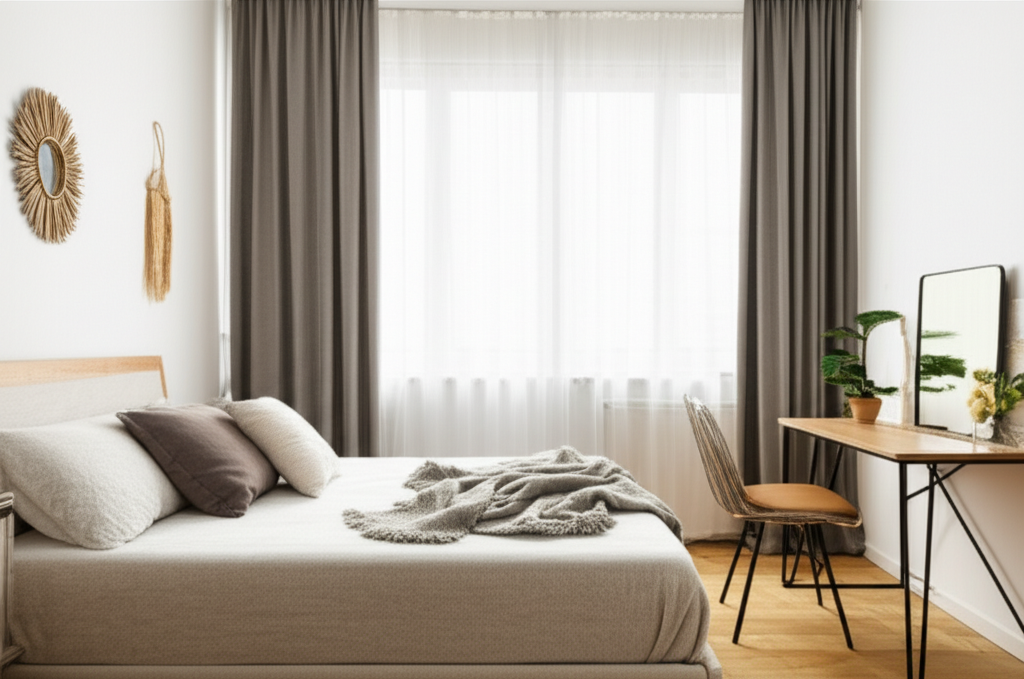
Transform your bedroom into a sanctuary with these amazing, beginner-friendly design ideas. Discover simple, budget-conscious ways to create a stylish and comfortable space that reflects your personality, no matter your room size or decorating experience. Get ready for a bedroom you’ll love!
Feeling a bit lost when it comes to decorating your bedroom? You’re not alone! Many of us dream of a cozy, stylish haven, but figuring out where to start can feel overwhelming.
Don’t worry, I’m here to help! We’ll break down how to decorate your bedroom with amazing ideas that are easy to follow, even if you’ve never decorated before.
Get ready to discover simple tricks and creative inspiration to make your bedroom your favorite room in the house. Let’s dive in and make some magic happen!
Your Bedroom Makeover: A Simple, Step-by-Step Guide
Decorating your bedroom should be fun, not frustrating! Whether you have a tiny nook or a spacious suite, these steps will guide you through creating a space you adore. We’ll cover everything from choosing a style to adding those perfect finishing touches.
Step 1: Find Your Bedroom Style Inspiration
Before you buy a single thing, let’s figure out what look you love. Think about what makes you feel relaxed and happy. Do you lean towards calm and minimalist, or do you love a bit of cozy charm?
Gathering inspiration is key. Pinterest, Instagram, and home decor magazines are fantastic resources. Create a board or folder and save images of bedrooms that catch your eye. Look for common themes in the colors, furniture, and overall vibe.
Consider these popular styles to get started:
- Minimalist: Clean lines, neutral colors, and uncluttered spaces. Think serene and functional.
- Bohemian (Boho): Earthy tones, natural textures, plants, and a relaxed, eclectic feel.
- Modern Farmhouse: A mix of rustic charm and modern simplicity. Wood accents, cozy fabrics, and a neutral palette.
- Coastal: Light and airy with blues, whites, and natural elements like driftwood and shells.
- Traditional: Classic furniture, rich colors, and elegant decor.
Step 2: Choose Your Color Palette
Colors have a big impact on how a room feels. For bedrooms, calming colors are usually the best choice for promoting relaxation and good sleep. Think soft blues, gentle greens, warm neutrals like beige or grey, and even muted lavenders.
Start with a main color, then pick one or two accent colors. A good rule of thumb is the 60-30-10 rule: 60% of the room in your main color, 30% in a secondary color, and 10% for pops of accent color. This creates balance and visual interest.
Pro Tip: If you’re unsure, start with neutral walls and bring in color through bedding, curtains, and decor. This makes it easy to change your look later!
Step 3: Plan Your Layout and Furniture
How you arrange your furniture makes a huge difference, especially in smaller rooms. The bed is usually the focal point, so plan around it. Make sure you have enough space to walk around comfortably.
Measure your room and your furniture. Sketching a quick floor plan can help you visualize the best placement. For small bedrooms, consider furniture that can serve multiple purposes, like a storage bed or a wall-mounted nightstand.
Consider these layout tips:
- Place the bed with the headboard against the longest wall, if possible.
- Ensure at least 2-3 feet of space for walking paths.
- Position furniture to avoid blocking windows or doors.
- Think about where you’ll need outlets for lamps and electronics.
Step 4: Select Your Bedding and Linens
Your bed is the star of the show! Investing in comfortable and stylish bedding can instantly elevate your bedroom’s look and feel. Choose fabrics that feel good against your skin, like cotton or linen.
Layering is your best friend here. Start with a fitted sheet, then a top sheet, and a cozy duvet or comforter. Add decorative pillows and a throw blanket for texture and color. This makes your bed look inviting and luxurious.
Budget-Friendly Tip: You don’t need to buy everything new. Mix and match existing pieces with a few new, affordable items like decorative pillow covers or a new throw.
Step 5: Lighting Matters!
Good lighting can transform the mood of your bedroom. Avoid relying on a single overhead light. Instead, layer your lighting with different sources.
Think about:
- Ambient Lighting: This is your main light source, usually an overhead fixture. Consider a dimmer switch to control the brightness.
- Task Lighting: Bedside lamps are perfect for reading. Wall-mounted sconces can save space on nightstands.
- Accent Lighting: String lights or a small accent lamp can add a warm, cozy glow in the evening.
A great resource for understanding lighting types and placement can be found on the U.S. Department of Energy’s Energy Saver website, which offers practical advice on efficient and effective lighting solutions.
Step 6: Add Window Treatments
Curtains and blinds aren’t just for privacy; they also add a lot of style. They can soften a room, add color or texture, and help control the amount of light entering your space.
For a serene bedroom, consider light-filtering curtains in a soft fabric. Blackout curtains are excellent for light sleepers or rooms that get a lot of direct sun. You can also layer curtains with blinds for both style and function.
Considerations for Window Treatments:
| Type | Pros | Cons | Best For |
|---|---|---|---|
| Curtains | Add softness, color, texture; available in many styles and fabrics. | Can be bulky; require a rod and hardware. | Creating a cozy atmosphere, light control (blackout). |
| Blinds | Sleek, modern look; excellent light control; easy to clean. | Can be less soft than curtains; some materials are delicate. | Minimalist styles, precise light adjustment. |
| Shades | Clean lines, variety of materials (roller, Roman); can offer insulation. | Less decorative than curtains; may need pairing with other treatments. | Modern and transitional styles; energy efficiency. |
Step 7: Don’t Forget the Walls!
Your walls are a blank canvas for your personality. You can paint them, add wallpaper, or hang art and photos. Even small touches can make a big difference.
Paint: A fresh coat of paint is one of the most affordable ways to transform a room. Choose a color that fits your desired mood.
Wallpaper: For a bolder statement, consider wallpaper on an accent wall. There are many peel-and-stick options available, which are perfect for renters!
Artwork and Photos: Personalize your space with framed photos of loved ones, inspiring quotes, or artwork that you love. A gallery wall can be a stunning focal point.
Step 8: Accessorize Thoughtfully
Accessories are the jewelry of your room! They add personality, texture, and warmth. Think about:
- Rugs: A soft rug under your bed can make the room feel more grounded and cozy.
- Throw Pillows and Blankets: Add comfort and pops of color or pattern.
- Plants: Bring life and a touch of nature into your space.
- Mirrors: They can make a room feel larger and brighter by reflecting light.
- Decorative Objects: Vases, candles, or sculptures can add finishing touches.
When accessorizing, try to incorporate different textures – think chunky knits, smooth ceramics, natural wood, and soft fabrics. This adds depth and makes your room feel more inviting.
Amazing Bedroom Decor Ideas for Every Space
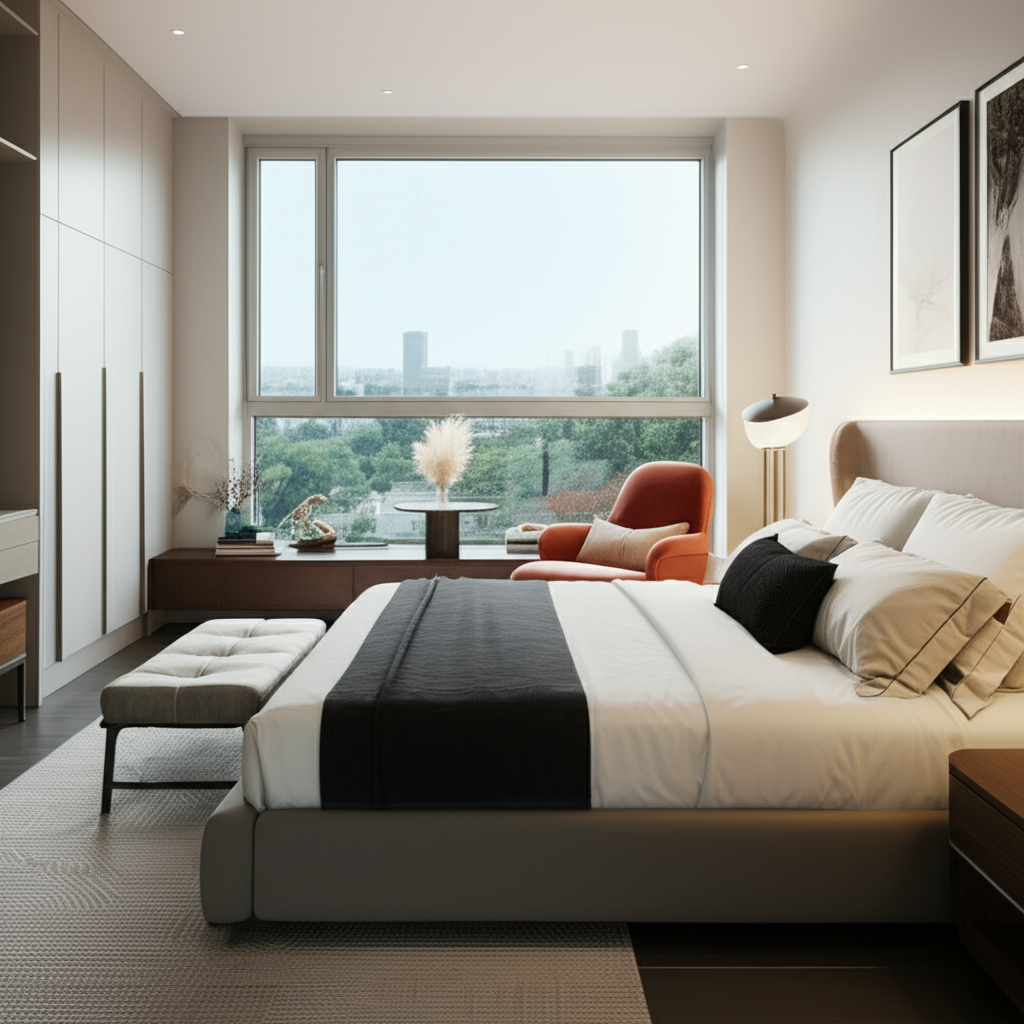
Let’s explore some specific ideas that work wonders, whether your bedroom is tiny or sprawling.
Small Bedroom Solutions: Maximizing Your Cozy Nook
Don’t let a small space get you down! Smart decorating can make it feel larger and more functional.
- Vertical Space: Use shelves that go up the wall for storage and decor.
- Mirrors: Strategically placed mirrors can create the illusion of more space.
- Light Colors: Lighter paint colors on walls and ceilings make a room feel more open.
- Multi-functional Furniture: Ottomans with storage, beds with drawers, and wall-mounted desks are lifesavers.
- Minimalist Approach: Keep decor uncluttered. Choose a few key pieces rather than many small items.
- Floating Furniture: Wall-mounted nightstands or shelves give a lighter, airier feel.
Large Bedroom Designs: Creating Cozy Zones
A big bedroom can sometimes feel cavernous. The trick here is to create cozy zones and make the space feel more intimate and inviting.
- Area Rugs: Use rugs to define different areas, like a seating nook or your sleeping zone.
- Furniture Arrangement: Group furniture to create conversation areas or reading spots.
- Headboard: A substantial headboard can anchor the bed and make it feel more prominent.
- Layered Lighting: Use multiple light sources at different heights to add warmth and ambiance.
- Wall Decor: Don’t be afraid to use larger pieces of art or create a gallery wall to fill empty wall space.
- Seating Area: Add a comfortable armchair or a small sofa to create a relaxing corner.
Budget-Friendly Bedroom Makeovers: Style Without Breaking the Bank
You don’t need a huge budget to create a beautiful bedroom. Here are some smart ways to save:
- DIY Projects: Paint an old dresser, create your own art, or reupholster a stool.
- Thrift Stores and Flea Markets: Find unique furniture and decor pieces for a fraction of the cost.
- Sales and Discounts: Keep an eye out for seasonal sales at your favorite home decor stores.
- Focus on Key Pieces: Invest in a good mattress and a few quality bedding items. Save on less critical decor.
- Rearrange What You Have: Sometimes, a simple furniture shuffle can make your room feel brand new.
- Peel-and-Stick Wallpaper: An affordable and renter-friendly way to add pattern and color.
For inspiration on DIY projects, check out resources like Family Handyman’s DIY bedroom ideas.
Color Palettes That Inspire Calm and Creativity
Choosing the right colors can significantly impact your mood and the overall feel of your bedroom. Here are some palettes that are both beautiful and functional:
| Palette Name | Main Colors | Accent Colors | Mood/Vibe |
|---|---|---|---|
| Serene Sky | Soft blues, light greys | Crisp white, sandy beige | Calm, airy, peaceful |
| Earthy Retreat | Warm beige, muted olive green | Terracotta, cream, natural wood tones | Cozy, grounded, natural |
| Modern Calm | Off-white, charcoal grey | Blush pink, brushed brass | Sophisticated, chic, tranquil |
| Sunrise Glow | Pale peach, soft coral | Cream, muted gold | Warm, inviting, cheerful |
Creating a Cozy Atmosphere
A cozy bedroom is all about comfort and warmth. It’s a place where you can truly unwind.
- Textiles: Layer soft throws, plush rugs, and comfortable bedding. Think velvet, faux fur, chunky knits, and soft cotton.
- Warm Lighting: Use lamps with warm-toned bulbs. String lights can add a magical, cozy glow. Dimmer switches are your friend!
- Personal Touches: Display photos, meaningful art, or items that bring you joy.
- Scents: Incorporate calming scents with diffusers, candles (used safely!), or linen sprays. Lavender, chamomile, and sandalwood are great choices.
- Plants: A few well-placed plants can add life and a sense of tranquility.
Stylish Headboard Ideas
Your headboard is a major design element. It can add personality, texture, and a focal point to your bed.
- Upholstered Headboards: Offer comfort and a plush look. Available in various fabrics like velvet, linen, and tufted designs.
- Wooden Headboards: From rustic reclaimed wood to sleek modern designs, wood adds natural warmth.
- Metal Headboards: Can range from vintage wrought iron to minimalist modern styles.
- DIY Headboards: Get creative with a painted design on the wall behind the bed, a large piece of art, or even a large cushion.
- Canopy Beds: For a dramatic and romantic statement.
If you’re looking for DIY headboard inspiration, this guide from Lowe’s offers some great project ideas.
Frequently Asked Questions (FAQ)
Q1: How do I make my small bedroom look bigger?
Use light, neutral paint colors on your walls and ceiling. Incorporate mirrors to reflect light and create an illusion of space. Choose furniture that is slim or elevated off the floor, and utilize vertical storage like wall shelves.
Q2: What are the best colors for a relaxing bedroom?
Calming colors like soft blues, greens, lavenders, and neutral tones (beige, grey, off-white) are ideal for relaxation. These colors are known to promote tranquility and a sense of peace, which is perfect for a sleeping space.
Q3: How much space should I leave around my bed?
Aim for at least 2 to 3 feet of clear space around the sides and foot of your bed. This ensures comfortable movement within the room and makes it easier to make the bed.
Q4: Is it okay to use dark colors in a small bedroom?
Yes, you can use dark colors in a small bedroom, but strategically. Consider using a dark, moody color on an accent wall behind the bed, or opt for a deep, rich color in a room with plenty of natural light. Balance with lighter colors elsewhere to avoid making the space feel too enclosed.
Q5: How can I add personality to my bedroom without a lot of clutter?
Focus on a few key statement pieces. This could be a unique piece of art, a vibrant rug, or a stylish collection of throw pillows. Personal photos, a treasured object, or a well-chosen plant can also add personality without creating visual clutter.
Q6: What’s the easiest way to update my bedroom on a budget?
A fresh coat of paint is one of the most impactful and affordable updates. Changing your bedding or adding new throw pillows and blankets can also dramatically change the look and feel of your room for a relatively low cost.
Conclusion: Your Dream Bedroom Awaits!
Decorating your bedroom doesn’t have to be a daunting task. By breaking it down into simple steps and focusing on what makes you feel good, you can create a beautiful, comfortable, and personal sanctuary.
Remember to find inspiration, choose colors that soothe you, arrange your furniture wisely, and add those special touches that make the space uniquely yours. Whether you have a small budget or a large room, these ideas are designed to be adaptable and achievable.
Start small, have fun with the process, and don’t be afraid to experiment. Your bedroom is your personal retreat, and with these amazing design ideas, you’re well on your way to creating a space you’ll love waking up in and coming home to every single day.
For more home decor inspiration, explore our guide on 10 Best Kitchen Decor Themes to bring the same stylish energy into another key space in your home.
If you’re drawn to clean lines and uncluttered spaces, you might also enjoy our tips on minimal kitchen decor, which shares principles that can easily translate to bedroom design.
Looking to add natural warmth and texture? Discover how wooden accents can bring cozy charm to any room—including your bedroom.