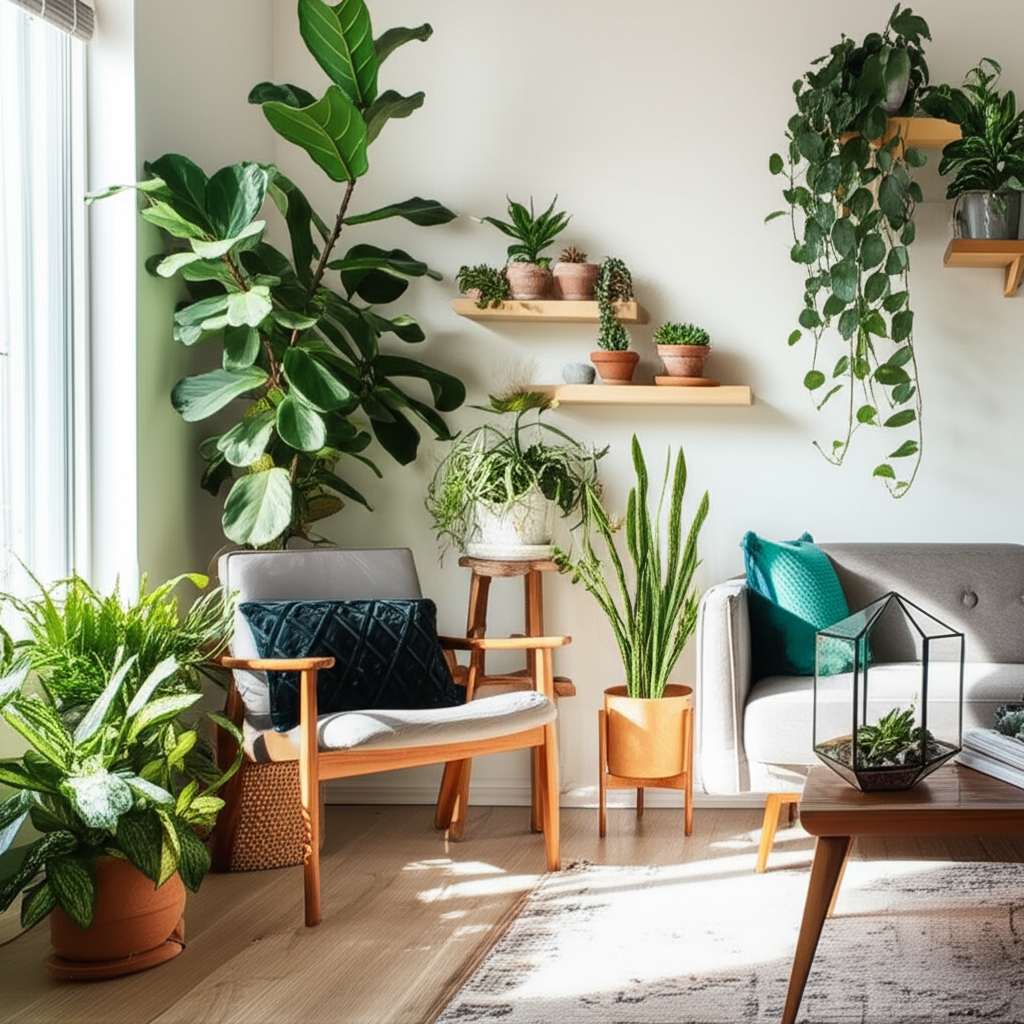
Transform your space with plants! Discover 7 simple, stylish ideas to bring life, color, and a fresh vibe to any room, making your home feel more inviting and beautiful.
Feeling like your home decor is missing that special something? You’ve probably seen gorgeous rooms with lush greenery and wondered how they achieve that effortless, natural look. It’s easy to feel a little intimidated, especially if you’re new to decorating or think you don’t have a green thumb.
But guess what? Bringing the outdoors in is one of the easiest and most budget-friendly ways to elevate your space! Plants add instant personality, improve air quality, and just make you feel happier.
This guide is here to make it super simple. We’ll walk through seven fantastic ideas that are perfect for beginners and can be adapted to any room size or style. Get ready to discover how plants can be your decorating superpower!
Why Plants Are Your Decorating Best Friend
Plants are more than just pretty additions; they’re like living art that continuously evolves. They bring a sense of calm and tranquility to a room, instantly making it feel more welcoming and alive.
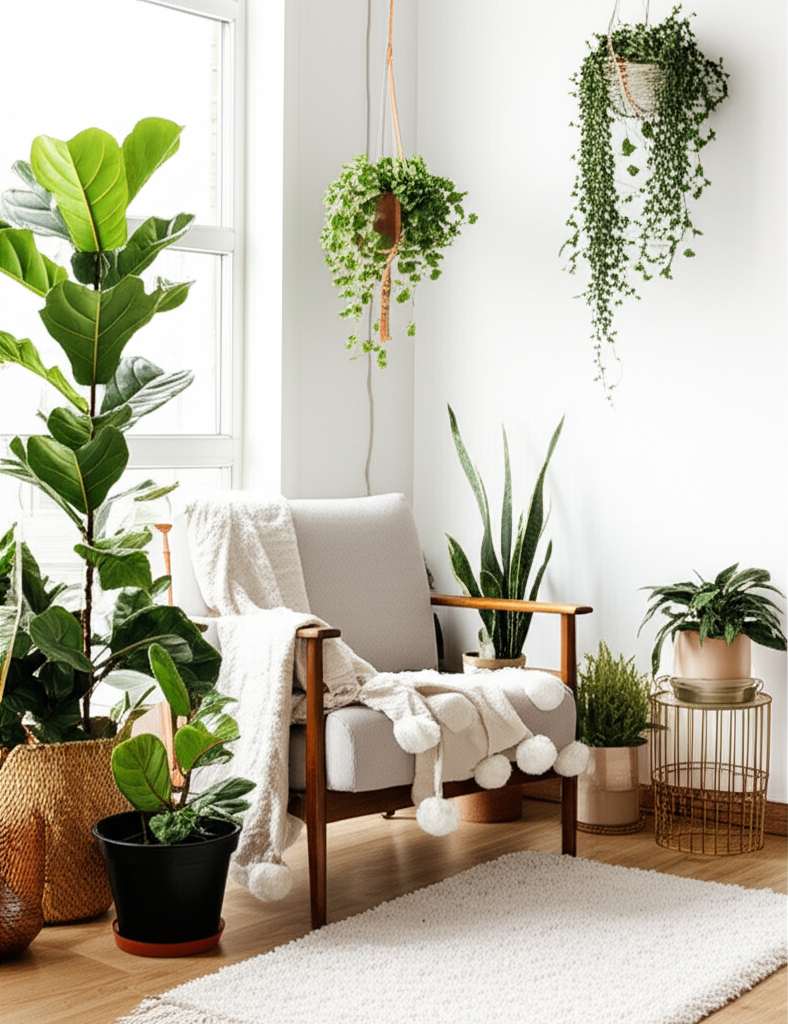
Beyond aesthetics, plants contribute to a healthier indoor environment. Many species are known for their ability to purify the air, filtering out common pollutants and releasing fresh oxygen. This can lead to better sleep and a general feeling of well-being.
Plus, decorating with plants is incredibly versatile and forgiving. Even a simple pot can add character, and there are plants suited for every light condition and care level.
7 Best Room Decor Ideas With Plants
Let’s dive into some easy and inspiring ways to incorporate greenery into your home. These ideas are designed to be adaptable, so don’t worry about having a massive space or a professional stylist’s budget!
1. The Statement Floor Plant: Big Impact, Little Effort
A large, dramatic plant can instantly become the focal point of any room. Think of it as a natural sculpture that adds height and dimension. This is a fantastic way to fill an empty corner or add a lush backdrop to a seating area.
Choose a plant with a striking silhouette, like a Fiddle Leaf Fig, a Bird of Paradise, or a tall Snake Plant. Place it in an attractive pot that complements your existing decor. Ensure it gets the right amount of light – most large floor plants thrive in bright, indirect light, but always check the specific needs of your chosen plant.
Pro Tip: If you’re worried about sunlight, consider a ZZ plant or a Cast Iron Plant, as they tolerate low light conditions beautifully. These are incredibly resilient and perfect for beginners!
2. Hanging Plants: Elevate Your Decor (Literally!)
Hanging plants are a brilliant space-saver, especially in smaller apartments or rooms with limited floor space. They draw the eye upwards, making ceilings feel higher and adding a bohemian or modern flair.
Install a sturdy hook in the ceiling or use wall-mounted planters. Let trailing plants like Pothos, English Ivy, or String of Pearls cascade down. This is a wonderful way to add greenery without taking up precious table or floor space. They look particularly stunning near windows or in a gallery wall arrangement.
Where to Hang:
- In empty corners to soften the space.
- Above bookshelves or cabinets for a layered look.
- In kitchens, to add a touch of life to countertops.
- In bedrooms, to create a calming, serene atmosphere.
3. Shelf Styling with Mini Greenery: Tiny Plants, Big Charm
Shelves are prime real estate for decor, and small plants are the perfect companions for books, photos, and other decorative items. They add a touch of life and color, breaking up the visual monotony.
Select a few small potted plants, such as succulents, air plants, or small ferns. Mix them in with your existing shelf decor. Vary the heights and textures of your plants and objects to create an interesting display. Don’t be afraid to group a few together for a mini-jungle effect.
Beginner-Friendly Plant Picks for Shelves:
- Succulents: Require very little water and love bright light.
- Air Plants (Tillandsia): Need misting every few days and no soil!
- Peperomia: Come in many varieties and are generally easy to care for.
4. Terrariums and Plant Jars: A Miniature World of Green
Terrariums are self-contained ecosystems that are both beautiful and fascinating. They’re a fantastic way to display a variety of small plants in a compact, eye-catching arrangement.
You can buy pre-made terrariums or create your own using a glass container, a layer of pebbles for drainage, activated charcoal, potting mix, and your chosen plants. Choose plants that thrive in humid environments, like small ferns, mosses, and fittonia. These are perfect for desks, coffee tables, or as a unique centerpiece.
Creating a Simple Terrarium:
- Choose a clean glass container (jar, vase, bowl).
- Add a 1-inch layer of small pebbles for drainage.
- Add a thin layer of activated charcoal to keep it fresh.
- Add about 2-3 inches of a well-draining potting mix suitable for your plants.
- Gently plant your chosen small plants, arranging them aesthetically.
- Water lightly until the soil is moist but not soggy.
- For closed terrariums, place the lid on; for open ones, leave it off.
5. Wall-Mounted Planters and Vertical Gardens: Green Up Your Walls
For a truly modern and impactful look, consider wall-mounted planters or even a small vertical garden. This is an excellent way to add greenery to a blank wall and can be a stunning feature in any room.
You can find modular wall planters that allow you to create custom arrangements. Alternatively, simple individual wall-mounted pots can be arranged in a pattern. This is ideal for herbs in the kitchen, air-purifying plants in a living room, or even a splash of green in a hallway. Ensure your wall can support the weight, especially once the plants are watered.
Vertical Gardening Resources:
For inspiration on building and maintaining vertical gardens, the Royal Horticultural Society (RHS) offers excellent advice on various methods and plant choices suitable for vertical setups.
6. Bathroom Oasis: Plants That Love Humidity
Bathrooms are often overlooked as decor spaces, but their natural humidity makes them ideal for certain types of plants that thrive in moist environments. This can turn your bathroom into a spa-like sanctuary.
Plants like ferns (Boston Fern, Maidenhair Fern), orchids, and spider plants do wonderfully in bathrooms. Place them on shelves, windowsills, or in hanging baskets. Just ensure they don’t sit in standing water. The extra moisture in the air mimics their natural tropical habitats.
Bathroom Plant Care Tips:
- Most bathroom plants prefer bright, indirect light. If your bathroom is dim, opt for low-light tolerant plants like the Cast Iron Plant.
- Water when the top inch of soil feels dry.
- Wipe leaves occasionally to keep them dust-free and healthy.
7. Desk Plants: Boost Productivity and Mood
Your workspace or study area can greatly benefit from a touch of green. Small desk plants can help reduce stress, improve focus, and make your work environment more pleasant.
Opt for compact plants that don’t require a lot of attention. Snake plants (Sansevieria), ZZ plants, and small succulents are perfect choices. Place them in small, stylish pots that fit your desk aesthetic. A little greenery can make a big difference to your workday.
Desk Plant Benefits:
- Reduces stress and fatigue.
- Improves air quality around your workspace.
- Boosts mood and creativity.
- Adds a personal touch to your desk.
Choosing the Right Plants for Your Space
The key to successful plant decor is selecting plants that will thrive in your home’s conditions. Don’t be discouraged if a plant doesn’t make it – it’s a learning process!
Consider these factors when choosing your leafy friends:
Light Requirements
This is perhaps the most crucial factor. Observe the light in the room where you plan to place your plant.
Bright Light: Direct sun for several hours a day, or very bright, indirect light.
Medium Light: Bright, indirect light for most of the day.
Low Light: Can tolerate dimmer conditions, away from direct sun.
Here’s a quick guide to plant light needs:
| Plant Type | Light Preference | Ease of Care | Best For |
|---|---|---|---|
| Snake Plant (Sansevieria) | Low to Bright Indirect | Very Easy | Beginners, Low Light, Air Purification |
| ZZ Plant (Zamioculcas zamiifolia) | Low to Bright Indirect | Very Easy | Beginners, Low Light, Drought Tolerant |
| Pothos (Epipremnum aureum) | Low to Bright Indirect | Easy | Hanging, Shelves, Air Purification |
| Spider Plant (Chlorophytum comosum) | Medium to Bright Indirect | Easy | Hanging, Shelves, Pet-Friendly (mostly) |
| Fiddle Leaf Fig (Ficus lyrata) | Bright Indirect | Moderate | Statement Plant, Needs consistent care |
| Succulents & Cacti | Bright to Direct Sun | Easy to Moderate | Desk, Shelves, Low Water Needs |
| Ferns (e.g., Boston Fern) | Medium to Bright Indirect, High Humidity | Moderate | Bathrooms, Humid Areas |
Watering Needs
Some plants love to be consistently moist, while others prefer to dry out between waterings. Overwatering is a common killer of houseplants, so it’s often better to err on the side of underwatering if you’re unsure.
General Watering Rule: Stick your finger about an inch into the soil. If it feels dry, it’s likely time to water. If it feels moist, wait a few more days.
Space and Size
Consider the available space. A tiny succulent will get lost on a large floor, while a giant Monstera might overwhelm a small desk. Measure your intended spot and choose a plant that will fit comfortably, allowing room for growth.
Pet Safety
If you have pets, it’s crucial to research whether a plant is toxic to them. Many common houseplants can cause mild to severe reactions if ingested. The ASPCA’s Toxic and Non-Toxic Plant List is an excellent resource for checking plant safety.
Caring for Your New Green Decor
Once you’ve added plants to your home, a little basic care will keep them thriving and looking beautiful.
Light: Ensure your plant is in the right light conditions. Rotate your plants occasionally so all sides get light.
Watering: Water only when the soil is dry to the touch. Use room-temperature water.
Drainage: Make sure pots have drainage holes to prevent waterlogging. If a decorative pot doesn’t have holes, you can use it as a cachepot (a pot within a pot) and remove the inner nursery pot to water.
Fertilizing: Most houseplants only need fertilizer during their growing season (spring and summer), and even then, sparingly. Follow the product instructions.
Pest Control: Inspect your plants regularly for pests like spider mites or mealybugs. Treat any infestations promptly with insecticidal soap or neem oil.
* Repotting: As plants grow, they may need repotting into a slightly larger container. Signs include roots growing out of drainage holes or the plant drying out very quickly.
Frequently Asked Questions About Decorating with Plants
Q1: I’m a complete beginner, and I think I kill every plant I touch. Where should I start?
A1: Don’t worry, we all start somewhere! Begin with super hardy, low-maintenance plants like Snake Plants (Sansevieria) or ZZ Plants (Zamioculcas zamiifolia). They tolerate neglect, low light, and infrequent watering, making them perfect for building confidence.
Q2: How much light do most indoor plants actually need?
A2: It varies greatly! Many popular houseplants prefer bright, indirect light, meaning they like to be near a sunny window but out of the direct sun’s rays, which can scorch their leaves. Always check the specific needs of your plant.
Q3: How often should I water my plants?
A3: There’s no one-size-fits-all answer. The best method is to check the soil moisture by sticking your finger about an inch deep. If it feels dry, it’s time to water. If it feels moist, wait a few more days. Overwatering is a common issue for beginners.
Q4: Can I use any pot for my plants?
A4: Ideally, plants need pots with drainage holes to prevent root rot. If you have a decorative pot without drainage, you can use it as a “cachepot” – keep the plant in its original nursery pot with drainage, and place that inside your decorative pot. Water the plant, let it drain, and then put it back in the cachepot.
Q5: My plants are in a small apartment. How can I incorporate greenery without making it feel crowded?
A5: Hanging plants are your best friend! Use ceiling hooks or wall brackets to let plants trail down, saving floor and surface space. Vertical planters or wall-mounted pots are also excellent for adding green without taking up room. For more compact kitchen ideas, check out our guide on cozy small kitchen ideas.
Q6: Are there any plants that are good for low-light conditions?
A6: Absolutely! Snake Plants, ZZ Plants, Cast Iron Plants, and certain varieties of Pothos and Philodendrons can thrive even in dimly lit rooms where other plants wouldn’t survive.
Q7: How do I make my plants look like decor, not just like plants sitting around?
A7: Choose stylish pots that complement your room’s style. Vary the heights and textures of your plants. Group plants together for impact, or use a single, large statement plant as a focal point. Think of them as living sculptures! For inspiration on stylish kitchen decor, explore our collection of kitchen decor themes.
Bringing It All Together: Your Green Sanctuary Awaits
Decorating with plants is a journey, not a destination. It’s about adding life, personality, and a touch of nature to your everyday surroundings. Whether you’re filling a spacious living room or a cozy studio apartment, these seven ideas offer a starting point to create a home that feels more vibrant and welcoming.
Remember, the goal is to enjoy the process and the beautiful results. Start small, choose plants that suit your lifestyle, and don’t be afraid to experiment. Each plant you add is a step towards creating a healthier, happier, and more beautiful living space. So go ahead, pick a plant, find a spot, and watch your home transform. Happy decorating!
Love using plants in the kitchen? Discover more creative ways to blend greenery with functionality in our article on kitchen plant decor ideas.