Quick Summary: Creating a cute baby room involves choosing a theme, selecting a soothing color palette, incorporating functional furniture, adding personal touches, and ensuring safety. These 5 essential tips will help new parents design a beautiful and practical nursery that’s perfect for their little one.
Welcome, new parents! Designing your baby’s first room can feel like a big adventure, and sometimes, a little overwhelming. You want it to be a sweet, cozy haven for your little one, but where do you even start?
Don’t worry! With a few simple ideas and practical tips, you can create a nursery that’s both adorable and functional. We’re here to guide you through making this special space feel just right.
Get ready to discover five cute baby room decor ideas that will make decorating fun and easy. Let’s transform a blank room into a dreamy nursery!
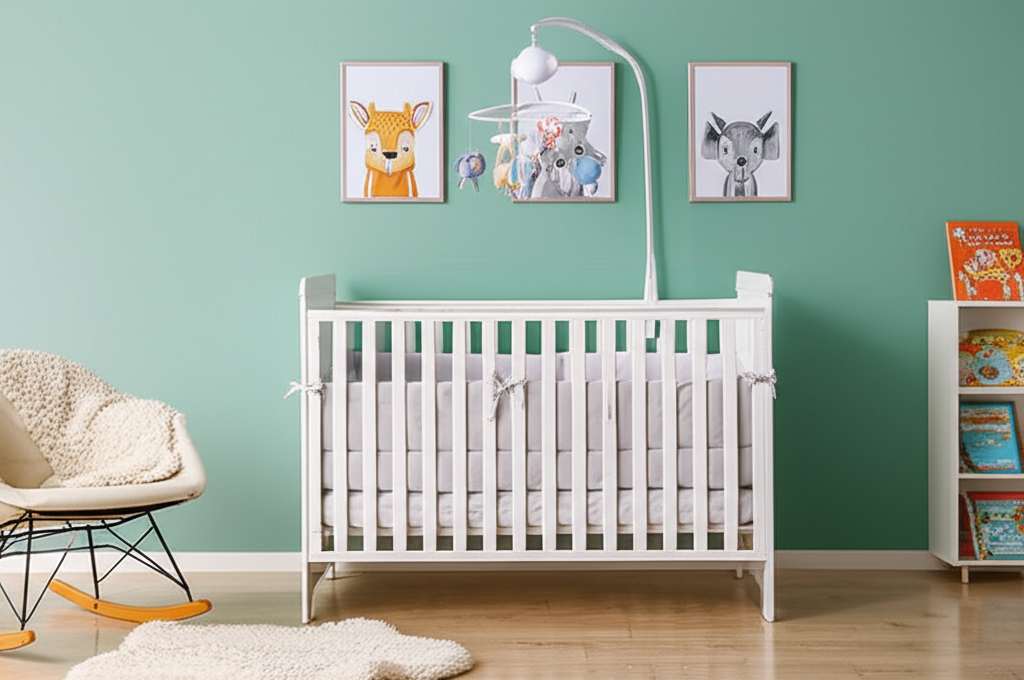
5 Cute Baby Room Decor Ideas: Essential Tips for New Parents
As a home decor stylist, I know that creating a beautiful nursery doesn’t have to be complicated or break the bank. It’s all about smart choices and a touch of creativity. Let’s dive into five essential ideas that will help you craft a nursery you and your baby will adore.
1. Choose a Playful Theme (But Keep it Simple!)
A theme can be a wonderful starting point for your baby’s room. It gives you a clear direction for colors, decorations, and even furniture. Think about what you and your partner love – maybe a whimsical woodland, a starry night sky, or gentle sea creatures.
The key is to pick a theme that you can adapt. Instead of going overboard with cartoon characters, opt for more subtle interpretations. For a woodland theme, think about natural wood tones, leafy green accents, and cute animal prints on pillows or a rug. This allows the room to grow with your child and prevents it from feeling too “babyish” too quickly.
Theme Inspiration Ideas:
- Woodland Creatures: Think foxes, bears, owls, and trees. Natural wood furniture and earthy tones work wonderfully here.
- Under the Sea: Soft blues and greens, playful fish motifs, and perhaps some coral-inspired decor.
- Outer Space: Stars, moons, and friendly planets can create a magical, calming atmosphere.
- Little Explorer: Maps, globes, compass motifs, and travel-inspired accents.
- Sweet Dreams: Clouds, rainbows, and soft pastels for a serene feel.
Remember, the theme doesn’t need to be in every single item. A few well-placed elements are more impactful than clutter. You can always add or change small decor items as your baby grows. For more inspiration on timeless decor themes, check out our guide to 10 Best Kitchen Decor Themes, which showcases how classic themes can be adapted across rooms.
2. Select a Soothing Color Palette
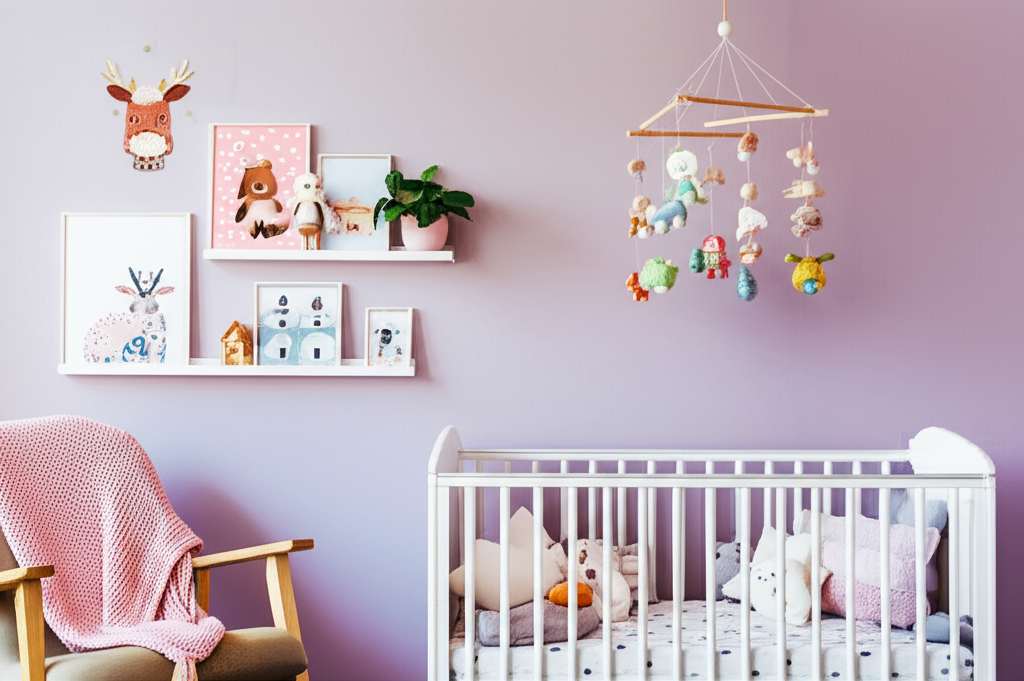
Color plays a huge role in the mood of a room. For a baby’s nursery, calming and soft colors are usually the best choice. They create a tranquil environment that’s perfect for sleep and play. Neutrals are always a safe bet, but don’t shy away from gentle pops of color.
Consider a base of soft grays, warm beiges, or creamy whites. These act as a beautiful canvas. Then, introduce accent colors through bedding, curtains, rugs, and artwork. Think muted blues, gentle greens, soft pinks, or even a touch of lavender. These colors are easy on the eyes and promote a sense of peace.
Color Palette Combinations:
| Base Color | Accent Colors | Mood |
|---|---|---|
| Soft Gray | Blush Pink, Mint Green | Calm, Modern |
| Creamy White | Light Yellow, Sky Blue | Bright, Airy |
| Warm Beige | Terracotta, Sage Green | Earthy, Cozy |
| Light Blue | Coral, White | Playful, Serene |
Avoid overly bright or stimulating colors like harsh reds or electric blues for the main walls, as these can make it harder for your baby to settle down. You can always add more vibrant colors through toys and accessories that can be easily swapped out.
For more information on how color affects mood and development, you can explore resources from child development experts. Understanding color psychology can be a helpful tool in designing your baby’s space. For example, the Purdue University Extension offers insights into color choices for different environments.
3. Prioritize Functional and Flexible Furniture
When decorating a baby room, practicality is just as important as cuteness. You’ll need furniture that serves a purpose, is safe, and ideally, can adapt as your child grows. Think about multi-functional pieces that offer good storage solutions.
A convertible crib is a fantastic investment. It can transform from a baby crib to a toddler bed and sometimes even a daybed, extending its usefulness for years. A changing table with drawers provides essential storage for diapers, wipes, and clothes, keeping everything organized and within reach. Look for pieces with rounded edges and sturdy construction to ensure safety.
Essential Nursery Furniture & Features:
- Convertible Crib: Grows with your child, saving money in the long run. Ensure it meets current safety standards, like those outlined by the Consumer Product Safety Commission (CPSC).
- Changing Table/Dresser: Choose one with a secure changing pad area and ample drawer space.
- Glider or Rocking Chair: A comfortable spot for feeding, reading, and cuddling.
- Storage Solutions: Bookshelves, wall shelves, baskets, and toy bins to keep clutter at bay.
- Mobile: A visually stimulating and soothing addition above the crib.
Consider the layout of the room carefully. You want enough space to move around comfortably, especially when carrying your baby or navigating a stroller. Ensure that all furniture is stable and anchored to the wall if necessary, to prevent tipping.
Flexible furniture also means thinking about how you can repurpose items later. A sturdy dresser can become a changing station and then a regular dresser. A bookshelf can hold baby books now and storybooks for a toddler later. For clever storage ideas that grow with your family, explore our article on 10 Stylish Kitchen Storage Accessories for inspiration on smart, adaptable organization.
4. Add Personal Touches and Soft Textures
This is where you make the room truly special and welcoming. Personal touches add warmth and character, making the nursery feel like a home. Soft textures are also crucial for creating a cozy and comforting environment for your little one.
Think about artwork you love, perhaps framed baby photos or sweet prints that match your theme. A personalized name sign can be a lovely focal point. Don’t forget about soft textiles! A plush rug makes the floor a safe and comfortable place for tummy time. Curtains can add a touch of elegance and help control light. Comfortable bedding and a few decorative throw pillows (kept out of the crib when the baby sleeps) add layers of coziness.
Ideas for Personalization and Texture:
- Artwork: Framed photos, alphabet prints, or theme-related wall art.
- Personalized Name Sign: A wooden or felt name sign adds a unique touch.
- Soft Rug: Choose a rug that’s easy to clean and comfortable for little feet.
- Cozy Bedding: Look for breathable, soft fabrics like cotton or bamboo.
- Decorative Baskets: Perfect for storing toys or blankets and add a natural texture.
- Wall Decals: A simple and removable way to add patterns or images to walls.
When choosing fabrics, opt for materials that are soft to the touch and easy to wash. Babies can be sensitive, so hypoallergenic and natural fibers are excellent choices. Think about creating different textures through various materials like soft cottons, chunky knits, and smooth wood.
This is also a great place to incorporate handmade items, whether they are gifts from loved ones or something you’ve created yourself. A handmade quilt or a crocheted blanket adds an unparalleled level of love and care to the room. For more ways to bring warmth and character into your home, browse our collection of 12 Kitchen Wall Art Ideas for creative inspiration.
5. Ensure Safety First: Smart Decorating
The most important aspect of any baby room is safety. While we want the room to be cute and stylish, every decorative choice should be made with your baby’s well-being in mind. This means being mindful of potential hazards and taking steps to mitigate them.
When hanging decorations, ensure they are securely fastened and out of reach of your baby. Avoid anything with small, detachable parts that could be a choking hazard. If you’re using wall decals, make sure they adhere well and don’t peel off easily. For mobiles, ensure they are hung high above the crib and are not within the baby’s reach.
Key Safety Considerations:
- Secure Furniture: Anchor all dressers, bookshelves, and cribs to the wall to prevent tipping.
- Cordless Window Coverings: Opt for cordless blinds or curtains to avoid strangulation hazards.
- Safe Crib Practices: Keep the crib free of bumpers, loose blankets, and stuffed animals when the baby is sleeping. Use a firm mattress and a fitted sheet. The American Academy of Pediatrics (AAP) provides comprehensive guidance on safe sleep environments.
- Non-Toxic Materials: Choose paints, finishes, and fabrics that are low in VOCs (Volatile Organic Compounds) to ensure good air quality.
- Outlet Covers: Use safety plugs for all electrical outlets.
- No Small Parts: Ensure any decorative items are too large to be swallowed or are securely attached.
Think about the placement of everything. Keep electrical cords tidy and out of reach. Ensure there are no sharp corners or edges on furniture or decor that your baby could bump into. Regular checks of the room are also a good idea as your baby becomes more mobile.
Decorating with safety in mind doesn’t mean sacrificing style. Many brands offer stylish, baby-safe products. It’s about making informed choices that protect your little one while creating a beautiful space.
Frequently Asked Questions About Baby Room Decor
Q1: What is the best color for a baby’s room?
The best colors for a baby’s room are typically soft and calming, like pastels, neutrals (grays, whites, beiges), or muted blues and greens. These colors create a serene atmosphere conducive to sleep. You can add brighter pops of color through accessories.
Q2: How can I decorate a small baby room effectively?
For small rooms, focus on vertical space by using wall shelves and tall, narrow furniture. Opt for lighter colors to make the room feel more open. Multi-functional furniture, like a crib that converts to a toddler bed, is also key. Keep decor minimal and choose items that serve a purpose or bring significant joy.
Q3: What safety features are most important for baby room decor?
Safety is paramount. Ensure all furniture is anchored to the wall, use cordless window treatments, and choose non-toxic, low-VOC paints and materials. Keep the crib free of loose bedding and ensure no small, detachable parts are within reach. Always follow safe sleep guidelines.
Q4: Should I choose a theme for the baby’s room?
A theme can be helpful for guiding your decor choices, but it’s not essential. If you do choose a theme, opt for subtle interpretations rather than overwhelming patterns or characters. This allows the room to adapt as your child grows and avoids it becoming dated quickly.
Q5: How can I make the baby’s room feel personal and unique?
Add personal touches like framed family photos, custom name art, or handmade blankets. Incorporate soft, varied textures with rugs, curtains, and decorative baskets. Choose artwork that you love. These elements make the space feel warm, inviting, and truly yours.
Q6: What are some budget-friendly baby room decor ideas?
DIY projects, like painting a dresser or creating your own wall art, can save money. Look for second-hand furniture that can be updated. Use removable wall decals for a quick style update. Focus on affordable textiles like bedding and curtains. Smart shopping at discount stores or during sales can also help.
Conclusion
Creating a cute and functional baby room is an exciting part of preparing for your little one’s arrival. By focusing on a simple theme, a soothing color palette, practical furniture, personal touches, and, most importantly, safety, you can design a nursery that’s both beautiful and a safe haven.
Remember, your baby will love the room most because it’s filled with your love and care. Don’t feel pressured to have everything perfect from day one. Decorating is a journey, and you can always add or change things as you go. Enjoy the process of creating this special space for your family!