Quick Summary:
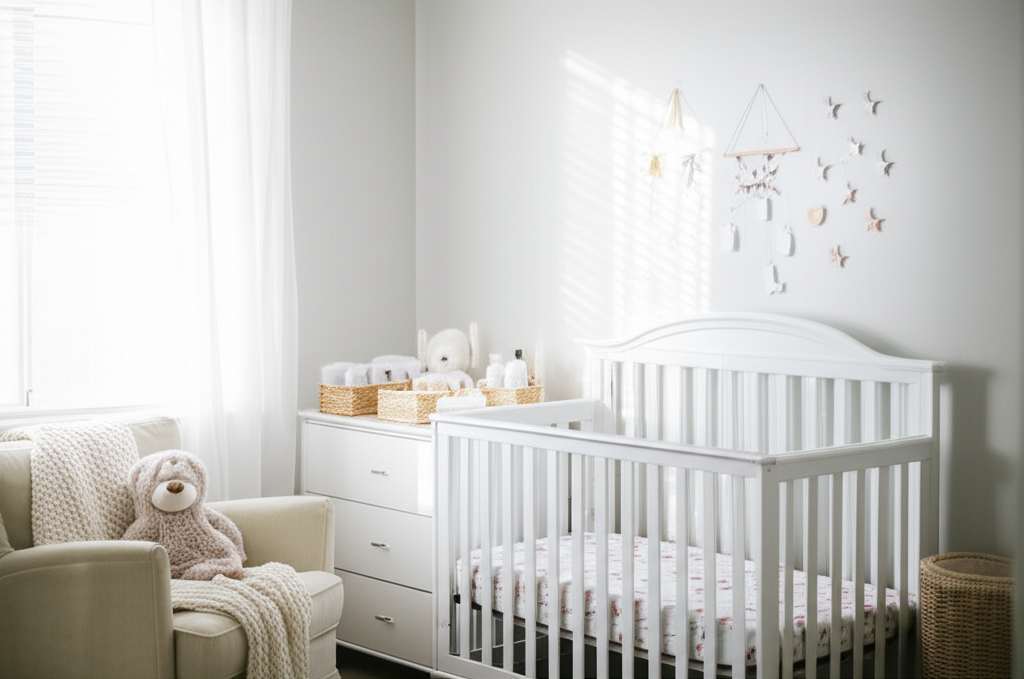
Effortlessly organize a small mom and baby shared room with these 7 smart ideas. Maximize vertical space, use multi-functional furniture, and create designated zones for everything. Declutter regularly to maintain a peaceful, functional sanctuary for both of you.
Sharing a small space with a new baby can feel overwhelming, especially when it comes to keeping things tidy and functional. It’s easy for clothes, diapers, toys, and nursery essentials to take over. But don’t worry, creating a calm and organized room is totally achievable!
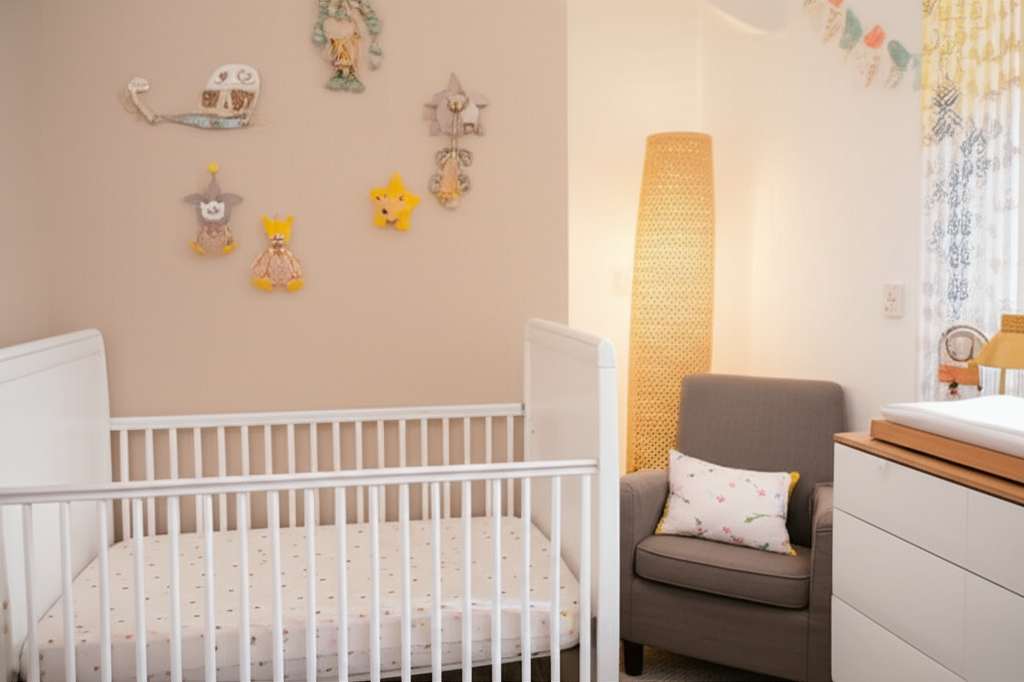
You can transform your shared room into a cozy haven with a few clever strategies. We’ll walk through simple, budget-friendly ideas that make a big difference.
Get ready to discover how to make your small mom and baby room work for you, creating a peaceful environment for both of you to thrive. Let’s dive into 7 effortless organization ideas!
7 Small Mom & Baby Shared Room Organization Ideas: Effortless
Living in a small space with a baby means every square inch counts. It’s a common challenge for new parents, whether you’re in a studio apartment, a small house, or just have a compact bedroom. The goal is to create a functional, peaceful, and beautiful space that supports both your needs and your baby’s development.
We’ll explore simple yet effective ways to declutter, store, and arrange your shared room. These ideas focus on smart storage solutions, multi-purpose furniture, and creating distinct zones so everything has its place. Let’s get your small room feeling spacious and serene! For more small-space inspiration, check out our guide on 10 Cozy Small Kitchen Ideas: Amazing Makeovers.
1. Maximize Vertical Space with Shelving and Wall Organizers
In a small room, thinking upwards is key! Walls are often underutilized real estate. Installing shelves, wall-mounted organizers, and even hanging baskets can free up precious floor space and keep essentials within easy reach.
Consider floating shelves for books, decorative items, or even small bins of baby essentials. Wall-mounted diaper caddies are a lifesaver for quick changes, and pegboards can hold everything from baby hats to your keys. This strategy helps keep surfaces clear, making the room feel bigger and less cluttered.
Why Vertical Storage Works
- Frees up floor space: This is crucial in small rooms.
- Keeps essentials accessible: Things you need often are at eye level.
- Visually expands the room: Drawing the eye upward can make a space feel larger.
- Customizable: You can arrange shelves and organizers to fit your specific needs.
For a deeper dive into the benefits of vertical storage, check out these tips from Houzz on maximizing vertical space in any room.
2. Invest in Multi-Functional Furniture
When space is limited, furniture that serves more than one purpose is your best friend. Think about pieces that can adapt as your baby grows or that combine storage with everyday function.
A crib that converts into a toddler bed is a classic example. A glider or rocking chair with built-in storage for blankets and books is another. Even a storage ottoman can double as a footrest, extra seating, and a place to stash baby items. Look for furniture that hides clutter while serving a primary function. Similar principles apply in the kitchen—discover how 10 Stylish Kitchen Storage Accessories: Chic Solutions can maximize efficiency in compact spaces.
Examples of Multi-Functional Furniture
- Convertible Cribs: Grow with your child from infancy to toddlerhood.
- Gliders with Storage: Keep feeding essentials or books handy.
- Storage Ottomans: Perfect for toys, blankets, or extra seating.
- Beds with Under-Bed Drawers: Utilize space for linens or seasonal clothes.
- Changing Table with Drawers/Shelves: Combines a changing surface with much-needed storage.
3. Create Designated Zones
Even in a small room, defining different areas for specific activities can bring a sense of order and calm. Think of a sleeping zone, a changing/diapering zone, a feeding zone, and a play zone.
You don’t need elaborate dividers. A rug can define the play area, while a small side table next to your chair can be your feeding station. Grouping related items together—like all diapering supplies in one area—makes routines smoother and helps you find what you need quickly.
Zone Examples and How to Create Them
| Zone | Purpose | Organization Ideas |
|---|---|---|
| Sleeping Zone | Baby’s crib and your bed. | Keep bedding minimal. Use a bedside bassinet if space is extremely tight. Ensure easy access to the crib for nighttime checks. |
| Diapering/Changing Zone | Changing diapers and dressing baby. | A changing pad on a dresser or a dedicated changing table. Keep diapers, wipes, cream, and a change of clothes within arm’s reach. Use drawer organizers for smaller items. |
| Feeding Zone | Nursing or bottle feeding. | A comfortable chair (glider, rocker) with a small side table or basket for water, snacks, burp cloths, and a phone charger. |
| Play/Activity Zone | Tummy time and baby’s play. | A soft playmat or a colorful rug. Store toys in a nearby basket or low shelves. Keep it simple to avoid overstimulation. |
4. Smart Storage Solutions for Baby Clothes and Diapers
Babies accumulate a lot of small items, and clothes can quickly become a messy pile. Diapers, especially, need a designated and accessible spot. Smart storage is crucial to keeping these items organized.
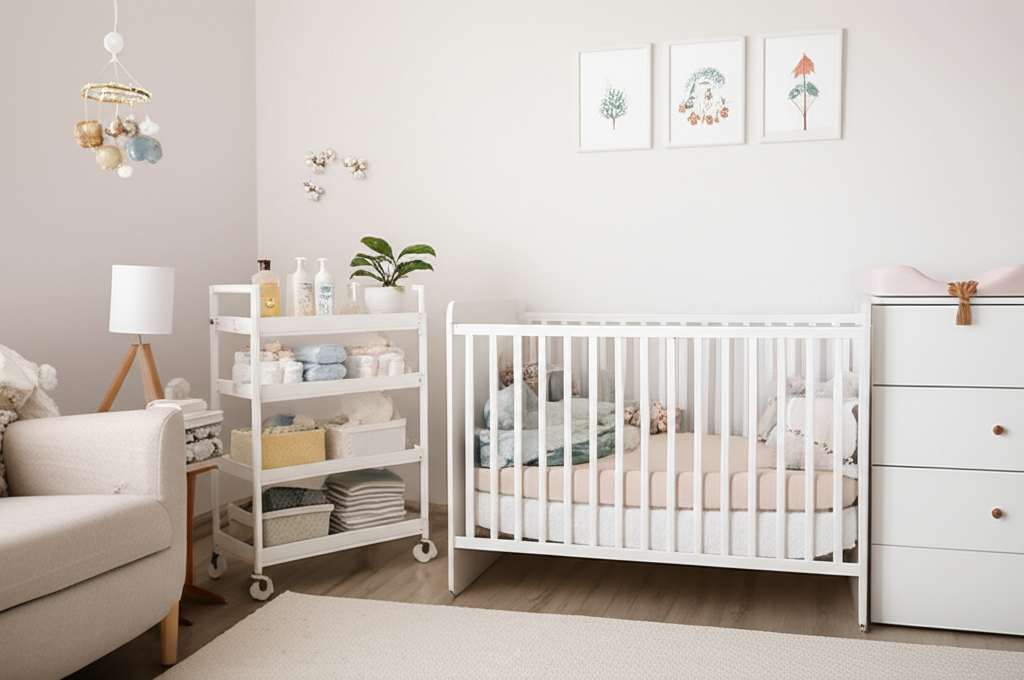
For baby clothes, consider using drawer dividers or small bins within drawers to separate onesies, sleepers, and outfits. Roll clothes instead of folding them to save space and see everything at a glance. For diapers, a vertical diaper stacker or a tiered rolling cart that can be tucked into a corner are excellent options.
Tips for Clothing and Diaper Storage
- Drawer Dividers: Keep tiny baby socks and outfits sorted.
- Rolling Clothes: Maximizes drawer space and makes items visible.
- Vertical Diaper Stackers: Great for wall mounting or hanging on the crib.
- Rolling Carts: Keep diapers, wipes, and changing essentials mobile and organized.
- Baskets and Bins: Use them on shelves or under furniture for stuffed animals or extra blankets.
The U.S. Consumer Product Safety Commission (CPSC) offers valuable advice on safe nursery furniture and storage solutions to ensure your baby’s environment is both organized and secure. You can find their resources on CPSC.gov.
5. Declutter Ruthlessly and Regularly
This is perhaps the most important step for any small space organization, especially with a baby. Babies grow fast, and their needs change, meaning items you once used might now be taking up unnecessary space.
Make it a habit to go through baby clothes and gear weekly or bi-weekly. Anything outgrown, unused, or no longer needed can be donated, sold, or stored elsewhere. A decluttered space instantly feels larger and more peaceful. Think about creating a “donate” box that you fill as you go.
Decluttering Checklist for Mom & Baby Rooms
- Outgrown clothes: Any items your baby has quickly outgrown.
- Duplicate items: You might receive multiples of things like blankets or toys.
- Unused gear: Items you bought with good intentions but haven’t used.
- Excess toys: Rotate toys to keep things fresh and manage clutter.
- Expired products: Check expiration dates on baby lotions, creams, and medications.
6. Utilize Over-the-Door Organizers
Don’t underestimate the power of your doors! Over-the-door organizers are fantastic for maximizing storage without taking up any floor or wall space. They are incredibly versatile and can be used for a variety of items.
You can hang one on the closet door for shoes, baby accessories, or even cleaning supplies. A clear-pocket organizer on the nursery door is perfect for holding diapers, wipes, burp cloths, and small toys. This is a simple, affordable, and highly effective way to add storage.
Where to Use Over-the-Door Organizers
- Closet Door: For shoes, accessories, small toys, or even toiletries.
- Bedroom Door: Excellent for quick-access baby essentials like diapers, wipes, and creams.
- Bathroom Door (if attached): Can hold extra towels, toiletries, or baby bath items.
7. Employ Smart Containerization and Labeling
Once you’ve decluttered and identified where things should go, using the right containers and labels is the final touch to effortless organization. Containers keep items contained and tidy, while labels help everyone (including you!) know what’s inside.
Opt for clear bins so you can see contents easily, or use decorative baskets that match your room’s aesthetic. For items you don’t need to see daily, like extra blankets or seasonal baby clothes, opaque bins with clear labels are perfect. Labeling drawers, shelves, and bins makes it quick to find what you need and, importantly, to put things back where they belong.
Containerization & Labeling Tips
- Clear Bins: Ideal for visible storage on shelves, allowing you to see contents at a glance.
- Decorative Baskets: Can hide clutter while adding style, perfect for toys or blankets.
- Drawer Inserts: Keep smaller items like socks, bibs, or hair accessories organized within drawers.
- Labels: Use a label maker, chalkboard labels, or even simple masking tape and a marker.
- Stackable Containers: Maximize vertical space within closets or on shelves.
For inspiration on choosing the right storage containers, resources like The Container Store offer a wide variety of options and organizational advice tailored to different needs. If you’re looking to extend smart storage into other areas of your home, explore our curated selection of 10 Must-Have Kitchen Accessories: Essential Upgrades.
Frequently Asked Questions (FAQ)
Q1: How can I make a small mom and baby room feel less cluttered?
Focus on vertical storage, multi-functional furniture, and regular decluttering. Keep surfaces clear and utilize over-the-door organizers. Assigning a specific place for everything is key to maintaining a tidy feel.
Q2: What is the best way to store baby clothes in a small room?
Roll baby clothes to save drawer space and see them all at once. Use drawer dividers to keep categories separate. For outgrown clothes, store them in vacuum-seal bags or labeled bins in a less accessible area.
Q3: How do I organize diapers and wipes efficiently?
A wall-mounted diaper caddy or an over-the-door organizer are excellent for keeping these essentials close at hand without taking up surface space. A small rolling cart is also a great option for storing a week’s supply.
Q4: Is it necessary to have a separate nursery area in a small home?
Not necessarily! In a small space, sharing your bedroom with your baby is very common and practical. The key is to create functional zones within your existing room to meet both your needs.
Q5: How often should I declutter my shared mom and baby room?
Aim for a quick declutter session at least once a week, focusing on outgrown clothes or items no longer in use. A more thorough declutter can happen every 1-2 months. Consistency is more important than frequency.
Q6: What are some budget-friendly organization ideas for a small shared room?
Utilize DIY solutions like repurposing shoeboxes as drawer dividers, using inexpensive baskets from discount stores, and maximizing vertical space with affordable shelving. Focus on decluttering first, as this often reveals you need fewer storage solutions than you think.
Q7: How can I keep my side of the room organized when sharing with a baby?
The same principles apply! Use a bedside caddy for your personal items, invest in a dresser with good drawer organization, and maintain a “one in, one out” policy for your belongings. Keeping your personal space tidy will make the whole room feel more manageable.
Conclusion
Organizing a small mom and baby shared room doesn’t have to be a daunting task. By implementing these 7 effortless ideas – maximizing vertical space, choosing multi-functional furniture, creating distinct zones, using smart storage for baby essentials, decluttering regularly, employing over-the-door organizers, and employing effective containerization and labeling – you can transform your space.
These strategies are designed to be practical, budget-friendly, and easy for any beginner to implement. The goal is to create a functional, peaceful, and beautiful sanctuary that supports both your well-being and your baby’s early development. Remember, a little organization goes a long way in making your shared living space a joy rather than a stress.
Enjoy the process of creating your calm, organized haven. You’ve got this!