Transforming shared spaces into stylish, functional havens is totally achievable! Discover 7 aesthetic shared room ideas with essential tips to create a beautiful, harmonious environment for everyone, no matter the size of your room or your budget.
Sharing a room can feel like a design puzzle, especially when you want it to look good and feel personal. It’s easy to get stuck thinking about how to fit everything in or how to make two different styles work together.
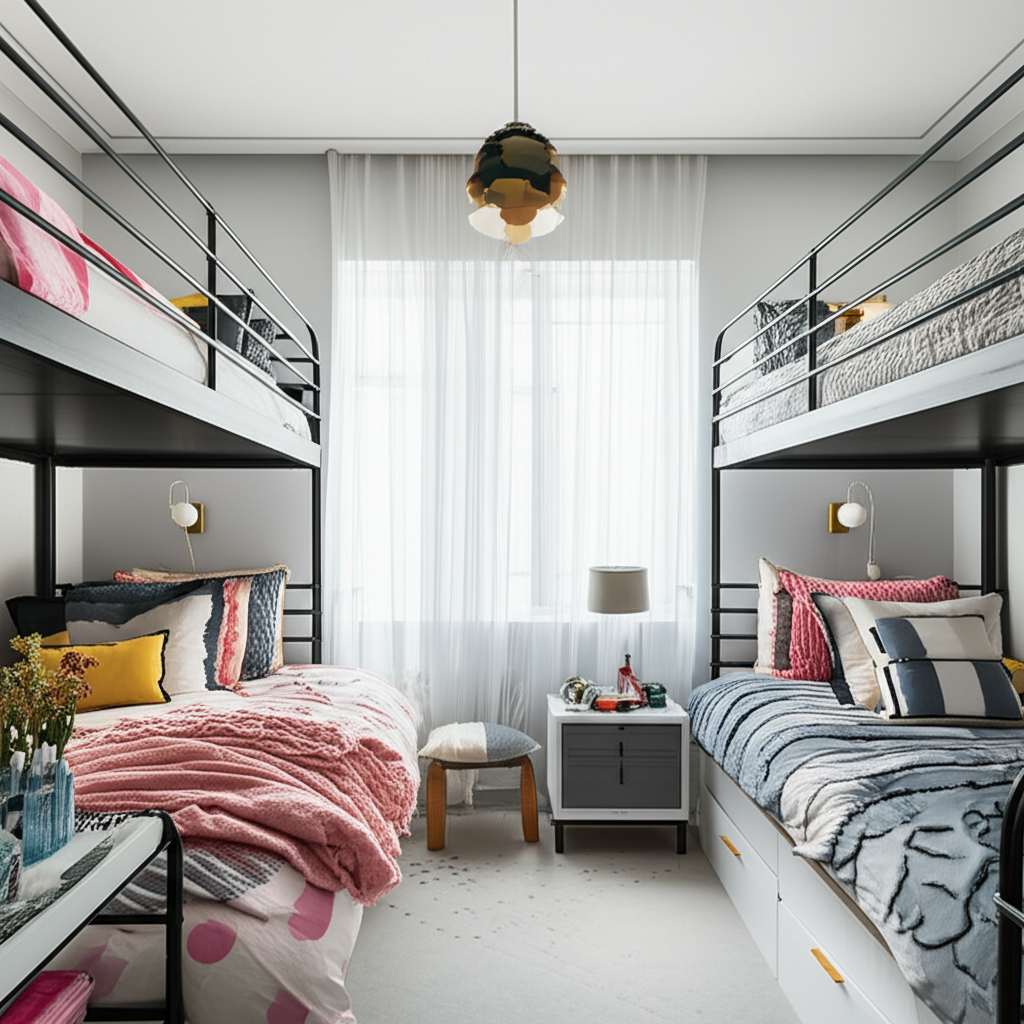
But don’t worry! Creating a beautiful shared space doesn’t have to be complicated or expensive.
We’re here to guide you through simple, creative ways to make your shared room a place you’ll both love. Let’s dive into some easy ideas that will make a big difference.
Frequently Asked Questions
How do I make a shared room feel more aesthetic on a budget?
Focus on high-impact, low-cost changes like new bedding, affordable wall art, and strategic lighting. Decluttering and organizing also make a huge difference and are completely free! For more inspiration on keeping your space tidy and efficient, explore our guide to stylish storage solutions that can be adapted to any room.
What’s the best way to divide a shared room visually?
Use furniture placement (like a bookshelf or screen), different rug colors, or even distinct paint colors on adjacent walls to create separate zones without building walls.
How can I incorporate personal style in a shared space without clashing?
Find common ground in a color palette or style. Then, allow each person to express their individuality through smaller, personal items like photos, desk accessories, or throw pillows.
What are some practical tips for shared storage solutions?
Think vertically with shelves and wall-mounted organizers. Consider under-bed storage bins and ottomans with built-in storage. Clear, labeled containers are key to keeping things tidy.
How do I balance aesthetics with functionality in a small shared room?
Prioritize multi-functional furniture like a sofa bed or a desk that can also serve as a vanity. Keep decor minimal but impactful, and ensure every item has a designated place to avoid clutter.
What are some easy ways to add personality to a shared room?
Incorporate unique lighting fixtures, hang a gallery wall with a mix of art and photos, or add plants for a touch of nature. Even changing out hardware on drawers and cabinets can add a personal touch.
Is it possible to create an aesthetic shared room for a mom and baby?
Absolutely! Focus on a calming color palette, soft textures, and functional yet beautiful storage. Think about a shared adult space that also incorporates a cozy, safe nursery corner with thoughtful decor.
Bringing Style and Harmony to Shared Spaces
Sharing a room can sometimes feel like a compromise, especially when it comes to making it look good. You want a space that feels cozy and stylish, but also works for everyone who lives there.
It’s a common challenge for students in dorms, roommates in apartments, or even families looking to maximize space. The good news is that creating an aesthetic shared room is totally doable!
We’re going to explore some simple yet effective ideas to help you design a beautiful and functional shared sanctuary. Get ready to transform your space without the stress.
7 Aesthetic Shared Room Ideas: Essential Tips
Creating a shared living space that feels both stylish and personal is a fantastic way to make your home more enjoyable. It’s all about finding that sweet spot where individual tastes meet and create something beautiful together. Let’s dive into some practical, beginner-friendly ideas!
1. Define Zones with Smart Layouts
Even in a small room, clearly defining personal and shared areas makes a huge difference. This helps everyone feel like they have their own space within the larger room.
Think about how you use the room. Do you need a quiet study corner? A cozy relaxation spot? A place for hobbies? Arranging furniture to create these distinct zones can make the room feel much larger and more organized.
Key Tips:
- Furniture Placement: Use larger pieces like sofas, bookshelves, or even screens to act as natural dividers. Place a bed on one side and a desk or seating area on the other.
- Rugs: Use different rugs to visually separate areas. A rug under the bed can define a sleeping zone, while another under a seating area can create a lounge space.
- Color Blocking: If painting is an option, consider subtly different paint colors on adjacent walls to denote different zones. This can be done with accent walls or even just different shades of the same color.
2. Harmonize Your Color Palette
Choosing a cohesive color scheme is one of the most impactful ways to make a shared room feel unified and aesthetically pleasing. It doesn’t mean you both have to love the exact same shade, but finding a palette you can agree on is key.
A shared color palette acts as a visual anchor, making the room feel calmer and more intentional. You can then layer in personal touches within this framework.
How to Choose:
- Neutral Base: Start with a neutral base color for walls and larger furniture pieces. Think shades of white, grey, beige, or muted blues.
- Accent Colors: Select 2-3 accent colors that complement the base. These can be introduced through bedding, throw pillows, curtains, or decor items.
- Consider Mood: Different colors evoke different feelings. Blues and greens are calming, yellows and oranges are energizing, and soft pastels create a dreamy atmosphere.
For example, a calming palette might be soft grey walls, with accents of dusty rose and sage green. This allows for personal expression through different patterns and textures within those colors. If you’re drawn to warm tones, check out our roundup of warm color ideas for inspiration that translates beautifully to bedrooms too.
3. Embrace Multi-Functional Furniture
In any shared space, especially smaller ones, making the most of your furniture is crucial. Multi-functional pieces are lifesavers, offering more bang for your buck and saving valuable floor space.
These clever items can serve multiple purposes, helping to keep the room tidy and adaptable to different needs throughout the day. Investing in smart furniture can make a world of difference.
Smart Furniture Choices:
- Storage Beds: Beds with built-in drawers or lift-up storage are perfect for stashing away linens, extra clothes, or seasonal items.
- Ottomans with Storage: These can serve as extra seating, a footrest, or a coffee table, all while hiding clutter.
- Nesting Tables: They can be spread out when needed for guests or workspace, and then neatly tucked away to save space.
- Convertible Desks: A desk that folds down from the wall or has a hutch can maximize workspace and storage without taking up permanent floor space.
When looking for furniture, always consider its potential secondary uses. For instance, a bench at the end of the bed can provide seating and storage.
4. Maximize Vertical Space for Storage
When floor space is limited, looking up is your best bet! Utilizing vertical space for storage is a game-changer for keeping shared rooms organized and clutter-free.
Vertical storage solutions make your room feel tidier and can also add to the aesthetic. Think of shelves and wall units as functional decor.
Go Vertical:
- Wall Shelves: Install floating shelves or traditional bracket shelves above beds, desks, or even doors. Use them for books, decor, or personal items.
- Tall Bookcases: A slim, tall bookcase can hold a surprising amount of items without taking up a large footprint.
- Over-the-Door Organizers: These are fantastic for shoes, accessories, or toiletries and require no installation.
- Wall-Mounted Organizers: Pegboards, magnetic strips, or wall grids can be customized to hold various items, from jewelry to office supplies.
You can find many affordable and stylish options at stores like IKEA or even DIY some solutions. For more on organizing, check out these waste reduction tips from the EPA, which can inspire better organization habits.
5. Layer Lighting for Ambiance
Lighting is often overlooked, but it’s incredibly powerful in setting the mood and enhancing the aesthetic of any room. Layering different types of light can transform a shared space from drab to fab.
Good lighting can make a room feel more inviting, cozy, and even larger. It also allows for different activities, like reading or relaxing, to be more comfortable.
Lighting Layers:
- Ambient Lighting: This is the general illumination, usually from a ceiling fixture. Consider a dimmer switch for flexibility.
- Task Lighting: Essential for specific activities like reading or working. This includes desk lamps or bedside reading lights.
- Accent Lighting: Used to highlight features or create a cozy atmosphere. Think string lights, fairy lights, or small lamps on shelves.
Using warm-toned bulbs (around 2700K-3000K) can create a cozier feel than cool, blue-toned bulbs. String lights draped over a headboard or around a mirror add a touch of magic.
6. Personalize with Textiles and Art
This is where you and your roommate can truly inject personality! Textiles like throw pillows, blankets, and curtains, along with art, are relatively easy and affordable ways to express individual style while tying the room together.
These elements add color, texture, and visual interest, making the room feel more lived-in and stylish. They are also easy to change out if your tastes evolve.
Adding Flair:
- Mix and Match: Choose a few complementary patterns and textures for throw pillows and blankets. A solid color base with patterned accents works well.
- Gallery Walls: Create a shared gallery wall where each person can contribute a few pieces. This could include photos, prints, postcards, or even small objects.
- Curtains: New curtains can dramatically change the feel of a room. Opt for a fabric and color that complements your chosen palette.
- Area Rugs: Beyond defining zones, rugs add warmth, color, and pattern.
When selecting art, try to find pieces that complement each other or share a common theme or color. Websites like MoMA’s online collection can offer inspiration for styles and artists.
7. Declutter Ruthlessly and Keep it Tidy
This might not sound like an “aesthetic” tip, but trust me, it’s the most important one! A cluttered room, no matter how beautifully decorated, will never feel truly aesthetic or peaceful.
Regular decluttering and maintaining tidiness are fundamental to achieving a stylish and functional shared space. It requires cooperation and a commitment from everyone sharing the room.
Decluttering Strategies:
- The “One In, One Out” Rule: For every new item that comes into the room, an old one must go.
- Regular Purges: Schedule regular times (e.g., monthly) to go through belongings and discard or donate items you no longer need or use.
- Designated Spots: Ensure every item has a home. This makes tidying up much quicker and easier.
- Communicate: Talk openly about what you each consider clutter and agree on a system for managing shared items.
Keeping surfaces clear and items put away creates a sense of calm and makes your aesthetic choices shine. Consider investing in some attractive storage baskets or bins to keep smaller items contained. For more minimalist approaches that maximize style and space, see our guide on minimal decor ideas—perfect for shared rooms too.
Aesthetic Shared Room Ideas for Mom and Baby
Creating a shared space for a mom and baby is a special design challenge that prioritizes comfort, safety, and a sense of calm for both. The goal is to blend a functional nursery area with a comfortable living space for the parent.
It’s about creating an environment that supports the needs of a newborn while also being a pleasant place for the mom to rest and recharge.
Key Considerations:
- Calming Color Palette: Opt for soft, muted colors like pastels, gentle neutrals, or earthy tones. These create a serene atmosphere conducive to sleep and relaxation.
- Soft Textures: Incorporate plush rugs, soft blankets, and comfortable seating. Think about sensory experiences for both mom and baby.
- Smart Zoning: Use a stylish room divider, a strategically placed bookshelf, or even a change in flooring (like a rug) to subtly separate the baby’s sleeping area from the main living space.
- Functional Nursery Essentials: Ensure easy access to a changing station, diapers, and baby clothes. Consider a stylish bassinet or crib that fits the room’s aesthetic.
- Comfort for Mom: Include a comfortable armchair or glider for nursing and feeding, and ensure adequate lighting for nighttime care.
- Safety First: All furniture should be baby-safe, with no sharp edges. Ensure electrical outlets are covered and cords are managed. Resources like the Consumer Product Safety Commission’s child safety guidelines are invaluable.
- Streamlined Storage: Utilize decorative baskets, wall shelves, and under-bed storage to keep baby items organized and out of sight when not in use.
Imagine a room with soft grey walls, a cozy armchair in a muted blush, a beautifully made crib, and a dresser that doubles as a changing station. Add gentle lighting and a few tasteful baby-themed decor items that don’t overwhelm the space.
Creating Your Dream Shared Space
Designing a shared room doesn’t have to be a source of stress. By focusing on smart layout, a harmonious color palette, multi-functional furniture, and utilizing vertical space, you can create a room that is both stylish and highly practical.
Remember that good lighting and thoughtful use of textiles and art can significantly enhance the aesthetic and personal feel of your shared sanctuary. And never underestimate the power of decluttering to bring peace and order.
Whether you’re a student, roommates, or a family navigating a shared space, these tips offer a solid foundation. With a little creativity and cooperation, you can transform any shared room into a place you’ll both love spending time in.