Quick Summary:
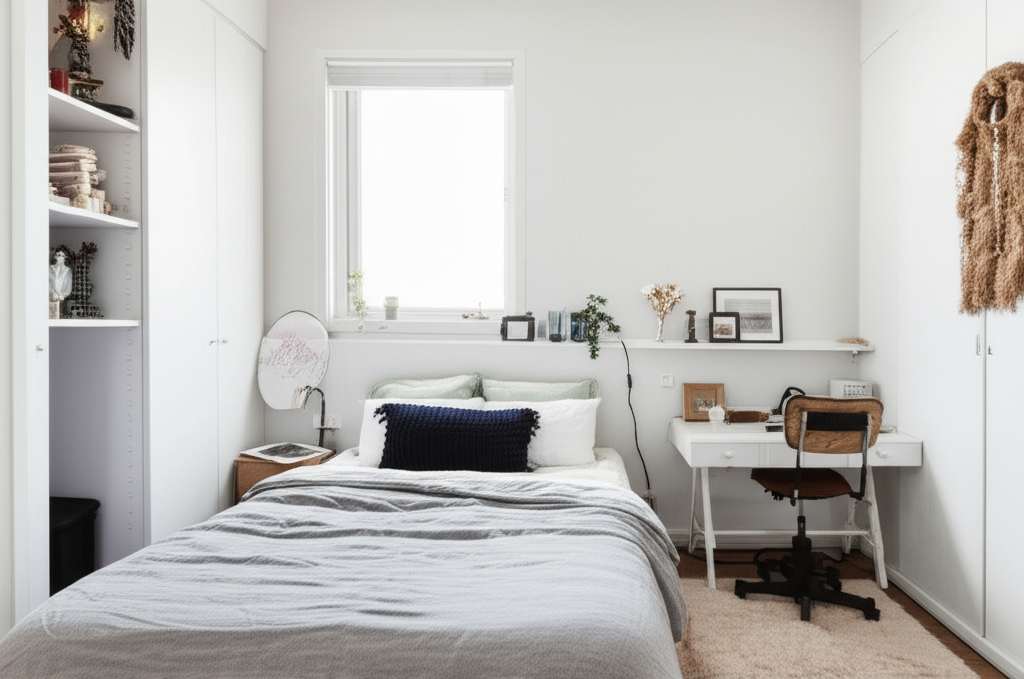
Designing a small bedroom is all about smart choices! Maximize space with multi-functional furniture, strategic storage, light colors, and clever decor. Our tips will help you create a cozy, stylish, and functional sanctuary, no matter the size.
Feeling a bit cramped in your bedroom? You’re not alone! Many of us dream of spacious rooms, but often end up with cozy nooks that feel more like closets. It can be frustrating when you want to create a peaceful retreat, but every piece of furniture seems to take up too much precious space.
Don’t worry, designing a small bedroom doesn’t have to be a headache. With a few clever tricks and a bit of planning, you can transform even the tiniest room into a functional and beautiful space you’ll love. We’ll walk you through simple, budget-friendly ideas to make your small bedroom feel bigger and brighter.
Ready to unlock the potential of your small space? Let’s dive into some amazing tips that will make your bedroom a dream come true!
How to Design a Small Bedroom: Amazing Tips
Designing a small bedroom can feel like solving a puzzle, but it’s a fun one! The key is to think smart about how you use every inch. We’re here to share easy, stylish, and practical ways to make your small bedroom feel spacious, organized, and totally you. Get ready to fall in love with your room all over again!
1. Embrace Light and Bright Colors
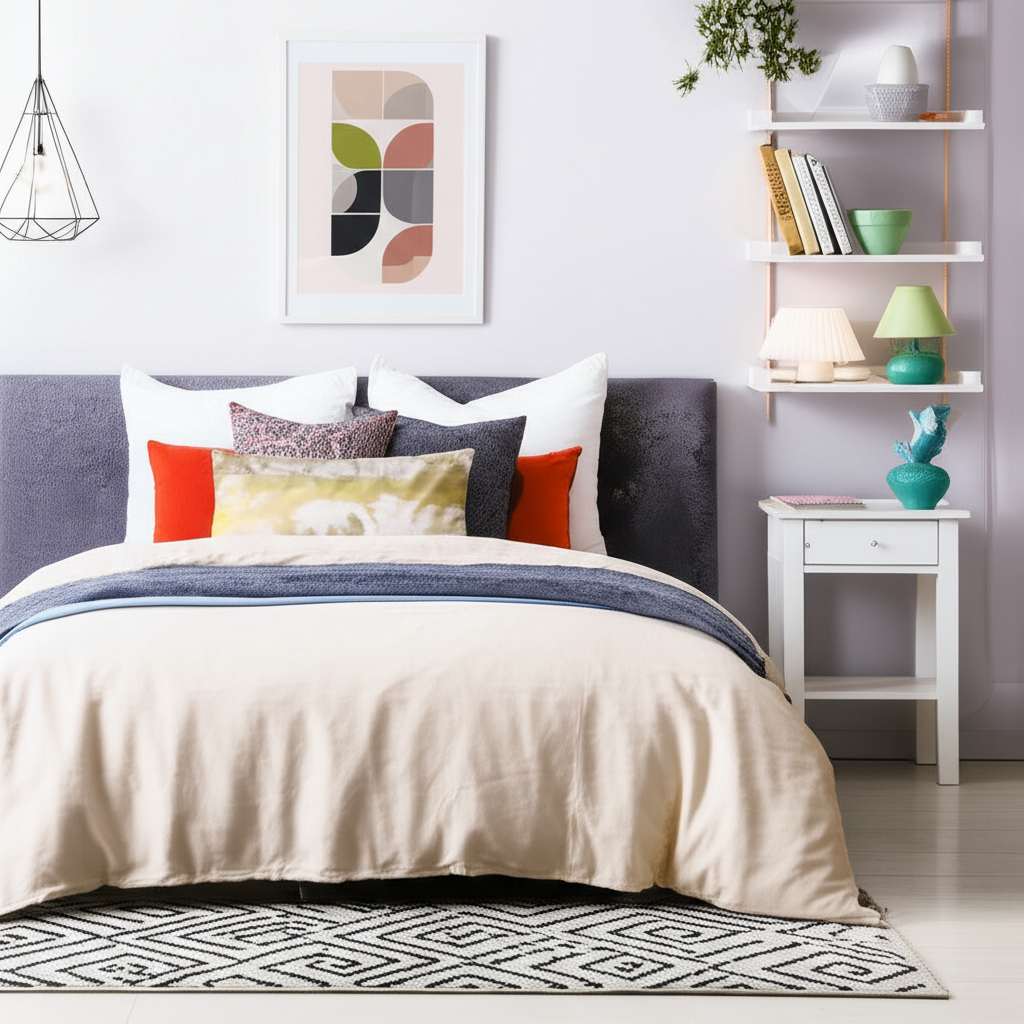
Color is your best friend when it comes to making a small space feel larger. Light and airy hues reflect light, making walls seem to recede and the room feel more open. Think soft whites, gentle grays, pale blues, and muted pastels.
Avoid dark, heavy colors on the walls, as they can make a room feel smaller and more enclosed. If you love darker shades, use them as accents in decor items like throw pillows or artwork.
Why Light Colors Work Wonders:
- Reflect Light: They bounce natural and artificial light around the room, creating a brighter, more expansive feel.
- Create an Airy Atmosphere: Light colors promote a sense of calm and openness, which is perfect for a bedroom sanctuary.
- Versatile Base: They serve as a neutral backdrop, allowing you to easily add pops of color and personality through accessories.
2. Maximize Vertical Space with Storage
When floor space is limited, look up! Vertical storage is a game-changer for small bedrooms. Think tall bookshelves, wall-mounted shelves, and over-the-door organizers.
Utilize the space above your bed with floating shelves or a tall headboard with built-in storage. This draws the eye upward and keeps your floor clear, making the room feel less cluttered. For more inspiration on smart storage, check out our guide to stylish storage accessories that can inspire similar solutions in your bedroom.
Clever Vertical Storage Ideas:
- Floating Shelves: Perfect for displaying decor, books, or even small plants without taking up floor space.
- Tall, Slim Bookcases: Opt for narrow designs that offer ample storage without a wide footprint.
- Wall-Mounted Cabinets: These can provide hidden storage for essentials, keeping surfaces tidy.
- Over-the-Door Organizers: Great for shoes, accessories, or toiletries.
- Ladder Shelving: A stylish and functional way to store items and add visual interest.
3. Choose Multi-Functional Furniture
Every piece of furniture in a small bedroom should work hard! Opt for items that serve more than one purpose to save space and reduce clutter.
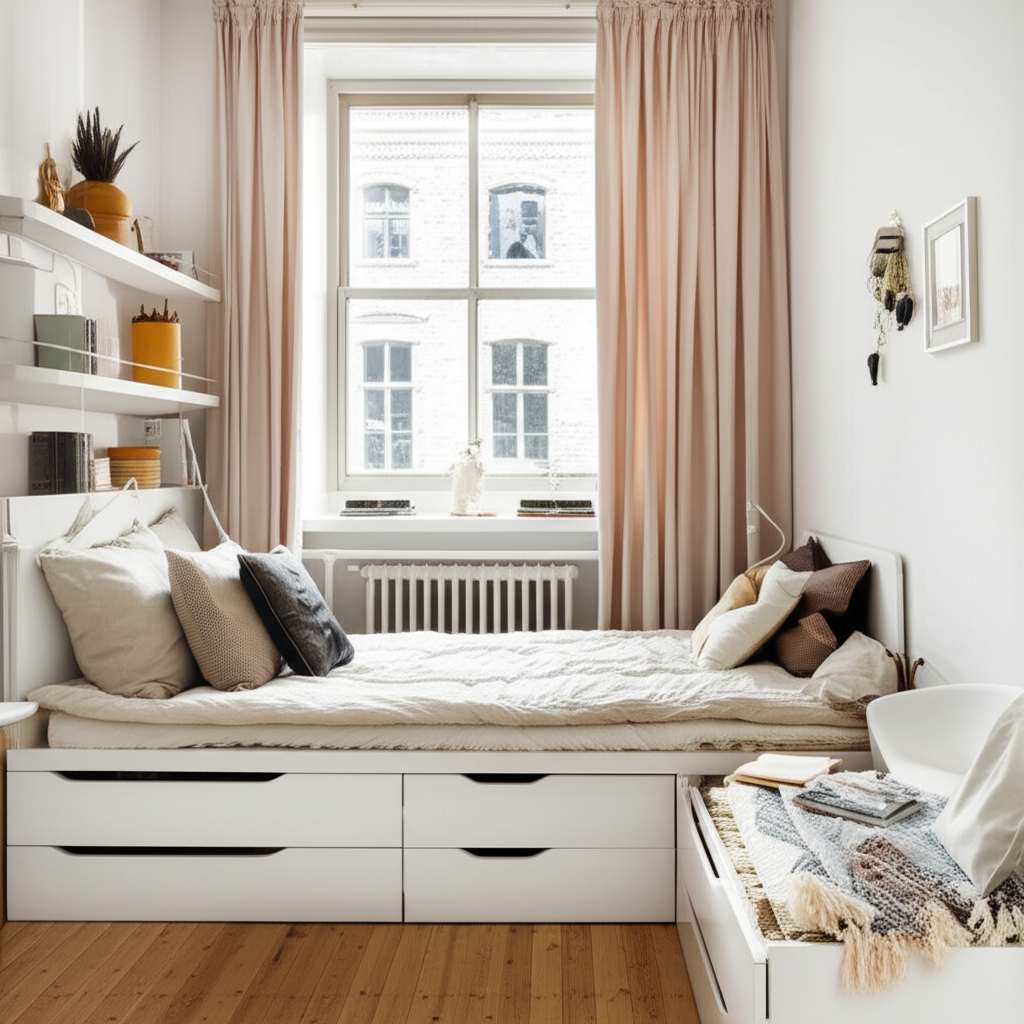
Consider a bed with built-in drawers or a storage ottoman that can double as a bedside table and a place to store extra linens. A desk that folds down from the wall is another fantastic space-saver.
Must-Have Multi-Functional Furniture:
- Storage Beds: Beds with drawers underneath or a lift-up mattress are invaluable for hiding away clothes, bedding, and more.
- Ottomans with Storage: Use them as a footrest, extra seating, or a coffee table, all while storing items inside.
- Wall-Mounted Desks: Perfect for a small workspace that can be folded away when not in use.
- Nesting Tables: These can be pulled out when needed for extra surface space and tucked away to save room.
- Sofa Beds (if applicable): For guest rooms or studios, a sofa bed offers seating and sleeping in one.
4. Smart Layout and Furniture Placement
The way you arrange your furniture can dramatically impact how spacious your room feels. Generally, placing the largest piece of furniture, the bed, against the longest wall can create a sense of balance.
Keep pathways clear. Avoid blocking windows or doors with furniture. If possible, position your bed so you can see the door from it – this is often said to create a sense of security and control.
Layout Tips for Small Bedrooms:
- Bed Placement: Against the longest wall or centered opposite the door is often ideal.
- Clear Pathways: Ensure you can walk easily around the room without bumping into things.
- Furniture Scale: Choose furniture that is appropriately sized for the room. Oversized pieces will make it feel smaller.
- Corner Utilization: Use corners for storage or a small desk.
5. The Magic of Mirrors
Mirrors are a decorator’s secret weapon for small spaces. They reflect light and create the illusion of depth, making a room feel much larger than it is.
Place a large mirror opposite a window to bounce natural light around. A floor-length mirror leaning against a wall can also add a touch of elegance and expand the perceived size of the room.
Mirror Placement Ideas:
- Opposite a Window: Maximizes natural light and the illusion of more space.
- Behind a Lamp: Amplifies light and adds a decorative element.
- Full-Length Mirror: Adds functionality for dressing and visually expands the room.
- Mirrored Furniture Accents: A mirrored dresser or nightstand can add sparkle and depth.
6. Declutter Ruthlessly and Organize Smartly
This is perhaps the most crucial step for any small space. Clutter is the enemy of a small bedroom! Regularly decluttering your belongings is essential.
Once you’ve decluttered, invest in smart storage solutions. Baskets, drawer dividers, and clear containers can help keep everything organized and out of sight. A tidy room automatically feels larger and more serene.
Decluttering & Organizing Strategies:
- The One-In, One-Out Rule: For every new item you bring in, get rid of a similar old item.
- Seasonal Purge: Go through your clothes and belongings at least twice a year.
- Utilize Hidden Storage: Under-bed bins, closet organizers, and decorative boxes are your allies.
- Keep Surfaces Clear: Nightstands and dressers should have minimal items on them.
7. Strategic Lighting
Good lighting can transform a small bedroom from dark and dingy to bright and inviting. Layer your lighting to create different moods and ensure no corner is left in shadow.
Combine overhead lighting with task lighting (like a bedside lamp) and accent lighting. Wall sconces can be a great space-saver, freeing up surface area on your nightstand.
Layering Your Bedroom Lighting:
- Ambient Lighting: Your main light source, usually a ceiling fixture. Dimmers are great for controlling mood.
- Task Lighting: For reading or working, like a bedside lamp or a desk lamp.
- Accent Lighting: To highlight artwork or architectural features.
- Natural Light: Maximize it by using sheer curtains or blinds that can be easily adjusted.
8. Scale Your Furniture Appropriately
It might be tempting to cram a queen-size bed into a small room, but it will likely overwhelm the space. Choose furniture that is proportionate to the size of your bedroom.
Look for beds with slim profiles, slender nightstands, and chairs that are not too bulky. A good rule of thumb is to leave at least 2-3 feet of walking space around your main furniture pieces.
Furniture Scale Guide:
| Furniture Type | Small Bedroom Recommendations | Considerations |
|---|---|---|
| Bed | Full or Queen-size with a slim frame, or a Twin XL for maximum space. | Avoid bulky headboards and footboards. |
| Nightstand | Small, slender table or floating shelf. | Ensure it’s tall enough to reach your mattress level. |
| Dresser | Narrow, tall dresser rather than a wide, short one. | Consider built-in closet storage instead. |
| Seating | Small accent chair or stool. | Avoid large armchairs that eat up space. |
9. Use Mirrors Strategically to Create Depth
We touched on mirrors earlier, but their impact is so significant we’re dedicating another point to their strategic placement. Beyond just reflecting light, mirrors can visually expand a room by creating the illusion of more space.
A large floor-to-ceiling mirror can make a wall disappear, while a series of smaller mirrors can add sparkle and interest. Think about placing mirrors opposite doors or windows to maximize their effect.
Advanced Mirror Techniques:
- Mirrored Closet Doors: A practical and space-enhancing solution.
- Mirror as Wall Art: A large, decorative mirror can serve as a focal point.
- Grouped Mirrors: A collection of smaller mirrors can create a dynamic feature.
10. Decorate with a Light Touch
When it comes to decor, less is often more in a small bedroom. Choose a few key pieces that you love rather than filling every surface with knick-knacks.
Opt for items that are visually light, such as thin-framed artwork or airy curtains. Avoid heavy, dark textiles that can make the room feel closed in. For a cohesive look, explore minimal decor ideas that emphasize simplicity and functionality.
Decorating for Small Spaces:
- Curate Your Accessories: Choose items that are meaningful and add personality without overwhelming the space.
- Lightweight Textiles: Use sheer curtains, lightweight bedding, and minimal decorative pillows.
- Artwork Placement: A single, larger piece of art can be more effective than multiple small ones.
11. Consider Your Bedding and Linens
The bedding you choose can significantly impact the feel of your bedroom. Opt for lighter colors and patterns that don’t overwhelm the space.
If your bed is the largest item in the room, choosing light, crisp linens can make it feel less dominant. Consider a duvet cover in a pale hue or a subtle pattern.
Bedding Tips:
- Color: Stick to lighter, neutral colors or soft pastels.
- Pattern: Subtle, small-scale patterns are best. Avoid large, busy prints.
- Texture: Incorporate texture through throws or pillows for added depth without visual clutter.
12. Maximize Natural Light
Letting in as much natural light as possible is one of the easiest ways to make a small bedroom feel more open and inviting. Keep window treatments simple and functional.
Avoid heavy, dark drapes. Instead, opt for sheer curtains, blinds, or shades that can be easily opened to allow light to flood in. If privacy is a concern, consider frosted window film or top-down/bottom-up blinds.
Natural Light Maximizers:
- Sheer Curtains: Allow light to filter through while still providing some privacy.
- Blinds or Shades: Offer adjustable light control.
- Keep Windows Clear: Avoid placing tall furniture directly in front of windows.
13. Incorporate Plants for Life and Color
Plants can bring life, color, and a sense of freshness to any room, including a small bedroom. Choose plants that are suitable for indoor environments and don’t take up too much space.
Hanging plants or small potted plants on shelves can add a touch of nature without cluttering surfaces. Look for plants that thrive in lower light conditions if your bedroom doesn’t get much sun.
Plant Ideas for Small Spaces:
- Hanging Pothos or Spider Plants: Add greenery without using floor or surface space.
- Snake Plants or ZZ Plants: These are low-maintenance and can tolerate low light.
- Small Succulents: Perfect for windowsills or shelves.
14. Think About the Scale of Artwork and Decor
When selecting artwork or decorative items, consider their scale. A few carefully chosen, larger pieces can make a bigger impact and feel less cluttered than many small items.
A single, striking piece of art above the bed or a large mirror can serve as a focal point. This strategy helps to create a sense of order and intentionality.
Artwork & Decor Scale Tips:
- One Large Statement Piece: More impactful than a gallery wall in a tiny room.
- Consider Vertical Art: A tall, narrow piece can draw the eye upward.
- Avoid Clutter: Choose items that are meaningful and add to the room’s aesthetic without overwhelming it.
15. Don’t Forget About Flooring
The flooring in your small bedroom can also play a role in making it feel more spacious. Lighter-colored flooring can help to brighten the room.
If you have darker floors, a large, light-colored area rug can help to visually expand the space. Ensure the rug is large enough to anchor the main furniture pieces, like the bed and nightstands.
Flooring & Rug Tips:
- Light-Colored Flooring: Light wood, laminate, or even light-colored carpet can enhance brightness.
- Area Rugs: A large, light-colored rug can make the room feel more cohesive and expansive.
- Rug Placement: Ensure at least the front legs of your bed and nightstands sit on the rug.
16. Utilize Hidden Storage Solutions
Beyond multi-functional furniture, there are countless ways to incorporate hidden storage. Think about the often-unused space under your bed or the back of your closet door.
Under-bed storage bins are perfect for seasonal clothing or extra bedding. Over-the-door organizers can hold shoes, accessories, or toiletries, keeping them neatly out of sight.
Smart Hidden Storage Ideas:
- Under-Bed Storage Bins: Use wheeled bins for easy access.
- Drawer Dividers: Keep dresser drawers organized and maximize space.
- Closet Organizers: Utilize shelves, hanging organizers, and shoe racks.
- Over-the-Door Shoe Organizers: Versatile for more than just shoes!
17. Create a Focal Point
Every room benefits from a focal point – something that draws the eye and anchors the space. In a small bedroom, this could be your bed, a piece of artwork, or even a stylish accent wall.
Choose one element to highlight and build your design around it. This prevents the room from feeling too busy or chaotic.
Focal Point Ideas:
- The Bed: Make it stand out with a beautiful headboard or stylish bedding.
- Artwork: A large, captivating piece can be a great focal point.
- Accent Wall: A subtle color, wallpaper, or texture on one wall can add depth.
18. Keep it Clean and Tidy
This might seem obvious, but a clean and tidy room will always feel more spacious than a cluttered one. Make it a habit to put things away as you use them.
Regularly dusting and vacuuming also contribute to a feeling of spaciousness. A well-maintained room feels calmer and more inviting.
Daily Tidy Habits:
- Make Your Bed Daily: Instantly makes the room look more put-together.
- Put Items Away: Clothes in the hamper, books on the shelf, etc.
- Clear Surfaces: Keep nightstands and dressers free of clutter.
19. Consider Lighting and Fixtures
The type of light fixtures you choose can also impact the perceived size of your room. Opt for fixtures that are sleek and don’t hang too low, which can visually cut down on headroom.
Wall-mounted sconces or slim pendant lights are excellent choices for small bedrooms. They provide ample light without taking up valuable floor or surface space. For more on lighting, consider resources from the U.S. Department of Energy’s Energy Saver for efficient lighting tips.
Fixture Tips for Small Spaces:
- Wall Sconces: Free up nightstand space and provide targeted light.
- Recessed Lighting: Offers ambient light without taking up visual space.
- Slim Pendant Lights: Choose modern, minimalist designs.
- Avoid Bulky Fixtures: Large, ornate chandeliers can make a room feel smaller.
20. Embrace the Cozy Factor
While we aim to make small rooms feel larger, there’s no reason they can’t also be incredibly cozy and inviting. Embrace the intimacy of the space!
Use soft textures, comfortable bedding, and warm lighting to create a snug atmosphere. A small bedroom can be a wonderful sanctuary for relaxation and rest. Discover more cozy design inspiration in our guide to cozy small space ideas.
Creating a Cozy Ambiance:
- Soft Textures: Plush rugs, velvet cushions, soft throws.
- Warm Lighting: Use warm-toned bulbs and dimmers.
- Personal Touches: Photos, favorite books, or meaningful decor.
Frequently Asked Questions About Small Bedroom Design
Q1: What is the best color to paint a small bedroom?
A1: Light and bright colors are best. Think soft whites, creams, pale grays, or muted pastels. These colors reflect light and make the room feel more open and airy.
Q2: Should I use a large or small bed in a small bedroom?
A2: It depends on your needs, but generally, a bed that is proportionate to the room is best. A full or queen-size bed with a slim frame often works well. If space is extremely limited, a twin XL can be a good option, especially with smart storage solutions.
Q3: How can I add storage without making my small bedroom feel cluttered?
A3: Focus on vertical storage like wall shelves and tall, narrow bookcases. Also, opt for multi-functional furniture with built-in storage, such as beds with drawers or storage ottomans. Hidden storage solutions like under-bed bins are key.
Q4: Are mirrors a good idea for small bedrooms?
A4: Absolutely! Mirrors are fantastic for small spaces. They reflect light and create the illusion of depth, making the room feel significantly larger. Place them opposite windows or doors for the best effect.
Q5: How can I make a small bedroom feel more luxurious?
A5: Incorporate soft textures like velvet or plush rugs, use layered lighting with dimmers, and choose elegant, high-quality bedding. A statement piece of art or a decorative mirror can also add a touch of luxury.
Q6: What kind of window treatments work best in small bedrooms?
A6: Opt for light and airy window treatments. Sheer curtains, simple blinds, or shades that allow plenty of natural light to enter are ideal. Avoid heavy, dark drapes that can make the room feel smaller.
Q7: Can I use dark colors in a small bedroom?
A7: Yes, but use them strategically. Dark colors can be effective as accent walls or in smaller decor items like pillows or artwork. If used on all walls, they can make the room feel smaller and more enclosed. A good resource for understanding color psychology in design is available from universities like UCLA Health.
Conclusion
Designing a small bedroom is all about embracing creativity and making smart choices. By focusing on light colors, multi-functional furniture, clever storage, and strategic decor, you can transform even the tiniest space into a comfortable, stylish, and functional sanctuary.
Remember, the goal is to create a room that feels bigger, brighter, and more inviting. Don’t be afraid to experiment with these tips and find what works best for your unique space and style. With a little effort and these helpful hacks, your small bedroom can become your favorite room in the house!