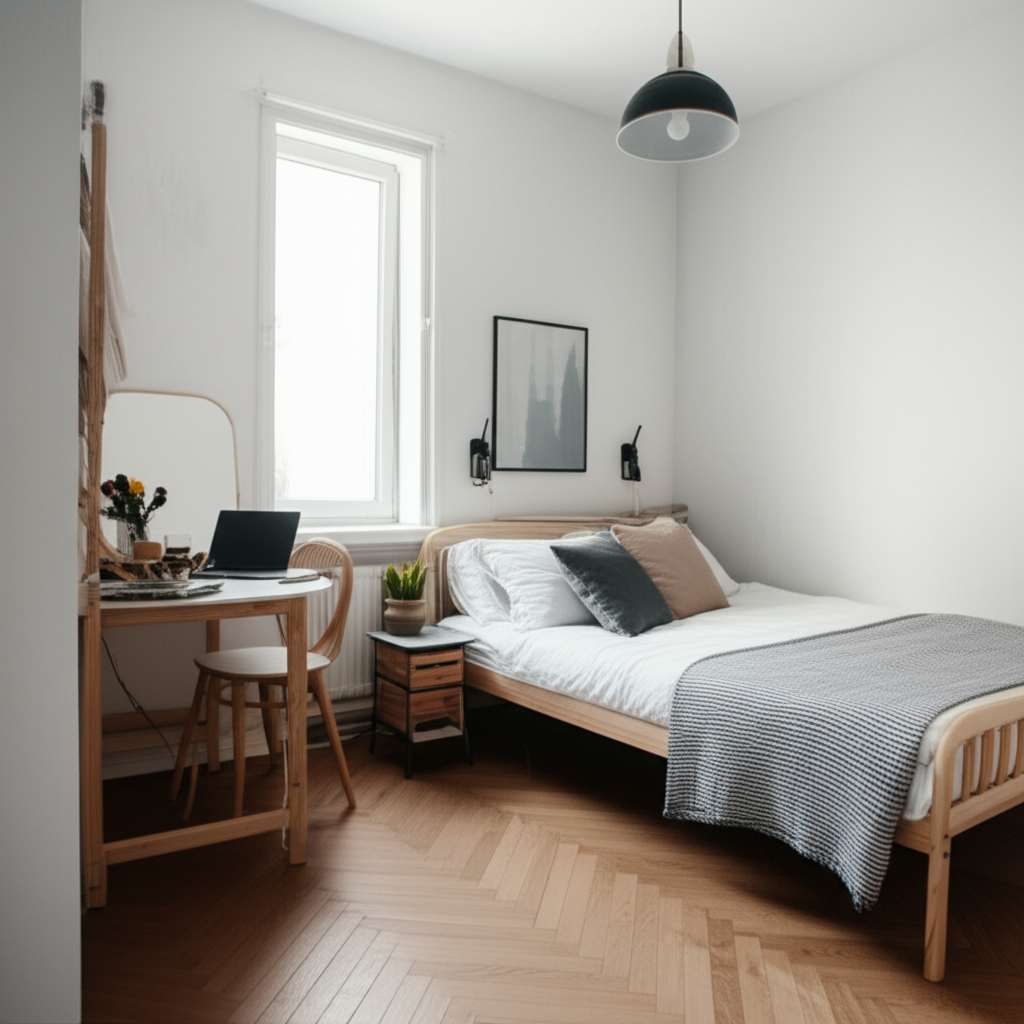
Creating a functional and stylish small room for two is absolutely achievable with smart design choices that maximize space and ensure comfort for everyone.
Living in a small space with another person can sometimes feel like a puzzle. You want to make sure both of you have your own sense of personal space while also creating a shared area that feels welcoming and comfortable. It’s easy to feel overwhelmed, wondering how to fit everything in without making the room feel cramped.
But don’t worry! Designing a small room for two doesn’t have to be stressful. With a few clever tricks and a focus on smart solutions, you can transform your compact space into a functional and beautiful haven for both of you.
We’ll walk through easy, practical tips to help you make the most of your shared living area. Get ready to discover how to create a room that feels bigger, works better, and looks fantastic.
Small Room Design for 2 People: Your Ultimate Guide
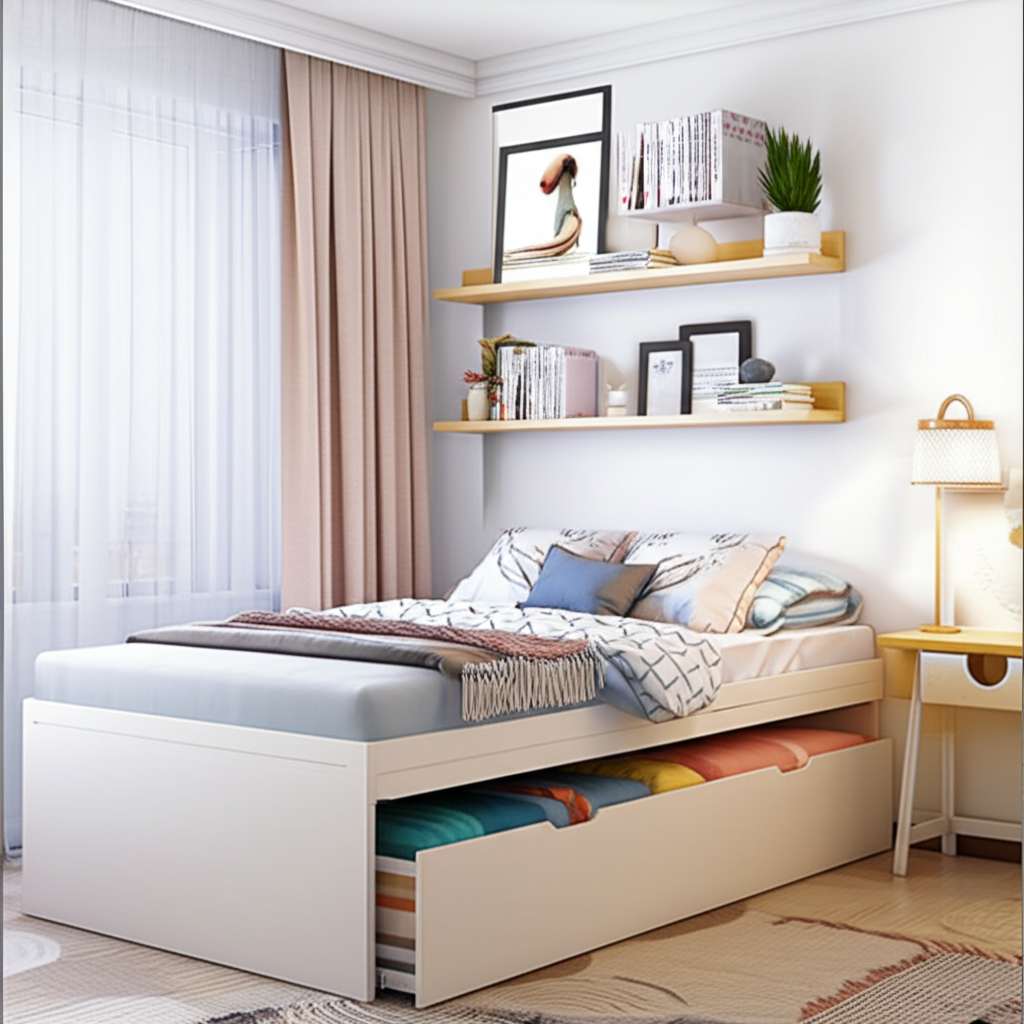
Sharing a small room means finding a balance between individual needs and shared living. It’s about being clever with space, choosing furniture wisely, and creating an atmosphere where both of you can relax and thrive. Let’s dive into the essential tips to make your small room a success for two!
1. Master the Art of Layout: The Foundation of a Functional Space
The first step in any small room design is figuring out the best layout. This is crucial for making sure the room flows well and feels spacious, even when you’re sharing it. Think about how you both use the room. Do you work from home? Enjoy movie nights? Need space for hobbies? Understanding your daily routines will guide your furniture placement.
Start by drawing a simple floor plan of your room. You can do this on paper or use free online tools. Measure your room and furniture to scale. This helps you visualize how everything will fit before you move a single piece.
Consider a “zone” approach. Even in a small room, you can create distinct areas for sleeping, working, relaxing, and storage. This helps to visually separate the space and make it feel more organized. For example, a small desk tucked into a corner can be a dedicated work zone.
2. Choose Furniture That Works Double Duty
In a small room, every piece of furniture needs to earn its keep. Opt for items that serve multiple purposes to save precious floor space. This is where smart shopping really pays off!
- Ottomans with Storage: These can be used as extra seating, a coffee table, or a footrest, all while hiding blankets, books, or other clutter.
- Sofa Beds or Daybeds: Perfect for guest use or if you have different sleep schedules, a sofa bed offers seating during the day and a bed at night. A daybed can serve as a sofa and a bed.
- Nesting Tables: These are tables that tuck under each other. You can pull them out when you need extra surface space for drinks or snacks, and push them back in when you don’t.
- Wall-Mounted Furniture: Think floating shelves, fold-down desks, or bedside tables. These keep the floor clear, making the room feel larger.
3. Embrace Vertical Space: Think Up, Not Out
When floor space is limited, the walls become your best friends. Utilizing vertical space is a game-changer for small rooms, especially when two people need to store their belongings.
Install tall bookshelves or shelving units that go all the way to the ceiling. This maximizes storage without taking up much floor area. You can store books, decorative items, and even bins of personal belongings here.
Wall-mounted organizers are also excellent. Consider pegboards for craft supplies or office essentials, or wall-mounted cabinets to keep items out of sight. This not only adds storage but also keeps surfaces clear, which is key to making a small room feel less cluttered.
Hanging storage can be incredibly useful. Over-the-door organizers for shoes or accessories, or hanging closet organizers can free up drawer and shelf space. For more information on maximizing storage solutions, resources like EPA’s guidance on reducing home energy use (while not directly about storage, it emphasizes efficient living and smart choices that apply to space optimization) can offer broader perspectives on mindful living that translate to smaller spaces.
4. Color Your Space Wisely: The Magic of Light Hues
Color has a huge impact on how a room feels. In small spaces, lighter colors are your secret weapon for making the room appear larger and more airy.
Think about painting your walls in soft, neutral tones like off-white, light gray, or pale blues and greens. These colors reflect light, making the room feel brighter and more open. Darker colors can make a room feel smaller and more enclosed.
You can add pops of color through accessories like throw pillows, artwork, or rugs. This allows you to express your personal style without overwhelming the space. A cohesive color palette for the main elements will create a sense of calm and unity.
5. Light It Up: Brighten Your Room for a Bigger Feel
Good lighting is essential for making any room feel welcoming and spacious, especially a small one shared by two people. A well-lit room appears larger and more inviting.
- Natural Light: Maximize natural light by keeping windows unobstructed. Use sheer curtains or blinds that can be easily opened. Avoid heavy, dark drapes.
- Layered Lighting: Don’t rely on a single overhead light. Use a combination of ambient (general), task (for reading or working), and accent lighting. Floor lamps and table lamps can add warmth and depth.
- Mirrors: Strategically placed mirrors can reflect light and create the illusion of more space. A large mirror opposite a window is particularly effective.
Consider the types of bulbs you use. Warmer light tones (around 2700K-3000K) create a cozy atmosphere, while cooler tones can make a room feel more sterile. Find the balance that works for both of you.
6. Smart Storage Solutions: Tidy Space, Happy People
Clutter is the enemy of small spaces, and it’s even more of a challenge when two people are involved. Implementing smart storage solutions is key to keeping your shared room organized and peaceful.
Under-Bed Storage: Use storage bins or drawers that fit neatly under your bed. This is a prime spot for storing seasonal clothing, extra bedding, or items you don’t use daily. Look for rolling options for easy access.
Multi-functional Furniture: As mentioned earlier, furniture that offers storage is a lifesaver. Think about a coffee table with drawers or shelves, or a bench with a lift-up lid.
Vertical Organizers: Wall-mounted shelves, cabinets, and even hanging organizers in closets help utilize every inch of space. A well-organized closet can be a true sanctuary.
Digital Decluttering: While not physical storage, consider how much “stuff” can be digitized. Old papers can be scanned, and entertainment can be streamed. This reduces the need for physical storage for these items.
For more detailed ideas on organization, you can explore resources from institutions like NIST (National Institute of Standards and Technology), which offers insights into product safety and design that indirectly relate to creating functional and safe living environments, including how furniture is designed for everyday use.
7. Create Personal Zones: Respecting Individual Space
Even in a shared small room, it’s important to carve out a little personal space for each person. This helps foster a sense of individuality and reduces potential friction.
Use furniture placement to create subtle divisions. A bookshelf placed strategically can act as a visual divider. A rug can define a specific area, like a reading nook or a workspace.
Consider personal storage solutions. Each person could have their own set of drawers, a designated shelf, or a storage ottoman. This ensures that personal items have a clear home.
If possible, try to give each person a small area that feels uniquely theirs. This could be a corner for a desk, a specific shelf for cherished items, or a comfortable chair for personal relaxation. Even small gestures can make a big difference.
8. Decorate with Intention: Less is More
In a small room, less clutter often means more visual space. Be intentional with your decor choices.
Choose fewer, larger pieces over many small ones. A few well-chosen decorative items can make a bigger impact and look less cluttered than a collection of small trinkets.
Use mirrors strategically. As mentioned before, mirrors can make a room feel larger and brighter by reflecting light and the view. Place them opposite windows or in darker corners.
Keep surfaces clear. Aim to keep tabletops, dressers, and nightstands as clear as possible. This instantly makes the room feel tidier and more spacious.
Personalize thoughtfully. Instead of filling every wall with pictures, choose a few key pieces of art that you both love. This adds personality without overwhelming the space.
9. Furniture Placement Strategies for Two
Consider a Multifunctional Layout
Instead of placing furniture against each wall, think about how pieces can serve multiple functions and create flow. For instance, a sectional sofa can define a living area while also providing ample seating.
If you have a bed, consider placing it against the longest wall to maximize floor space. If space is extremely tight, a loft bed can free up the entire area underneath for a desk or seating.
Create Zones with Furniture
Use furniture to visually divide the room into distinct areas. A small desk and chair can create a work zone, while a comfortable armchair and a side table can designate a reading nook.
A bookshelf can act as a subtle divider between a sleeping area and a living or working area, offering storage on both sides.
Optimize for Traffic Flow
Ensure there are clear pathways for moving around the room. Avoid placing furniture in a way that blocks doorways or creates awkward bottlenecks. Aim for at least 2-3 feet of clearance for main walkways.
If you have two desks or workstations, try to position them so they don’t face each other directly unless that’s a desired interaction. Facing them towards different walls or angles can provide a greater sense of individual space.
10. Scale and Proportion: The Right Fit for Your Space
Choosing furniture that is the right size for your room is paramount. Overly large furniture will make a small room feel cramped, while furniture that is too small might not be functional.
Measure Everything: Before buying any new furniture, measure your room and the furniture dimensions carefully. Use painter’s tape on the floor to visualize the footprint of potential pieces.
Opt for Leggy Furniture: Furniture with exposed legs, like sofas and tables, can make a room feel more open because you can see the floor underneath. This creates a sense of airiness.
Consider Apartment-Sized Furniture: Many retailers offer “apartment-sized” or “small-scale” versions of popular furniture styles. These are designed specifically for smaller living spaces.
11. Shared vs. Personal Storage: Finding the Balance
When two people share a room, storage needs to be managed effectively. It’s a good idea to establish clear guidelines for what is shared storage and what is personal.
Shared Storage: This could include a common bookshelf for books or decor, a shared closet section for linens, or a communal cabinet for household items. Labeling bins within shared storage can also help keep things organized.
Personal Storage: Each person should have their own dedicated space for personal belongings. This might be their own set of drawers, a portion of the closet, or a designated shelf. This ensures privacy and prevents belongings from getting mixed up.
Example Storage Breakdown Table:
| Storage Type | Examples | Best Use |
|---|---|---|
| Shared | Tall Bookshelf, Under-Bed Bins (common items) | Books, board games, extra blankets, seasonal decor |
| Personal (Person A) | Top shelf of closet, 3 drawers in dresser | Clothing, personal accessories, toiletries |
| Personal (Person B) | Bottom shelf of closet, remaining drawers in dresser | Clothing, personal accessories, hobby items |
12. Lighting for Two: Comfort and Functionality
Lighting needs to cater to the preferences of both individuals. It’s about creating a comfortable environment for both work and relaxation.
Individual Task Lighting: If both people need to work or read in the room, ensure there’s adequate task lighting for each. This could mean bedside lamps for reading or a small desk lamp for each workstation.
Dimmable Options: Installing dimmer switches for overhead lights allows you to adjust the brightness based on the mood or activity. This is great for creating a relaxing ambiance or brighter light for cleaning.
Mood Lighting: Consider adding string lights or a lava lamp for a softer, more ambient glow during relaxation time. These can be controlled independently.
13. Personal Touches: Making it Yours (Both of Yours!)
While functionality is key, don’t forget to inject personality into the space. Make it a place that both of you love spending time in.
Collaborate on Decor: Choose artwork, rugs, or accent pieces that you both agree on. This ensures the space reflects both your styles and tastes.
Incorporate Plants: Greenery can liven up any space and make it feel more welcoming. Choose low-maintenance plants that suit the light conditions of your room.
Display Shared Memories: A few well-placed photos or mementos can add warmth and personal history to the room without creating clutter.
Frequently Asked Questions (FAQs)
Q1: How can I make a small shared room feel bigger?
You can make a small shared room feel bigger by using light paint colors, maximizing natural light, strategically placing mirrors, choosing furniture with exposed legs, and keeping the space uncluttered. Opting for multi-functional furniture and utilizing vertical storage also plays a big role in creating an illusion of space.
Q2: What’s the best way to divide a small room for two people?
You can divide a small room using furniture placement, such as a bookshelf or screen, to create distinct zones. Rugs can also visually separate areas. If privacy is a concern, consider a stylish room divider or even floor-to-ceiling curtains.
Q3: How much storage do two people need in a small room?
The amount of storage needed varies per person and lifestyle. However, for a small room, prioritize multi-functional furniture with hidden storage (like ottomans or beds with drawers), utilize vertical space with shelves, and ensure each person has dedicated personal storage for their essentials.
Q4: What type of furniture is best for a small room for two?
The best furniture is multi-functional and appropriately scaled. Look for items like sofa beds, nesting tables, ottomans with storage, wall-mounted desks, and slim-profile wardrobes. Furniture with legs that allow you to see the floor underneath can also make the room feel more open.
Q5: How can I balance personal style when decorating a shared small room?
The key is collaboration and compromise. Choose a neutral base for the room and then add personal touches through accessories like throw pillows, artwork, or decorative items that you both love. Designate small personal spaces for each individual to display their own items.
Q6: Is it better to have one large closet or two smaller ones in a shared small room?
In a small room, one large, well-organized closet is often more efficient than two small ones. You can divide the space within the large closet using organizers, shelves, and hanging rods to create distinct zones for each person. This often feels more cohesive and less compartmentalized than trying to fit two separate small units.
Conclusion
Designing a small room for two doesn’t have to be a compromise on comfort or style. By implementing these essential tips, you can create a space that is both functional and beautiful, catering to the needs of both individuals. Remember, smart layout, multi-functional furniture, effective use of vertical space, and thoughtful color choices are your best allies.
Focus on decluttering, maximizing natural and artificial light, and creating distinct zones for work, rest, and relaxation. Most importantly, ensure that both individuals have their personal space and that the decor reflects a shared sense of home. With a little creativity and strategic planning, your small room can become a comfortable, stylish, and harmonious sanctuary for you and your roommate or partner. Happy decorating!