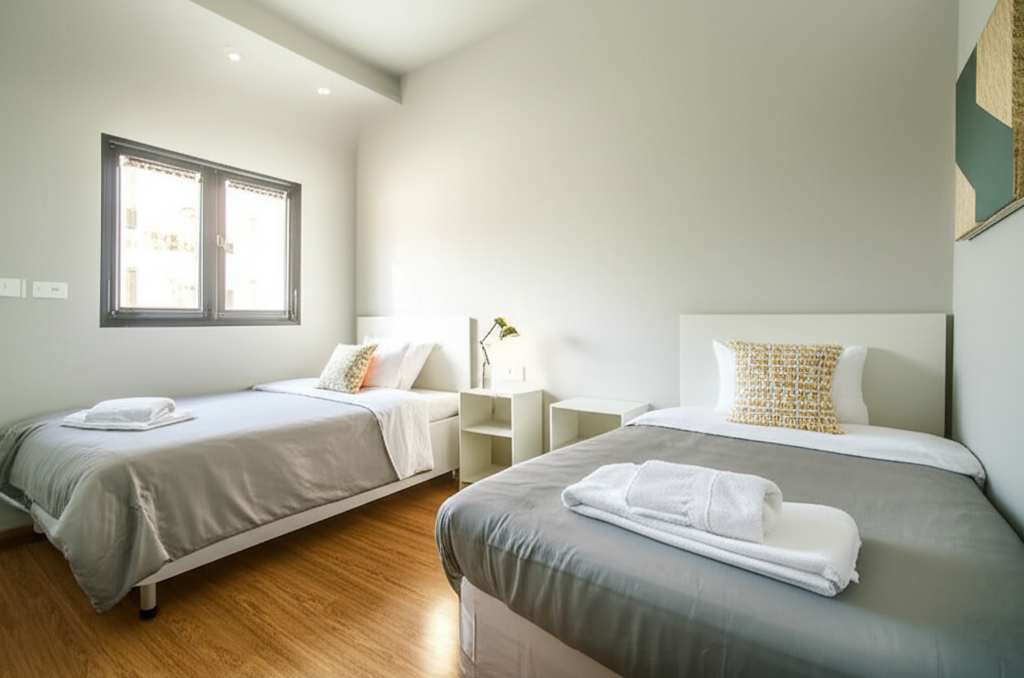
To design a small room for two people, focus on smart furniture choices, multi-functional pieces, strategic storage, and visual tricks to maximize space and create a comfortable, shared environment. Prioritize organization and personal expression to make the room feel larger and more inviting for everyone.
Living in a small space with another person can feel like a constant puzzle. How do you fit two lives, two sets of belongings, and two distinct styles into a compact area without feeling cramped? It’s a common challenge, especially for students, young couples, or anyone sharing a starter home.
But don’t worry! Creating a functional and stylish small room for two is totally achievable. With the right approach, you can transform even the tiniest bedroom into a cozy sanctuary that feels spacious and personalized for both of you.
This guide will walk you through the essential tips and tricks to make your small room work for two. We’ll cover everything from choosing the right furniture to clever storage solutions and design hacks that create the illusion of more space.
Ready to make your small room feel like a dream? Let’s dive in!
Small Room Design For 2 People: Your Ultimate Guide
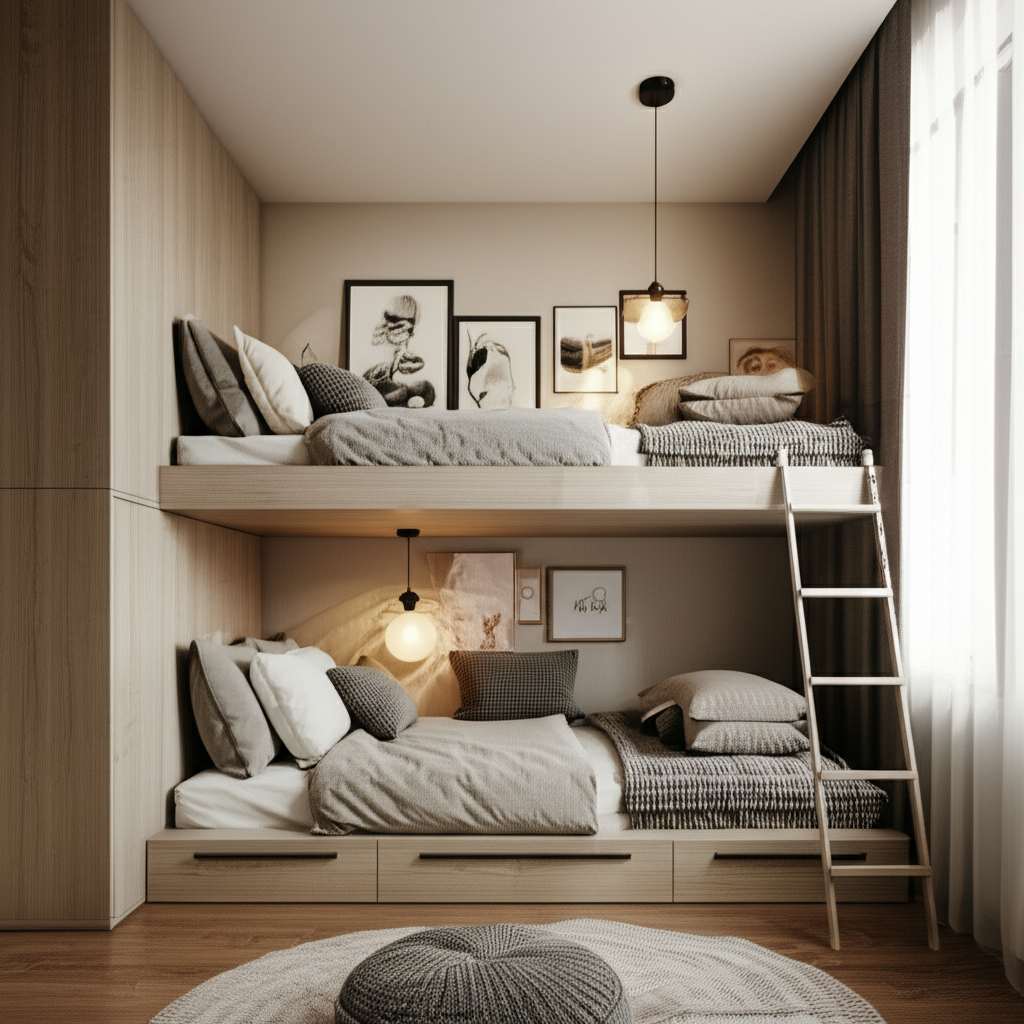
Designing a shared space when square footage is limited requires a bit of strategy and creativity. The goal is to make the room functional for both individuals while ensuring it feels open, airy, and personal. It’s about clever planning and making every inch count.
1. Master the Art of Multi-Functional Furniture
When space is tight, furniture that serves more than one purpose is your best friend. Think about pieces that can do double or even triple duty. This approach frees up valuable floor space and keeps the room from feeling cluttered.
Sofa Beds: A great option if the room also doubles as a guest space or if one person needs a separate sleeping area occasionally.
Ottomans with Storage: These can serve as footrests, extra seating, and hidden storage for blankets, books, or electronics.
Nesting Tables: Perfect for a small living area, they can be pulled out when needed and tucked away to save space.
Wall-Mounted Desks: Instead of a bulky free-standing desk, consider a fold-down or wall-mounted option that can be stashed away when not in use.
2. Smart Storage Solutions are Key
Effective storage is crucial in any small space, but it becomes paramount when two people are involved. You need to find clever ways to store belongings without making the room feel like a storage unit. For inspiration on maximizing storage in compact areas, check out our guide to stylish kitchen storage accessories—many of the same principles apply to bedrooms and shared spaces.
Vertical Space: Look up! Utilize wall-mounted shelves, tall bookcases, and over-the-door organizers to store items without taking up floor space. This is one of the most effective ways to maximize storage in a small room.
Under-Bed Storage: Invest in drawers or bins that fit neatly under the bed. This is prime real estate for out-of-season clothing, extra bedding, or shoes.
Built-in or Modular Storage: If your budget allows, consider custom-built shelving or modular storage units that can be configured to fit your specific space and needs. This can be a significant investment but offers a seamless look and maximum efficiency.
Clutter Control: Encourage a “one in, one out” policy for belongings. Regularly decluttering is essential to prevent items from piling up. The U.S. Environmental Protection Agency (EPA) offers great resources on reducing waste, which can translate into less clutter in your home.
3. Divide and Conquer (Visually and Practically)
Even in a small room, creating distinct zones can make the space feel more organized and functional for two people. This doesn’t necessarily mean building walls, but rather using clever design elements.
Room Dividers: Lightweight screens, open shelving units, or even strategically placed curtains can visually separate areas, such as a sleeping zone from a workspace or relaxation area.
Area Rugs: Use different rugs to define distinct zones within the room. A rug under a bed can anchor the sleeping area, while another can define a small seating nook.
Furniture Placement: Arrange furniture to create natural divisions. For example, placing a sofa with its back to the beds can subtly separate sleeping areas in a studio apartment.
4. Choose the Right Color Palette
Color plays a massive role in how a space feels. For small rooms, lighter and cooler colors are generally recommended as they can make a space feel larger and more open.
Light & Neutral Tones: Whites, creams, soft grays, and pastels reflect light, making the room feel brighter and more expansive.
Accent Colors: Use bolder colors sparingly as accents through pillows, artwork, or decorative items to add personality without overwhelming the space.
Monochromatic Schemes: Using different shades of the same color can create a cohesive and sophisticated look that doesn’t chop up the space visually.
5. Maximize Natural Light and Smart Lighting
Good lighting can make a small room feel much more inviting and spacious.
Keep Windows Unobstructed: Avoid heavy drapes. Opt for sheer curtains, blinds, or shutters that allow natural light to flood in.
Layer Your Lighting: Combine ambient (overhead), task (reading lamps), and accent lighting to create depth and functionality. Wall sconces or slim floor lamps are excellent space-saving options.
Mirrors: Strategically placed mirrors can work wonders. They reflect light and create the illusion of more depth, making the room feel significantly larger. Consider a large mirror on one wall or mirrored closet doors.
6. Scale Your Furniture Appropriately
Oversized furniture will quickly swallow a small room. Choose pieces that are proportionate to the size of the space.
Slim Profile Furniture: Opt for sofas, chairs, and tables with slender legs and a less bulky design. This creates a sense of airiness.
Multi-purpose Items: As mentioned, furniture that folds, expands, or stores items is ideal. A small dining table that can also serve as a workspace is a great example.
Consider the Flow: Ensure there’s enough space to walk around comfortably. Measure your room and furniture carefully before purchasing.
7. Personalize Without Clutter
It’s essential for both individuals to feel represented in the space. The key is to personalize thoughtfully, avoiding an accumulation of knick-knacks.
Shared Display Areas: Designate specific shelves or wall areas for shared decorative items or photos.
Individual Touches: Allow each person a small, defined space for their personal items, perhaps a bedside table with a drawer or a small shelf.
Art and Photos: Use wall art and framed photos to add personality. Gallery walls can be effective, but keep the frames cohesive for a less cluttered look.
Textiles: Incorporate personality through bedding, throws, and pillows. Choose fabrics and patterns that both individuals enjoy.
8. Clever Layouts for Small Rooms
The arrangement of your furniture can dramatically impact how a small room feels. Experiment with different layouts to find what works best.
Keep Pathways Clear: Ensure there’s a clear path from the door to the main areas of the room.
Utilize Corners: Corner shelves or small corner desks can make use of often-underutilized space.
Consider Bed Placement: In a bedroom, the bed is usually the focal point. Placing it against a wall or in a corner can save space. If you have two beds, consider bunk beds or two twin beds placed along adjacent walls.
Example Layout Considerations for a Small Bedroom for Two
Let’s visualize how these principles can be applied. Imagine a room that is roughly 10×10 feet (approximately 9.3 square meters).
| Feature | Option 1: Cozy & Compact | Option 2: Workspace Focused | Option 3: Shared Living Feel |
| :——————- | :———————————————– | :———————————————- | :——————————————— |
| Bed Arrangement | Two twin beds placed head-to-toe along one wall. | One double bed against the longest wall. | Bunk beds to maximize floor space. |
| Storage | Under-bed drawers, tall narrow bookcase. | Built-in wardrobe, wall shelves above desk. | Storage ottoman, wall-mounted cubbies. |
| Desk/Work Area | Small wall-mounted desk in a corner. | Compact desk with shelving unit. | Fold-down desk or shared laptop station. |
| Seating | Two small accent chairs or floor cushions. | Small loveseat or two chairs. | Large storage ottoman, floor cushions. |
| Visual Tricks | Large mirror opposite window, light wall colors. | Mirrored closet doors, sheer curtains. | Light color scheme, strategically placed plants.|
| Personal Space | Individual bedside tables with small lamps. | Defined zones with rugs, personal wall art. | Each person has a designated shelf/drawer. |
This table provides a starting point. The best layout will depend on the specific dimensions of your room and your primary needs.
9. Negotiate and Compromise on Style
When two people share a space, their design preferences might differ. Open communication and a willingness to compromise are essential.
Identify Shared Loves: Find common ground in styles or colors that appeal to both of you.
Designate “Zones of Influence”: Perhaps one person has more say over the bedroom decor, while the other has more input on a shared living area.
Focus on Harmony: Aim for a balanced look rather than one person’s style dominating entirely. This can be achieved through a neutral base with personalized accents from each individual.
10. Lighting: Beyond the Basics
Beyond just having enough light, consider the type of light and how it can enhance the mood and perceived size of the room.
Warm vs. Cool Light: Warm lighting (lower Kelvin) tends to be cozier, while cool lighting (higher Kelvin) can feel more energizing and make spaces seem larger. A mix can be effective.
Dimmers: Installing dimmers allows you to adjust the mood of the room. Bright light for tasks, soft light for relaxation.
Task Lighting: Ensure adequate lighting for specific activities. This might include bedside lamps for reading or a well-lit desk area for work or study. The U.S. Department of Energy provides excellent tips on energy-efficient lighting.
11. The Power of Plants and Greenery
Bringing nature indoors can make any space feel more alive and welcoming. For more ideas on incorporating greenery into compact living areas, explore our tips on kitchen plant decor—many of these ideas translate beautifully to shared bedrooms.
Vertical Gardens: If floor space is limited, consider hanging plants or wall-mounted planters.
Small Potted Plants: Place small plants on shelves, windowsills, or bedside tables. They add color and a touch of life.
Air Purifying Qualities: Many houseplants also help to purify the air, contributing to a healthier living environment. The NASA Clean Air Study highlights the benefits of indoor plants.
12. Reflective Surfaces: Mirrors and More
Mirrors are a classic small-space solution for a reason – they’re incredibly effective.
Large Statement Mirror: A single large mirror can dramatically open up a room.
Mirrored Furniture or Accents: Mirrored drawer fronts or decorative mirrored trays can add a touch of glam and enhance light reflection.
* Glossy Finishes: Consider furniture or paint with semi-gloss or high-gloss finishes, which reflect light more than matte surfaces.
Frequently Asked Questions (FAQ)
Q1: How can I make a small shared bedroom feel less cramped?
Focus on light colors, ample natural light, and strategic use of mirrors. Choose furniture with a slim profile and utilize vertical space for storage. Keeping the room decluttered is also key.
Q2: What type of bed is best for a small room for two people?
For maximum space efficiency, consider bunk beds or two twin beds placed along adjacent walls. A sofa bed can also be a good option if the room serves multiple purposes. If space allows, a standard bed with under-bed storage is practical.
Q3: How do we divide storage space fairly in a small room?
Communicate openly about your belongings. Designate specific shelves, drawers, or closet sections for each person. Utilize shared storage solutions like under-bed bins or a multi-shelf unit, dividing the space within them.
Q4: Can I incorporate two different styles in a small shared room?
Yes, but it requires compromise. Choose a neutral base palette and style, then incorporate personal touches from each person through accessories, artwork, and textiles. You can also create subtle zones that lean towards each person’s preference.
Q5: What are the best colors for a small room shared by two people?
Light and neutral colors like white, cream, light gray, and soft pastels are ideal as they make the space feel larger and brighter. You can then add pops of color through decor items that both individuals like.
Q6: How important is decluttering in a small shared room?
Extremely important. In a small space shared by two, clutter can quickly make the room feel suffocating and disorganized. Regular decluttering and smart storage solutions are essential for maintaining a functional and peaceful environment.
Conclusion
Designing a small room for two is all about smart choices, effective organization, and a little bit of compromise. By focusing on multi-functional furniture, maximizing storage, utilizing light and color, and personalizing thoughtfully, you can create a space that is both practical and a joy to live in. Remember, it’s about making every inch work for both of you, fostering a comfortable and harmonious environment. With these tips, you’re well on your way to transforming your compact shared space into a stylish and functional haven. For even more inspiration on efficient design in tight spaces, don’t miss our roundup of cozy small kitchen ideas—perfect for applying the same principles to your shared room.