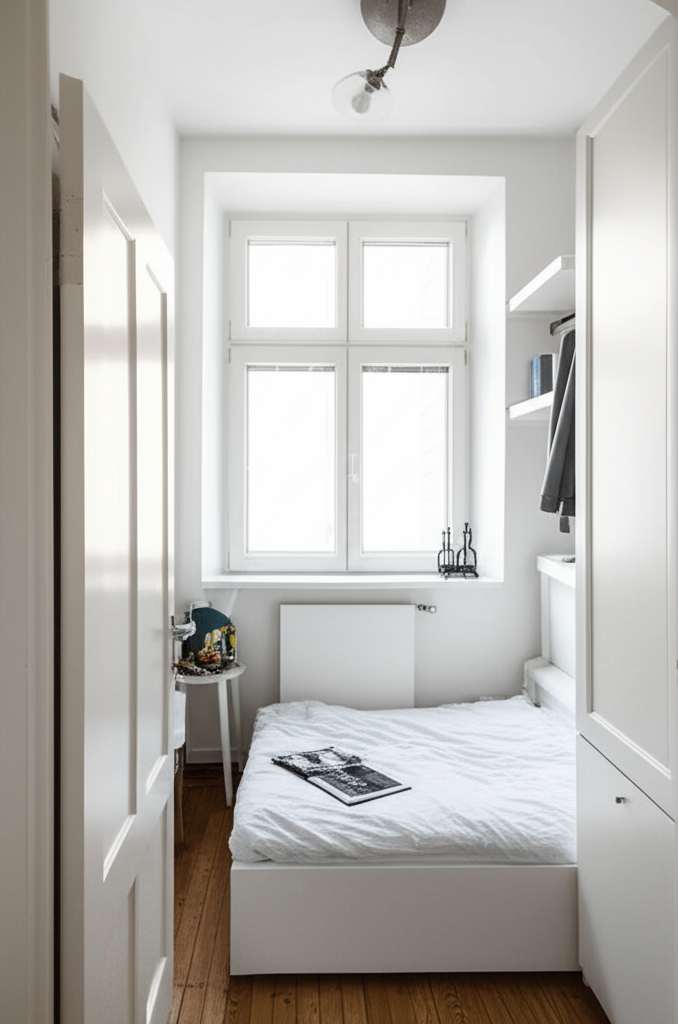
Transforming a tiny bedroom into a stylish and functional sanctuary is totally achievable! Discover smart design tricks, clever storage solutions, and creative layouts that maximize every inch, making your small space feel bigger and brighter.
Having a super small bedroom can feel like a design puzzle. You want it to be a cozy retreat, but every piece of furniture seems to take up too much space. It’s a common challenge, especially for students, renters, or anyone living in a city apartment.
But don’t worry, a small bedroom doesn’t have to feel cramped or cluttered! With the right approach, you can create a space that’s both beautiful and incredibly practical.
This guide is packed with brilliant ideas to help you make the most of your tiny room. We’ll explore how to choose the right colors, furniture, and storage to create a bedroom that feels spacious and reflects your personal style. Get ready to unlock your small bedroom’s full potential! For more inspiration on maximizing compact spaces, check out our article on 10 Cozy Small Kitchen Ideas: Amazing Makeovers.
Why Small Bedrooms Need Smart Design
Small bedrooms present unique challenges, but they also offer a fantastic opportunity for creative design. The goal isn’t just to fit things in; it’s to make the space feel as comfortable and expansive as possible.
When a bedroom is small, every decision counts. The wrong furniture can make it feel like a closet, while the right choices can make it feel like a spacious suite. This is where smart design comes in.
It’s about working with the limitations to create something truly special. We’ll focus on making your small bedroom a place you love spending time in.
The Power of Light and Color
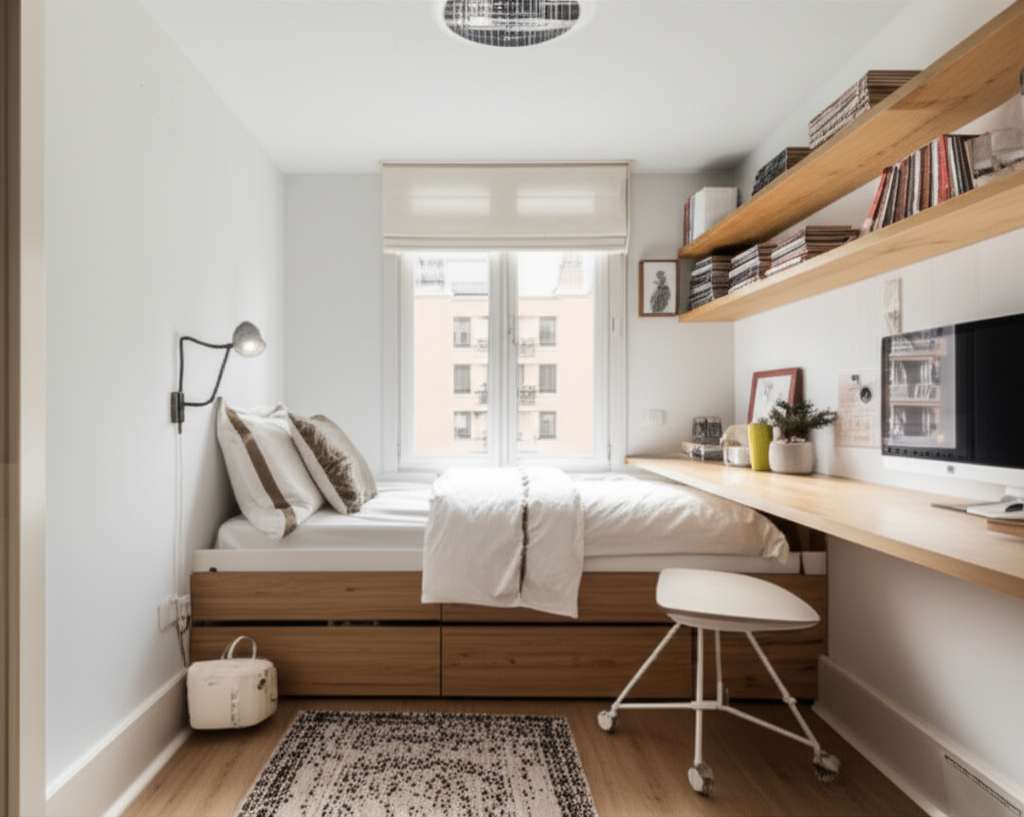
Light and color are your best friends when designing a small bedroom. They have a magical ability to influence how we perceive space.
Choosing the Right Color Palette
Lighter colors are key to making a small room feel larger. Think soft whites, light grays, pastels, and cool blues. These colors reflect light, making walls seem to recede and the room feel more open.
Whites and Off-Whites: Classic choices that bounce light around and create a clean, airy feel.
Light Grays and Beiges: Offer a neutral, sophisticated backdrop that feels cozy yet open.
Soft Blues and Greens: Evoke a sense of calm and can make a room feel cooler and more expansive.
Pastels: Gentle hues like pale pink or lavender add a touch of personality without overwhelming the space.
Avoid dark, heavy colors on all walls, as they can absorb light and make the room feel smaller. If you love darker tones, use them as accents on one wall or in your decor.
Maximizing Natural Light
Letting in as much natural light as possible is crucial. Keep window treatments simple and light. Sheer curtains or blinds that can be fully opened are ideal.
Mirrors: Strategically placed mirrors can dramatically increase the sense of space and light. Position a mirror opposite a window to reflect natural light and create the illusion of depth.
Reflective Surfaces: Glossy finishes on furniture or decor can also help bounce light around the room.
Clever Furniture Choices for Tiny Rooms
In a small bedroom, furniture selection is critical. Opt for pieces that are scaled appropriately and serve multiple purposes.
The Bed: The Room’s Centerpiece
Your bed is usually the largest item in the room, so its choice has a big impact.
Platform Beds: These beds often have a lower profile, which can make the ceiling feel higher. Many also come with built-in storage drawers underneath.
Beds with Storage: Look for beds with integrated drawers or a lift-up mattress base for hidden storage. This is a game-changer for keeping your room tidy.
Wall-Mounted or Floating Beds: While more of an advanced option, these can free up floor space and create a minimalist look.
Multifunctional Furniture is Your Secret Weapon
Every piece of furniture should earn its keep. Look for items that can do double duty.
Ottomans with Storage: Use them as a footrest, extra seating, or a bedside table, and stash blankets or books inside.
Desk with Built-in Shelving: Combine your workspace with storage needs.
Bench at the Foot of the Bed: This can provide extra seating and a place to put on shoes, and some benches also offer storage.
Scale and Proportion Matter
Choose furniture that is proportionate to the size of your room. Oversized pieces will overwhelm the space.
Slim-Profile Furniture: Opt for pieces with clean lines and a slender design.
Leggy Furniture: Furniture raised on legs (like a sofa or dresser) creates a sense of airiness by allowing light and sightlines to pass underneath.
Smart Storage Solutions
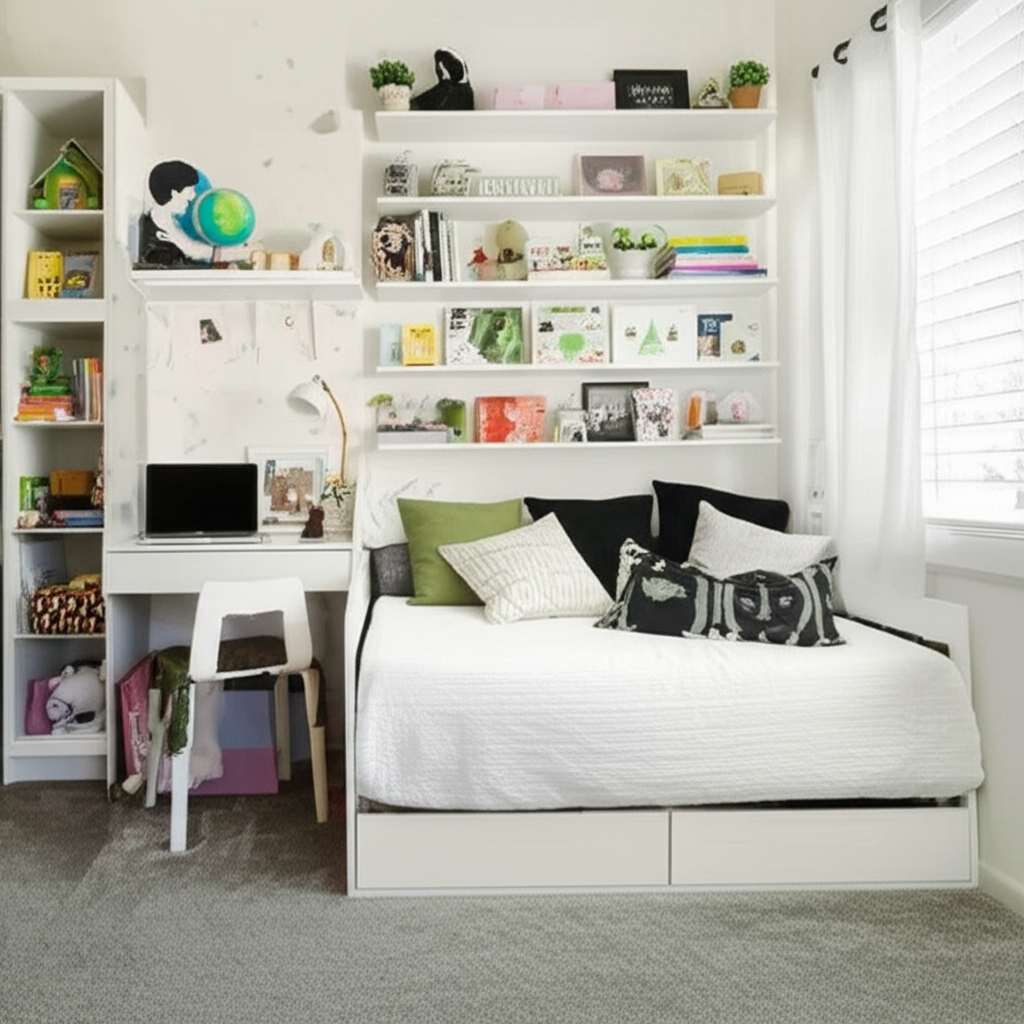
Storage is king in a small bedroom. The key is to utilize every available inch creatively.
Vertical Space is Your Friend
Don’t forget about the walls! Going vertical is one of the most effective ways to add storage without sacrificing floor space.
Floating Shelves: Install shelves above your bed, desk, or dresser for books, decor, or essentials. They create a visually light storage solution.
Tall, Narrow Bookshelves: These take up less floor space but offer significant storage capacity.
Wall-Mounted Cabinets: These can provide enclosed storage, keeping clutter hidden and maintaining a clean look.
Under-Bed Storage
This is prime real estate for storing items you don’t use daily.
Storage Bins and Drawers: Invest in slim bins or drawers that fit neatly under your bed.
Bed Risers: If your bed doesn’t have built-in storage, bed risers can create the necessary height to accommodate under-bed bins.
Behind the Door Storage
Don’t let the back of your door go to waste.
Over-the-Door Organizers: These are perfect for shoes, accessories, toiletries, or cleaning supplies.
Wall-Mounted Hooks: Install hooks for coats, bags, or robes.
Built-in Storage and Nooks
If you have any awkward nooks or alcoves, consider transforming them into storage.
Custom Shelving: Even simple custom shelving can make a huge difference in utilizing dead space.
Built-in Wardrobes: If possible, a built-in wardrobe is the most efficient storage solution, making the room feel more streamlined.
Maximizing Floor Space
Keeping the floor as clear as possible makes a huge difference in how large a room feels.
Furniture Placement
Think about how you arrange your furniture.
Push Furniture Against Walls: Generally, this is a good rule of thumb, but sometimes pulling a piece slightly away can create better flow.
Consider Corner Placement: Sometimes, placing a desk or small dresser in a corner can open up the center of the room.
Wall-Mounted Everything: Where possible, mount items like TVs, bedside tables, and even lamps to the wall to free up floor space.
The Power of a Clutter-Free Zone
A tidy room always feels larger. Implement a daily tidying routine.
“A Place for Everything”: Ensure every item has a designated spot.
Regular Decluttering: Make it a habit to go through your belongings and get rid of what you don’t need. The less you have, the more space you’ll have.
Lighting Strategies
Good lighting is crucial for making a small bedroom feel inviting and spacious.
Layer Your Lighting
Don’t rely on a single overhead light. Use multiple light sources to create depth and ambiance.
Ambient Lighting: This is your general, overall light, usually from an overhead fixture. Choose one that’s not too large or imposing.
Task Lighting: Essential for activities like reading or working. Think bedside lamps or a desk lamp. Wall-mounted sconces are great for saving surface space.
Accent Lighting: Used to highlight specific features, like artwork or a plant. Small LED strip lights can also add a warm glow.
Consider the Type of Bulbs
Warm white bulbs (around 2700K-3000K) create a cozy atmosphere, while cooler white bulbs can make a room feel more energetic and potentially larger.
Smart Fixture Choices
Wall Sconces: These are excellent for bedside lighting as they don’t take up table space.
Pendant Lights: A stylish pendant light can add visual interest without a large footprint.
Slim Floor Lamps: If you need a floor lamp, choose one with a slender base and a narrow shade.
Decorating for a Bigger Feel
The decorative elements you choose can significantly impact the perception of space.
Mirrors, Mirrors Everywhere!
As mentioned before, mirrors are incredibly effective.
Large Floor Mirror: Leaning a large mirror against a wall can make the room feel twice its size.
Mirrored Furniture: A dresser or cabinet with mirrored fronts can add glamour and amplify light.
Gallery Wall with Mirrors: Mix framed mirrors with artwork for a dynamic and light-reflecting display.
Window Treatments
Keep them light and airy.
Sheer Curtains: Allow light to filter in while maintaining privacy.
Blinds or Shades: Opt for minimalist blinds or shades that can be fully retracted.
Hang Curtains High and Wide: Mounting your curtain rod several inches above the window frame and extending it beyond the sides can make your windows appear larger and the ceiling higher.
Rugs
A well-chosen rug can define a space and add warmth.
Light-Colored Rugs: Similar to wall colors, lighter rugs can make the floor feel more expansive.
Striped Rugs: Stripes can visually elongate or widen a room depending on their orientation.
Avoid Overly Busy Patterns: Busy patterns can make a small space feel more chaotic.
Artwork and Decor
Go Big (Selectively): Instead of many small pieces, consider one or two larger pieces of art. This can make a statement without cluttering the walls.
Vertical Art: Art that emphasizes height can draw the eye upward.
Minimalist Decor: Keep decorative items to a minimum to avoid visual clutter.
Layout Ideas for Small Bedrooms
How you arrange your furniture is crucial for flow and functionality.
The Cozy Corner Bedroom
If your room is long and narrow, consider placing the bed in a corner. This can free up a significant amount of floor space in the center.
Bed in Corner: Push the bed against two adjacent walls.
Floating Nightstand: Use a wall-mounted nightstand to save floor space next to the bed.
Desk Placement: Position a desk on the opposite wall or along the longer wall.
The Minimalist Approach
Focus on essential furniture and keep the rest of the space open. This is ideal for those who prefer a clean, uncluttered aesthetic.
Essential Furniture Only: Bed, a small dresser or storage unit, and perhaps a bedside table.
Open Floor Space: Prioritize keeping the majority of the floor clear.
The Loft or Studio Vibe
If you have a slightly higher ceiling, consider a loft bed. This creates a large open space underneath for a desk, sofa, or storage.
Loft Bed: Frees up a significant amount of floor space below.
Under-Bed Area: Customize this space for work, relaxation, or storage.
Example Room Makeover: The Tiny Student Room
Let’s imagine a typical small student bedroom, around 8×10 feet.
Before: A standard twin bed, a bulky dresser, a small desk, and a lot of wasted space.
After Makeover:
1. Bed: Replace the bulky twin bed with a twin-XL loft bed. This instantly creates a large usable area underneath.
2. Under-Bed Area: Set up a compact, ergonomic desk and a comfortable chair. Add a small, stylish rug to define this workspace. Mount a slim monitor and task lighting.
3. Storage: Utilize the space above the desk with floating shelves for books and study materials. Replace the bulky dresser with a tall, narrow chest of drawers or a modular shelving unit with drawers. Add an over-the-door shoe organizer and a wall-mounted hamper.
4. Walls: Paint the walls a light, airy color like soft white or pale blue. Hang one large piece of inspiring art above the bed. Place a large mirror opposite the window to maximize light.
5. Lighting: Install a simple, modern overhead light with a warm bulb. Add a desk lamp and a small wall-mounted sconce above the bed for reading.
6. Decor: Keep decor minimal. A few plants, a cozy throw blanket, and personal photos.
This transformation turns a cramped sleeping area into a functional living, sleeping, and study space.
Creating a Bedroom That Feels Like a Retreat
No matter the size, your bedroom should be a sanctuary.
Personalize Your Space
Even in a small room, your personality should shine through. Choose colors, art, and decor that make you happy.
Color: Use your favorite colors in accents like pillows, throws, or artwork.
Photos and Memories: Display a few favorite photos, but avoid cluttering surfaces.
Comfort: Add soft textures like plush rugs, cozy blankets, and comfortable bedding.
Focus on Comfort and Function
A small bedroom can still be incredibly comfortable and highly functional.
Good Bedding: Invest in comfortable sheets and a supportive mattress.
Blackout Curtains: Essential for a good night’s sleep, especially if you have streetlights outside.
Organization: A well-organized room reduces stress and enhances comfort.
DIY and Budget-Friendly Tips
You don’t need a huge budget to make big changes.
Paint: A fresh coat of paint is one of the most impactful and affordable ways to transform a room.
DIY Shelving: Build simple floating shelves from wood.
Upcycle Furniture: Give an old dresser a new look with a coat of paint and new hardware.
Thrift Stores and Flea Markets: Find unique and affordable decor items.
Command Strips: Use adhesive hooks and strips for hanging decor without damaging walls, perfect for renters.
External Resources for Inspiration and Tools
To further refine your small space design, consider these resources:
IKEA: Known for its smart, space-saving furniture solutions perfect for small rooms. Explore their “Small Spaces” section for inspiration and practical products.
Apartment Therapy: A fantastic website with endless articles, tips, and before-and-afters of small space makeovers.
Pinterest: A visual goldmine for small bedroom ideas. Search for “tiny bedroom ideas,” “small room hacks,” or “small space organization.”
YouTube: Many interior designers and DIYers share detailed small bedroom tours and makeovers, offering step-by-step guides.
Frequently Asked Questions About Small Bedroom Design
Q1: How can I make my very small bedroom look bigger?
A1: Use light colors on walls and ceilings, maximize natural light, strategically place mirrors, choose furniture with a slim profile and legs, and keep clutter to a minimum. Vertical storage also helps draw the eye upwards.
Q2: What type of bed is best for a small bedroom?
A2: Platform beds with built-in storage, loft beds (to create space underneath), or beds with a low profile are excellent choices. Avoid bulky headboards and footboards.
Q3: Is it okay to use dark colors in a small bedroom?
A3: Yes, but sparingly. Dark colors can be used for accent walls, smaller pieces of furniture, or decor to add depth and personality. Just ensure the majority of your color palette remains light and reflective.
Q4: How much furniture should I have in a small bedroom?
A4: Focus on essentials and multifunctional pieces. Every item should serve a purpose. Prioritize a comfortable bed, adequate storage, and a functional workspace if needed. Avoid overcrowding.
Q5: What are some good storage ideas for a tiny bedroom?
A5: Utilize vertical space with floating shelves and tall, narrow units. Use under-bed storage bins or drawers. Over-the-door organizers and wall-mounted hooks are also very effective. Built-in storage is ideal if possible.
Q6: Should I use curtains or blinds in a small bedroom?
A6: Both can work, but opt for lightweight and simple solutions. Sheer curtains, light-colored blinds, or roller shades that can be fully retracted are best. Hanging curtains high and wide also helps make the window appear larger.
Conclusion
Designing a small bedroom can be one of the most rewarding interior design challenges. By focusing on light, color, clever furniture choices, and smart storage, you can transform even the tiniest room into a stylish, functional, and incredibly comfortable personal oasis.
Remember, the goal is to create a space that works for you, reflects your personality, and feels bigger and brighter than it is. Don’t be afraid to experiment with these ideas, and most importantly, have fun with the process! Your small bedroom has so much potential, and with these brilliant makeovers, you can unlock it all. For additional tips on creating serene, well-organized spaces, explore our guide to 10 Minimal Decor Ideas For Kitchens: Amazing Makeover.