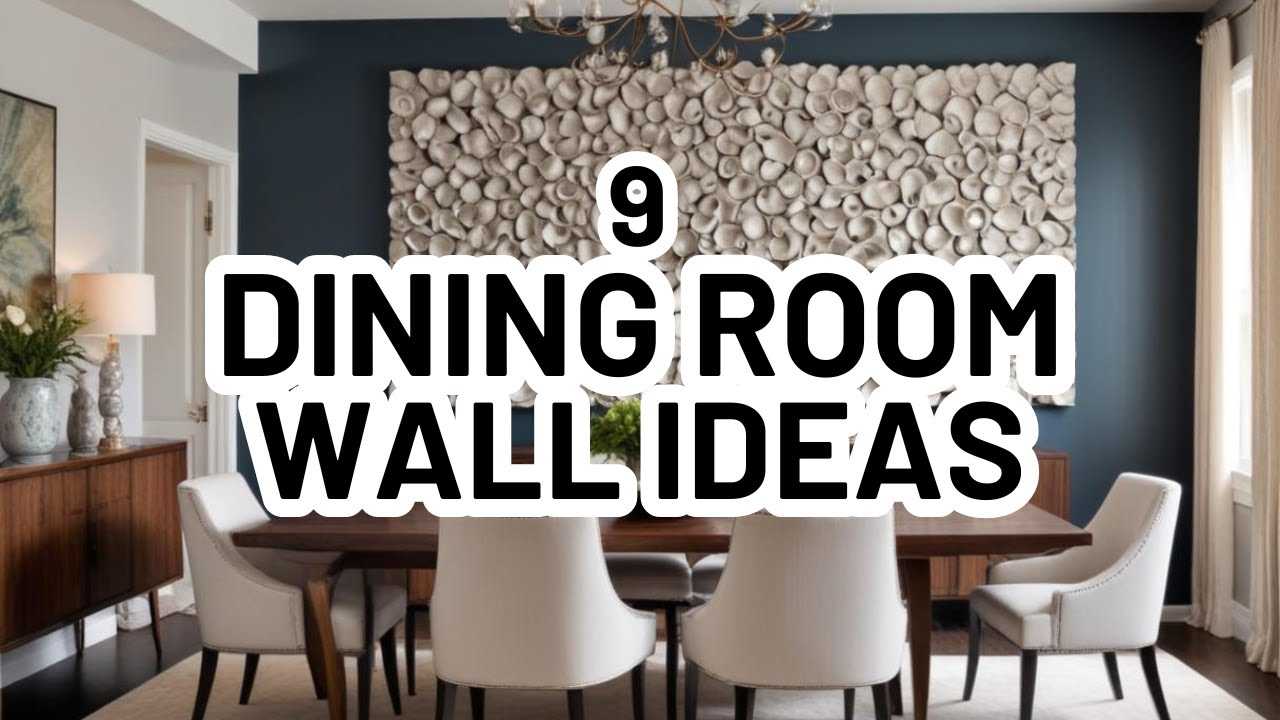
Decorating a dining room can be a fun and fulfilling project that transforms this essential space into a warm, inviting area for gatherings. To quickly elevate your dining room, consider starting with a cohesive color scheme that reflects your personal style. Add a striking centerpiece, like an eye-catching chandelier or a unique table setting, to draw attention. Layering textures through textiles, such as table runners and curtains, can create a cozy atmosphere. Don’t forget to incorporate personal touches, like artwork or family photos, to make the space truly yours. By choosing the right furniture and decor elements, you can turn your dining room into a welcoming haven for meals and memories.
When it comes to decorating a dining room, the possibilities are endless. Whether you’re starting from scratch or looking to refresh your current space, the key lies in blending functionality with aesthetic appeal. Think about your space and how you want it to feel—inviting, elegant, or perhaps a bit eclectic. Start by selecting a table that fits your needs and complements the style of your home. Add chairs that are comfortable and visually pleasing, and consider a rug to define the area. Incorporating lighting that sets the mood is crucial; a stylish chandelier or pendant can make a bold statement. Finally, personalize your décor with artwork, plants, or meaningful accessories that resonate with you and your guests.

How to Decorate a Dining Room
Decorating a dining room can be a fun and rewarding experience. It’s a space where families gather to share meals and make memories. The right décor can make this room feel inviting and warm.
Choosing the Right Color Scheme
One of the first steps in decorating your dining room is selecting a color scheme. Choose colors that create a pleasant atmosphere. Warm tones like yellows and oranges can stimulate appetite.
– Consider using cool colors like blues and greens for a calming effect.
– Neutral shades provide a versatile backdrop for other décor elements.
When picking paint or wallpaper, think about how colors make you feel. A fresh coat of paint can dramatically change the mood of the room.
Furniture Selection
Furniture plays a significant role in the dining room’s overall look. Choose a dining table that fits your space. A round table can make the room feel more intimate.
– Look for materials that will last, such as solid wood or metal.
– Don’t forget about comfortable chairs!
Consider the seating style. High-backed chairs add elegance while benches can create a casual feel.
Size Matters
When selecting furniture, size matters. Measure your dining room before purchasing items. You want to ensure that there is enough space to move around comfortably.
– Leave at least 36 inches between the table and walls or other furniture.
– Think about how many people you typically host.
Having the right size table will make your gatherings more enjoyable.
Lighting Choices
Lighting can make a huge difference in your dining room. A beautiful chandelier can serve as a stunning focal point.
– Make sure the light is adjustable for different occasions.
– Consider adding dimmers to create the perfect ambiance.
Natural light is also essential. If your dining room has windows, use sheer curtains to let the light in while maintaining privacy.
Incorporating Accessories
Accessories add personality to your dining room. Start with table décor. A centerpiece can be as simple as a vase of fresh flowers.
– Use seasonal decorations to keep things fresh.
– Consider table runners or placemats to add color and texture.
Wall decorations can also enhance the room. Artwork or family photos can create a cozy atmosphere.
Rugs and Textiles
A nice rug can tie the room together. Look for materials that are durable and easy to clean.
– Make sure the rug complements your color scheme.
– The size should be big enough to fit under the dining table and chairs.
Textiles can also add warmth. Napkins, tablecloths, and cushions for chairs are easy updates for changing the room’s look.
Creating a Functional Layout
Think about how you use the dining room. A functional layout is essential for daily meals and entertaining guests.
– Keep pathways clear for easy movement.
– Place the table in a way that encourages conversation.
You may need to rearrange furniture if the layout feels cramped.
Additional Furniture and Storage
Consider adding a sideboard or buffet for extra storage. These pieces can hold dishes, linens, and other essentials.
– It also provides a surface for serving food during gatherings.
– Choose styles that match your overall design theme.
Open shelving can also add both storage and style to your dining room.
Personalizing Your Space
Personal touches can make your dining room unique. Display items that reflect your personality and interests.
– Family heirlooms can tell a story and add character.
– Think about incorporating travel souvenirs or artwork from local artists.
Creating a space that feels personal can make dining more enjoyable for everyone.
Plants and Greenery
Adding plants can breathe life into your dining room. Choose low-maintenance plants if you’re not an experienced gardener.
– Herbs can be a functional addition for cooking.
– Larger plants can serve as dramatic focal points.
Having greenery can also improve air quality and create a calming atmosphere.
Seasonal Changes
Don’t forget to update your décor with the seasons.
– Change table settings and accessories to reflect holidays or seasons.
– Incorporate colors and themes that match the time of year.
This practice keeps the dining experience fresh and exciting.
DIY Projects for a Unique Touch
If you enjoy crafting, consider DIY projects for your dining room. Creating your own decorations can add a unique touch.
– Try painting a piece of furniture or making your own wall art.
– Upcycling old items can also save money while still being stylish.
DIY projects allow for creativity and can make the space feel more like home.
Choosing the Right Tableware
Tableware is an important aspect of dining room décor. Choose dishes that match your style and are functional.
– Consider the occasion when selecting tableware.
– Mix and match patterns for a more casual setting.
Investing in quality tableware can elevate your dining experience.
Incorporating Technology
Technology can enhance your dining experience. Consider setting up a sound system for background music during meals.
– Smart lighting can help set the mood.
– Charging stations can keep devices powered without clutter.
Think about how technology can complement your dining space without overwhelming it.
Decorating a dining room is all about creating a welcoming space. From color schemes and furniture to personal touches and technology, there are numerous ways to make it your own. Remember to prioritize comfort and functionality while being open to creativity. Happy decorating!
✨COZY DINING ROOM MAKEOVER✨🤌🏼
Frequently Asked Questions
“`html
What color schemes work best for a dining room?
When selecting a color scheme for your dining room, consider warm and inviting colors that promote a relaxed atmosphere. Shades of beige, soft greens, and warm grays create a welcoming environment. You can also incorporate bolder colors like deep reds or navy blues as accent walls to add drama. Make sure the colors complement your furniture and the overall theme of your home.
How can I incorporate personal style into my dining room decor?
To add your personal touch to the dining room, use art and accessories that reflect your interests and personality. Choose a statement piece, like a unique chandelier or a bold piece of artwork, to serve as a focal point. Incorporate family photos or handmade items on shelves or walls to create a sense of warmth and individuality.
What type of lighting is ideal for a dining room?
Opt for a combination of ambient and task lighting in your dining room. A statement chandelier provides ambient lighting and sets the mood during meals. Supplement this with dimmable wall sconces or pendant lights for flexibility. Ensure the lighting is bright enough for dining but can be softened for a more intimate setting.
How can I make a small dining room feel larger?
To make a small dining room feel more spacious, choose lighter colors for the walls and furniture. Use mirrors strategically to reflect light and create the illusion of more space. Opt for a round dining table, which can make movement easier and allow for more seating without feeling cramped. Keep decor minimal to avoid visual clutter.
What furniture arrangement works best in a dining room?
Arrange furniture to facilitate conversation and movement. Place the dining table at the center, allowing ample space around it for chairs. If the room allows, incorporate a sideboard or buffet along one wall for storage and serving. Ensure that pathways are clear, and avoid overcrowding the space with too much furniture.
“`
Final Thoughts
Decorating a dining room involves selecting the right colors, furniture, and accessories to create a welcoming atmosphere. Start by choosing a color palette that reflects your style and complements the rest of your home.
Investing in a quality dining table and comfortable chairs will enhance both functionality and aesthetic appeal. Don’t forget to add personal touches, such as artwork or decorative centerpieces, to make the space feel uniquely yours.
Ultimately, learning how to decorate a dining room allows you to create an inviting environment for gatherings and meals. Prioritize comfort and style to enjoy your dining experience fully.