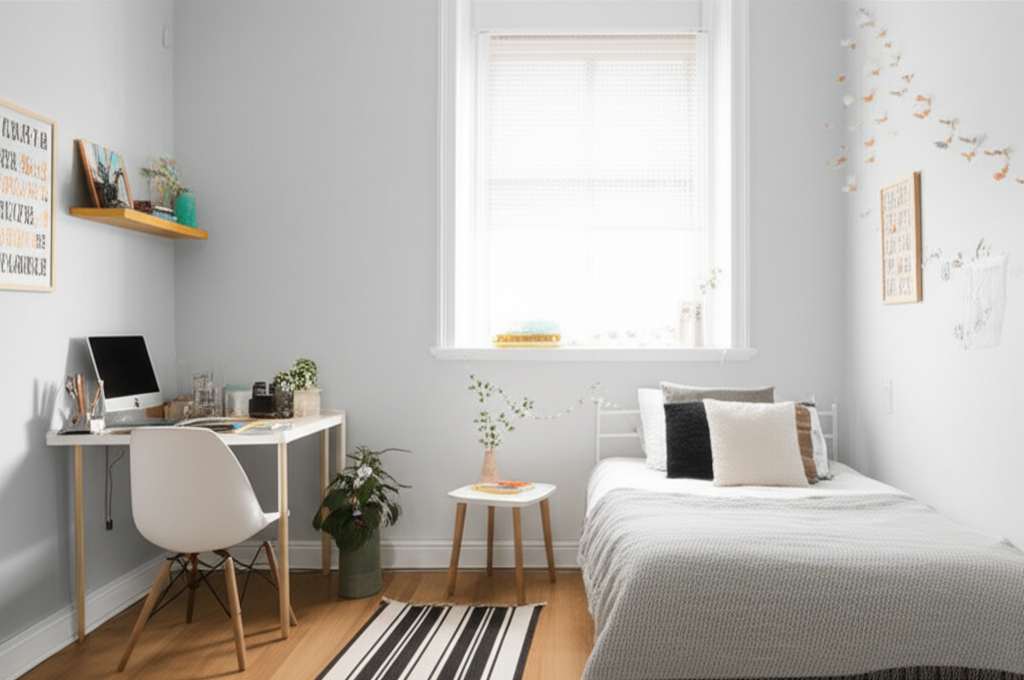
Transforming a small teen room into a stylish, functional sanctuary is totally achievable! Focus on smart storage, multi-purpose furniture, and personalized touches to maximize space and reflect their unique personality.
Having a small bedroom can feel like a challenge, especially for teens who need a space that’s both a chill-out zone and a study hub. It might seem like there’s not enough room for their personality to shine, or worse, that it will always feel cluttered and cramped.
But don’t worry! Decorating a small teen room doesn’t have to be stressful or expensive. With a few clever ideas and some strategic planning, you can create a space that feels bigger, looks amazing, and works perfectly for them.
Let’s dive into some essential tips that will help you unlock the full potential of any small teen bedroom, making it a place they’ll love spending time in. We’ll cover everything from making the most of what you have to adding those special personal touches.
Maximizing Space: The Foundation of Small Room Decor
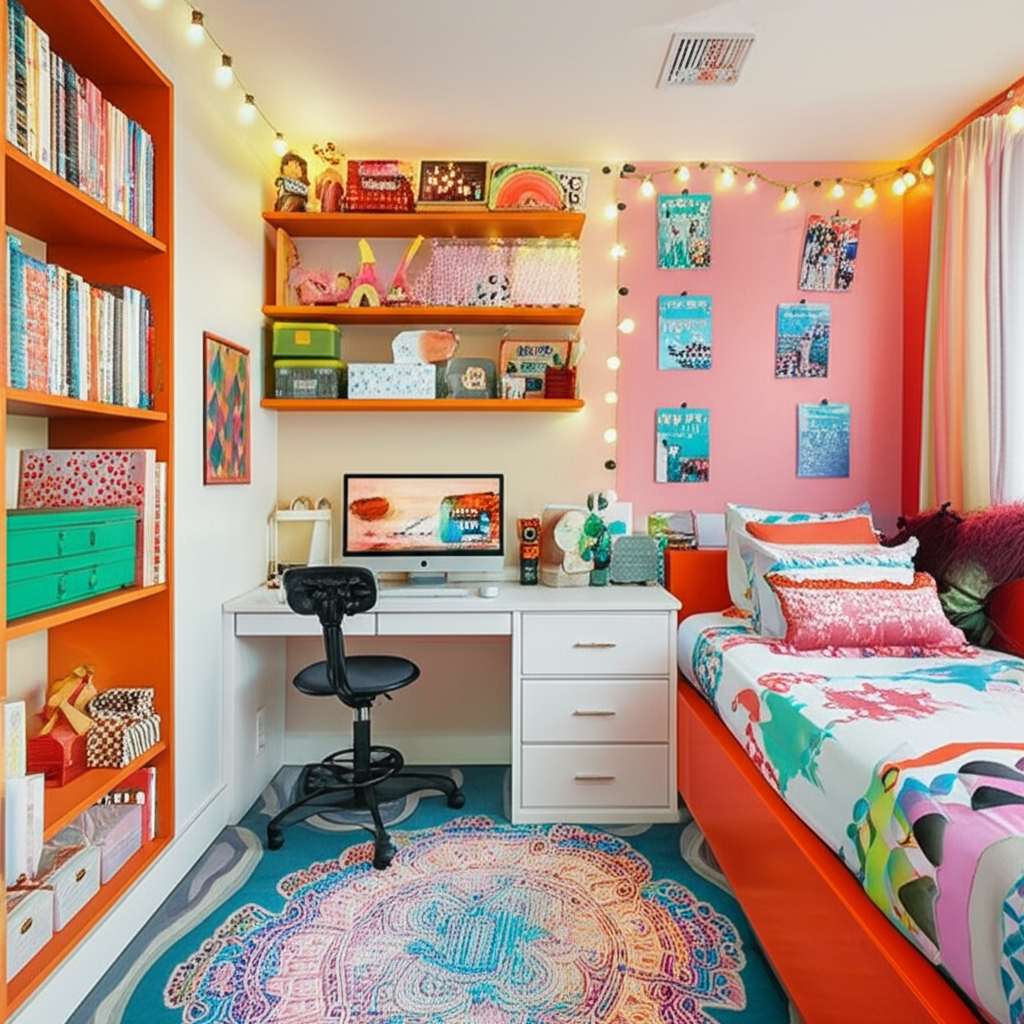
The biggest hurdle in decorating a small teen room is making every inch count. It’s all about working smarter, not harder, when it comes to layout and furniture choices. Think vertical, think hidden, and think about pieces that can do double duty.
1. Go Vertical with Storage Solutions
When floor space is limited, looking up is your best friend. Vertical storage helps keep belongings organized and off the floor, instantly making the room feel tidier and more spacious. This is a game-changer for small spaces.
- Tall Bookshelves: Opt for narrow, tall bookshelves that reach close to the ceiling. These offer ample storage for books, decorative items, and even storage bins without taking up much floor real estate.
- Wall-Mounted Shelving: Floating shelves are fantastic for displaying favorite items or storing essentials like chargers and notebooks. They create a visual sense of lightness because they don’t have bulky legs.
- Over-the-Door Organizers: These are perfect for shoes, accessories, or even school supplies. They utilize often-forgotten space and keep clutter hidden away.
- Pegboards: A versatile option for teens, pegboards can be customized with shelves, hooks, and containers to store everything from art supplies to headphones. They add a modern, customizable touch.
2. Choose Multi-Functional Furniture
In a small room, every piece of furniture should ideally serve more than one purpose. This is where smart shopping can make a huge difference in how functional the space becomes. Think about items that can adapt to different needs.
- Storage Beds: Beds with built-in drawers or a lift-up mattress provide a massive amount of hidden storage for clothes, bedding, or out-of-season items. This is one of the most effective ways to reclaim closet space.
- Ottomans with Storage: An ottoman can serve as a footrest, extra seating, and a secret storage compartment. It’s perfect for blankets, pillows, or even board games.
- Desk with Integrated Shelving: Instead of a standalone desk, choose one that has shelves built into its design. This combines a workspace with storage, minimizing the number of separate furniture pieces needed.
- Convertible Furniture: While sometimes more of an investment, furniture that converts (like a futon that becomes a bed) can be incredibly useful if the room also needs to double as a guest space or a hangout spot.
3. Smart Closet Organization
Closets in small rooms can quickly become black holes of clutter. Implementing smart organization strategies can transform it into a highly functional storage area.
- Double Hanging Rods: Installing a second rod below the existing one can double your hanging space for shirts, pants, and skirts.
- Shelf Dividers: Use dividers on closet shelves to keep stacks of sweaters or jeans neat and tidy.
- Stackable Drawers or Bins: These can be placed on closet floors or shelves to organize smaller items like socks, underwear, or accessories.
- Utilize the Door: As mentioned before, over-the-door organizers are great, but you can also install hooks on the inside of the closet door for belts, scarves, or robes.
Creating an Illusion of Space: Visual Tricks
Beyond furniture and storage, the way you use color, light, and decor can significantly impact how large a room feels. These visual tricks are simple yet incredibly effective for making a small space feel more open and airy.
4. Lighten Up with Color
Color plays a huge role in how we perceive space. Lighter, cooler colors tend to make walls recede, creating a sense of openness. Darker, warmer colors can make a room feel cozier, but in a small space, they can sometimes make it feel smaller if overused.
- Light Wall Colors: Whites, off-whites, soft grays, pale blues, and gentle greens are excellent choices for walls. They reflect light and make the room feel brighter and more expansive.
- Monochromatic Schemes: Using variations of a single color can create a cohesive and seamless look, which helps the room feel larger. For example, a pale blue wall with navy accents and sky-blue bedding.
- Accent Walls Carefully: If you want a bolder color or pattern, consider using it on just one accent wall, perhaps behind the bed, rather than all four. This adds personality without overwhelming the space.
- Ceiling Color: Painting the ceiling a shade lighter than the walls, or even a crisp white, can draw the eye upward, making the room feel taller.
5. Maximize Natural and Artificial Light
A well-lit room always feels larger and more inviting. Good lighting is crucial for making a small space feel airy and welcoming.
- Keep Windows Unobstructed: Avoid heavy, dark curtains. Opt for sheer blinds, light-colored drapes, or roller shades that can be easily opened to let in maximum natural light.
- Mirrors are Magic: Strategically placed mirrors can work wonders. Position a large mirror opposite a window to reflect light and create the illusion of depth. Mirrored closet doors are also a fantastic space-saving solution.
- Layered Lighting: Don’t rely on a single overhead light. Use a combination of ambient (overhead), task (desk lamp, reading light), and accent lighting to create warmth and dimension. Wall sconces can save valuable desk or nightstand space.
- Light-Colored Furnishings: Lighter-colored furniture, bedding, and rugs will also help bounce light around the room, contributing to a brighter, more open feel.
6. Strategic Furniture Placement
How you arrange furniture impacts flow and perceived space. Avoid blocking windows or walkways, and try to keep the center of the room as clear as possible.
- Pull Furniture Away from Walls: Even a few inches can create a sense of breathing room. In very small spaces, this might not always be feasible, but consider it for larger pieces.
- Create Zones: Use furniture placement or rugs to define different areas (sleeping, studying, relaxing). This helps the room feel organized and purposeful.
- Consider a Corner Layout: Placing the bed and desk in corners can often free up the center of the room, making it feel more open.
Personalizing the Space: Teen Style!
Once the practicalities are sorted, it’s time to inject personality! This is where the room truly becomes their space. Teens want a room that reflects their interests, hobbies, and style.
7. Decorate with Their Interests
Encourage your teen to showcase what they love. This makes the room uniquely theirs and adds character without necessarily taking up much physical space.
- Wall Art: Posters of favorite bands or movies, framed prints of art they love, or even their own artwork can add personality. Consider using gallery walls or a collection of smaller pieces.
- Photo Displays: String lights with clips for photos, a bulletin board, or a dedicated shelf for cherished pictures can make the room feel personal and warm.
- Themed Accessories: If they’re into a specific hobby like gaming, music, or sports, incorporate subtle themed decor items like a cool lamp, a unique rug, or decorative pillows.
8. Smart Use of Textiles
Textiles are an easy and relatively inexpensive way to add color, pattern, and comfort to a small room. They can also soften hard edges and make the space feel more inviting.
- Rugs: A well-chosen rug can define a space and add warmth. Lighter colors or subtle patterns work best in small rooms to avoid making them feel visually heavy.
- Bedding: This is a prime opportunity for personal expression. Choose bedding in their favorite colors or patterns.
- Throw Pillows and Blankets: Add pops of color and texture with decorative pillows and cozy throws. These are easy to swap out if their style changes.
- Curtains: As mentioned, light and airy curtains are best, but they can also introduce color or pattern.
9. DIY and Budget-Friendly Decor
Decorating doesn’t have to break the bank. Many creative and stylish options can be found through DIY projects or thrifty shopping.
- Painted Furniture: Give old furniture a new lease on life with a fresh coat of paint.
- Upcycled Decor: Jars can become pen holders, old crates can become shelves, and fabric scraps can be turned into wall art.
- Thrift Stores and Flea Markets: These places are goldmines for unique decorative items, frames, and even small furniture pieces at a fraction of the cost.
- Printable Art: Many artists offer digital downloads of their work that you can print yourself and frame.
Furniture & Decor Ideas: A Comparative Look
Choosing the right furniture and decor is key. Here’s a quick comparison to help you decide what might work best for a small teen room.
| Furniture/Decor Type | Best for Small Rooms | Considerations for Teens | Pros | Cons |
|---|---|---|---|---|
| Storage Bed (Drawers/Lift-up) | High | Comfort, size, durability | Massive hidden storage, space-saving | Can be bulky, higher initial cost |
| Wall-Mounted Shelving | High | Sturdiness, aesthetic | Visually light, customizable, saves floor space | Requires installation, weight limits |
| Standard Bed Frame | Medium | Comfort, style, size | Variety of styles, potentially lower cost | Limited storage unless bed risers are used |
| Large Mirror | High | Placement, safety (e.g., shatterproof) | Creates illusion of space, reflects light, functional | Can be heavy, needs secure mounting |
| Dark, Heavy Furniture | Low | Style preference | Can be cozy for some | Makes room feel smaller and darker |
| Light, Airy Furniture | High | Durability, ease of cleaning | Makes room feel larger and brighter | May show wear and tear more easily |
Essential Tips for Teen Room Makeovers
Here are some actionable steps and tips to guide you through the process of decorating a small teen room. Remember, collaboration with your teen is key!
- Declutter Ruthlessly: Before buying anything new, go through everything. Donate or discard items that are no longer used or loved. A clean slate is essential for a small space.
- Measure Everything: Measure the room dimensions, doorways, and any furniture you plan to bring in. This prevents costly mistakes and ensures everything fits. You can find helpful room measurement guides on resources like HGTV.
- Create a Floor Plan: Sketch out the room and experiment with furniture placement. Online room planners can also be very useful.
- Prioritize Functionality: What does your teen need the room to do? Sleep, study, relax, store clothes? Ensure the layout and furniture support these primary functions.
- Involve Your Teen: Let them choose colors, decor, and even furniture styles. Their input ensures they’ll love the final result.
- Focus on Lighting: Good lighting can transform a small room. Ensure there’s a mix of natural and artificial light sources.
- Add Personal Touches: This is what makes it their room. Display artwork, photos, or collections that are meaningful to them.
- Keep it Clean and Tidy: Even the best decor looks messy in a cluttered room. Encourage good habits to maintain the organized space.
Common Small Room Decor Mistakes to Avoid
Even with the best intentions, some decorating choices can inadvertently make a small room feel smaller or less functional. Being aware of these common pitfalls can help you steer clear of them.
1. Overcrowding with Furniture
Trying to fit too much furniture into a small space is a common mistake. This leads to a cramped, cluttered feel and makes it difficult to move around. Stick to essential pieces and prioritize multi-functional items.
2. Using Too Much Dark or Heavy Decor
While dark colors can be sophisticated, too many dark or heavy pieces in a small room can absorb light and make the space feel closed in. Opt for lighter colors for walls and larger furniture pieces.
3. Neglecting Vertical Space
Failing to utilize wall space for storage is a missed opportunity. Floor-to-ceiling shelving or wall-mounted units can significantly increase storage without encroaching on floor space.
4. Poor Lighting Choices
Relying on a single, dim overhead light can make a room feel gloomy and smaller. Layered lighting, including task and accent lights, is crucial for making a space feel open and inviting.
5. Clutter Accumulation
A small room becomes visibly cluttered much faster than a larger one. Without adequate storage solutions and regular tidying, even the most stylish decor can be overshadowed by mess.
6. Ignoring the Teen’s Input
Decorating for a teen without their active participation is a recipe for a room they won’t feel comfortable in. Their style and preferences should be the driving force.
Frequently Asked Questions (FAQs)
Q1: What are the best colors for a small teen room?
A1: Light and cool colors like white, pale gray, soft blue, or mint green are ideal. They reflect light and make the room appear larger. You can add pops of color with accessories.
Q2: How can I make a small room feel bigger without major renovations?
A2: Use mirrors strategically to reflect light and create depth, keep window treatments light and airy, declutter regularly, and choose furniture with a smaller visual footprint. Light paint colors are also key.
Q3: What kind of furniture is best for a small teen bedroom?
A3: Look for multi-functional furniture such as storage beds, ottomans with hidden compartments, and wall-mounted desks or shelves. Furniture that can serve dual purposes is a lifesaver in small spaces.
Q4: How much storage do teens really need in their room?
A4: Teens often have a lot of belongings, from clothes and books to electronics and hobby items. Prioritize smart storage solutions like vertical shelving, under-bed storage, and closet organizers to keep everything tidy.
Q5: Is it okay to use bold patterns in a small teen room?
A5: Yes, but use them thoughtfully. A bold pattern on a small rug, throw pillows, or an accent wall can add personality without overwhelming the space. Avoid large, busy patterns on all walls or large furniture pieces.
Q6: How can I incorporate my teen’s hobbies into their room decor?
A6: Displaying collections, using themed bedding or accessories, creating a dedicated display shelf for trophies or memorabilia, or framing artwork related to their interests are great ways to personalize the space.
Q7: What’s the most important tip for decorating a small teen room on a budget?
A7: Focus on decluttering first, then look for multi-functional furniture and DIY projects. Shopping at thrift stores or using paint to refresh existing items can also save a lot of money while adding a unique touch.
Conclusion: Your Teen’s Dream Space Awaits!
Decorating a small teen room is a fantastic opportunity to get creative and help your teen express themselves. By focusing on smart storage, multi-functional furniture, and visual tricks that create a sense of space, you can transform even the tiniest room into a comfortable, stylish, and highly functional haven.
Remember, the goal is to create a space that your teen loves spending time in – whether they’re studying, relaxing with friends, or just chilling out. It’s about balancing practicality with personality. Don’t be afraid to experiment with different ideas, and most importantly, have fun with the process!
With these essential tips, you’re well-equipped to tackle any small room and turn it into a space that’s both inspiring and practical for your teen. Happy decorating!