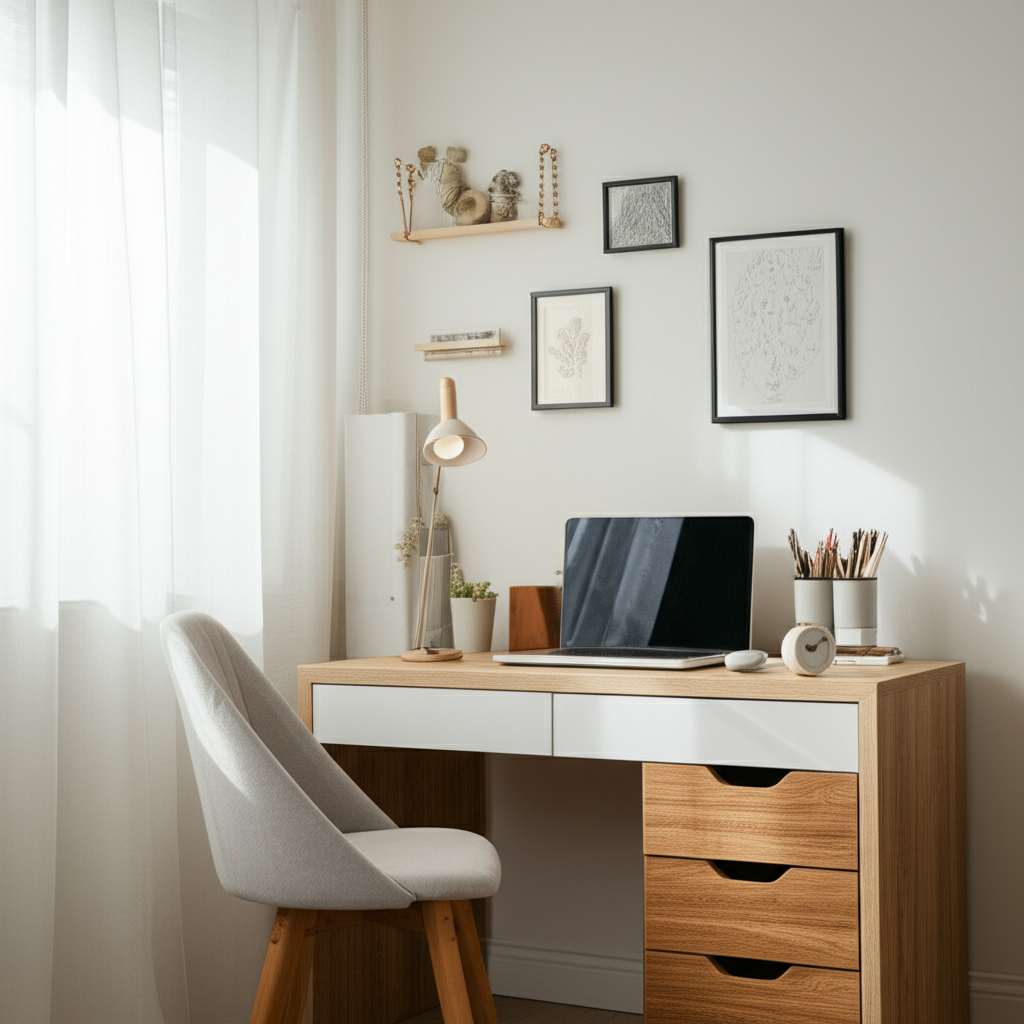
Transforming small rooms with a study table is totally achievable! This guide offers simple, stylish, and budget-friendly solutions to create a functional and inspiring workspace, no matter your room’s size. Get ready to maximize your space with clever design hacks!
Feeling cramped and unsure how to fit a study table into your small room? You’re not alone! Many of us struggle to create a dedicated workspace without sacrificing precious floor area or making the room feel cluttered. It can be frustrating to see beautiful home office setups online and think, “That’s just not possible for me!”
But here’s the good news: designing a functional and stylish study nook in a small space is easier than you think. With a few smart ideas and creative solutions, you can carve out a productive zone that feels intentional and integrated.
This guide is packed with practical tips and easy-to-implement design ideas to help you make the most of your small room. We’ll walk you through everything from choosing the right table to clever storage solutions and visual tricks to make your space feel bigger. Let’s get started on creating your perfect small-space study haven!
Ready to discover how to blend style and function seamlessly? We’ll explore clever furniture choices, smart storage hacks, and design principles that will make your small room feel spacious and productive.
Why Small Rooms Need Smart Study Table Solutions
In today’s world, having a dedicated space for work or study is more important than ever. Whether you’re a student hitting the books, a remote worker tackling projects, or simply someone who enjoys a quiet corner for hobbies, a study table is a must-have. However, fitting one into a small bedroom, living area, or even a hallway can feel like an impossible puzzle.
The challenge lies in balancing the need for a functional workspace with the desire for a comfortable, uncluttered living environment. A poorly placed or oversized desk can quickly overwhelm a small room, making it feel even smaller and more chaotic. This is where thoughtful design ideas come into play.
By understanding the principles of small-space living and employing clever design strategies, you can effortlessly integrate a study table that enhances, rather than detracts from, your room’s overall aesthetic and usability. Let’s dive into how we can make this happen!
Choosing the Right Study Table for Your Small Space
The foundation of any small-space study area is the table itself. Not all desks are created equal, especially when square footage is limited. The key is to select a table that is proportionate to your room and serves your needs without dominating the space.
Think about the scale of your room. A massive executive desk will simply not work. Instead, opt for something more streamlined and scaled down. Consider how you’ll use the space – do you need a large surface for spreading out papers, or will a laptop and a notebook suffice?
1. The Space-Saving Wonder: Wall-Mounted Desks
Wall-mounted desks are a game-changer for tiny rooms. These desks attach directly to the wall, meaning they take up virtually no floor space. Many designs are foldable, allowing you to tuck them away when not in use, reclaiming your room for other activities.
Imagine a sleek, minimalist shelf that transforms into a workspace with a simple drop-down mechanism. This is perfect for creating a study nook in a living room or bedroom corner. They often come with built-in shelving or compartments for essential supplies.
2. The Versatile Victor: Floating Shelves as Desks
Similar to wall-mounted desks, a sturdy floating shelf can double as a compact desk. This option offers maximum flexibility. You can choose the exact width and depth that fits your space and needs. Install it at the perfect height for comfortable working.
This DIY-friendly approach allows for personalization. You can paint or stain the shelf to match your existing decor. It’s a minimalist solution that keeps the floor clear, contributing to a sense of spaciousness. For a more robust setup, ensure you use strong brackets and secure them properly into wall studs.
3. The Multi-Tasker: Console Tables
A slim console table, often found in entryways, can be repurposed as a study desk. These tables are typically narrow, making them ideal for tight spaces. Their longer, shallower profile means they don’t jut out too far into the room.
Look for console tables with drawers or a lower shelf. This provides valuable storage for notebooks, pens, and other essentials, helping to keep your main work surface tidy. They can also double as a decorative console when not in use for study.
4. The Corner Chameleon: Corner Desks
Don’t underestimate the power of a corner! Corner desks are designed to fit snugly into a room’s corner, utilizing often-underused space. They can come in various shapes, from L-shaped to triangular, maximizing the surface area while minimizing intrusion into the room.
These are particularly effective in bedrooms or living rooms where you want to define a study zone without it being the central focus. They can often provide a surprisingly generous amount of workspace given their footprint.
5. The Foldable Friend: Fold-Down or Murphy Desks
For ultimate space-saving, consider a fold-down desk that is integrated into a wall unit or a piece of furniture. A Murphy desk, for example, folds down from a cabinet, revealing a work surface and often storage compartments. When closed, it looks like a regular cabinet or even a decorative piece.
This is an excellent solution for multi-purpose rooms where the study area needs to disappear completely when not in use. It keeps everything organized and out of sight, maintaining a clean and serene atmosphere in your room.
Smart Storage Solutions for Your Small Study Area
Once you have your study table, the next crucial step is managing your belongings. Clutter is the enemy of small spaces, so smart storage is non-negotiable. The goal is to keep your desk surface clear and your essentials organized and accessible.
Think vertically! Walls are your best friend when space is at a premium. Utilize wall space above and around your desk to store books, files, and supplies. This draws the eye upwards, making the room feel larger, and keeps your work surface free.
1. Vertical Organizers
Invest in wall-mounted shelves, pegboards, or tiered wall organizers. Pegboards are incredibly versatile; you can customize them with various hooks, baskets, and shelves to hold everything from pens and scissors to charging cables and small plants. They add a touch of personality while keeping things tidy.
Floating shelves above the desk are perfect for books, decorative items, or storage bins. Ensure they are securely mounted. For a more robust solution, consider a narrow bookcase or a tall, slim shelving unit placed next to your desk.
2. Desk Organizers and Drawer Inserts
Even a small desk can become cluttered quickly. Use desk organizers for pens, pencils, clips, and other small items. Drawer inserts or dividers are essential for keeping the contents of your drawers neat and easy to find. Look for modular organizers that you can arrange to fit your specific drawer sizes.
A good set of drawer organizers can prevent a world of chaos. It helps you categorize items, so you’re not rummaging through a messy drawer every time you need something. Simple cups or small boxes can also work as makeshift organizers.
3. Under-Desk Storage
Don’t forget the space beneath your desk! A small rolling cart or a slim set of drawers can fit neatly under the desk, providing hidden storage for files, extra supplies, or even your printer. Look for carts with wheels so you can easily move them if needed.
A simple fabric storage bin or a sturdy box can also serve the purpose. This keeps items off your desk and floor, contributing to a cleaner look. Ensure the height of your under-desk storage doesn’t impede your legroom.
4. Cable Management
Tangled cords can make any space look messy. Invest in cable clips, ties, or a cable management box to keep your wires neat and out of sight. This small detail can make a big difference in the overall tidiness and visual appeal of your study area.
Consider adhesive cable clips that can stick to the underside of your desk or the back of your furniture. This keeps cords organized and prevents them from dangling where they can be seen or tripped over. Some desks even come with built-in cable management solutions.
Design Tricks to Make Your Small Room Feel Bigger
Beyond the furniture and storage, several design principles can visually expand your small room and make your study area feel more integrated and less intrusive. These are all about creating an illusion of space and light.
Light colors are your best friend. They reflect light and make spaces feel more open and airy. Consider painting your walls a light, neutral shade. Mirrors are also fantastic for bouncing light around and creating a sense of depth.
1. Light Color Palette
Use a predominantly light and neutral color scheme for your walls, furniture, and accessories. Whites, creams, light grays, and pastels can make a room feel significantly larger and brighter. If you love color, use it as an accent rather than the dominant tone.
Even your study table can be a lighter color. A white or light wood desk will feel less heavy than a dark, solid one. This helps the study area blend seamlessly into the rest of the room’s decor. For more inspiration on light color schemes, check out our guide on cozy small kitchen ideas that use similar principles.
2. Strategic Use of Mirrors
Mirrors are magical in small spaces. Place a large mirror on the wall opposite your window to reflect natural light and the view outside, instantly making the room feel twice as big. A mirror above your desk can also reflect light and make the workspace feel less confined.
Consider a floor-length mirror in a corner or a gallery wall that incorporates a few smaller mirrored pieces. The reflective surface tricks the eye into perceiving more space. For more on the power of mirrors in interior design, check out this article from Houzz.
3. Lighting is Key
Good lighting can transform any space. Ensure your study area is well-lit to boost productivity and make the room feel more inviting. Combine ambient lighting (overhead lights), task lighting (a desk lamp), and natural light.
A stylish desk lamp is essential for focused work. Opt for one with a flexible arm so you can direct the light where you need it. Natural light is best, so position your desk near a window if possible. If not, ensure your artificial lighting is bright and doesn’t cast harsh shadows.
4. Multifunctional Furniture
Choose furniture that serves more than one purpose. For example, an ottoman with built-in storage can be used as extra seating, a footrest, or a surface for a tray, while also hiding blankets or books. A sofa bed can be a lifesaver in a studio apartment.
This principle extends to your study table. Perhaps your console table can also serve as a buffet in a dining area, or your wall-mounted desk can be a decorative shelf when folded up. Maximizing each piece of furniture is key.
5. Declutter Ruthlessly
This bears repeating! A cluttered room, no matter how beautifully decorated, will always feel small. Regularly declutter your study area and the rest of your room. Only keep what you need and use.
Embrace minimalism. A clean, organized space is visually appealing and promotes a sense of calm. Consider digitizing documents where possible to reduce paper clutter. For more on decluttering, the Environmental Protection Agency (EPA) offers great resources on reducing waste, which can extend to reducing clutter.
Styling Your Small Study Nook: Adding Personality
Now that we’ve covered the functional aspects, let’s talk about making your study nook a place you’ll love spending time in! Adding personal touches and thoughtful styling can make a huge difference to your mood and productivity.
Don’t let the small size limit your style. You can inject personality through decor, plants, and thoughtful accessories. The goal is to create a space that feels inspiring and reflects your taste.
1. Add Greenery
Plants breathe life into any space, and a small study nook is no exception. Choose small, low-maintenance plants like succulents, snake plants, or pothos. They add a touch of nature, improve air quality, and bring a pop of color.
Place a small potted plant on your desk, on a nearby shelf, or even hanging from a wall planter. The touch of green can be incredibly uplifting during long study or work sessions. For more plant styling ideas, see our post on kitchen plant decor that can easily translate to small workspaces.
2. Personalize with Art and Photos
Hang a small piece of art above your desk, or create a mini gallery wall with framed photos, prints, or inspiring quotes. This adds visual interest and makes the space feel more like your own. Keep the frames and art scaled to the size of your wall space.
Choose pieces that inspire you or bring you joy. This is your personal zone, so fill it with things that make you feel good. Just ensure they don’t overwhelm the small space; consider lighter frames and less dense arrangements.
3. Comfortable and Stylish Seating
The chair you choose is crucial for comfort, especially if you spend long hours studying or working. Opt for a comfortable chair that fits the scale of your space. A stylish, ergonomic chair can elevate the look of your study area.
If space is extremely limited, consider a more compact chair or even a stool that can be tucked away. If your desk is in a living area, you might opt for a stylish accent chair that complements your existing decor and can double as extra seating.
4. Consider a Foldable Screen
If your study table is in a shared space like a living room or bedroom, a foldable screen can provide a sense of privacy and visually separate your workspace. It can also serve as a decorative element and a place to hang notes or inspiration.
Choose a screen that matches your room’s aesthetic. It can be a great way to add texture or a subtle pattern to your room while also defining your study zone. This is particularly useful for those who need to switch between work and relaxation modes.
Examples of Small Room Study Table Setups
Let’s visualize how these ideas come to life! Here are a few scenarios for integrating a study table into different small room layouts.
Scenario 1: The Bedroom Nook
In a small bedroom, a wall-mounted desk can be installed in a corner or along a less-used wall. Pair it with a slim, upholstered chair that can be easily pushed under the desk. Above the desk, install a few floating shelves for books and decorative items. A small desk lamp and a trailing plant complete the look. This keeps the main floor space clear for your bed and movement.
Scenario 2: The Living Room Workspace
A narrow console table placed against a wall can serve as a study desk. Use stylish baskets on the lower shelf for storage. A comfortable, attractive stool that tucks neatly underneath when not in use is ideal. Add a table lamp and perhaps a small stack of visually appealing books to blend it with the living room decor.
Scenario 3: The Studio Apartment Solution
In a studio, a corner desk can help define the “work” zone without taking up too much central space. Combine this with a tall, narrow bookshelf that also acts as a room divider. Utilize wall-mounted organizers on the wall behind the desk for all your supplies.
Frequently Asked Questions (FAQs)
What is the best type of desk for a very small room?
For very small rooms, wall-mounted desks, floating shelves used as desks, or narrow console tables are excellent choices. Fold-down or Murphy desks are also fantastic as they can be completely hidden away when not in use.
How can I make my small study area feel less cluttered?
Utilize vertical storage like shelves and pegboards. Use drawer organizers and desk caddies to keep items tidy. Implement effective cable management to tame cords. Regularly declutter and only keep essentials visible.
Can I fit a study table in a small bedroom without it looking out of place?
Yes! Choose a desk that complements your bedroom’s style, perhaps in a similar color palette or material. Opt for a minimalist design. Using wall-mounted options or a desk that doubles as a dresser or vanity can help it blend in seamlessly.
What kind of chair works best with a small study table?
A compact, armless chair or a stylish stool that can be tucked completely under the desk is ideal. If the chair is visible, ensure it matches your room’s decor. Prioritize comfort for longer work sessions.
How much space do I really need for a functional study area?
Even a space as small as 2-3 feet wide and 1.5-2 feet deep can be sufficient for a basic study area with a laptop and some writing space. The key is efficient organization and using vertical space.
Should my study table be the same color as my walls?
Not necessarily, but keeping it within a similar light or neutral color family will help it blend in and make the room feel more cohesive and spacious. A contrasting color can work if it’s a deliberate design choice and the desk is visually light.
What are some budget-friendly ideas for a small study table setup?
Repurpose existing furniture like console tables or wide shelves. Look for second-hand desks or build your own using a plank of wood and some brackets. DIY pegboards for storage are also very affordable and customizable.
Conclusion
Designing a functional and stylish study area in a small room is not only possible but can be a rewarding creative endeavor. By choosing the right furniture, implementing smart storage solutions, and employing visual tricks to enhance space, you can transform even the tiniest corner into a productive and inspiring workspace.
Remember, the key is to be intentional with your choices. Think about scale, function, and aesthetics. Embrace vertical space, keep clutter at bay, and don’t forget to add personal touches that make the area uniquely yours. With these effortless solutions, your small room can easily accommodate a study table that enhances both its functionality and its overall appeal.
Don’t let limited space hold you back from creating the study nook you need and deserve. Get creative, have fun with the process, and enjoy your newly optimized space! For more tips on maximizing small areas, explore our collection of minimal decor ideas for kitchens that share the same space-saving philosophy.