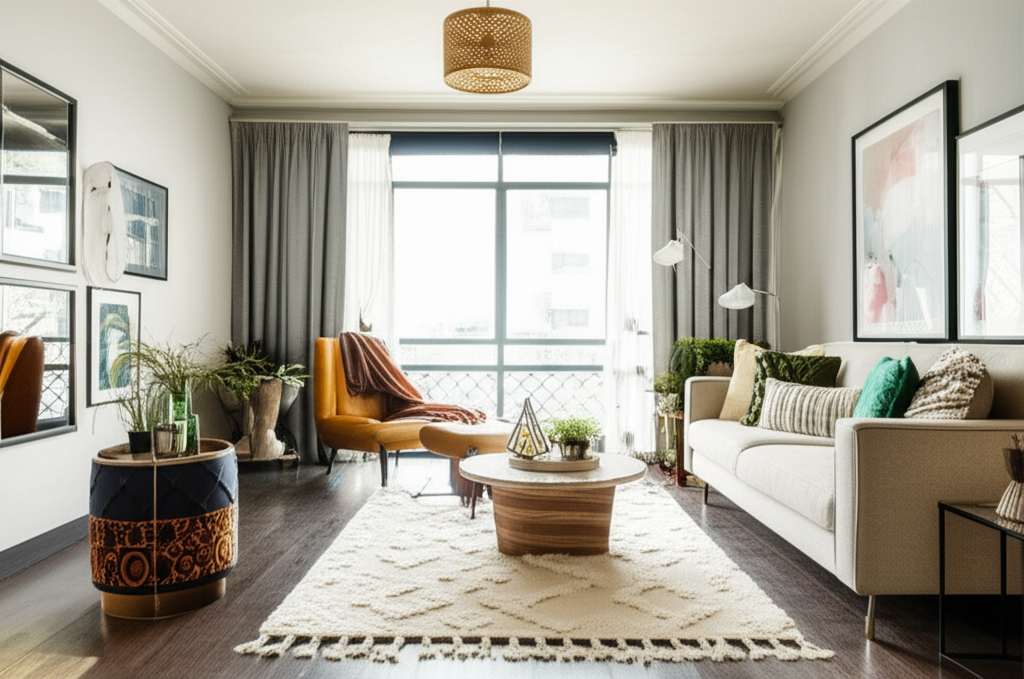
Quick Summary:
Transforming a small living room in South Africa is achievable with smart decor choices. Focus on multi-functional furniture, light colours, strategic lighting, and vertical space utilization. These essential tips will make your compact space feel bigger, brighter, and more stylish, reflecting your personal South African flair.
Feeling a bit cramped in your living room? You’re not alone! Many South Africans live in apartments or homes where space is a premium, and decorating can feel like a puzzle.
It’s easy to get discouraged when you see pictures of grand, spacious rooms. But don’t worry! Making a small living room feel stylish and comfortable is totally doable.
We’re here to share simple, budget-friendly ideas that will make your small living room a joy to be in. Get ready to discover how to maximize every inch and create a space you’ll love!
Small Living Room Decor Ideas South Africa: Making Your Space Shine
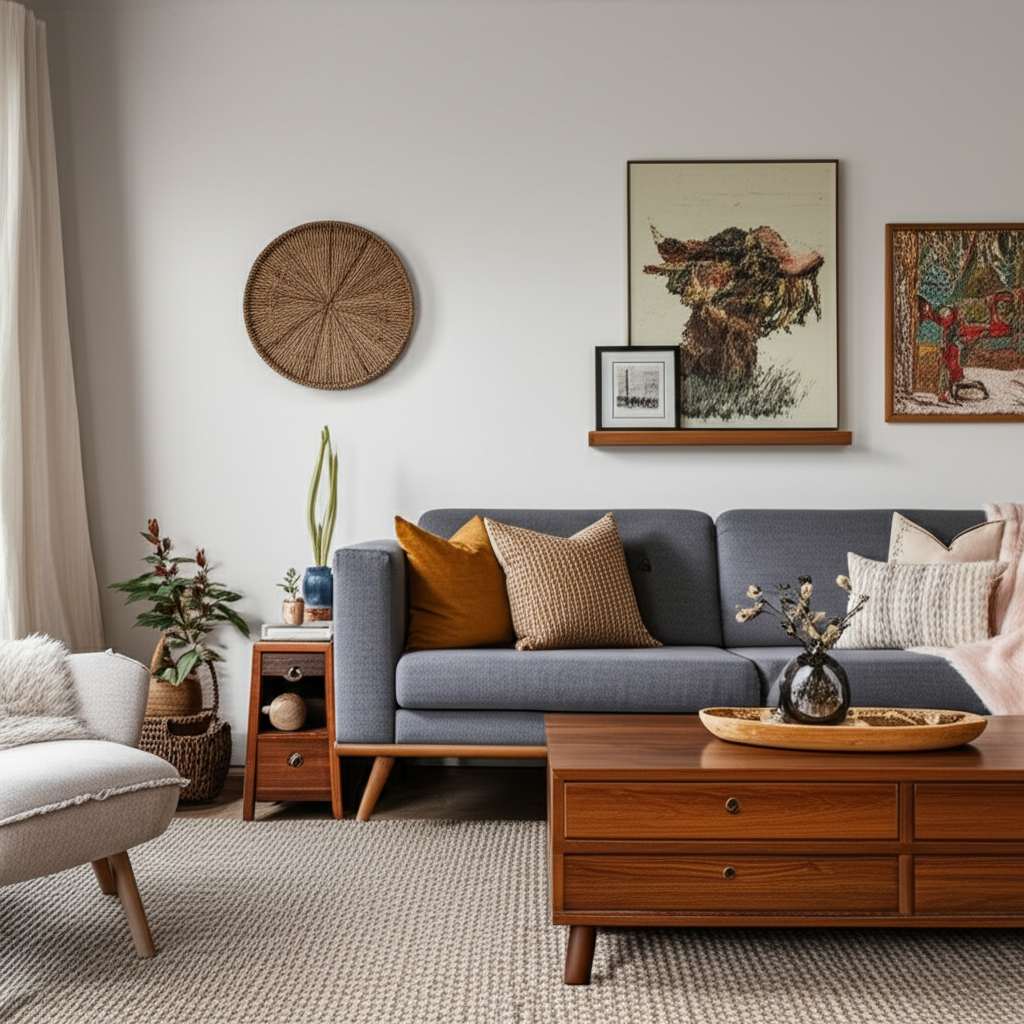
Decorating a small living room, especially in South Africa, is all about making smart choices. We want to create a space that feels open, inviting, and reflects our unique style, even when square footage is limited. It’s not about cramming furniture in; it’s about clever styling and using every element to its full potential.
Let’s dive into some essential tips to help you achieve just that. We’ll cover everything from furniture placement to colour palettes and clever storage solutions.
1. Embrace Light and Bright Colours
Colour plays a massive role in how a space feels. In small living rooms, lighter colours are your best friend. They reflect light, making the room appear larger and more airy.
Think about using soft whites, creams, light greys, or pastel shades for your walls. These act as a perfect backdrop and make it easier to introduce pops of colour through accessories.
- Walls: Opt for light neutrals like off-white, pale beige, or a soft dove grey.
- Ceiling: Painting the ceiling a shade lighter than the walls, or even pure white, can make it feel higher.
- Accents: Use bolder colours in smaller doses – think throw pillows, artwork, or a single accent chair.
2. Smart Furniture Choices for Small Spaces
When you have a small living room, every piece of furniture needs to work hard. Choosing the right size and type of furniture is crucial.
Look for pieces that are proportional to the room. Oversized sofas or bulky armchairs can make a small space feel even smaller. Consider furniture with slim profiles or those that are raised off the floor, as this creates a sense of openness.
Multi-functional Furniture is Key
This is where the magic happens! Multi-functional furniture is a game-changer for small living rooms. Think about pieces that can serve more than one purpose.
- Ottomans with Storage: These can double as coffee tables, extra seating, and hidden storage for blankets or magazines.
- Sofa Beds: Perfect for guest rooms or if you entertain often, a sofa bed offers seating during the day and sleeping space at night.
- Nesting Tables: These can be pulled out when you need extra surface space and tucked away neatly when not in use.
- Wall-mounted Shelving: Instead of bulky bookcases, opt for sleek wall shelves to display decor and store items without taking up floor space.
Furniture Arrangement for Maximum Impact
How you arrange your furniture can dramatically change the feel of your living room. Avoid pushing all your furniture against the walls. Sometimes, pulling a sofa slightly away from the wall can create a sense of depth.
Consider the flow of the room. Ensure there’s enough space to walk around comfortably. A common mistake is blocking pathways with furniture. Aim for clear, unobstructed routes through the room.
3. The Power of Mirrors and Lighting
Mirrors and good lighting are your secret weapons in making a small living room feel bigger and brighter. They can bounce light around the room and create an illusion of more space.
Strategic Mirror Placement
Mirrors are fantastic for small spaces. Placing a large mirror opposite a window can reflect natural light, making the room feel instantly brighter and more expansive. A mirror can also create the illusion of another window, adding depth.
Consider different types of mirrors: a large floor mirror can make a statement, while a gallery wall of smaller mirrors can add sparkle and interest. Even mirrored furniture can add a touch of glamour and enhance the sense of space.
Layered Lighting Solutions
Don’t rely on a single overhead light. Layering your lighting creates warmth and dimension. Use a combination of ambient, task, and accent lighting.
- Ambient Lighting: This is your general room lighting. Think of stylish floor lamps or wall sconces.
- Task Lighting: Needed for specific activities like reading. A good reading lamp beside an armchair is essential.
- Accent Lighting: Use this to highlight artwork or architectural features. Small spotlights or LED strips can work well.
Natural light is also incredibly important. Keep your window treatments light and airy. Sheer curtains allow natural light to filter in while still offering privacy. If you have a beautiful view, make sure your furniture arrangement takes advantage of it!
4. Vertical Space is Your Friend
When you can’t go wide, go tall! Utilizing vertical space is a brilliant way to add storage and visual interest without cluttering your floor space.
Think upwards. Tall, slim bookshelves, wall-mounted cabinets, and floating shelves can draw the eye upwards, making the room feel taller and more spacious.
- Tall Bookcases: Choose narrow, tall bookcases that reach towards the ceiling. Anchor them securely to the wall for safety.
- Floating Shelves: These are sleek and modern, perfect for displaying decorative items, plants, or even books.
- Wall-mounted Media Units: Instead of a bulky TV stand, opt for a wall-mounted unit that keeps your electronics tidy and off the floor.
- Hanging Plants: Bring greenery into your space without taking up surface area by hanging plants from the ceiling or wall brackets.
5. Clever Storage Solutions
Clutter is the enemy of small spaces. Effective storage is crucial for maintaining a tidy and visually appealing living room. Think about storage that is both functional and stylish.
Integrated storage is a great idea. Built-in shelving or custom-made cabinets can make the most of awkward corners or alcoves. When this isn’t an option, look for decorative baskets, stylish boxes, and furniture with hidden storage.
Storage Ideas to Consider:
- Baskets and Bins: Use attractive woven baskets or fabric bins to store magazines, remote controls, throws, or toys. Place them on shelves or under coffee tables.
- Ottomans and Benches with Storage: As mentioned before, these are incredibly versatile.
- Wall-Mounted Cabinets: These can store away items you don’t want on display, keeping surfaces clear.
- Utilize Door Backs: Over-the-door organizers can be surprisingly useful for storing smaller items.
6. Furniture Layout and Flow
The way you arrange your furniture can make or break a small living room. The goal is to create a functional layout that allows for easy movement and conversation.
Consider a conversational grouping of furniture. This typically involves placing your sofa and armchairs facing each other, or in an L-shape, with a coffee table in the centre.
Tips for Layout:
- Define Zones: Even in a small room, you can create distinct areas for relaxing, reading, or entertaining. Use rugs to visually define these zones.
- Avoid Blocking Windows: Try not to place tall furniture directly in front of windows, as this will block natural light and make the room feel smaller.
- Keep Pathways Clear: Ensure there are clear pathways for people to walk through the room without bumping into furniture.
- Scale is Important: Choose furniture that is appropriately sized for the room. A large, overstuffed sofa will dominate a small space.
7. Bring in Texture and Personality
Even with a minimalist approach, your small living room needs to feel like you. Adding texture and personal touches makes a space warm and inviting.
Think about incorporating different materials. A soft rug, plush throw pillows, a woven basket, or a wooden accent piece can add depth and interest. These elements make the room feel more lived-in and cozy.
- Textiles: Use a variety of fabrics like linen, cotton, wool, and velvet in your cushions, throws, and rugs.
- Artwork and Photos: Displaying personal artwork or family photos adds character. Consider a gallery wall or a few larger statement pieces.
- Plants: Greenery instantly brings life and freshness to any space. Choose plants that suit your light conditions and care abilities.
- Decorative Objects: A few carefully chosen decorative items, like vases, sculptures, or candles, can add personality without creating clutter.
8. Rugs: Defining Your Space
Rugs are incredibly effective in small living rooms. They can anchor your furniture, define different zones, and add warmth and colour.
For a small living room, a rug that is too small can make the space feel disjointed. Ideally, the front legs of your sofa and armchairs should sit on the rug. This visually ties the seating area together.
Rug Considerations:
- Size: Measure your seating area before buying a rug. A rug that is too small can make the room look smaller.
- Colour and Pattern: Lighter coloured rugs can help make the room feel larger. If you opt for a pattern, choose one that isn’t too busy, as this can overwhelm a small space.
- Material: Consider the feel you want. A soft, plush rug adds warmth, while a flatweave rug is practical and easy to clean.
9. Consider Reflective Surfaces
Beyond mirrors, other reflective surfaces can also help bounce light and create a sense of spaciousness. Think about materials like glass, polished metal, and lacquered finishes.
A glass-top coffee table, for instance, can create the illusion of more floor space because you can see through it. Metal accents in lamps, picture frames, or decorative objects can also add a touch of sparkle and reflect light.
Examples of Reflective Elements:
- Glass Coffee Table: Creates an open feel.
- Mirrored or High-Gloss Furniture Accents: Adds subtle shine.
- Metallic Decor: Picture frames, lamp bases, or decorative bowls in brass, chrome, or silver.
- Lacquer Finishes: On cabinets or side tables, these can reflect light beautifully.
10. Scale Your Decor Appropriately
It’s easy to go overboard with decor in a small space. The key is to choose a few statement pieces rather than many small trinkets.
A single, large piece of art can make more of an impact and look more sophisticated than a collection of small, scattered items. Similarly, one or two well-chosen decorative objects are better than a shelf full of knick-knacks.
Decorating with Scale in Mind:
- Large Art Piece: A single, large artwork can become a focal point.
- Statement Lamp: A floor lamp with an interesting design can add style without taking up much space.
- Curated Shelving: Display only a few meaningful items on your shelves.
- Pops of Colour: Use cushions or throws to add colour rather than multiple small coloured objects.
11. Keep it Organized and Tidy
This might seem obvious, but a cluttered small living room will always feel smaller and more chaotic. Regular decluttering and maintaining an organized system are essential.
Have a place for everything. When items have designated spots, it’s easier to put them away and keep the room looking neat. This also reduces the temptation to buy more things you don’t need.
Tips for Staying Organized:
- Regular Decluttering: Set aside time each month to go through your belongings and get rid of what you no longer need or use.
- “A Place for Everything”: Assign specific homes for items like remotes, magazines, chargers, and keys.
- Tidy Up Daily: A quick five-minute tidy-up each day can make a big difference in keeping the space feeling calm and organised.
12. Embrace the South African Vibe
South Africa has such a rich tapestry of cultures and natural beauty. Infuse your small living room with elements that reflect this!
Think about incorporating local art, handcrafted items, or colours inspired by the South African landscape. Whether it’s the earthy tones of the Karoo, the vibrant colours of a Ndebele pattern, or the blues of the ocean, these personal touches make your space unique and meaningful.
South African Inspired Decor:
- Local Art: Support South African artists by displaying their work.
- Crafted Items: Look for unique pieces made from wood, ceramics, or textiles by local artisans.
- Colour Palettes: Draw inspiration from the diverse South African landscape – think ochre, terracotta, deep blues, and vibrant greens.
- Natural Materials: Incorporate elements like rattan, cane, or ethically sourced wood to bring a natural, earthy feel.
Example Furniture Arrangement for a Small Living Room
Let’s visualize how these ideas come together. Imagine a small rectangular living room. Here’s a potential layout that maximizes space and functionality:
| Element | Placement Suggestion | Reasoning |
|---|---|---|
| Sofa | Place on the longest wall, leaving a small gap (10-15 cm) from the wall. | Creates a sense of depth, allows for discreet cable management, and makes the room feel less boxed in. |
| Armchair(s) | Position opposite or at an angle to the sofa, creating a conversational grouping. | Facilitates interaction and makes the room feel more intimate and welcoming. |
| Coffee Table | Centred within the seating arrangement. Opt for a round or oval shape, or a glass-top table. | Round/oval shapes are easier to navigate around. Glass tops enhance the feeling of space. |
| Side Table(s) | Place next to the sofa or armchair. | Provides a surface for drinks, lamps, or decorative items without cluttering the main coffee table. |
| Rug | Underneath the seating area, with the front legs of the sofa and armchair on it. | Anchors the furniture, defines the living space, and adds warmth and texture. |
| Vertical Storage | Tall, slim bookshelf or wall-mounted shelves on an empty wall. | Utilizes vertical space for storage and display, drawing the eye upwards. |
| Lighting | Floor lamp behind the armchair, a table lamp on the side table. | Provides layered lighting, creating ambiance and functionality. |
| Mirror | On the wall opposite a window or a key feature. | Reflects light, enhances brightness, and creates an illusion of greater depth. |
Frequently Asked Questions (FAQs)
Q1: What is the best colour to paint a small living room in South Africa?
Light and bright colours are best. Think off-whites, creams, light greys, or soft pastels. These colours reflect light, making the space feel larger and more open. You can then add pops of colour through your decor.
Q2: Should I use a large or small rug in a small living room?
Generally, a larger rug is better. It should be big enough for the front legs of your main furniture (sofa, armchairs) to rest on it. This visually ties the seating area together and makes the room feel more cohesive and expansive, rather than chopped up.
Q3: How can I make my small living room feel more spacious without major renovations?
Focus on decluttering, using light colours, maximizing natural light, incorporating mirrors, choosing multi-functional furniture, and utilizing vertical space. These are all budget-friendly and effective ways to create an illusion of more space.
Q4: What type of sofa is best for a small living room?
Opt for sofas with a slim profile, clean lines, and legs that are visible, as this creates a sense of airiness. Consider a loveseat or a compact three-seater. A sofa bed can also be a practical choice if you need occasional sleeping space.
Q5: How can I add personality to a small living room without making it look cluttered?
Choose a few key decorative items that you love. Think about one or two striking pieces of art, a stylish floor lamp, or a collection of meaningful objects on a shelf. Layering textures with cushions and throws also adds personality without taking up much visual space.
Q6: Is it okay to use dark colours in a small living room?
While light colours are generally recommended for making small spaces feel bigger, you can use dark colours strategically. Consider using a dark accent wall behind a sofa or TV to add depth and drama, or use darker tones in smaller decorative items. Just ensure the rest of the room is well-lit and balanced with lighter elements.
Q7: Where should I place my TV in a small living room?
Consider mounting your TV on the wall to save floor space. Place it on a wall that doesn’t directly face a window to avoid glare. Alternatively, a slim, wall-mounted media unit can provide storage without being bulky. Ensure it’s at a comfortable viewing height.
Conclusion
Decorating a small living room in South Africa doesn’t have to be a daunting task. By implementing these essential tips, you can transform your compact space into a stylish, functional, and inviting sanctuary.
Remember to embrace light colours, choose multi-functional furniture, harness the power of mirrors and lighting, and utilize your vertical space. Don’t forget to inject your personal style and perhaps a touch of South African flair to make it truly your own.
With a little creativity and these practical strategies, your small living room can become the heart of your home, proving that great style and comfort come in all sizes.