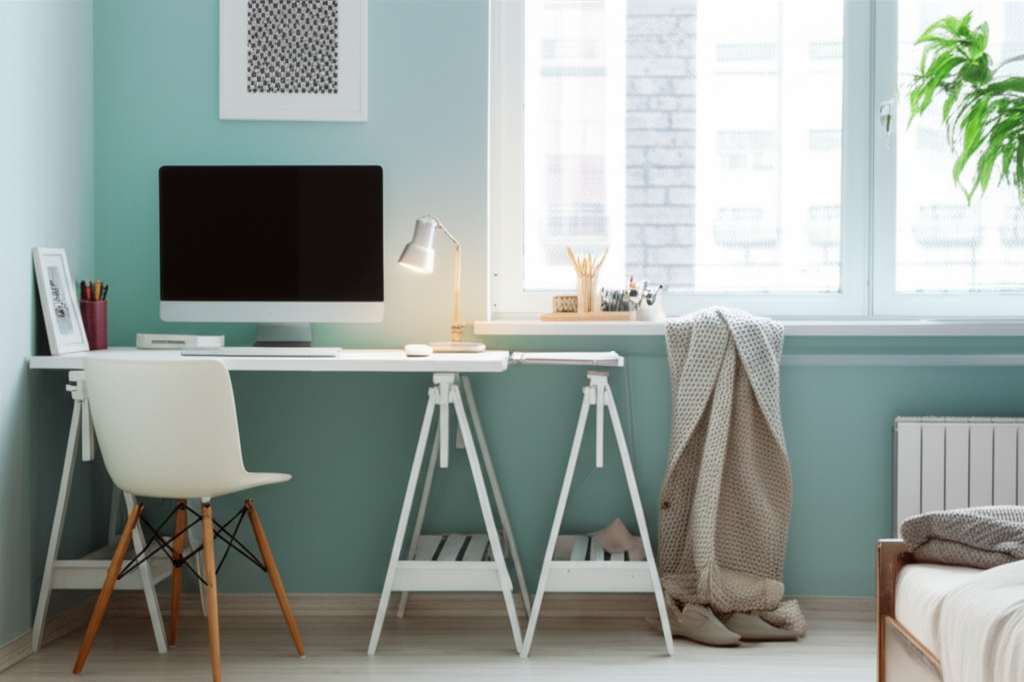
Quick Summary:
Transform your small bedroom into a functional and stylish space with these essential design ideas for incorporating a study table. Maximize every inch with smart furniture choices, strategic placement, and creative storage solutions that blend work and rest seamlessly. Create your perfect personal oasis without sacrificing space.
Small Bedroom Design Ideas With Study Table: Essential Guide
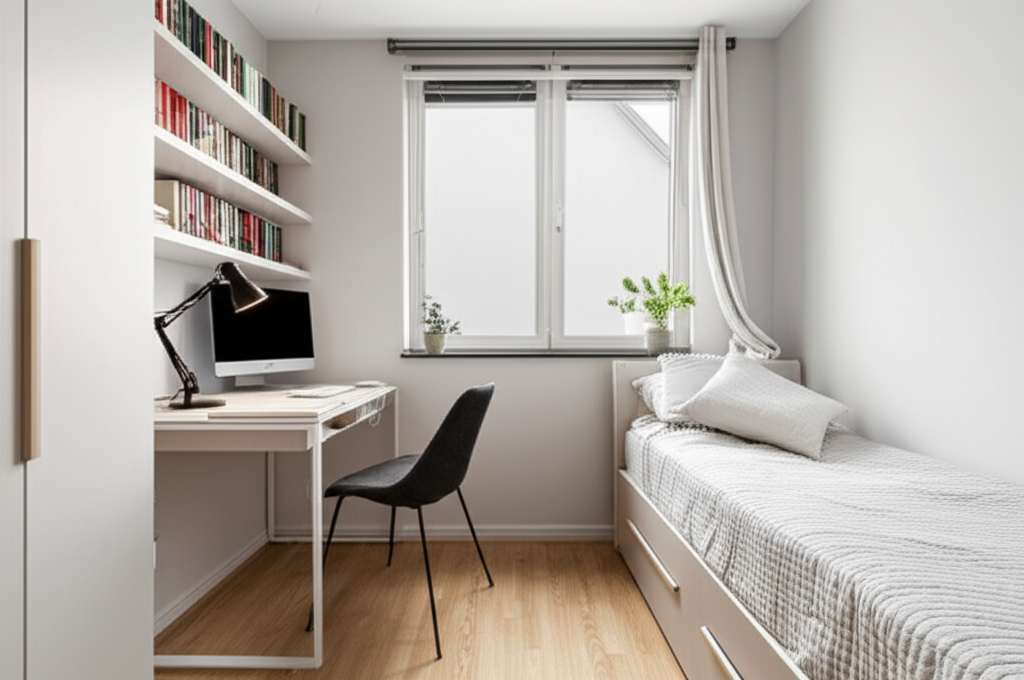
Living in a small space can sometimes feel like a puzzle, especially when you need to fit in a dedicated study area. Juggling sleeping, working, and relaxing in one room can be a challenge, leaving you feeling cramped and uninspired.
But don’t worry! Creating a functional and beautiful small bedroom with a study table is totally achievable. It’s all about smart choices and a little bit of creative thinking.
This guide is packed with practical, beginner-friendly ideas to help you design a space that works for you, no matter the size. Let’s dive in and make your small bedroom a dream come true!
Why a Study Table is Essential in a Small Bedroom
In today’s world, many of us need a dedicated space for work, study, or hobbies, even if our living quarters are cozy. A study table isn’t just a piece of furniture; it’s a functional zone that can significantly boost productivity and well-being.
Having a designated spot for your laptop, books, and essentials helps you mentally separate your work or study life from your relaxation time. This separation is crucial for maintaining focus when you need it and truly switching off when it’s time to rest.
For small bedrooms, integrating a study table requires thoughtful planning. It’s about making sure this functional area enhances, rather than detracts from, the overall comfort and aesthetic of your personal sanctuary.
Key Considerations Before You Start
Before you rush out to buy furniture or start rearranging, let’s chat about a few things to keep in mind. Thinking these through first will save you time and help you make the best decisions for your unique space.
- Measure Everything: This is non-negotiable! Measure your room, the potential spots for your desk, and any furniture you plan to keep. Knowing your dimensions prevents costly mistakes and ensures everything fits perfectly.
- Assess Your Needs: What will you primarily use the study table for? Is it for a laptop and a few notebooks, or do you need space for multiple monitors and extensive paperwork? Your usage will dictate the size and type of desk you choose.
- Consider Natural Light: Where is your window? Placing your desk near a window can provide natural light, which is great for your eyes and mood. It also makes the space feel larger and more inviting.
- Think About Storage: Where will your books, stationery, and other essentials go? Good storage solutions are key to keeping your desk area clutter-free and your bedroom tidy.
- Your Style: What look are you going for? Modern, minimalist, cozy, or bohemian? Choose a desk and decor that complements your existing bedroom style.
Smart Furniture Choices for Small Bedrooms
When space is at a premium, every piece of furniture counts. The right choices can make your small bedroom feel much larger and more functional. Let’s look at some great options for desks that work wonders in compact rooms.
1. Wall-Mounted or Floating Desks
These are absolute game-changers for small spaces. A wall-mounted desk attaches directly to the wall, freeing up floor space. This creates an illusion of more room and makes cleaning a breeze.
They come in various styles, from simple shelves that fold down to sleek, modern units with built-in drawers. You can even find DIY options if you’re feeling crafty! They’re perfect for minimalists or anyone who wants a clean, uncluttered look.
2. Corner Desks
Don’t let those corners go to waste! A corner desk is designed to fit snugly into a room’s corner, utilizing often-underused space. This can be a surprisingly generous workspace without eating into the main floor area.
They can be L-shaped or triangular, depending on the design. Opt for one with shelves or drawers to maximize storage potential. They’re a fantastic way to carve out a dedicated study zone without making the room feel crowded.
3. Ladder Desks
Ladder desks are a stylish and space-saving solution. They lean against the wall like a ladder and typically feature shelves at different heights, with a desk surface integrated into the structure. This vertical design offers ample storage and a work area without a large footprint.
Their open design makes them feel less bulky than traditional desks. They’re ideal for small apartments or bedrooms where you want a functional desk that also doubles as a display unit for your favorite items.
4. Compact or Narrow Desks
Sometimes, the simplest solution is the best. A compact or narrow desk is designed specifically for smaller spaces. They often have a slim profile and are just wide enough to accommodate a laptop, a notebook, and perhaps a lamp.
Look for desks with a clean, minimalist design. Many come with a drawer or two for essential storage. These are perfect for placing against a wall, under a window, or even at the foot of your bed if space allows.
5. Multi-functional Furniture
Think outside the box! Can your furniture do double duty? Consider a desk that also functions as a vanity, a bookshelf that can be reconfigured into a workspace, or even a murphy bed desk that folds away when not in use.
Some beds come with built-in desks at the foot, offering a clever way to combine sleeping and studying. These integrated solutions are brilliant for maximizing utility in tiny rooms.
Strategic Placement Ideas
Where you put your desk can make a huge difference in how your small bedroom feels and functions. The right spot can maximize natural light, create a sense of division, and make the room feel more spacious.
1. By the Window for Natural Light
This is often the most coveted spot! Placing your desk near a window not only provides excellent natural light for working and studying, but it also offers a pleasant view and can make the room feel more open and airy.
Position your desk so the light comes from the side to avoid glare on your screen. This placement can also help you feel more connected to the outdoors, which is a huge mood booster.
2. In a Corner to Maximize Space
As mentioned earlier, corners are prime real estate in small rooms. A corner desk can tuck away neatly, leaving the center of the room open. This can make the room feel larger and more organized.
Consider a floating shelf desk or a specially designed corner unit for this purpose. It creates a defined study zone without encroaching on your circulation space.
3. Against a Wall
This is a classic and often the most practical solution. Placing your desk against a blank wall is straightforward and allows you to position it in various parts of the room. You can place it opposite your bed, next to your wardrobe, or in any available wall space.
This placement is ideal for longer, narrower desks or if you need a larger surface area. You can use the wall above the desk for shelving or inspiration boards.
4. Behind the Bed (Headboard Area)
If your room layout is unconventional, you might consider placing a narrow desk or a floating shelf behind your bed. This can create a unique, cozy nook for studying. It’s especially effective if you have a headboard that can act as a natural divider.
Ensure there’s enough clearance to move around comfortably. This option works best with minimalist desk setups to avoid making the bedroom feel too cramped.
5. Utilizing Alcoves or Recessed Areas
Does your room have any built-in nooks or alcoves? These are perfect spots to place a desk, creating a natural, integrated workspace. It feels like the desk was made specifically for that spot!
You can often fit a custom-sized desk or a standard piece of furniture into these spaces. This hides the desk away slightly, helping to maintain the bedroom’s primary function as a restful space.
Creative Storage Solutions
Clutter is the enemy of small spaces, especially when you’re trying to create a functional study area. Smart storage is key to keeping your desk tidy and your bedroom serene.
1. Vertical Storage
Think upwards! Use wall space to your advantage. Floating shelves above the desk are perfect for books, decorative items, and storage boxes. Wall-mounted organizers, pegboards, or magnetic strips can hold stationery, pens, and small essentials.
This keeps your desk surface clear and utilizes often-forgotten vertical real estate. For more ideas on maximizing small spaces, explore our guide on cozy small kitchen ideas that apply similar space-saving principles.
2. Under-Desk Storage
Don’t forget the space beneath your desk! Consider a small set of drawers, a rolling cart, or storage bins that fit neatly underneath. This is ideal for files, extra supplies, or anything you want to keep out of sight.
A small filing cabinet or a set of stackable drawers can make a big difference. Just make sure your chosen storage doesn’t obstruct your legroom.
3. Desk Organizers and Trays
Even with ample storage, desk organizers are essential for keeping your immediate workspace tidy. Use pen holders, letter trays, and small containers for paperclips, erasers, and other bits and bobs.
This helps maintain order on your desk surface, making it more pleasant to work and study. A tidy desk often leads to a tidier mind!
4. Multi-functional Desk Accessories
Look for desk accessories that serve multiple purposes. For example, a monitor stand with built-in drawers or a desk lamp that also functions as a wireless charger. These smart items reduce clutter and add convenience.
Consider a desk organizer that has compartments for everything from your phone to your charging cables. Every little bit of multi-functionality helps in a small room.
5. Declutter Regularly
This is the most crucial storage tip of all! Regularly go through your study supplies and bedroom items. Get rid of anything you no longer need or use. Donate old books, recycle unnecessary papers, and organize what’s left.
A good decluttering session every few months can make a world of difference in keeping your small space feeling spacious and organized.
Lighting for Your Study Nook
Good lighting is crucial for any study area, especially in a small bedroom where it needs to blend in. You want enough light to work comfortably without making the room feel harsh or overly bright.
1. Task Lighting
This is your primary study light. A good desk lamp is essential. Look for one with an adjustable arm so you can direct the light exactly where you need it. LED lamps are energy-efficient and often come with different brightness settings.
Consider a lamp that doesn’t take up too much desk space. A slim, modern design or a clip-on lamp can be perfect for tight areas.
2. Ambient Lighting
This is the general lighting for your room. Soft, warm ambient light makes the bedroom feel cozy and relaxing. If your main overhead light is too harsh, consider adding a floor lamp or a table lamp on a bedside table to create a more inviting atmosphere.
When you’re not actively studying, you can rely on ambient lighting for a more relaxed feel. This helps differentiate your study zone from your relaxation zone.
3. Natural Light Maximization
As mentioned, using natural light is ideal. Keep your window treatments light and airy. Sheer curtains can diffuse sunlight beautifully without blocking it completely. Avoid heavy, dark drapes that can make the room feel smaller.
Clean your windows regularly to maximize the amount of light that enters the room. It’s amazing how much difference clean glass can make!
Decorating Your Study Area to Match Your Bedroom Style
Your study area should feel like a natural extension of your bedroom, not an afterthought. Integrating it with your overall decor is key to a cohesive and stylish look.
1. Color Palette Consistency
Use colors that are already present in your bedroom. If your room is painted in calming blues, incorporate blue accents in your desk accessories or a small rug under your desk. This creates visual harmony.
You can use a slightly different shade or tone to subtly define the study zone, but keep the overall color scheme consistent.
2. Minimalist Approach
In a small bedroom, less is often more. Opt for a minimalist desk with clean lines. Keep your desk accessories to a minimum and choose items that are both functional and aesthetically pleasing.
Avoid cluttering the desk surface with too many decorative items. A small plant or a framed picture is usually enough.
3. Personal Touches
While keeping it minimal, don’t forget to add personal touches that inspire you. This could be a favorite piece of art, a motivational quote, or a small collection of cherished items displayed on a shelf.
These personal elements can make your study space feel more inviting and enjoyable. Just ensure they don’t become a distraction.
4. Smart Layout for Flow
Ensure your desk placement doesn’t block pathways or make the room feel cramped. The goal is to have a functional study area that also allows for easy movement and a sense of openness.
Try to position the desk so it doesn’t feel like an obstacle when you’re entering or moving around the room.
Maximizing Functionality with Smart Layouts
The way you arrange your furniture can dramatically impact how your small bedroom functions. A smart layout makes the most of every square foot.
1. The “Zone” Approach
Mentally divide your room into zones: sleeping, studying, and relaxing. Your desk placement should clearly define the study zone. Even a small desk in a corner can create a distinct area.
Use furniture placement, rugs, or even a strategically placed bookshelf to visually separate these zones. This helps create order and makes the room feel more organized.
2. Multi-purpose Furniture Integration
As discussed, furniture that serves more than one purpose is a lifesaver. Think about a bed with built-in drawers for storage, a vanity that doubles as a desk, or a coffee table that can be raised to desk height.
These pieces reduce the need for multiple items, freeing up space and simplifying your layout. For more inspiration on efficient design, check out our article on minimal decor ideas for kitchens, which highlight simplicity and functionality in compact spaces.
3. Verticality for Storage and Display
Utilize wall height! Tall, narrow bookshelves or wall-mounted shelving units can provide ample storage without taking up floor space. This also draws the eye upwards, making the room feel taller.
You can use these vertical elements to store books, display decor, or even hang plants, adding personality to your space.
4. Ensuring Clear Pathways
This is paramount. Even with clever furniture placement, ensure there are clear pathways to move around your room easily. You should be able to walk from your door to your bed, and to your desk, without feeling like you’re navigating an obstacle course.
Measure your pathways to ensure they are at least 2-3 feet wide. This makes the room feel more spacious and functional.
Budget-Friendly Tips
Creating a stylish and functional study area doesn’t have to break the bank. Here are some affordable ways to get the look you want.
1. DIY Projects
Get creative with DIY! You can easily build a floating desk from a sturdy shelf and brackets. Painting an old desk a fresh color can give it a new life. There are tons of tutorials online for transforming basic materials into stylish furniture.
Consider repurposing items you already own. An old dresser can be adapted into a desk with some modifications.
2. Second-Hand Finds
Thrift stores, flea markets, and online marketplaces are treasure troves for affordable furniture. You might find a perfect desk that just needs a little cleaning or a fresh coat of paint.
Be patient and keep an eye out for quality pieces. A well-made used desk can be a fantastic bargain.
3. Smart Shopping for Accessories
When buying desk organizers, lamps, and decor, look for sales and discount retailers. Dollar stores and IKEA often have great, budget-friendly options for small accessories.
Focus on function first, then aesthetics. You can always add decorative touches later as you find them.
4. Utilize What You Have
Before buying anything new, assess what you already own. Can a console table be used as a desk? Can an existing shelf be repurposed? Sometimes, a little imagination is all you need.
Repurposing items not only saves money but also adds a unique, personal touch to your space.
Example Layouts for Small Bedrooms with Study Tables
Let’s visualize how these ideas can come together. Here are a couple of example layouts for a typical small bedroom (e.g., 10×10 feet or 3×3 meters).
Layout Example 1: The Window Nook
Room Size: 10×10 ft (approx. 3×3 m)
Bed Placement: Against one wall.
Desk Placement: A narrow, floating desk positioned under the window. This maximizes natural light and makes the desk feel integrated.
Storage: Wall-mounted shelves above the desk for books and essentials. A small rolling cart or set of drawers tucked beside the desk.
Benefits: Bright and airy study space, efficient use of wall space, keeps the center of the room open.
Layout Example 2: The Corner Workspace
Room Size: 10×10 ft (approx. 3×3 m)
Bed Placement: Centered on one wall.
Desk Placement: A compact corner desk fitted into the corner opposite the bed. This defines the study area without protruding into the main room.
Storage: The corner desk has built-in shelves. A tall, narrow bookshelf placed against an adjacent wall for additional storage and to add vertical interest.
Benefits: Creates a distinct study zone, utilizes awkward corner space, keeps the main floor clear.
Layout Comparison Table
| Layout Type | Desk Type | Best For | Pros | Cons |
|---|---|---|---|---|
| Window Nook | Floating/Narrow Desk | Maximizing natural light, open feel | Bright, airy, feels spacious, good for reading/writing | Can be distracting with outdoor views, glare potential |
| Corner Workspace | Corner Desk | Utilizing awkward spaces, defined zones | Efficient use of corners, creates a clear study area, good for small footprints | Can feel enclosed, limited desk surface depending on design |
| Wall Hugger | Compact/Narrow Desk | Simple, functional, against any wall | Easy to implement, versatile placement, keeps pathways clear | Can feel less integrated, might block wall access |
Frequently Asked Questions (FAQs)
Q1: What’s the best type of desk for a very small bedroom?
For very small bedrooms, floating or wall-mounted desks are excellent choices. They take up no floor space, making the room feel much larger. Ladder desks and narrow, compact desks are also great options.
Q2: How can I make my study area feel separate from my sleeping area?
You can create a visual separation using rugs, strategically placed furniture like a bookshelf, or by using different lighting. Painting the wall behind your desk a slightly different color can also help define the zone.
Q3: What if I don’t have much natural light?
If natural light is limited, focus on good artificial lighting. Use a bright, adjustable desk lamp for task lighting and complement it with soft ambient lighting for the rest of the room. Mirrors can also help reflect light and make the space feel brighter.
Q4: How much space do I really need for a study table?
You can get away with a surprisingly small surface area. A desk that’s about 20-24 inches deep and 30-40 inches wide is often sufficient for a laptop and a few essentials. Prioritize depth for comfortable typing.
Q5: Should I choose a desk with drawers or open shelving?
This depends on your needs and clutter tolerance. Drawers hide clutter effectively, keeping your desk looking tidy. Open shelves are great for displaying items and easy access but require more organization to avoid looking messy.
Q6: How can I avoid my study area making my bedroom feel cluttered?
The key is smart storage and regular decluttering. Utilize vertical space with shelves, use desk organizers, and store items out of sight in drawers or bins. Regularly review your belongings and get rid of what you don’t need.
Conclusion
Designing a small bedroom with a study table is all about making smart, intentional choices. By selecting the right furniture, placing it strategically, and implementing effective storage and lighting solutions, you can transform even the coziest room into a functional and inspiring personal sanctuary.
Remember, the goal is to create a space that supports both your need for rest and your need for productivity. Don’t be afraid to experiment with different layouts and ideas until you find what works best for you.
With these essential small bedroom design ideas, you’re well on your way to creating a beautiful, efficient, and stress-free space. Happy decorating!