Small Room Decor Ideas Simple: Stunning & Easy
Transforming a small room doesn’t have to be complicated or expensive! With smart strategies and a touch of creativity, you can make any compact space feel larger, brighter, and more stylish. This guide offers simple, budget-friendly ideas to maximize your room’s potential, turning it into a beautiful and functional haven you’ll love. Let’s get started on making your small space feel amazing!
Feeling a bit squeezed in your living space? You’re not alone! Many of us deal with rooms that feel a little too cozy, making decorating feel like a puzzle. It’s easy to get overwhelmed, wondering how to make a small area look good and work for you.
But guess what? Decorating a small room can be incredibly fun and rewarding. It’s all about clever tricks and choosing the right pieces.
This guide is packed with easy-to-follow tips and inspiring ideas that will help you unlock the full potential of your small room. Get ready to discover how simple it can be to create a stunning and functional space!
—
FAQs About Decorating Small Rooms
Here are some common questions beginner decorators have about making small rooms look their best.
1. How can I make my small room look bigger?
You can make a small room appear larger by using light colors, maximizing natural light, incorporating mirrors, choosing furniture with legs to create an illusion of space, and keeping clutter to a minimum. Vertical lines in decor can also draw the eye upward, making the ceiling seem higher.
2. What’s the best color to paint a small room?
Light and neutral colors like whites, creams, soft grays, and pastels are excellent for small rooms. They reflect light, making the space feel more open and airy. Avoid dark or overly bold colors on all walls, as they can make a room feel closed in.
3. Should I use a lot of small decor items or a few large ones in a small room?
Generally, it’s better to use fewer, larger decor items rather than many small ones. A few well-chosen larger pieces can make a statement without adding visual clutter. For example, one large piece of art is often more effective than a gallery wall of tiny frames in a small space.
4. How can I add storage without making my small room feel cluttered?
Opt for multi-functional furniture like ottomans with storage, beds with built-in drawers, or wall-mounted shelves. Vertical storage solutions, such as tall bookshelves or wall units, are also great. Keep storage solutions streamlined and organized to maintain a sense of openness.
5. Are there specific furniture types that work best in small rooms?
Yes! Furniture with a smaller footprint, pieces with visible legs (like sofas or tables), and multi-functional items are ideal. Consider slim-profile furniture, nesting tables, and wall-mounted desks or shelves. Furniture that can be folded or stored away is also a smart choice.
6. How important is lighting in a small room?
Lighting is crucial! A well-lit small room feels much larger and more inviting. Layer your lighting with ambient (overall), task (for activities), and accent (for mood) lighting. Using wall sconces or pendant lights can save floor space compared to floor lamps.
—
1. The Magic of Light Colors and Mirrors
One of the simplest yet most impactful ways to make a small room feel bigger is by embracing light colors. Think soft whites, pale grays, gentle blues, and muted pastels. These hues reflect light beautifully, making walls seem to recede and the space feel more open and airy.
Don’t be afraid to use light colors on your walls, ceiling, and even the floor. A consistent light palette can create a seamless look that expands the room visually. You can then introduce pops of color through accessories like cushions, throws, or artwork.
Mirrors are another secret weapon for small spaces. They work by reflecting light and the view, creating an illusion of depth and making the room feel twice its size. A large mirror placed opposite a window is particularly effective, as it bounces natural light around the room.
Consider the placement carefully. A floor-length mirror leaning against a wall can add a touch of elegance and make the ceiling appear higher. Mirrored furniture or decorative mirror arrangements can also contribute to this effect, but use them judiciously to avoid overwhelming the space.
—
2. Smart Furniture Choices for Small Spaces
When decorating a small room, furniture selection is key. You want pieces that are functional, proportionate, and don’t overwhelm the space. The goal is to create a comfortable and practical layout without making it feel cramped.
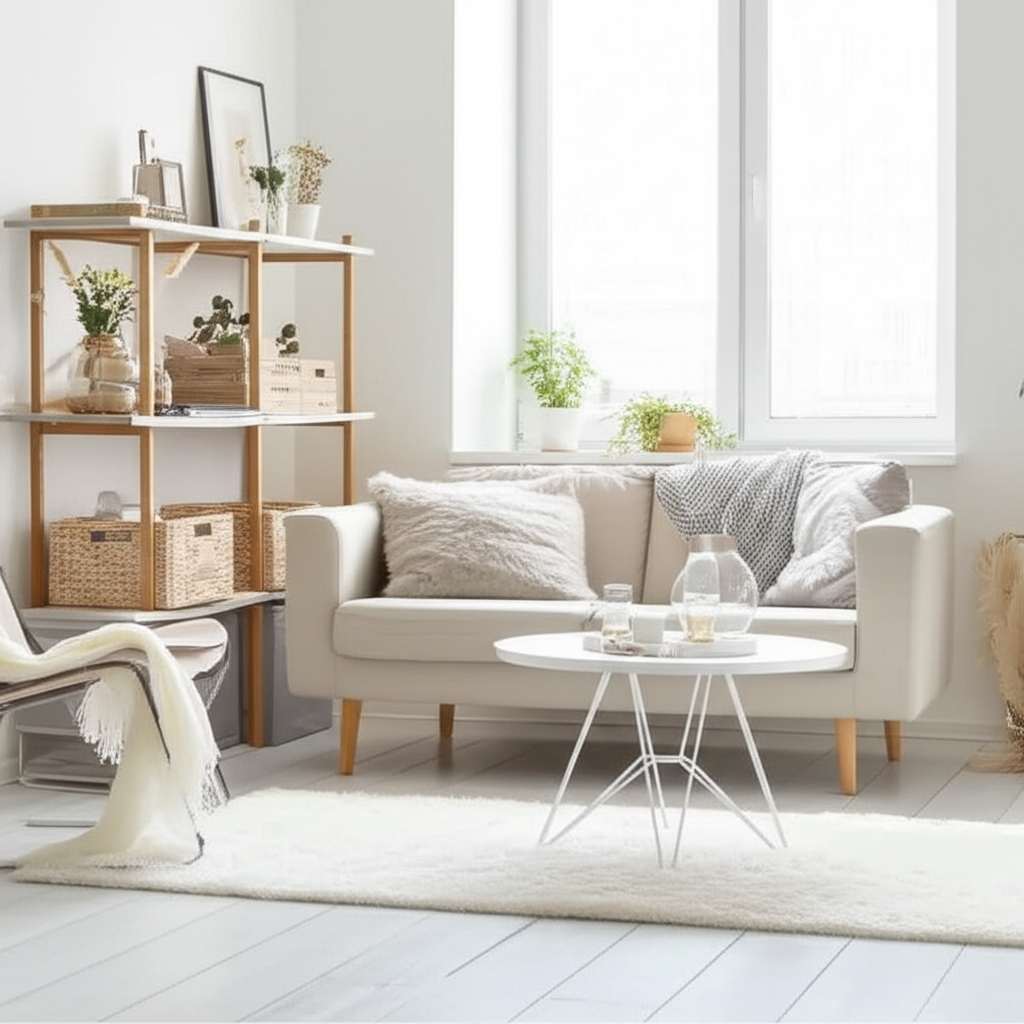
Look for furniture with a smaller footprint. Instead of a bulky, overstuffed sofa, opt for a sleek, streamlined design. Sofas and chairs with visible legs are also a great choice. The space underneath allows light to flow and creates a sense of airiness, making the room feel less heavy.
Multi-functional furniture is a small room’s best friend. Think about pieces that can serve more than one purpose. An ottoman with hidden storage can hide blankets or magazines while also serving as a coffee table or extra seating. A bed with built-in drawers or a storage headboard can eliminate the need for separate dressers.
Consider nesting tables that can be tucked away when not in use, or a wall-mounted desk that folds up to save space. These smart solutions help keep your room tidy and maximize usable floor area. A good resource for understanding furniture proportions can be found on the Usability.gov website, which offers insights into human-centered design principles that apply to furniture sizing.
—
3. Maximizing Vertical Space
In a small room, the floor space is limited, but the walls offer a wealth of untapped potential. Utilizing vertical space is a brilliant strategy to add storage and display areas without sacrificing precious floor room.
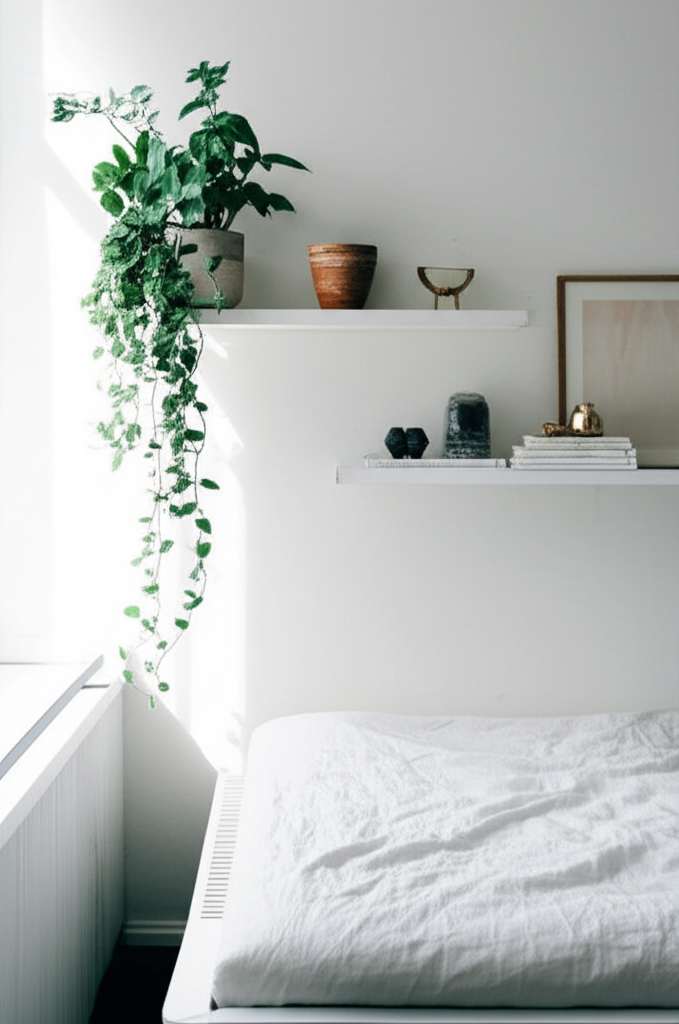
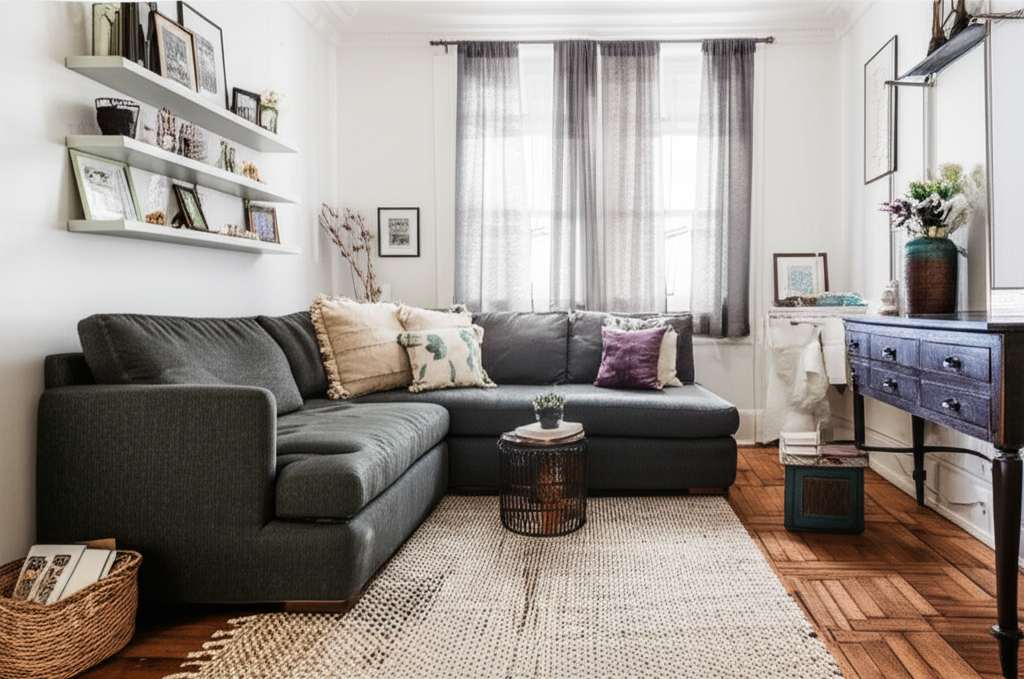
Think upwards! Wall-mounted shelves are perfect for books, decorative items, or even plants. Floating shelves can create a minimalist look that feels less bulky than traditional bookcases. For a more substantial storage solution, consider tall, narrow bookshelves that draw the eye upward, making the ceiling appear higher.
Window treatments can also play a role in emphasizing verticality. Hang curtains higher and wider than the window frame. This simple trick makes windows look larger and the ceilings seem taller. Opt for lighter fabrics that allow natural light to filter through.
Don’t forget about lighting. Wall sconces or pendant lights are excellent choices for small rooms. They provide illumination without taking up floor or table space. Strategically placed lighting can also highlight vertical elements, further enhancing the sense of height and space.
—
4. The Power of Decluttering and Organization
This is perhaps the most critical step for any small room. Clutter is the enemy of small spaces. It makes a room feel chaotic, cramped, and stressful. A thorough decluttering session is the first and most important step to making your small room feel stunning and easy to manage.
Go through your belongings room by room, or even category by category. Be ruthless! Ask yourself if you truly need, use, or love each item. If not, consider donating, selling, or discarding it. The less you have, the more spacious your room will feel.
Once you’ve decluttered, it’s time to get organized. Everything should have a designated place. This is where smart storage solutions come in handy. Use drawer organizers, shelf dividers, and storage bins to keep things tidy. Vertical storage, as mentioned earlier, is also key.
A great tip is to “edit” your decor. Just like a curator edits an art exhibition, review your decorative items. Keep only those that truly add beauty and personality. Too many small knick-knacks can create visual noise. Aim for a few well-loved, impactful pieces.
For more on effective decluttering and organization, the Environmental Protection Agency (EPA) offers excellent resources on reducing waste and living more sustainably, which often goes hand-in-hand with decluttering.
—
5. Strategic Layouts for Small Rooms
How you arrange your furniture can dramatically impact how spacious and functional a small room feels. A well-thought-out layout is crucial for creating flow and maximizing usability.
Start by identifying the main function of the room. Is it a bedroom, living room, or office? Then, decide on the focal point. This could be a window, a fireplace, or a piece of furniture like a sofa or bed. Arrange other furniture pieces around this focal point.
Avoid pushing all furniture against the walls. Sometimes, pulling a sofa or chair a few inches away from the wall can create an illusion of more space. This also allows for better air circulation and light flow.
Consider the traffic flow. Ensure there are clear pathways to move around the room without bumping into furniture. This is especially important in smaller spaces where pathways can easily become obstructed.
Here’s a simple table to illustrate layout considerations:
| Layout Aspect | Small Room Strategy | Why It Works |
|---|---|---|
| Focal Point | Identify and arrange around it (e.g., window, fireplace, statement furniture). | Creates visual interest and anchors the room. |
| Furniture Placement | Avoid pushing all items against walls; create clear pathways. | Enhances perceived space and improves flow. |
| Scale of Furniture | Choose pieces proportionate to the room size; consider leggy furniture. | Prevents overwhelming the space and allows light to pass under. |
| Multi-functionality | Incorporate pieces that serve multiple purposes (e.g., storage ottoman). | Reduces the number of items needed, saving space. |
—
6. The Impact of Lighting
Lighting is more than just functionality; it’s a powerful design tool that can transform the mood and perceived size of a small room. Good lighting can make a space feel larger, brighter, and more inviting.
Layer your lighting to create depth and dimension. This means using a combination of different light sources:
- Ambient Lighting: This is the general illumination of the room, usually from a ceiling fixture or recessed lights. In small rooms, avoid large, bulky ceiling fixtures that can make the ceiling feel lower.
- Task Lighting: This is focused light for specific activities, like reading or working. Think of bedside lamps, desk lamps, or under-cabinet lighting.
- Accent Lighting: This is used to highlight specific features, such as artwork or architectural details. Wall sconces or small spotlights can be great for this.
Natural light is your best friend. Maximize it by keeping windows unobstructed. Use sheer curtains or blinds that can be easily opened. Mirrors placed strategically can also help bounce natural light further into the room.
When choosing artificial lighting, consider the color temperature of your bulbs. Warmer light (around 2700K-3000K) creates a cozy atmosphere, while cooler light (around 3500K-4100K) can make a space feel more energetic and open. The U.S. Department of Energy provides excellent guidance on energy-efficient lighting choices for homes.
—
7. Choosing the Right Colors and Patterns
Color and pattern play a significant role in how a small room feels. While light colors are generally recommended, there are ways to incorporate color and pattern without making the space feel smaller.
Colors: As discussed, light and neutral colors are excellent for expanding a space. However, you don’t have to stick to all white. Consider soft blues, greens, or even gentle lavenders. If you love darker colors, use them sparingly as accent walls or in accessories. Painting the ceiling a slightly lighter shade than the walls can also create an illusion of height.
Patterns: Small-scale patterns can sometimes make a room feel busy and cluttered. It’s often better to opt for larger, bolder patterns used sparingly or to choose more subtle textures. For example, a single large piece of art with a bold pattern can be more effective than a room filled with small, busy prints.
If you’re drawn to patterns, consider using them in accessories like throw pillows, rugs, or curtains. A large patterned rug can anchor a seating area, and a few patterned cushions can add personality without overwhelming the room. Ensure the patterns complement each other and the overall color scheme.
Here’s a quick look at pattern choices:
| Pattern Type | Effect in Small Rooms | Recommendation |
|---|---|---|
| Small, Busy Patterns | Can make the room feel cluttered and visually shrink the space. | Use sparingly or avoid on large surfaces. |
| Large, Bold Patterns | Can make a statement and add depth if used strategically. | Best for accent pieces like a single rug or cushions. |
| Subtle Textures | Add visual interest without adding clutter; can make walls feel more dynamic. | Excellent for throws, rugs, and upholstery. |
| Vertical Stripes | Draw the eye upward, creating an illusion of height. | Consider for wallpaper on one wall or in fabric patterns. |
—
8. Incorporating Plants and Greenery
Plants bring life, color, and a sense of calm to any room, and small spaces are no exception. They can add a touch of nature and make your decor feel more complete.
When choosing plants for a small room, consider their size and growth habit. Trailing plants that can hang from shelves or macrame hangers are excellent space-savers. Snake plants and ZZ plants are relatively compact and thrive in low light, making them ideal for corners or bedside tables.
Think vertically with your plant displays. Wall-mounted planters or tiered plant stands can add greenery without taking up valuable floor space. Hanging plants from the ceiling can also add a decorative element and draw the eye upwards.
If you don’t have much natural light, opt for low-light tolerant plants or consider artificial plants. High-quality artificial plants can add a touch of green without the need for watering or maintenance, and they look surprisingly realistic these days.
Remember to choose pots and planters that complement your decor style. They can be a small but effective way to add color or texture to your room.
—
9. The Art of Illusion: Making Your Room Feel Bigger
Beyond colors and mirrors, there are other clever visual tricks you can employ to make your small room feel more expansive.
Furniture with Legs: As mentioned before, furniture that is elevated off the floor creates a sense of openness. This applies to sofas, chairs, tables, and even cabinets. Seeing the floor underneath makes the room feel less crowded.
Clear or Lucite Furniture: Pieces made from clear acrylic or glass, like a coffee table or desk, seem to disappear into the room. They provide functionality without visual bulk, allowing light to pass through and maintaining an open feel.
Strategic Lighting Placement: Using wall sconces or pendant lights frees up floor and table space. Uplighting can also make ceilings appear higher, further enhancing the sense of spaciousness.
Monochromatic Color Schemes: Using variations of a single color throughout the room can create a cohesive and seamless look. This visual continuity prevents the eye from being jarred by contrasting colors, which can make a room feel choppy and smaller.
Minimalist Decor: Less is often more in a small space. Focus on a few key pieces that you love and that serve a purpose. Avoid overcrowding surfaces with too many decorative items.
For a deeper dive into creating visual interest with less, you can explore principles of minimalism and intentional living, which often go hand-in-hand with small-space design. Check out our guide on 10 Minimal Decor Ideas For Kitchens: Amazing Makeover for more inspiration on simplifying your space.
—
10. Adding Personality and Style
Even the smallest room can have a big personality! Once you’ve got the basics down – light colors, smart furniture, good lighting, and organization – it’s time to add touches that make the space uniquely yours.
Artwork: A well-chosen piece of art can be a focal point and add a significant dose of style. In a small room, one larger piece might be more impactful than a gallery wall of tiny frames, which can look cluttered.
Textiles: Soft furnishings like cushions, throws, and rugs add comfort, color, and texture. Don’t be afraid to mix and match patterns and textures in a cohesive way to add depth.
Personal Touches: Display photos, souvenirs, or cherished objects that tell your story. However, remember the principle of editing – keep these items curated and intentional.
Wall Decor: Beyond art, consider decorative mirrors, wall hangings, or even a stylish clock. These elements can add visual interest without taking up floor space.
Remember that style is personal. What makes a room feel stunning and easy for you is what matters most. These ideas are a starting point to help you create a space that is both beautiful and functional.
—
Conclusion
Decorating a small room doesn’t need to be a daunting task. By applying these simple, practical, and budget-friendly ideas, you can transform even the coziest spaces into stylish, functional, and inviting areas. Remember that the key lies in smart choices: embracing light colors, utilizing mirrors, selecting multi-functional furniture, maximizing vertical space, and keeping clutter at bay.
Don’t forget the power of good lighting and strategic layout to create an illusion of spaciousness. And finally, infuse your personality into the room with carefully chosen decor and personal touches. With these tips, your small room can become a stunning sanctuary that reflects your style and enhances your daily life. Happy decorating!
If you’re looking to extend these space-saving ideas into your kitchen, explore our curated collection of 10 Cozy Small Kitchen Ideas: Amazing Makeovers for more inspiration on compact living.