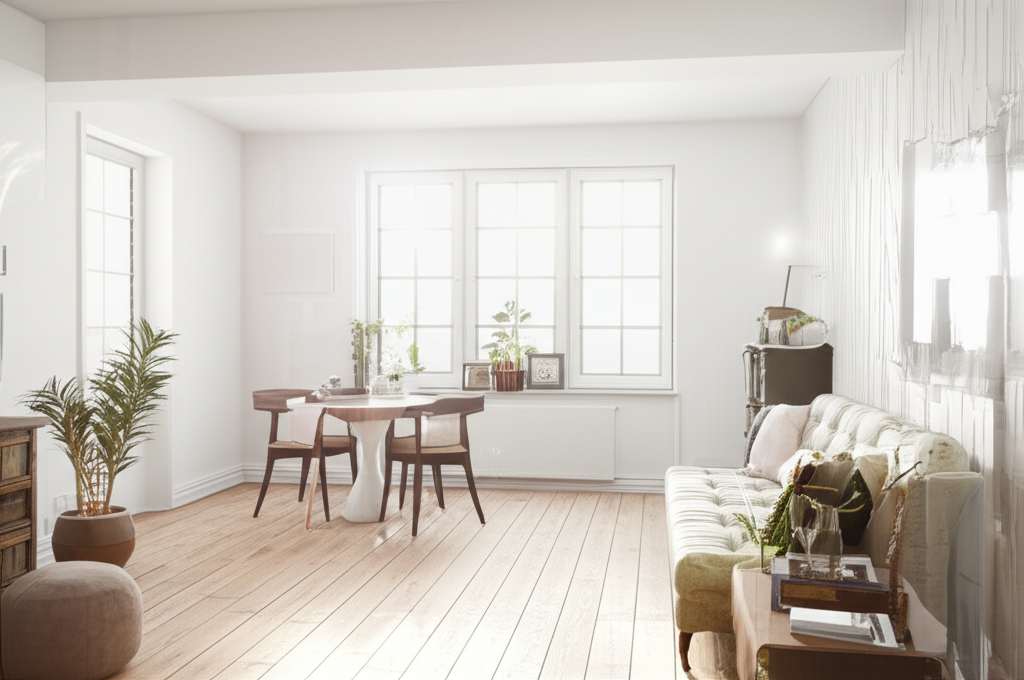
Transform your small living room into a functional dining space with clever design ideas that maximize every inch, creating a stylish and inviting area for meals and relaxation.
Living in a smaller home often means making our spaces work double duty. Juggling a living room and a dining room in one area can feel like a design puzzle, especially when you’re just starting out or working with a tight budget. It’s easy to feel overwhelmed, wondering how to fit everything without making the room feel cramped.
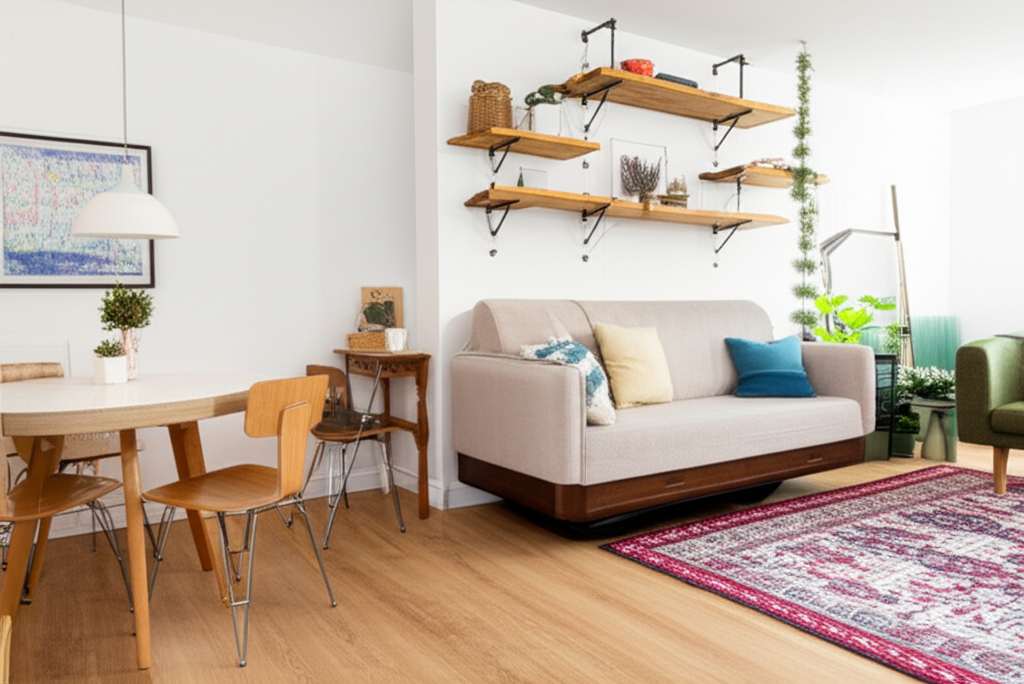
But don’t worry! Creating a beautiful and practical combined living and dining space is absolutely achievable. With a few smart strategies and creative ideas, you can make your small room feel larger, more organized, and perfectly suited for both relaxing and dining.
This guide will walk you through brilliant solutions and easy-to-implement design ideas to help you design a functional and stylish small living room dining room. Get ready to discover how to make your space work wonders!
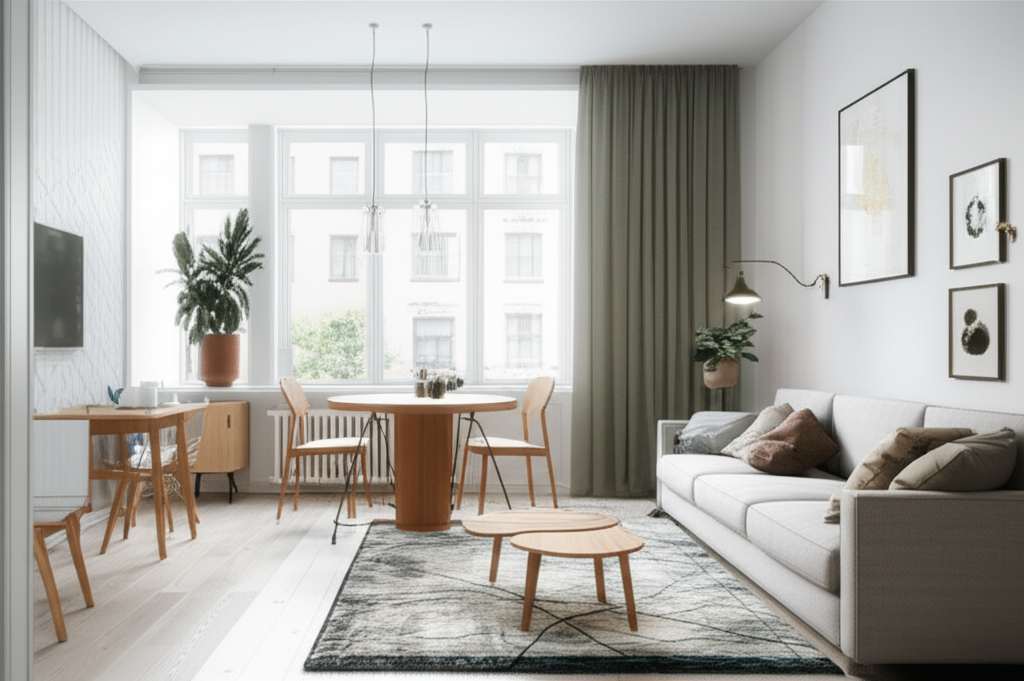
Designing Your Combined Living and Dining Space: A Fresh Start
Combining your living room and dining room is a common challenge in apartments, studios, and smaller homes. The goal is to create distinct zones for relaxing and eating without sacrificing precious square footage. It’s all about smart furniture choices, clever layouts, and using design tricks to make the space feel open and inviting.
Think of it as a fun design project where every decision counts. We’ll explore how to define these areas visually, choose the right furniture, and use color and light to your advantage. Let’s dive into some brilliant solutions that will make your combined space a joy to live in.
1. Define Your Zones: Creating Separate but Connected Areas
The first step to a successful combined living and dining room is to clearly define each area. This doesn’t mean building walls; it’s about using furniture, rugs, and decor to create visual separation. This helps the room feel more organized and intentional.
Imagine walking into your space: you should instantly know where to relax and where to dine. This distinction makes the room feel larger and more functional. We’ll explore simple ways to achieve this without making the space feel cluttered.
Using Rugs to Anchor Spaces
Rugs are your best friend when it comes to defining zones. Place a rug under your living room seating area to anchor it and make it feel like a distinct zone. Similarly, a rug under your dining table can clearly mark the dining area.
Choosing the right size is key. For the living area, the rug should be large enough to accommodate your main furniture pieces, like the sofa and coffee table. For the dining area, the rug should be big enough so that the chairs can be pulled out without falling off the rug.
Strategic Furniture Placement
Arranging your furniture thoughtfully can also create separation. You can place a sofa with its back to the dining area to act as a natural divider. Alternatively, a slim console table behind the sofa can serve a similar purpose.
Consider the flow of the room. Ensure there’s enough space to walk comfortably between the living and dining areas. Avoid blocking pathways, which can make the room feel cramped and difficult to navigate.
Creative Room Dividers
For a more defined separation, consider using stylish room dividers. These can range from open bookshelves that allow light to pass through to decorative screens. They add a touch of personality while serving a practical purpose.
Open shelving units are fantastic because they can also provide storage for both your living room and dining room needs. You can display books, plants, or decorative items on one side, and dinnerware or serving pieces on the other.
2. Smart Furniture Choices: Maximizing Space and Functionality
In a small combined living and dining room, every piece of furniture needs to be chosen with purpose. Opt for pieces that are multi-functional, appropriately scaled, and visually light. This ensures you have enough seating and dining space without overwhelming the room.
Think about furniture that can serve dual roles. This is where creativity really shines! We’ll look at specific furniture types that are perfect for small spaces.
The Versatile Dining Table
Your dining table is a central piece. For small spaces, consider a table that can be extended or folded. Drop-leaf tables are excellent because they can be made larger for guests and smaller for everyday use.
Another great option is a counter-height table. These can often double as a kitchen island extension or a breakfast bar, blending seamlessly into the living area when not in use for formal dining. They also tend to have a smaller footprint.
Chairs That Tuck Away
When choosing dining chairs, look for those that are stackable or can be easily tucked under the table. Armless chairs often fit better under tables and can make the space feel less crowded. Upholstered chairs can add comfort and style.
Consider benches for dining. A bench can often seat more people than individual chairs and can be pushed entirely under the table when not in use, saving valuable floor space.
Multi-functional Living Room Furniture
In the living area, a sofa bed is a classic choice for maximizing space. Ottomans with hidden storage can hold blankets, games, or even serve as extra seating. A coffee table with drawers or shelves offers additional storage.
Look for furniture with slim profiles. Avoid bulky, oversized pieces that will dominate the room. Furniture with legs, like sofas and side tables, can create a sense of airiness by allowing light and visibility underneath.
3. The Power of Light and Color: Creating an Illusion of Space
The colors and lighting you choose have a huge impact on how a small space feels. Lighter colors reflect light, making a room appear larger and more open. Strategic lighting can also make a big difference.
Let’s explore how to use these elements to your advantage, making your combined living and dining room feel more spacious and welcoming.
Light and Neutral Color Palettes
Opt for light, neutral colors for your walls, such as whites, creams, light grays, or soft pastels. These colors reflect natural light, making the room feel brighter and more expansive.
You can introduce pops of color through accessories like throw pillows, artwork, or decorative objects. This adds personality without overwhelming the space.
Mirror Magic
Mirrors are a designer’s secret weapon for small spaces. Placing a large mirror on a wall can visually double the size of the room by reflecting light and the view. Consider a mirror opposite a window to maximize natural light.
A strategically placed mirror can also reflect your dining area, making it feel more prominent and integrated. Think about a decorative mirror above your dining table or console table.
Layered Lighting
Good lighting is crucial. Relying on a single overhead light can make a room feel flat. Instead, layer your lighting with a combination of ambient, task, and accent lighting.
Ambient lighting provides overall illumination (e.g., ceiling lights). Task lighting is for specific activities (e.g., a reading lamp next to your sofa, or pendant lights over your dining table). Accent lighting highlights features (e.g., wall sconces or picture lights).
4. Storage Solutions: Keeping Clutter at Bay
Clutter is the enemy of small spaces. Smart storage solutions are essential for keeping your combined living and dining room tidy and functional. When everything has its place, the room feels more serene and spacious.
Let’s look at some clever ways to store your belongings without sacrificing style or space.
Vertical Storage
Utilize vertical space with tall bookshelves, wall-mounted shelves, or cabinets. This draws the eye upward, making the room feel taller, and keeps floor space clear.
Open shelving can be styled with books, plants, and decorative items, while closed cabinets can hide less attractive essentials. A combination of both often works best.
Multi-functional Furniture for Storage
As mentioned earlier, ottomans with storage, coffee tables with drawers, and benches with hidden compartments are invaluable. These pieces offer practical storage without adding extra furniture.
Look for pieces that serve a dual purpose, like a credenza that can act as a buffet for your dining area and storage for living room essentials. For more inspiration on maximizing storage in compact spaces, check out our guide on cozy small kitchen ideas.
Wall-Mounted Solutions
Wall-mounted shelves, cabinets, and even desks can free up floor space. This is particularly effective for creating a small dining nook or a home office area within the living room.
Consider wall-mounted lighting fixtures like sconces to further reduce the need for floor or table lamps that take up surface area.
5. Styling Your Space: Adding Personality and Cohesion
Once the practical elements are in place, it’s time to add your personal touch. Styling your combined living and dining room is about creating a cohesive look that feels both inviting and reflective of your personality.
Think about how you want the space to feel. Cozy and intimate? Bright and airy? The styling choices will bring it all together.
Cohesive Color Scheme
Carry your chosen color palette throughout both zones. Use accent colors consistently in your decor, whether it’s in throw pillows, artwork, or tableware. This creates a sense of flow and unity.
For example, if you have blue accents in your living room, incorporate a blue vase or placemats in your dining area. This visually links the two spaces.
Consistent Material and Finish Choices
Try to use similar materials and finishes for your furniture and decor. If your coffee table has a wood finish, consider wood elements in your dining table or chairs. If your metal accents are brass, repeat that in your lighting or decorative items.
This consistency helps to create a harmonious and well-designed feel, making the room appear more intentional and less like two separate areas awkwardly pushed together.
Accessorize Thoughtfully
Accessorize with items that serve a purpose and bring joy. For the dining area, think about attractive placemats, a stylish centerpiece, and nice dinnerware. In the living area, consider throw pillows, blankets, and personal photos.
Avoid over-accessorizing, which can lead to clutter. Choose a few key pieces that make a statement and bring the room to life. Plants are always a great addition, bringing life and color to any space.
Table: Furniture Scale and Placement Guide for Small Living/Dining Rooms
| Area | Furniture Type | Ideal Dimensions/Considerations | Placement Tips |
|---|---|---|---|
| Living Area | Sofa | 3-seater or loveseat; 70-80 inches wide. Slim profile, with visible legs. | Place against a wall, or use its back to subtly divide from dining. Ensure at least 30 inches clearance around it. |
| Living Area | Coffee Table | Rectangular or round; approx. 16-20 inches from sofa seat. | Choose one with storage (drawers, shelf) or nesting tables for flexibility. |
| Living Area | Accent Chair | Slim, armless if possible. | Can be used to fill corners or act as part of a seating arrangement. |
| Dining Area | Dining Table | Round (30-36 inches diameter for 2-4 people) or Rectangular (30×48 inches for 2-4 people). Drop-leaf or extendable options are excellent. | Position in a corner, near a window, or as a defined zone with a rug. Ensure 36-48 inches clearance around for chairs. |
| Dining Area | Dining Chairs | Slim, armless, stackable, or tuckable under the table. | Allow 24 inches of width per person. |
| Dining Area | Bench | Sized to fit under the table. | A great space-saver for seating and can be pushed completely under when not in use. |
Creating a Dining Nook: Cozy and Functional
If a full dining table feels too ambitious, consider creating a cozy dining nook. This is perfect for smaller spaces or for those who don’t entertain frequently. A nook can be tucked into a corner or a bay window, offering a dedicated dining spot without taking over the entire room.
Nooks can be built-in or created with cleverly placed furniture. They offer a charming and intimate feel.
Built-in Banquettes
A built-in banquette is a fantastic space-saving solution. You can custom-build one or find modular seating that fits your space. Add cushions for comfort and storage underneath for practicality.
Pair the banquette with a small table. A round table works well in a nook, as it encourages conversation and is easy to navigate around. You can find attractive modular banquette seating at retailers like IKEA.
Corner Solutions
Utilize an unused corner with a small bistro table and two chairs. This creates a defined dining area that doesn’t interfere with the main living space. Add a hanging plant or a small piece of art to make the corner feel intentional.
A wall-mounted table that folds down can also be a brilliant nook solution. When not in use, it folds flat against the wall, leaving your living area completely open.
Maximizing Natural Light and Illumination
Good lighting is paramount in small spaces. Natural light can make a room feel significantly larger and more welcoming. When natural light is limited, strategic artificial lighting becomes even more important.
Let’s explore how to make the most of the light in your combined living and dining room.
Harnessing Natural Light
Keep window treatments minimal and light. Opt for sheer curtains or blinds that can be easily opened to let in as much natural light as possible. Avoid heavy, dark drapes that can block light and make the room feel smaller.
Clean your windows regularly! It sounds simple, but sparkling clean windows allow more light to enter. Consider placing mirrors strategically to reflect natural light deeper into the room.
Artificial Lighting Strategies
As mentioned before, layered lighting is key. A beautiful pendant light can serve as a focal point over your dining table, providing both light and style. Wall sconces can add ambient light without taking up floor or table space.
A floor lamp in the living area can provide reading light, while a stylish table lamp on a console can add a warm glow. Dimmers are also a great addition, allowing you to control the mood of the room.
Creating Flow and Cohesion Between Zones
The ultimate goal is for your living and dining areas to feel like one cohesive space, not two separate entities. This is achieved through thoughtful design choices that connect the two zones visually and functionally.
Think of it as telling a single story with your decor.
Consistent Flooring
If possible, having the same flooring throughout both the living and dining areas will make the space feel continuous and larger. If you have different flooring, using a large rug can help to visually bridge the gap.
A consistent flooring choice is one of the most effective ways to make a small space feel more expansive. It eliminates visual breaks that can make a room feel chopped up.
Repeating Design Elements
Repeat colors, materials, and patterns between the two zones. For instance, if you have a patterned throw pillow on your sofa, incorporate a subtle hint of that pattern in your dining placemats or napkins. This creates a visual rhythm.
Using the same type of wood or metal finishes for furniture in both areas also helps to tie the room together. This consistency makes the design feel intentional and well-thought-out.
The Role of Artwork and Decor
Hang artwork that complements the overall style and color scheme of the room. A large piece of art can act as a focal point that draws the eye and unifies the space. Consider placing art that bridges both zones, or using similar themes in each area.
Decorative items, like vases, sculptures, or plants, should also be chosen to enhance the cohesive feel. Ensure they fit the scale of the room and don’t add to clutter.
Frequently Asked Questions (FAQ)
Q1: How can I make my small living room dining room feel bigger?
To make your space feel bigger, use light colors on walls, incorporate mirrors to reflect light, choose furniture with slim profiles and visible legs, and keep clutter to a minimum. Layered lighting and strategic furniture placement also help.
Q2: What is the best type of dining table for a small living room dining room?
Opt for a drop-leaf or extendable dining table, a round table, or a counter-height table. These options offer flexibility for seating and can be scaled down when not in use, saving valuable space.
Q3: How do I separate the living and dining areas without walls?
You can define zones using area rugs, strategic furniture placement (like placing a sofa with its back to the dining area), open shelving as a room divider, or even a console table behind the sofa.
Q4: Is it okay to have a rug under my dining table in a small space?
Yes, a rug can be very effective in defining your dining area. Ensure the rug is large enough so that chairs remain on it even when pulled out. This anchors the dining space and adds warmth.
Q5: What kind of lighting works best in a combined living and dining room?
Layered lighting is ideal. Use ambient lighting for overall illumination, task lighting for activities like reading or dining (e.g., pendant lights over the table), and accent lighting to highlight features. Dimmers are also recommended.
Q6: How can I add storage without making my small room feel cluttered?
Utilize vertical space with shelves and tall cabinets. Choose multi-functional furniture with built-in storage, such as ottomans or coffee tables with drawers. Wall-mounted solutions are also excellent for freeing up floor space. For more storage inspiration, explore our collection of stylish kitchen storage accessories.
Conclusion: Your Stylish and Functional Small Space Awaits
Designing a small living room dining room can seem daunting, but with these brilliant solutions, you have a clear roadmap to create a space that is both functional and beautiful. Remember, it’s all about smart choices, clever layouts, and a touch of creativity.
By defining your zones, selecting the right furniture, using light and color strategically, and implementing smart storage, you can transform your combined space into a place you’ll love to live and entertain in. Don’t be afraid to experiment and adapt these ideas to fit your unique style and needs.
Your small space has incredible potential. With these design ideas, you can create a harmonious, inviting, and highly functional living and dining area that feels much larger than its square footage. Happy decorating!