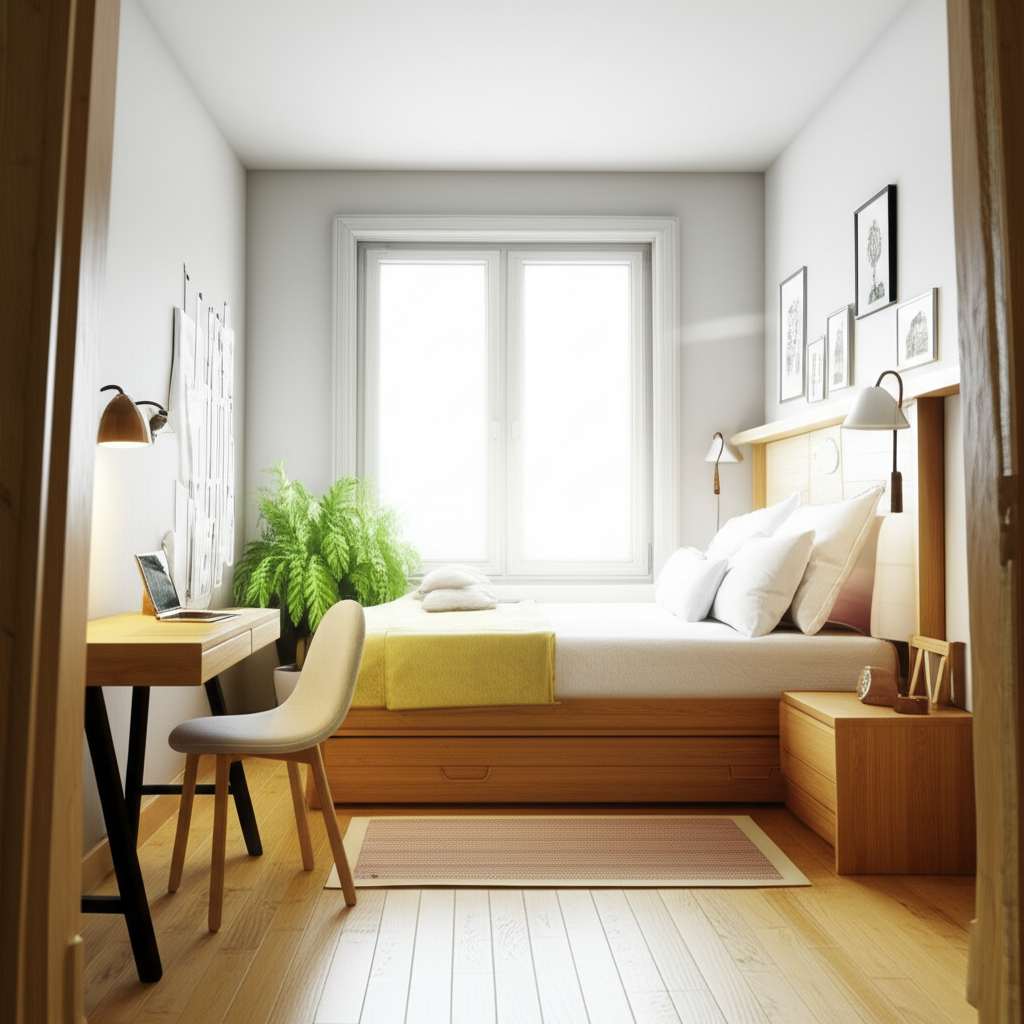
Transforming a small square room is totally doable! Focus on smart furniture placement, multi-functional pieces, and clever visual tricks to make it feel spacious and stylish. We’ll show you how to maximize every inch for a beautiful, functional space.
Feeling a bit cramped in your square room? You’re not alone! Many of us face the challenge of making a compact, square space feel open, inviting, and stylish. It can feel like a puzzle, trying to fit everything in without making it feel cluttered or awkward.
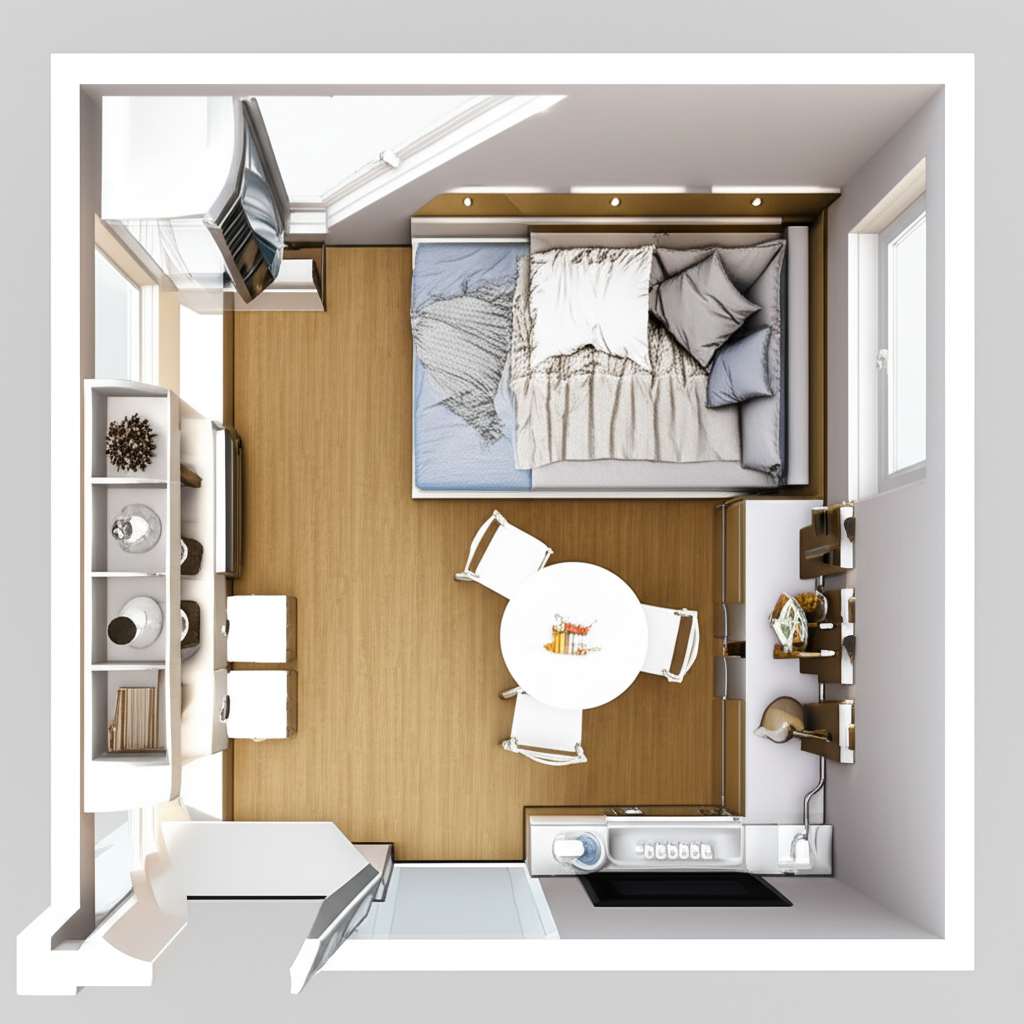
But don’t worry! With a few smart strategies and creative ideas, you can turn even the smallest square room into your favorite spot. We’ll walk through simple, effective ways to design your space so it feels bigger and works perfectly for you.
Get ready to unlock the potential of your square room. We’ll explore easy-to-implement ideas that will make a big difference! For more inspiration on maximizing compact spaces, check out our guide to cozy small kitchen ideas that prove even the tiniest areas can shine.
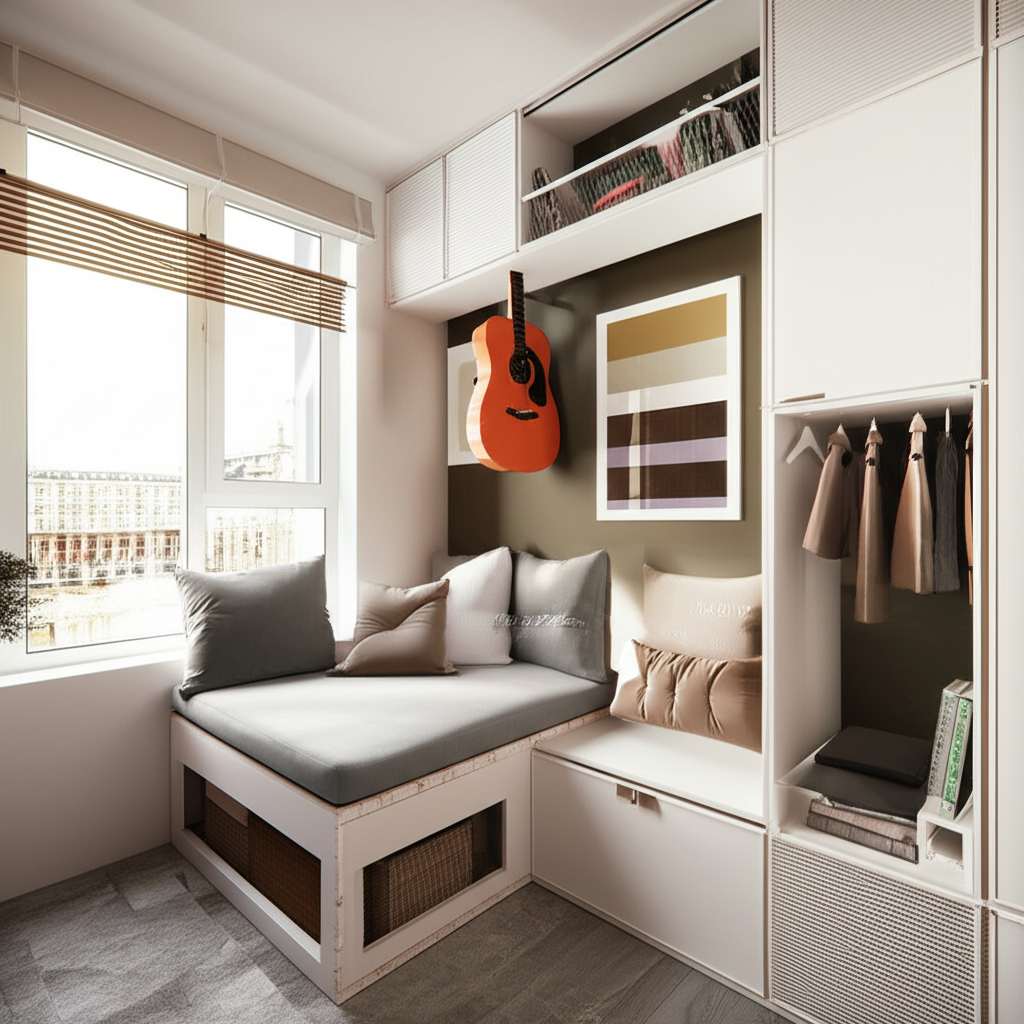
Small Square Room Design: Genius Ideas!
Square rooms, while seemingly simple, can sometimes be tricky to design. Their equal wall lengths can lead to a feeling of sameness or make furniture placement feel uninspired. The key is to break up the uniformity and create distinct zones that make the room feel larger and more purposeful. Let’s dive into some genius ideas to tackle this common design challenge.
1. Embrace the Power of Layout: Zone it Out!
The biggest mistake in small square rooms is treating them as one big, undifferentiated space. Instead, think about how you use the room and divide it into functional zones. Even a small area can feel much bigger and more organized when it has clear purposes.
For example, in a living area, you might create a cozy conversation nook, a small reading corner, and a dedicated space for media. In a bedroom, a sleeping zone, a dressing area, and perhaps a tiny workspace can coexist harmoniously. This approach prevents the room from feeling like a box and adds visual interest.
Consider using furniture to define these zones. A sofa can separate the living area from a dining space, or a bookshelf can act as a divider for a home office nook. Rugs are also fantastic for visually anchoring different areas.
2. Furniture: Smart Choices for Small Spaces
When it comes to furniture in a small square room, size and function are paramount. Opt for pieces that are proportionate to the room and ideally, serve multiple purposes. Avoid bulky, oversized items that will dominate the space and make it feel even smaller.
Multi-functional Marvels
Think about furniture that can do double duty. An ottoman with hidden storage can hold blankets or games while also serving as a coffee table or extra seating. A sofa bed is perfect for guest rooms or multi-use living spaces. A wall-mounted desk can fold away when not in use, freeing up floor space.
Look for pieces with clean lines and a minimal footprint. Furniture that is slightly elevated off the floor, like sofas or beds with legs, can also create a sense of openness because you can see the floor beneath them.
Placement is Key
Don’t push all your furniture against the walls. While it might seem counterintuitive in a small space, pulling furniture slightly away from the walls can actually make the room feel larger. This creates a sense of depth and avoids that “cramped box” feeling.
Consider angling a chair or sofa slightly to break up the squareness. In a living room, arranging seating in a conversational grouping, even if it’s small, can make the space feel more intimate and functional.
3. Color and Light: Creating an Illusion of Space
The right colors and lighting can dramatically alter the perception of a room’s size. Lighter colors tend to make spaces feel airier and more expansive, while strategic lighting can banish dark corners and make the room feel brighter and more welcoming.
Light & Bright Color Palettes
Stick to a light and neutral color palette for the walls. Whites, creams, soft grays, and pastels are excellent choices. They reflect light and make walls seem to recede, creating an illusion of more space. You can add pops of color through accessories like throw pillows, artwork, or rugs.
Consider painting the ceiling a lighter shade than the walls, or even a crisp white, to draw the eye upward and make the room feel taller.
Maximize Natural Light
Keep window treatments simple and light. Avoid heavy, dark curtains that can block precious natural light. Sheer curtains or blinds that can be easily opened fully are ideal. If privacy is a concern, consider top-down/bottom-up blinds.
Strategic Artificial Lighting
Layer your lighting. Don’t rely on a single overhead light. Use a combination of ambient lighting (general illumination), task lighting (for reading or working), and accent lighting (to highlight artwork or architectural features). Floor lamps and table lamps can add warmth and depth, and they don’t take up much valuable floor space.
Wall sconces are also excellent for small spaces as they free up surfaces and cast a soft glow. Smart lighting choices can make a small square room feel much more inviting and spacious.
4. Mirrors: Your Secret Weapon
Mirrors are a decorator’s best friend when it comes to small spaces. They reflect light and create the illusion of depth, instantly making a room feel larger and brighter. Placing a mirror strategically can work wonders.
Try placing a large mirror opposite a window to reflect the natural light and the view outside. This effectively doubles the perceived size of the window and brings the outdoors in. A floor-length mirror leaning against a wall can also make the ceiling appear higher.
Consider mirrored furniture or decorative mirrored accents for an extra touch of glamour and to amplify the light-reflecting properties. Just be mindful not to overdo it; a few well-placed mirrors are more effective than a wall full of them.
5. Vertical Space: Think Upwards!
When floor space is limited, it’s crucial to utilize vertical space. This means drawing the eye upward and using the walls for storage and decoration.
Shelving Solutions
Install floating shelves or wall-mounted bookshelves. These provide storage and display space without taking up floor area. Use them to store books, decorative items, or even essentials in the kitchen or bathroom. Keep the shelves neat and organized to maintain the illusion of spaciousness.
Tall, narrow bookcases can also be very effective. They draw the eye up and provide ample storage without a large footprint.
Hanging Elements
Utilize wall hooks for hanging coats, bags, or even plants. In a bedroom, consider a wall-mounted headboard or artwork that takes up wall space but leaves the floor clear. Hanging plants can add greenery without cluttering surfaces.
Consider vertical stripes in wallpaper or paint. This classic design trick can make walls appear taller, giving the impression of a more spacious room.
6. Smart Storage: Declutter and Organize
Clutter is the enemy of small spaces. The more organized your small square room is, the larger and more peaceful it will feel. Invest in smart storage solutions that keep essentials out of sight.
Hidden Storage
As mentioned, ottomans, benches, and beds with built-in drawers are fantastic. Look for cabinetry with doors rather than open shelving if you tend to accumulate a lot of items. This keeps things tidy and visually calm.
Utilize Corners
Don’t forget about corners! Corner shelves or a corner cabinet can make use of often-wasted space. They can be great for displaying decorative items or storing smaller essentials.
Think About Scale
When choosing storage furniture, opt for pieces that are scaled to the room. A massive armoire will overwhelm a small square room, while a slim, tall cabinet might be just perfect.
A good rule of thumb is to keep surfaces as clear as possible. This instantly makes a room feel more open and less cluttered.
7. Flooring: Creating Flow
The flooring you choose can significantly impact how a small square room feels. The goal is to create a sense of flow and continuity.
Consistent Flooring
If possible, use the same flooring throughout adjacent spaces. This makes the entire area feel larger and more cohesive. In a single square room, a consistent rug can help define a zone without breaking up the visual flow of the floor.
Diagonal Placement
For hard flooring like tile or wood, consider laying it diagonally. This can trick the eye into perceiving the room as wider than it is. It’s a subtle trick that can make a surprising difference.
Light-Colored Flooring
As with walls, lighter-colored flooring can make a room feel more open and airy. Light wood tones, light-colored tiles, or neutral carpets can all contribute to a more spacious feel.
8. Furniture Arrangement Strategies for Square Rooms
Arranging furniture in a square room often requires a bit of creative thinking to avoid a static or boxy feel. Here are some effective strategies:
The Diagonal Approach
Instead of aligning furniture parallel to the walls, try placing key pieces, like a sofa or desk, on a slight diagonal. This breaks up the symmetry of the square and adds dynamism to the room. It can also help to create more natural pathways for movement.
Focus on a Central Element
In some cases, a central element can anchor the room. This could be a coffee table, a large rug, or even a statement lamp. Arrange seating around this central point to create a cozy and inviting conversation area.
Create an “L” or “U” Shape
For living areas, arrange seating in an “L” or “U” shape. This encourages interaction and defines the seating area. Even with just two chairs and a small sofa, this arrangement can feel more engaging than placing everything against the walls.
Consider a Floating Arrangement
Pull furniture away from the walls. This creates visual space behind the furniture, making the room feel deeper. Even a few inches can make a difference. This also allows for better flow and can make the room feel less rigid.
Avoid Blocking Pathways
Always ensure there are clear pathways for movement through the room. Don’t place furniture in a way that forces people to squeeze past or walk at awkward angles. This is crucial for both comfort and the perception of space.
9. Decor and Accessories: The Finishing Touches
Once the major elements are in place, it’s time for the fun part: decor! In a small square room, every accessory counts. Choose items that add personality without adding clutter.
Scale and Proportion
Select decor items that are in proportion to the room. A few larger, impactful pieces are often better than many small, fuss