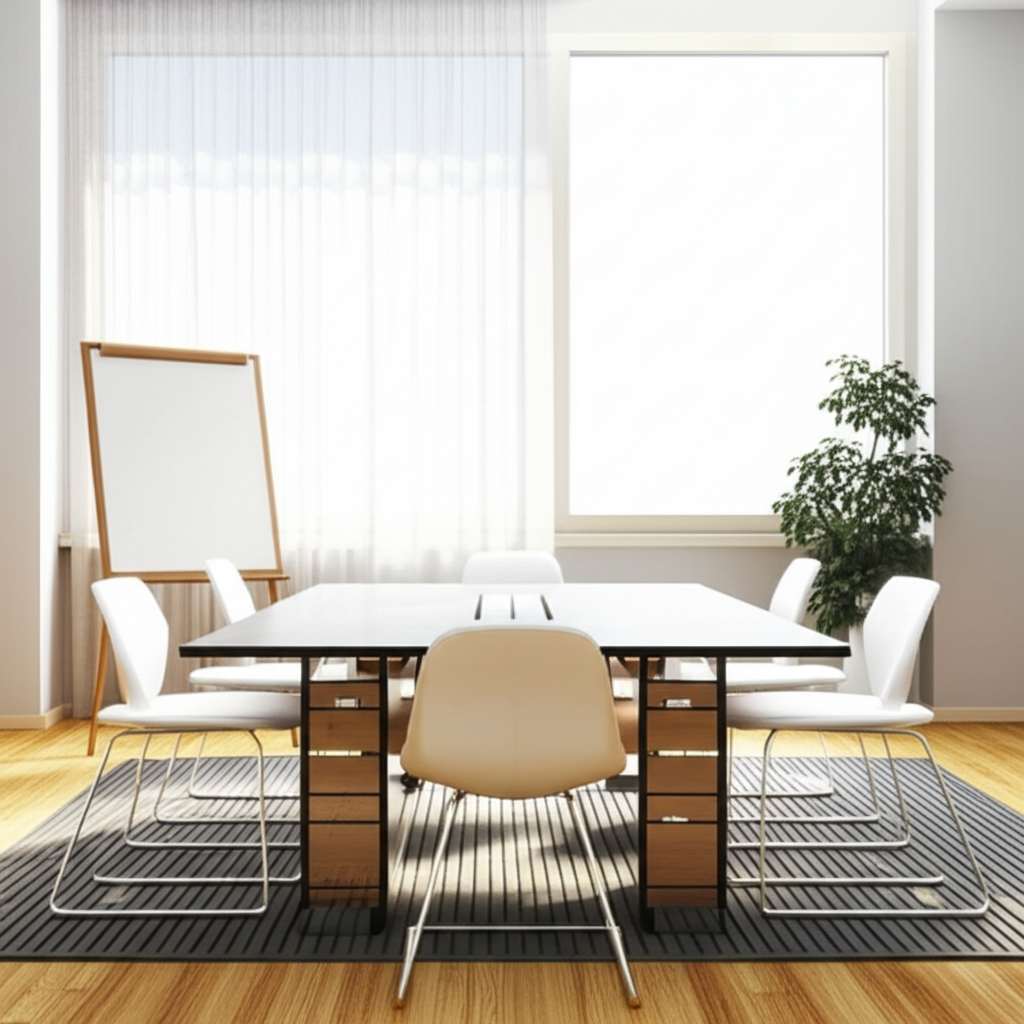
Small meeting room design ideas from Pinterest can transform tiny spaces into functional and inspiring hubs. Focus on smart layouts, multi-functional furniture, and clever storage to maximize every inch, creating a productive and stylish environment.
Feeling a bit cramped when it’s time for a team huddle or a client call? You’re not alone! Many of us face the challenge of making small spaces work for important meetings. It can feel like a puzzle, trying to fit everything you need without making the room feel cluttered or uncomfortable.
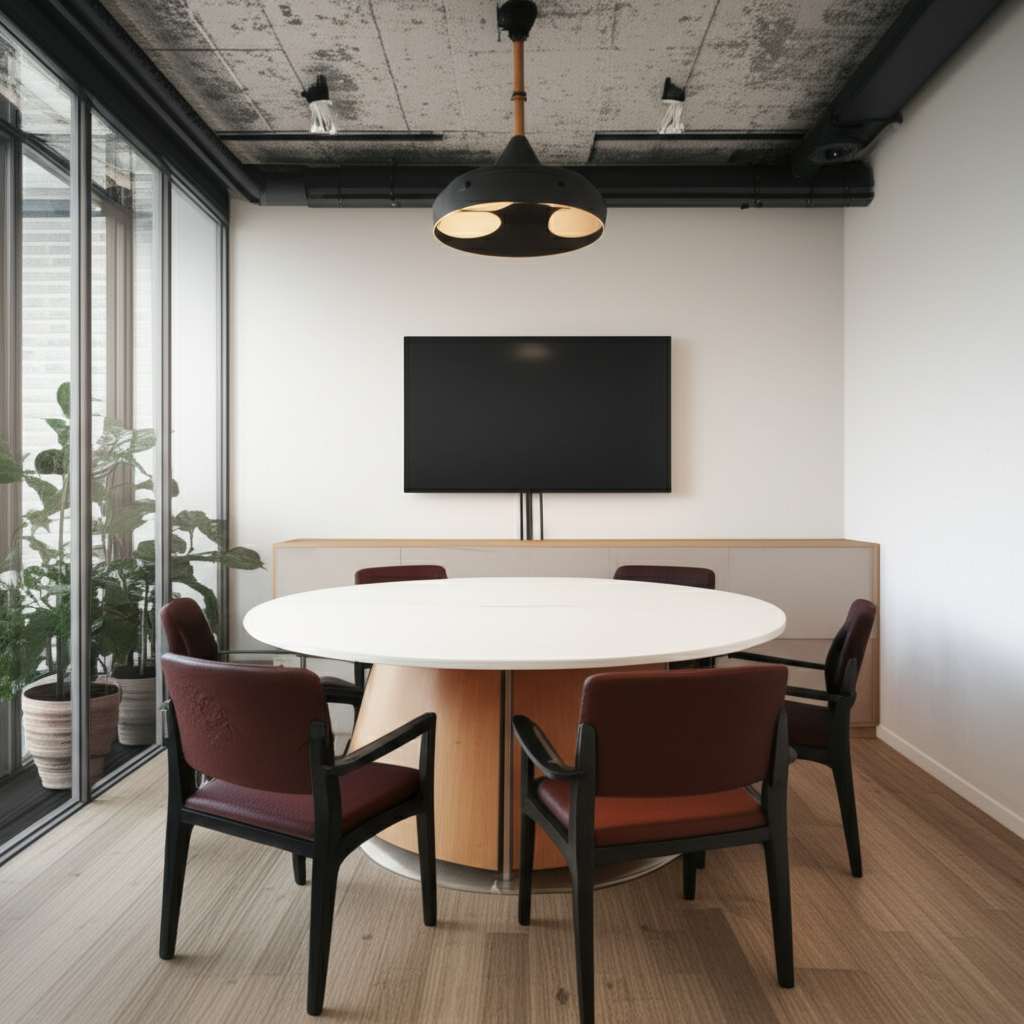
But what if I told you that transforming your small meeting room is totally achievable, even on a budget? With a little inspiration and some smart design tricks, you can create a space that feels bigger, works better, and looks fantastic.
Get ready to discover how to make your small meeting room a powerhouse of productivity and style, drawing inspiration from the best ideas out there. We’ll walk through how to plan your layout, choose the right furniture, and add those finishing touches that make all the difference.
Small Meeting Room Design Ideas Pinterest: Your Ultimate Guide to Inspiring Layouts
Pinterest is a treasure trove of visual inspiration, especially when it comes to making the most of limited space. For small meeting rooms, the key is to think smart about layout, furniture, and how the room flows. Let’s dive into how you can translate those stunning Pinterest boards into your own functional and stylish meeting space.
1. The Power of the Compact Layout
When space is at a premium, the layout is everything. Pinterest is full of clever arrangements that maximize seating and functionality without feeling like a Tetris game gone wrong. The goal is to create a comfortable and productive environment where everyone can see and hear each other easily.
a. The “Face-to-Face” Configuration
This is a classic for a reason. Arranging chairs and a table so people are directly opposite each other encourages direct communication and engagement. For small rooms, this often means a rectangular or oval table.
- Ideal for: Brainstorming sessions, client presentations, and one-on-one discussions.
- Pinterest Inspiration: Look for images showing sleek, narrow tables with chairs that can be tucked neatly underneath.
b. The “Boardroom” Style (Scaled Down)
Even in a small room, a central table can create a sense of formality and focus. The trick is to choose a table size that fits comfortably, leaving enough space to walk around.
- Ideal for: Team meetings, decision-making, and discussions requiring a focused group dynamic.
- Pinterest Inspiration: Search for “small boardroom setup” or “compact meeting table.” You’ll find examples with smaller, often circular or square tables that still offer a central point of focus.
c. The “Cluster” or “Huddle” Layout
For very small spaces or more informal gatherings, arranging a few comfortable chairs or a small sectional around a central coffee table can work wonders. This feels more relaxed and conversational.
- Ideal for: Casual check-ins, quick team syncs, or a flexible space that can be used for other purposes.
- Pinterest Inspiration: Look for “small lounge meeting space” or “informal huddle room.”
2. Multi-Functional Furniture: The Space-Saving Heroes
In a small meeting room, every piece of furniture needs to earn its keep. Multi-functional items are your best friends, allowing you to adapt the space and store essentials without taking up extra room.
a. Folding or Extendable Tables
These are game-changers! A folding table can be stored away when not in use, instantly freeing up space. Extendable tables allow you to expand the surface area when needed for larger groups or more documents.
- Pros: Highly flexible, adaptable to different group sizes, easy to store.
- Cons: May not be as sturdy as fixed tables, can sometimes look less sophisticated if not chosen carefully.
b. Stacking Chairs
When you need extra seating for a specific meeting, stacking chairs are a lifesaver. They can be stored neatly in a corner or a closet and brought out only when required.
- Pinterest Tip: Look for chairs that are both comfortable and stylish when stacked. Many modern designs offer sleek profiles.
c. Built-in or Wall-Mounted Storage
Instead of bulky freestanding cabinets, consider wall-mounted shelves or a custom-built bench with integrated storage. This keeps the floor clear and makes the room feel larger.
- Ideal for: Storing stationery, projectors, laptops, or even extra seating cushions.
d. Modular Furniture
Modular pieces can be rearranged to suit different needs. Think of a small sectional that can be configured in various ways or individual seating units that can be grouped together.
Finding furniture that serves double duty will significantly boost the usability of your small meeting room. It’s about maximizing efficiency and minimizing clutter. For more inspiration on space-saving solutions, check out our guide to cozy small kitchen ideas that prove every square foot counts.
3. Clever Storage Solutions: Declutter for Success
A tidy room is a productive room. Small meeting spaces can quickly become overwhelmed by clutter, so smart storage is crucial. Pinterest is brimming with creative ways to hide away essentials and keep your surfaces clear.
a. Vertical Storage is Your Friend
Utilize the height of your walls! Tall, narrow bookshelves or wall-mounted shelving units can hold a surprising amount without taking up much floor space.
- Pinterest Search: “Small meeting room shelving ideas” or “vertical storage solutions office.”
b. Mobile Storage Carts
A sleek, rolling cart can hold all your meeting essentials (pens, notepads, chargers, water bottles) and can be tucked away under a desk or in a corner when not in use. It’s like a portable command center!
c. Hidden Compartments
Look for furniture with built-in drawers or hidden storage. A coffee table with a lift-top or a storage bench can be perfect for stashing away items you don’t want on display.
d. Pegboards and Wall Organizers
For smaller items like cables, headphones, or even important documents, a stylish pegboard or a wall-mounted organizer can keep things tidy and accessible.
The key is to have a designated place for everything. When items have a home, it’s much easier to keep the room looking neat and professional.
4. Lighting: Brighten Up Your Space
Good lighting can make a small room feel much larger and more inviting. Pinterest often showcases how strategic lighting can transform a space, making it more functional and aesthetically pleasing.
a. Natural Light is King
If you have windows, maximize them! Keep window treatments minimal to allow as much natural light to enter as possible. Clean windows make a big difference!
- Tip: Use sheer curtains or blinds that can be easily adjusted to control glare without blocking light.
b. Layered Artificial Lighting
Don’t rely on a single overhead light. Layer your lighting with a combination of ambient, task, and accent lighting.
- Ambient: A good general overhead light, perhaps a stylish flush mount or pendant.
- Task: A desk lamp or adjustable floor lamp for focused work.
- Accent: Small wall sconces or track lighting to highlight artwork or architectural features.
c. Dimmable Lights
The ability to dim lights offers flexibility. You might want brighter light for intense work sessions and softer light for more relaxed discussions.
Consider the psychological impact of lighting. Bright, even lighting can boost energy and focus, while warmer tones can create a more comfortable atmosphere. For a comprehensive guide on office lighting, the U.S. Department of Energy’s Energy Efficiency Basics offers valuable insights on optimizing illumination.
5. Color Palette and Decor: Creating the Right Atmosphere
The colors and decorative elements you choose play a huge role in how a small space feels. Pinterest is a goldmine for color inspiration that can make your meeting room feel open, professional, and inspiring.
a. Light and Neutral Tones
Light colors like white, off-white, pale grey, and soft blues tend to recede, making walls appear further away and the room feel more spacious. They also provide a clean, professional backdrop.
- Pinterest Tip: Search for “small office color schemes” for endless ideas.
b. Accent Colors for Personality
While neutrals are great for the base, don’t be afraid to add pops of color. This can be through artwork, a rug, cushions, or even a feature wall. Choose colors that align with your brand or evoke a specific mood, like calm blues or energetic oranges.
c. Mirrors for the Illusion of Space
Mirrors are a classic interior design trick for making small spaces feel larger. Placing a mirror strategically can reflect light and create the illusion of more depth.
- Placement Tip: Hang a mirror opposite a window to maximize natural light reflection.
d. Greenery for Life
A few well-placed plants can breathe life into a small room, making it feel more welcoming and less sterile. Choose low-maintenance plants that thrive in office conditions. For more on incorporating greenery into compact spaces, explore our post on kitchen plant decor ideas that bring nature indoors without sacrificing space.
Remember, the goal is to create an environment that fosters focus and comfort. Pinterest can show you how even the smallest details can make a big impact on the overall feel of your meeting room.
6. Technology Integration: Seamless and Smart
Modern meetings often rely on technology. Integrating screens, projectors, and charging ports seamlessly is essential for a functional small meeting room.
a. Wall-Mounted Screens
Instead of a bulky TV on a stand, consider a sleek wall-mounted monitor or projector screen. This saves floor space and looks much cleaner.
- Pinterest Inspiration: Look for “small meeting room tech setup” or “hidden projector screen.”
b. Cable Management Systems
Tangled wires can make even the most stylish room look messy. Invest in cable management solutions like cable ties, sleeves, or under-desk trays to keep everything tidy.
For best practices in office technology installation, resources from the National Institute of Standards and Technology (NIST), while focused on cybersecurity, highlight the importance of secure and efficient technology infrastructure.
c. Accessible Charging Stations
Include built-in USB ports in the table or wall, or use a multi-port charging station that can be neatly stored. This ensures devices can be charged without cluttering the space with extra cords.
Small Meeting Room Design Ideas Pinterest: Visual Inspiration Table
To help you visualize, here’s a table summarizing different styles and their key features, inspired by popular Pinterest trends for small meeting rooms.
| Design Style | Key Features | Best For | Pinterest Keywords |
|---|---|---|---|
| Minimalist & Modern | Clean lines, neutral colors, smart storage, sleek furniture. | Focus, professionalism, clarity. | “Minimalist meeting room,” “modern small office,” “clean meeting space” |
| Cozy & Comfortable | Softer seating, warmer colors, plants, ambient lighting. | Brainstorming, relaxed discussions, team building. | “Cozy meeting nook,” “comfortable small office,” “huddle room design” |
| Functional & Flexible | Multi-functional furniture, modular setup, adaptable layout. | Versatile use, quick meetings, dynamic teams. | “Flexible meeting room,” “transformable office space,” “small office layout ideas” |
| Tech-Savvy | Integrated screens, hidden wiring, charging stations, modern tech. | Presentations, remote collaboration, efficiency. | “Smart meeting room,” “tech-enabled office,” “small conference room AV” |
Step-by-Step to Your Dream Small Meeting Room
Ready to start transforming your space? Follow these simple steps to bring your Pinterest-inspired meeting room to life:
- Assess Your Space: Measure your room accurately. Note any architectural features, windows, or doors that will affect furniture placement.
- Define Your Needs: How many people typically use the room? What kind of meetings are held here? What technology is essential?
- Gather Pinterest Inspiration: Create a board and save images that resonate with your style and functional requirements. Look for recurring themes in layout, furniture, and color.
- Prioritize Multi-Functional Furniture: Identify pieces that can serve multiple purposes or be easily stored.
- Plan Your Layout: Sketch out a few layout options based on your measurements and inspiration. Ensure there’s enough circulation space.
- Choose a Color Palette: Select light, neutral colors for walls and larger items, and add accent colors thoughtfully.
- Focus on Lighting: Maximize natural light and plan for layered artificial lighting.
- Implement Smart Storage: Designate spots for everything to keep clutter at bay.
- Add Finishing Touches: Incorporate plants, artwork, or decorative items that enhance the atmosphere.
- Test and Refine: Once set up, use the room and make small adjustments as needed to optimize comfort and functionality.
This structured approach will help you avoid common pitfalls and ensure your small meeting room is both beautiful and practical. For more on space planning principles, you might find resources from the U.S. Department of Housing and Urban Development (HUD) on universal design helpful in considering accessibility and flow.
Frequently Asked Questions (FAQs)
Q1: How can I make a small meeting room feel bigger?
Use light and neutral colors on walls and furniture, maximize natural light, and incorporate mirrors to reflect light and create an illusion of depth. Keeping the room tidy with smart storage also helps significantly.
Q2: What type of table is best for a small meeting room?
A compact rectangular or oval table works well for a more traditional setup. For very tight spaces, consider a round table or even a wall-mounted folding table that can be stored away when not in use.
Q3: How much space do I need around a meeting table?
Ideally, aim for at least 3 feet (about 1 meter) of clearance around the table to allow people to pull out chairs and walk around comfortably. In very small rooms, you might need to slightly reduce this, but try to keep it as open as possible.
Q4: What are some good multi-functional furniture ideas for small meeting rooms?
Look for folding or extendable tables, stacking chairs, storage ottomans or benches, and wall-mounted desks or shelving units. These pieces offer flexibility and help conserve space.
Q5: How important is lighting in a small meeting room?
Lighting is crucial! Good lighting can make a small room feel more spacious and energetic. Layering light sources (ambient, task, accent) and maximizing natural light are key strategies.
Q6: Can I use bold colors in a small meeting room?
Yes, but use them strategically. Opt for a neutral base and introduce bold colors through accent pieces like artwork, cushions, or a single feature wall. This adds personality without overwhelming the space.
Q7: How can I manage cables and technology in a small meeting room?
Use cable management systems like ties, sleeves, or under-desk trays. Consider wall-mounting screens or projectors and look for furniture with built-in charging ports or accessible power strips to keep cords tidy.
Conclusion: Your Inspiring Small Meeting Room Awaits!
Designing a small meeting room doesn’t have to be a headache. By drawing inspiration from Pinterest and applying smart design principles, you can create a space that is both functional and inspiring. Remember to focus on efficient layouts, versatile furniture, clever storage, and the right atmosphere through color and lighting.
Whether you’re a startup with limited office space or looking to optimize a room in your home, these ideas will help you transform your meeting area into a hub of productivity and creativity. Embrace the challenge, have fun with the process, and get ready to host your best meetings yet! For additional inspiration on maximizing compact spaces, don’t miss our collection of minimal decor ideas for kitchens that emphasize simplicity and functionality.