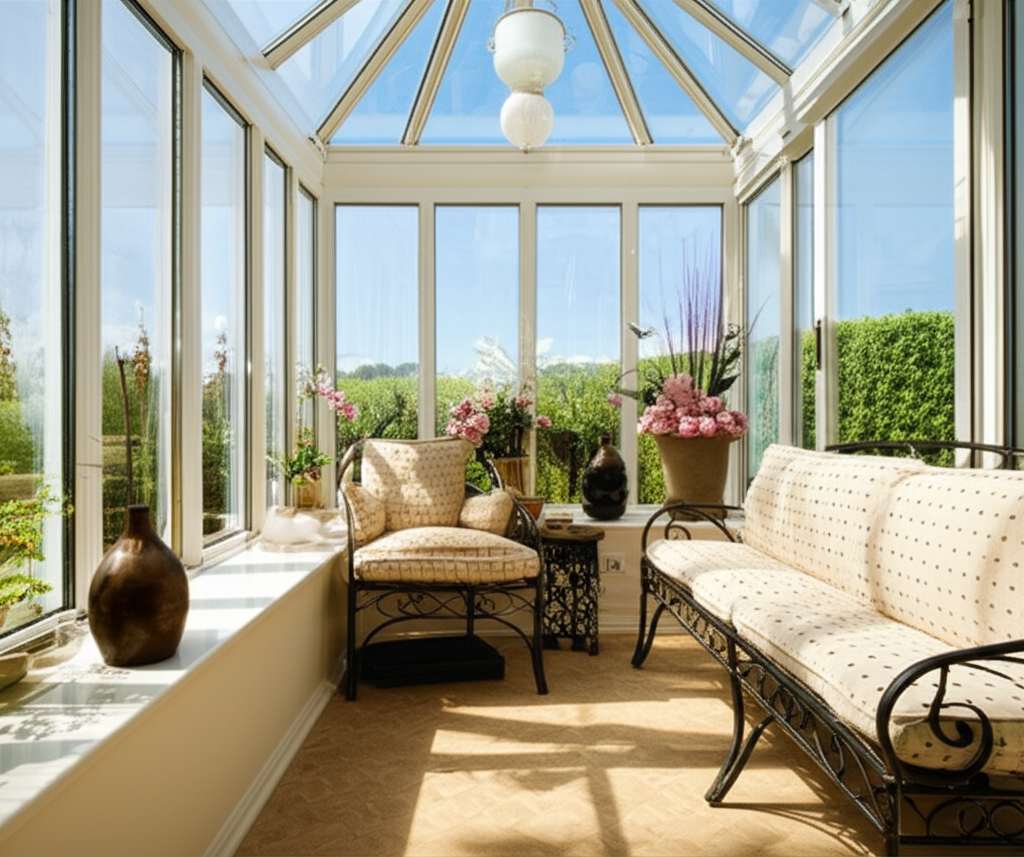
Transform your small conservatory into a stunning, budget-friendly oasis with smart decor choices, affordable furniture, and creative styling that maximizes light and space.
Dreaming of a sun-drenched room that feels like an extension of your garden, but worried about the cost and the size? A small conservatory can feel a bit tricky to decorate, especially when you’re watching your wallet. It’s easy to feel overwhelmed by the thought of making it look good without spending a fortune.
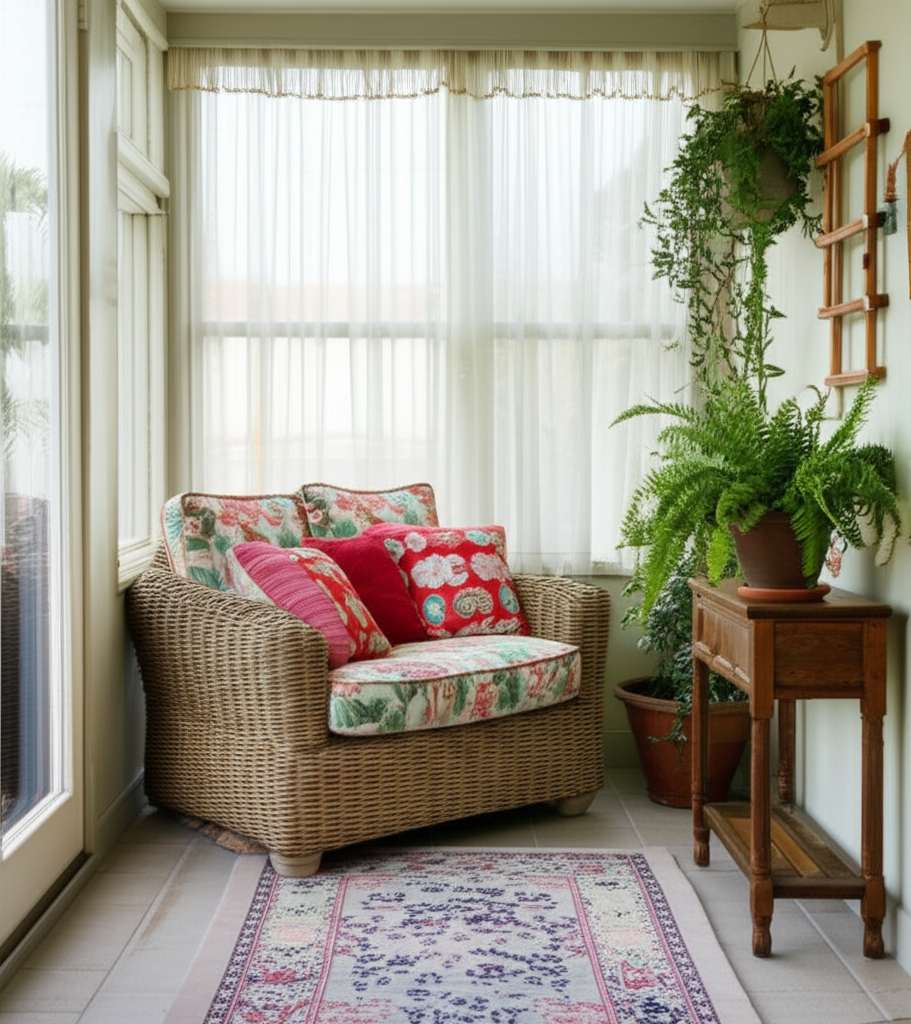
But don’t worry! You absolutely can create a beautiful, functional, and stylish space that you’ll love spending time in. We’ll walk through simple, creative ideas that make your small conservatory shine, no matter your budget.
Ready to unlock your conservatory’s potential? Let’s dive into how you can make it a stunning sanctuary!
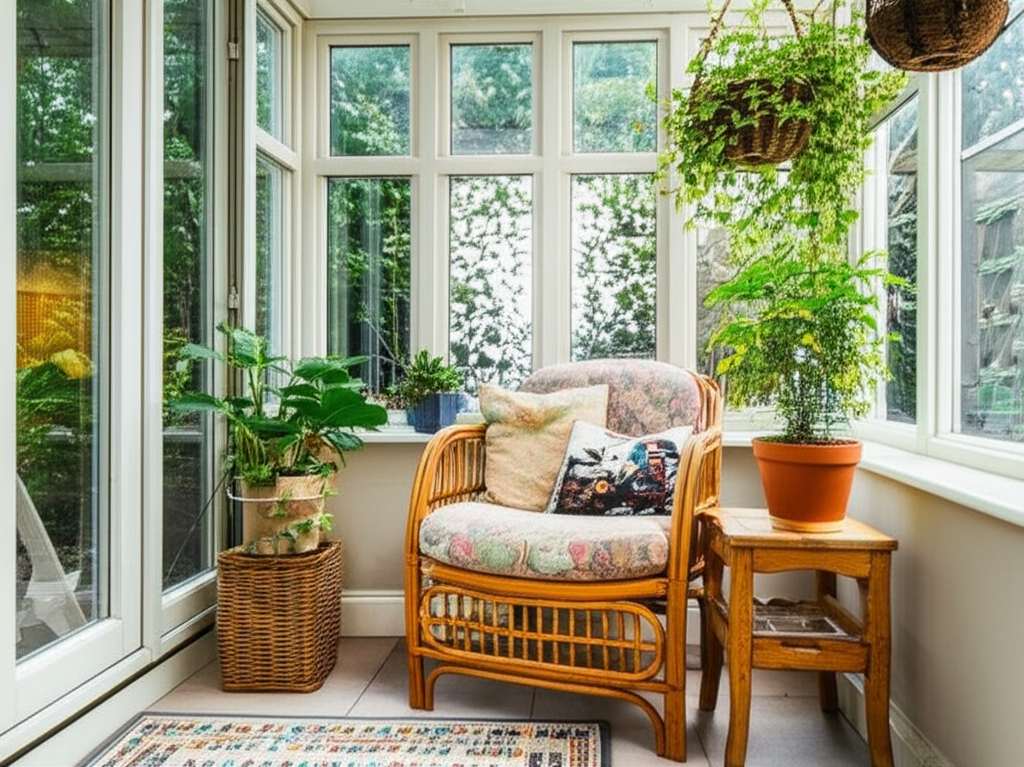
1. Embrace the Light: Maximizing Your Conservatory’s Natural Glow
The biggest asset of any conservatory is its natural light. Our first step is all about making sure that light floods your space and makes it feel bigger and brighter. This is especially important in smaller conservatories where every bit of brightness counts.
Think of your conservatory as a giant lampshade, letting the sun do the heavy lifting for your decor. By strategically managing and enhancing this natural light, you can create an airy, welcoming atmosphere without needing a huge renovation budget.
Keep Window Treatments Light and Airy
Heavy, dark curtains can instantly make a small space feel cramped and dim. Instead, opt for window treatments that allow light to filter through. This creates a soft, diffused glow.
- Sheer Curtains: Lightweight, sheer fabrics in white, cream, or soft pastels are perfect. They offer a touch of privacy while still letting in plenty of sunshine. Look for affordable options at home goods stores or even DIY them with inexpensive fabric.
- Roller Blinds: Simple roller blinds in a light color can be pulled up completely to maximize light when needed. Many are available in budget-friendly materials.
- Plantation Shutters (Budget-Friendly Alternatives): While real plantation shutters can be pricey, consider faux wood alternatives or even DIY painted blinds that mimic the look for a fraction of the cost.
Strategic Mirror Placement
Mirrors are your best friend when it comes to small spaces. They bounce light around the room, creating an illusion of more space and depth.
- Large Statement Mirror: A single, large mirror strategically placed opposite a window can dramatically enhance the feeling of openness. Look for pre-loved mirrors at thrift stores or antique markets for a bargain.
- Gallery Wall of Mirrors: A collection of smaller, mismatched mirrors can create a beautiful, eclectic focal point while still reflecting light.
Clean Windows and Clear Obstructions
It sounds simple, but clean windows make a huge difference! Regularly cleaning your conservatory windows ensures you’re getting the most out of that natural light. Also, avoid placing tall, bulky furniture directly in front of windows, as this can block precious sunlight.
2. Smart Furniture Choices for Small Spaces
When designing a small conservatory, furniture selection is key. You want pieces that are functional, comfortable, and don’t overwhelm the space. The goal is to create zones for relaxation and enjoyment without making it feel cluttered.
Choosing the right furniture is about balance – making sure it serves a purpose without dominating the room. Think about scale, multi-functionality, and visual lightness.
Opt for Scaled-Down Furniture
Large, bulky furniture will make your conservatory feel even smaller. Instead, choose pieces that are proportionate to the room’s size.
- Loveseats or Small Sofas: Instead of a full-sized sofa, consider a comfortable loveseat or a stylish two-seater.
- Armless Chairs: These can create a more open feel and are easier to move around.
- Slim-Profile Tables: Look for coffee tables and side tables with slender legs and minimalist designs. Glass-top tables can also help create a sense of spaciousness.
Embrace Multi-Functional Pieces
In a small space, every piece of furniture should ideally serve more than one purpose. This maximizes utility and reduces the need for extra items.
- Ottomans with Storage: These can serve as footrests, extra seating, and hidden storage for blankets, magazines, or gardening tools.
- Nesting Tables: These are perfect for saving space. You can pull them out when you need them and tuck them away when you don’t.
- Wall-Mounted Shelving: Instead of floor-standing bookcases, consider floating shelves to display plants, books, and decor without taking up valuable floor space.
Consider Furniture Materials and Colors
The materials and colors of your furniture can significantly impact how spacious the room feels.
- Light Colors: Light-colored furniture (whites, creams, light greys, pastels) will make the space feel more open and airy.
- Natural Materials: Rattan, wicker, bamboo, and light woods can bring a natural, breezy feel to your conservatory, enhancing its connection to the outdoors. These are also often available at great prices.
- Leggy Furniture: Furniture raised on legs creates a sense of lightness and allows light and air to flow underneath, making the room feel less heavy.
3. Budget-Friendly Flooring Solutions
Flooring in a conservatory needs to be durable, easy to clean, and visually appealing. For a budget-friendly makeover, you don’t need to rip up existing floors. Instead, focus on enhancing or covering them smartly.
The right flooring can tie your whole design together, adding warmth and character without a hefty price tag. Consider how your floor will complement your furniture and the natural light.
Enhance Existing Floors
If you have decent existing flooring (like tile or concrete), a good clean and a few strategic additions can work wonders.
- Deep Clean: A professional or thorough DIY deep clean can refresh tired tiles or concrete.
- Grout Refresh: Revitalize grout lines with a grout pen or cleaner to make old tiles look new again.
Affordable Rugs to Define Zones
Rugs are a fantastic way to add color, texture, and warmth to your conservatory. They can also help define different areas within the space, such as a seating nook or a plant corner.
- Indoor/Outdoor Rugs: These are perfect for conservatories as they are durable, easy to clean (often hoseable!), and designed to withstand sunlight. Many stylish options are available at budget-friendly prices.
- Jute or Sisal Rugs: These natural fiber rugs add texture and a bohemian feel, and are generally quite affordable.
- Layering Rugs: For a more curated look, layer a smaller, patterned rug over a larger, neutral base rug.
Budget Flooring Options
If your current flooring is beyond saving, consider these affordable alternatives:
- Vinyl Flooring/LVT: Modern vinyl flooring, especially Luxury Vinyl Tile (LVT), can mimic the look of wood or stone at a fraction of the cost. It’s durable and water-resistant, making it ideal for a conservatory. You can often find DIY-friendly click-lock systems.
- Carpet Tiles: These are great for conservatories as they are easy to install, replace if damaged, and can be chosen in durable, low-pile options suitable for indoor/outdoor use.
- Painted Concrete: If you have a concrete floor, consider painting it with a durable concrete paint. You can even use stencils to create patterns for a unique look.
4. Bringing the Outdoors In: Plants and Greenery
A conservatory is the perfect place to indulge your love for plants! They naturally enhance the connection between your indoor space and the garden, adding life, color, and freshness.
Don’t be intimidated if you’re not a seasoned gardener. Start with easy-care plants that thrive in sunny environments. The goal is to create a lush, inviting atmosphere that feels like a mini-botanical garden.
Choose Plants Wisely
Select plants that will thrive in the conditions of your conservatory – lots of light and potentially varying temperatures. Some great beginner-friendly options include:
- Succulents and Cacti: These are incredibly low-maintenance and come in a huge variety of shapes and sizes. They love bright light and don’t need frequent watering.
- Spider Plants: Easy to care for and produce “babies” that you can propagate and plant in new pots.
- Snake Plants (Sansevieria): Very hardy and can tolerate a range of light conditions, though they prefer bright, indirect light.
- Herbs: Grow your own herbs like basil, mint, and rosemary. They smell wonderful and are practical too!
Smart Potting and Display
The pots and how you display your plants can be a design element in themselves.
- Terracotta Pots: Classic, affordable, and breathable for plant roots. They offer a natural, rustic look.
- Painted Pots: Give cheap terracotta or plastic pots a makeover with a coat of spray paint in your chosen color palette.
- Hanging Baskets: Utilize vertical space with hanging baskets. This is perfect for trailing plants and frees up floor and surface space.
- Plant Stands: Varying the height of your plants with different stands creates visual interest and makes the greenery a focal point.
DIY Terrariums
A terrarium is a miniature, self-contained garden in a glass container. They are beautiful, low-maintenance, and can be made inexpensively using recycled jars or old fish tanks. They add a touch of magic to any corner.
You can find great tutorials on creating your own terrarium on sites like The Royal Horticultural Society (RHS), which offers expert gardening advice. For more indoor greenery inspiration, check out our guide to 8 Kitchen Plant Decor Ideas: Gorgeous Greenery.
5. Color Palettes and Decor Accents
Choosing the right color scheme and adding thoughtful decorative touches can make a huge impact without breaking the bank. For a small conservatory, lighter, brighter colors are generally best to enhance the feeling of space.
Think about creating a cohesive look that ties everything together, from your furniture to your accessories. Even small changes can bring a big sense of style.
Light and Nature-Inspired Palettes
To keep your small conservatory feeling open and airy, stick to a palette that echoes nature and light.
- Whites and Creams: These are timeless and instantly brighten any space. They also act as a perfect backdrop for pops of color from plants and accessories.
- Soft Pastels: Think gentle blues, greens, and subtle pinks or lavenders. These colors are calming and complement the natural light beautifully.
- Earthy Tones: Incorporate beiges, soft browns, and muted greens to bring the outdoors in and create a grounded, tranquil feel.
Budget-Friendly Decor Accents
You don’t need to spend a lot to add personality and style. Focus on items that add texture, color, and charm.
- Cushions and Throws: These are an easy and affordable way to introduce color and pattern. Choose fabrics that complement your chosen color palette and add comfort.
- Vases and Decorative Objects: Thrift stores and discount home stores are goldmines for unique vases, candle holders, and decorative items. Mix and match to create an eclectic display.
- Artwork: Consider botanical prints, nature photography, or even DIY art. Framed pressed leaves or flowers can be a beautiful and inexpensive way to add wall decor.
- Lighting: String lights can add a magical ambiance in the evenings. Look for solar-powered options for energy efficiency. A stylish, affordable floor lamp can also provide ambient lighting without taking up much space.
DIY Projects for a Personal Touch
Adding handmade elements can make your conservatory truly unique and save you money.
- Painted Furniture: Give an old wooden chair or table a new lease of life with a coat of paint in a trending color.
- Upcycled Planters: Old tins, jars, or even well-cleaned buckets can be transformed into stylish planters.
- Macrame Plant Hangers: Learn to knot your own macrame hangers for a bohemian, handmade look.
6. Creating Zones in a Small Conservatory
Even in a tiny conservatory, you can create distinct areas for different activities. This makes the space feel more functional and organized, preventing it from feeling like one undifferentiated box.
Think about how you want to use your conservatory. Do you want a reading nook? A spot for morning coffee? A place to display your plants? Defining these zones will guide your furniture and decor choices.
Use Furniture to Define Areas
The placement of your furniture is the most effective way to create zones.
- Seating Area: Arrange your loveseat and a small armchair to face each other or towards a focal point (like a view or a decorative element). Place a small coffee table or an ottoman in the center.
- Plant Corner: Group your plants together in one corner, perhaps on different levels using stands and shelves. This creates a lush, green focal point.
- Reading Nook: A comfortable armchair with a small side table and a good lamp can create a cozy retreat.
Rugs as Zone Dividers
As mentioned earlier, rugs are excellent for visually separating spaces.
- Place a rug under your main seating arrangement to define the living area.
- A smaller rug can delineate a reading corner or a small desk area.
Utilize Vertical Space
In small conservatories, looking upwards is key to maximizing space and creating definition.
- Shelving Units: Slim, open shelving units can act as subtle dividers while also providing storage and display space for plants and decor.
- Hanging Elements: Hanging plants, pendant lights, or even decorative screens can draw the eye upwards and create visual separation without blocking light or views.
7. Smart Storage Solutions
Clutter is the enemy of a small space. Smart storage is crucial for keeping your conservatory looking tidy and feeling spacious. The trick is to find solutions that are both practical and blend seamlessly with your decor.
Think creatively about where you can hide away items without them becoming an eyesore. The goal is to have everything have its place, making the room feel calm and organized.
Concealed Storage
The best storage is often the kind you don’t see!
- Ottomans with Storage: Perfect for stashing blankets, magazines, or remotes. They double as footrests or extra seating.
- Baskets: Woven baskets are stylish and versatile. Use them on shelves or on the floor to hold anything from gardening tools to kids’ toys.
- Cabinetry: If your budget allows, a slim, tall cabinet can provide significant storage without taking up much floor space. Look for second-hand options or consider a DIY project.
Utilizing Awkward Spaces
Don’t let nooks and crannies go to waste.
- Corner Shelves: These are perfect for fitting into unused corners and can hold plants, books, or decorative items.
- Wall-Mounted Solutions: Floating shelves or wall-mounted organizers can provide storage without encroaching on floor space.
Declutter Regularly
A crucial part of any storage strategy is to declutter regularly. Before buying storage solutions, take some time to go through your items and get rid of anything you no longer need or use. A good rule of thumb is the “one in, one out” policy.
Frequently Asked Questions (FAQs)
Q1: How can I make a small conservatory feel bigger on a budget?
You can make a small conservatory feel bigger by maximizing natural light with sheer curtains and mirrors, choosing scaled-down, leggy furniture in light colors, and using a light and airy color palette. Keeping the space clutter-free with smart storage also helps create an illusion of space.
Q2: What kind of flooring is best for a small, budget conservatory?
For a budget-friendly conservatory, consider durable and easy-to-clean options like vinyl flooring (LVT), carpet tiles, or even painted concrete. Adding a stylish indoor/outdoor rug can also define zones and add warmth without a large investment.
Q3: What are the easiest plants to care for in a conservatory?
Beginner-friendly plants for a conservatory include succulents, cacti, spider plants, and snake plants. These thrive in bright light and are forgiving if you occasionally forget to water them.
Q4: How can I add personality to my conservatory without spending a lot?
Add personality through budget-friendly accents like colorful cushions and throws, thrifted decorative items, DIY artwork, and upcycled planters. String lights can also add a magical touch in the evenings.
Q5: Should I use curtains or blinds in a small conservatory?
For a small conservatory, light and airy window treatments are best. Sheer curtains or simple roller blinds that can be fully retracted are ideal for maximizing light and maintaining a sense of openness.
Q6: How can I create different “zones” in a tiny conservatory?
You can create zones by strategically placing furniture (e.g., a small seating group, a plant corner), using rugs to visually divide areas, and utilizing vertical space with shelves or hanging elements to add definition.
Conclusion
Designing a stunning conservatory on a budget is entirely achievable, even if your space is on the smaller side. By focusing on smart strategies like maximizing natural light, choosing furniture wisely, and incorporating nature, you can transform your conservatory into a beautiful and functional extension of your home.
Remember, it’s all about working with what you have and using creative solutions. From the light and airy window treatments to the perfectly placed mirrors, and the charming, budget-friendly decor accents, every element plays a role in creating your dream space. Don’t be afraid to experiment with DIY projects and scour thrift stores for unique finds!
Your small conservatory can become your favorite spot for relaxation, entertaining, or simply enjoying the beauty of the outdoors, all while staying within your budget. Happy decorating!