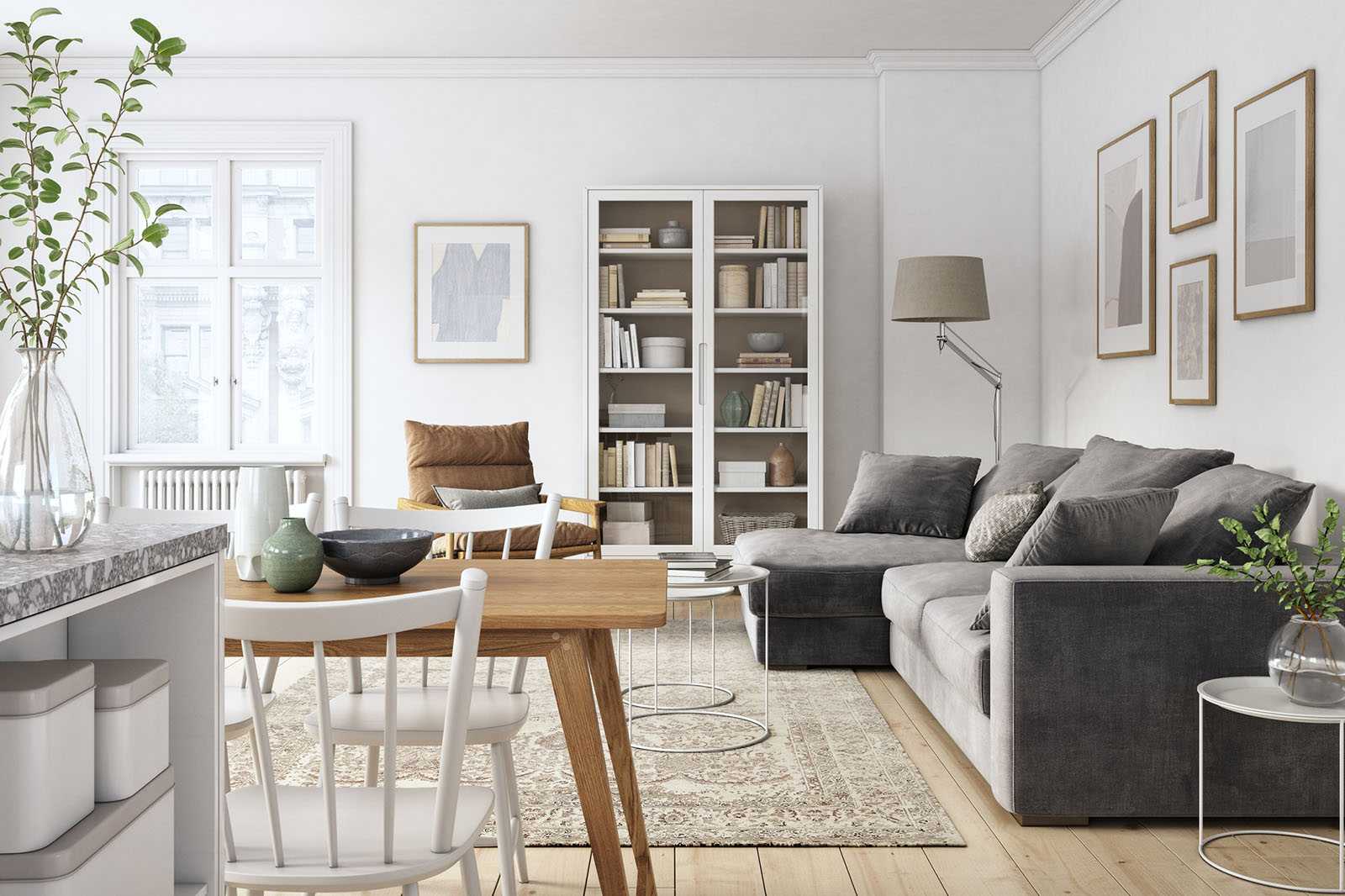
When it comes to decorating a room, the question of how many walls to adorn can be a bit tricky. A quick answer is that typically, choosing to decorate one or two walls can create a striking focal point without overwhelming the space. This approach allows for a balanced look while maintaining some visual breathing room. However, the final decision should reflect your personal style and the room’s purpose. In this article, we’ll explore various factors to consider, such as color, texture, and the overall mood you want to create. By the end, you’ll have a clearer idea of how to transform your space into a beautiful and inviting area that feels just right for you.

How Many Walls in a Room Should Be Decorated?
Decorating your walls can be a fun and creative process. But how many walls should you actually focus on? Is it one, two, or maybe even all four? This article dives into the art of wall decoration, exploring the optimal number of decorated walls for different types of rooms, styles, and purposes.
Understanding Wall Decoration
Before deciding how many walls to decorate, it’s crucial to understand what wall decoration entails. Wall decoration involves using colors, art, and accessories to enhance a room’s aesthetic appeal.
Decorating can be as simple as painting or adding wallpaper. It can also include hanging artwork, photographs, or decorative mirrors.
Decorating is not just about making things pretty. It’s also about creating a mood and atmosphere in your space.
Factors to Consider When Decorating Walls
There are several factors that influence how many walls you should decorate:
- Room Size: Larger rooms can handle more decorated walls.
- Purpose of the Room: Different rooms have different vibes.
- Style Preferences: Your personal taste significantly impacts your choices.
- Lighting: Natural and artificial lighting can affect how colors appear.
Understanding these factors can help you make informed decisions on wall decoration.
The One Wall Statement
One popular approach is to decorate just one wall, often referred to as an “accent wall.”
An accent wall draws attention and creates a focal point in a room. Here’s why this approach is effective:
- Visual Interest: An accent wall can make a room feel dynamic.
- Cost-Effective: Decorating only one wall can save money.
- Flexibility: It’s easier to change one wall than multiple walls.
Accent walls work particularly well in smaller spaces where you want to avoid overwhelming the room.
Two-Wall Decor: Balance and Harmony
Decorating two walls can create a balanced and harmonious look in a room. This method is ideal for spaces that require a bit more character without becoming too busy.
Decorating two walls allows you to play with color combinations, texture, or even different types of wall art. Here are some reasons to consider two-wall decoration:
- Creates Depth: Two decorated walls can add dimension to a room.
- Enhanced Design Options: Allows for mixing styles.
- Consistent Theme: Provides an opportunity to tie in other elements in the room.
This approach works well in living rooms and bedrooms, where you might want more than just a single focal point.
Going Bold with Three Walls
For those ready to embrace a more daring approach, decorating three walls can make a striking statement.
This technique envelops the room in color, creating a warm and inviting atmosphere. Here’s why you might choose to decorate three walls:
- Wraps You in Style: A room can feel cozy and full.
- Layering Textures: You can experiment more with textures and materials.
- Express Your Personality: Show off your style through colors and art.
This method can be particularly stunning in larger spaces like dining rooms or family rooms, where you want to create an inviting ambiance.
All Four Walls: A Complete Transformation
Decorating all four walls of a room is a bold choice that can result in a complete transformation of the space.
This technique is best suited for larger rooms or spaces where you want to create an immersive environment. Here are some pros of this approach:
- Total Consistency: A unified look throughout the room.
- Creates a Atmosphere: Enhances the room’s character and feel.
- Art Display: Offers ample space for art and décor.
While this approach can feel overwhelming, incorporating lighter colors or minimalist designs can balance everything out.
Choosing the Right Rooms to Decorate
Not every room needs the same degree of decoration.
Different rooms serve different purposes, so the level of decoration can vary. Here’s how to approach decoration based on room types:
Living Rooms
Living rooms are often the heart of a home. They typically invite more decoration.
– **One or Two Walls:** Consider an accent wall or decorating two walls for balance.
– **Bring in Colors:** Choose colors that resonate with your family’s style.
Bedrooms
Bedrooms are personal spaces meant for relaxation.
– **Accent Wall:** Often works well behind the bed.
– **Calming Colors:** Use softer tones to create a serene environment.
Dining Rooms
Dining rooms often host gatherings, making them special spaces.
– **Two or Three Walls:** Can create a warm, inviting atmosphere.
– **Artwork:** Consider wall art that sparks conversation.
Home Offices
Home offices should inspire productivity.
– **One Wall:** A single decorative wall can keep the room focused.
– **Motivational Art:** Use inspiring quotes or artwork.
Utilizing Colors Effectively
The color of your walls plays a significant role in decoration.
Color can significantly impact mood and perception. Here are some tips for choosing colors:
- Bright Colors: Energize a space, ideal for creative areas.
- Neutral Tones: Promote calmness and are versatile for various styles.
- Dark Colors: Add sophistication but can make spaces feel smaller.
Ensure the colors you choose align with the purpose of the room.
Textures and Patterns: Adding Depth
Textures and patterns can also elevate wall decoration.
– **Textured Paints:** Create a unique look and feel.
– **Wallpaper:** Can add intricate designs to any space.
– **DIY Projects:** Consider personal touches like handmade art.
Incorporating these elements can make a significant difference in the overall aesthetic of your room.
Hanging Art and Accessories
Wall art and accessories serve as the finishing touches.
Different styles of art can impact how many walls you choose to decorate. Here are some ideas:
- Gallery Walls: Great for showcasing a collection.
- Mirrors: Reflect light and make spaces look larger.
- Floating Shelves: Add dimension and display personal items.
Ensure the art you choose complements the color and style of the room.
Maintenance and Flexibility
Lastly, consider the maintenance and flexibility of your decoration choices.
– **Easy to Change:** Keep in mind how easy it will be to change out decorations if you want a new look.
– **Durability:** Choose materials and colors that can withstand wear and tear.
By focusing on these aspects, you can ensure that your decorative efforts maintain their appeal over time.
Decorating your walls doesn’t have to be a daunting task. By focusing on the number of walls, the purpose of the room, and your personal style, you can create beautiful spaces. Whether you choose one wall or all four, the key is to make the space feel like home.
How We Decorated Our XL Board & Batten Wall
Frequently Asked Questions
What factors should I consider when deciding how many walls to decorate in a room?
When choosing how many walls to decorate, consider the room’s size, the function of the space, and the mood you want to create. Larger rooms might benefit from decorating multiple walls, while smaller ones may feel more cohesive with a single accent wall. Also, think about the furniture and layout; for example, if a wall is mostly occupied by large furniture items, it may not be necessary to decorate it.
Is there a recommended color scheme for decorating multiple walls?
Yes, when decorating multiple walls, select a color scheme that complements the room’s overall design. You can use similar shades for continuity or contrasting colors for a more dynamic look. Additionally, consider using a feature wall with a bold color or pattern to draw attention while keeping adjacent walls in softer tones to balance the visual impact.
How can I balance wall decorations with other elements in the room?
To achieve balance, ensure that the wall décor aligns with the room’s overall theme, furniture style, and color palette. Avoid overcrowding walls with decor by leaving ample space around each piece. Arrange decorations in a way that complements the furniture placement and creates a cohesive flow in the room.
What types of wall decorations work best for different room types?
In living rooms, consider using larger art pieces or a gallery wall for a focal point. In bedrooms, opt for calming colors and personal items like photographs. In kitchens, function and style blend well with decorative shelves or wall-mounted herbs. Each room type has unique needs and can benefit from tailored decoration styles.
How can I make a small room feel larger with wall decoration?
To create the illusion of space in a small room, use lighter colors and mirrors as part of your wall décor. Choose minimalistic designs and avoid heavy patterns that can overwhelm the space. You can also try vertical stripes to draw the eyes upward, making the room feel taller and more open.
Final Thoughts
Decorating a room enhances its aesthetic and creates a welcoming atmosphere. Generally, focusing on two to three walls provides balance while avoiding visual clutter. Too many decorated walls can overwhelm the space, making it feel cramped. When deciding how many walls in a room should be decorated, consider the room’s size, lighting, and purpose to achieve an inviting and harmonious environment.