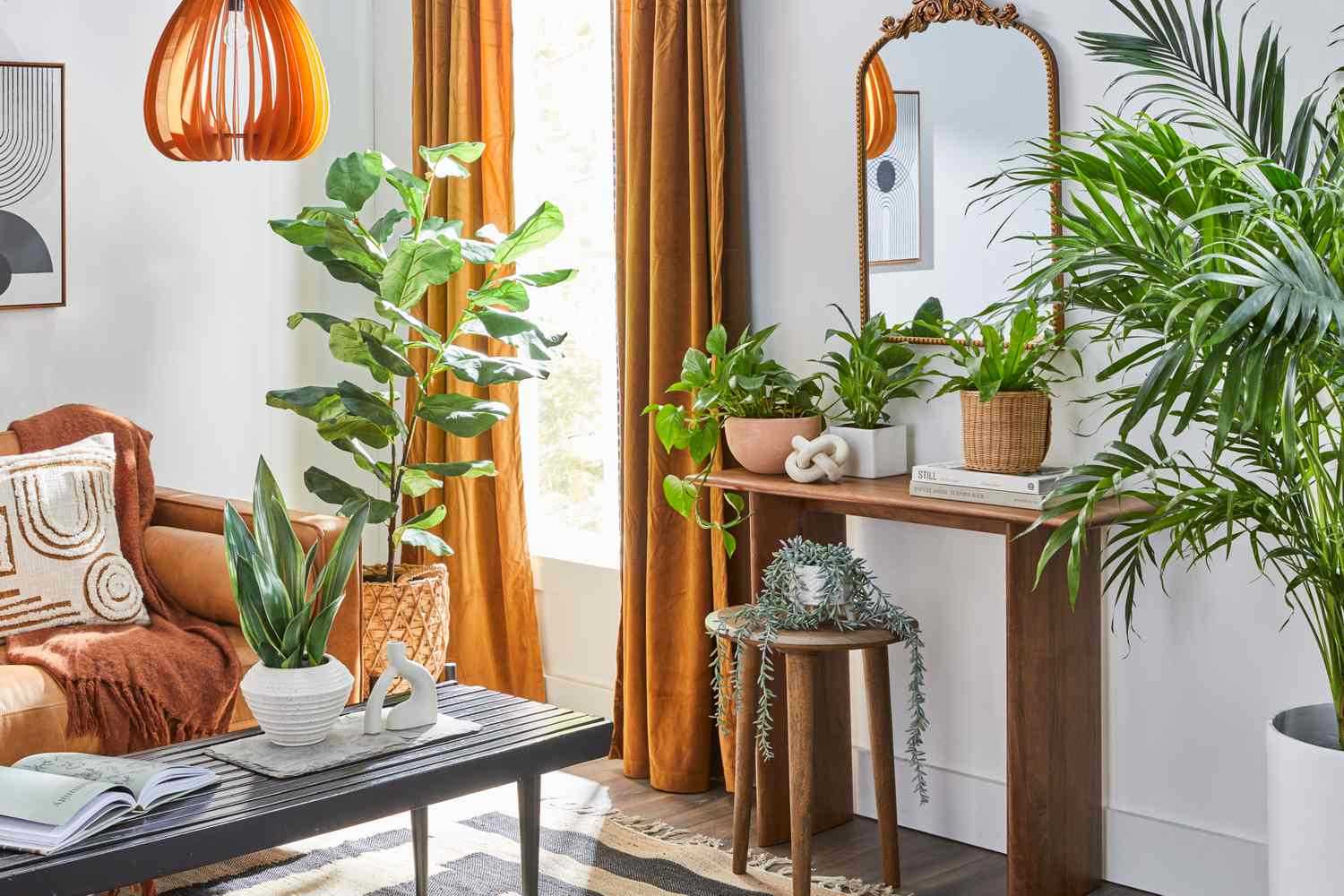
If you’re looking to breathe life into your living room, decorating with plants is a fantastic way to do it! Start by choosing a variety of plants that suit your space and match your style. Consider placing larger potted plants in corners or near windows to create height and visual interest. Use smaller plants on shelves, coffee tables, or window sills to add layers. Don’t forget to mix in some hanging plants for that trendy, bohemian vibe. When choosing pots, opt for complementary colors and materials that enhance your decor. Remember to consider the amount of light your living room receives, as it will influence the types of plants that thrive. With these tips, your living room can transform into a lush, inviting retreat!

How to Decorate Living Room with Plants
Adding plants to your living room can transform the space in a delightful way. They bring life, color, and a sense of calm to your home. Whether you’re a plant enthusiast or just beginning to explore greenery, you can find creative ways to incorporate plants into your living room decor.
Choosing the Right Plants
The first step in decorating your living room with plants is selecting the right ones. Consider the following factors:
- Light Levels: Assess how much natural light your living room receives. Some plants thrive in bright light, while others prefer low light.
- Plant Size: Choose plants that fit your space. Larger plants can serve as focal points, while smaller ones can be used as accents.
- Care Requirements: Be honest about how much time you can dedicate to plant care. Some plants need more attention than others.
Popular choices for living rooms include snake plants, pothos, and spider plants. These varieties are known for their resilience and ease of care.
Creating Focal Points
Plants can act as beautiful focal points in your living room. Here are some tips on how to create stunning focal points using plants:
- Statement Plants: Use a large potted plant, like a fiddle leaf fig or rubber tree, as a striking centerpiece. Place it near a window or in a corner where it can thrive.
- Grouping Plants: Arrange smaller plants in clusters on shelves or side tables. This adds depth and interest to the decor.
- Vertical Gardens: If space is limited, consider a vertical garden or wall-mounted planters. This adds a unique touch and utilizes wall space effectively.
Focal points draw the eye and create a visually pleasing atmosphere in your living room.
Mixing Textures and Colors
Using different plants can add texture and color to your living room. Here’s how to mix them effectively:
- Leaf Shapes: Combine plants with various leaf shapes and sizes. This creates visual interest. For example, pair broad-leaf plants with delicate ferns.
- Color Variations: Incorporate plants with different shades of green, or choose plants with colorful blooms, like African violets or bromeliads.
- Textured Planters: Use planters made from different materials like ceramic, wood, or metal to bring variety to your decor.
Mixing textures and colors keeps the decor dynamic and engaging.
Strategic Placement of Plants
Where you place your plants can greatly affect the overall look of your living room. Consider these placement ideas:
- Window Sills: Use window sills to display smaller plants that enjoy sunlight. This also helps create a warm and inviting atmosphere.
- Side Tables: Place a plant on a side table next to your couch or chair for added color and freshness.
- Bookshelves: Incorporate trailing plants, like pothos or string of hearts, on bookshelves. This adds a touch of whimsy and greenery.
Thoughtful placement enhances the beauty of your living room while ensuring your plants thrive.
Using Plant Stands and Shelves
Plant stands and shelves can elevate your plants, both literally and figuratively. Here’s how to effectively use these tools:
- Tiered Plant Stands: Use tiered stands to create a multi-level display. This showcases plants at different heights, adding dimension to your living room.
- Floating Shelves: Install floating shelves to place smaller plants. This not only saves space but also adds an artistic touch to your decor.
- Use Corner Spaces: A tall plant stand in a corner can fill empty space nicely, giving your room a cozy vibe.
Incorporating stands and shelves allows for creative arrangements and enhances the decor.
Choosing the Right Planters
The planters you choose play a significant role in your living room’s design. Consider these tips when selecting planters:
- Material: Opt for materials that complement your living room’s decor. Choose ceramic for a classic look or metal for a modern touch.
- Size: Ensure the planter is appropriately sized for the plant. A pot that is too small can hinder growth, while one that is too large may look awkward.
- Drainage: Choose planters with drainage holes to prevent overwatering. This is crucial for plant health.
The right planters enhance your plants and contribute to the overall style of your living room.
Adding Accessories for a Cohesive Look
Accessories can tie your plant decor together and create a cohesive look. Here are some ideas:
- Decorative Stones: Topsoil with decorative stones in planters adds a polished touch and helps retain moisture.
- Plant Tags: Use stylish plant tags to label your plants. This is both practical and decorative.
- Textiles: Match plant colors with your living room’s textiles, such as cushions or throws, for an integrated feel.
Accessories enhance the aesthetic appeal of your living space, making it feel more inviting.
Creating a Plant Care Routine
To ensure your living room plants thrive, establish a regular care routine. Here’s how to do it:
- Watering Schedule: Create a watering schedule based on each plant’s needs. Some plants require more water than others.
- Cleaning Leaves: Dust the leaves regularly to keep them healthy and clean. This maximizes photosynthesis and keeps your plants looking vibrant.
- Rotate Plants: Rotate your plants occasionally to ensure they grow evenly. This helps them absorb light from all angles.
A care routine ensures longevity and health for your plants.
Bringing Nature Indoors: Seasonal Considerations
As seasons change, so can your plant decor. Here are ways to adjust for seasonal shifts:
- Seasonal Plants: Consider adding seasonal plants, like poinsettias during winter or flowering plants in spring. This keeps your decor fresh.
- Seasonal Themes: Use decorations that reflect the season, such as autumn leaves or spring flowers, to complement your plants.
- Adjust Care: Be mindful of seasonal needs. Plants may require different amounts of water and light based on the season.
Seasonal considerations keep your living room vibrant and connected to nature throughout the year.
Incorporating Aromatic Plants
Incorporating aromatic plants can add a sensory dimension to your living room. Consider these options:
- Herbs: Growing herbs like basil, mint, or rosemary not only adds greenery but also fills your space with delightful scents.
- Aromatic Houseplants: Plants like lavender or jasmine can offer pleasant fragrances while purifying the air, enhancing your living environment.
- Placement: Place aromatic plants where you frequently pass by, allowing their fragrances to greet you.
Aromatic plants enrich your living room experience, making it feel more inviting and lively.
Having plants in your living room creates a beautiful and dynamic space. They enhance your home’s aesthetic while boosting your mood and air quality. By choosing the right plants, placing them thoughtfully, and maintaining them well, you can enjoy the countless benefits that plants offer. Whether you’re creating a lush jungle or a simple minimalist touch, plants can bring joy and life into your living area. Happy decorating!
How to Style Your Home with Indoor Plants (Pro Tips to Know!)
Frequently Asked Questions
“`html
What types of plants are best suited for living rooms?
Consider plants that thrive in indoor environments and require minimal maintenance. Some excellent options include snake plants, pothos, rubber plants, and peace lilies. These plants not only enhance the aesthetic of your living room but also improve air quality.
How can I arrange plants to create a cohesive look?
Group plants of varying heights, colors, and textures to create visual interest. Use plant stands or shelves to elevate smaller plants and give a layered effect. You can also place larger plants in corners or next to furniture to fill empty spaces without overcrowding the area.
Should I consider lighting when decorating with plants?
Yes, lighting plays a crucial role in plant health and growth. Assess the natural light your living room receives throughout the day. Choose plants based on their light requirements, such as low-light plants for dim areas and sun-loving plants for brighter spots.
What containers work best for indoor plants in a living room?
Opt for decorative pots that complement your living room’s decor style. Make sure the containers have drainage holes to prevent water accumulation, which can harm plant roots. You can choose ceramic, terracotta, or even modern metal pots, depending on your preferred aesthetic.
How do I care for indoor plants in my living room?
Regularly check the moisture level of the soil and water the plants accordingly. Ensure they receive adequate light, and adjust their positioning if necessary. Fertilize during the growing season and prune any dead leaves to keep your plants healthy and vibrant.
“`
Final Thoughts
Decorating your living room with plants brings life and vibrancy to your space. Choose a variety of plants to create visual interest and complement your decor style. Adding plants at different heights, such as hanging planters and floor plants, can enhance the room’s dynamics.
Incorporate plants into various areas, like shelves or window sills, to integrate nature seamlessly. Remember to consider light conditions and choose plants that thrive in your living environment. Following these tips on how to decorate living room with plants will create an inviting and refreshing atmosphere.