Often overlooked, kitchen corners offer significant potential for both style and utility. This comprehensive guide will show you how to decorate kitchen corners effectively by transforming awkward spaces into practical and beautiful areas. You’ll learn to assess your space, implement clever storage, add decorative touches, and create functional zones, ensuring your kitchen is cohesive and clutter-free while maximizing every inch.
How to Decorate Kitchen Corners Effectively
Kitchens are the heart of the home, vibrant spaces where we cook, eat, and gather. Yet, often, kitchen corners remain neglected, awkward voids that collect dust or become dumping grounds for miscellaneous items. These overlooked spaces, however, hold immense potential. With a little creativity and strategic planning, you can transform these challenging areas into highly functional, beautiful, and integrated parts of your kitchen design.
If you’ve ever wondered how to decorate kitchen corners effectively, you’re in the right place. This guide will walk you through a step-by-step process, offering practical ideas, smart solutions, and design inspiration to help you maximize every inch of your kitchen. We’ll explore everything from clever storage hacks to stylish decorative touches, ensuring your kitchen corners are no longer wasted space but valuable assets.
Key Takeaways
- Assess Your Corner’s Potential: Before decorating, understand your corner’s type (blind, L-shaped, diagonal) and its primary purpose – whether for storage, decor, or a functional station.
- Maximize Storage Smartly: Utilize specialized corner cabinets like Lazy Susans, blind corner pull-outs, open shelving, or wall-mounted racks to efficiently store items and reduce clutter.
- Enhance with Thoughtful Decor: Introduce elements like plants, artwork, mirrors, or accent lighting to add personality, visual interest, and brighten up often dim corner spaces.
- Create Functional Zones: Transform corners into dedicated areas such as coffee stations, small appliance hubs, or beverage bars to improve workflow and add convenience to your kitchen.
- Ensure Cohesion and Balance: Maintain your kitchen’s overall style and color palette when decorating corners. Avoid overcluttering and choose items with appropriate scale to keep the space harmonious.
- Solve Common Challenges: Address issues like awkward shapes or lack of counter space with tailored solutions, such as custom shelving, slim carts, or wall-mounted organizers.
Step 1: Assess Your Corner’s Potential and Purpose
Before you dive into buying decor or installing shelves, the first crucial step is to understand the specific characteristics of your kitchen corner. Not all corners are created equal, and their unique features will dictate the best approach for decoration and functionality.
Identify the Type of Corner
Kitchen corners come in various forms, each with its own set of challenges and opportunities:
- Blind Corners: These are the trickiest. A cabinet door on one side prevents direct access to the deeper part of the corner. The challenge is reaching items hidden deep inside.
- L-shaped Corners: These are more common, where two cabinet runs meet at a right angle. They often offer more accessible space but can still feel expansive and underutilized.
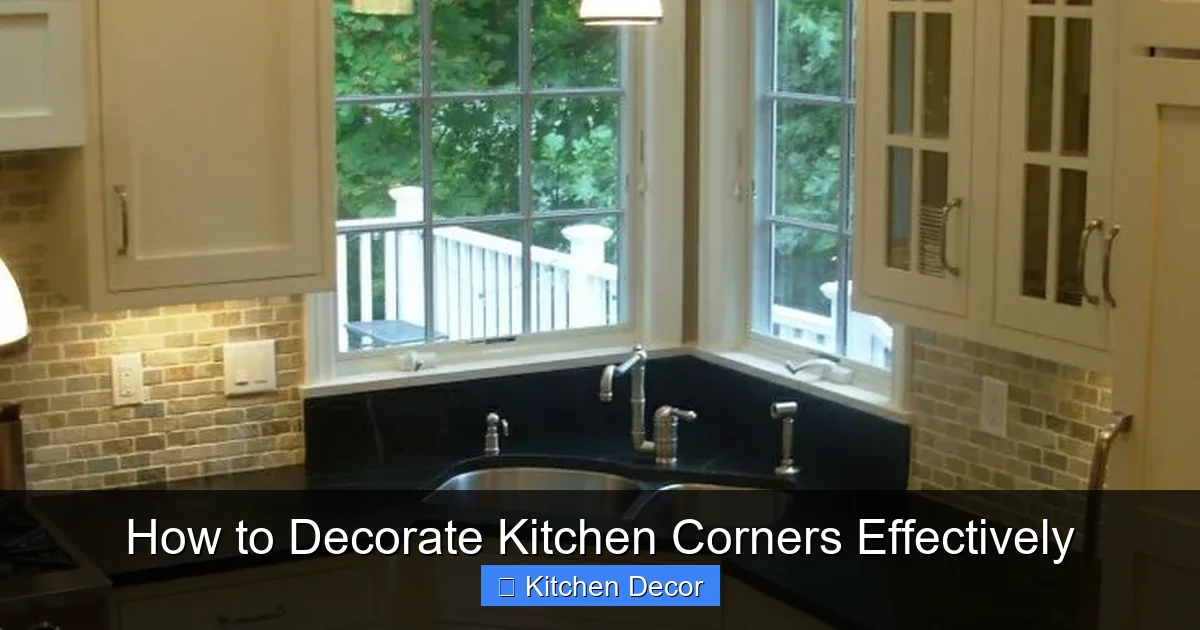
- Diagonal or Angled Corners: Sometimes, cabinets or counters are angled across the corner, creating a more accessible, albeit sometimes shallower, space.
- Open Wall Corners: These are simply empty wall spaces where two walls meet, offering a blank canvas for shelves, art, or small furniture.
Consider Functionality Versus Aesthetics
What do you truly need from this corner? Are you desperate for more storage? Do you want to add a decorative touch? Or perhaps create a specific functional zone? Knowing your primary goal will help you narrow down your options. For example, a corner in a small kitchen might prioritize storage, while a larger kitchen might allow for more decorative flair.
Measure Accurately
Grab your tape measure! Accurately measure the width, depth, and height of your corner space. Note any existing obstacles like outlets, windows, or cabinet doors that swing open. These measurements are essential for choosing the right solutions, whether it’s a specific cabinet insert, a piece of furniture, or shelves.
Step 2: Maximize Storage Solutions
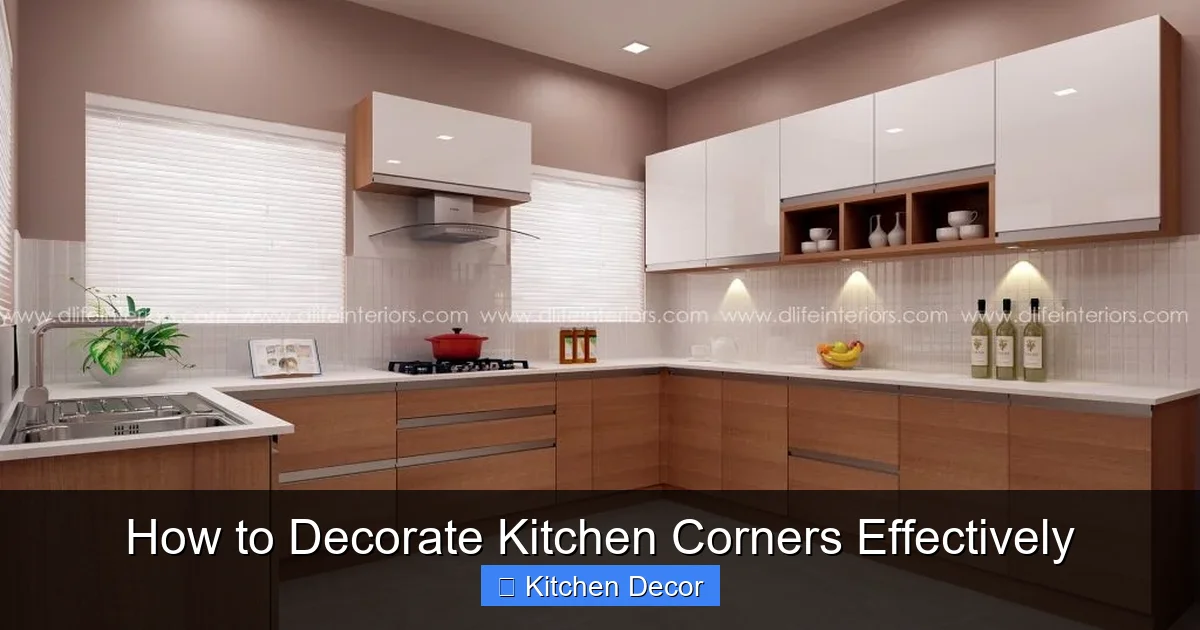
One of the most effective ways to decorate kitchen corners effectively is by transforming them into smart storage hubs. This is especially vital in smaller kitchens where every square inch counts.
Visual guide about How to Decorate Kitchen Corners Effectively
Image source: dlifeinteriors.com
Corner Cabinets: The Ultimate Organizers
If you have existing corner cabinets, upgrade them for maximum efficiency:
- Lazy Susans: These rotating shelves are a classic for a reason. They bring items from the back of the cabinet to the front with a simple spin, perfect for pots, pans, small appliances, or pantry items.
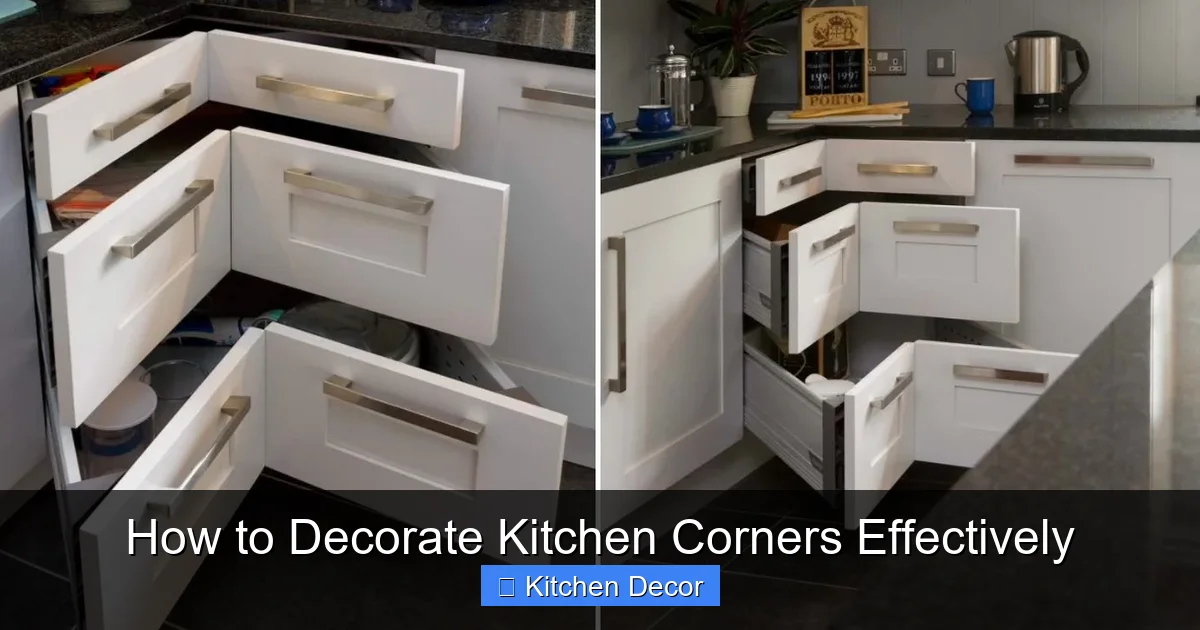
- Blind Corner Pull-Outs: These clever systems typically feature shelves or baskets that slide out and then pivot, revealing items hidden deep within the blind corner. They are a game-changer for accessibility.
- Drawer Systems: Some custom cabinetry offers drawers specifically designed for corners, allowing for easy pull-out access to cookware or utensils.
Open Shelving for Style and Access
If your corner is an open wall space or you want to lighten the feel of an enclosed corner, open shelving is a fantastic option:
- Floating Corner Shelves: These can be installed in an L-shape or as individual shelves to display cookbooks, decorative bowls, frequently used mugs, or small potted plants. They add visual interest and keep items within easy reach.
- Built-in Shelving: For a more custom look, built-in shelves can be designed to perfectly fit your corner, offering seamless storage.
Wall-Mounted Racks and Hooks
Don’t forget the vertical space! Wall-mounted solutions are perfect for making the most of tight corners:
- Pot Racks: A small pot rack in a corner can free up valuable cabinet space and add a touch of rustic charm.
- Magnetic Knife Strips: Install one in a corner for easy access to knives, freeing up drawer space.
- Utensil Organizers: Hang frequently used utensils on hooks, keeping them handy while cooking.
Freestanding Units
If you have enough floor space, a freestanding unit can be a stylish and practical solution:
- Corner Etagere or Baker’s Rack: A slim corner shelving unit can provide multiple tiers for storage and display, ideal for small appliances, cookbooks, or decorative items.
- Small Rolling Carts: A narrow cart can be tucked into a corner to hold frequently used ingredients, cooking oils, or even a small stack of dishes, and can be moved when needed.
Step 3: Enhance with Decorative Elements
Beyond storage, decorating kitchen corners effectively means adding beauty and personality. These elements can transform a bland corner into a focal point.
Visual guide about How to Decorate Kitchen Corners Effectively
Image source: cdn.homedit.com
Greenery and Plants
Plants instantly bring life and freshness into any space:
- Potted Herbs: A small collection of fresh herbs (basil, mint, rosemary) in attractive pots not only looks great but is also practical for cooking.
- Trailing Plants: Pothos or philodendron can cascade beautifully from a high shelf or a hanging planter, adding a touch of natural elegance.
- Faux Plants: If you lack a green thumb or natural light, high-quality faux plants can offer the same aesthetic benefits without the maintenance.
Artwork and Mirrors
These elements can dramatically change the feel of a corner:
- Small Gallery Wall: Create a mini gallery with a few small framed prints or photos that complement your kitchen’s style.
- Corner Mirror: A strategically placed mirror can reflect light, making the kitchen feel larger and brighter. Choose a frame that matches your decor.
- Chalkboard or Whiteboard: A functional piece of art for notes, grocery lists, or daily menus.
Lighting
Good lighting is crucial for both function and ambiance, especially in corners which can often be dim:
- Under-Cabinet Lighting: If you have upper corner cabinets, adding LED strips underneath can illuminate the counter space below, making it more functional.
- Accent Lighting: A small, stylish task lamp or a decorative pendant light specifically for the corner can create a cozy atmosphere or highlight a specific area.
- Battery-Operated Puck Lights: Great for illuminating inside dark corner cabinets.
Vases, Bowls, and Decorative Objects
Curated collections can add personality:
- Fruit Bowl: A beautiful bowl filled with fresh fruit is both decorative and a healthy snack reminder.
- Unique Vases: A tall, slender vase with a single stem or a small bouquet can add height and color.
- Collection of Pottery or Ceramics: Display a few favorite pieces that complement your kitchen’s aesthetic.
Cookbooks and Recipe Holders
Showcase your culinary interests:
- Styled Cookbook Stack: A neat stack of your favorite cookbooks, perhaps with a decorative object on top, adds a personal touch.
- Tablet Stand/Recipe Holder: A stylish stand can hold your tablet or a physical cookbook, making recipes easy to follow while cooking.
Step 4: Create a Functional Zone
Beyond just storage or decoration, you can decorate kitchen corners effectively by turning them into dedicated functional zones. This streamlines tasks and makes your kitchen more efficient.
Visual guide about How to Decorate Kitchen Corners Effectively
Image source: lh6.googleusercontent.com
Coffee/Tea Station
Transform a corner into a beloved morning ritual hub:
- Place your coffee maker, grinder, mugs, sugar, and stirrers all in one convenient spot. Add a small basket for tea bags and a stylish tray to contain everything.
Small Appliance Hub
Gather frequently used small appliances in one corner:
- Keep your toaster, blender, food processor, or air fryer in a dedicated corner, especially if you have a blind corner cabinet with a pop-up shelf or a diagonal corner counter. This keeps them off main counter space but easily accessible.
Homework/Work Nook (if space allows)
In a larger kitchen or open-plan layout, a corner can become a mini workspace:
- A small built-in desk or a console table with a comfortable stool can create a perfect spot for quick tasks, checking emails, or helping kids with homework while you cook.
Beverage Bar
If entertaining is your thing, a corner can house a mini bar:
- Stock it with glassware, a small ice bucket, your favorite spirits or mixers, and perhaps a stylish decanter.
Step 5: Incorporate Seating or Comfort (if space allows)
In some kitchens, particularly larger ones, a corner can become a cozy seating area, adding comfort and a unique design element.
Banquette Seating
A built-in banquette or a corner bench can create a charming and space-efficient dining nook. Add cushions and pillows for extra comfort and style.
Small Accent Chair
If you have a particularly spacious corner, a small, comfortable accent chair and a tiny side table can create a relaxing spot for a quick cup of coffee or to read a cookbook.
Step 6: Ensure Cohesion and Balance
As you decorate kitchen corners effectively, it’s important to remember that they are part of a larger space. Your corner decorations should enhance, not detract from, your overall kitchen design.
Match Style and Color Palette
Whatever you choose to put in your corner, ensure it complements the existing style, colors, and materials of your kitchen. A rustic farmhouse kitchen will benefit from different decor than a sleek, modern one.
Don’t Overclutter
The goal is to enhance, not overwhelm. A cluttered corner looks messy and defeats the purpose of effective decoration. Choose a few meaningful or functional items rather than many small, random ones.
Think about Scale
Select items that are appropriately sized for the corner. An oversized vase might look great on a large island, but it will swamp a small corner. Conversely, tiny items might get lost in a large, open corner. Aim for balance.
Troubleshooting Common Corner Challenges
Even with the best intentions, some kitchen corners present unique hurdles. Here’s how to tackle them.
Awkwardly Shaped Corners
Sometimes corners aren’t perfectly square or symmetrical. This calls for custom solutions.
- Custom Shelving: Consult with a carpenter or DIY if you’re handy to create shelves that precisely fit the odd angles.
- Modular Units: Look for modular shelving or storage systems that can be configured to fit unique spaces.
- Embrace the Irregularity: Sometimes, the best approach is to let the corner’s unique shape be a feature. A strategically placed plant or a piece of abstract art can draw attention to its individuality.
Lack of Counter Space
If your corner is primarily a dead zone with no counter, you have options.
- Floating Shelves: As mentioned, these can provide “vertical counter space” for displaying items or storing frequently used light objects.
- Narrow Console Table or Bar Cart: If there’s floor space, a slim piece of furniture can add a surface where there was none.
- Wall-Mounted Organizers: Use the walls for magnetic strips, hook systems, or small baskets to keep items off non-existent counters.
Limited Natural Light
Corners are often dark, making them feel cave-like.
- Strategic Lighting: Introduce dedicated lighting as discussed in Step 3 (under-cabinet, accent lamps).
- Mirrors: A mirror will reflect any available light, making the corner feel brighter and more open.
- Light Colors: Choose lighter colored decor items or paint a small section of the corner wall a bright, reflective color to visually expand the space.
- Greenery: Opt for low-light tolerant plants like ZZ plants or snake plants, or use realistic faux plants that don’t need sun.
Conclusion
Decorating kitchen corners effectively isn’t just about filling empty space; it’s about optimizing your kitchen’s functionality, enhancing its aesthetics, and creating a more harmonious environment. By taking a thoughtful approach – assessing your corner’s unique attributes, prioritizing smart storage, adding personal decorative touches, and creating functional zones – you can transform these often-overlooked areas into valuable assets.
Remember to keep your overall kitchen style in mind, avoid clutter, and choose items that are the right scale for the space. Whether you’re integrating a sophisticated storage solution, setting up a cozy coffee station, or simply adding a vibrant plant, your effort to decorate kitchen corners effectively will undoubtedly make your kitchen feel more complete, organized, and truly yours. So, go ahead, unlock the hidden potential of those corners and let your creativity shine!