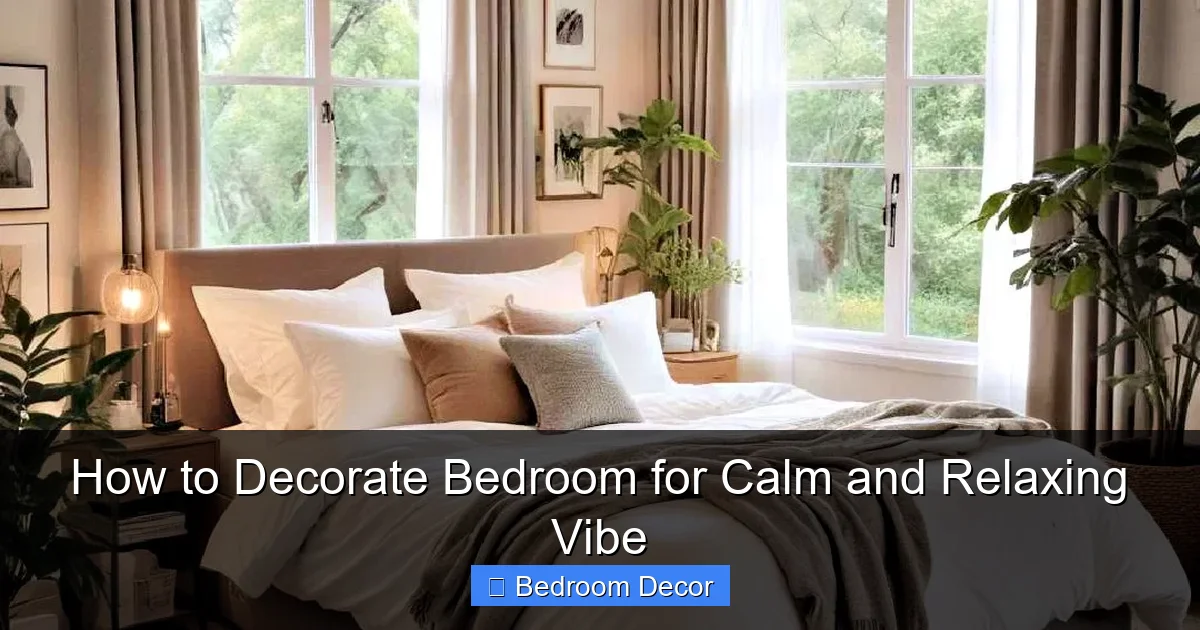
Your bedroom should be a sanctuary for rest and rejuvenation. This guide shows you how to decorate your bedroom for a calm and relaxing vibe using simple, effective strategies. Discover how to choose soothing colors, optimize lighting, incorporate natural elements, and declutter your space to create an atmosphere of ultimate tranquility and peace, promoting better sleep and well-being.
How to Decorate Bedroom for Calm and Relaxing Vibe
Your bedroom is more than just a place to sleep. It should be your personal sanctuary. It’s where you unwind, recharge, and find peace after a long day. If your bedroom feels cluttered, chaotic, or simply not inviting, it might be time for a change. Creating a calm and relaxing vibe in your bedroom can significantly improve your sleep quality, reduce stress, and boost your overall well-being. Imagine stepping into a space that instantly makes you feel at ease, a haven designed just for tranquility.
This comprehensive guide will walk you through every step to decorate your bedroom for a calm and relaxing vibe. We’ll cover everything from choosing the right colors and lighting to incorporating natural elements and smart storage. You’ll learn practical tips and easy adjustments that can transform your bedroom into the peaceful retreat you deserve. Let’s begin your journey to a more serene and restful space.
Key Takeaways
- Embrace a Soothing Color Palette: Opt for soft neutrals, cool tones, or gentle pastels to create an immediate sense of calm and visual spaciousness in your bedroom.
- Prioritize Comfort in Bedding: Invest in high-quality, soft, and breathable fabrics for your mattress, pillows, sheets, and throws to enhance physical comfort and encourage deep relaxation.
- Optimize Lighting for Serenity: Maximize natural light during the day and use warm, dimmable artificial lighting, layered lamps, and candles at night to create a soft, inviting glow.
- Declutter and Organize Ruthlessly: A tidy space equals a tidy mind. Keep surfaces clear, utilize smart storage, and remove distractions to foster a peaceful environment.
- Integrate Natural Elements: Bring the outdoors in with indoor plants, natural wood textures, and gentle water features to connect with nature and enhance tranquility.
- Engage the Senses Thoughtfully: Introduce calming scents like lavender or chamomile through diffusers, and minimize harsh sounds to create a multi-sensory relaxing experience.
- Add Personal Touches Mindfully: Select artwork and decor that evokes peace, but keep it minimal to avoid overwhelming the space and detracting from the calm vibe you’re trying to create.
Step 1: Define Your Calm & Relaxing Aesthetic
Before you start moving furniture or buying new items, take a moment to envision what “calm” and “relaxing” truly mean to you. Everyone’s ideal sanctuary looks a little different. What colors, textures, and feelings come to mind?
Consider Your Color Palette
Colors have a powerful impact on our mood. For a calm and relaxing vibe, think soft and soothing. Bright, bold colors can be stimulating. Instead, lean towards hues that promote peace.
- Soft Neutrals: Whites, creams, beiges, and light grays create a clean, airy, and timeless foundation. They make a space feel larger and more open.
- Cool Tones: Gentle blues, greens, and lavenders are known for their calming effects. Light blue can evoke the sky or ocean. Soft green connects us to nature.
- Gentle Pastels: Muted pinks or very light yellows can add a touch of warmth without being overstimulating.
Choose a main color and one or two accent colors. Stick to this palette throughout your decorating process. This consistency will help unify the space and enhance the calm feeling.
Embrace Minimalism
A cluttered space often leads to a cluttered mind. To decorate your bedroom for a calm and relaxing vibe, less is often more. Think about what truly needs to be in your bedroom. Can anything be removed or stored elsewhere?
- Remove Excess: Clear surfaces of unnecessary items.
- Focus on Essentials: Only keep items that are functional, beautiful, or deeply meaningful.
A minimalist approach creates visual quiet. This is crucial for a serene bedroom atmosphere.
Seek Inspiration
Look for ideas online or in magazines. Create a mood board. Pin images of bedrooms that evoke the feeling you want to achieve. Pay attention to the overall style, the furniture, the lighting, and the small details. This will help you refine your vision and stay focused as you decorate your bedroom for a calm and relaxing vibe.
Step 2: Master Your Color Palette
Once you have your chosen colors, it’s time to bring them into your bedroom. Remember to prioritize softness and subtlety.
Visual guide about How to Decorate Bedroom for Calm and Relaxing Vibe
Image source: designthusiasm.com
Wall Colors
Your walls are the largest surface in the room. They set the backdrop for everything else. Painting your walls in a calm, chosen color is a significant step.
- Neutral Base: A soft white or light gray provides a versatile, calming foundation.
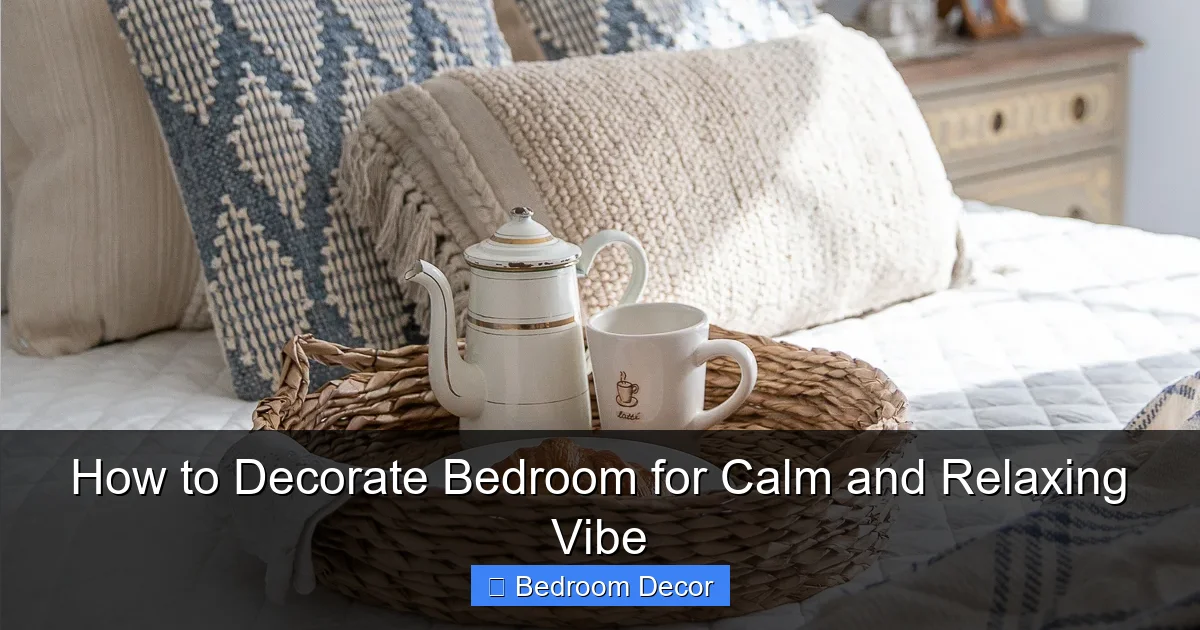
- Subtle Shades: A light sage green or a pale dusty blue can instantly make the room feel more tranquil. Test swatches on your walls before committing to a full paint job. See how the color looks in different light throughout the day.
Bedding and Linens
Your bedding offers another large canvas for color. Choose bedding that complements your wall color. This is a key area to decorate your bedroom for a calm and relaxing vibe.
- Solid Colors: Opt for solid colors or very subtle patterns. Large, busy patterns can feel distracting.
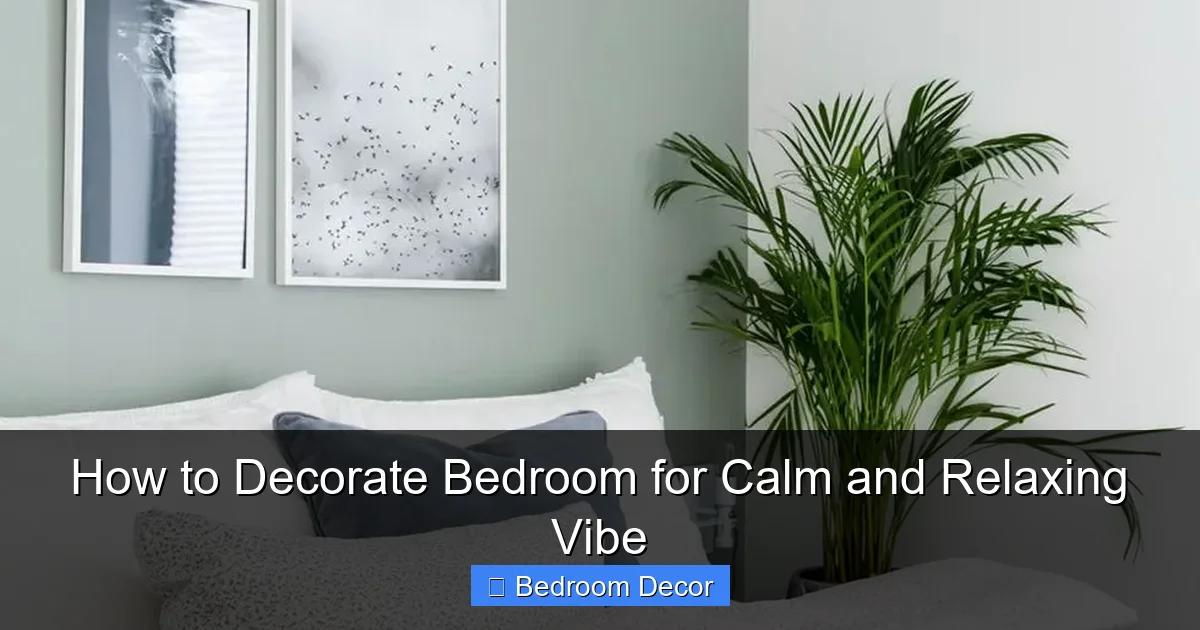
- Layers of Softness: Use different textures in similar shades. A crisp white duvet with a chunky knit cream throw, for example.
Accent Colors
Use your accent colors sparingly. They should add interest without overwhelming the calm atmosphere. Think about items like throw pillows, a small piece of artwork, or a decorative vase.
- Harmonious Hues: Ensure accent colors are cohesive with your main palette.
- Natural Touches: Wood tones or natural greens from plants can also act as beautiful, calming accents.
Step 3: Choose Comfort Over Everything for Bedding
The bed is the focal point of any bedroom. Its comfort level is paramount for a relaxing vibe. Investing in quality bedding is not a luxury; it’s an investment in your well-being.
Visual guide about How to Decorate Bedroom for Calm and Relaxing Vibe
Image source: emilymaydesigns.com
Invest in High-Quality Mattress and Pillows
A good night’s sleep starts with a supportive foundation. Your mattress should be comfortable and provide proper support. Your pillows should suit your sleeping style and keep your neck aligned. This is not decor, but it supports the entire purpose of a calm bedroom.
Select Soft, Breathable Fabrics
The feel of your sheets and blankets can make a huge difference. Choose fabrics that are gentle against your skin and regulate temperature well.
- Cotton: High-thread-count cotton, like Egyptian or Pima, is soft, durable, and breathable.
- Linen: Known for its relaxed, lived-in feel and excellent breathability. It gets softer with every wash.
- Bamboo: Luxuriously soft, hypoallergenic, and great for temperature regulation.
Focus on textures that invite touch and relaxation. This will help decorate your bedroom for a calm and relaxing vibe.
Layering for Ultimate Coziness
Create an inviting bed with multiple layers. This adds depth, warmth, and visual appeal.
- Fitted and Flat Sheets: Start with these in a comfortable fabric.
- Duvet or Comforter: Choose one that’s plush and the right warmth for your climate.
- Throw Blanket: Add a soft throw at the foot of the bed. A faux fur, knit, or fleece blanket adds texture and an extra layer of comfort.
- Decorative Pillows: Use 2-3 decorative pillows that complement your color scheme and add a touch of softness. Don’t overdo it, as too many can feel like clutter.
Step 4: Optimize Lighting for Serenity
Lighting is one of the most powerful tools to decorate your bedroom for a calm and relaxing vibe. Harsh, bright overhead lights can be jarring. Soft, warm lighting creates an immediate sense of peace.

Visual guide about How to Decorate Bedroom for Calm and Relaxing Vibe
Image source: hausvibe.com
Natural Light is Key
During the day, maximize natural light. It boosts mood and helps regulate your sleep cycle. Keep curtains or blinds open as much as possible.
- Sheer Curtains: If privacy is an issue, opt for sheer curtains that diffuse light rather than block it.
- Keep Windows Clean: Sparkling clean windows let in more light.
Dimmable Artificial Lighting
At night, you want control over your light levels. Install dimmer switches on your overhead lights. This allows you to adjust the brightness as needed.
- Ceiling Fixtures: Choose fixtures that emit a soft, diffused glow rather than direct, harsh light.
Warm Light Tones
Pay attention to the color temperature of your light bulbs. Look for bulbs with a “warm white” or “soft white” rating (around 2700K-3000K). Cooler temperatures (like 4000K-5000K) can feel clinical and are less conducive to relaxation.
Introduce Mood Lighting
Layering different light sources creates depth and a cozy atmosphere.
- Bedside Lamps: Essential for reading and providing soft, localized light. Choose lamps with fabric shades for a diffused glow.
- Floor Lamps: Can provide ambient light in a corner.
- String Lights: Delicate, warm white string lights can add a magical, whimsical touch, especially around a headboard or window.
- Candles: Unscented or subtly scented candles (see Step 5) create a beautiful, flickering glow. Always use them safely, and never leave them unattended.
Step 5: Embrace Soothing Scents
Our sense of smell is strongly linked to memory and emotion. Introducing calming scents can significantly enhance the relaxing vibe in your bedroom.
Diffusers and Essential Oils
An essential oil diffuser is a safe and effective way to scent your room. Use pure essential oils known for their calming properties.
- Lavender: Classic for relaxation and sleep.
- Chamomile: Gentle and soothing.
- Sandalwood: Earthy, grounding, and promotes a sense of peace.
- Bergamot: Uplifting yet calming.
Start with a few drops and adjust to your preference. Run your diffuser before bedtime or during a relaxing activity.
Scented Candles
As mentioned in lighting, candles add both visual warmth and fragrance. Choose candles made with natural waxes (like soy or beeswax) and natural essential oils. Avoid overly strong or artificial scents, which can be irritating. Always ensure candles are placed on stable, heat-resistant surfaces and extinguished before leaving the room or falling asleep.
Room Sprays
A quick spritz of a linen or room spray can instantly refresh your space. Look for natural, calming scents. A lavender linen spray on your pillow before bed can be a lovely ritual to decorate your bedroom for a calm and relaxing vibe.
Step 6: Integrate Natural Elements
Connecting with nature has a profound calming effect. Bring elements of the outdoors into your bedroom to foster a serene environment.
Indoor Plants
Plants not only add life and beauty but also improve air quality. Choose low-maintenance plants known for their calming presence.
- Snake Plant: Air-purifying and very hardy.
- Peace Lily: Elegant and helps filter toxins.
- Lavender Plant: Offers a natural calming scent.
- Pothos: Easy to care for and has beautiful trailing vines.
Place plants in natural pots like terracotta or ceramic. Ensure they get adequate light and water.
Wood and Natural Textures
Incorporate natural materials like wood, wool, cotton, and linen. These textures add warmth and an organic feel.
- Wood Furniture: A wooden headboard, bedside table, or dresser adds natural warmth.
- Woven Baskets: Excellent for storage (see Step 7) and add textural interest.
- Jute or Wool Rugs: Soft underfoot and bring natural fibers into the room.
Water Features
A small tabletop fountain can provide the soothing sound of trickling water. This subtle auditory element can mask outside noise and promote a meditative state. Ensure it’s placed safely and cleaned regularly.
Step 7: Minimize Clutter and Maximize Organization
A clean and organized bedroom is fundamental to a calm and relaxing vibe. Clutter creates visual noise, making it hard to relax.
Declutter Ruthlessly
Go through your bedroom items with a critical eye. Ask yourself:
- Do I use this?
- Do I love this?
- Does it contribute to a calm and relaxing atmosphere?
If the answer is no, it’s time to let it go or store it elsewhere. Clear off your bedside tables and dresser tops. A clear surface signals a clear mind.
Smart Storage Solutions
Once you’ve decluttered, ensure everything has a place. This prevents new clutter from accumulating.
- Under-Bed Storage: Use drawers or bins for seasonal clothing or extra linens.
- Bedside Tables with Drawers: Keep essentials like hand cream or a book tucked away.
- Wardrobe Organizers: Keep clothes tidy inside your closet.
- Woven Baskets: Great for storing throw blankets, magazines, or small items in an aesthetically pleasing way.
Create a “No-Tech Zone”
Electronics emit blue light, which can disrupt sleep. They also invite mental stimulation. Try to keep your bedroom free of TVs, laptops, and even phones, if possible. If you must have your phone, keep it out of arm’s reach and face down. An actual alarm clock is a good alternative to phone alarms.
Step 8: Add Personal Touches Thoughtfully
Your bedroom should reflect you, but do so in a way that maintains the calm vibe. Every item should serve a purpose or bring joy without adding visual chaos.
Choose Artwork Wisely
Select pieces that evoke peace and tranquility. Think landscapes, abstract art with calming colors, or simple line drawings. Avoid busy, loud, or highly stimulating images.
- Keep it Simple: One or two well-chosen pieces are often more impactful than a gallery wall for a serene space.
Incorporate Soft Textures
Beyond your bedding, use other soft elements to enhance comfort and coziness.
- Area Rug: A soft rug underfoot adds warmth, sound dampening, and texture.
- Throw Pillows: A couple of extra decorative pillows on your bed or an accent chair.
- Curtains: Choose curtains made from soft, flowing fabrics like linen or cotton, in a color that complements your palette.
Keep Decor Minimal
Resist the urge to fill every empty space. Allow some breathing room. A few carefully selected items on a shelf or dresser can be much more impactful than a multitude of trinkets. The goal is to decorate your bedroom for a calm and relaxing vibe, not to create a showroom.
Step 9: Sound Control for Deeper Relaxation
Just as visual and olfactory stimuli impact our calm, so does sound. Minimizing unwanted noise can significantly contribute to a relaxing bedroom atmosphere.
Soundproofing Tips
While full soundproofing can be extensive, small steps can help.
- Thick Curtains or Drapes: Heavy fabrics can absorb some external noise and block light.
- Area Rugs: As mentioned, rugs on hard floors absorb sound and prevent echoes.
- Weather Stripping: Seal gaps around windows and doors to reduce drafts and incoming noise.
White Noise Machines
If outside noise is unavoidable, a white noise machine can be a game-changer. It creates a consistent, soothing background hum that masks sudden disruptive sounds. Many machines offer various sounds like rain, ocean waves, or gentle fan noises. This can help you fall asleep faster and stay asleep longer, enhancing the calm vibe you’ve worked to create.
Troubleshooting Common Challenges
Small Bedroom Space
Don’t despair if your bedroom is small. You can still decorate your bedroom for a calm and relaxing vibe.
- Light Colors: Stick to light, airy colors on walls and bedding to make the room feel larger.
- Mirrors: A strategically placed mirror can reflect light and create the illusion of more space.
- Multi-functional Furniture: Choose a bed with built-in storage or a compact floating shelf instead of a bulky bedside table.
- Vertical Storage: Utilize wall space with shelves or narrow bookcases.
- Keep it Minimal: Even more crucial in small spaces. Every item counts.
Budget Constraints
You don’t need to spend a fortune to create a peaceful sanctuary.
- DIY Projects: Paint walls yourself, repurpose old furniture with a fresh coat of paint.
- Thrift Store Finds: Look for unique lamps, vases, or artwork that fit your aesthetic.
- Focus on Key Items: Prioritize comfortable bedding first. You can gradually add other elements.
- Shop Sales: Keep an eye out for discounts on linens, pillows, and decor.
- Decluttering is Free: The biggest impact can come from simply removing unnecessary items.
Sharing a Bedroom
If you share your bedroom, compromise is key.
- Communicate: Discuss what “calm and relaxing” means to both of you.
- Neutral Ground: Opt for a very neutral base palette that both can agree on.
- Personal Zones: Each person can have a small “zone” for their personal items, kept tidy.
- Shared Purpose: Emphasize that the primary goal is a peaceful space for both.
Conclusion
Creating a calm and relaxing vibe in your bedroom is an act of self-care. It’s about designing a space that nurtures your mind, body, and soul. By thoughtfully applying the principles of soothing colors, optimal lighting, comfortable bedding, natural elements, and diligent decluttering, you can transform your bedroom into a true sanctuary. Remember, consistency in your chosen aesthetic and a focus on tranquility are your guiding lights. Take these steps, one by one, and watch as your bedroom becomes the peaceful haven you’ve always dreamed of. Enjoy your newly decorated, calm, and relaxing retreat!